

FREE SHIPPING ON ORDERS OVER $150*

AUSSIE FAMILY OWNED BUSINESS FOR OVER 40 YEARS

100% SATISFACTION GUARANTEED
Fish Finders and Sounders
Fish Finders and Sounders
A sounder tells you what is under the boat, and that single piece of information changes fishing more than almost any other purchase. Depth, bottom composition, structure, bait and fish — without it you are guessing, and with it you are reading water.
What to look for
Screen size and clarity matter more than most buyers expect. Detail you cannot see is detail you do not have, and reading a small screen in bright sun on a moving boat is harder than it looks in a showroom.
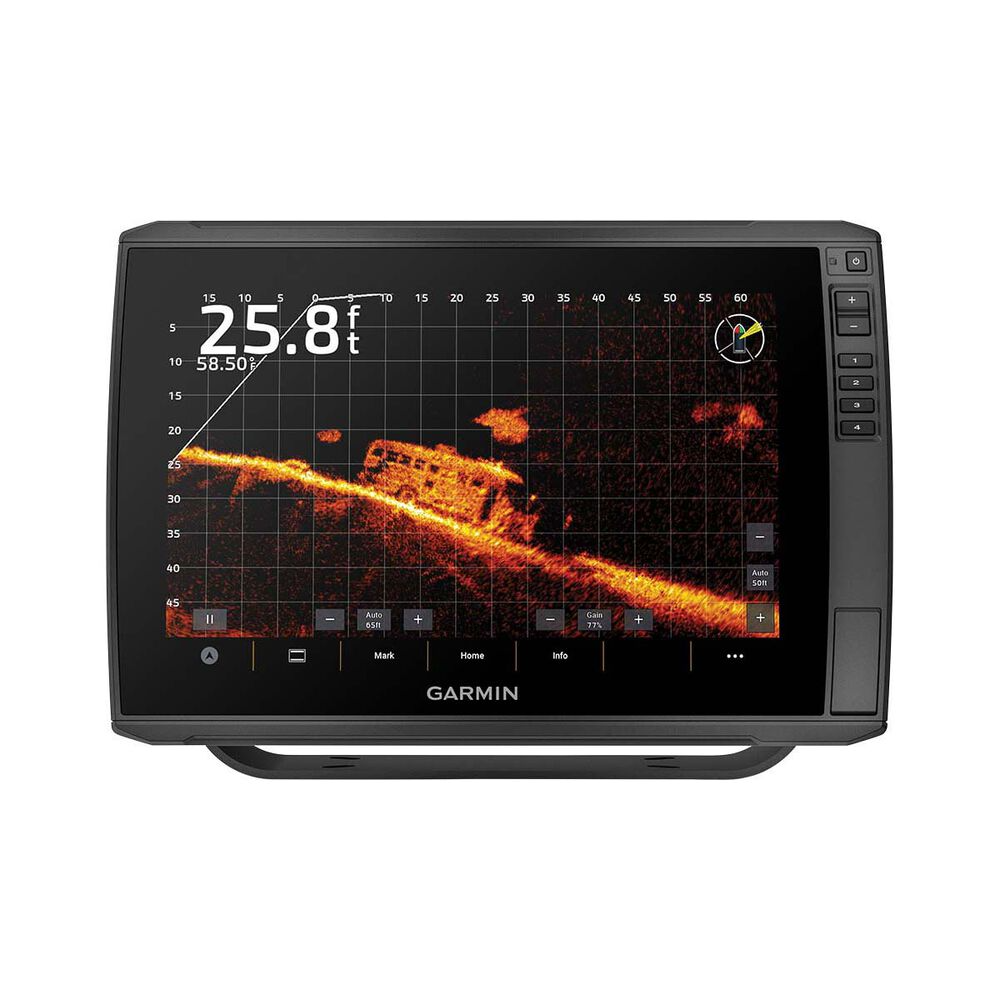
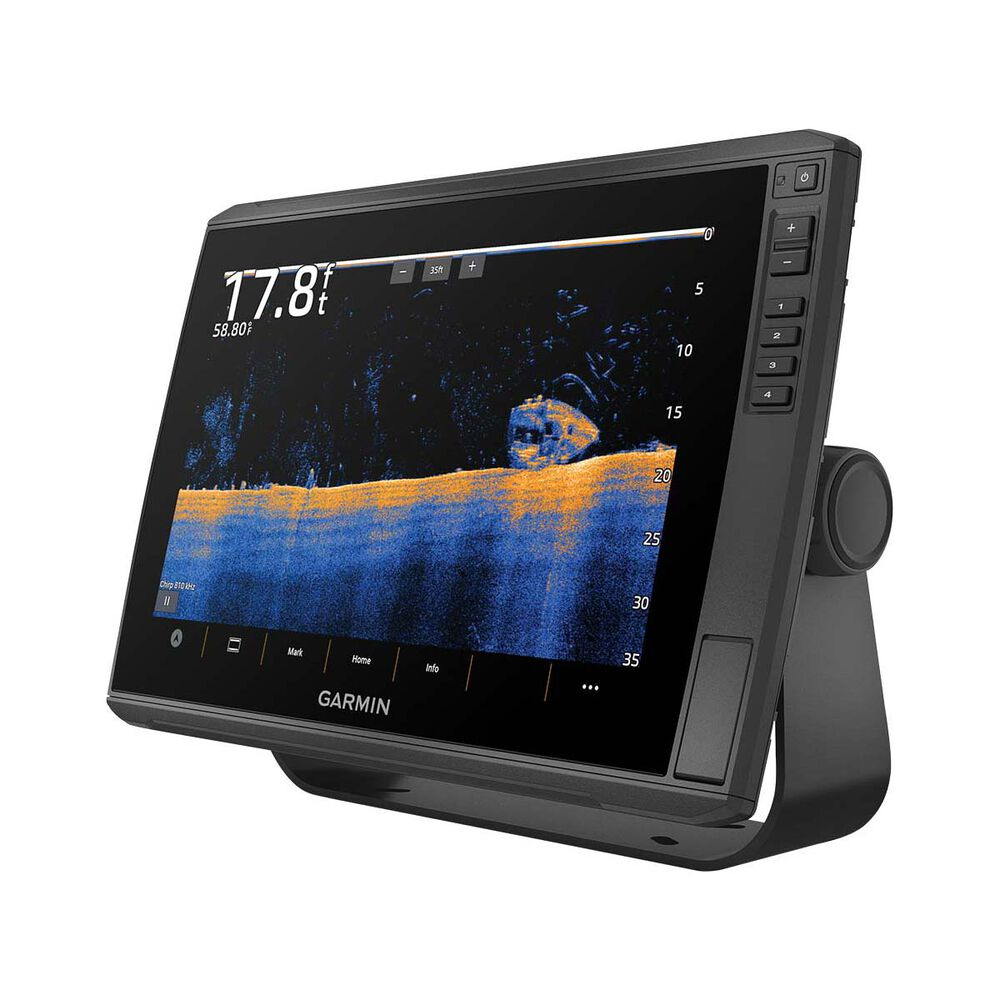
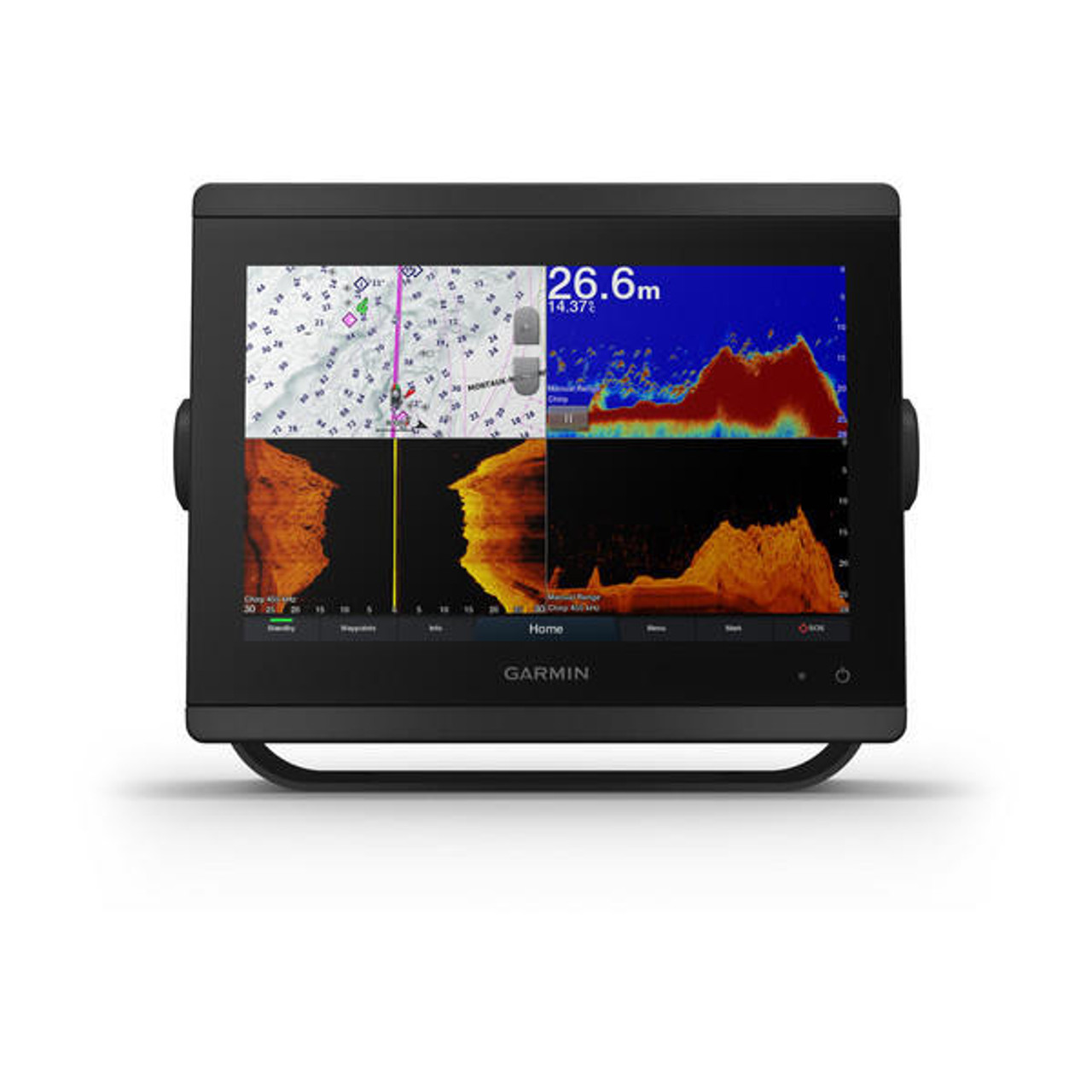
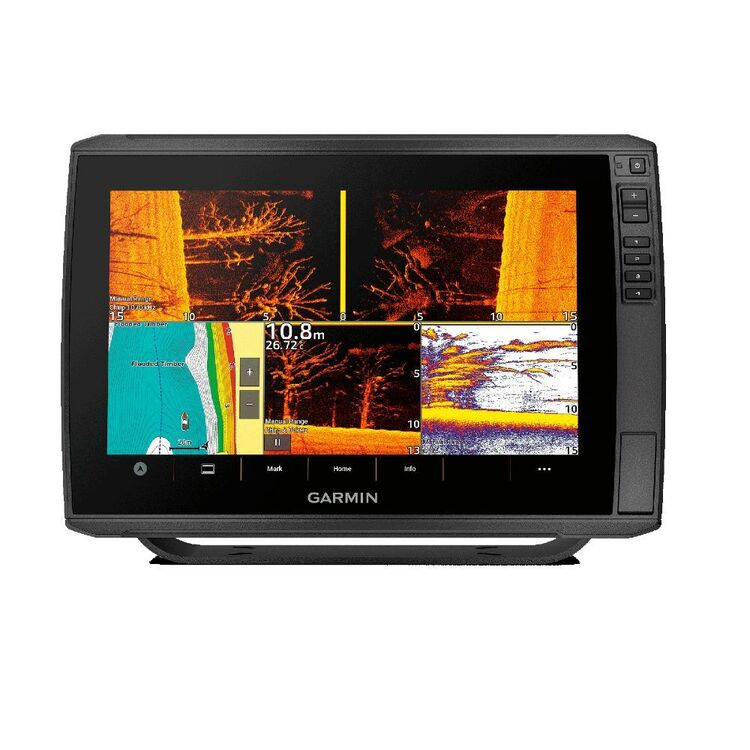
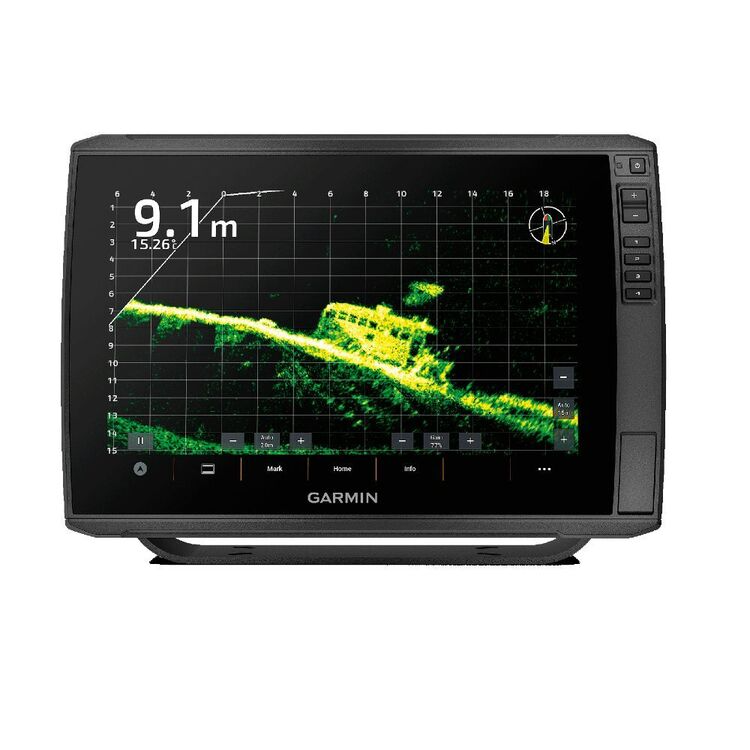
Then think about what you actually need it to do. Traditional sonar shows depth and what is directly beneath you, which covers most bottom fishing. Down and side imaging build a far more literal picture of structure either side of the boat, which changes how you find fish rather than just confirming they are there.
Built-in GPS turns a sounder into a plotter, letting you mark and return to spots. For most anglers that becomes the feature they use most.
The transducer matters as much as the head unit, and where it is mounted affects the picture at speed. It is worth getting that part right at installation rather than fixing it later.
Sits alongside the rest of the boating and marine range.
Frequently asked questions
How do you read a fish finder?
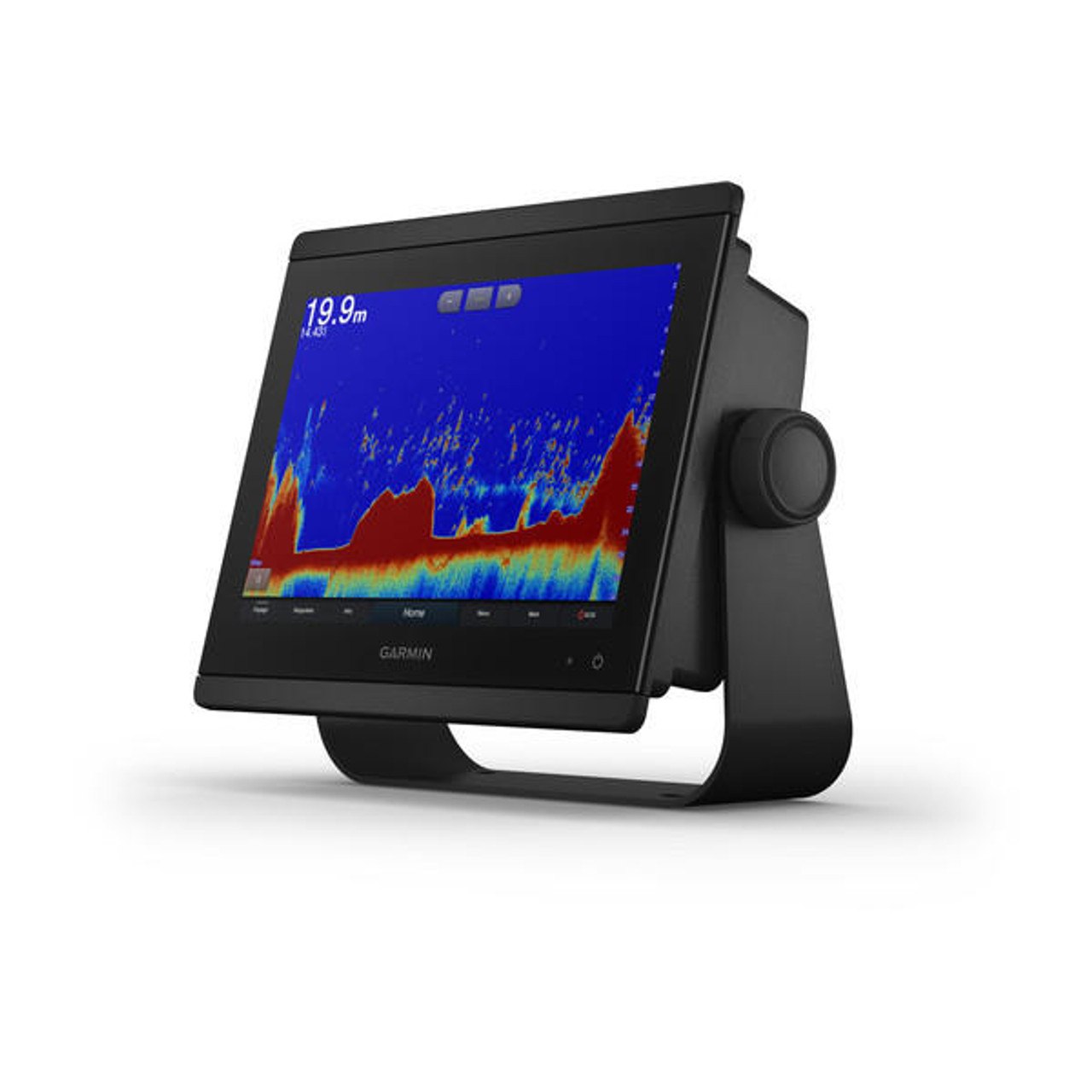
Depth runs down the screen and time runs across it, so returns travel right to left as the boat moves. A hard bottom shows as a thick bright line and a soft one as a thinner, darker band. Arches are fish that passed through the cone, and bait reads as clouds or clutter above the bottom.
Do fish finders actually show fish?
They show returns from anything denser than water, which includes fish, bait and debris. Learning to read structure and bait is usually more valuable than chasing the fish icons.
What is the difference between down imaging and side imaging?
Down imaging gives a detailed picture directly beneath the boat. Side imaging scans out to either side, which covers far more water and is better for locating structure.
Where should the transducer be mounted?
Somewhere in clean water flow, clear of strakes and the prop wash. A poorly placed transducer reads well at rest and loses the picture completely at speed.


Sold Out
Humminbird Helix 7 CHIRP MEGA SI GPS G3N Non Networking 104562
$1,299.99
$1,350.00
Sold Out





Sold Out
Ocean Signal Rescue Me 406 MHz Epirb Personal Locator Beacon - OSPLB1-1128
$359.00
$420.00
Sold Out








Sold Out
Humminbird Helix 7 CHIRP MEGA SI GPS G3N with Navionics - 104568B
$1,399.00
$1,800.00
Sold Out


A sounder tells you what is under the boat, and that single piece of information changes fishing more than almost any other purchase. Depth, bottom composition, structure, bait and fish — without it you are guessing, and with it you are reading water.
What to look for
Screen size and clarity matter more than most buyers expect. Detail you cannot see is detail you do not have, and reading a small screen in bright sun on a moving boat is harder than it looks in a showroom.
Then think about what you actually need it to do. Traditional sonar shows depth and what is directly beneath you, which covers most bottom fishing. Down and side imaging build a far more literal picture of structure either side of the boat, which changes how you find fish rather than just confirming they are there.
Built-in GPS turns a sounder into a plotter, letting you mark and return to spots. For most anglers that becomes the feature they use most.
The transducer matters as much as the head unit, and where it is mounted affects the picture at speed. It is worth getting that part right at installation rather than fixing it later.
Sits alongside the rest of the boating and marine range.
Frequently asked questions
How do you read a fish finder?
Depth runs down the screen and time runs across it, so returns travel right to left as the boat moves. A hard bottom shows as a thick bright line and a soft one as a thinner, darker band. Arches are fish that passed through the cone, and bait reads as clouds or clutter above the bottom.
Do fish finders actually show fish?
They show returns from anything denser than water, which includes fish, bait and debris. Learning to read structure and bait is usually more valuable than chasing the fish icons.
What is the difference between down imaging and side imaging?
Down imaging gives a detailed picture directly beneath the boat. Side imaging scans out to either side, which covers far more water and is better for locating structure.
Where should the transducer be mounted?
Somewhere in clean water flow, clear of strakes and the prop wash. A poorly placed transducer reads well at rest and loses the picture completely at speed.