

FREE SHIPPING ON ORDERS OVER $150*

AUSSIE FAMILY OWNED BUSINESS FOR OVER 40 YEARS

100% SATISFACTION GUARANTEED
Fishing Lures
Fishing Lures
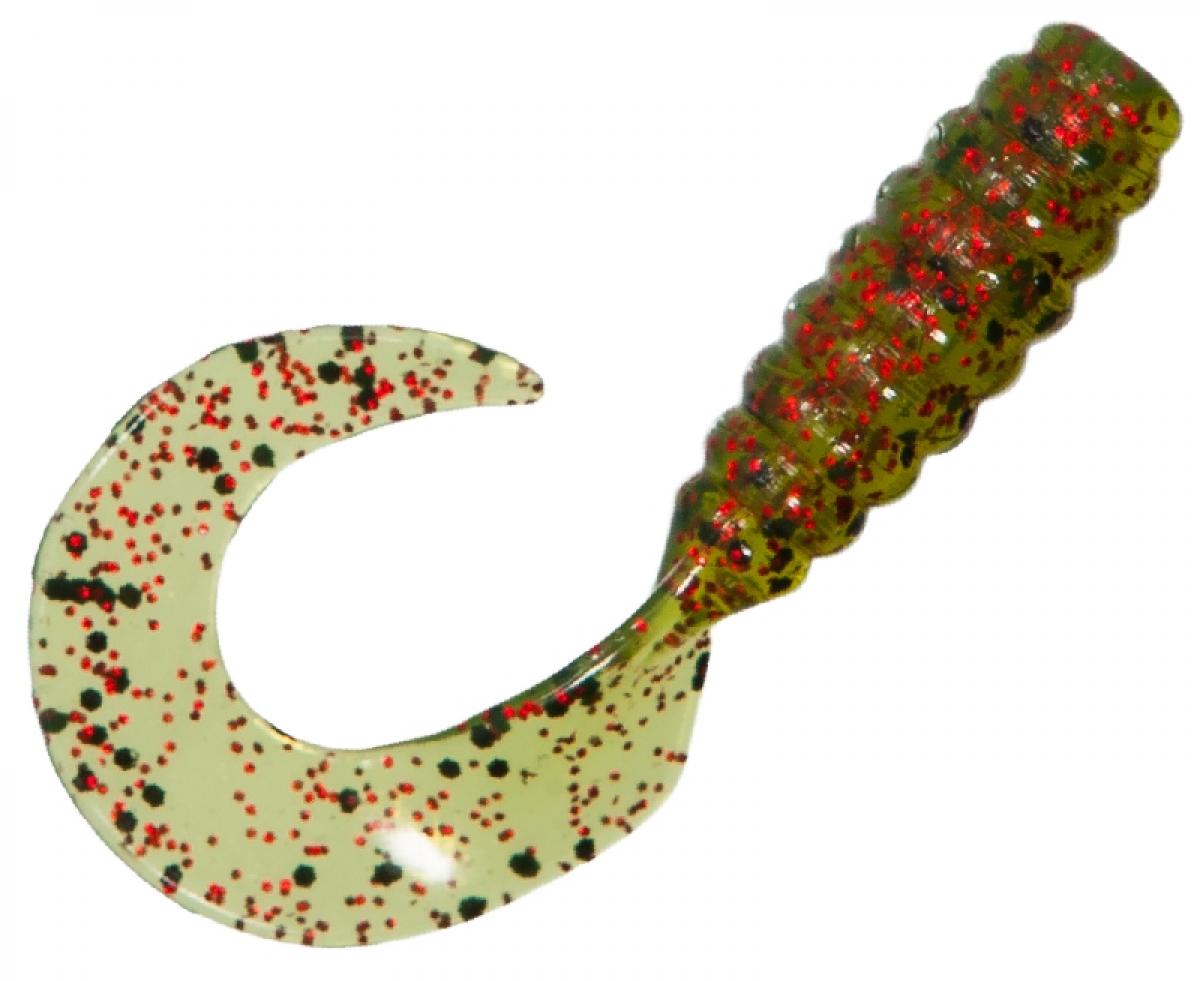
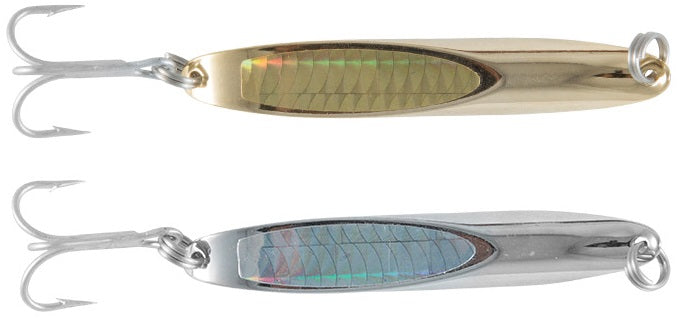
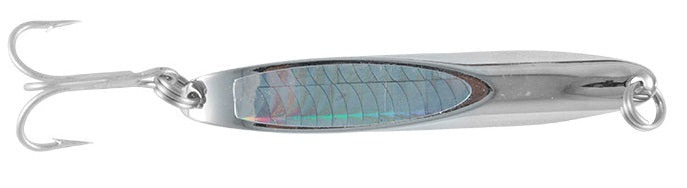
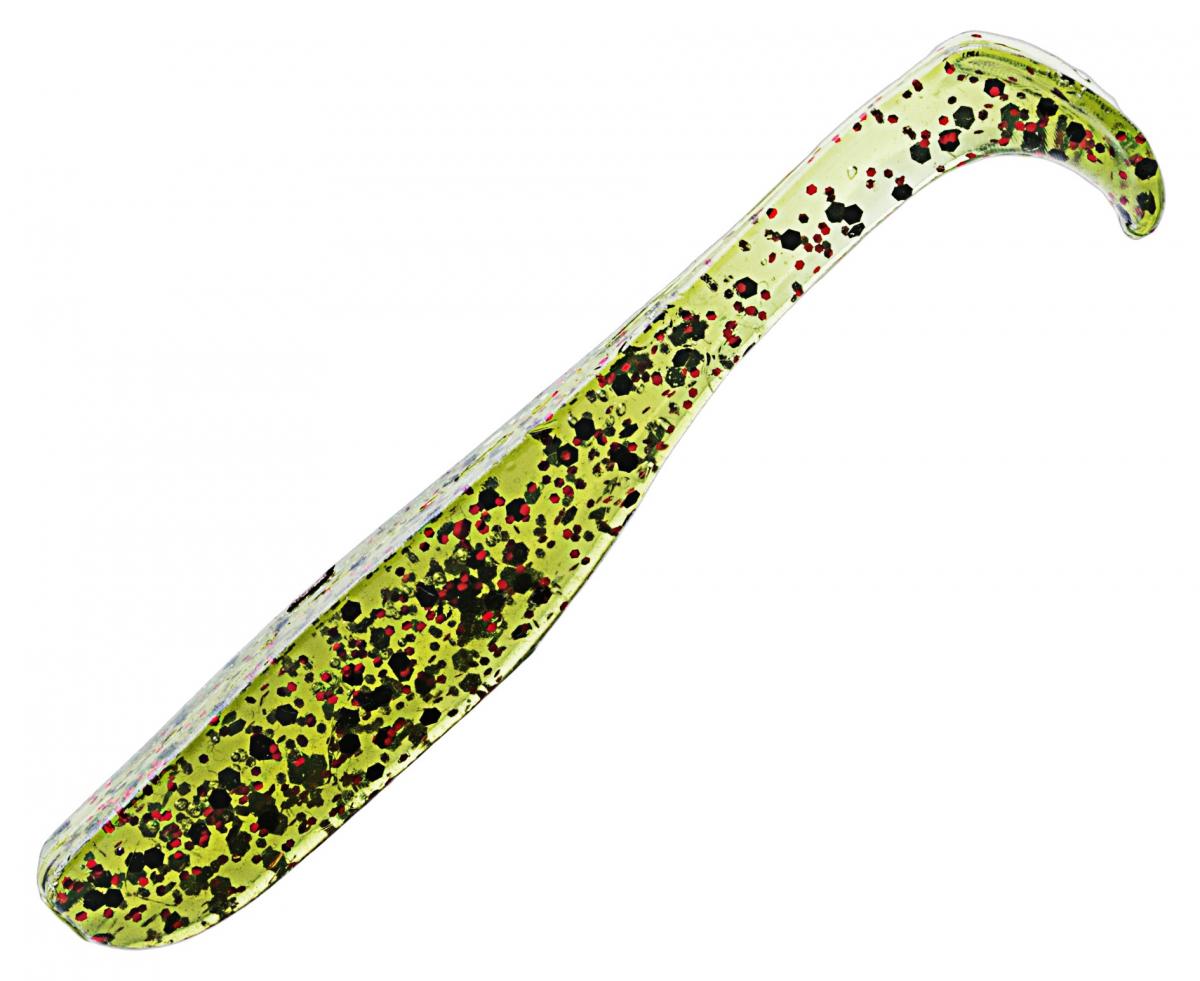
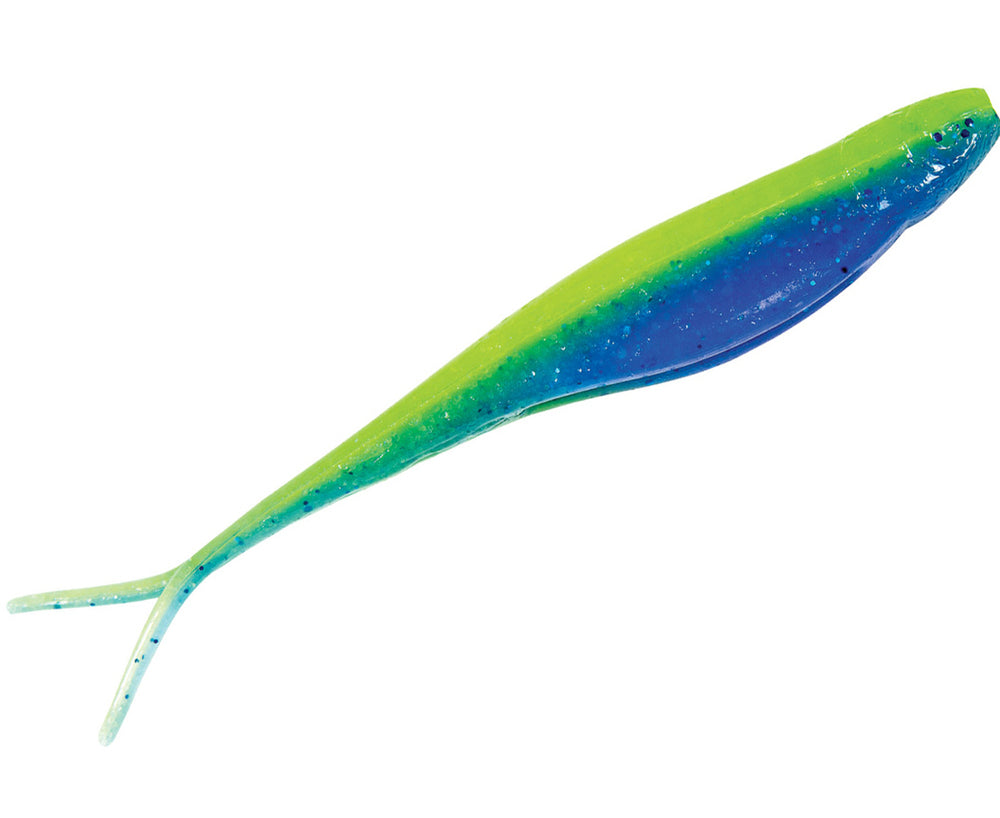
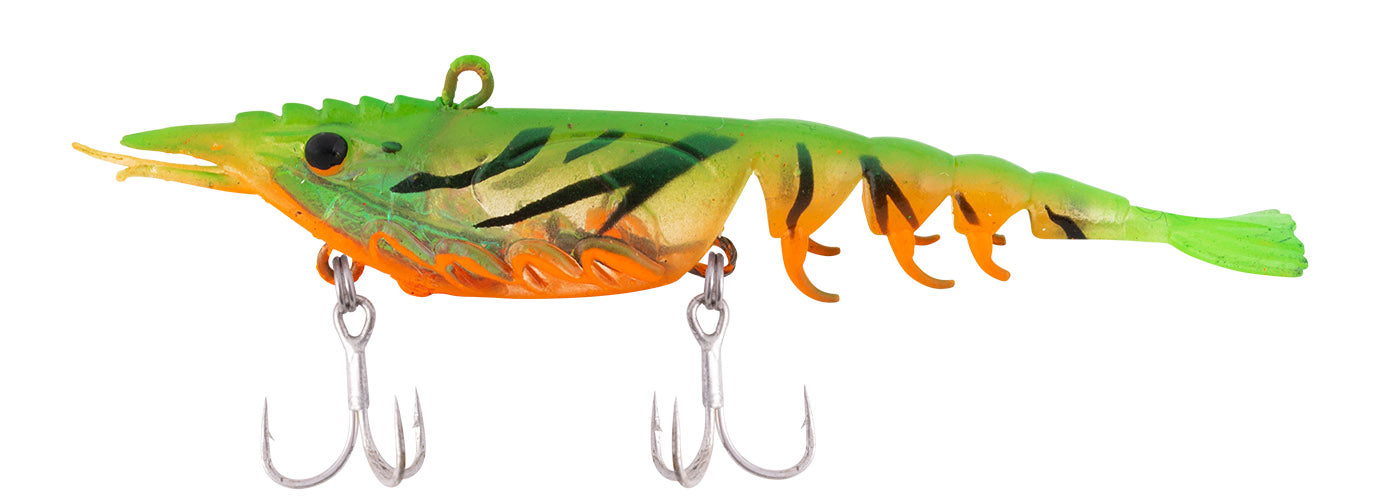
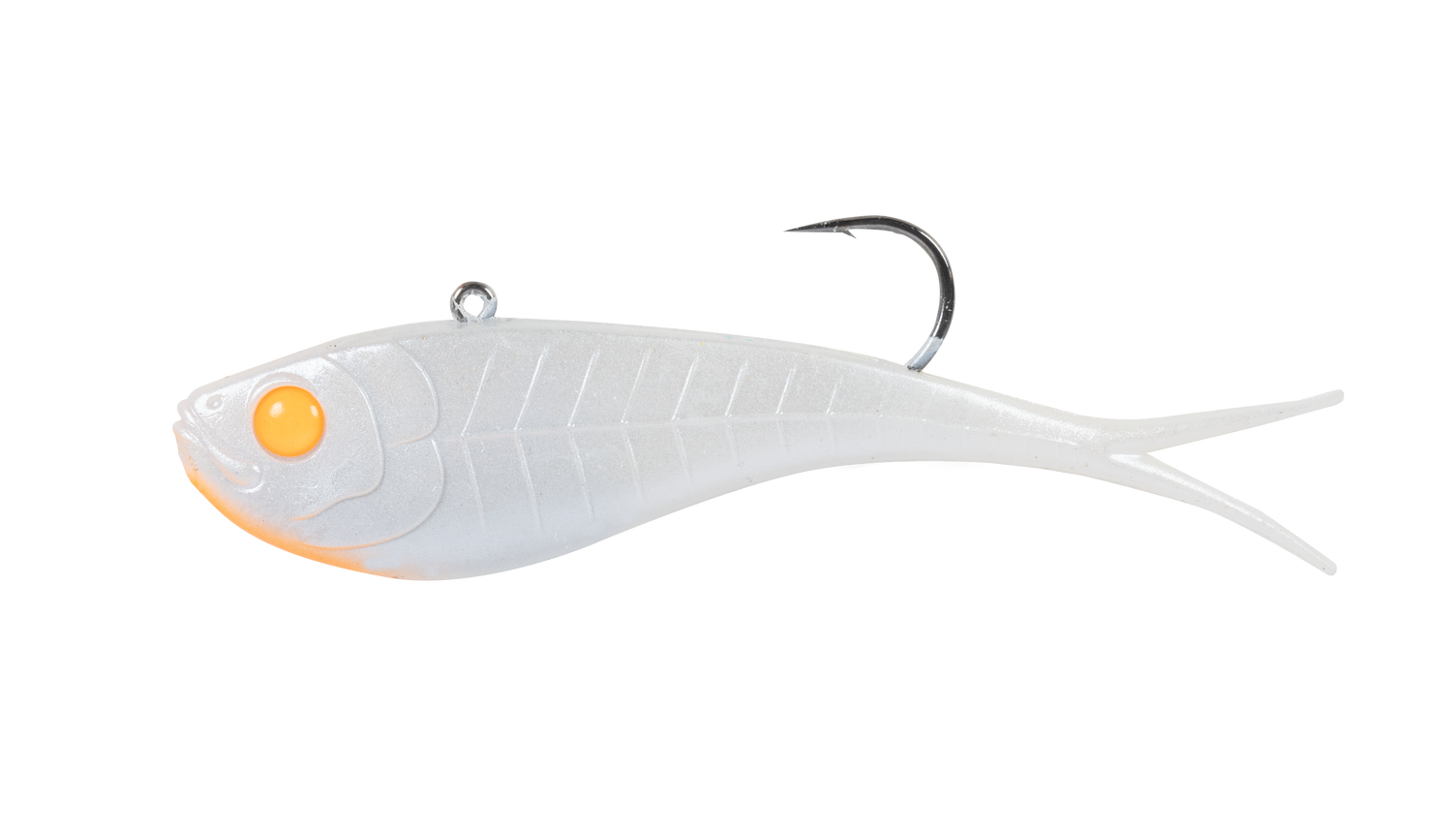
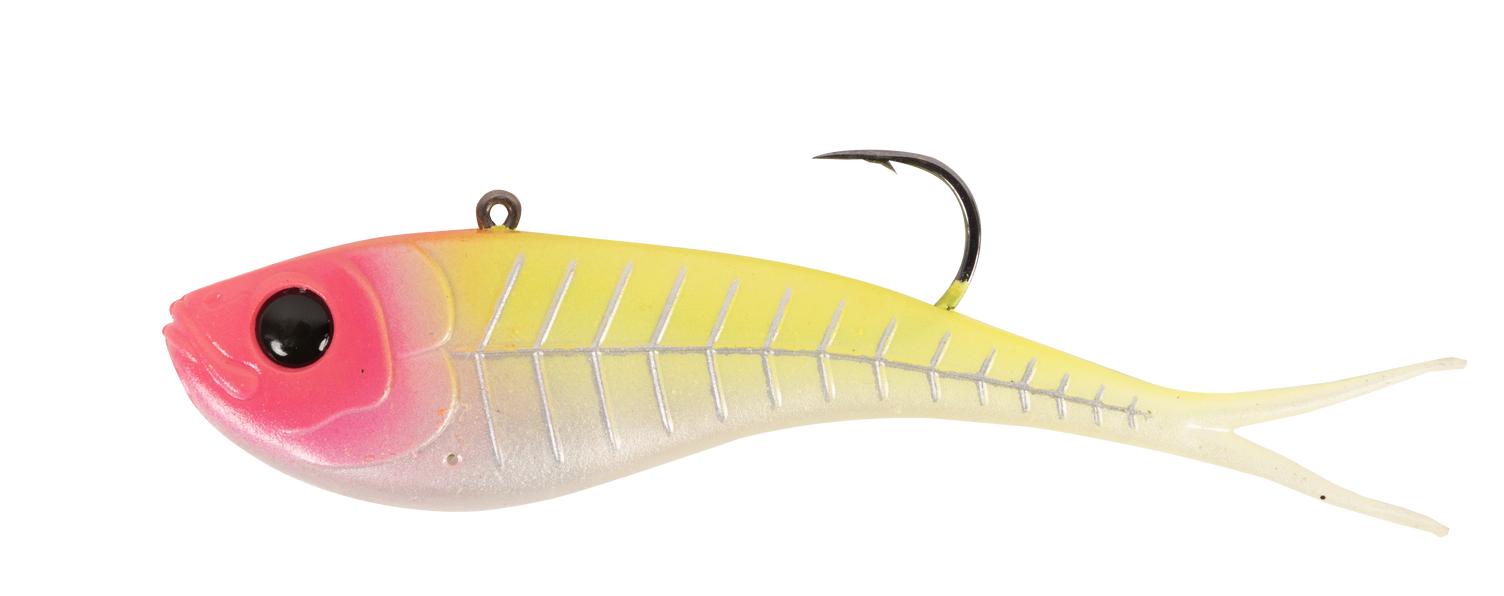
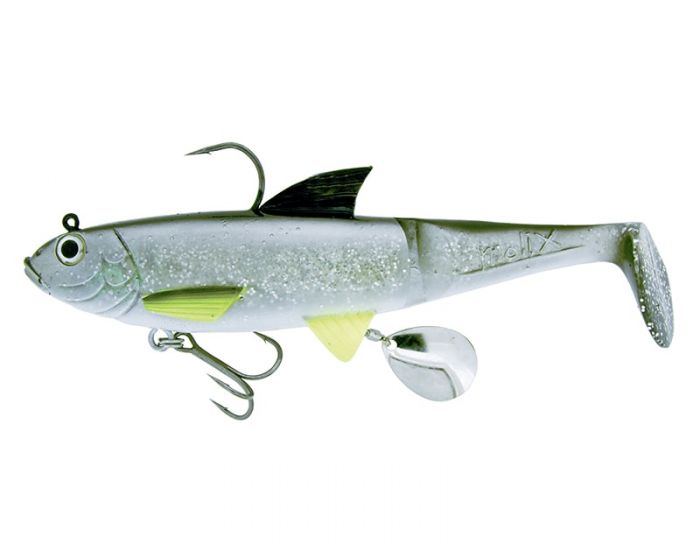
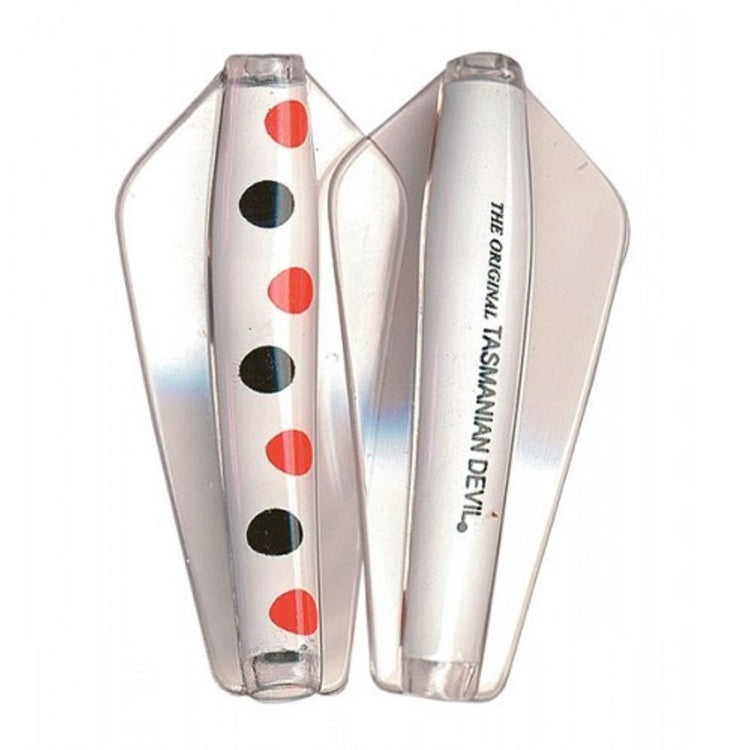
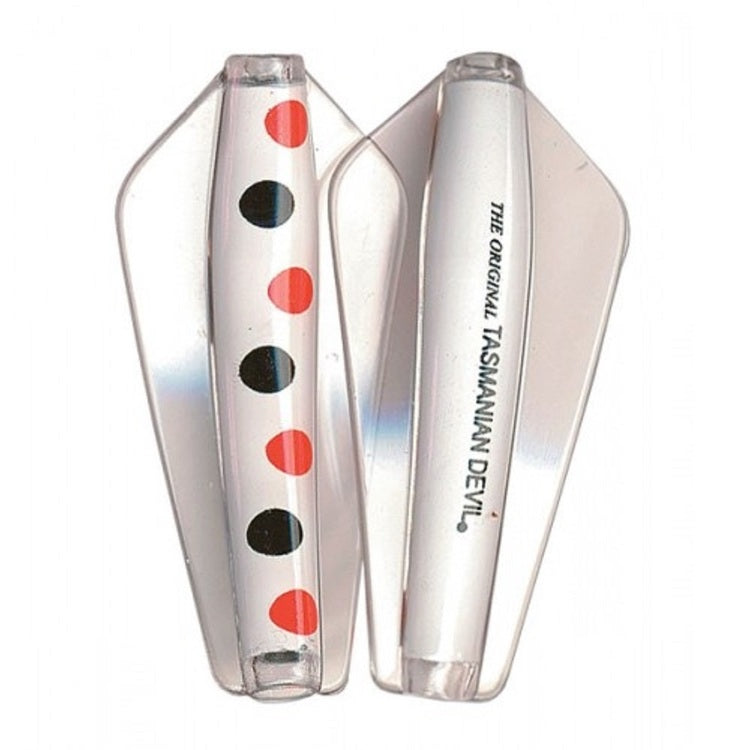
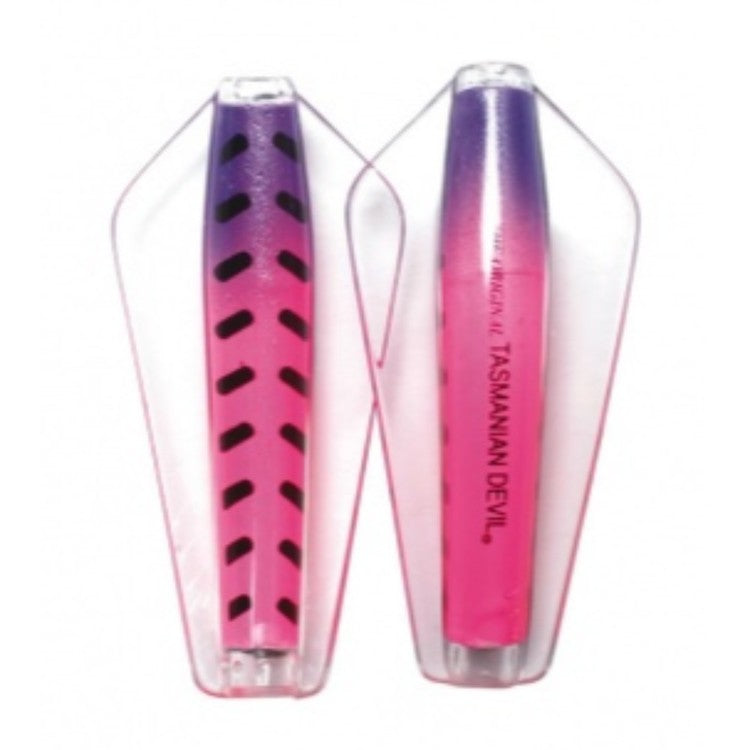
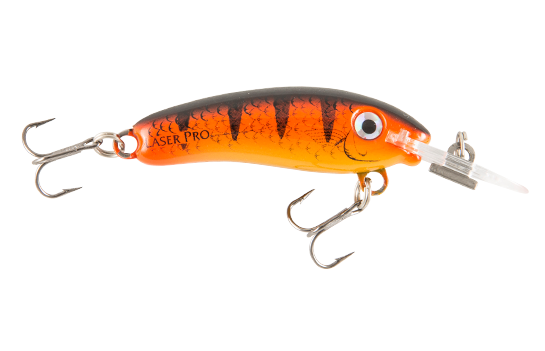
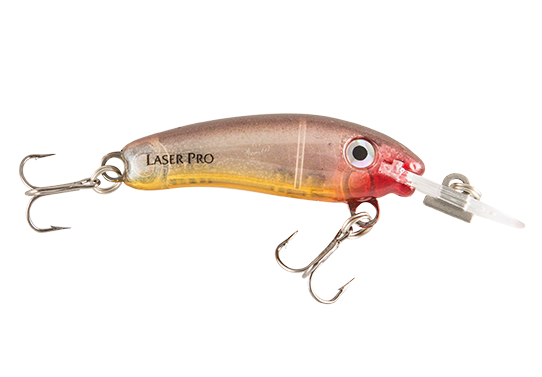
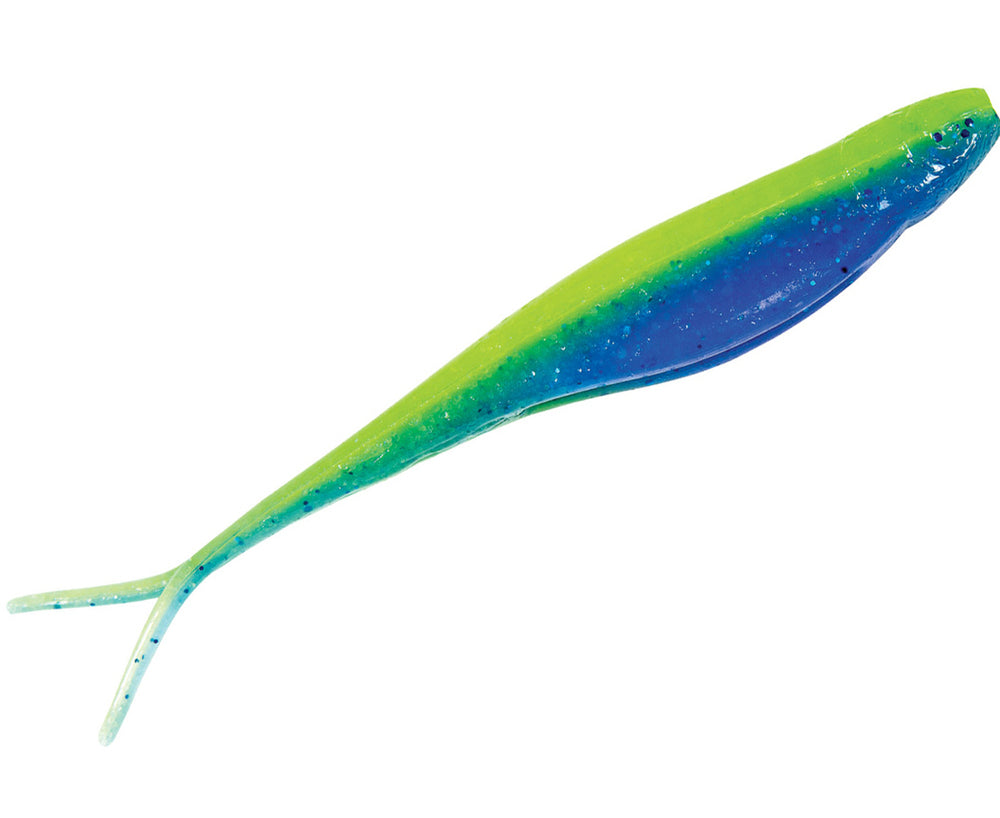
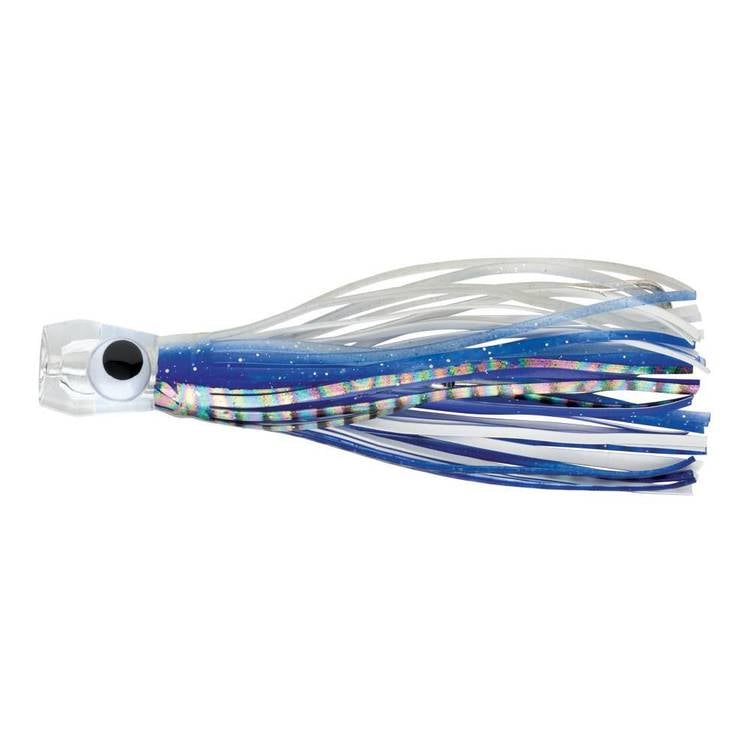
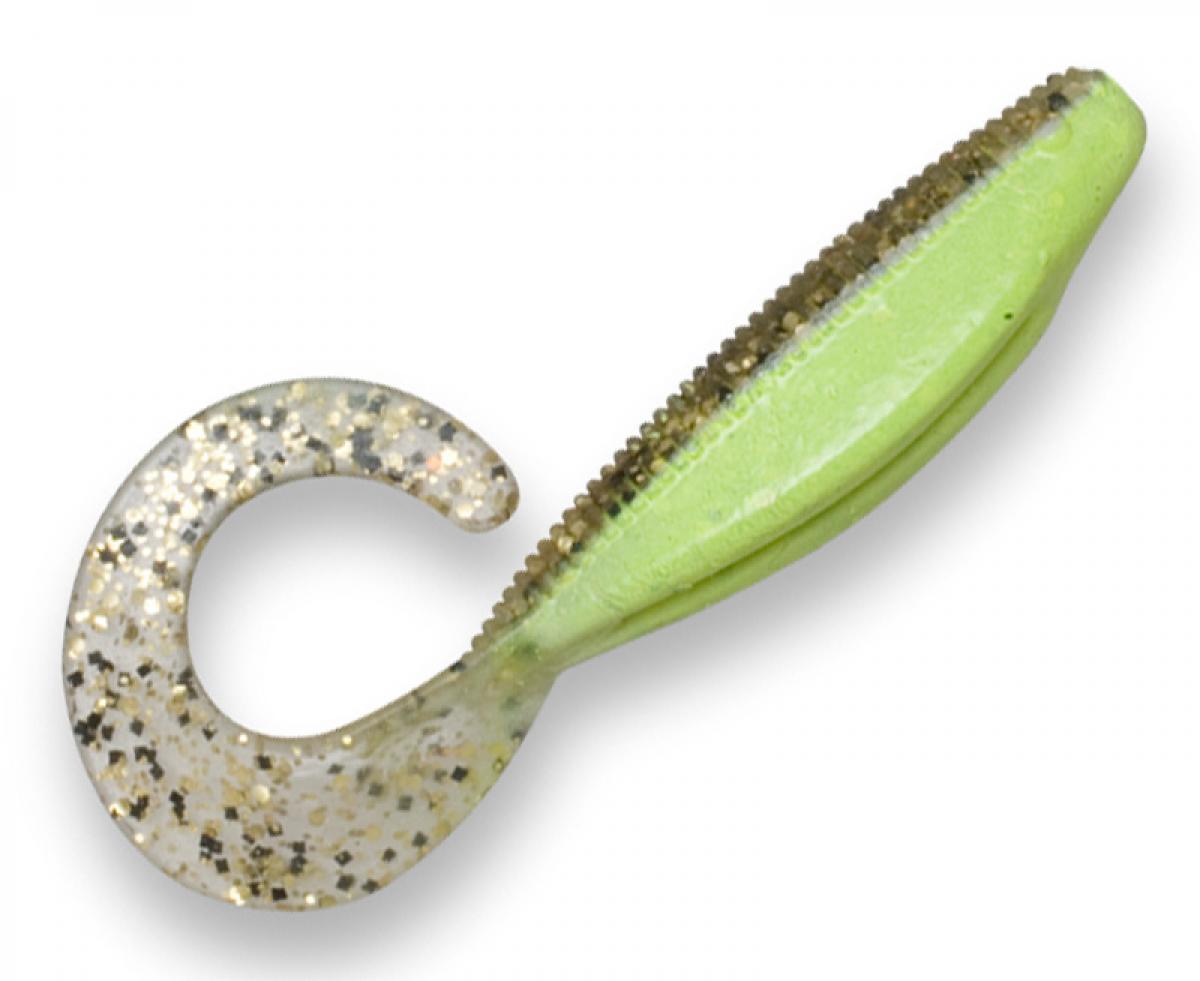
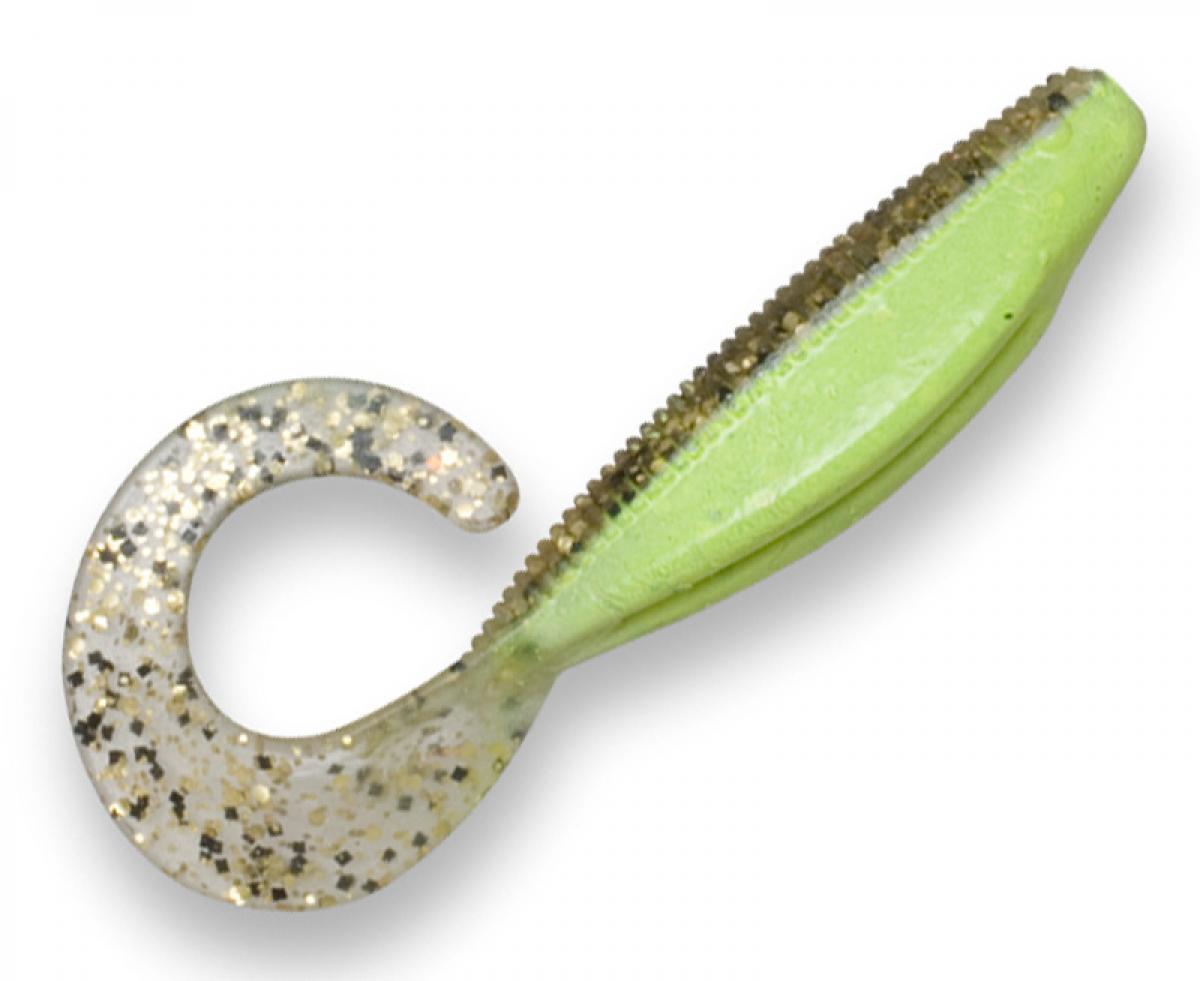
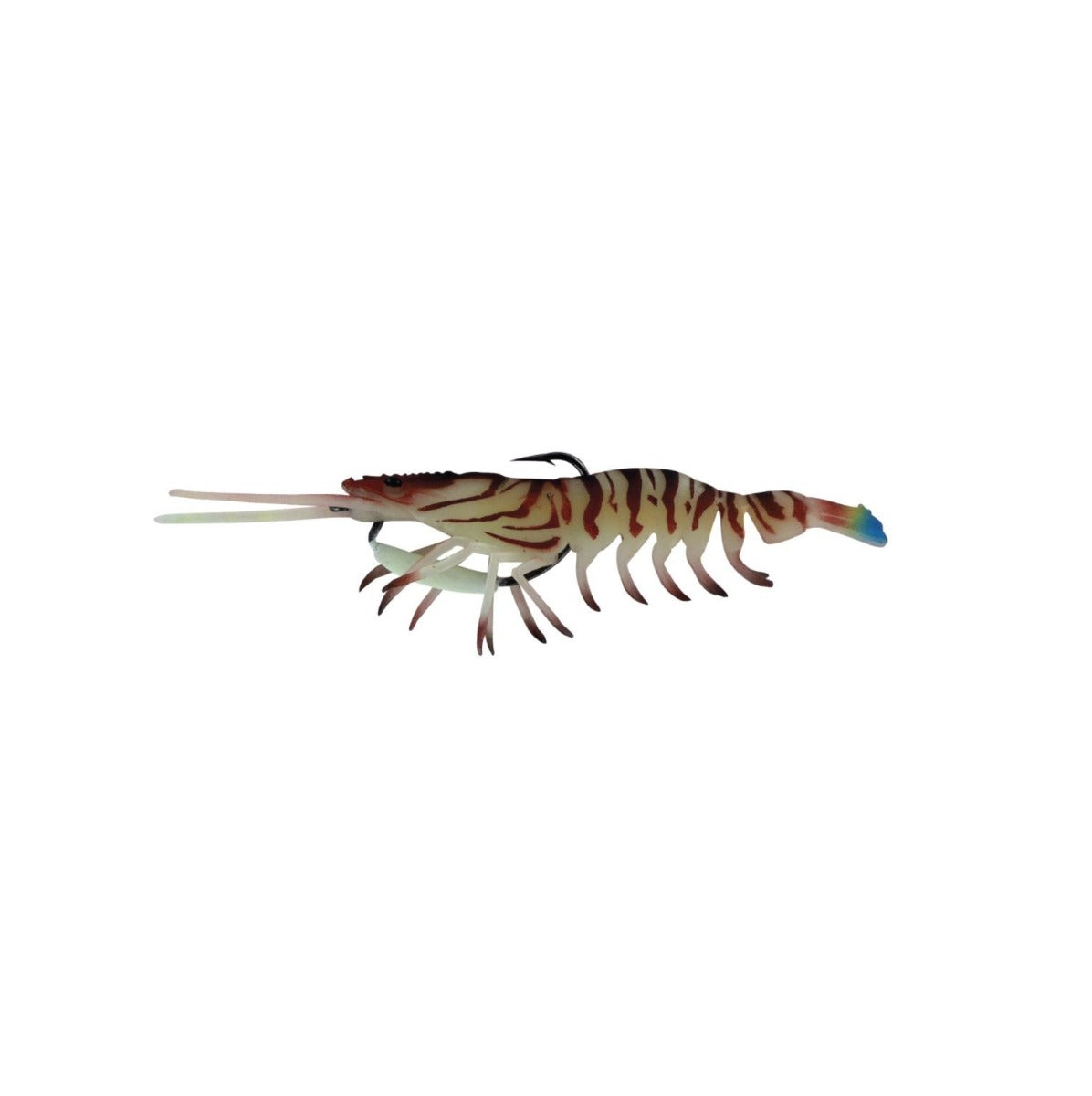
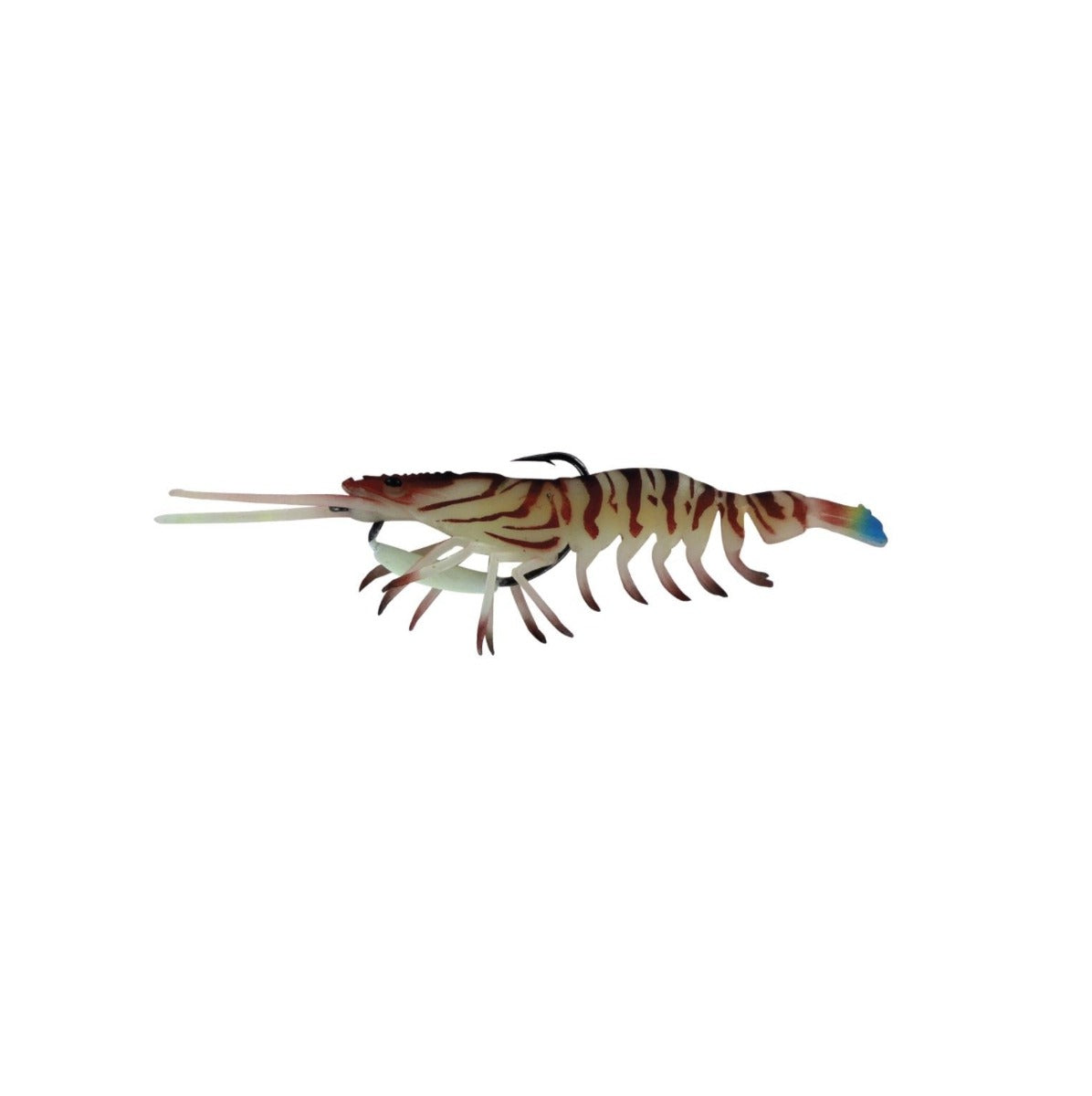
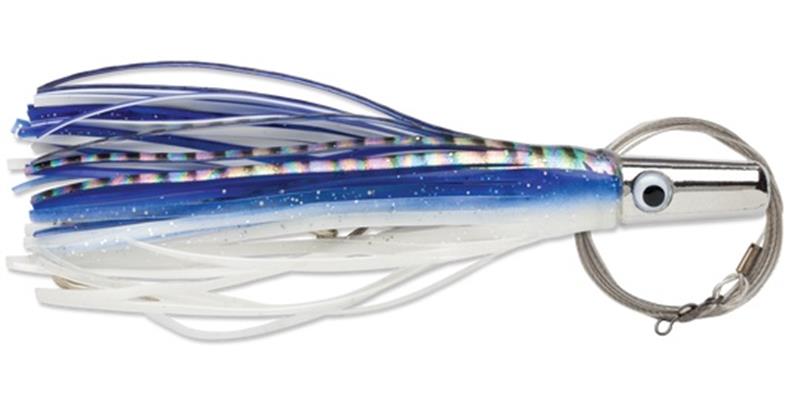
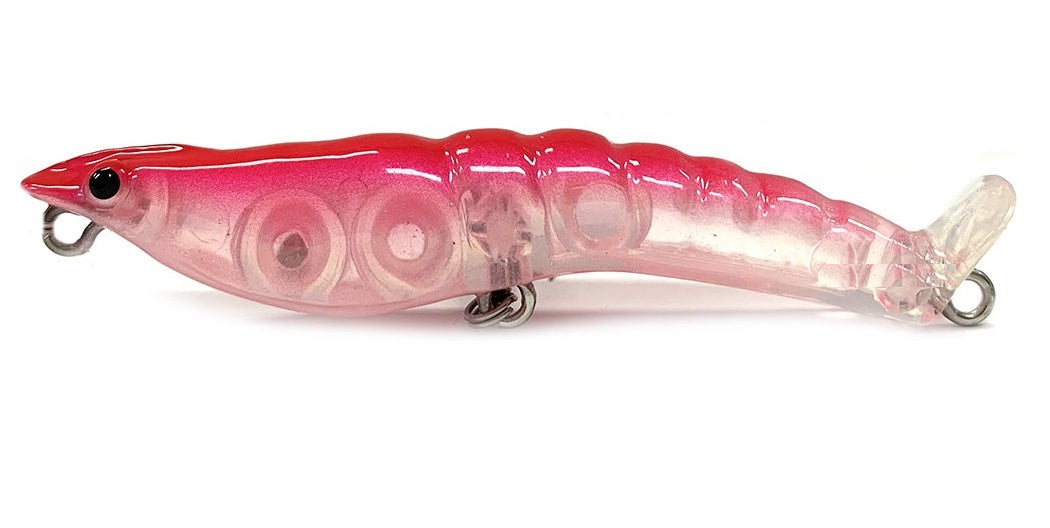
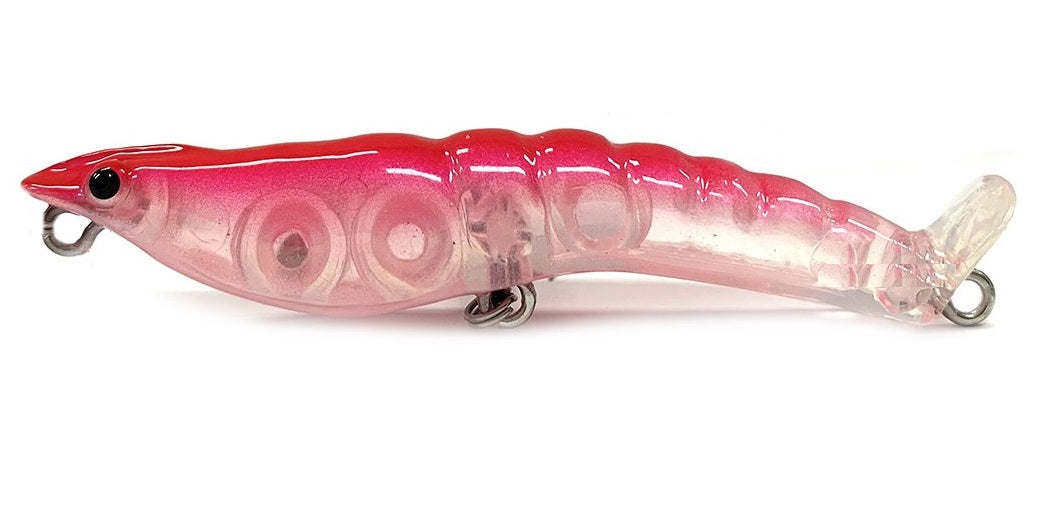
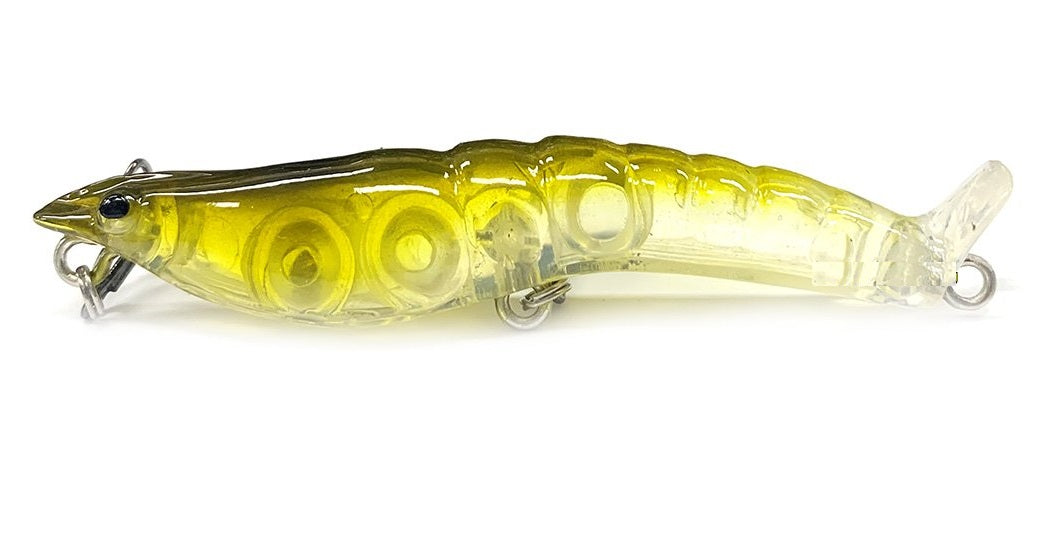
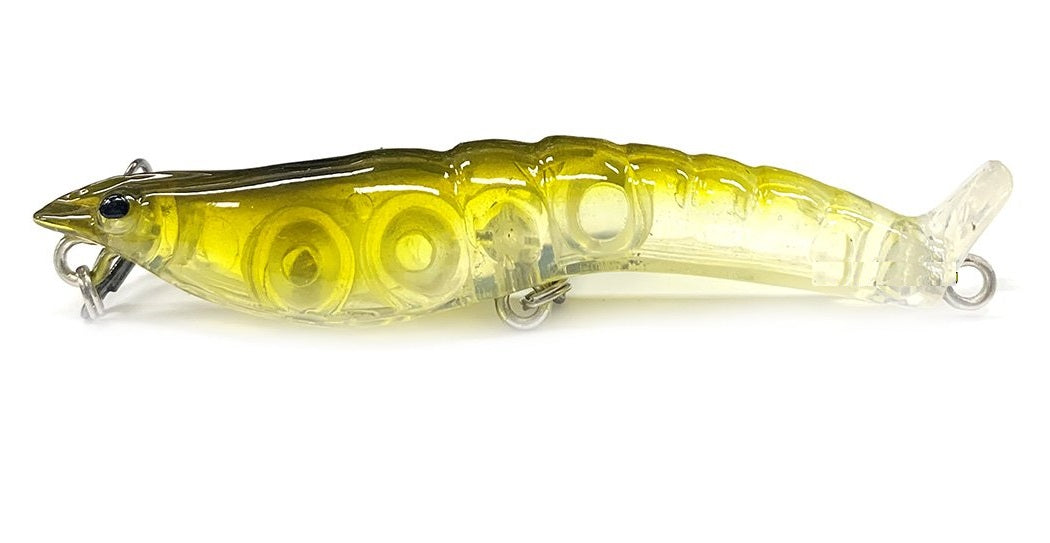
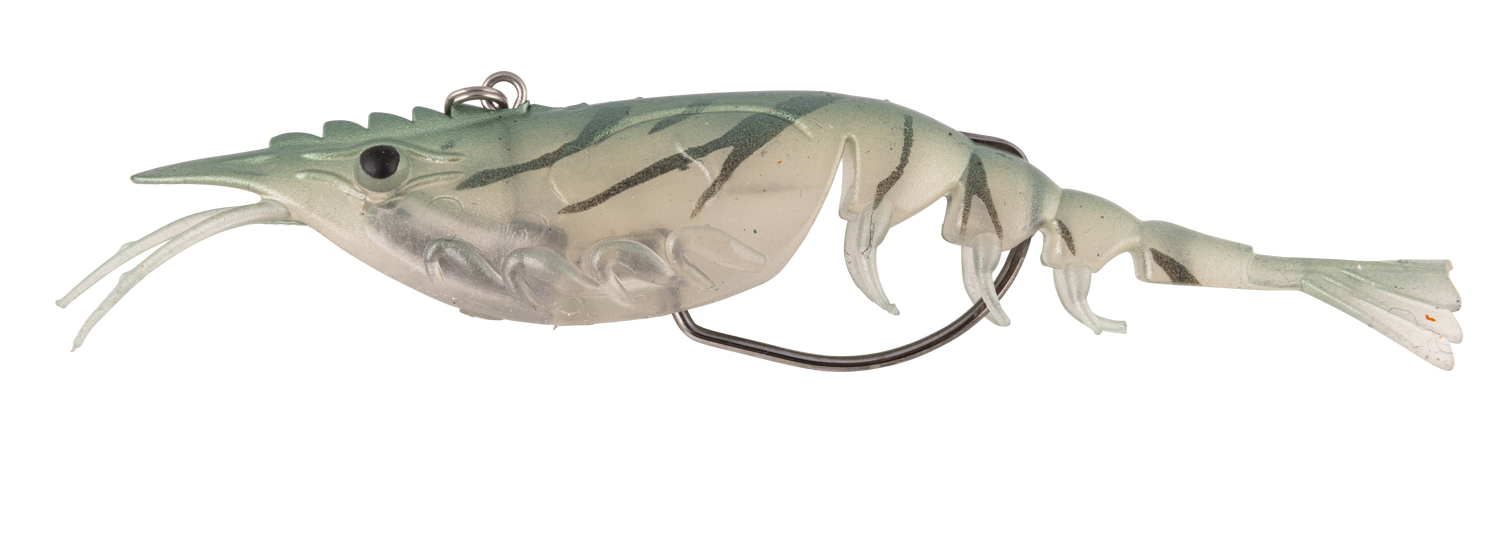
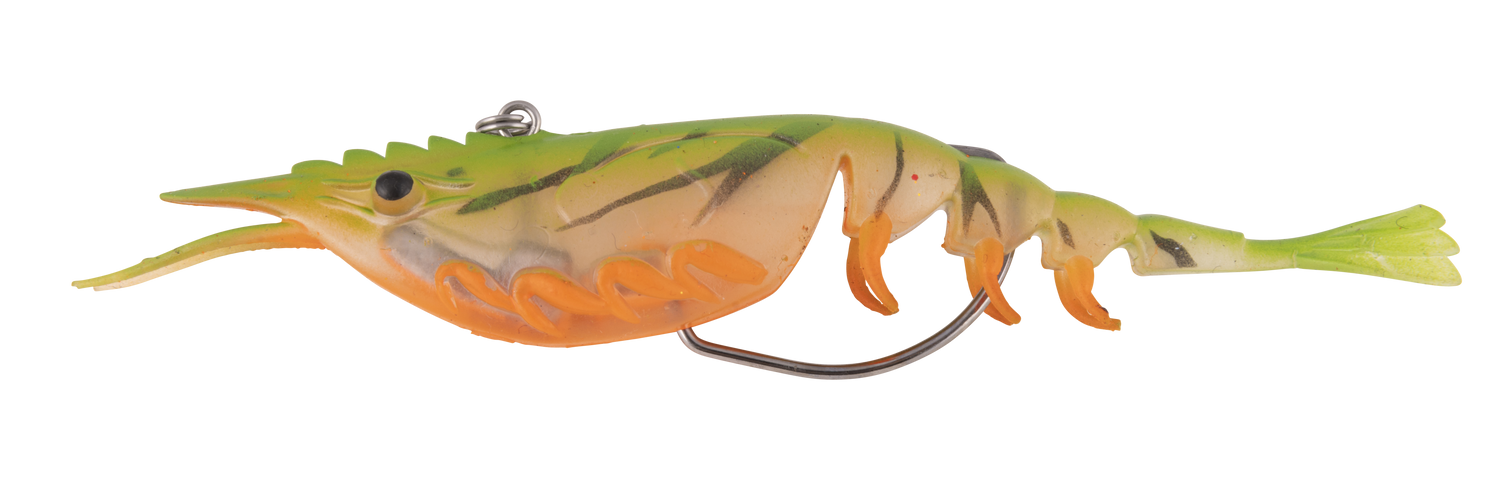
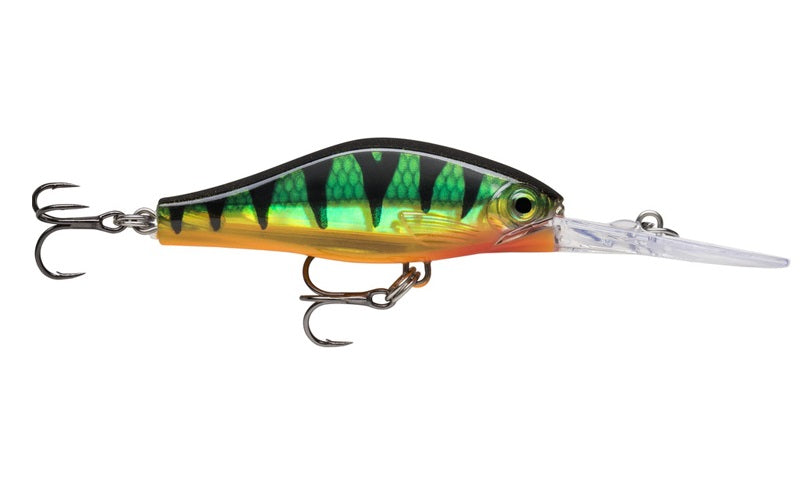
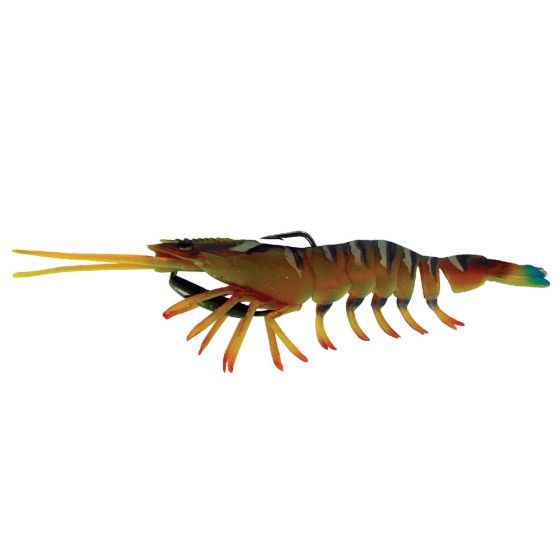
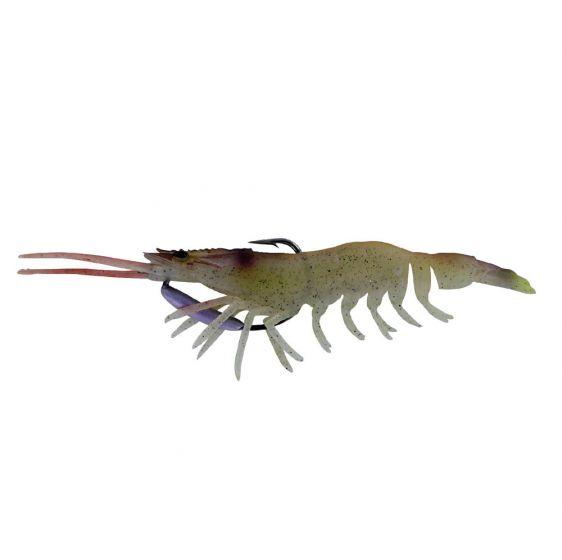
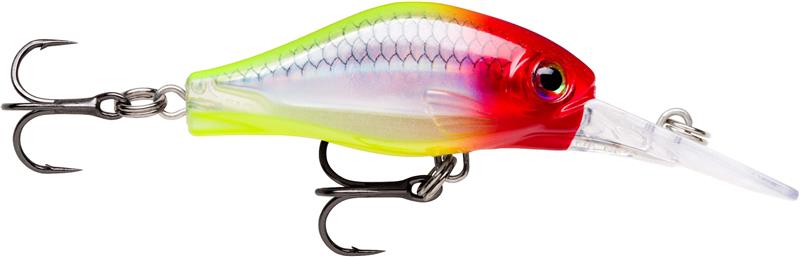
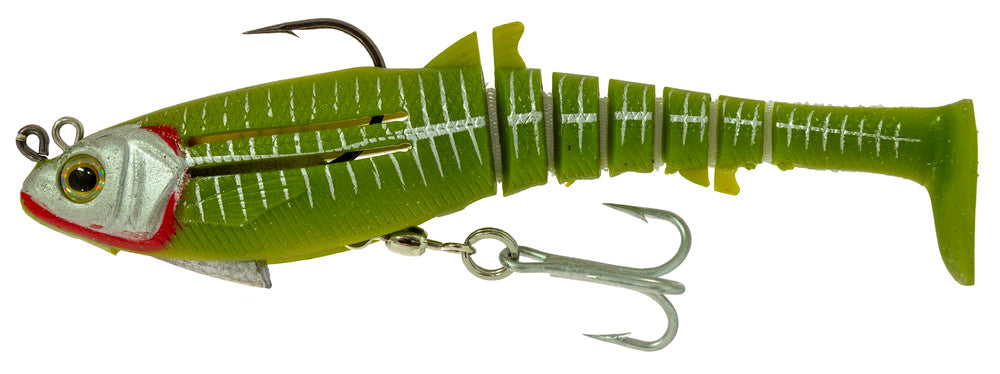
Lures are what you cast, troll or drop when you would rather not use bait. The range covers everything from hard bodies and surface lures through to soft plastics, metal jigs, vibes and blades, in sizes for bream and trout at one end and tuna and mackerel at the other.
Choosing a lure
Start with depth. A lure only works where the fish are, so the first question is whether you need something that sits on top, swims through the middle of the water column, or gets down and stays there. Surface lures and shallow divers cover the top, deep divers and vibes work the middle, and jigs and heavily weighted plastics reach the bottom.
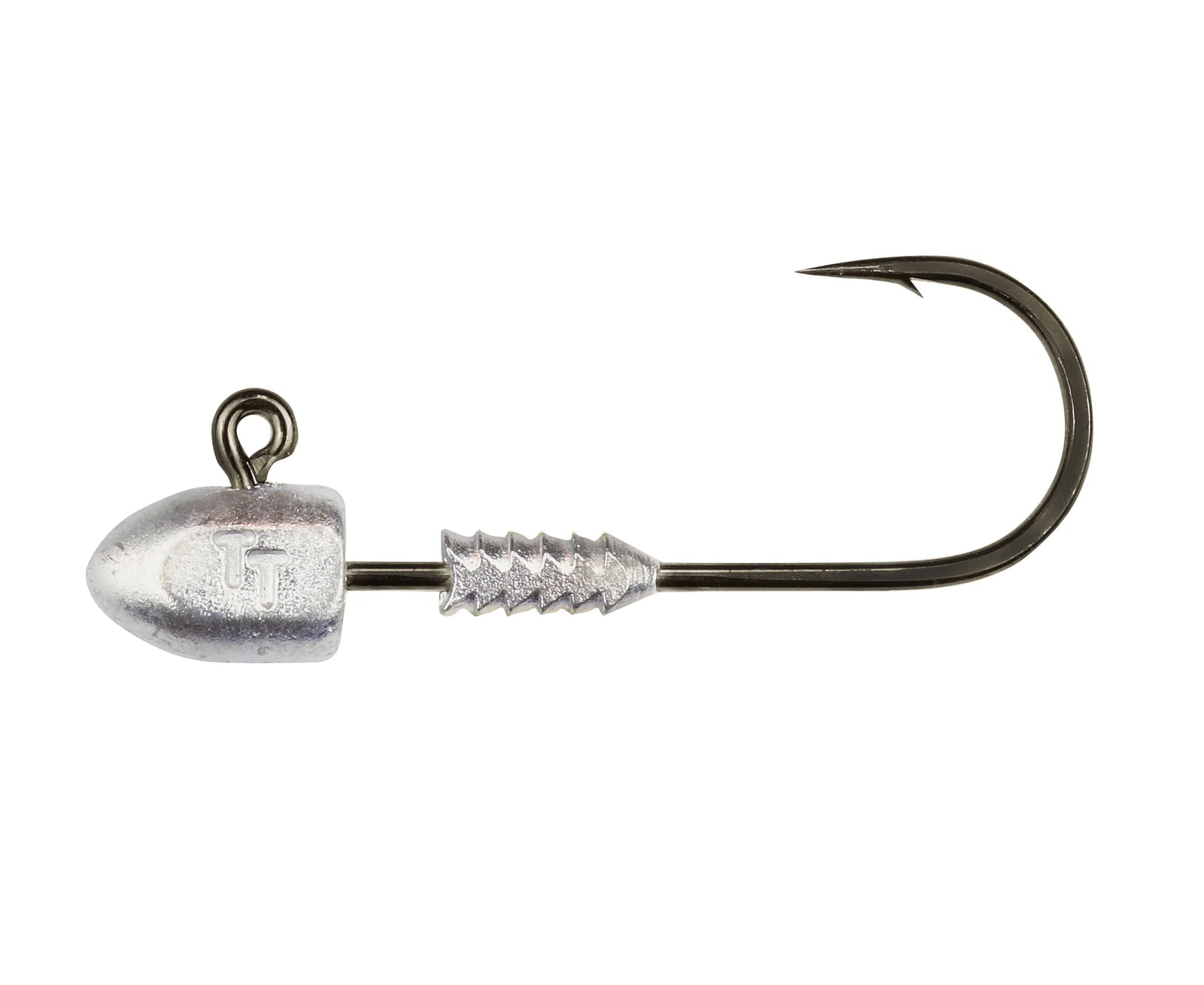
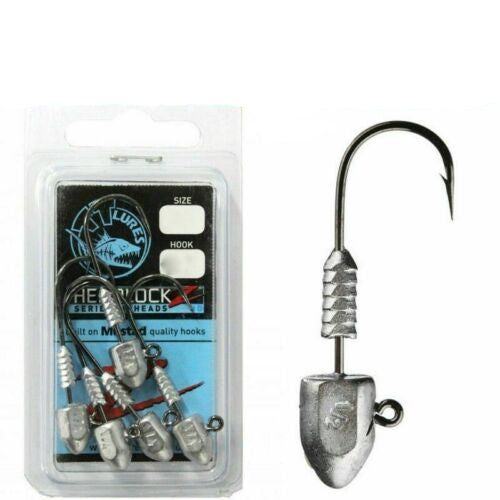
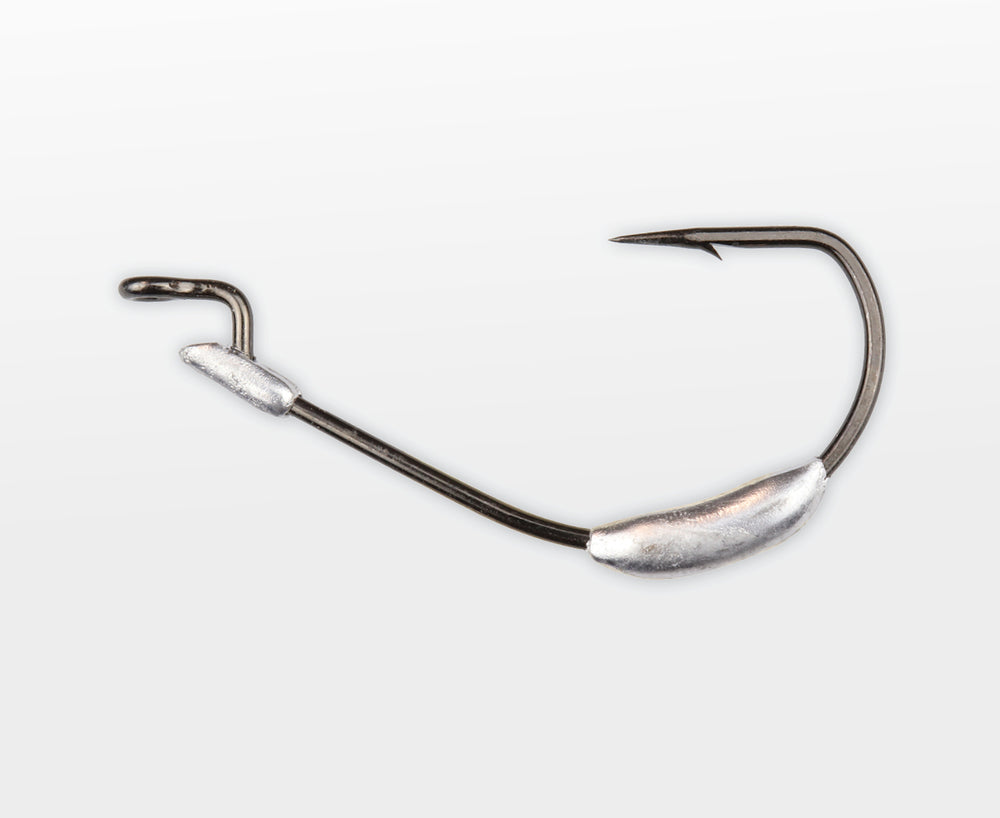
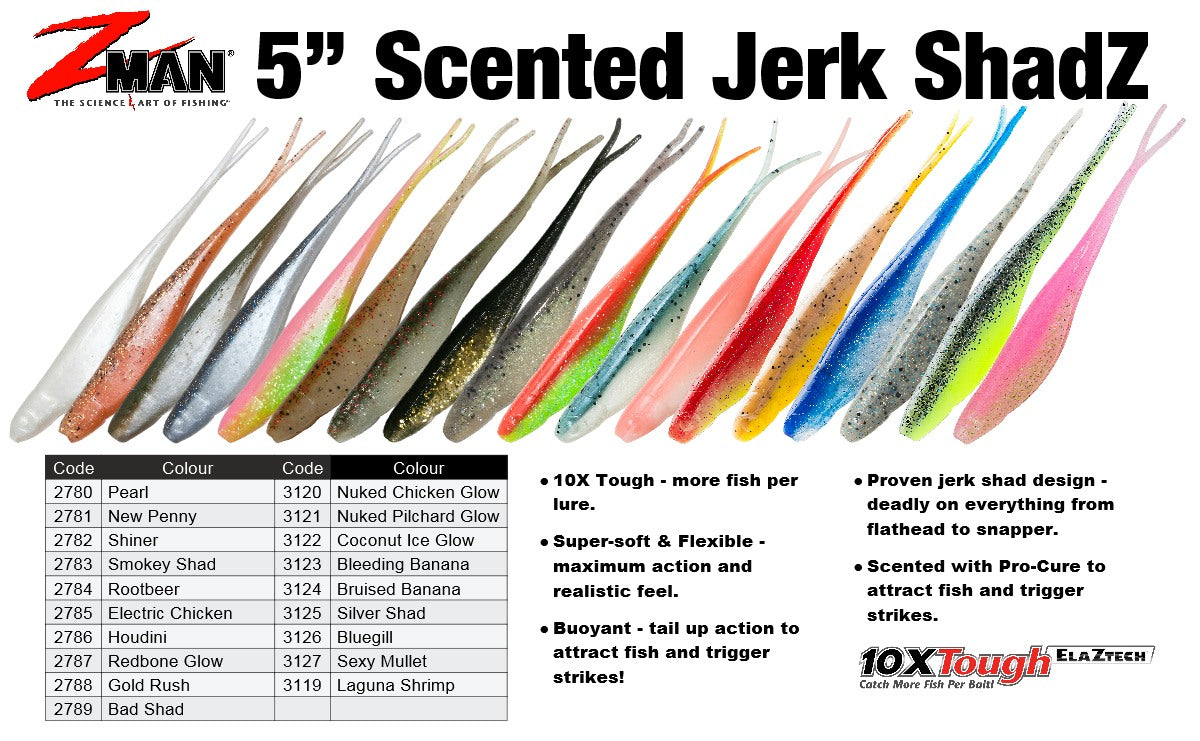
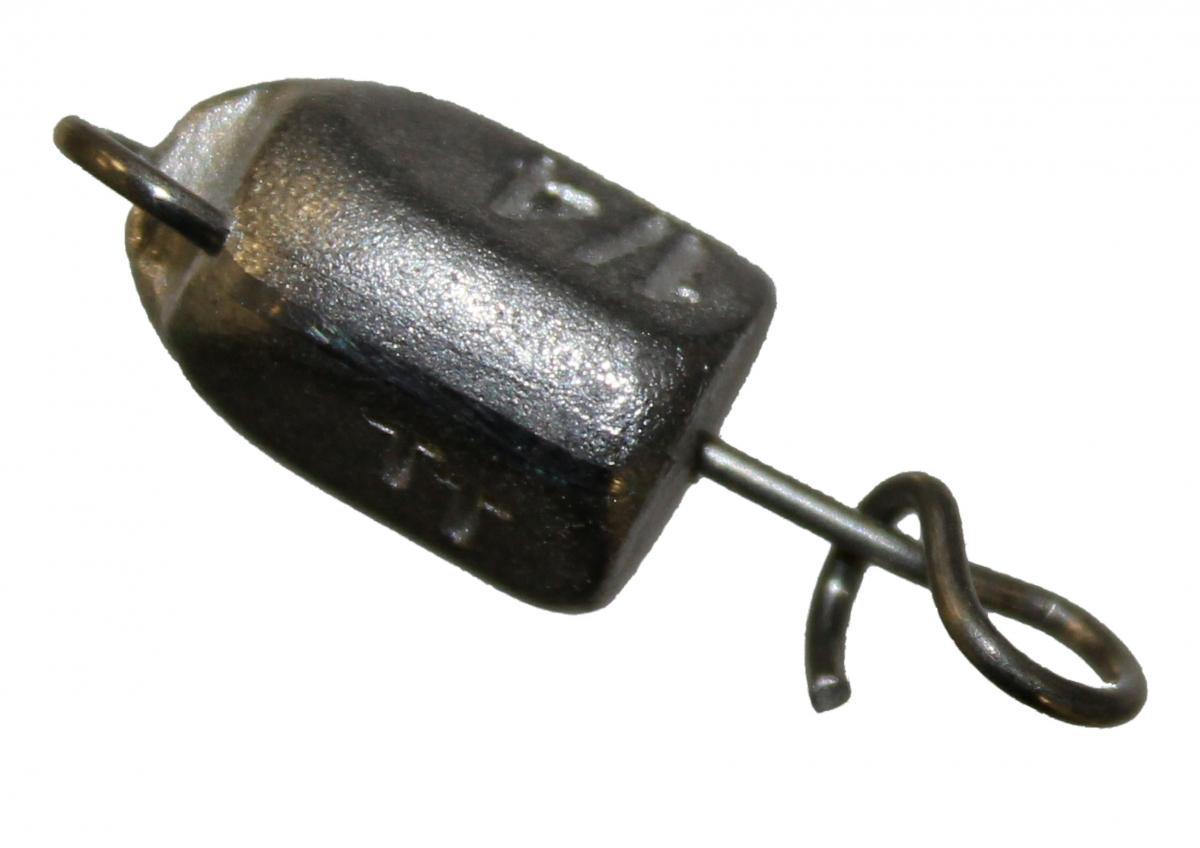
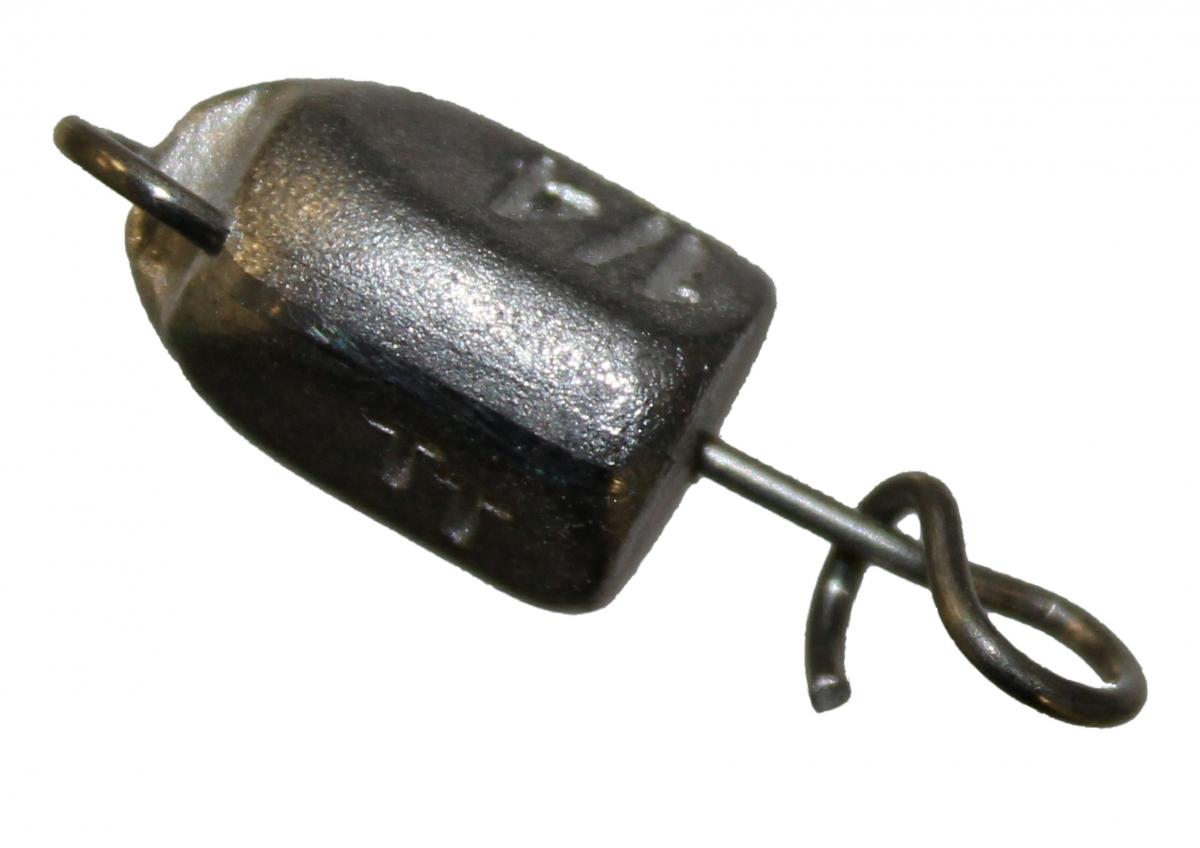
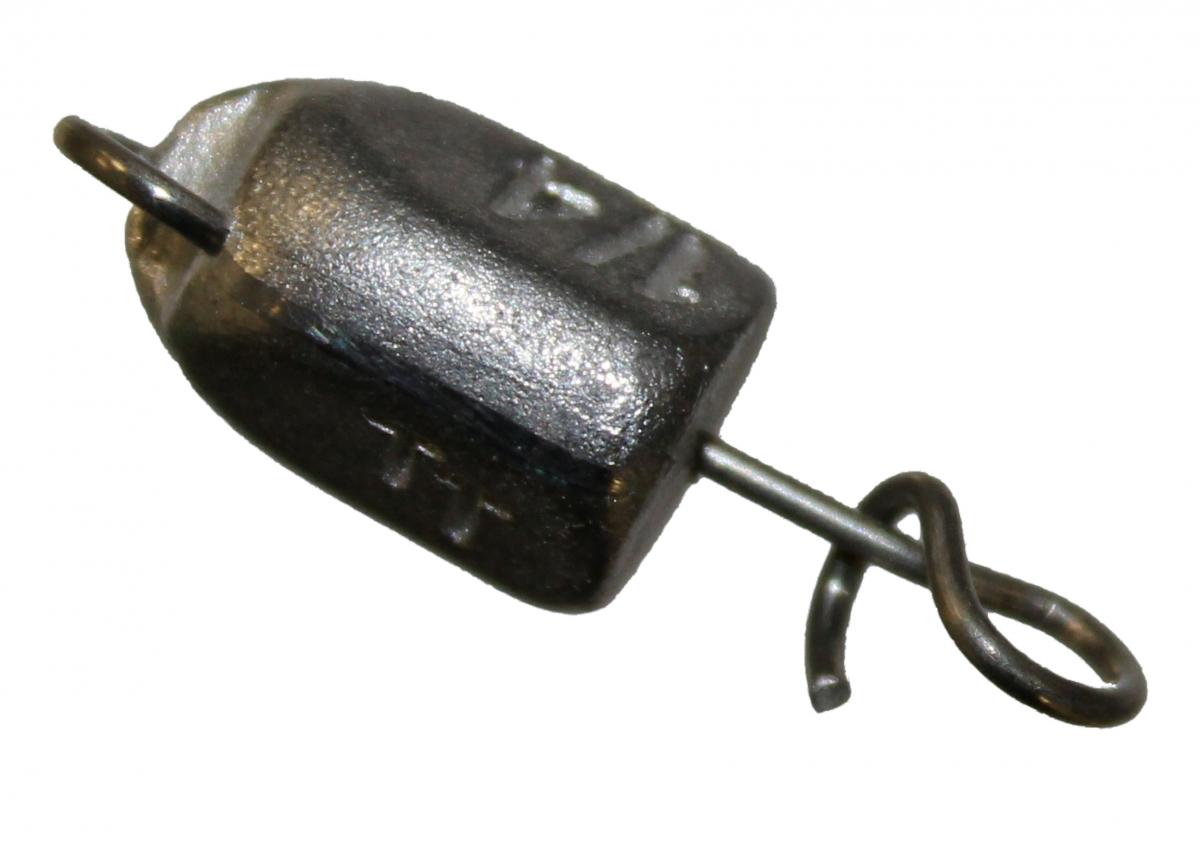
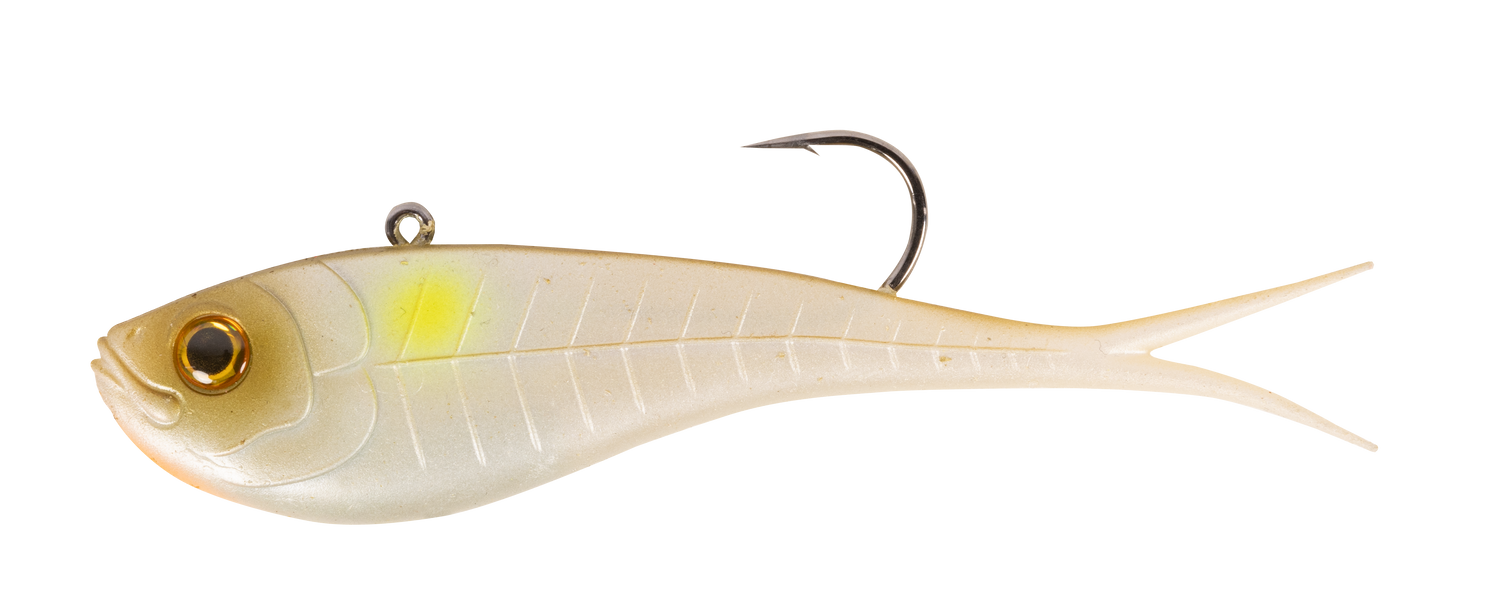
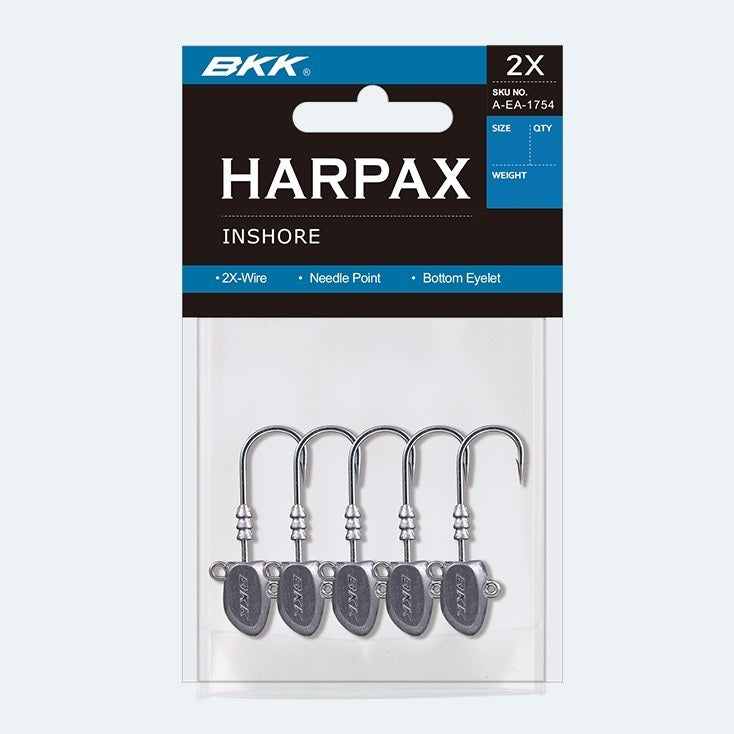
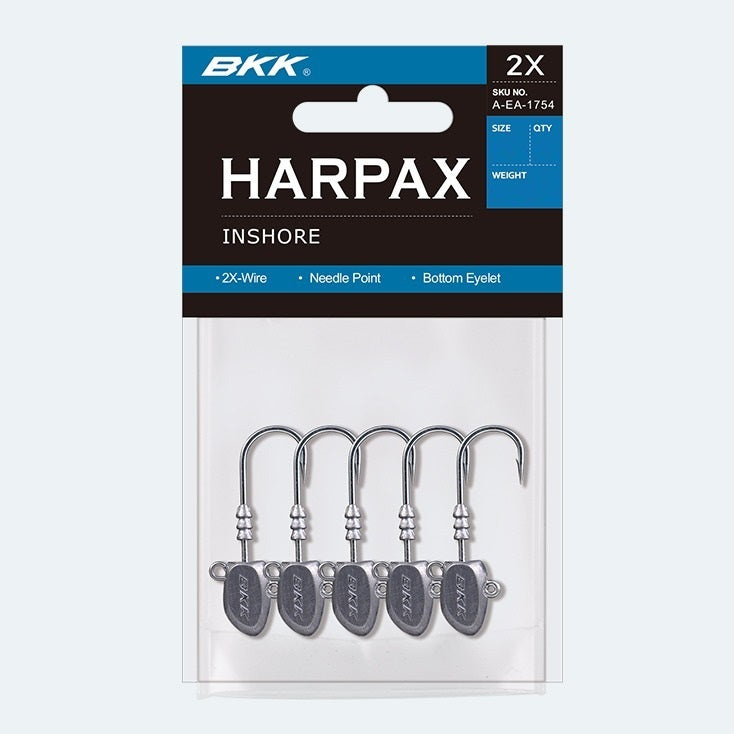
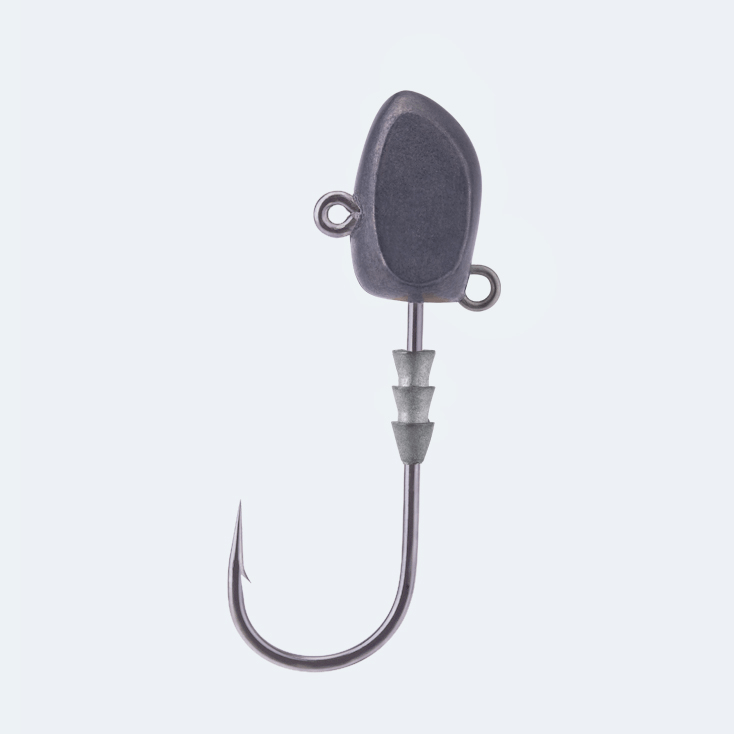
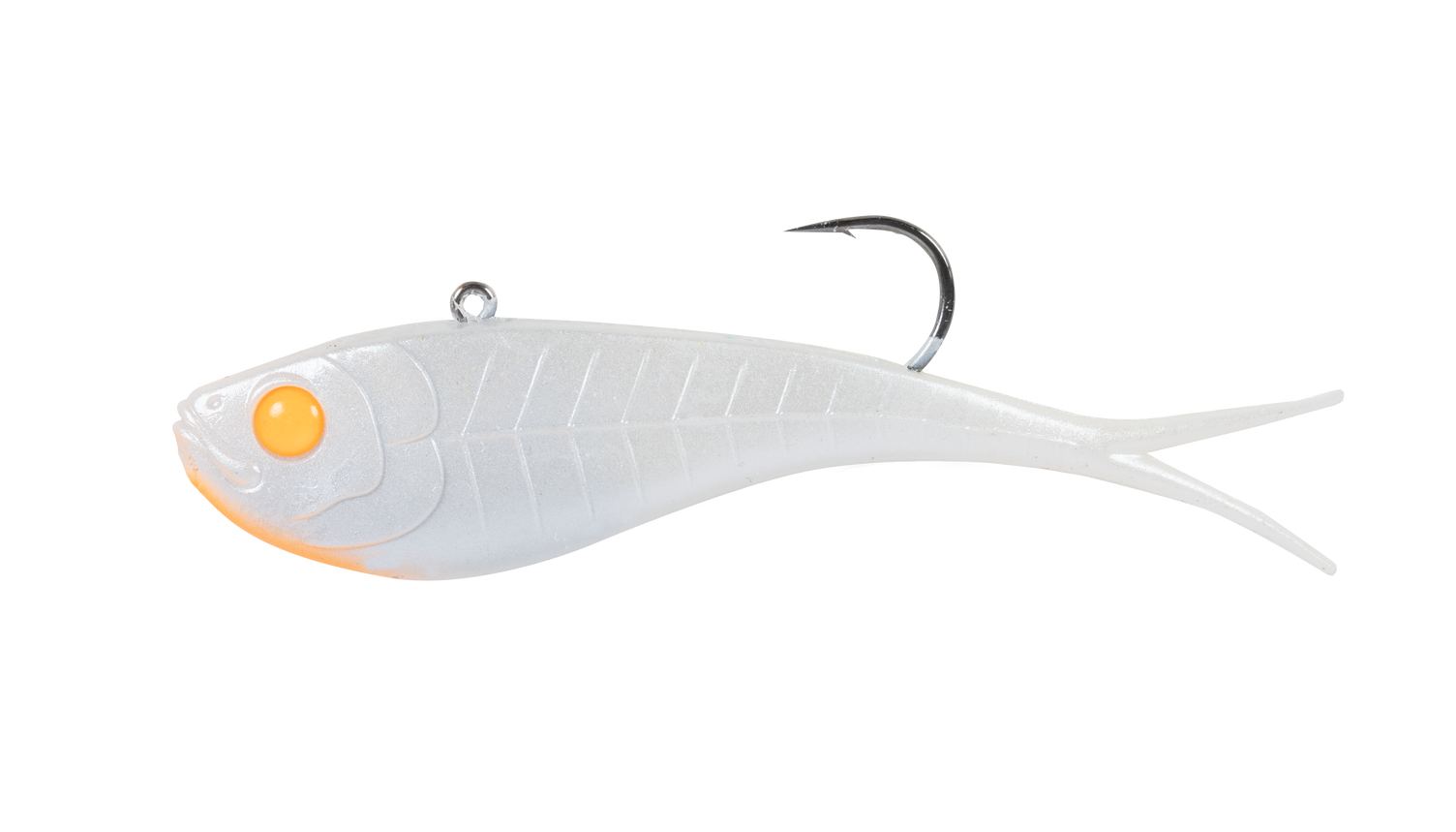
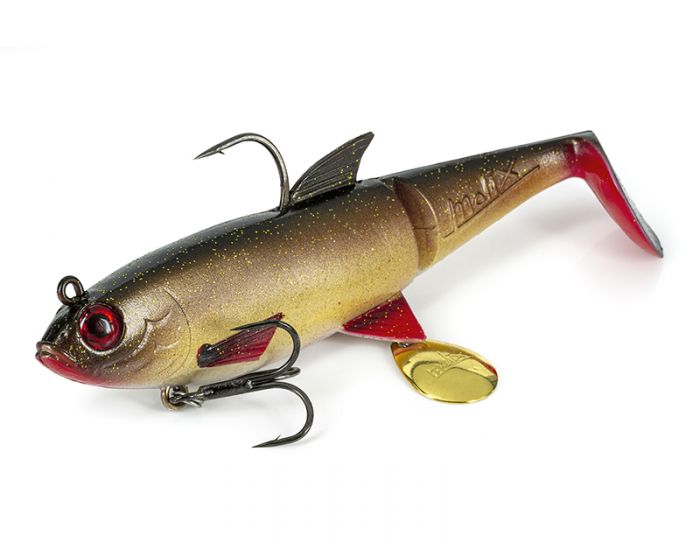
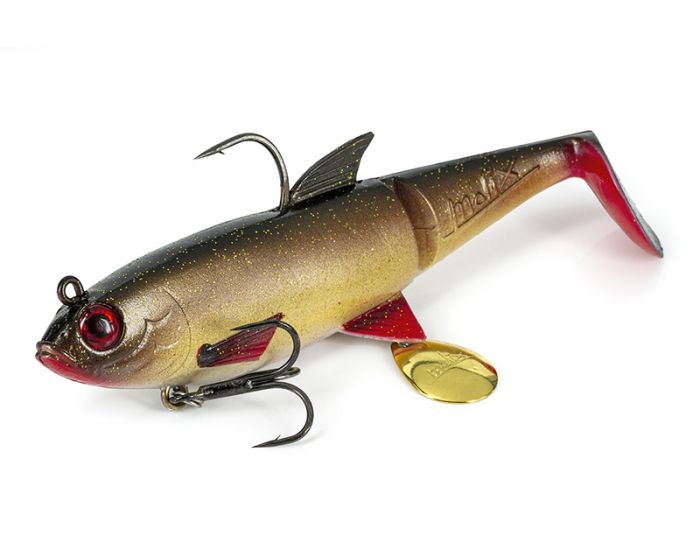
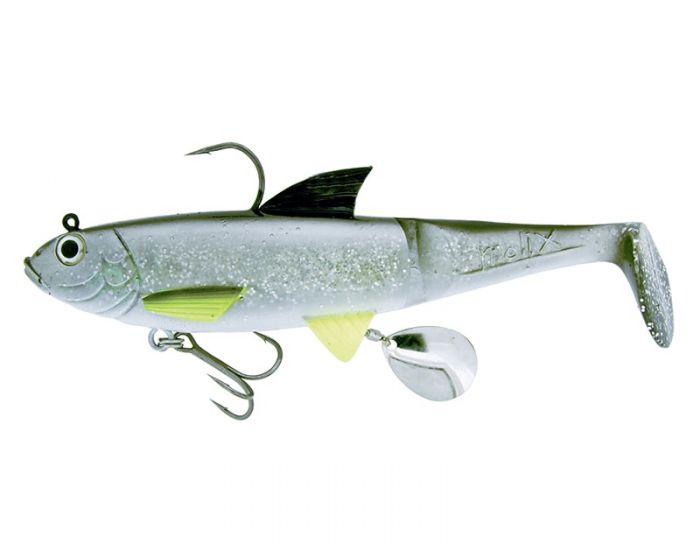
Then match the size and profile to what the fish are already eating. Small baitfish in the estuary call for something slim and subtle; a school of tailor smashing pilchards calls for something you can throw a long way. Hard bodies give you a built-in action straight out of the packet, while soft plastics let you change the profile and the sink rate by swapping the jighead.
Most anglers carry a spread rather than a single favourite: a shallow diver, a deep diver, a surface lure and a couple of plastics covers most sessions.
Frequently asked questions
What lure should I start with?
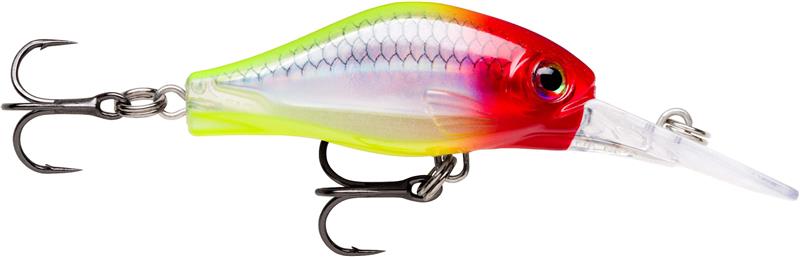
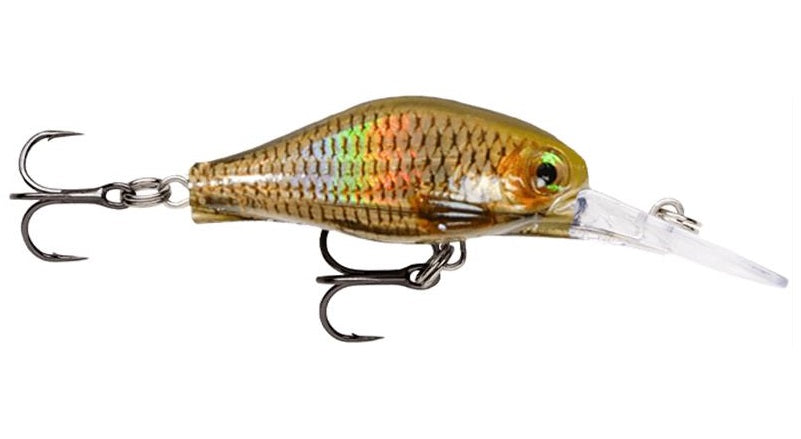
A shallow to mid-running hard body in a natural baitfish colour is the easiest lure to fish well, because it has its own action and you only need to wind it in. Add soft plastics once you are comfortable, since they need more input from you to look alive.
Do lure colours matter?
Colour matters less than depth and action, but it is not irrelevant. Natural and translucent patterns tend to work in clear water and bright sun, while darker or brighter patterns give fish something to track in dirty water and low light.
What is the difference between a hard body and a soft plastic?
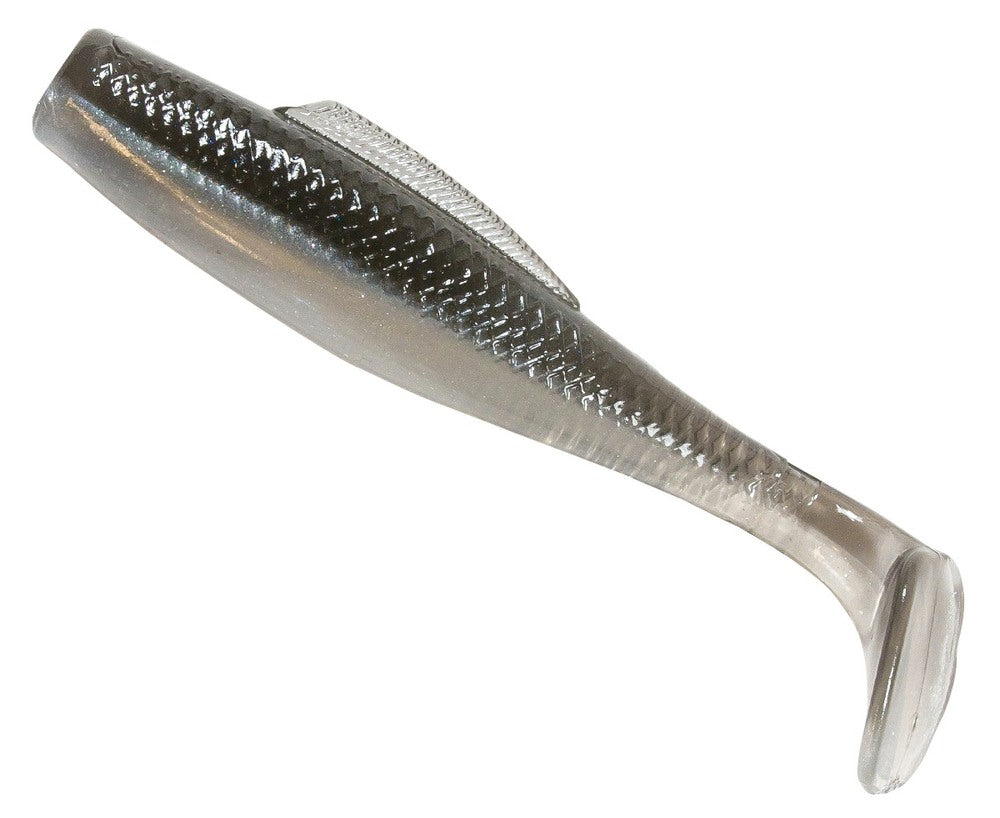
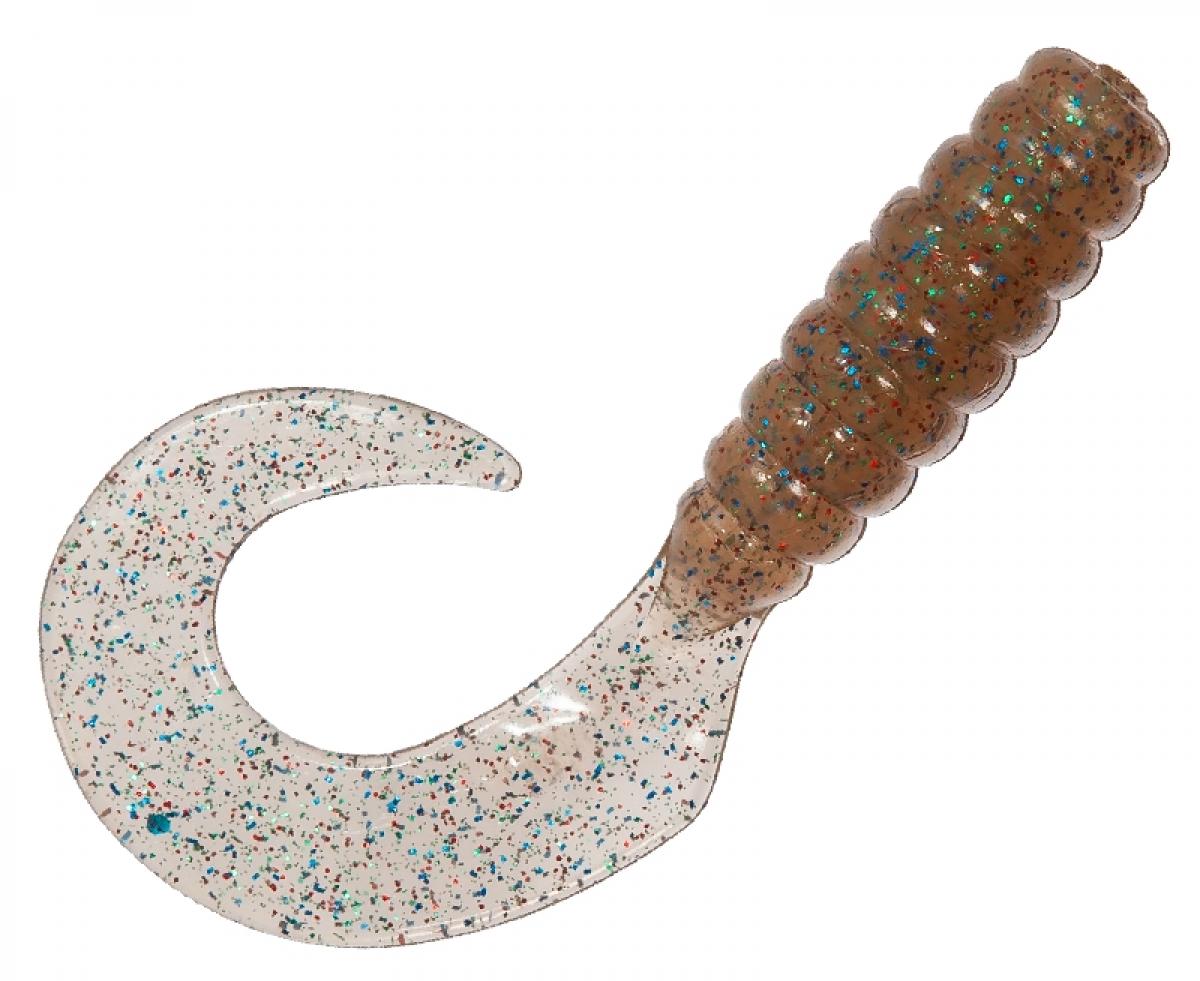
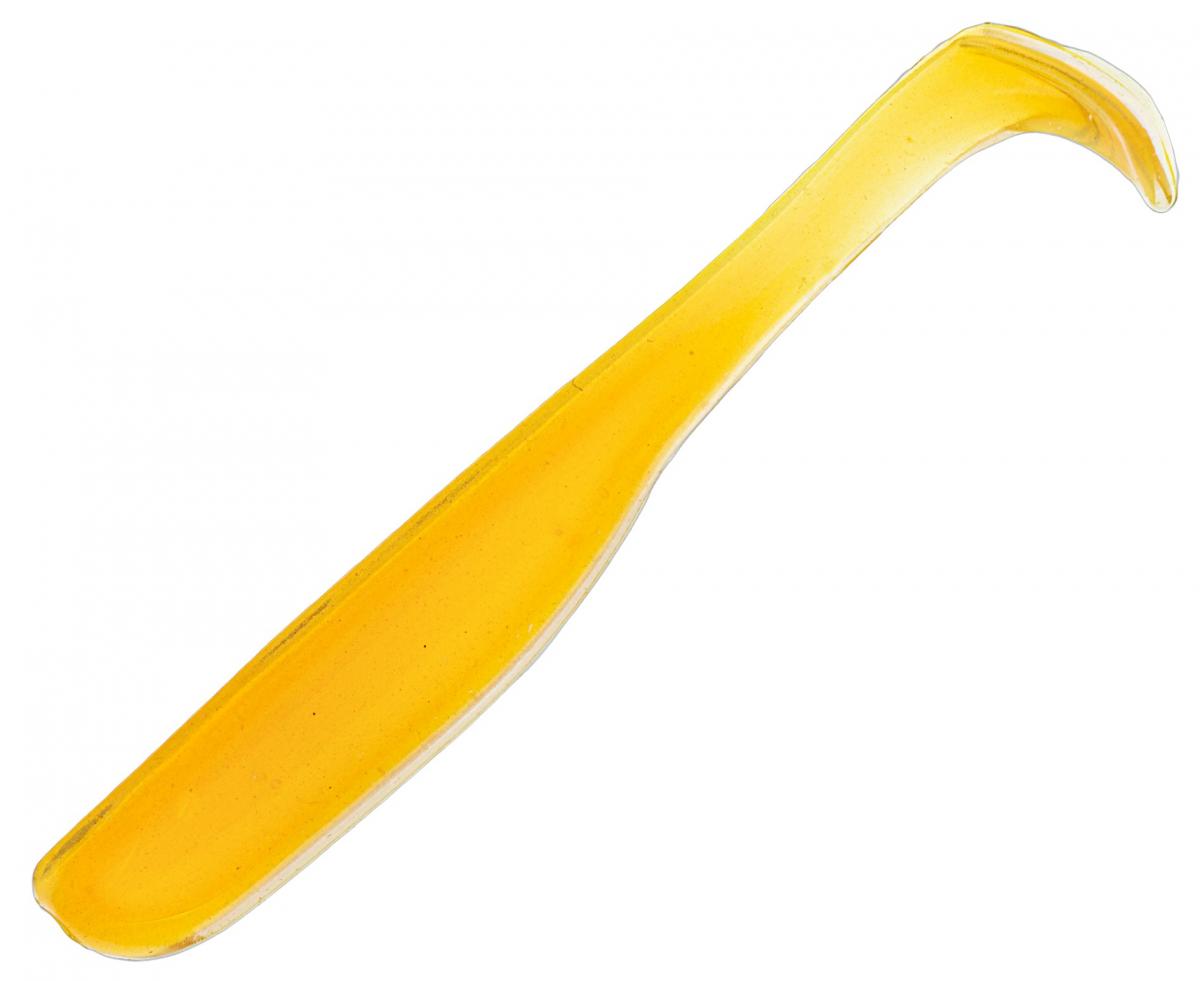
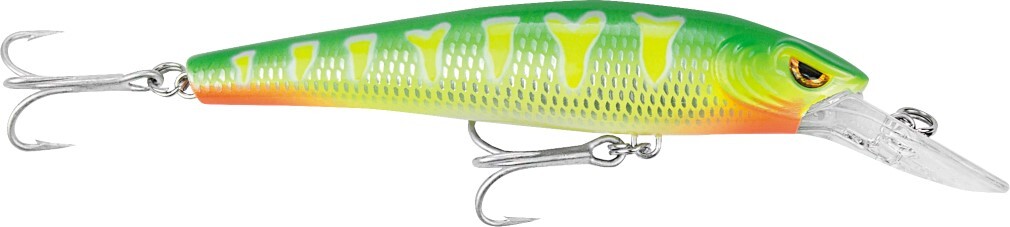
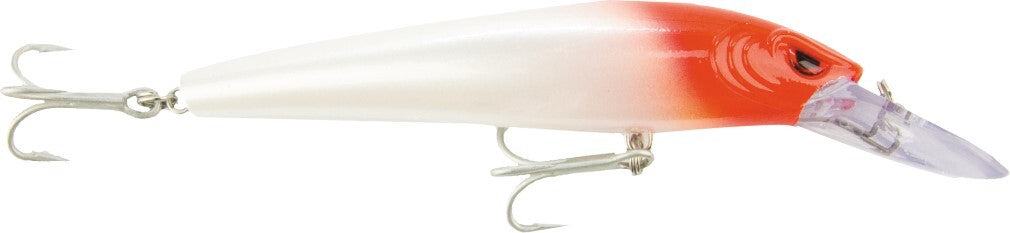
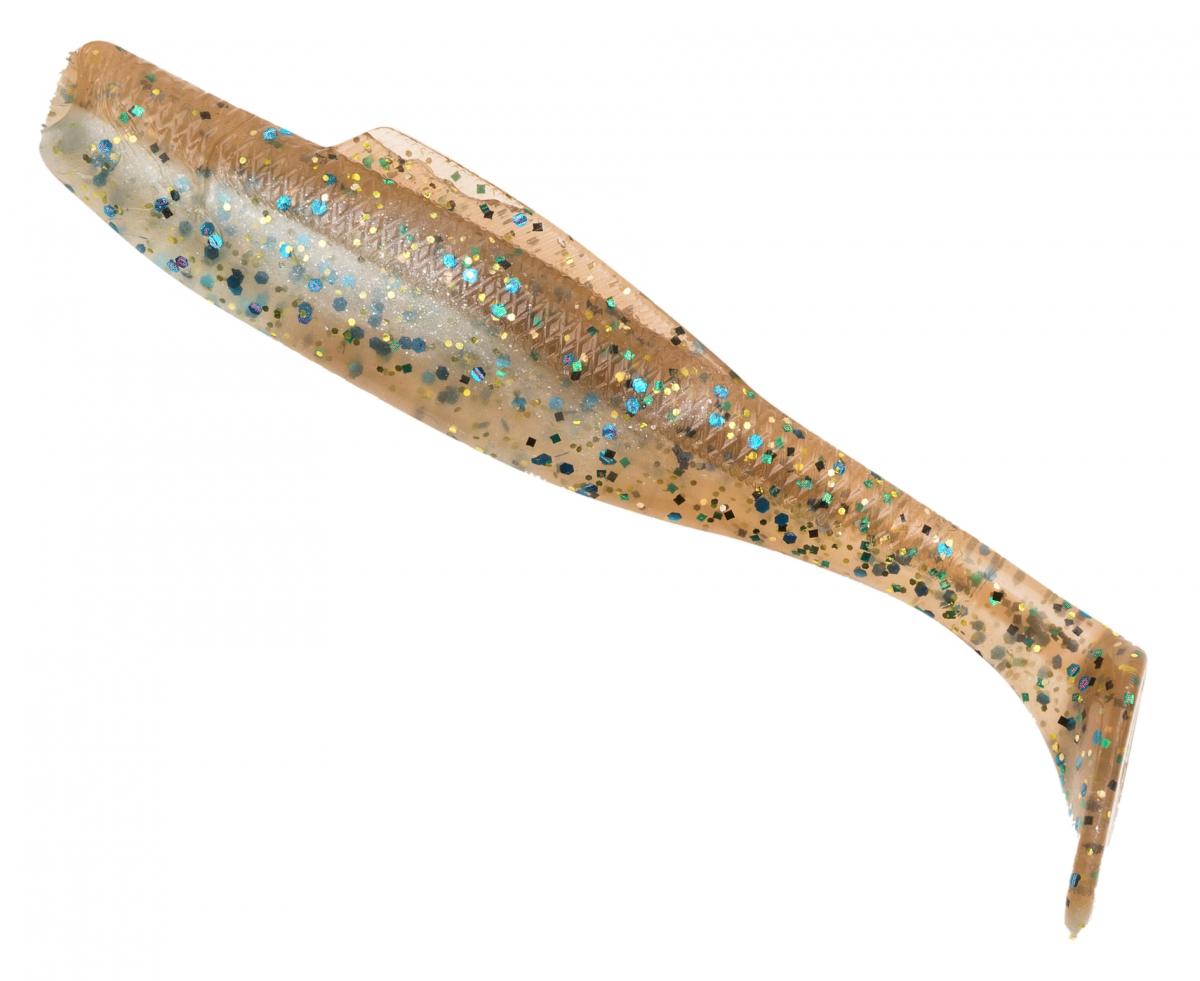
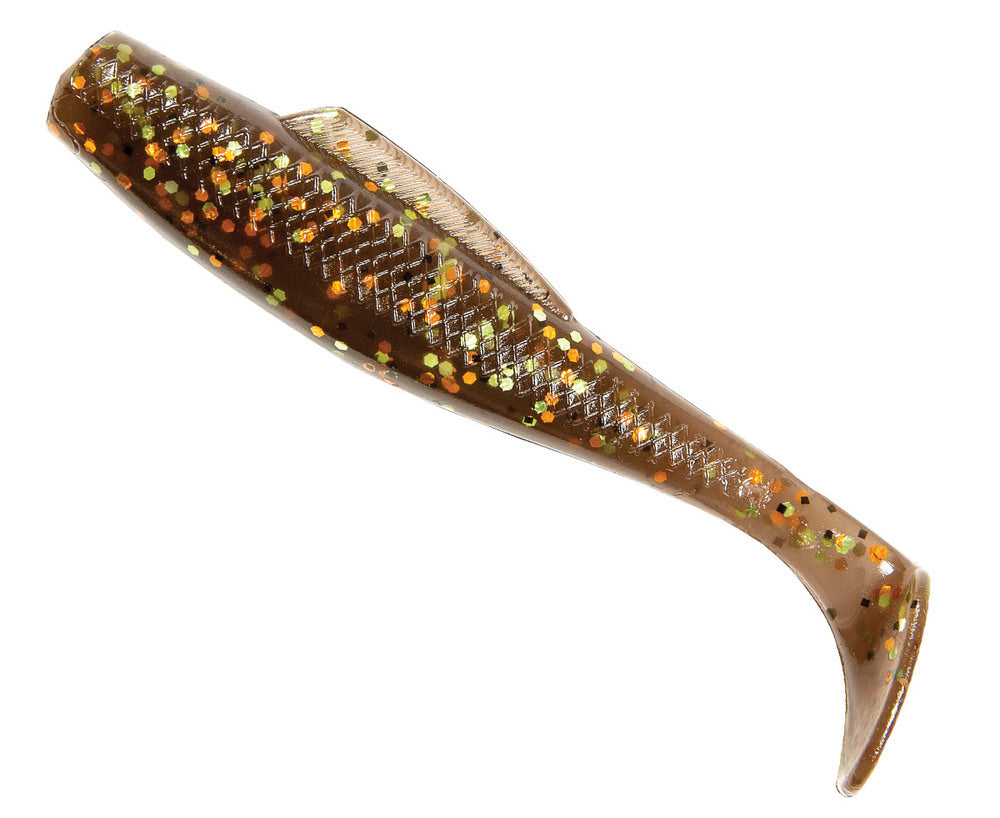
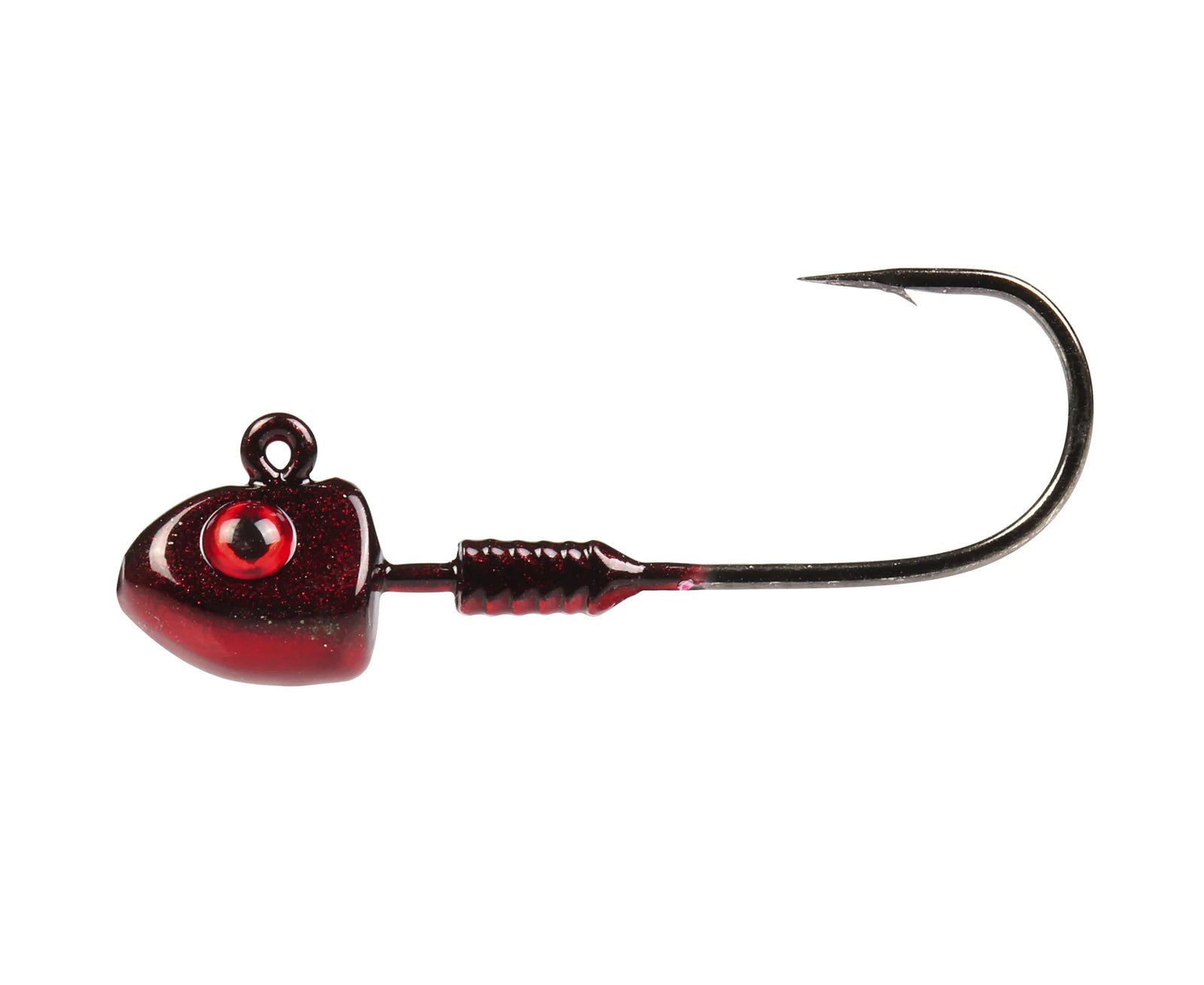
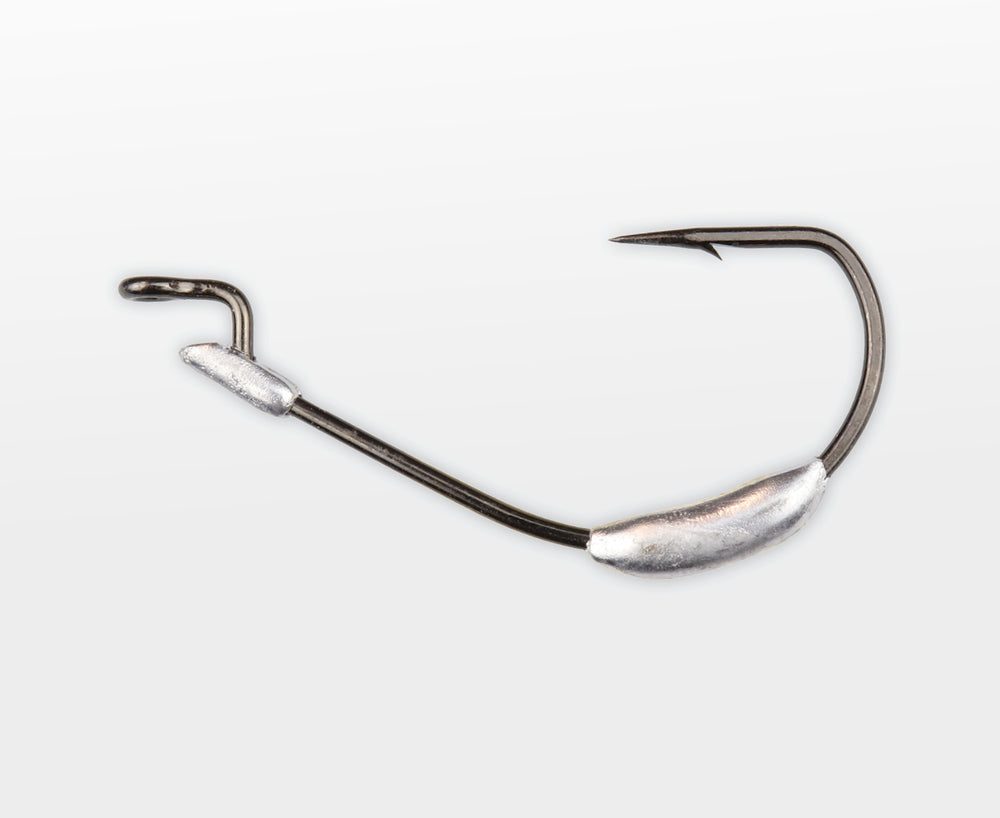
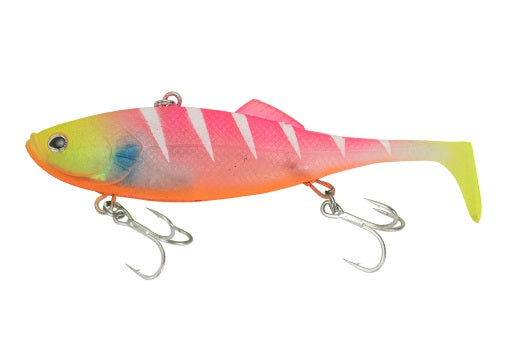
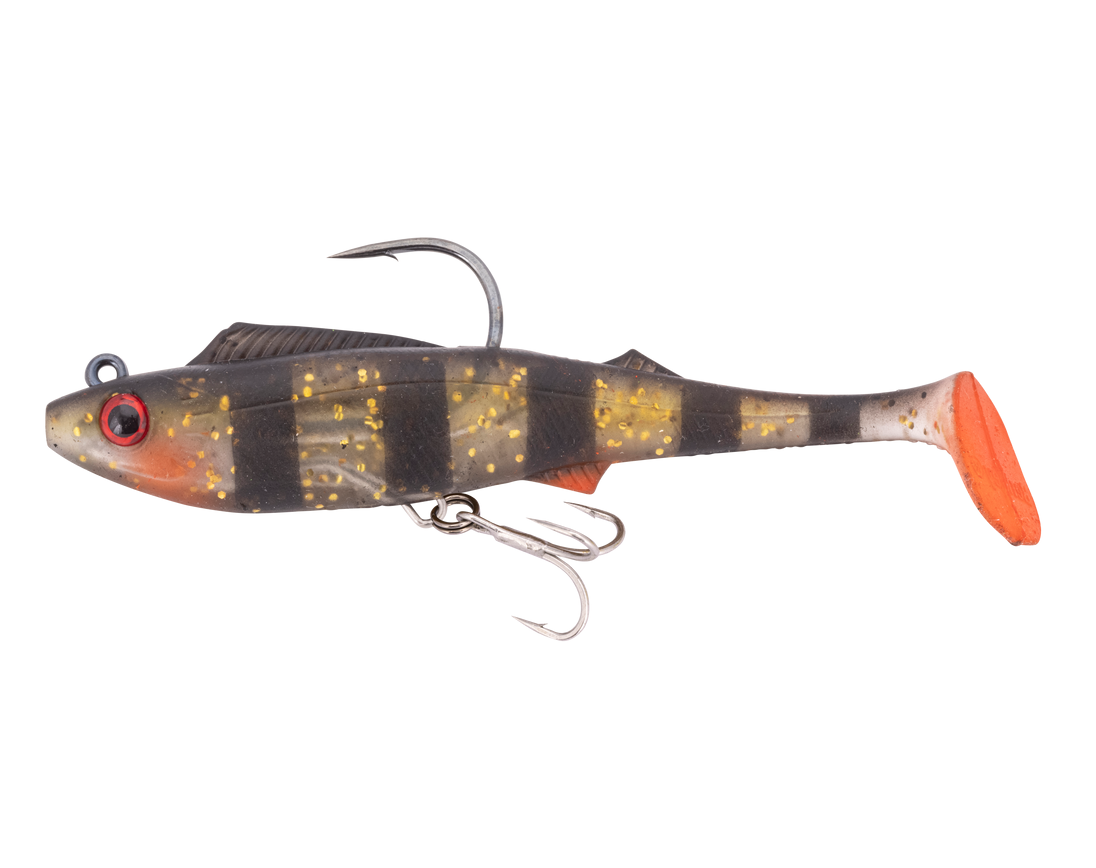
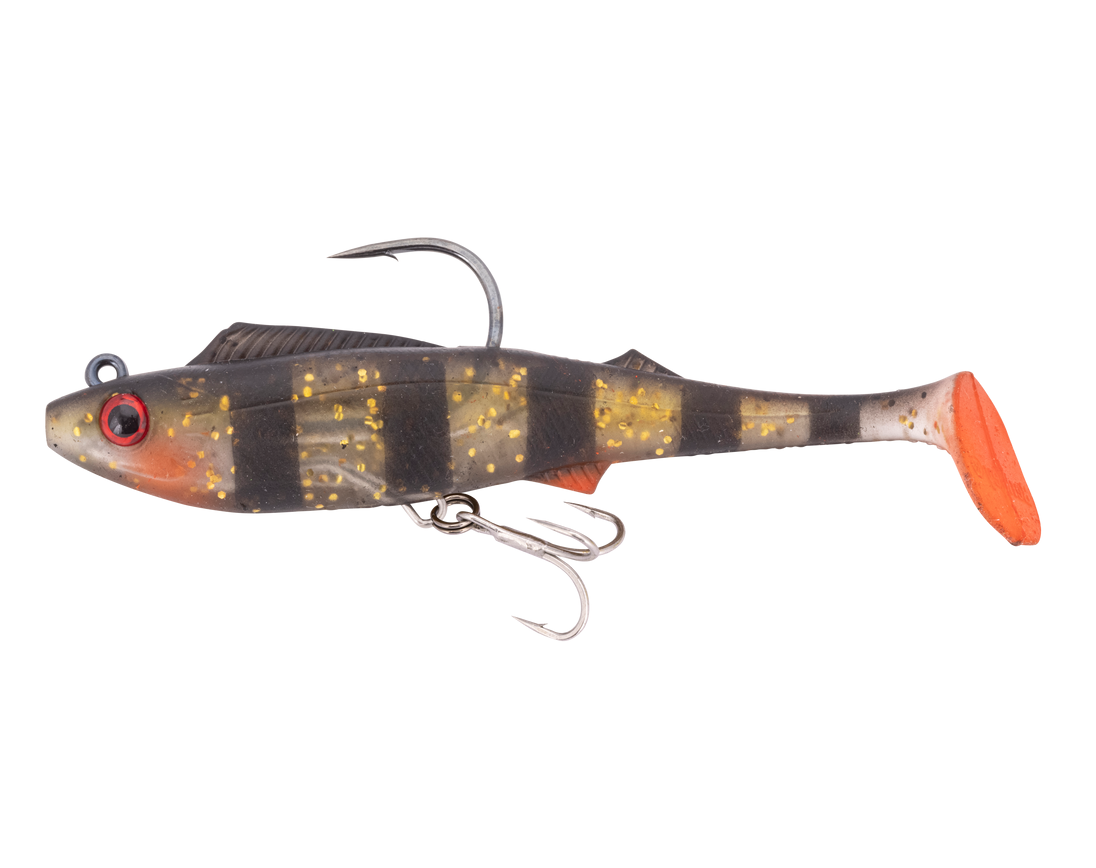
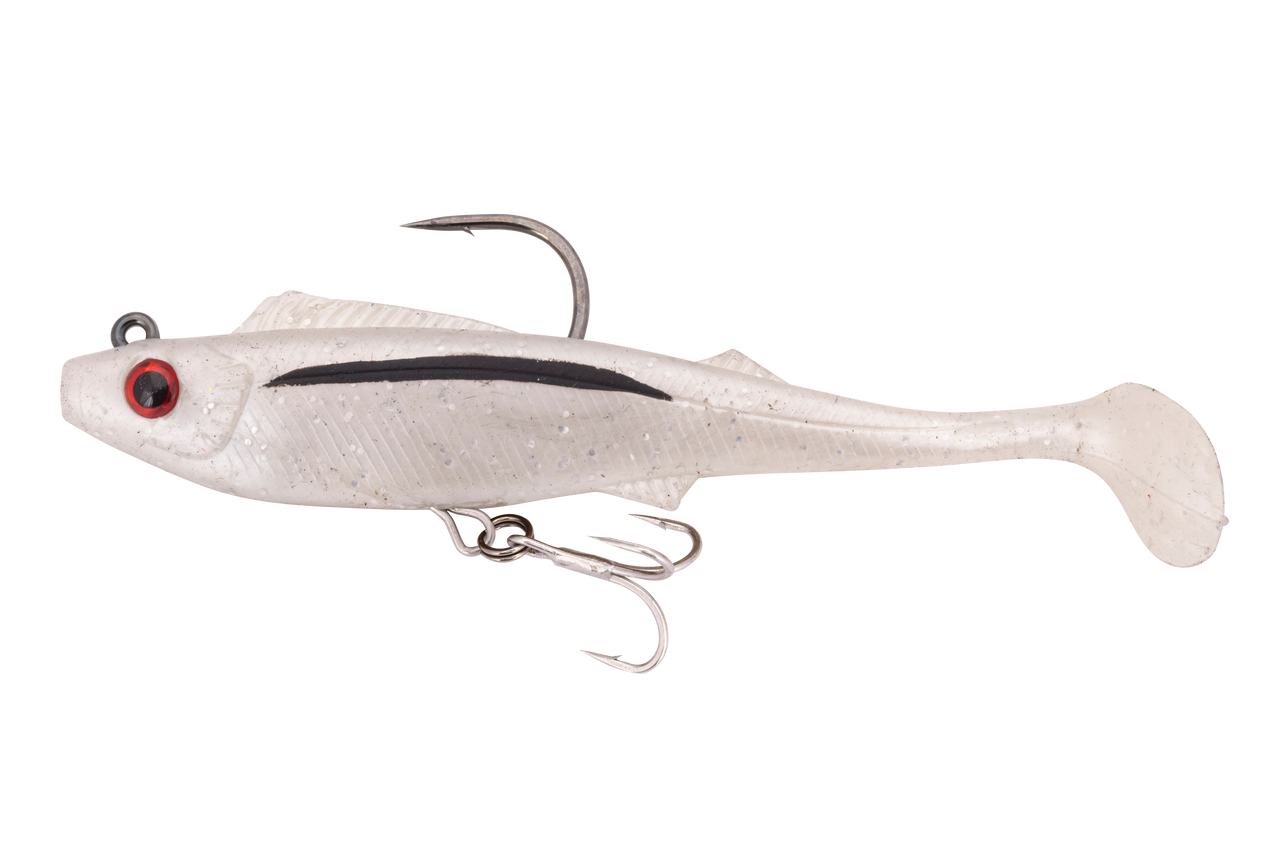
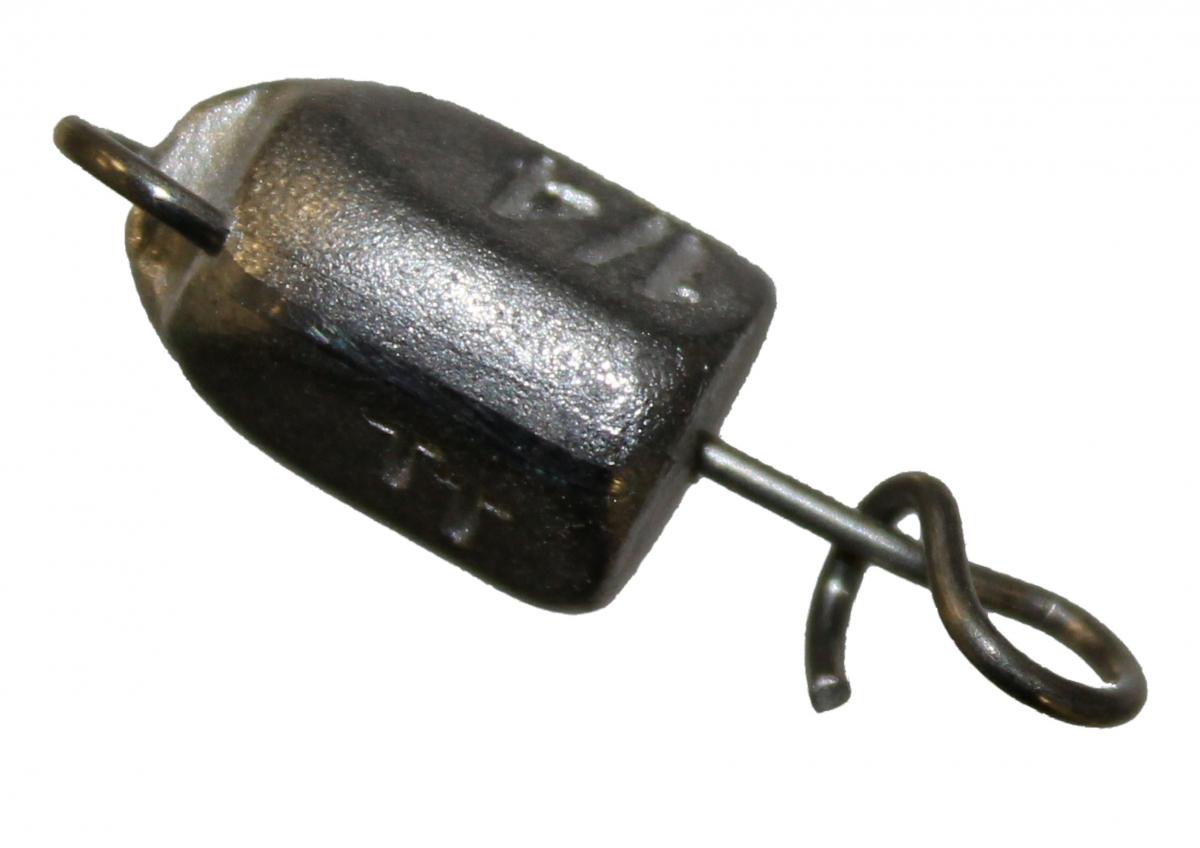
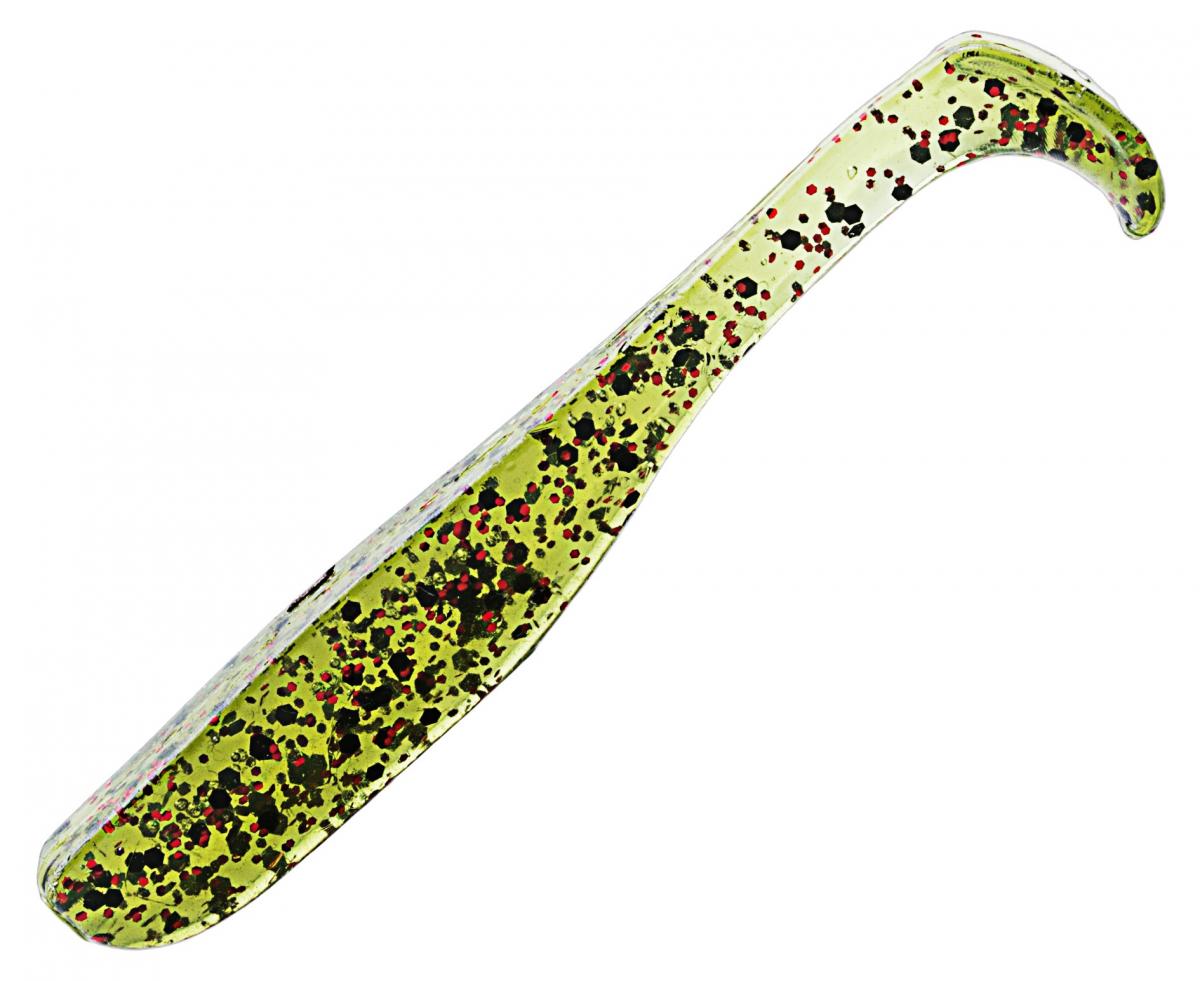
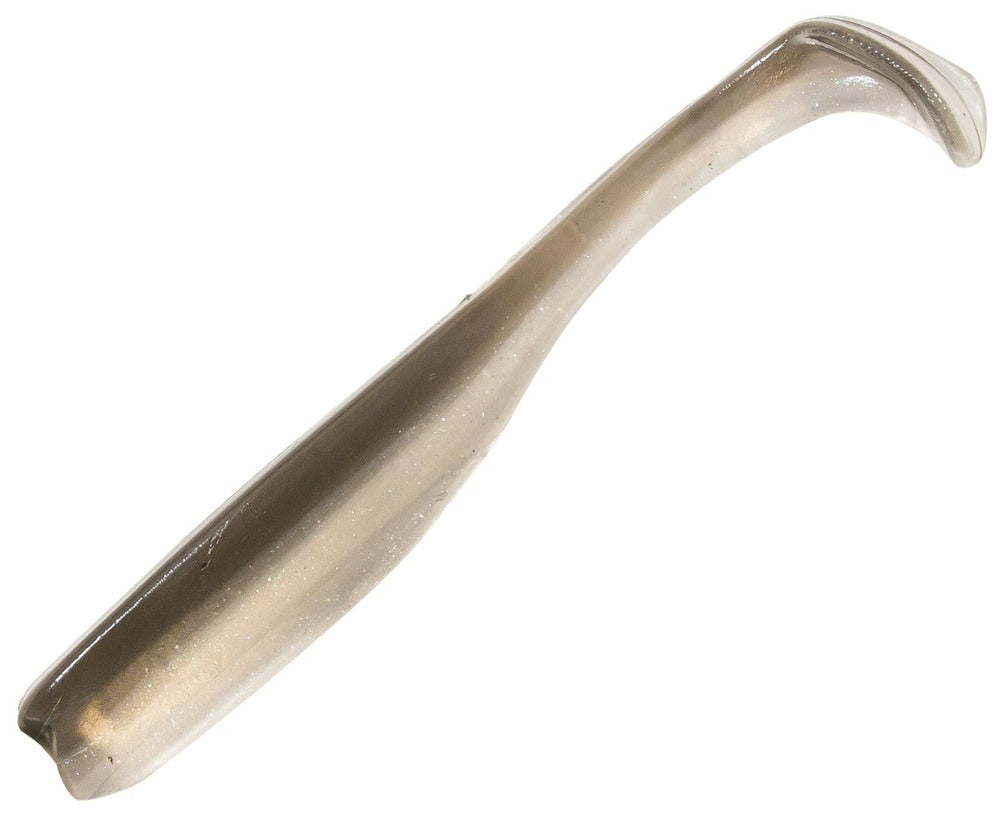
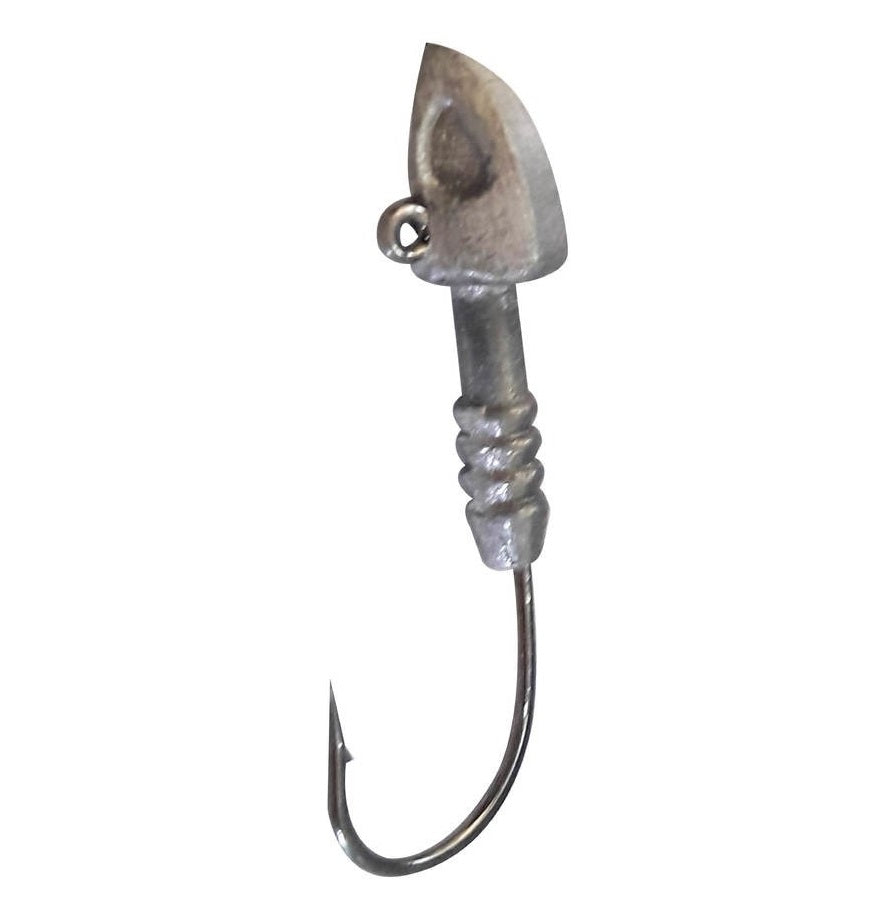
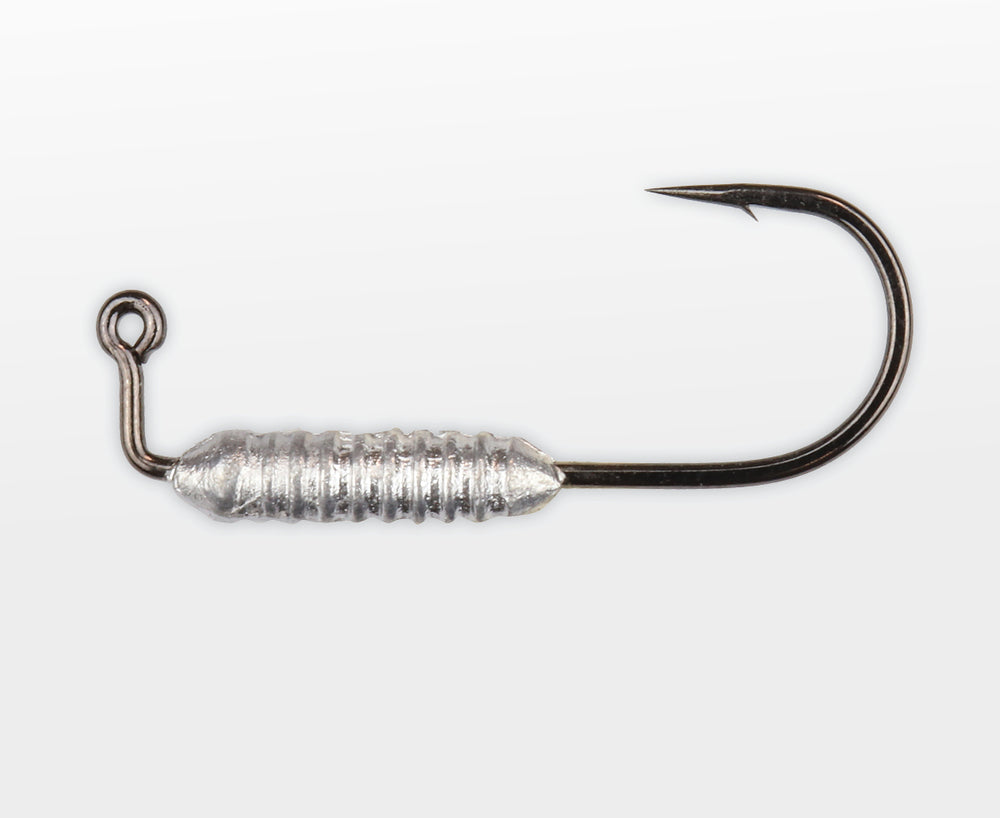
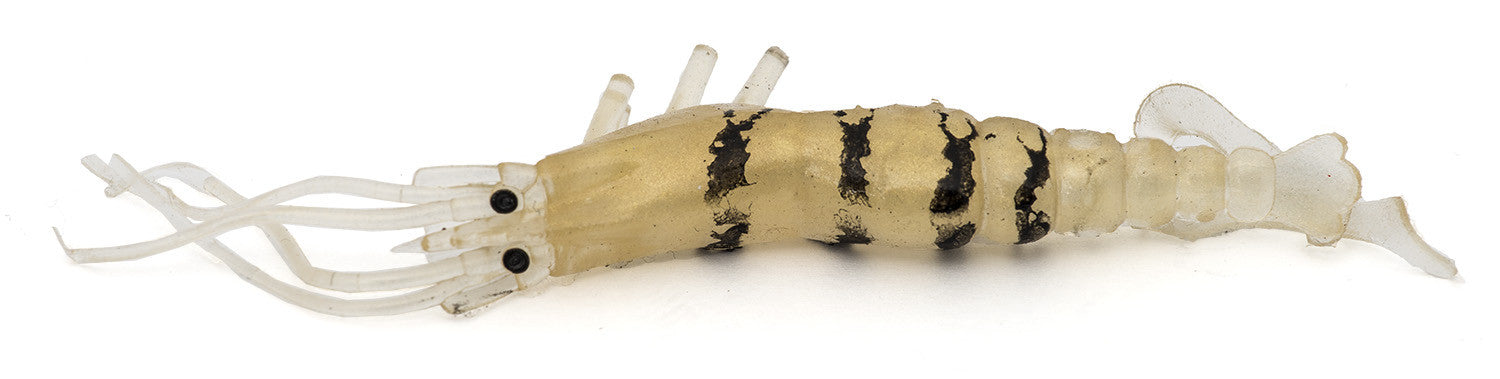
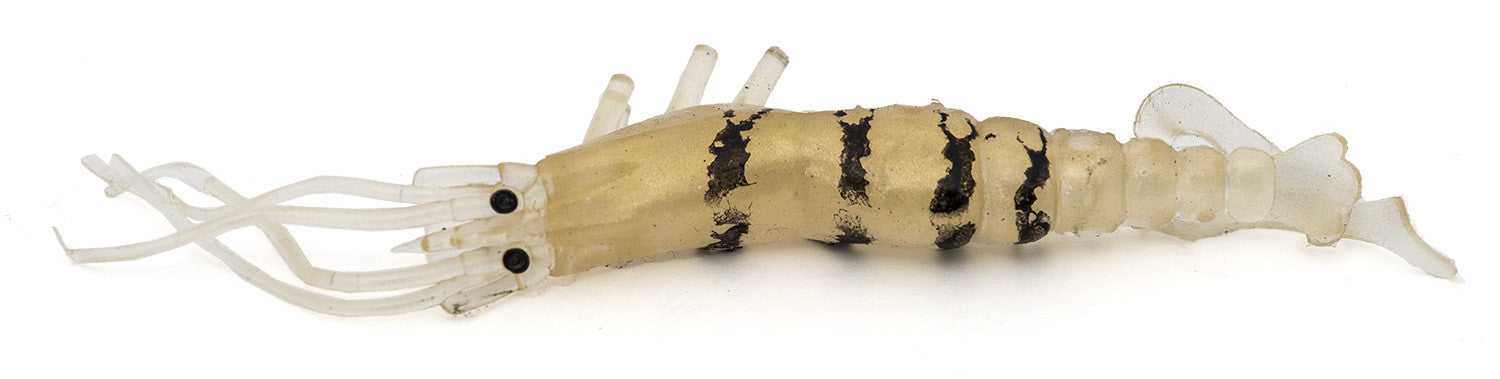
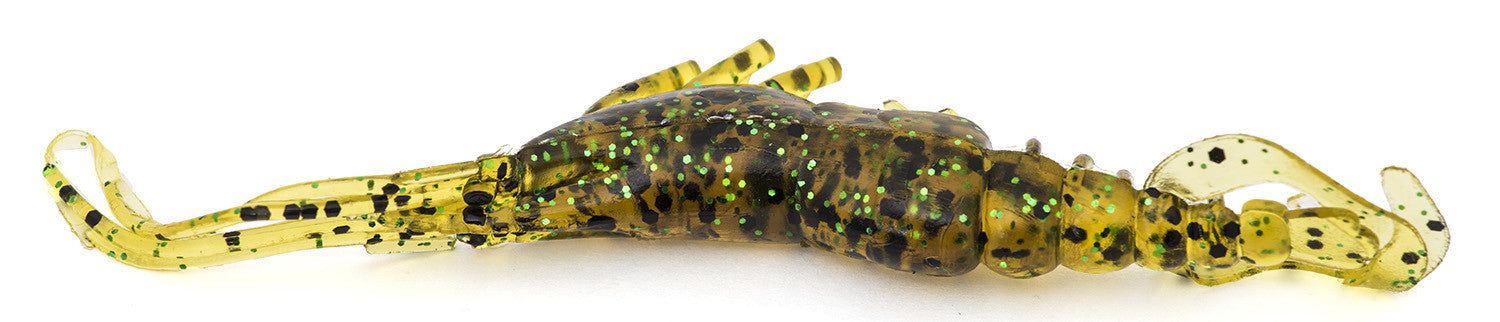
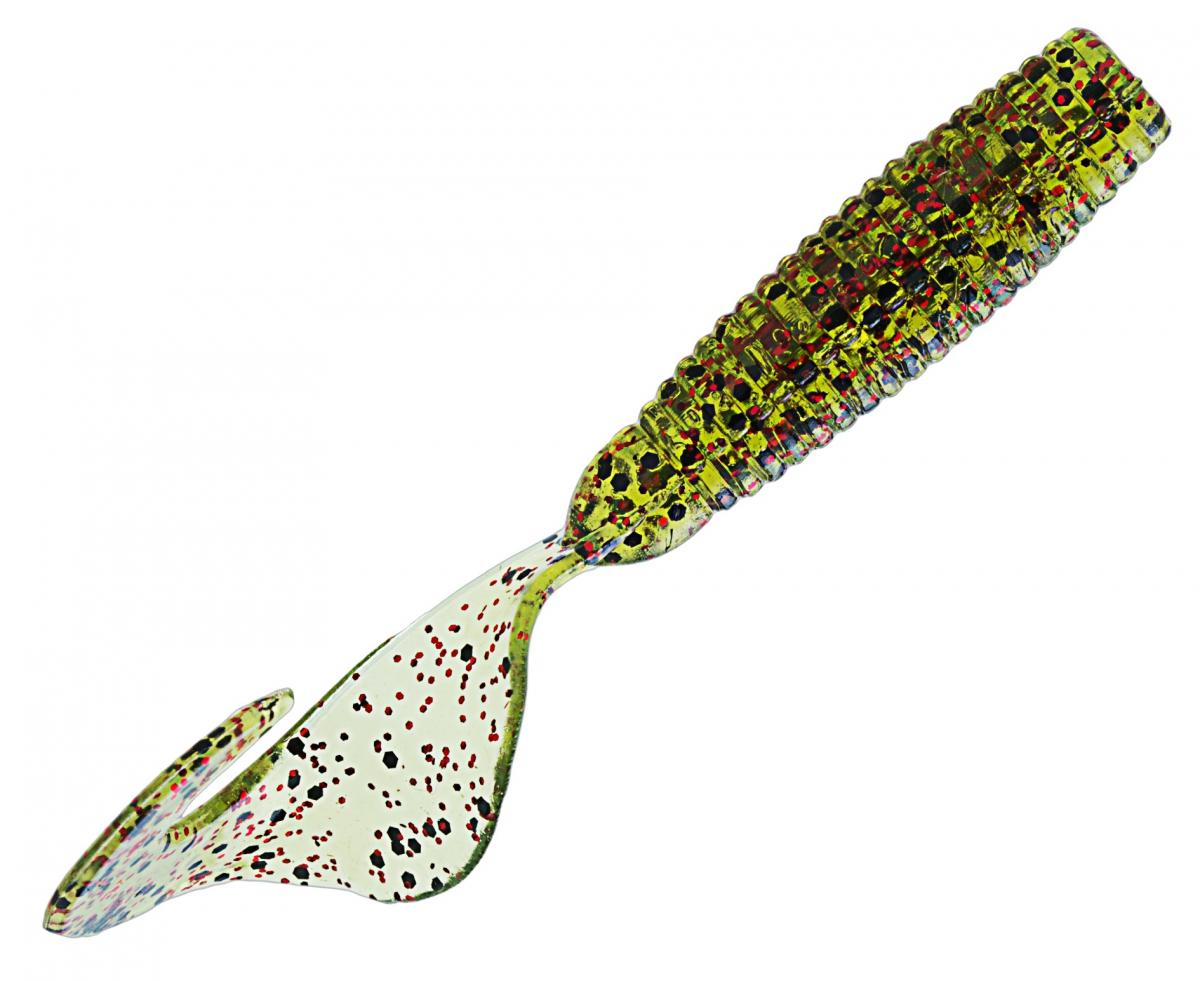
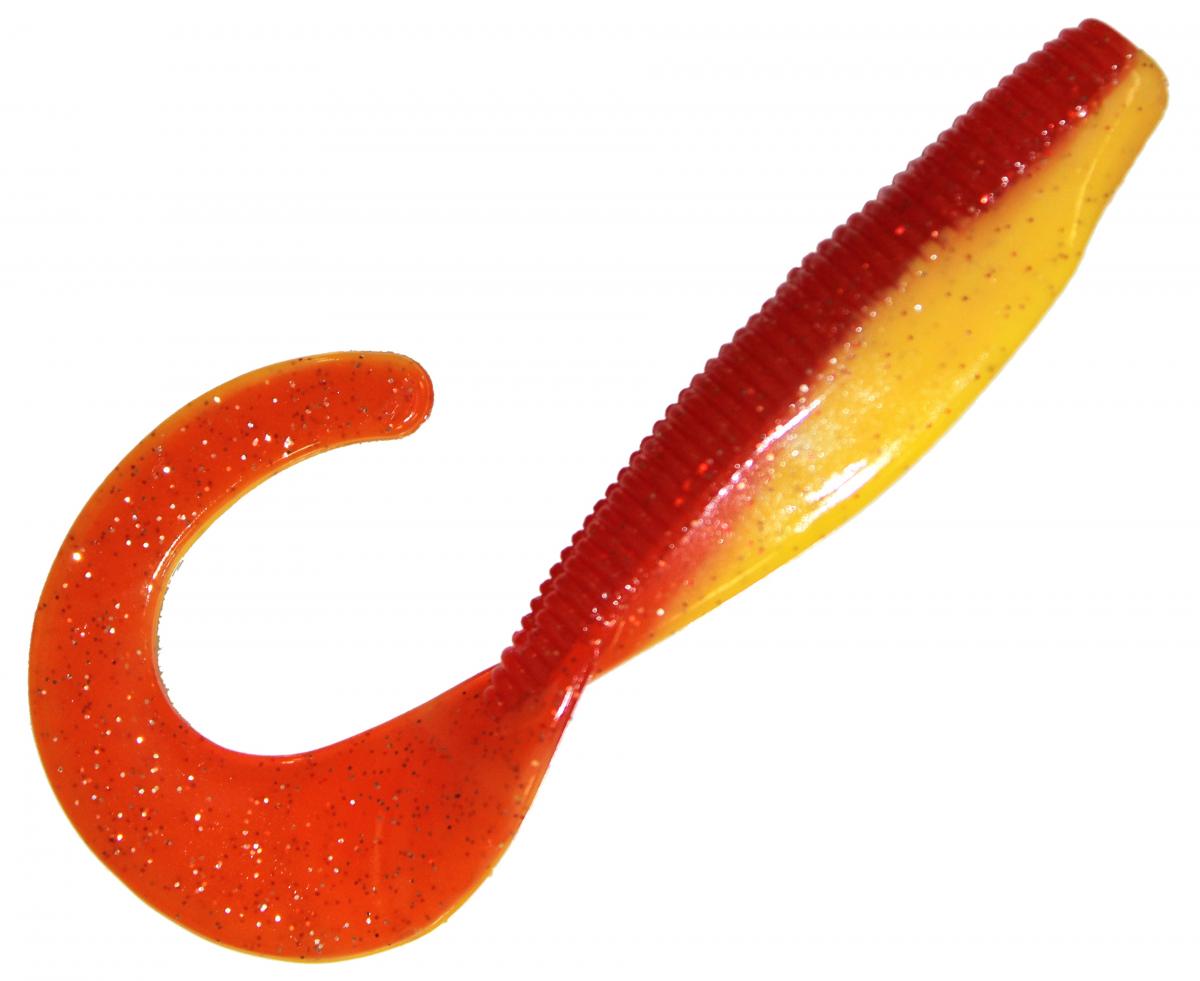
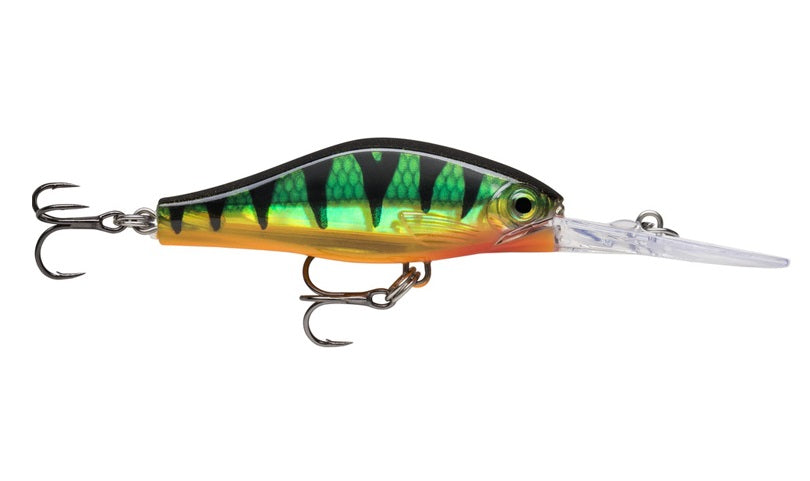
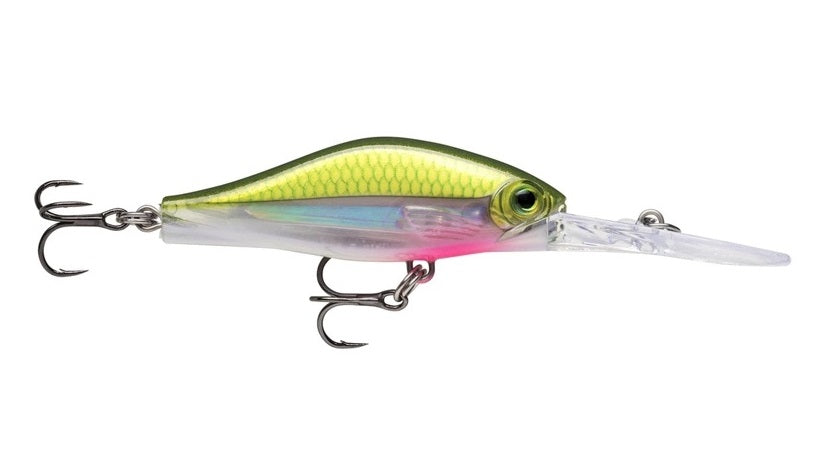
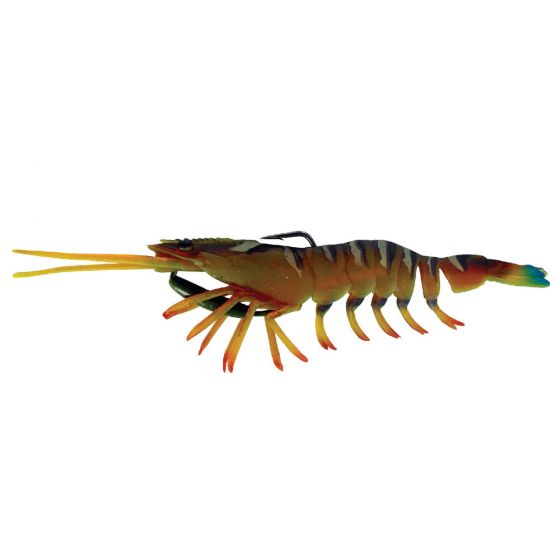
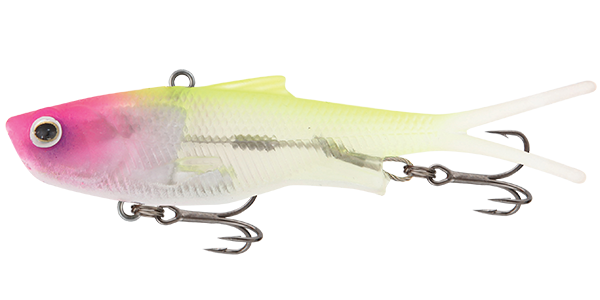
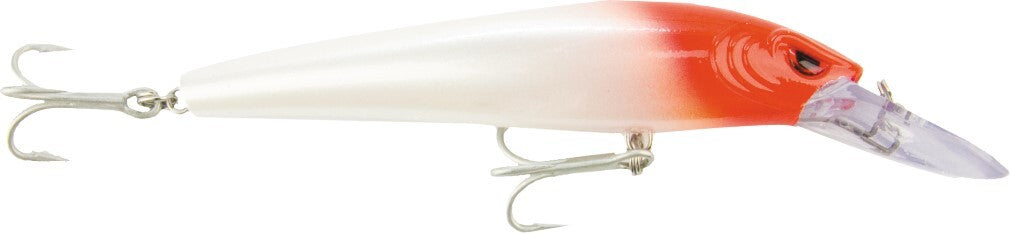
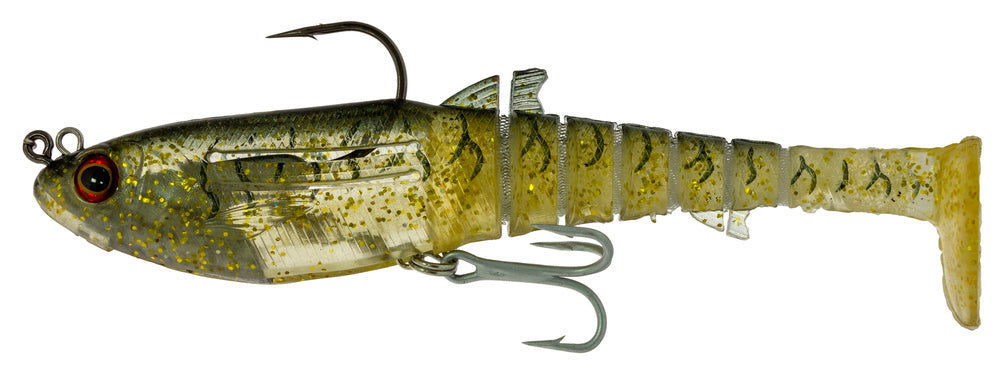
A hard body is moulded plastic or timber with a bib and hooks attached, and it swims by itself. A soft plastic is a soft moulded tail rigged onto a separate jighead, so you control how deep it goes and how it moves.
How fast should I retrieve a lure?
Fast enough that the lure is working, then vary it. Pauses, twitches and changes of speed trigger far more strikes than a steady wind.


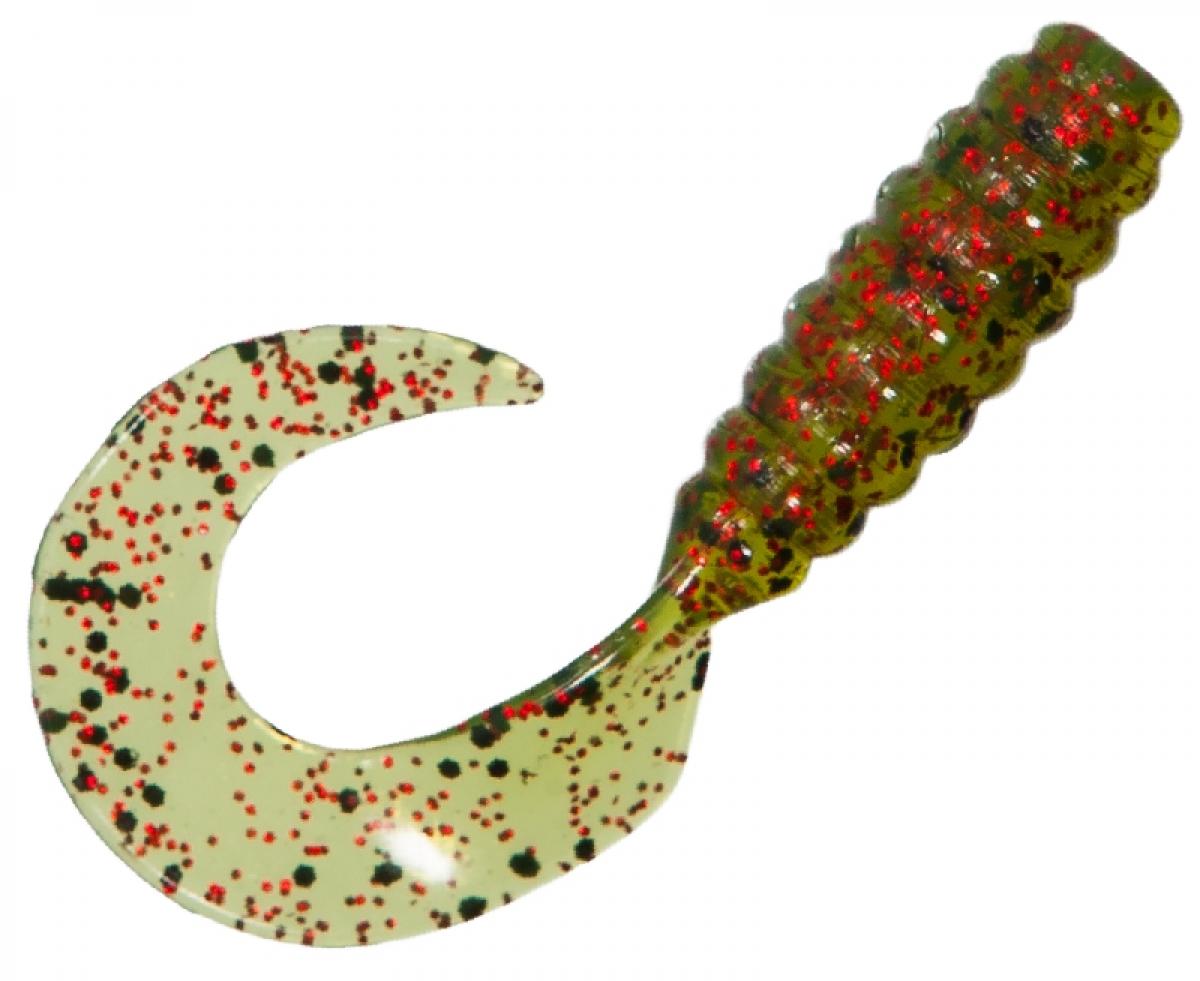
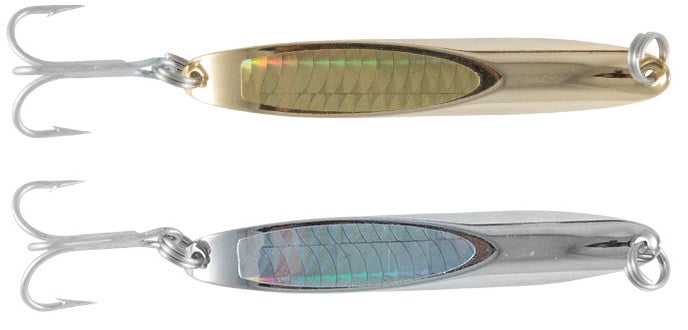
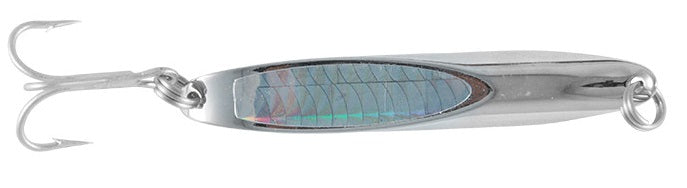
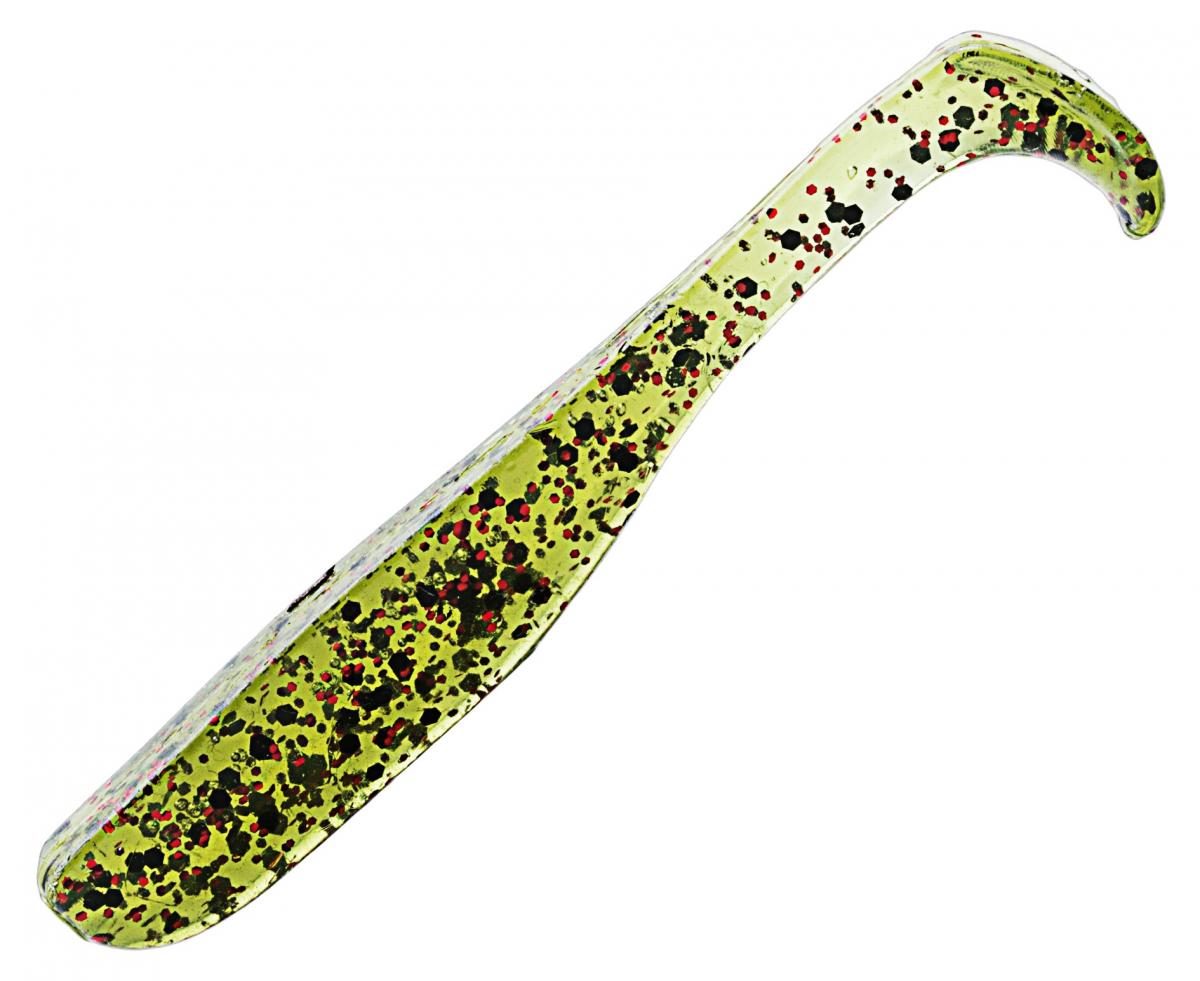


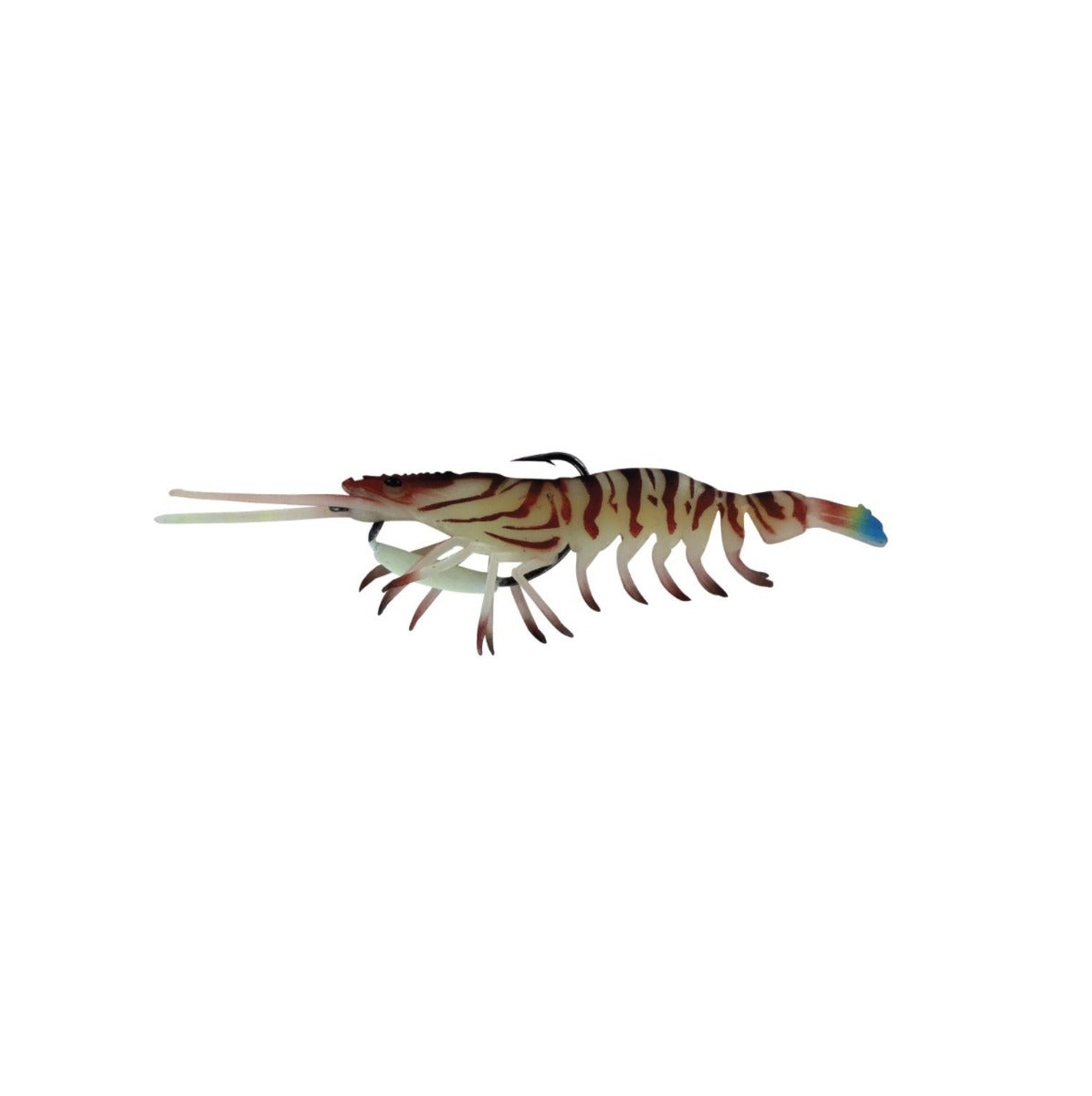
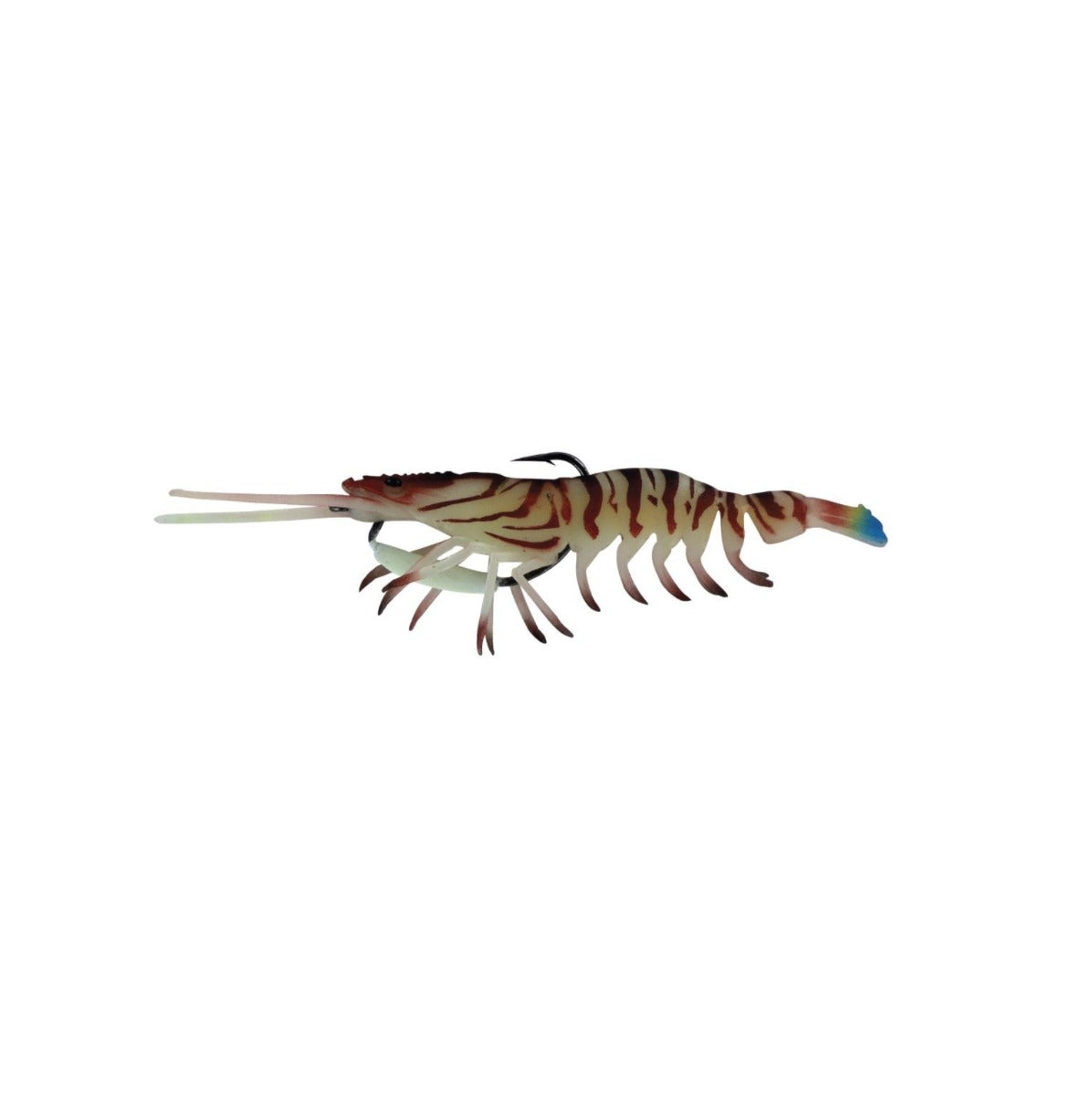
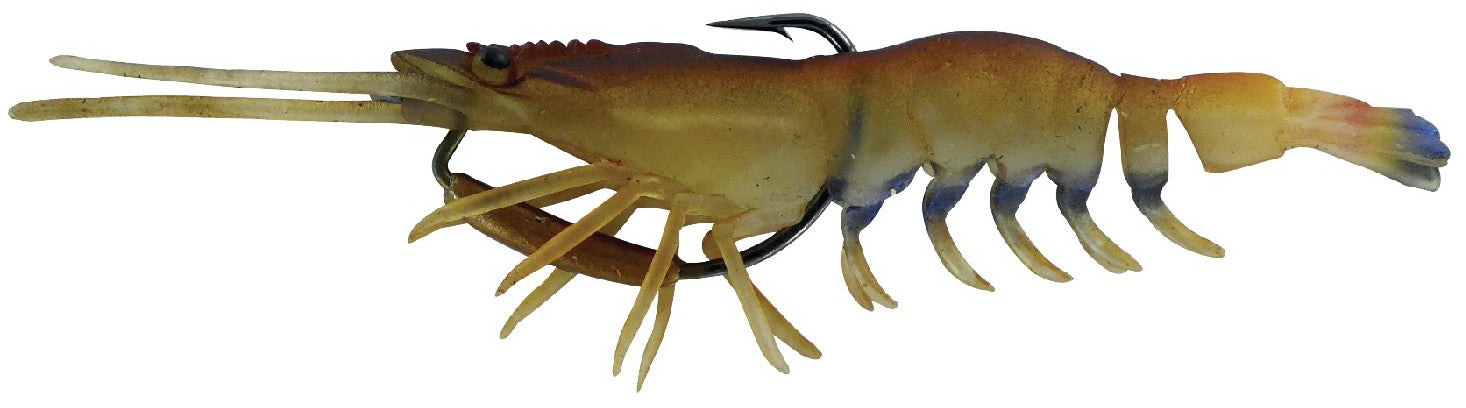
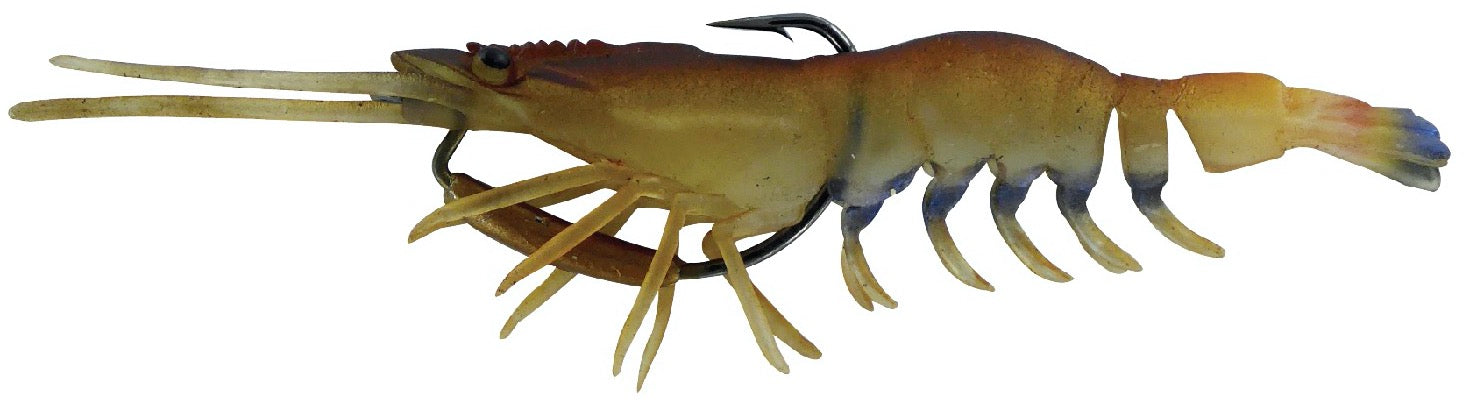



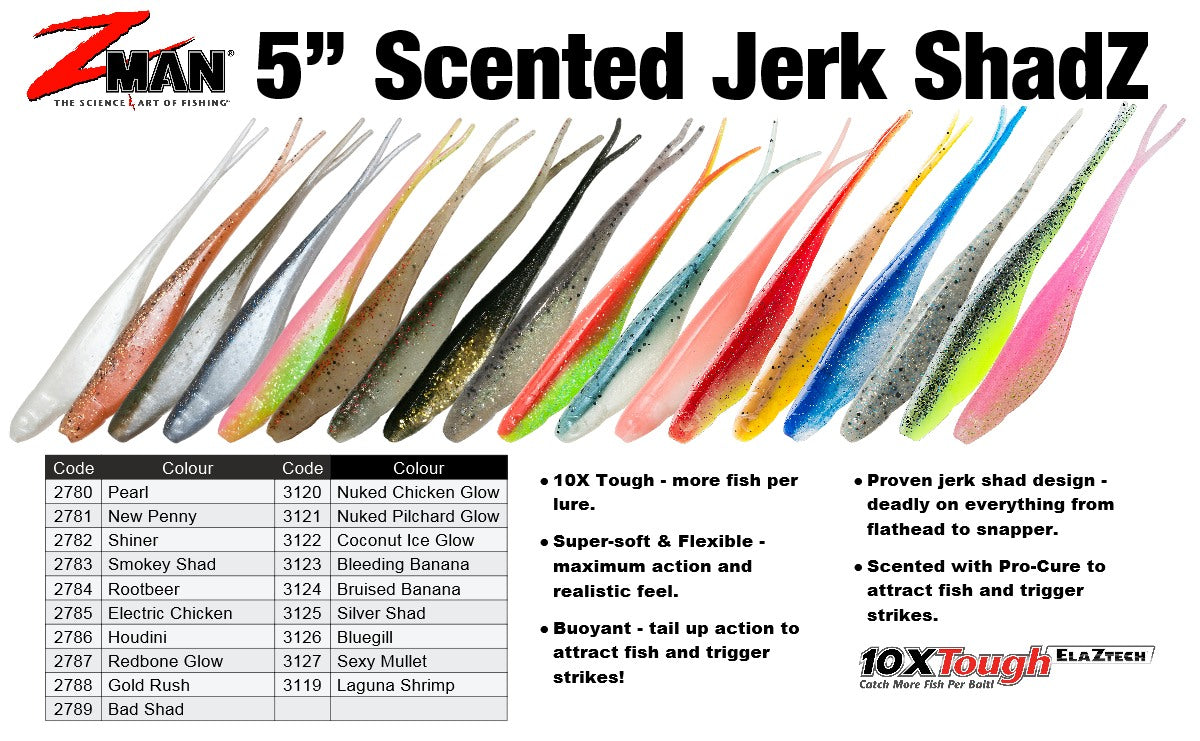
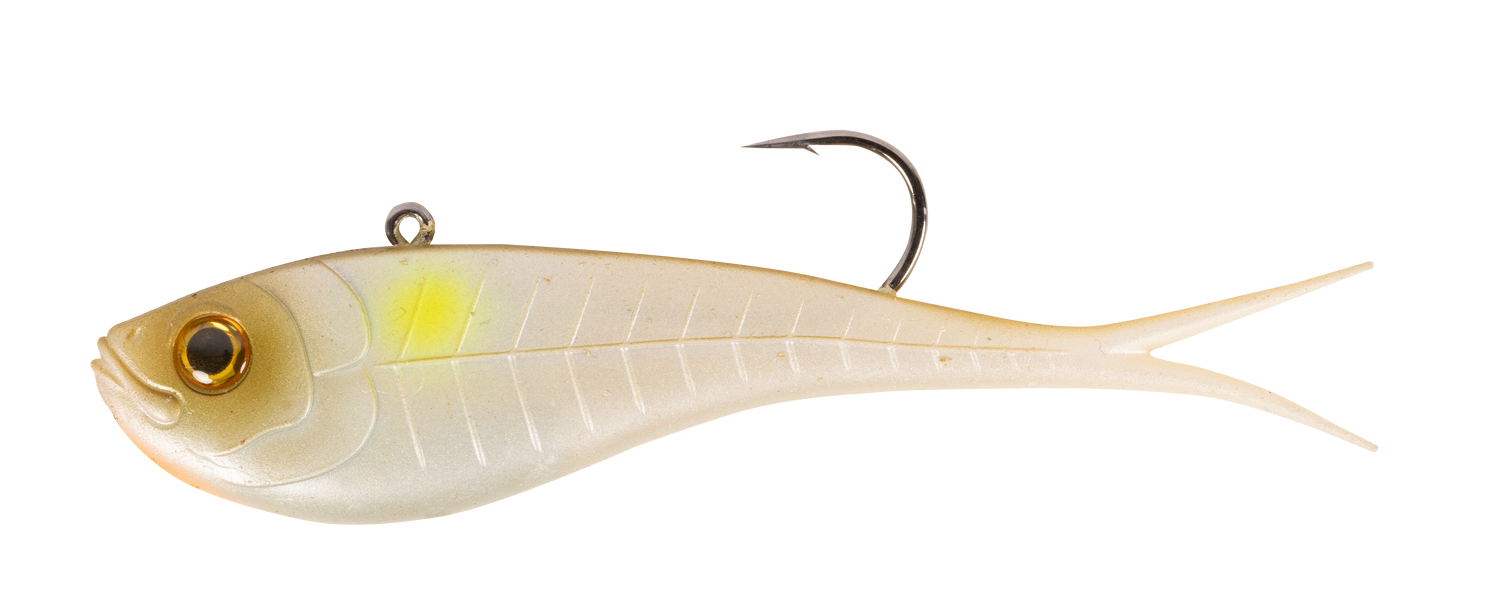
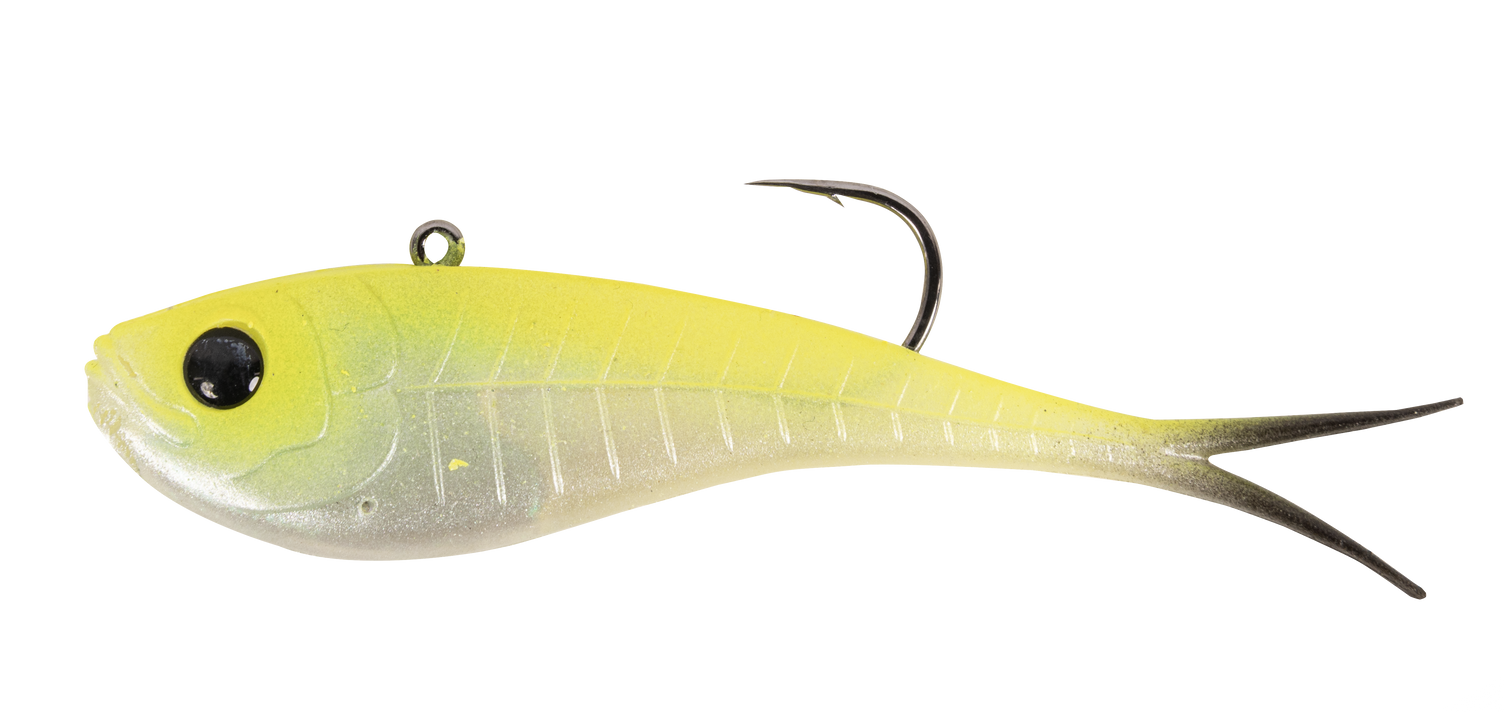


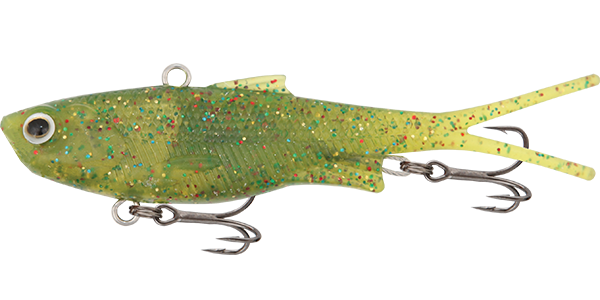

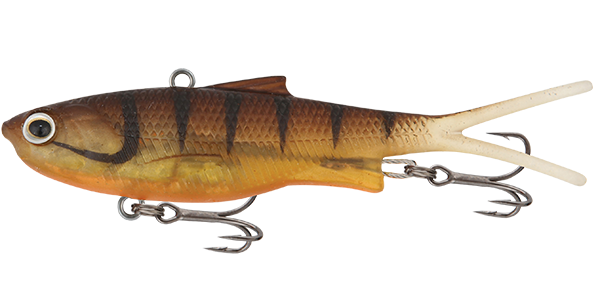




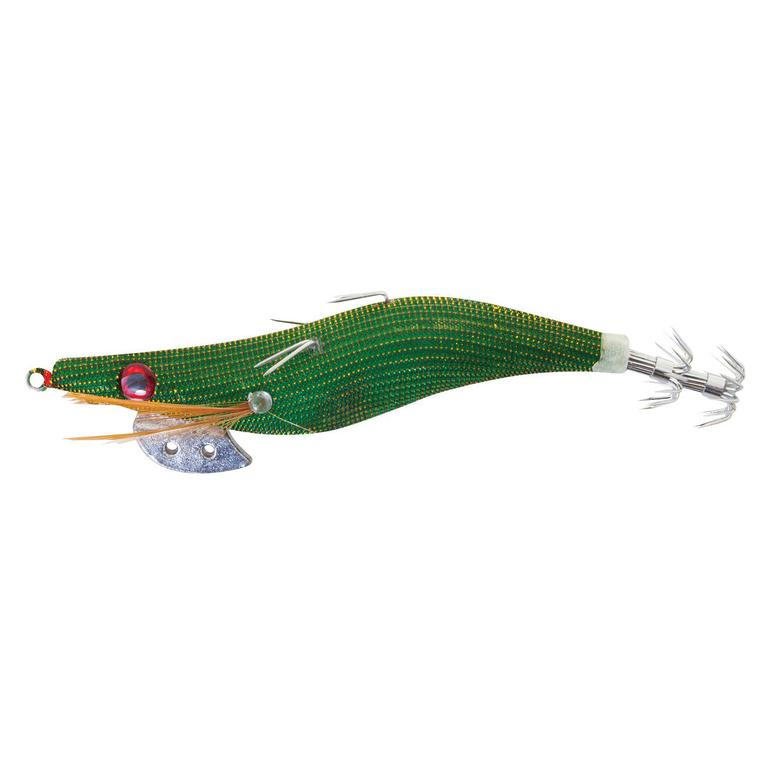
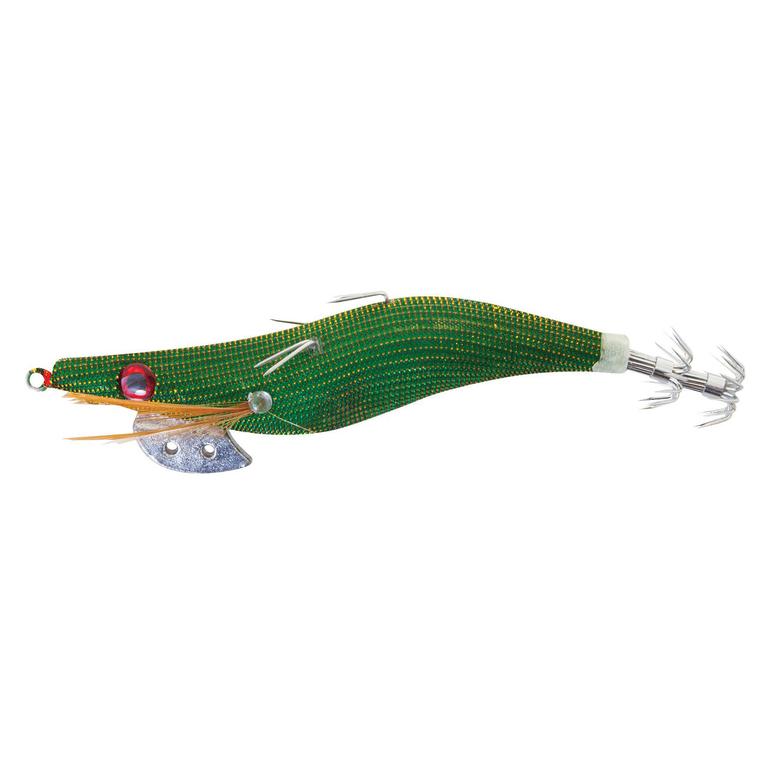
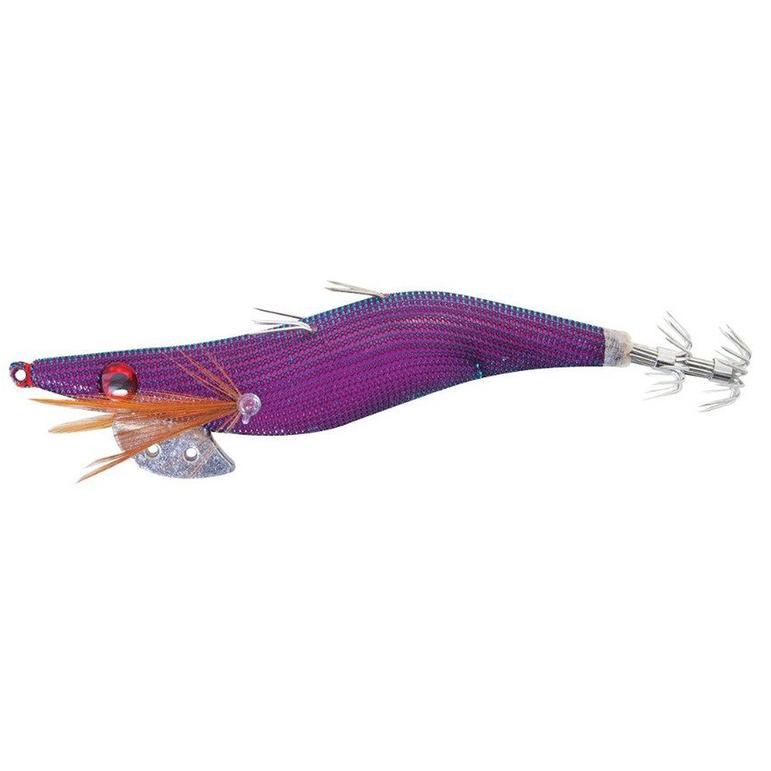
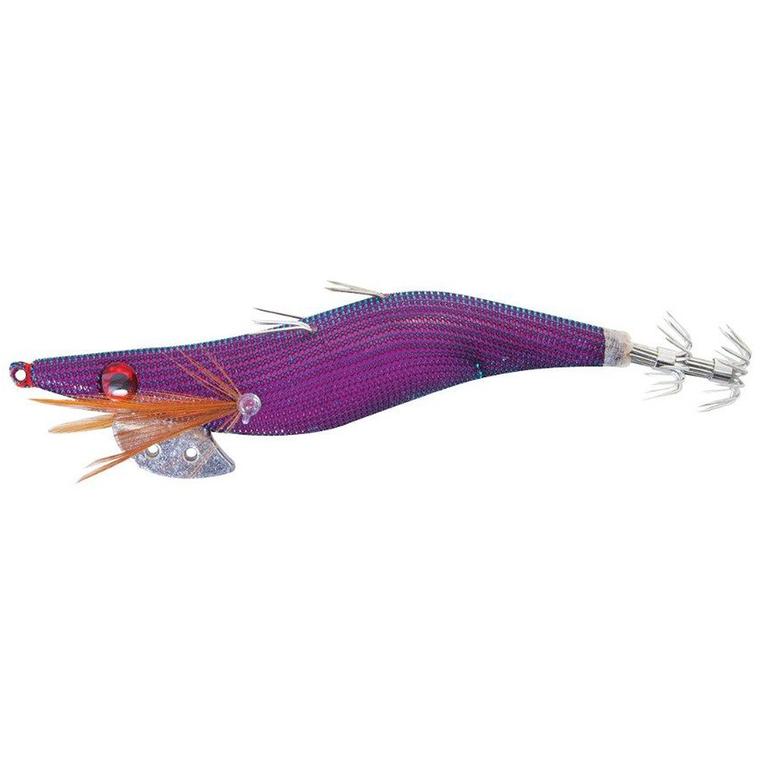

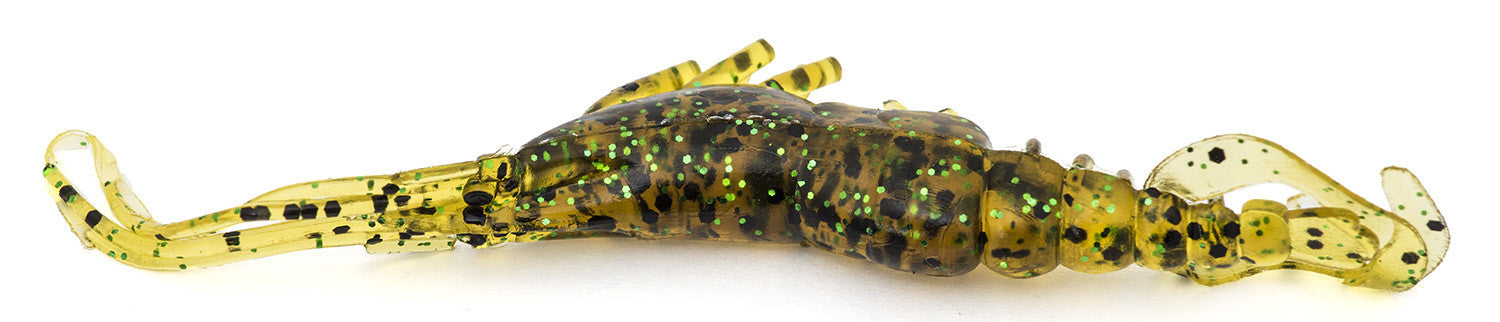
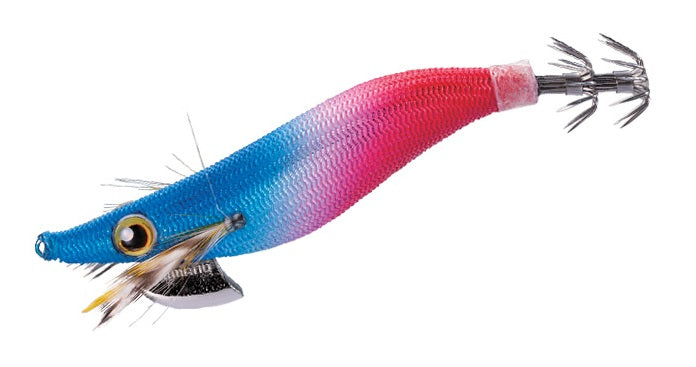
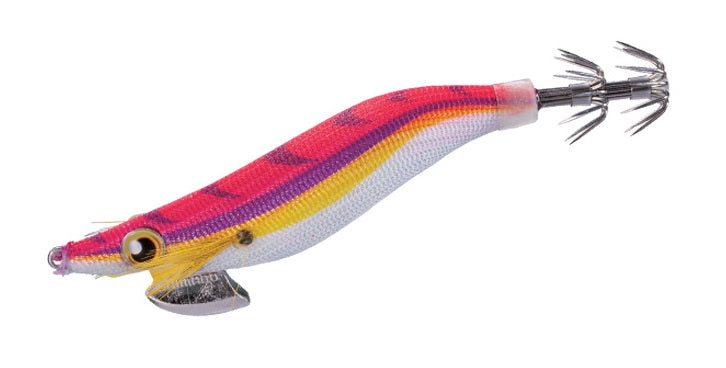
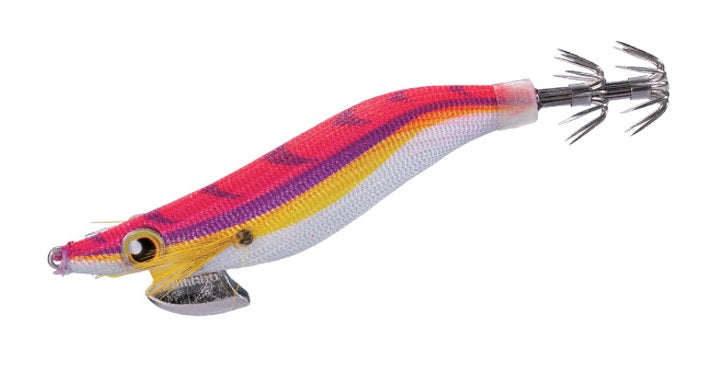
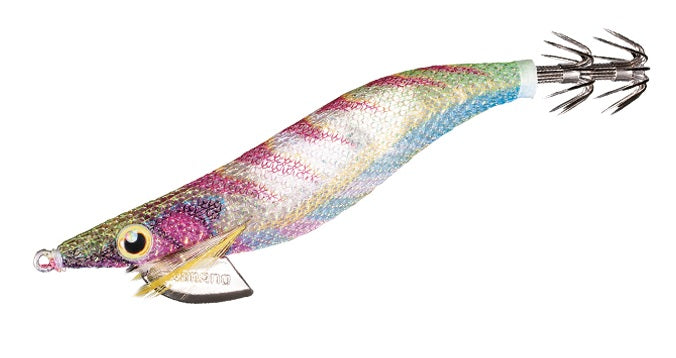
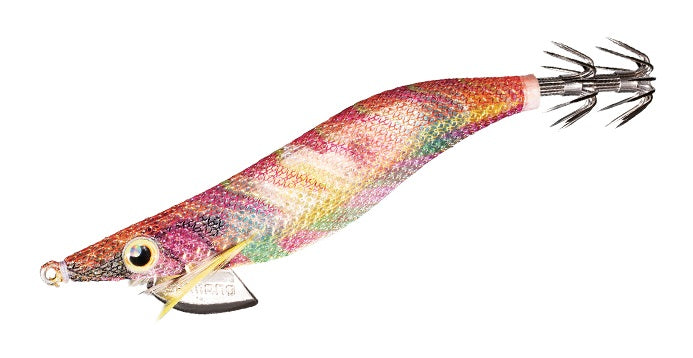
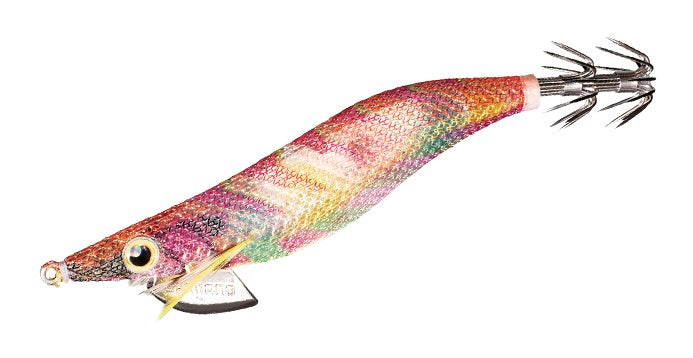
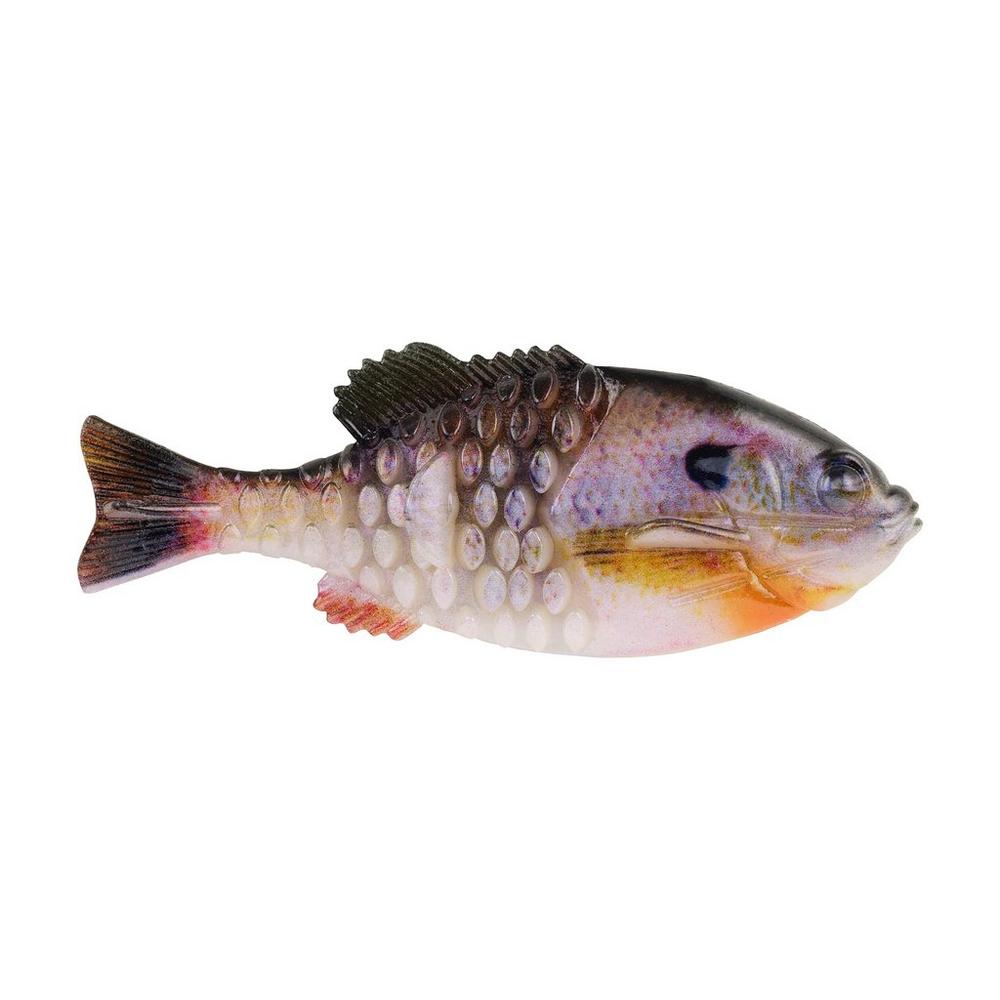
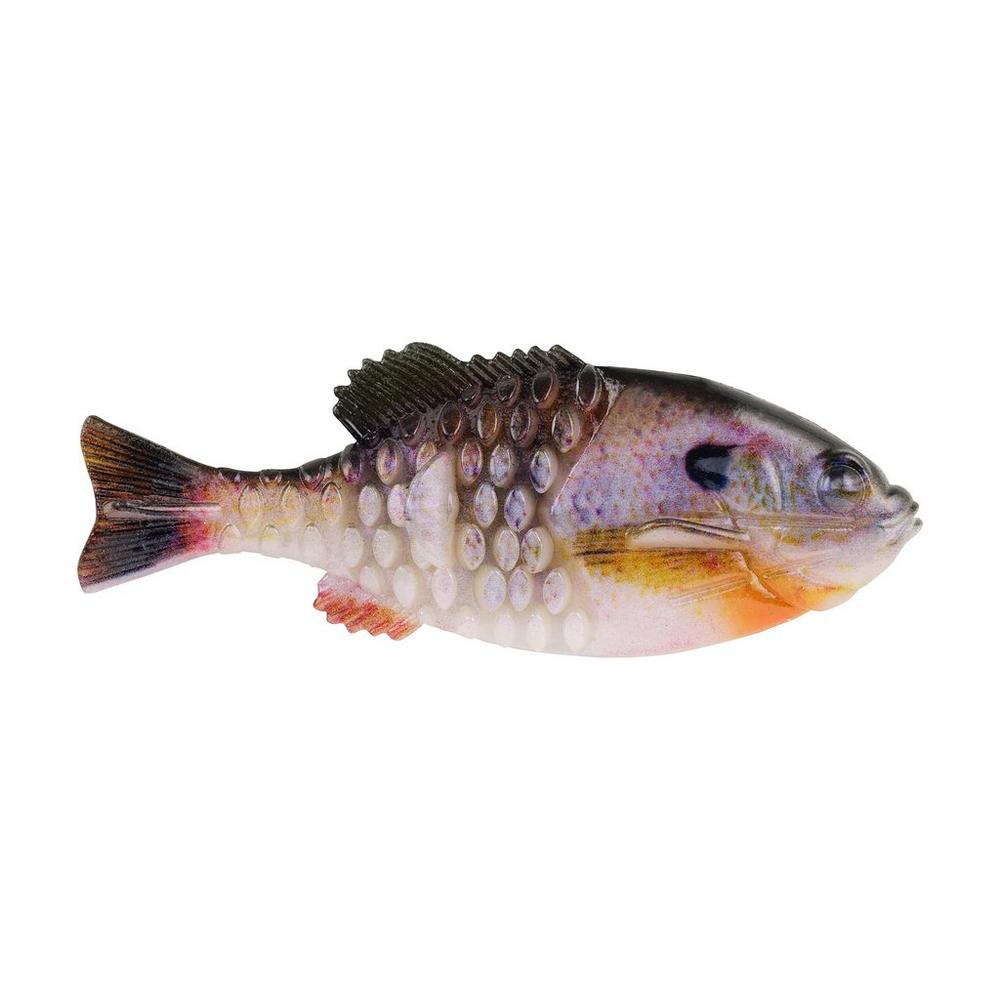
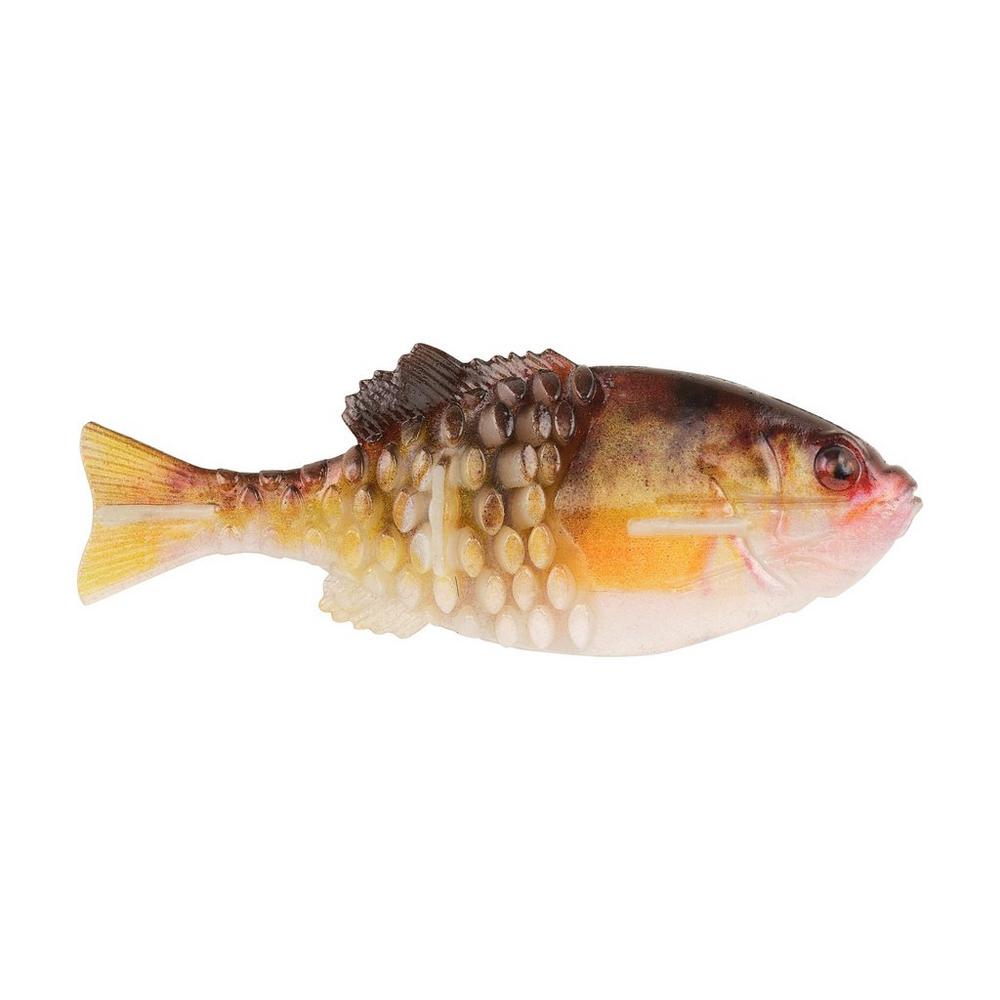
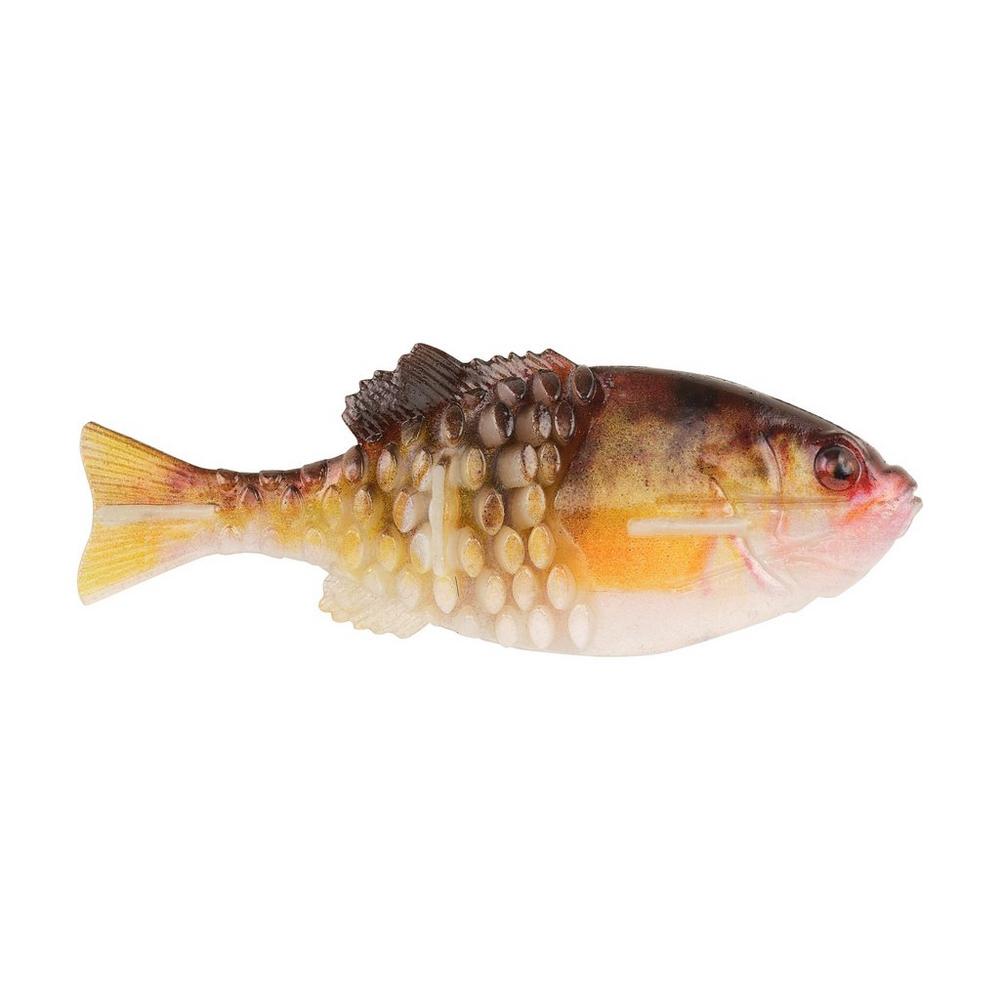
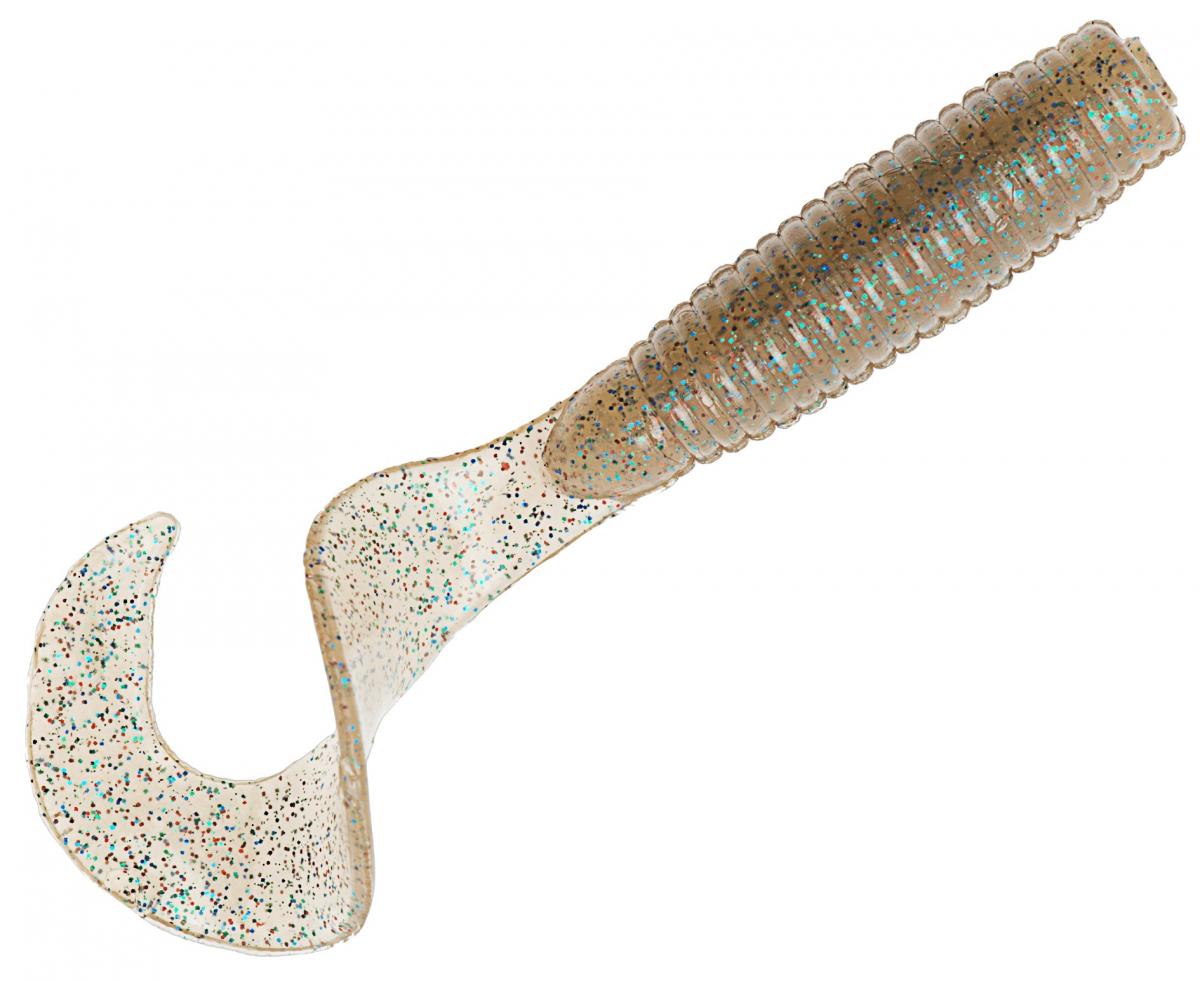
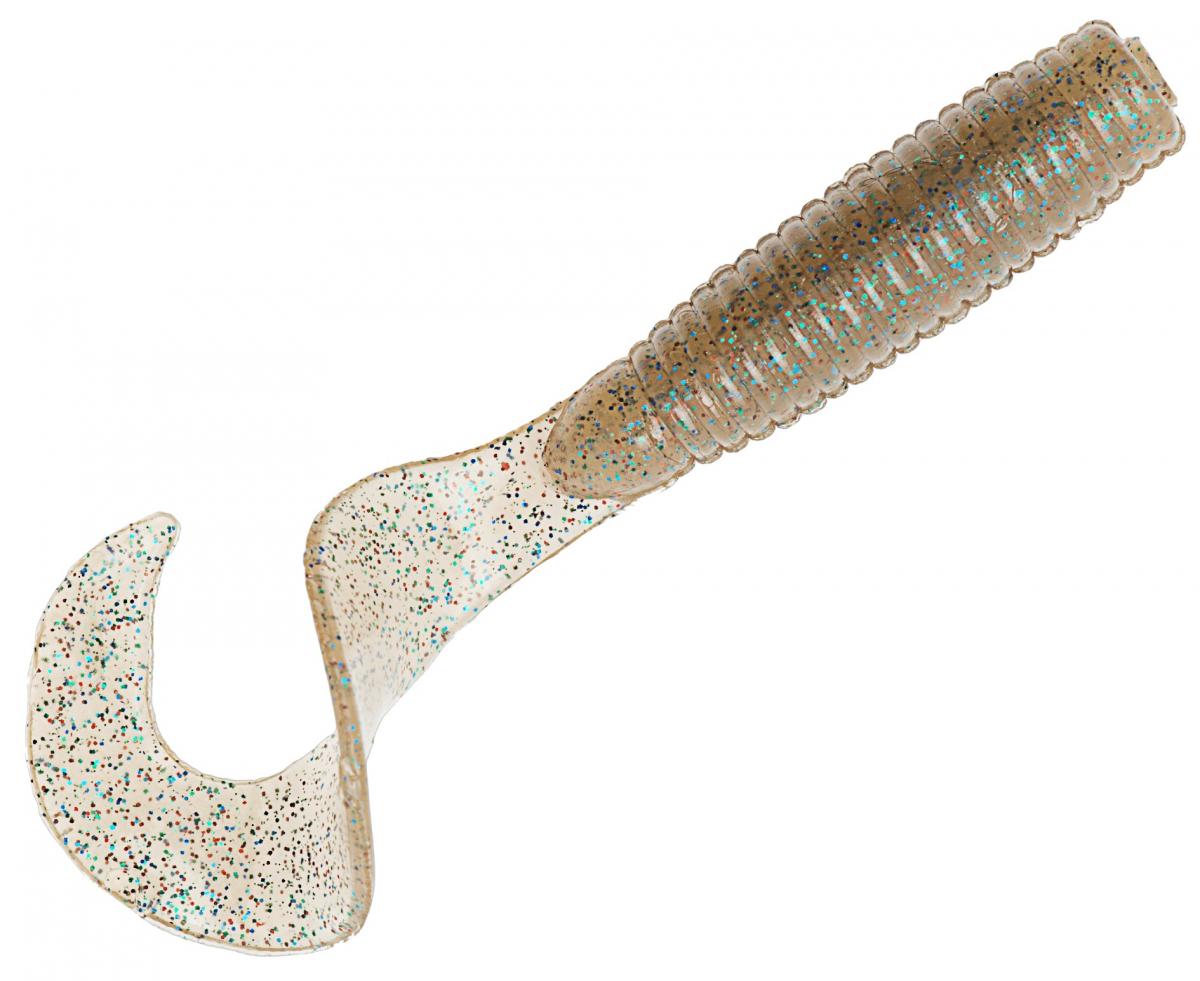
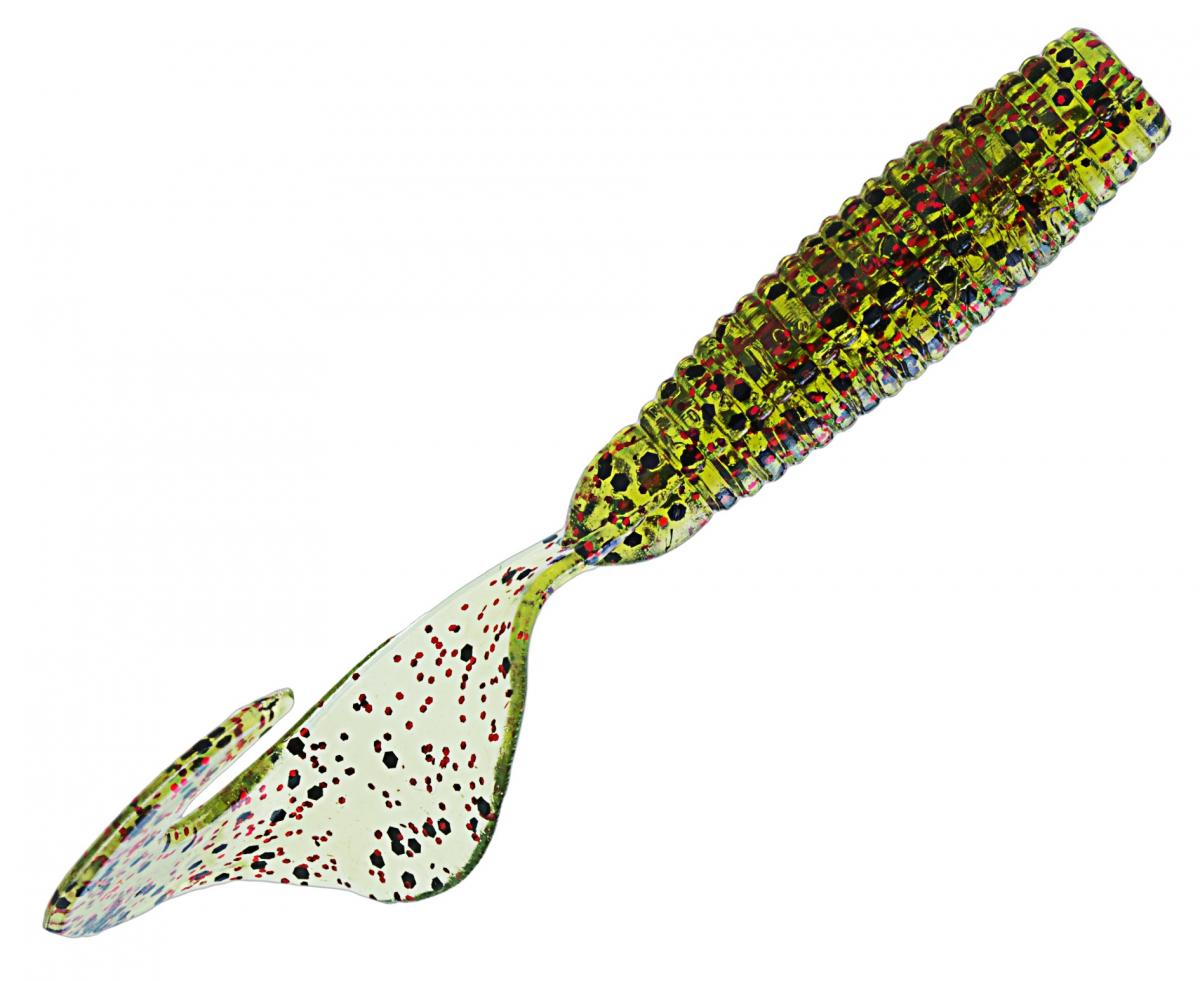

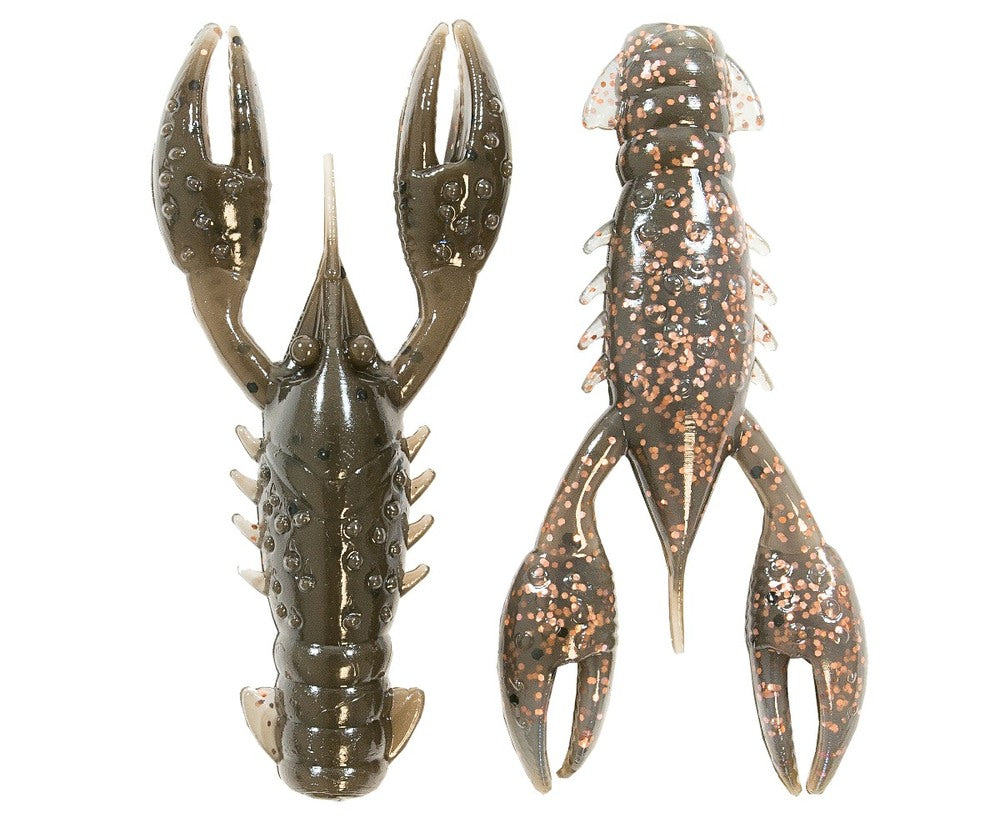
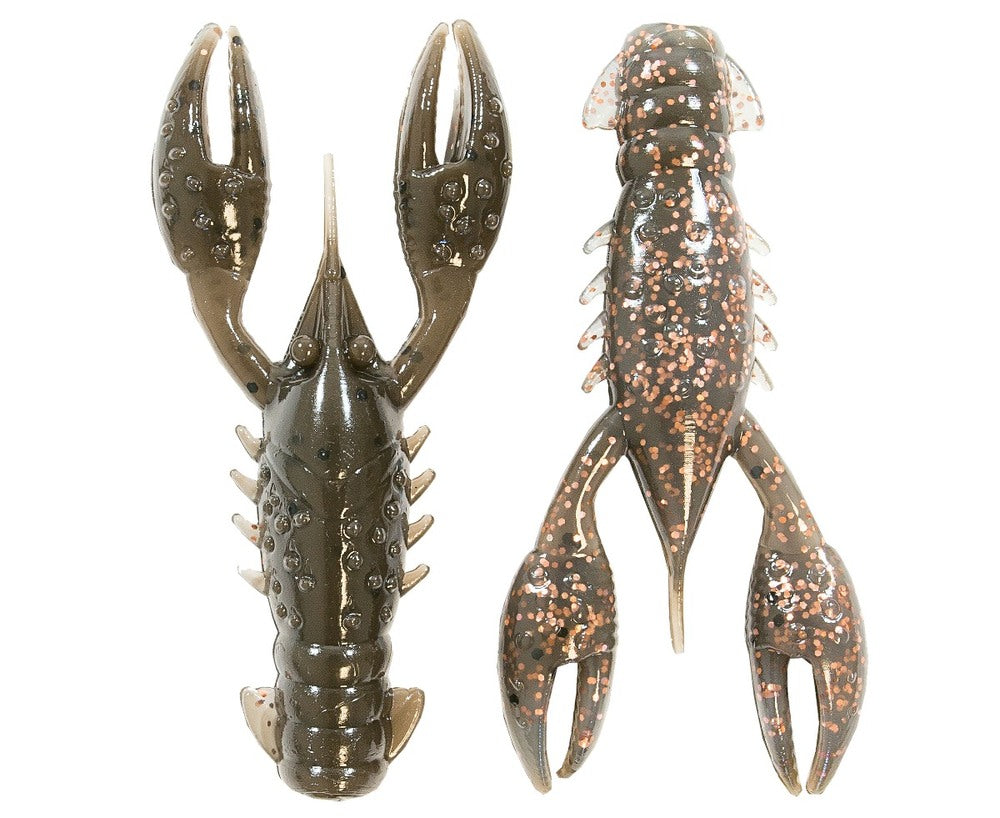
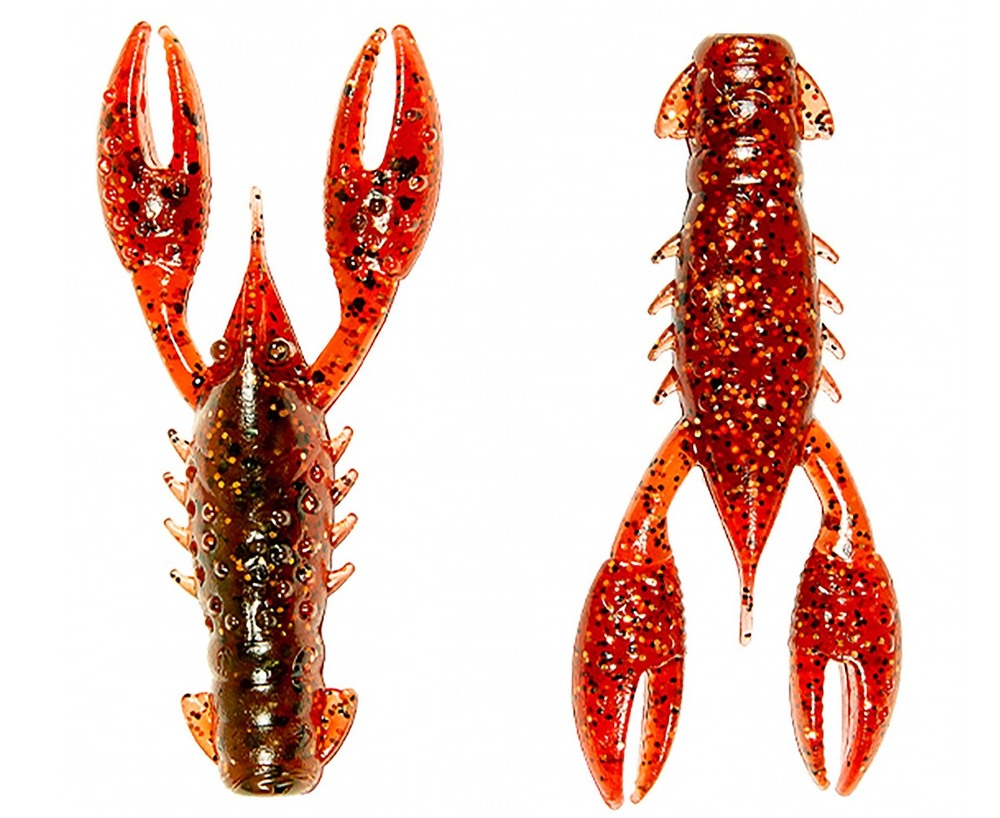
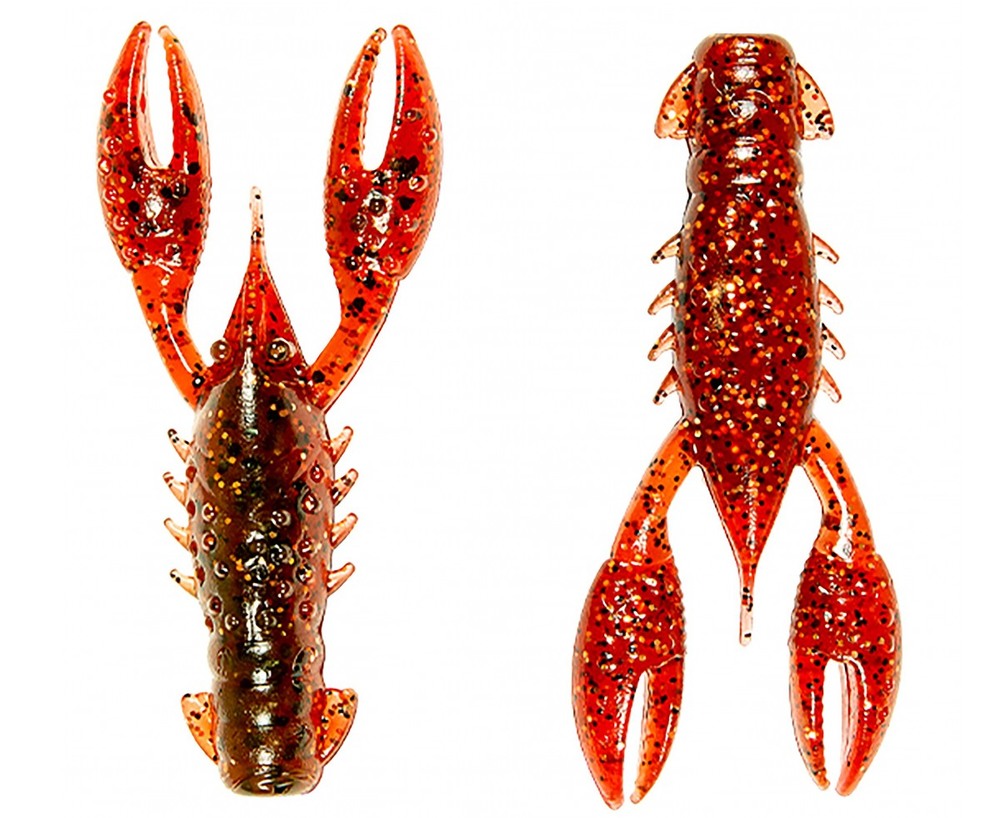
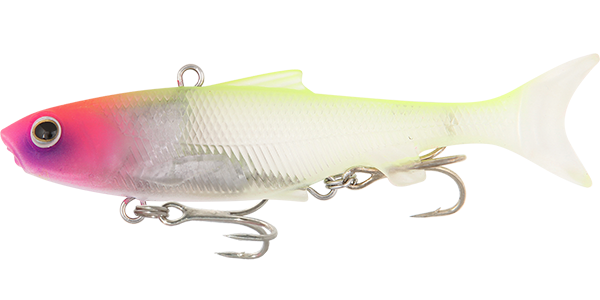
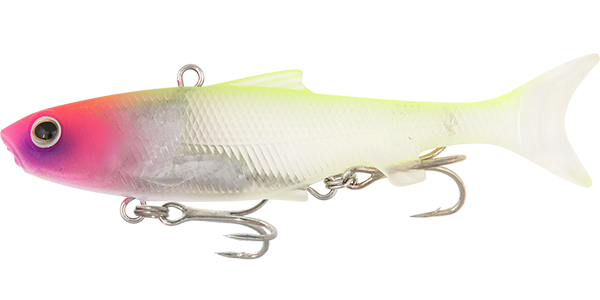
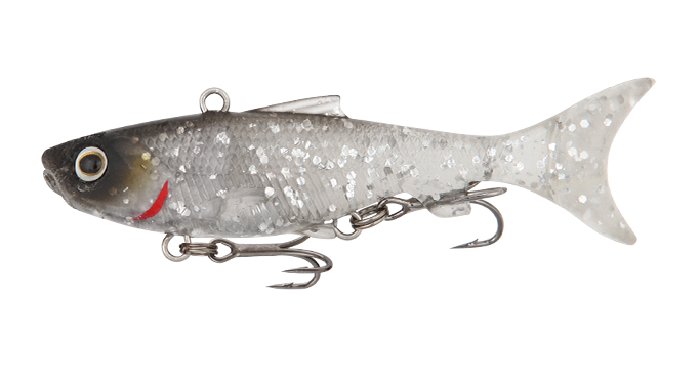
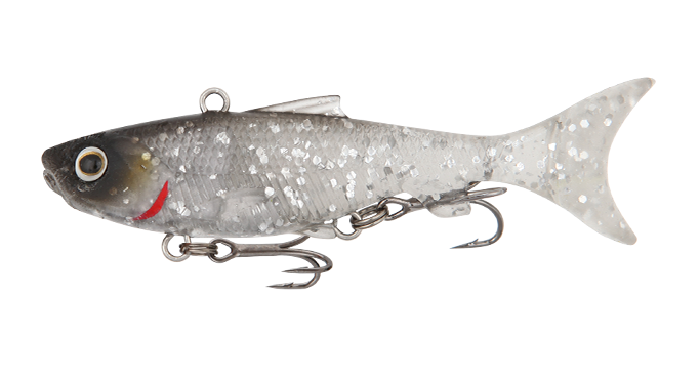
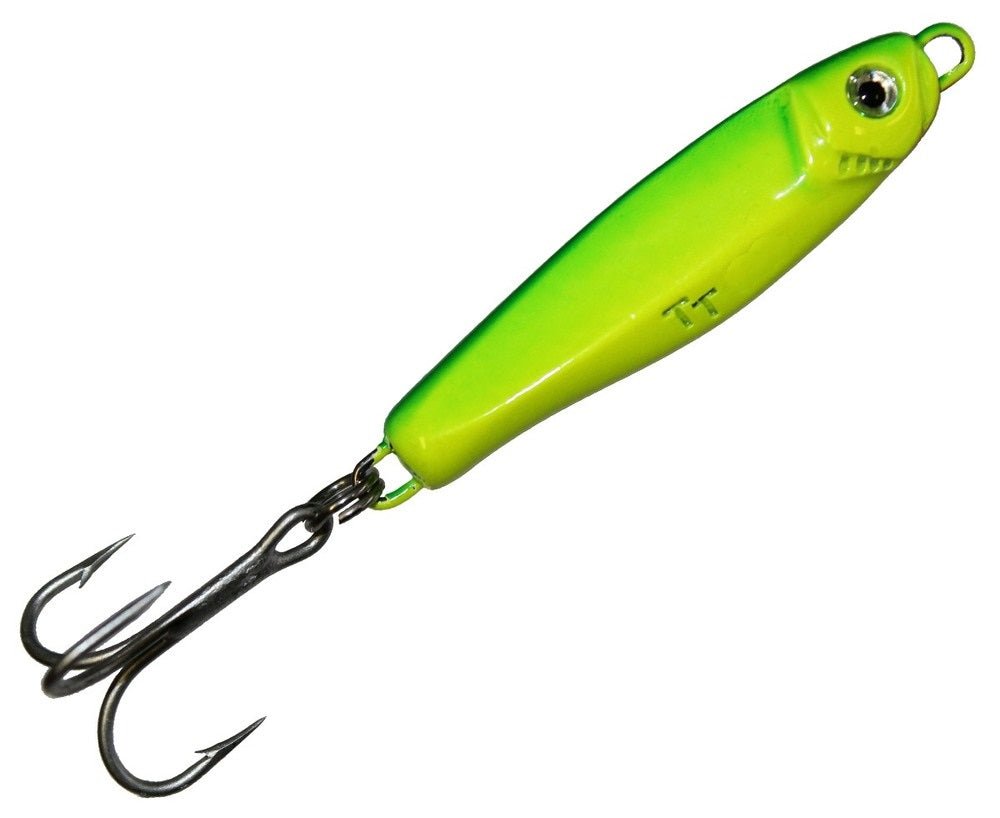
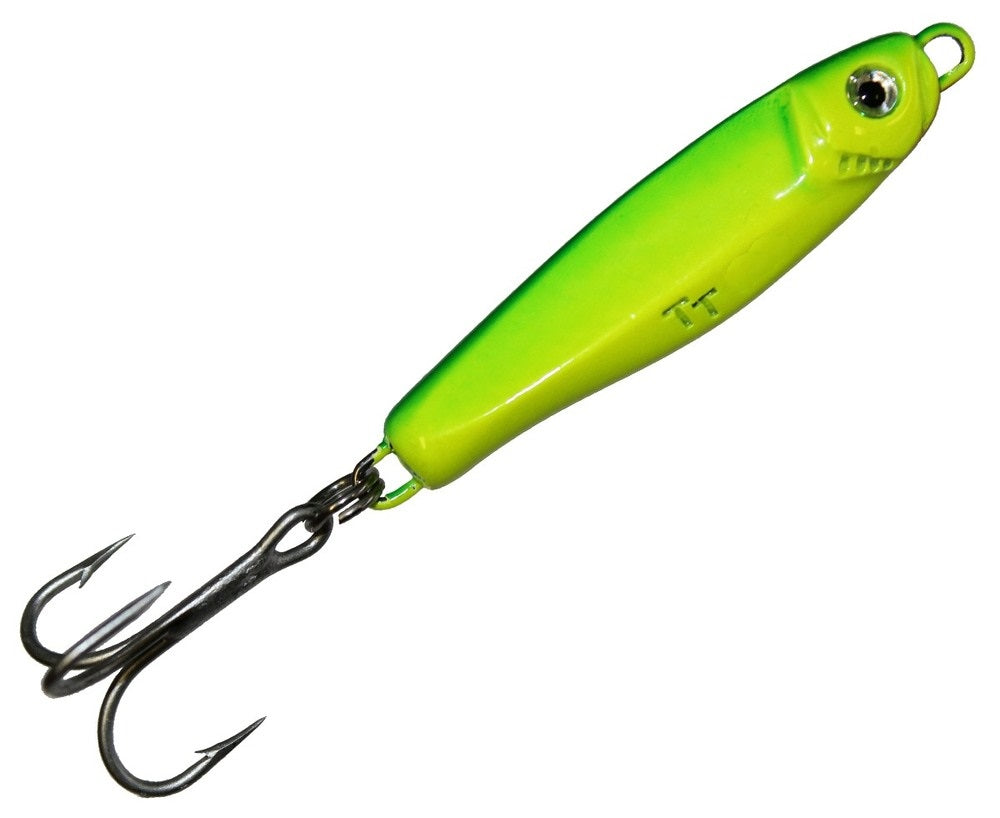
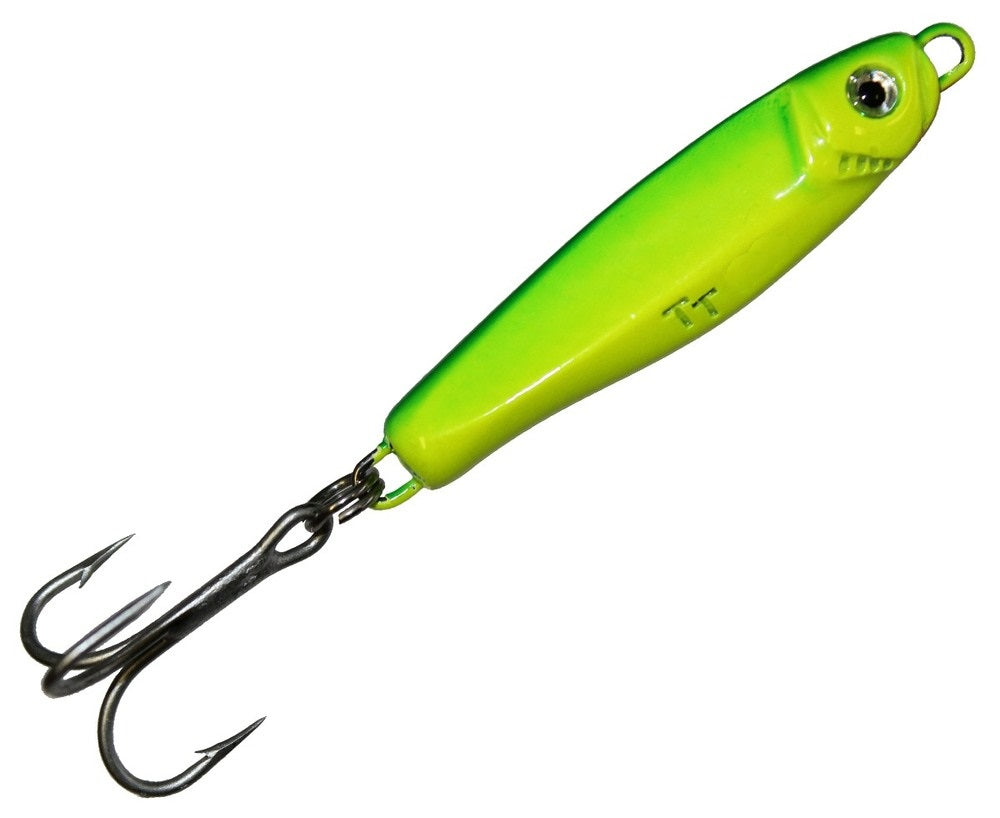

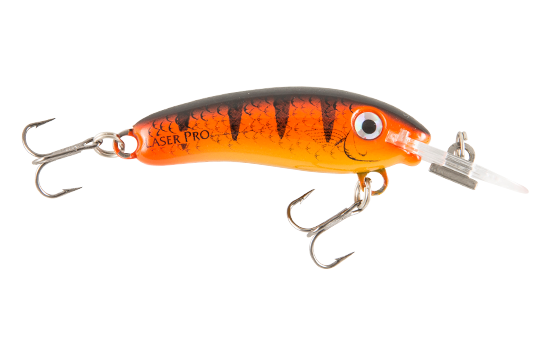
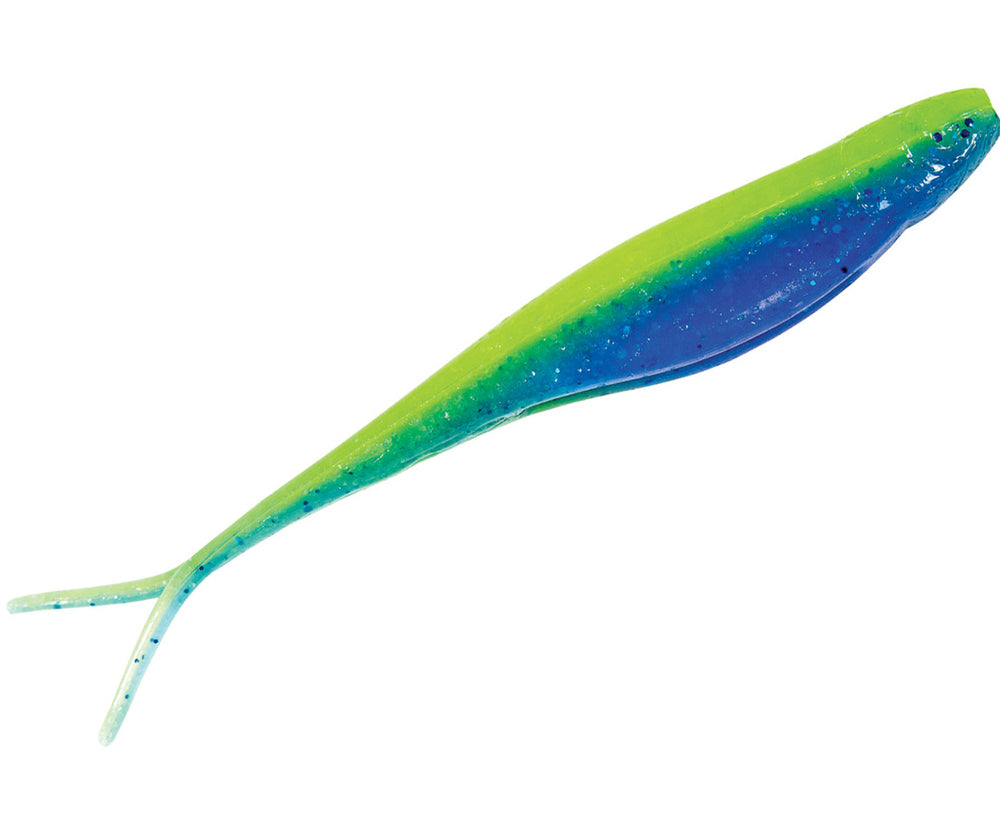
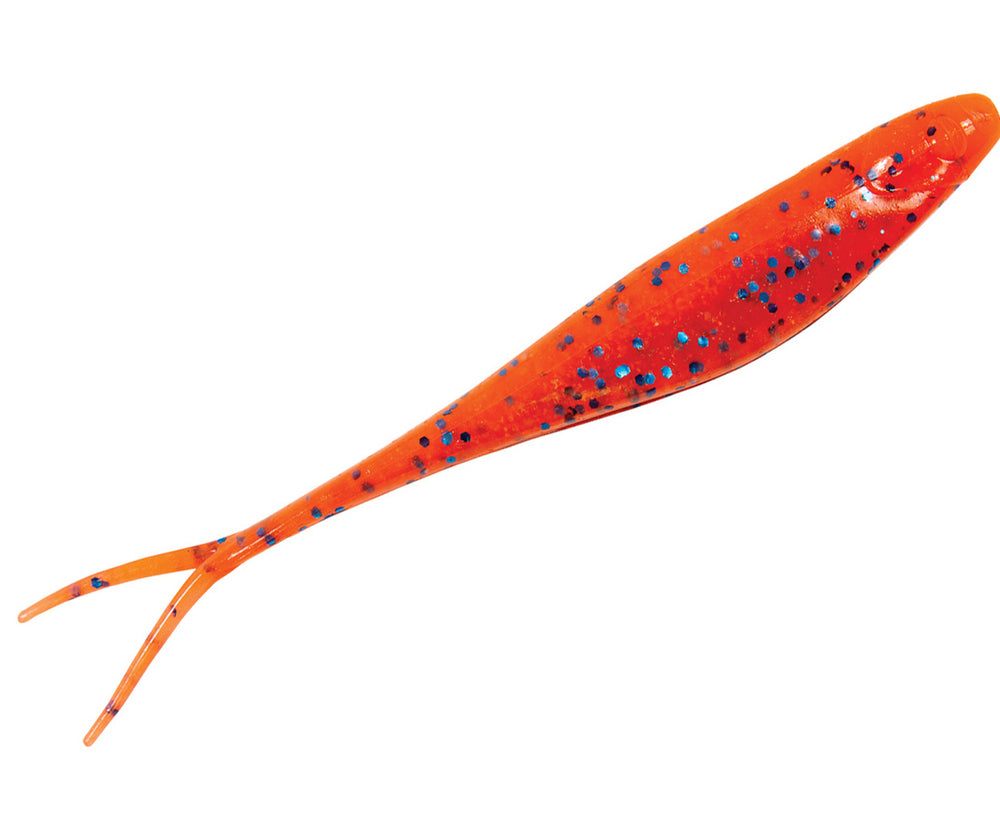

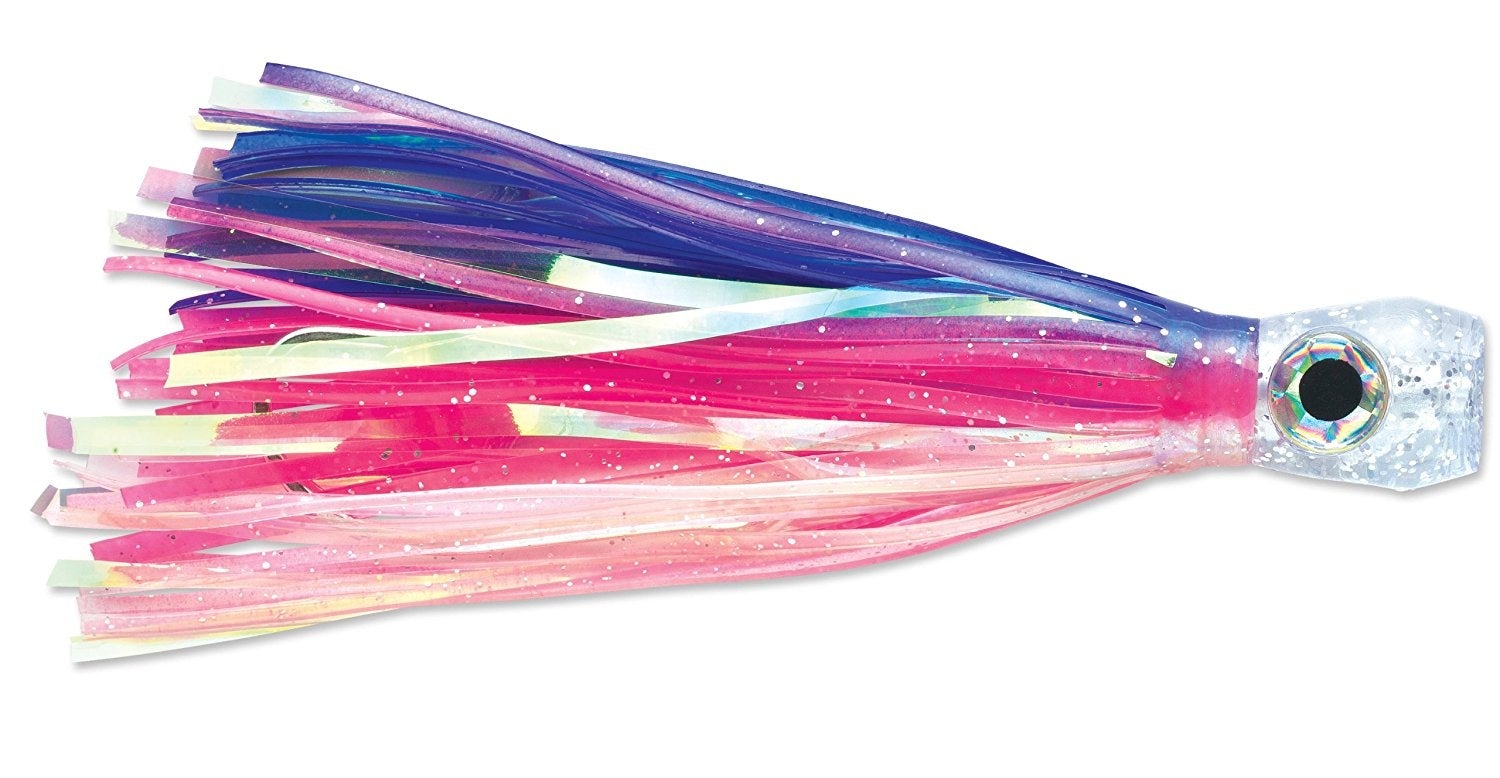
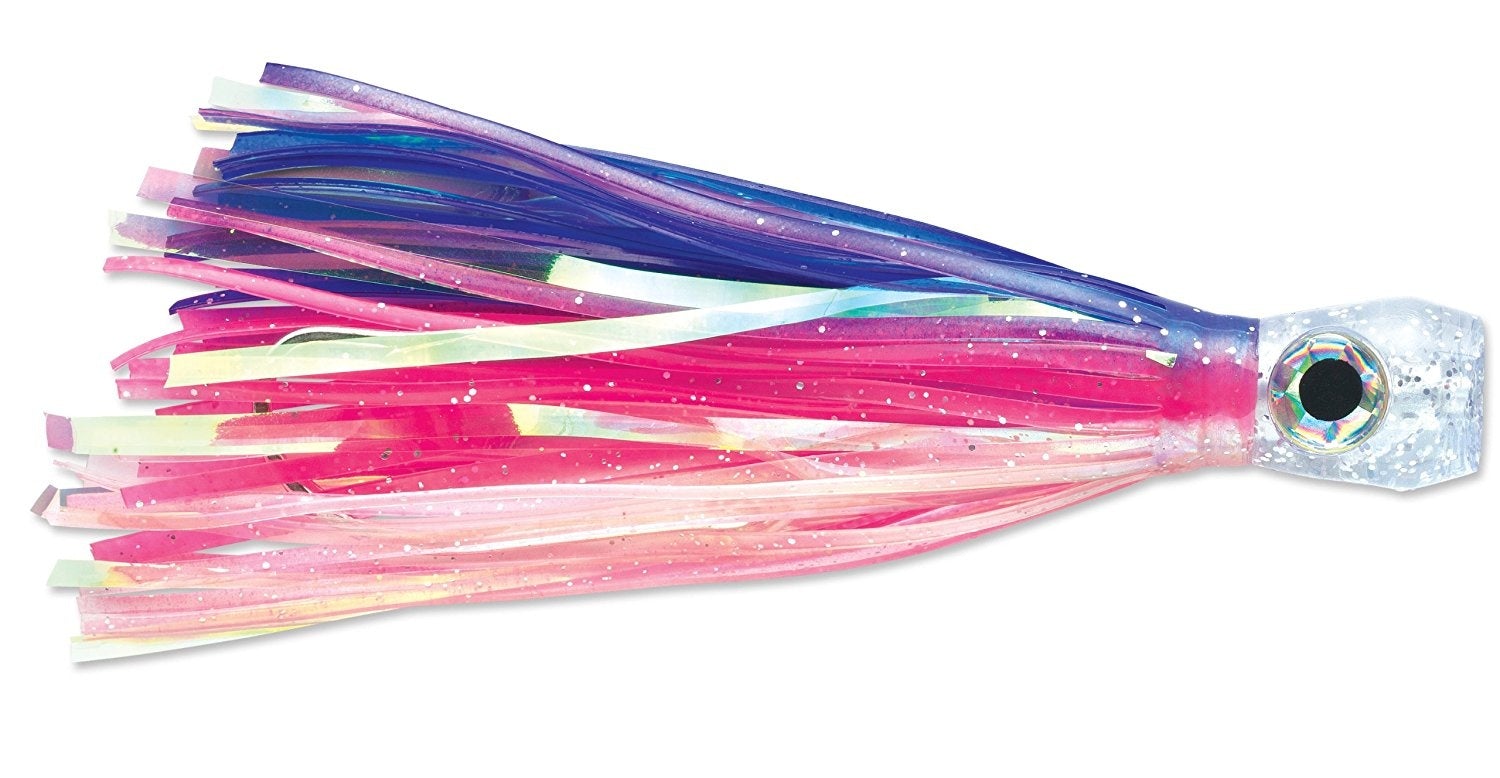
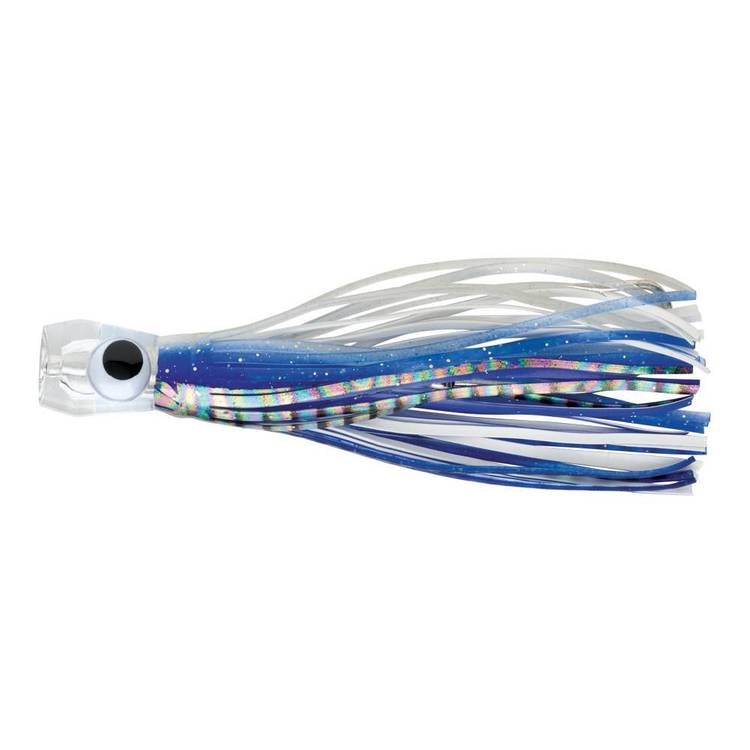
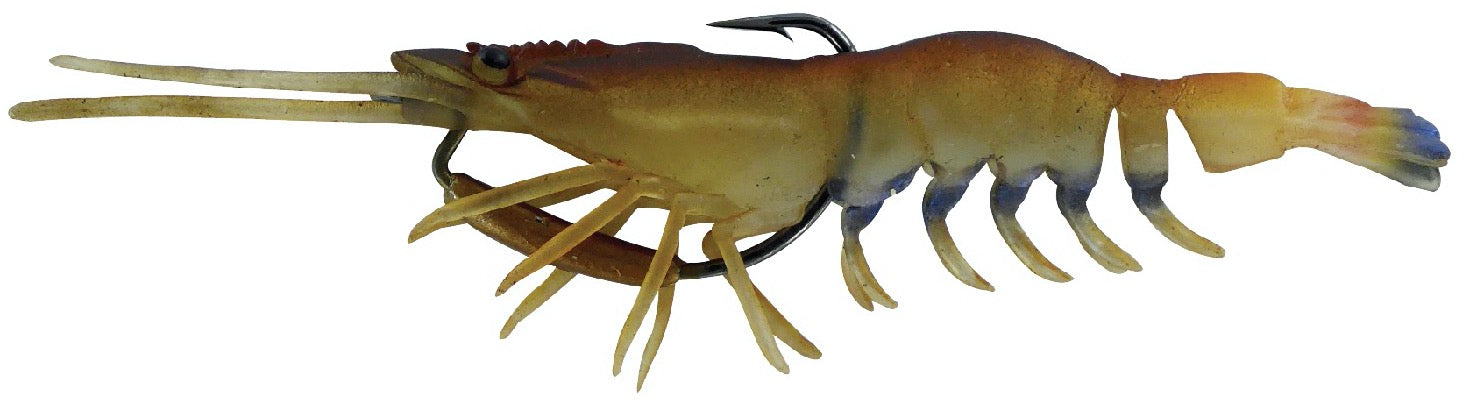
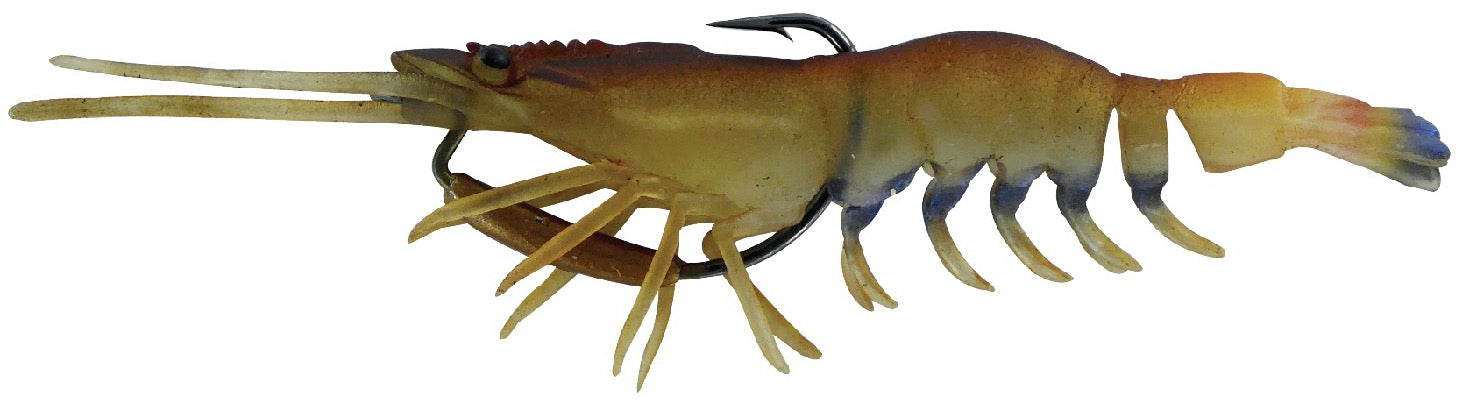
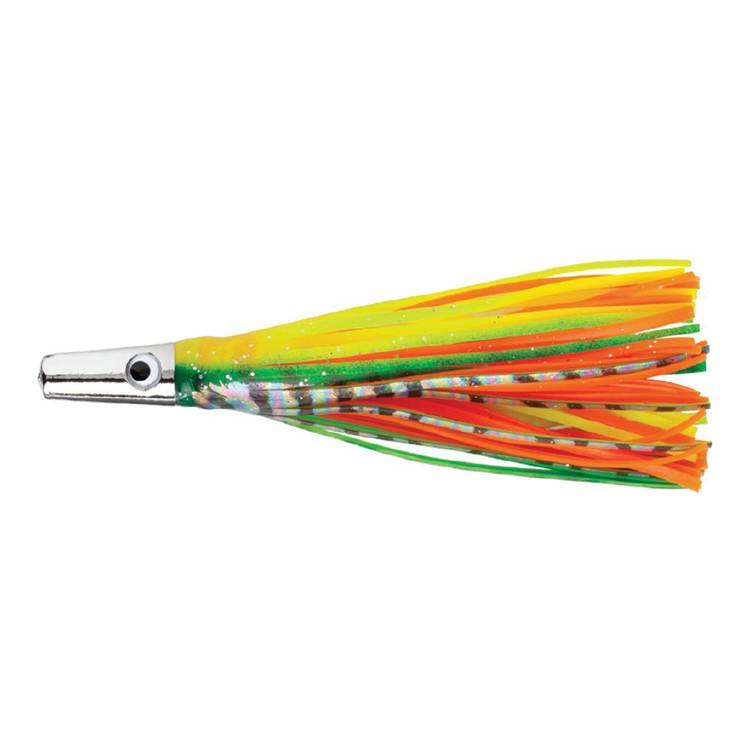
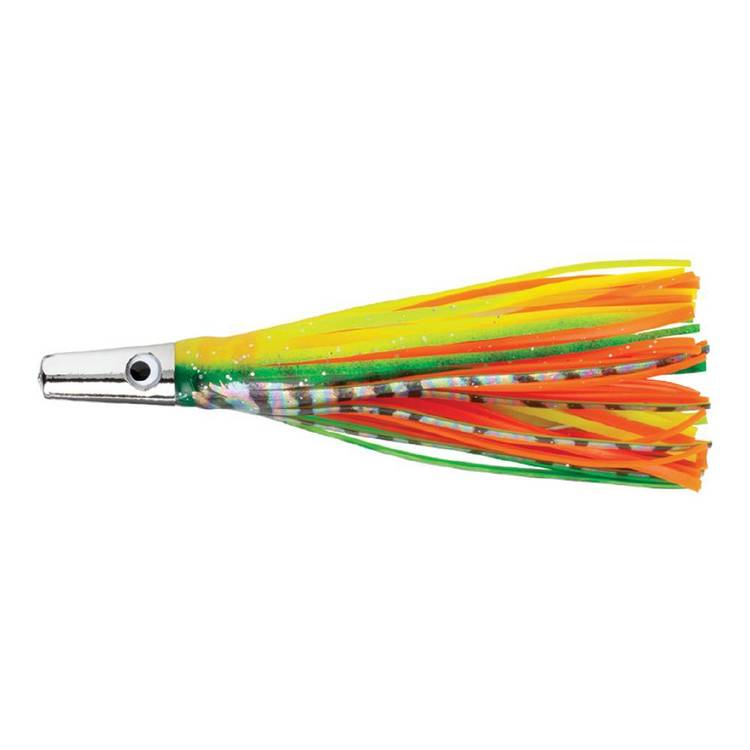




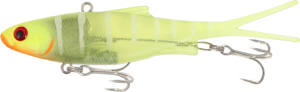
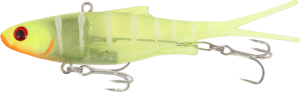
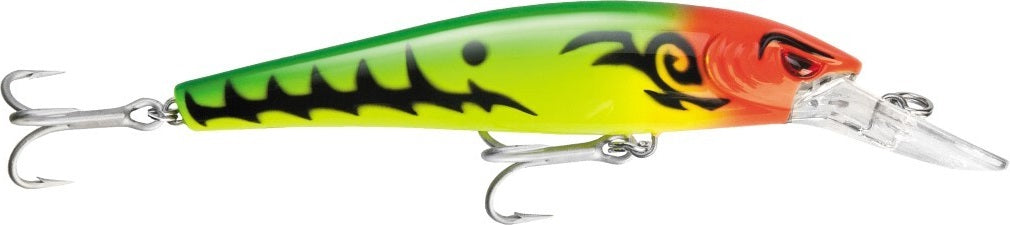
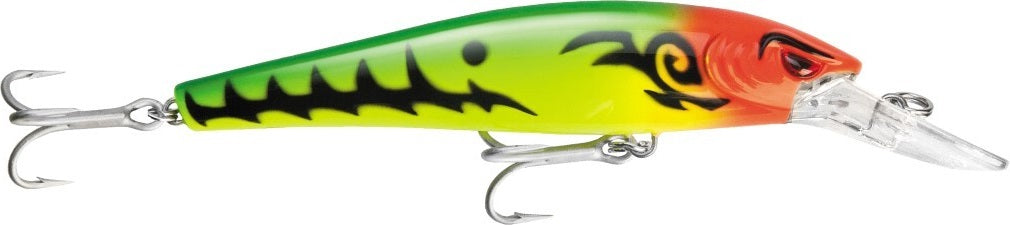
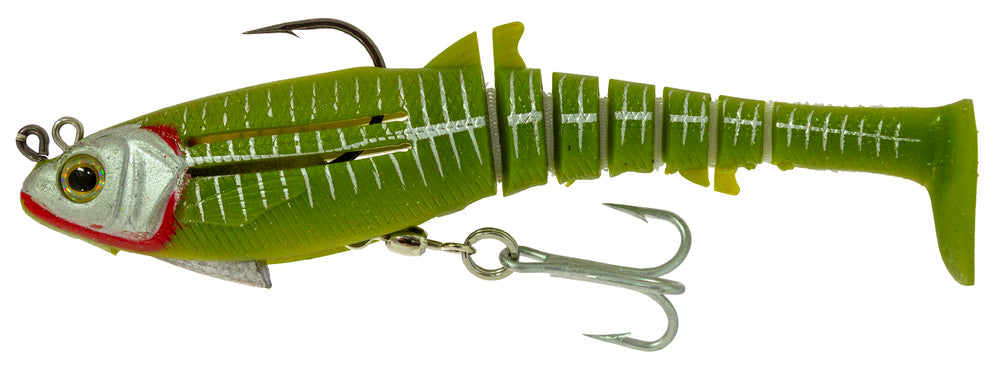
Lures are what you cast, troll or drop when you would rather not use bait. The range covers everything from hard bodies and surface lures through to soft plastics, metal jigs, vibes and blades, in sizes for bream and trout at one end and tuna and mackerel at the other.
Choosing a lure
Start with depth. A lure only works where the fish are, so the first question is whether you need something that sits on top, swims through the middle of the water column, or gets down and stays there. Surface lures and shallow divers cover the top, deep divers and vibes work the middle, and jigs and heavily weighted plastics reach the bottom.
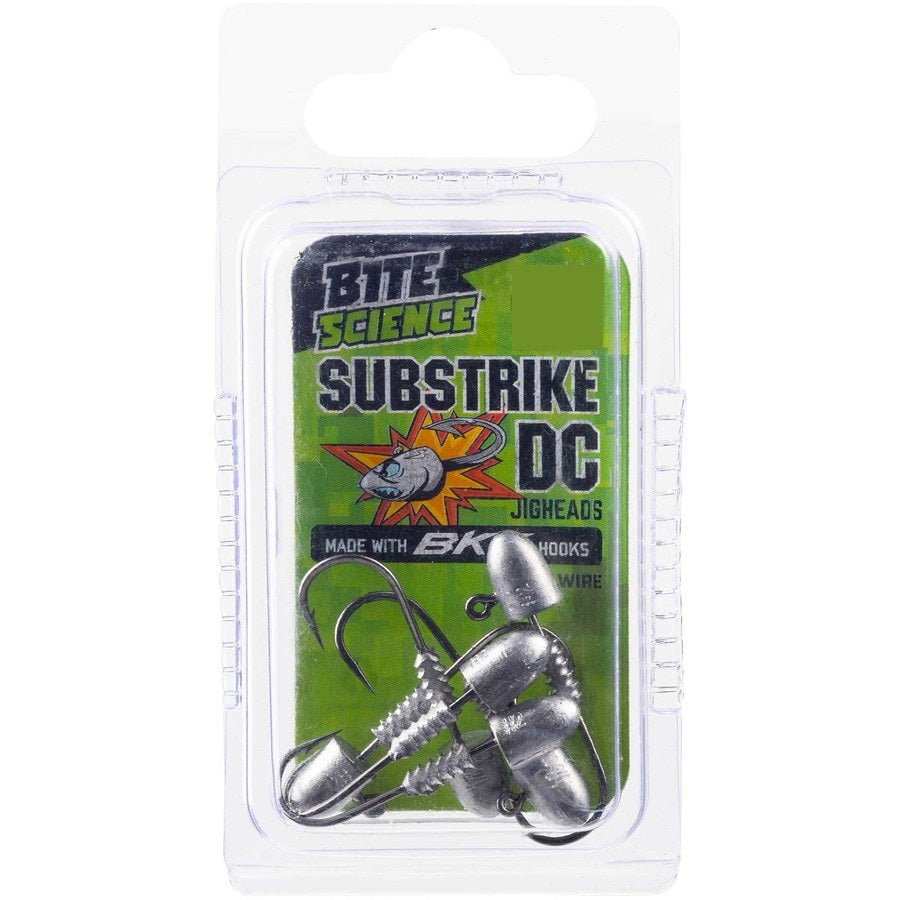
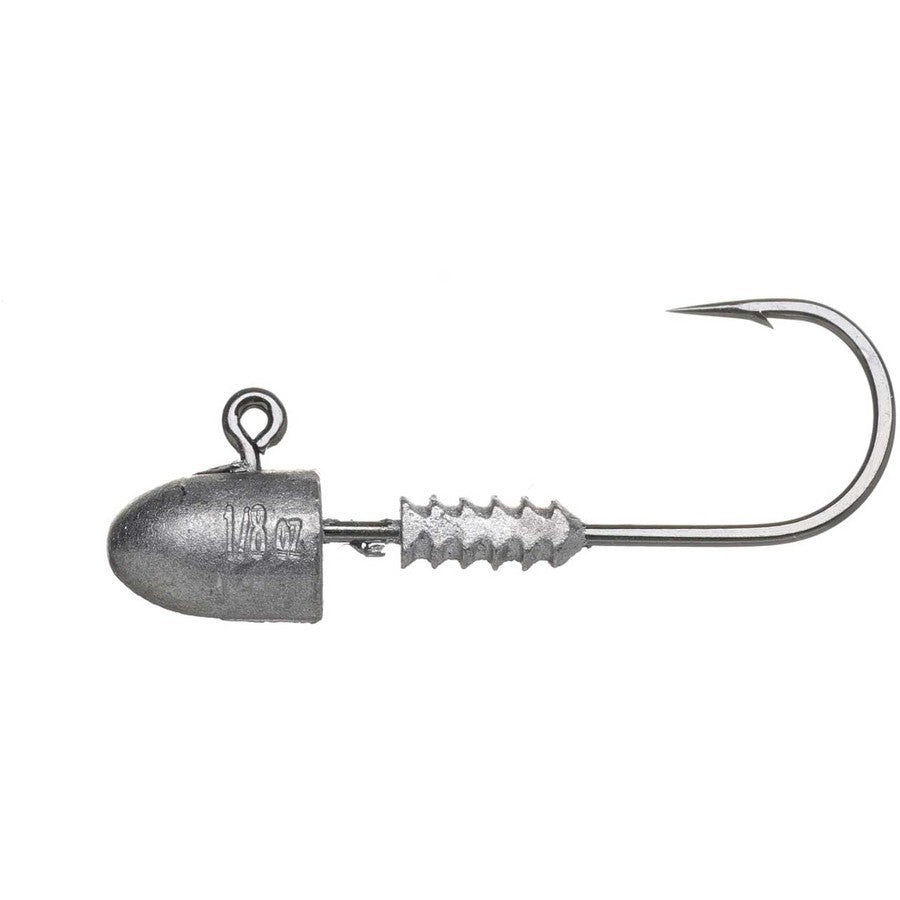
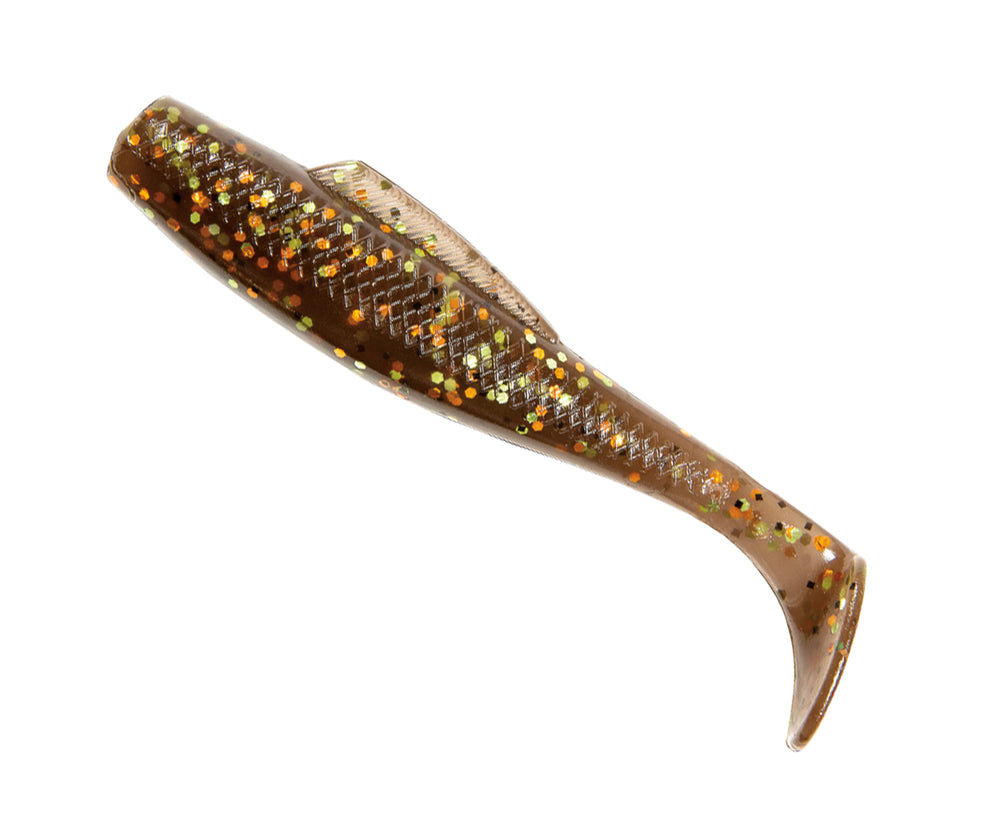
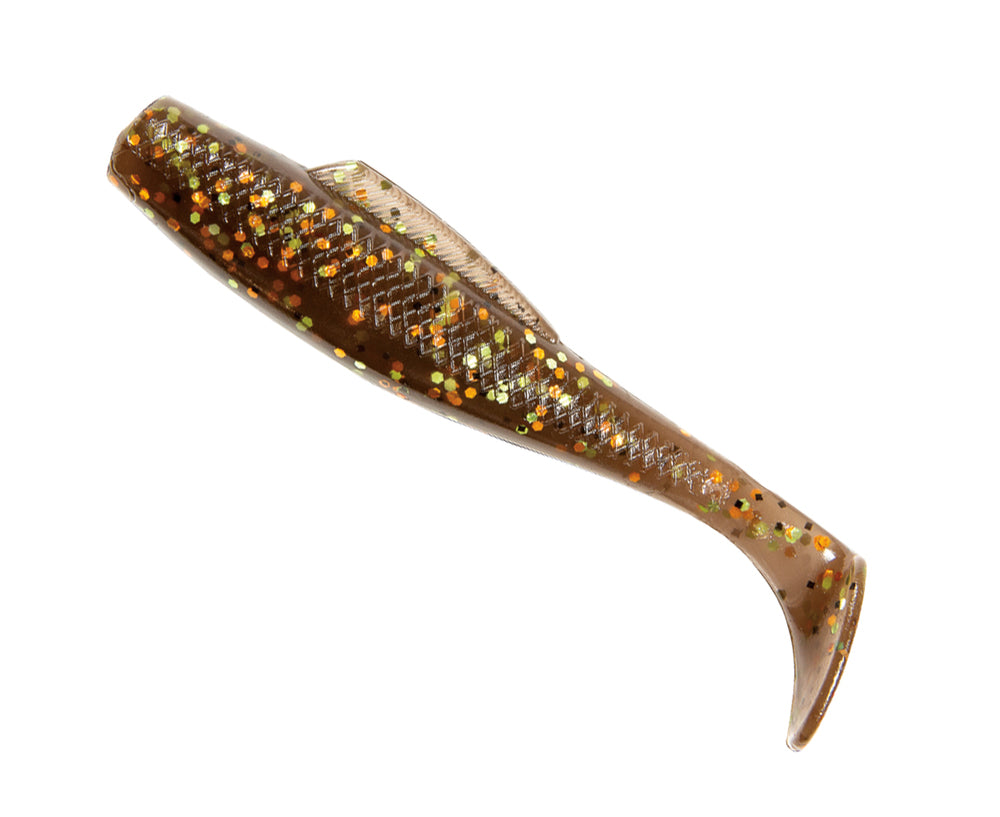
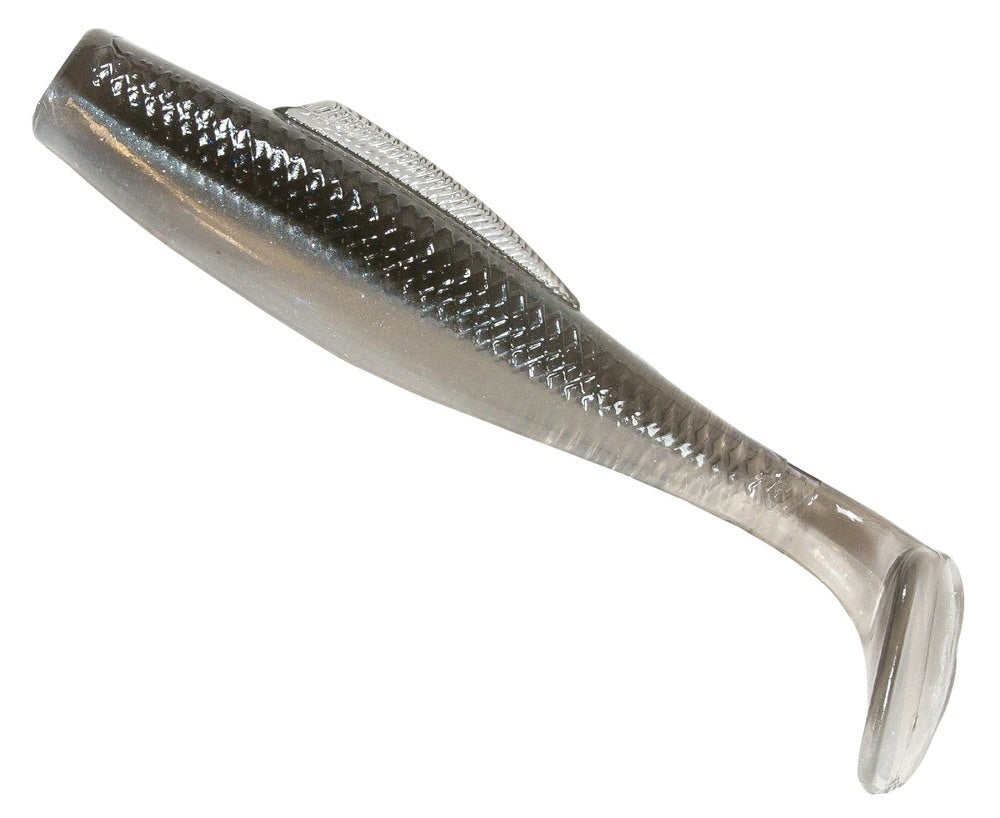
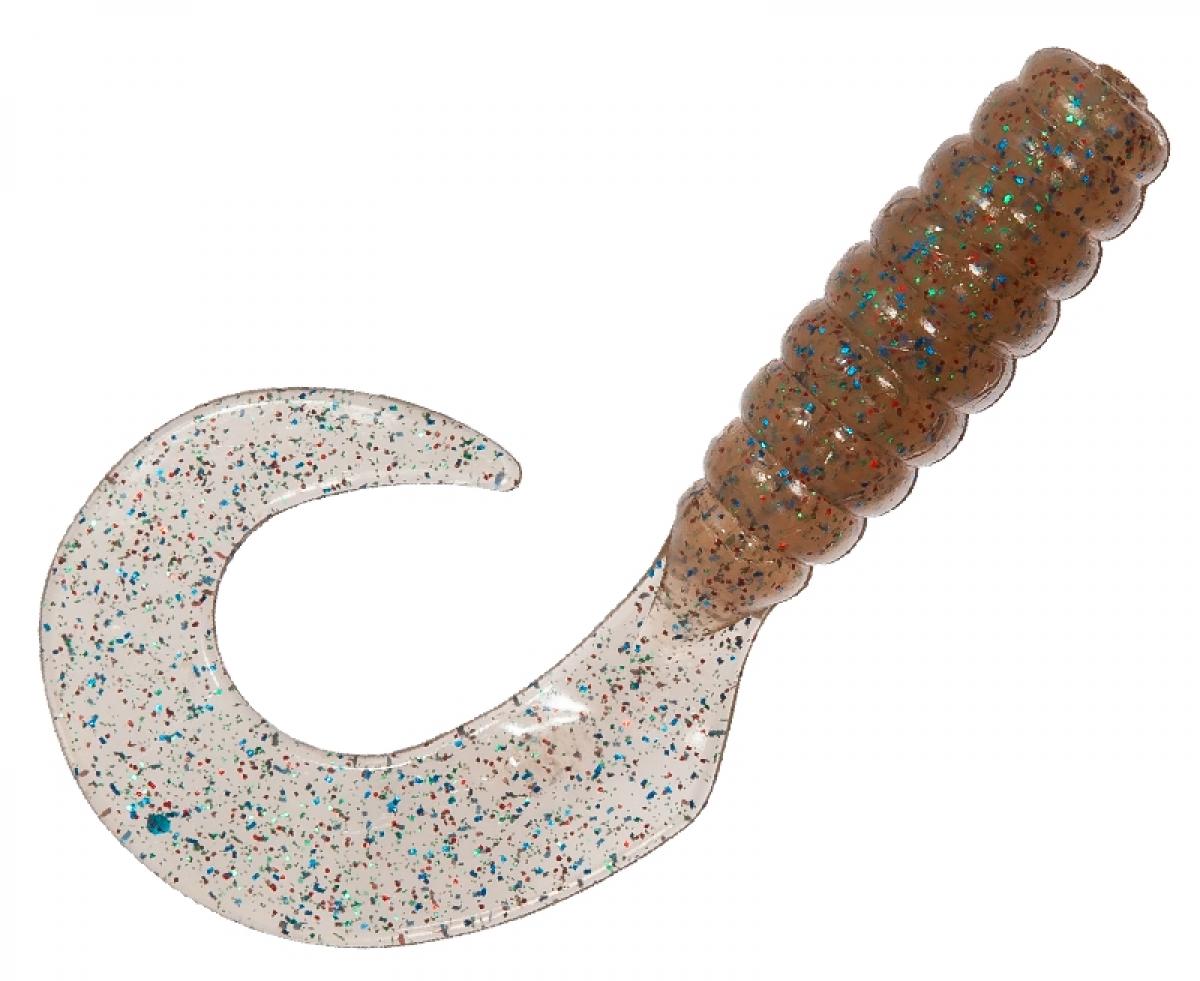
Then match the size and profile to what the fish are already eating. Small baitfish in the estuary call for something slim and subtle; a school of tailor smashing pilchards calls for something you can throw a long way. Hard bodies give you a built-in action straight out of the packet, while soft plastics let you change the profile and the sink rate by swapping the jighead.
Most anglers carry a spread rather than a single favourite: a shallow diver, a deep diver, a surface lure and a couple of plastics covers most sessions.
Frequently asked questions
What lure should I start with?
A shallow to mid-running hard body in a natural baitfish colour is the easiest lure to fish well, because it has its own action and you only need to wind it in. Add soft plastics once you are comfortable, since they need more input from you to look alive.
Do lure colours matter?
Colour matters less than depth and action, but it is not irrelevant. Natural and translucent patterns tend to work in clear water and bright sun, while darker or brighter patterns give fish something to track in dirty water and low light.
What is the difference between a hard body and a soft plastic?
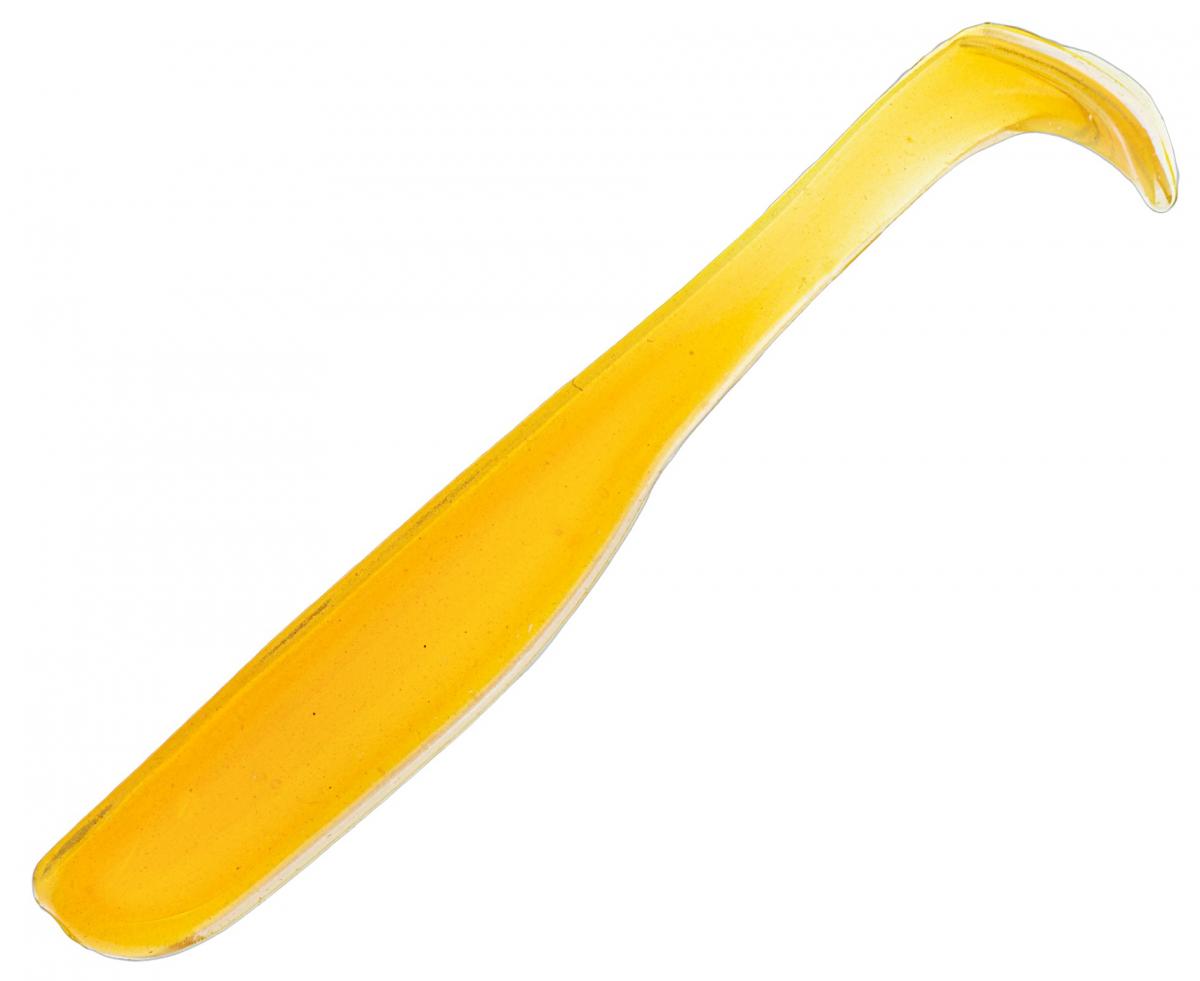
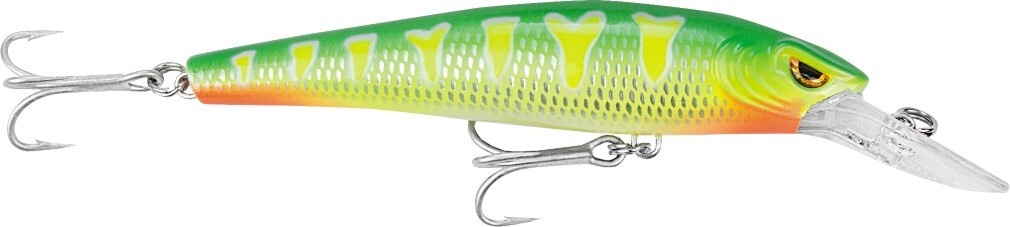
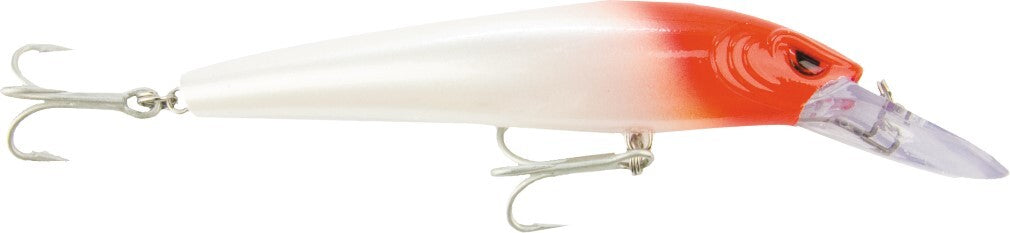
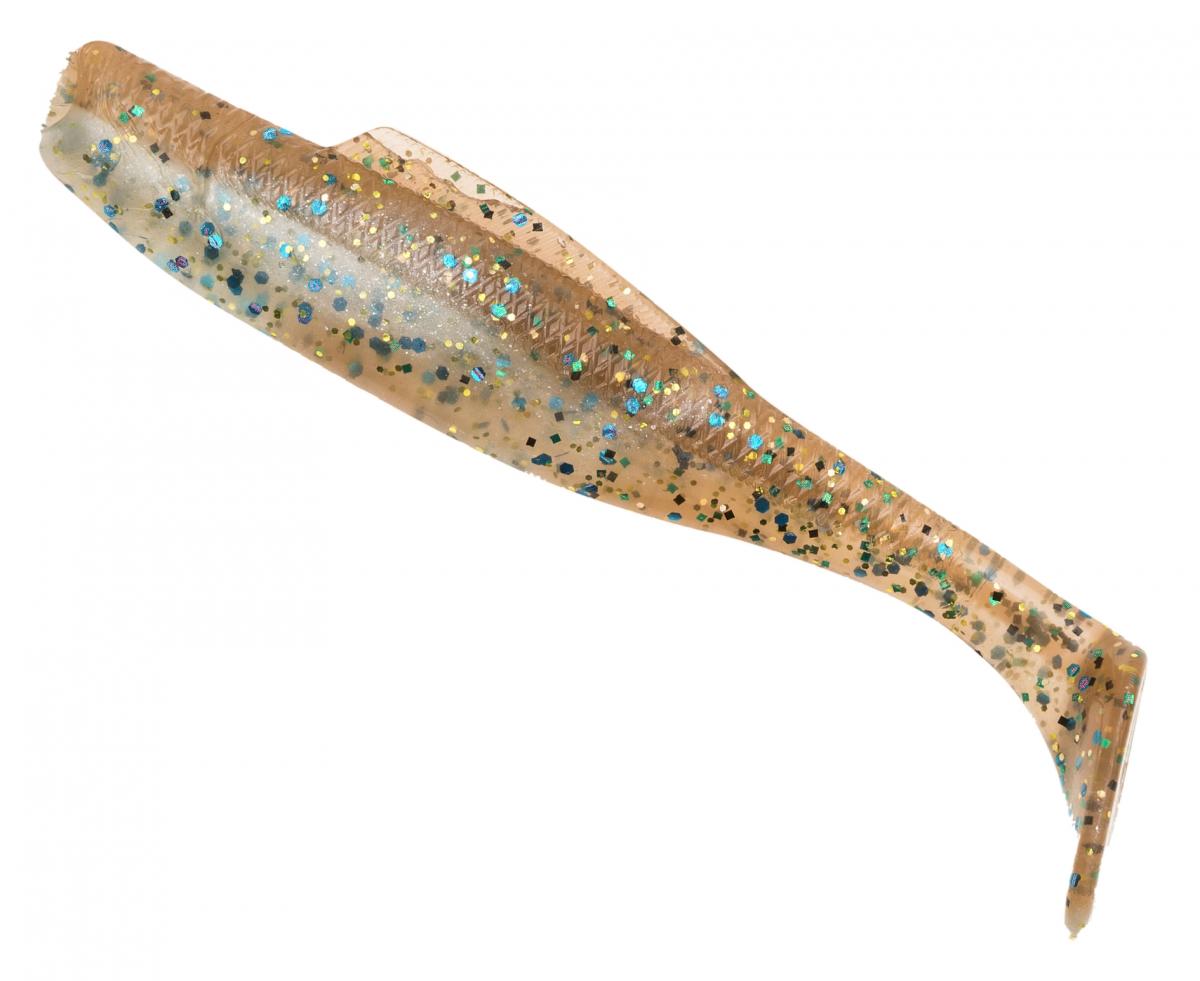
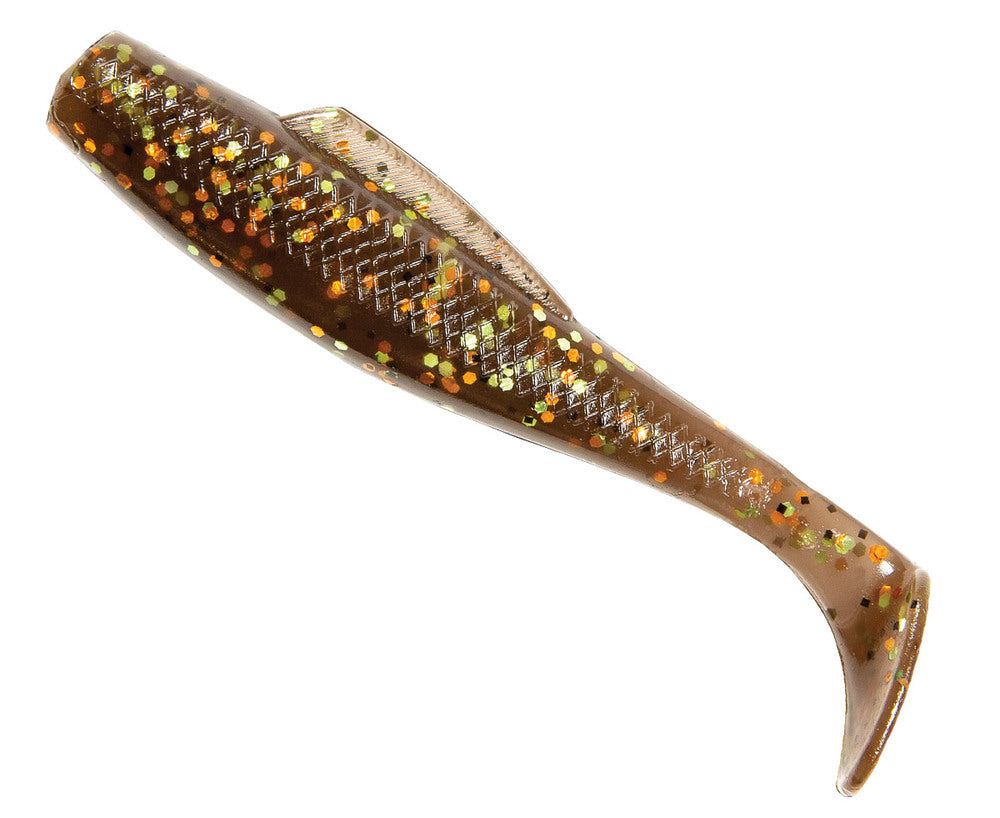
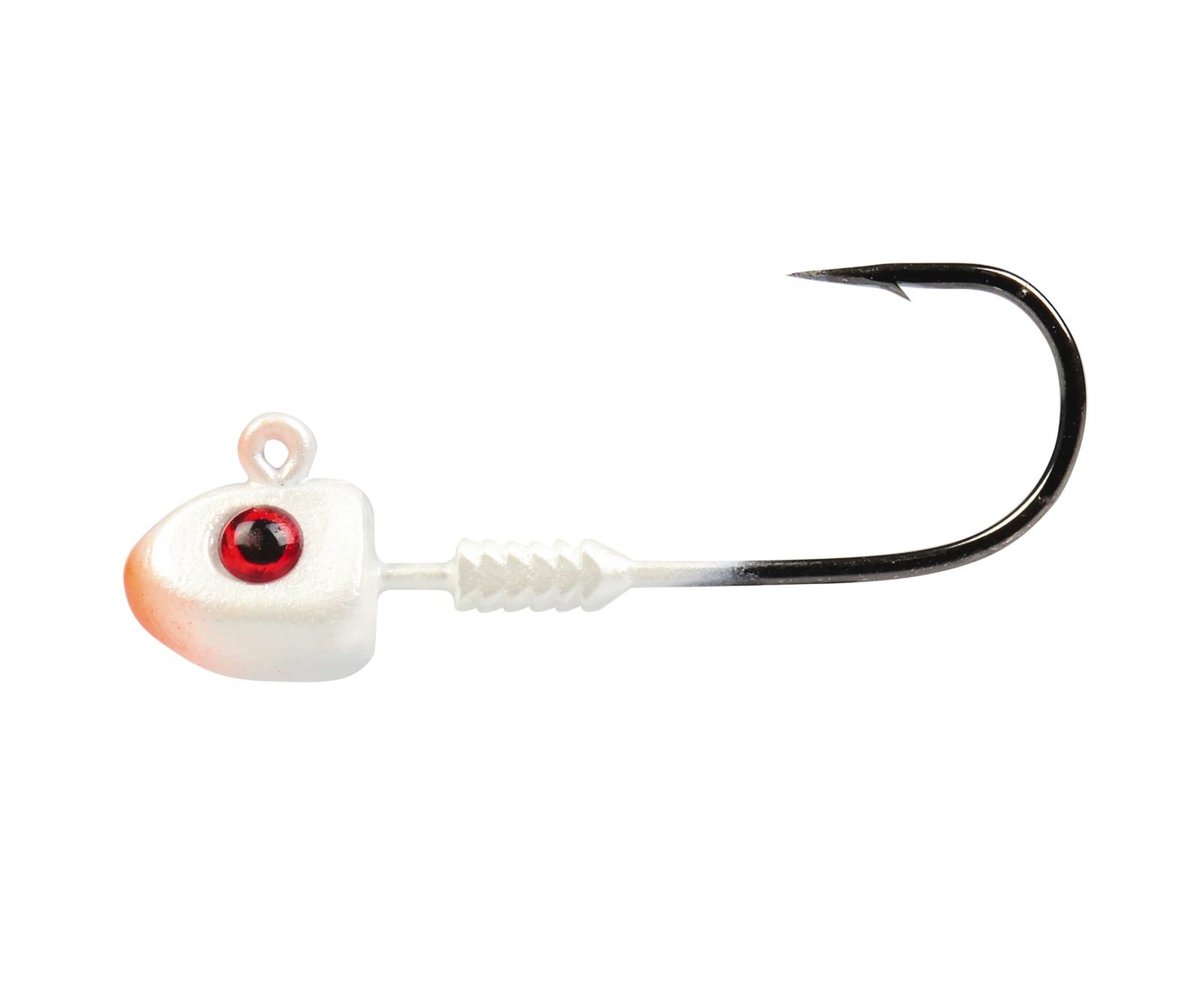
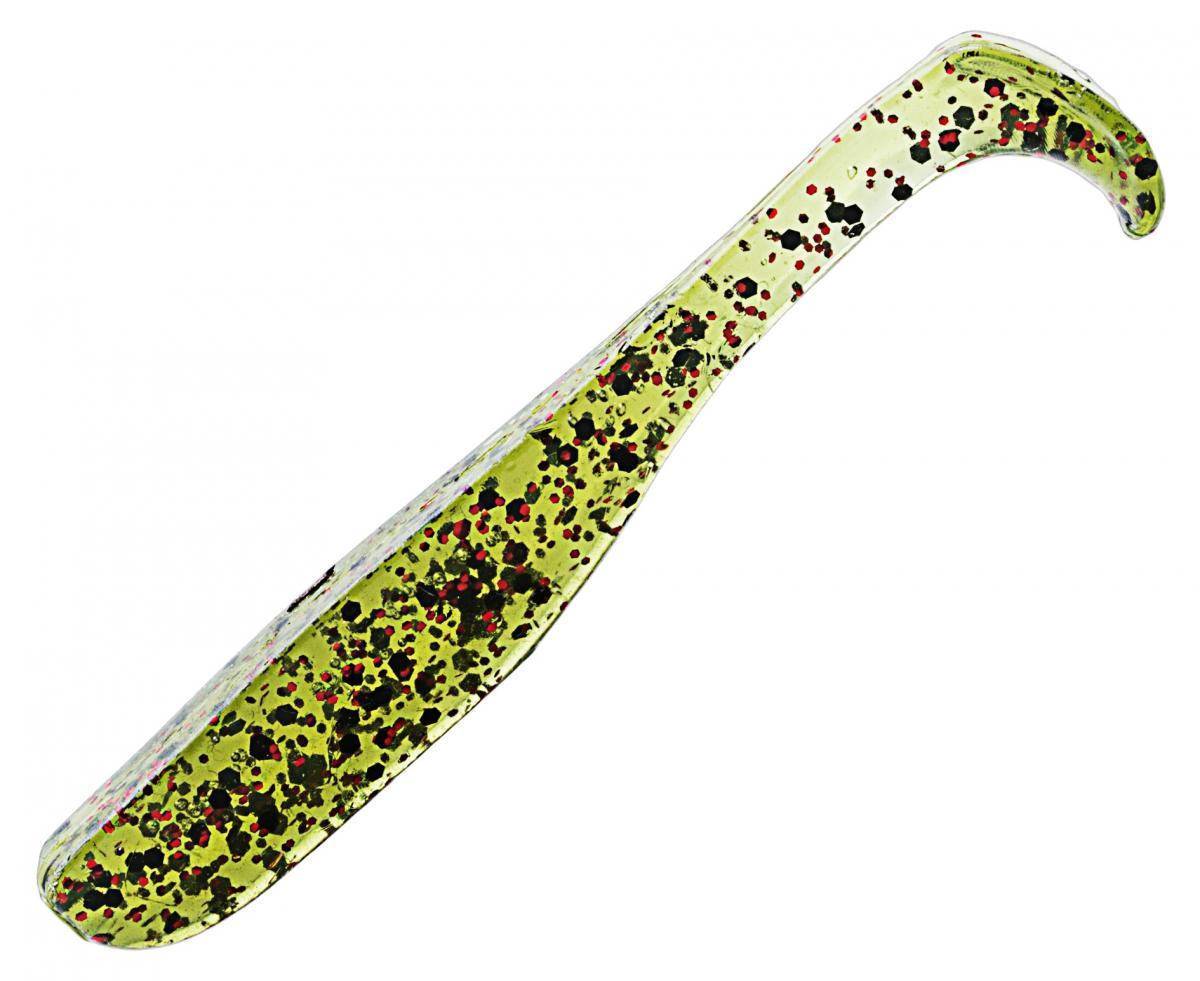
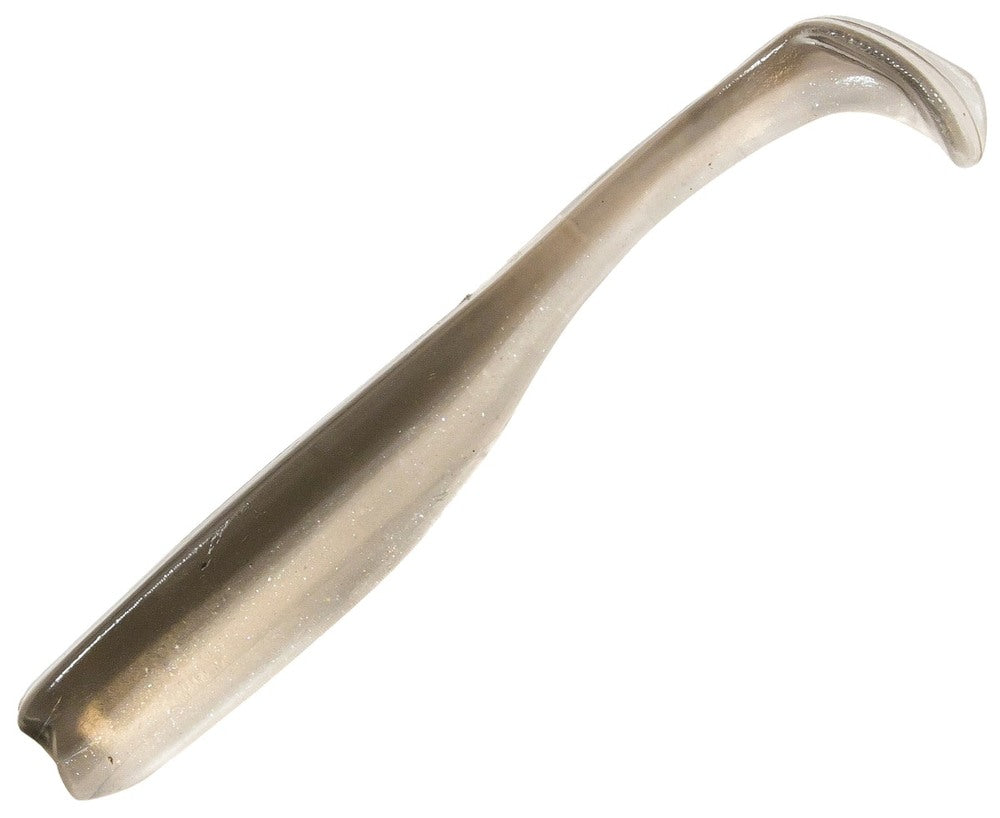
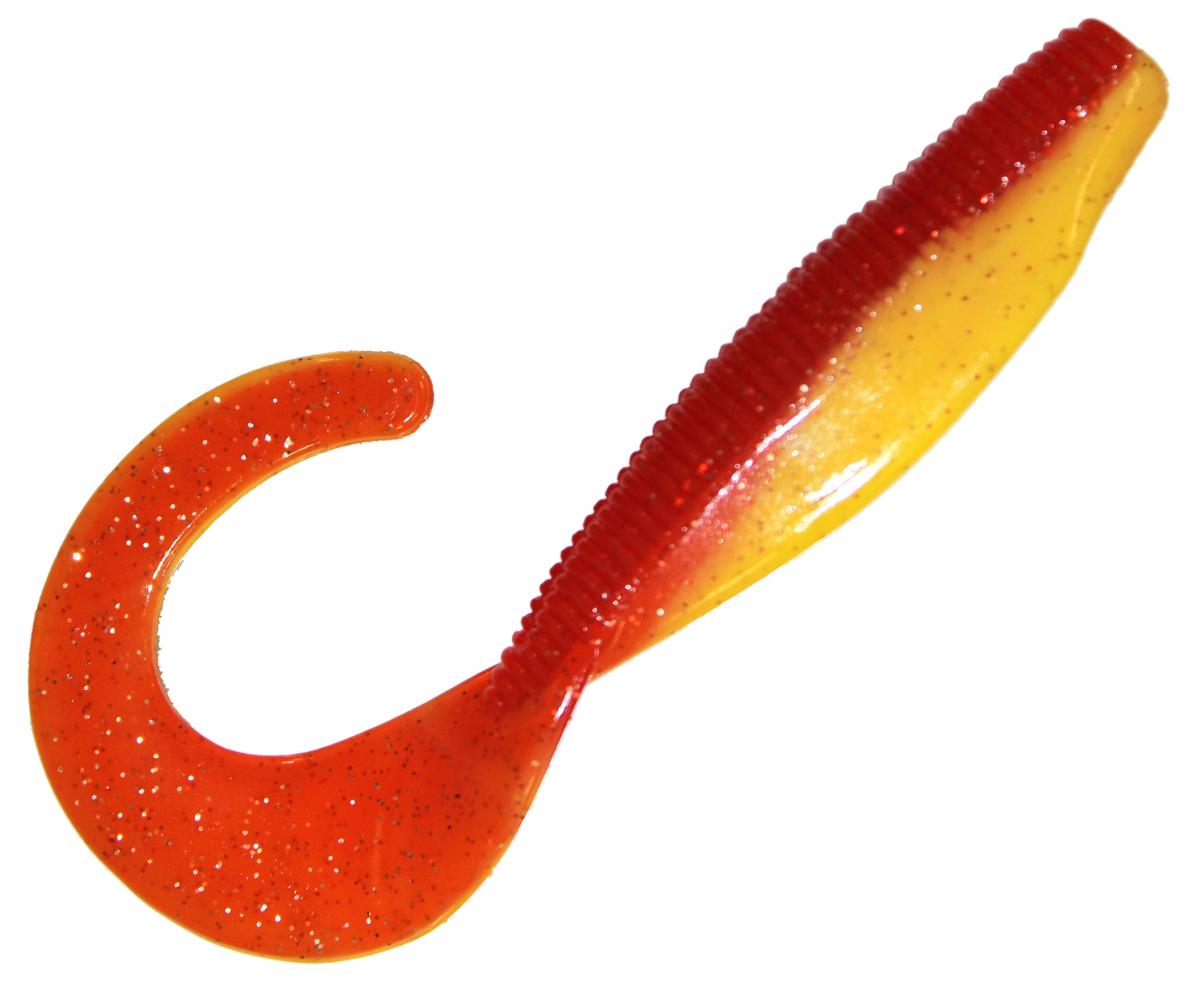
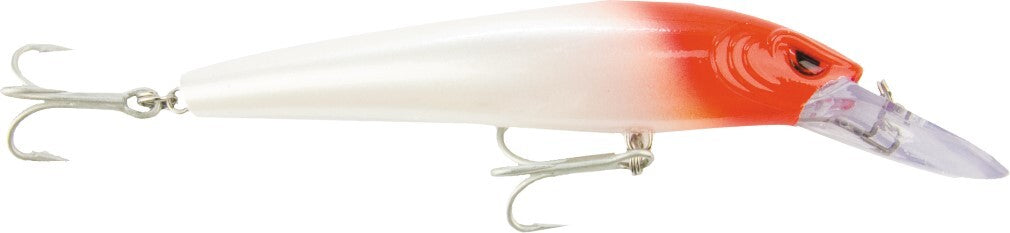
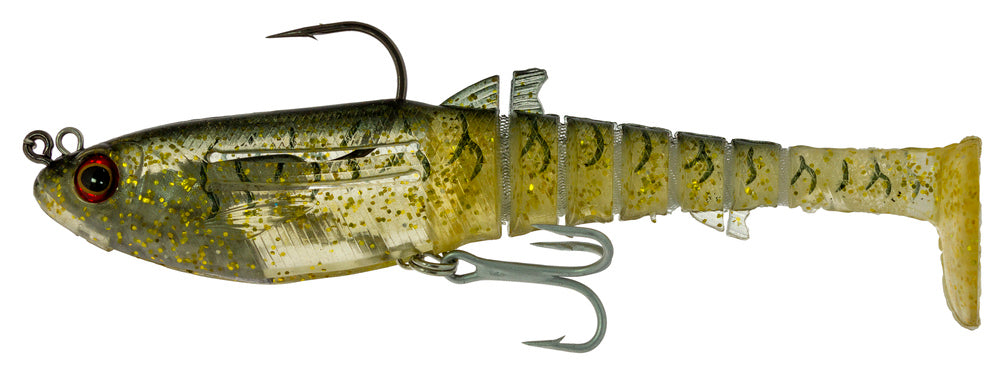
A hard body is moulded plastic or timber with a bib and hooks attached, and it swims by itself. A soft plastic is a soft moulded tail rigged onto a separate jighead, so you control how deep it goes and how it moves.
How fast should I retrieve a lure?
Fast enough that the lure is working, then vary it. Pauses, twitches and changes of speed trigger far more strikes than a steady wind.