

FREE SHIPPING ON ORDERS OVER $150*

AUSSIE FAMILY OWNED BUSINESS FOR OVER 40 YEARS

100% SATISFACTION GUARANTEED
Fishing Rods
Fishing Rods
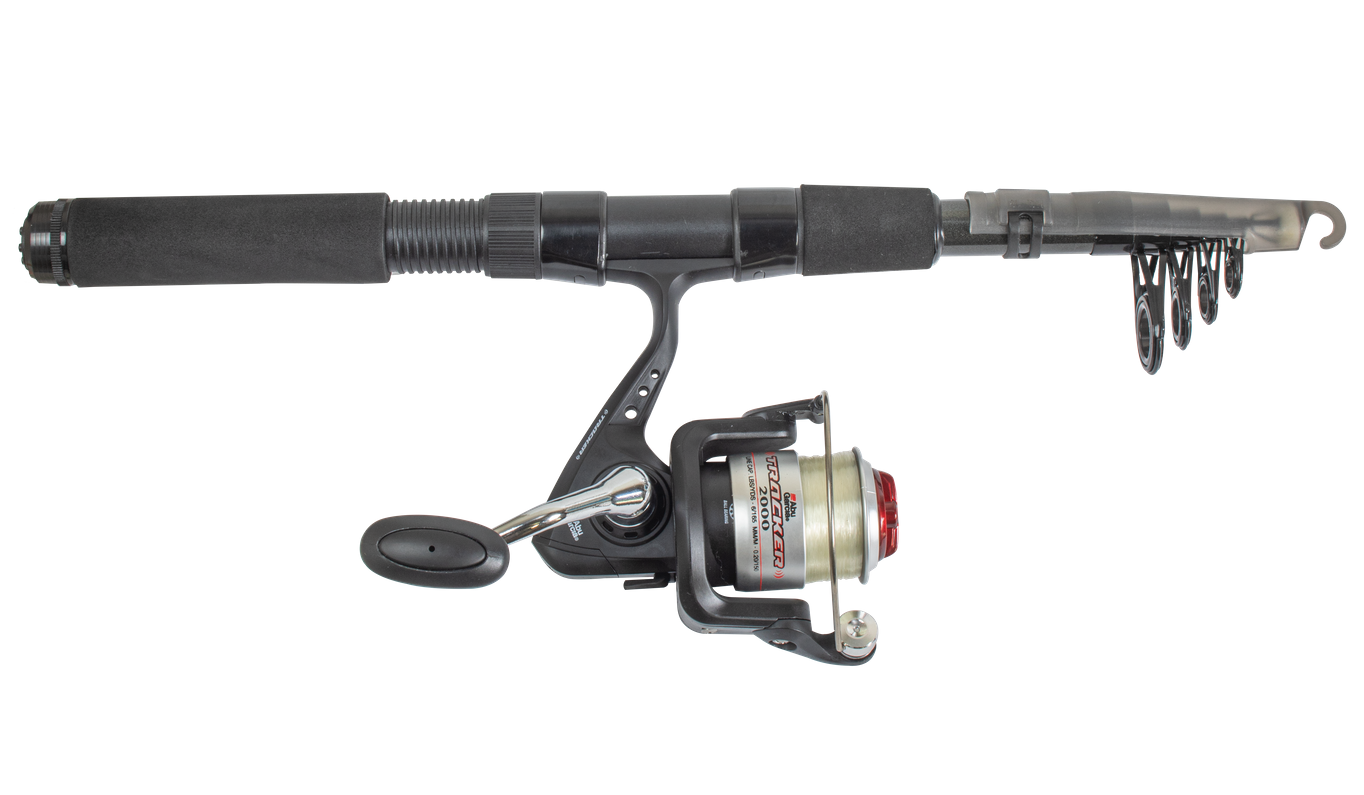
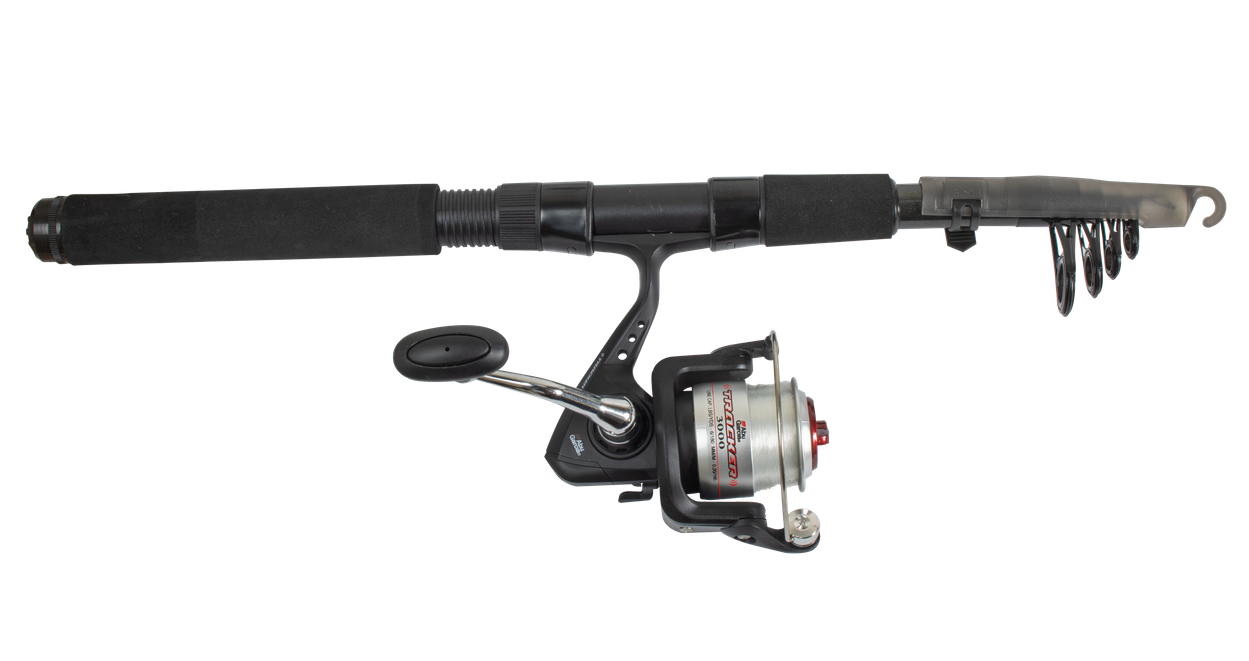
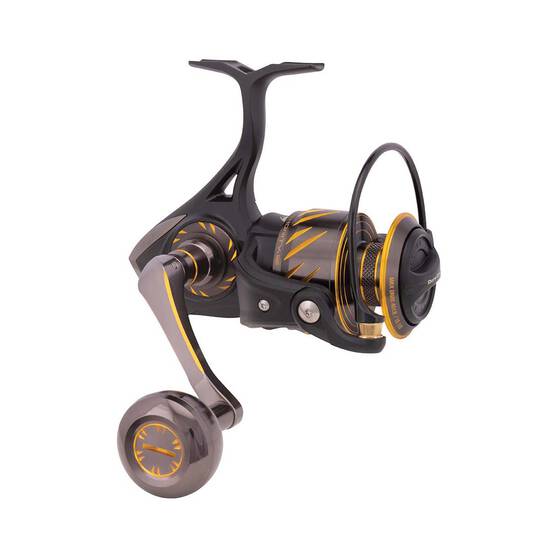
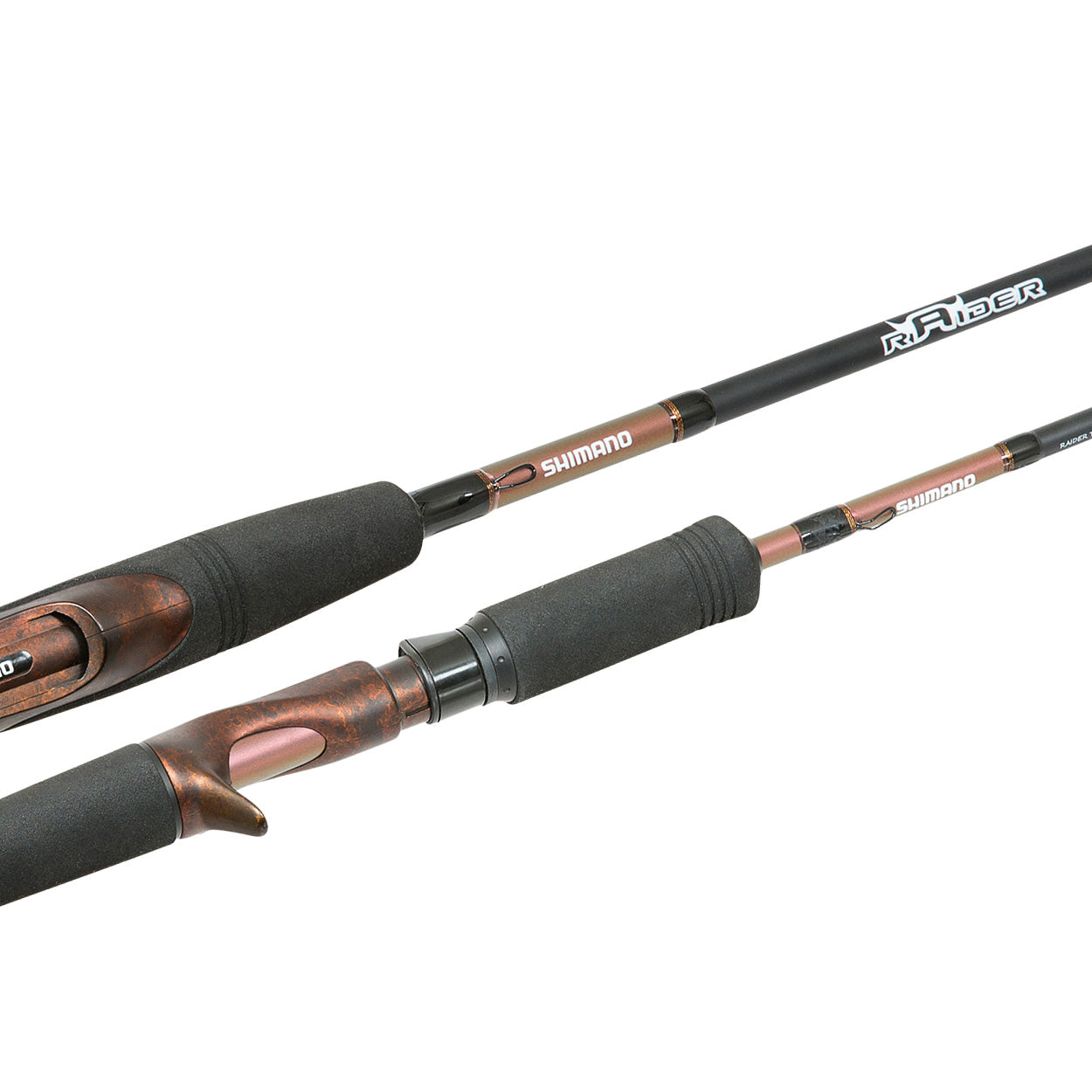
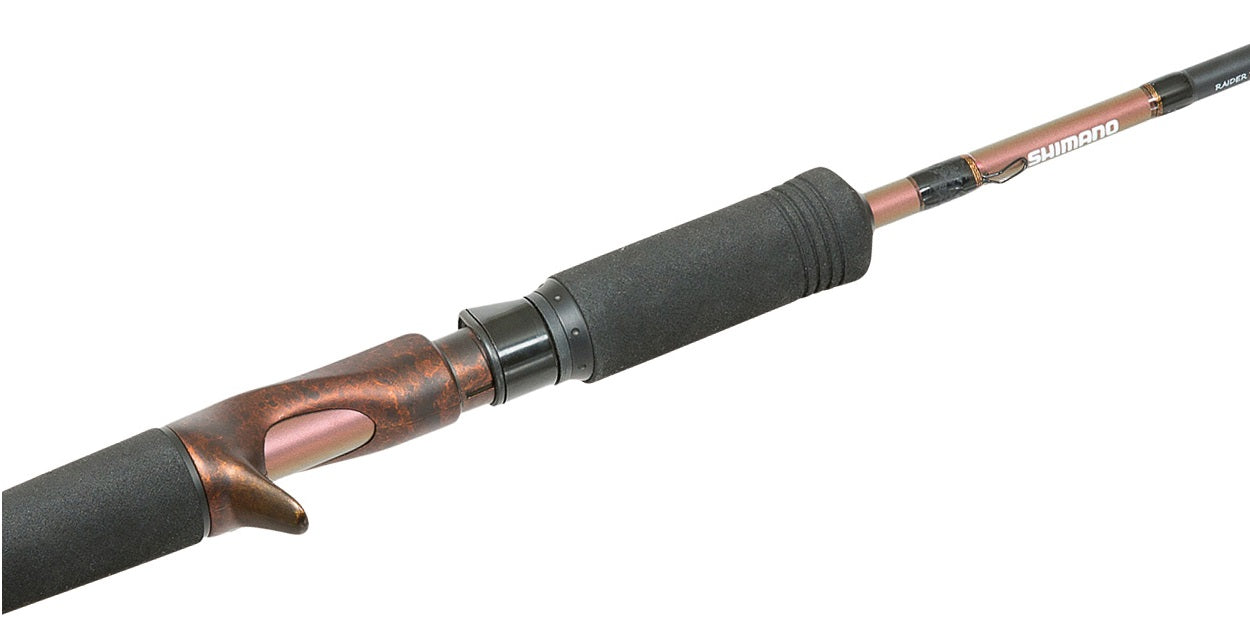
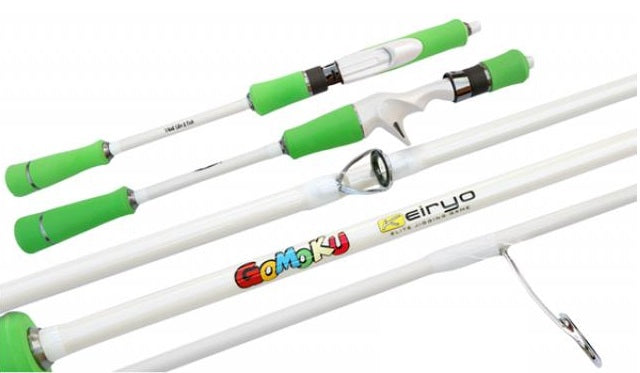
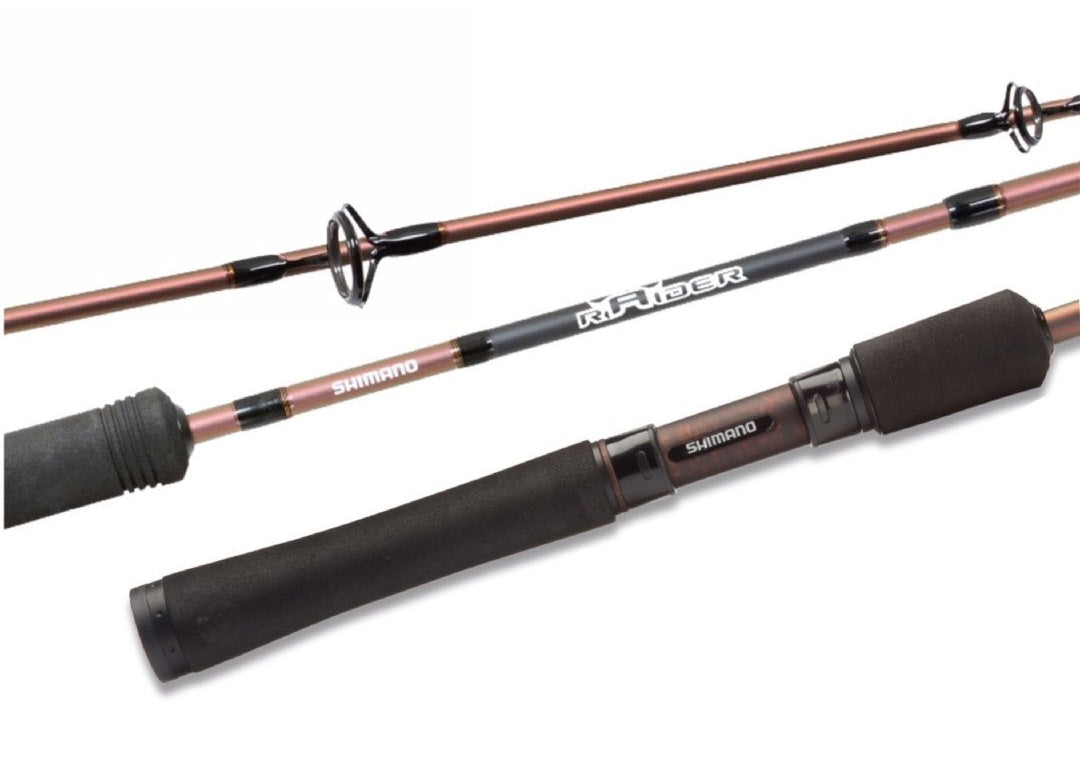
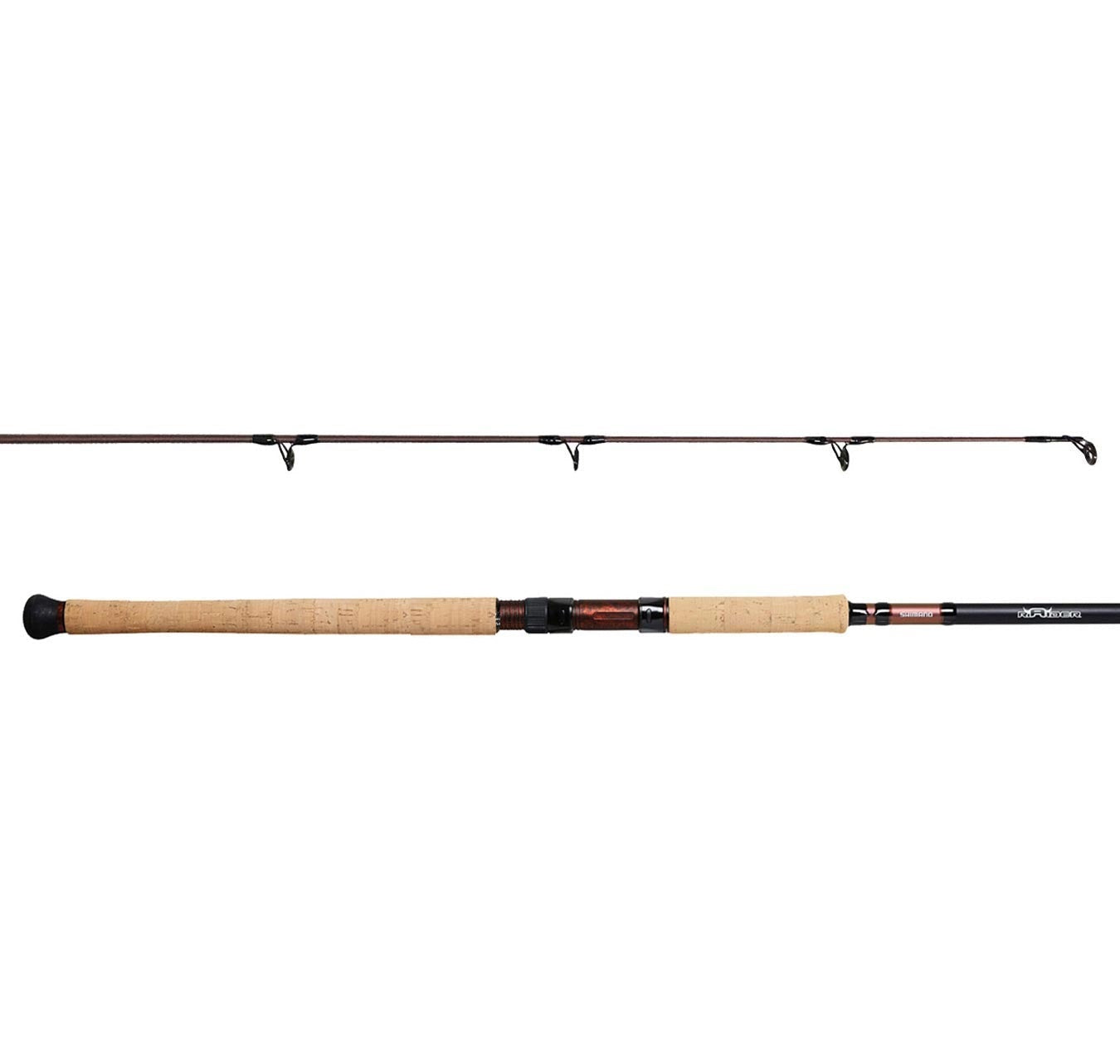
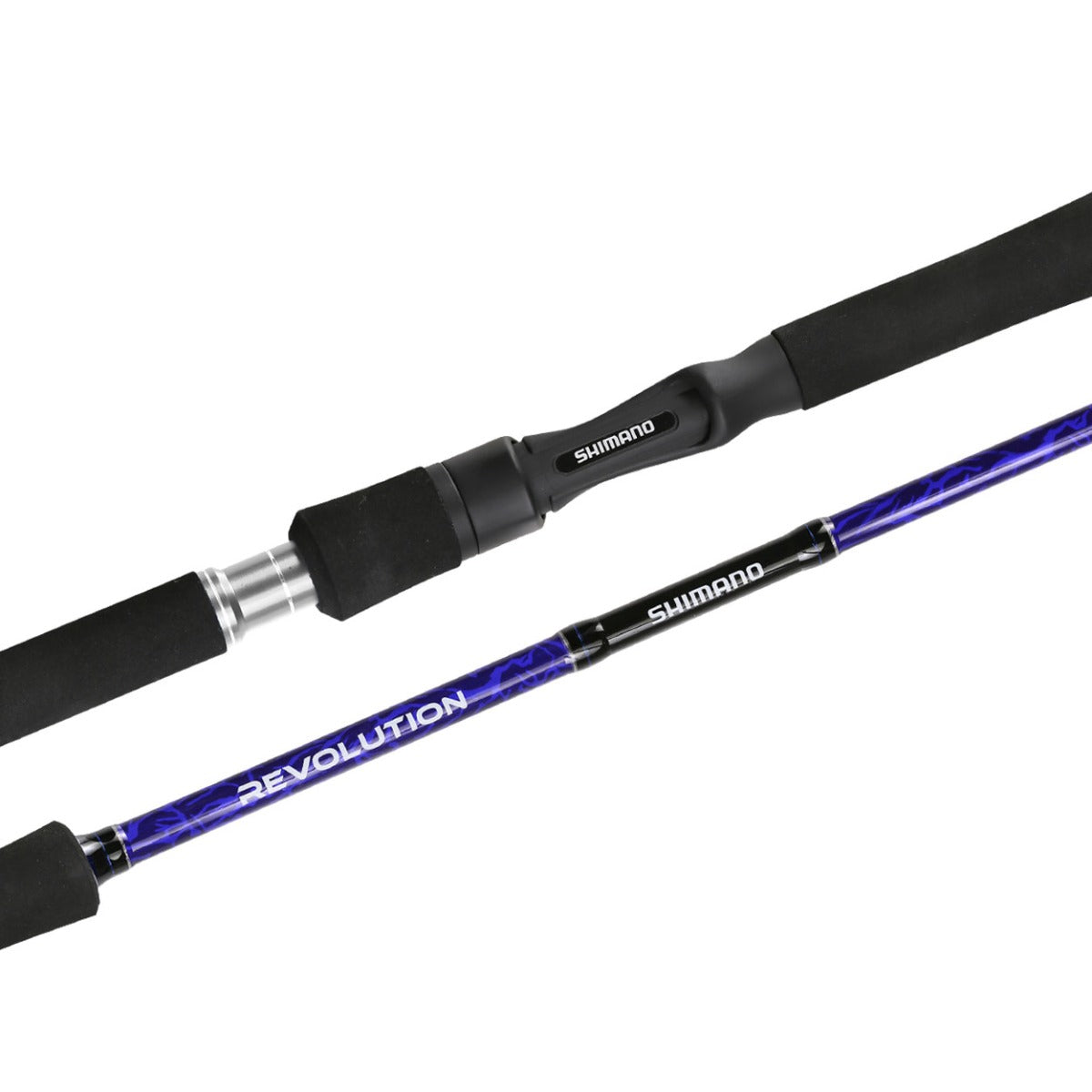
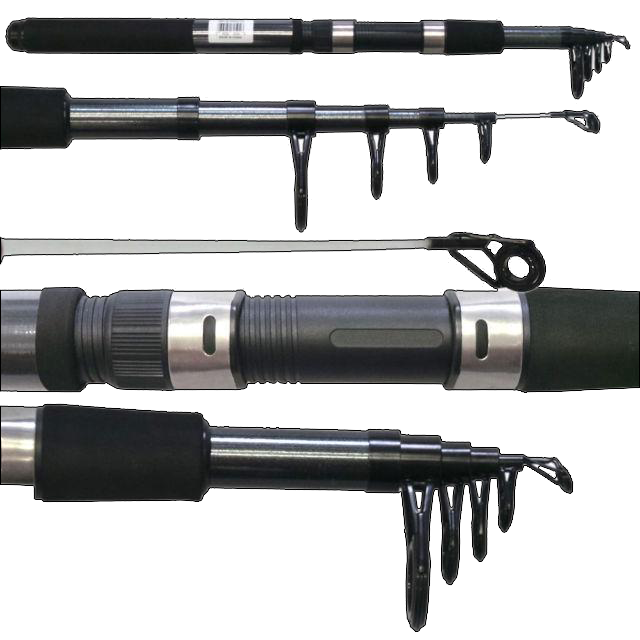
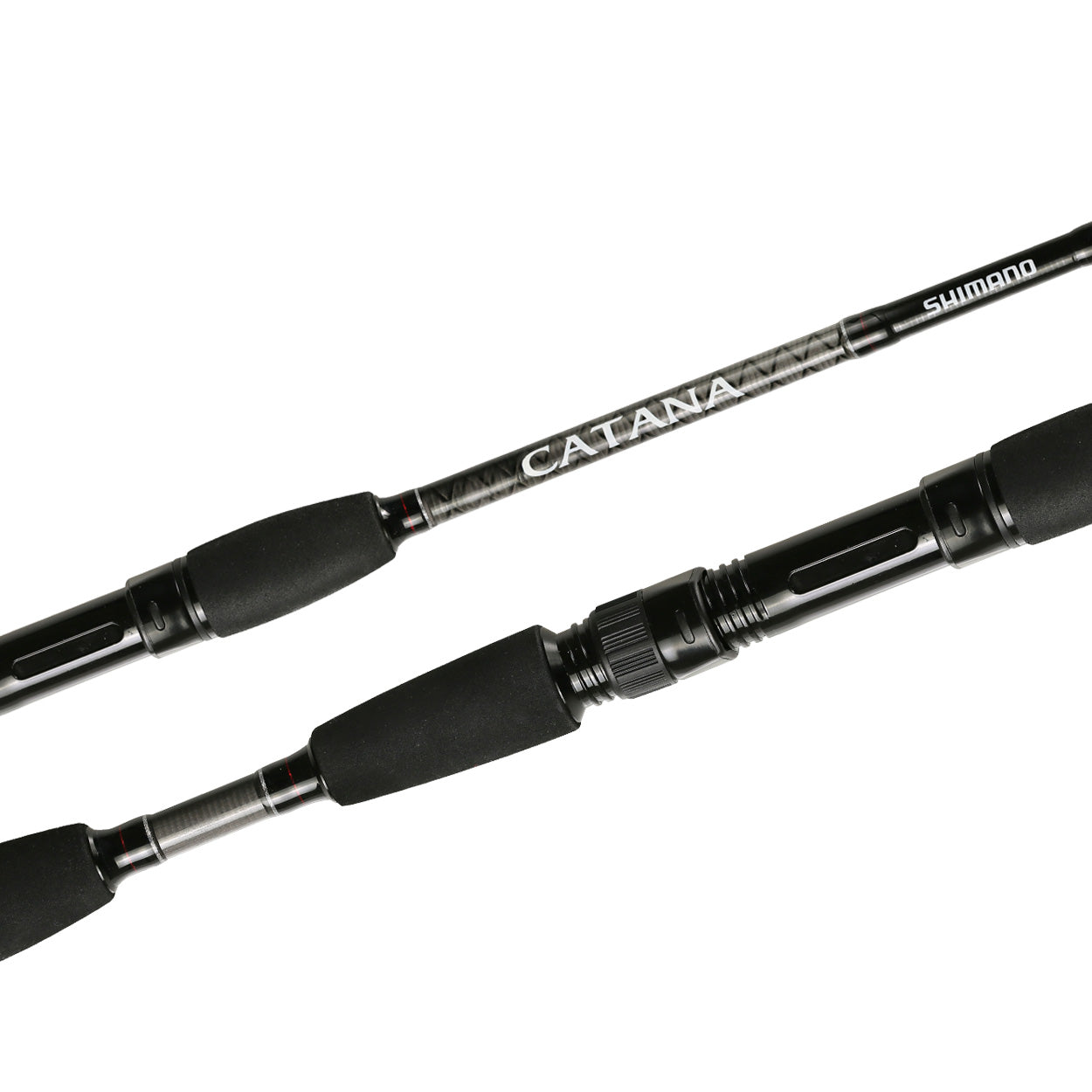
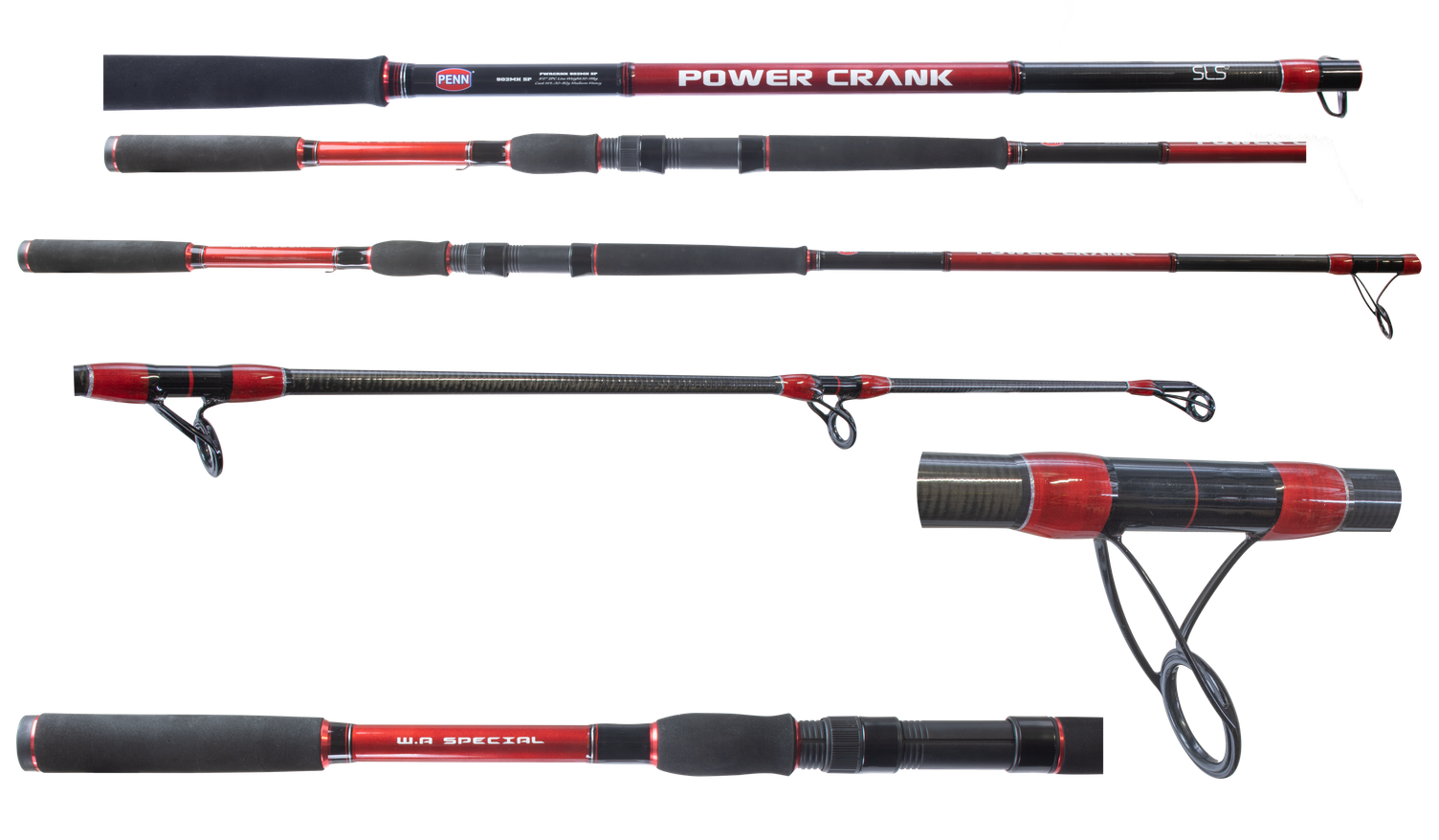
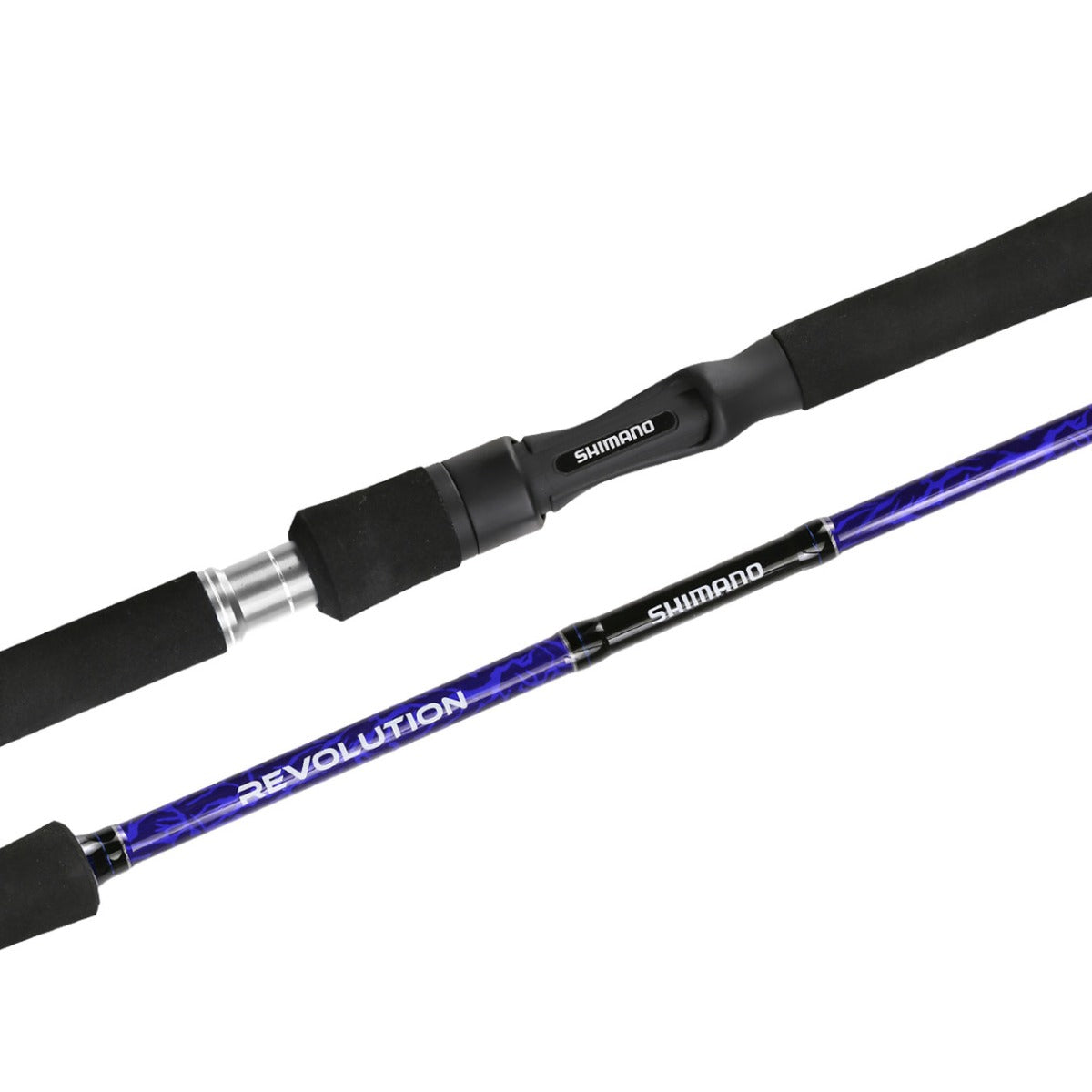
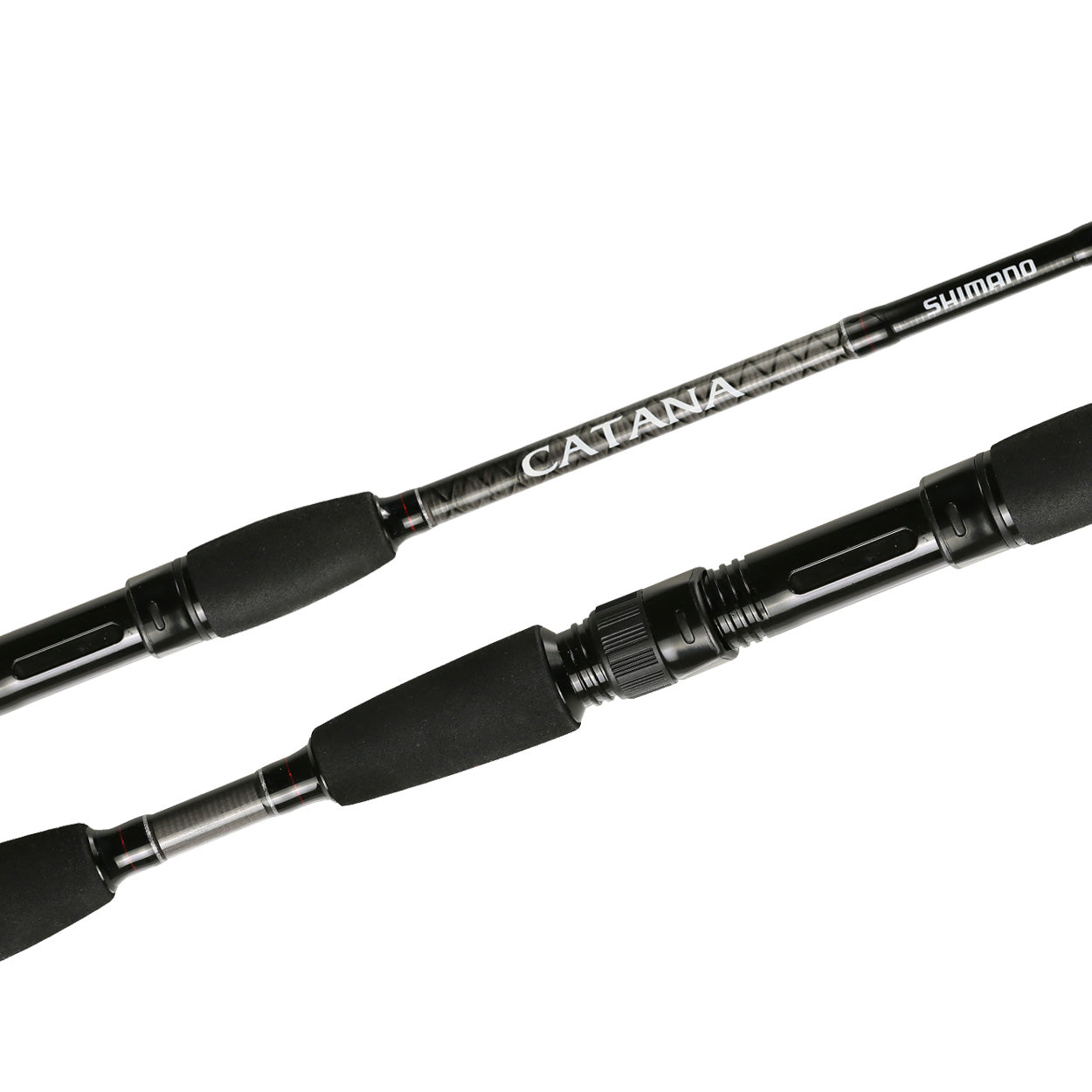
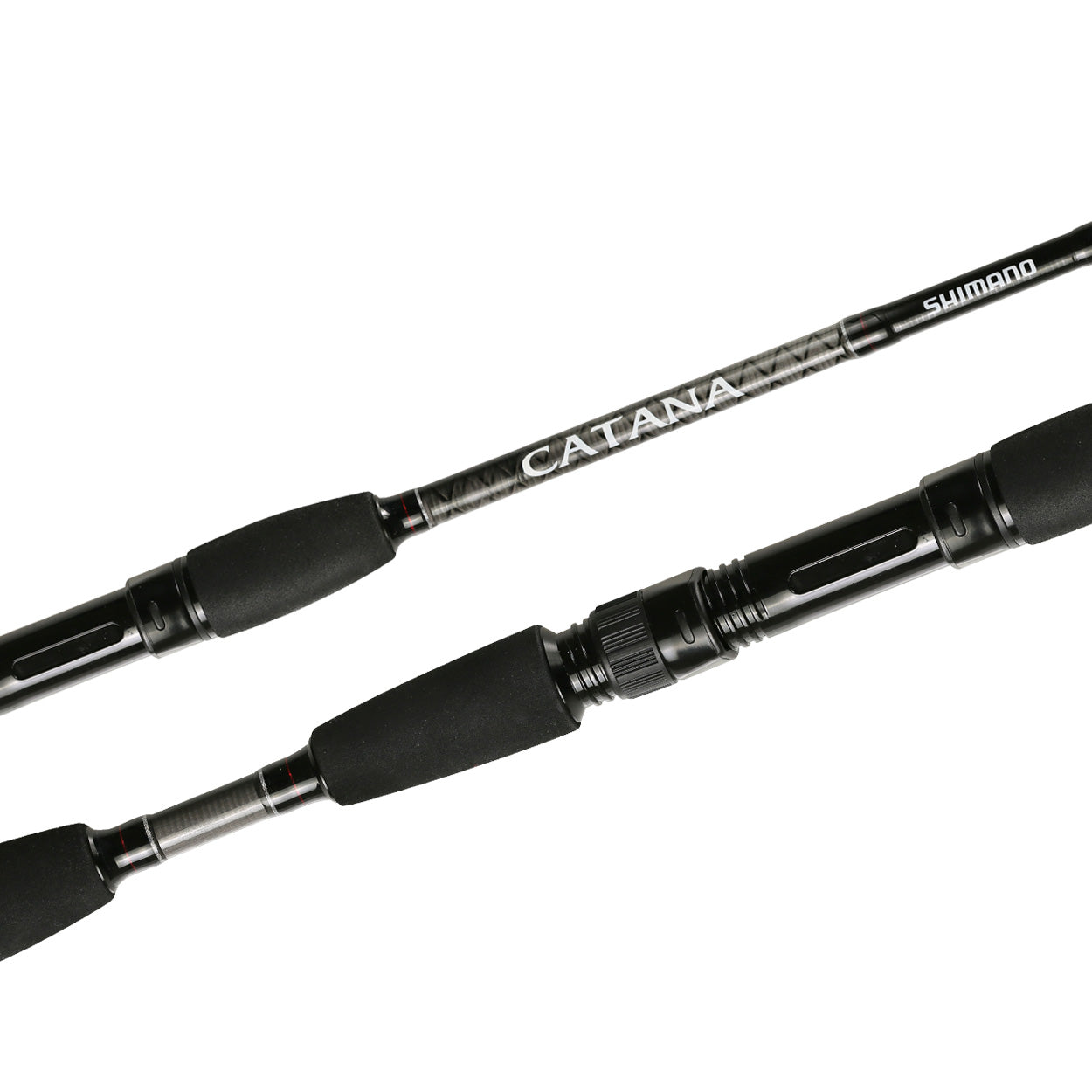
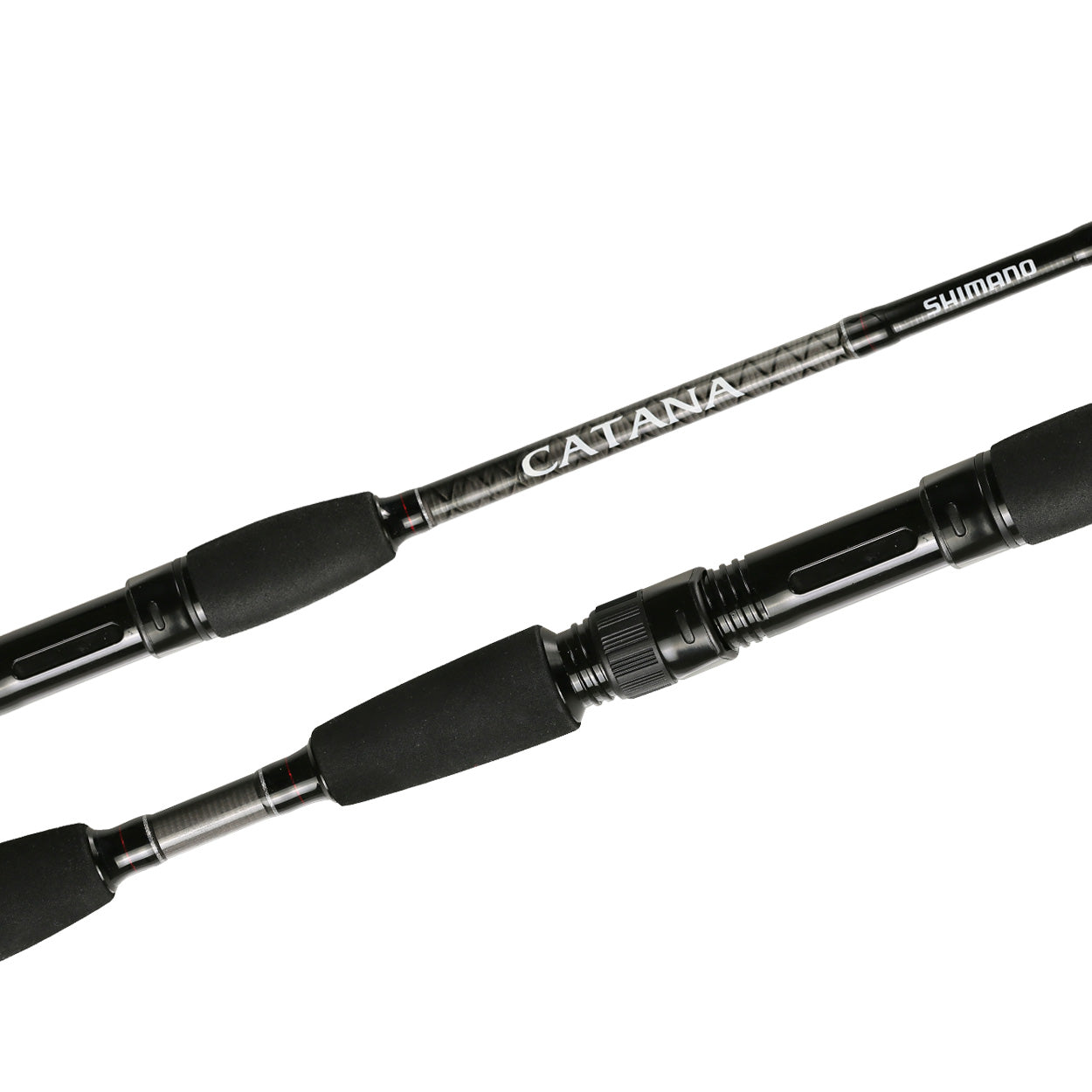
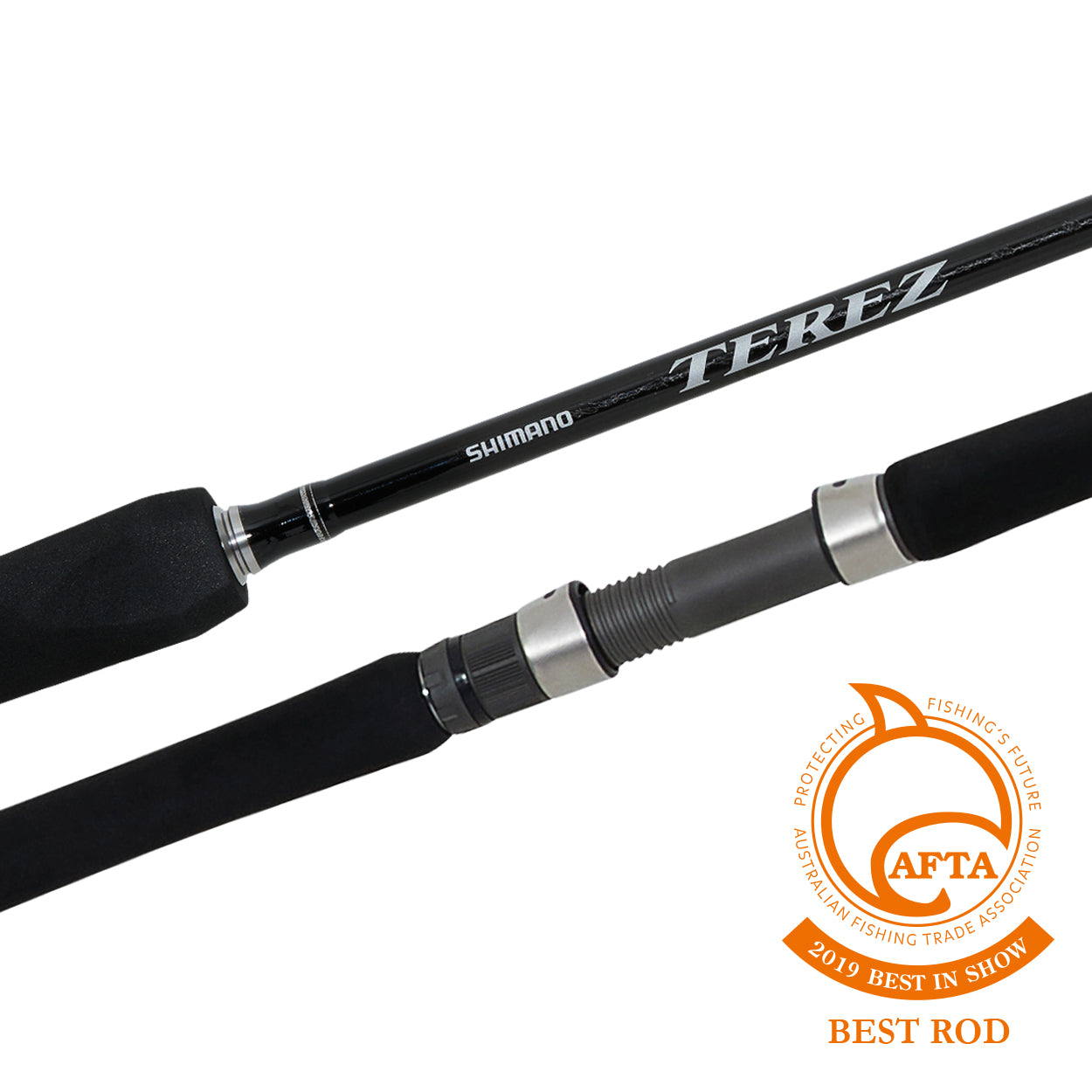
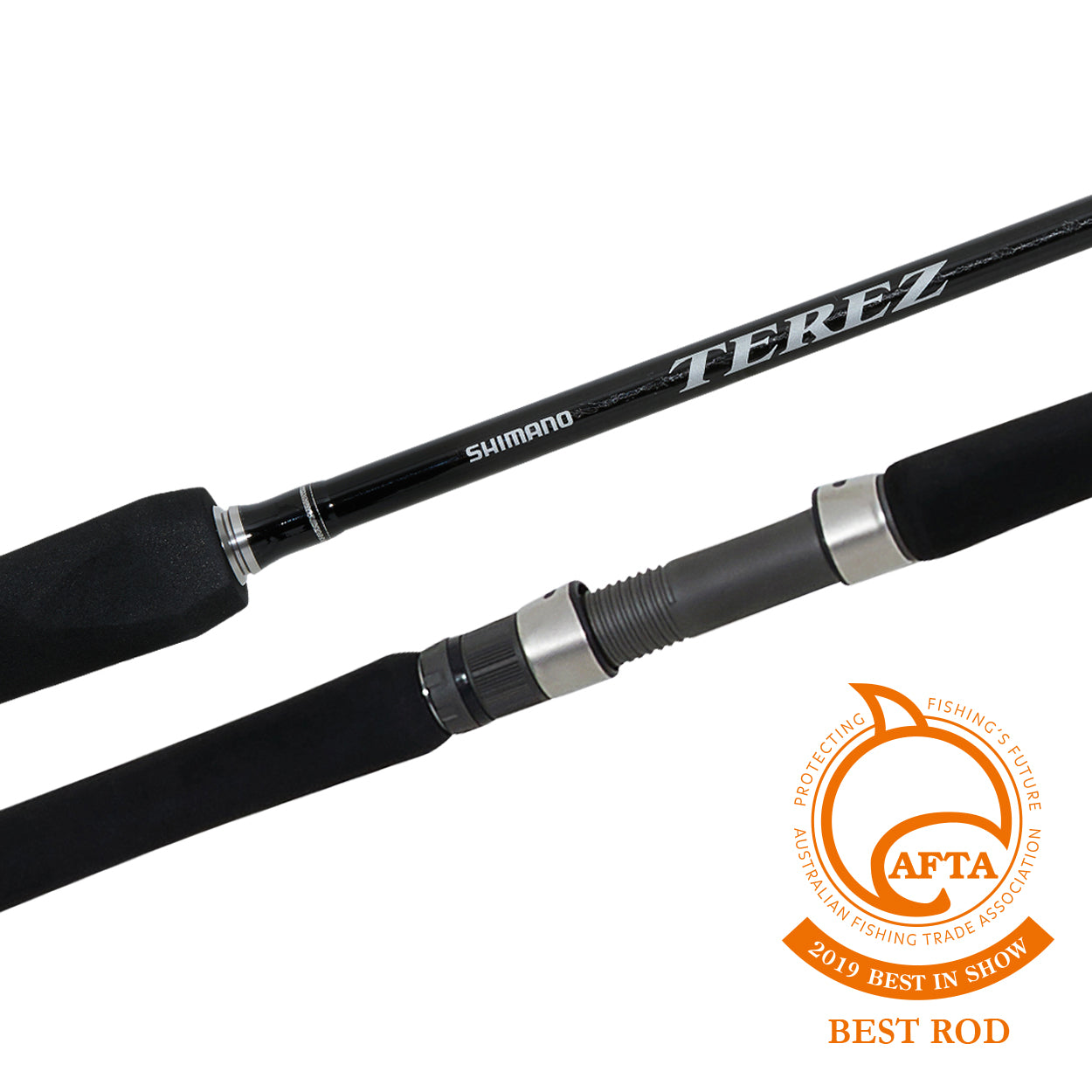
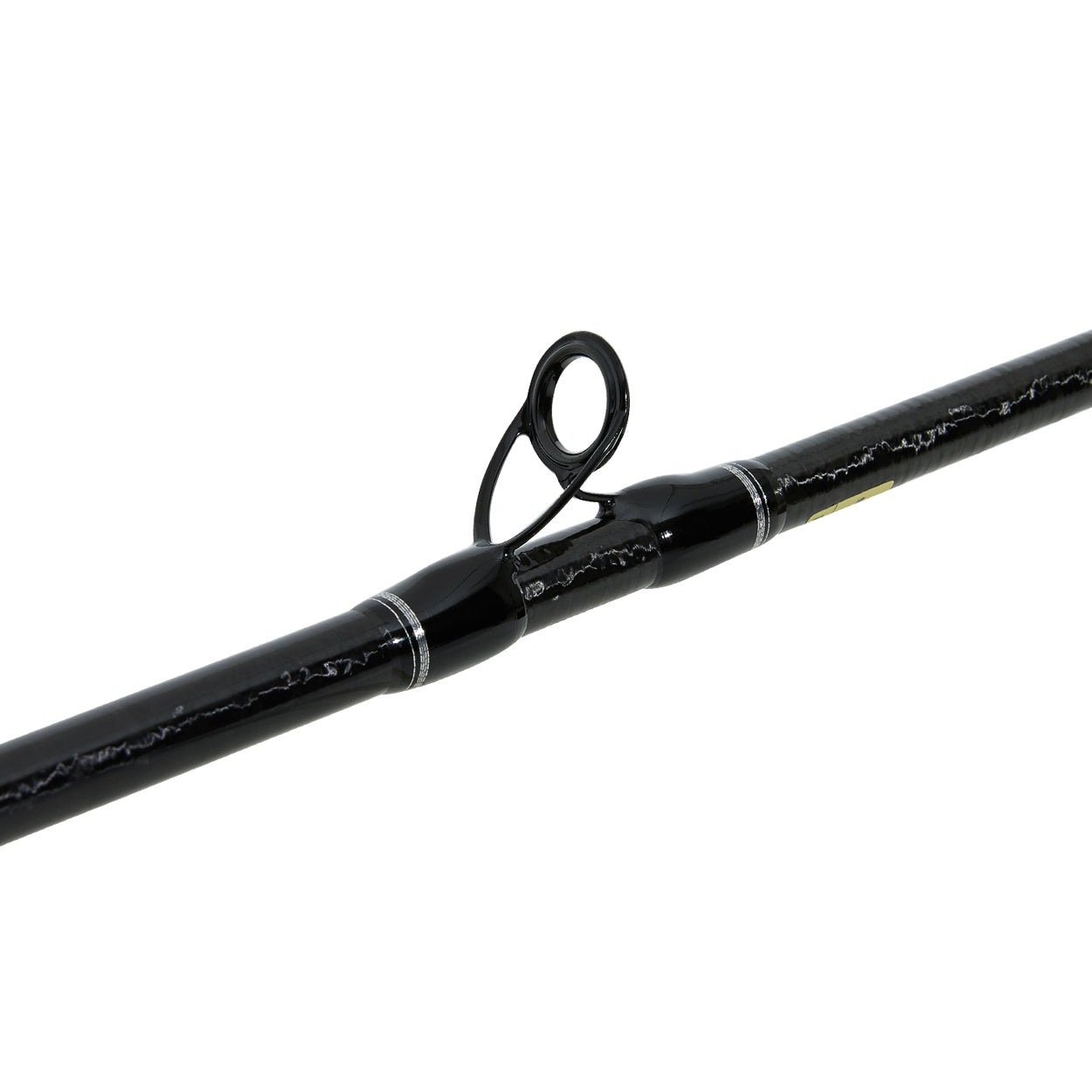
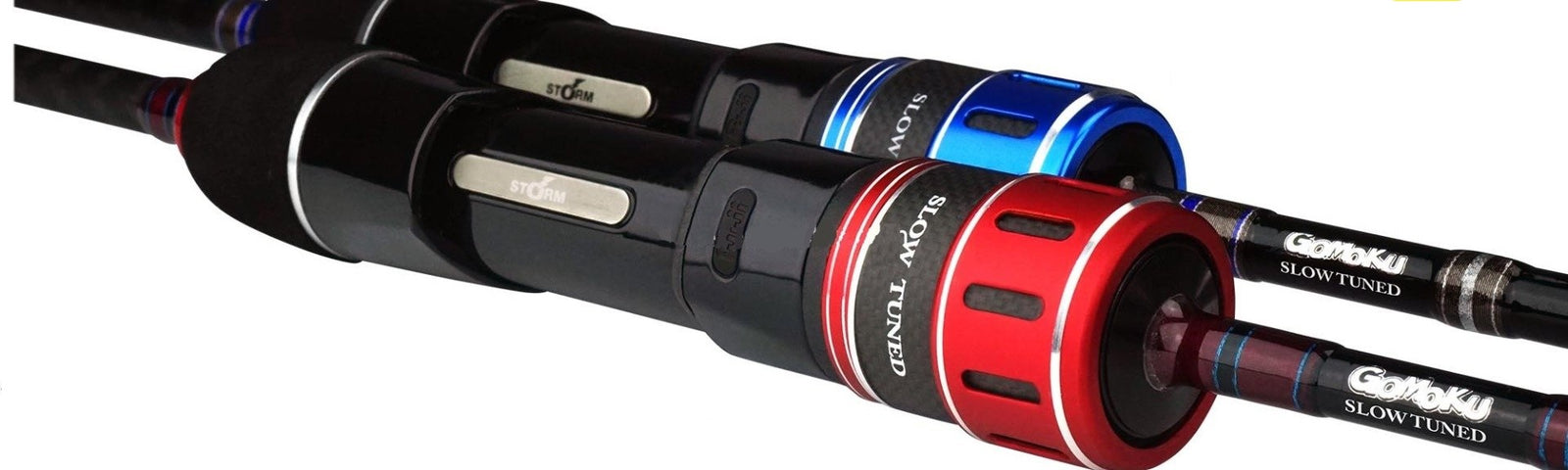
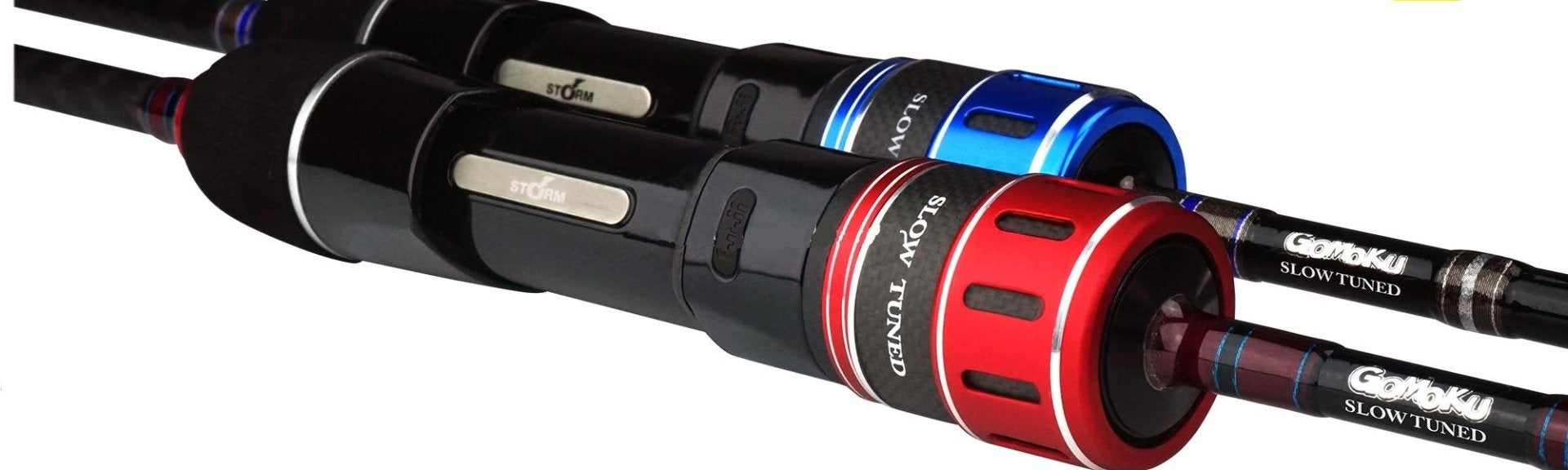
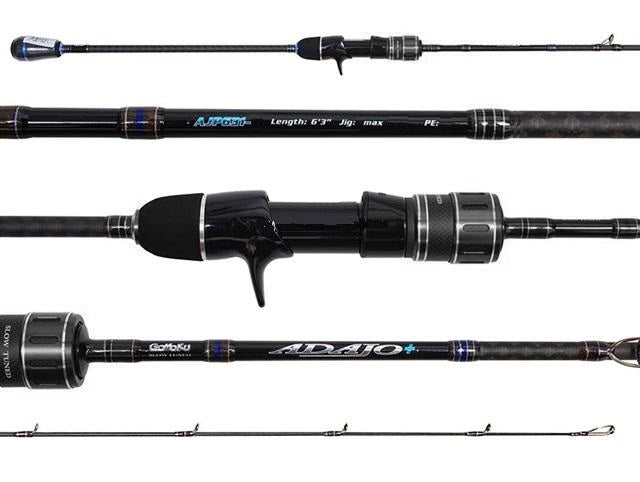
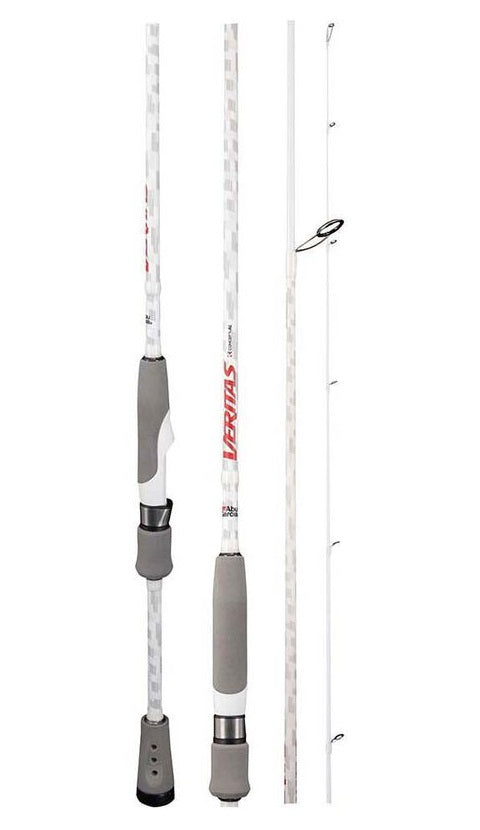
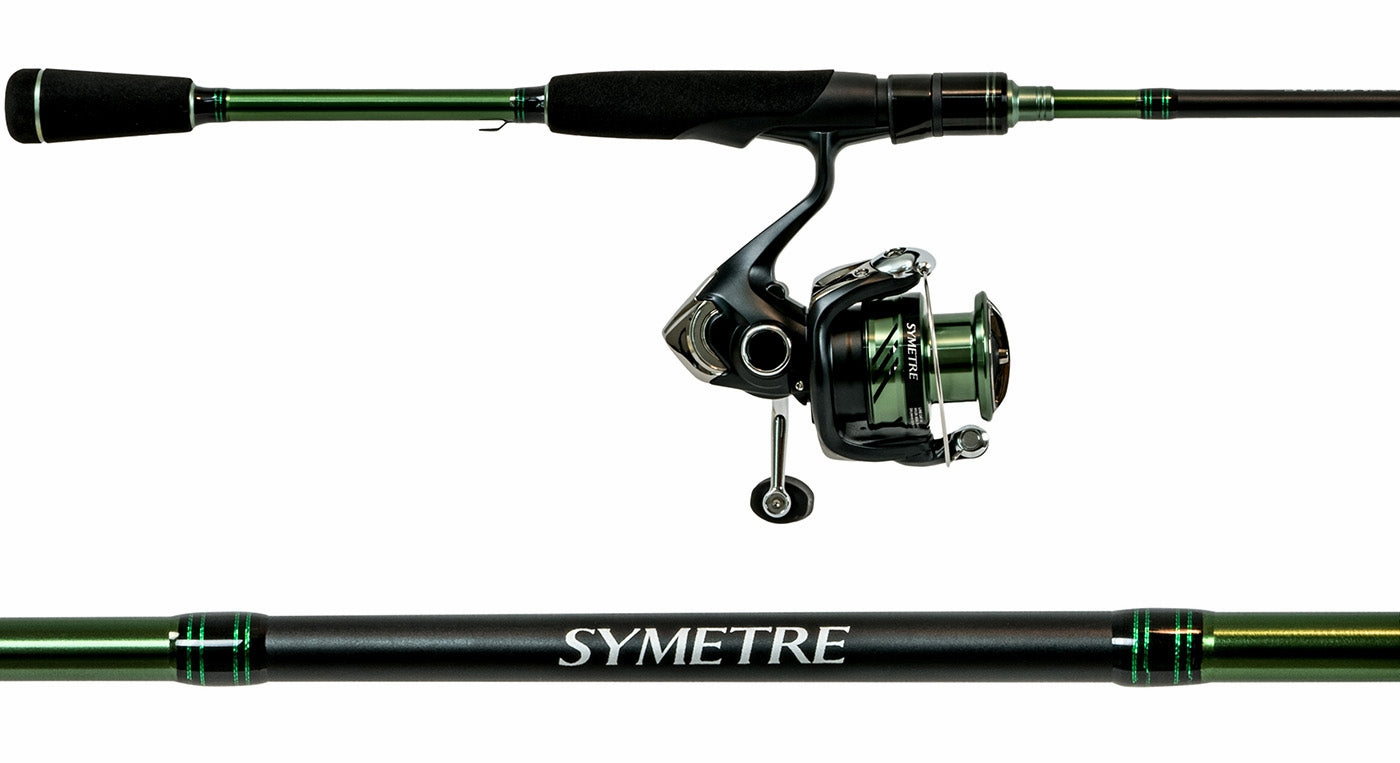
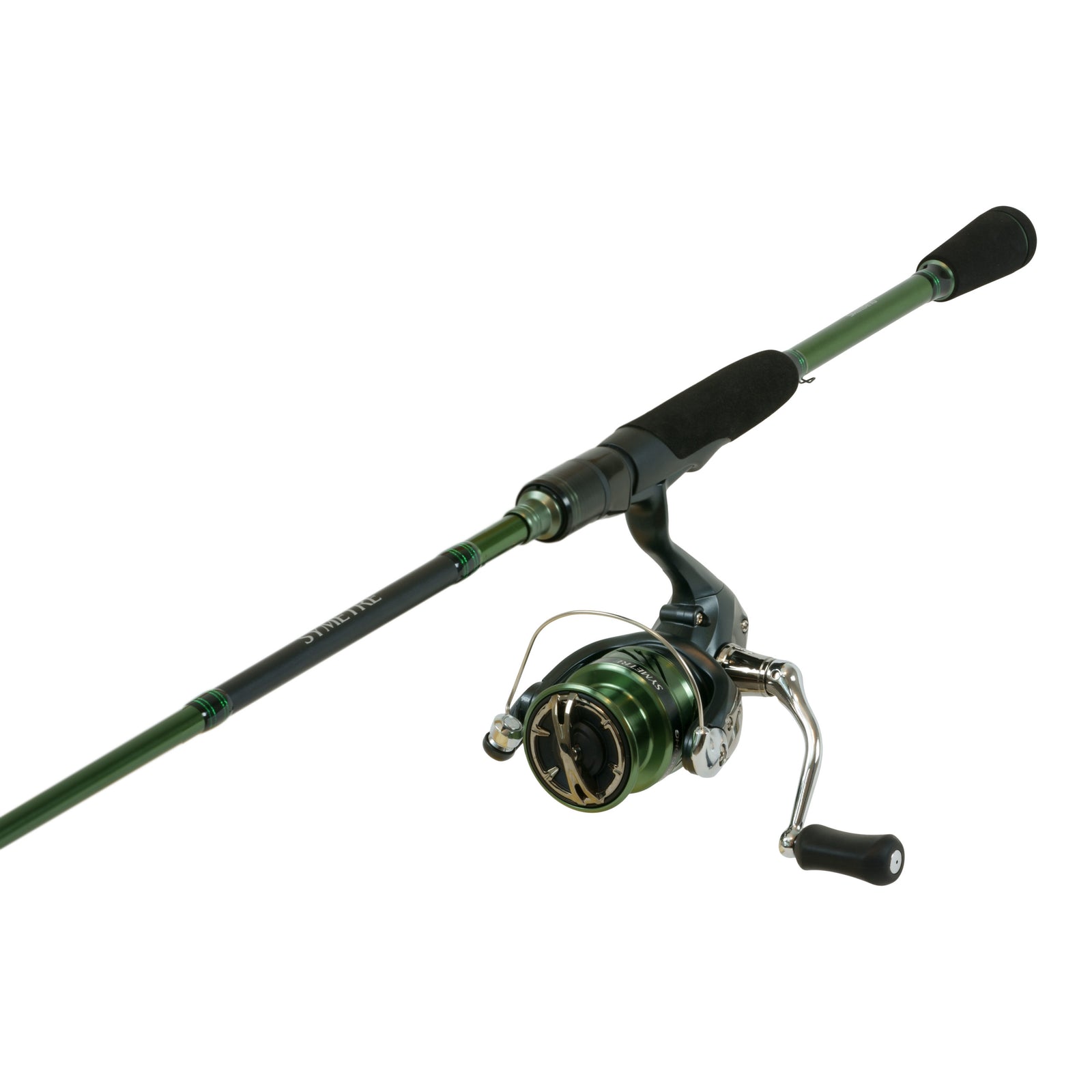
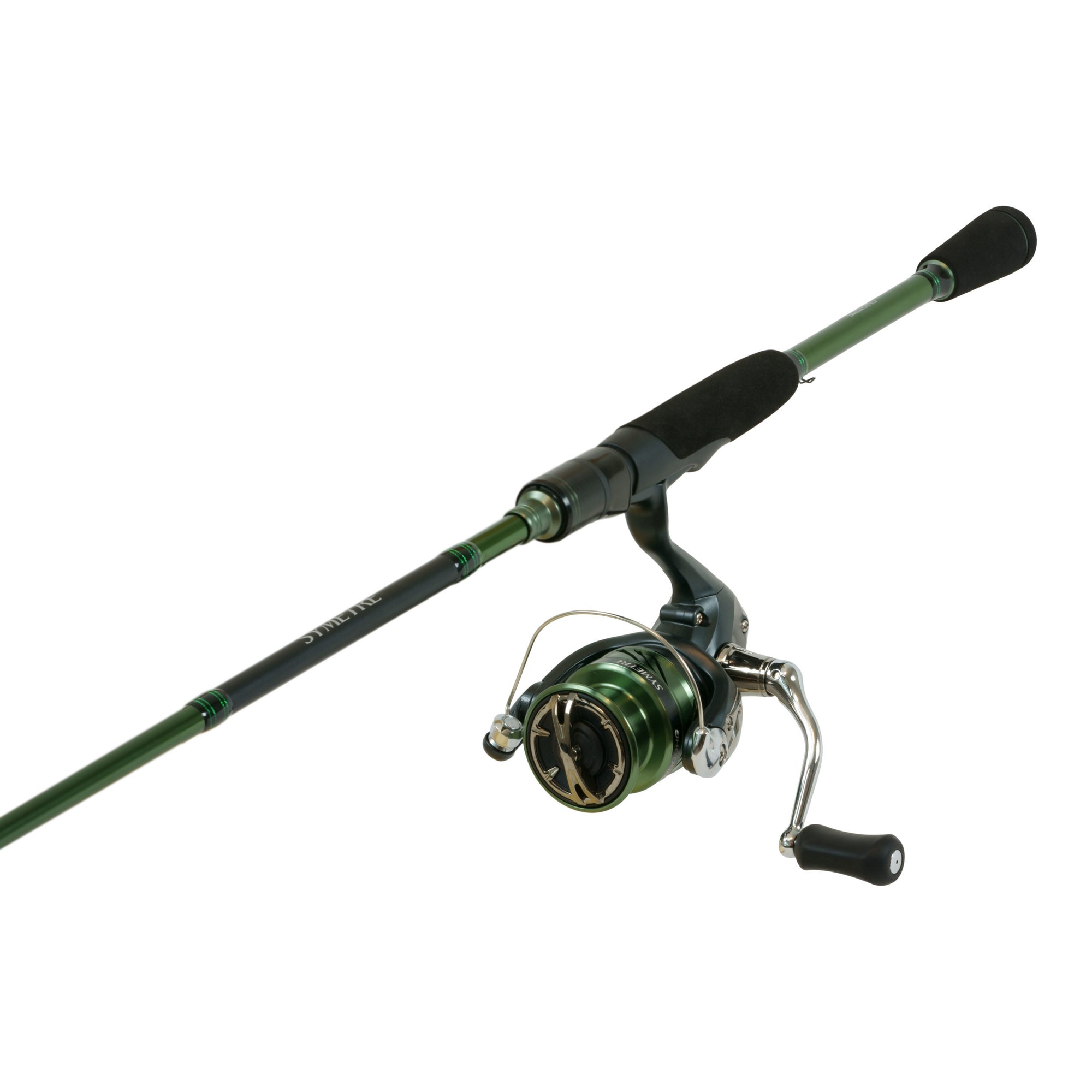
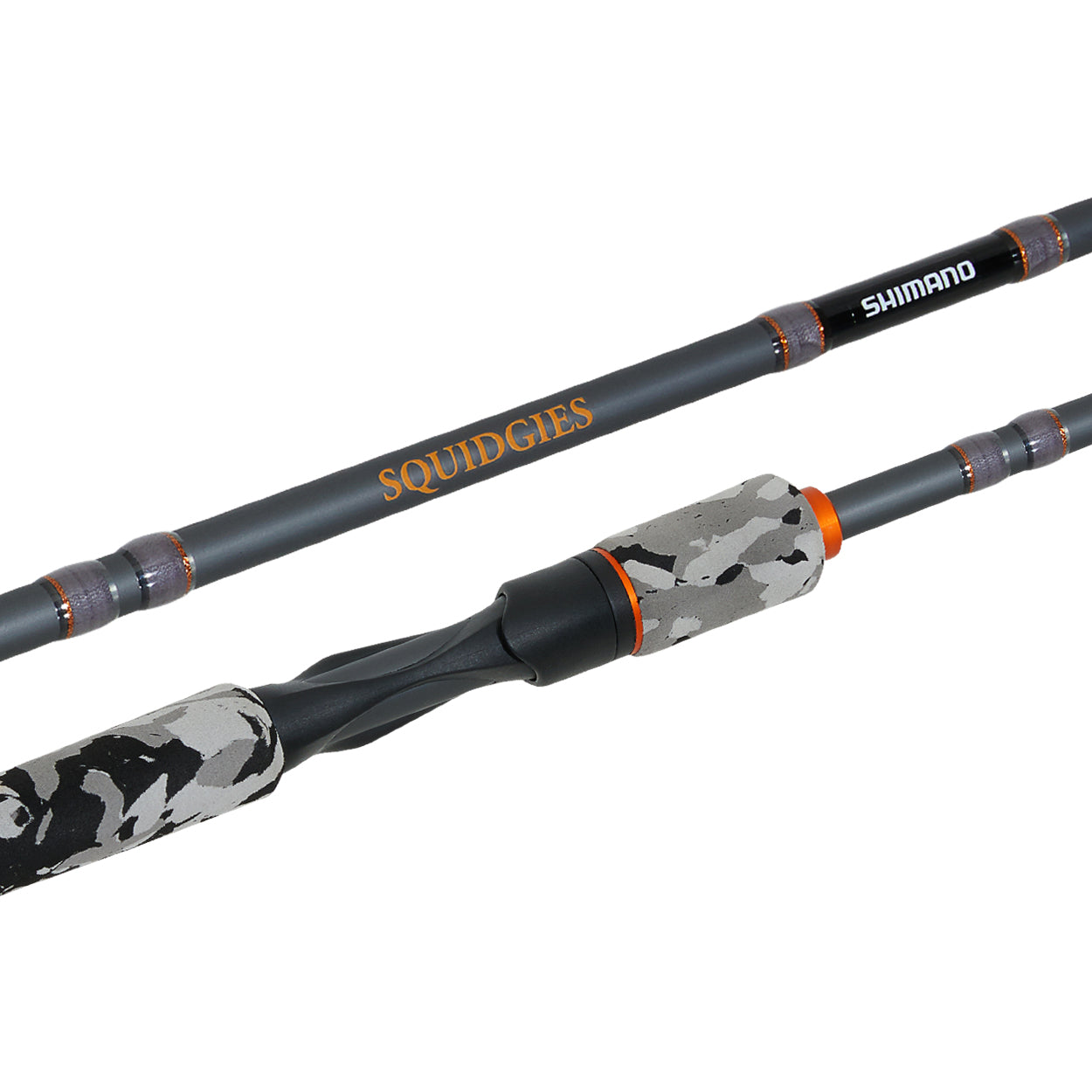
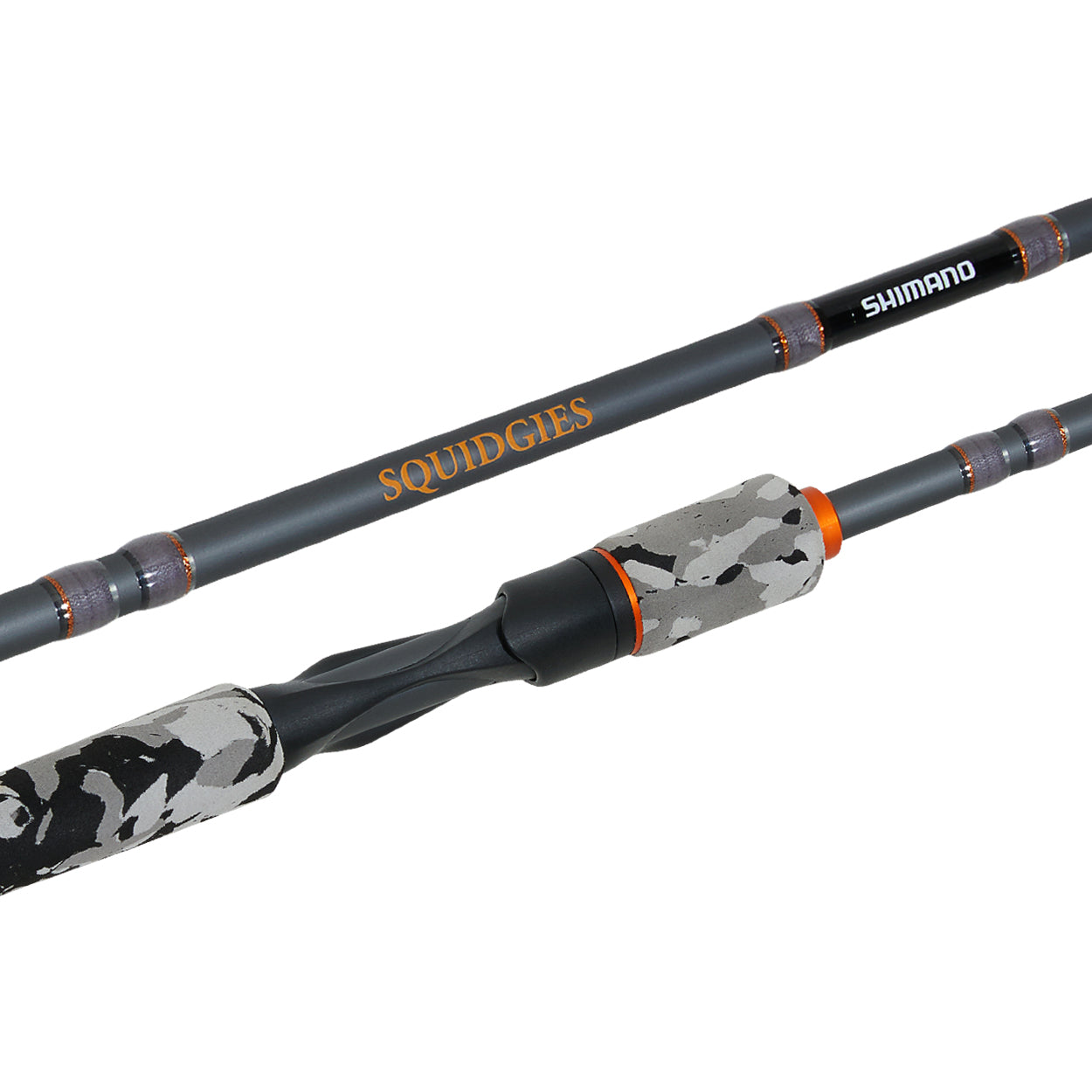
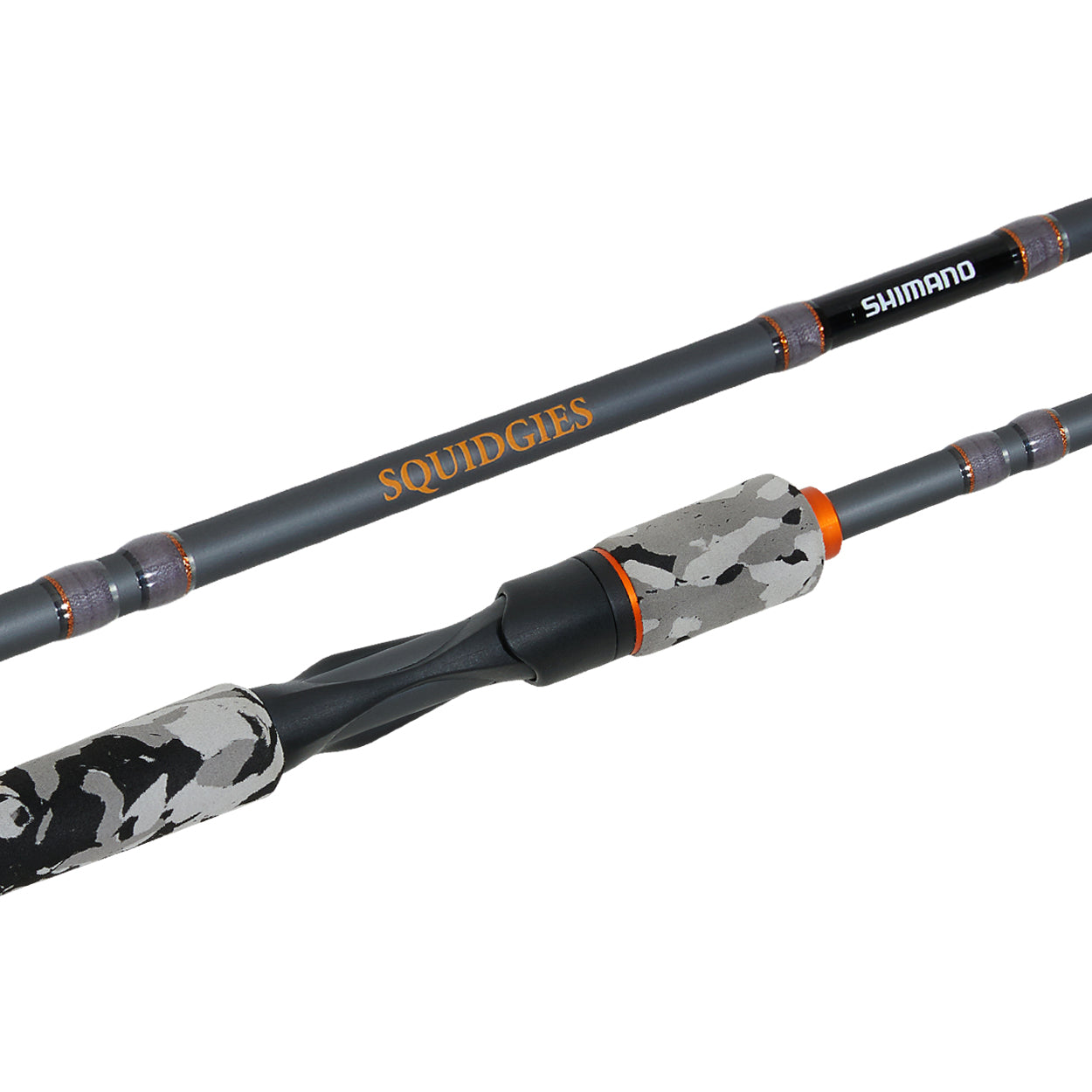
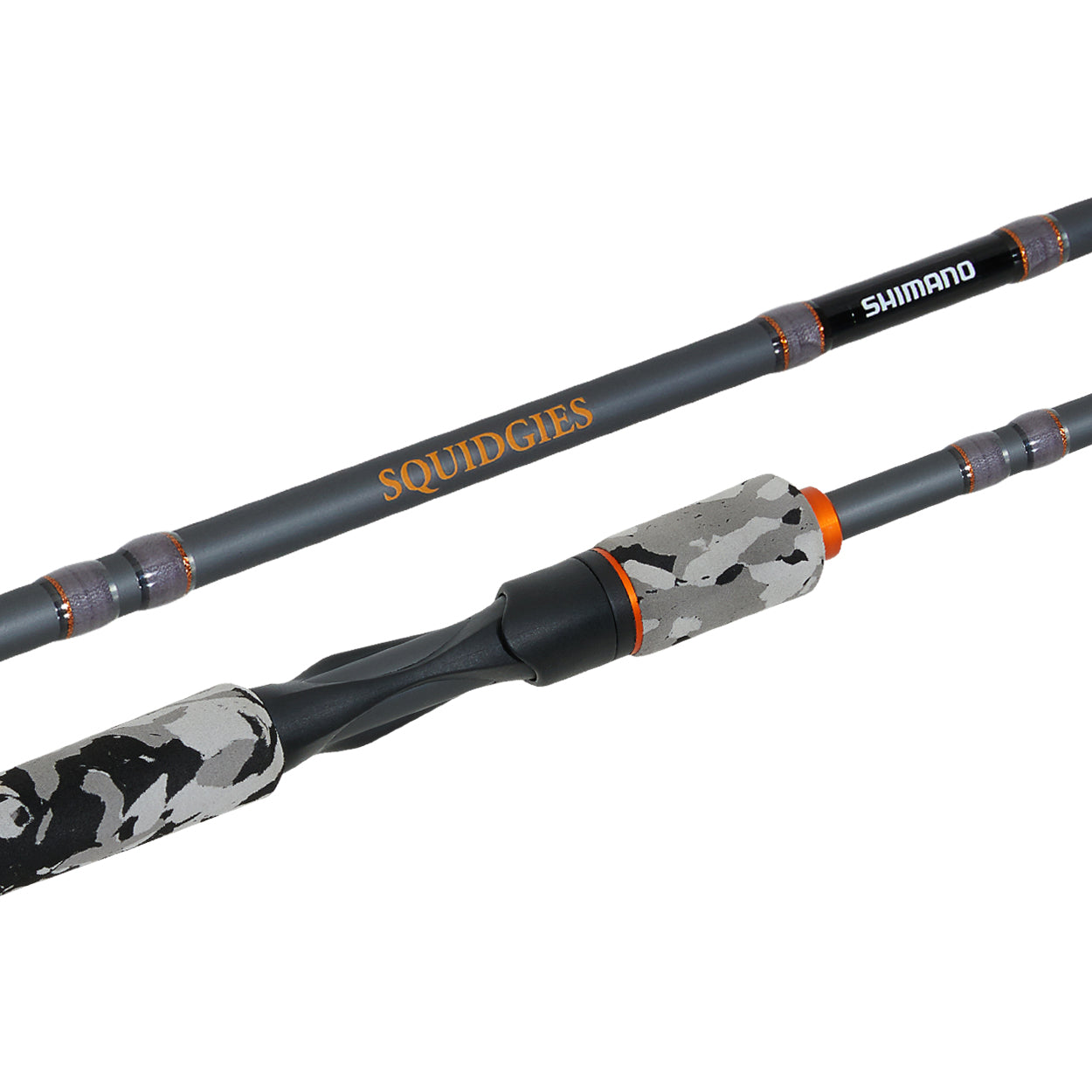
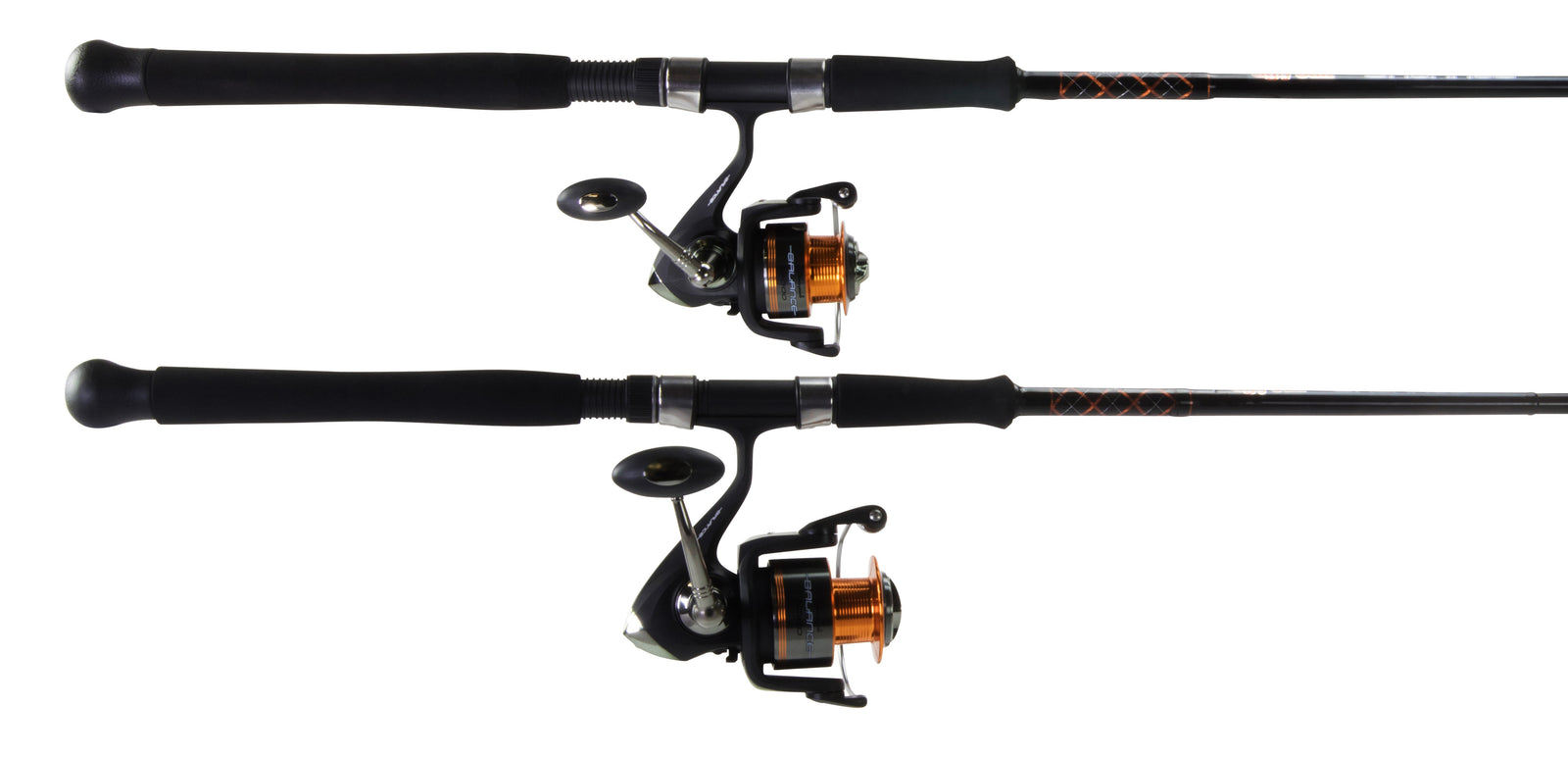
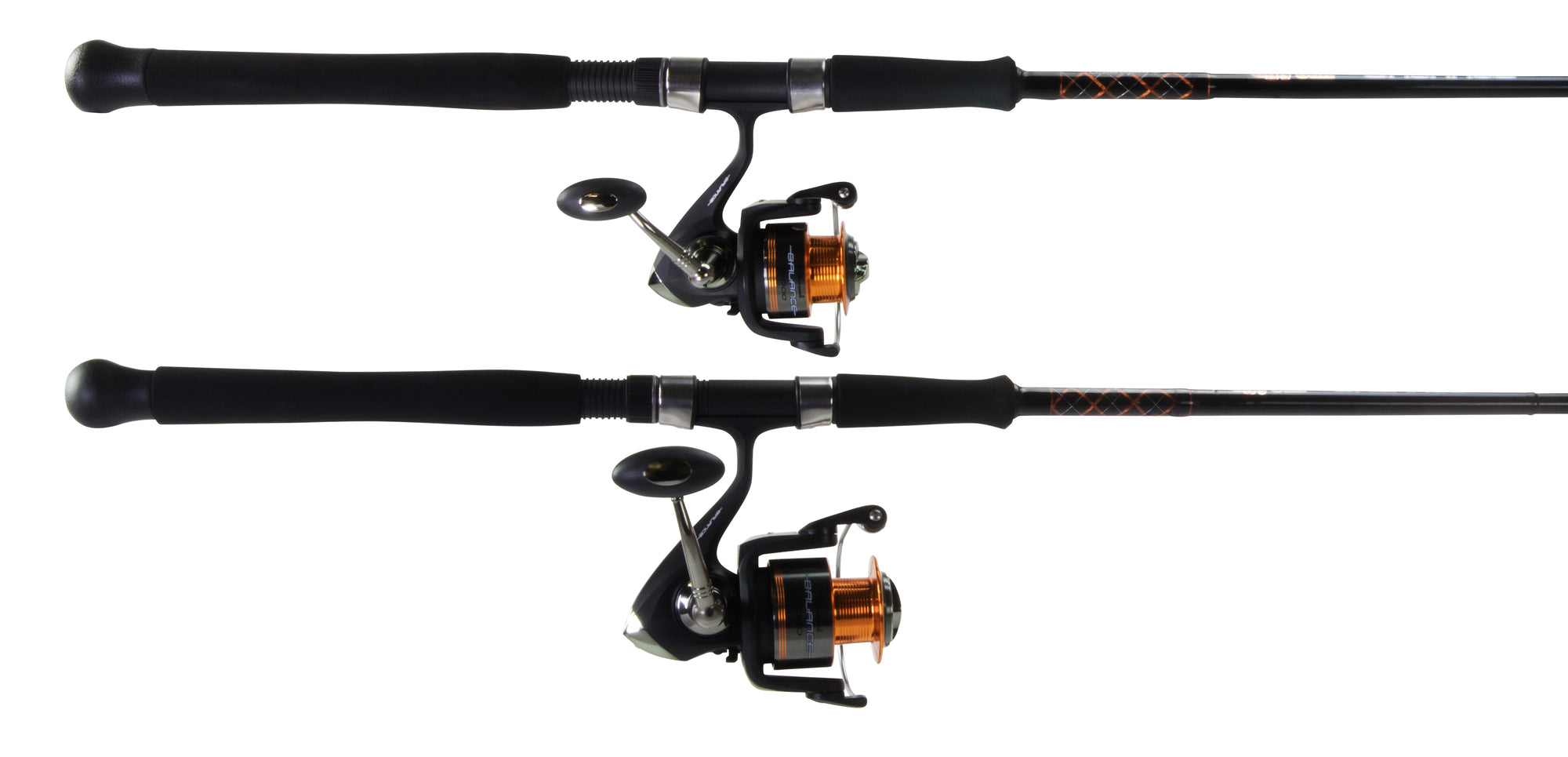
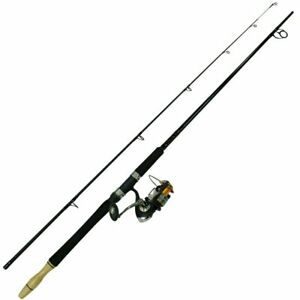
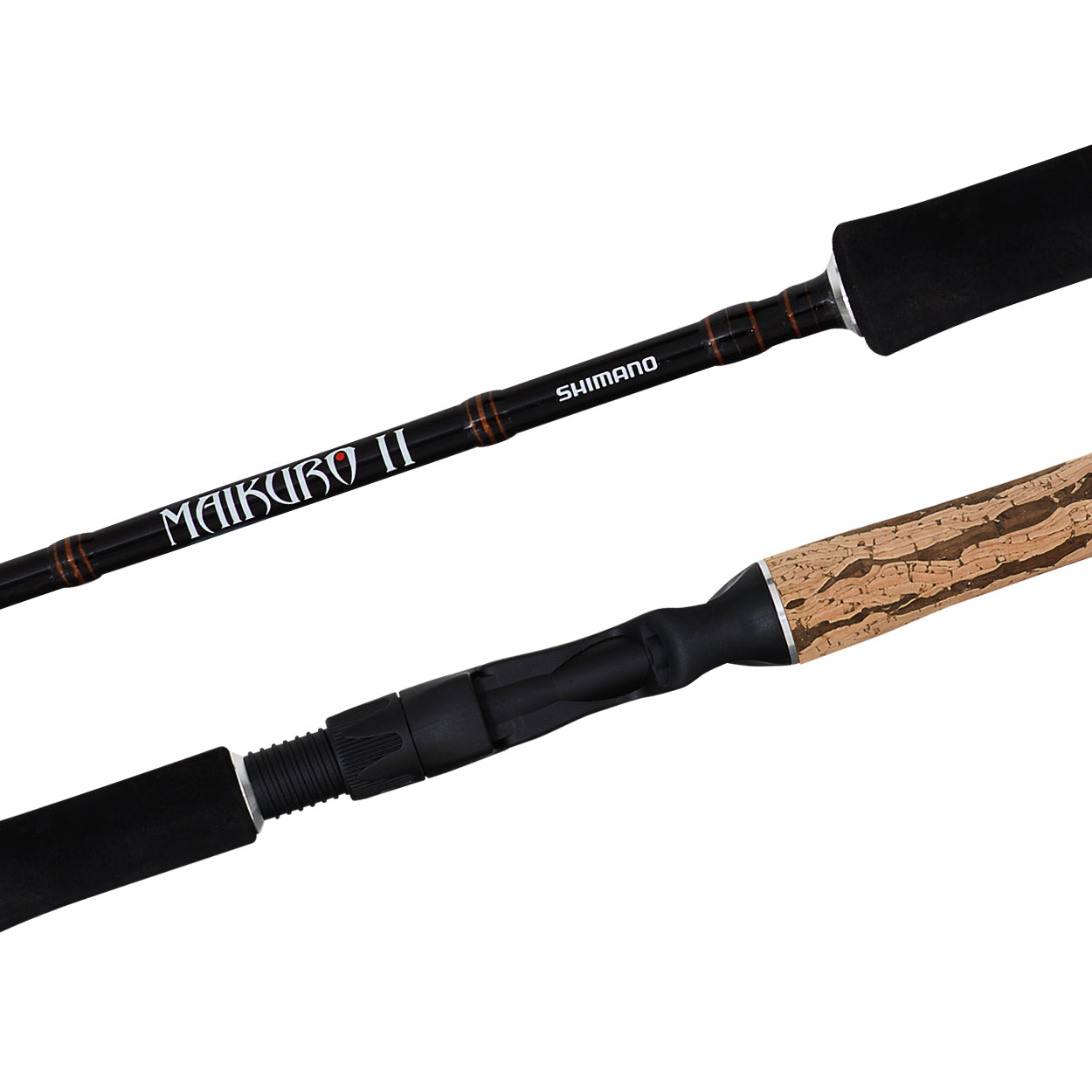
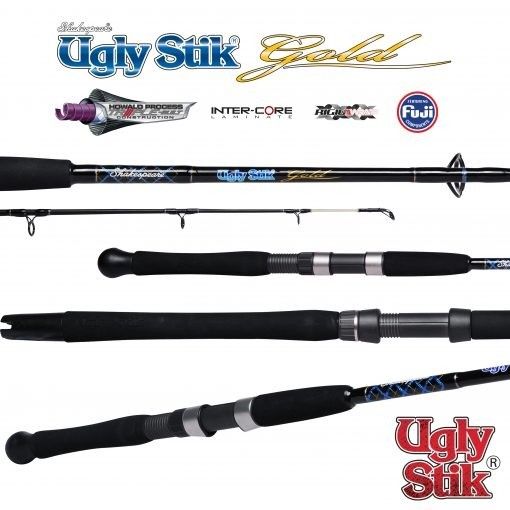
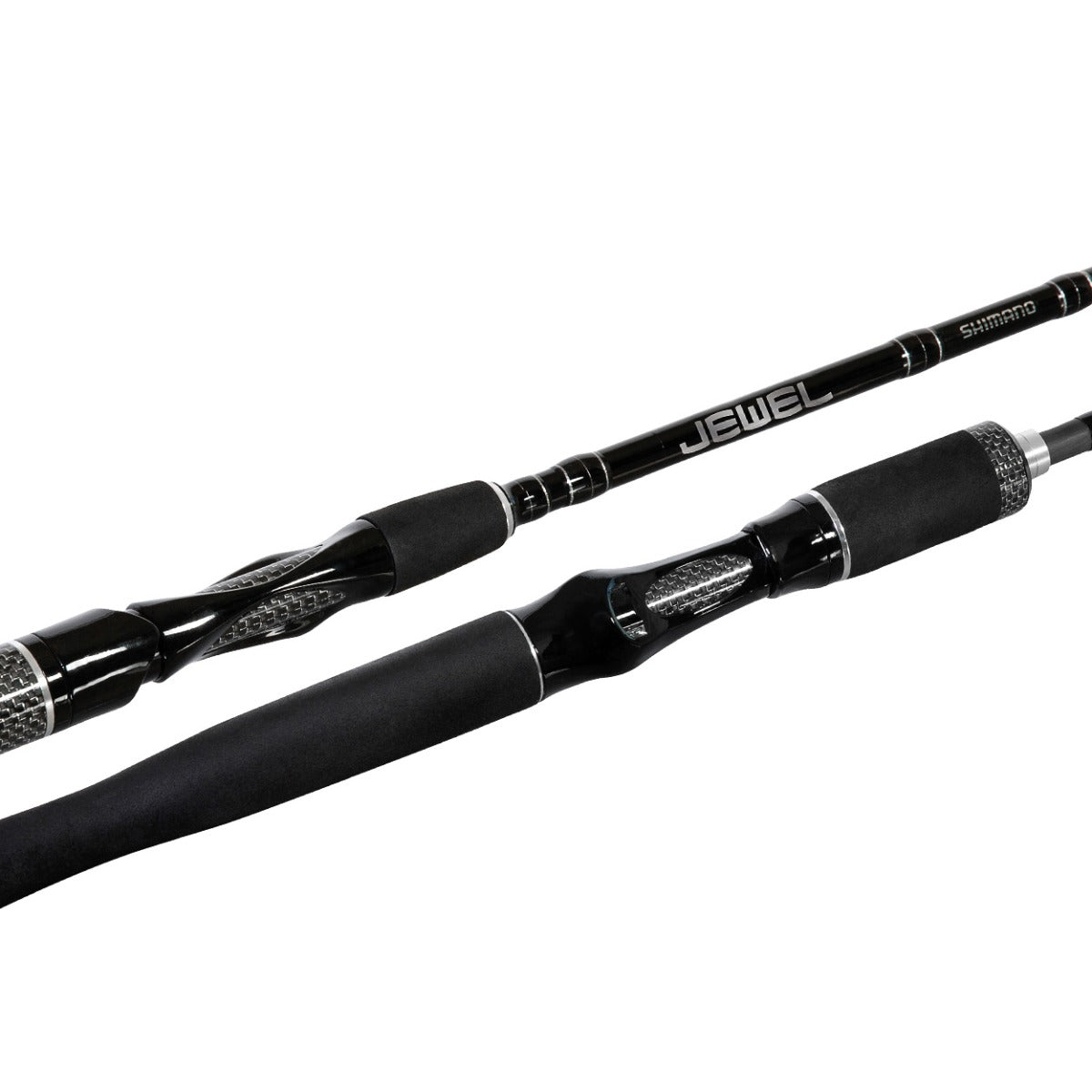
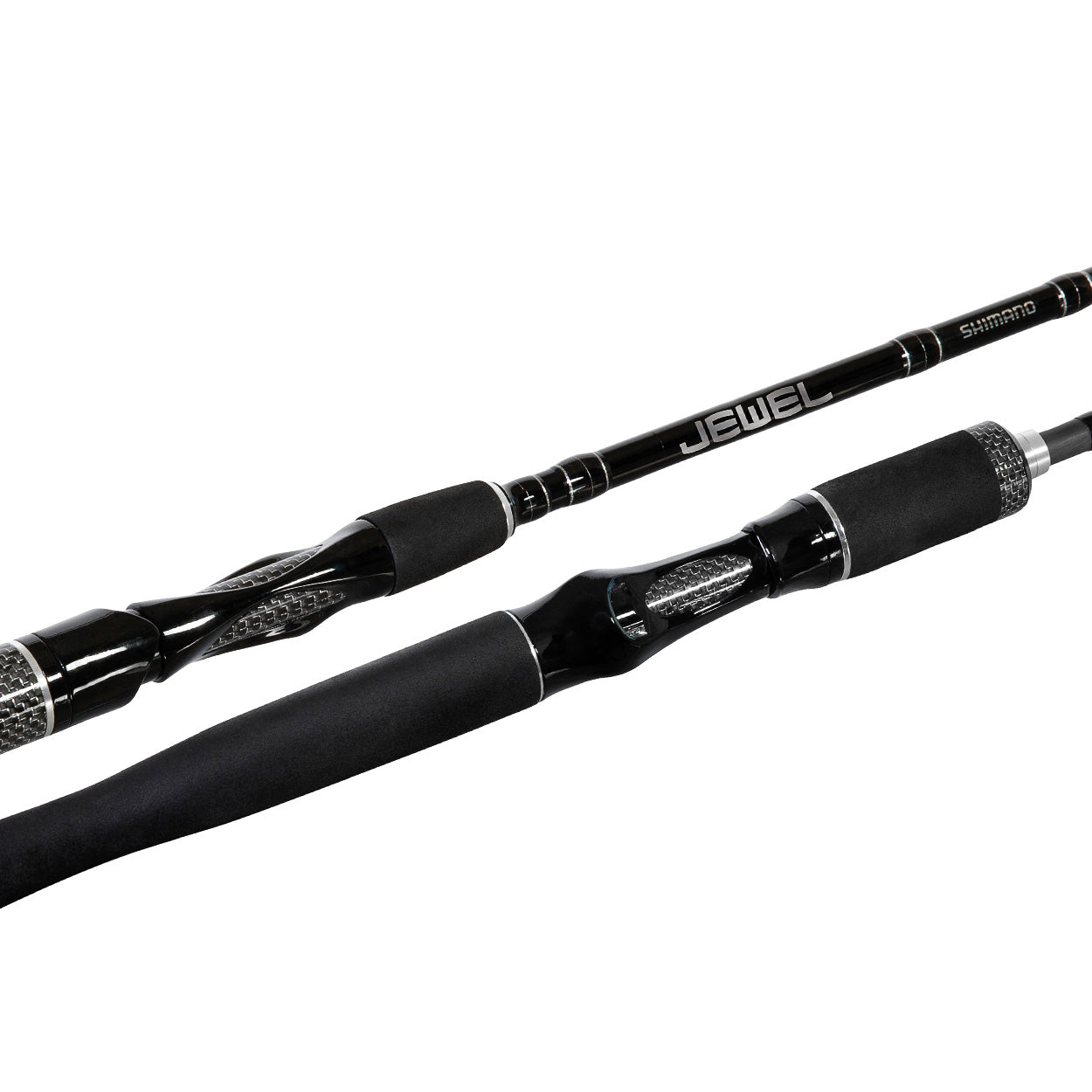
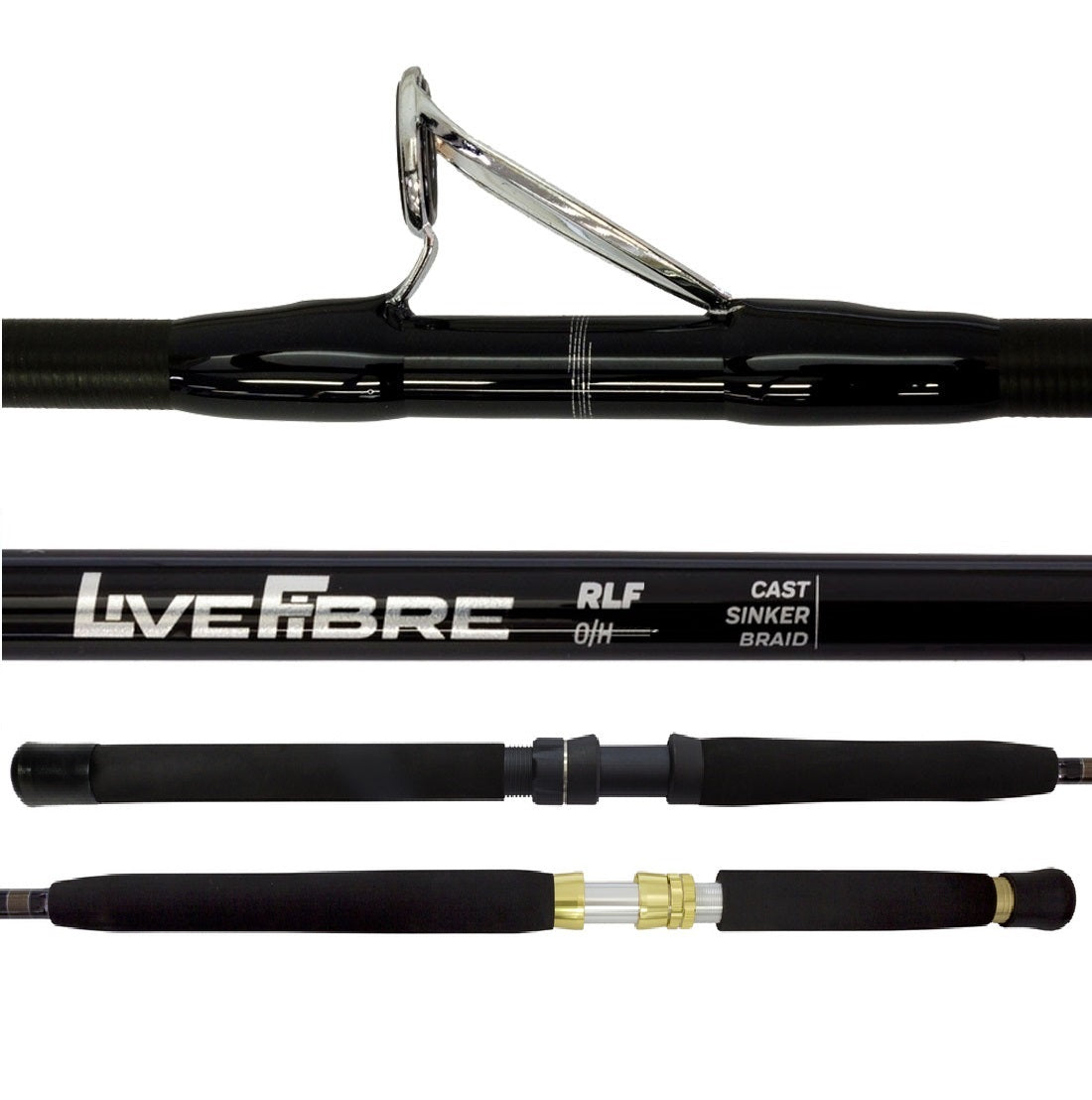
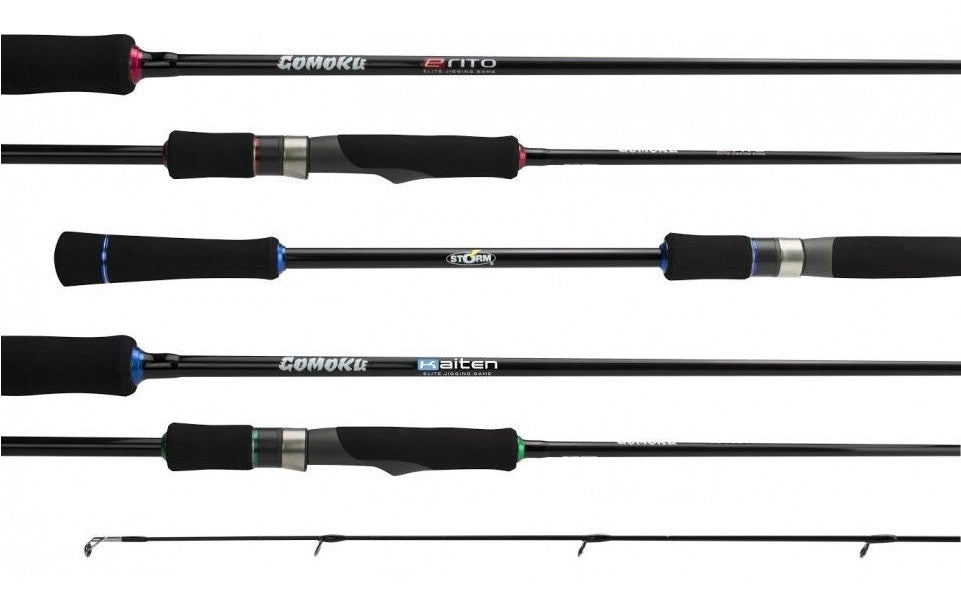
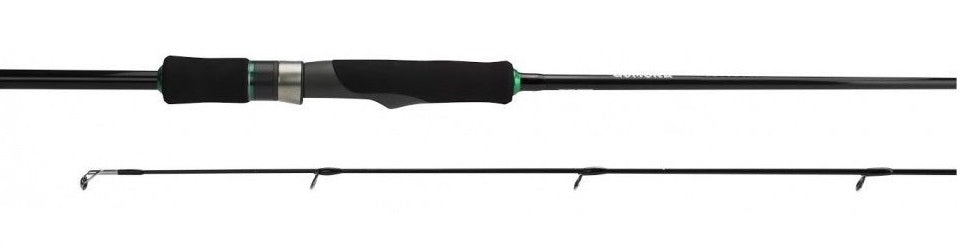
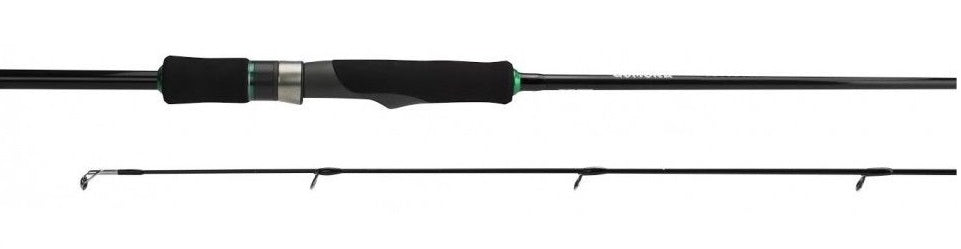
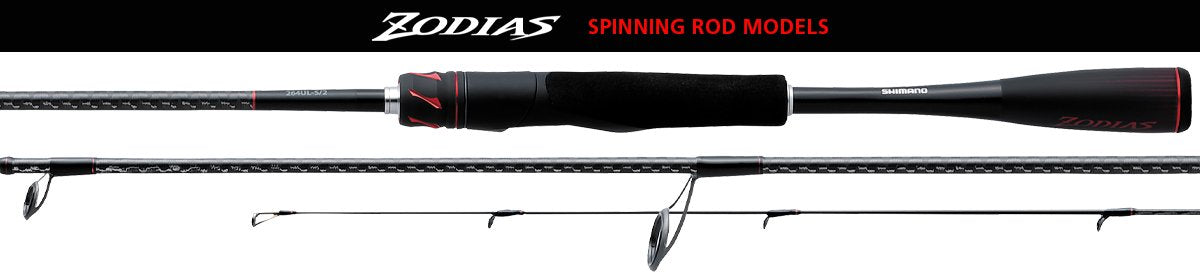
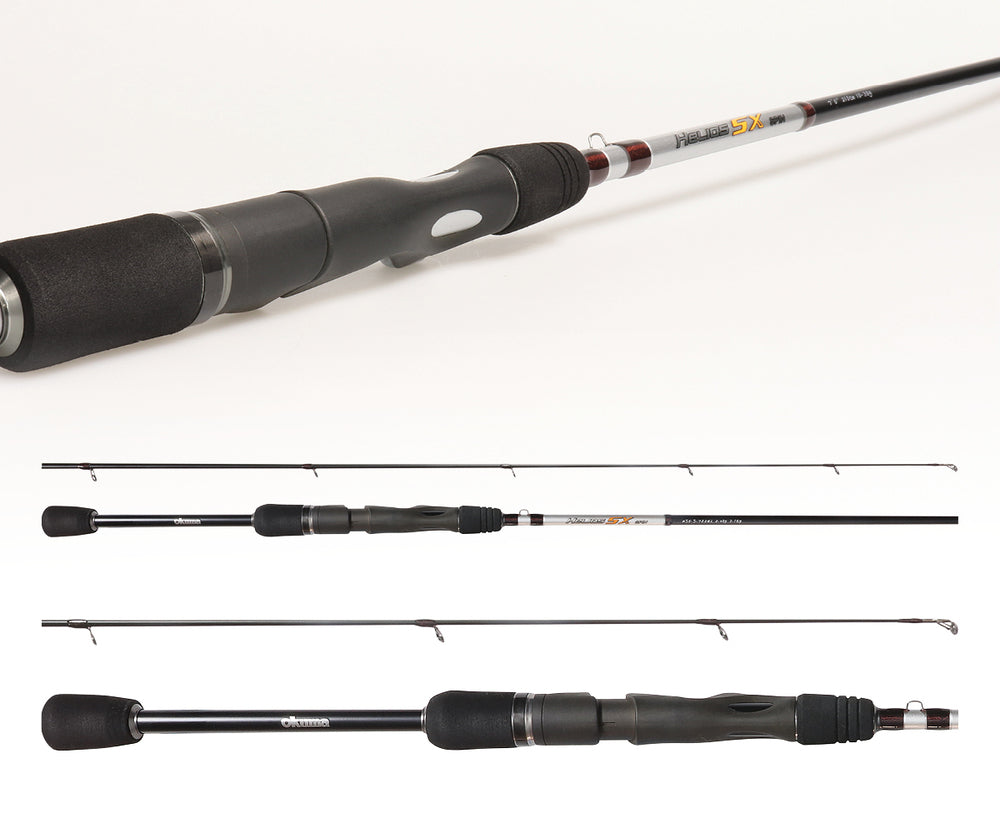
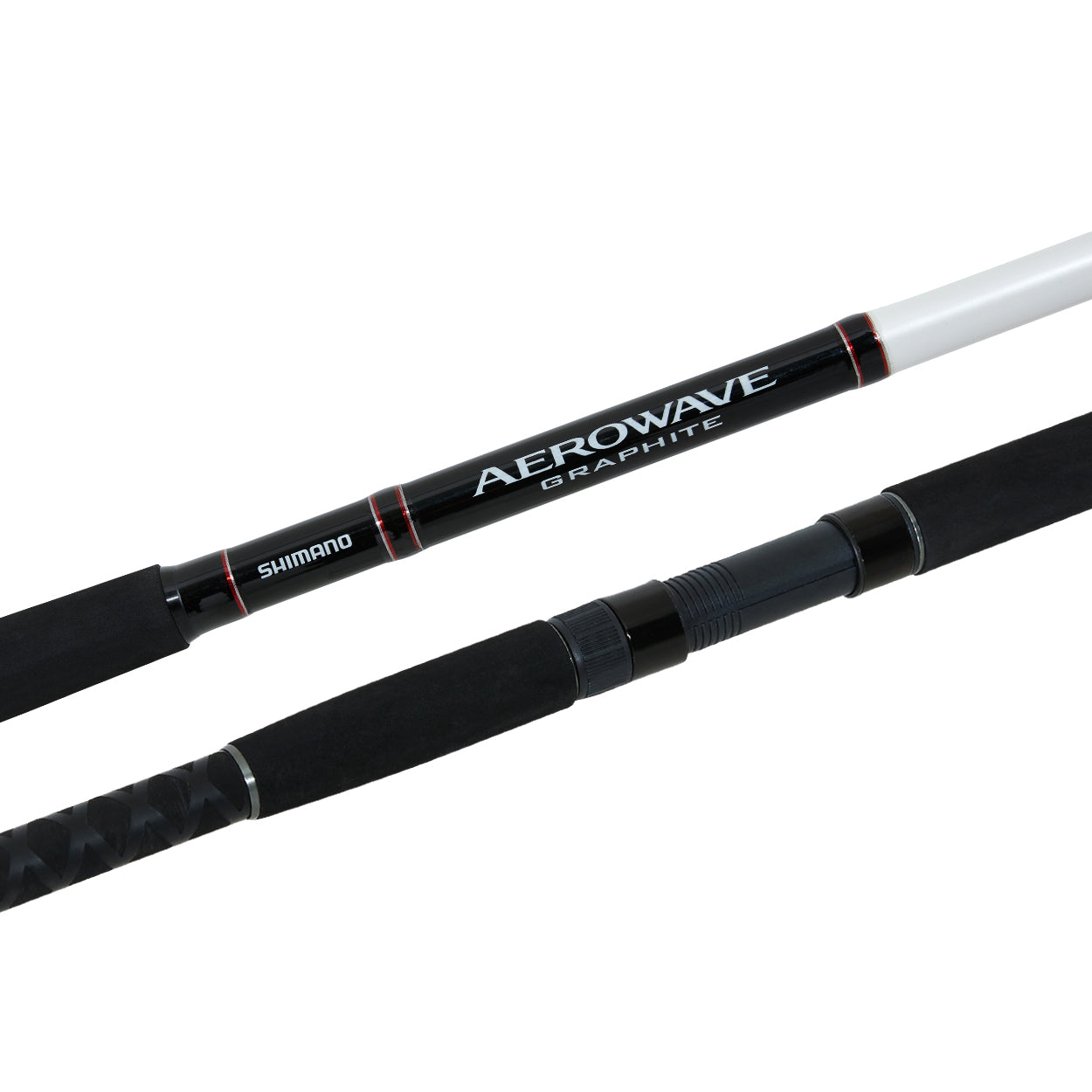
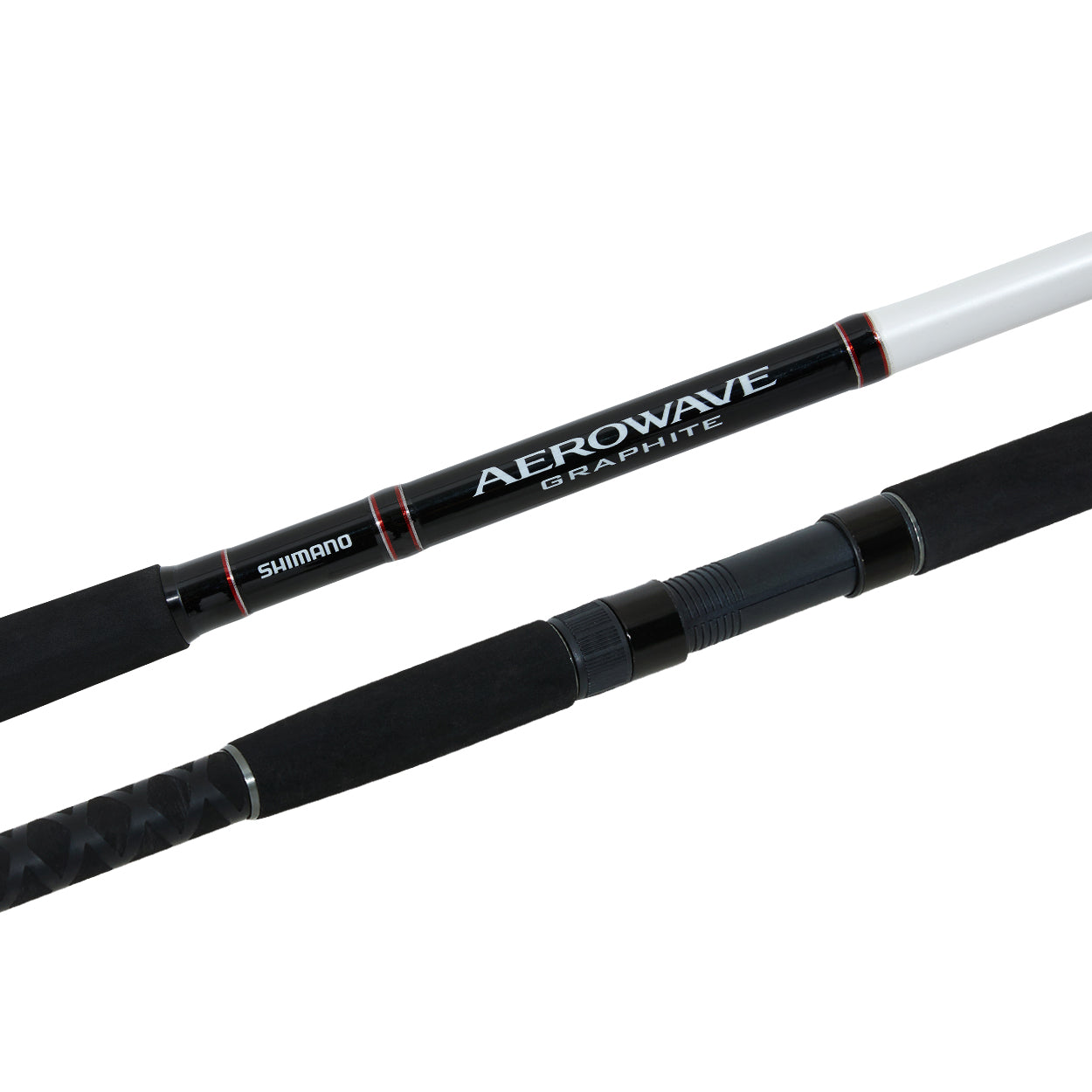
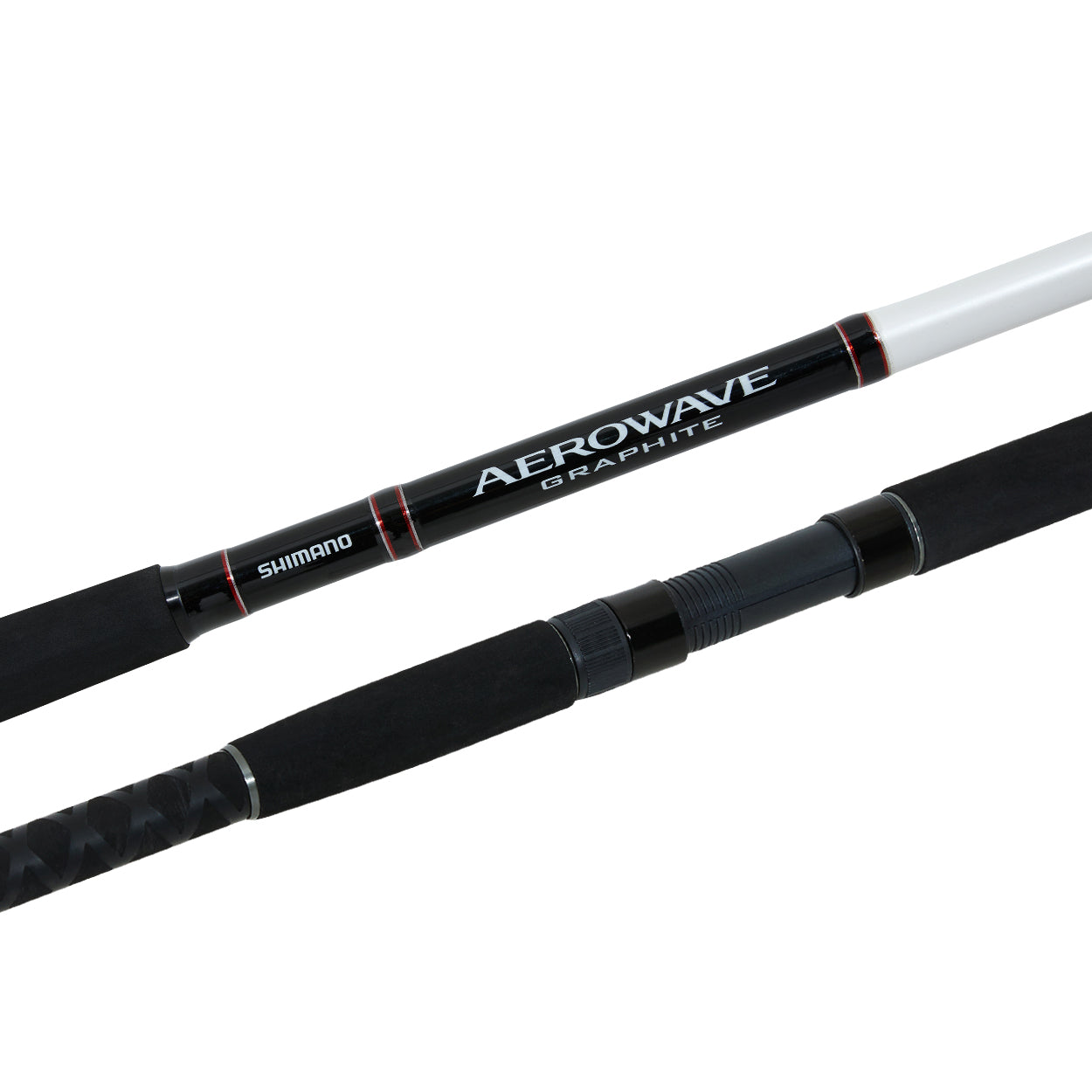
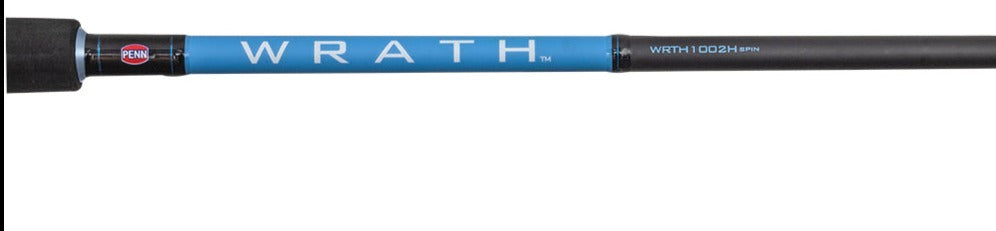
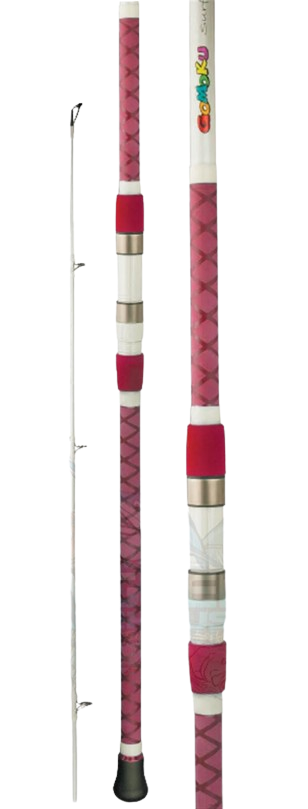
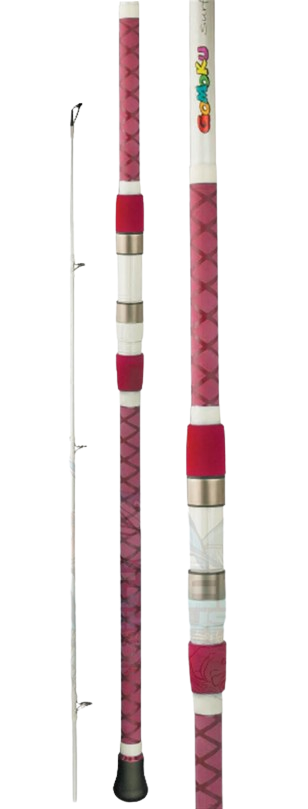
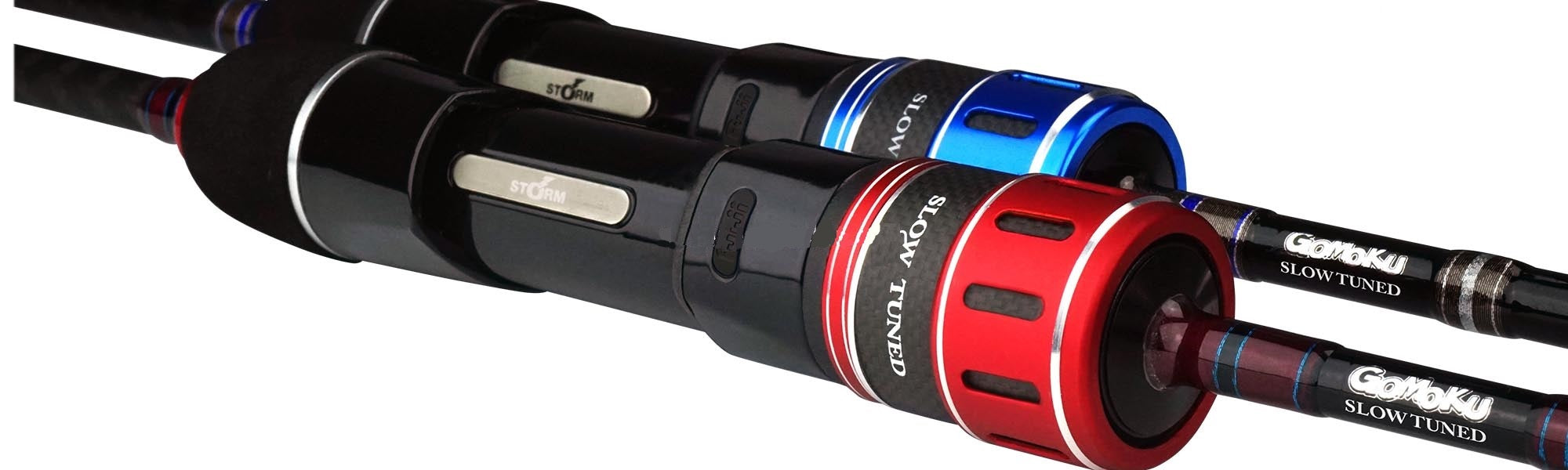
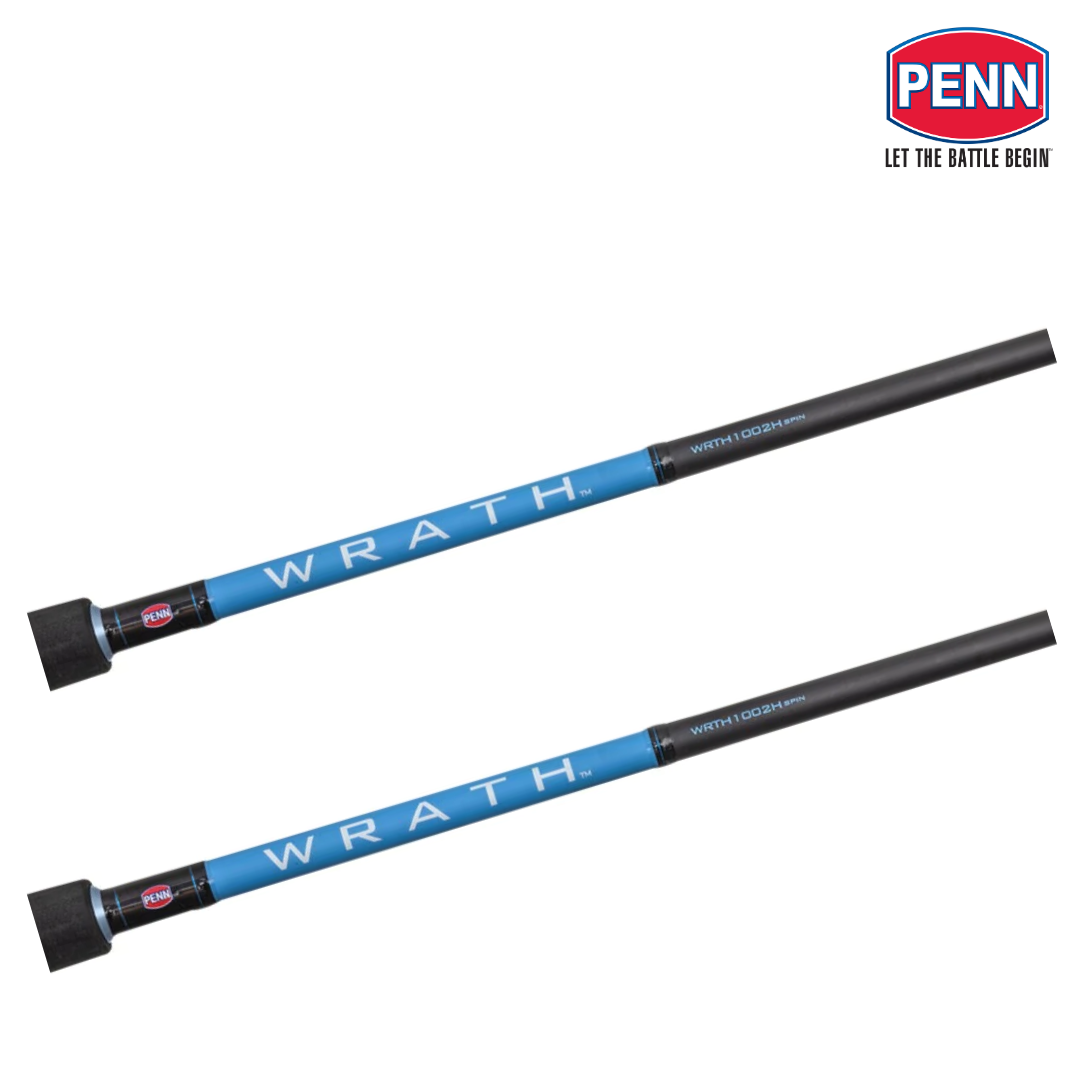
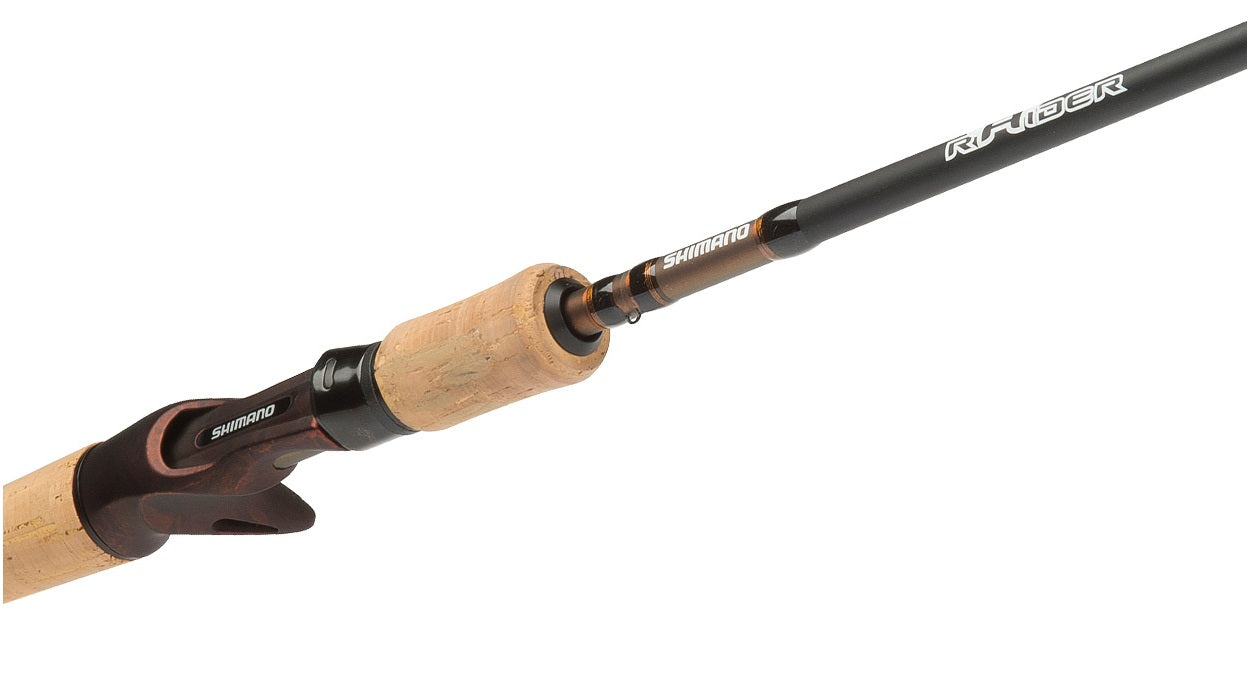
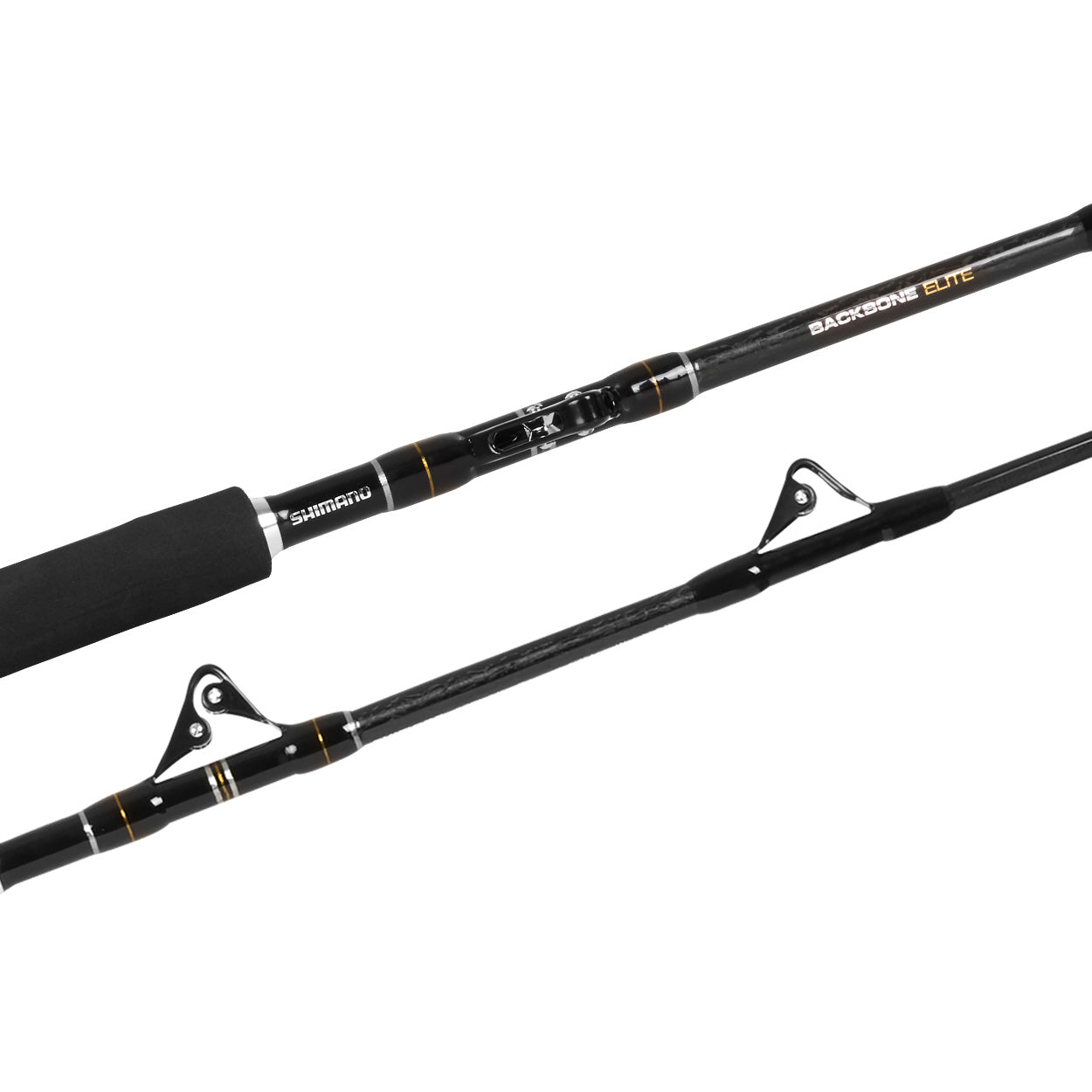
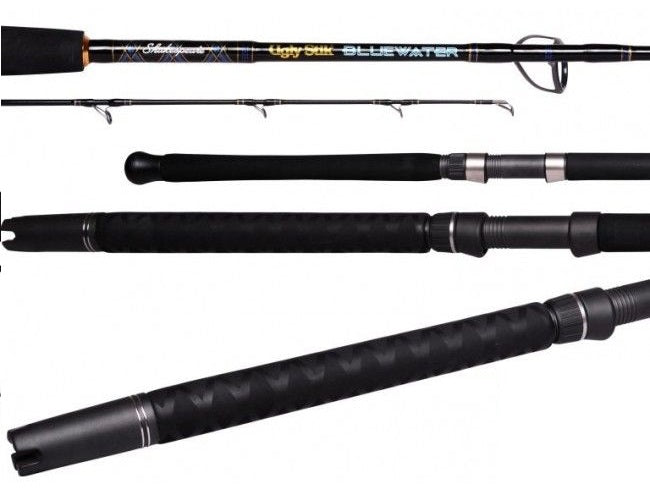
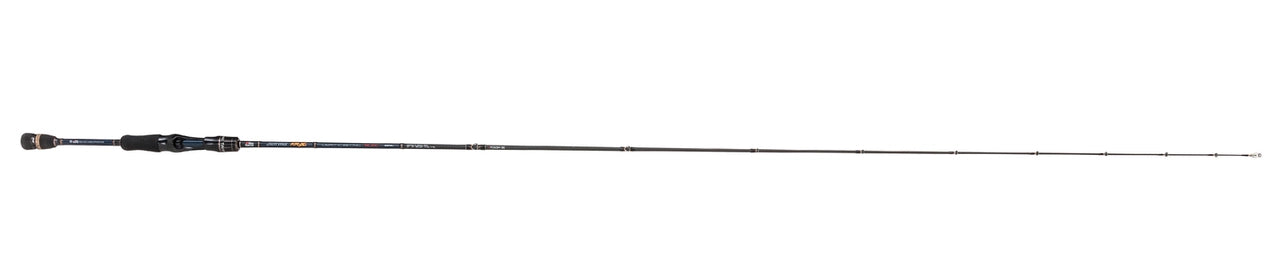
The rod is the part of the outfit you feel every bite through, so it is worth matching properly to the fishing you do. Davo's Tackle carries more than 1,000 rods across spin, baitcast, overhead, surf, travel and fly, from Shimano, Daiwa, Penn, Samaki, Gary Howard, Okuma and Live Fibre.
Choosing a fishing rod
Start with where you fish. Shorter rods give control in a boat or kayak and under cover. Mid-length rods are the all-rounders for estuary and rock work. Long surf rods exist for one reason, which is distance off the beach.
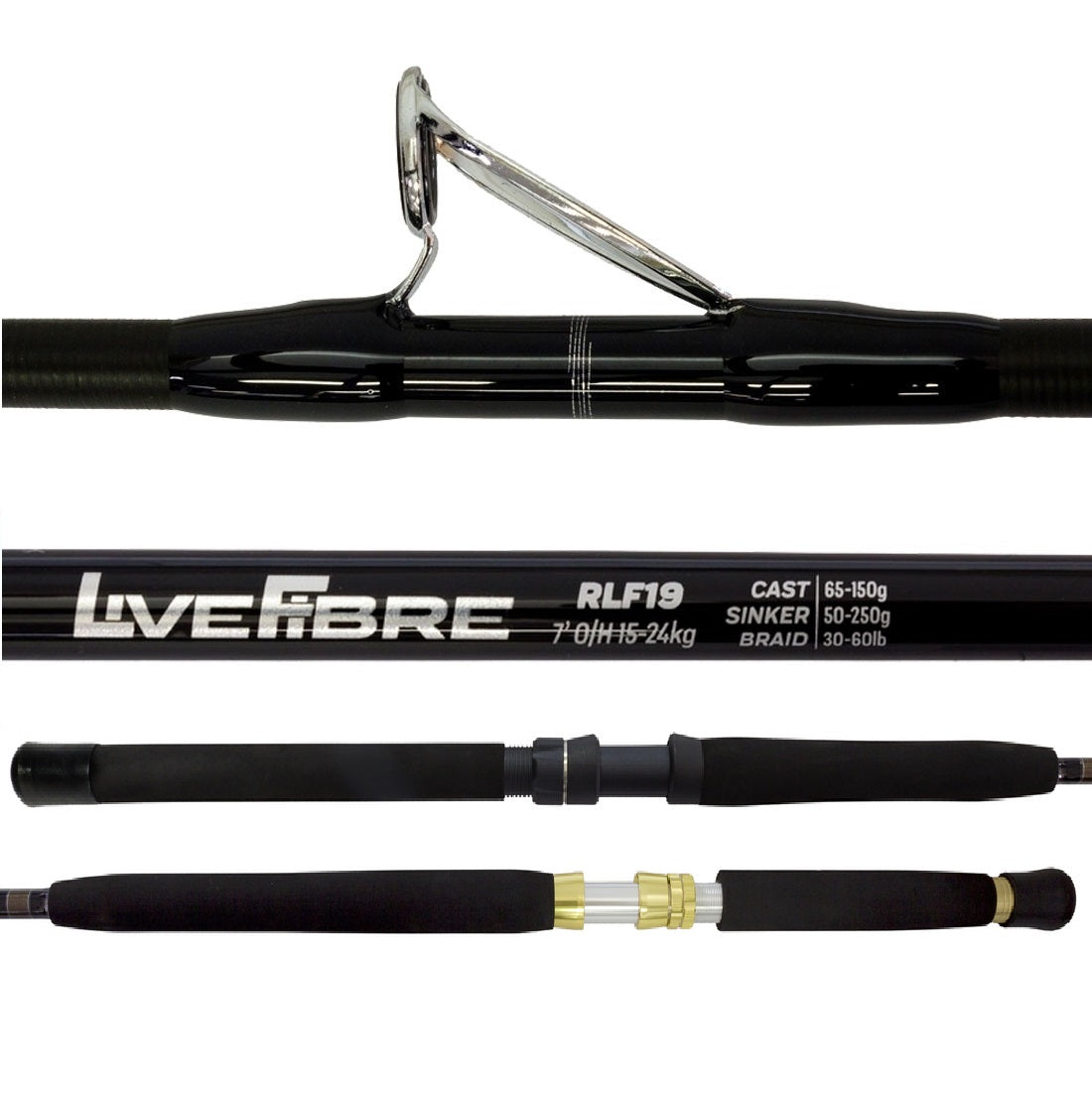
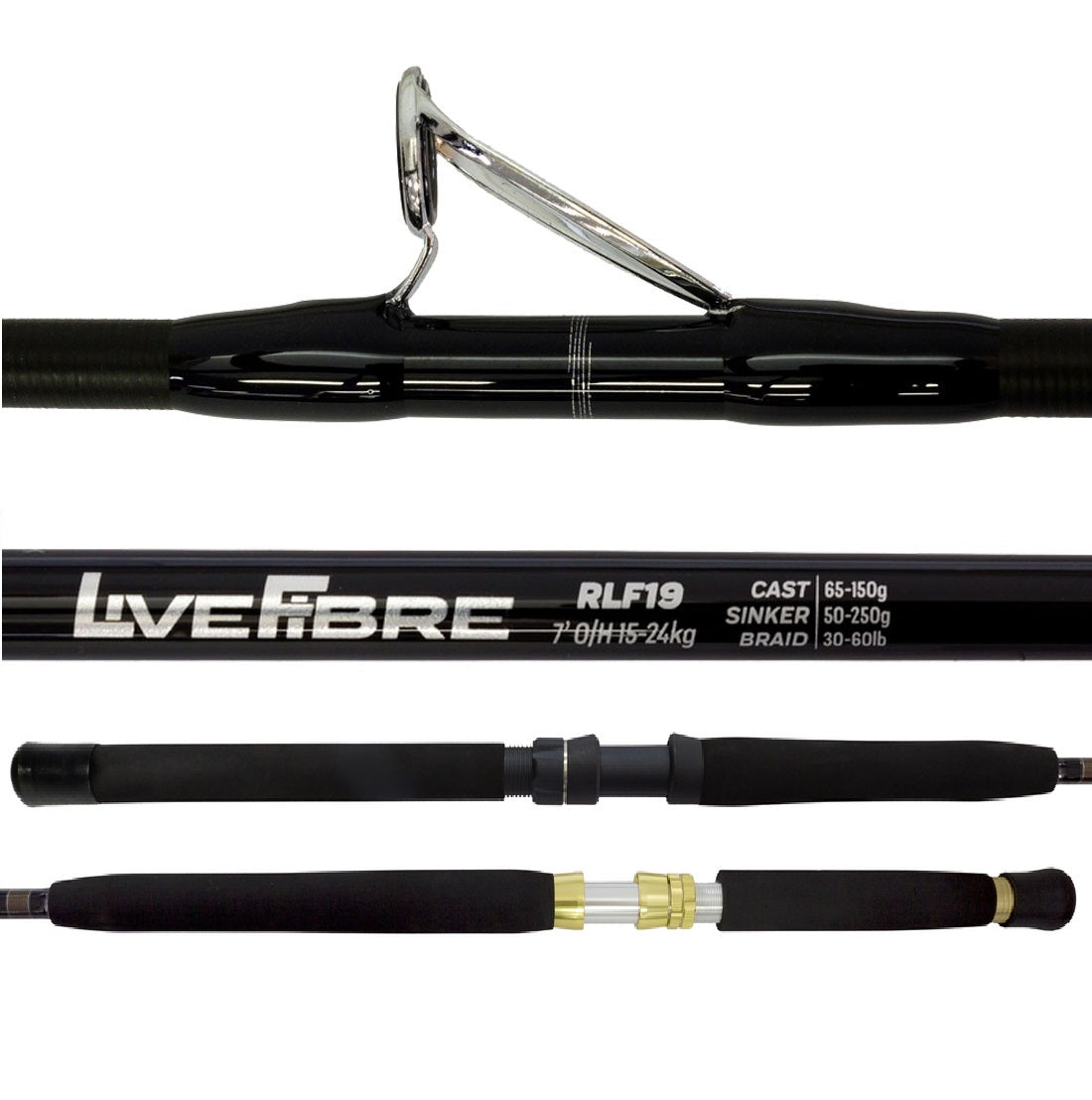
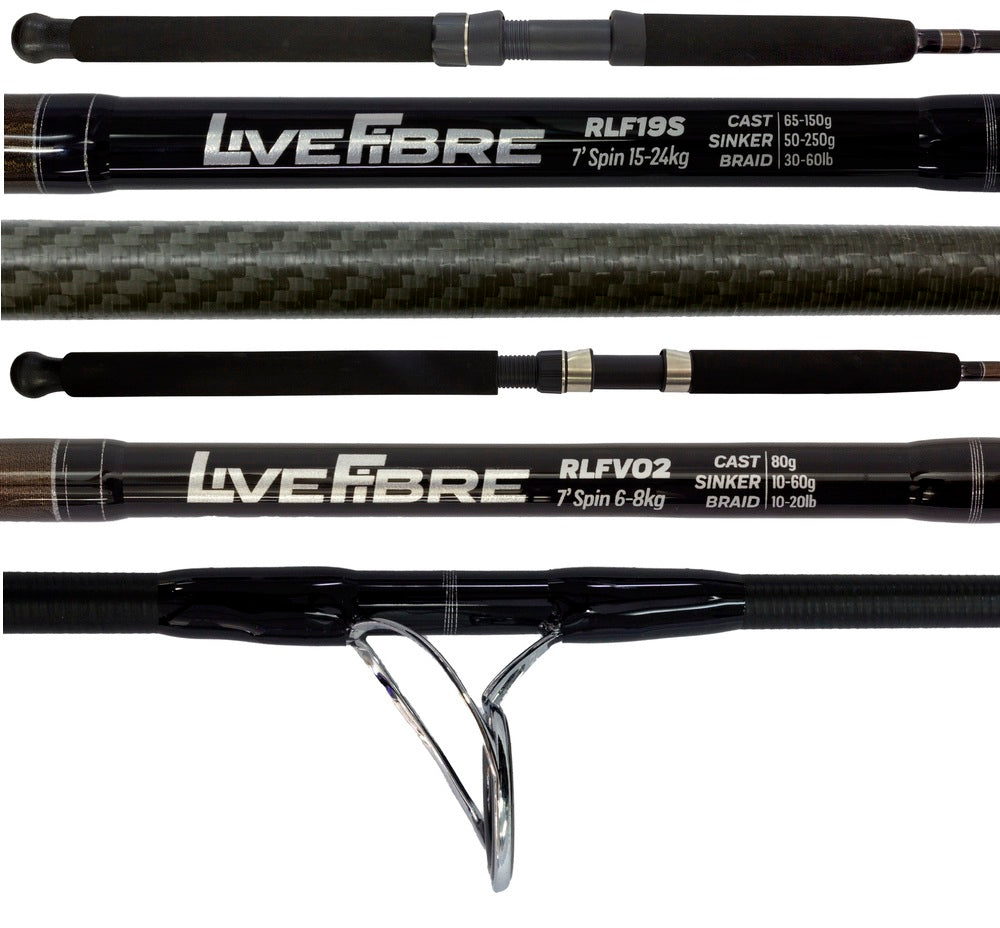
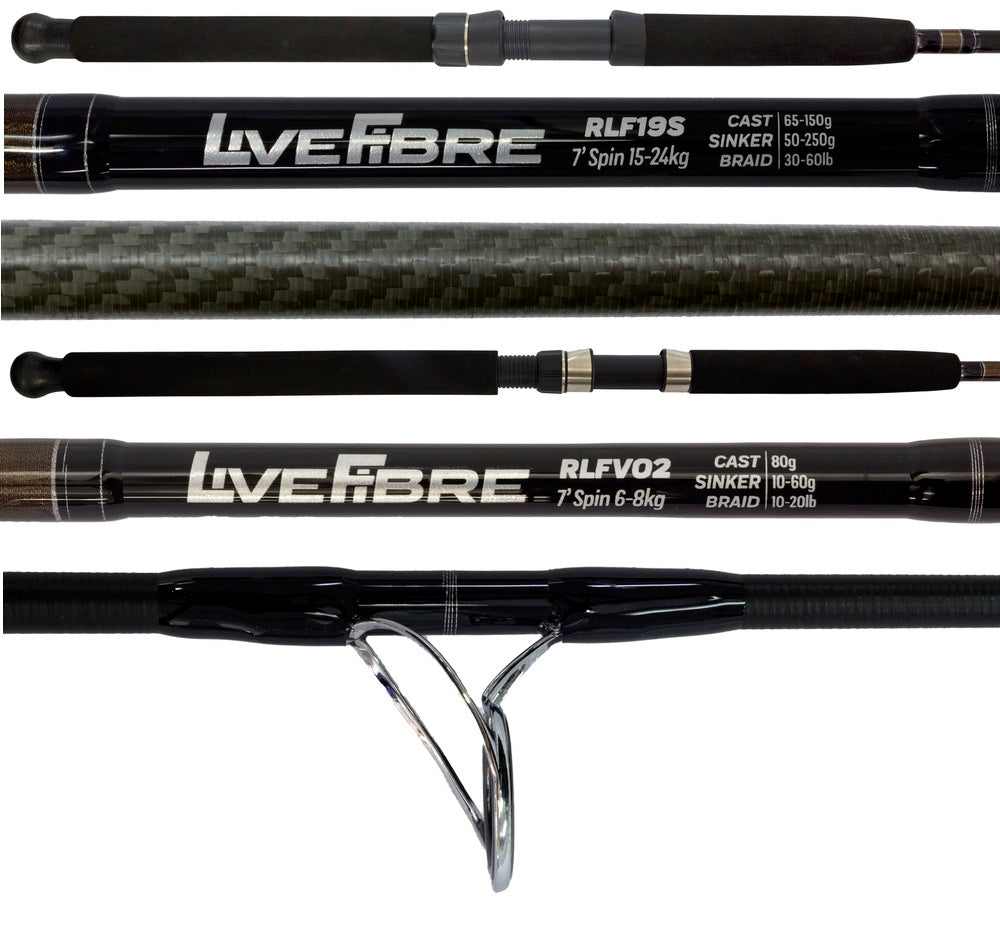
Then look at the line class and cast weight printed above the handle. Those two numbers tell you what the rod is built to throw and what line it is designed to fight on, and staying inside them is the simplest way to avoid breaking a rod.
Finally, action. A faster action loads quickly in the tip and suits lure fishing. A softer, more parabolic action bends deeper and protects light leaders, which suits bait fishing and soft-mouthed species. If you are starting out, a rod and reel combo takes the matching out of your hands, and spin rods are the easiest place to begin.
Frequently asked questions
What is the best all-round fishing rod in Australia?
A seven-foot spin rod in a light to medium line class covers more Australian fishing than any other single rod — estuary, freshwater, light beach and small boat work.
Do longer rods cast further?
Generally yes, which is why surf rods are long. The trade-off is control and accuracy, so longer is not automatically better in tight water.
Graphite or fibreglass?
Graphite is lighter and more sensitive, so you feel more. Fibreglass is tougher and more forgiving, which is why it still dominates trolling and heavy bait work.
What rod suits a baitcaster reel?
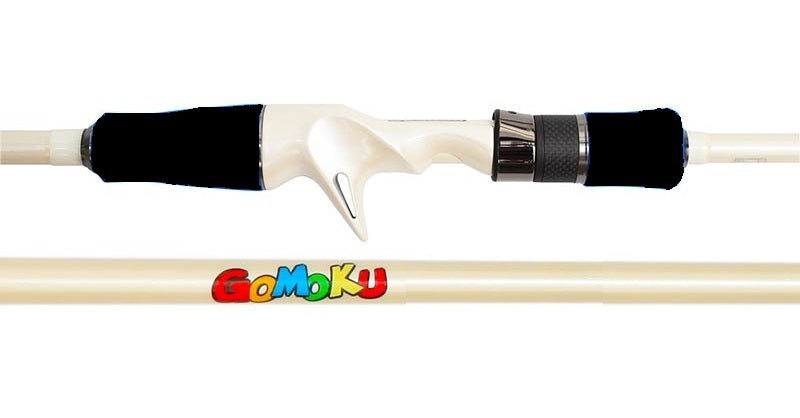
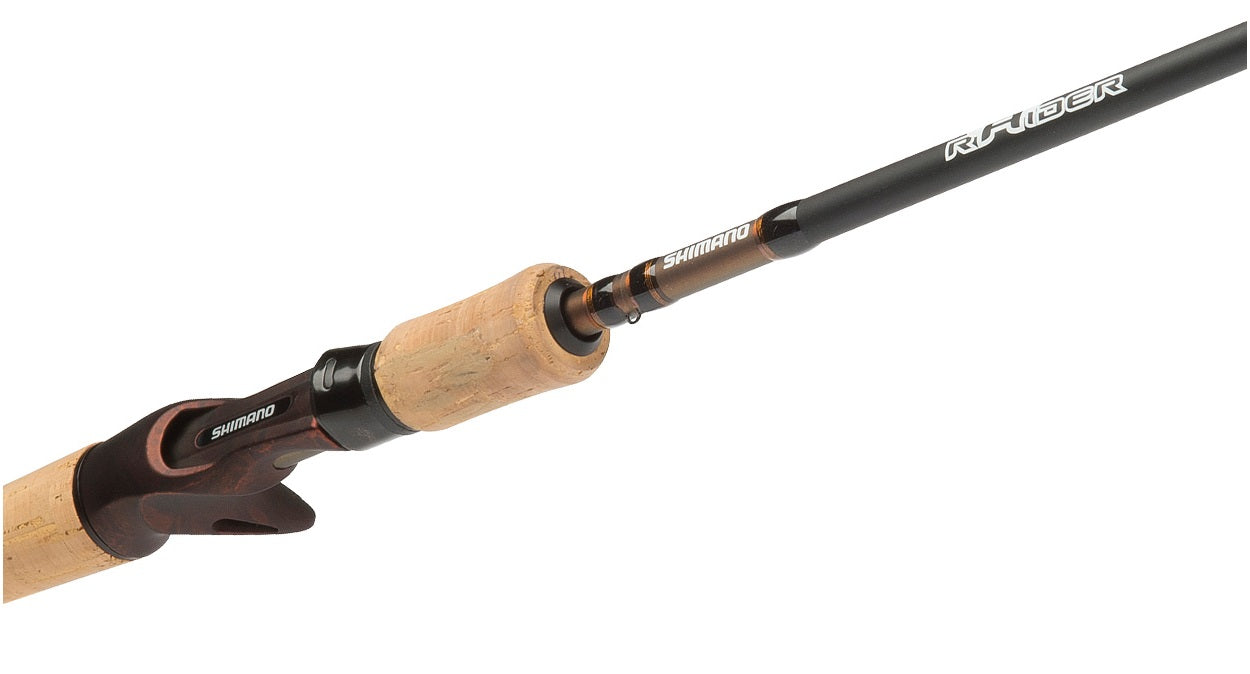
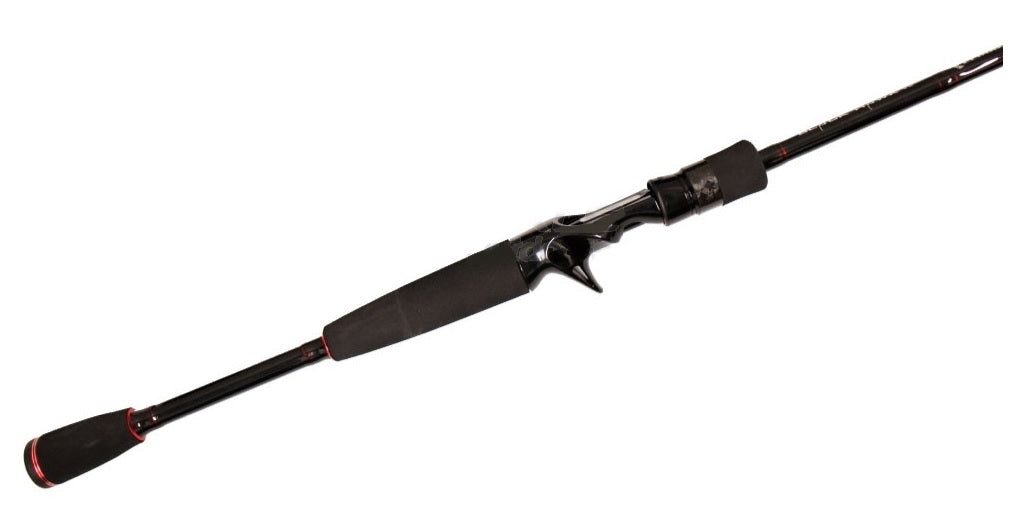
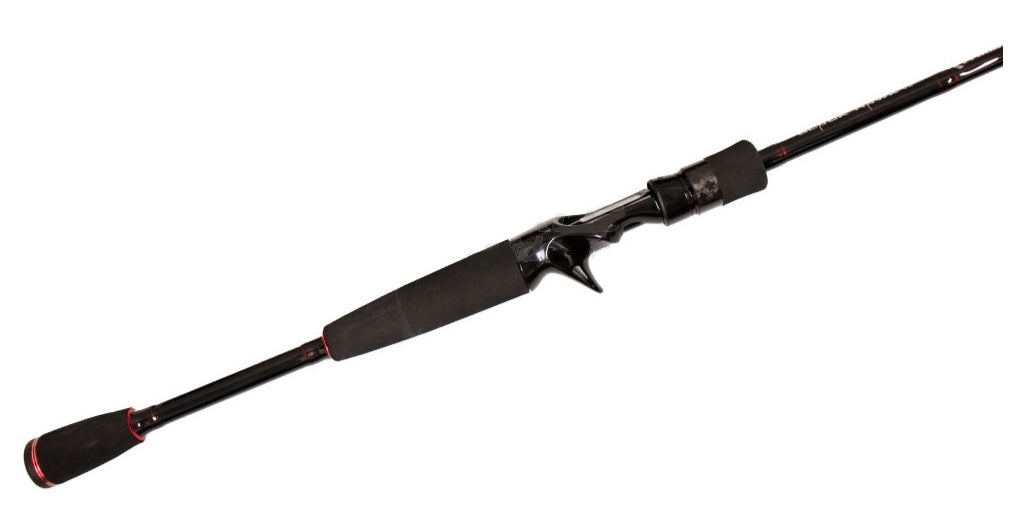
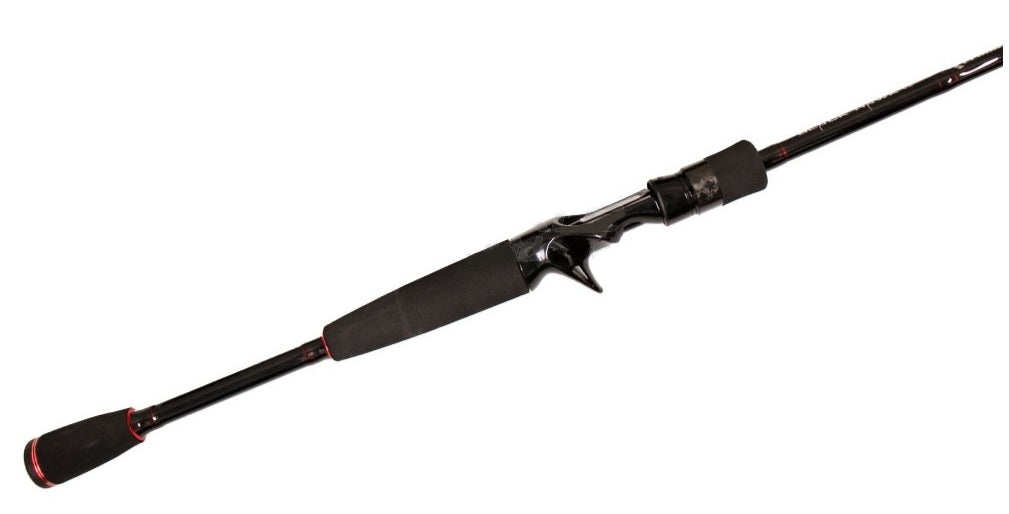
A baitcast rod, which has a trigger grip and runners sized for a reel sitting on top. A spin rod will work but casts poorly and loads awkwardly.


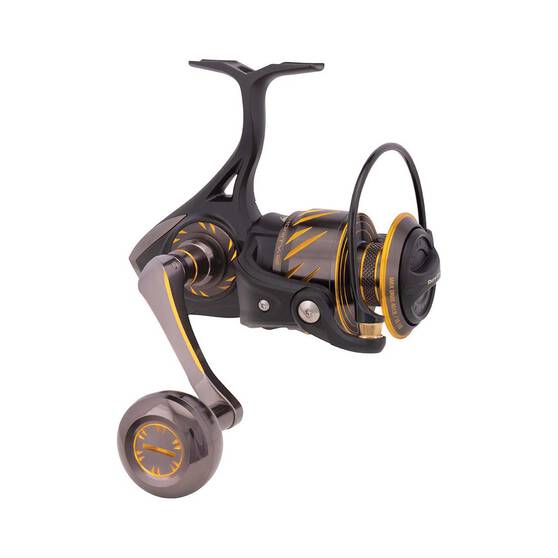
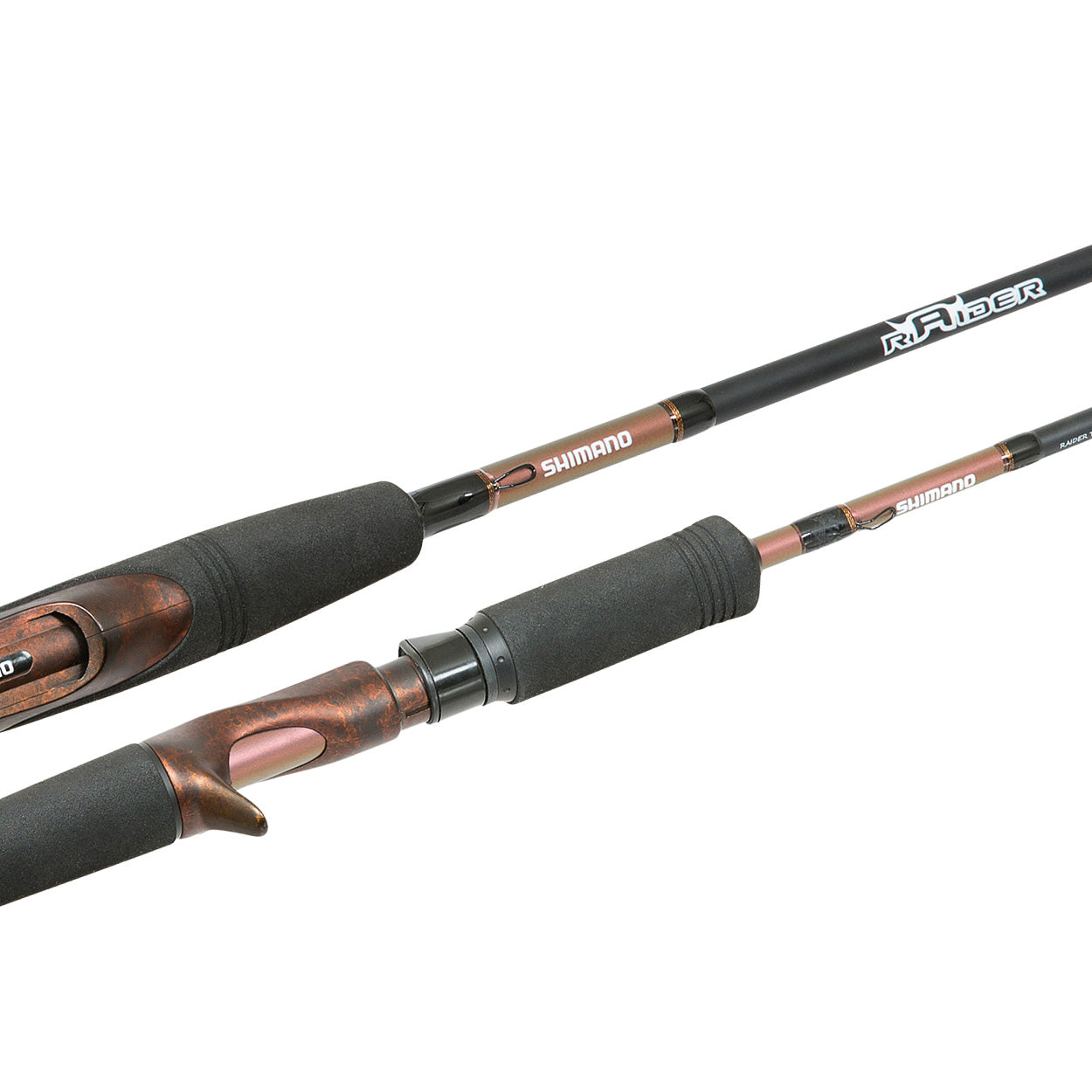
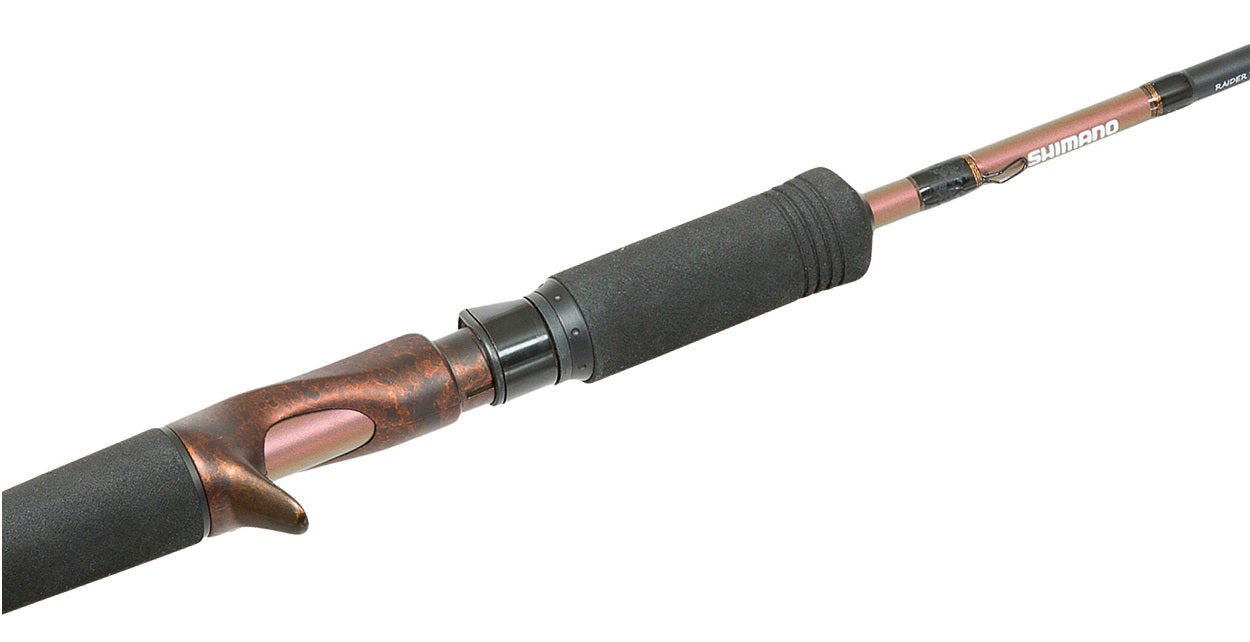
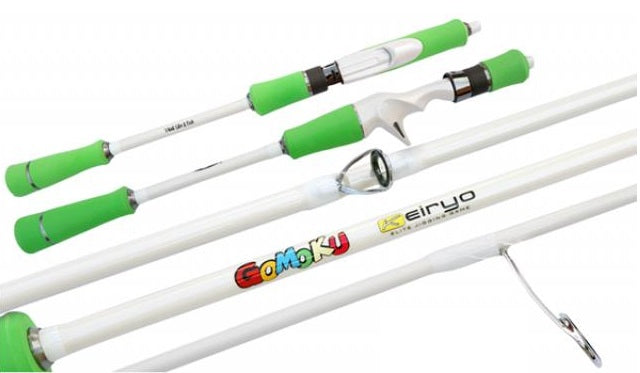
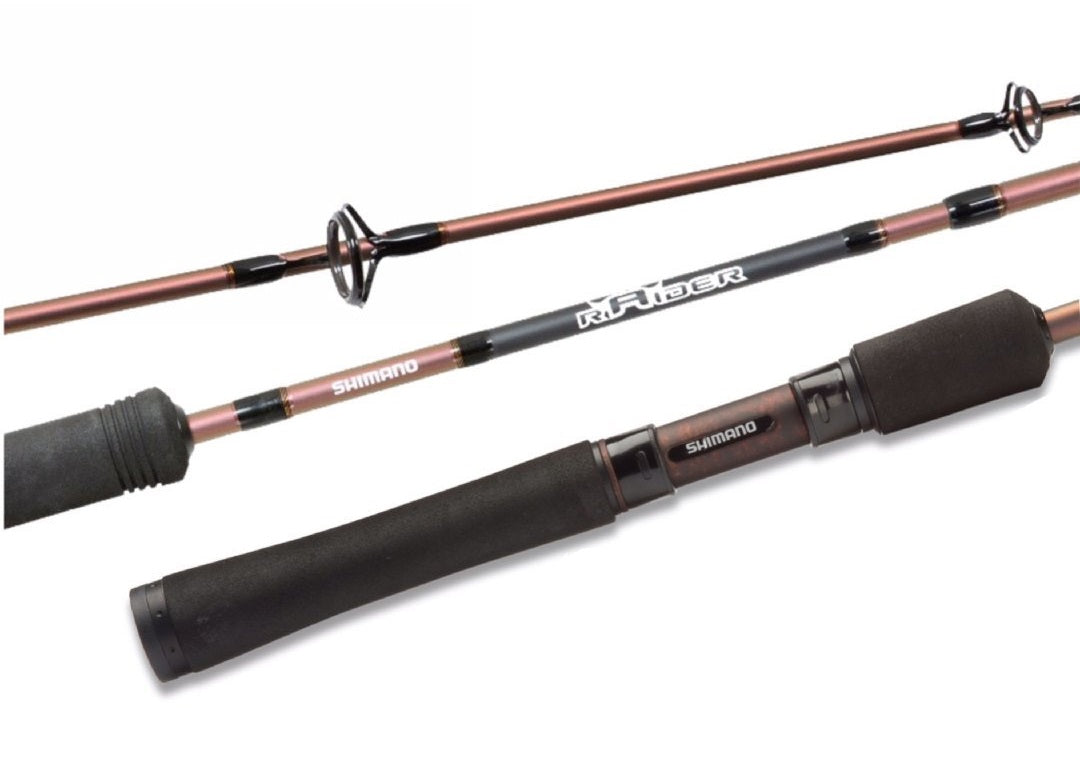
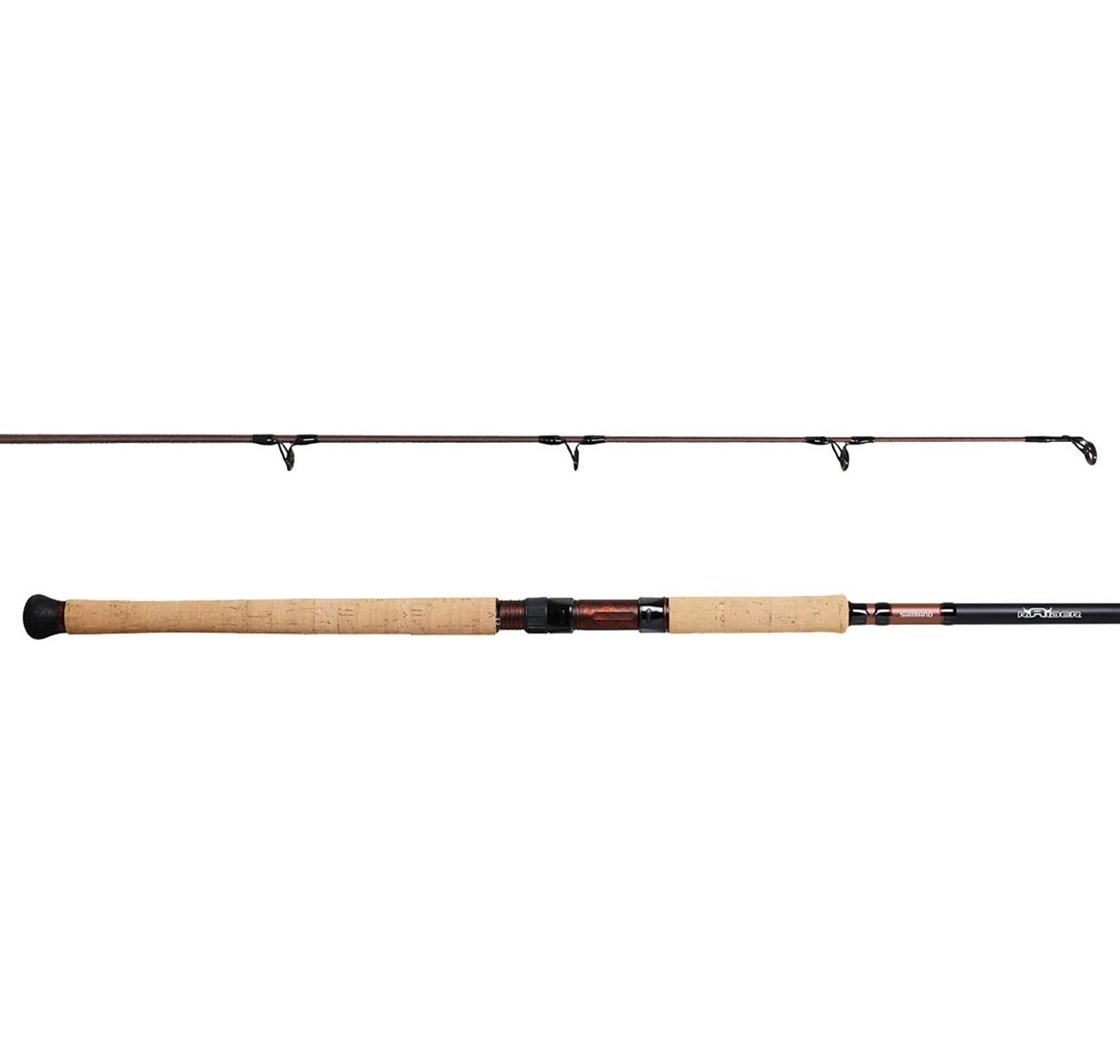

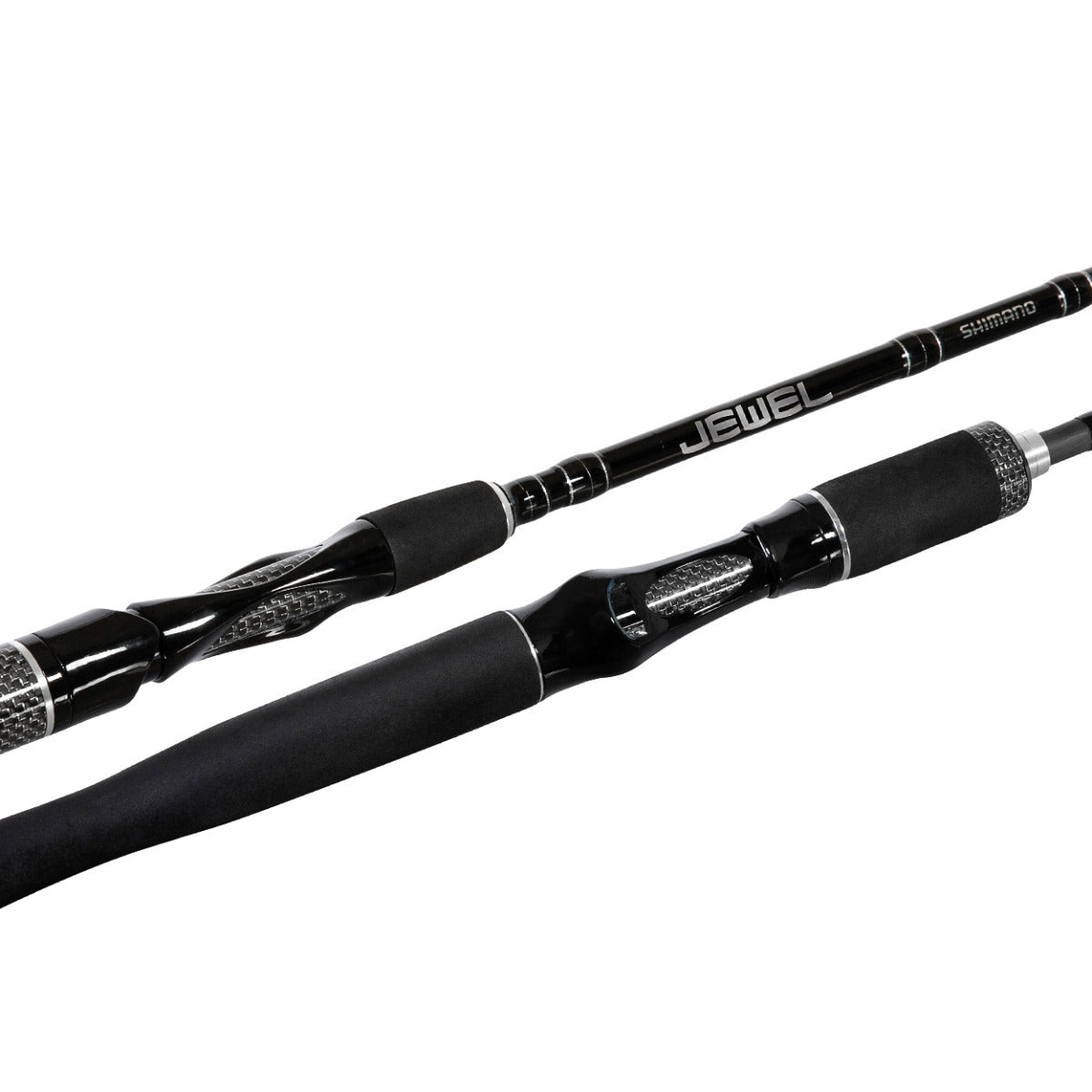
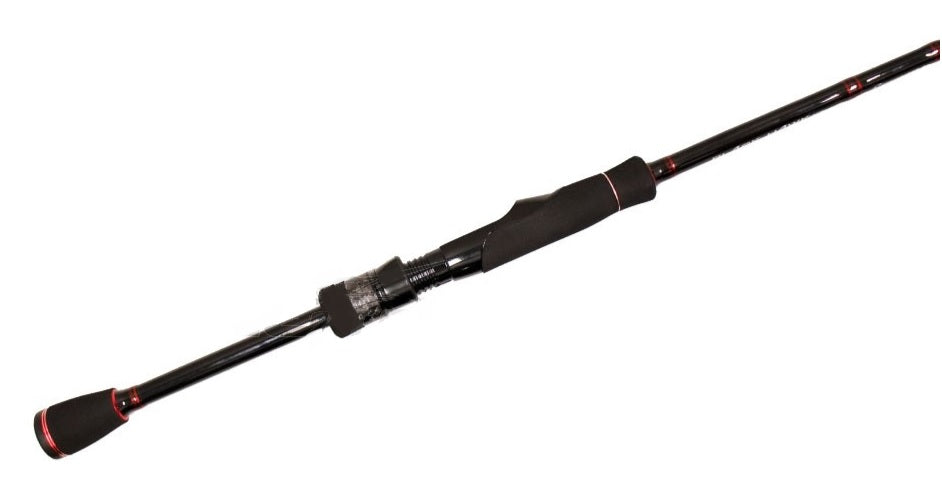
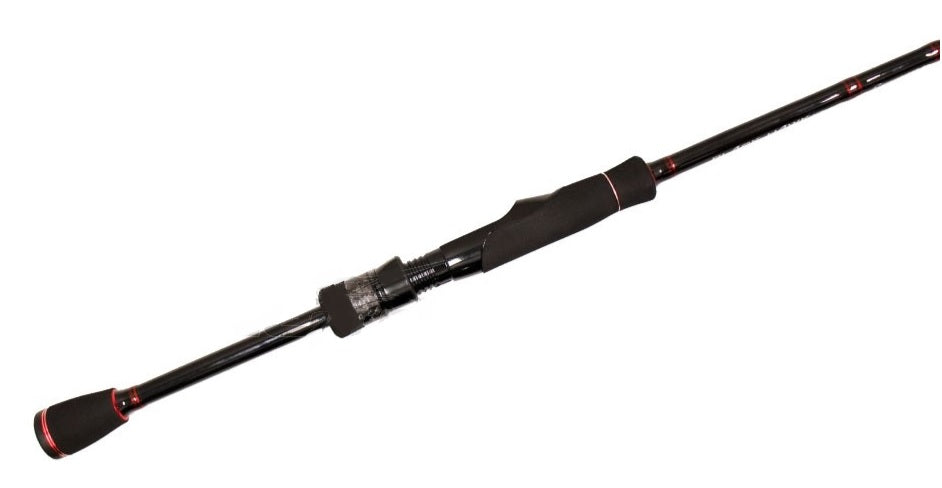
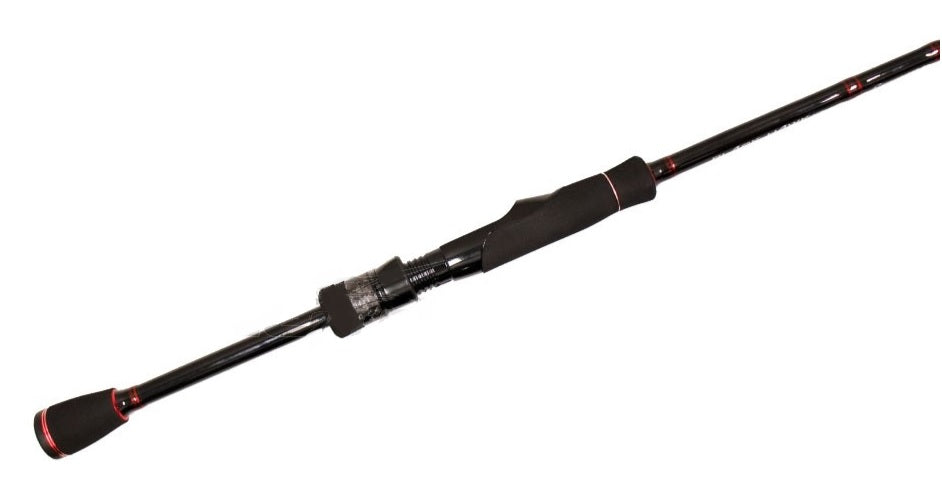
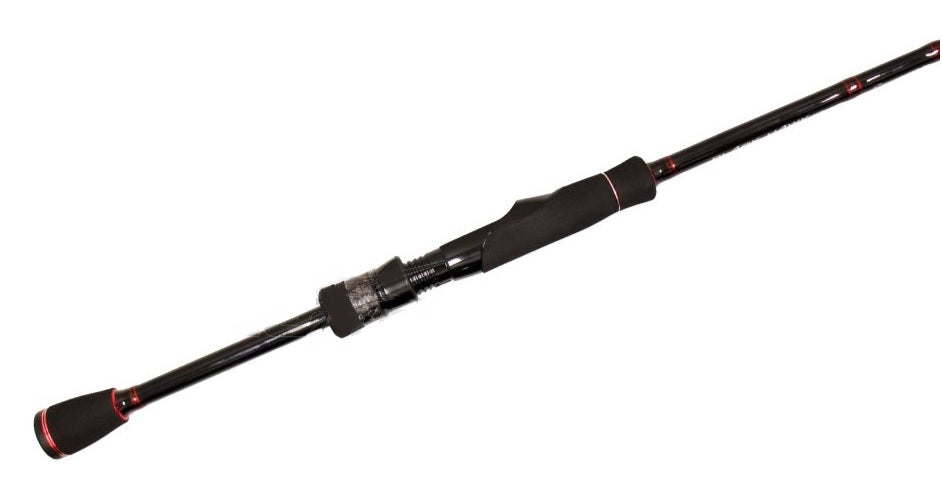

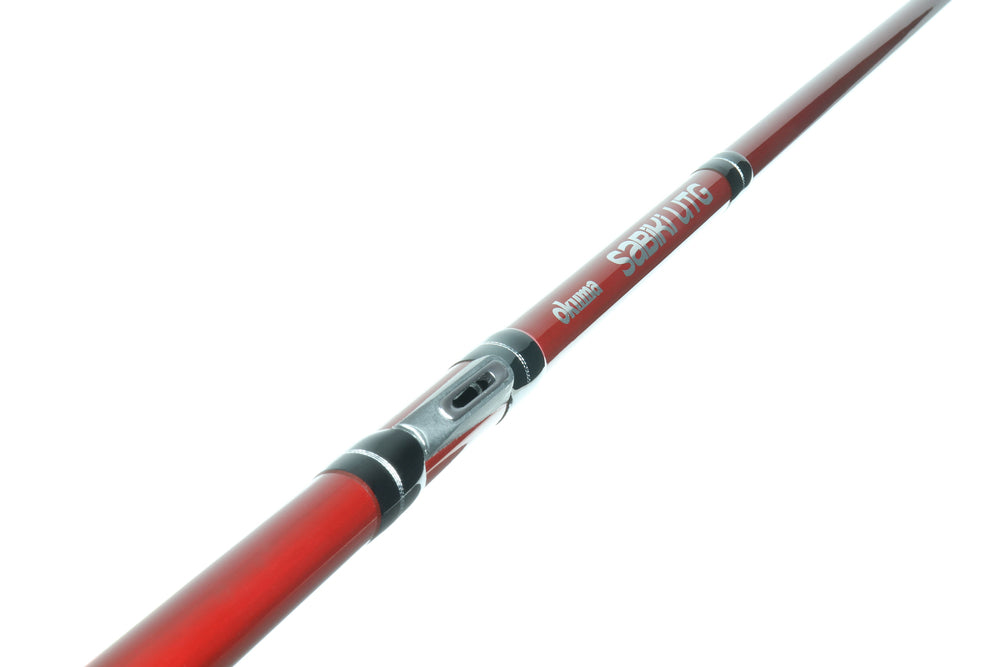





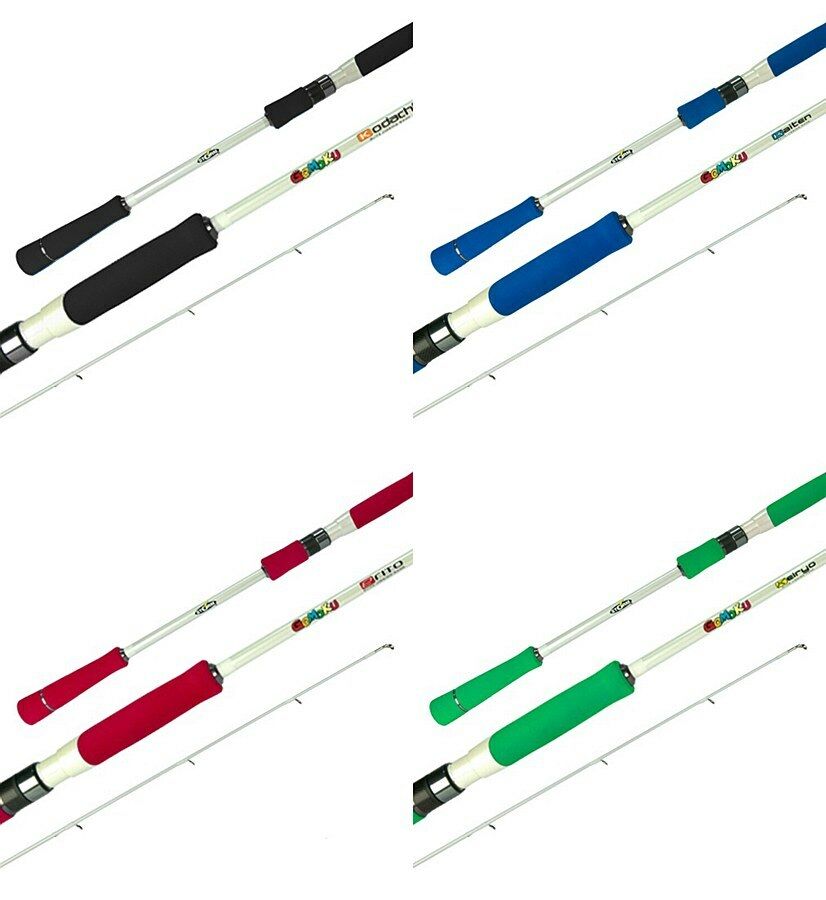
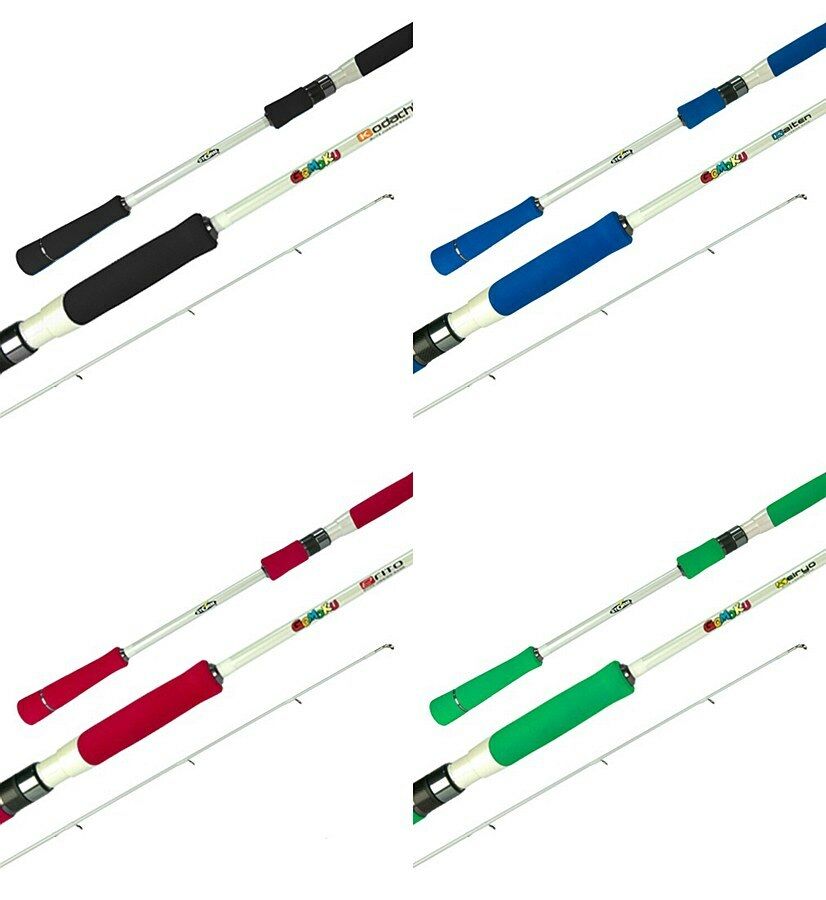
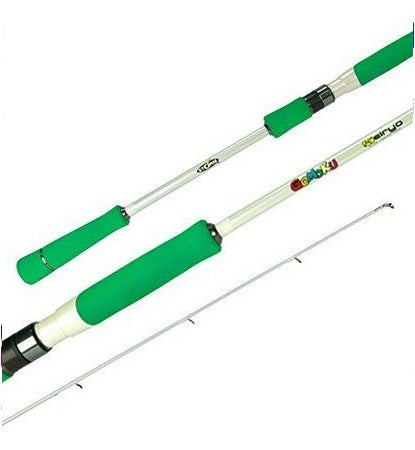
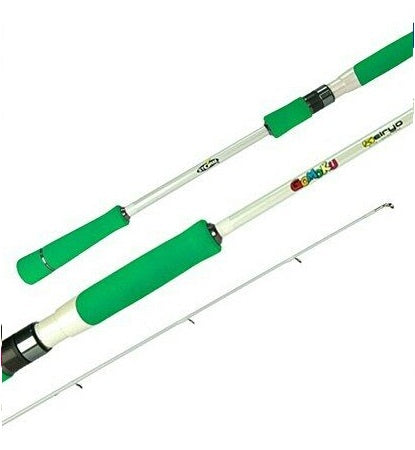
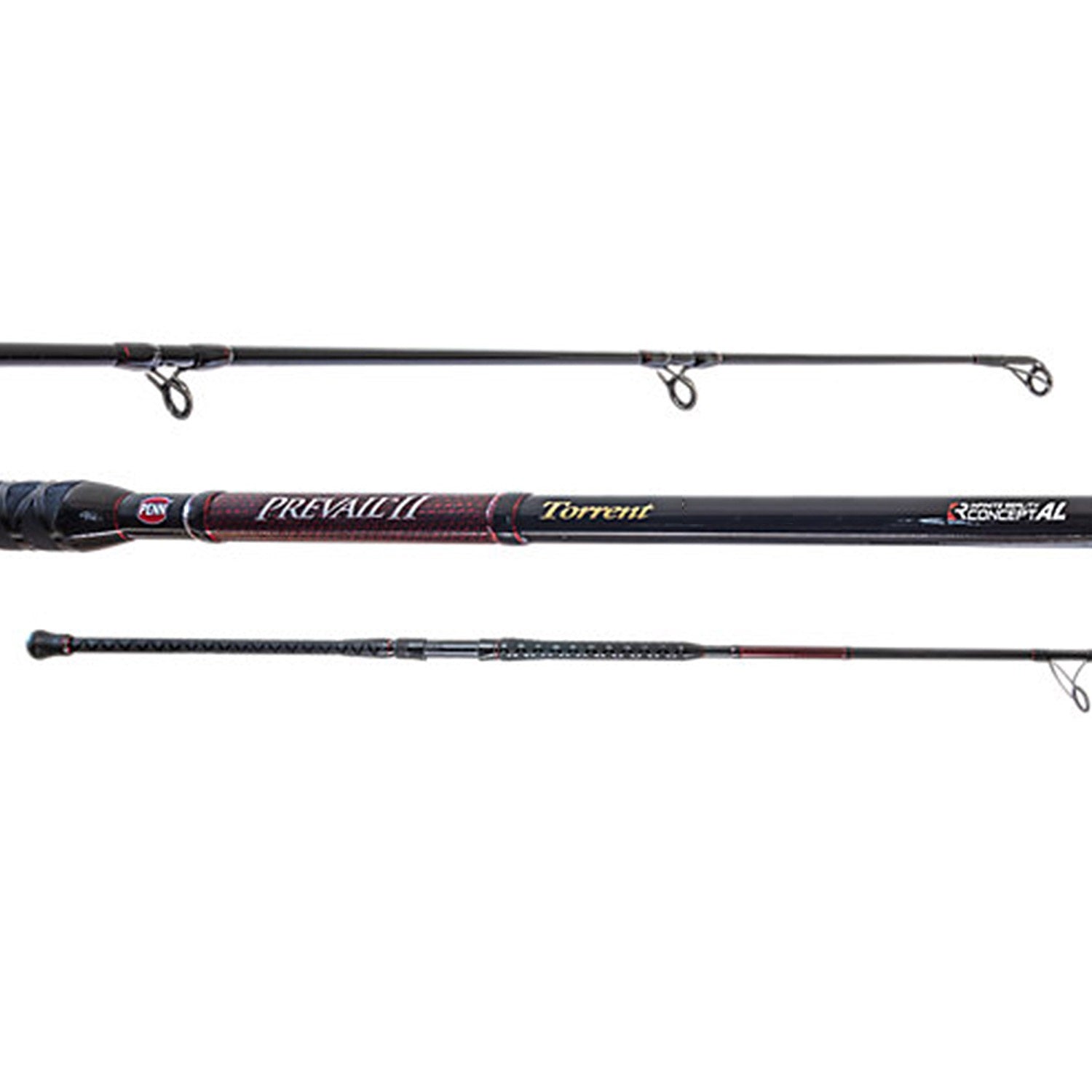
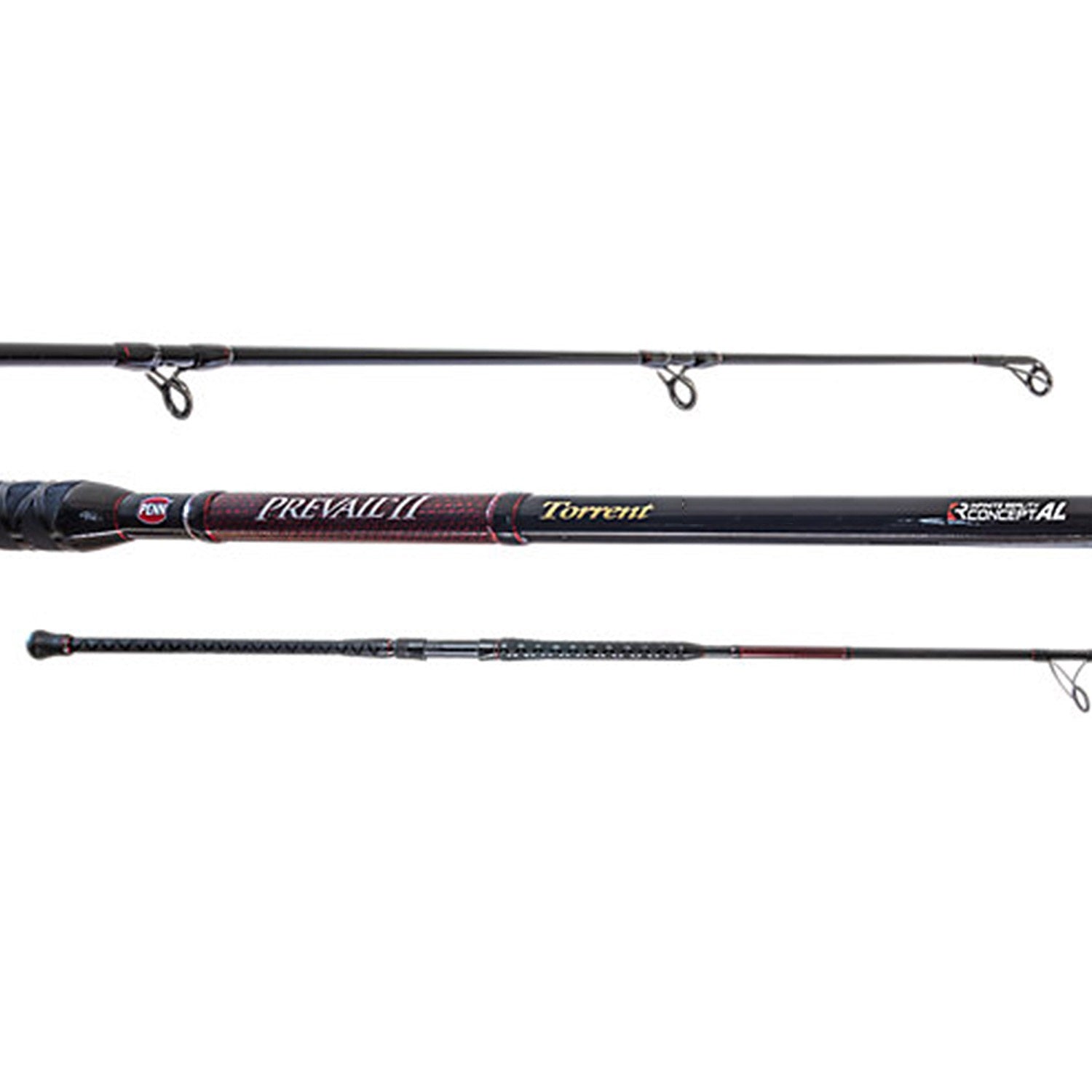
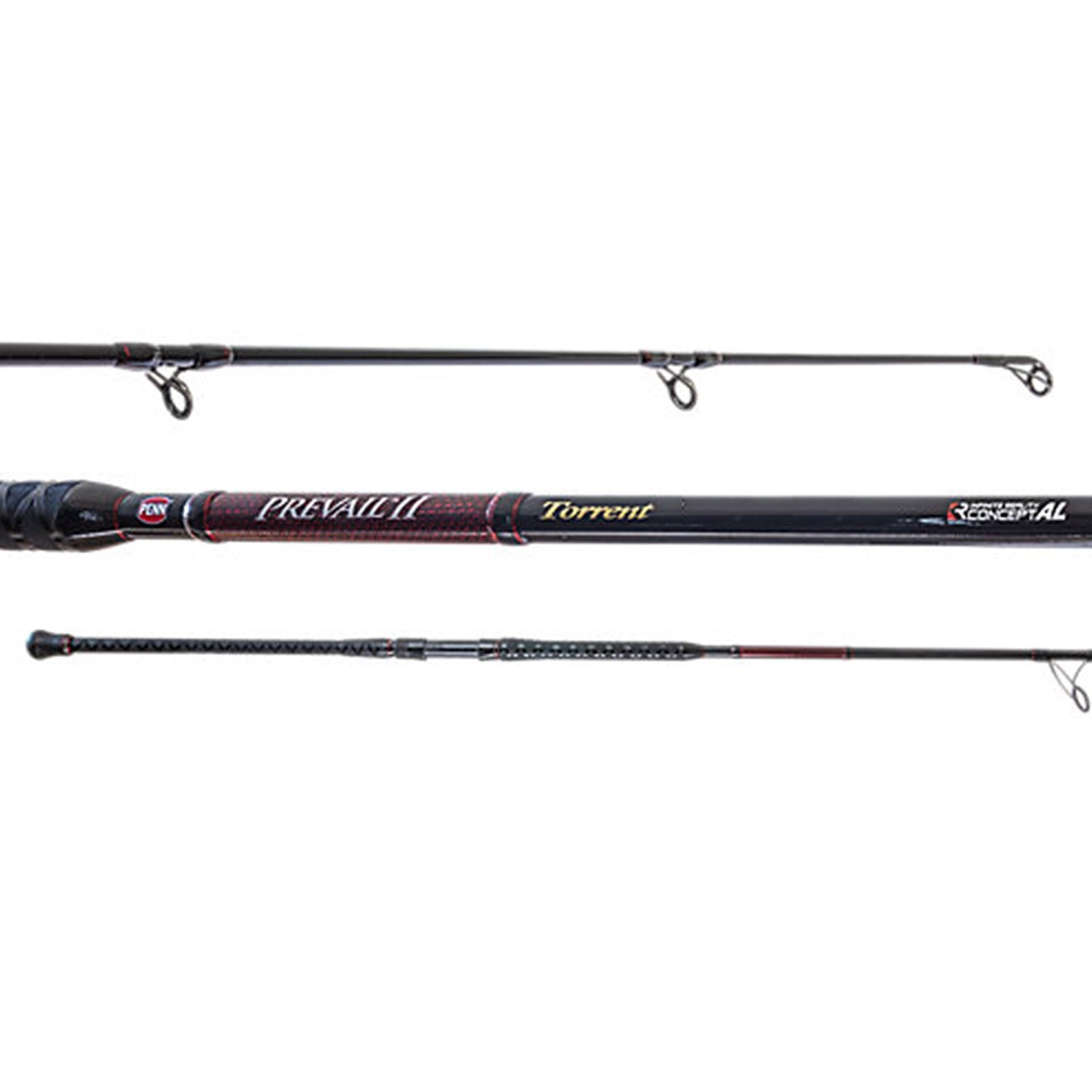


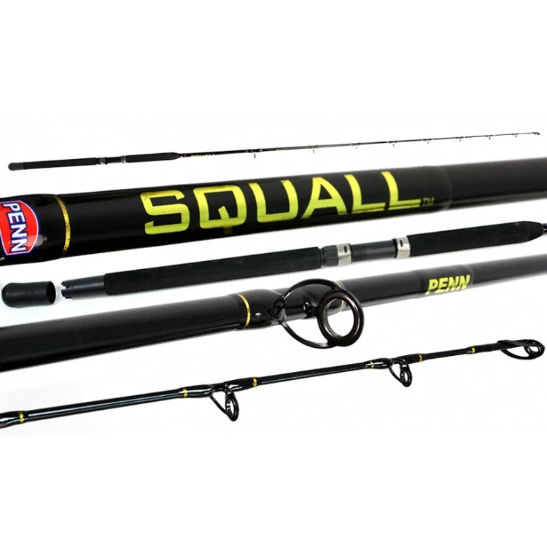
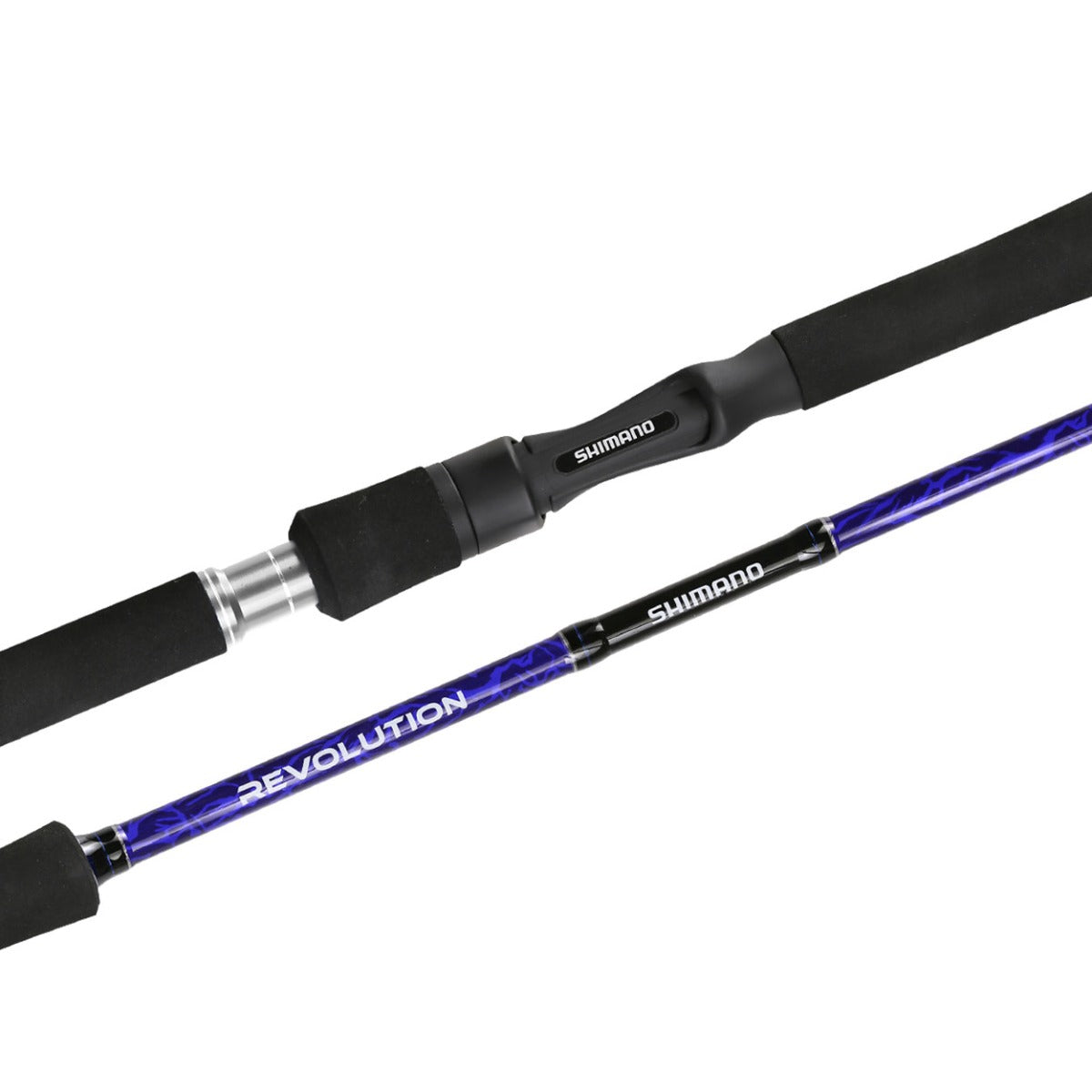
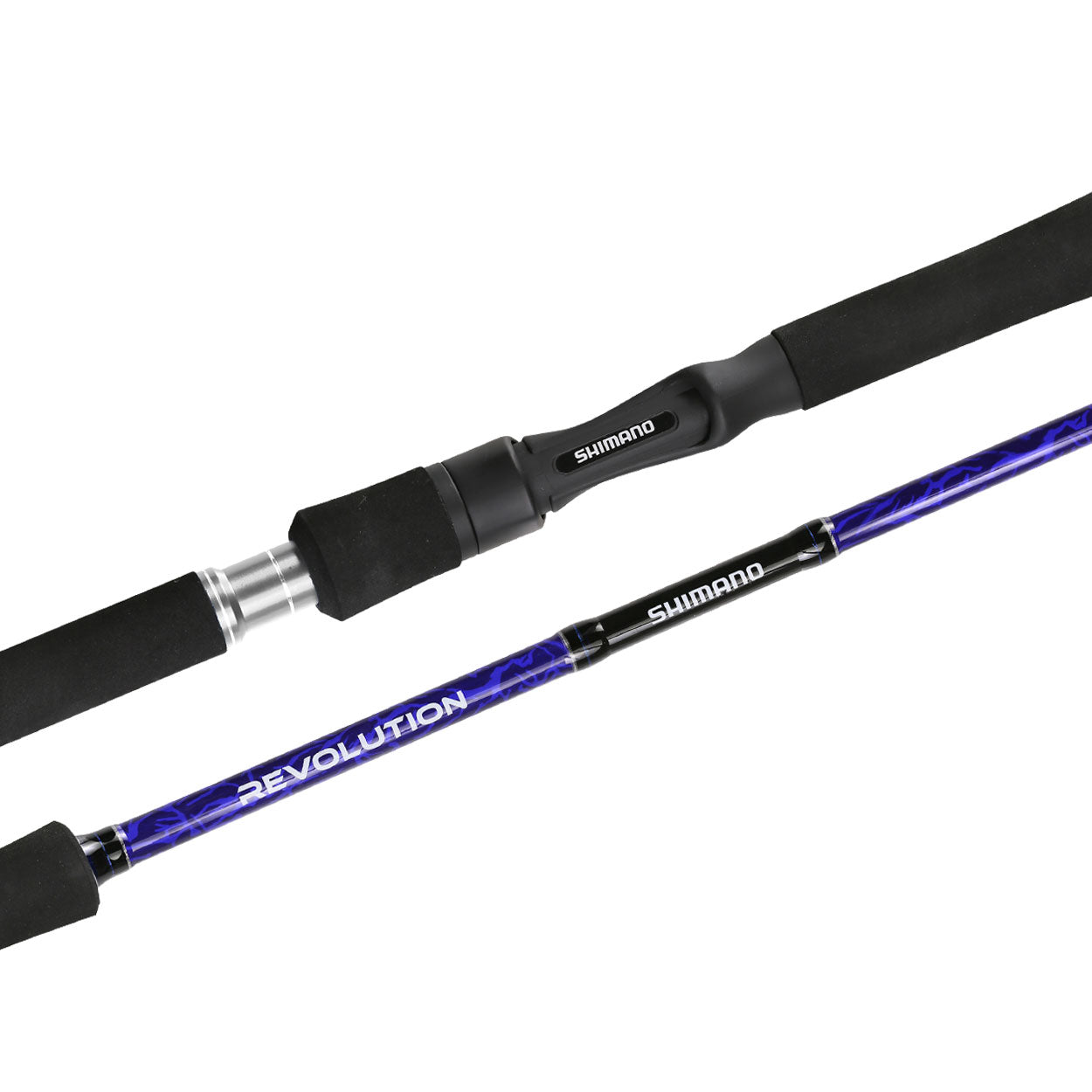
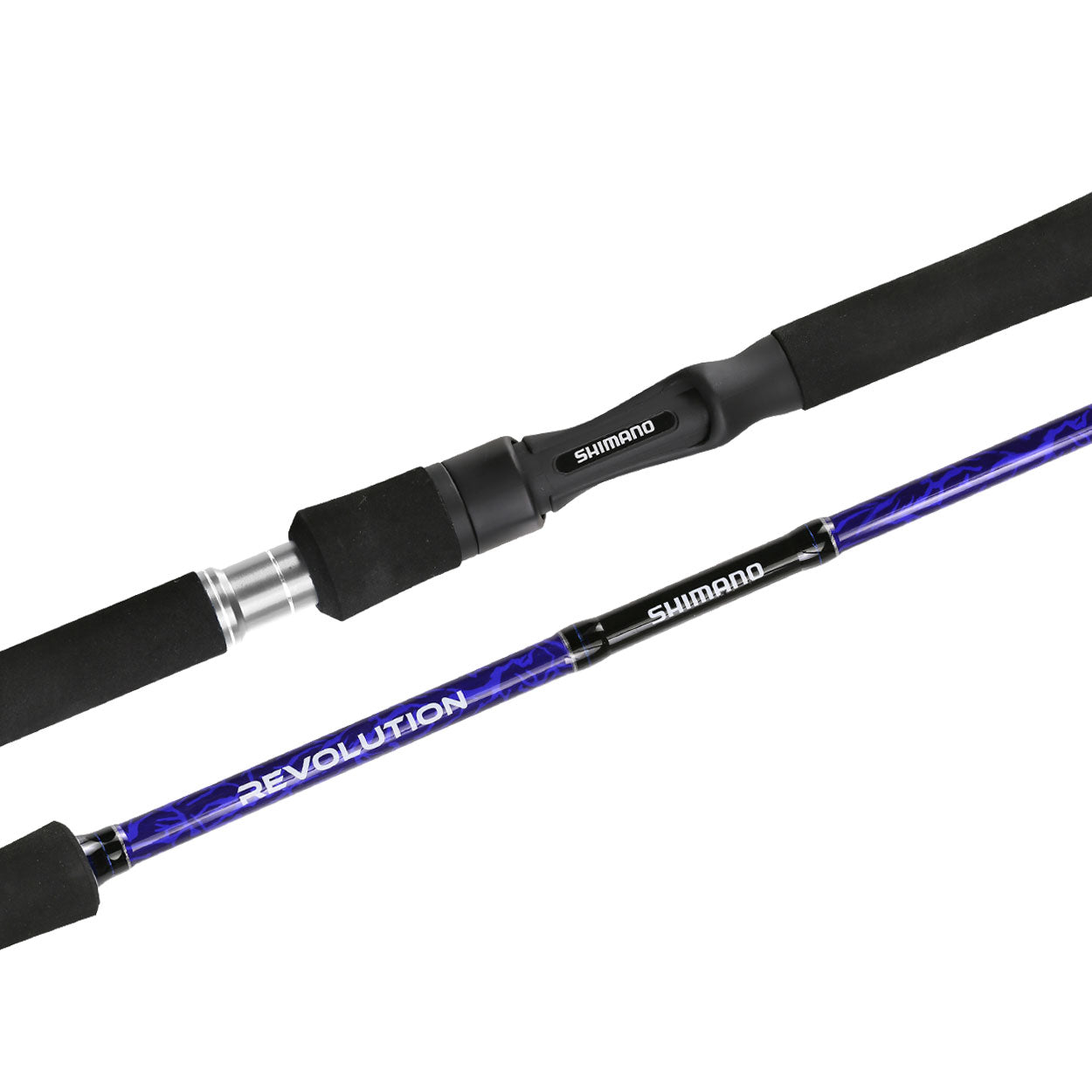





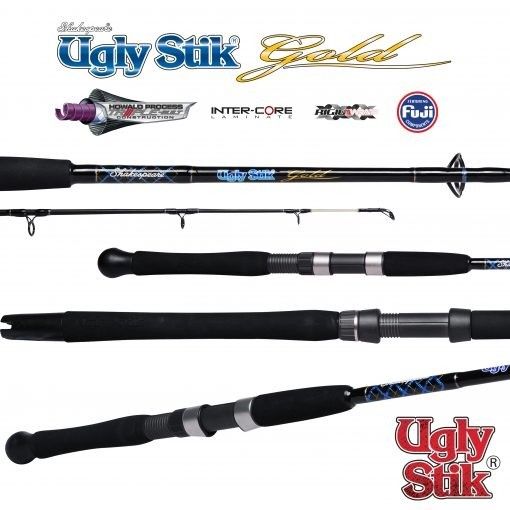
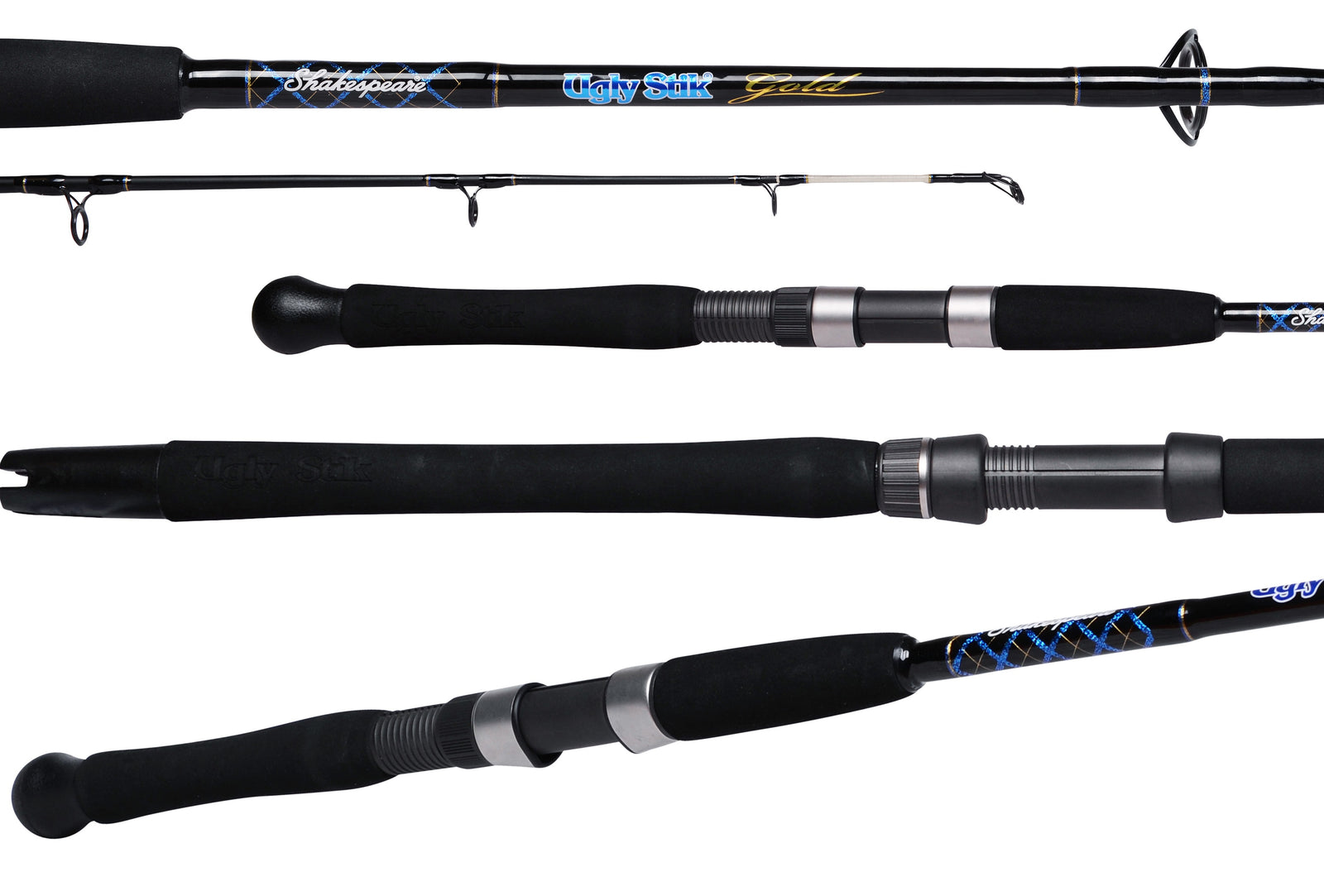
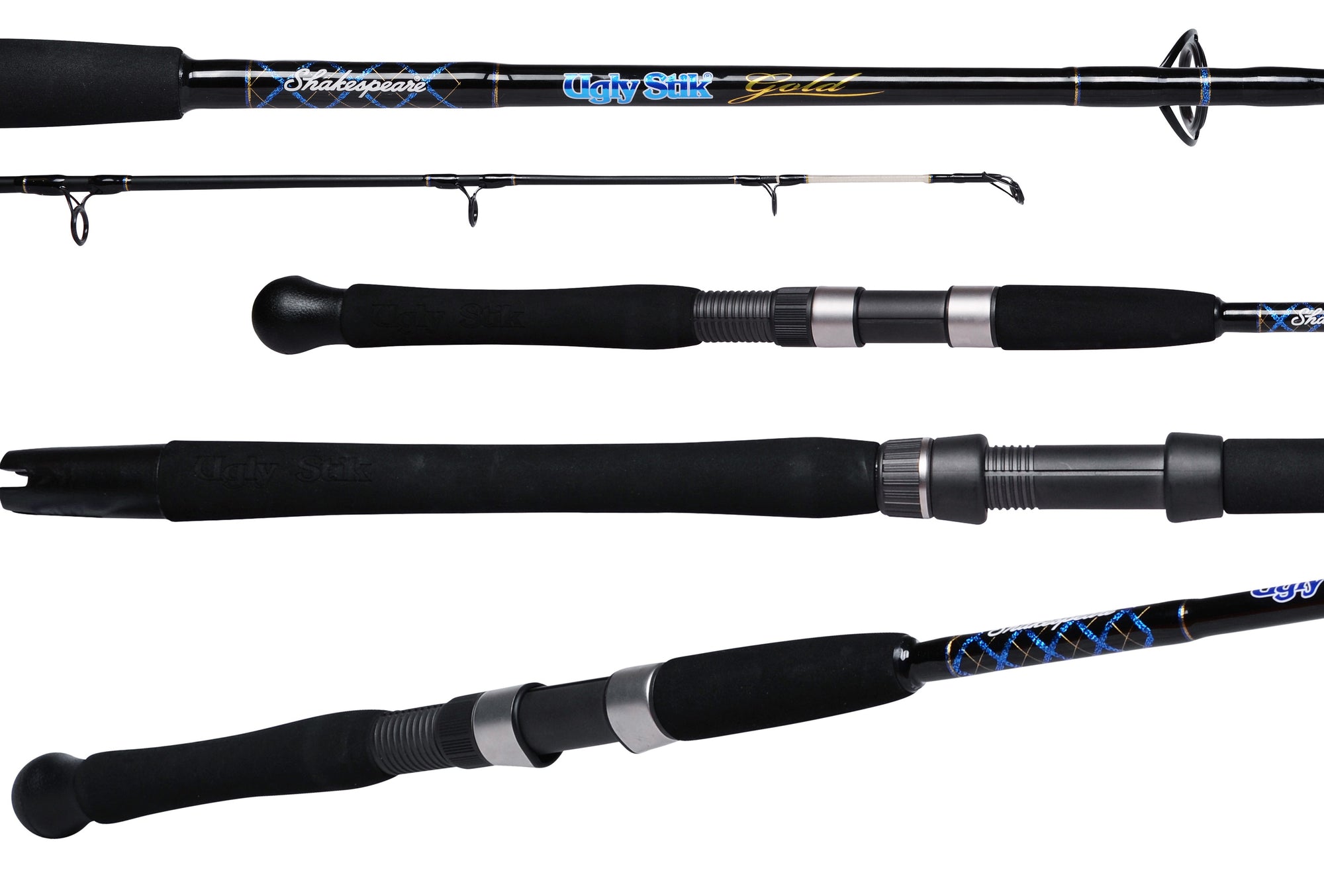
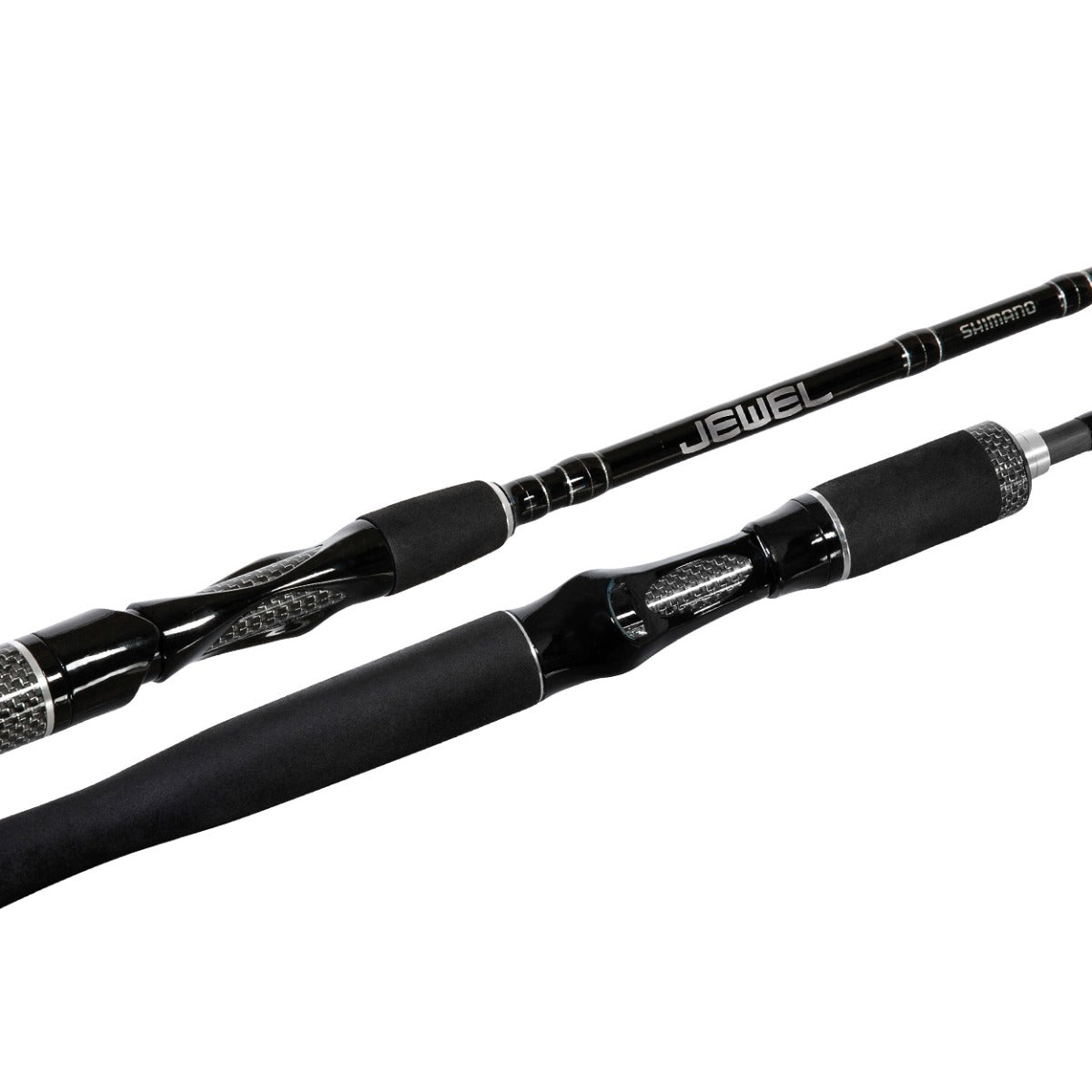

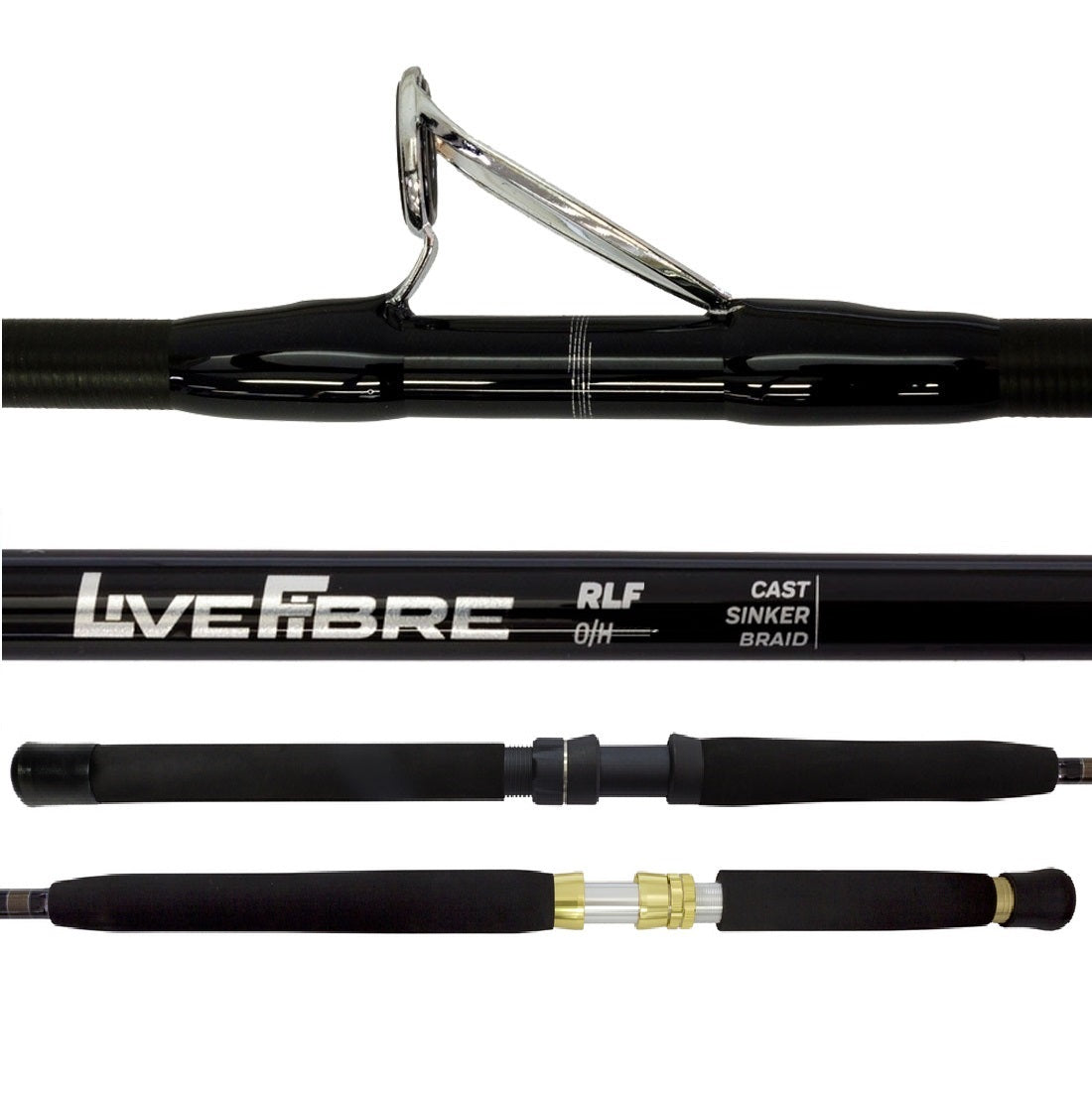
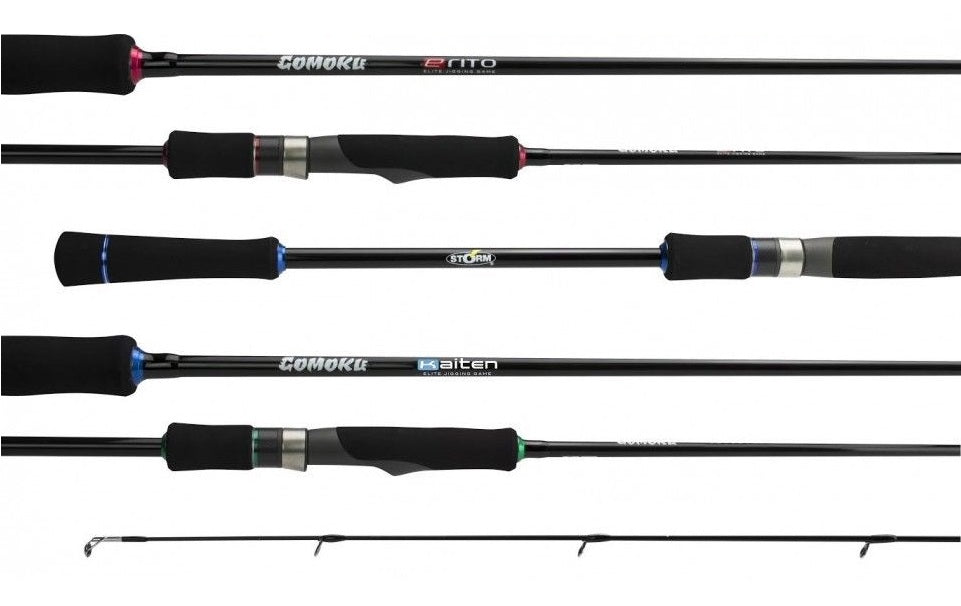

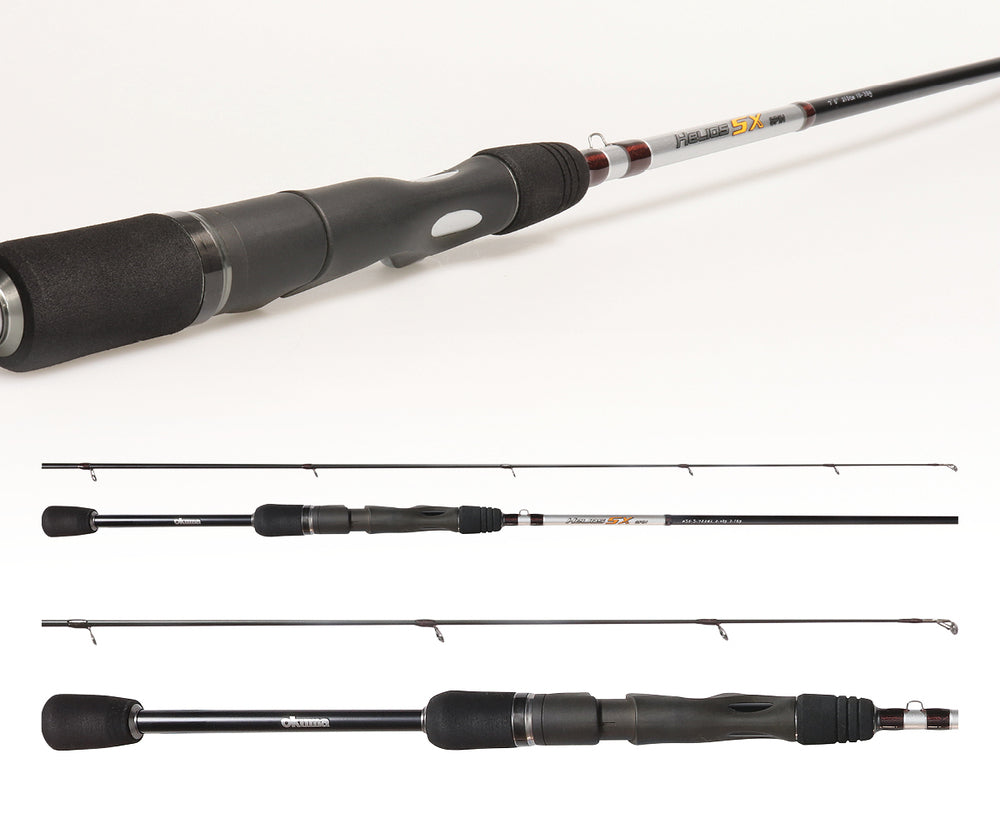
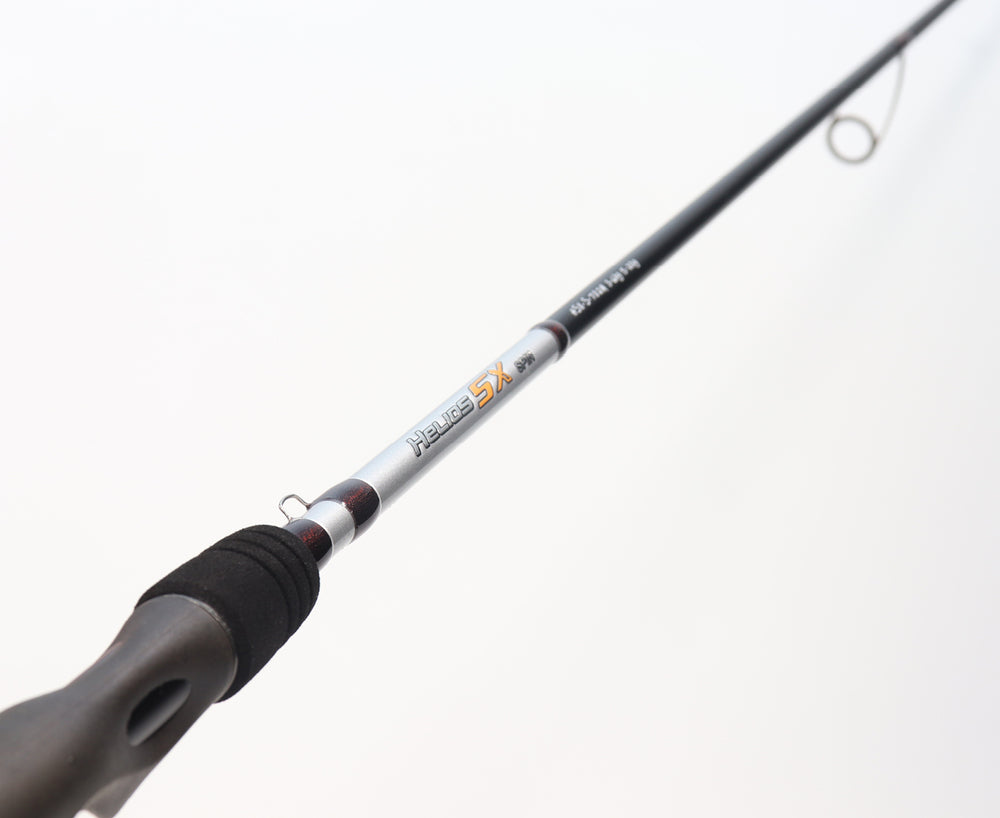
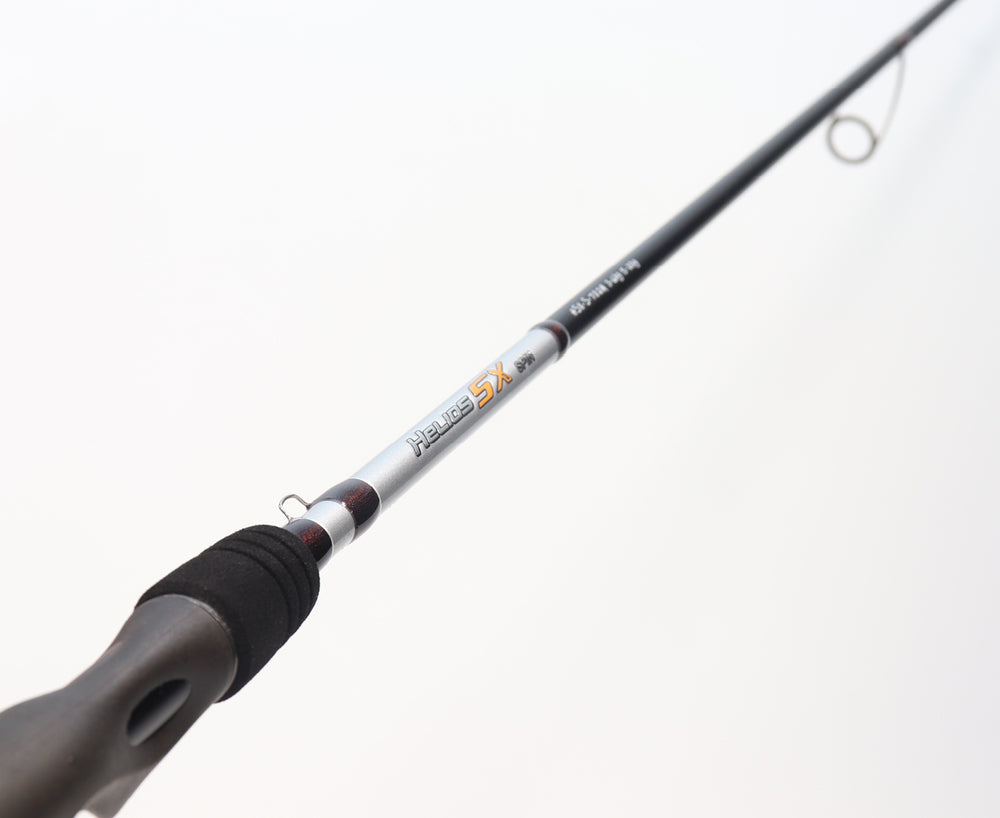
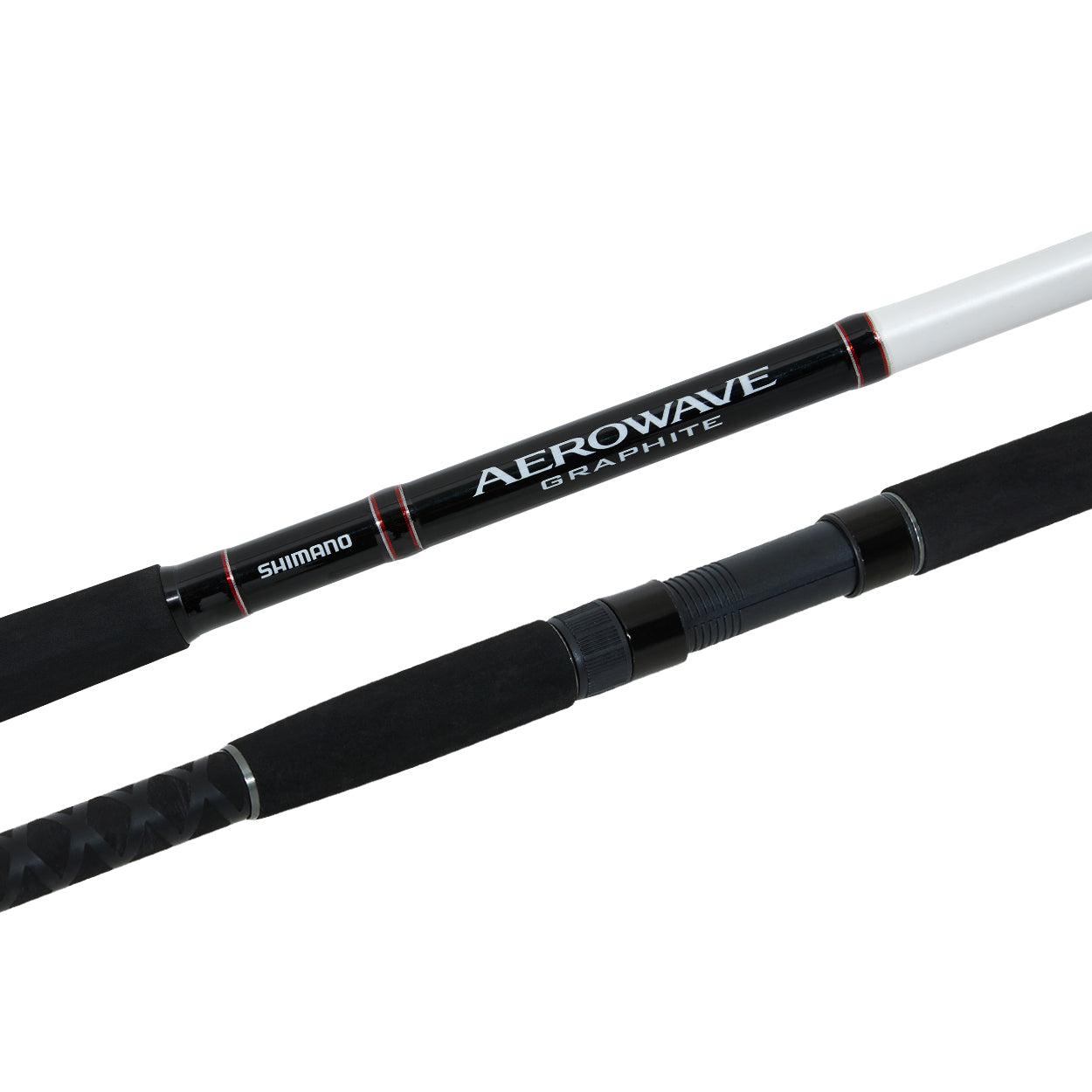






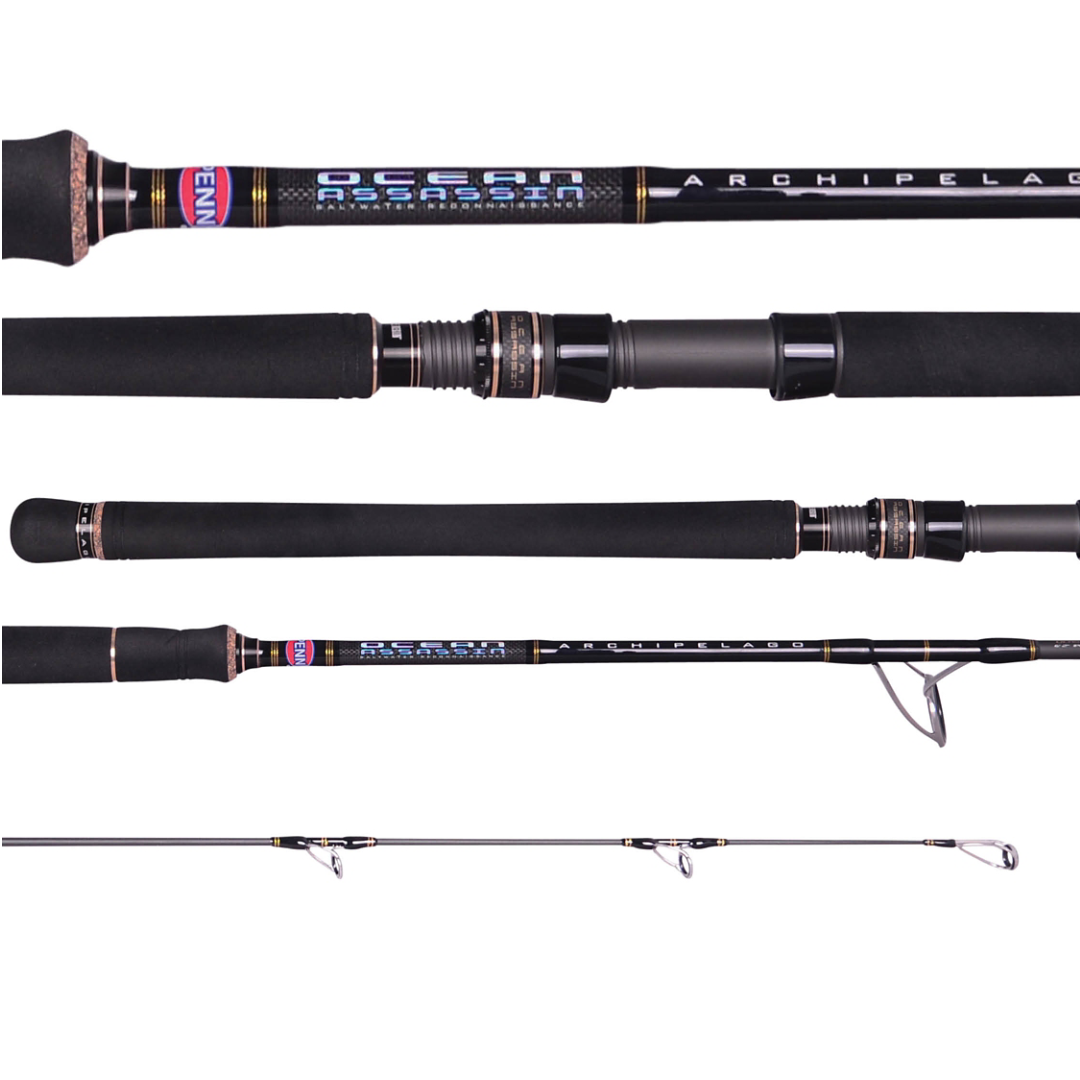
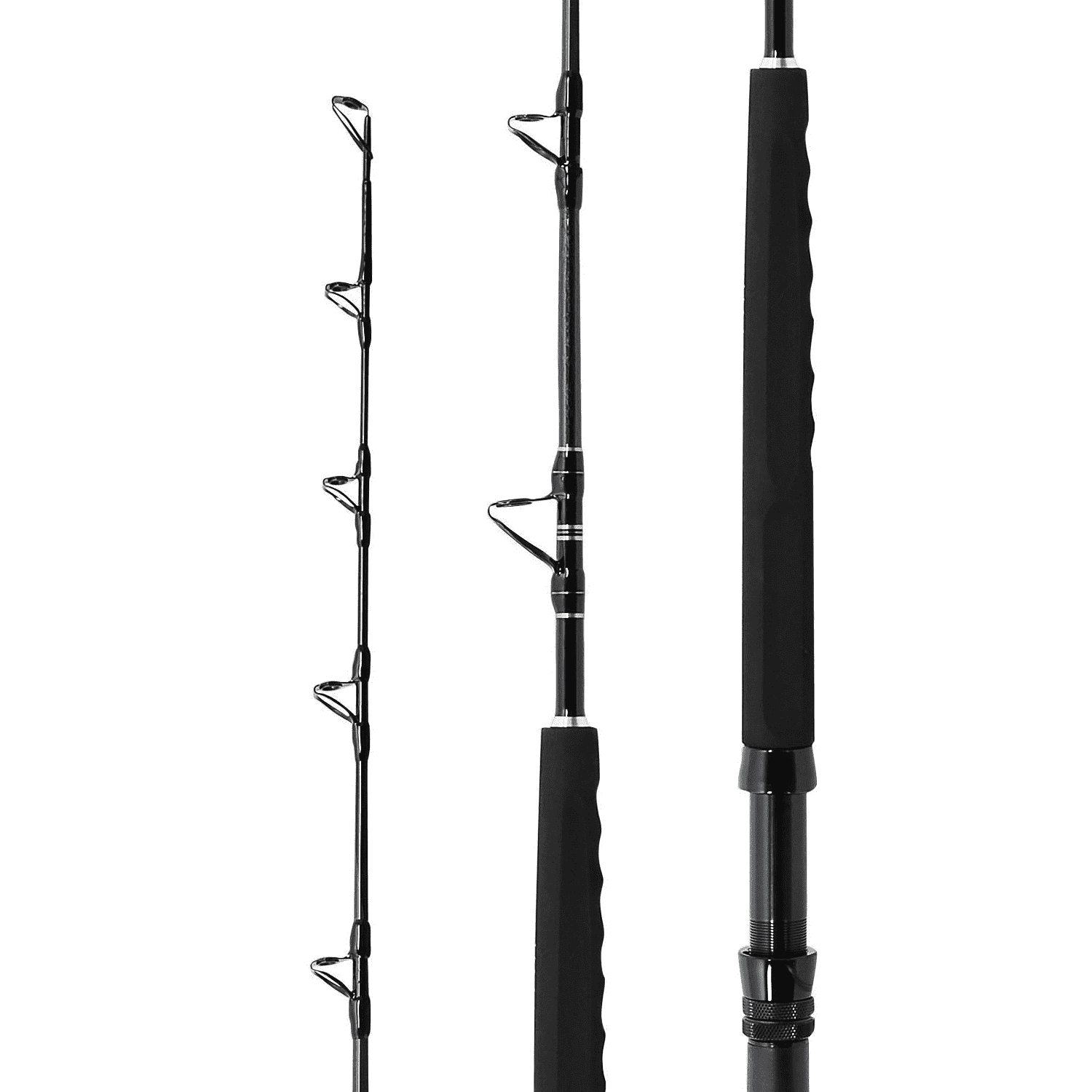





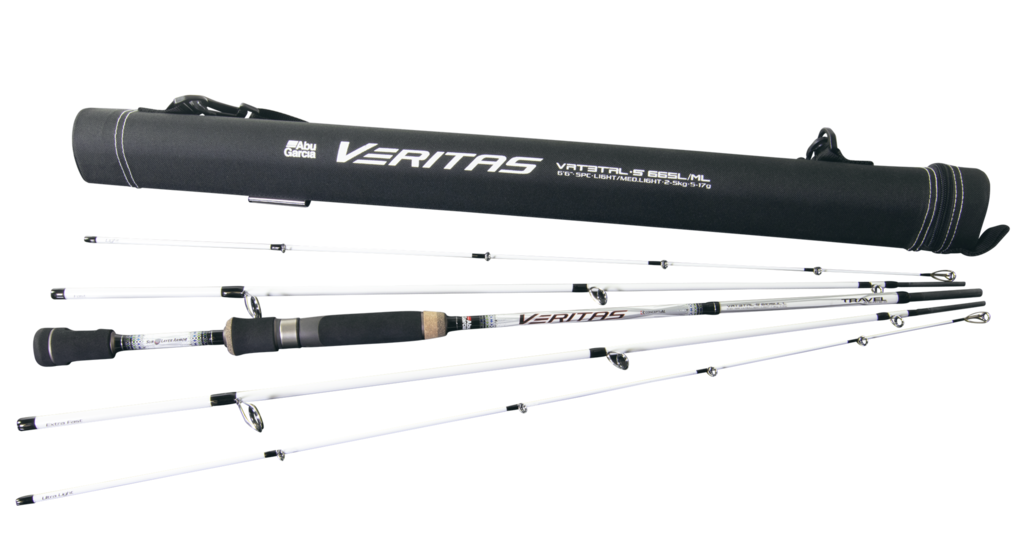

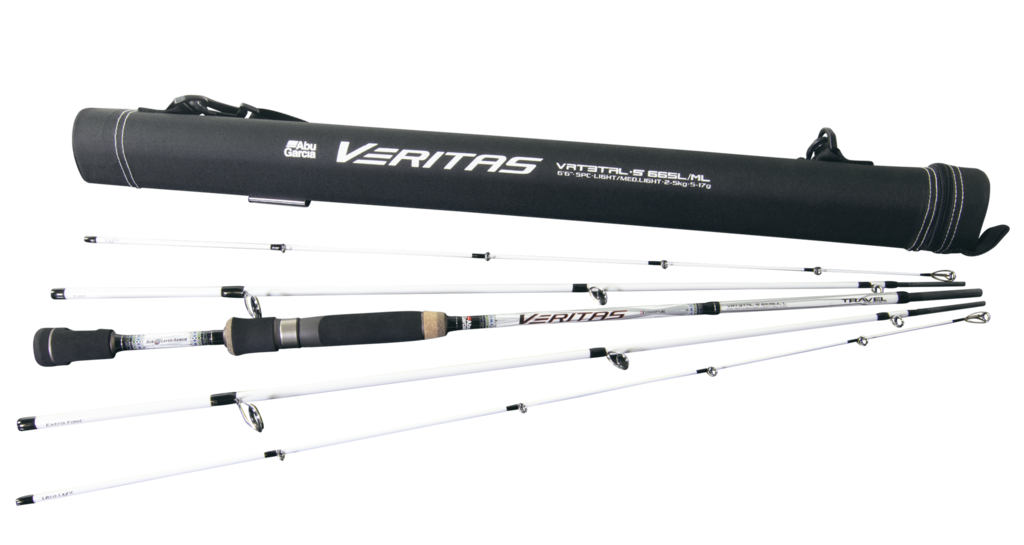


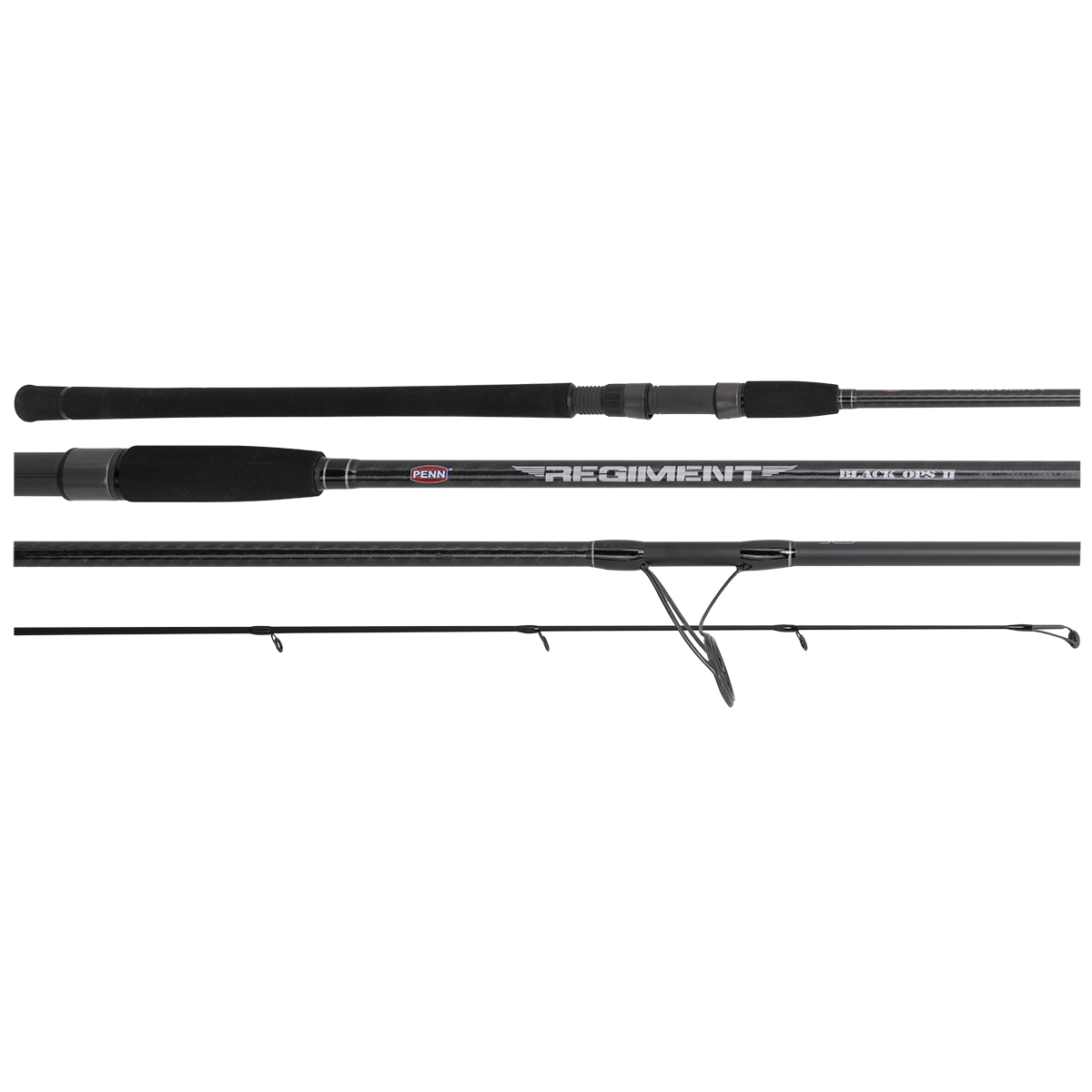

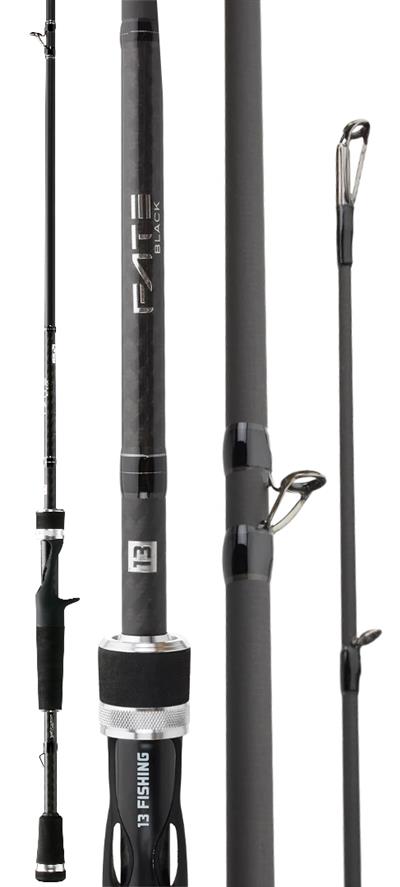
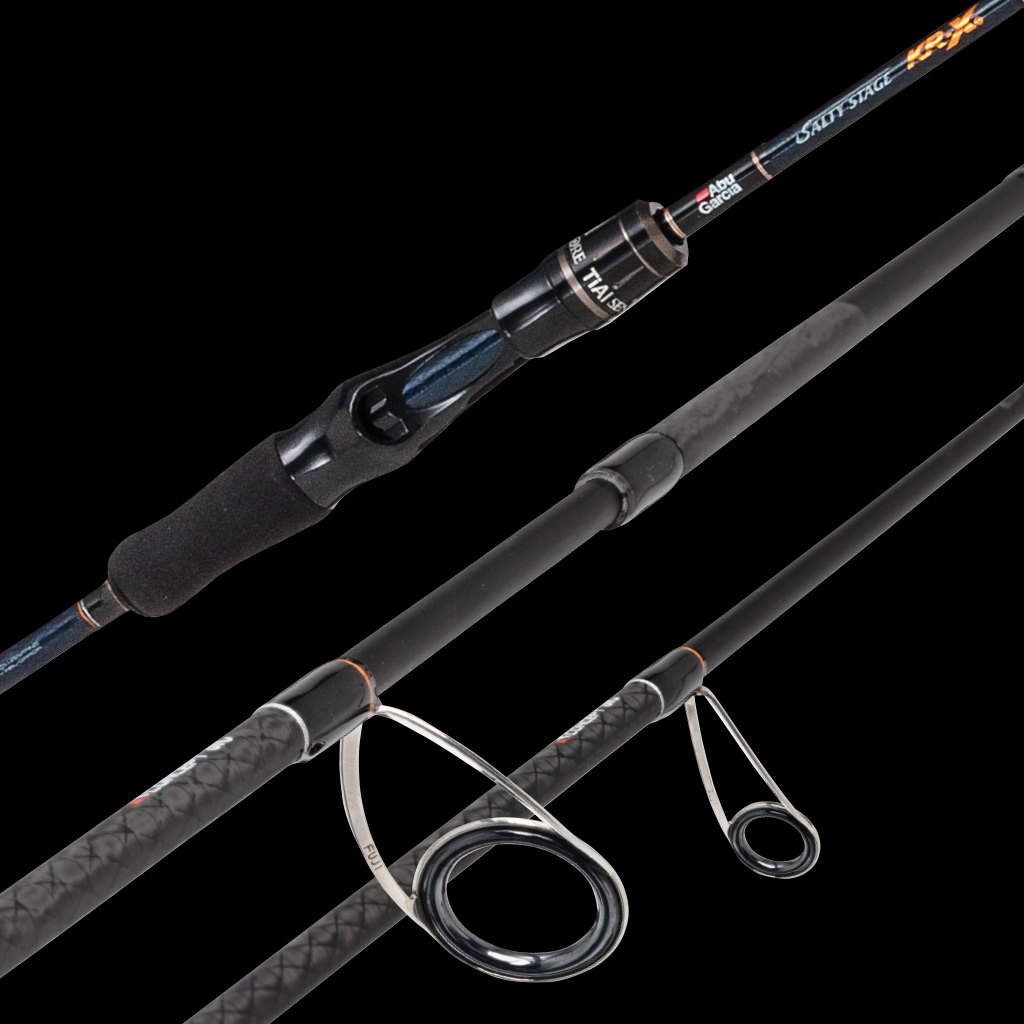


The rod is the part of the outfit you feel every bite through, so it is worth matching properly to the fishing you do. Davo's Tackle carries more than 1,000 rods across spin, baitcast, overhead, surf, travel and fly, from Shimano, Daiwa, Penn, Samaki, Gary Howard, Okuma and Live Fibre.
Choosing a fishing rod
Start with where you fish. Shorter rods give control in a boat or kayak and under cover. Mid-length rods are the all-rounders for estuary and rock work. Long surf rods exist for one reason, which is distance off the beach.
Then look at the line class and cast weight printed above the handle. Those two numbers tell you what the rod is built to throw and what line it is designed to fight on, and staying inside them is the simplest way to avoid breaking a rod.
Finally, action. A faster action loads quickly in the tip and suits lure fishing. A softer, more parabolic action bends deeper and protects light leaders, which suits bait fishing and soft-mouthed species. If you are starting out, a rod and reel combo takes the matching out of your hands, and spin rods are the easiest place to begin.
Frequently asked questions
What is the best all-round fishing rod in Australia?
A seven-foot spin rod in a light to medium line class covers more Australian fishing than any other single rod — estuary, freshwater, light beach and small boat work.
Do longer rods cast further?
Generally yes, which is why surf rods are long. The trade-off is control and accuracy, so longer is not automatically better in tight water.
Graphite or fibreglass?
Graphite is lighter and more sensitive, so you feel more. Fibreglass is tougher and more forgiving, which is why it still dominates trolling and heavy bait work.
What rod suits a baitcaster reel?
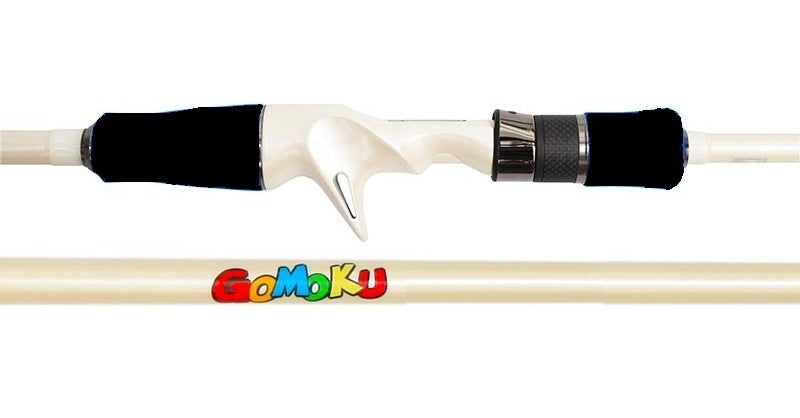
A baitcast rod, which has a trigger grip and runners sized for a reel sitting on top. A spin rod will work but casts poorly and loads awkwardly.