

FREE SHIPPING ON ORDERS OVER $150*

AUSSIE FAMILY OWNED BUSINESS FOR OVER 40 YEARS

100% SATISFACTION GUARANTEED
Soft Vibes
Soft Vibes
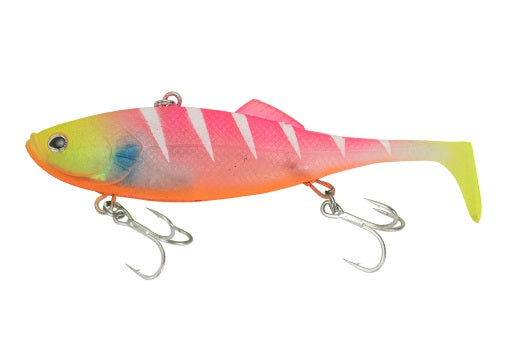
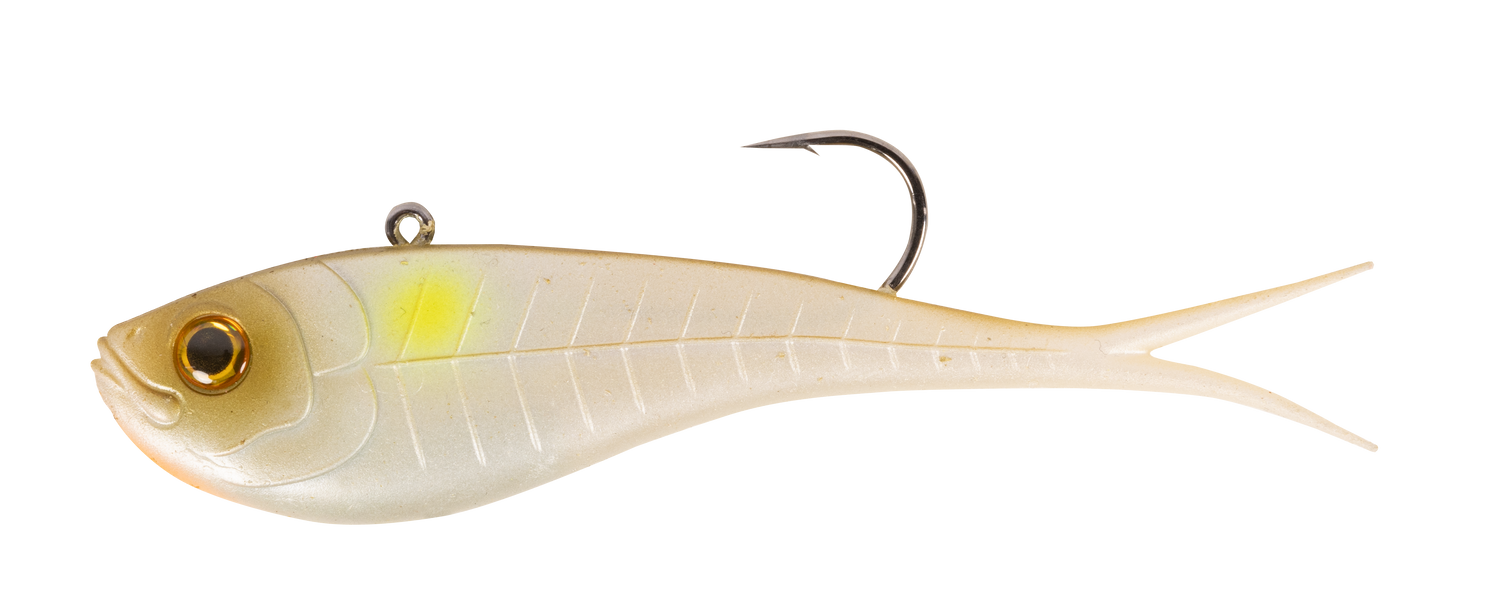
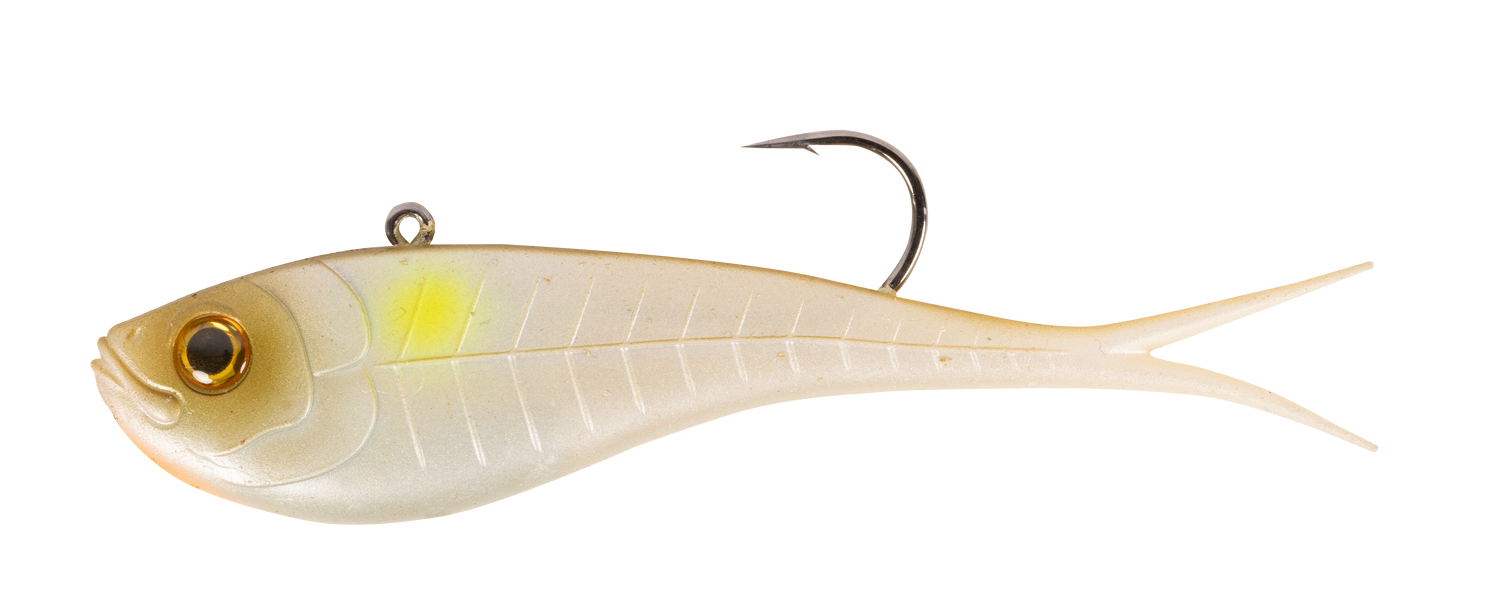
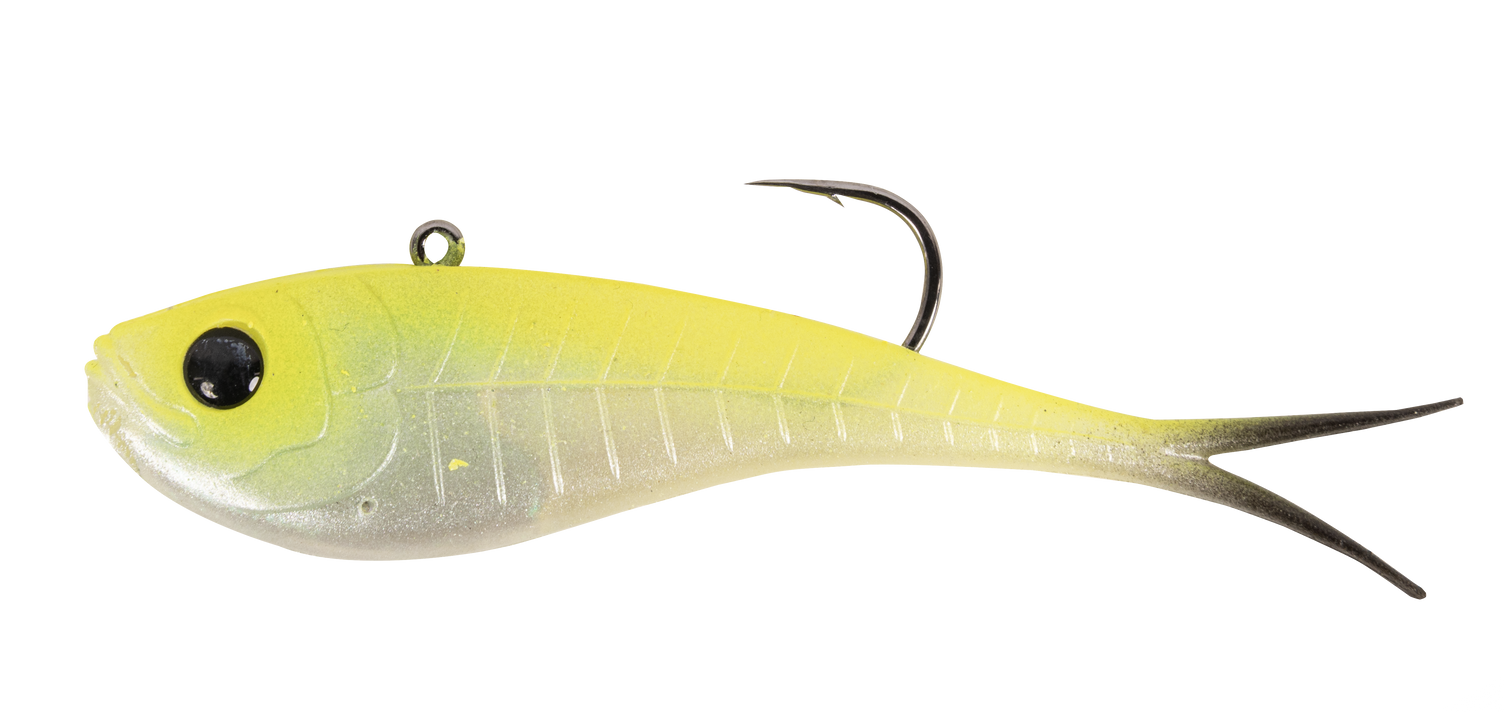
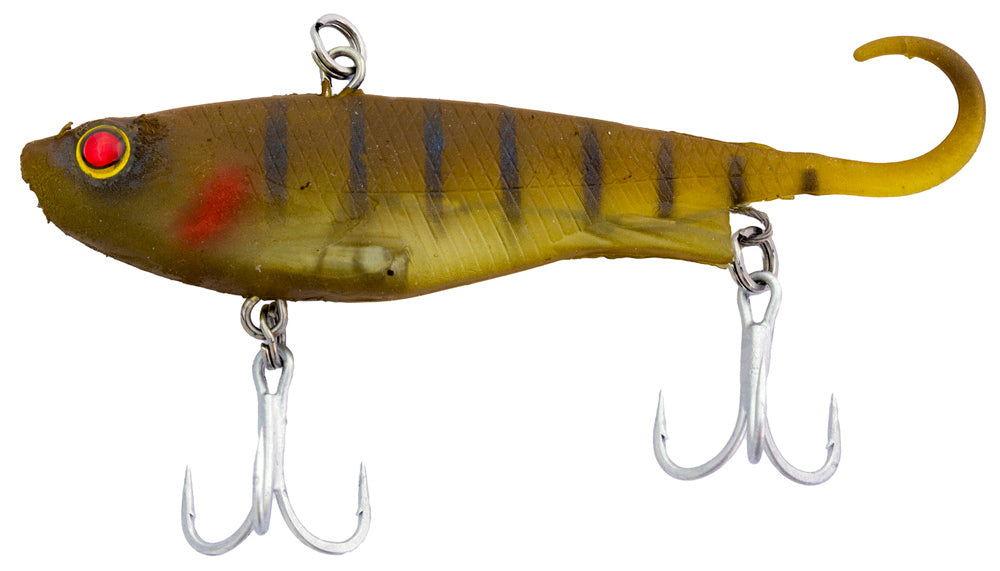
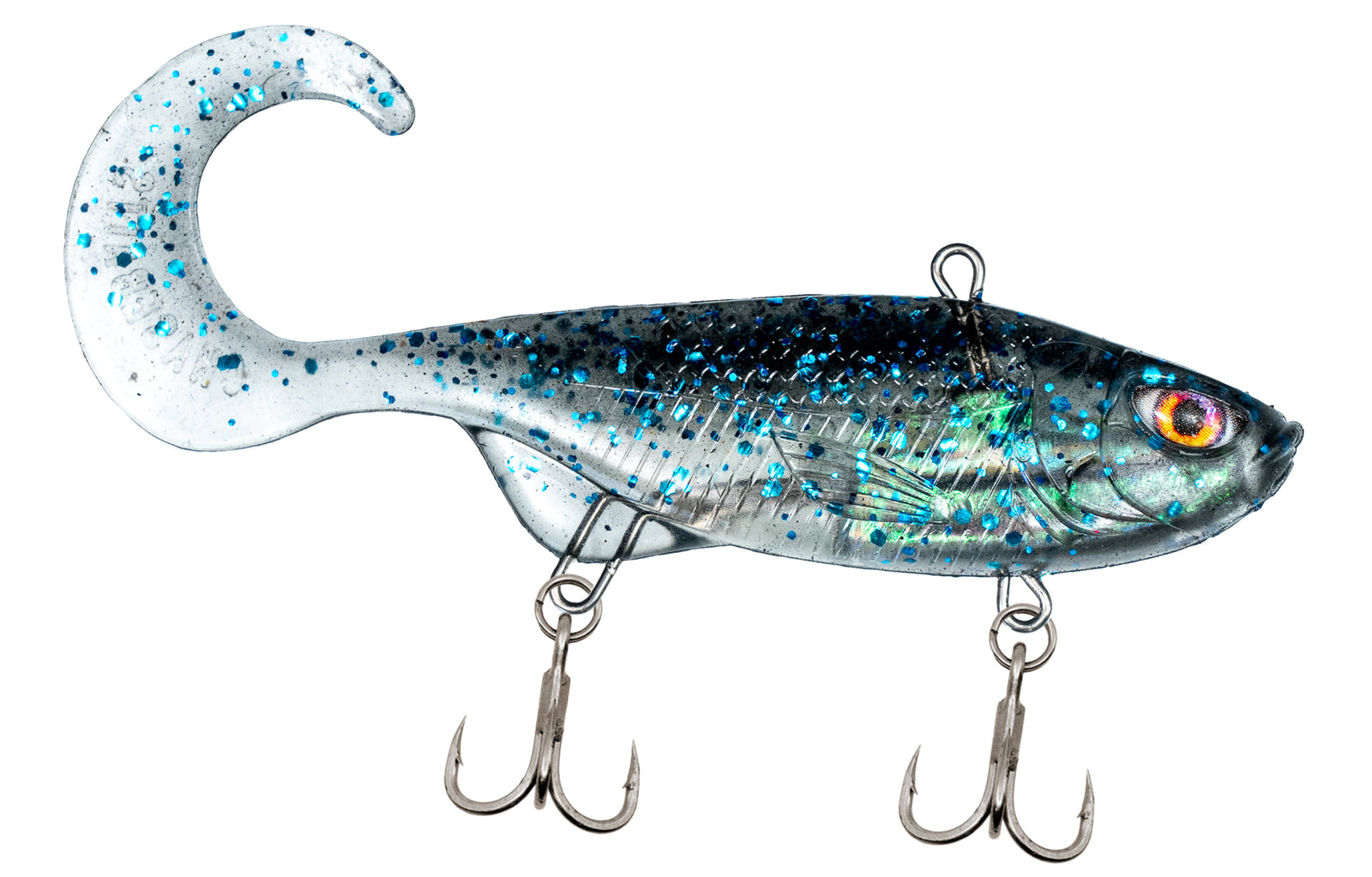
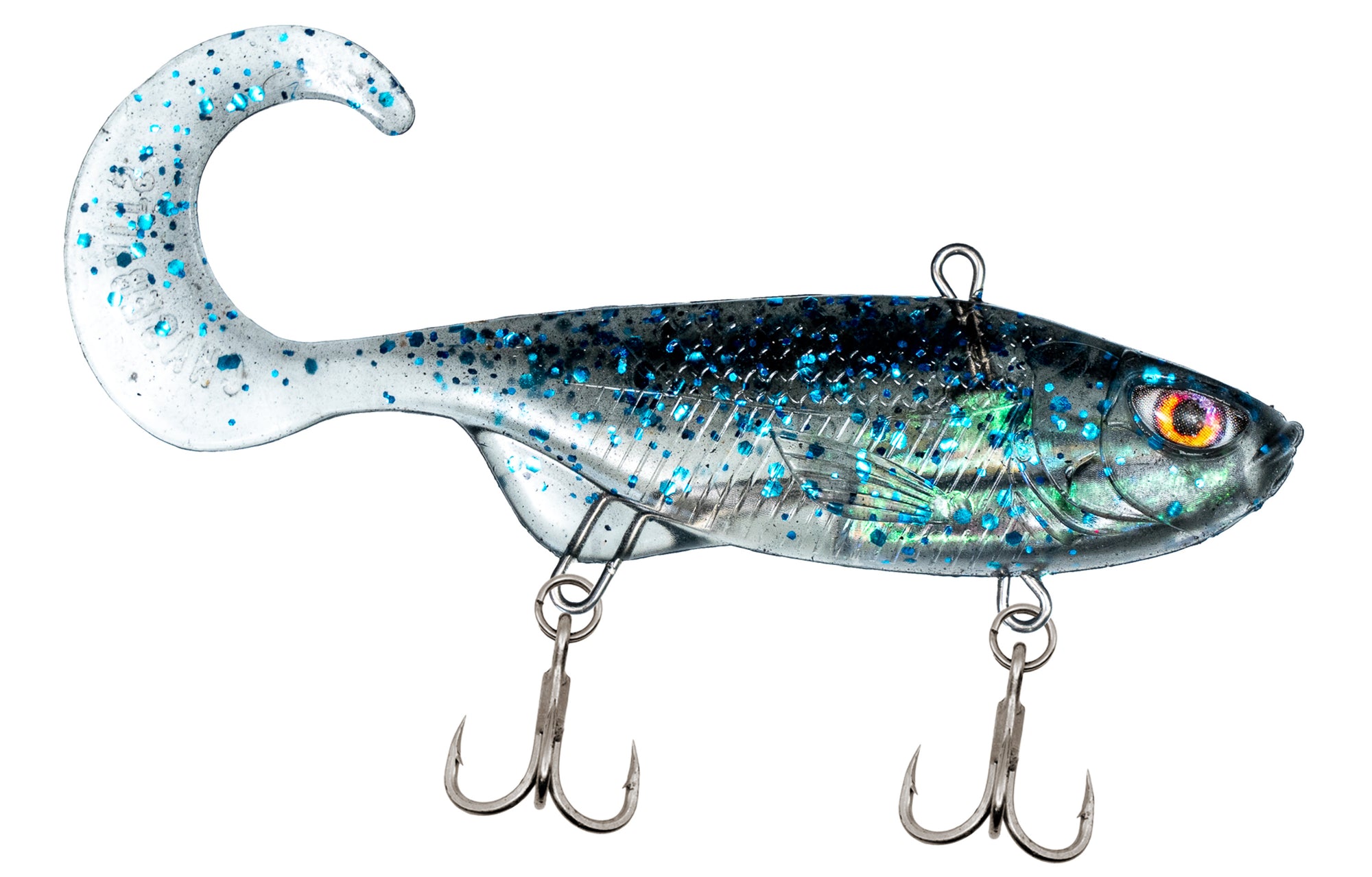
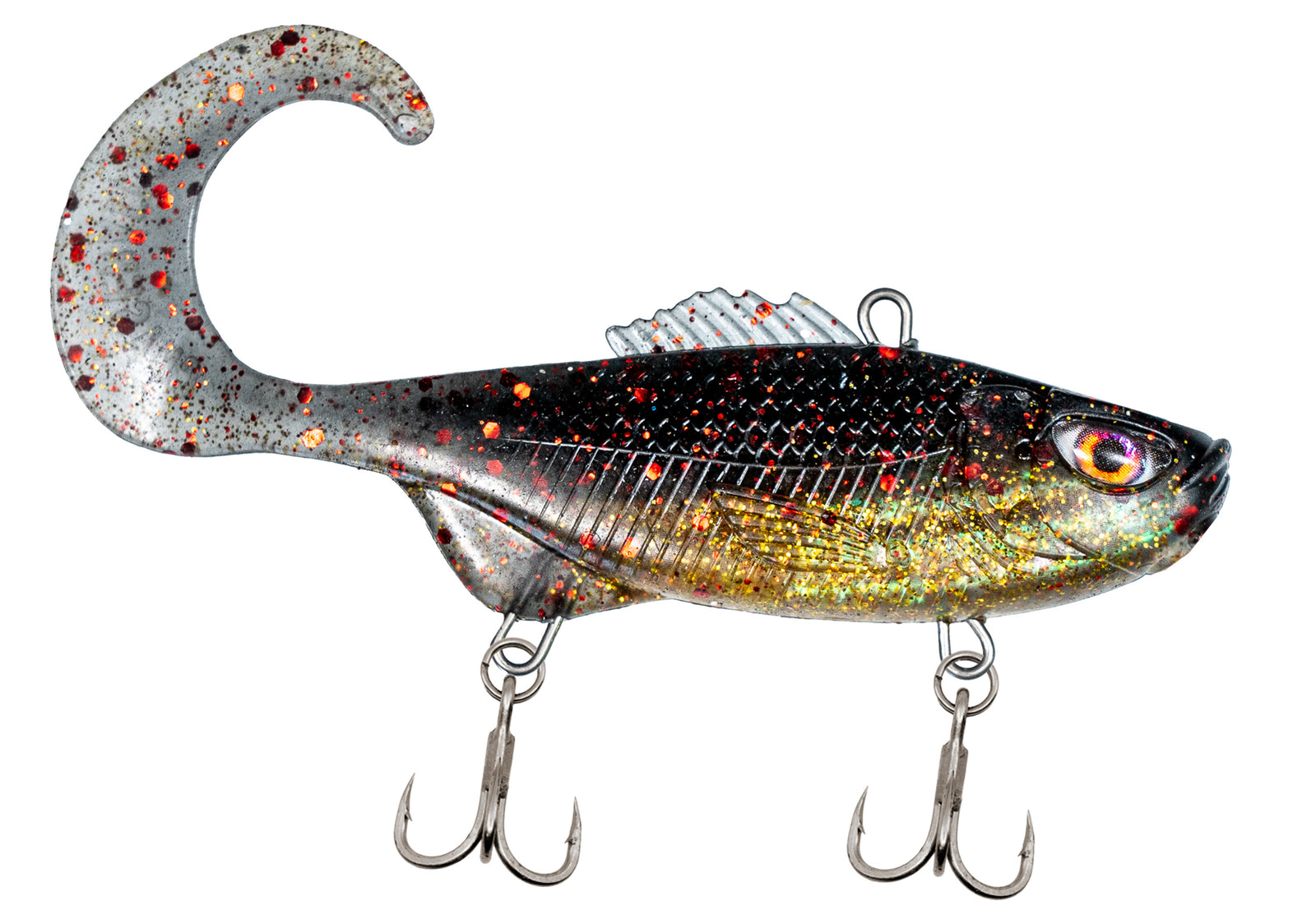
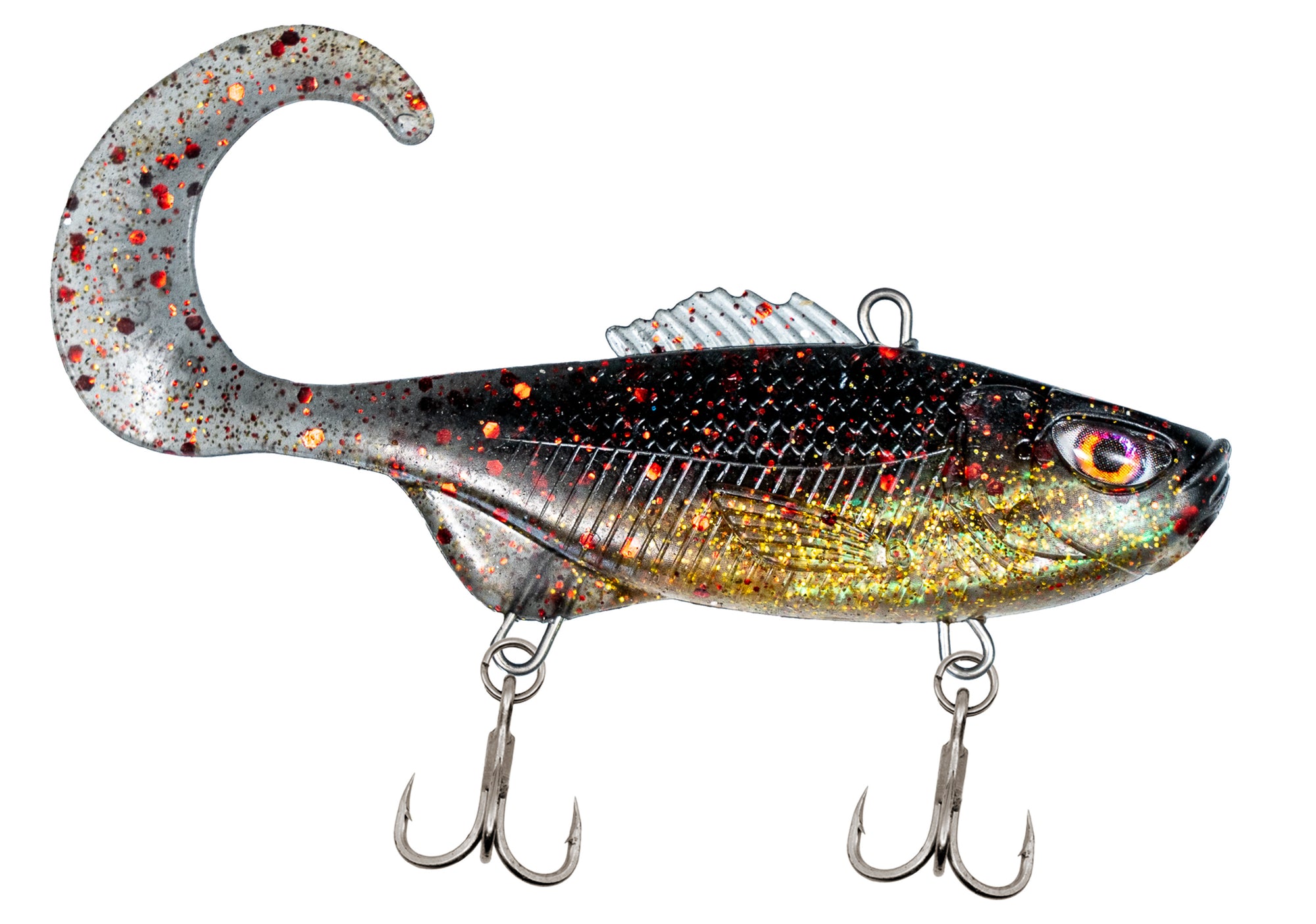
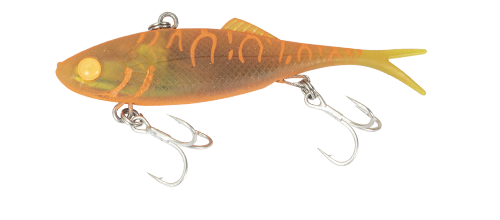
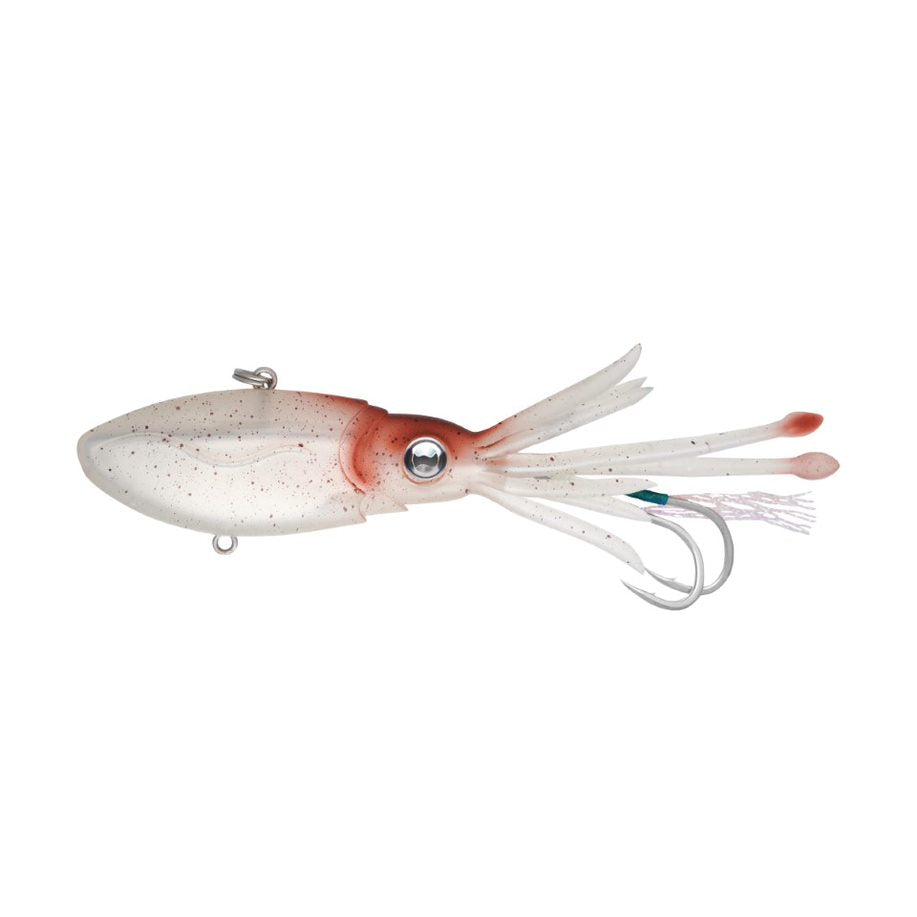
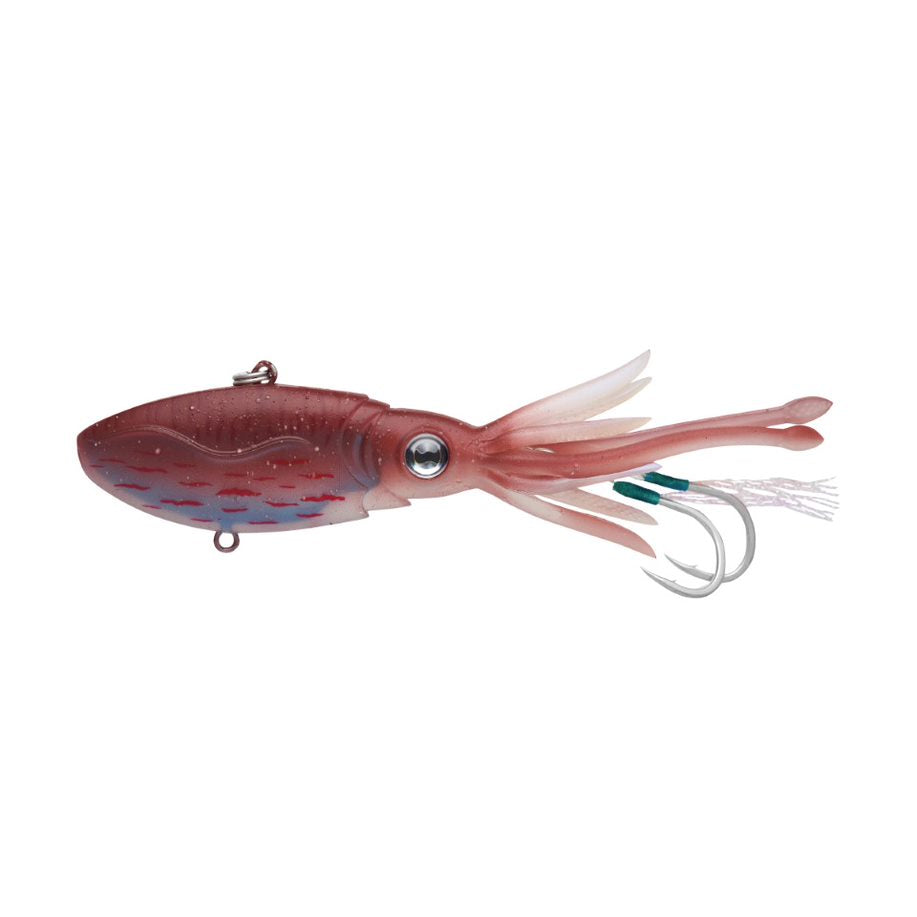
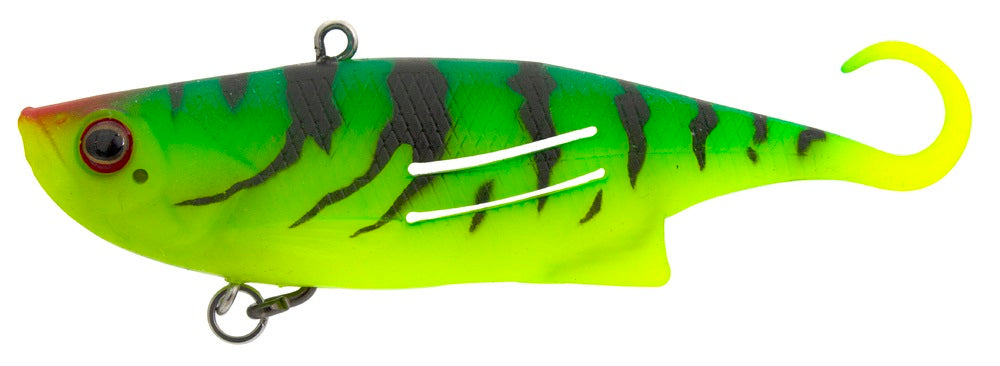
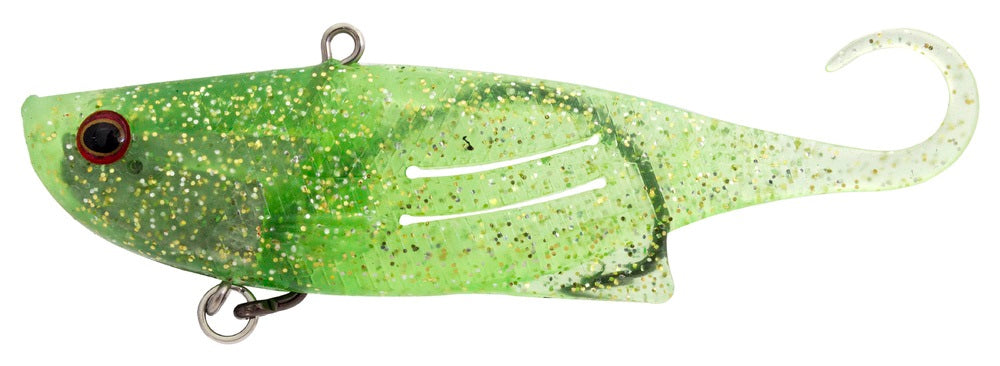
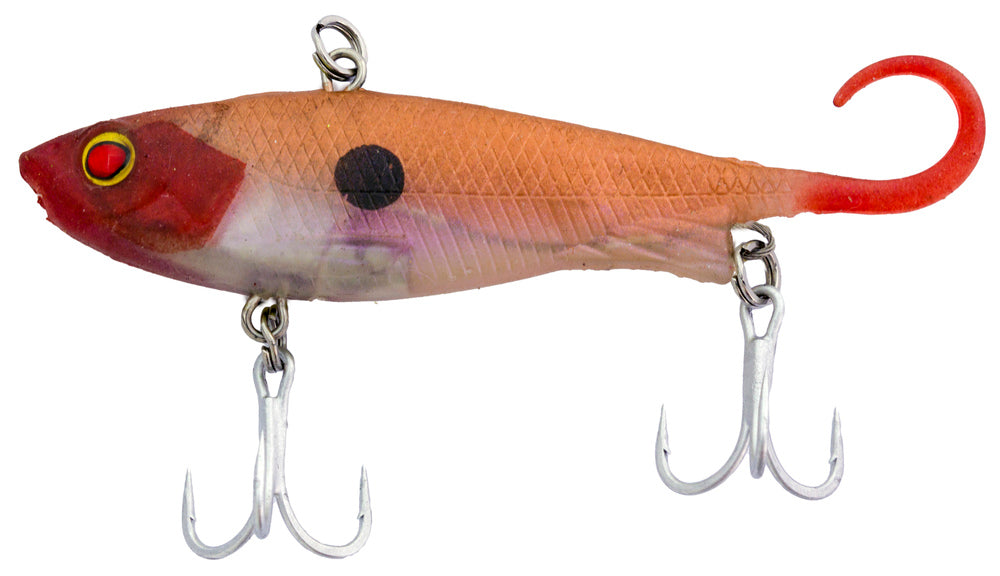
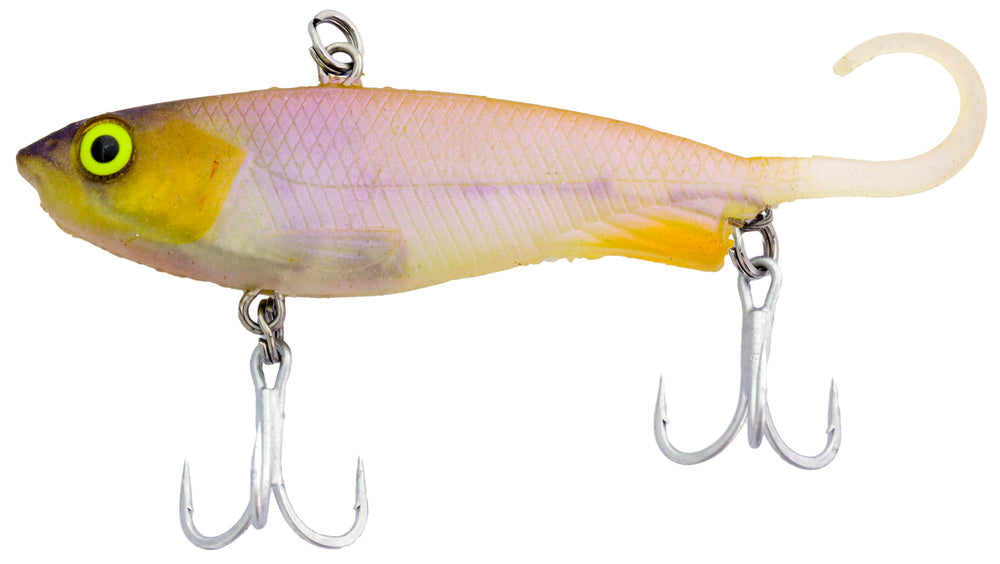
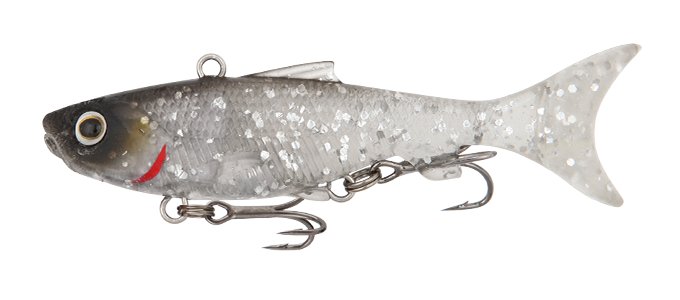
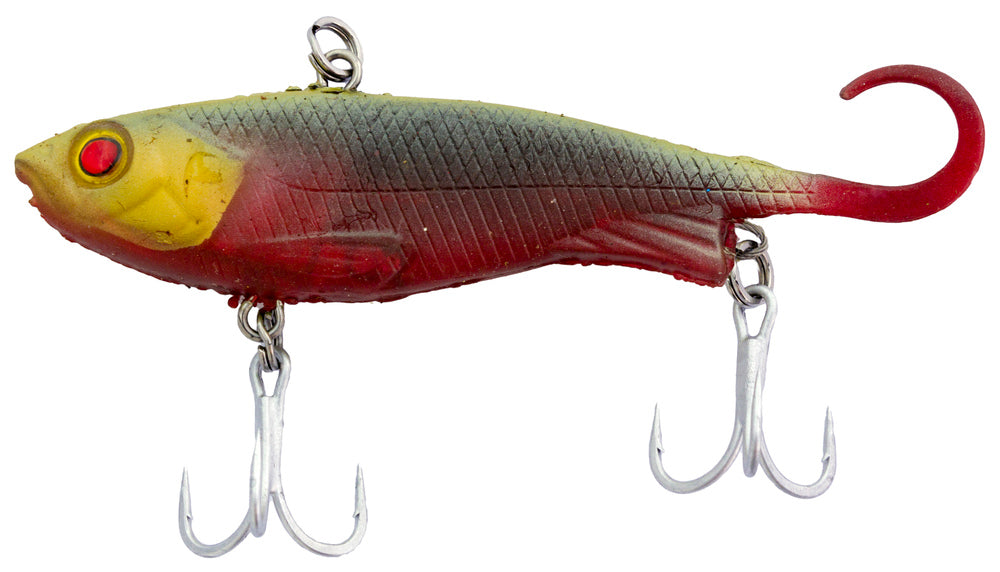
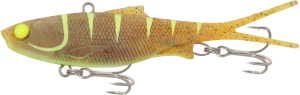
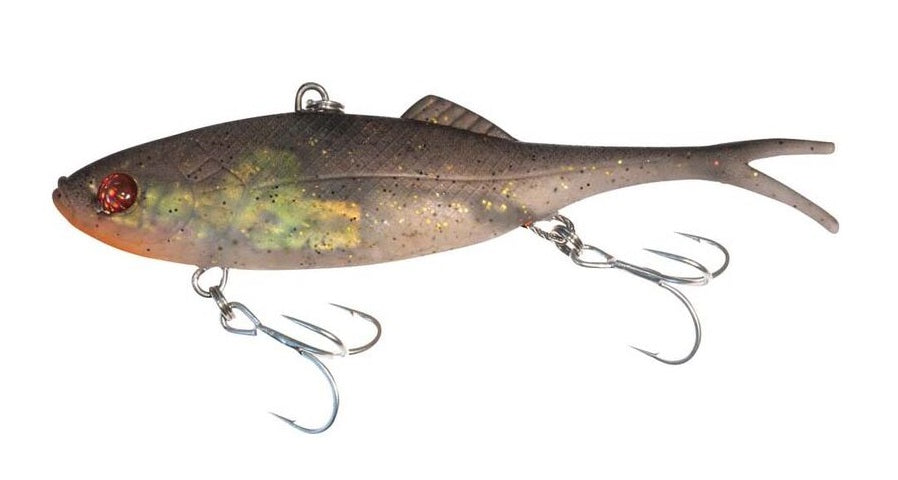
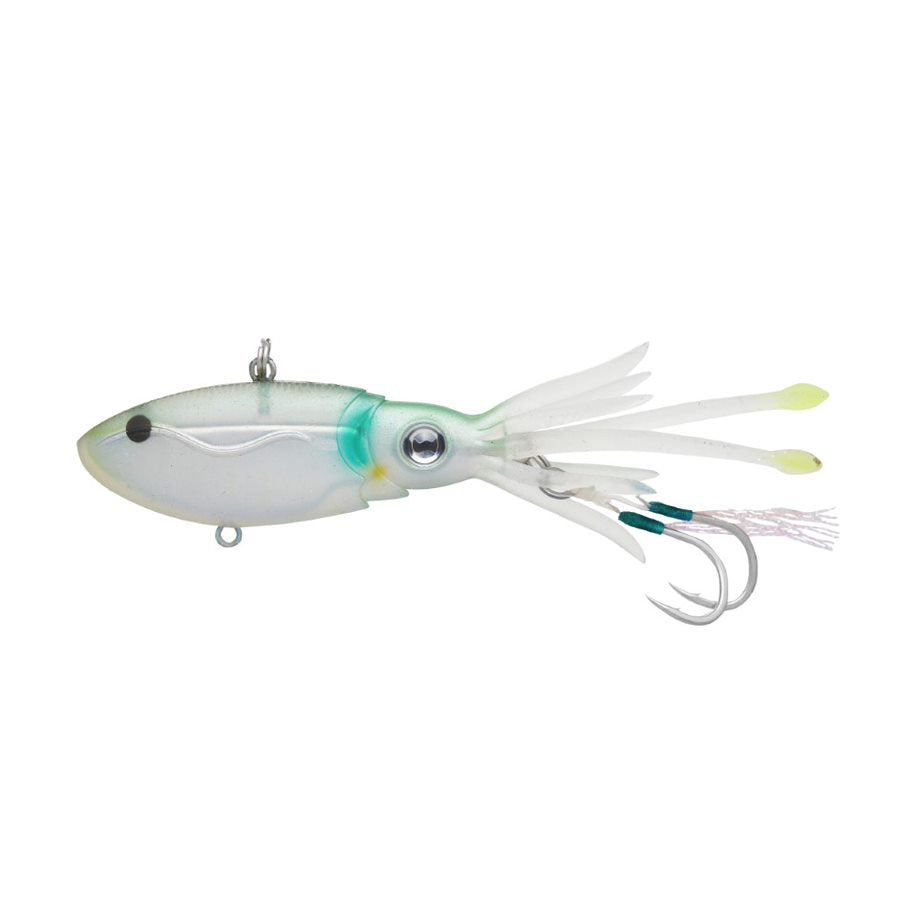
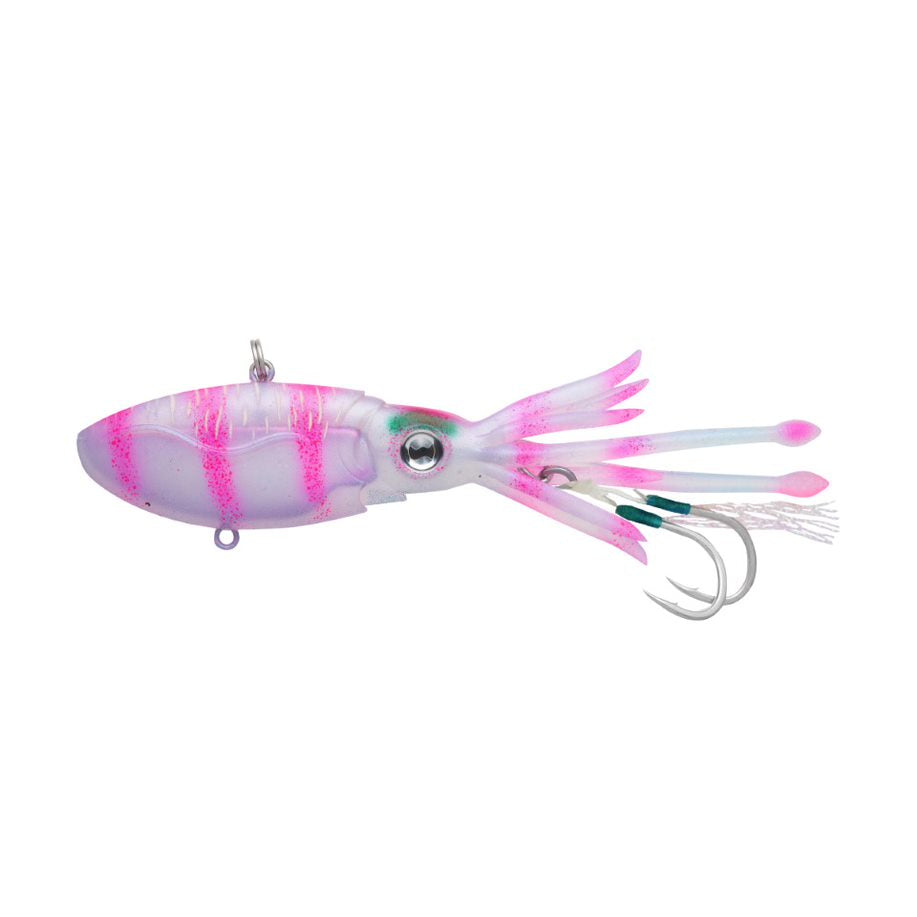
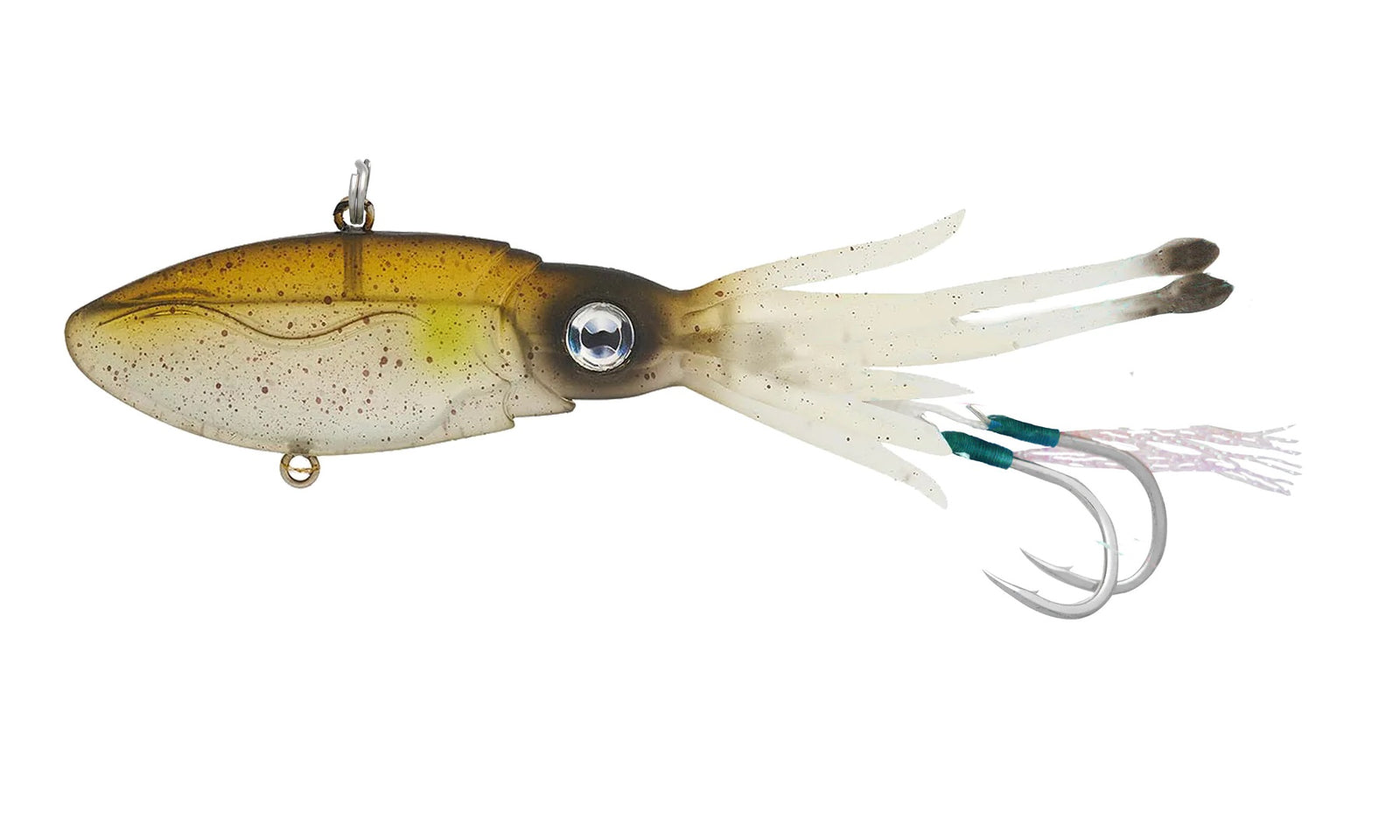
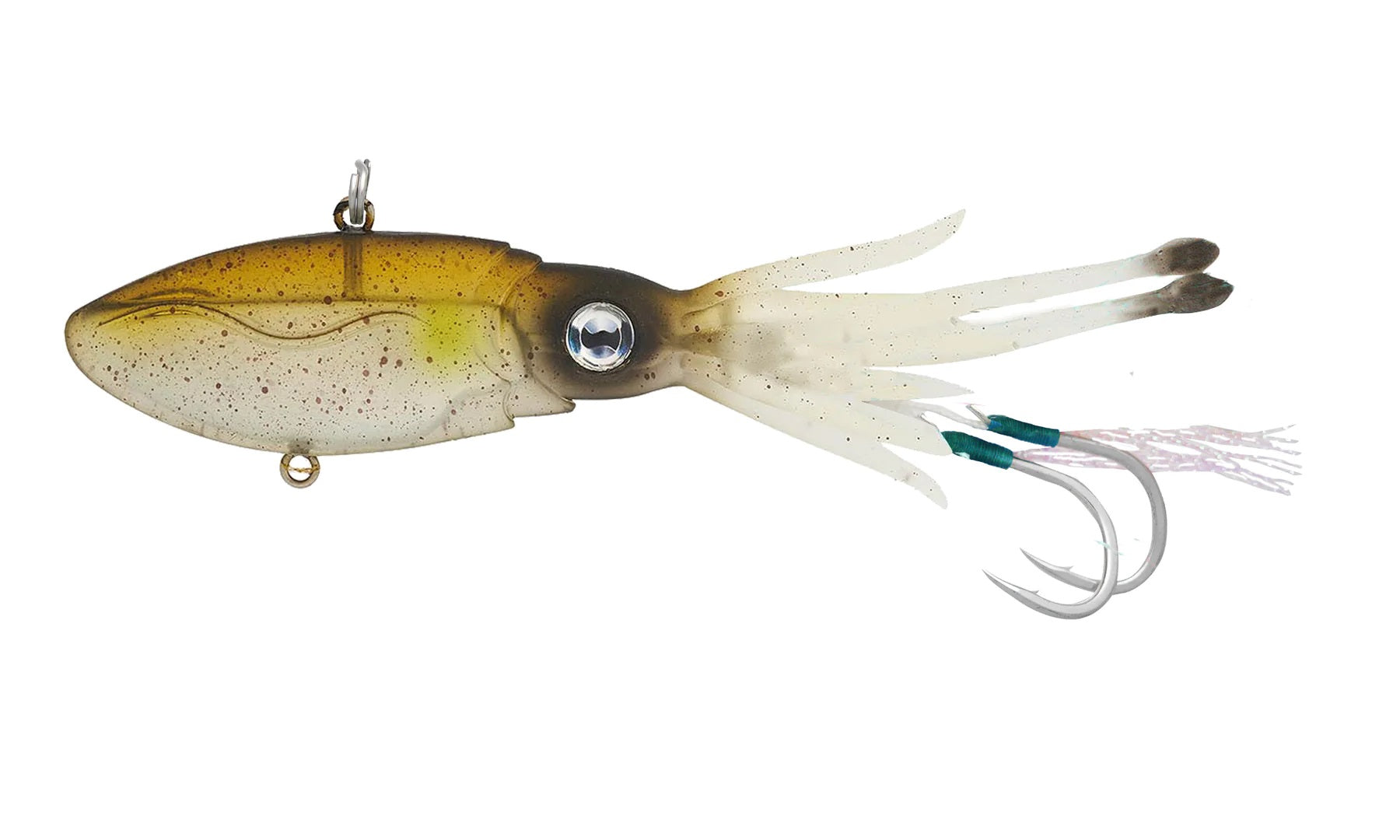
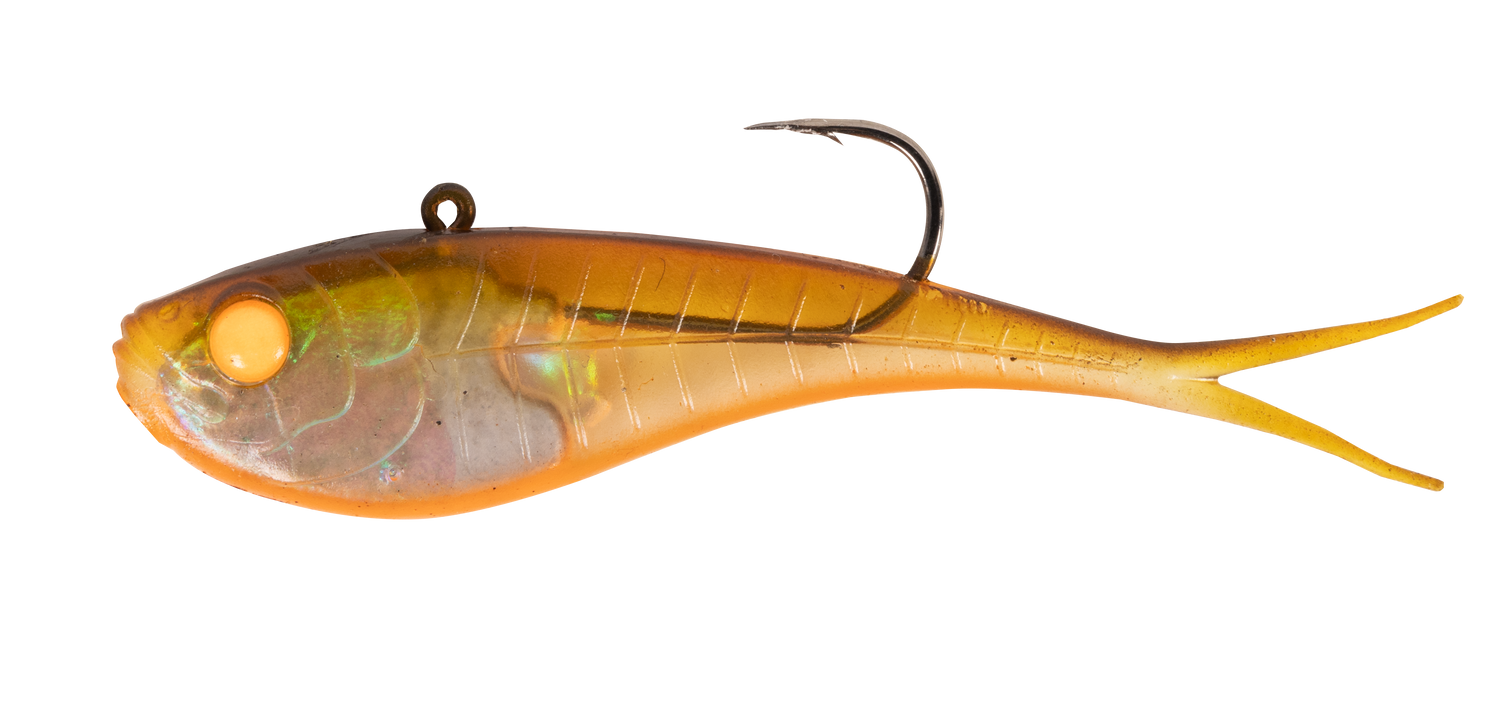
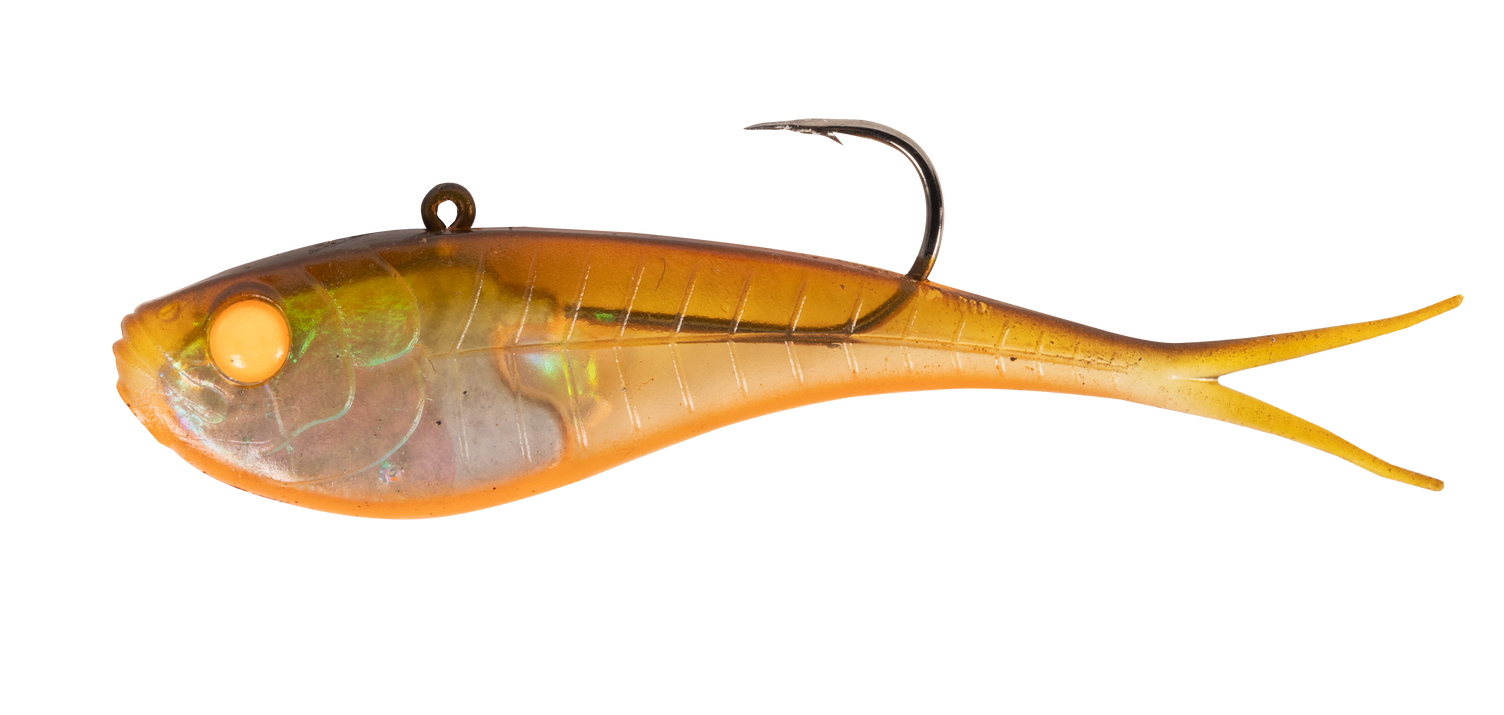
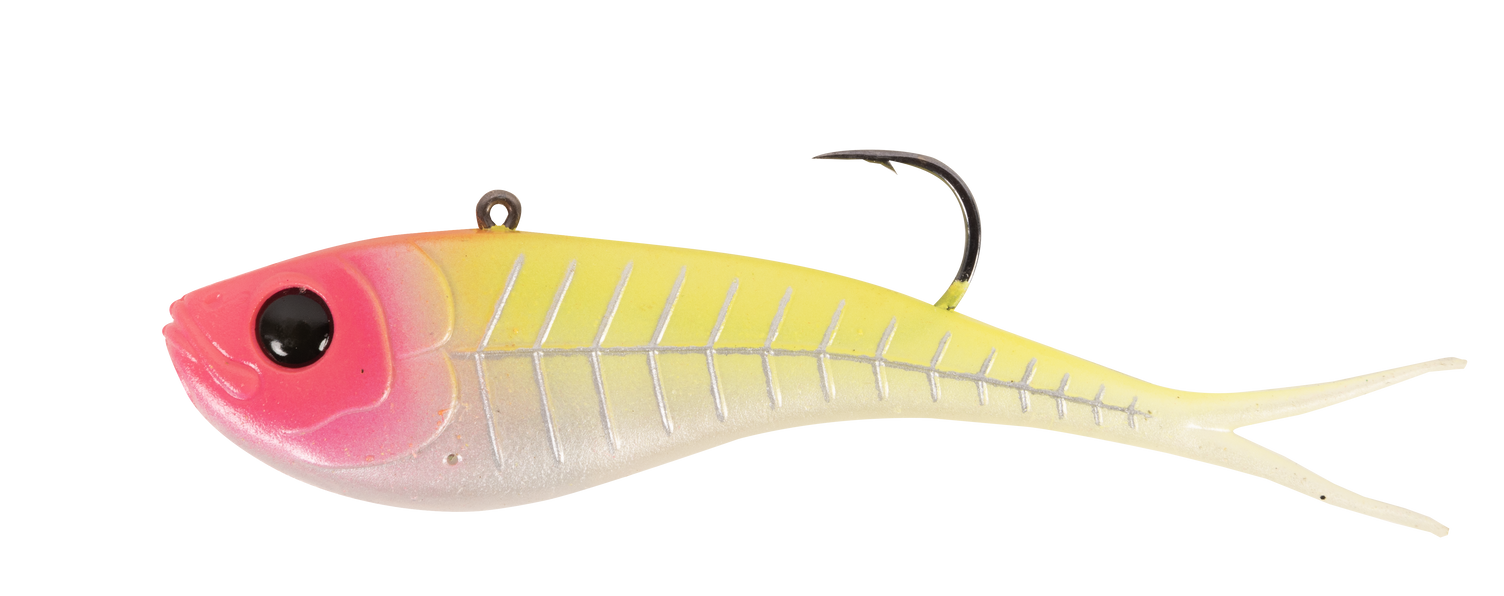
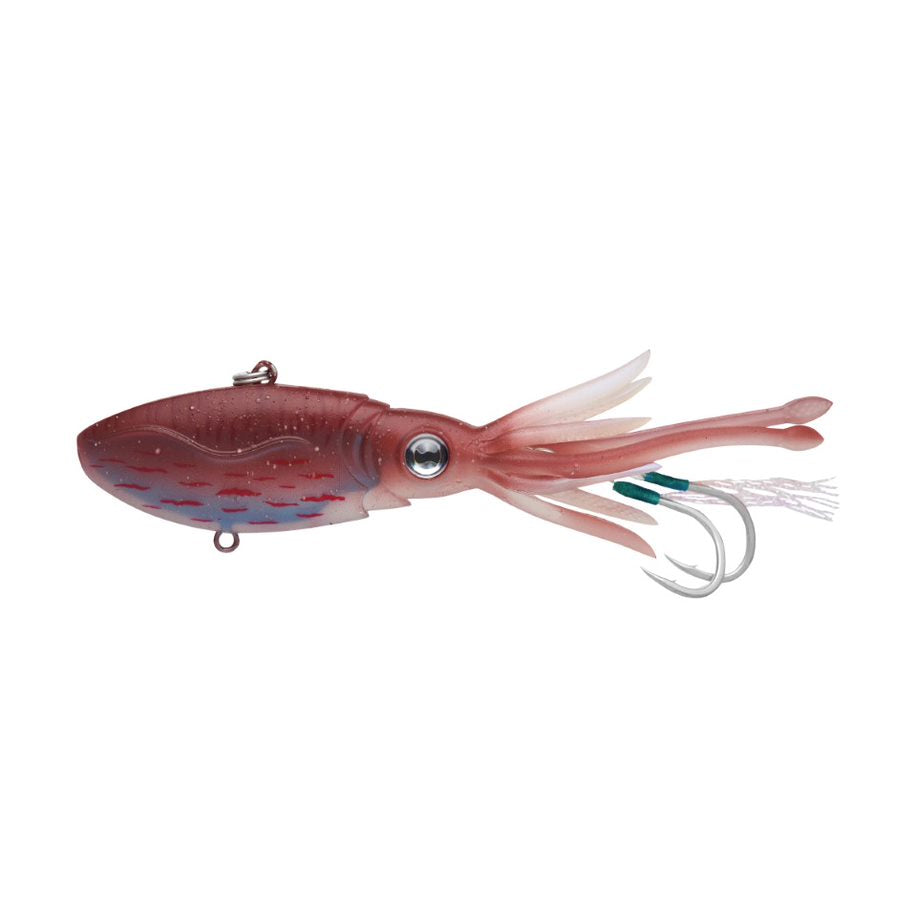
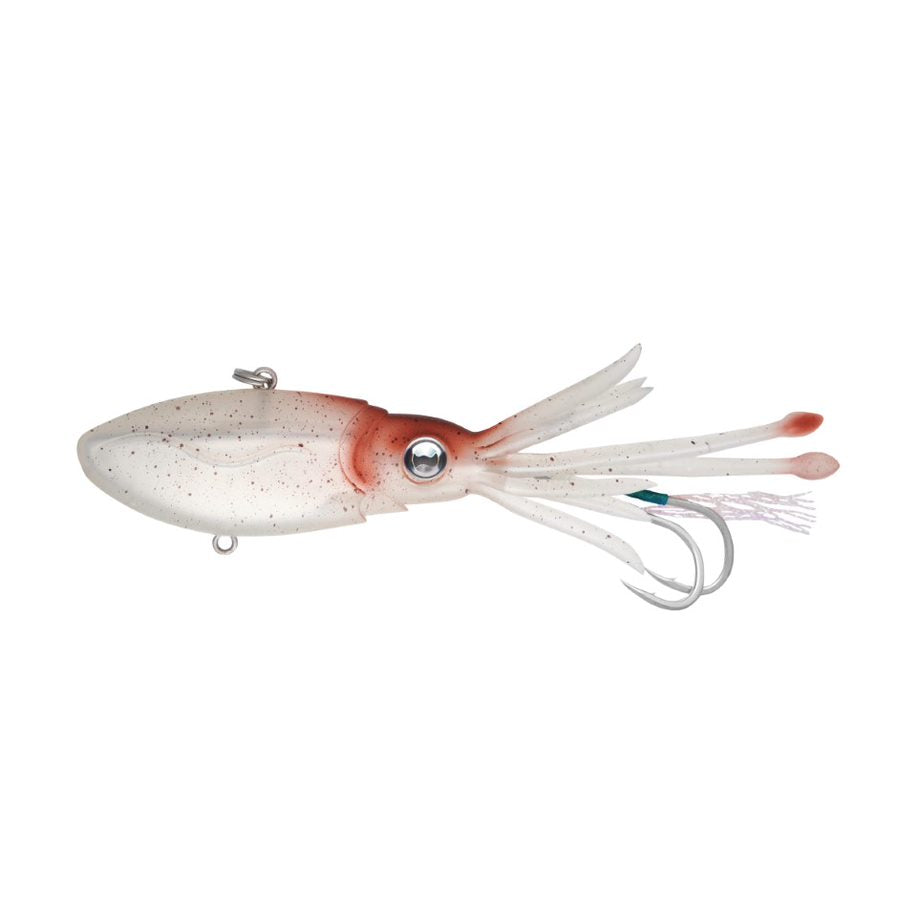
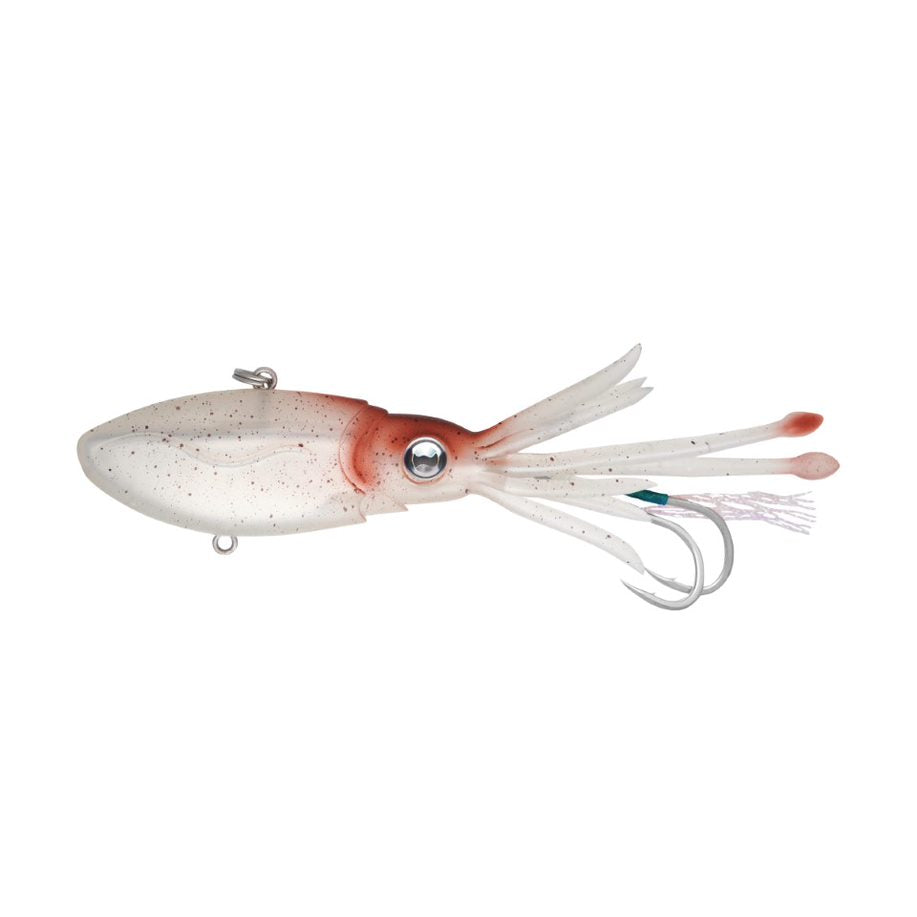
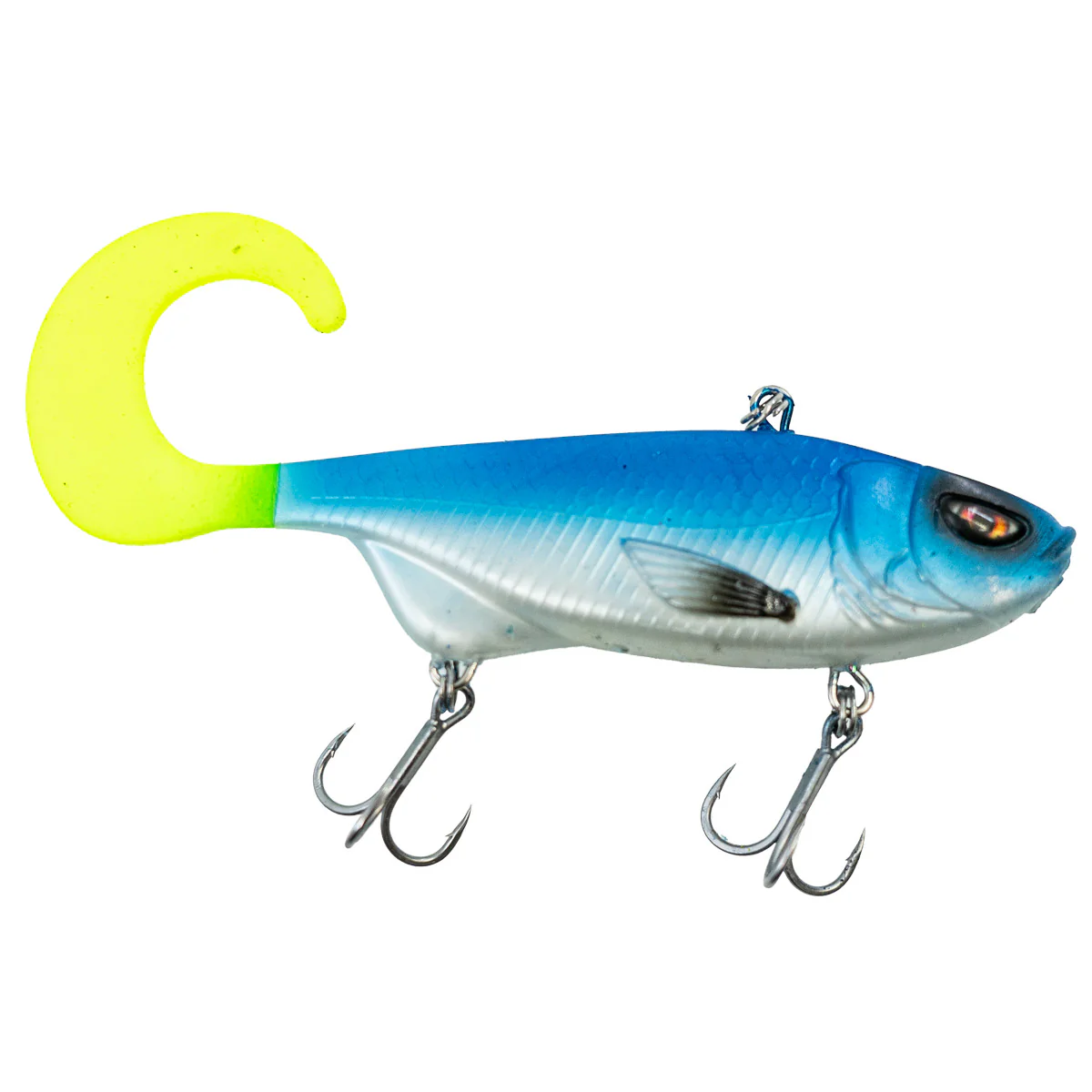
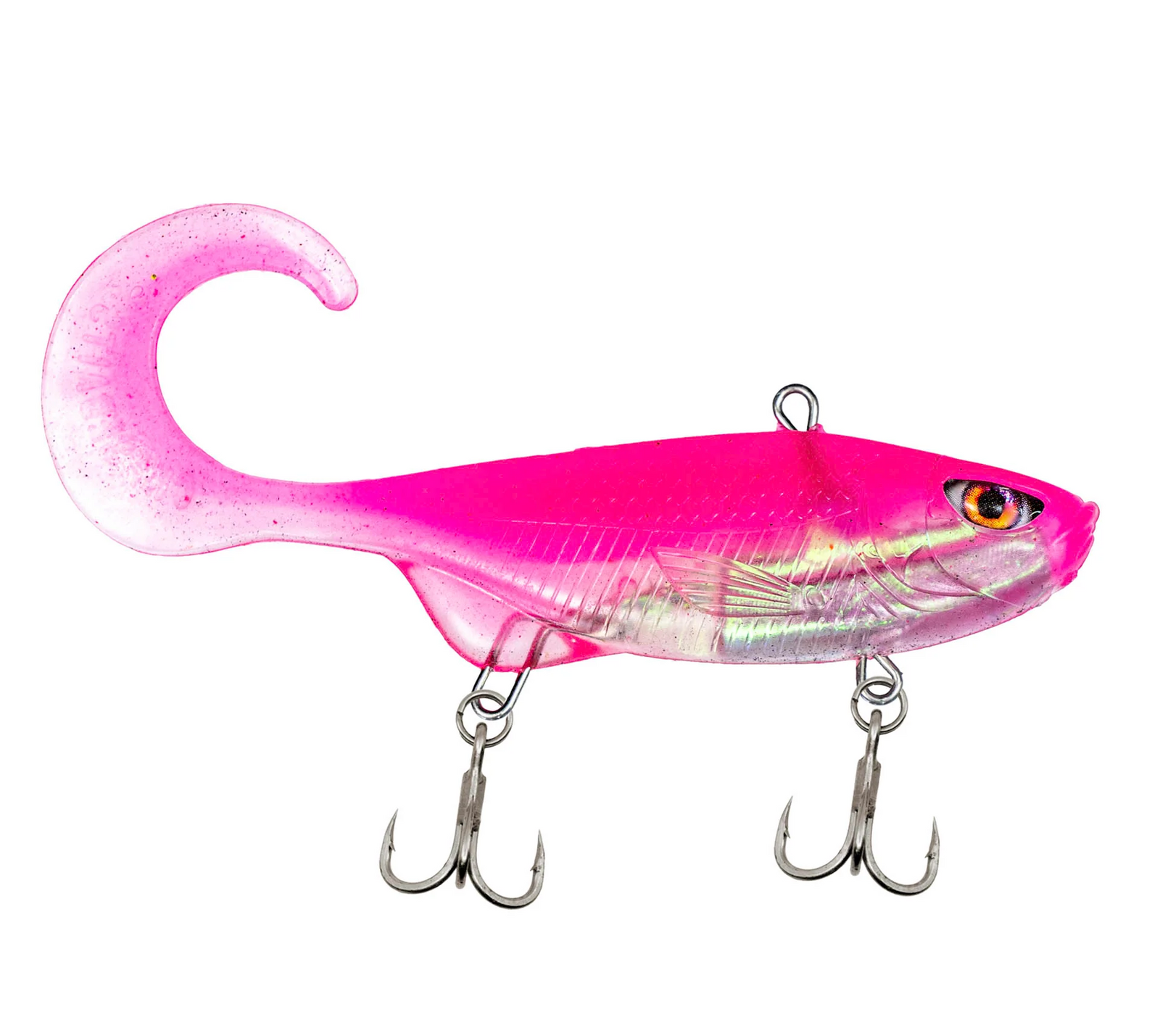
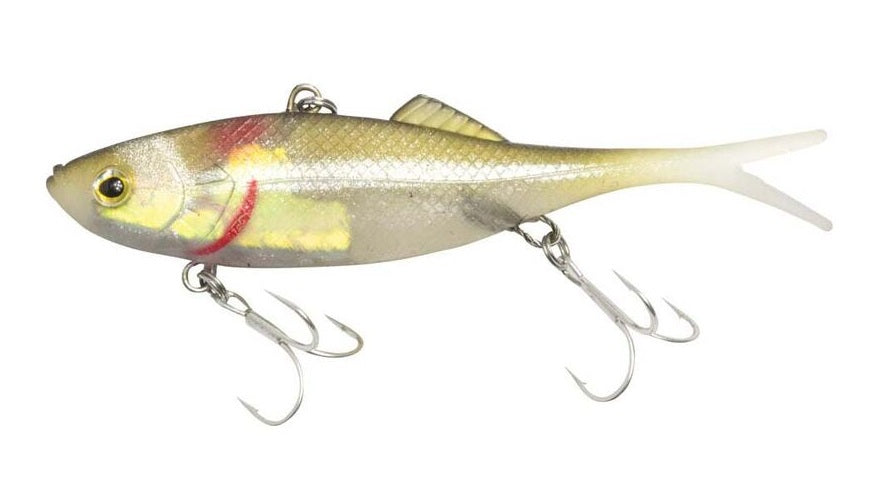
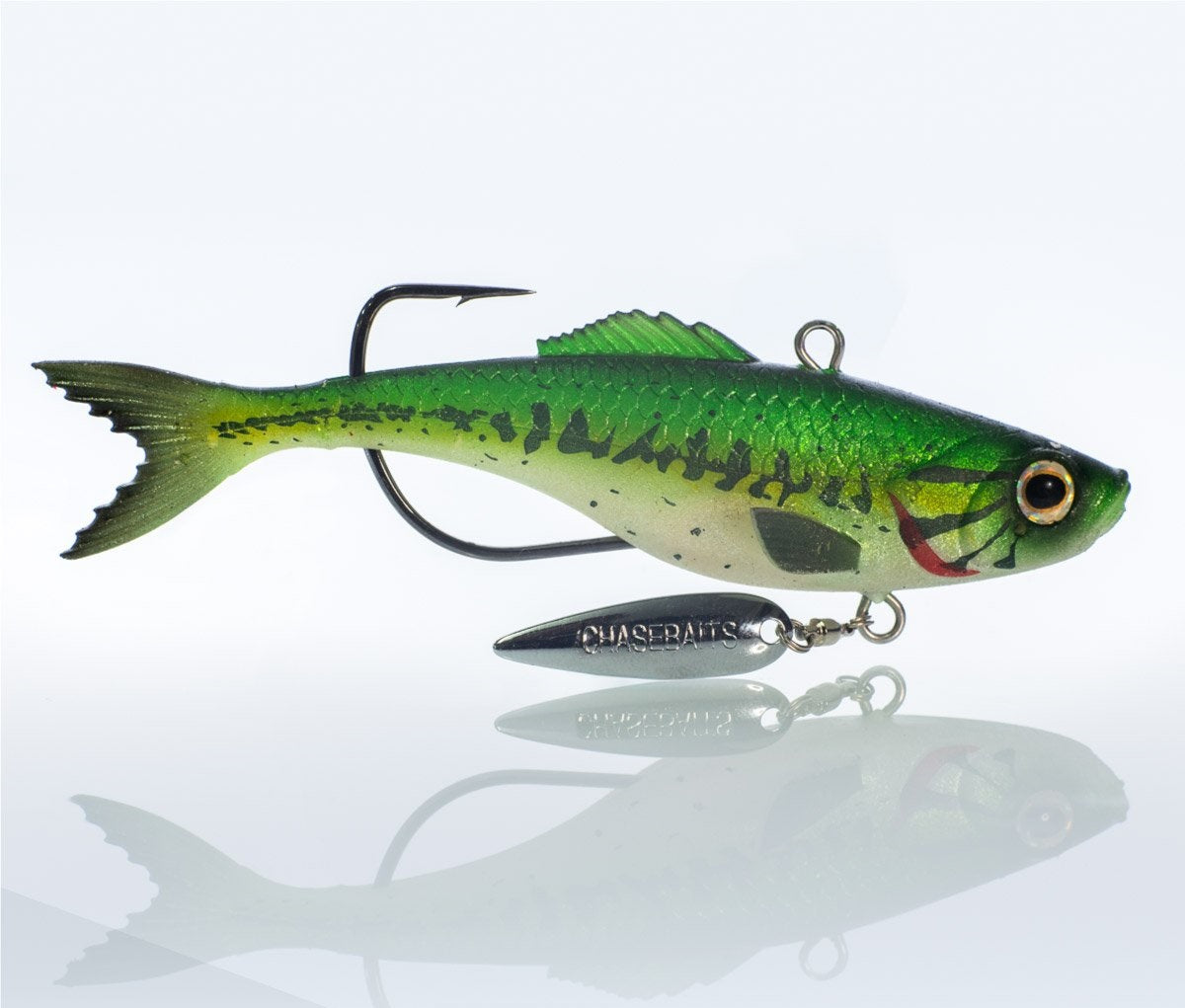
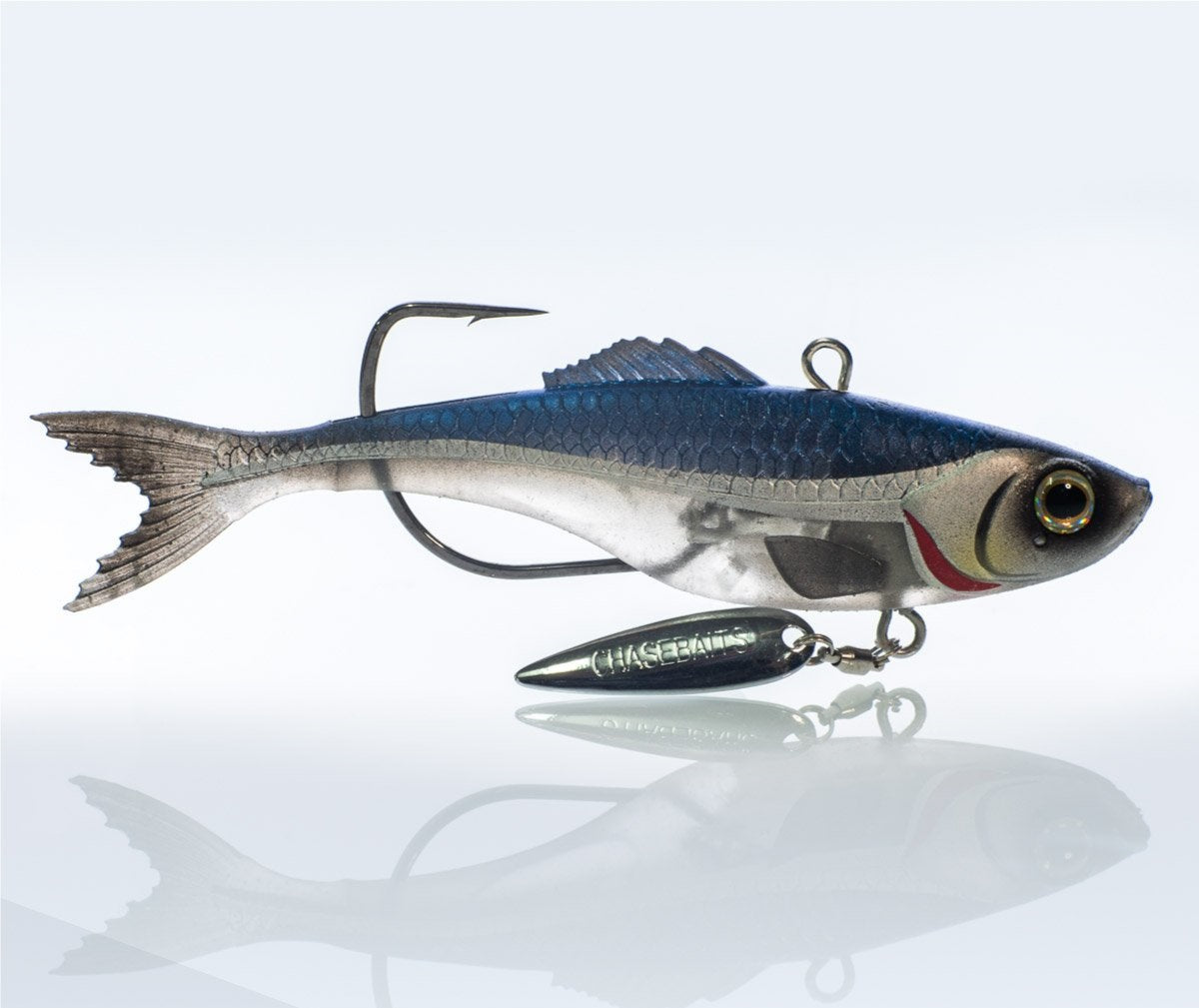
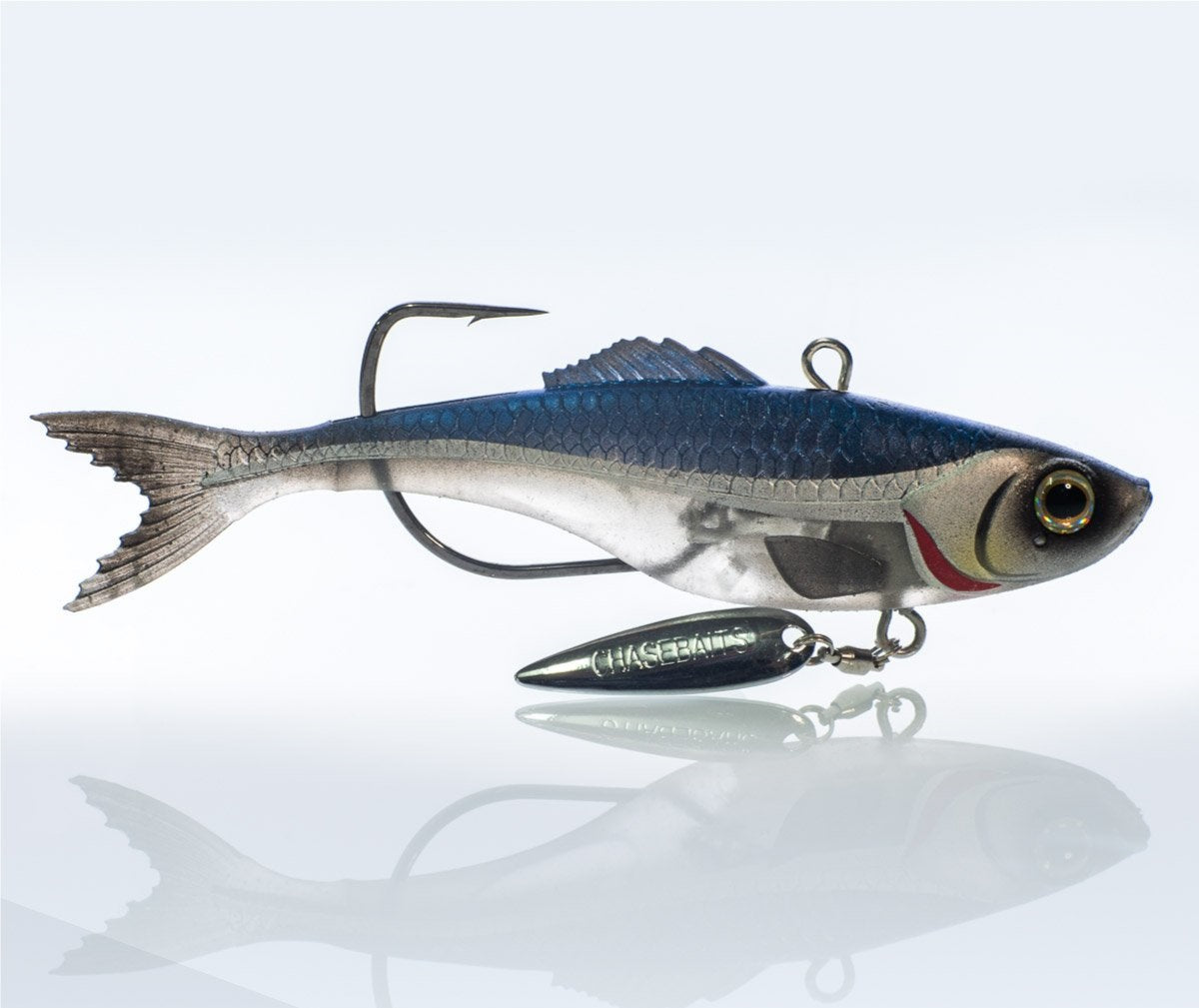
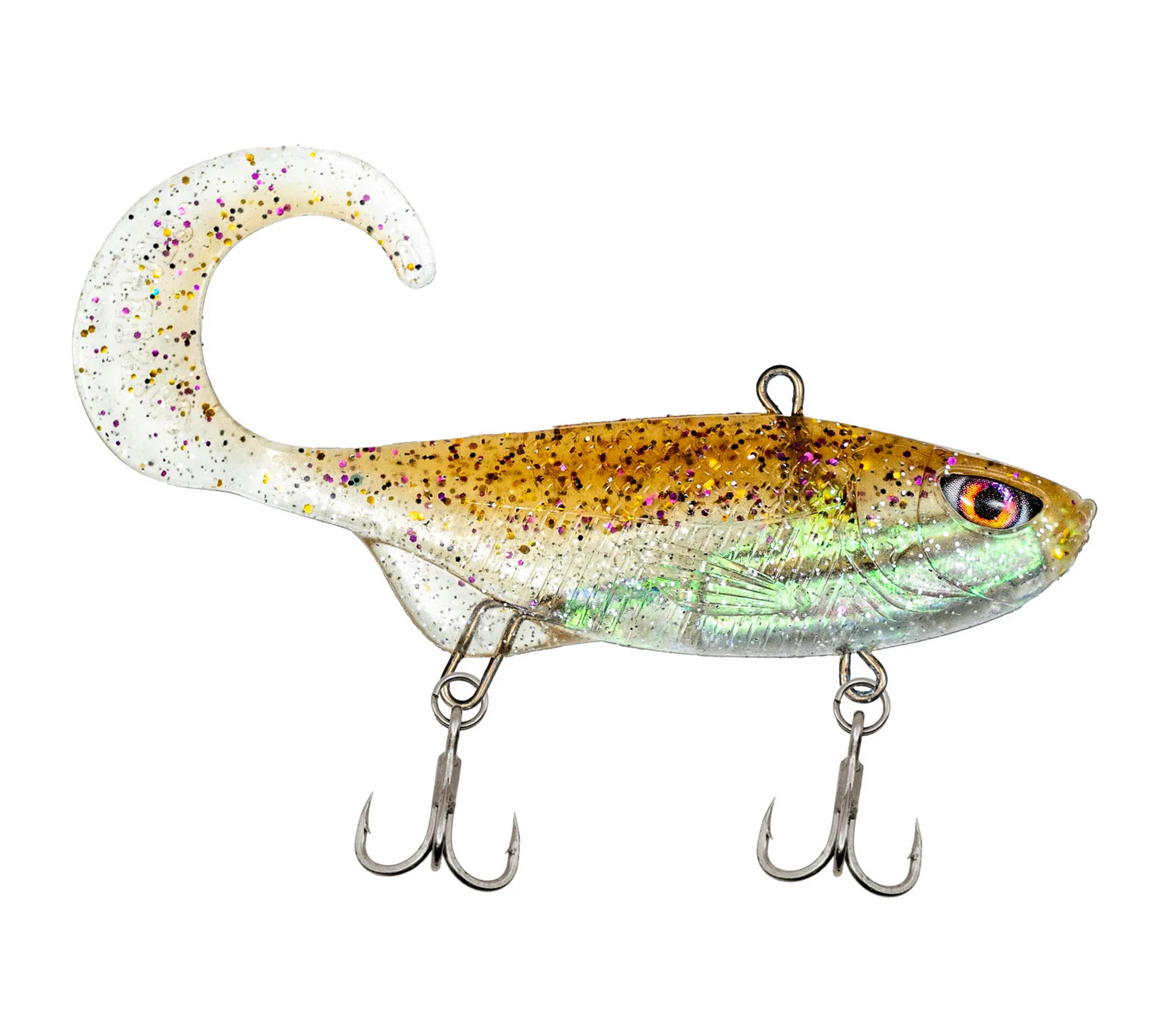
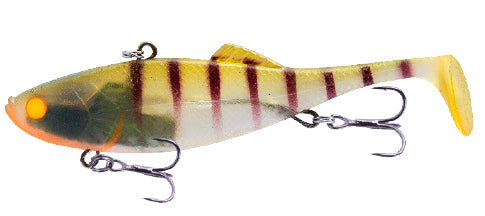
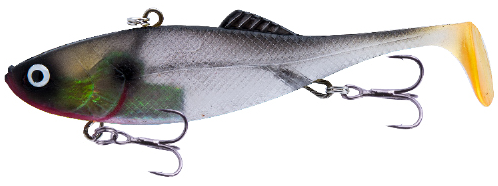
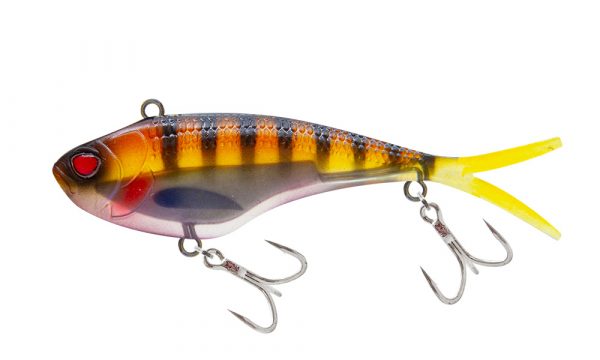
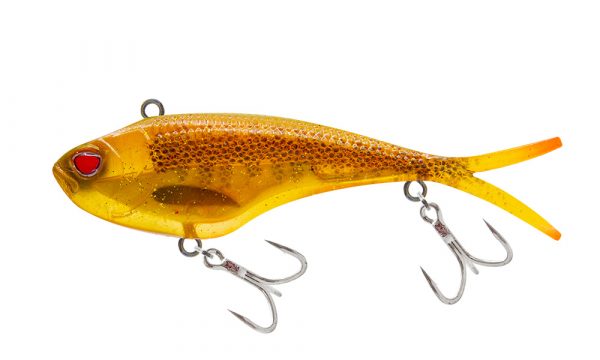
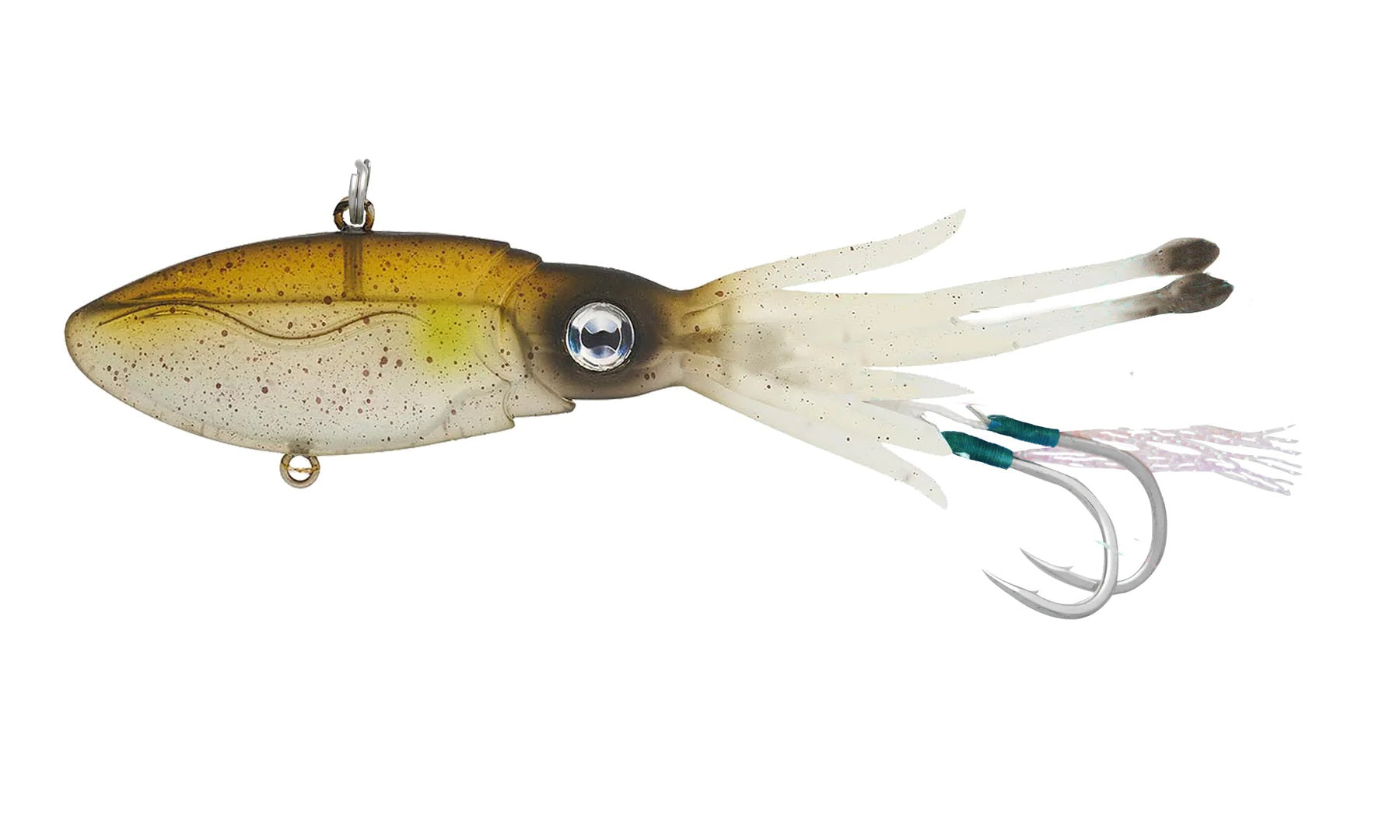
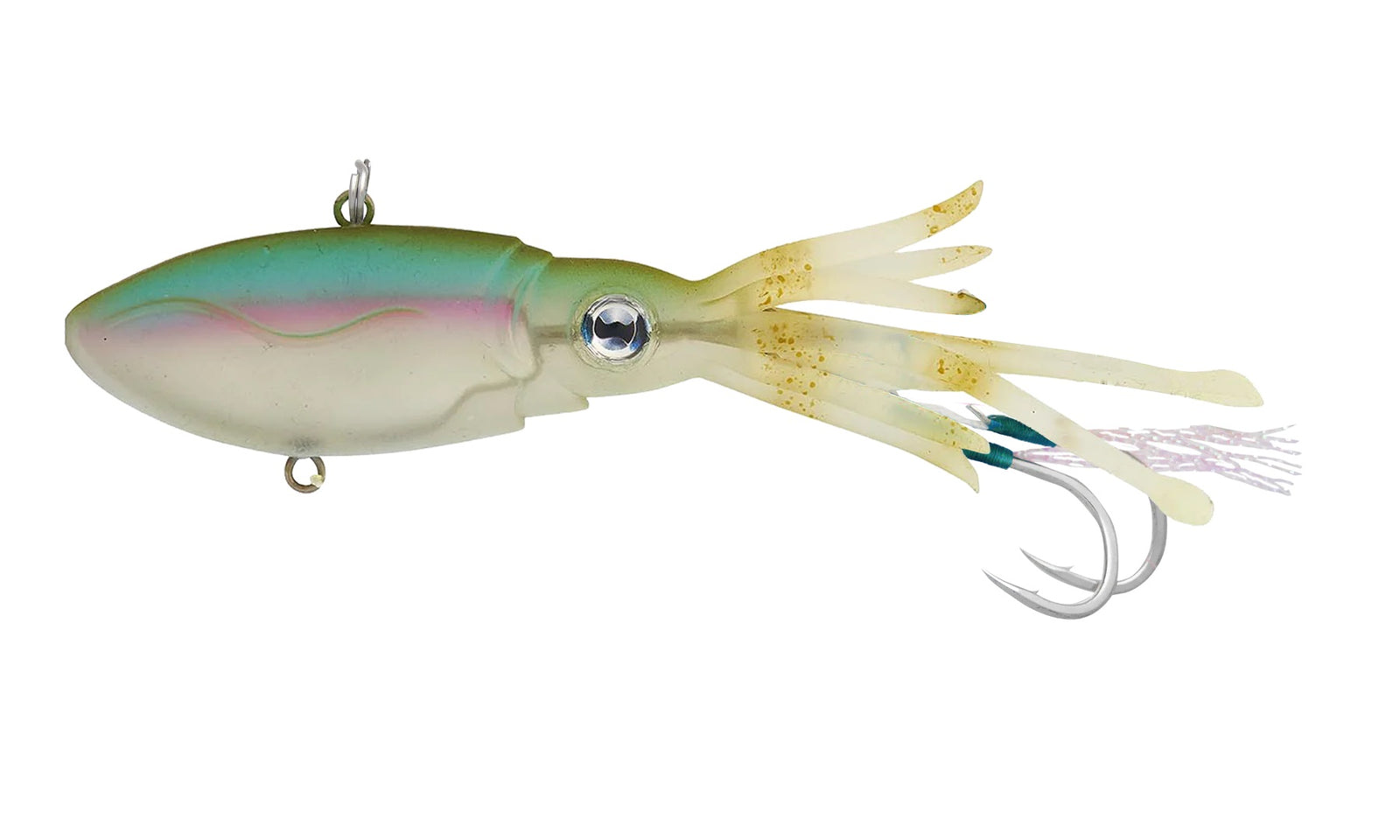
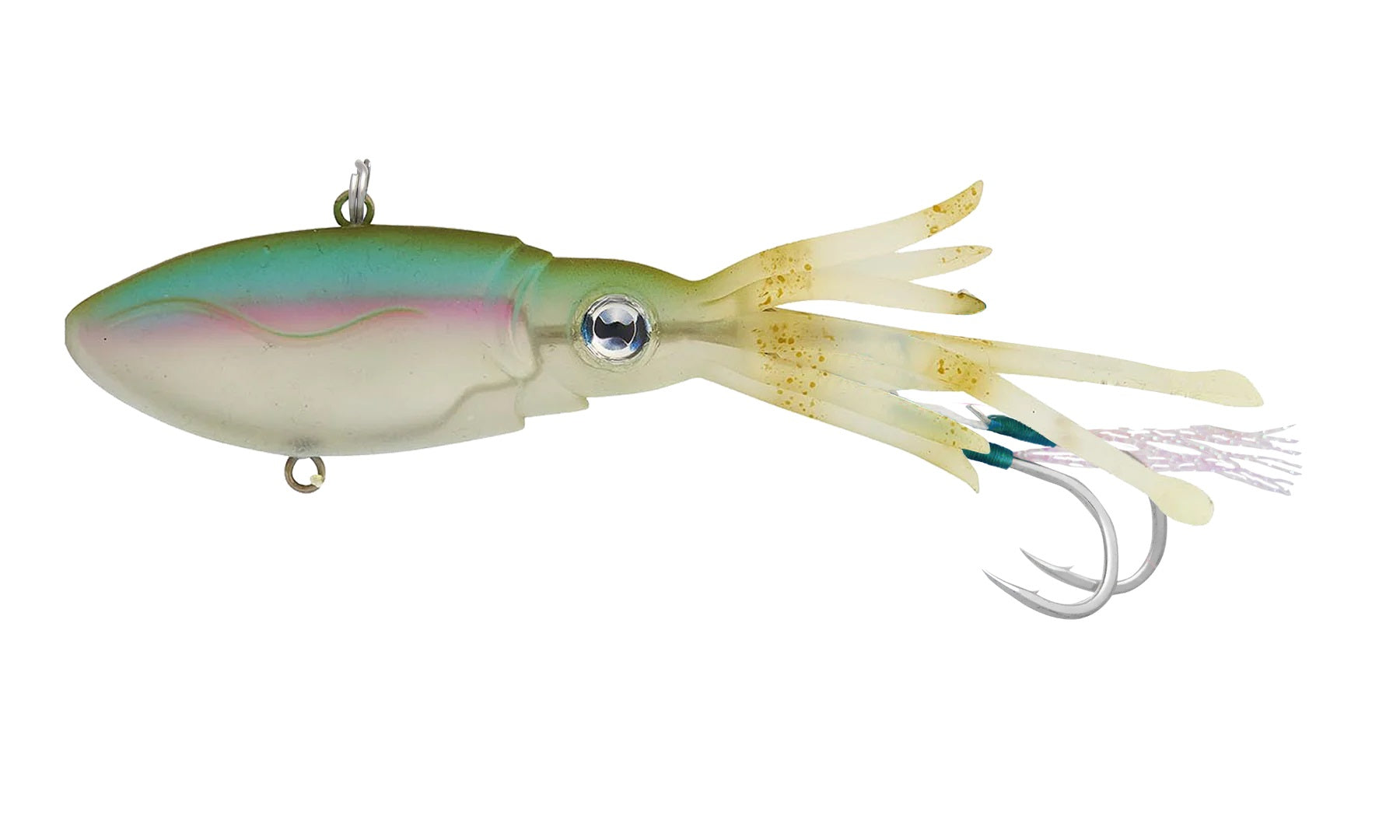
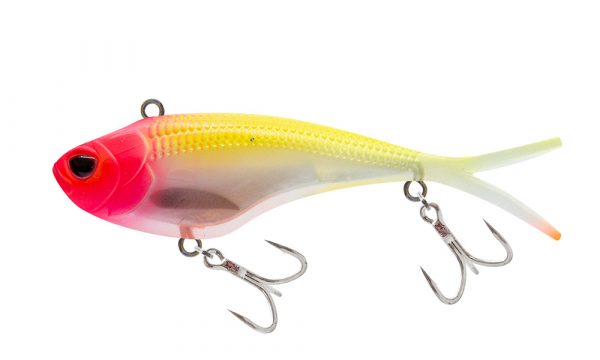
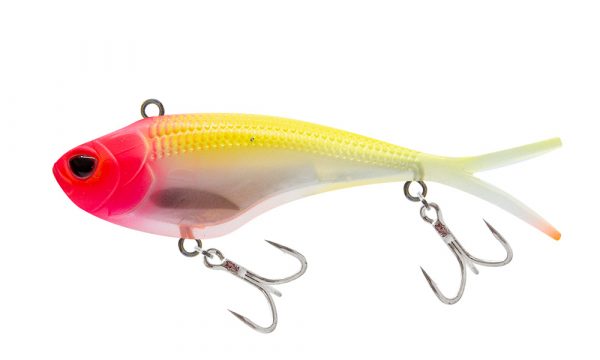
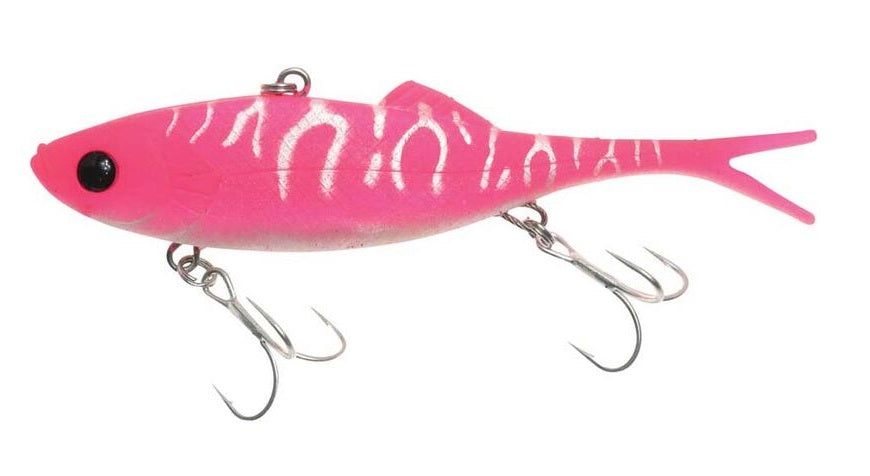
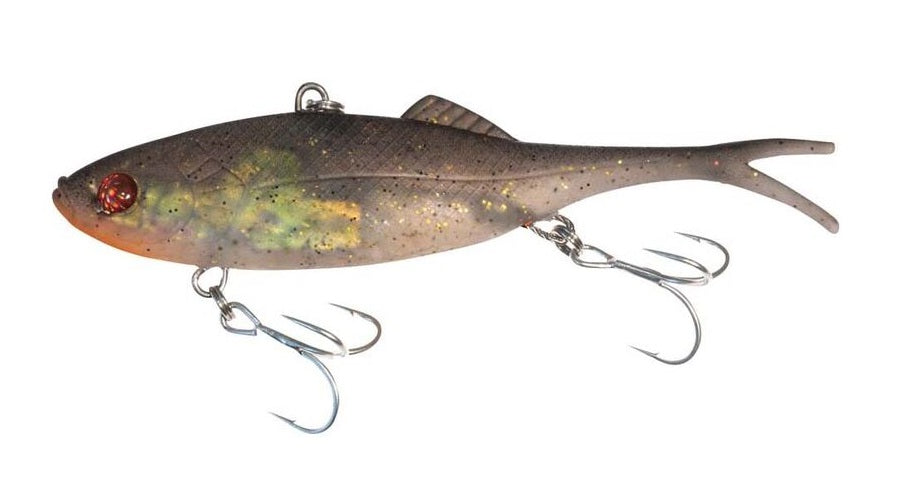
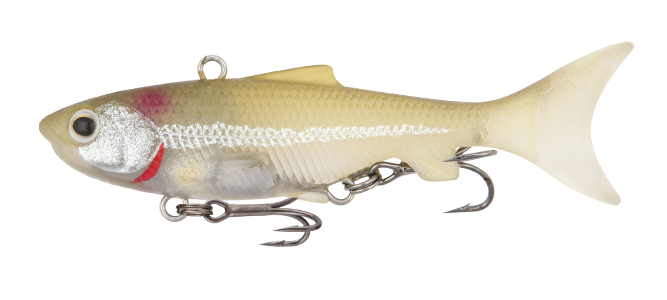
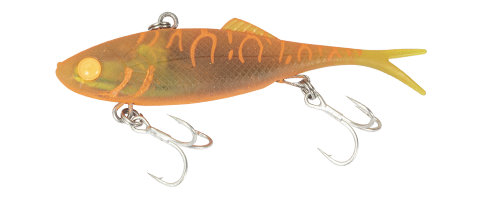
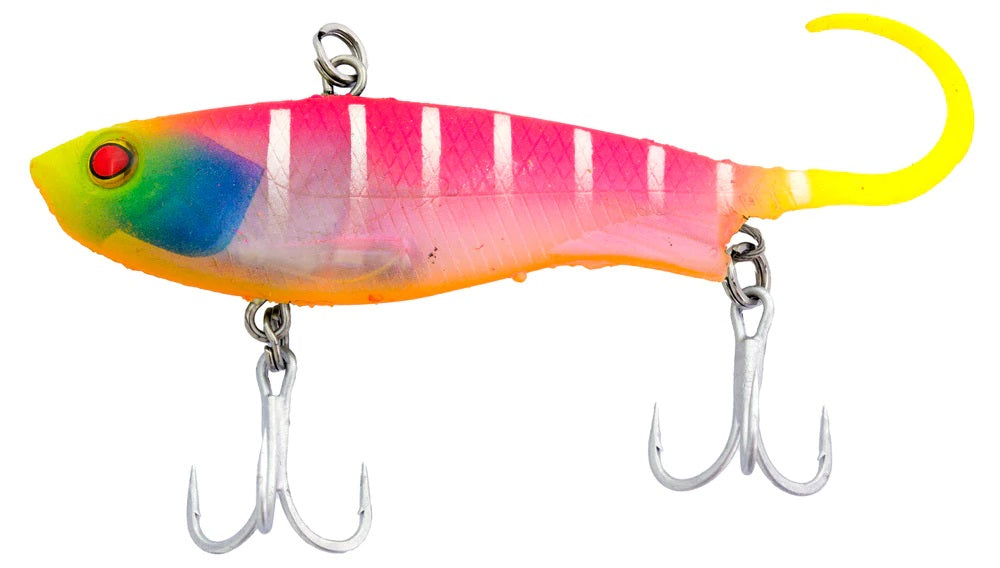
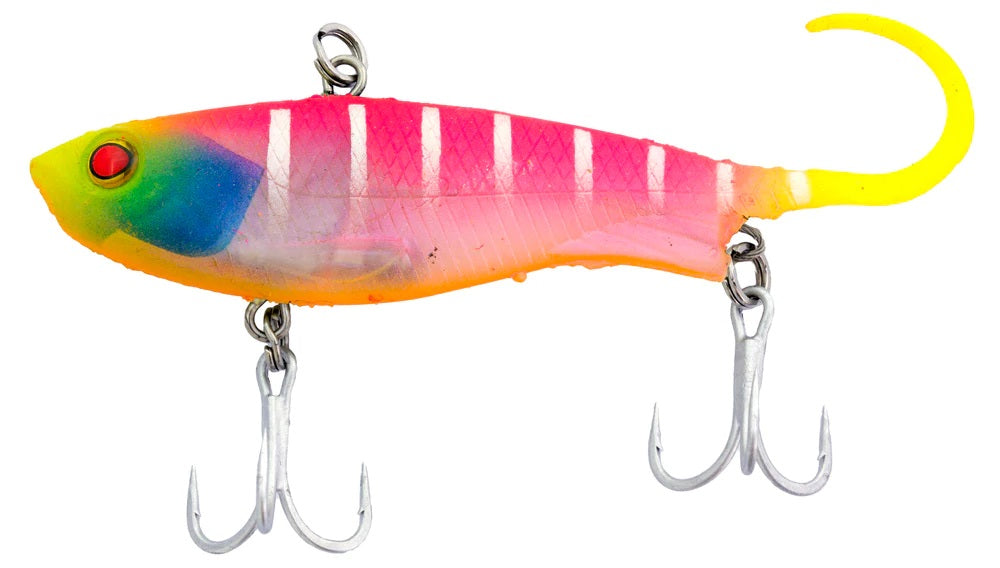
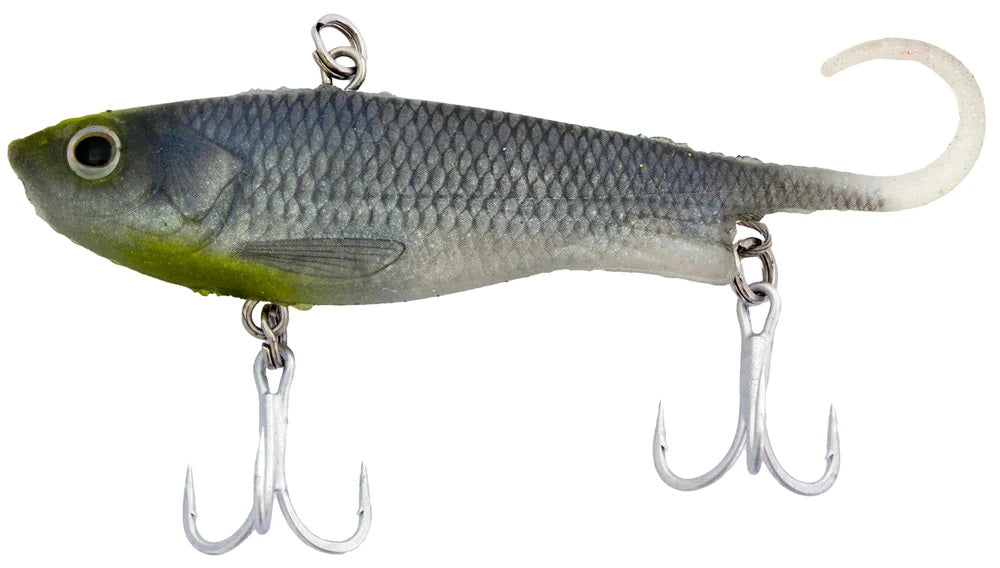
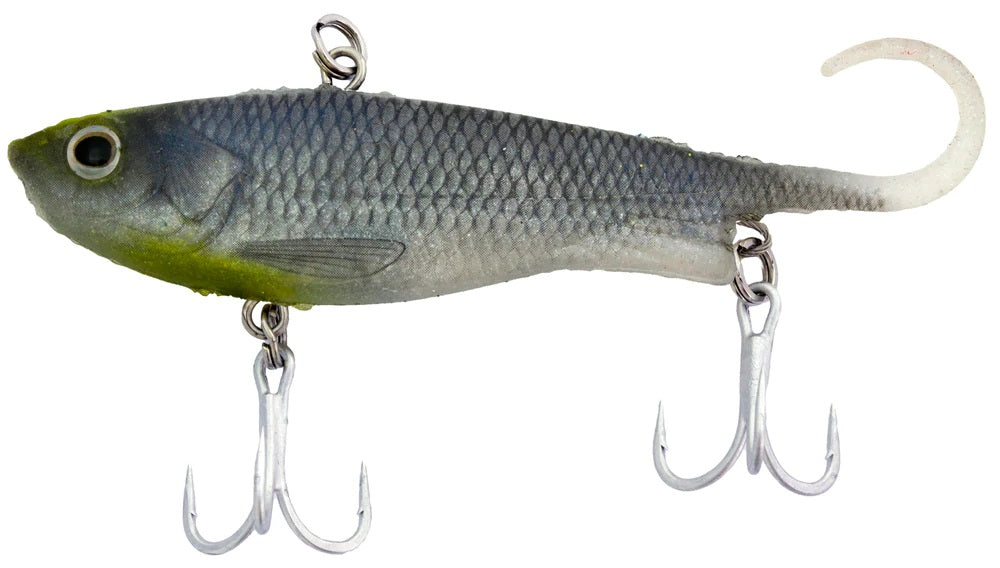
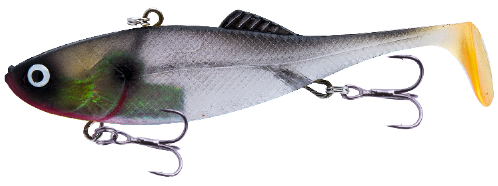
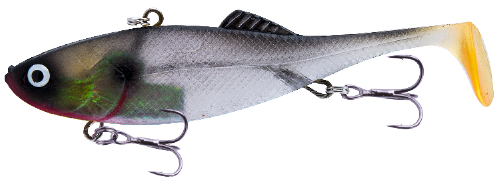
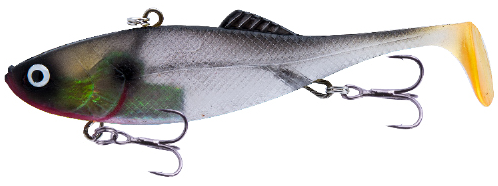
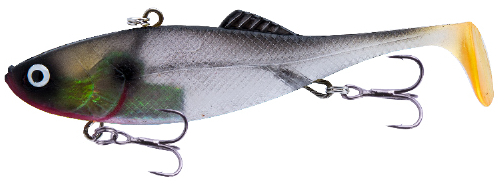
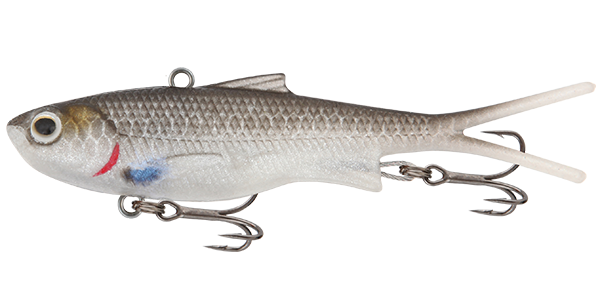
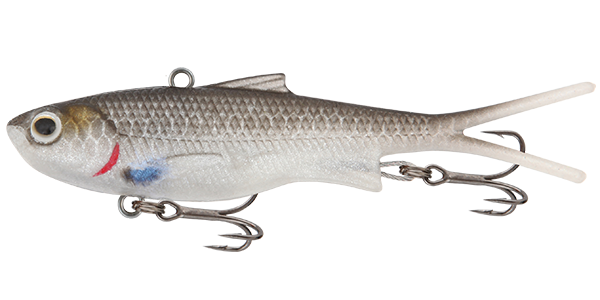
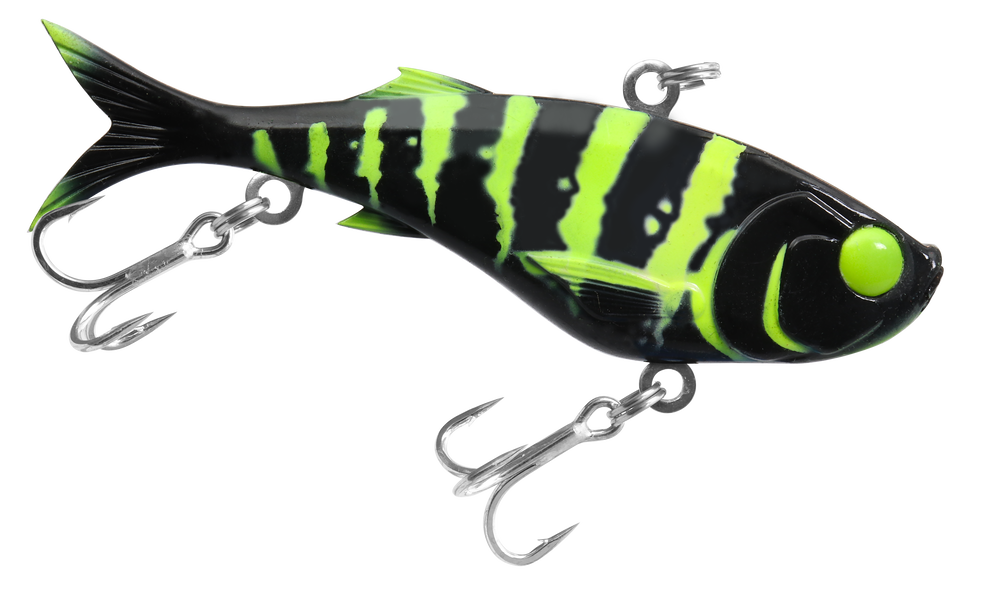
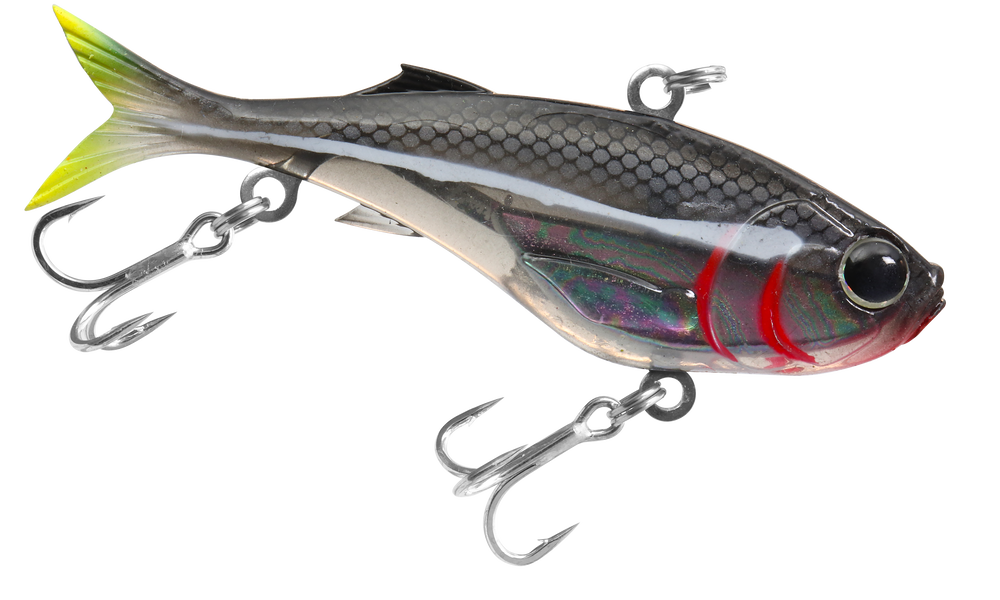
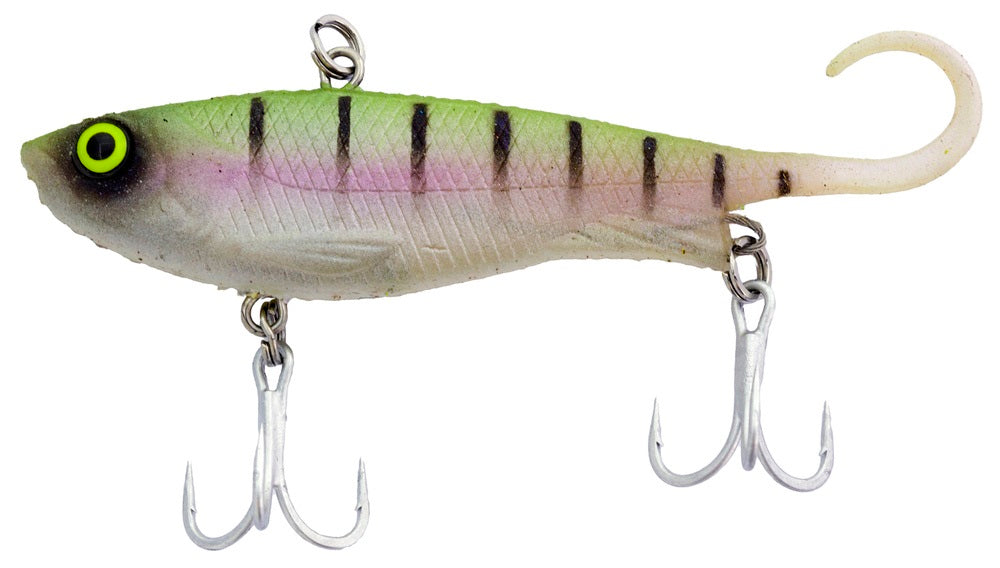
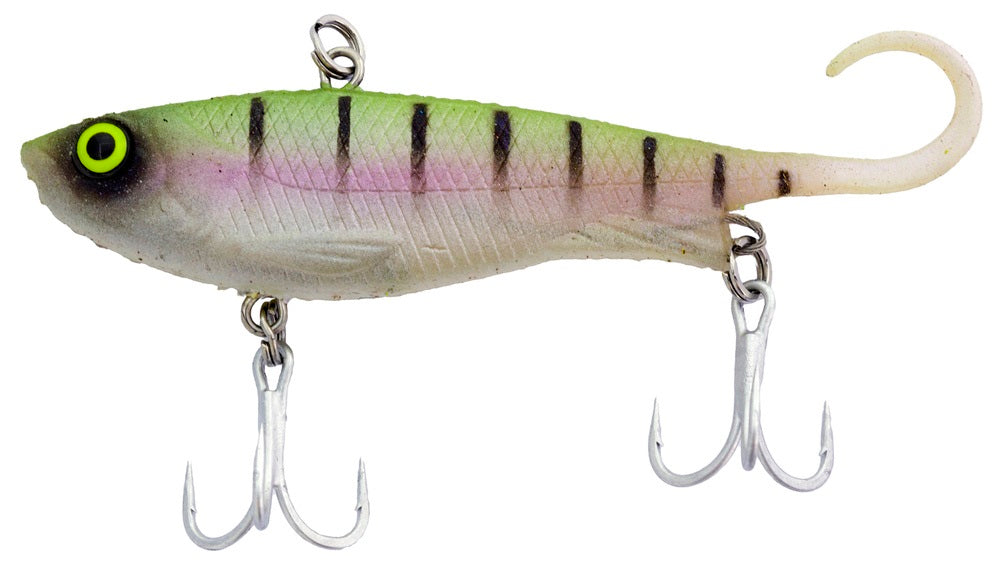
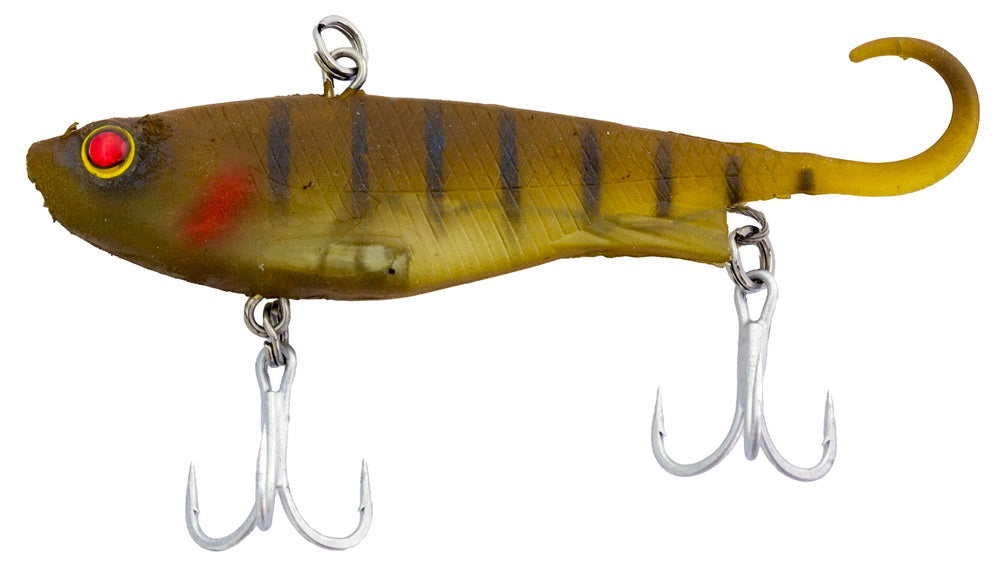
Soft vibes have a soft plastic body over an internal weight and hook harness, so they sink with the hooks hanging clear and shimmy hard on the lift. The soft body means fish hold on longer than they do with a metal blade, which turns more bites into hook-ups.
Fishing a soft vibe
The standard approach is straightforward. Cast, let the lure sink on a semi-slack line until it touches bottom, then lift the rod sharply and let it flutter back down. The lure does its work on the lift and most strikes come on the drop, so watch the line as it falls.
Weight is chosen by depth and current. Light vibes suit shallow flats and slow water, while heavier ones hold bottom in a running tide or deeper river holes. Carrying a couple of weights in the same profile is more useful than carrying more colours.
Soft vibes are a bycatch machine in estuaries — bream, flathead, jewfish, barra and bass all take them. For the harder-bodied version of the same idea, vibes and blades cast further and sink faster, and the broader soft plastics range covers the same water with a different presentation.
Frequently asked questions
What is the difference between a soft vibe and a blade?
A blade is metal, casts a long way and sinks fast, but fish drop it quickly. A soft vibe has a soft body that feels more like food, so fish hang on — at the cost of some casting distance and durability.
How do you fish a soft vibe?
Let it hit the bottom, lift the rod sharply to make it shimmy, then let it fall back on a controlled line. Repeat the whole way back. Most bites happen as the lure is dropping.
What fish do soft vibes catch?
Bream, flathead, mulloway, barramundi, bass and estuary cod are the usual suspects. Almost anything that feeds near the bottom will take one.
How long does a soft vibe last?
It depends on the teeth. A soft vibe can be pulled apart by a single good fish, so they are treated as consumable — many anglers carry spares of the models that are working.



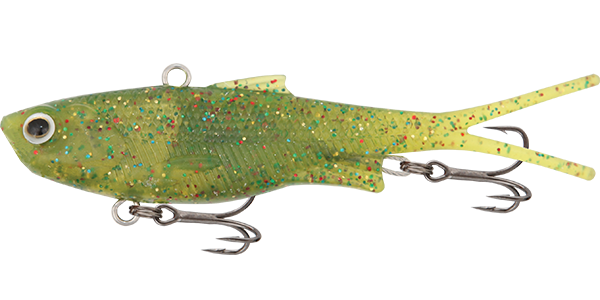

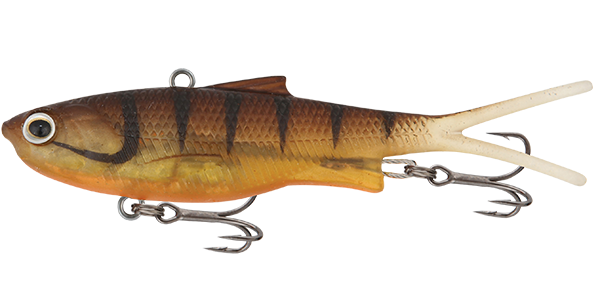
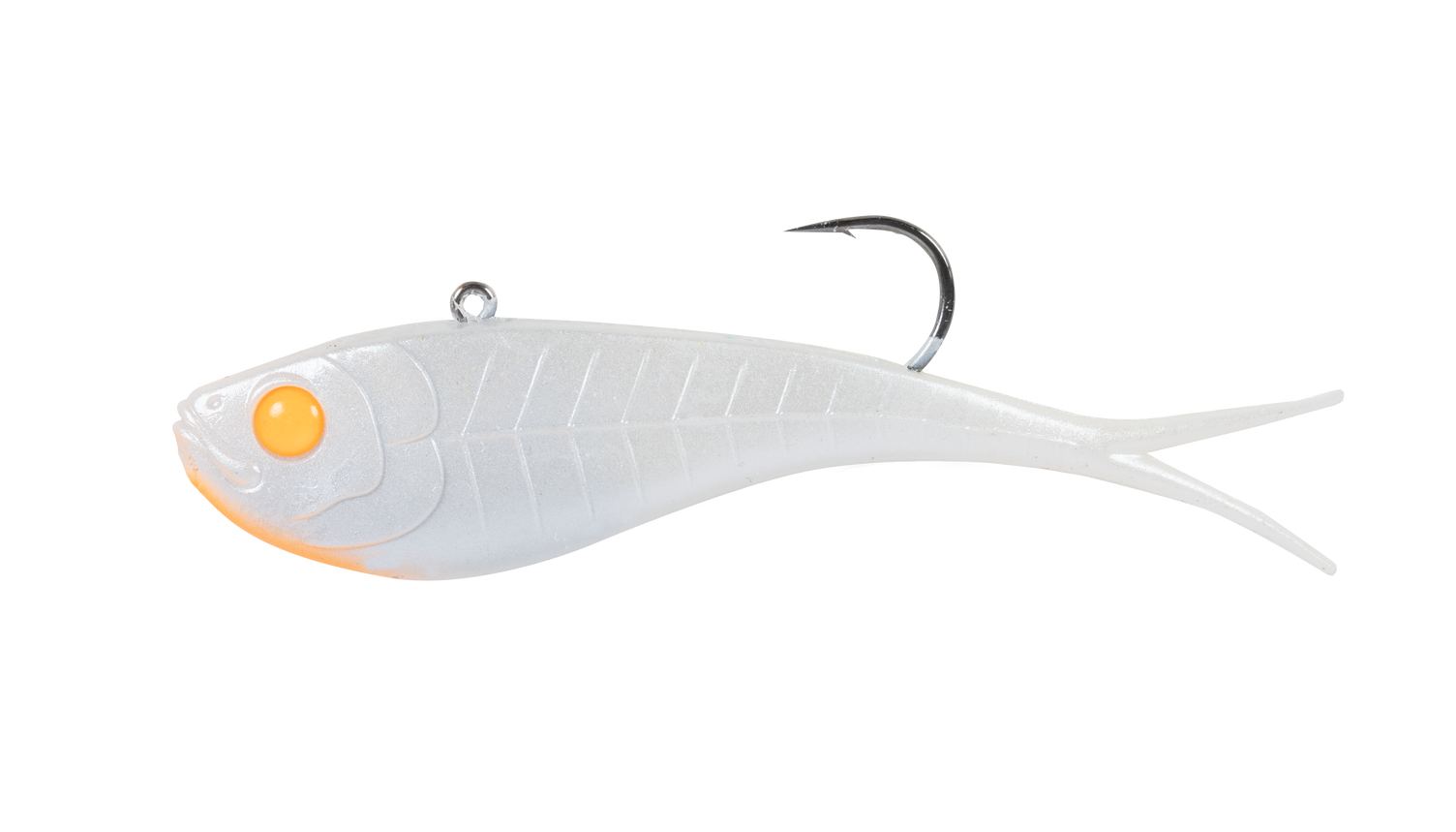
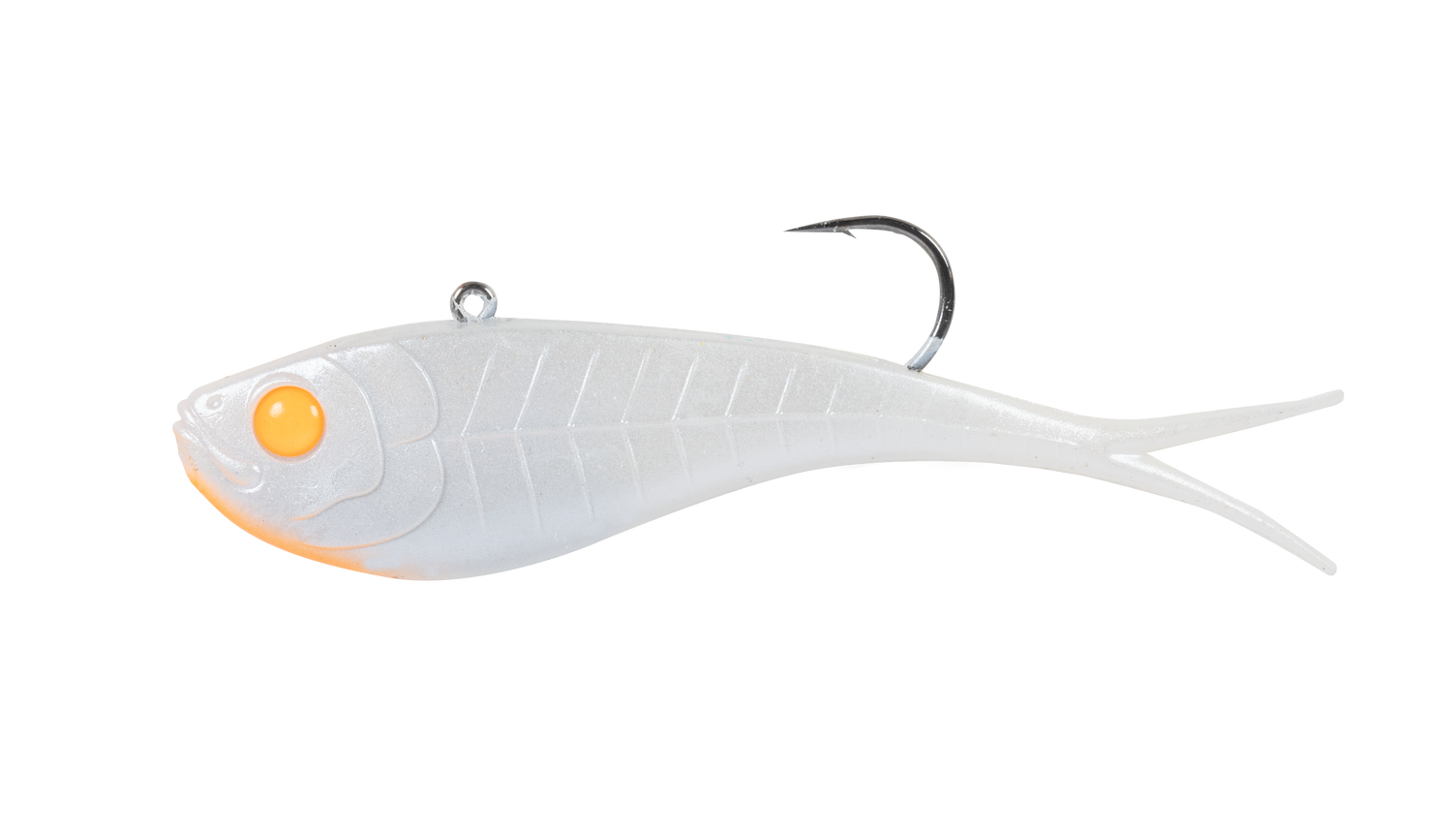
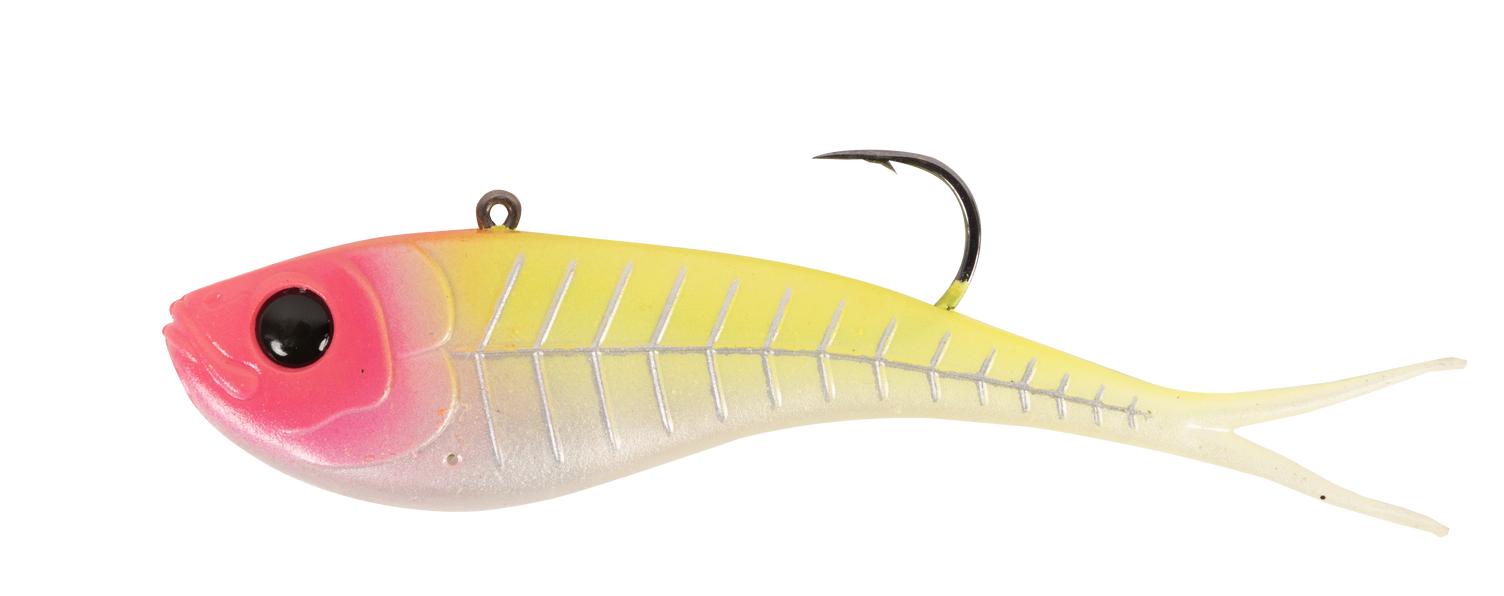

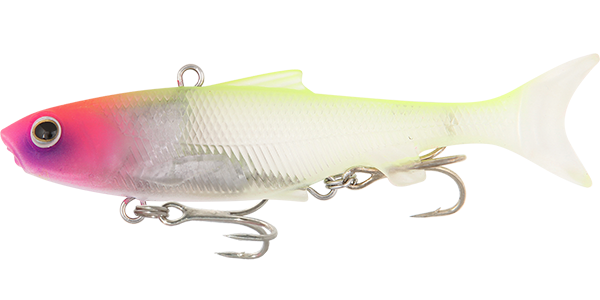
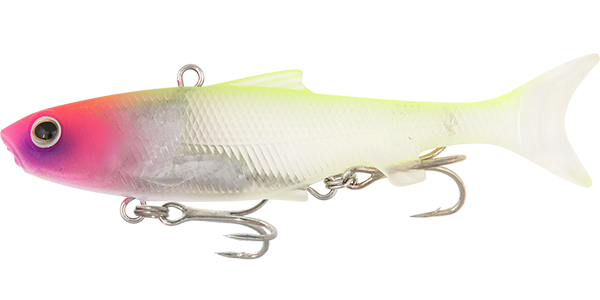
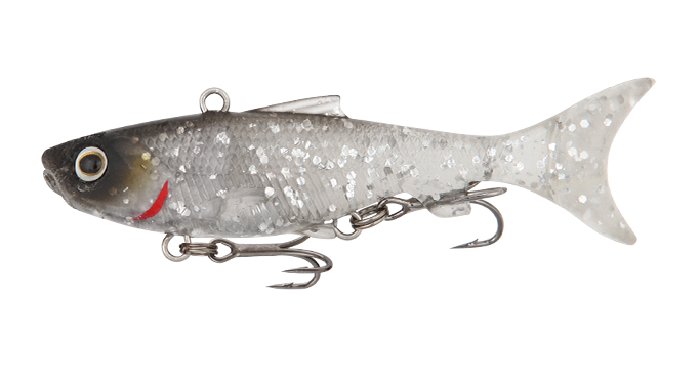
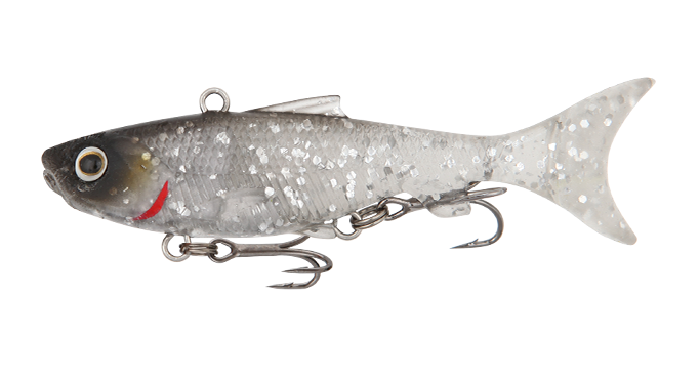
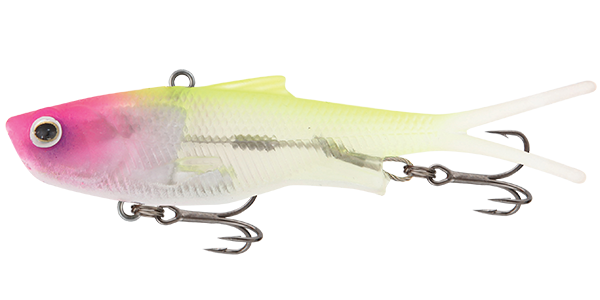
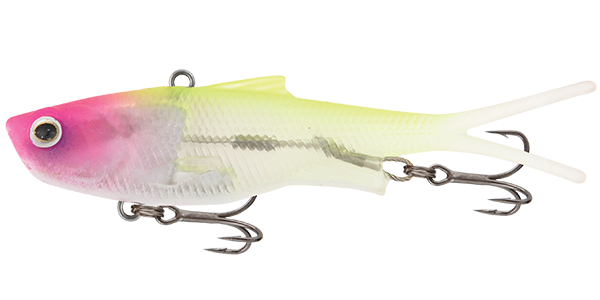
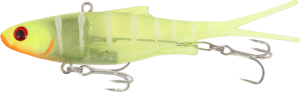
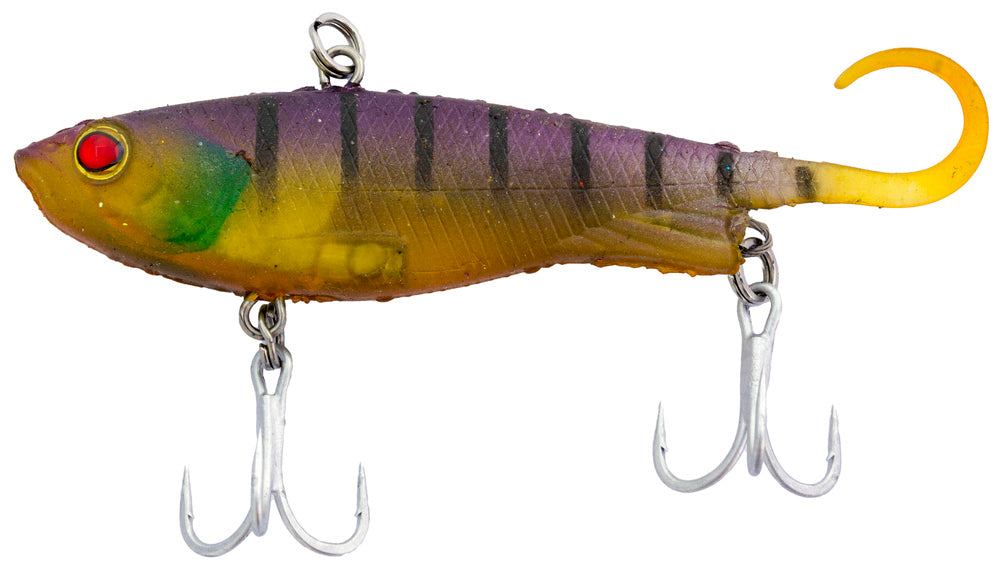
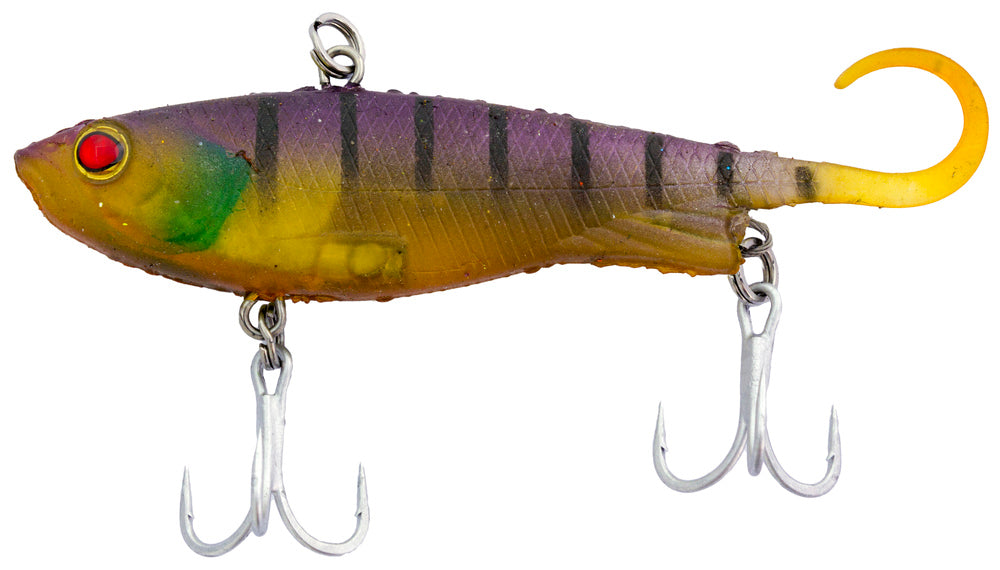
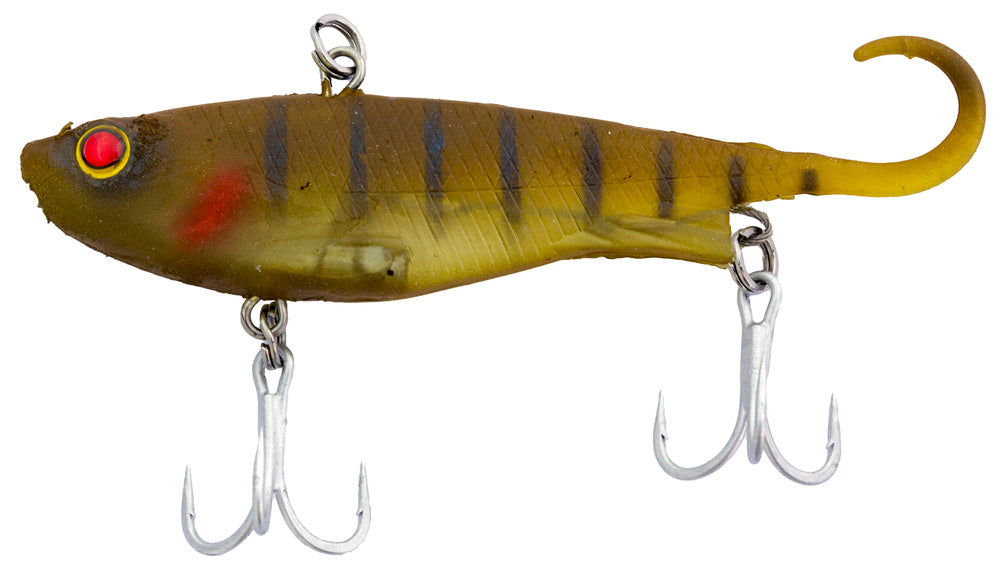

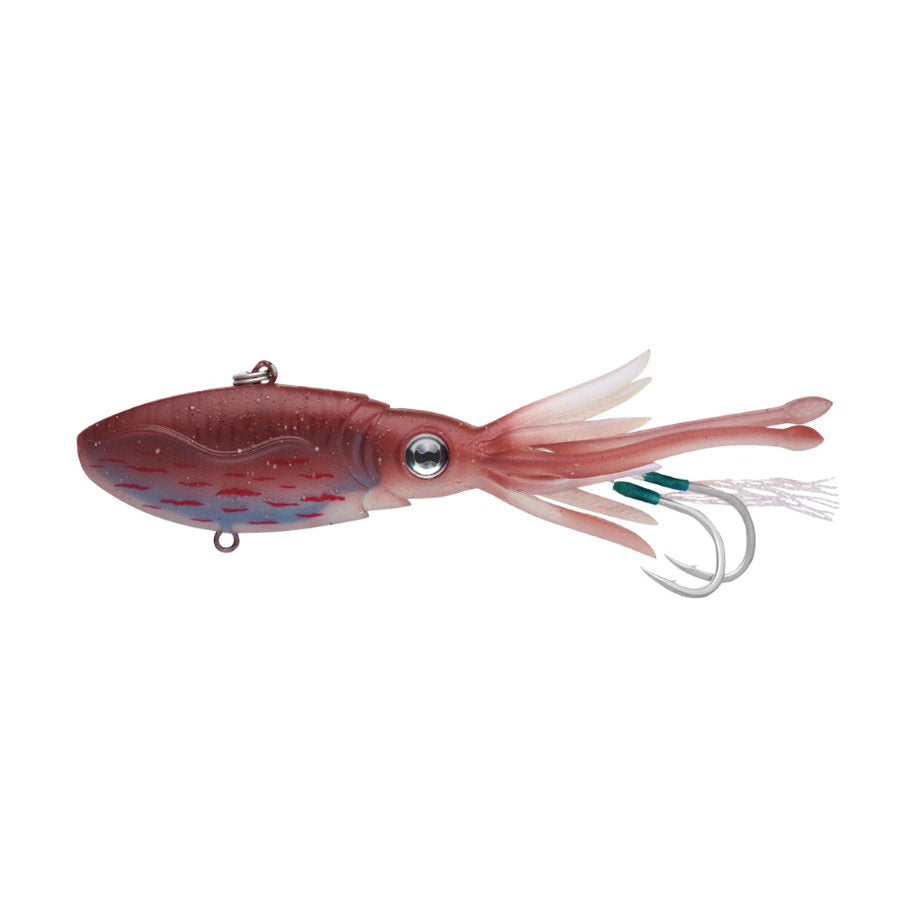
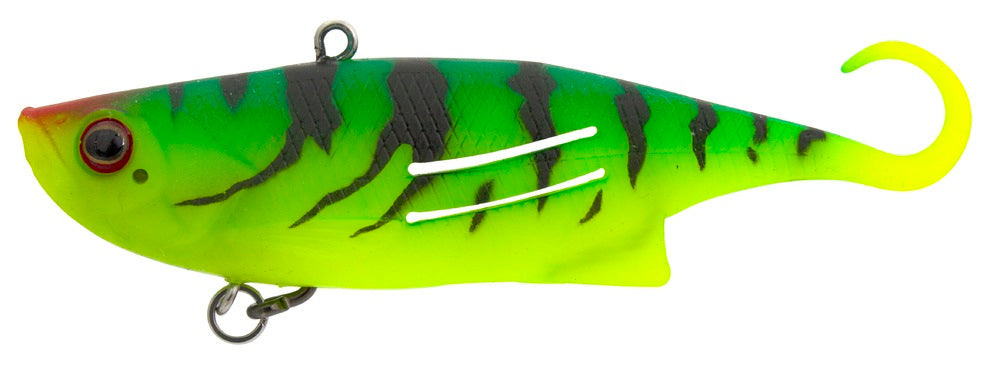
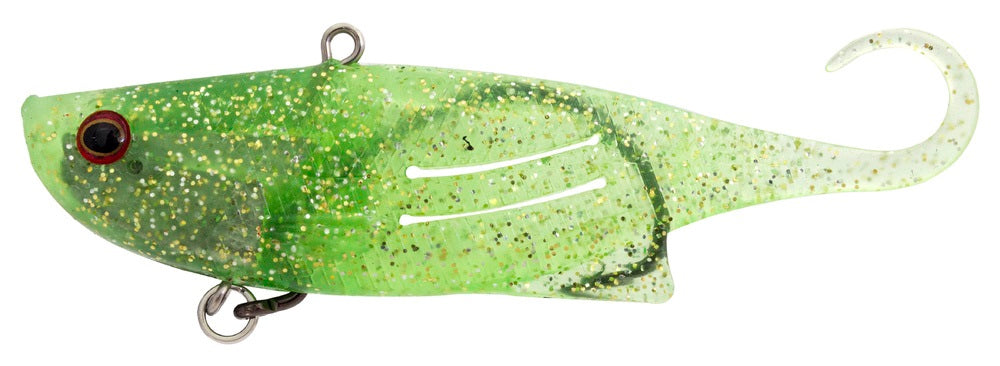
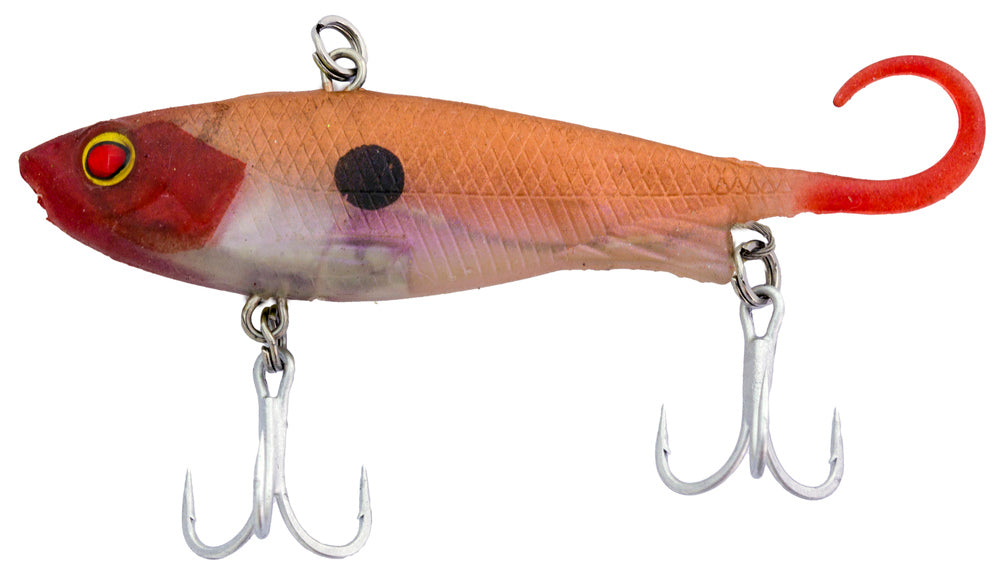
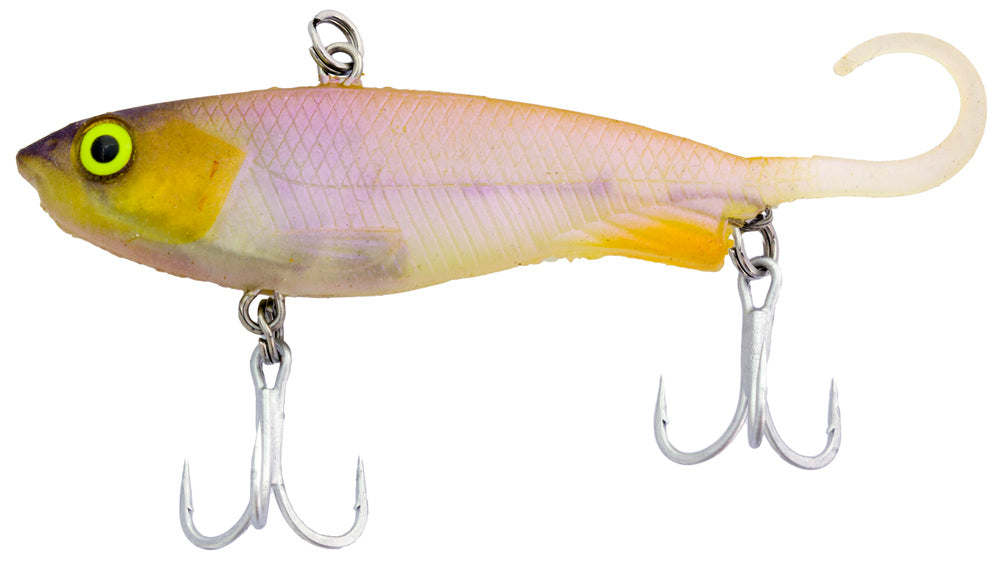
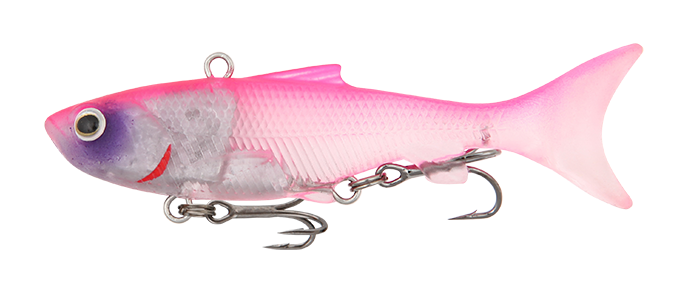
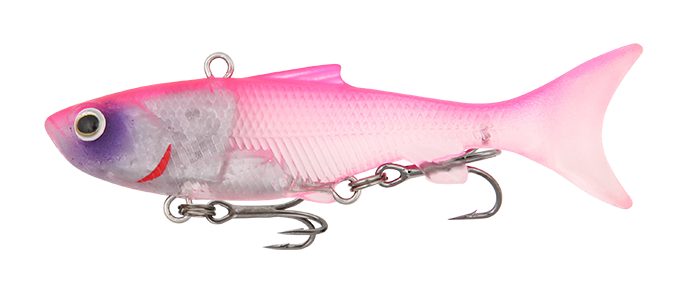
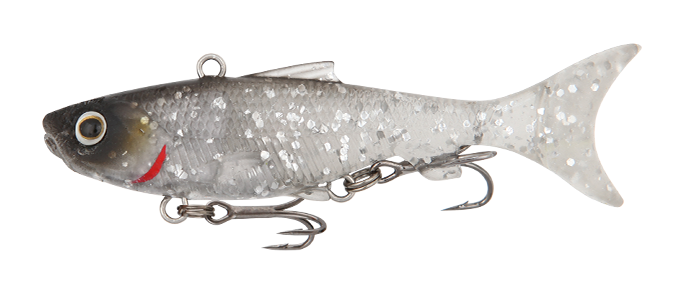
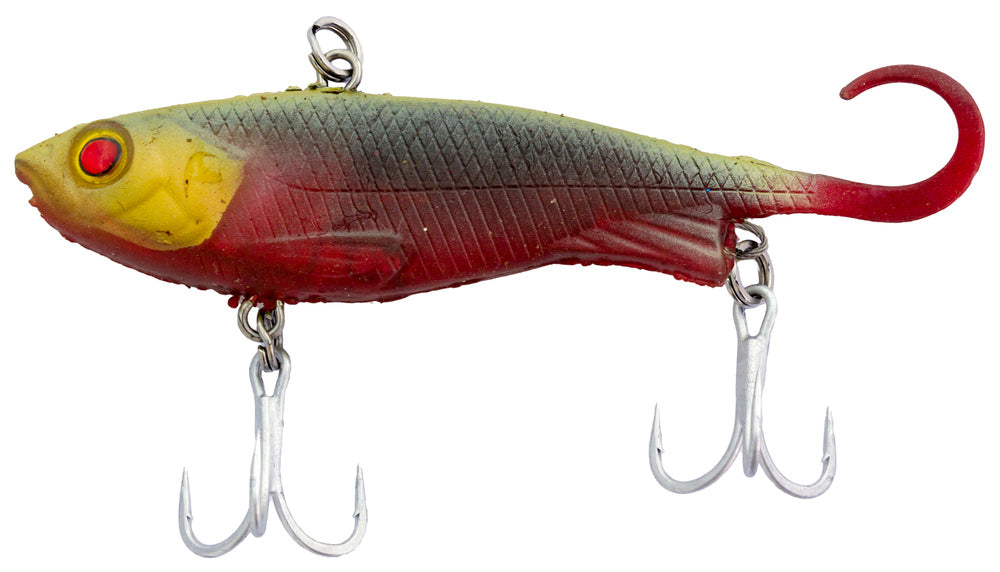
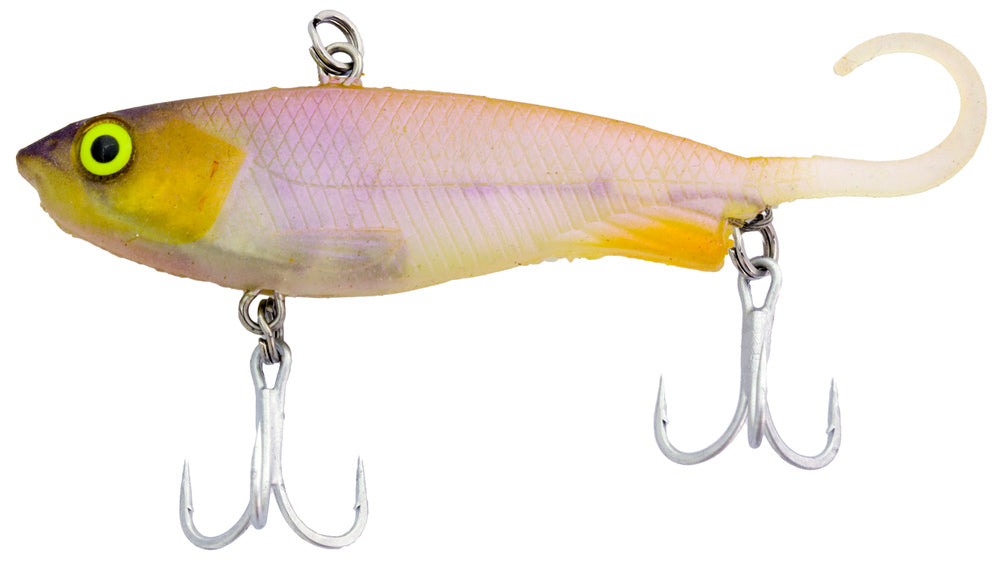
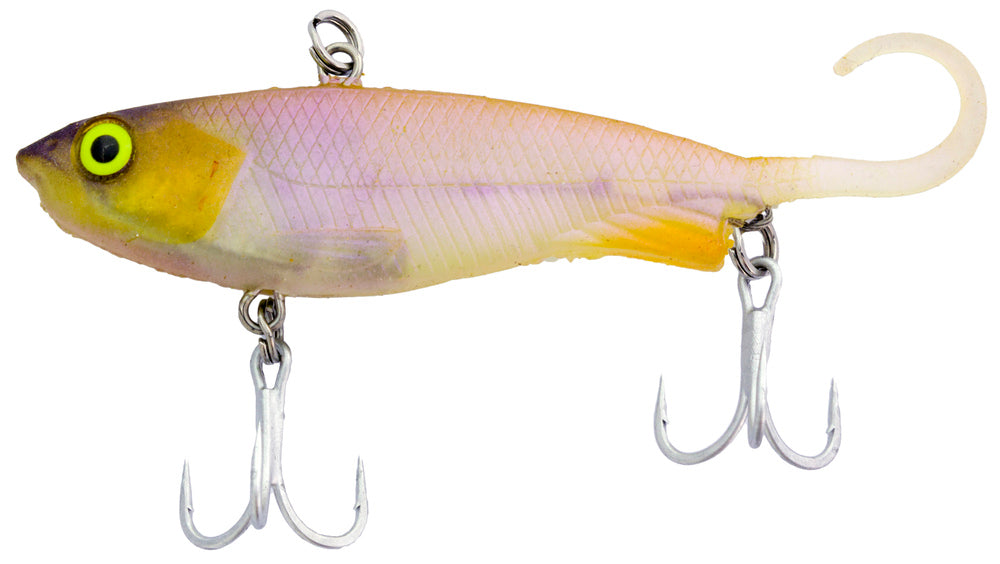
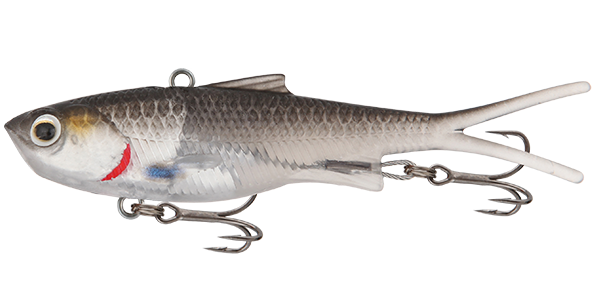
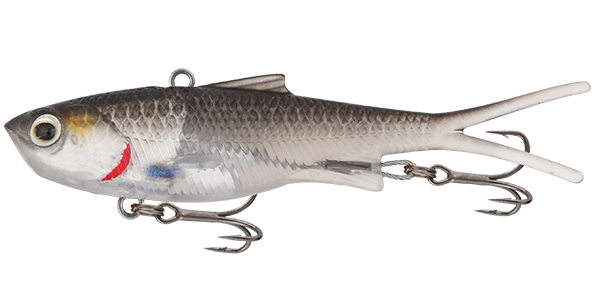




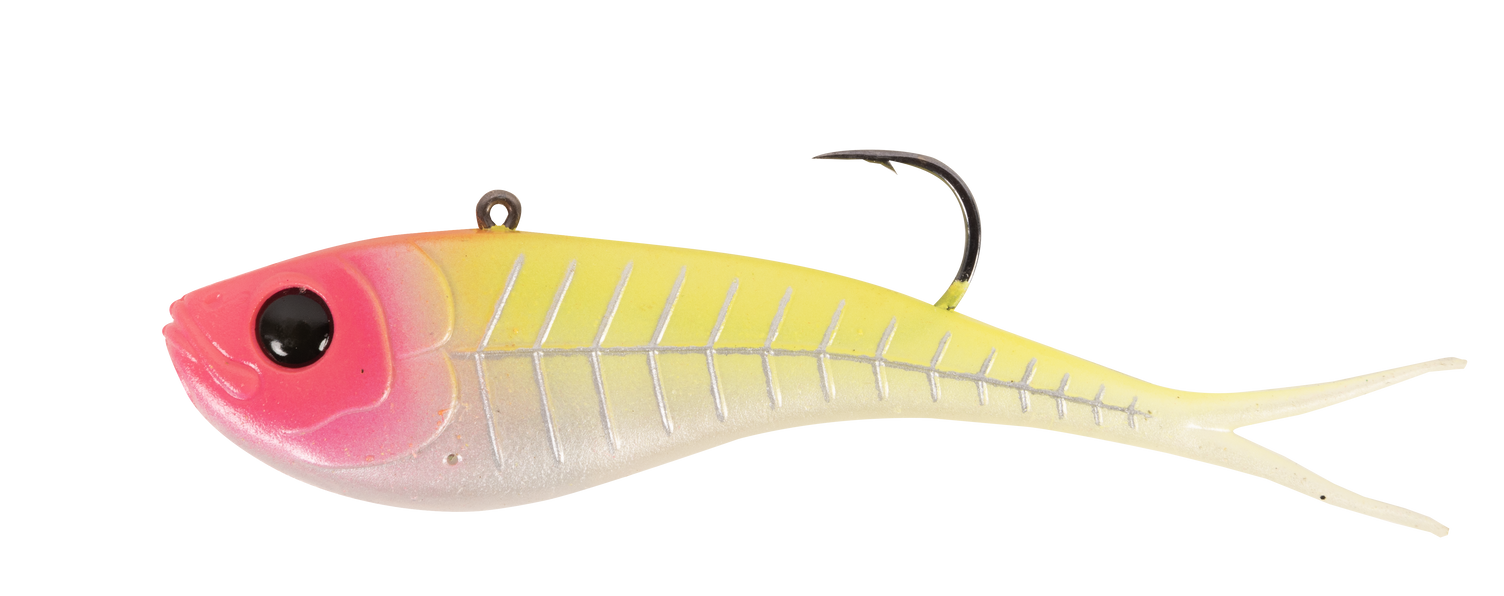
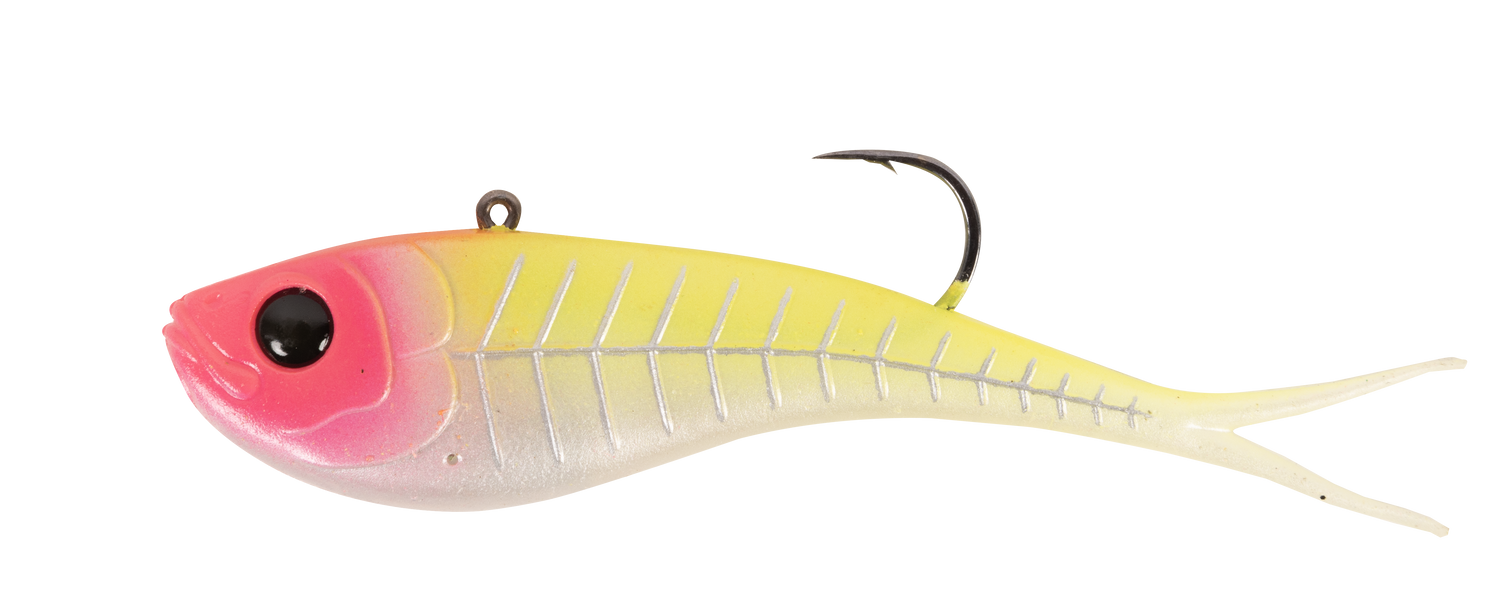
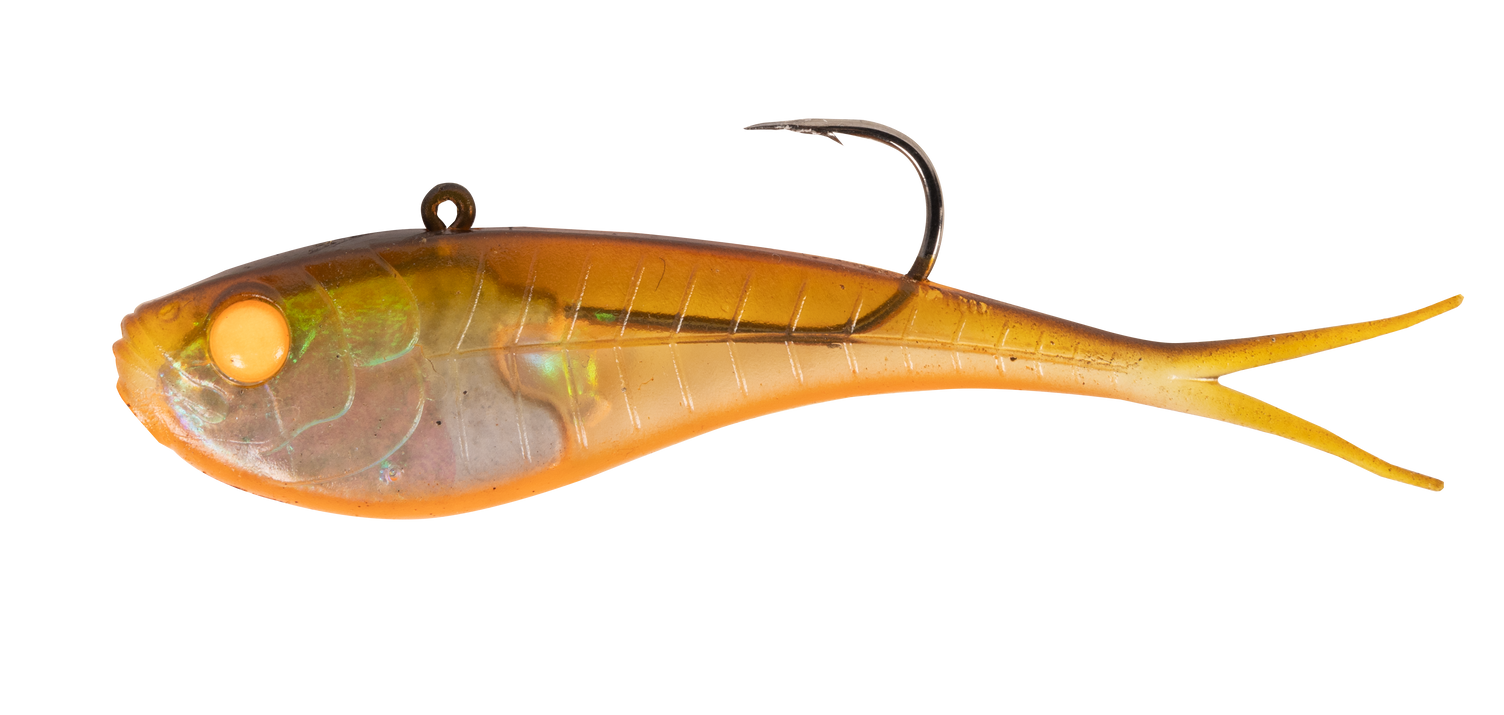


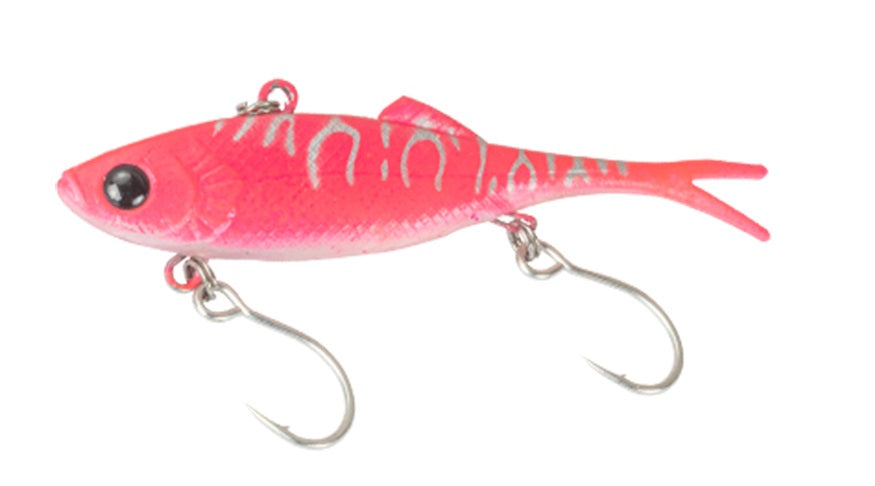

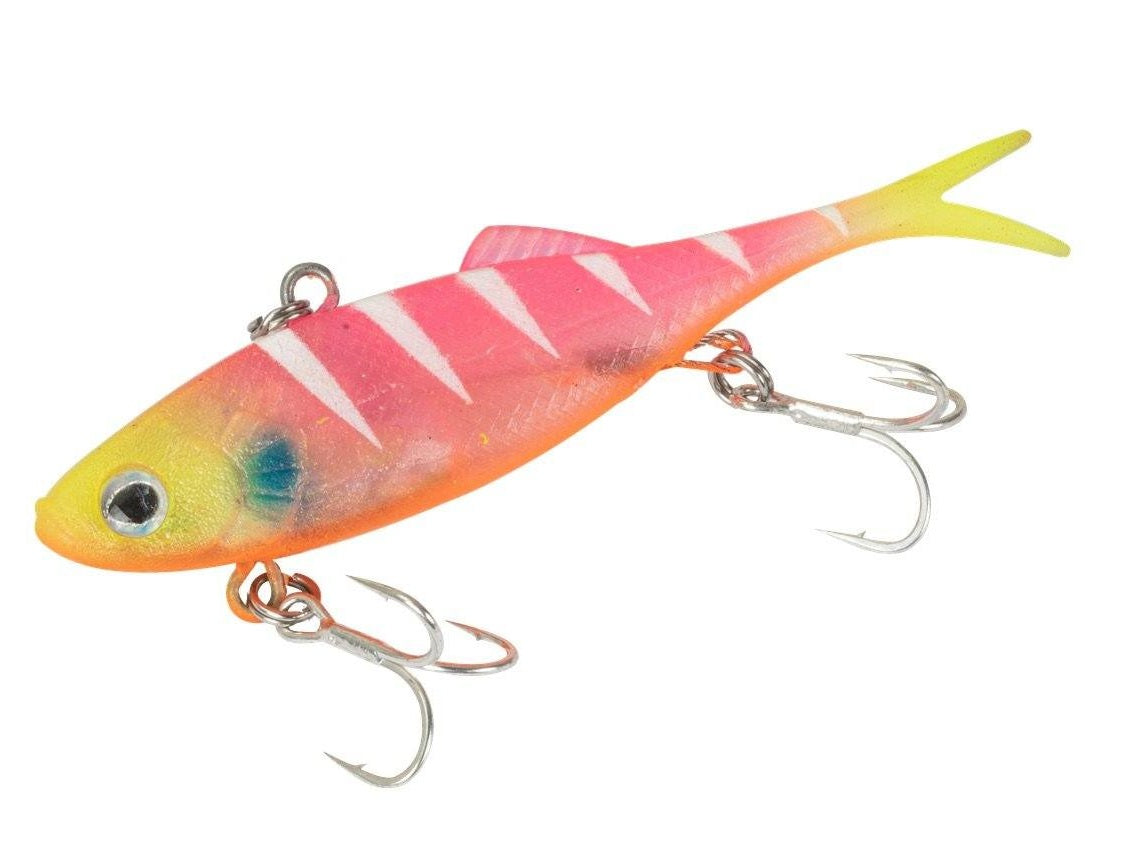
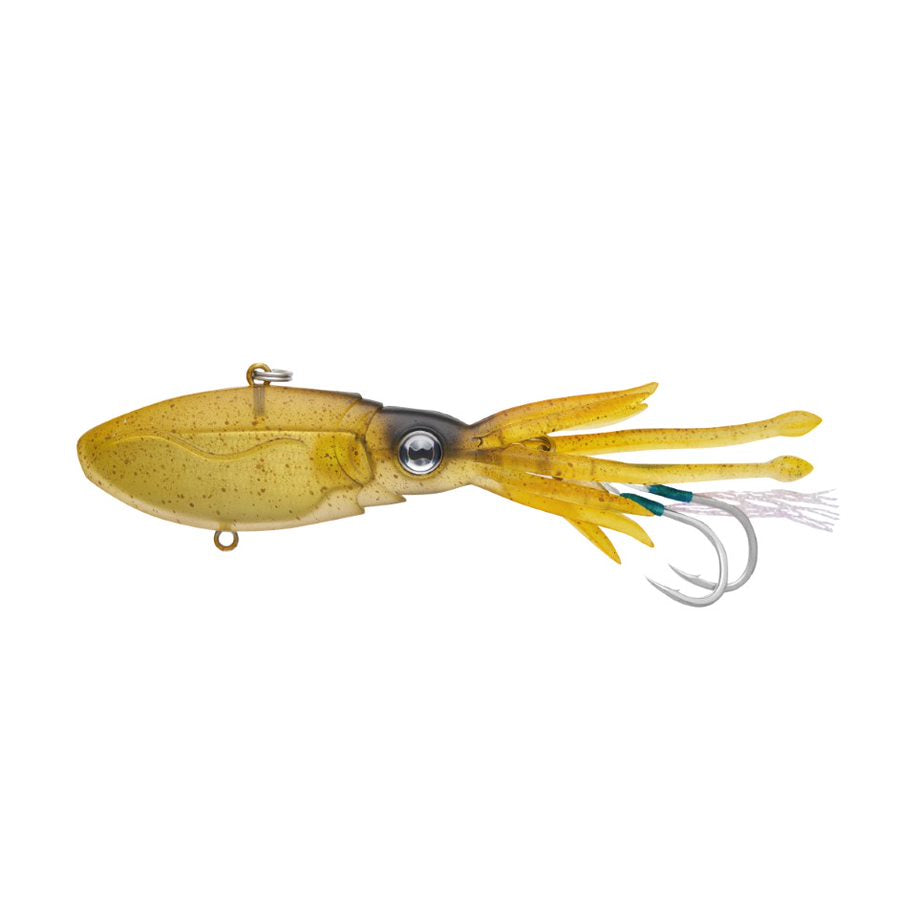
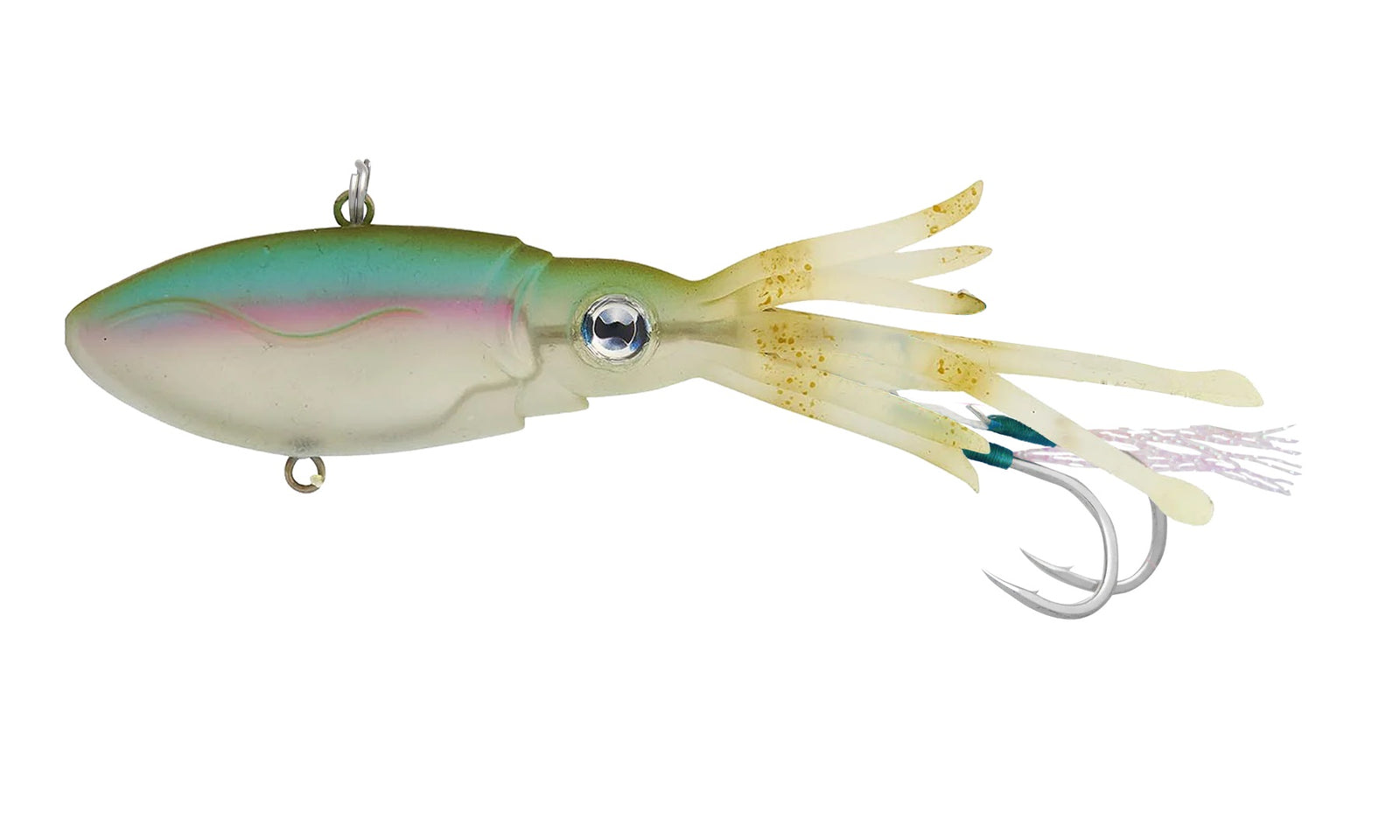
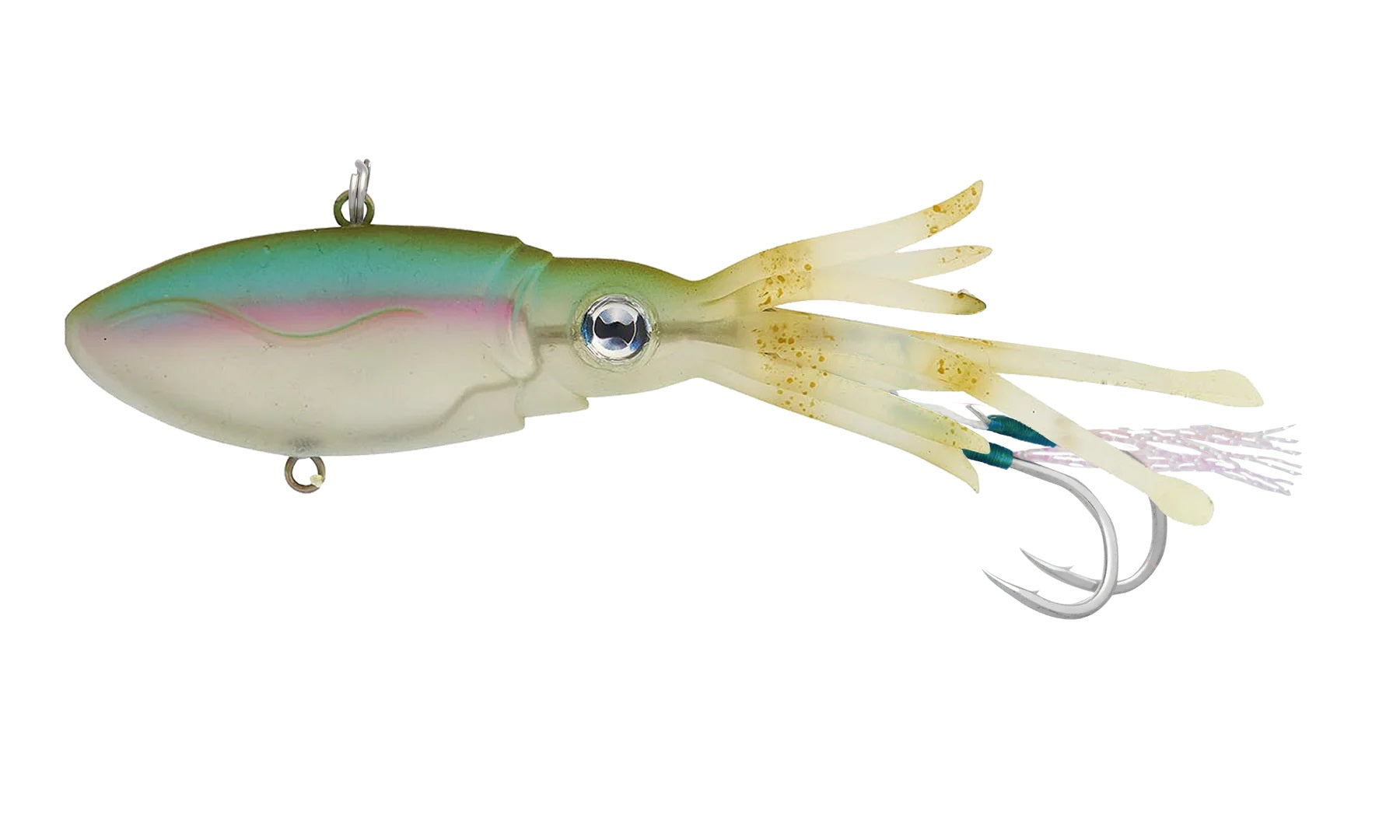
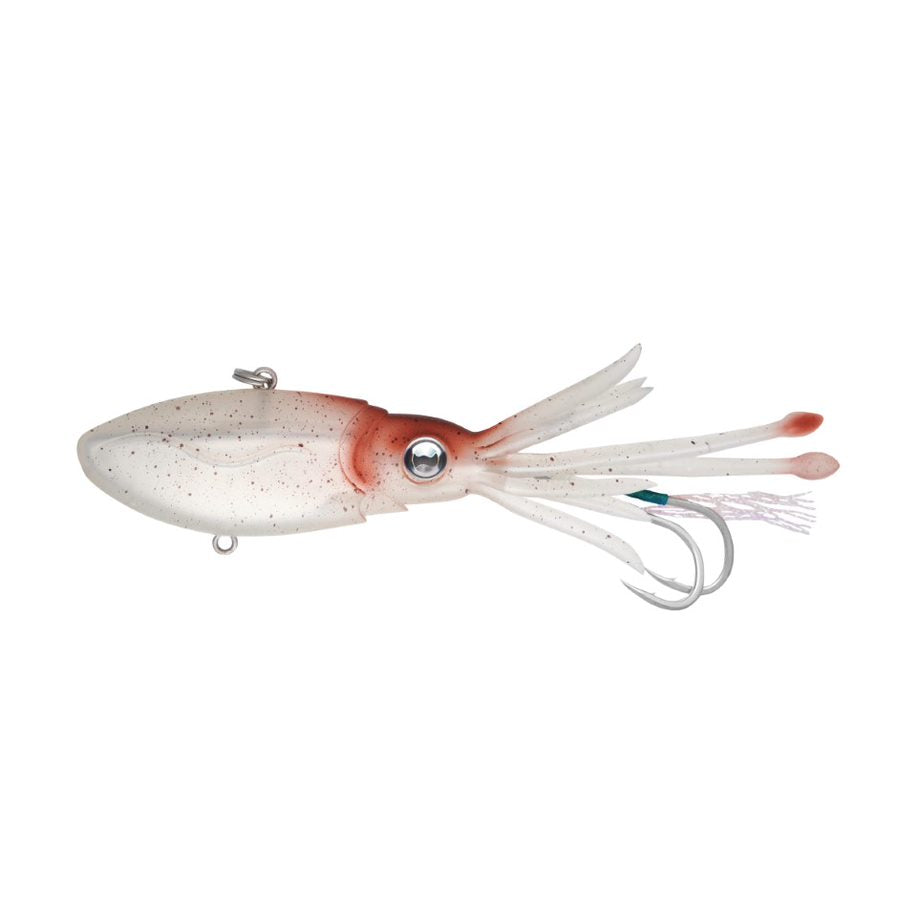
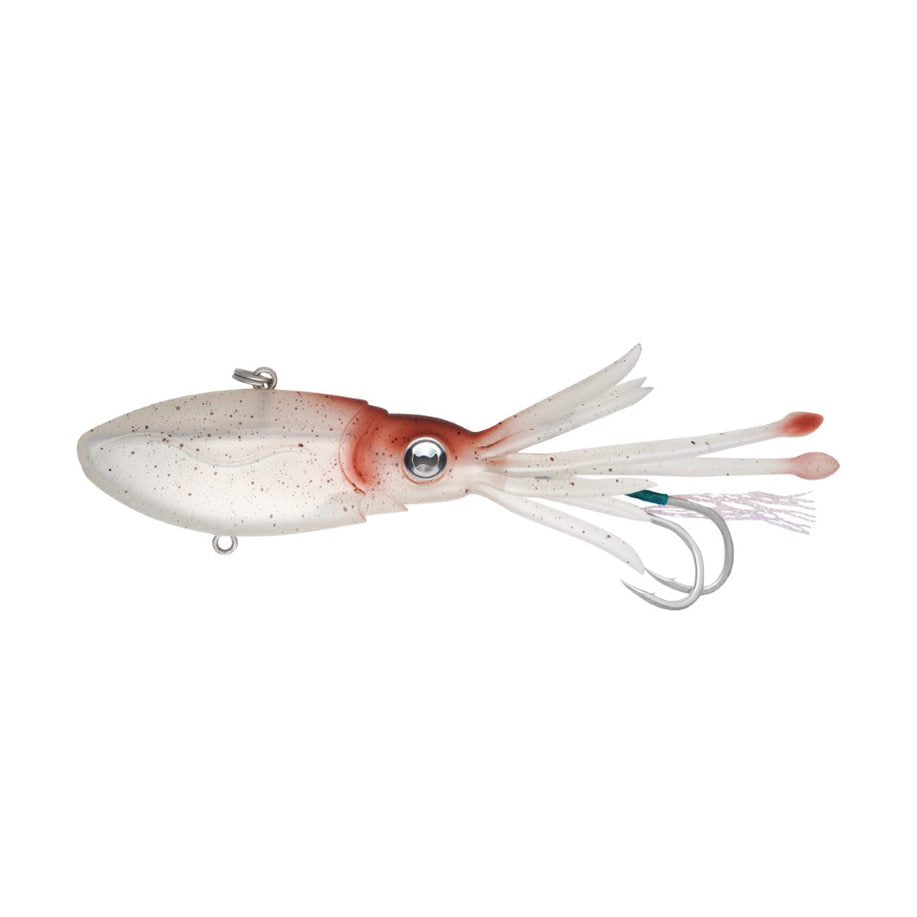
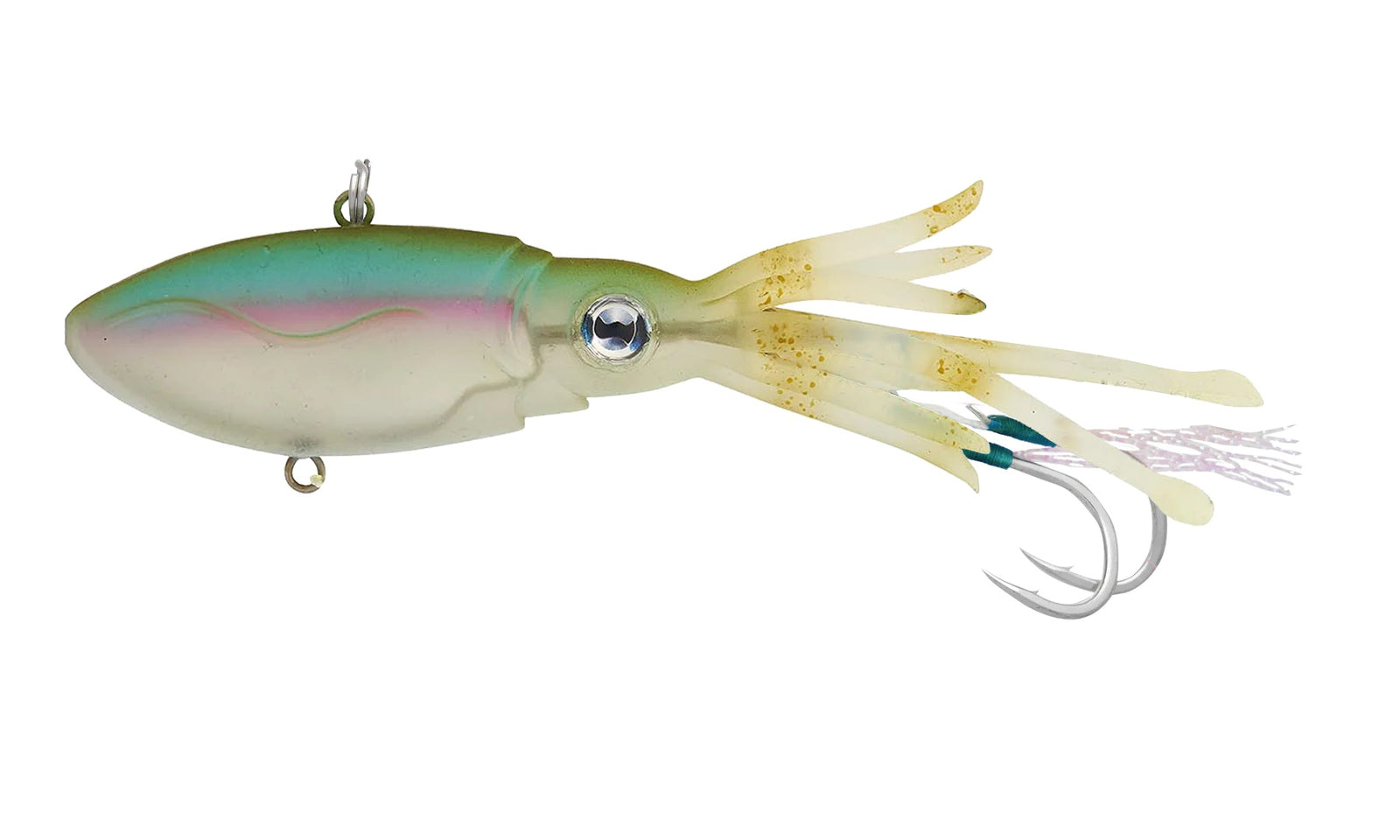


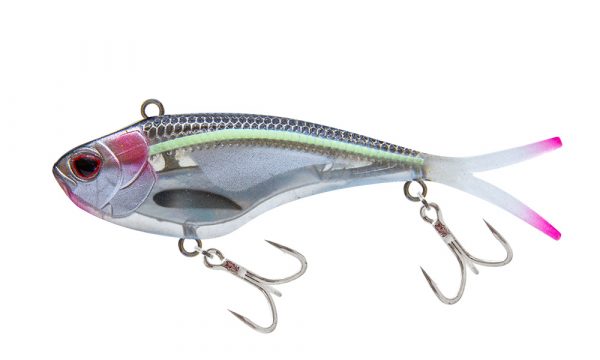

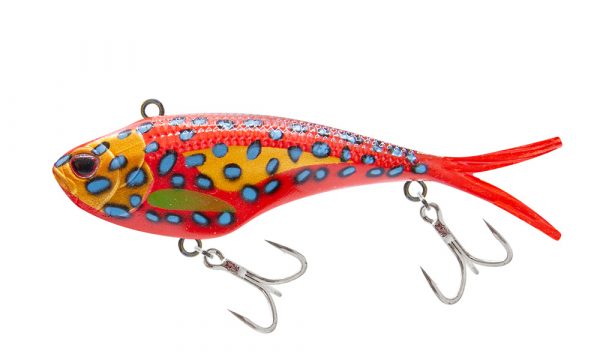
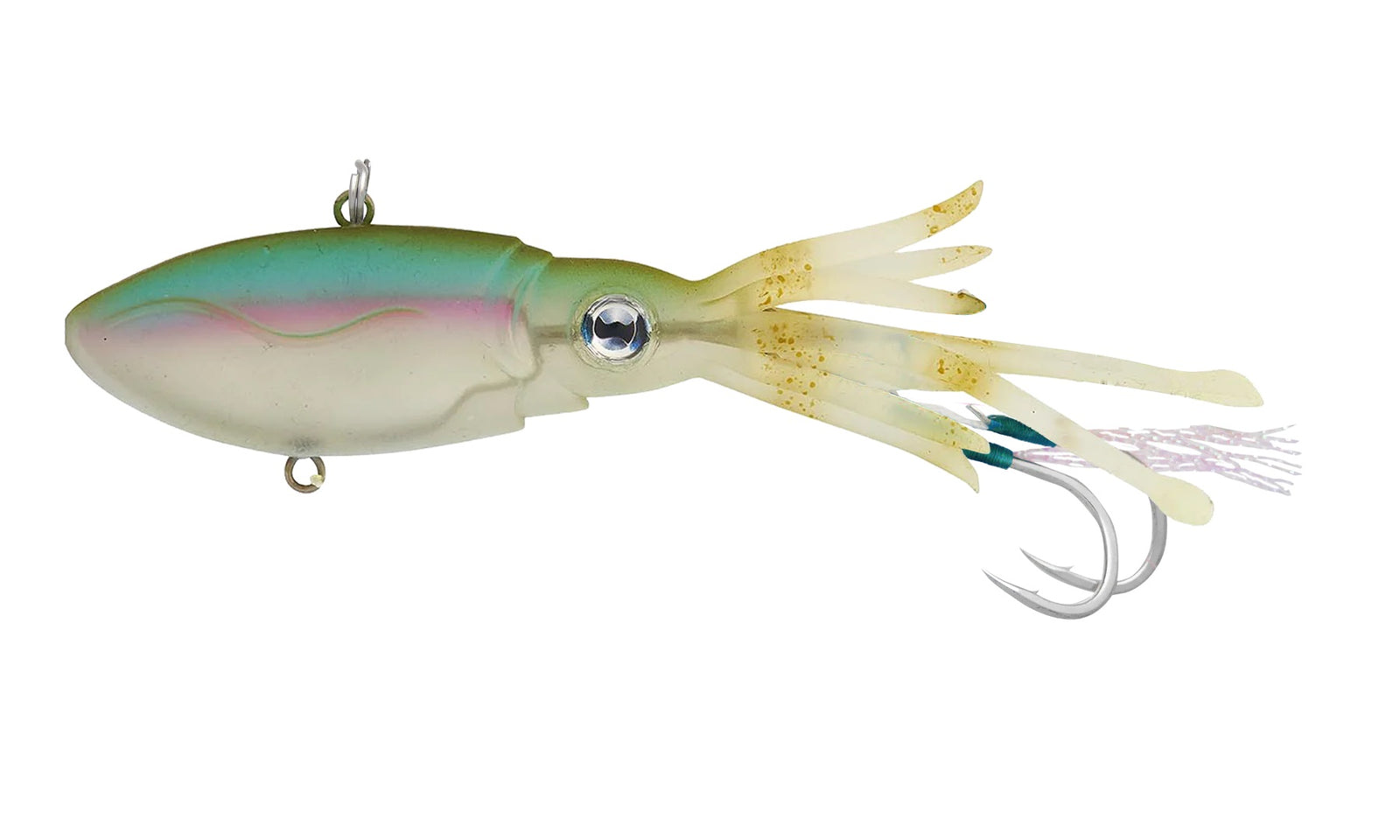
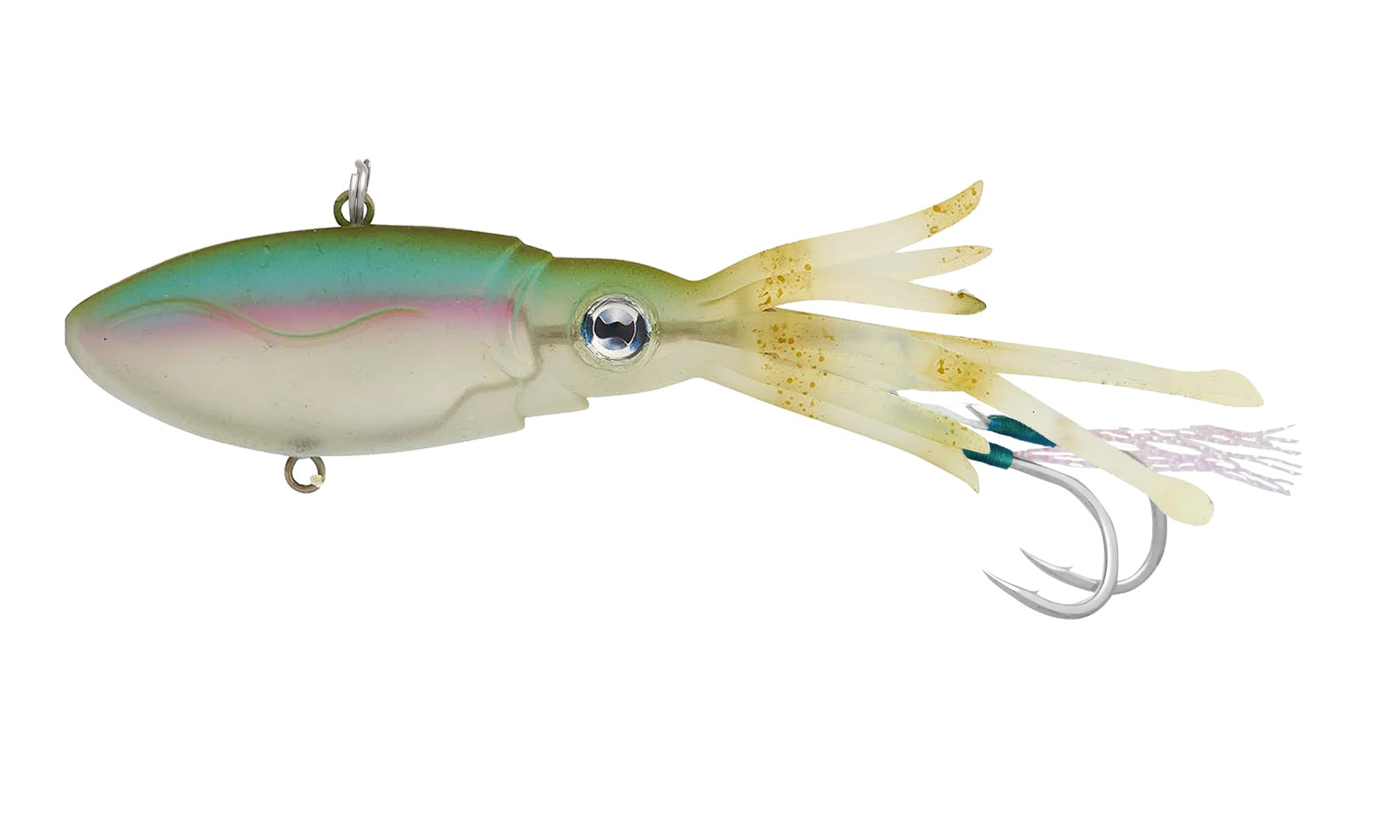



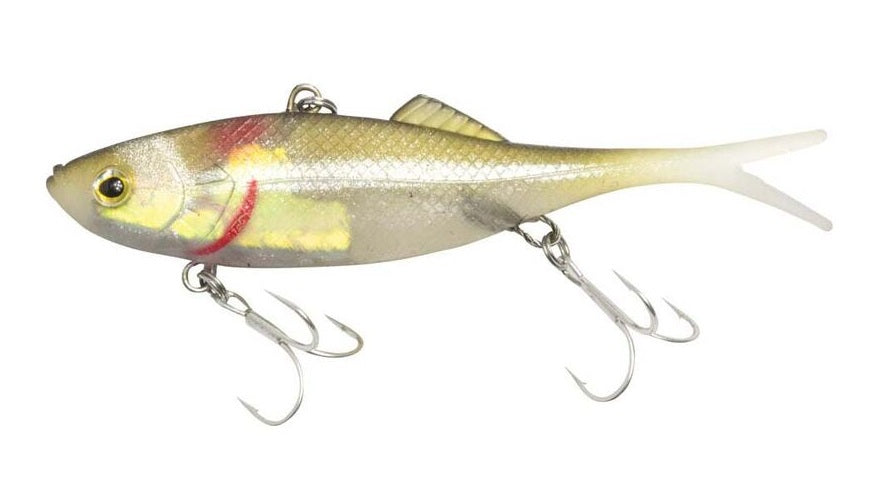
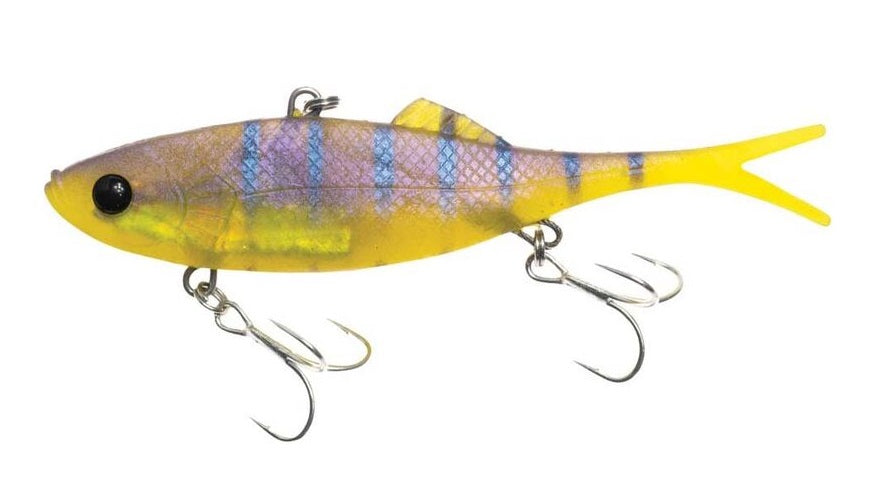
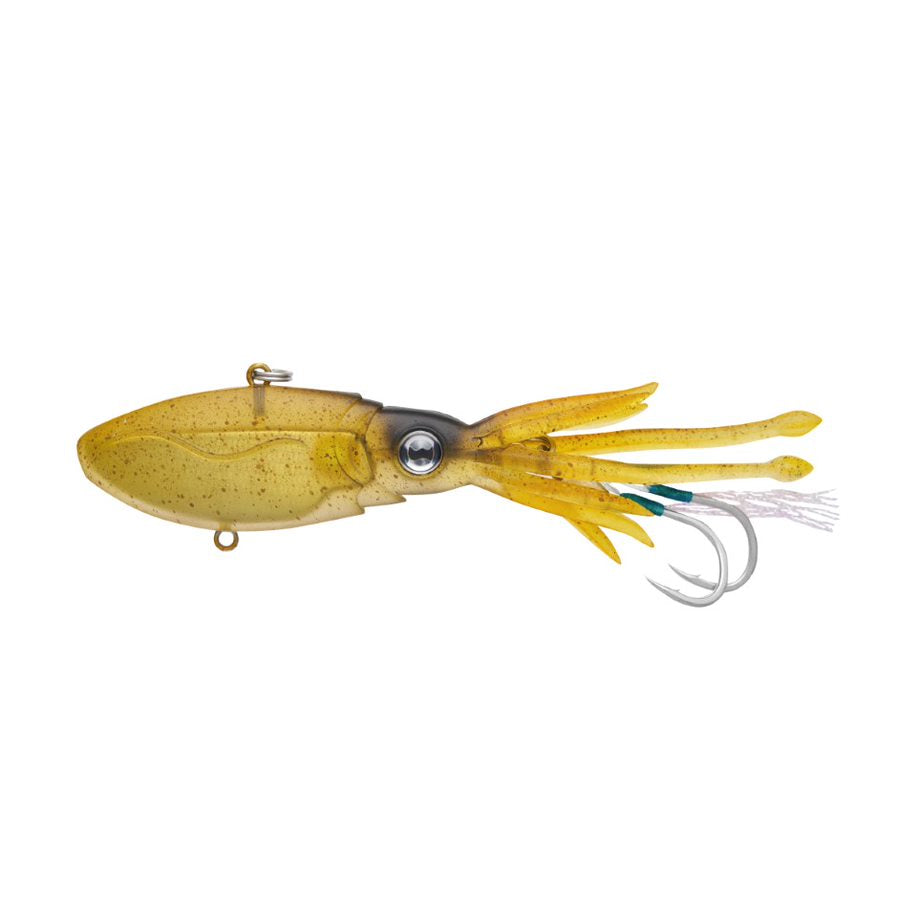
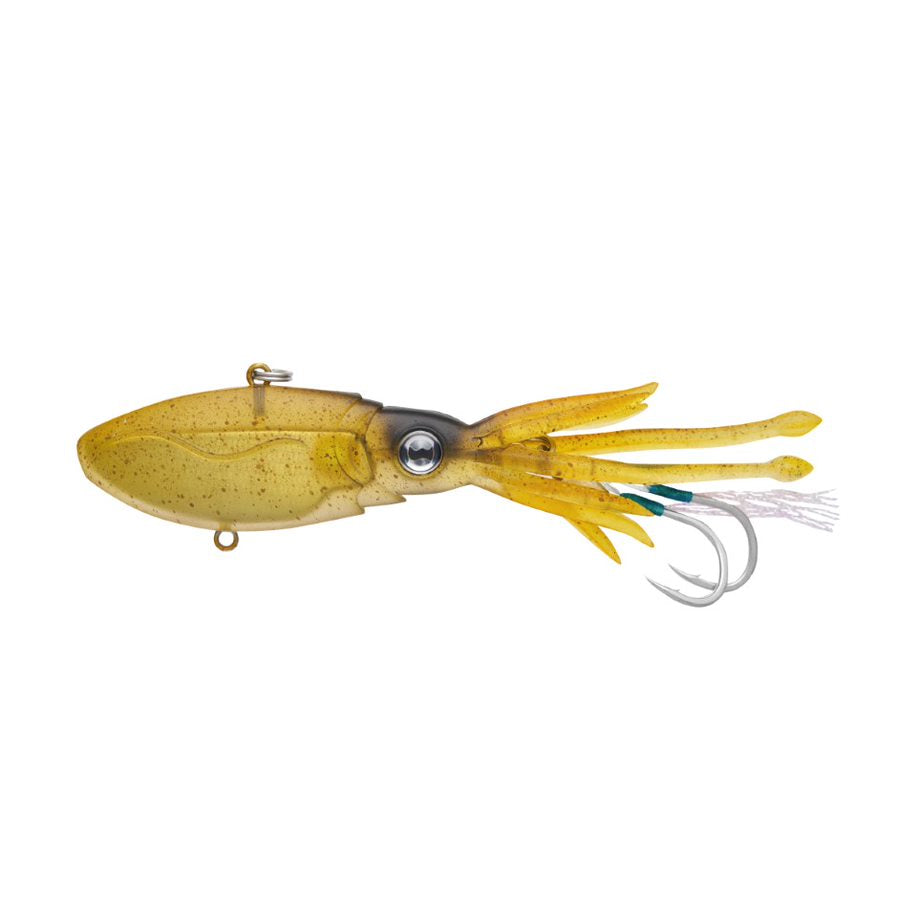
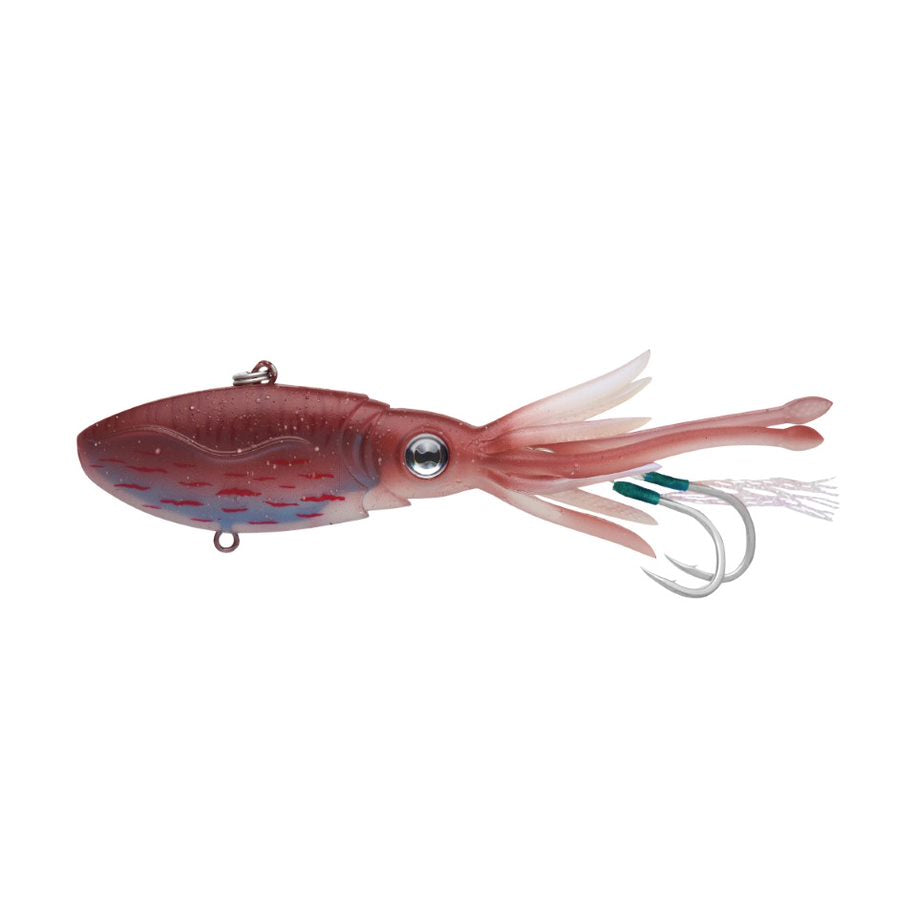
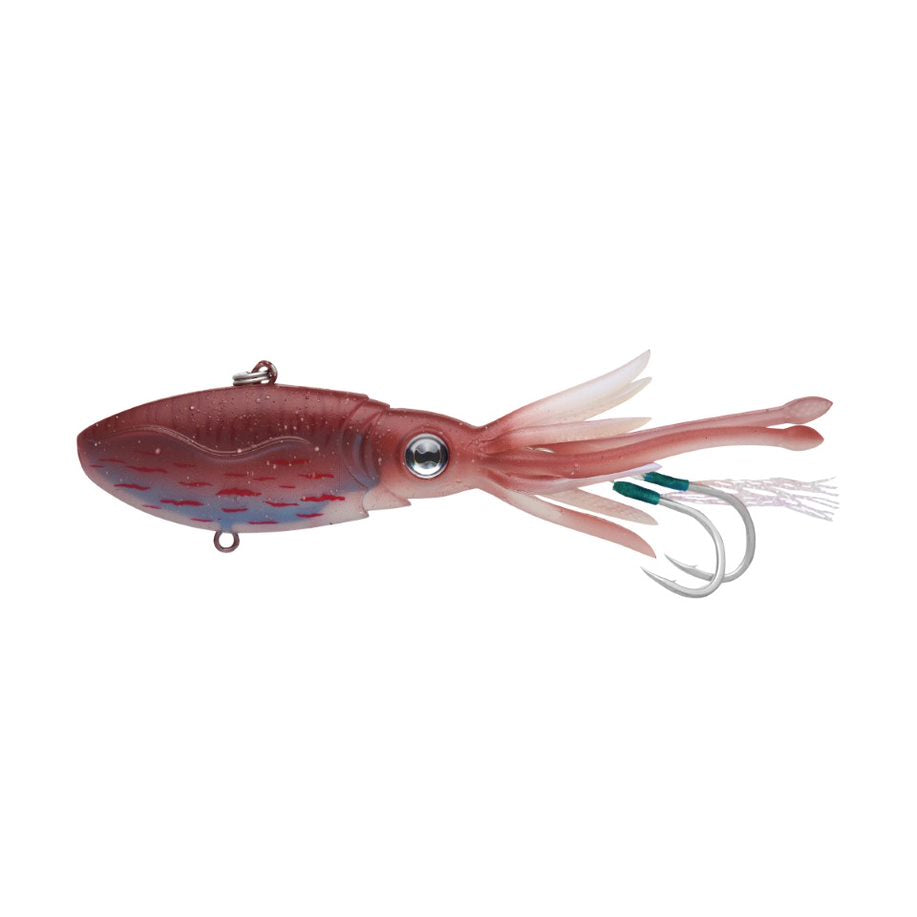
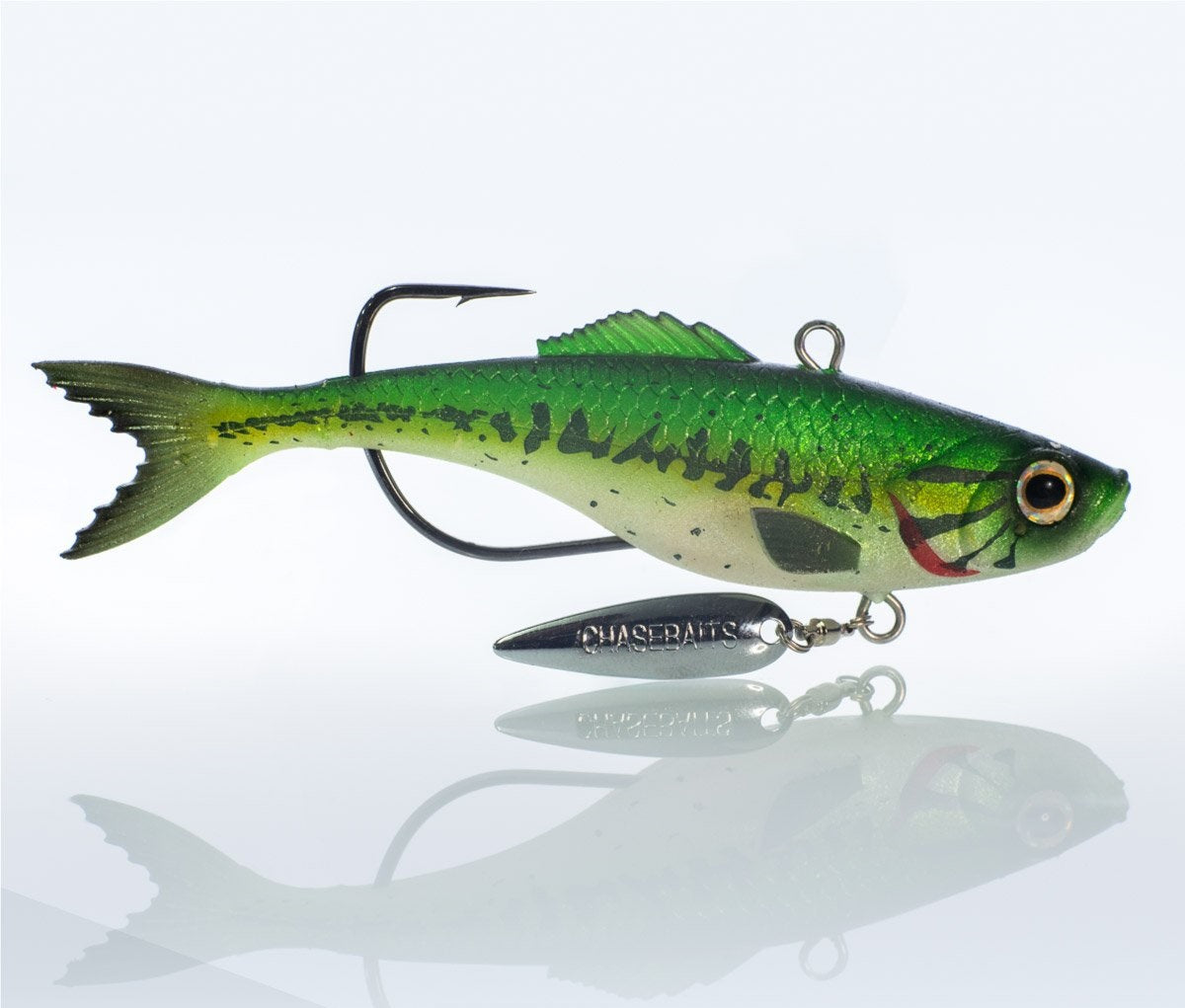
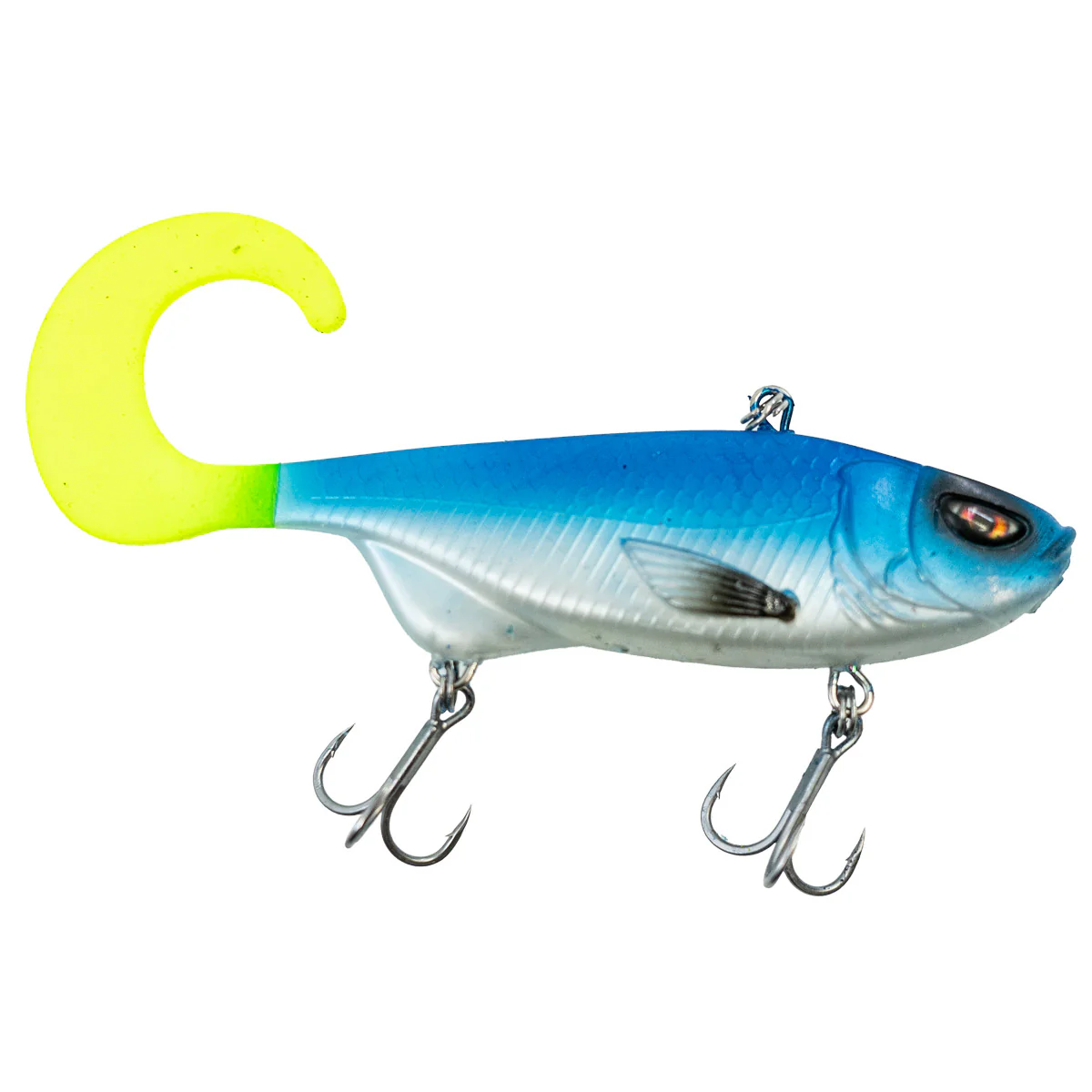


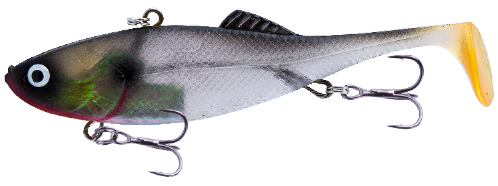
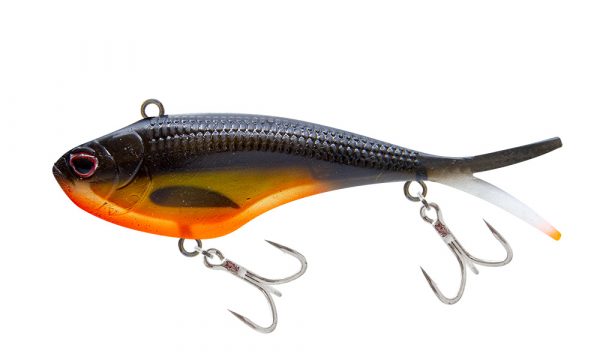
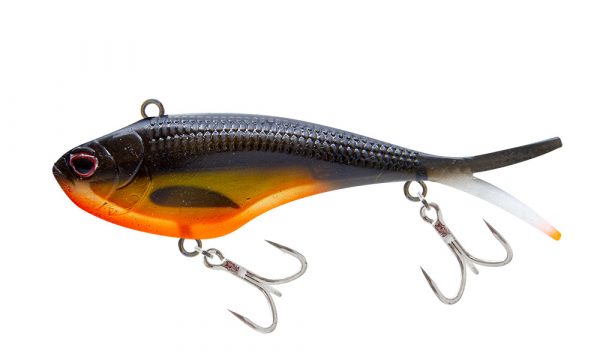
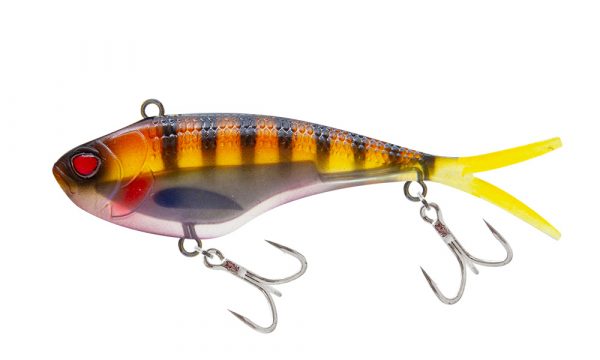
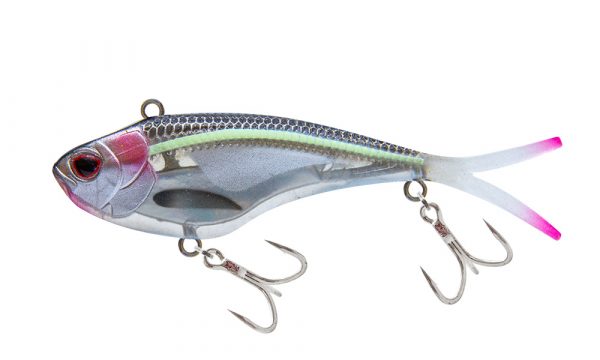
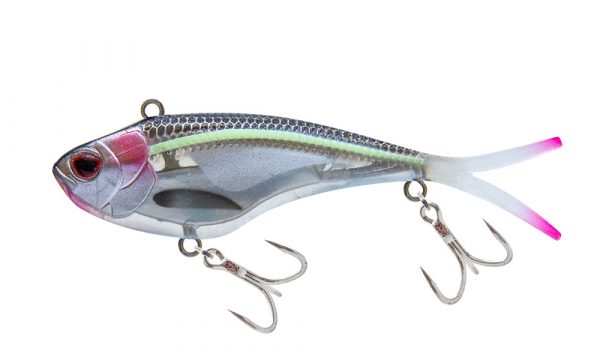

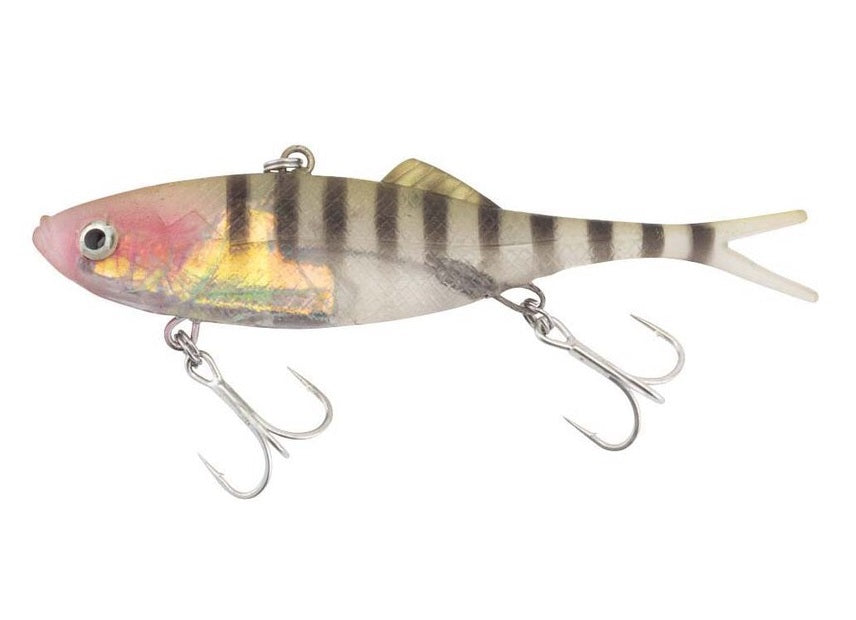

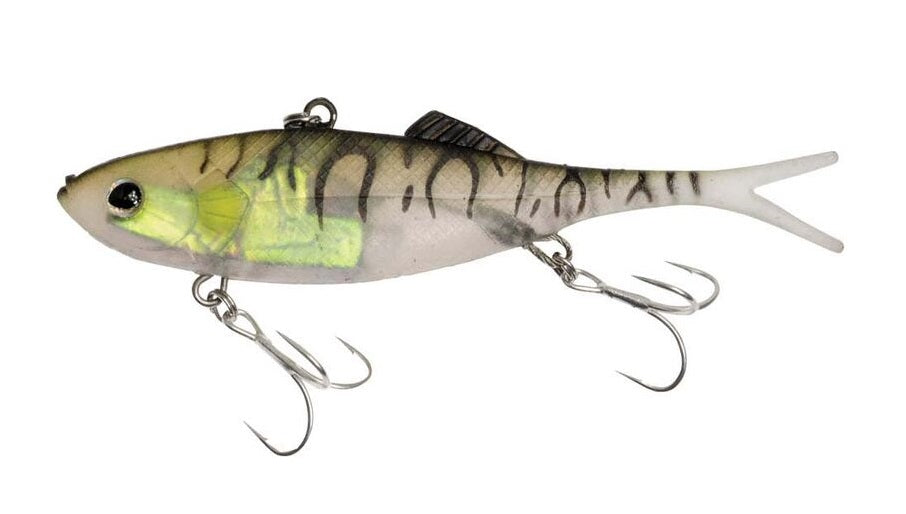
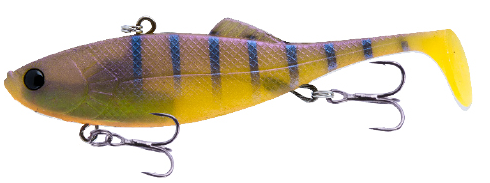
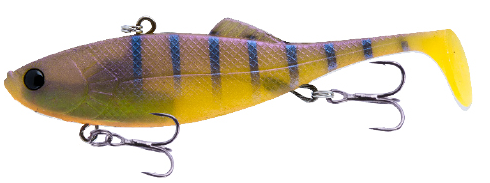
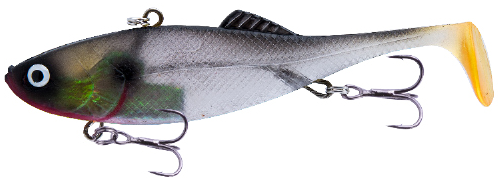
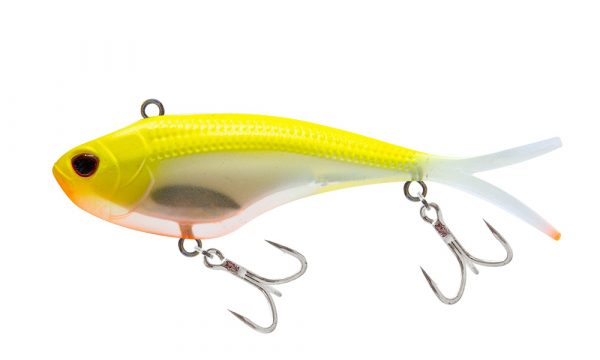
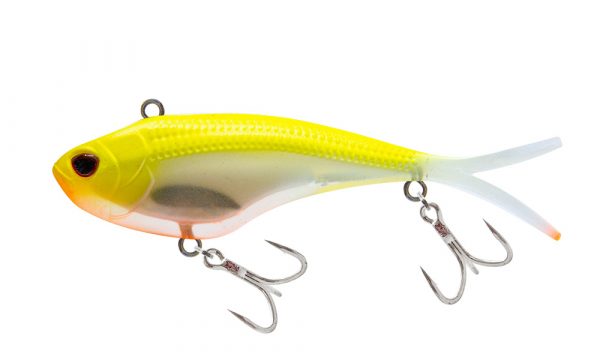
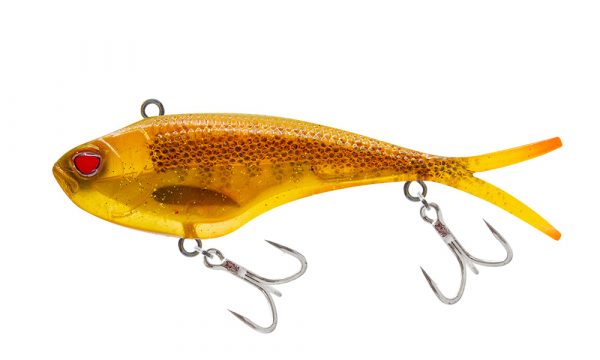
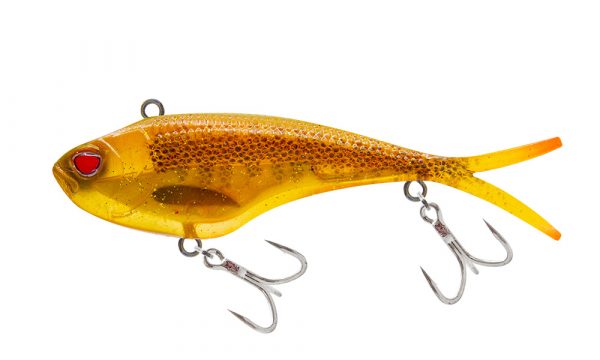
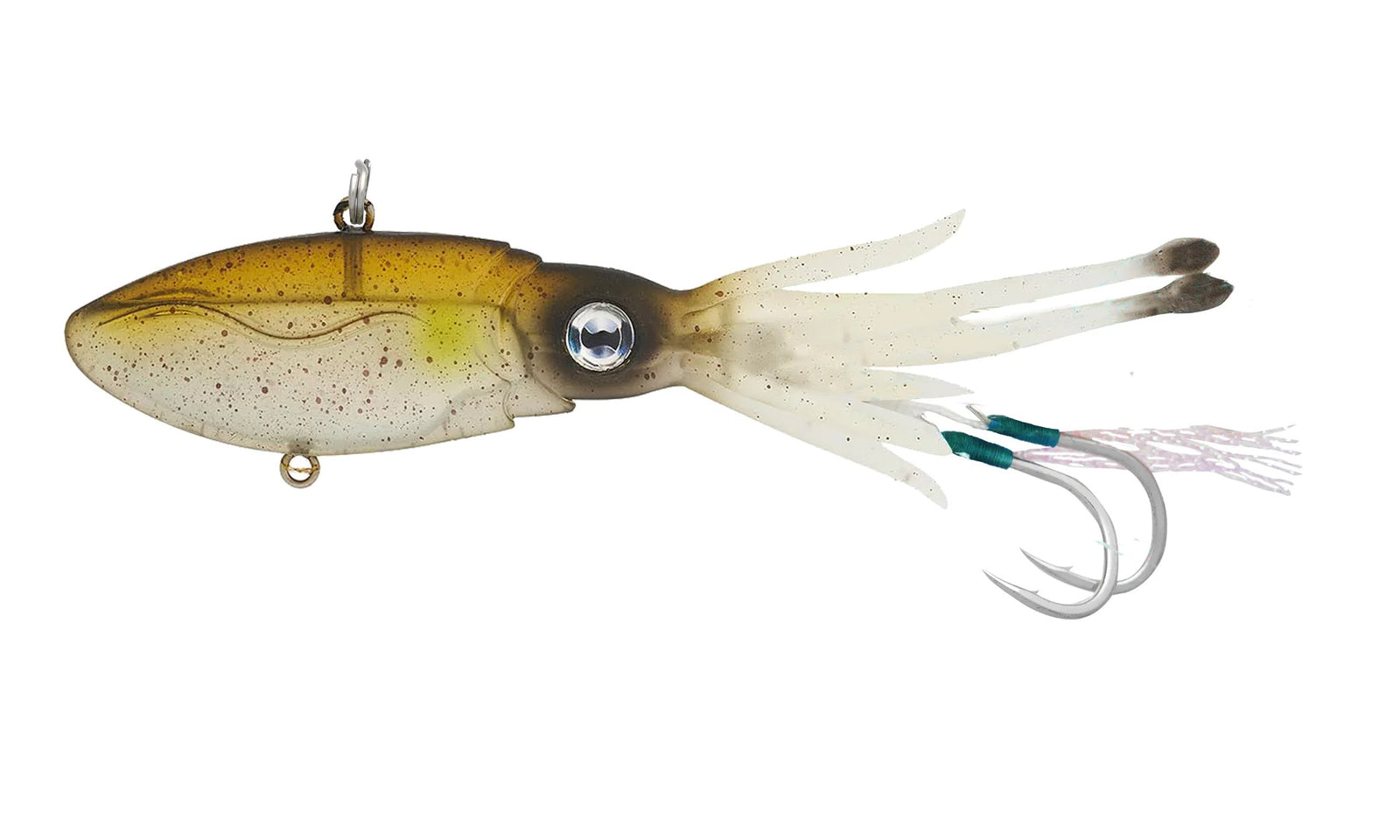


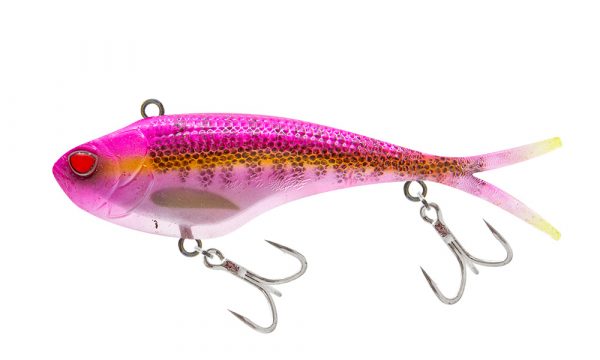
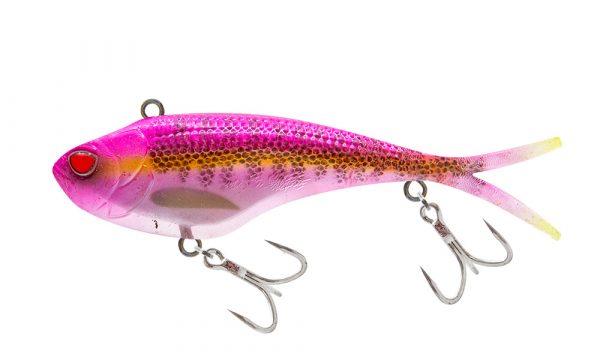
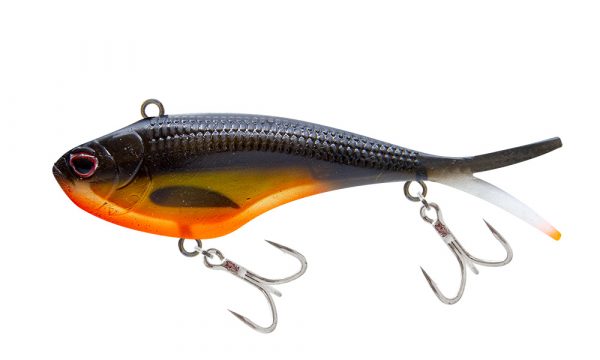
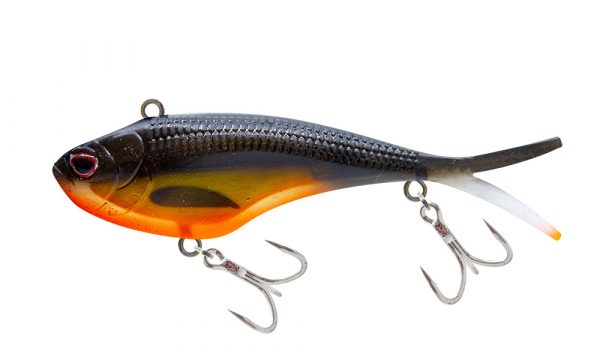
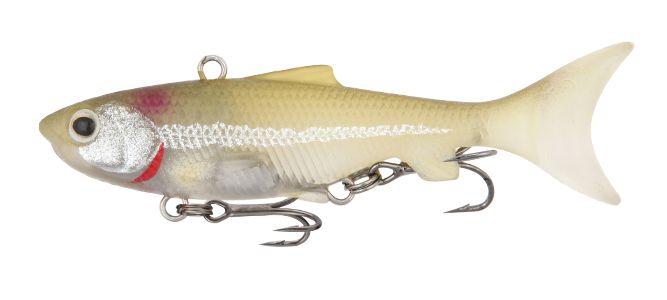
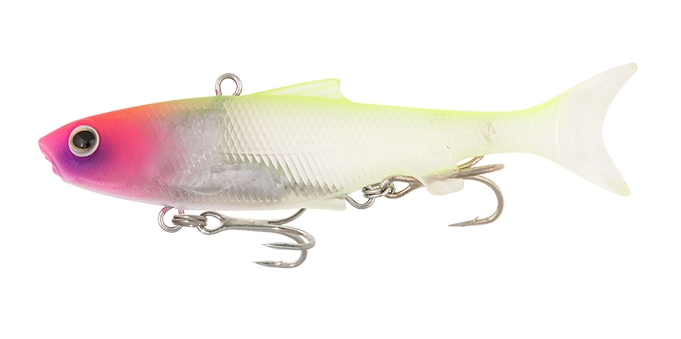
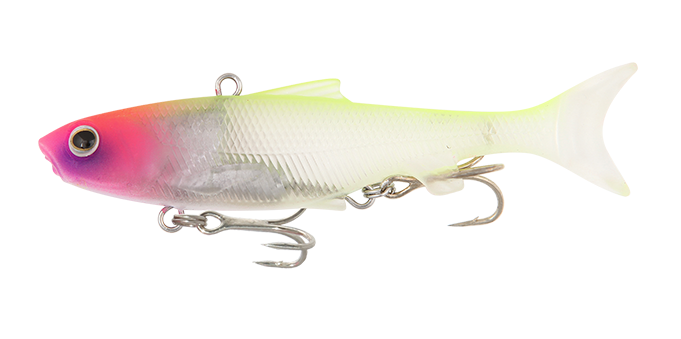

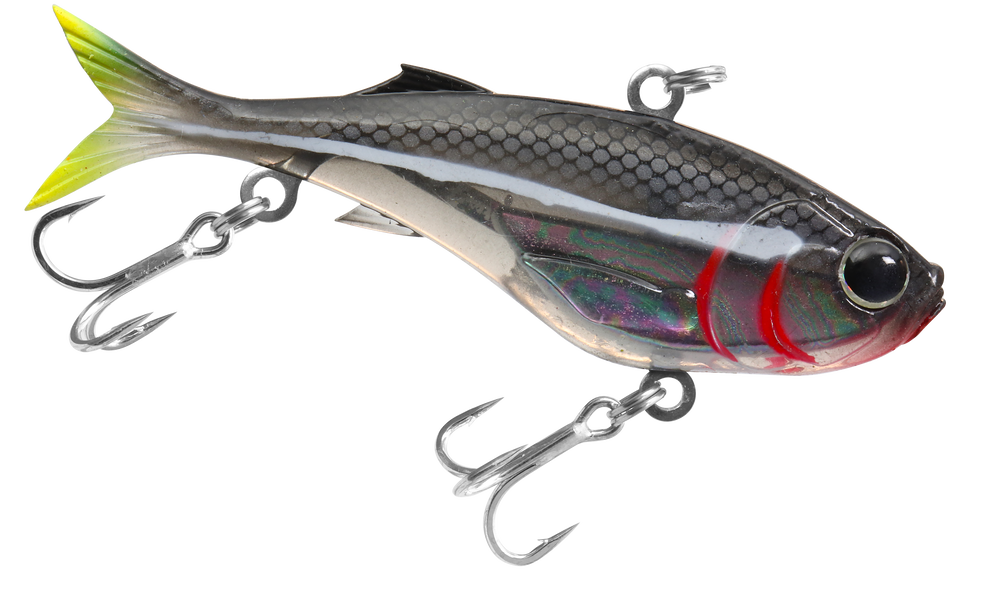
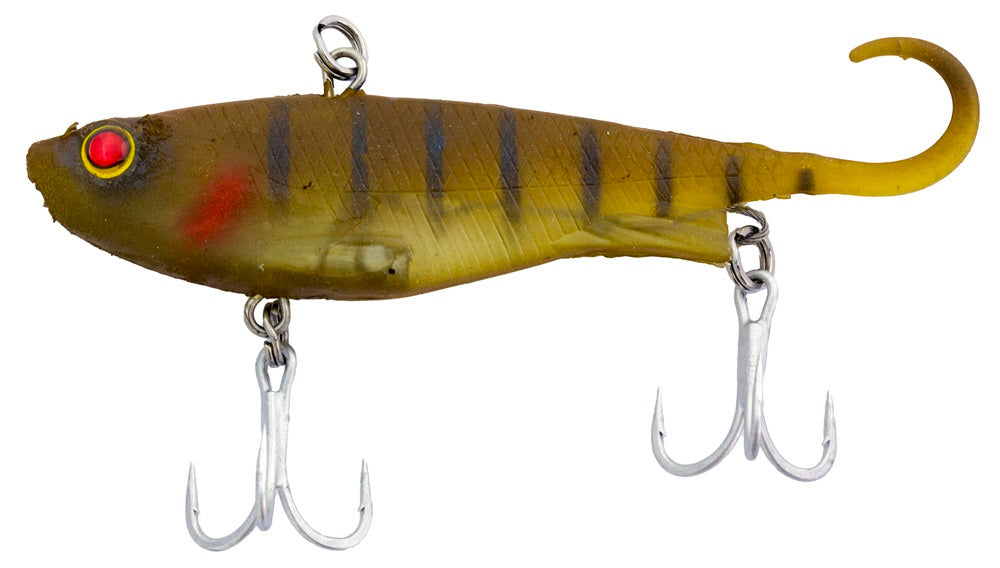
Soft vibes have a soft plastic body over an internal weight and hook harness, so they sink with the hooks hanging clear and shimmy hard on the lift. The soft body means fish hold on longer than they do with a metal blade, which turns more bites into hook-ups.
Fishing a soft vibe
The standard approach is straightforward. Cast, let the lure sink on a semi-slack line until it touches bottom, then lift the rod sharply and let it flutter back down. The lure does its work on the lift and most strikes come on the drop, so watch the line as it falls.
Weight is chosen by depth and current. Light vibes suit shallow flats and slow water, while heavier ones hold bottom in a running tide or deeper river holes. Carrying a couple of weights in the same profile is more useful than carrying more colours.
Soft vibes are a bycatch machine in estuaries — bream, flathead, jewfish, barra and bass all take them. For the harder-bodied version of the same idea, vibes and blades cast further and sink faster, and the broader soft plastics range covers the same water with a different presentation.
Frequently asked questions
What is the difference between a soft vibe and a blade?
A blade is metal, casts a long way and sinks fast, but fish drop it quickly. A soft vibe has a soft body that feels more like food, so fish hang on — at the cost of some casting distance and durability.
How do you fish a soft vibe?
Let it hit the bottom, lift the rod sharply to make it shimmy, then let it fall back on a controlled line. Repeat the whole way back. Most bites happen as the lure is dropping.
What fish do soft vibes catch?
Bream, flathead, mulloway, barramundi, bass and estuary cod are the usual suspects. Almost anything that feeds near the bottom will take one.
How long does a soft vibe last?
It depends on the teeth. A soft vibe can be pulled apart by a single good fish, so they are treated as consumable — many anglers carry spares of the models that are working.