

FREE SHIPPING ON ORDERS OVER $150*

AUSSIE FAMILY OWNED BUSINESS FOR OVER 40 YEARS

100% SATISFACTION GUARANTEED
Spinning Reels
Spinning Reels
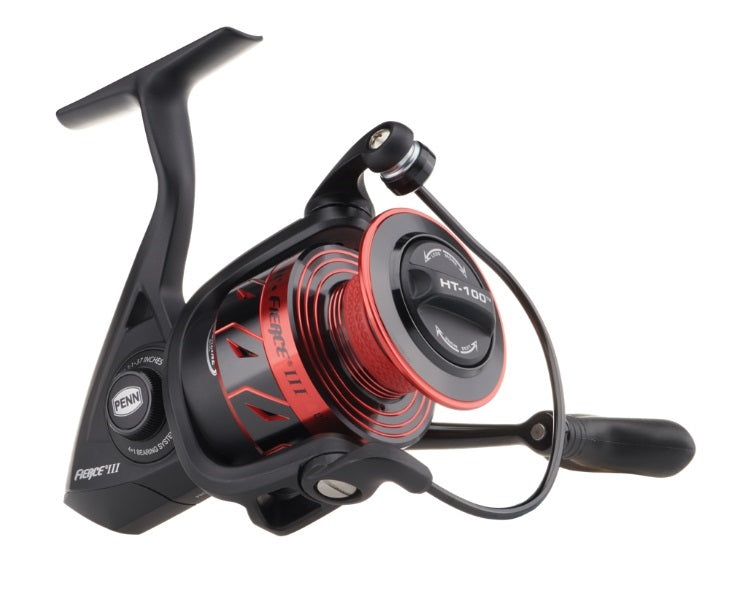
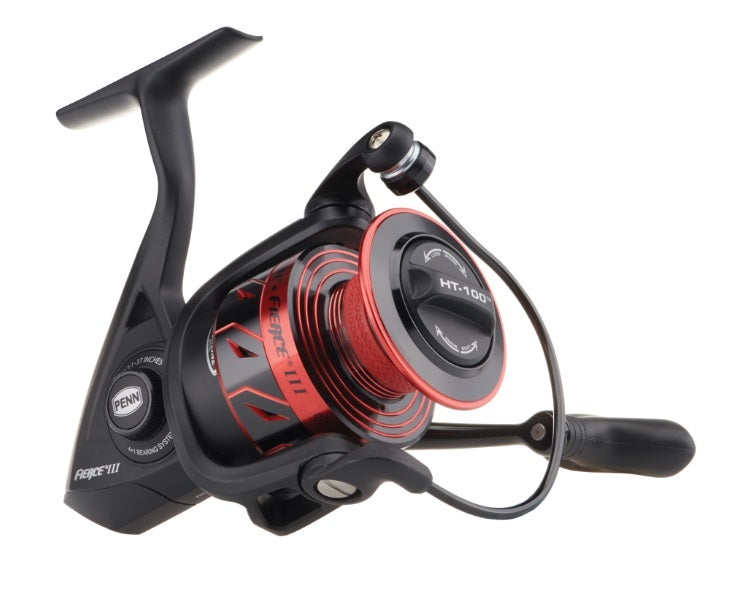
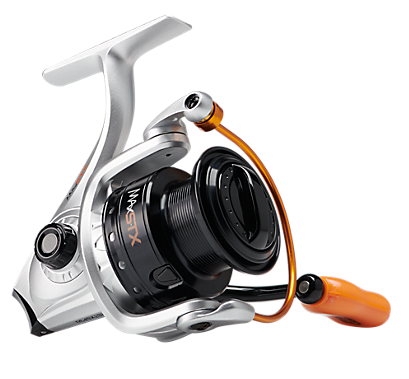
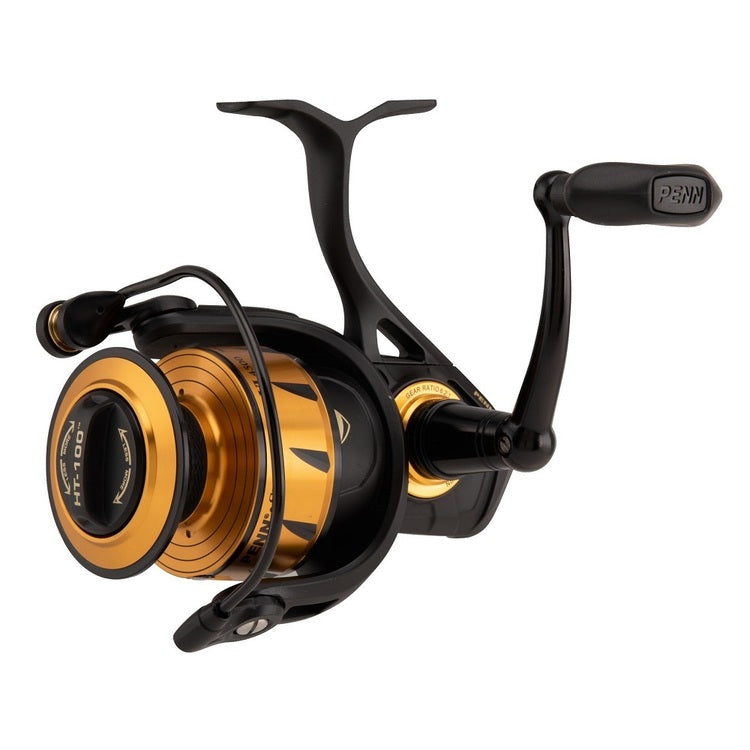
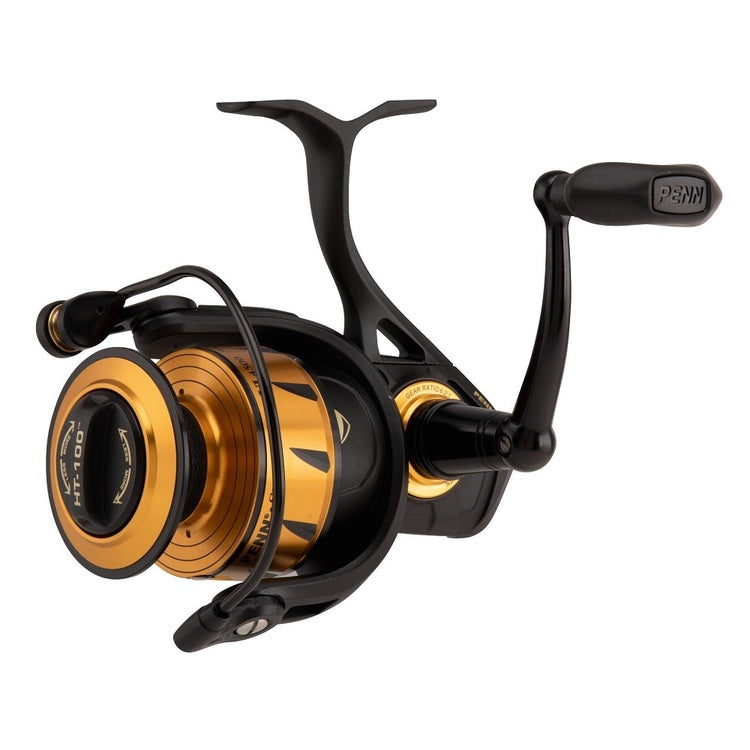
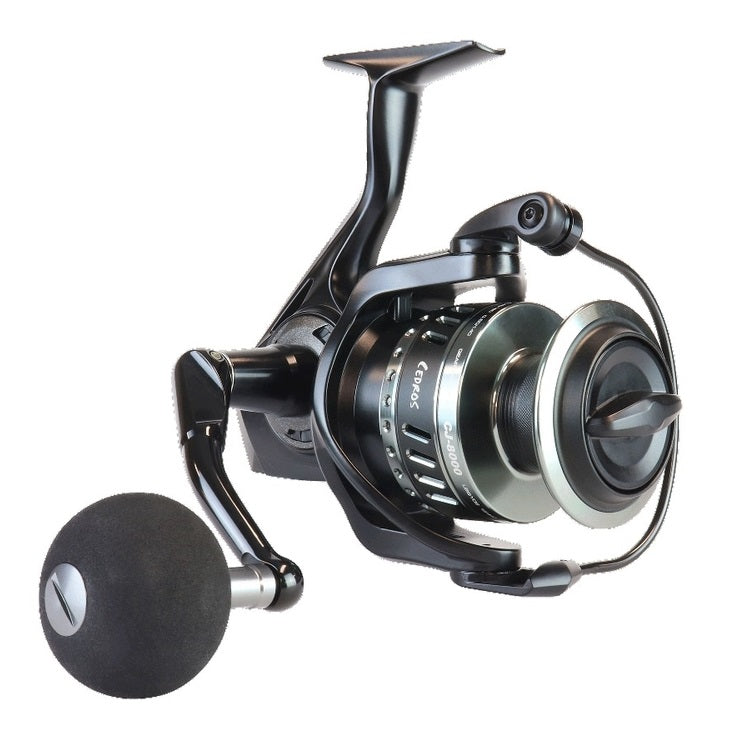
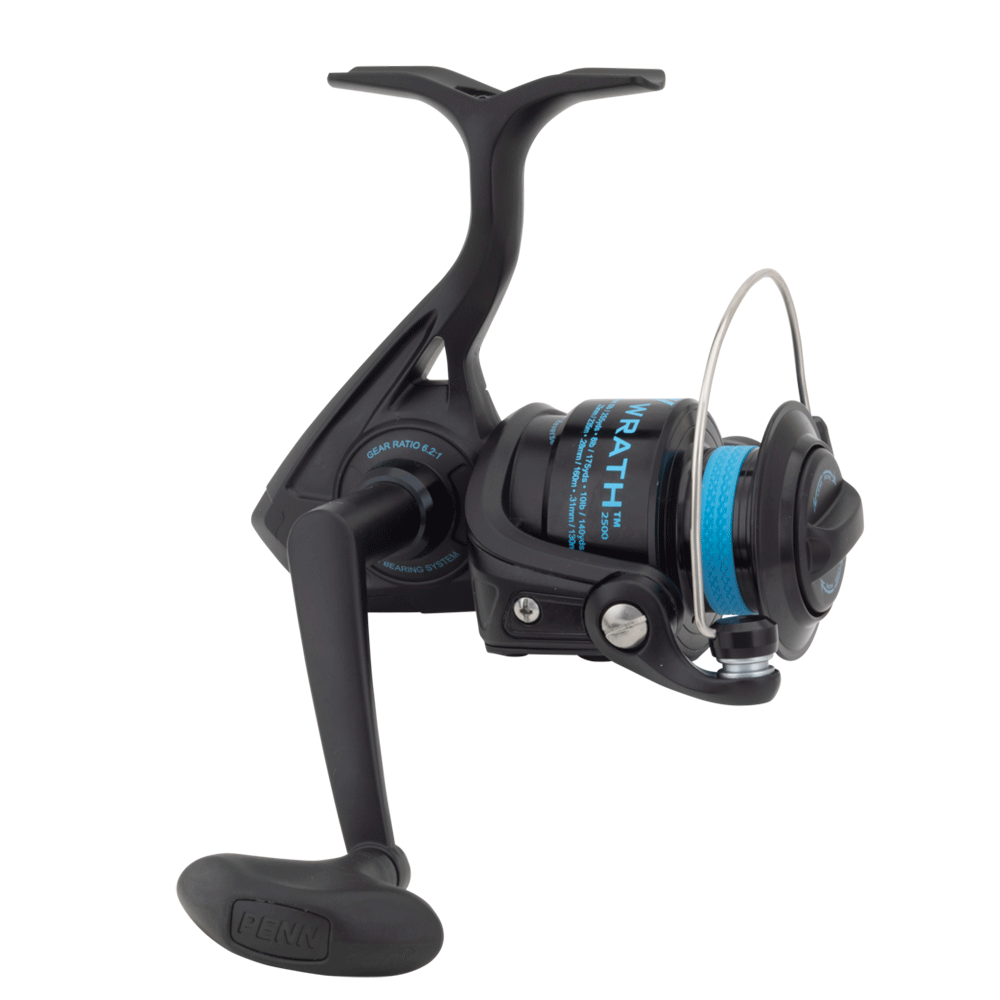
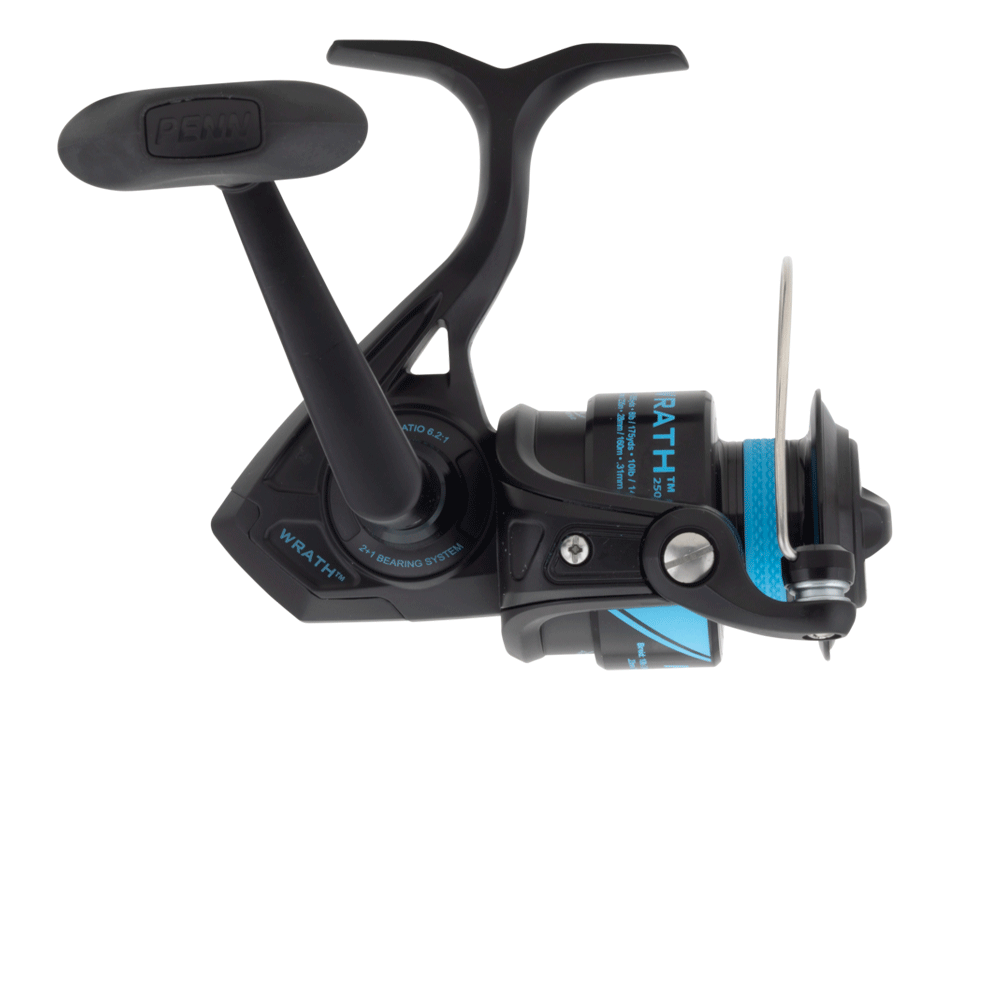
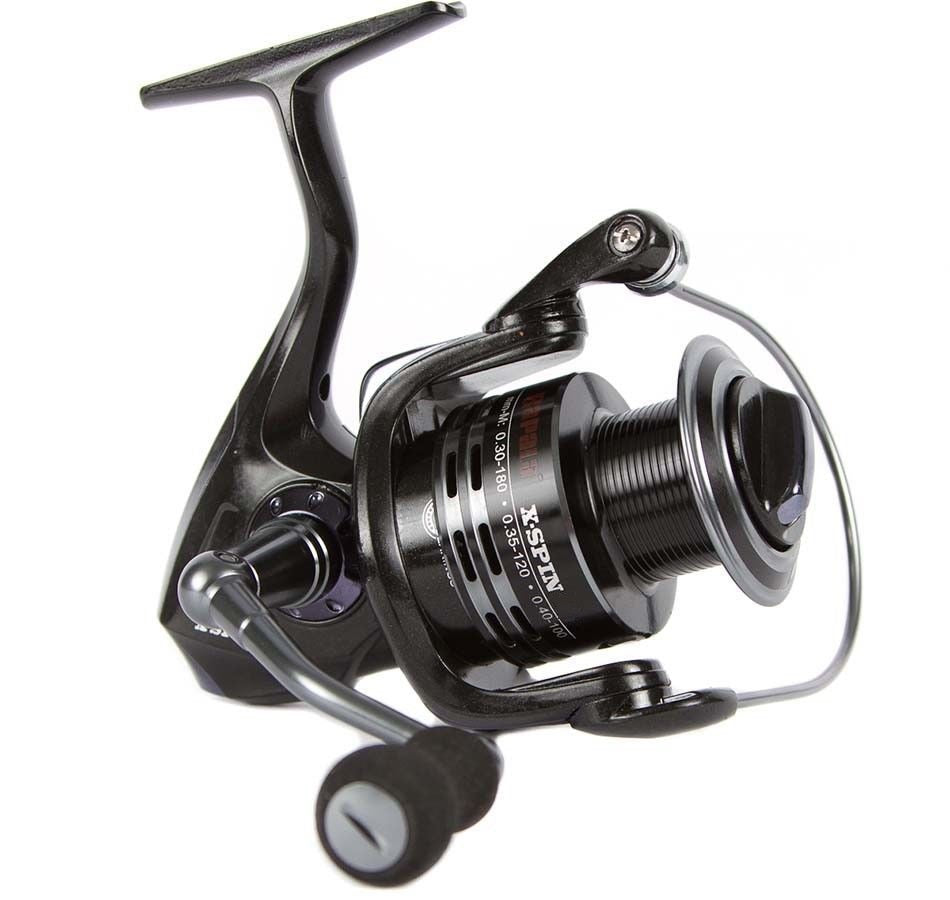
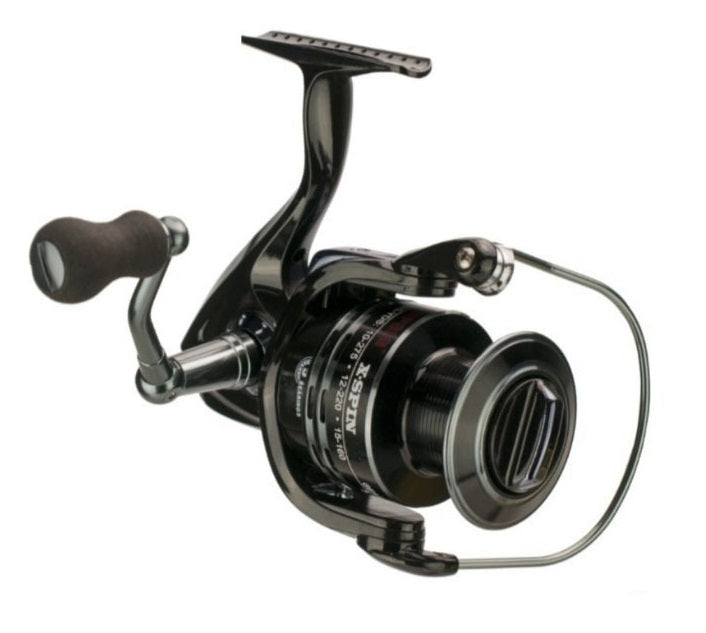
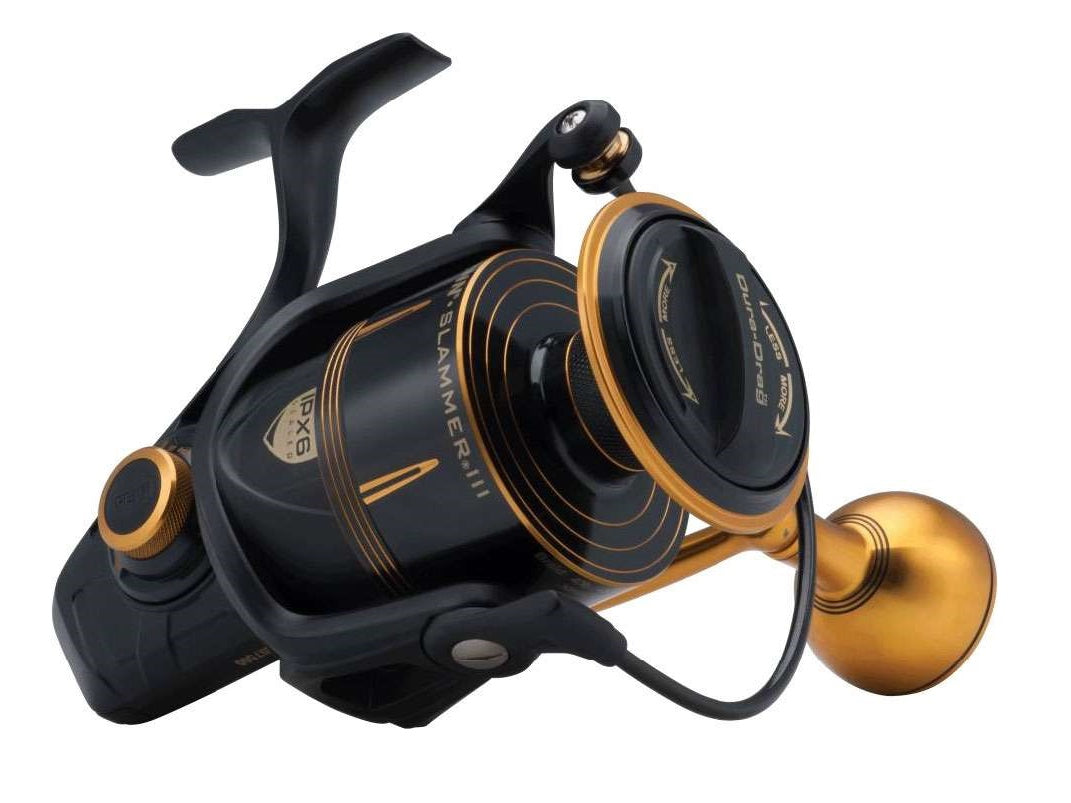
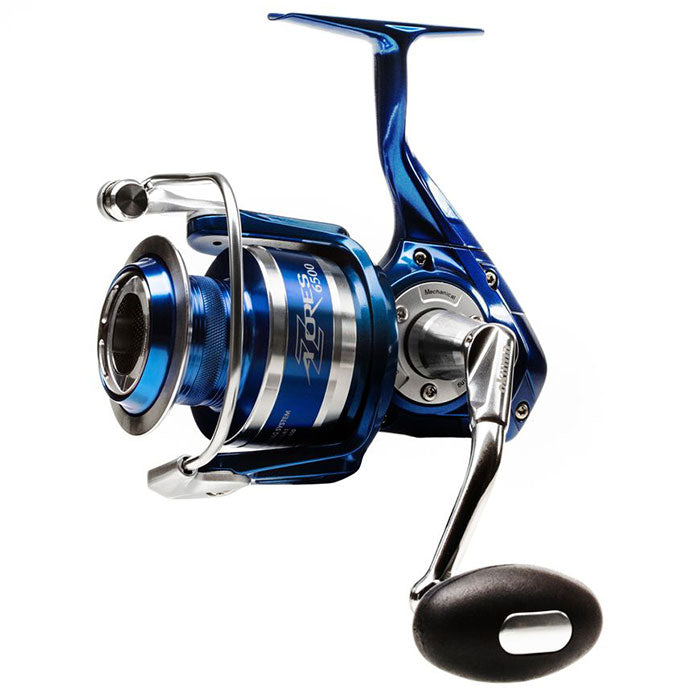
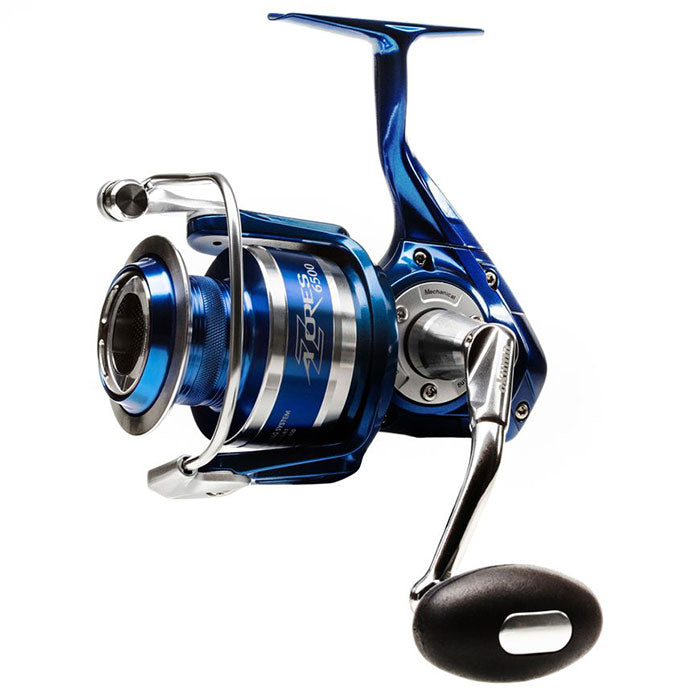
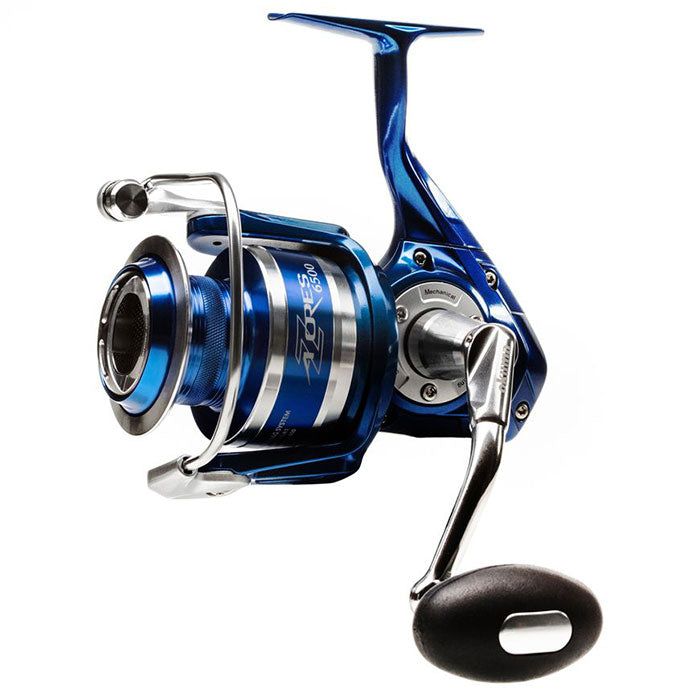
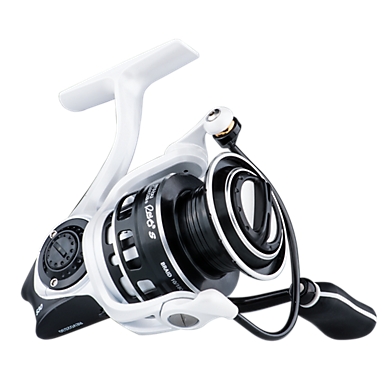
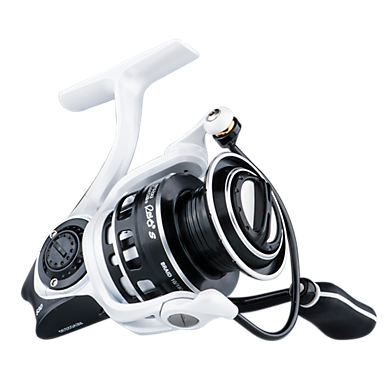
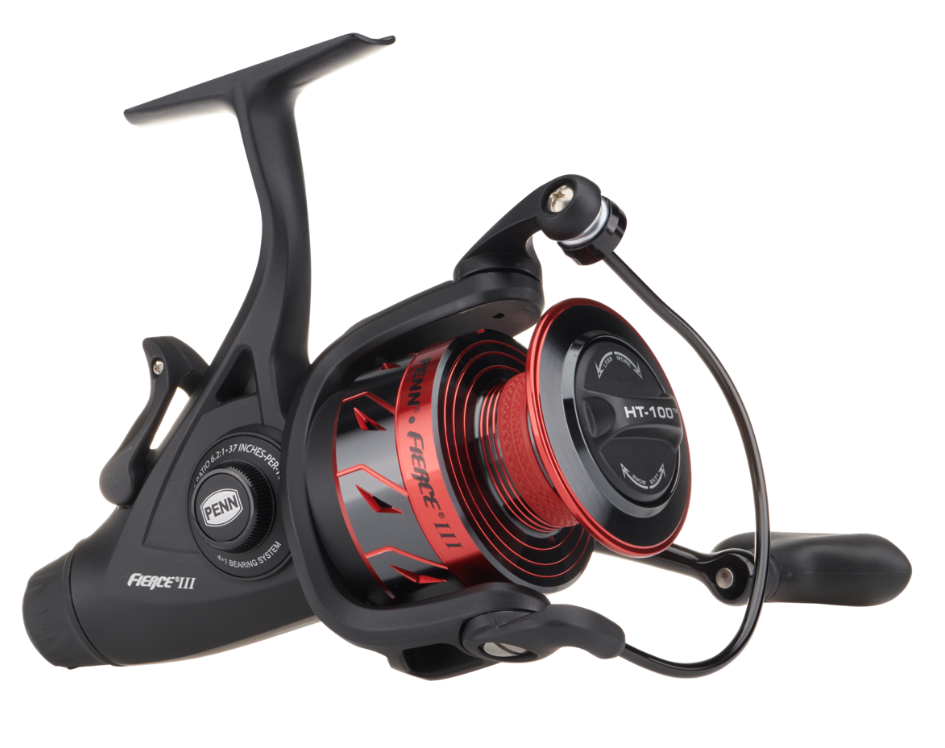
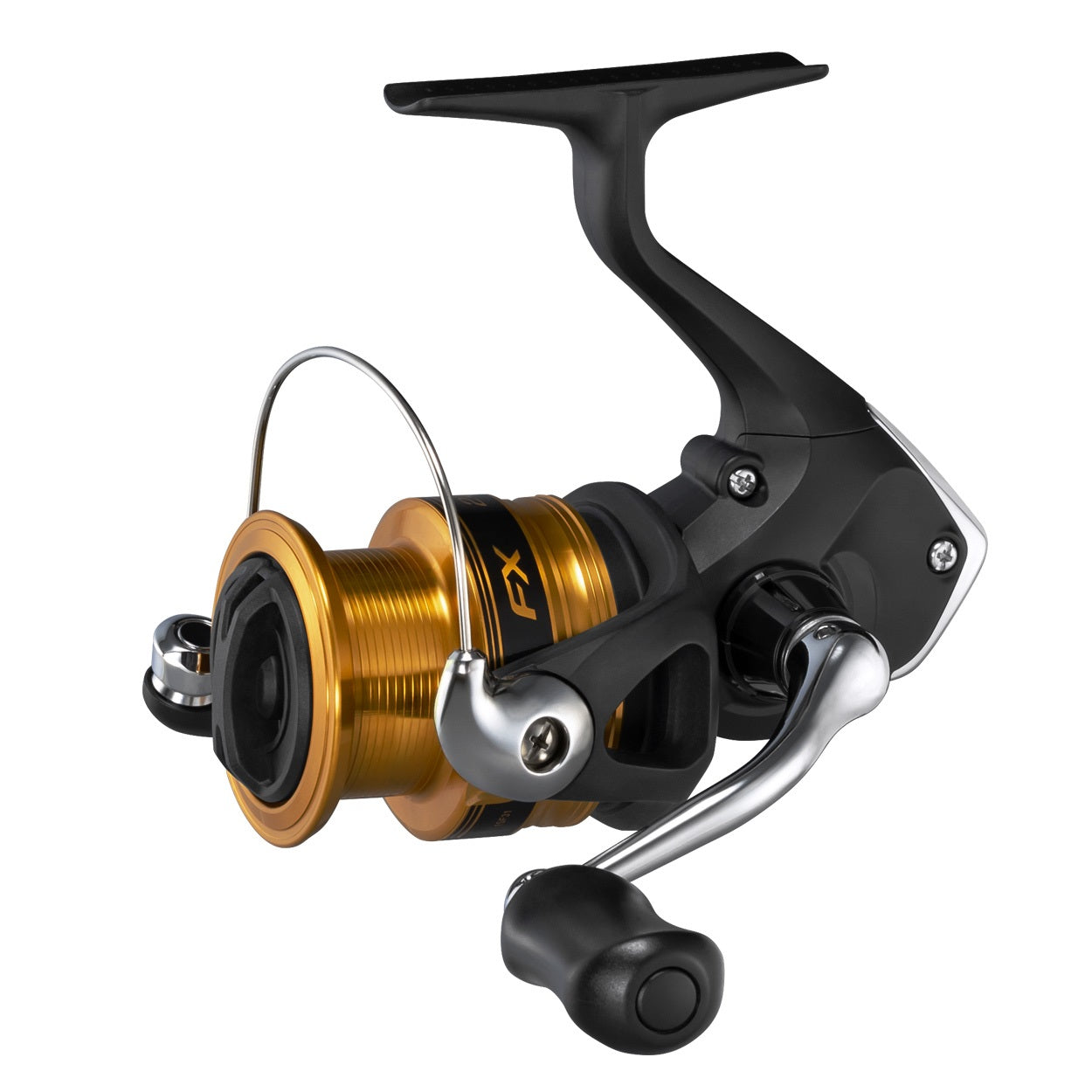
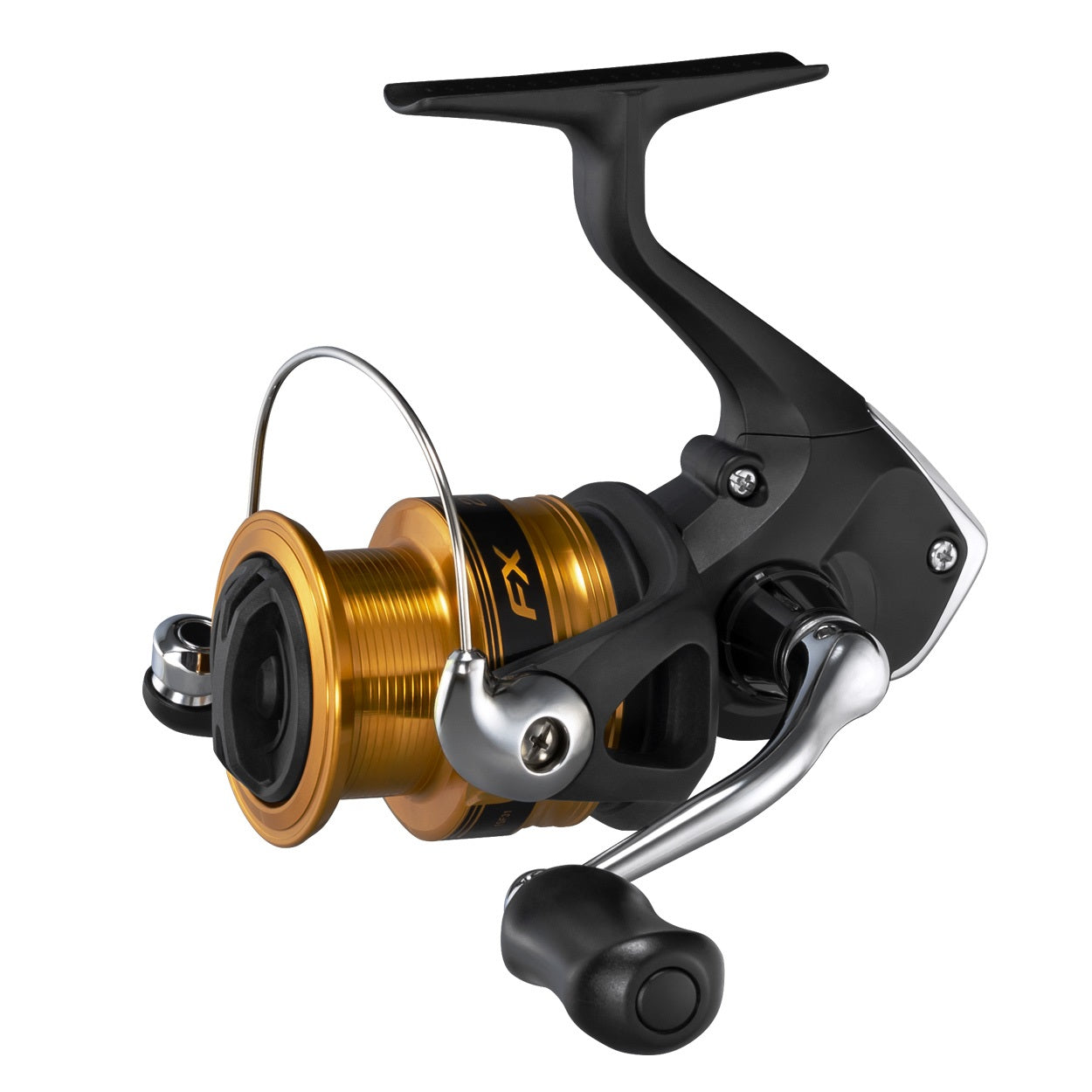
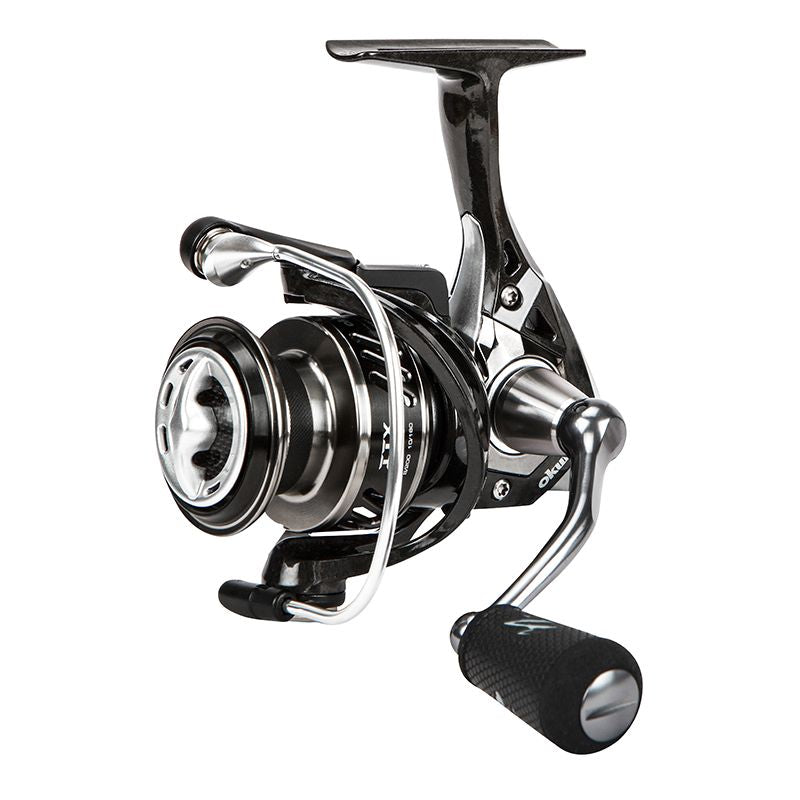
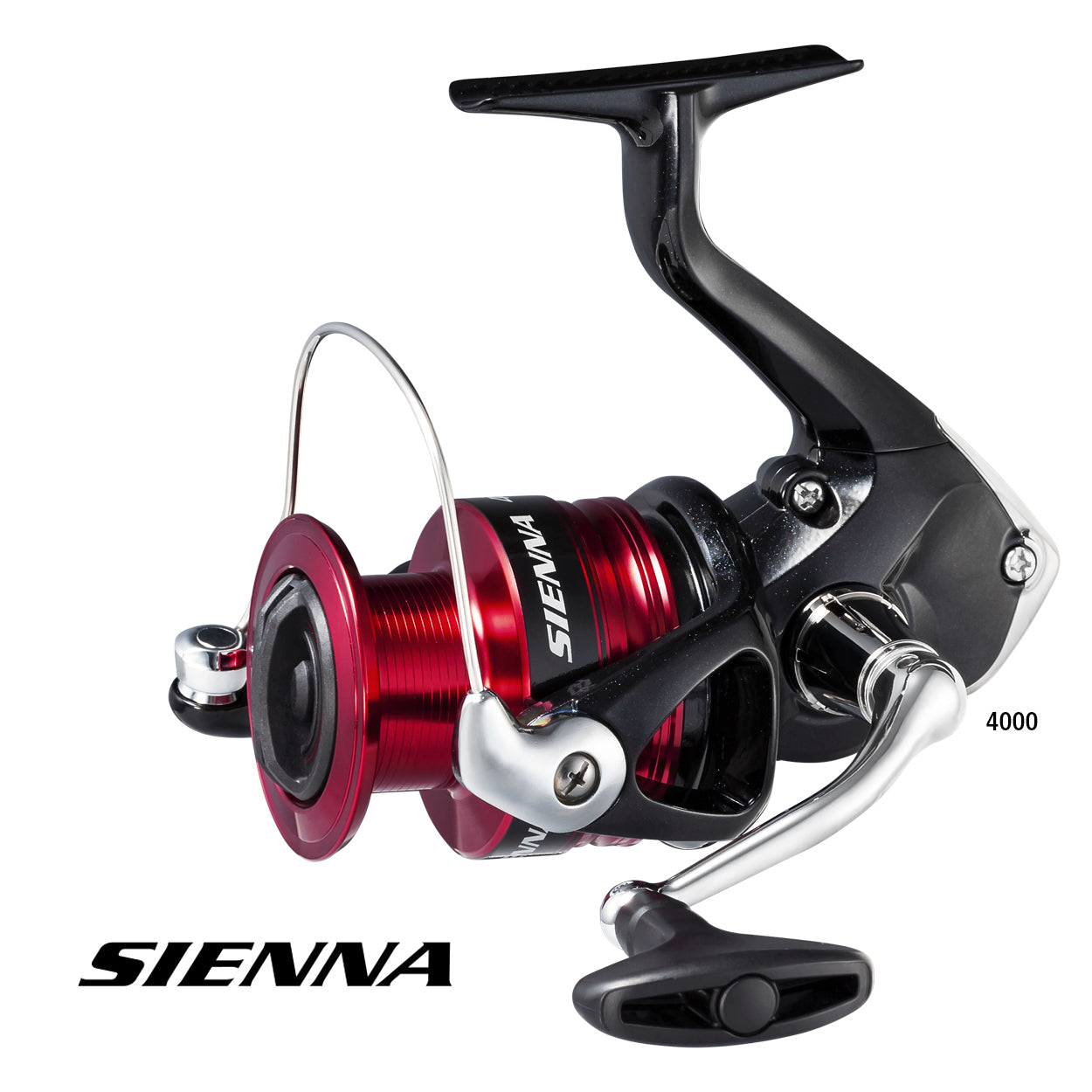
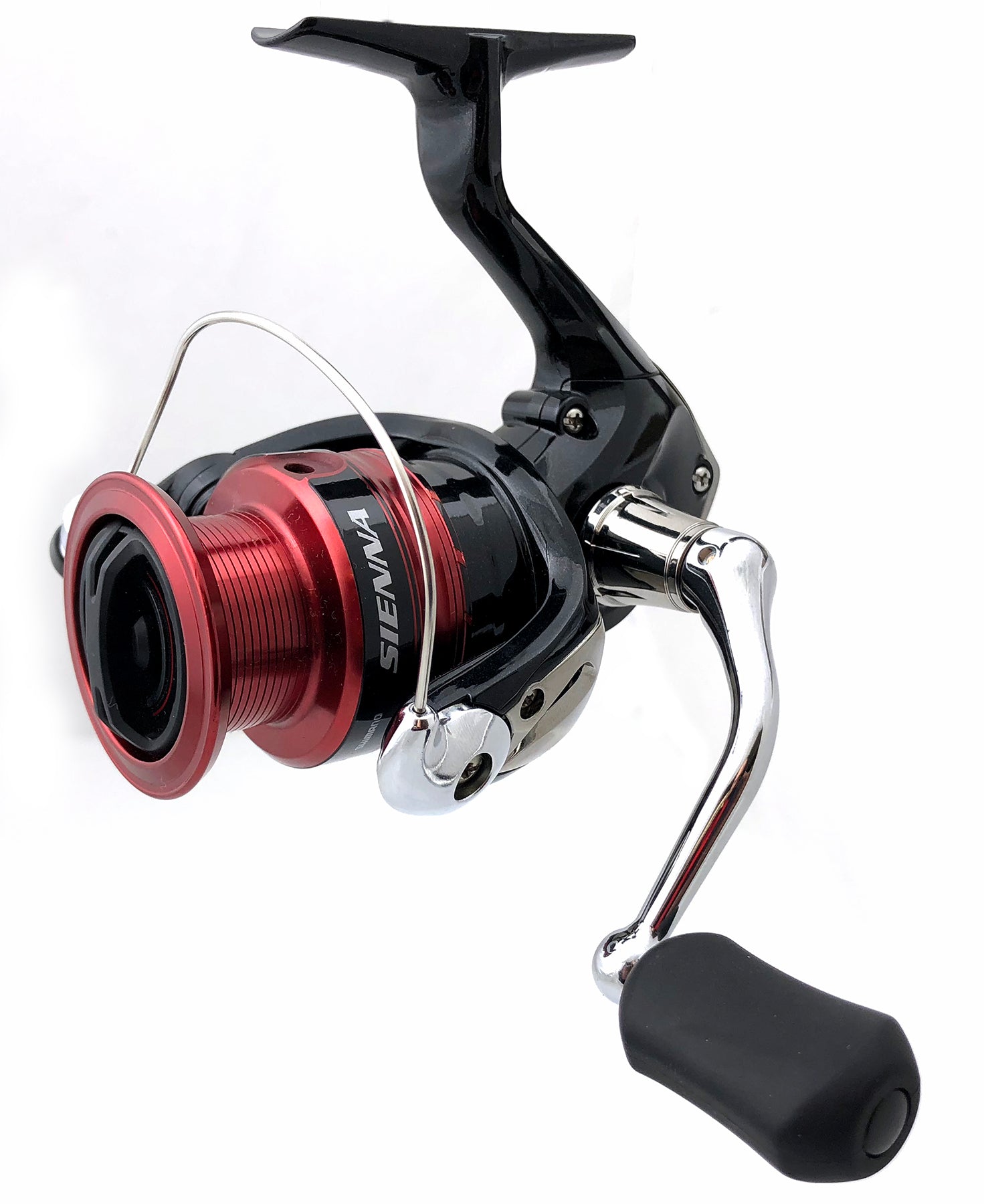
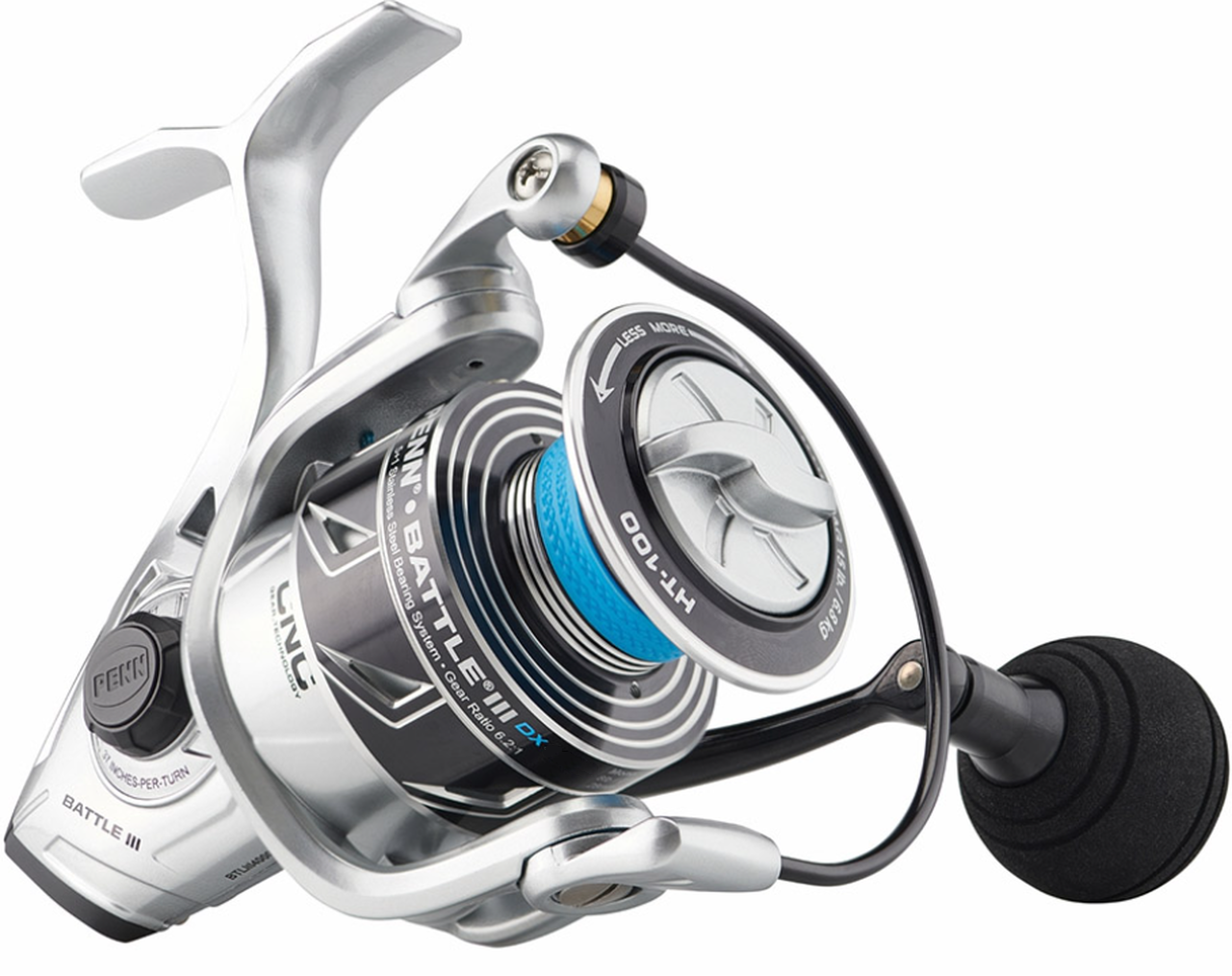
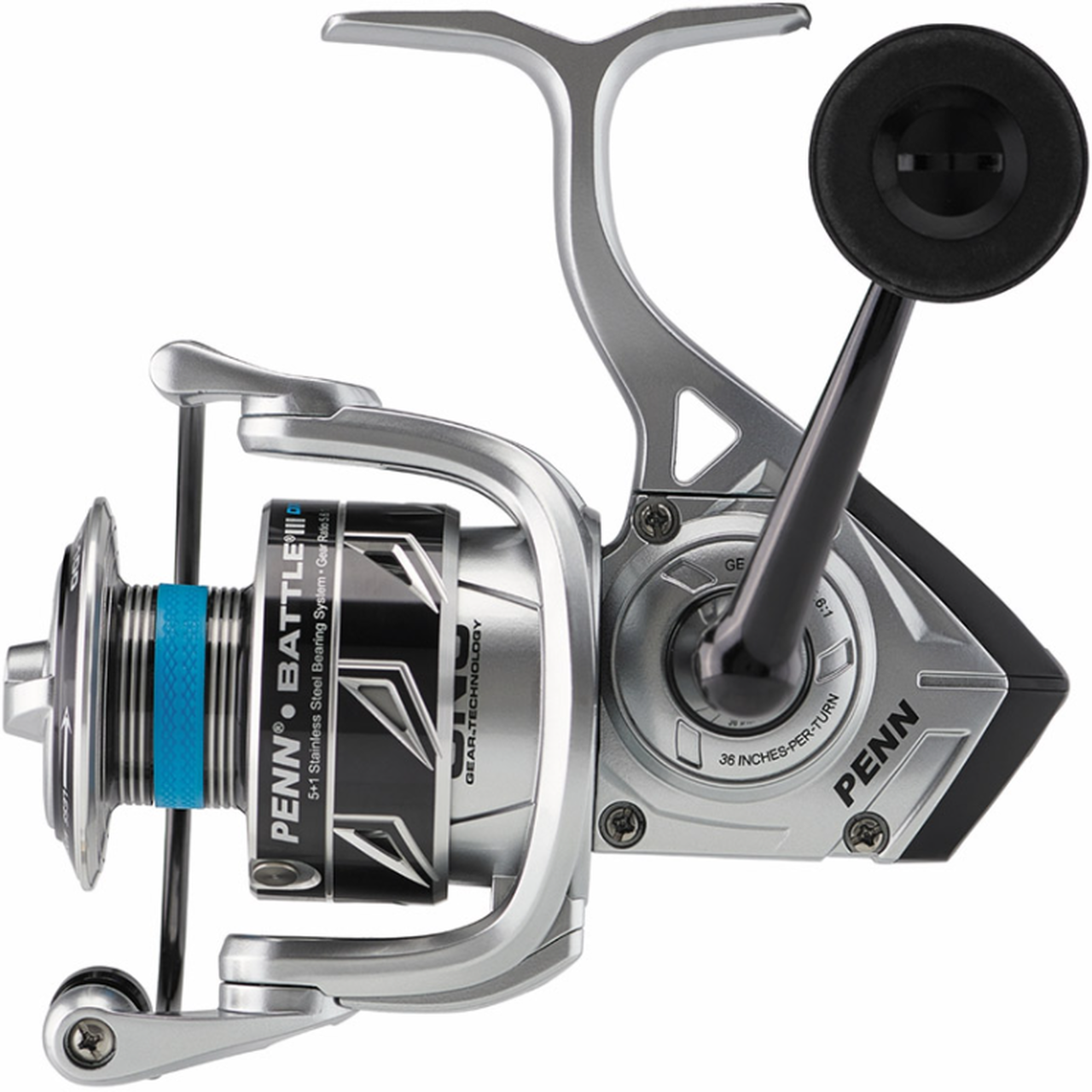
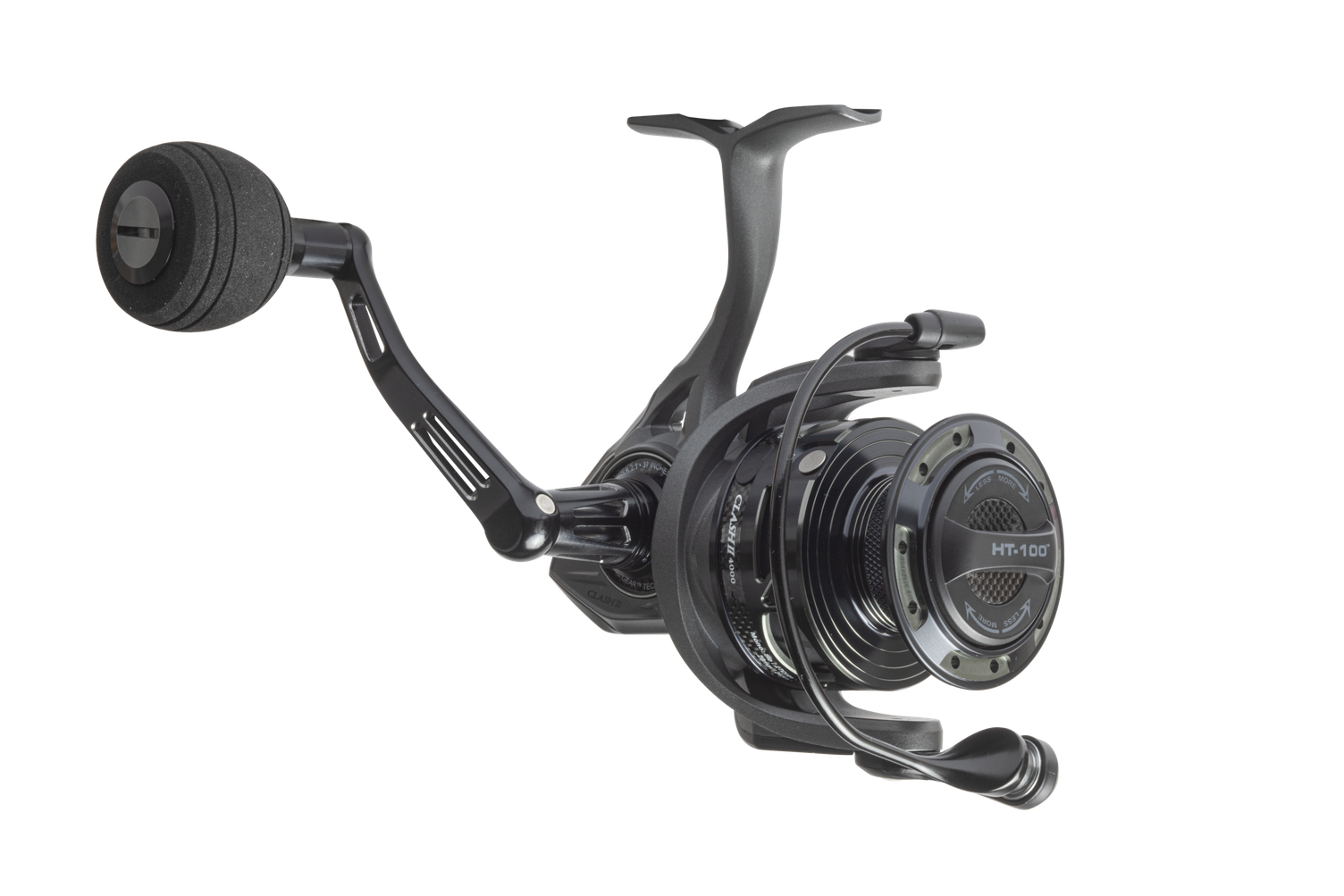
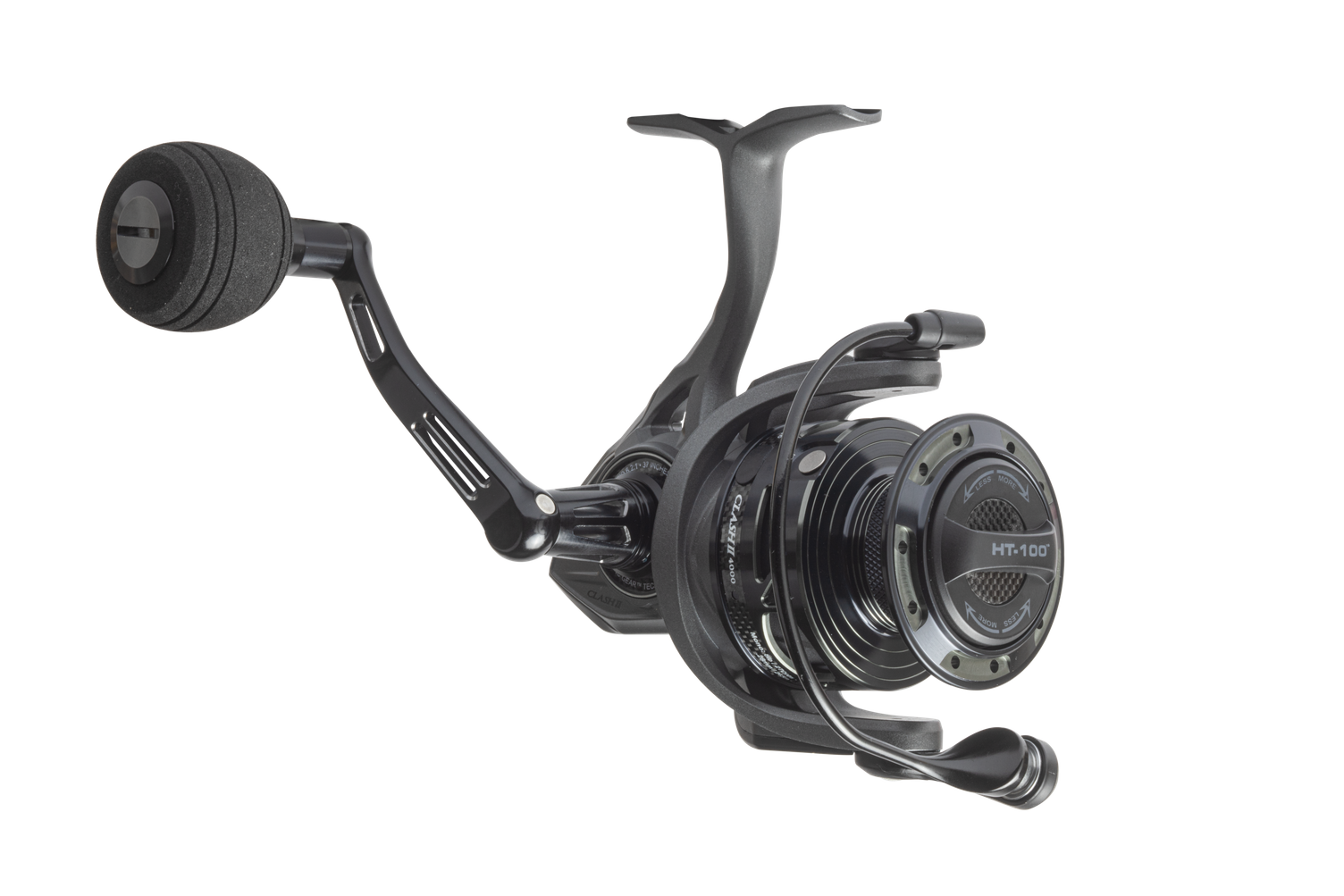
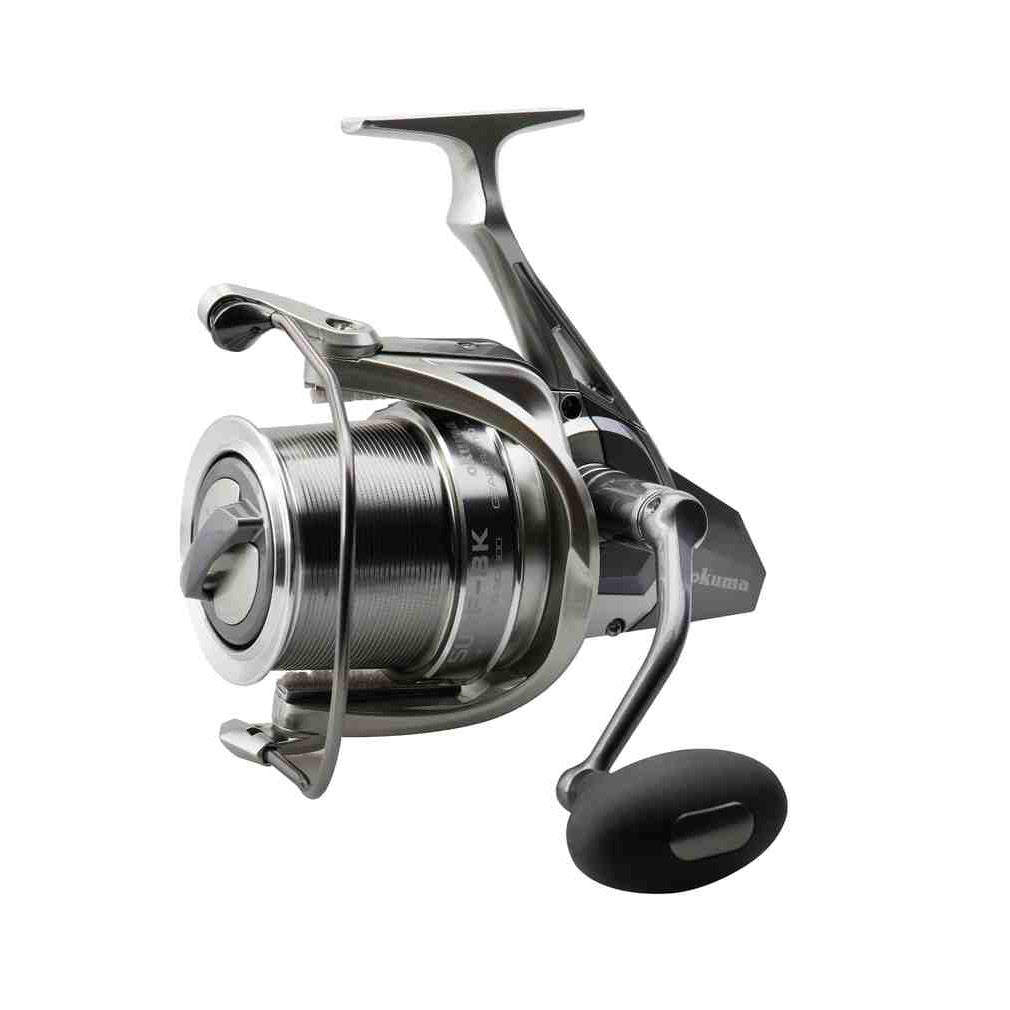
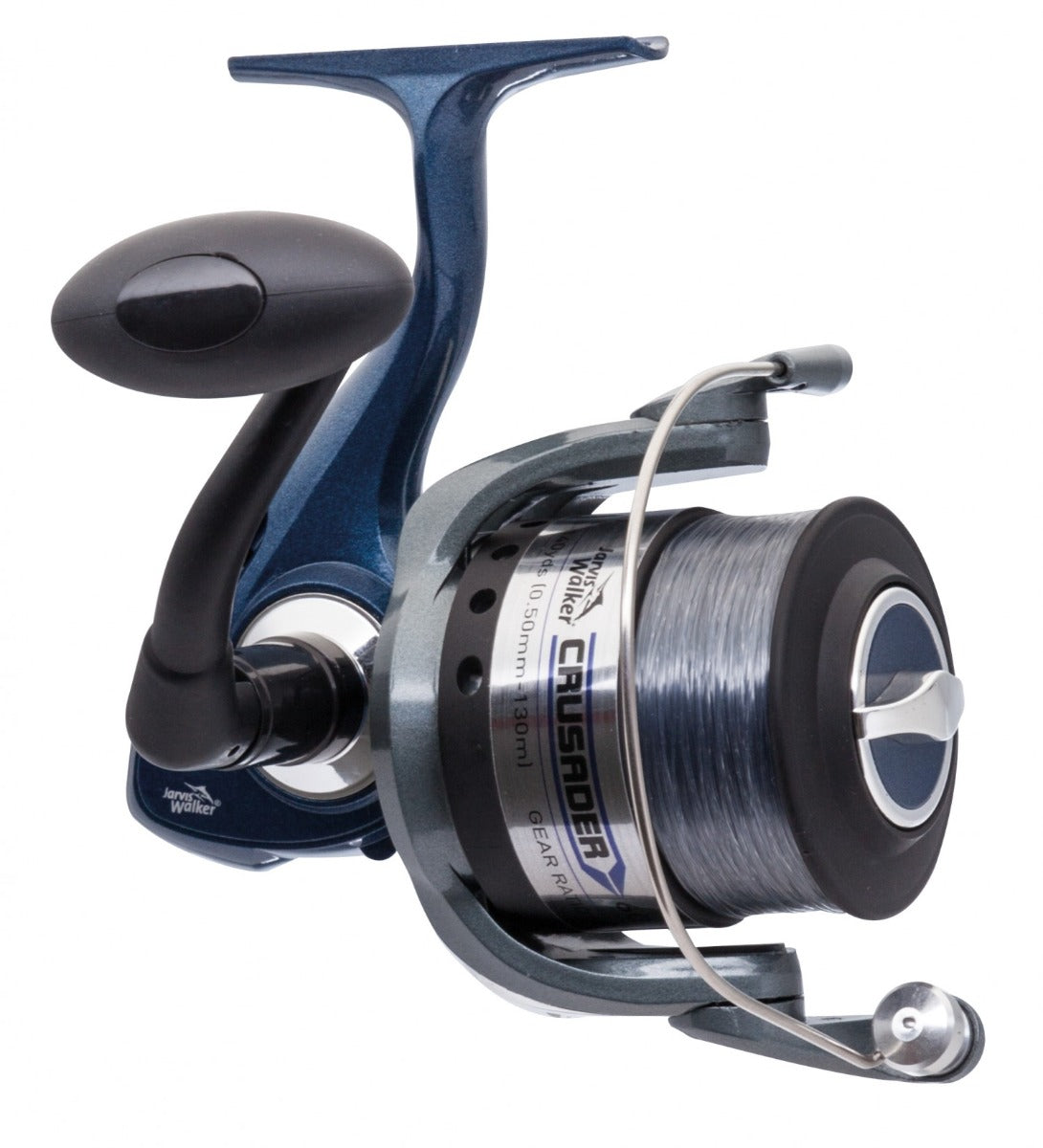
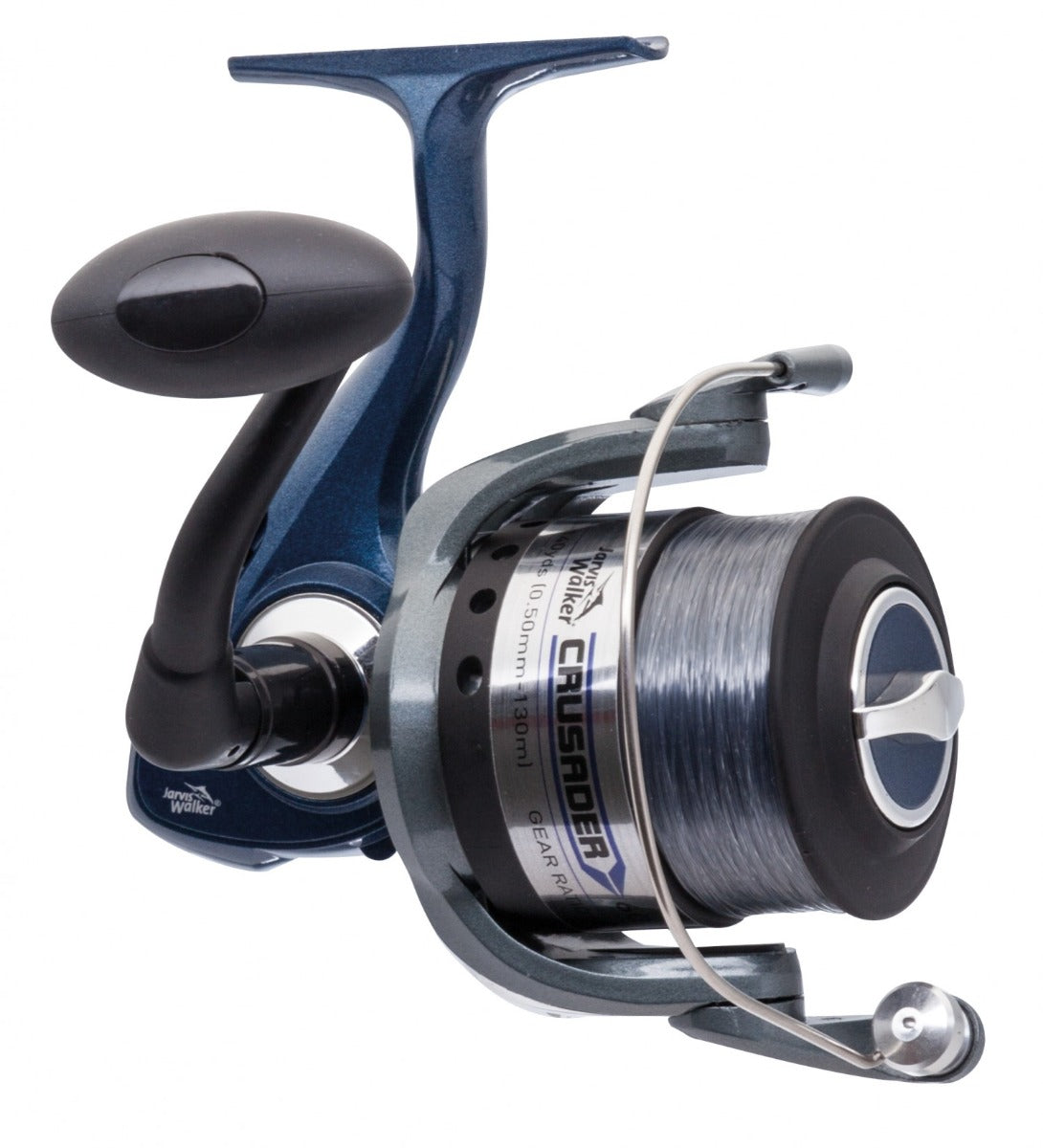
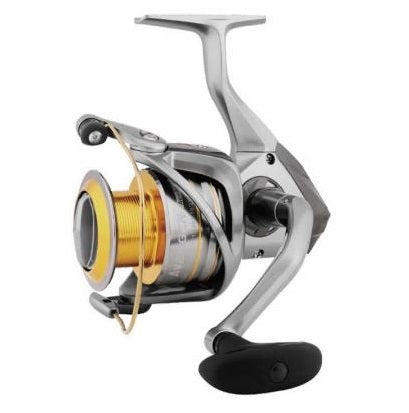
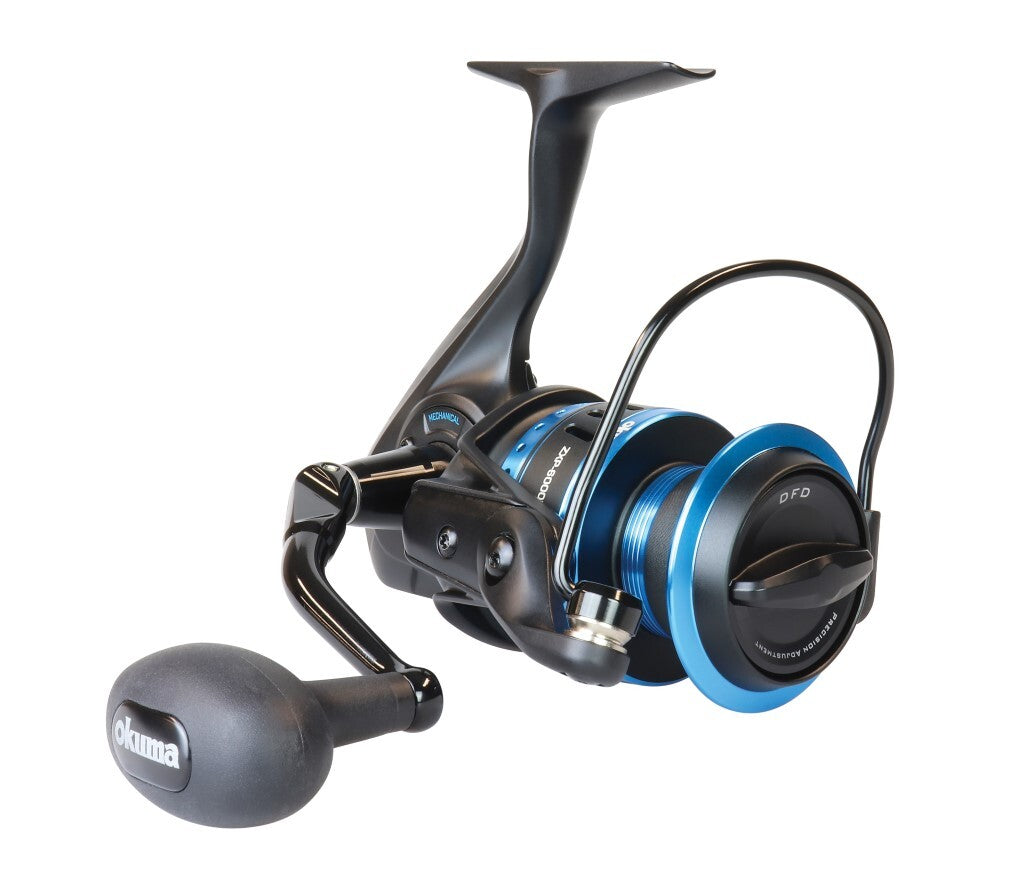
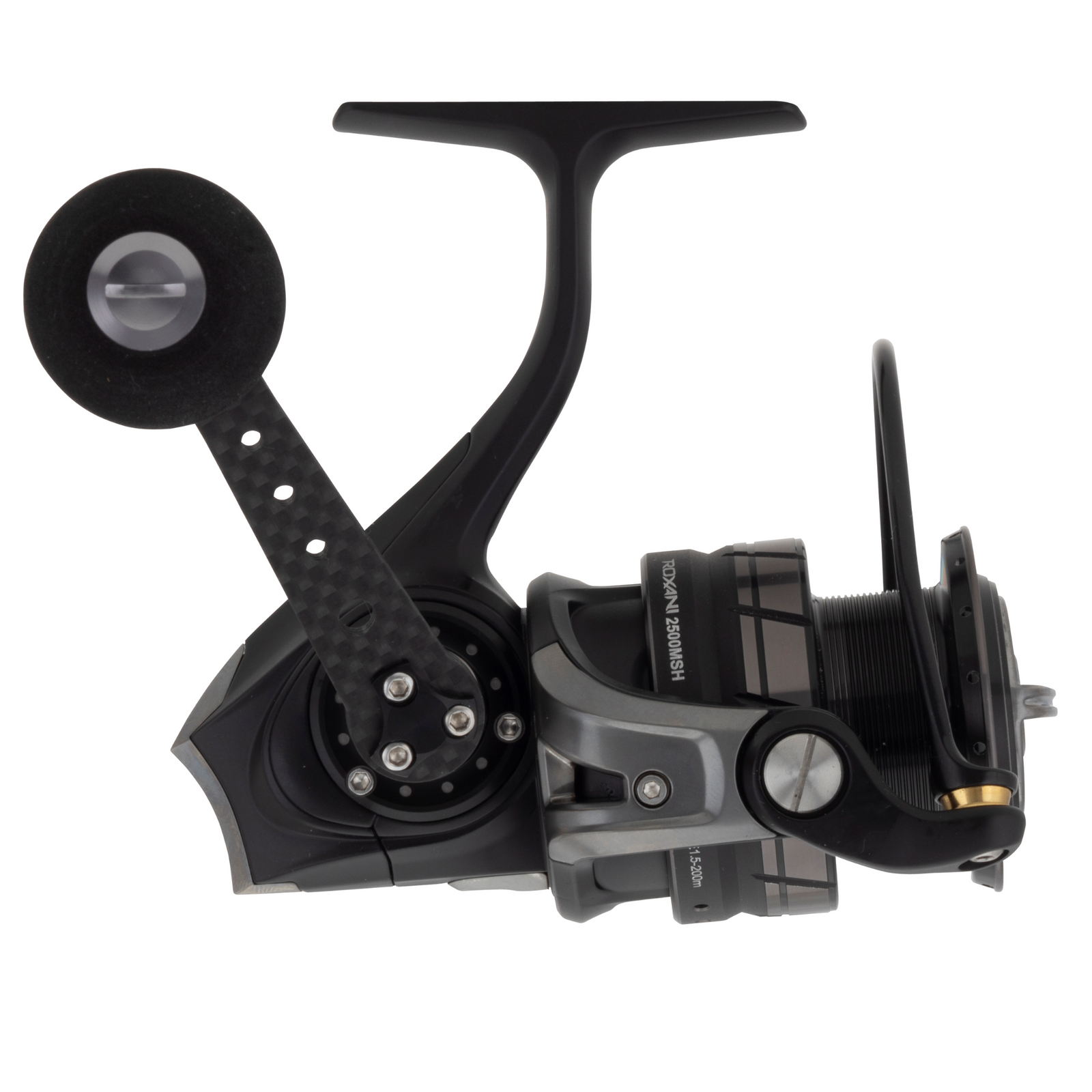
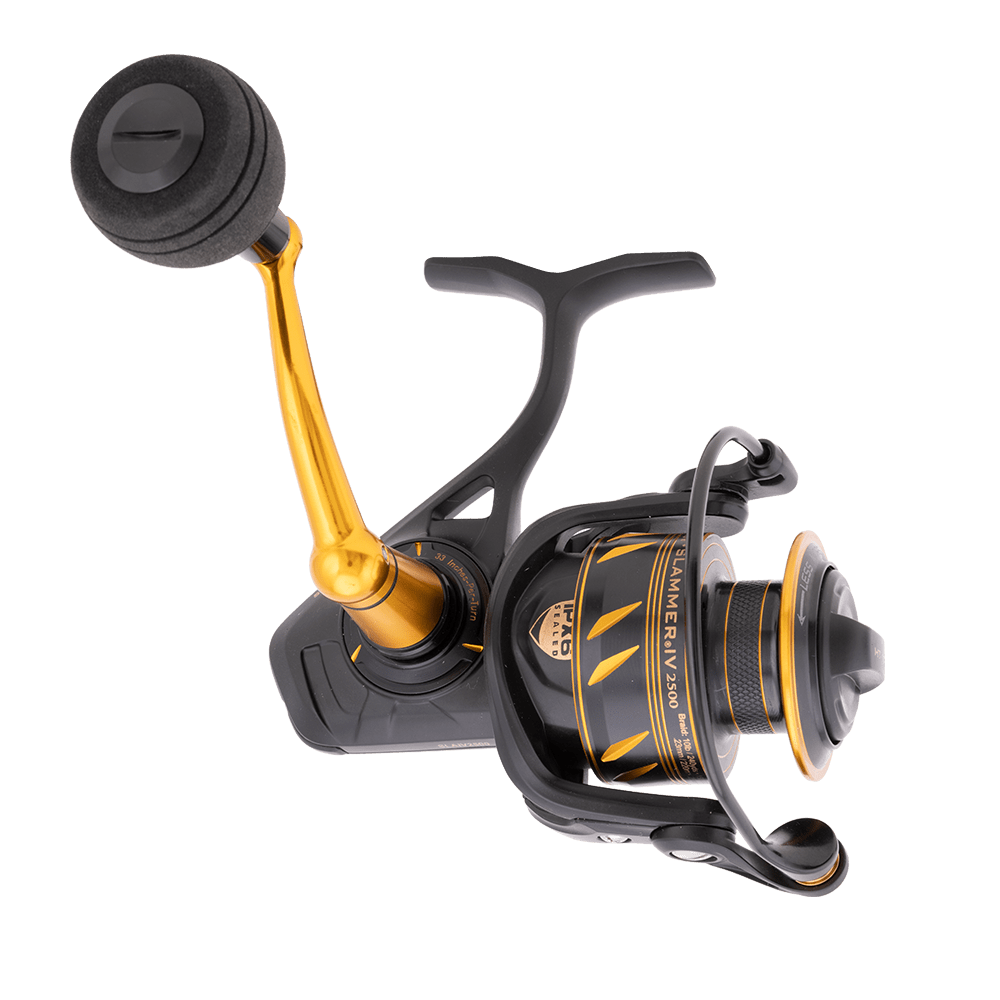
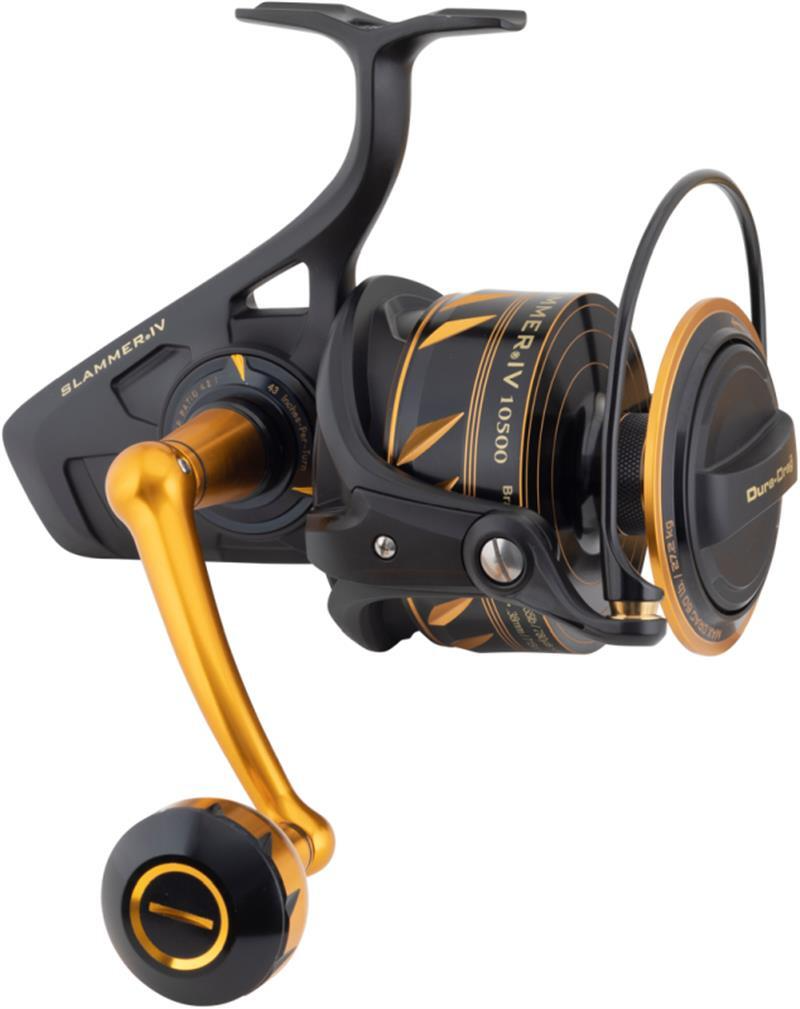
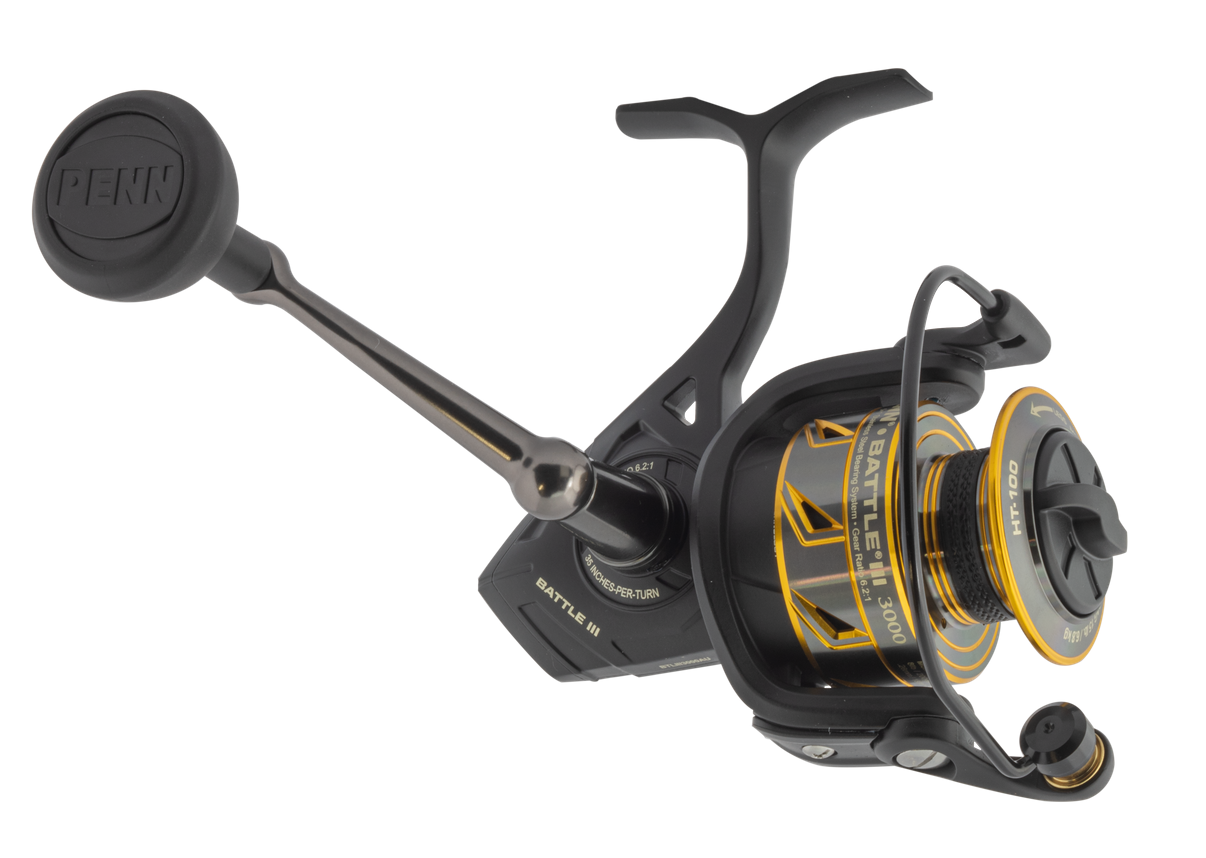
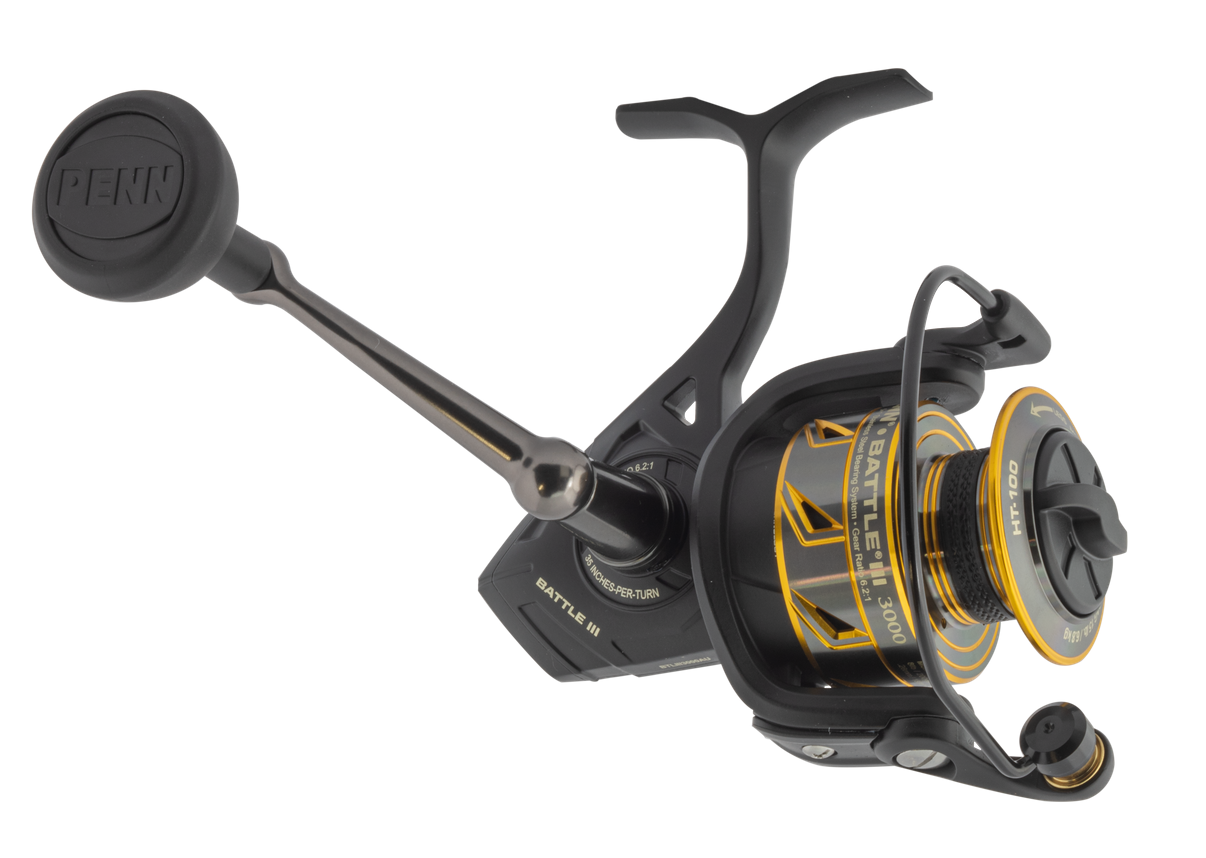
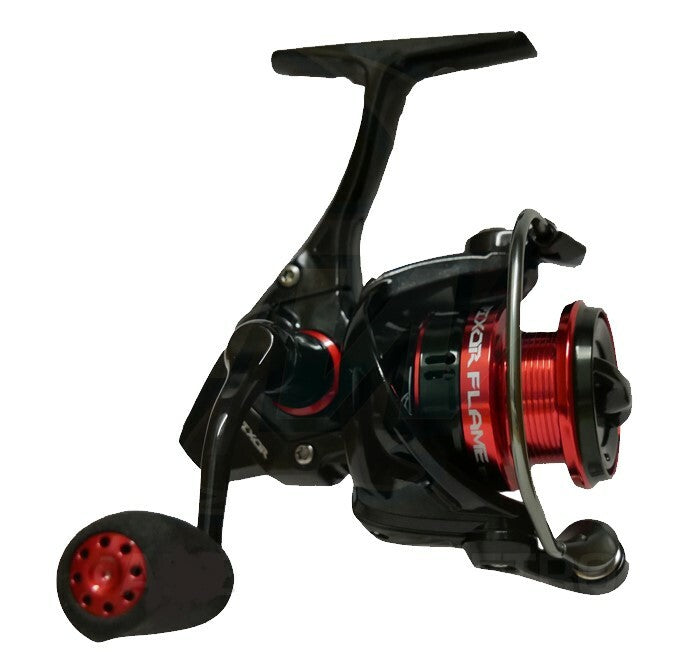
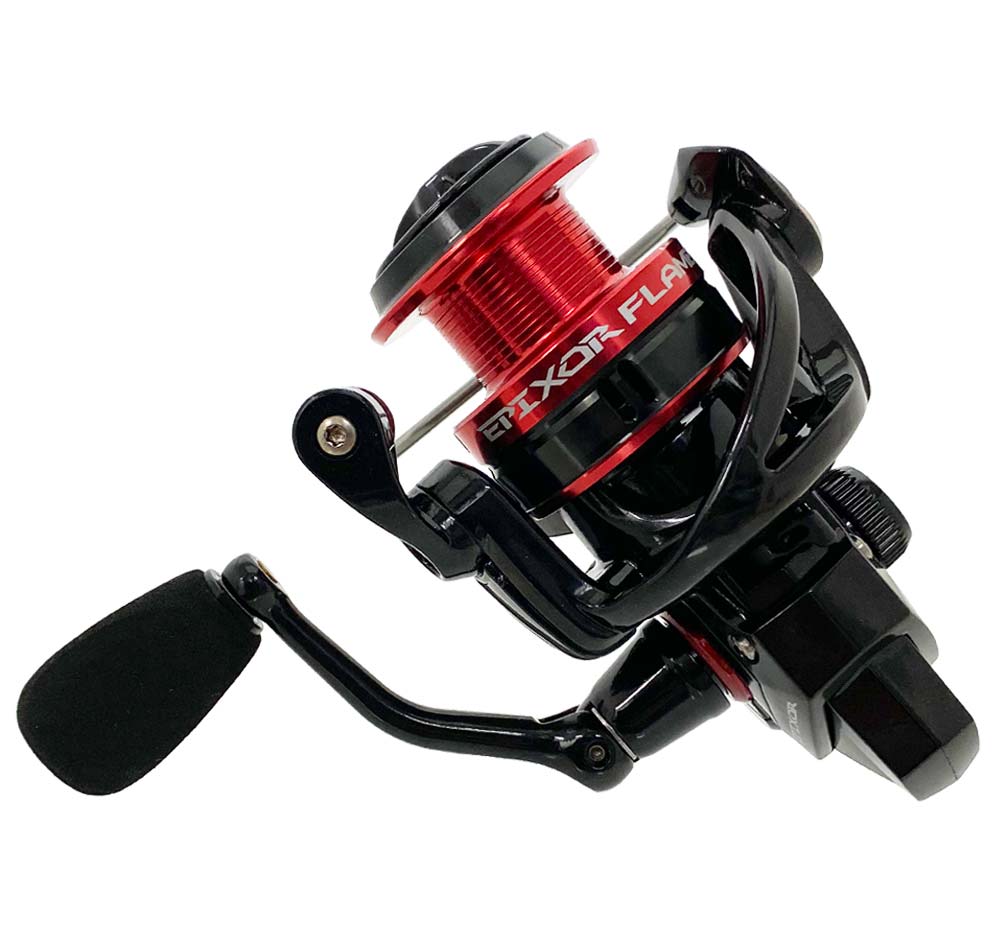
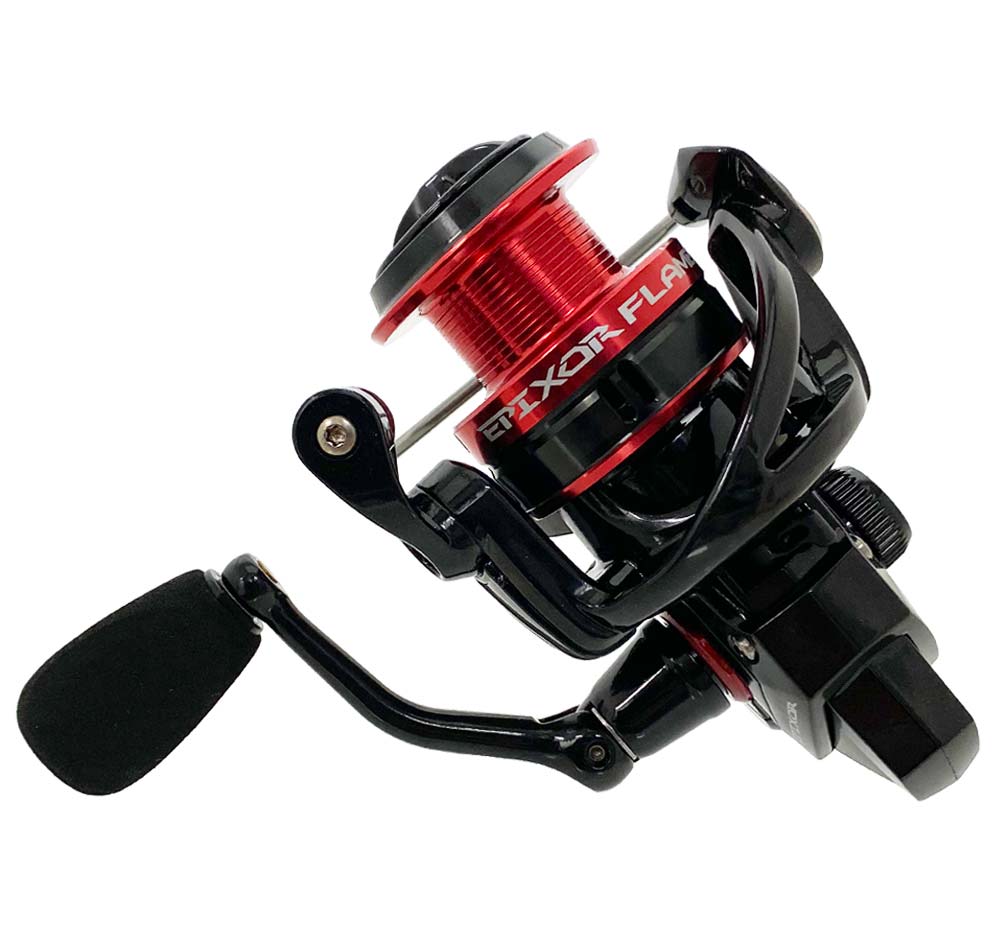
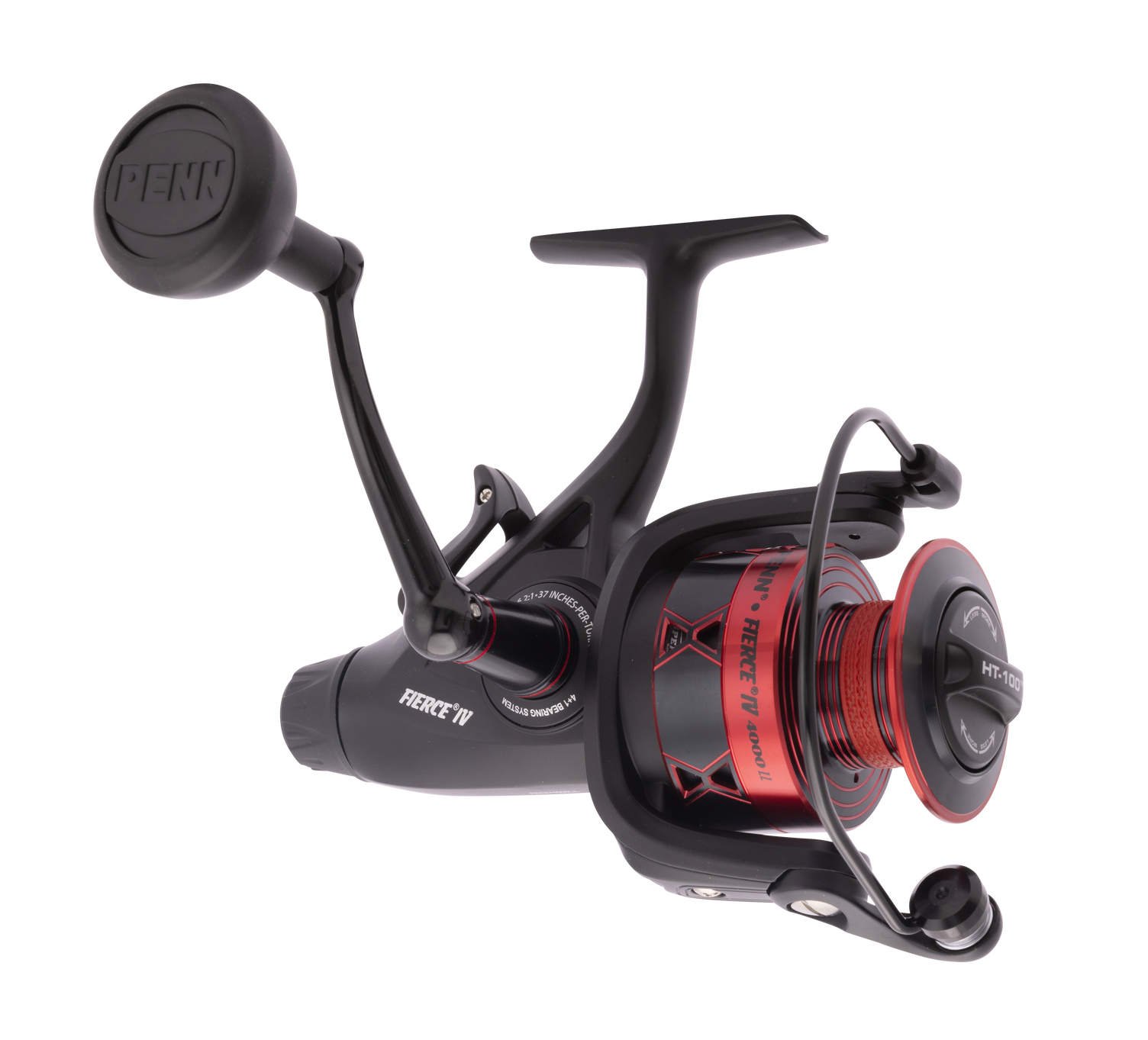
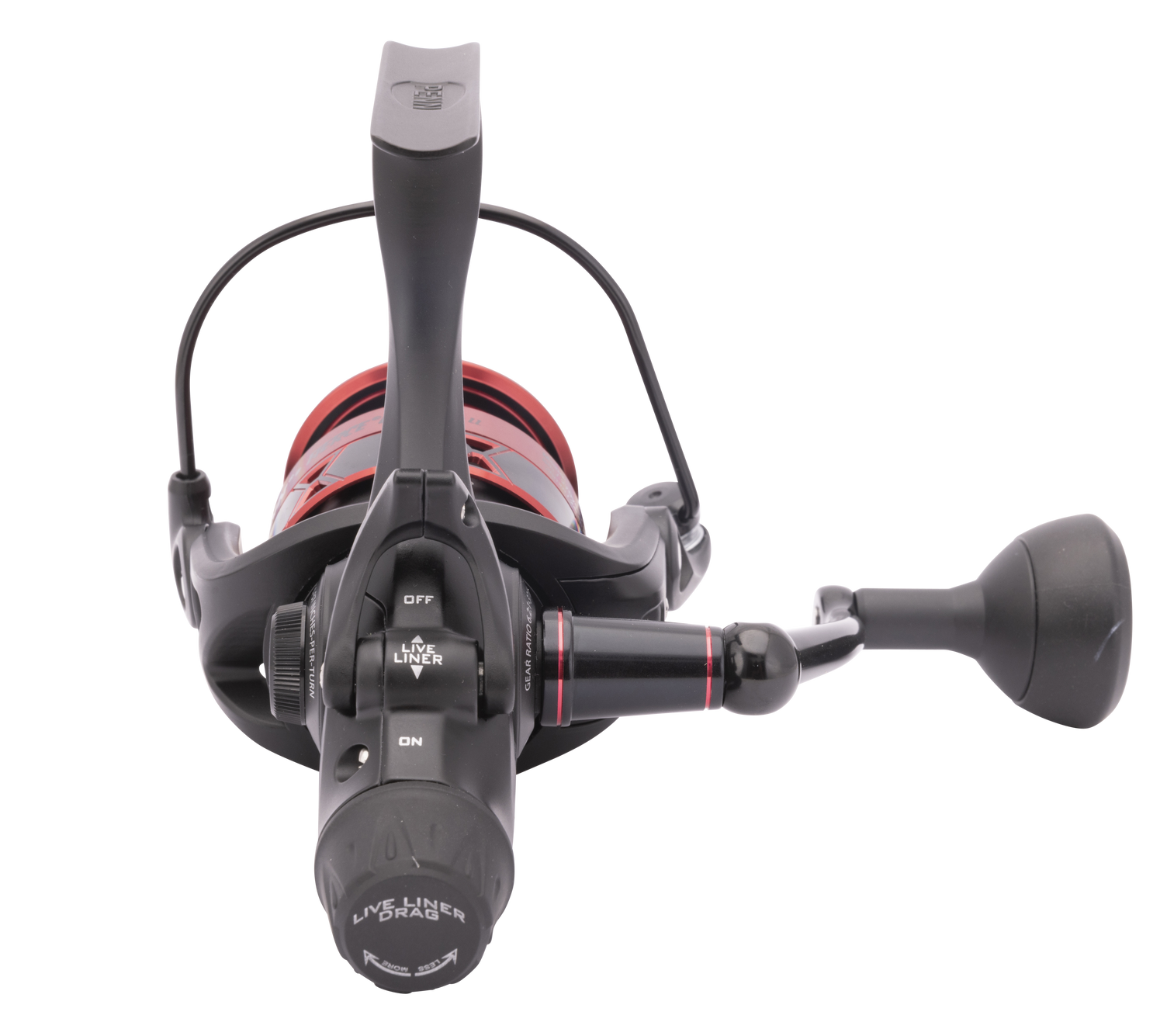
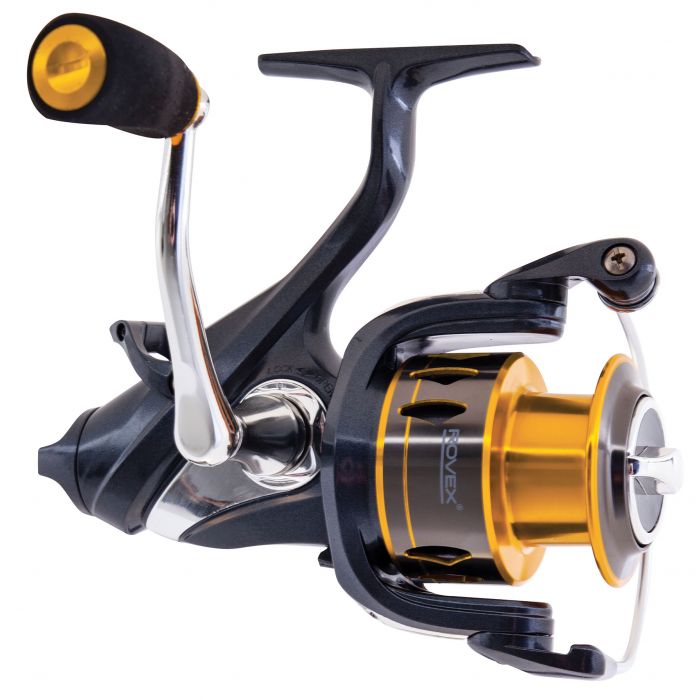
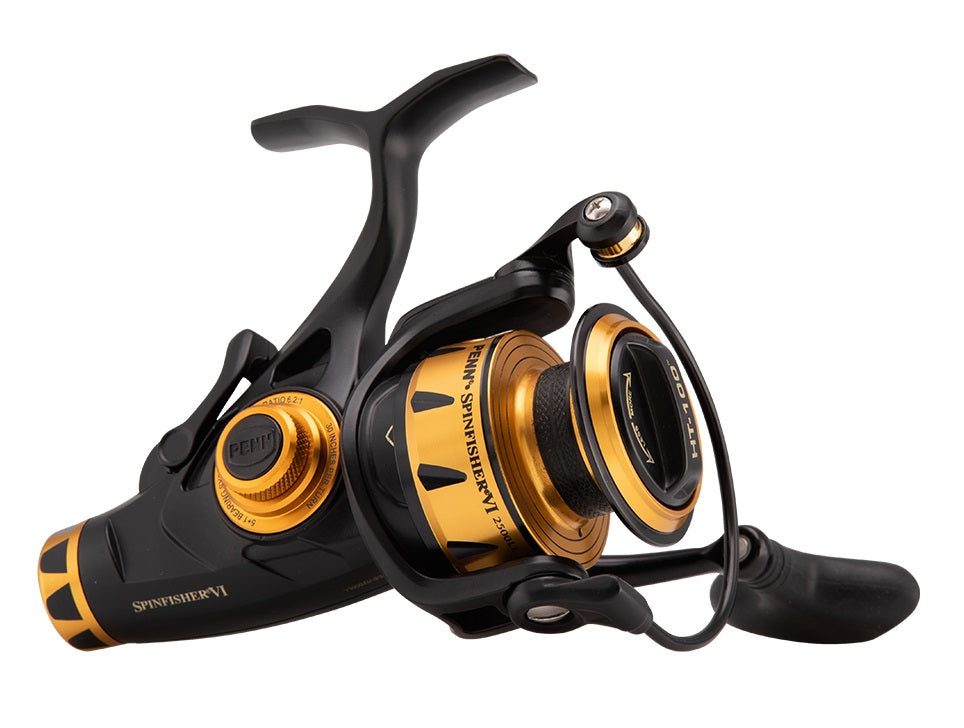
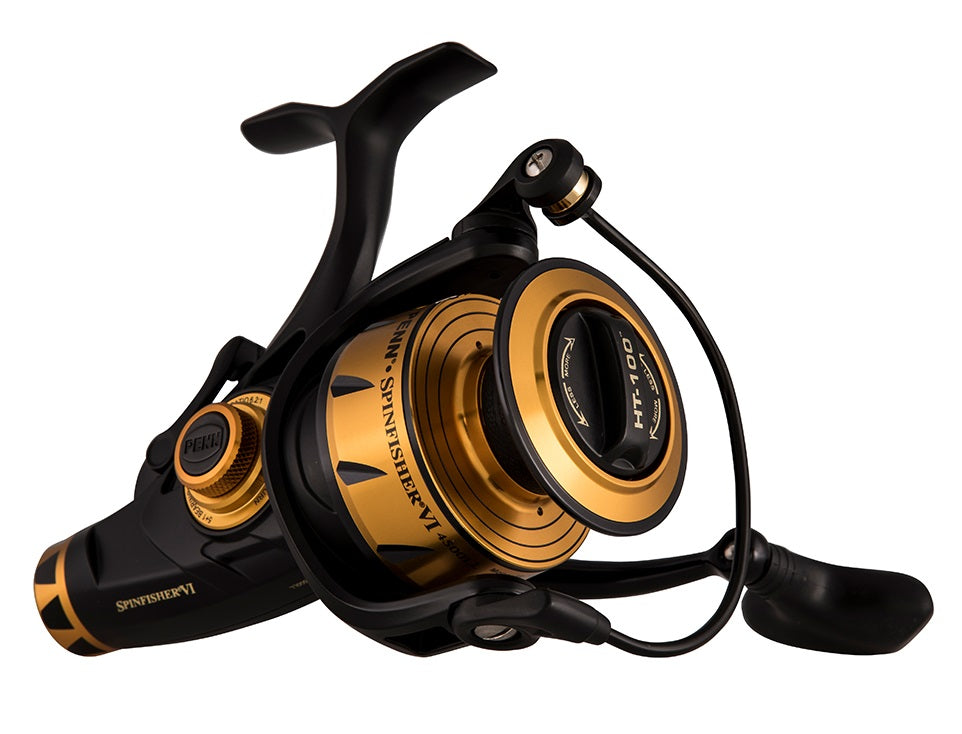
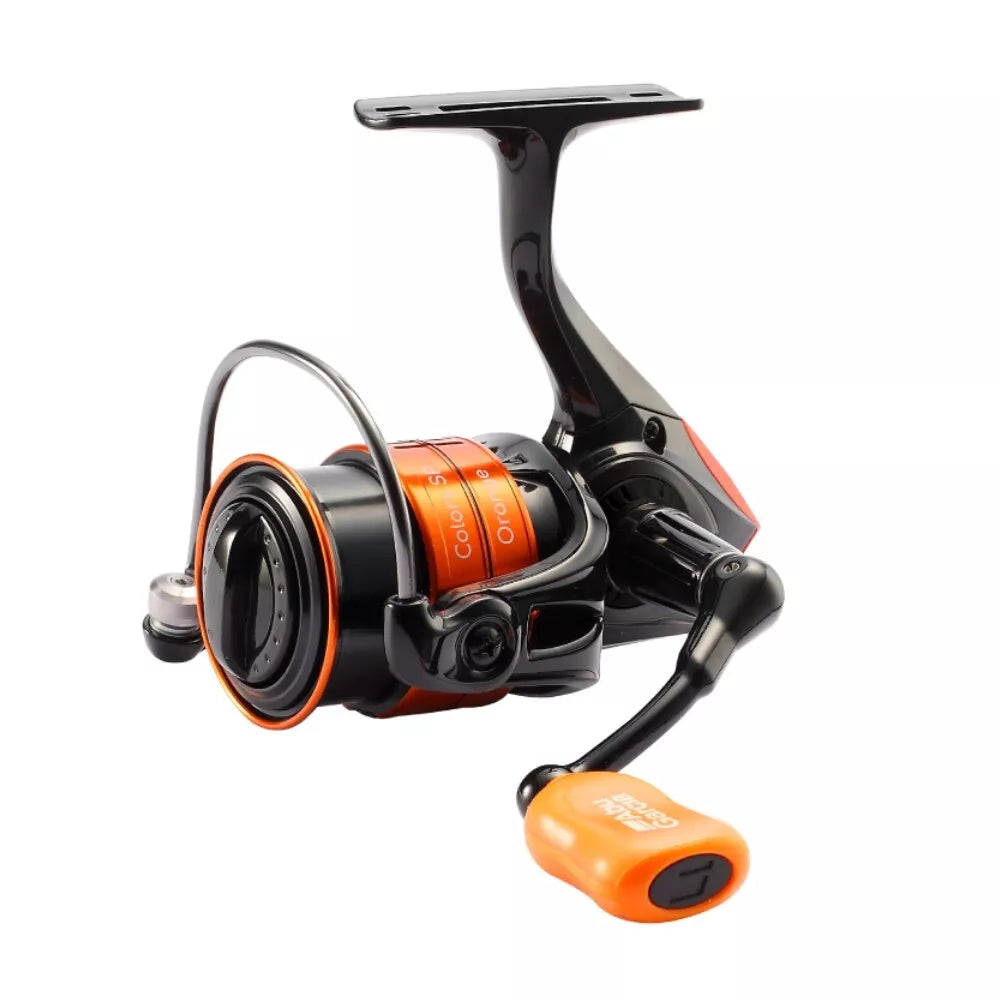
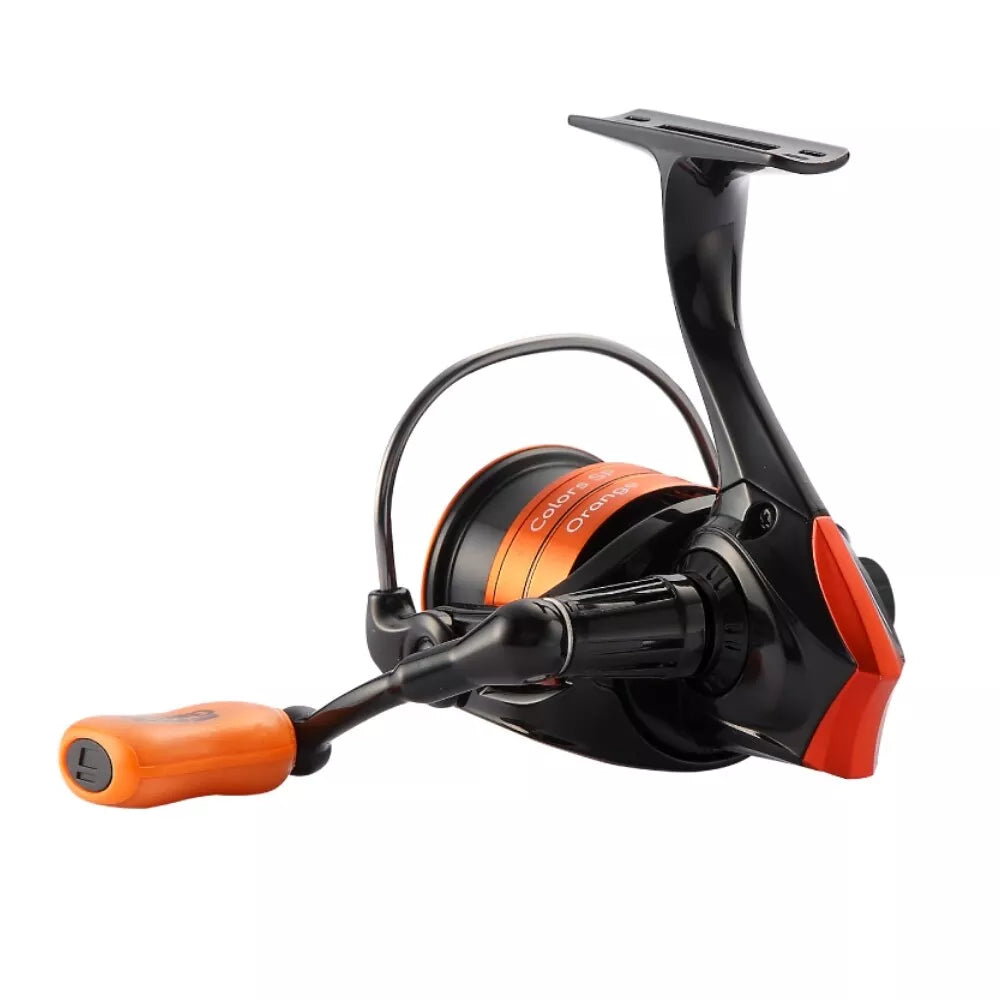
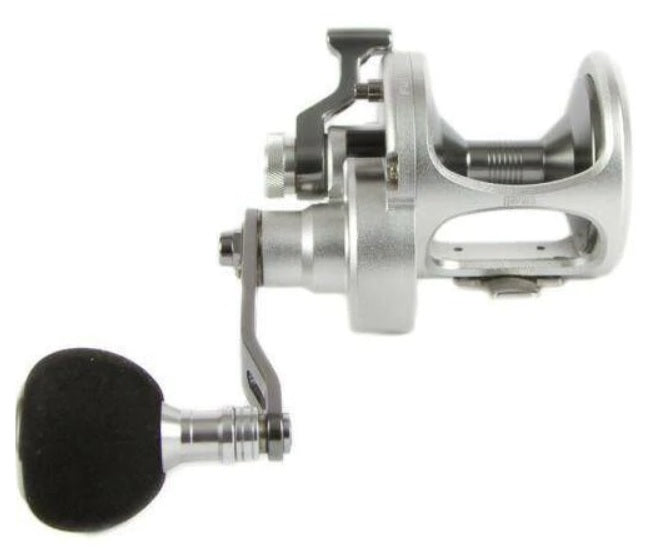
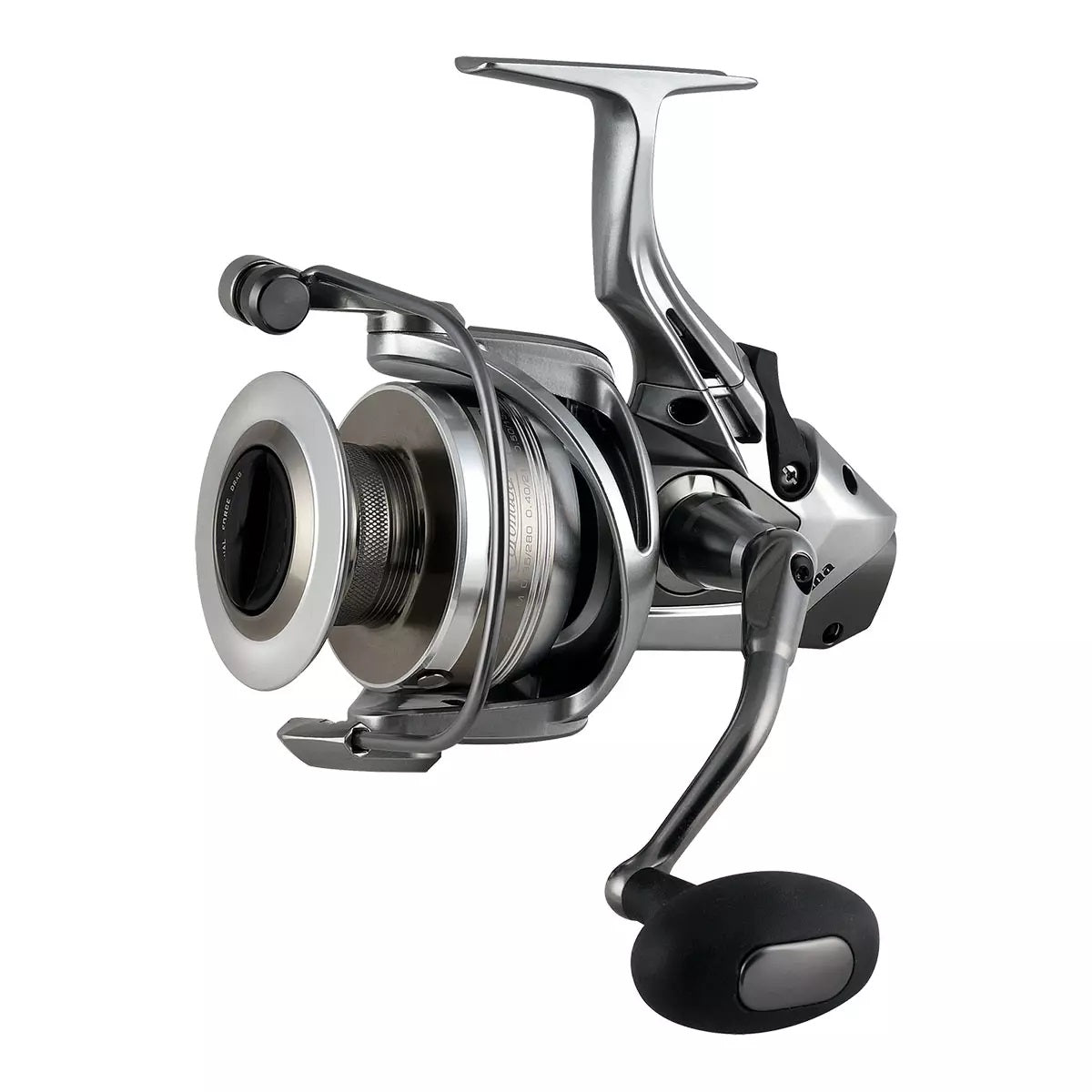
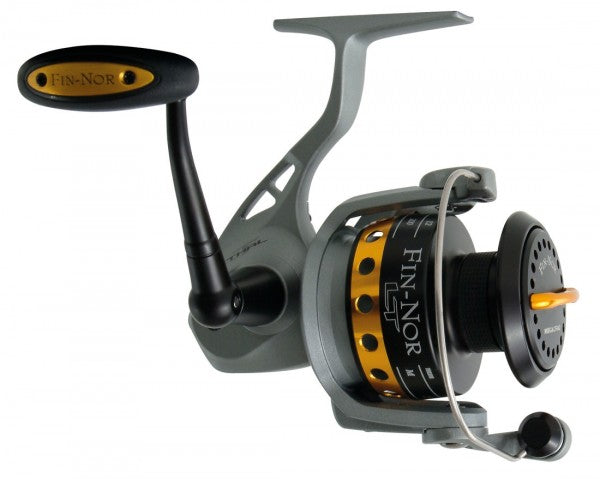
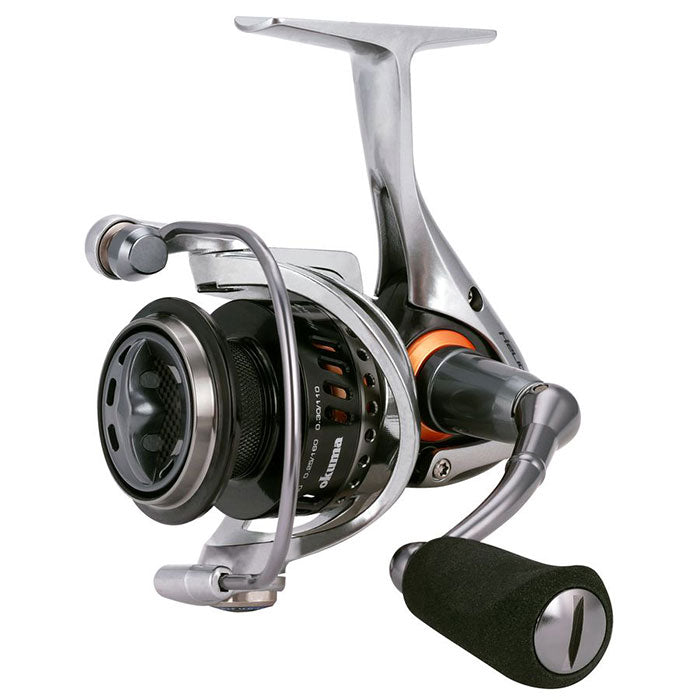
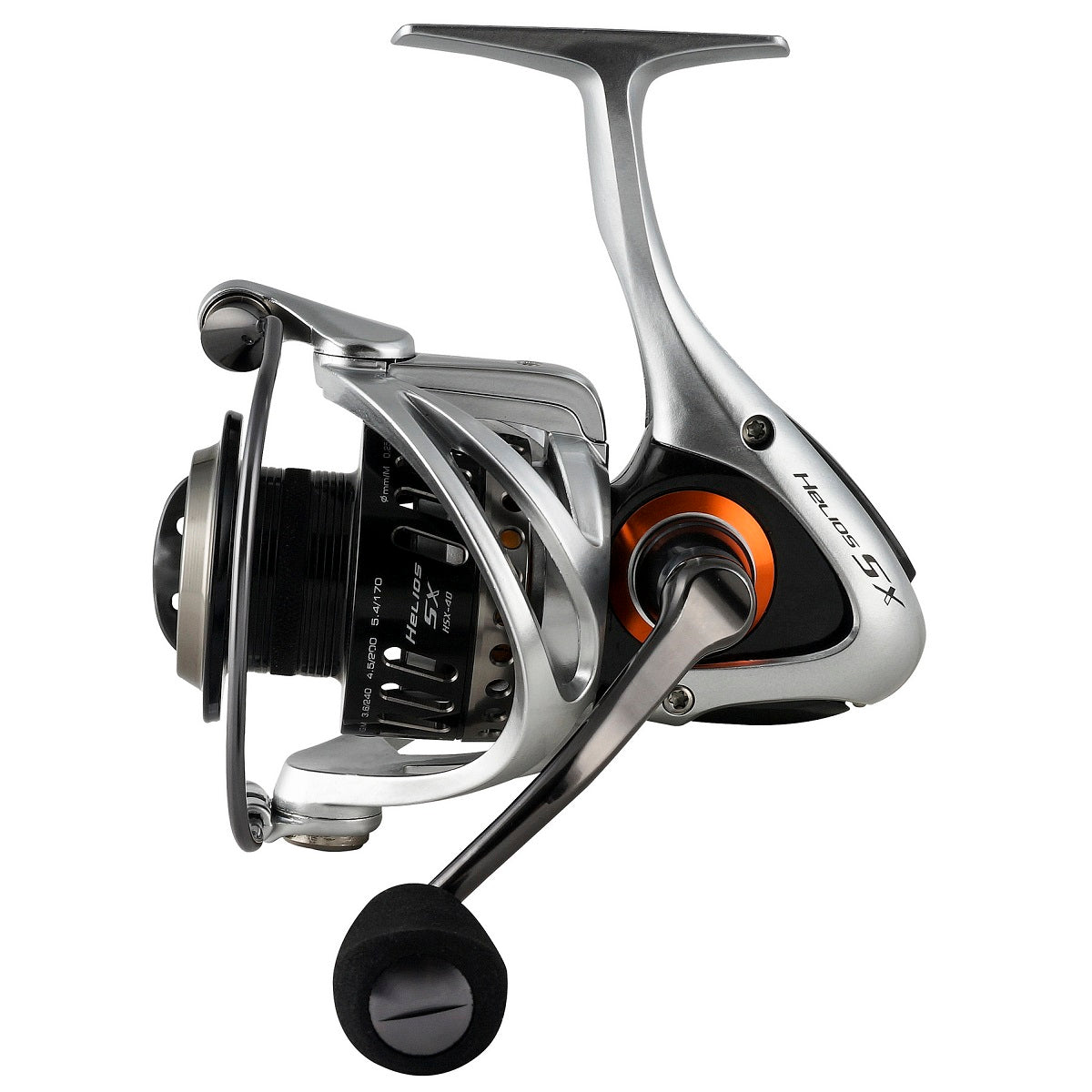
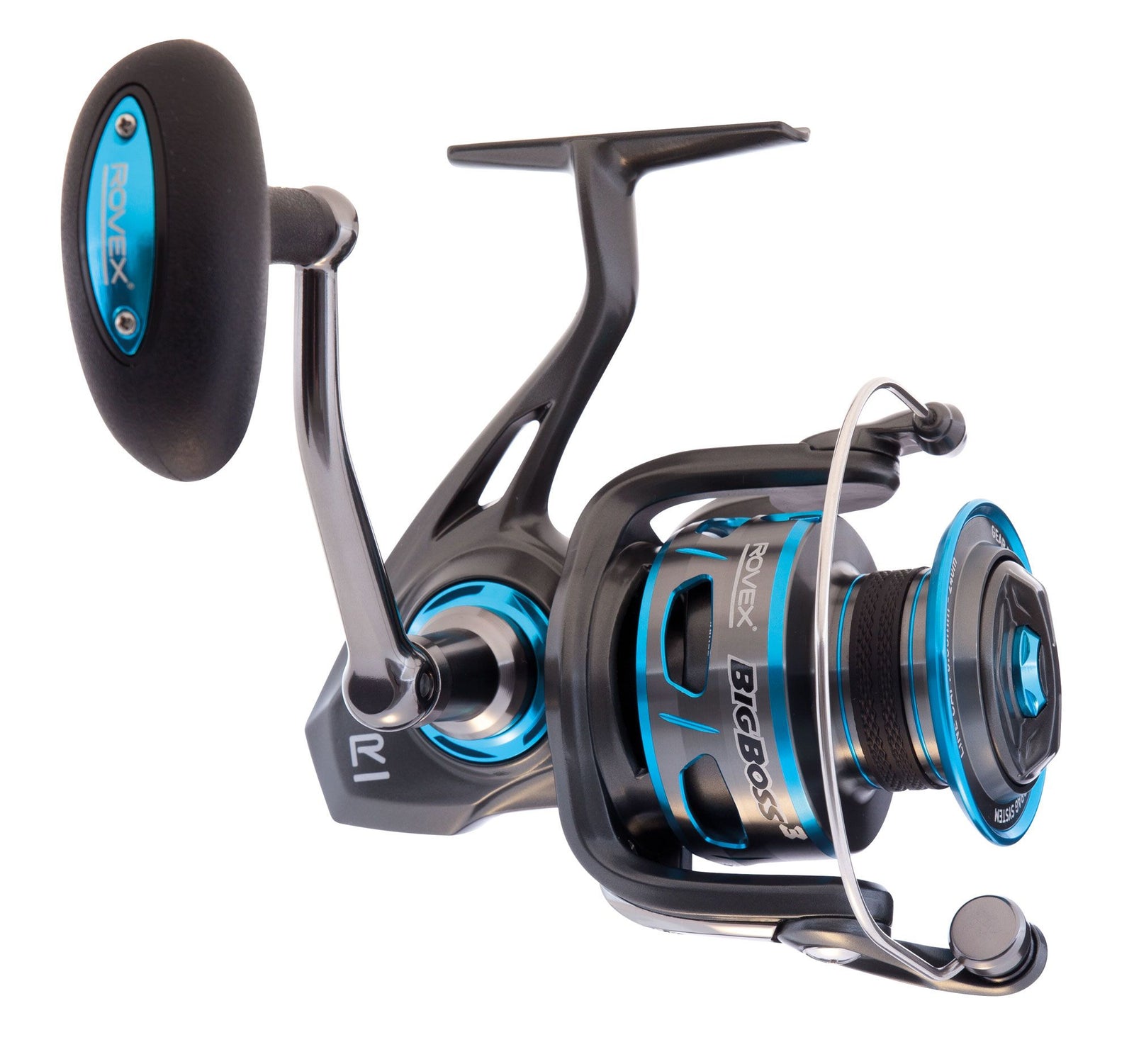
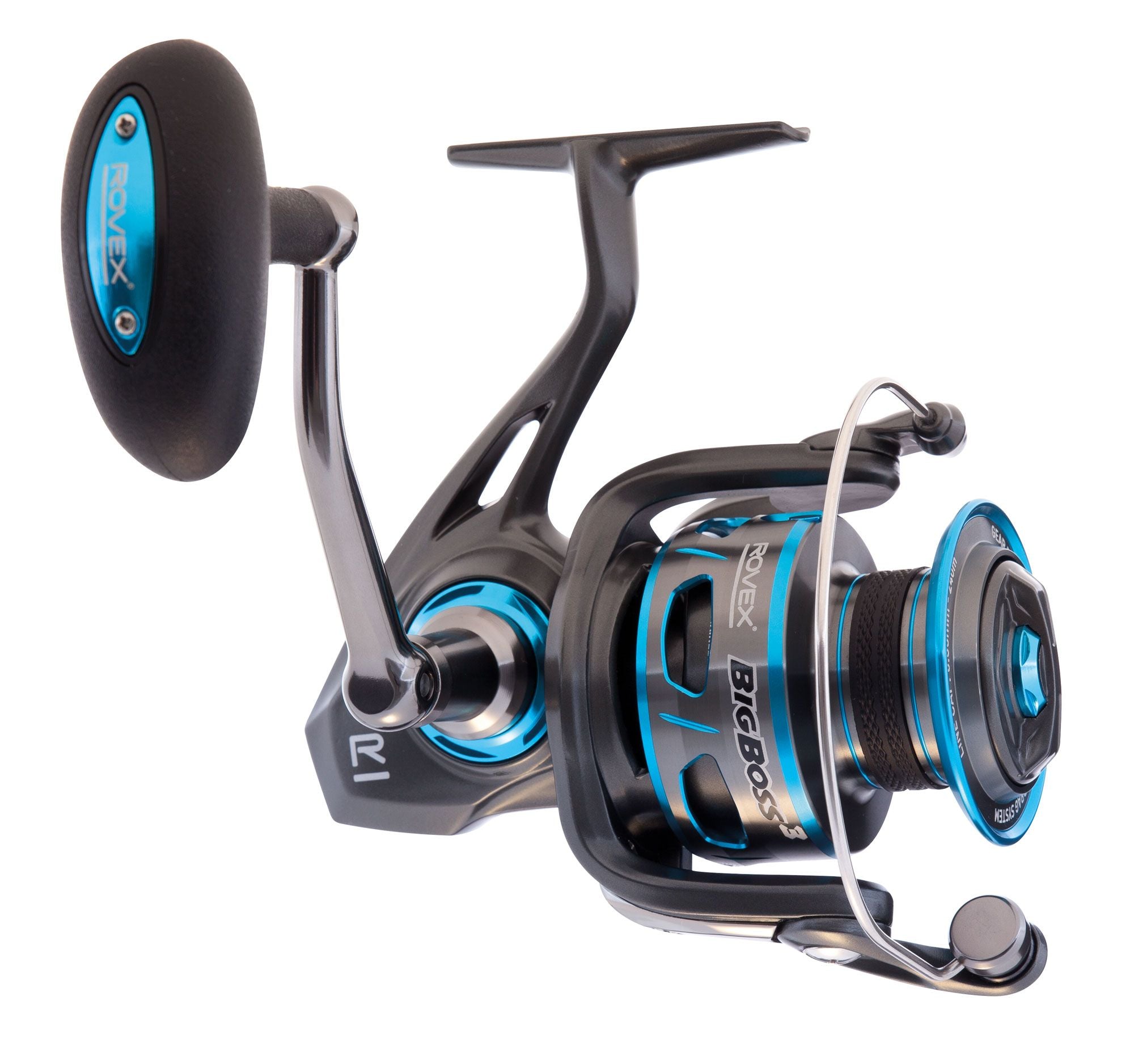
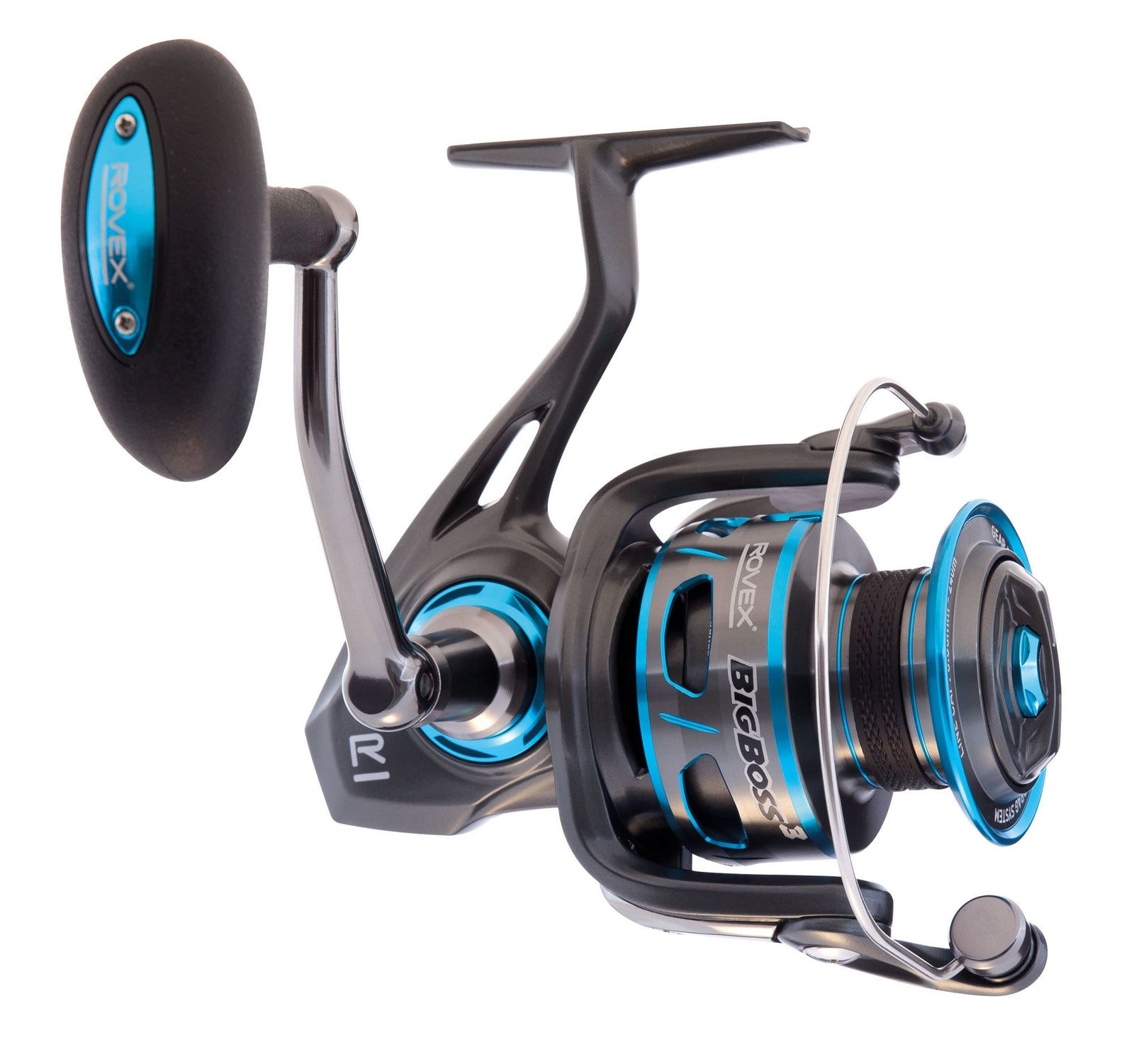
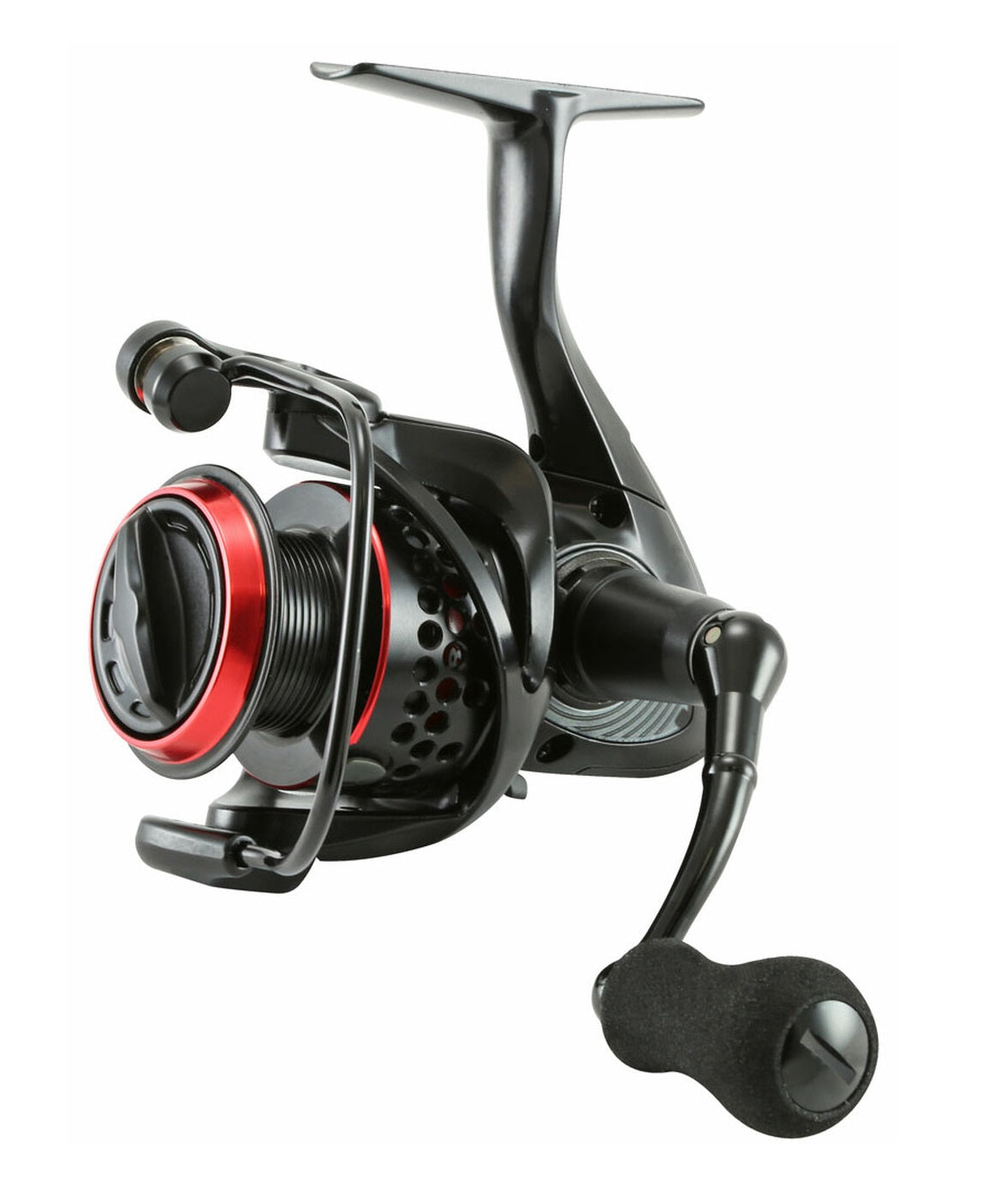
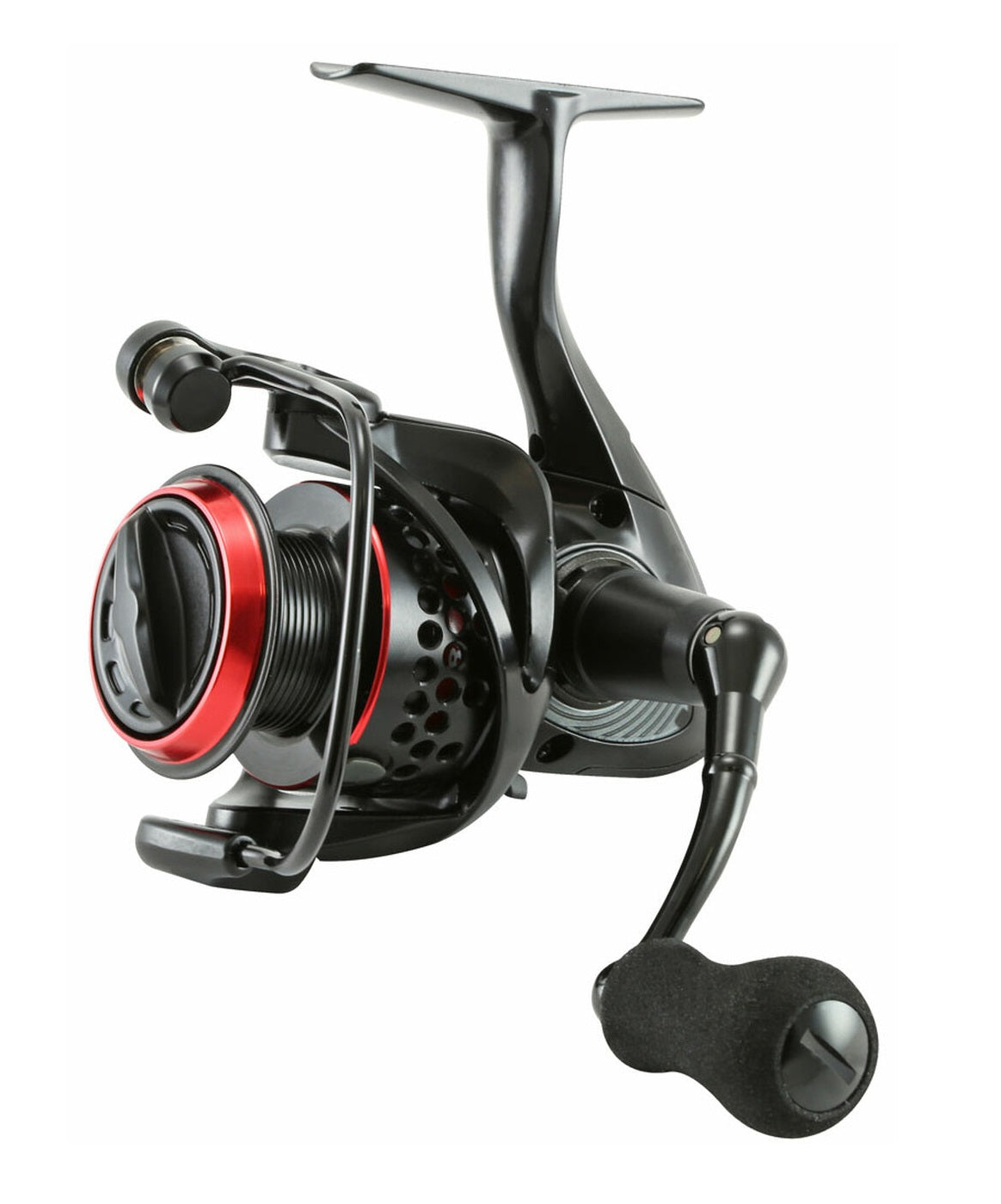
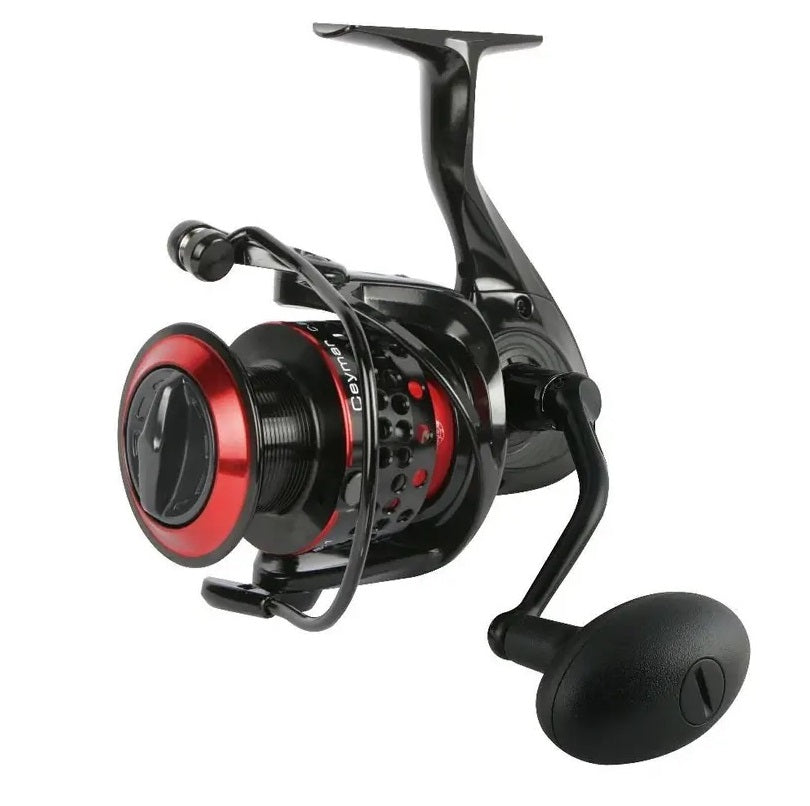
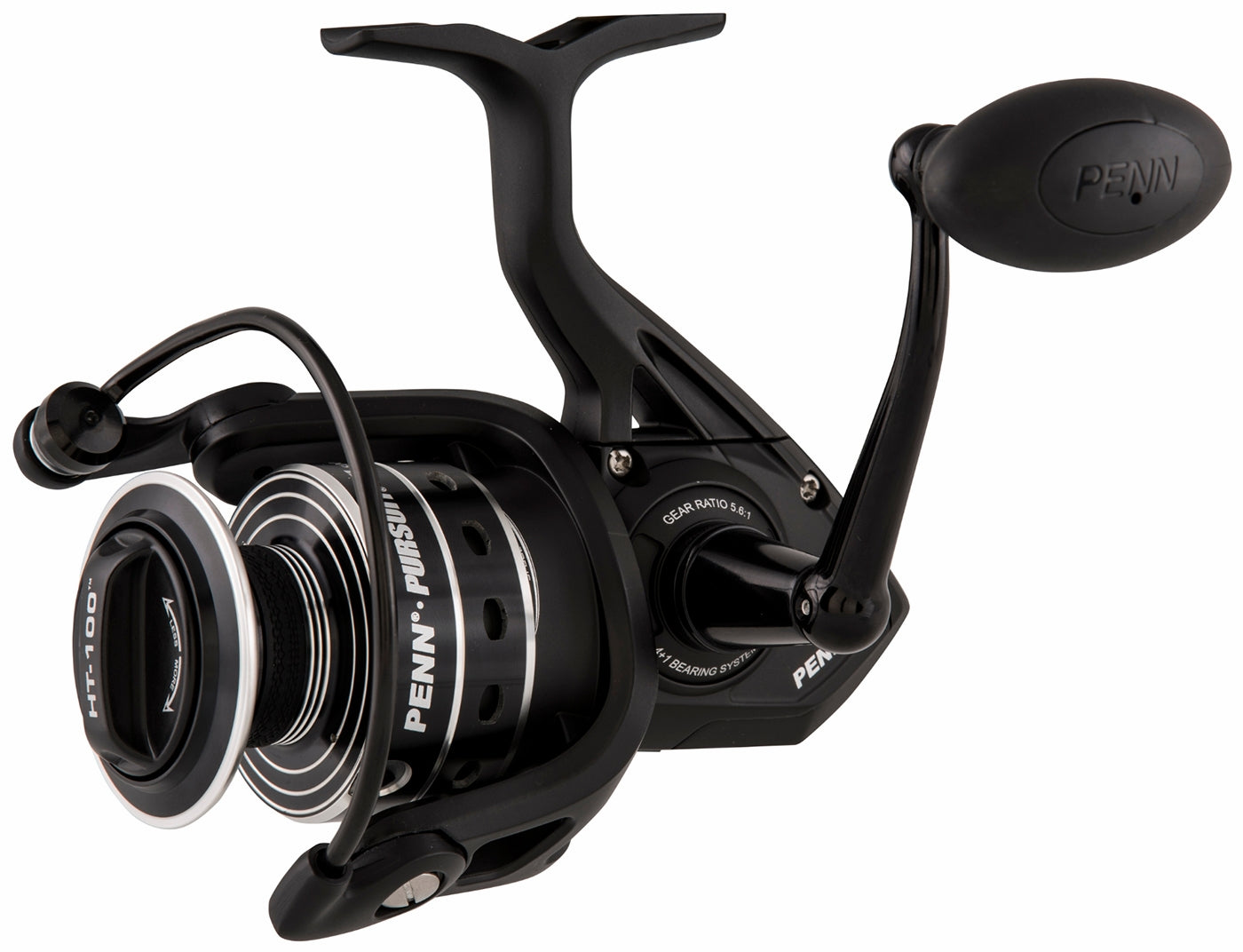
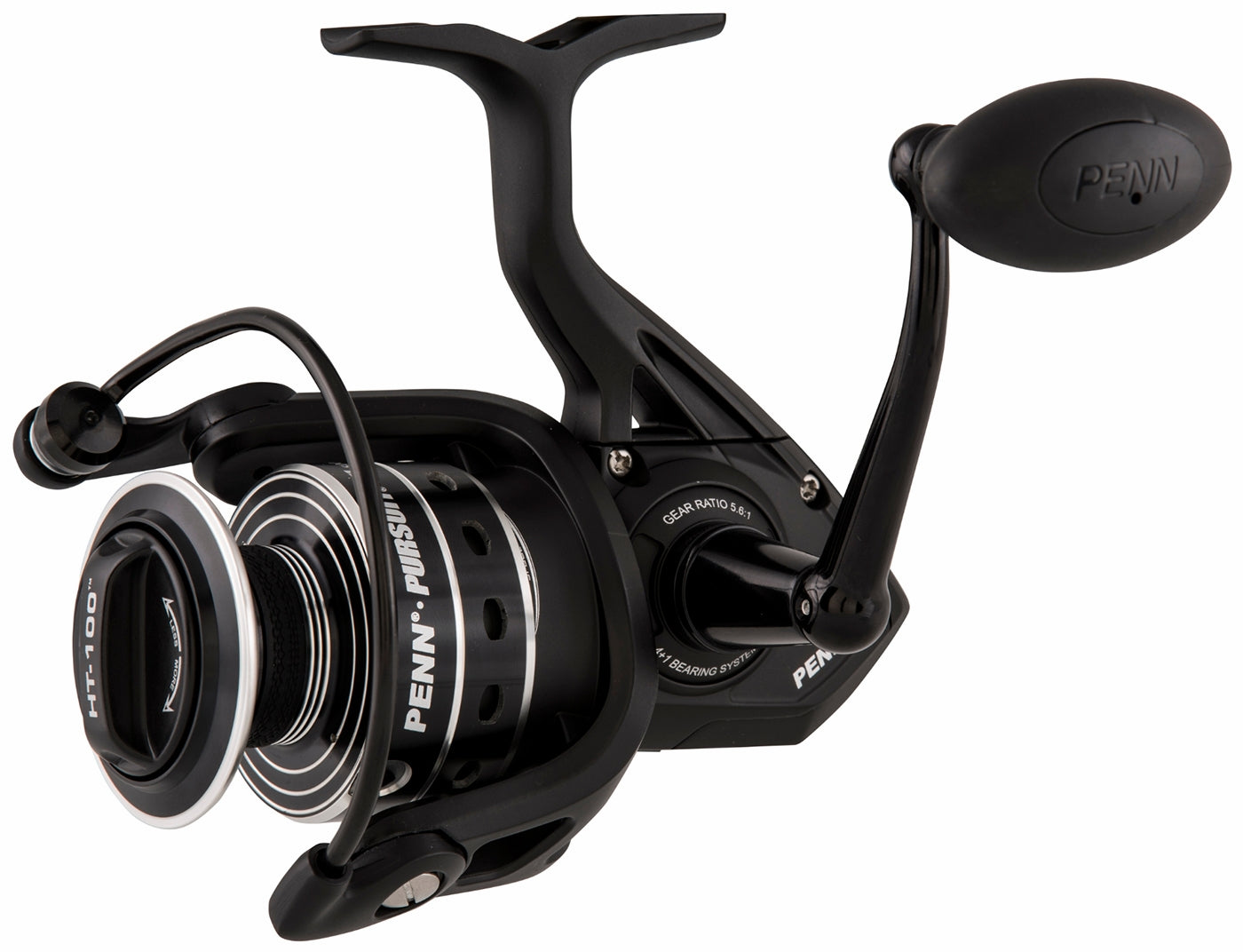
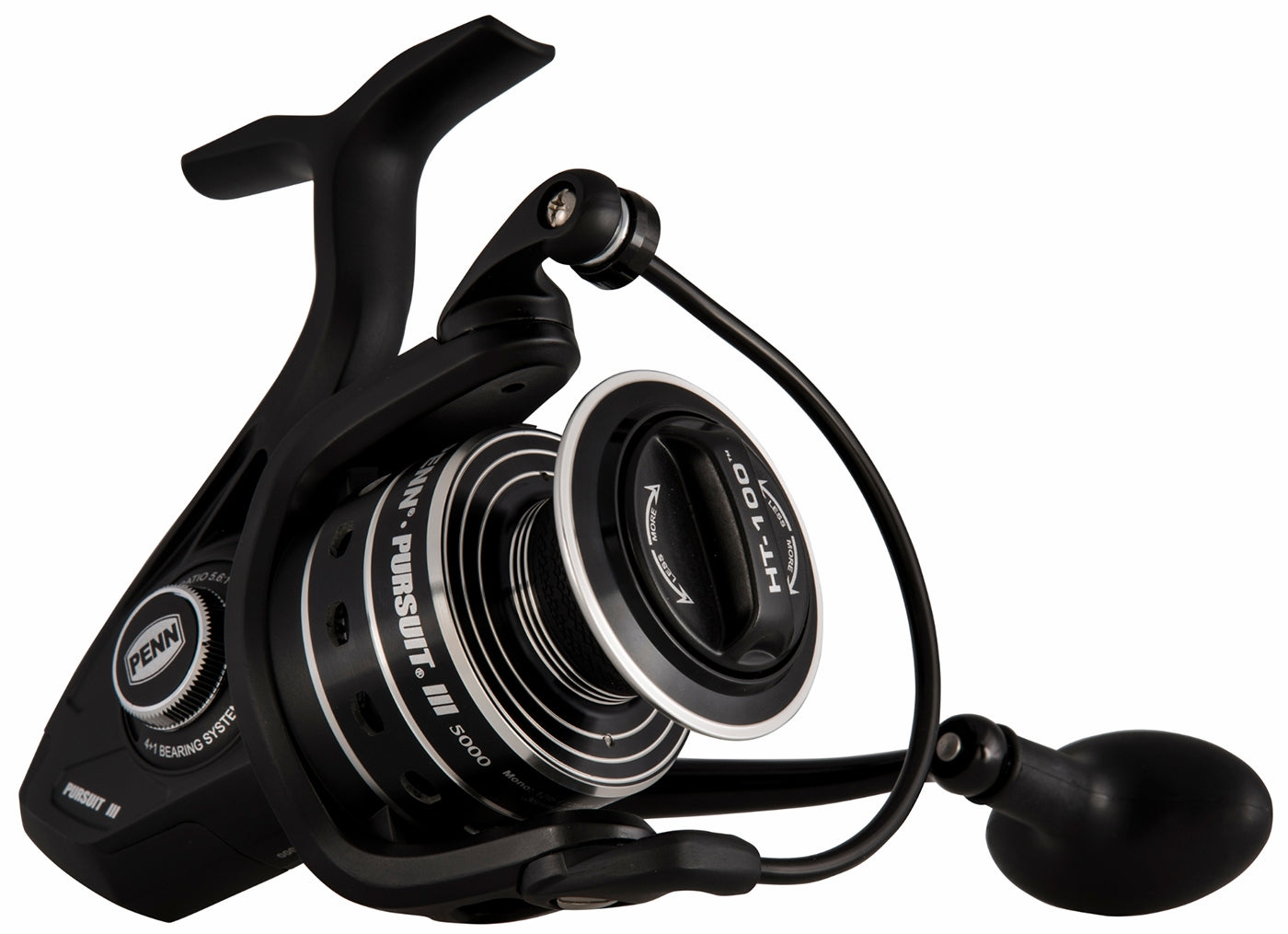
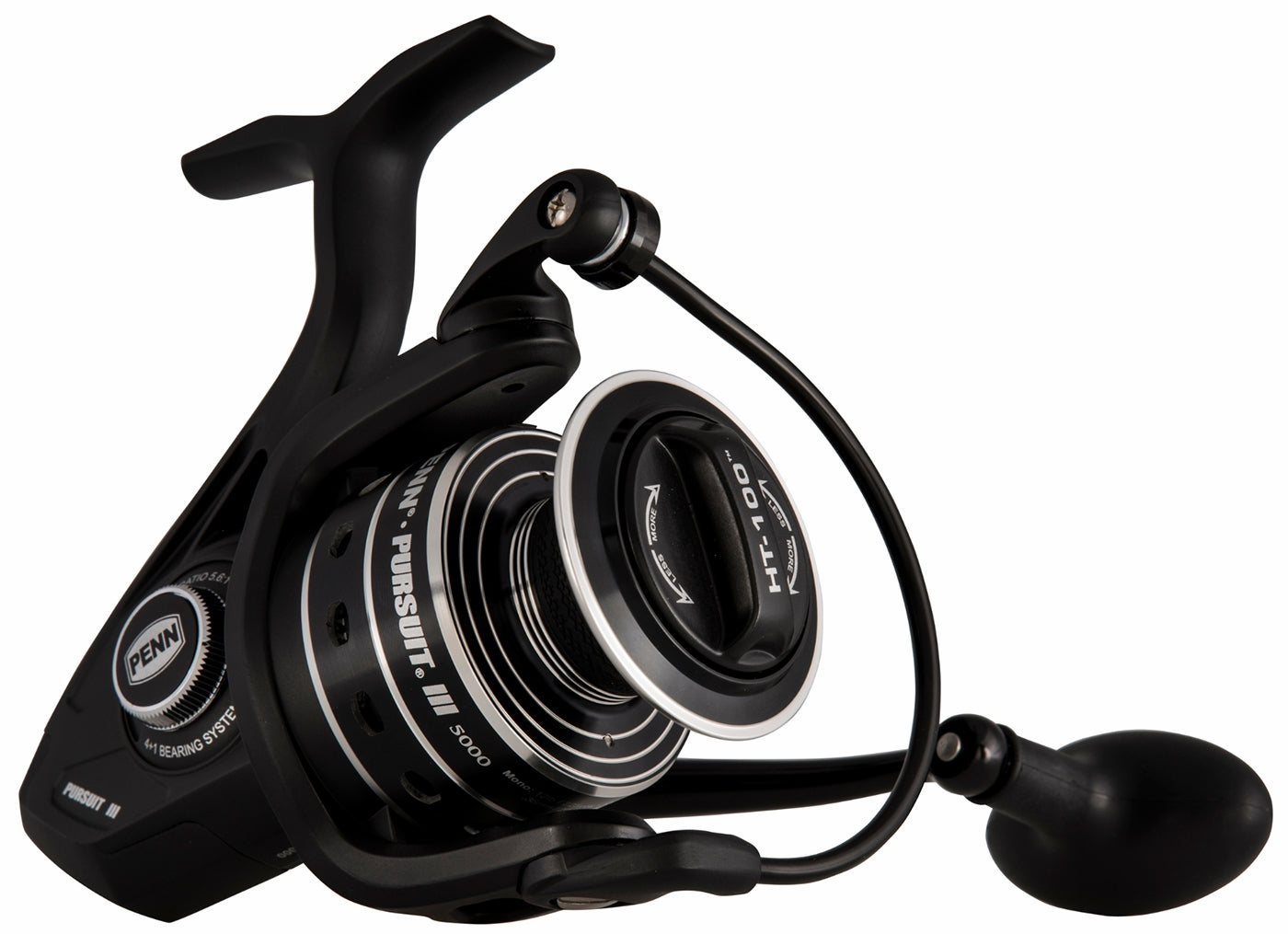
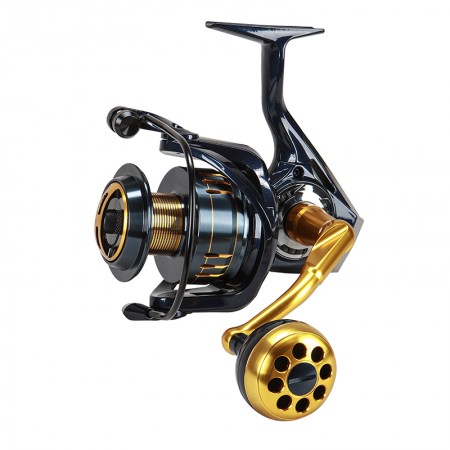
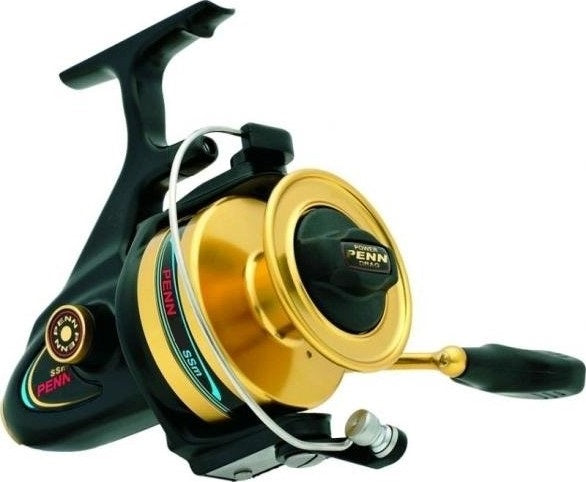
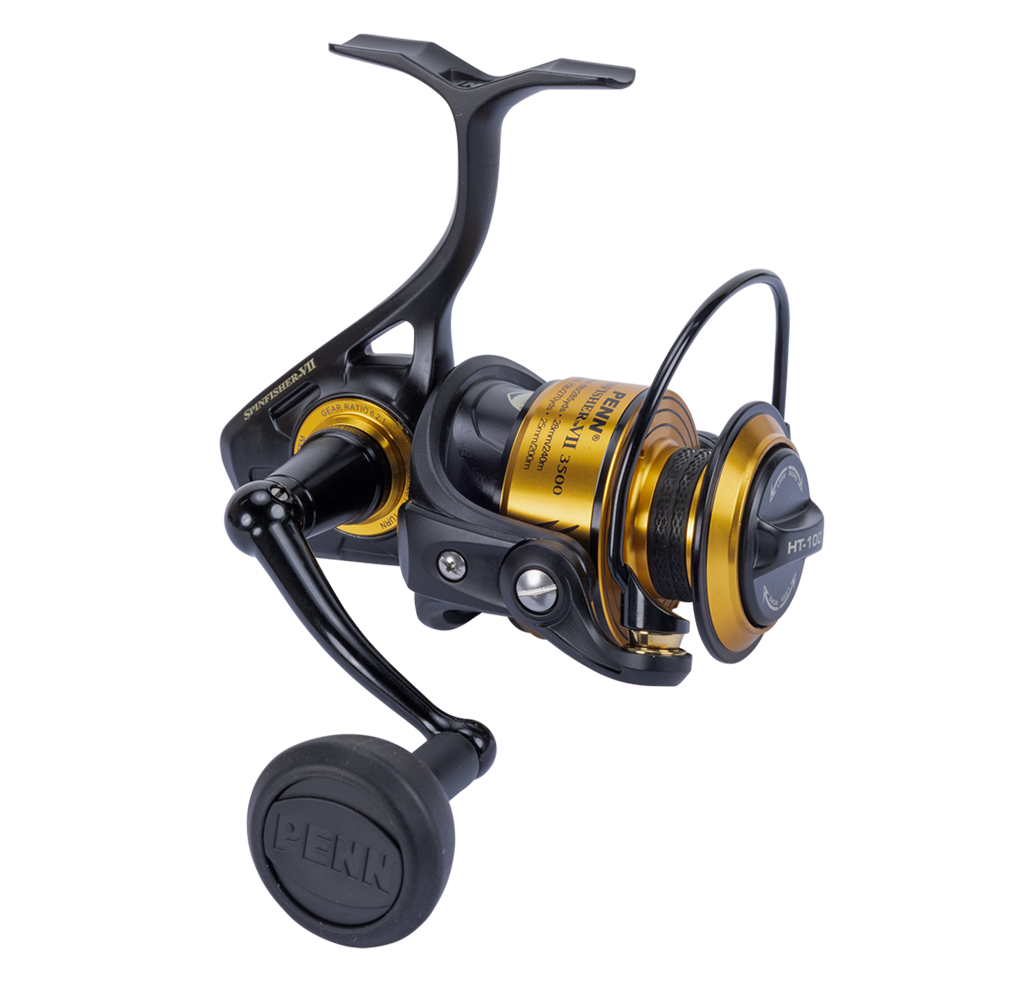
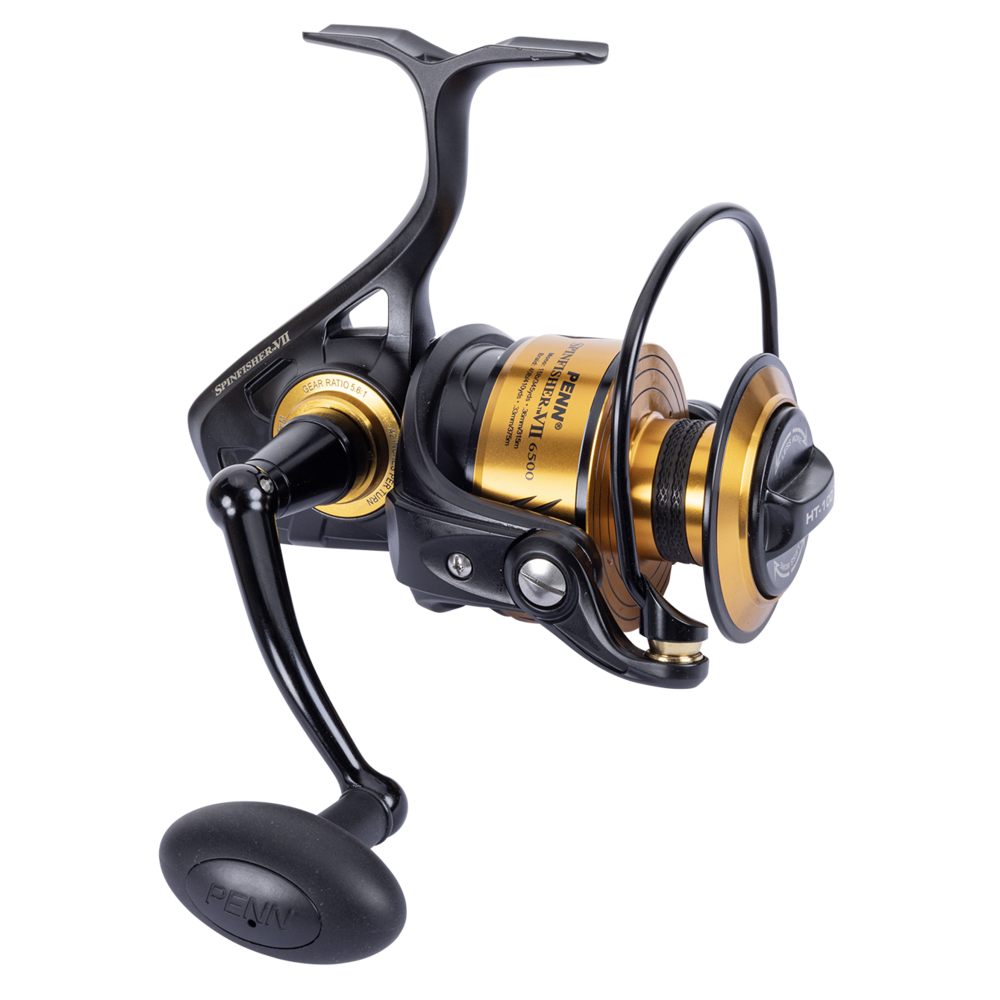
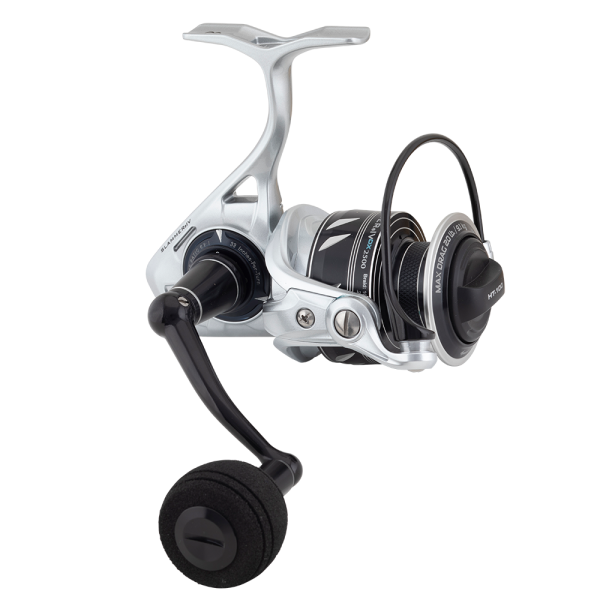
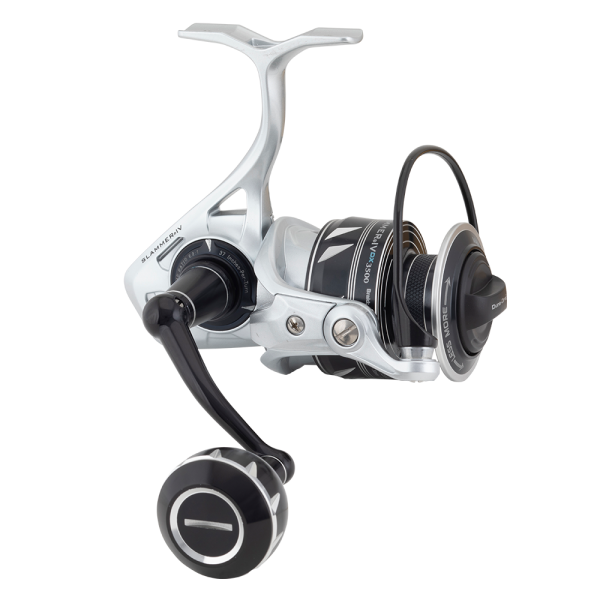
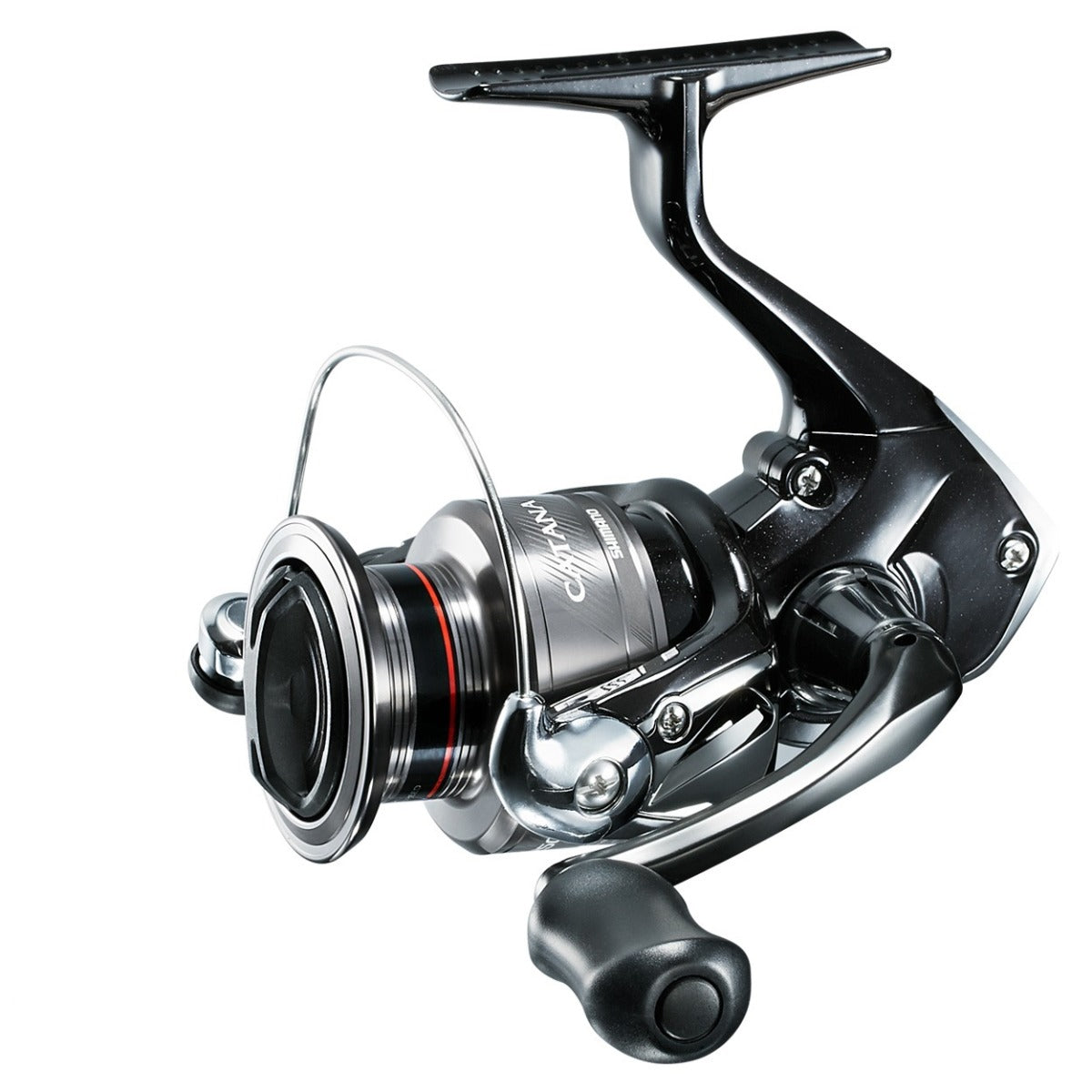
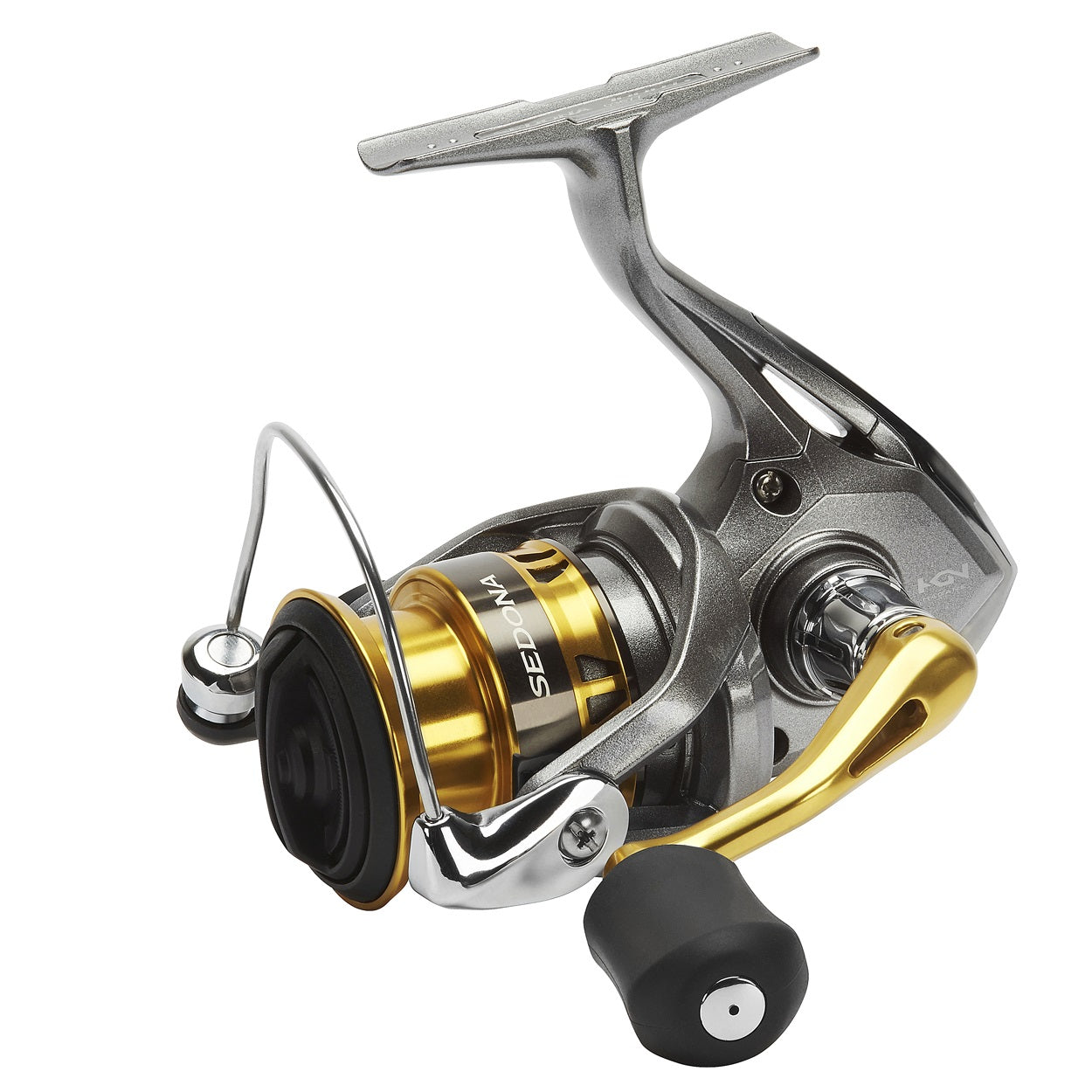
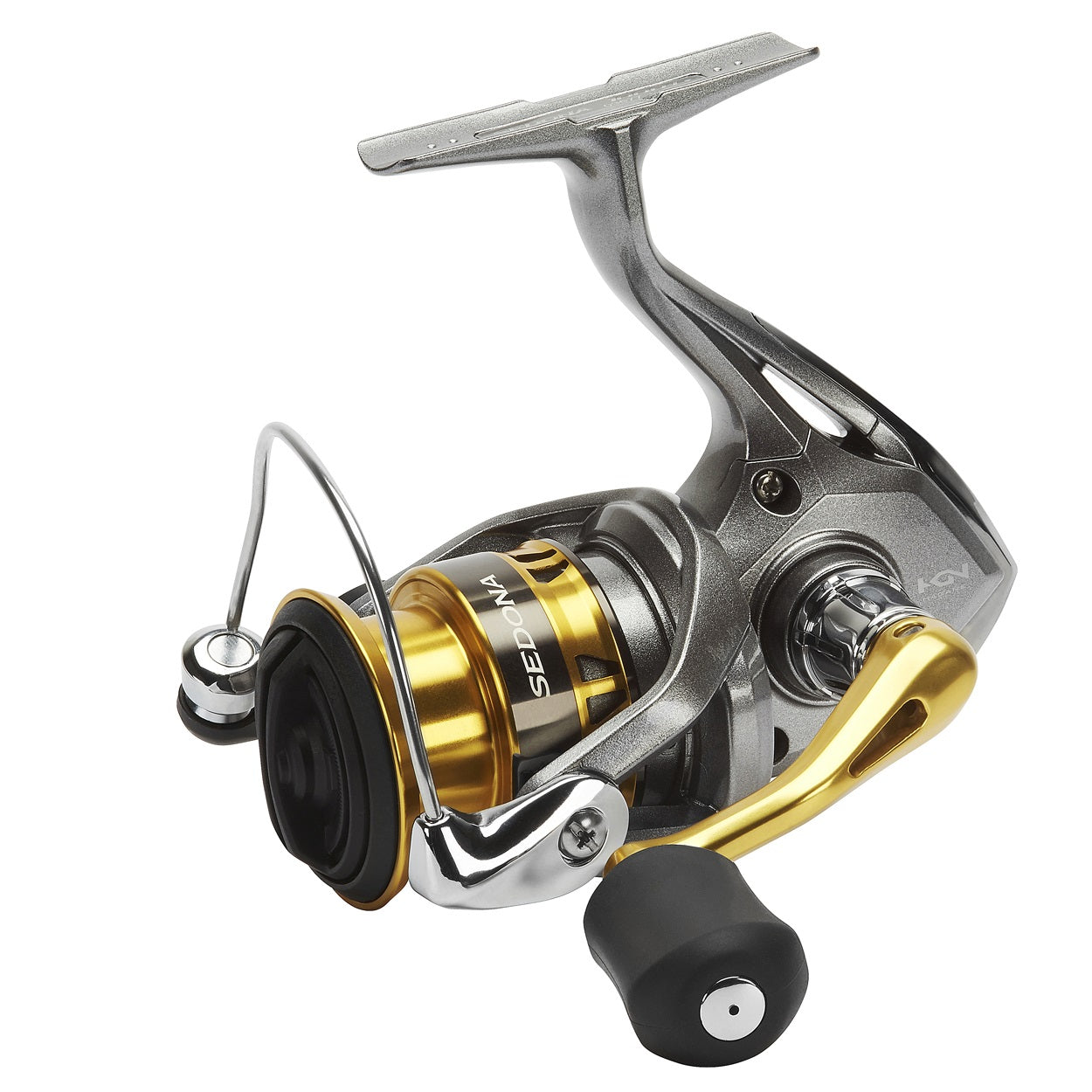
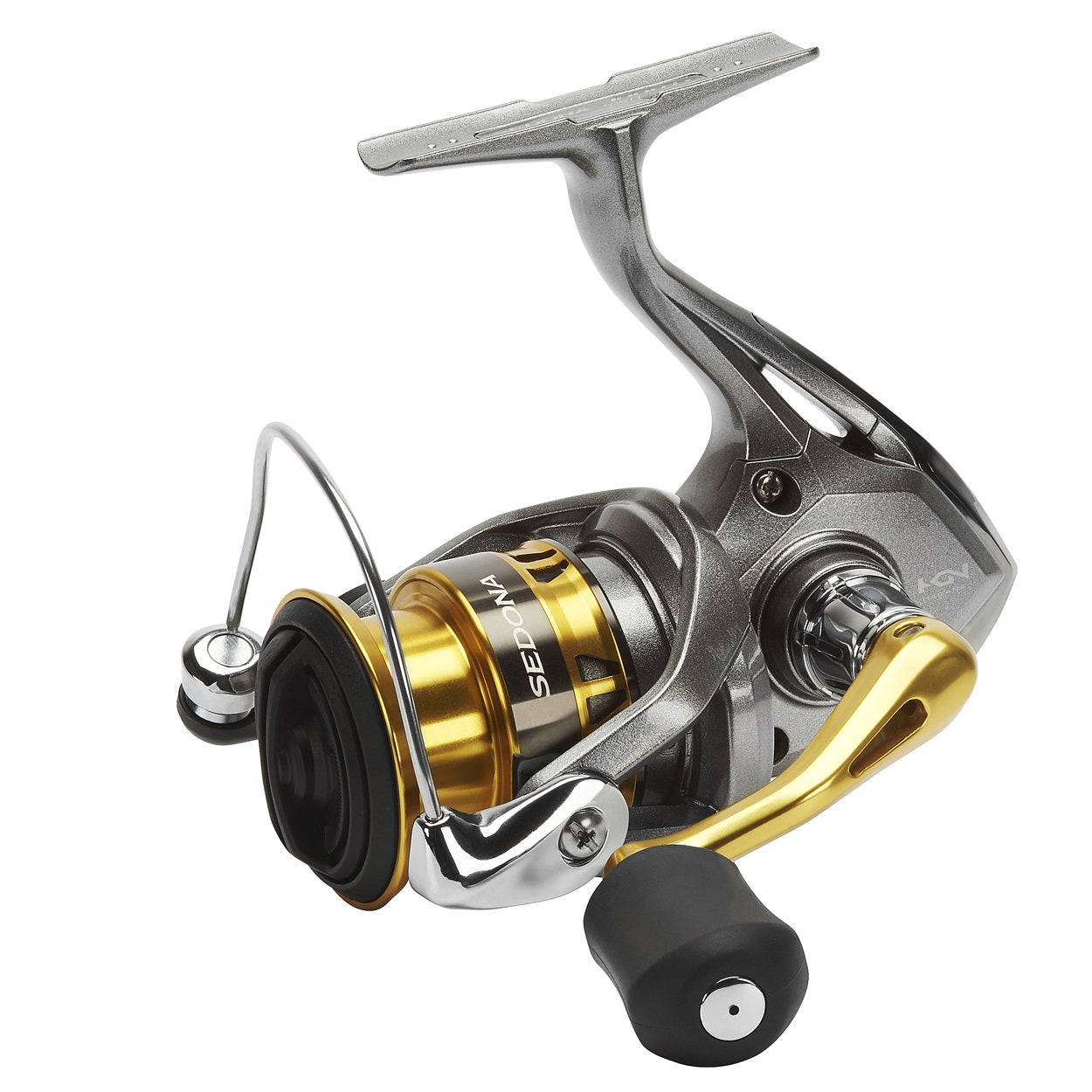
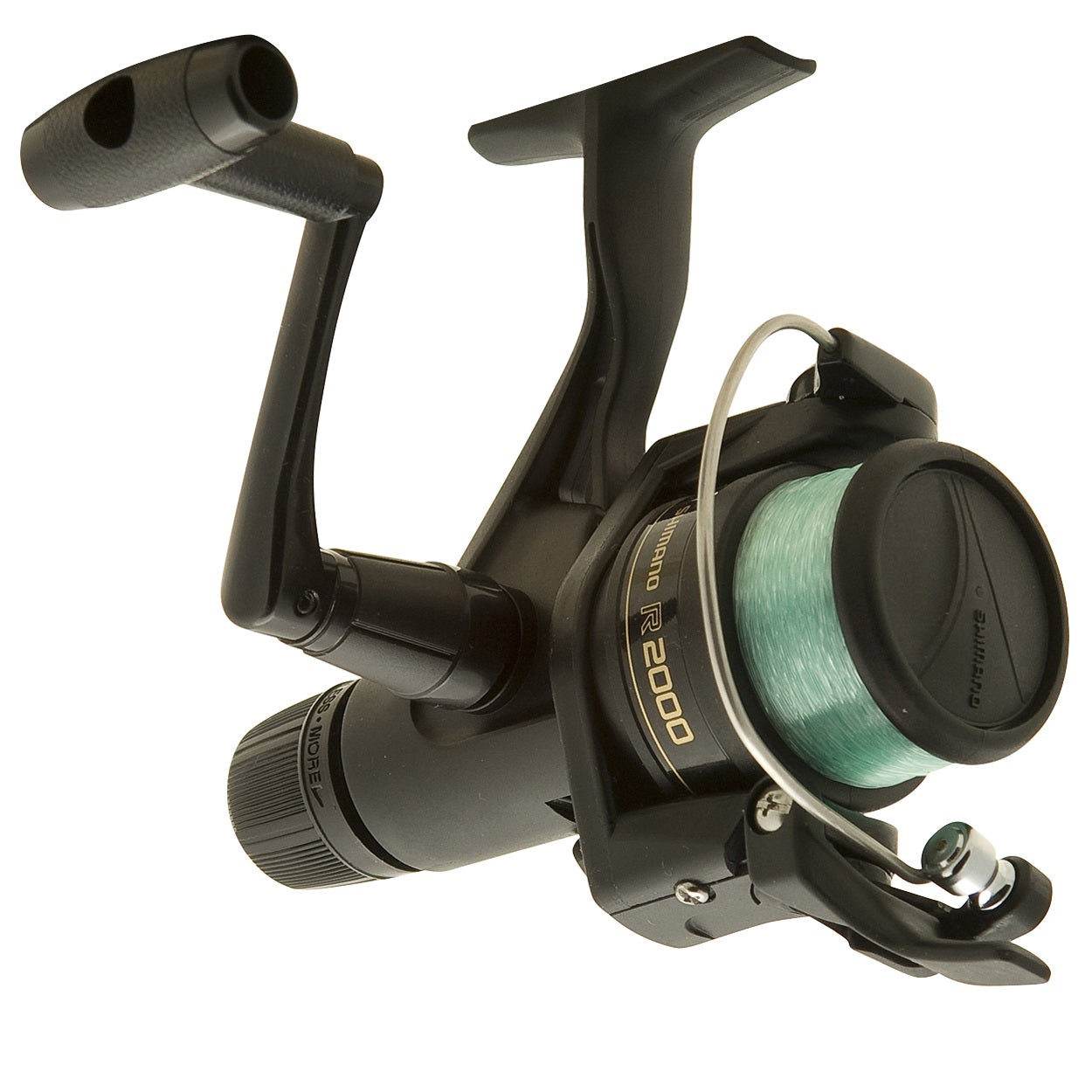
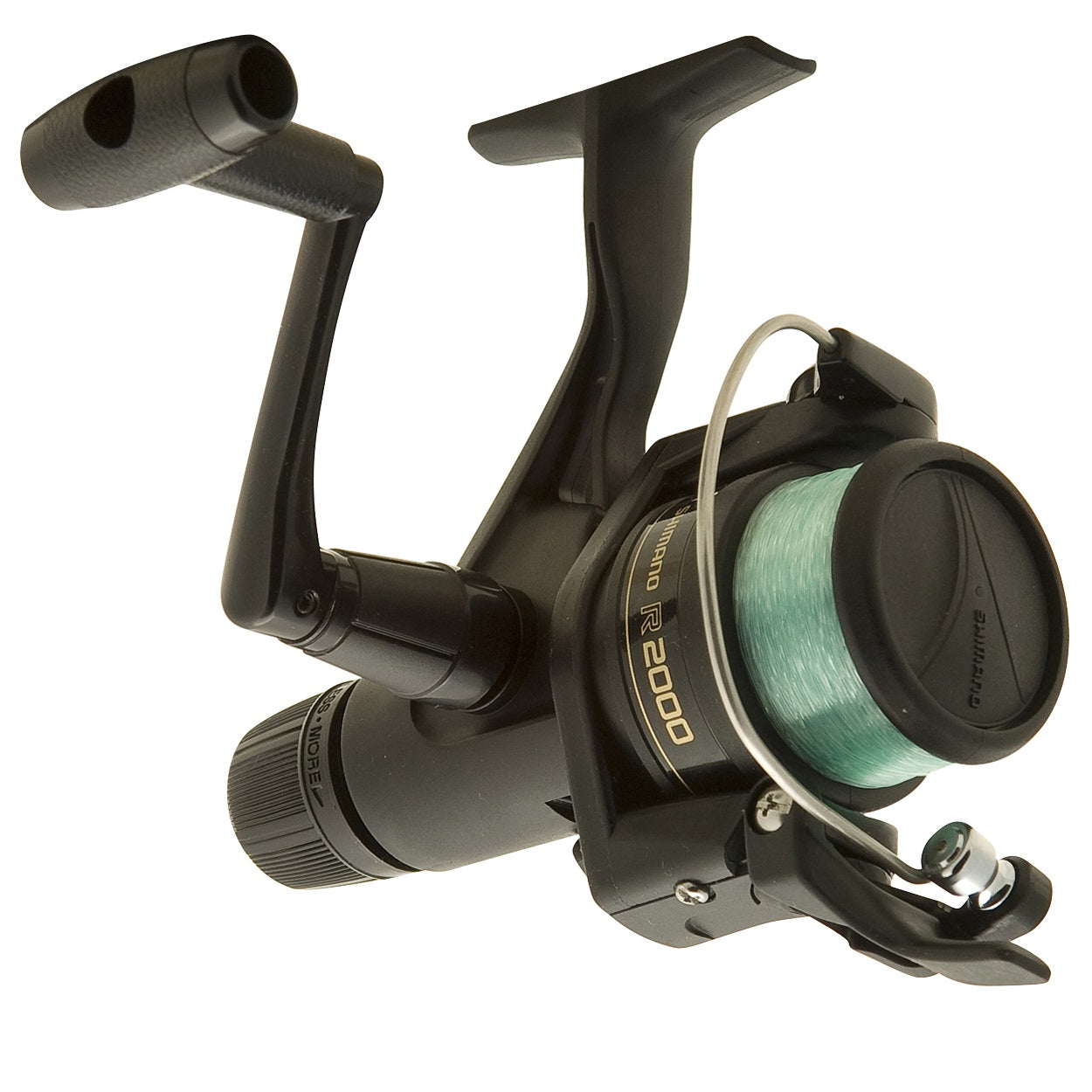
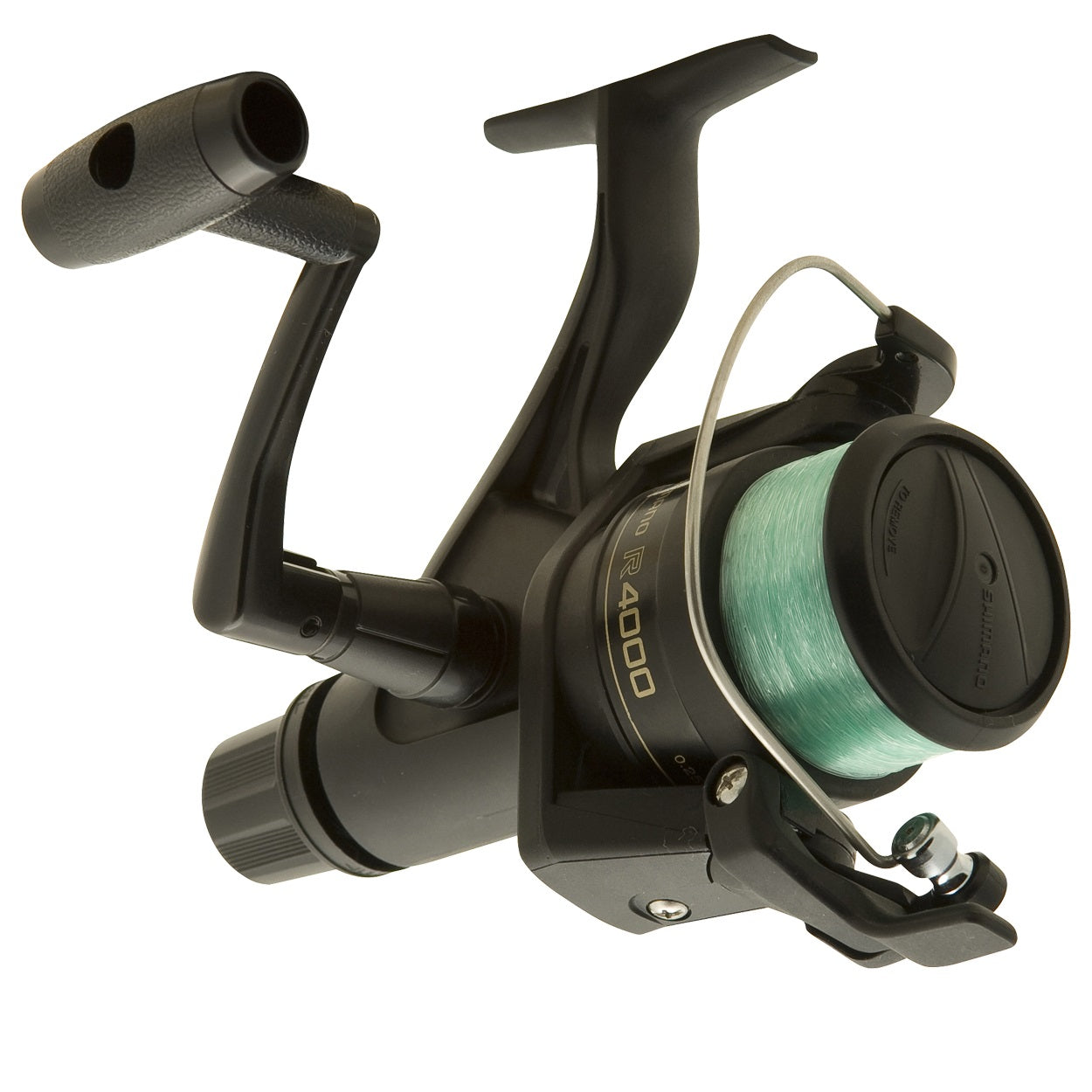
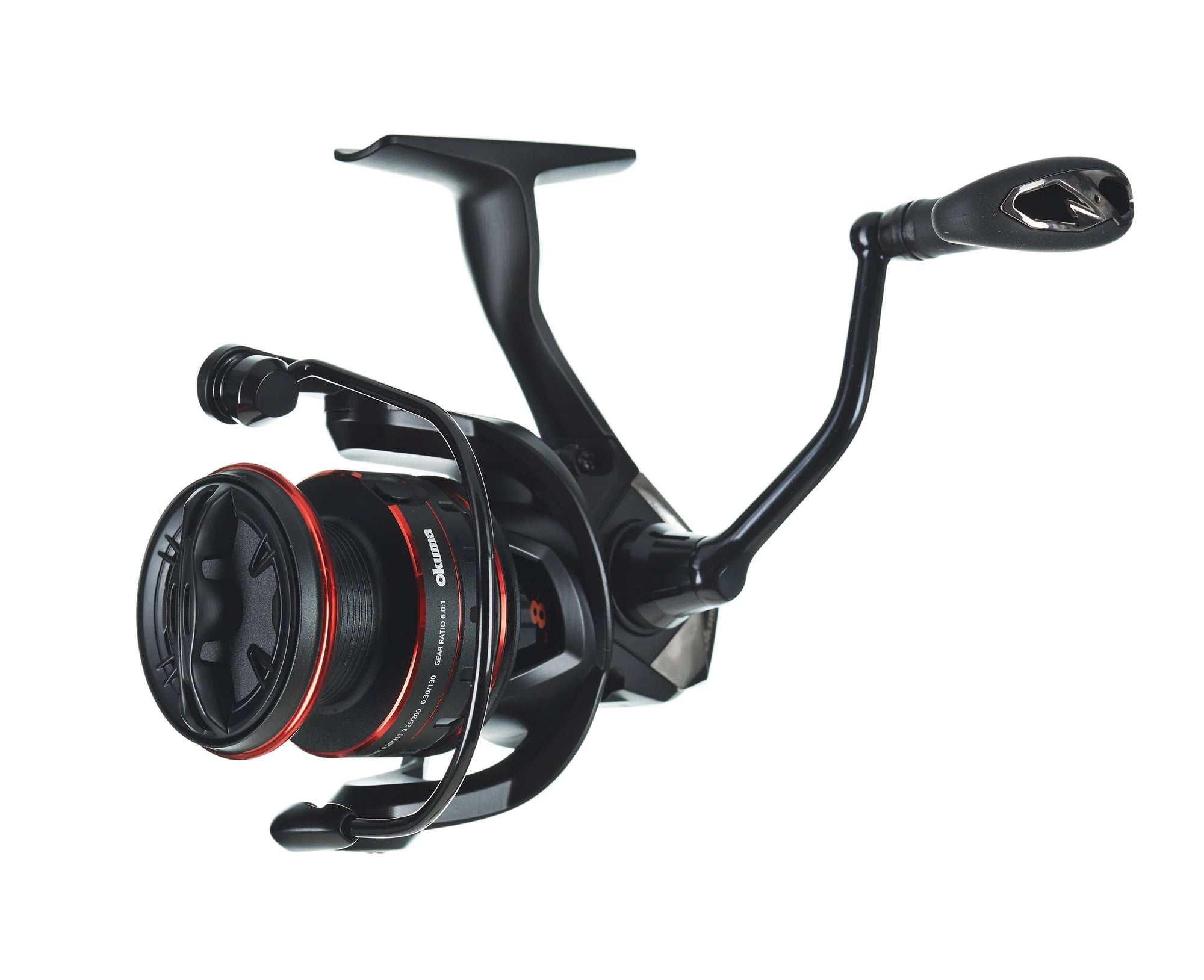
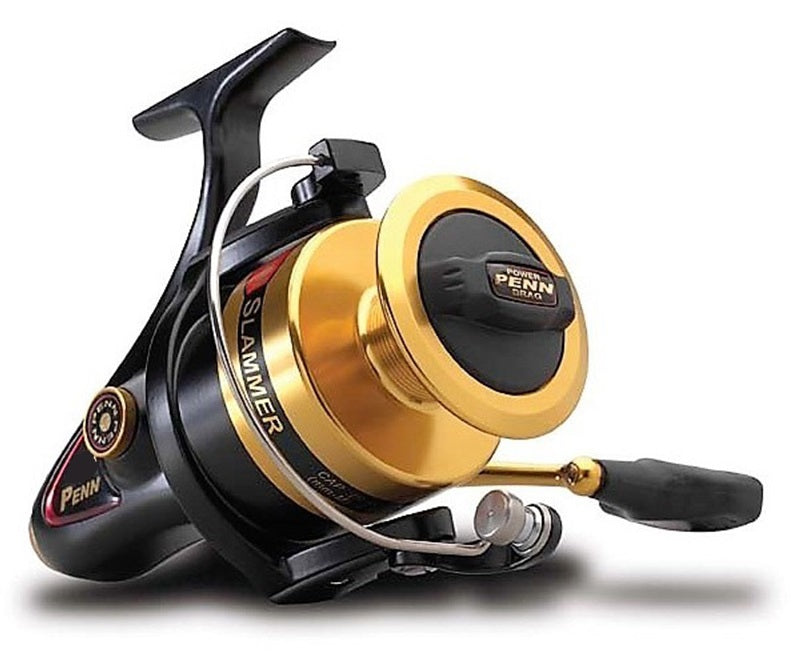
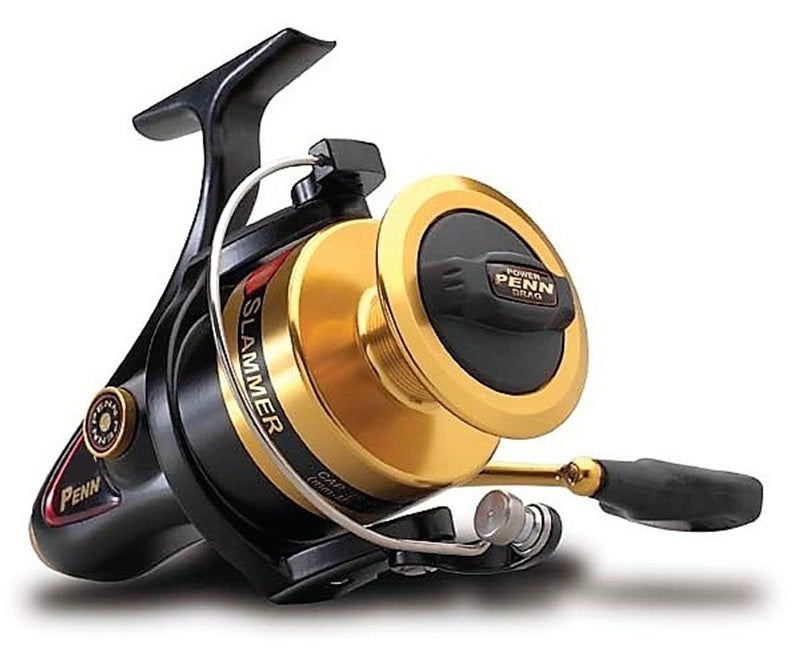
The spinning reel — threadline, eggbeater, call it what you like — is the most widely used reel in Australia, and for good reason. It handles light line without fuss, it casts small lures a long way, and a beginner can pick one up and fish with it inside a minute.
What size spin reel do you need?
The smallest sizes are finesse territory: bream, whiting, trout and bass on light line and small plastics. Mid-size reels around 2500 to 4000 are the everyday all-rounders, covering flathead, snapper on the drift and light beach work. Larger sizes step up to surf, jewfish and light offshore, and the biggest are built for stickbaiting, kingfish and heavy rock work.
What to look for
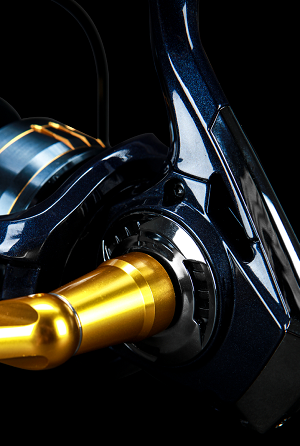
Sealed or water-resistant drag systems matter enormously in Australian saltwater. Bearing quality counts for more than bearing count. A good line roller does more to stop twist than any other feature, and a spare spool is cheap insurance if you switch between braided line and mono. Pair the reel with a spin rod rated to the same line class.
Frequently asked questions
What is the best all-round spinning reel size?
A 2500 for estuary and freshwater, or a 4000 if you want one reel that also copes with light beach and boat fishing.
Why is my spinning reel twisting line?
Usually from winding against the drag while a fish takes line, or from spooling braid on under insufficient tension. Both are habits rather than reel faults.
Are expensive spinning reels worth it?
Up to a point. The biggest gains are in drag smoothness and saltwater sealing. Beyond mid-range, you are largely paying for weight savings and refinement.
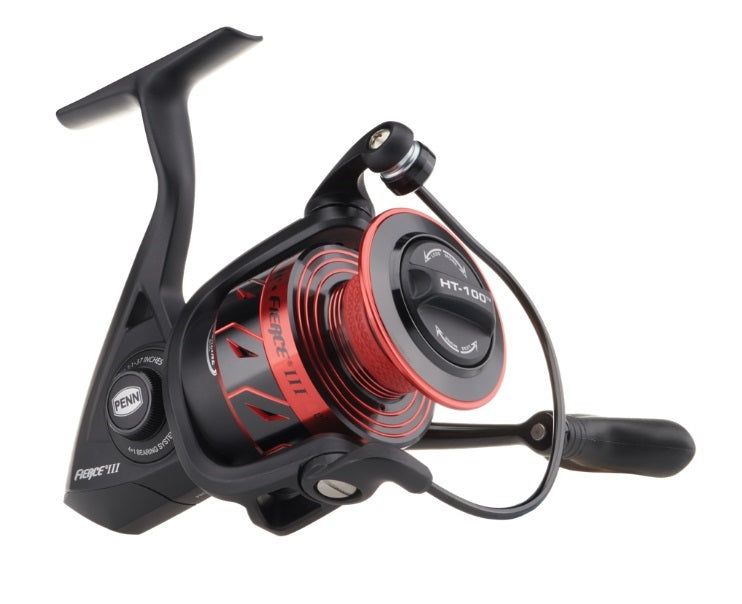

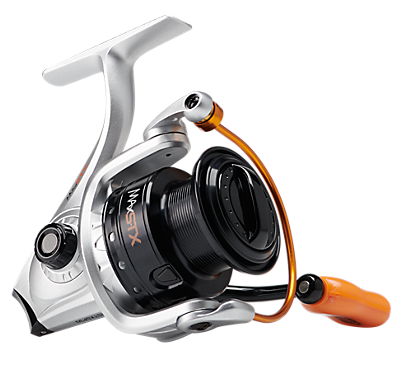





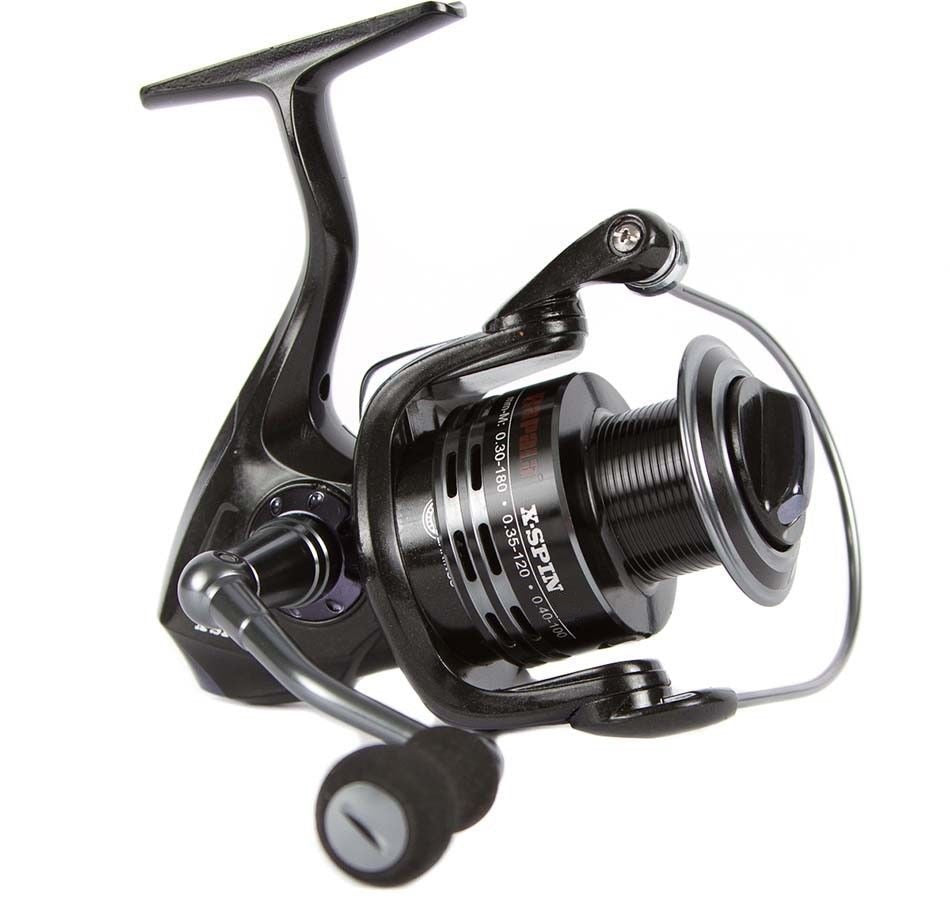
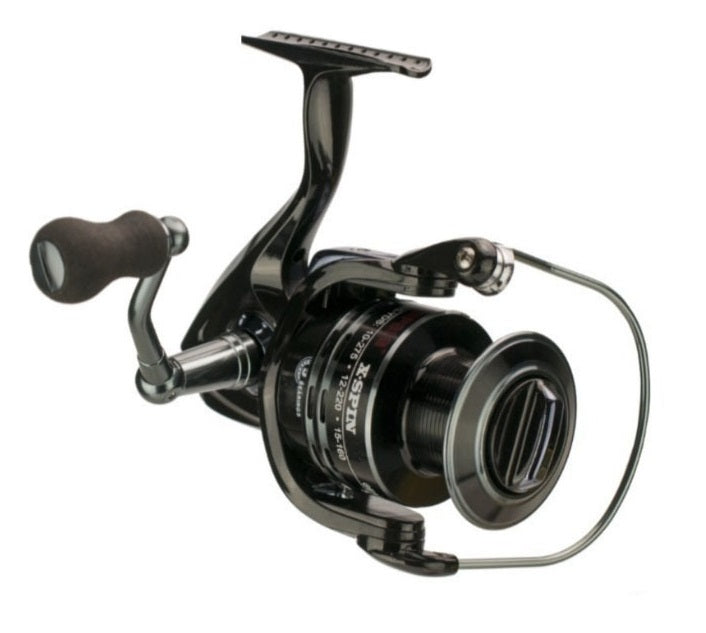

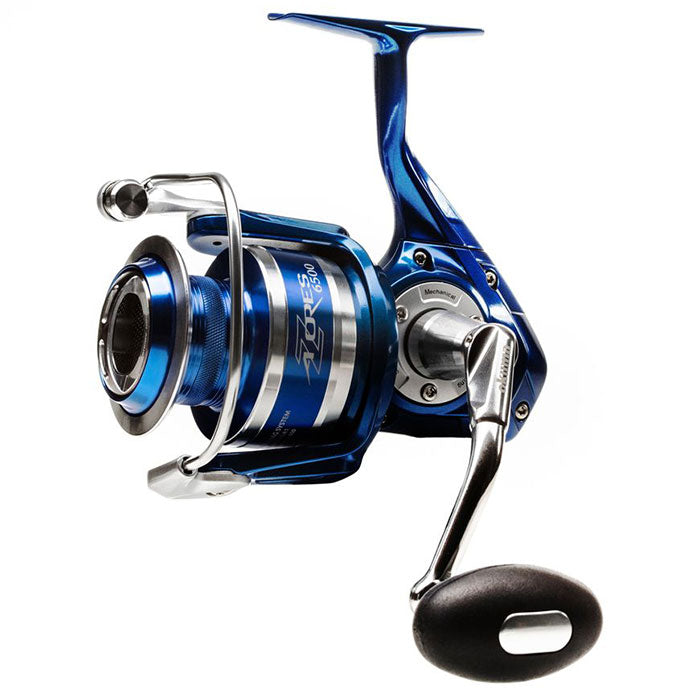



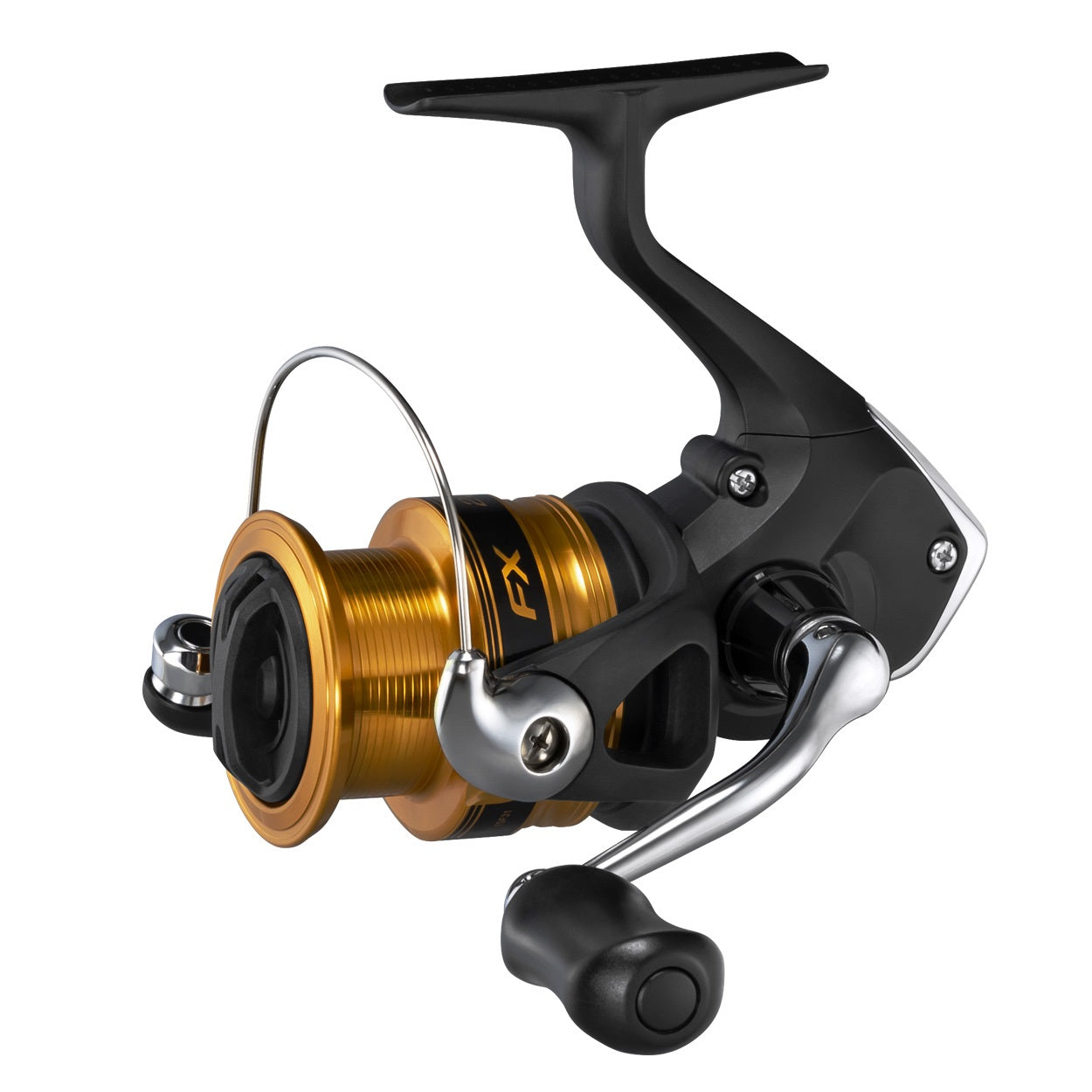

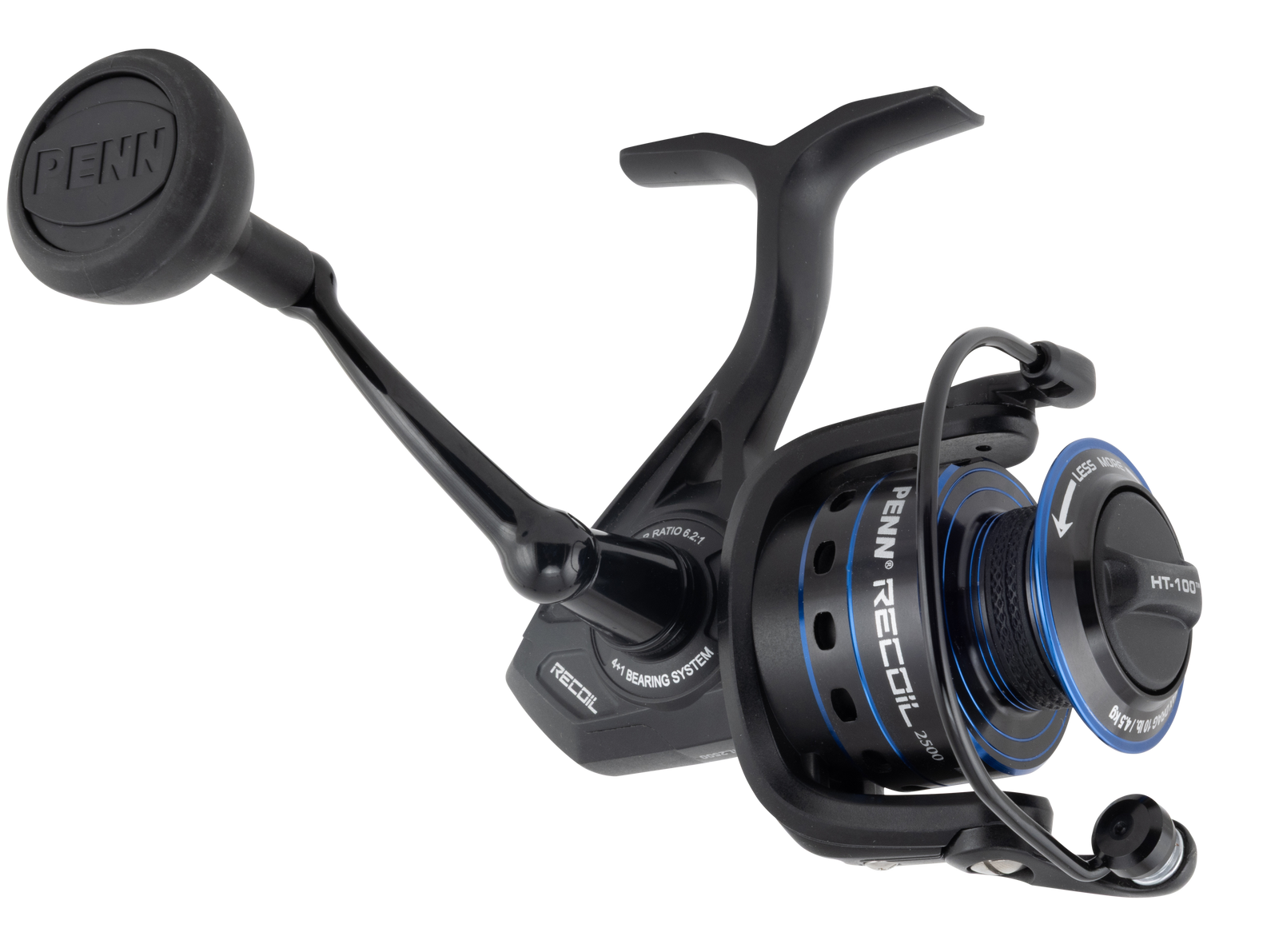











































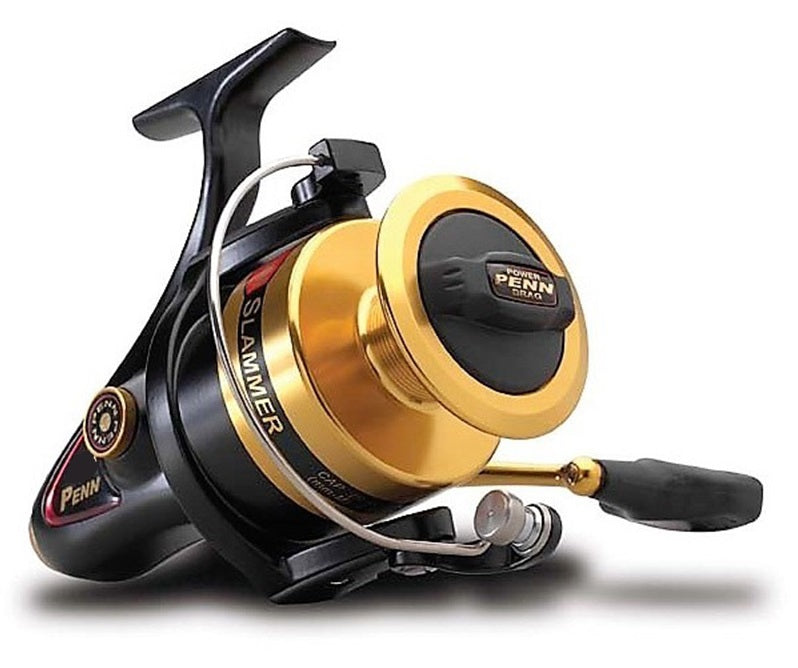
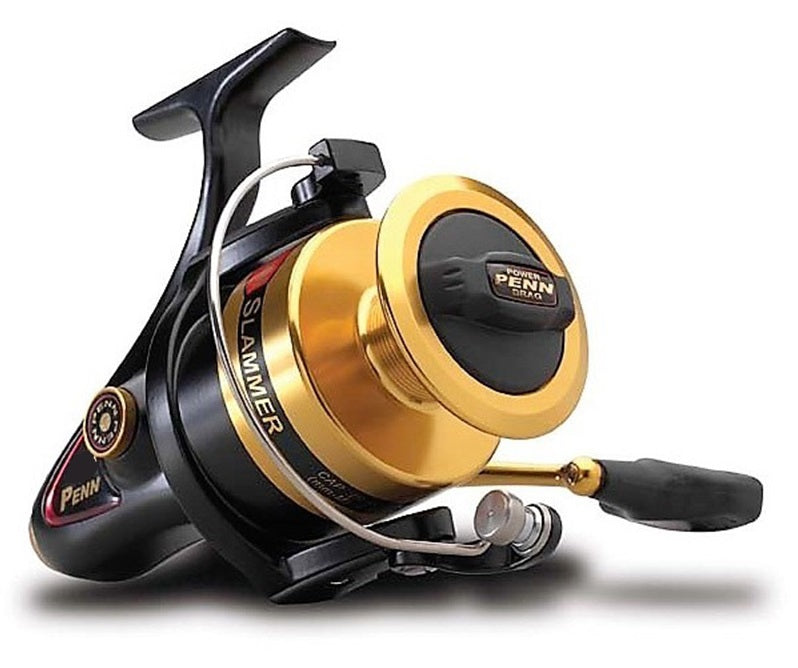
The spinning reel — threadline, eggbeater, call it what you like — is the most widely used reel in Australia, and for good reason. It handles light line without fuss, it casts small lures a long way, and a beginner can pick one up and fish with it inside a minute.
What size spin reel do you need?
The smallest sizes are finesse territory: bream, whiting, trout and bass on light line and small plastics. Mid-size reels around 2500 to 4000 are the everyday all-rounders, covering flathead, snapper on the drift and light beach work. Larger sizes step up to surf, jewfish and light offshore, and the biggest are built for stickbaiting, kingfish and heavy rock work.
What to look for
Sealed or water-resistant drag systems matter enormously in Australian saltwater. Bearing quality counts for more than bearing count. A good line roller does more to stop twist than any other feature, and a spare spool is cheap insurance if you switch between braided line and mono. Pair the reel with a spin rod rated to the same line class.
Frequently asked questions
What is the best all-round spinning reel size?
A 2500 for estuary and freshwater, or a 4000 if you want one reel that also copes with light beach and boat fishing.
Why is my spinning reel twisting line?
Usually from winding against the drag while a fish takes line, or from spooling braid on under insufficient tension. Both are habits rather than reel faults.
Are expensive spinning reels worth it?
Up to a point. The biggest gains are in drag smoothness and saltwater sealing. Beyond mid-range, you are largely paying for weight savings and refinement.