

FREE SHIPPING ON ORDERS OVER $150*

AUSSIE FAMILY OWNED BUSINESS FOR OVER 40 YEARS

100% SATISFACTION GUARANTEED
Overhead Fishing Rods
Overhead Fishing Rods
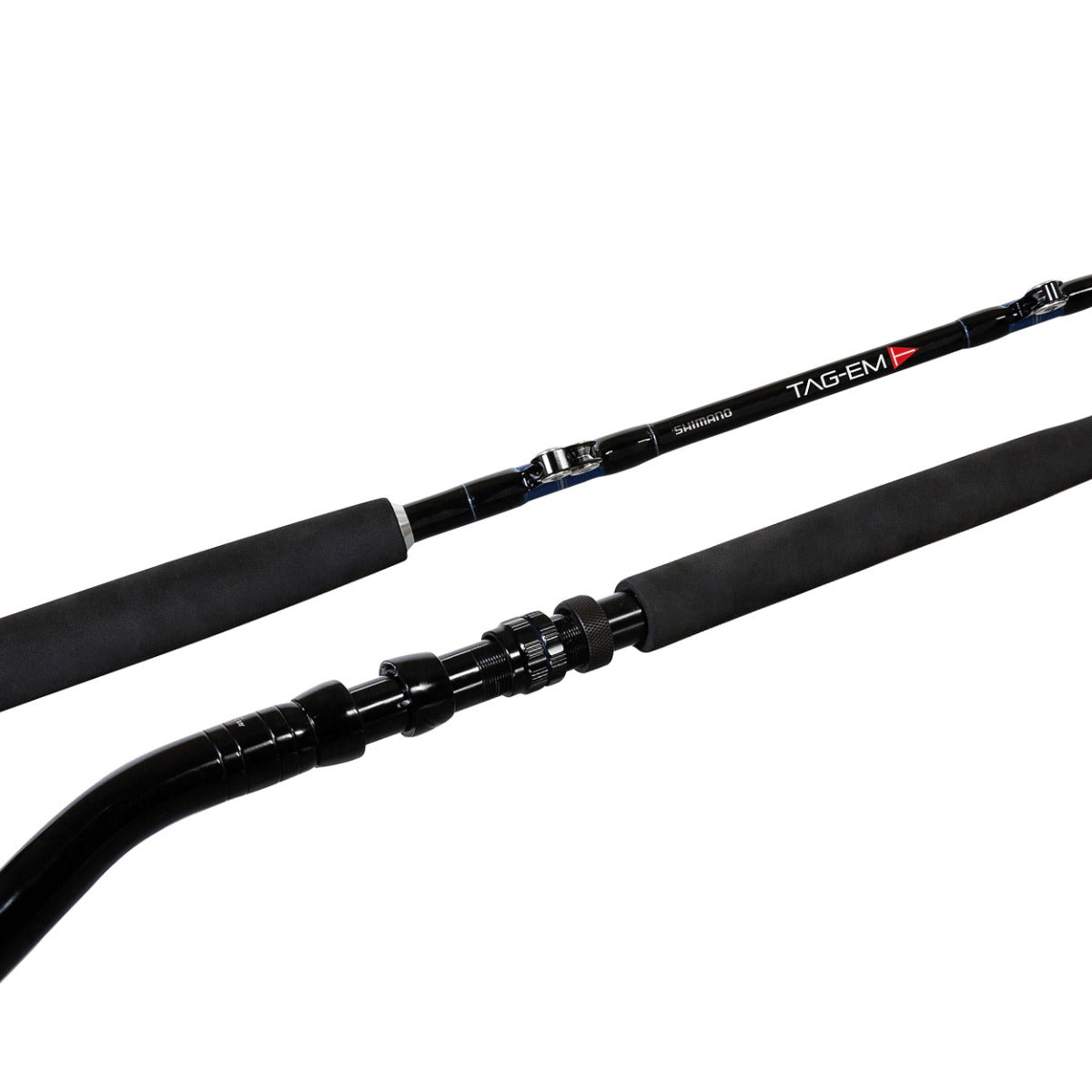
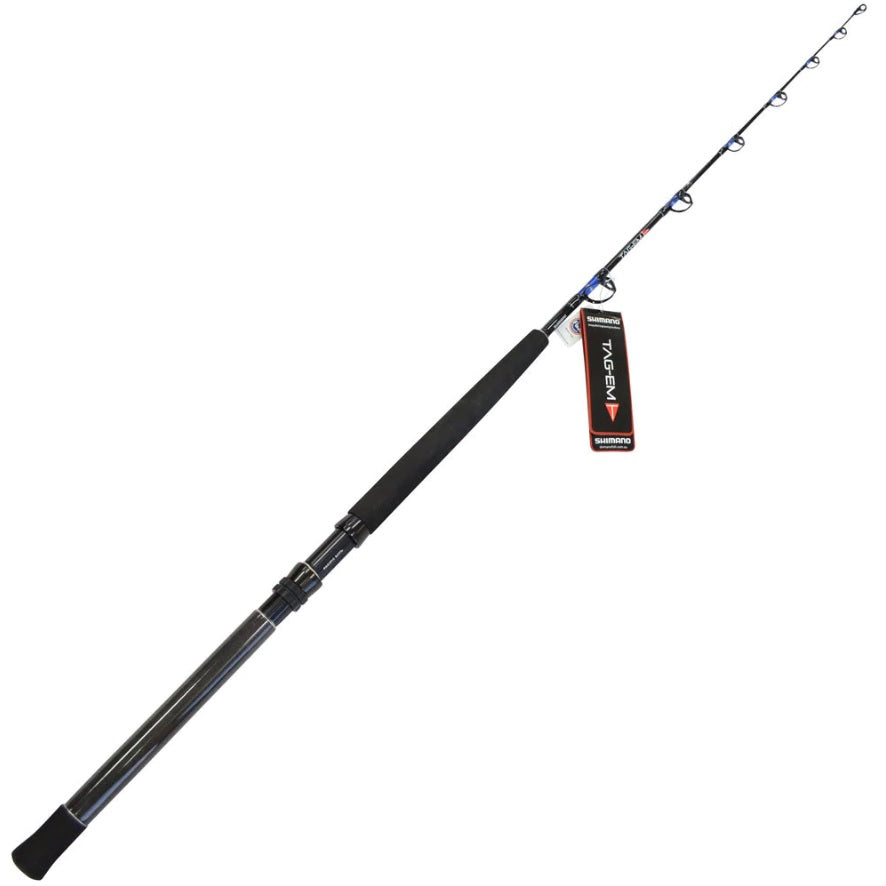
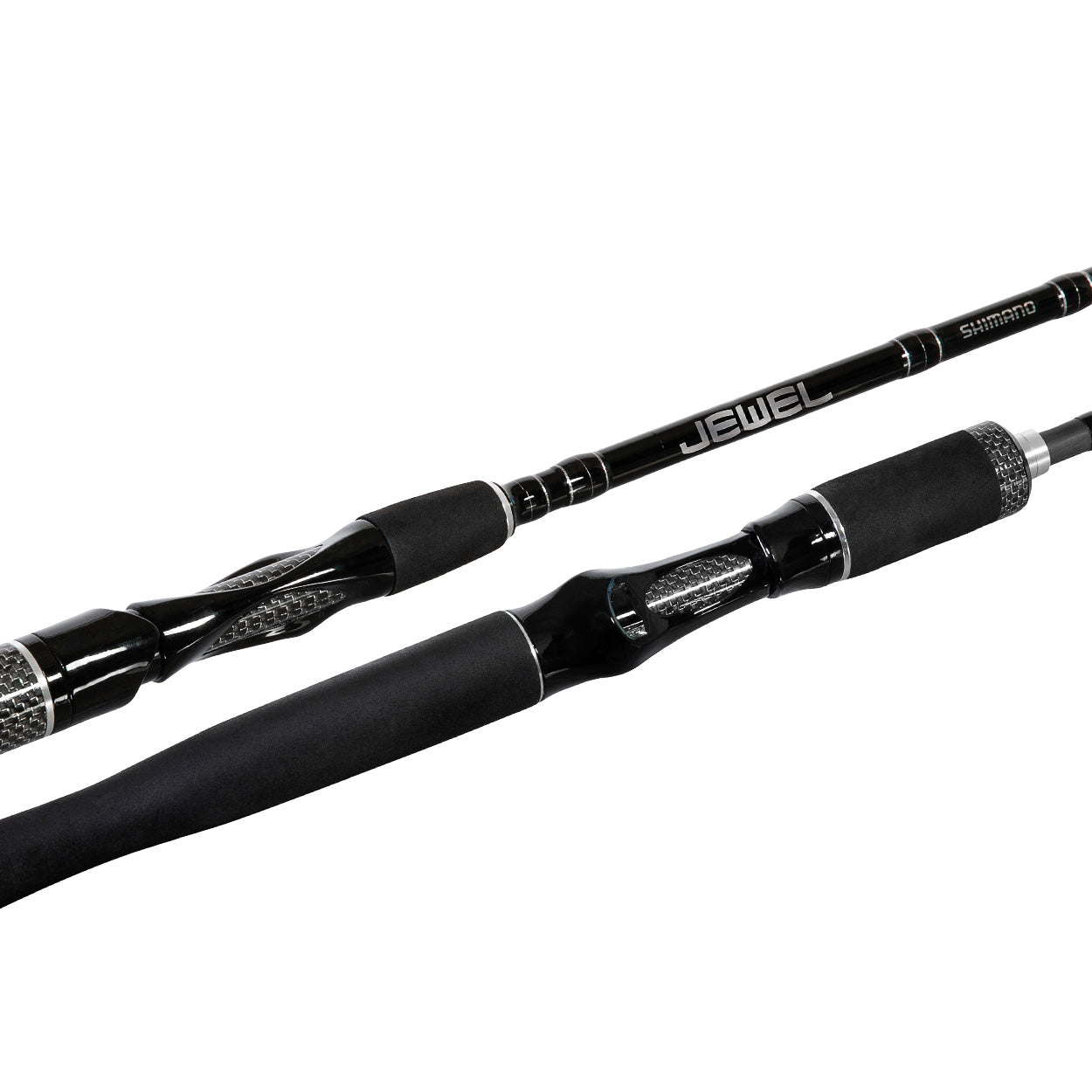
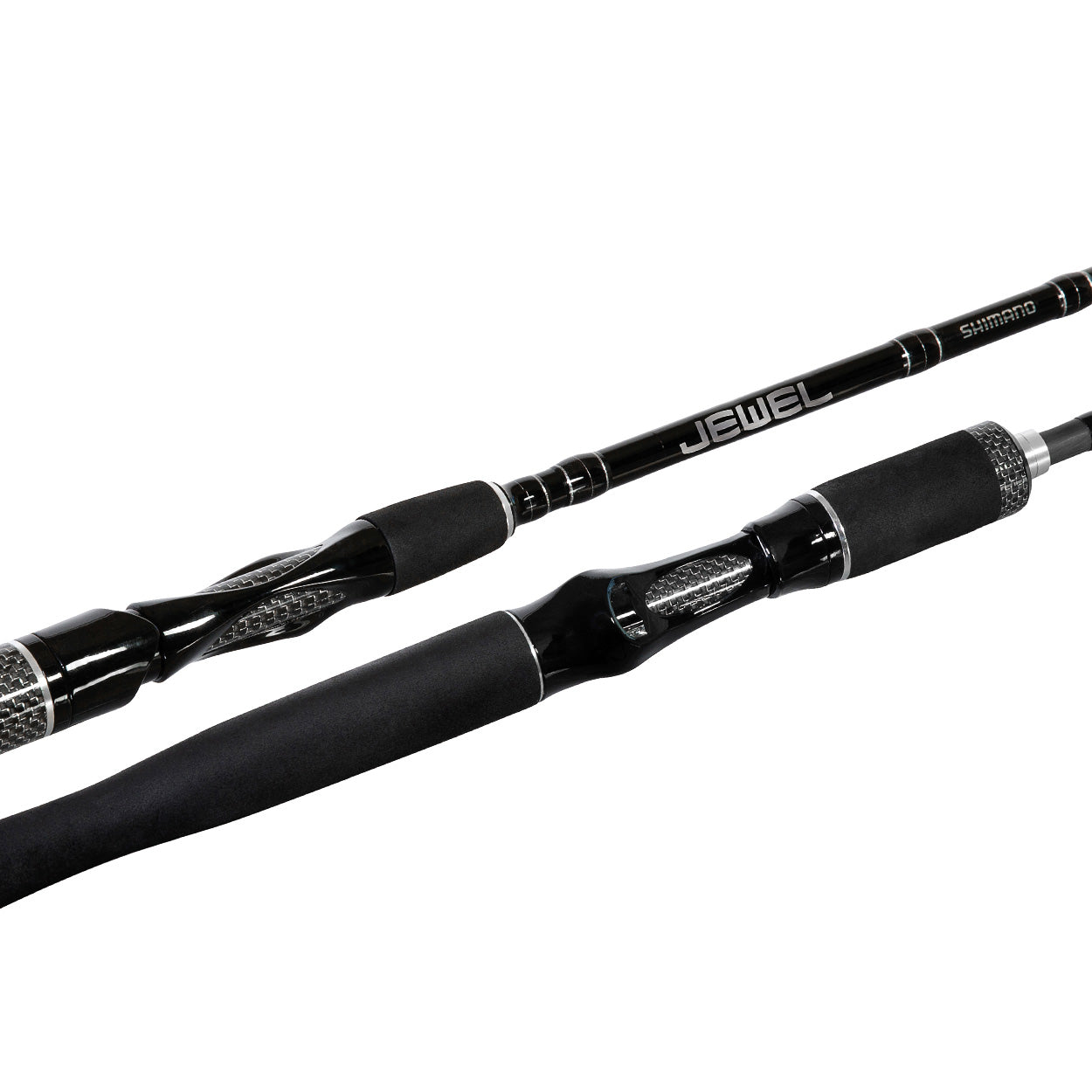
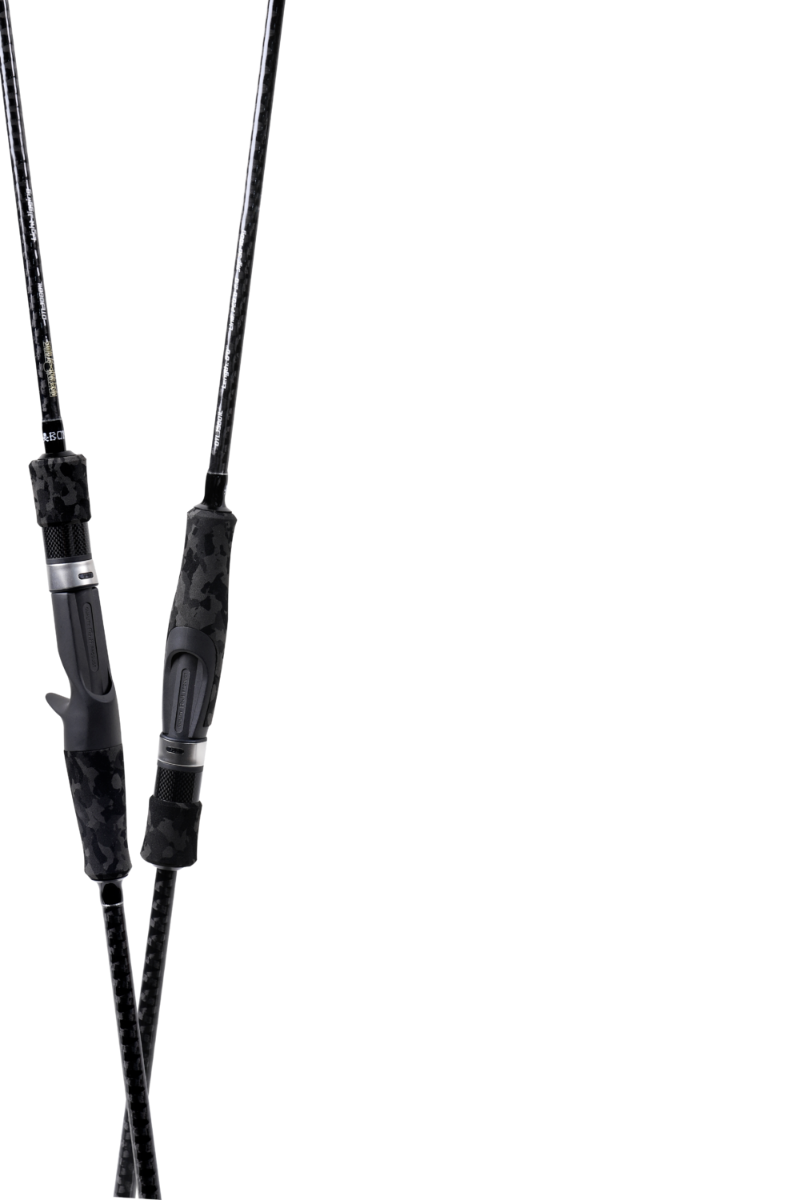
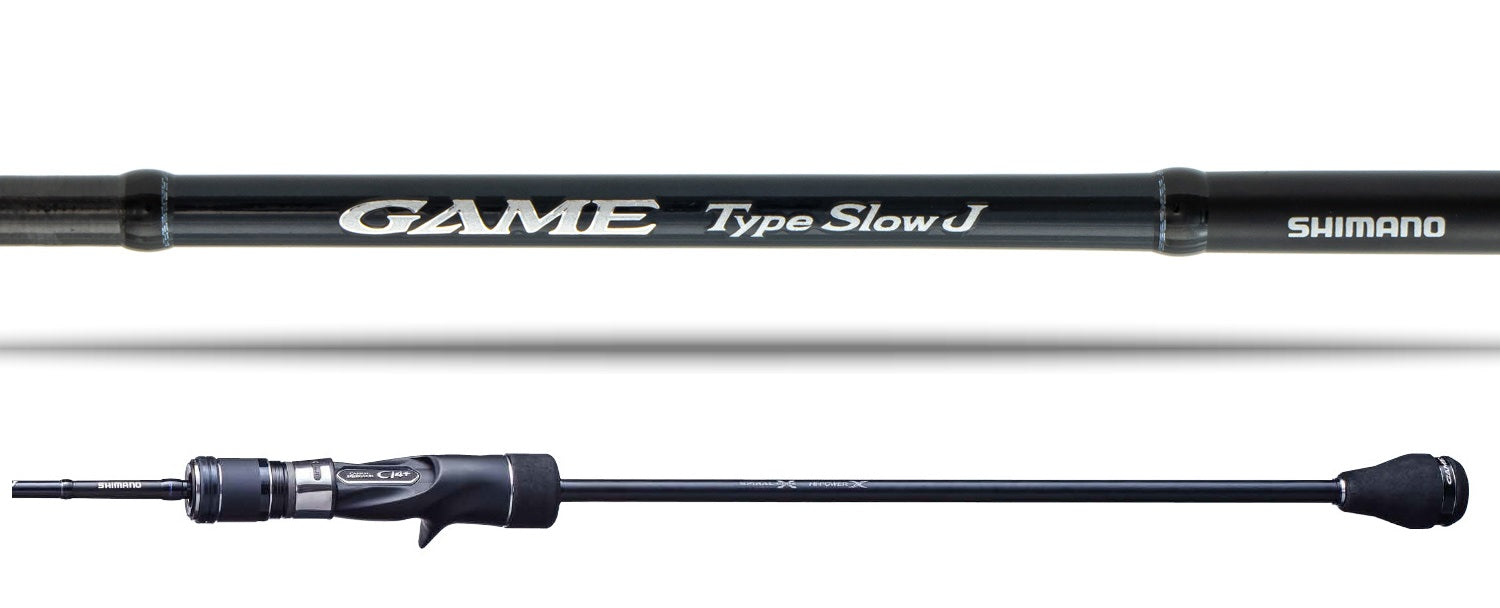
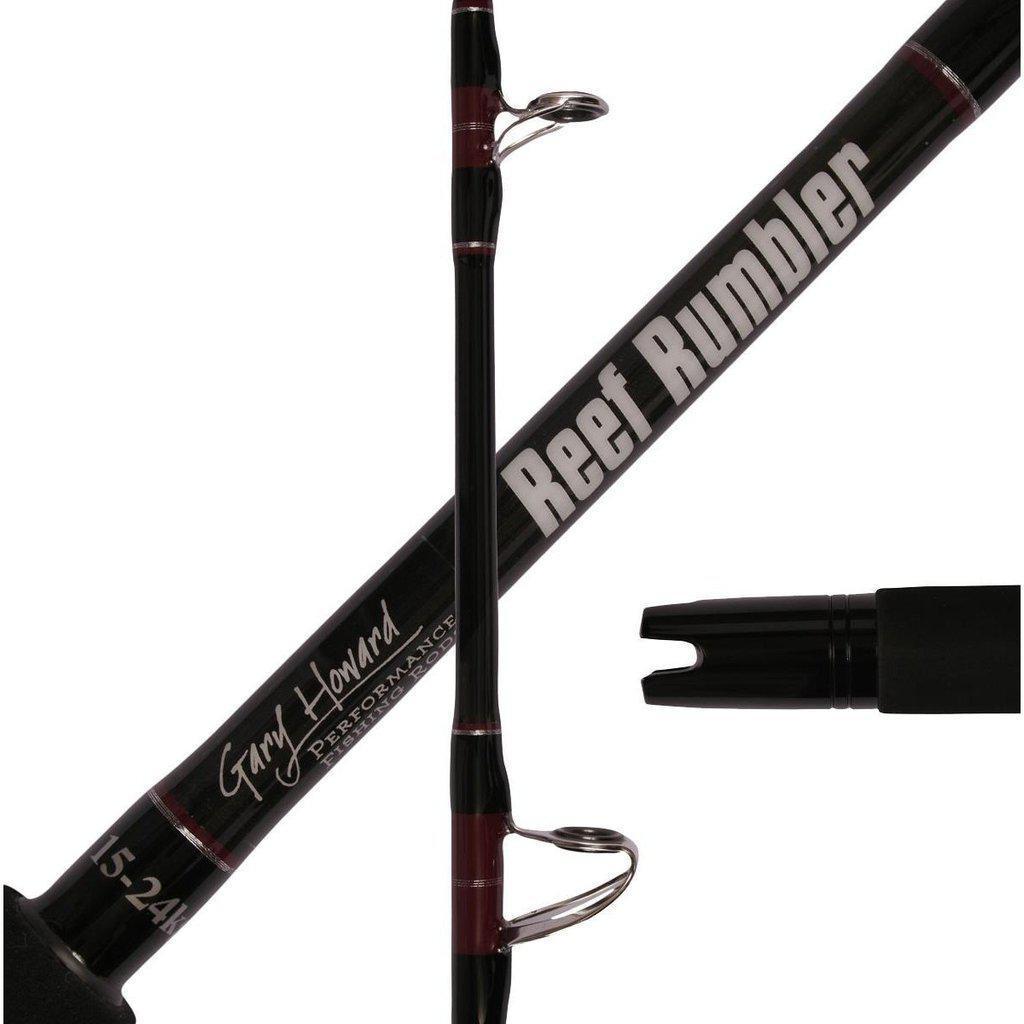
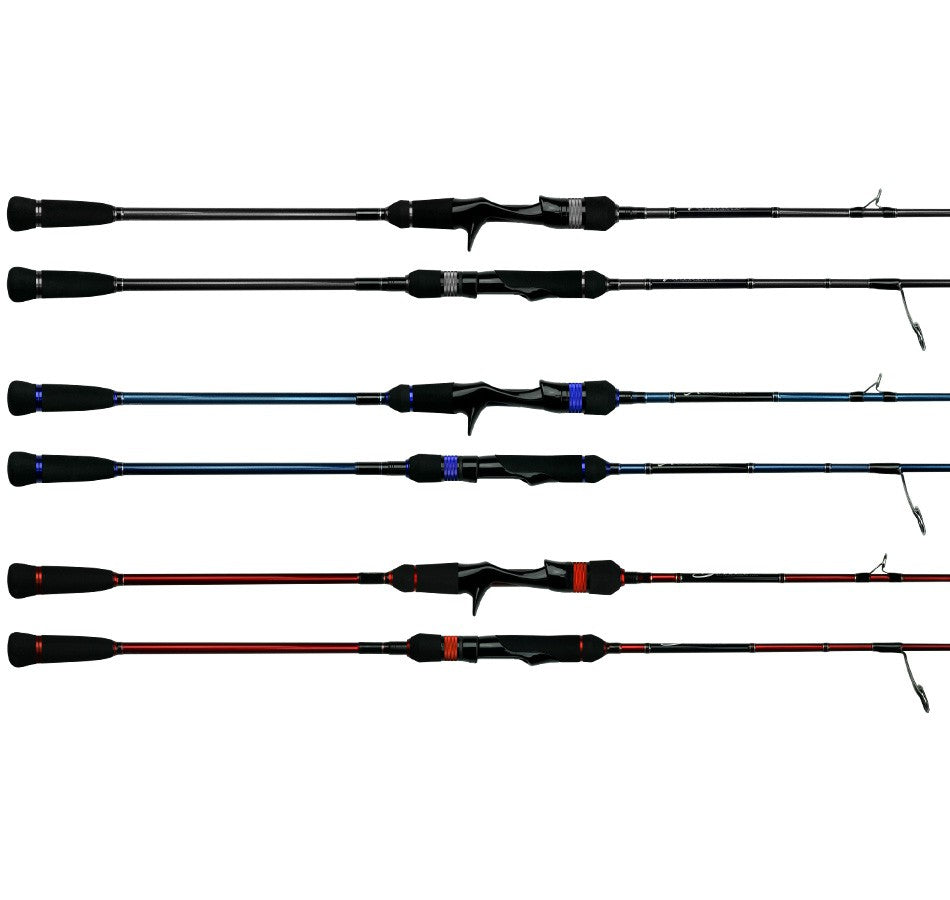
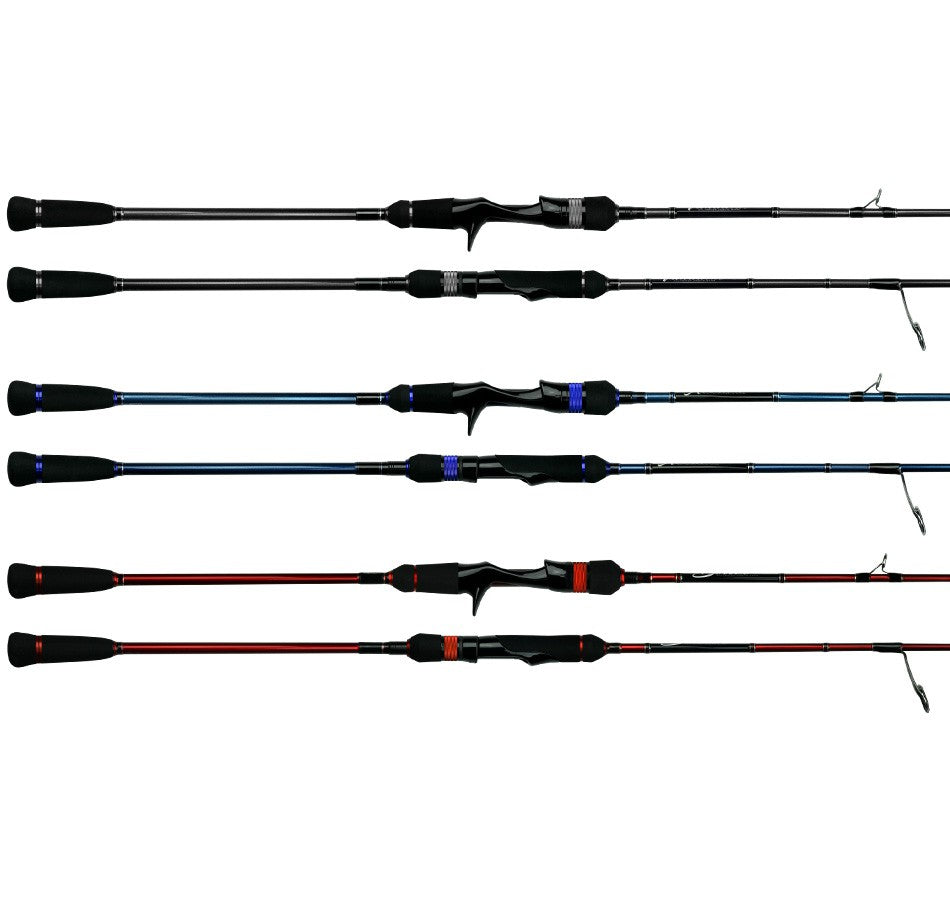
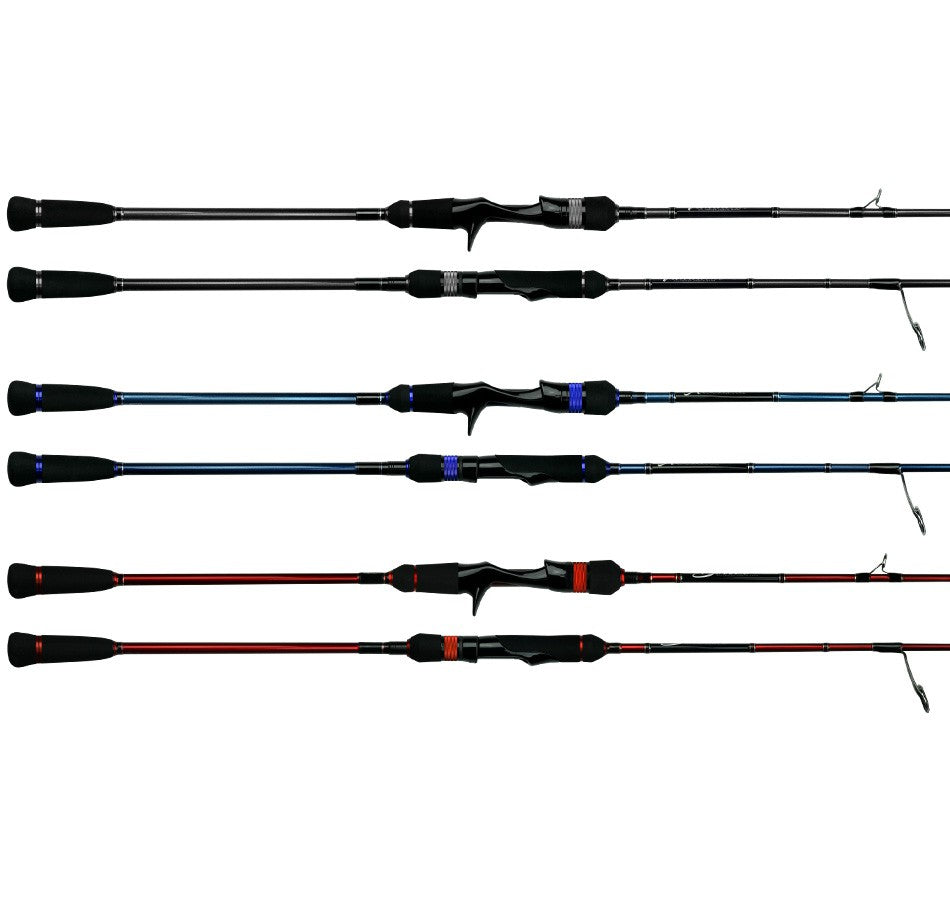
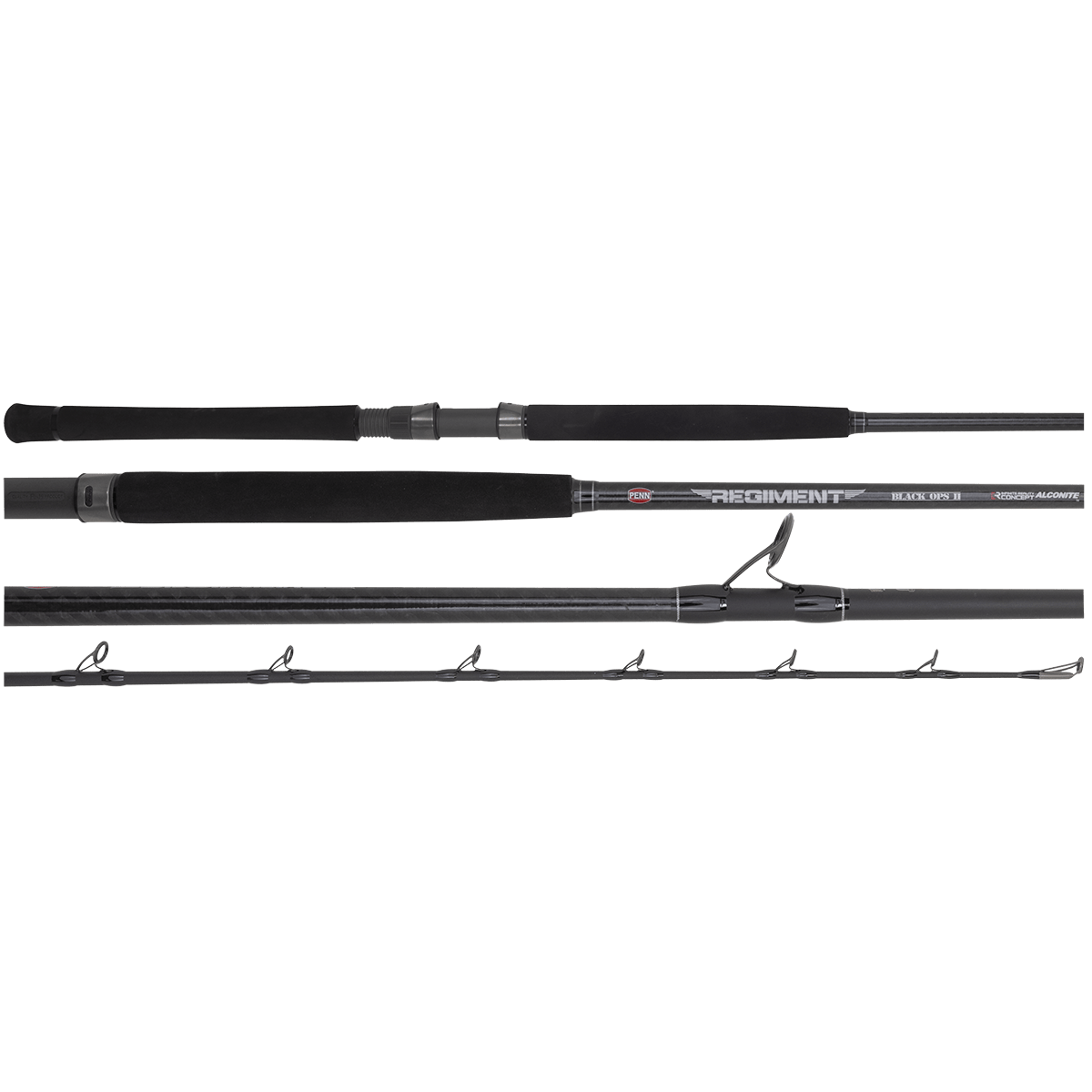
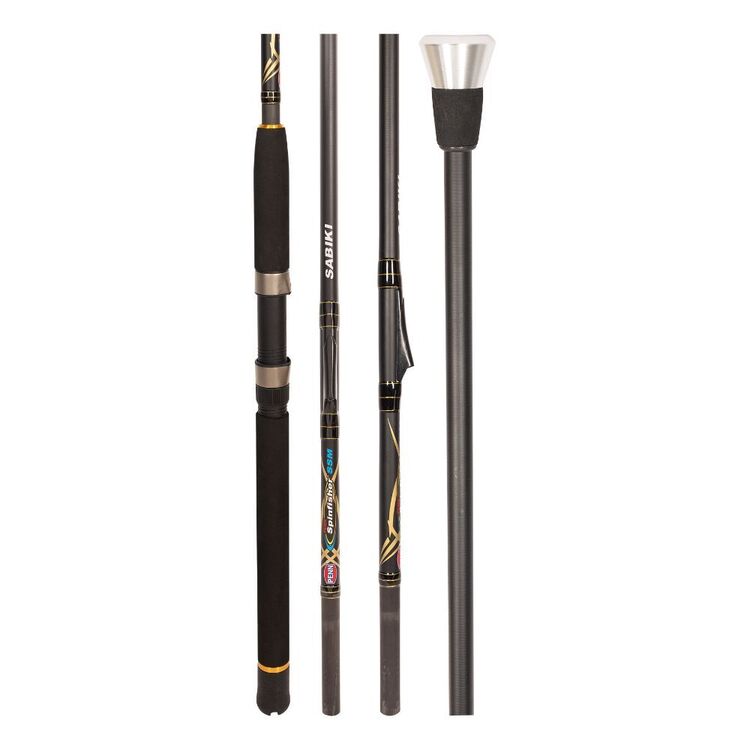
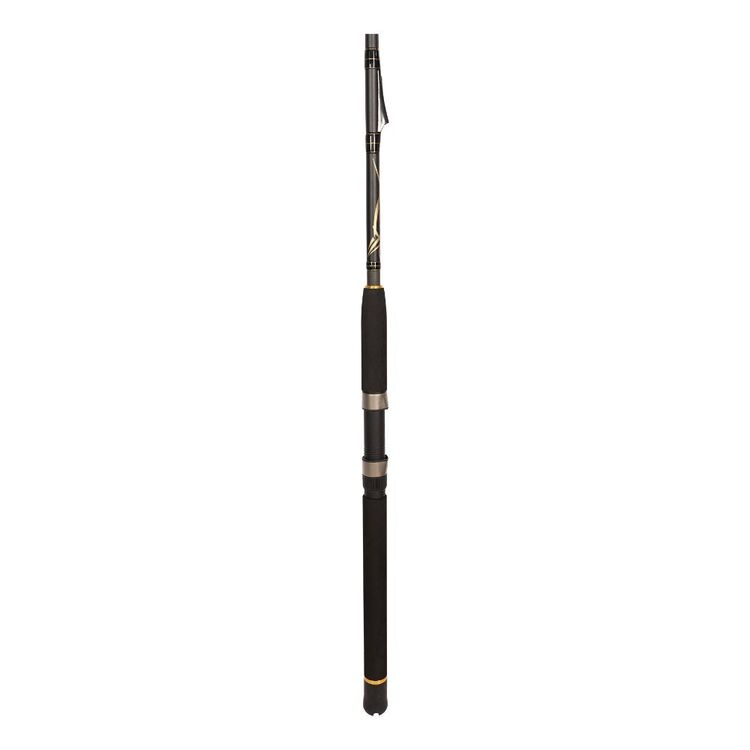
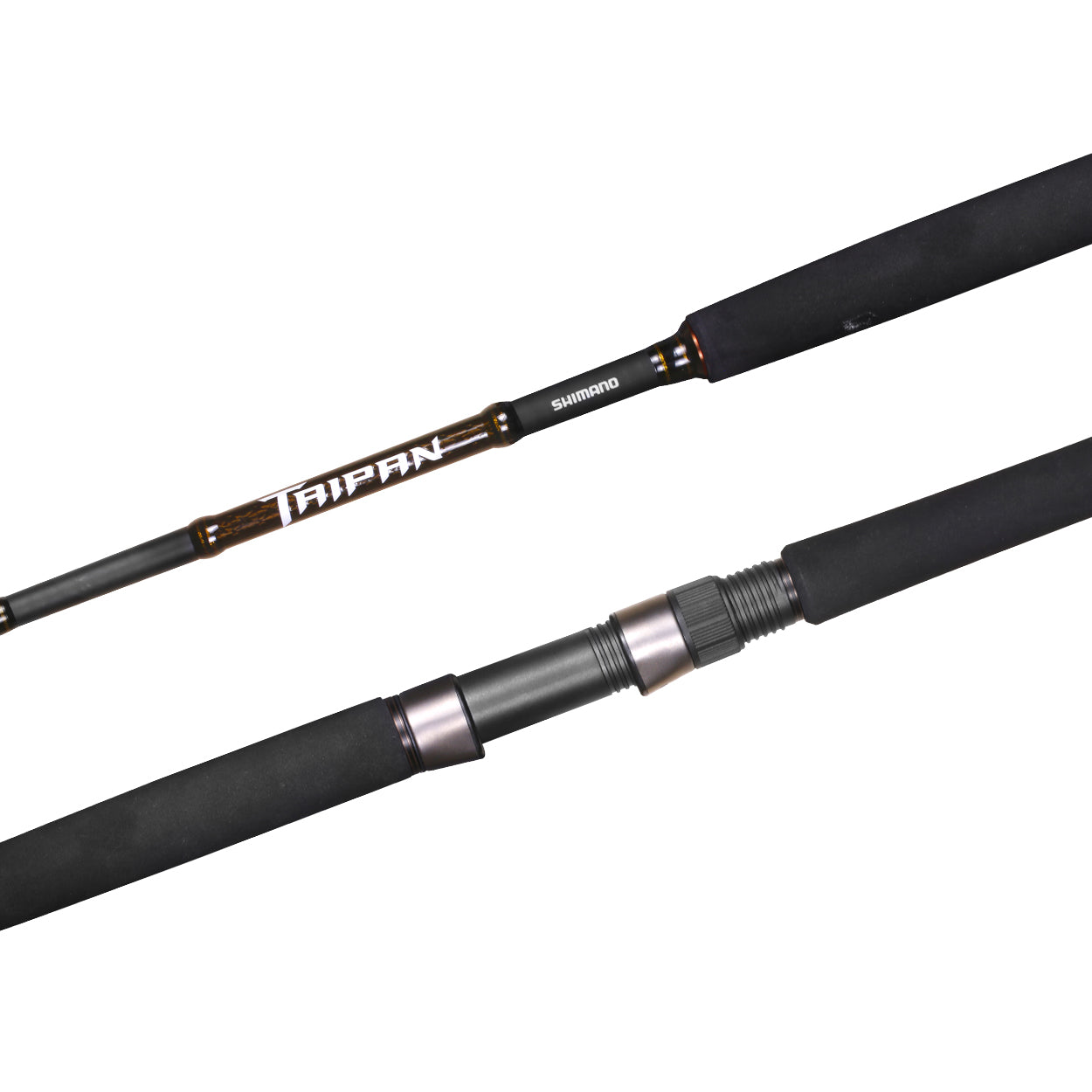
An overhead rod puts the reel on top of the blank and the load in line with the rod, which is why it is the choice whenever you are lifting hard or trolling heavy. There is no line twist off a fixed spool and no compromise in drag transfer, so overhead outfits dominate bottom bouncing, deep dropping, trolling and game fishing.
Choosing an overhead rod
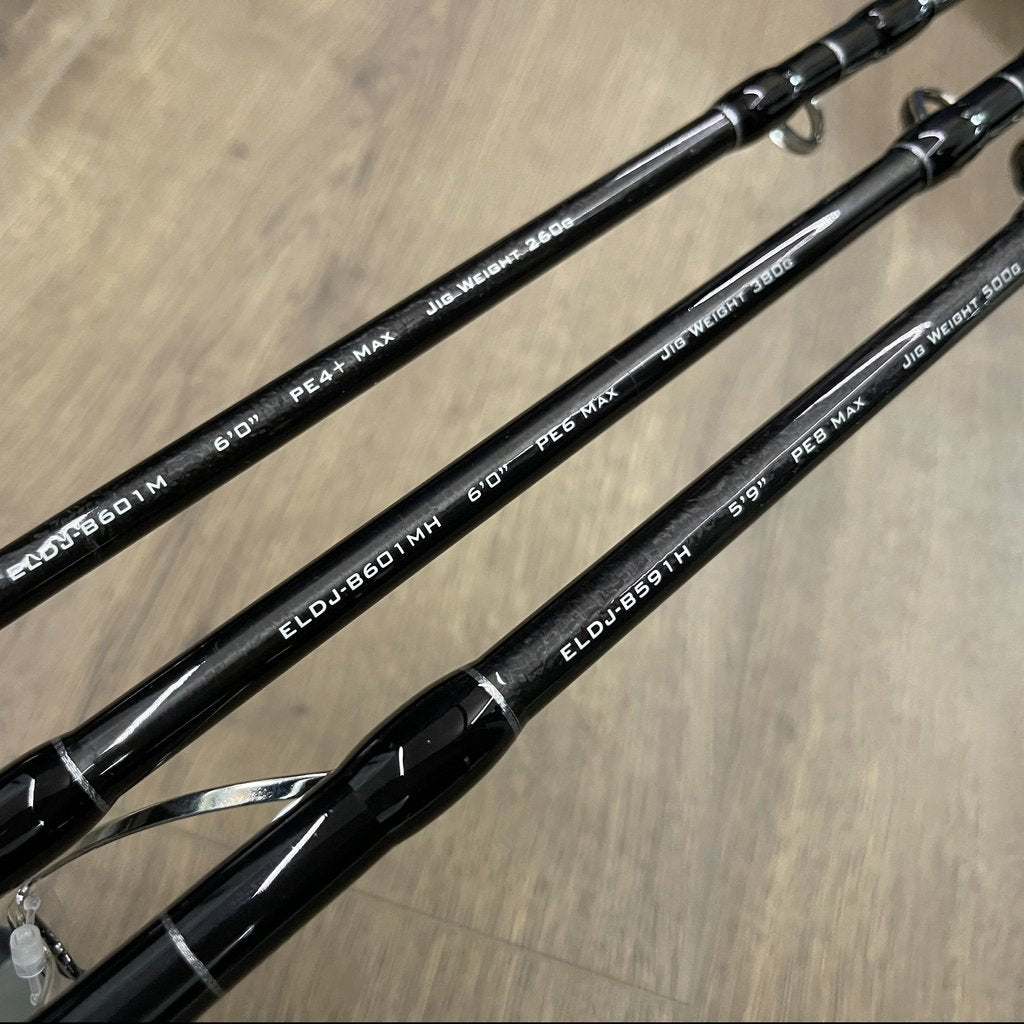
Work from the line class up. Lighter overheads cover most reef and bottom fishing. Heavier rods handle mackerel, tuna and the larger reef species, and genuine game tackle sits at the top of the range for marlin and big tuna.
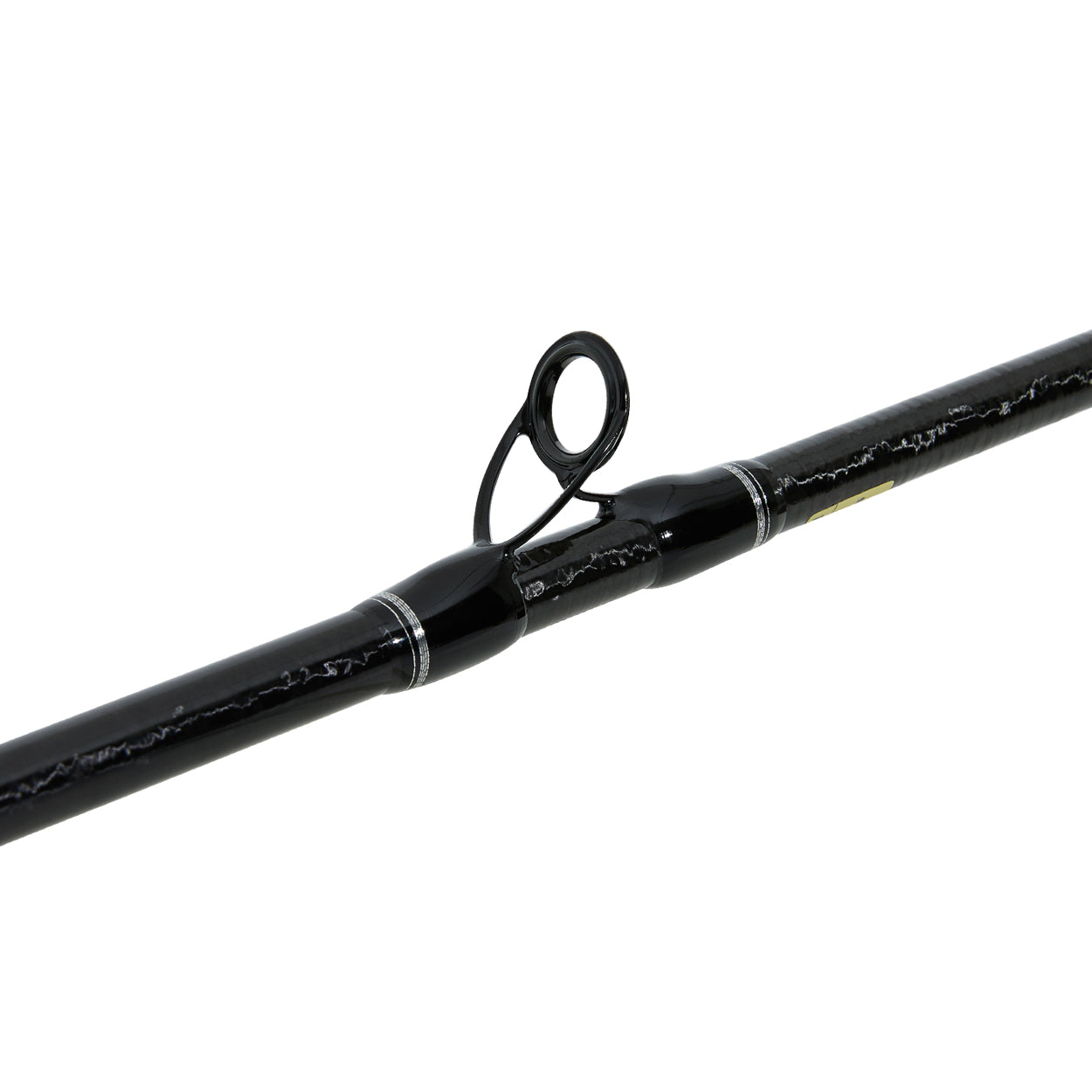
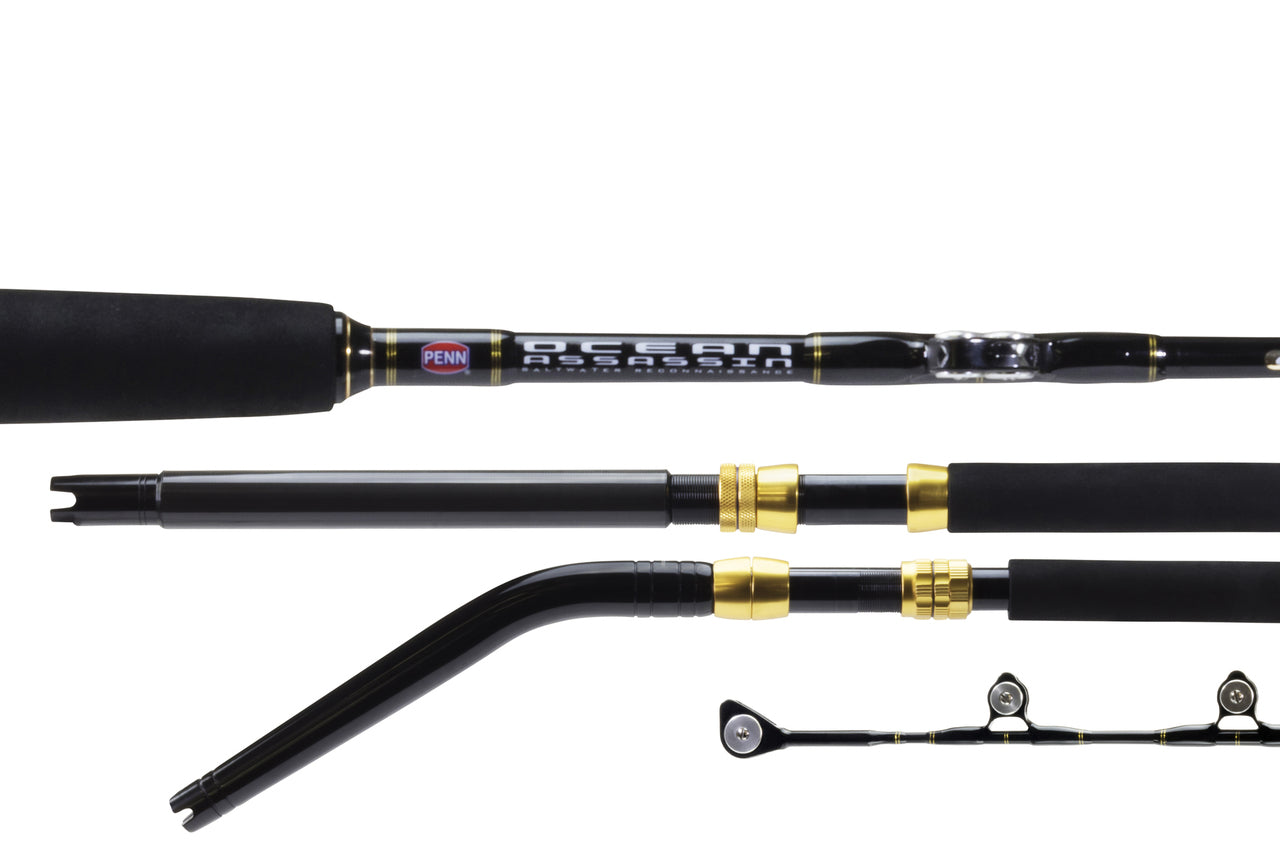
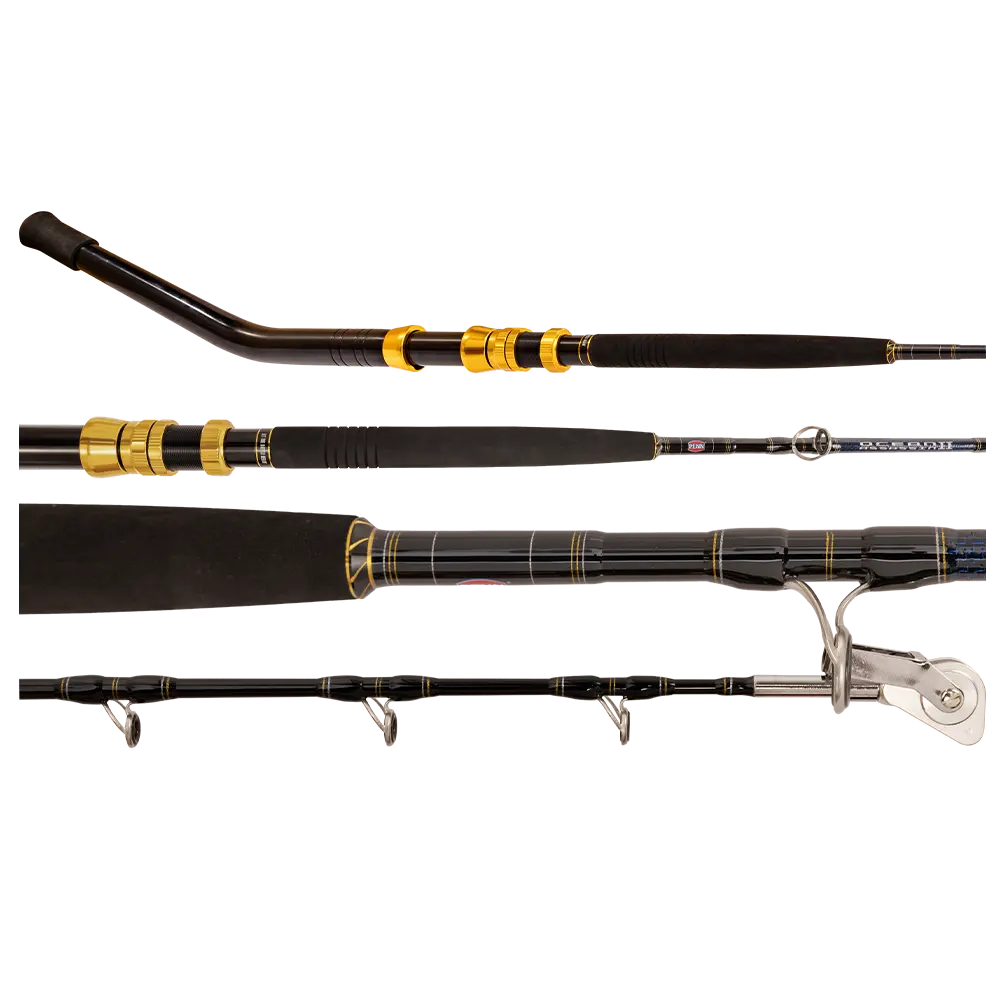
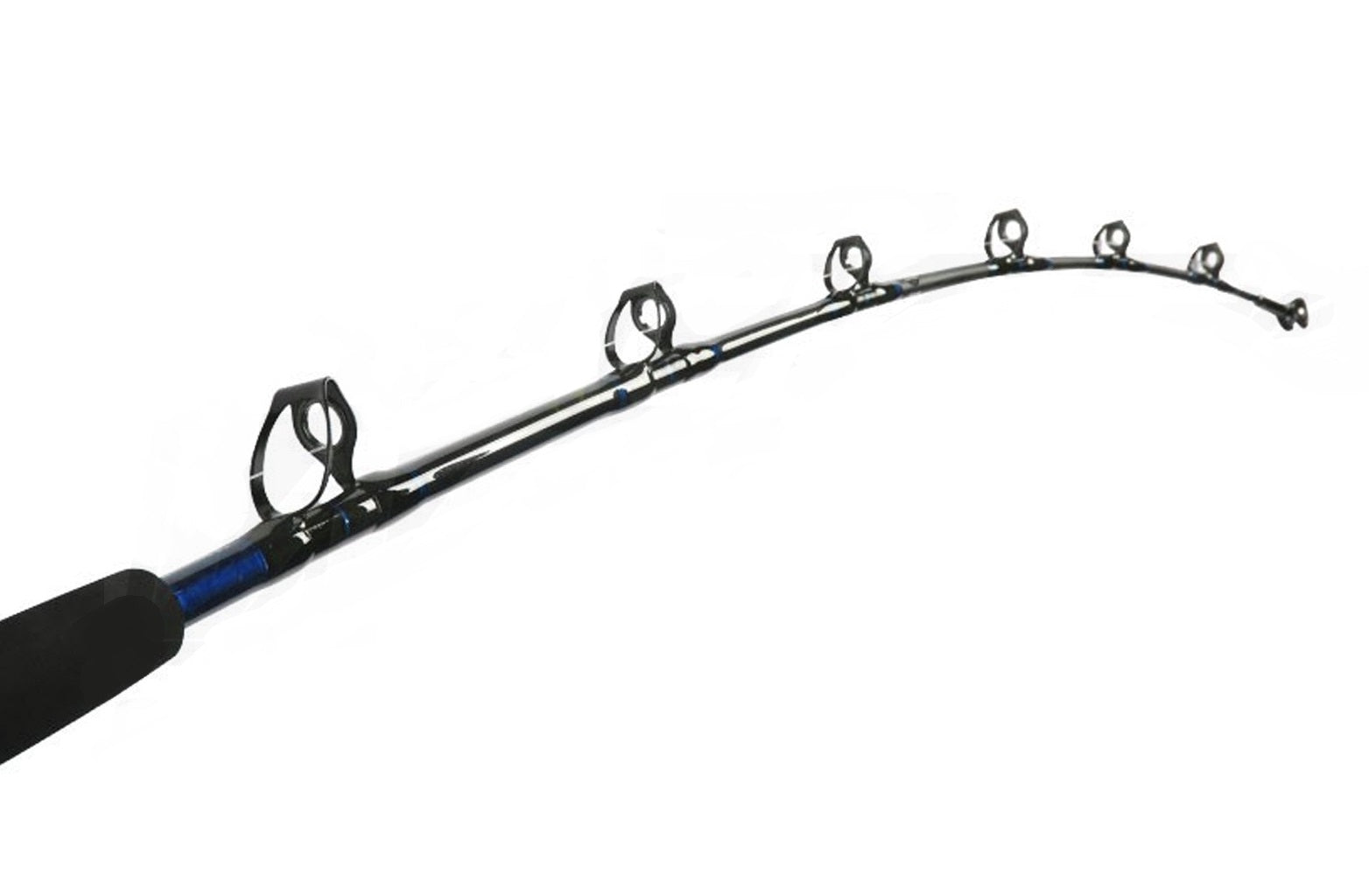
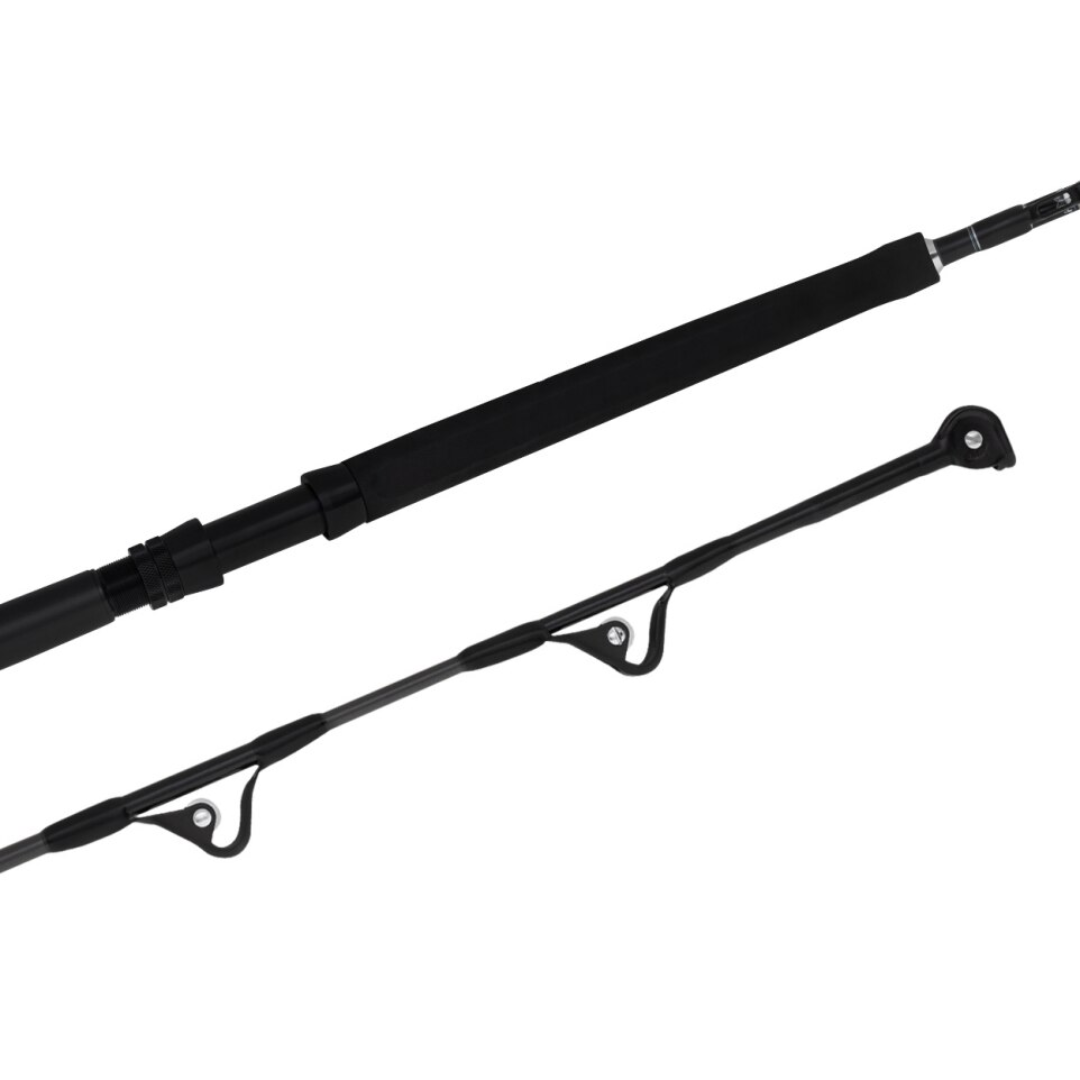
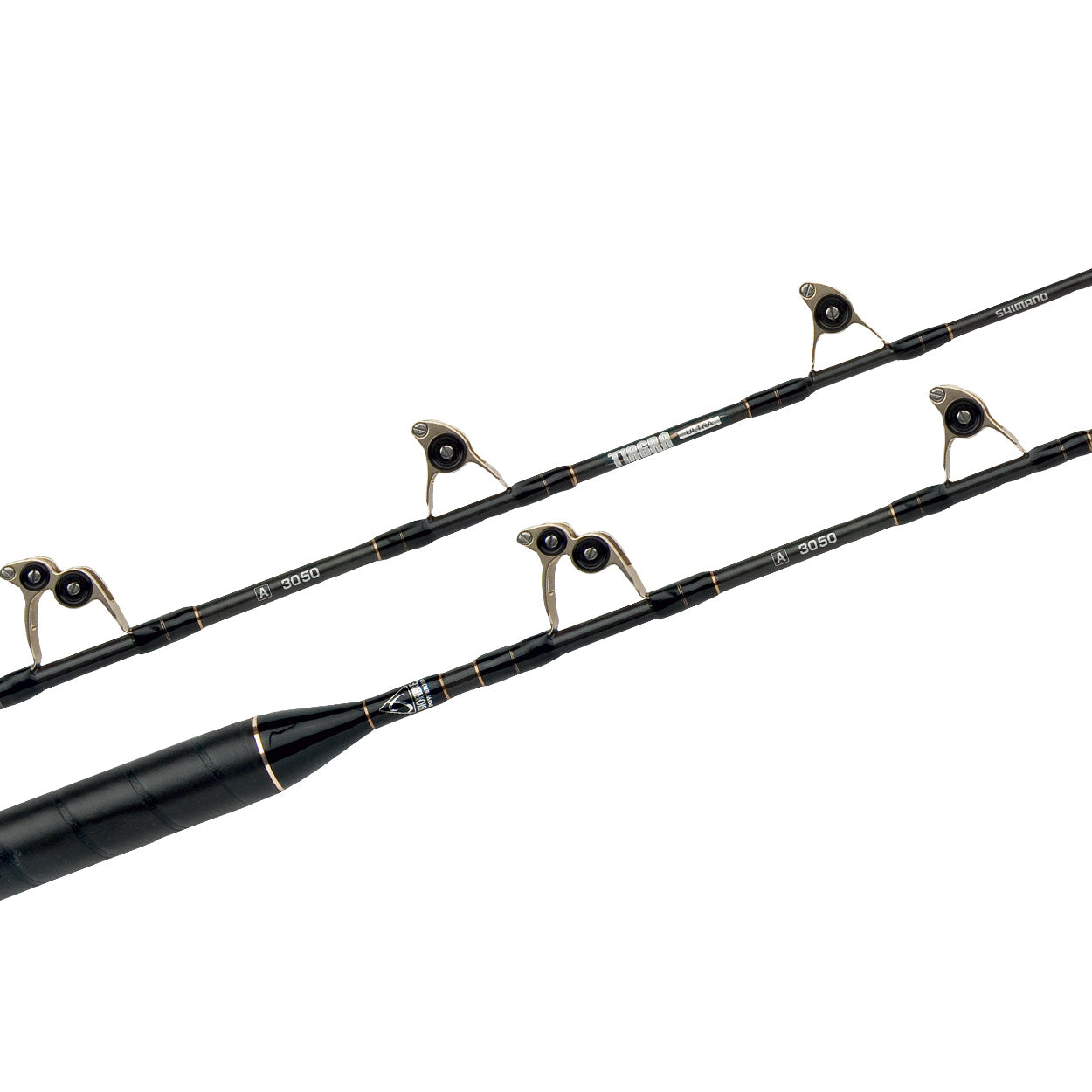
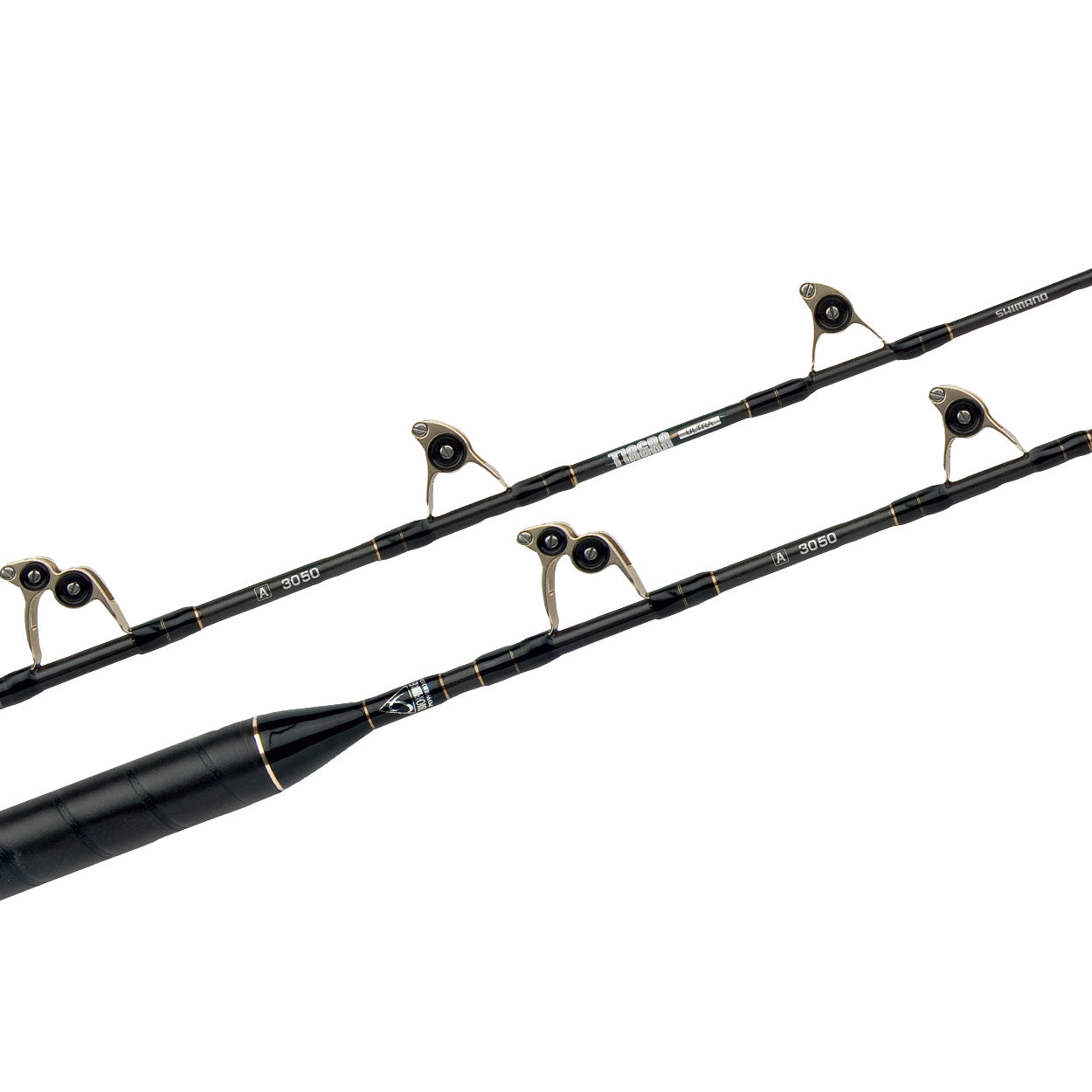
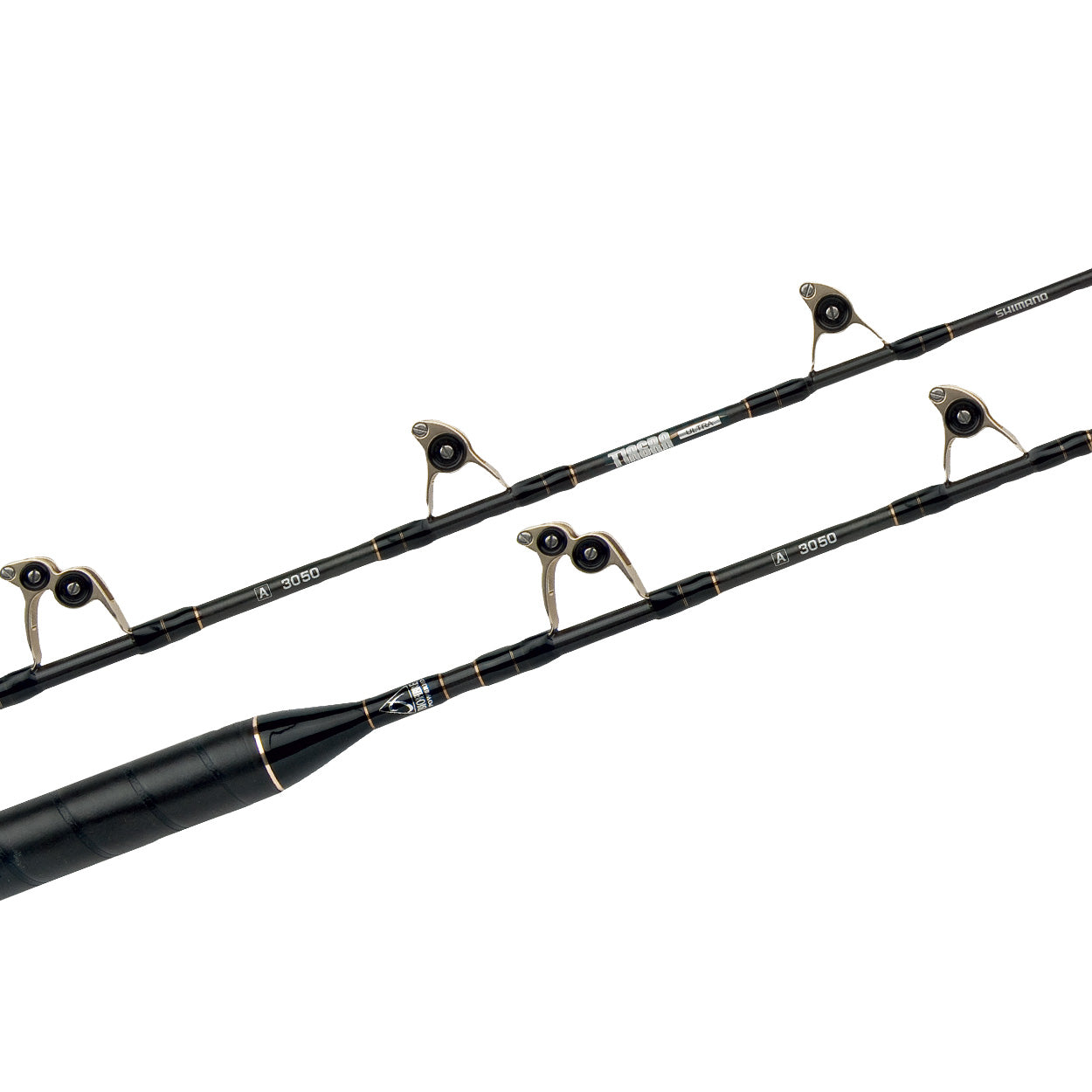
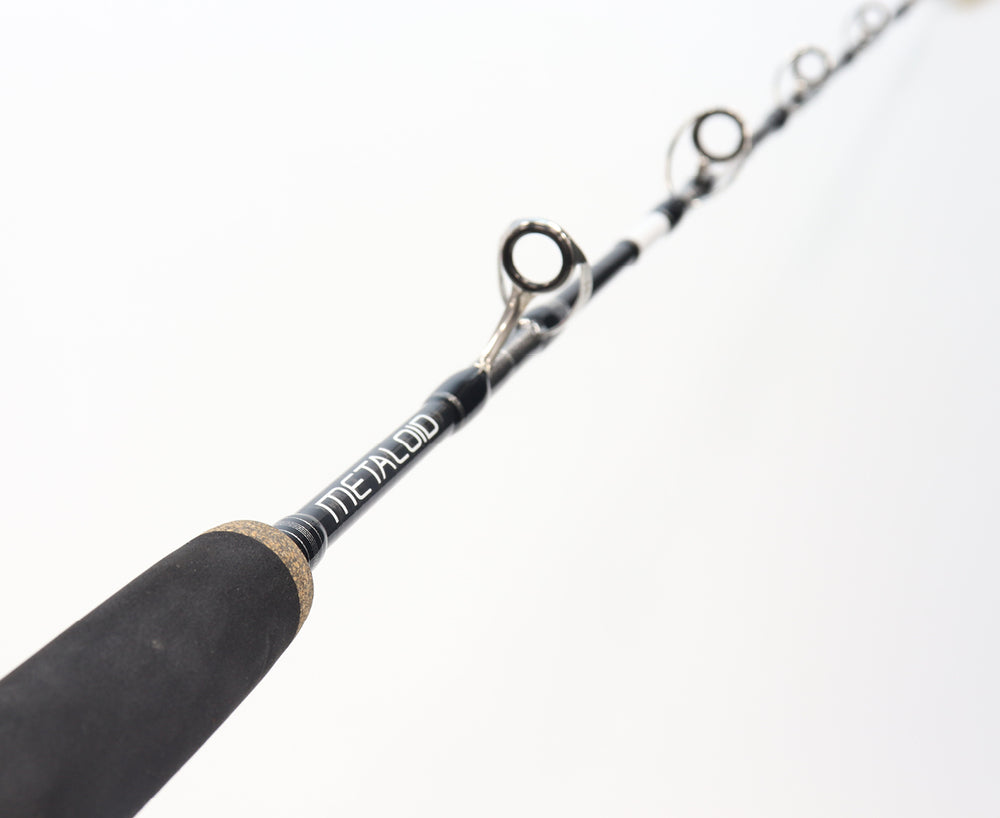
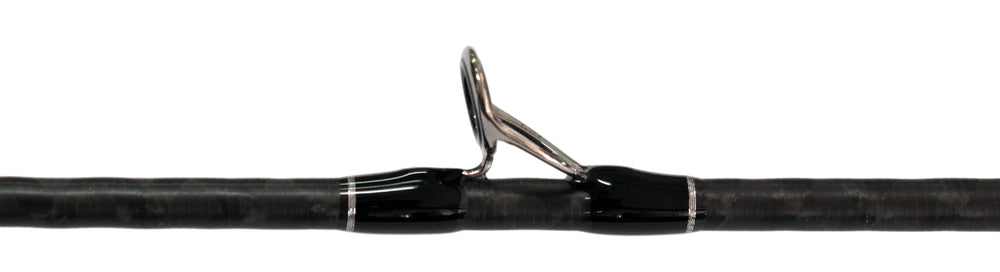
Guides matter on an overhead. Roller guides at the tip, or a full roller set, let heavy line run under sustained load without friction burn. For lighter overhead work, quality ring guides perform well and keep the rod lighter in the hand.
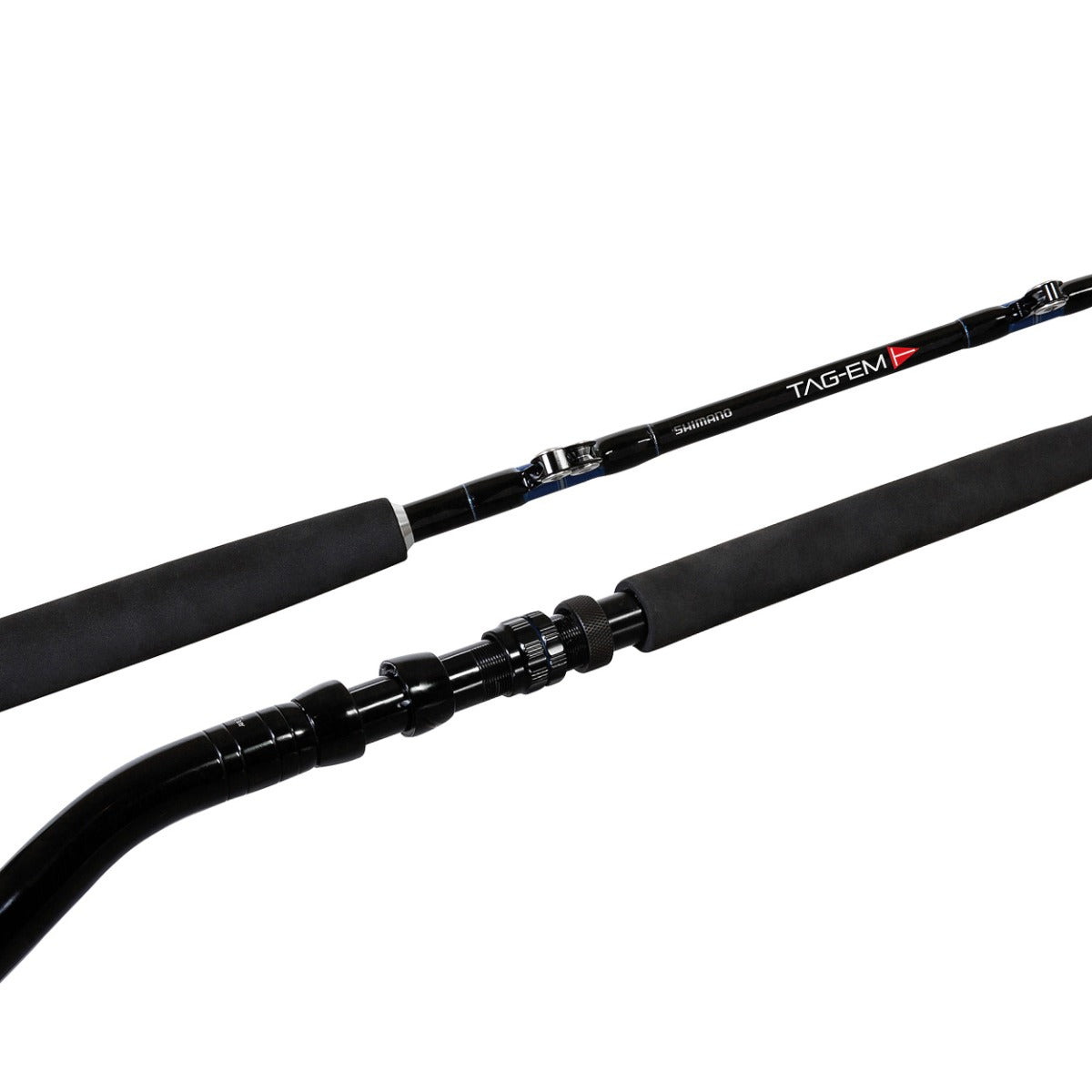
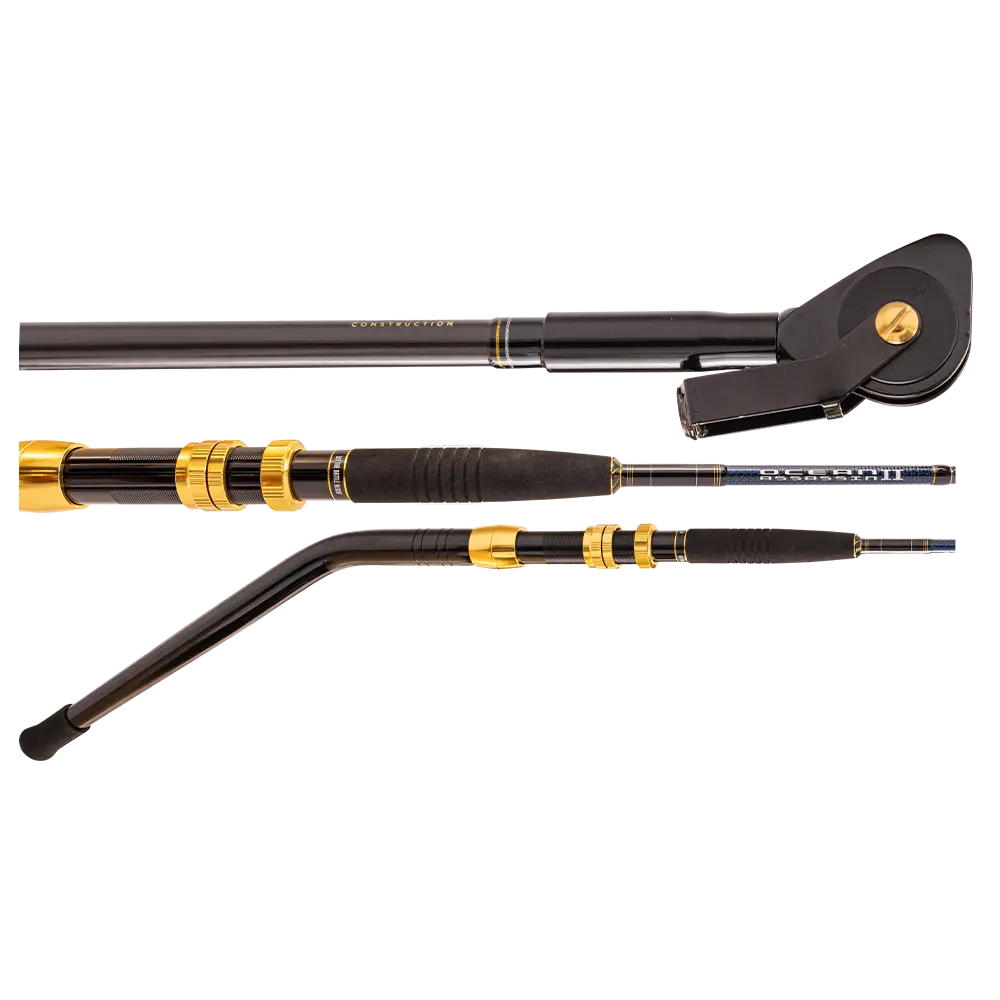
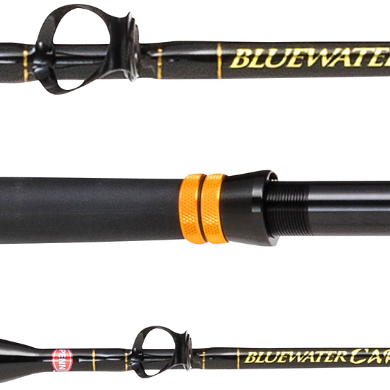
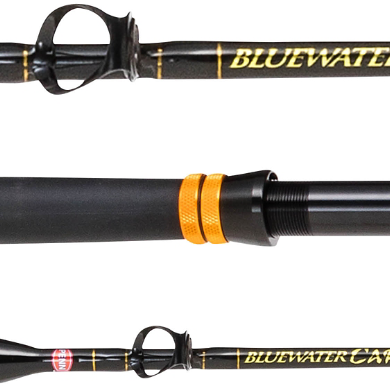
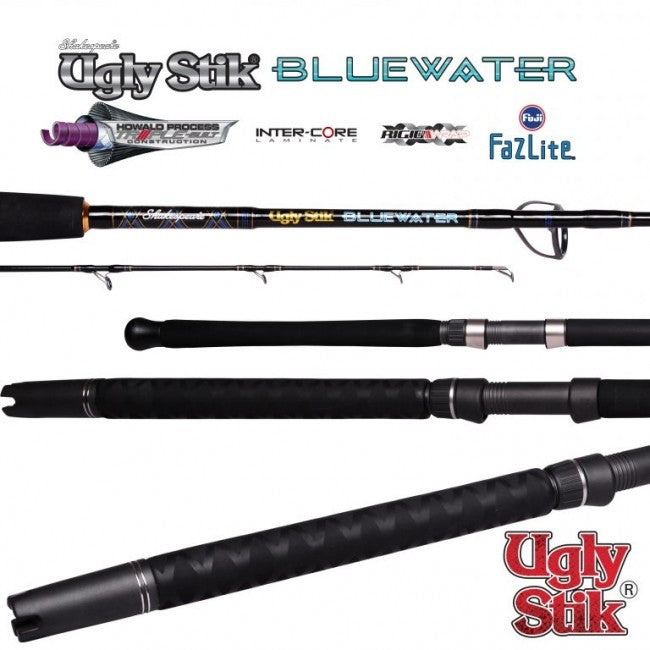
Gimbal butts come into their own once you are fighting fish standing up, locking into a belt or chair and taking the load off your wrists. These rods are built around overhead reels, and downriggers are worth a look if you are trolling deep.
Frequently asked questions
What is an overhead rod used for?
Trolling, bottom bouncing, deep dropping and game fishing — anywhere the reel needs to sit above the blank and deliver drag in a straight line.
Do I need roller guides?
Only for heavier line classes and sustained fights. For lighter work, good ring guides perform well and keep the rod lighter.
Can I use an overhead rod from the beach?
Yes. Overhead beach outfits are a long-standing Australian setup for heavy baits and big fish off the sand. They are a different animal to an Alvey sidecast, which mounts low under the butt and casts by rotating the spool.
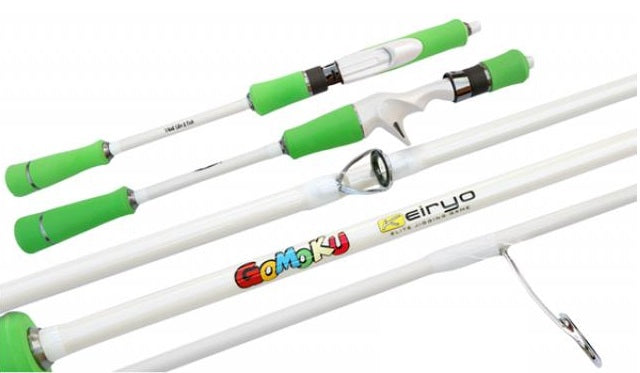
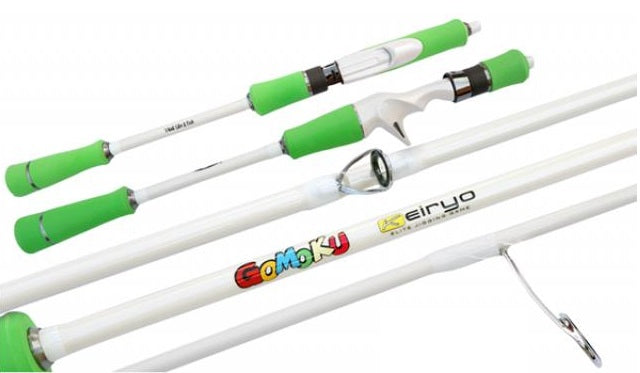
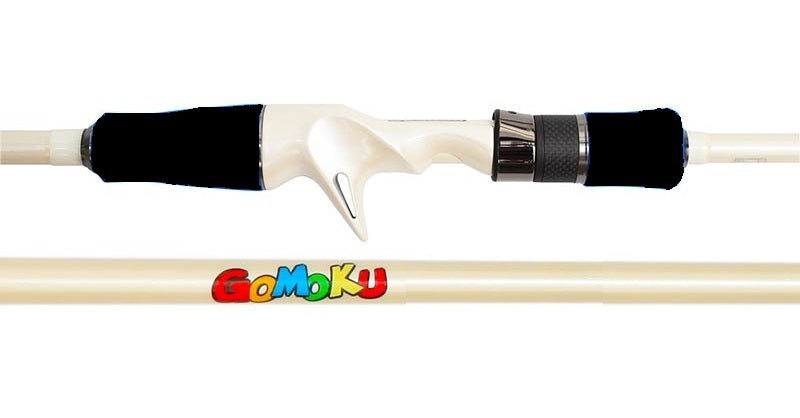
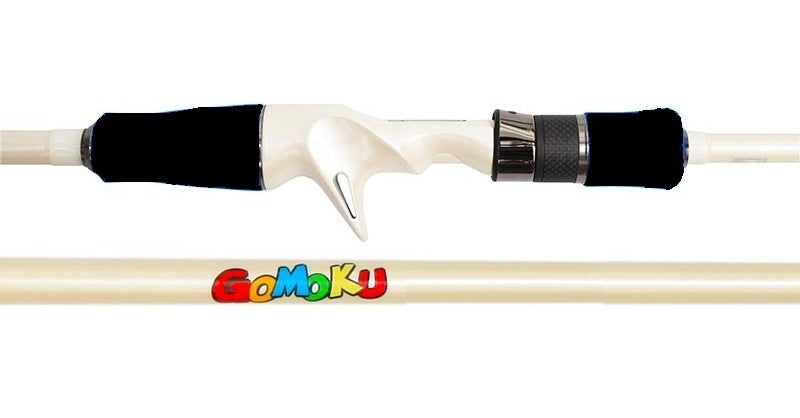

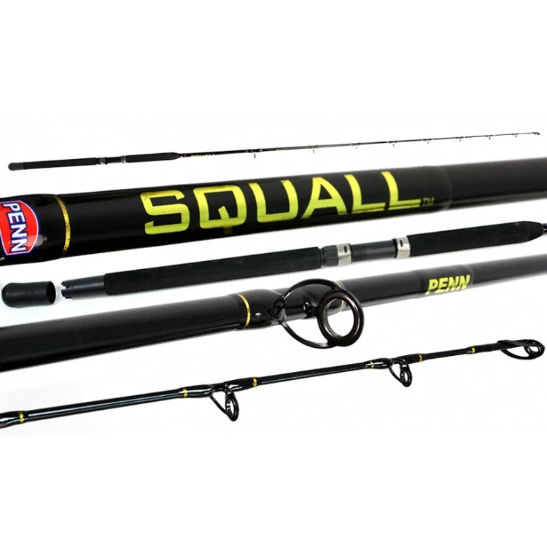
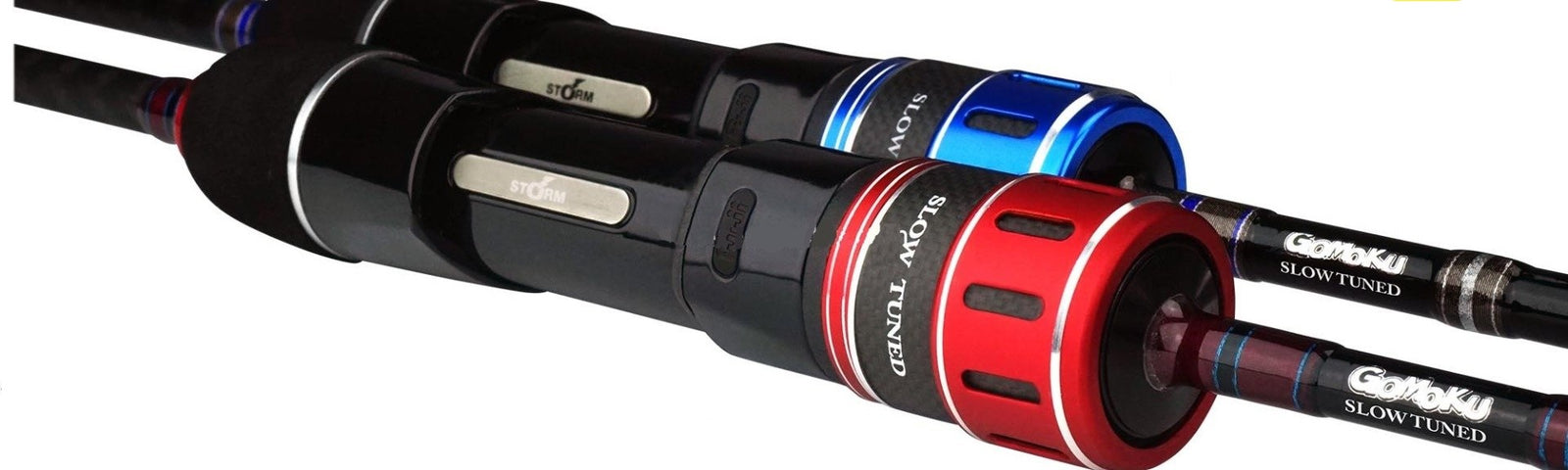
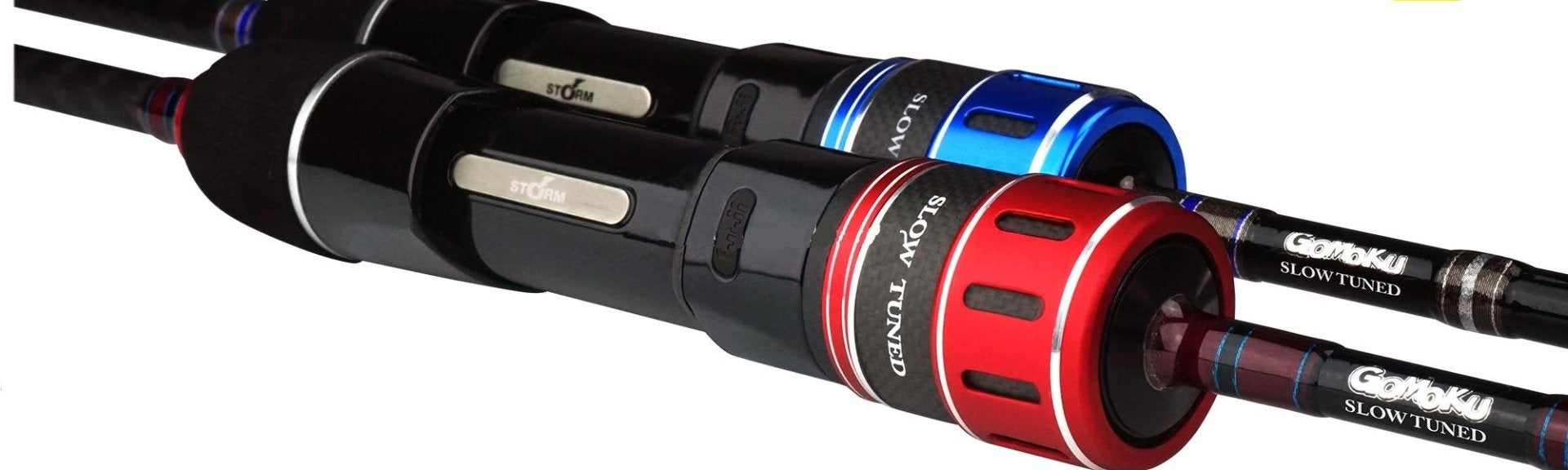
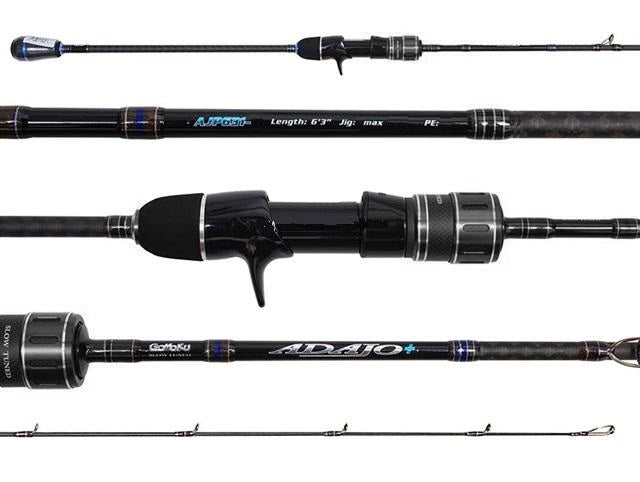

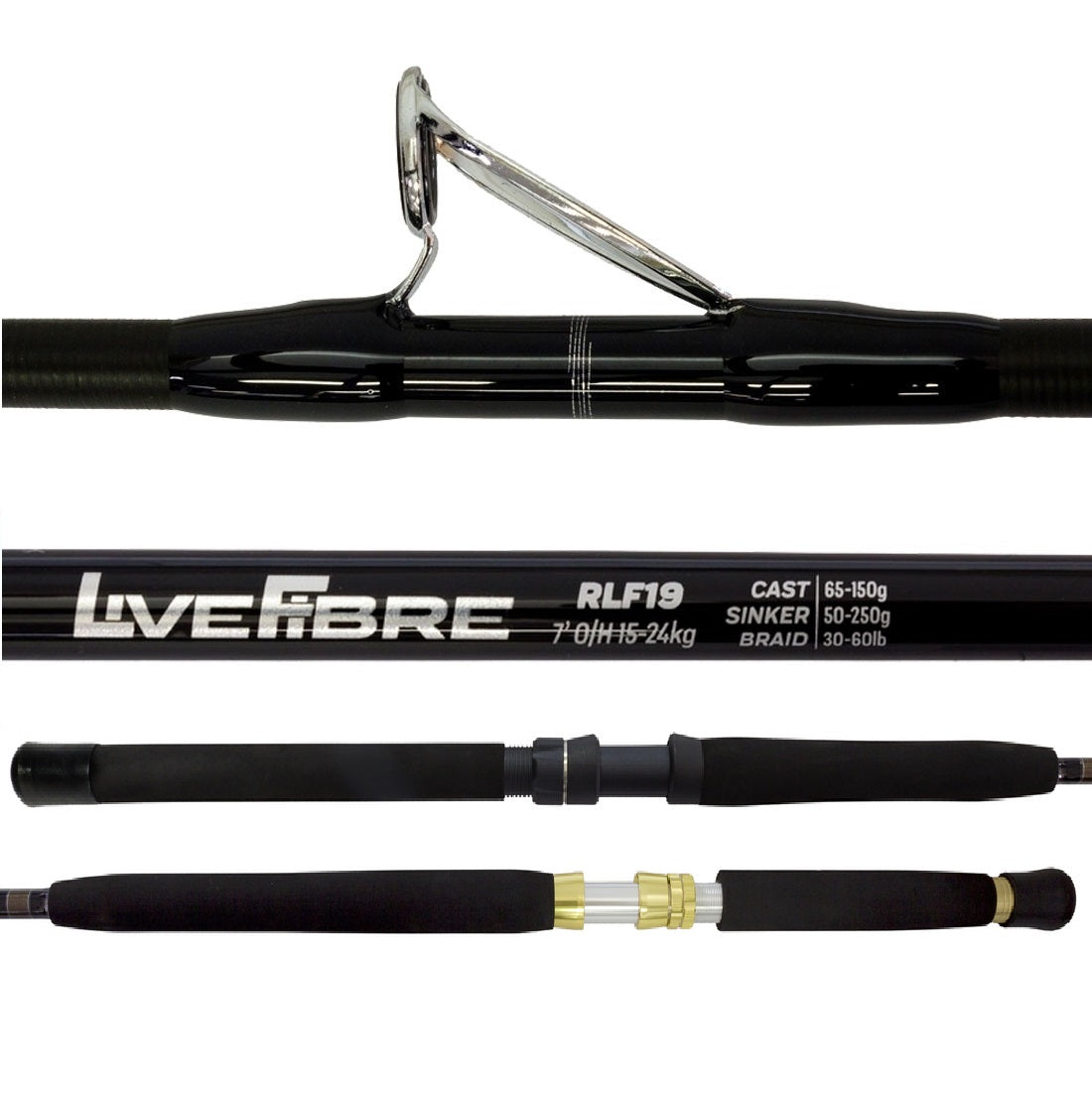
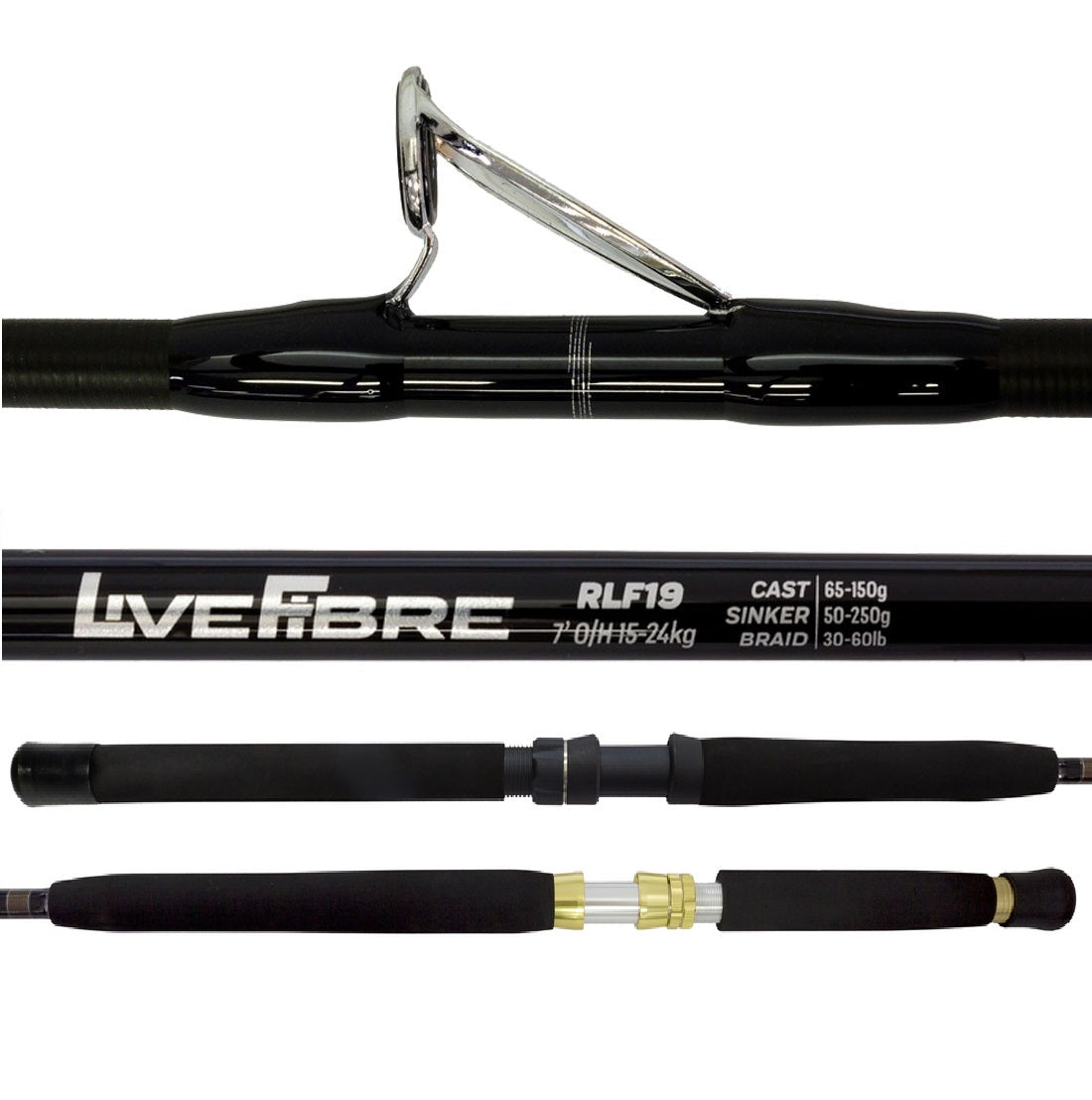
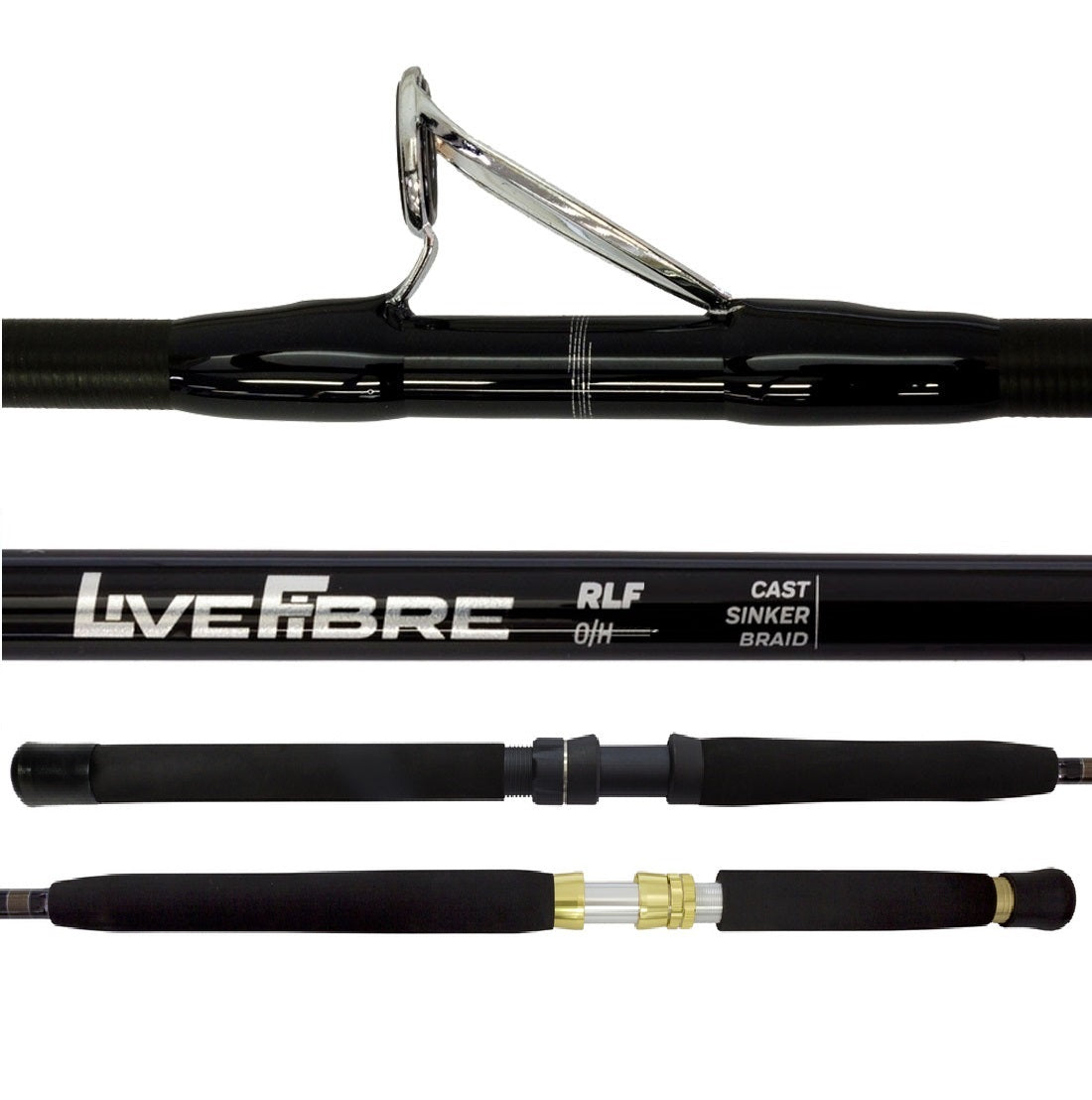
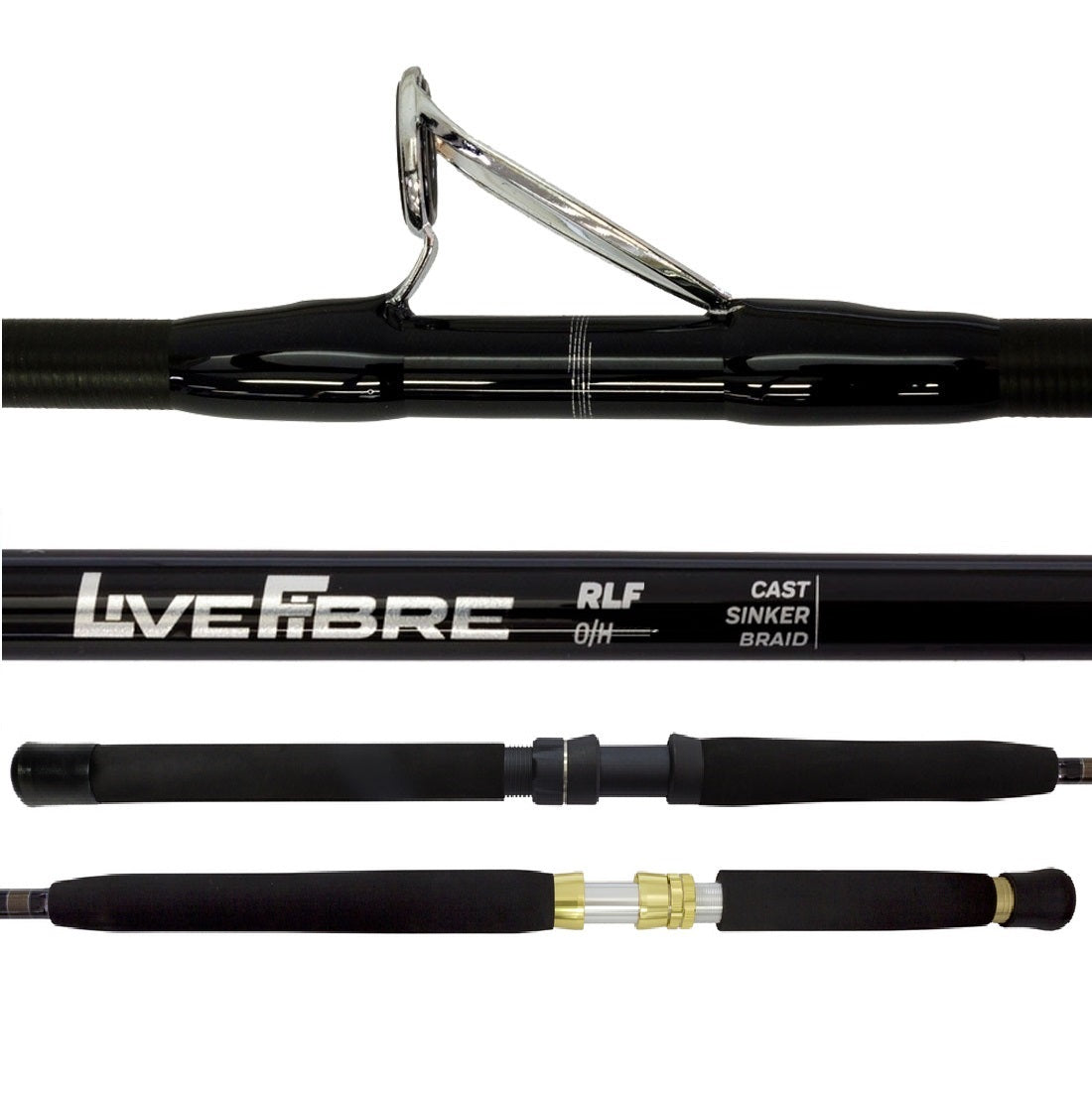
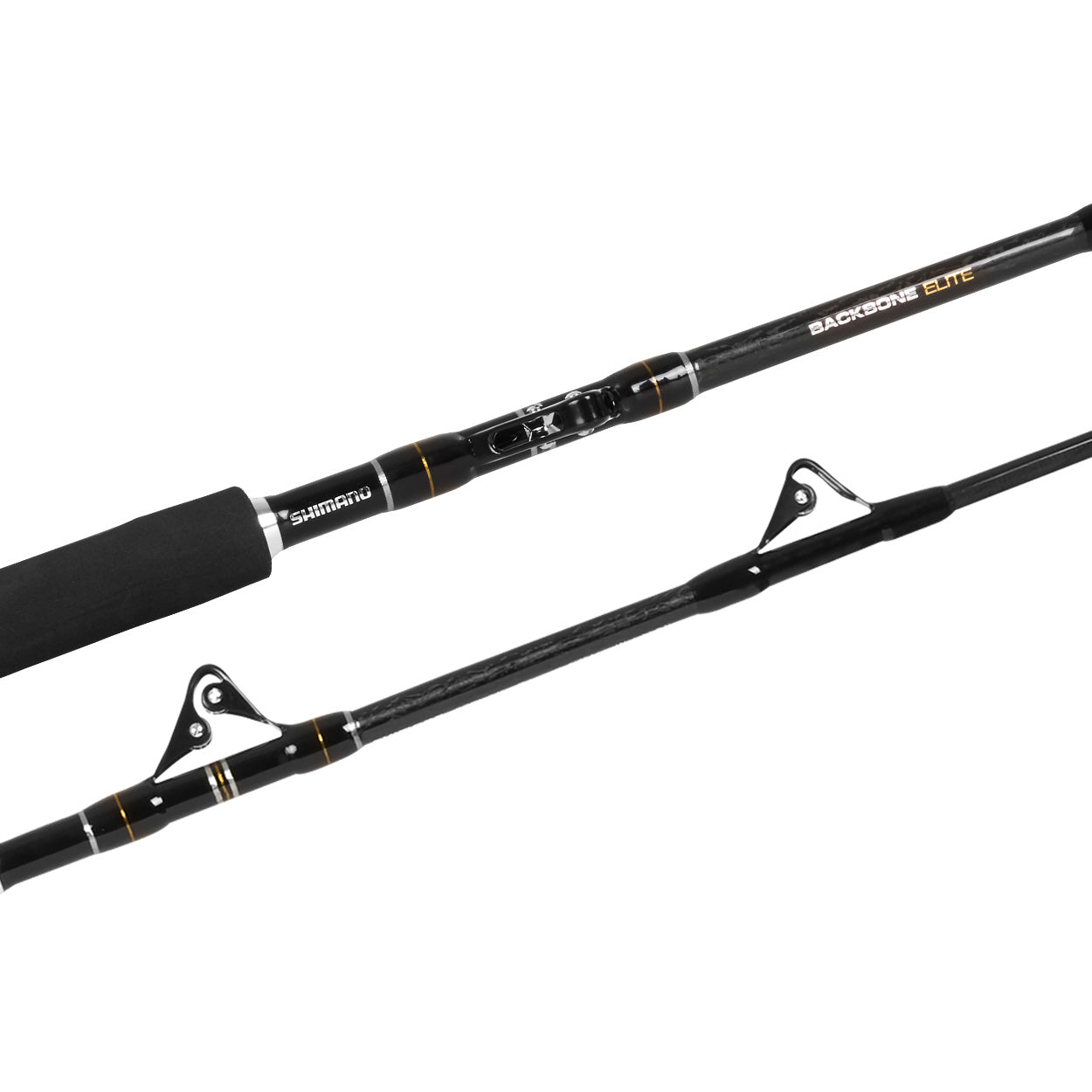
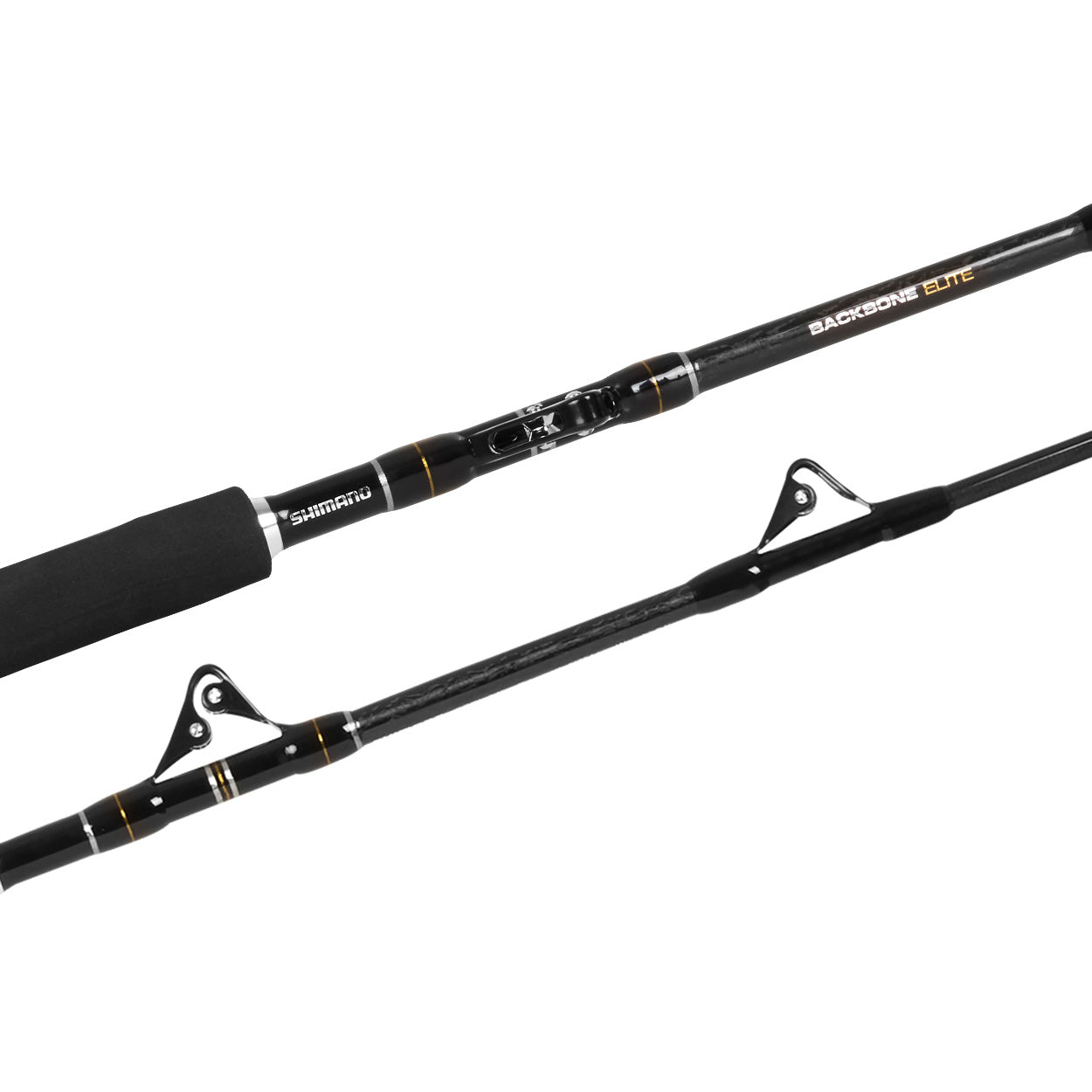
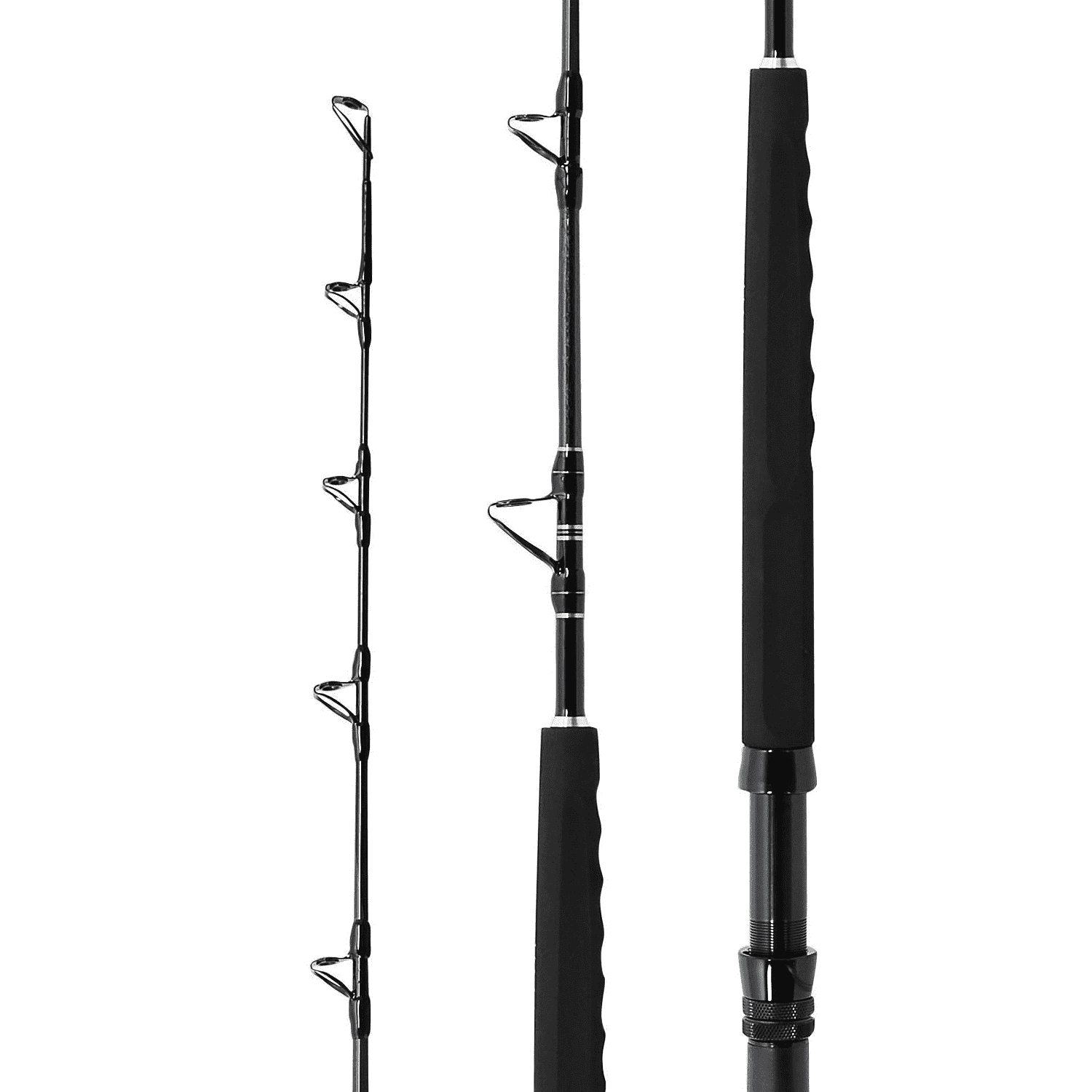

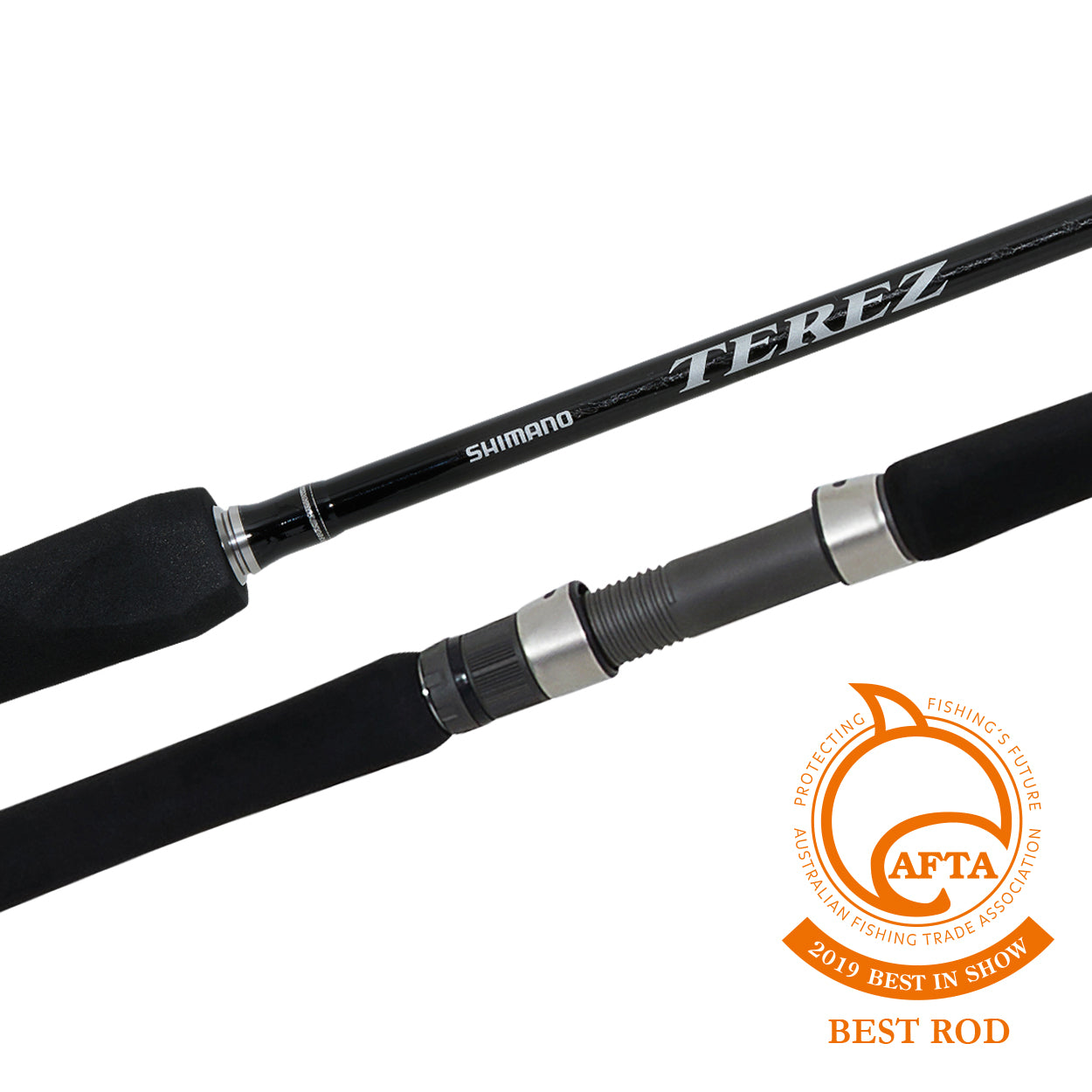
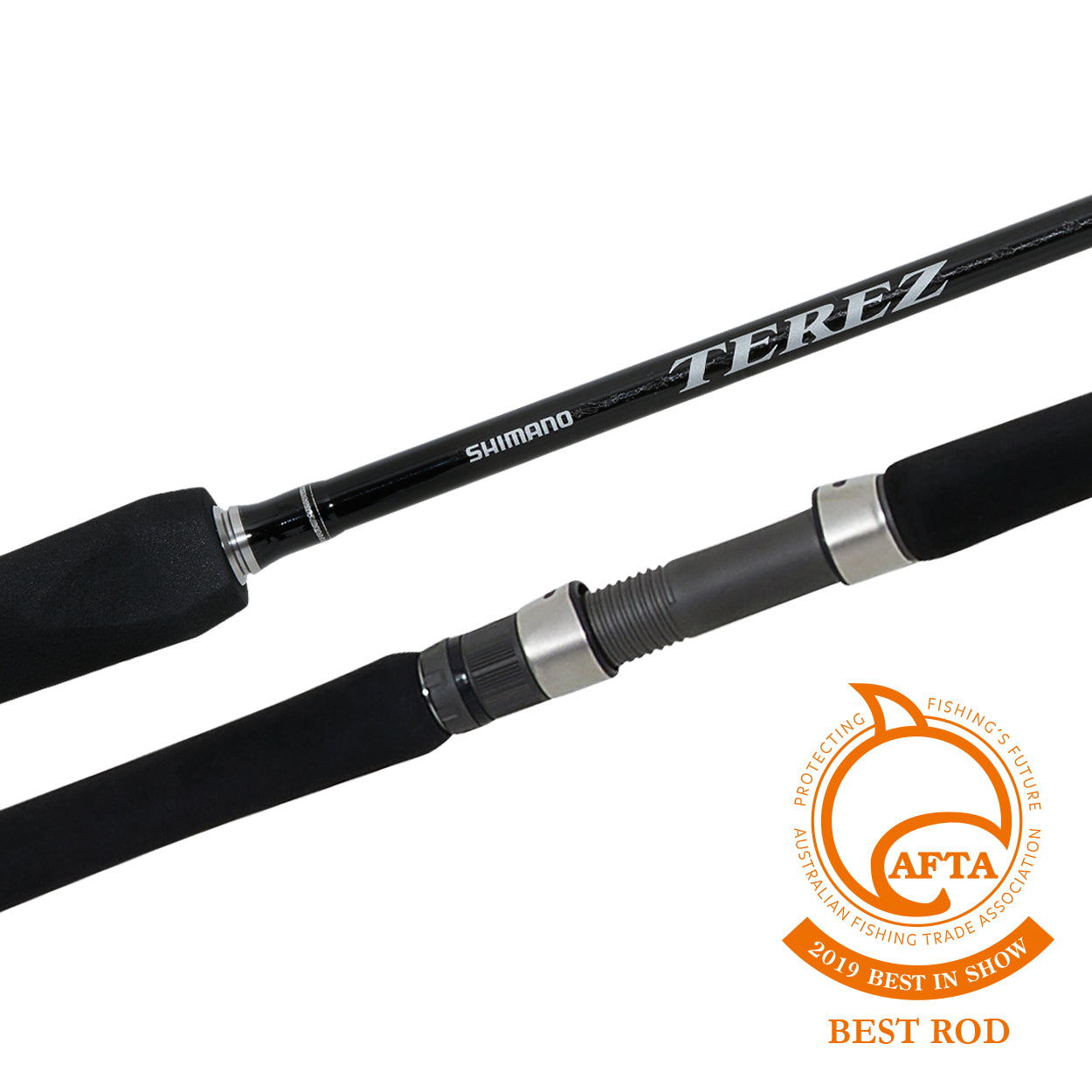
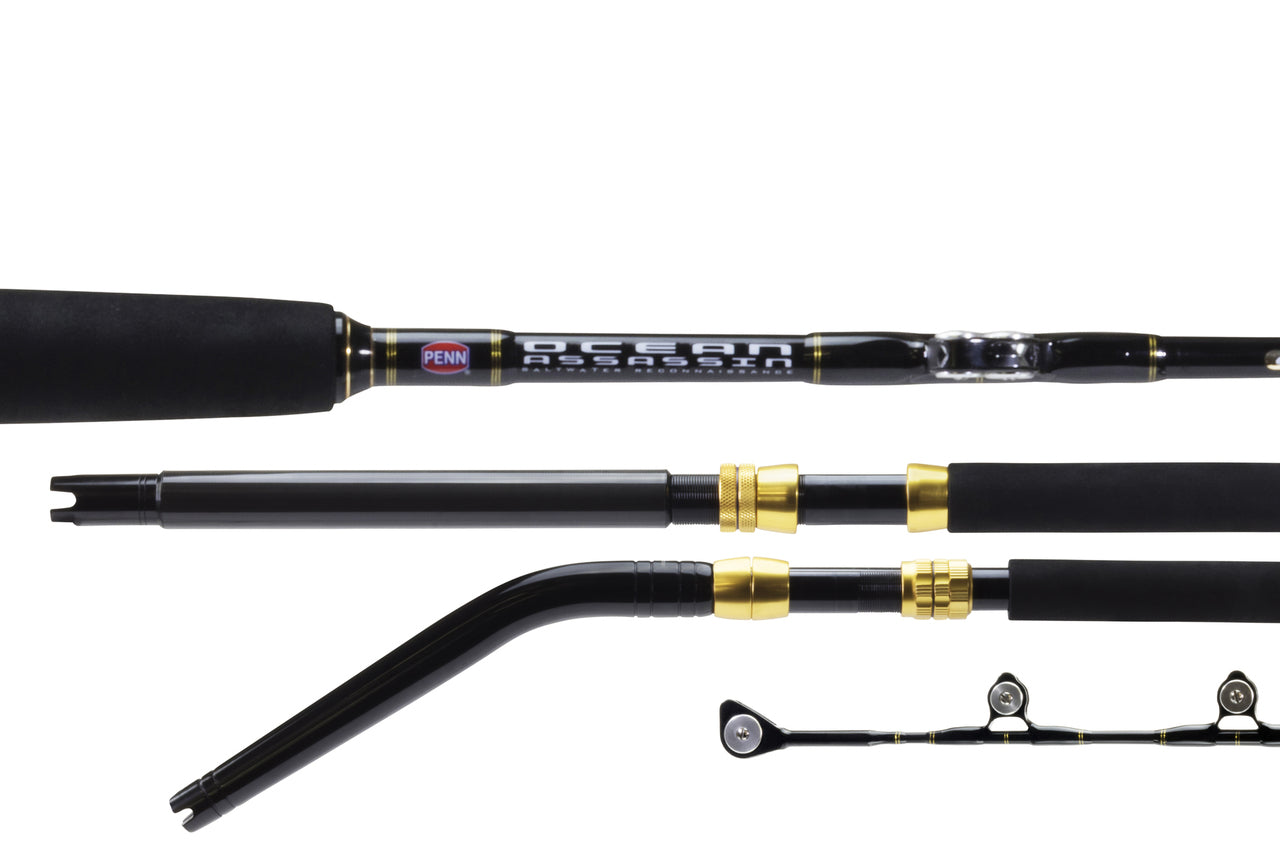
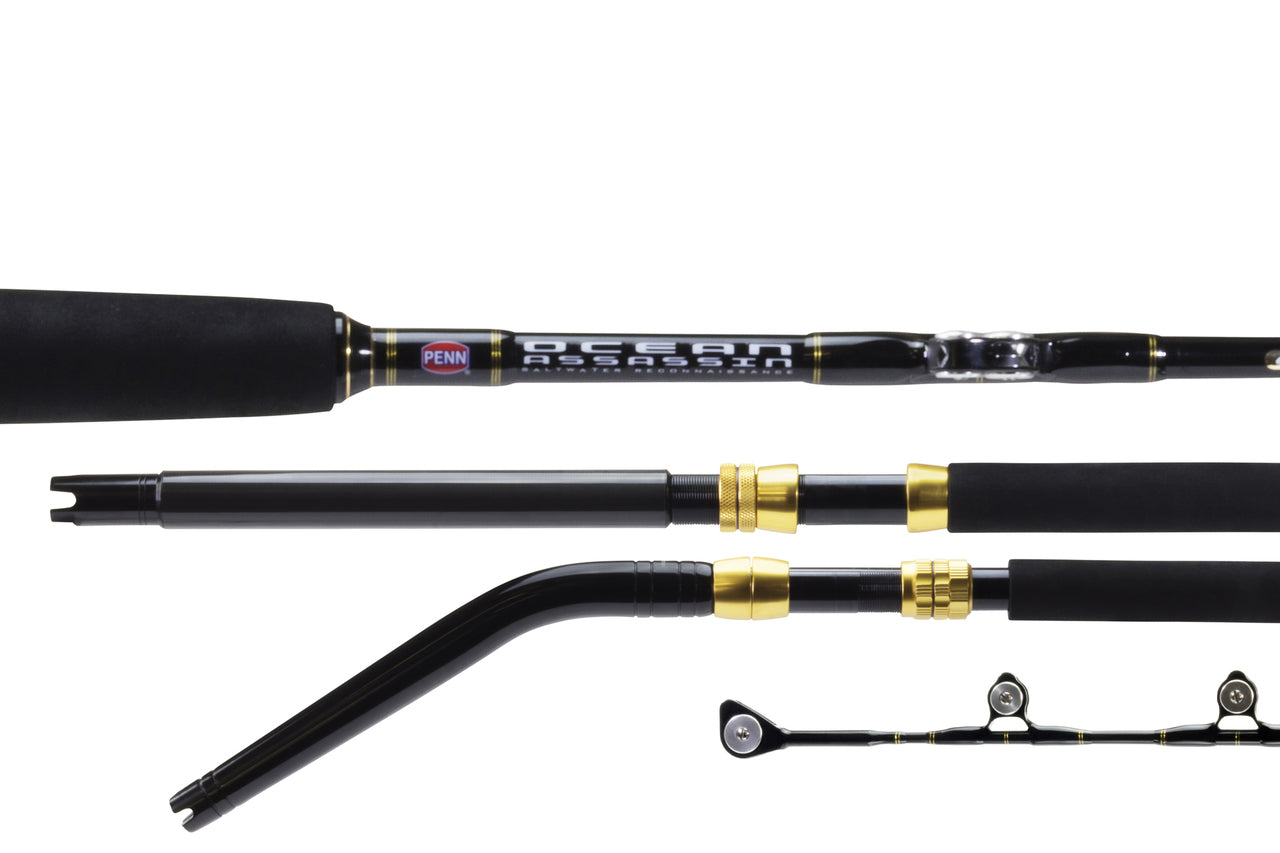


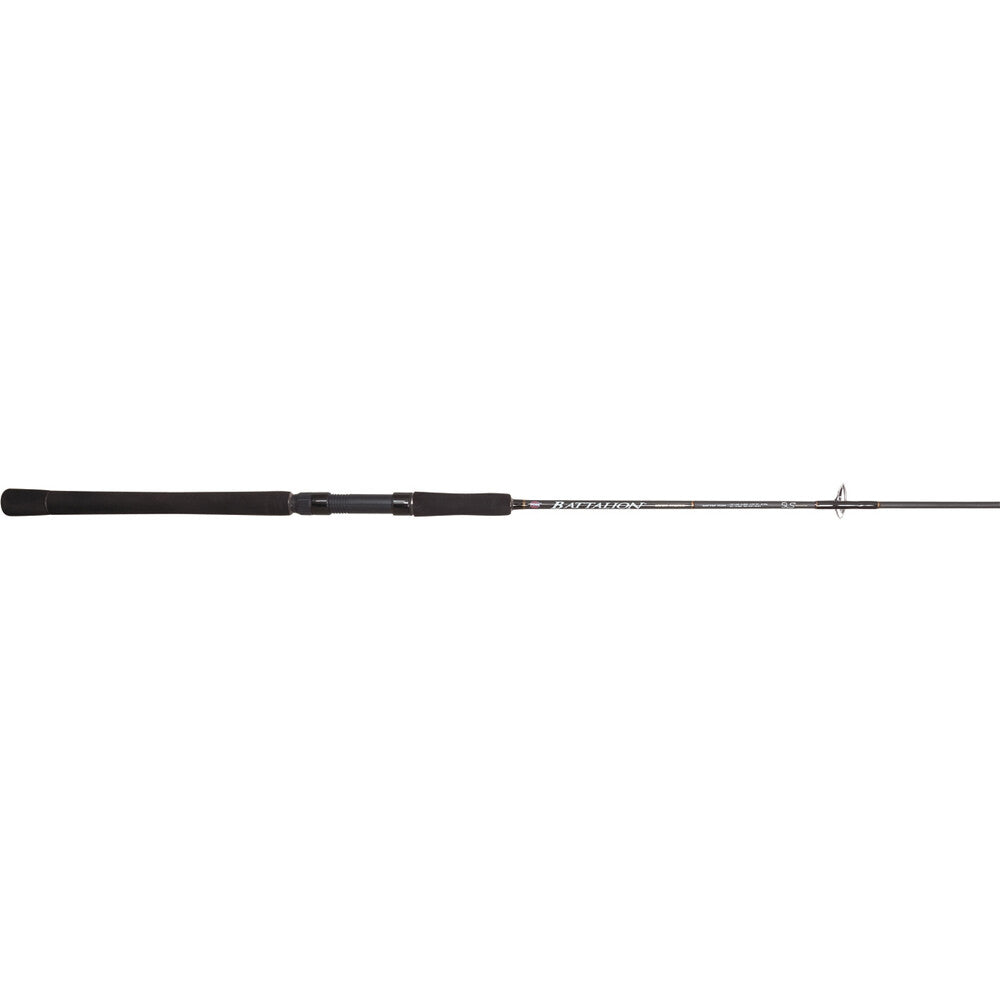

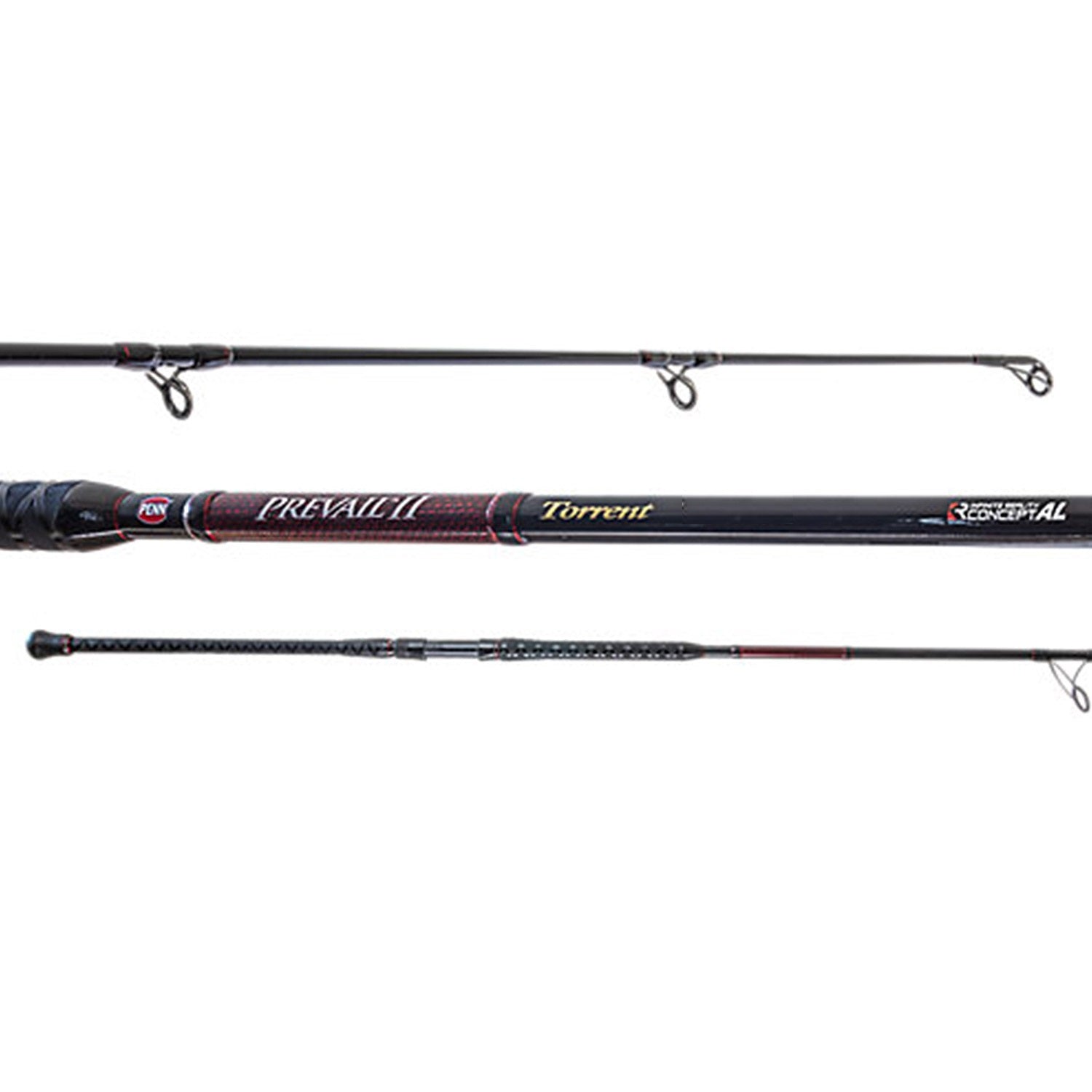
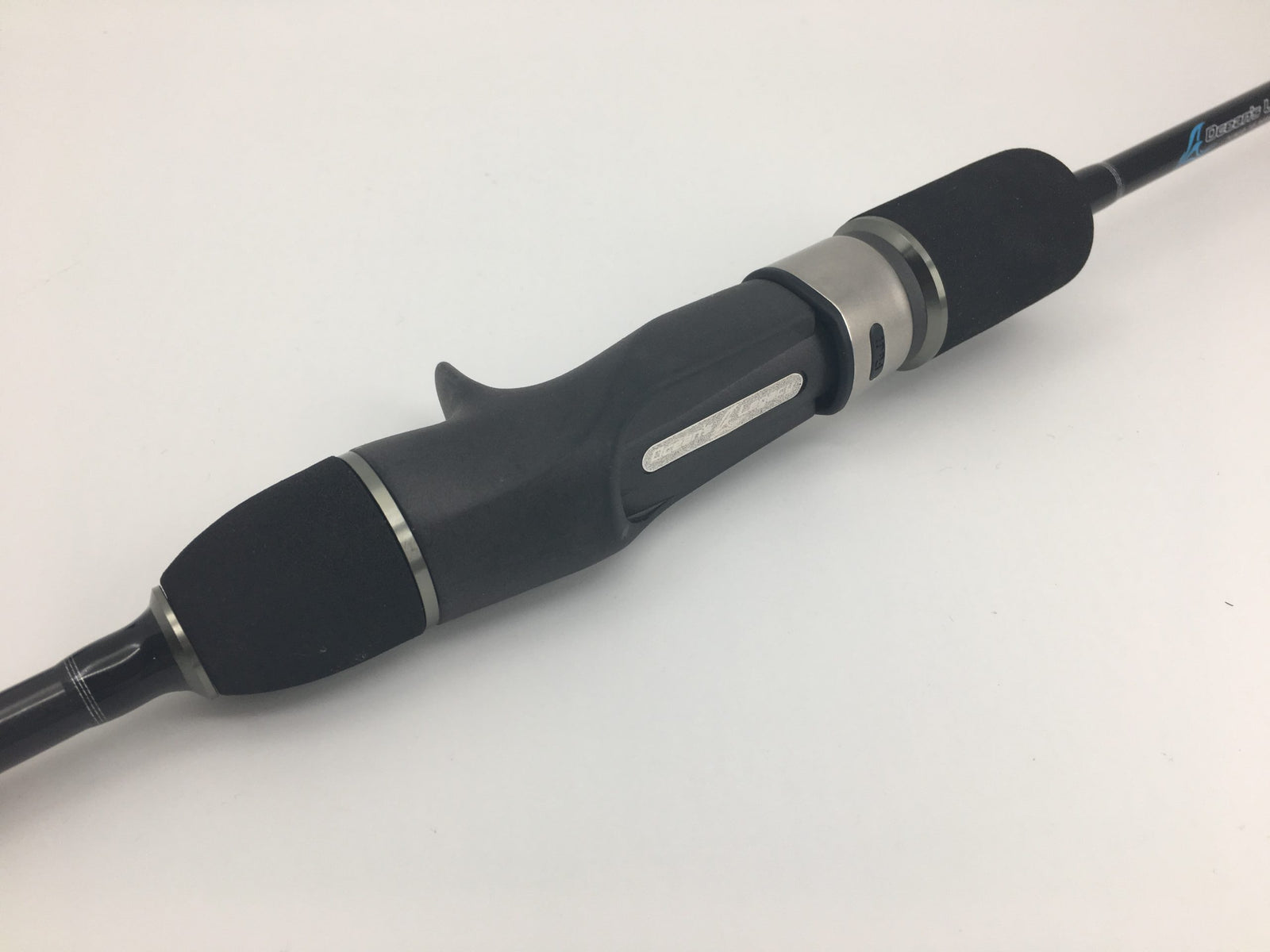
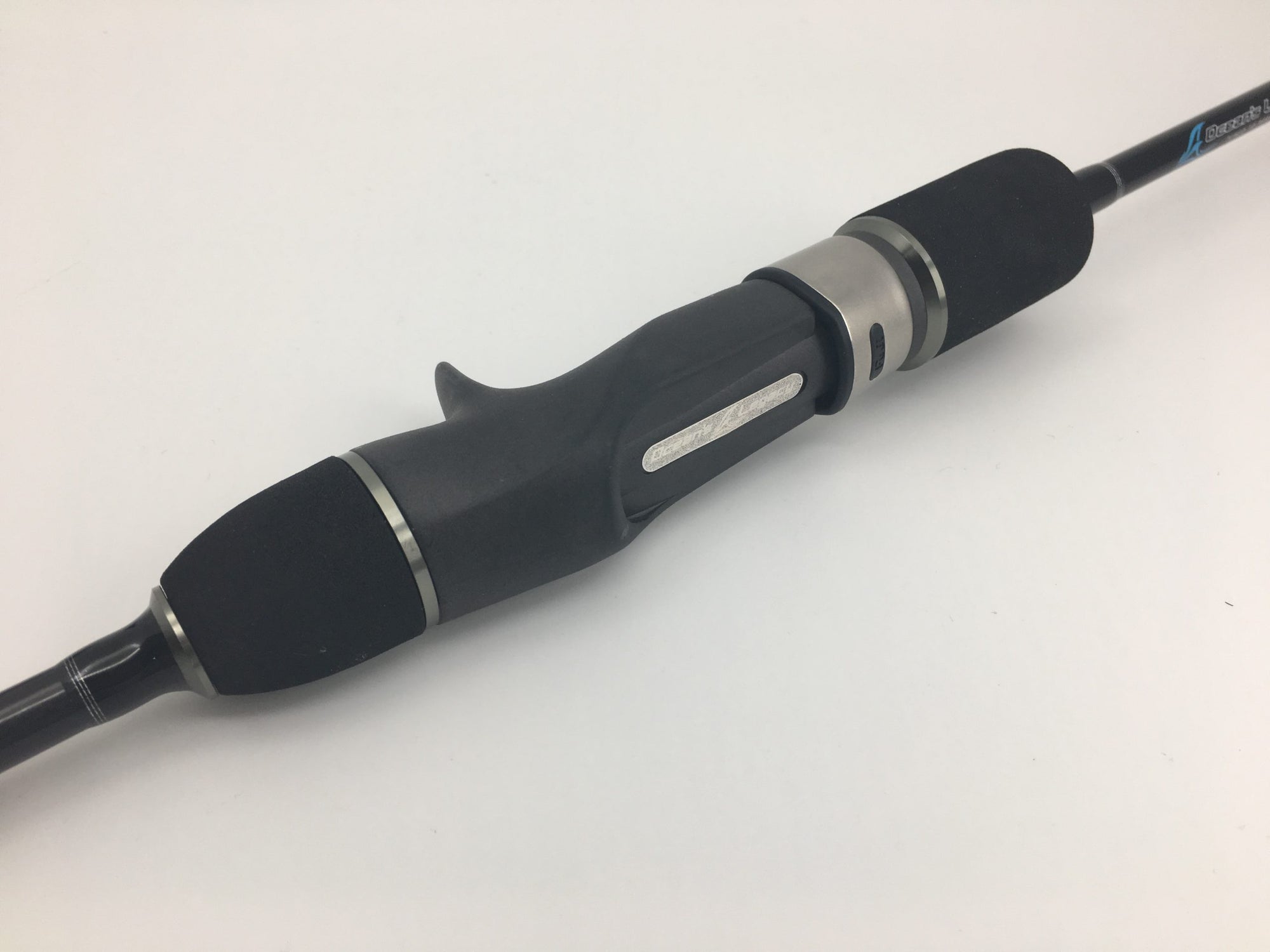
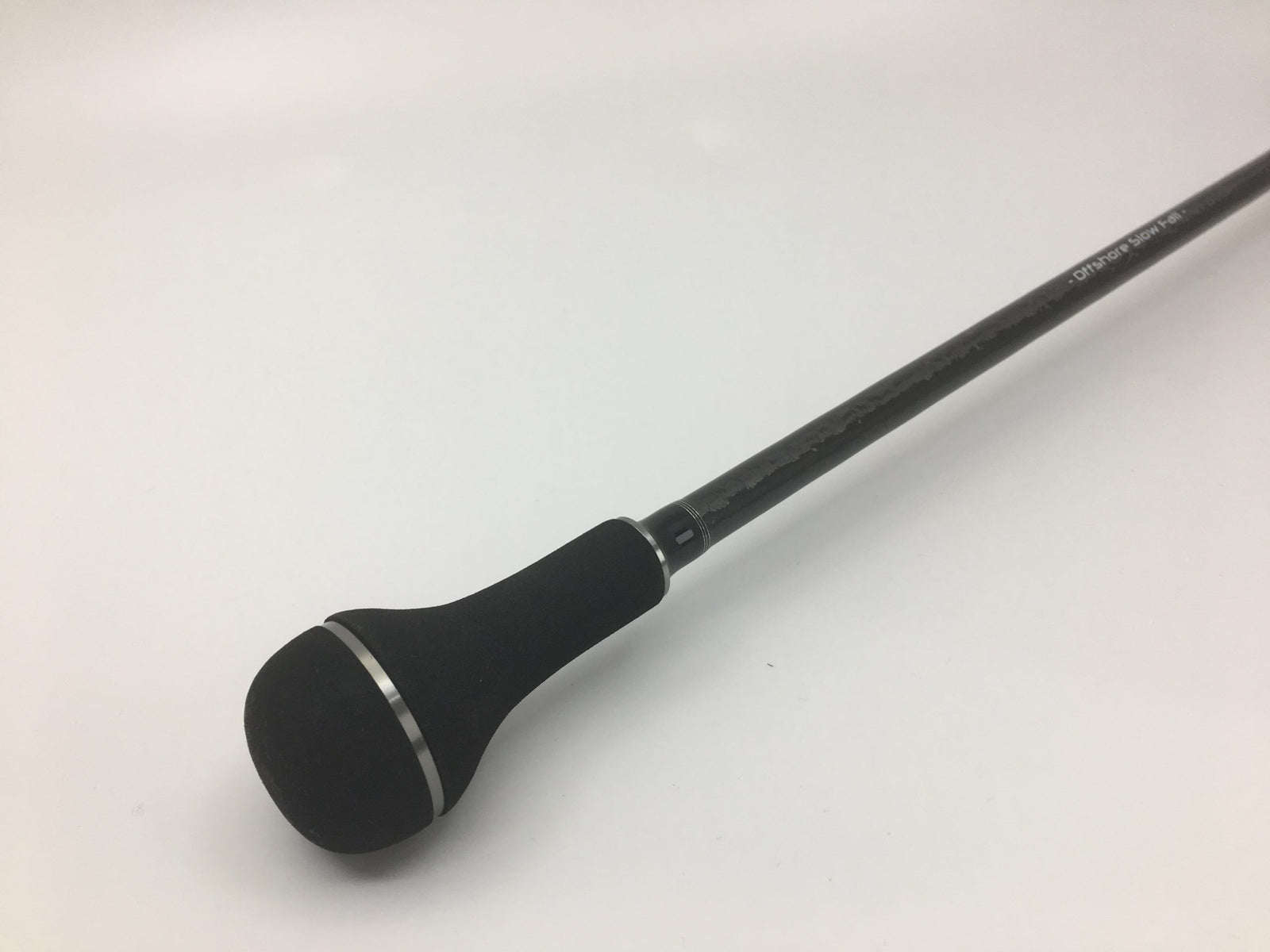

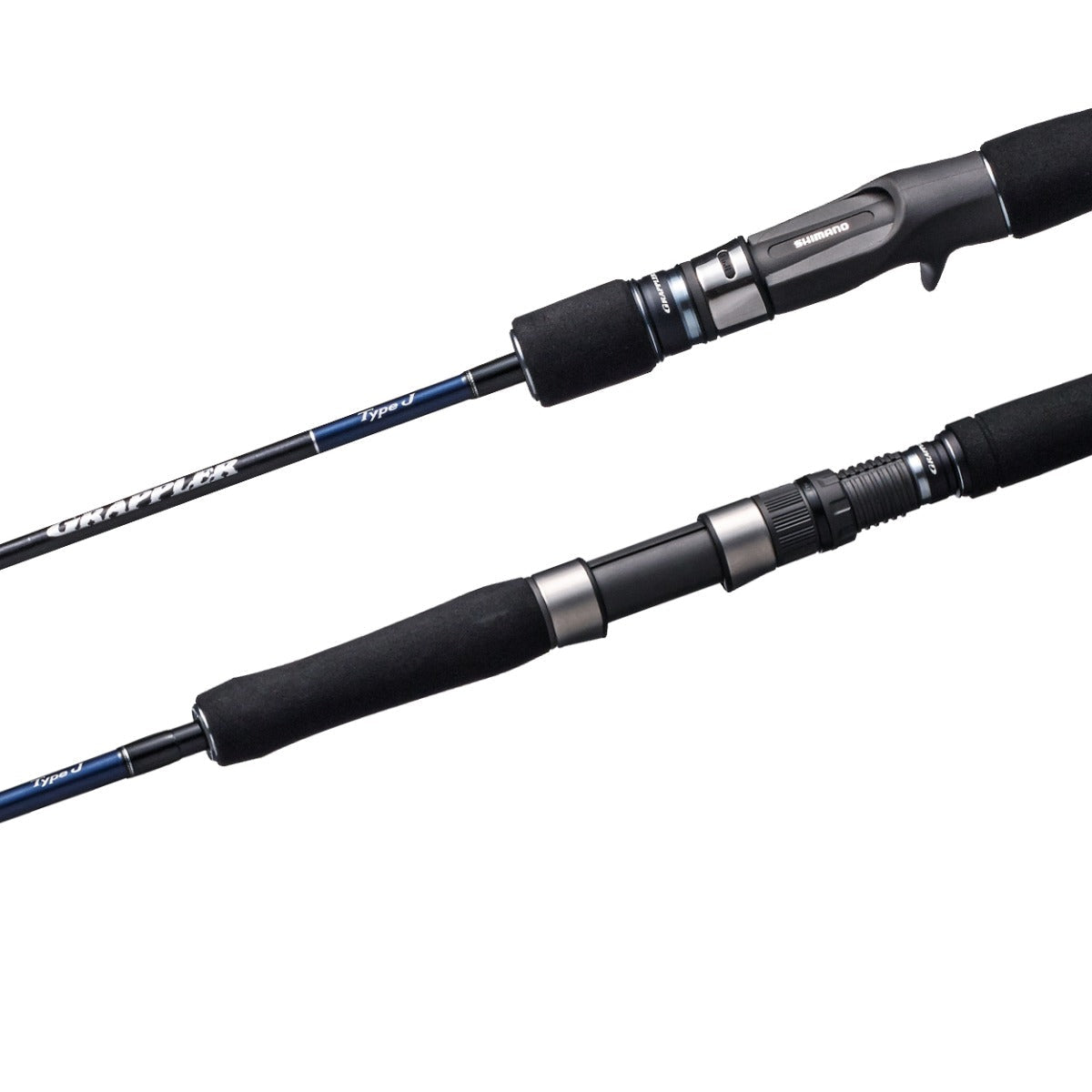






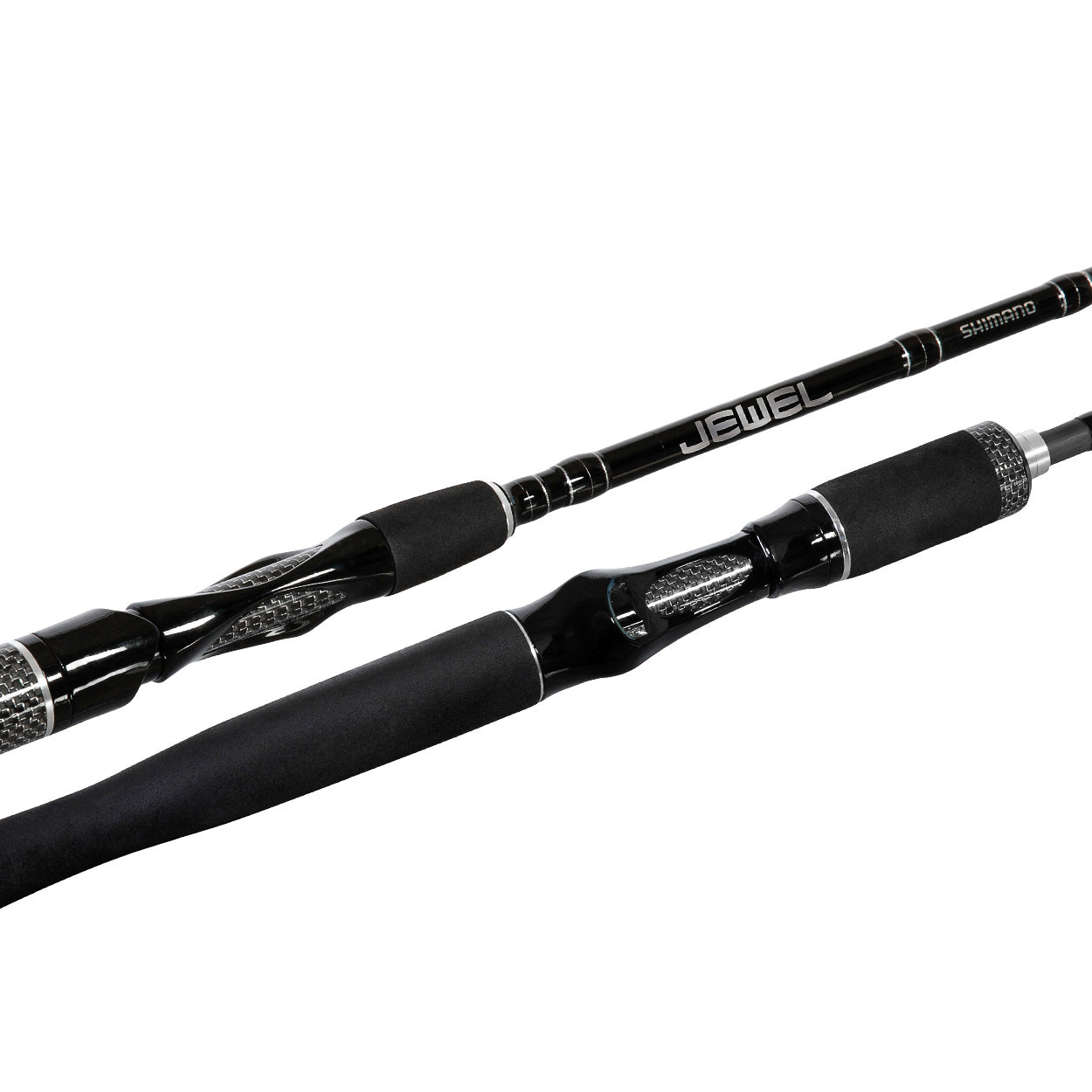


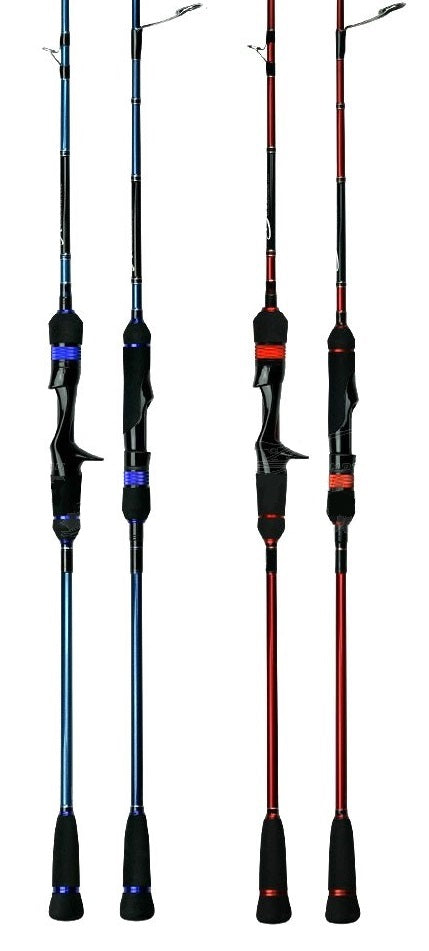
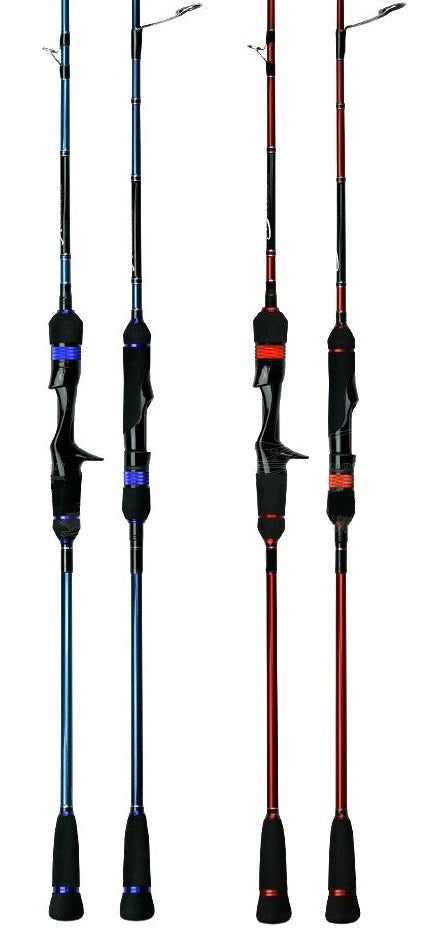




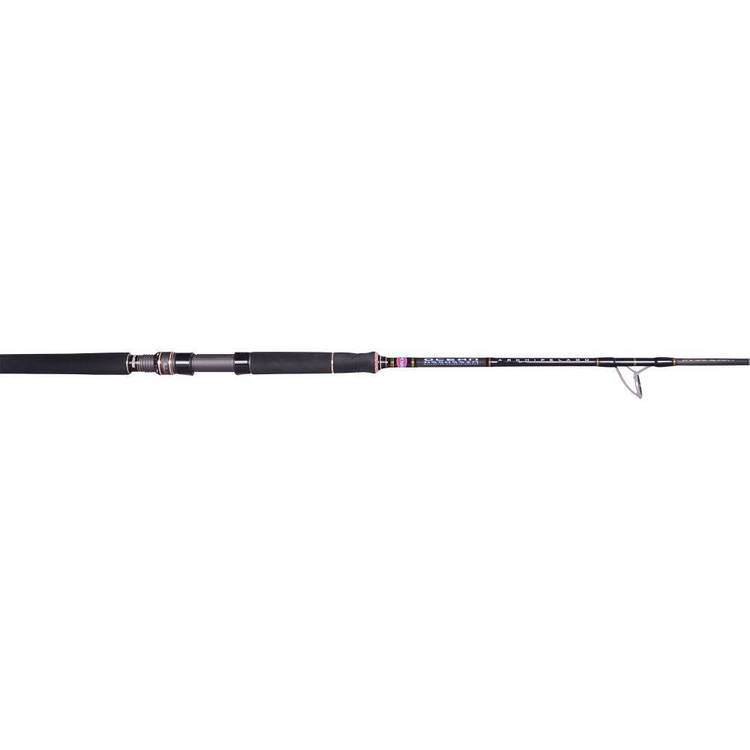
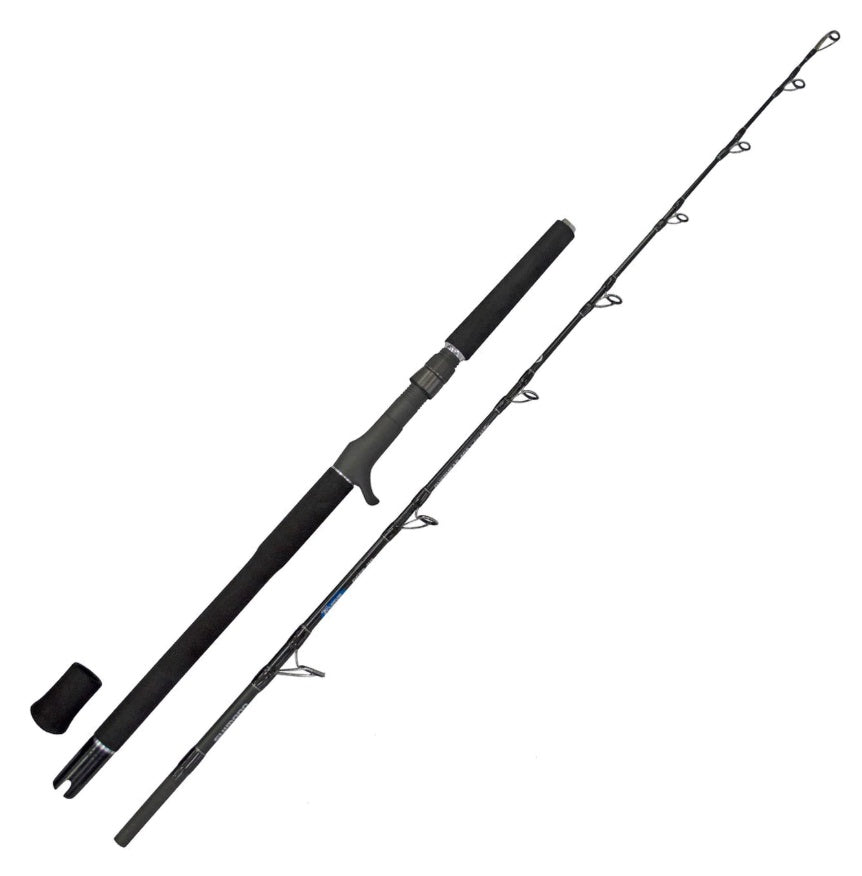
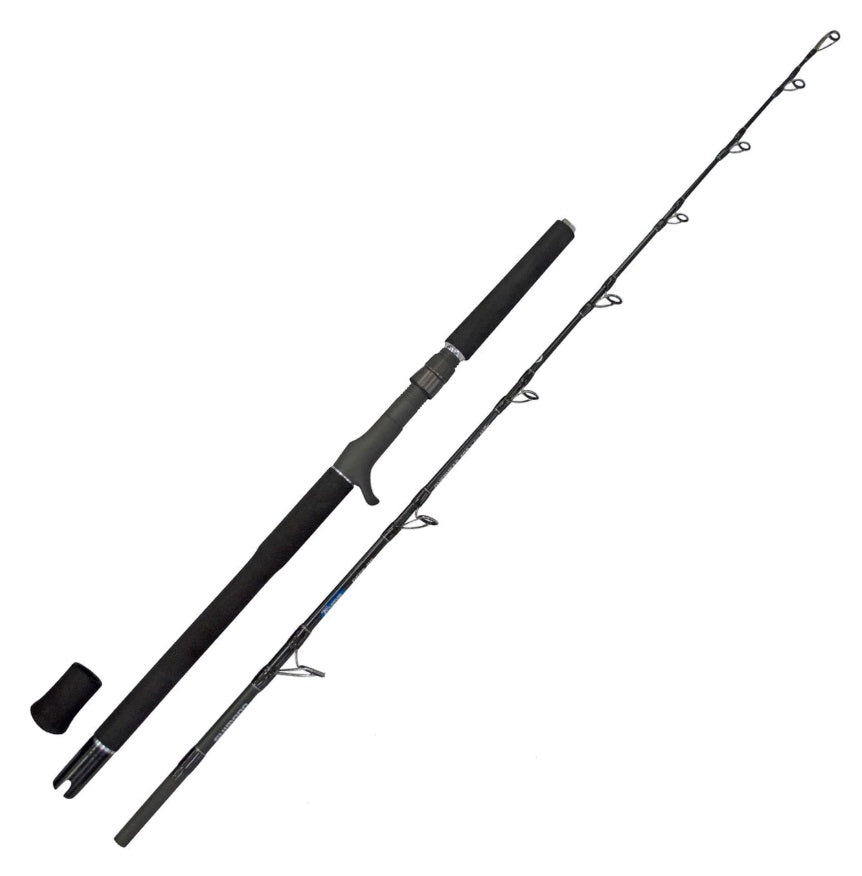
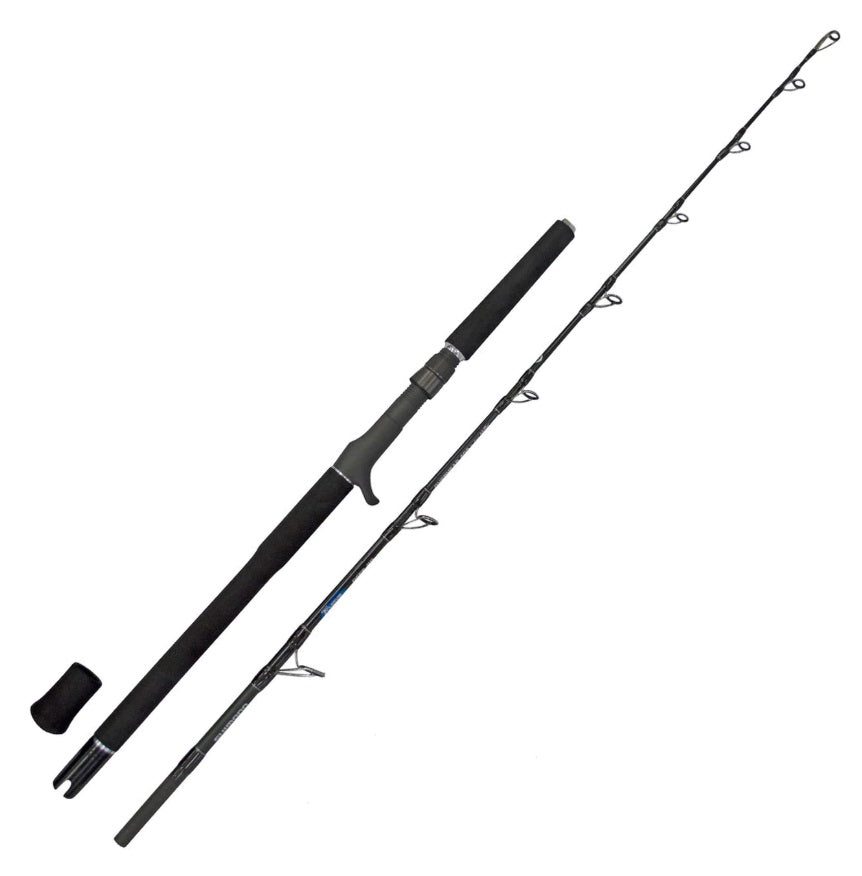

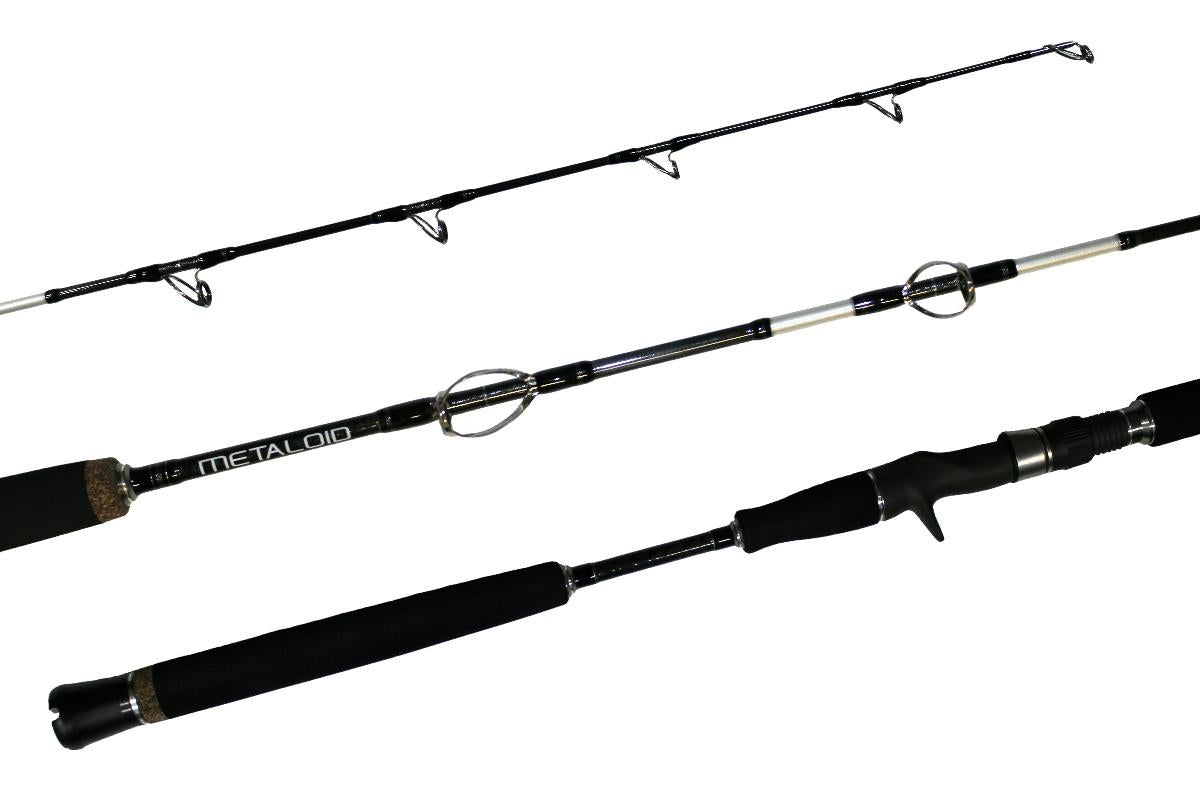
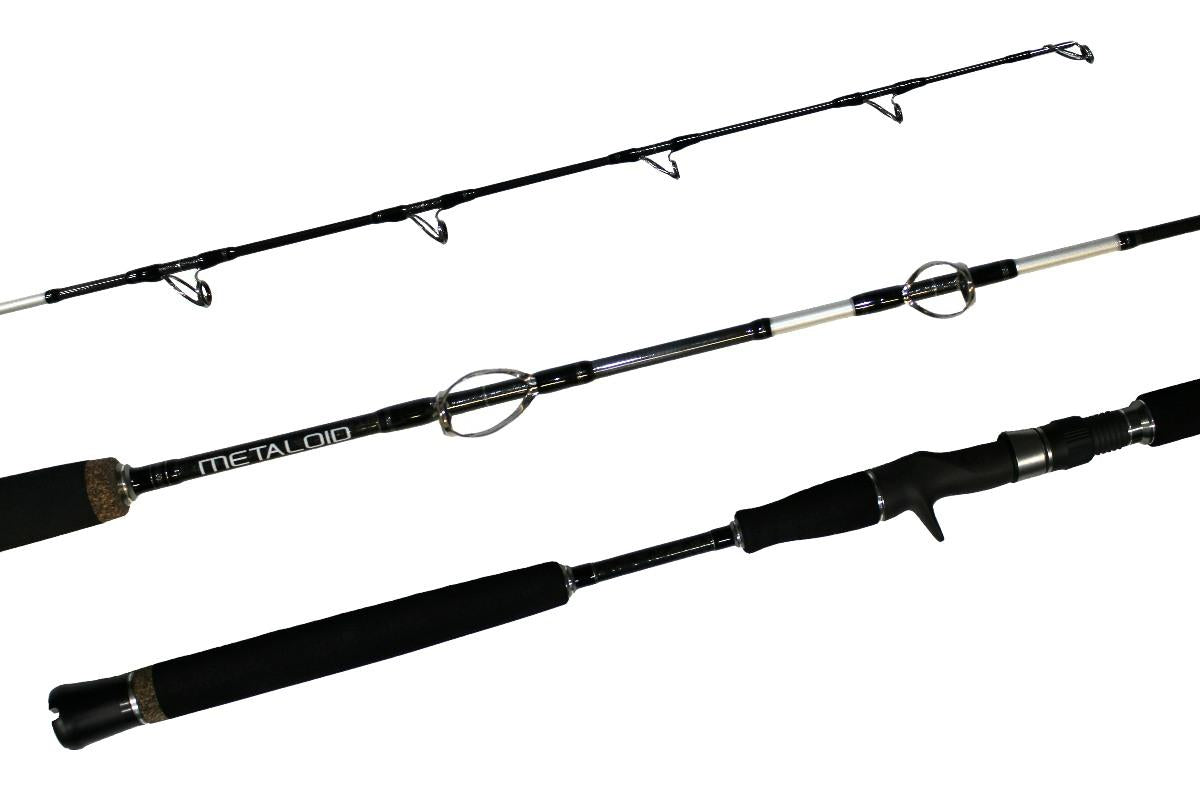



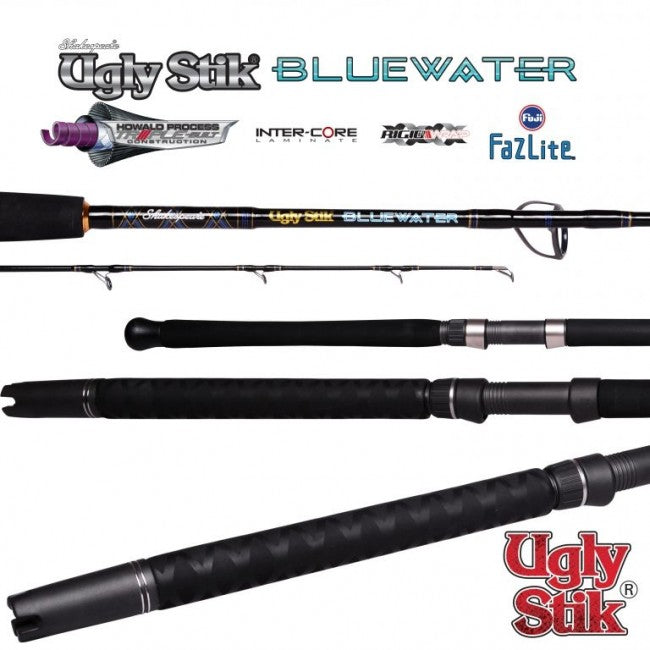
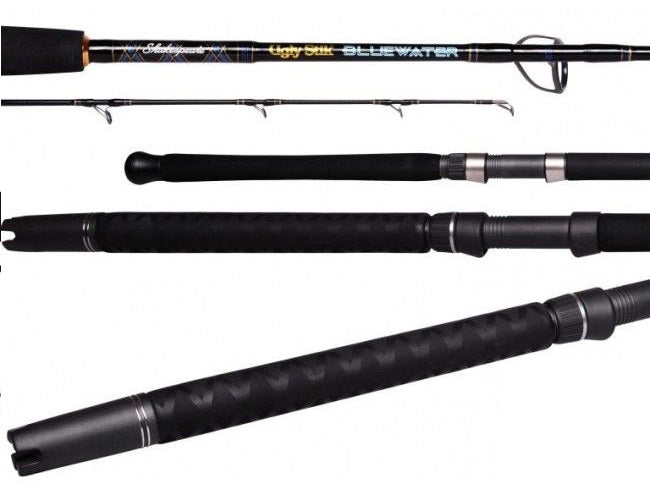
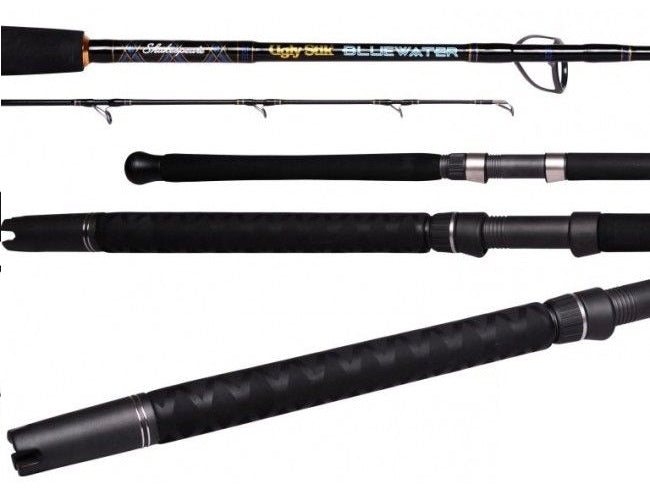

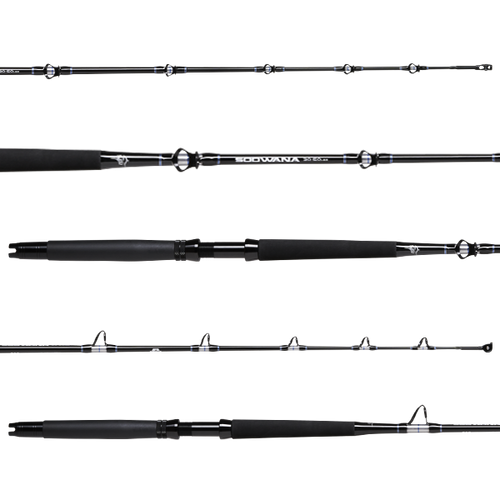
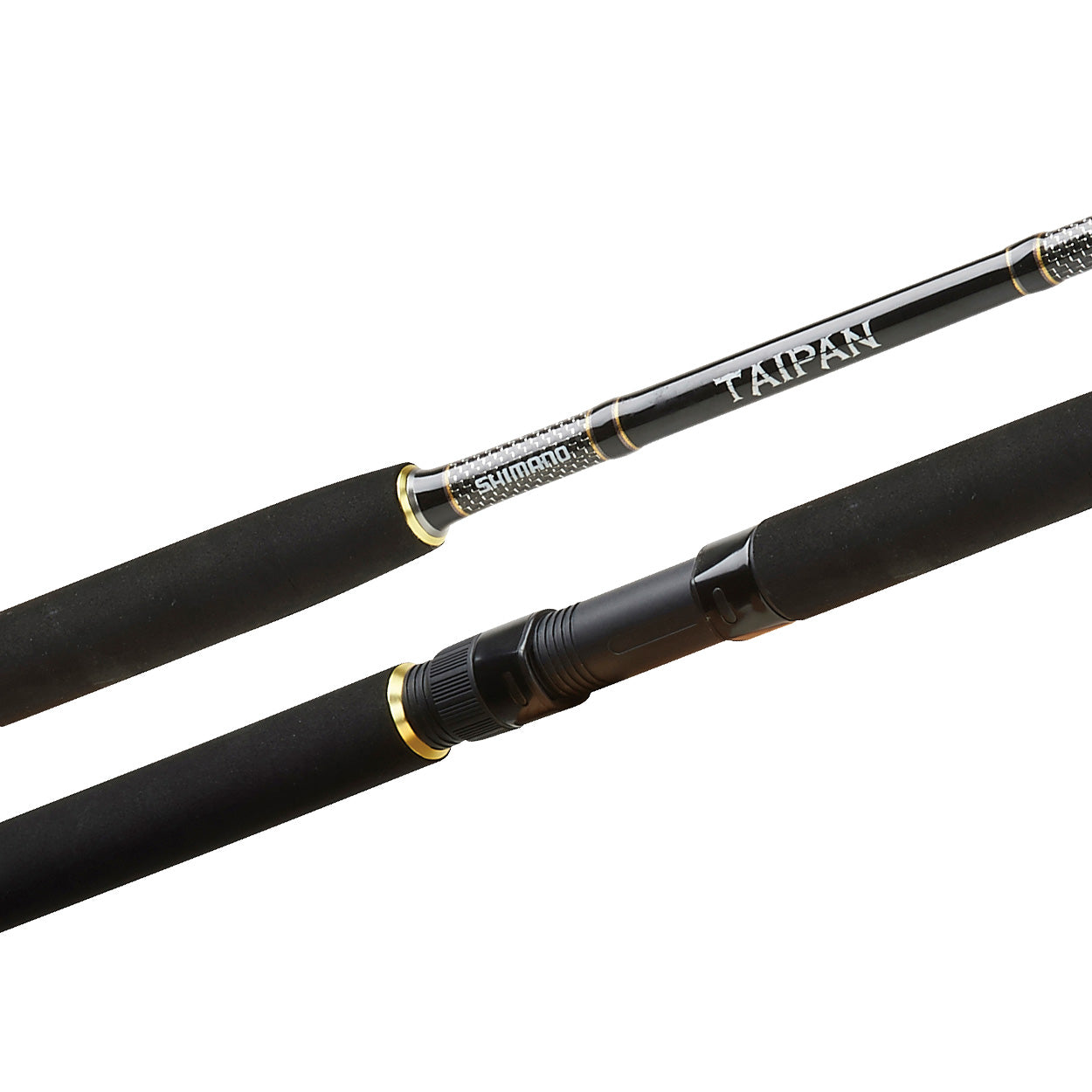
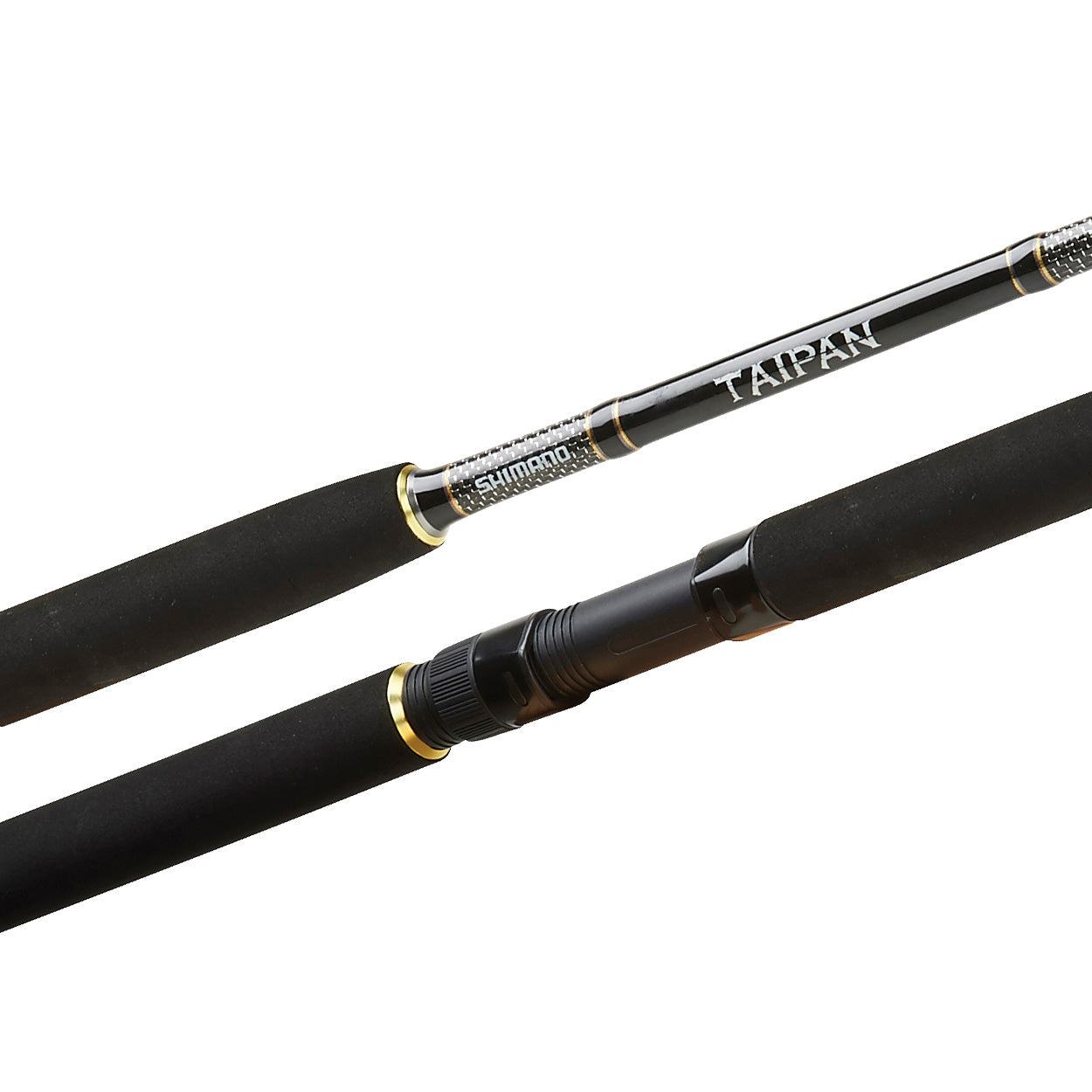
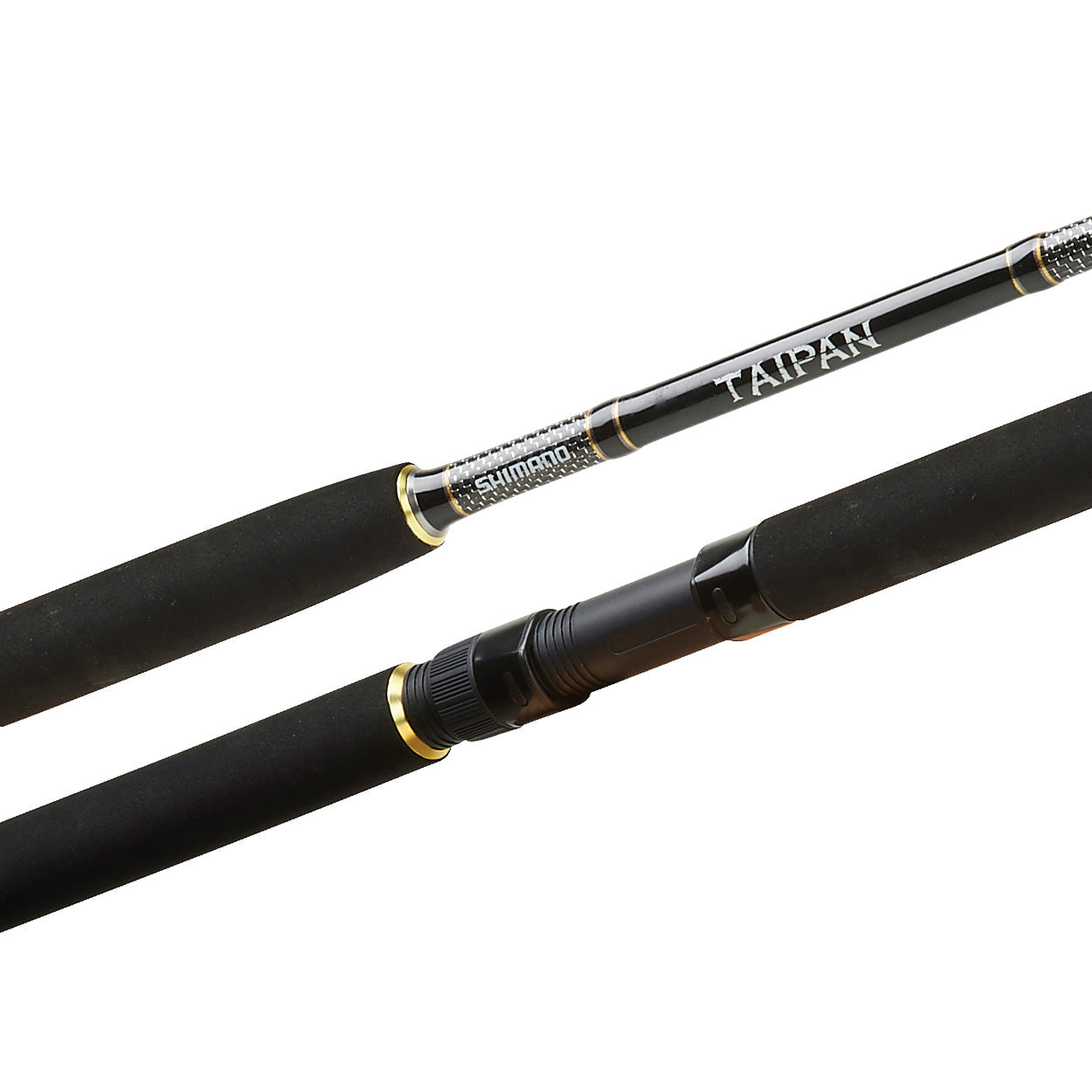

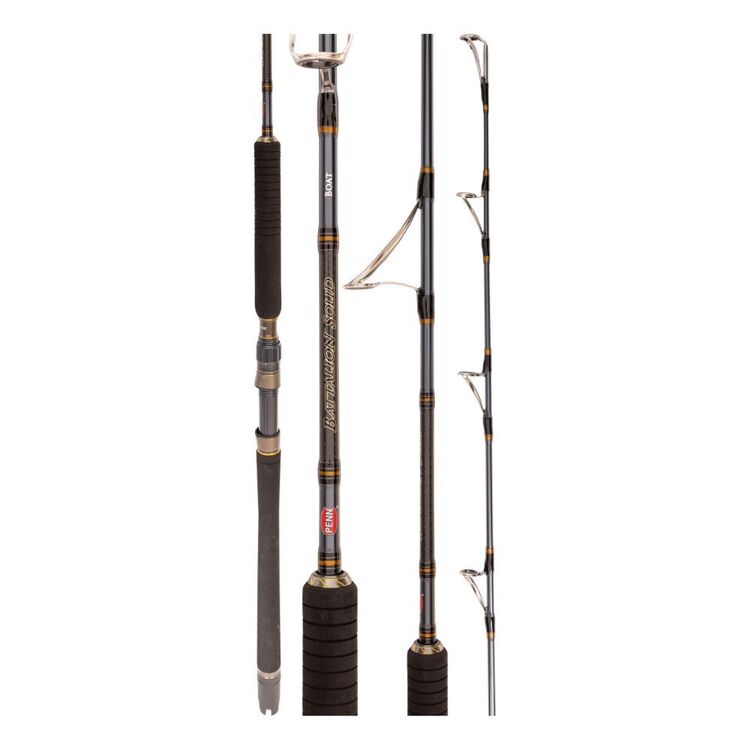

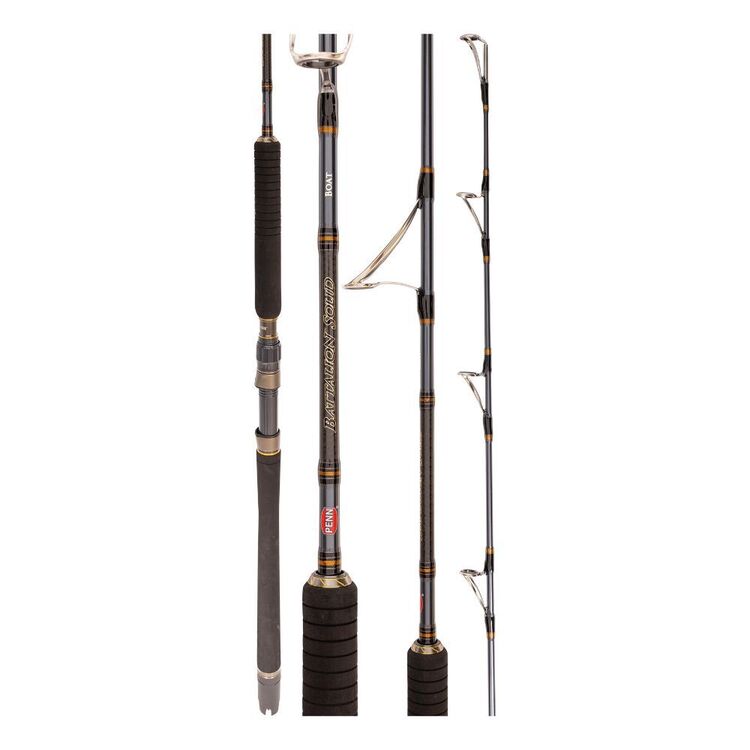


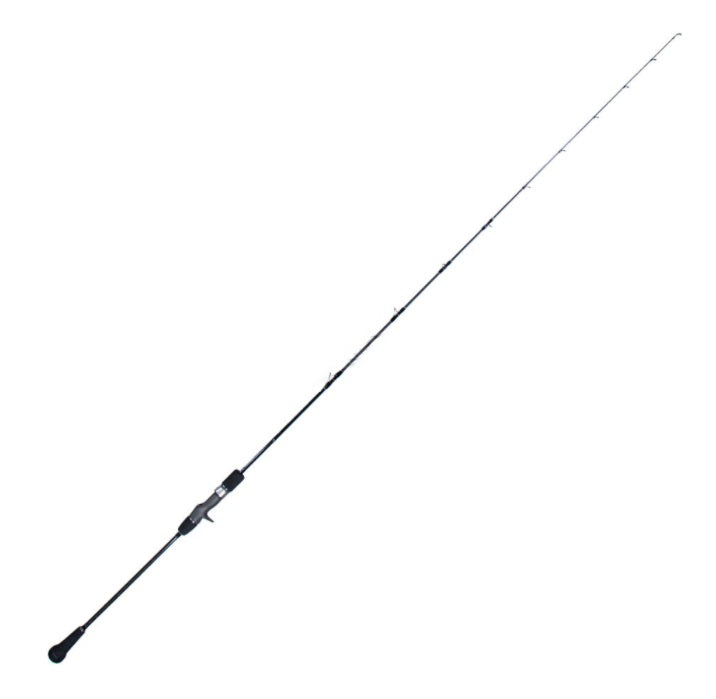

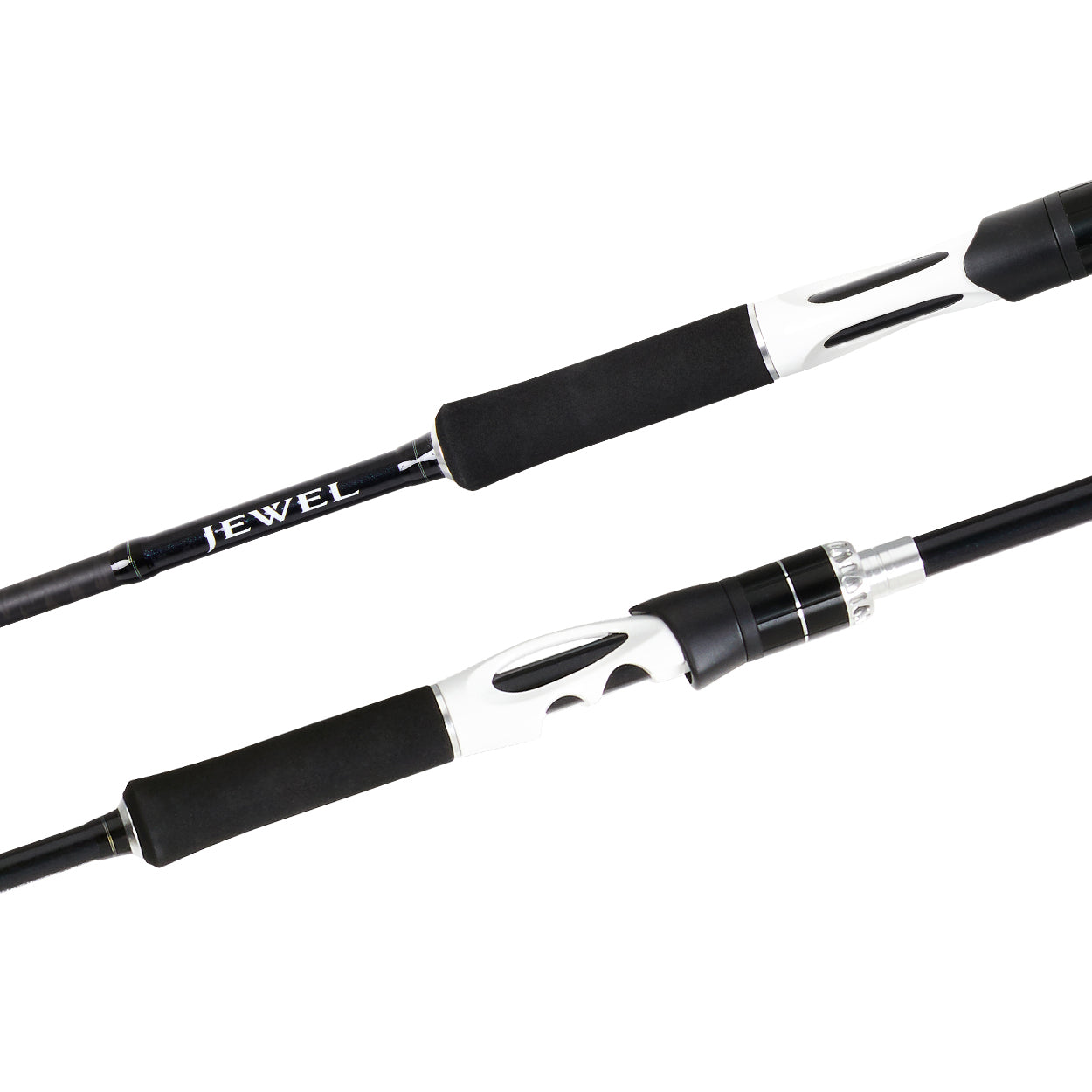

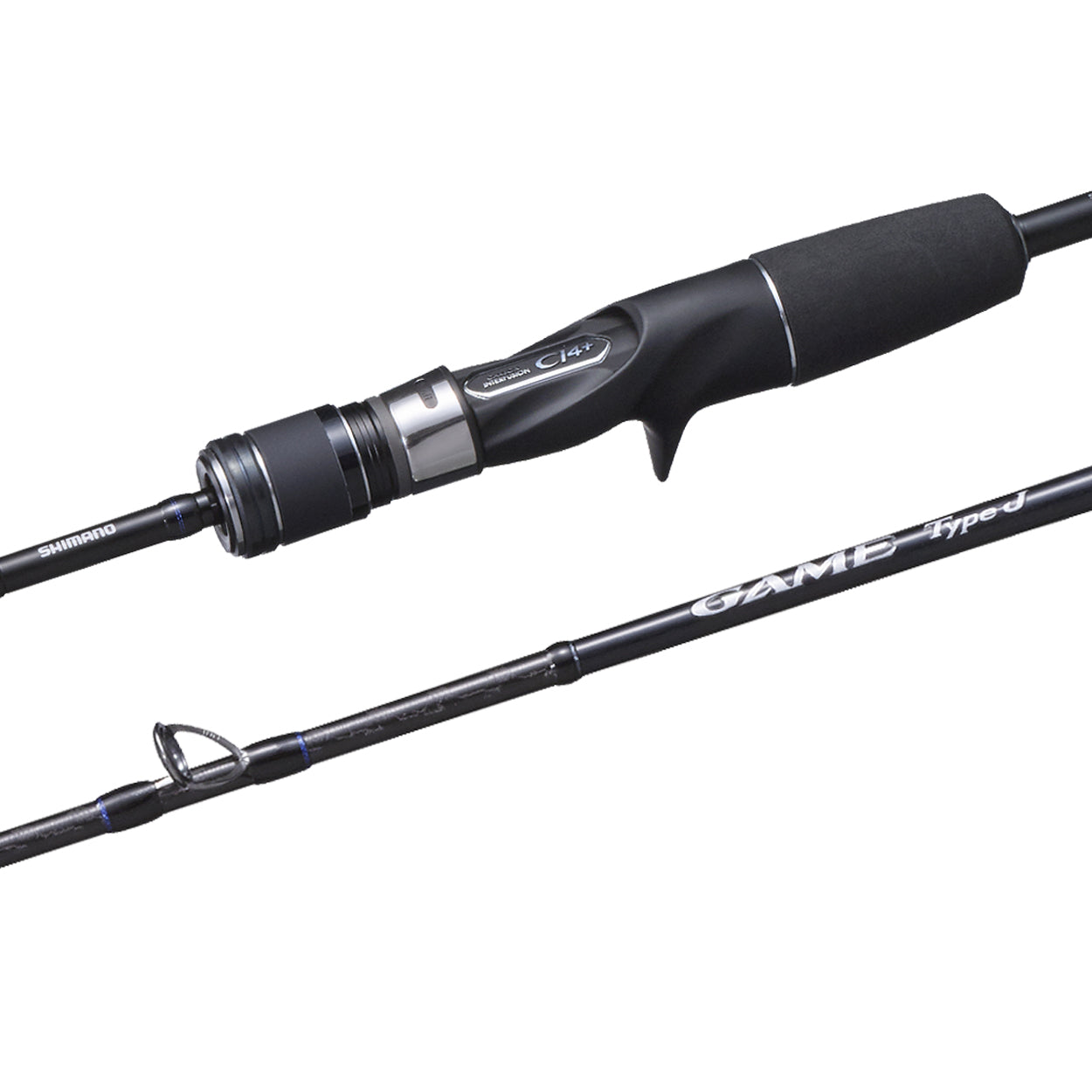
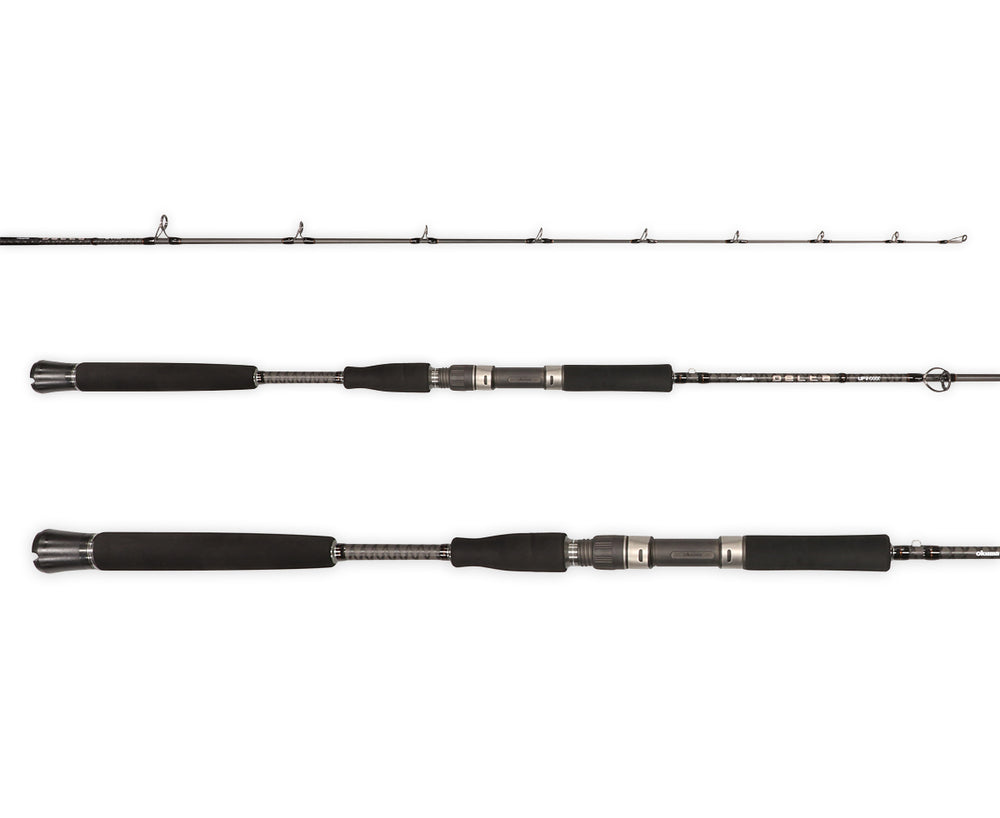
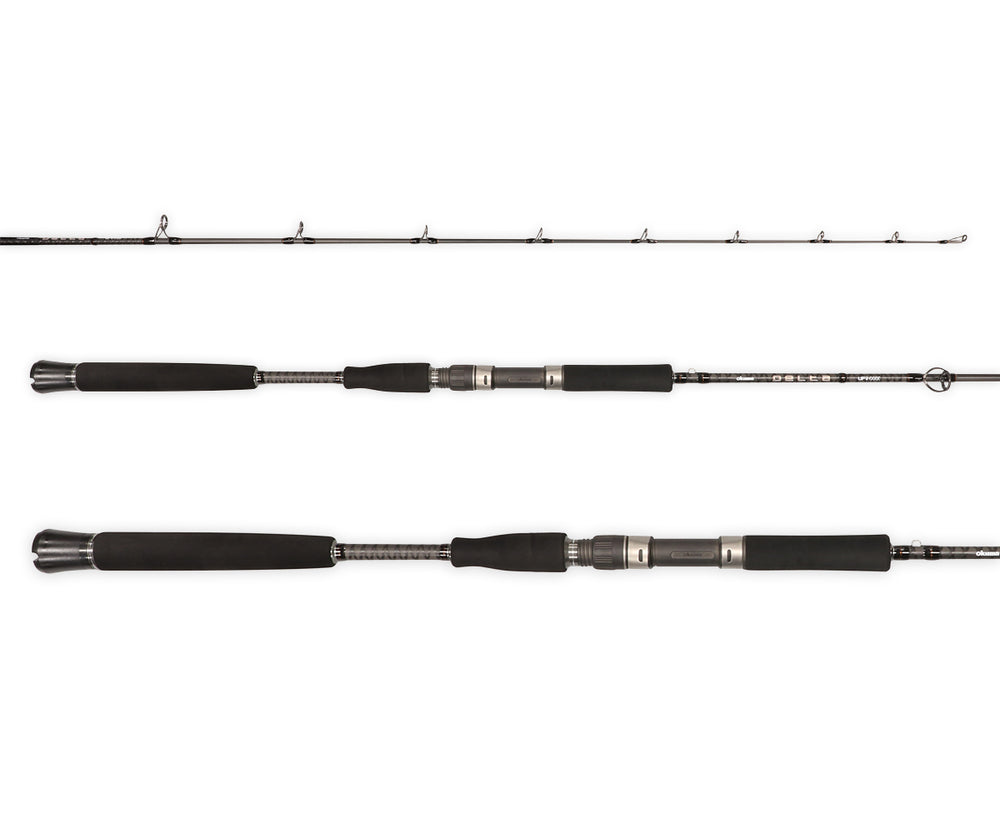
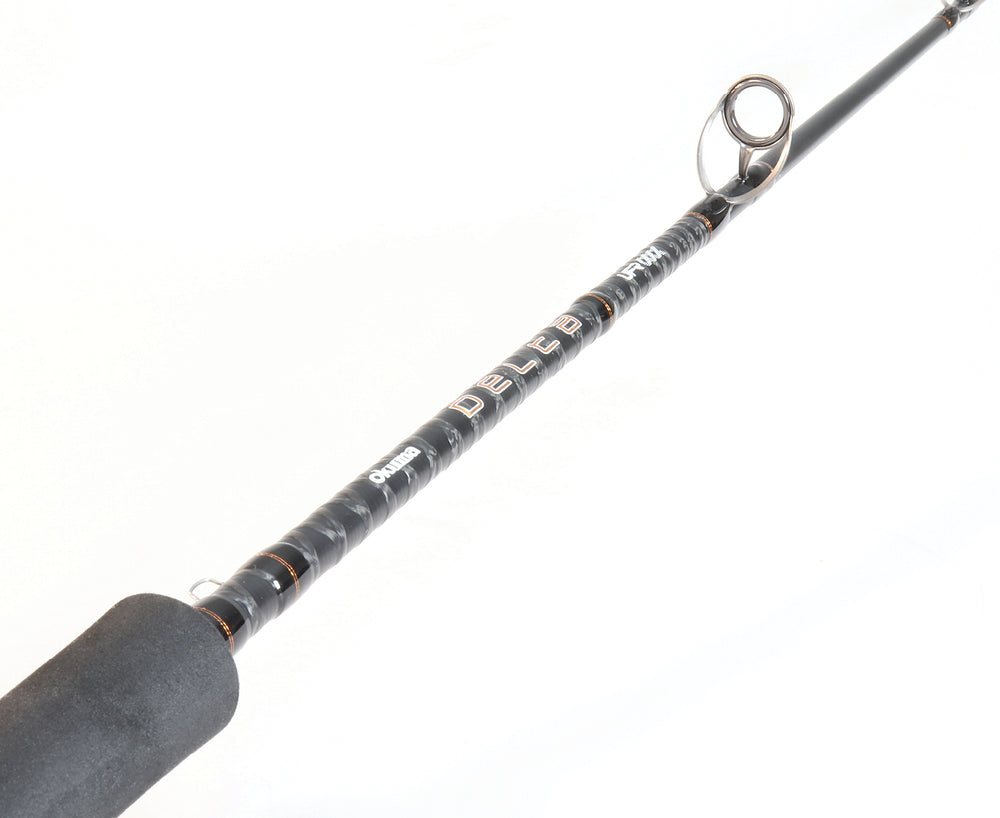


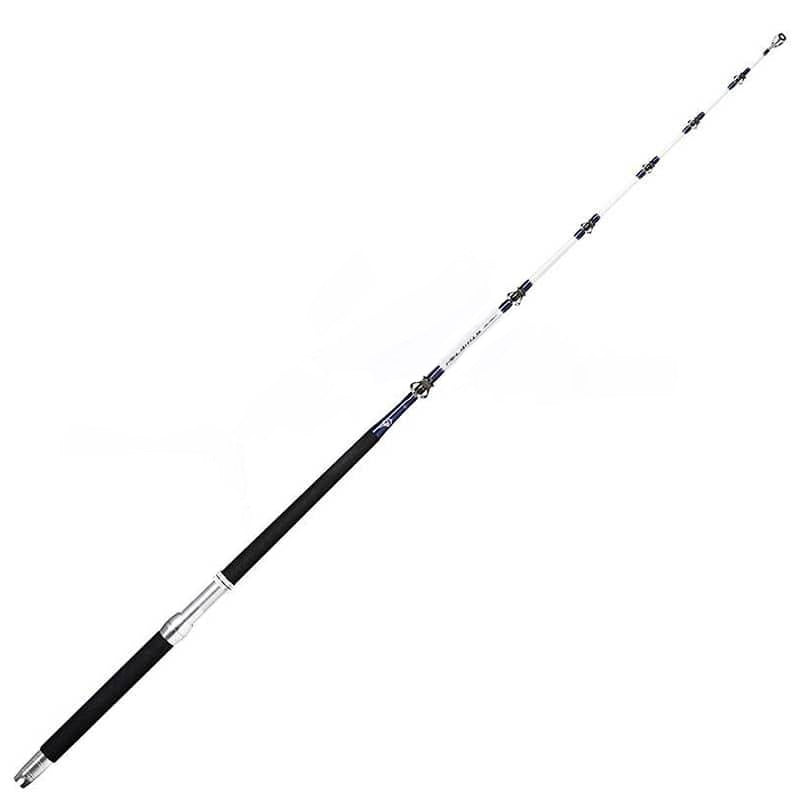



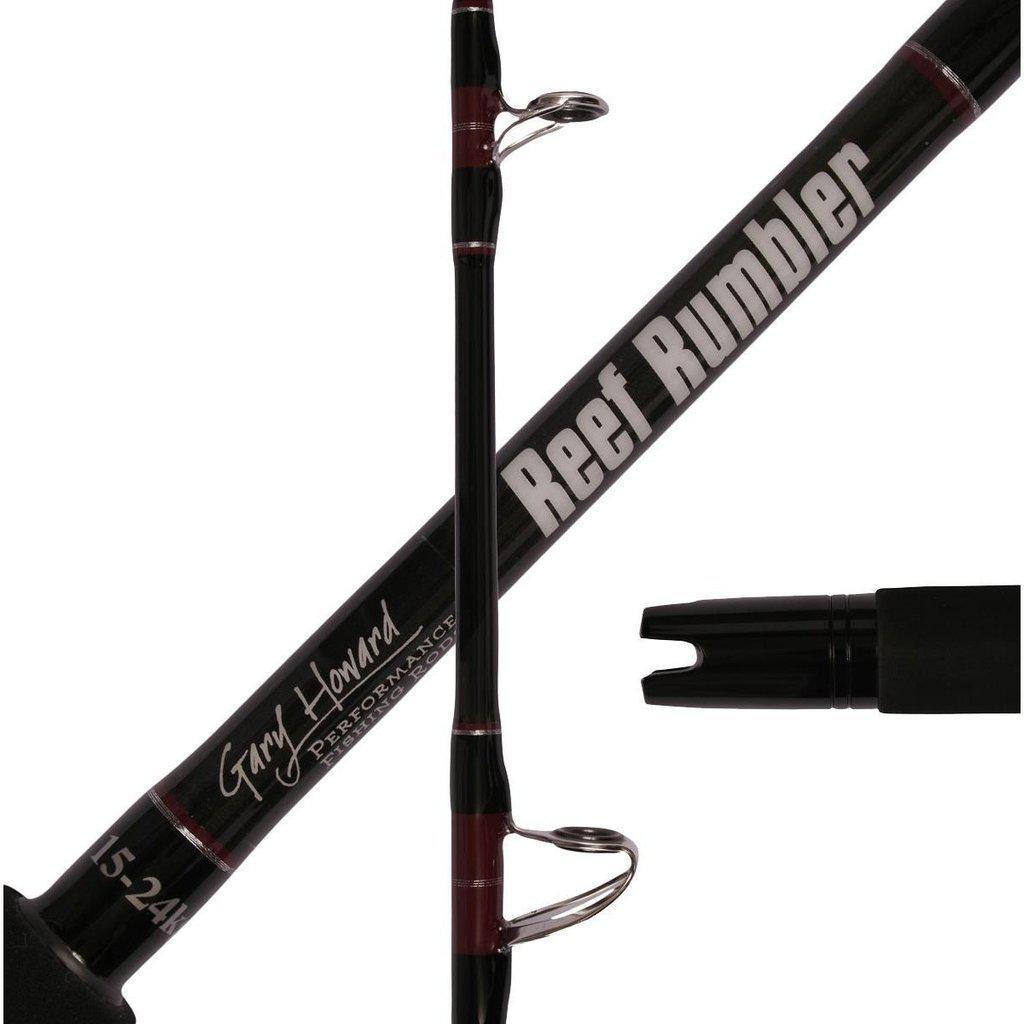
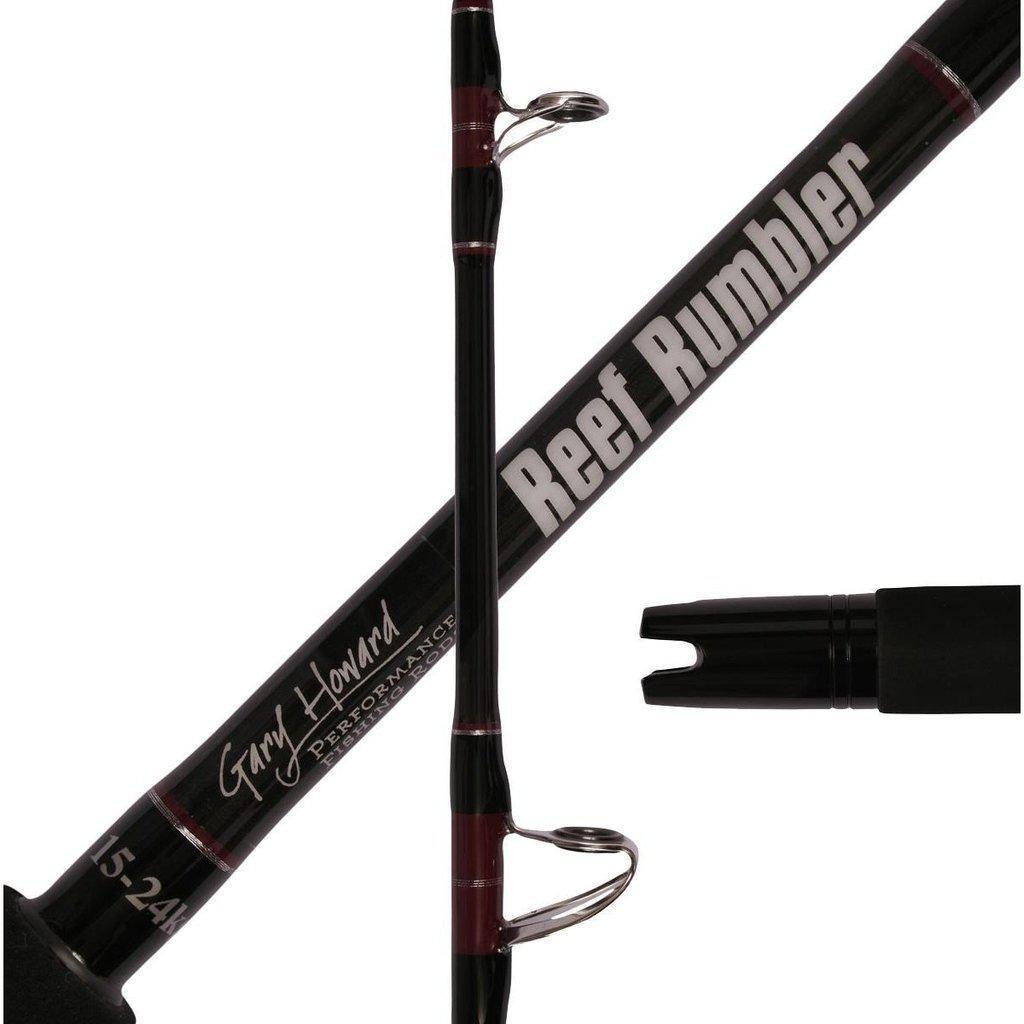

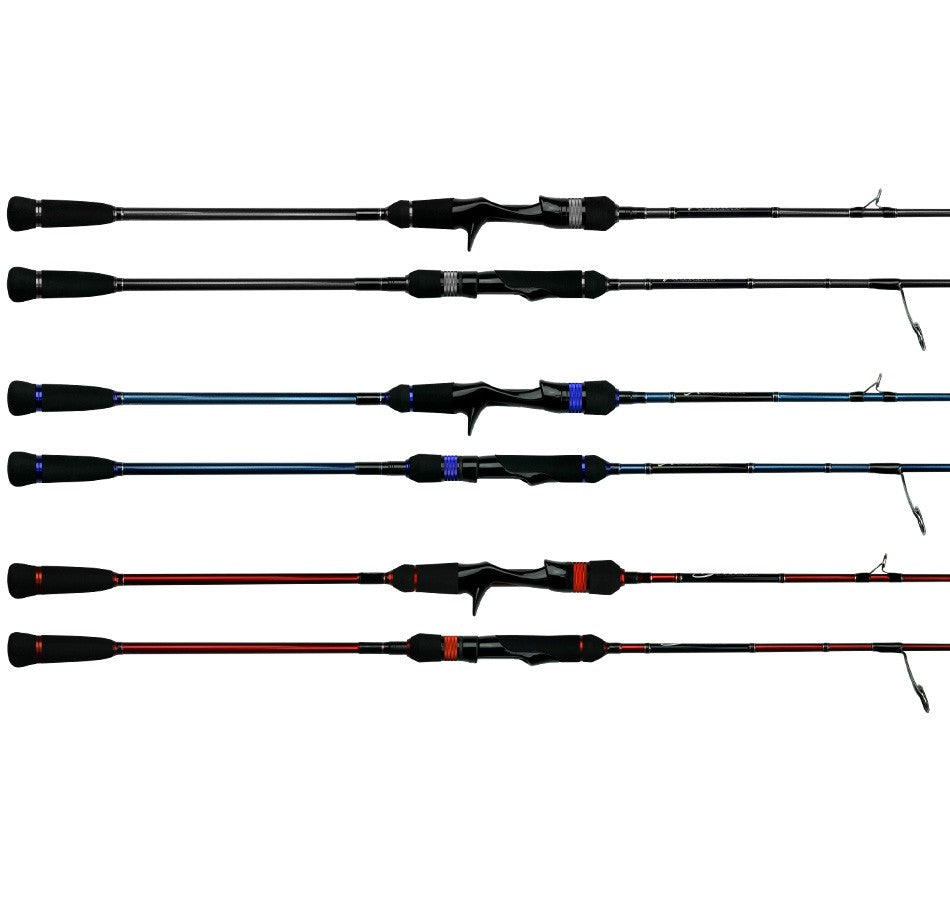
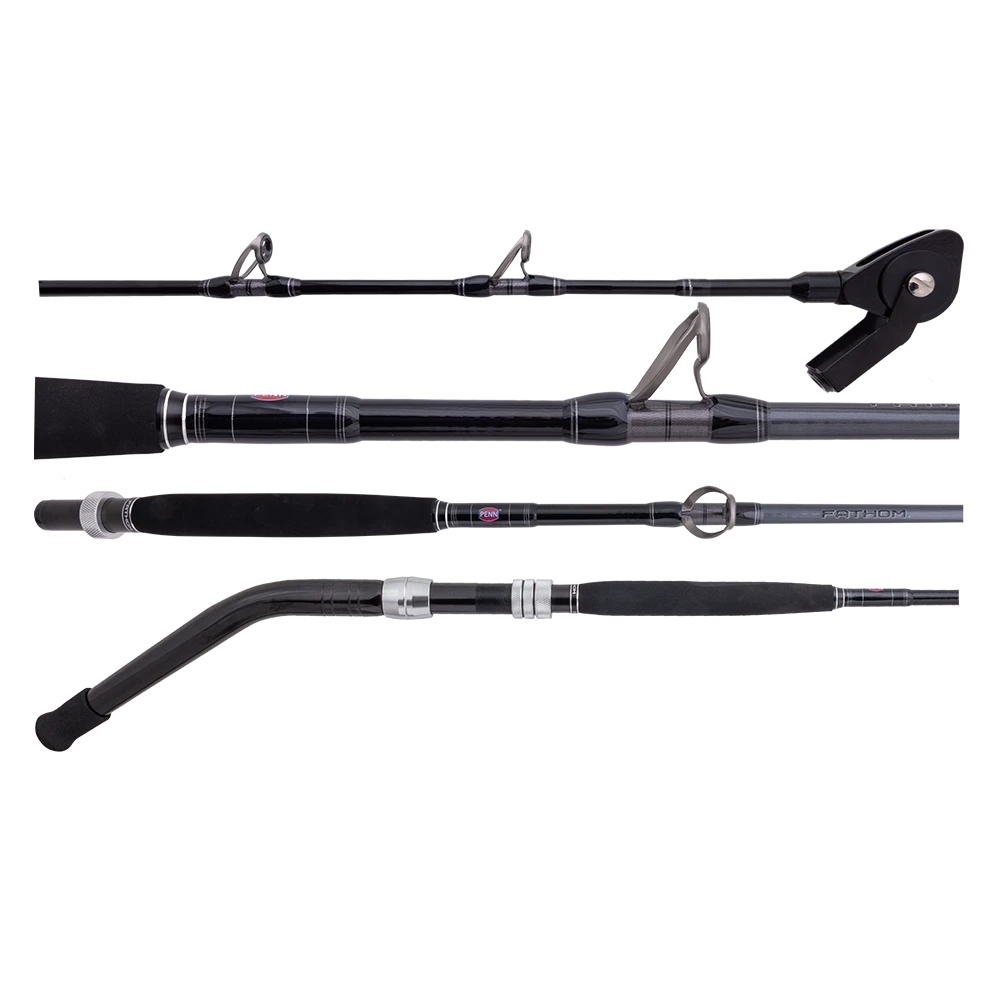

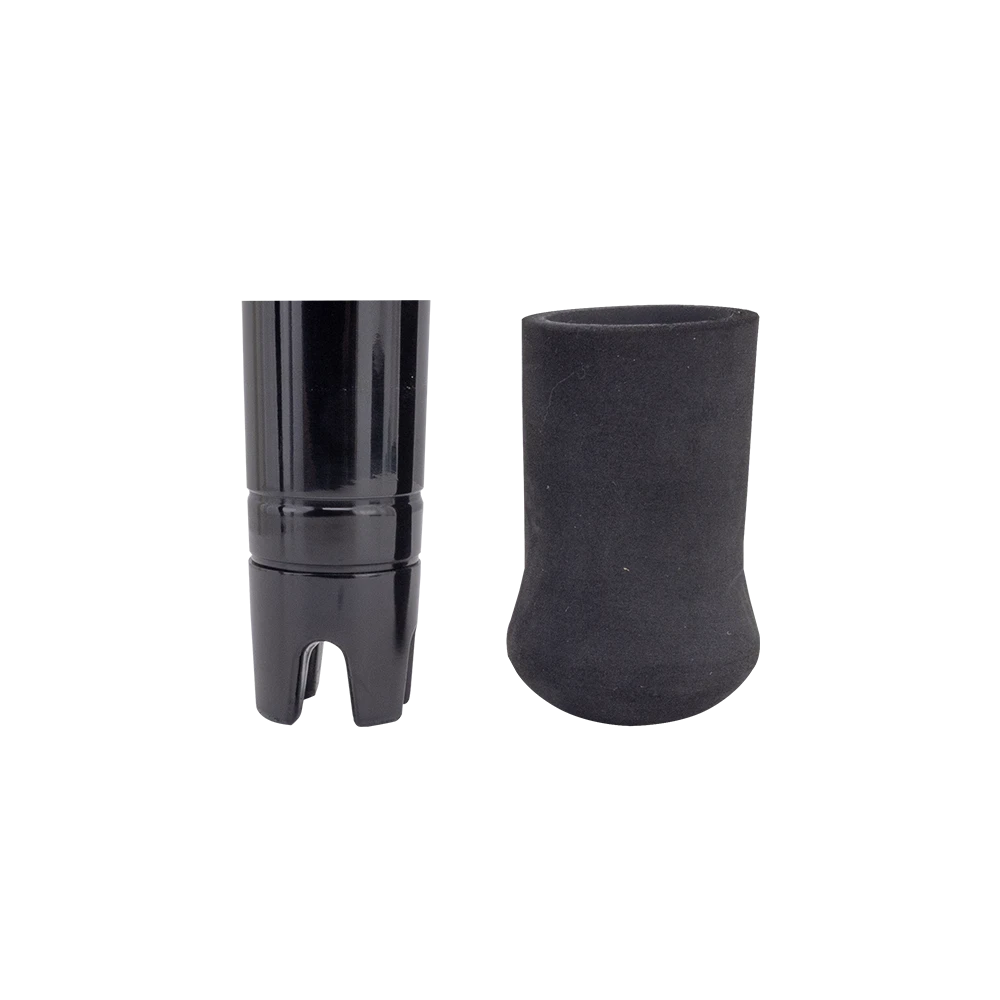

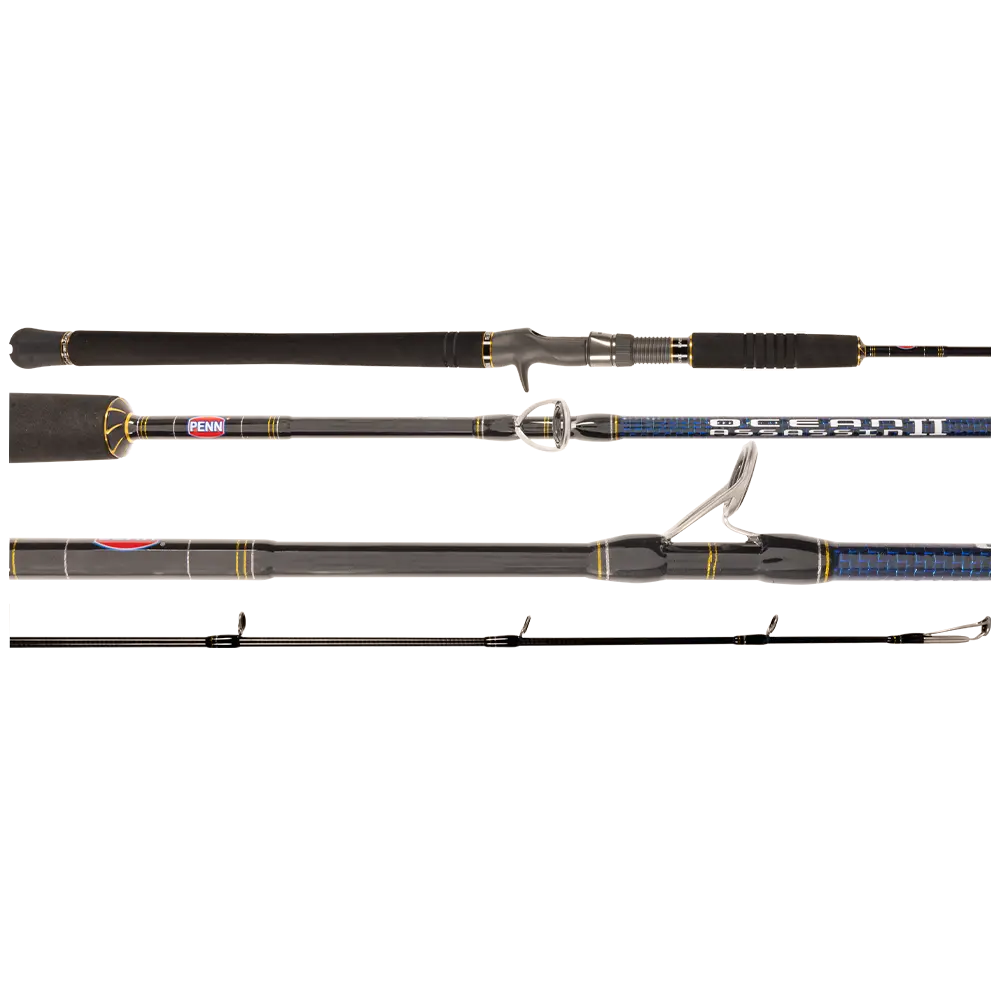

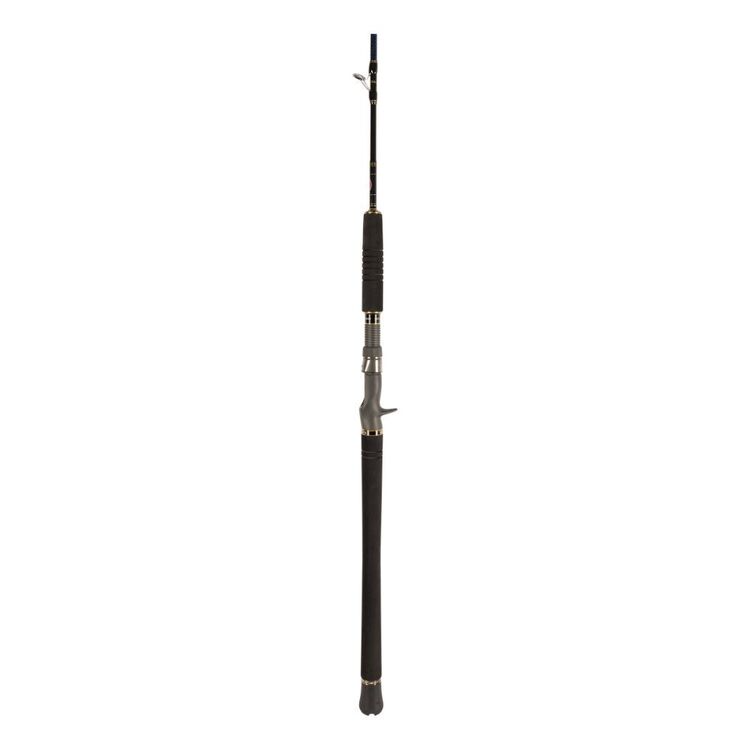

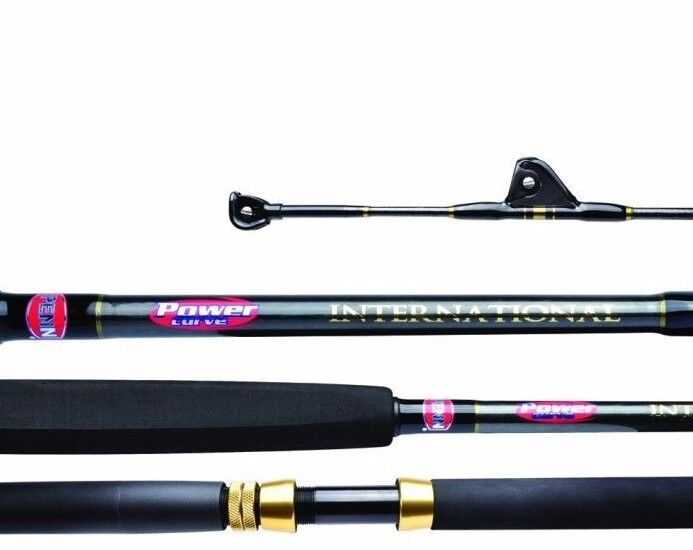

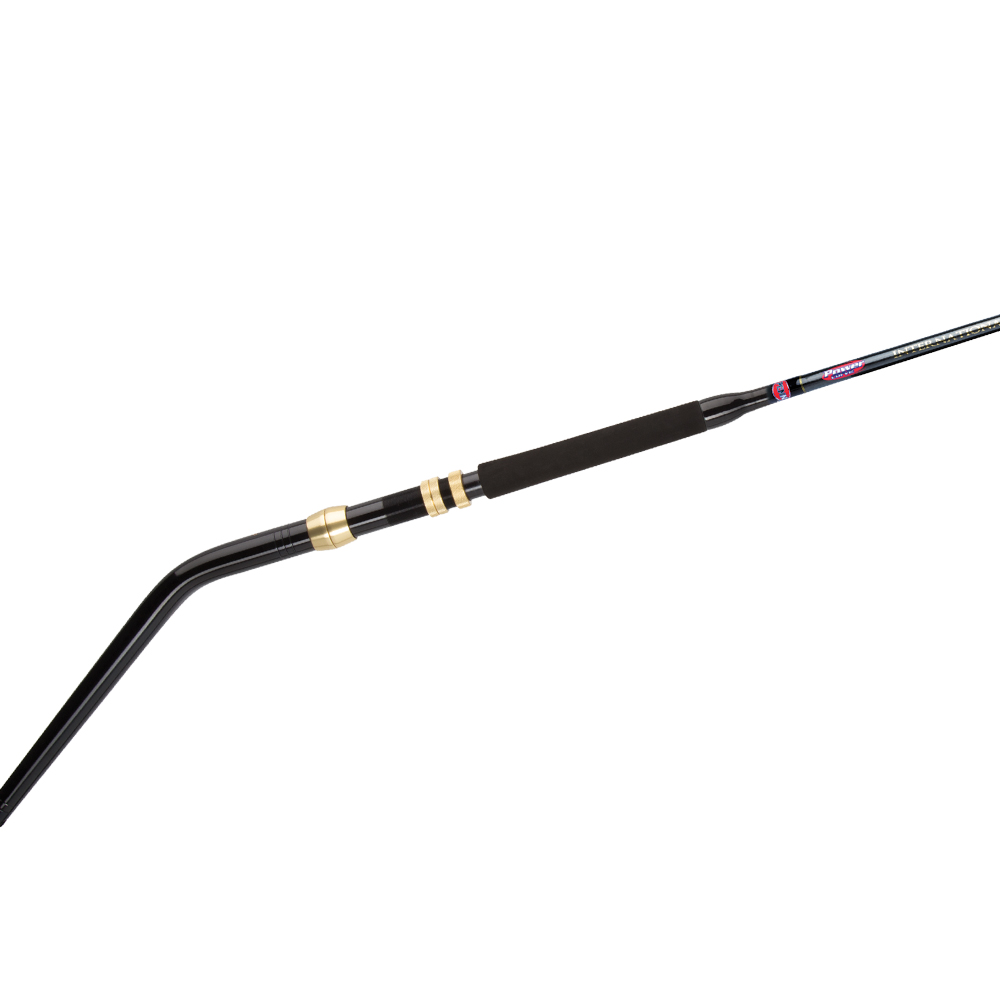


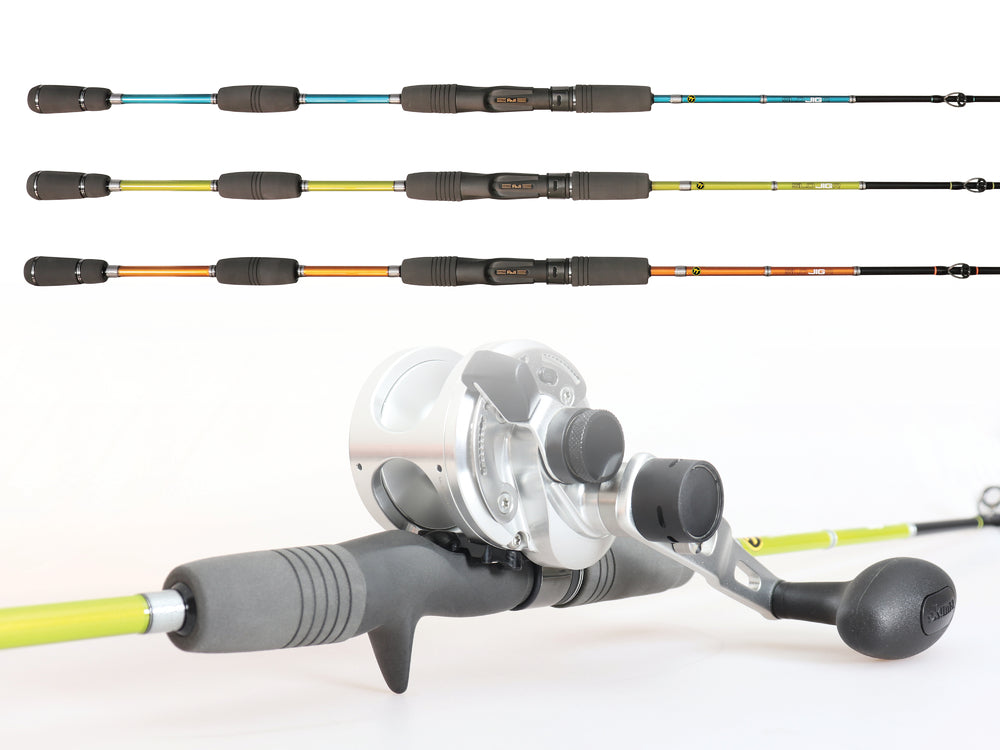

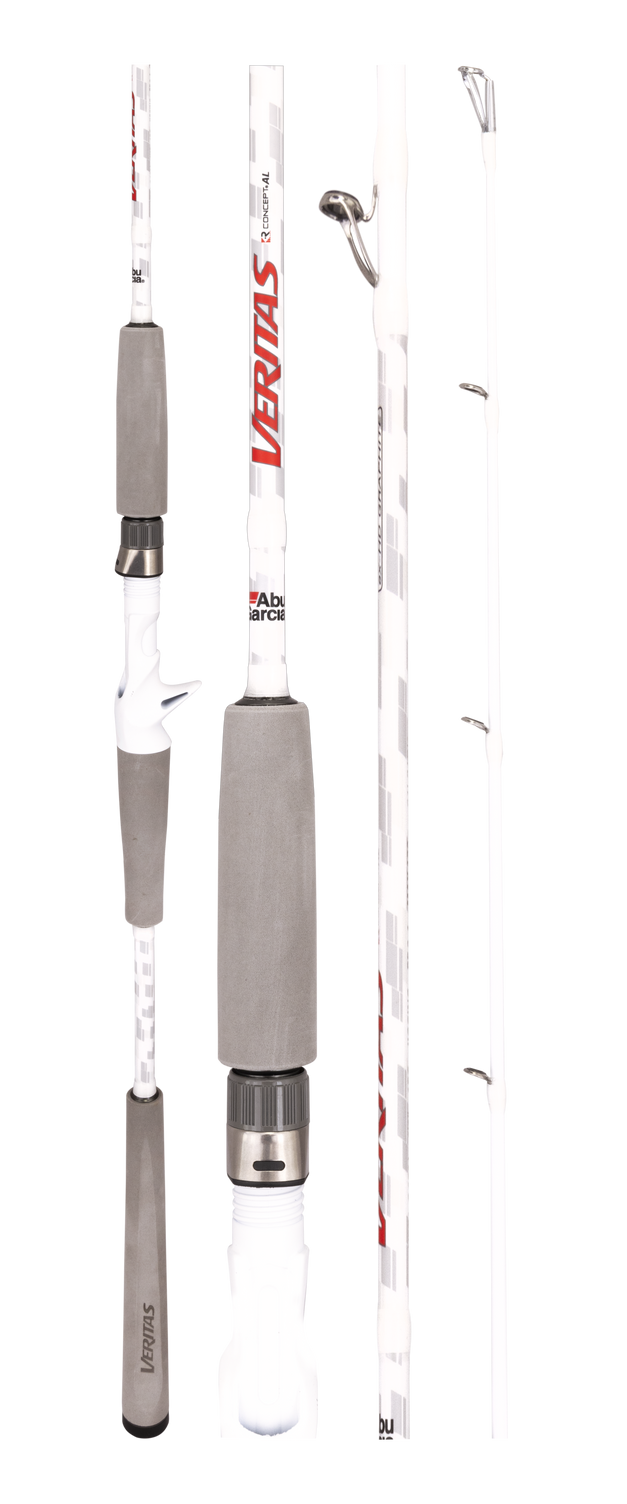




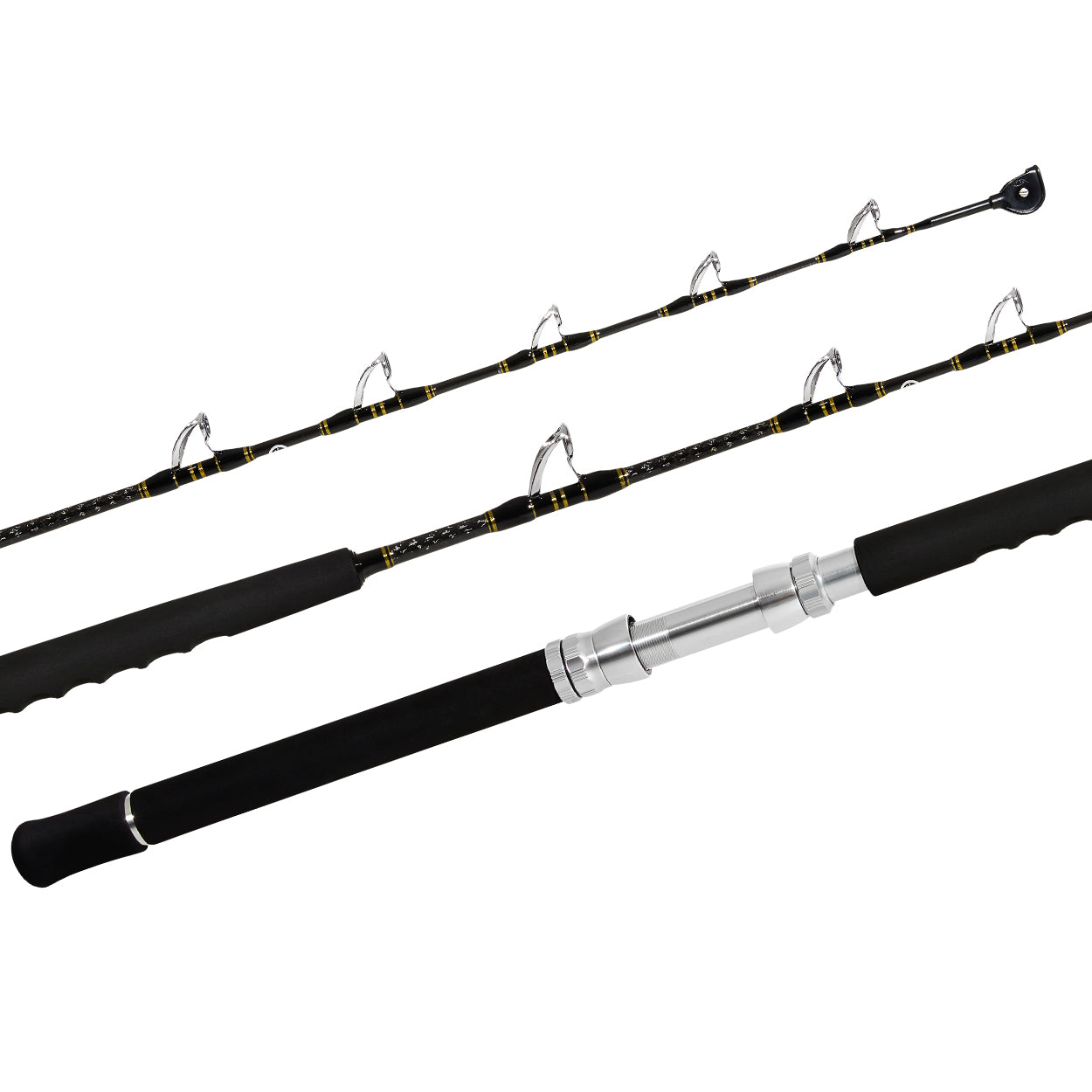
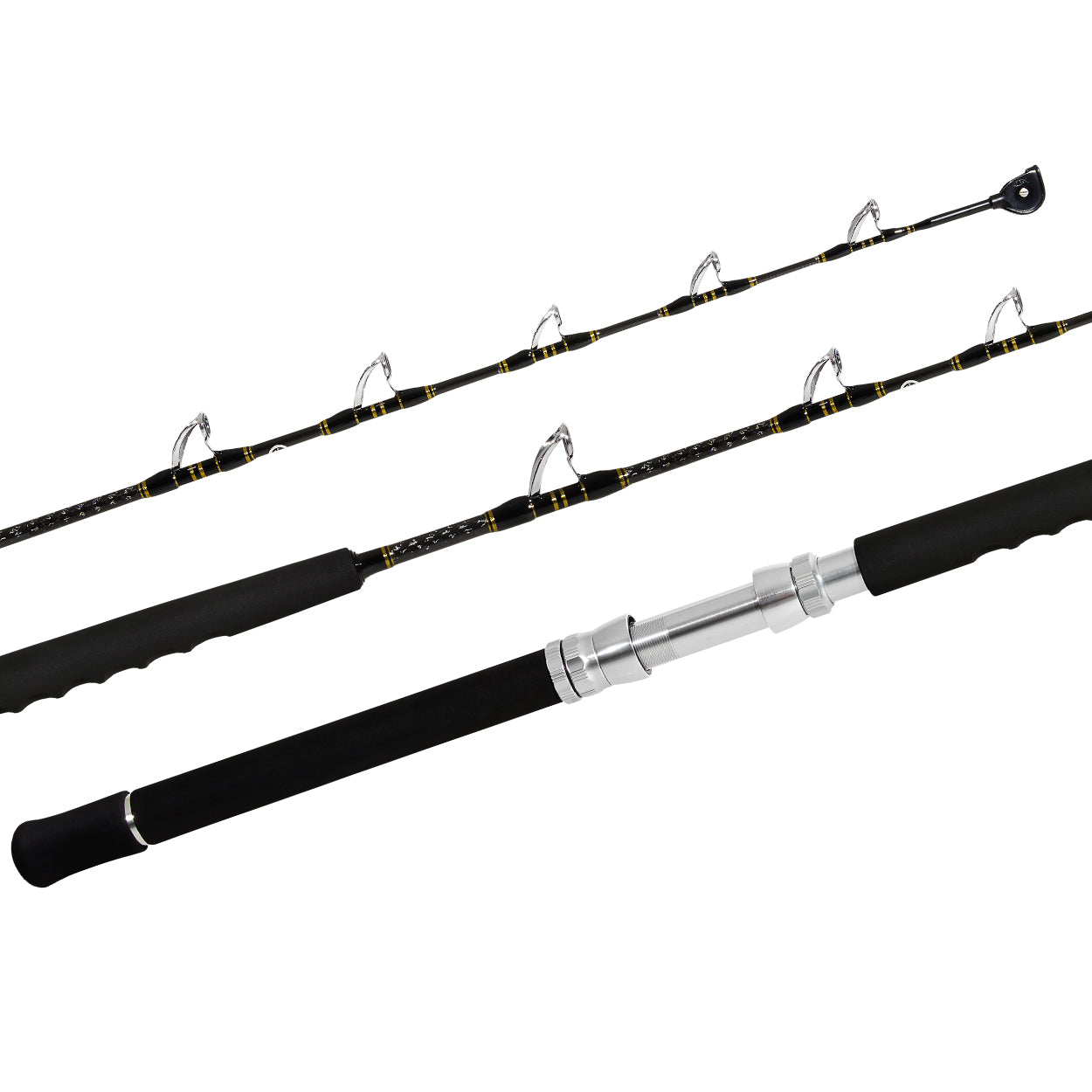
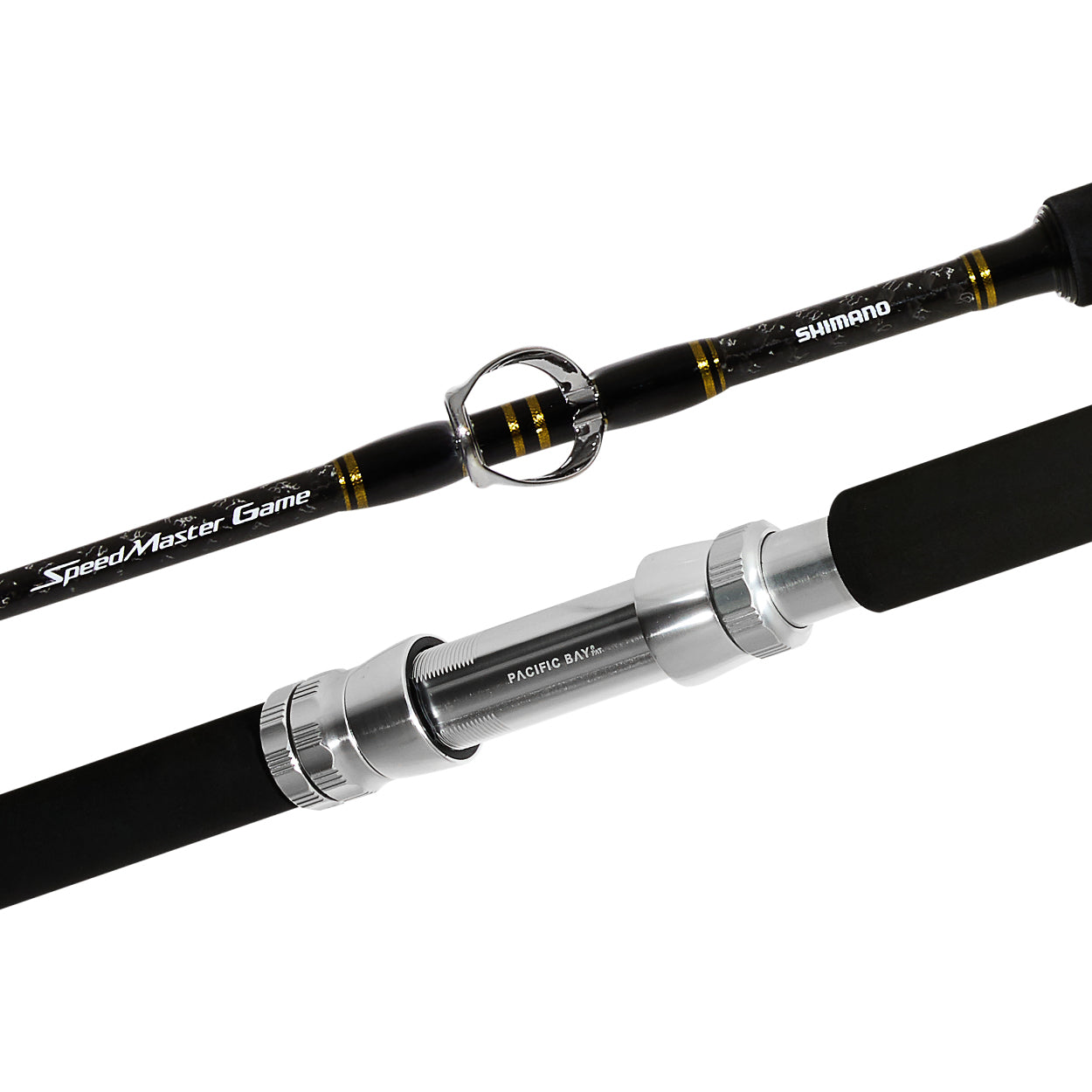


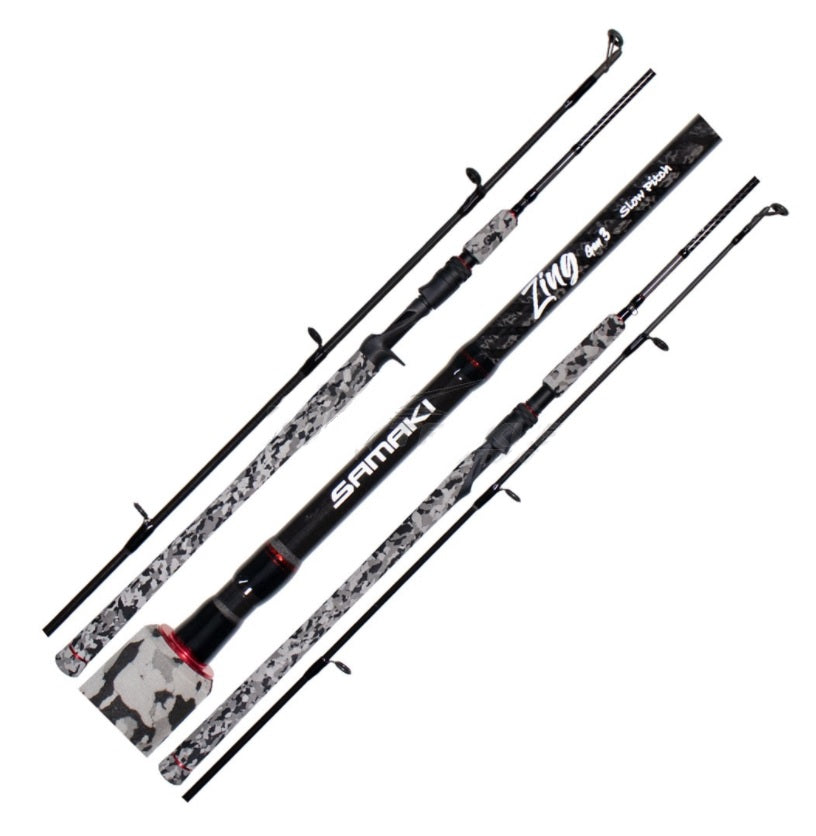

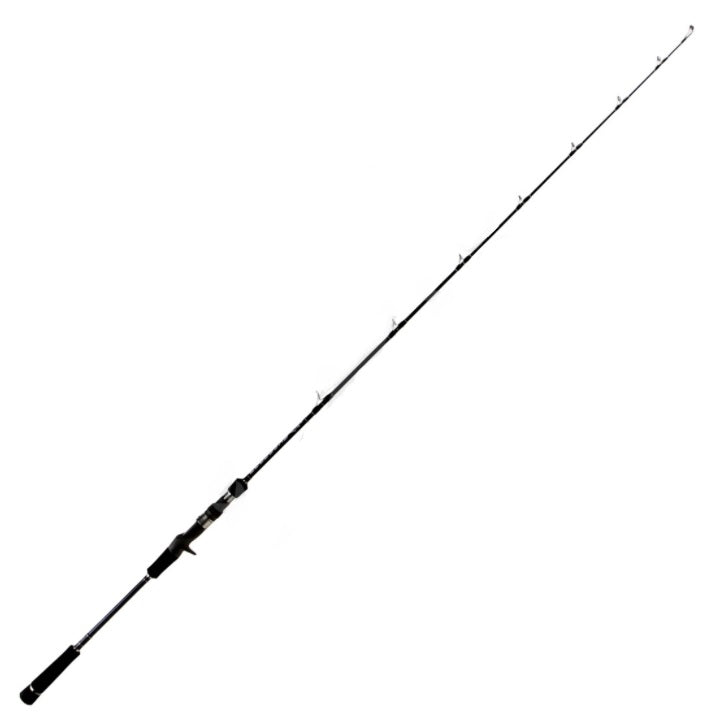
An overhead rod puts the reel on top of the blank and the load in line with the rod, which is why it is the choice whenever you are lifting hard or trolling heavy. There is no line twist off a fixed spool and no compromise in drag transfer, so overhead outfits dominate bottom bouncing, deep dropping, trolling and game fishing.
Choosing an overhead rod
Work from the line class up. Lighter overheads cover most reef and bottom fishing. Heavier rods handle mackerel, tuna and the larger reef species, and genuine game tackle sits at the top of the range for marlin and big tuna.
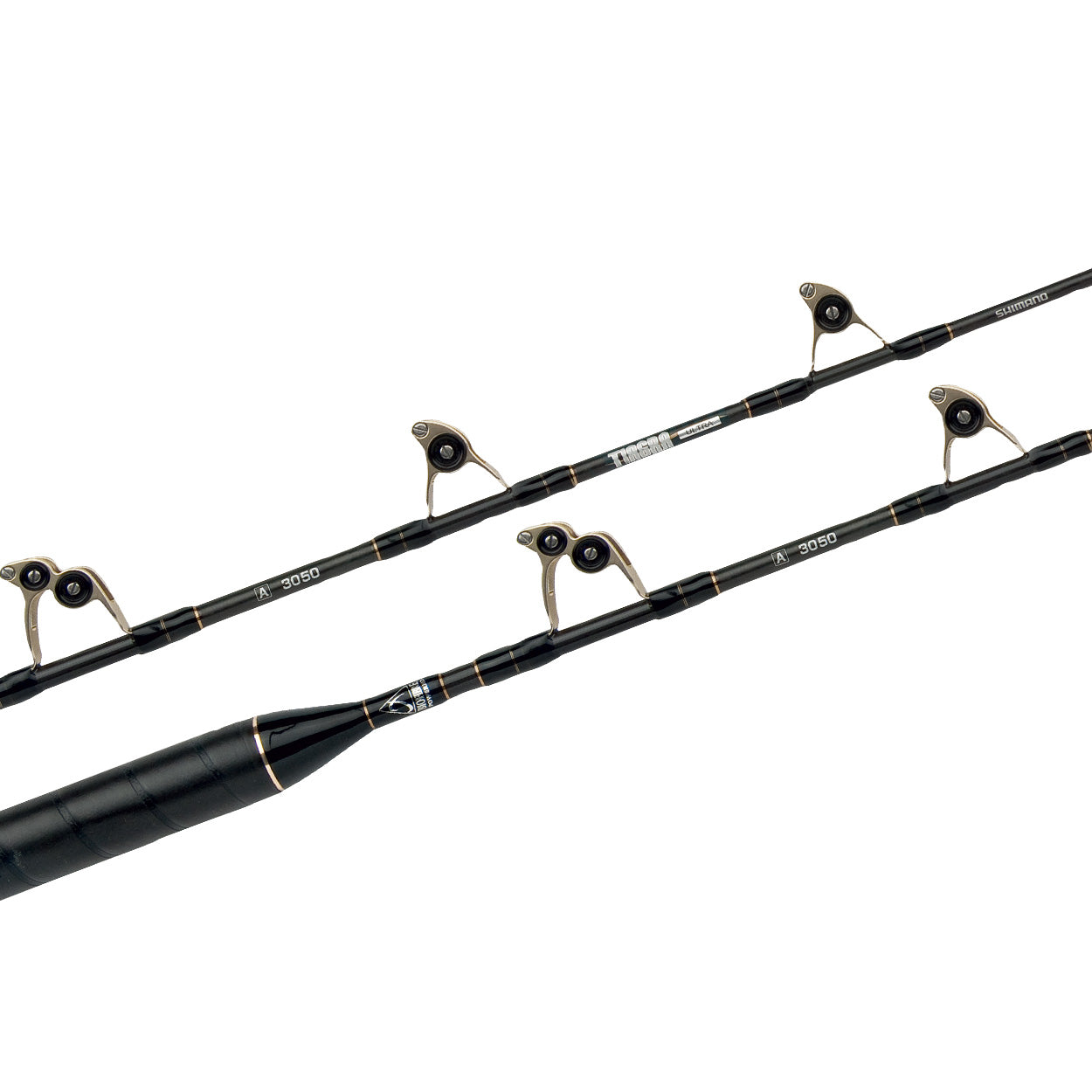
Guides matter on an overhead. Roller guides at the tip, or a full roller set, let heavy line run under sustained load without friction burn. For lighter overhead work, quality ring guides perform well and keep the rod lighter in the hand.
Gimbal butts come into their own once you are fighting fish standing up, locking into a belt or chair and taking the load off your wrists. These rods are built around overhead reels, and downriggers are worth a look if you are trolling deep.
Frequently asked questions
What is an overhead rod used for?
Trolling, bottom bouncing, deep dropping and game fishing — anywhere the reel needs to sit above the blank and deliver drag in a straight line.
Do I need roller guides?
Only for heavier line classes and sustained fights. For lighter work, good ring guides perform well and keep the rod lighter.
Can I use an overhead rod from the beach?
Yes. Overhead beach outfits are a long-standing Australian setup for heavy baits and big fish off the sand. They are a different animal to an Alvey sidecast, which mounts low under the butt and casts by rotating the spool.