

FREE SHIPPING ON ORDERS OVER $150*

AUSSIE FAMILY OWNED BUSINESS FOR OVER 40 YEARS

100% SATISFACTION GUARANTEED
Jig Heads
Jig Heads
The jig head is the engine behind a soft plastic. It sets how fast the lure sinks, how it sits in the water, and whether the hook is in the right place when a fish eats. Get it wrong and the best plastic in the box will not work.
Choosing weight and hook size
Weight controls sink rate. Lighter heads let a plastic glide slowly and naturally in shallow estuary water. Deeper water, current and wind all push you heavier, and offshore jigging needs more again. The rule that matters is to use the lightest head that still reaches the strike zone.
Hook size must match the plastic, not the fish. An oversized hook kills a small plastic's action; an undersized hook in a big plastic gets missed on the strike. Lay the hook alongside the body before you rig it and you will see the right size immediately.
Head shapes
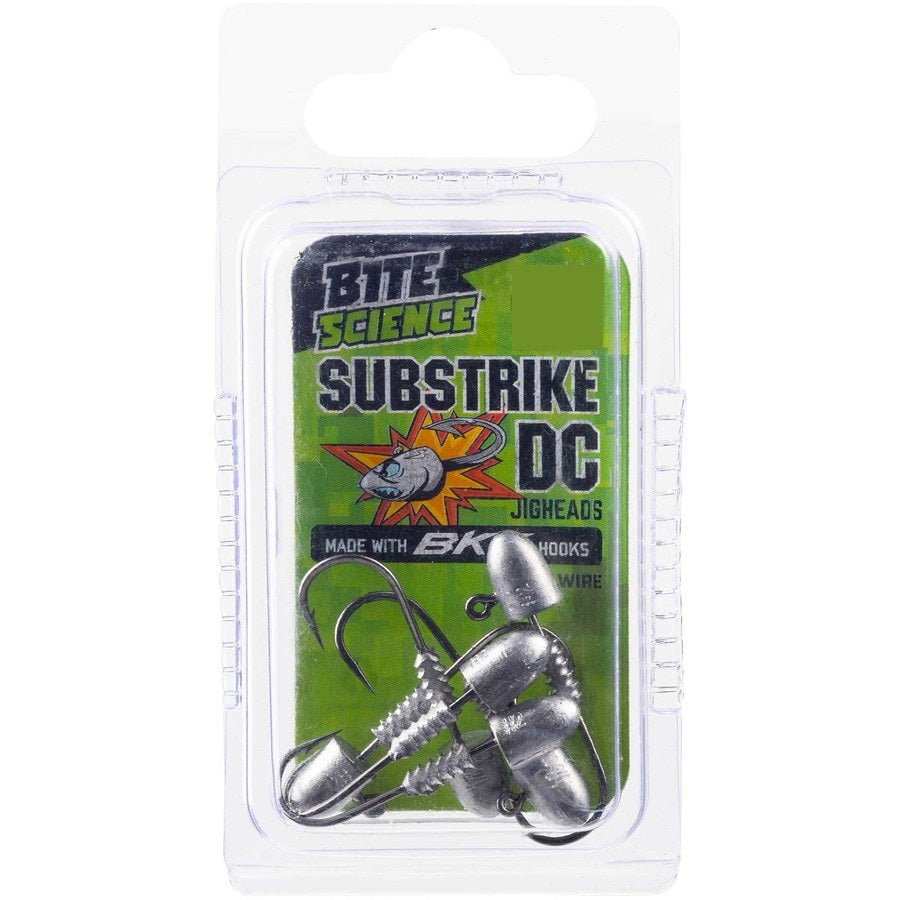
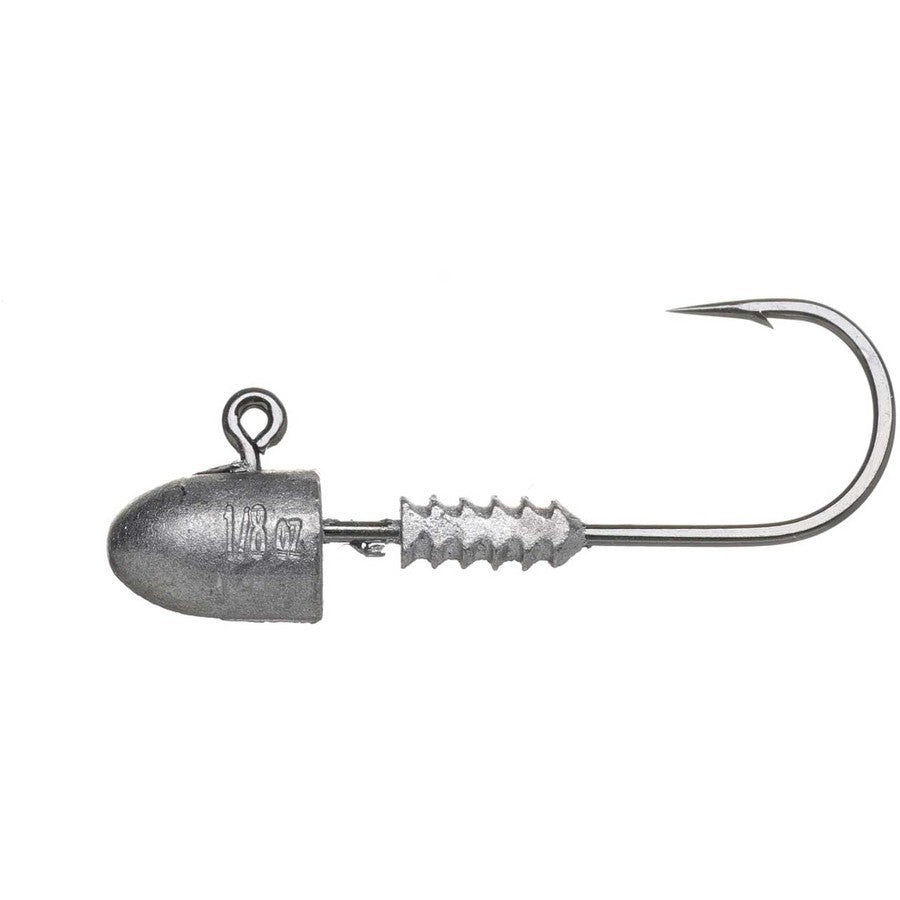
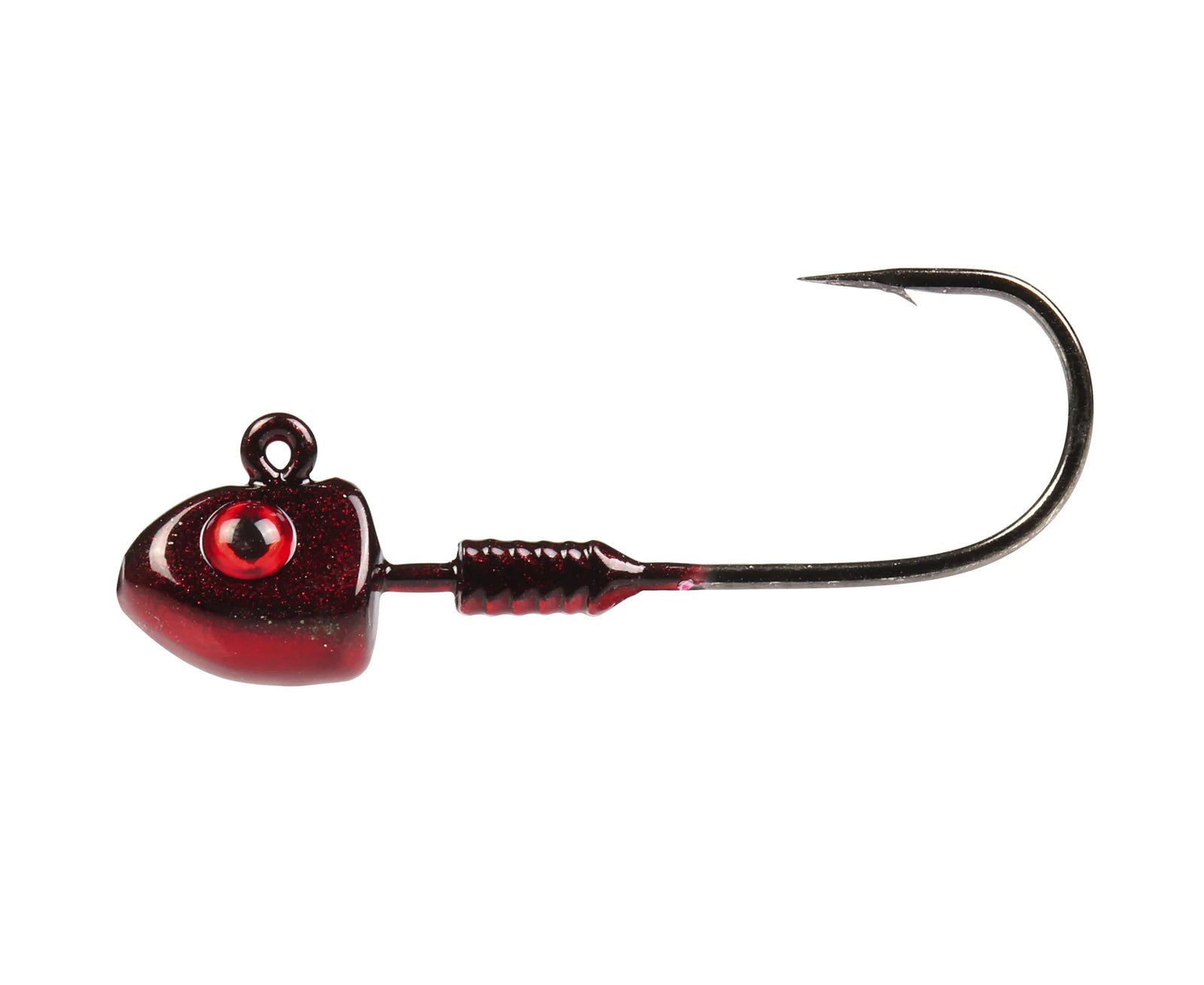
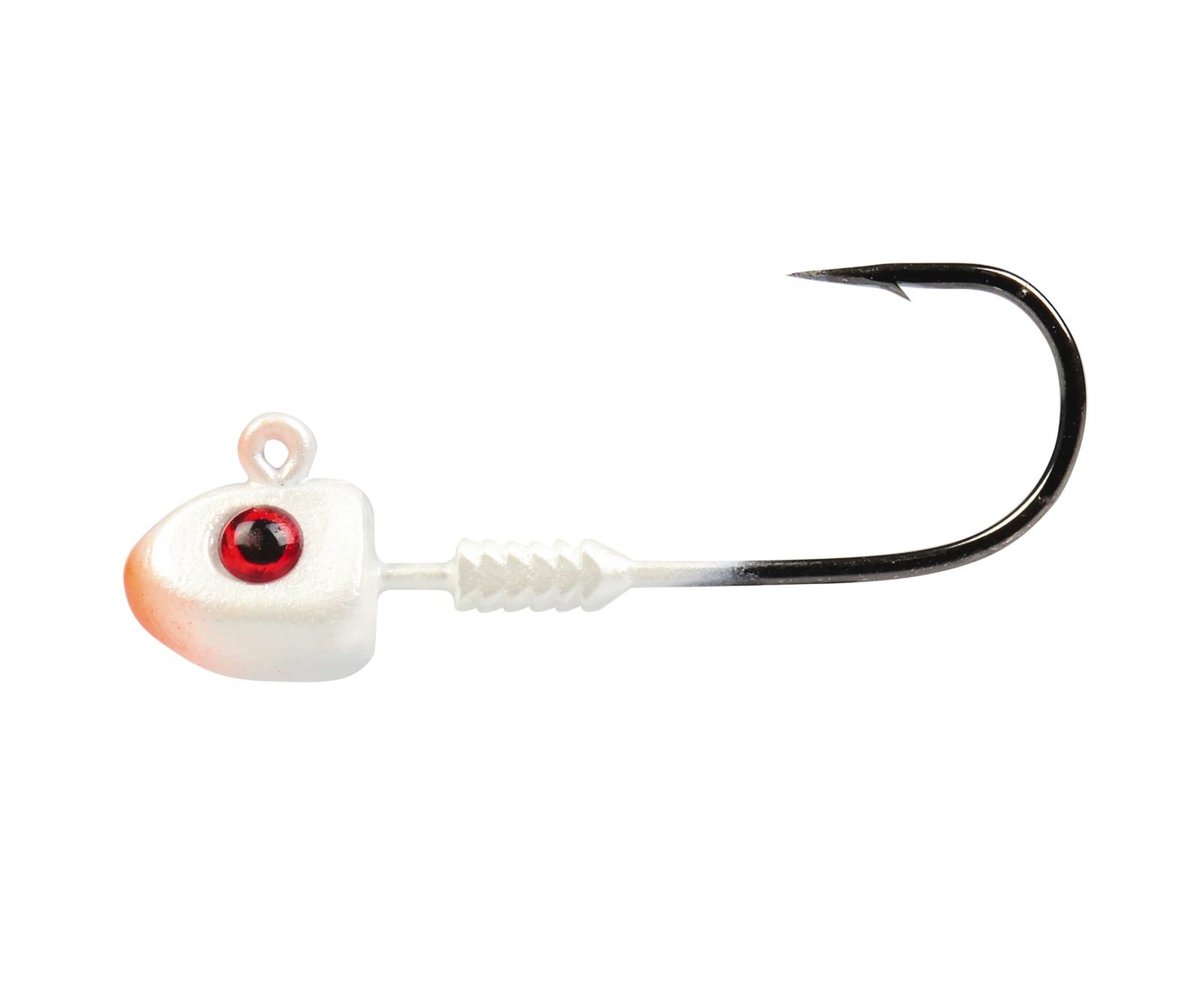
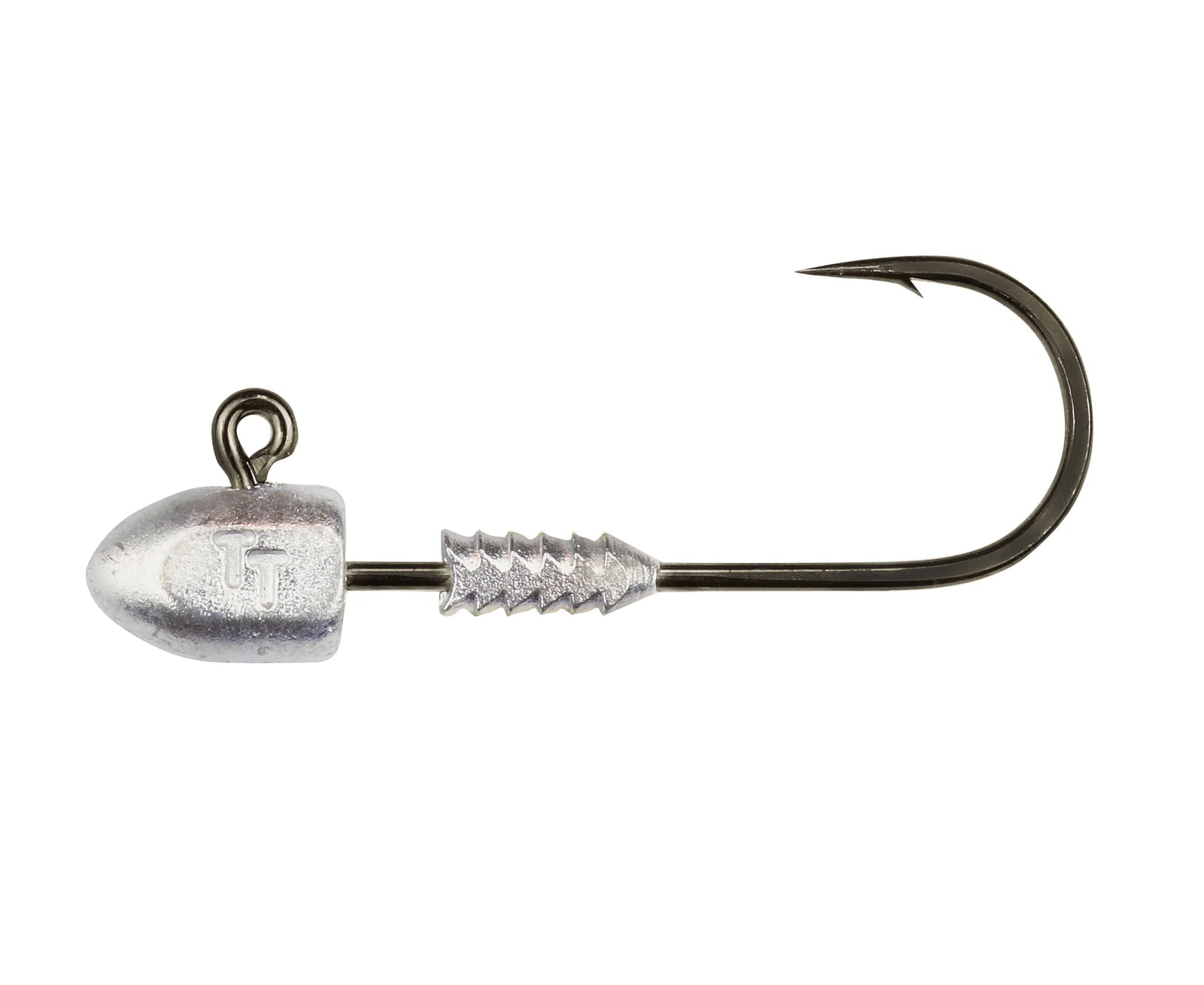
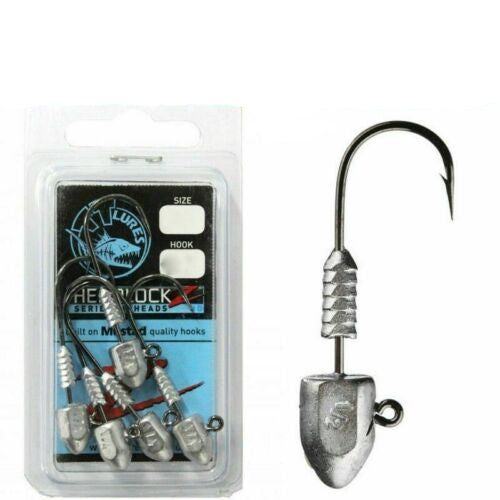
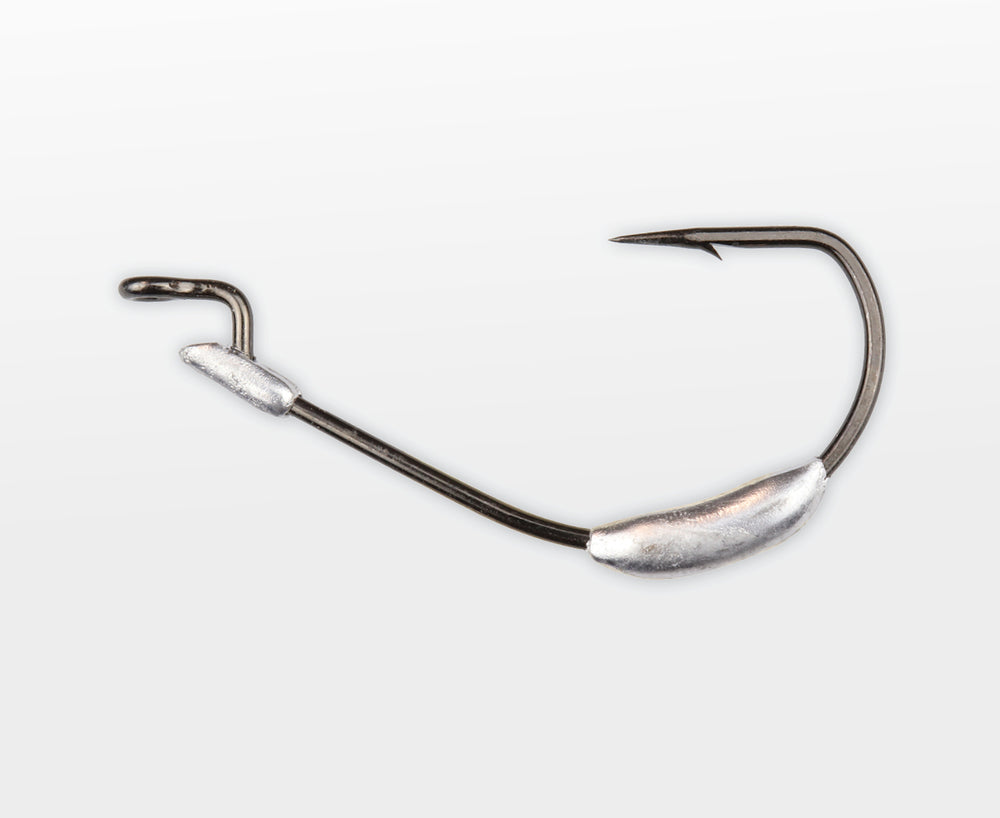
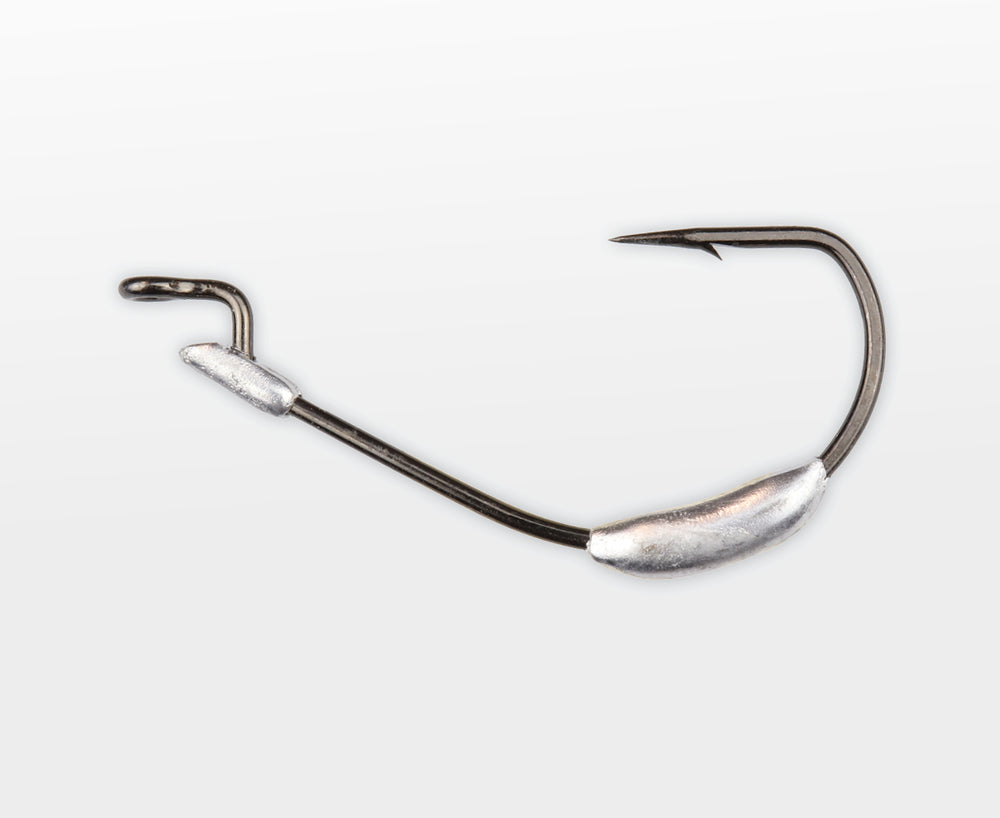
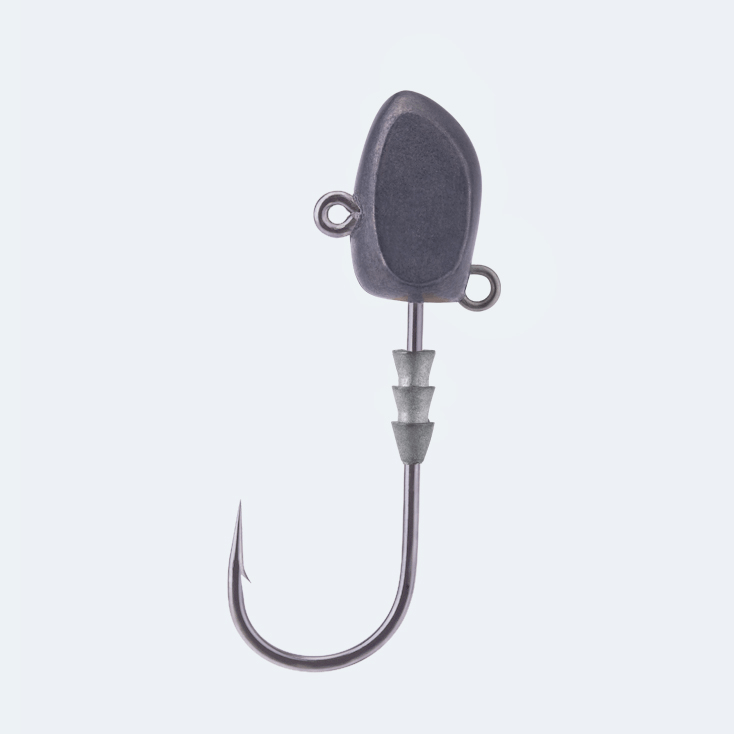
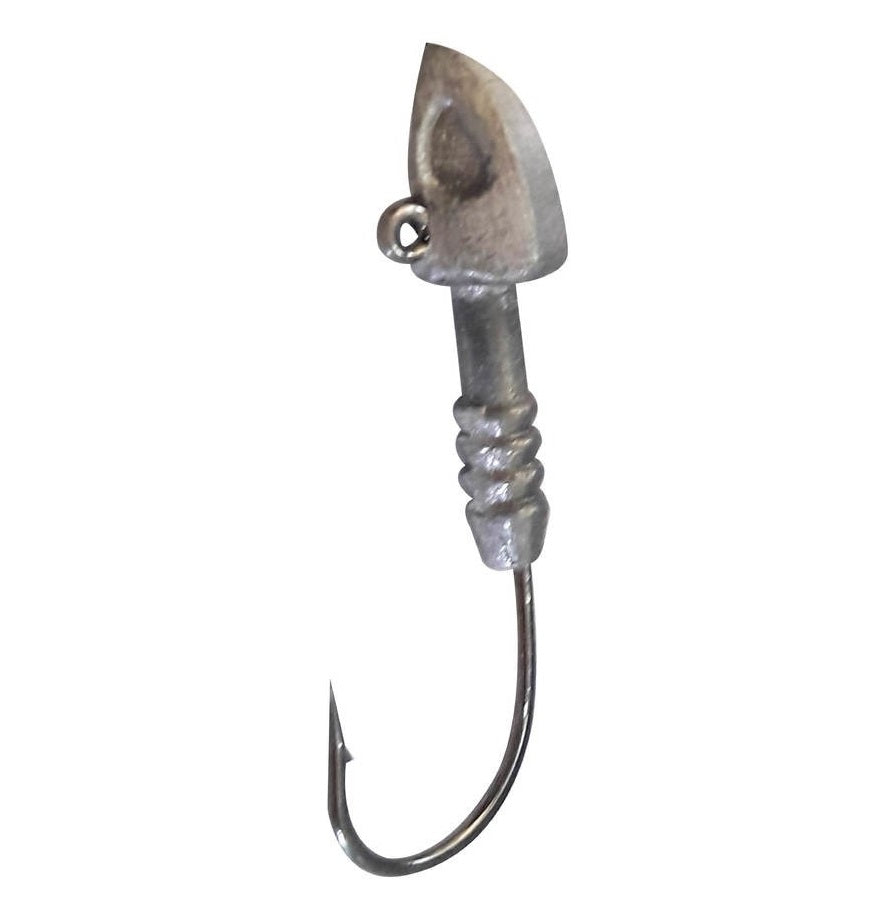
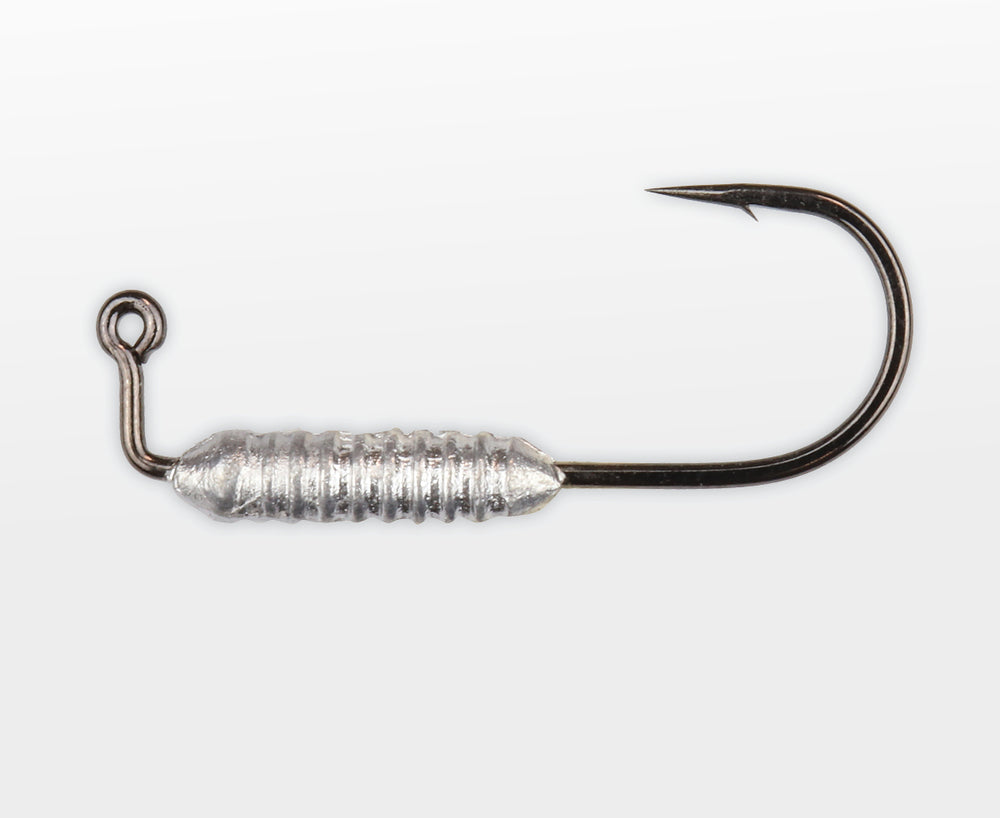
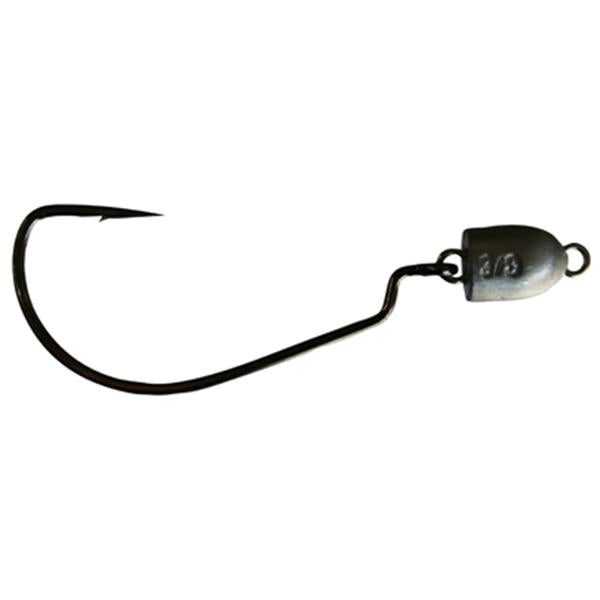
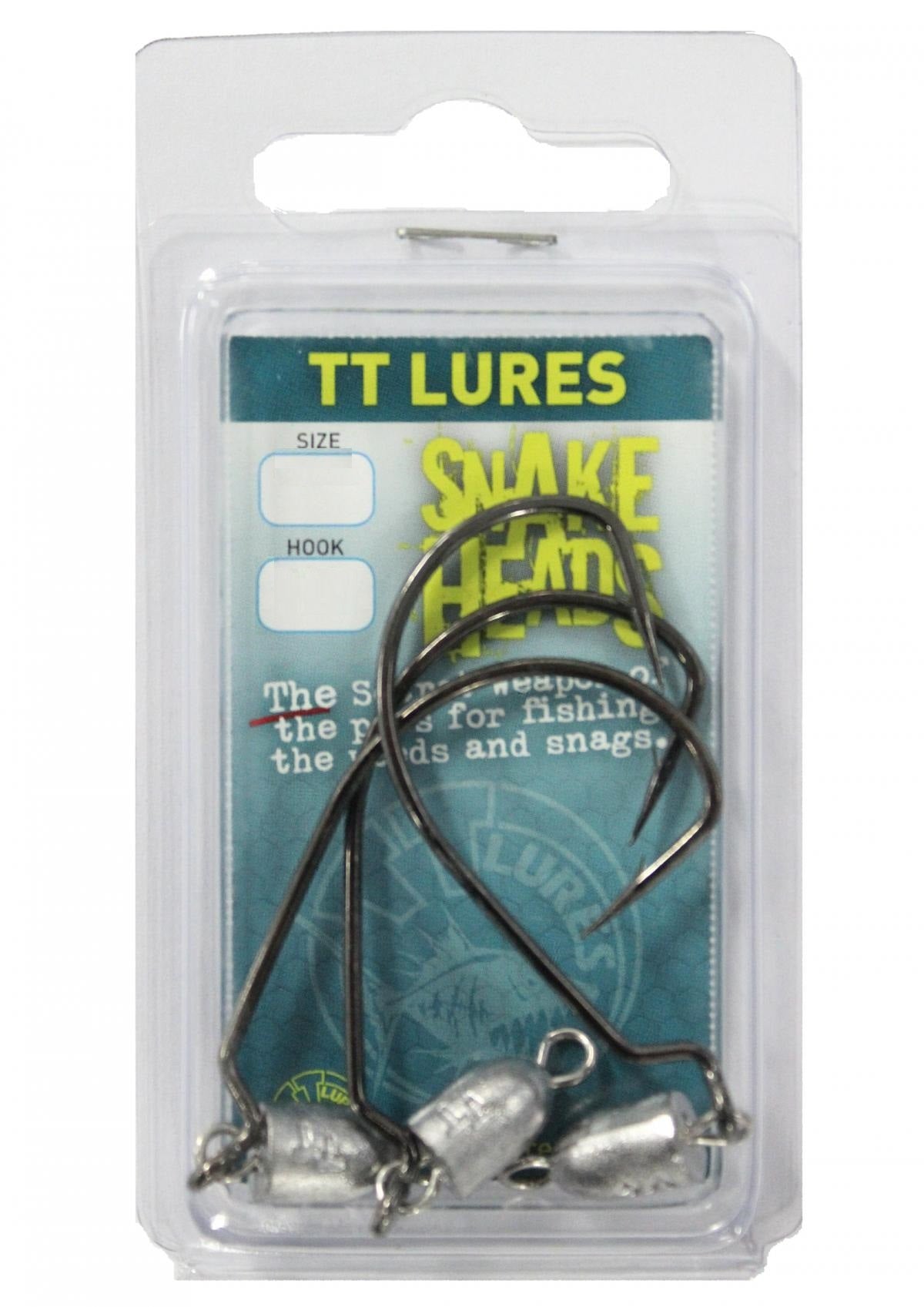
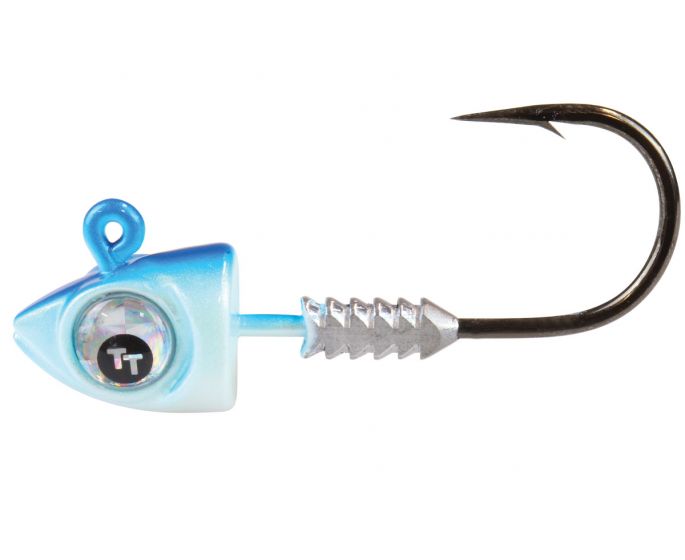
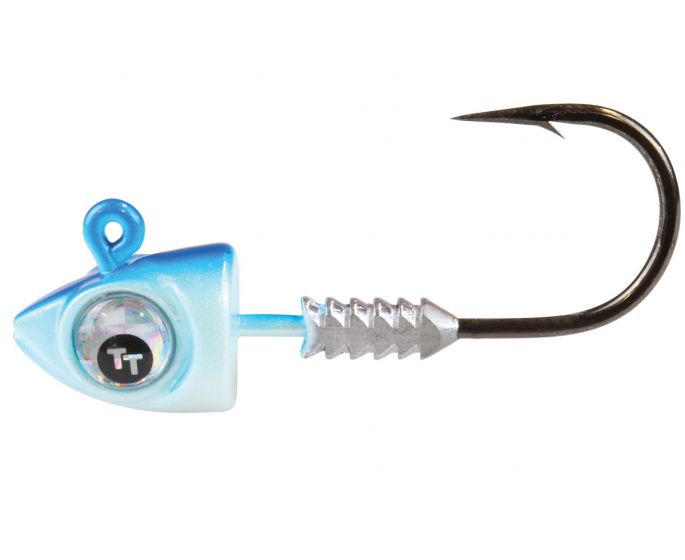
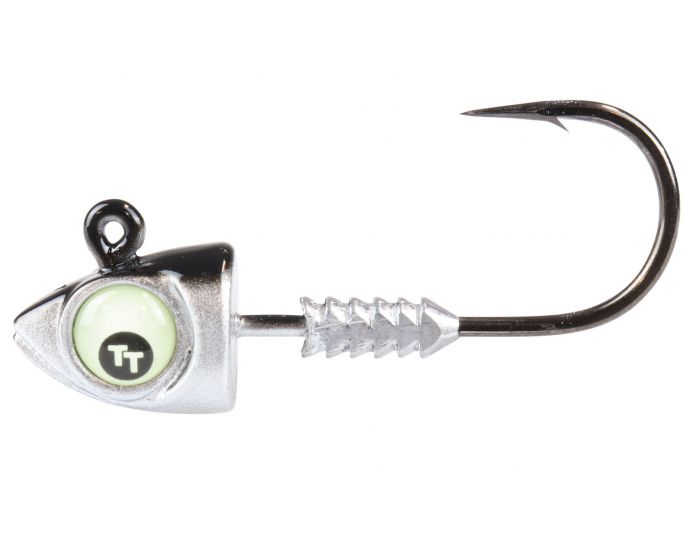
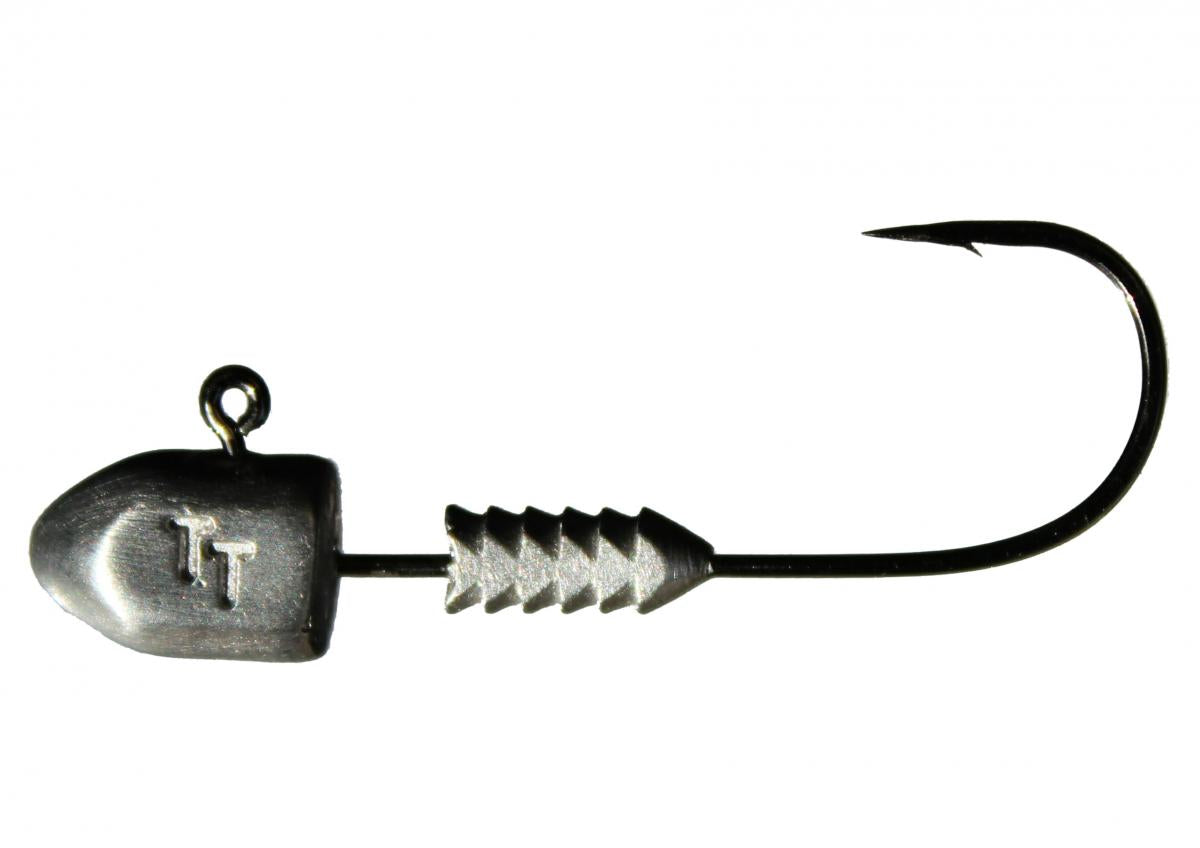
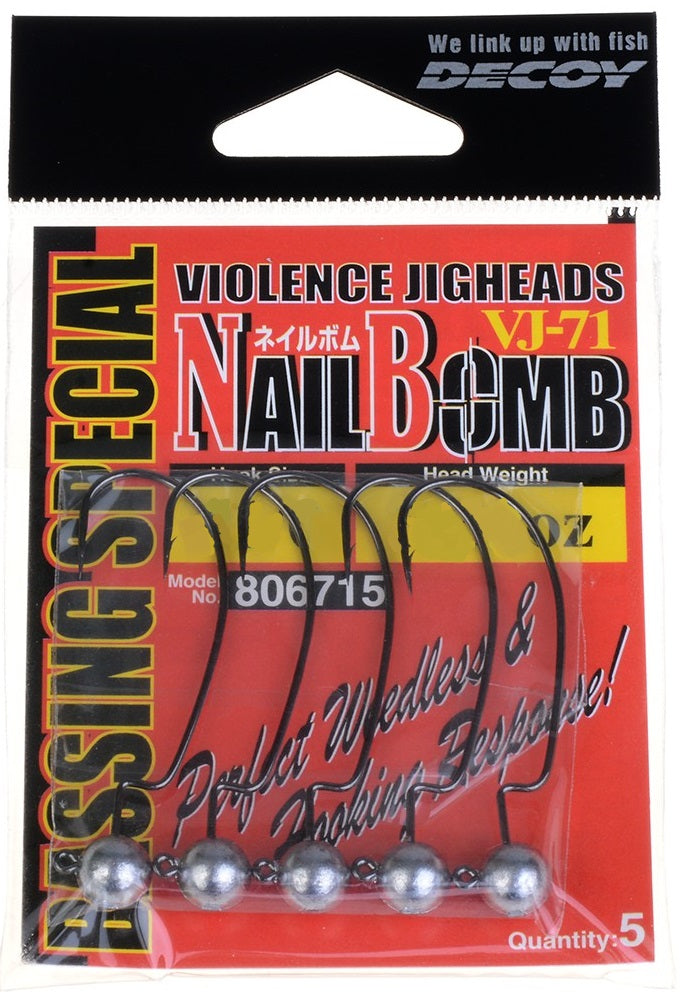
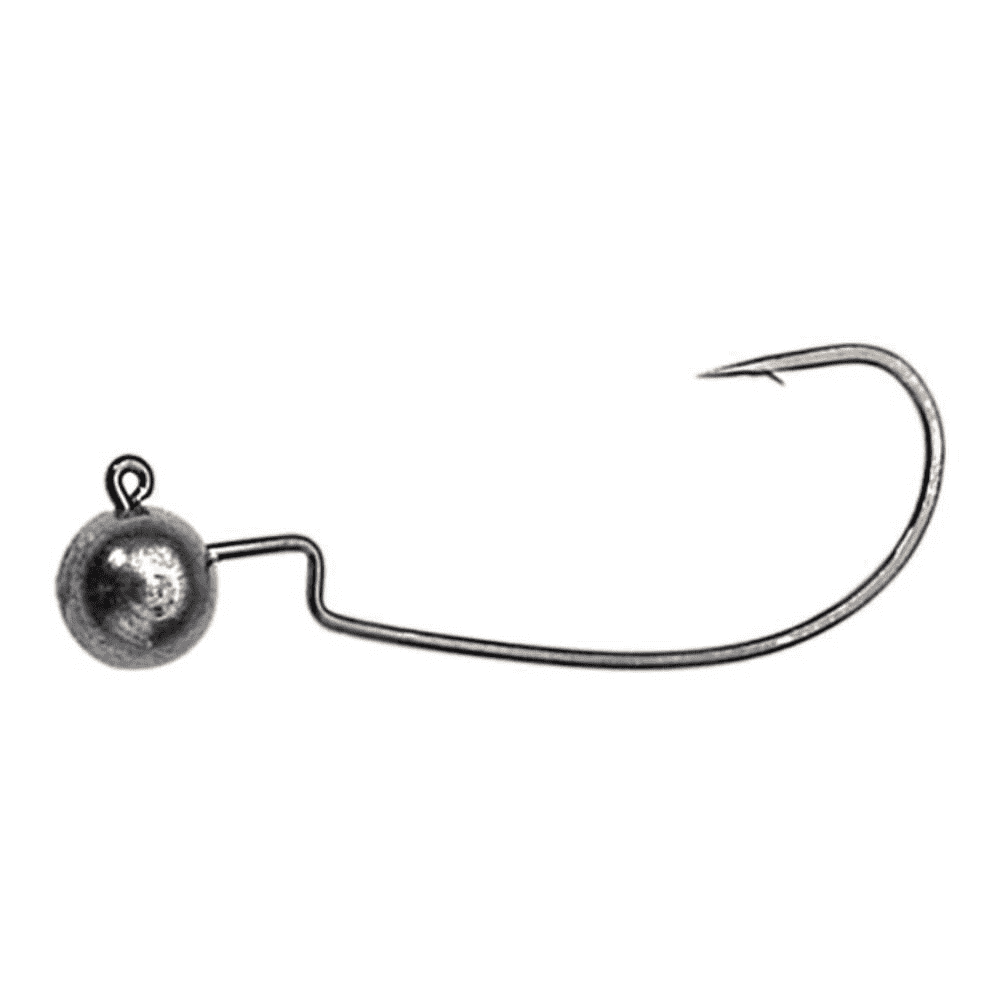
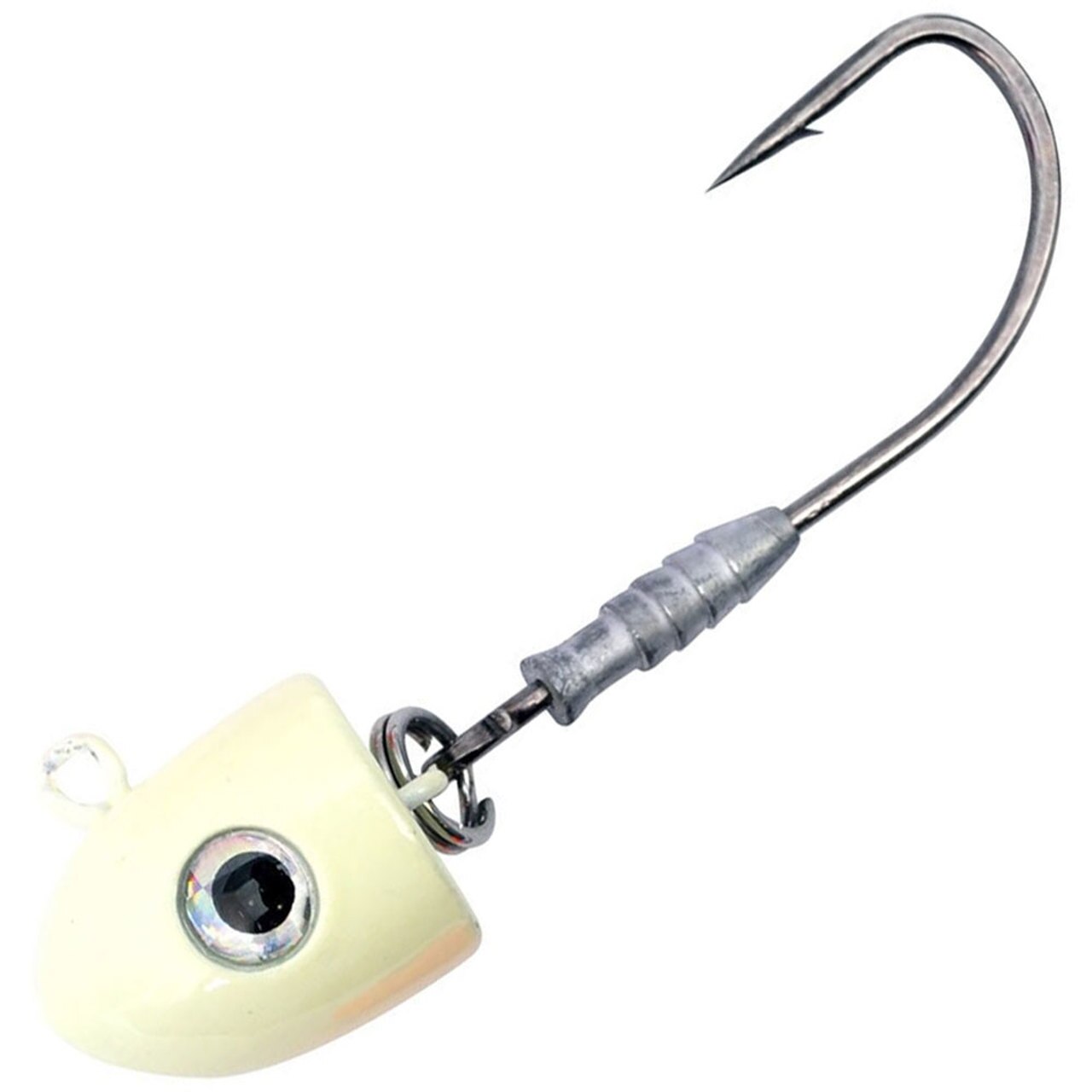
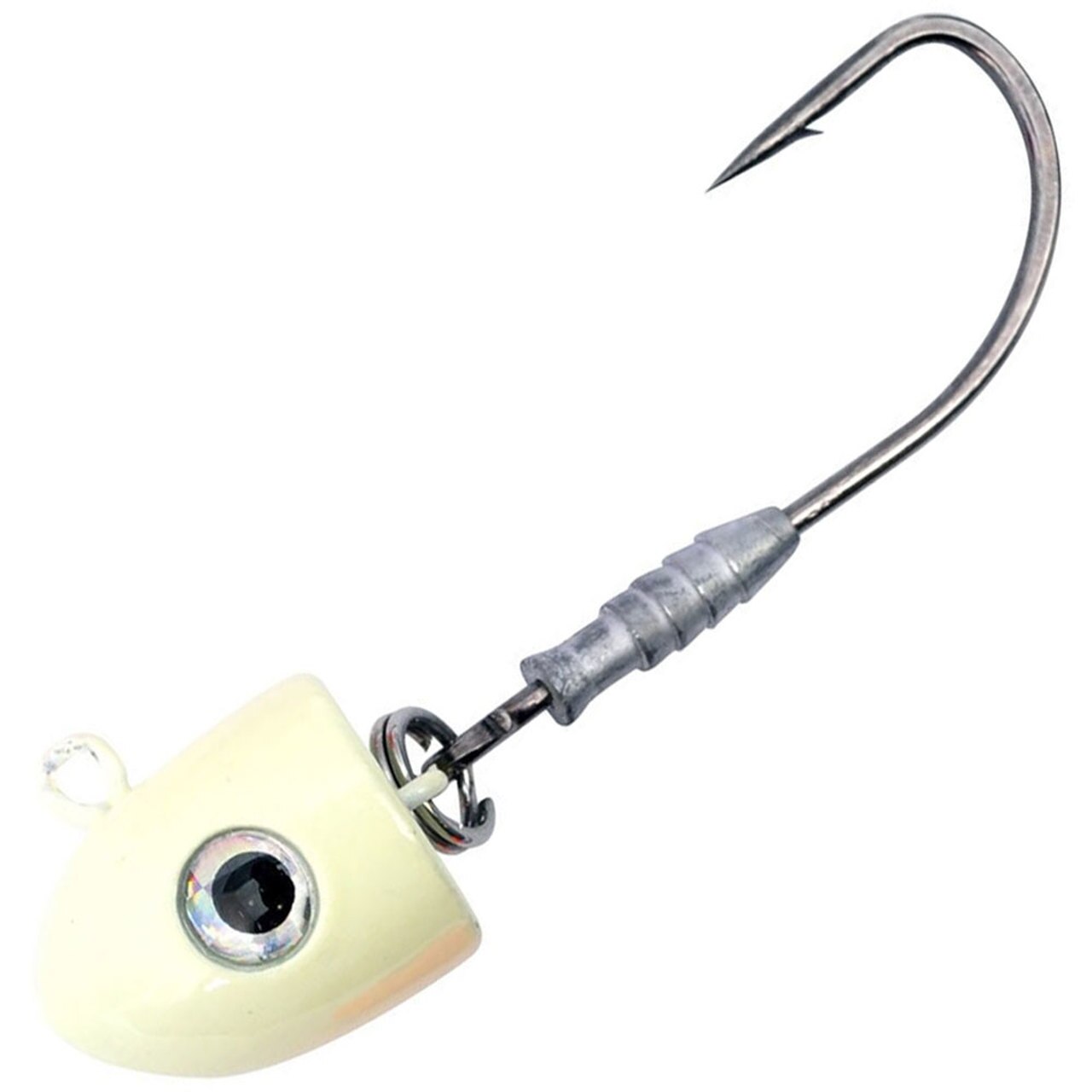
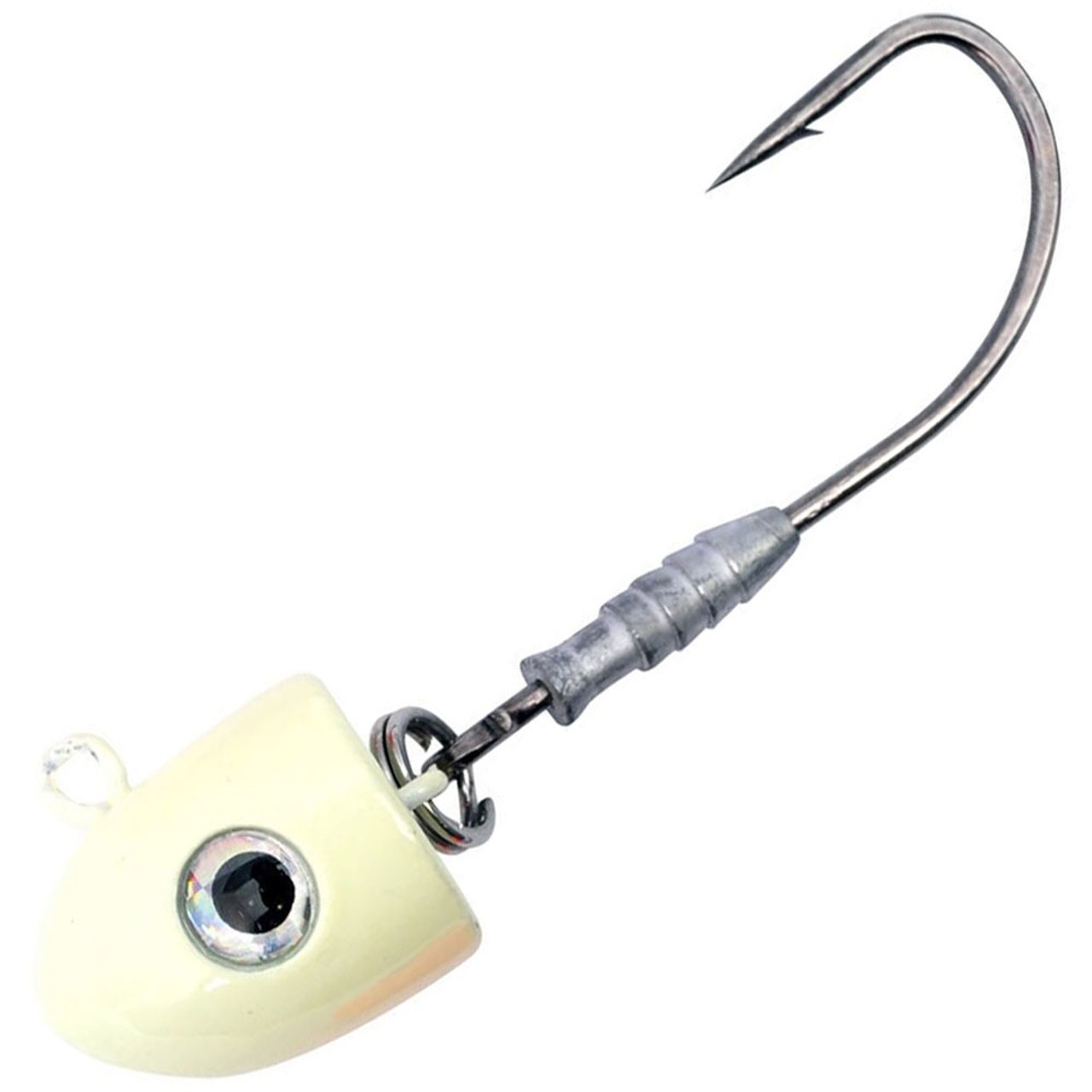
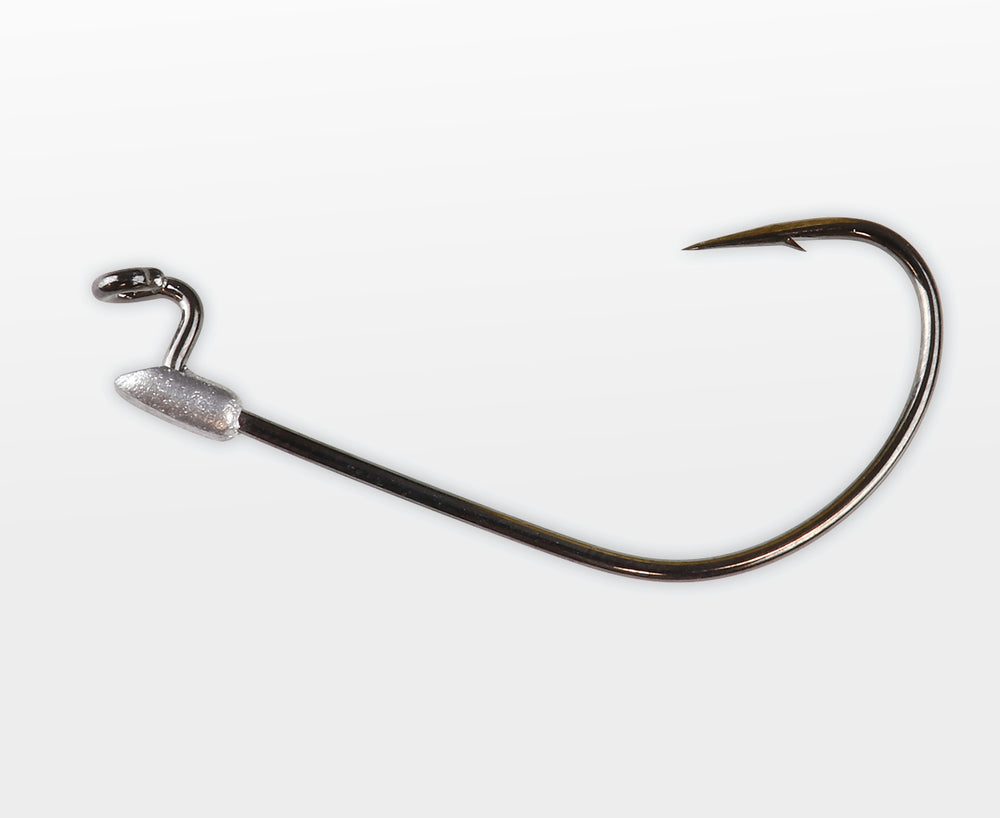
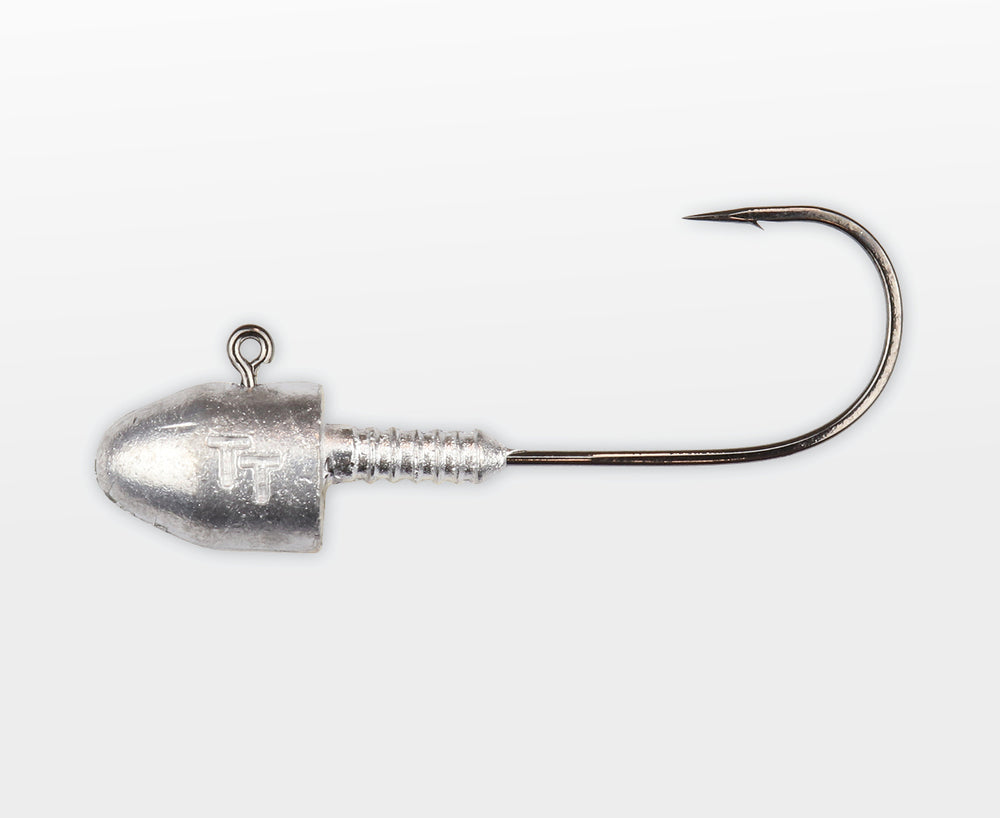
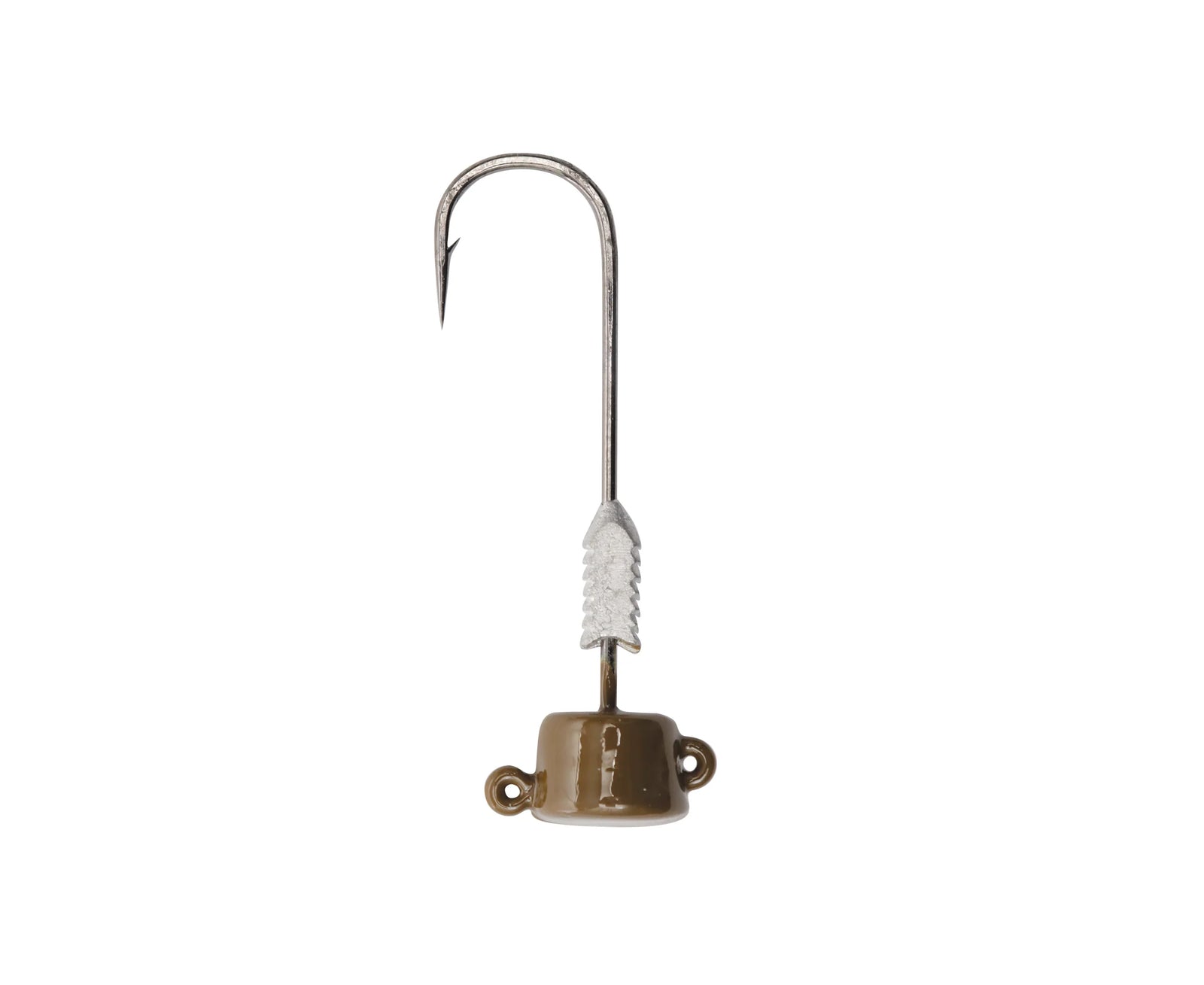
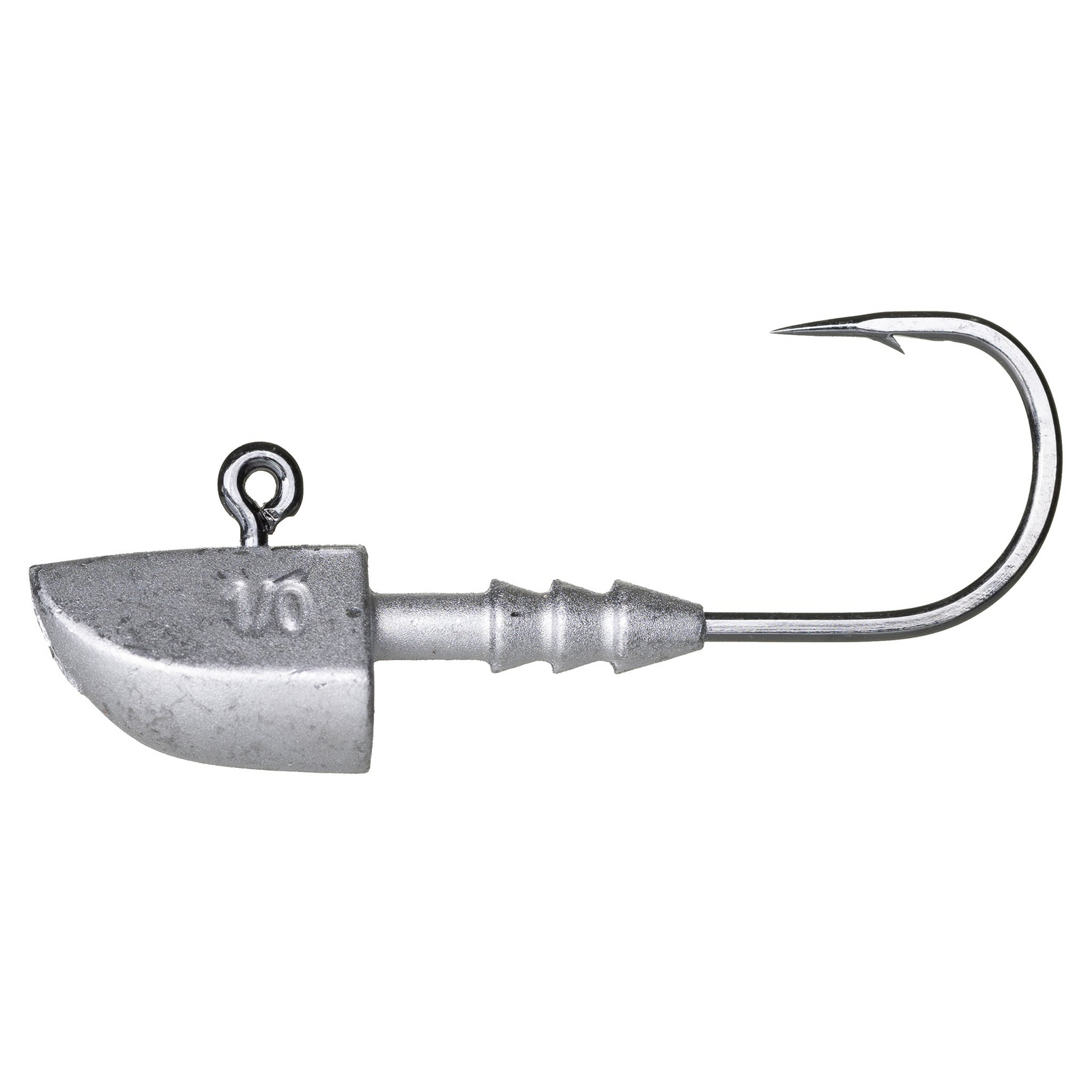
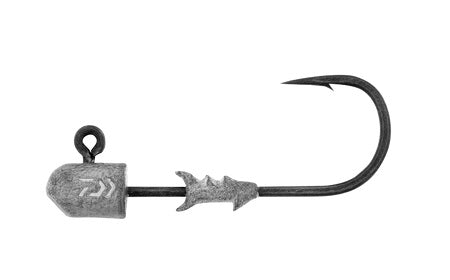
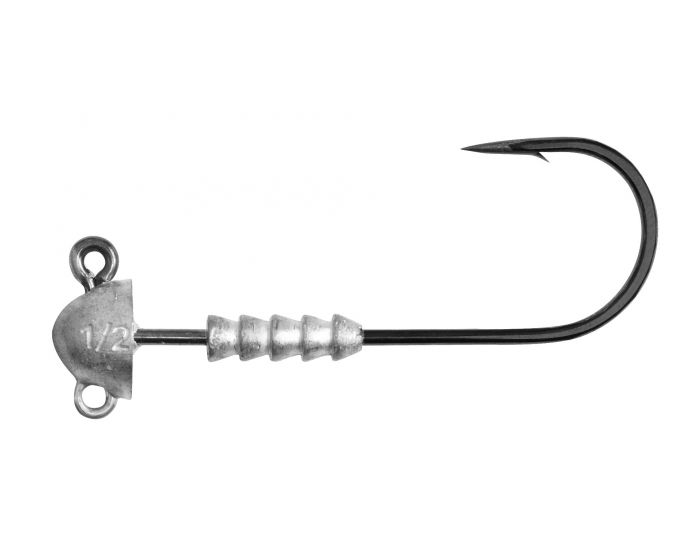
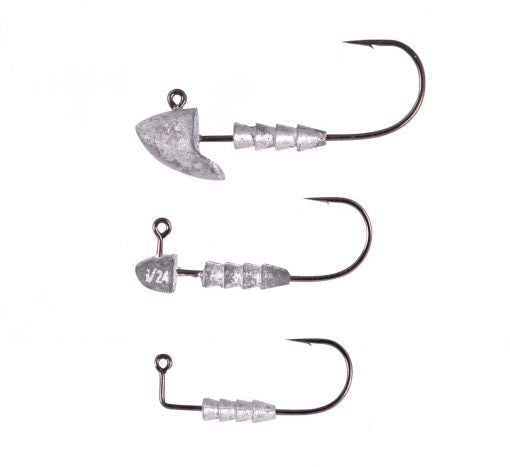
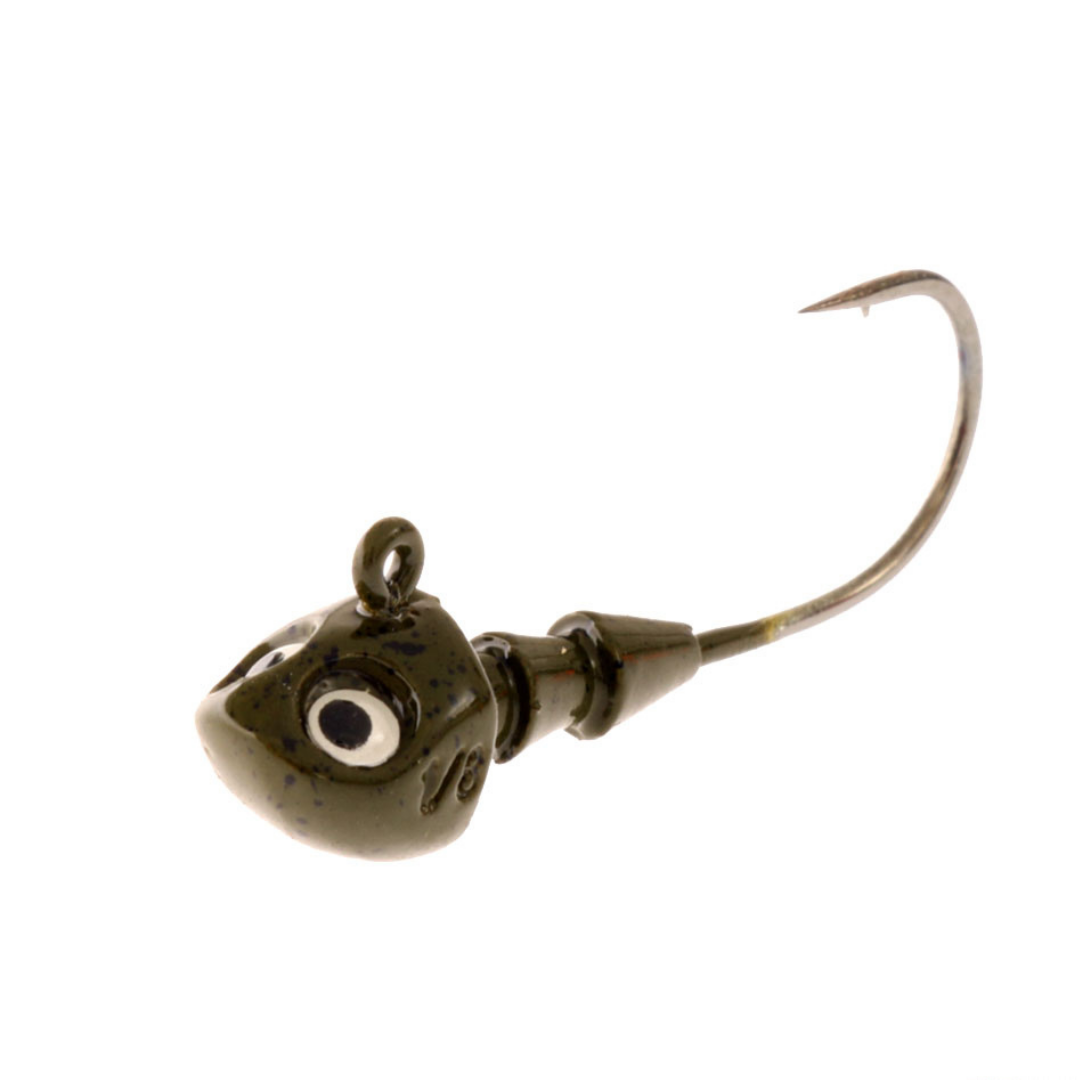
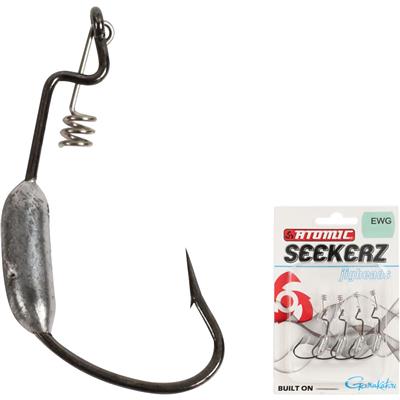
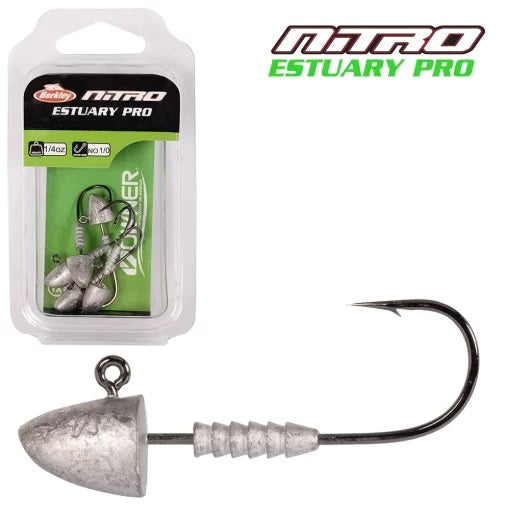
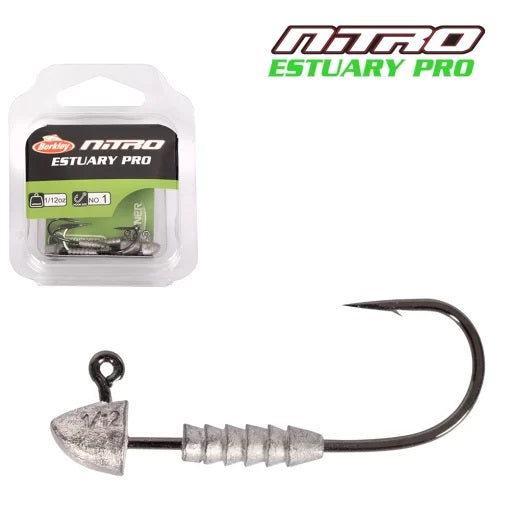
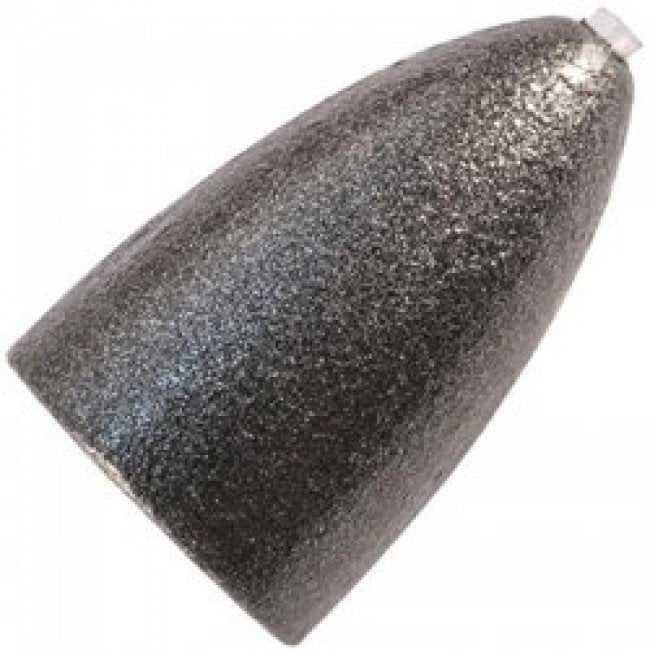
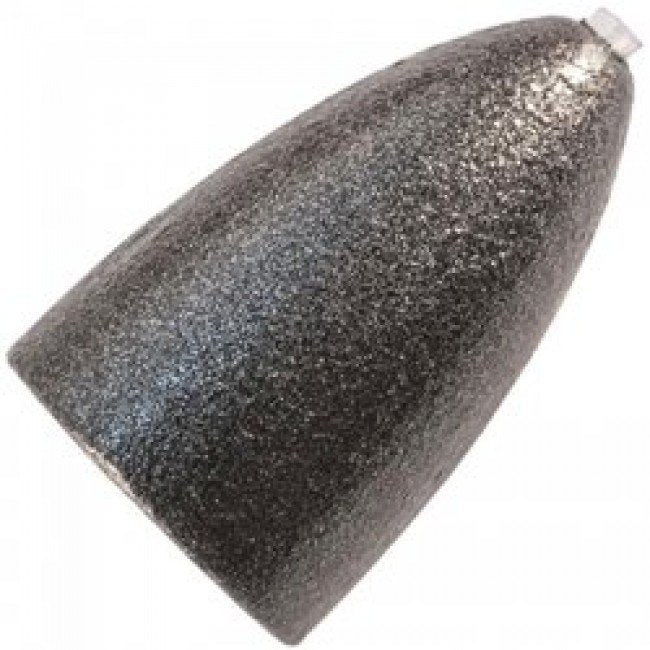
Round heads are the all-rounder. Darter and bullet heads cut through current and cast better. Football heads stand a plastic up off the bottom, which is deadly on flathead. Weedless and worm-hook heads let you fish snags and weed beds without collecting them.
Buying jig heads in bulk is the sensible move for anyone fishing soft plastics regularly — they are consumable items around structure.
Frequently asked questions
What weight jig head should I use?
Use the lightest head that still reaches the strike zone and keeps contact with the lure. Shallow, still water needs very little; current and depth need more.
How do I rig a soft plastic on a jig head?
Lay the plastic against the hook to judge depth, insert the point at the nose, thread it around the bend and exit through the top so the body sits straight.
What is a weedless jig head?
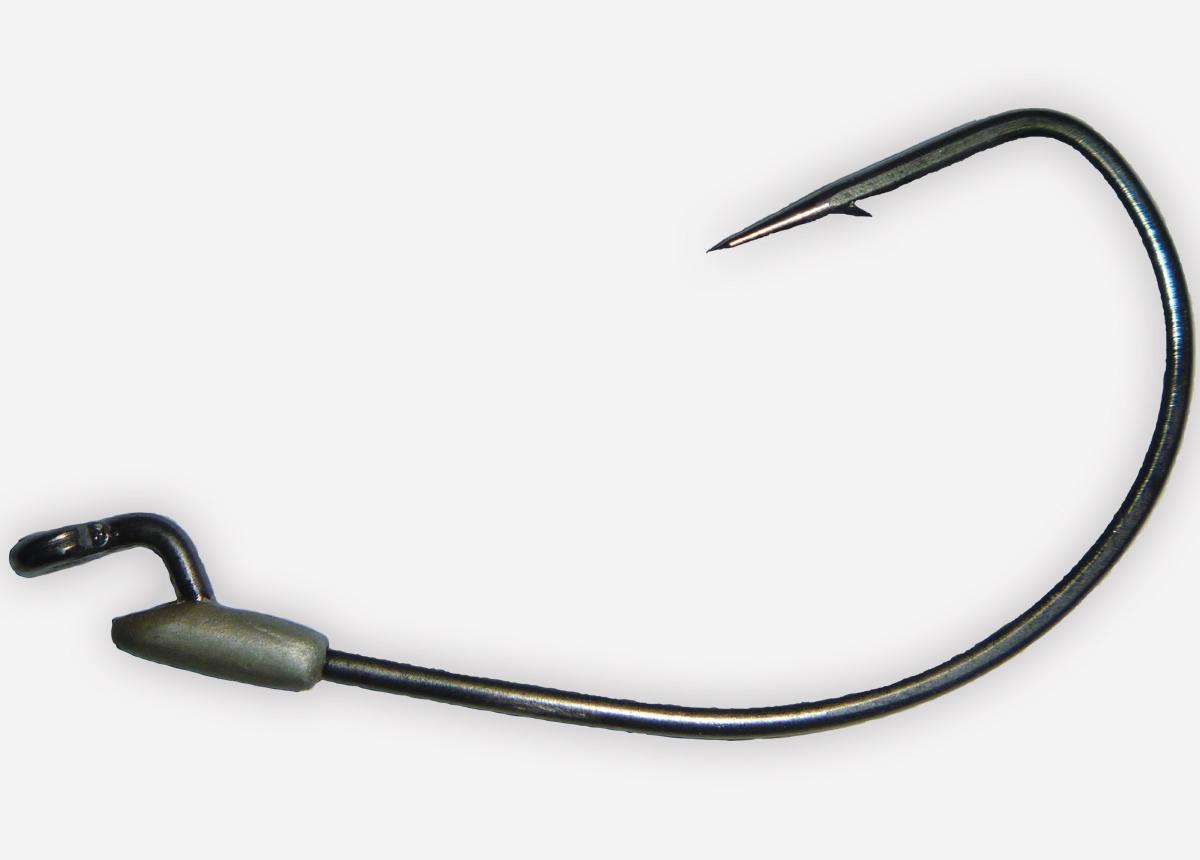
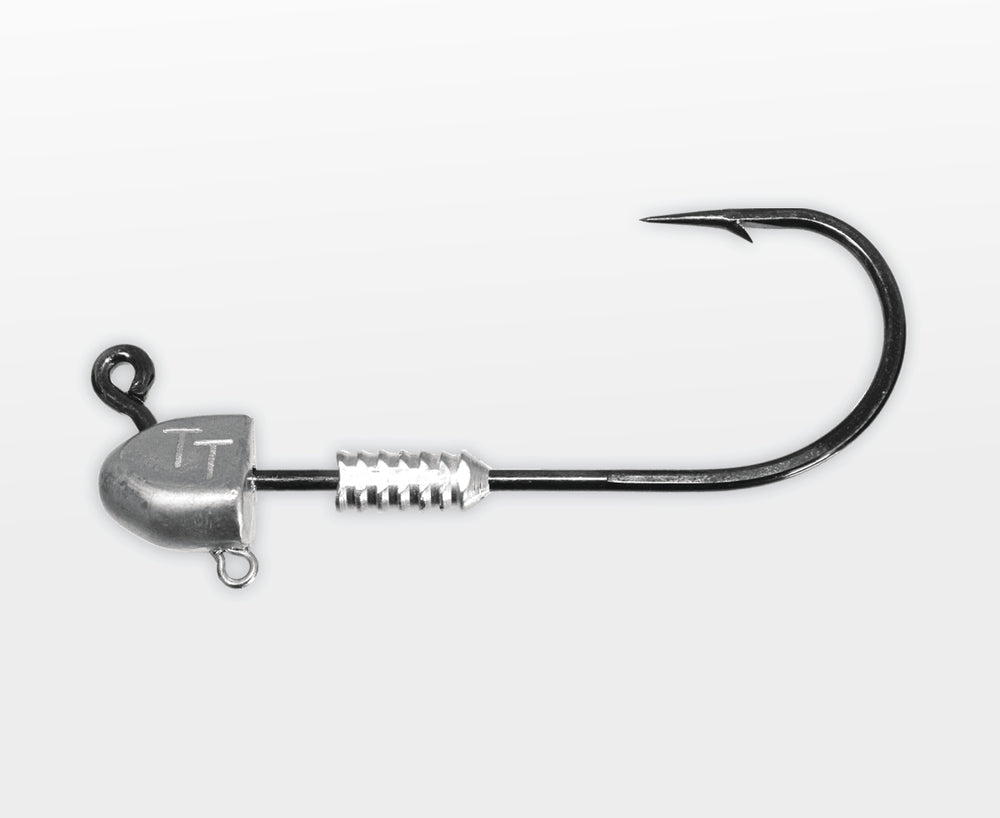
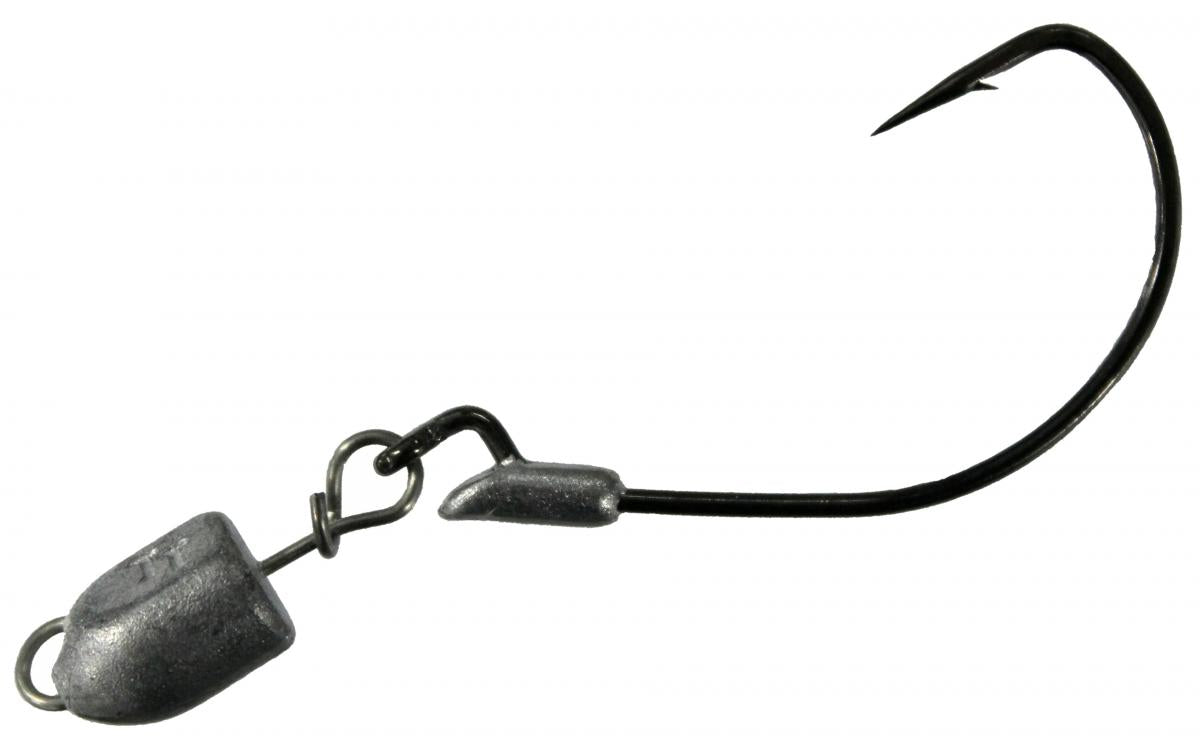
A head where the hook point is shielded or tucked into the plastic, letting you fish weed, timber and snags without constantly fouling.









Sale
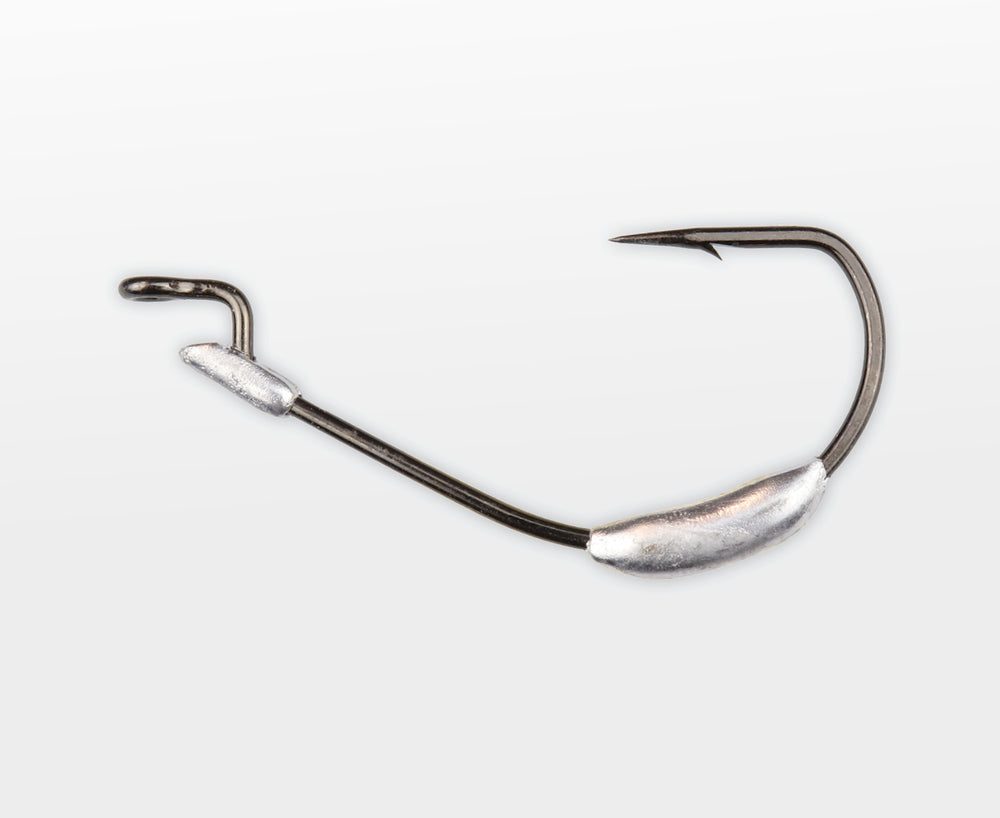
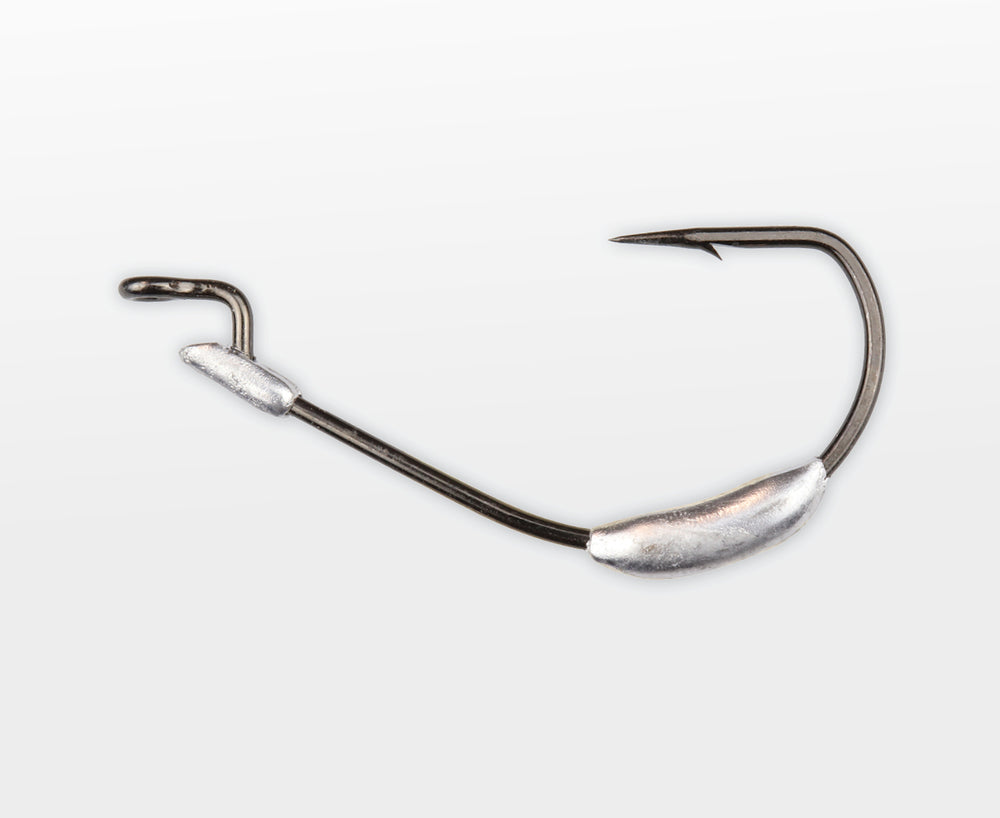
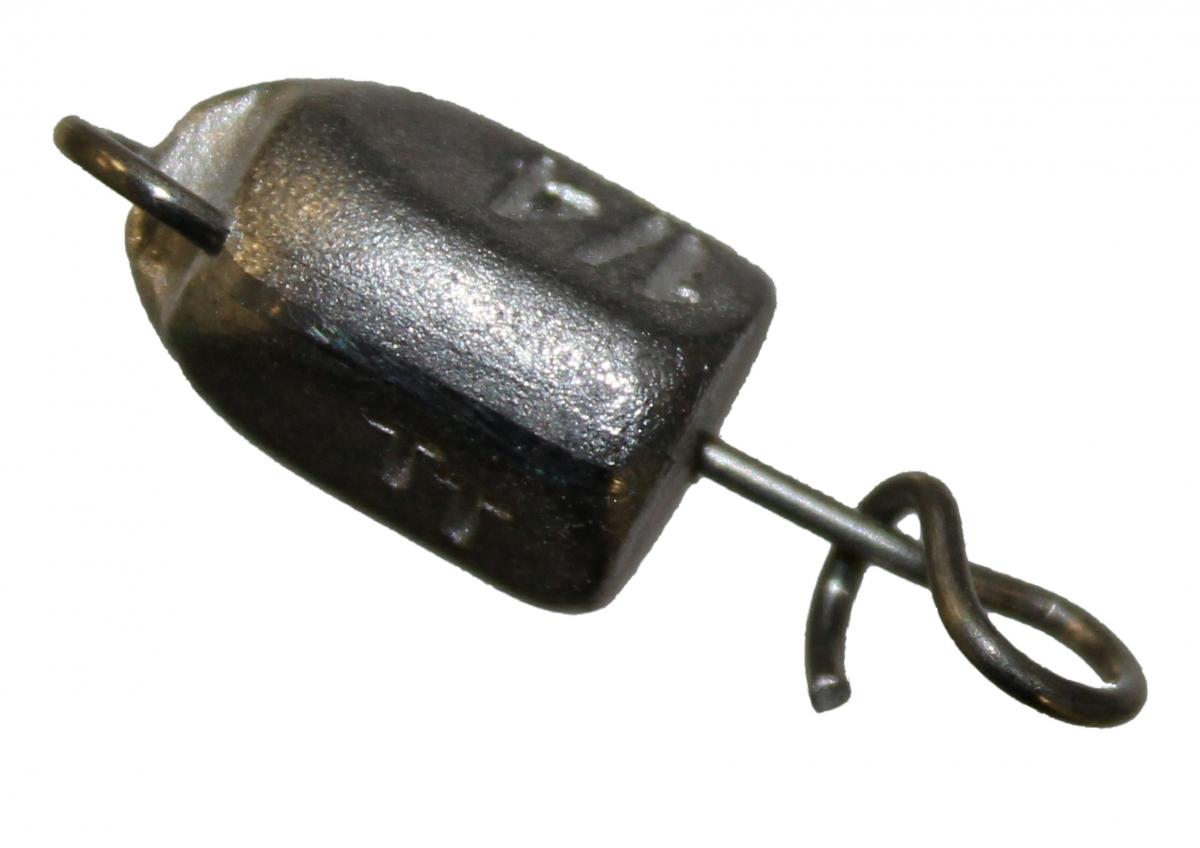
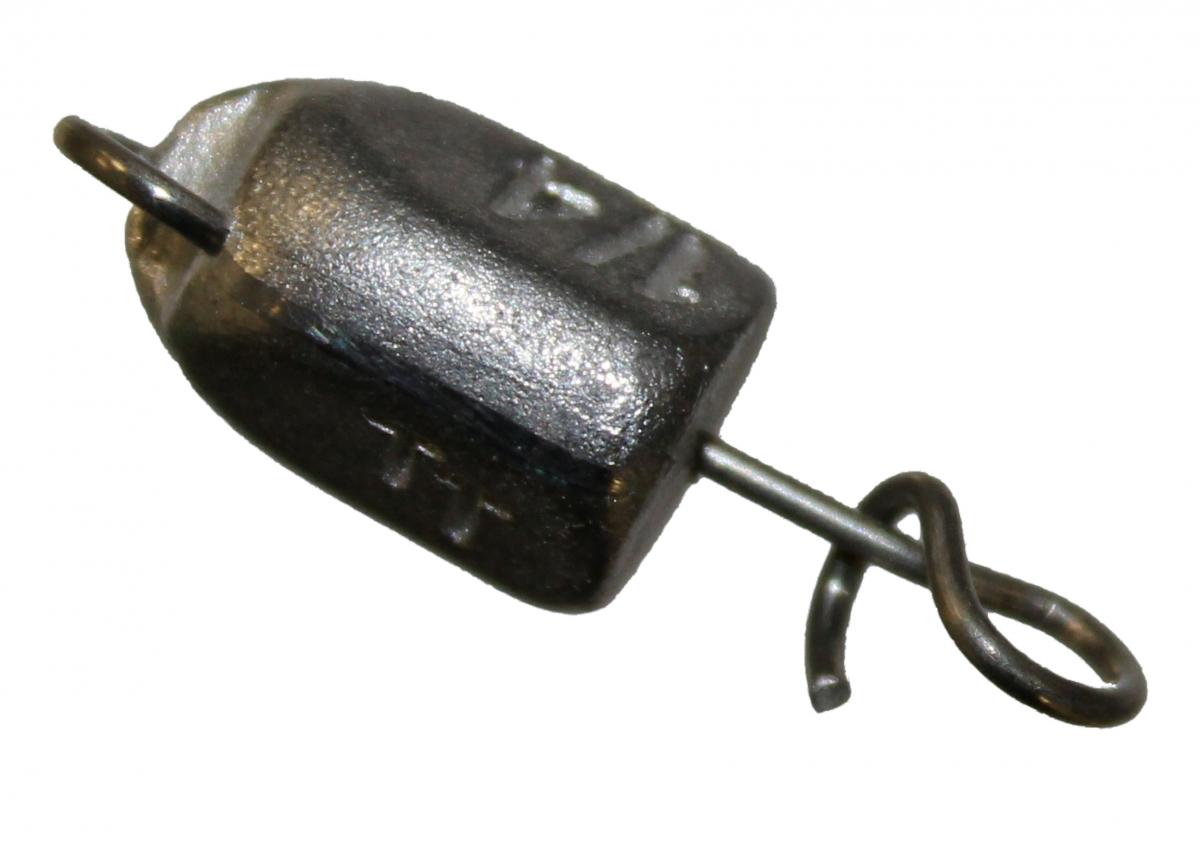
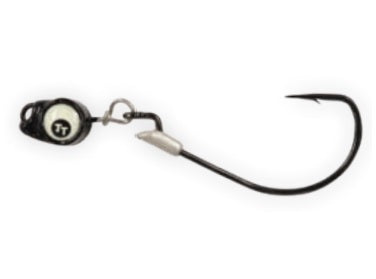
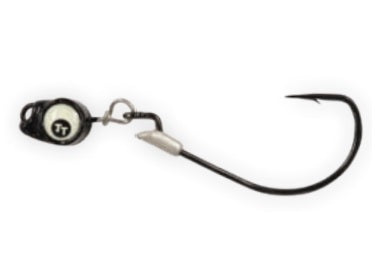
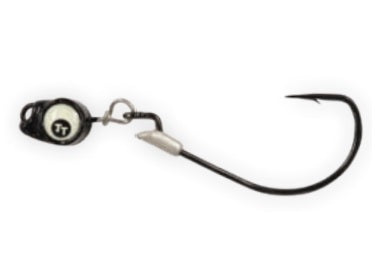
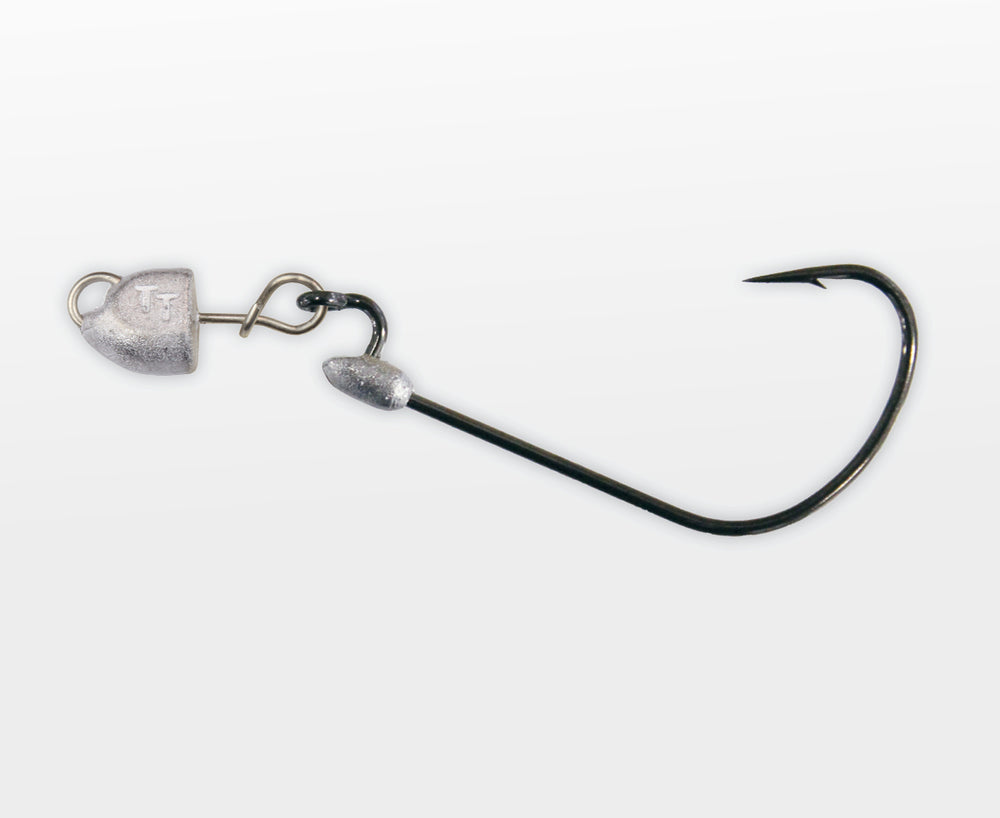
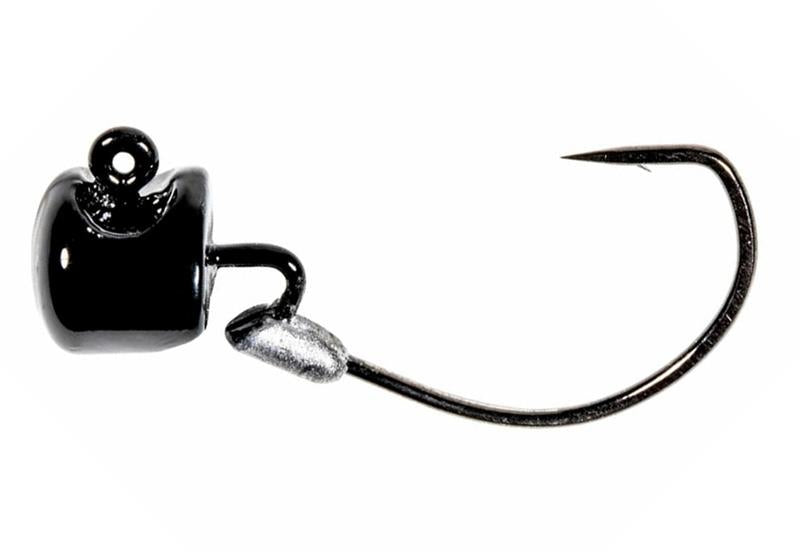
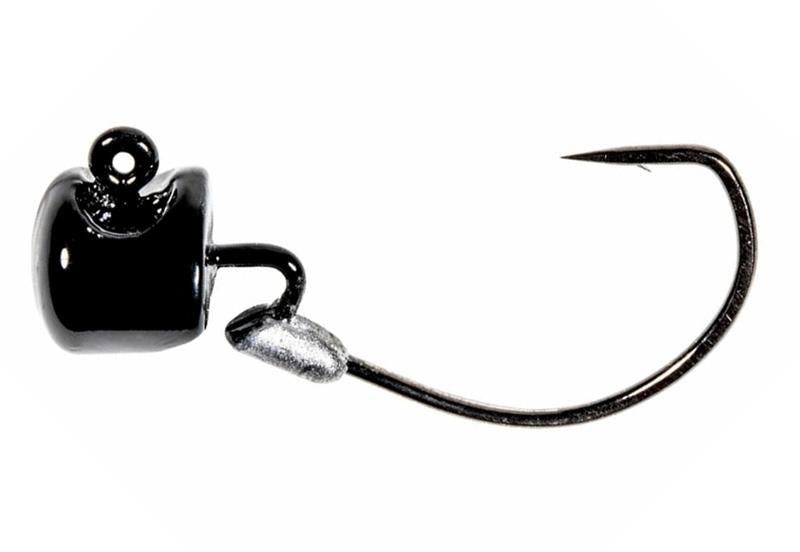
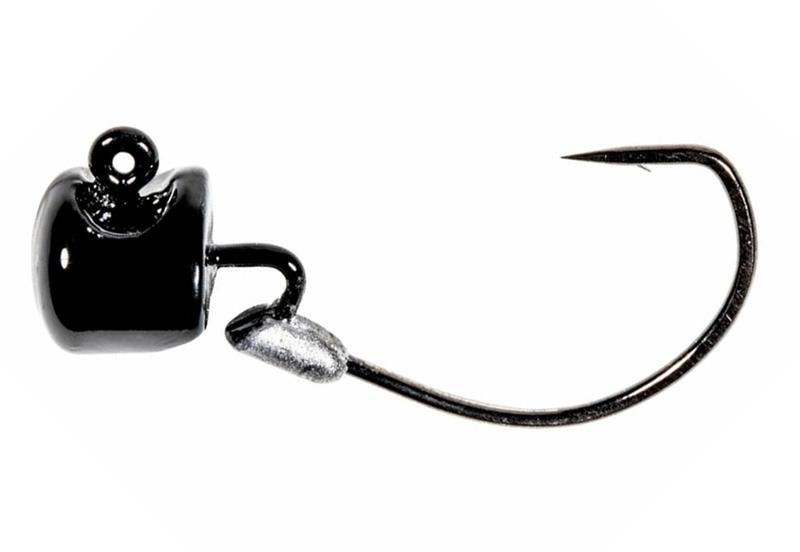
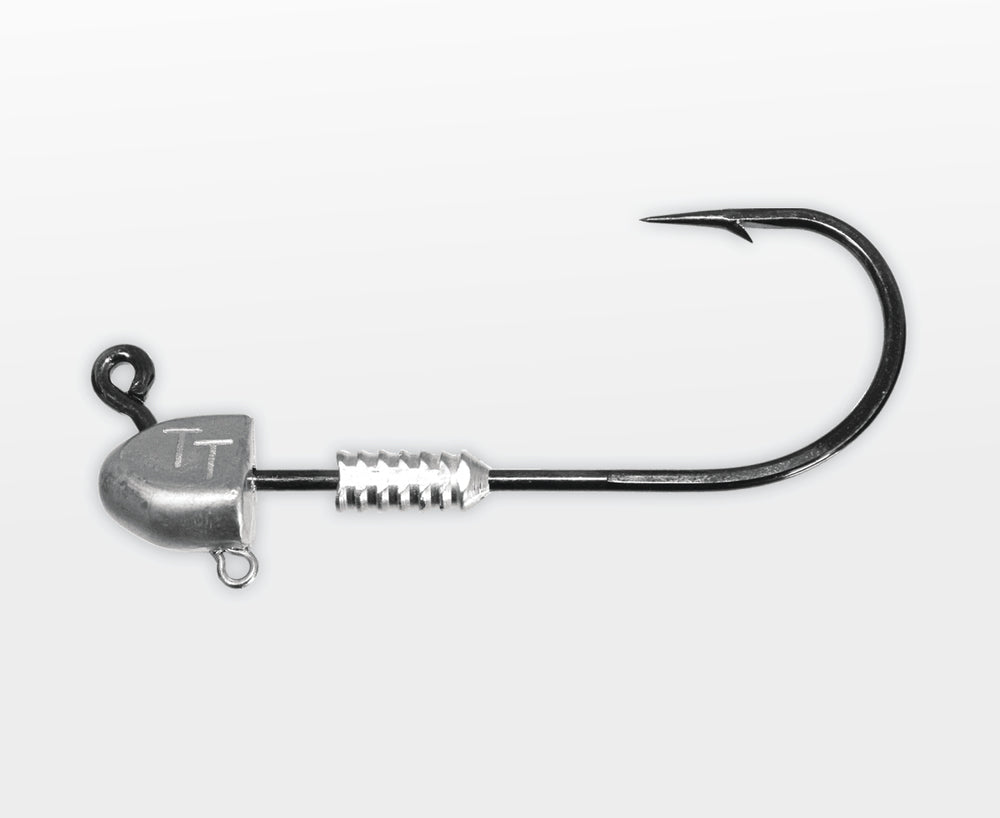
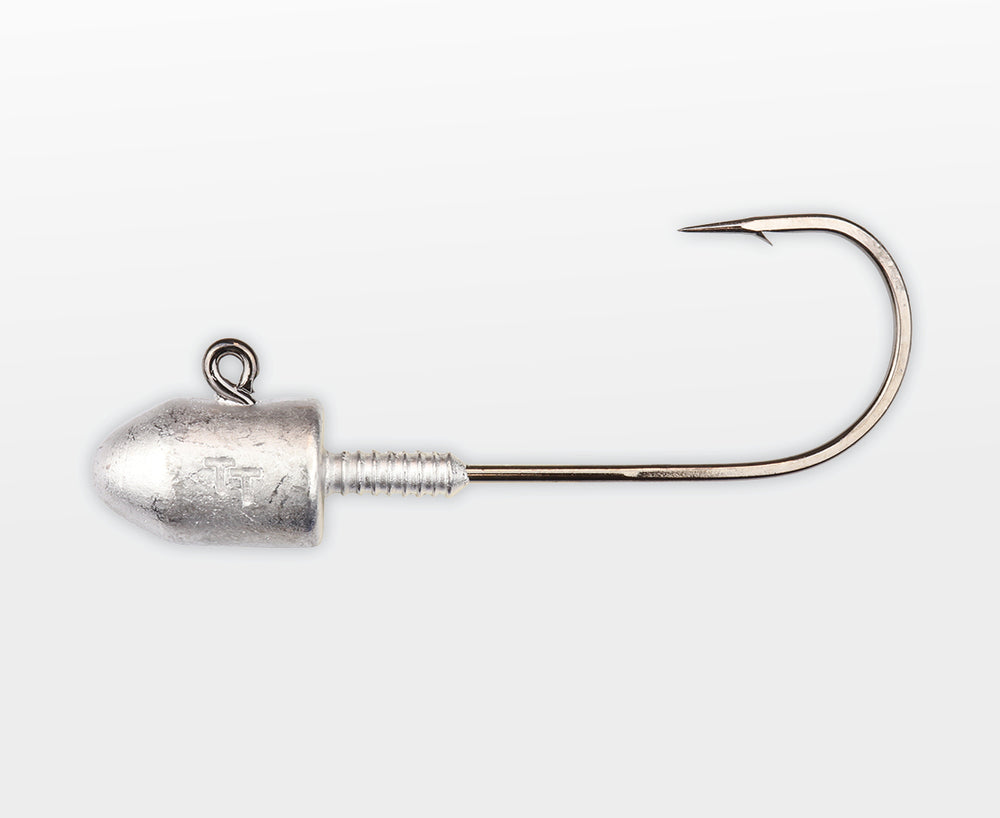
Tackle Tactics TT Tournament Series Jig Head HWS Hidden Weight System Internal
from
$8.79
$12.95



Sold Out
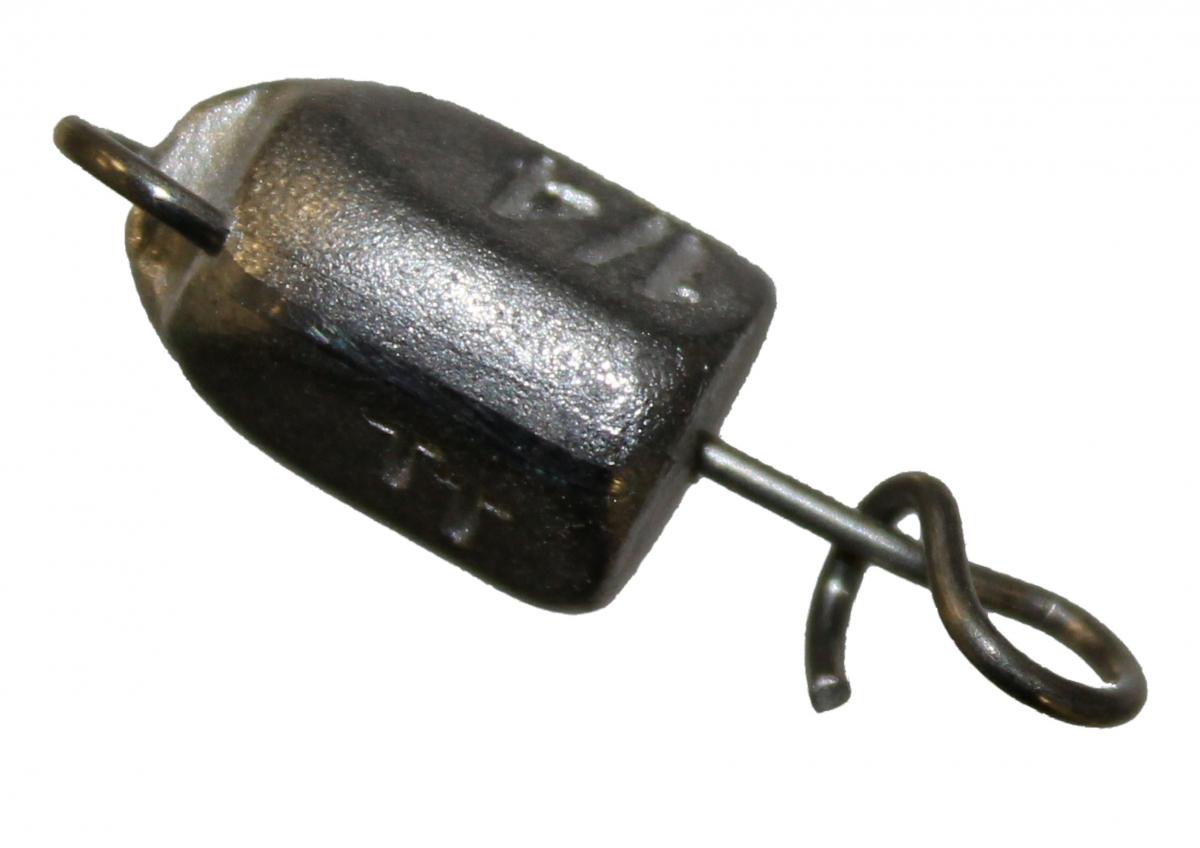
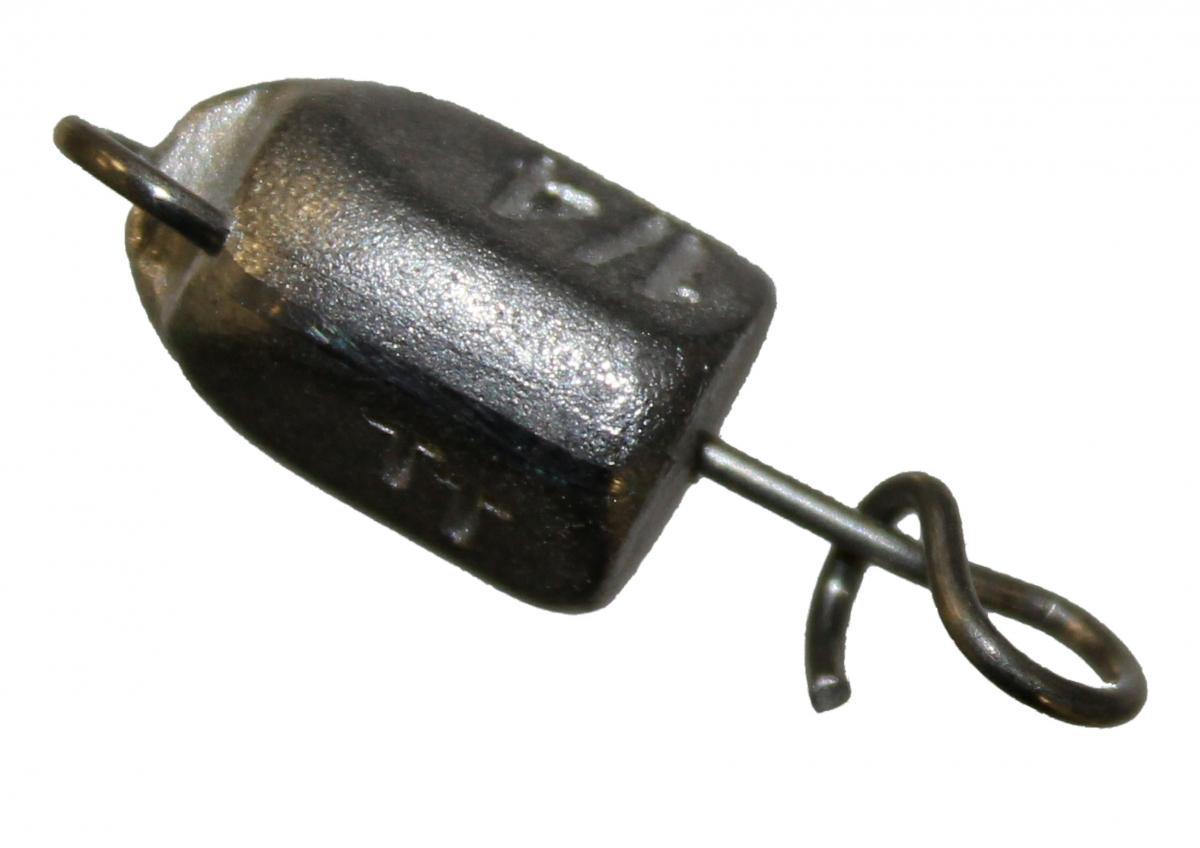
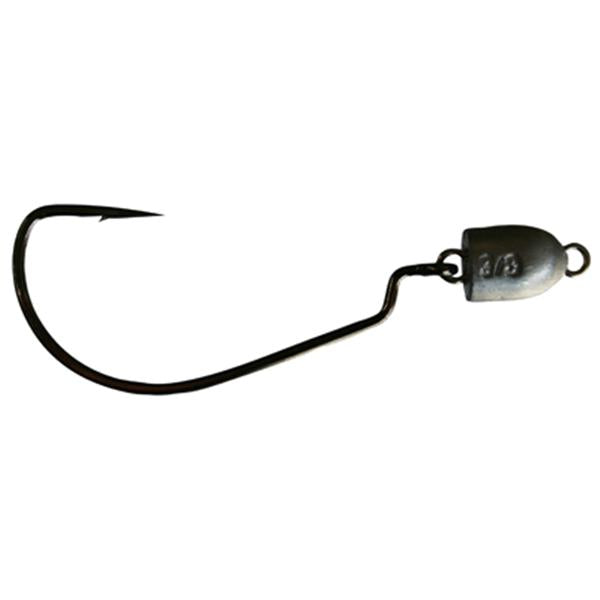
Tackle Tactics TT Nedlockz EWG Weedless Extra Wide Gap Ned Rig Jighead
$9.95
$12.95
Sold Out

Sold Out
Tackle Tactics TT Snake Head Lock Weedless Weighted Jighead Mega Clearance
$2.99
$12.95
Sold Out










Sale
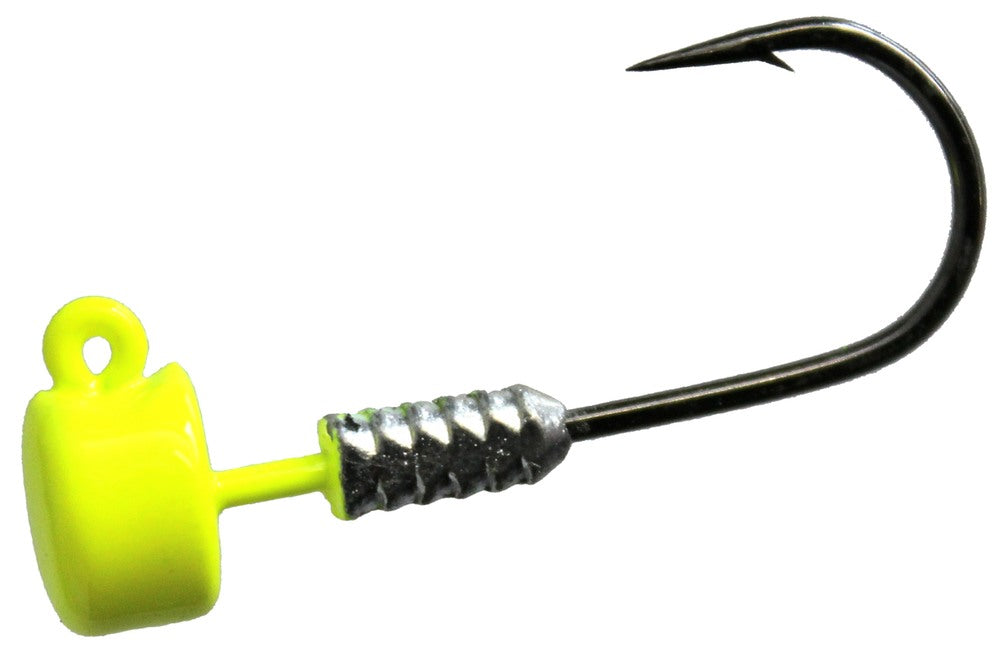
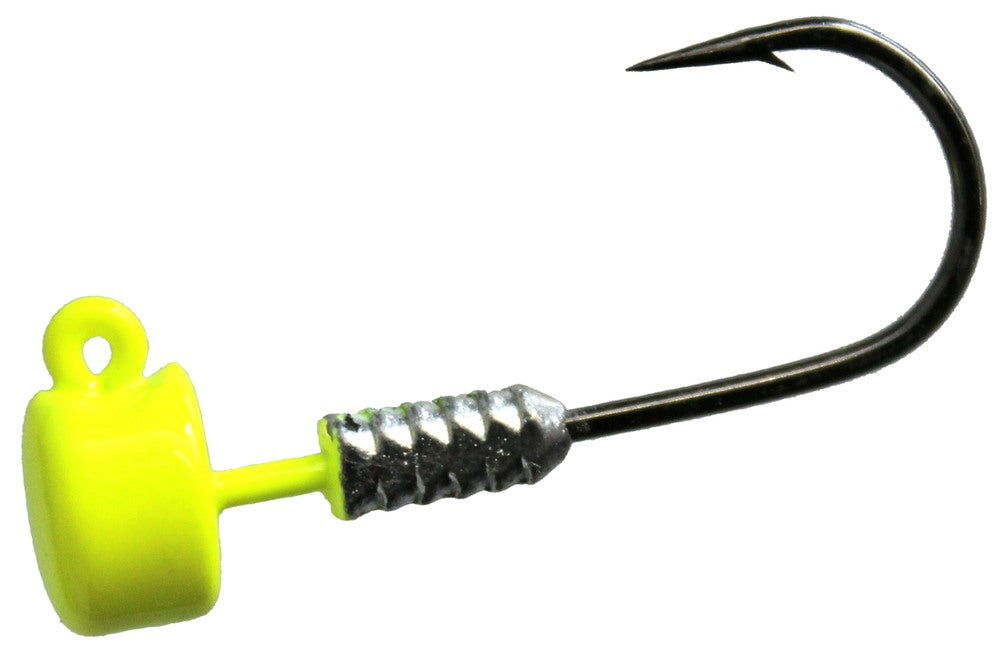
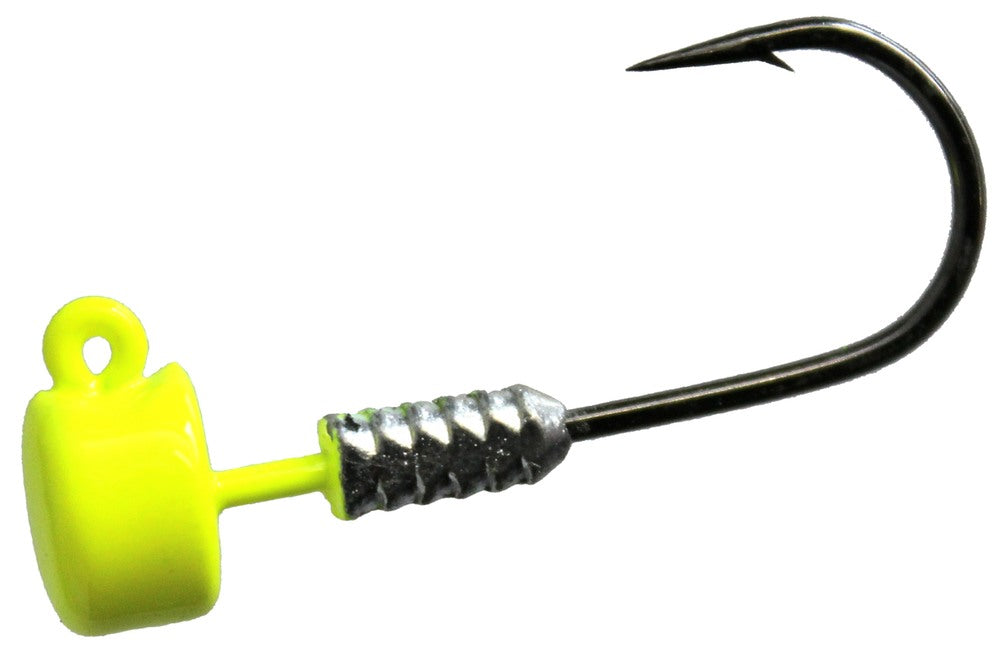
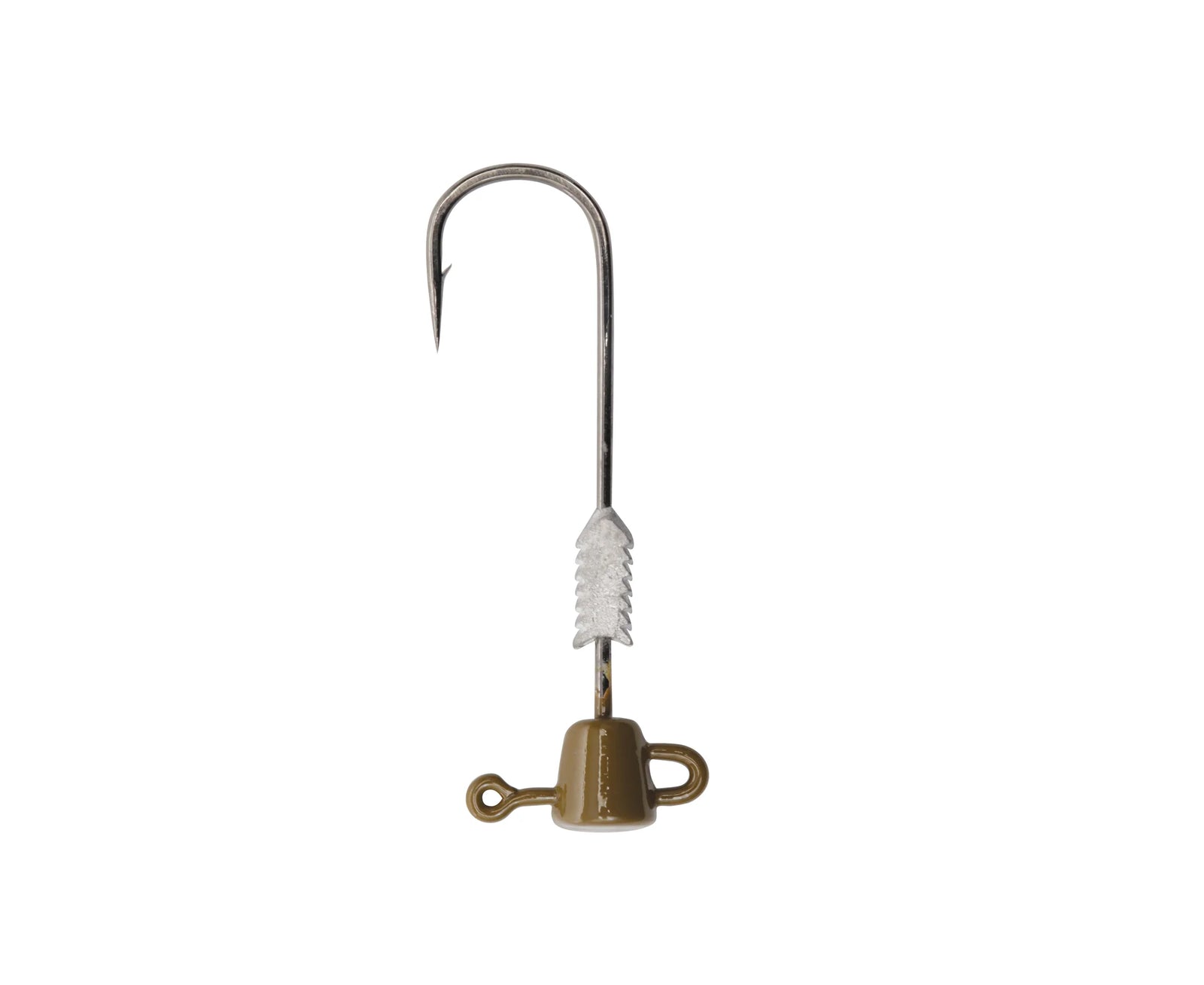
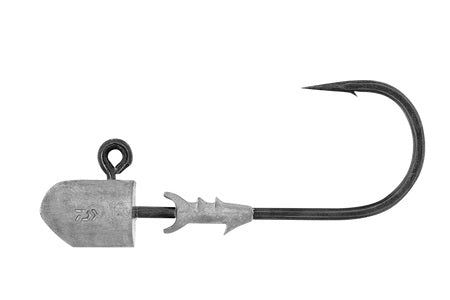
Tackle Tactics TT ChinlockZ Finesse Snagless Weedless Unweighted SWS Jig Head Worm Hook
$9.95
$12.95










Sold Out
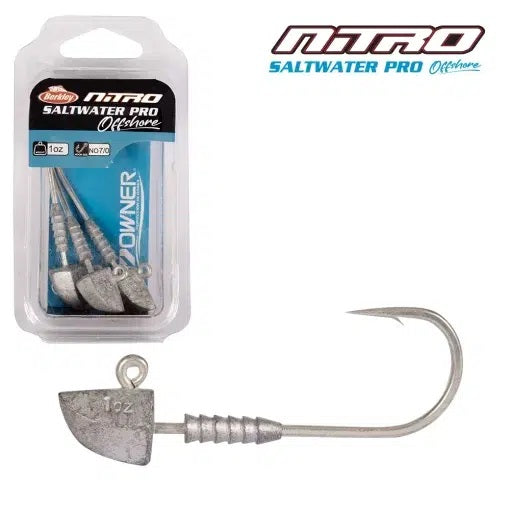
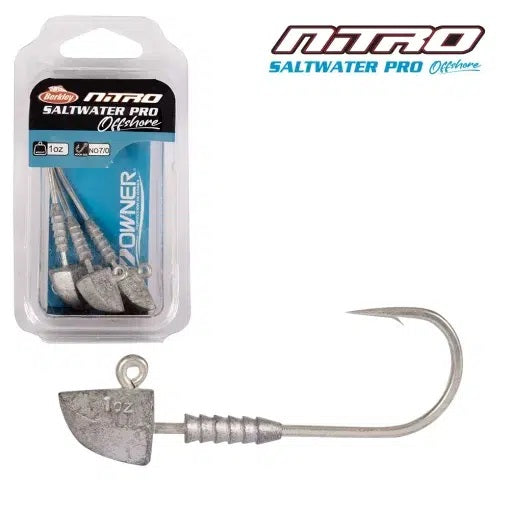
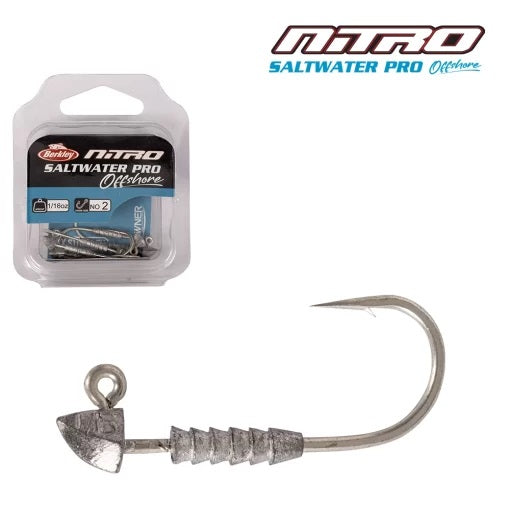
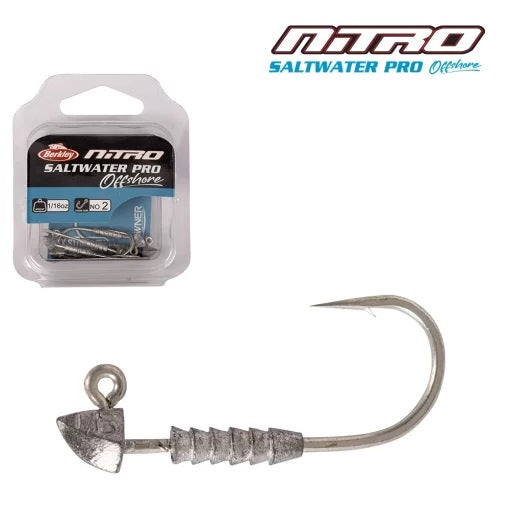
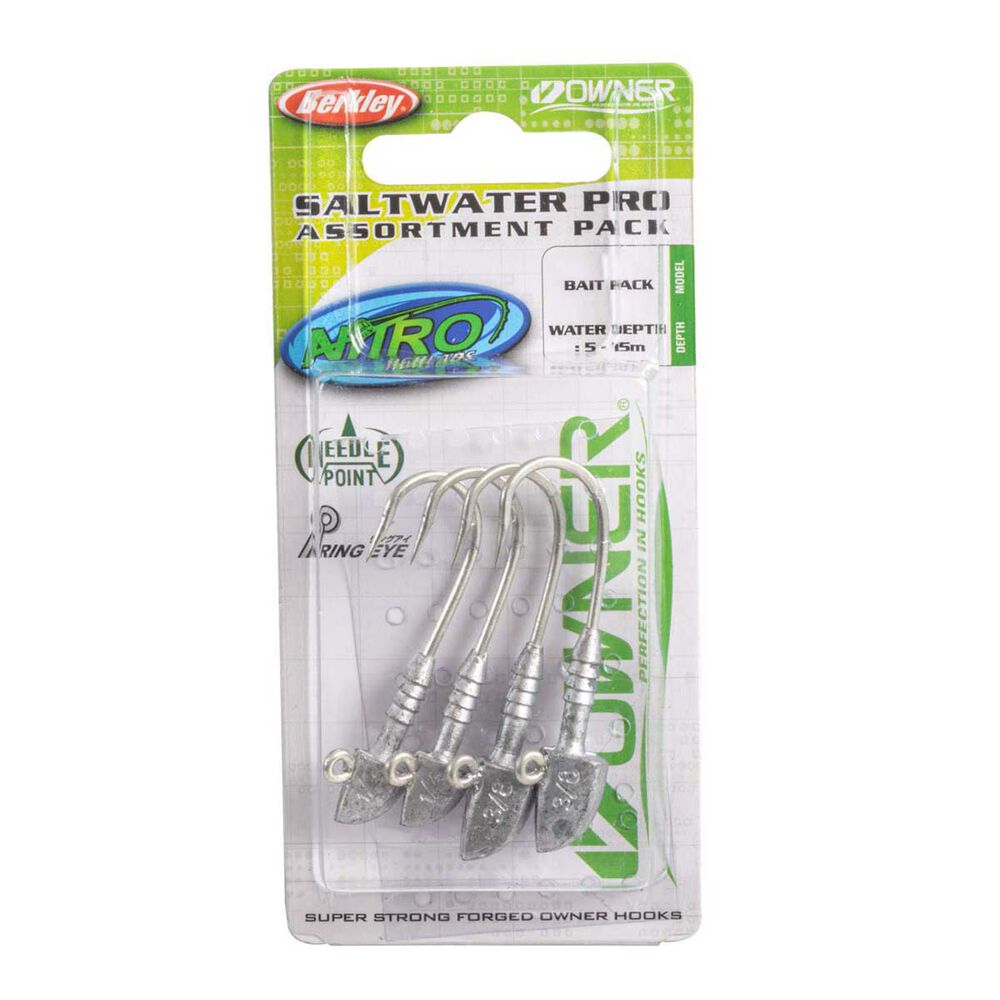
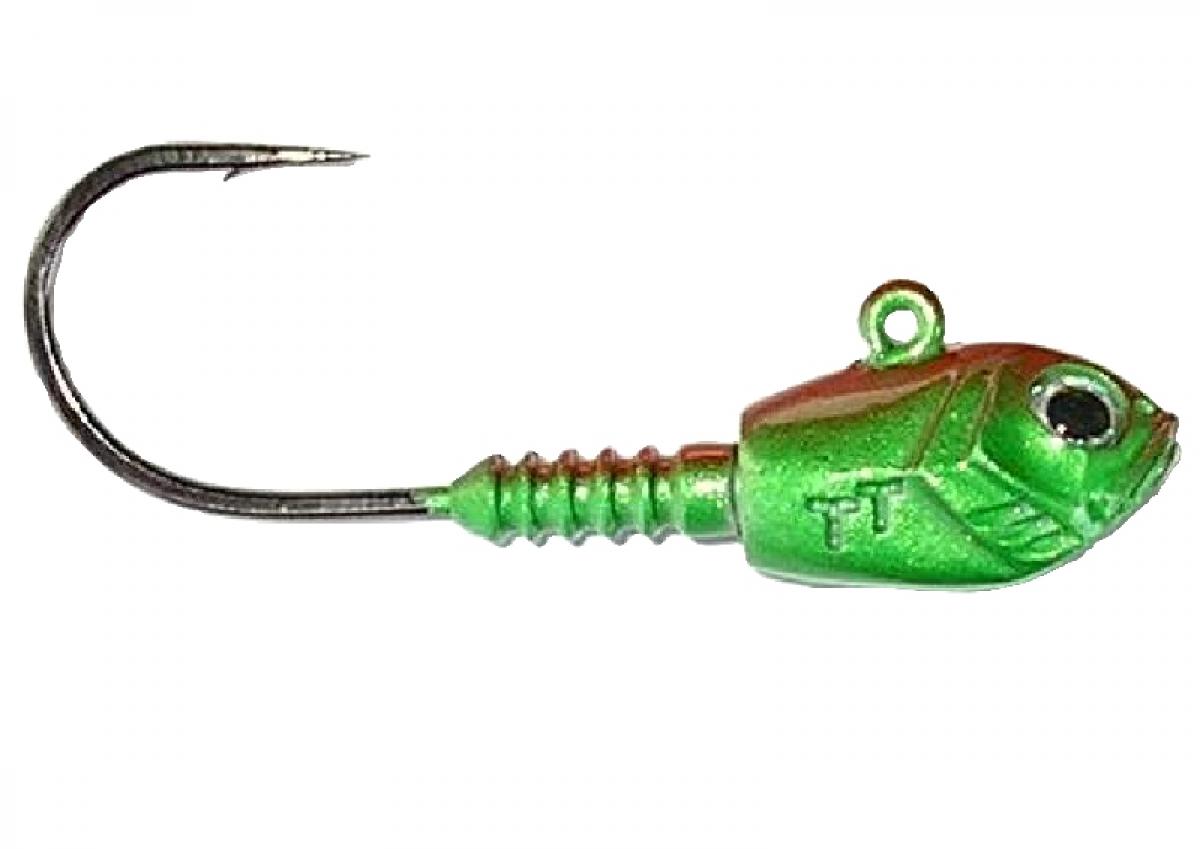
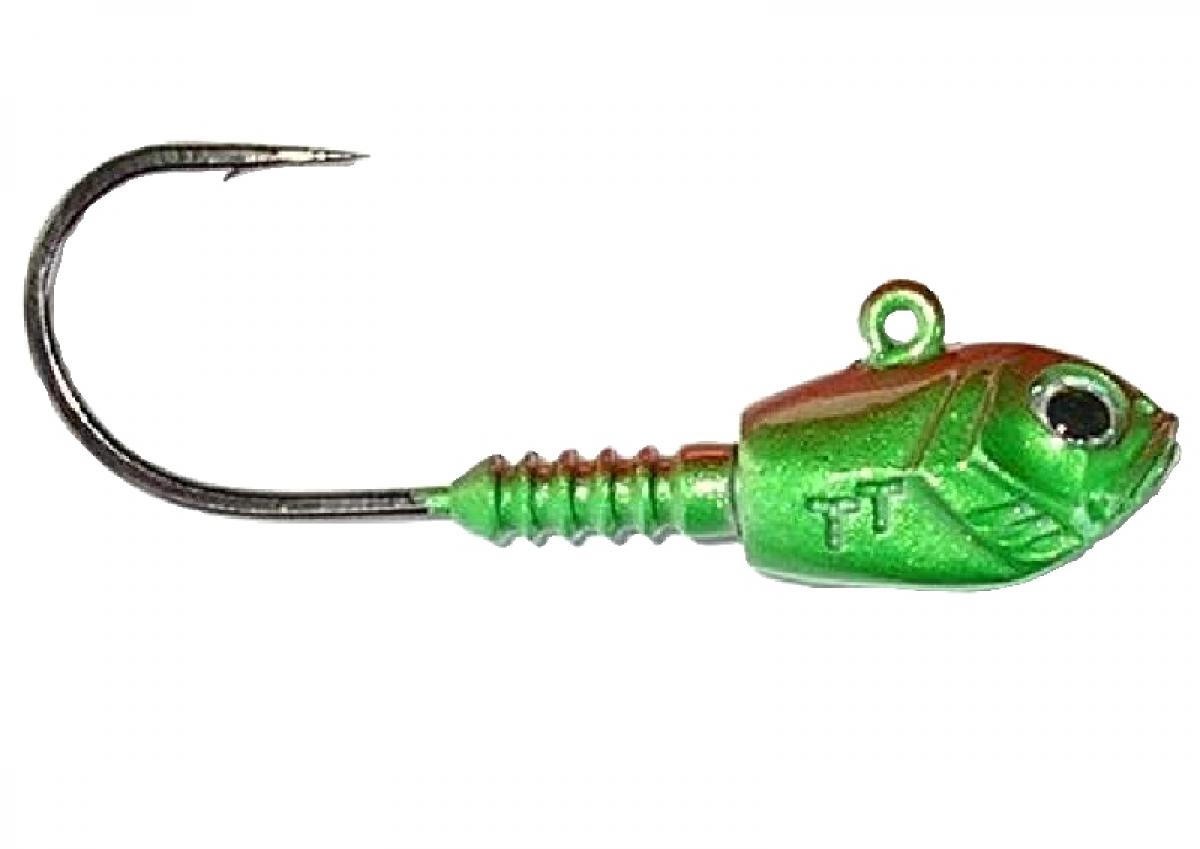
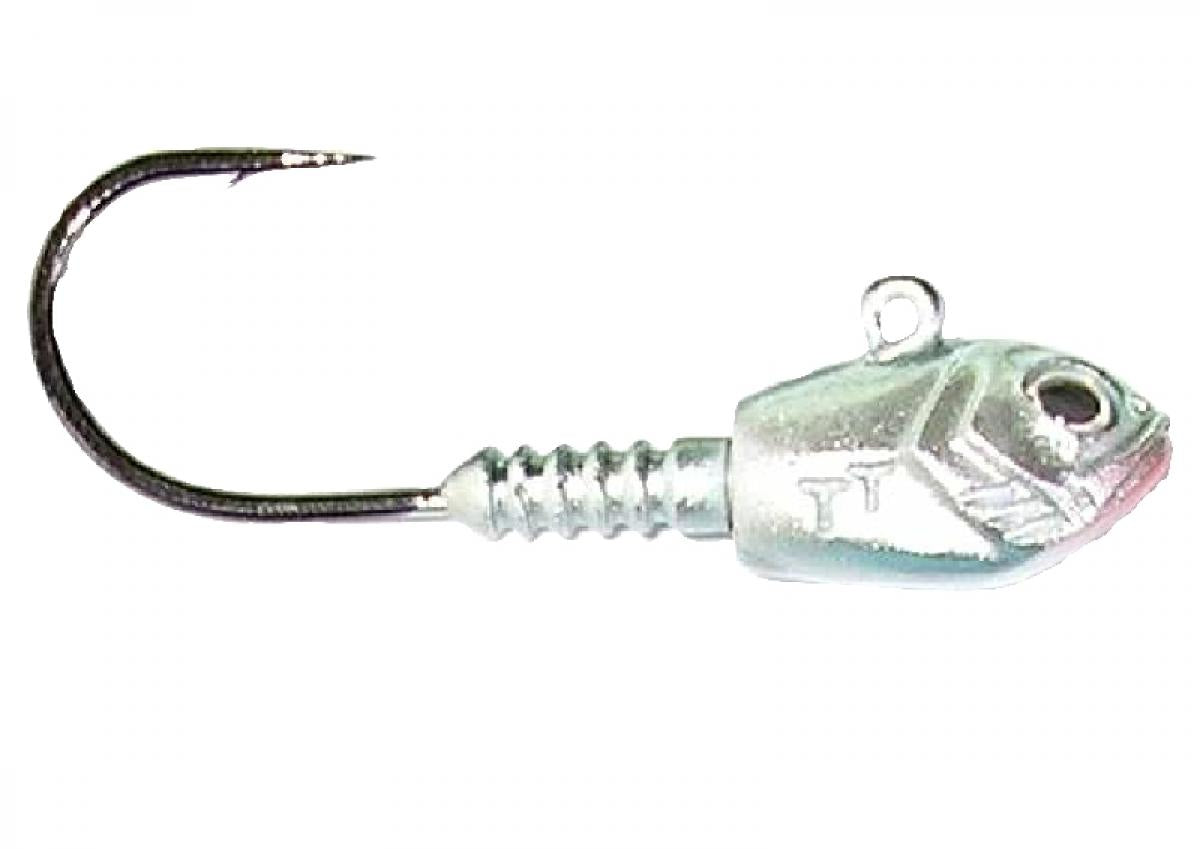
Berkley Nitro Saltwater Pro Owner Hook Jighead Assortment Value Pack
from
$5.40
$16.95
Sold Out


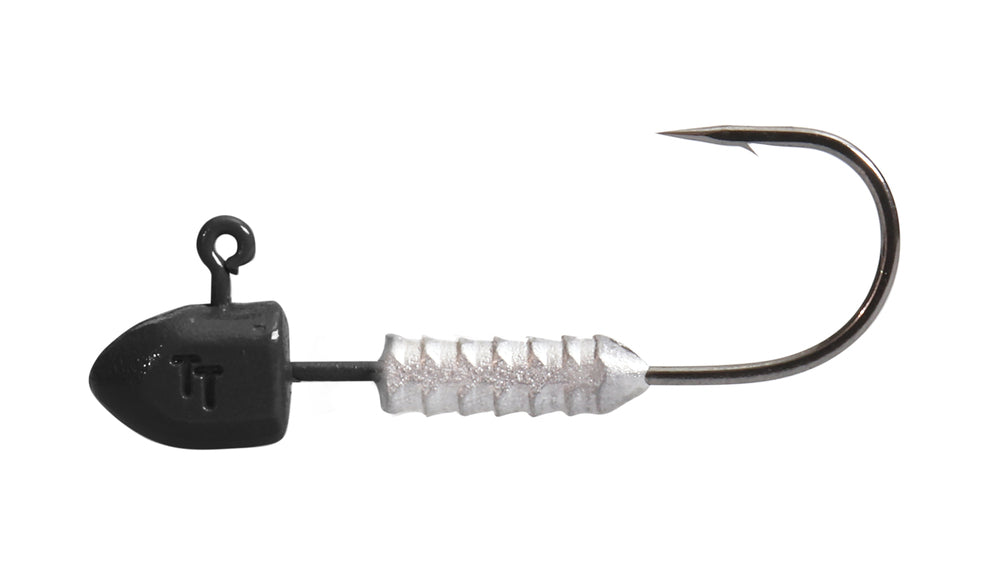
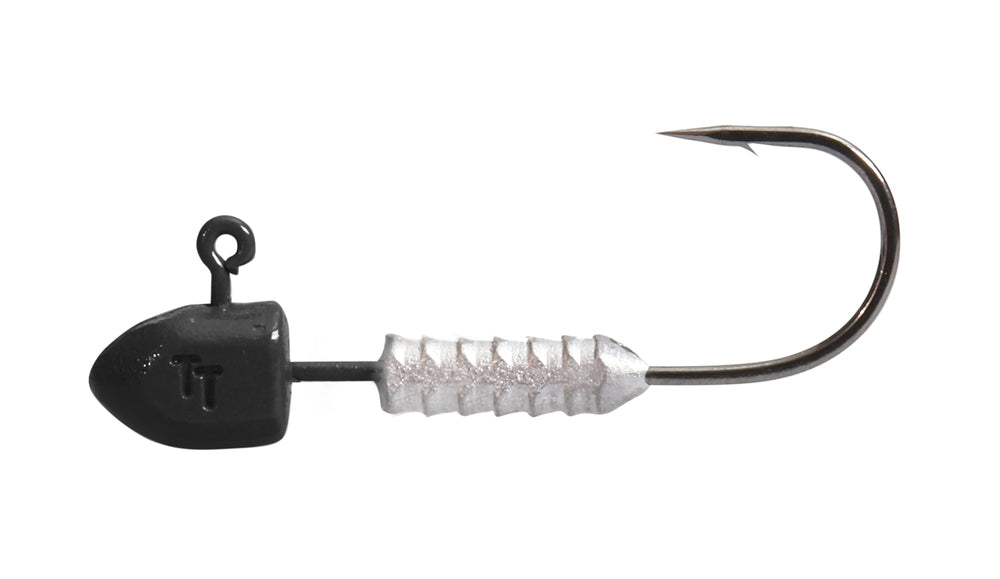
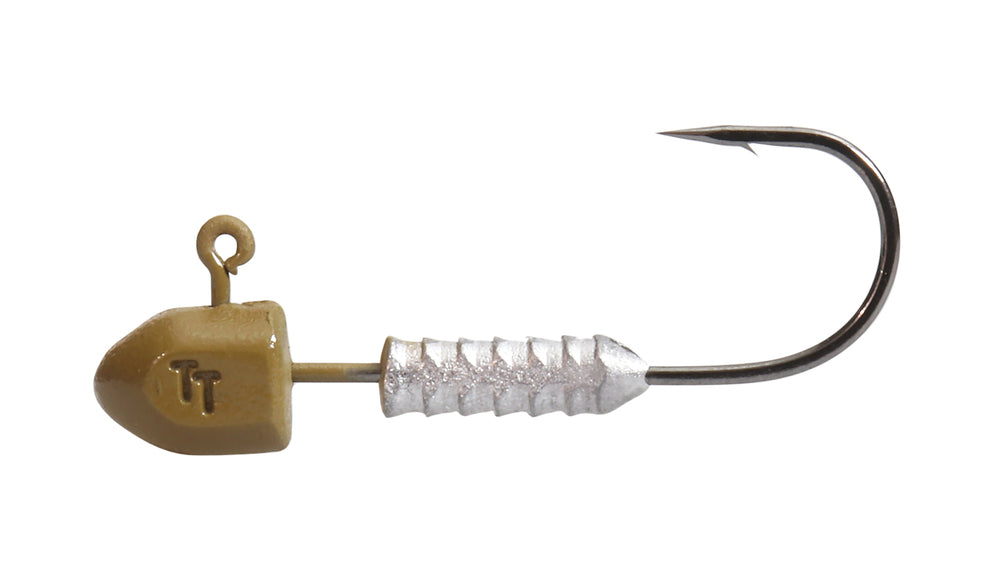


Sold Out
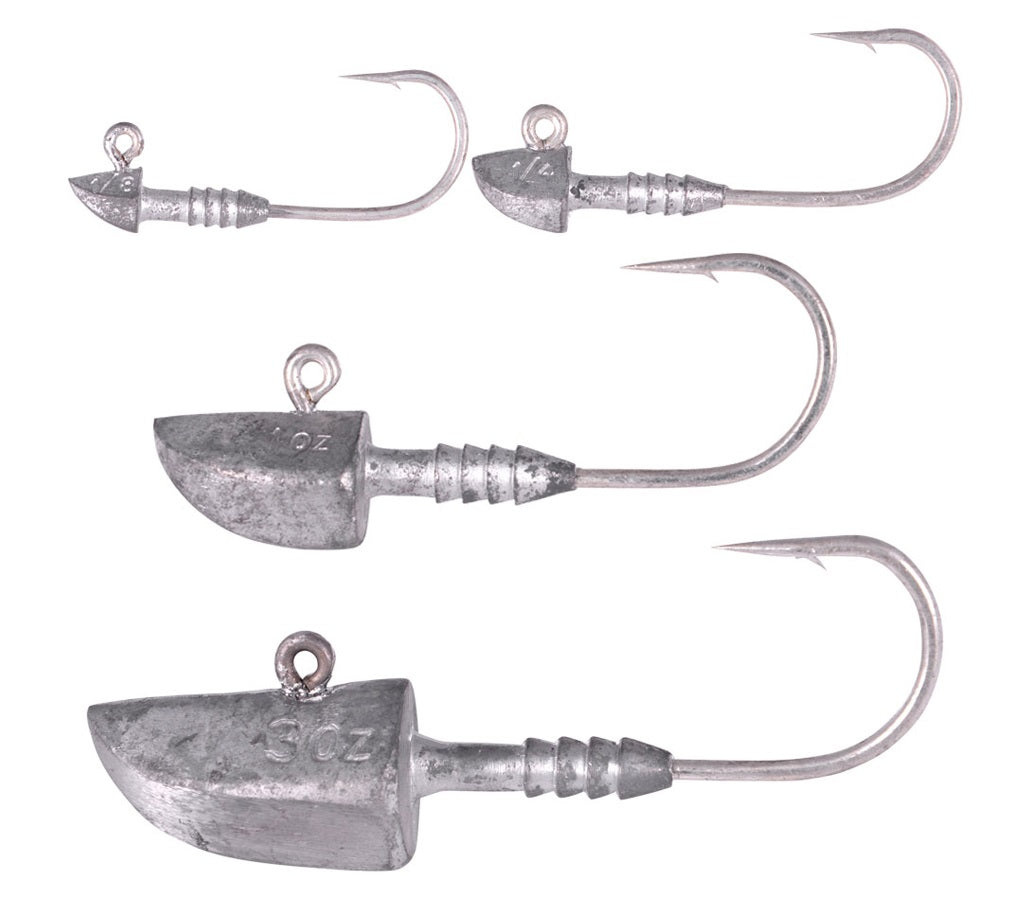
Tackle Tactics TT Depth Charge Painted Jig Heads 1/4oz 2/0XH - Mega Clearance
$6.99
$14.00
Sold Out











Sold Out
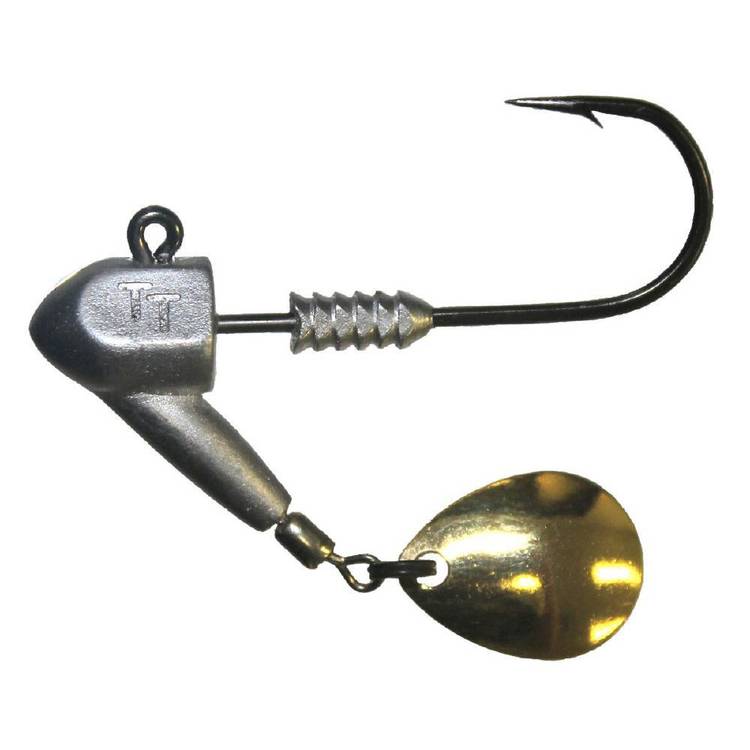
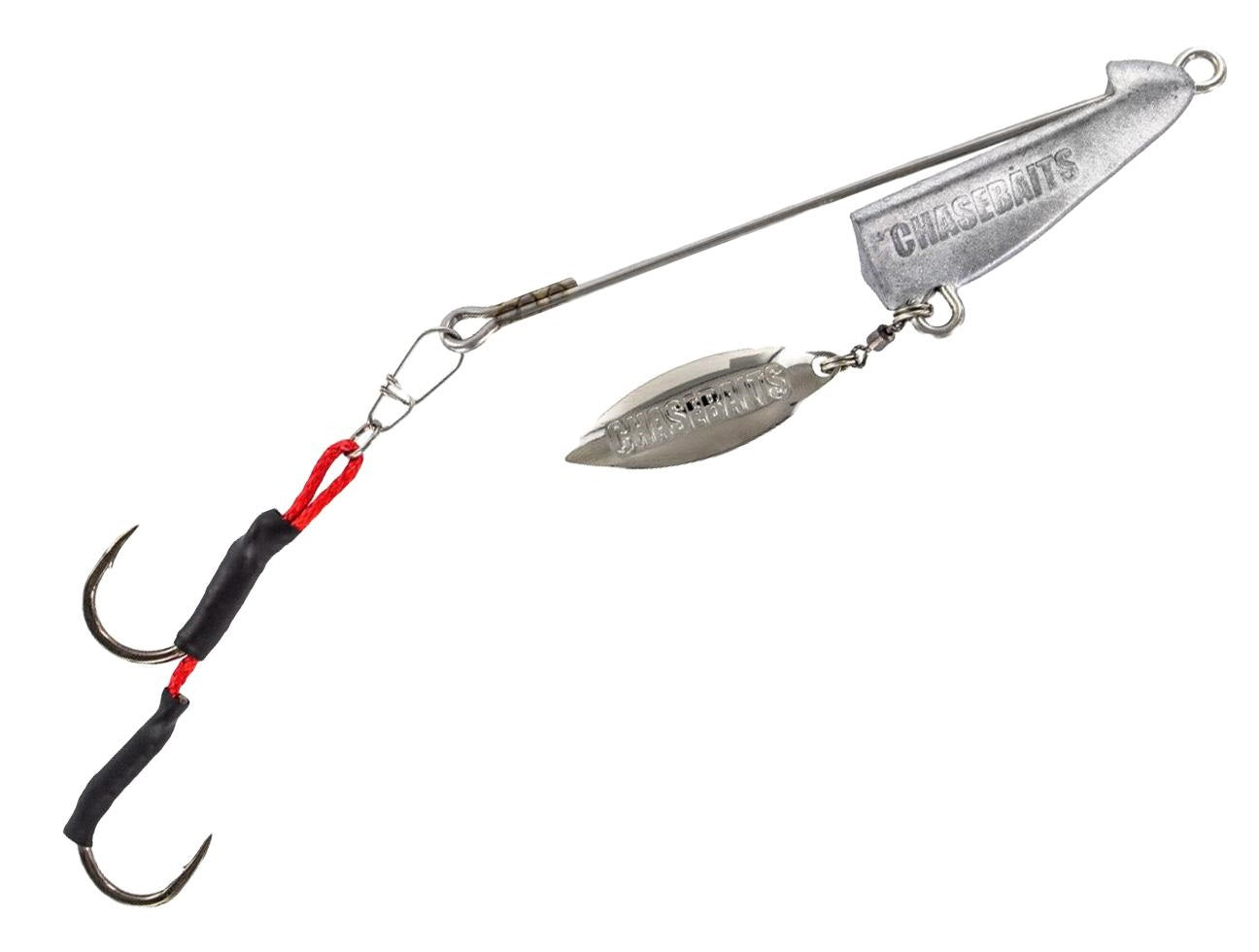
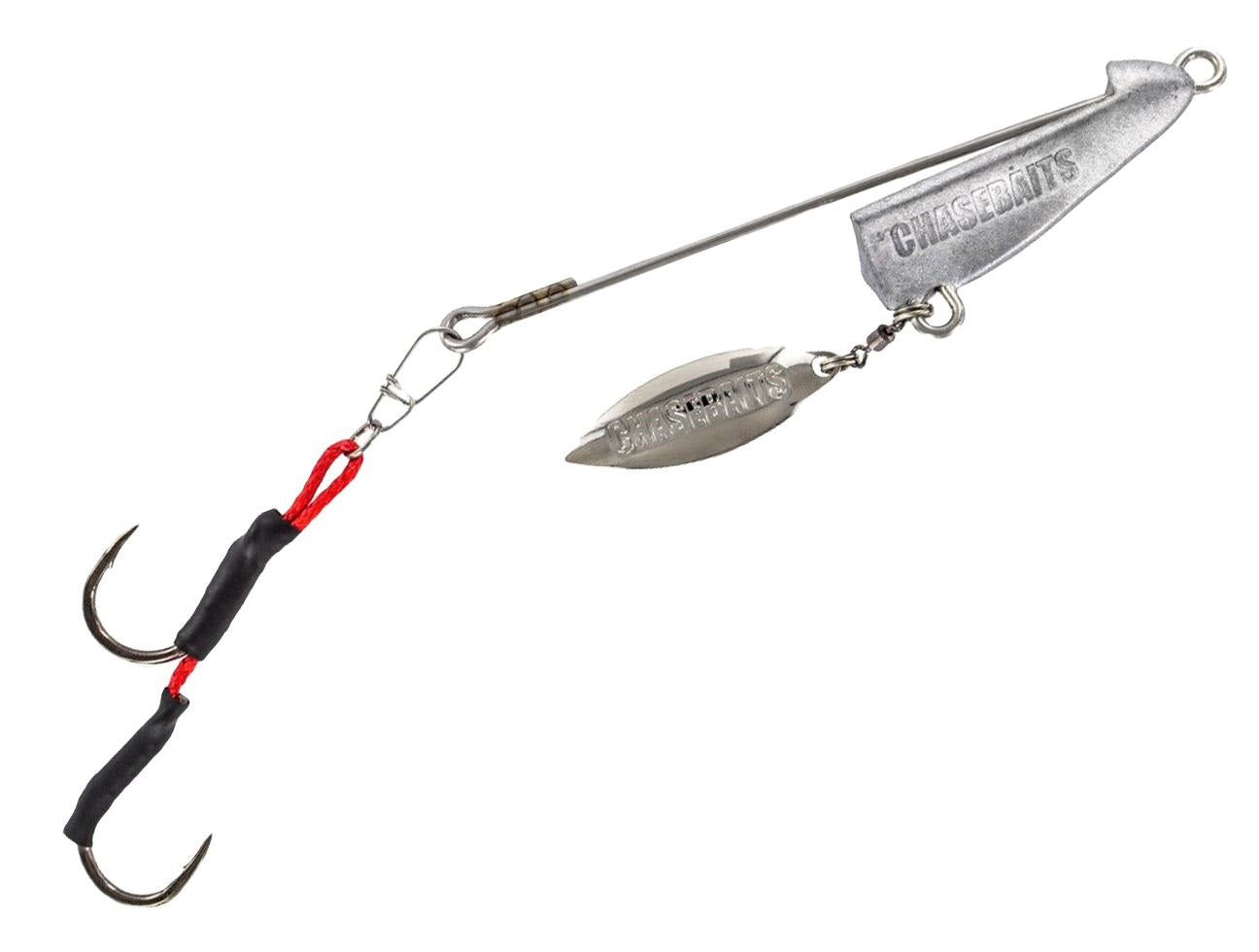
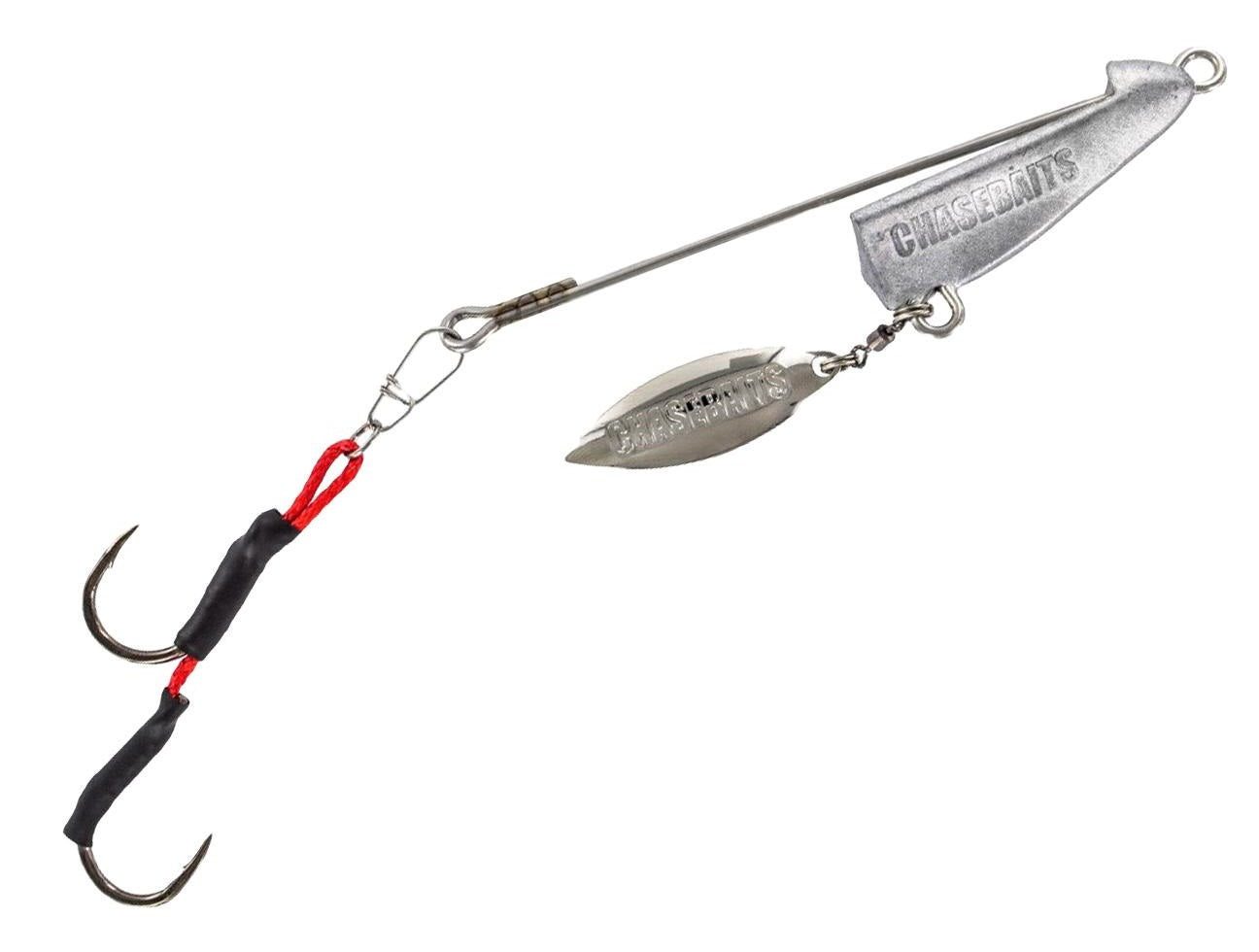
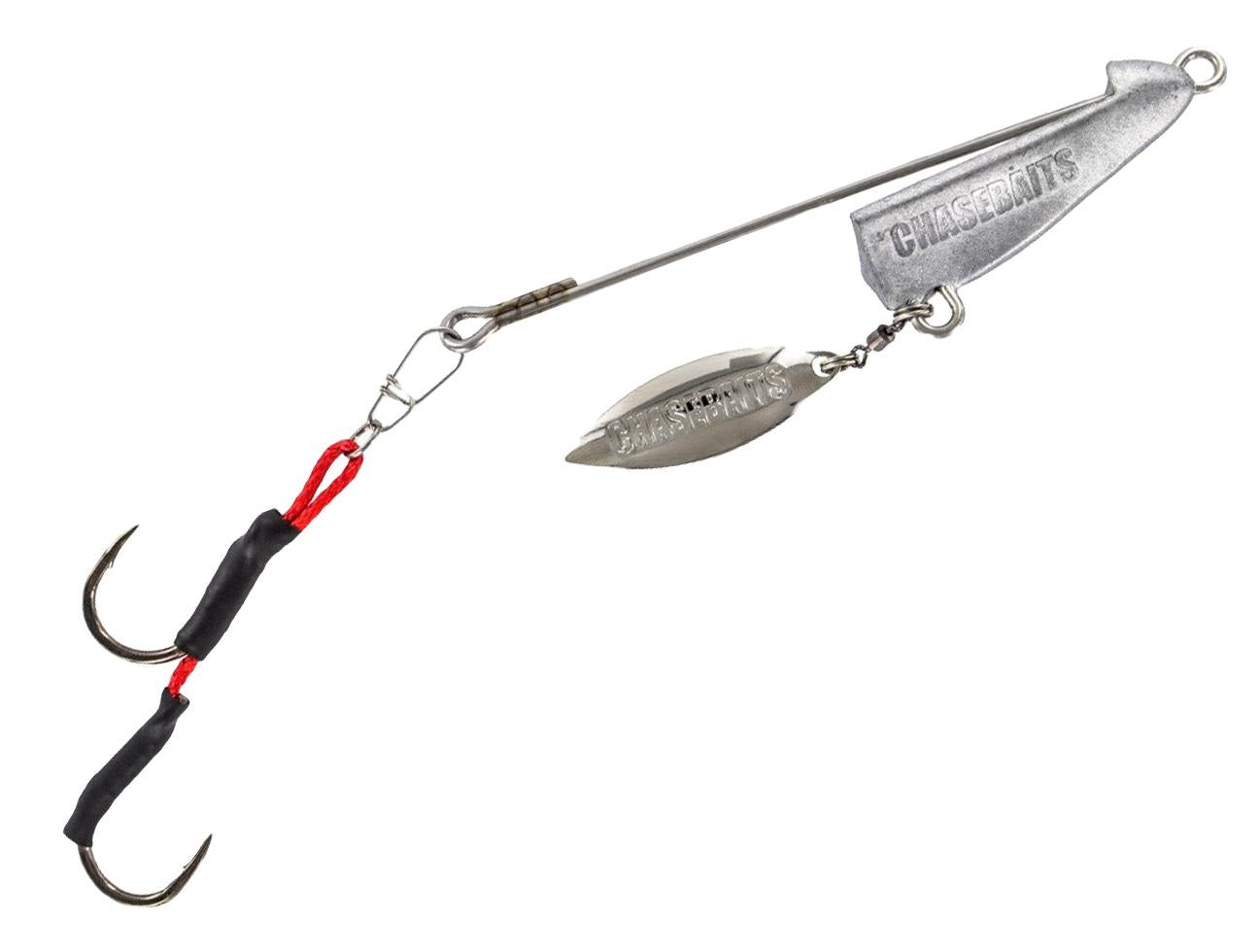
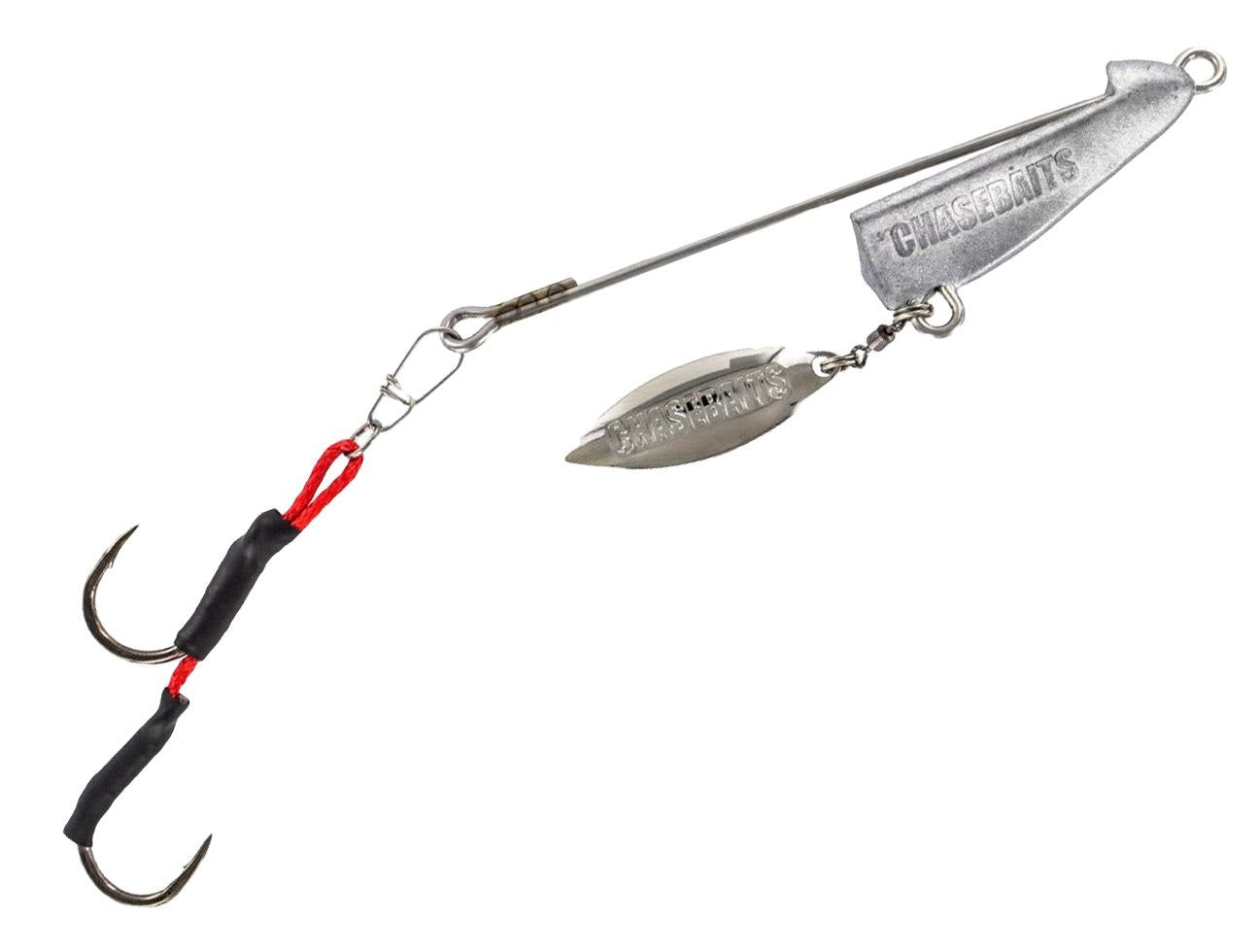
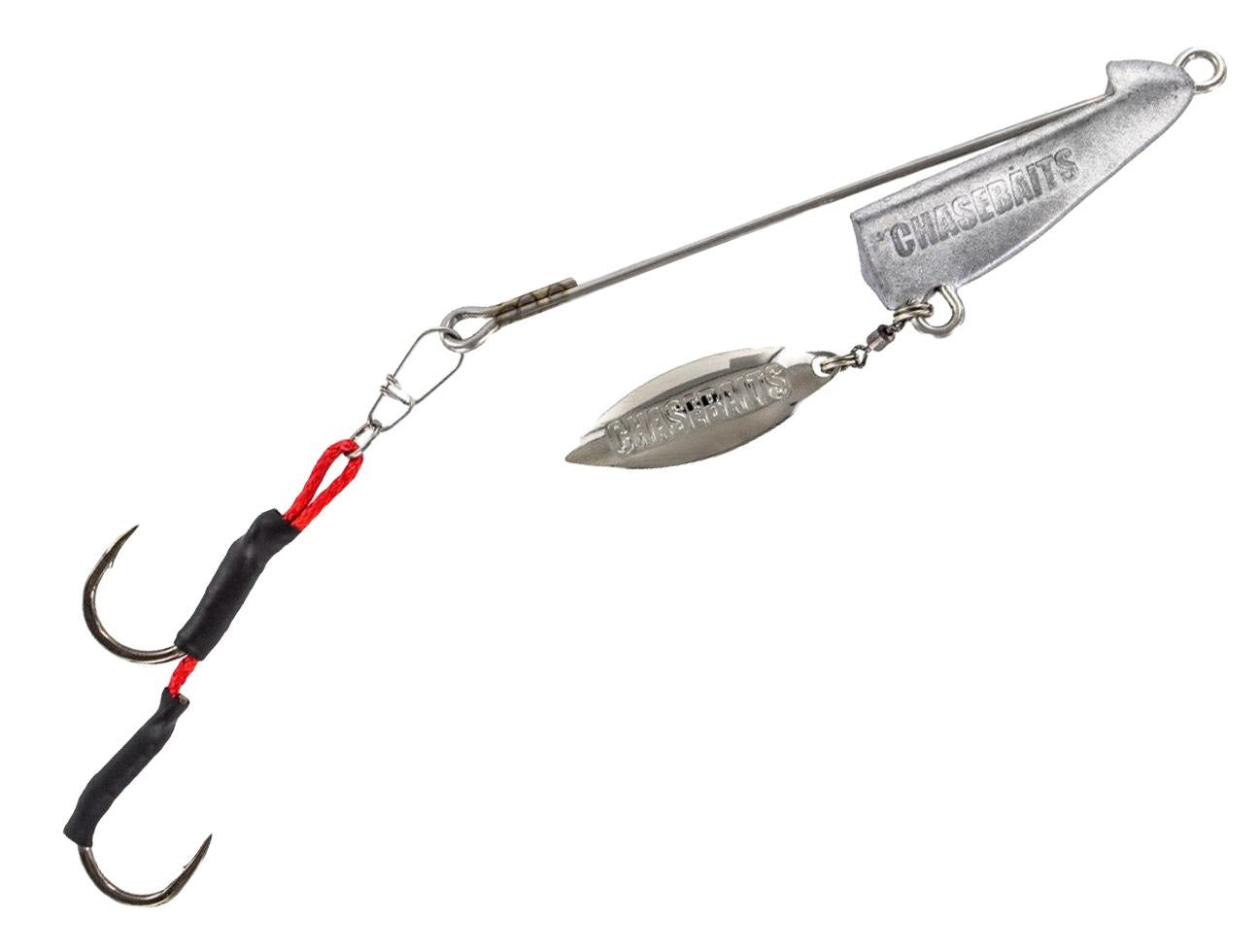
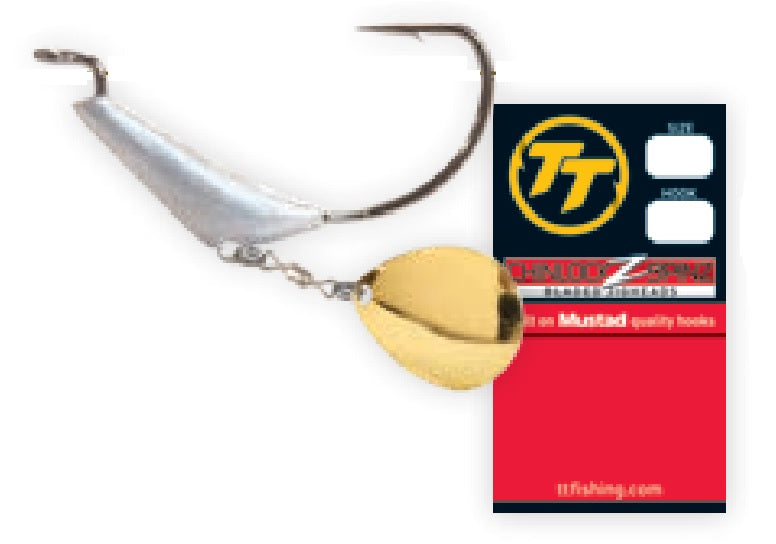
Tackle Tactics TT Chinlockz Spinz Bladed Weedless Weight Jighead Hook
$9.95
$12.95
Sold Out



Sold Out
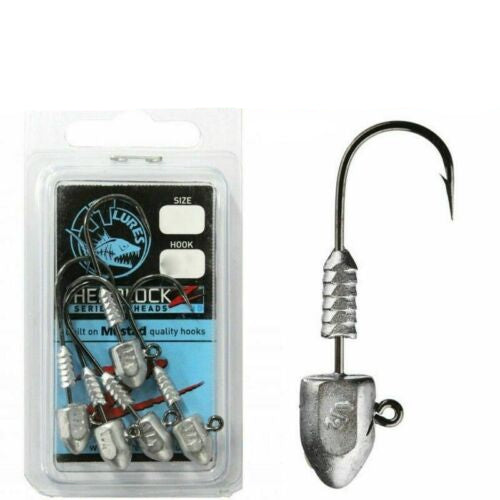
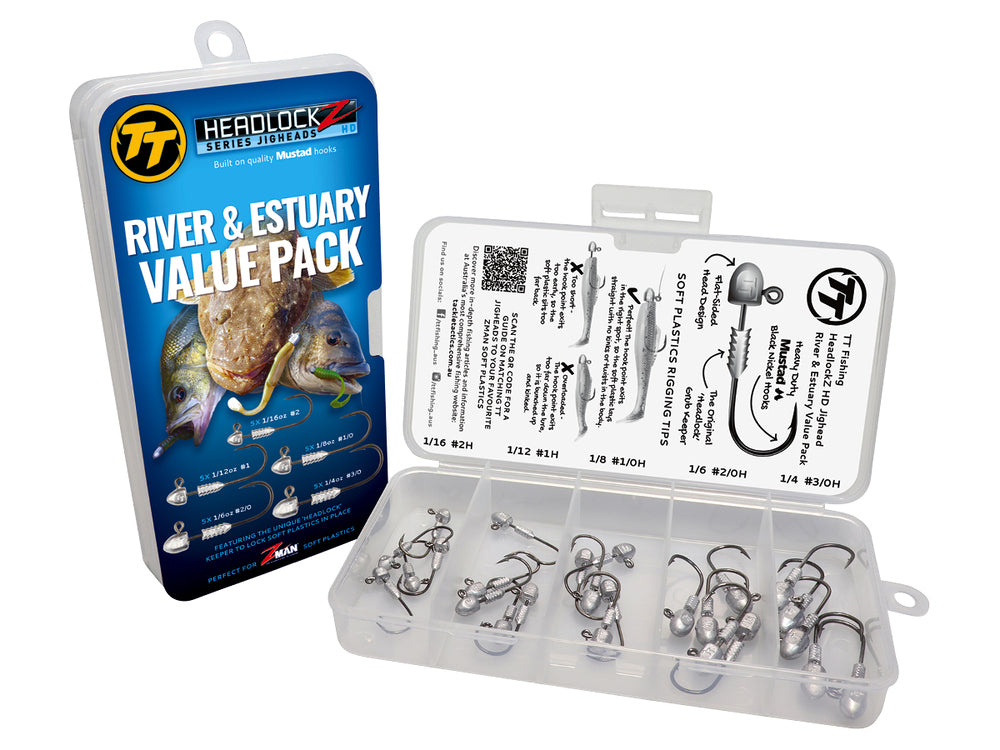
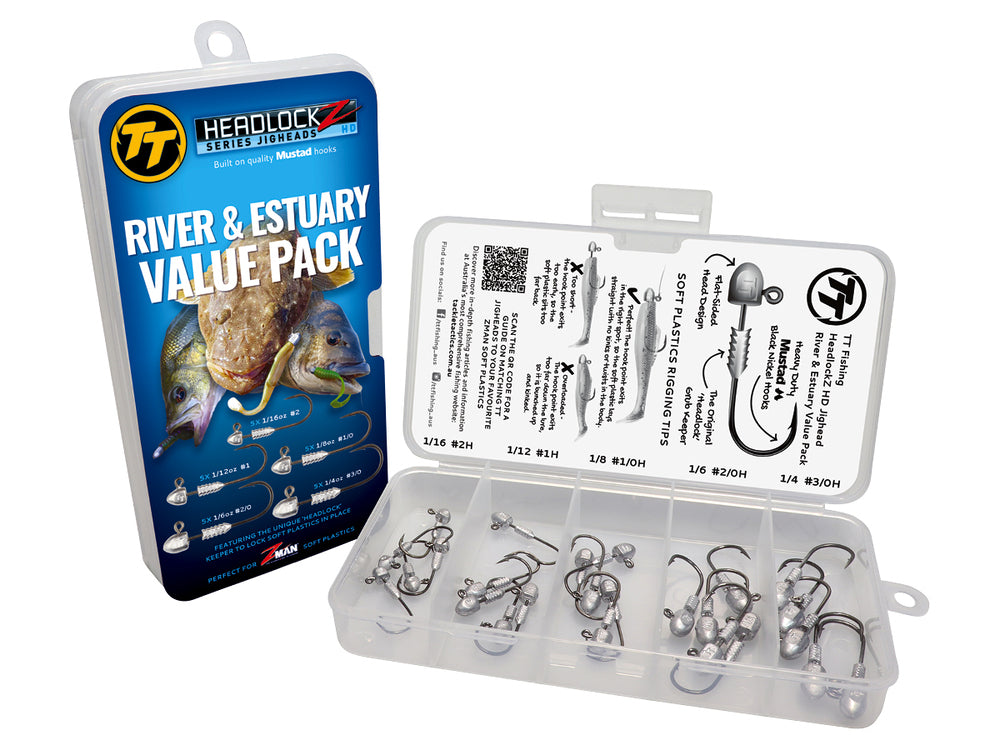
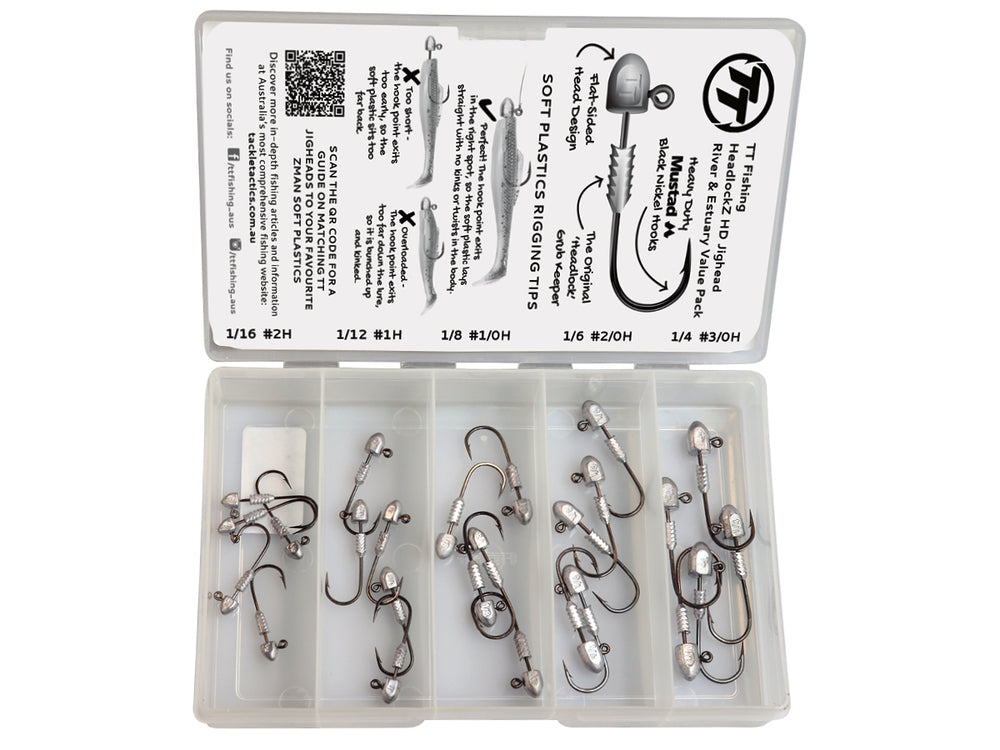
Tackle Tactics TT Headlockz River Estuary Bulk Value Jighead Pack 2087
$32.95
$35.95
Sold Out

The jig head is the engine behind a soft plastic. It sets how fast the lure sinks, how it sits in the water, and whether the hook is in the right place when a fish eats. Get it wrong and the best plastic in the box will not work.
Choosing weight and hook size
Weight controls sink rate. Lighter heads let a plastic glide slowly and naturally in shallow estuary water. Deeper water, current and wind all push you heavier, and offshore jigging needs more again. The rule that matters is to use the lightest head that still reaches the strike zone.
Hook size must match the plastic, not the fish. An oversized hook kills a small plastic's action; an undersized hook in a big plastic gets missed on the strike. Lay the hook alongside the body before you rig it and you will see the right size immediately.
Head shapes
Round heads are the all-rounder. Darter and bullet heads cut through current and cast better. Football heads stand a plastic up off the bottom, which is deadly on flathead. Weedless and worm-hook heads let you fish snags and weed beds without collecting them.
Buying jig heads in bulk is the sensible move for anyone fishing soft plastics regularly — they are consumable items around structure.
Frequently asked questions
What weight jig head should I use?
Use the lightest head that still reaches the strike zone and keeps contact with the lure. Shallow, still water needs very little; current and depth need more.
How do I rig a soft plastic on a jig head?
Lay the plastic against the hook to judge depth, insert the point at the nose, thread it around the bend and exit through the top so the body sits straight.
What is a weedless jig head?
A head where the hook point is shielded or tucked into the plastic, letting you fish weed, timber and snags without constantly fouling.