

FREE SHIPPING ON ORDERS OVER $150*

AUSSIE FAMILY OWNED BUSINESS FOR OVER 40 YEARS

100% SATISFACTION GUARANTEED
Dive Masks
Dive Masks
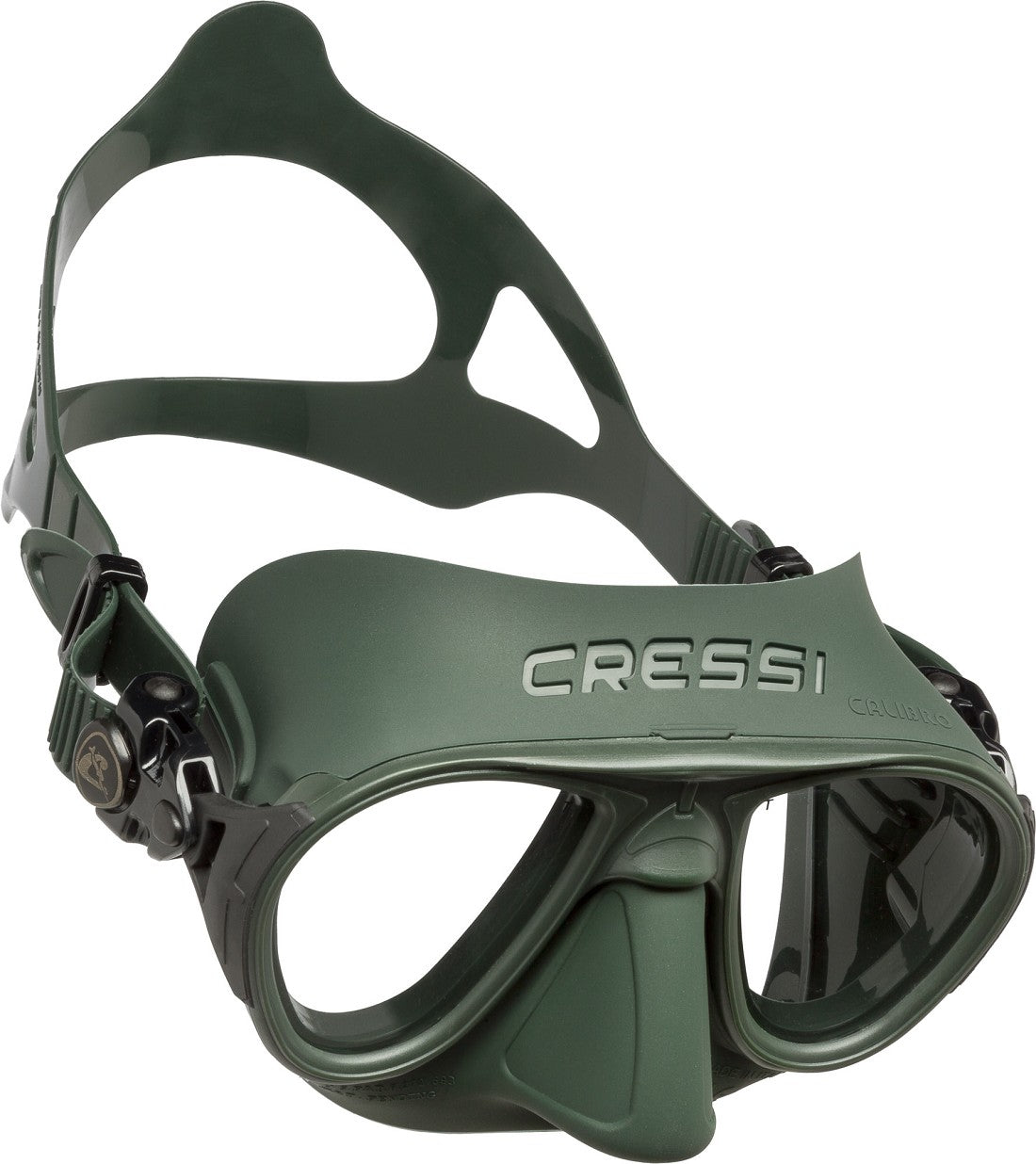
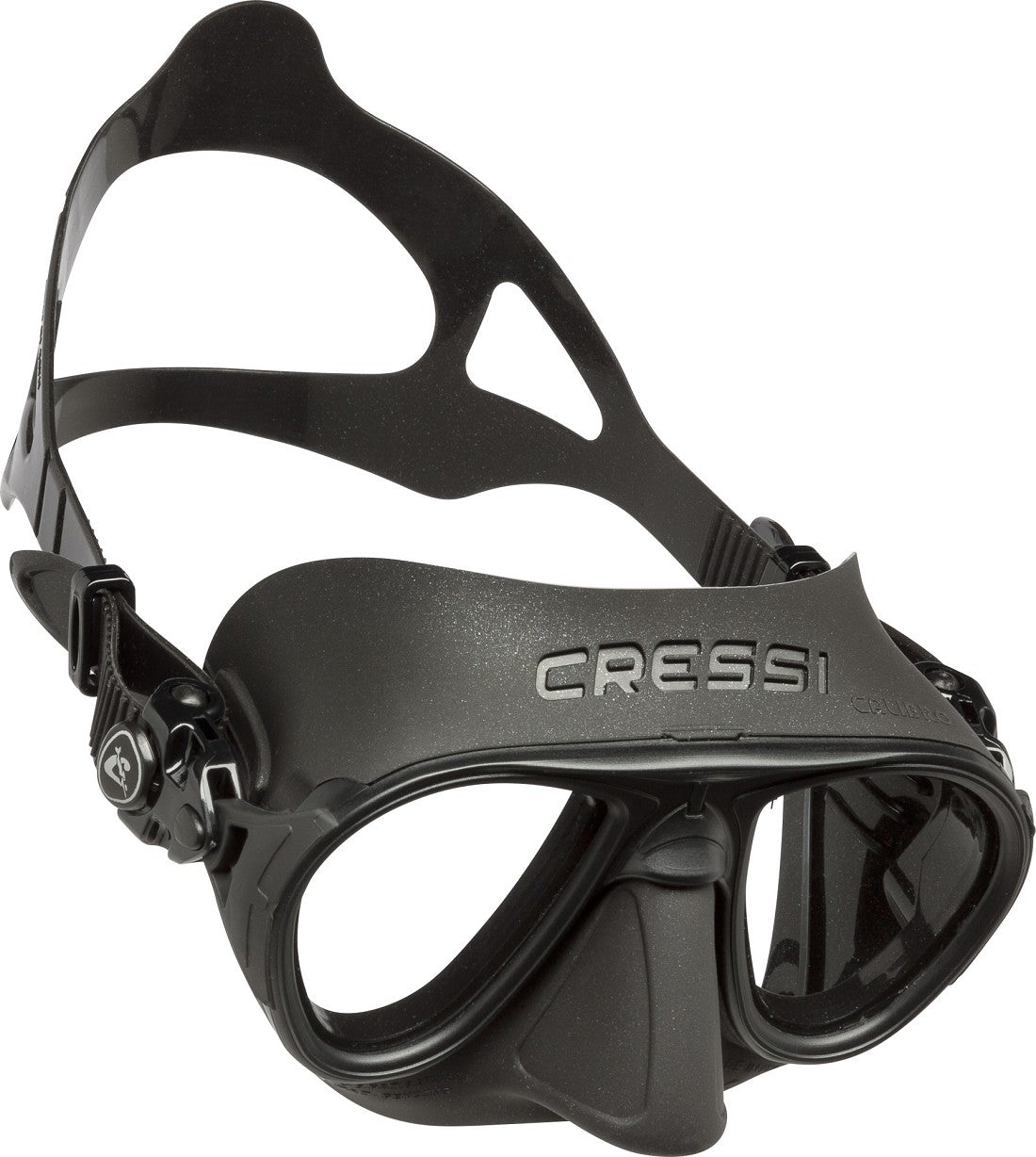
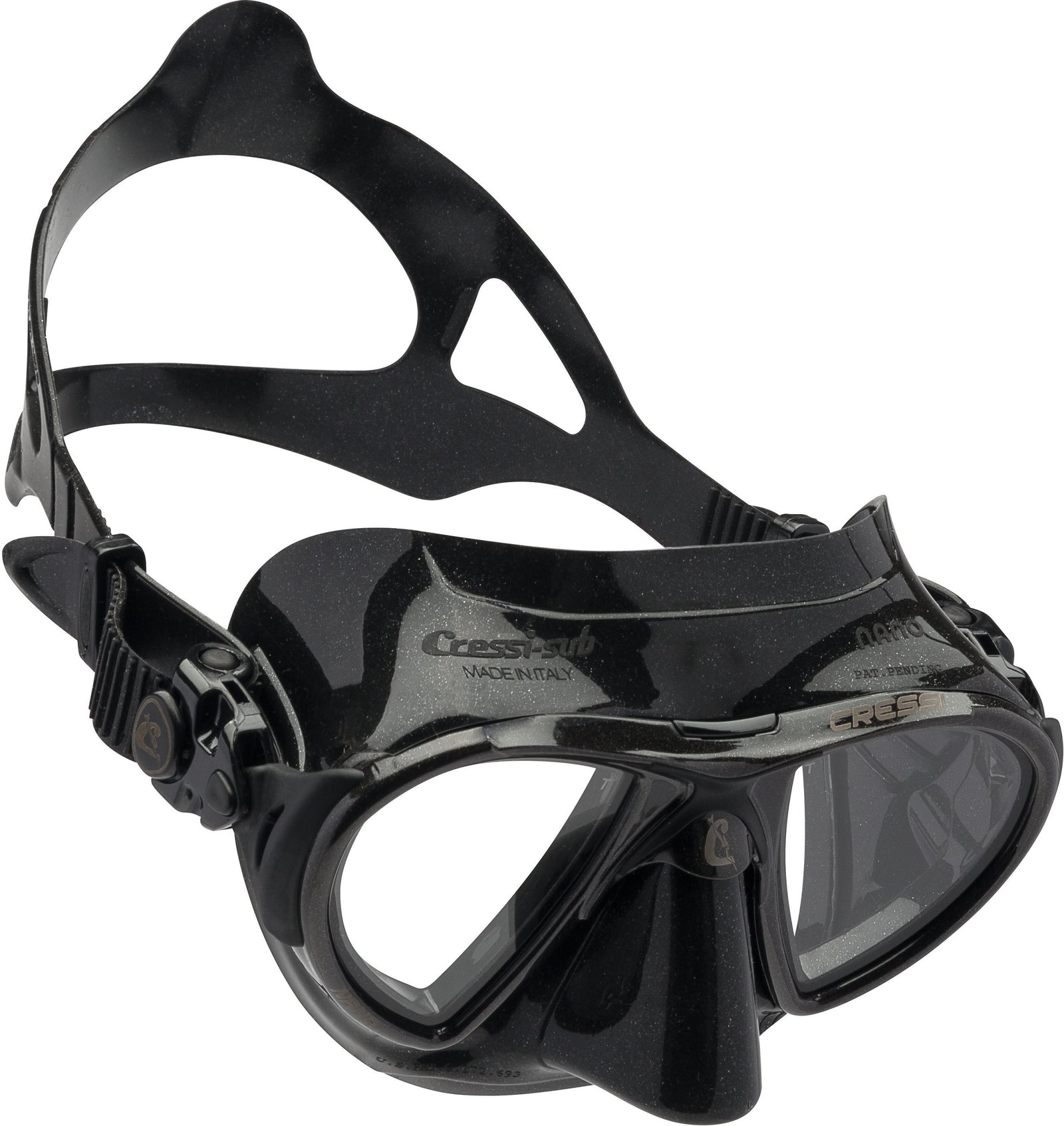
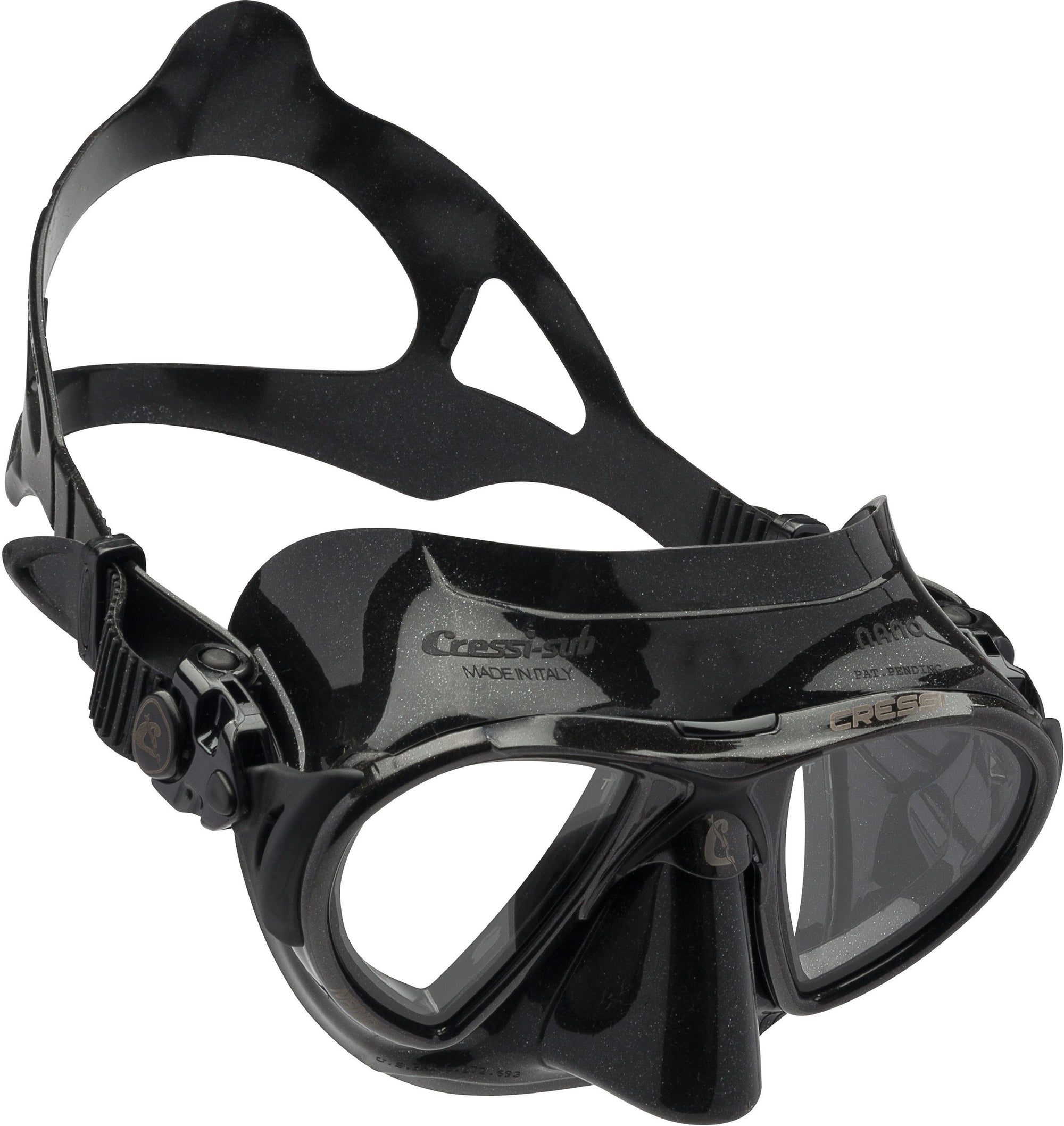
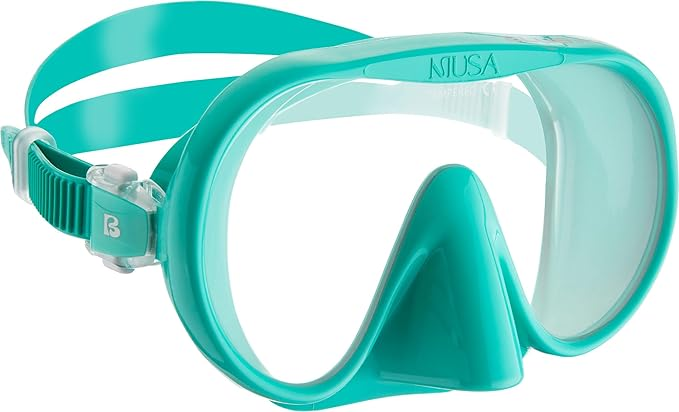
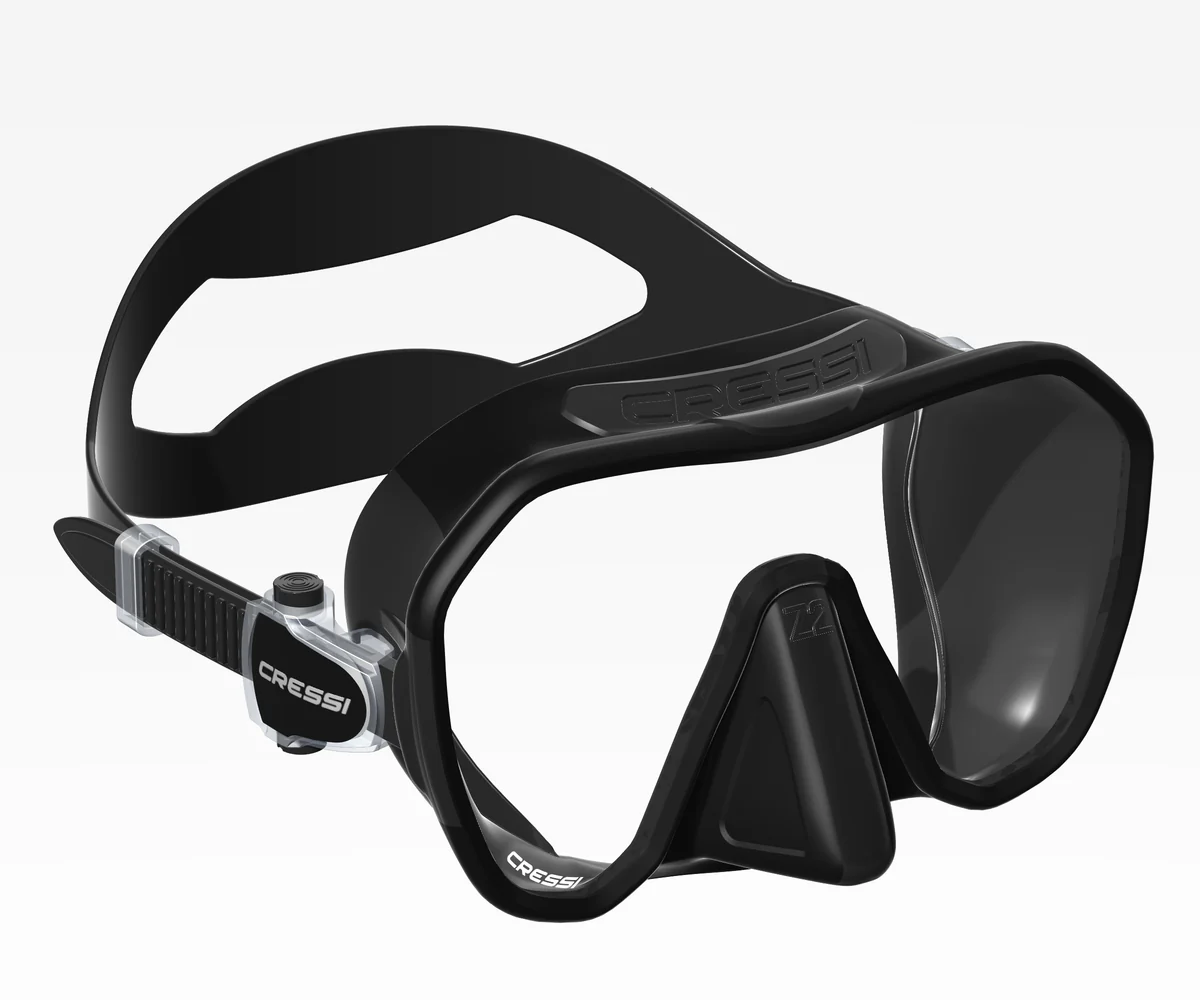
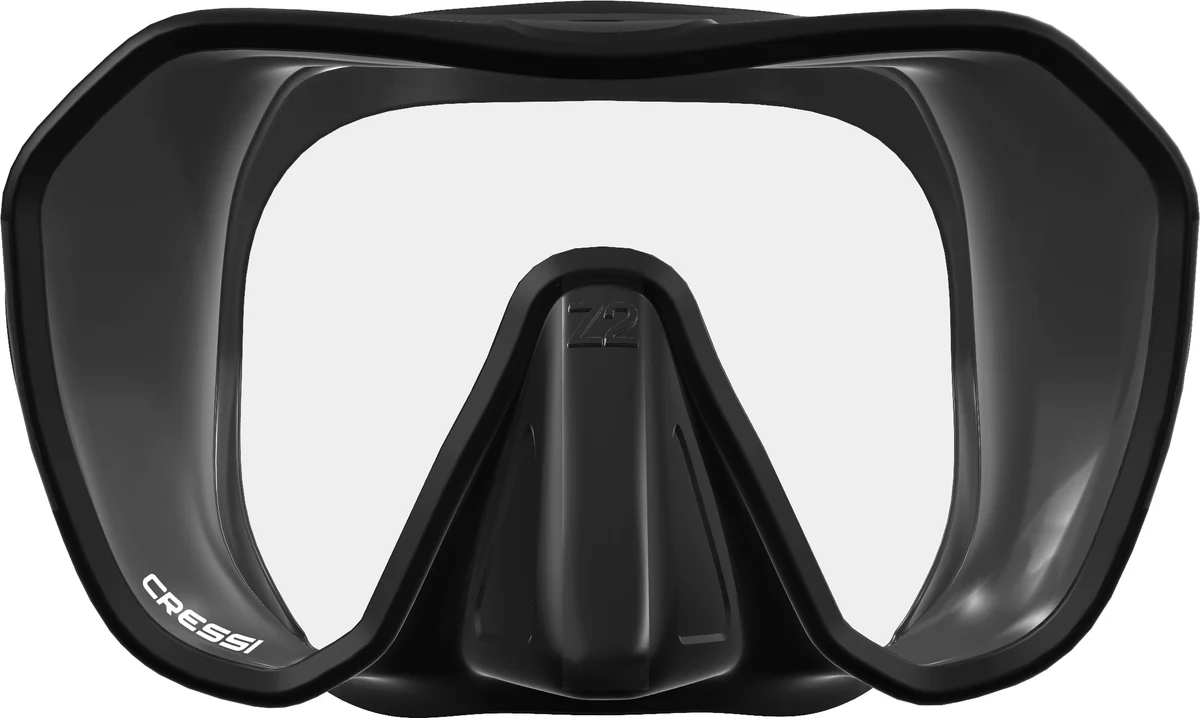
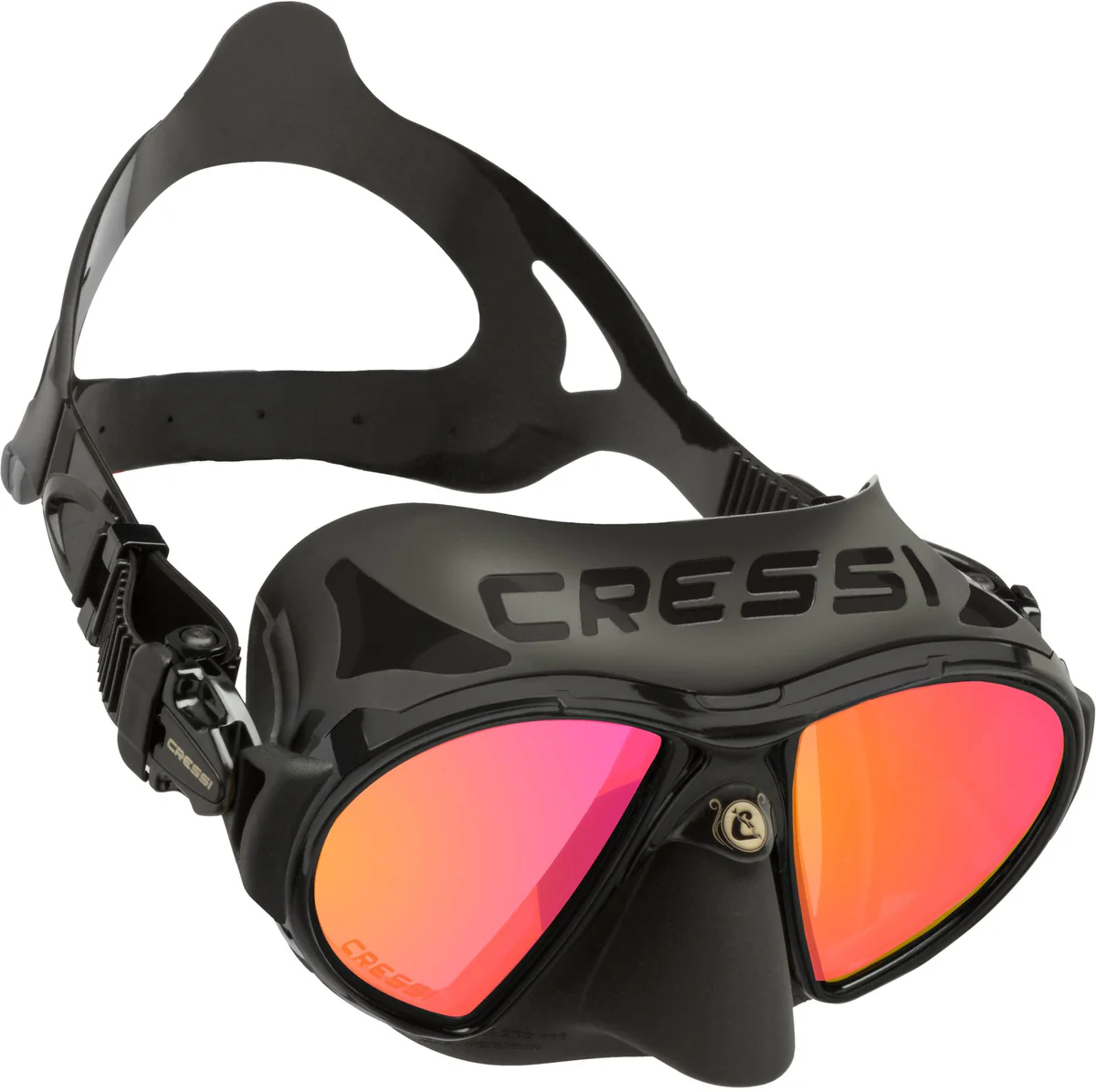
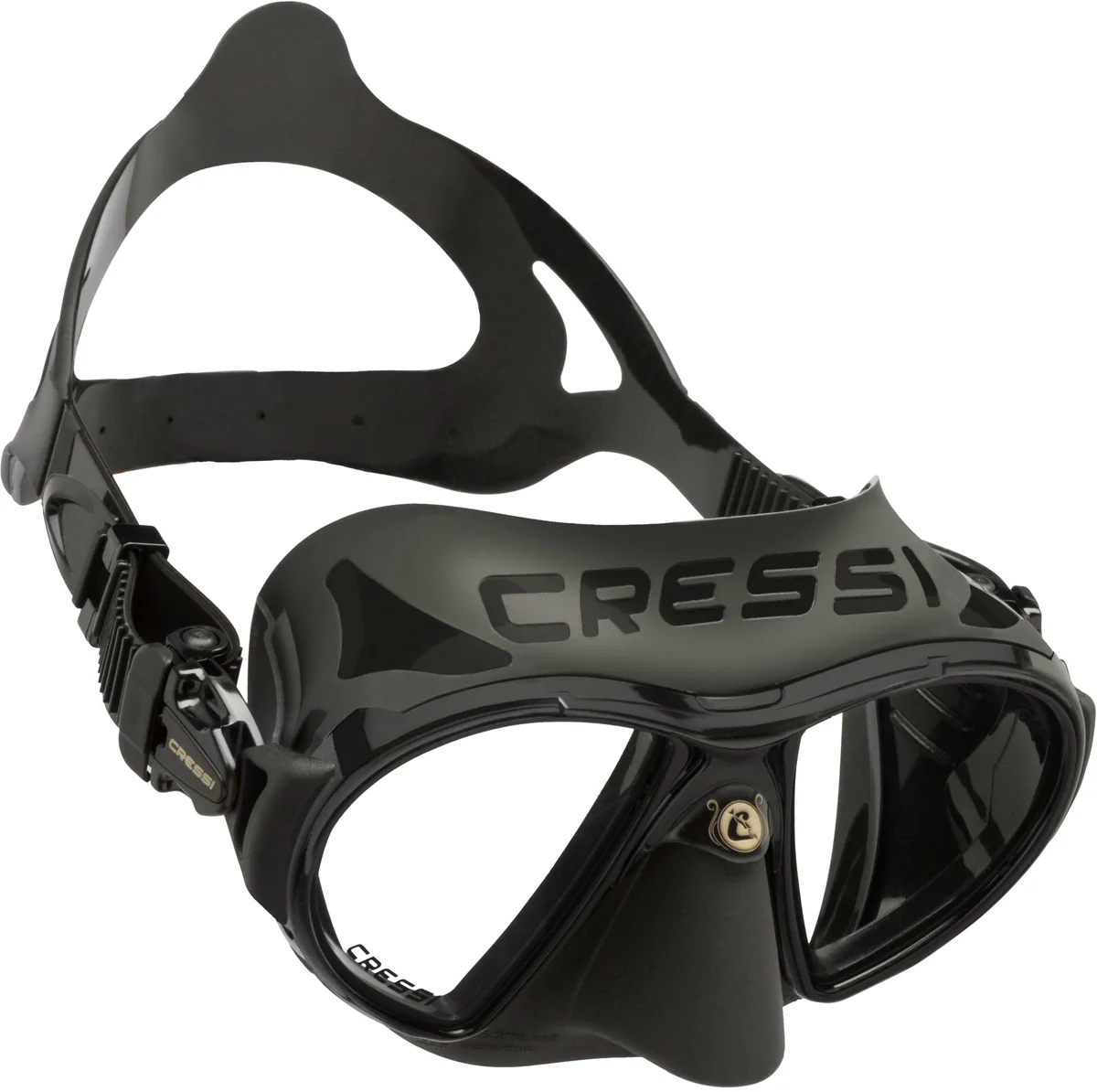
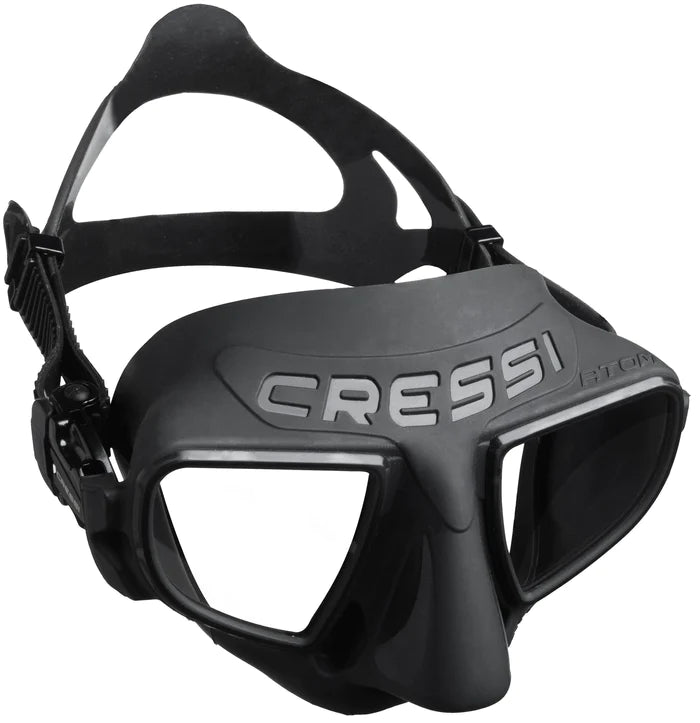
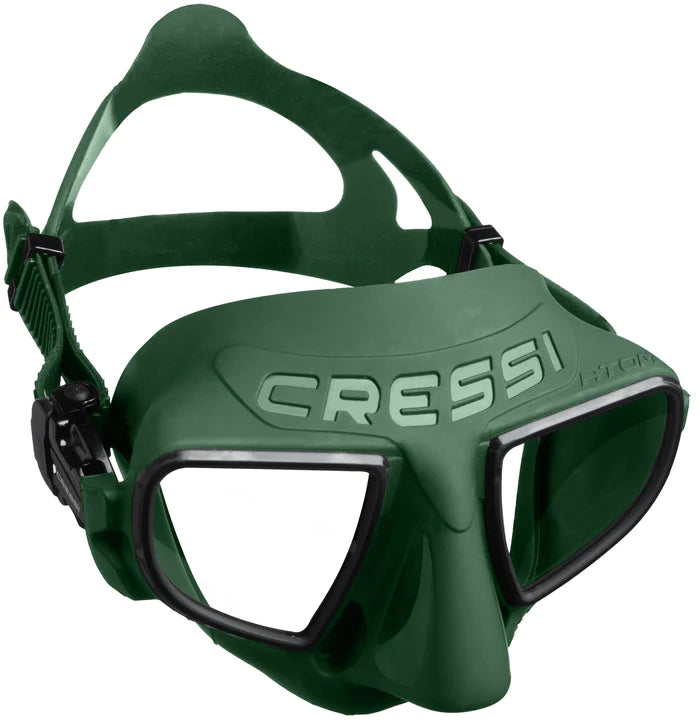
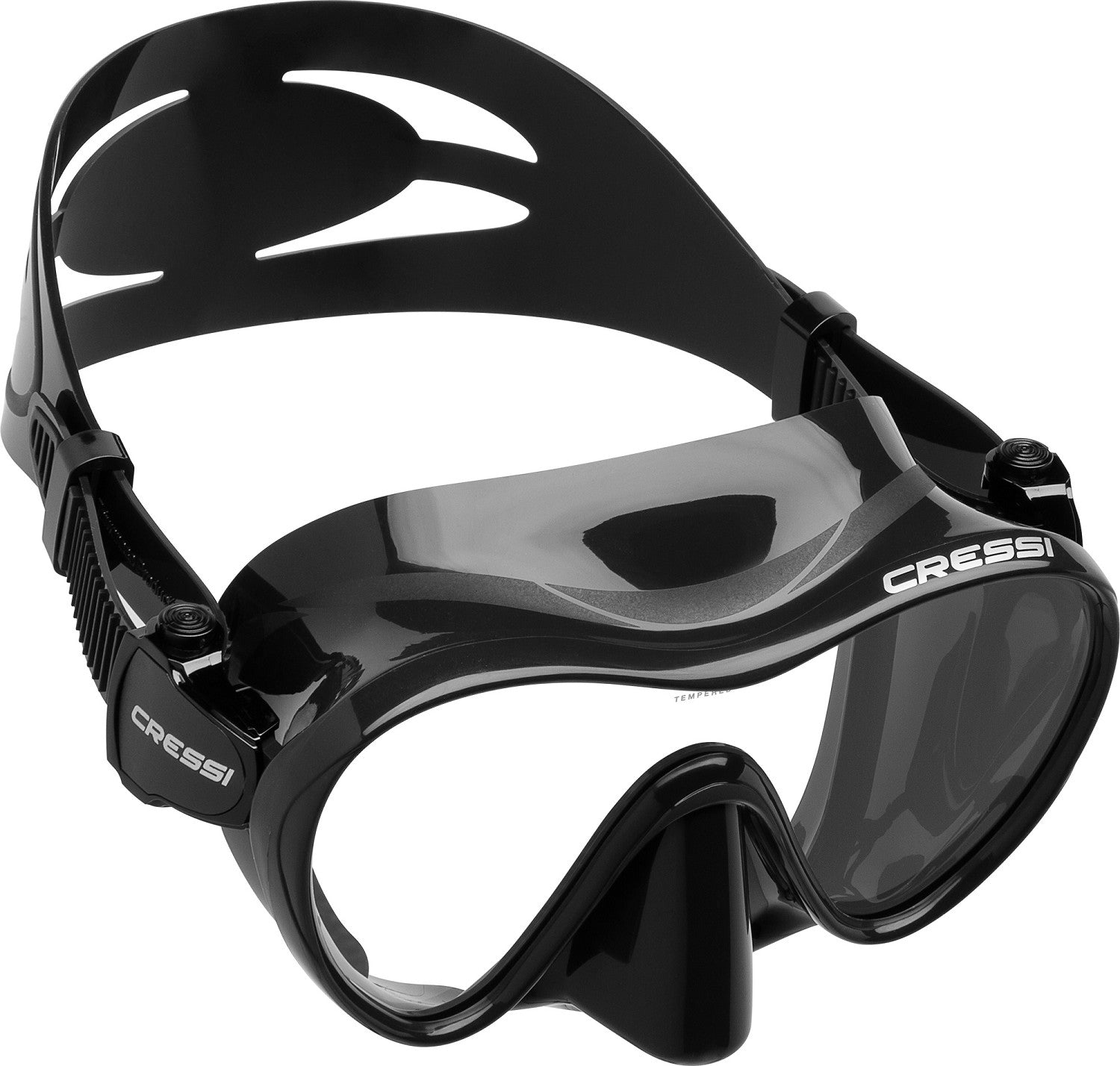
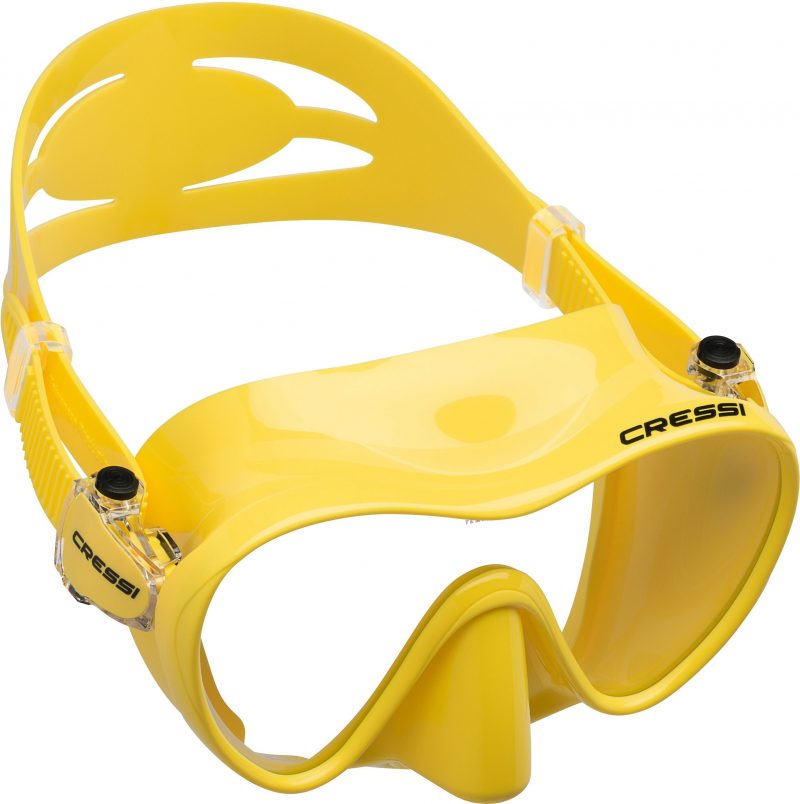
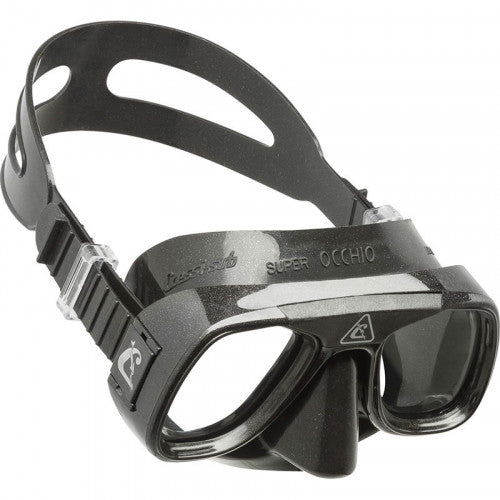
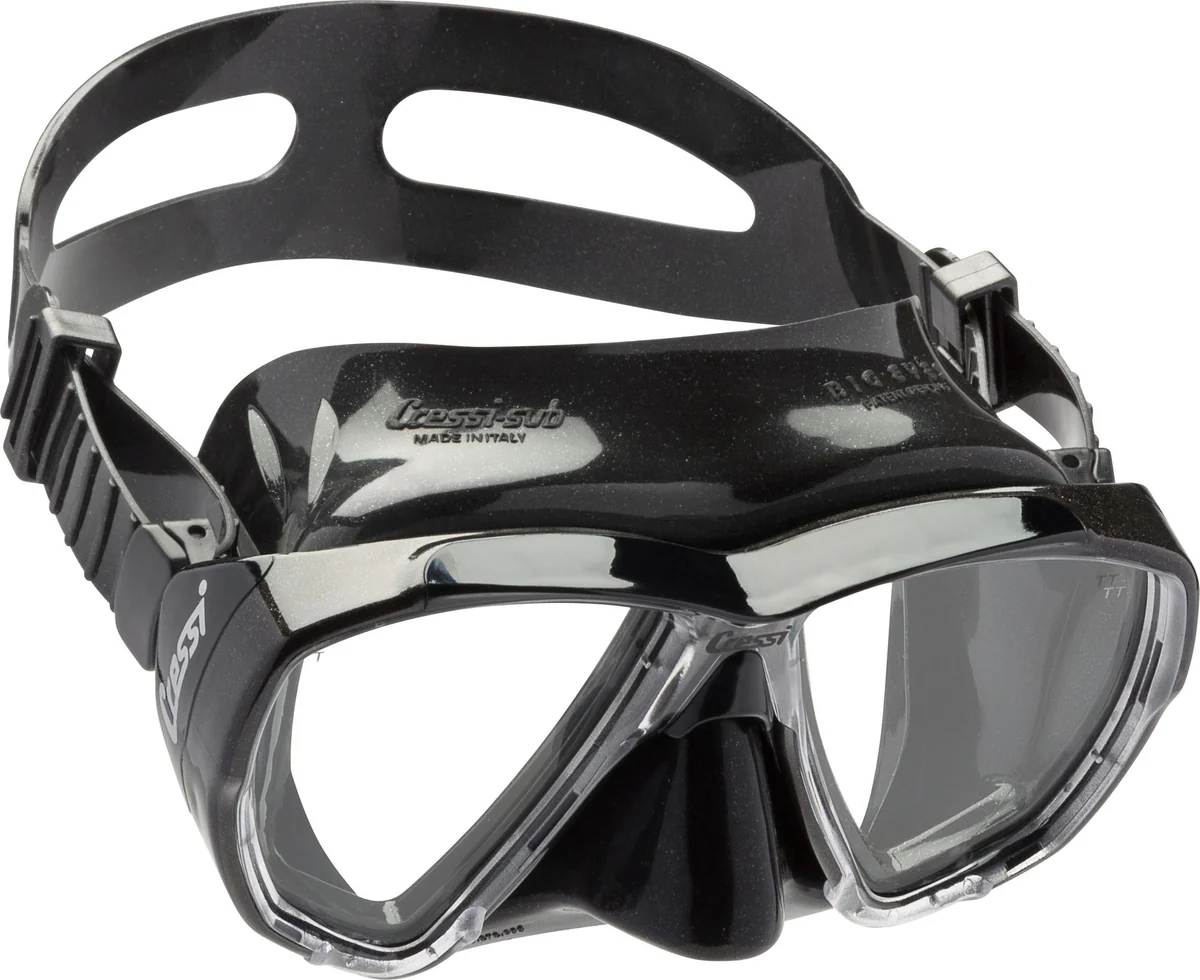
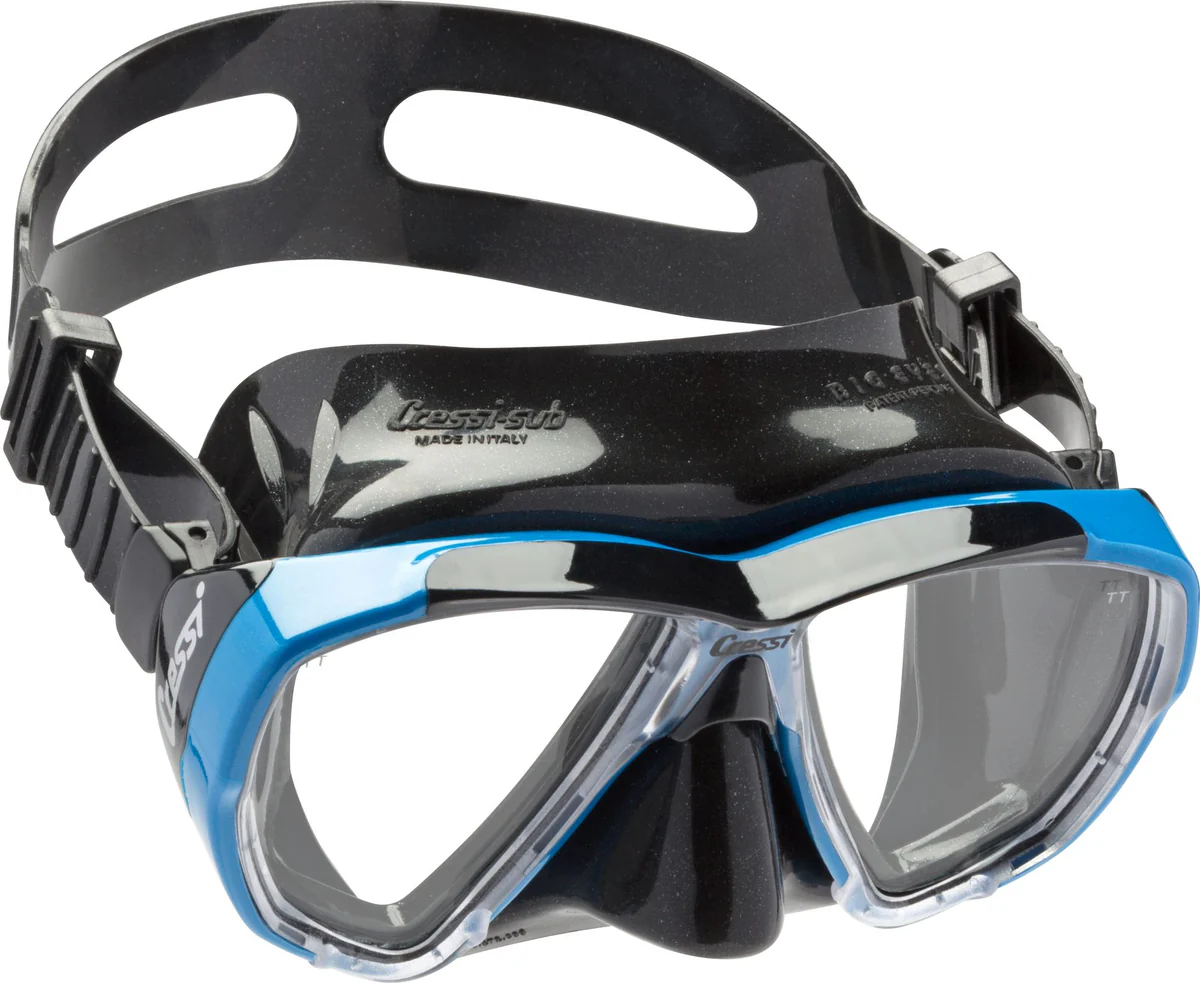
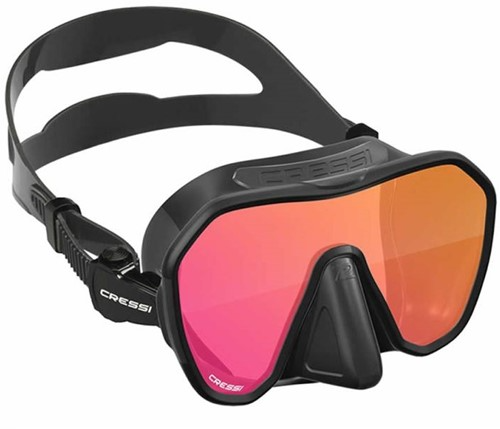
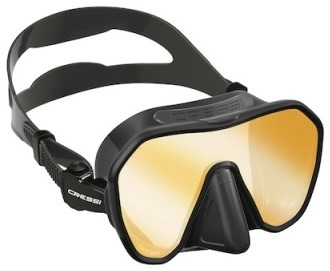
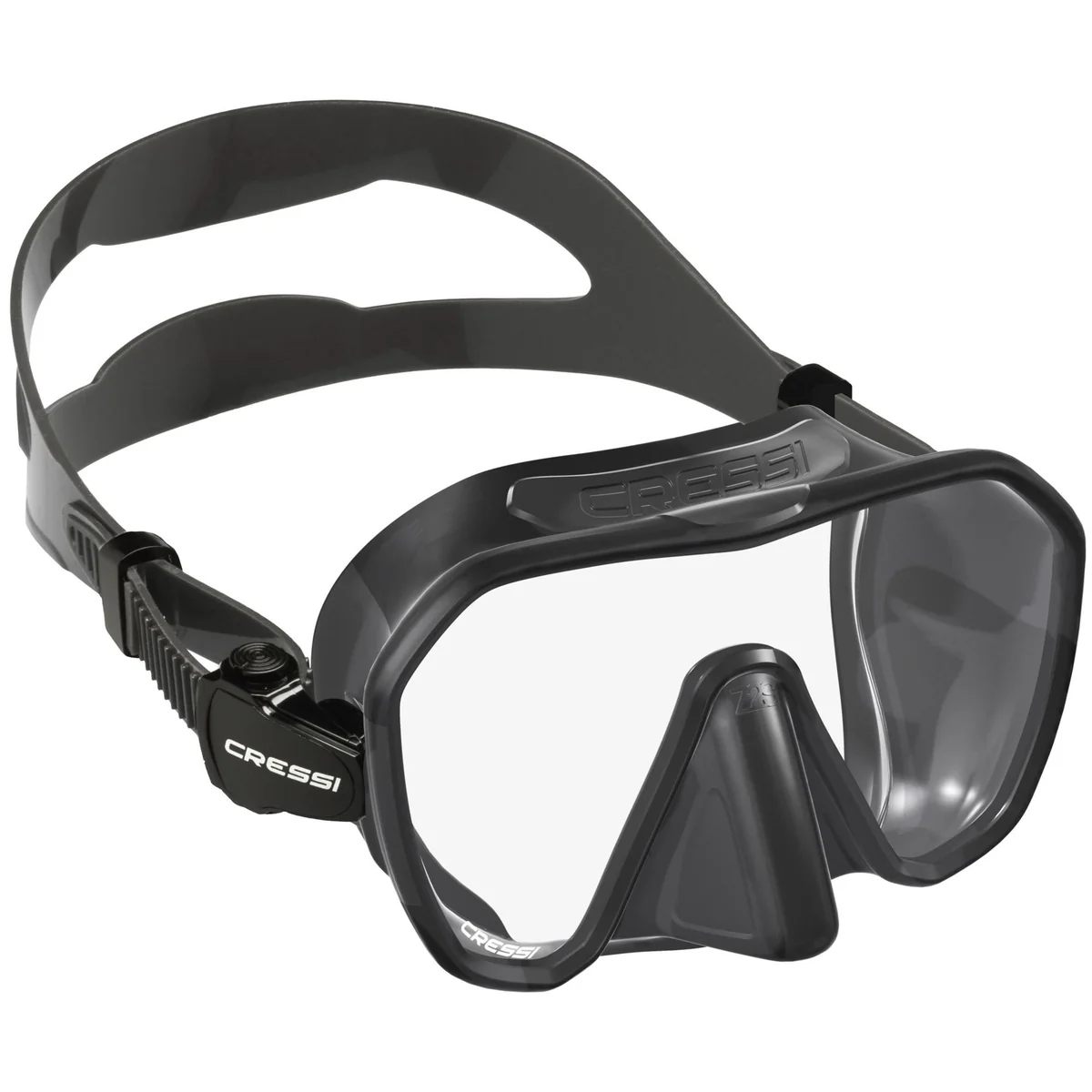
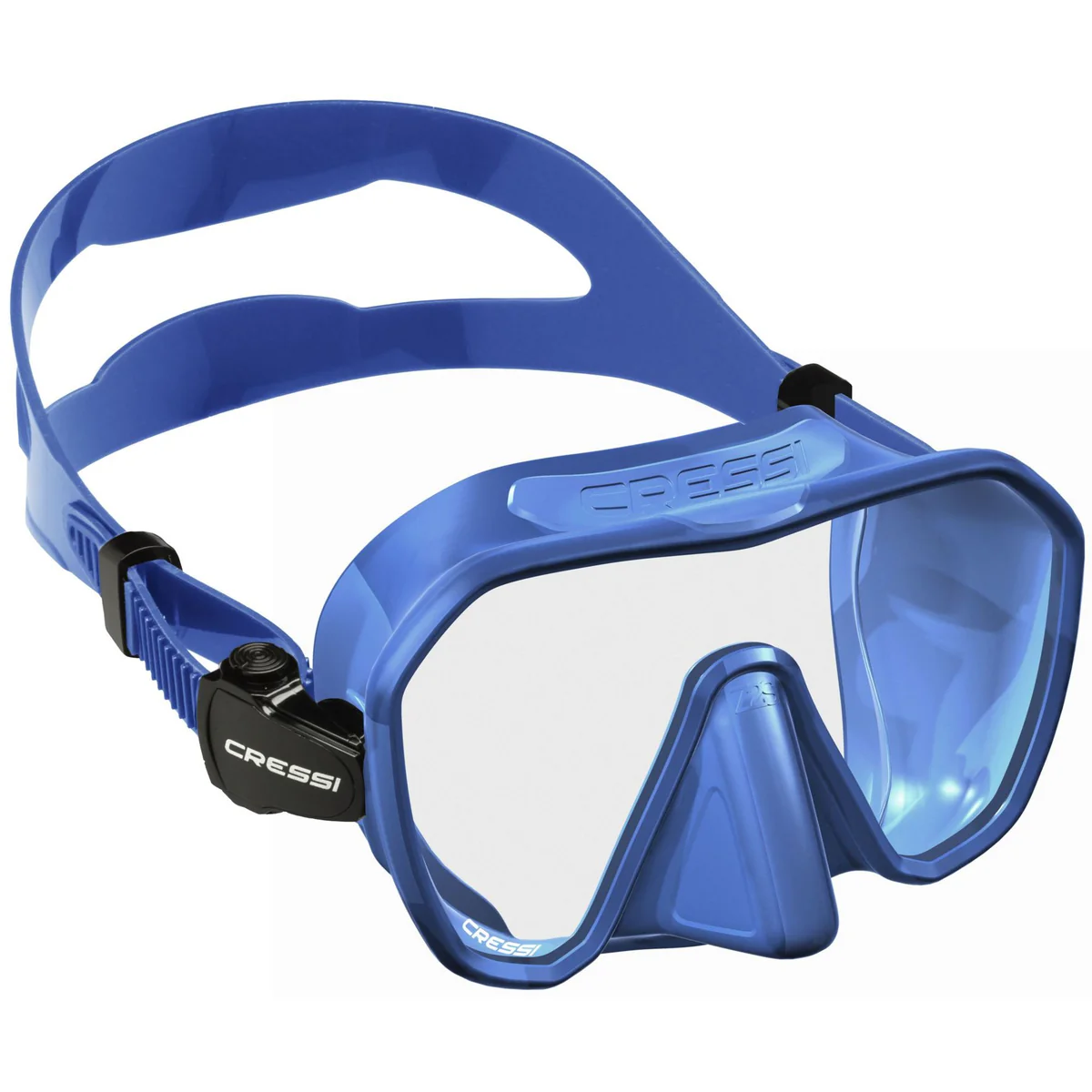
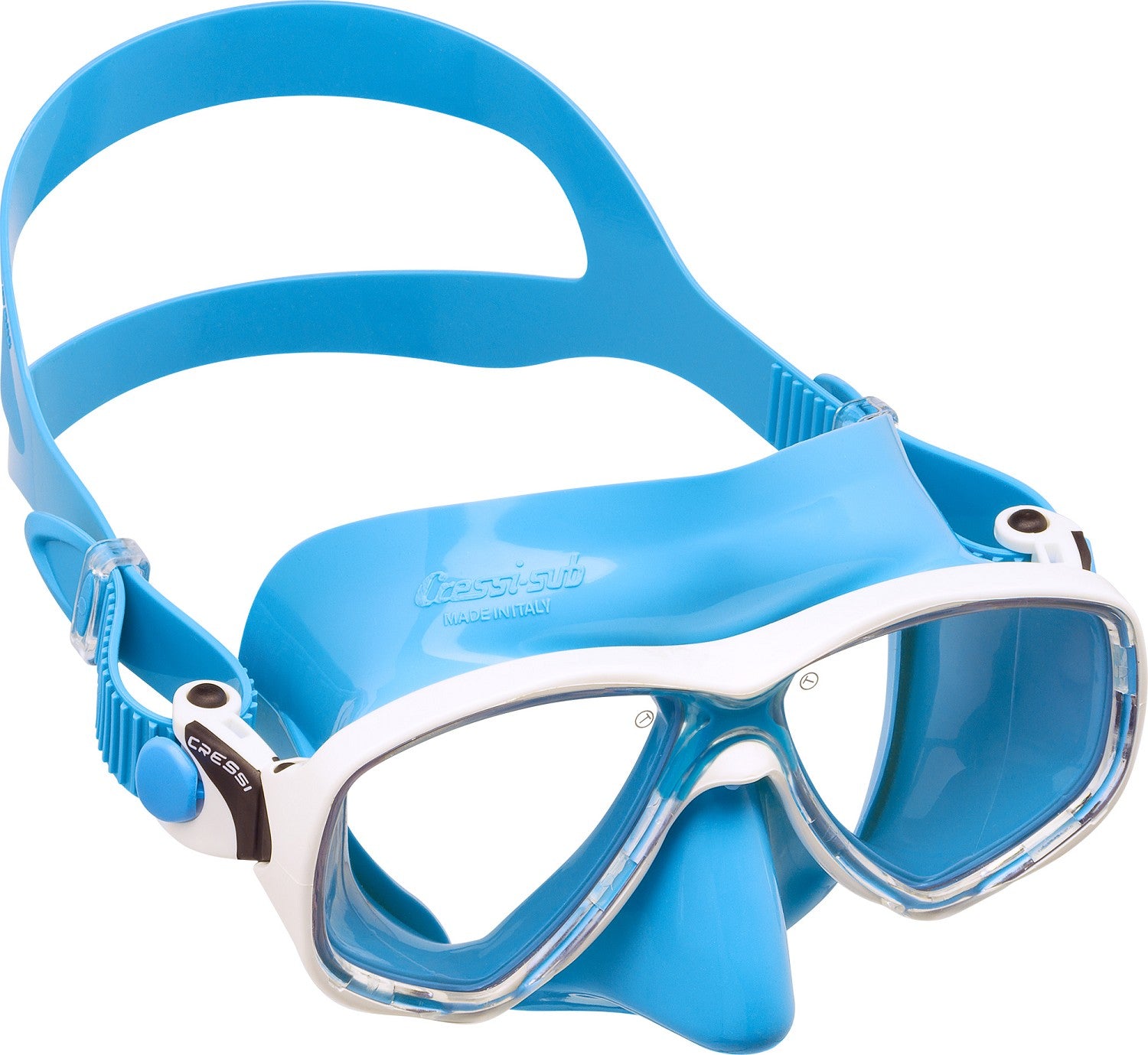
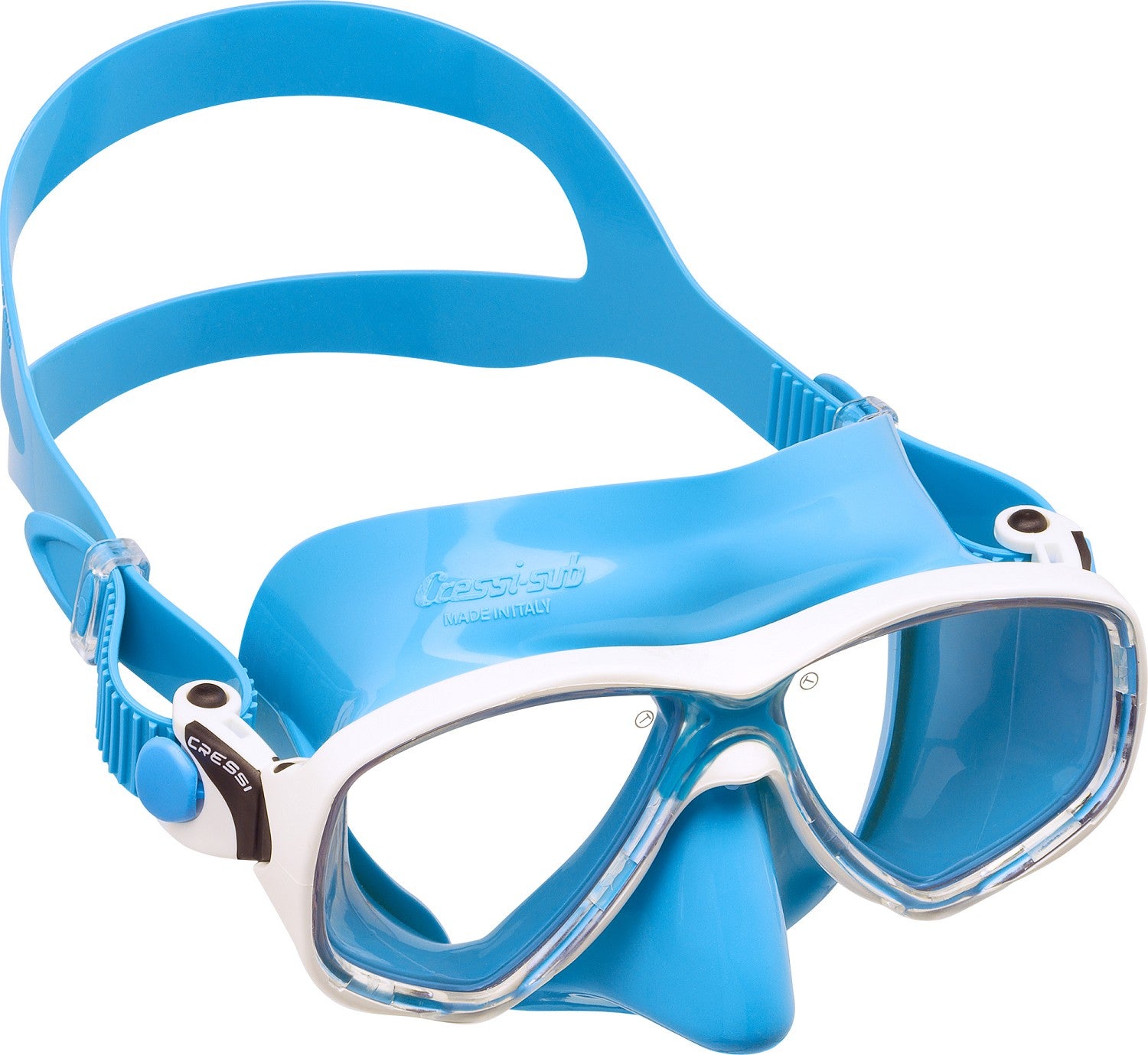
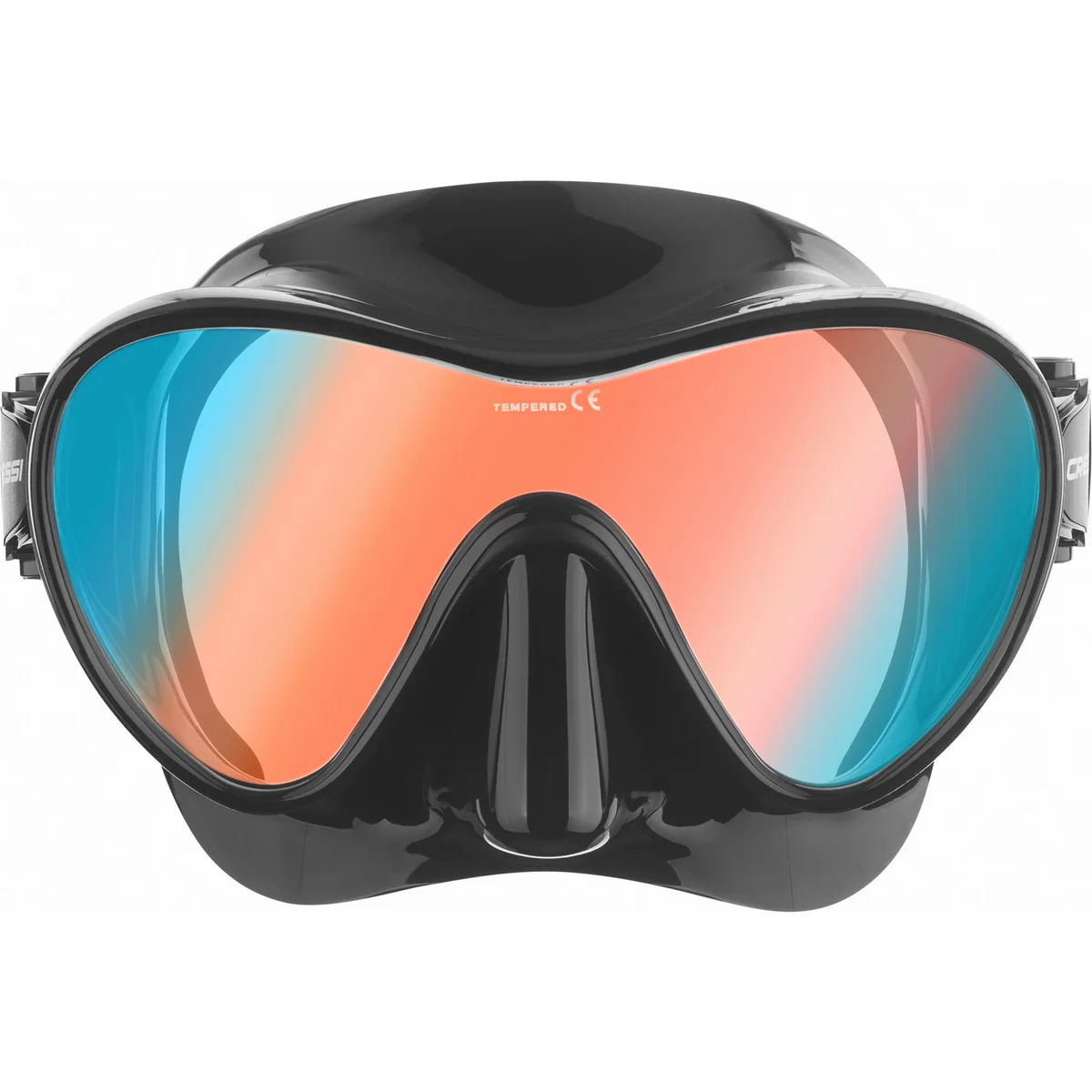
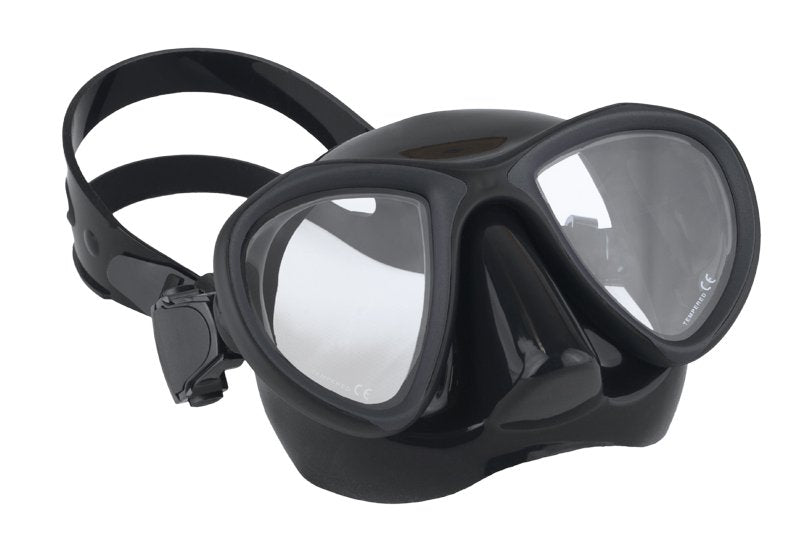
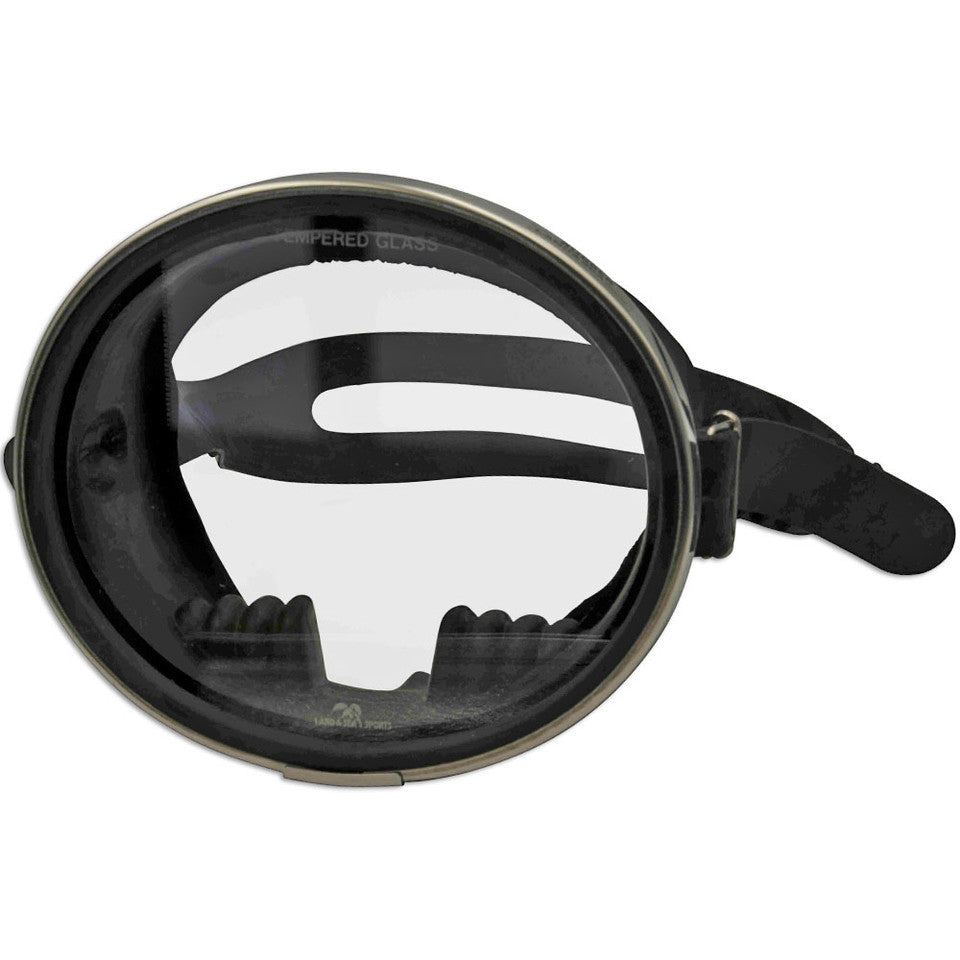
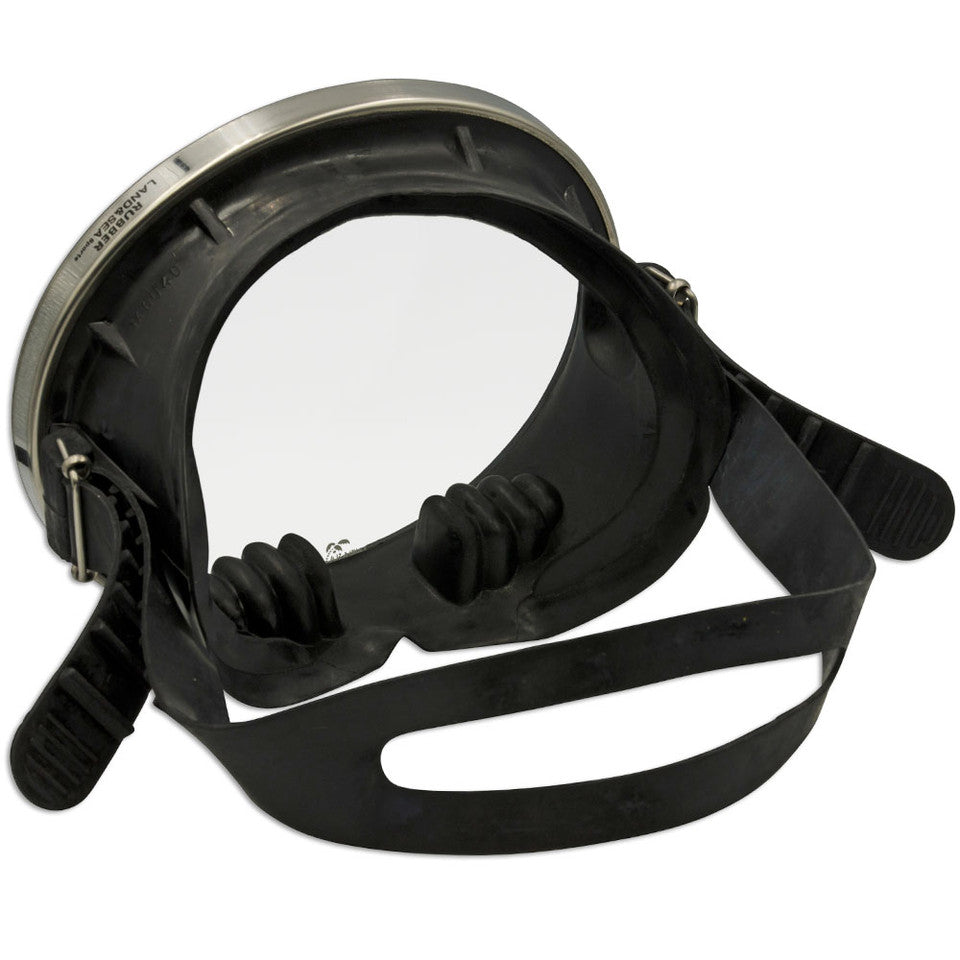
Masks on their own, for divers replacing one or building a kit piece by piece. Low-volume freediving and spearfishing masks through to wider-view masks for snorkelling, in adult and junior sizes.
Fit first
Nothing else about a mask matters if it does not seal. The test takes five seconds: hold it against your face without the strap, breathe in gently through your nose and let go. A mask that stays put has a good seal. One that slides off will leak no matter how hard you crank the strap — and overtightening is itself a common cause of leaks, because it distorts the skirt.
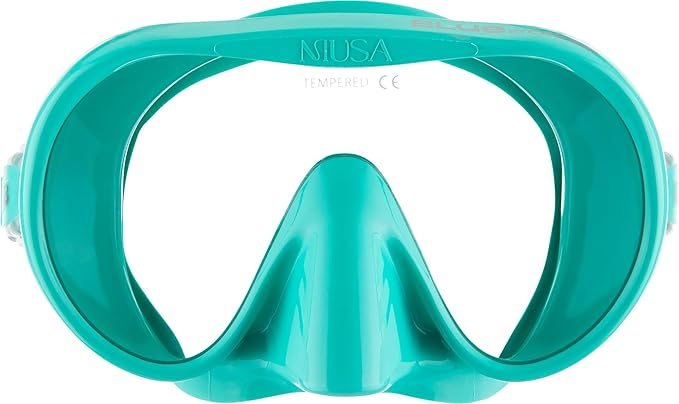
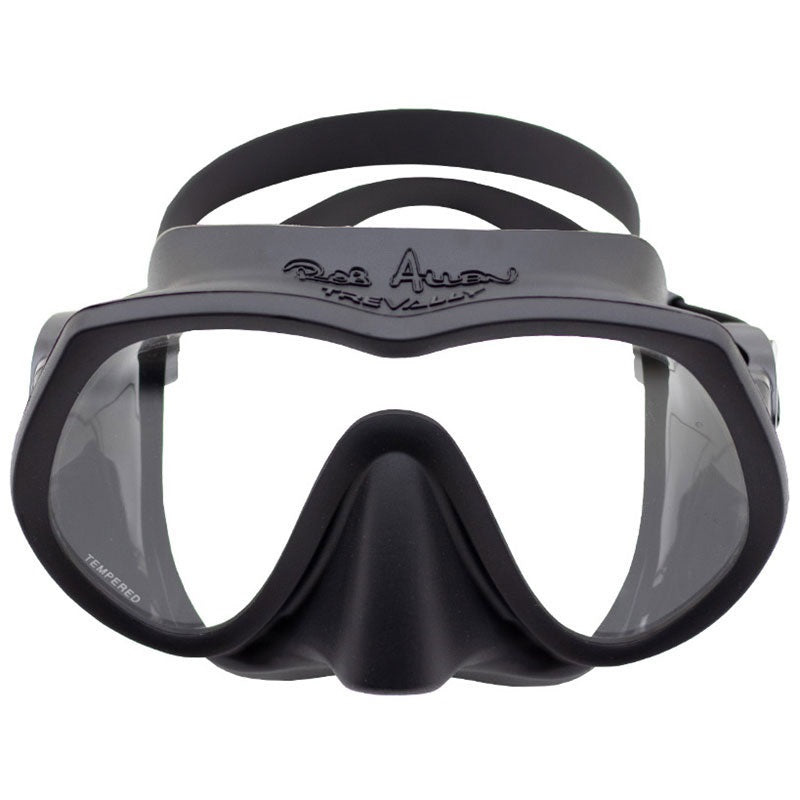
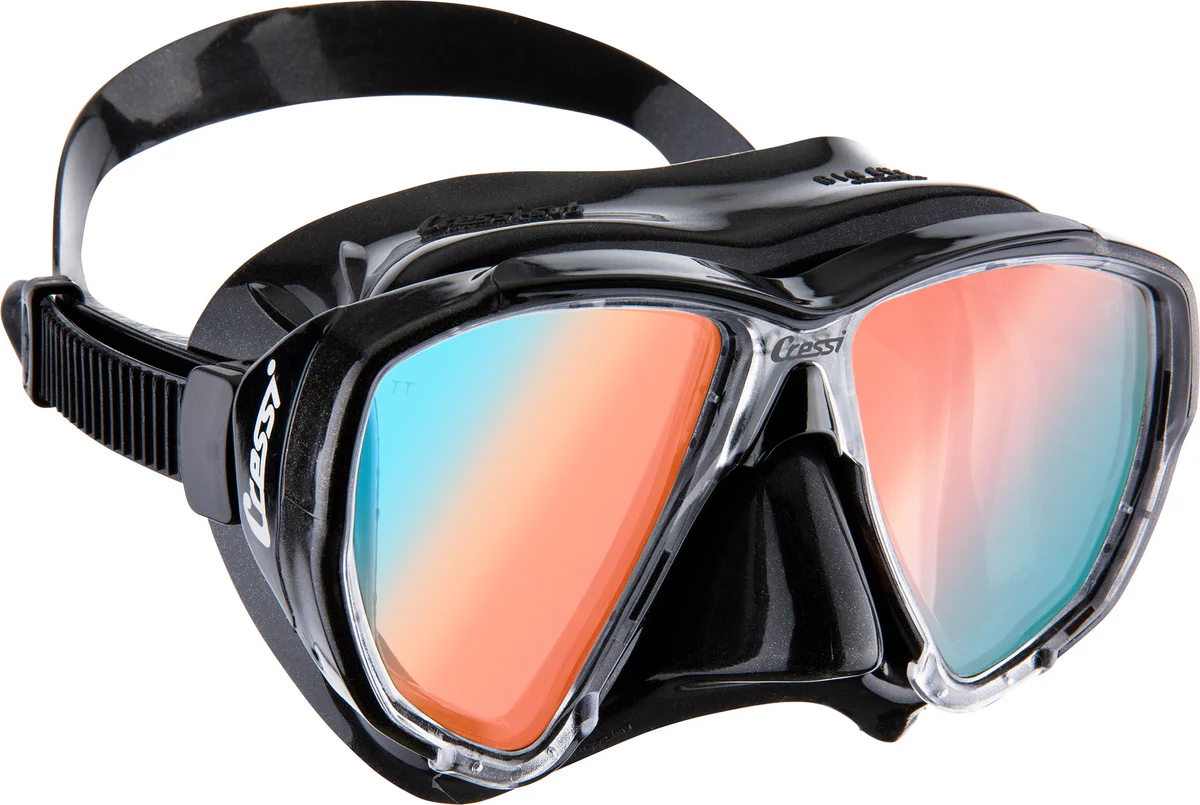
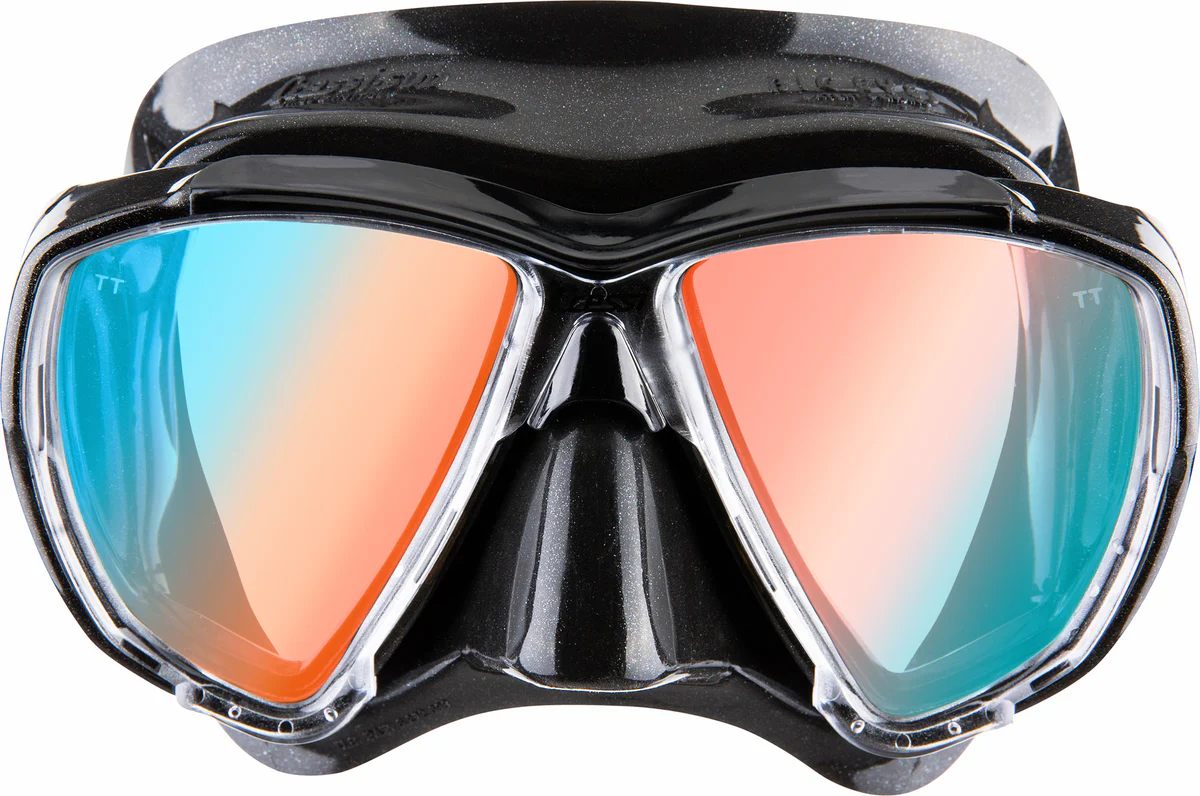
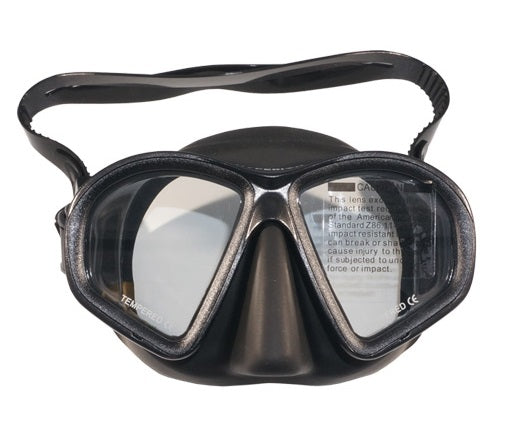
Volume is the next decision. Low-volume masks sit close to the face and take very little air to clear, which is why freedivers and spearfishers prefer them. Higher-volume masks give a wider field of view, which is more pleasant for surface snorkelling.
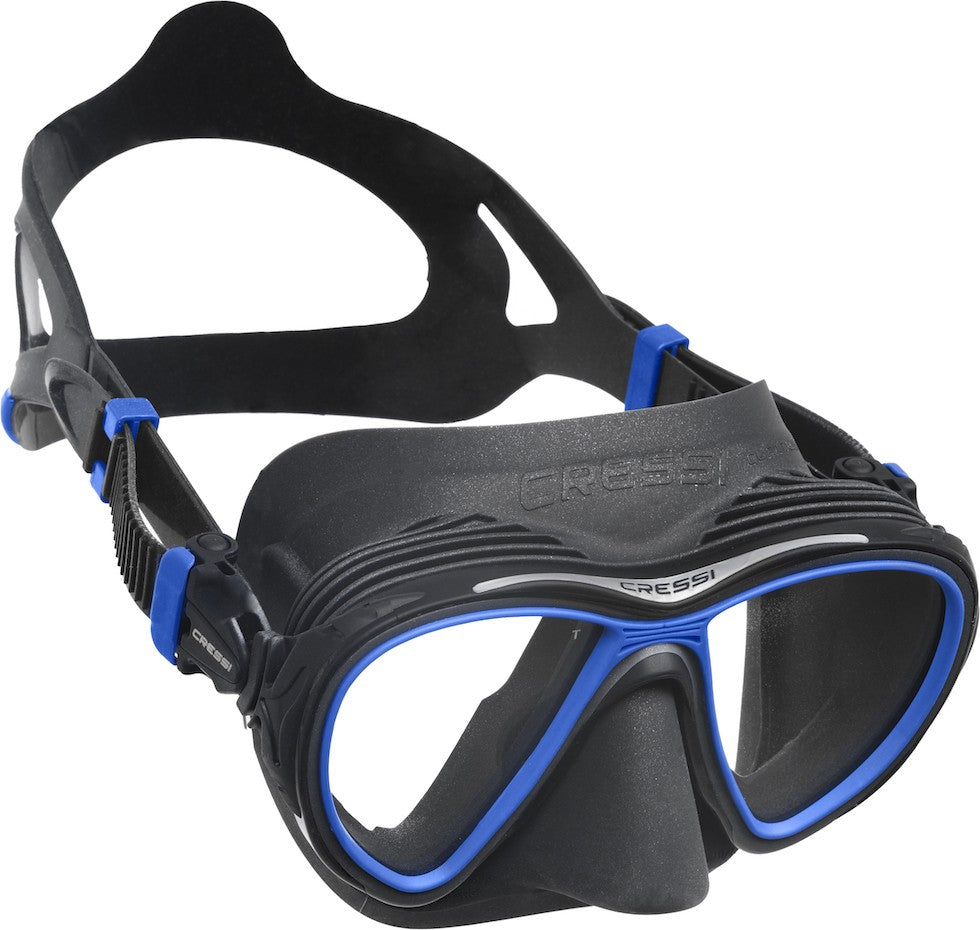
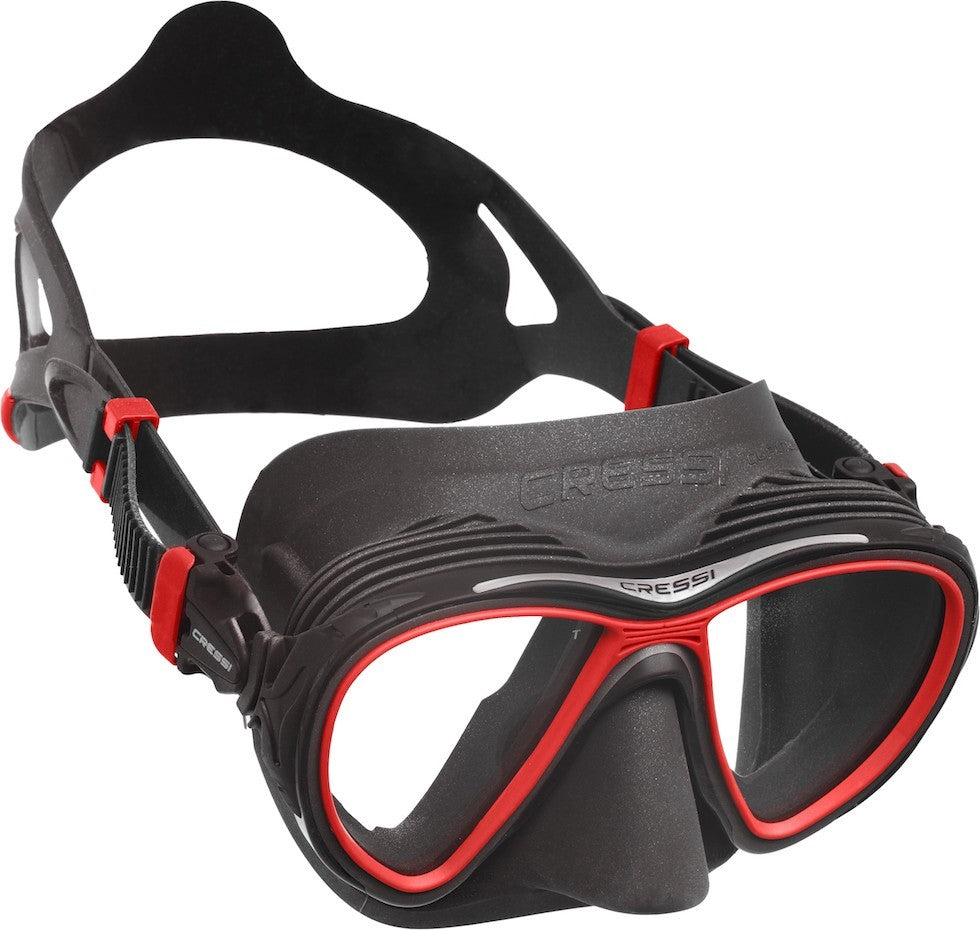
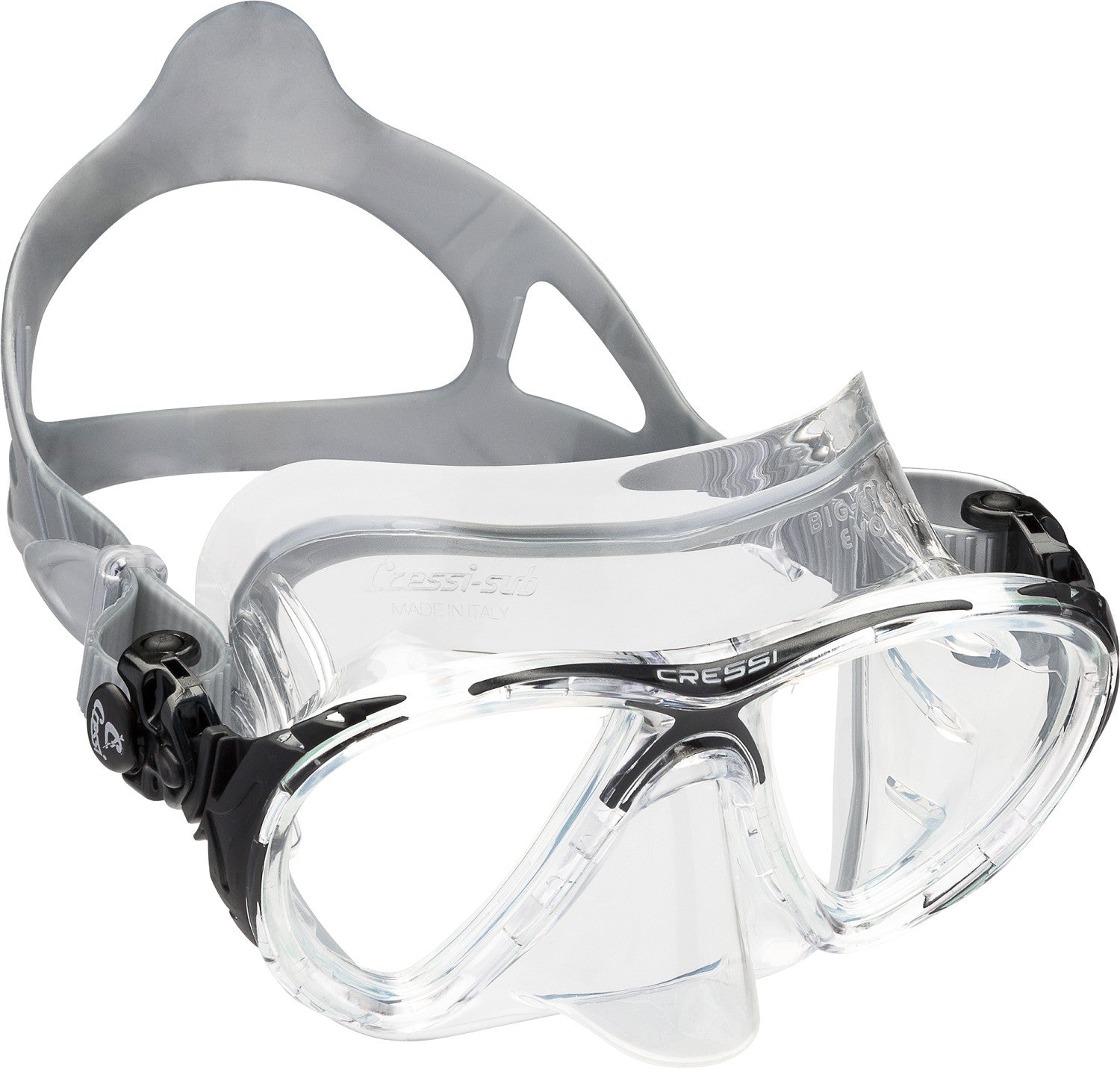
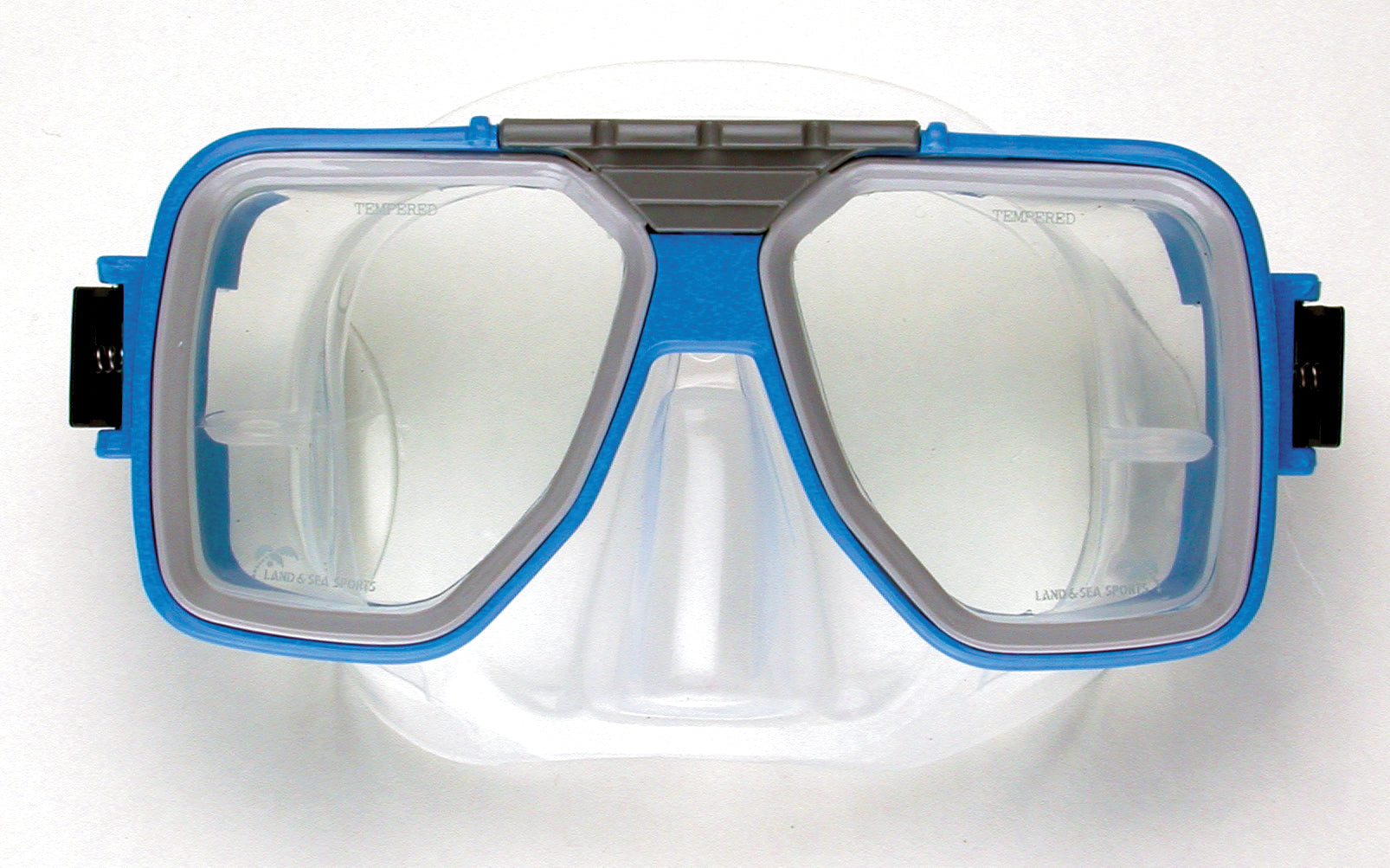
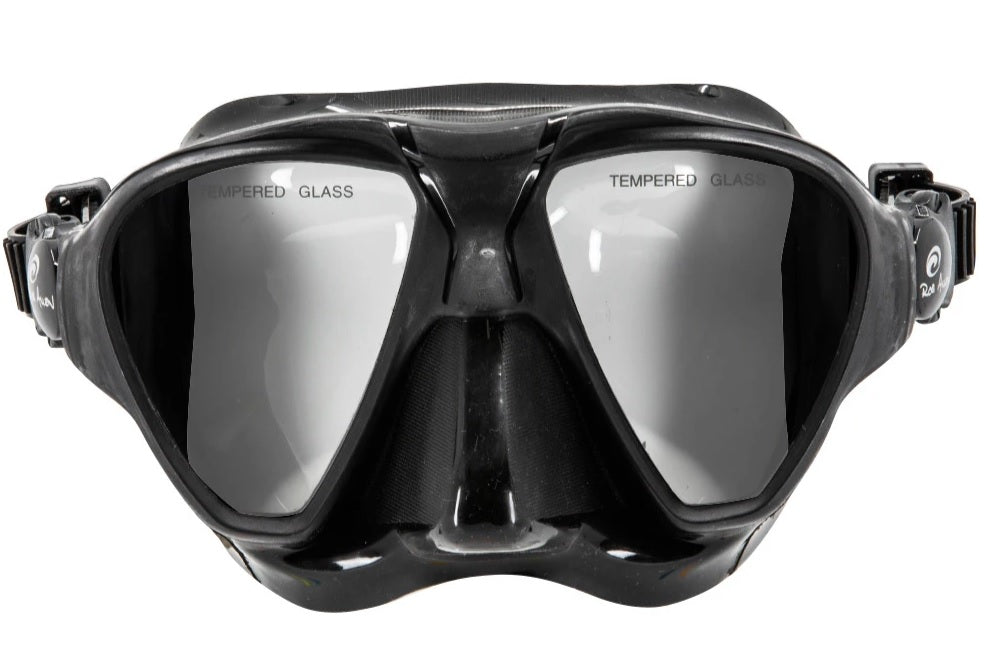
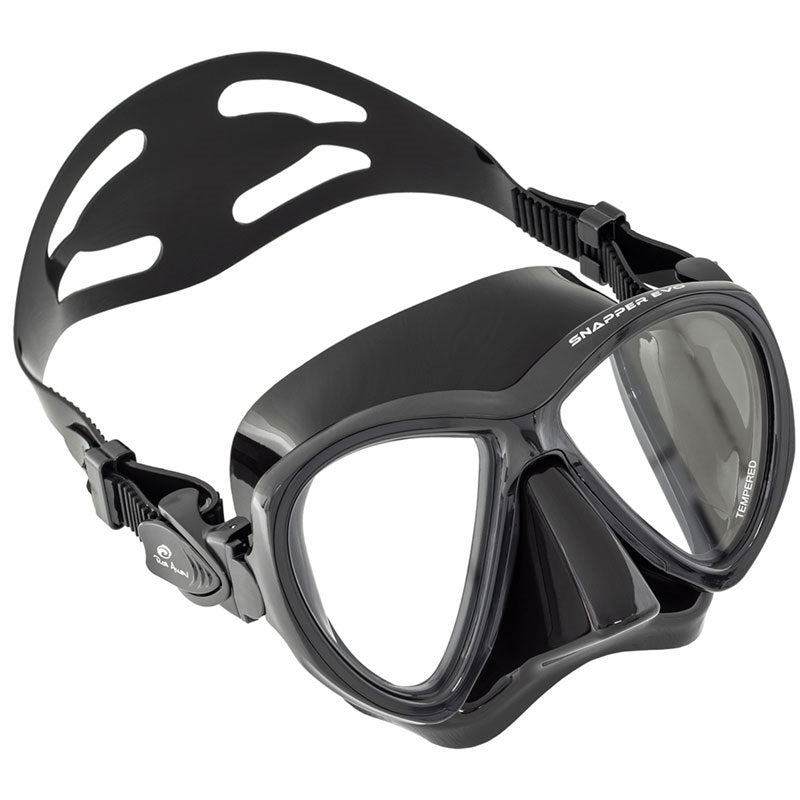
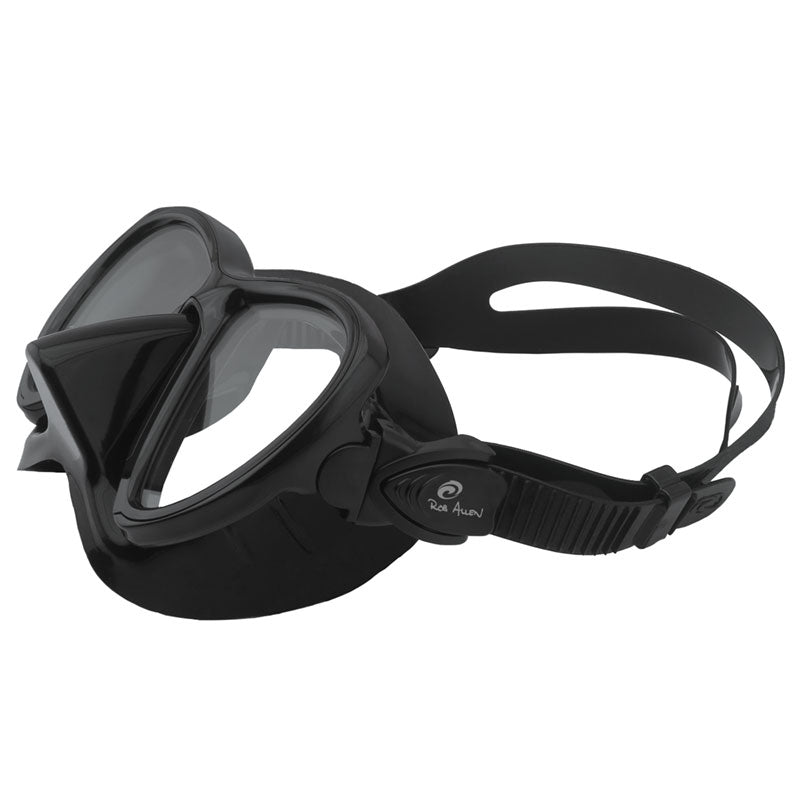
Tempered glass is the standard for anything beyond a pool toy, and a black skirt cuts glare and reflection in a way a clear skirt does not. Matched sets are in mask and snorkel sets, and dive accessories has the anti-fog.
Frequently asked questions
How do I check a dive mask fits?
Hold it to your face with no strap, breathe in gently through your nose, and let go. If it holds itself in place the seal is right. If it drops or hisses, try another shape.
What is a low volume mask?
One with very little air space between the lens and your face. It takes less air to equalise and clear, which matters when you are holding your breath, and it sits closer for a lower profile in the water.
Why does my mask keep fogging?
New masks have a factory film on the lens that has to be scrubbed off before anti-fog will work. After that, a drop of anti-fog and a rinse before each dive handles it.
Should the skirt be black or clear?
Black cuts glare and reflections, which is why spearfishers prefer it. Clear lets in more light and feels less enclosed, which suits casual snorkelling.


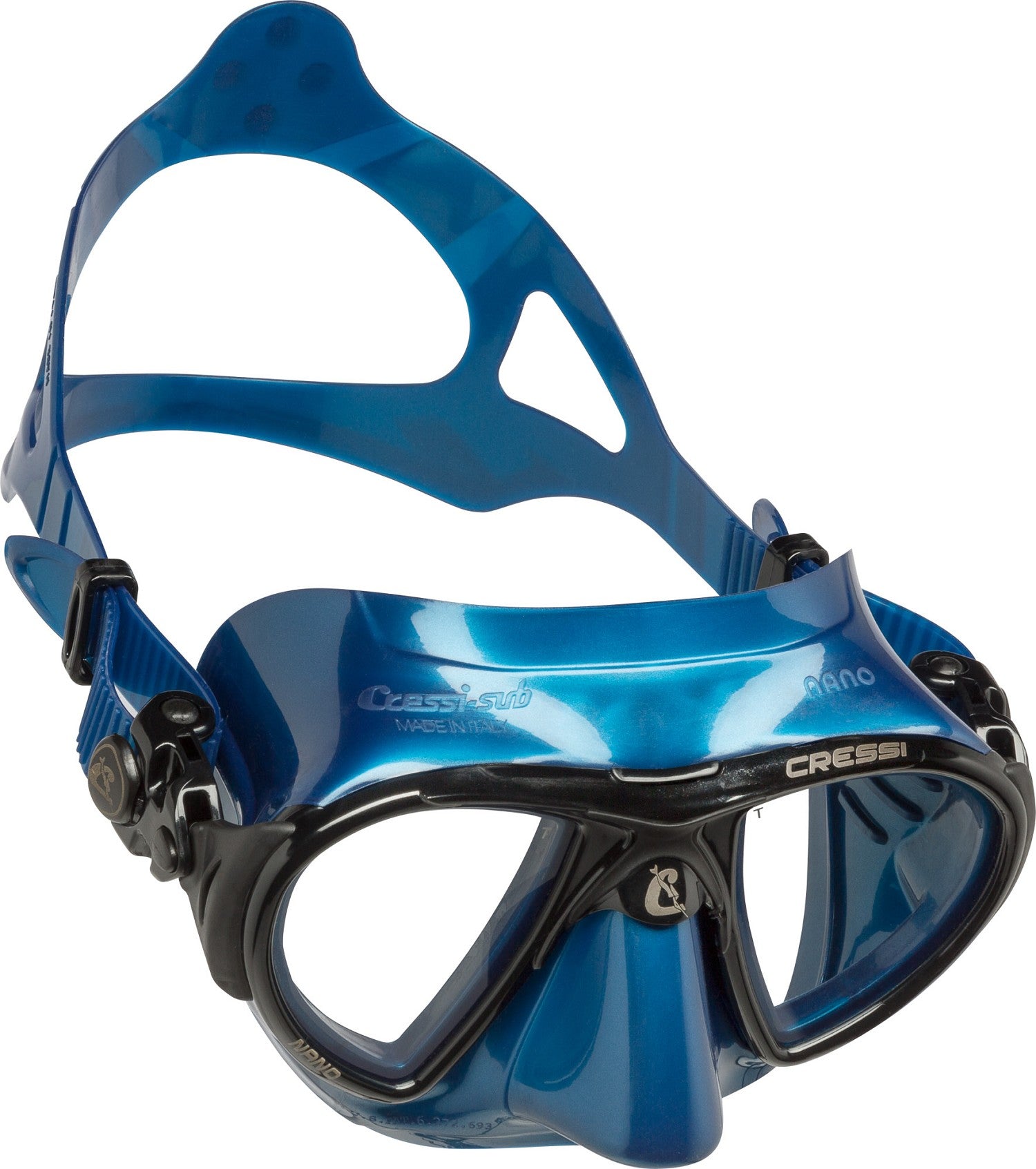

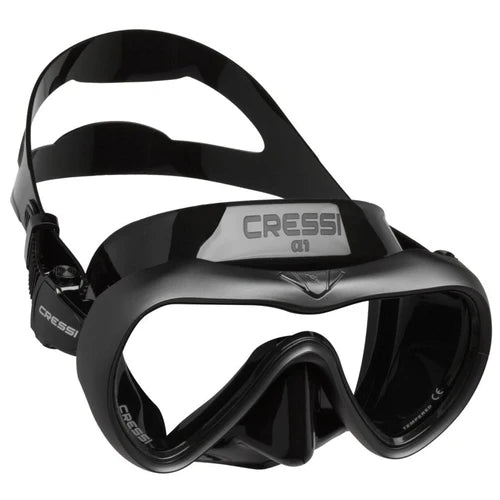
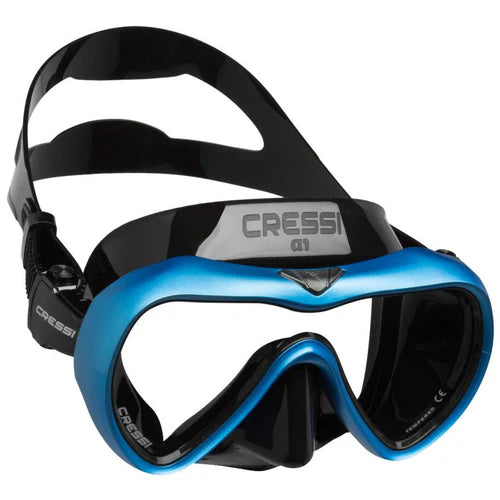


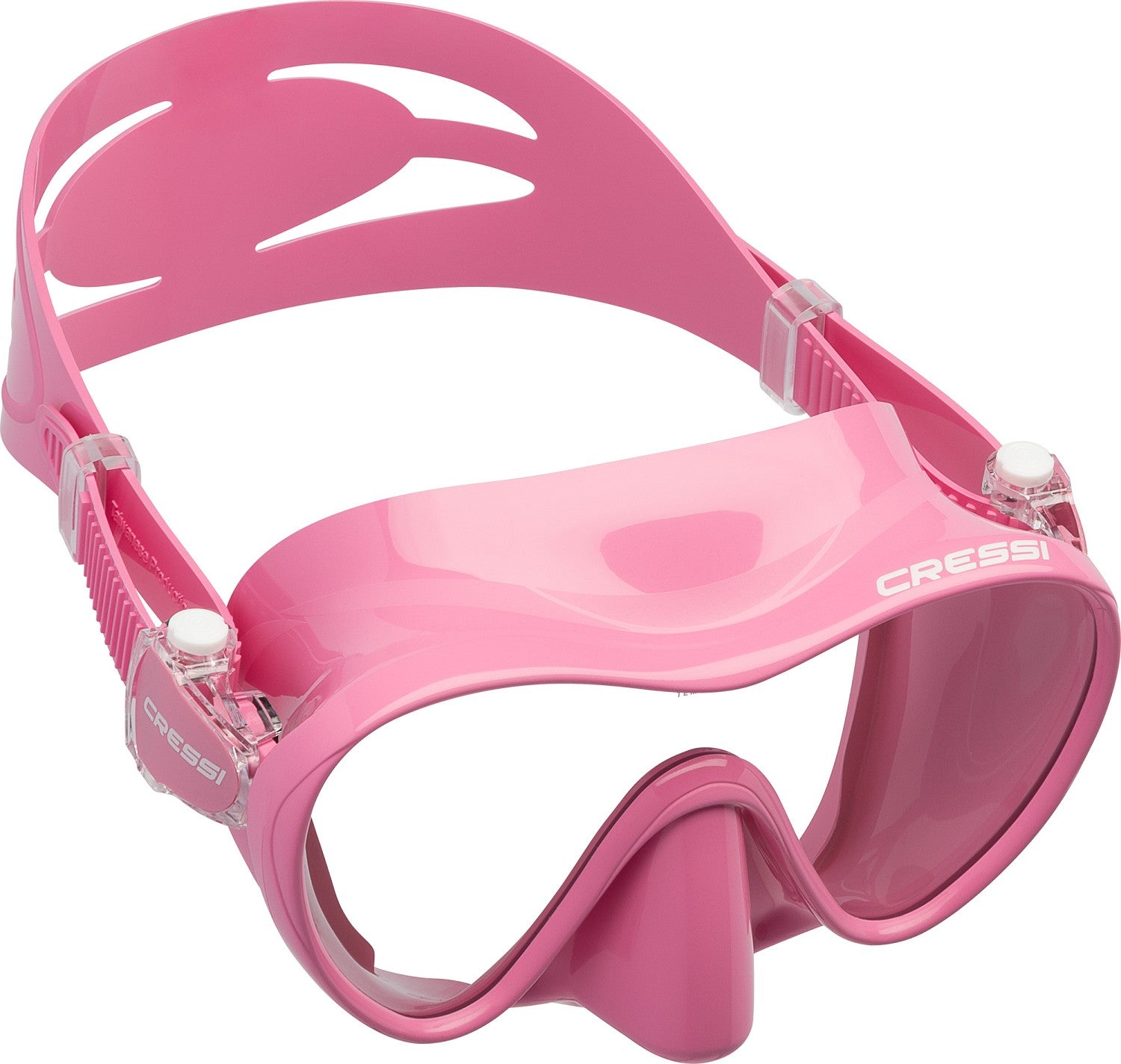

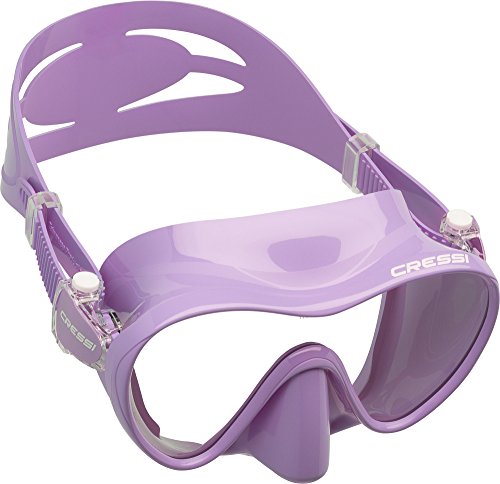

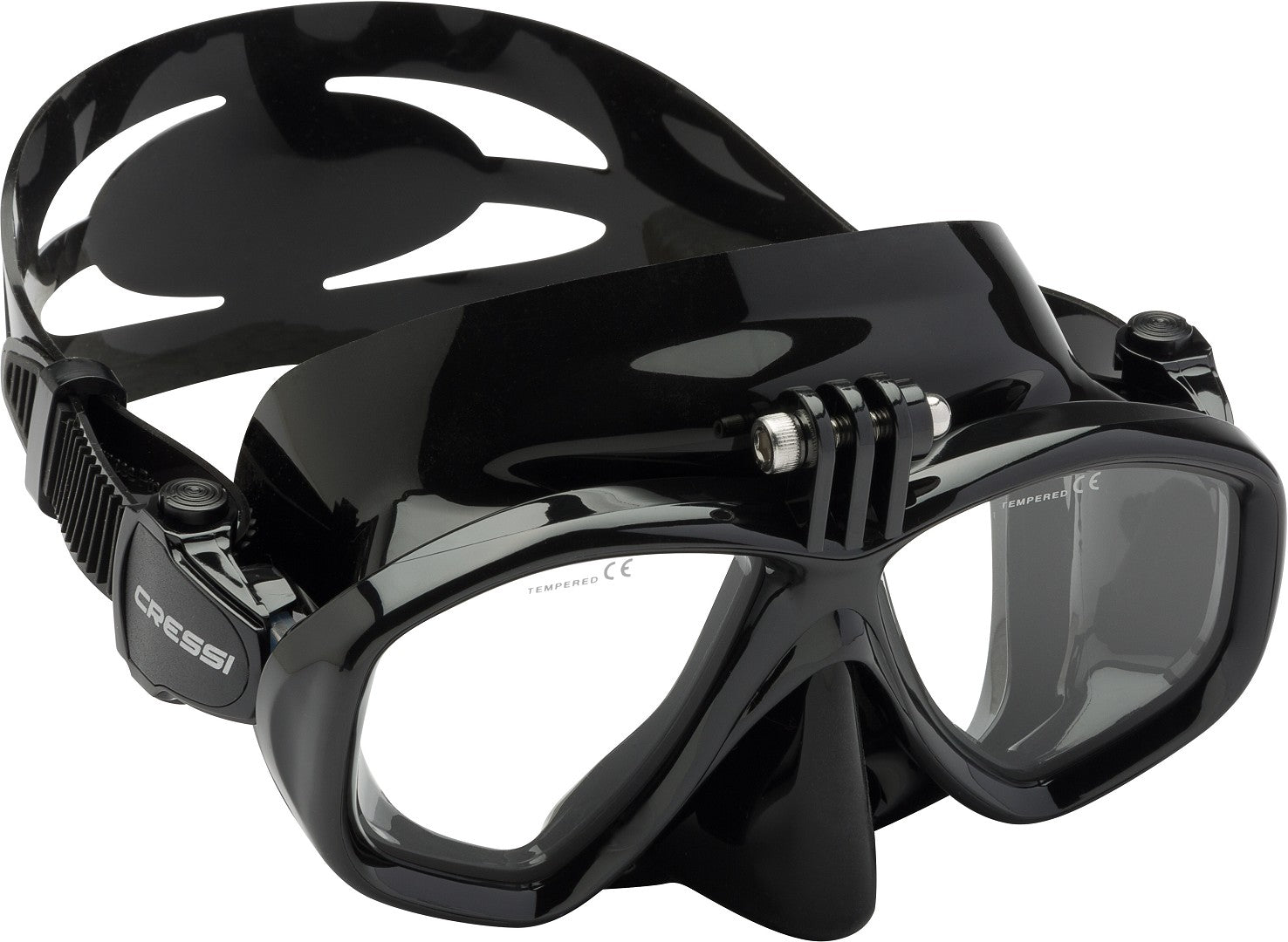


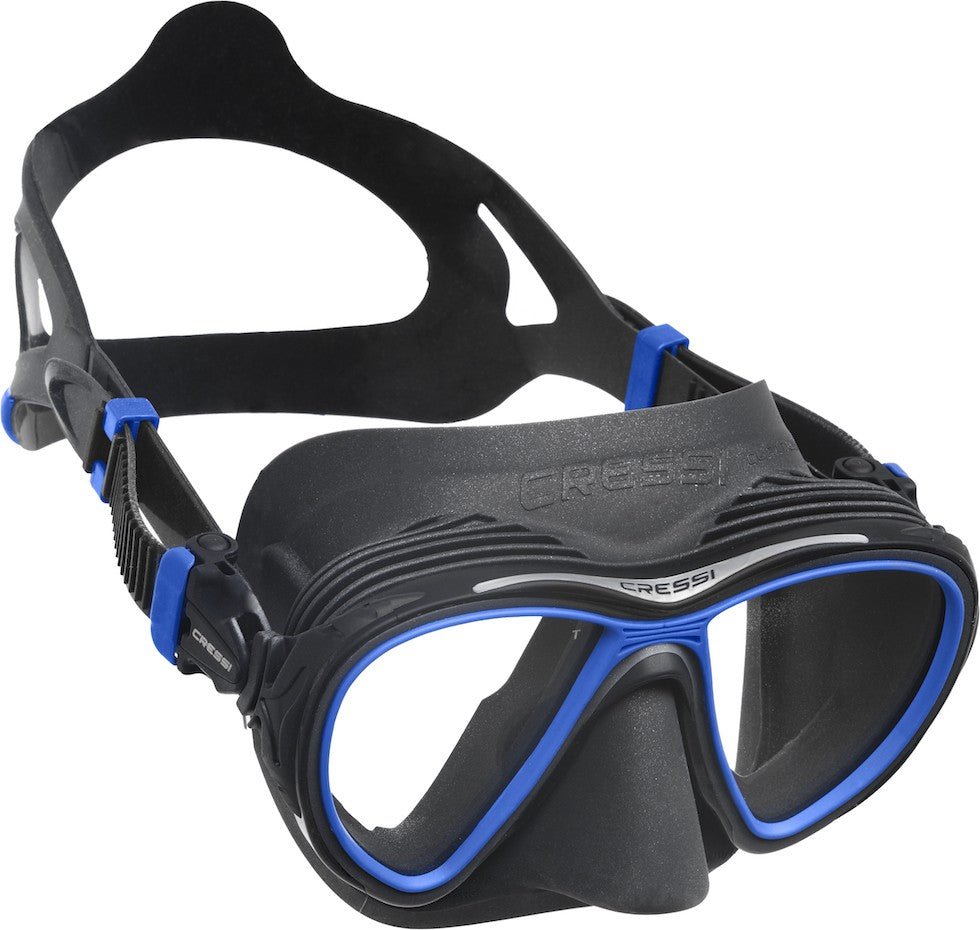























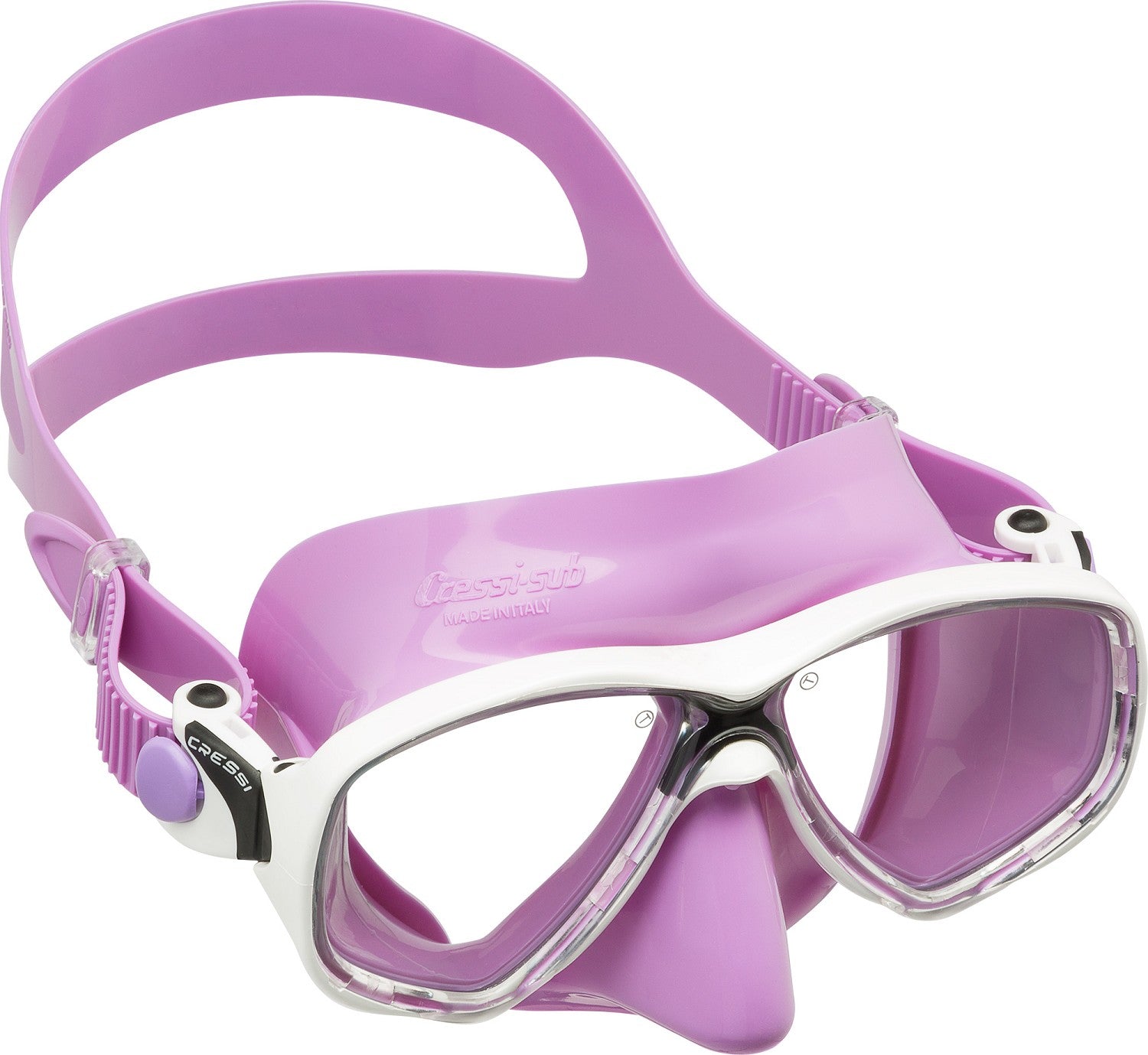


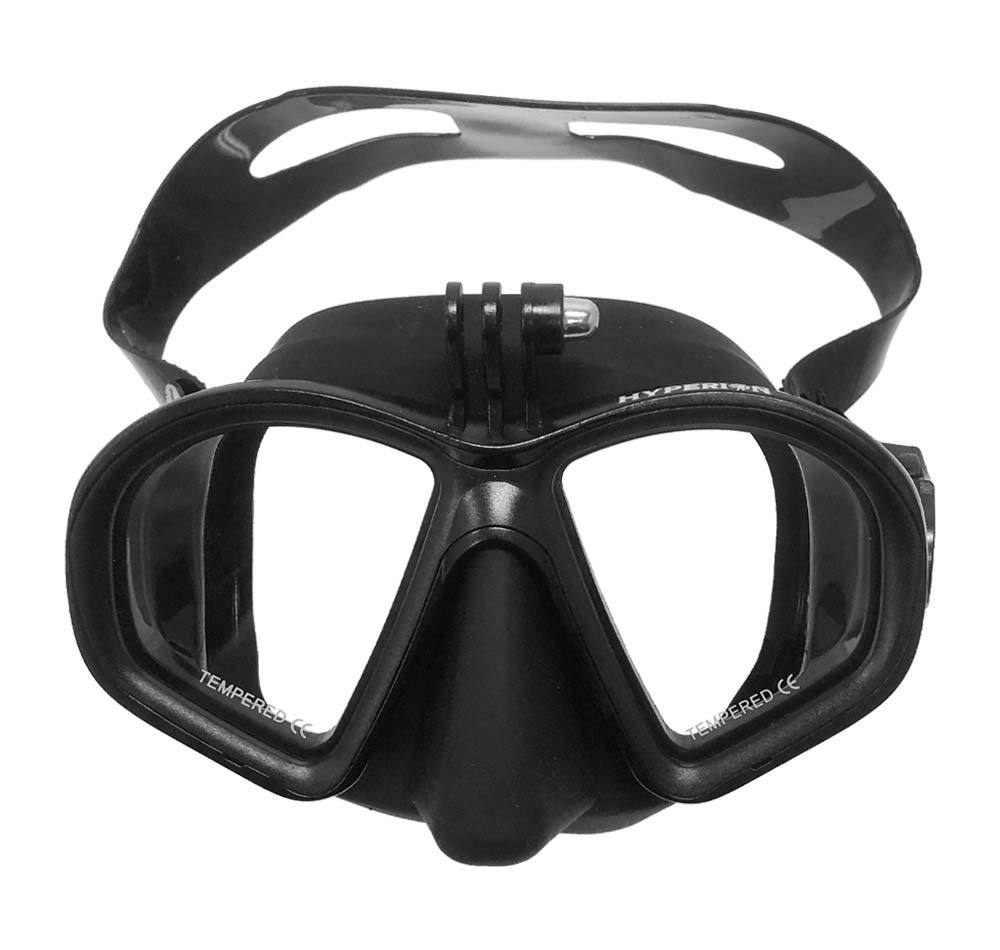
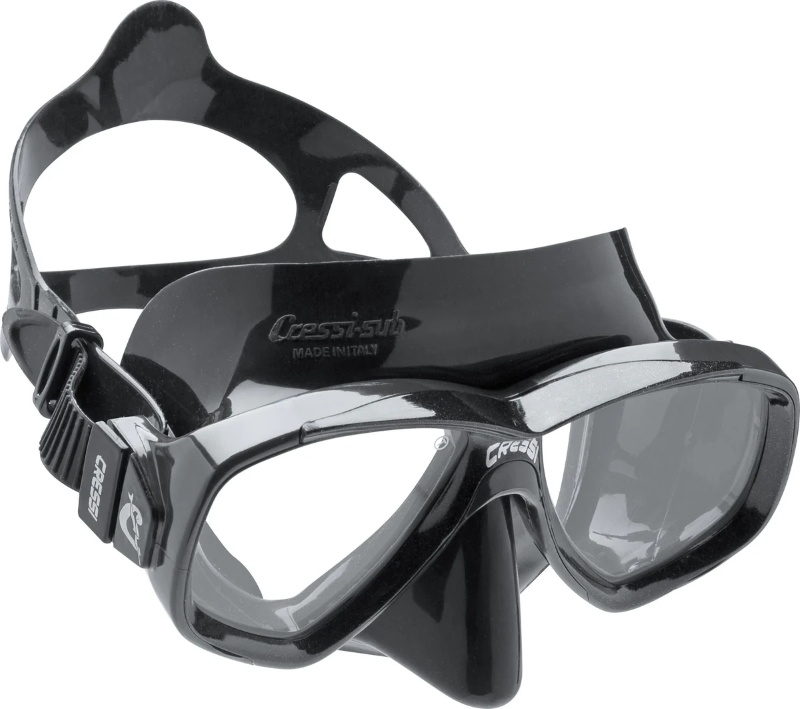

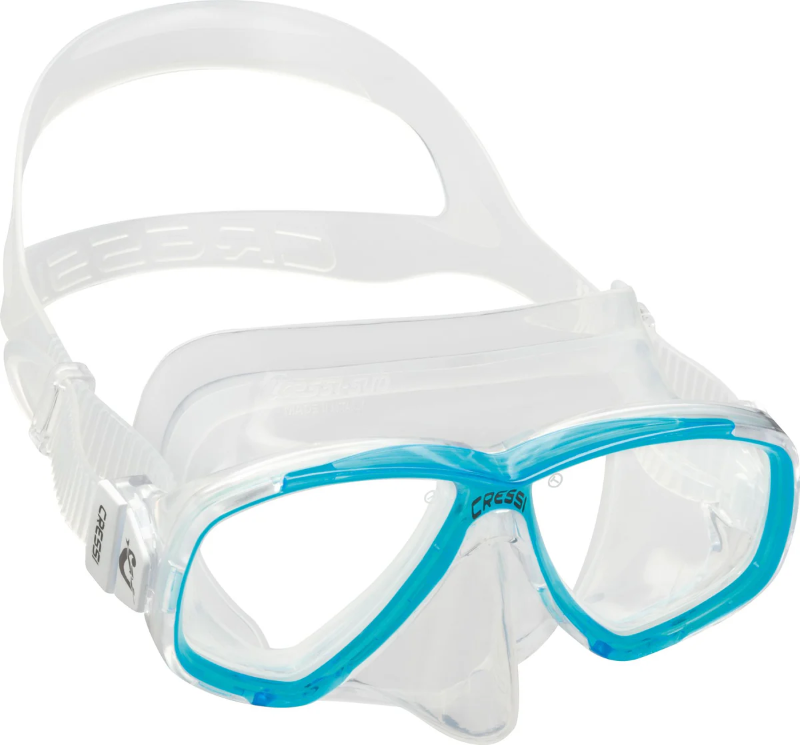

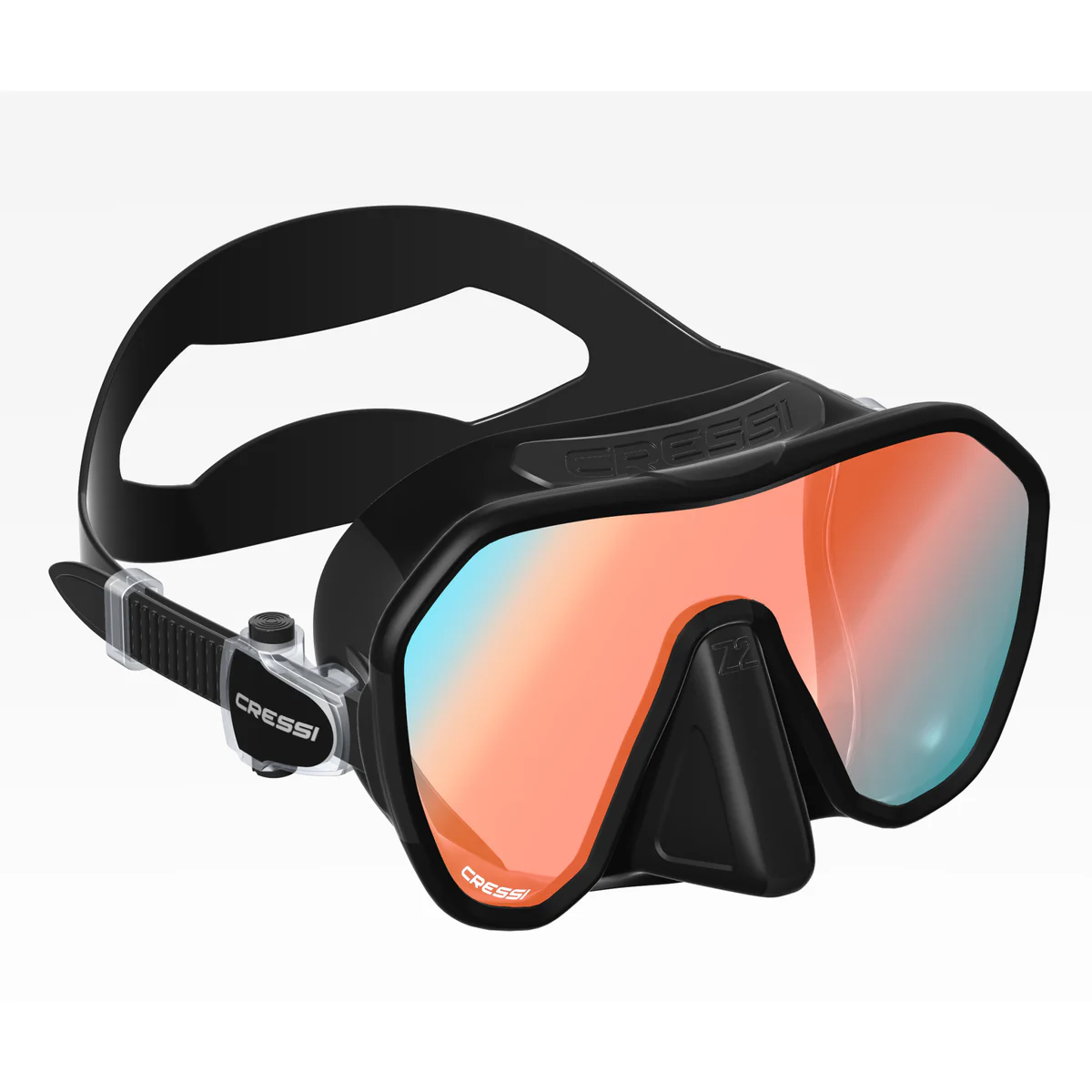

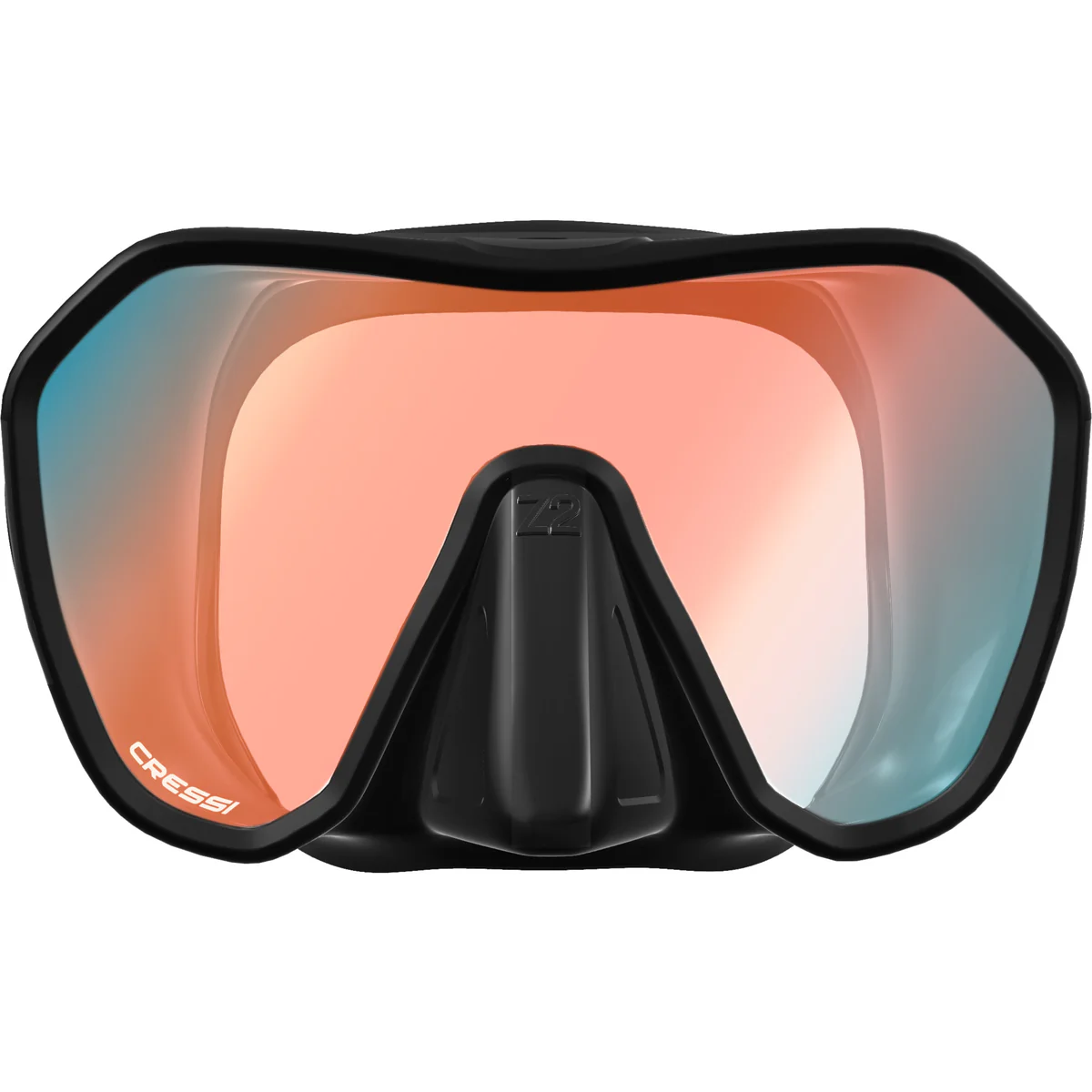


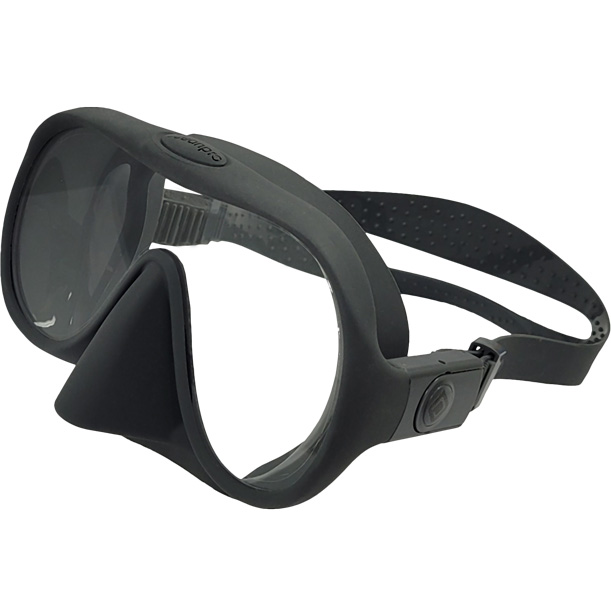

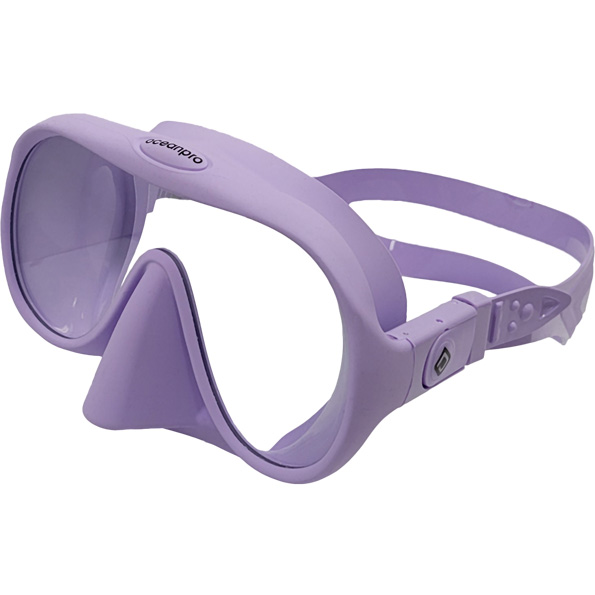

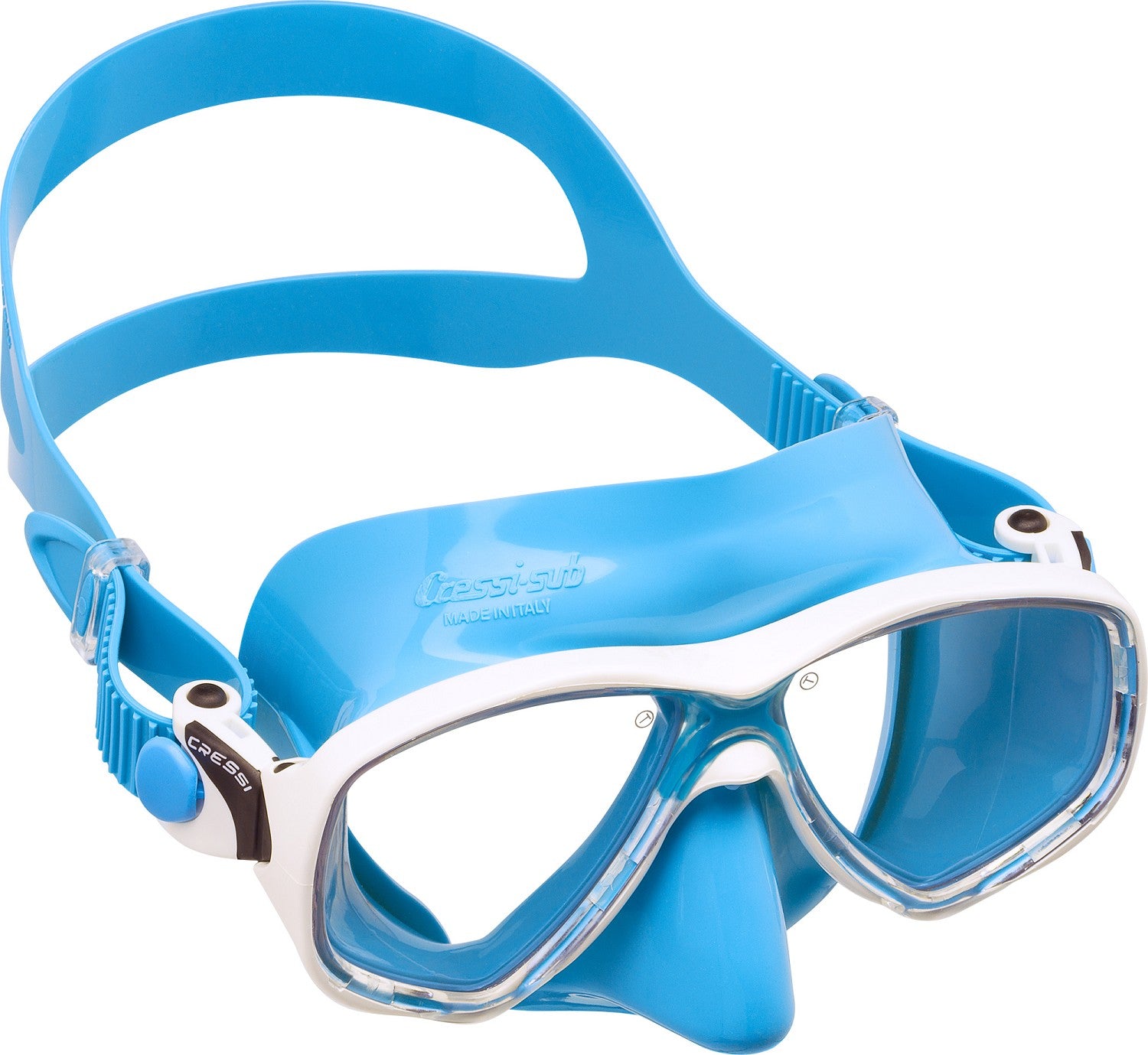
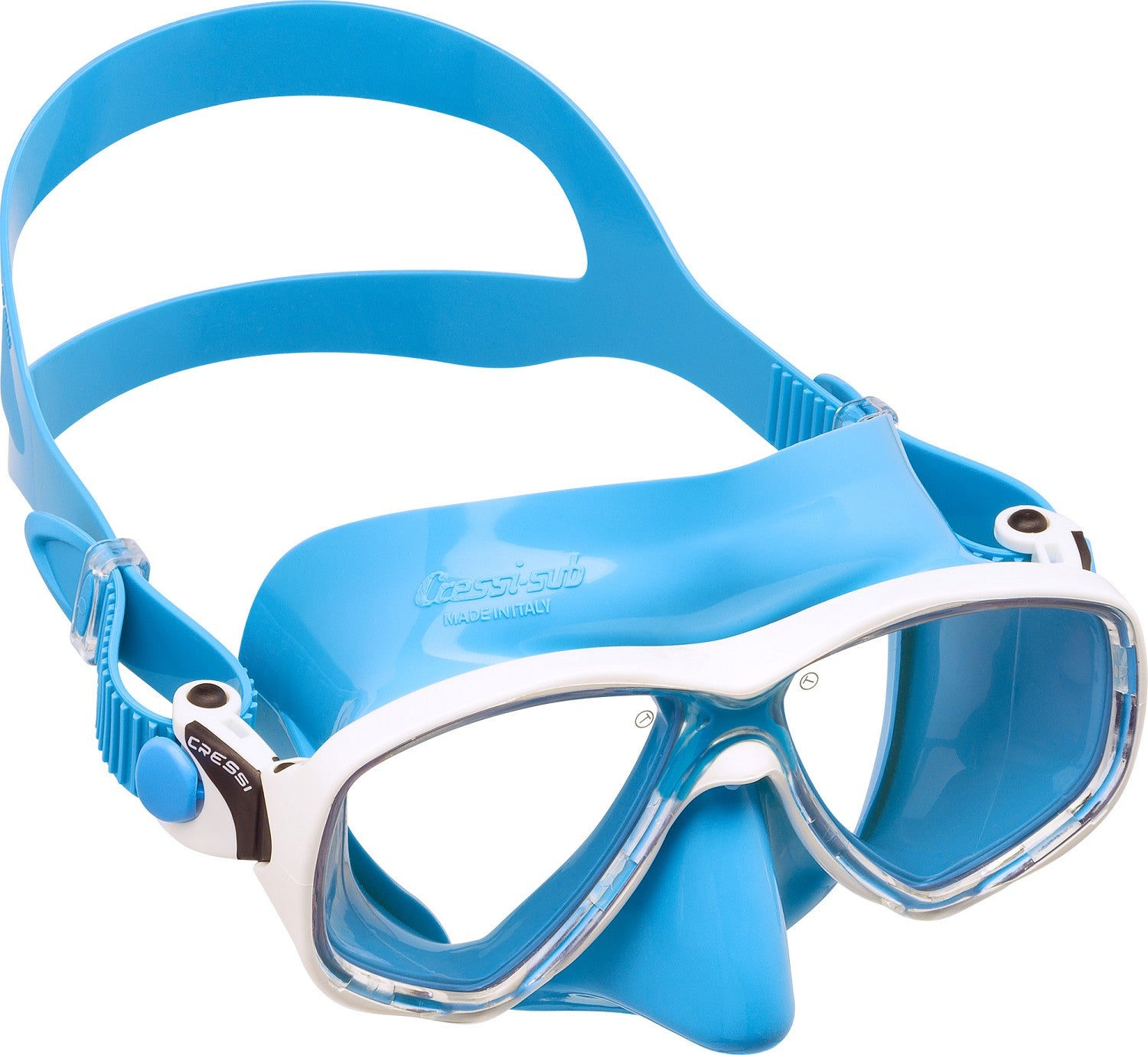
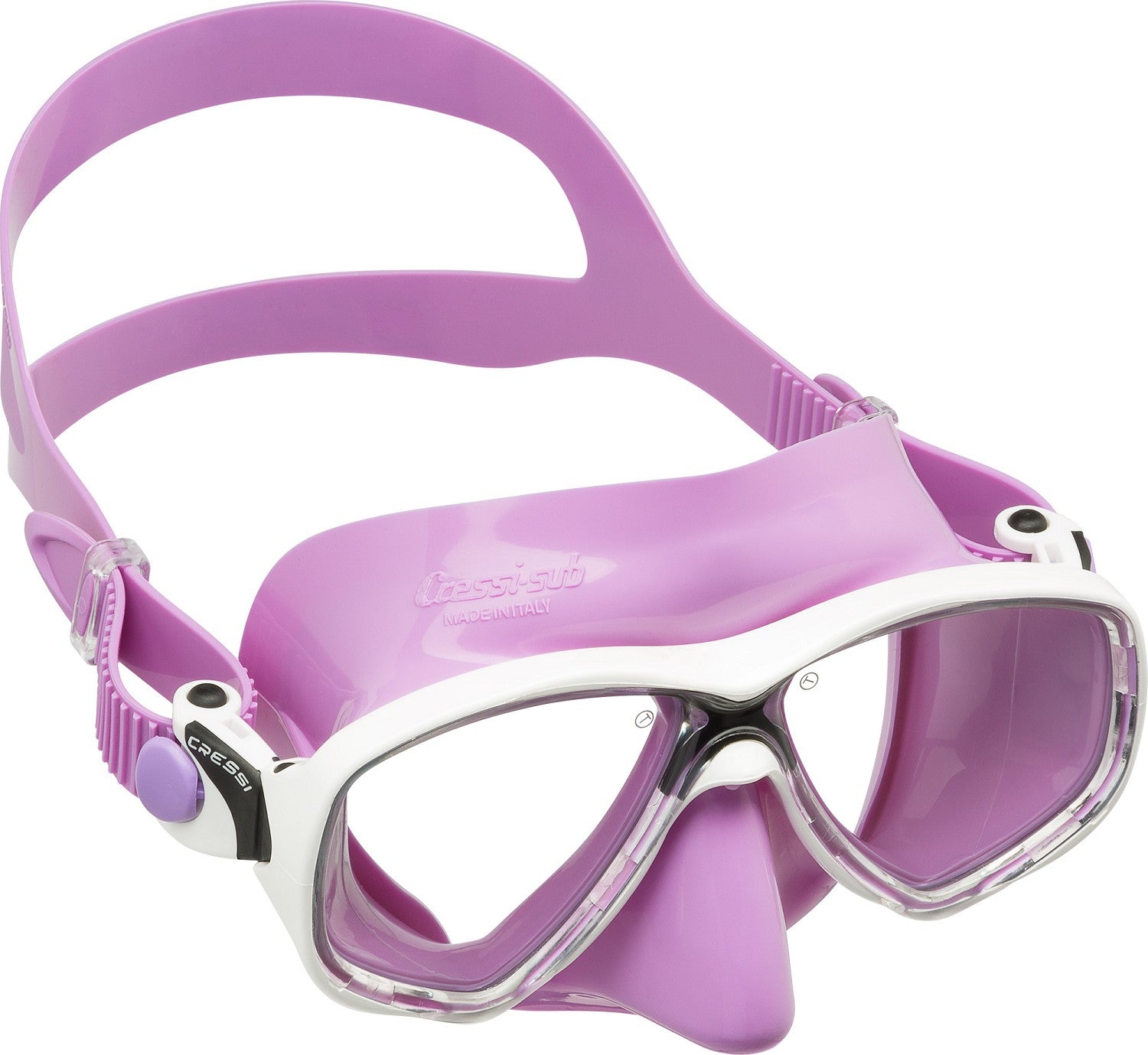


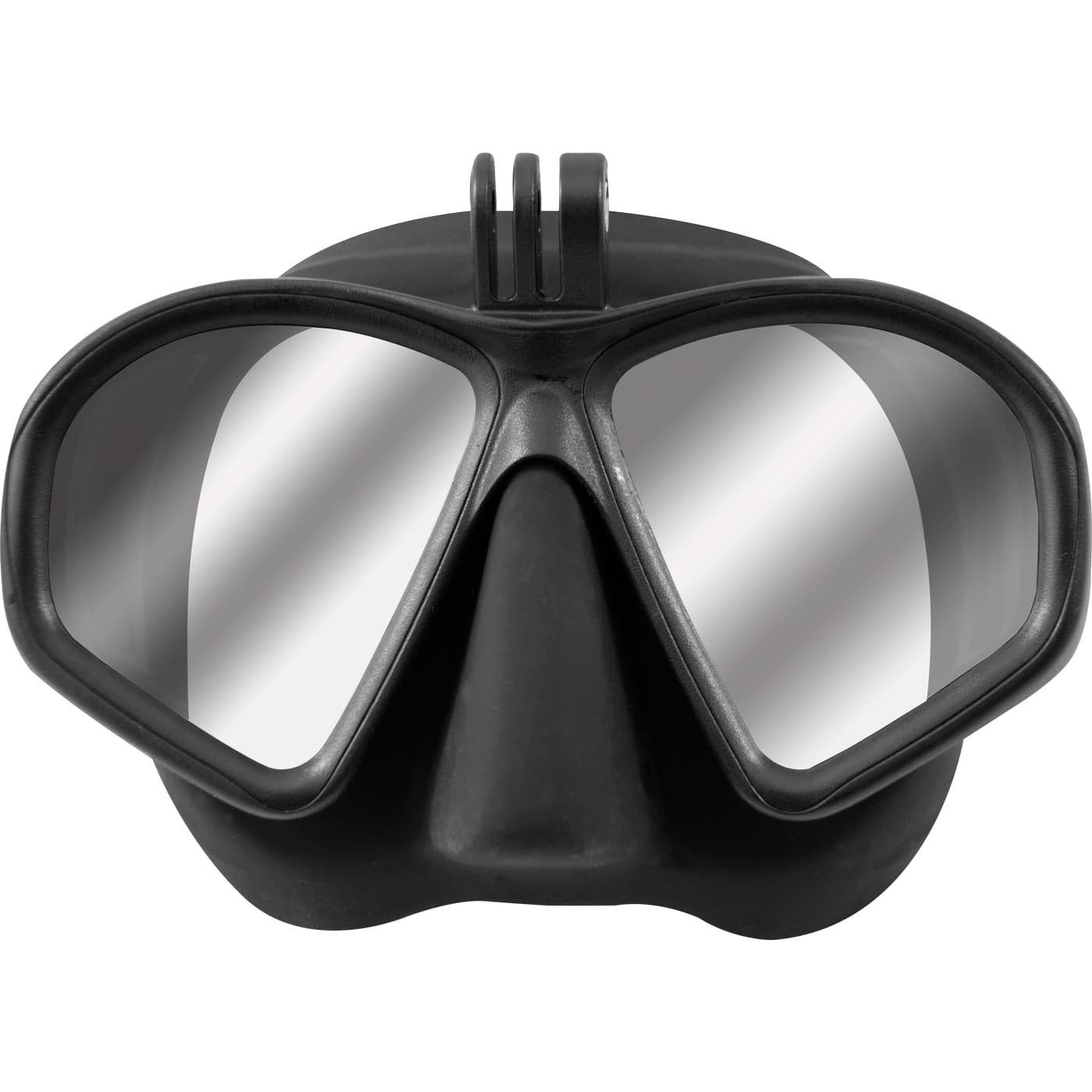

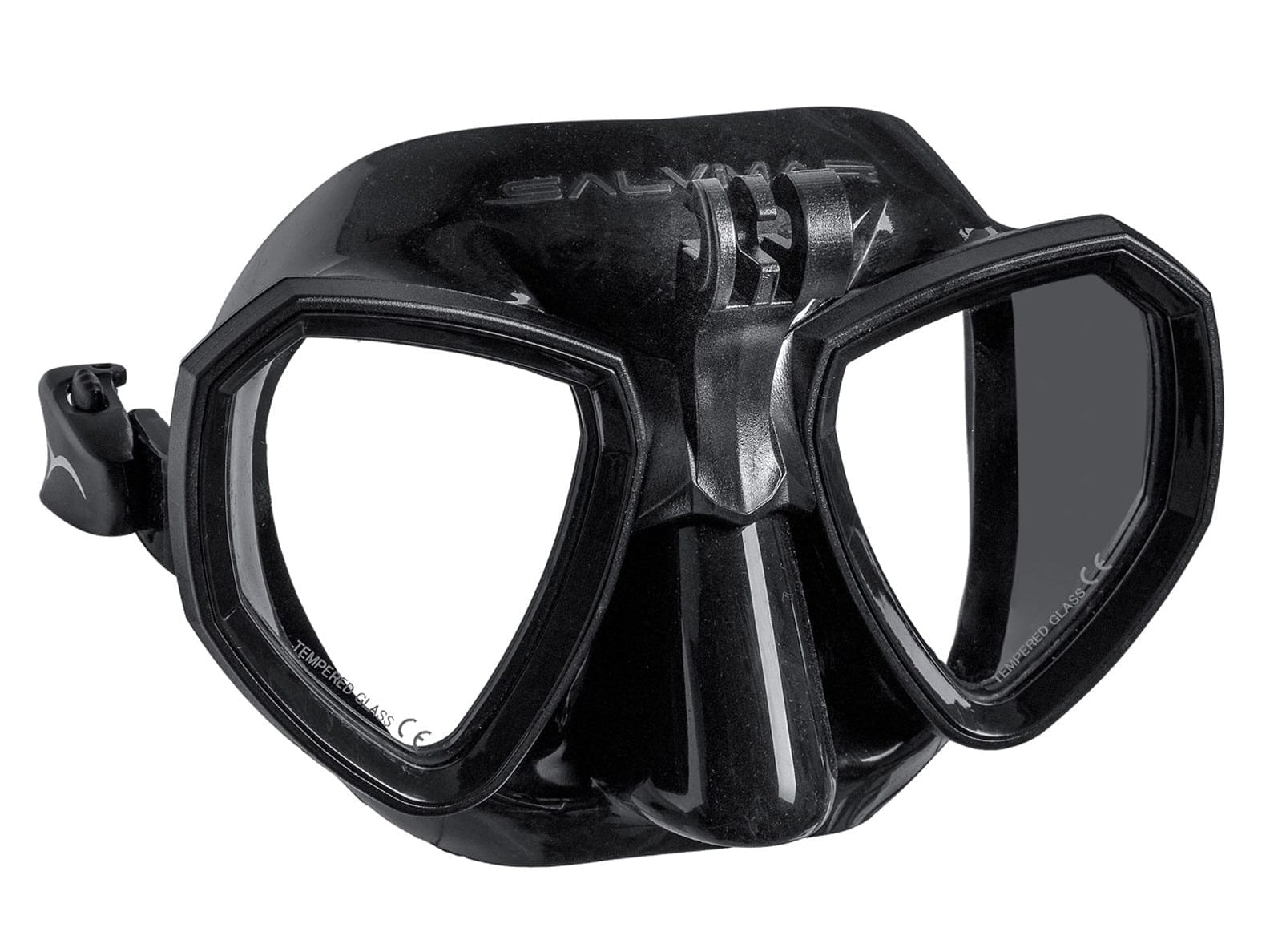
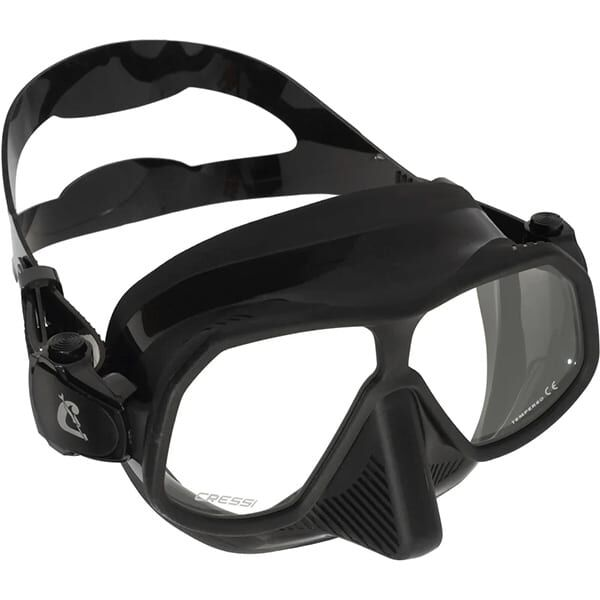

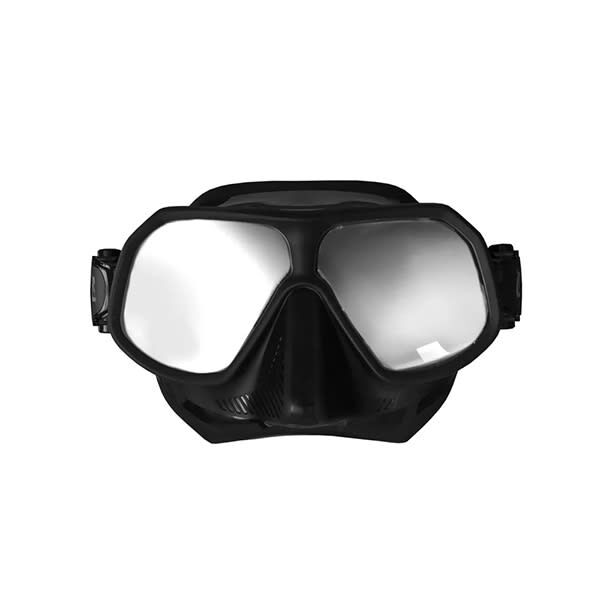

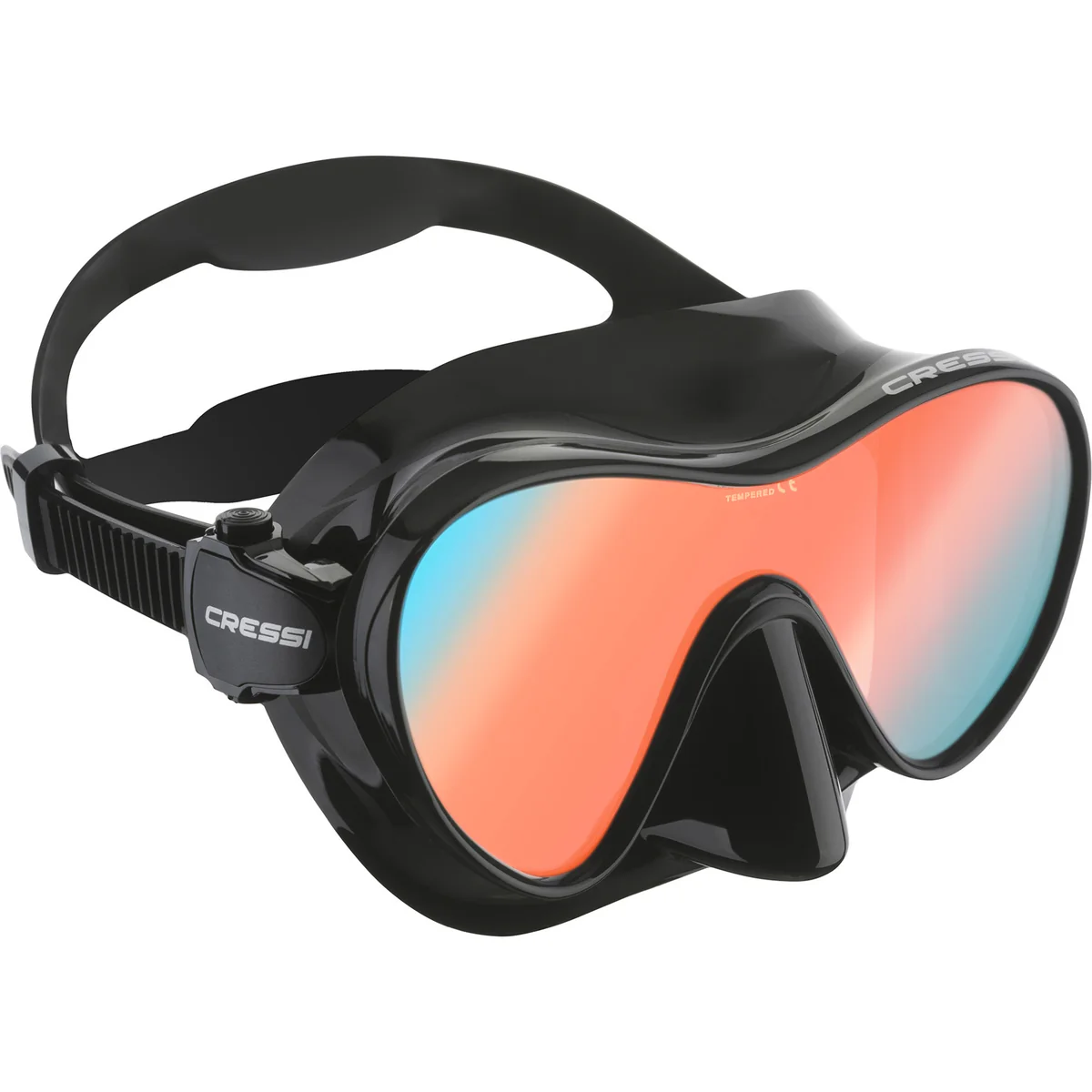













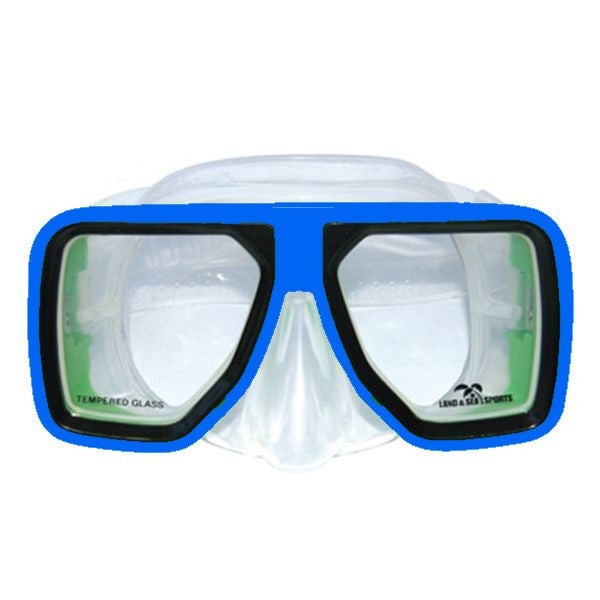

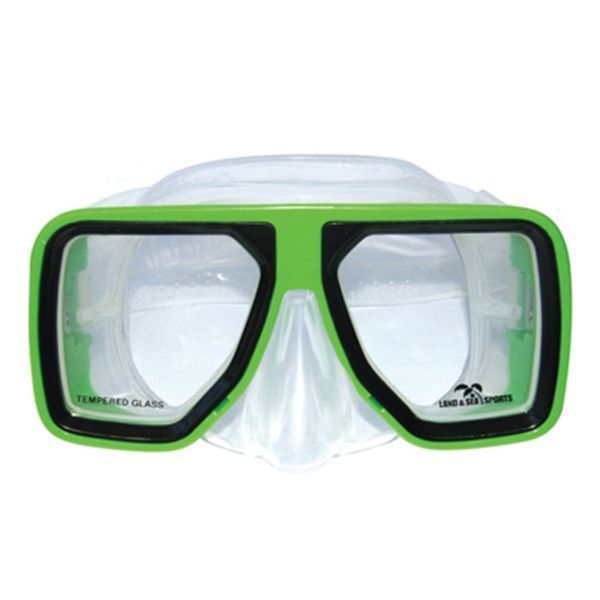


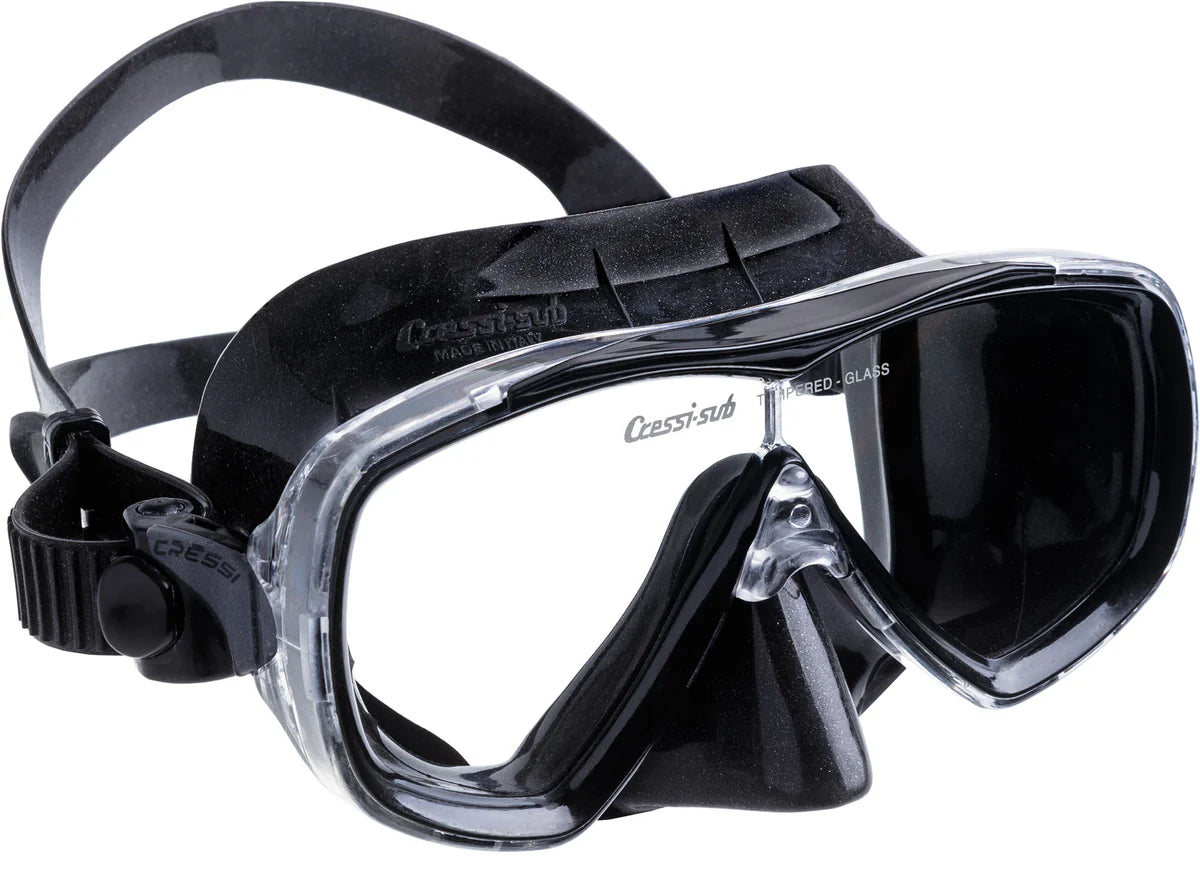

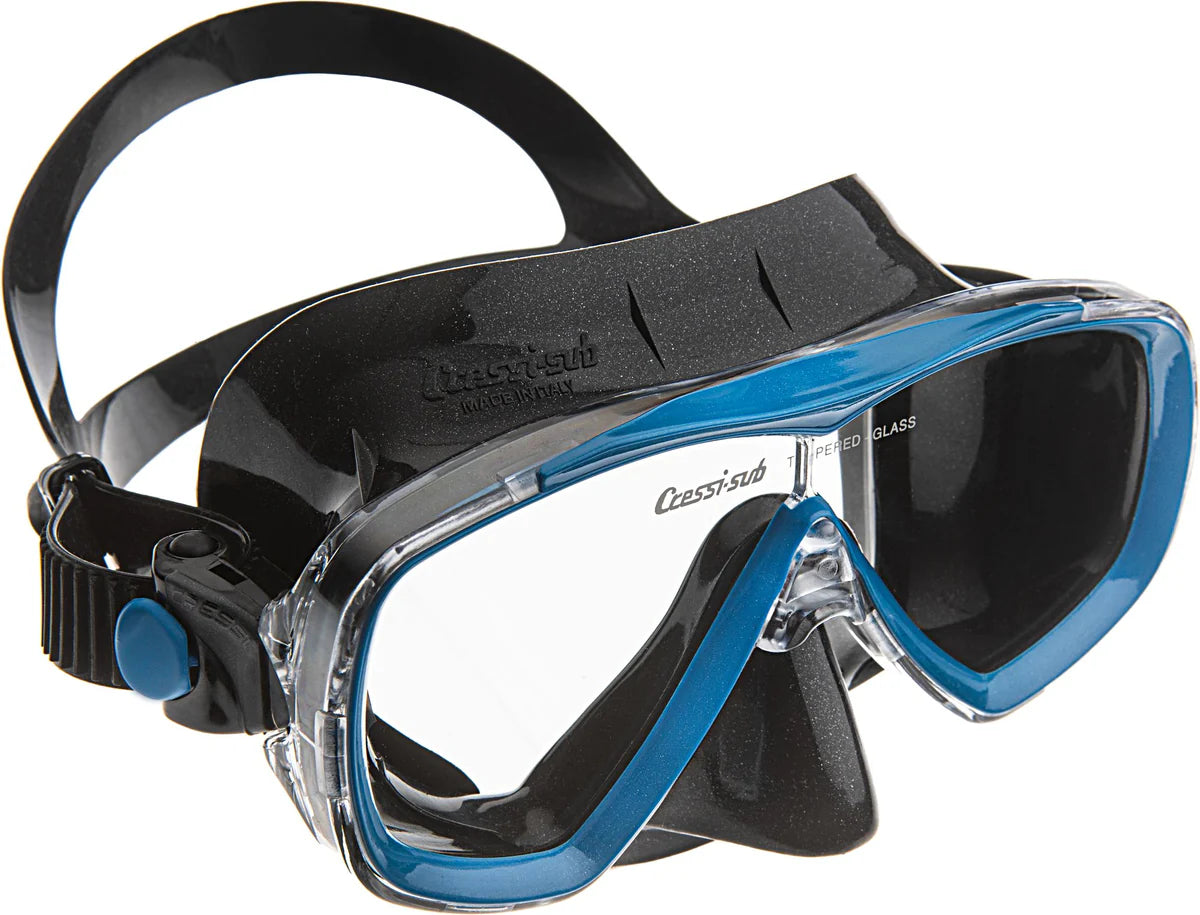




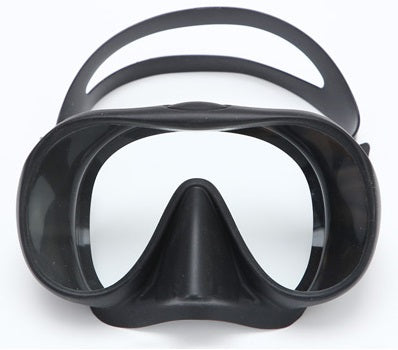
Masks on their own, for divers replacing one or building a kit piece by piece. Low-volume freediving and spearfishing masks through to wider-view masks for snorkelling, in adult and junior sizes.
Fit first
Nothing else about a mask matters if it does not seal. The test takes five seconds: hold it against your face without the strap, breathe in gently through your nose and let go. A mask that stays put has a good seal. One that slides off will leak no matter how hard you crank the strap — and overtightening is itself a common cause of leaks, because it distorts the skirt.
Volume is the next decision. Low-volume masks sit close to the face and take very little air to clear, which is why freedivers and spearfishers prefer them. Higher-volume masks give a wider field of view, which is more pleasant for surface snorkelling.
Tempered glass is the standard for anything beyond a pool toy, and a black skirt cuts glare and reflection in a way a clear skirt does not. Matched sets are in mask and snorkel sets, and dive accessories has the anti-fog.
Frequently asked questions
How do I check a dive mask fits?
Hold it to your face with no strap, breathe in gently through your nose, and let go. If it holds itself in place the seal is right. If it drops or hisses, try another shape.
What is a low volume mask?
One with very little air space between the lens and your face. It takes less air to equalise and clear, which matters when you are holding your breath, and it sits closer for a lower profile in the water.
Why does my mask keep fogging?
New masks have a factory film on the lens that has to be scrubbed off before anti-fog will work. After that, a drop of anti-fog and a rinse before each dive handles it.
Should the skirt be black or clear?
Black cuts glare and reflections, which is why spearfishers prefer it. Clear lets in more light and feels less enclosed, which suits casual snorkelling.