

FREE SHIPPING ON ORDERS OVER $150*

AUSSIE FAMILY OWNED BUSINESS FOR OVER 40 YEARS

100% SATISFACTION GUARANTEED
Electric Fishing Reels
Electric Fishing Reels
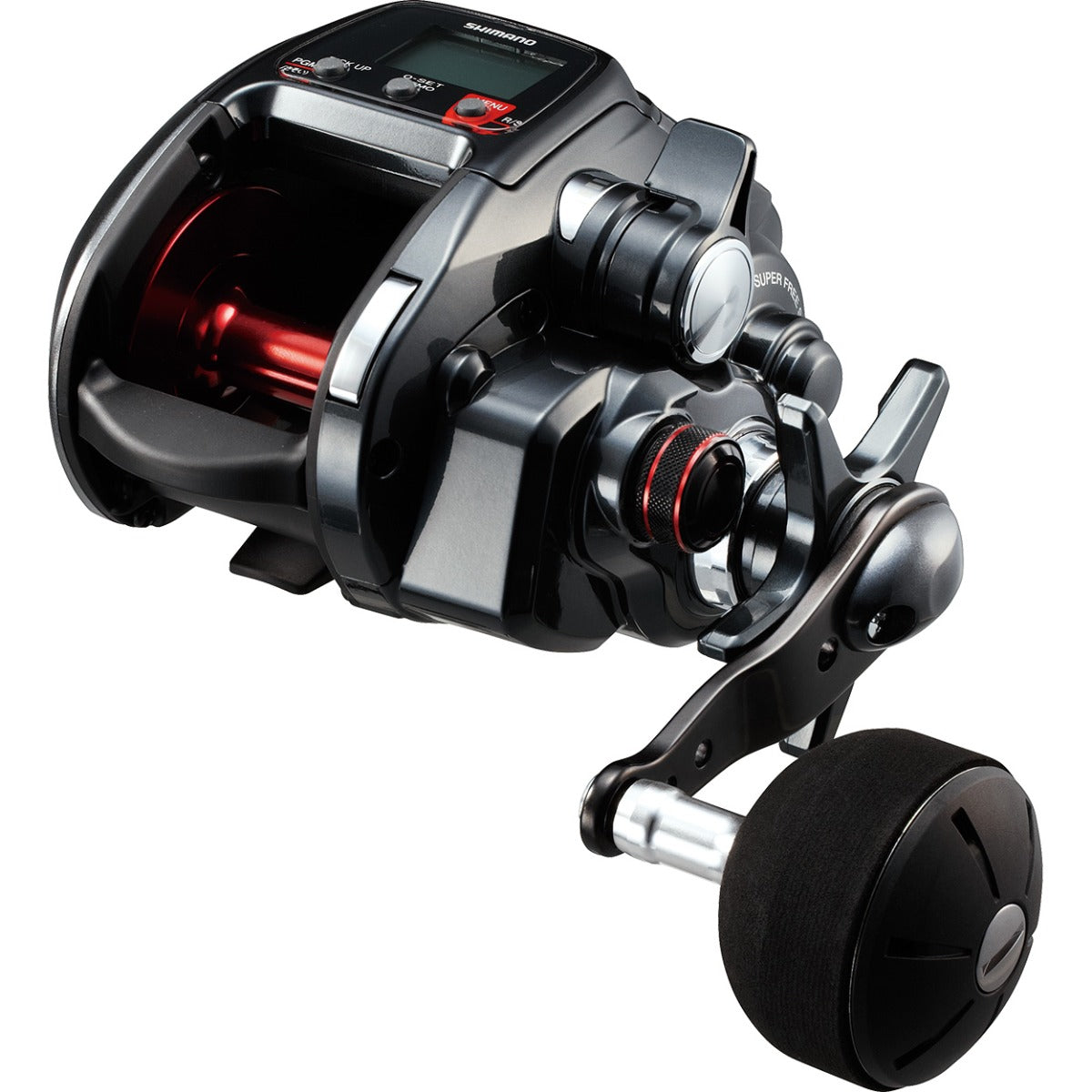
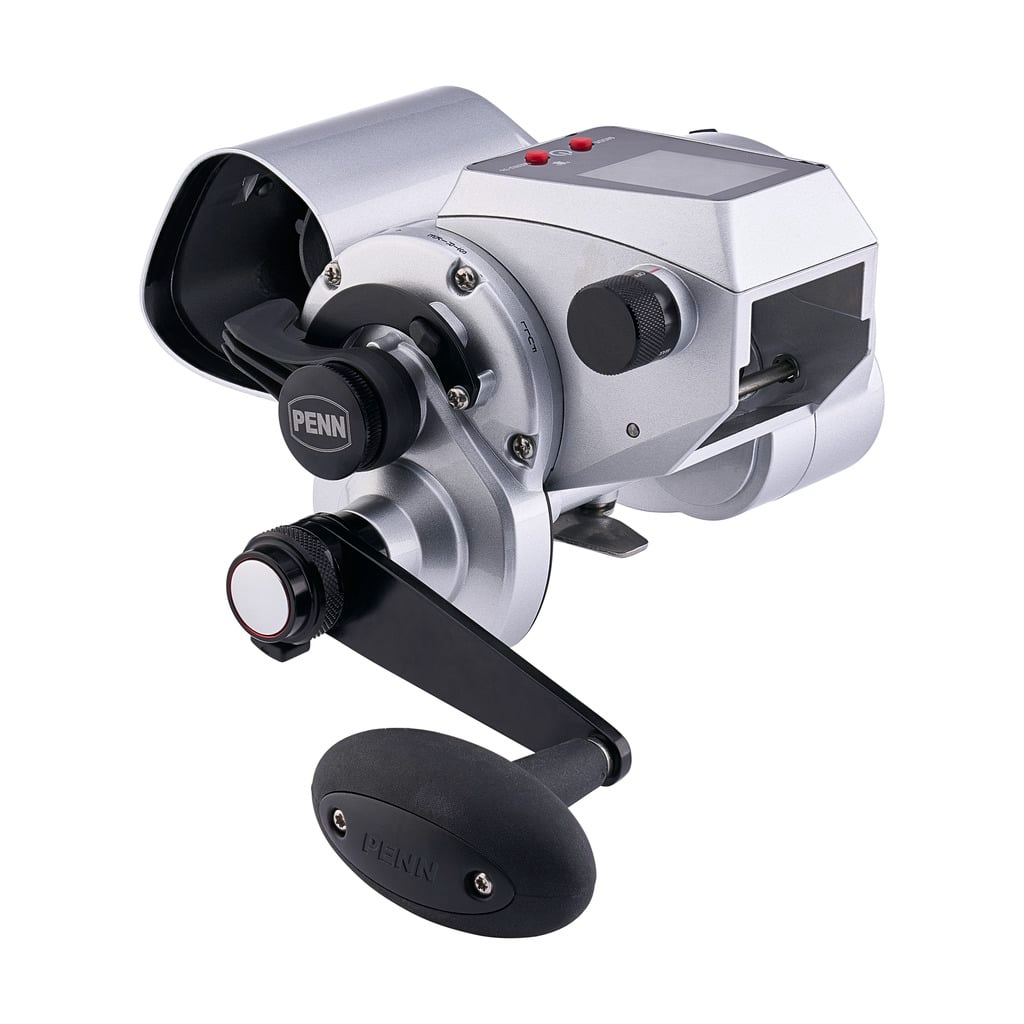
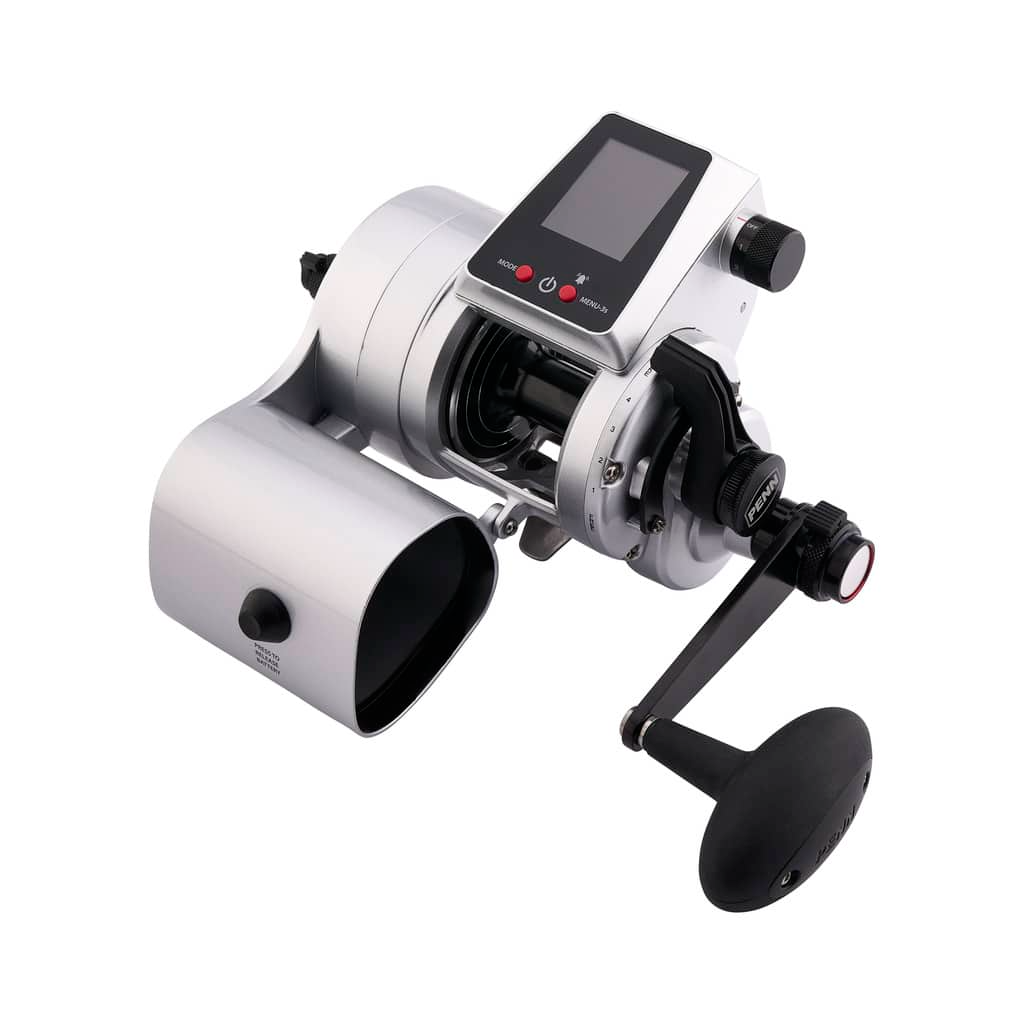
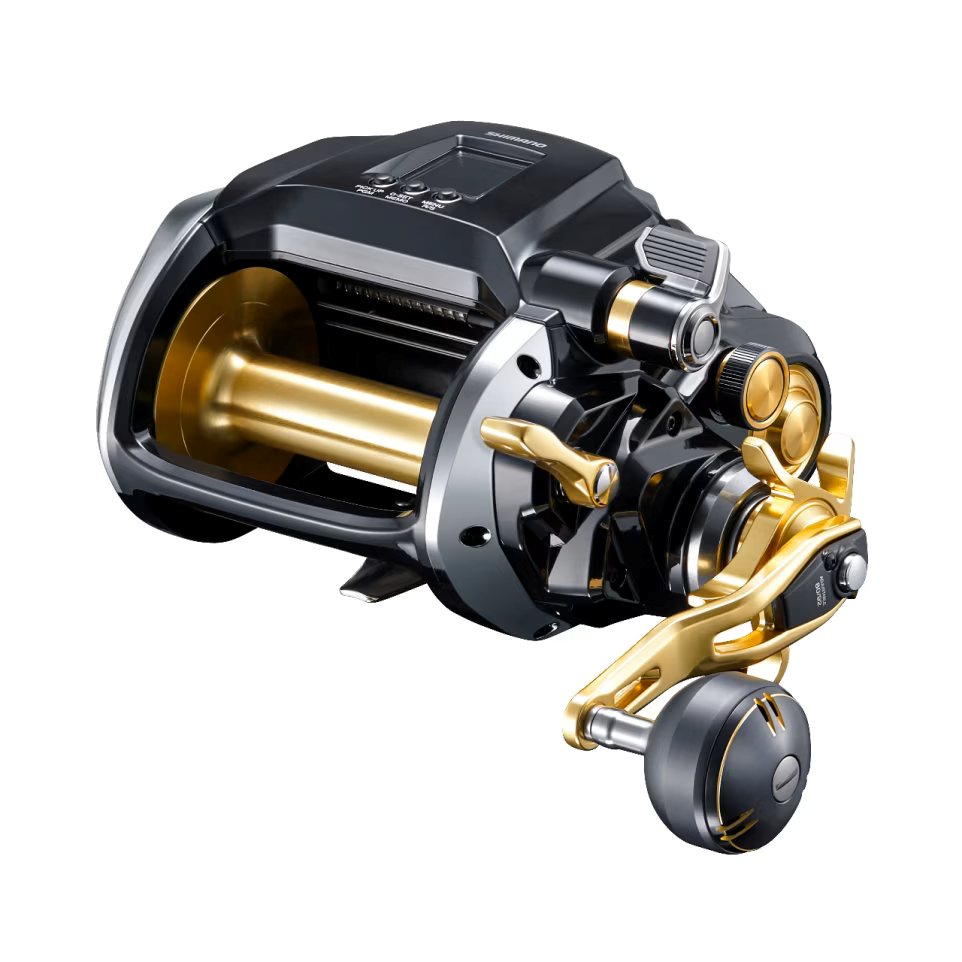
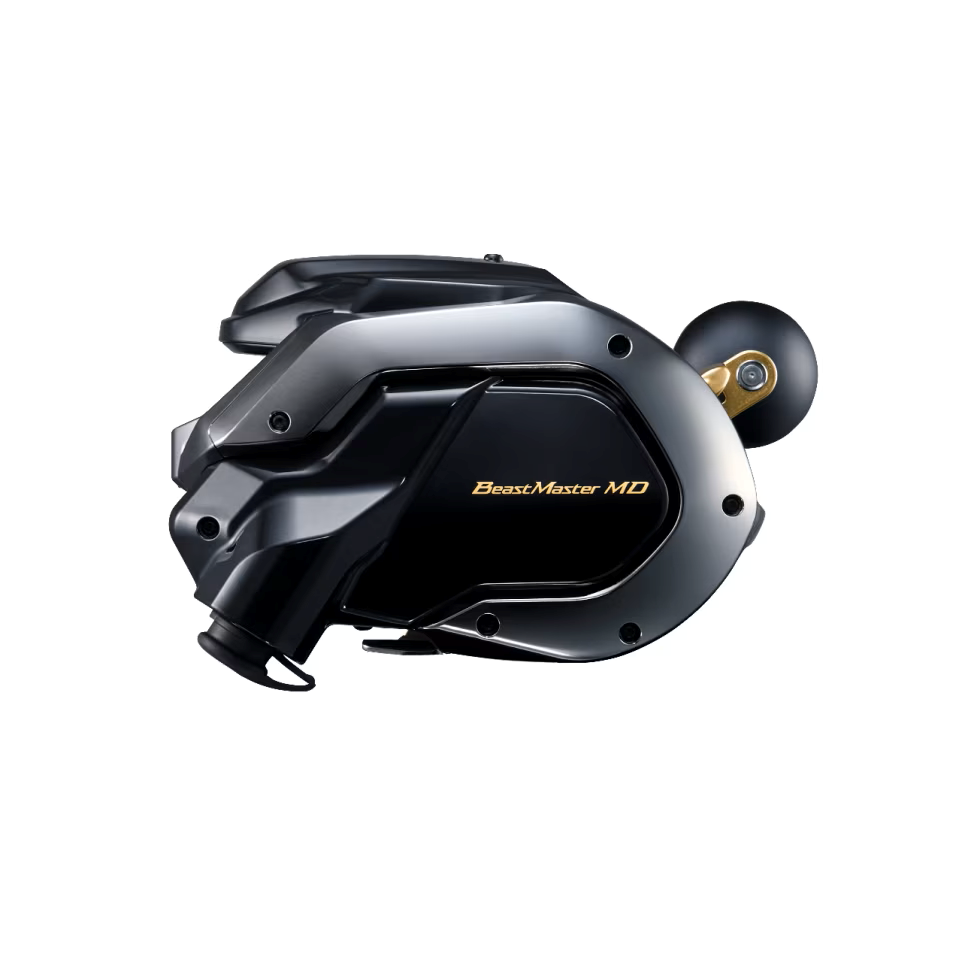
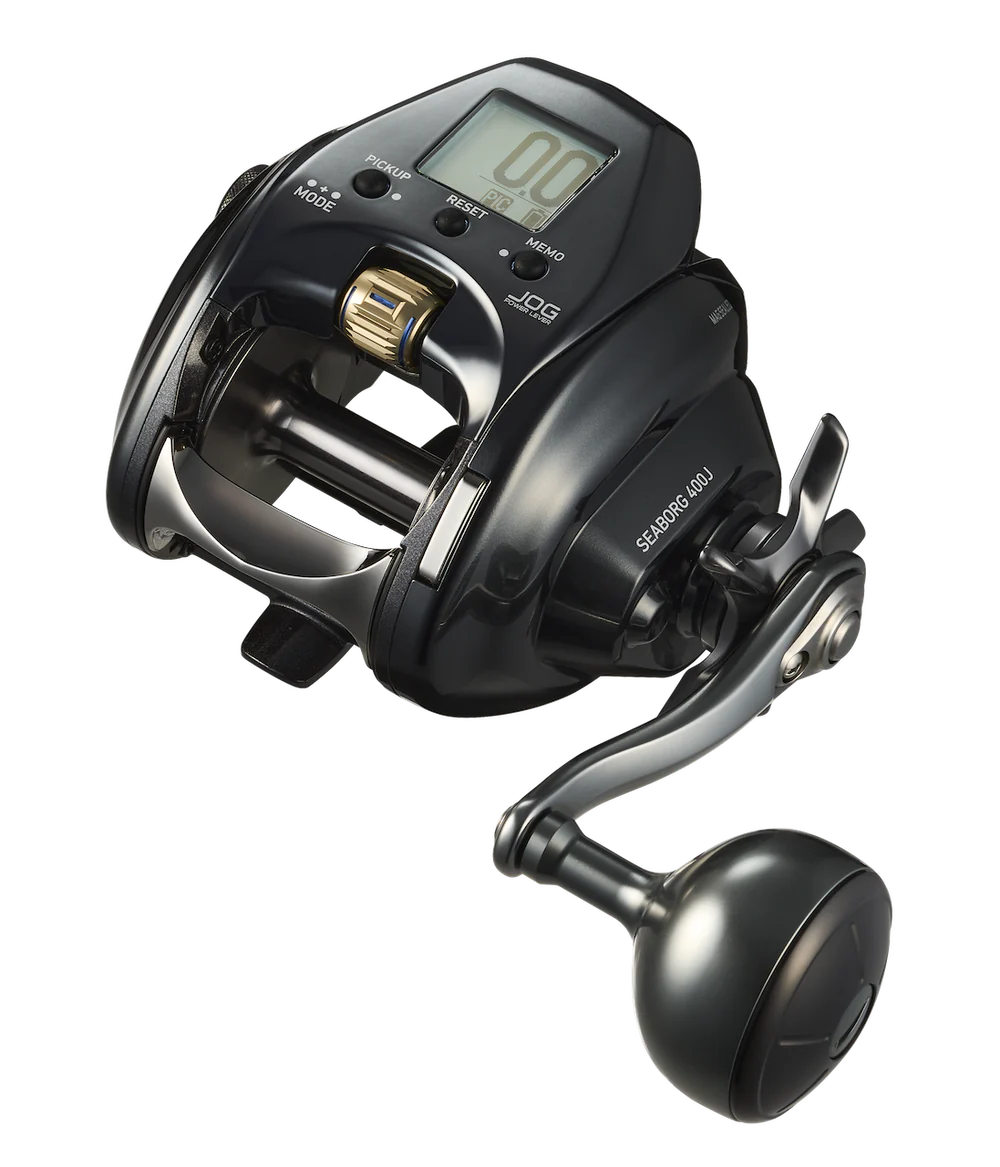
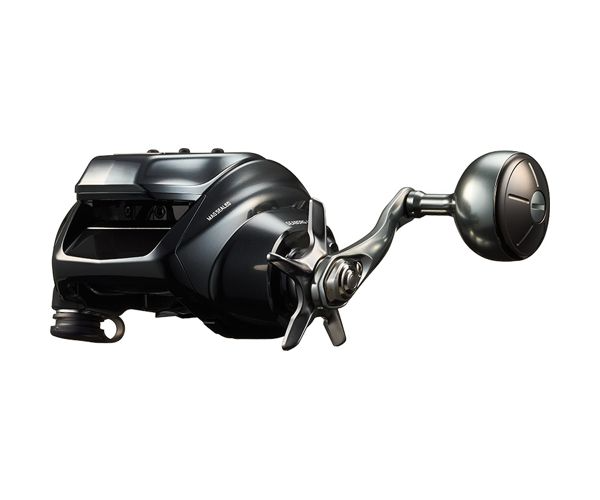
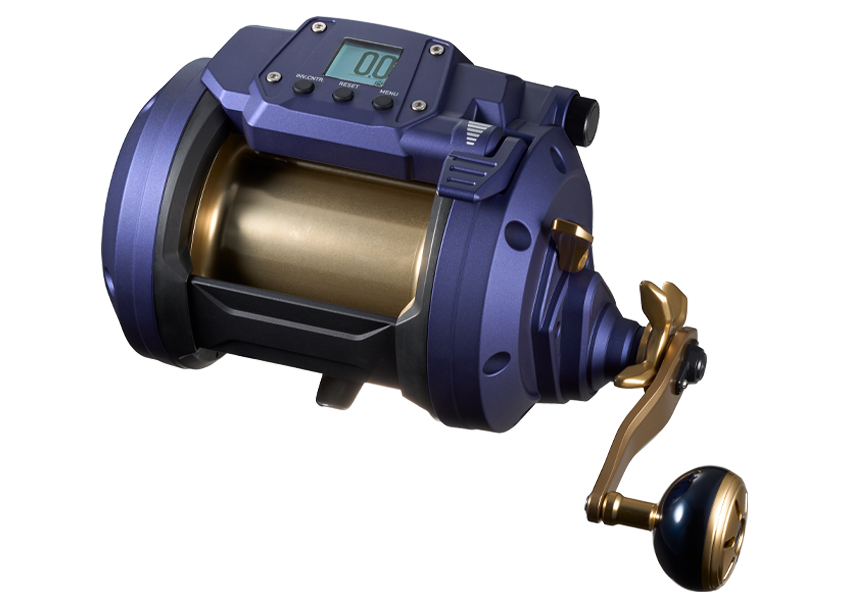
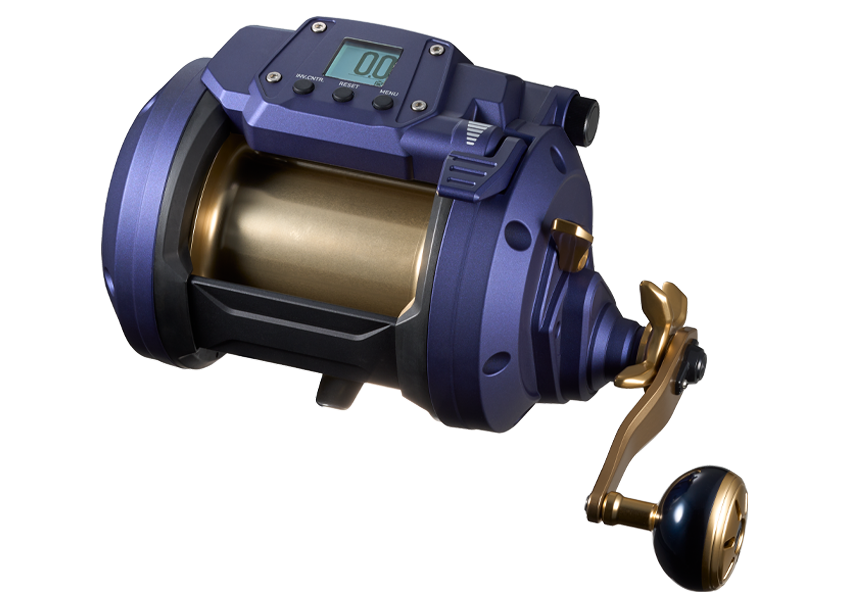
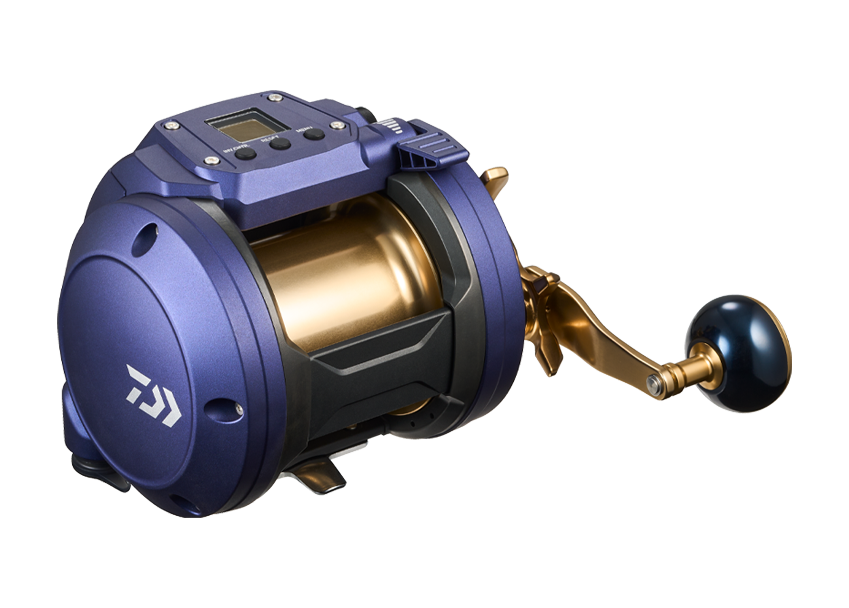
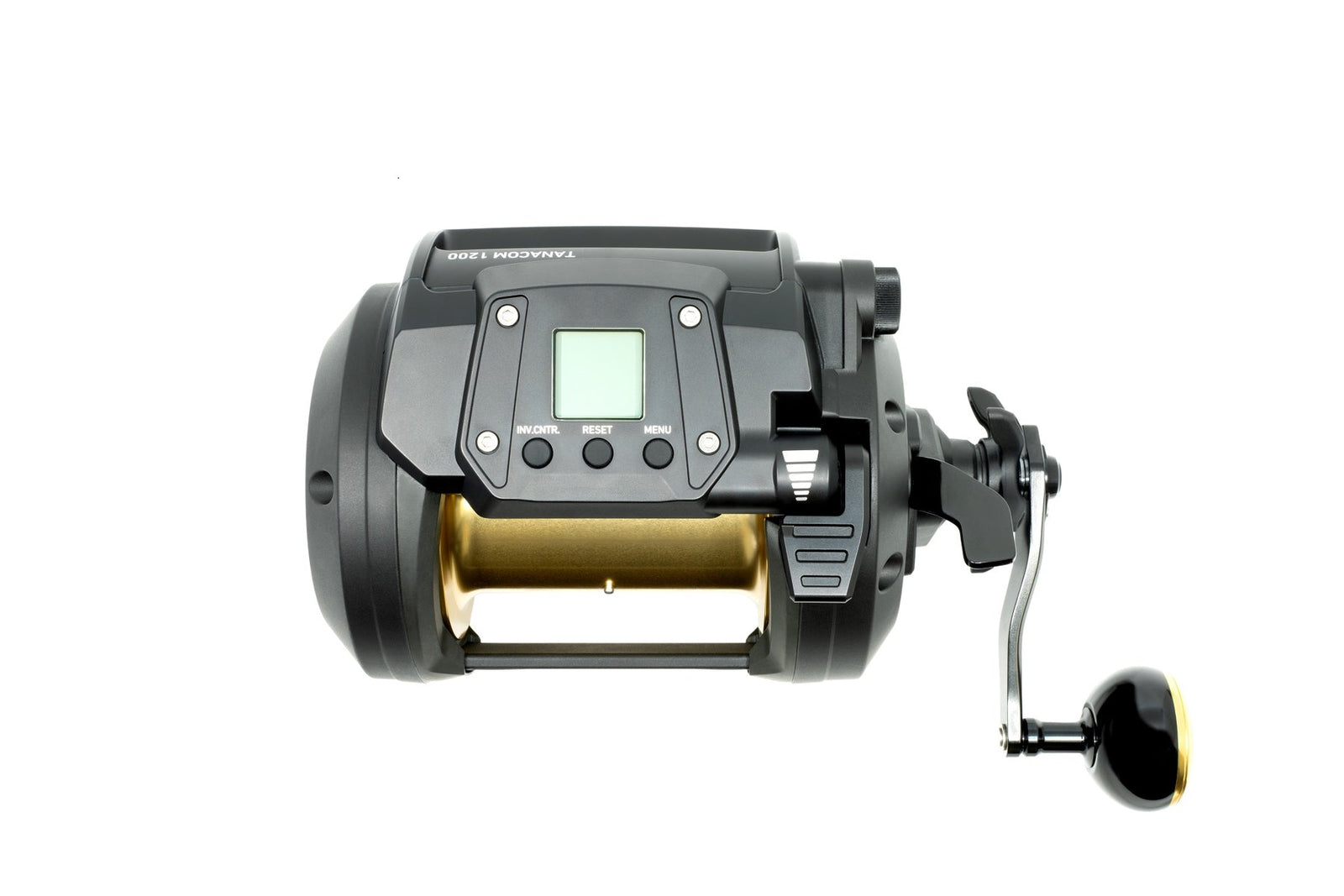
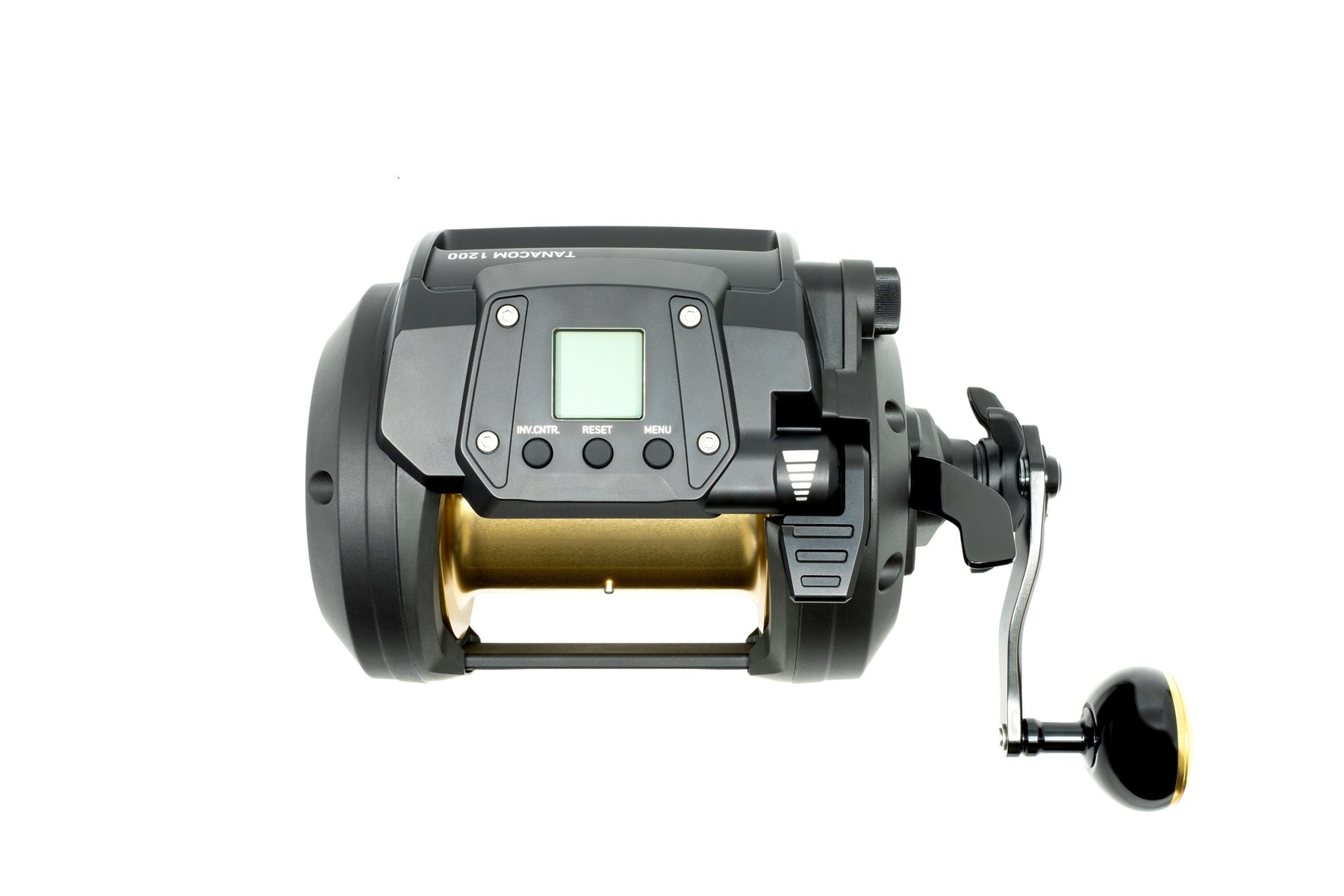
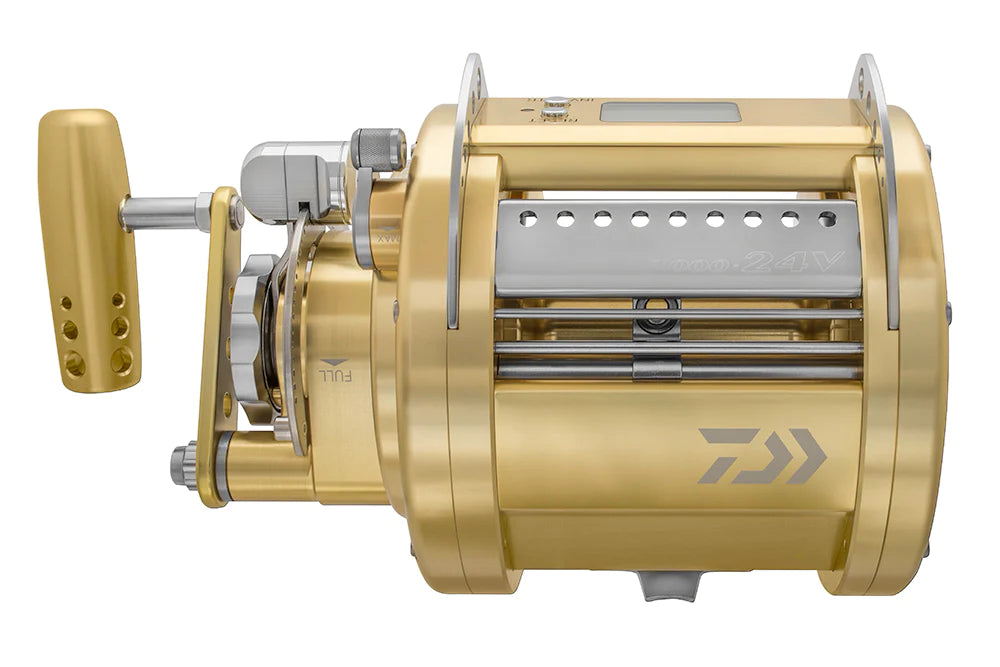
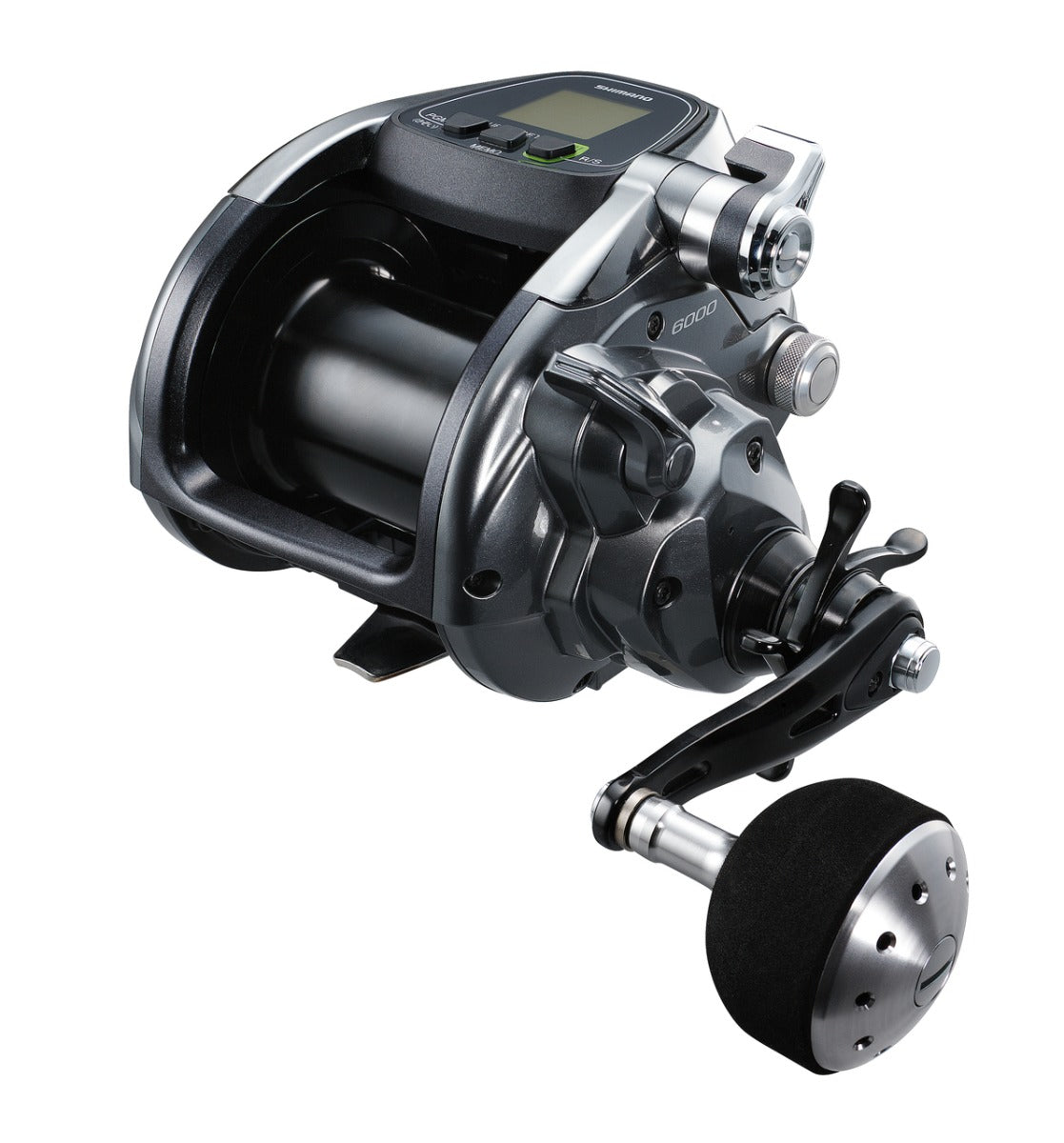
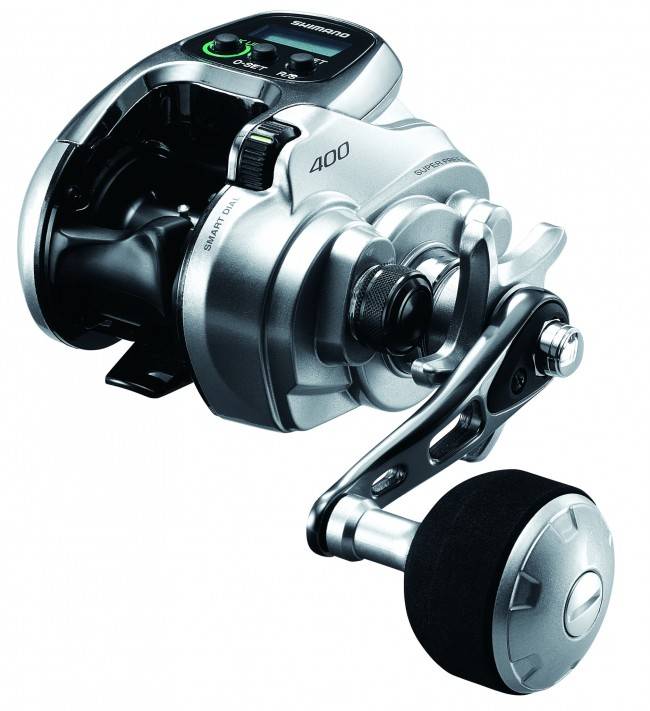
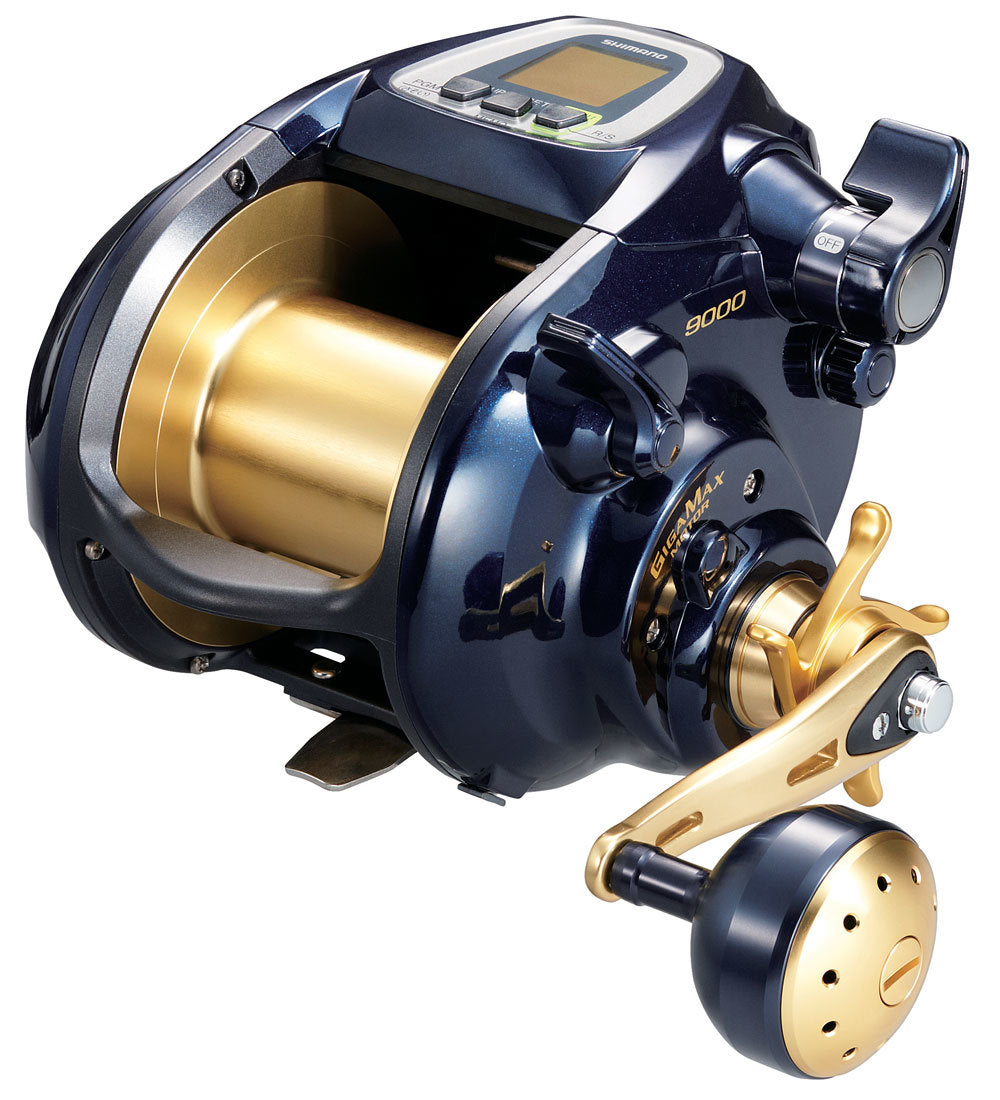
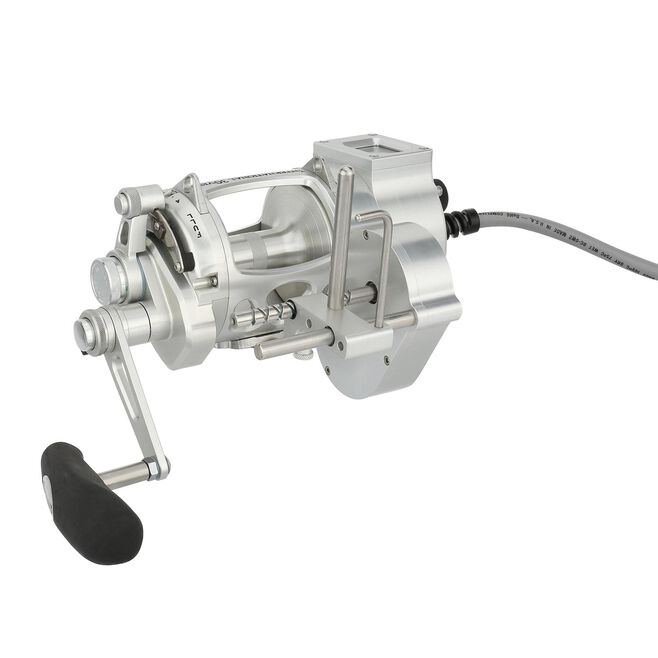
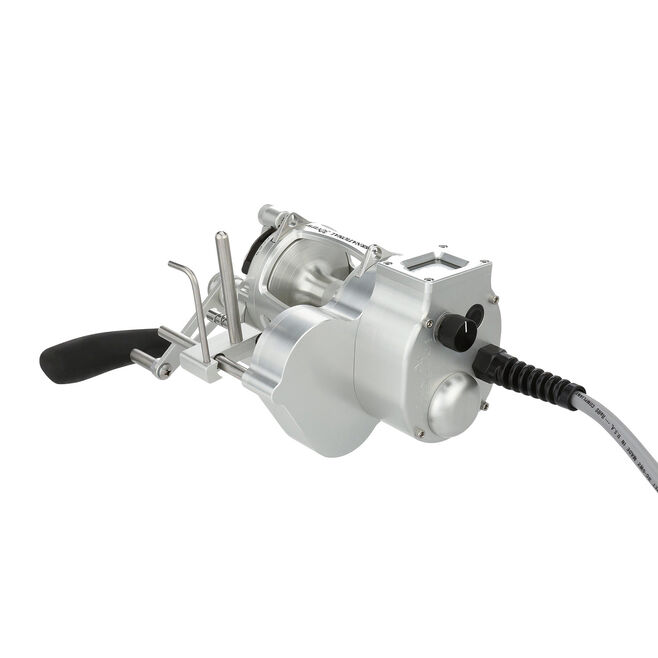
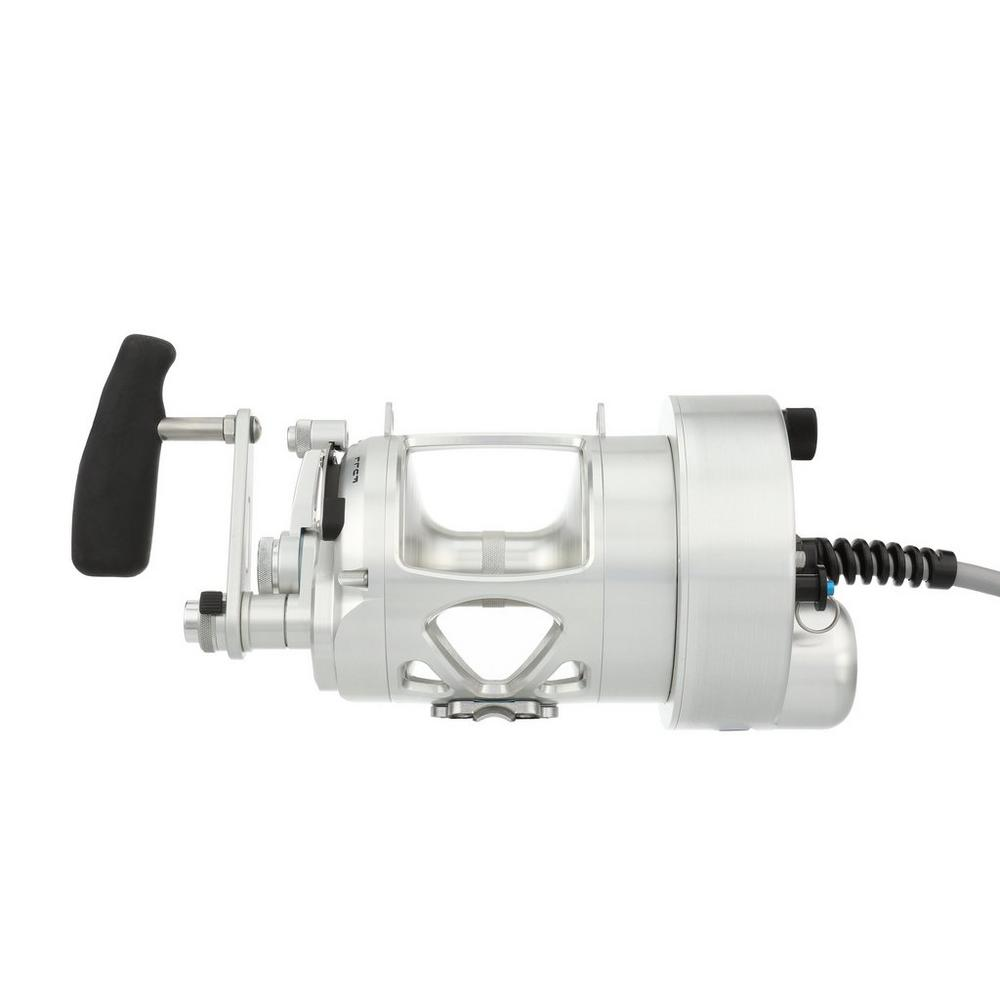
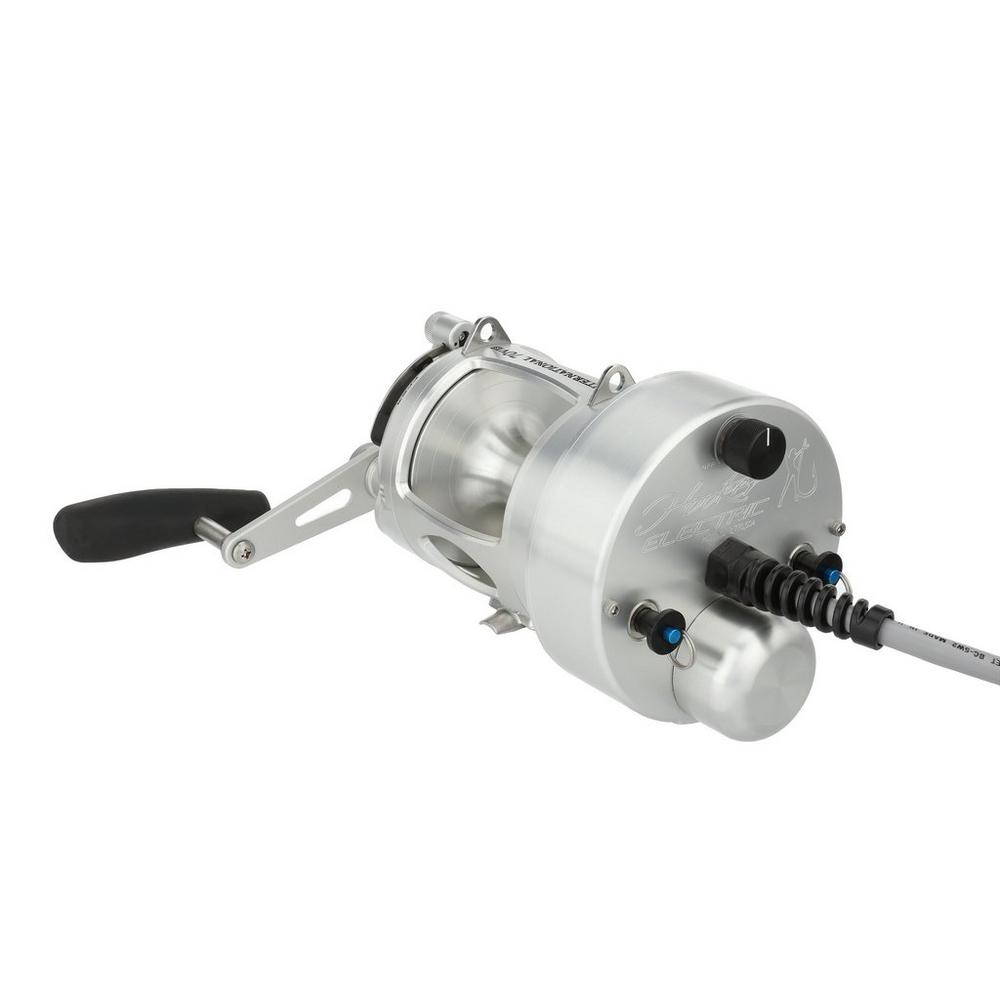
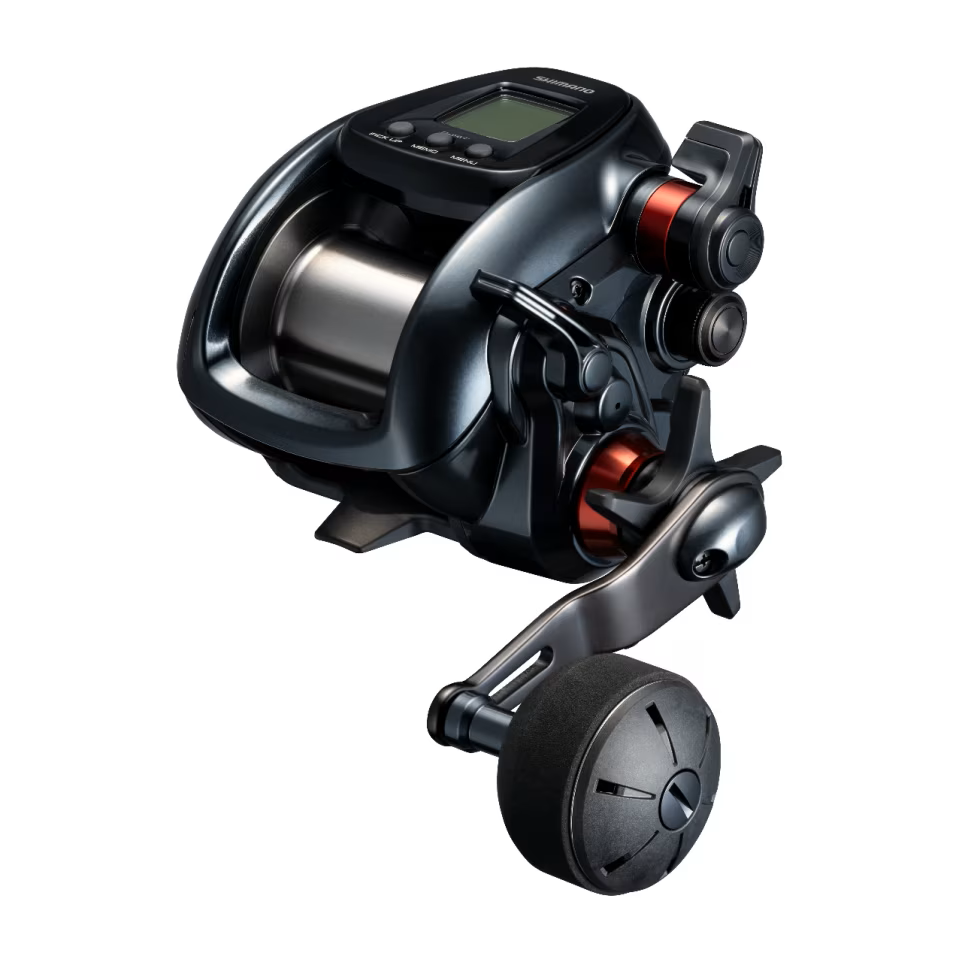
Electric reels exist for one reason: fishing water too deep to wind by hand. Once you are dropping into deep water for species like bass groper, bar cod, hapuka and blue-eye trevalla, a manual retrieve stops being practical, and an electric reel turns an all-day ordeal into a repeatable technique.
Choosing an electric reel
Line capacity comes first, because deep dropping eats line and running short mid-drop is both expensive and dangerous. Then consider how the reel connects to your boat — these reels draw real current under load and need a properly fused, correctly rated lead rather than a cigarette socket. Check the reel's own requirements before you wire anything up.
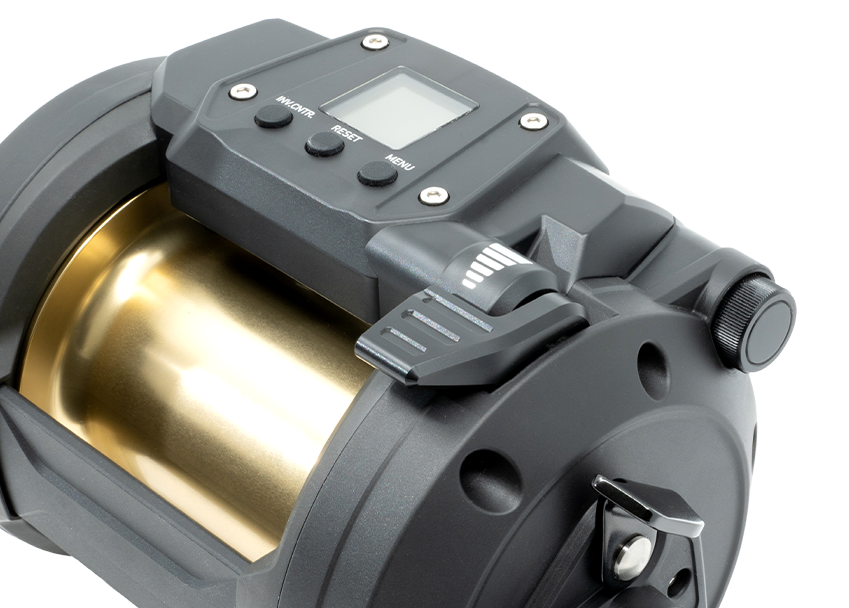
Depth counters and programmable stops are what separate a good electric reel from a winch. Being able to send a rig to an exact depth and return there repeatably is most of the skill in deep dropping.
If you are fishing shallower but want assistance, some electric reels also suit heavy bottom bouncing and downrigging. They are usually run on a short, heavy overhead rod rather than anything with much bend in it.
Frequently asked questions
What is an electric fishing reel used for?
Deep dropping for species like bass groper, bar cod, hapuka and blue-eye trevalla, where the depth makes winding by hand impractical.
Do electric reels need a special rod?
They need a rod rated for the line class and, ideally, roller guides. Many anglers pair them with purpose-built electric or deep-drop rods.
How are electric reels powered?
From the boat's electrical system via a dedicated lead. Cable gauge and a properly fused connection matter — always check the requirements for your particular reel before connecting it.

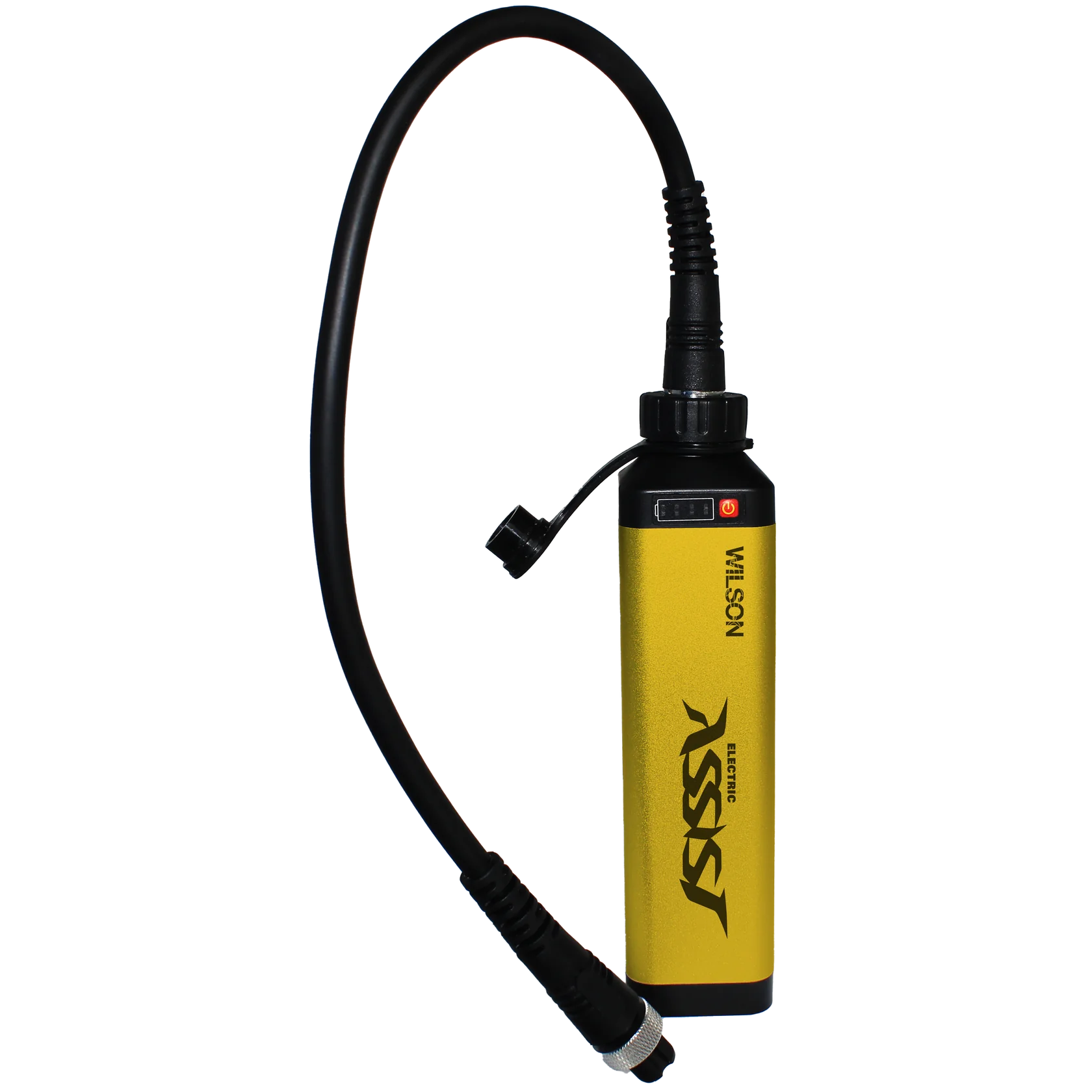

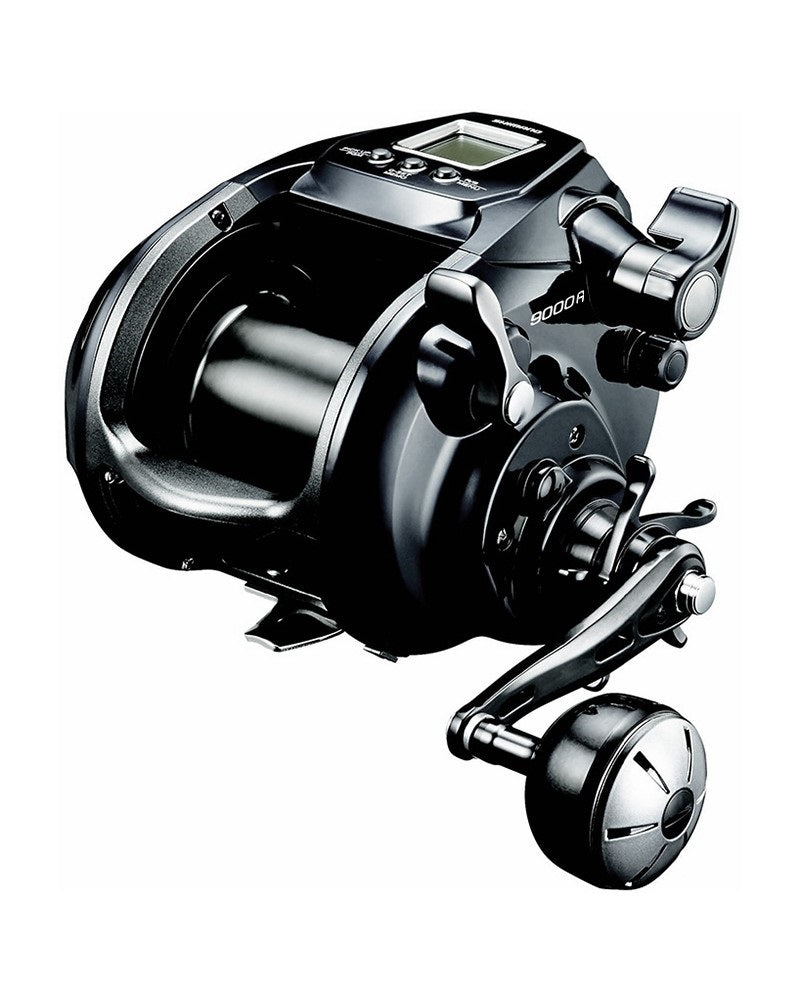
Sold Out
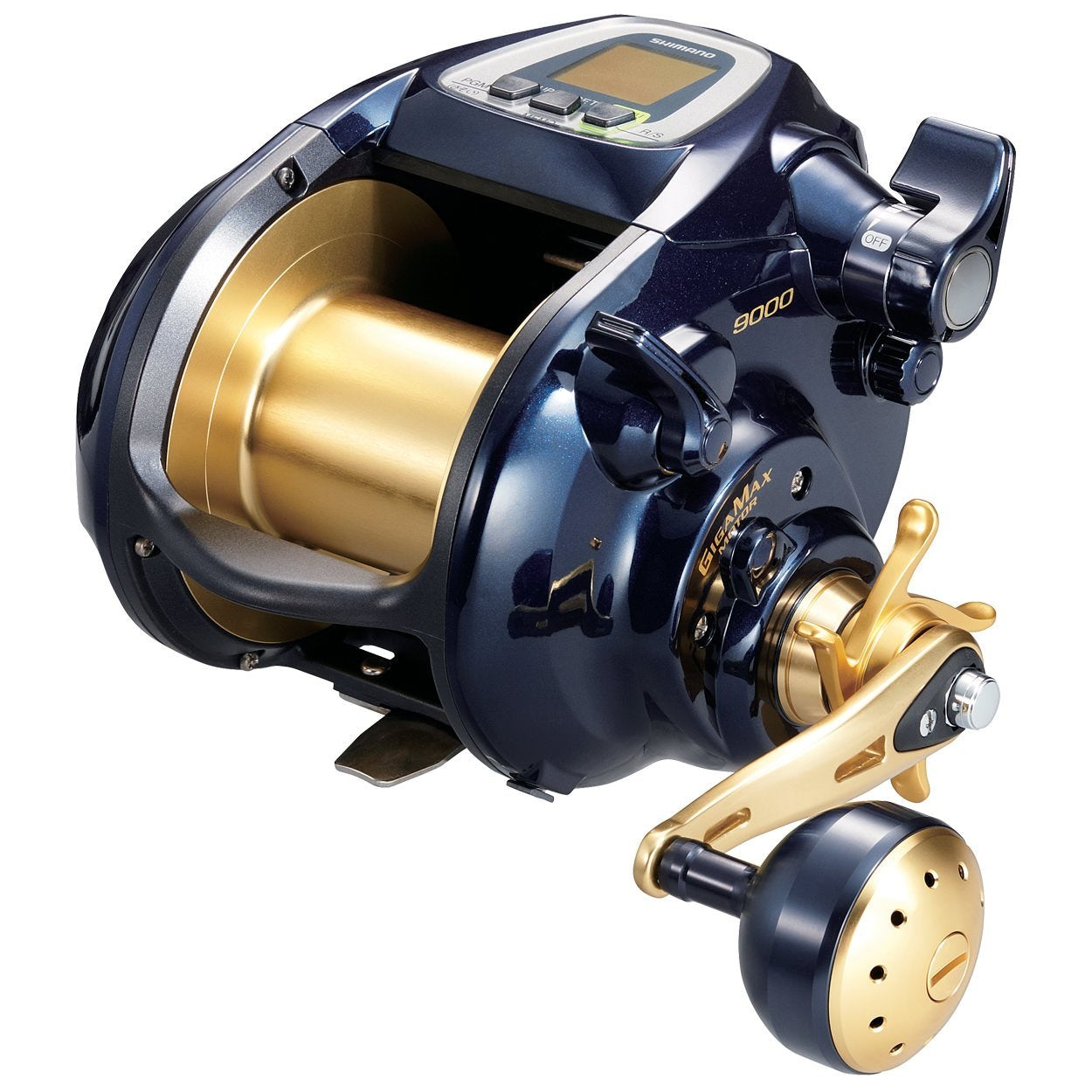
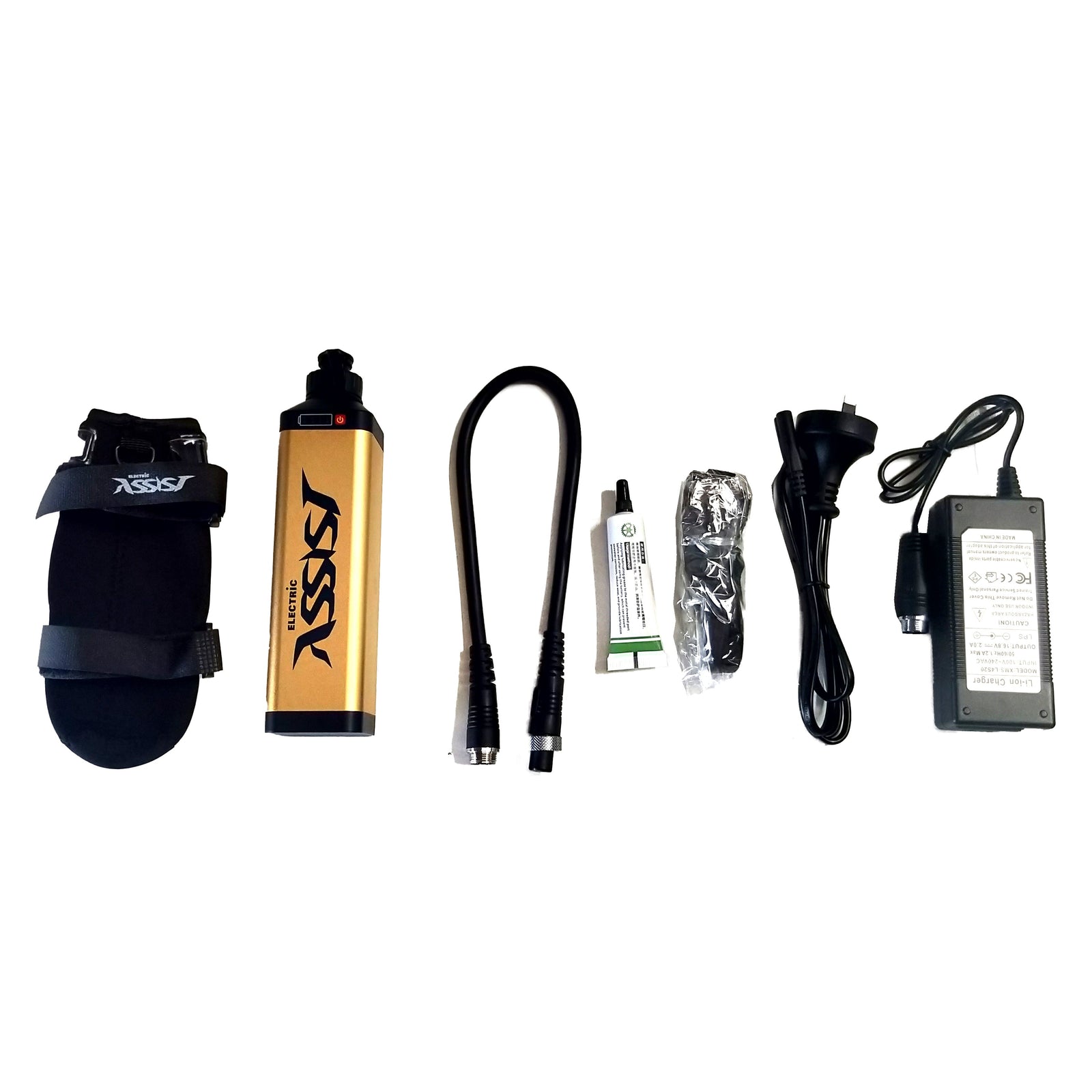
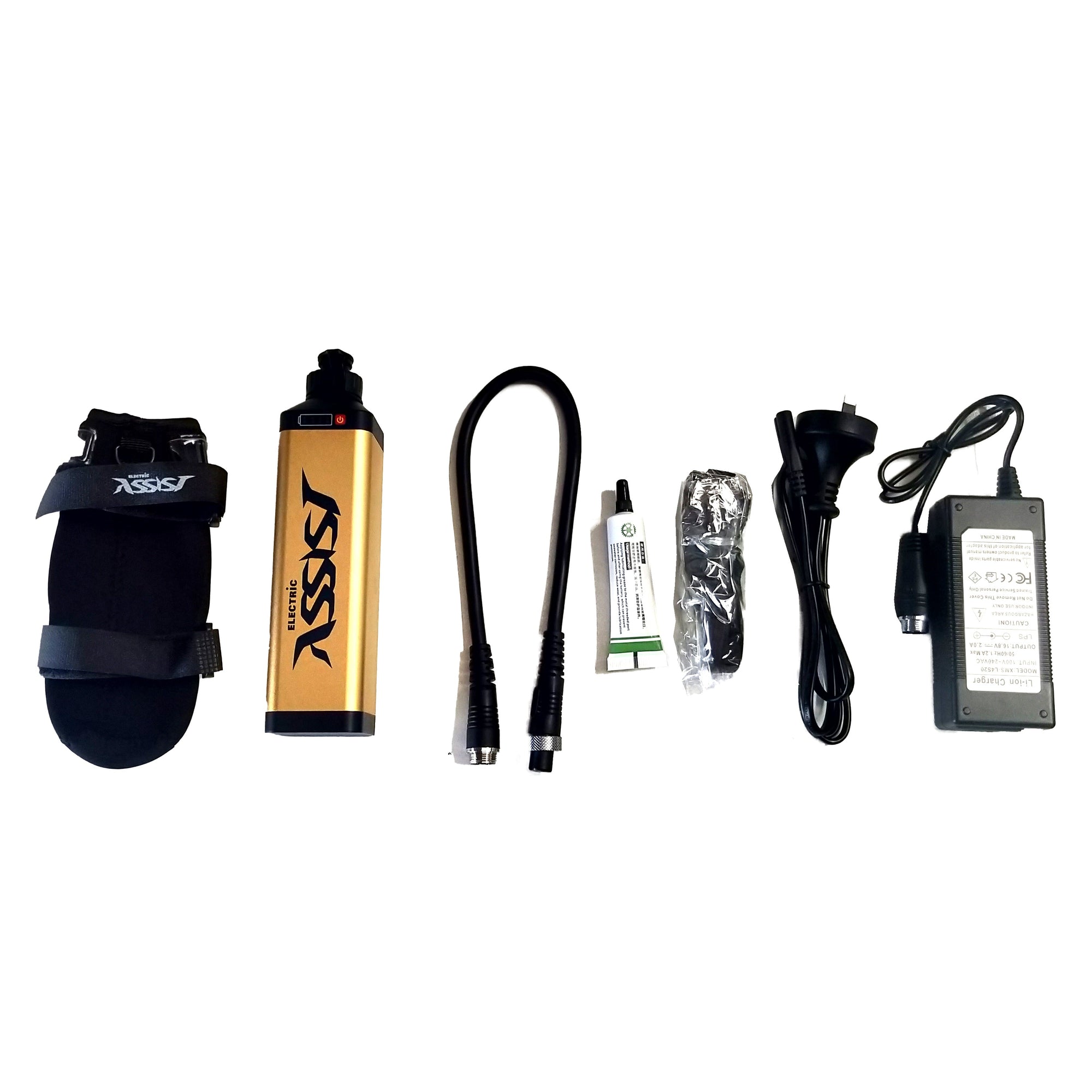
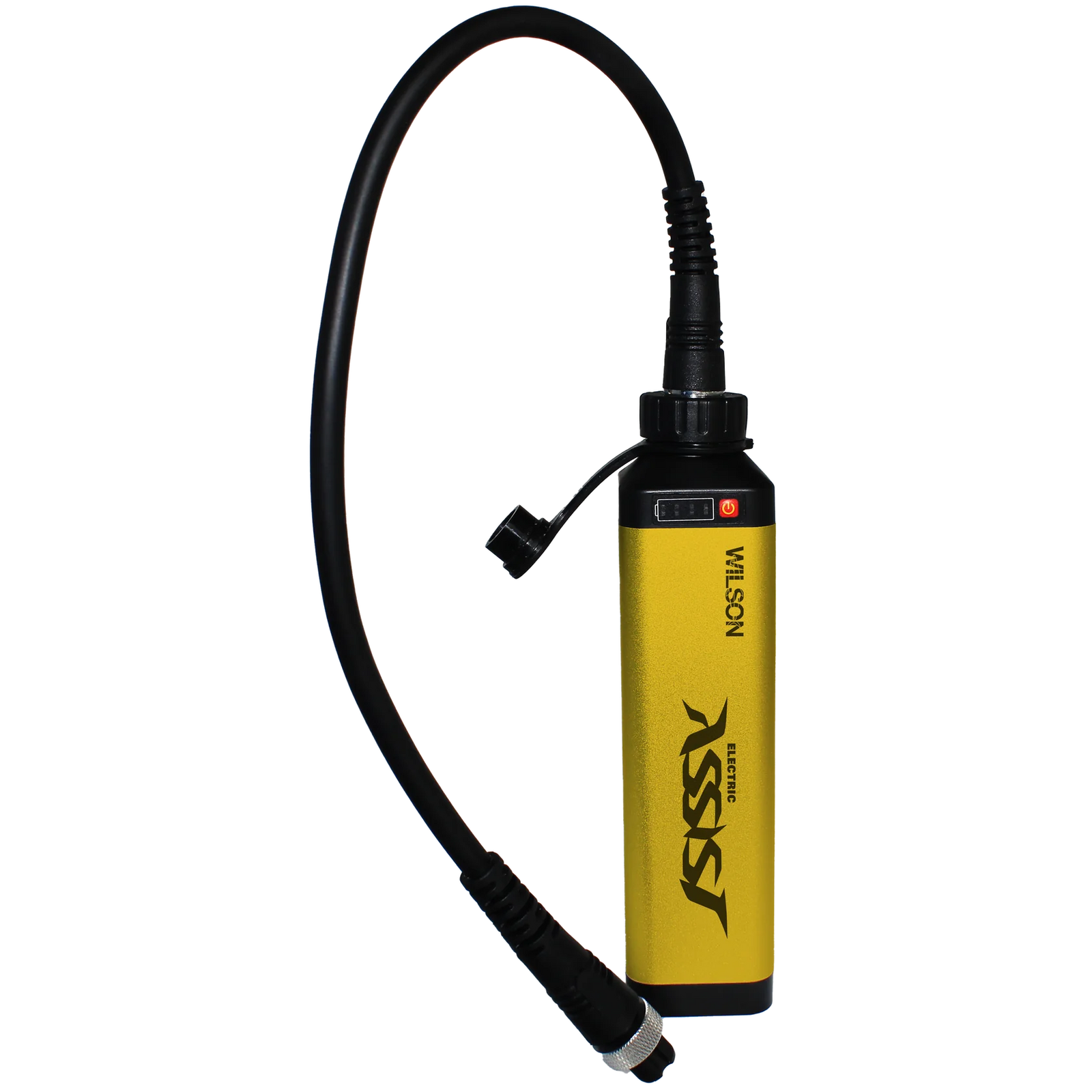
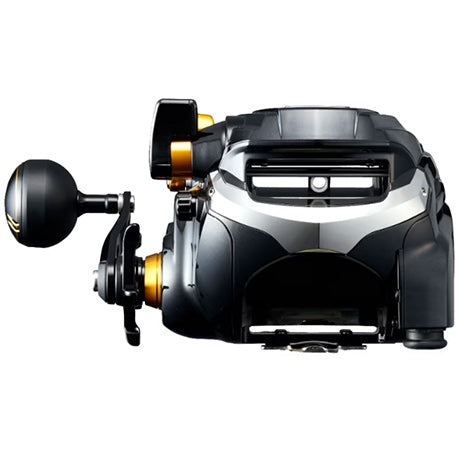
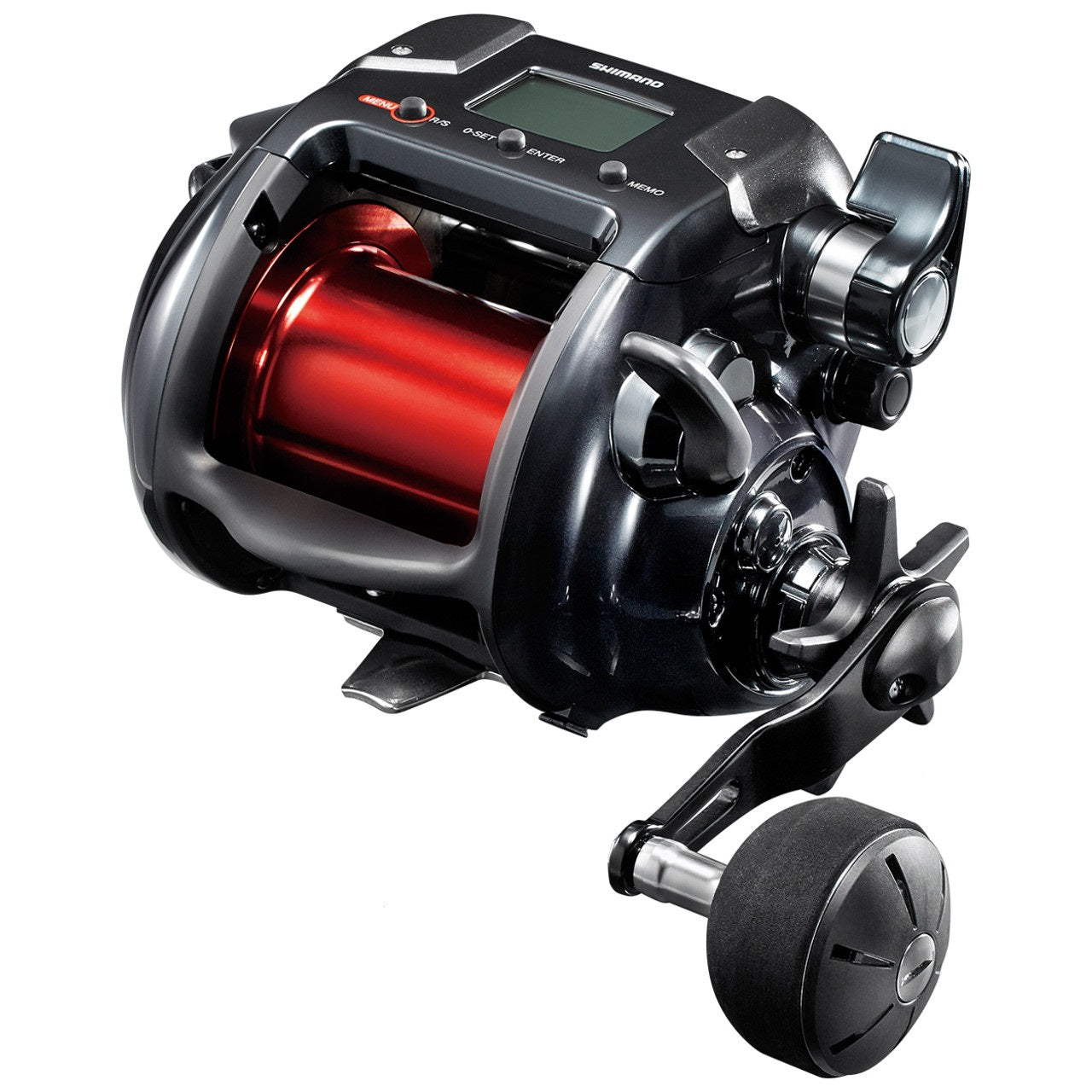
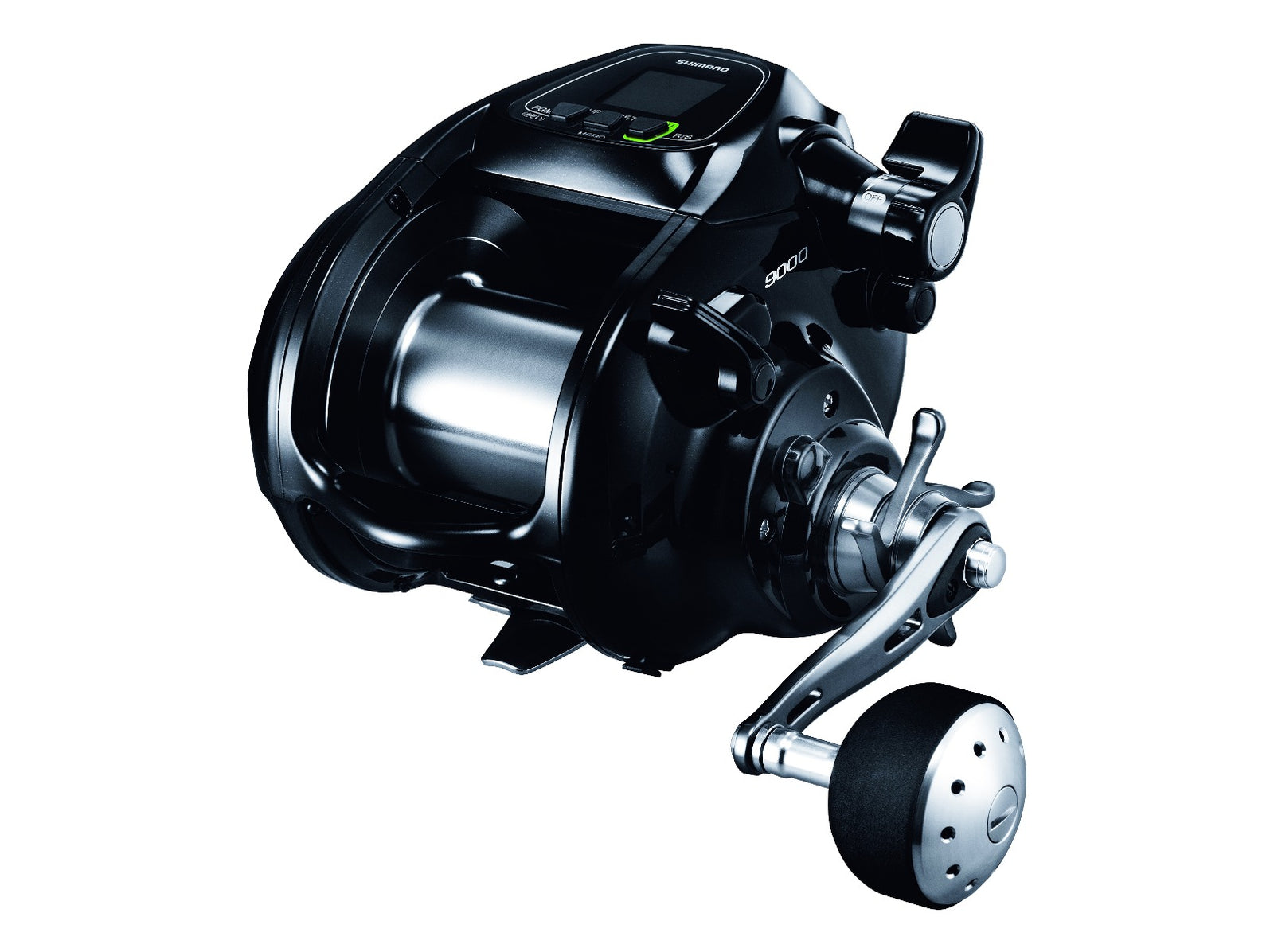
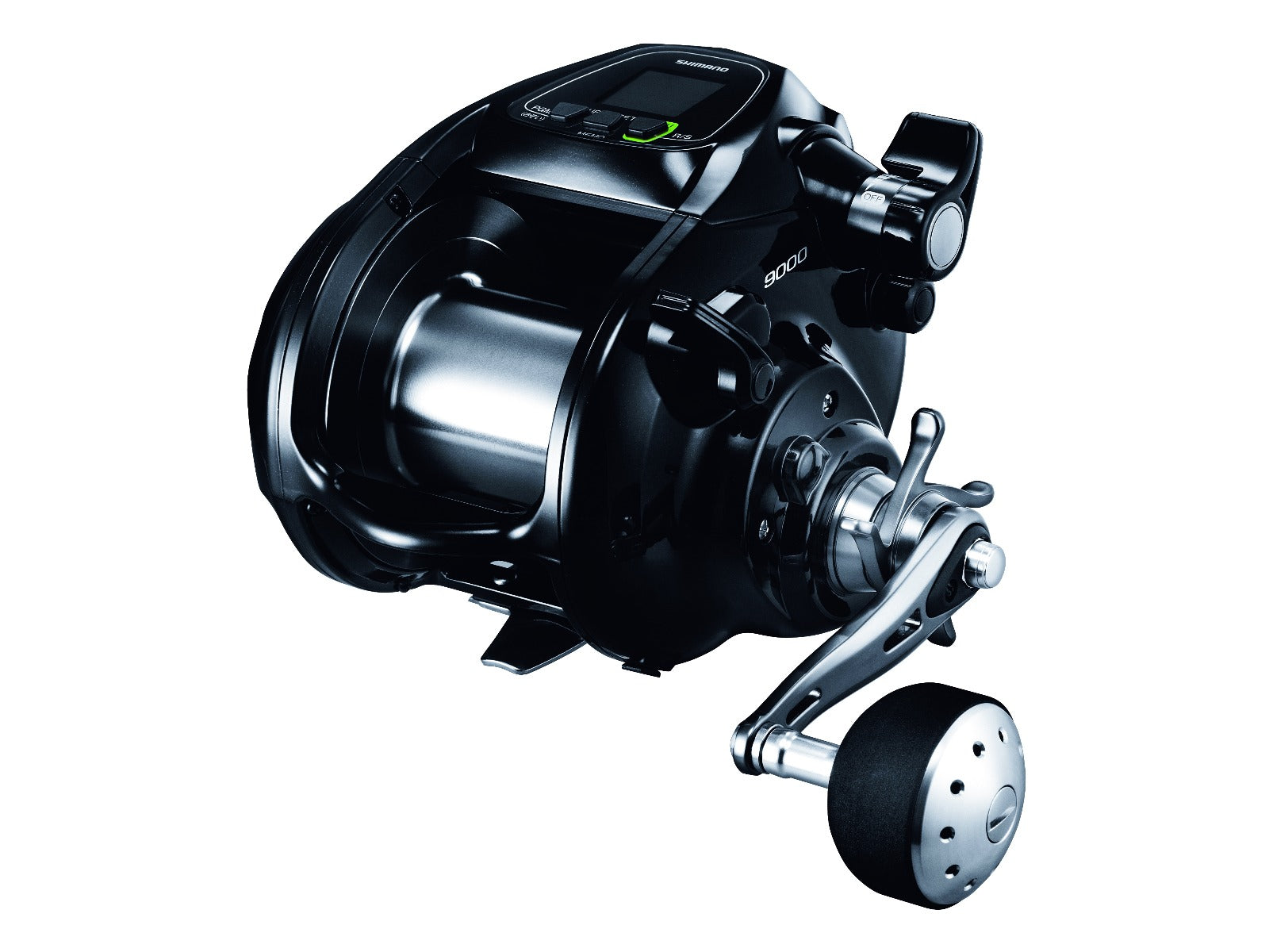
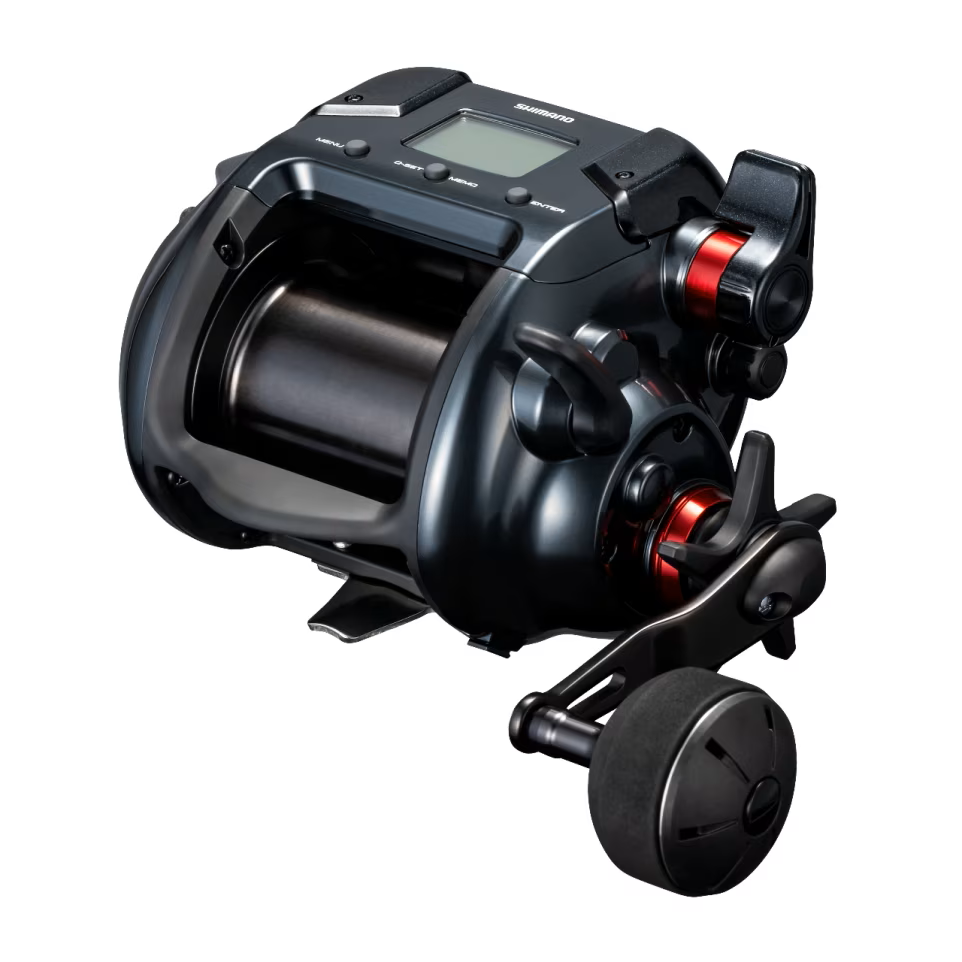
Shimano Forcemaster 9000A Deep Dropping Electric Reel - FM9000A
$1,387.00
$1,809.00
Sold Out
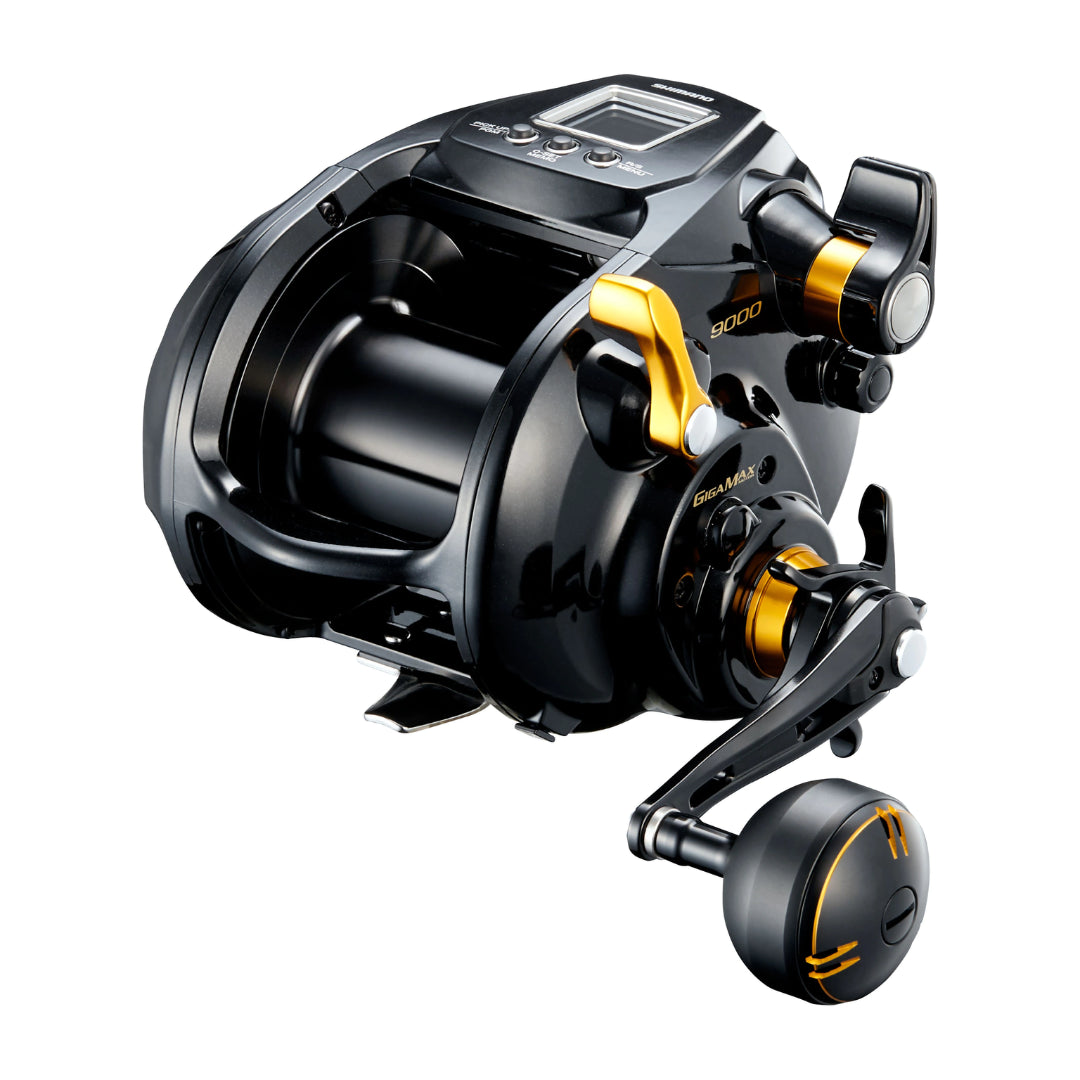
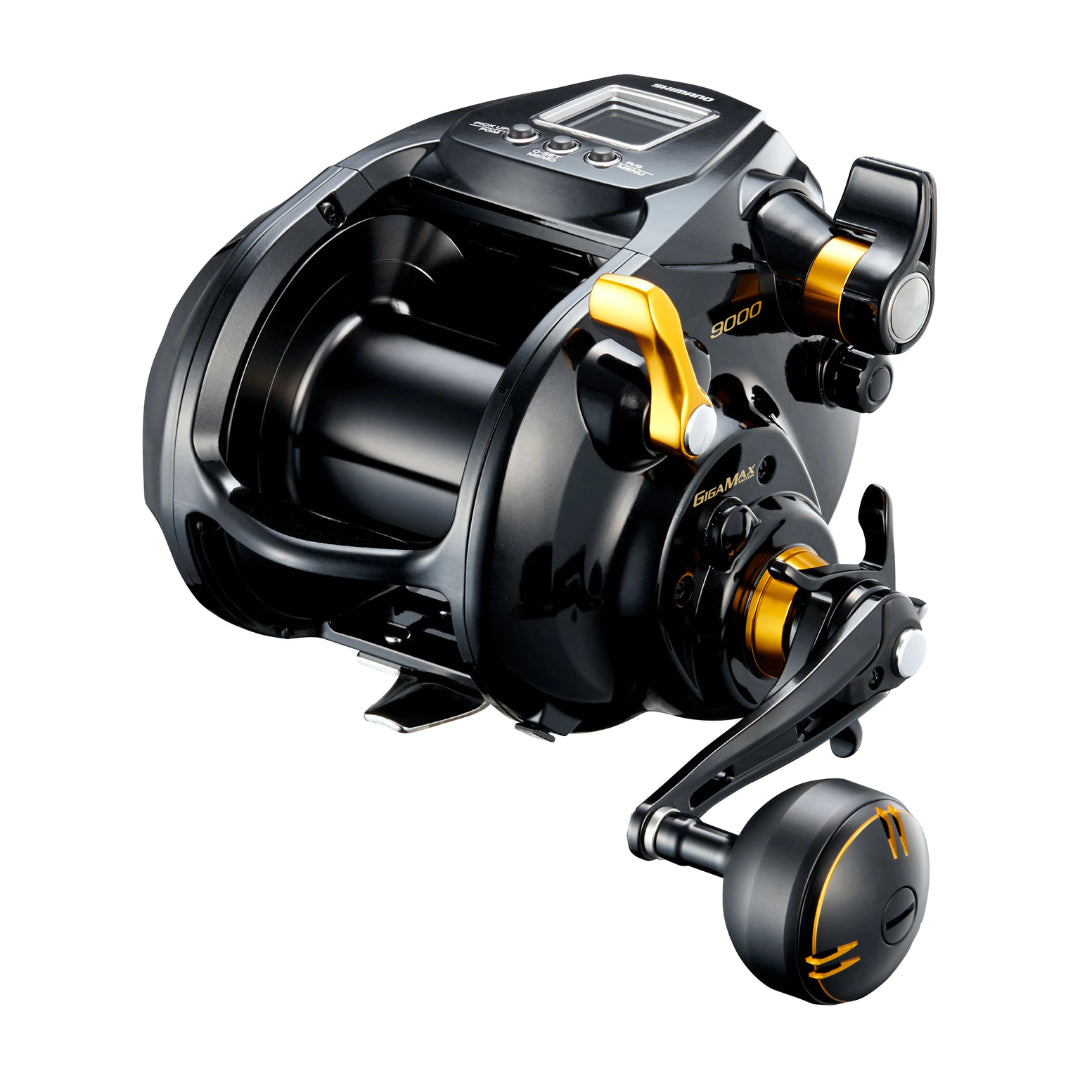



Sold Out
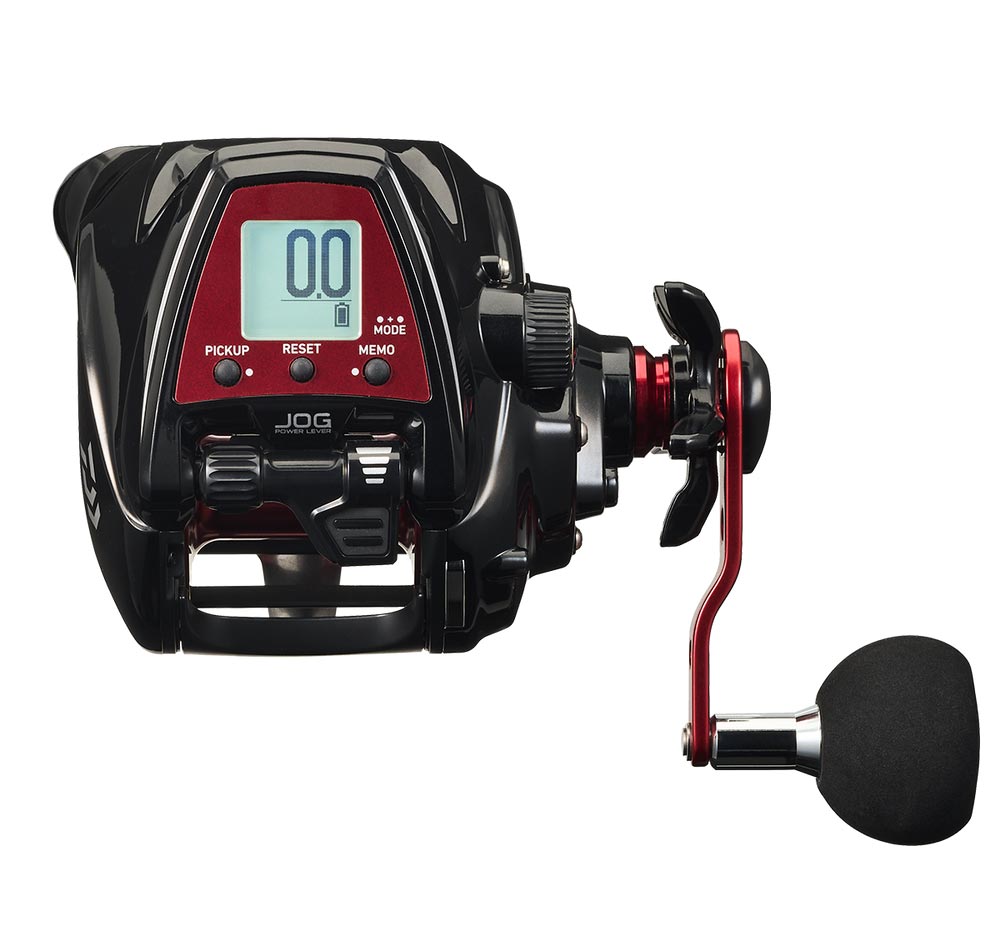
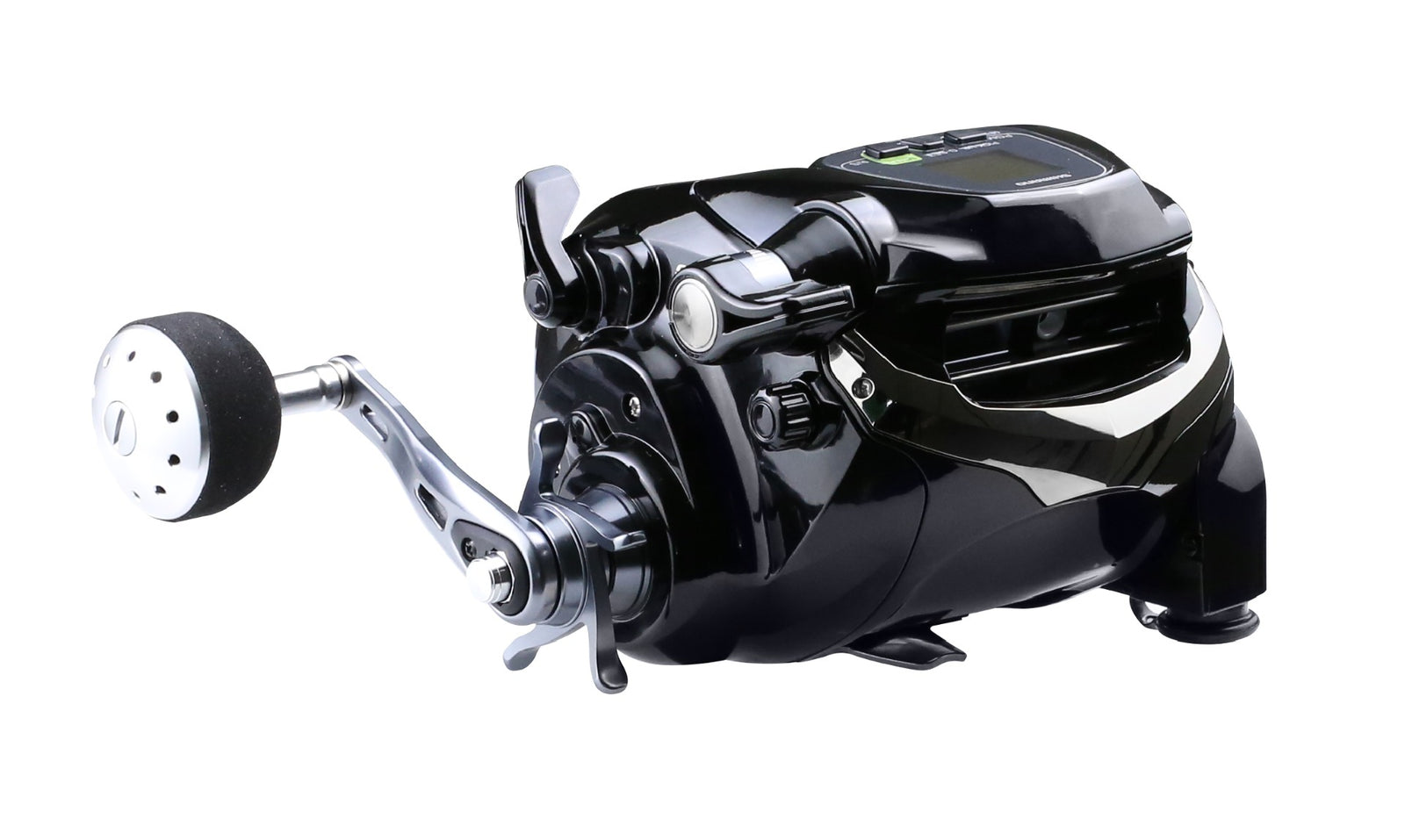
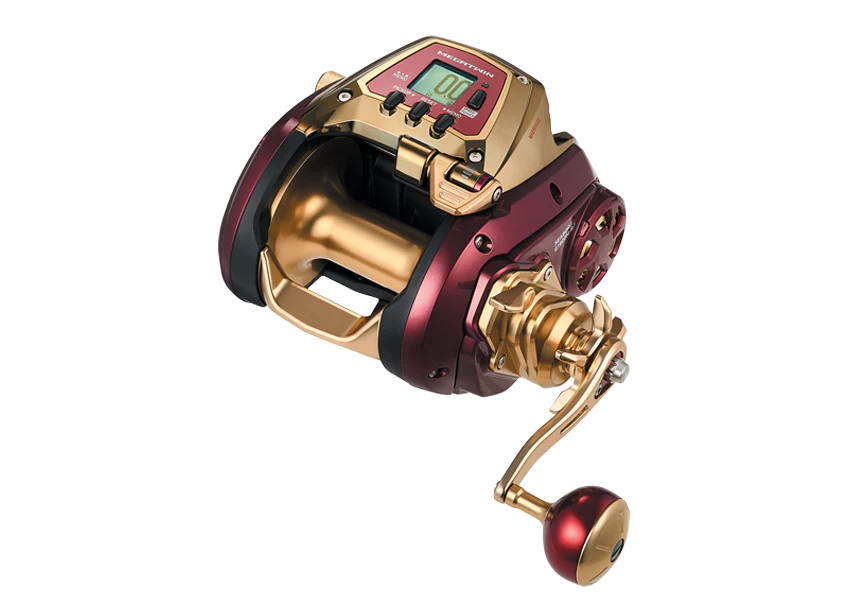
Daiwa 23 Leobritz Electric Offshore Deep Drop Electric Overhead Reel
from
$760.00
$899.00
Sold Out











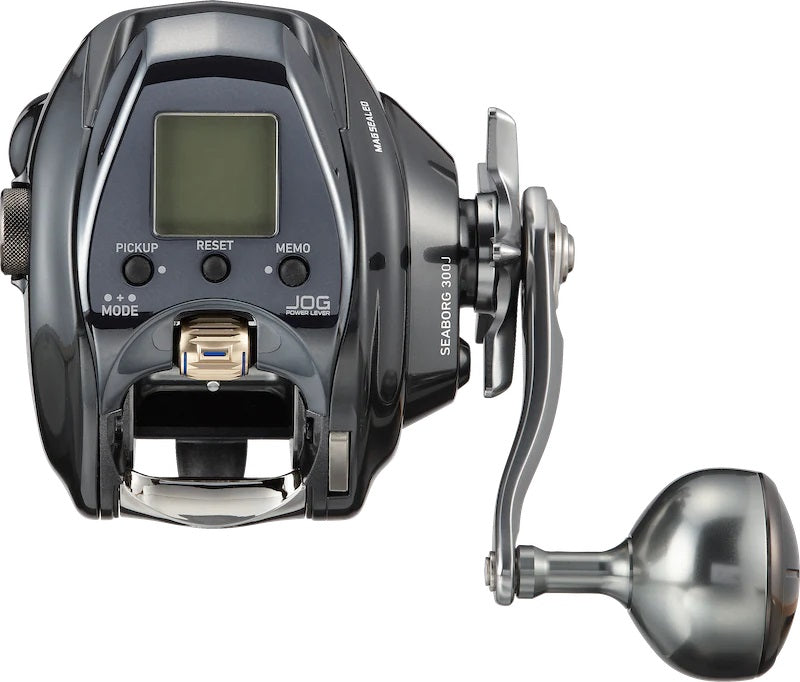

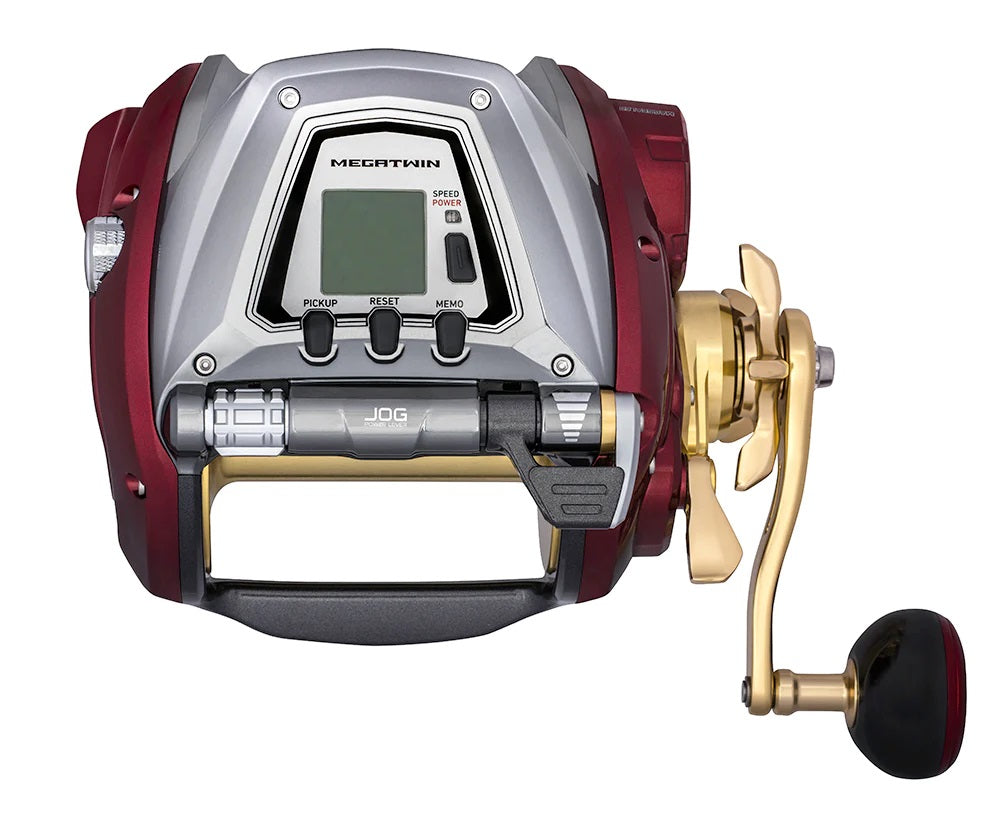

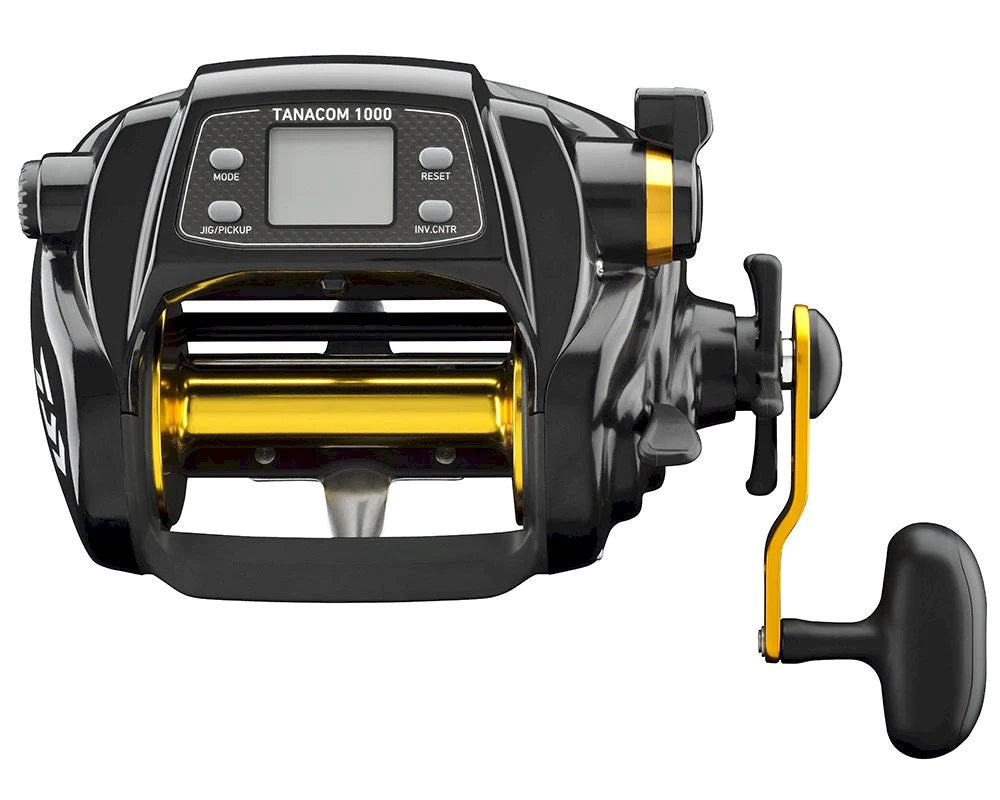


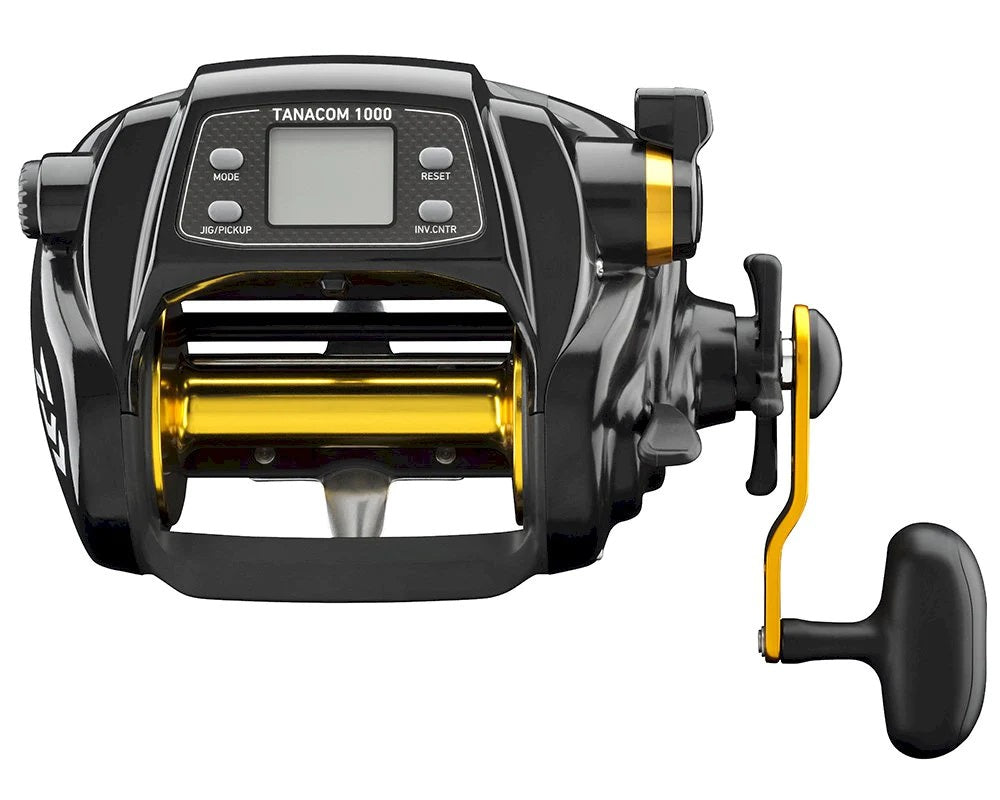

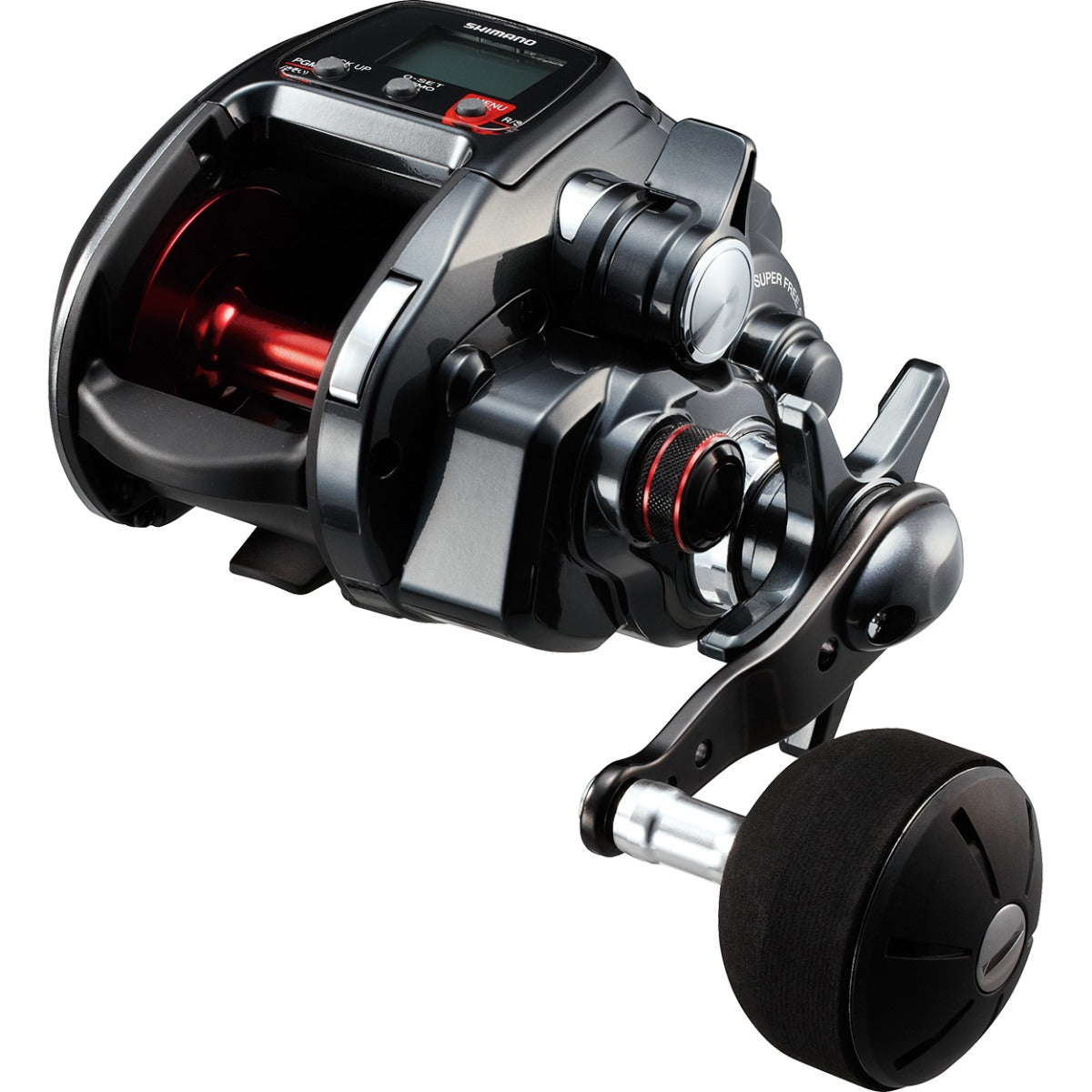

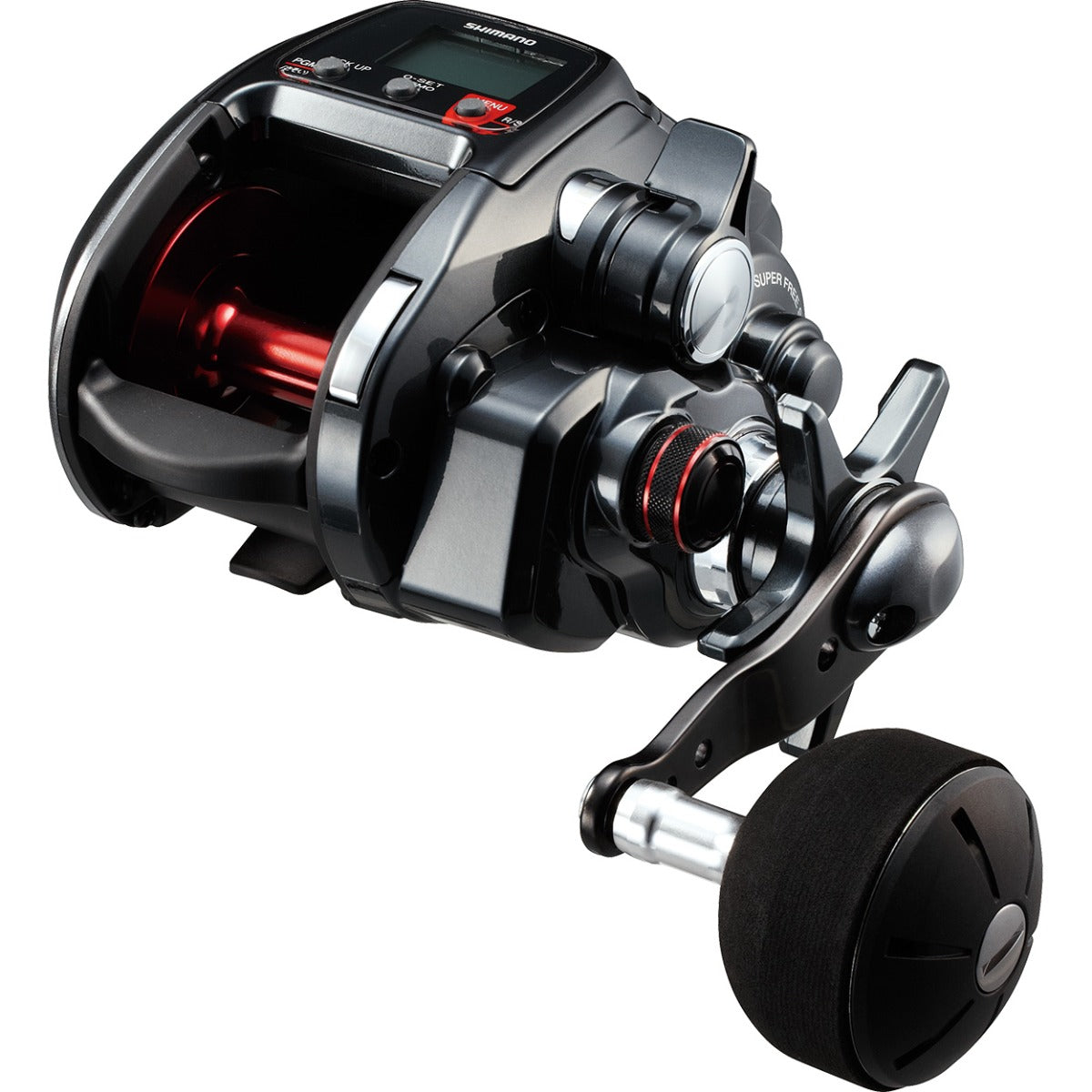

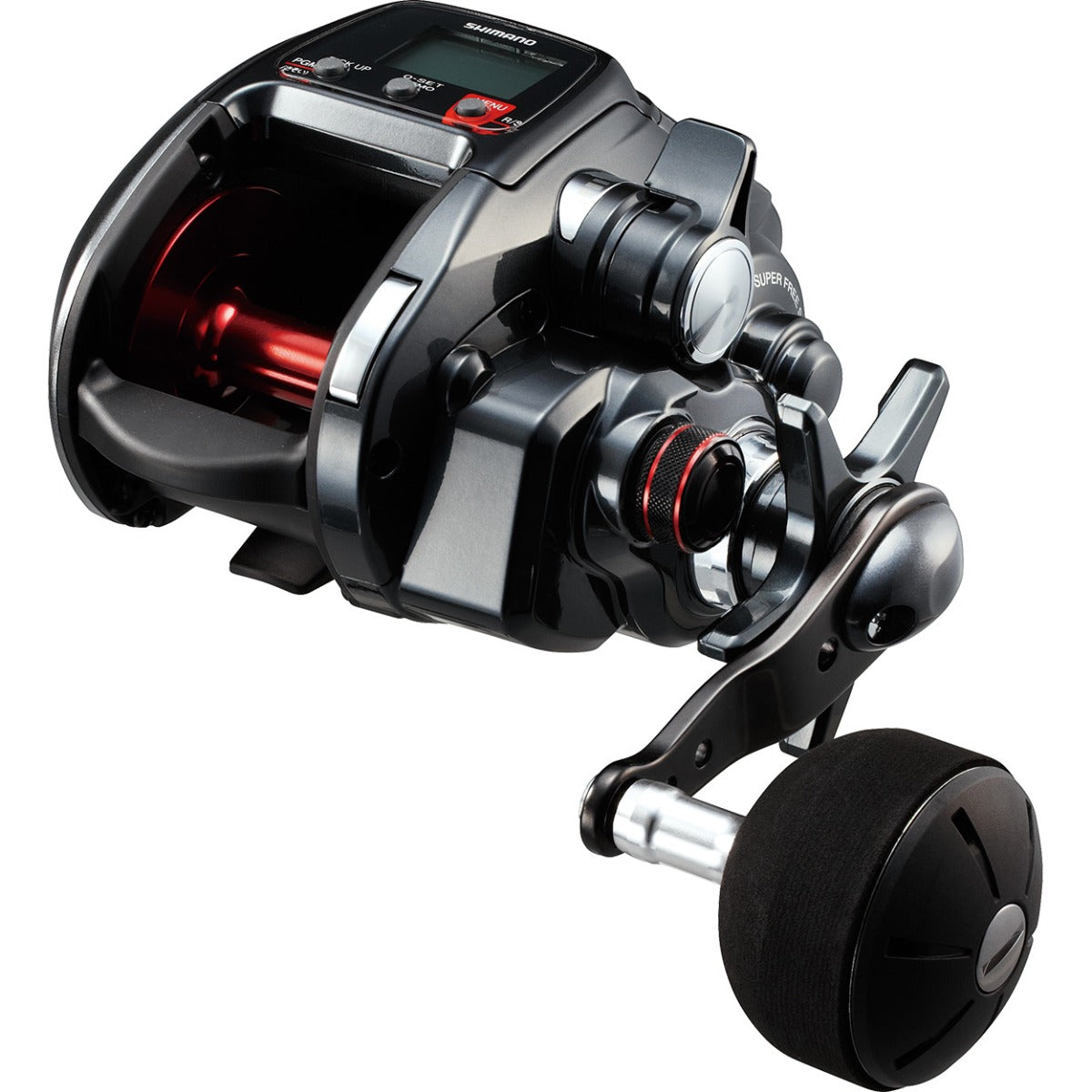












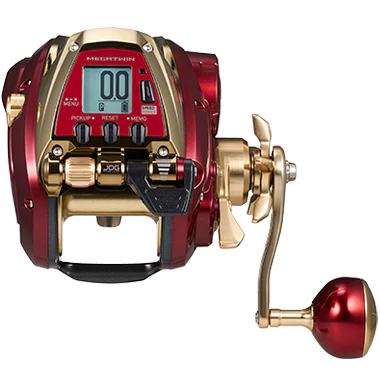


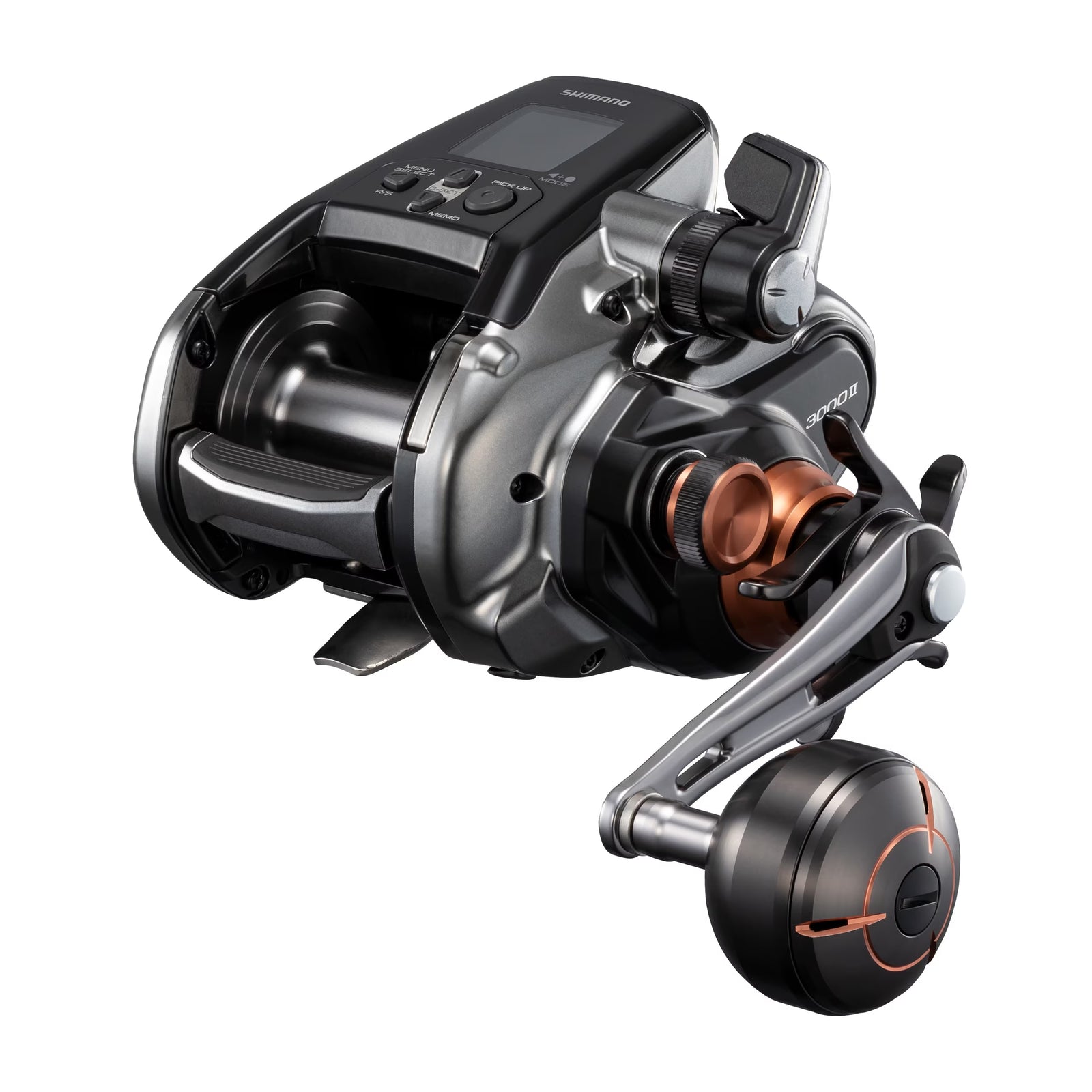


Electric reels exist for one reason: fishing water too deep to wind by hand. Once you are dropping into deep water for species like bass groper, bar cod, hapuka and blue-eye trevalla, a manual retrieve stops being practical, and an electric reel turns an all-day ordeal into a repeatable technique.
Choosing an electric reel
Line capacity comes first, because deep dropping eats line and running short mid-drop is both expensive and dangerous. Then consider how the reel connects to your boat — these reels draw real current under load and need a properly fused, correctly rated lead rather than a cigarette socket. Check the reel's own requirements before you wire anything up.
Depth counters and programmable stops are what separate a good electric reel from a winch. Being able to send a rig to an exact depth and return there repeatably is most of the skill in deep dropping.
If you are fishing shallower but want assistance, some electric reels also suit heavy bottom bouncing and downrigging. They are usually run on a short, heavy overhead rod rather than anything with much bend in it.
Frequently asked questions
What is an electric fishing reel used for?
Deep dropping for species like bass groper, bar cod, hapuka and blue-eye trevalla, where the depth makes winding by hand impractical.
Do electric reels need a special rod?
They need a rod rated for the line class and, ideally, roller guides. Many anglers pair them with purpose-built electric or deep-drop rods.
How are electric reels powered?
From the boat's electrical system via a dedicated lead. Cable gauge and a properly fused connection matter — always check the requirements for your particular reel before connecting it.