

FREE SHIPPING ON ORDERS OVER $150*

AUSSIE FAMILY OWNED BUSINESS FOR OVER 40 YEARS

100% SATISFACTION GUARANTEED
Squid Jigs
Squid Jigs
Squidding has gone from a by-catch activity to a sport of its own in Australia, and the jig is the whole game. Southern calamari over weed beds, arrow squid off the rocks, and everything in between comes down to size, colour and sink rate.
Choosing a squid jig
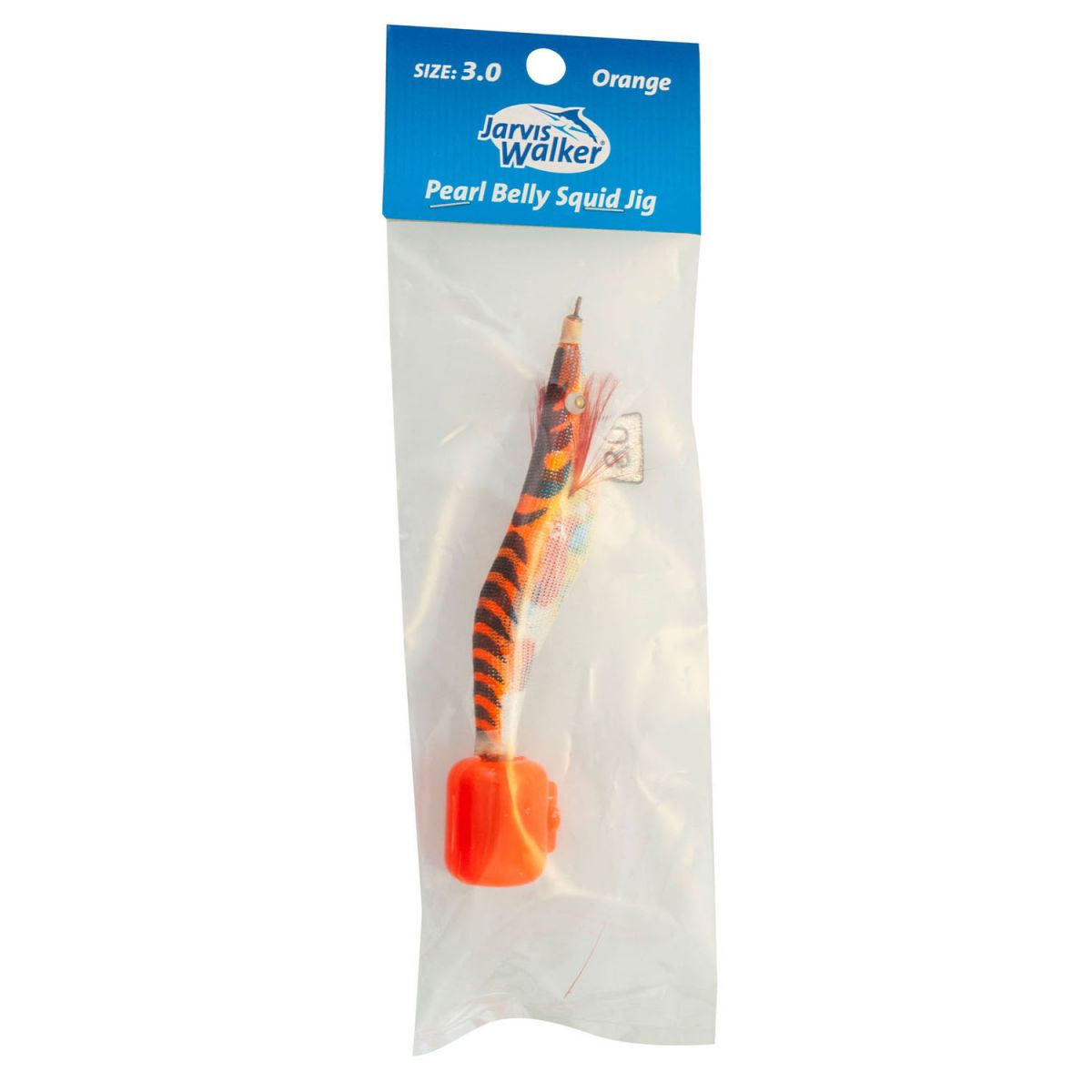
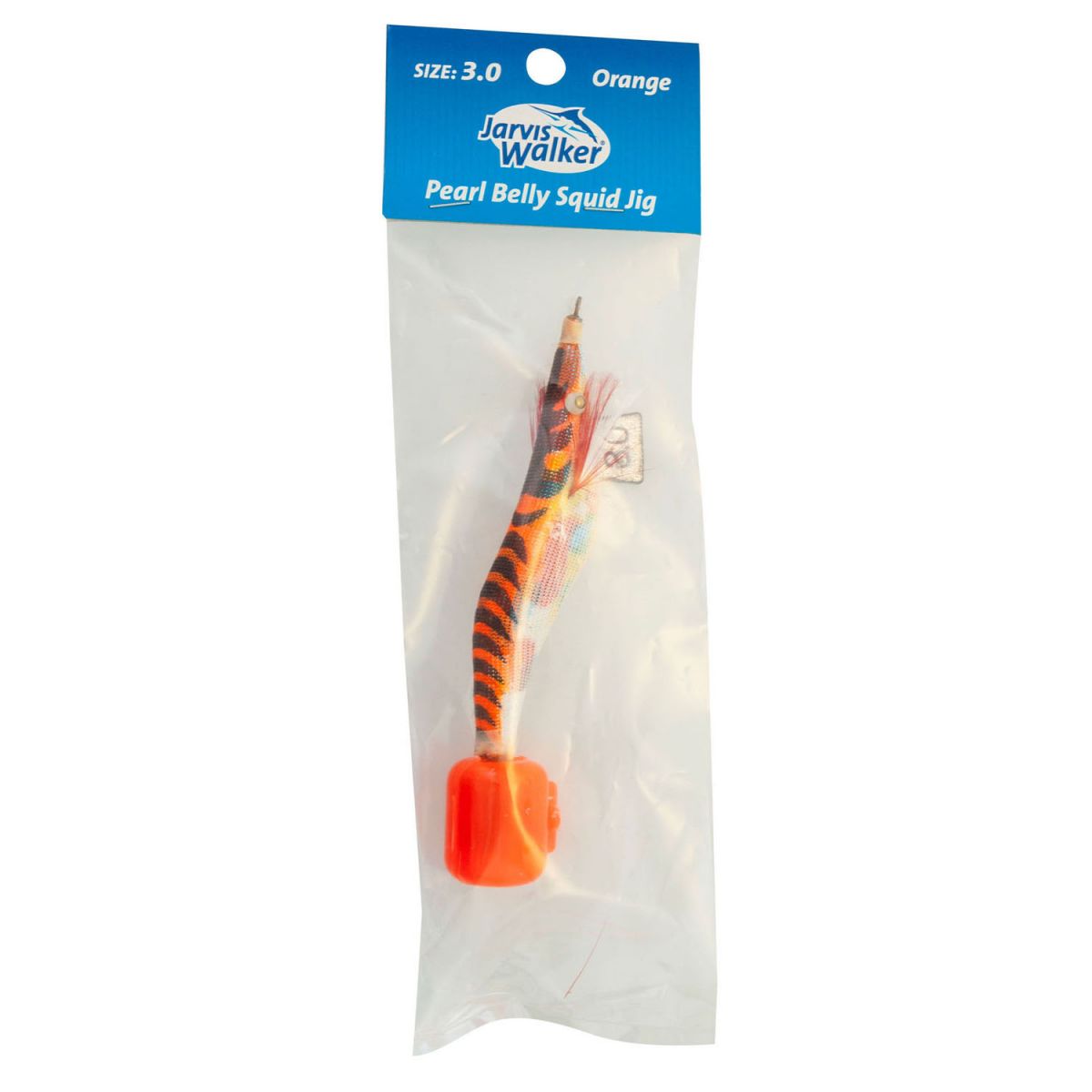
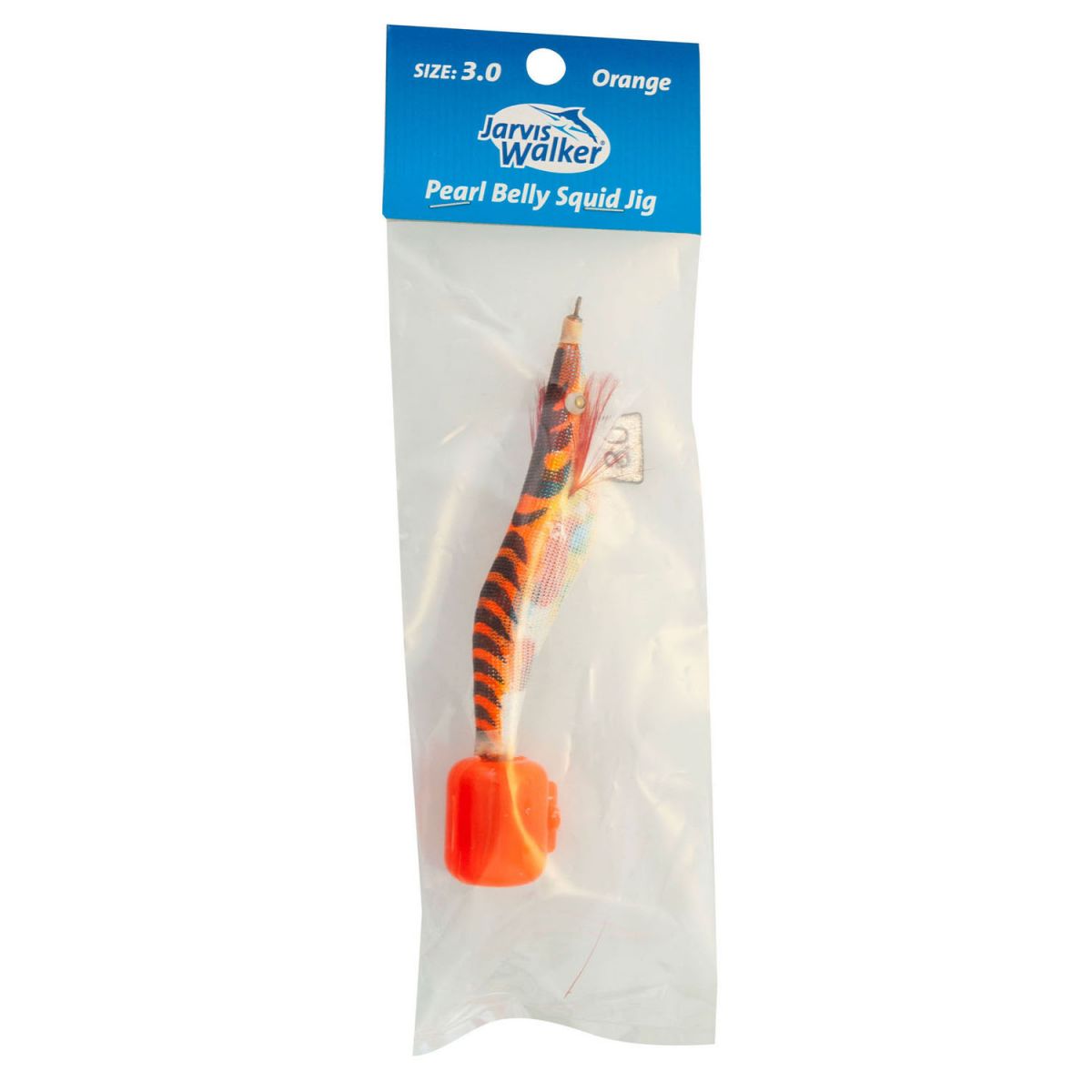
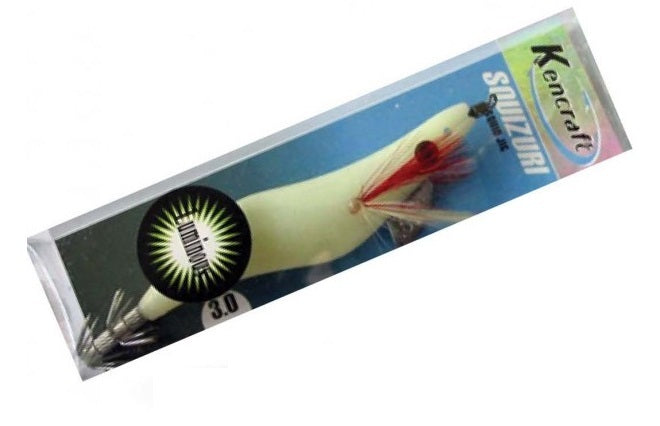
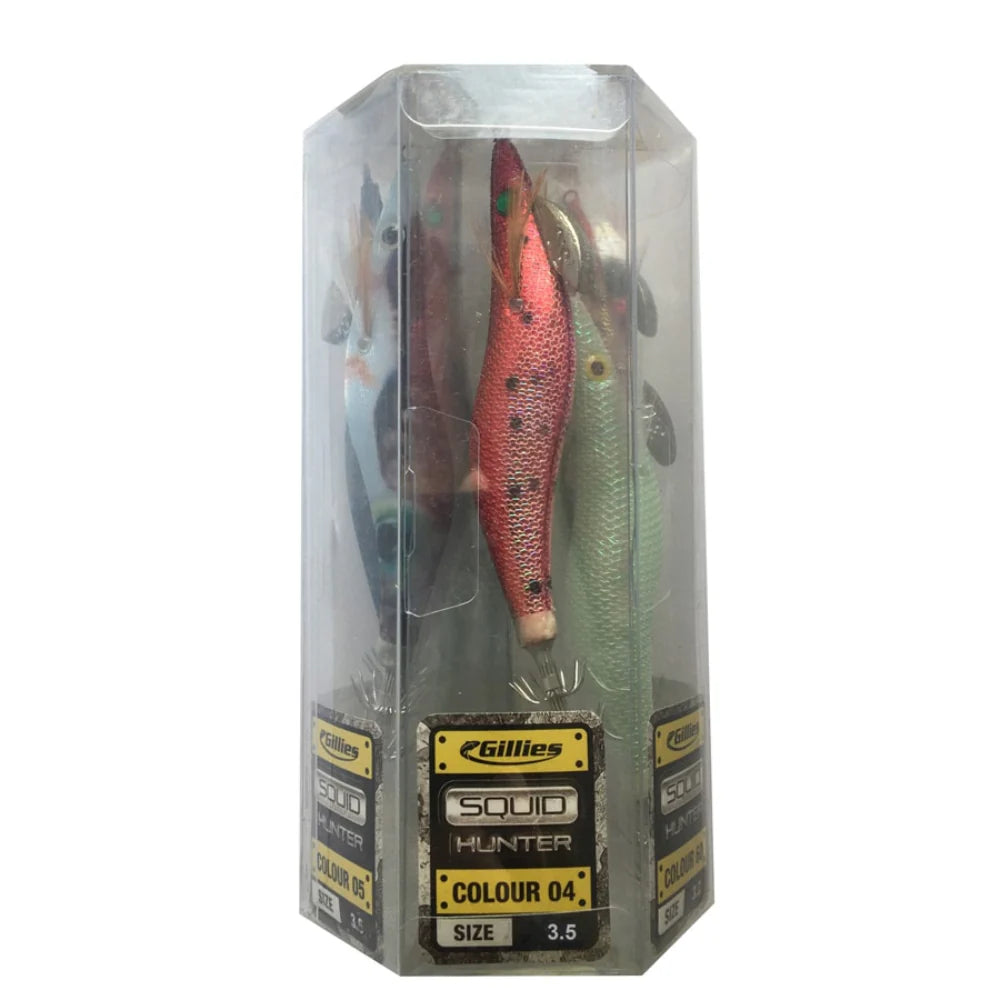
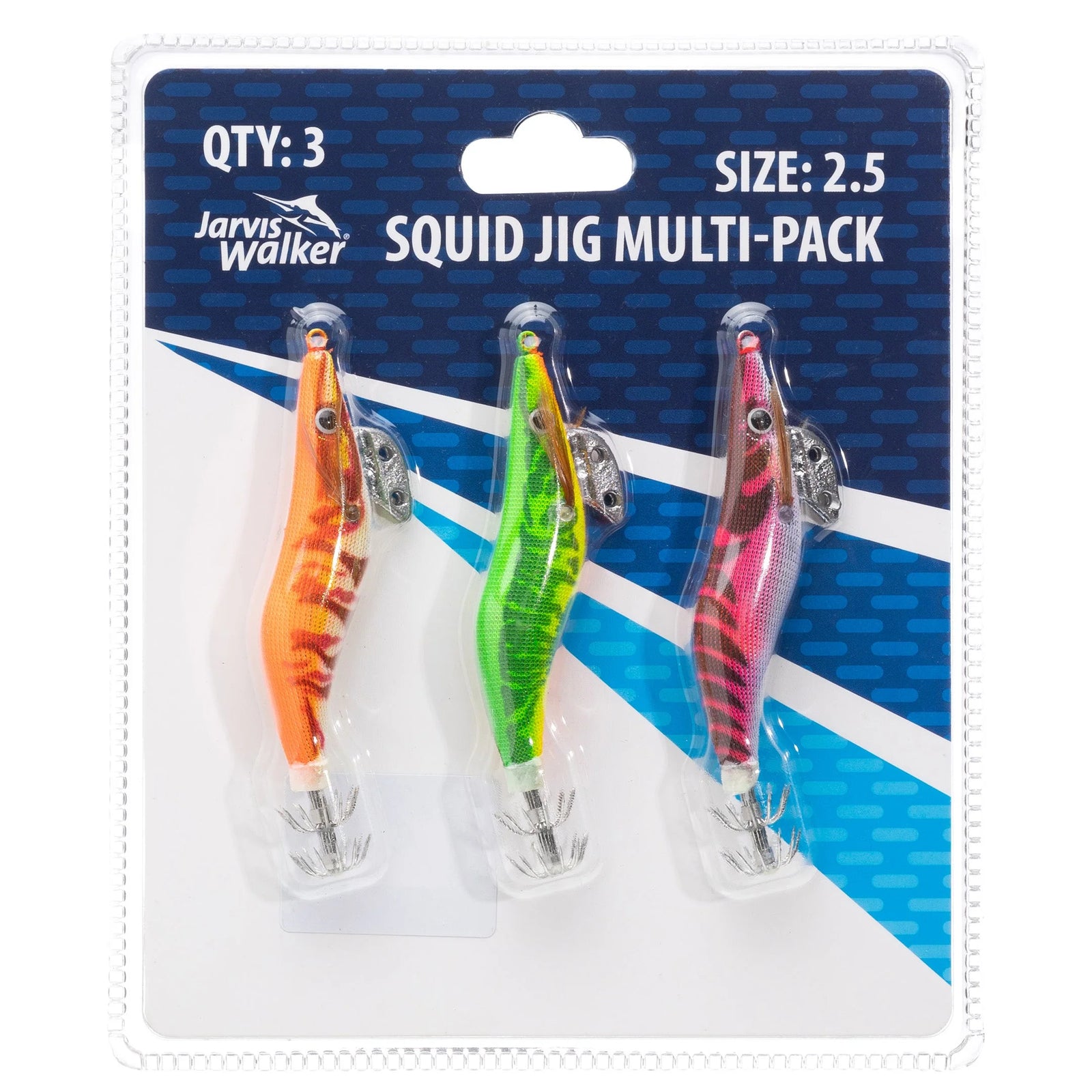
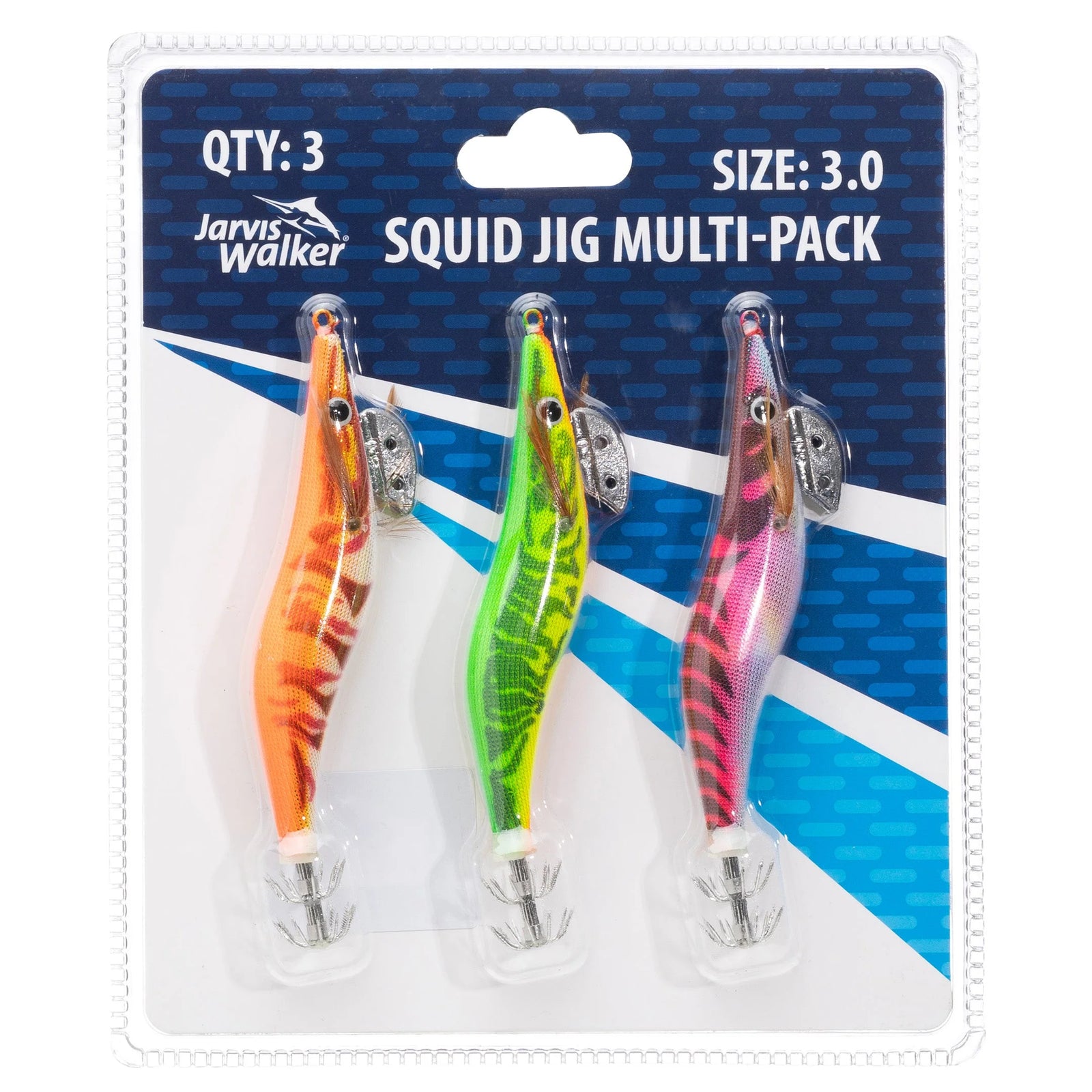
Jigs are sized in Japanese egi numbers, and the size you want follows the conditions rather than the squid. Smaller jigs sink slowly and suit shallow weed, clear water and spooky squid. A 3.0 is the everyday size that covers most Australian squidding. Larger jigs sink faster and earn their place in deeper water, strong tide and heavy wind.
Colour and cloth
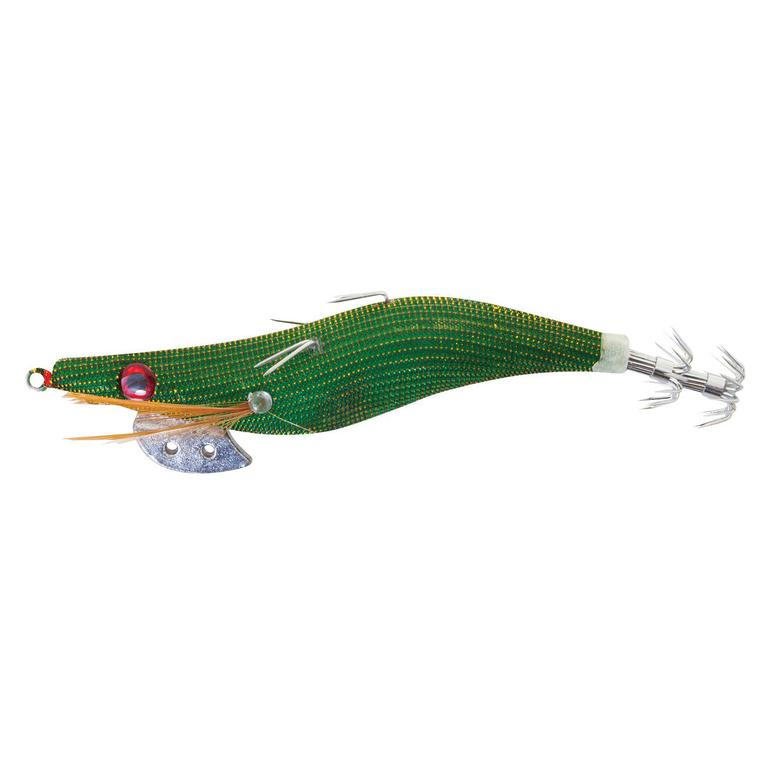
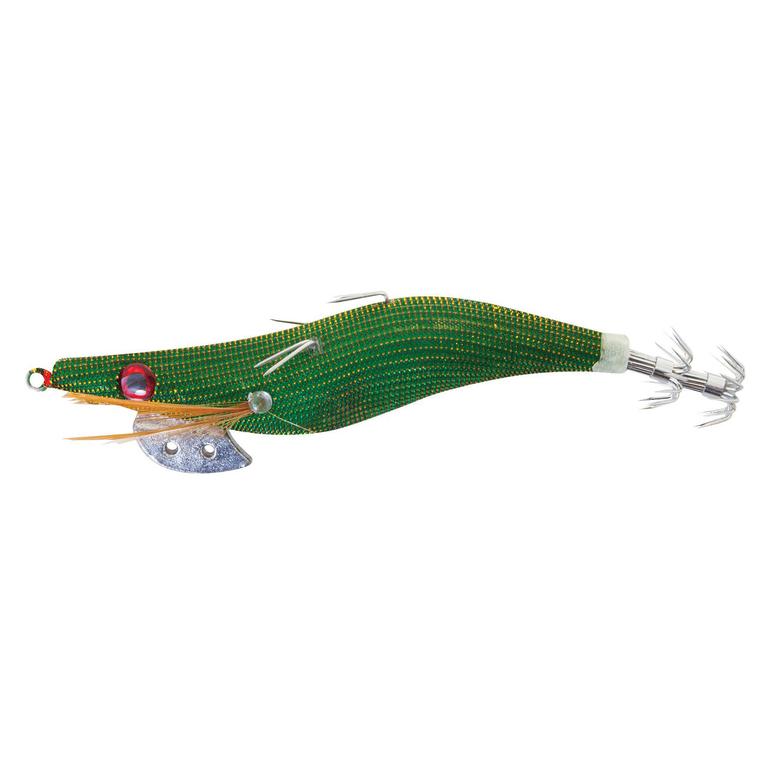
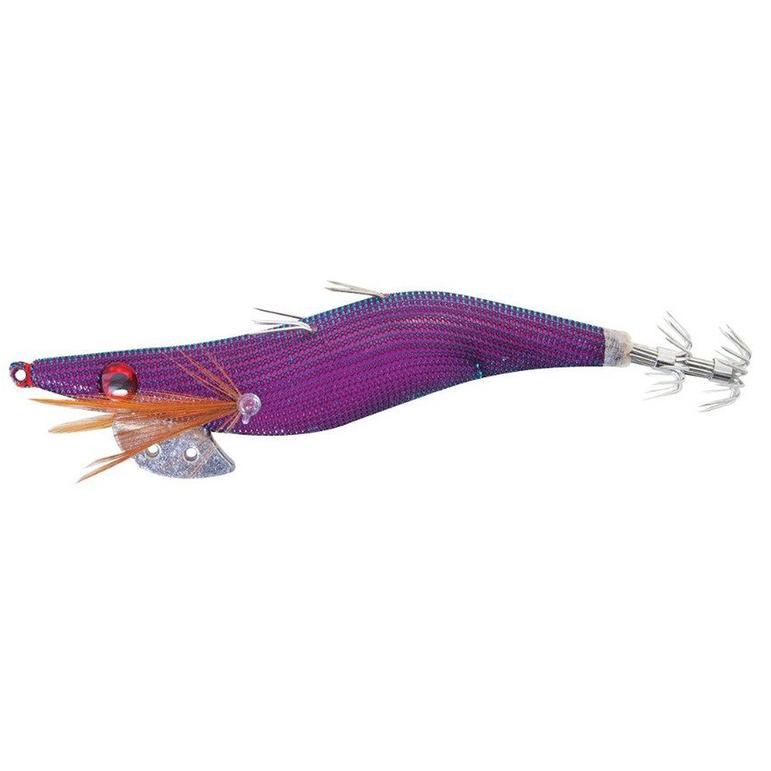
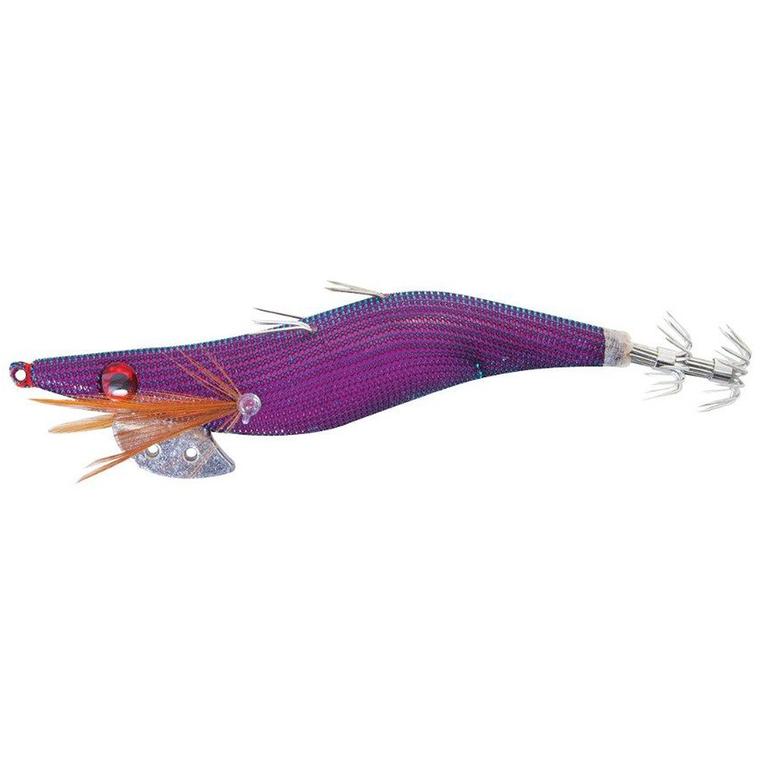
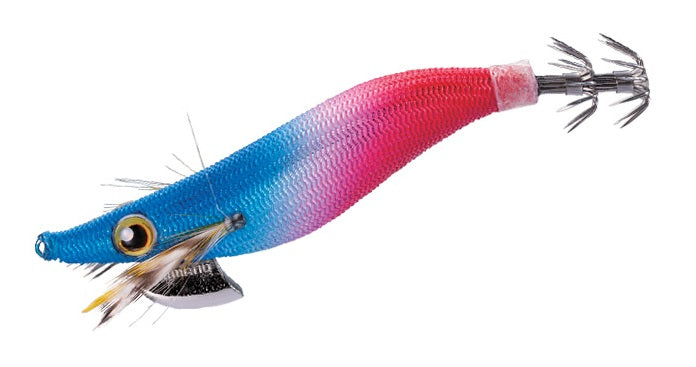
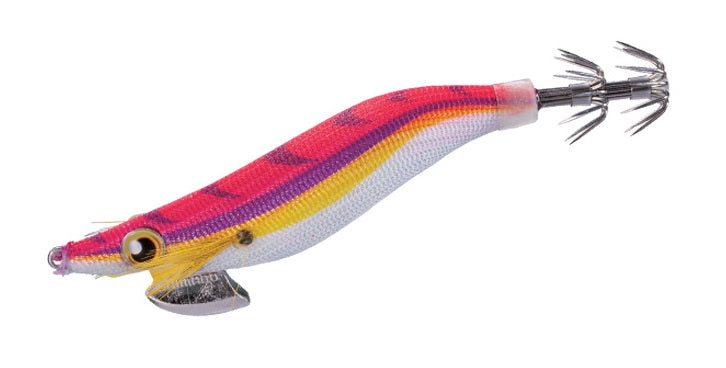
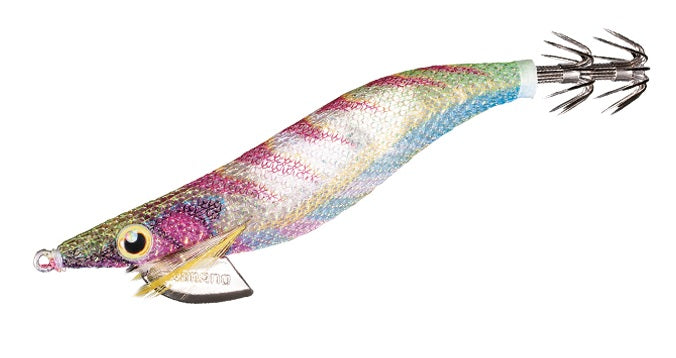
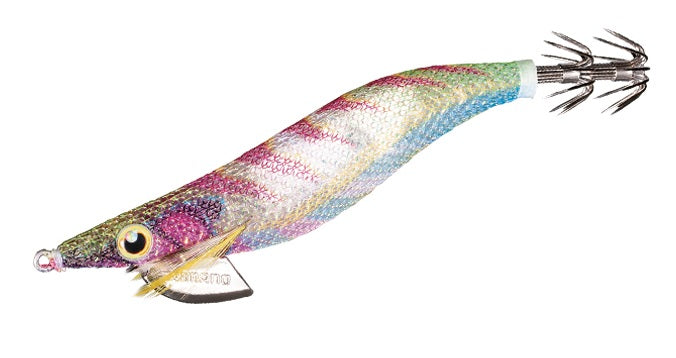
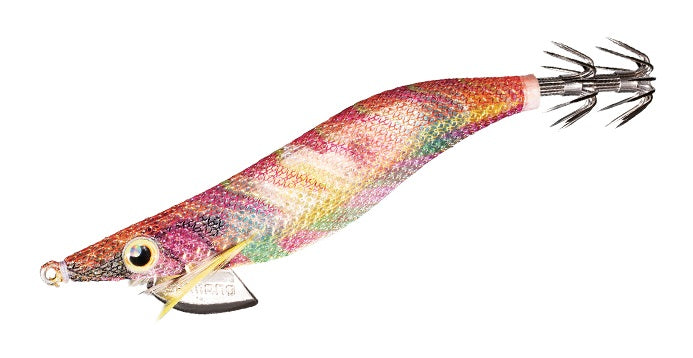
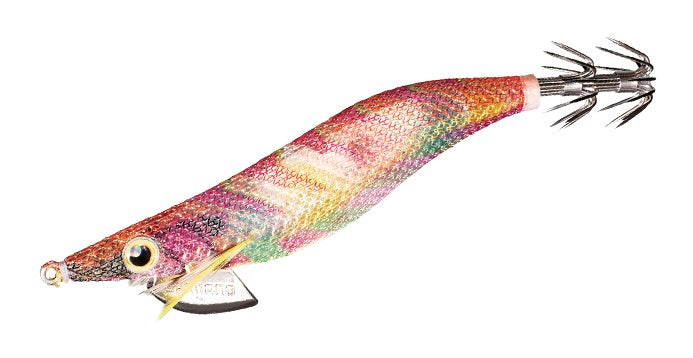
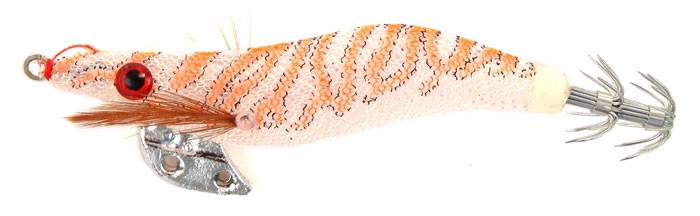
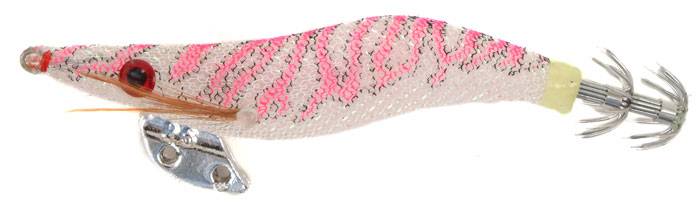
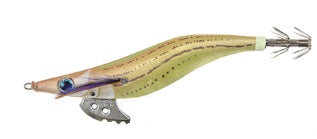
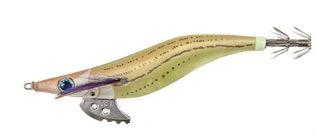
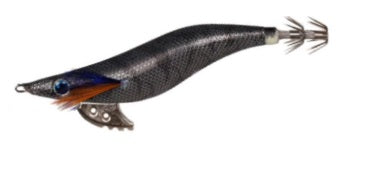
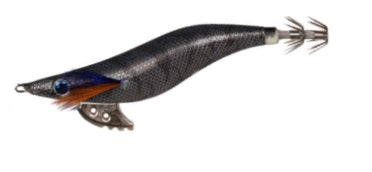
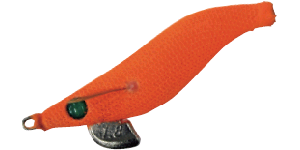
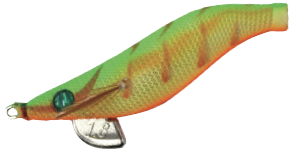
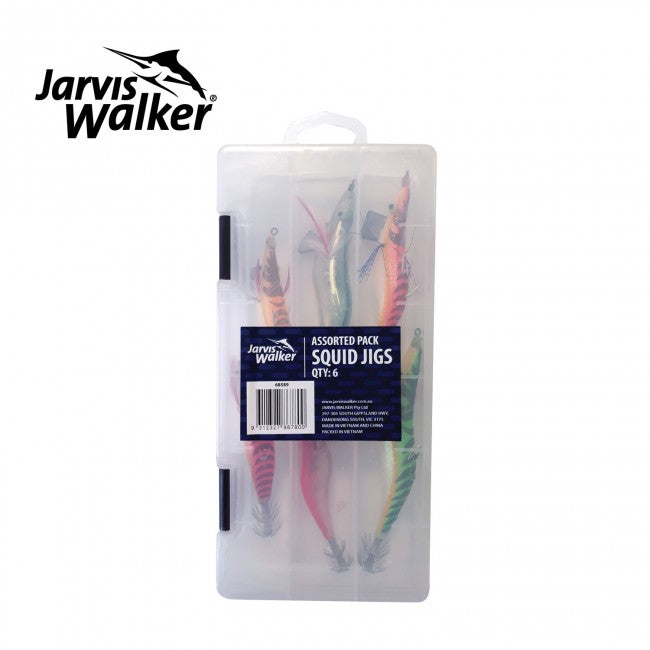
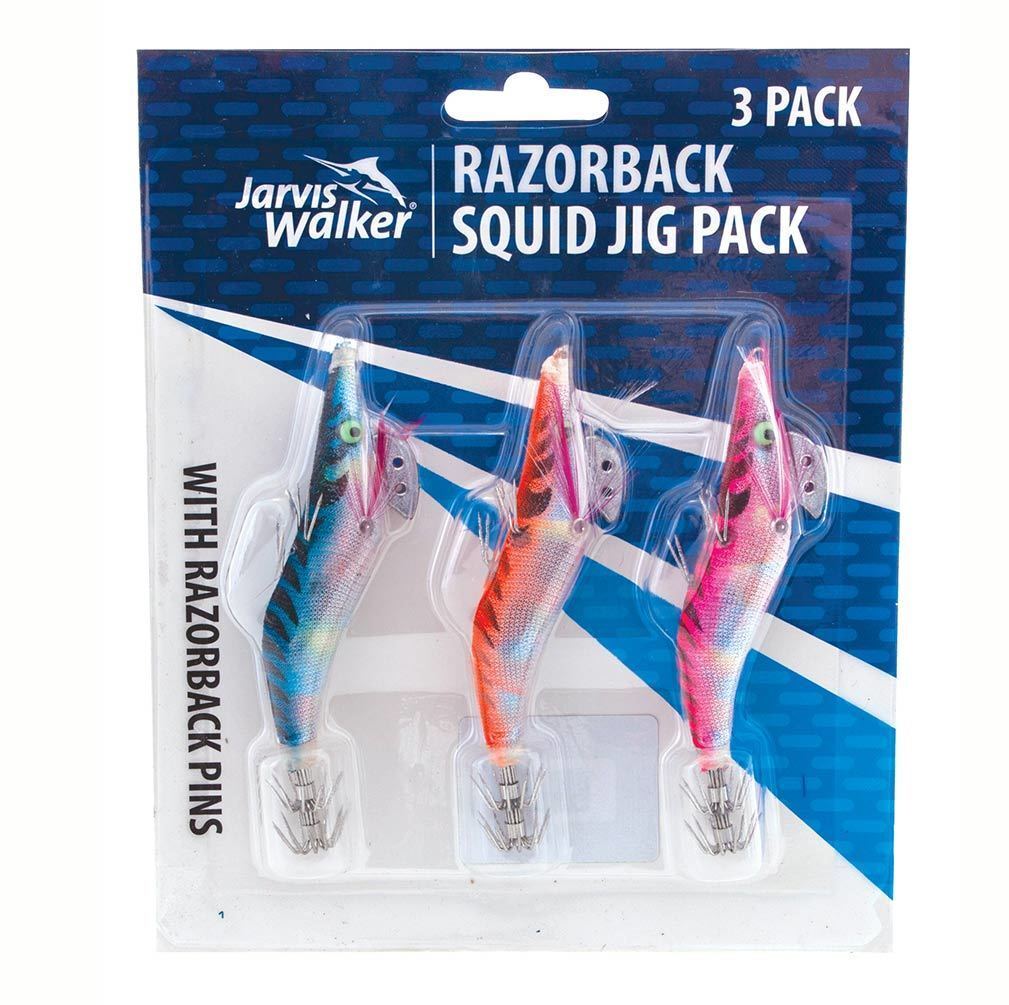
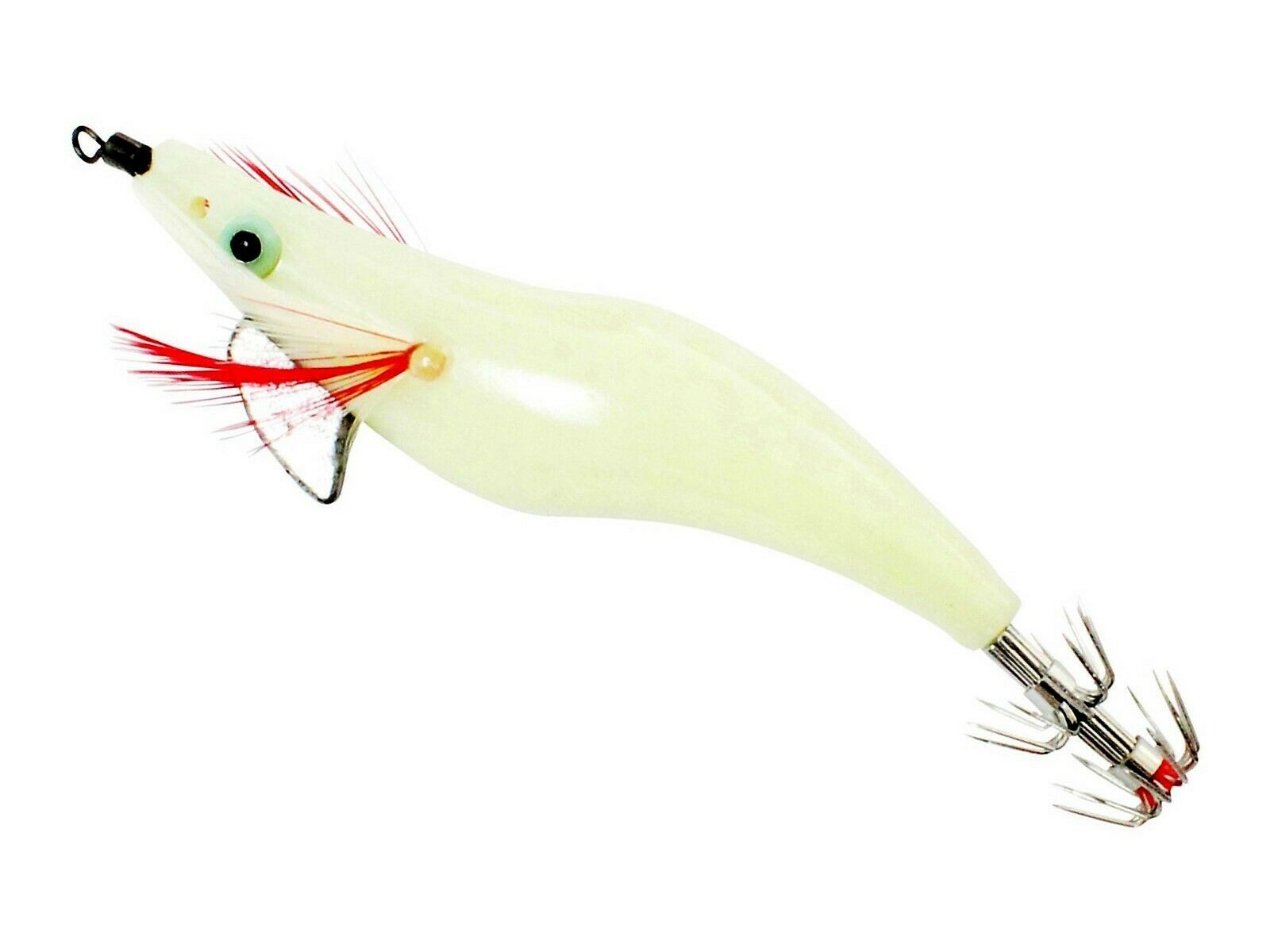
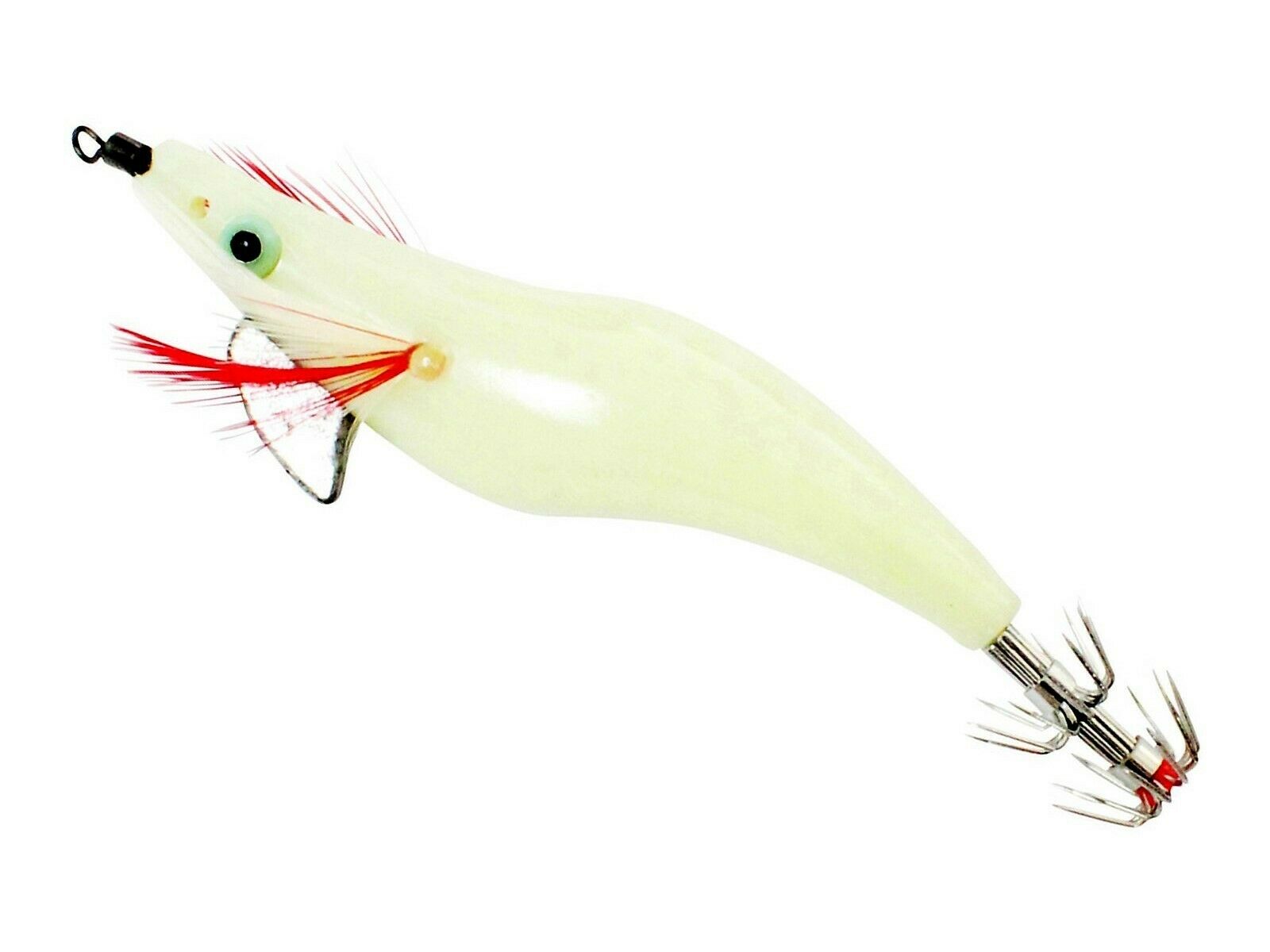
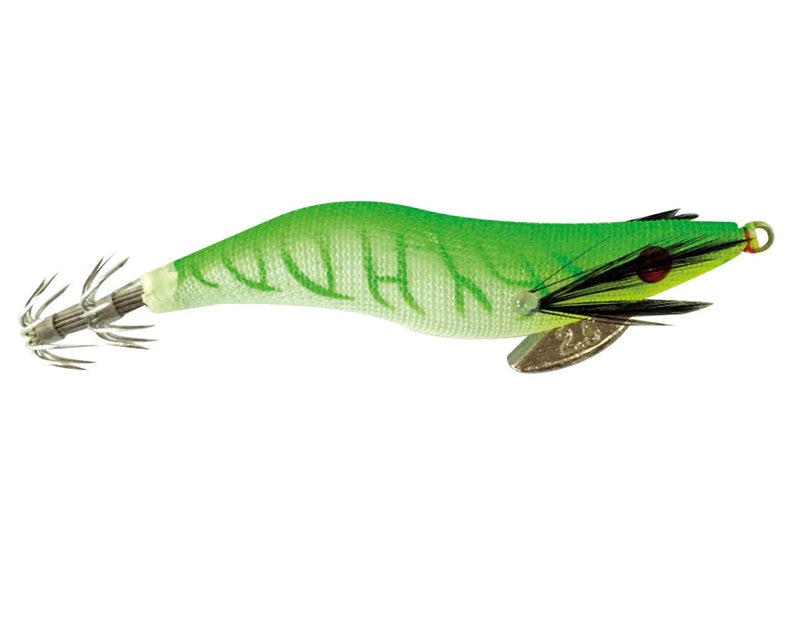
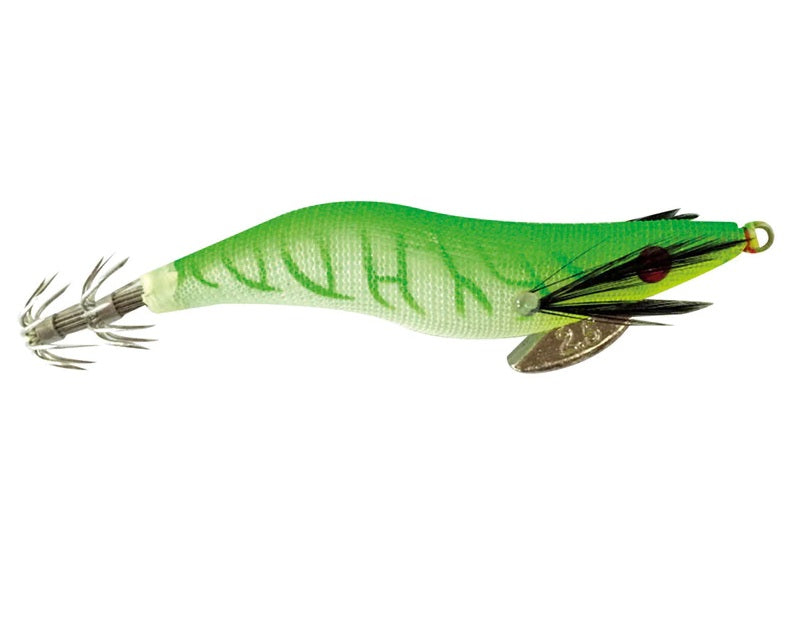
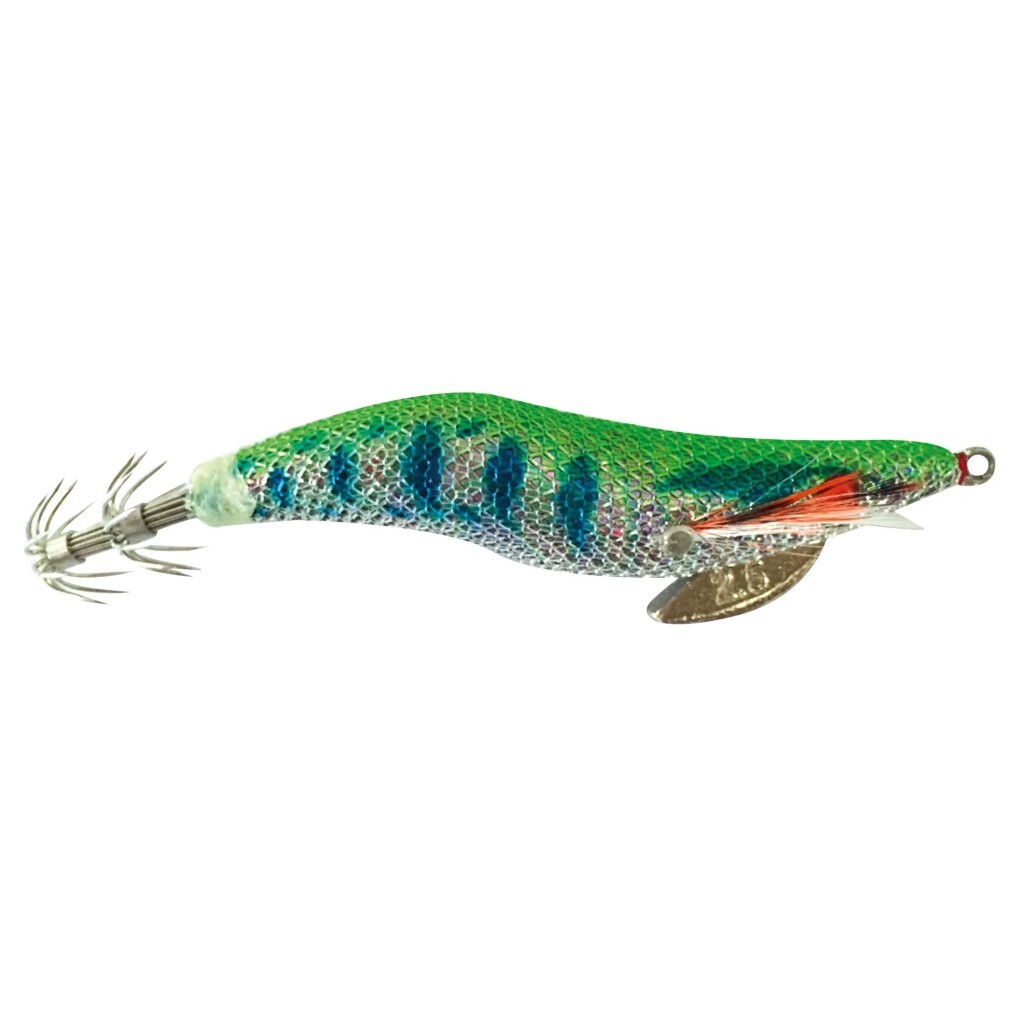
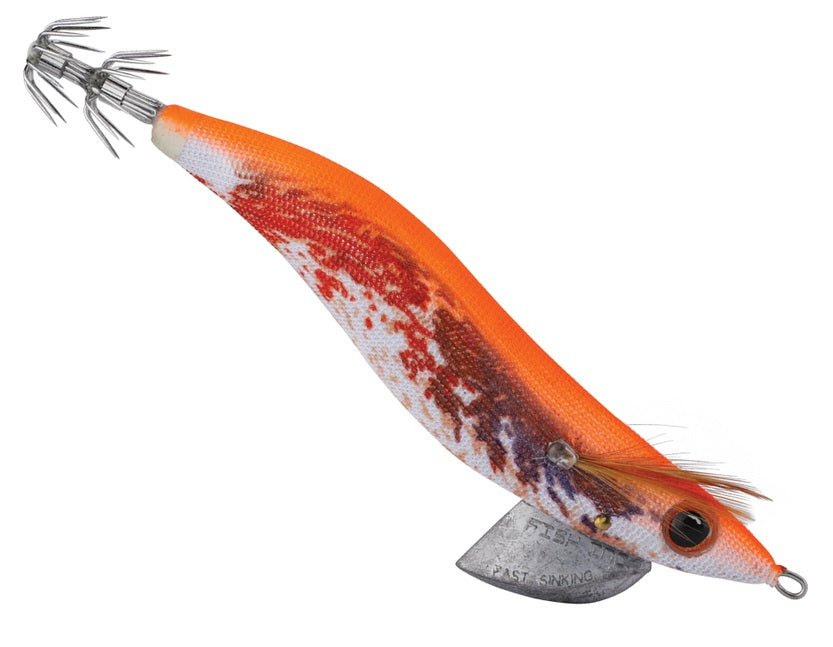
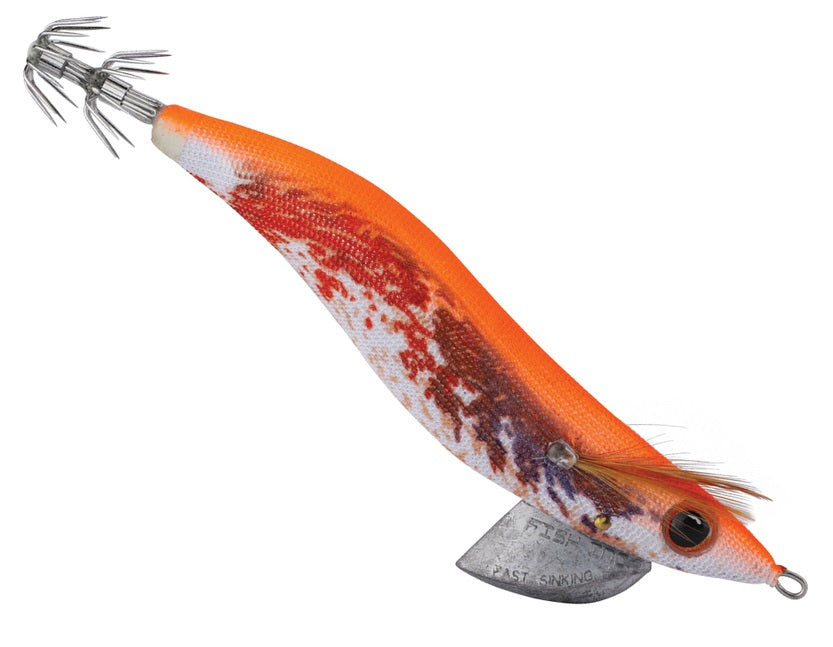
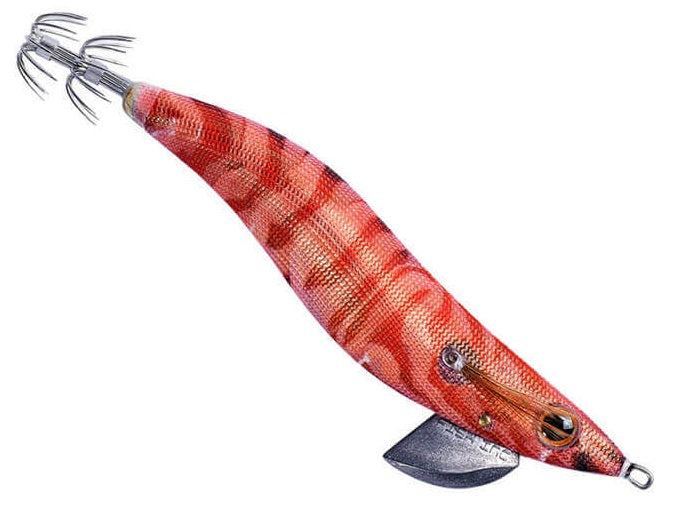
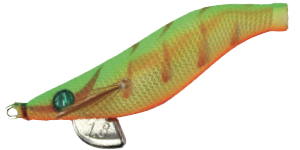
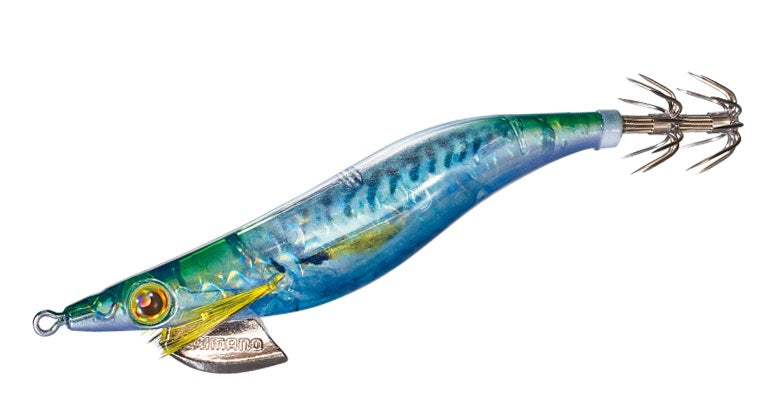
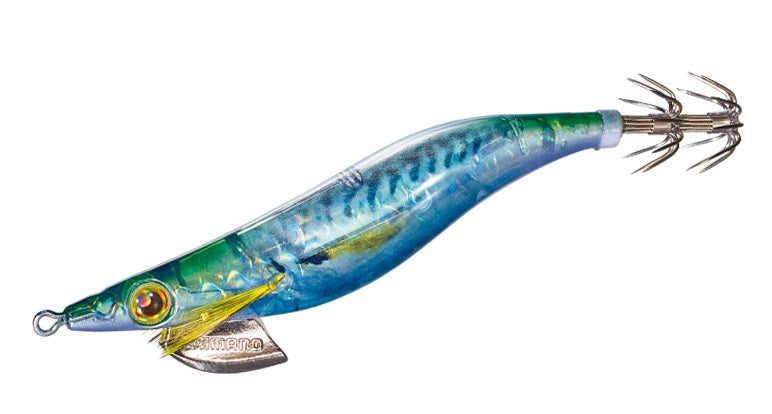
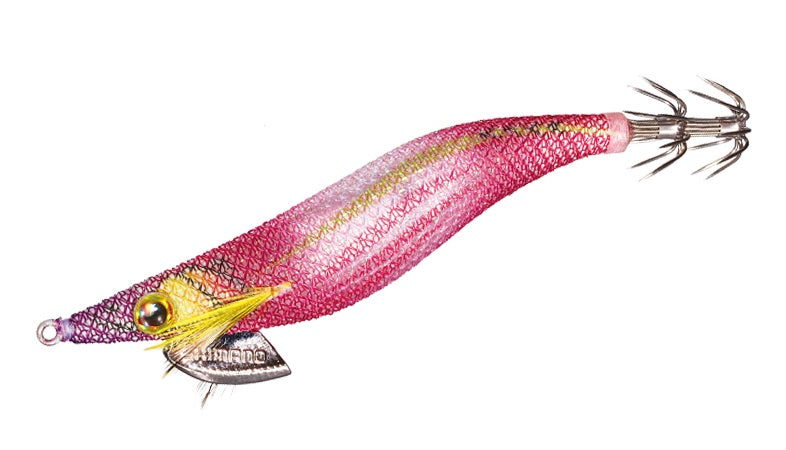
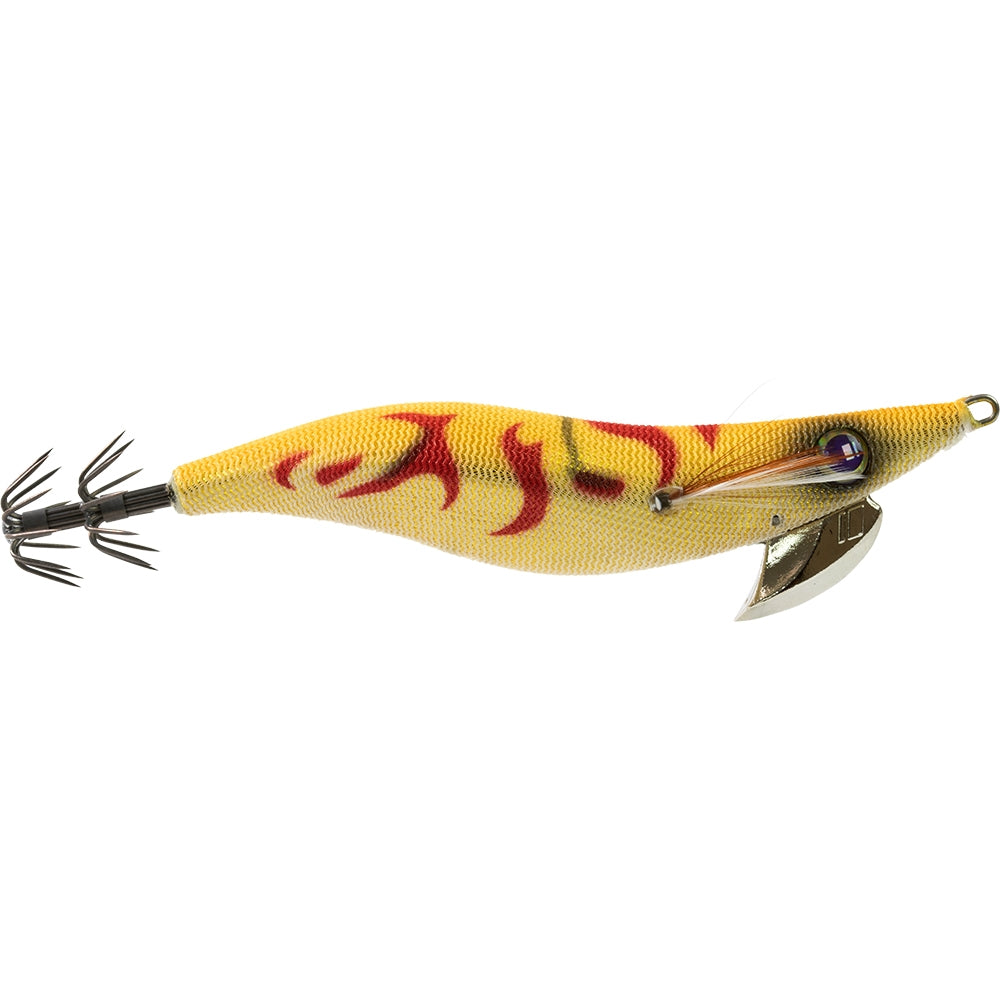
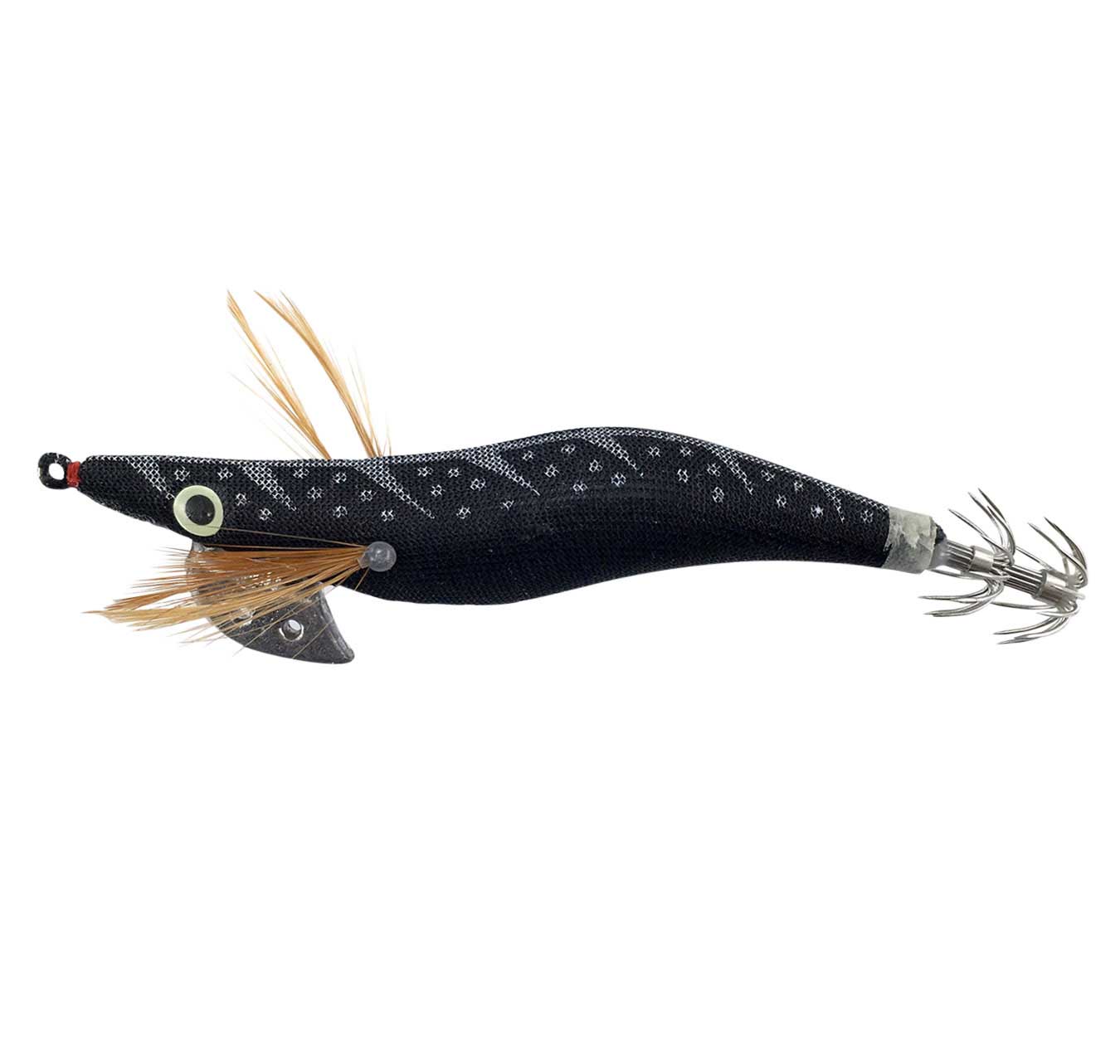
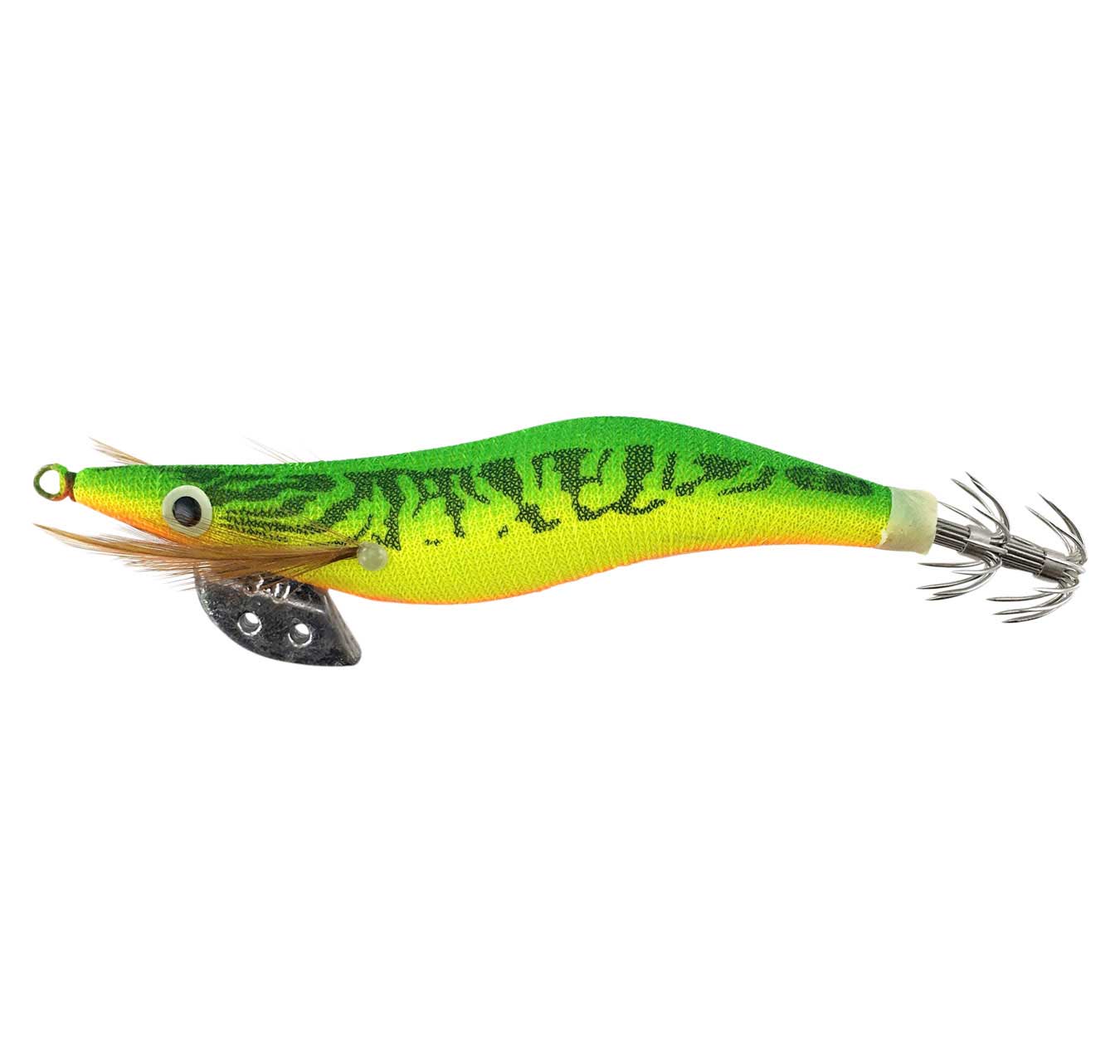
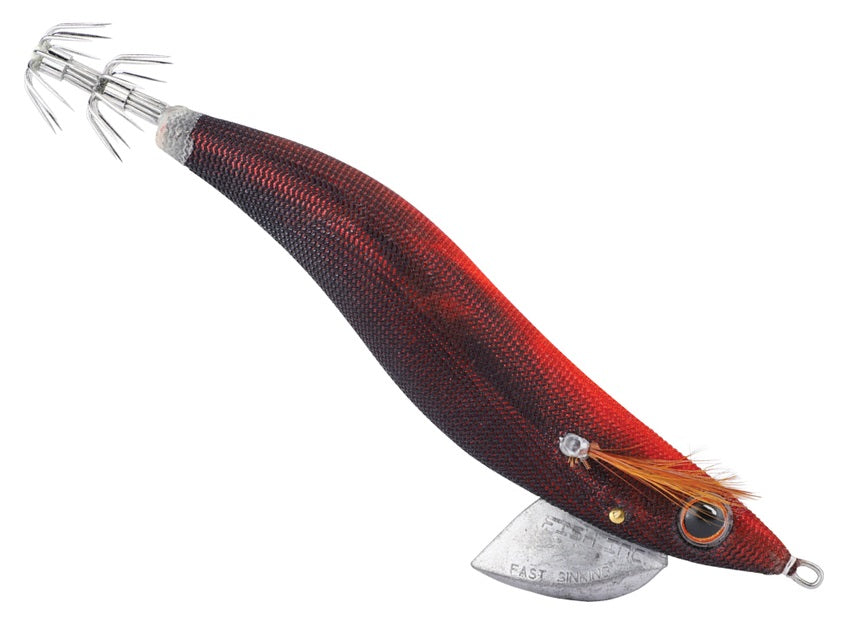
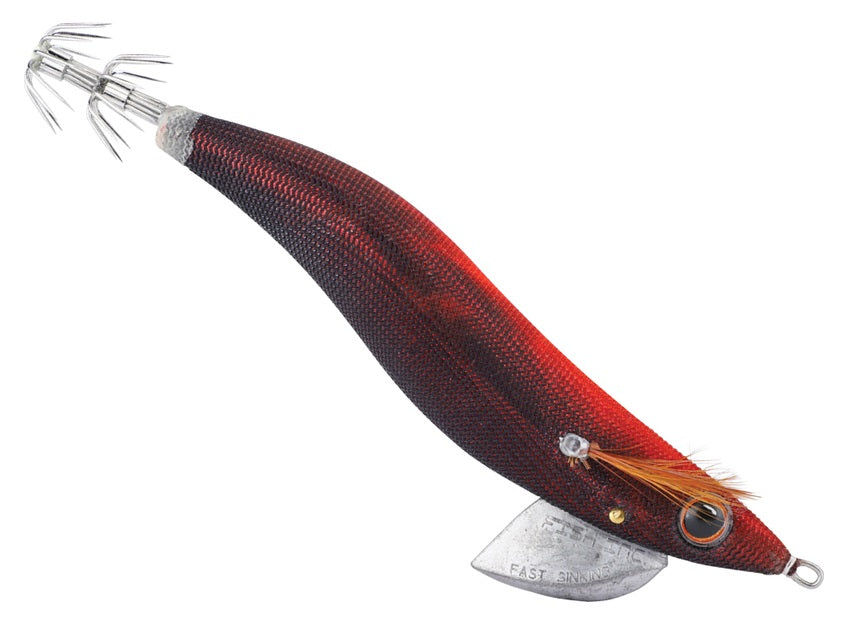
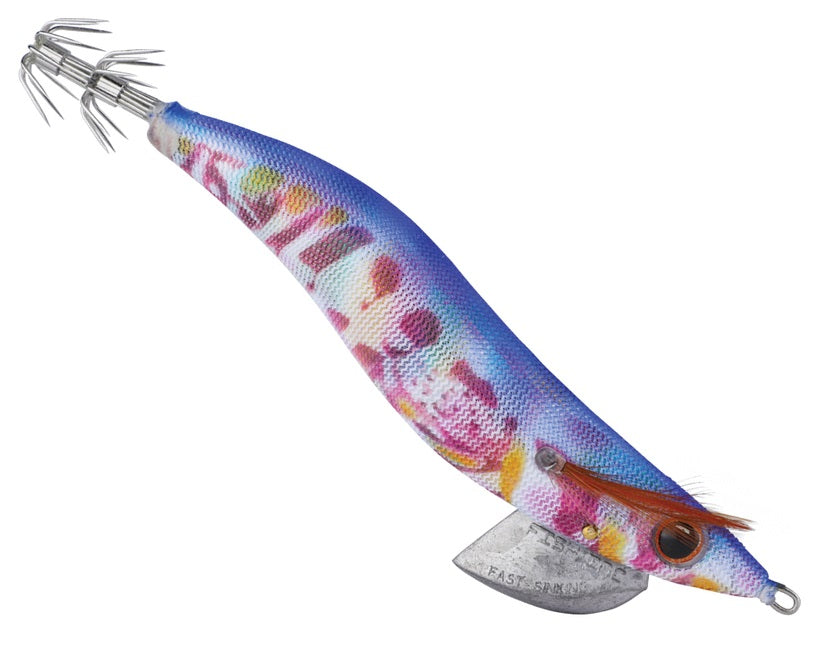
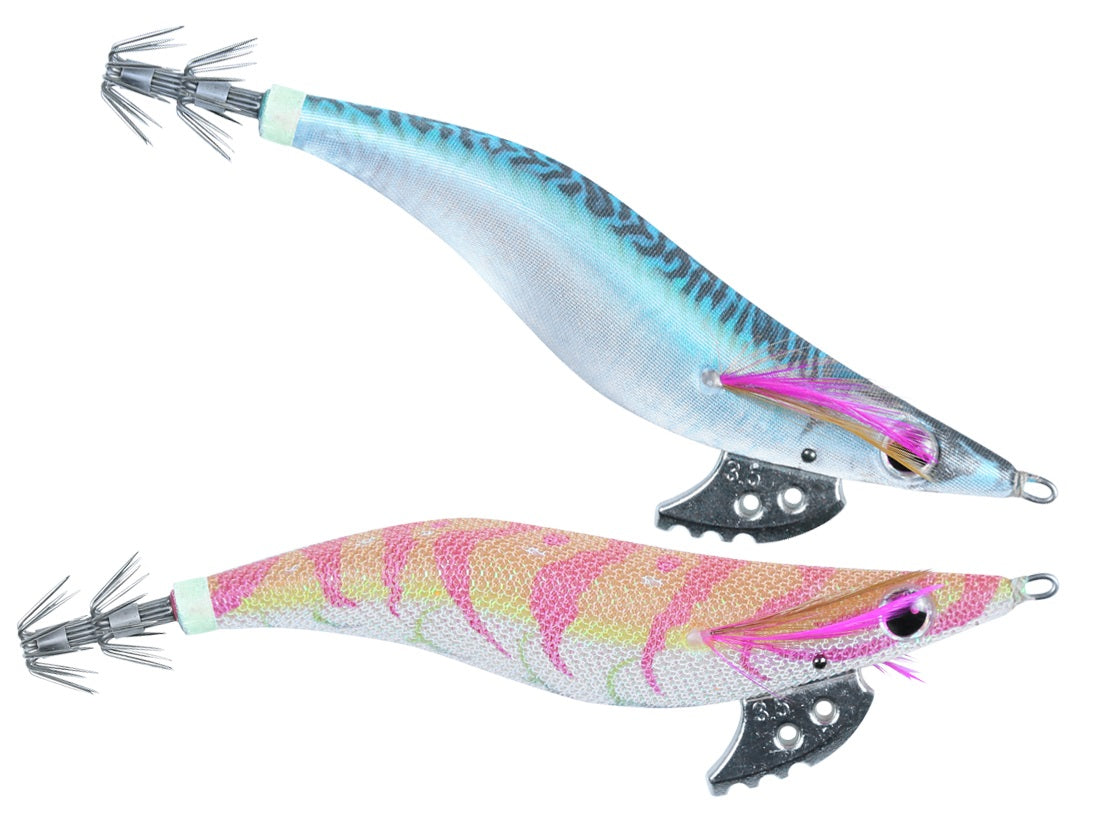
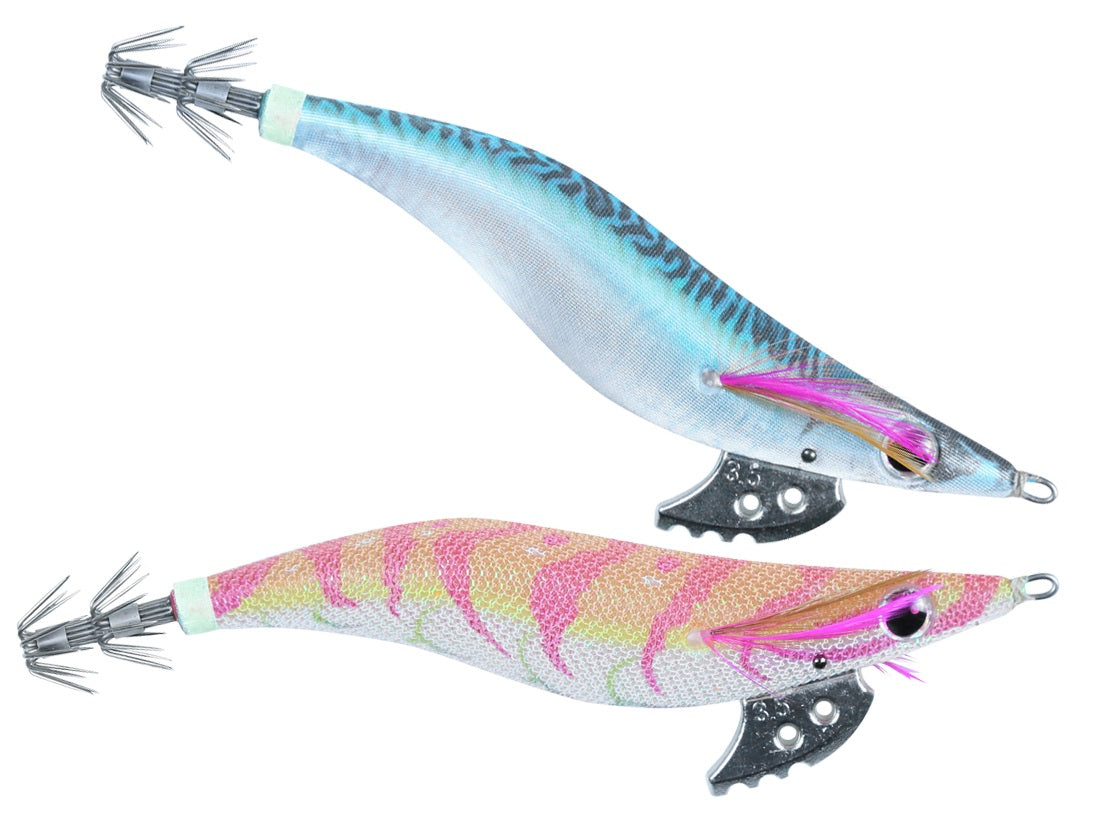
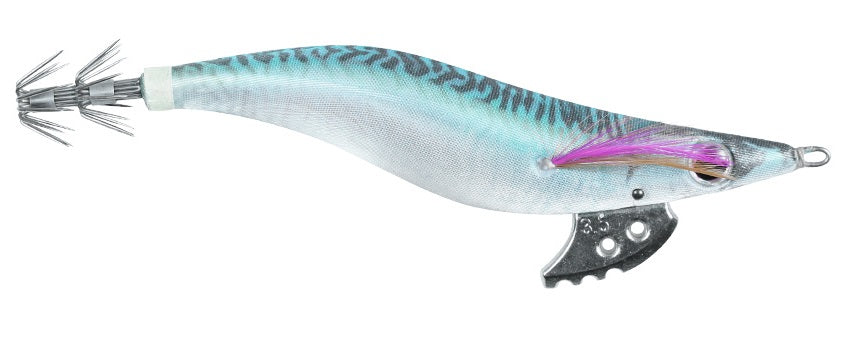
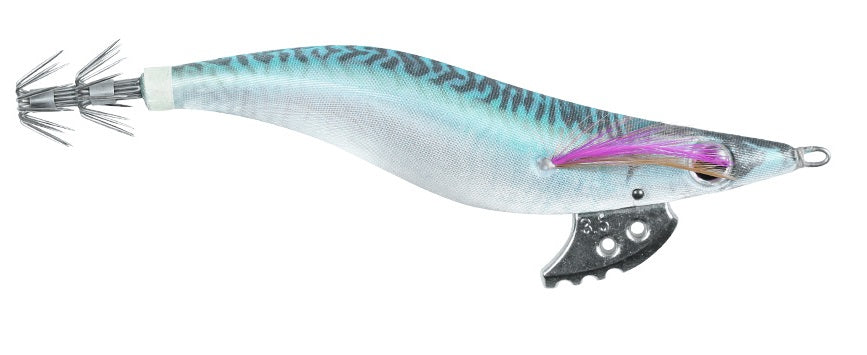
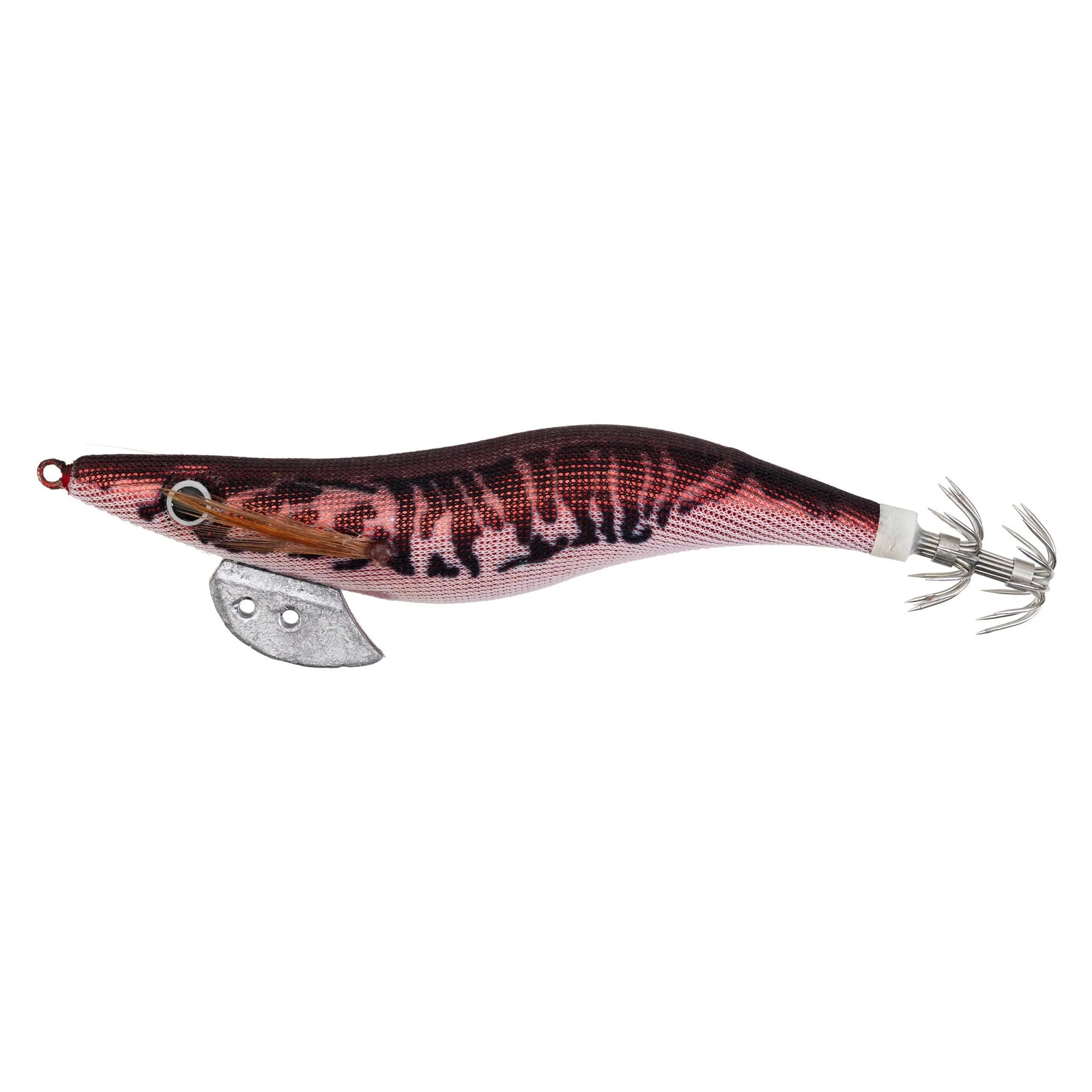
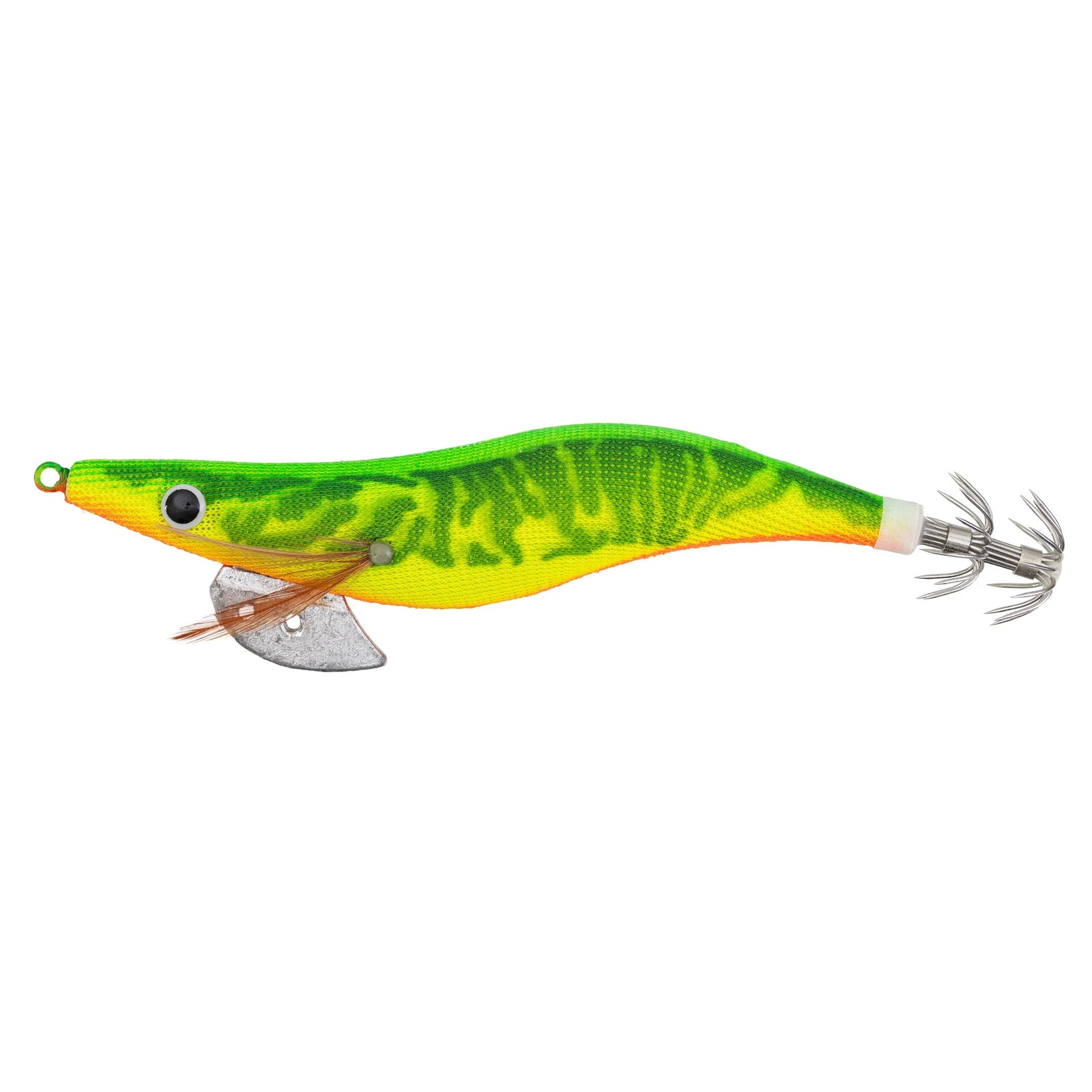
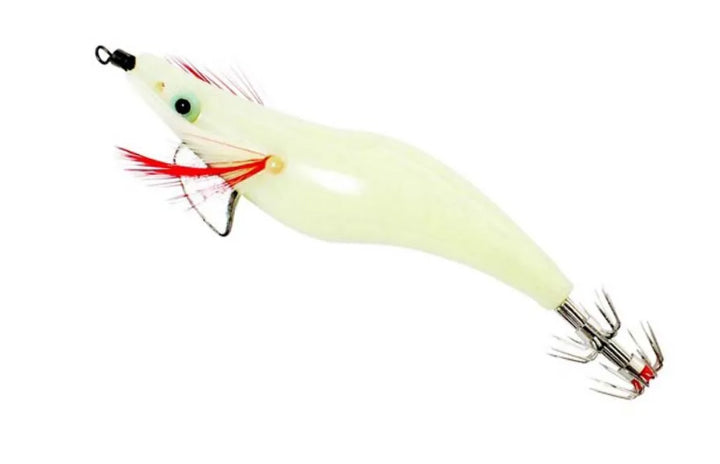
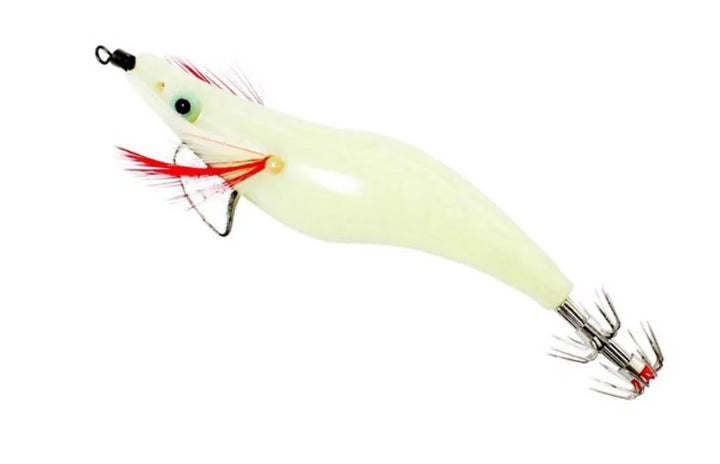
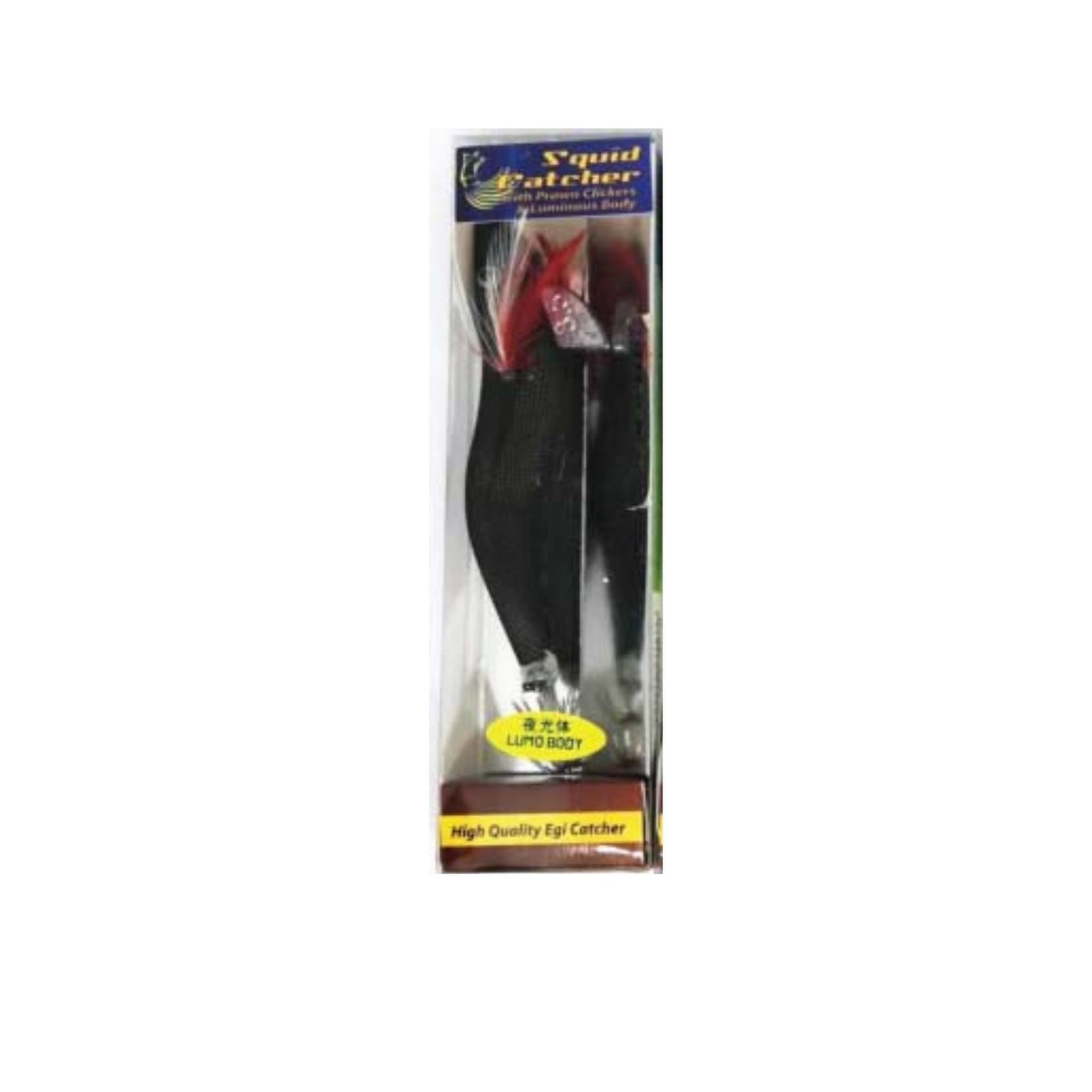
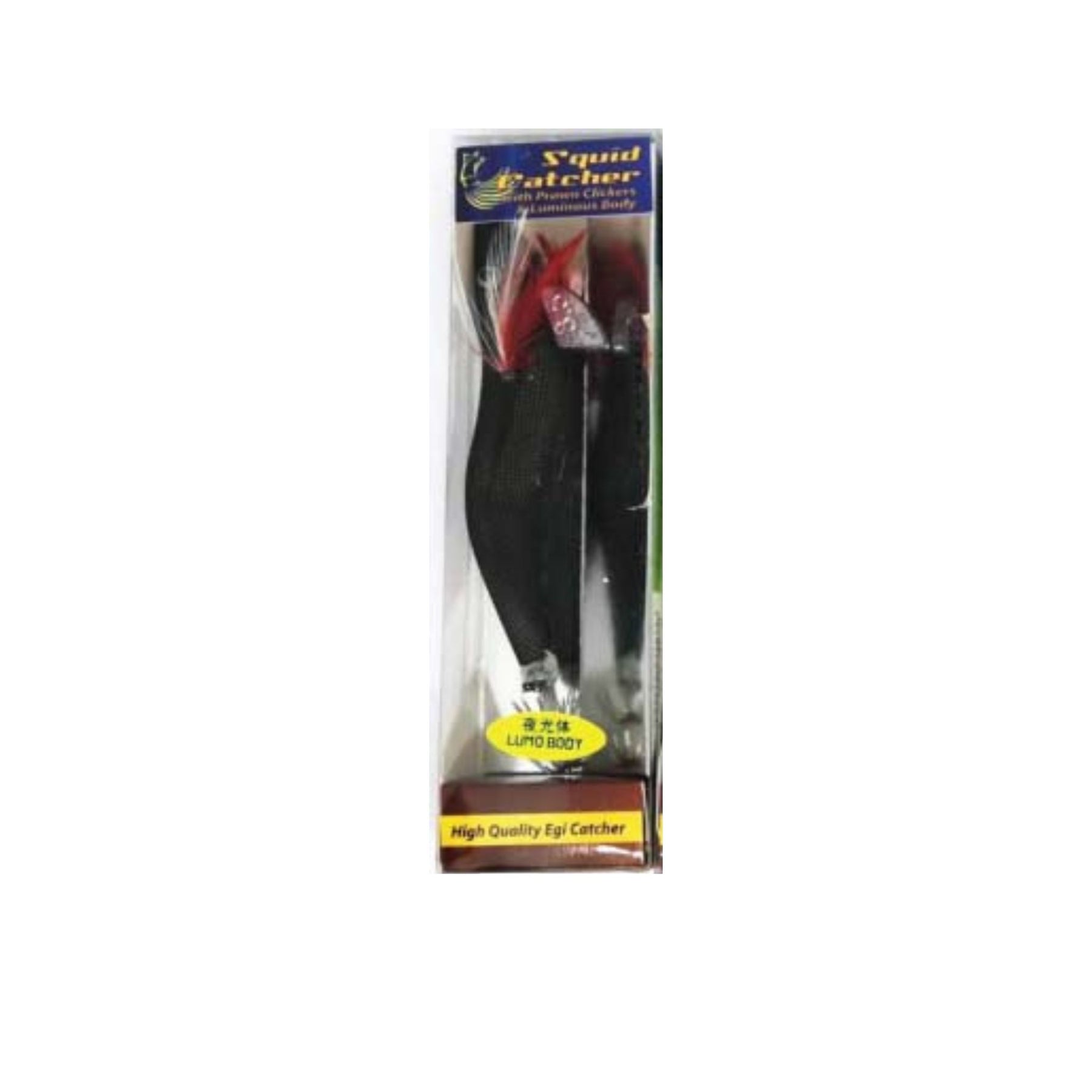
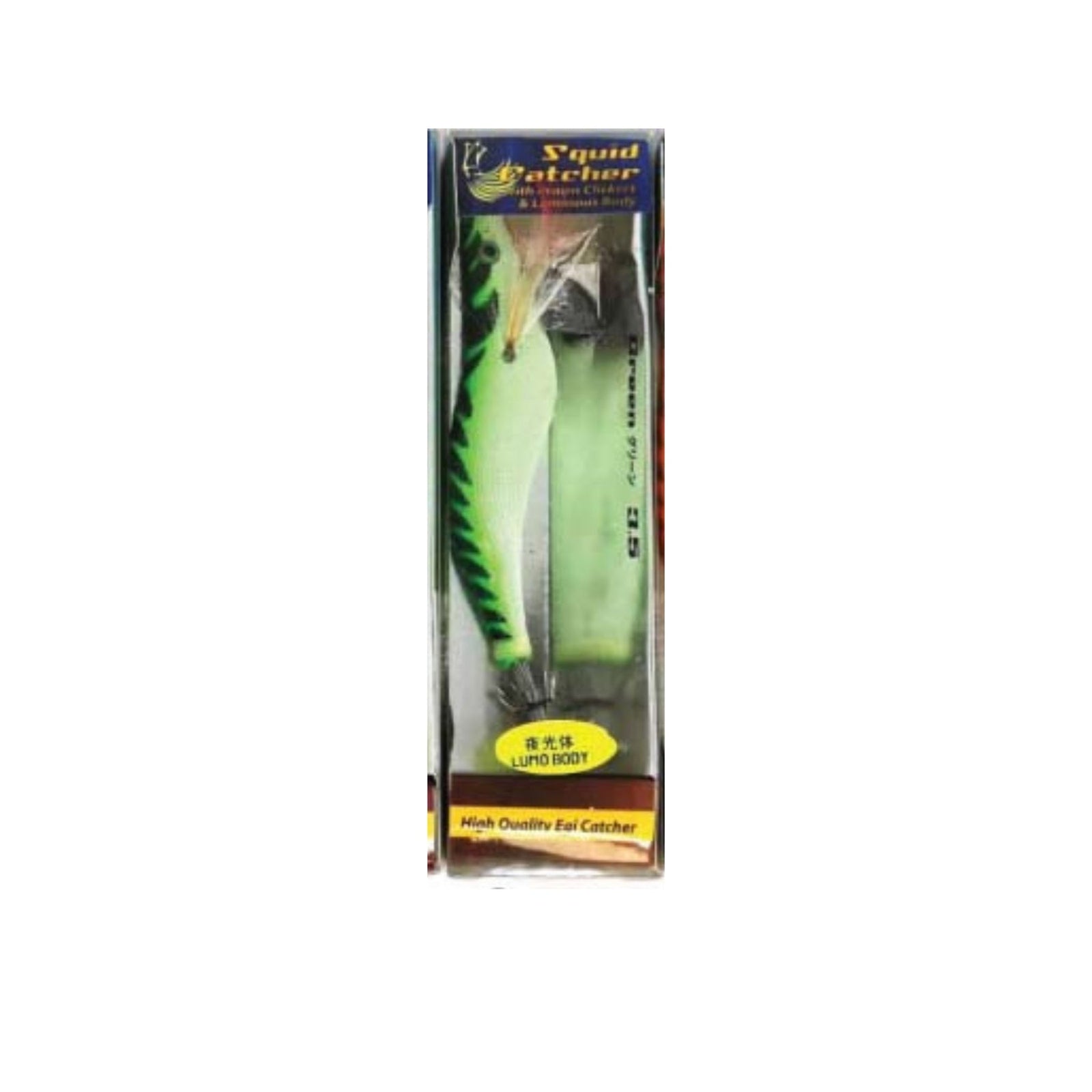
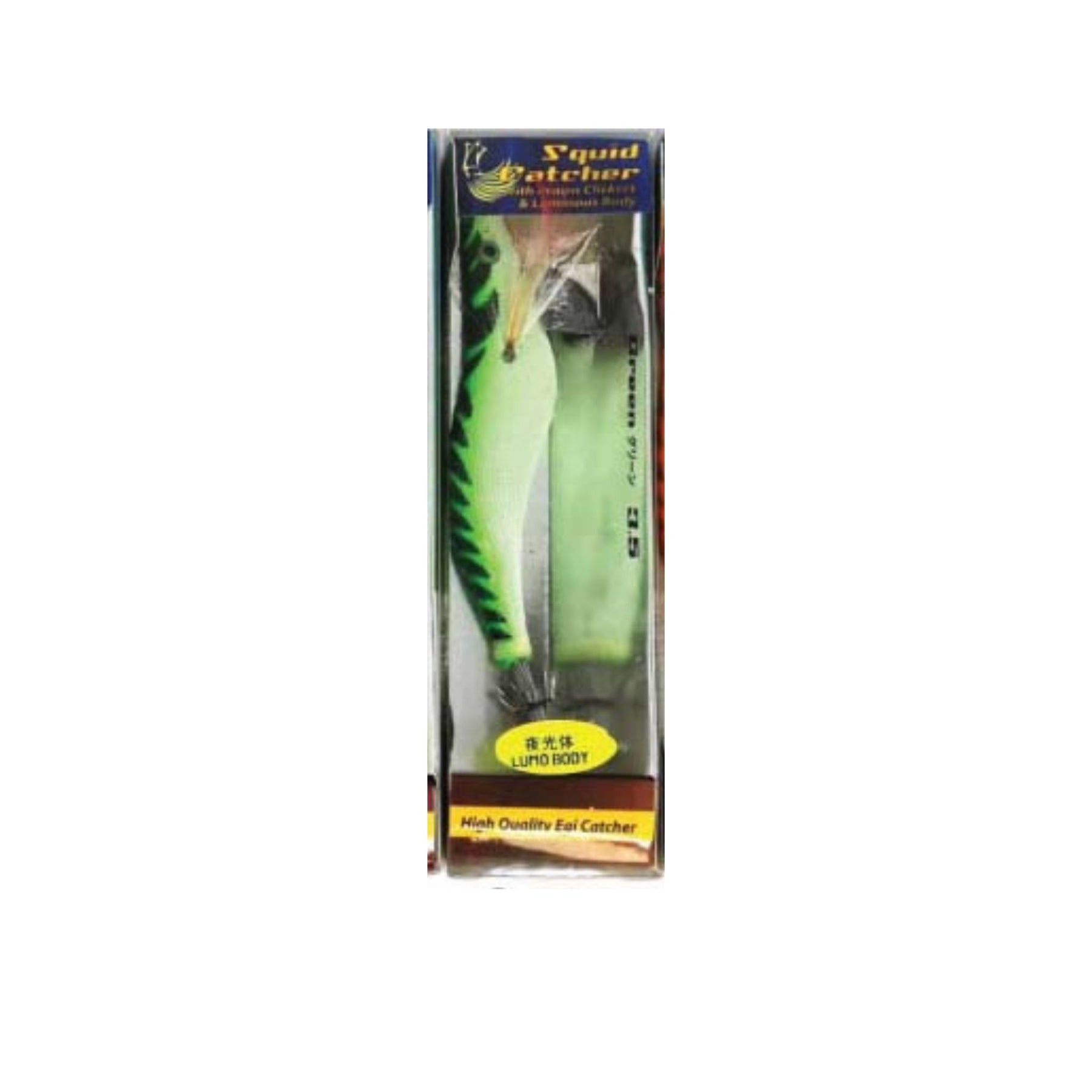
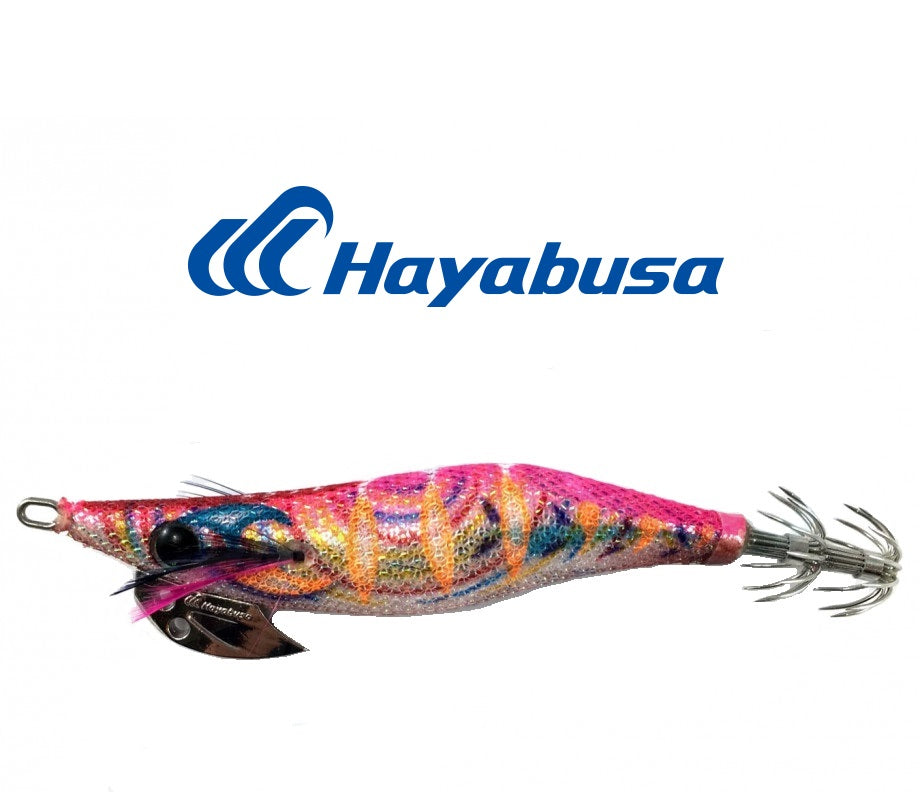
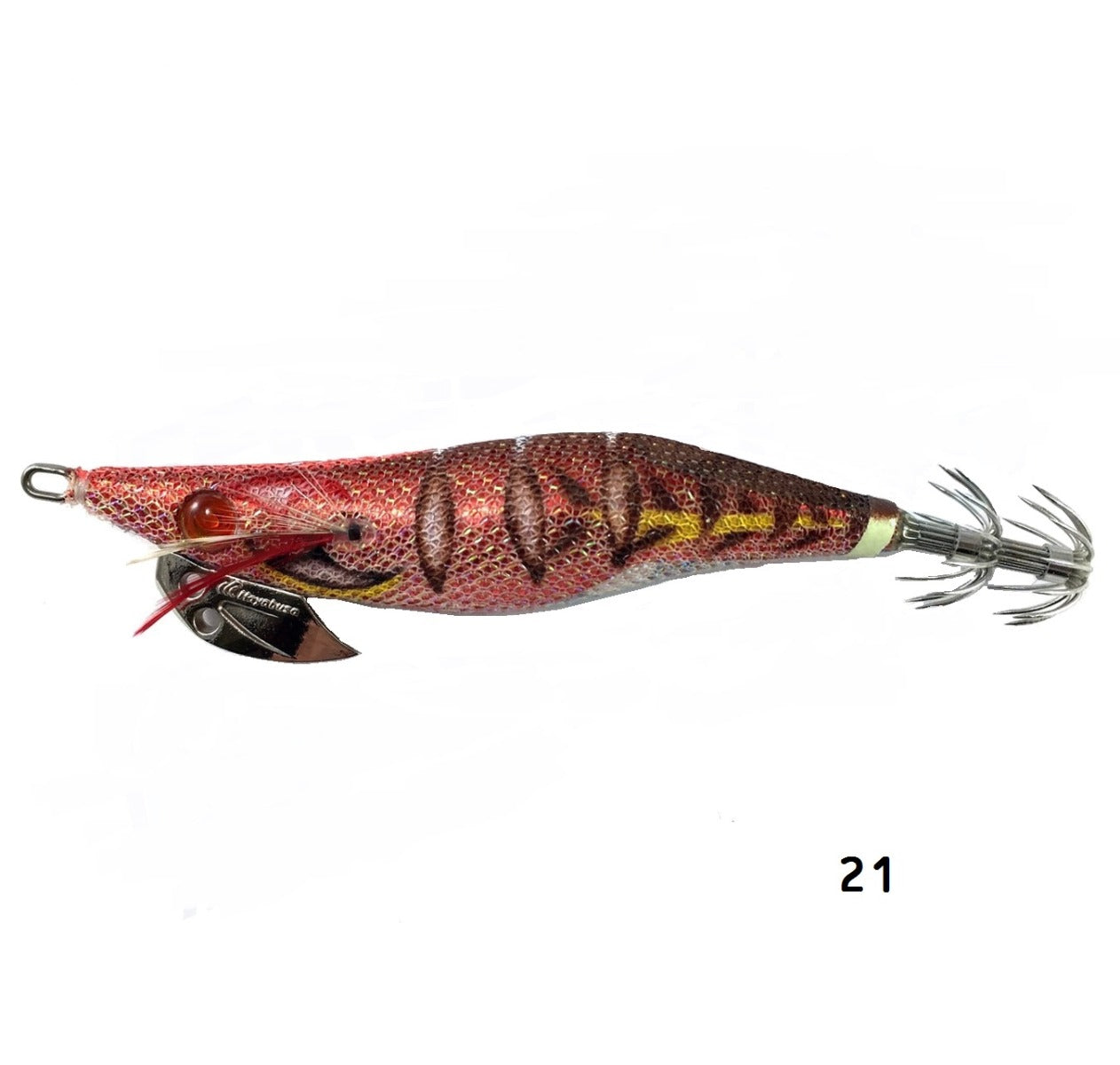
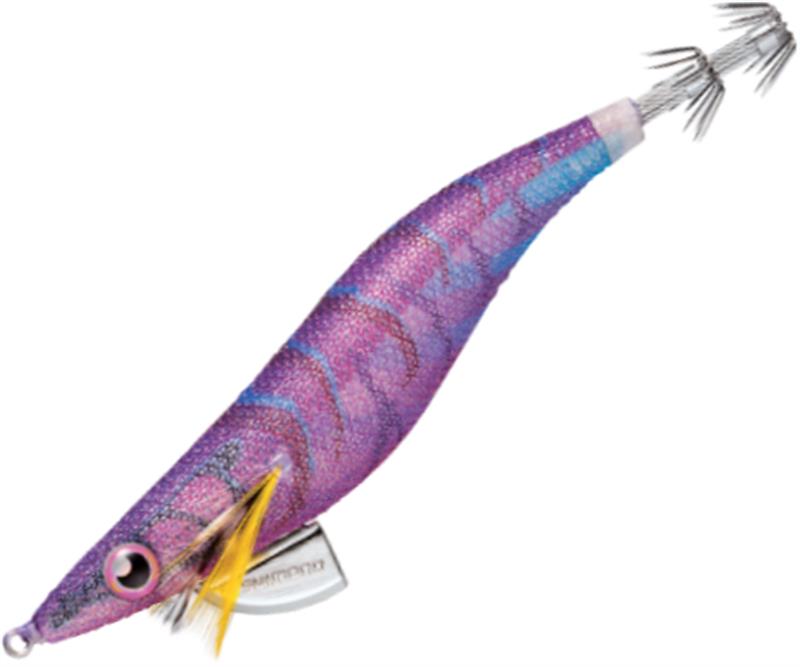
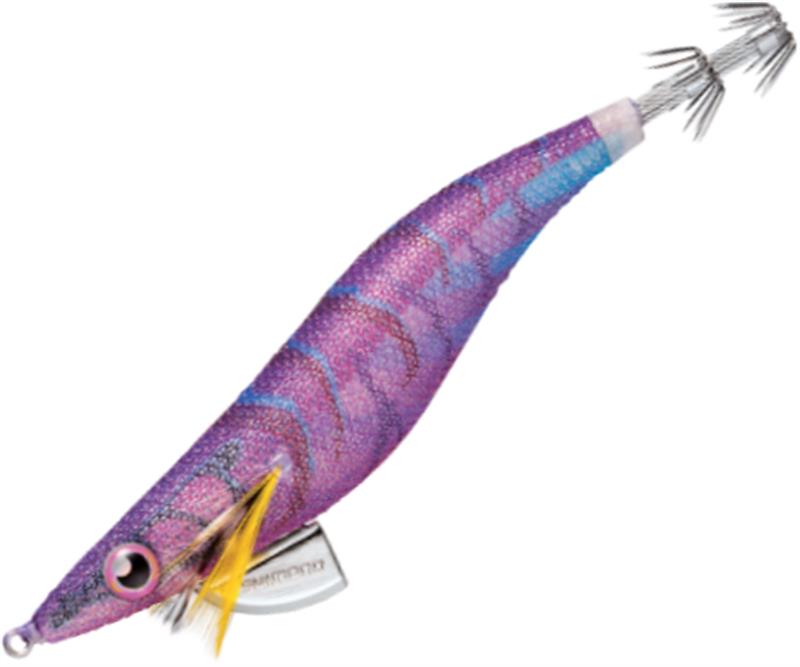
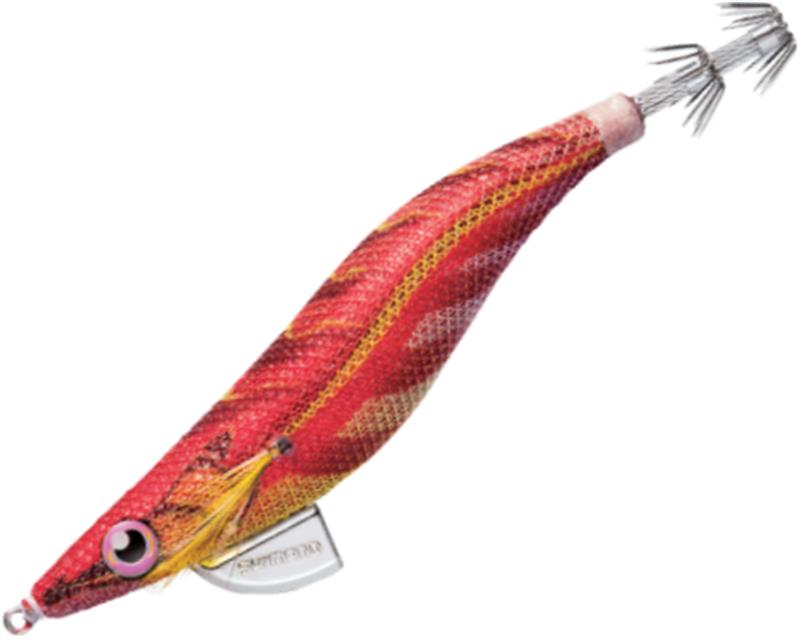
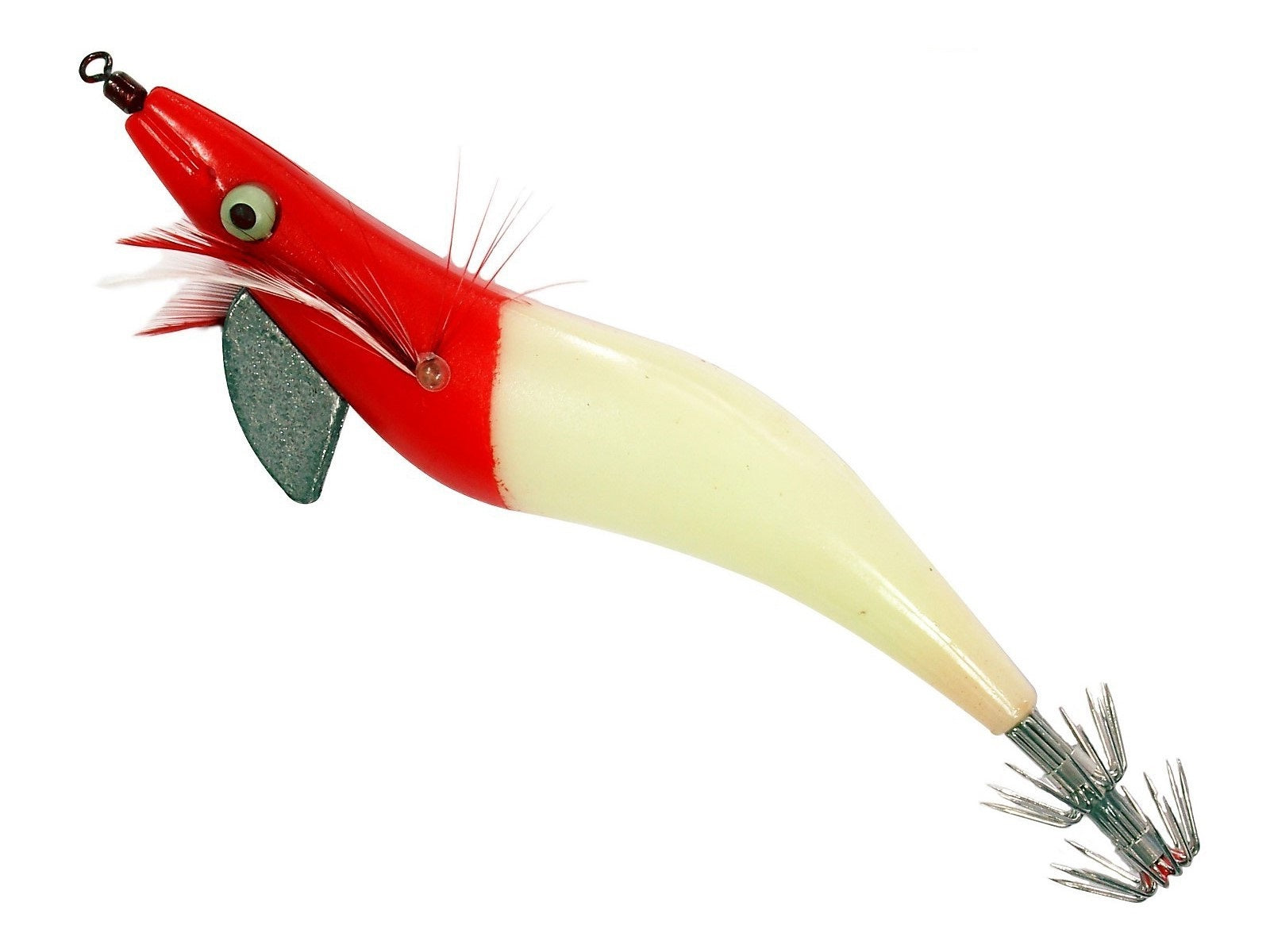
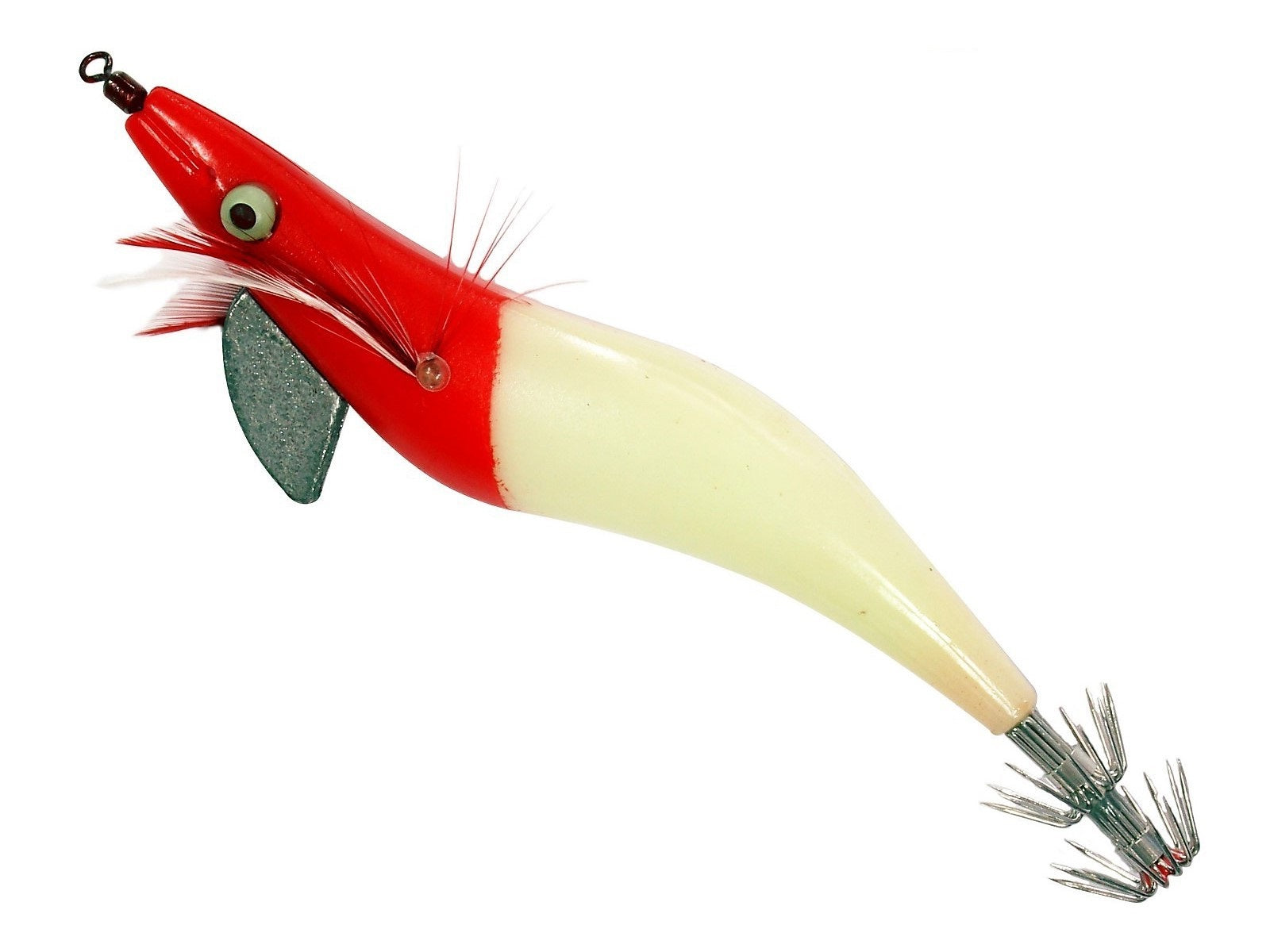
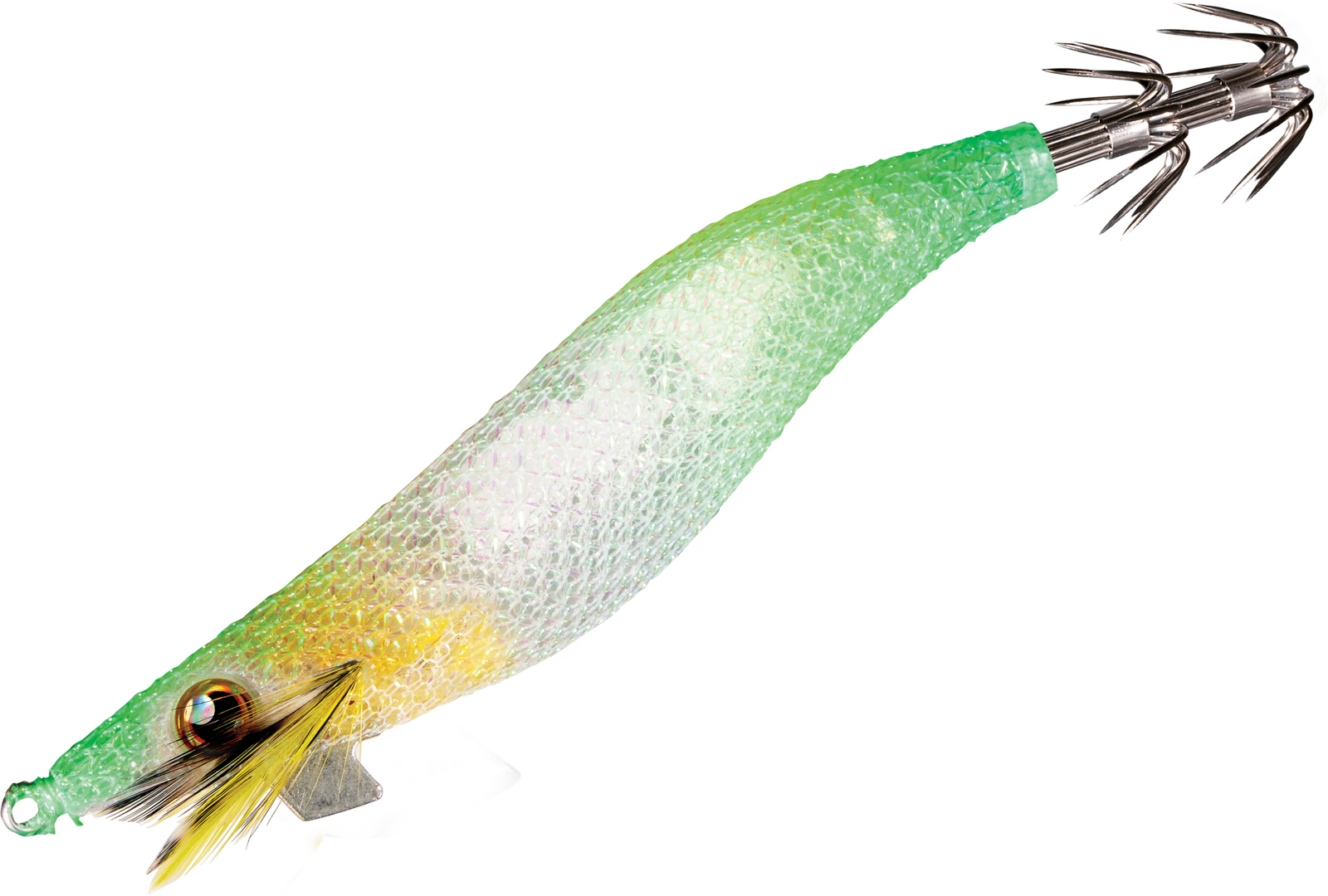
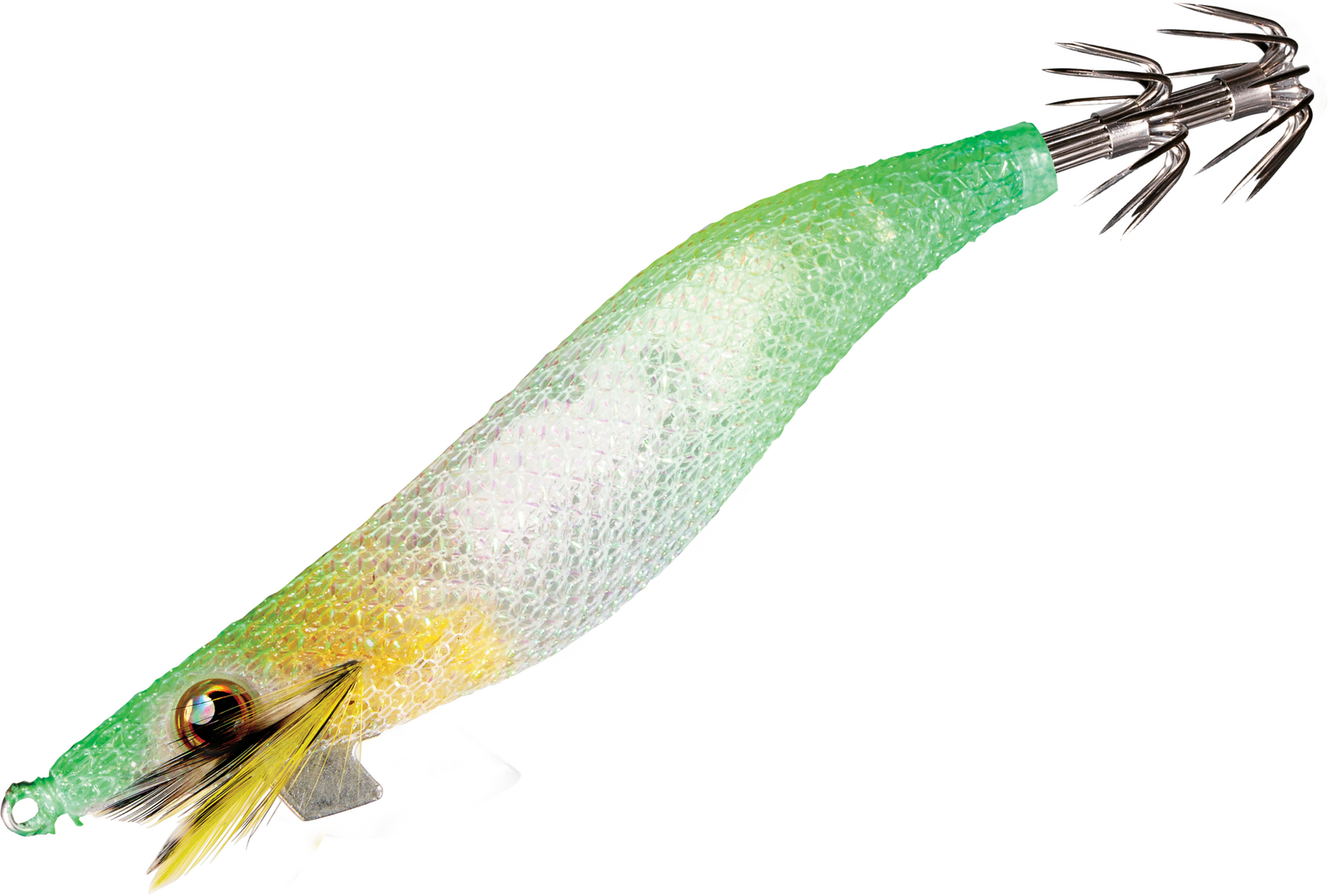
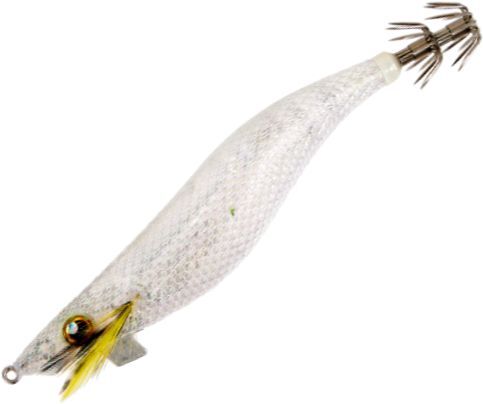
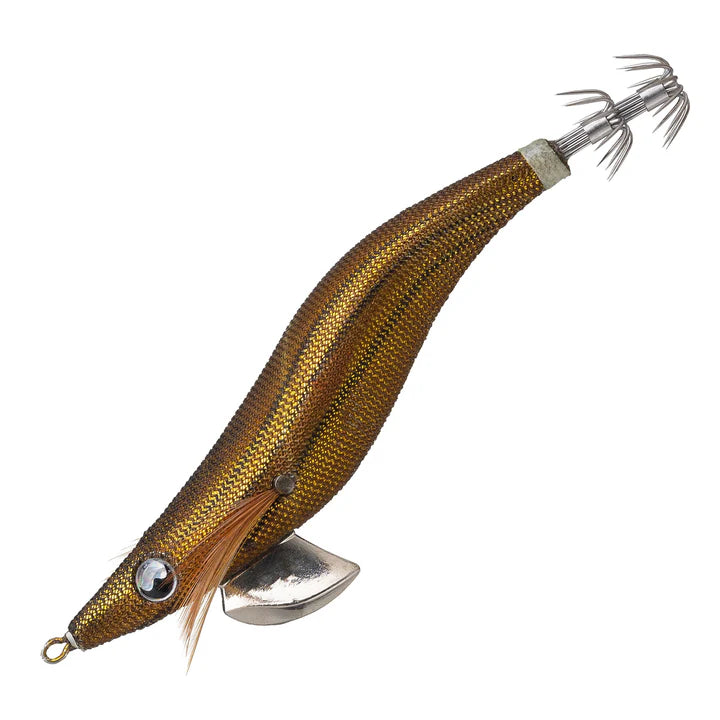
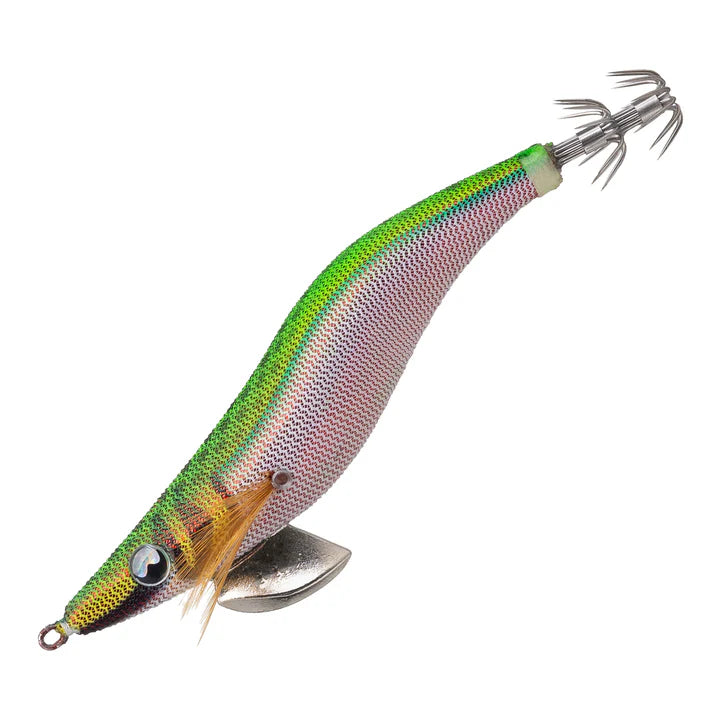
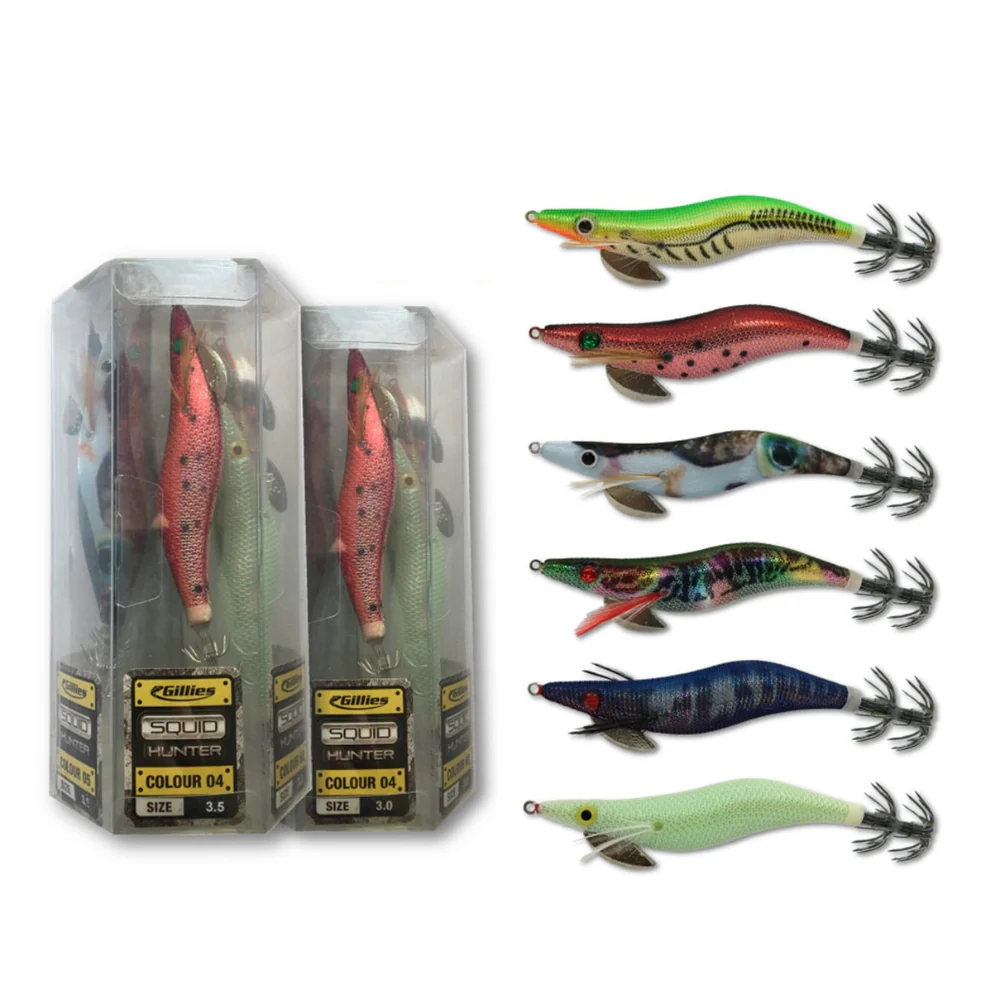
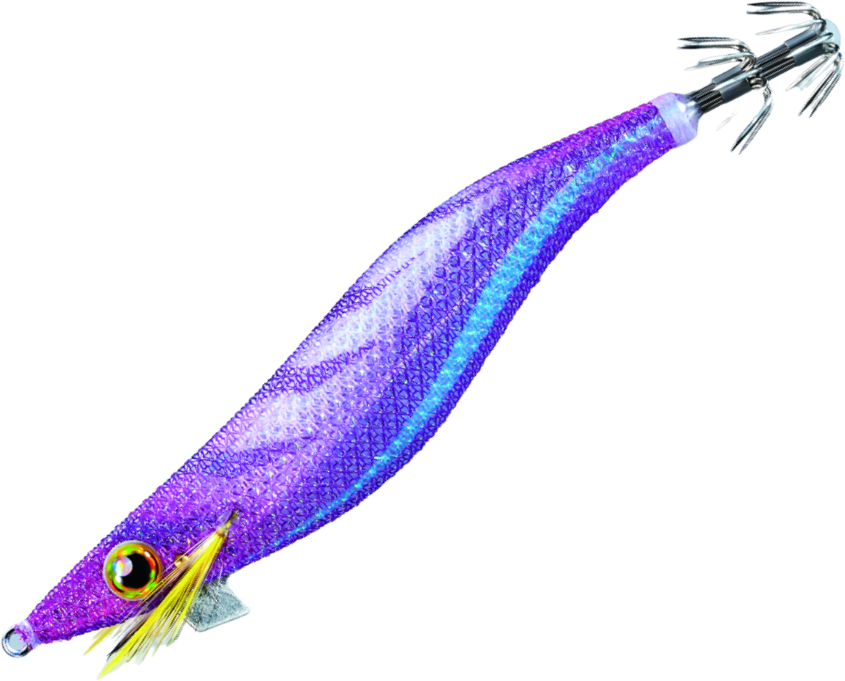
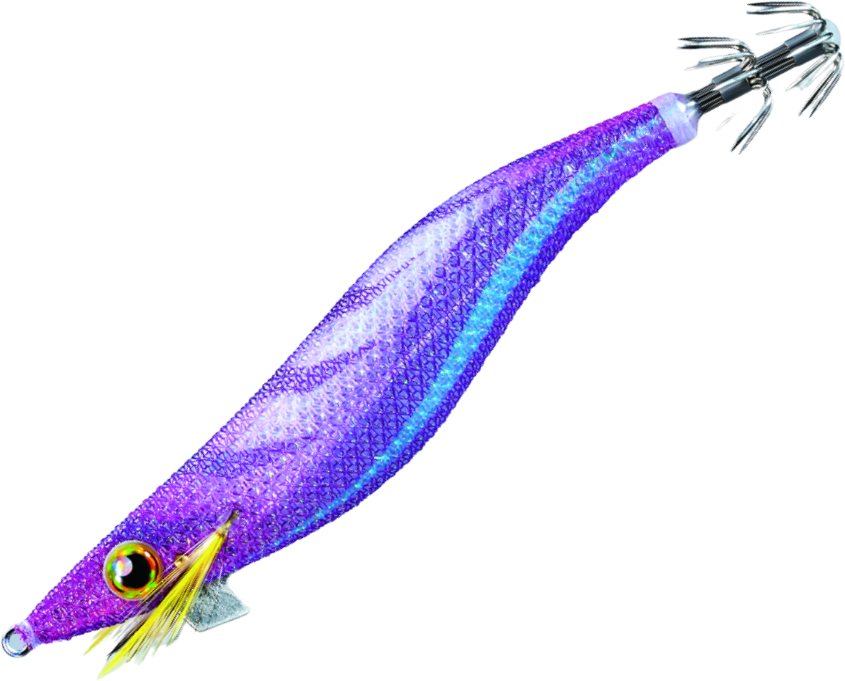
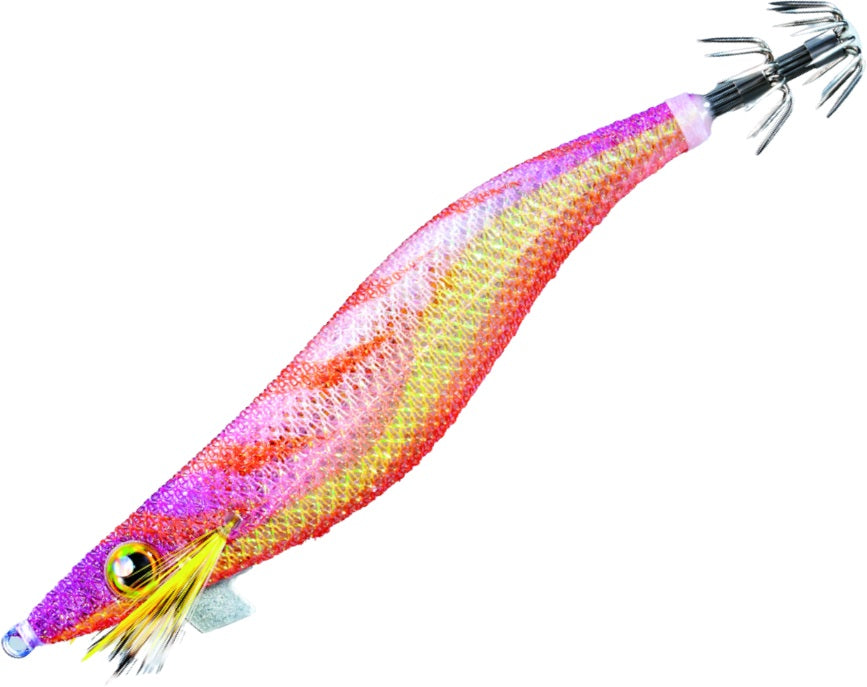
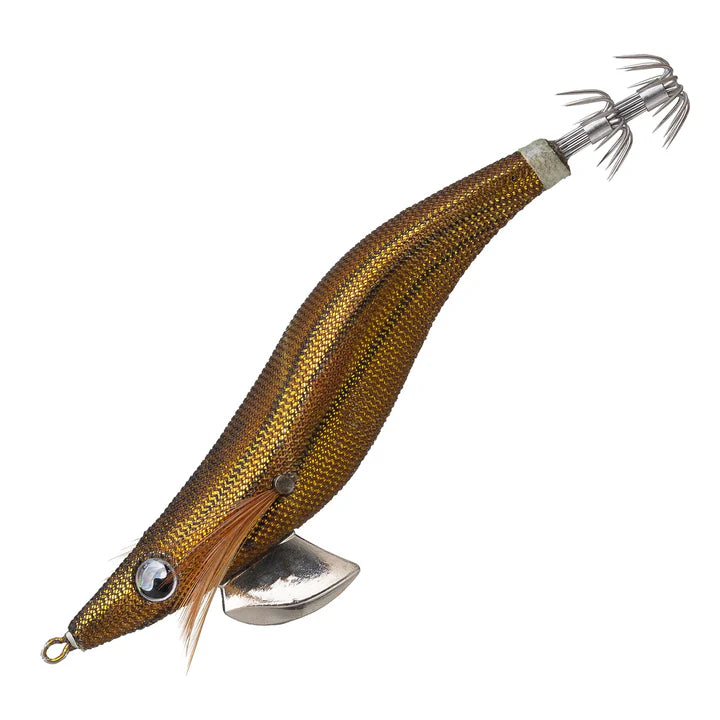
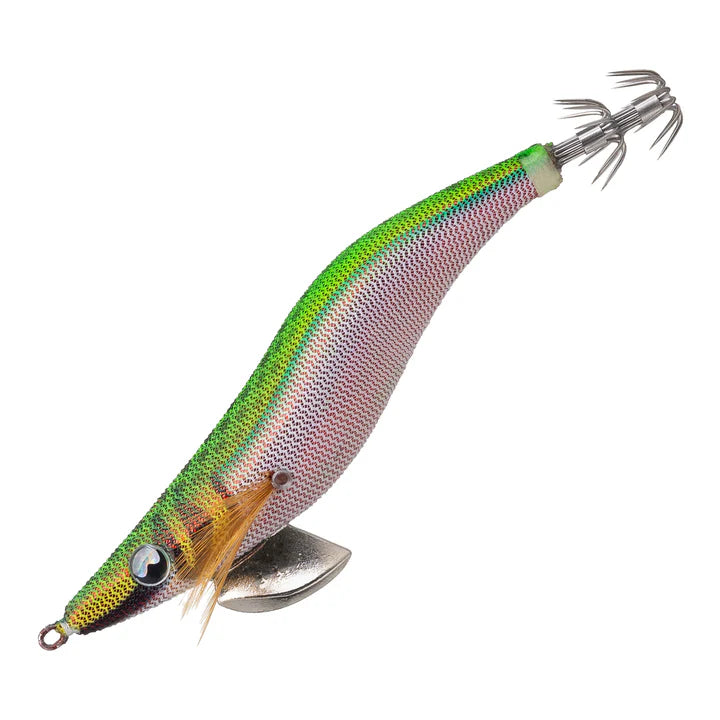
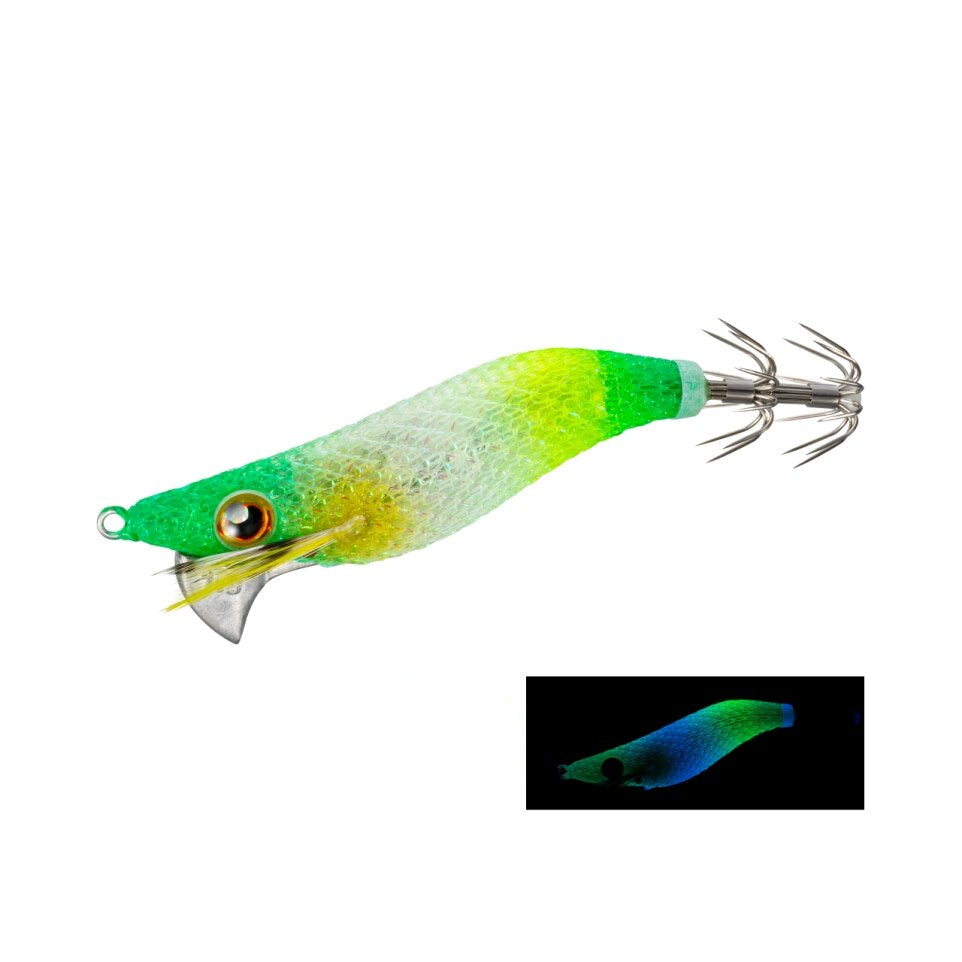
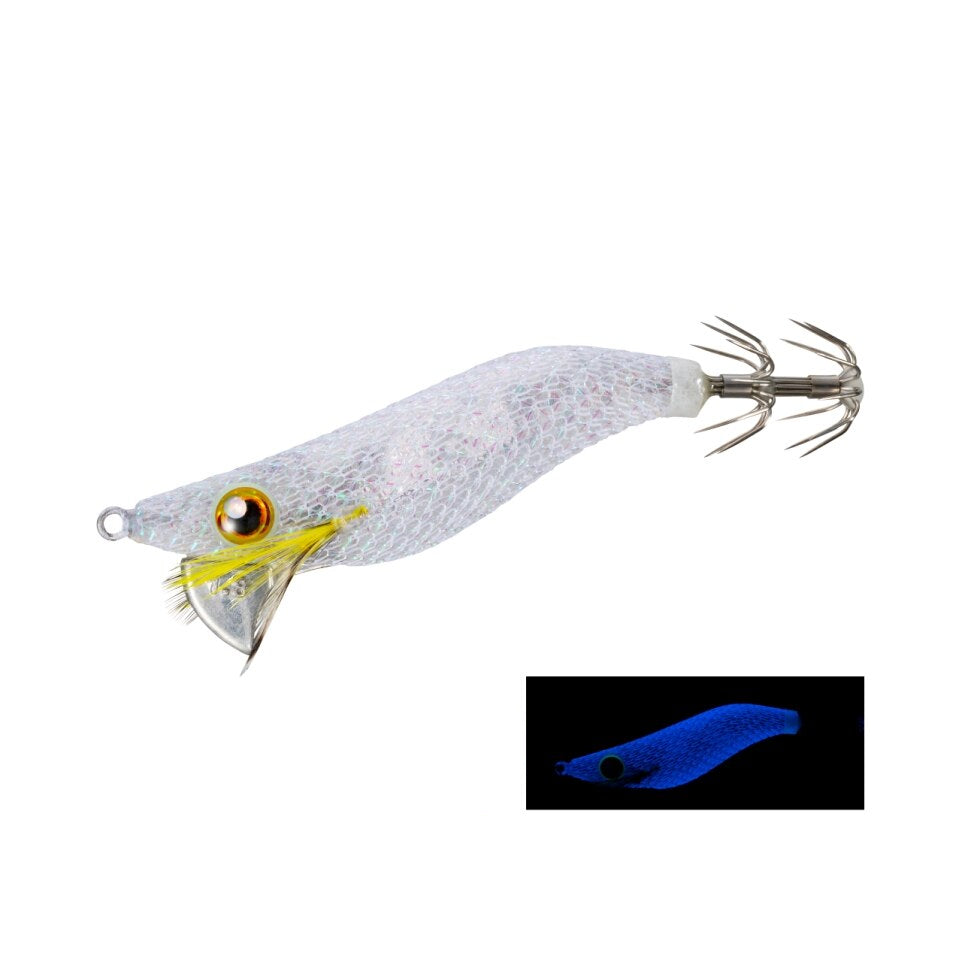
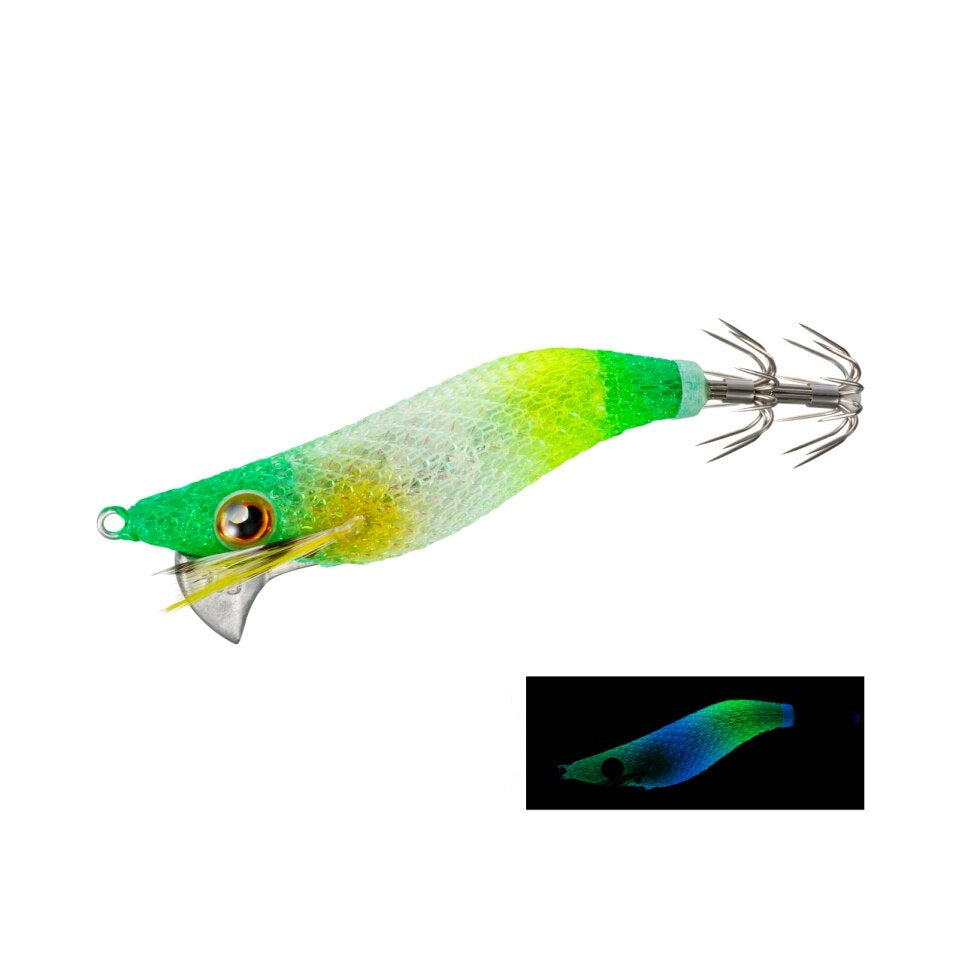
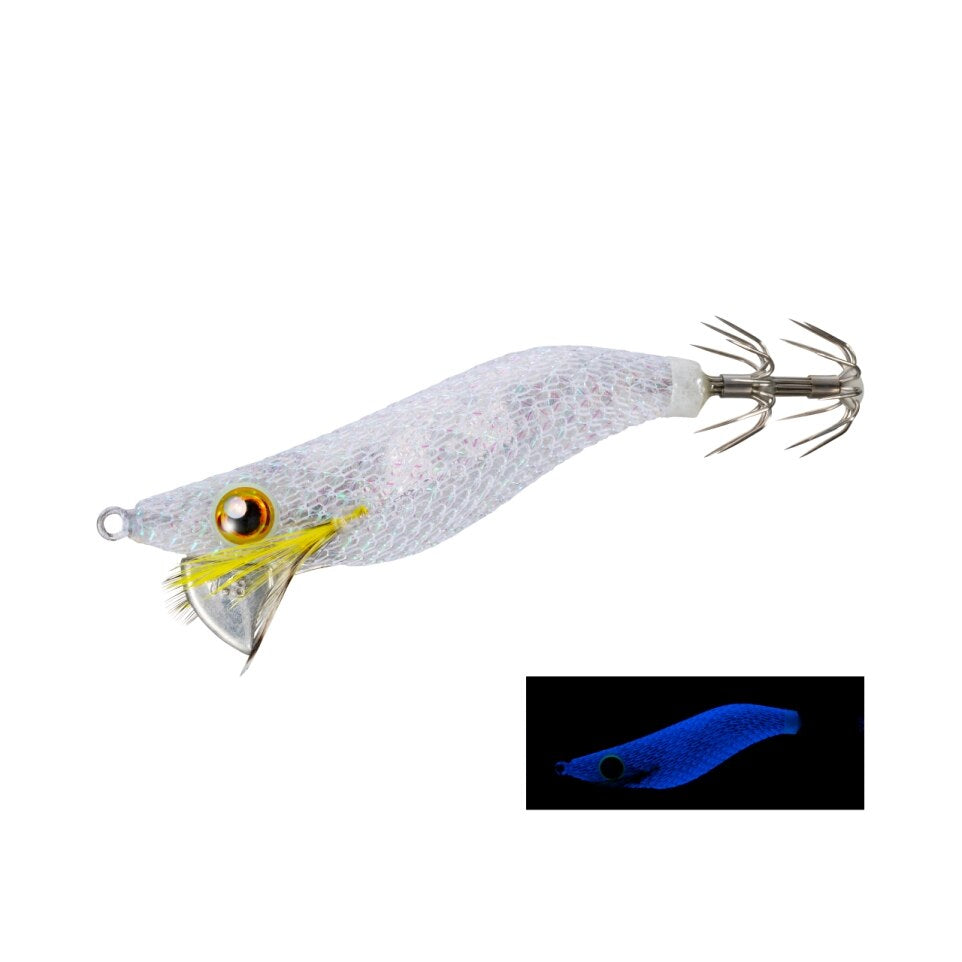
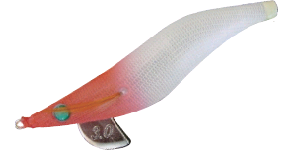
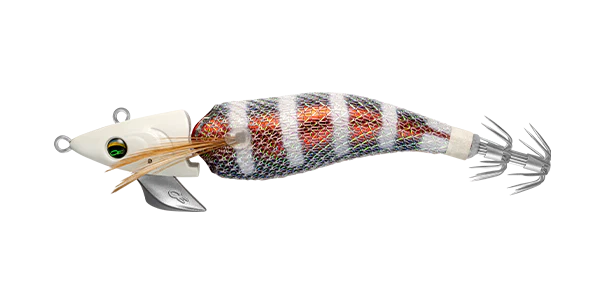
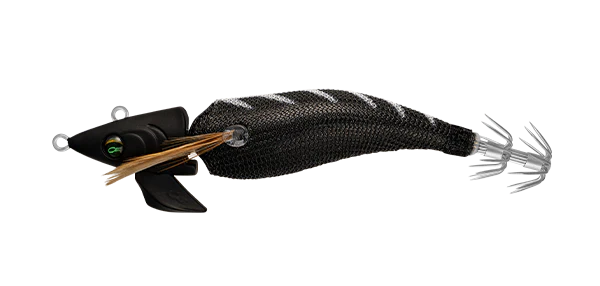
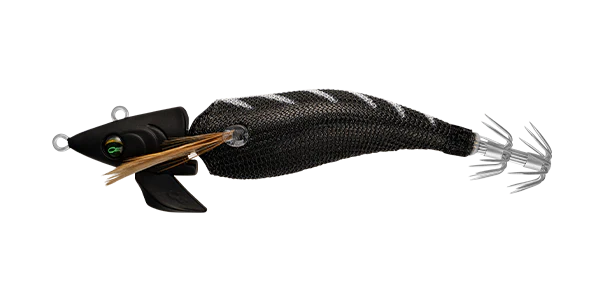
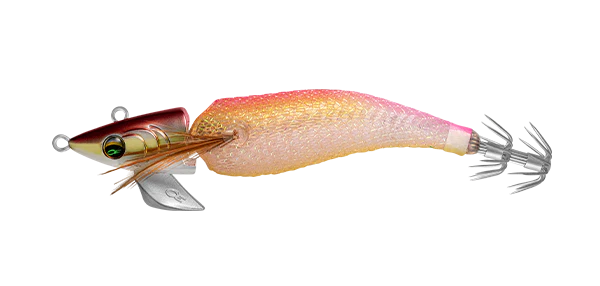
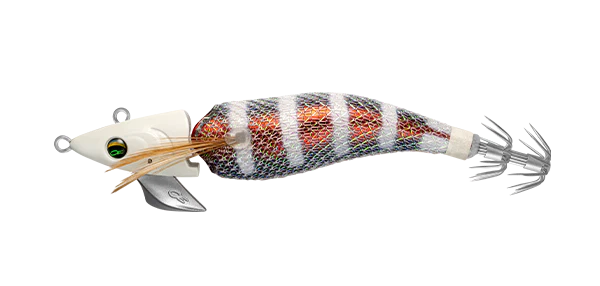
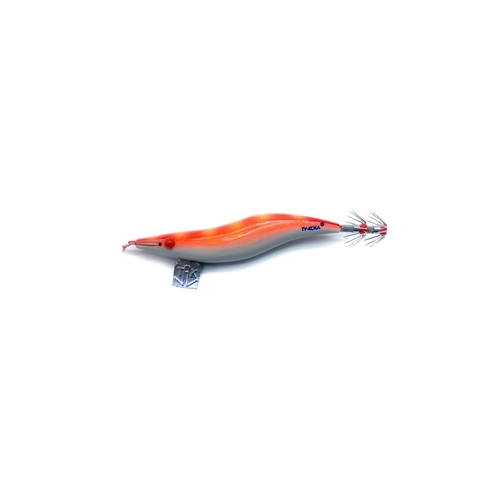
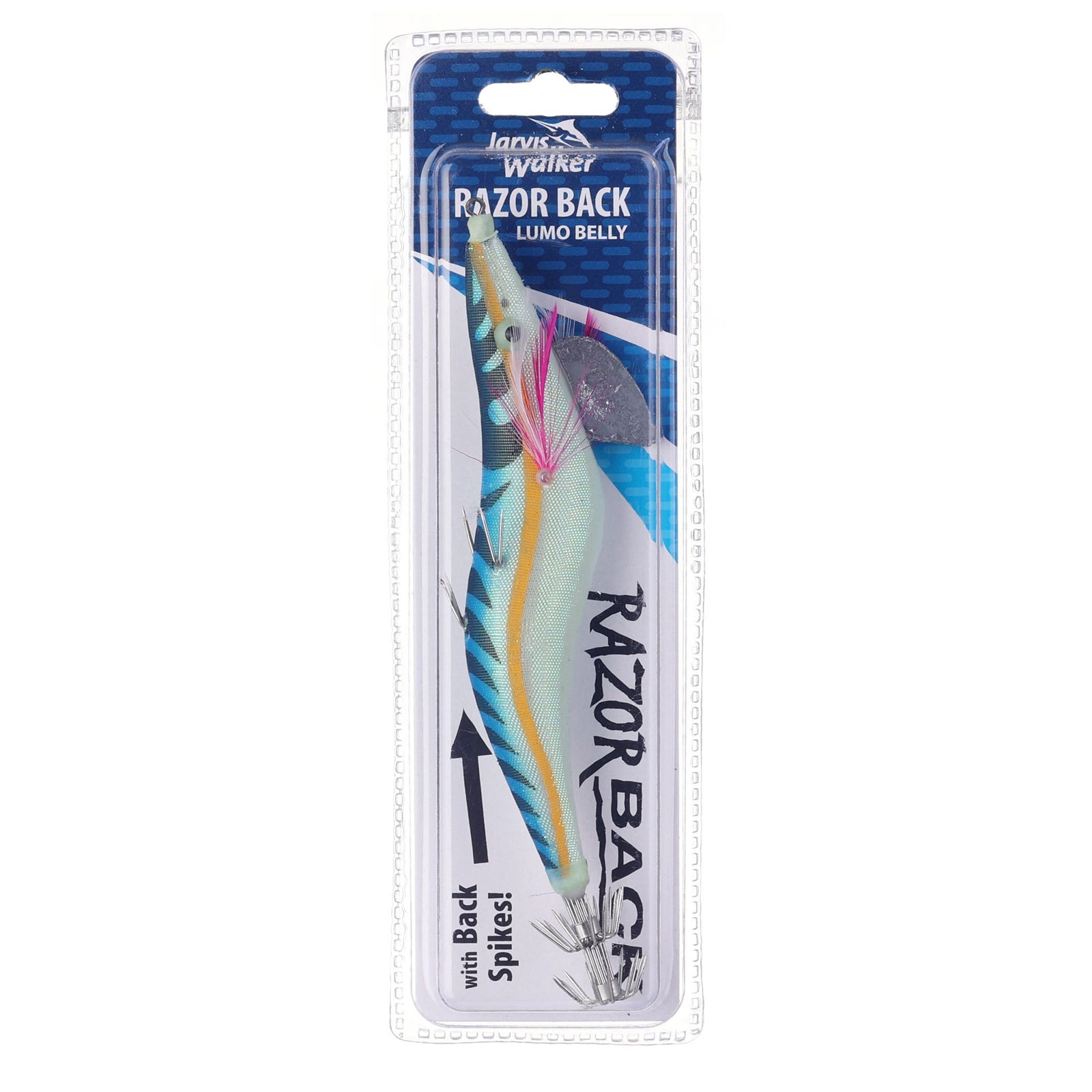
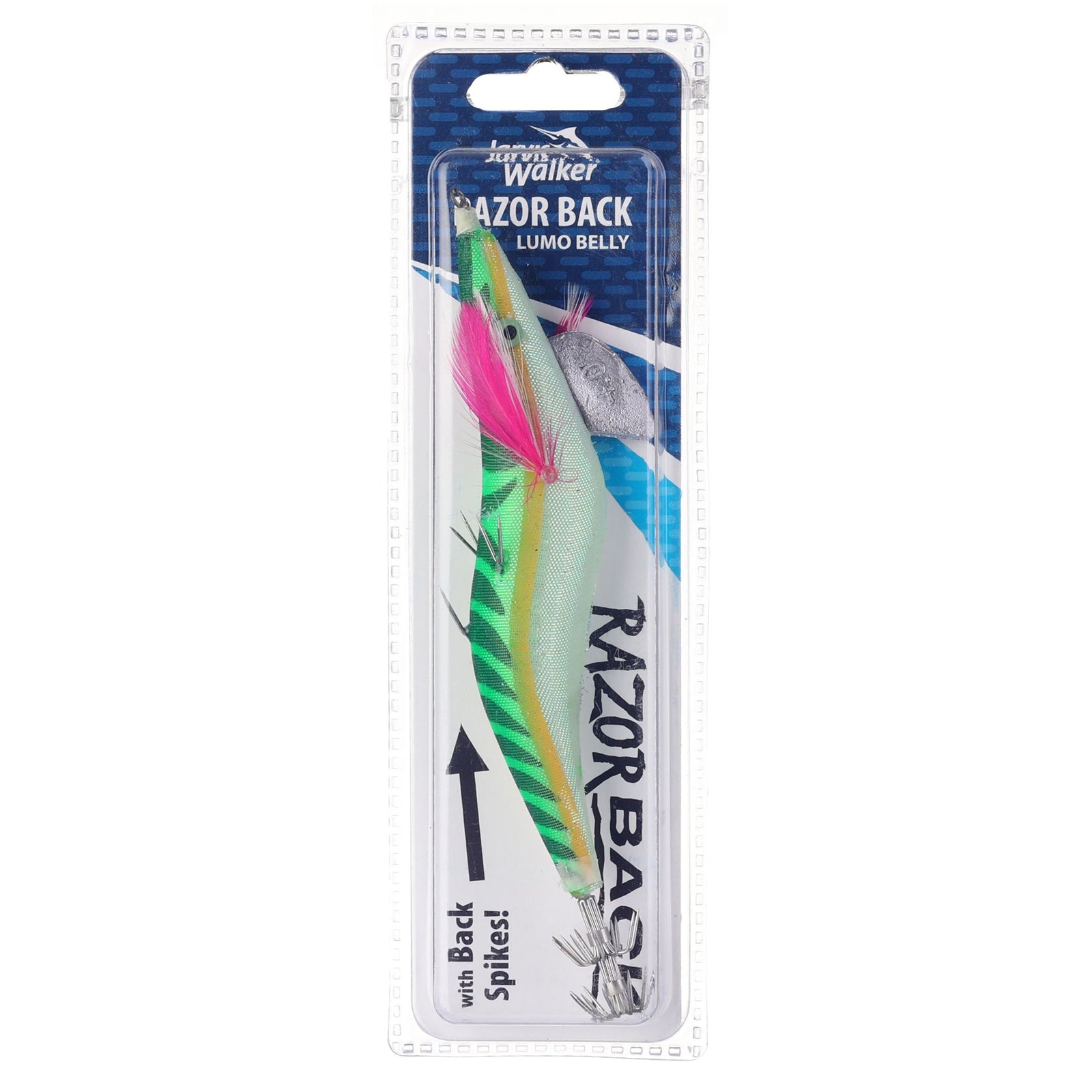
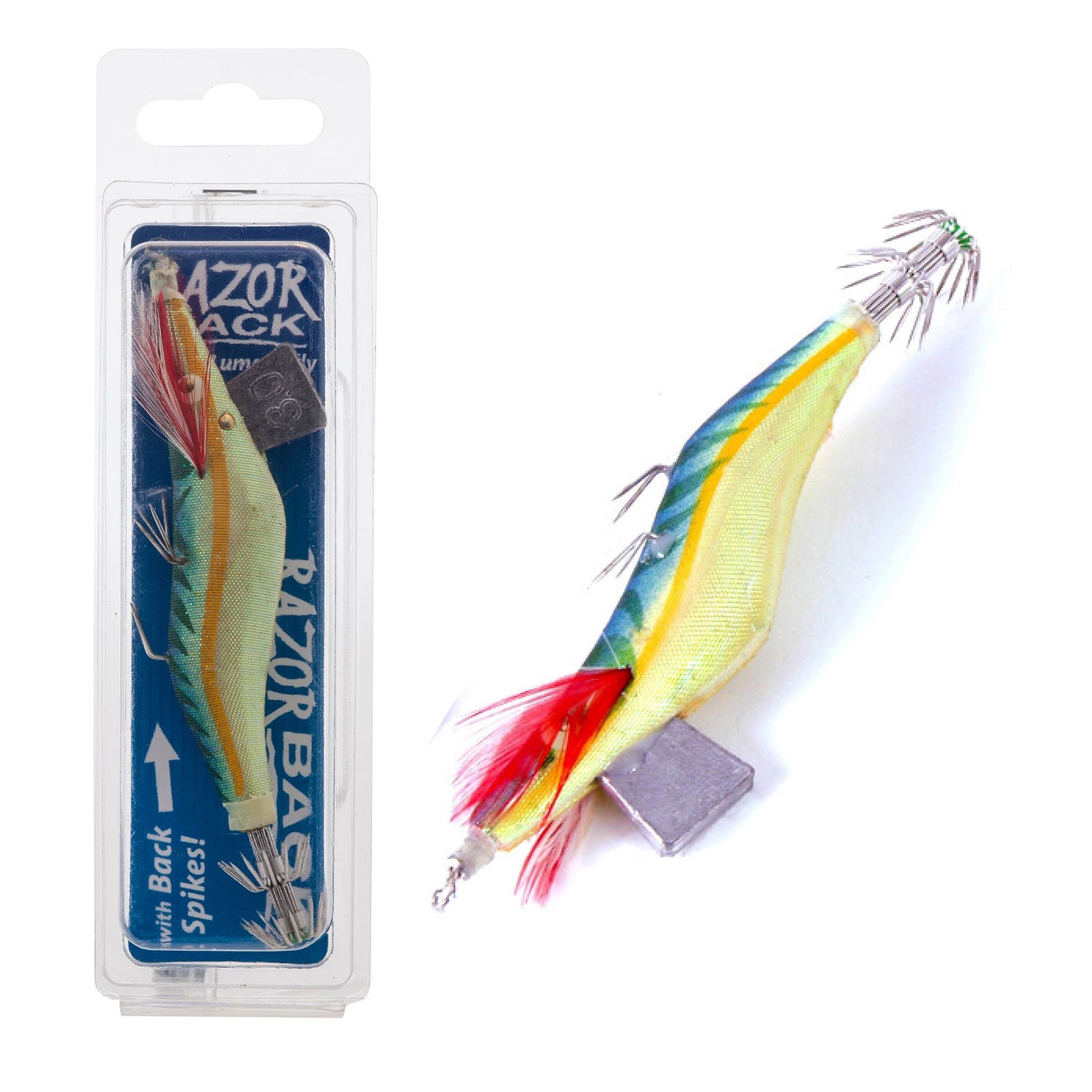
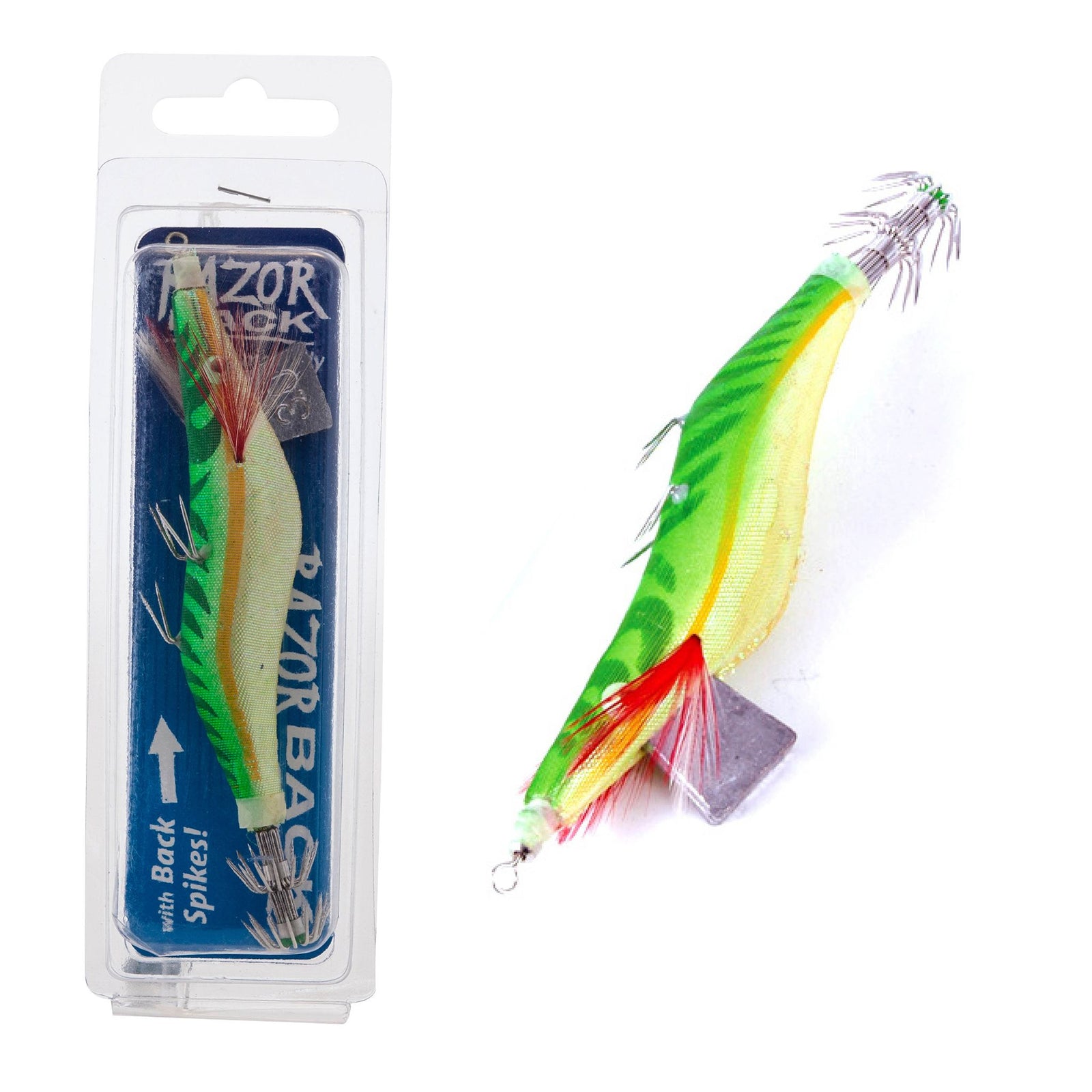
Start with the foil under the cloth rather than the cloth itself — gold foil for dirty water and low light, silver or rainbow for clear water and bright days. Natural browns and greens work well over weed, while pinks and oranges earn their keep at dawn, dusk and in murky water. Glow jigs are worth carrying for night sessions and deep or dirty water, charged with a torch before each drop.
How to work a squid jig
Cast, let the jig sink on a controlled, semi-slack line so it keeps its nose-up posture, then two or three sharp upward flicks of the rod before another controlled sink. Squid almost always grab the jig as it falls, so watch your line — the take is often just a slackening rather than a bite. A light spin rod and fine braid make that much easier to see.
Frequently asked questions
What size squid jig is best?
A 3.0 covers most Australian conditions. Go larger for deeper water, tide and wind, and smaller in shallow, clear water where squid are spooky.
What colour squid jig should I use?
Match the foil to the light: gold in dirty water and low light, silver in clear bright conditions. Natural cloth colours over weed, brighter ones at dawn and dusk.
When is the best time to catch squid in Australia?
Dawn and dusk are traditionally best, with squid feeding over weed beds in shallow water. Night fishing under lights is also highly effective.





























































Squidding has gone from a by-catch activity to a sport of its own in Australia, and the jig is the whole game. Southern calamari over weed beds, arrow squid off the rocks, and everything in between comes down to size, colour and sink rate.
Choosing a squid jig
Jigs are sized in Japanese egi numbers, and the size you want follows the conditions rather than the squid. Smaller jigs sink slowly and suit shallow weed, clear water and spooky squid. A 3.0 is the everyday size that covers most Australian squidding. Larger jigs sink faster and earn their place in deeper water, strong tide and heavy wind.
Colour and cloth
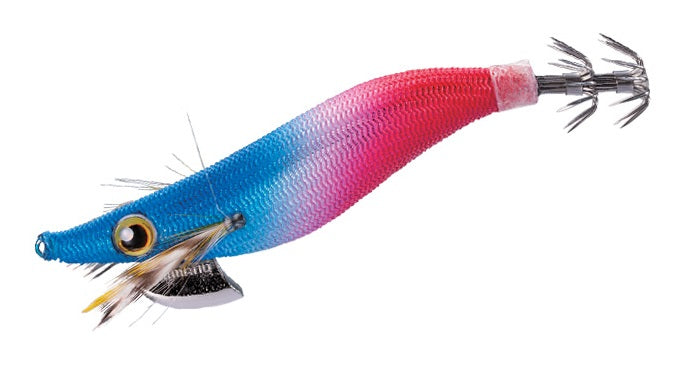
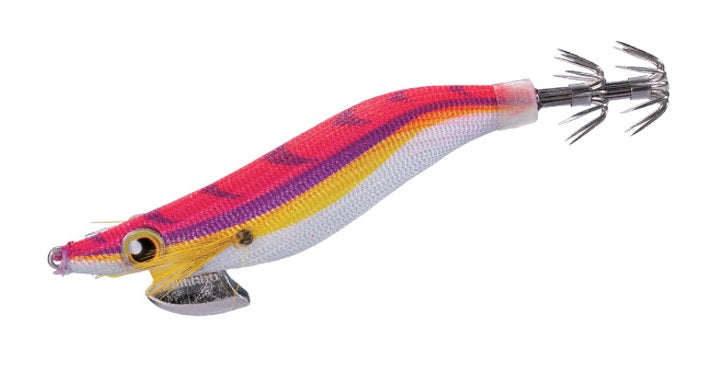
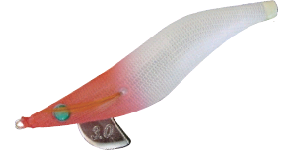
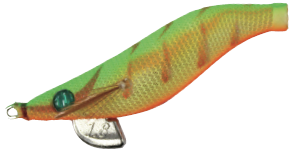
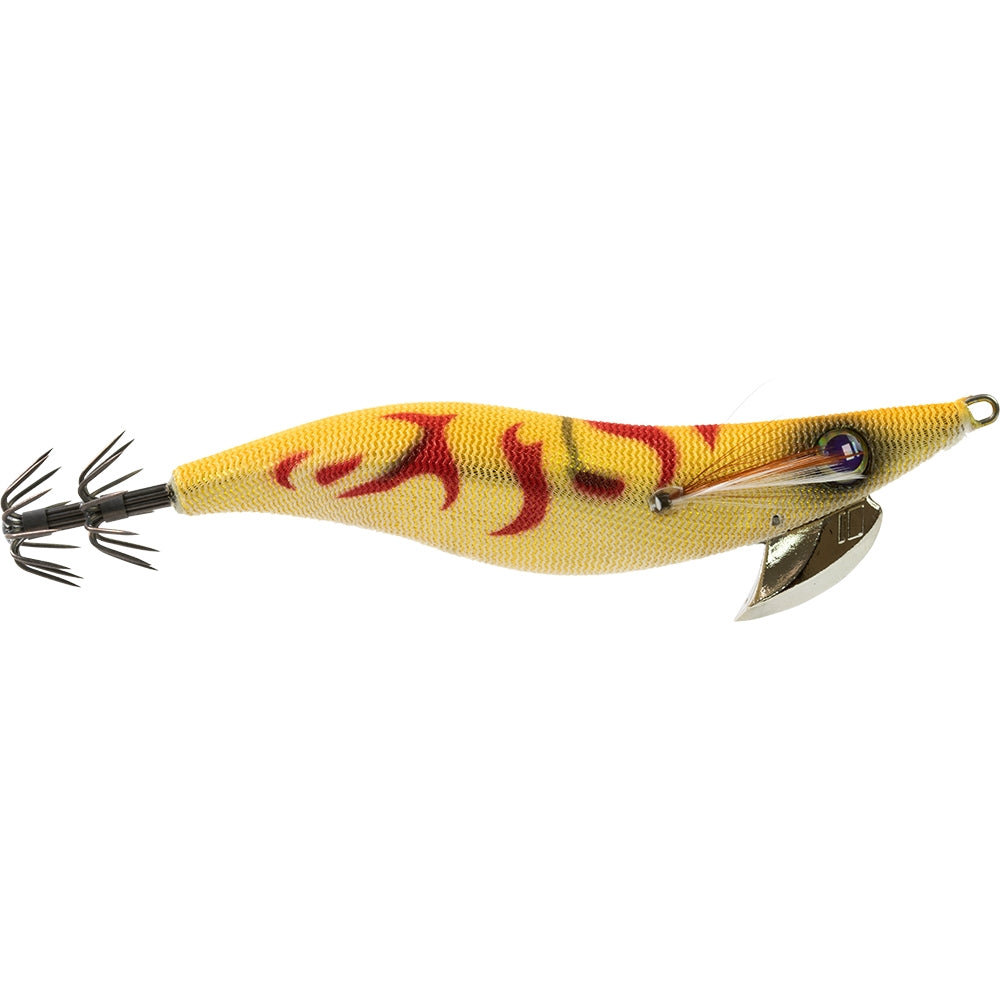
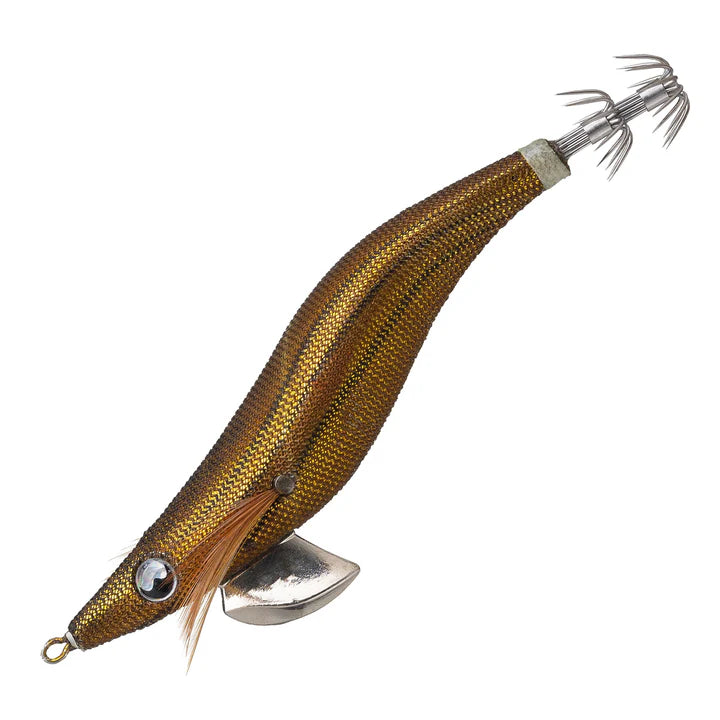
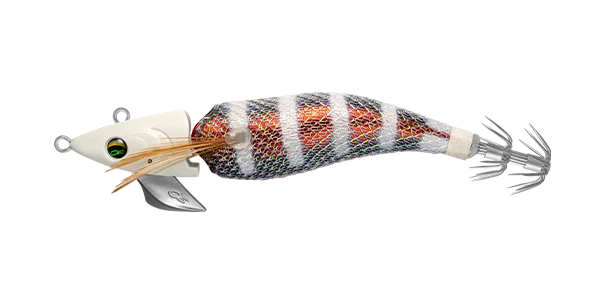
Start with the foil under the cloth rather than the cloth itself — gold foil for dirty water and low light, silver or rainbow for clear water and bright days. Natural browns and greens work well over weed, while pinks and oranges earn their keep at dawn, dusk and in murky water. Glow jigs are worth carrying for night sessions and deep or dirty water, charged with a torch before each drop.
How to work a squid jig
Cast, let the jig sink on a controlled, semi-slack line so it keeps its nose-up posture, then two or three sharp upward flicks of the rod before another controlled sink. Squid almost always grab the jig as it falls, so watch your line — the take is often just a slackening rather than a bite. A light spin rod and fine braid make that much easier to see.
Frequently asked questions
What size squid jig is best?
A 3.0 covers most Australian conditions. Go larger for deeper water, tide and wind, and smaller in shallow, clear water where squid are spooky.
What colour squid jig should I use?
Match the foil to the light: gold in dirty water and low light, silver in clear bright conditions. Natural cloth colours over weed, brighter ones at dawn and dusk.
When is the best time to catch squid in Australia?
Dawn and dusk are traditionally best, with squid feeding over weed beds in shallow water. Night fishing under lights is also highly effective.