

FREE SHIPPING ON ORDERS OVER $150*

AUSSIE FAMILY OWNED BUSINESS FOR OVER 40 YEARS

100% SATISFACTION GUARANTEED
Wire Trace and Leader Wire
Wire Trace and Leader Wire
Wire trace is what you use when the fish has teeth that will cut monofilament. Mackerel, wahoo, tailor, barracuda and sharks all go through nylon leader without noticing, and wire is the straightforward answer.
Choosing wire
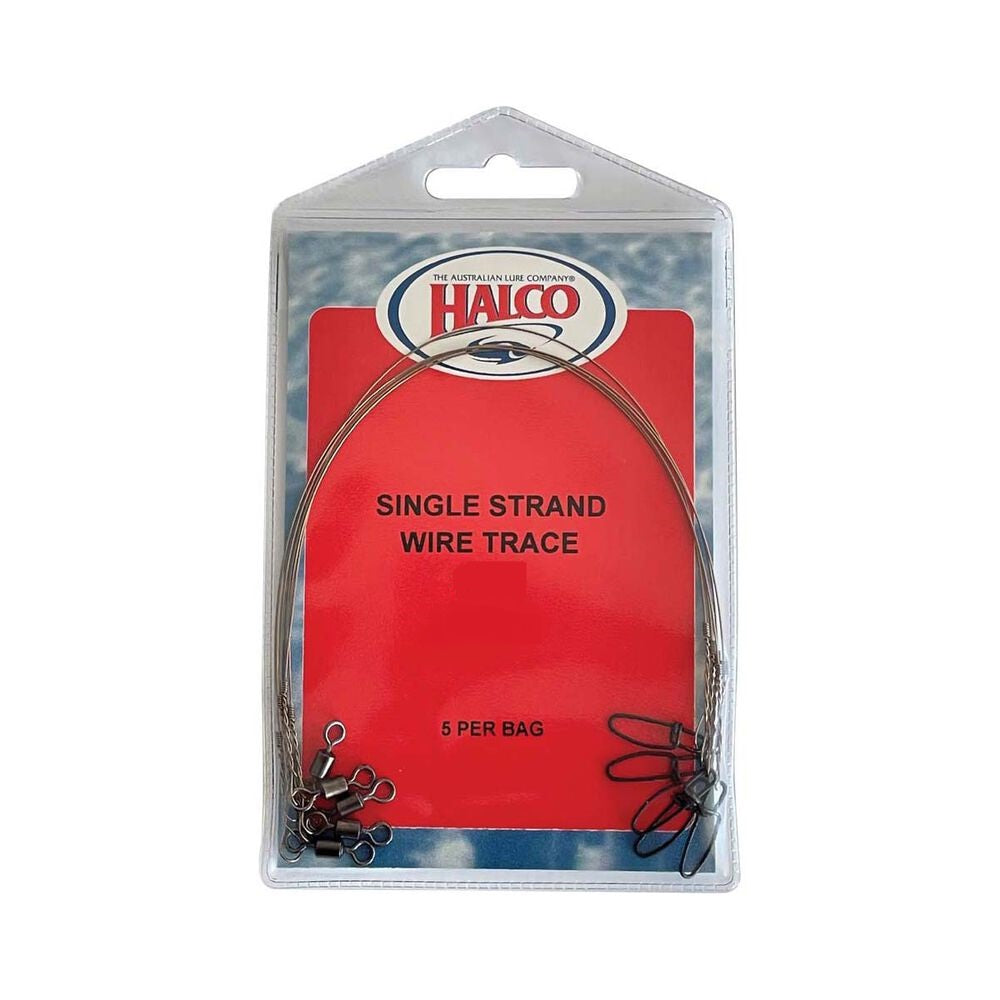
Single strand is the thinnest and least visible for its breaking strain, and it is stiff enough to hold a haywire twist without needing crimps. It also kinks permanently if it gets bent, and a kinked wire is finished.
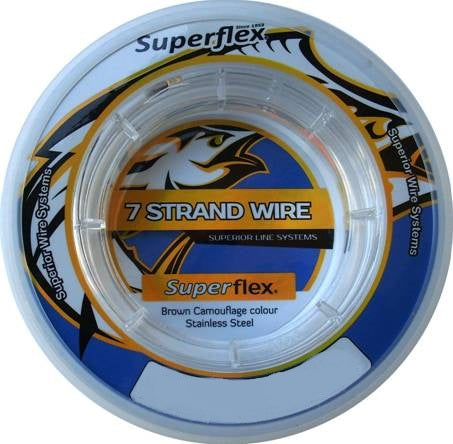
Multi-strand and seven-strand wire is far more supple, which gives baits and lures a more natural movement and survives handling much better. It is thicker for the same strength and usually joined with crimps rather than twists.
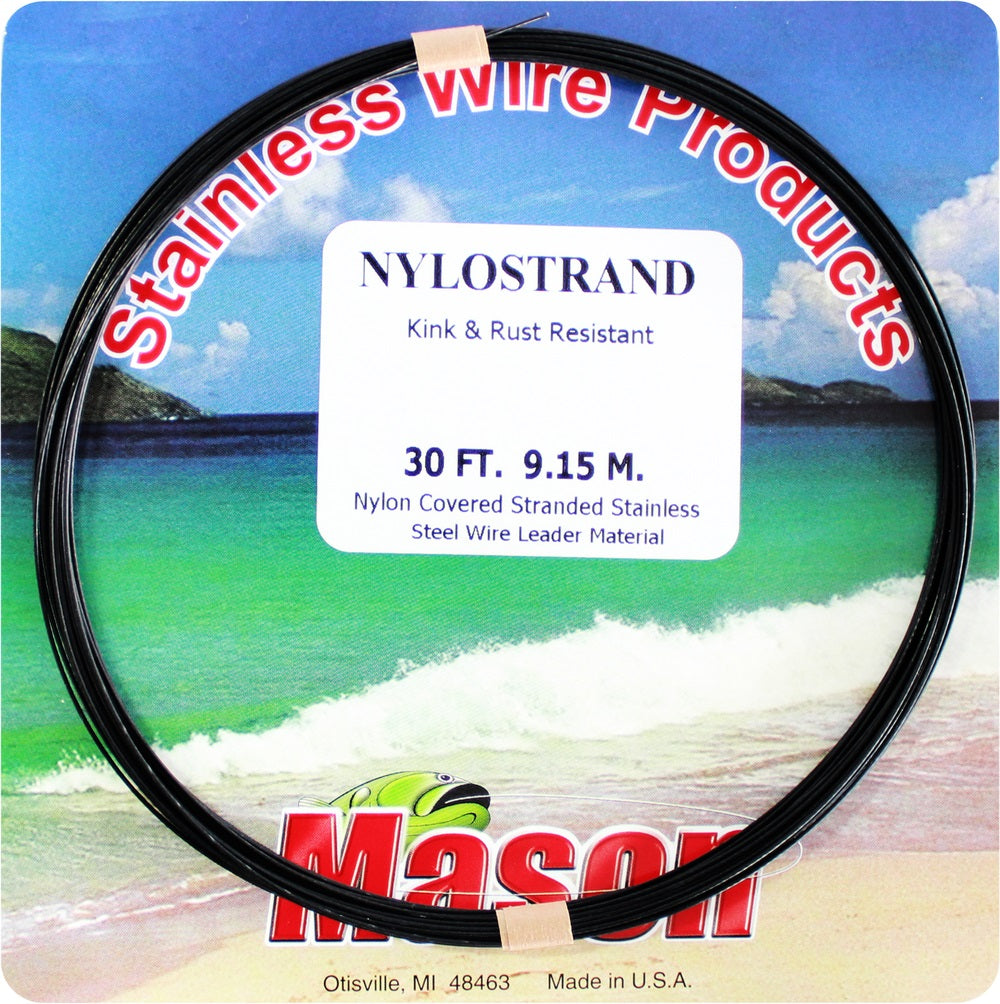
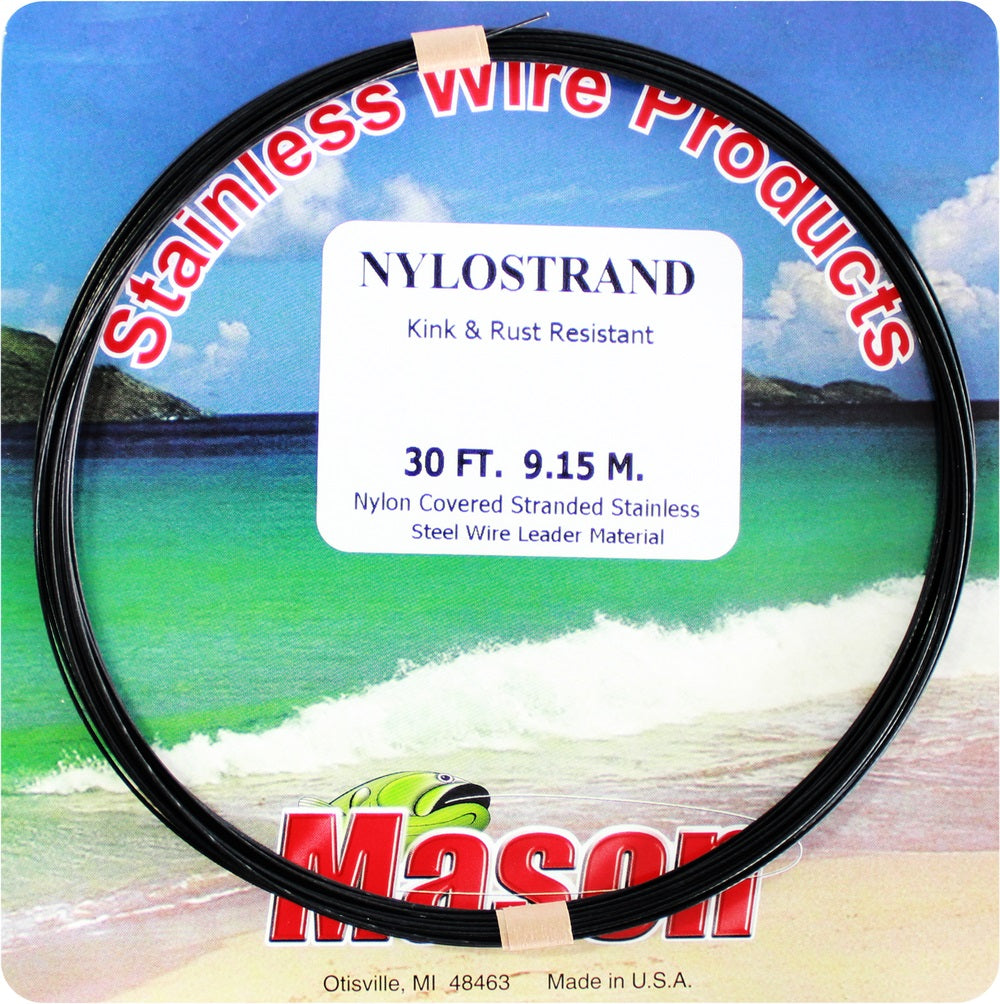
Nylon coated wire adds a plastic jacket for abrasion resistance and a softer look, and it can often be knotted directly. Ready-made clip-on traces save building anything at all, which is the sensible option if you only need wire occasionally. For joining it, crimps are the usual method, and line and leader covers everything that does not need to be wire.
Frequently asked questions
When do I need wire trace?
Whenever you are targeting fish with cutting teeth — mackerel, wahoo, tailor, barracuda, sharks. If you are being bitten off repeatedly on mono, that is your answer.
Single strand or multi-strand wire?
Single strand is thinner and less visible but kinks permanently. Multi-strand is softer, more forgiving to handle and gives baits better movement, at the cost of being thicker.
Do I need crimps for wire trace?
For multi-strand, generally yes. Single strand is usually finished with a haywire twist instead, which needs no hardware but does take practice.
Does wire trace put fish off?
It can with wary species in clear water, which is why people use the lightest wire they can get away with, or switch to heavy fluorocarbon where the teeth allow it.







Wire trace is what you use when the fish has teeth that will cut monofilament. Mackerel, wahoo, tailor, barracuda and sharks all go through nylon leader without noticing, and wire is the straightforward answer.
Choosing wire
Single strand is the thinnest and least visible for its breaking strain, and it is stiff enough to hold a haywire twist without needing crimps. It also kinks permanently if it gets bent, and a kinked wire is finished.
Multi-strand and seven-strand wire is far more supple, which gives baits and lures a more natural movement and survives handling much better. It is thicker for the same strength and usually joined with crimps rather than twists.
Nylon coated wire adds a plastic jacket for abrasion resistance and a softer look, and it can often be knotted directly. Ready-made clip-on traces save building anything at all, which is the sensible option if you only need wire occasionally. For joining it, crimps are the usual method, and line and leader covers everything that does not need to be wire.
Frequently asked questions
When do I need wire trace?
Whenever you are targeting fish with cutting teeth — mackerel, wahoo, tailor, barracuda, sharks. If you are being bitten off repeatedly on mono, that is your answer.
Single strand or multi-strand wire?
Single strand is thinner and less visible but kinks permanently. Multi-strand is softer, more forgiving to handle and gives baits better movement, at the cost of being thicker.
Do I need crimps for wire trace?
For multi-strand, generally yes. Single strand is usually finished with a haywire twist instead, which needs no hardware but does take practice.
Does wire trace put fish off?
It can with wary species in clear water, which is why people use the lightest wire they can get away with, or switch to heavy fluorocarbon where the teeth allow it.