

FREE SHIPPING ON ORDERS OVER $150*

AUSSIE FAMILY OWNED BUSINESS FOR OVER 40 YEARS

100% SATISFACTION GUARANTEED
Snorkels
Snorkels
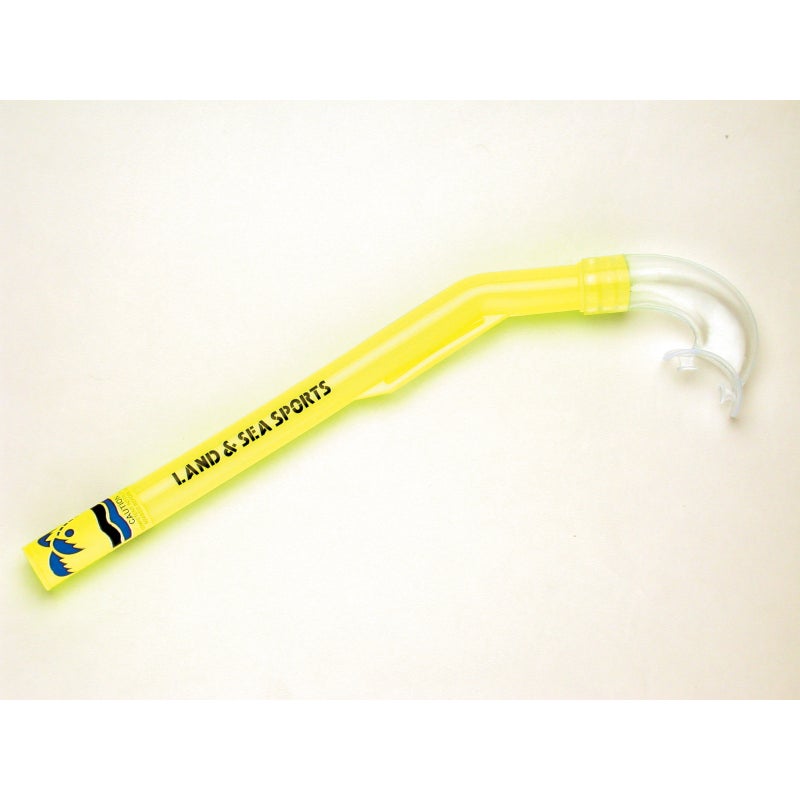
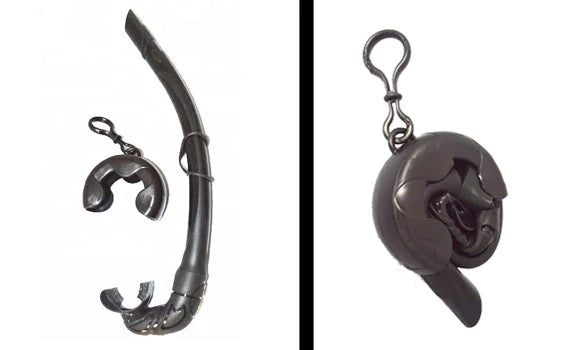
Snorkels on their own, for replacing a damaged one or building a kit to suit how you dive. Dry tops, semi-dry, and the plain J-shaped snorkels that freedivers and spearfishers prefer.
Dry, semi-dry or plain
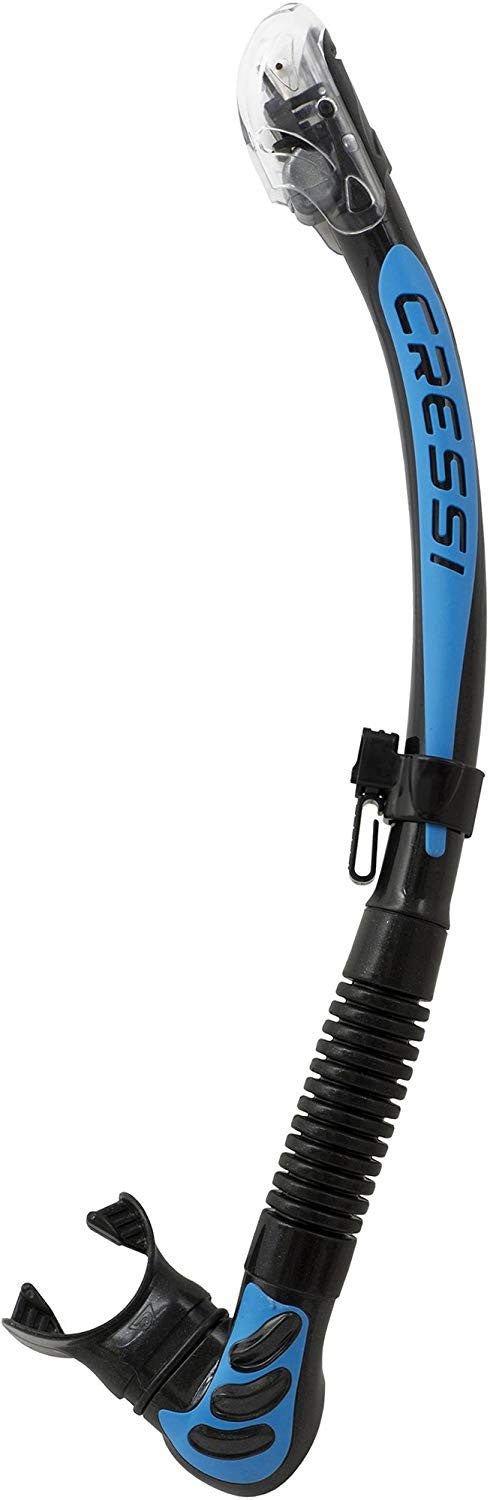
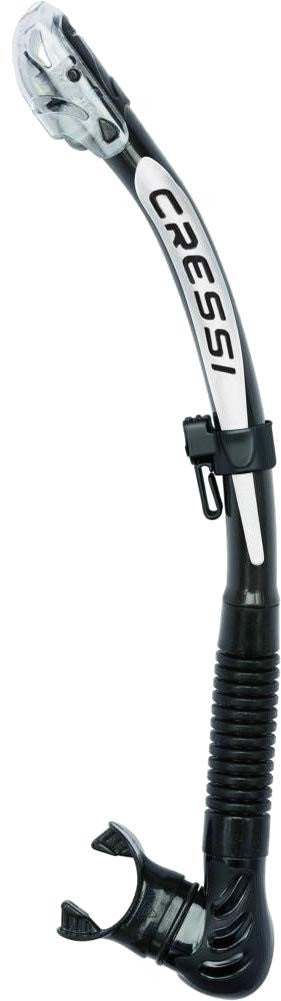
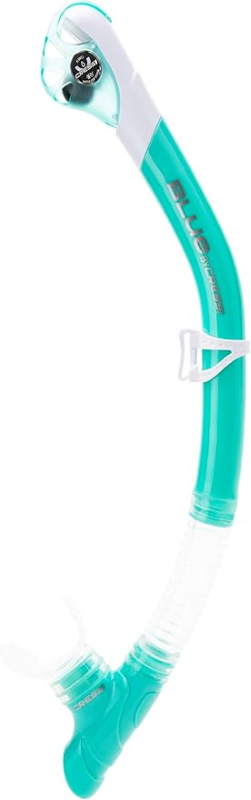
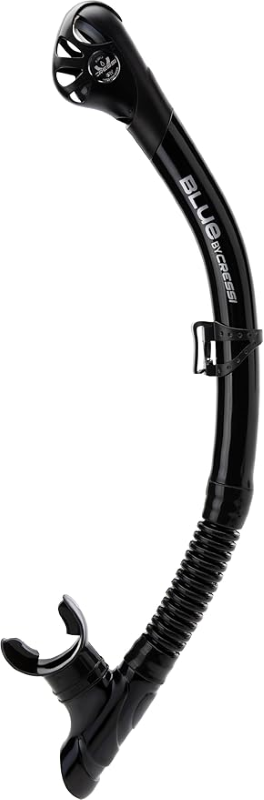
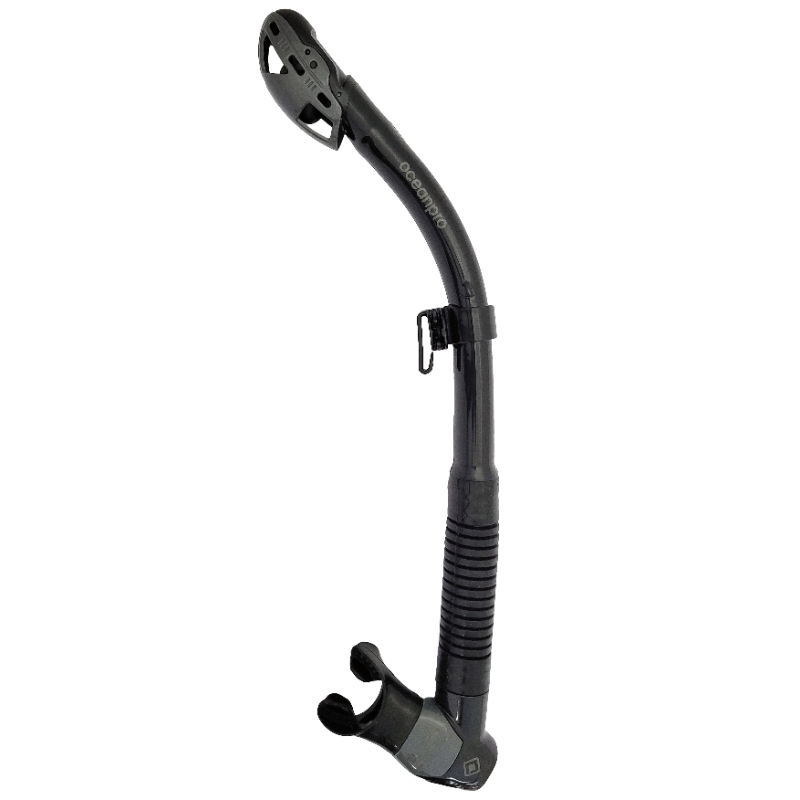
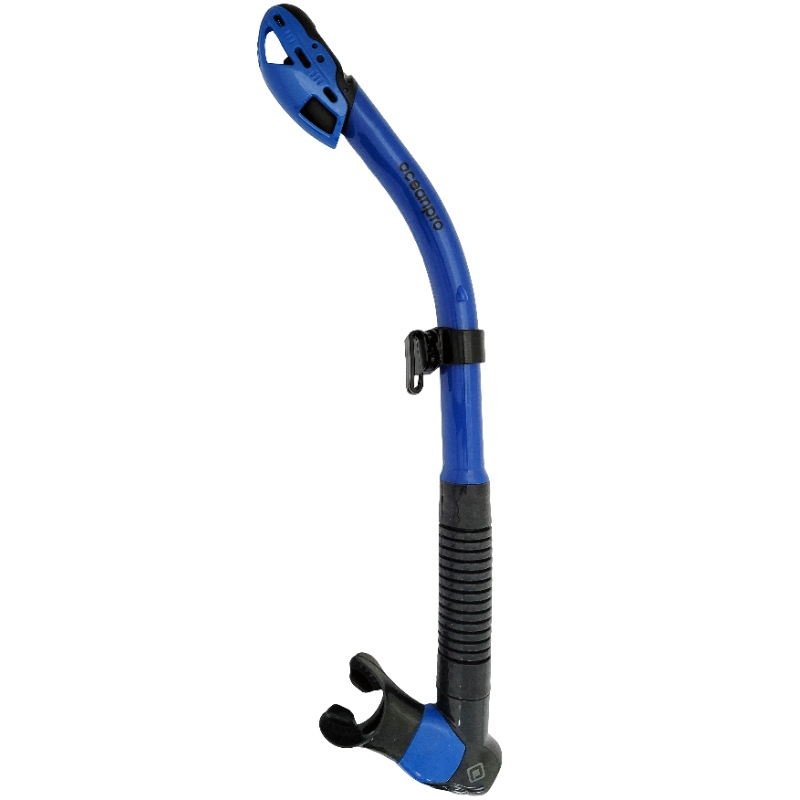
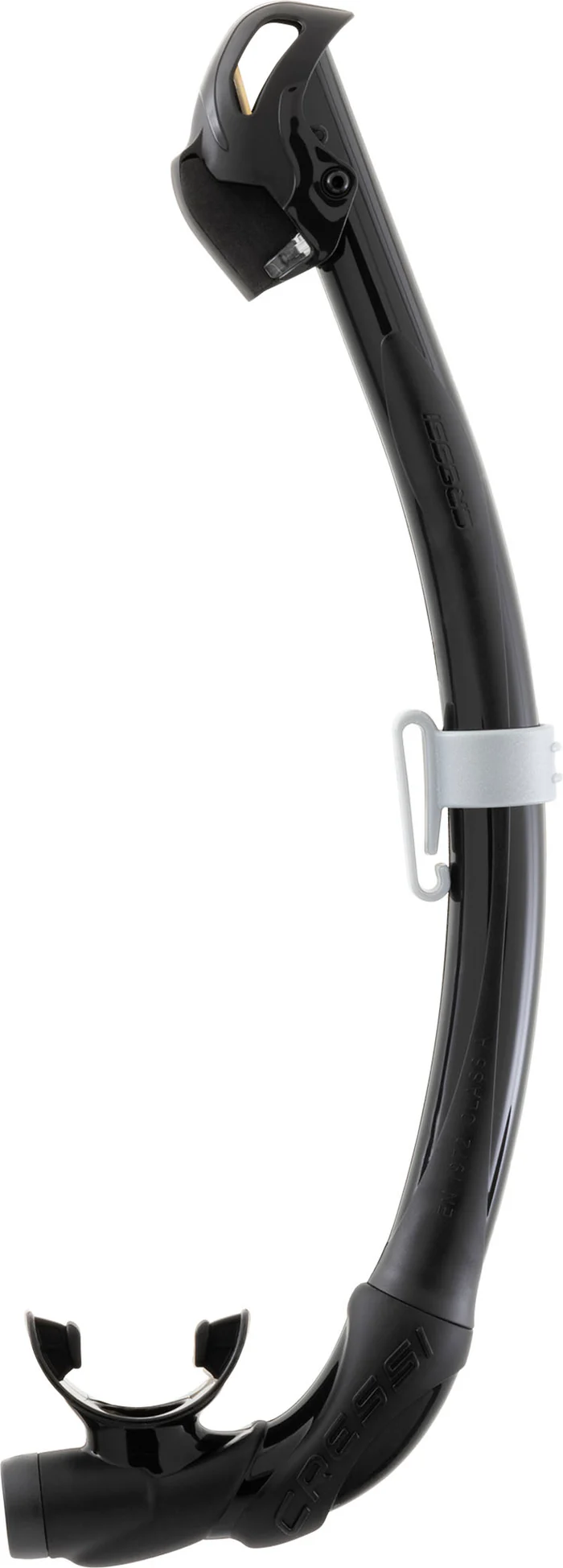
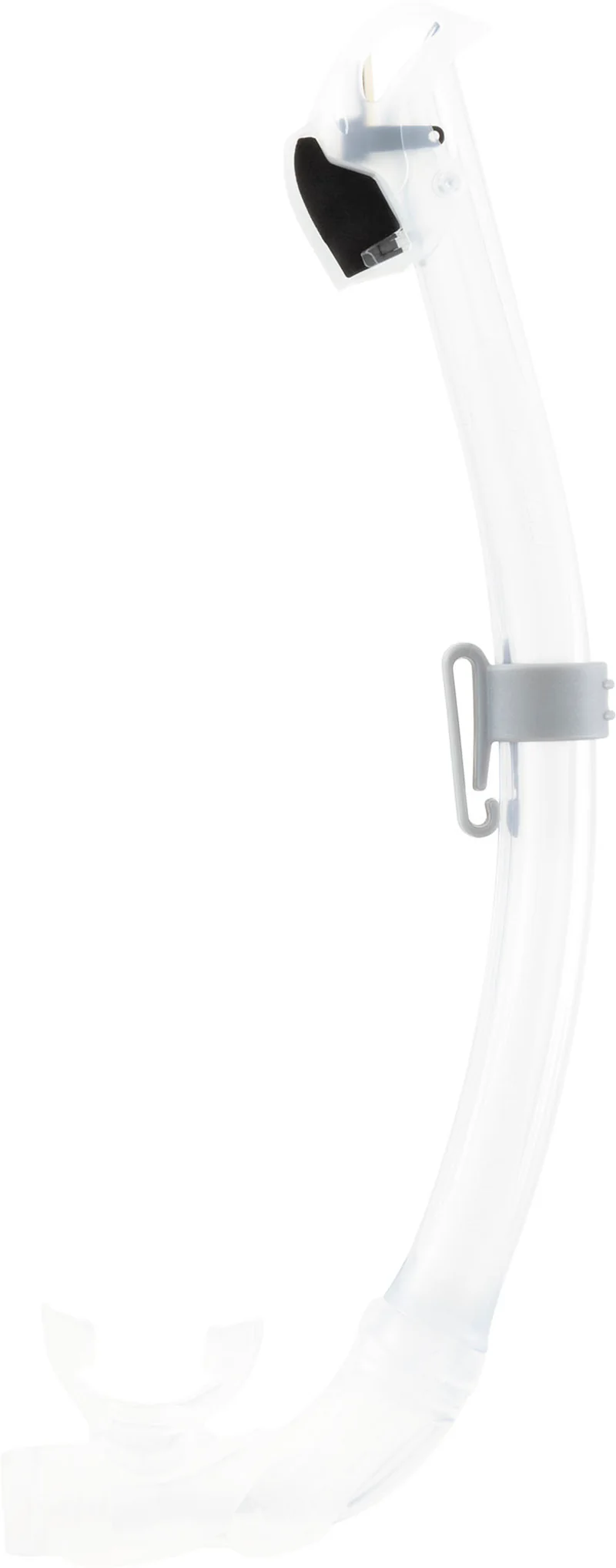
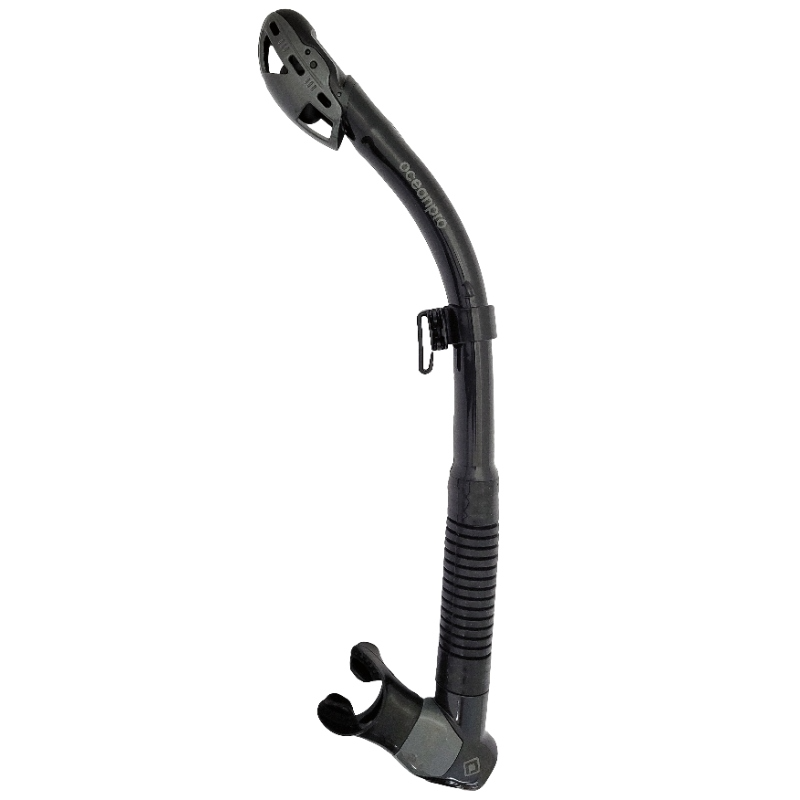
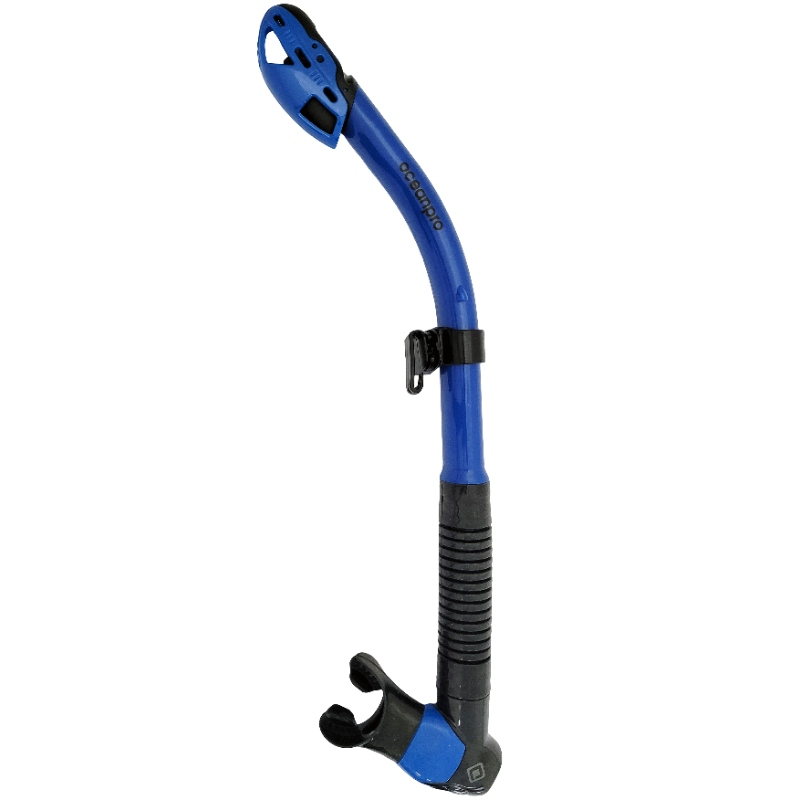
A dry snorkel has a float valve at the top that seals when it goes under, so it stays empty when you duck down or a wave washes over you. That is ideal for surface snorkelling and for anyone who finds clearing a snorkel a nuisance.
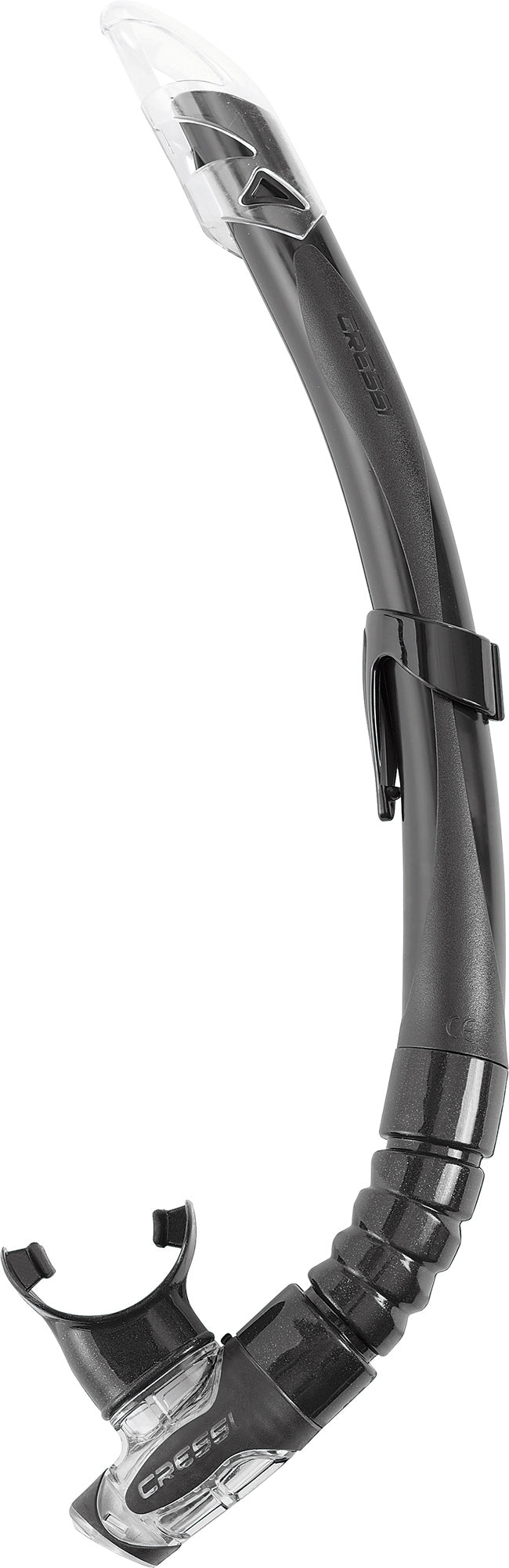
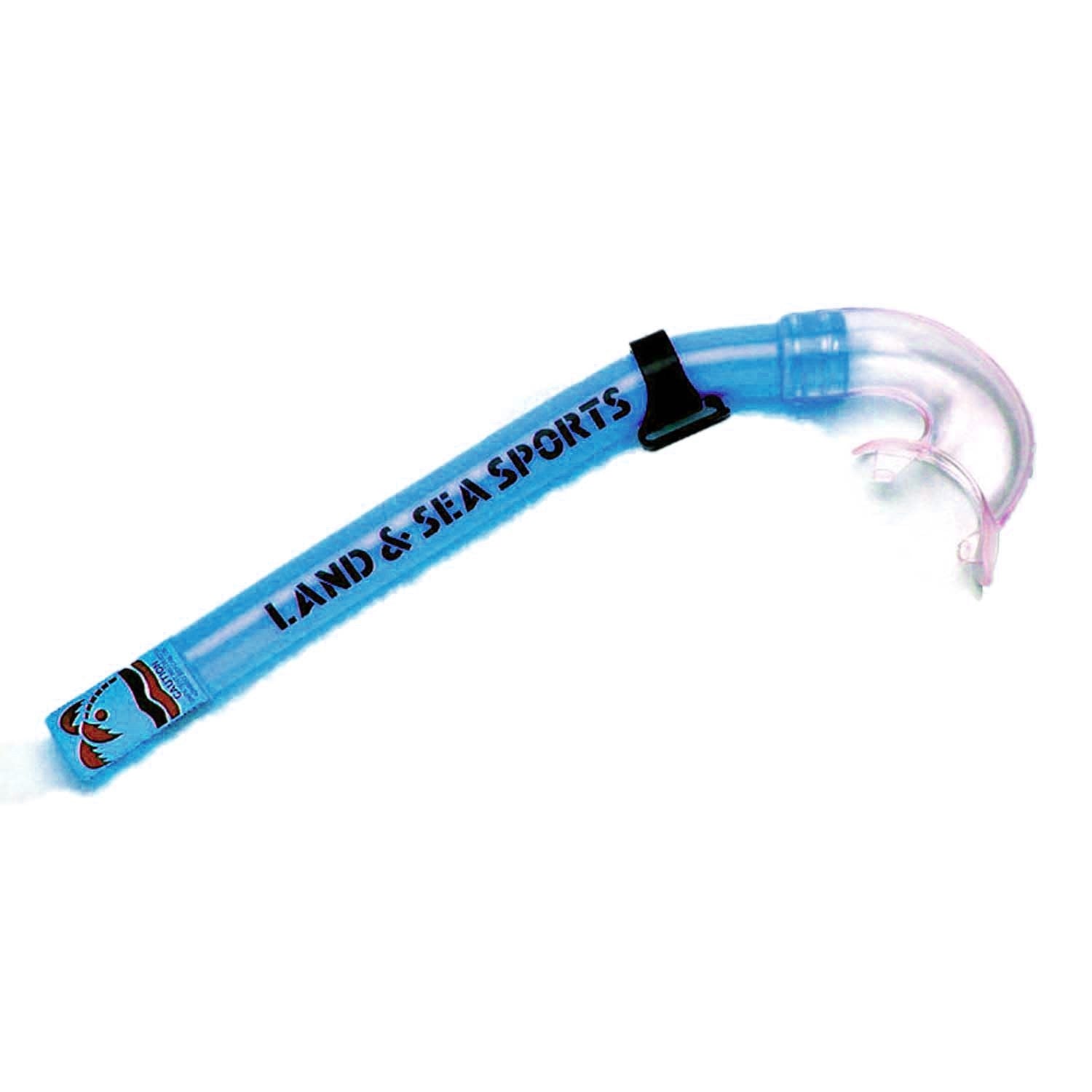
A semi-dry has a splash guard rather than a full seal. It keeps out chop without the bulk of a dry valve, and it still fills if you dive with it.
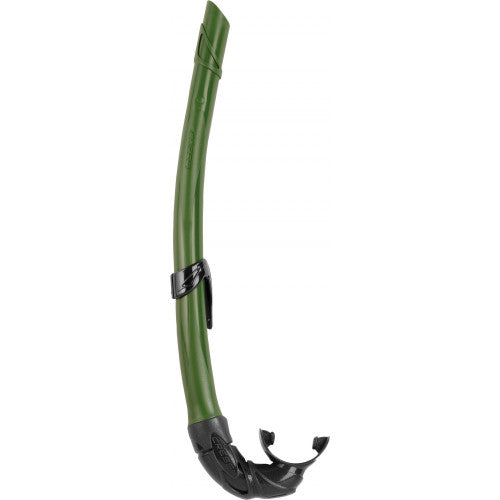
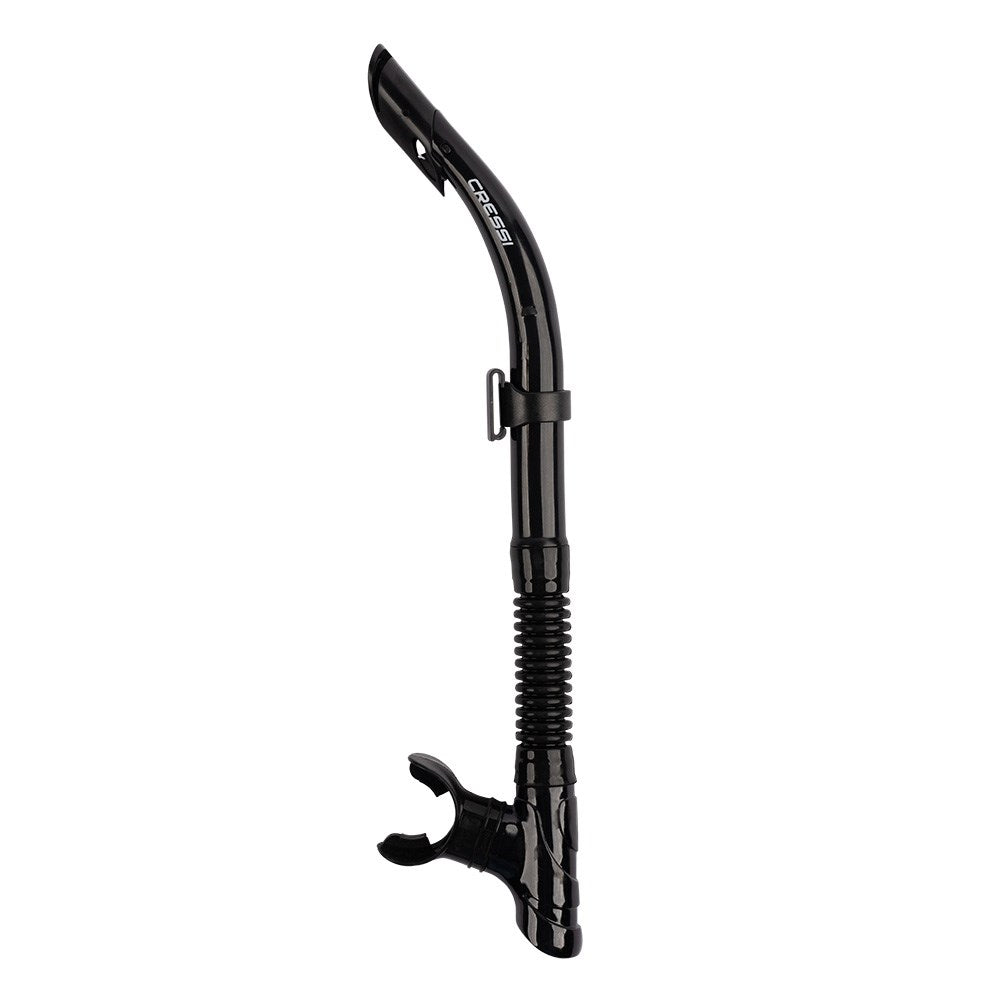
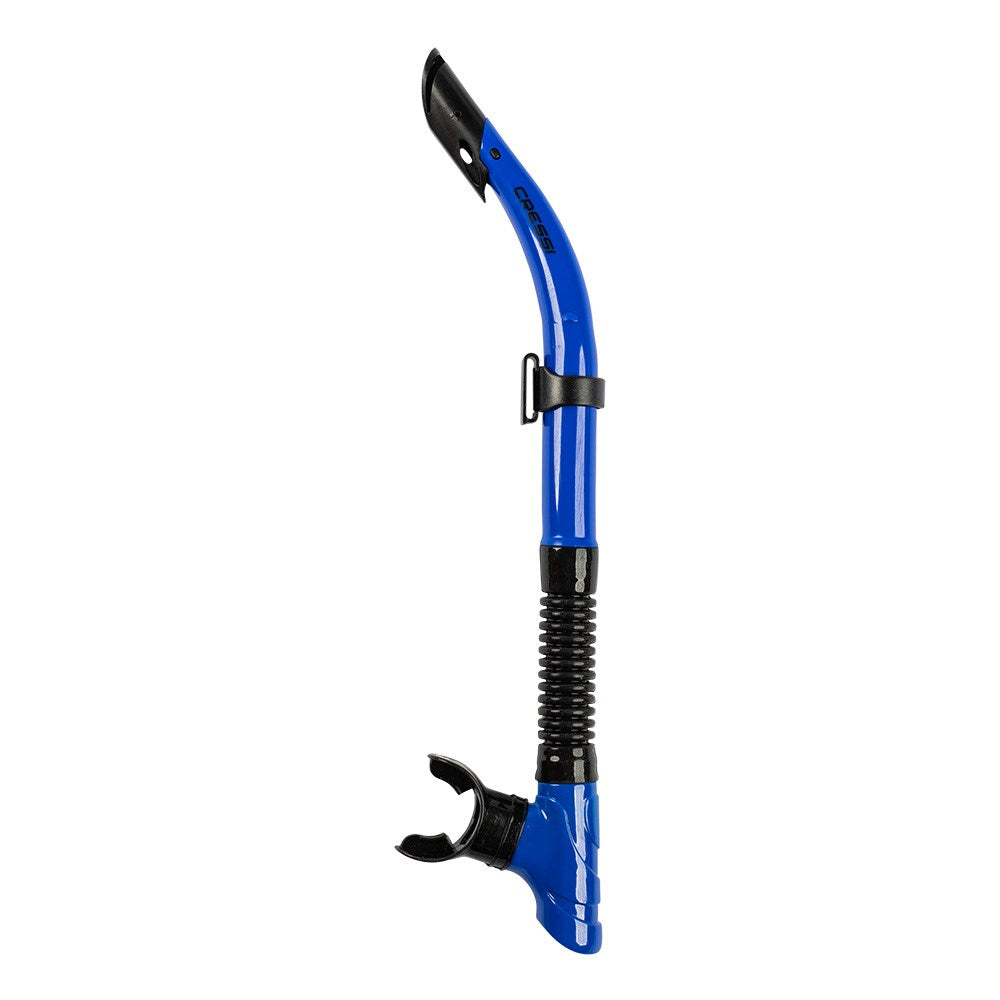
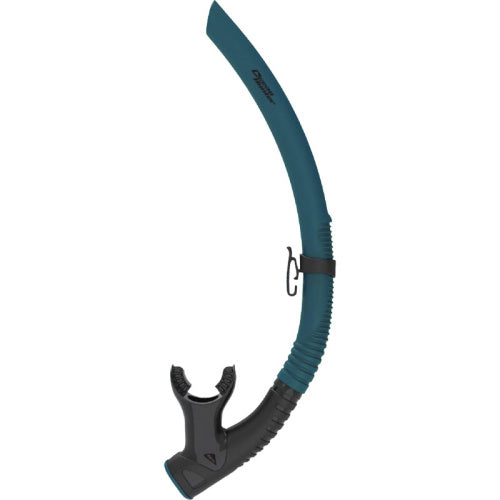
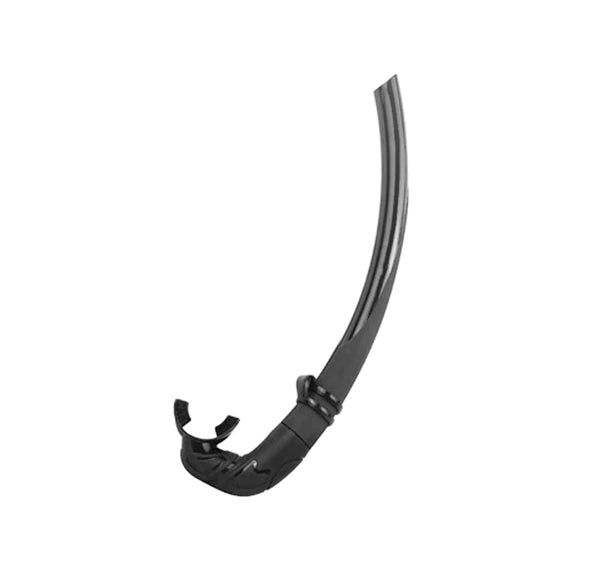
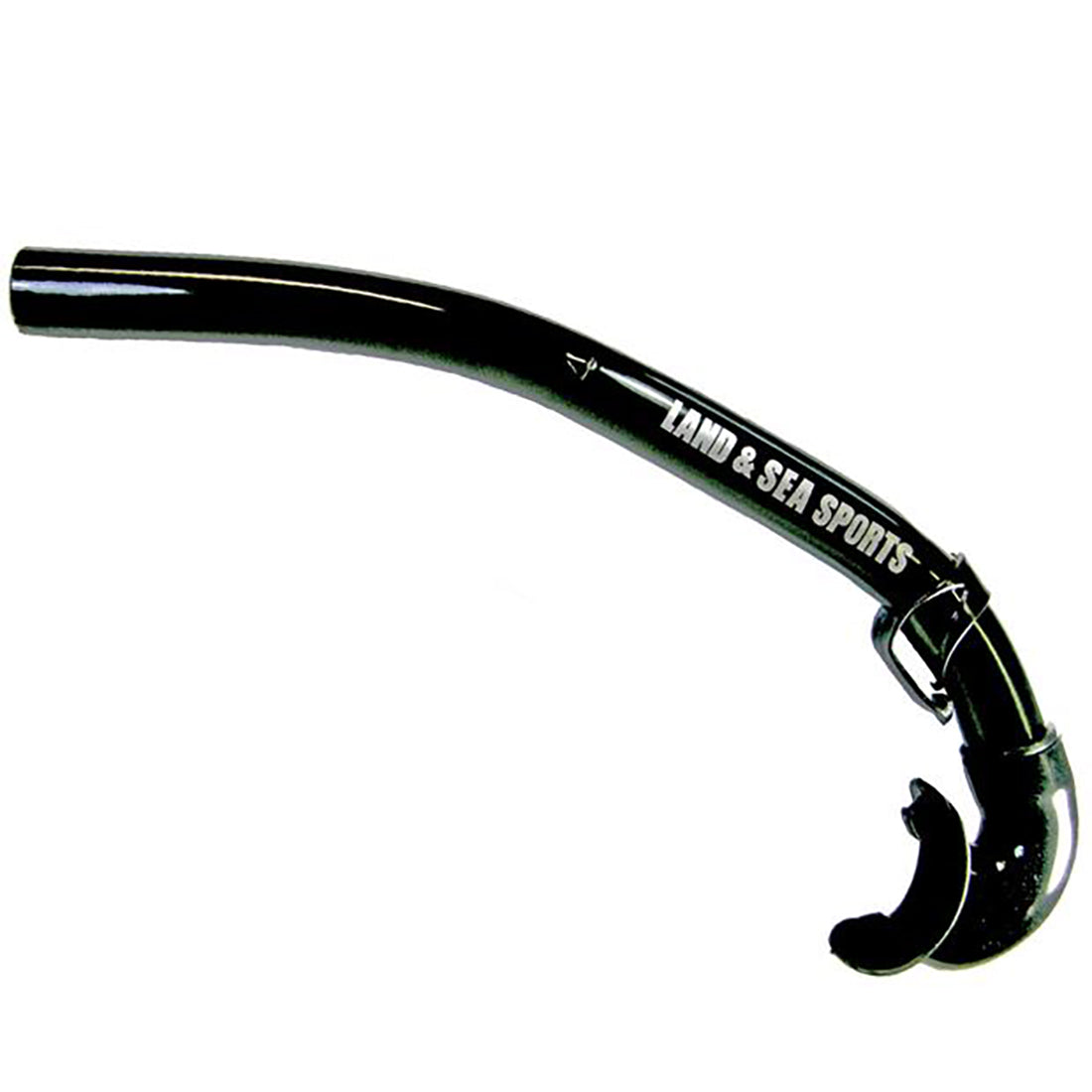
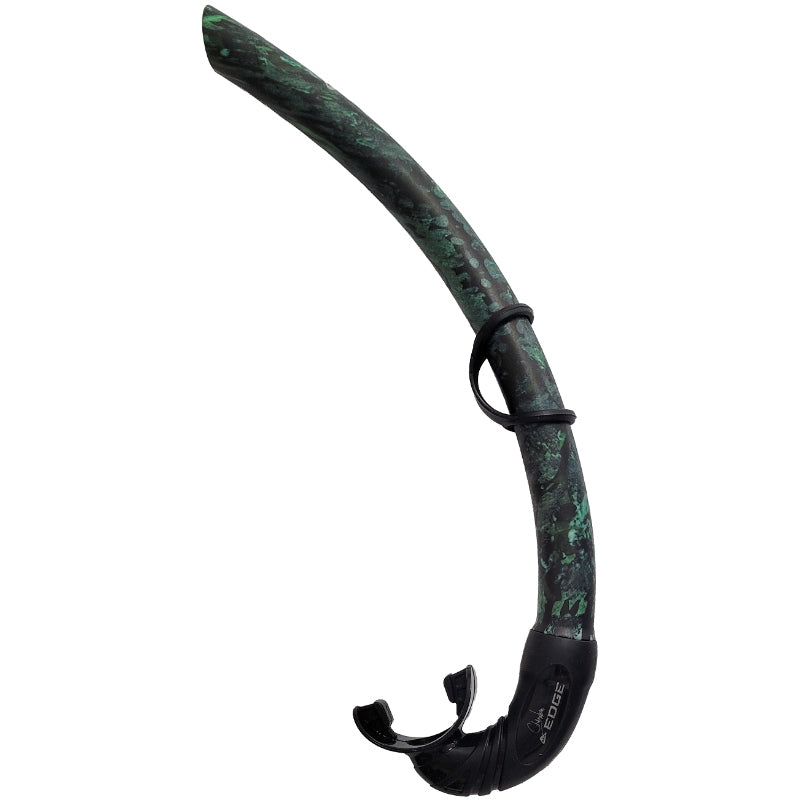
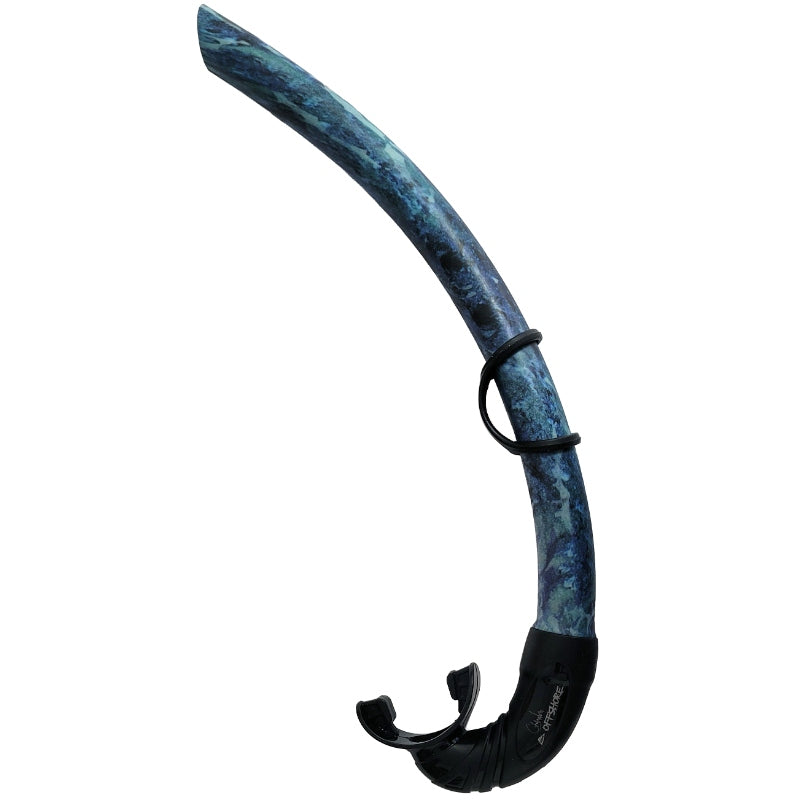
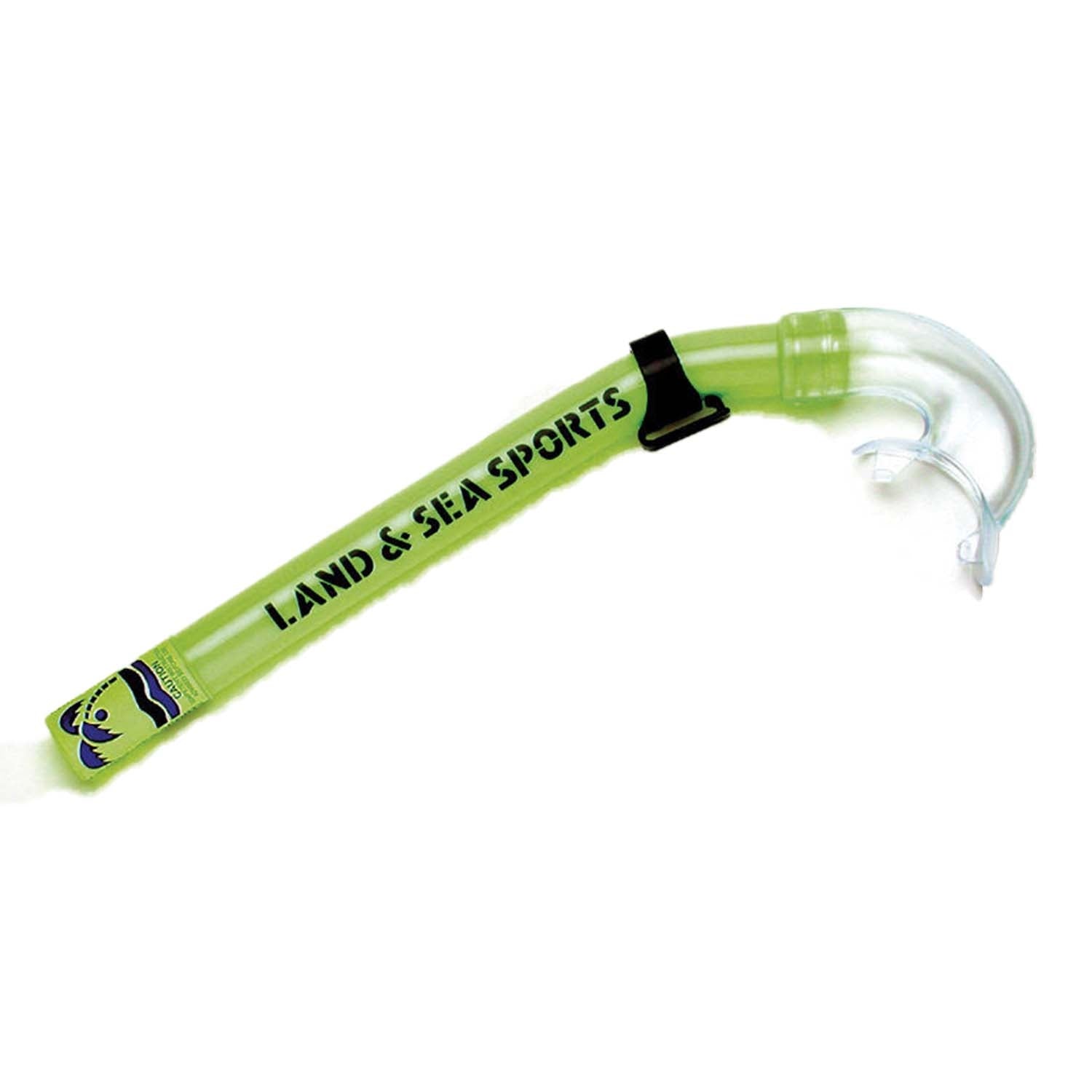
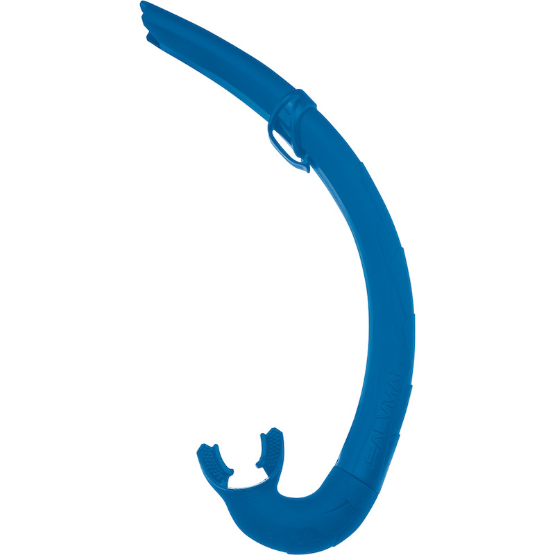
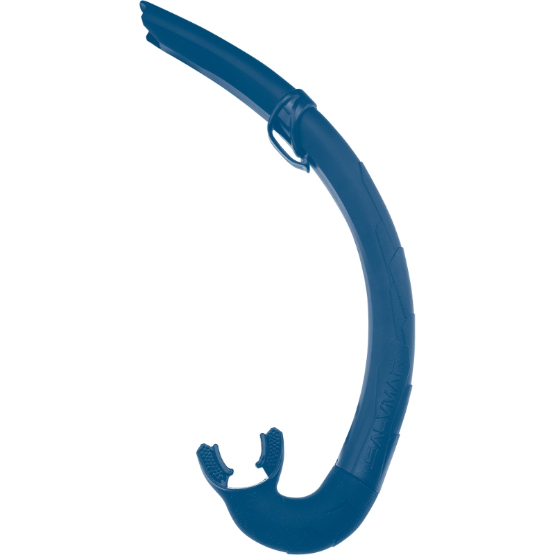
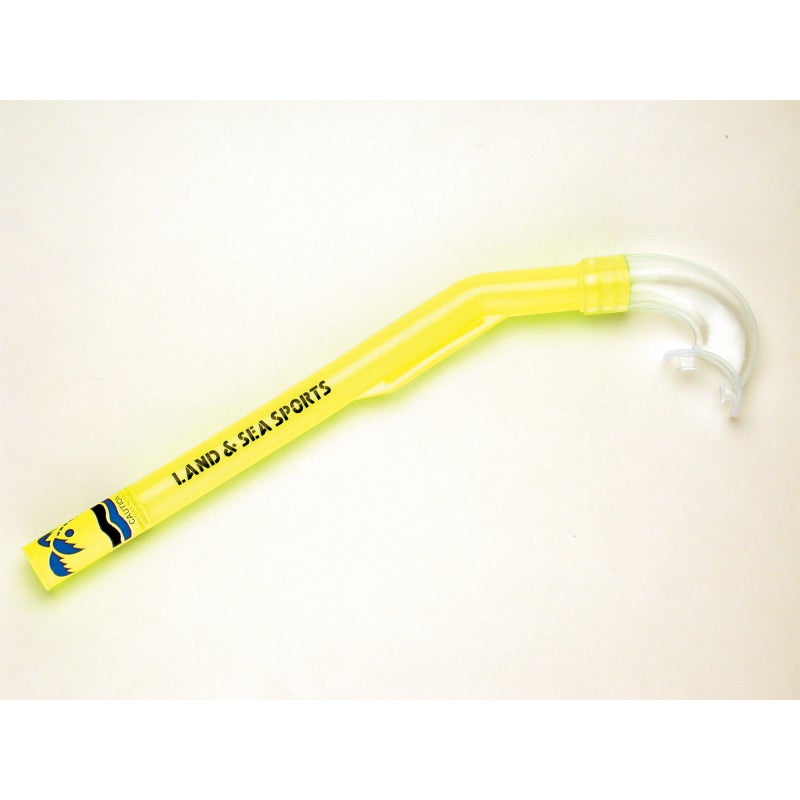
Plain J-shaped snorkels are what most freedivers and spearfishers use, because a dry valve adds buoyancy and drag underwater, and because there is less to fail. They are cleared with a sharp breath on surfacing, which becomes automatic quickly. A comfortable mouthpiece matters more than any of the features — jaw ache ends a session. Matched sets are in mask and snorkel sets, and dive masks covers masks on their own.
Frequently asked questions
What is the difference between a dry and semi-dry snorkel?
A dry snorkel seals completely with a float valve when submerged. A semi-dry has a splash guard that keeps out chop but will still fill if you dive under.
Which snorkel is best for freediving?
A plain J-shaped one. Dry valves add buoyancy and drag underwater and give you more parts that can fail, which is why freedivers and spearfishers avoid them.
How do you clear a snorkel?
One sharp breath out as you surface blows the water clear. With a purge valve below the mouthpiece it takes even less effort.
Can I use any snorkel with any mask?
Generally yes, though the keeper has to fit your mask strap. Matched sets avoid the problem entirely.






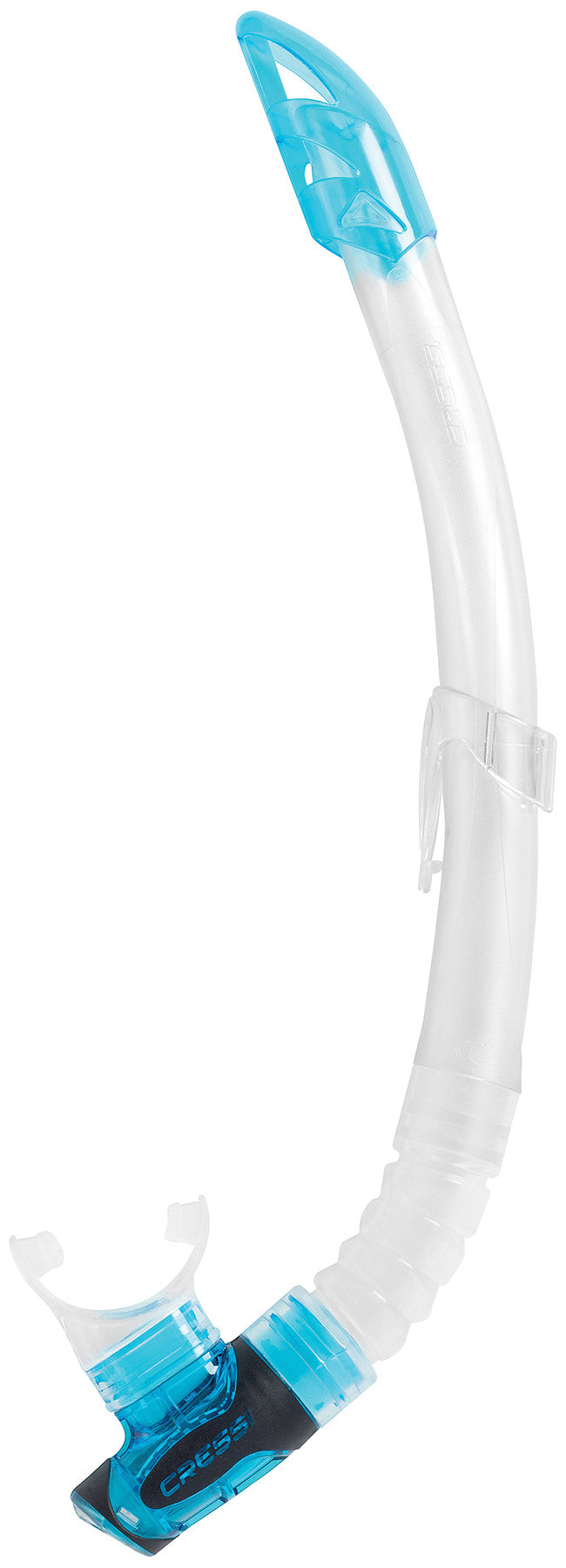
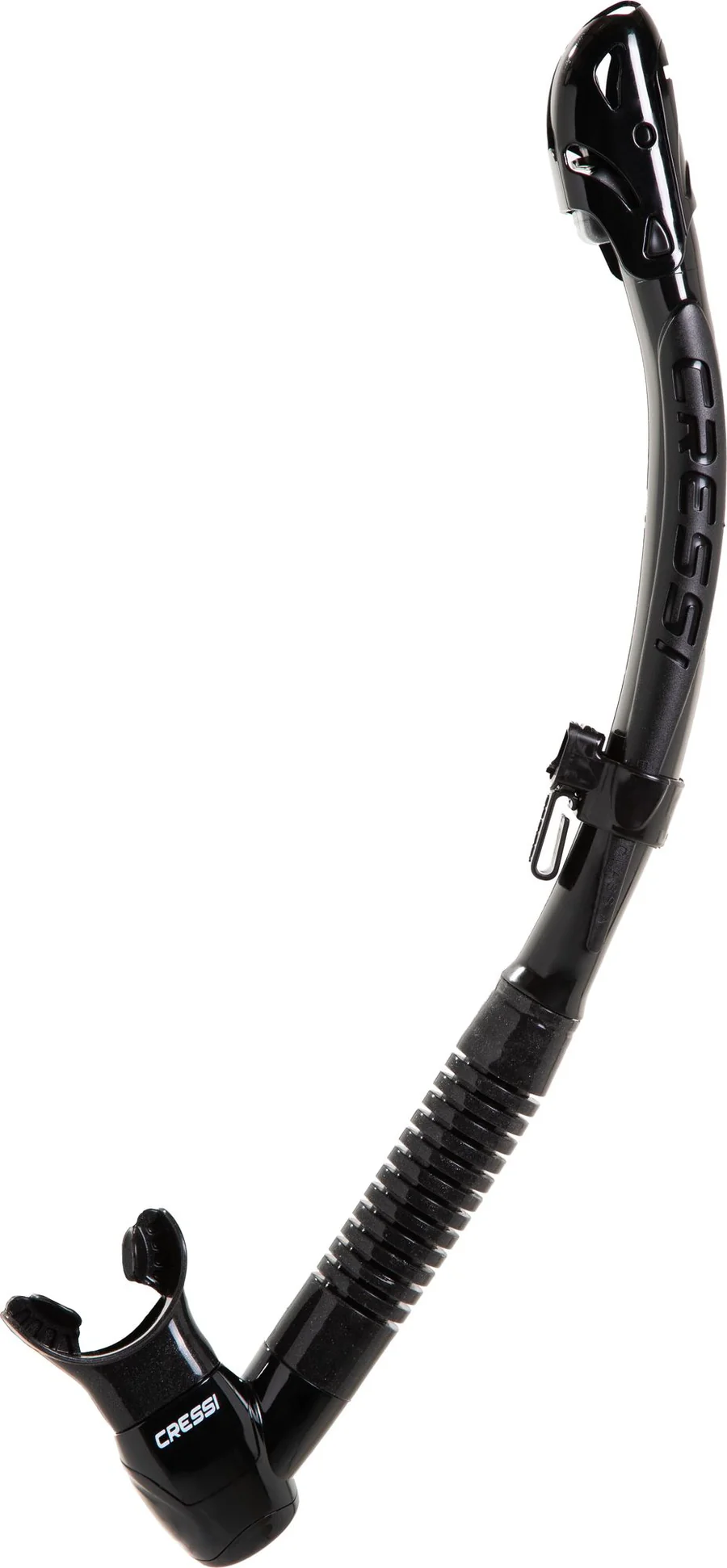

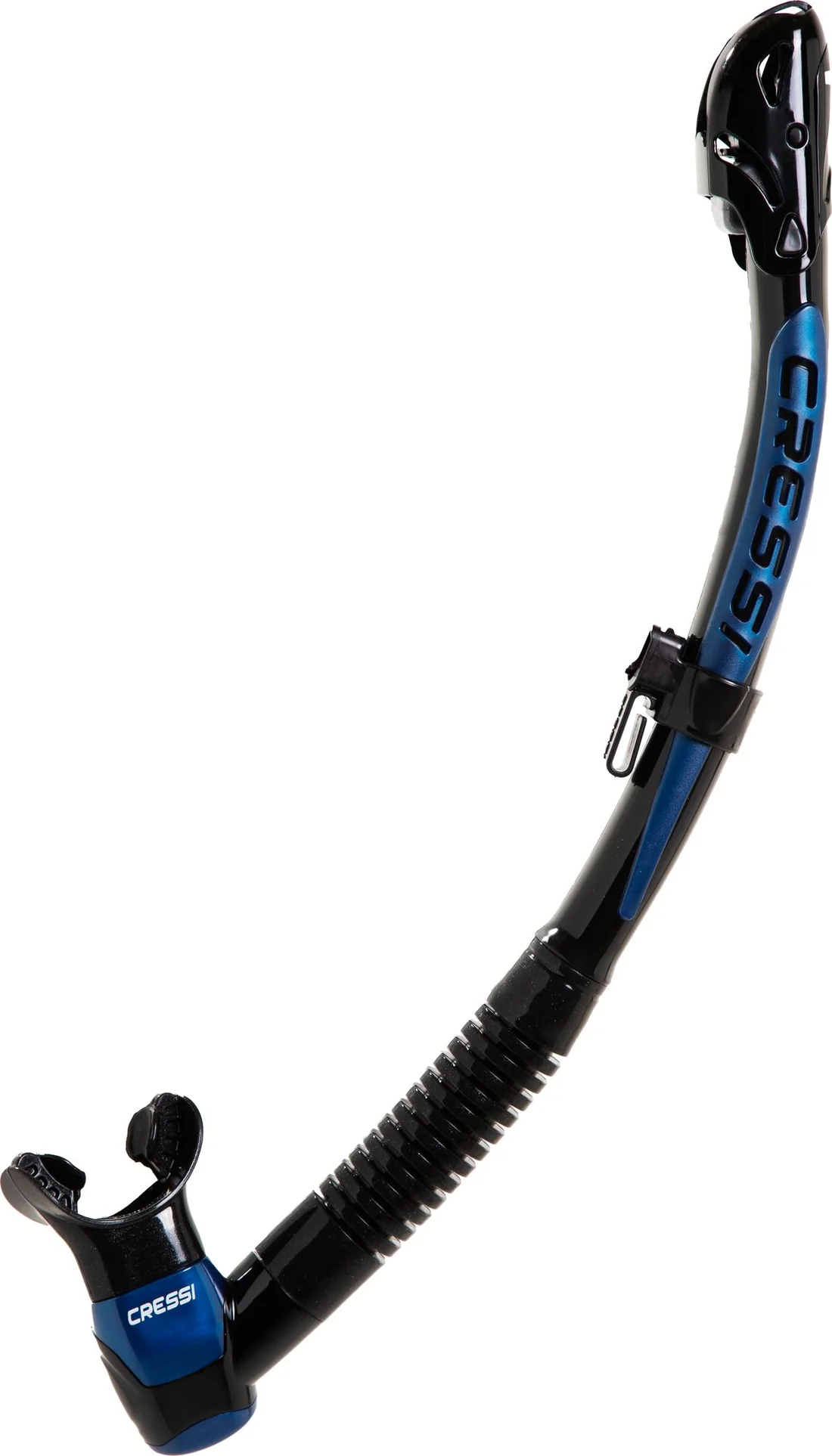

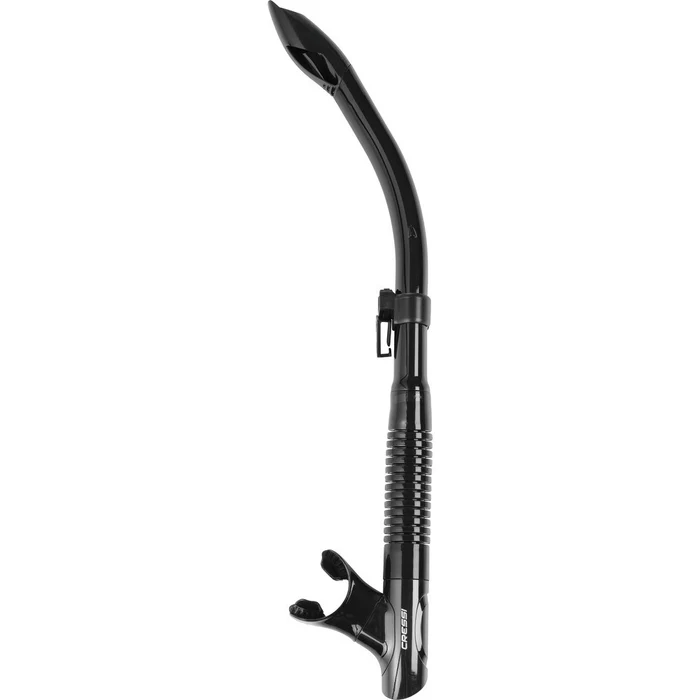

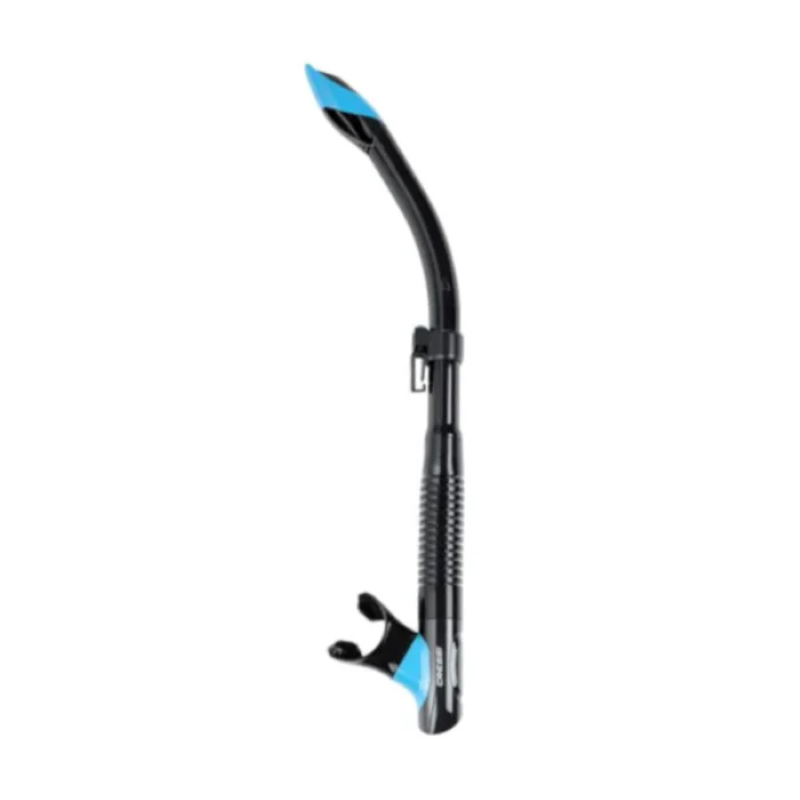


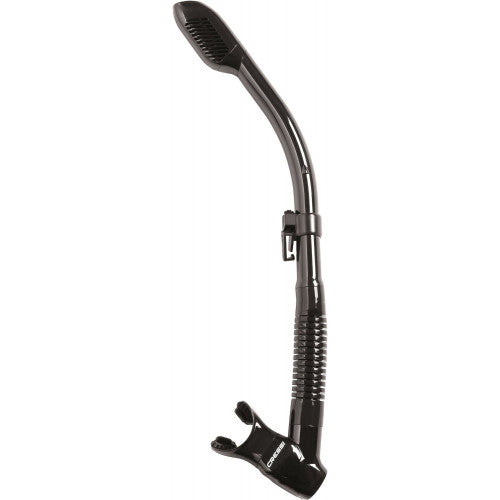

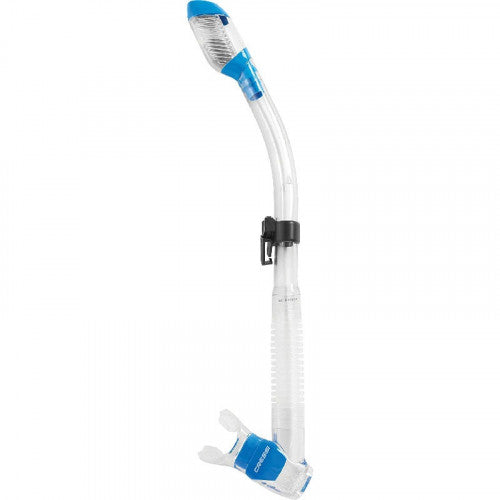

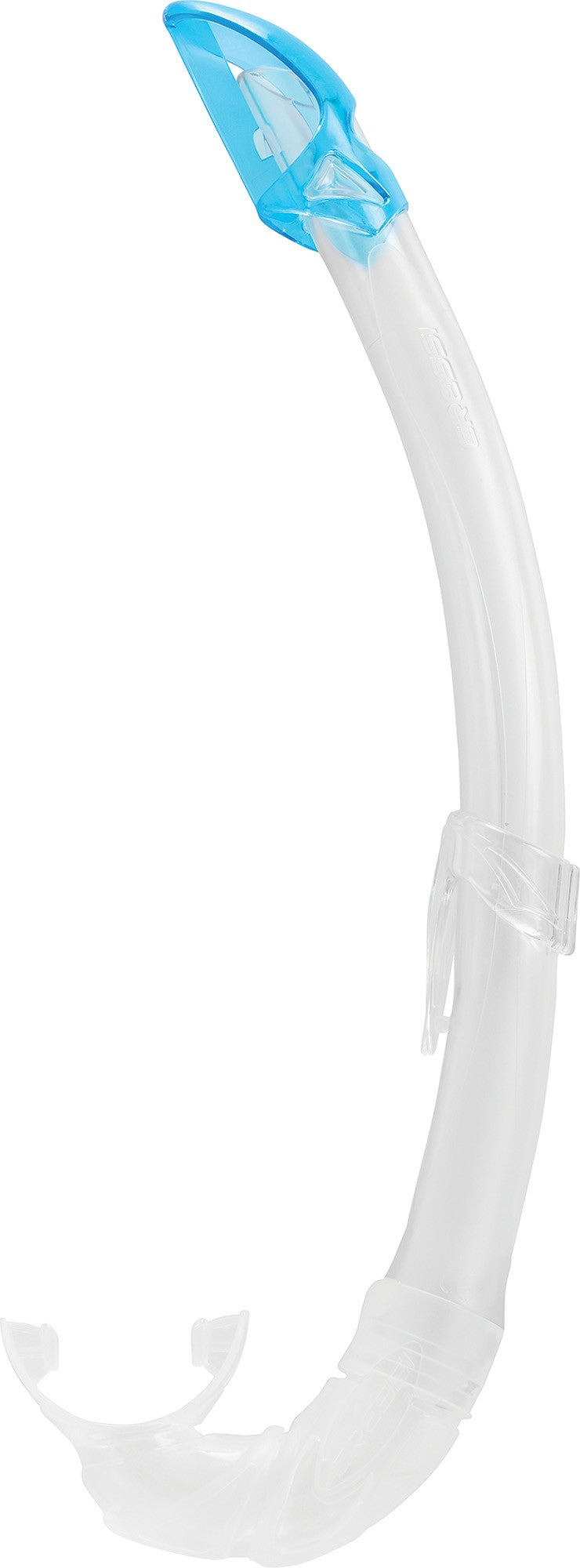






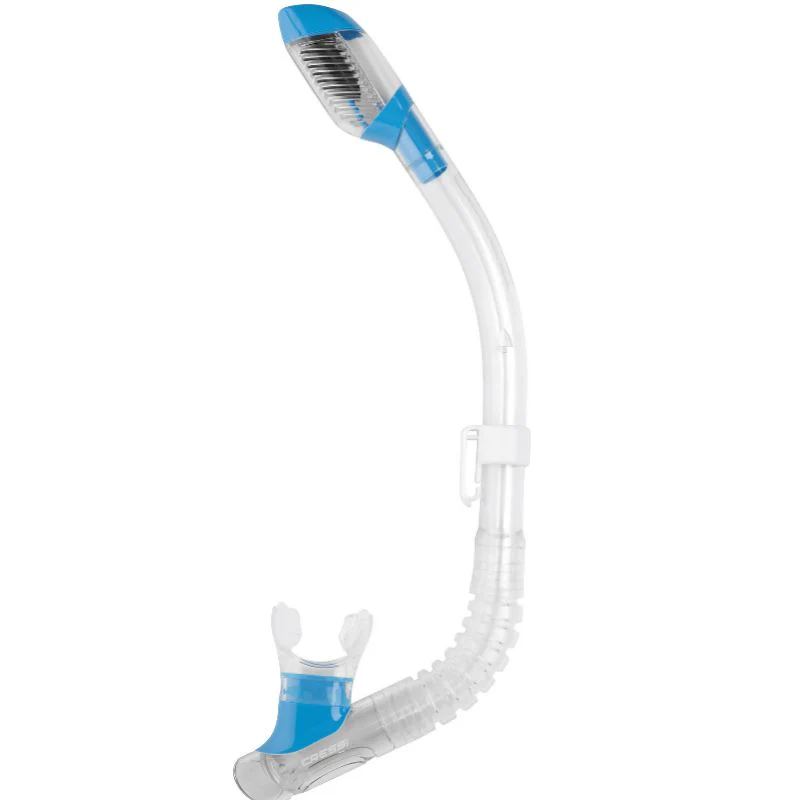

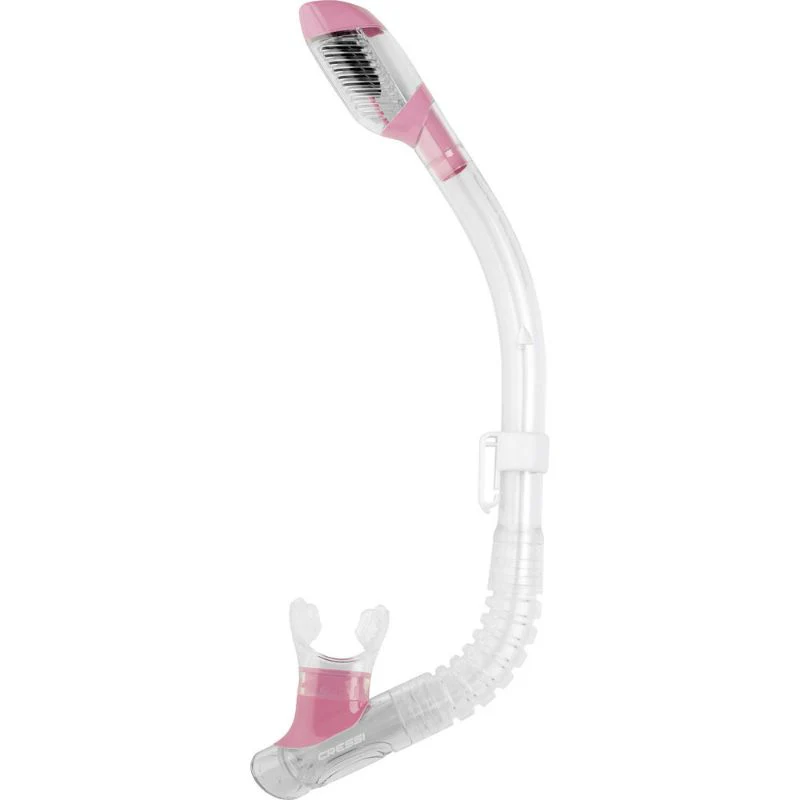


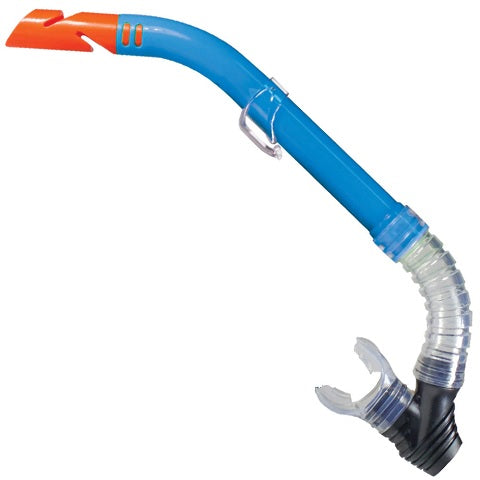


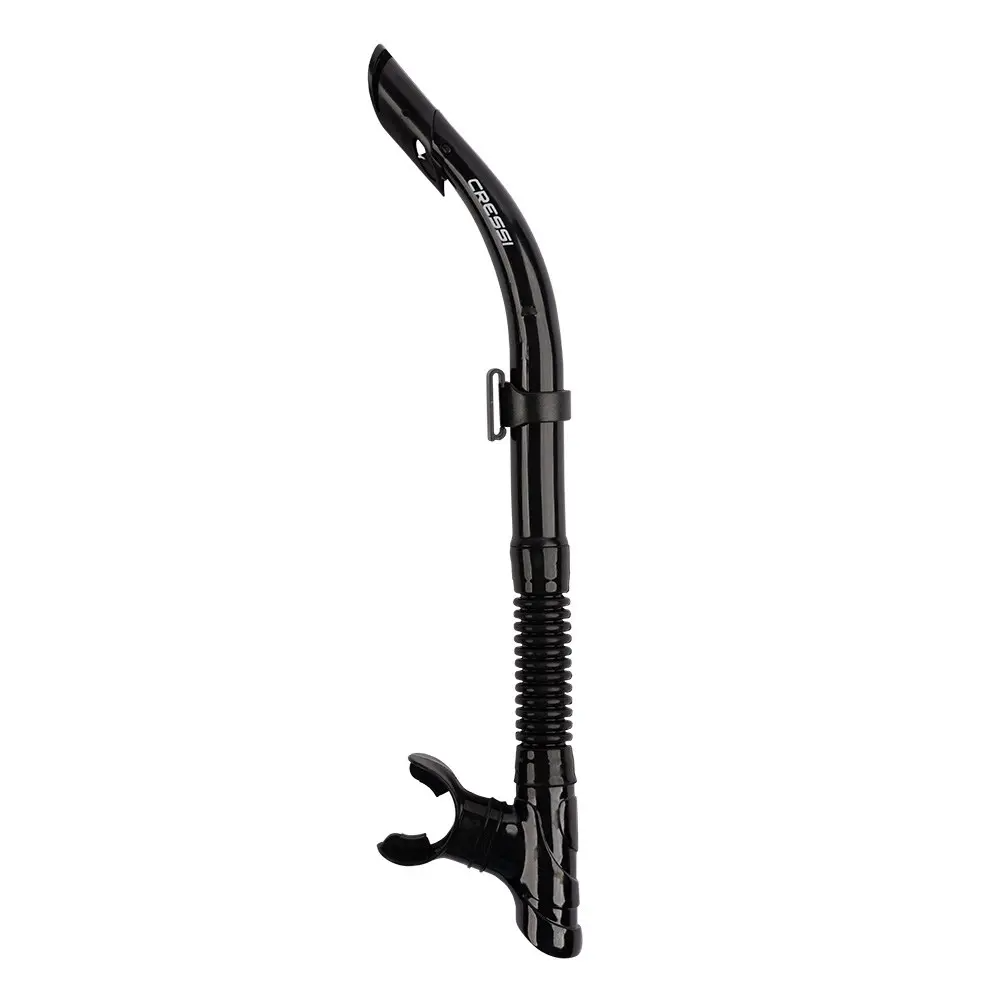

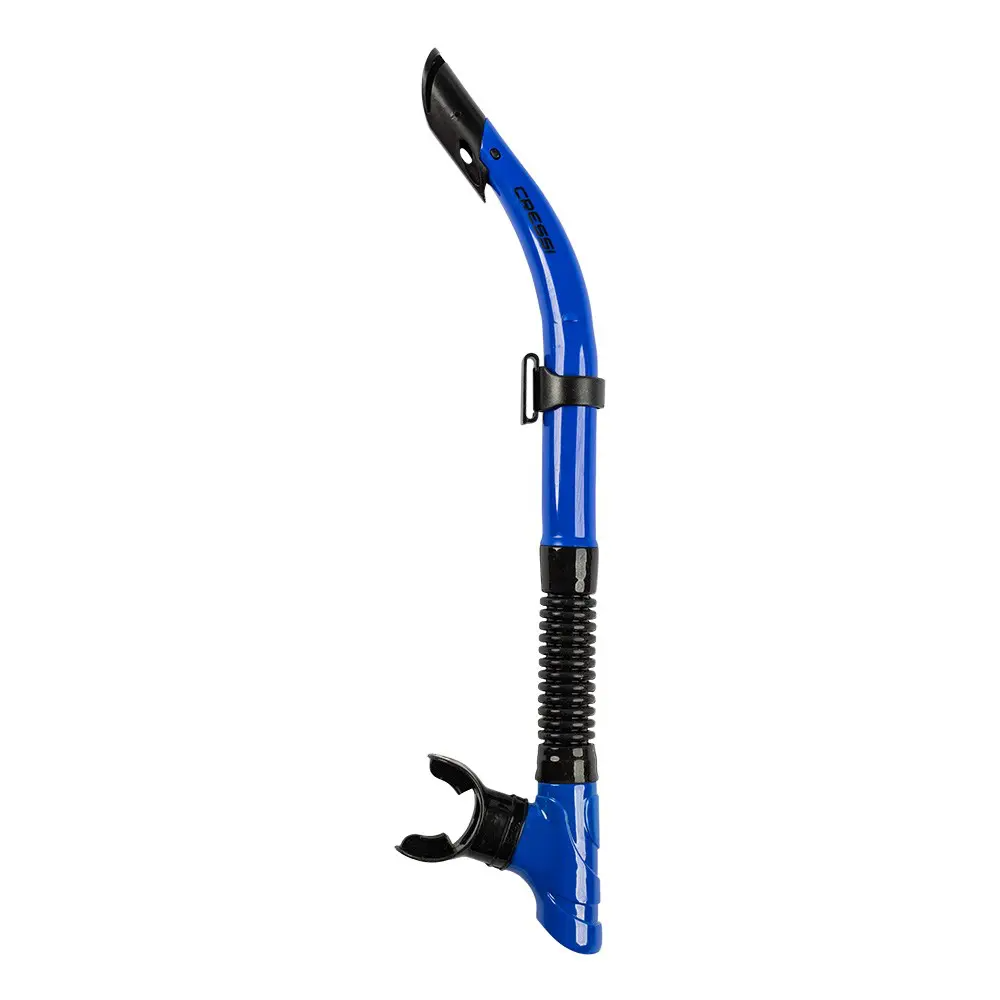

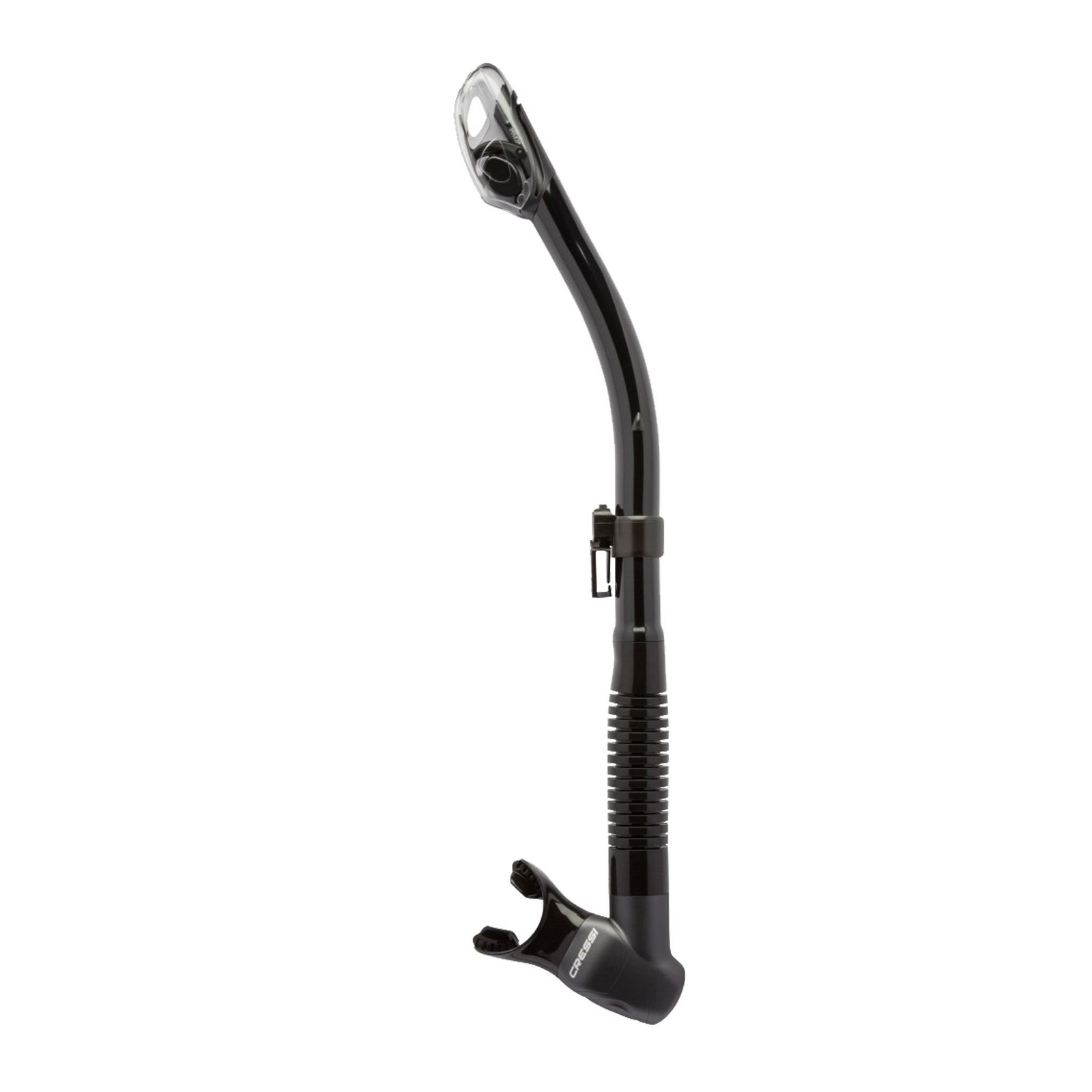

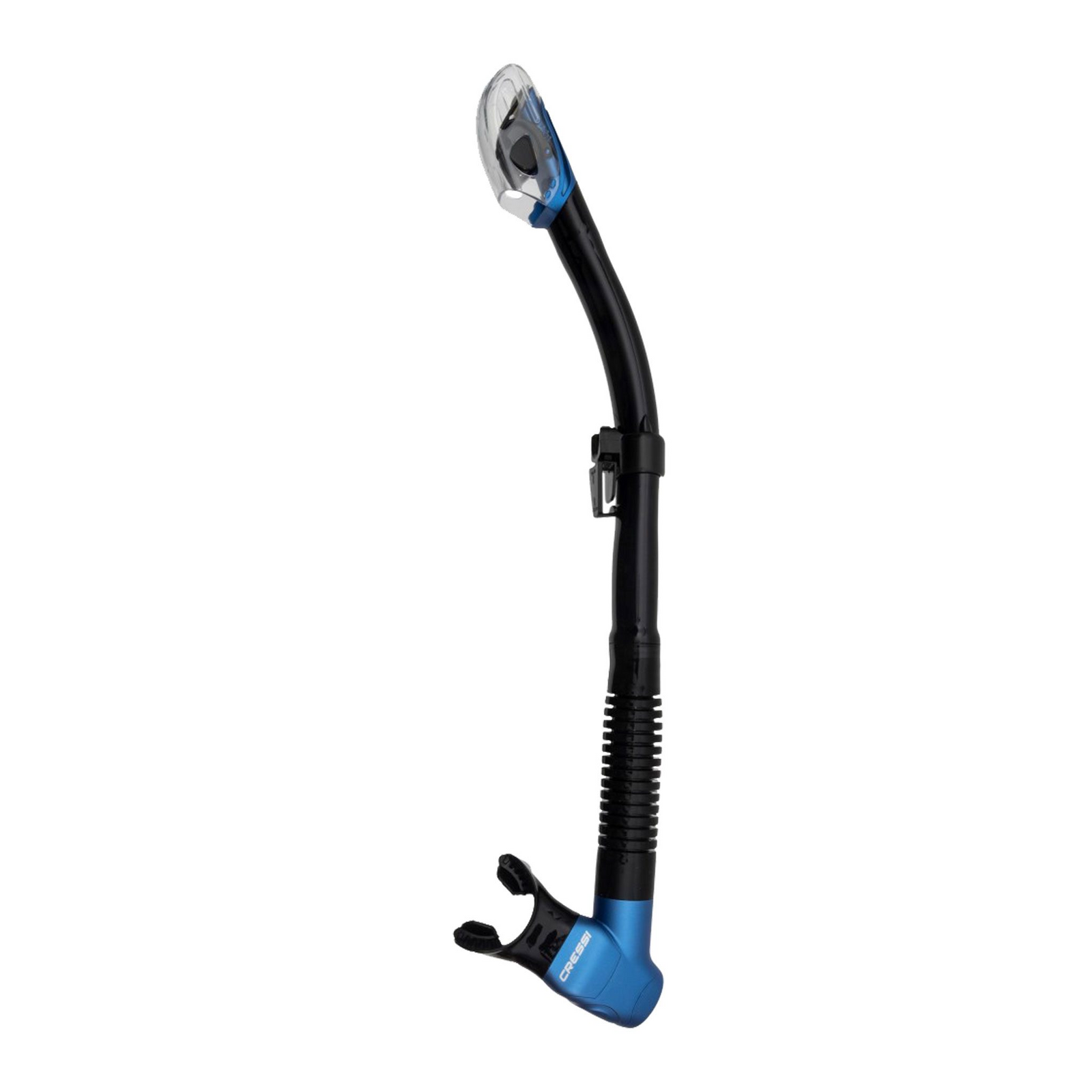

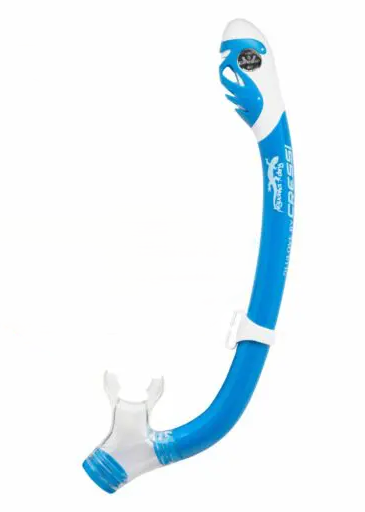

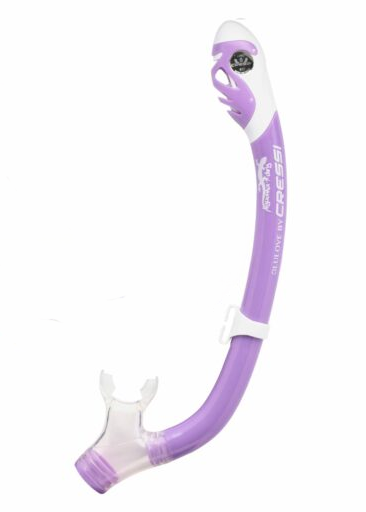

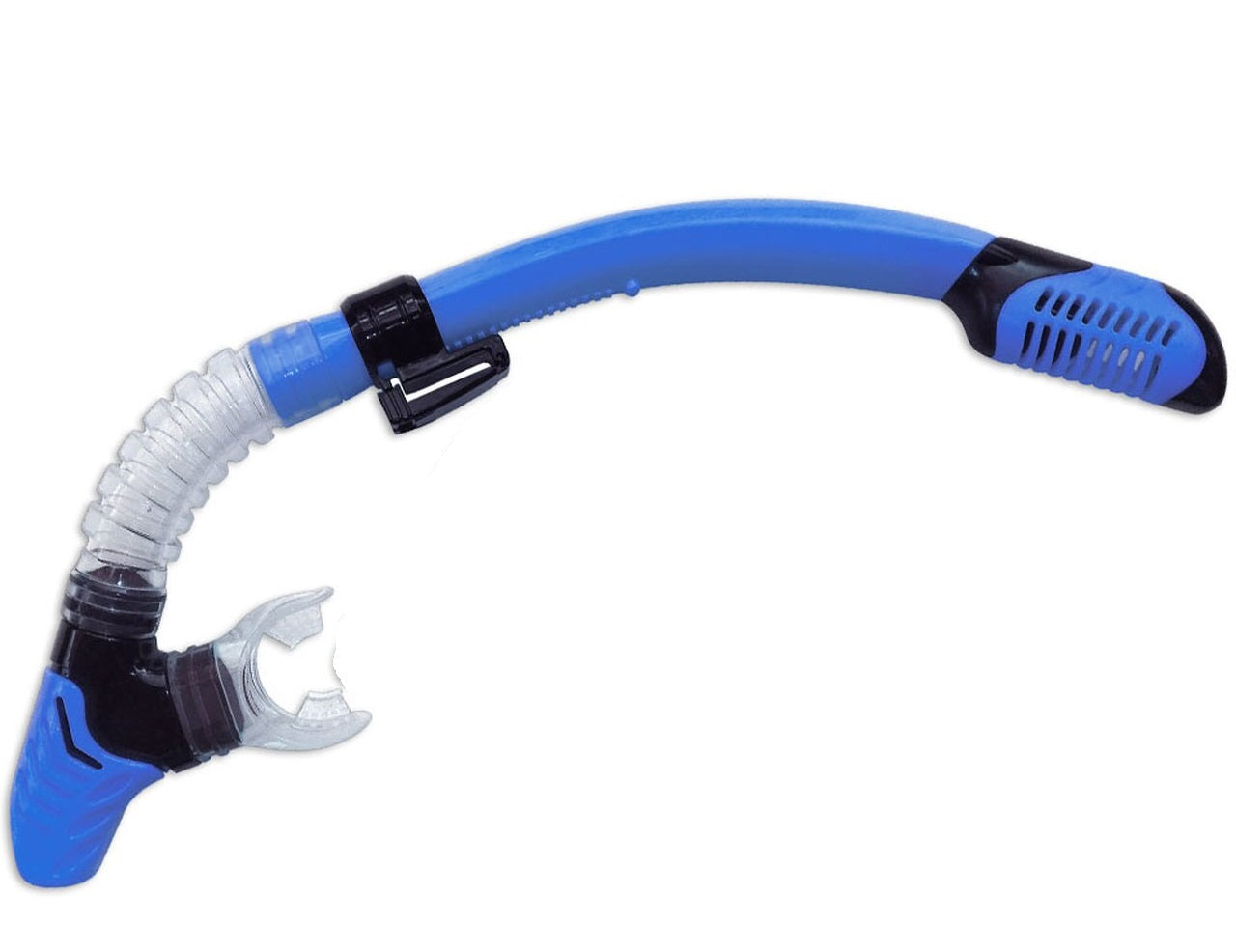
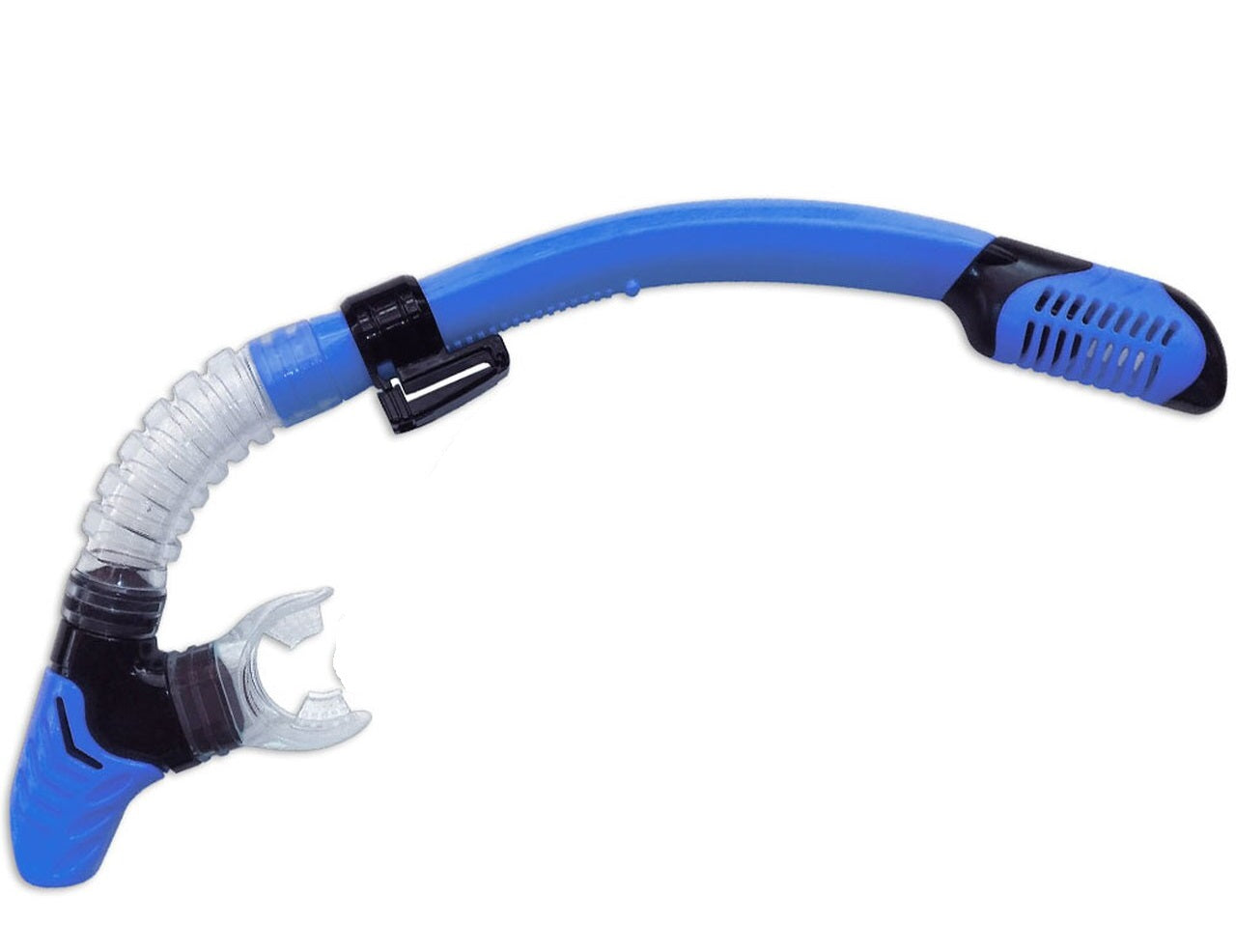
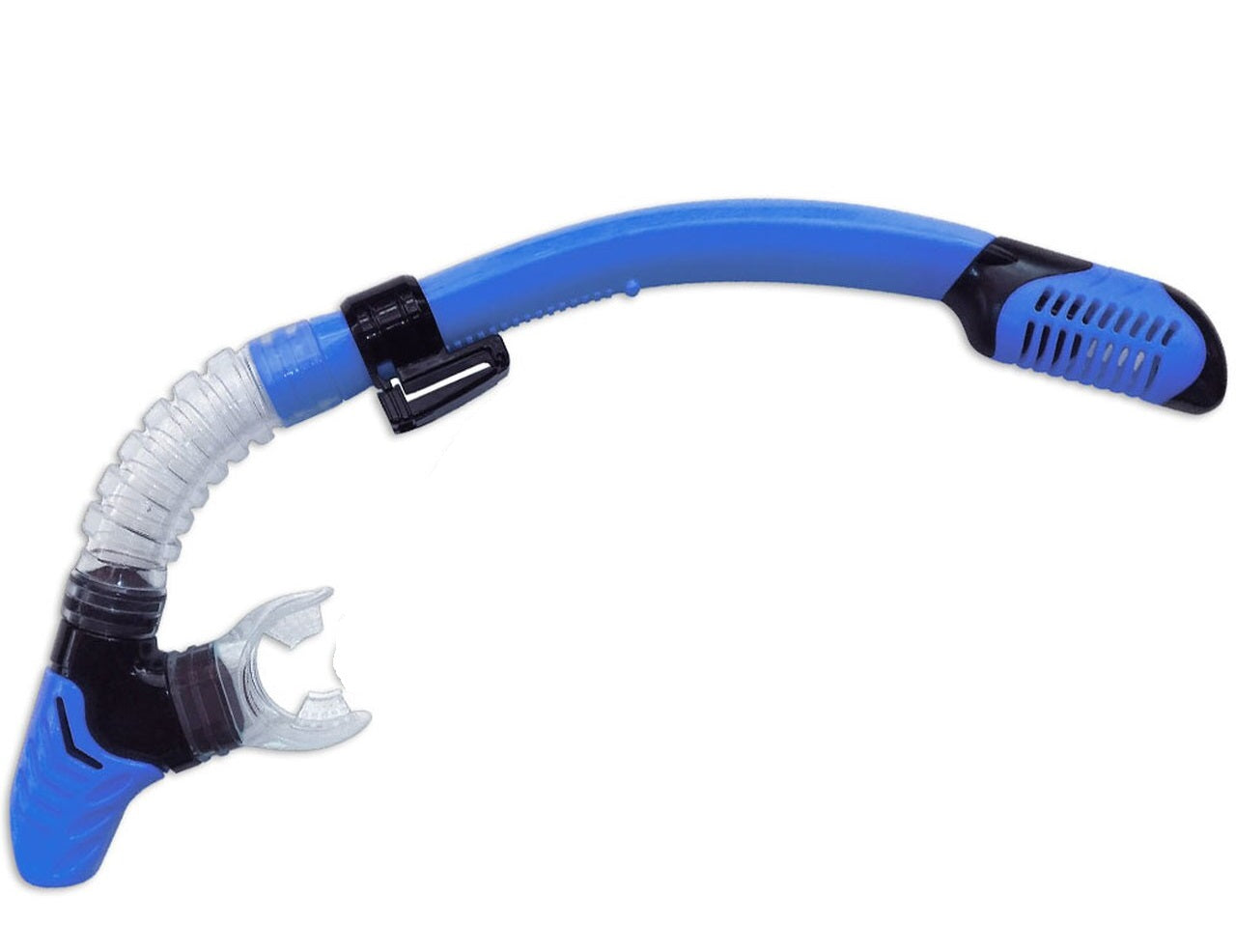

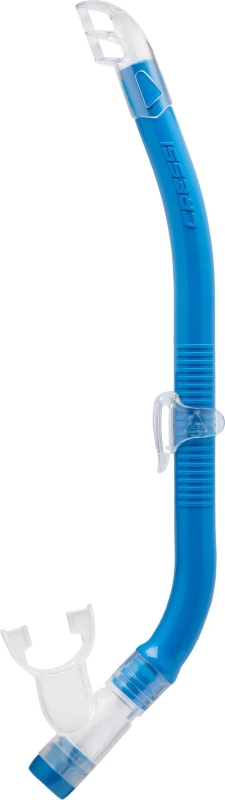

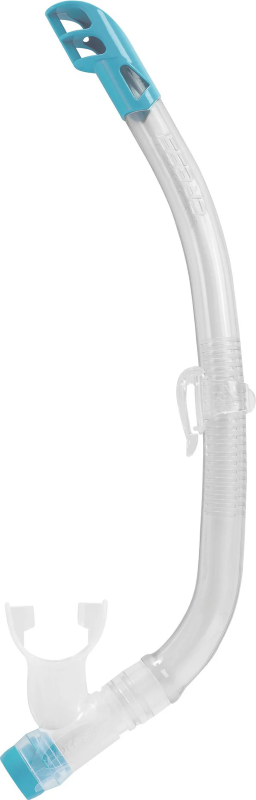

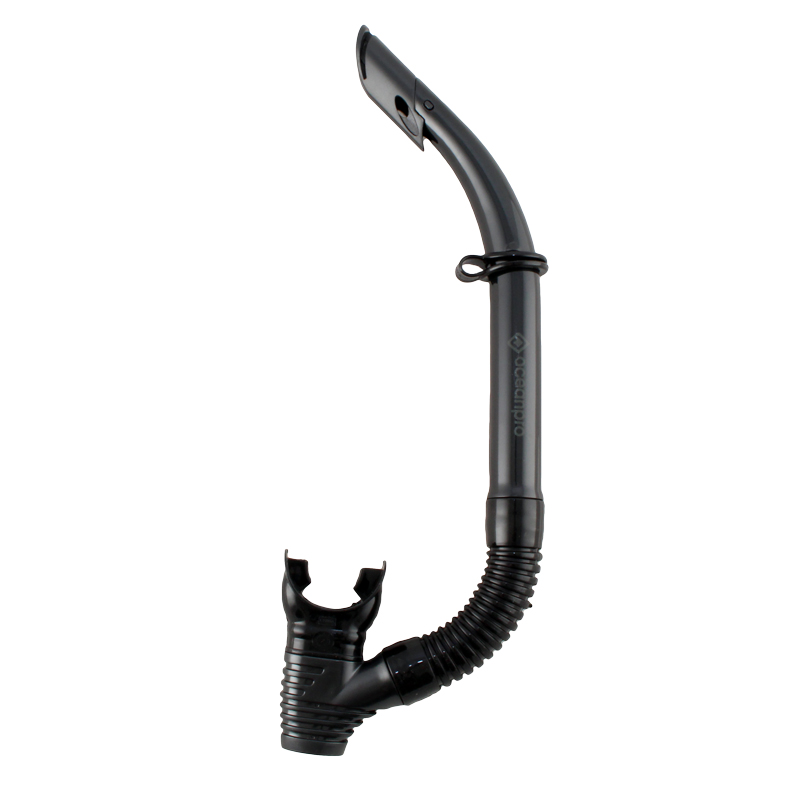

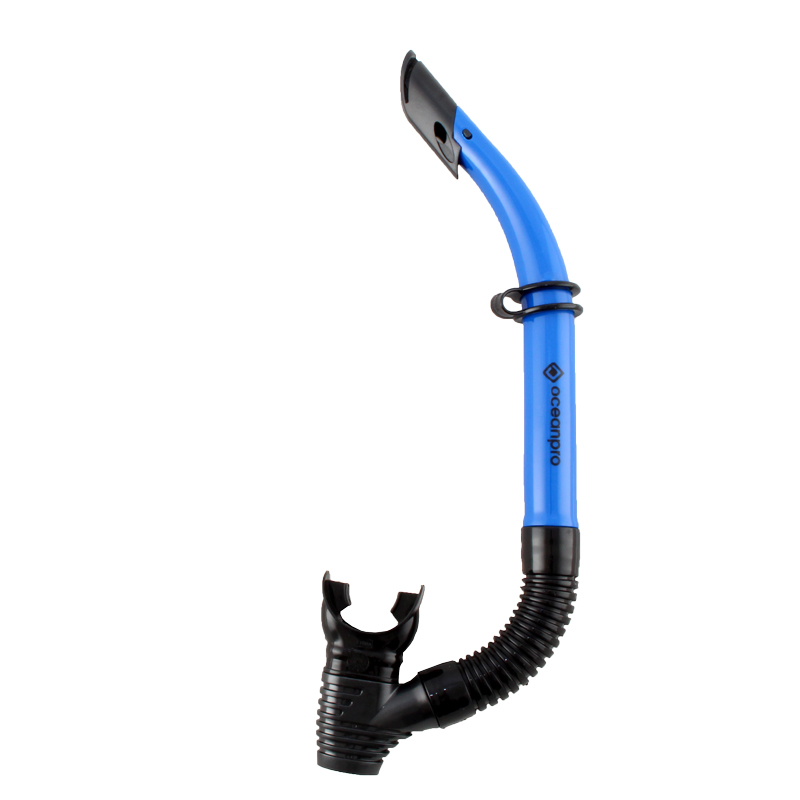

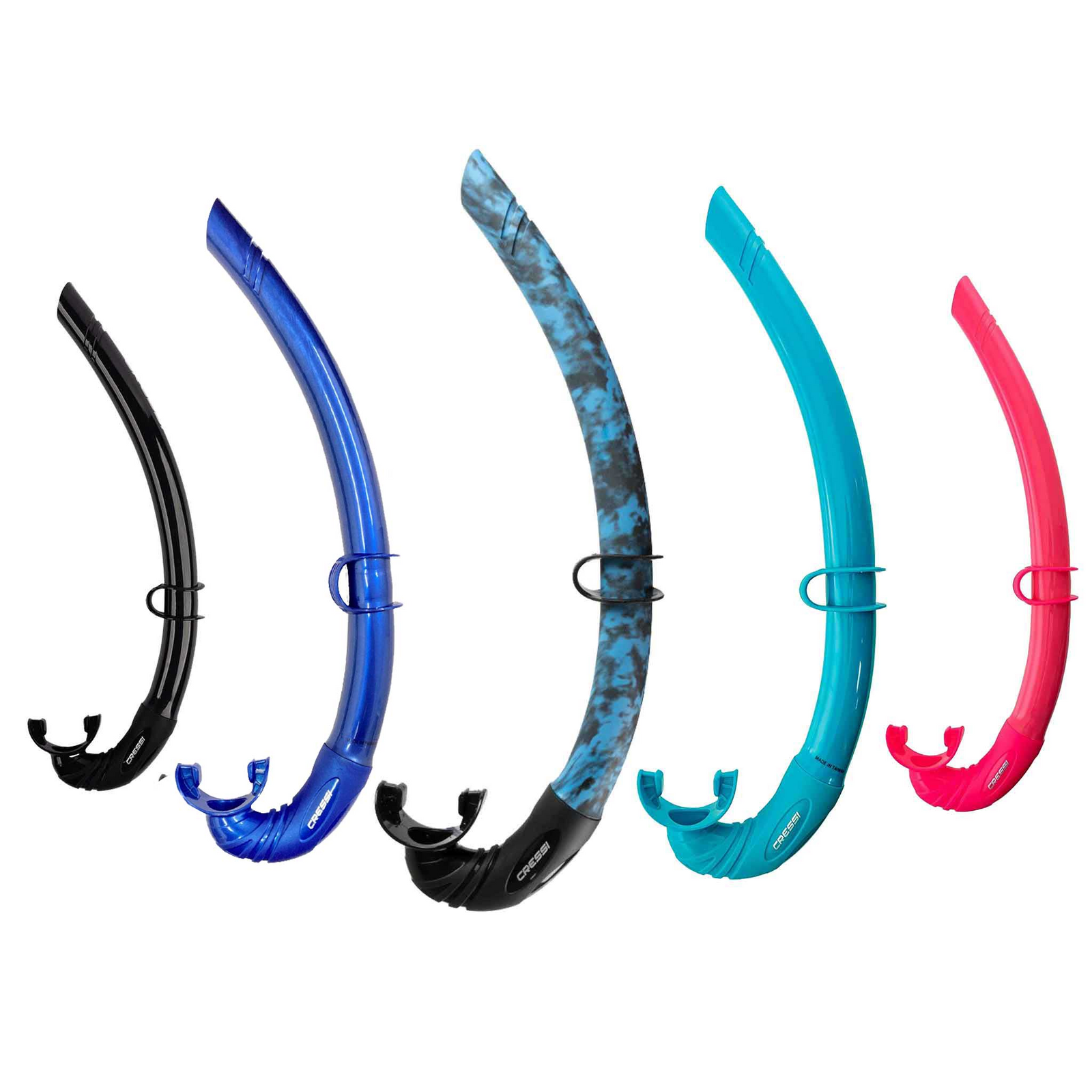

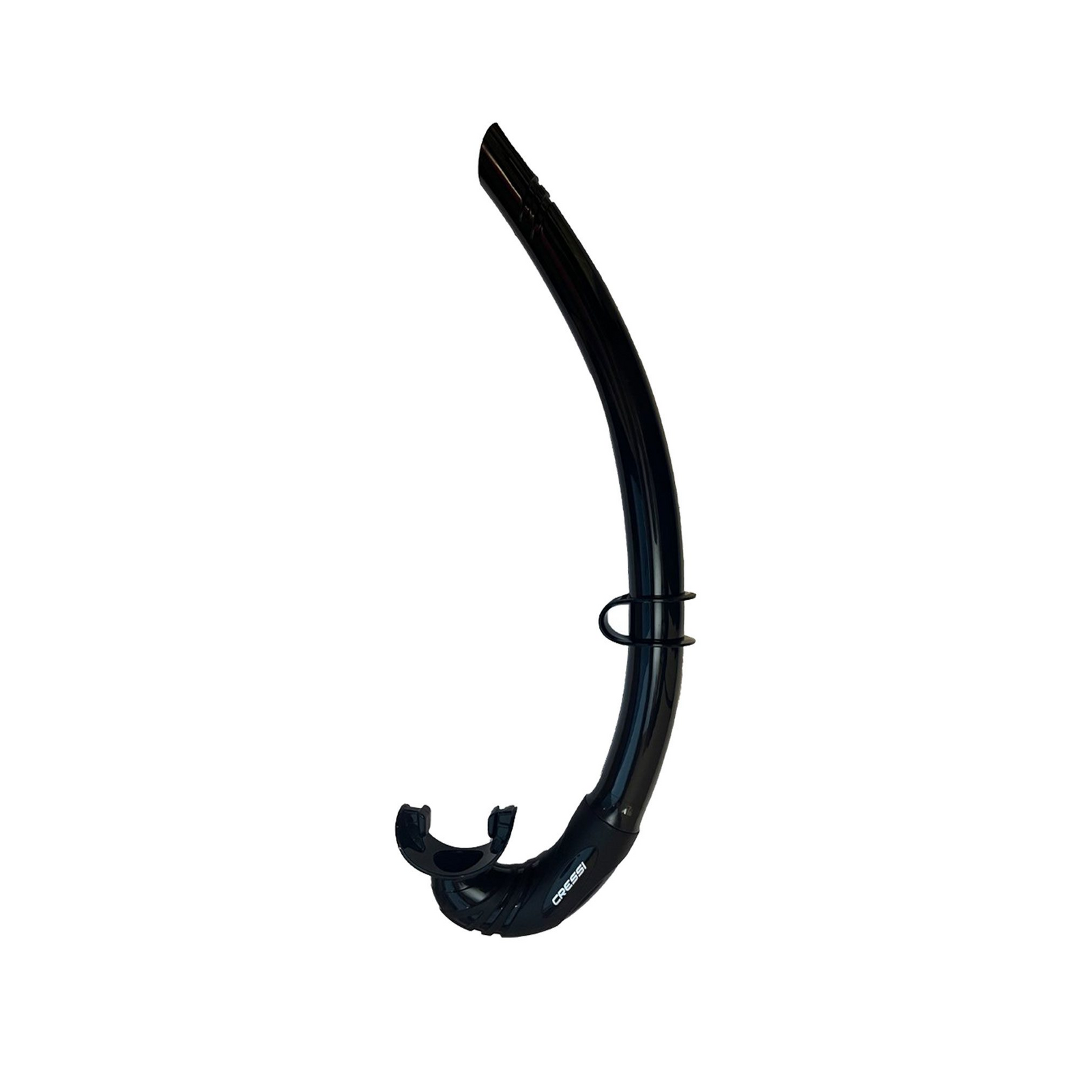


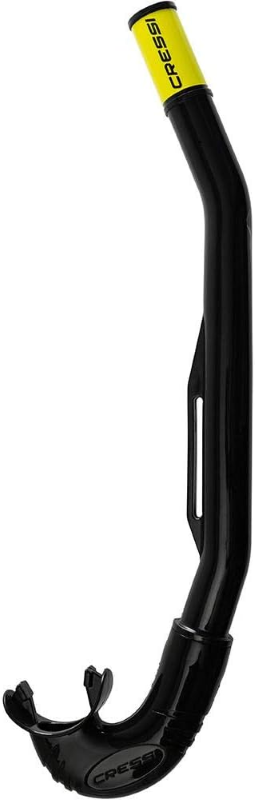

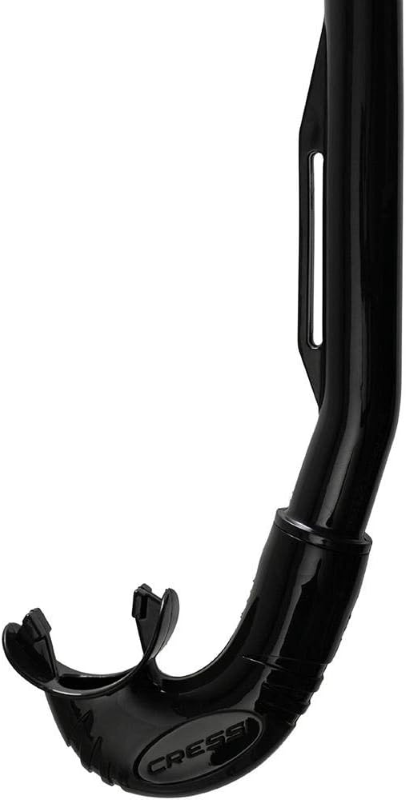













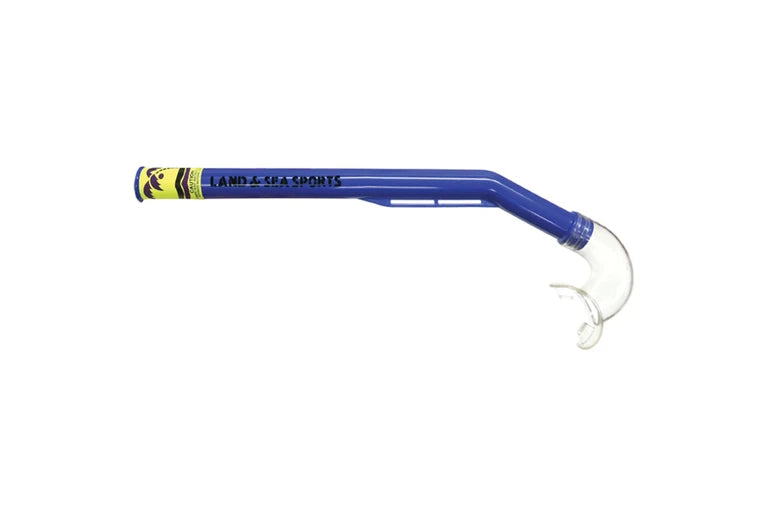

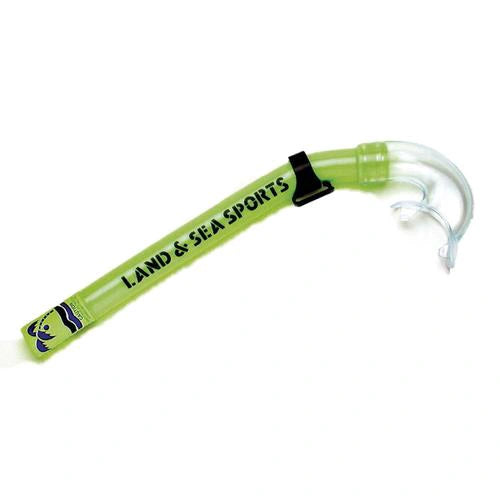


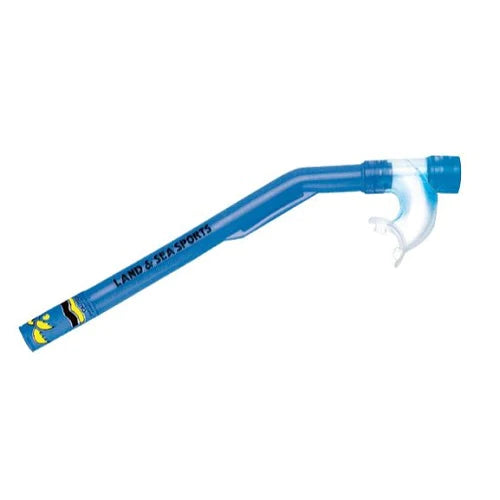















Snorkels on their own, for replacing a damaged one or building a kit to suit how you dive. Dry tops, semi-dry, and the plain J-shaped snorkels that freedivers and spearfishers prefer.
Dry, semi-dry or plain
A dry snorkel has a float valve at the top that seals when it goes under, so it stays empty when you duck down or a wave washes over you. That is ideal for surface snorkelling and for anyone who finds clearing a snorkel a nuisance.
A semi-dry has a splash guard rather than a full seal. It keeps out chop without the bulk of a dry valve, and it still fills if you dive with it.
Plain J-shaped snorkels are what most freedivers and spearfishers use, because a dry valve adds buoyancy and drag underwater, and because there is less to fail. They are cleared with a sharp breath on surfacing, which becomes automatic quickly. A comfortable mouthpiece matters more than any of the features — jaw ache ends a session. Matched sets are in mask and snorkel sets, and dive masks covers masks on their own.
Frequently asked questions
What is the difference between a dry and semi-dry snorkel?
A dry snorkel seals completely with a float valve when submerged. A semi-dry has a splash guard that keeps out chop but will still fill if you dive under.
Which snorkel is best for freediving?
A plain J-shaped one. Dry valves add buoyancy and drag underwater and give you more parts that can fail, which is why freedivers and spearfishers avoid them.
How do you clear a snorkel?
One sharp breath out as you surface blows the water clear. With a purge valve below the mouthpiece it takes even less effort.
Can I use any snorkel with any mask?
Generally yes, though the keeper has to fit your mask strap. Matched sets avoid the problem entirely.