

FREE SHIPPING ON ORDERS OVER $150*

AUSSIE FAMILY OWNED BUSINESS FOR OVER 40 YEARS

100% SATISFACTION GUARANTEED
Hard Bodies
Hard Bodies
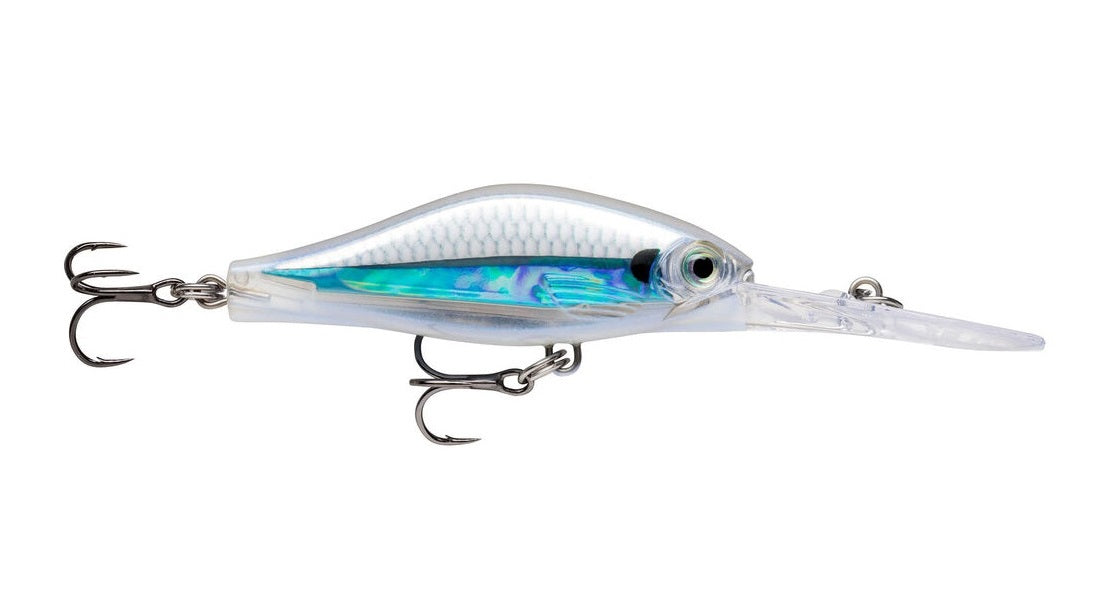
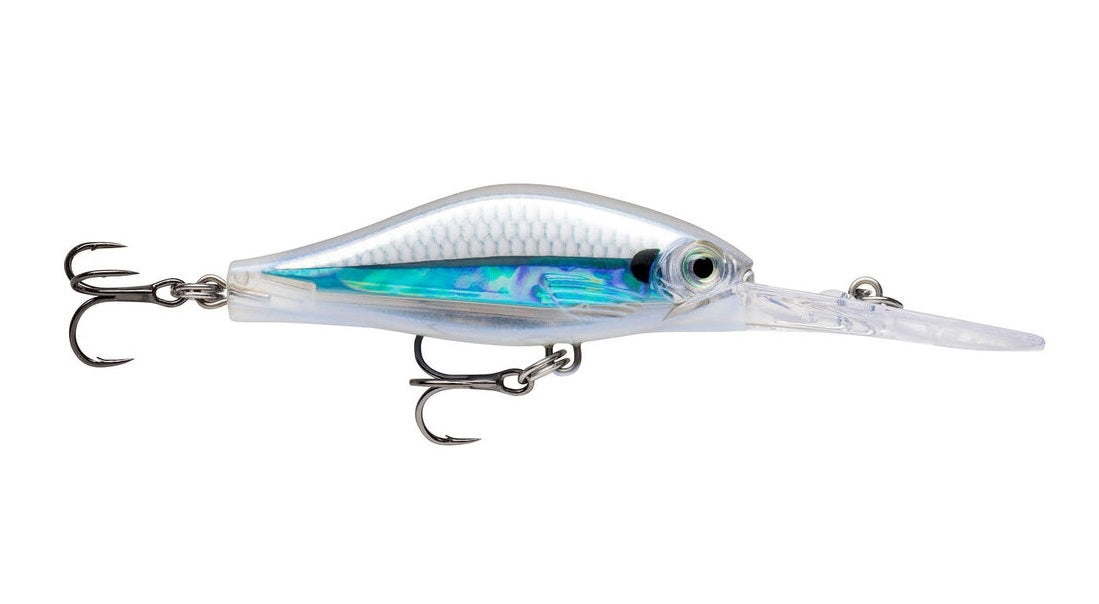
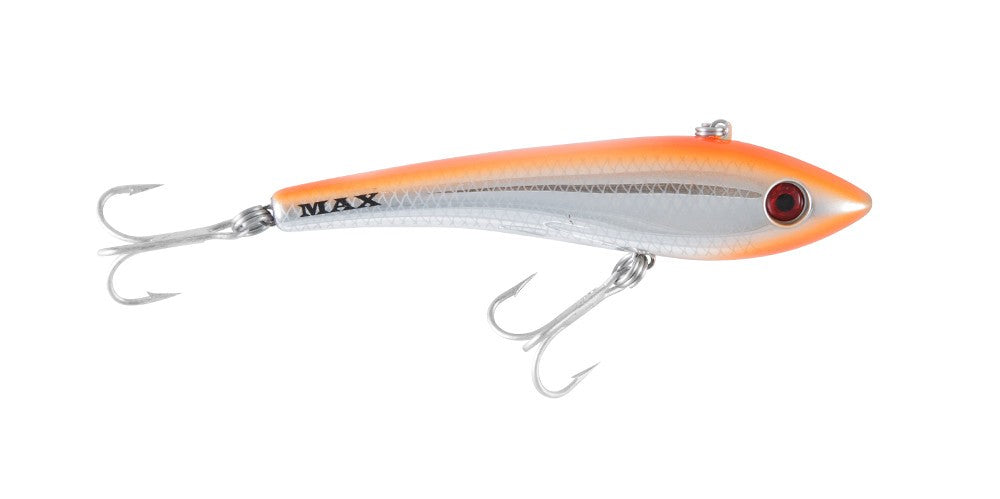
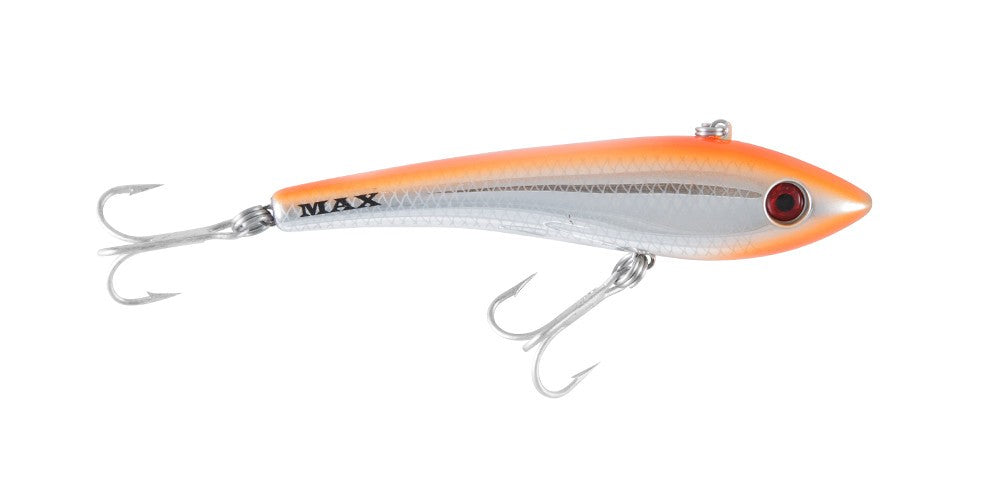
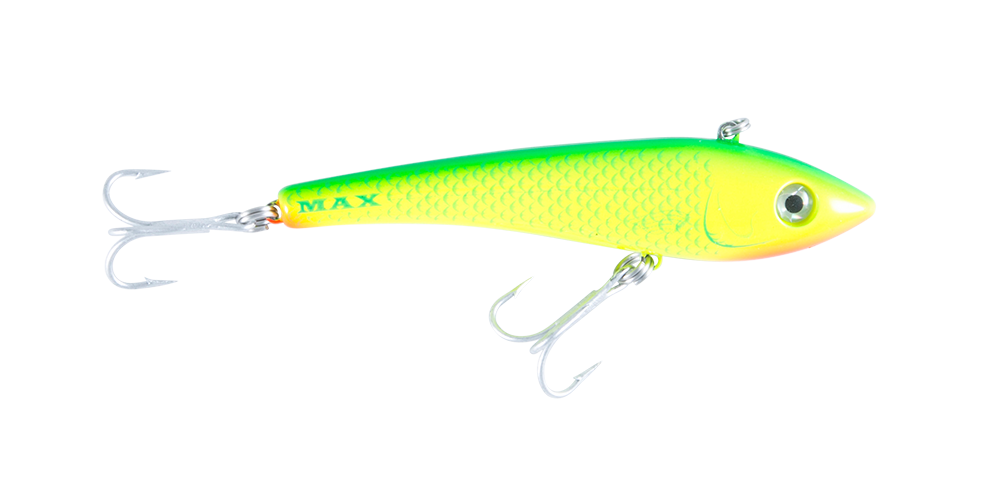
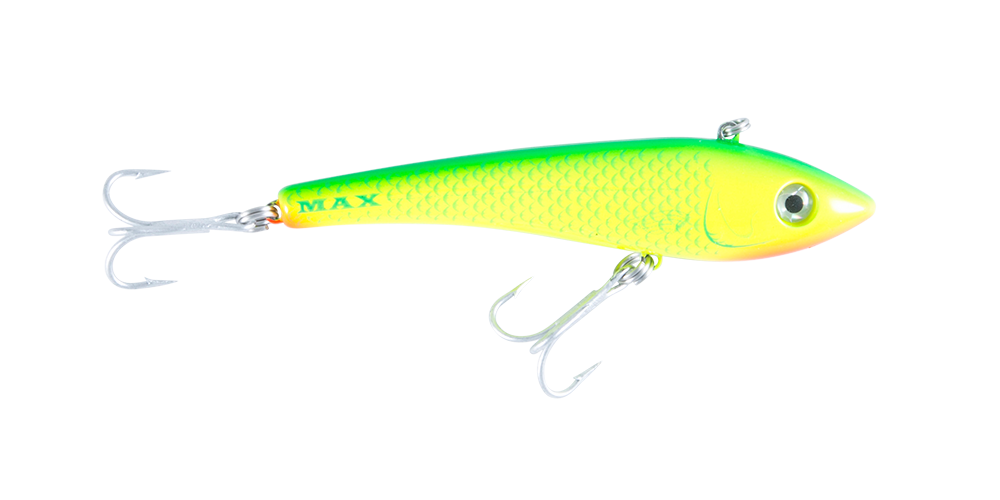
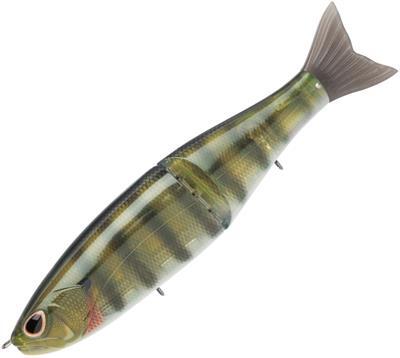
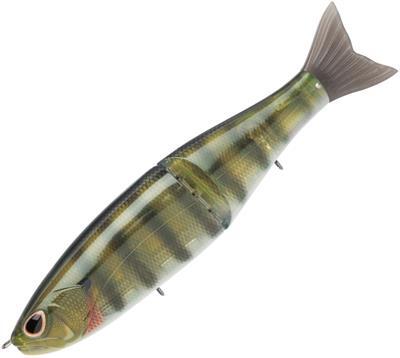
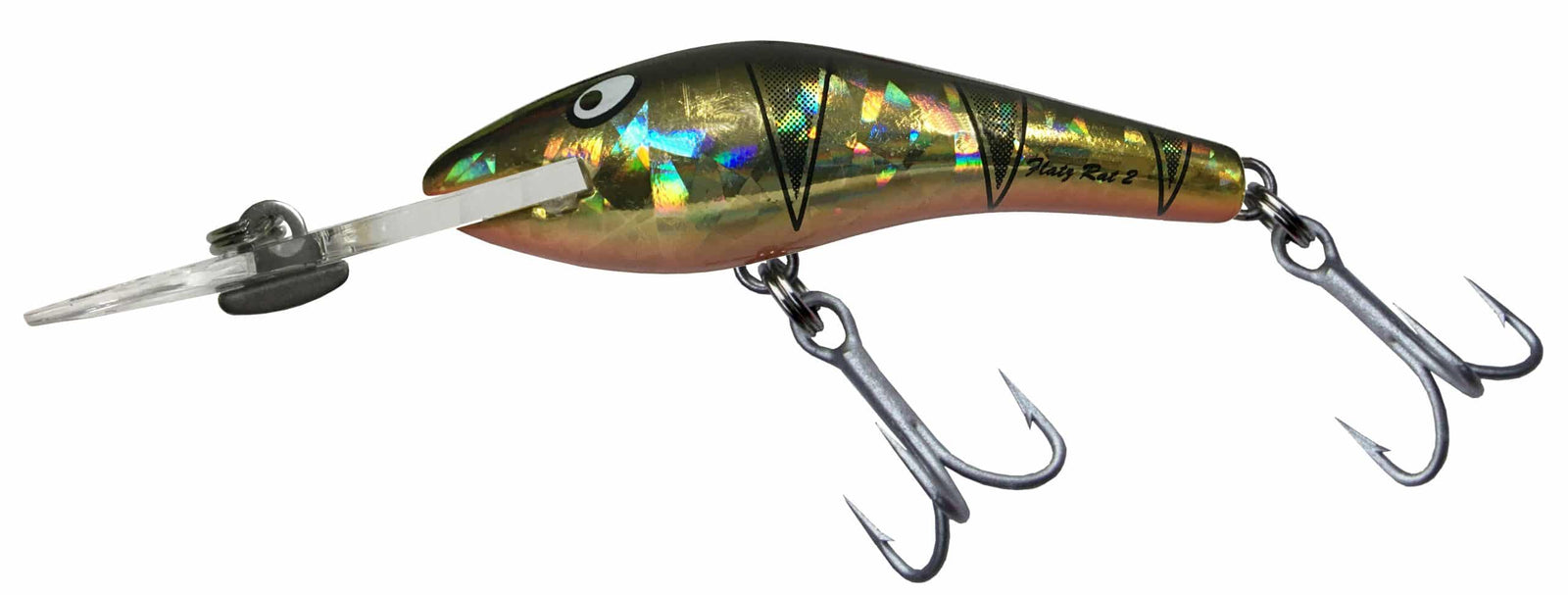
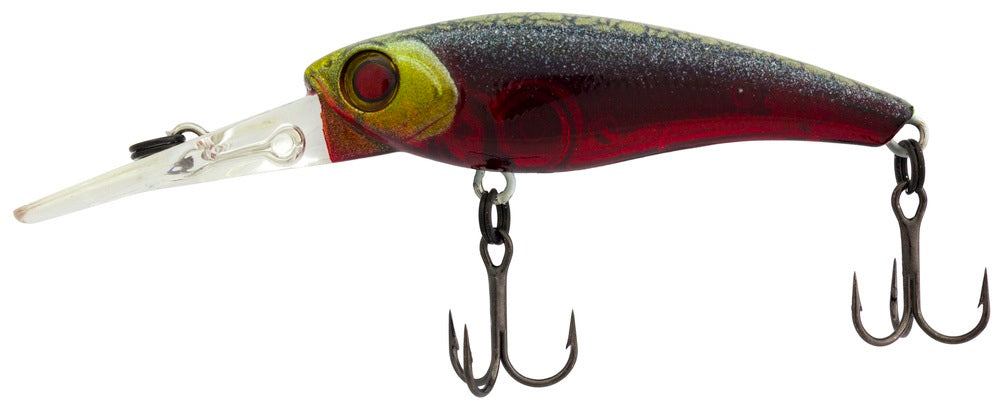
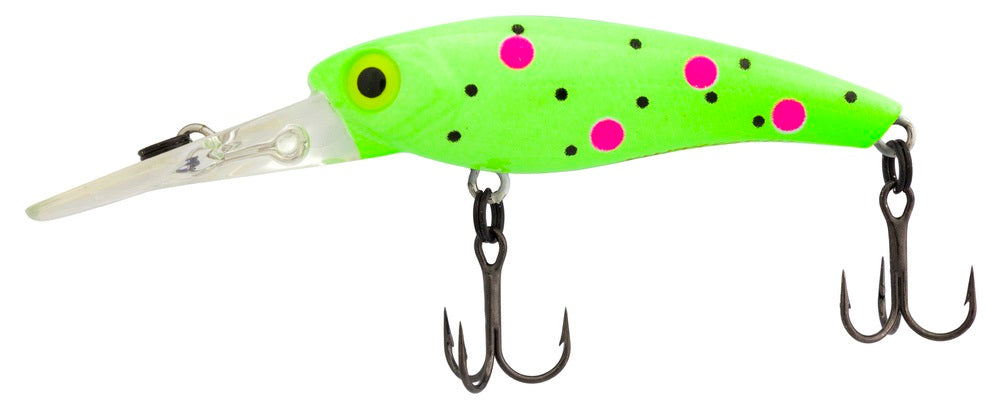
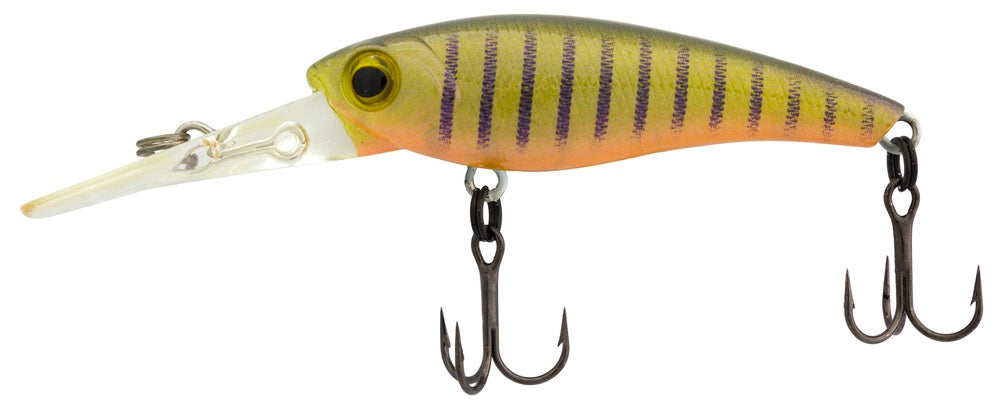
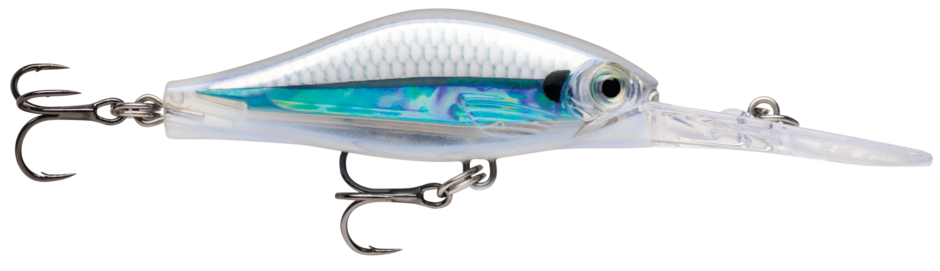
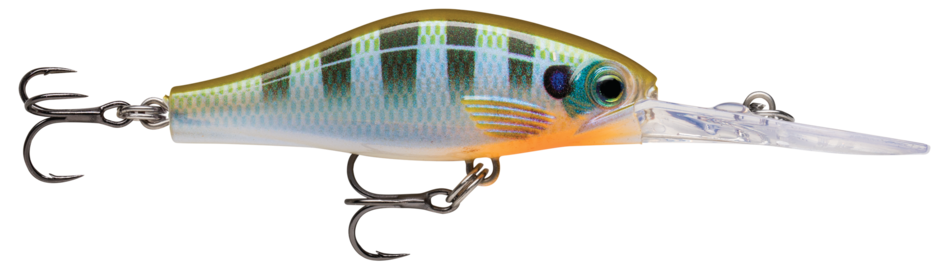
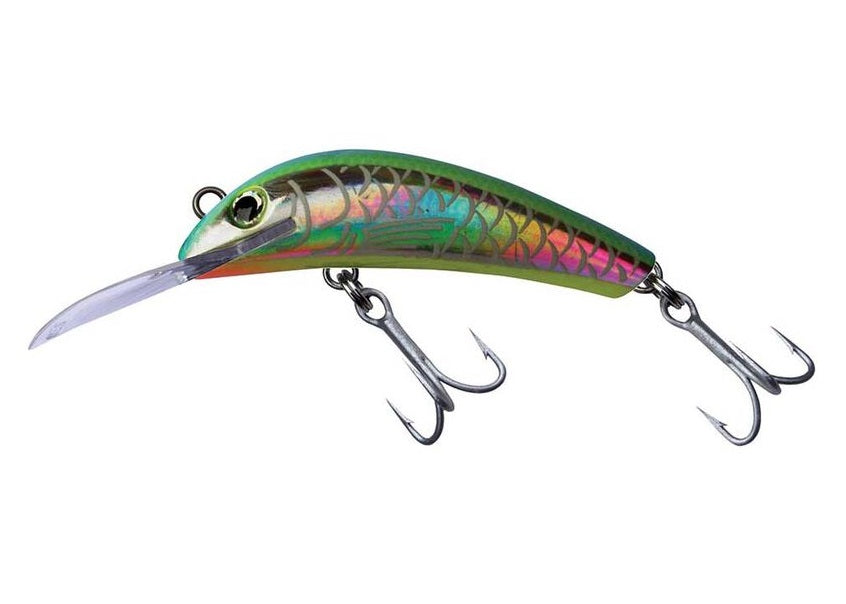
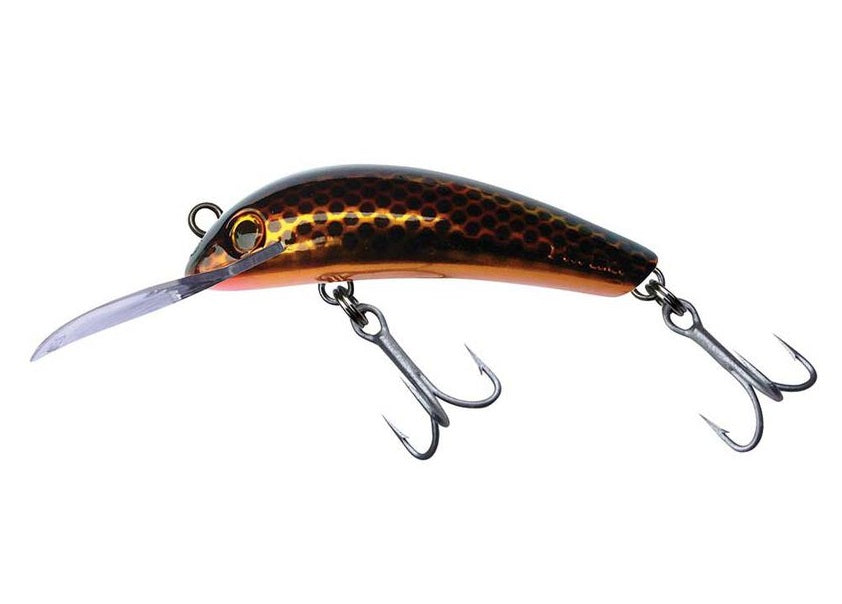
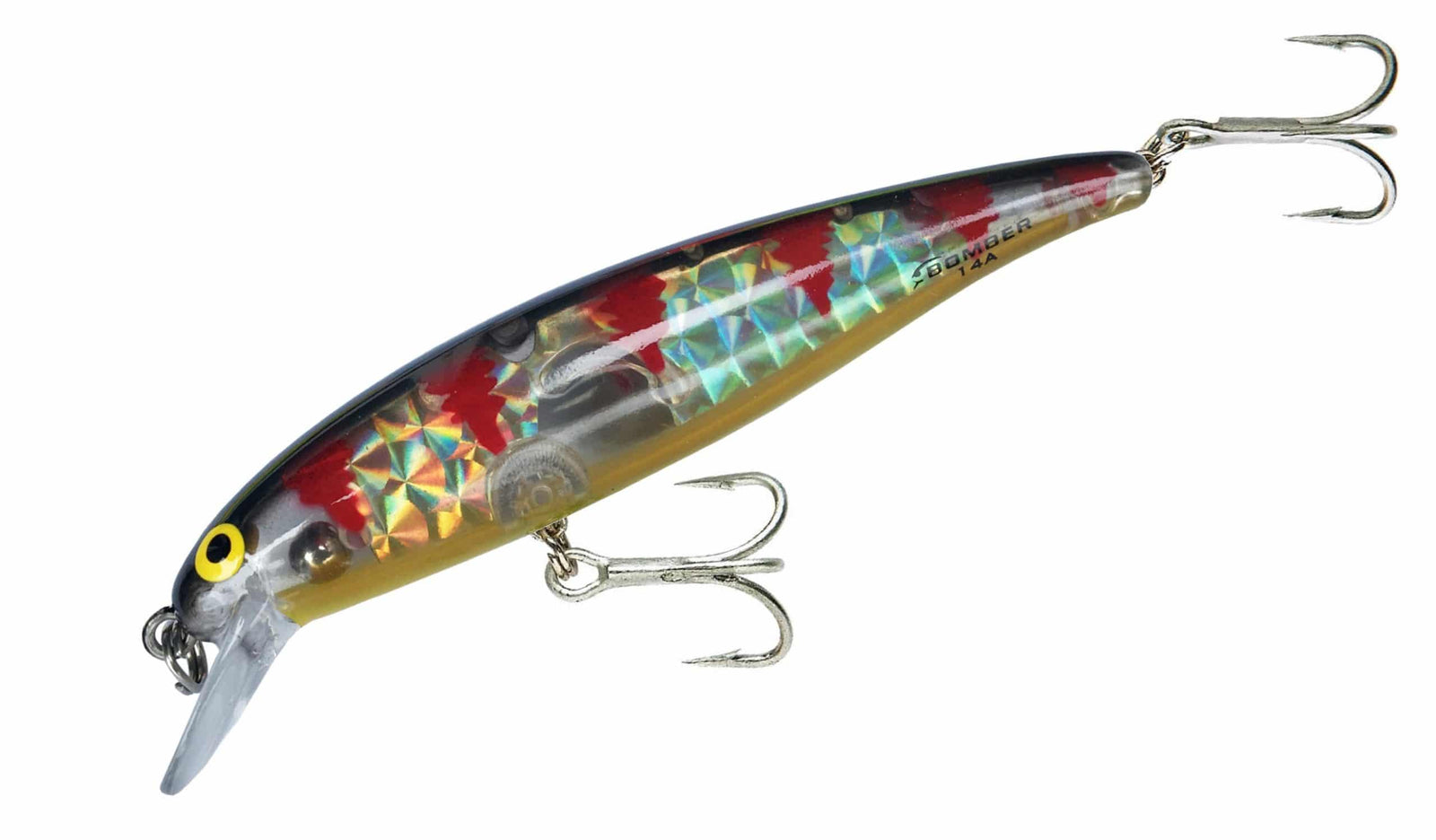
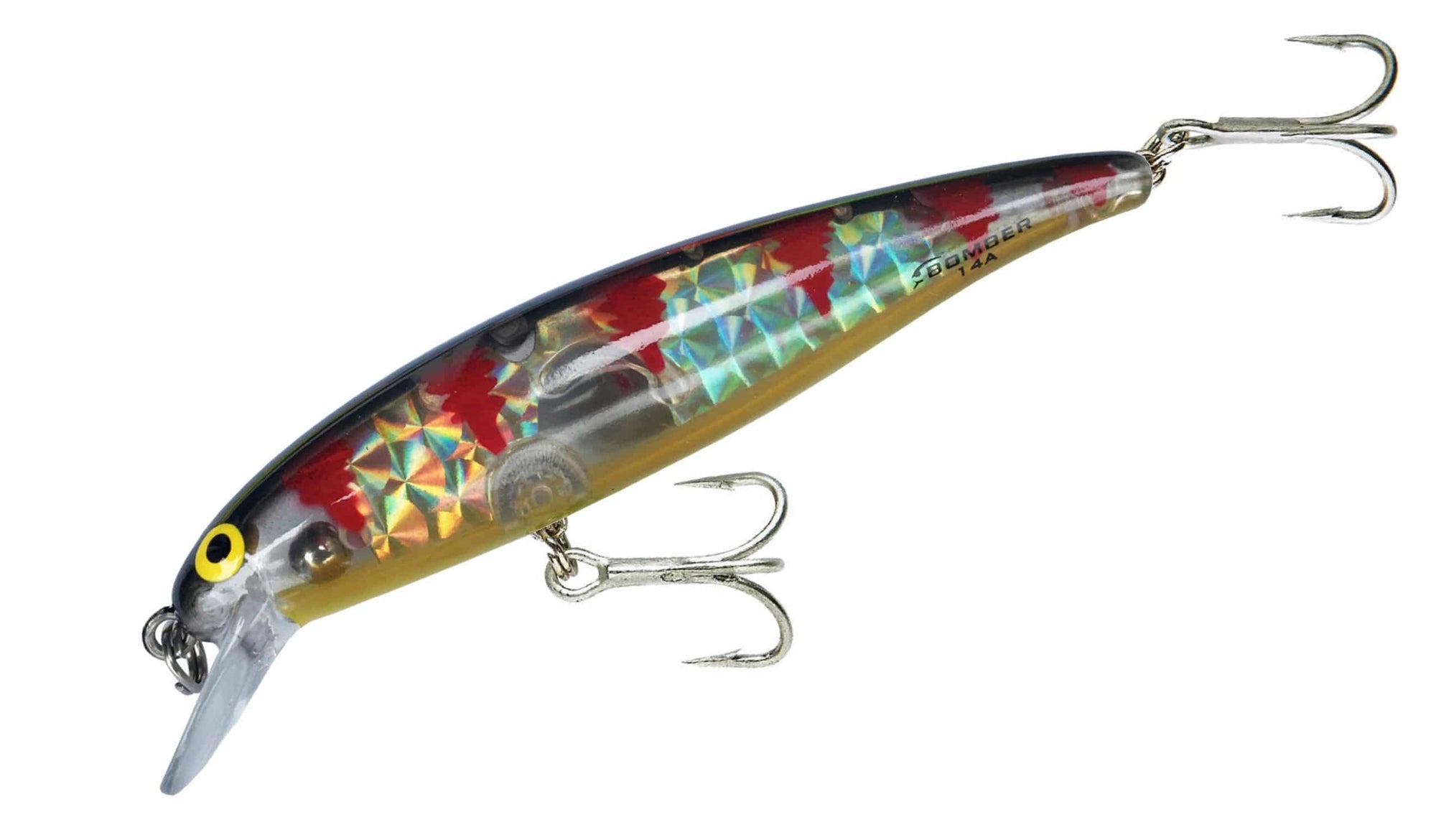
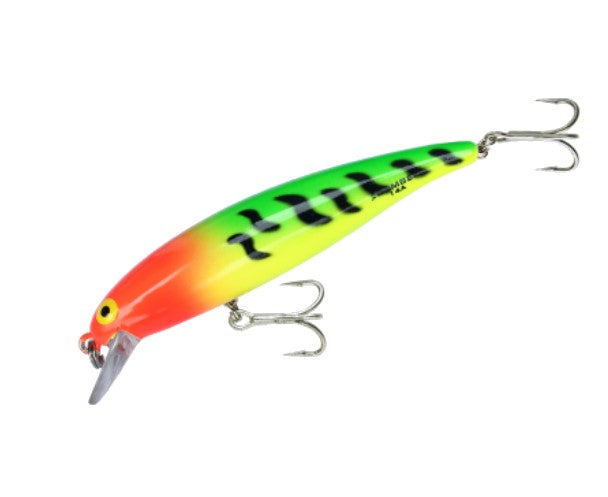
Hard body lures are moulded lures with a bib and hooks already fitted, so they swim the moment you start winding. They cover minnows, crankbaits, shallow and deep divers, jerkbaits and trolling lures, in patterns for bream, bass, flathead, barra, Murray cod, trout and offshore pelagics.
Choosing a hard body
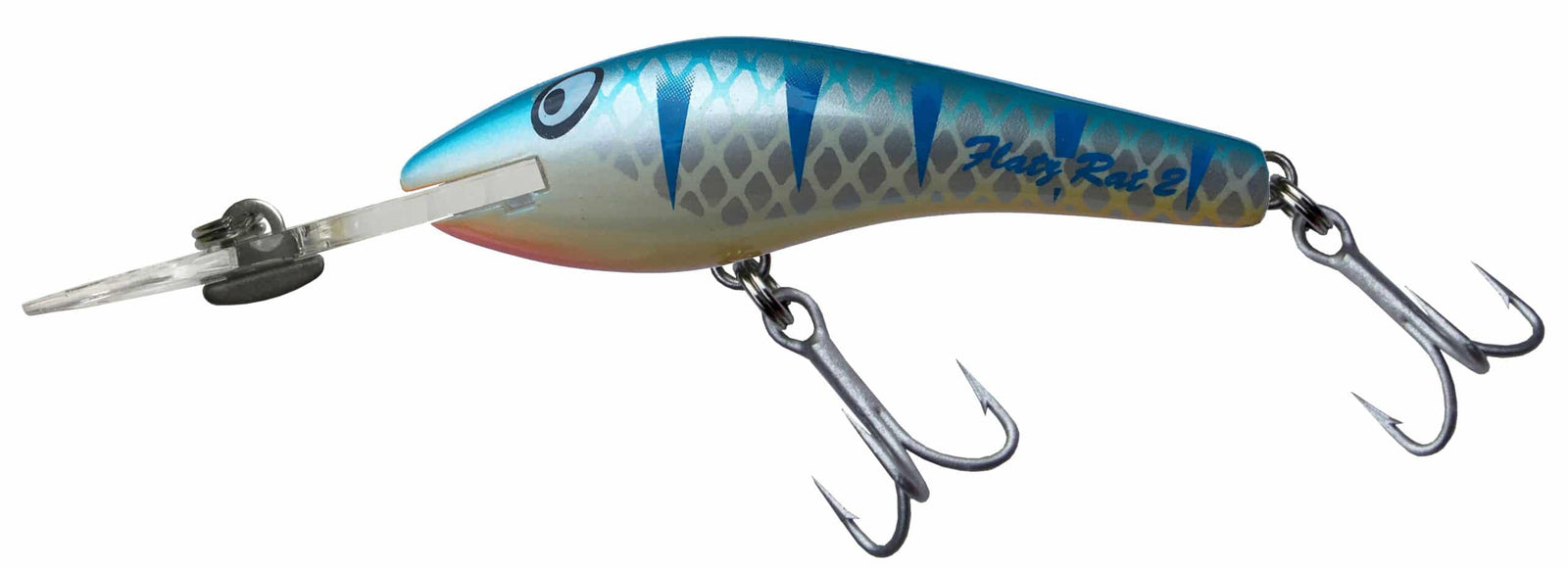
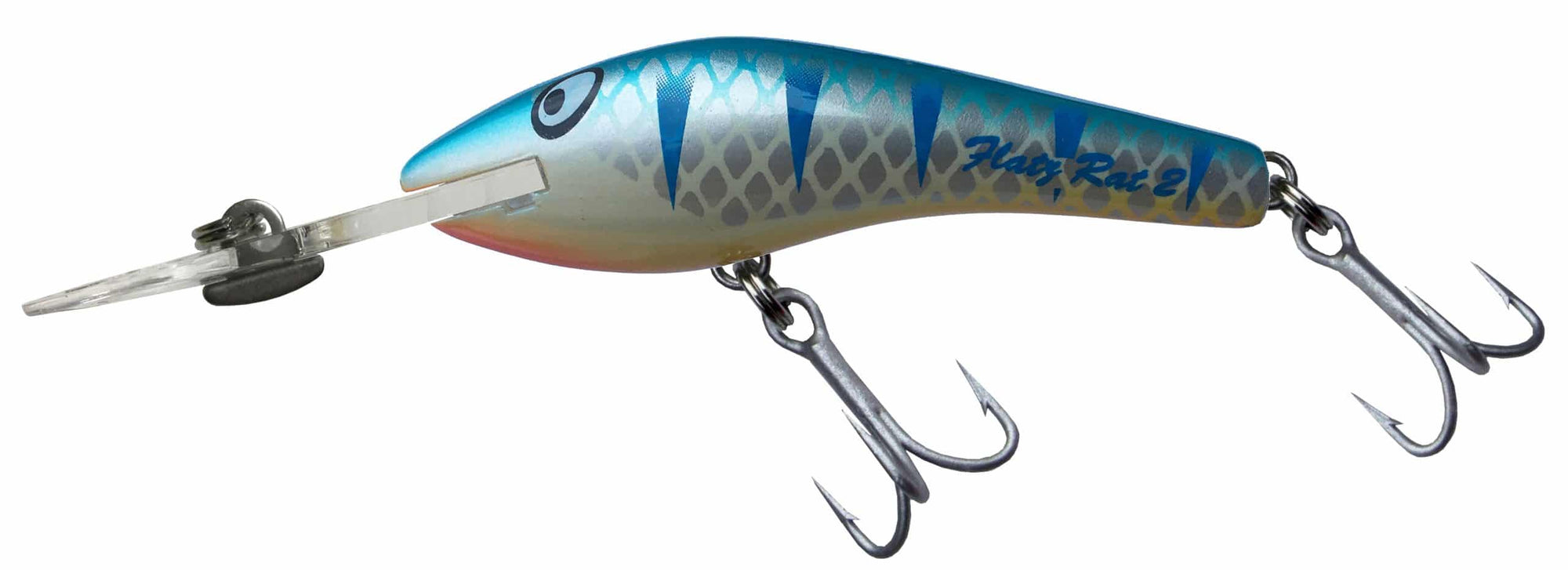
The bib does the work. A short, steeply angled bib keeps the lure shallow and gives it a tight wobble, while a long bib pulls the lure down and produces a wider roll. Packaging and product descriptions list a running depth, and that number is the single most useful thing to match against the water you are fishing.
Buoyancy is the next decision. A floating lure rises on the pause, which is what you want over snags and weed. A suspending lure hangs in place, which suits cold water and fussy fish. A sinking lure lets you count it down to a depth the bib alone could not reach.
Hard bodies take a beating, so hooks and rings are consumable. Plenty of anglers upgrade the factory hooks on their better lures, and treble hooks in the right size are a cheap way to stop losing fish. For a broader look at what else is in the tackle box, the fishing lures range covers plastics, jigs and surface options too.
Frequently asked questions
What depth does a hard body lure run at?
It depends on the bib. The running depth is printed on most packets and listed in the product description, and it assumes a standard cast and retrieve — trolling the same lure on a long line will usually take it deeper.
Should I upgrade the hooks on a new lure?
On cheaper lures and on anything you will use around hard-fighting fish, yes. Factory trebles vary a lot in quality. Keep the replacement the same size and weight, or the lure's action will change.
What is the difference between a crankbait and a minnow?
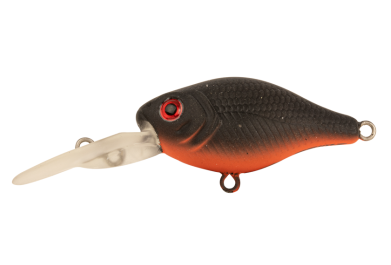
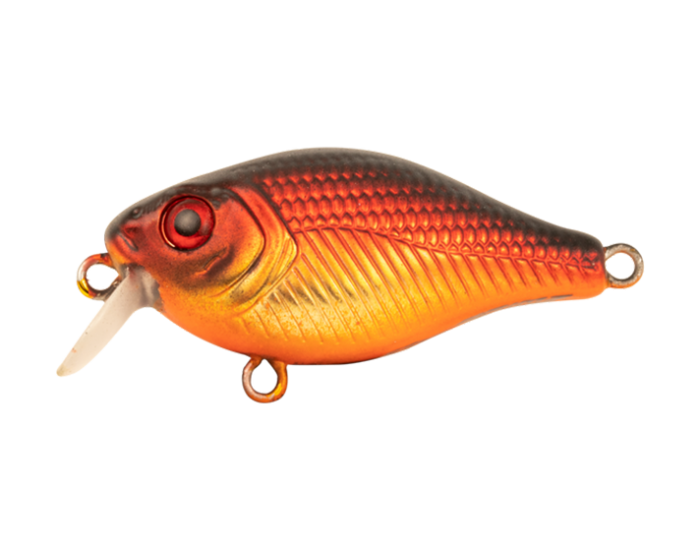
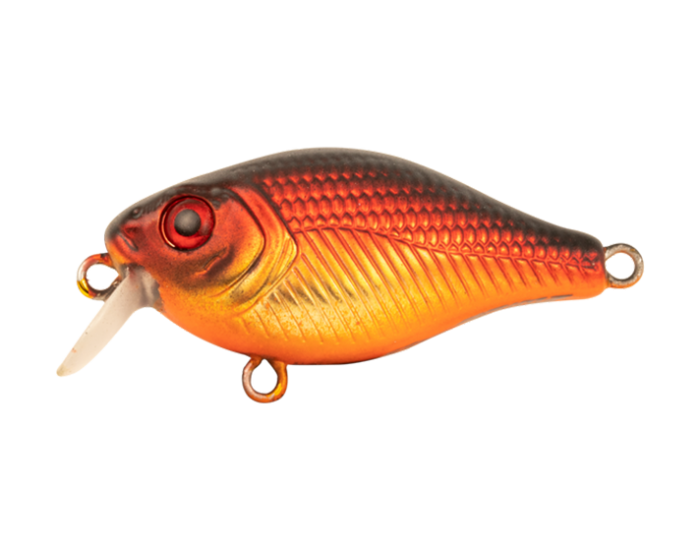
A crankbait has a short, fat body and a wide wobble that suits dirty water. A minnow is slim and baitfish shaped with a tighter action, which suits clearer water and more cautious fish.
Can I use hard body lures for trolling?
Yes, and many are designed for it. Deep divers and bibbed minnows troll well behind a boat or kayak, and a longer line takes them deeper than a cast would.
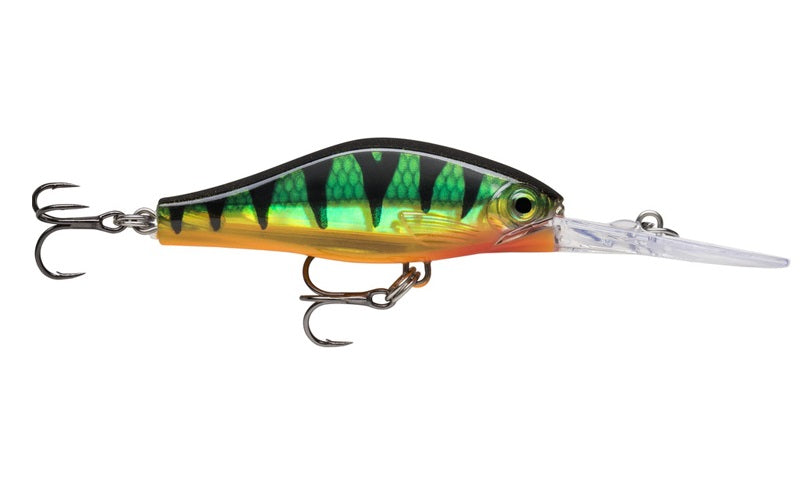
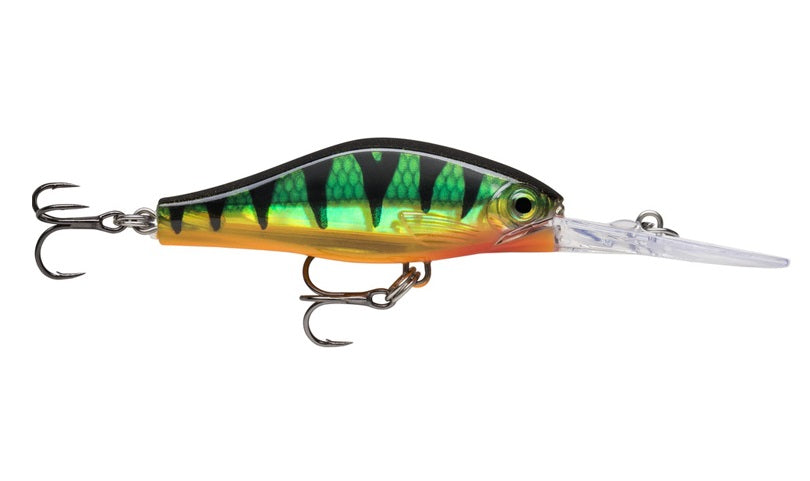
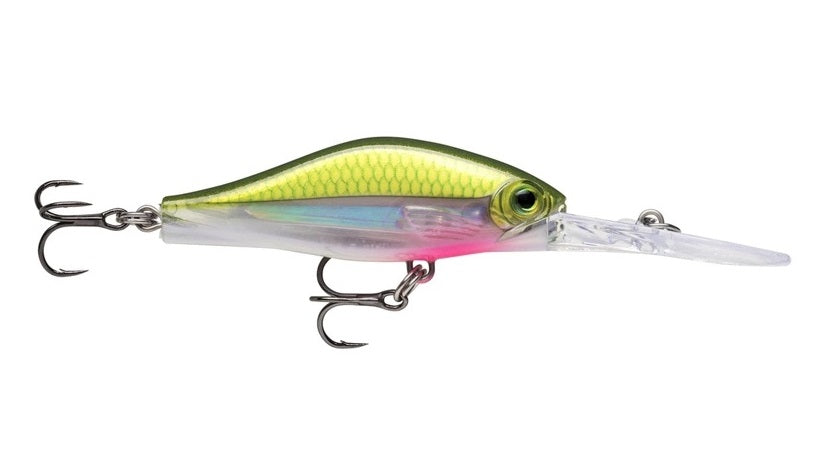
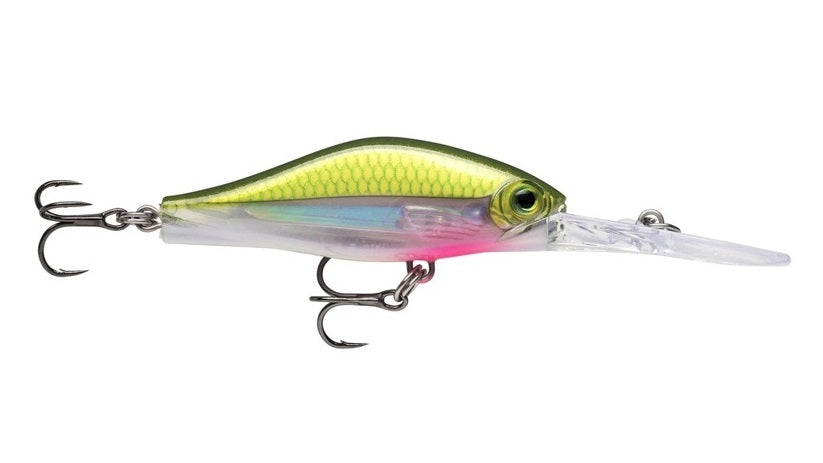





Sold Out
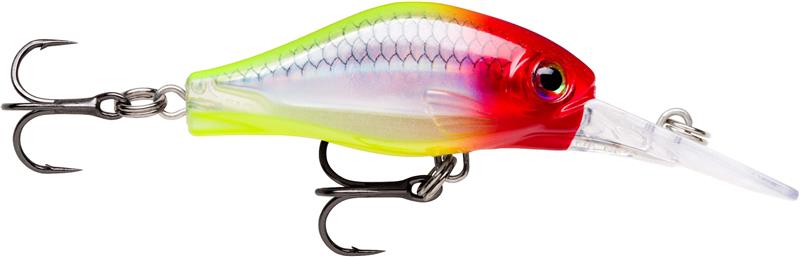
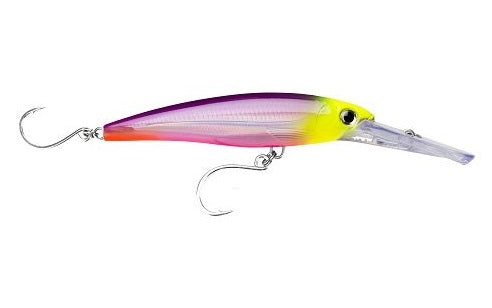
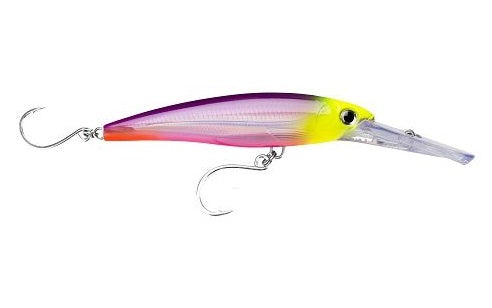
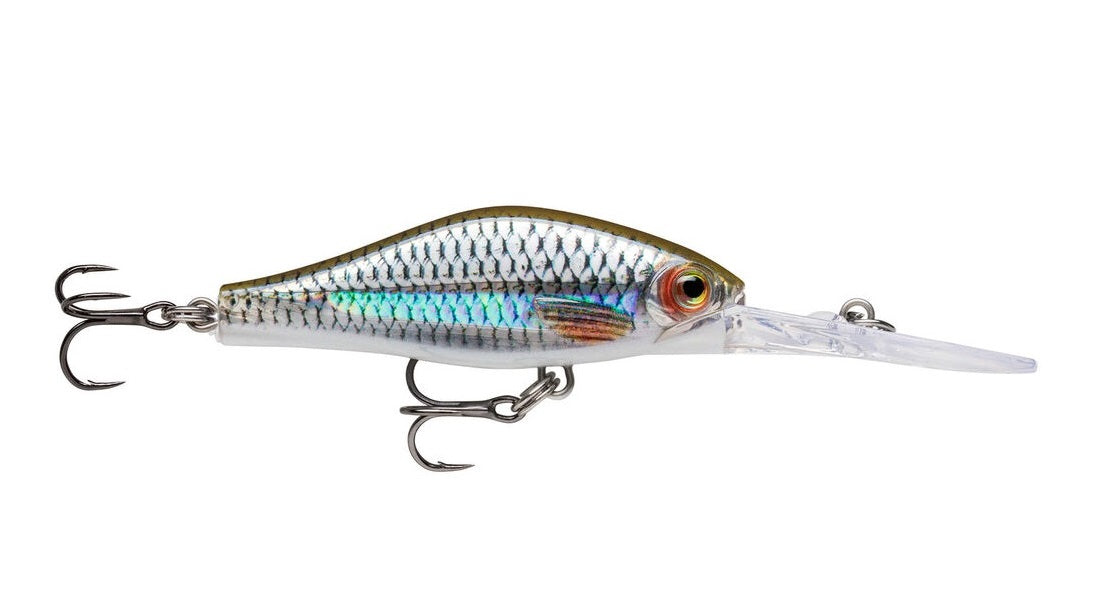
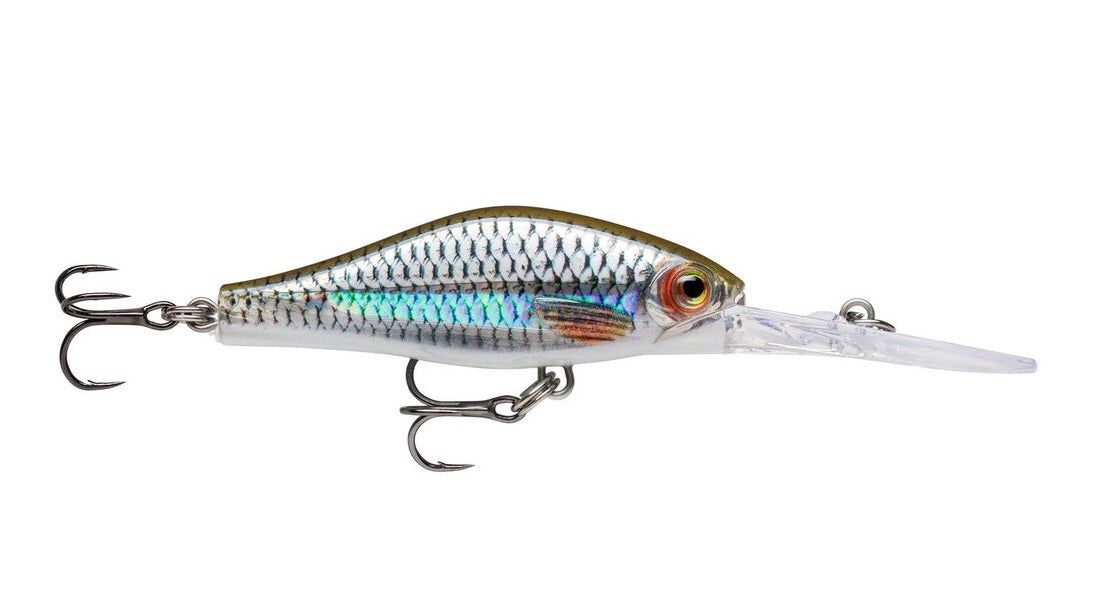
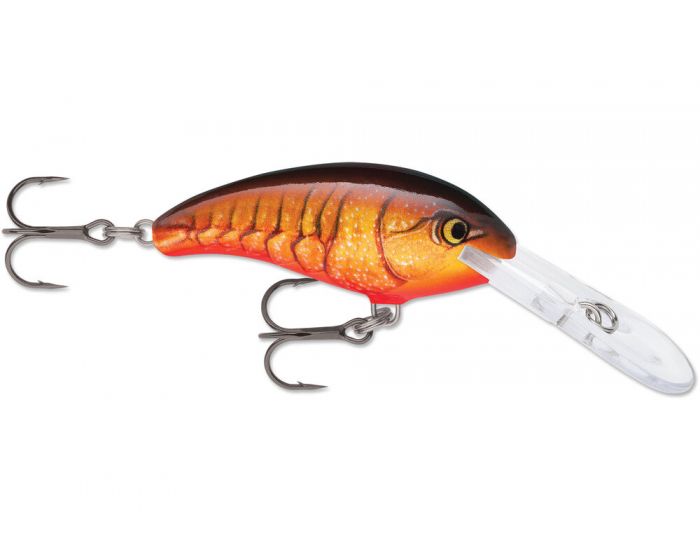
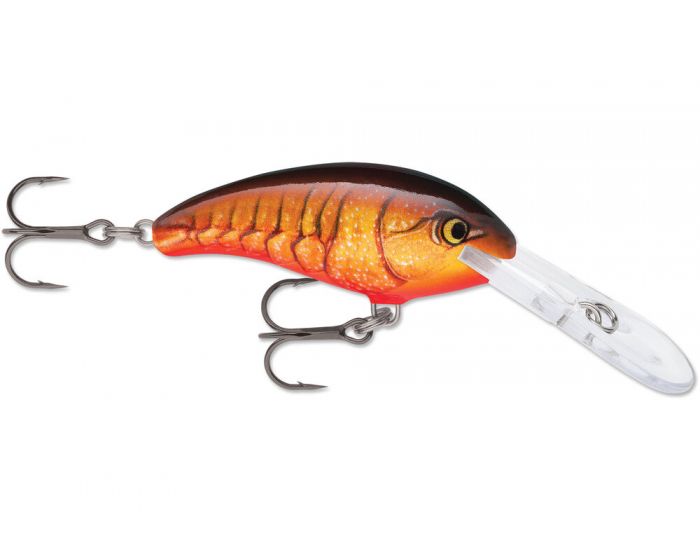
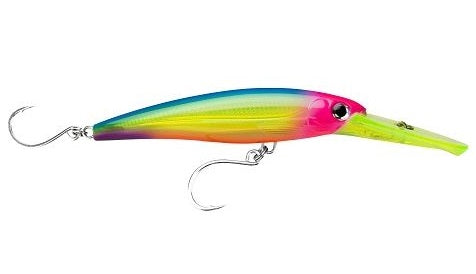
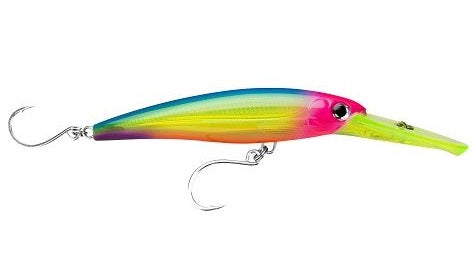
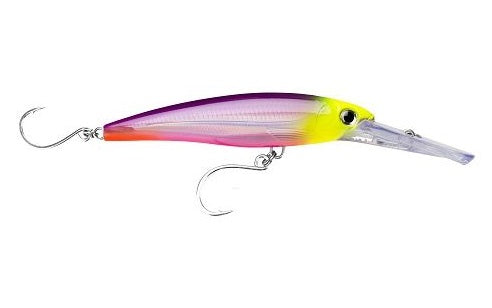
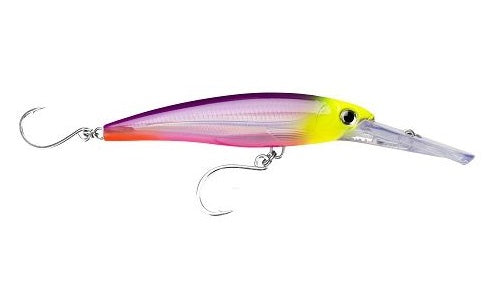
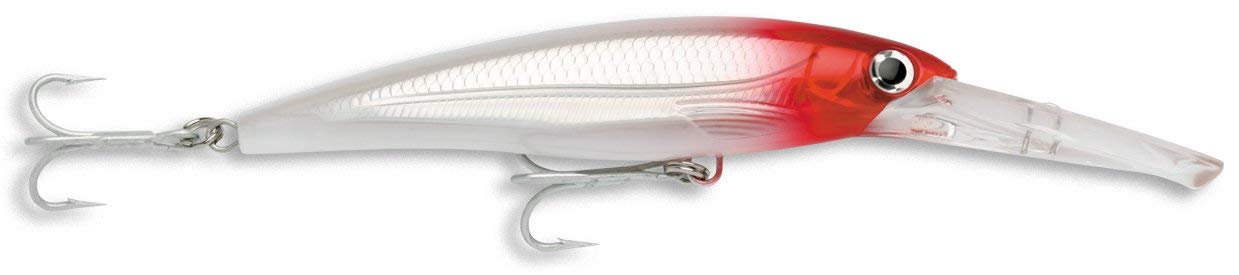
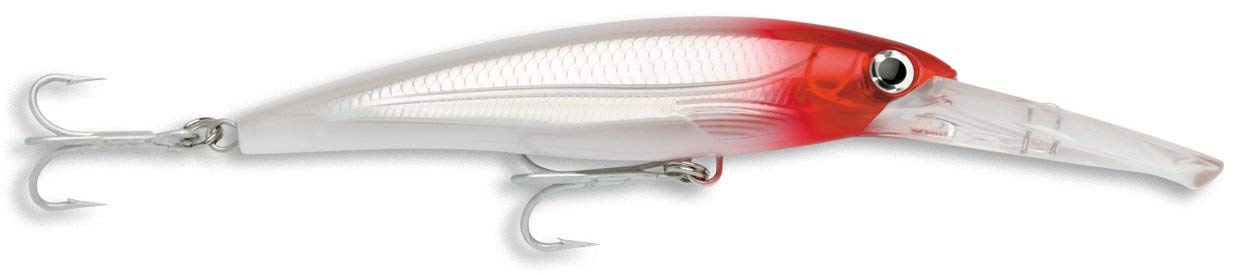
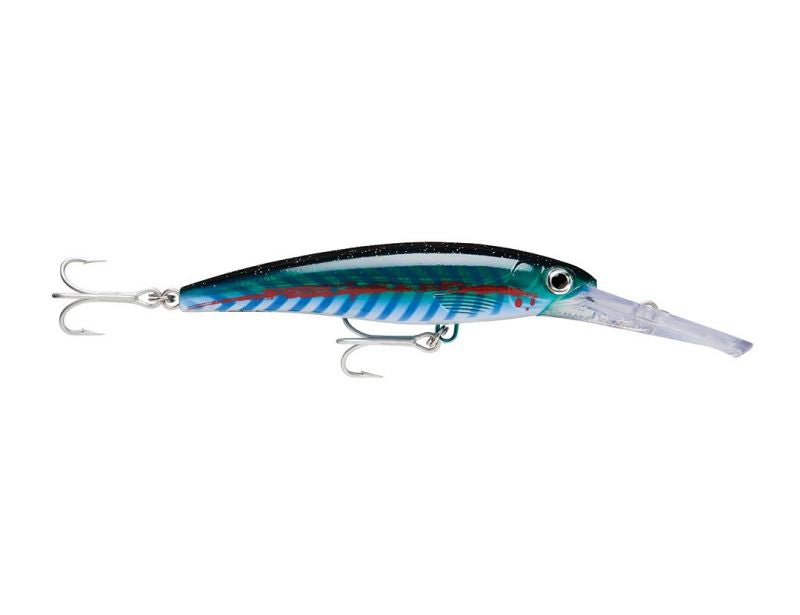
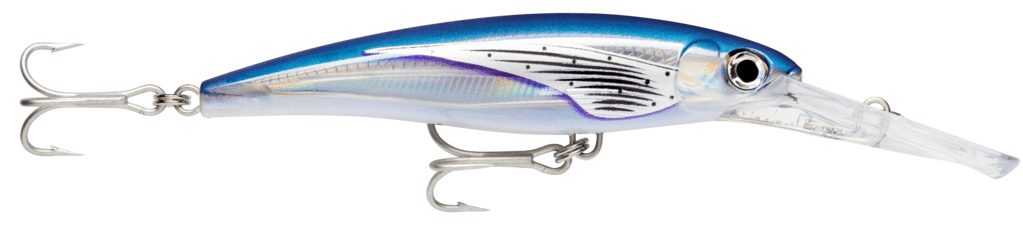
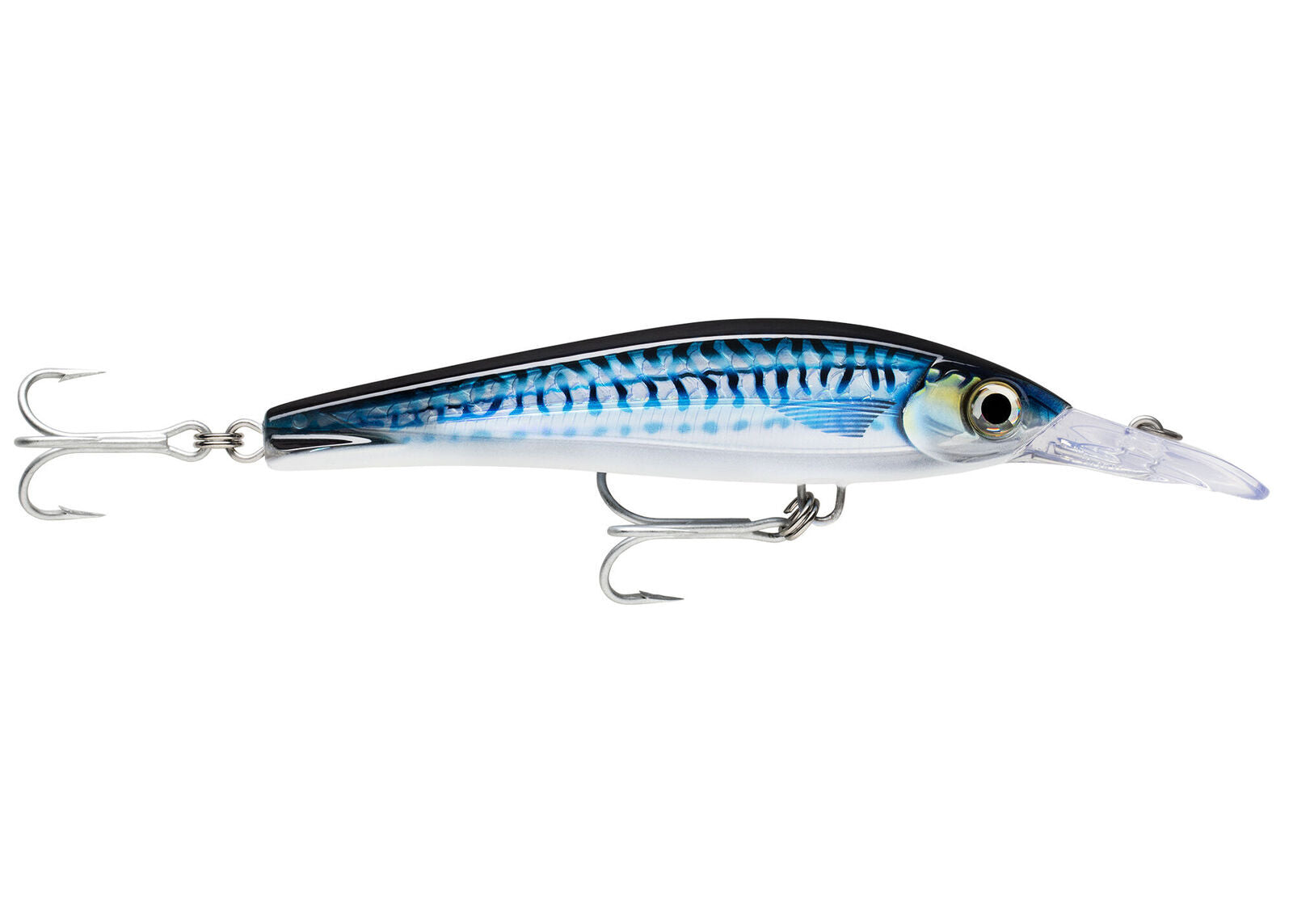
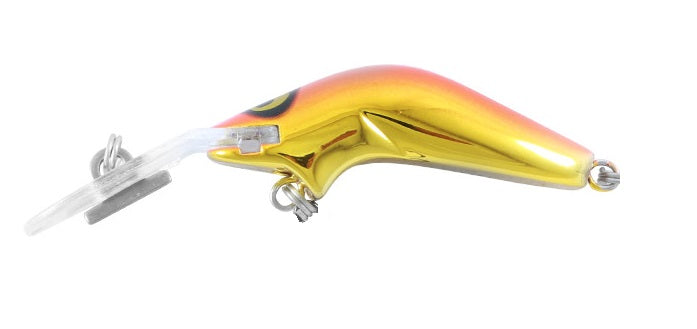
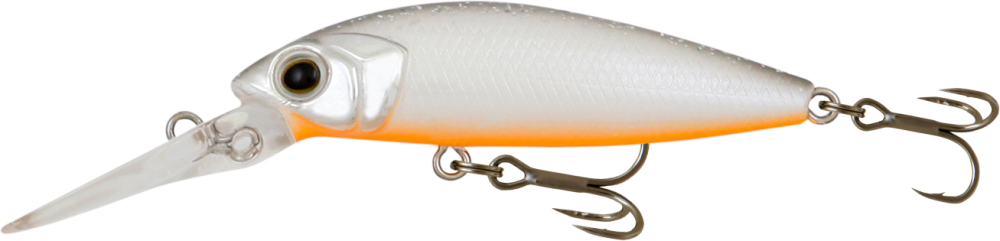
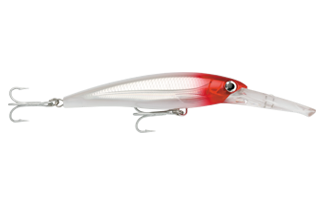
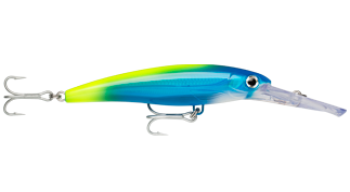
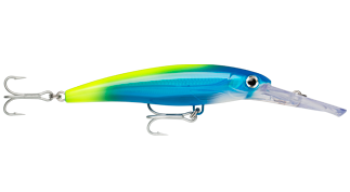
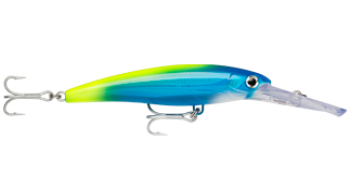
Rapala XRMAGS30 X RAP Magnum 30 Single Hook Hard Body Lure - Mega Clearance
$19.99
$40.00
Sold Out


Sold Out
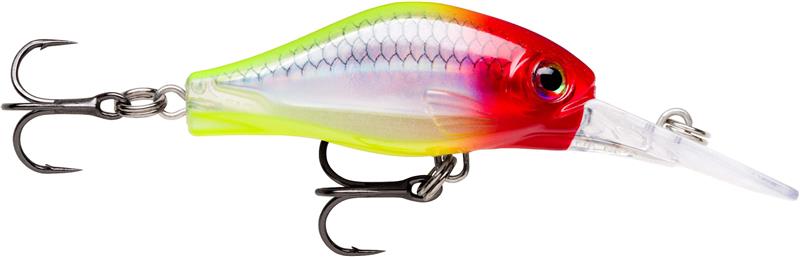
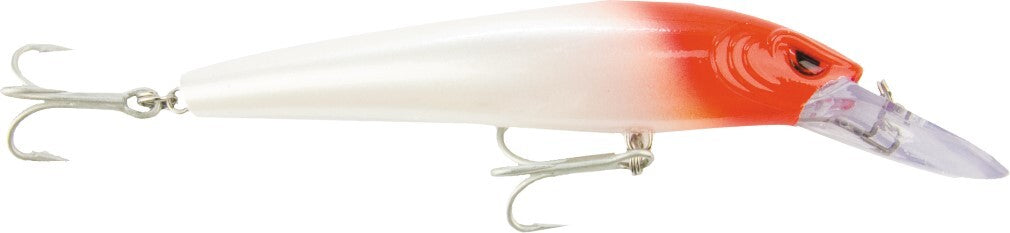
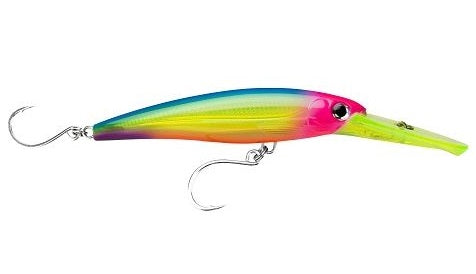
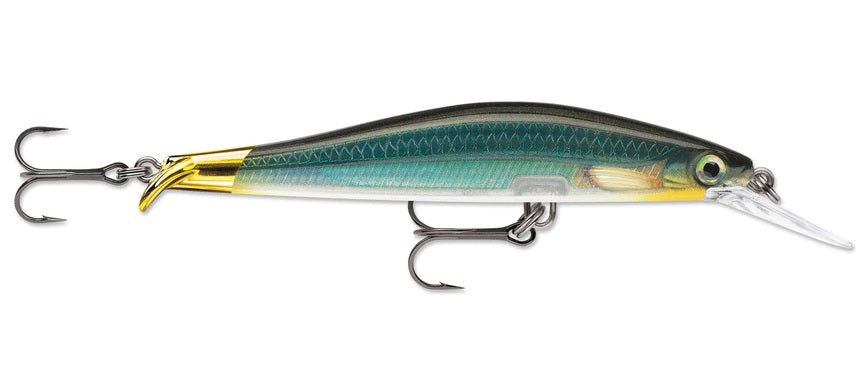
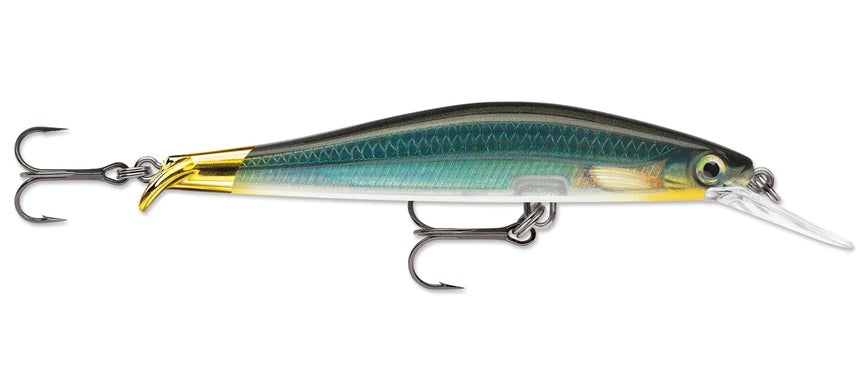
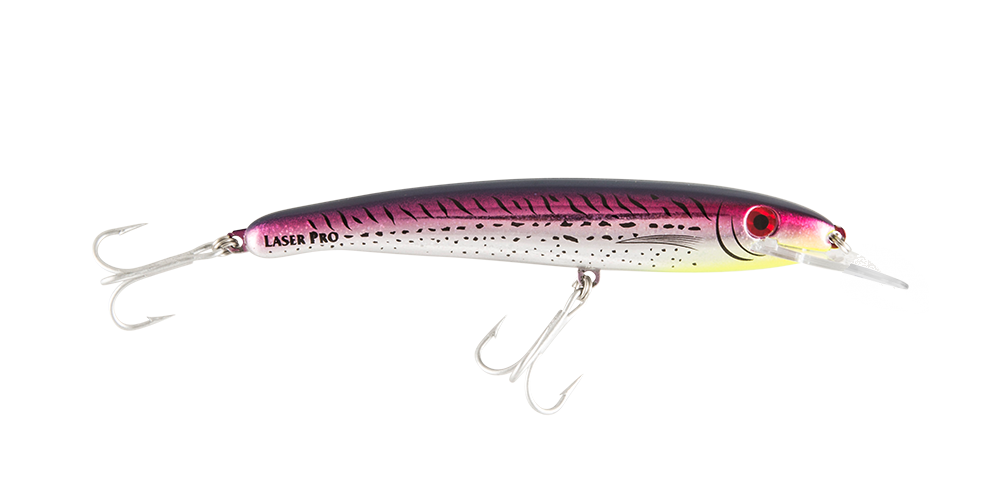
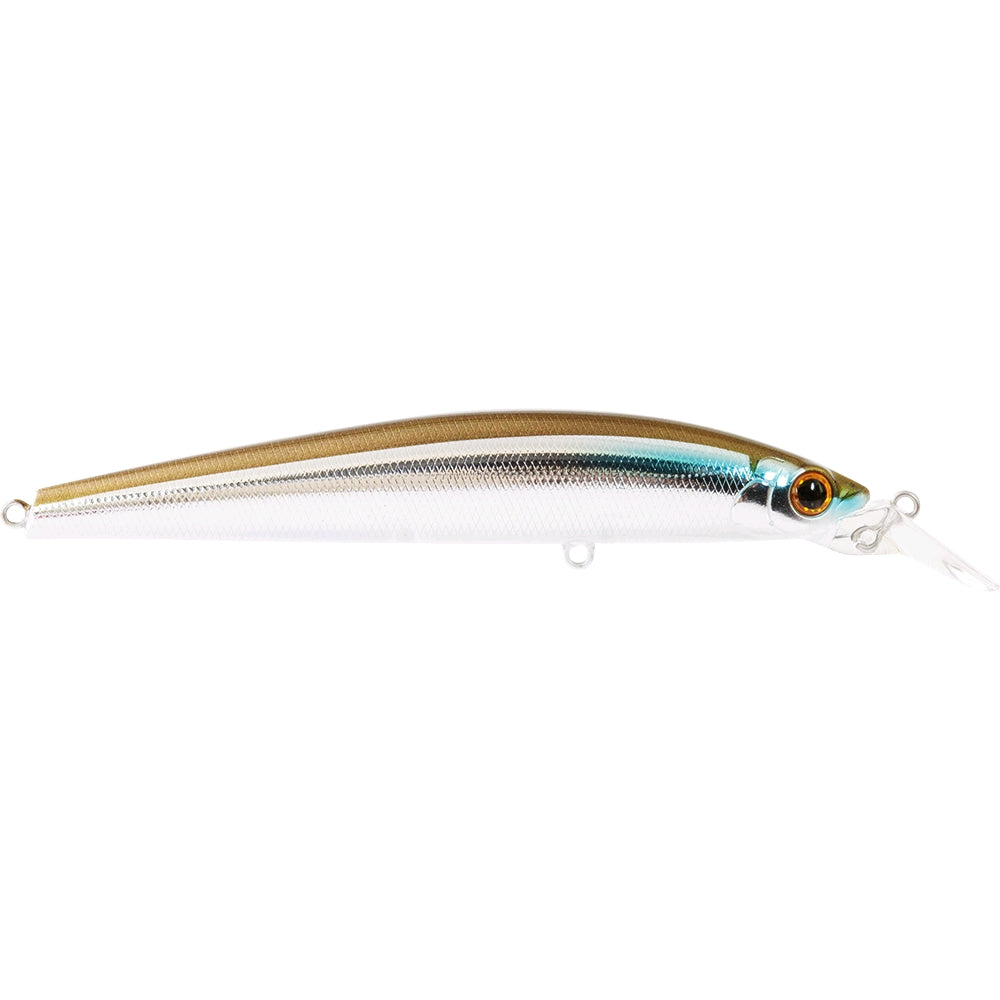
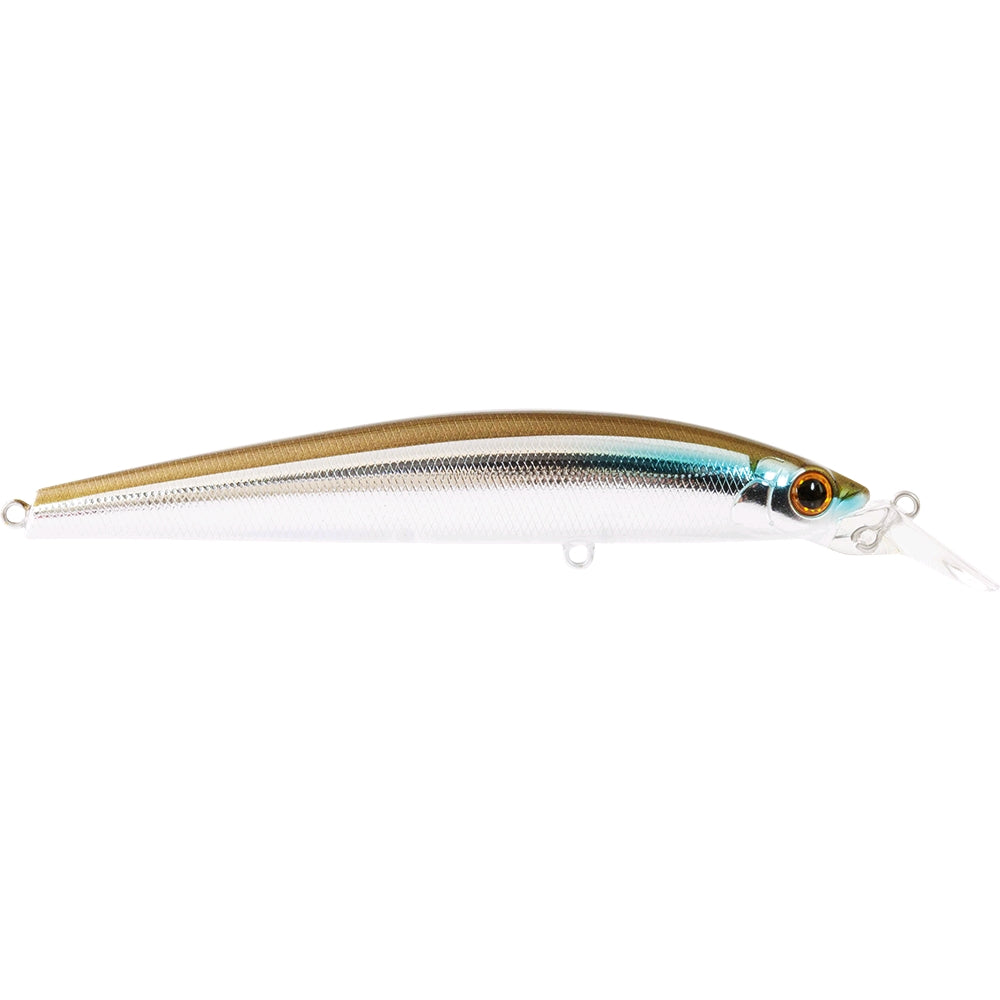
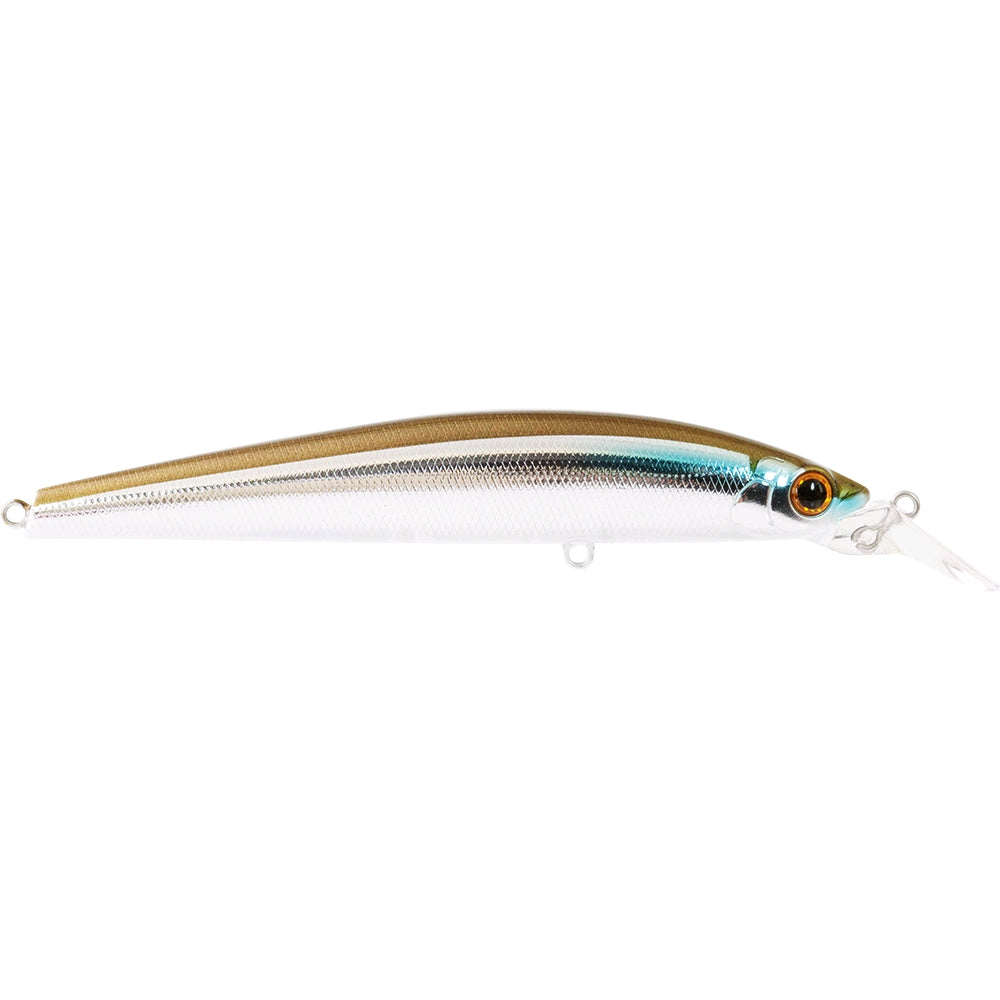
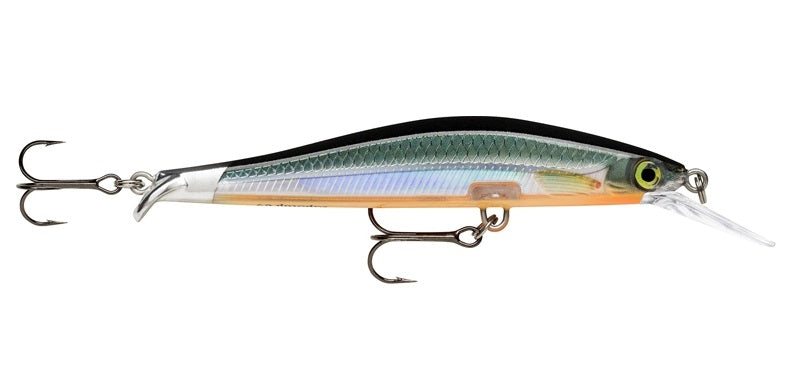
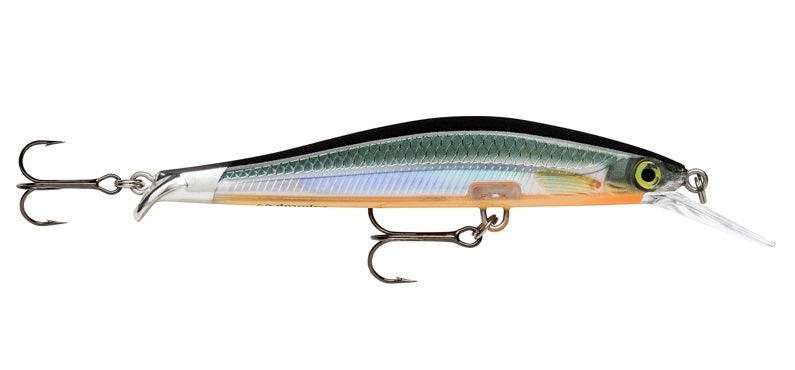
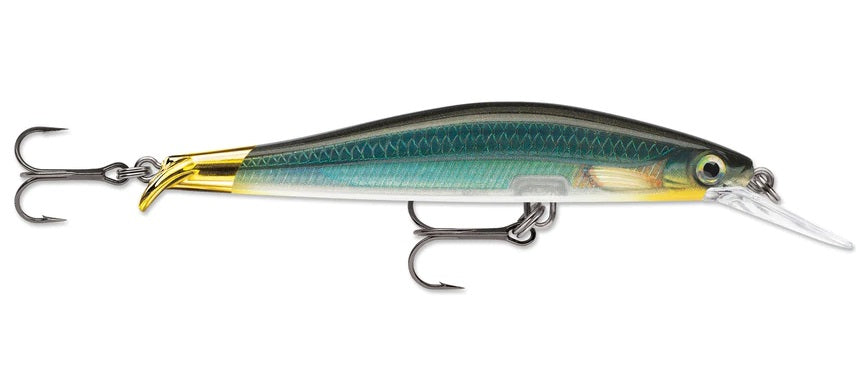
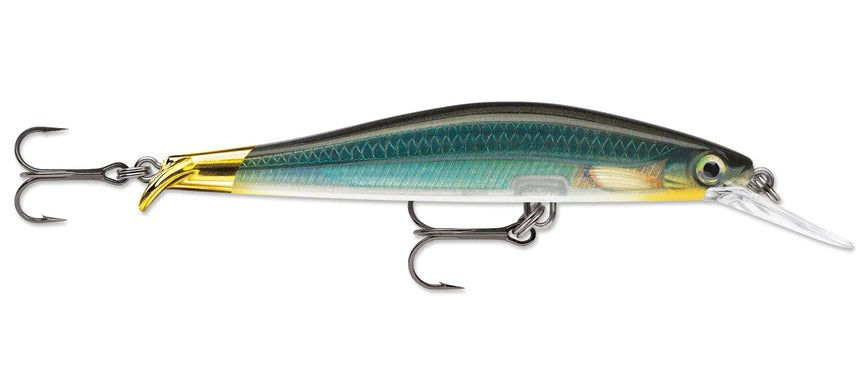
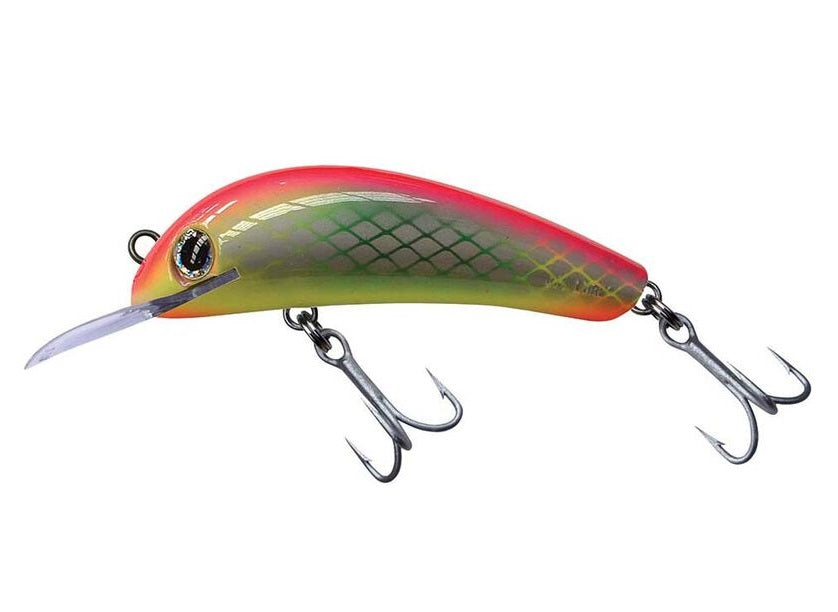
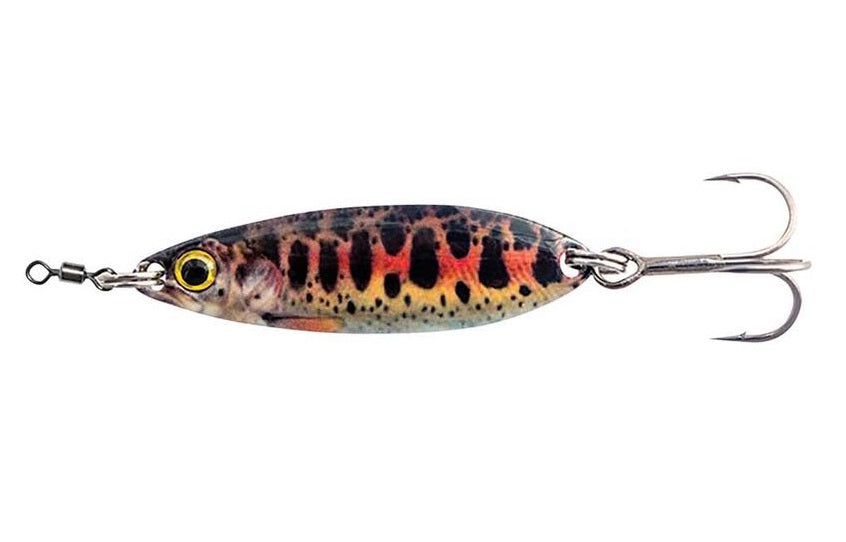
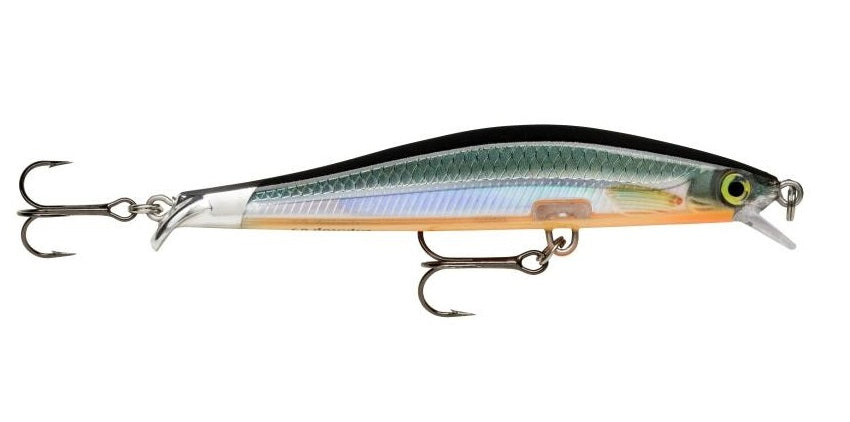
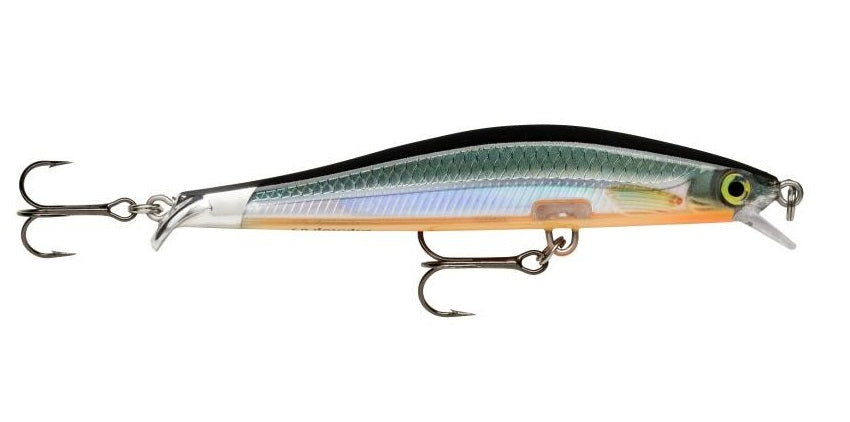
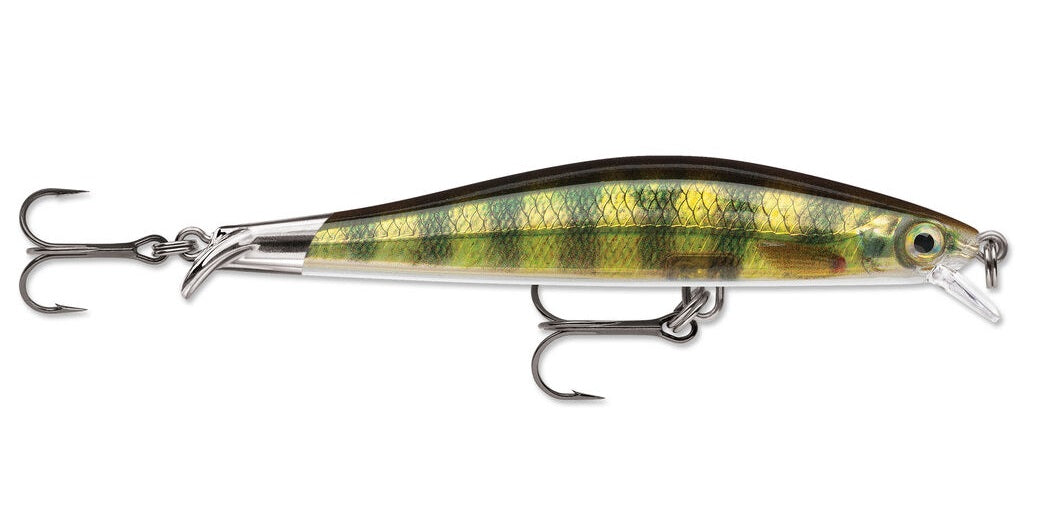
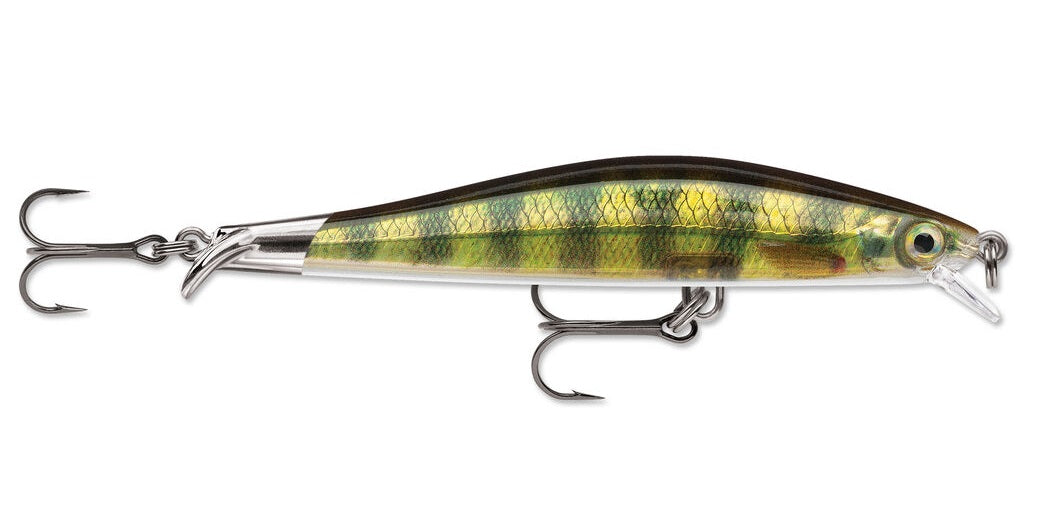
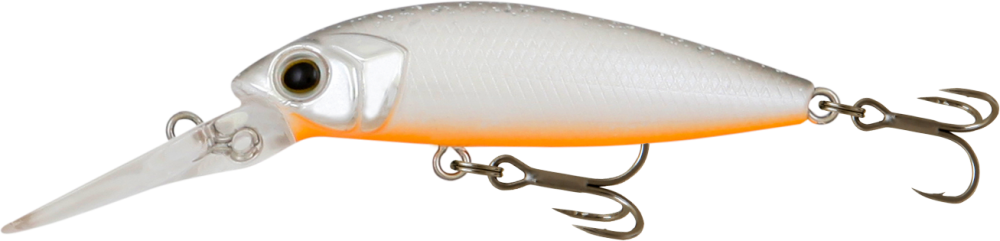
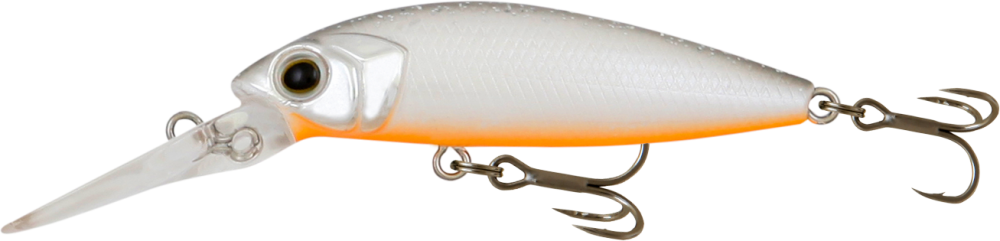
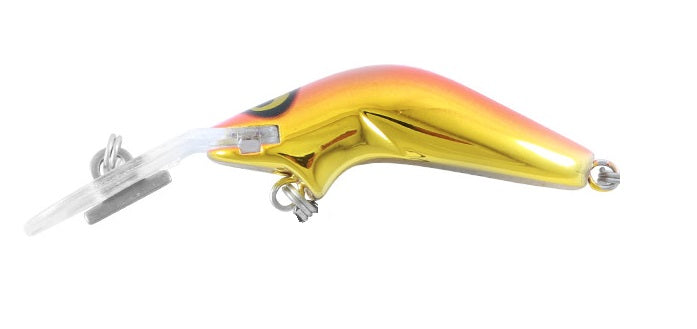
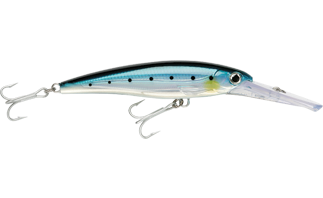
Rapala Ripstop Deep Jerkbait 12cm Hard Body Lure - Mega Clearance
from
$9.99
$30.00
Sold Out








Sold Out
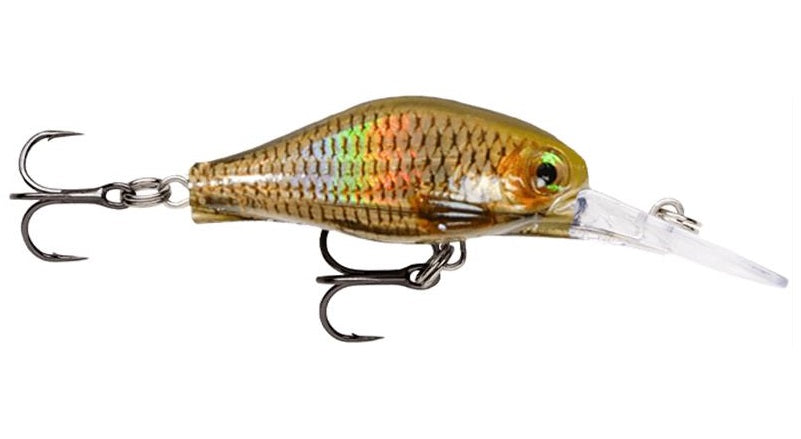
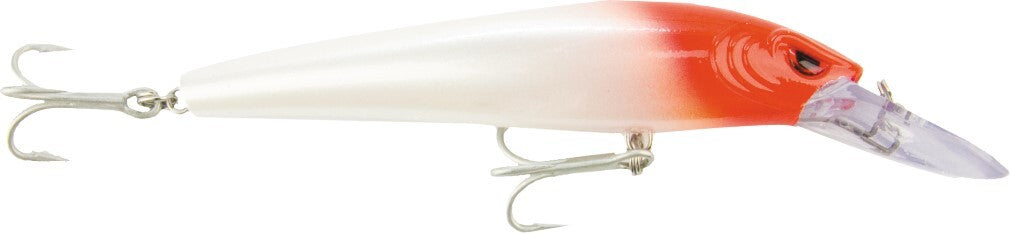
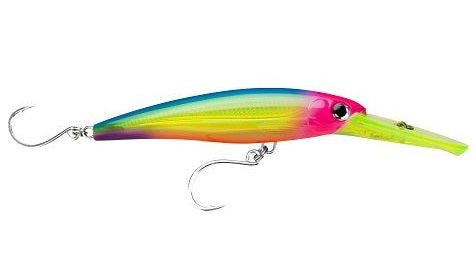
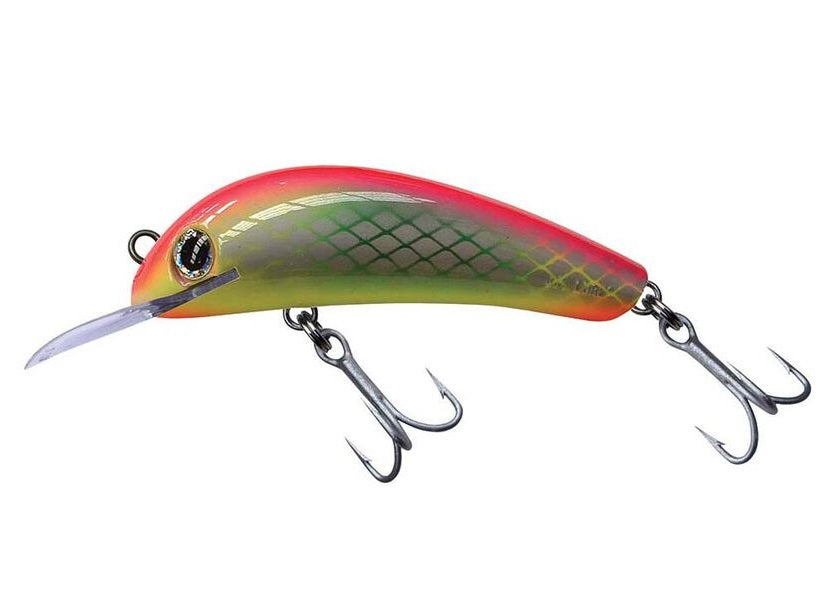
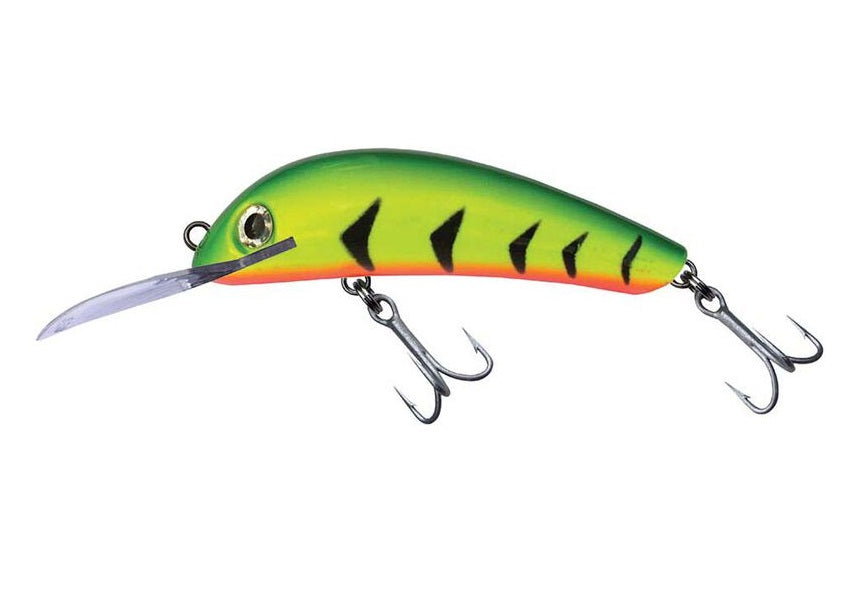
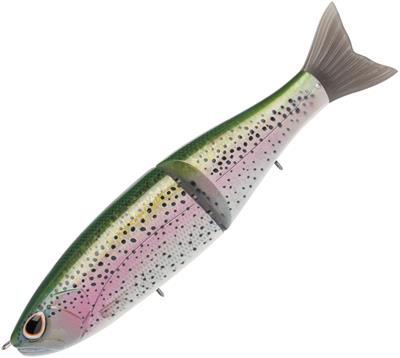
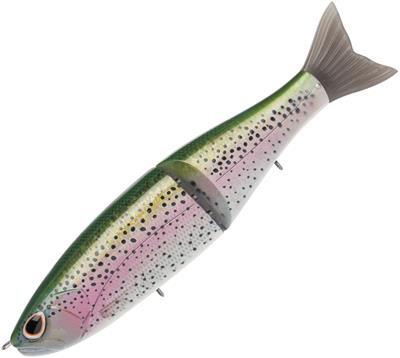
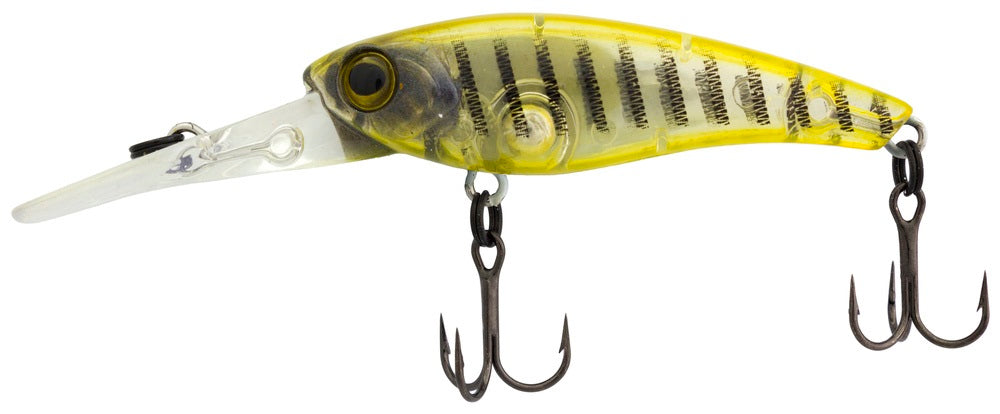
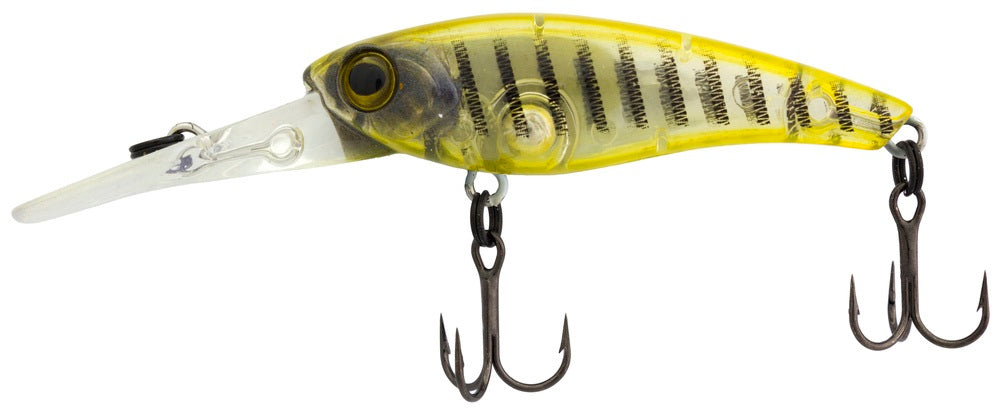
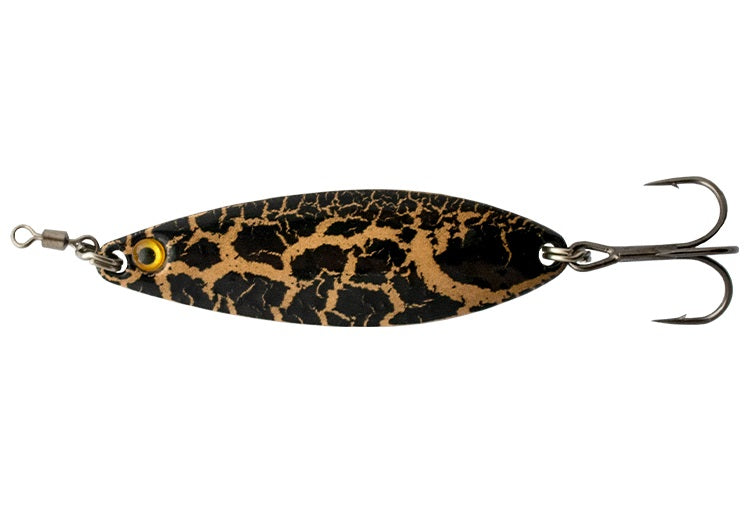
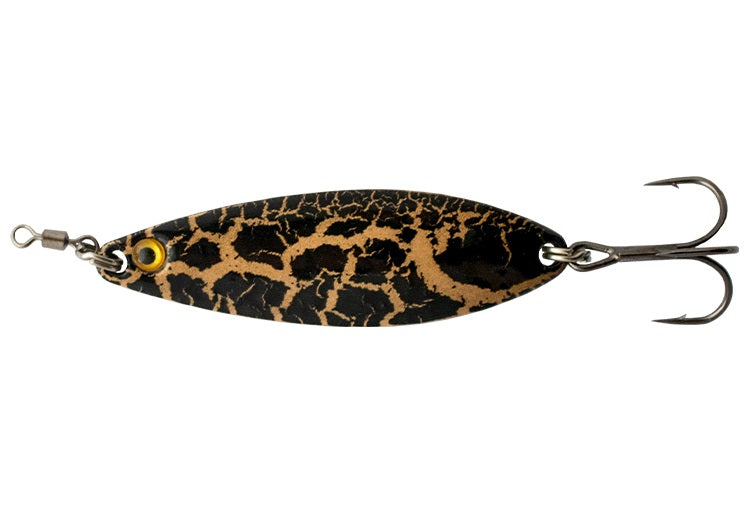
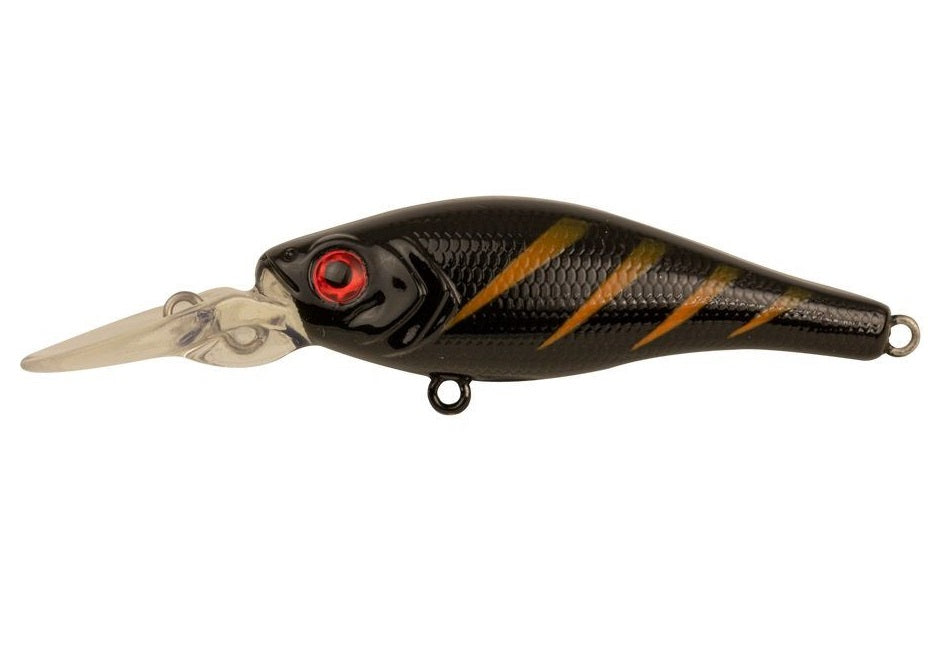
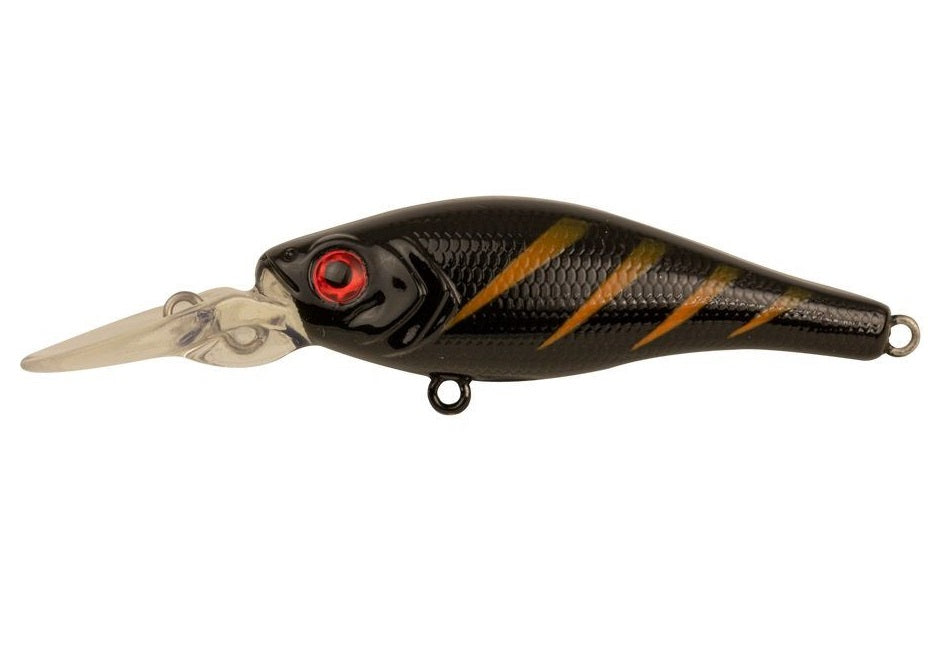
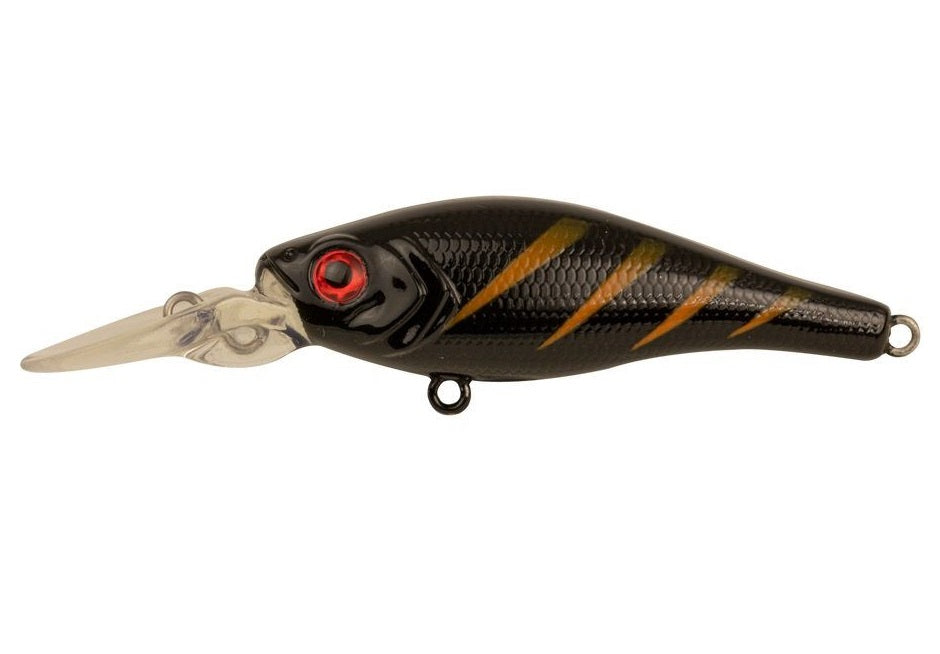
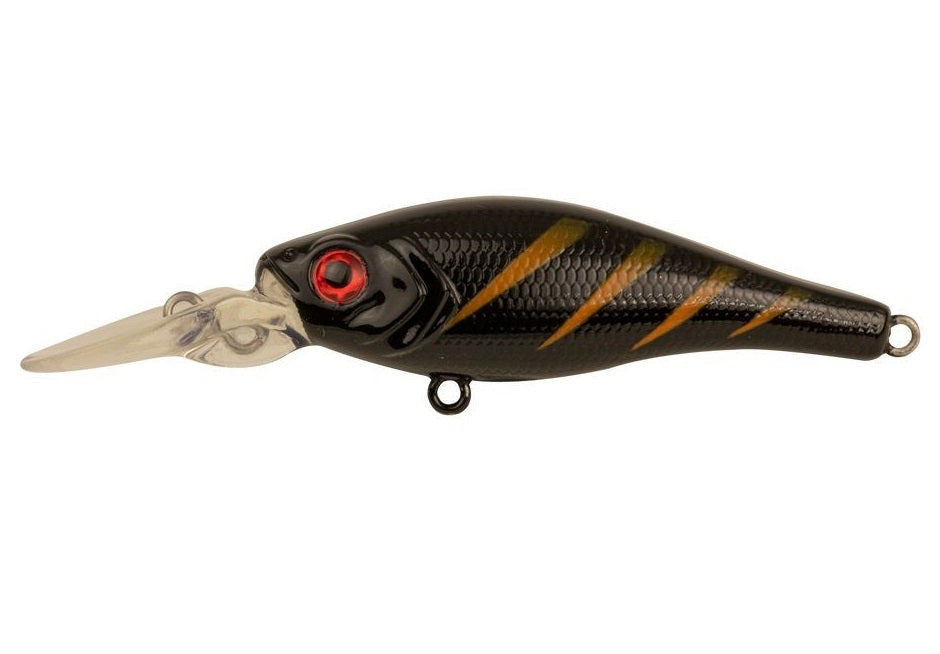
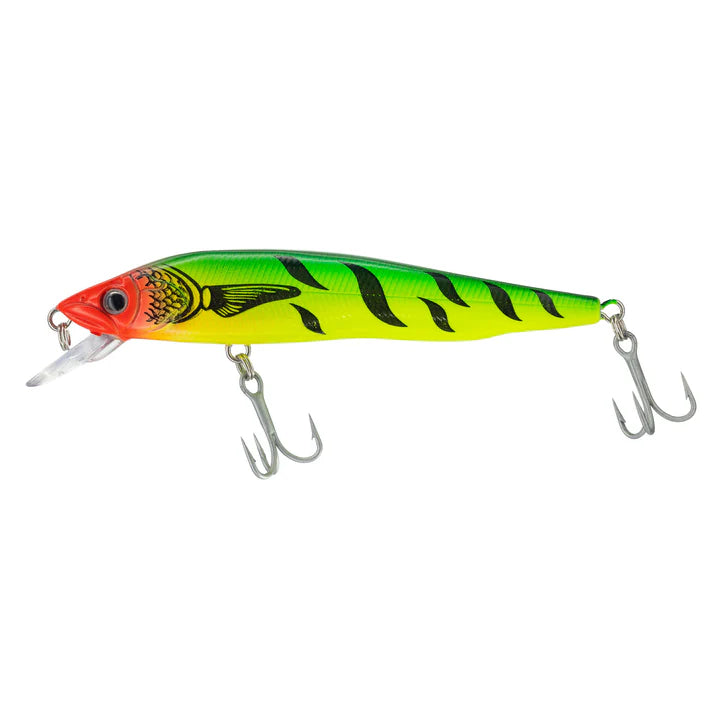
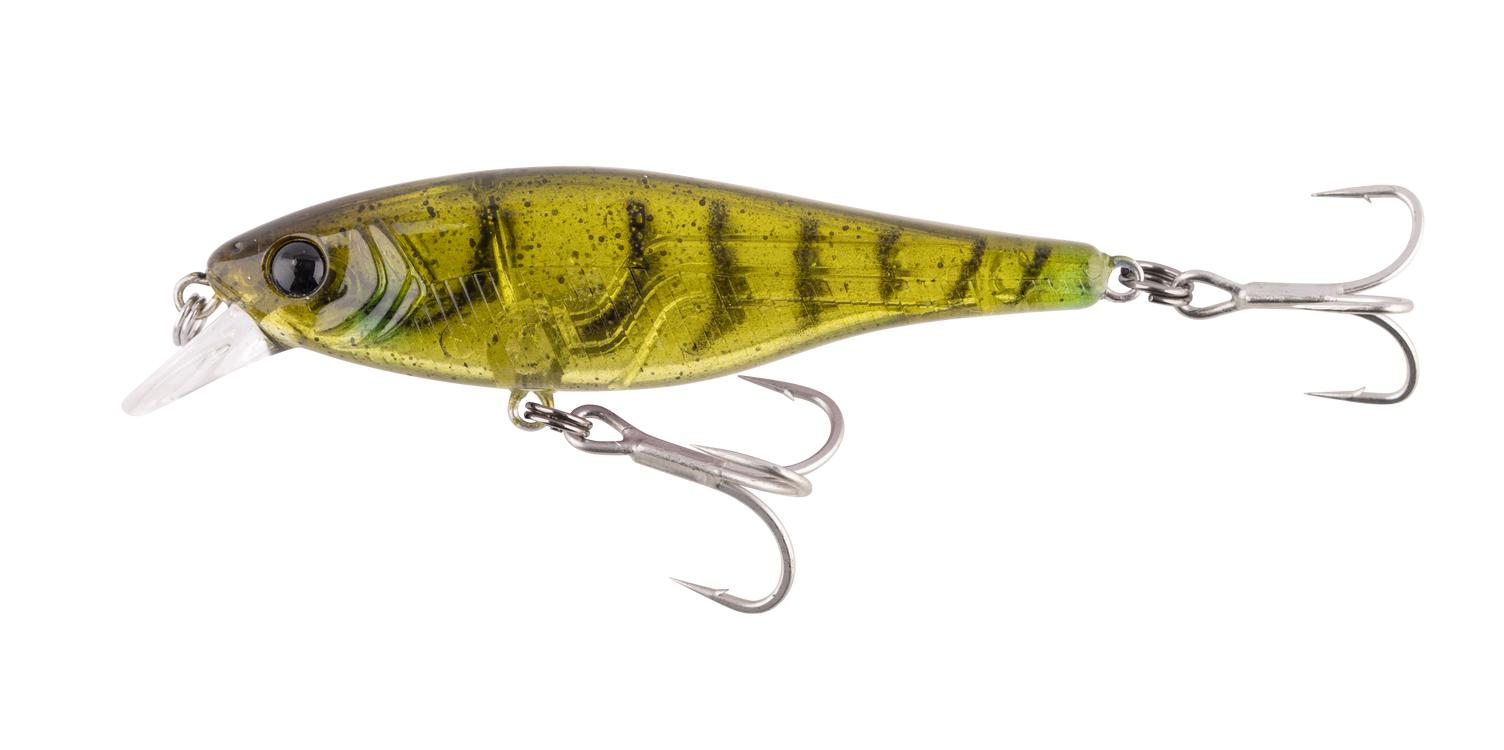
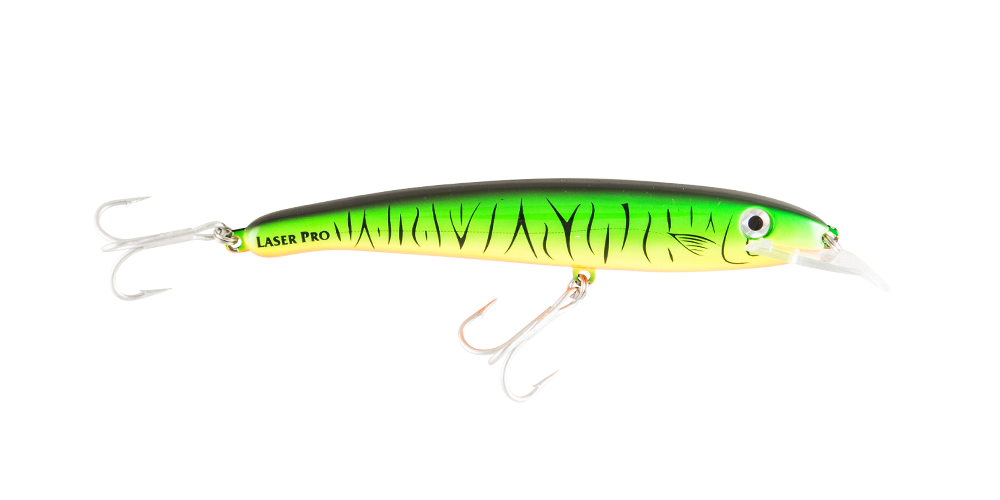
Berkley Pro-Tech Twitcher Hard Body Lure - Black Tiger Mega Clearance
$8.99
$22.99
Sold Out


Sold Out
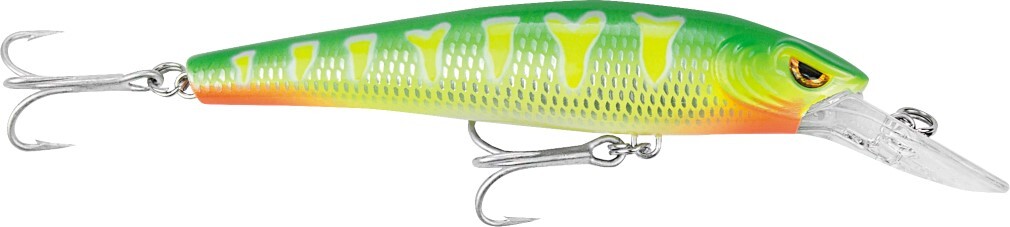
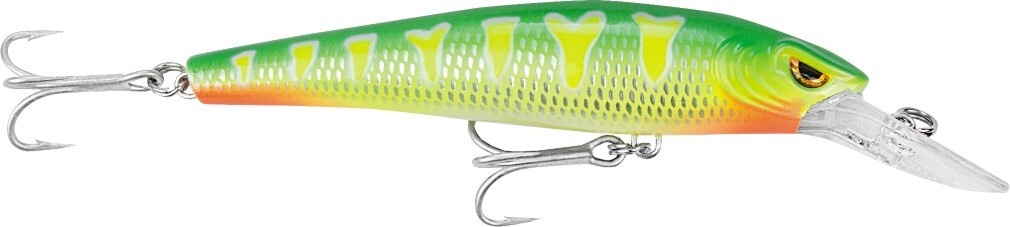
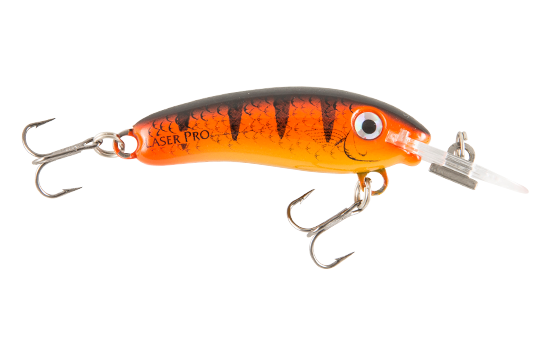
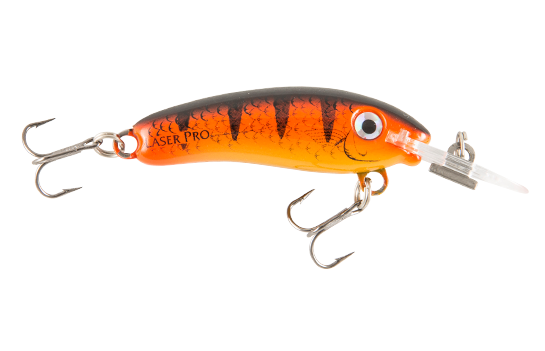
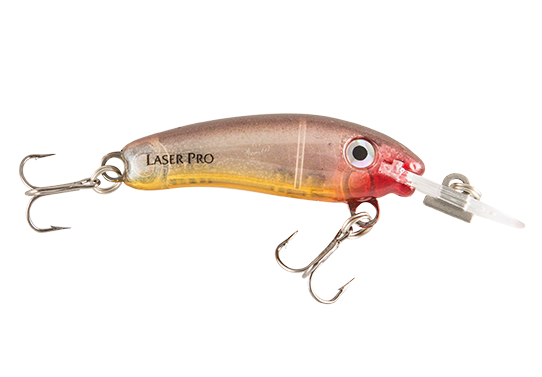
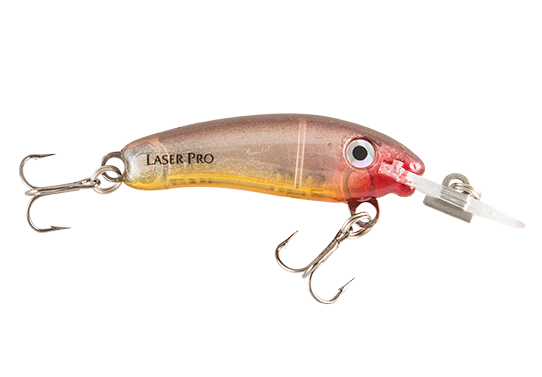
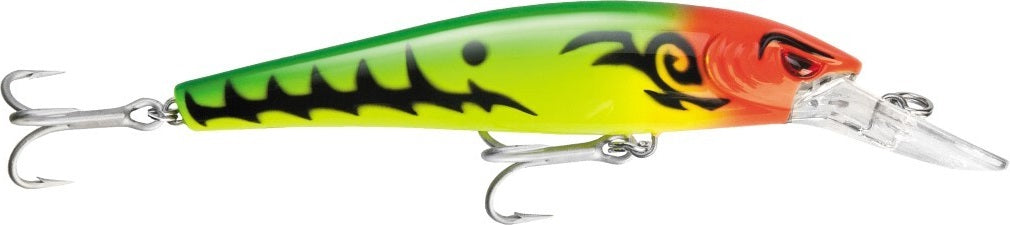
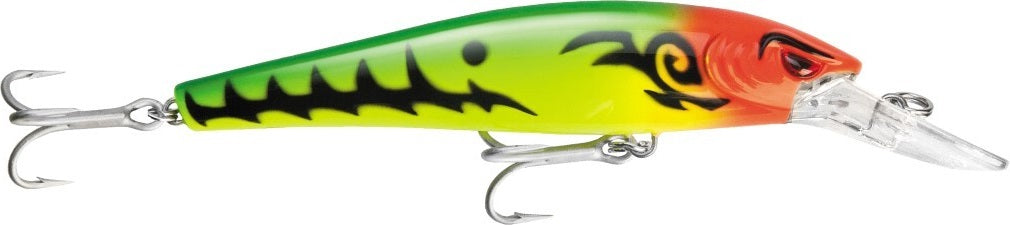
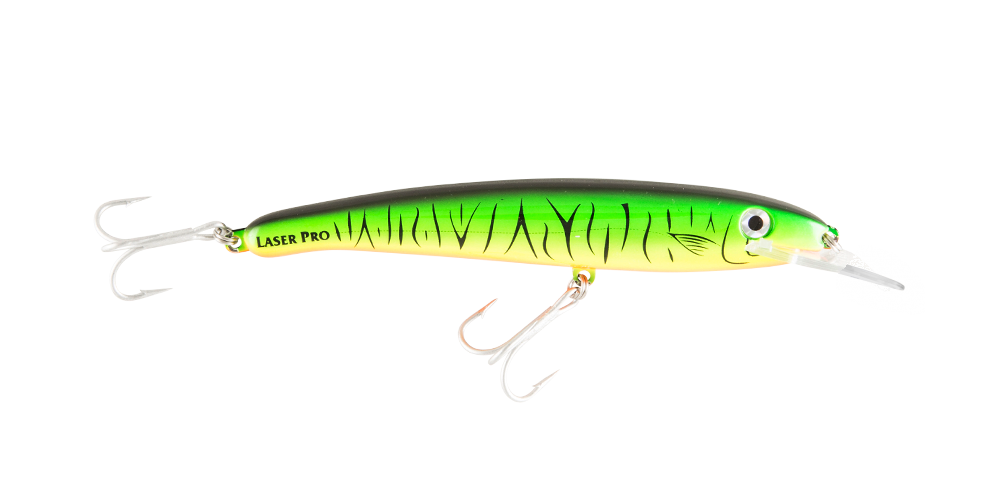
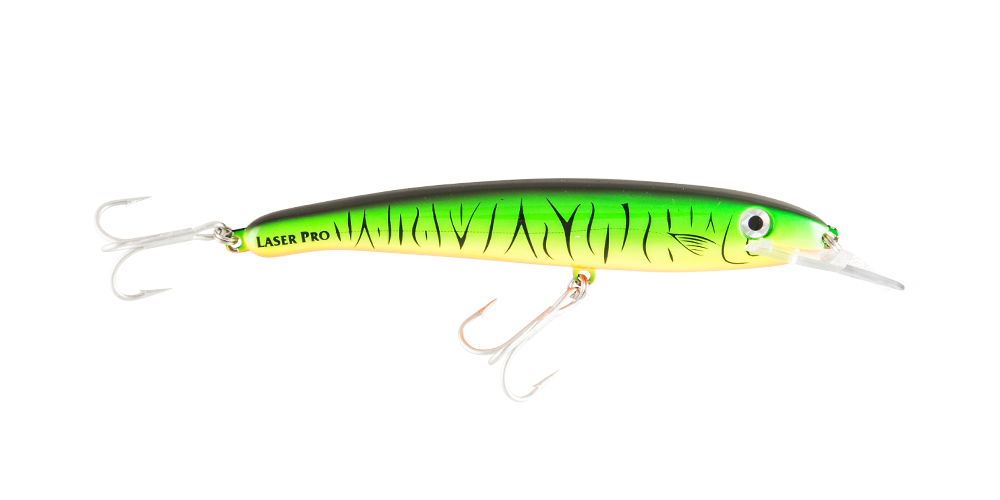
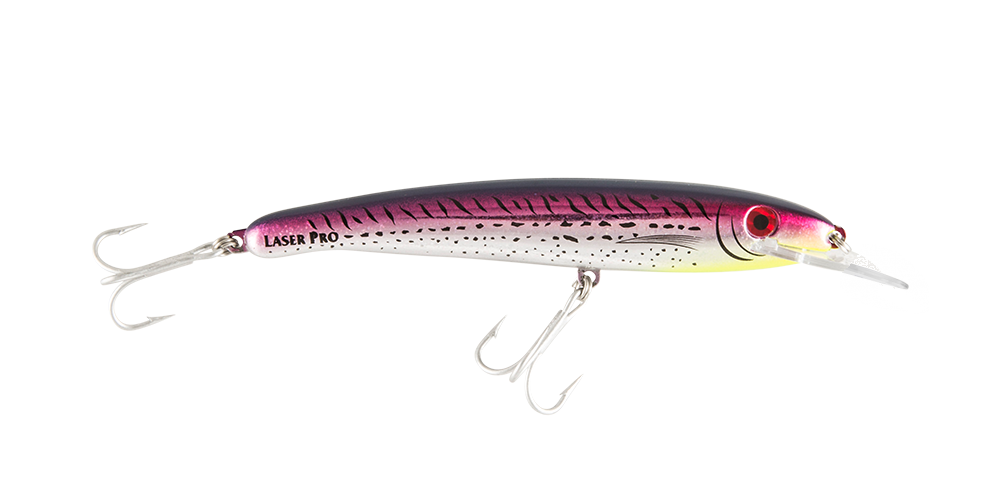
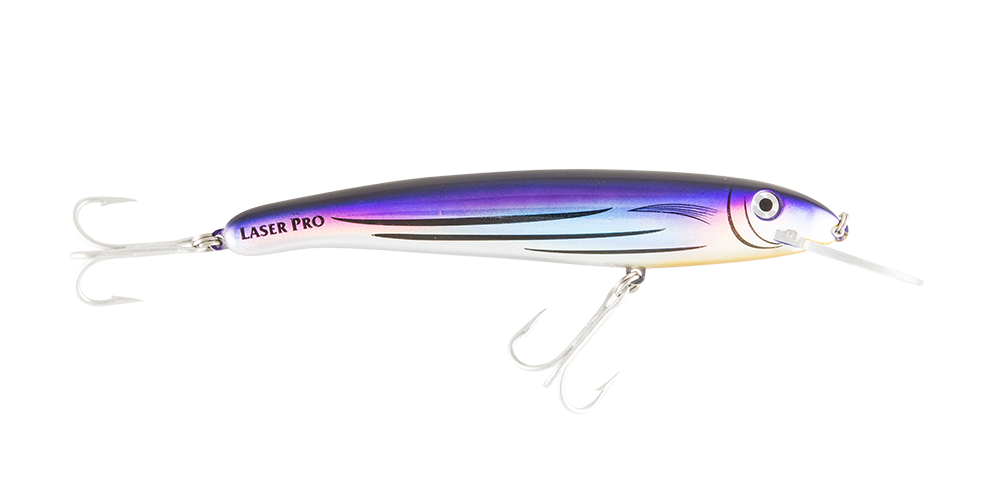
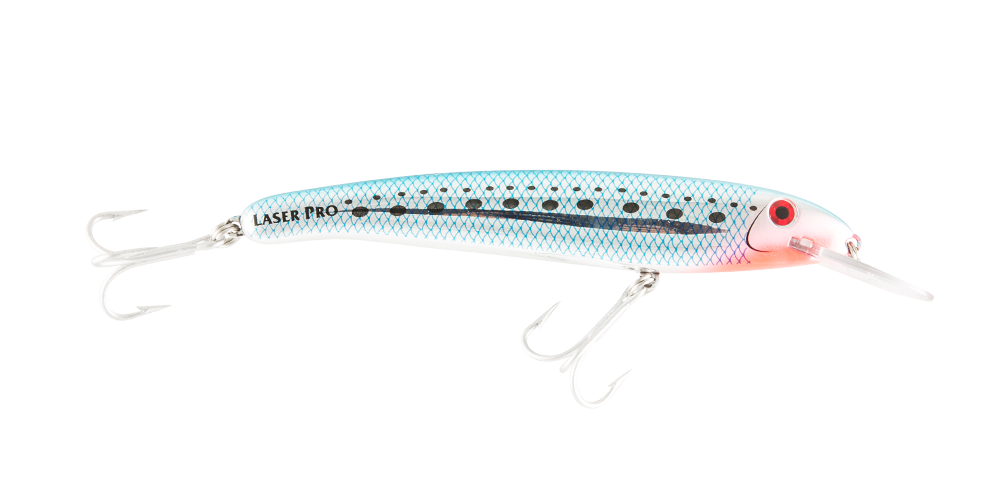
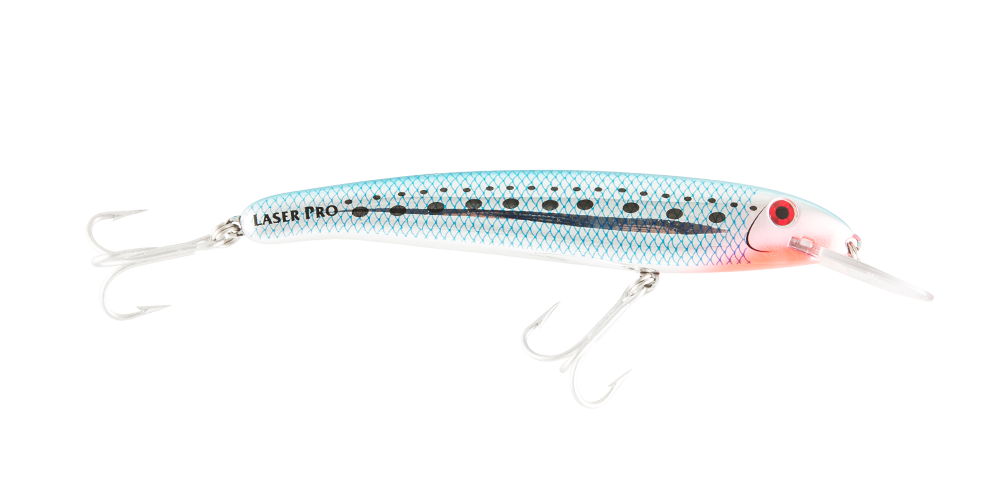
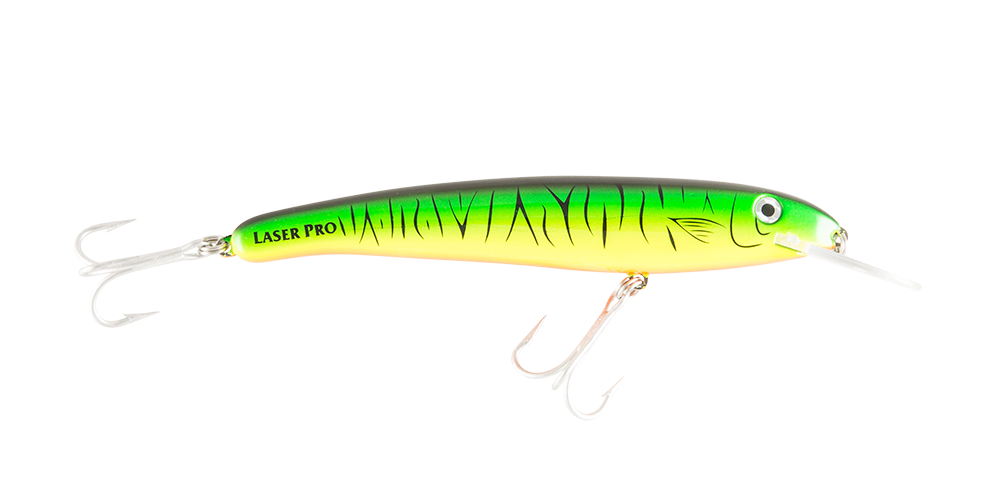
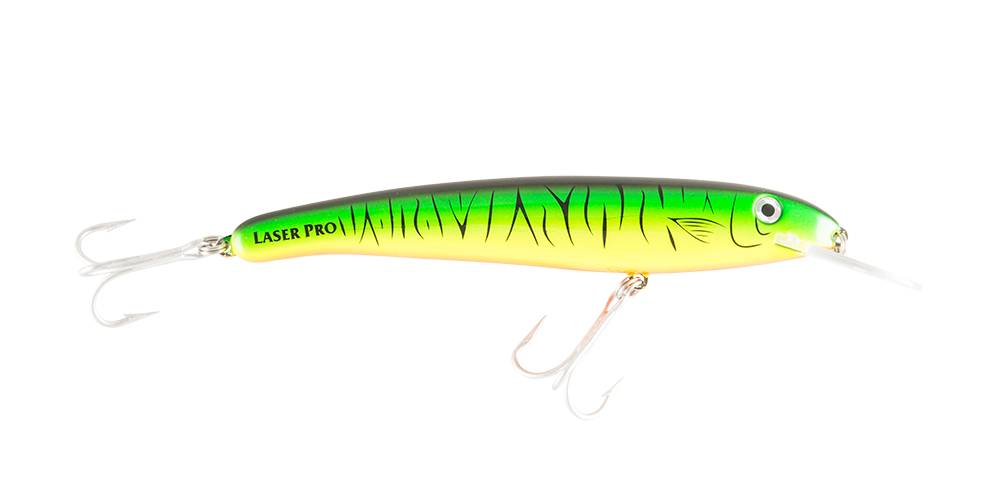
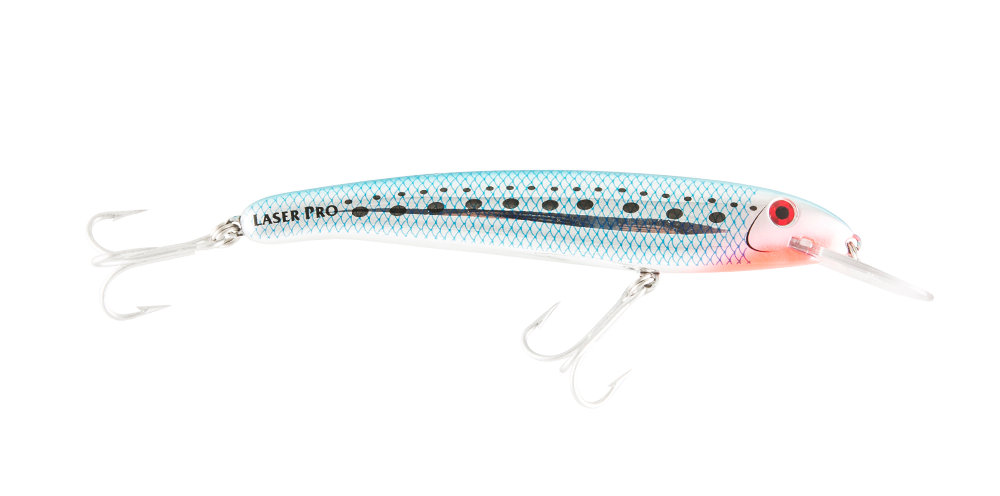
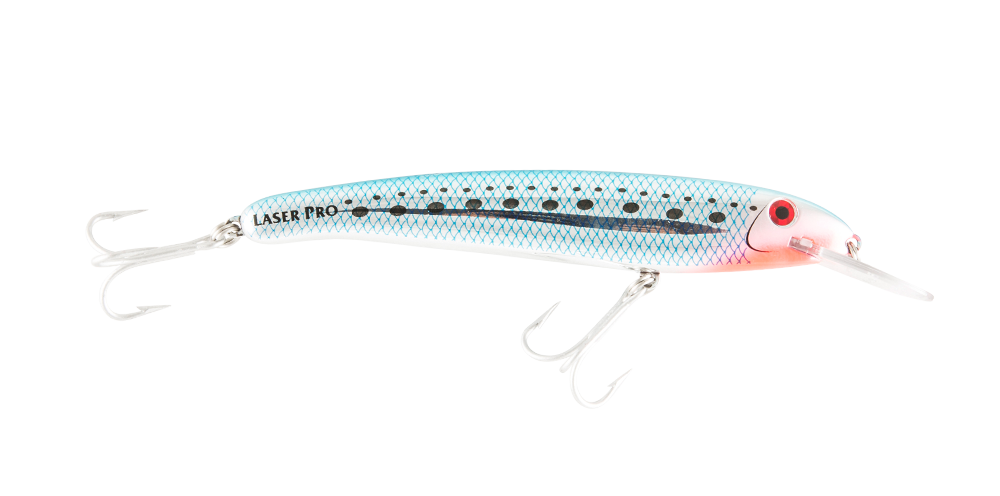
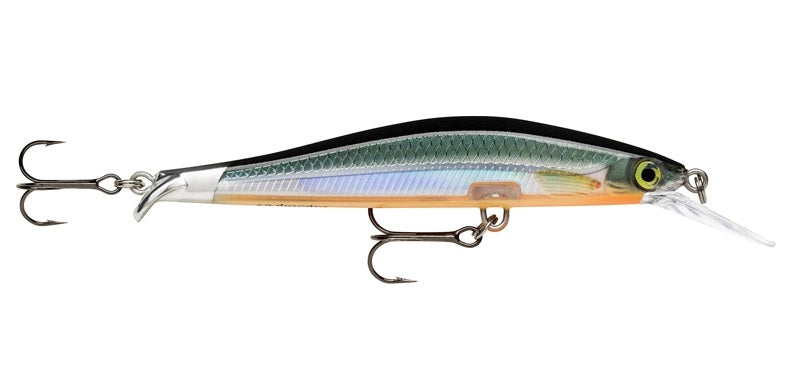
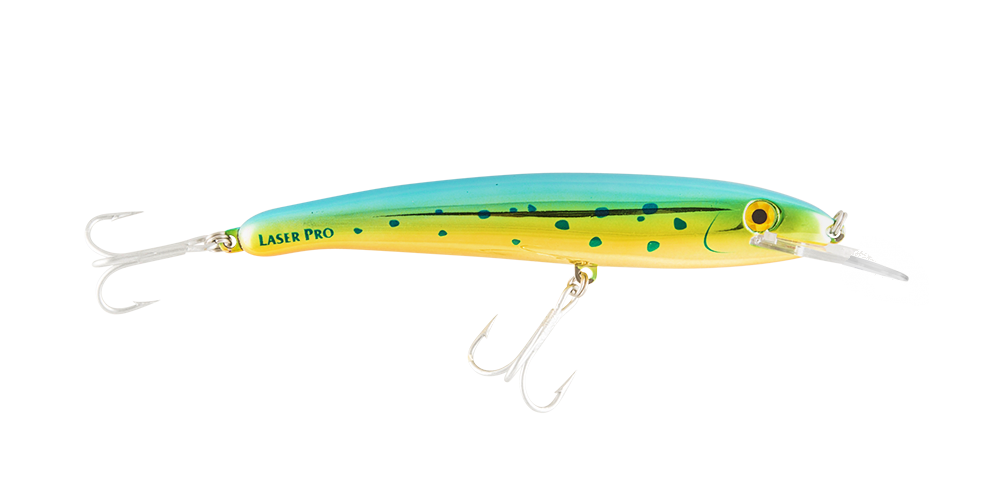
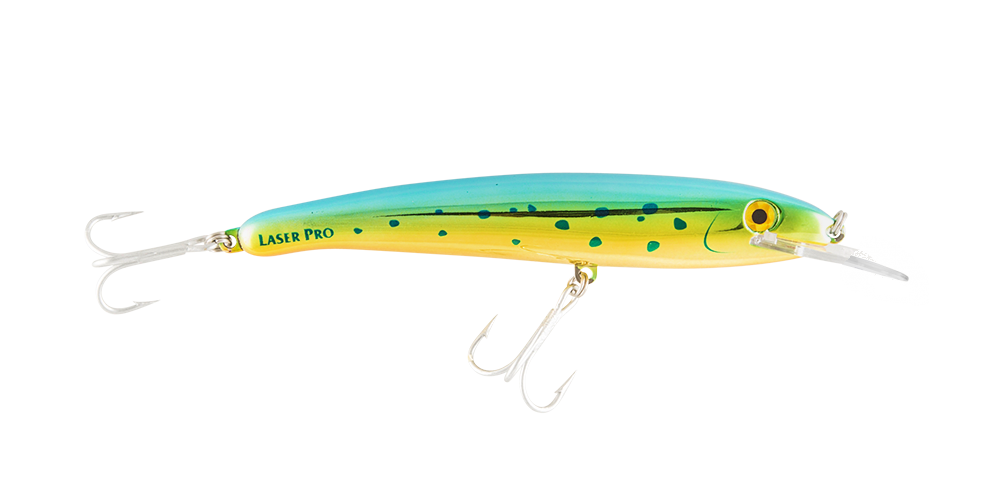
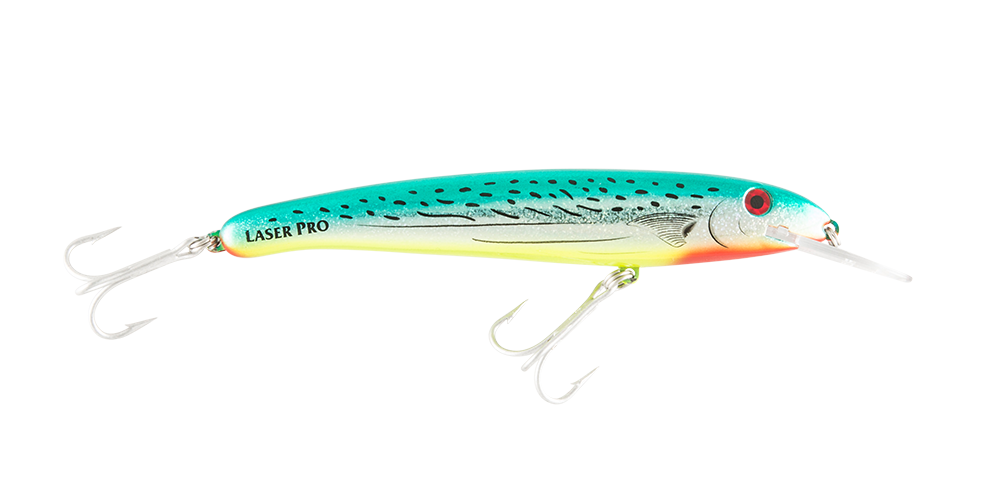
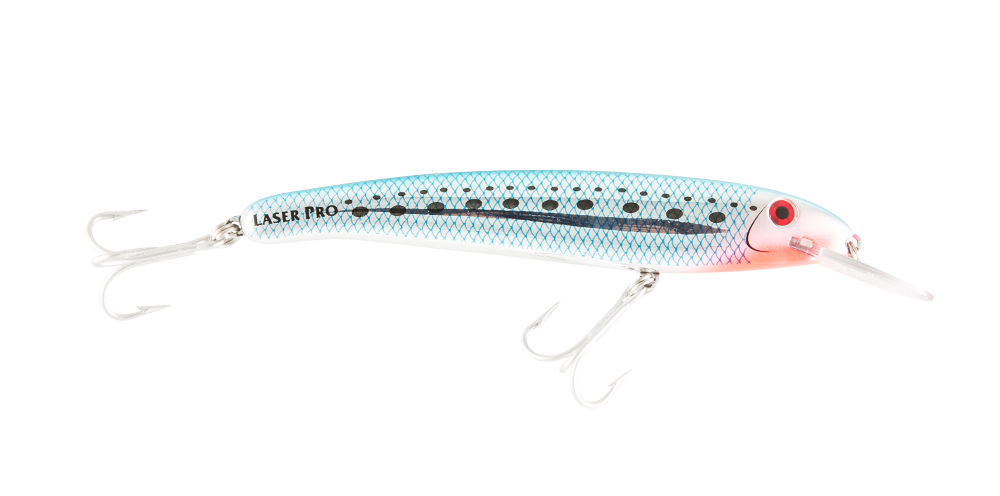
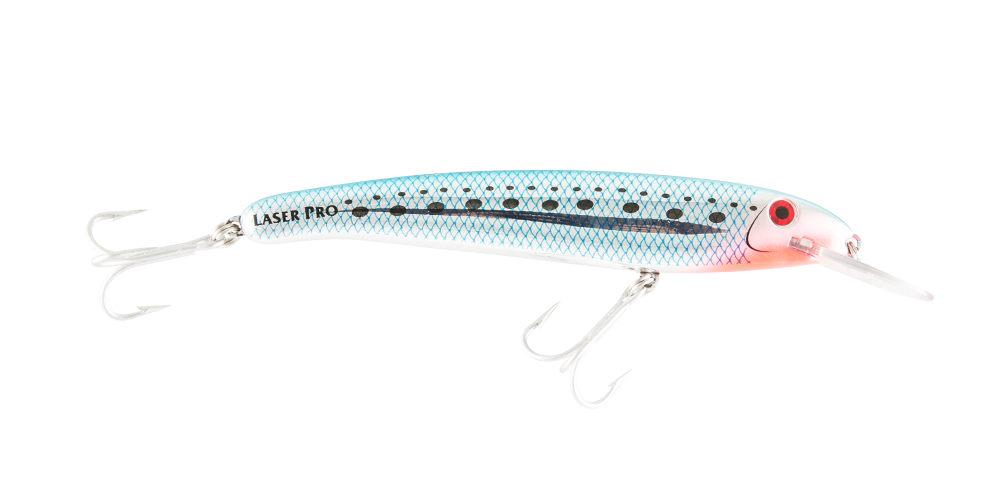
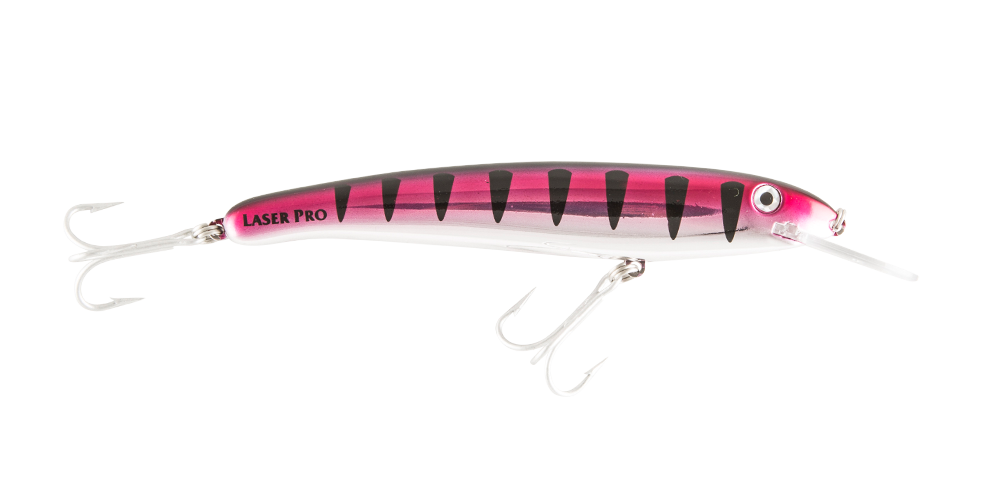
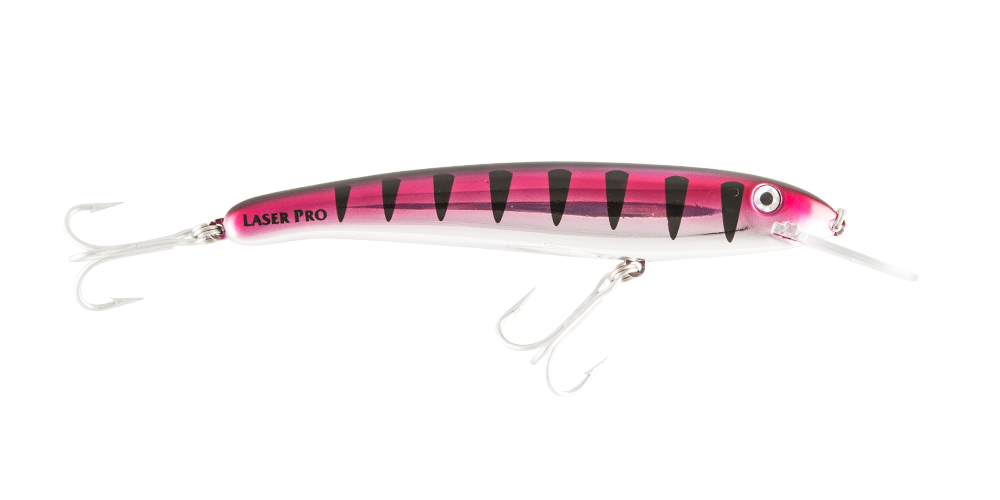
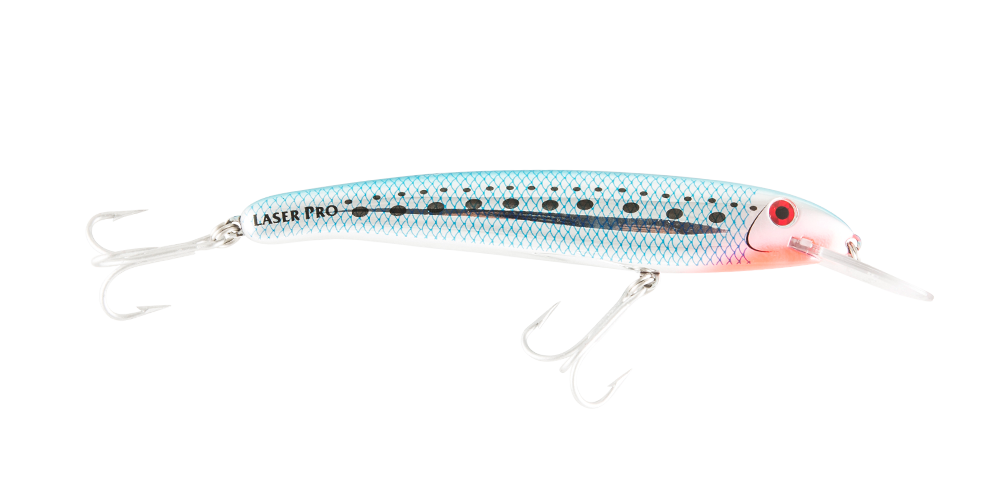
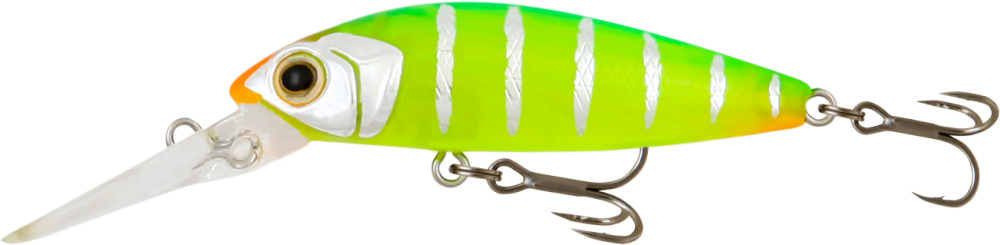
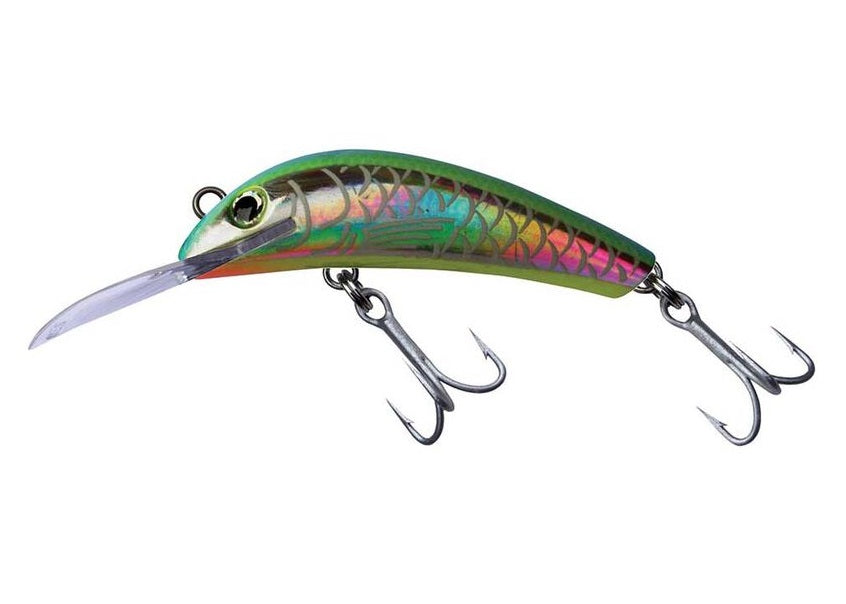
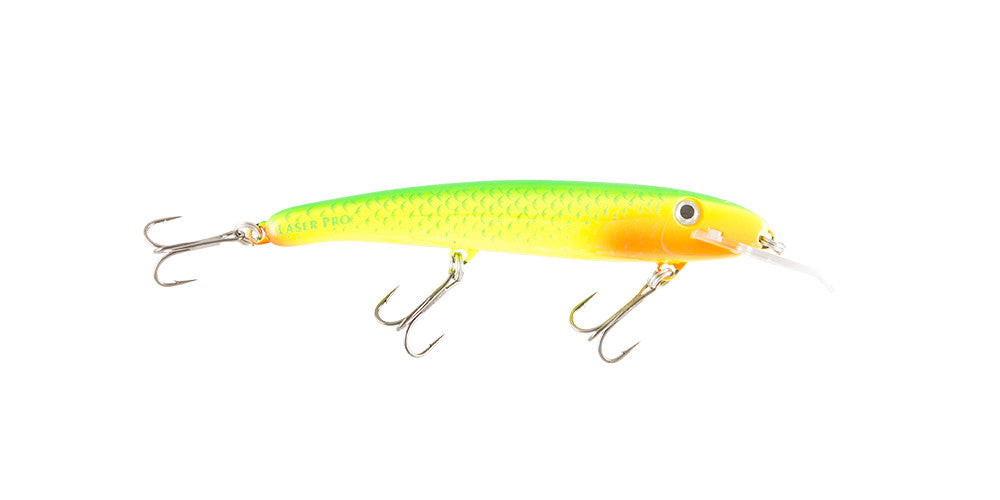
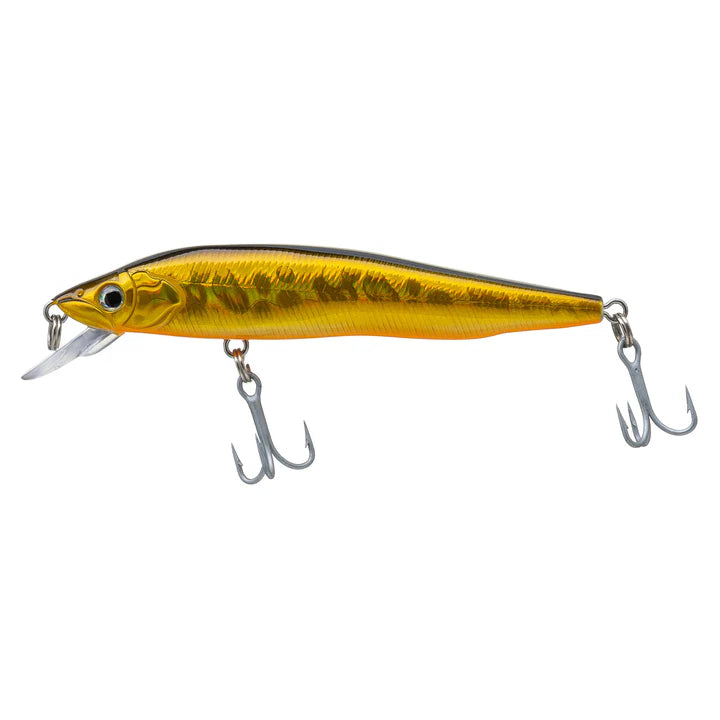
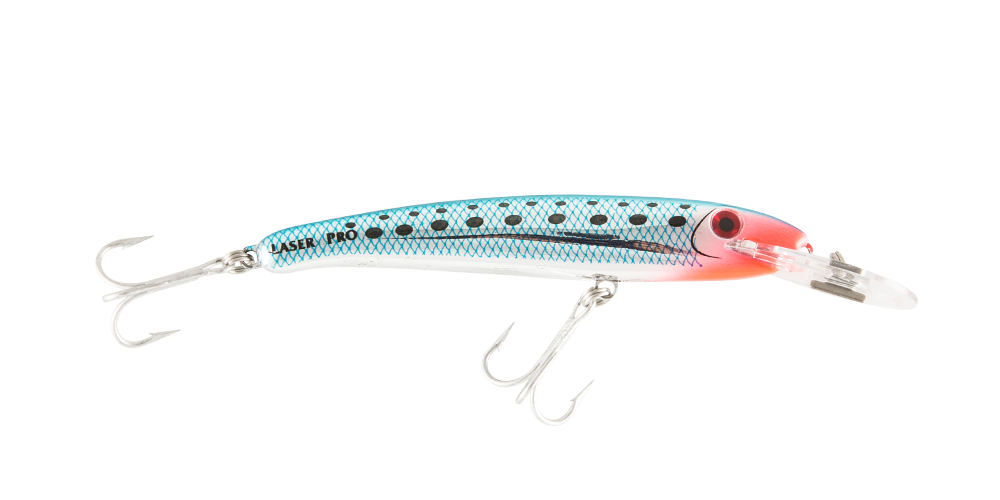
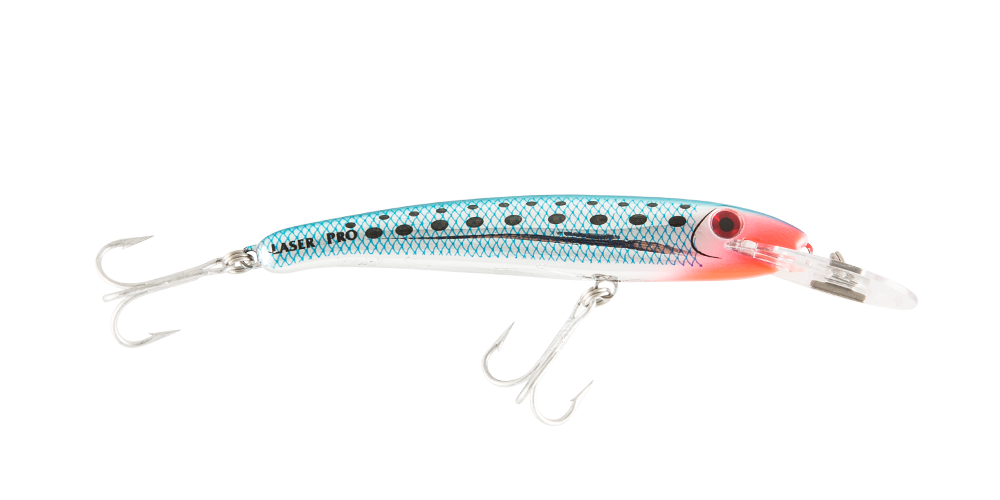
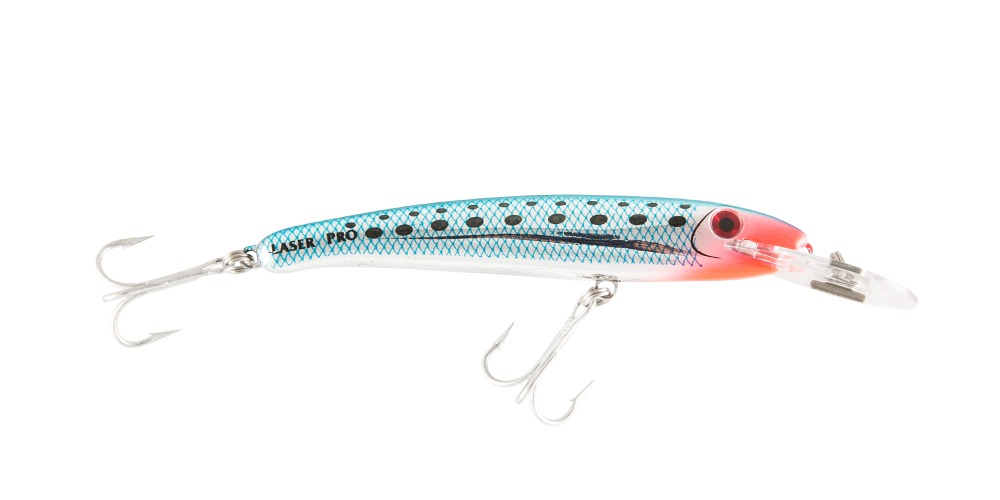
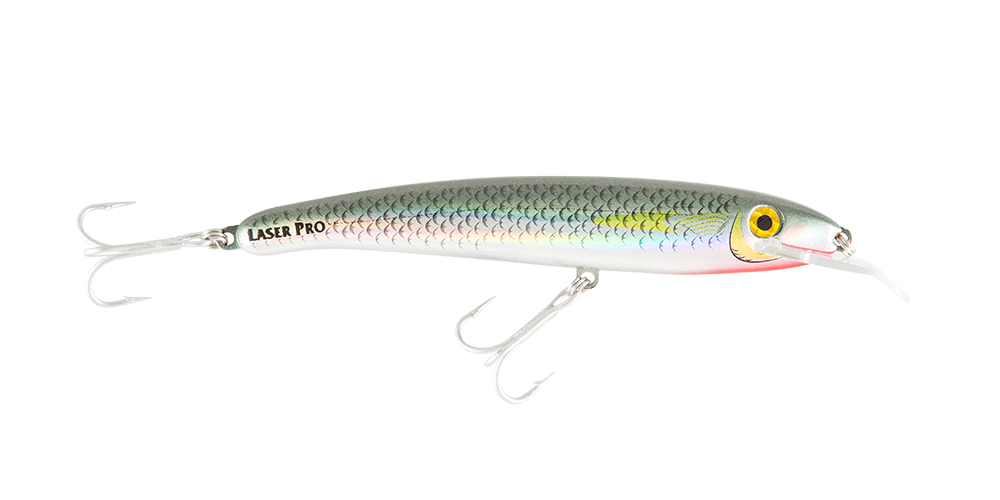
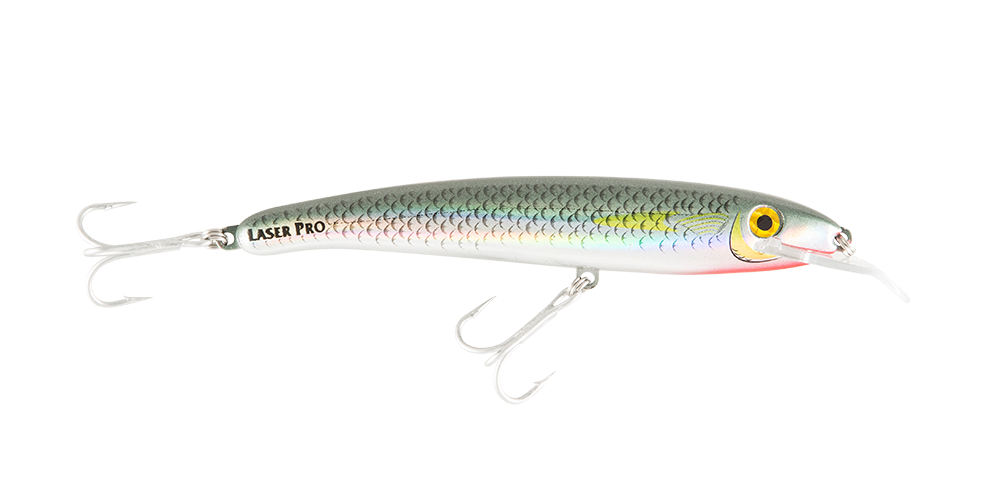
Halco Laser Pro 120STD Hard Body Trolling Lure Green Fluoro - Mega Clearance
$8.99
$15.00
Sold Out
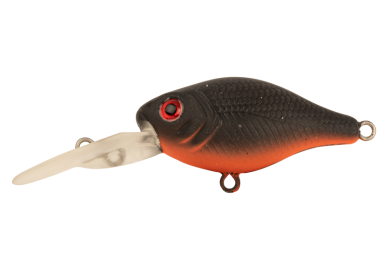

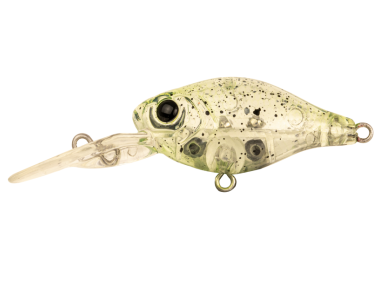
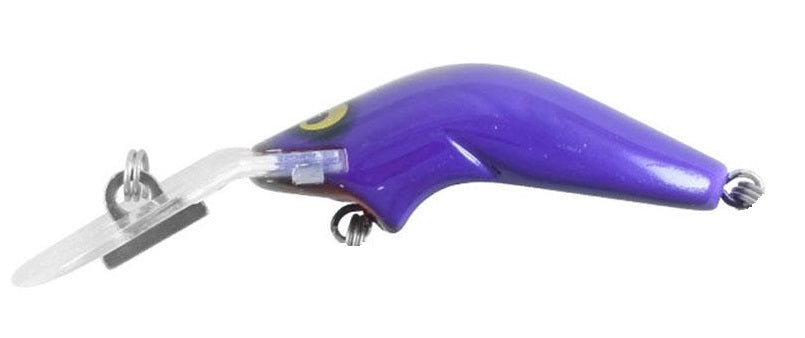
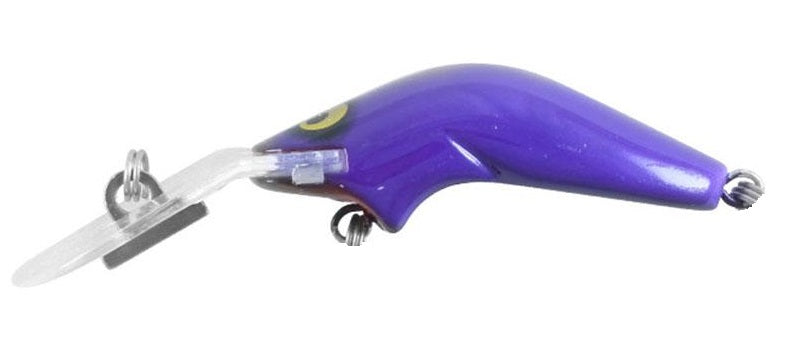














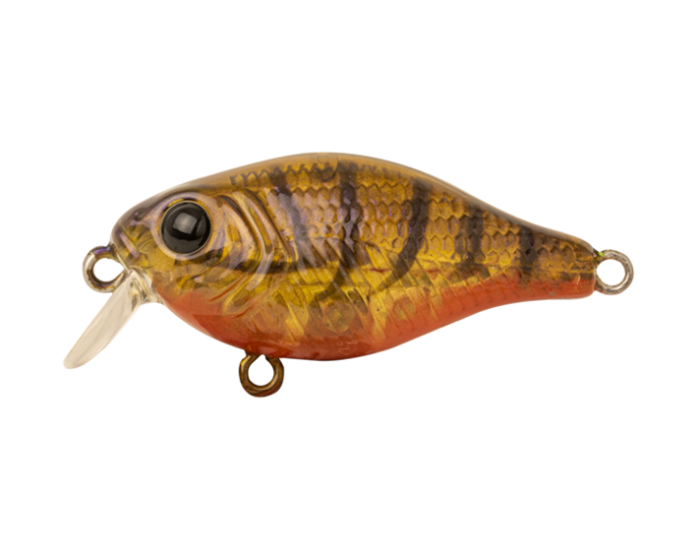

Hard body lures are moulded lures with a bib and hooks already fitted, so they swim the moment you start winding. They cover minnows, crankbaits, shallow and deep divers, jerkbaits and trolling lures, in patterns for bream, bass, flathead, barra, Murray cod, trout and offshore pelagics.
Choosing a hard body
The bib does the work. A short, steeply angled bib keeps the lure shallow and gives it a tight wobble, while a long bib pulls the lure down and produces a wider roll. Packaging and product descriptions list a running depth, and that number is the single most useful thing to match against the water you are fishing.
Buoyancy is the next decision. A floating lure rises on the pause, which is what you want over snags and weed. A suspending lure hangs in place, which suits cold water and fussy fish. A sinking lure lets you count it down to a depth the bib alone could not reach.
Hard bodies take a beating, so hooks and rings are consumable. Plenty of anglers upgrade the factory hooks on their better lures, and treble hooks in the right size are a cheap way to stop losing fish. For a broader look at what else is in the tackle box, the fishing lures range covers plastics, jigs and surface options too.
Frequently asked questions
What depth does a hard body lure run at?
It depends on the bib. The running depth is printed on most packets and listed in the product description, and it assumes a standard cast and retrieve — trolling the same lure on a long line will usually take it deeper.
Should I upgrade the hooks on a new lure?
On cheaper lures and on anything you will use around hard-fighting fish, yes. Factory trebles vary a lot in quality. Keep the replacement the same size and weight, or the lure's action will change.
What is the difference between a crankbait and a minnow?
A crankbait has a short, fat body and a wide wobble that suits dirty water. A minnow is slim and baitfish shaped with a tighter action, which suits clearer water and more cautious fish.
Can I use hard body lures for trolling?
Yes, and many are designed for it. Deep divers and bibbed minnows troll well behind a boat or kayak, and a longer line takes them deeper than a cast would.