

FREE SHIPPING ON ORDERS OVER $150*

AUSSIE FAMILY OWNED BUSINESS FOR OVER 40 YEARS

100% SATISFACTION GUARANTEED
Electric Motors
Electric Motors
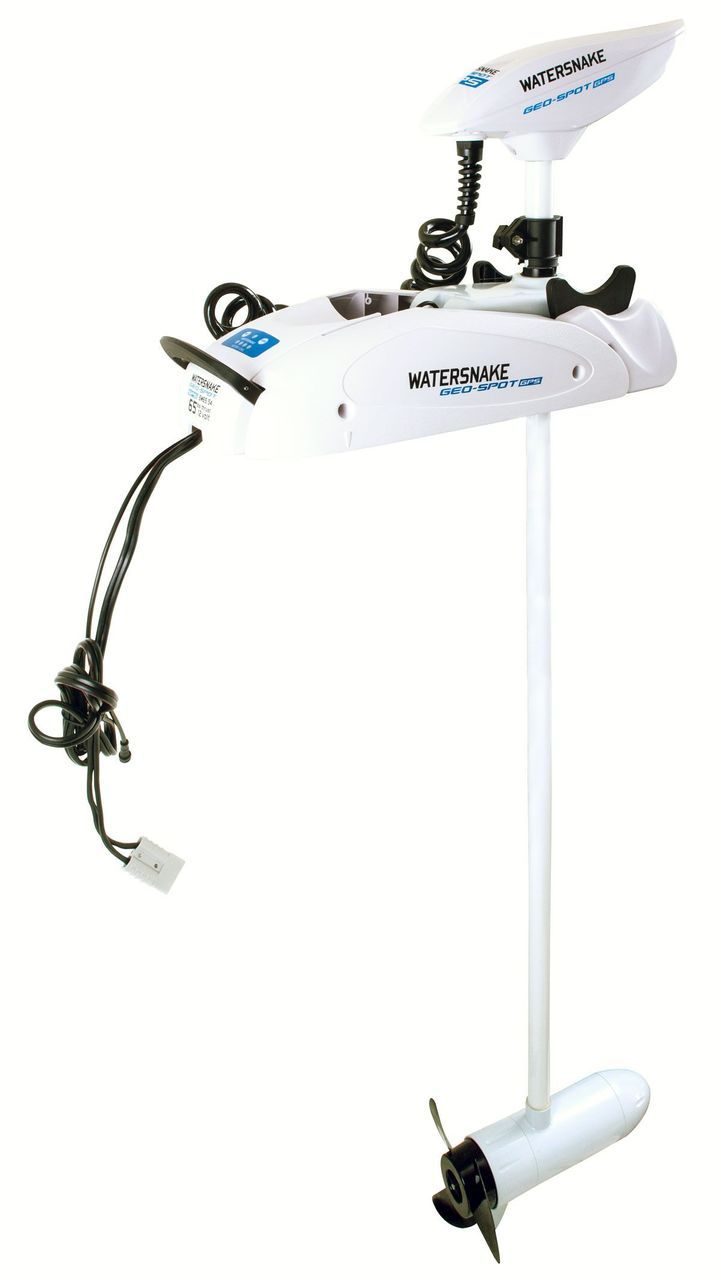
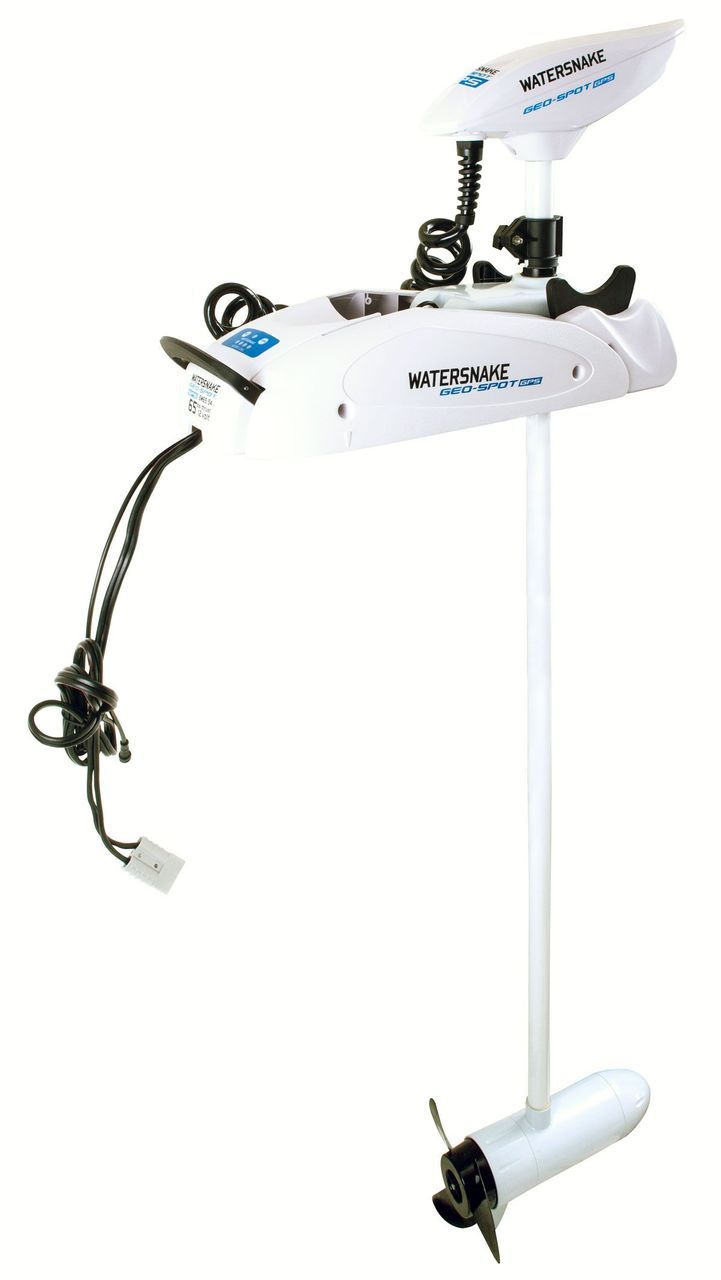
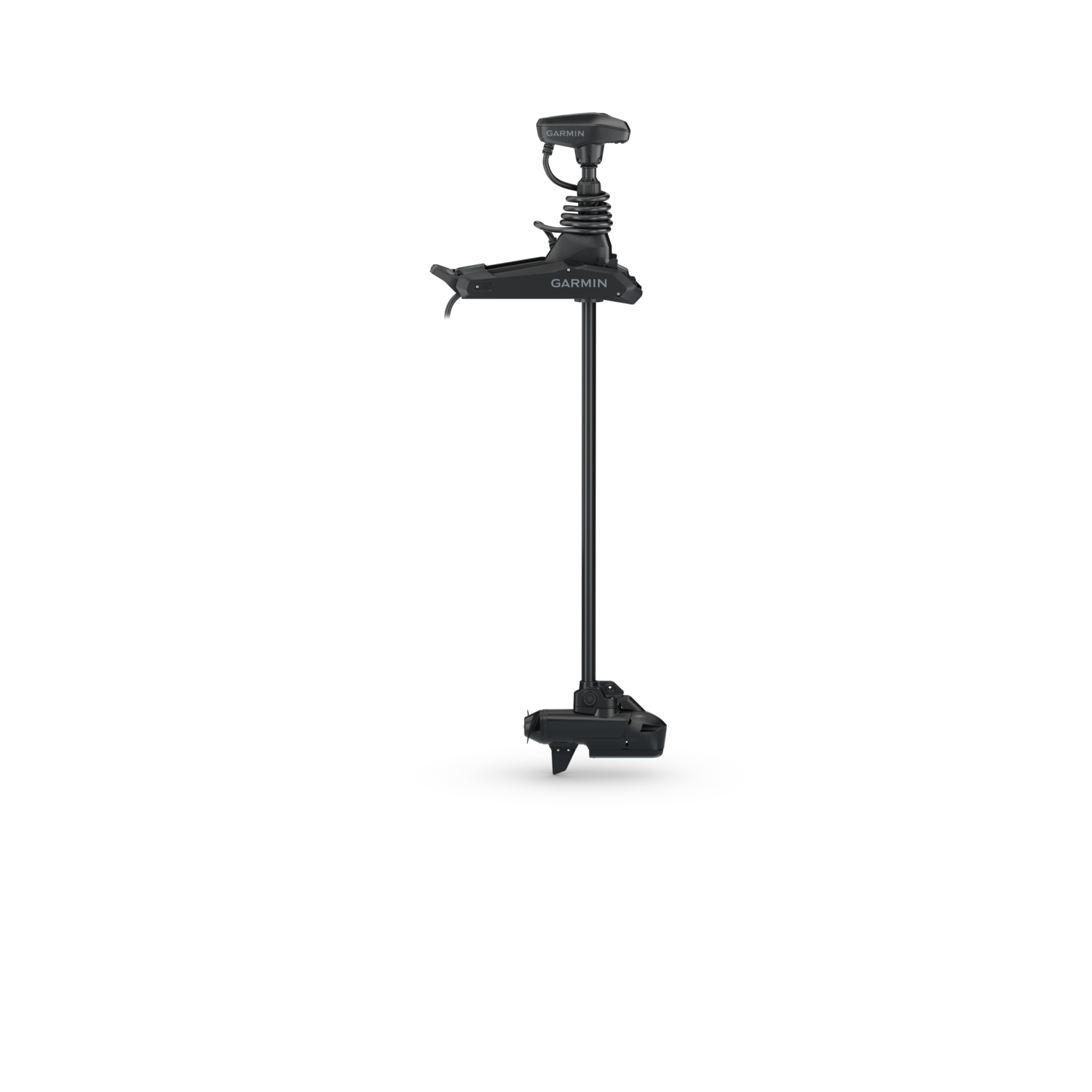
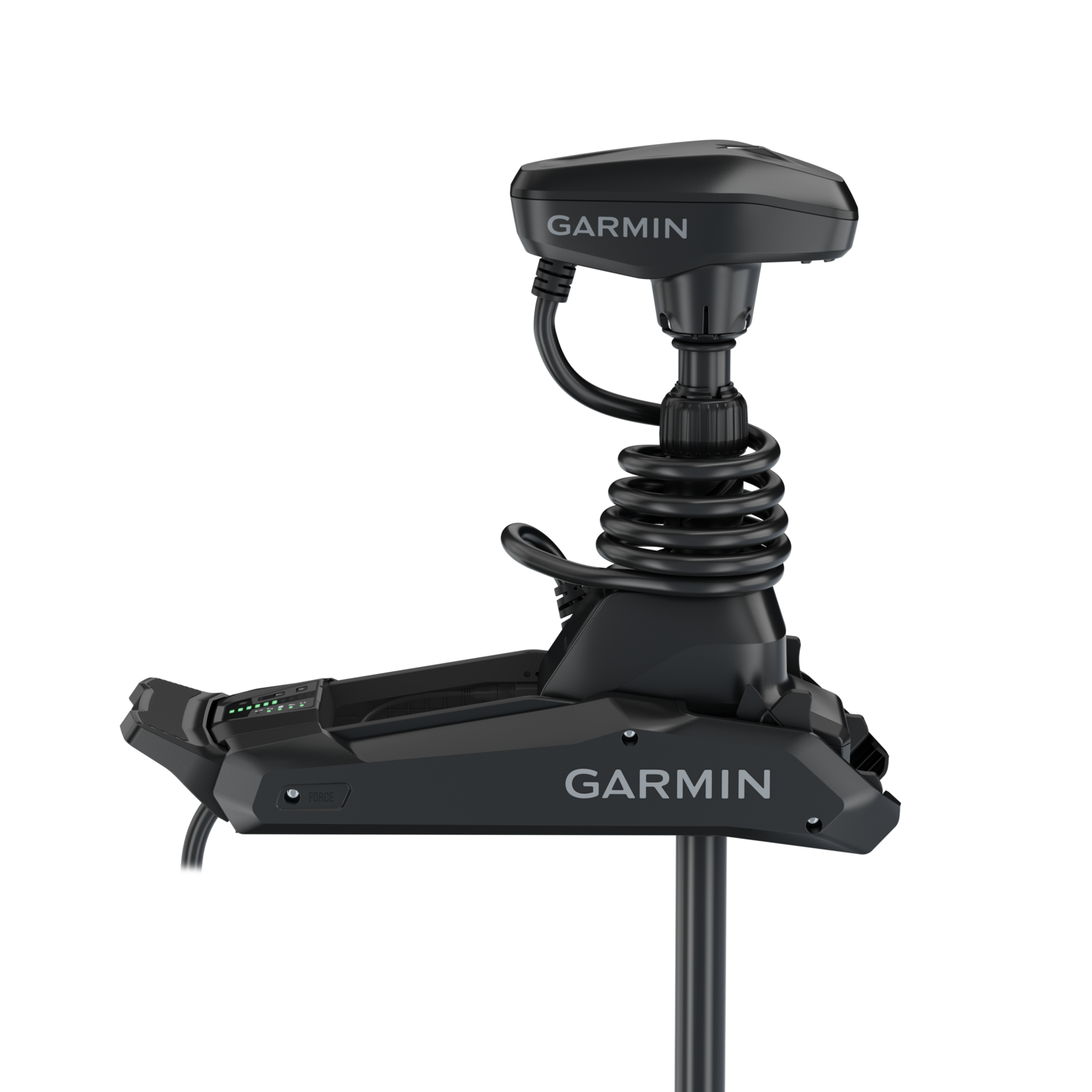
An electric motor turns a boat into a fishing platform. It puts you where the fish are quietly, holds you there against wind and tide, and lets you fish a session without touching the anchor. Davo's Tackle stocks the full range from Minn Kota, Watersnake and Garmin — bow mount, transom mount and kayak motors.
Bow, transom or kayak?
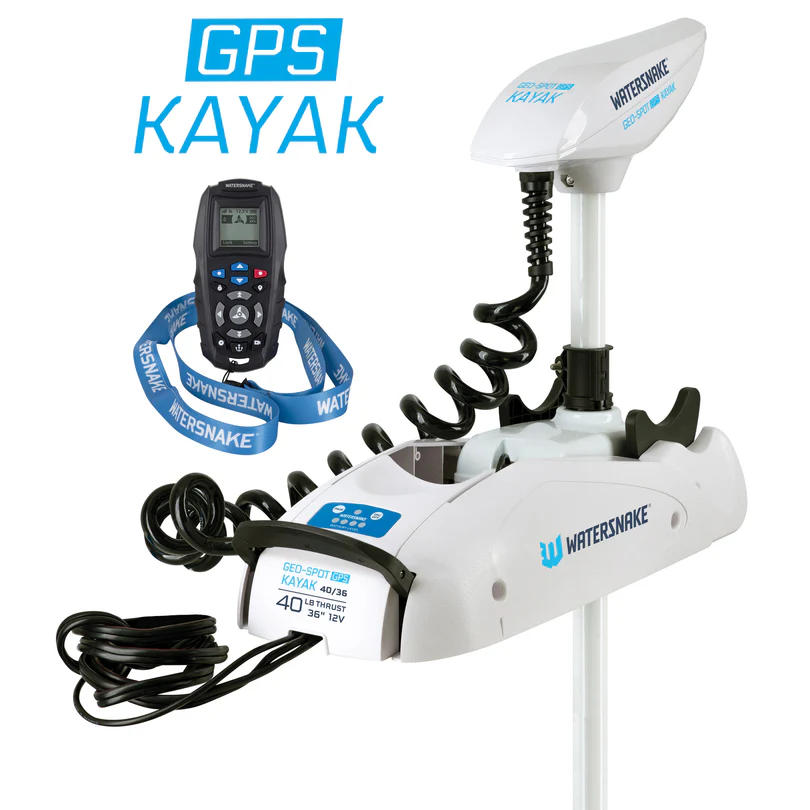
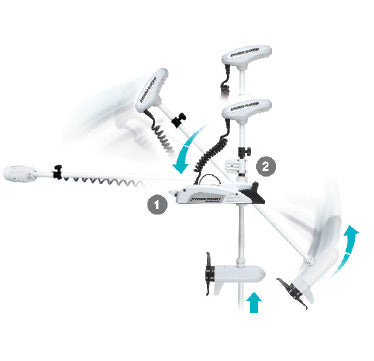
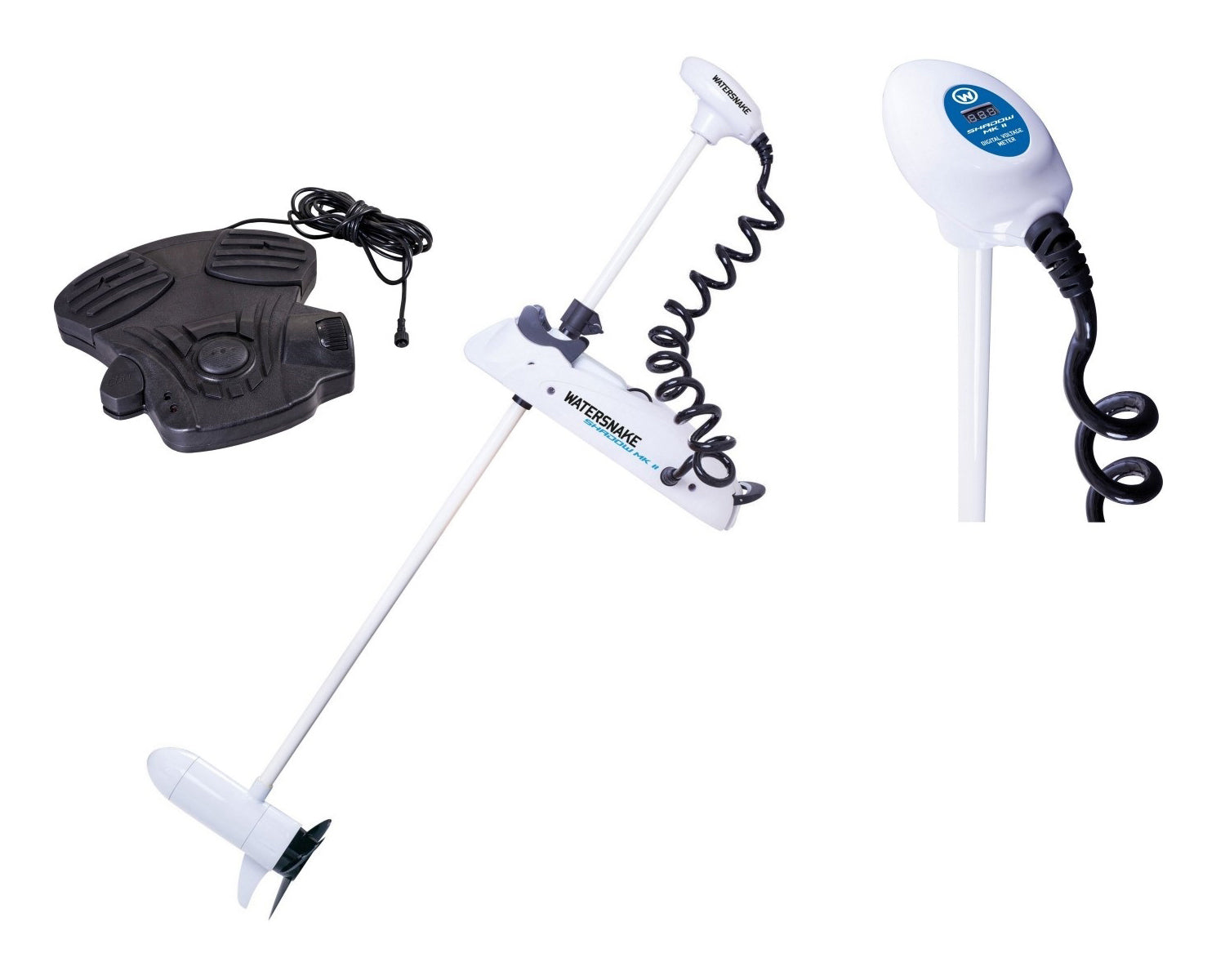
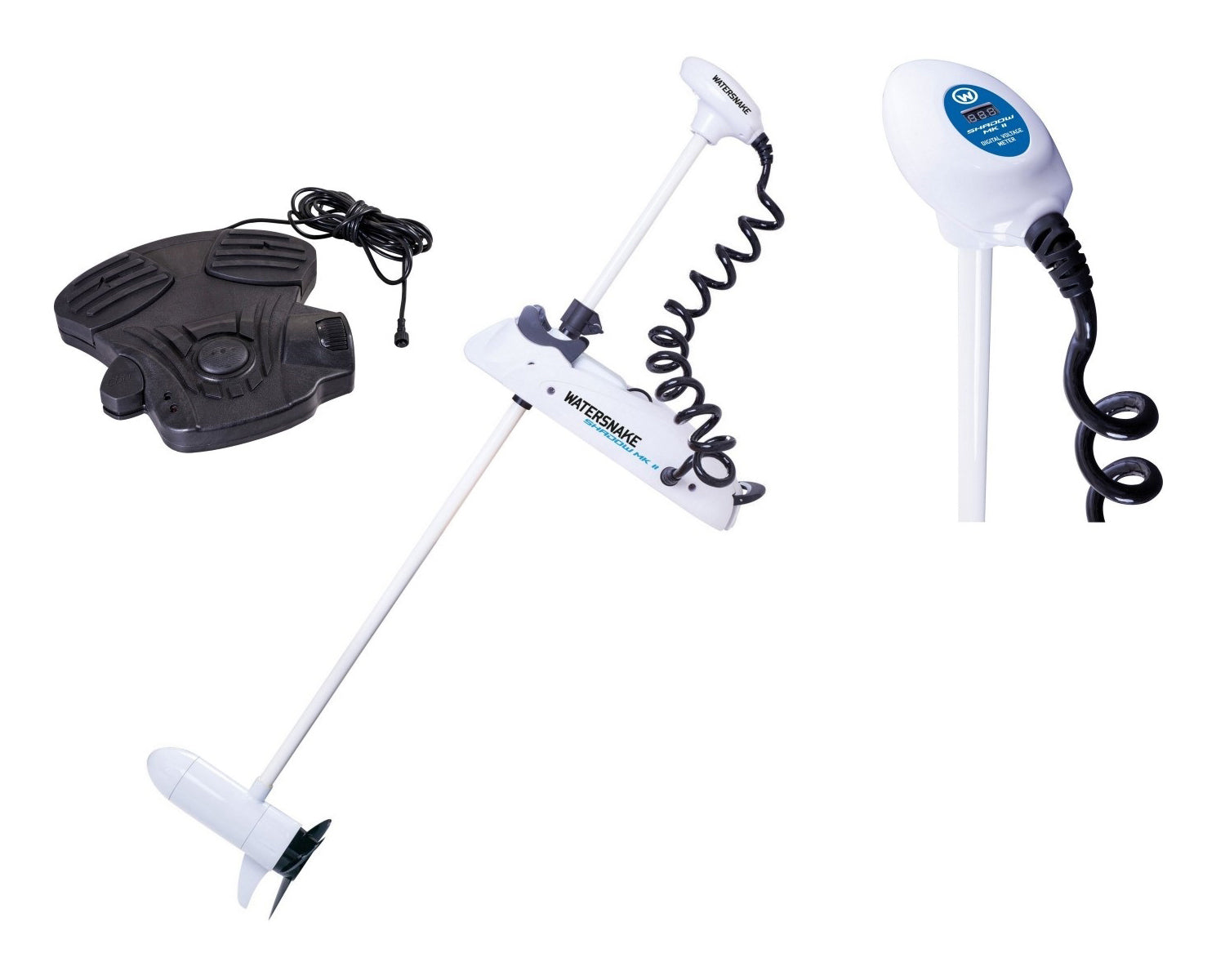
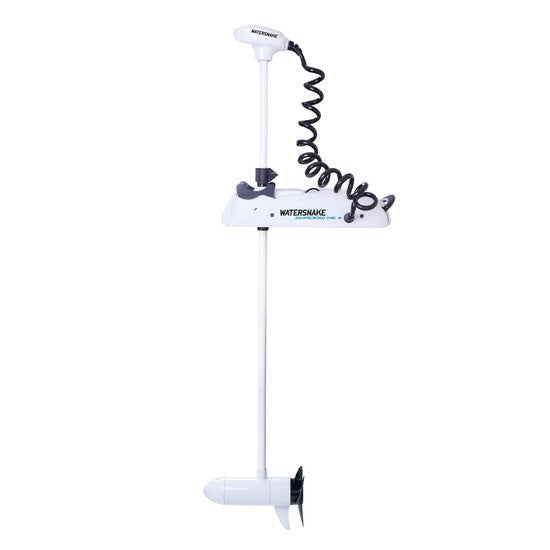
Bow mount motors sit at the front and pull the hull rather than pushing it, which gives far better control in wind and current. They are the standard for serious fishing and the only option with full GPS anchoring. Transom mount motors clamp to the back, cost less and are simpler to fit — ideal for tinnies, punts and trolling. Kayak motors mount on a bracket and turn a paddle craft into something you can fish all day without wearing yourself out.
What to look for
GPS spot lock is the feature owners say they would not go without — it holds the boat on a mark automatically against wind and current, and it is the reason most people upgrade. Beyond that, thrust needs to suit your boat's fully loaded weight, and under-powering is the most common mistake. Shaft length needs to keep the motor properly submerged in the chop you actually fish. Saltwater-rated motors use sealed components and anodes, and are essential near the coast.
If you are unsure what suits your boat, get in touch before you buy — it is worth a conversation. The rest of the rigging sits in boating, and fish finders and sounders are the usual next addition.
Frequently asked questions
What is spot lock?
A GPS function that holds the boat on a fixed point automatically, correcting for wind and current. It is the electric motor equivalent of an anchor you never have to pull.
Bow mount or transom mount?
Bow mounts give far better boat control and are the standard for serious fishing. Transom mounts are cheaper, simpler to fit and well suited to small tinnies and trolling.
How much thrust do I need?
Thrust should suit your boat's fully loaded weight, and most anglers are better off going a size up than a size down. Wind and tide are what expose an under-powered motor.
Can I use a freshwater motor in saltwater?
It is not recommended. Saltwater models use sealed electronics, anodes and corrosion-resistant hardware; a freshwater motor will deteriorate quickly.
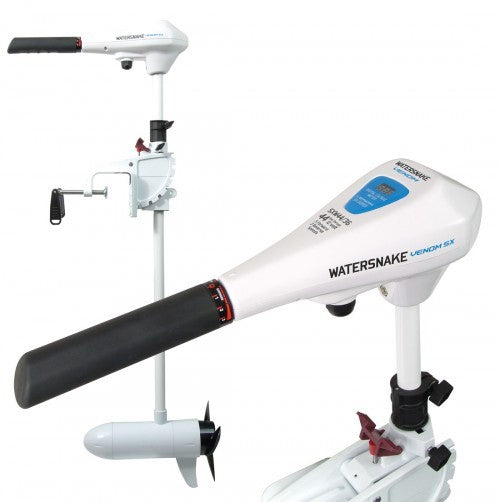
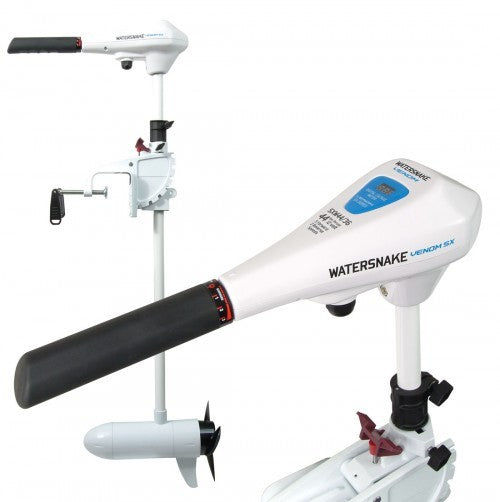
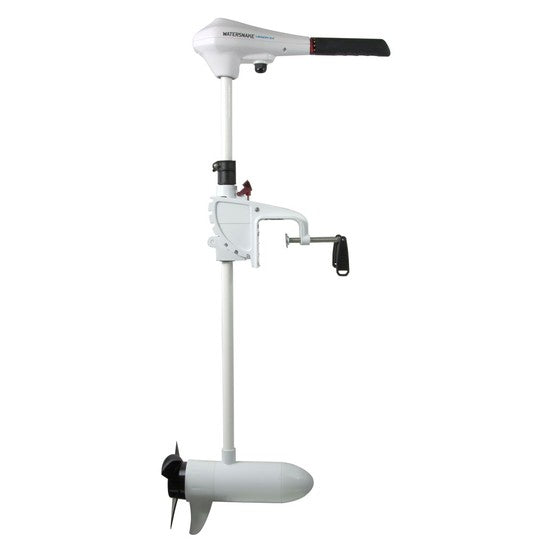
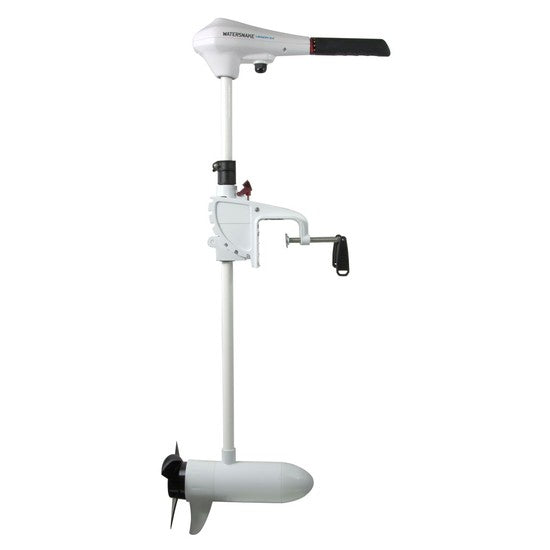










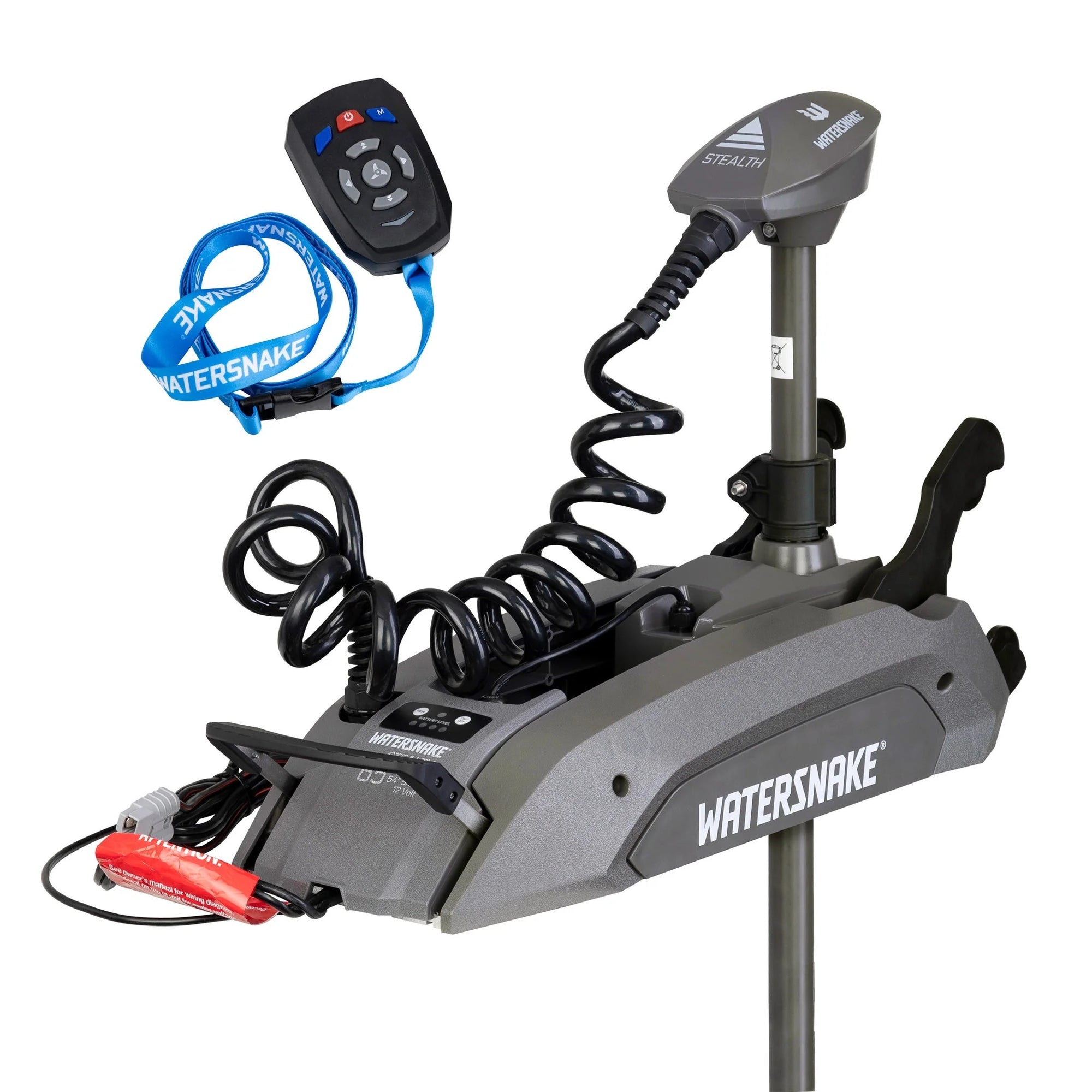


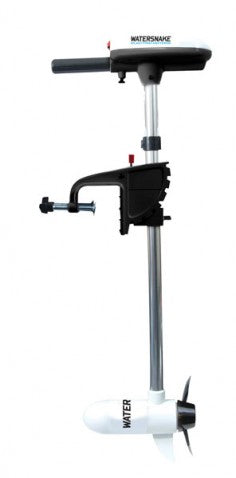
Sold Out
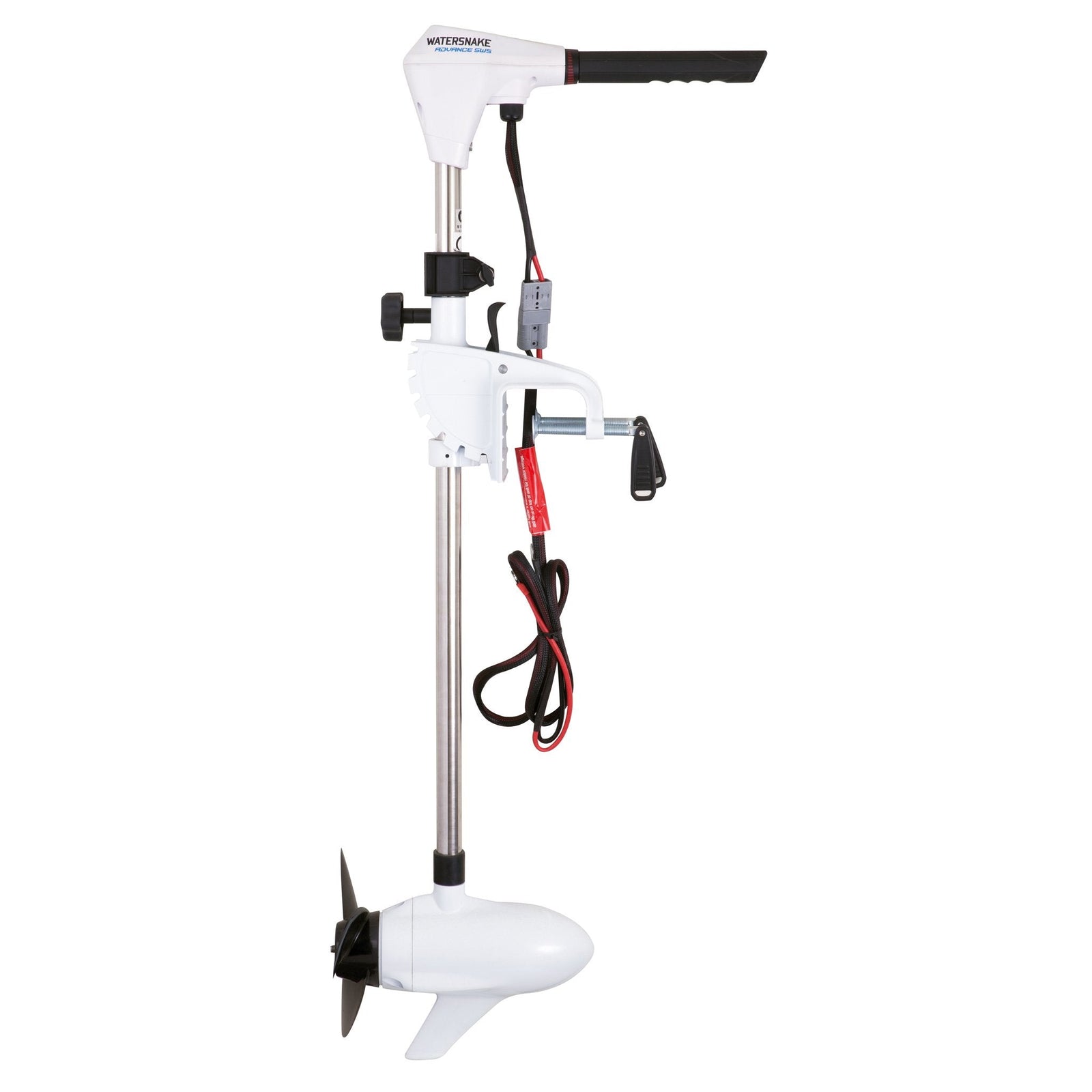
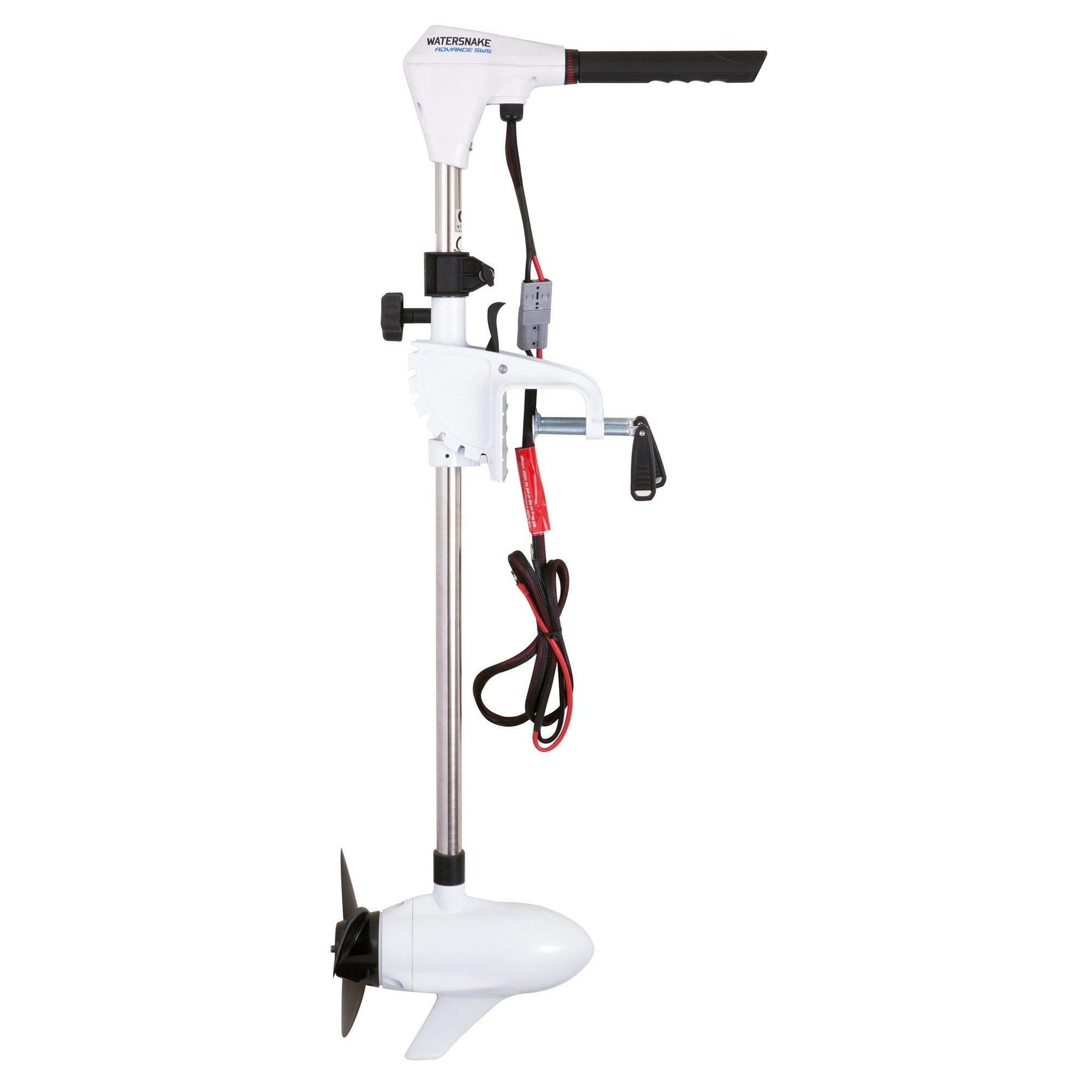
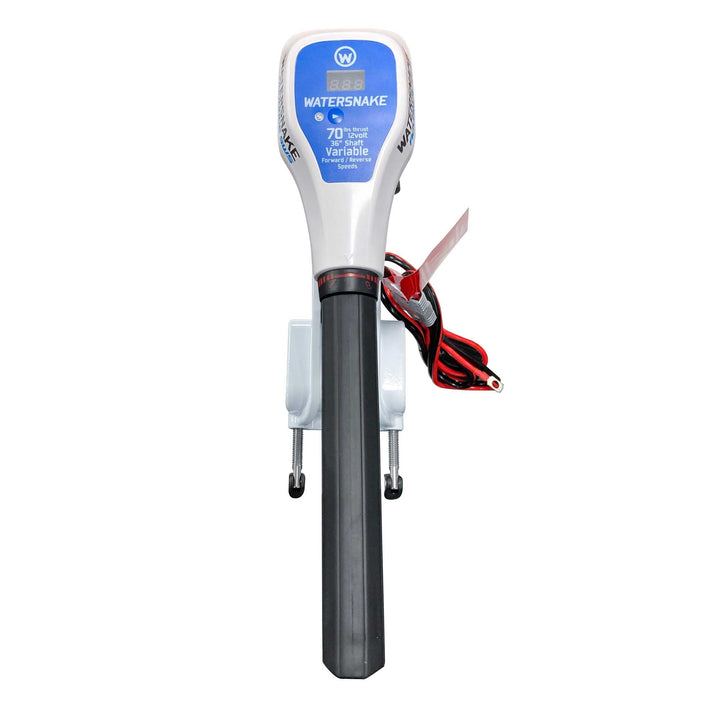
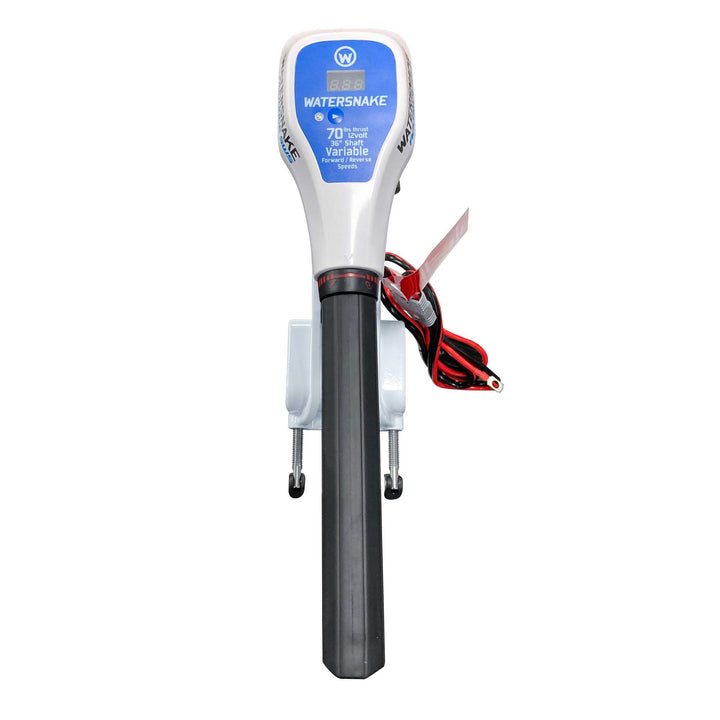
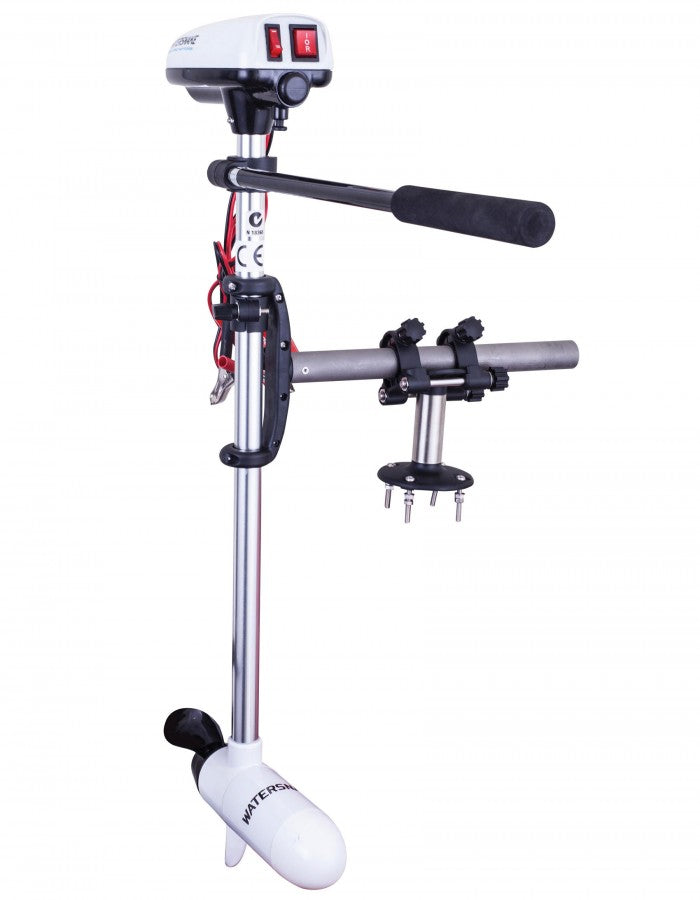
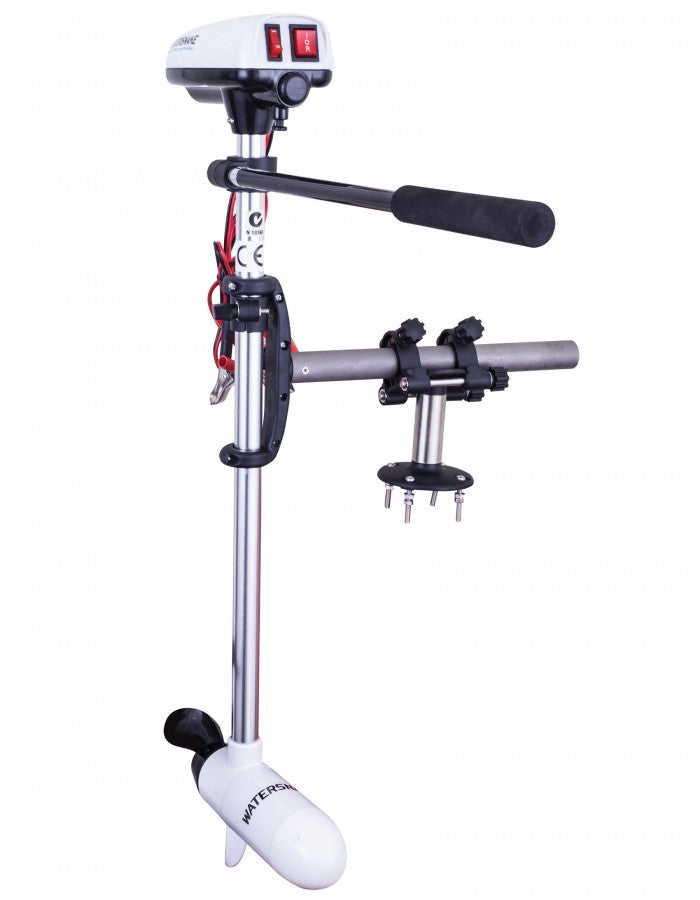
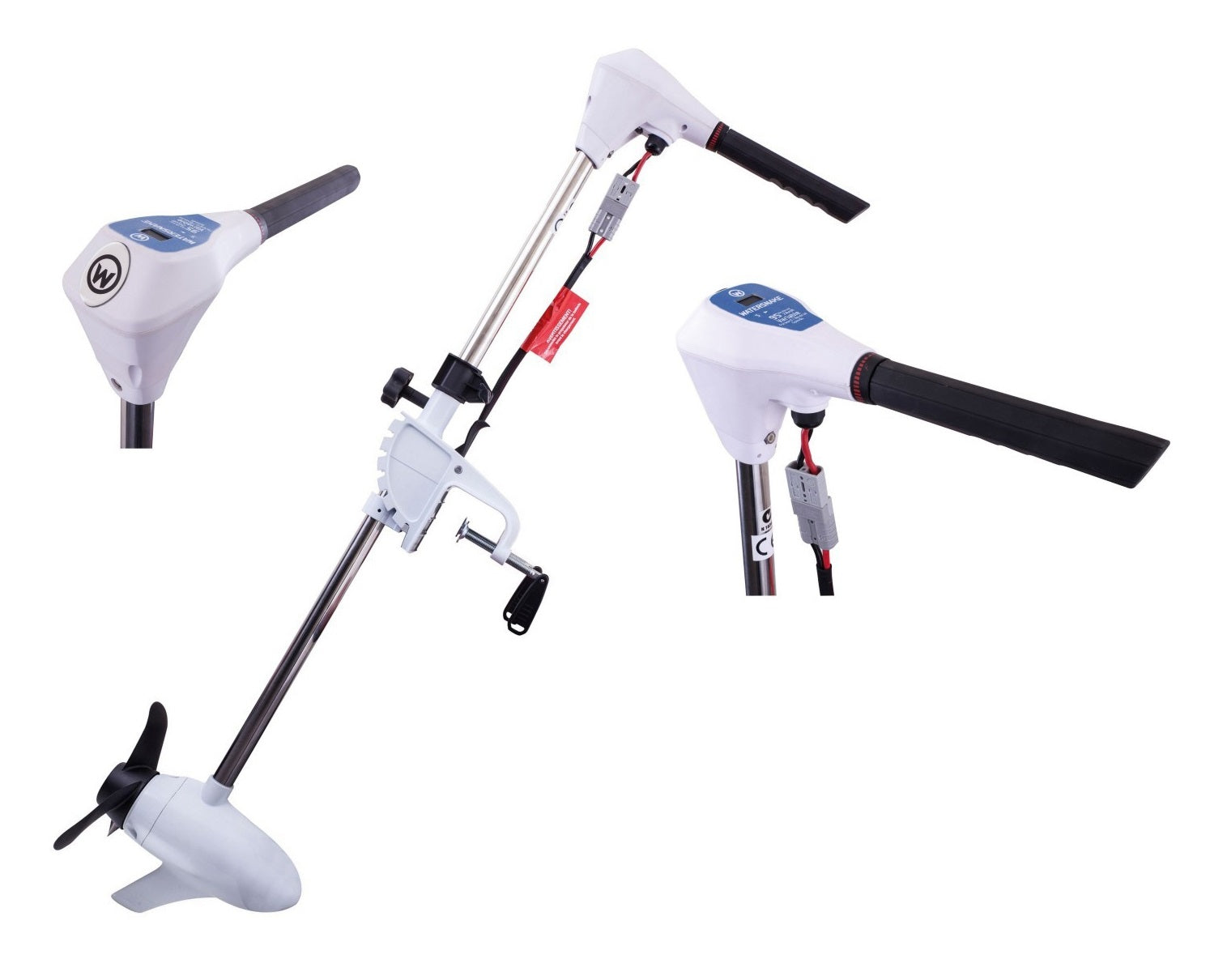
Watersnake ASP 24lb 24 Shaft Transom Mount Electric Trolling Motor
$147.00
$180.00
Sold Out

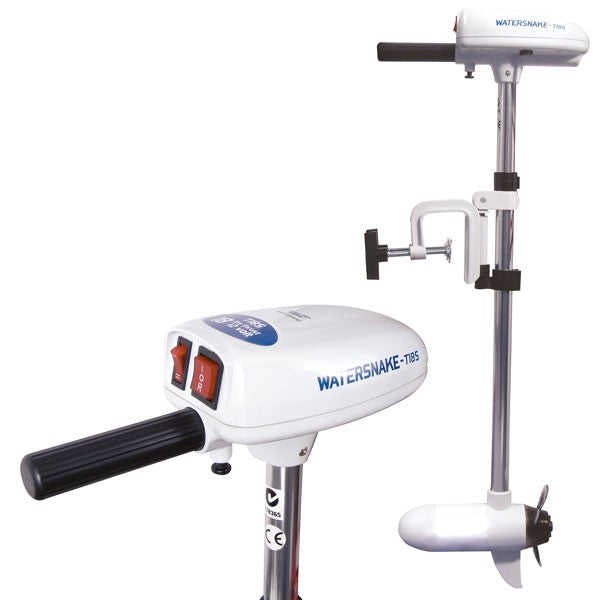

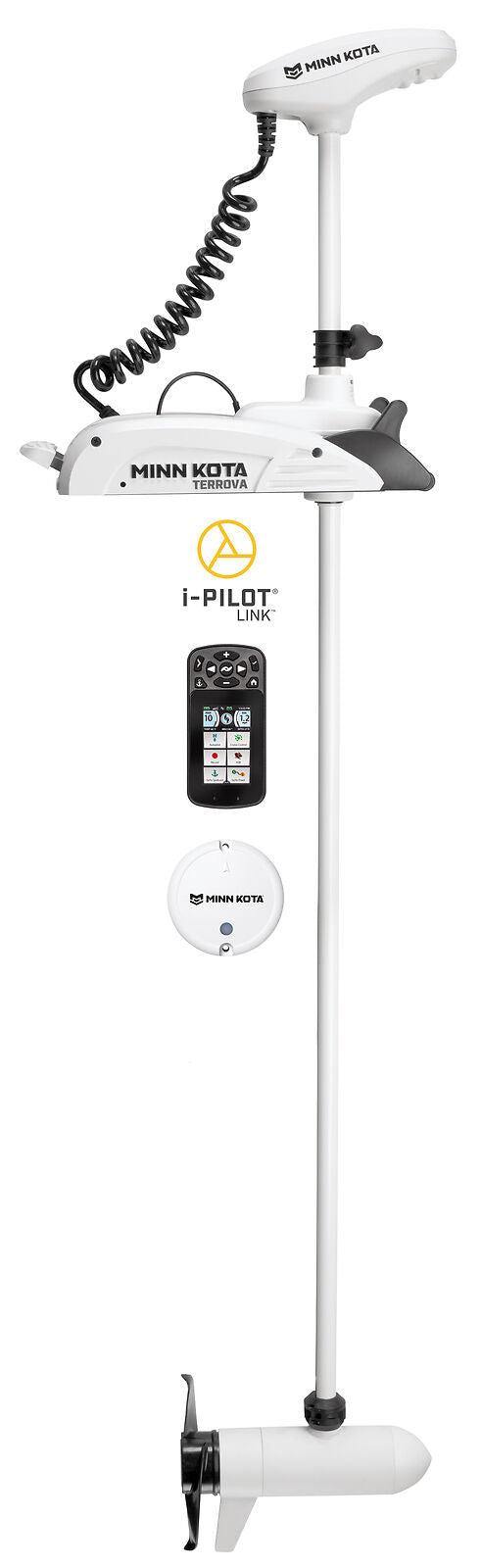



Sold Out
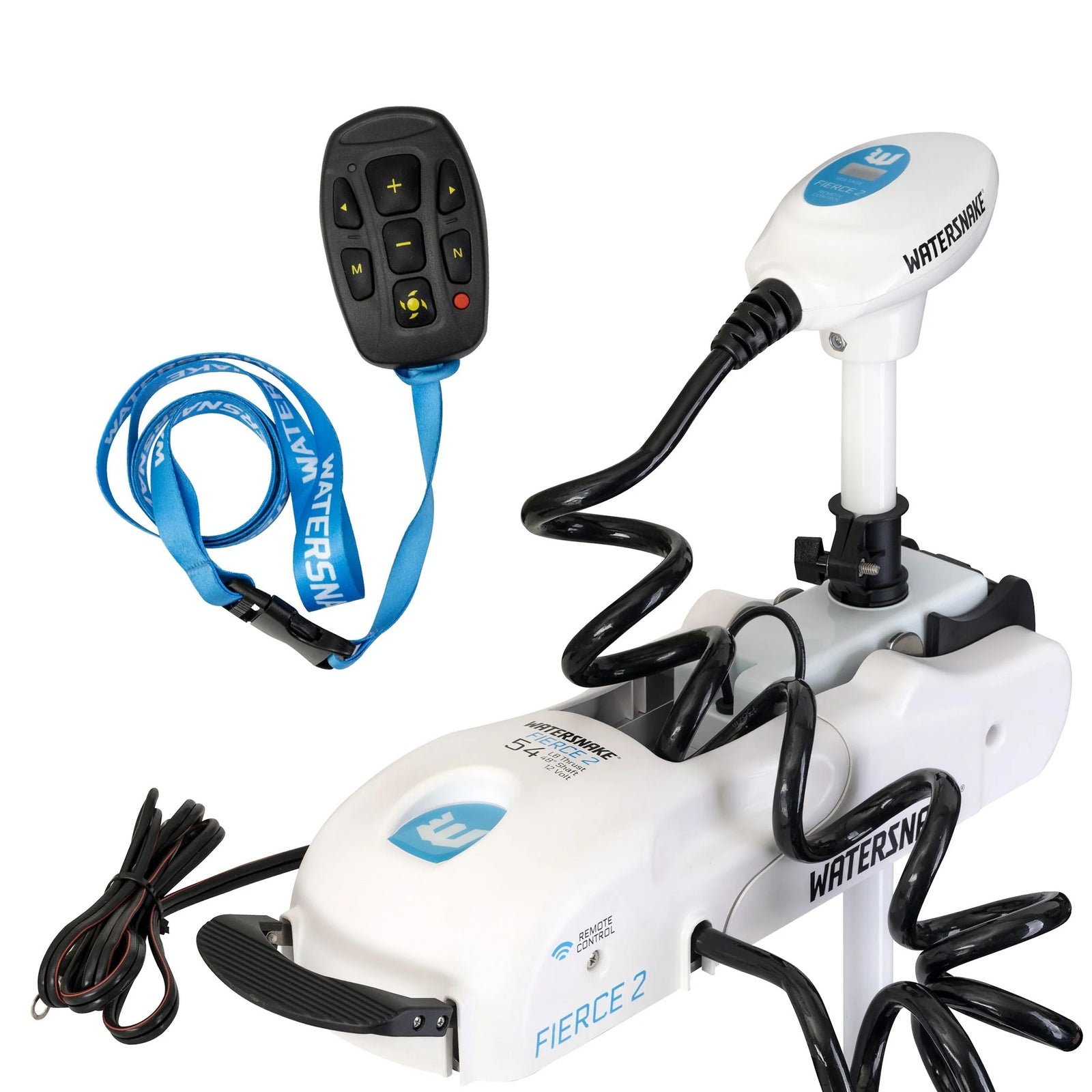
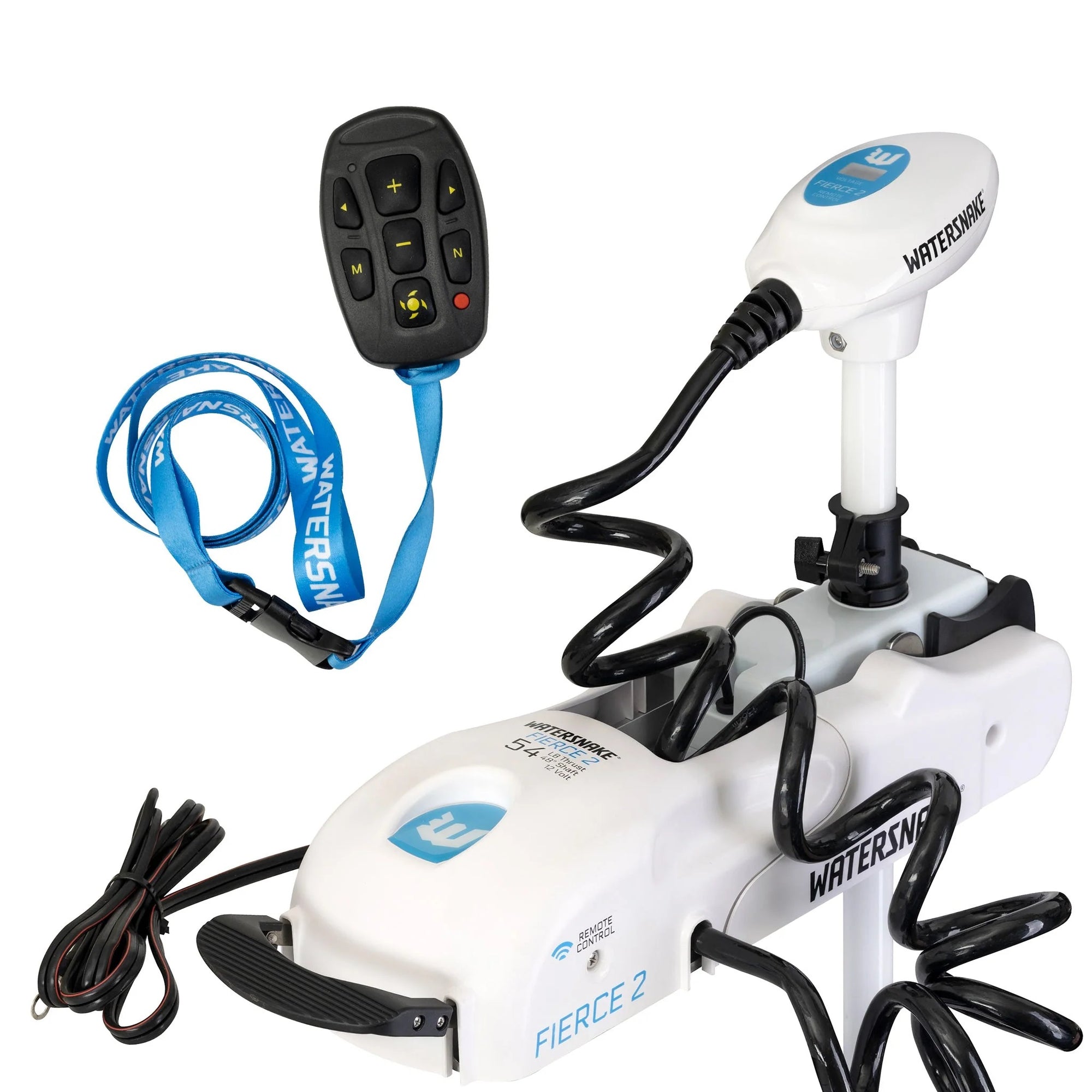
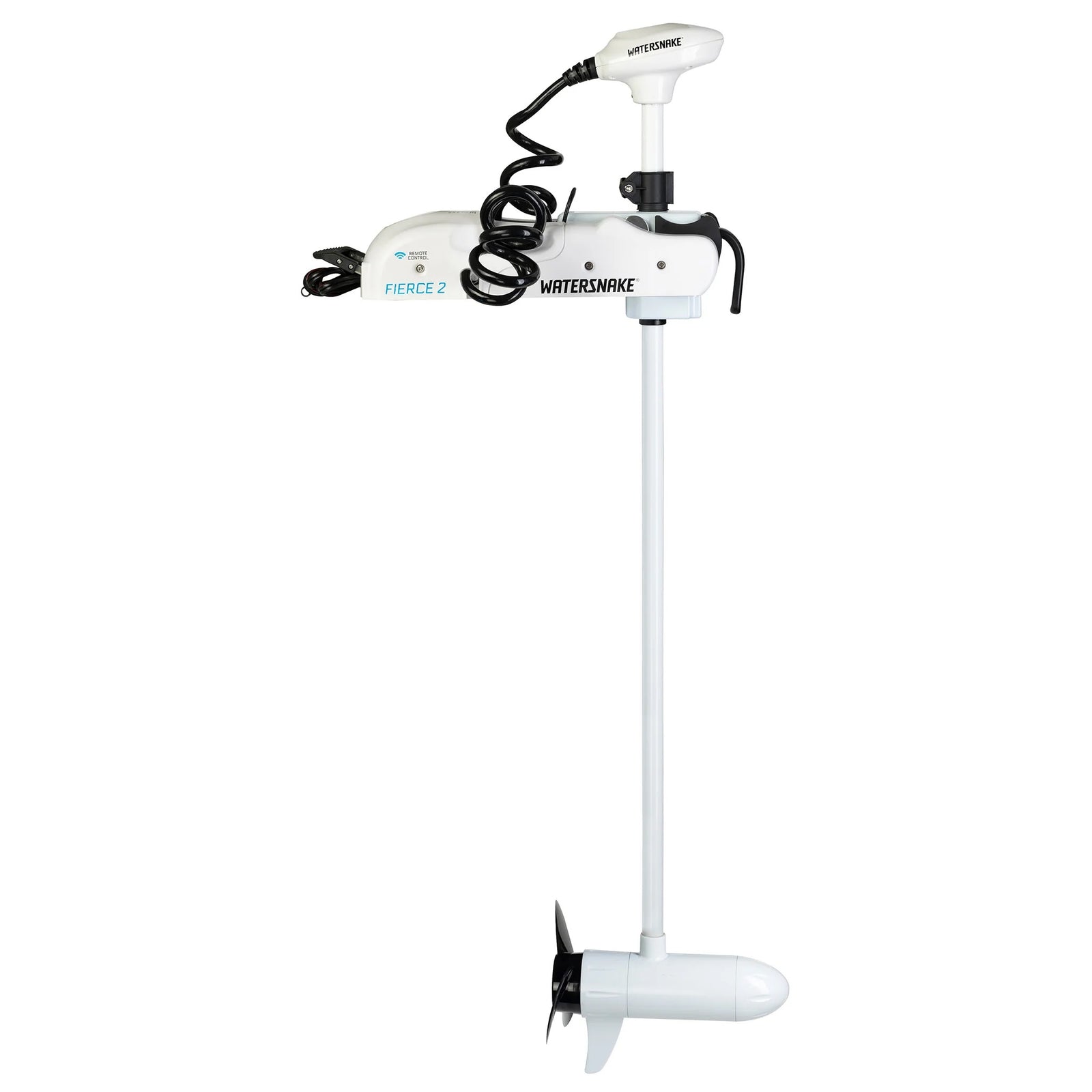
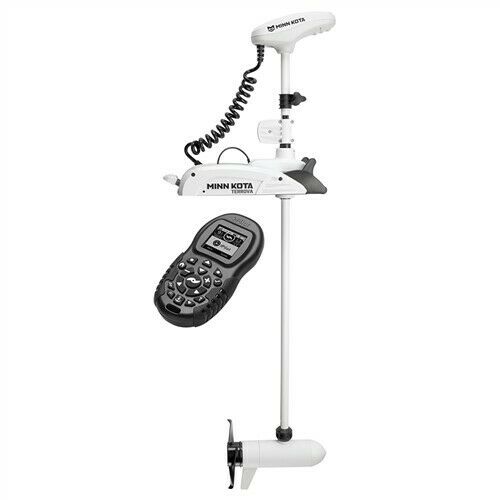
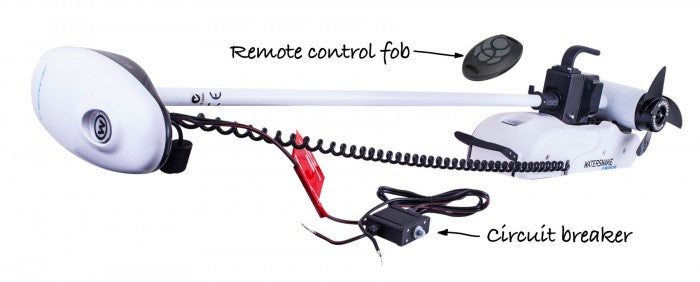
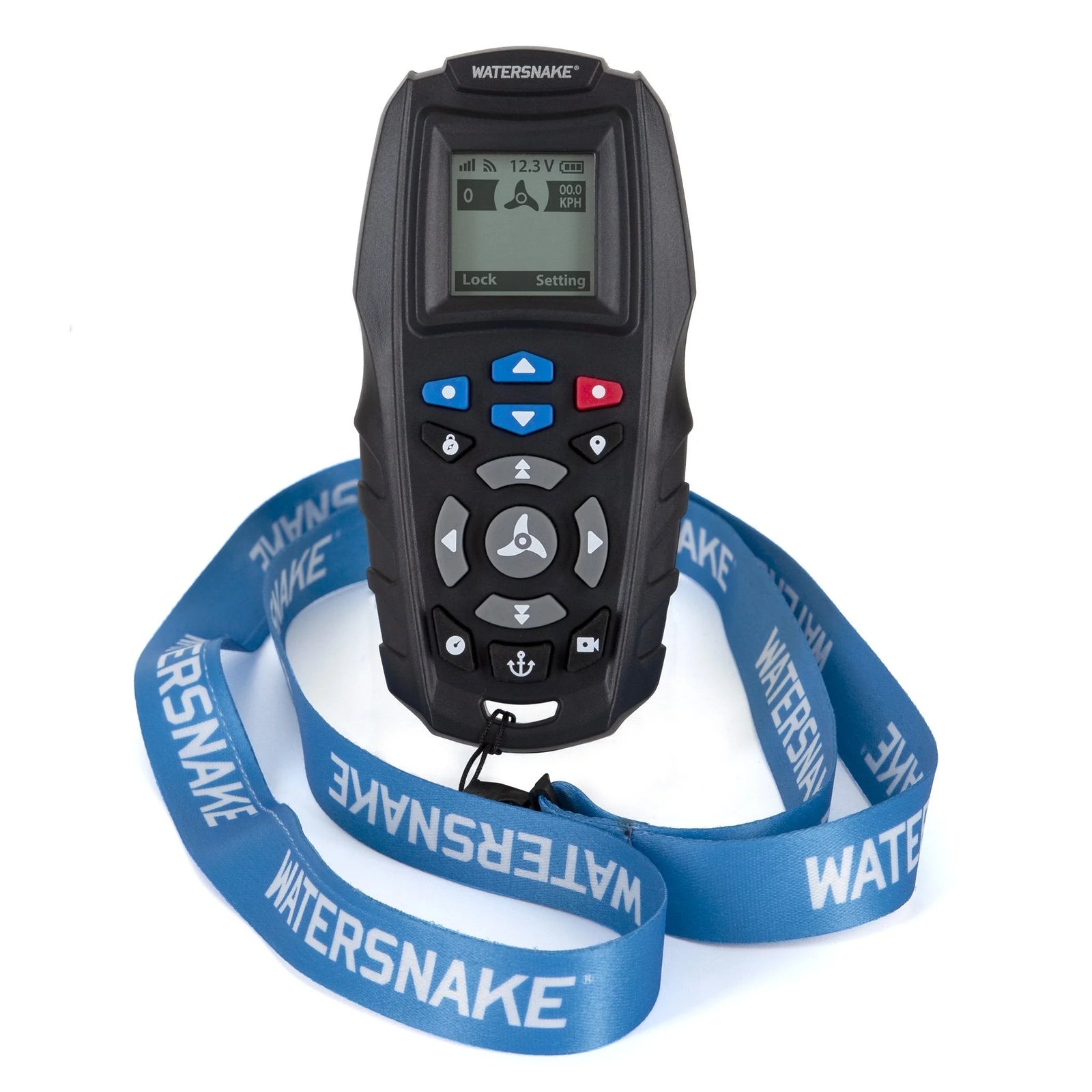
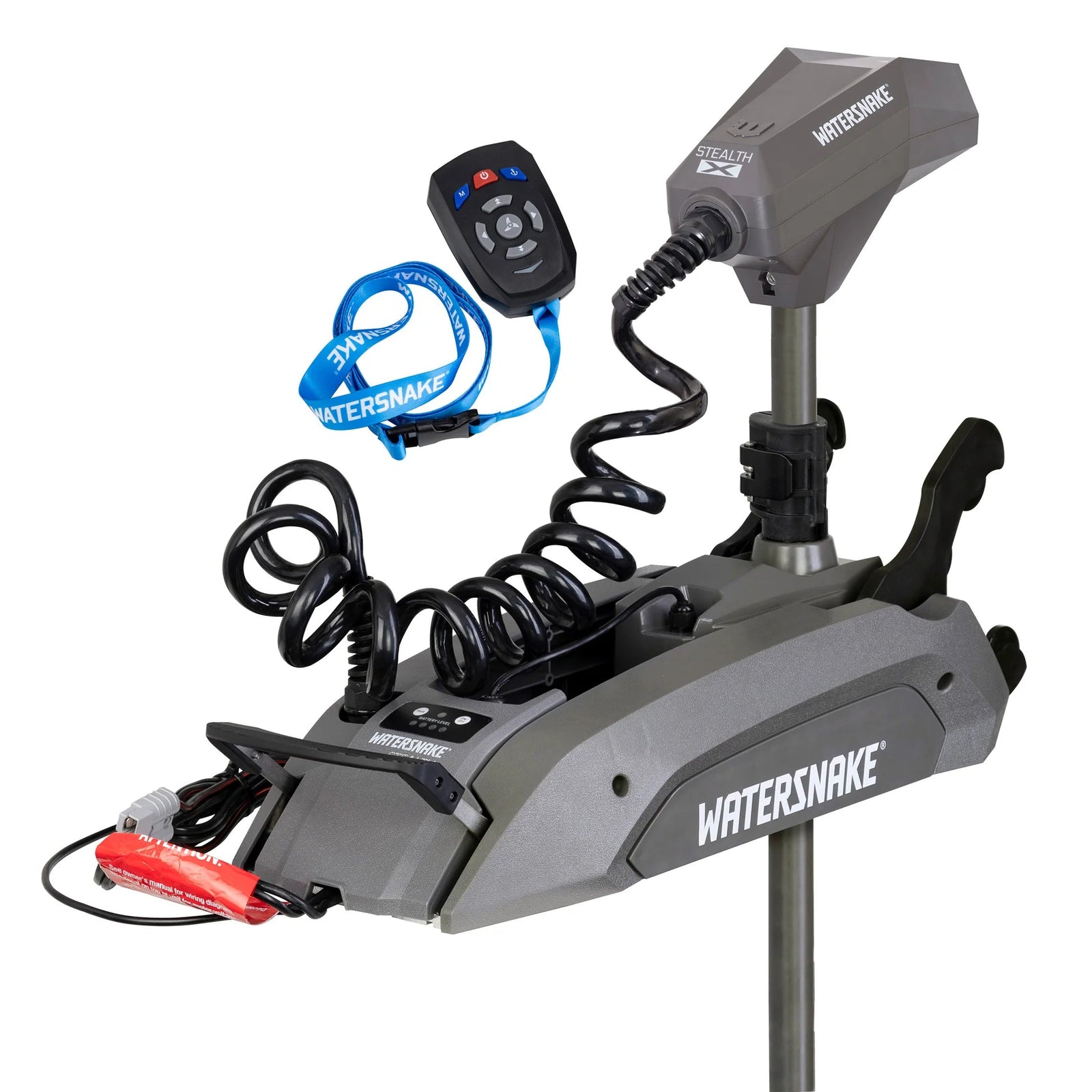
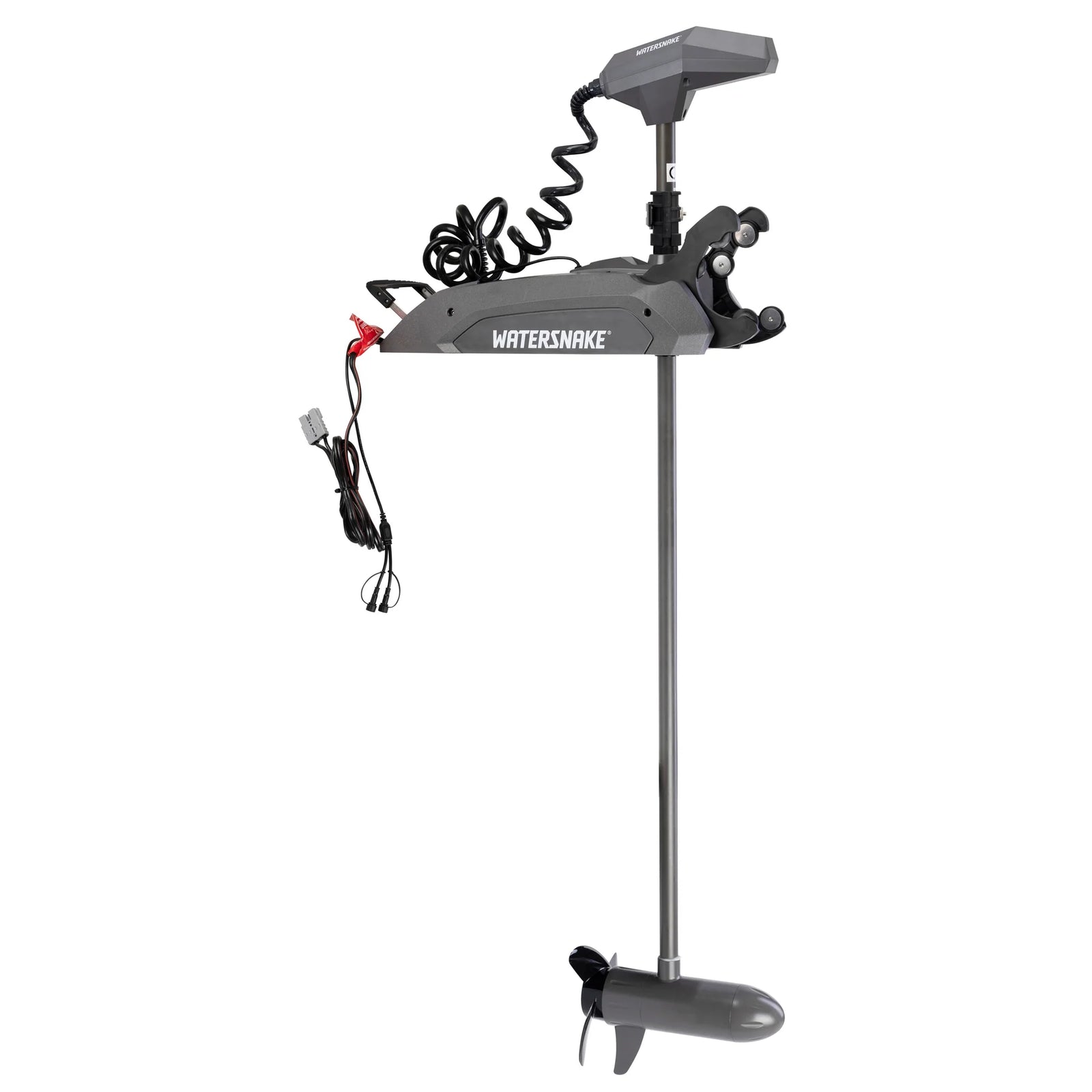
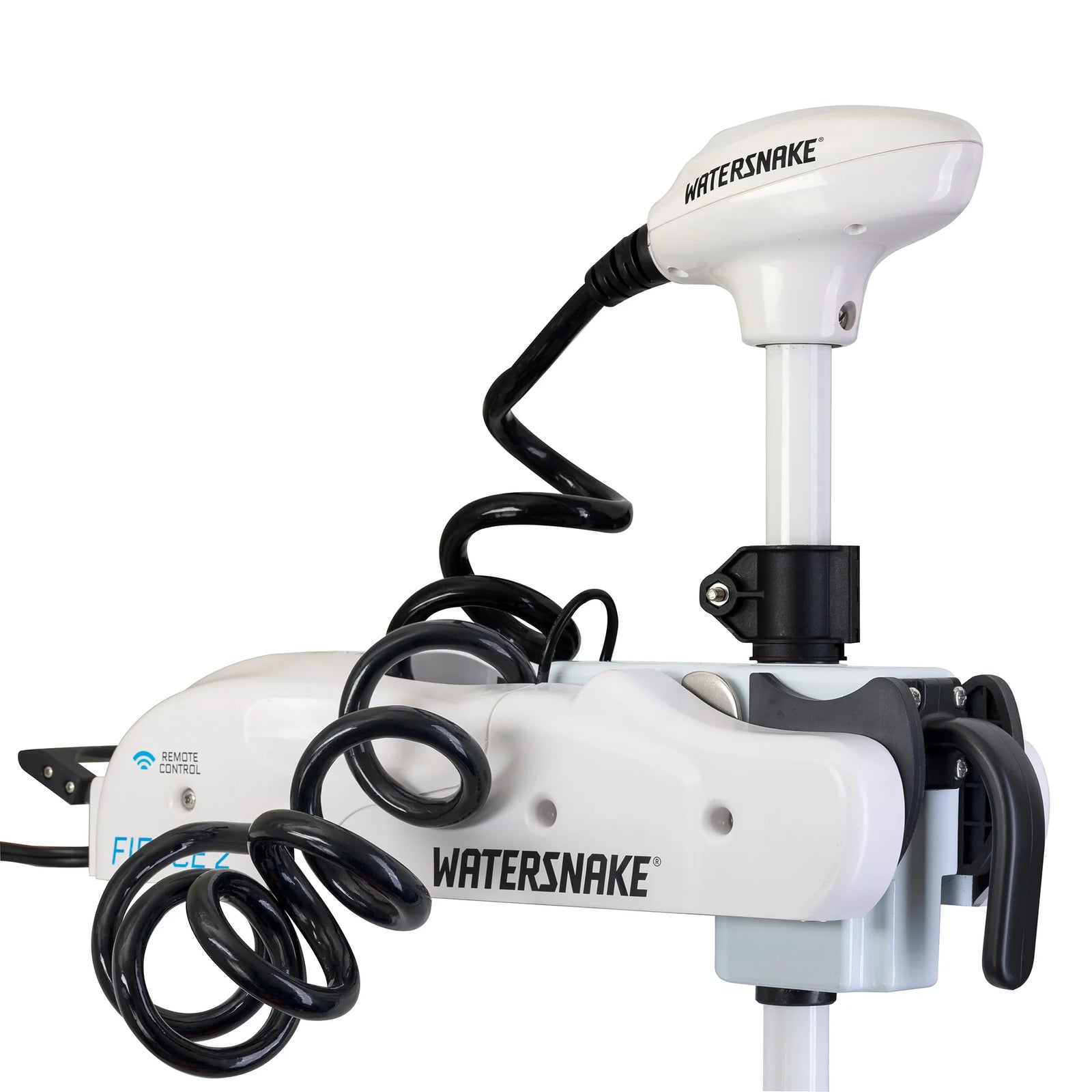
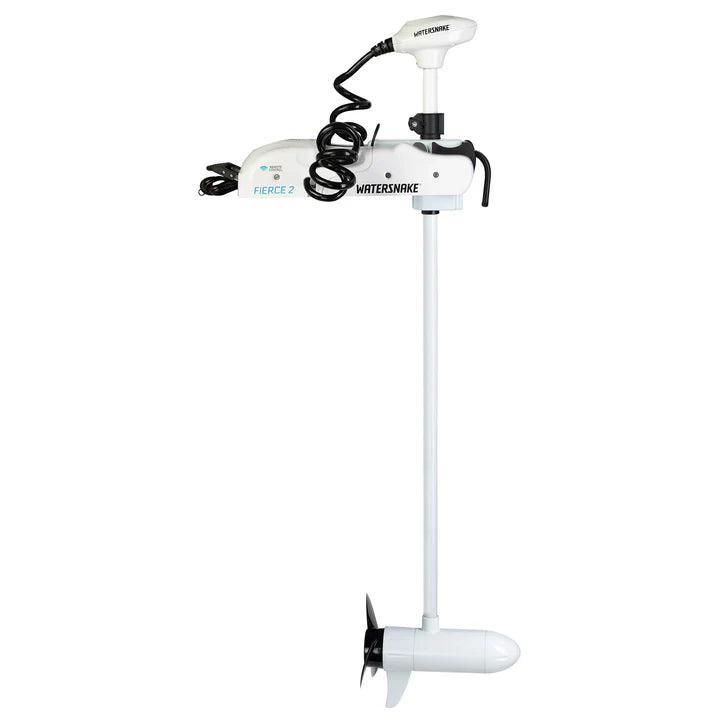
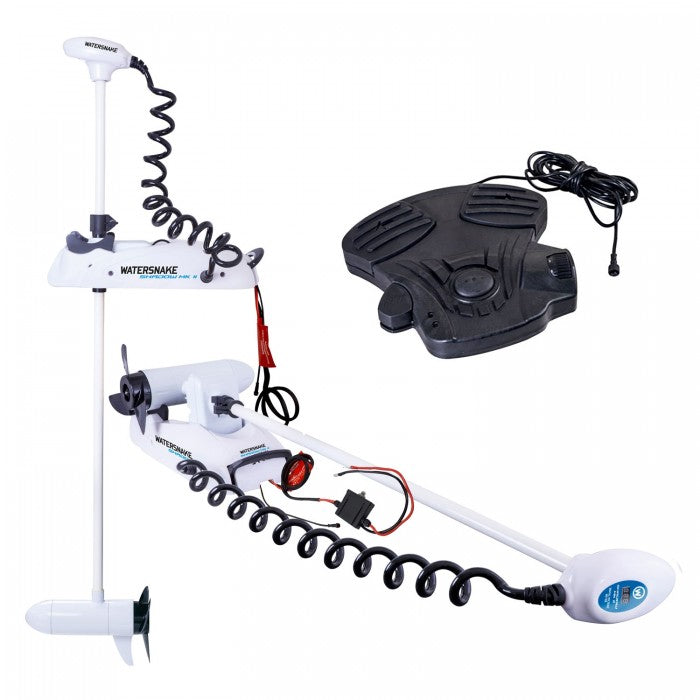
Watersnake Fierce 54lb 48 Remote Bow Mount Electric Trolling Motor
$499.00
$670.00
Sold Out

Sold Out
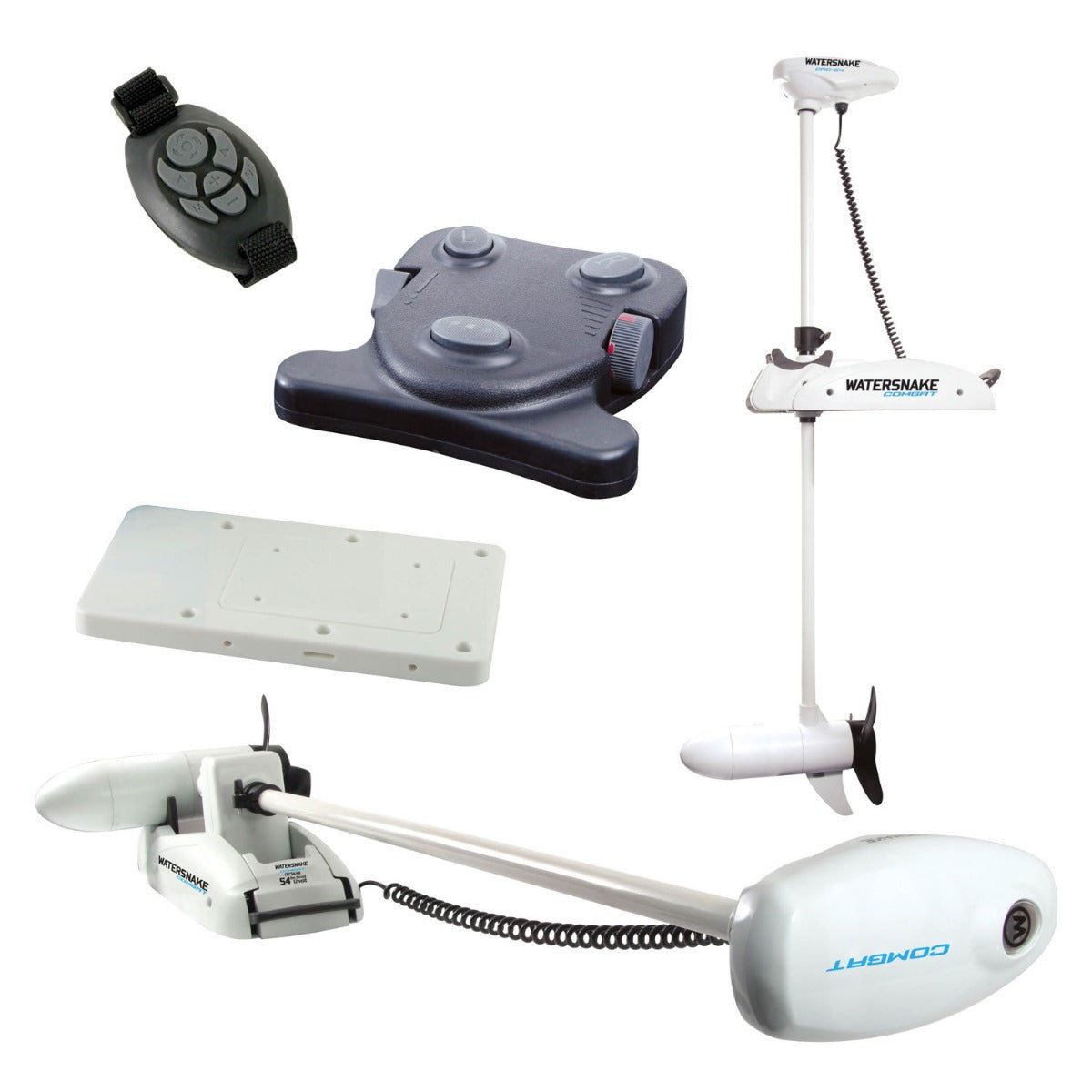
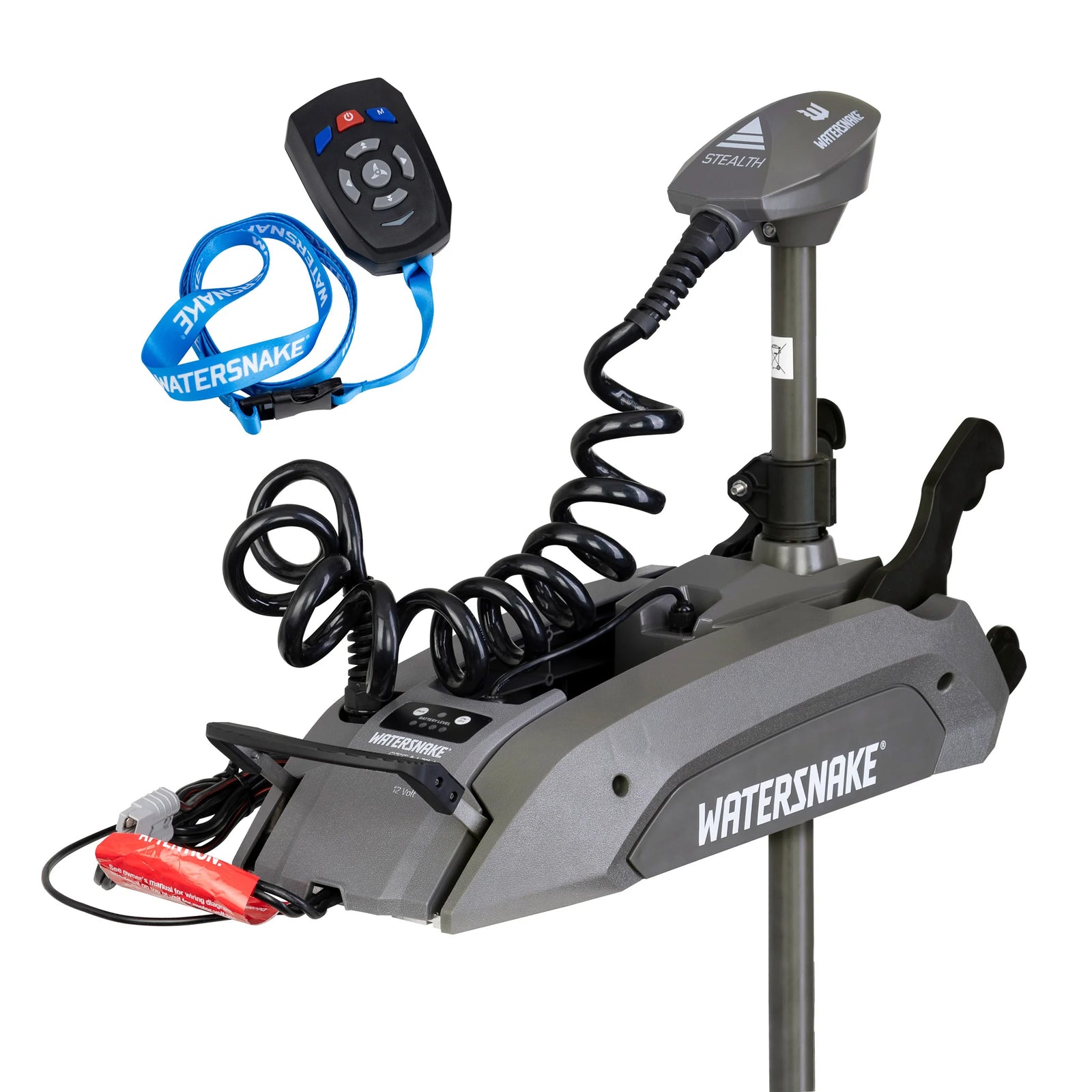
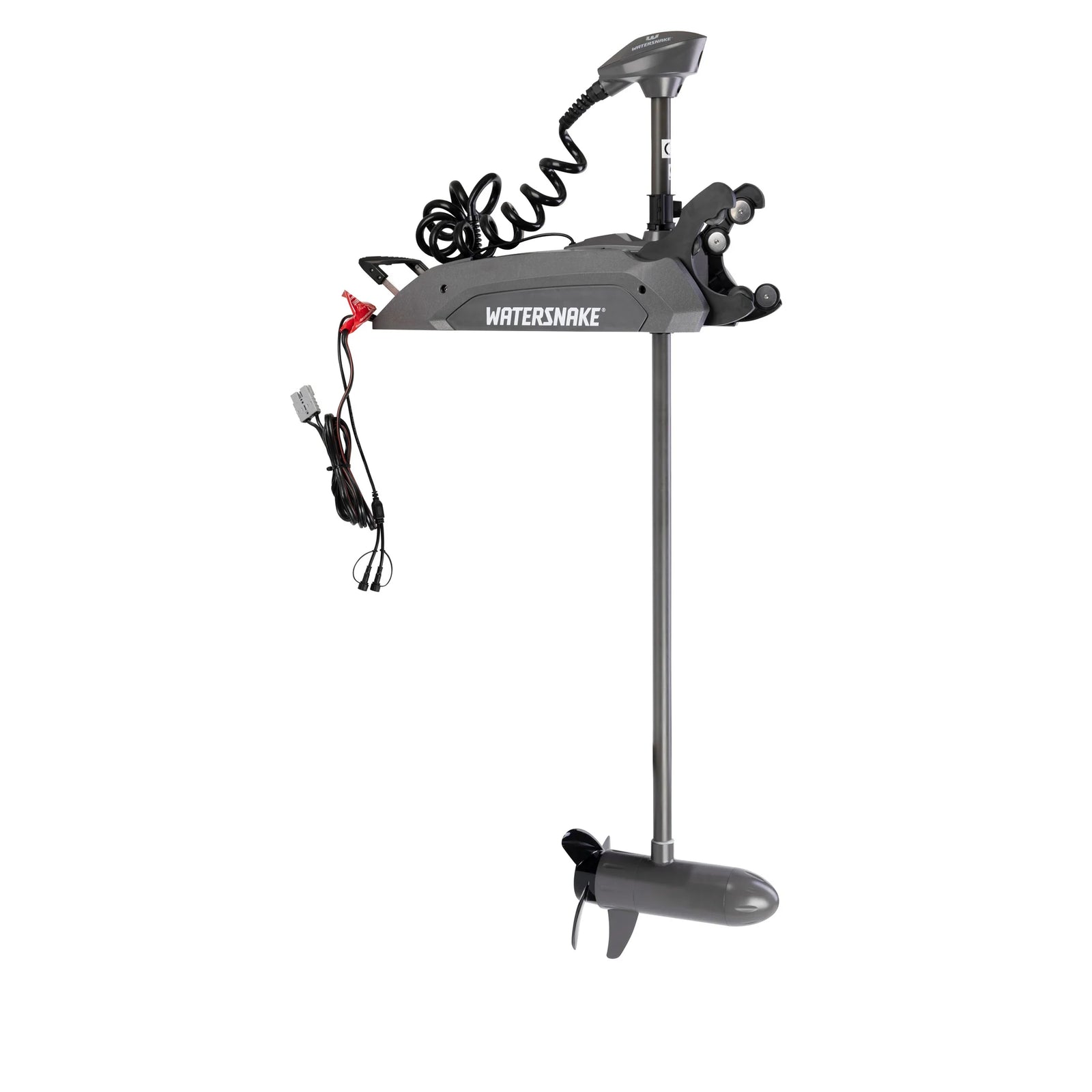
Watersnake Combat CRC 54lb 48 Remote Bow Mount Electric Trolling Motor
$545.00
$630.00
Sold Out










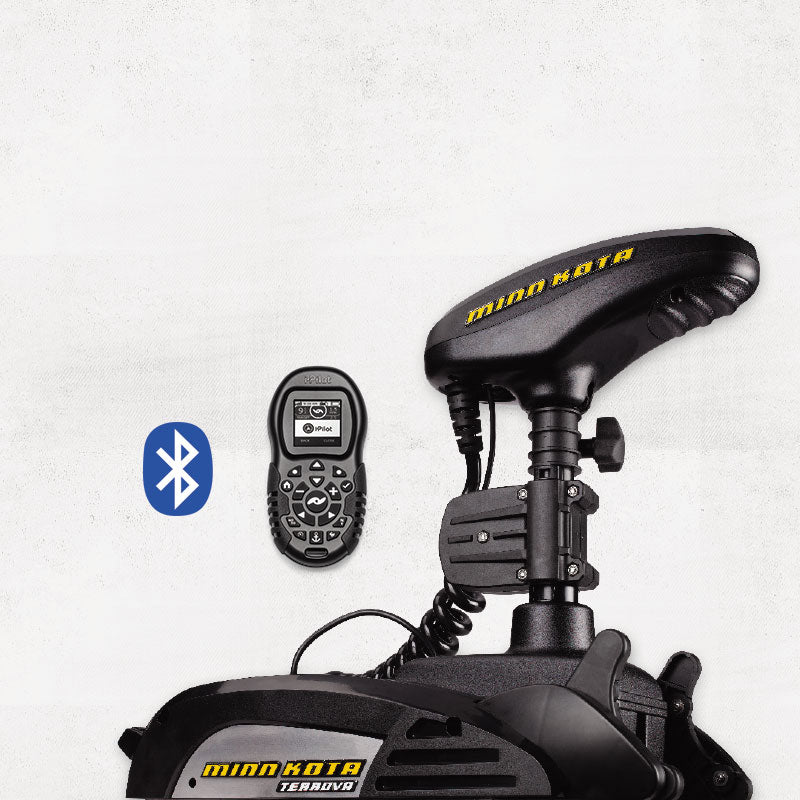
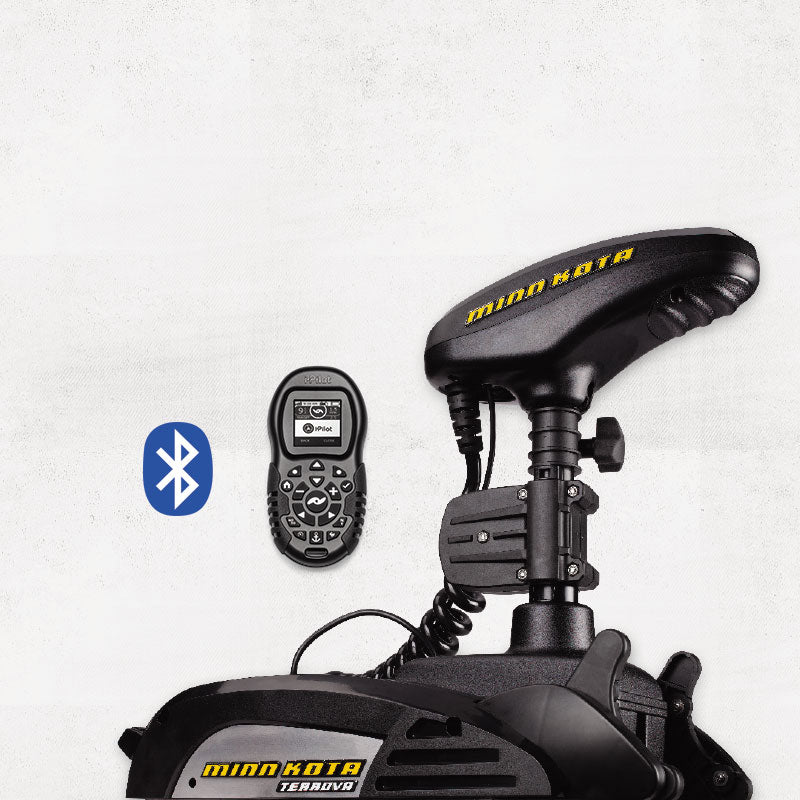
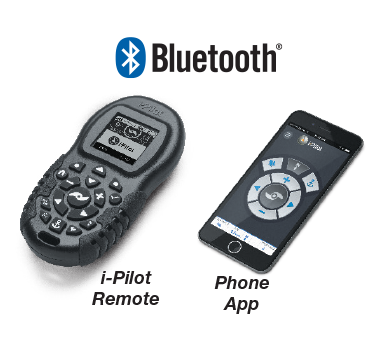

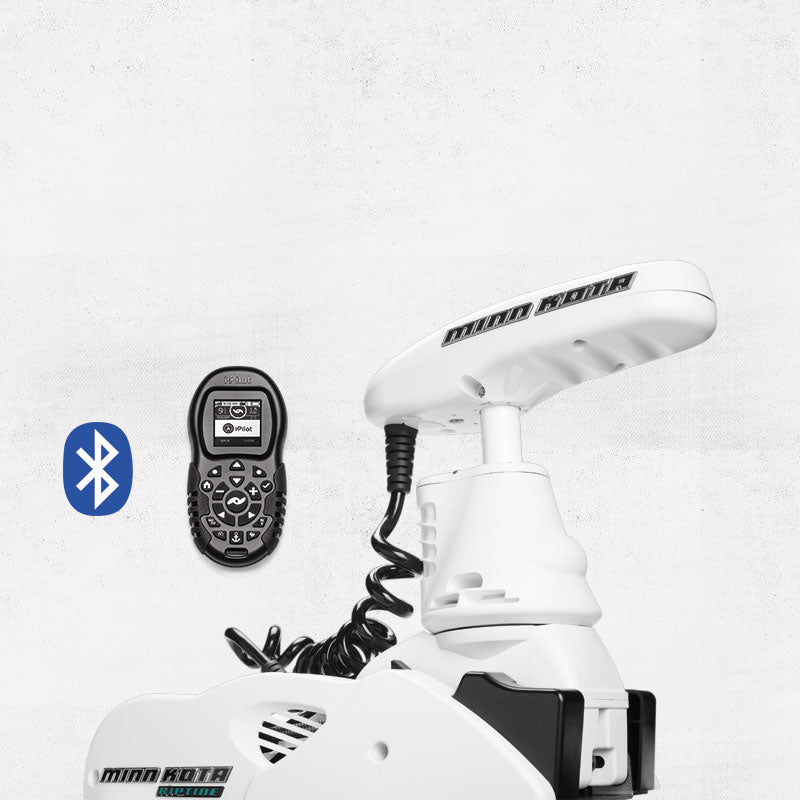








Sold Out
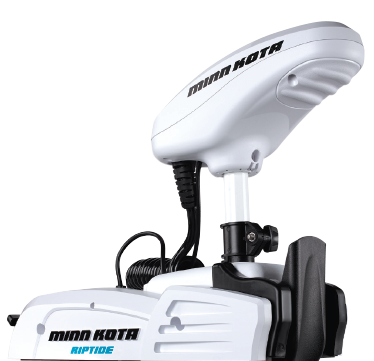
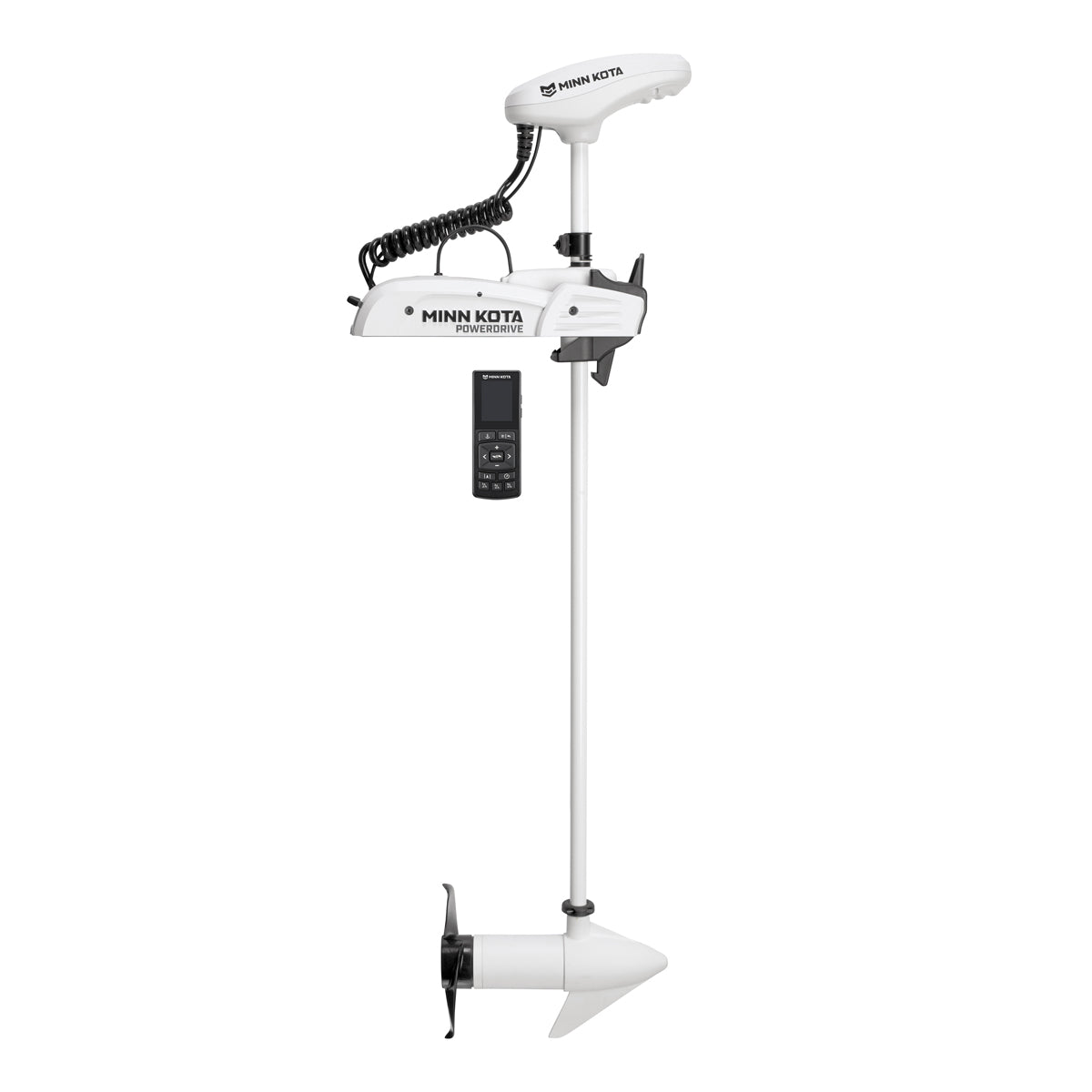
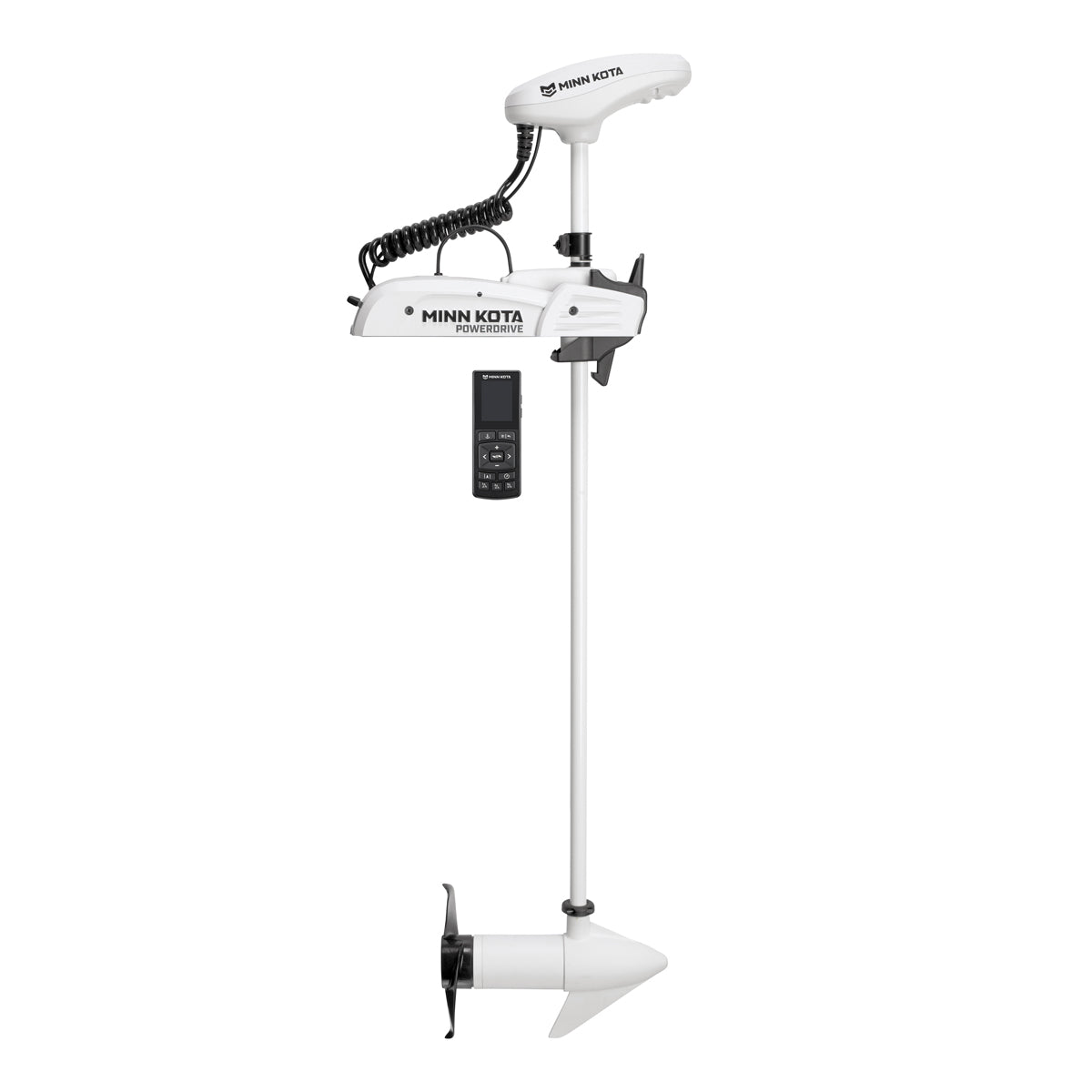
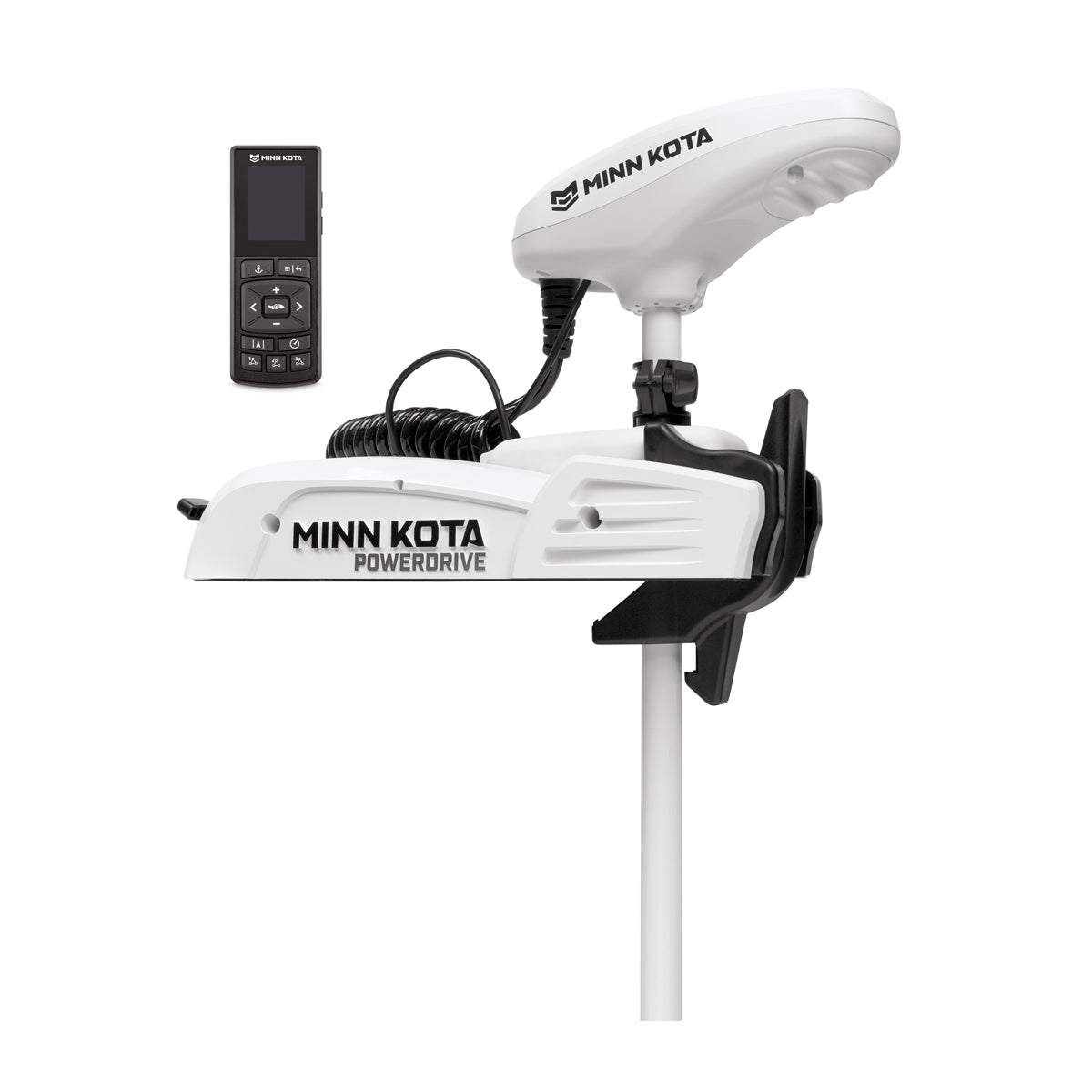
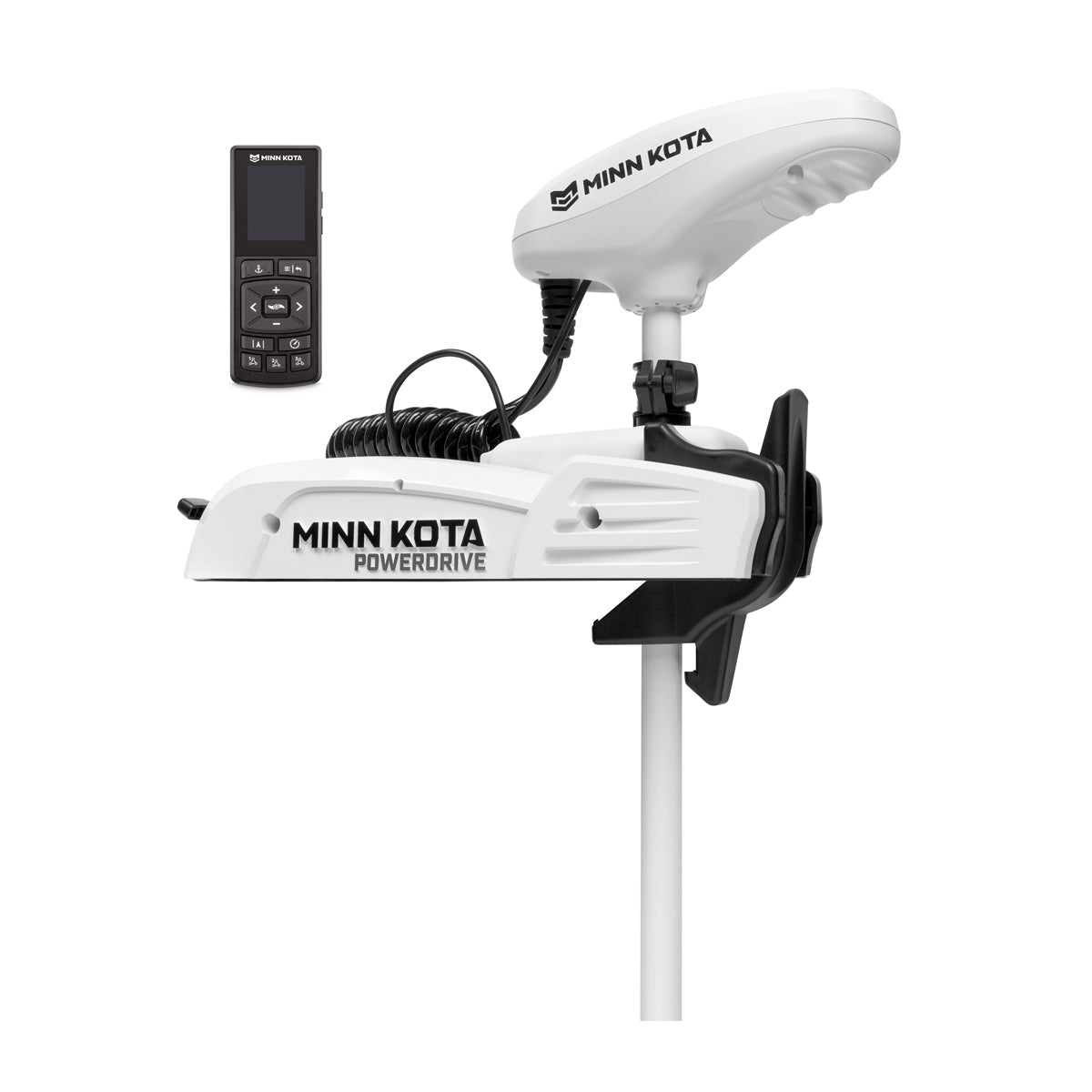
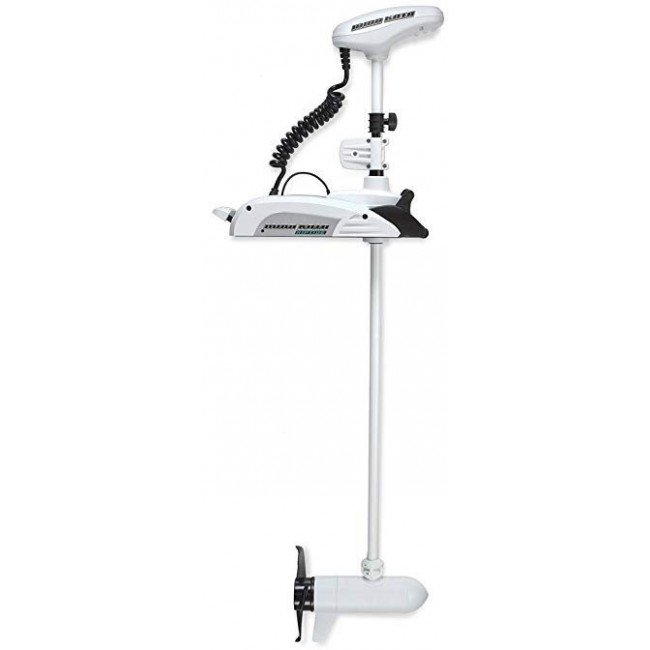
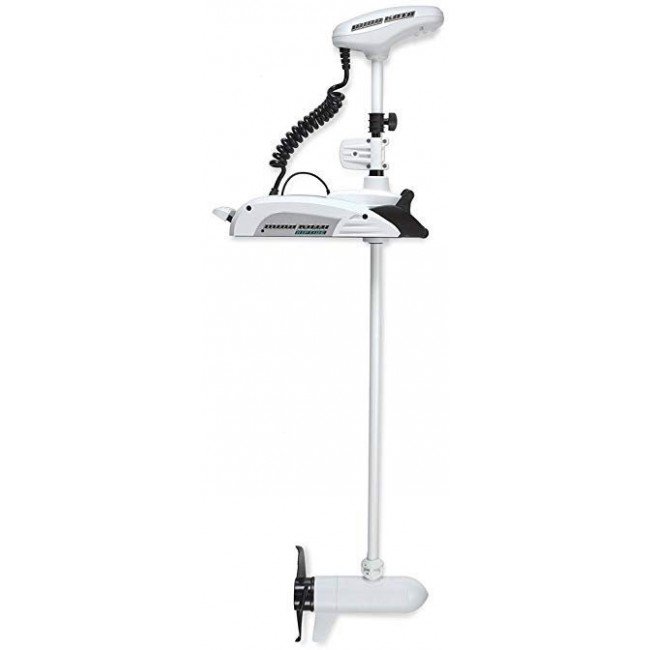
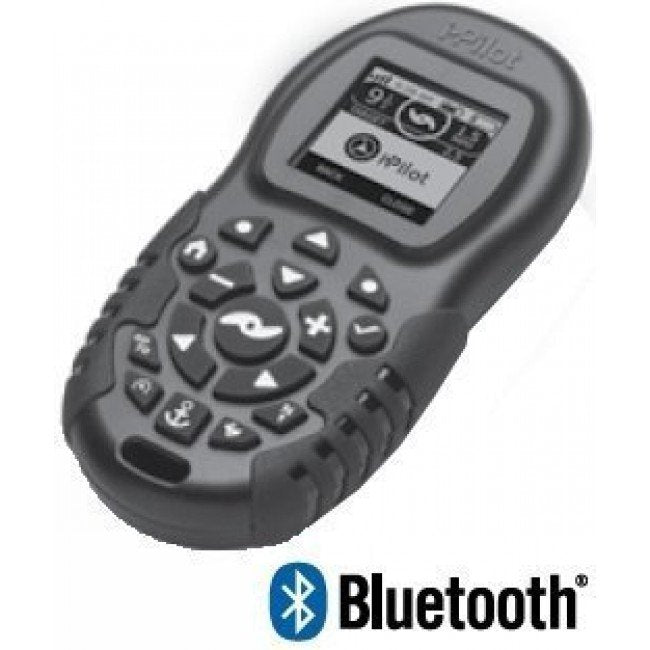
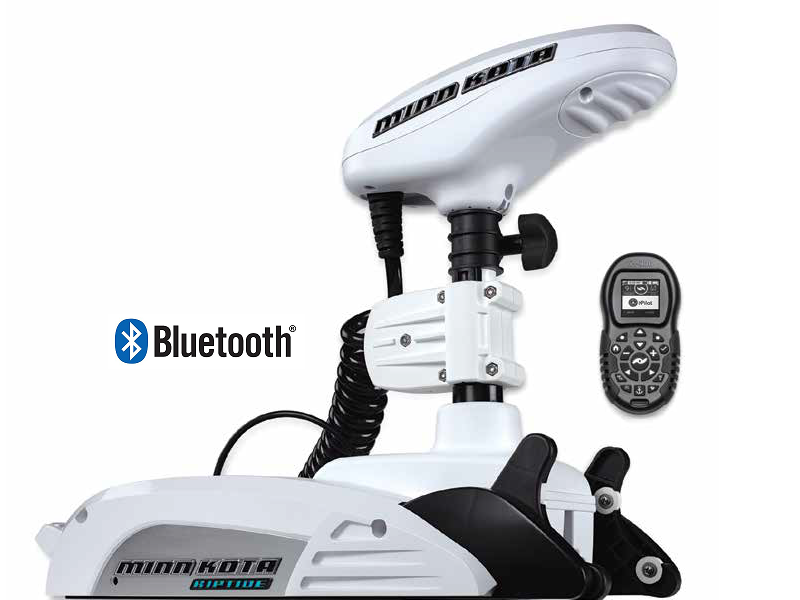
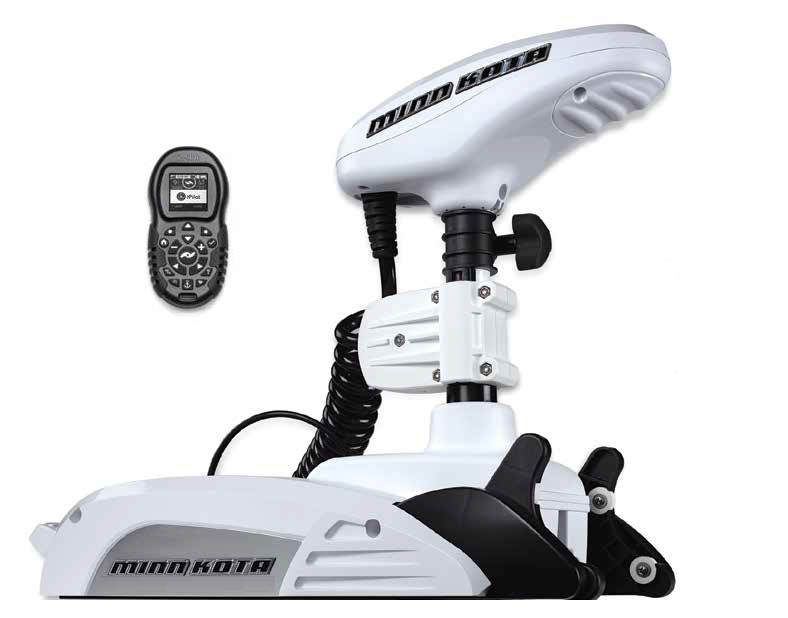
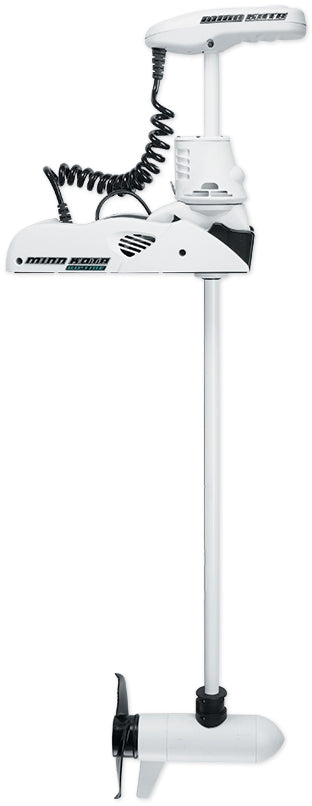
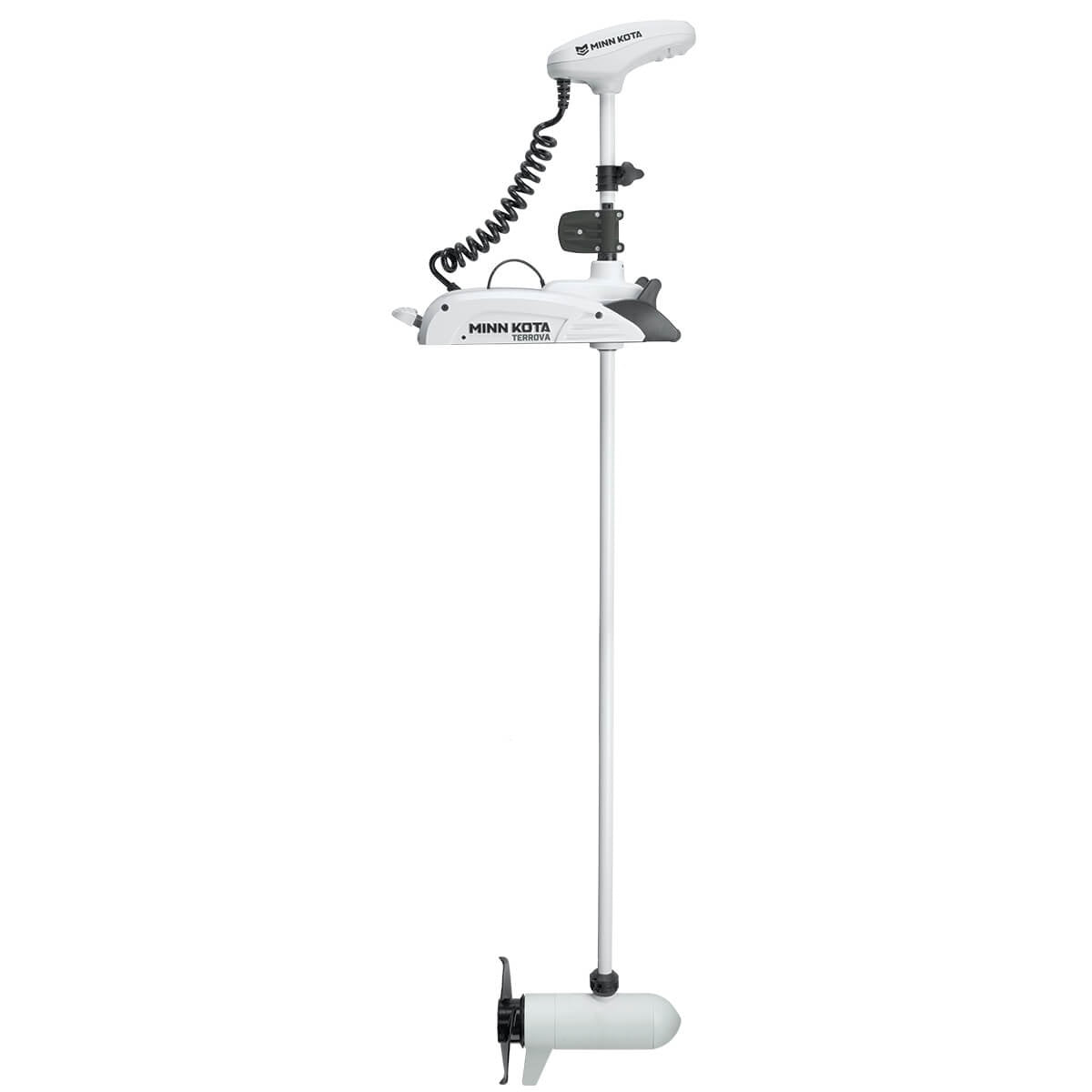
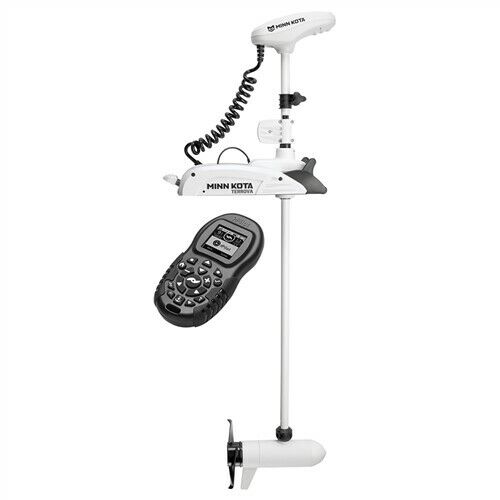
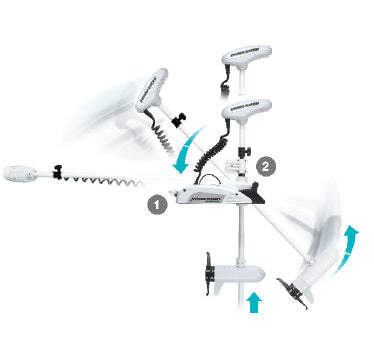
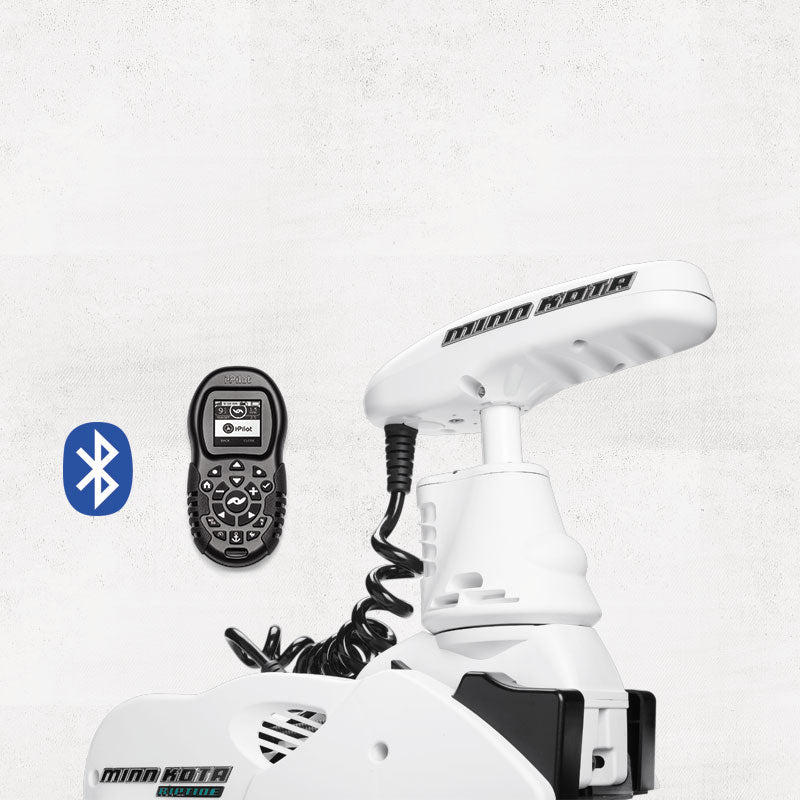
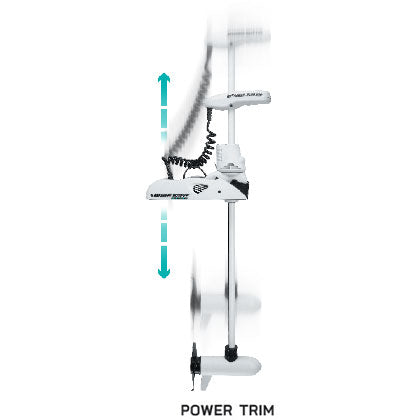
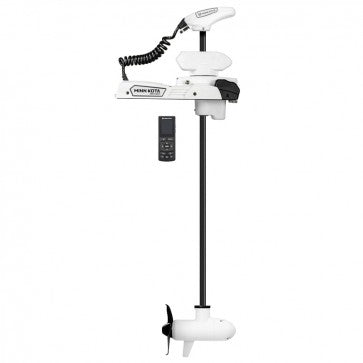
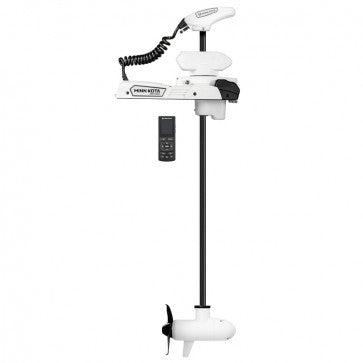
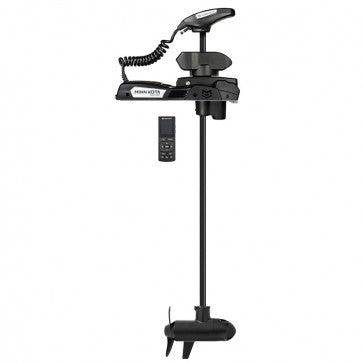
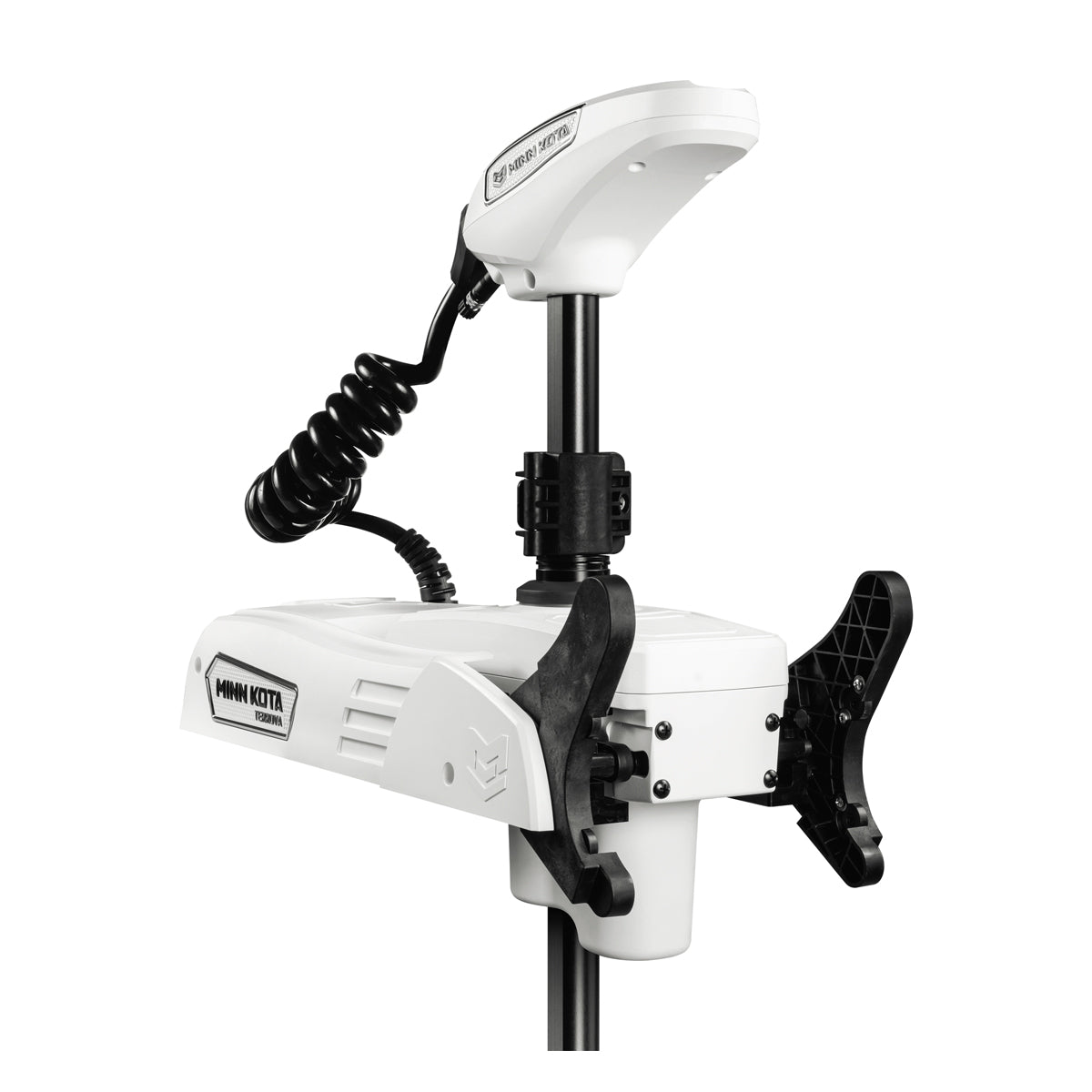
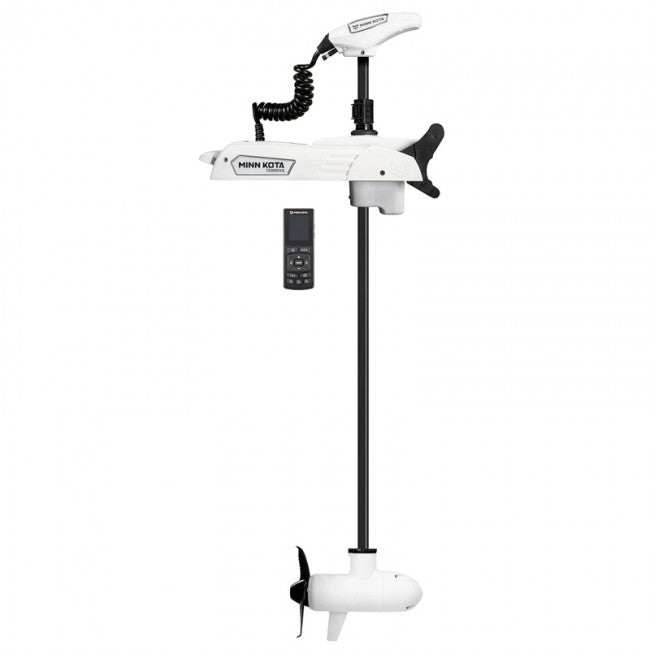
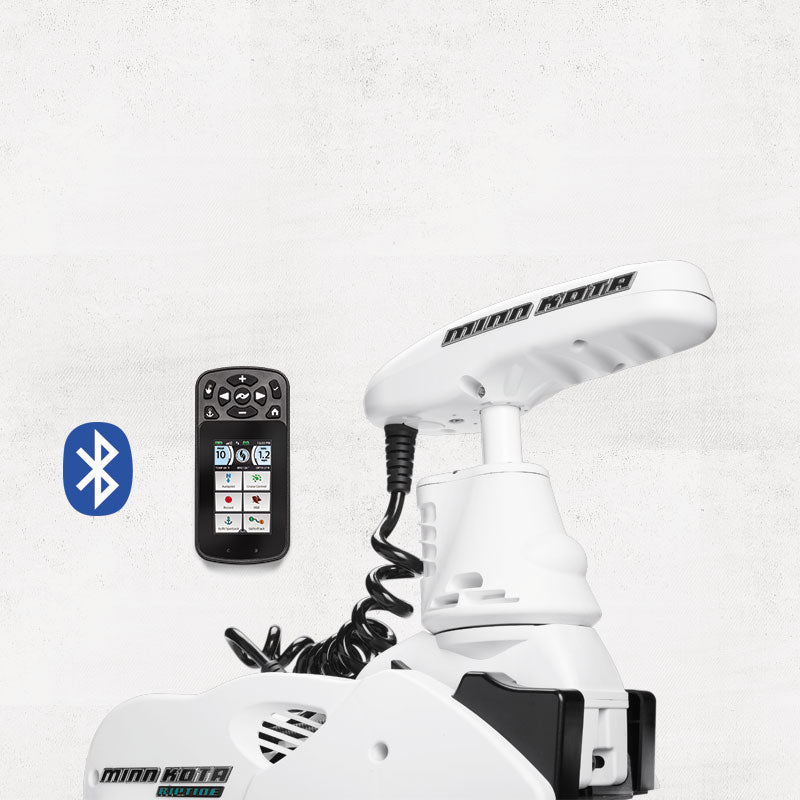
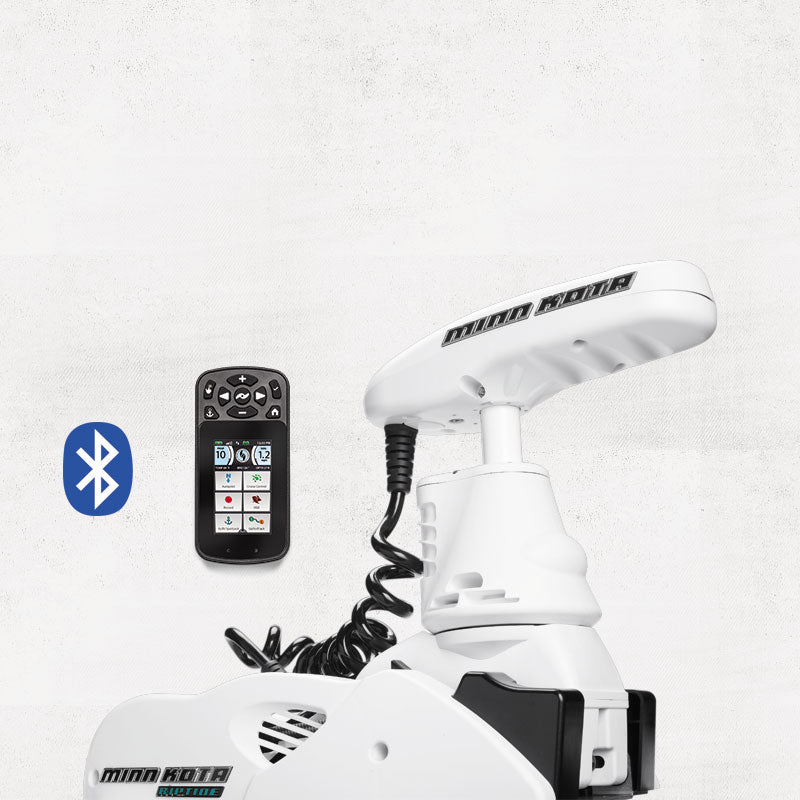
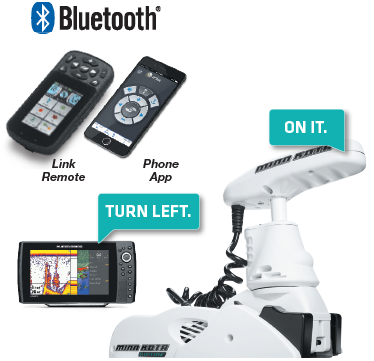
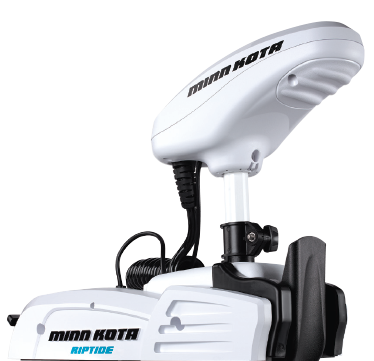
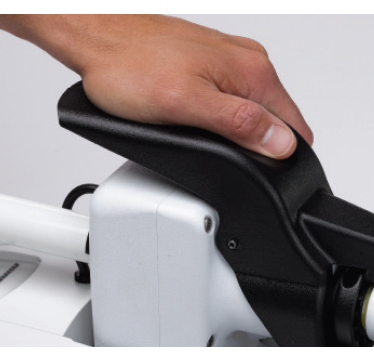
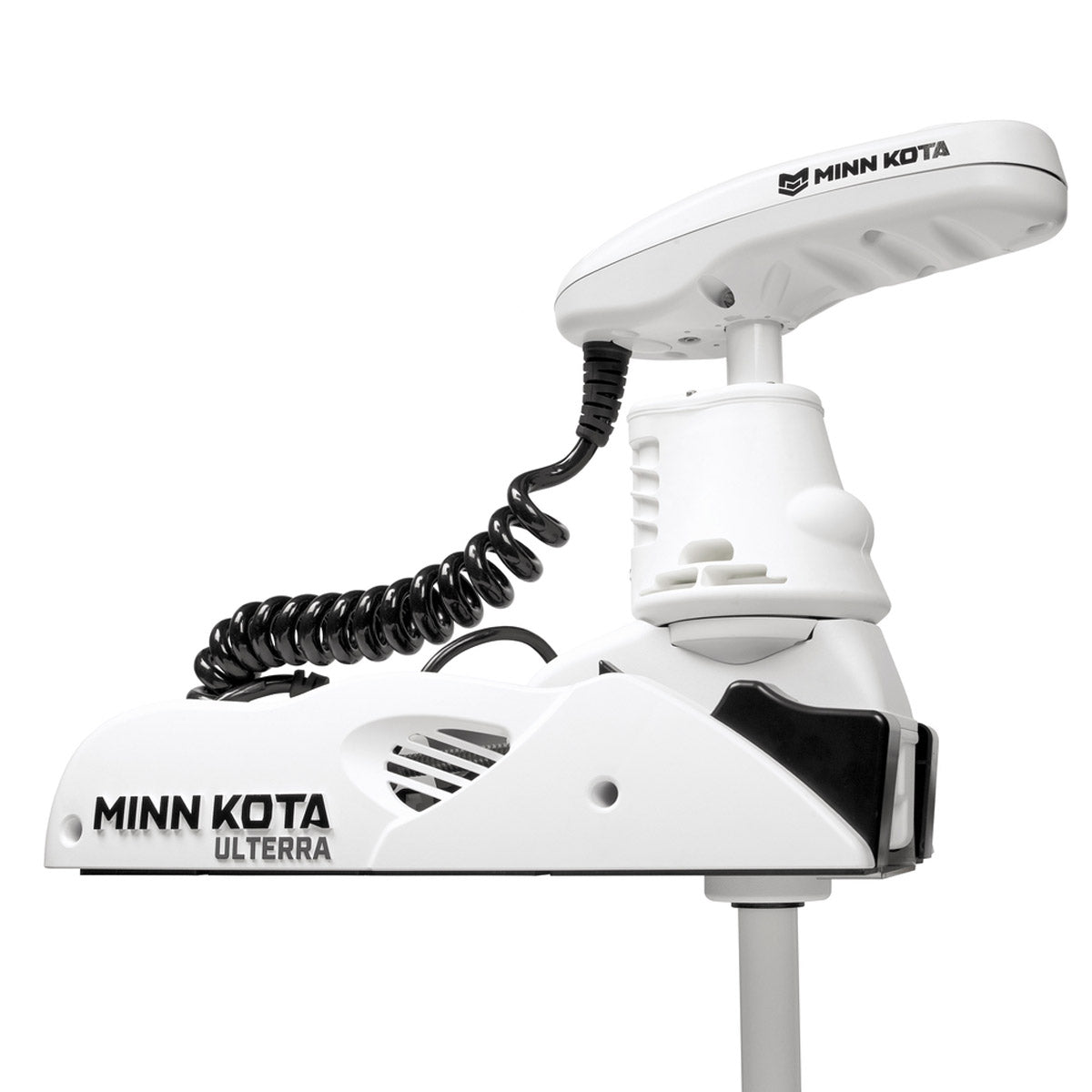
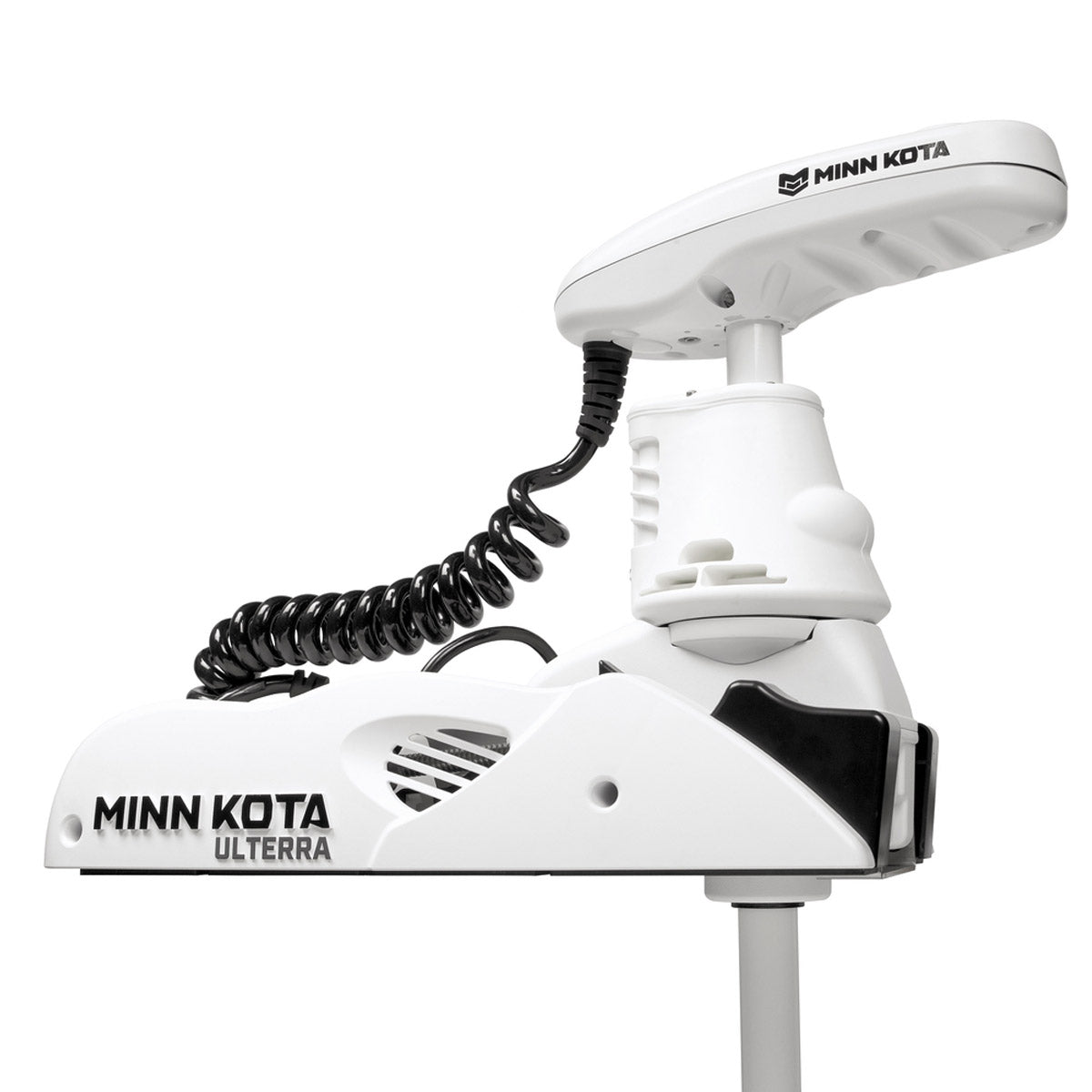
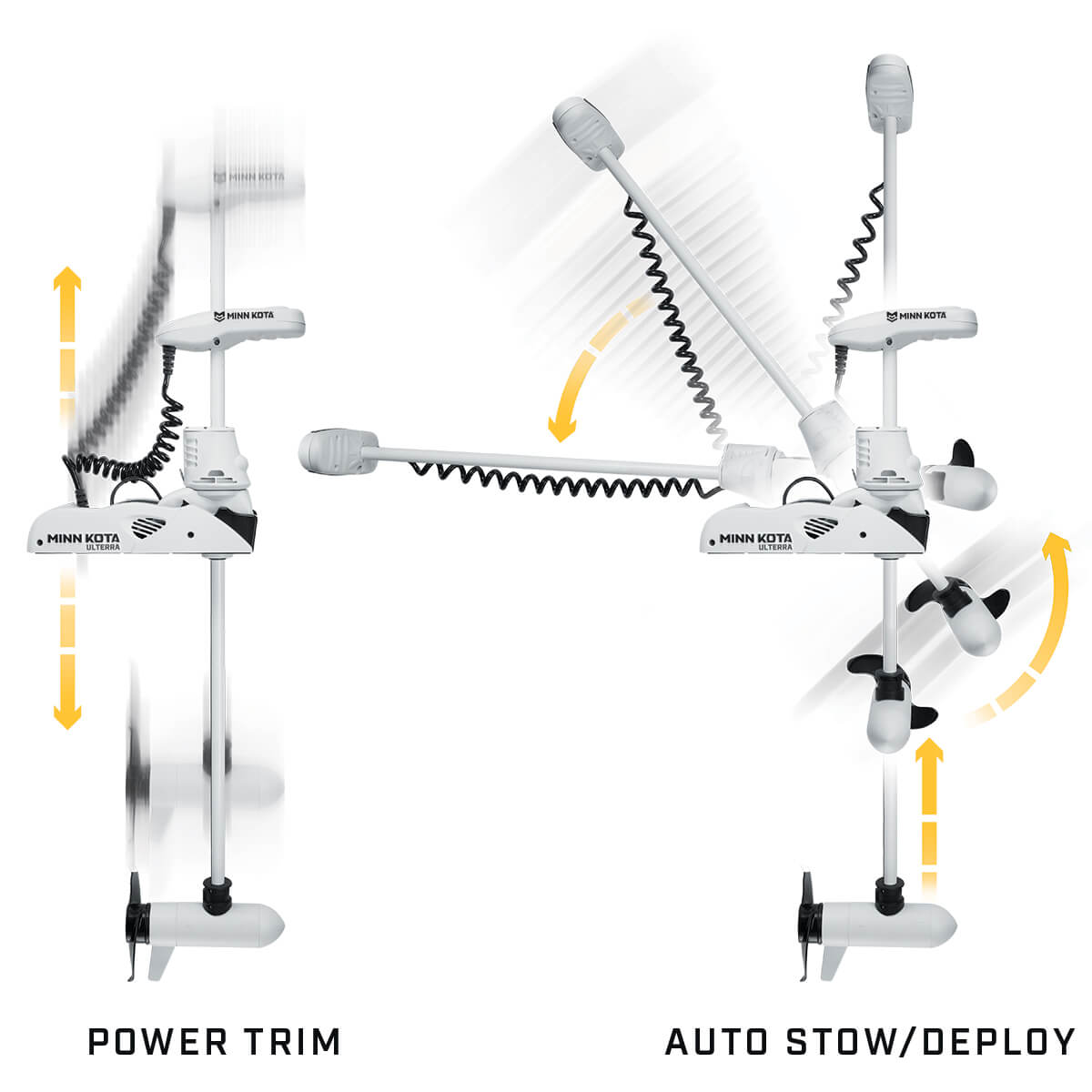
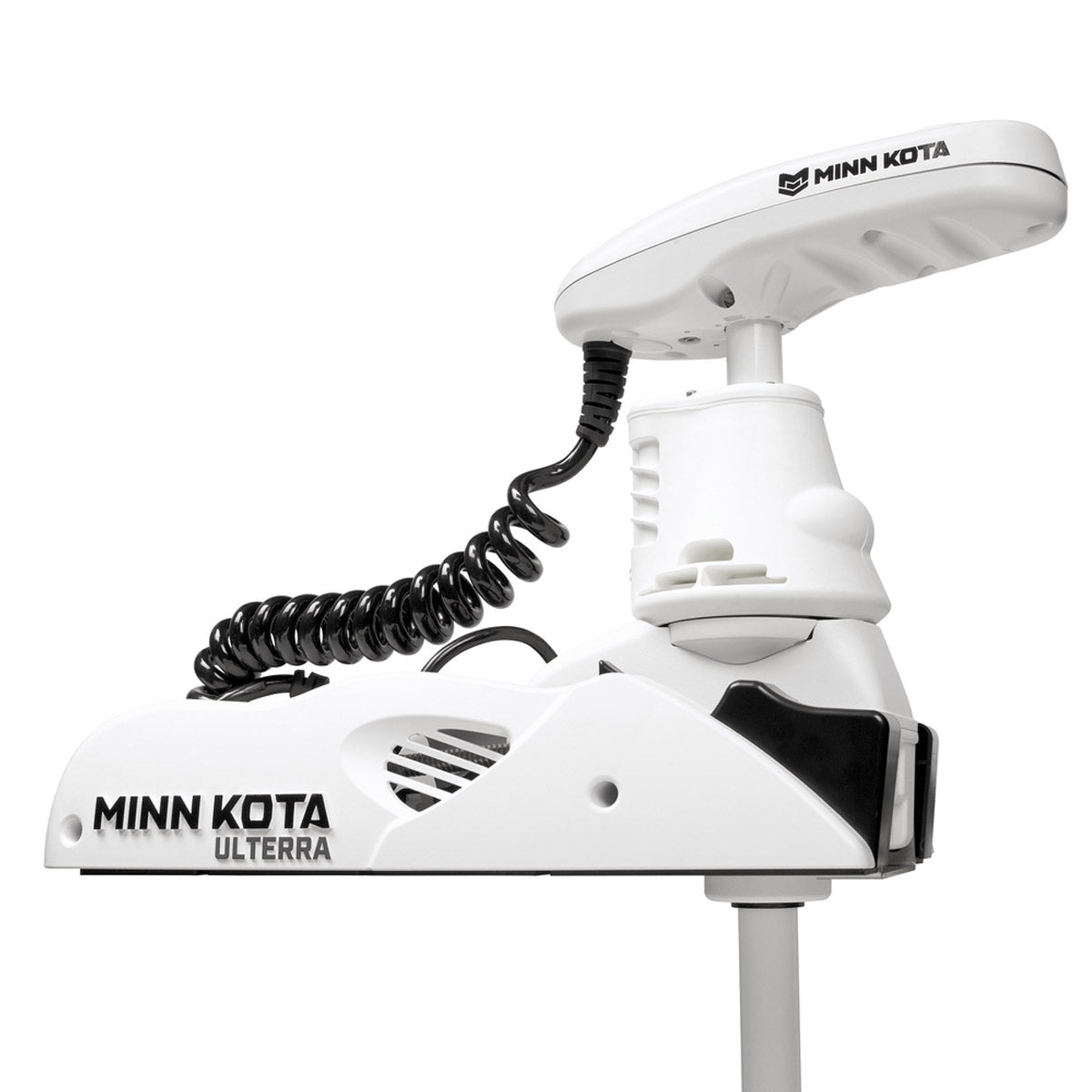
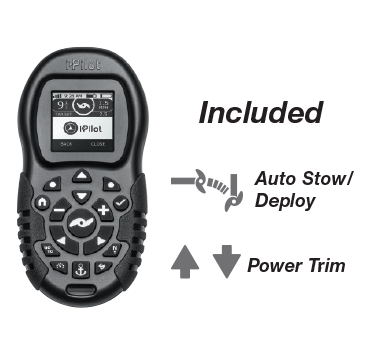
Minn Kota Riptide Ulterra iPilot Link 112lb 72in 601630 - Clearance
$4,500.00
$8,799.99
Sold Out







Sold Out
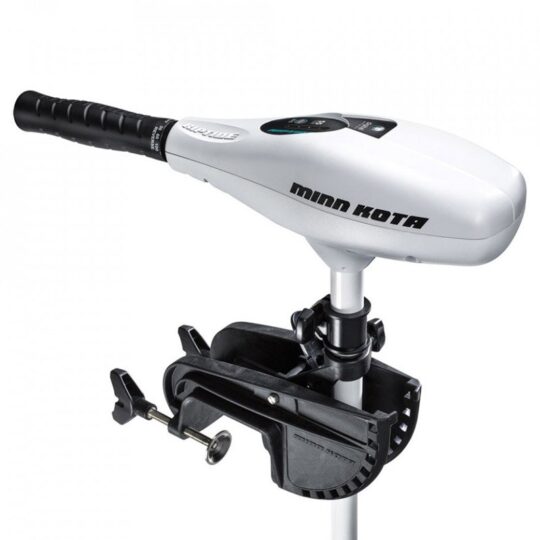
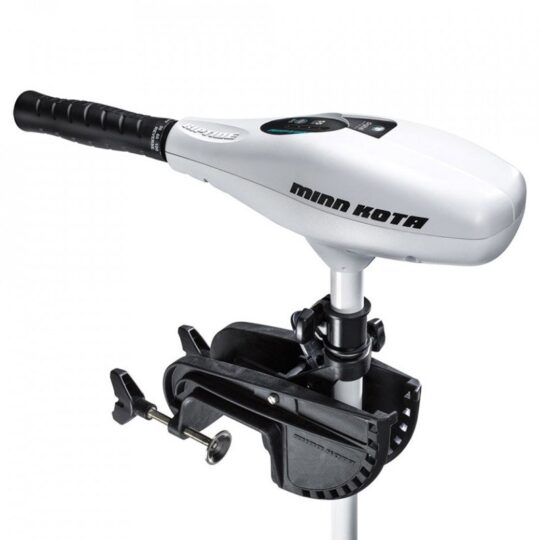
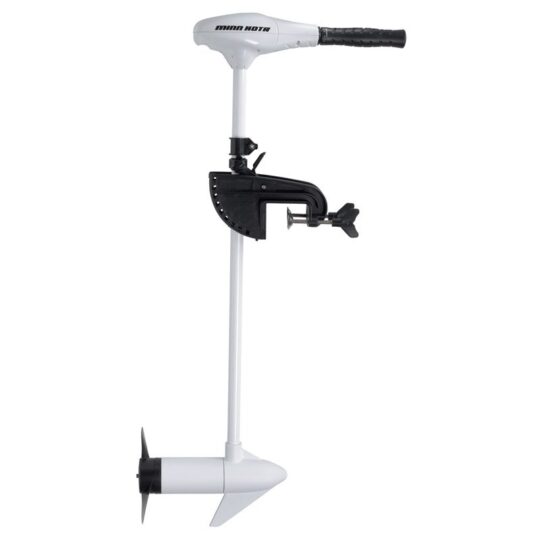
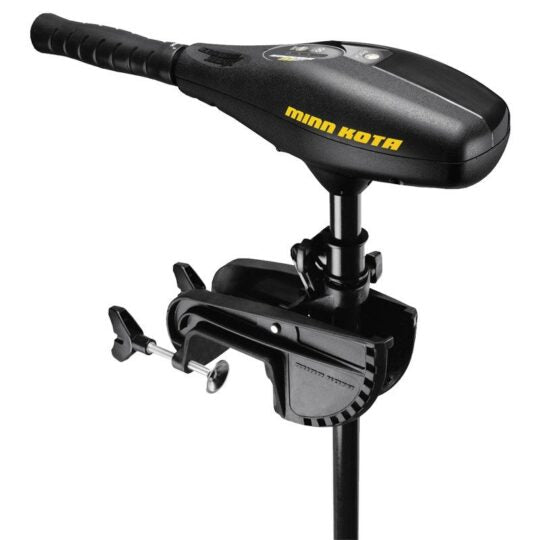
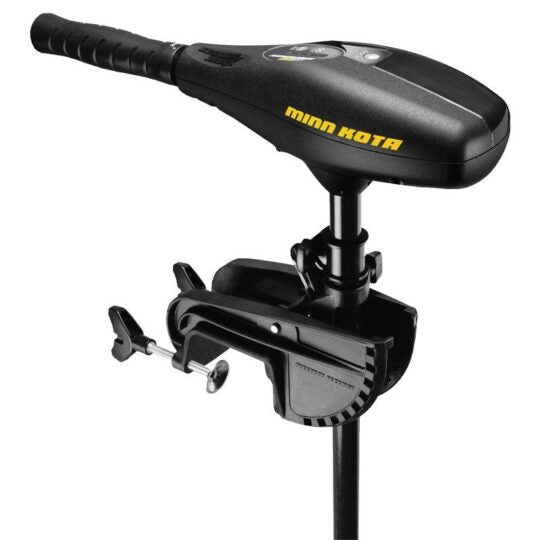
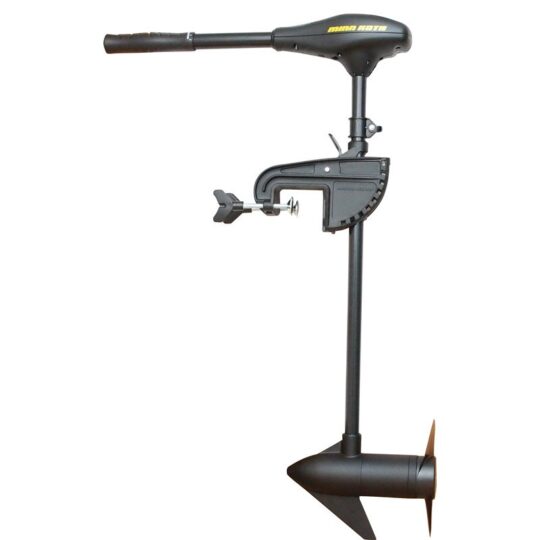
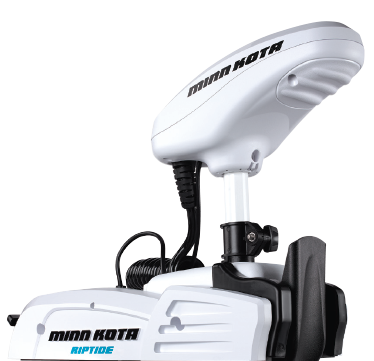
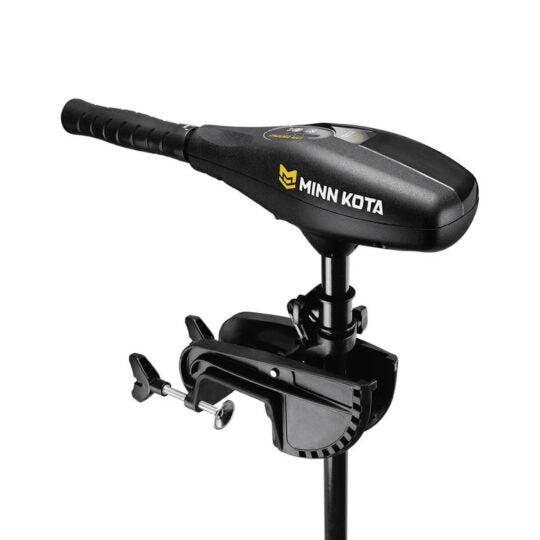
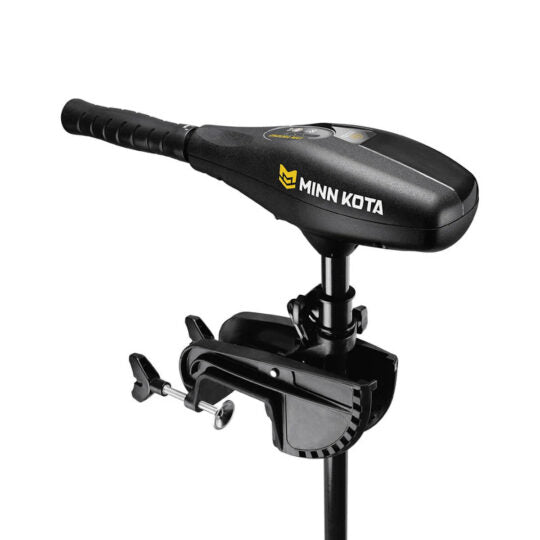
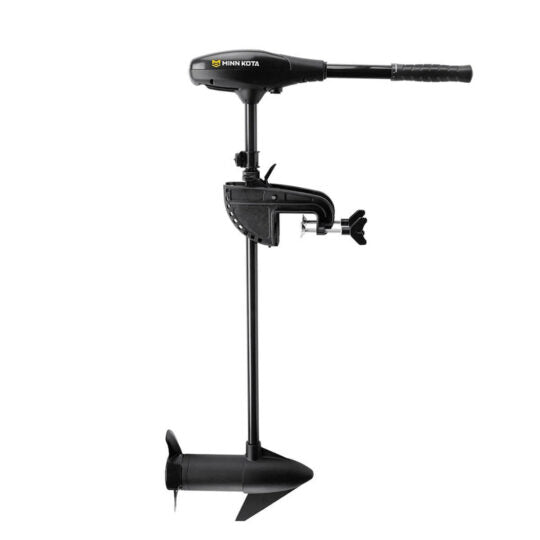
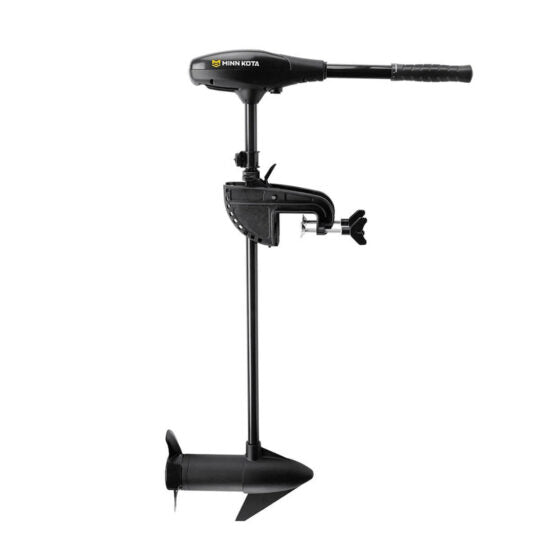
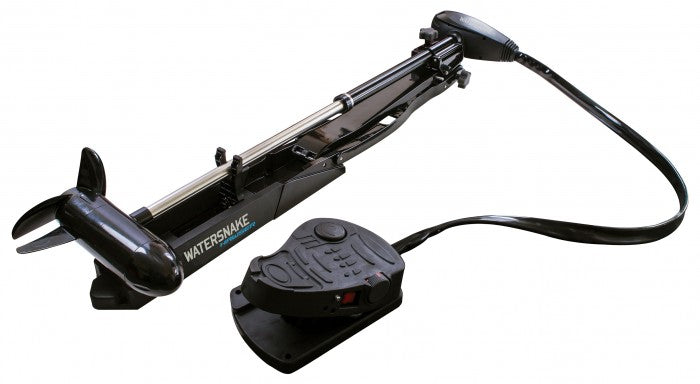
Minn Kota Endura Max Freshwater Transom Mount Electric Trolling Motor
from
$800.00
$899.00
Sold Out





An electric motor turns a boat into a fishing platform. It puts you where the fish are quietly, holds you there against wind and tide, and lets you fish a session without touching the anchor. Davo's Tackle stocks the full range from Minn Kota, Watersnake and Garmin — bow mount, transom mount and kayak motors.
Bow, transom or kayak?
Bow mount motors sit at the front and pull the hull rather than pushing it, which gives far better control in wind and current. They are the standard for serious fishing and the only option with full GPS anchoring. Transom mount motors clamp to the back, cost less and are simpler to fit — ideal for tinnies, punts and trolling. Kayak motors mount on a bracket and turn a paddle craft into something you can fish all day without wearing yourself out.
What to look for
GPS spot lock is the feature owners say they would not go without — it holds the boat on a mark automatically against wind and current, and it is the reason most people upgrade. Beyond that, thrust needs to suit your boat's fully loaded weight, and under-powering is the most common mistake. Shaft length needs to keep the motor properly submerged in the chop you actually fish. Saltwater-rated motors use sealed components and anodes, and are essential near the coast.
If you are unsure what suits your boat, get in touch before you buy — it is worth a conversation. The rest of the rigging sits in boating, and fish finders and sounders are the usual next addition.
Frequently asked questions
What is spot lock?
A GPS function that holds the boat on a fixed point automatically, correcting for wind and current. It is the electric motor equivalent of an anchor you never have to pull.
Bow mount or transom mount?
Bow mounts give far better boat control and are the standard for serious fishing. Transom mounts are cheaper, simpler to fit and well suited to small tinnies and trolling.
How much thrust do I need?
Thrust should suit your boat's fully loaded weight, and most anglers are better off going a size up than a size down. Wind and tide are what expose an under-powered motor.
Can I use a freshwater motor in saltwater?
It is not recommended. Saltwater models use sealed electronics, anodes and corrosion-resistant hardware; a freshwater motor will deteriorate quickly.