

FREE SHIPPING ON ORDERS OVER $150*

AUSSIE FAMILY OWNED BUSINESS FOR OVER 40 YEARS

100% SATISFACTION GUARANTEED
Braided Fishing Line
Braided Fishing Line
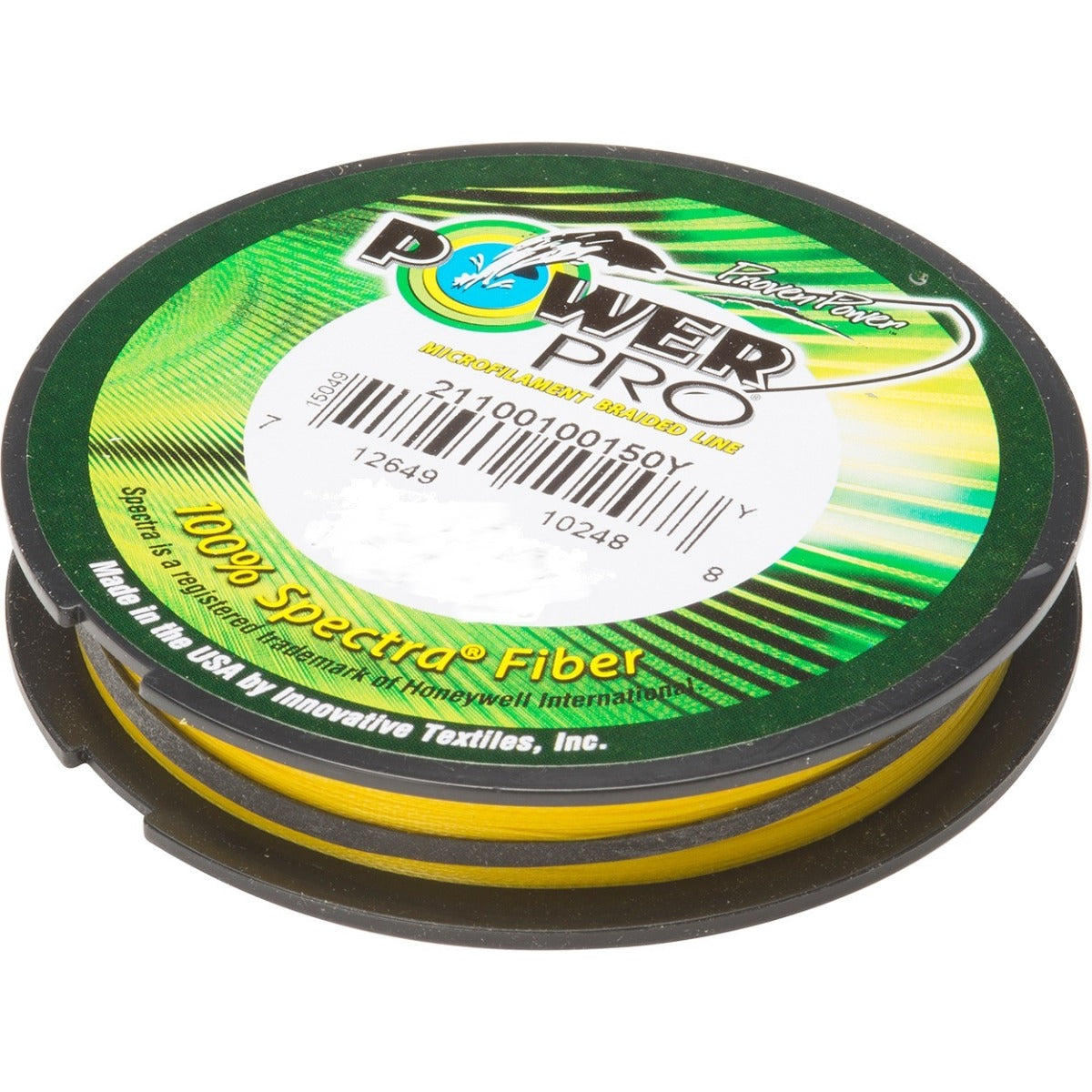
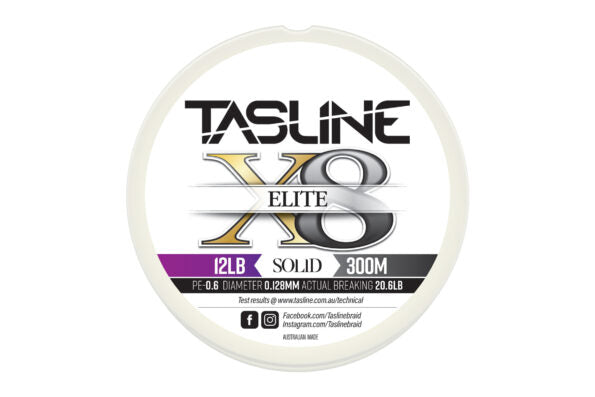
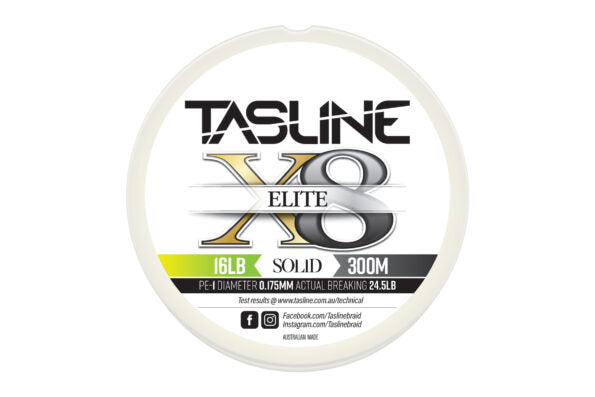
Braid changed Australian fishing. With almost no stretch and a diameter a fraction of equivalent mono, it gives you direct contact with the lure, far better hooksets at distance, and more line on the spool than you thought possible.
Choosing braid
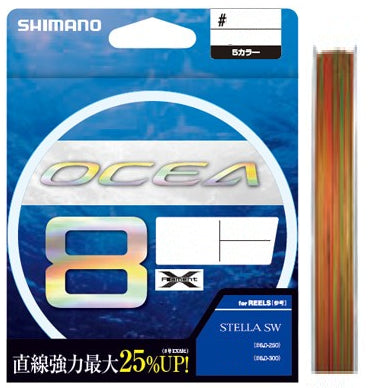
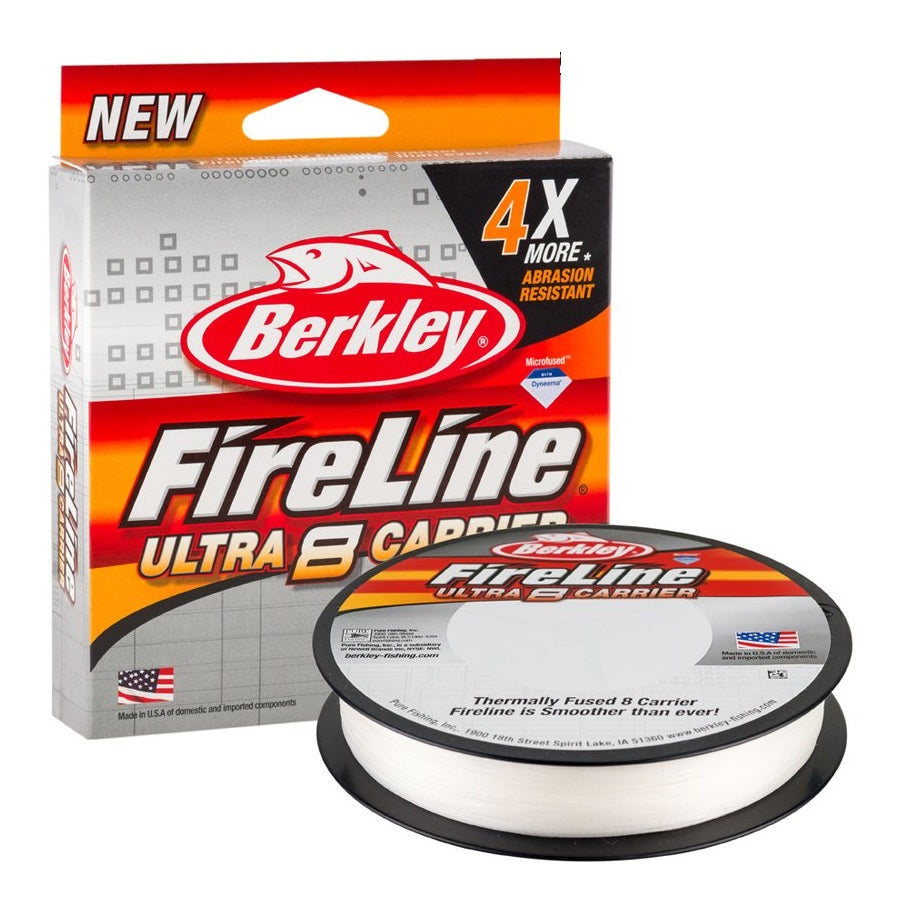
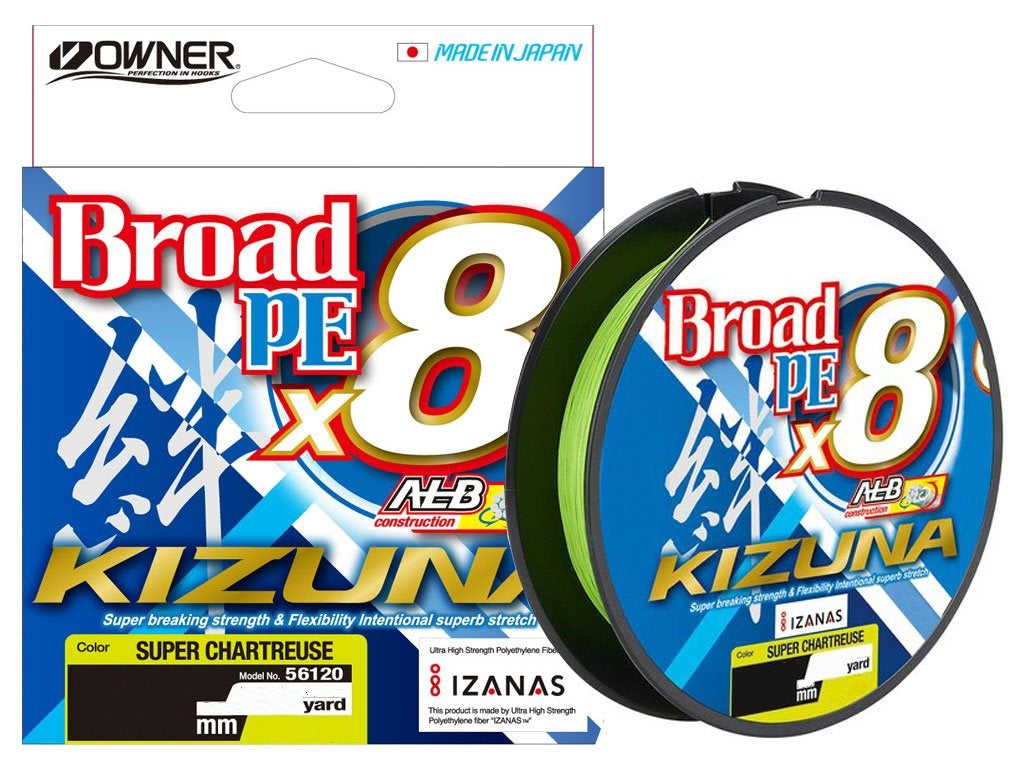
Carrier count is the first decision. Four-carrier braid is tougher and more abrasion-resistant, and it is cheaper — a good choice for heavy cover and beach work. Eight-carrier braid is rounder and smoother, so it casts further and runs quieter through the guides, which is why it dominates lure fishing. Twelve-carrier braids take that further again.
Then breaking strain, which follows the species and the structure rather than the reel. Light braid suits bream, whiting and trout; mid-range covers flathead, snapper, bass and barra; heavy braid is jigging, reef and offshore territory.
Braid needs a leader. It is highly visible and has poor abrasion resistance against structure, so join a fluorocarbon or mono leader with an FG or slim beauty knot. The full fishing line and leader range covers both ends of the setup.
Frequently asked questions
What is the best braided fishing line in Australia?
It depends on the job — eight-carrier braid for casting distance and lure work, four-carrier for abrasion resistance around structure and on the beach.
Do I need a leader with braid?
Yes. Braid is visible to fish and cuts easily against rocks, reef and teeth. A fluorocarbon or mono leader solves both problems.
How often should I replace braid?
Braid lasts years rather than months. Most anglers reverse the spool to bring the unused half into service before replacing it entirely.
Is buying braid in bulk cheaper?
Considerably. Bulk spools cost far less per metre and let you fill several reels or top up through the season.








Sold Out
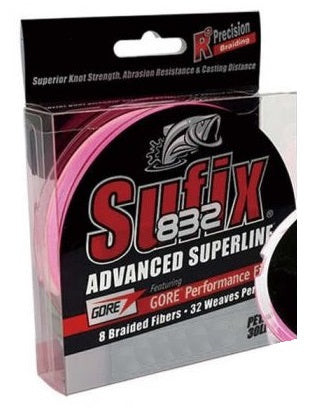
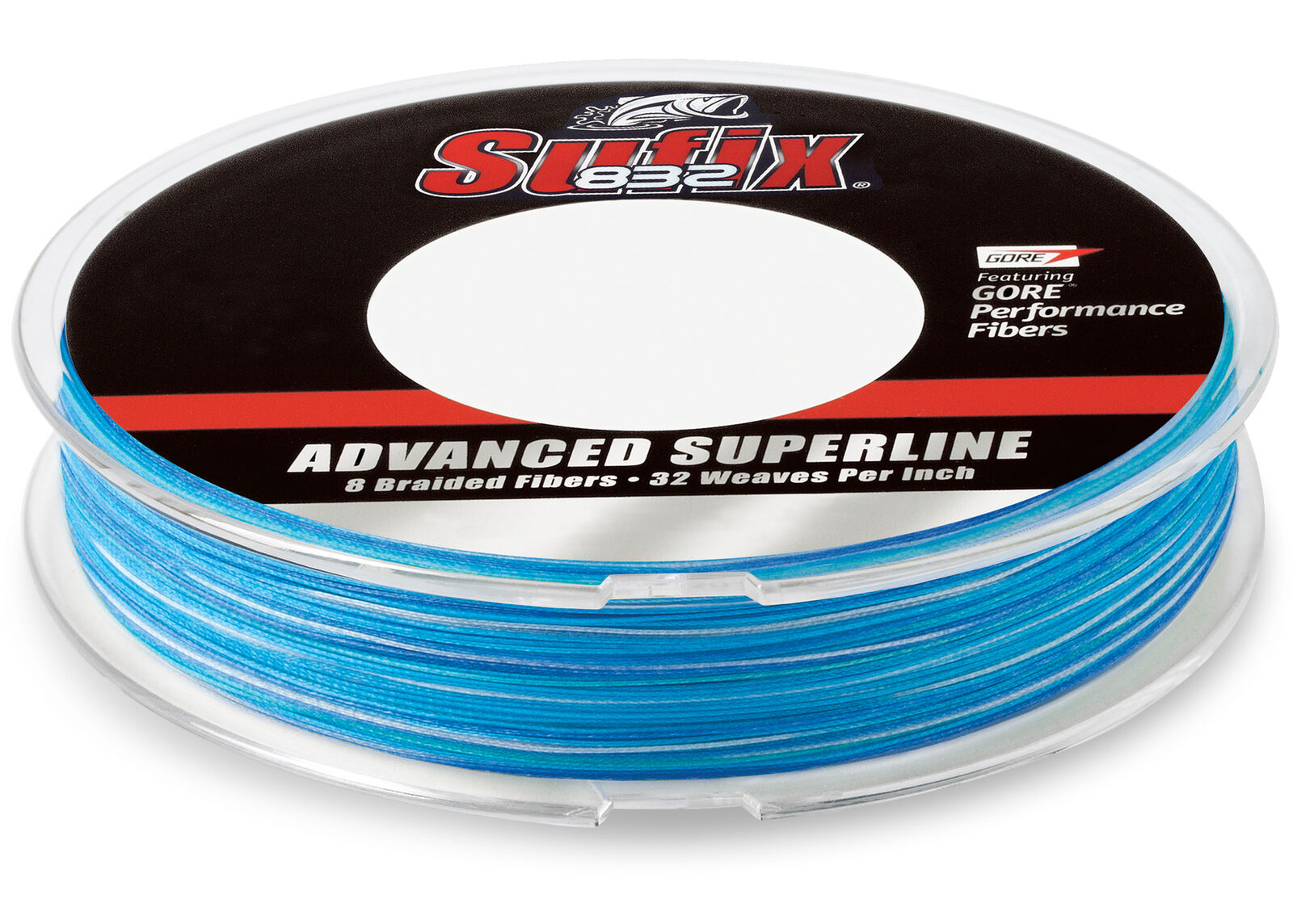
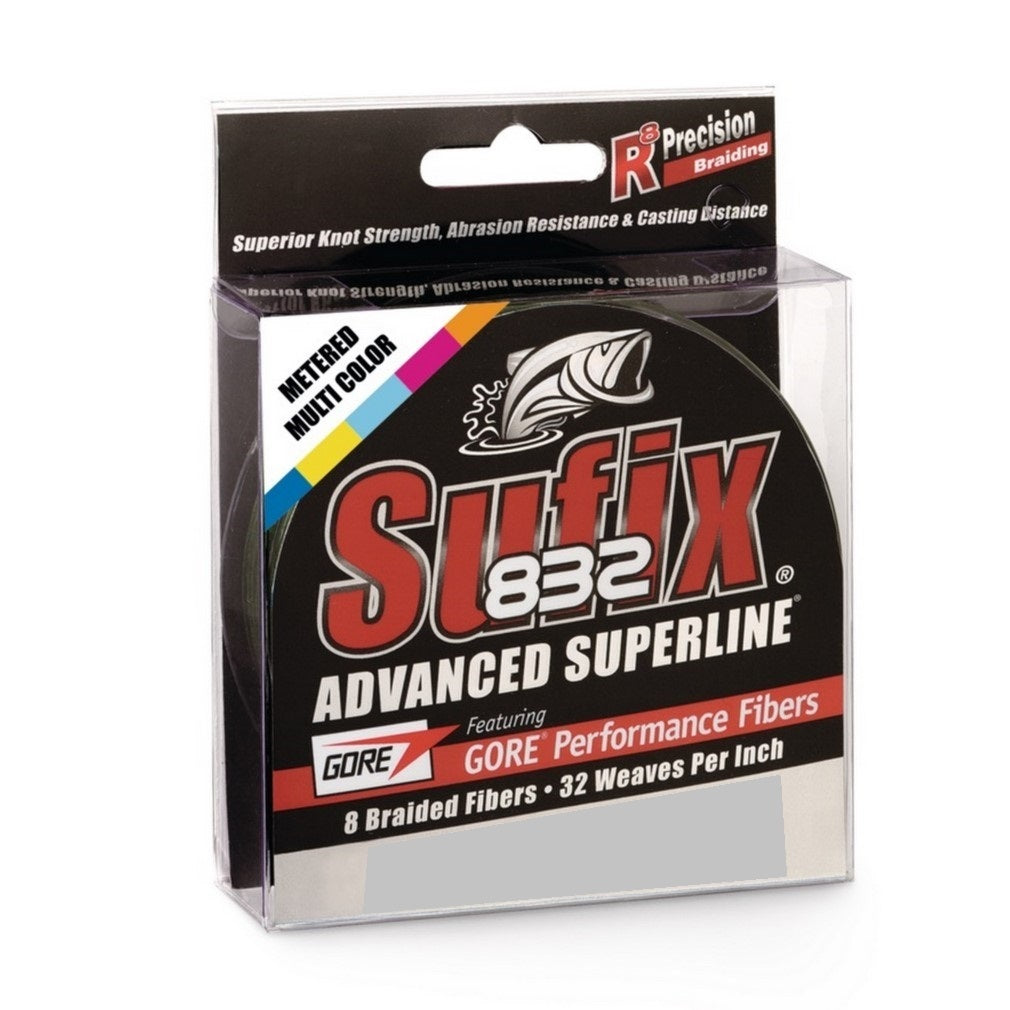
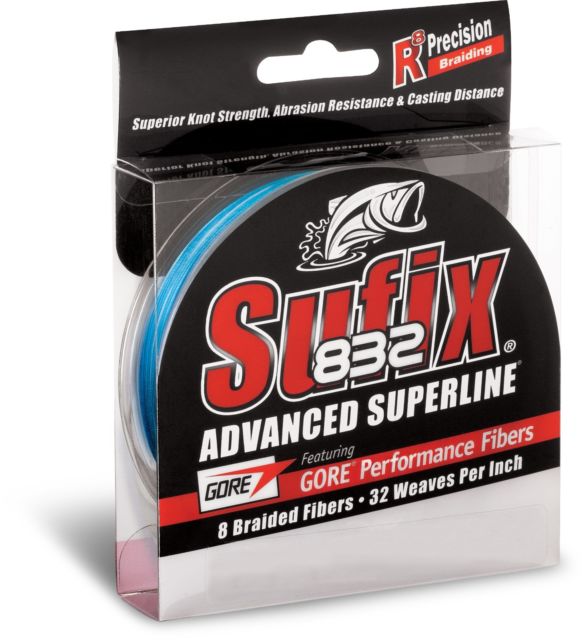
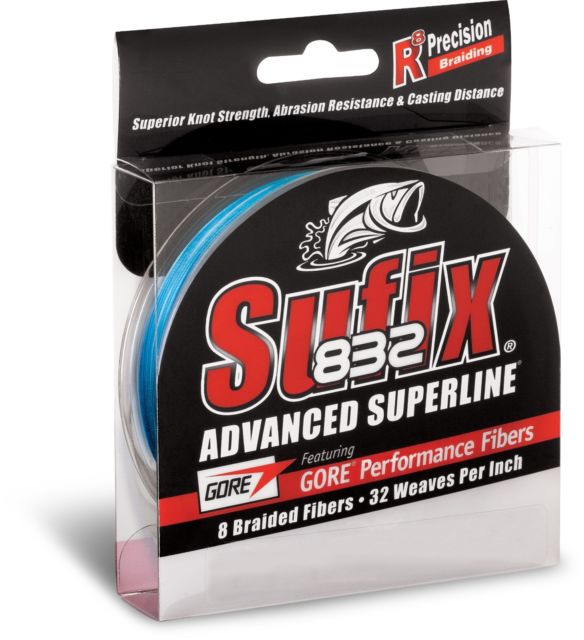
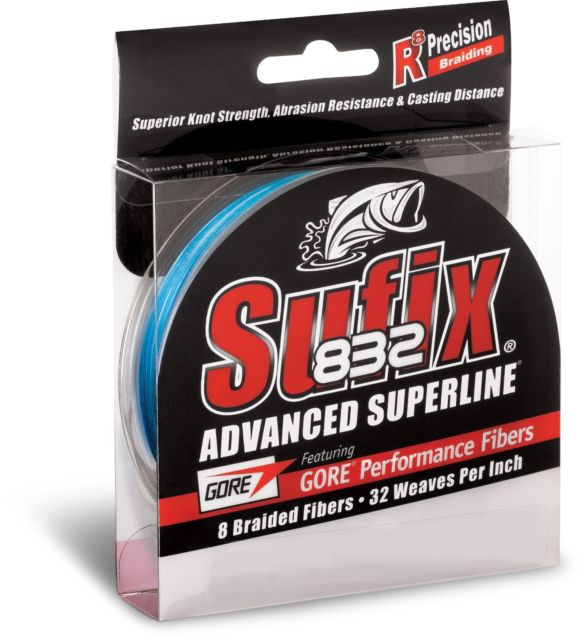
Sufix 832 Performance Braided Line Bulk Value 600yds - Mega Clearance
from
$51.99
$79.95
Sold Out


Sold Out
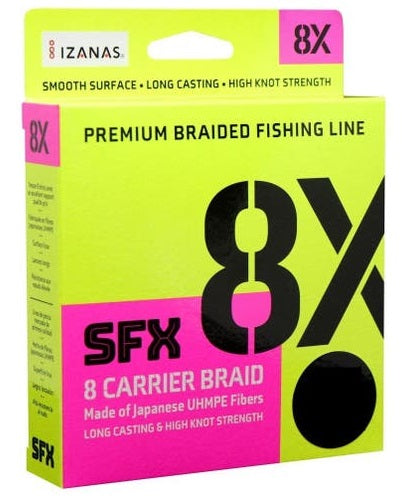
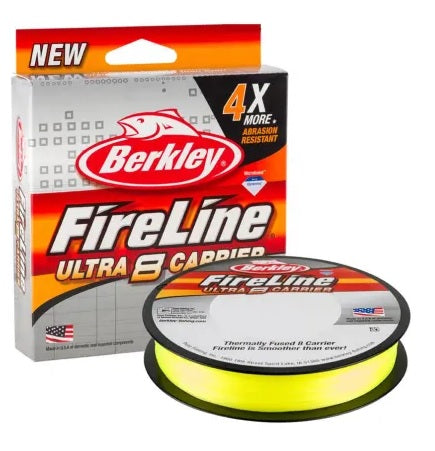
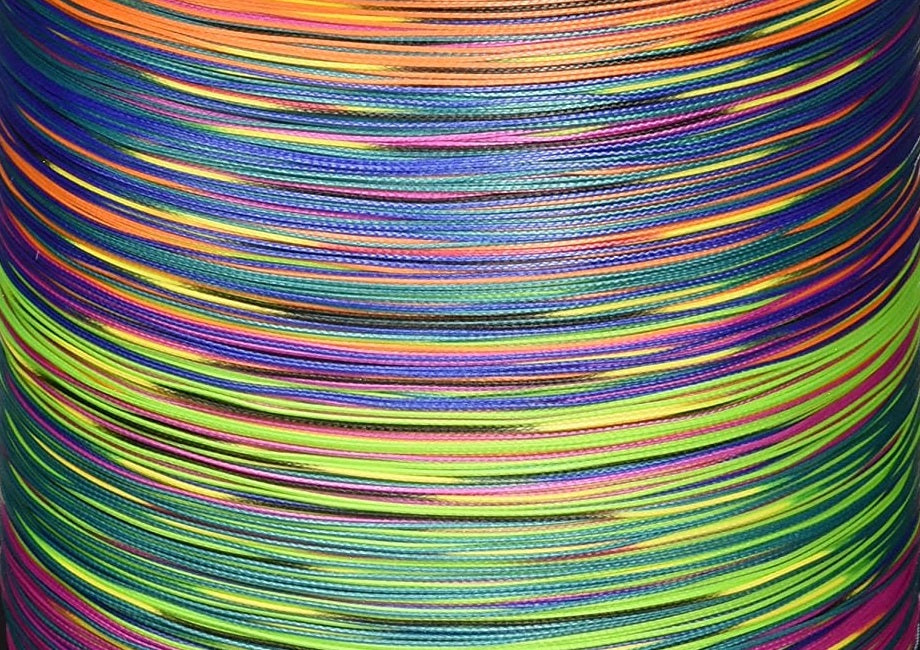
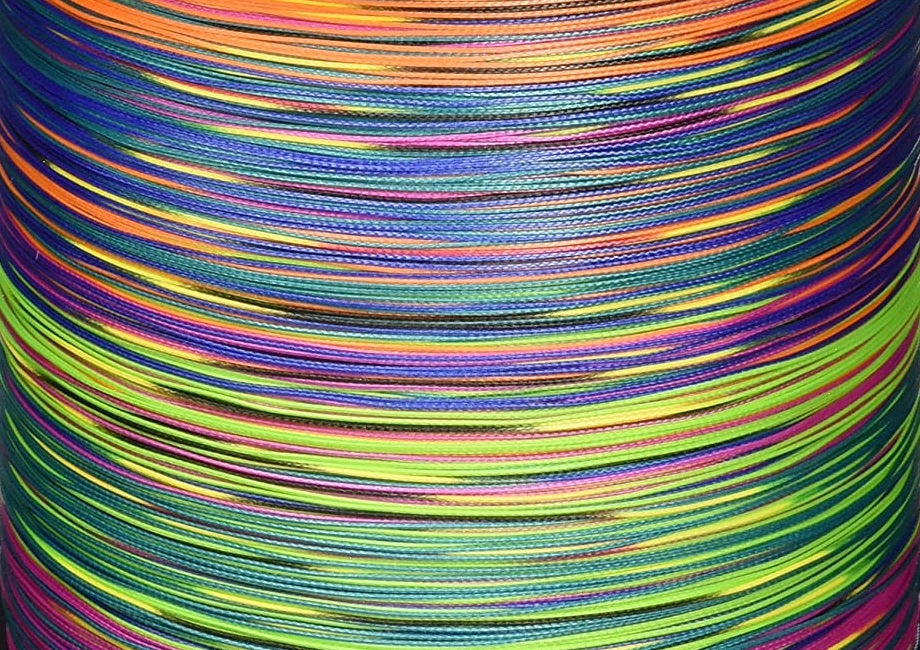
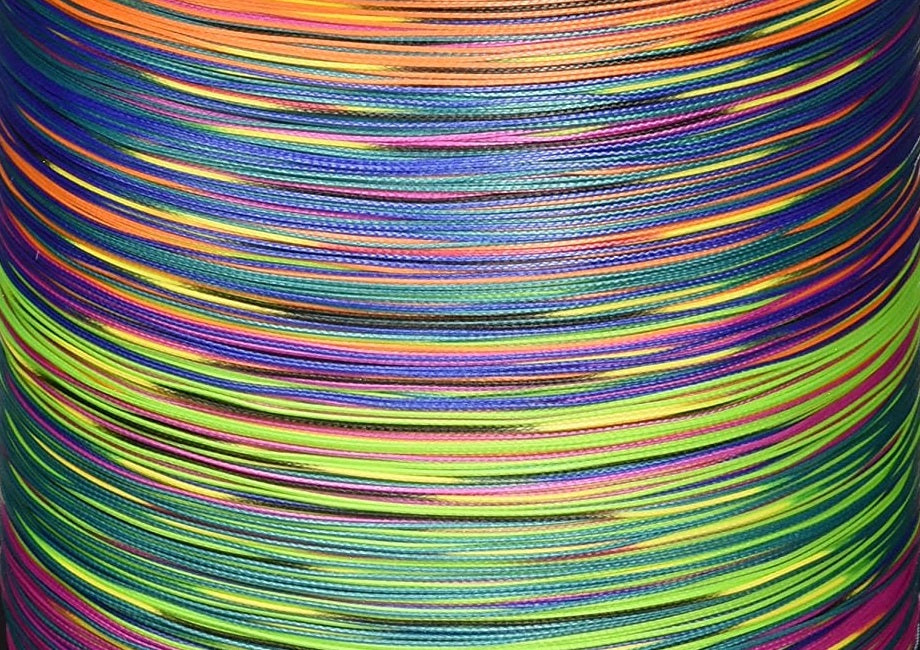
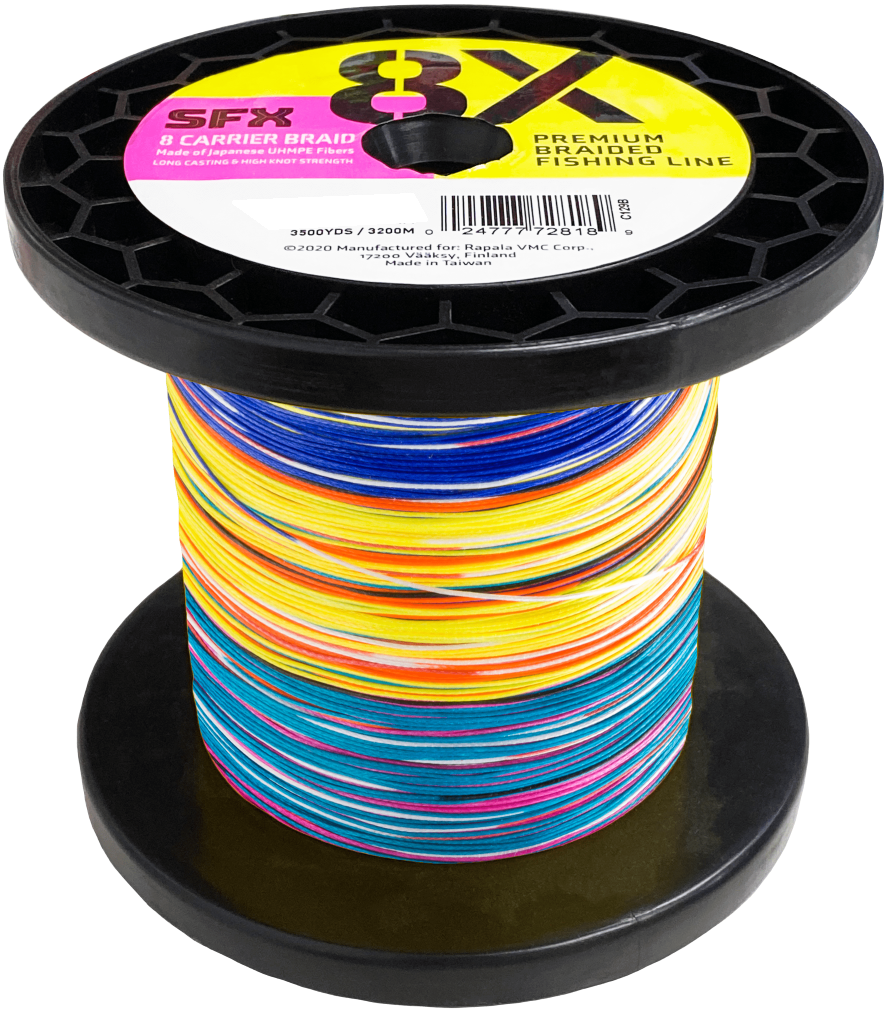
Sufix SFX X8 Braided Fishing Line Bulk Value Spool Multi Colour 3200m
$398.00
$719.95
Sold Out


























Sold Out
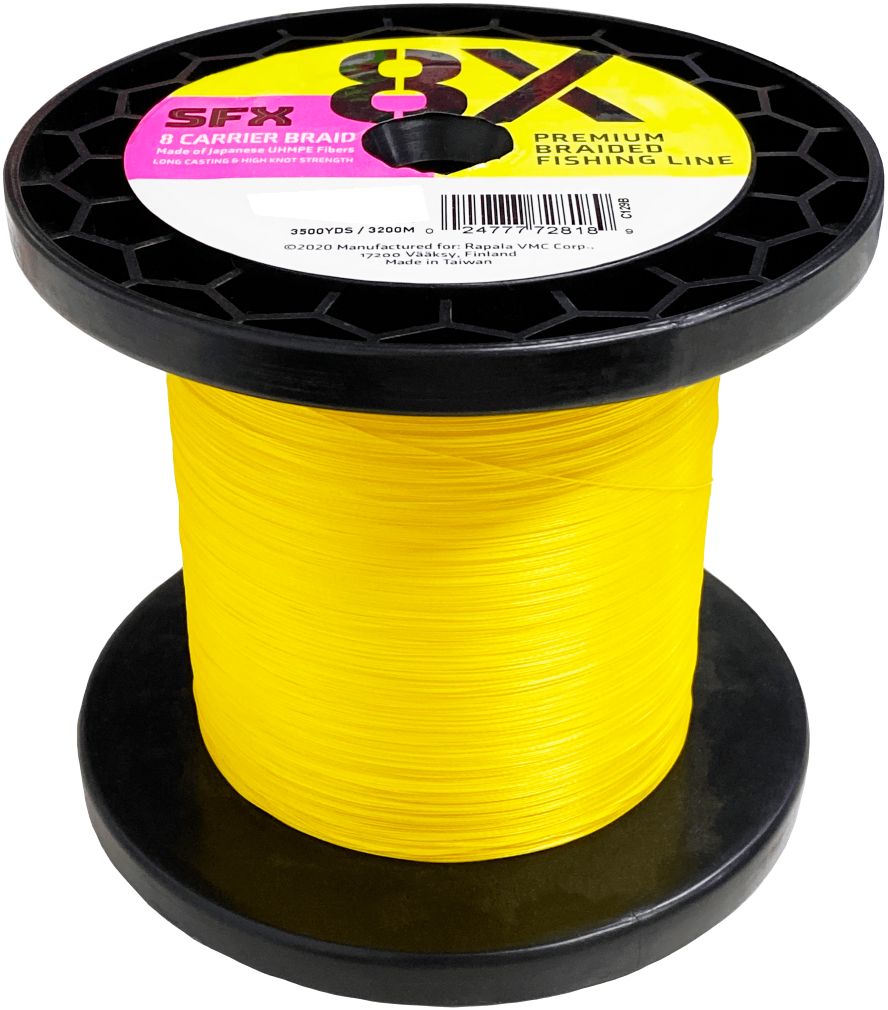
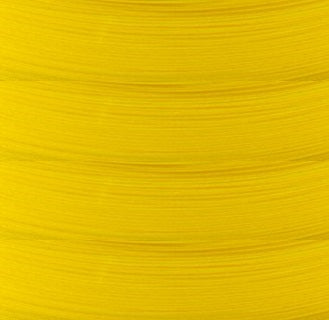
Sufix SFX X8 Braided Fishing Line Bulk Value Spool Hot Yellow - 3200m
$369.95
$709.95
Sold Out



Sold Out
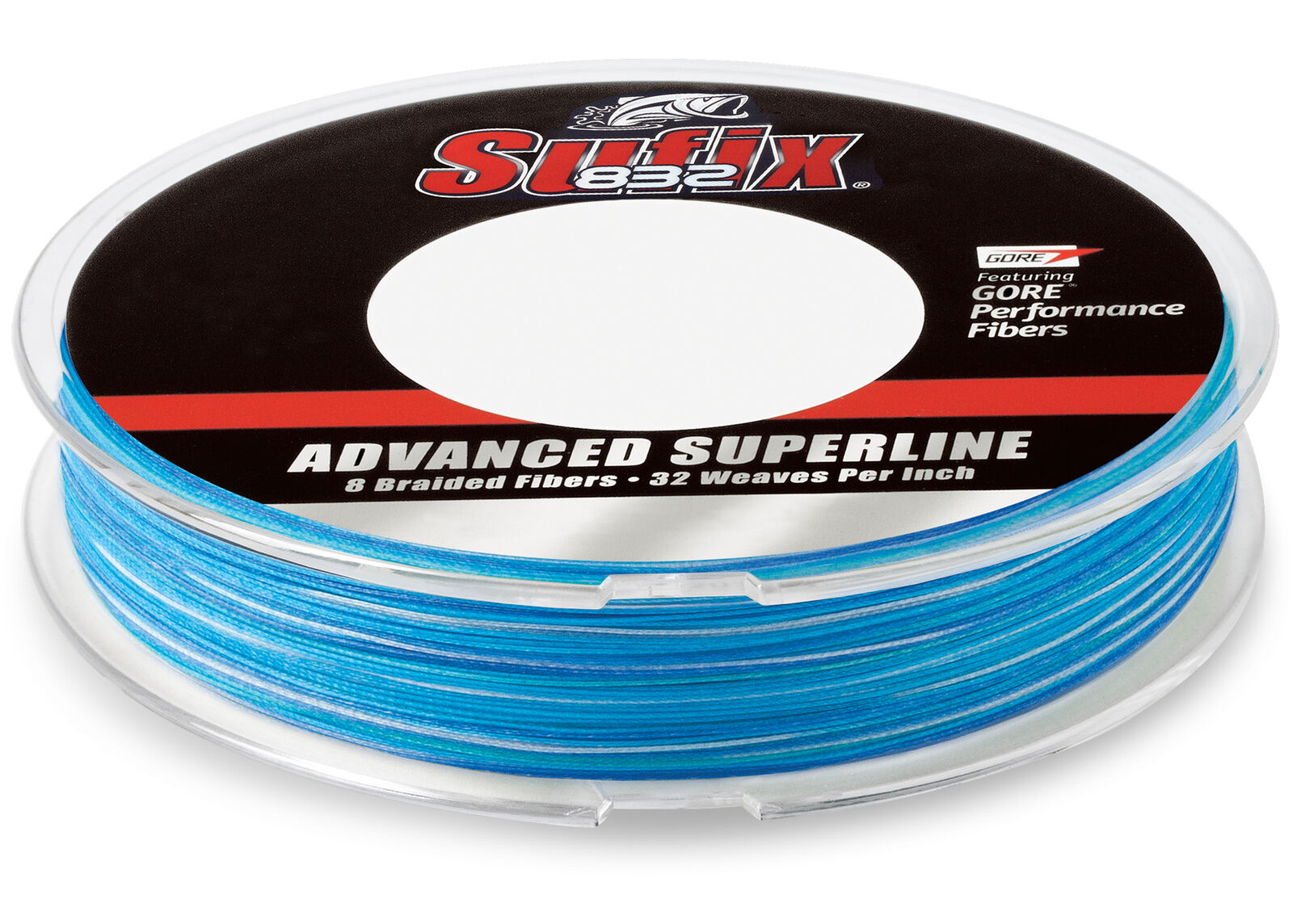
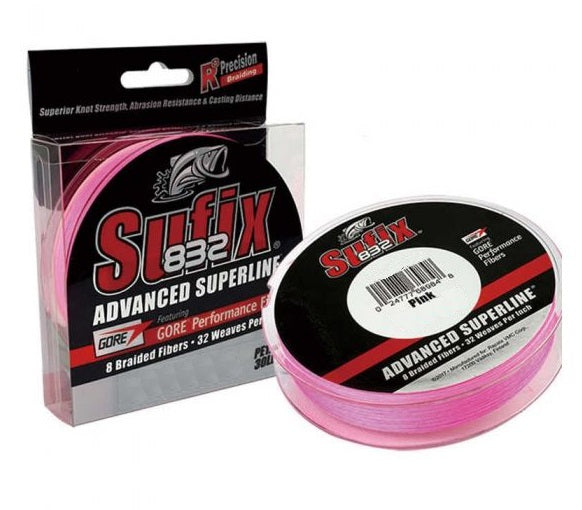
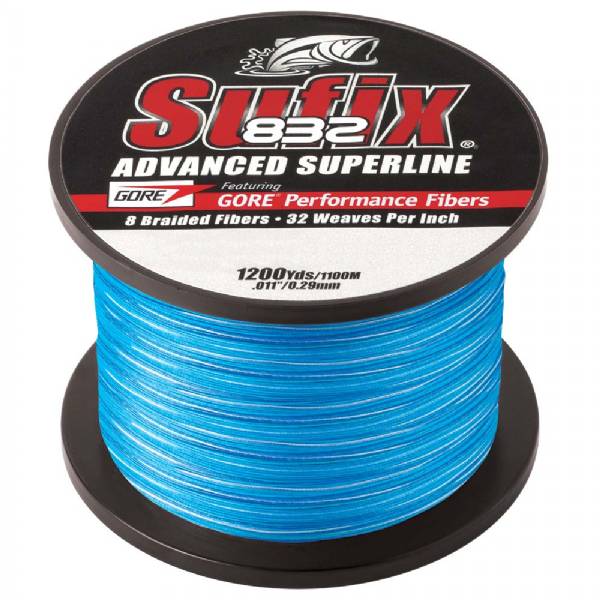
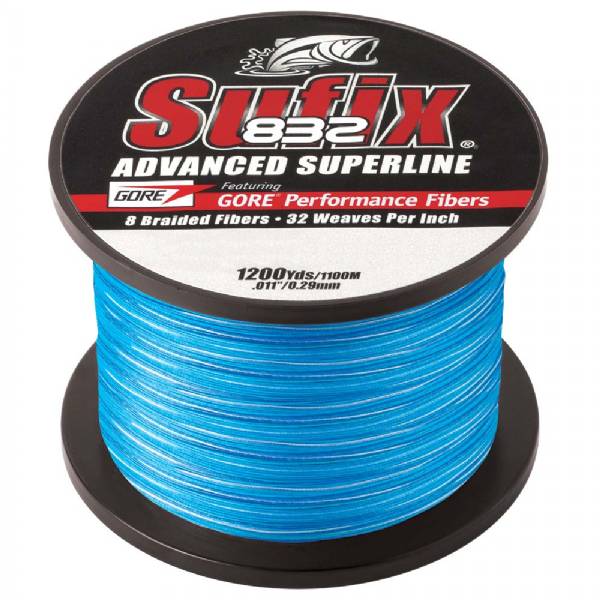
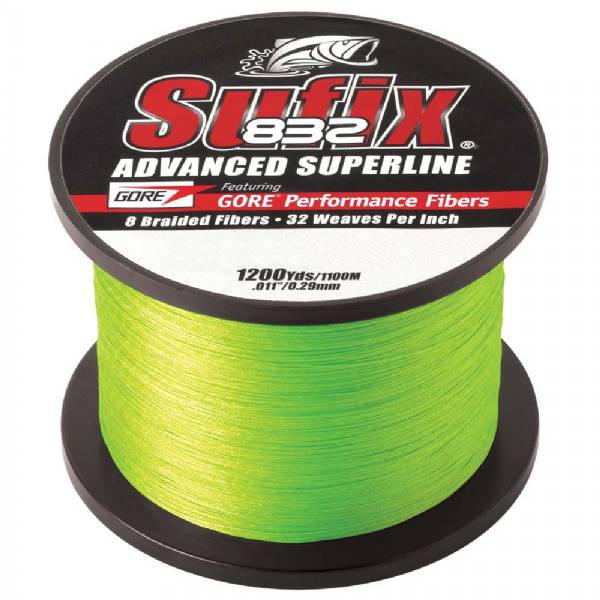
Sufix 832 Braided Fishing Line Bulk Value Spool 1200yd Mega Clearance
$135.00
$349.99
Sold Out



Sold Out
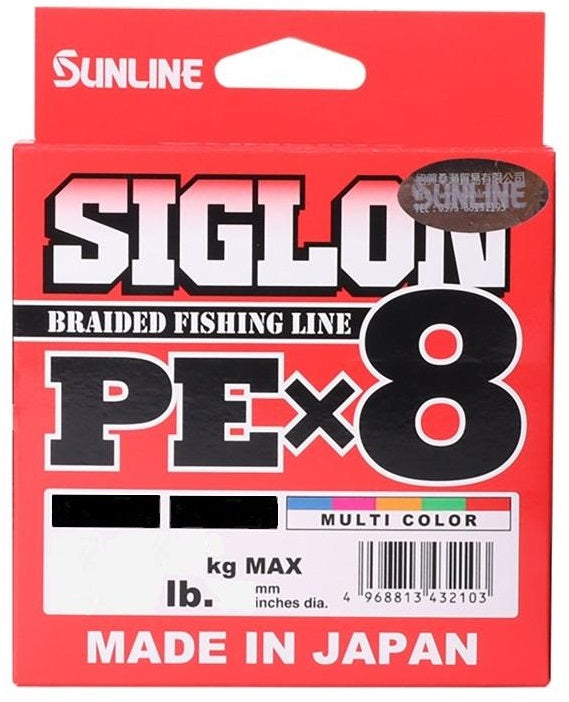
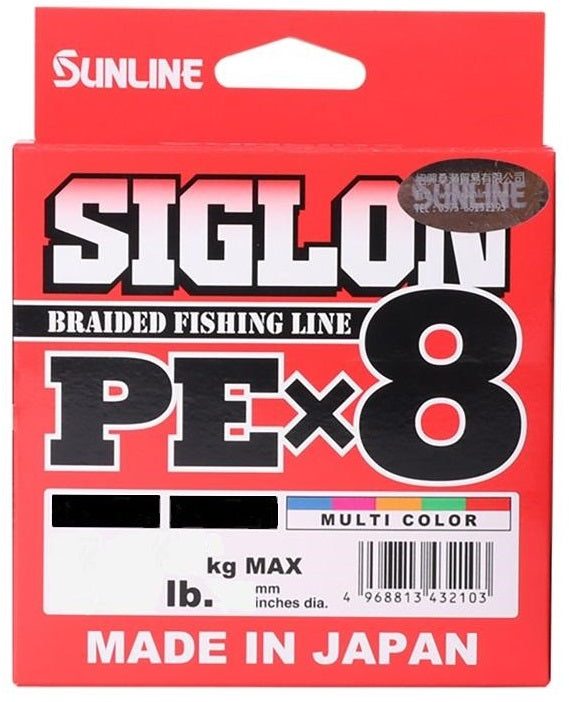
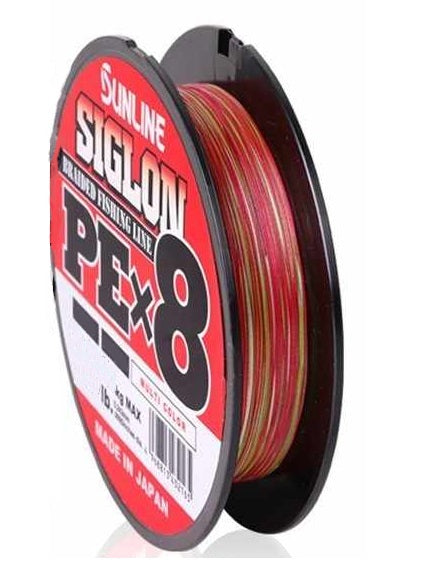
Sunline Siglon PEx8 Braided Fishing Line Hi-Vis Multi Colour 150m
from
$28.99
$37.00
Sold Out





Braid changed Australian fishing. With almost no stretch and a diameter a fraction of equivalent mono, it gives you direct contact with the lure, far better hooksets at distance, and more line on the spool than you thought possible.
Choosing braid
Carrier count is the first decision. Four-carrier braid is tougher and more abrasion-resistant, and it is cheaper — a good choice for heavy cover and beach work. Eight-carrier braid is rounder and smoother, so it casts further and runs quieter through the guides, which is why it dominates lure fishing. Twelve-carrier braids take that further again.
Then breaking strain, which follows the species and the structure rather than the reel. Light braid suits bream, whiting and trout; mid-range covers flathead, snapper, bass and barra; heavy braid is jigging, reef and offshore territory.
Braid needs a leader. It is highly visible and has poor abrasion resistance against structure, so join a fluorocarbon or mono leader with an FG or slim beauty knot. The full fishing line and leader range covers both ends of the setup.
Frequently asked questions
What is the best braided fishing line in Australia?
It depends on the job — eight-carrier braid for casting distance and lure work, four-carrier for abrasion resistance around structure and on the beach.
Do I need a leader with braid?
Yes. Braid is visible to fish and cuts easily against rocks, reef and teeth. A fluorocarbon or mono leader solves both problems.
How often should I replace braid?
Braid lasts years rather than months. Most anglers reverse the spool to bring the unused half into service before replacing it entirely.
Is buying braid in bulk cheaper?
Considerably. Bulk spools cost far less per metre and let you fill several reels or top up through the season.