

FREE SHIPPING ON ORDERS OVER $150*

AUSSIE FAMILY OWNED BUSINESS FOR OVER 40 YEARS

100% SATISFACTION GUARANTEED
Swimbaits
Swimbaits
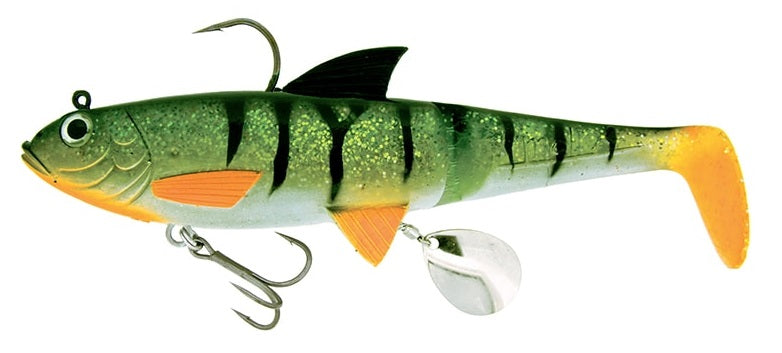
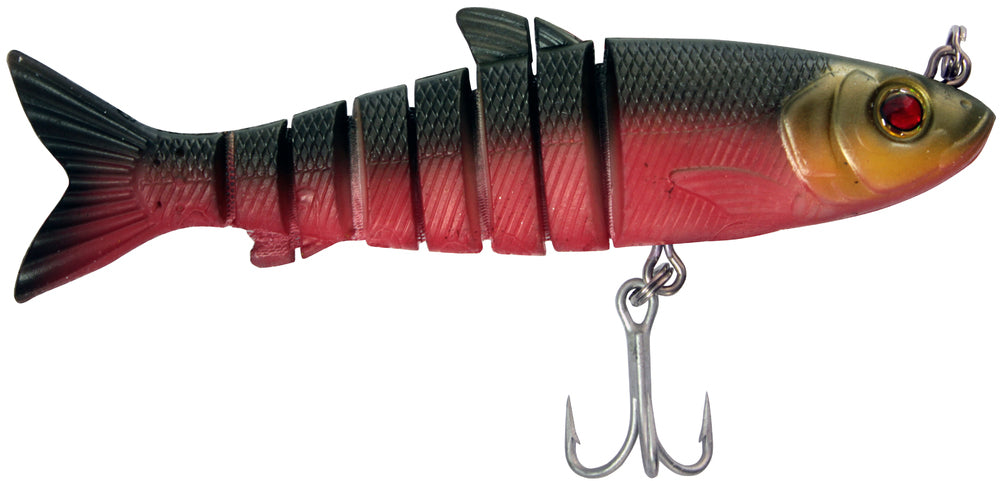
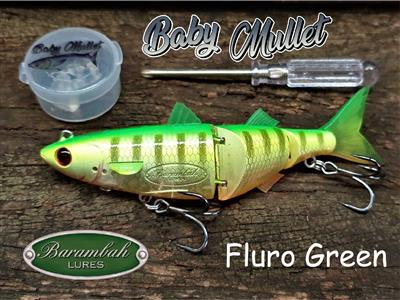
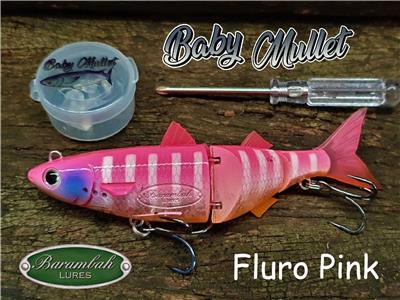
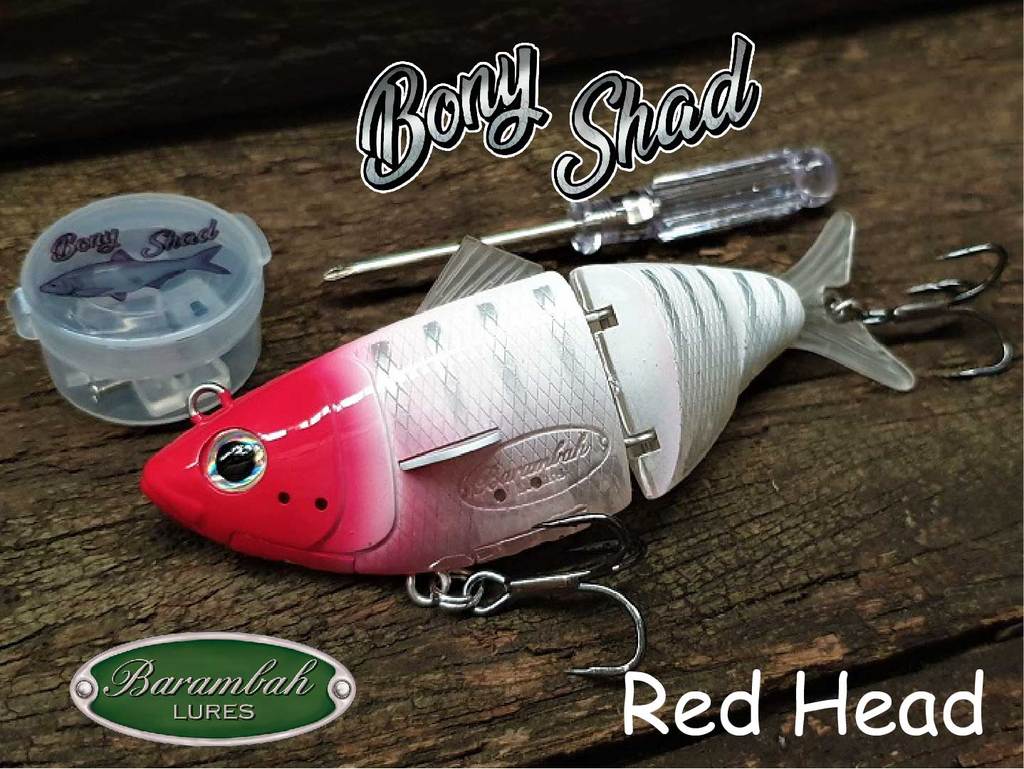
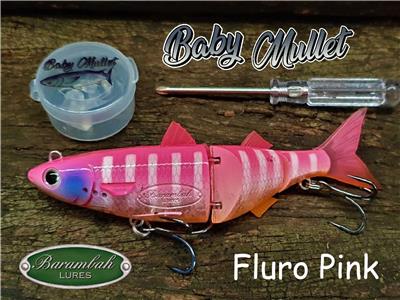
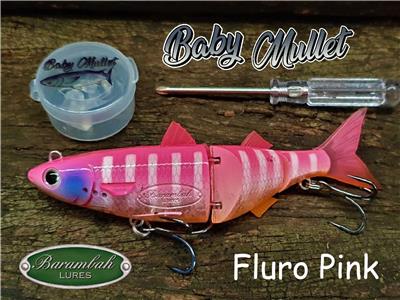
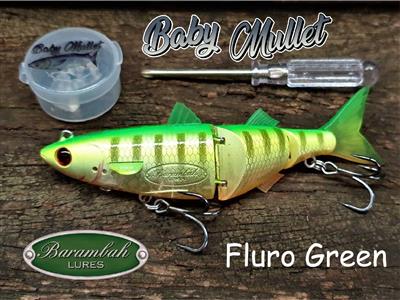
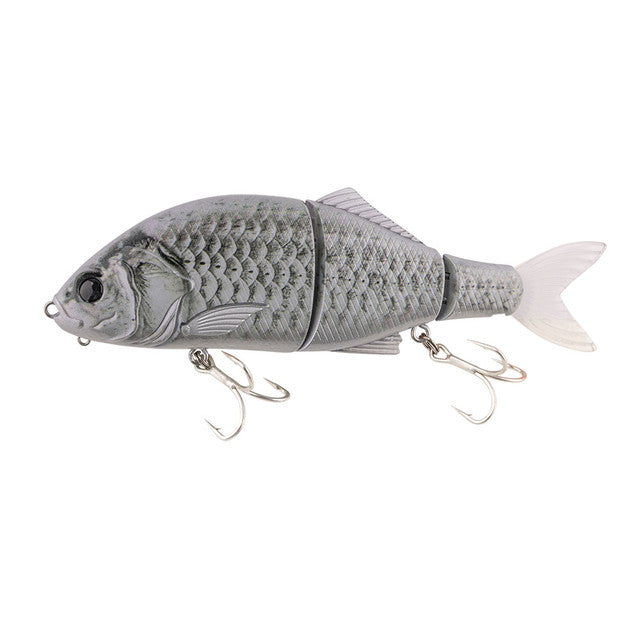
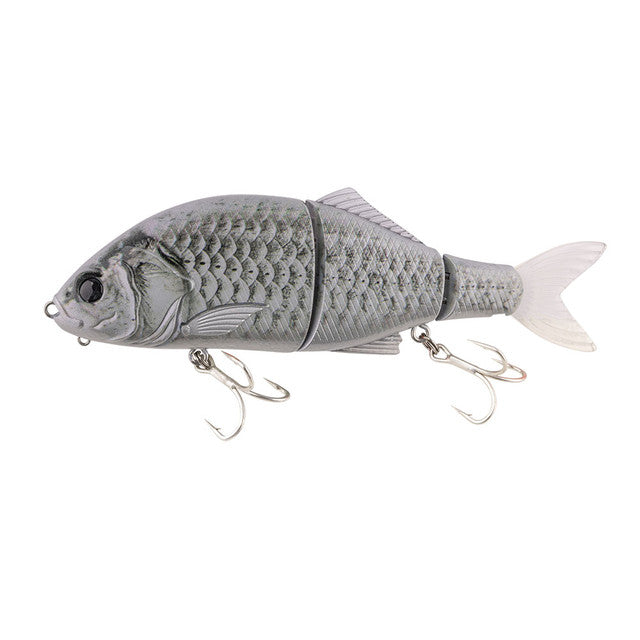
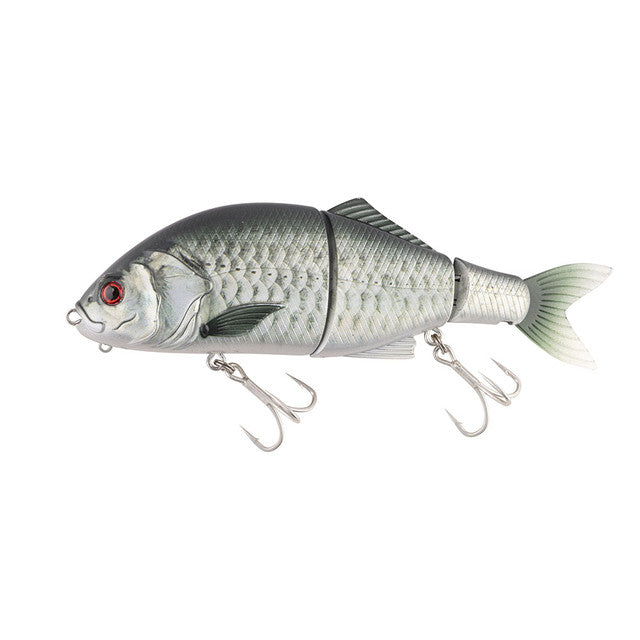
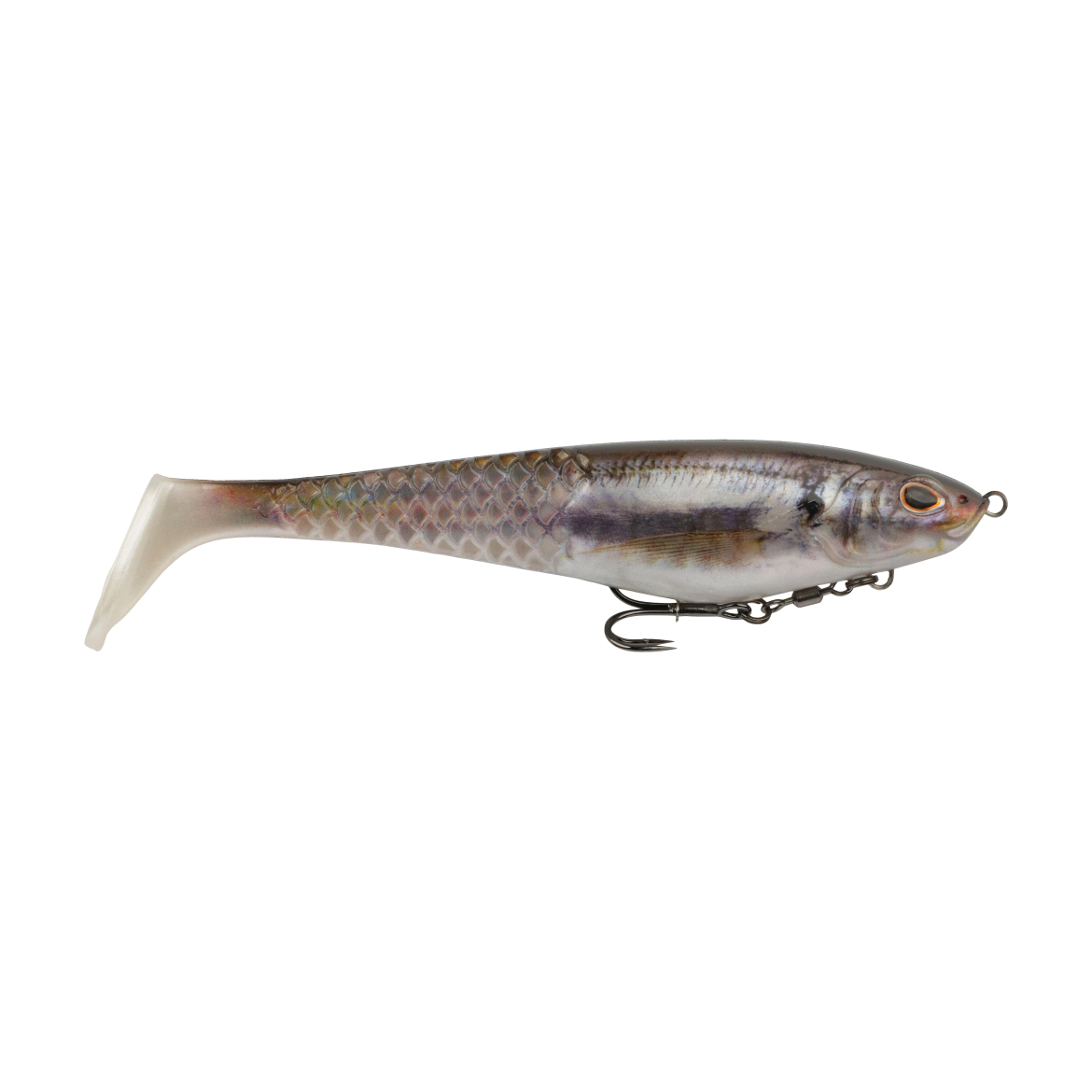
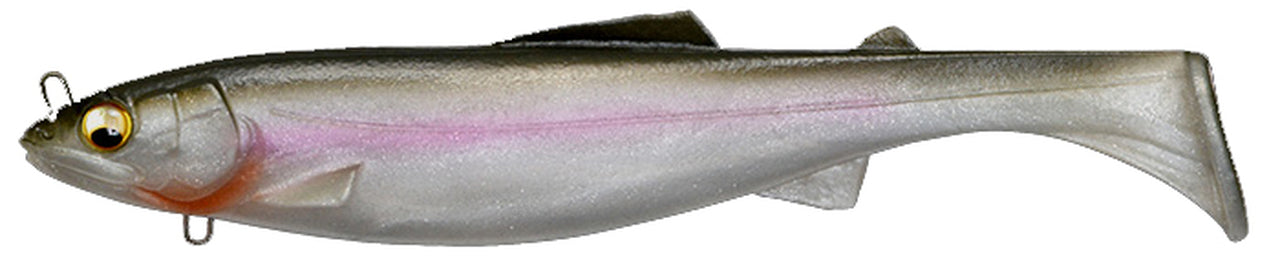
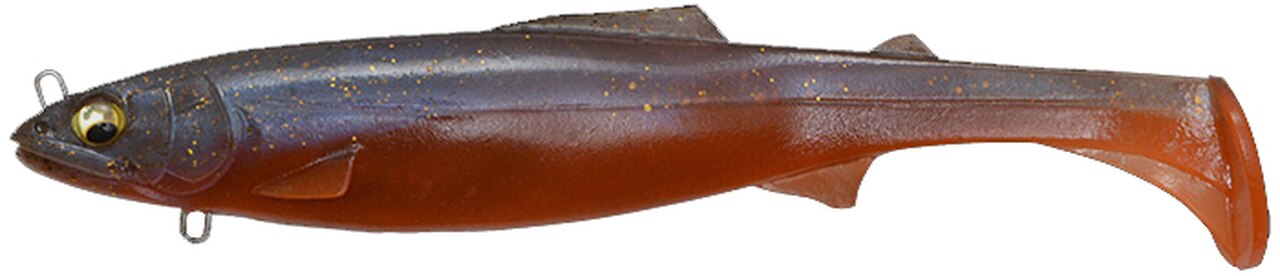
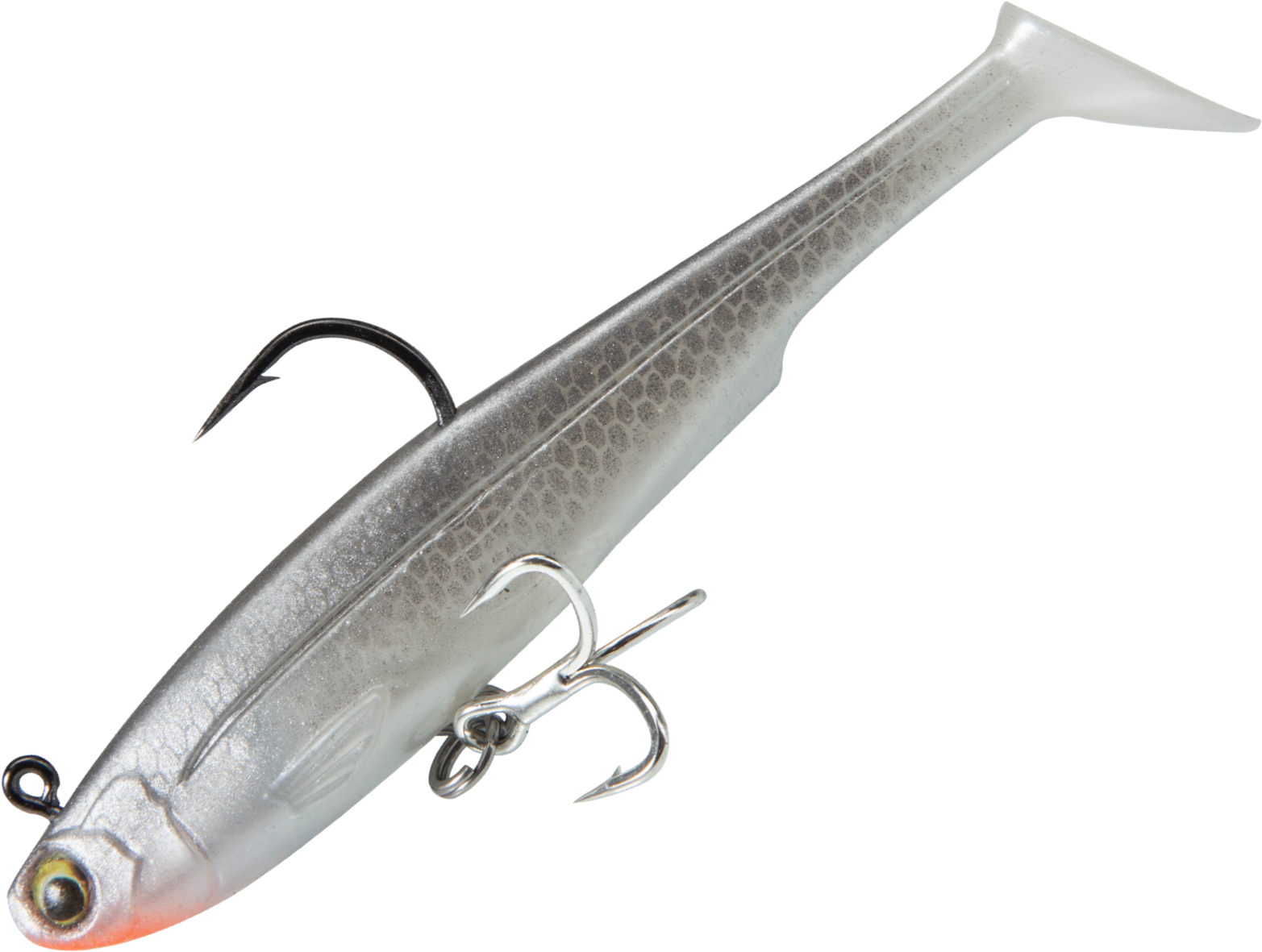
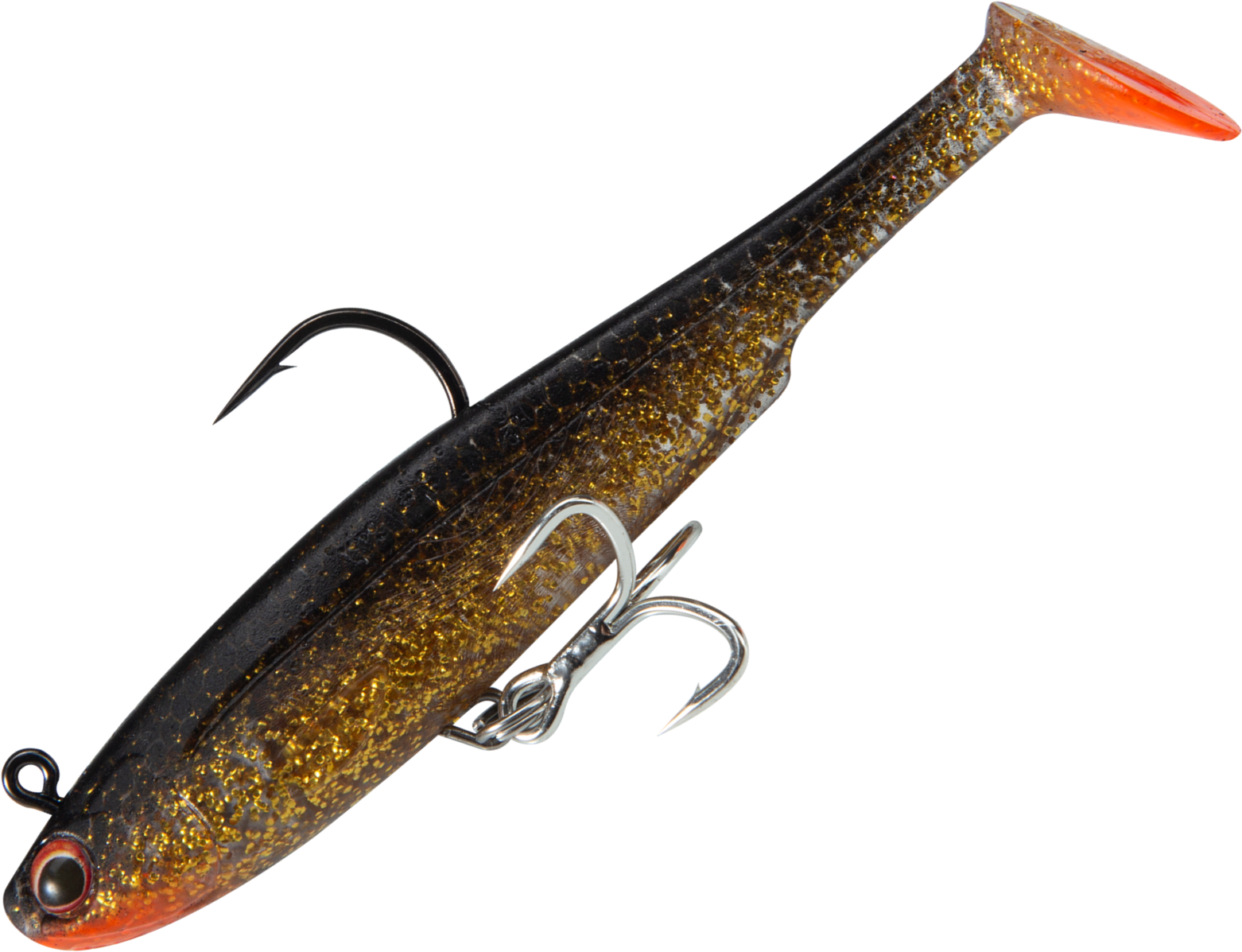
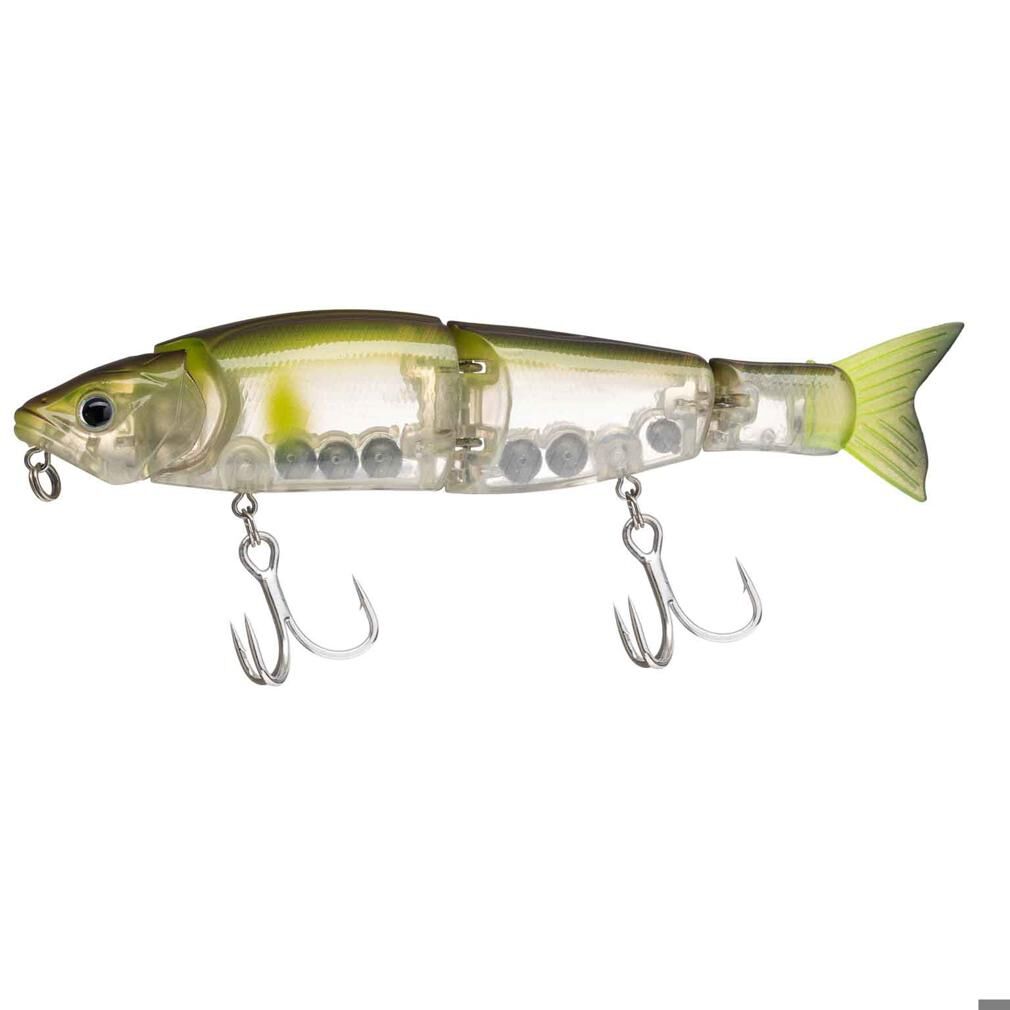
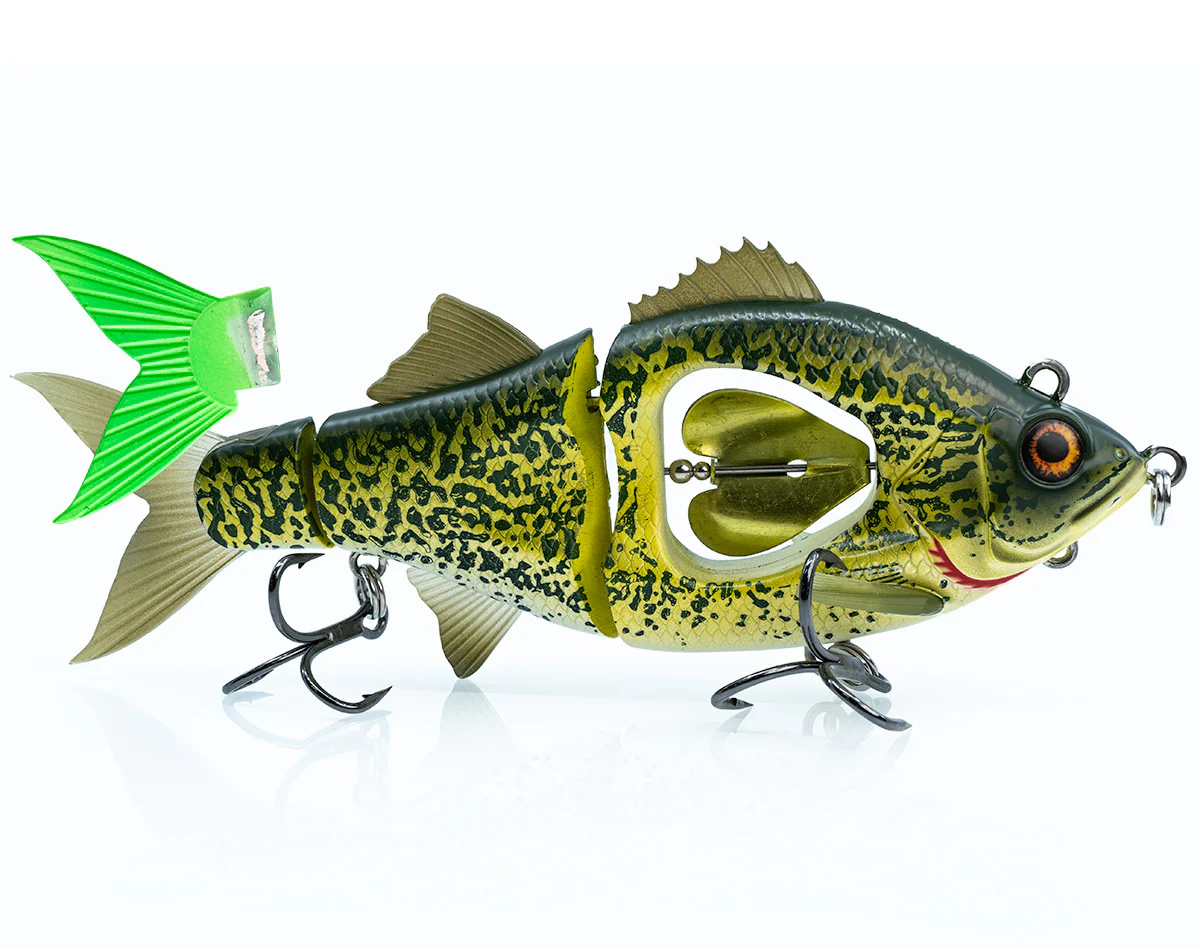
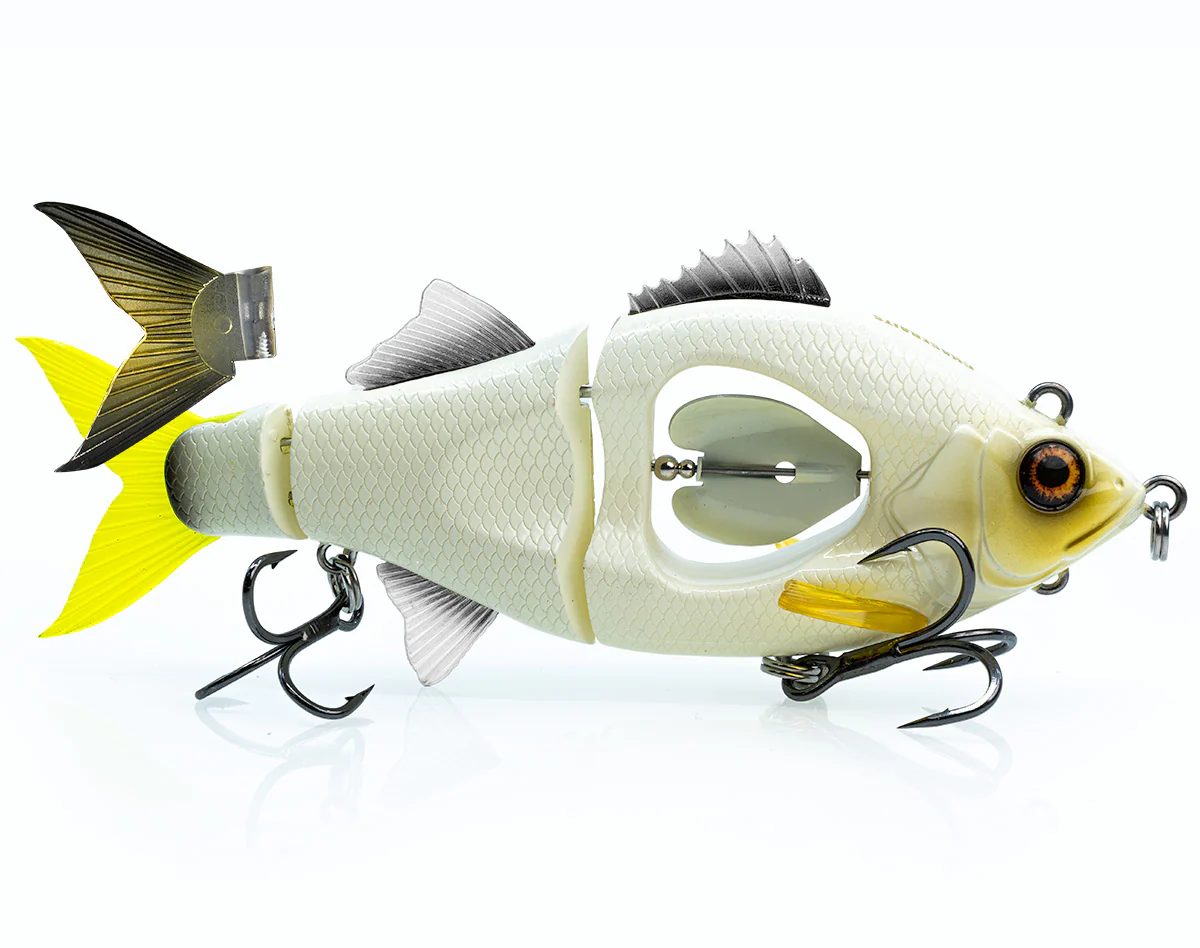
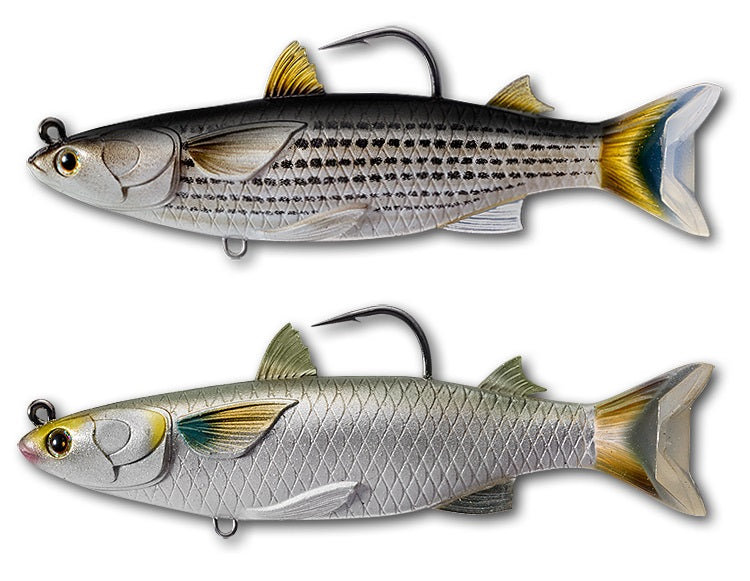
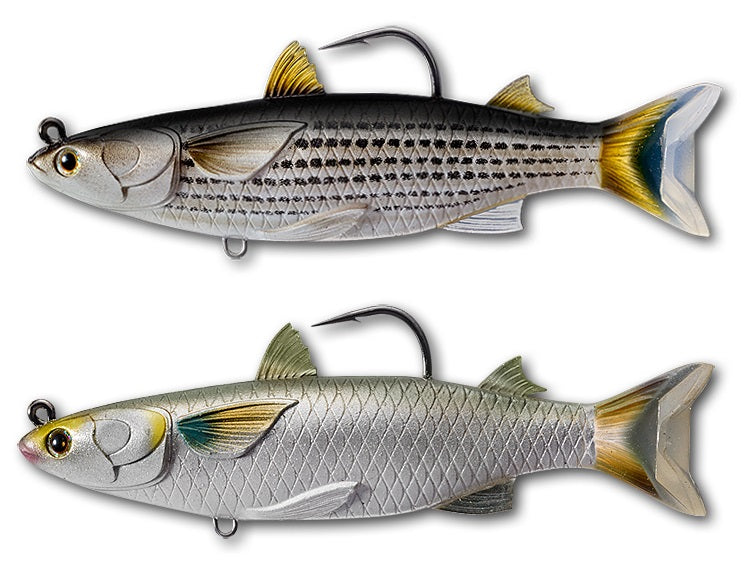
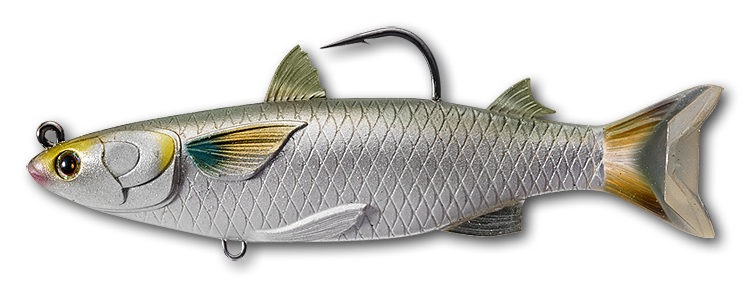
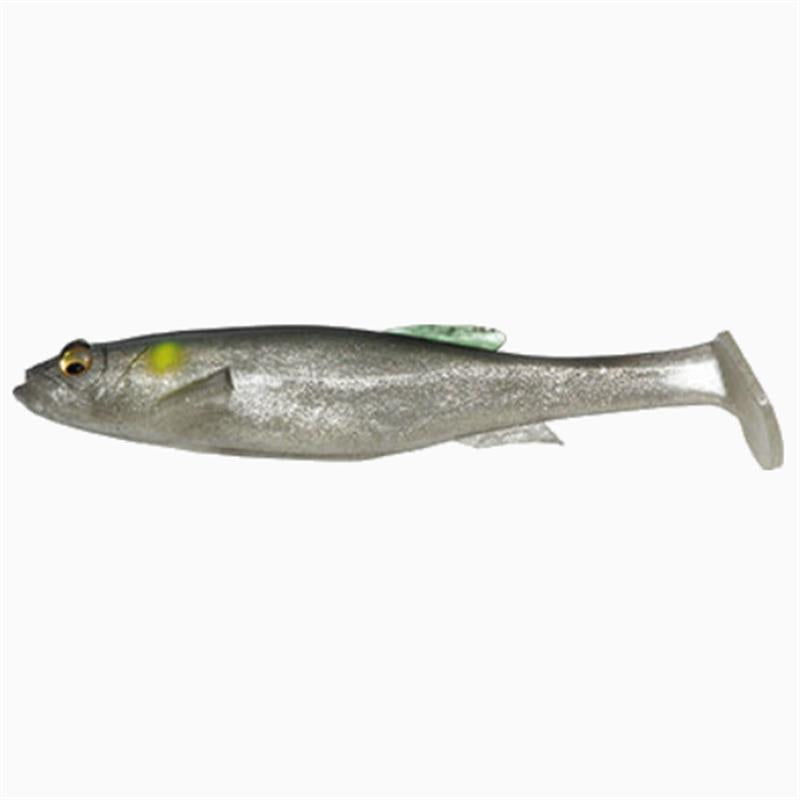
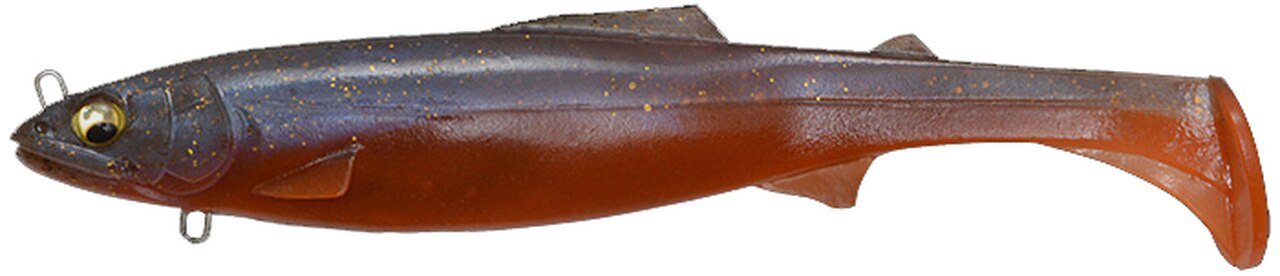
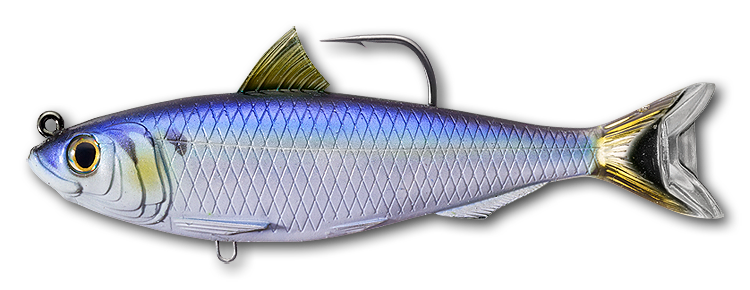
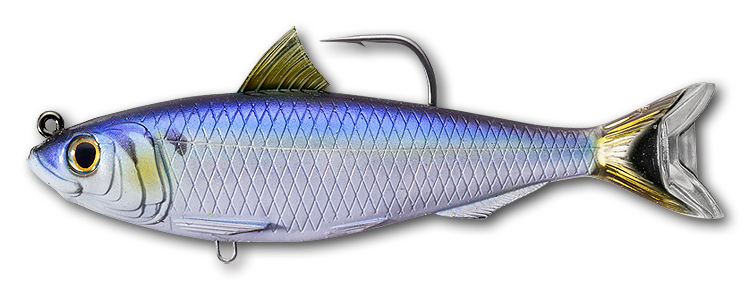
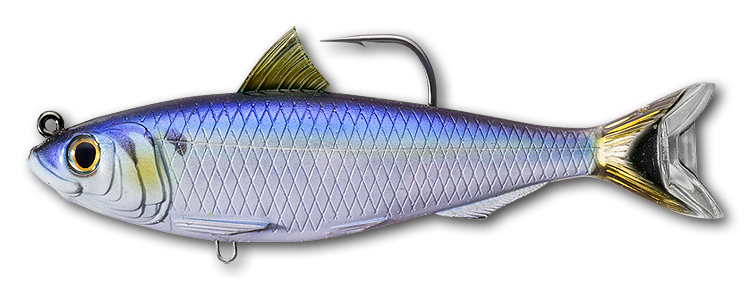
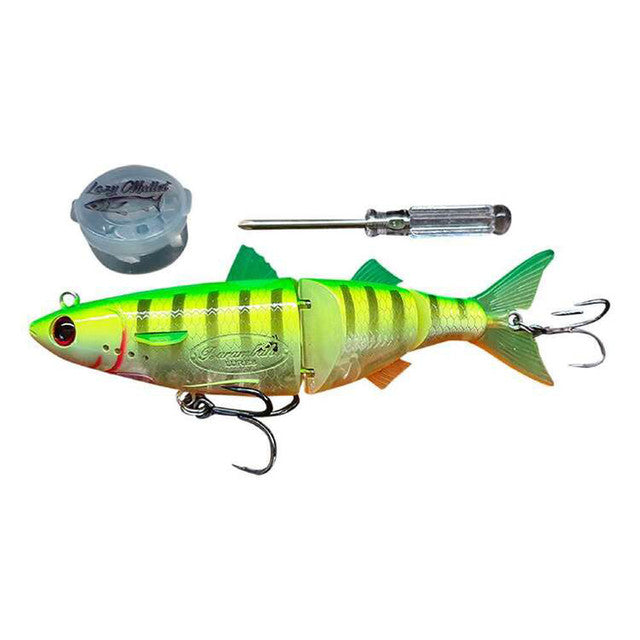
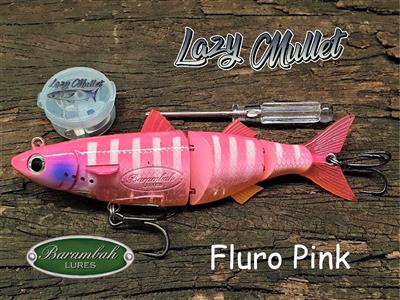
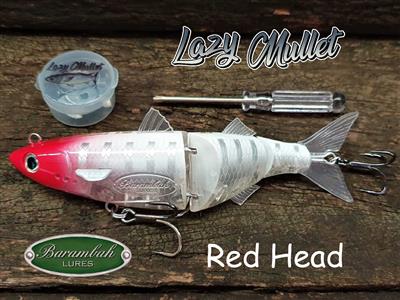
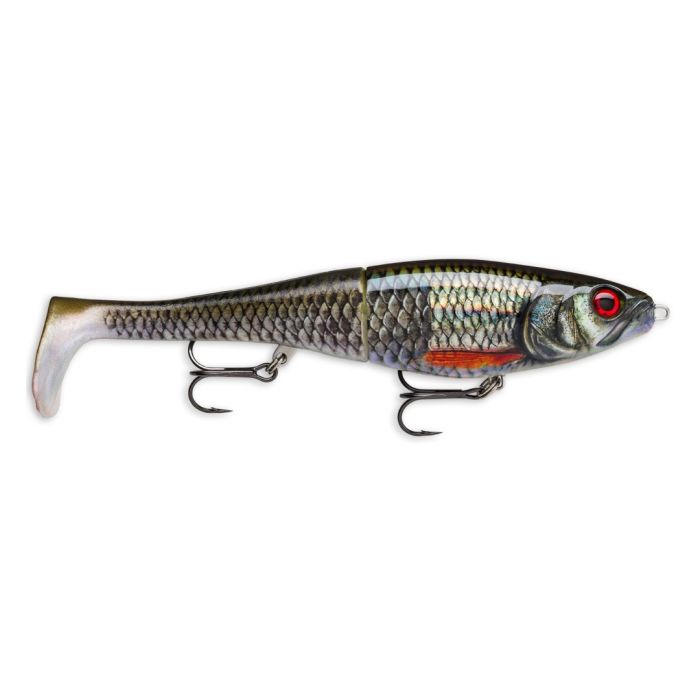
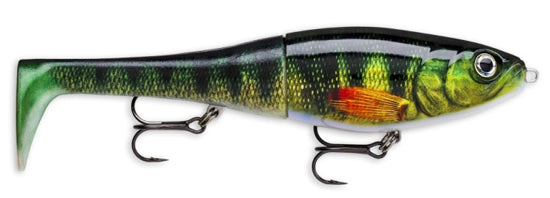
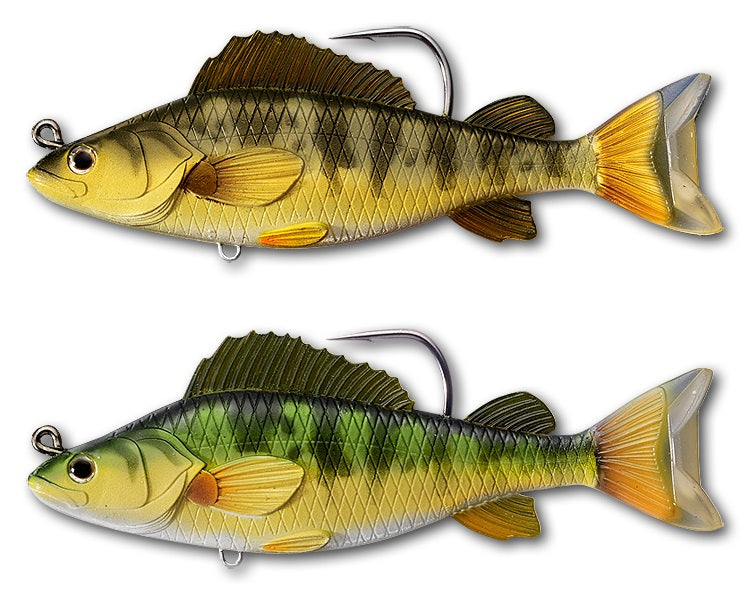
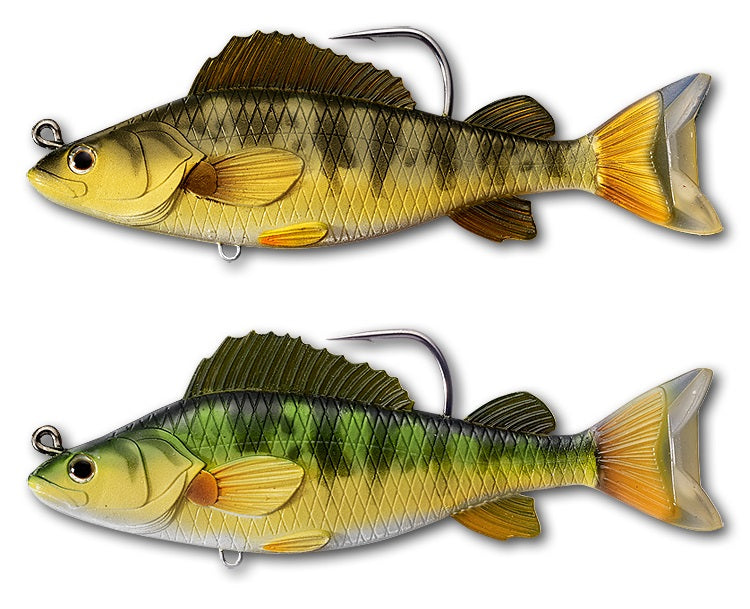
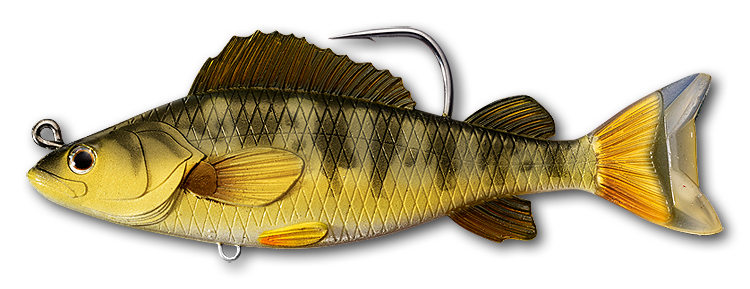
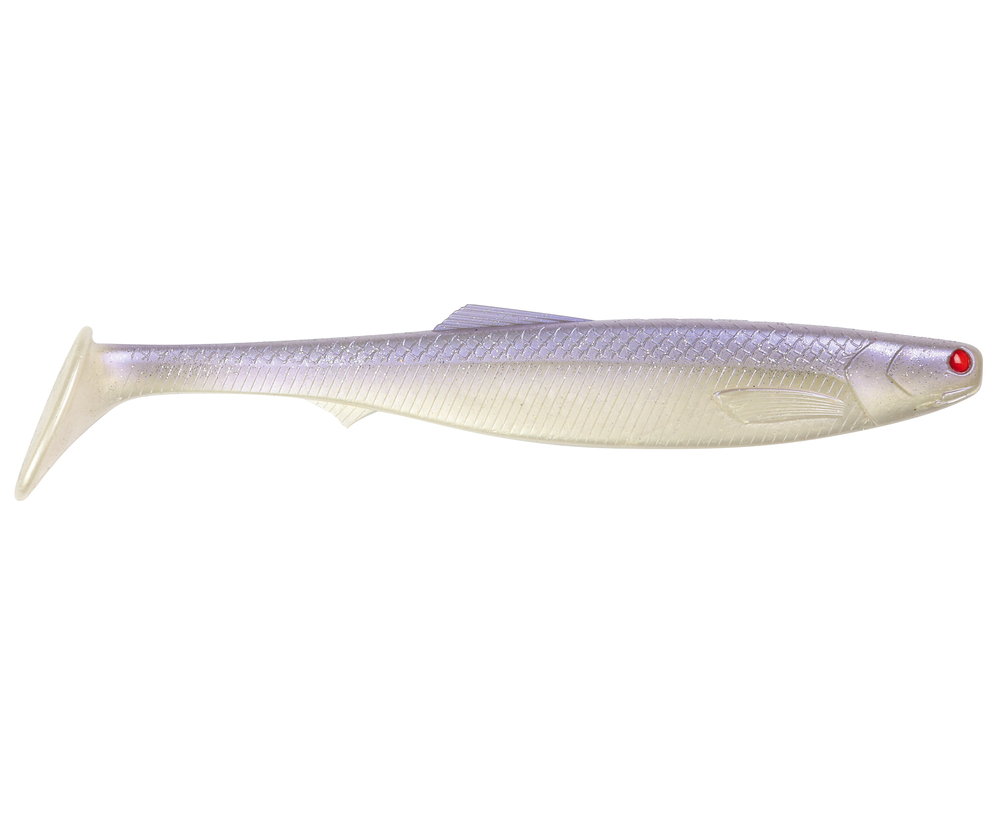
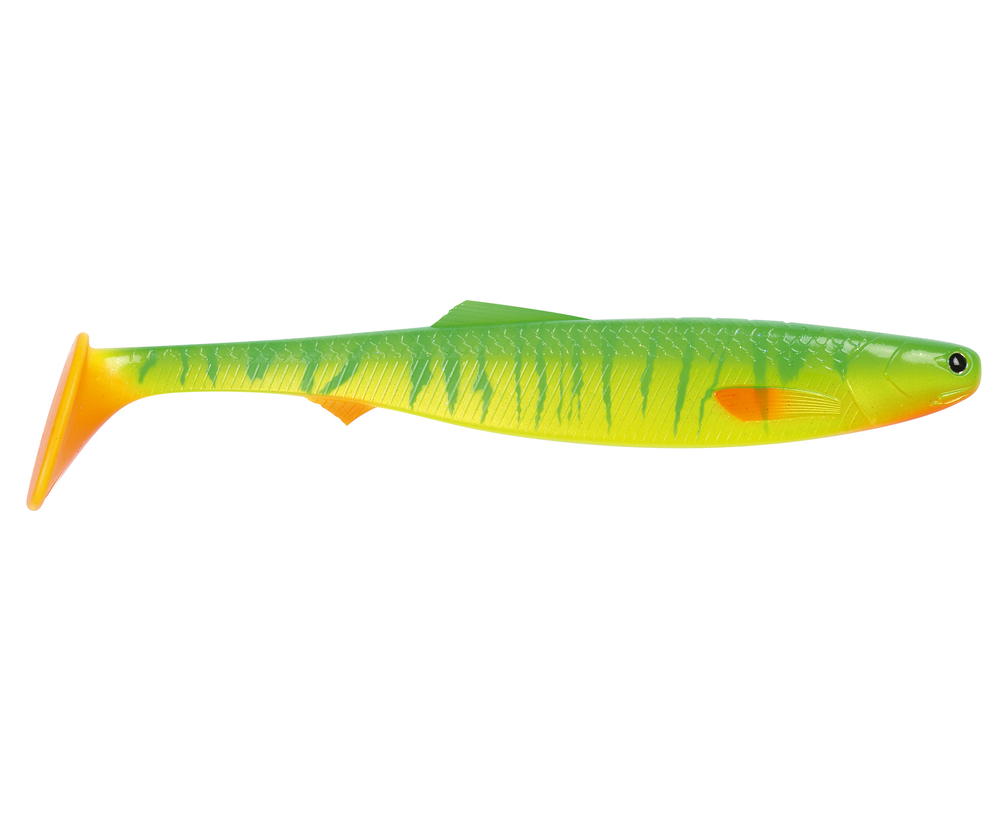
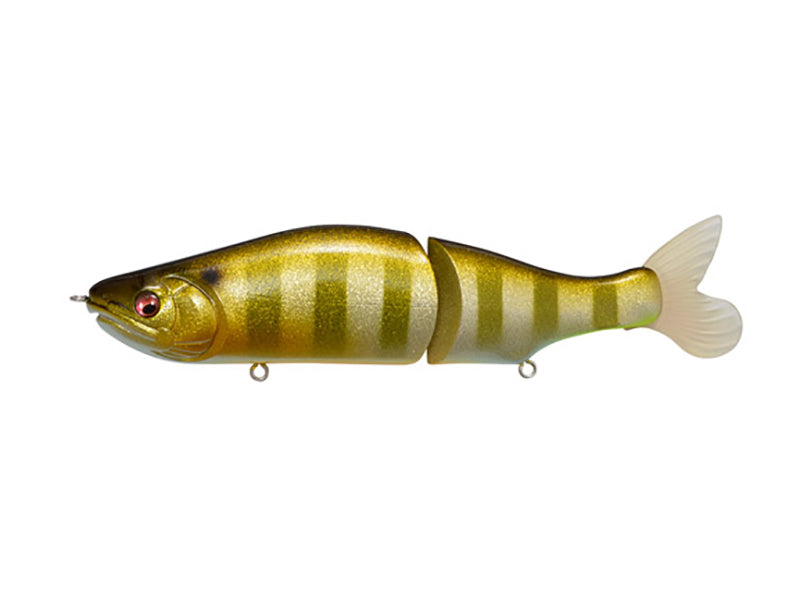
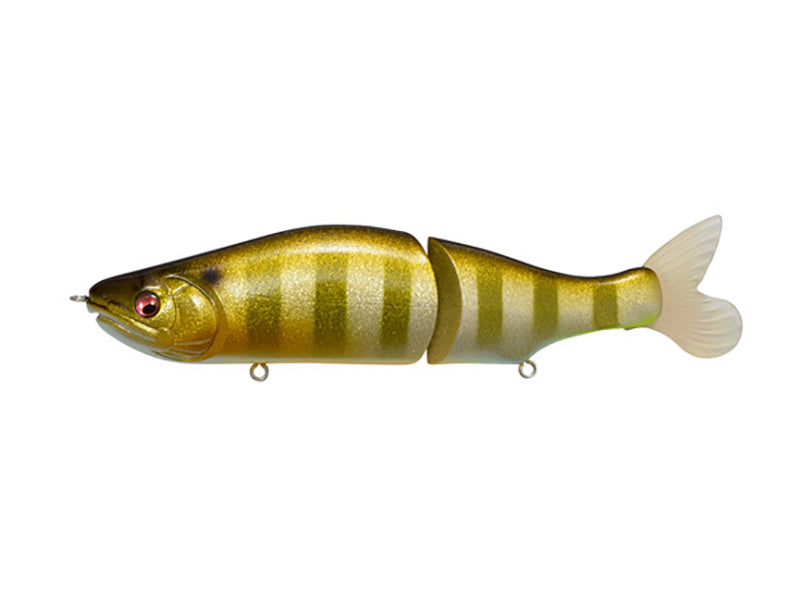
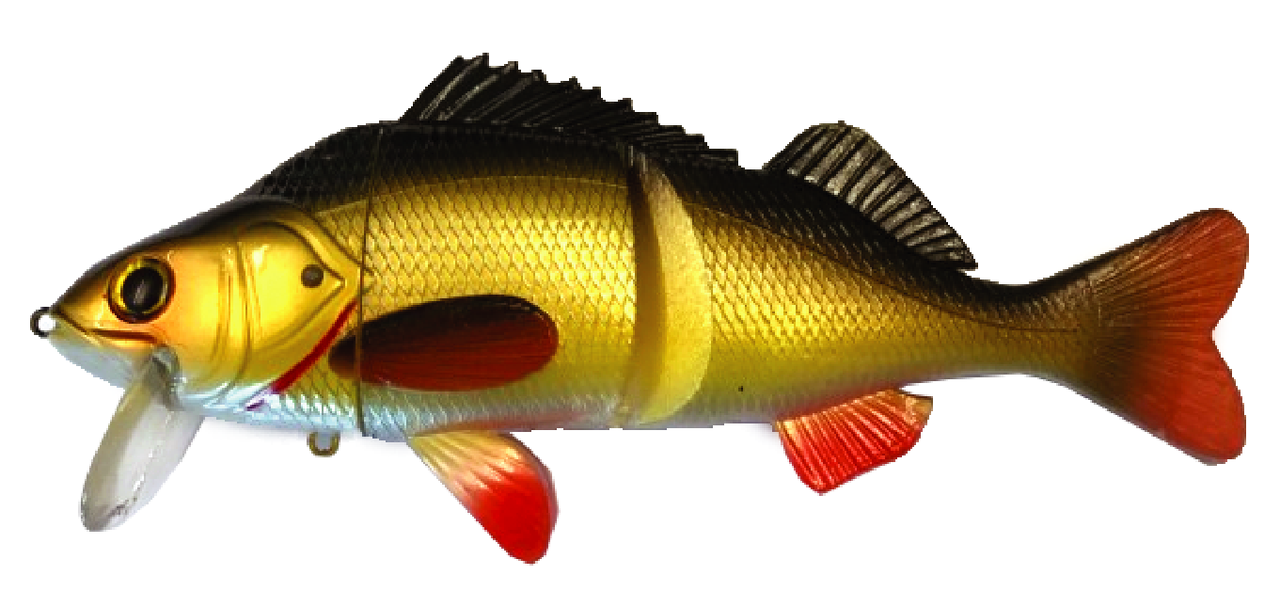
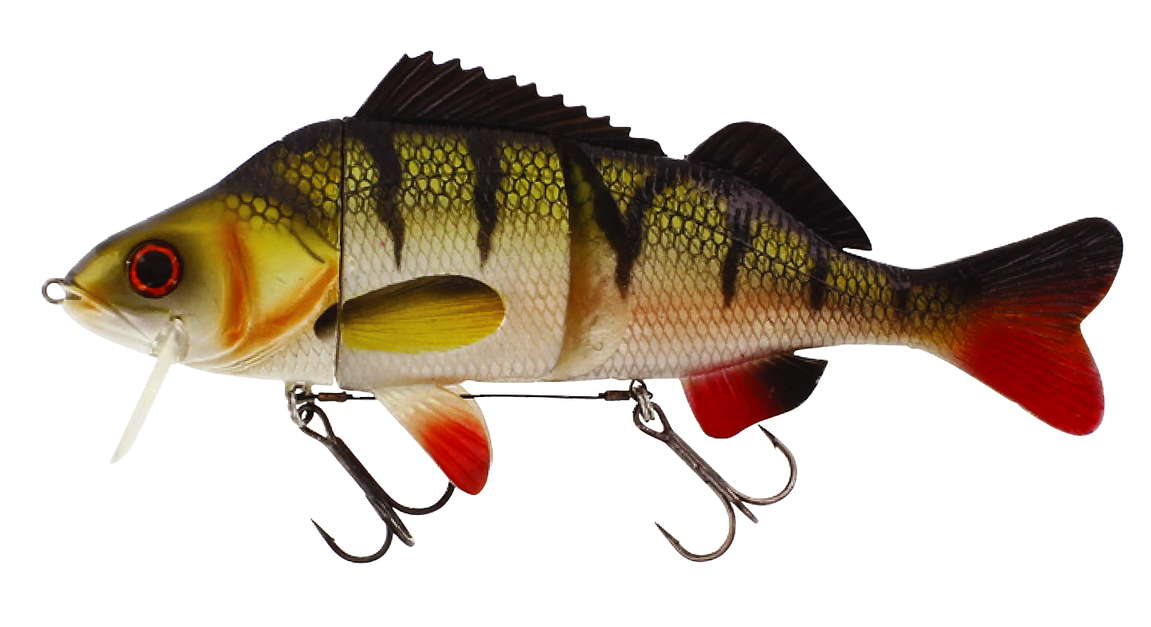
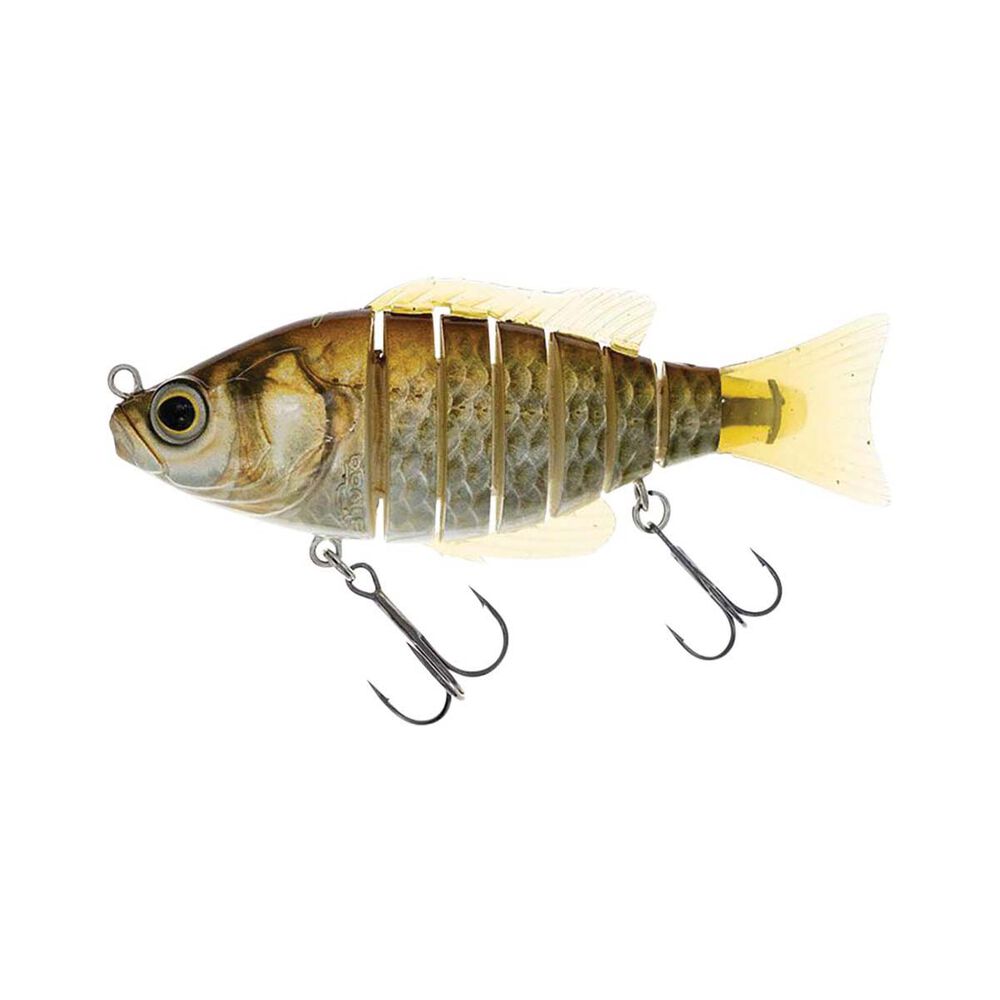
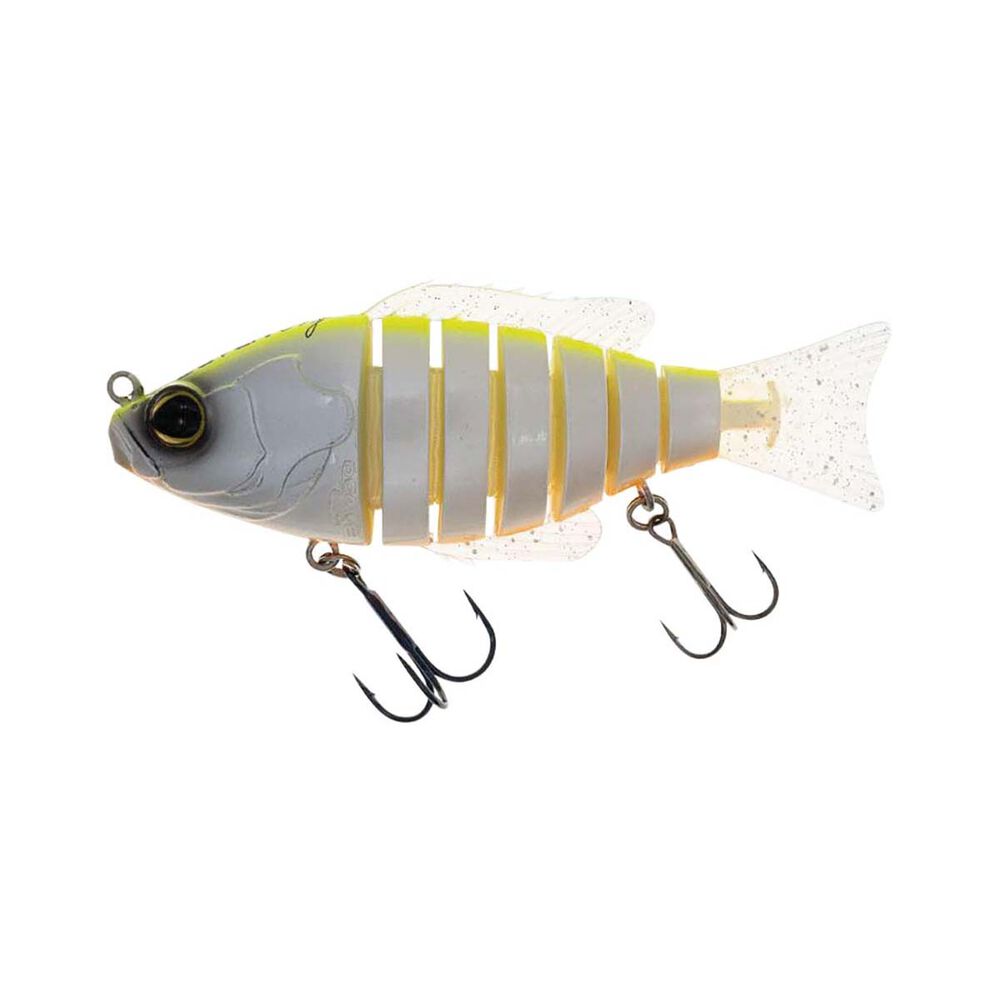
Swimbaits imitate a whole baitfish rather than a generic lure profile, usually through a jointed body that rolls and flexes as it moves. They are the lures people reach for when they are targeting one big fish rather than trying to catch numbers.
Choosing a swimbait
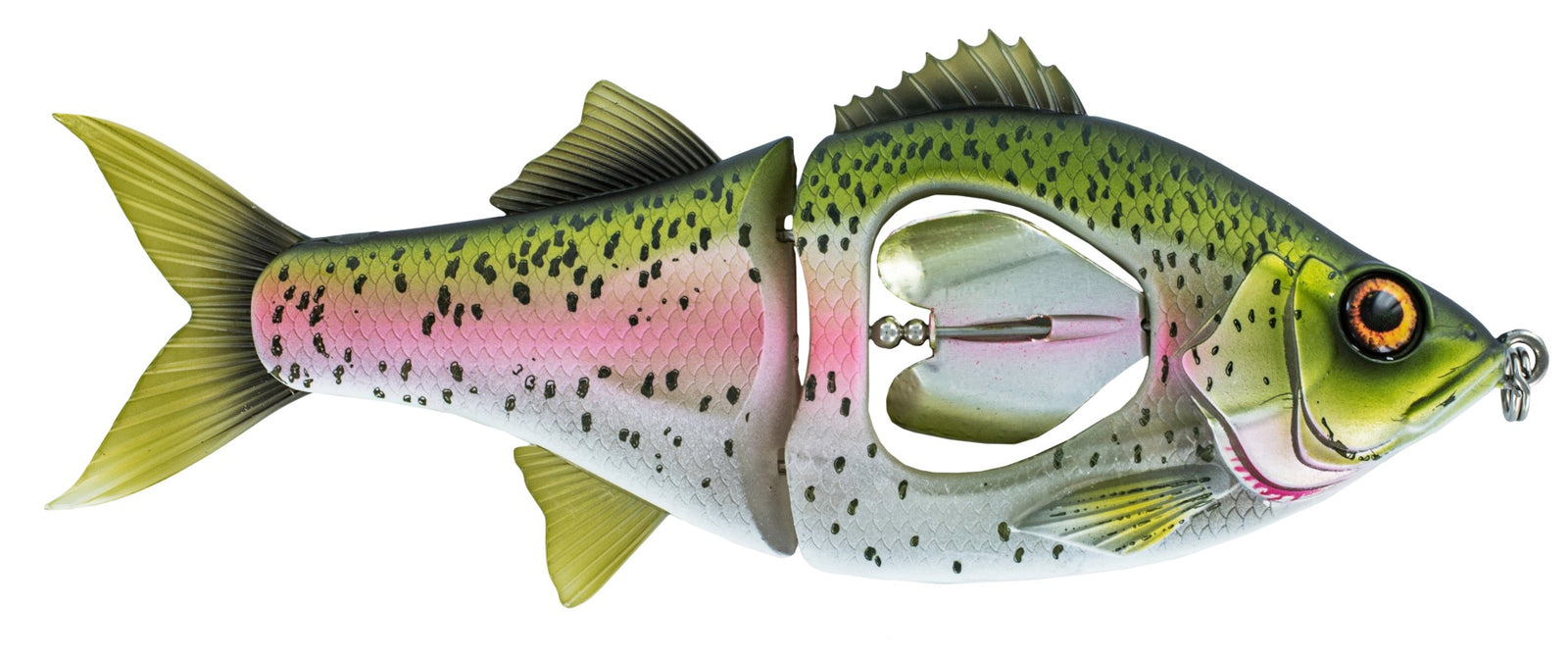
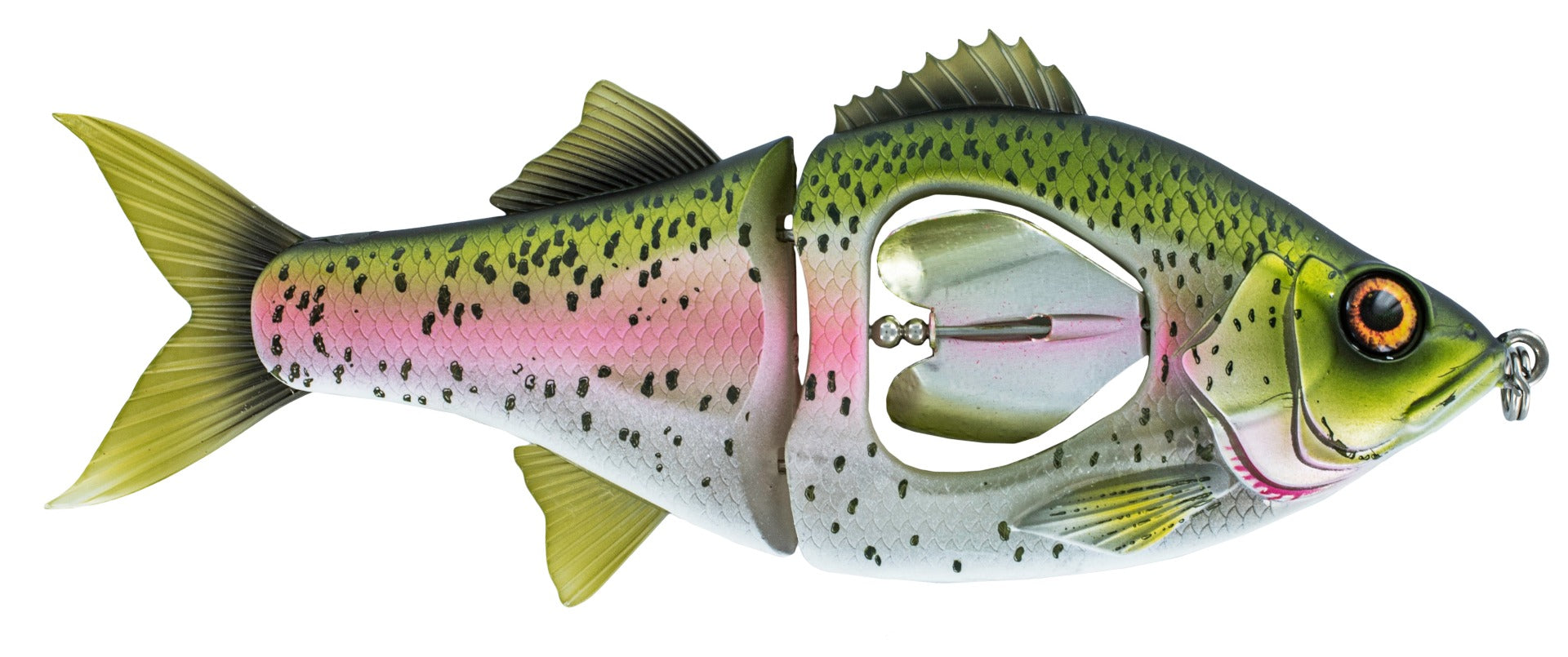
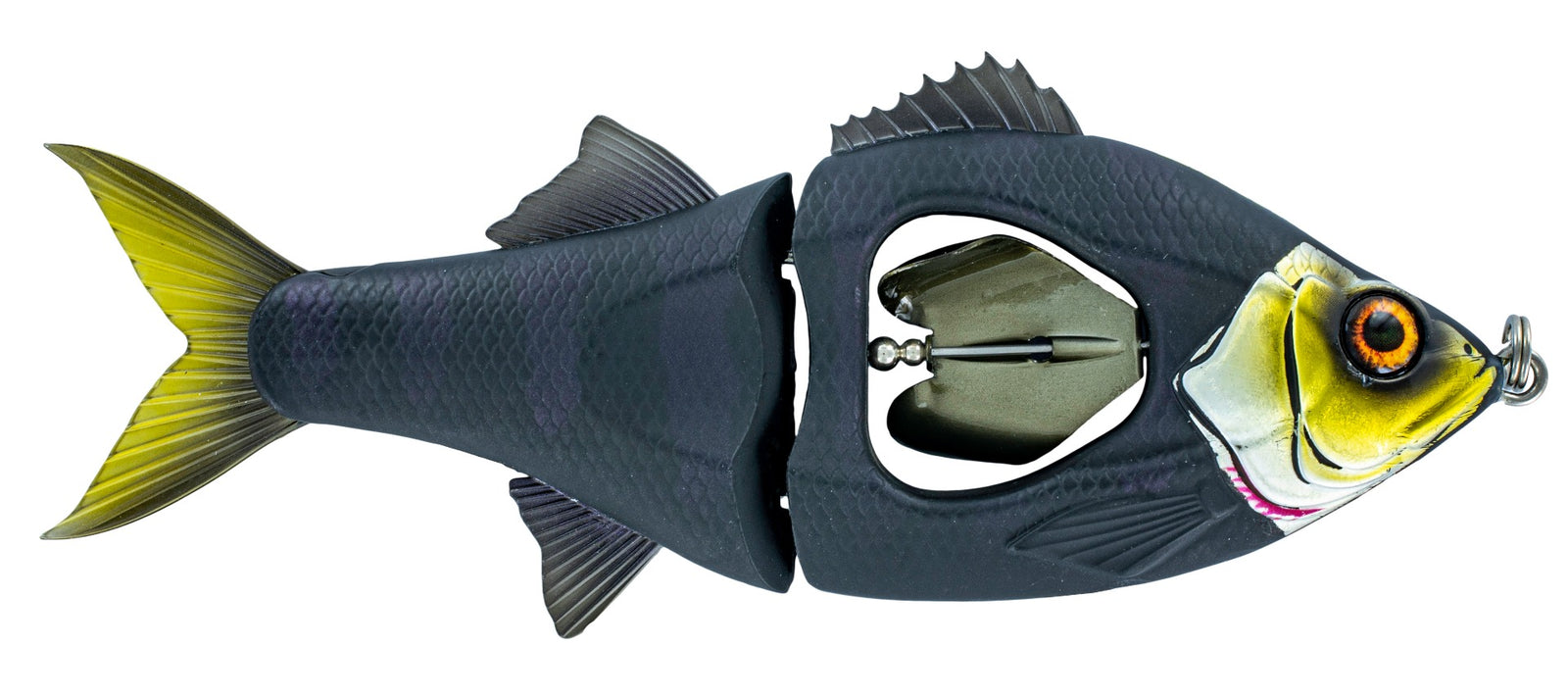
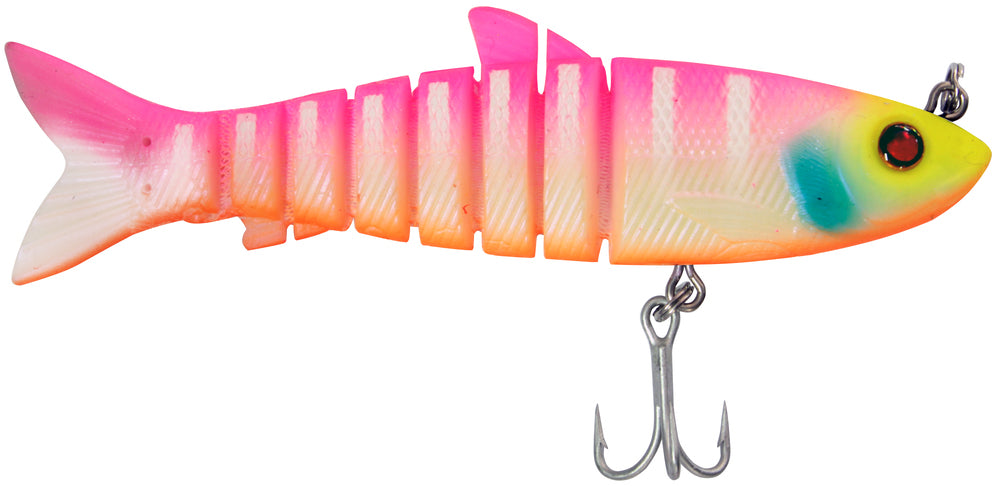
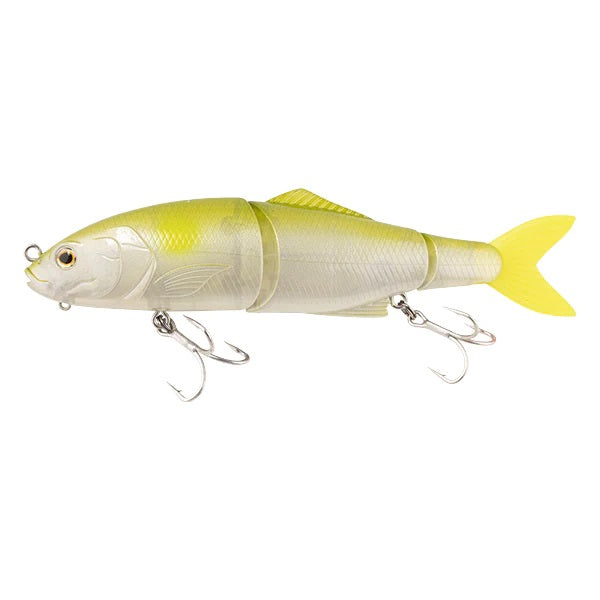
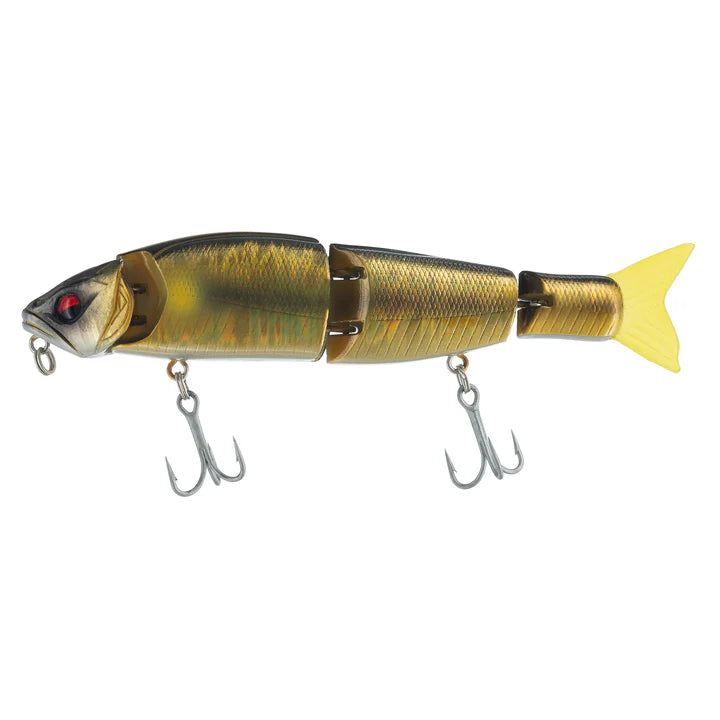
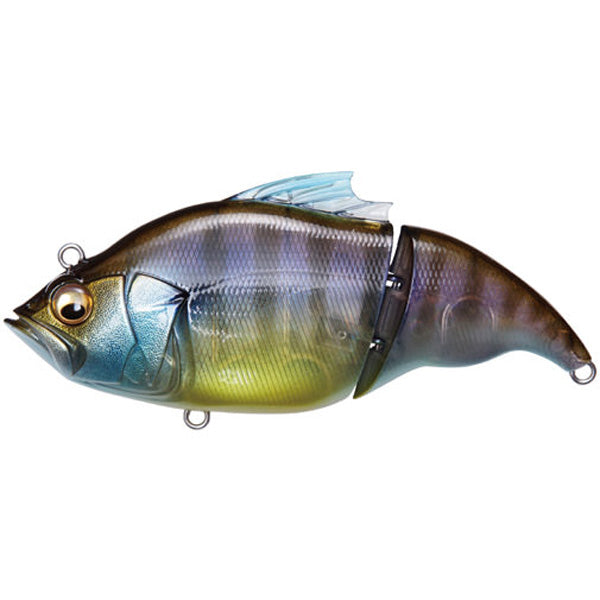
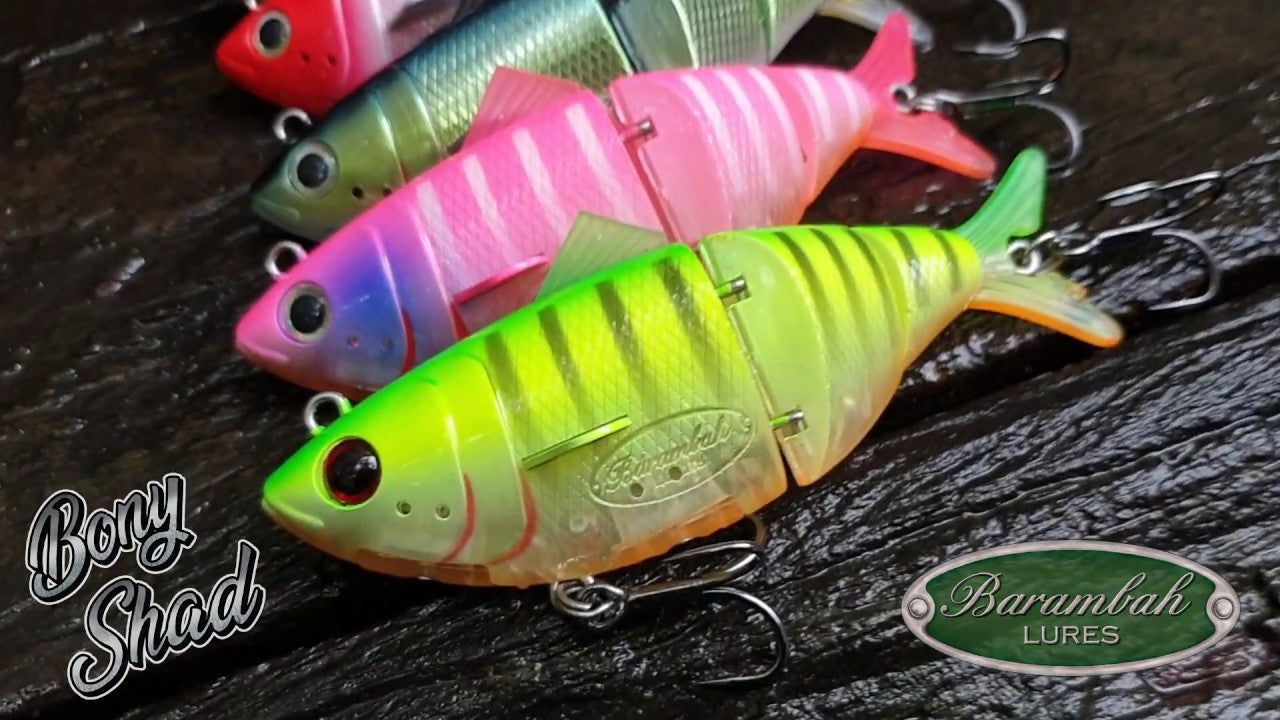
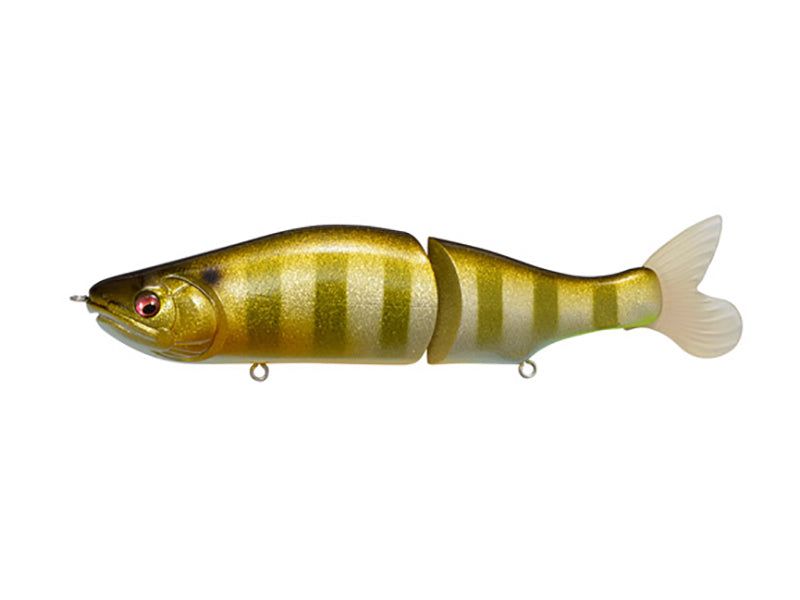
Jointed swimbaits have two or more segments that swim on a straight retrieve, giving an S-shaped wriggle that looks convincing at slow speeds. Glide baits use a single joint and a broad body to swing wide on the pause, covering ground side to side rather than swimming forward.
Sink rate matters as much as the action. Floating models let you fish over structure and pause the lure on top of a snag. Slow sinkers let you count down to a depth and hold it there. Fast sinkers get down quickly in current or deep water.
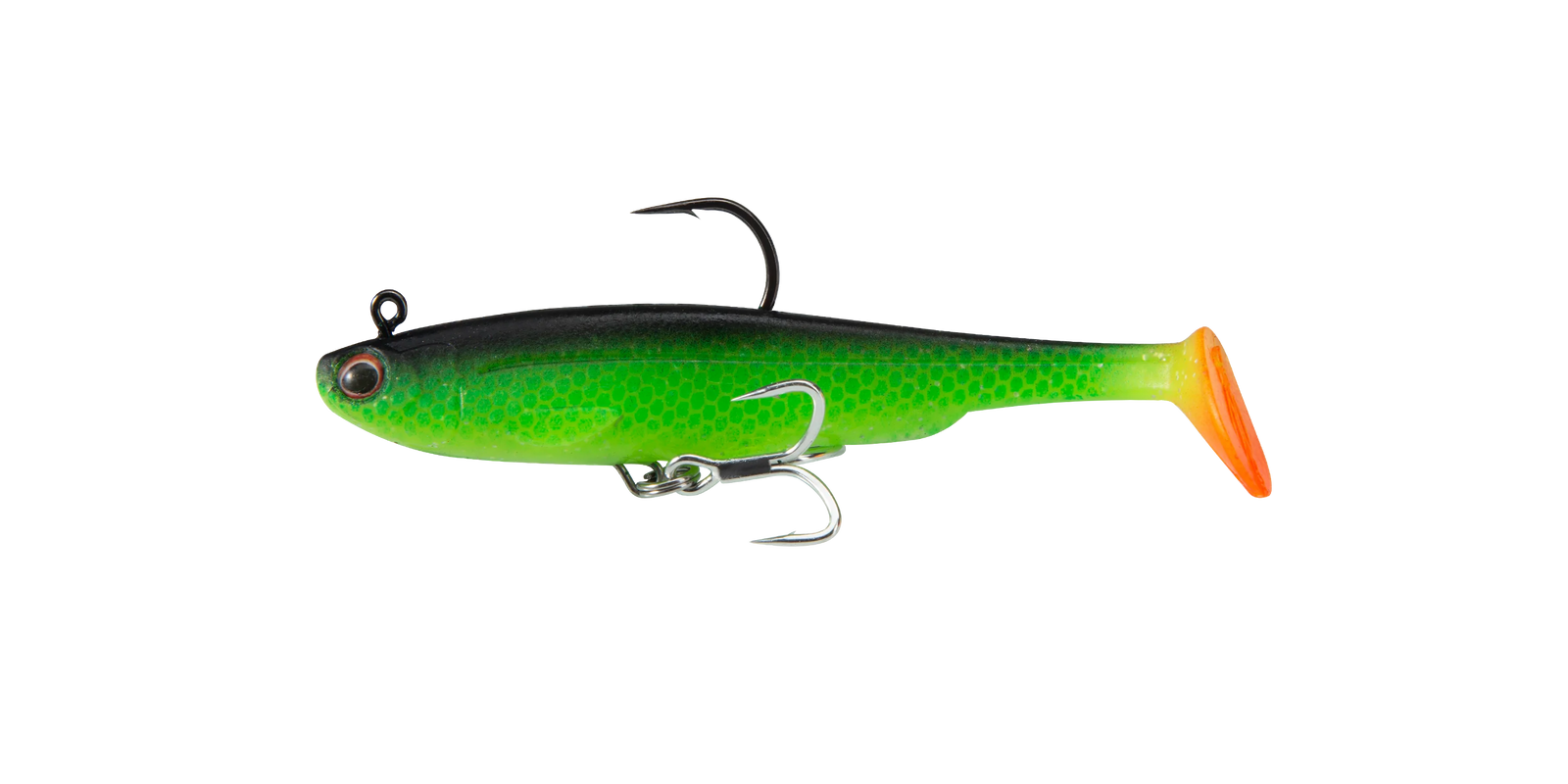
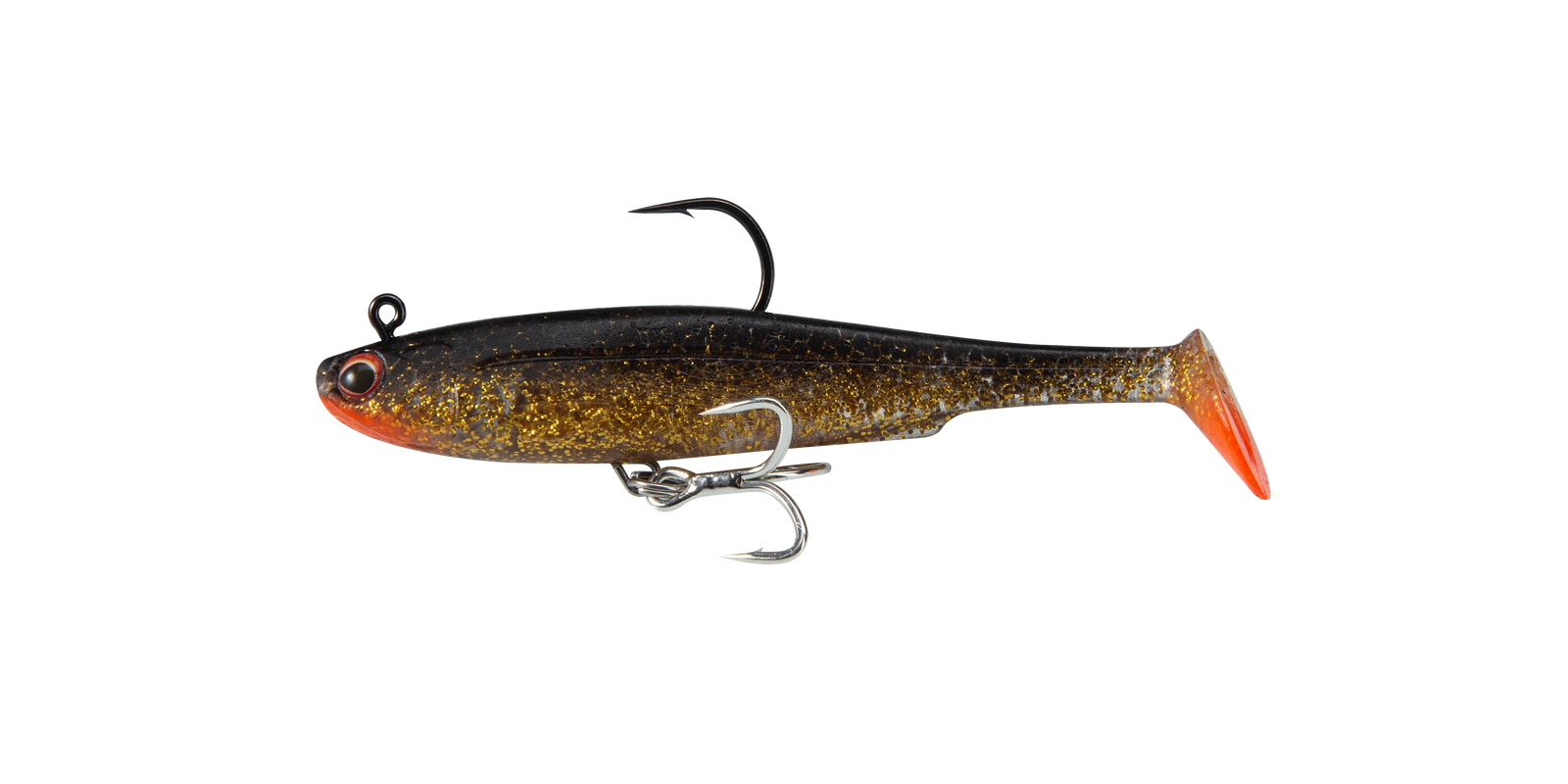
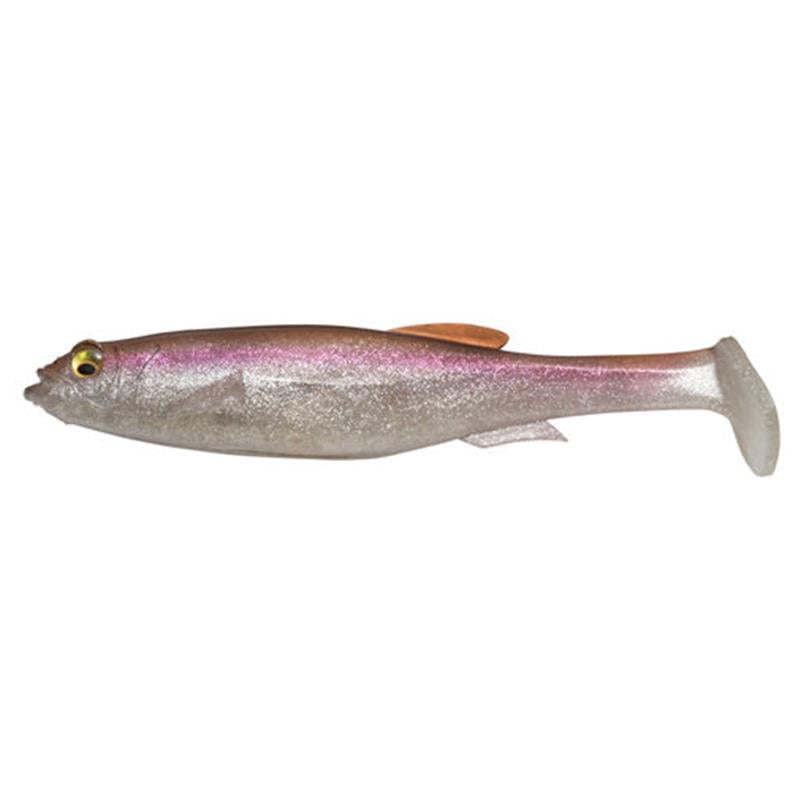
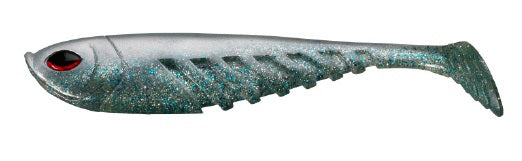
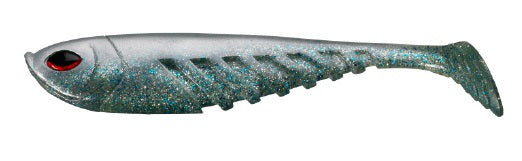
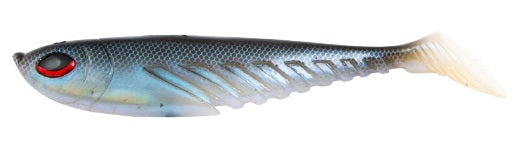
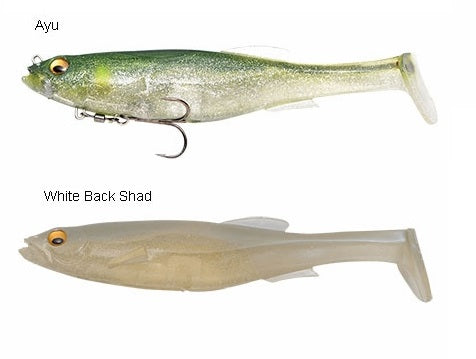
Swimbaits are heavy, so check your rod's cast weight rating before you buy one. They sit alongside the rest of the hard body range, and where you want the same profile with a softer feel, soft plastics cover that ground more cheaply.
Frequently asked questions
What is a glide bait?
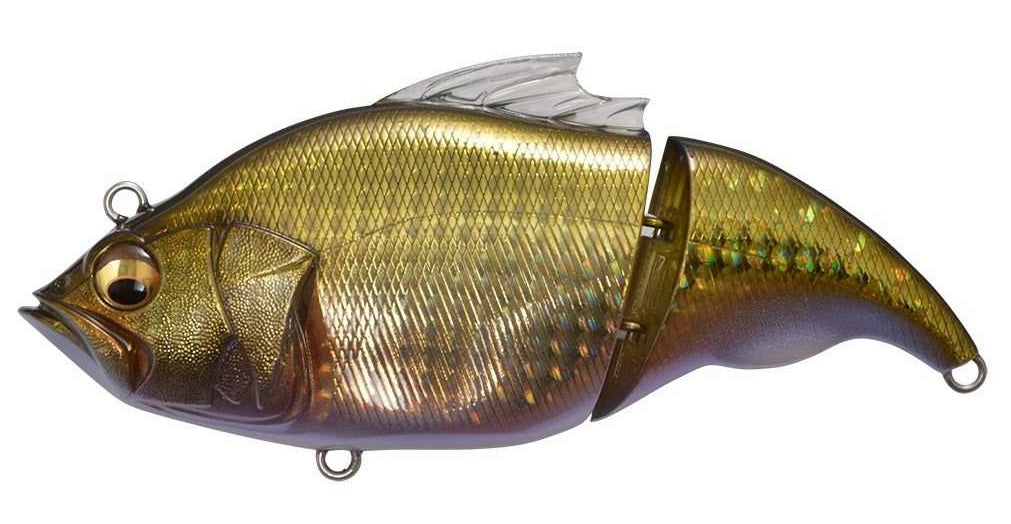
A swimbait with a single joint and a wide body that swings left and right across its own path when you twitch and pause, rather than swimming straight. The wide glide is what draws fish in from a distance.
What rod do I need for swimbaits?
One rated to cast the lure weight comfortably. Swimbaits are much heavier than standard lures, and a rod that is under-rated will not load properly and may break.
How fast should I retrieve a swimbait?
Slowly. Most swimbaits are designed to work at a walking-pace wind, and the action falls apart if you hurry them. Add pauses and let the lure sink or glide between them.
What fish do swimbaits catch in Australia?
Murray cod, barramundi, bass, big flathead and mulloway are the common targets, along with offshore species where large baitfish are on the menu.
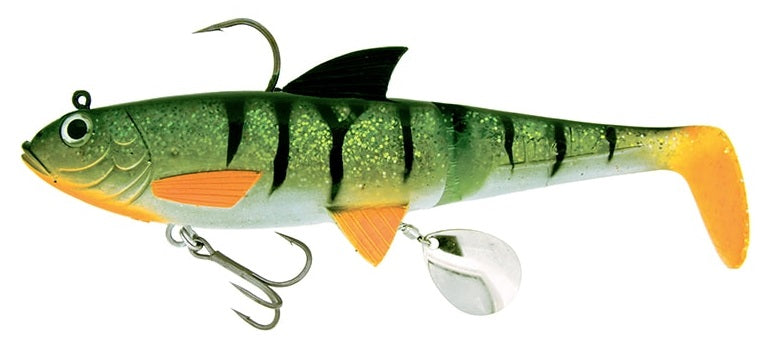
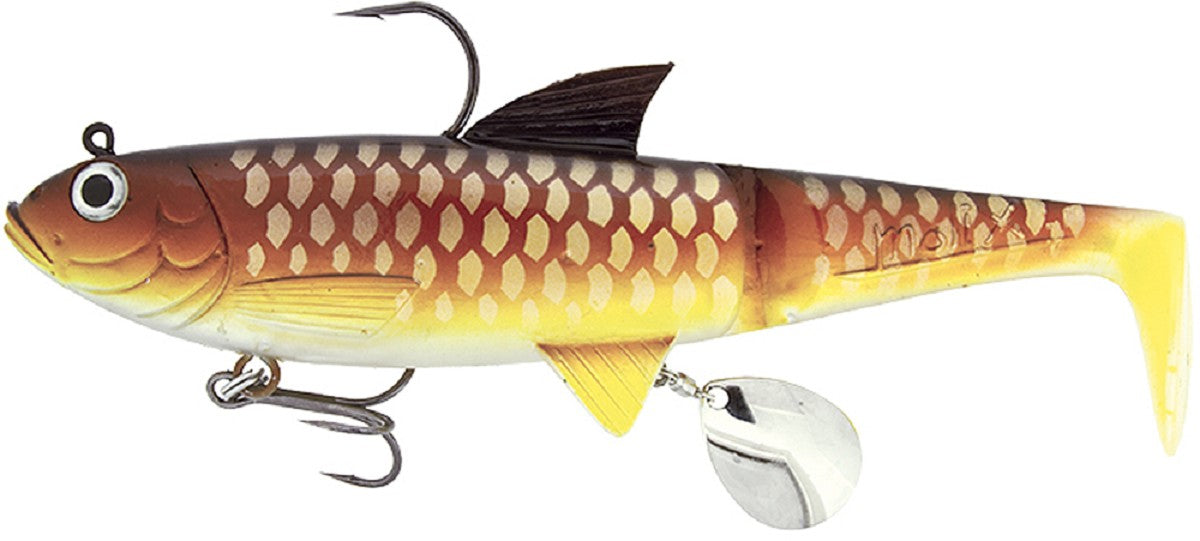


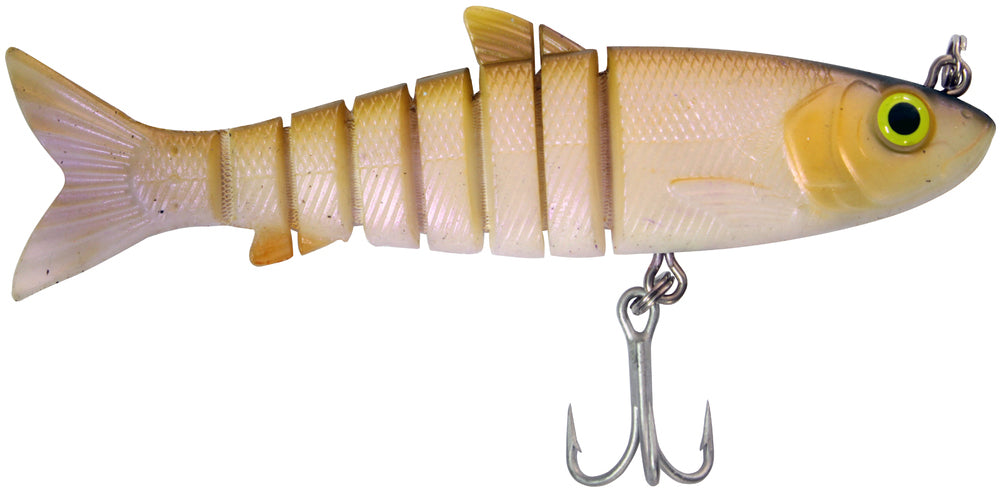
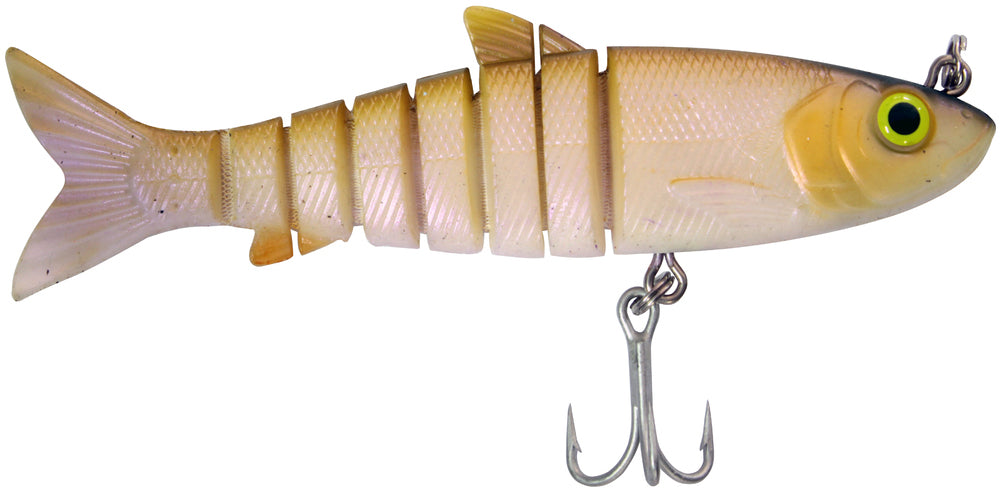
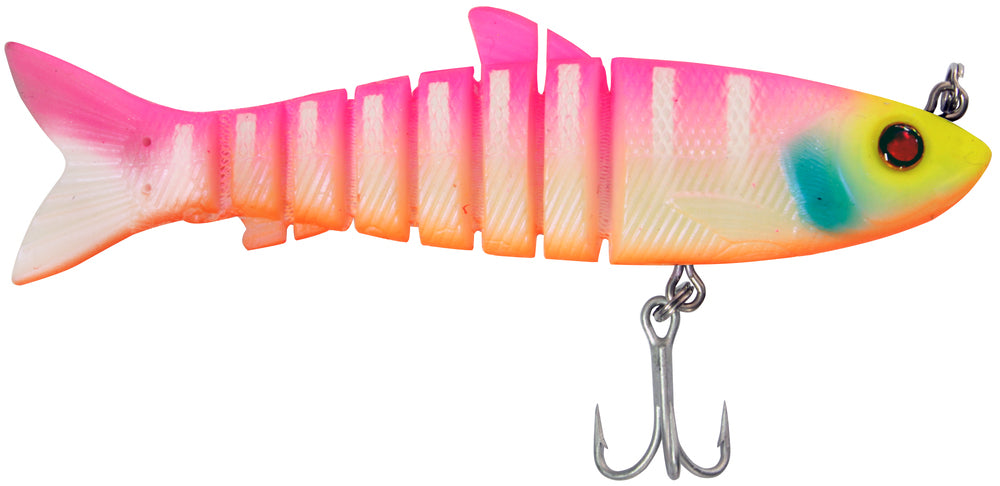
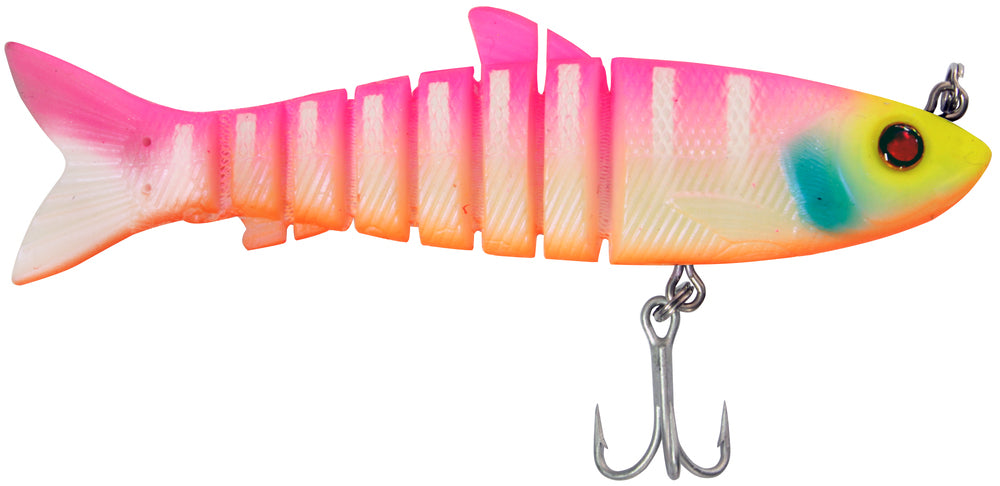
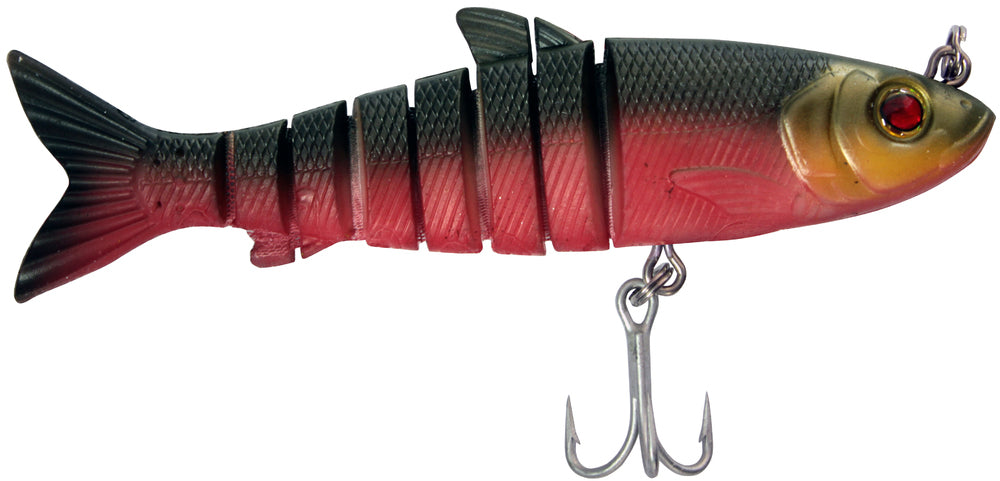
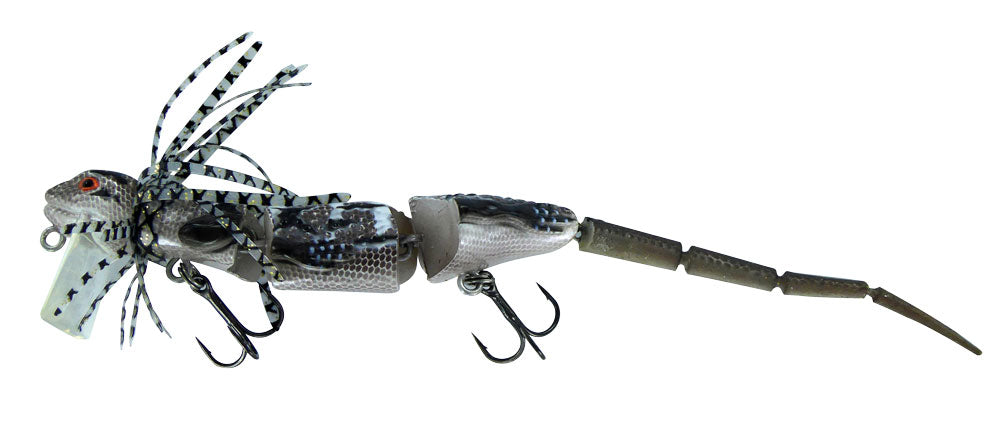
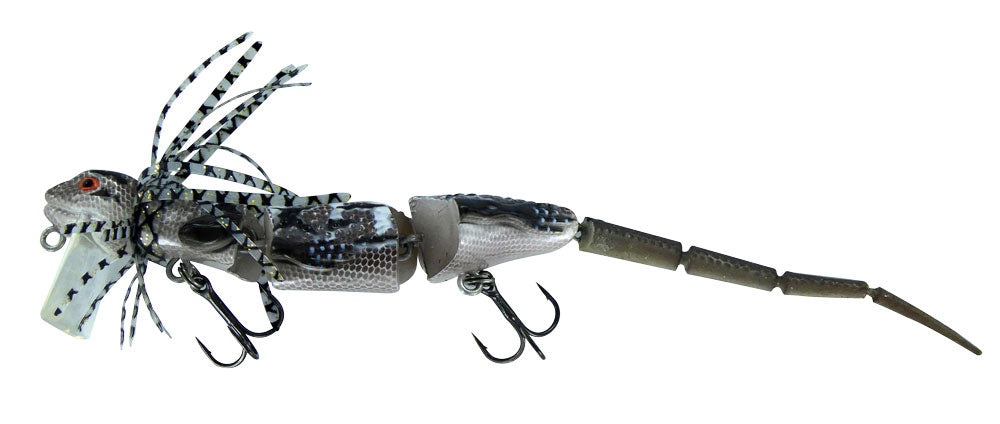
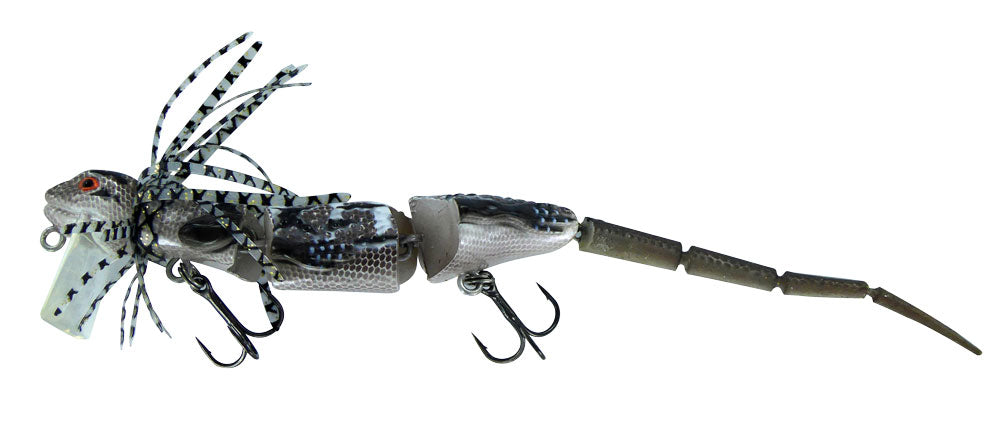

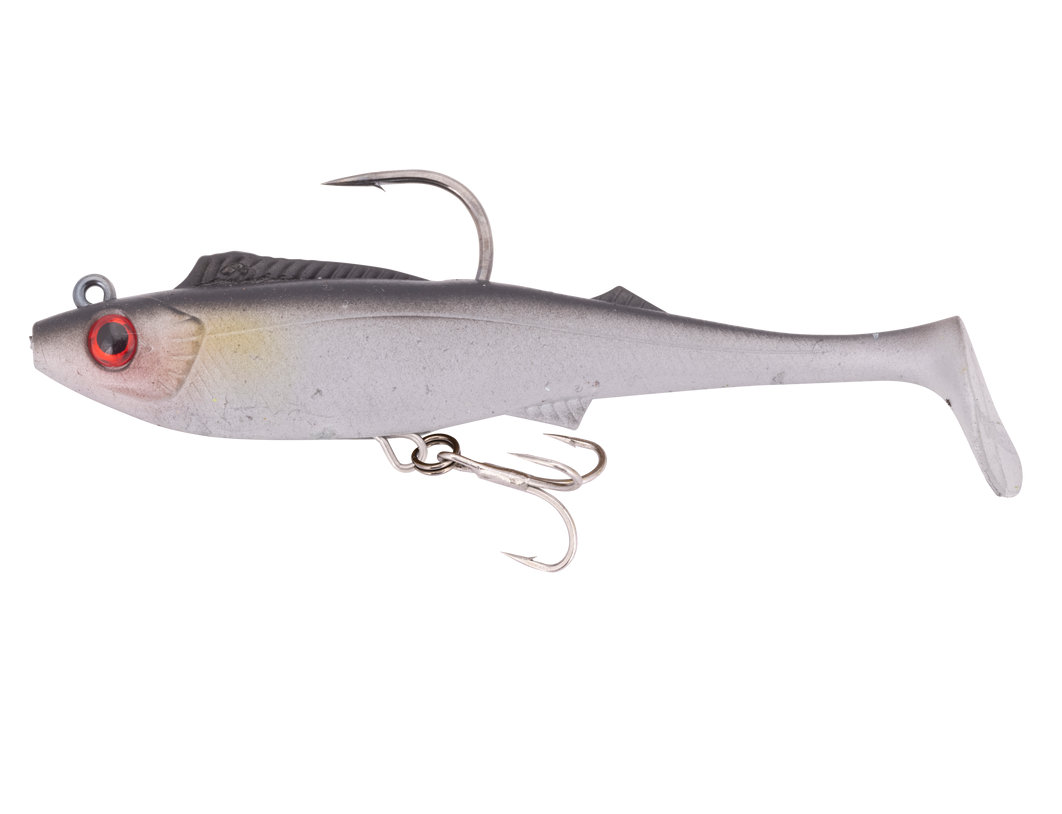
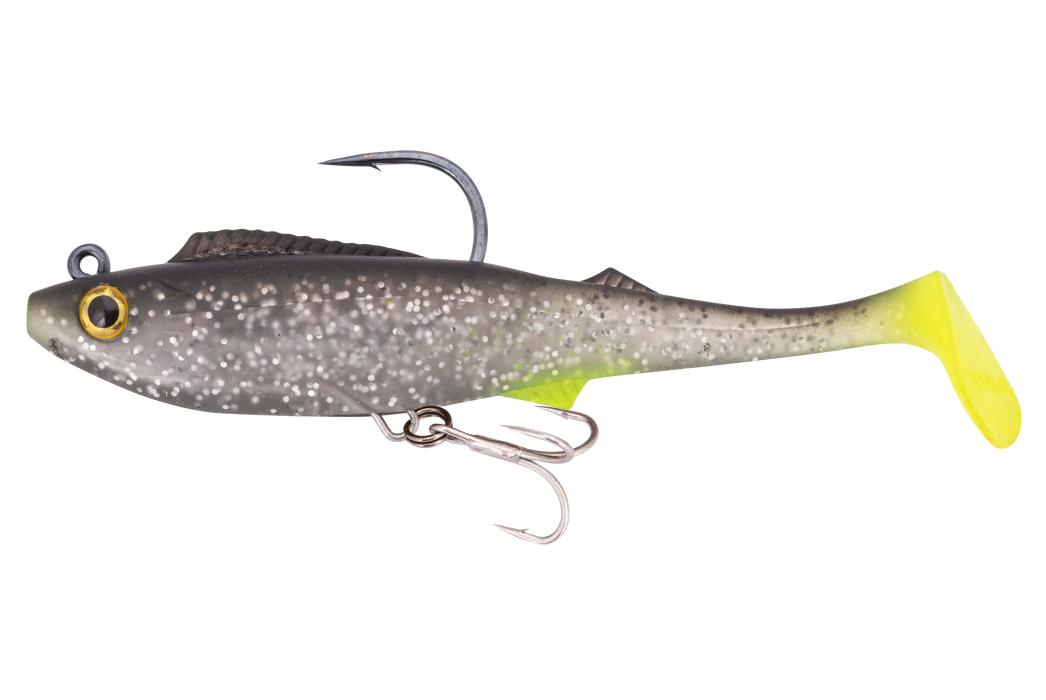

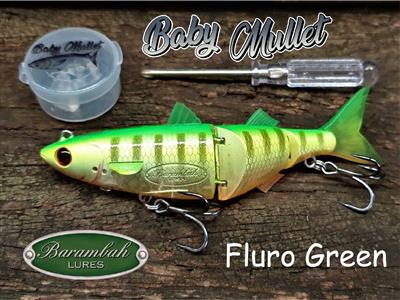
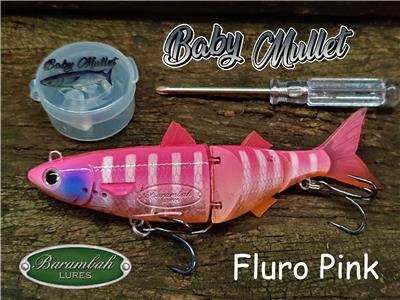
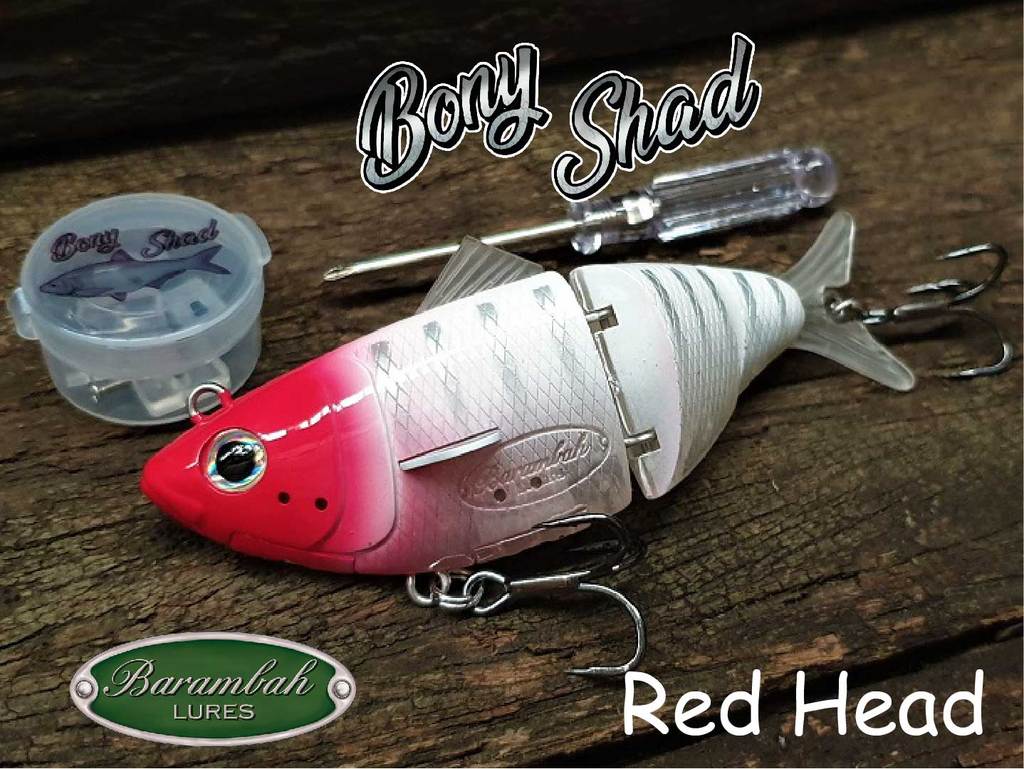
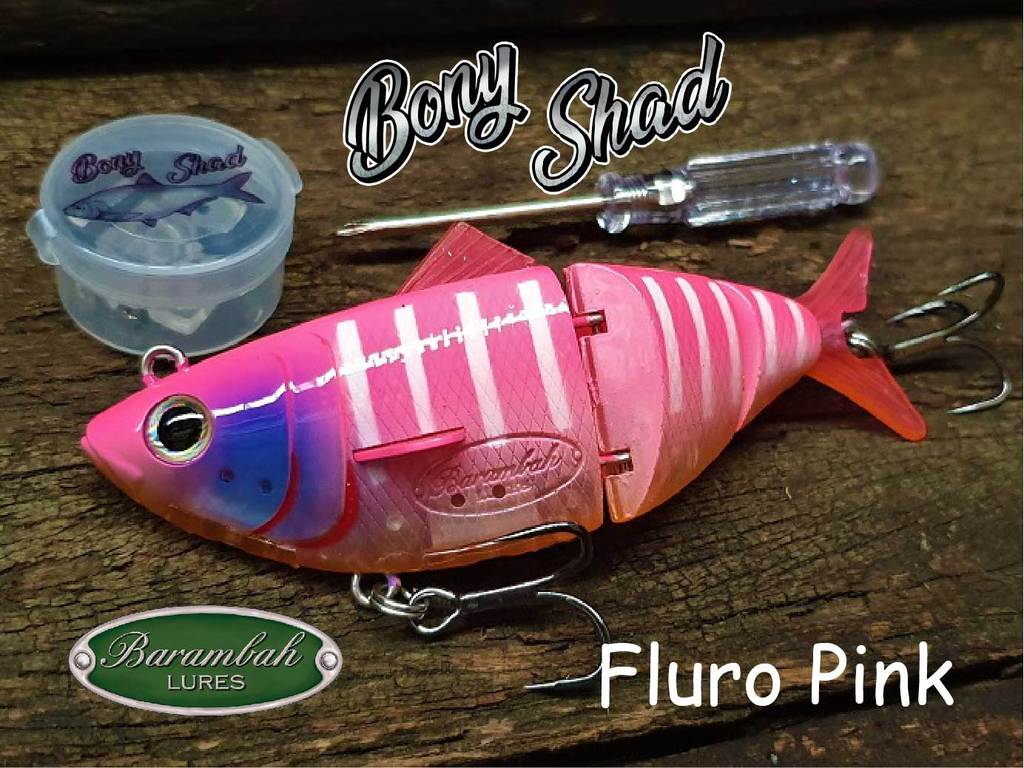
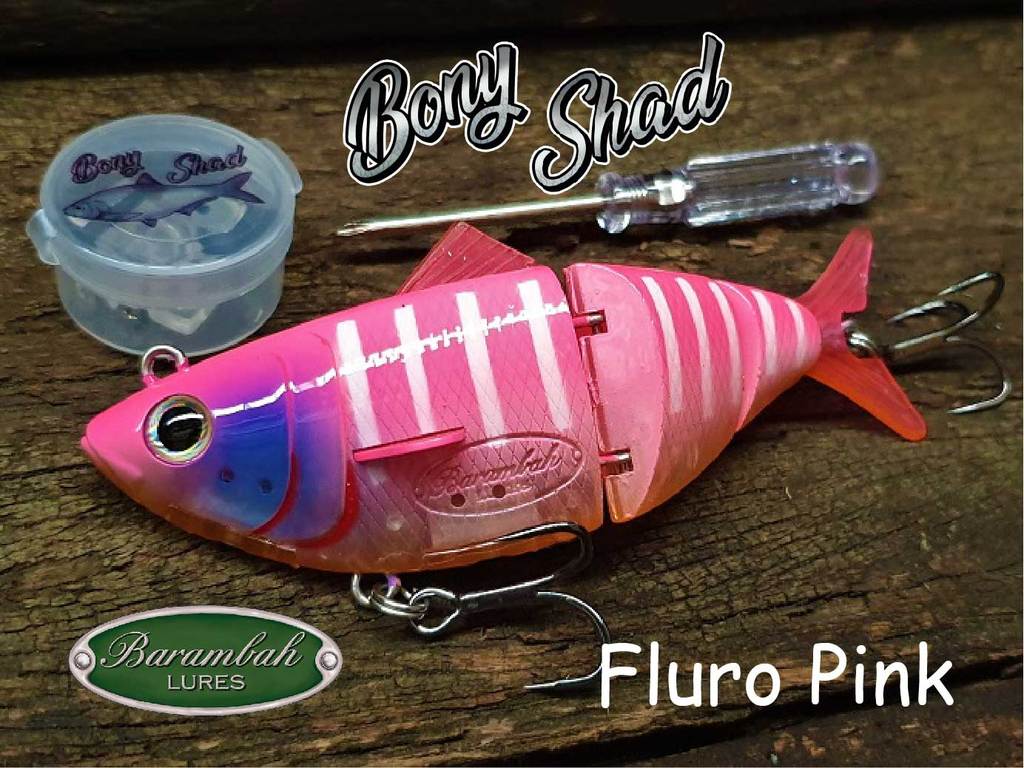


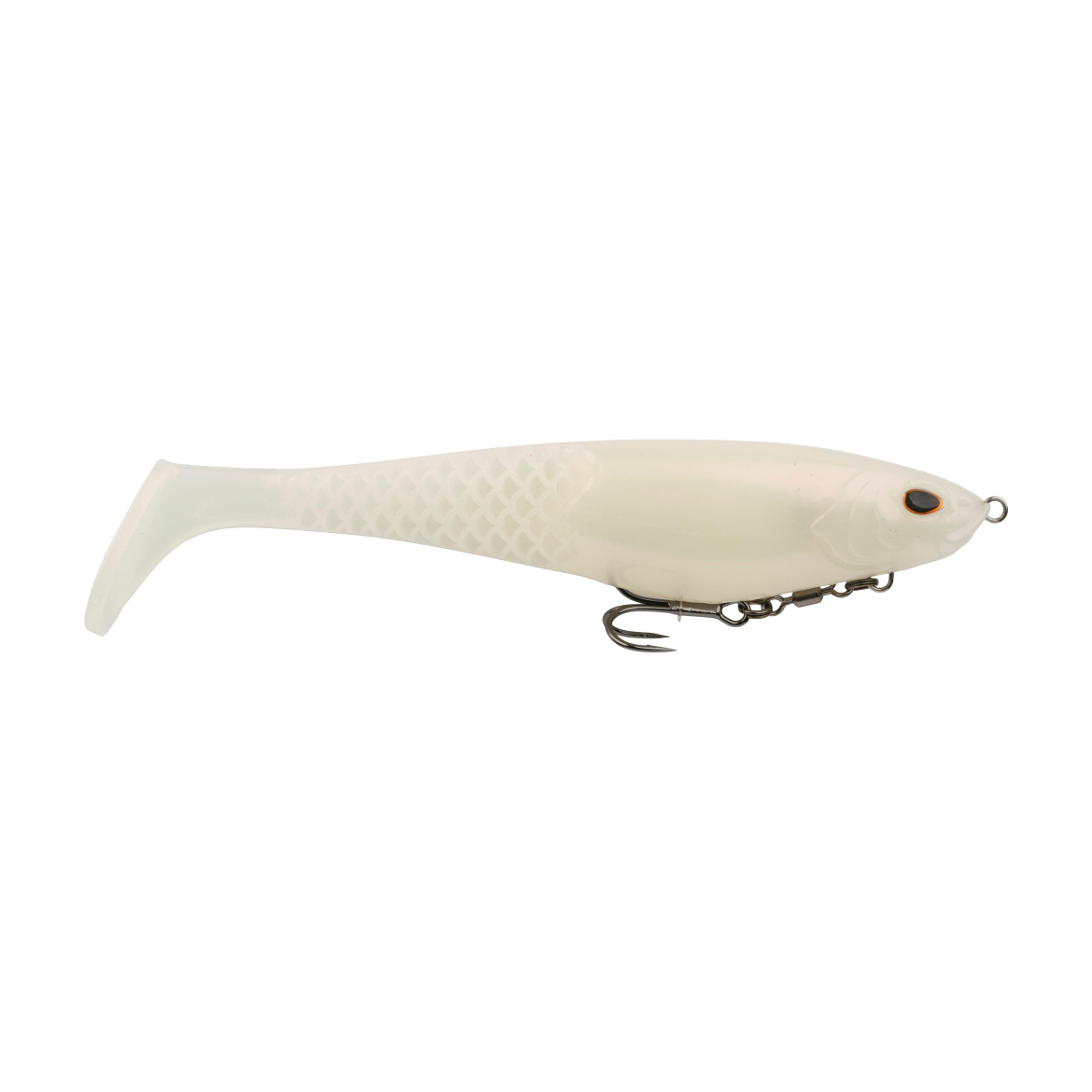

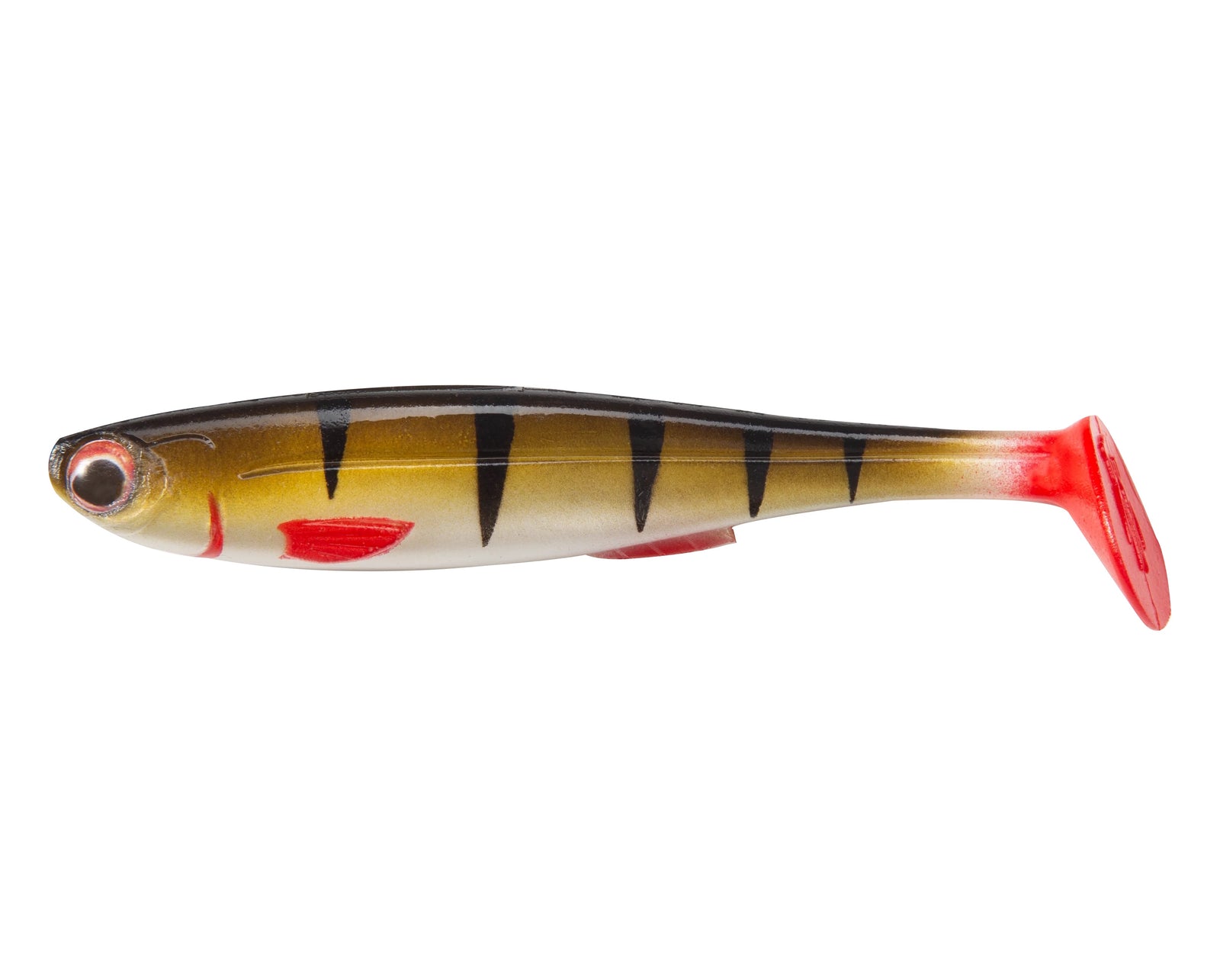
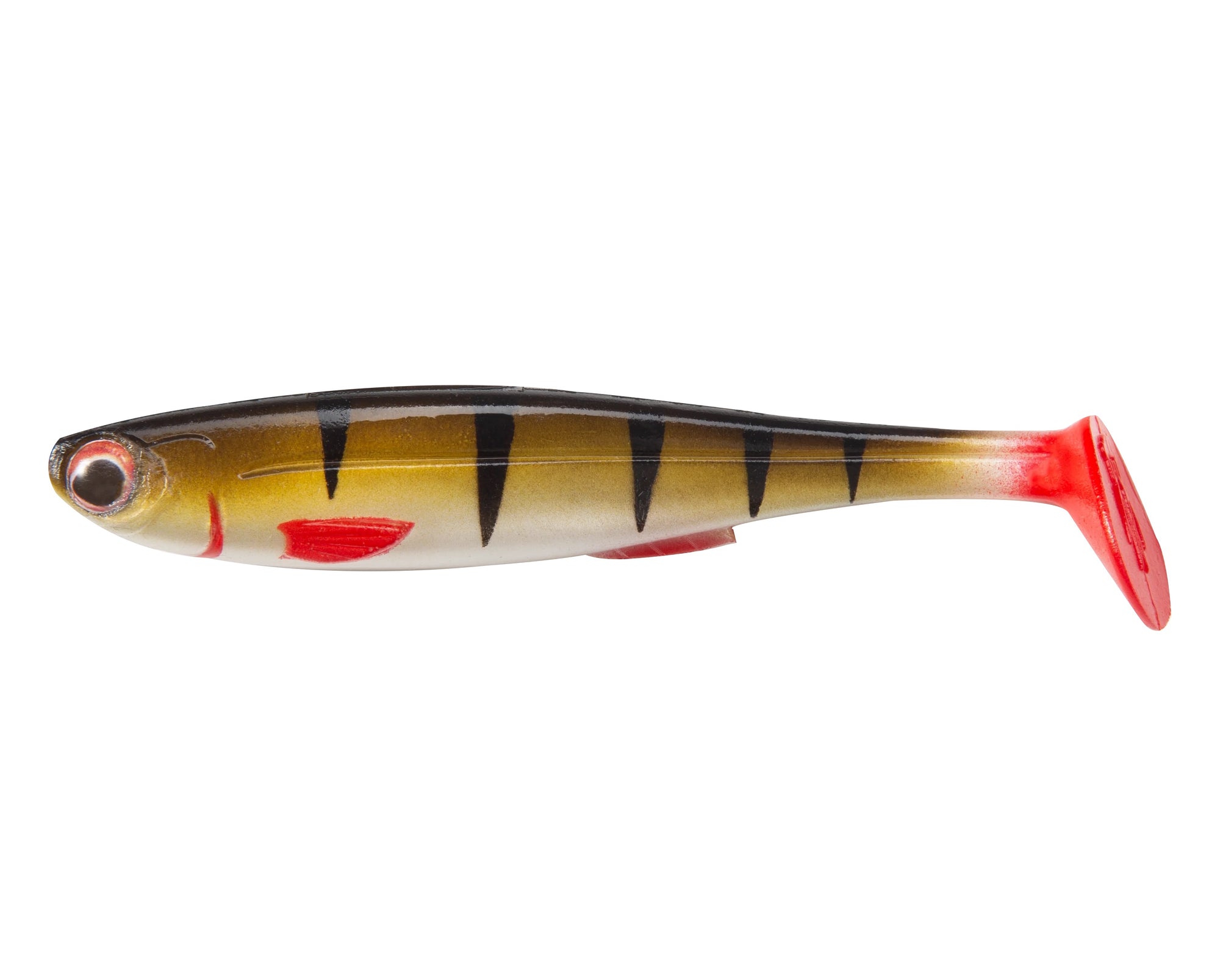
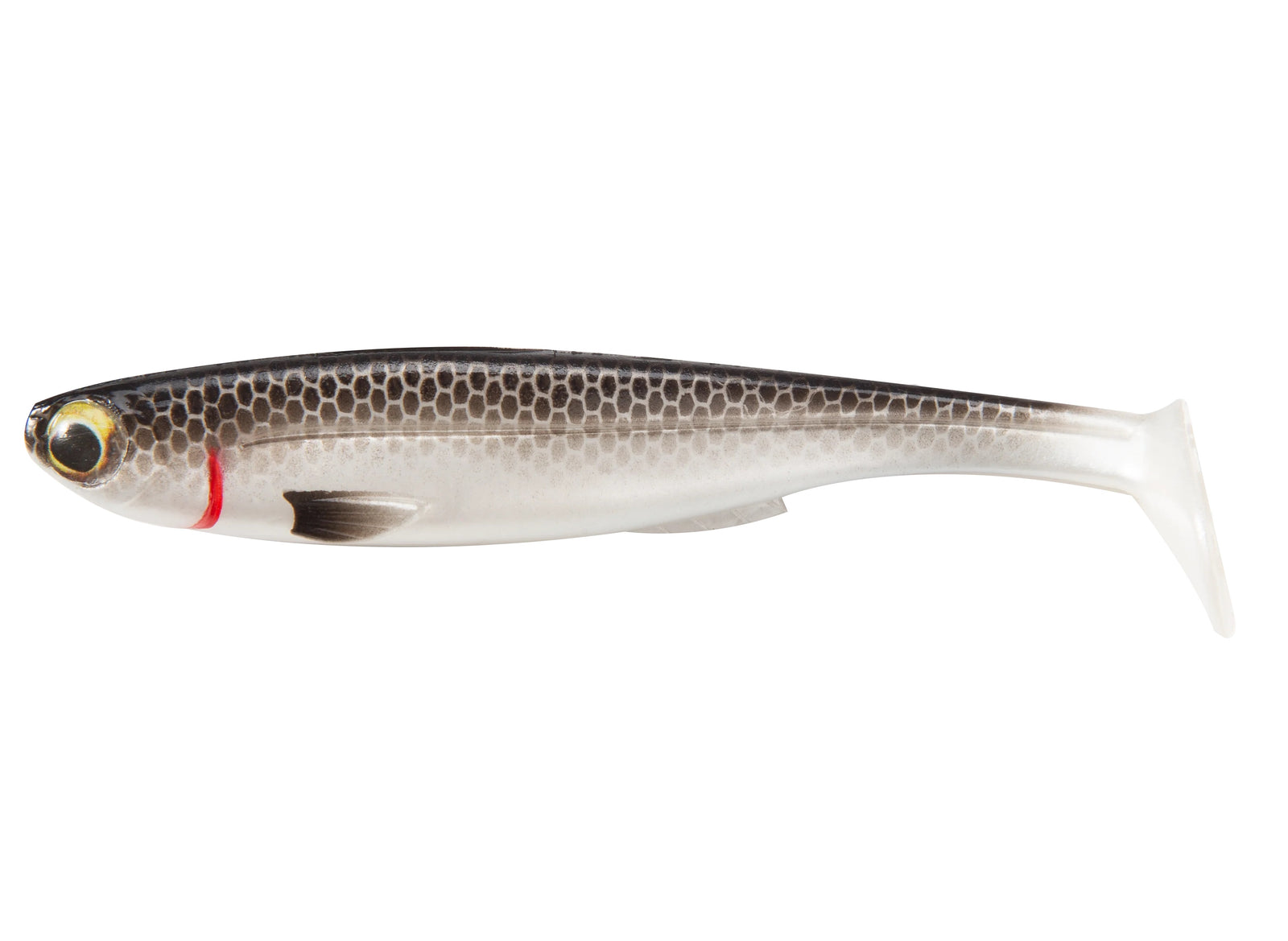


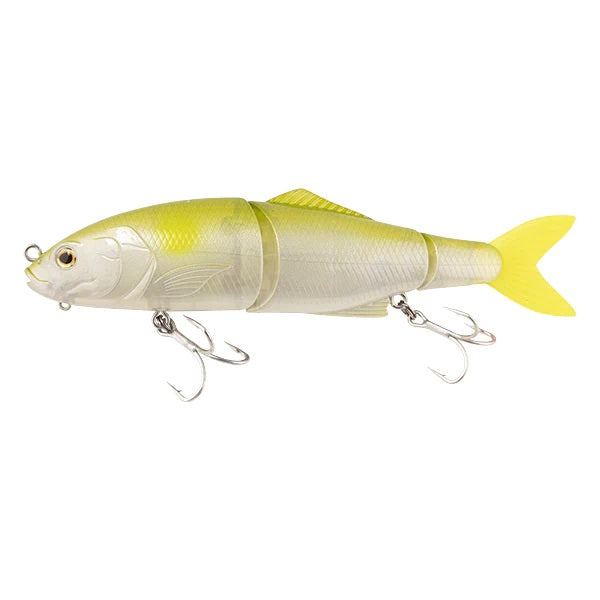
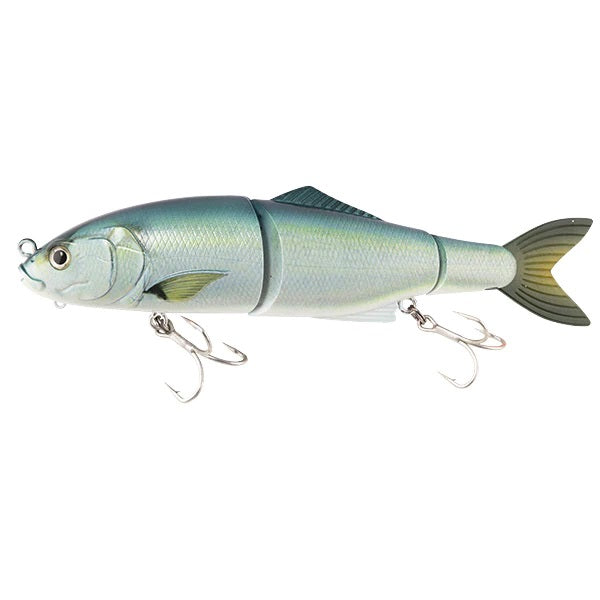

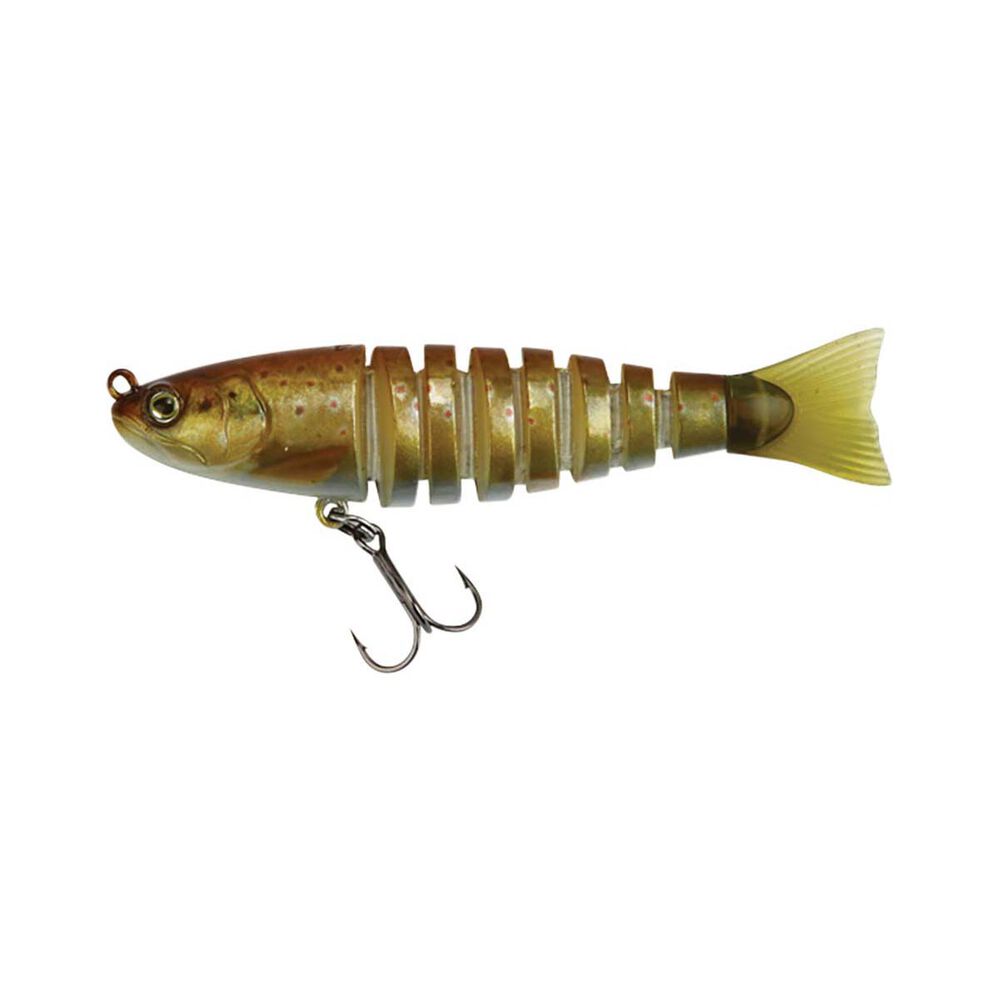

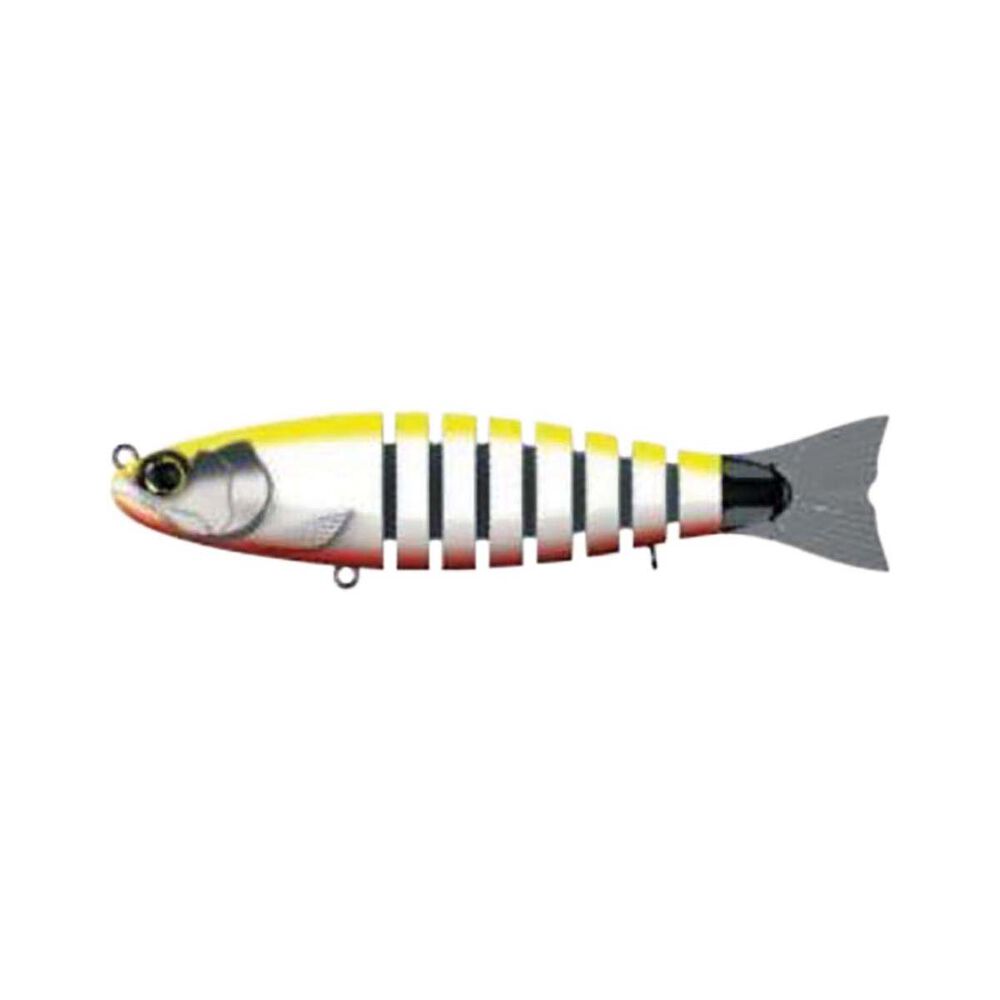

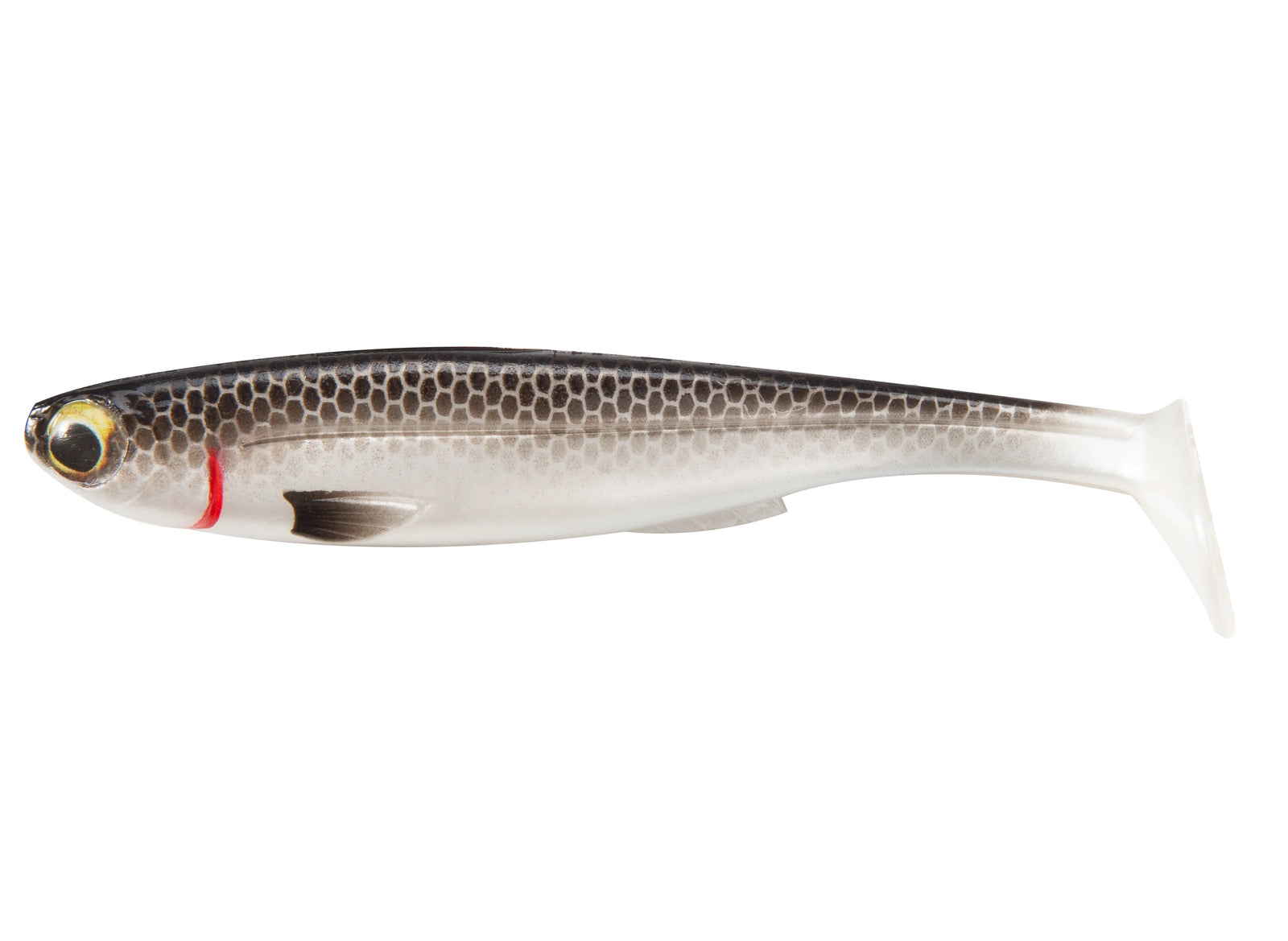
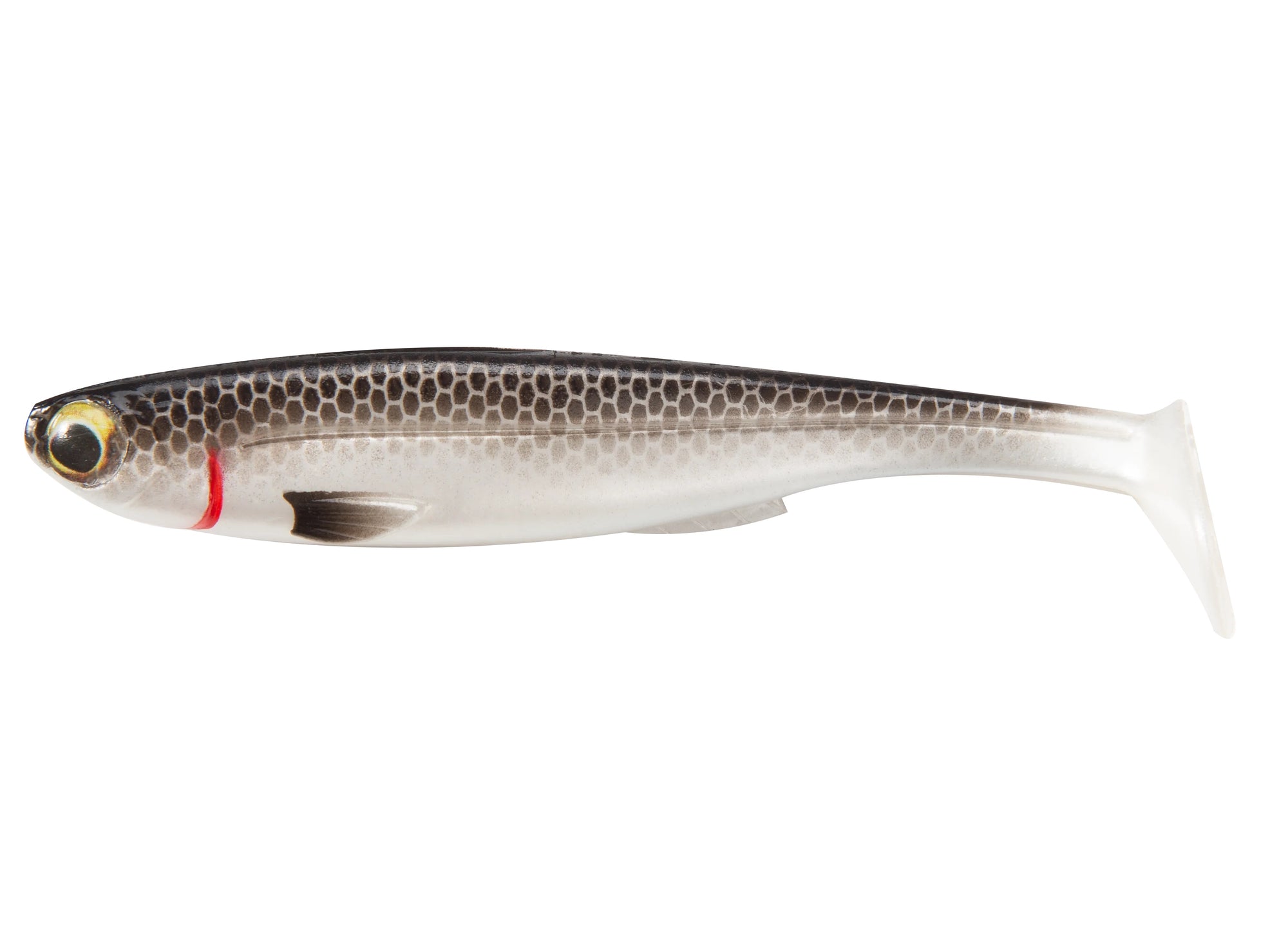
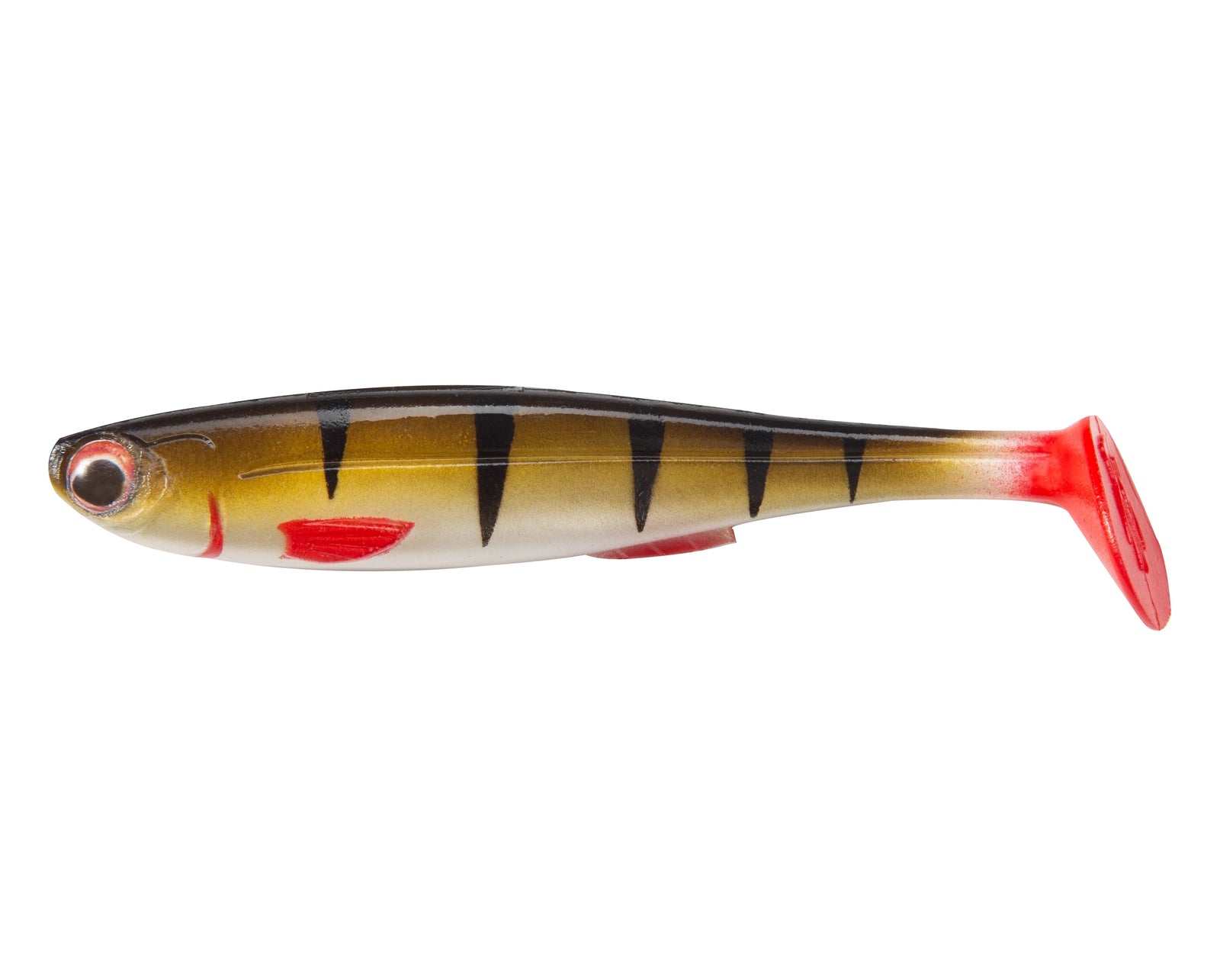
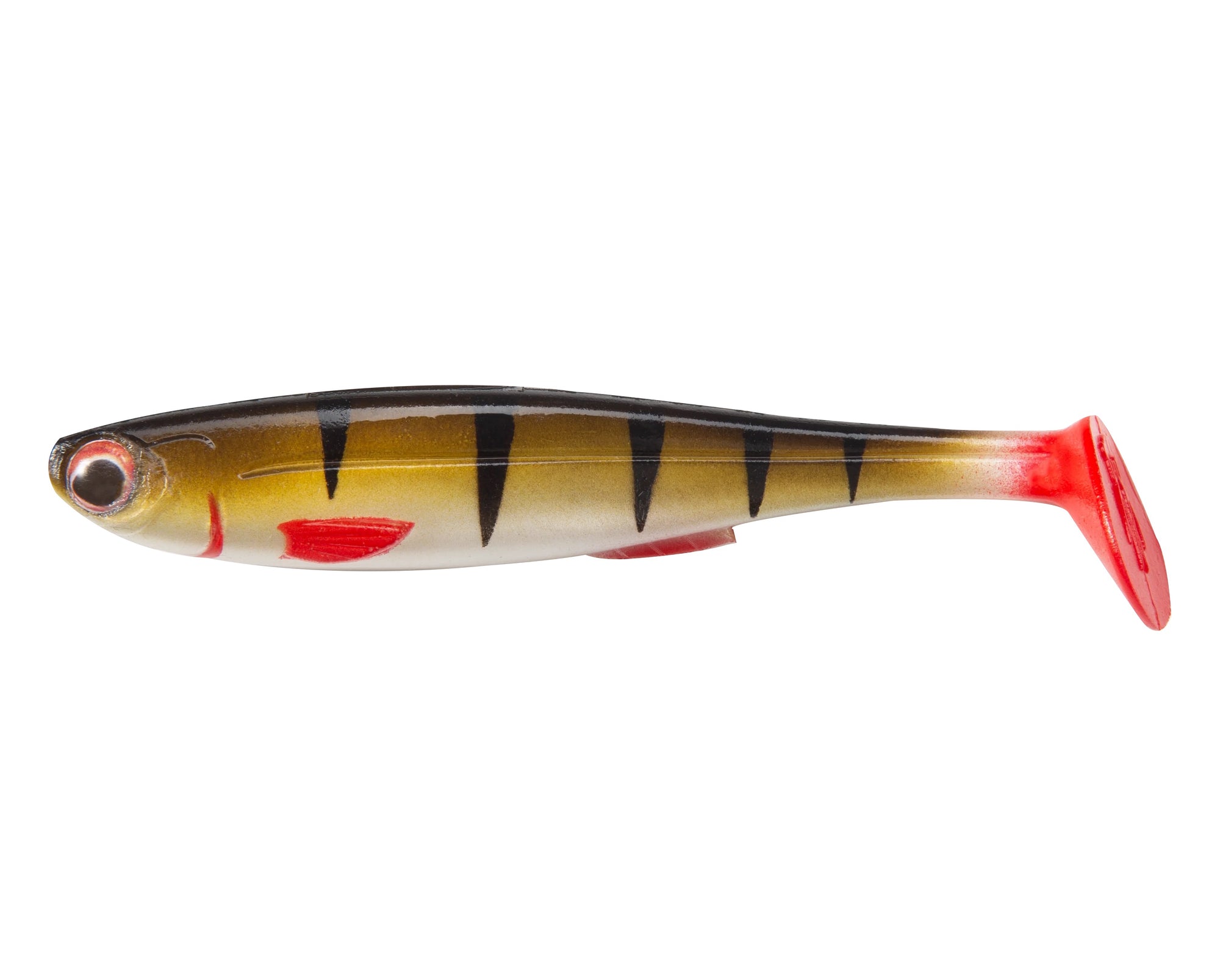





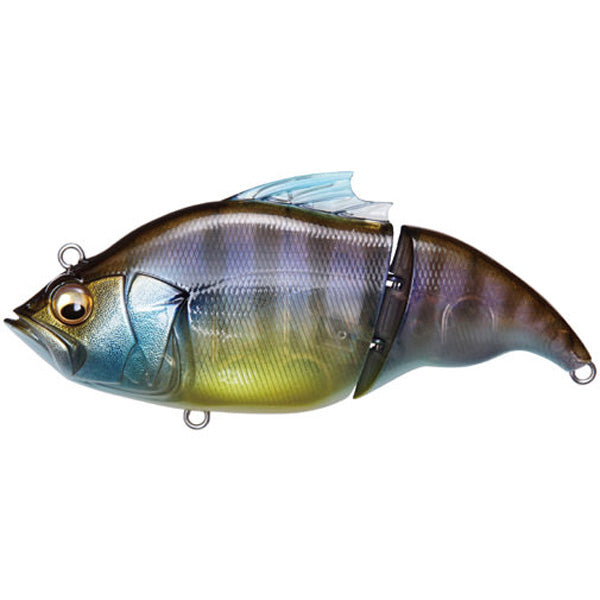
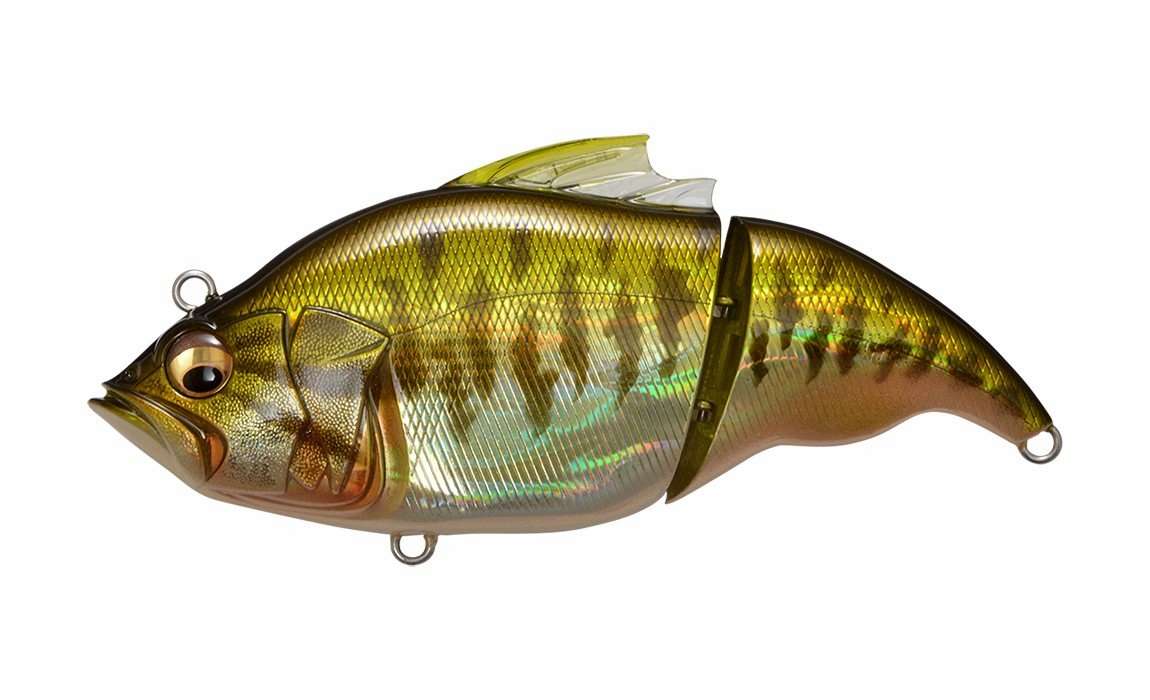



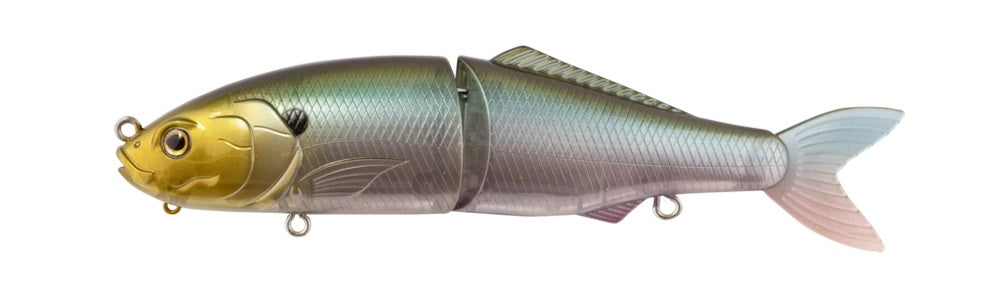
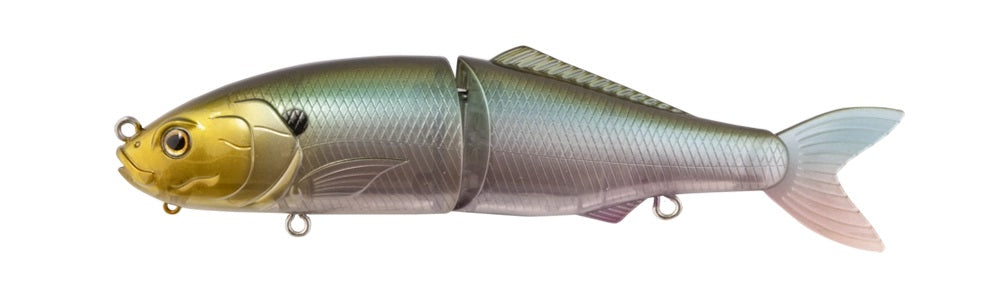
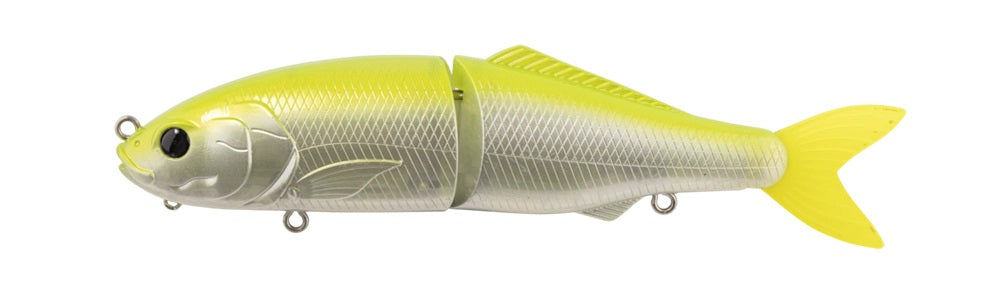

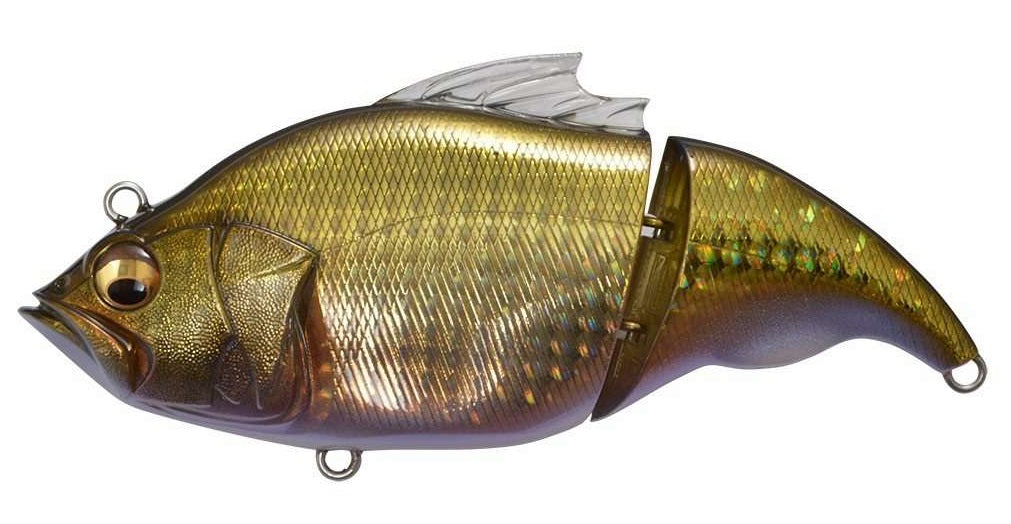
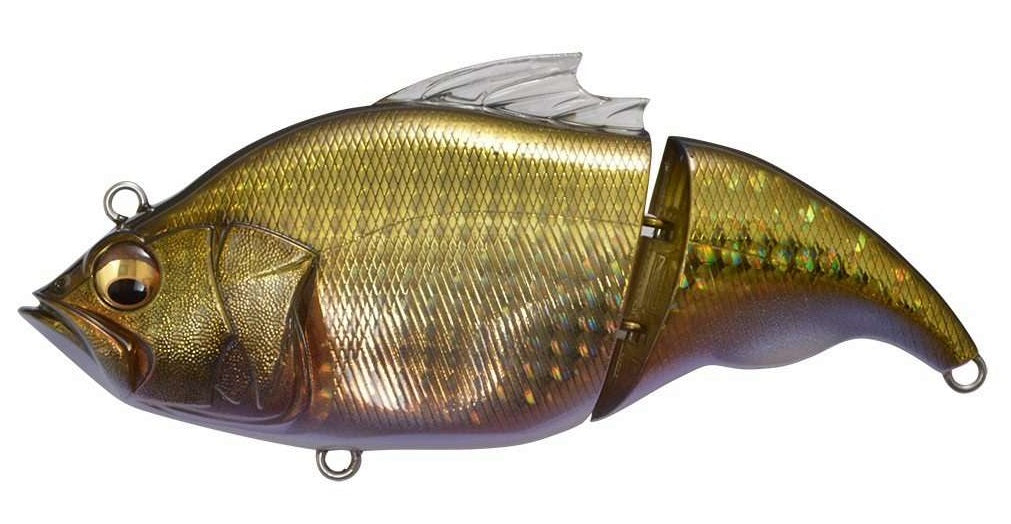




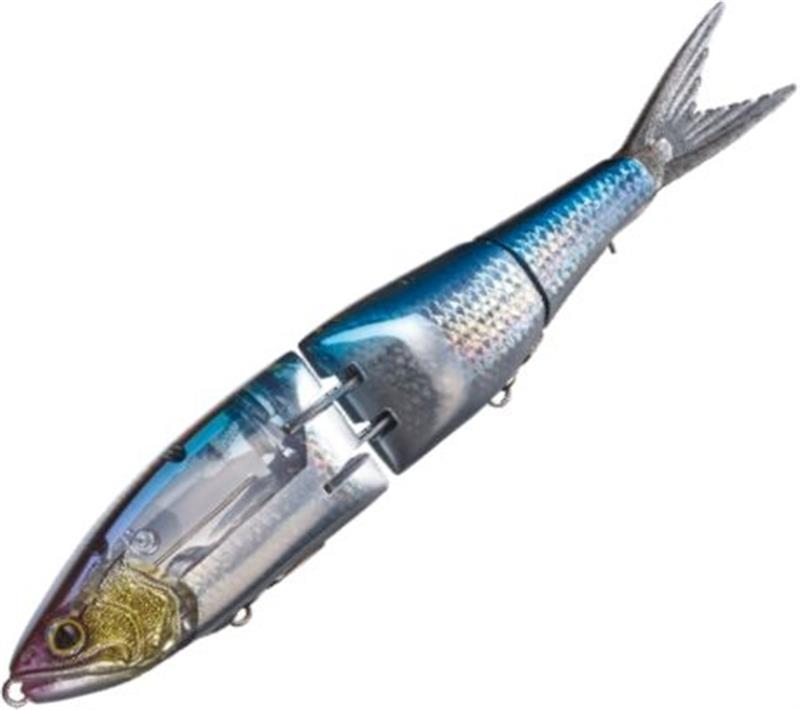


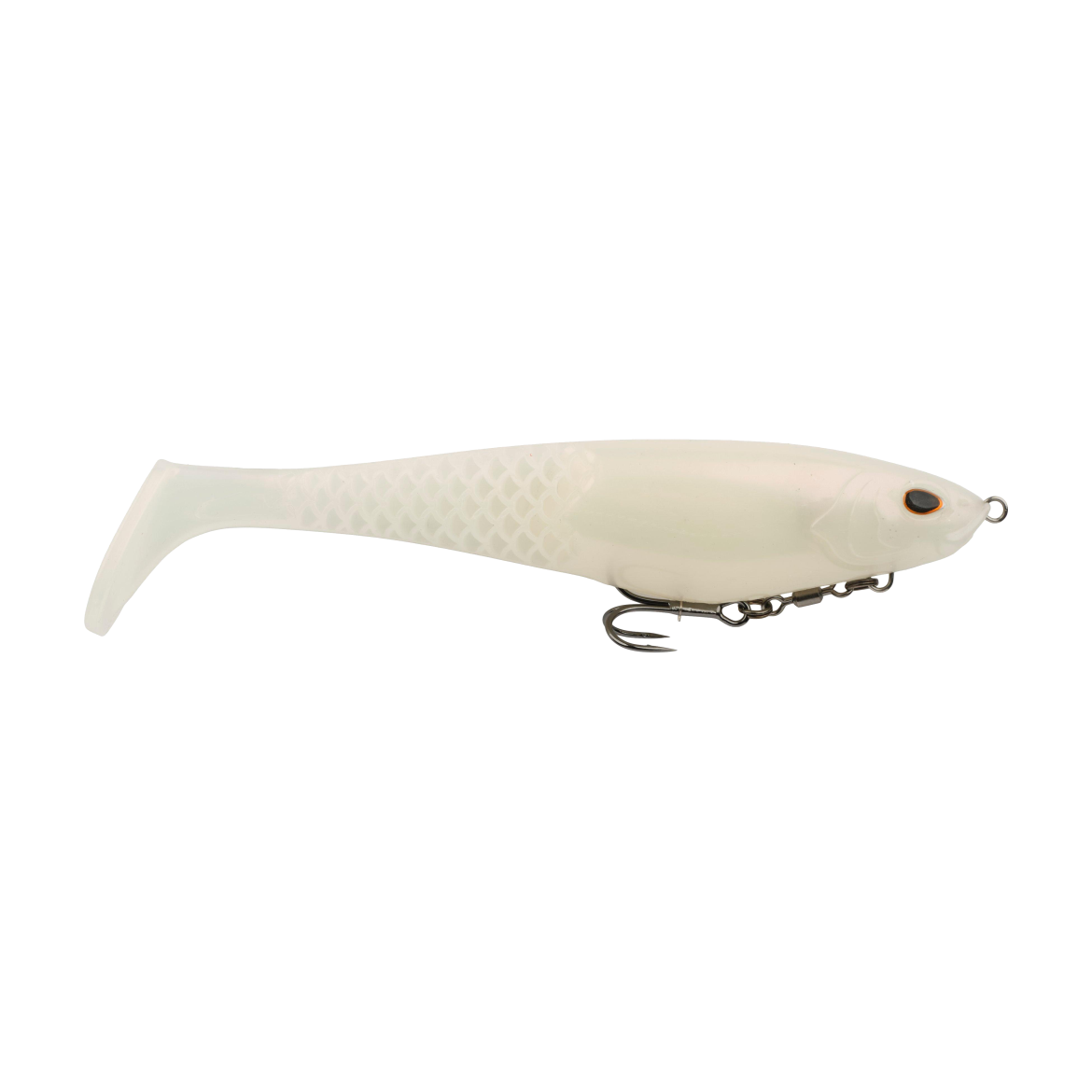
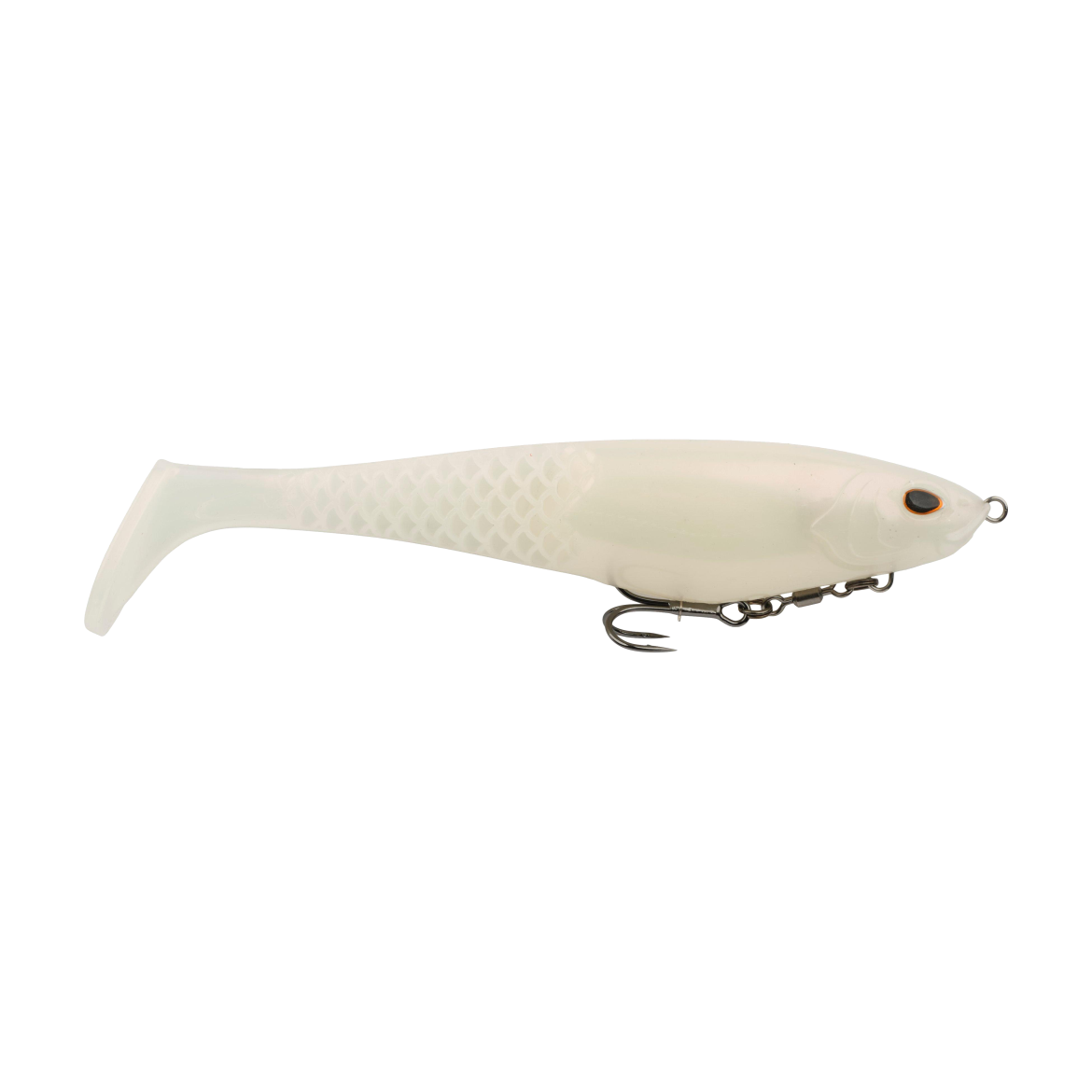
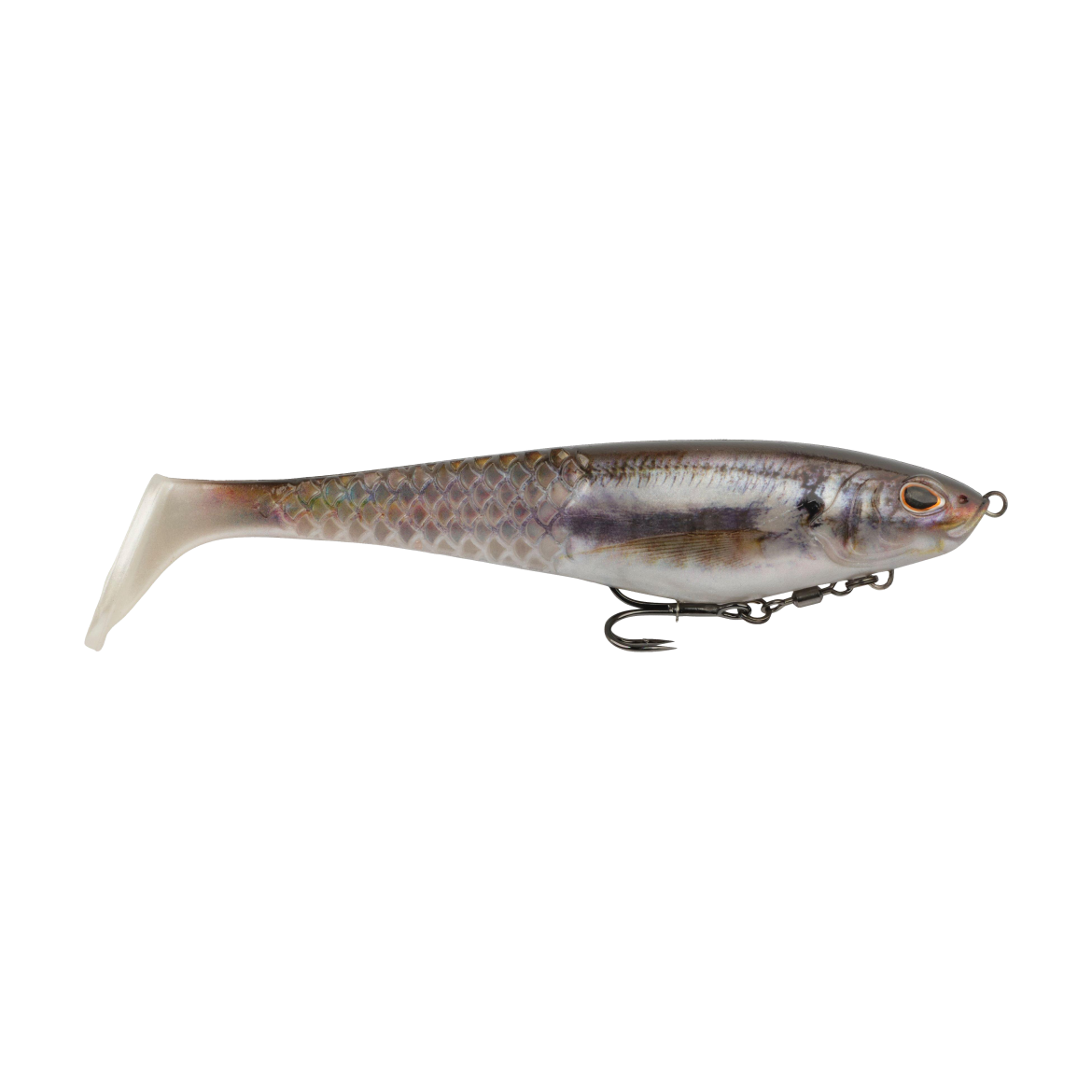



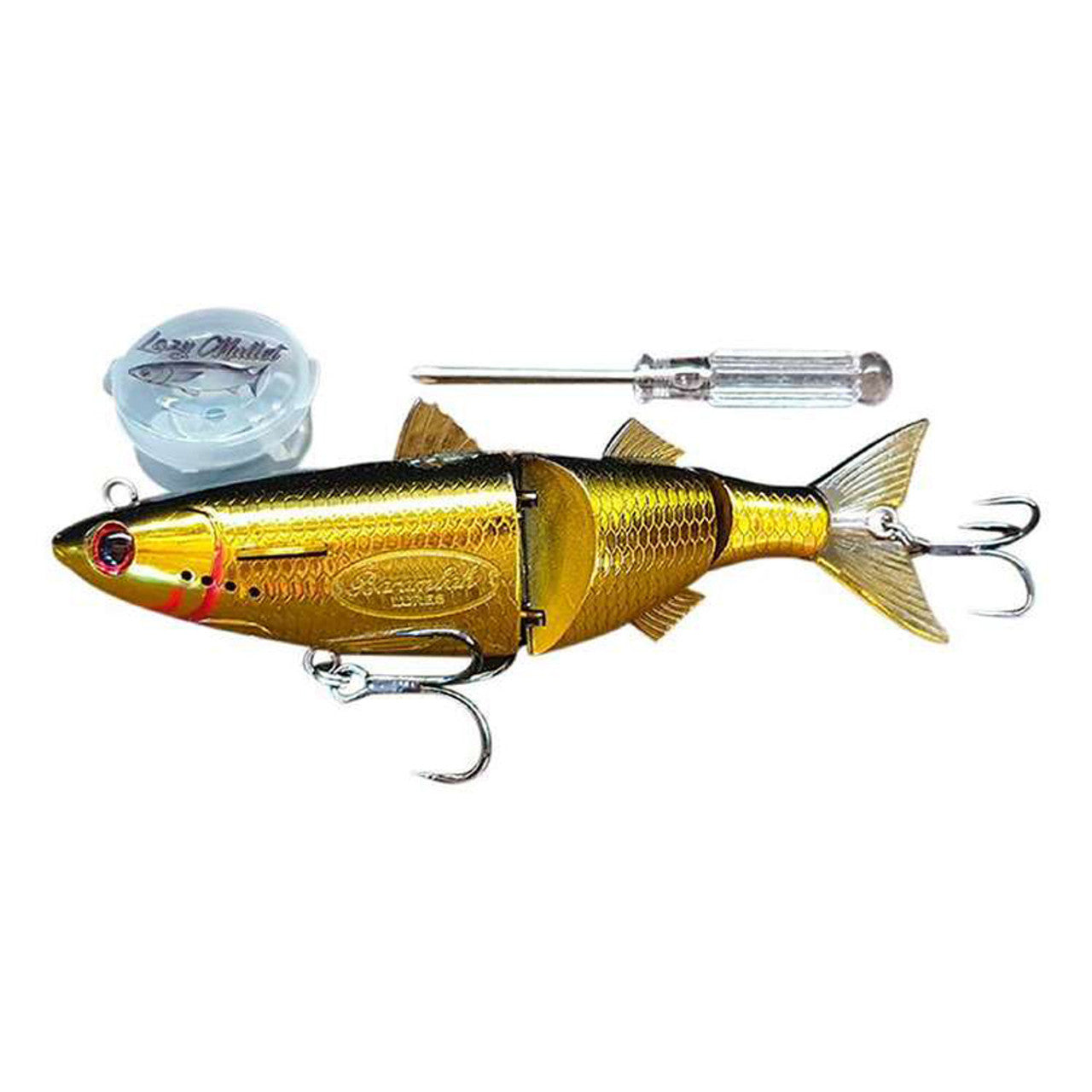

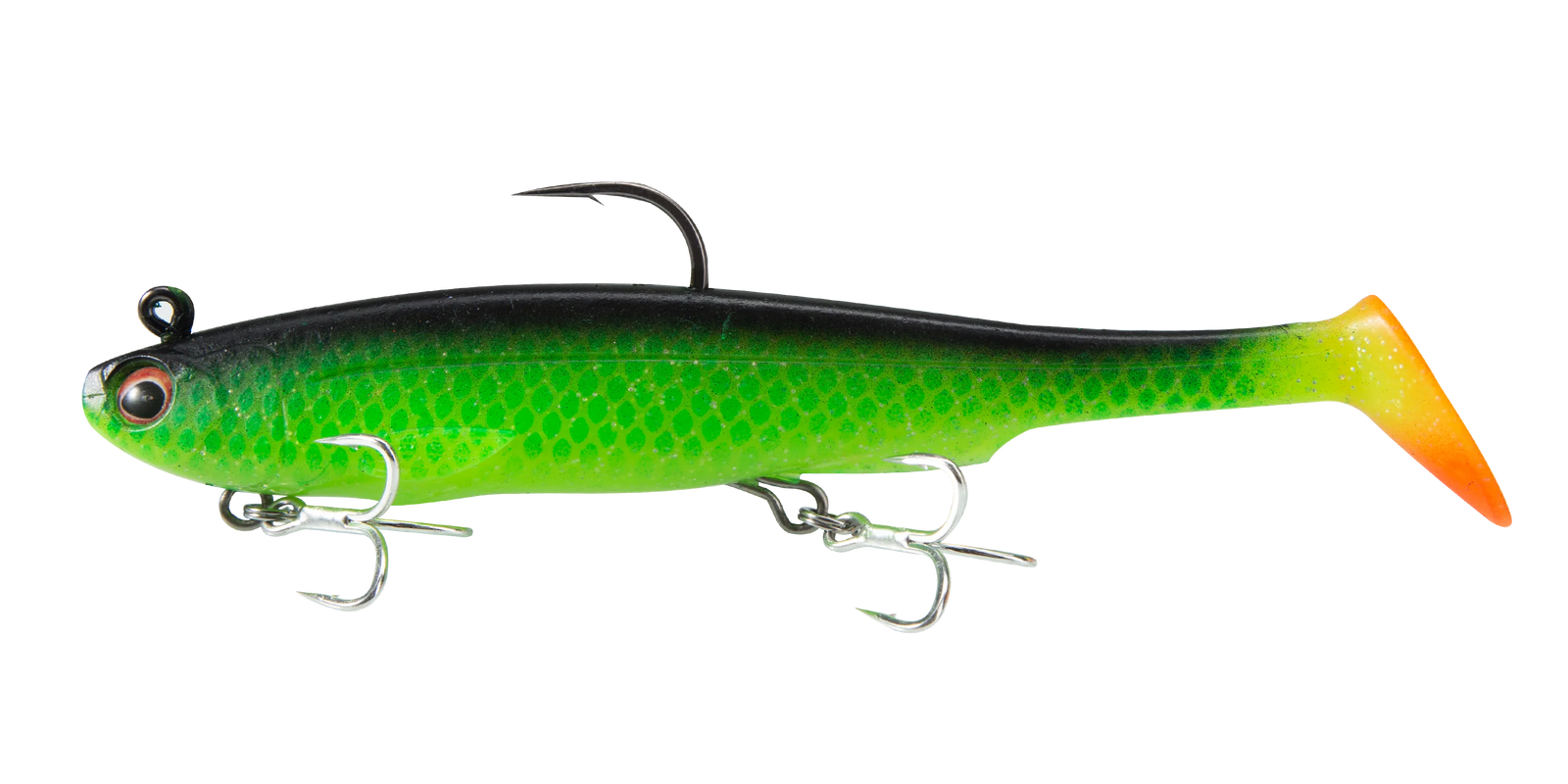

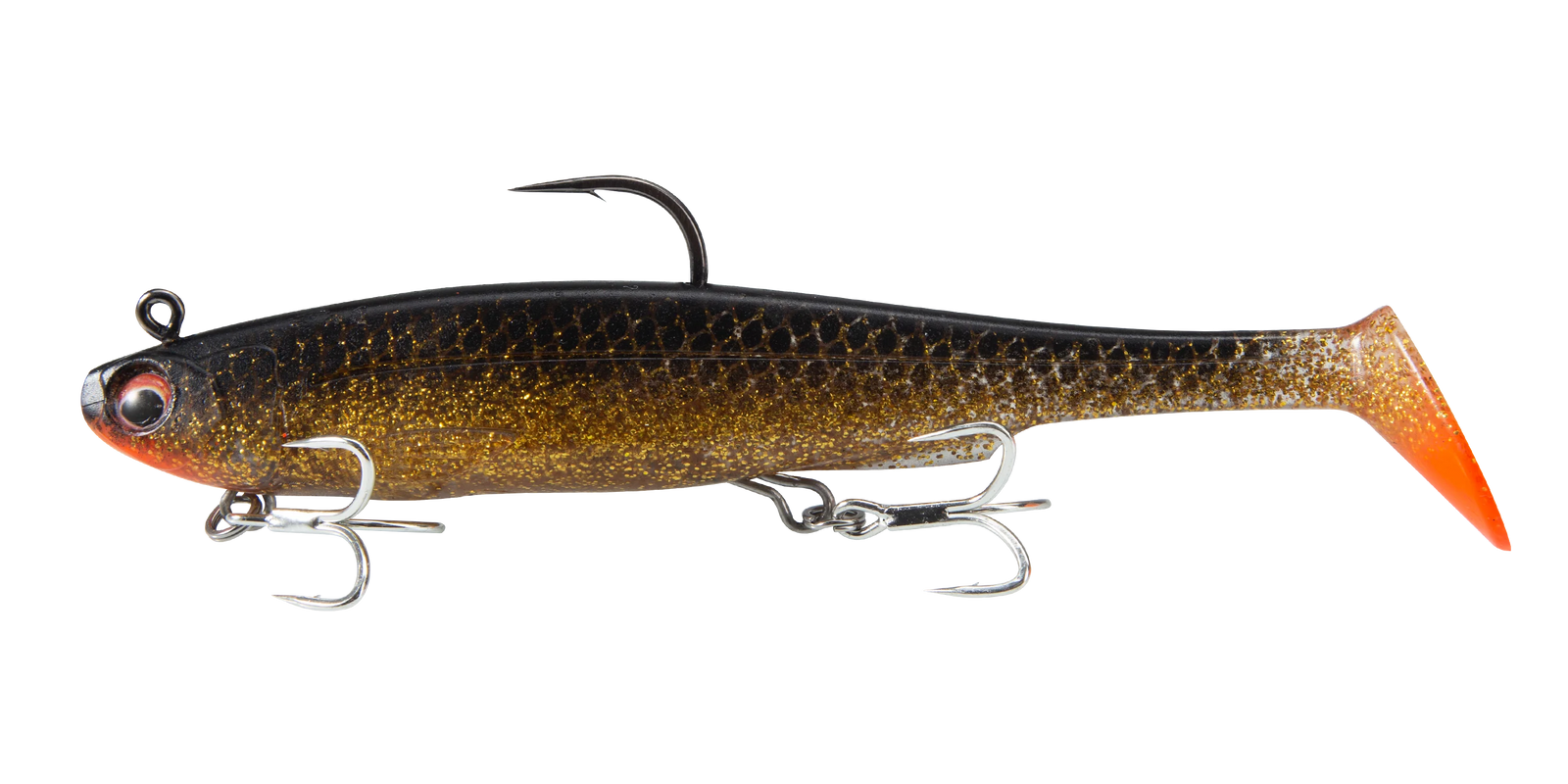

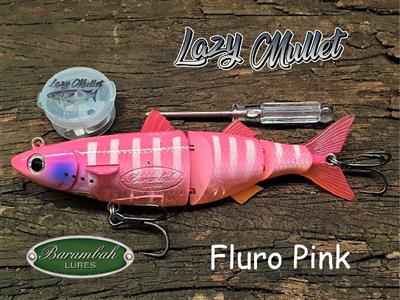







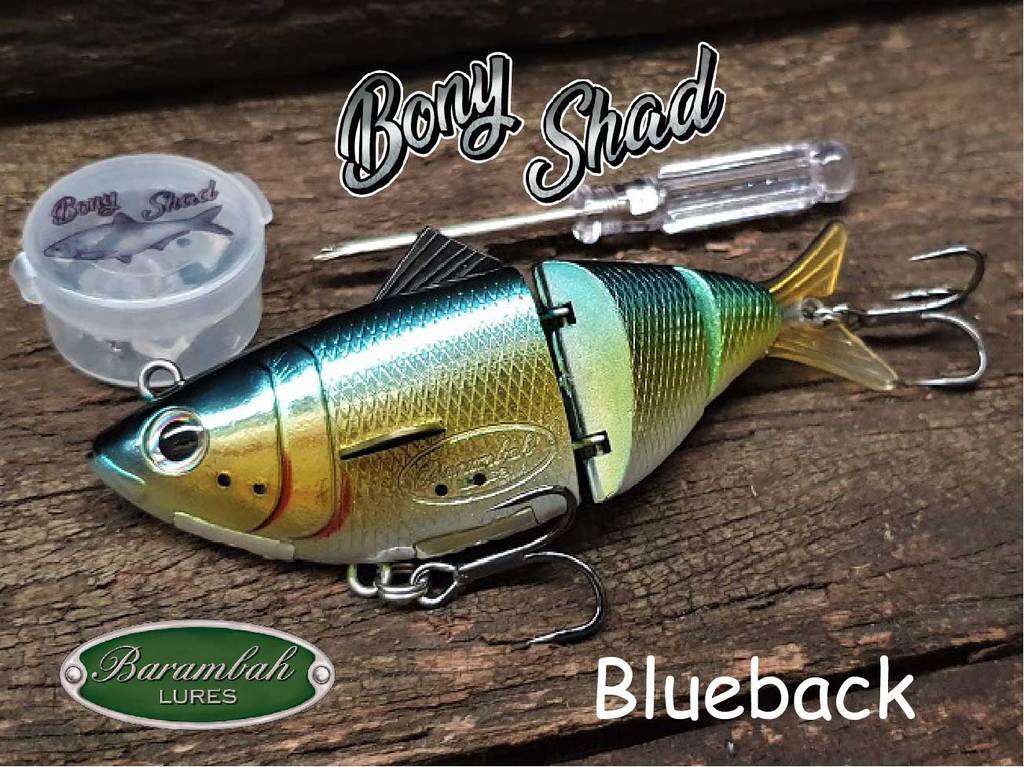

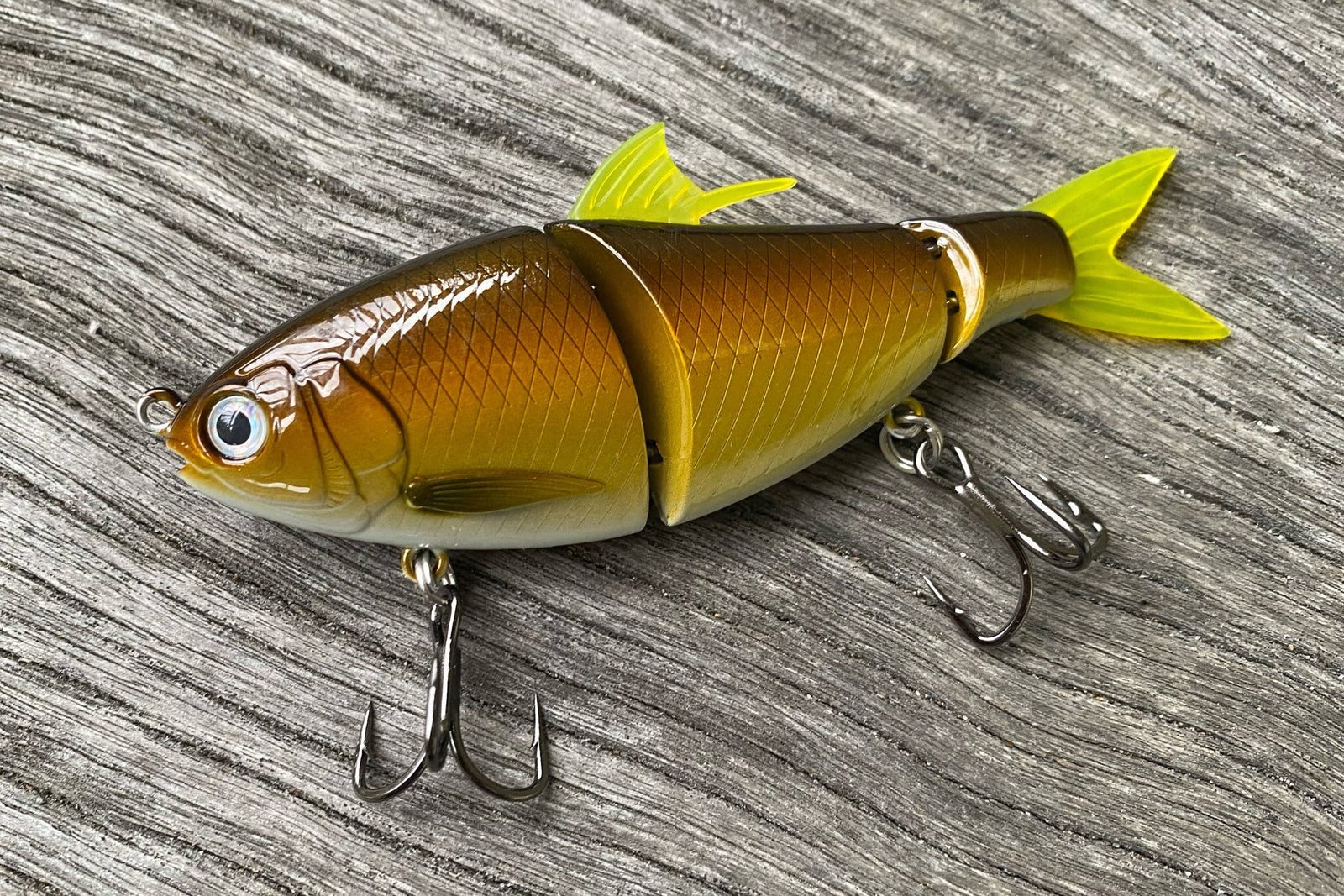
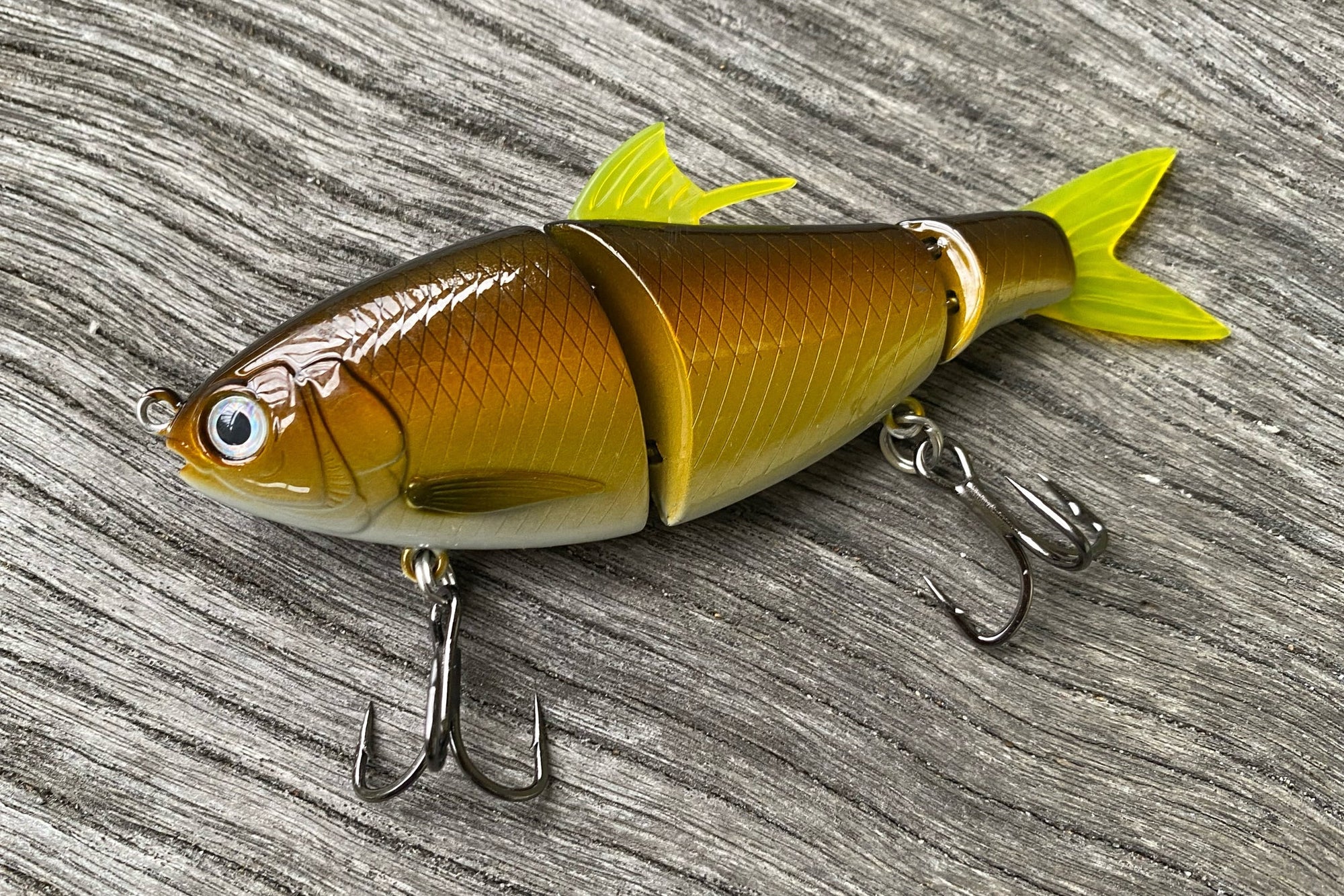
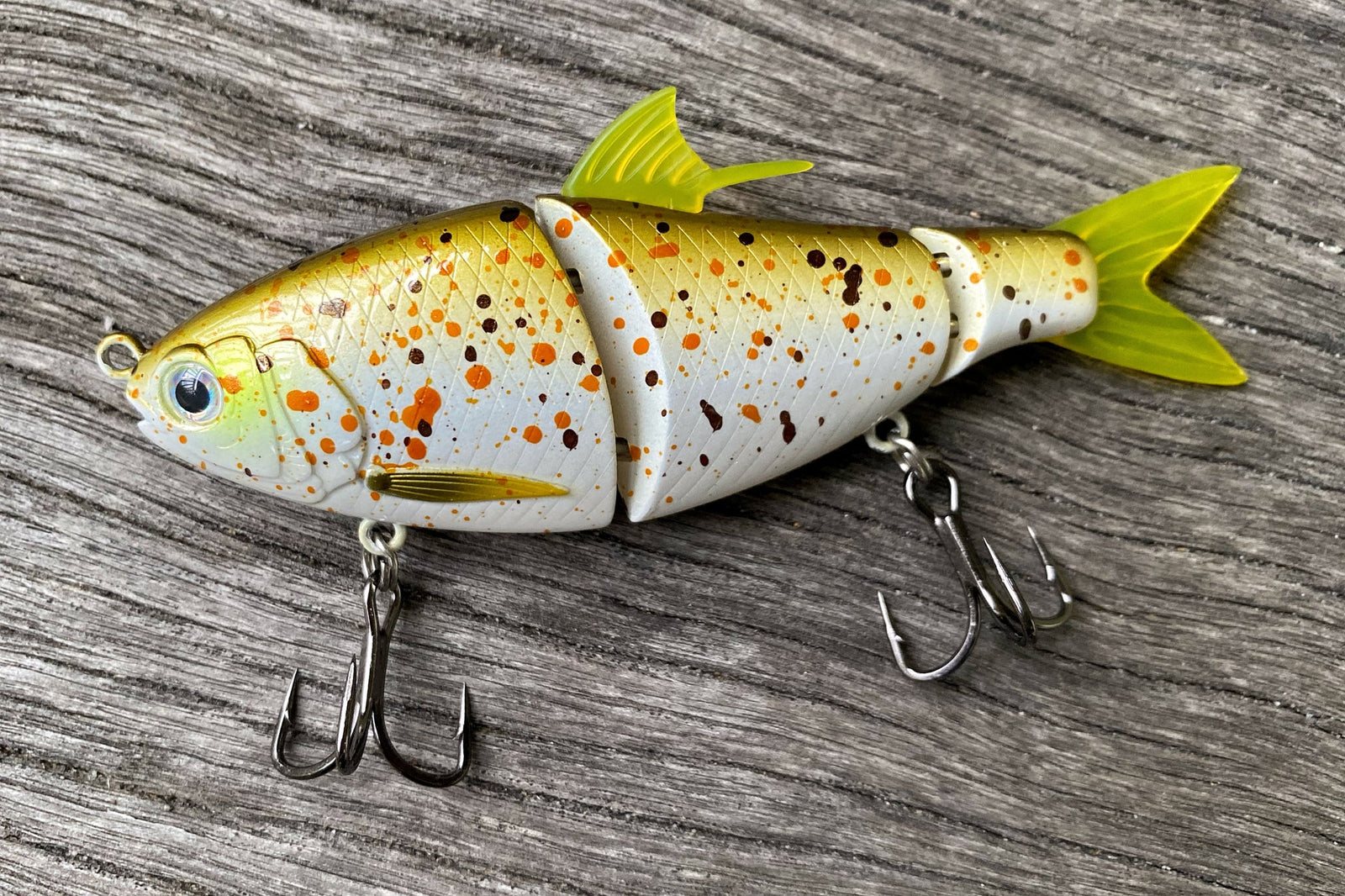
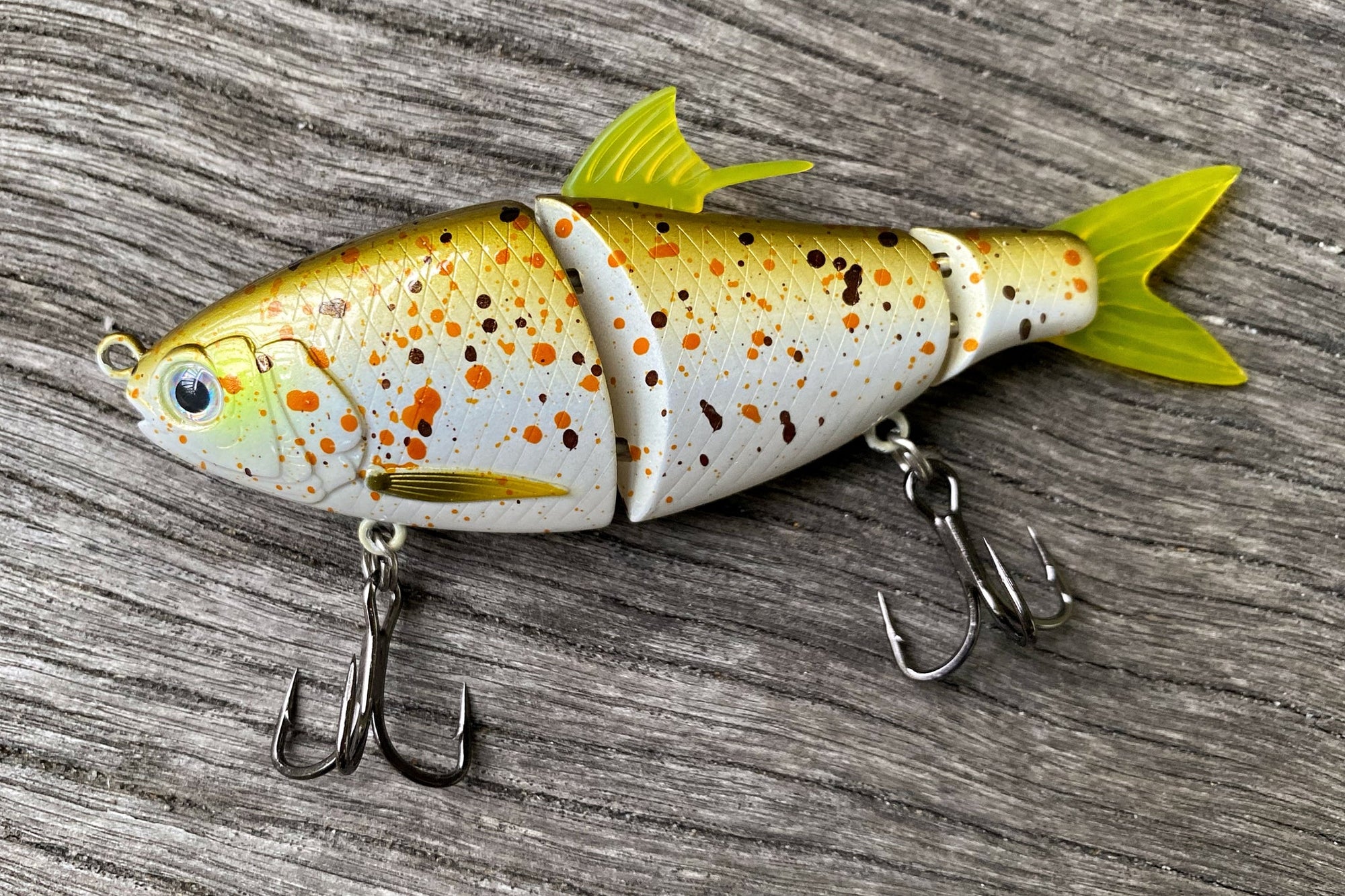
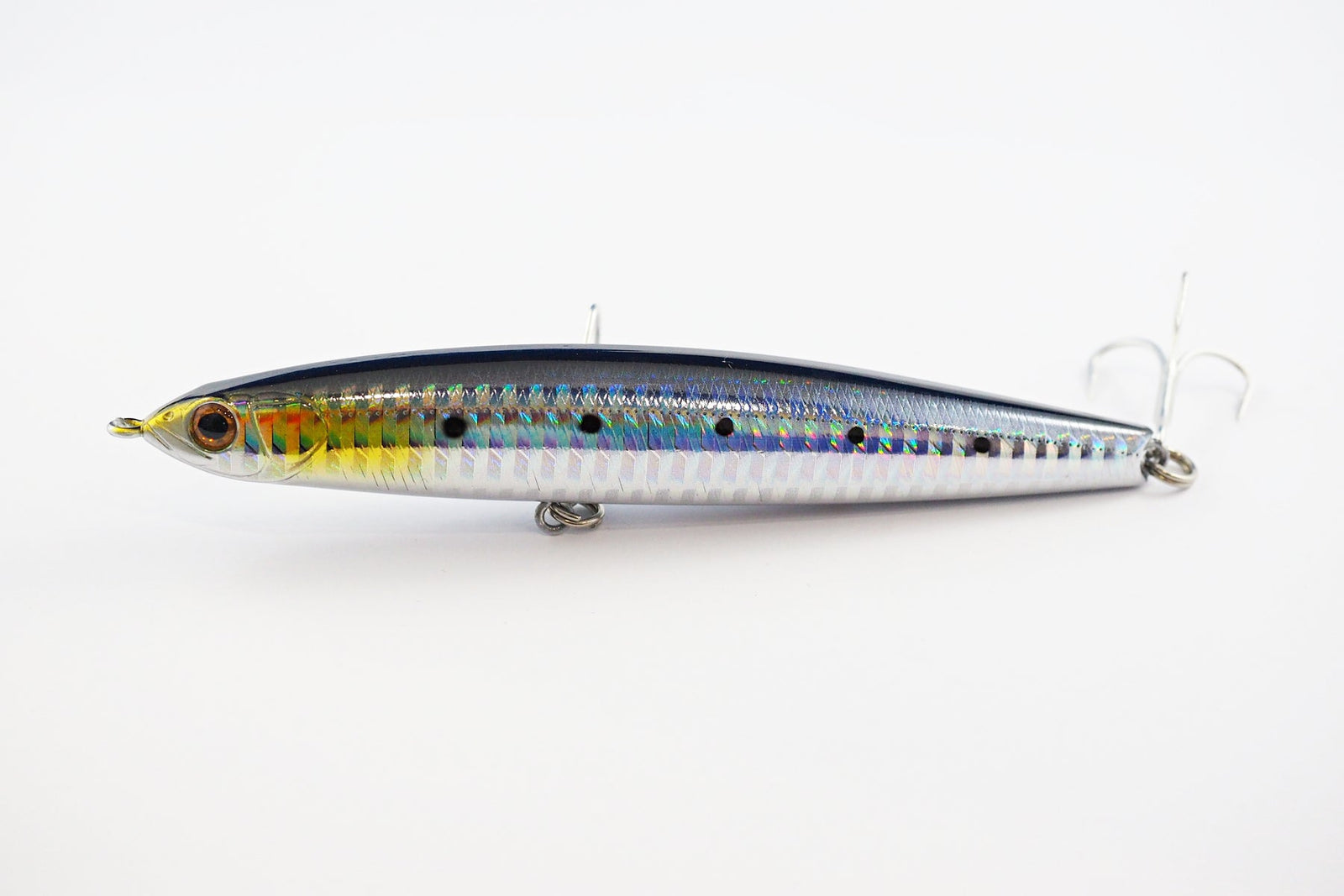
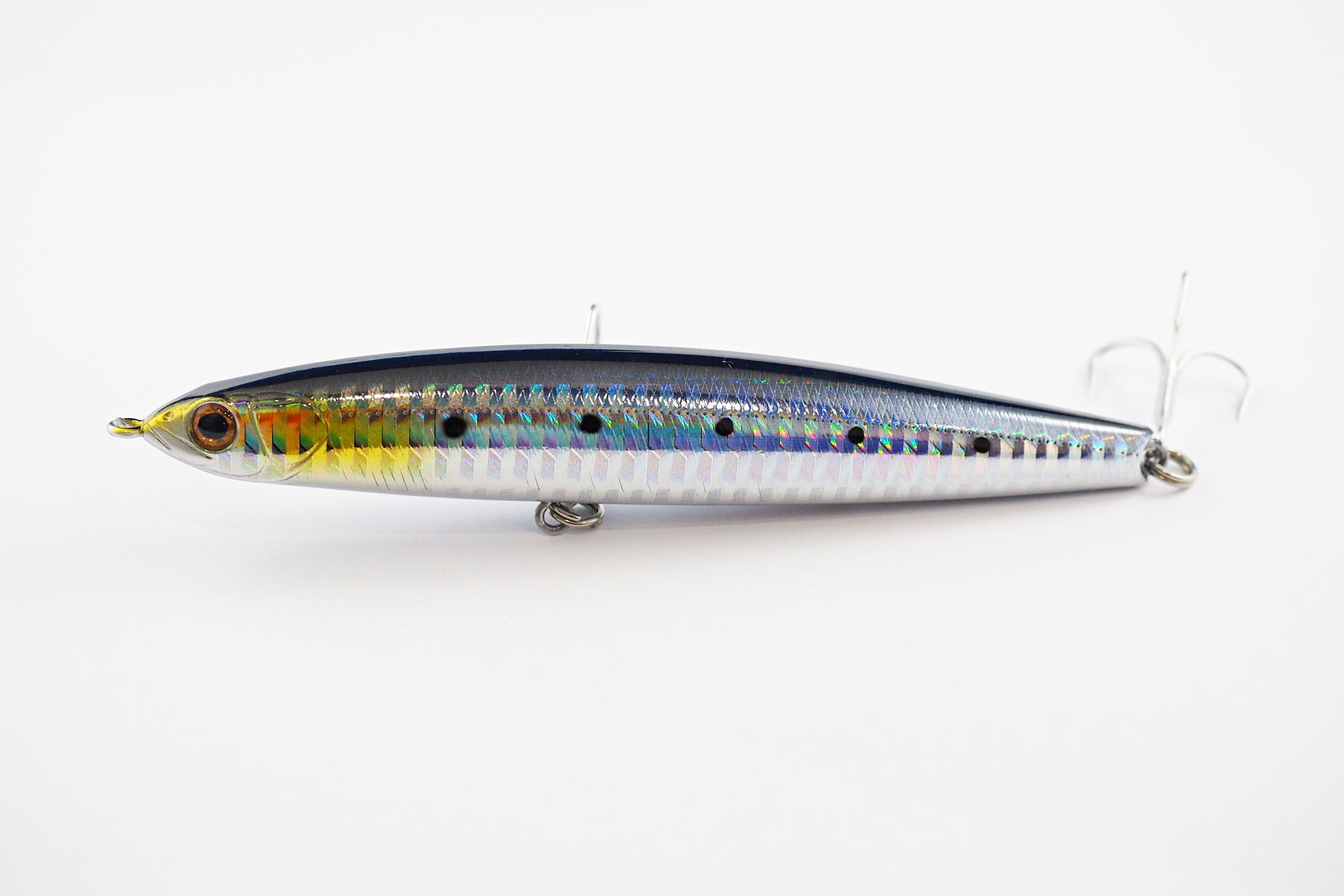
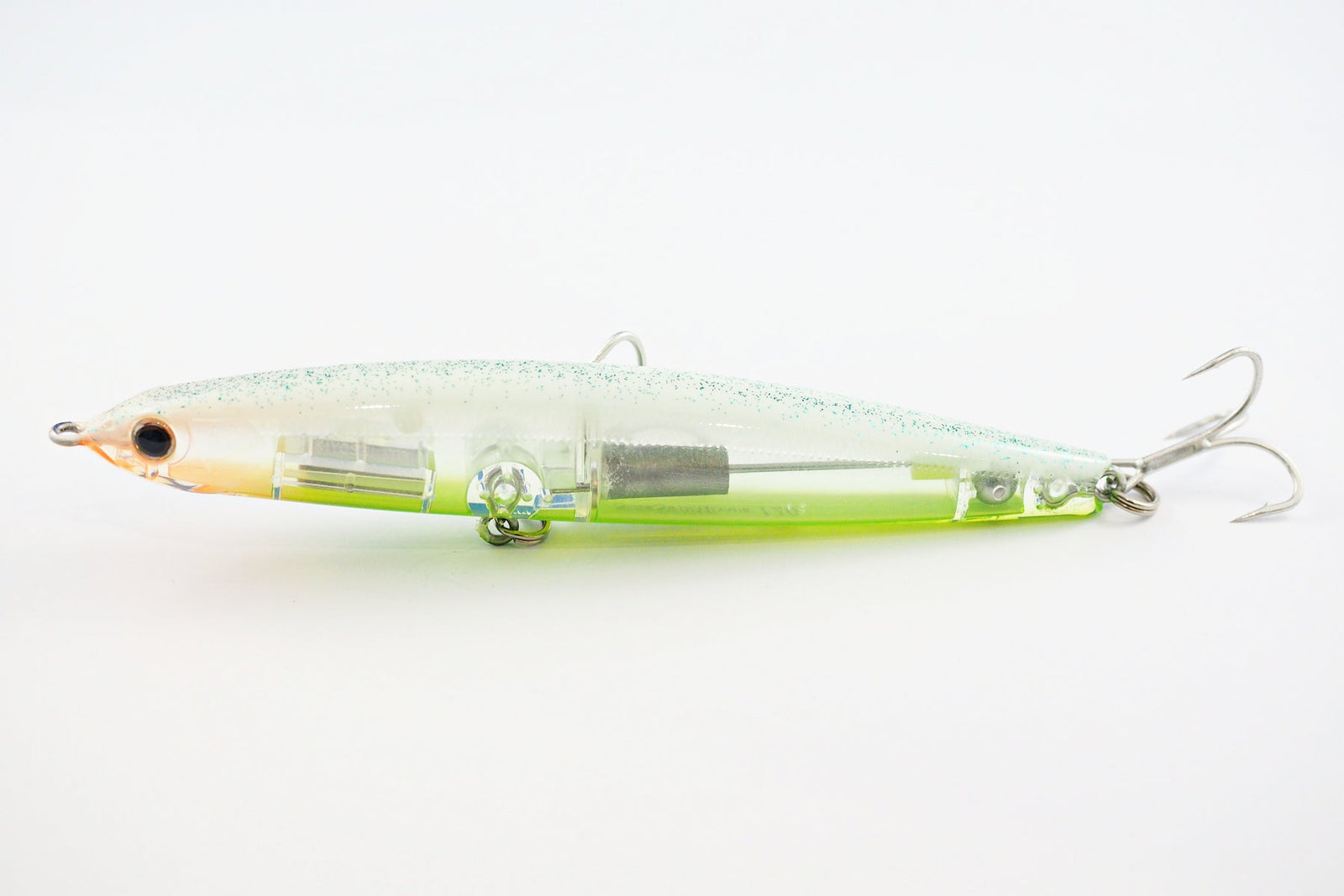
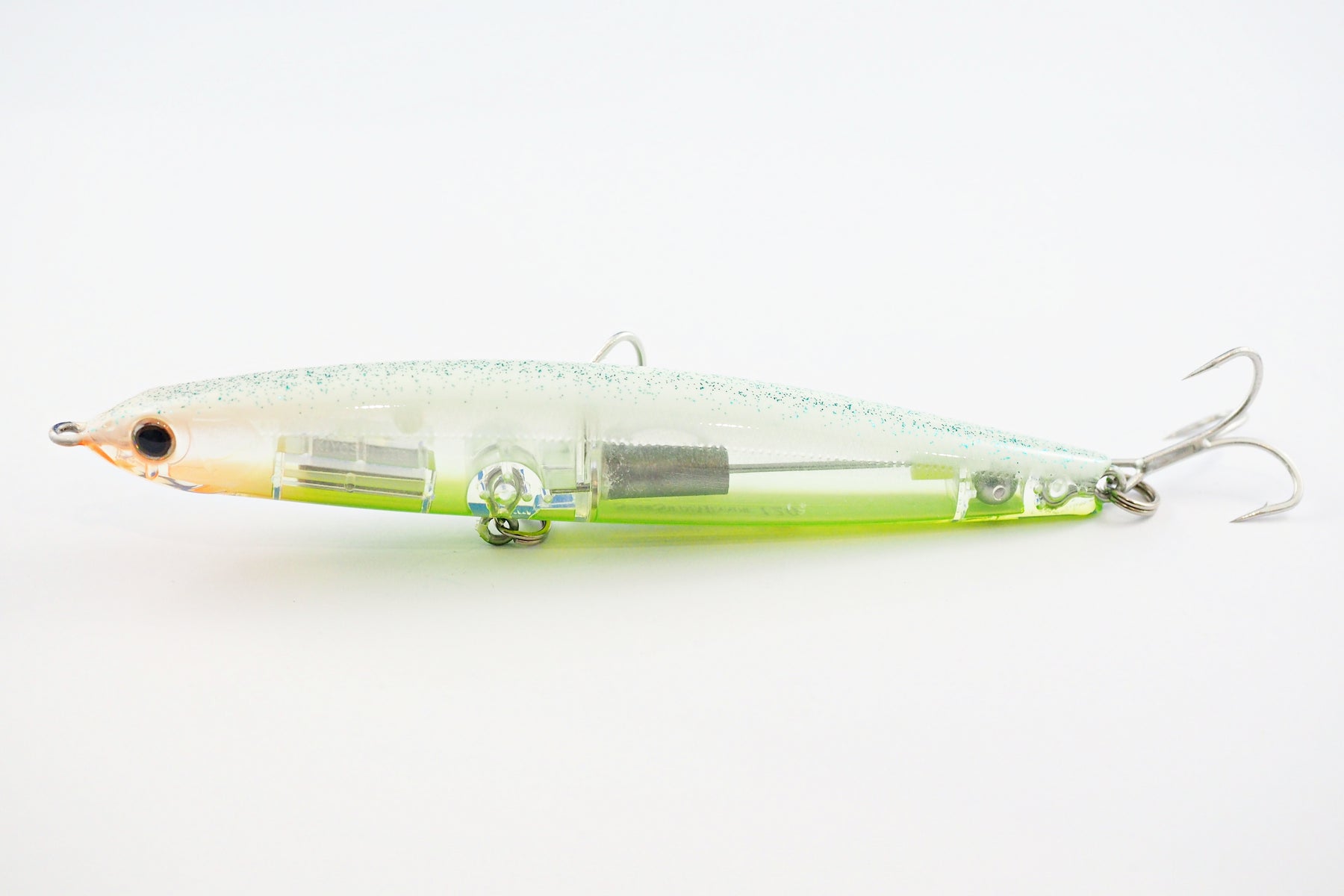
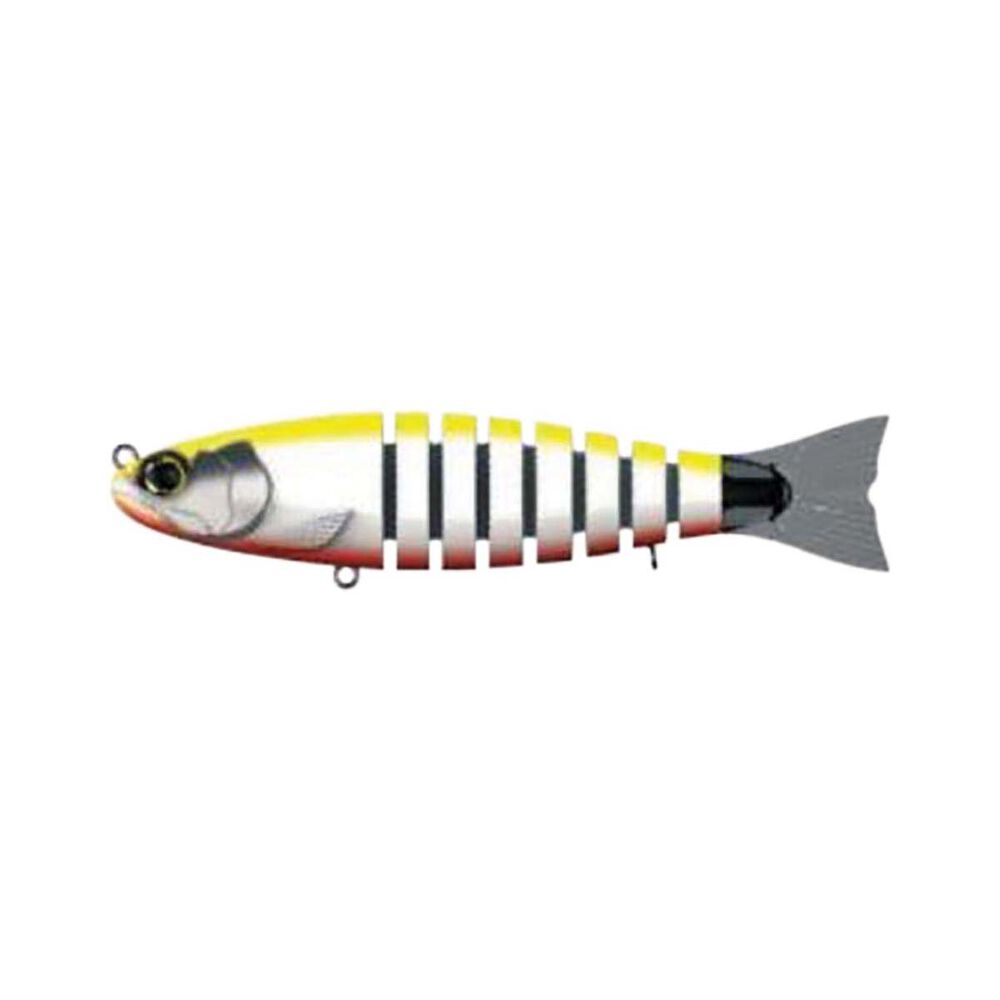

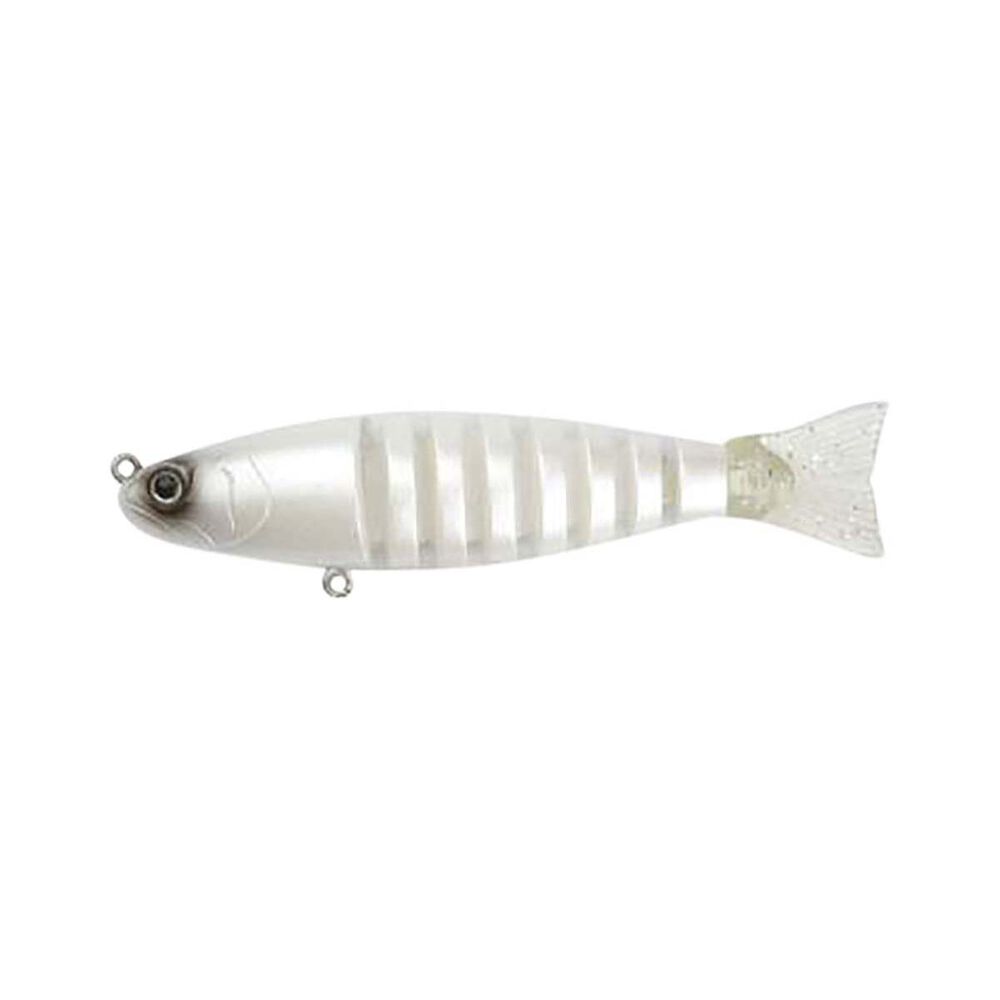

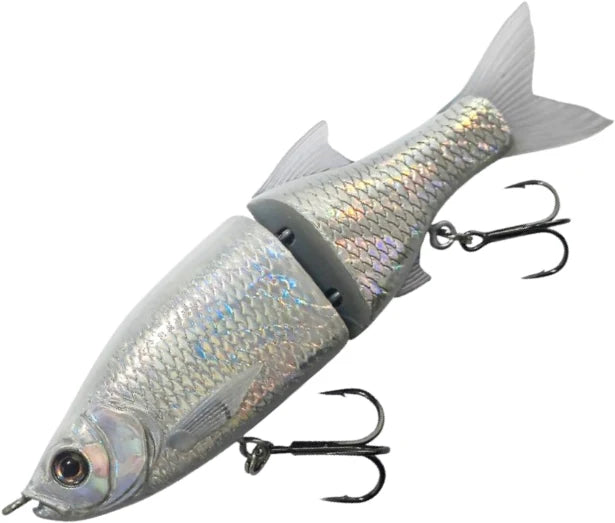

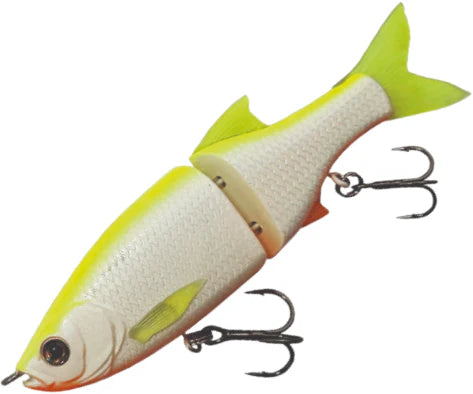


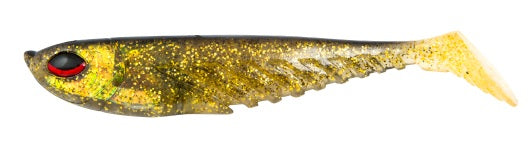
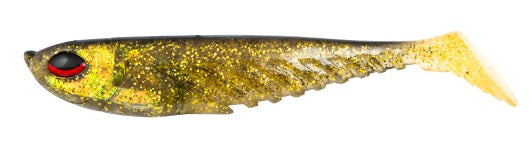
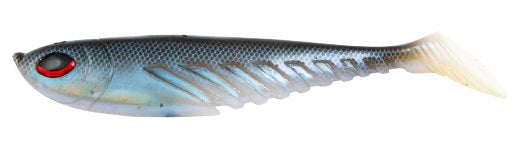

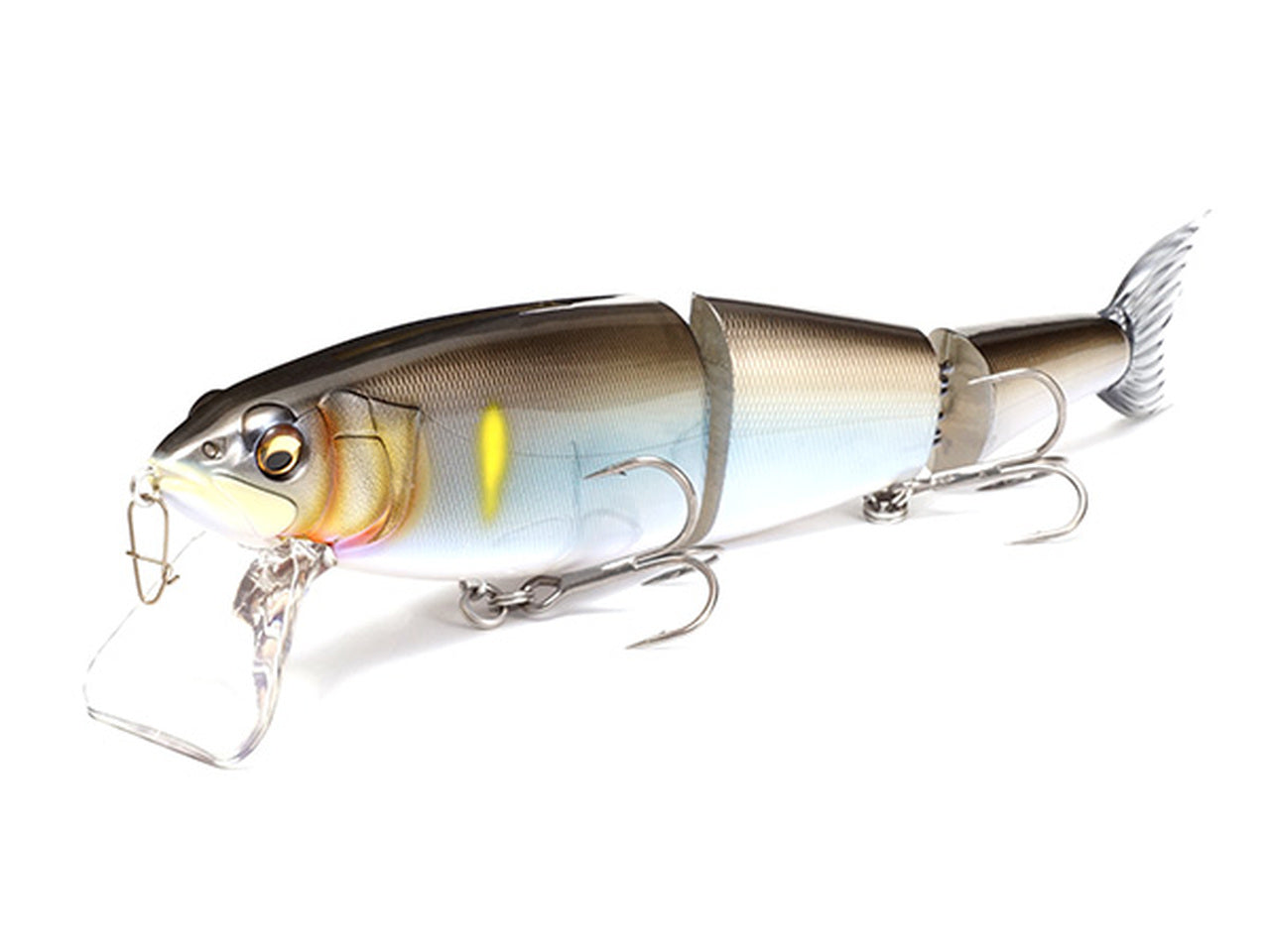
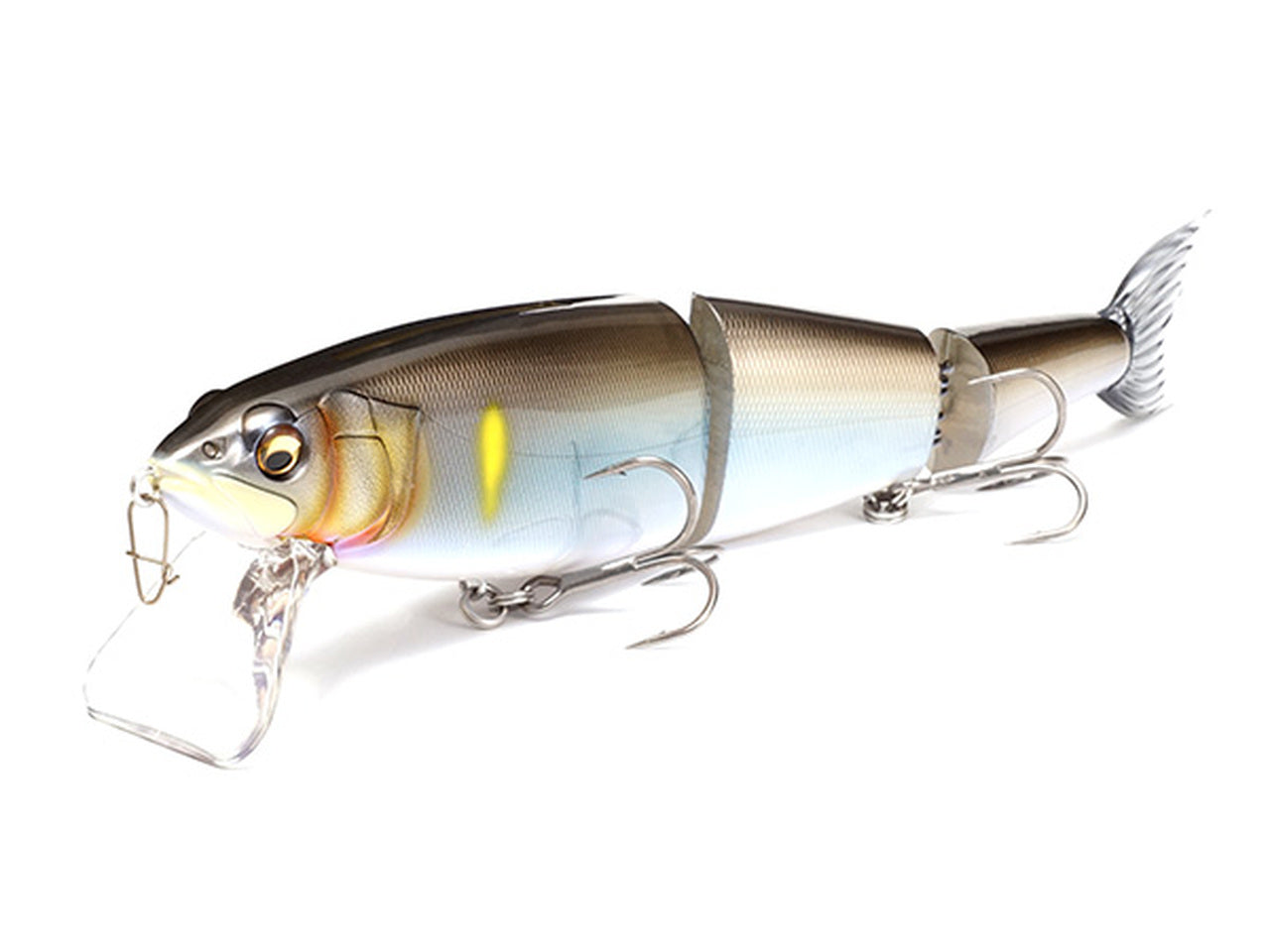
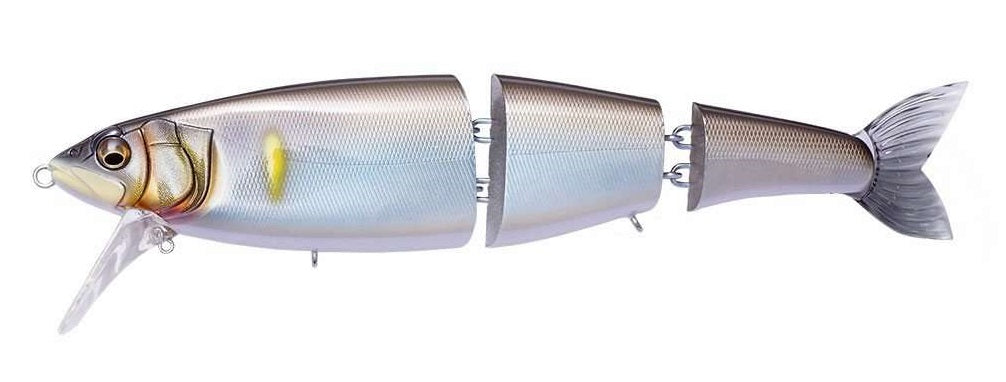
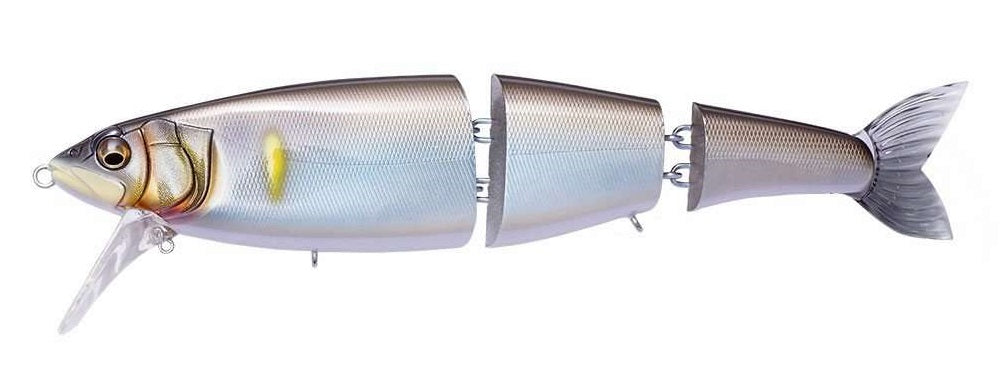
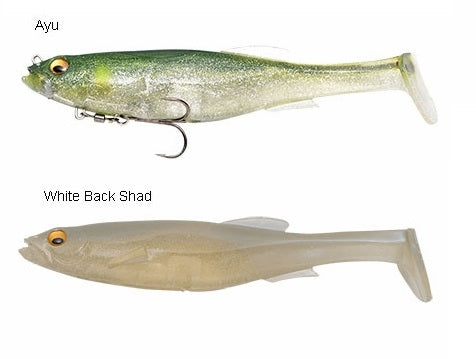
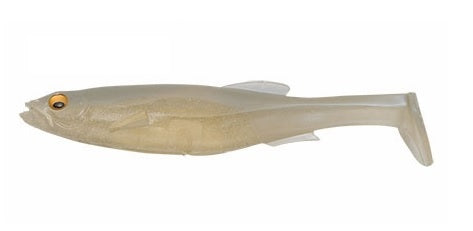
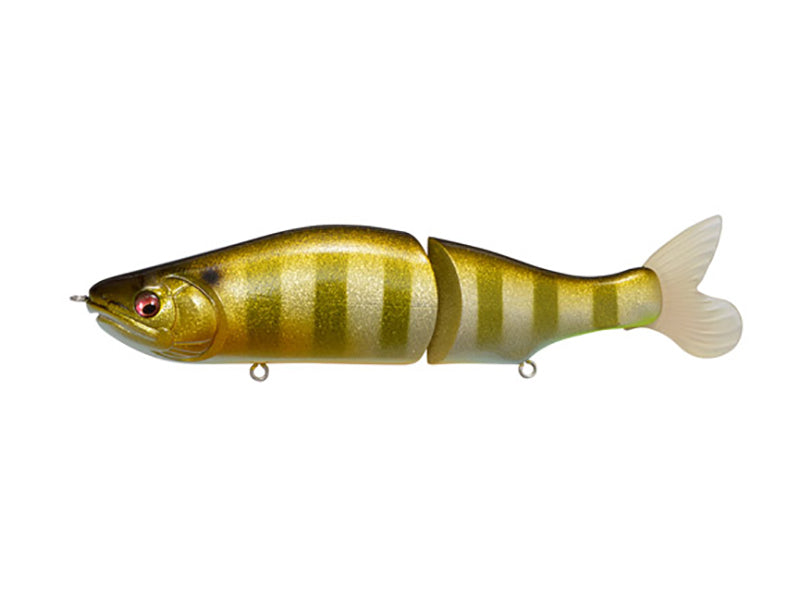
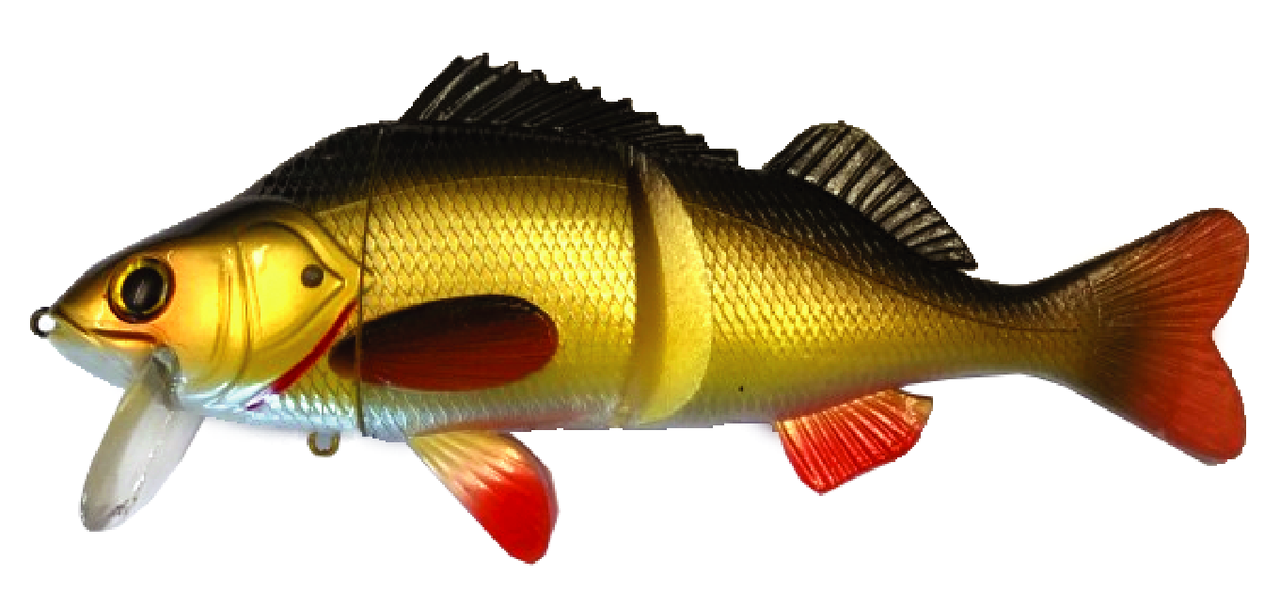



Swimbaits imitate a whole baitfish rather than a generic lure profile, usually through a jointed body that rolls and flexes as it moves. They are the lures people reach for when they are targeting one big fish rather than trying to catch numbers.
Choosing a swimbait
Jointed swimbaits have two or more segments that swim on a straight retrieve, giving an S-shaped wriggle that looks convincing at slow speeds. Glide baits use a single joint and a broad body to swing wide on the pause, covering ground side to side rather than swimming forward.
Sink rate matters as much as the action. Floating models let you fish over structure and pause the lure on top of a snag. Slow sinkers let you count down to a depth and hold it there. Fast sinkers get down quickly in current or deep water.
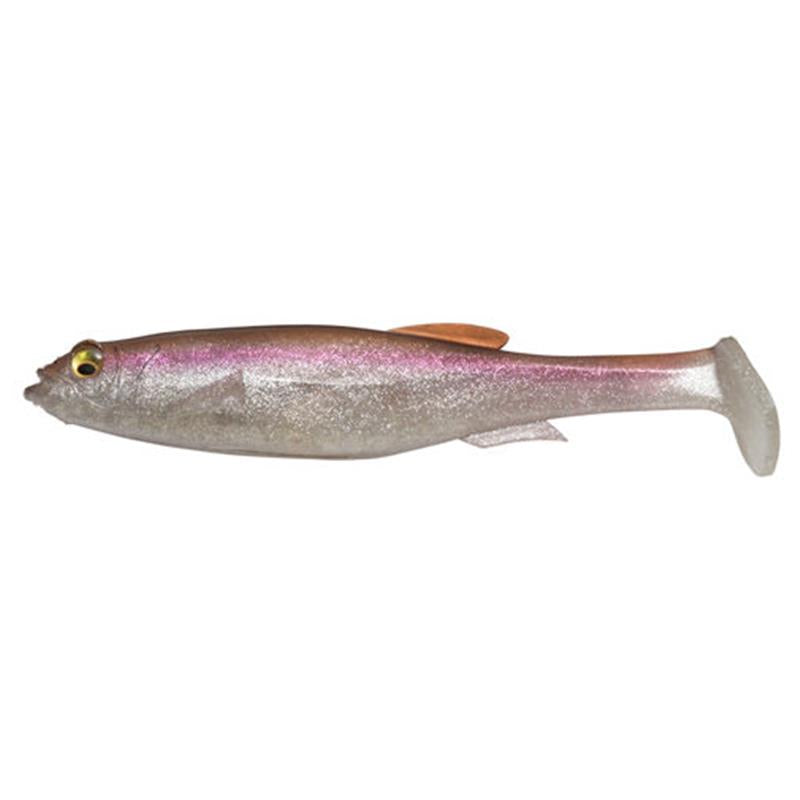
Swimbaits are heavy, so check your rod's cast weight rating before you buy one. They sit alongside the rest of the hard body range, and where you want the same profile with a softer feel, soft plastics cover that ground more cheaply.
Frequently asked questions
What is a glide bait?
A swimbait with a single joint and a wide body that swings left and right across its own path when you twitch and pause, rather than swimming straight. The wide glide is what draws fish in from a distance.
What rod do I need for swimbaits?
One rated to cast the lure weight comfortably. Swimbaits are much heavier than standard lures, and a rod that is under-rated will not load properly and may break.
How fast should I retrieve a swimbait?
Slowly. Most swimbaits are designed to work at a walking-pace wind, and the action falls apart if you hurry them. Add pauses and let the lure sink or glide between them.
What fish do swimbaits catch in Australia?
Murray cod, barramundi, bass, big flathead and mulloway are the common targets, along with offshore species where large baitfish are on the menu.