

FREE SHIPPING ON ORDERS OVER $150*

AUSSIE FAMILY OWNED BUSINESS FOR OVER 40 YEARS

100% SATISFACTION GUARANTEED
Fishing Hooks
Fishing Hooks
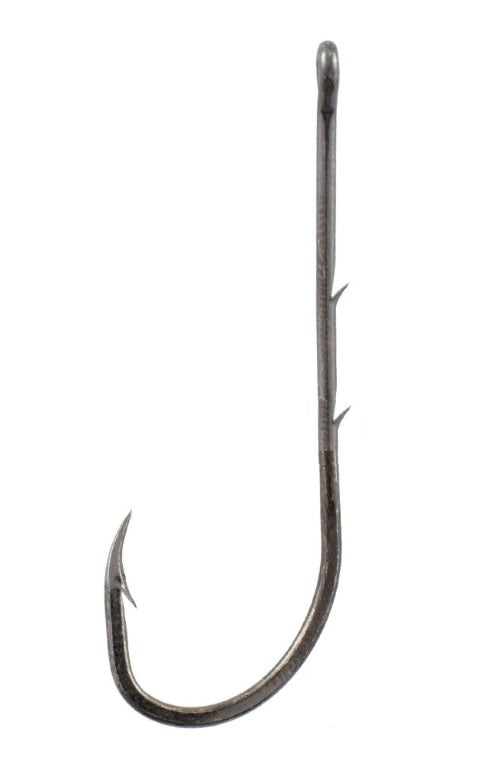
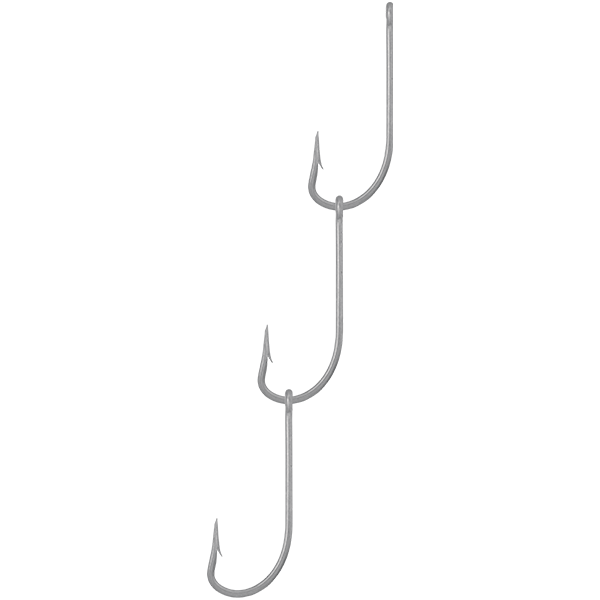
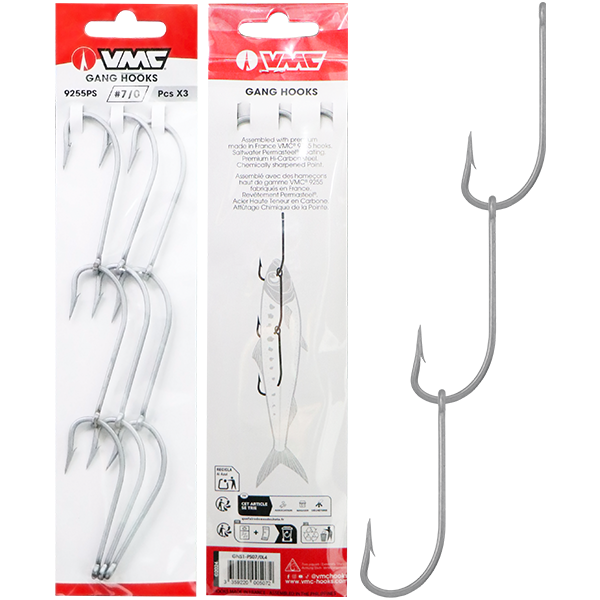
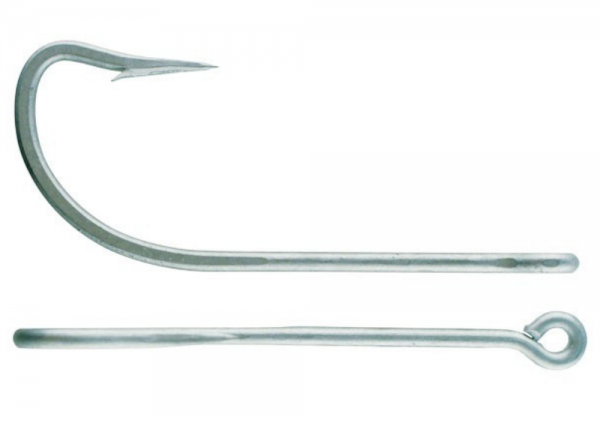
Hooks are the one part of the tackle box where getting it wrong costs you fish directly. The range here covers circle, octopus and suicide patterns for bait, worm and weedless hooks for plastics, live bait hooks, and specialist patterns for gangs and rigs.
Choosing a hook
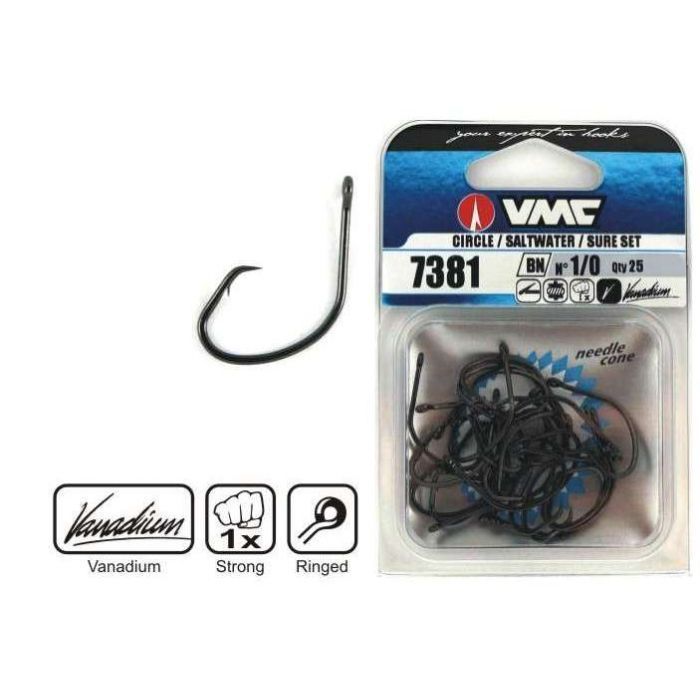
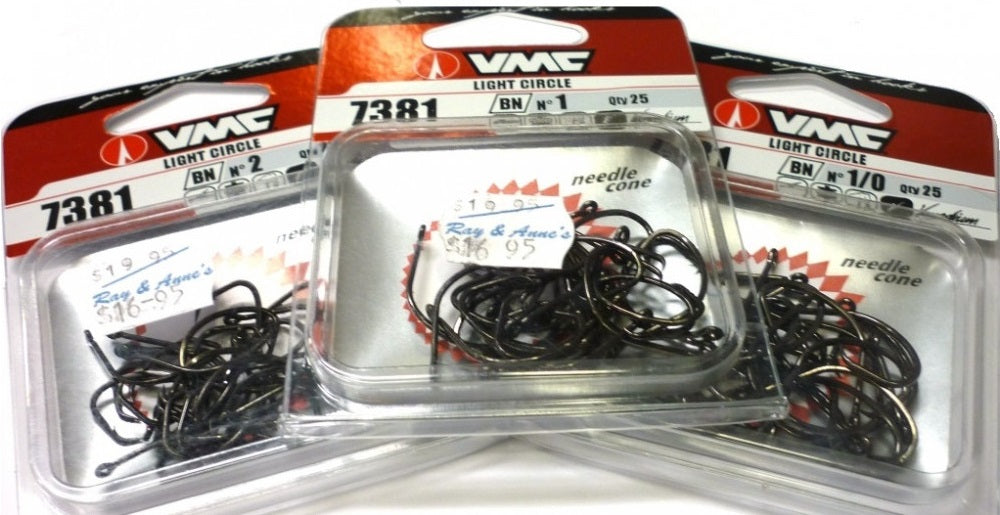
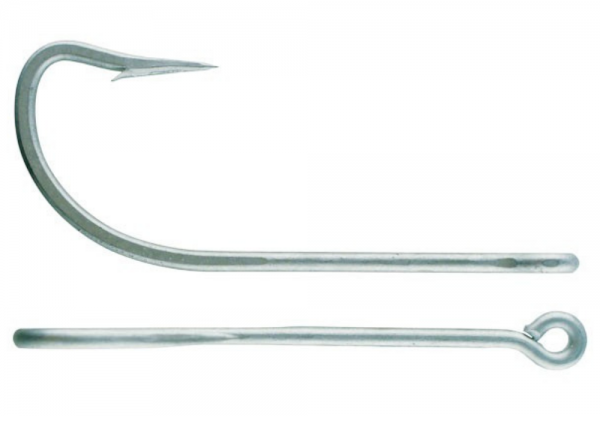
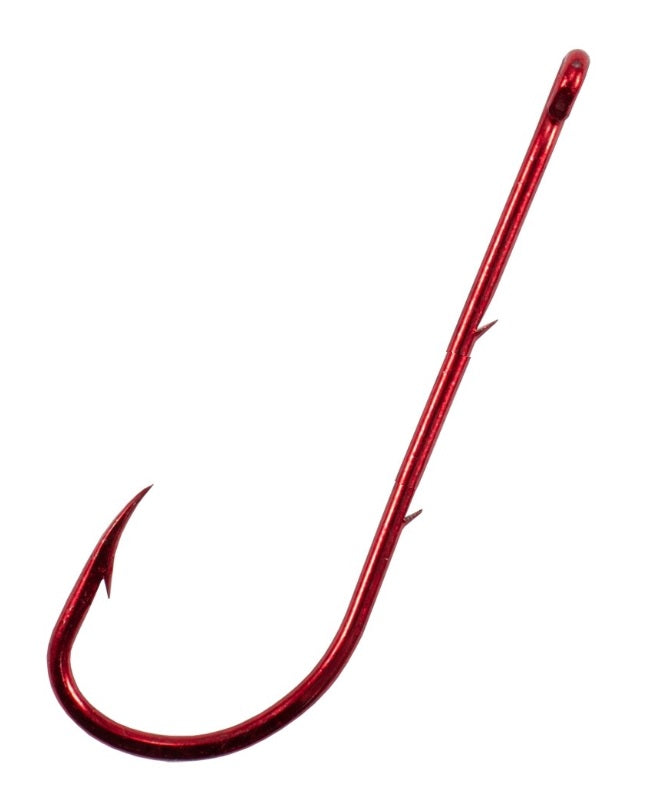
Pattern first, then size. Circle hooks turn and set in the corner of the mouth on their own, which makes them the standard choice for bait fishing and for anything you intend to release. Octopus and suicide patterns have a short shank and a turned-in point and suit a wide range of baits. Worm hooks have a wide gape and an offset bend to hold a soft plastic straight.
Size is matched to the bait, not the fish. The hook should sit inside the bait without overwhelming it, with enough point exposed to find purchase. Going too big is the common mistake, and it costs bites.
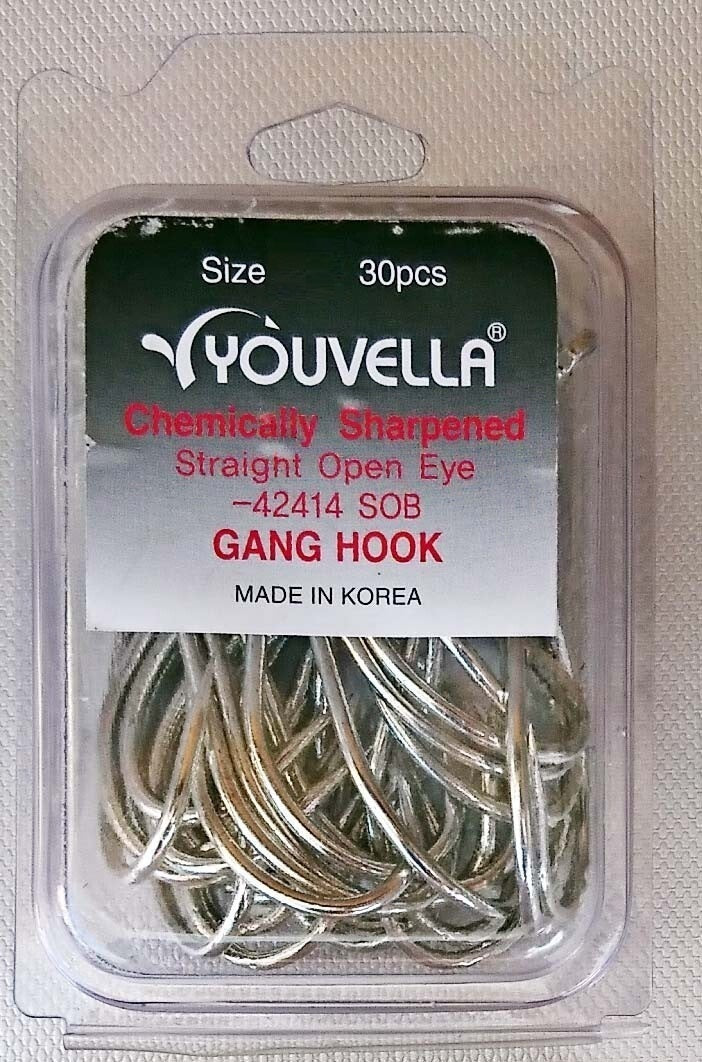
Chemically sharpened hooks arrive ready to fish but do not stay that way — check the point against a thumbnail and replace anything that slides. For rigging them up, fishing rigs cover the pre-made options, and swivels and snaps handle the connections.
Frequently asked questions
How do you tie a fishing hook?
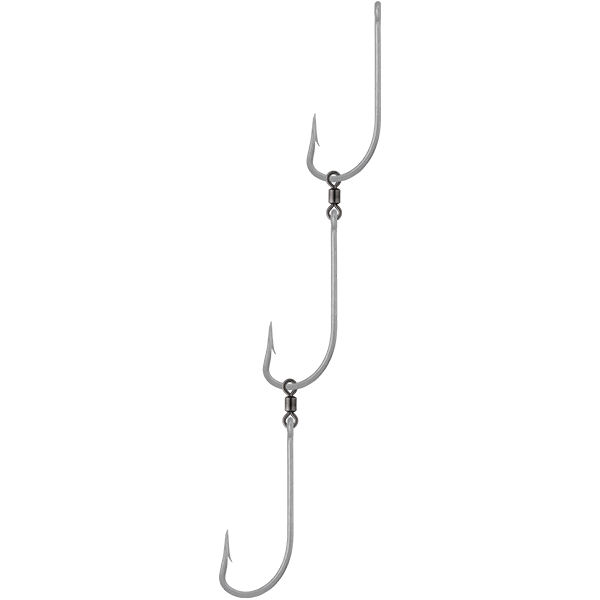
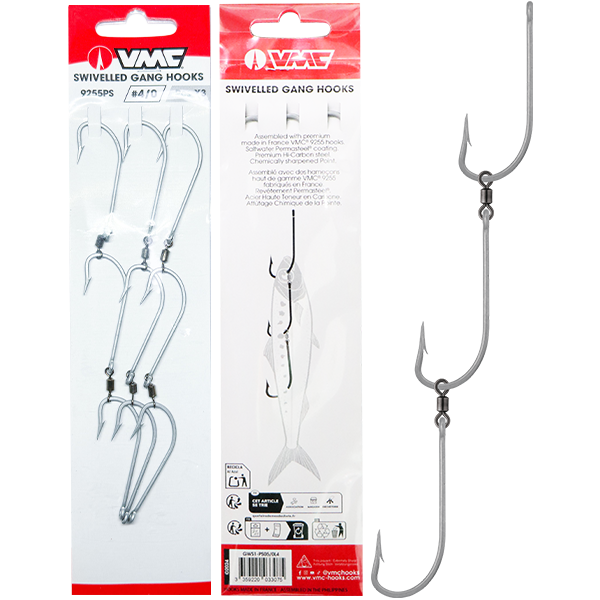
Two knots cover most hook tying. The uni knot — also called the grinner — and the improved clinch are both quick to tie and hold well in mono and fluorocarbon. Snelling is the usual choice for bait hooks and gang rigs, because it sets the hook straight against the pull of the line. Wet any knot before you draw it tight.
What size hook do I need?
Match the hook to the bait rather than the fish. The bait should sit naturally on the hook with the point clear. If the bait is bunching up or hiding the point, go smaller.
What is a circle hook for?
Circle hooks are designed to slide to the corner of the jaw and set themselves as the fish moves off, which is why they are used for bait fishing and catch and release. Do not strike with them — just wind until the line comes tight.
Do I need different hooks for soft plastics?
Usually yes. Worm and weedless hooks have a wide gape and an offset bend that holds the plastic straight and keeps the point tucked in, which stops it spinning and reduces snagging.









Sale
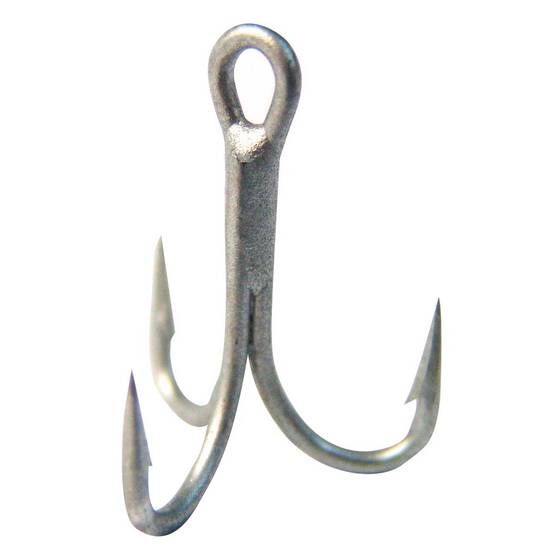
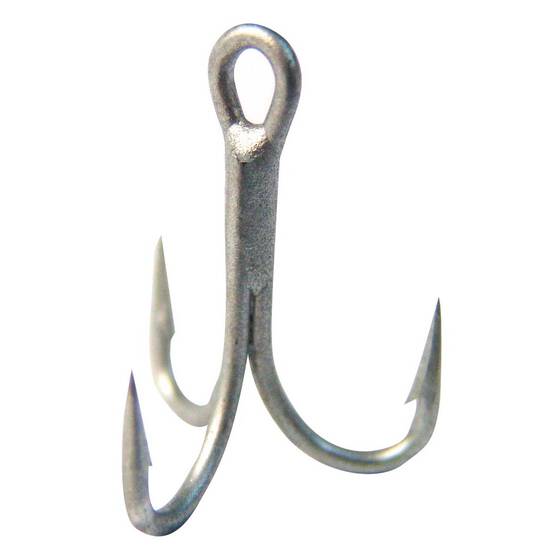
VMC T9626PS OShaughnessy 3X Permasteel Ultra Strong Treble Bulk Value 25 Pack
from
$16.96
$19.95


Sale
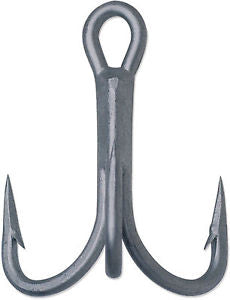
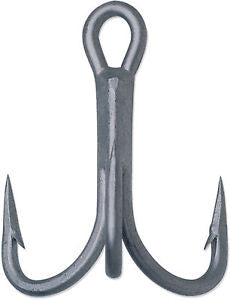
VMC T8527PS Fishfighter 6X Permasteel Ultra Strong Treble Bulk Value 25 Pack
from
$23.16
$28.95














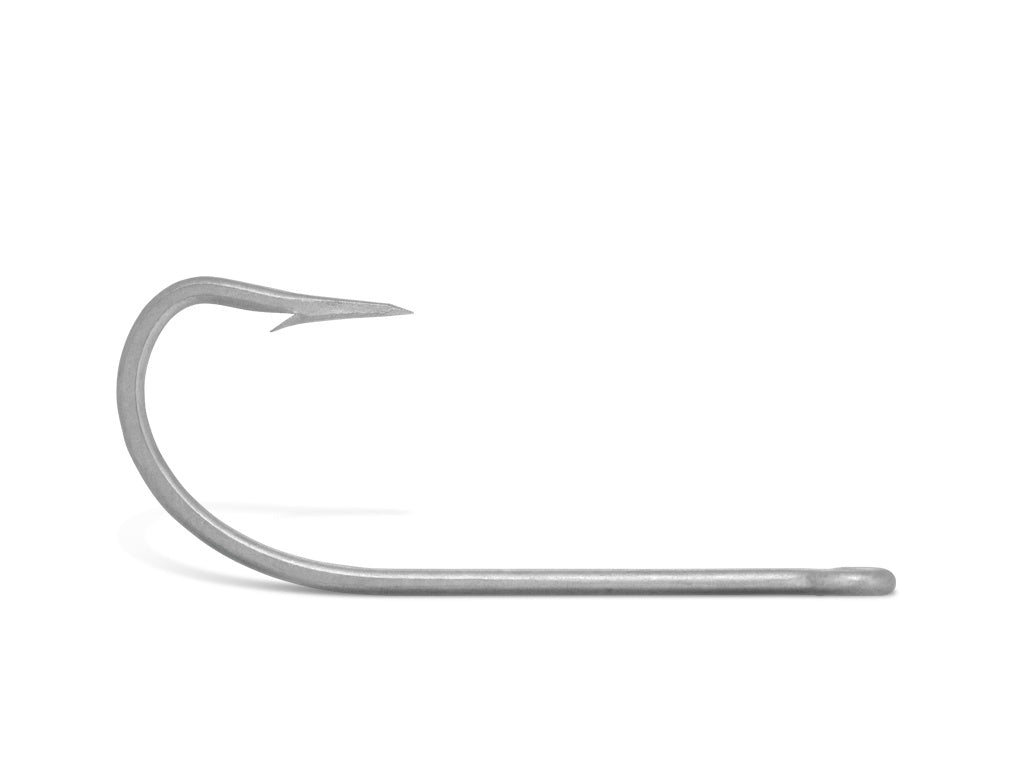
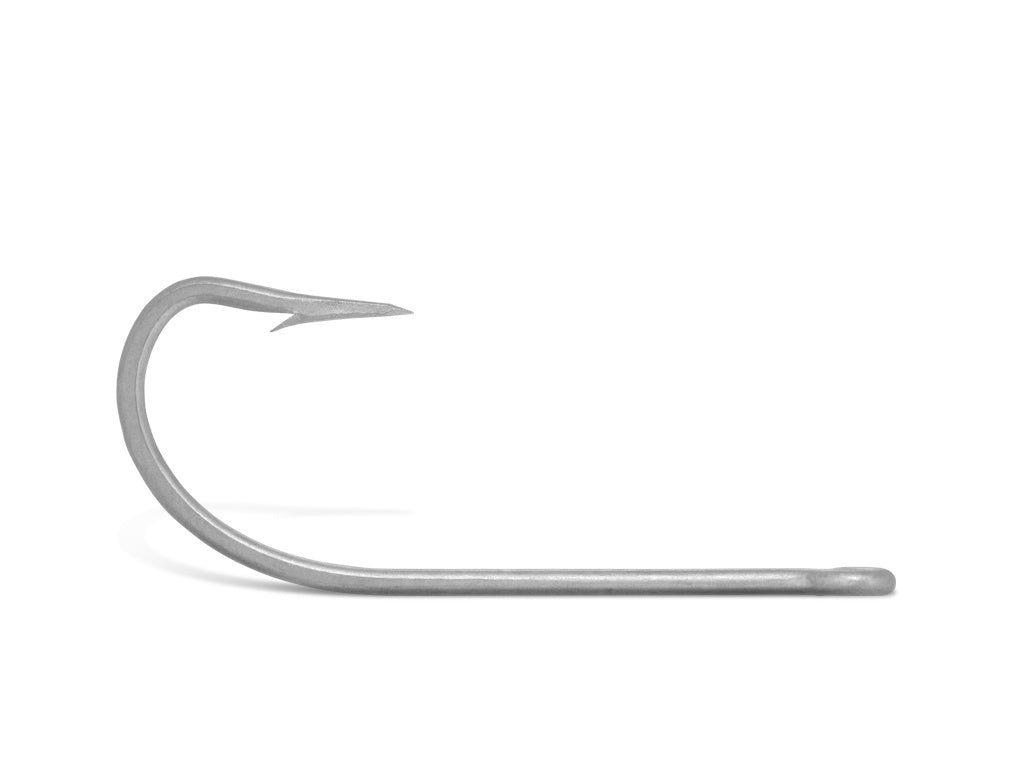
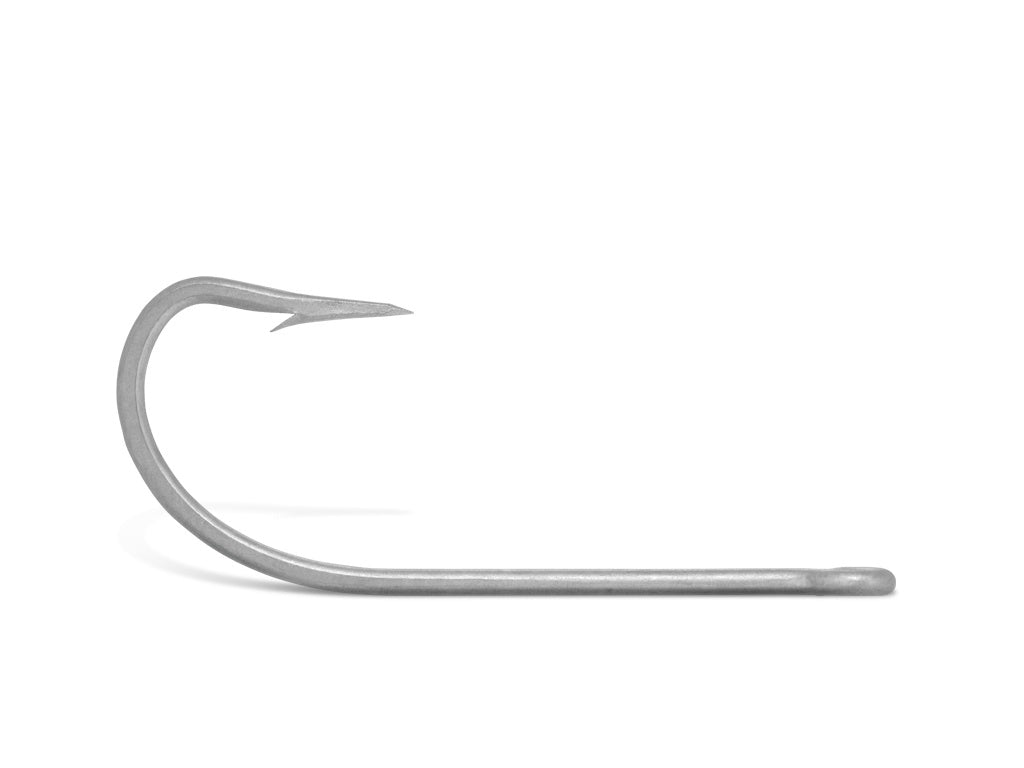


Sold Out
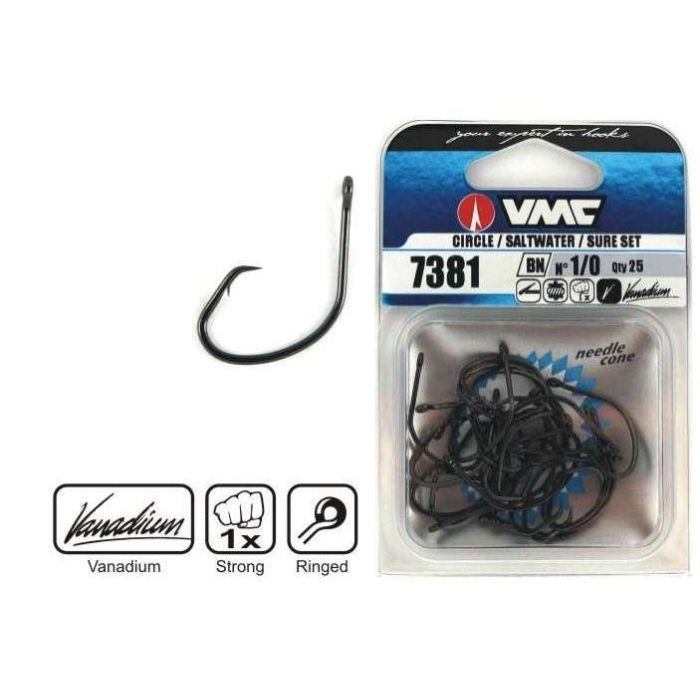
VMC 8527 Fishfighter 6X Permasteel Treble Hook Bulk 1000 Pack
from
$849.96
$999.95
Sold Out


Hooks are the one part of the tackle box where getting it wrong costs you fish directly. The range here covers circle, octopus and suicide patterns for bait, worm and weedless hooks for plastics, live bait hooks, and specialist patterns for gangs and rigs.
Choosing a hook
Pattern first, then size. Circle hooks turn and set in the corner of the mouth on their own, which makes them the standard choice for bait fishing and for anything you intend to release. Octopus and suicide patterns have a short shank and a turned-in point and suit a wide range of baits. Worm hooks have a wide gape and an offset bend to hold a soft plastic straight.
Size is matched to the bait, not the fish. The hook should sit inside the bait without overwhelming it, with enough point exposed to find purchase. Going too big is the common mistake, and it costs bites.
Chemically sharpened hooks arrive ready to fish but do not stay that way — check the point against a thumbnail and replace anything that slides. For rigging them up, fishing rigs cover the pre-made options, and swivels and snaps handle the connections.
Frequently asked questions
How do you tie a fishing hook?
Two knots cover most hook tying. The uni knot — also called the grinner — and the improved clinch are both quick to tie and hold well in mono and fluorocarbon. Snelling is the usual choice for bait hooks and gang rigs, because it sets the hook straight against the pull of the line. Wet any knot before you draw it tight.
What size hook do I need?
Match the hook to the bait rather than the fish. The bait should sit naturally on the hook with the point clear. If the bait is bunching up or hiding the point, go smaller.
What is a circle hook for?
Circle hooks are designed to slide to the corner of the jaw and set themselves as the fish moves off, which is why they are used for bait fishing and catch and release. Do not strike with them — just wind until the line comes tight.
Do I need different hooks for soft plastics?
Usually yes. Worm and weedless hooks have a wide gape and an offset bend that holds the plastic straight and keeps the point tucked in, which stops it spinning and reduces snagging.