

FREE SHIPPING ON ORDERS OVER $150*

AUSSIE FAMILY OWNED BUSINESS FOR OVER 40 YEARS

100% SATISFACTION GUARANTEED
Dive and Snorkelling Fins
Dive and Snorkelling Fins
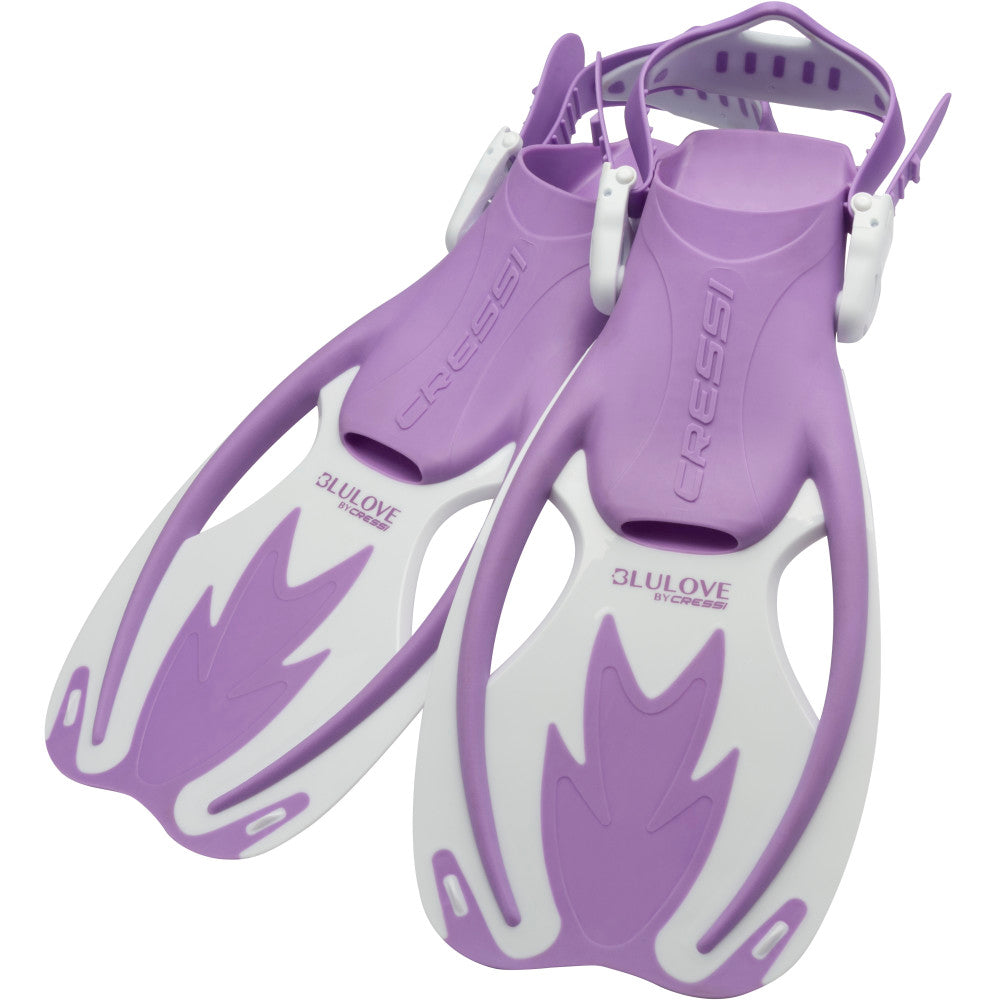
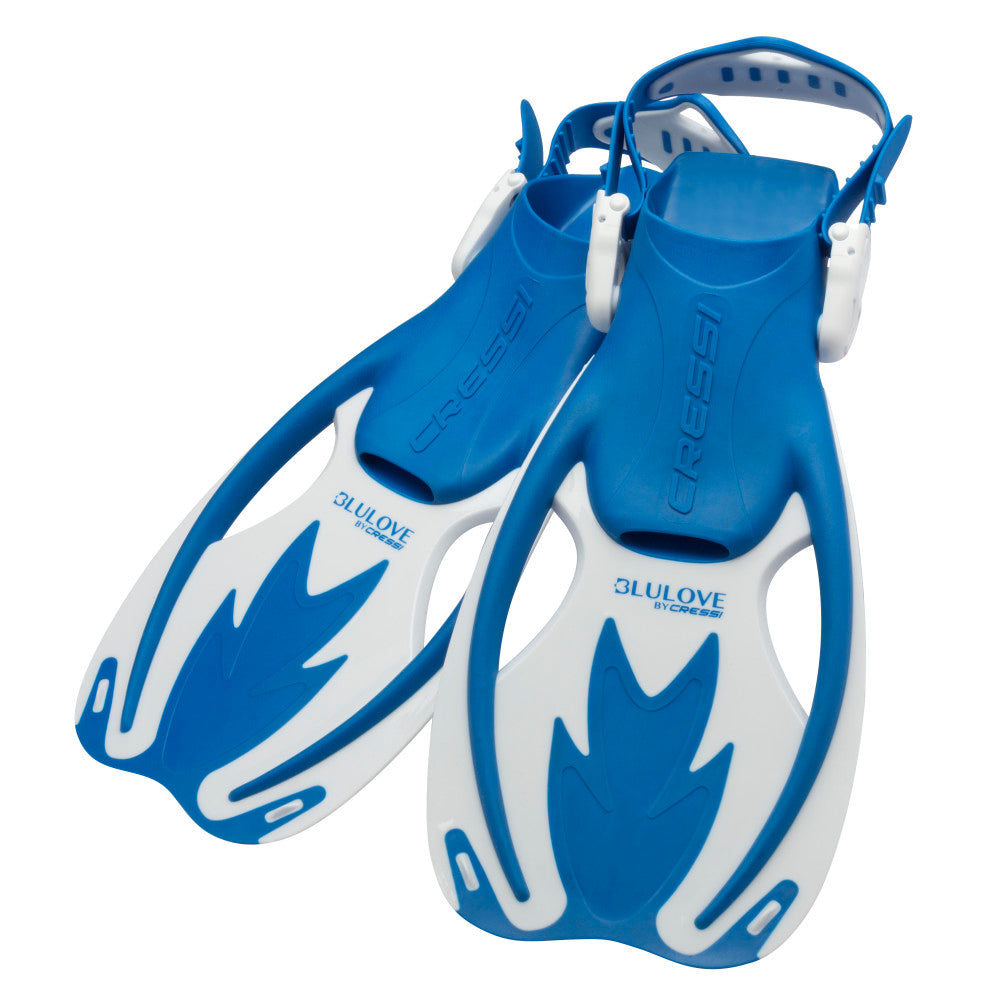
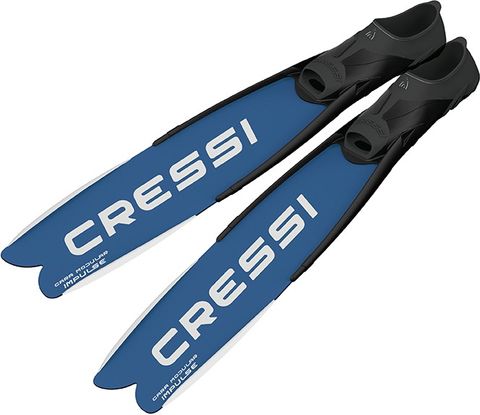
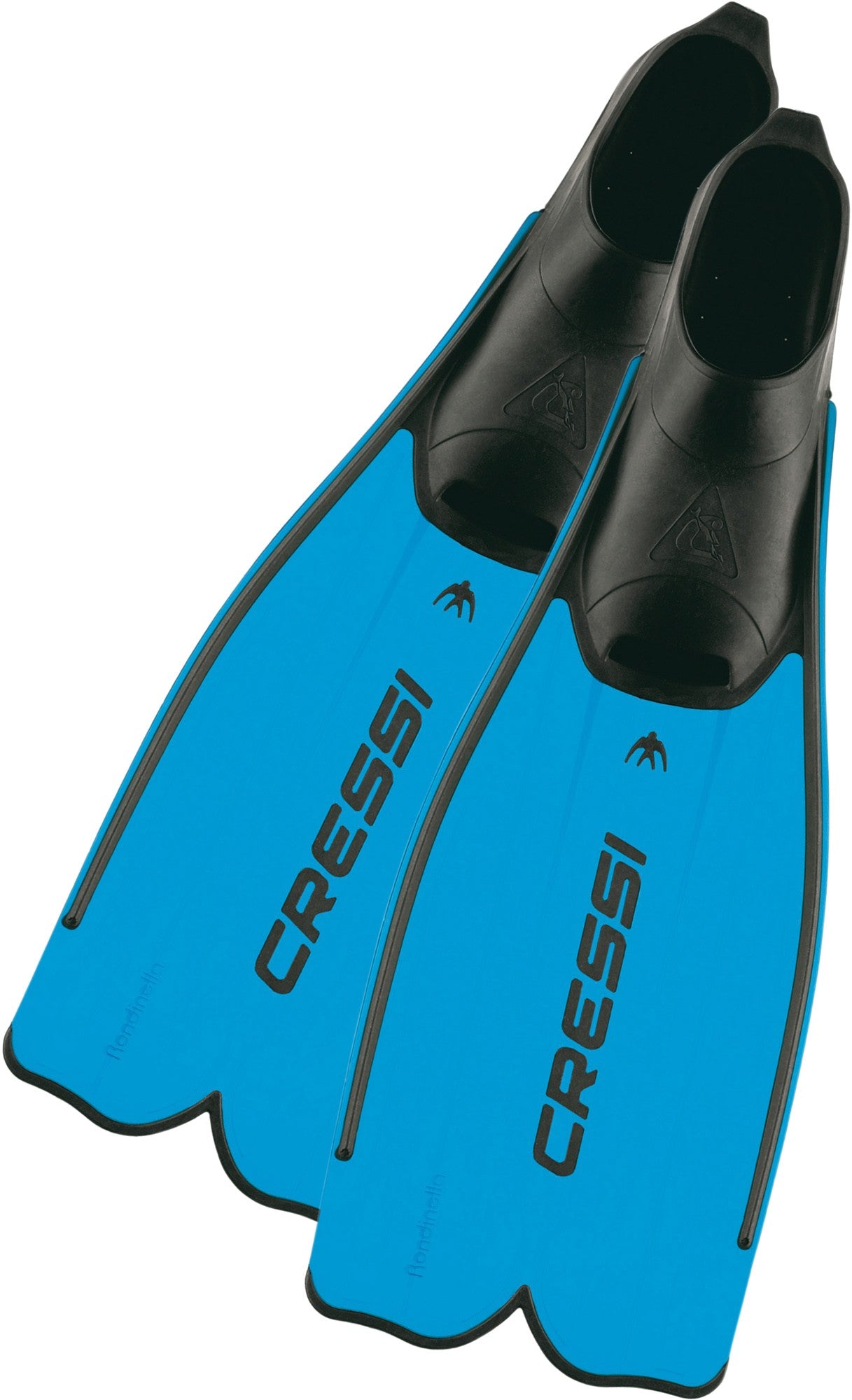
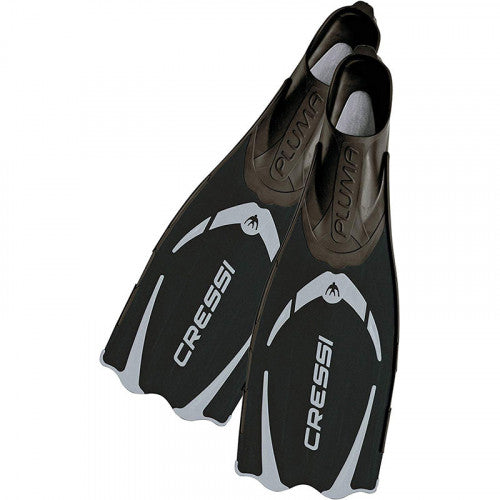
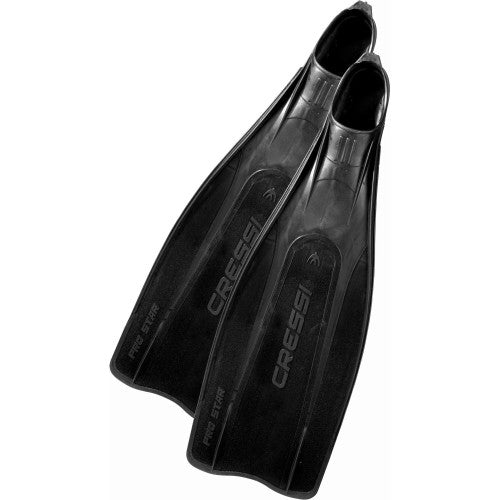
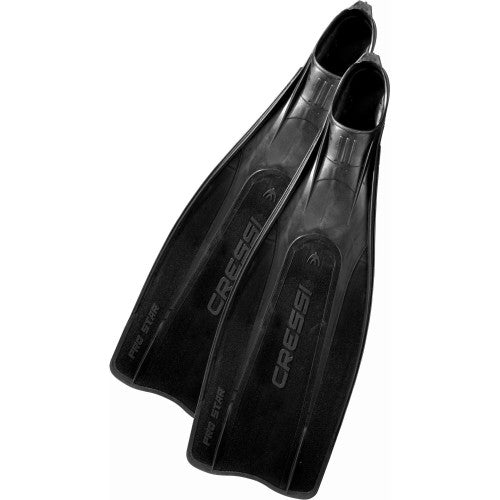
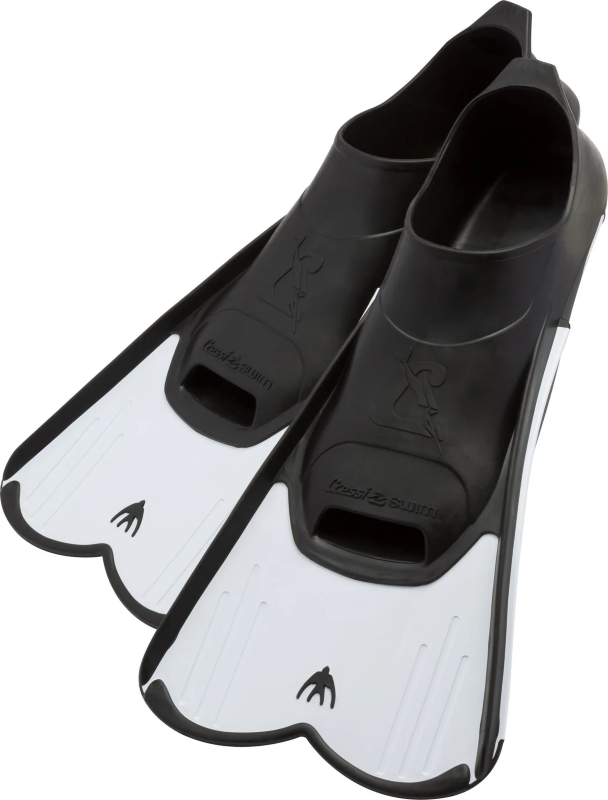
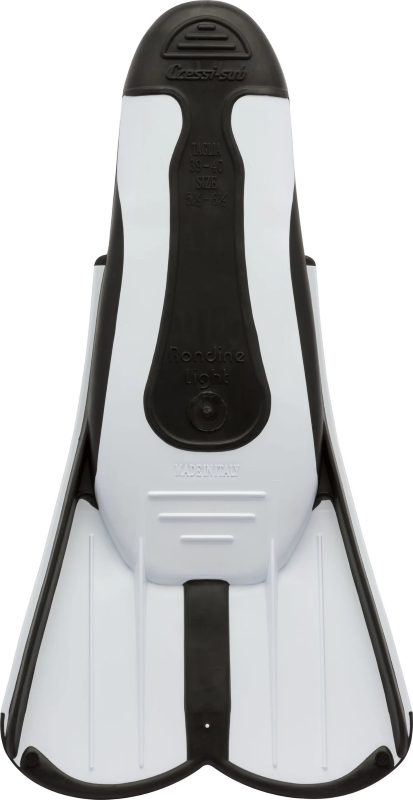
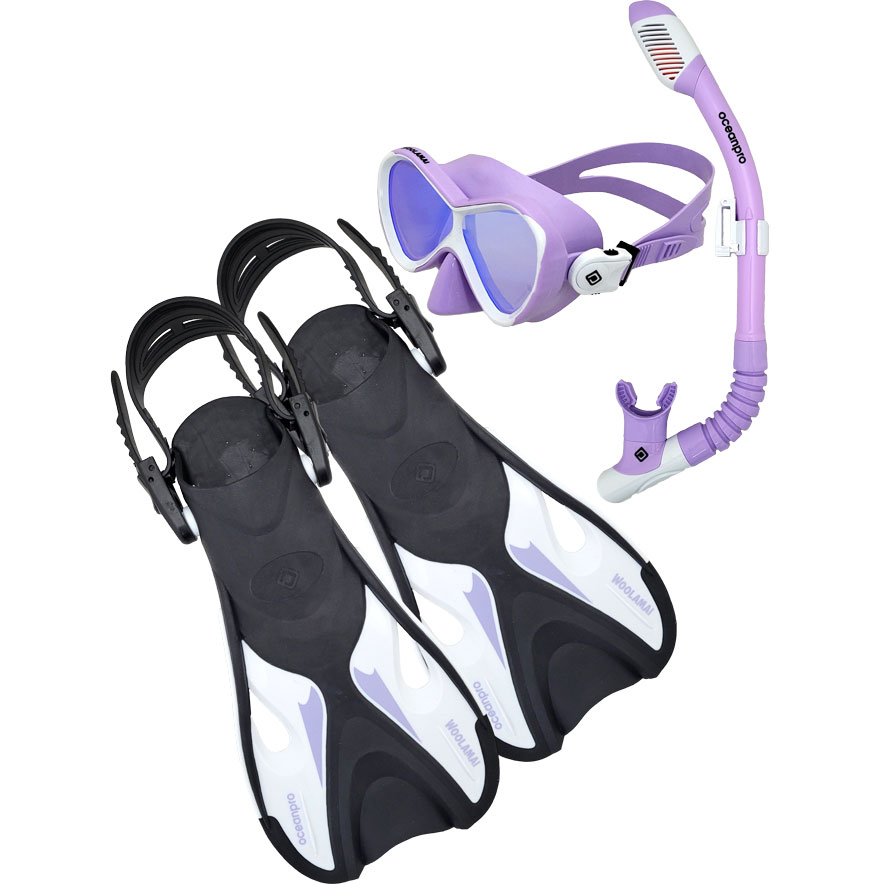
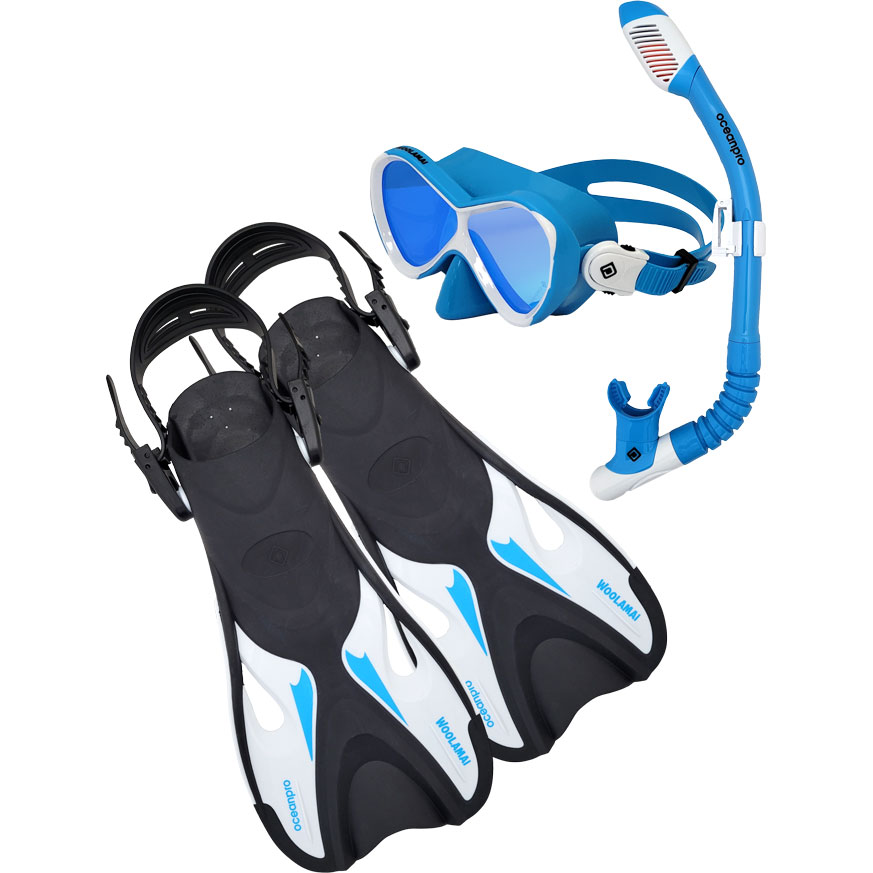
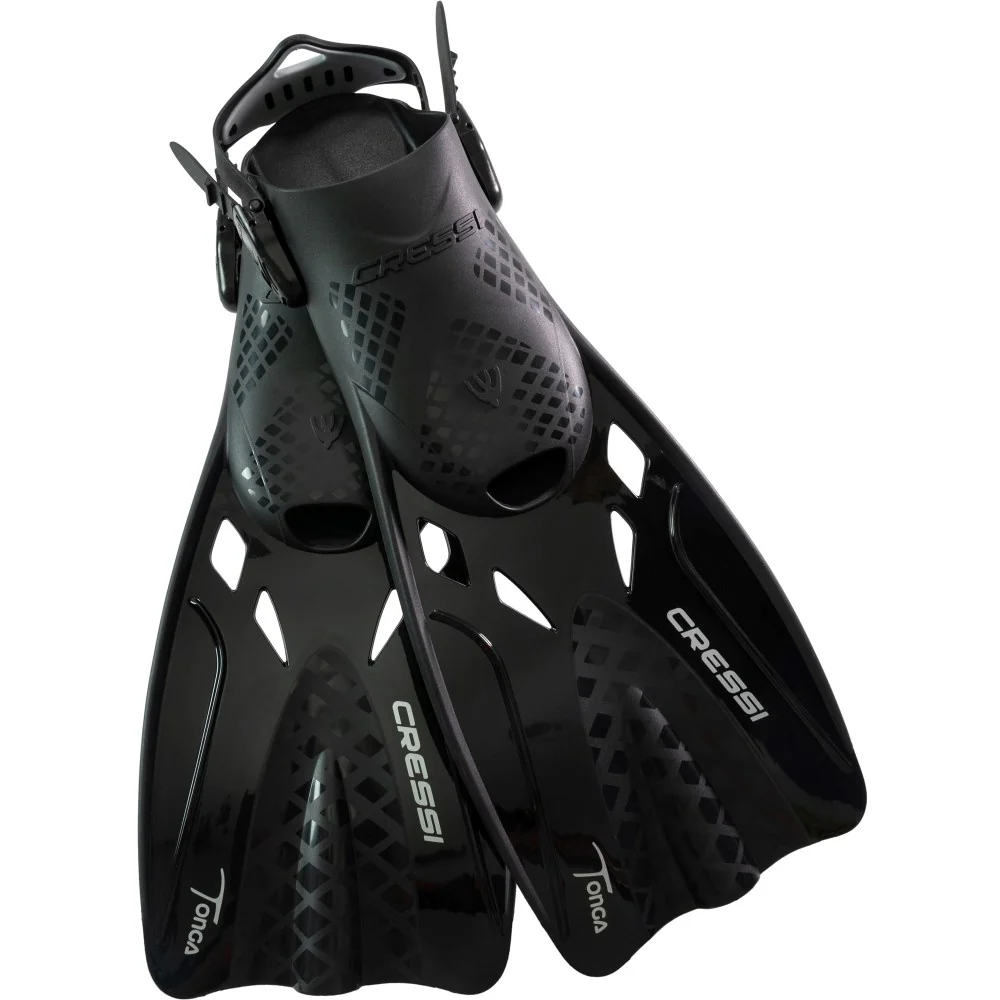
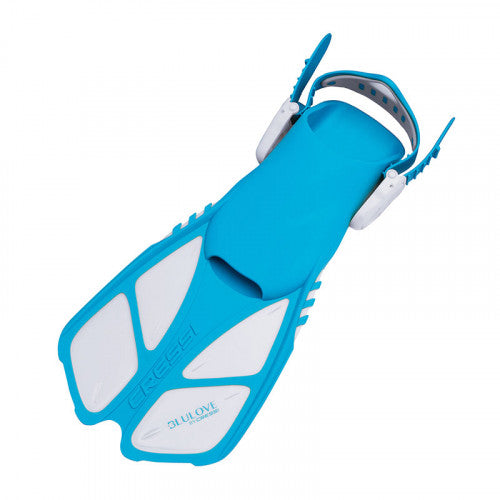
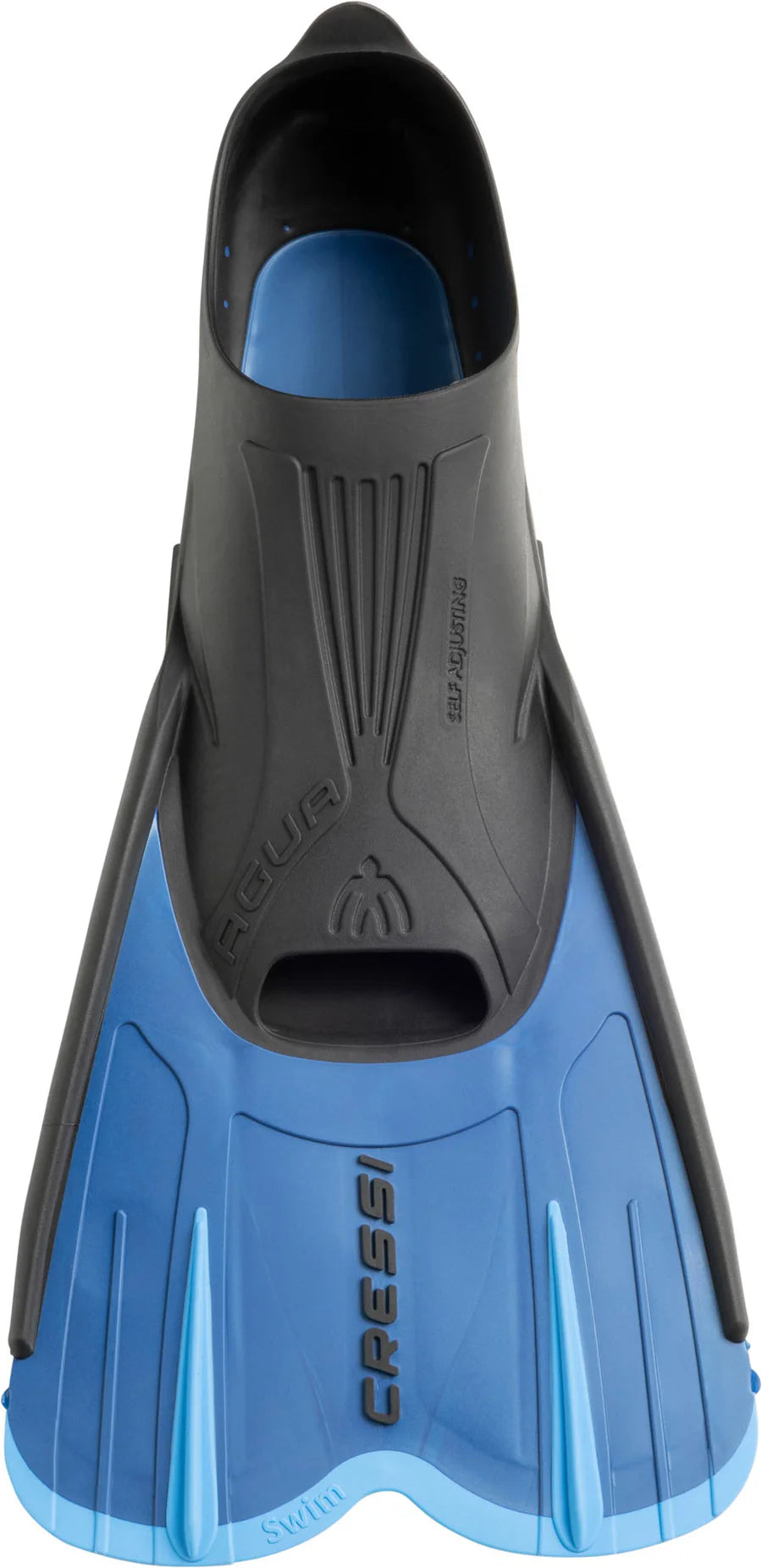
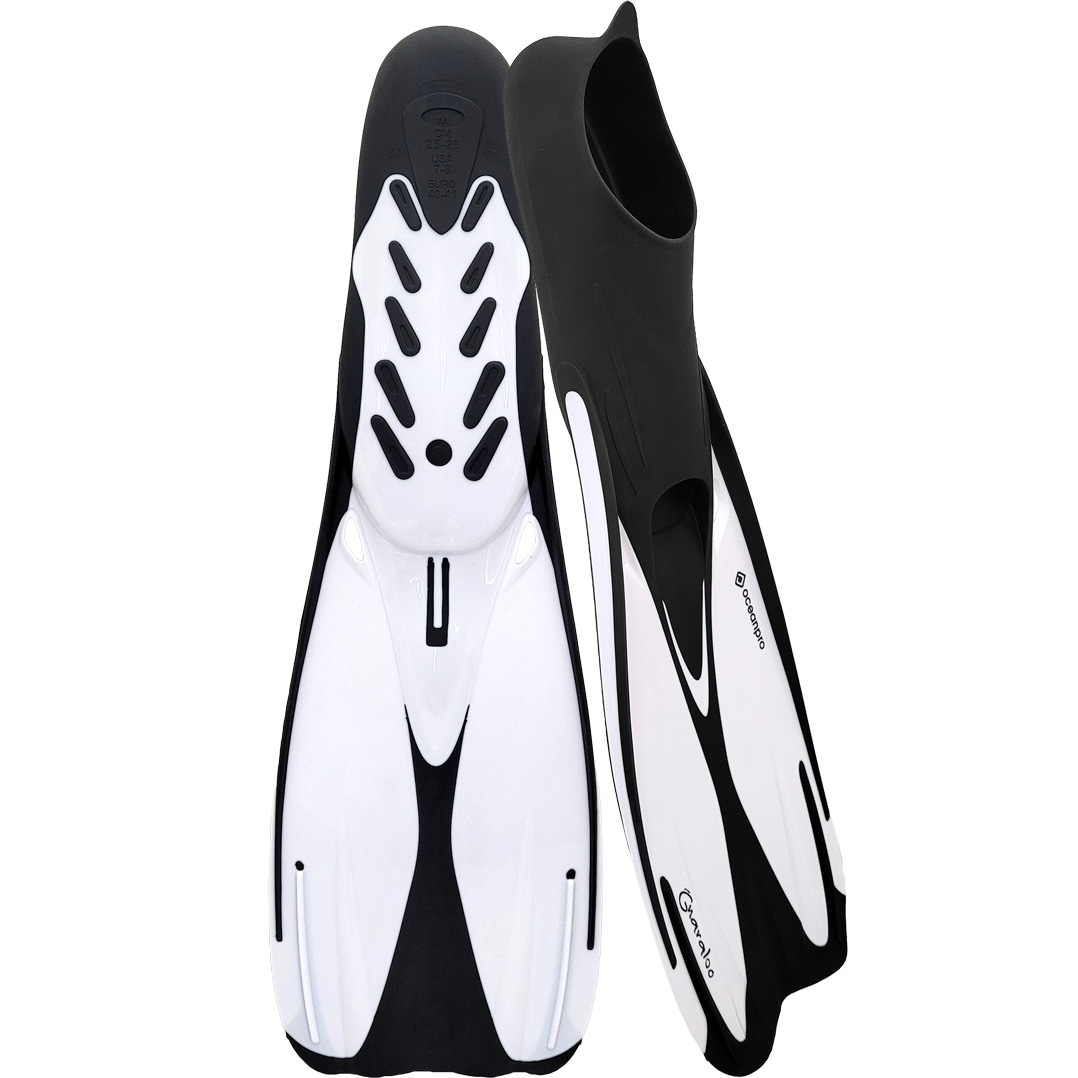
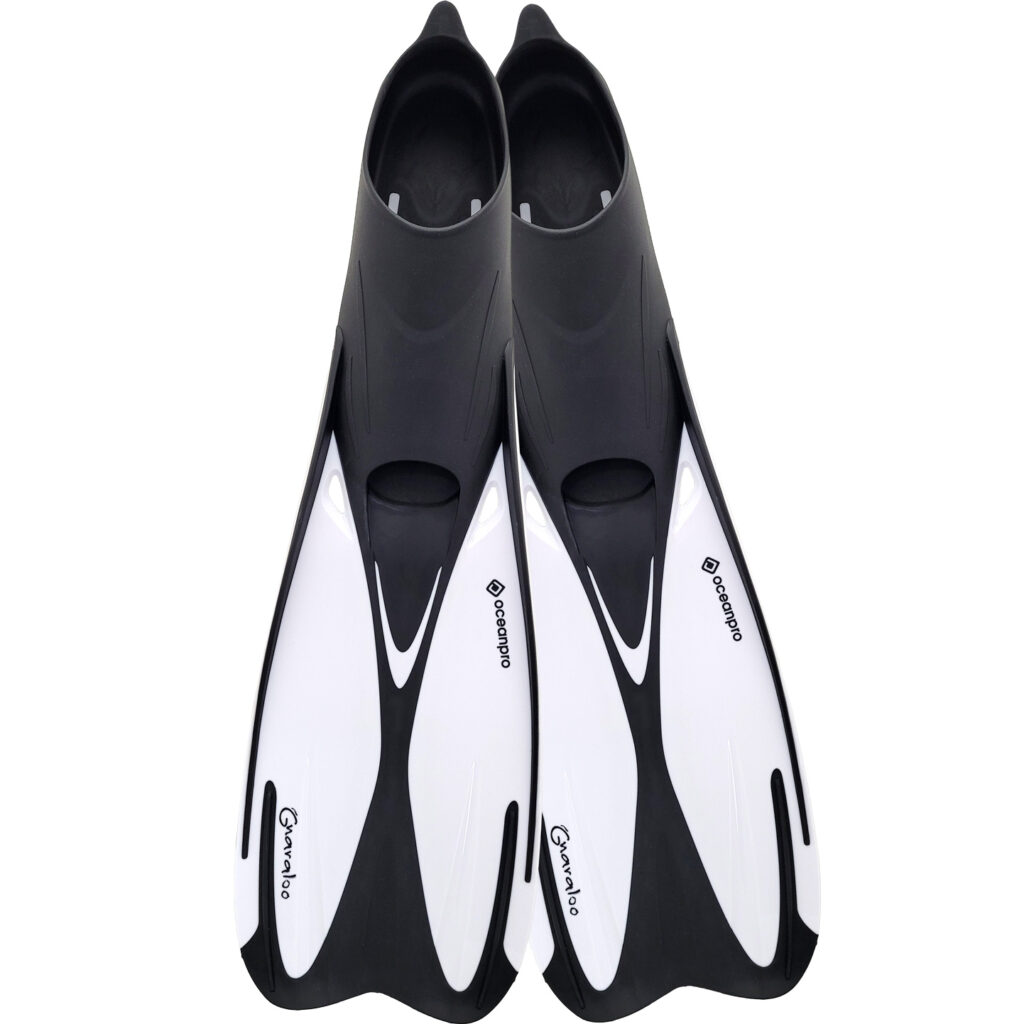
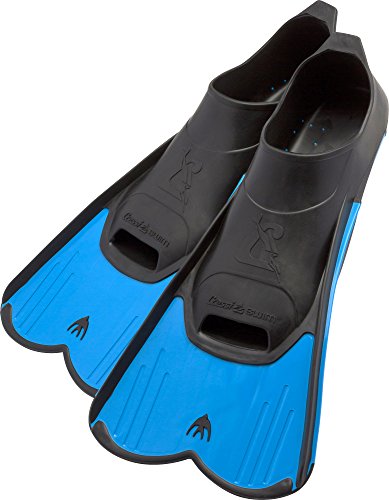
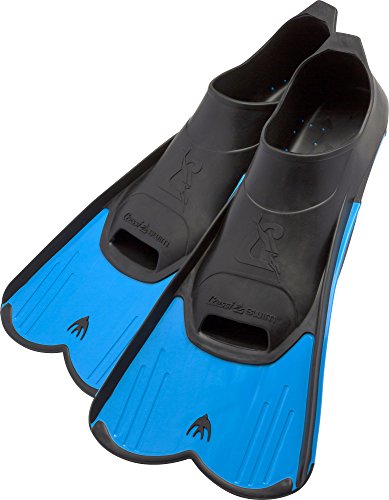
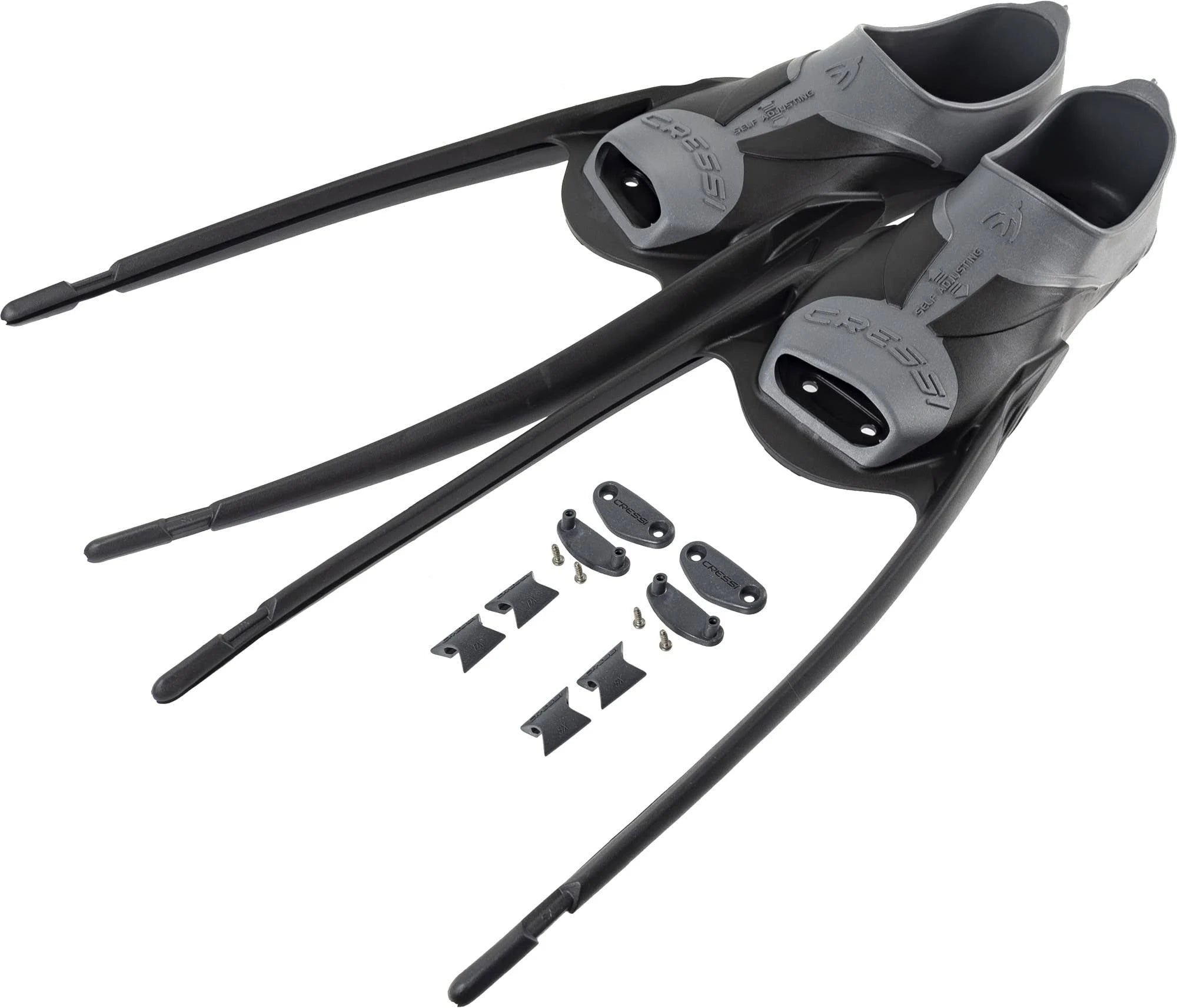
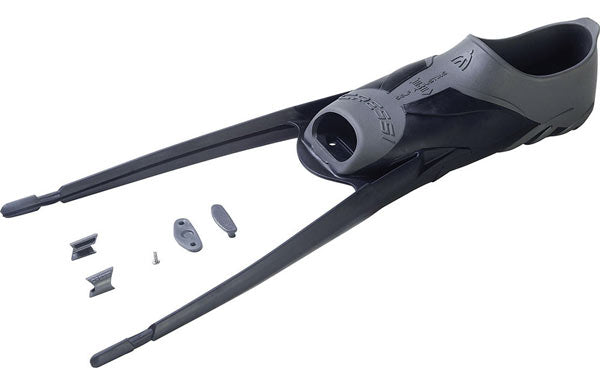
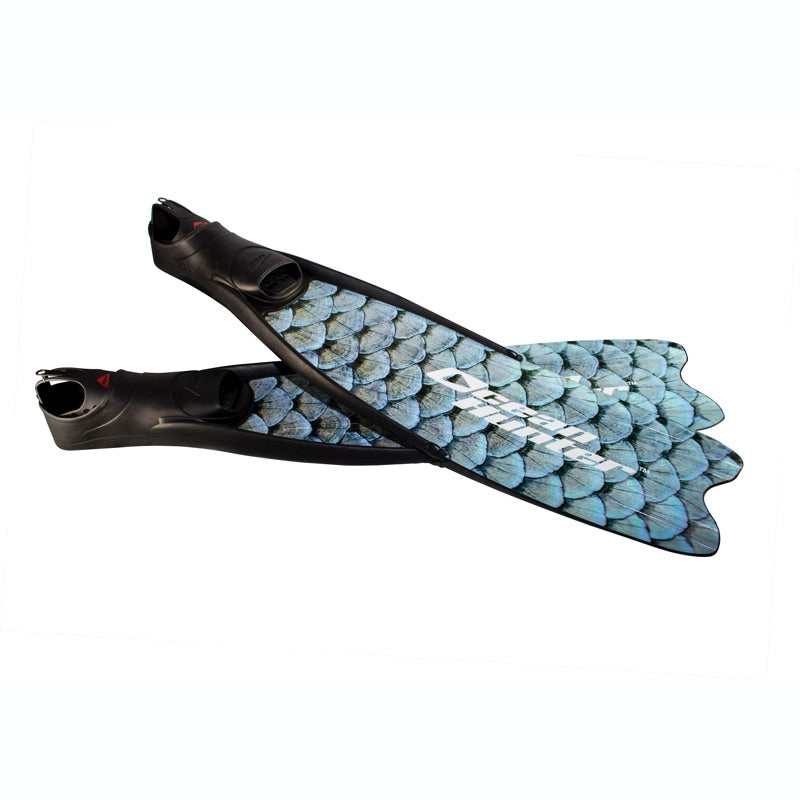
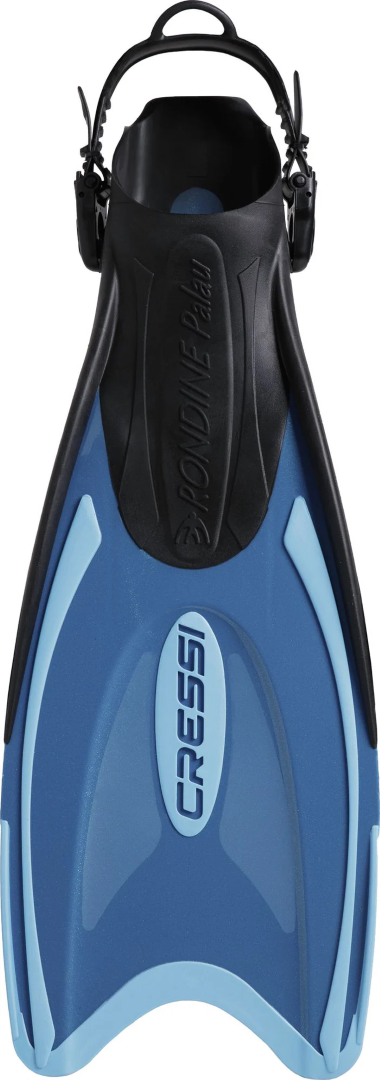
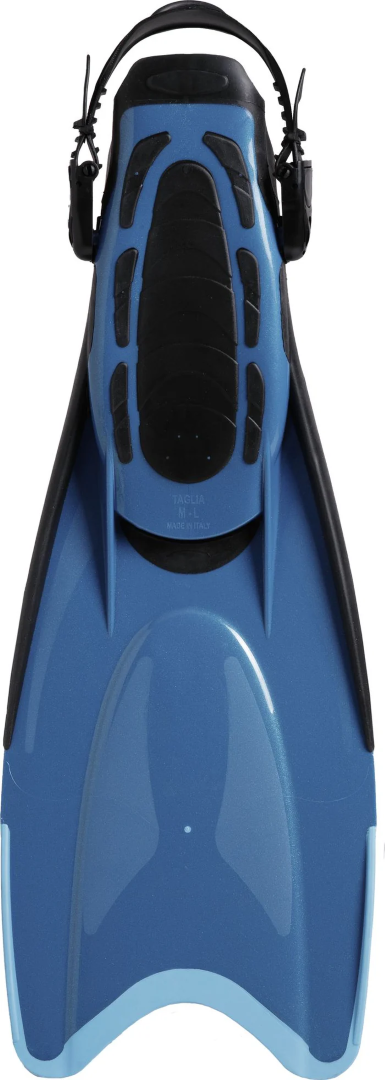
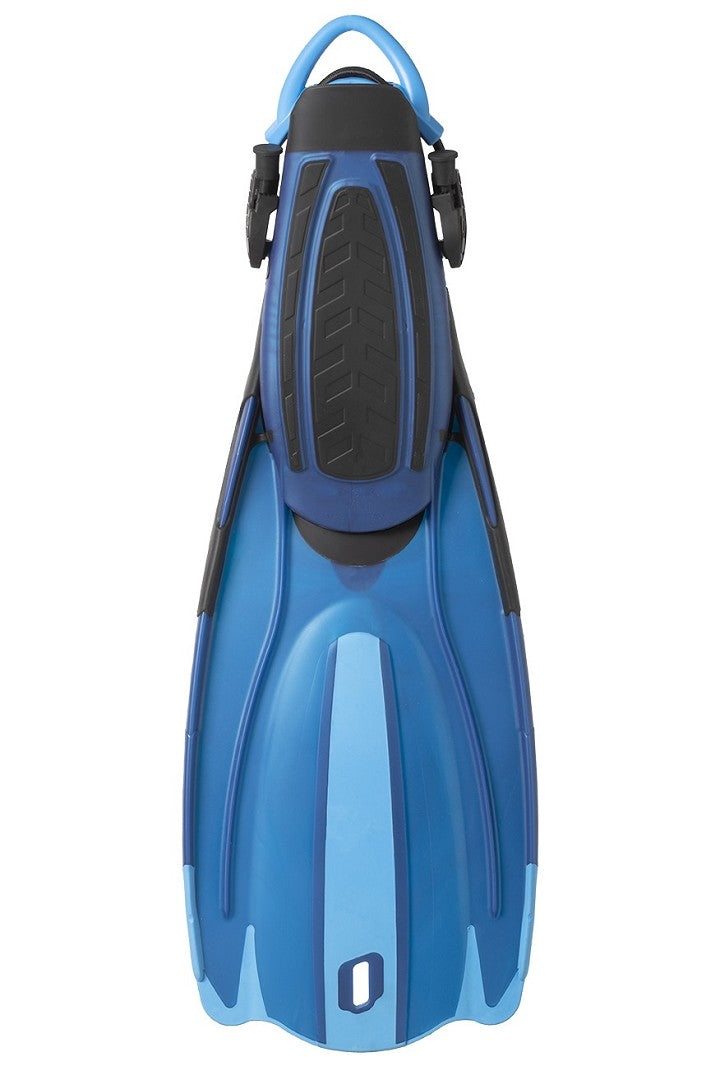
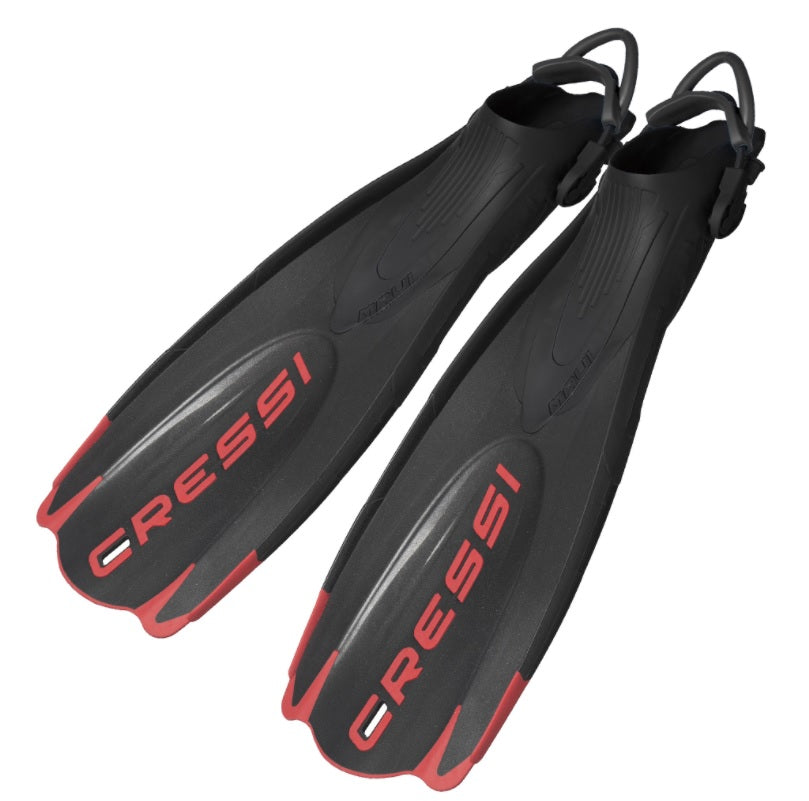
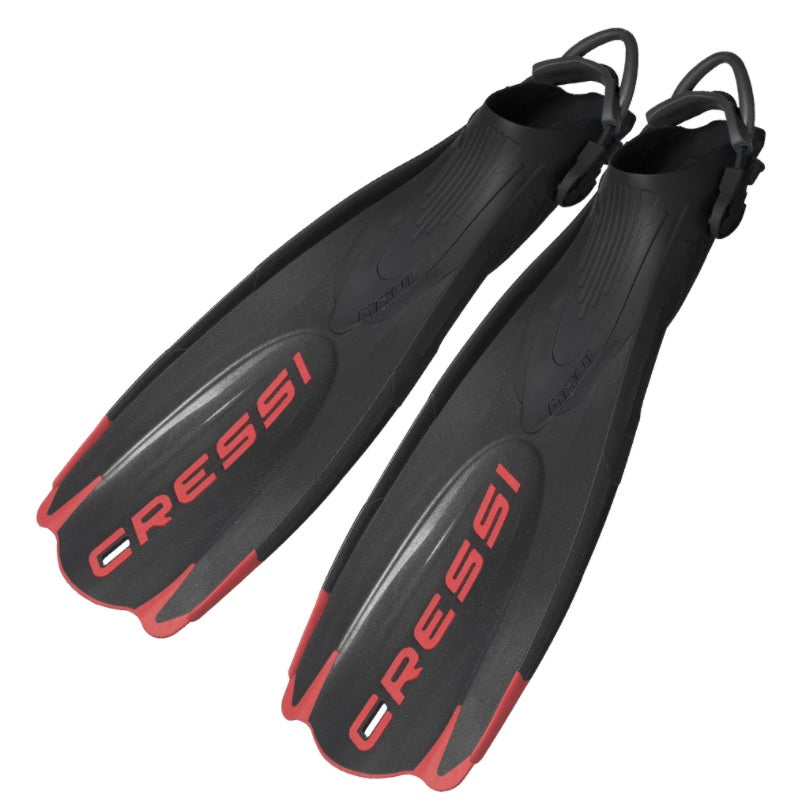
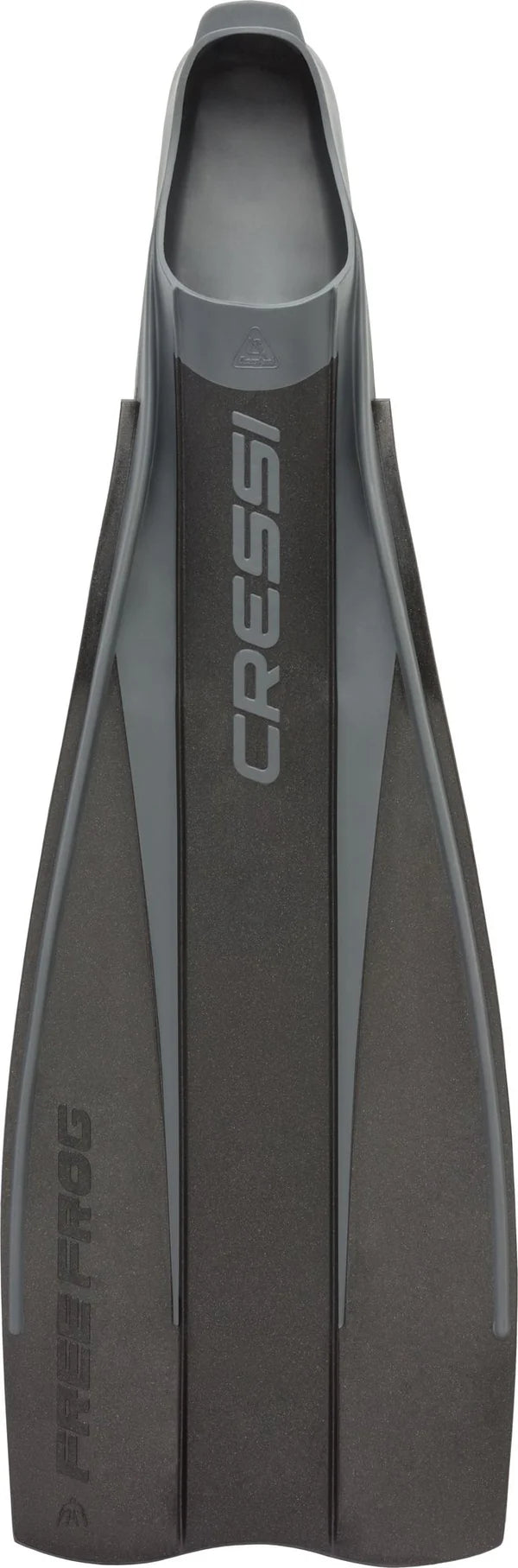
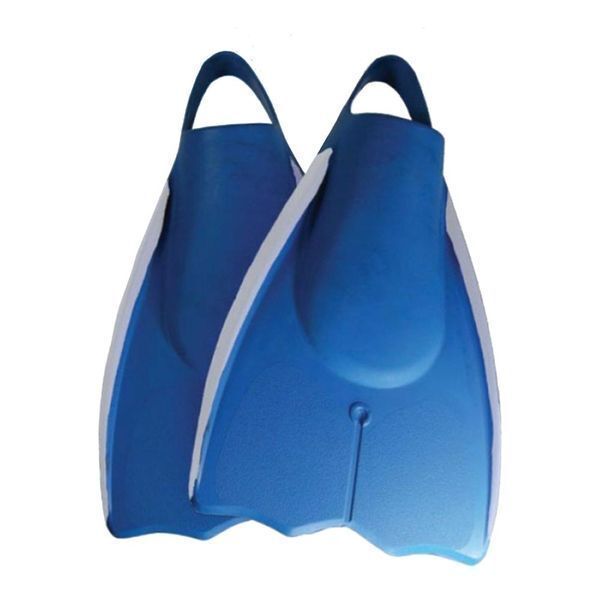
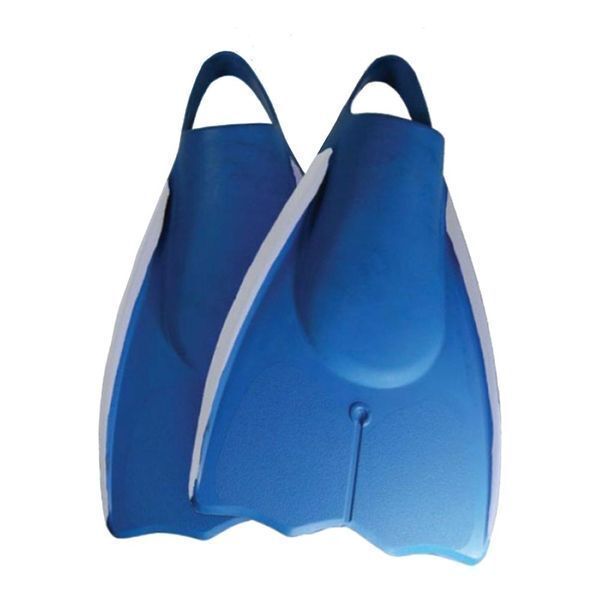
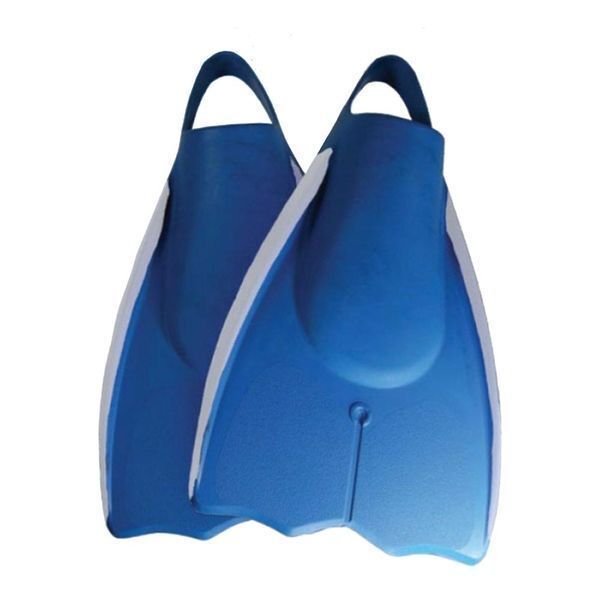
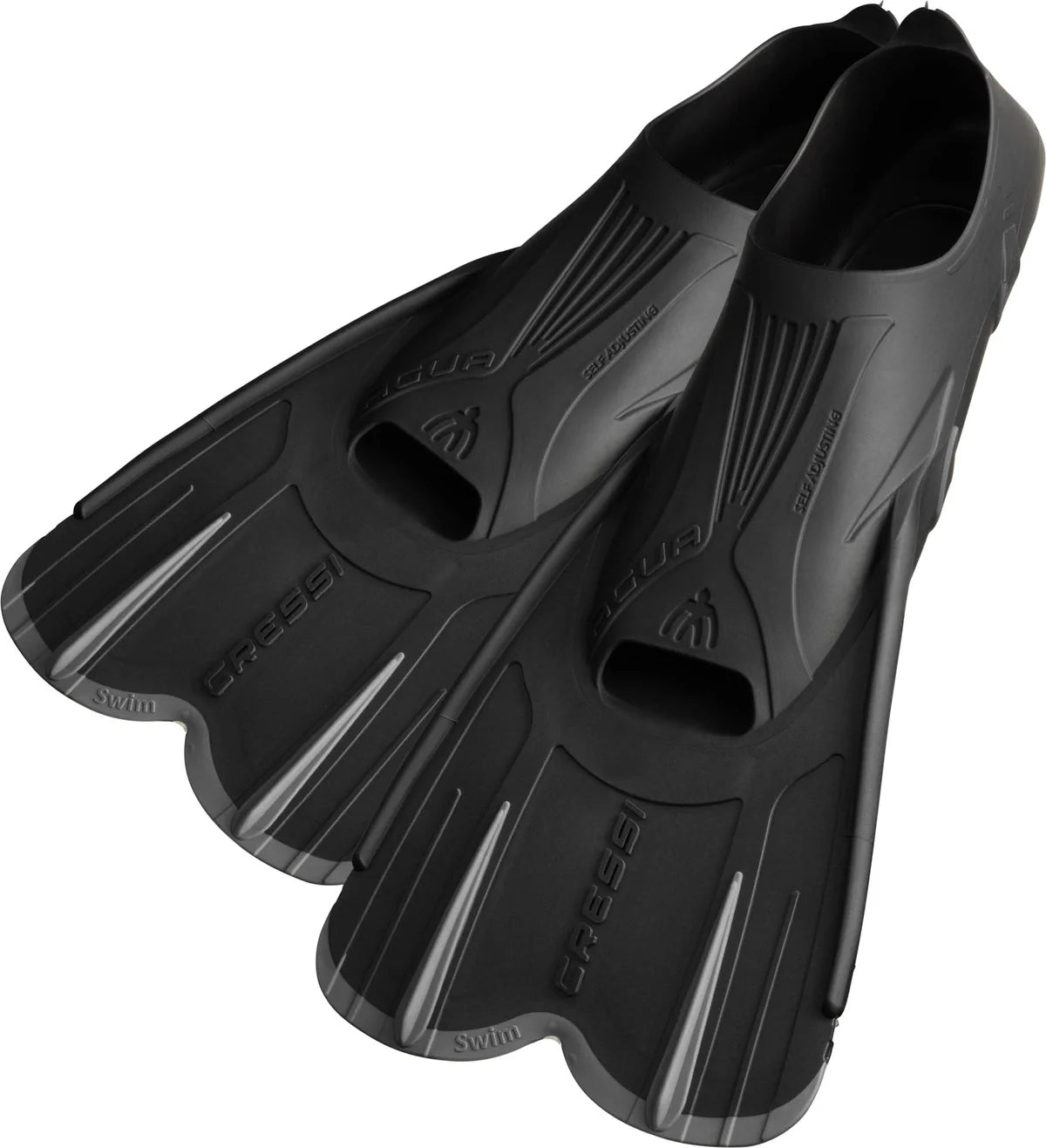
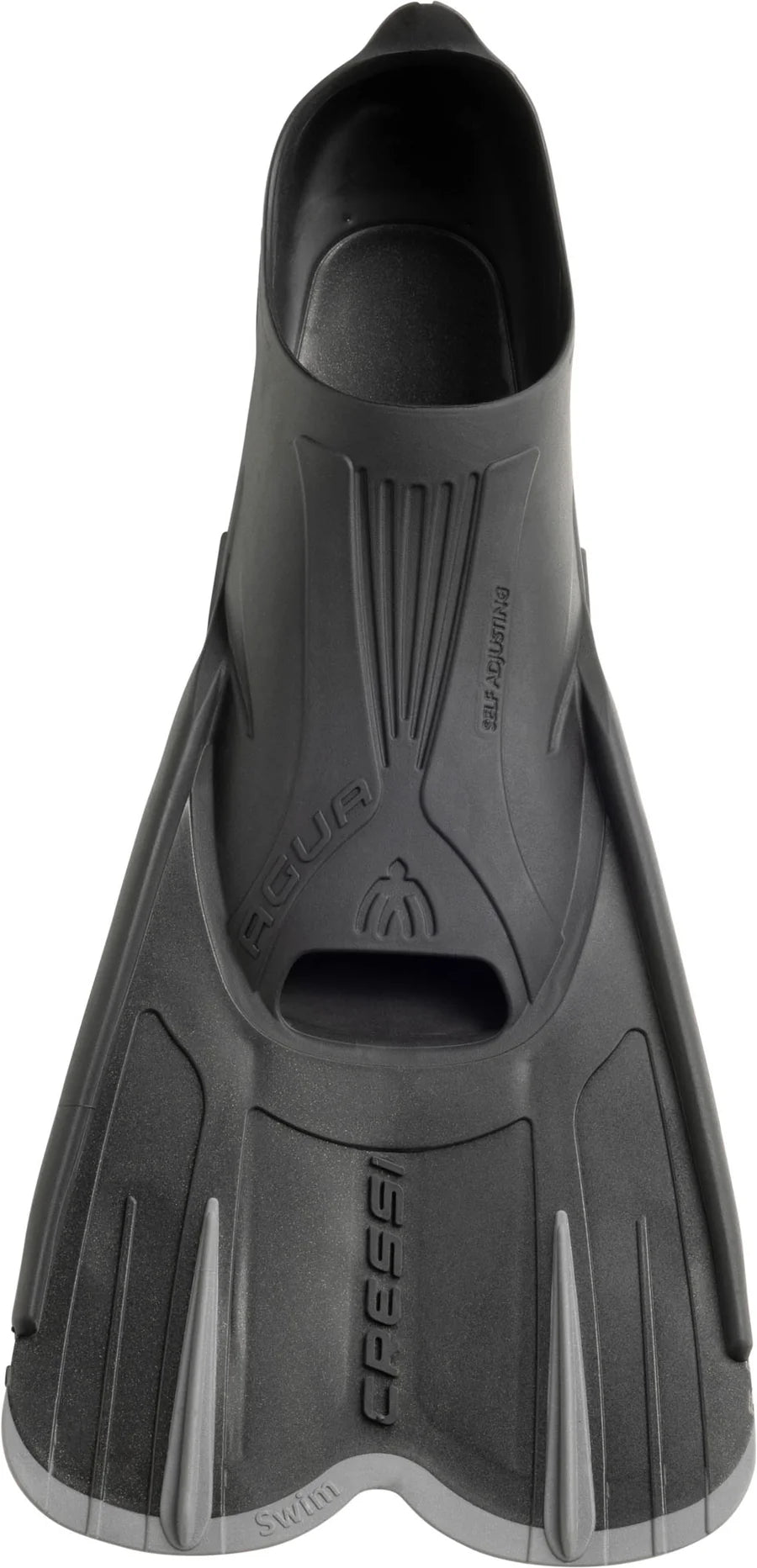
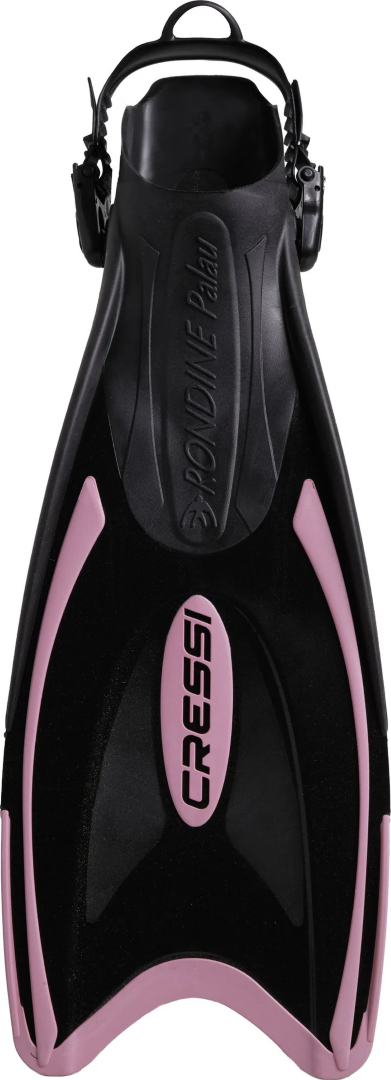
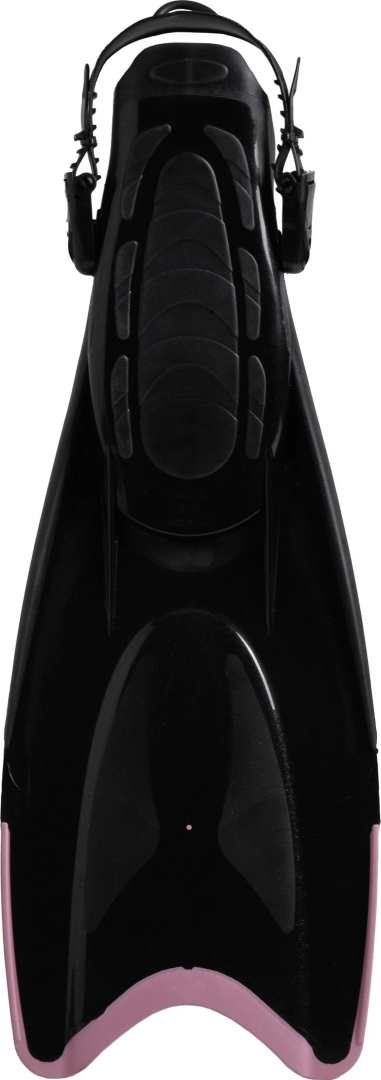
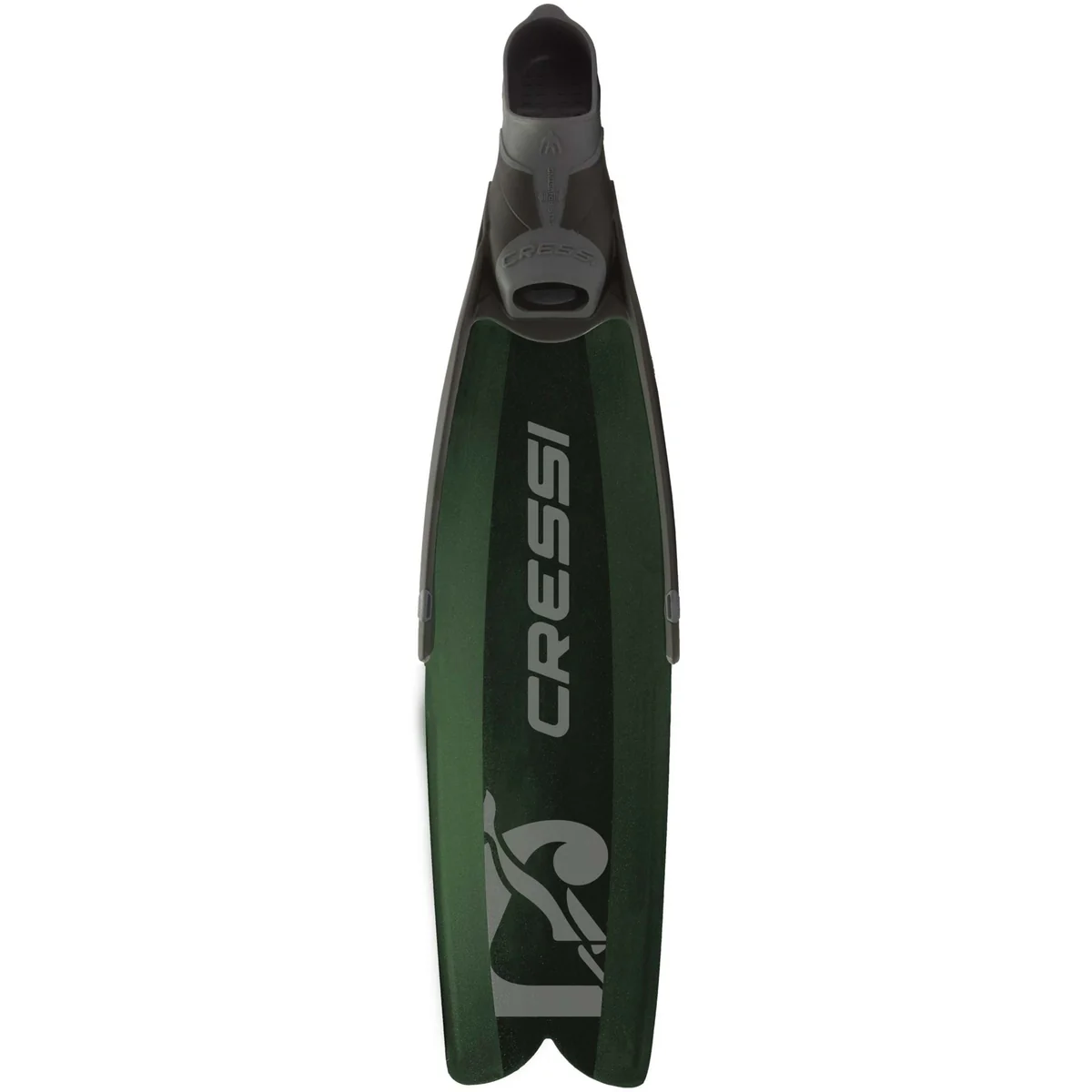
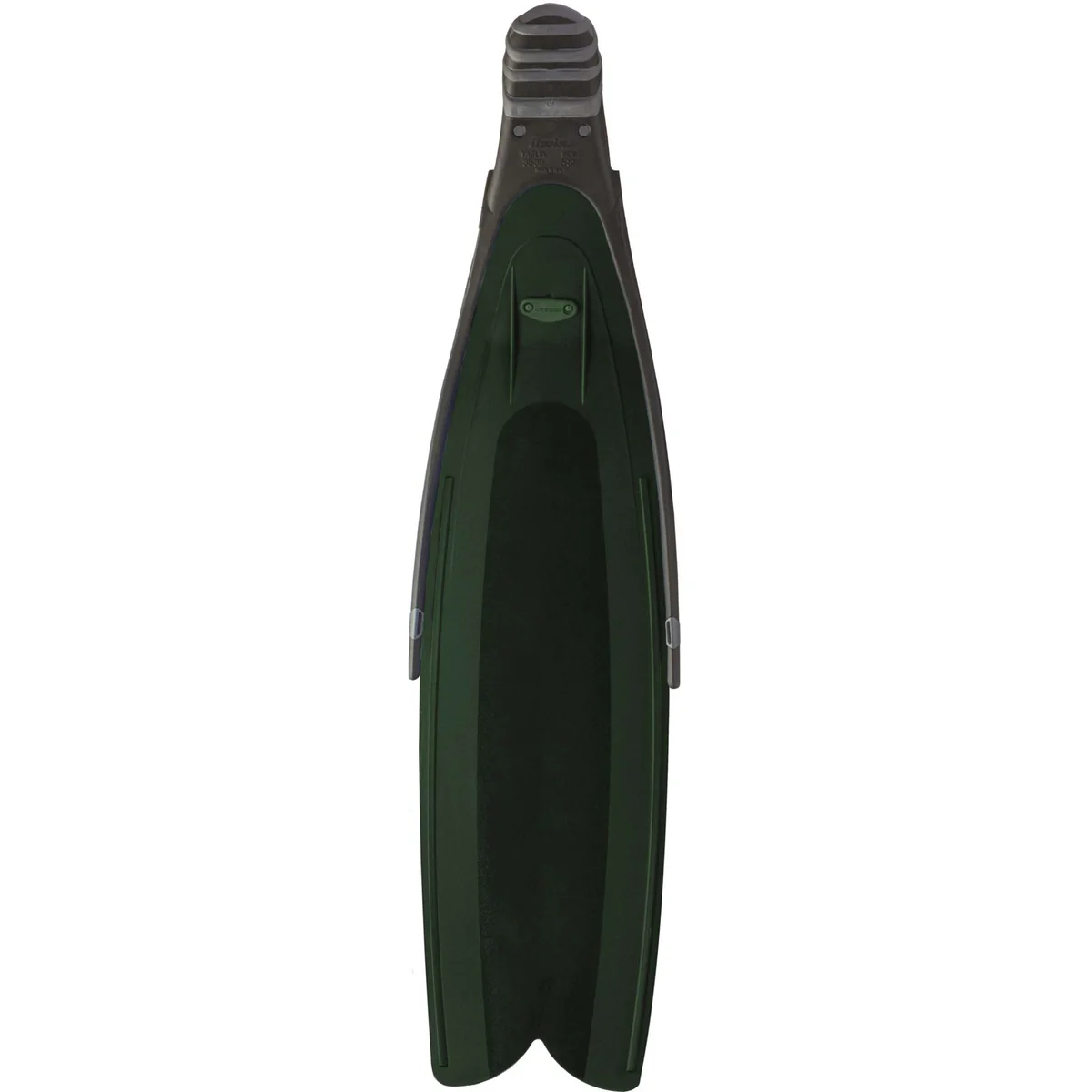
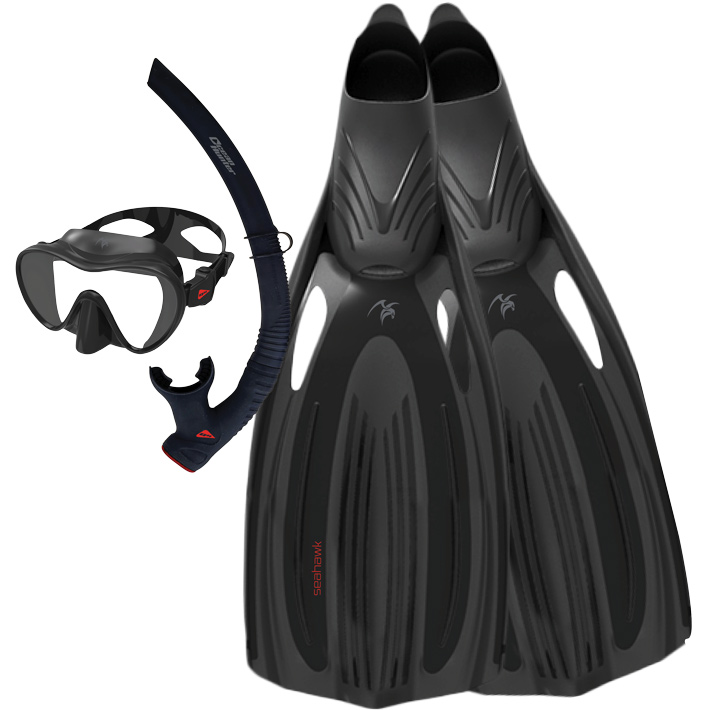
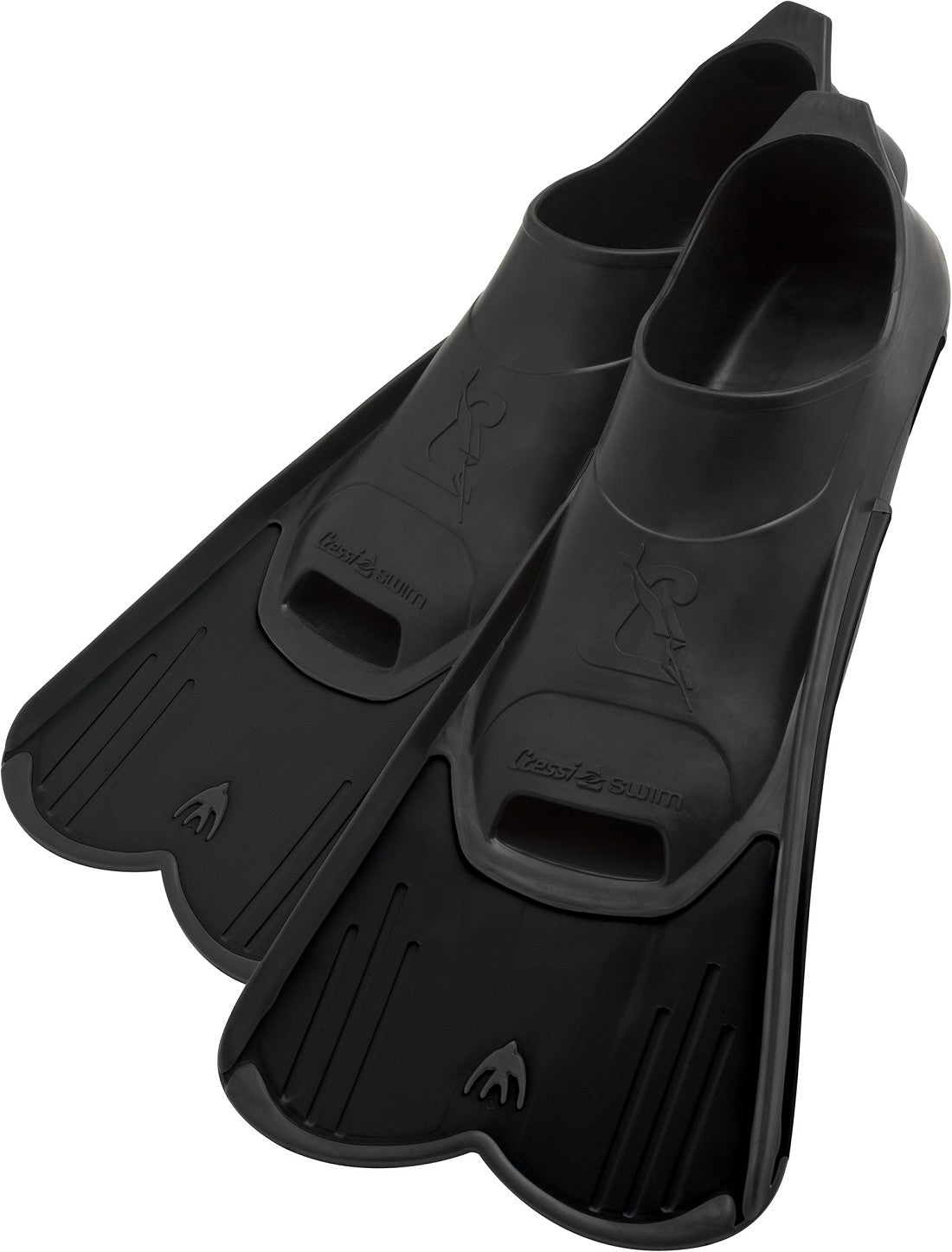
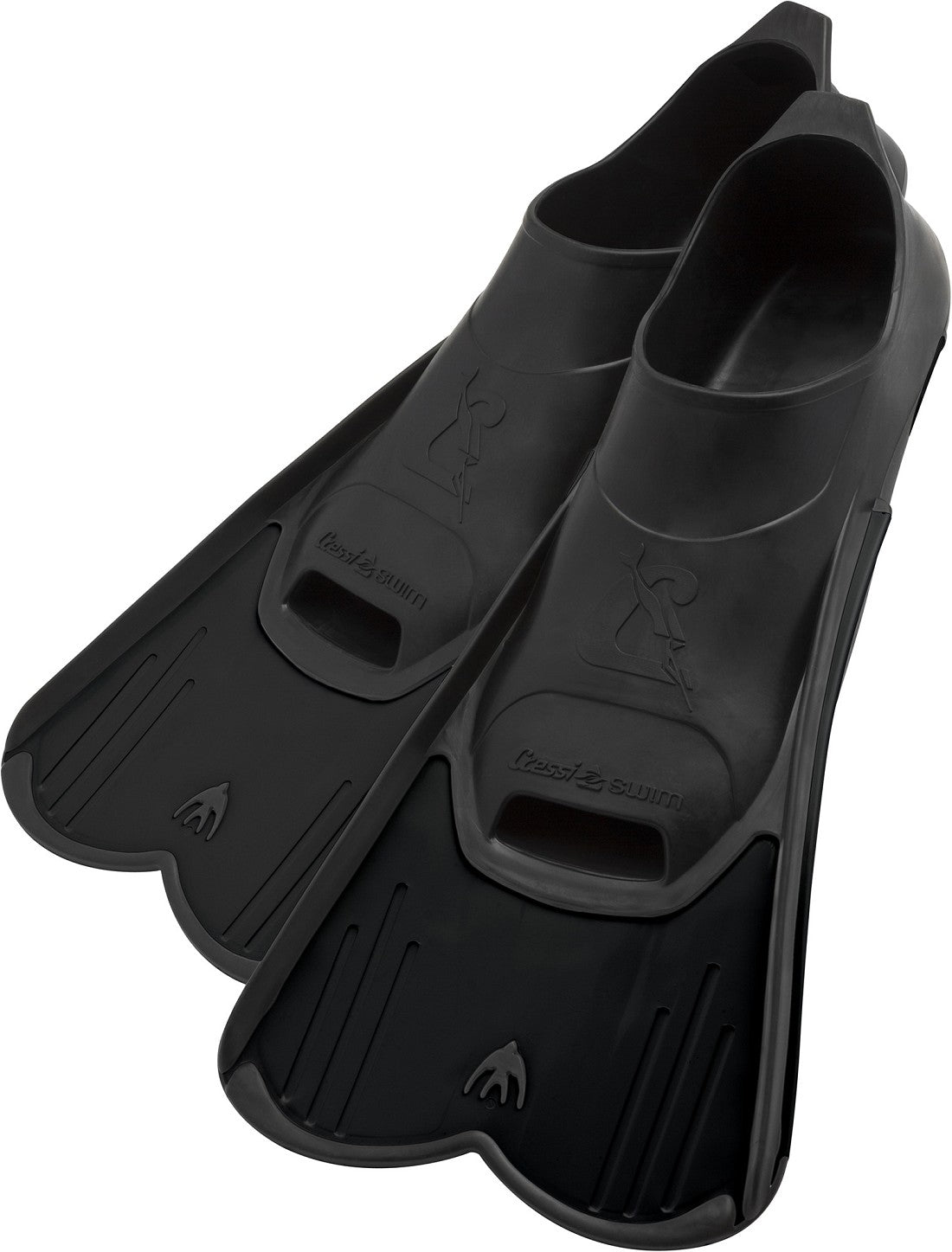
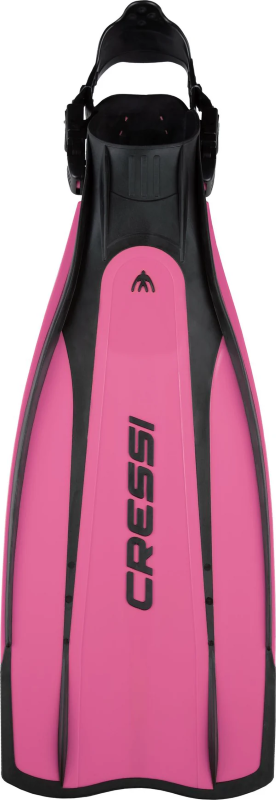
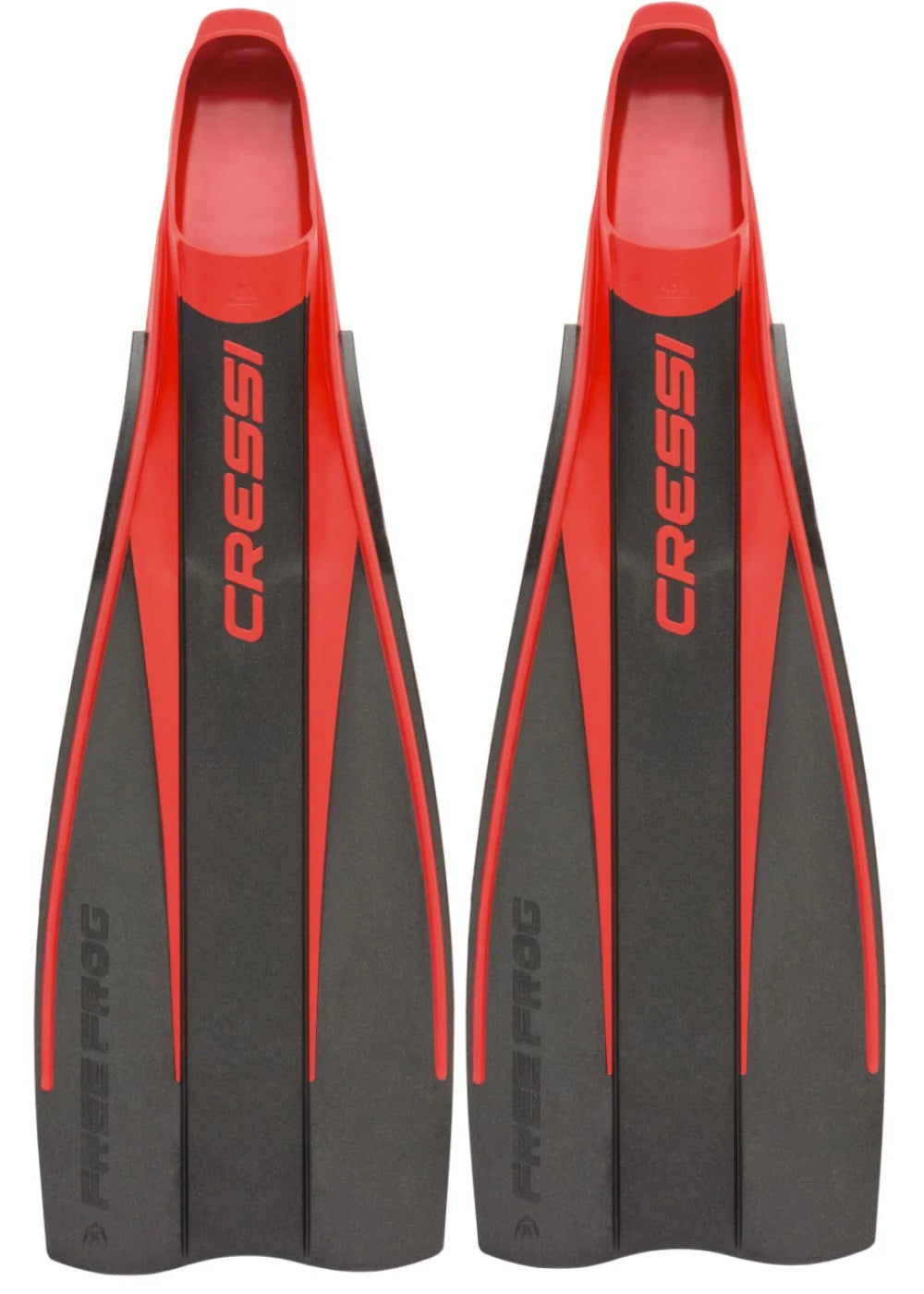
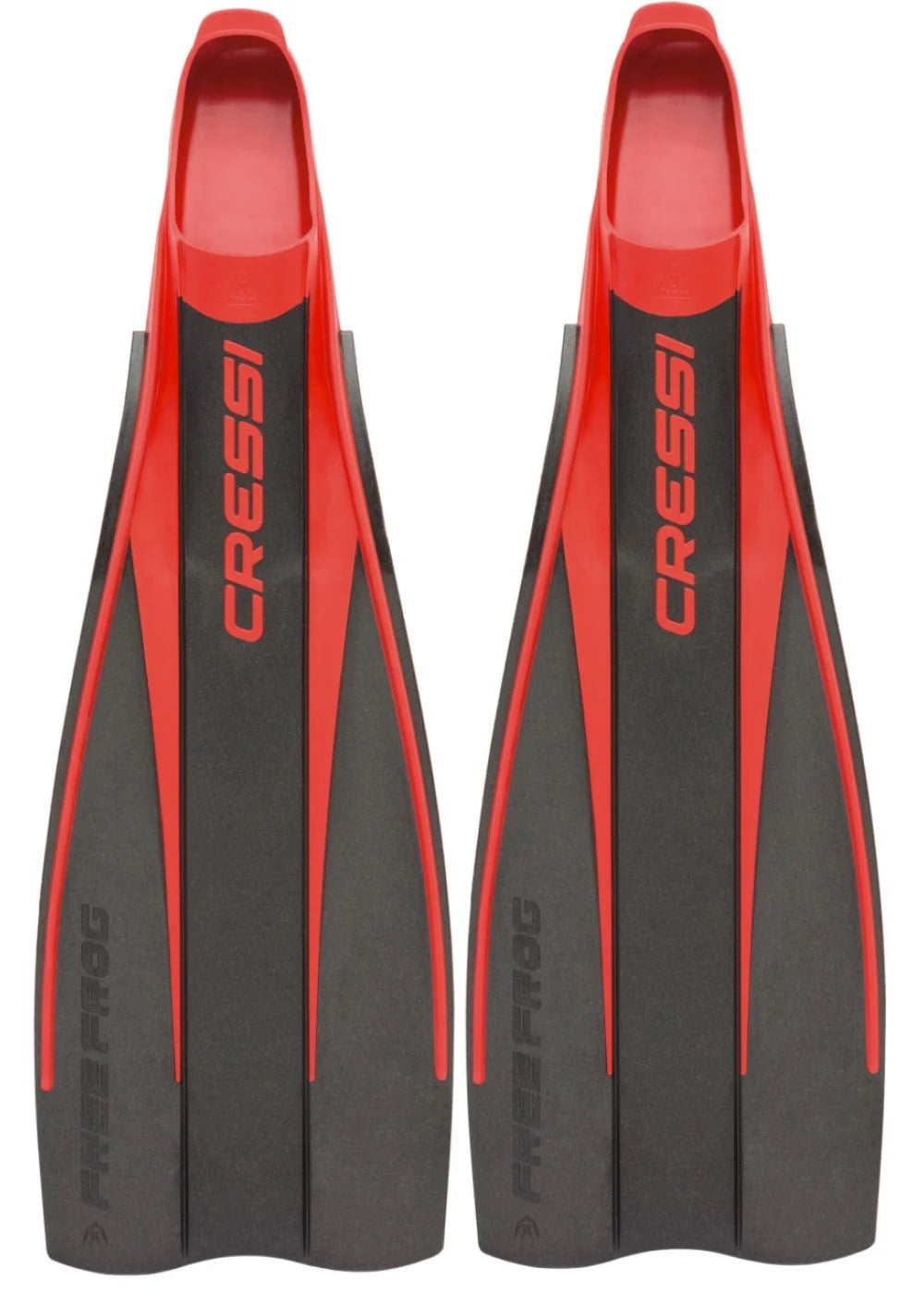
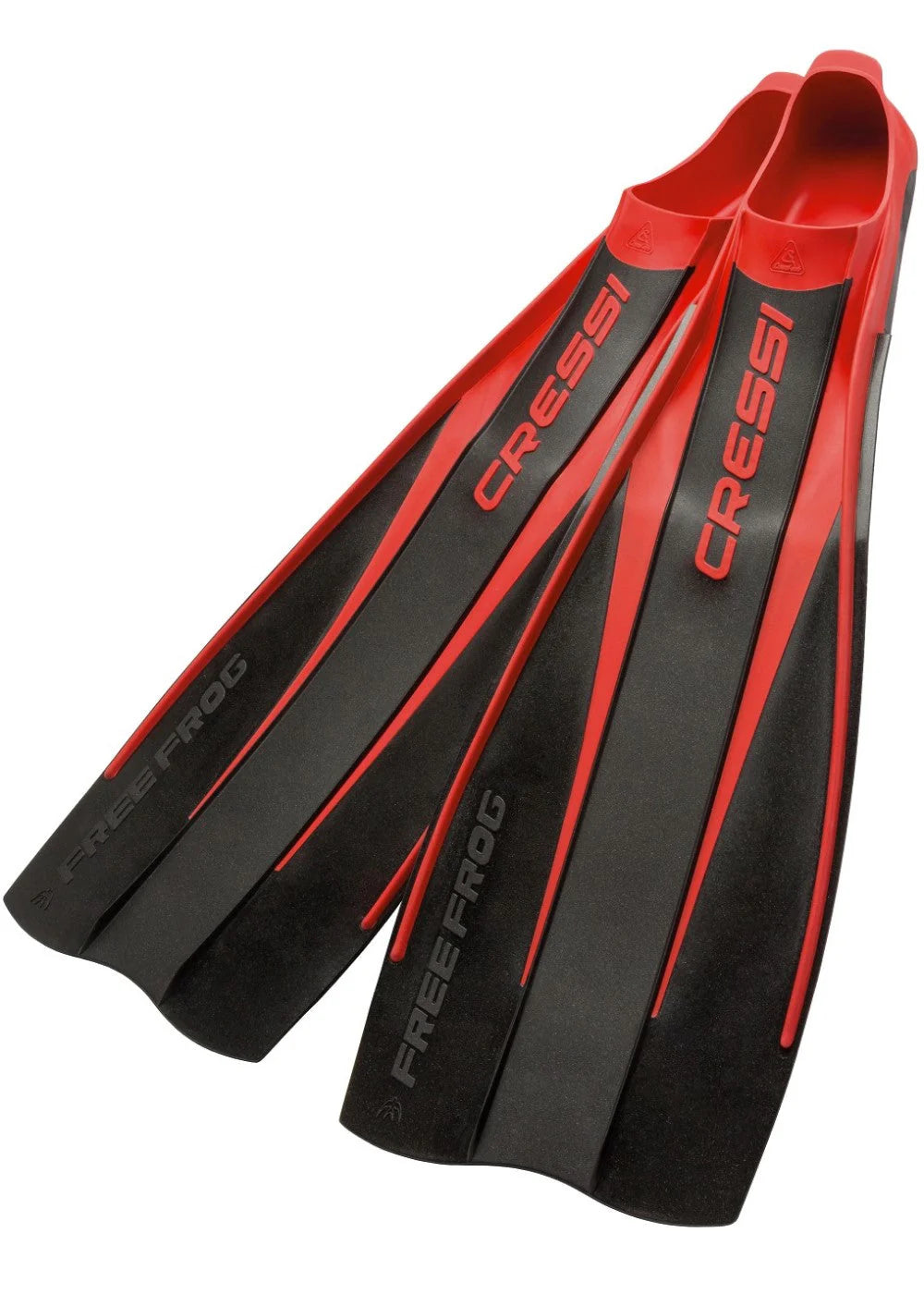
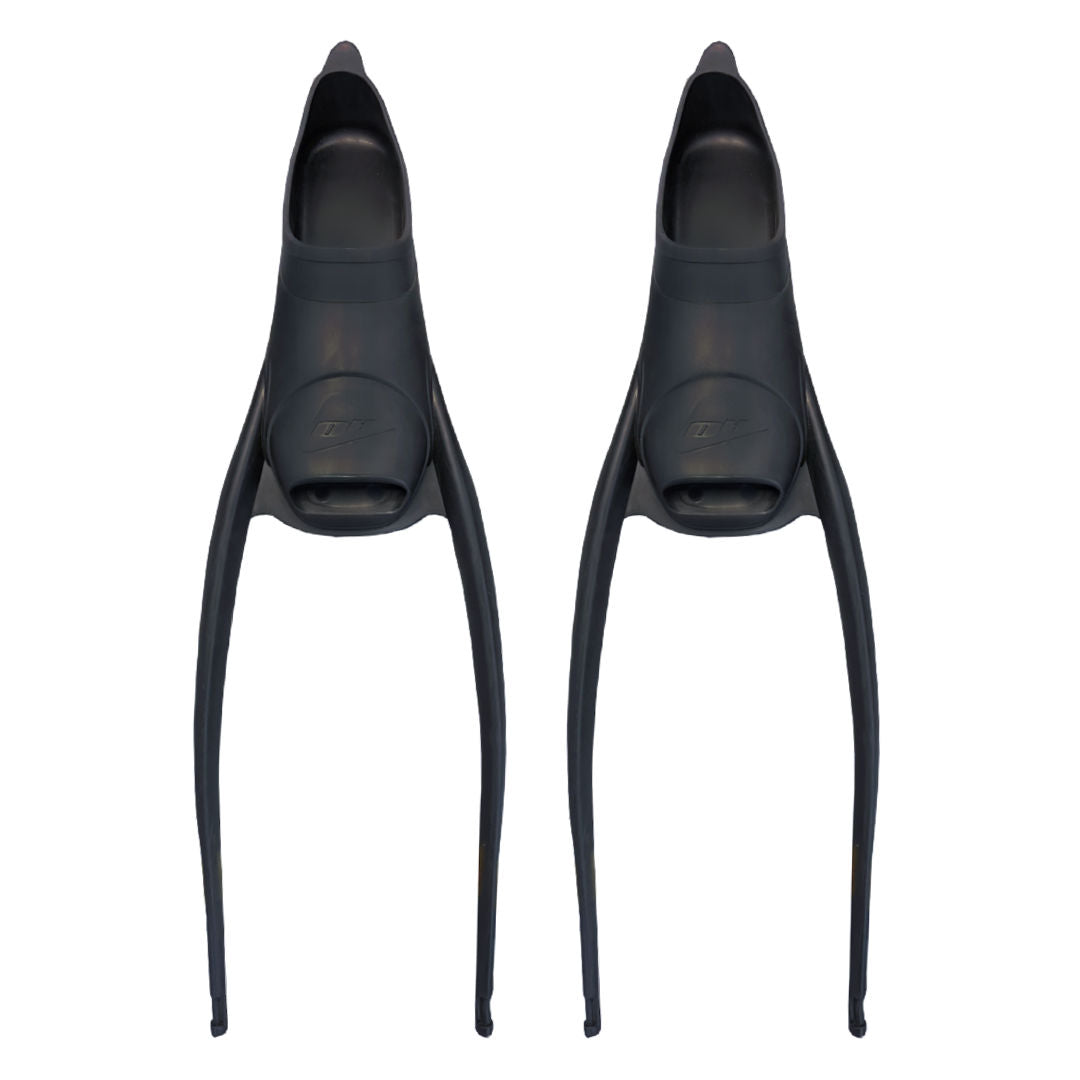
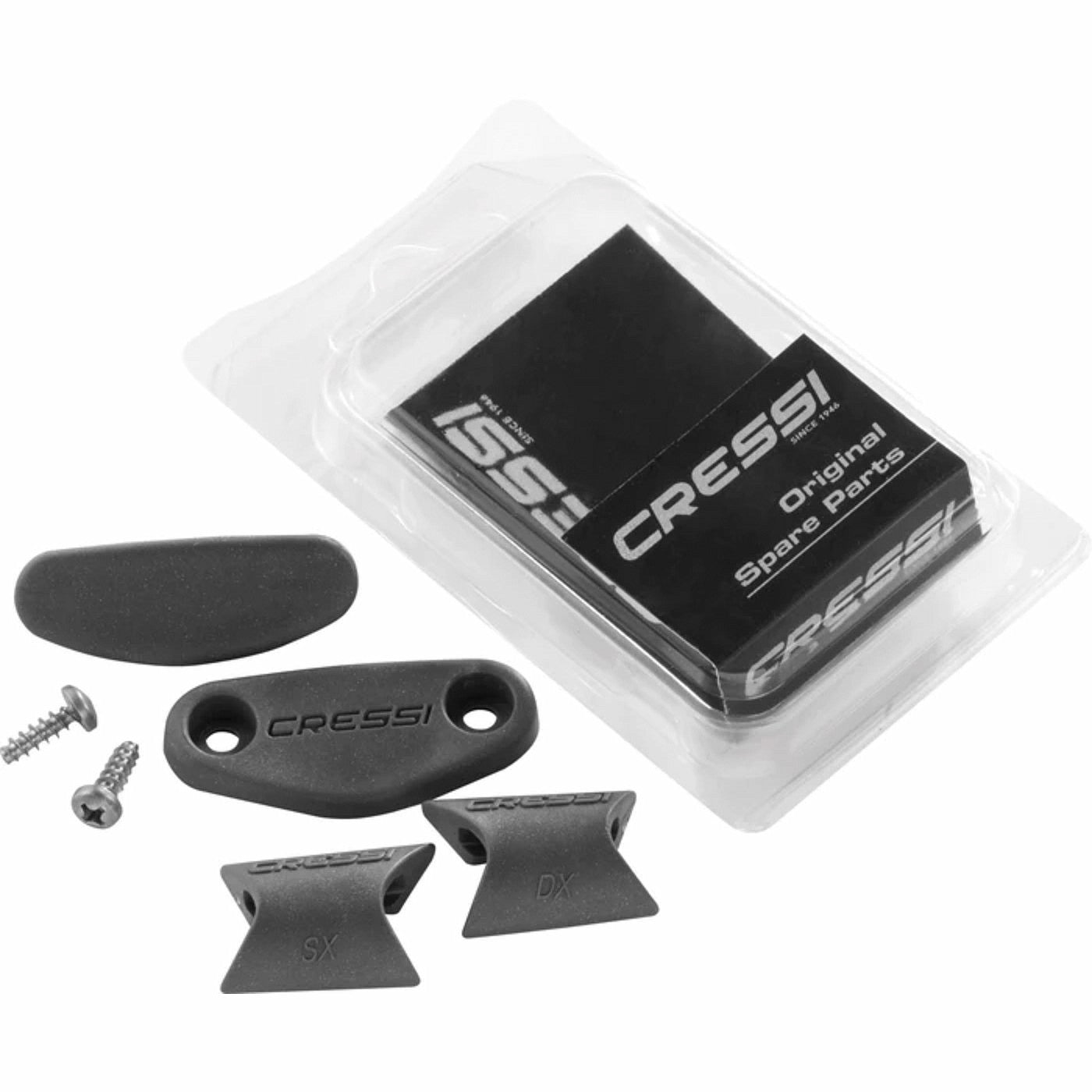
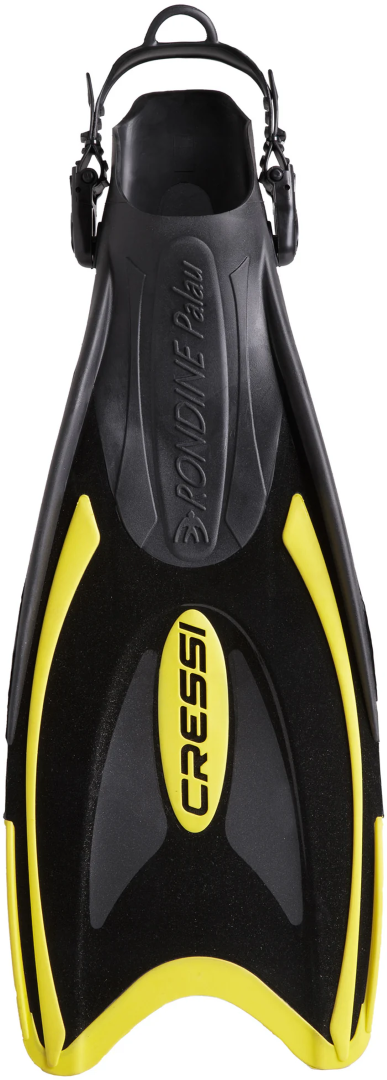
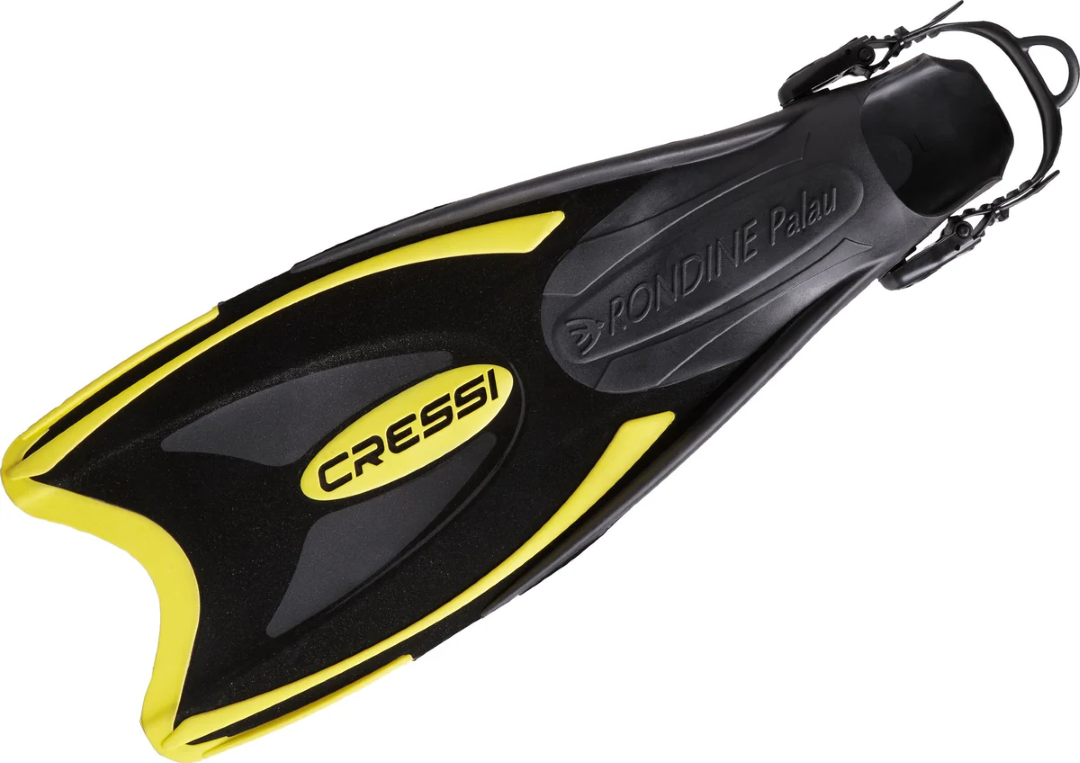
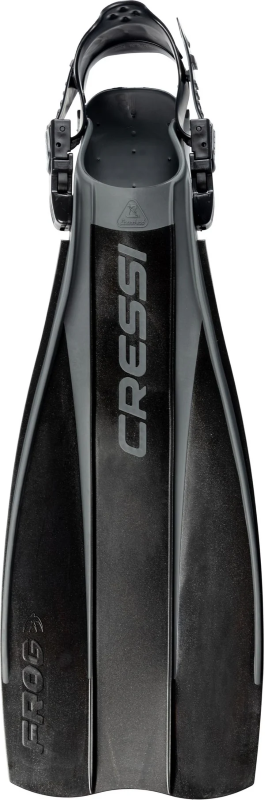
Fins for snorkelling, freediving and spearfishing, in short recreational blades through to long freediving fins, in adult and junior sizes. The right pair moves you further on less effort, which matters far more than it sounds once you are an hour into a session.
Choosing fins
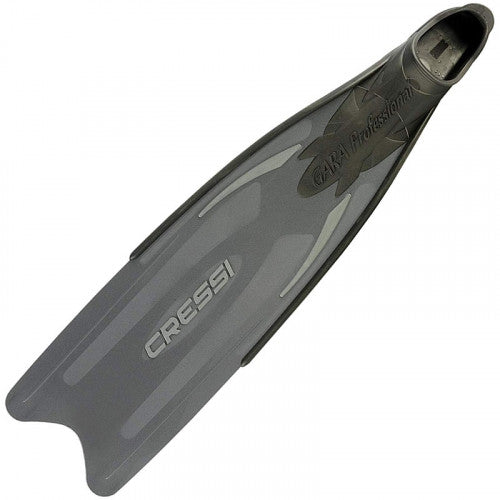
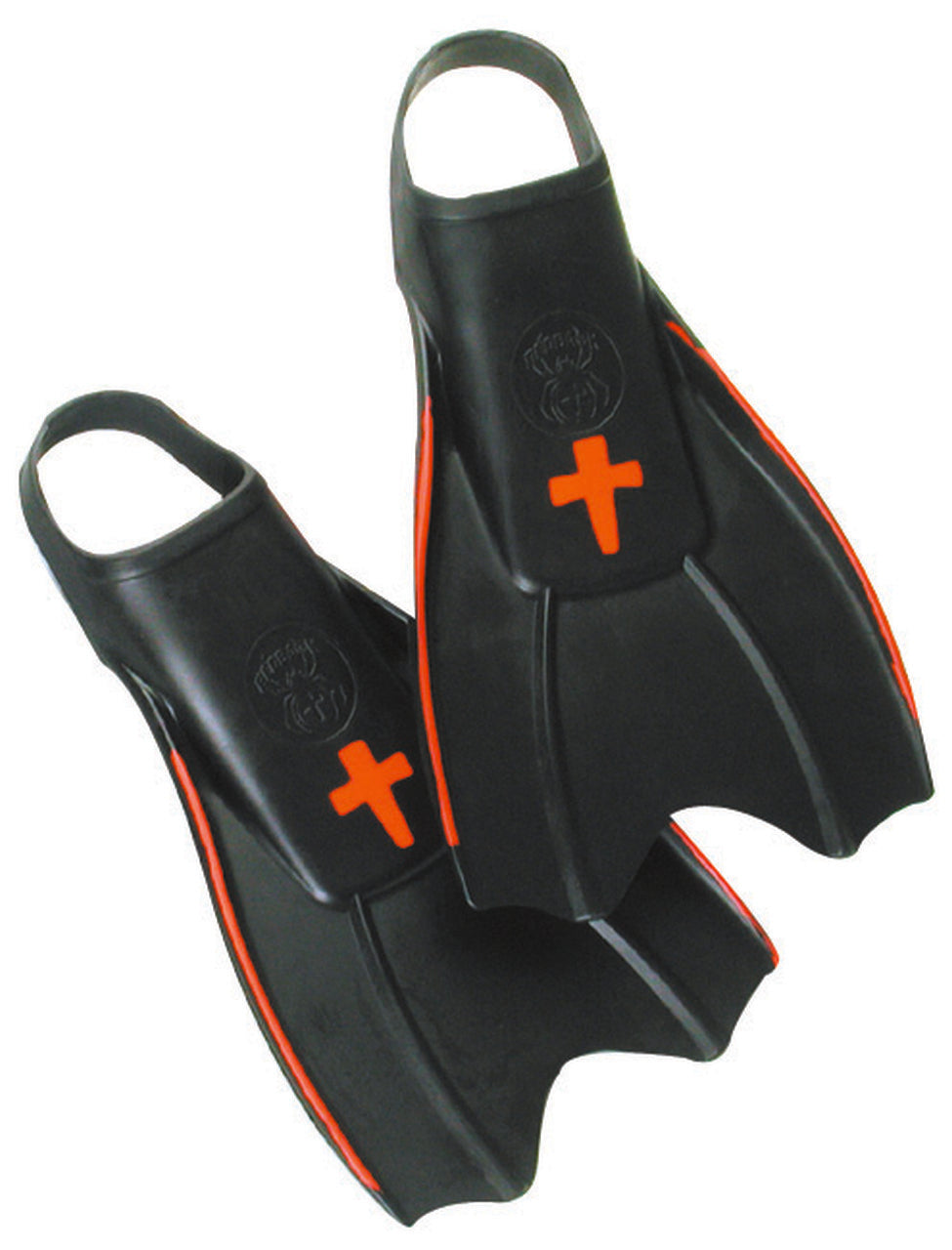
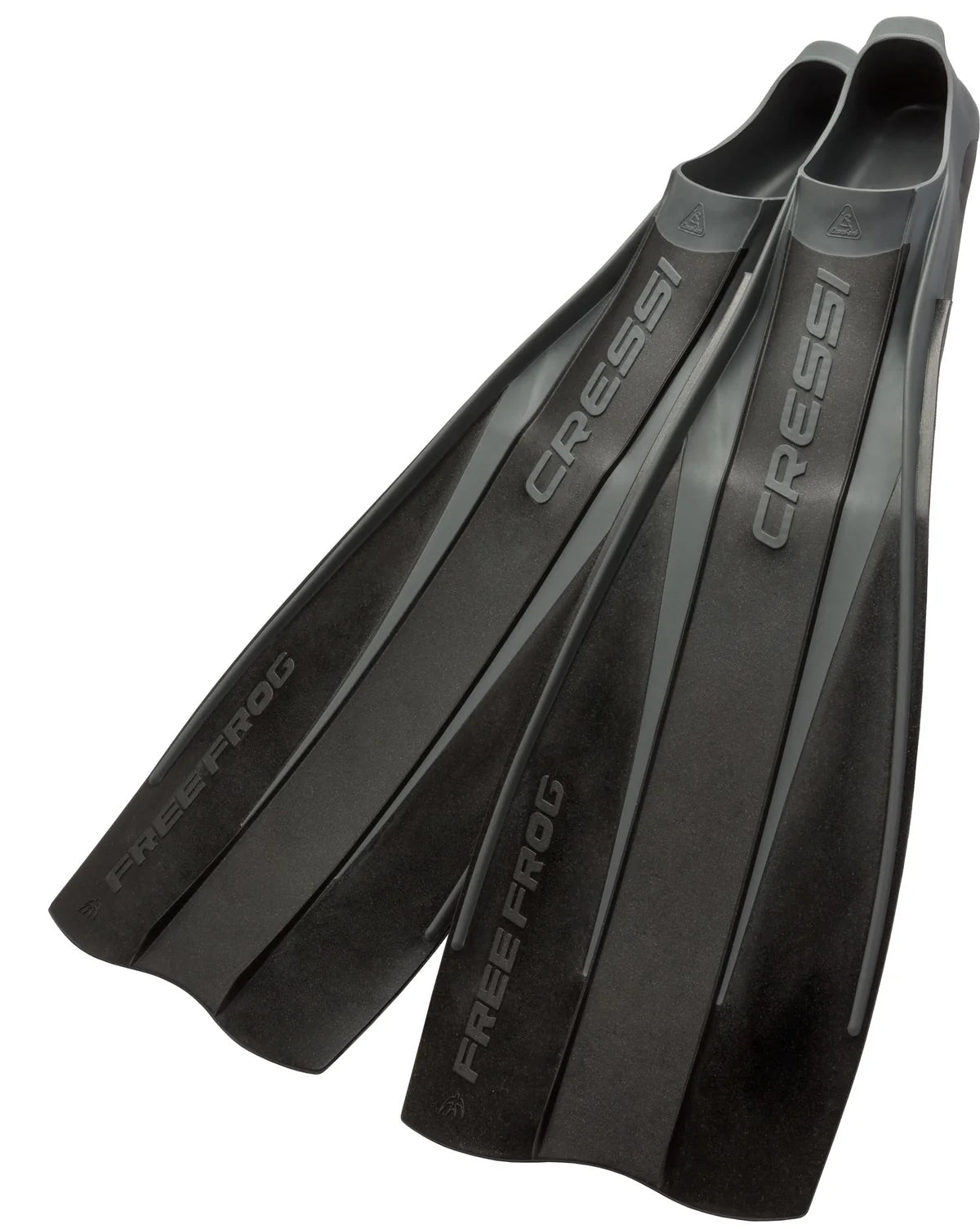
Blade length is the trade-off. Short blades are easy to kick, easy to pack and fine for snorkelling around a reef or off the beach. Long blades move much more water per kick, which is what freedivers and spearfishers want for covering ground and getting down efficiently, but they take more leg strength and are awkward in shallow water.
Stiffness follows from that. A softer blade suits lighter divers and longer easy sessions. A stiffer blade rewards strong technique and suits deeper diving and heavier kit.
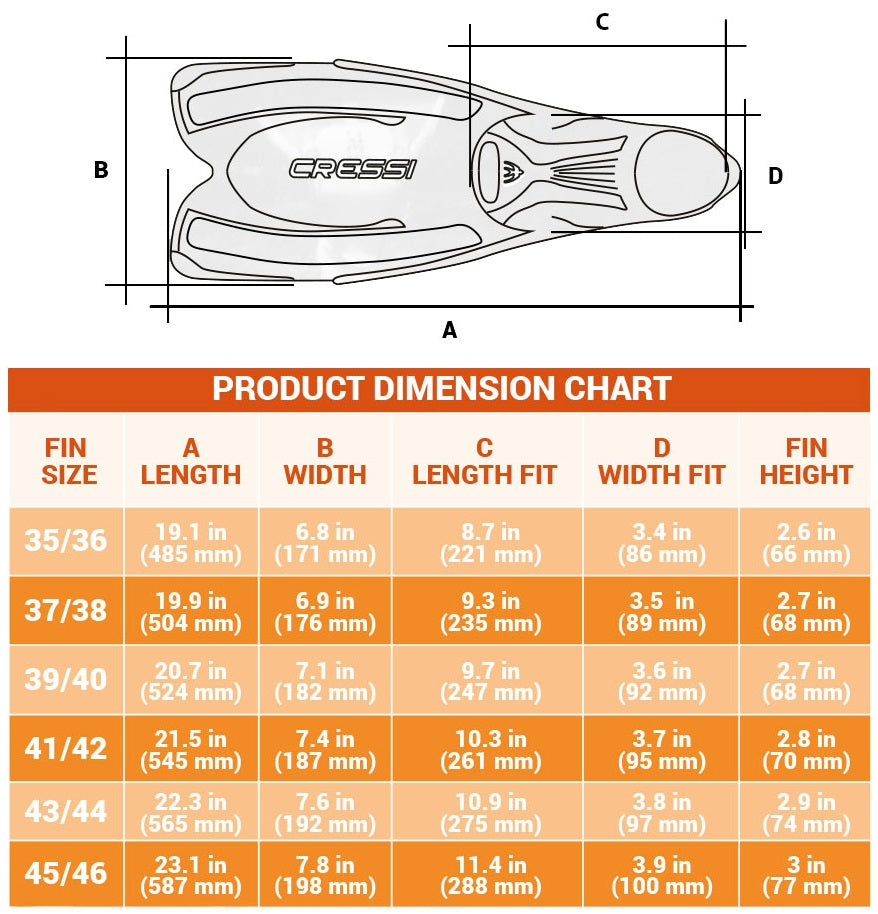
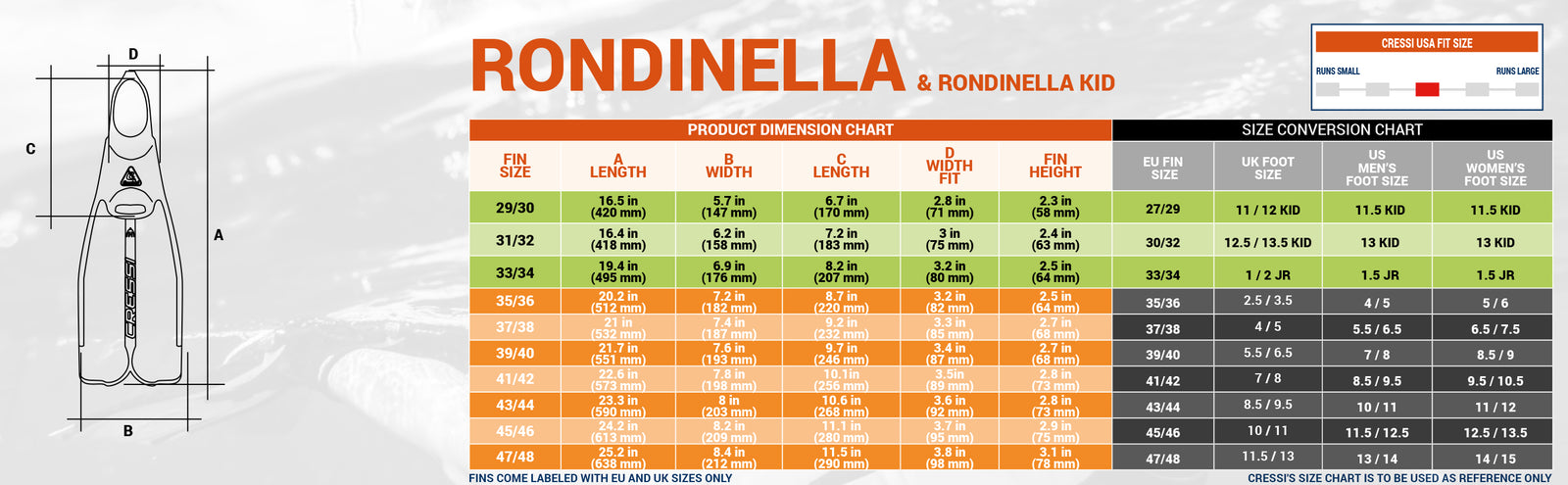
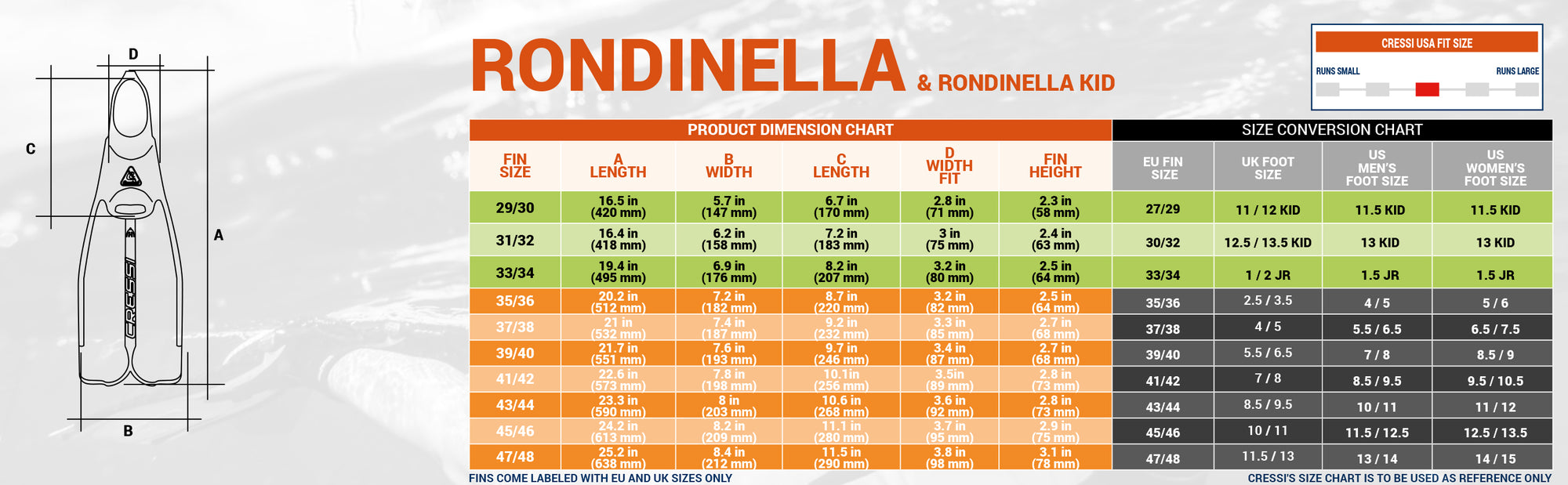
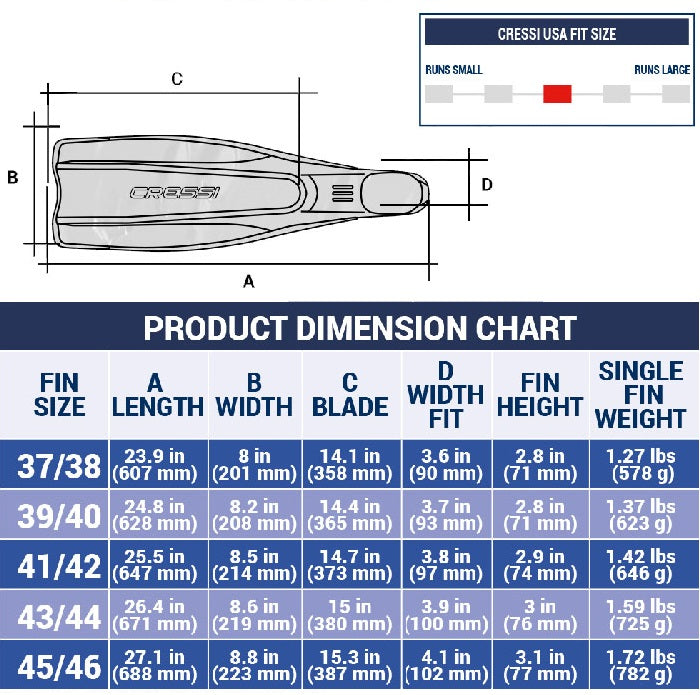
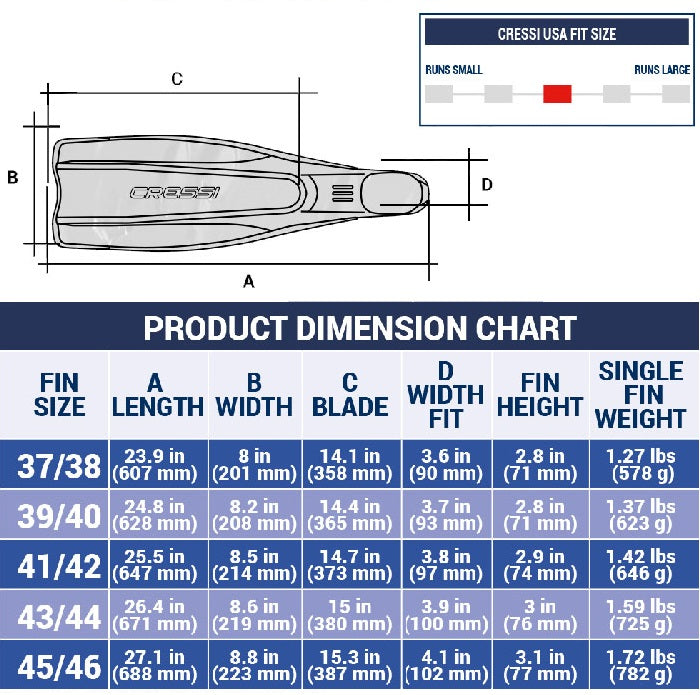
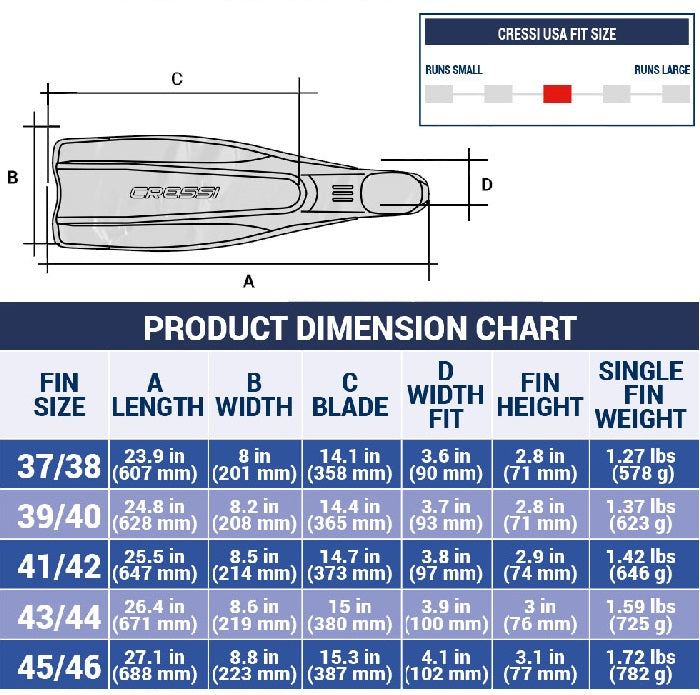
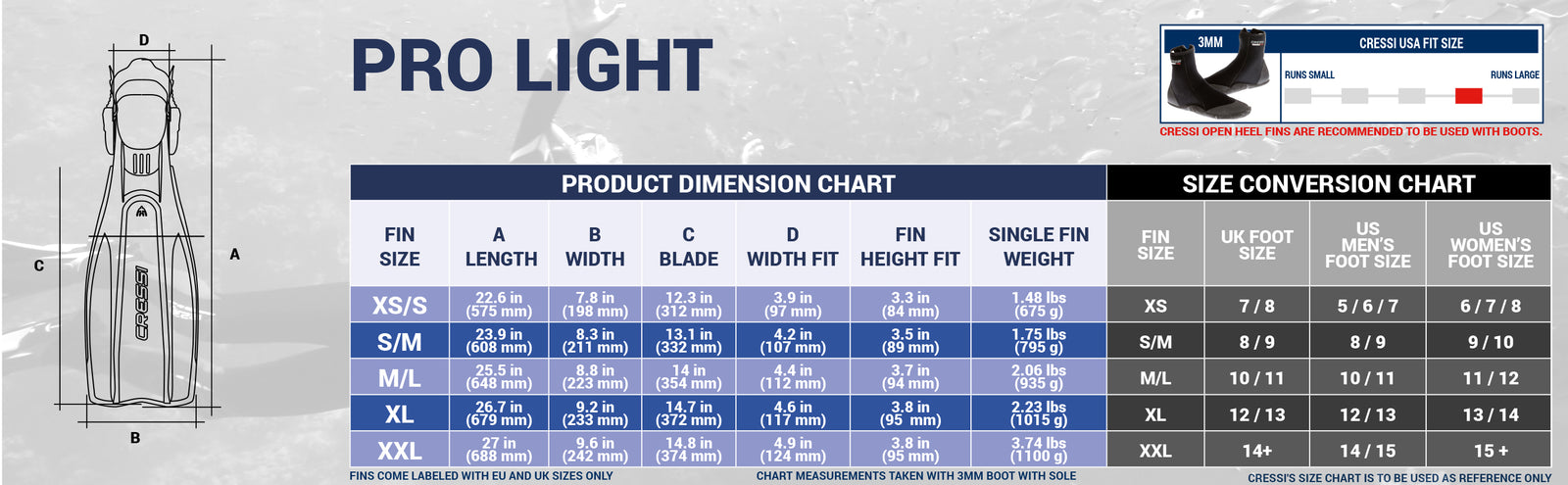
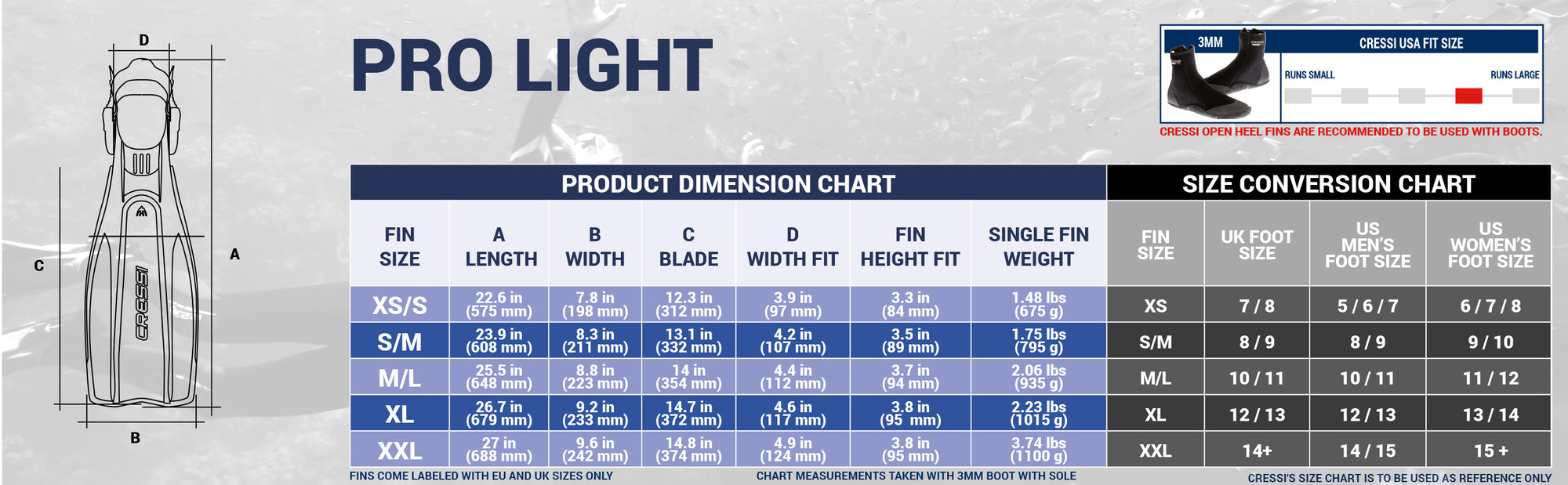
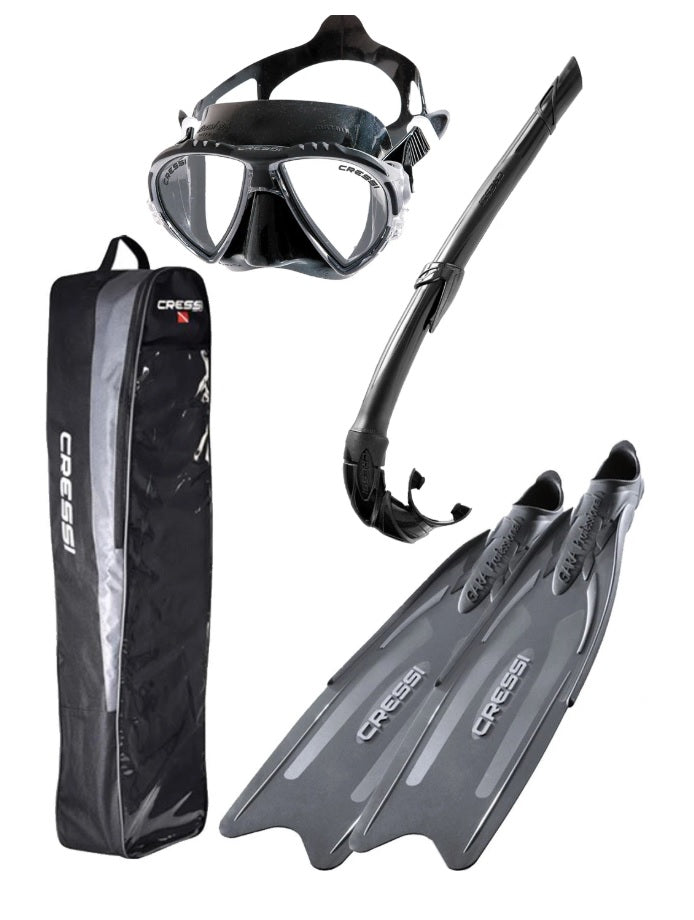
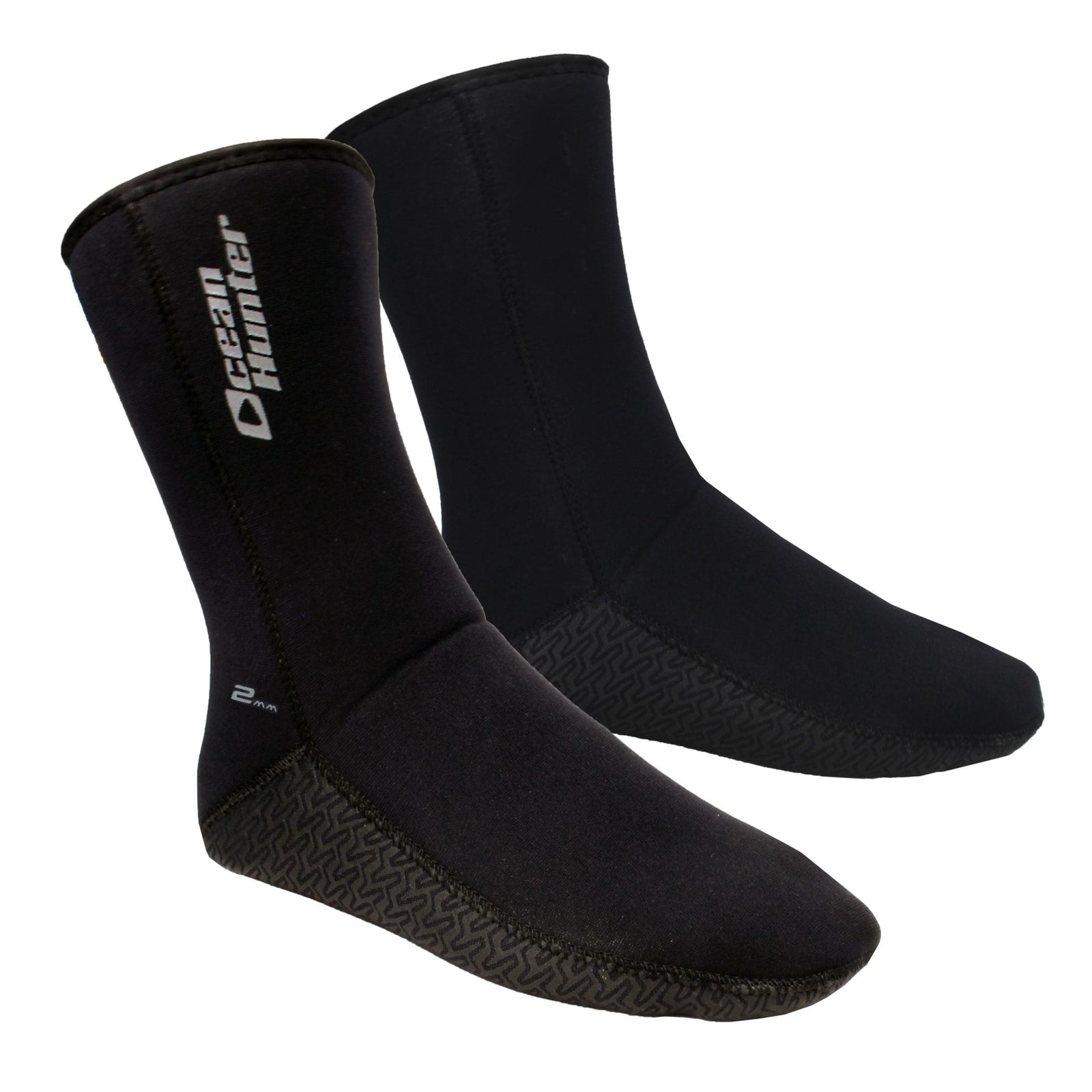
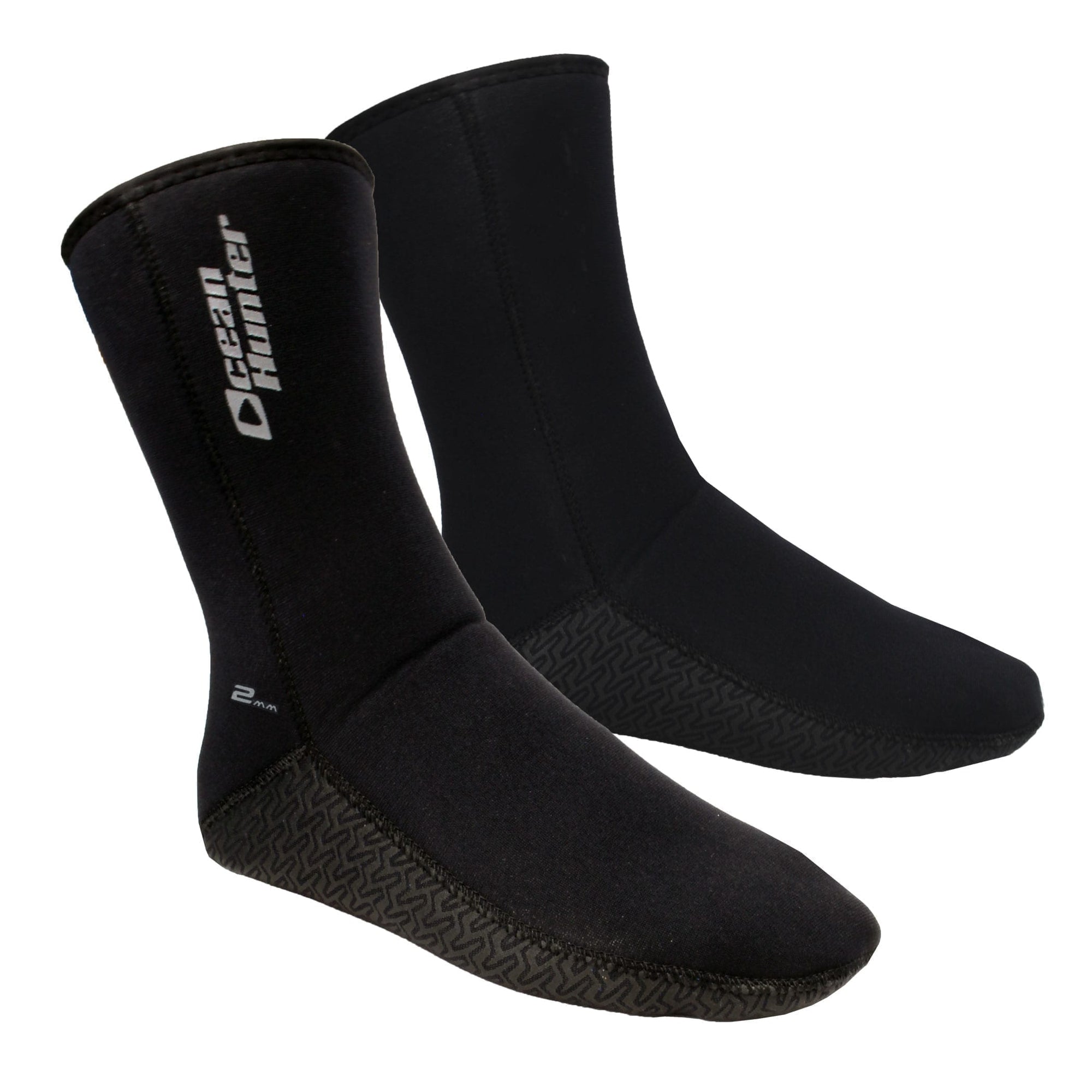
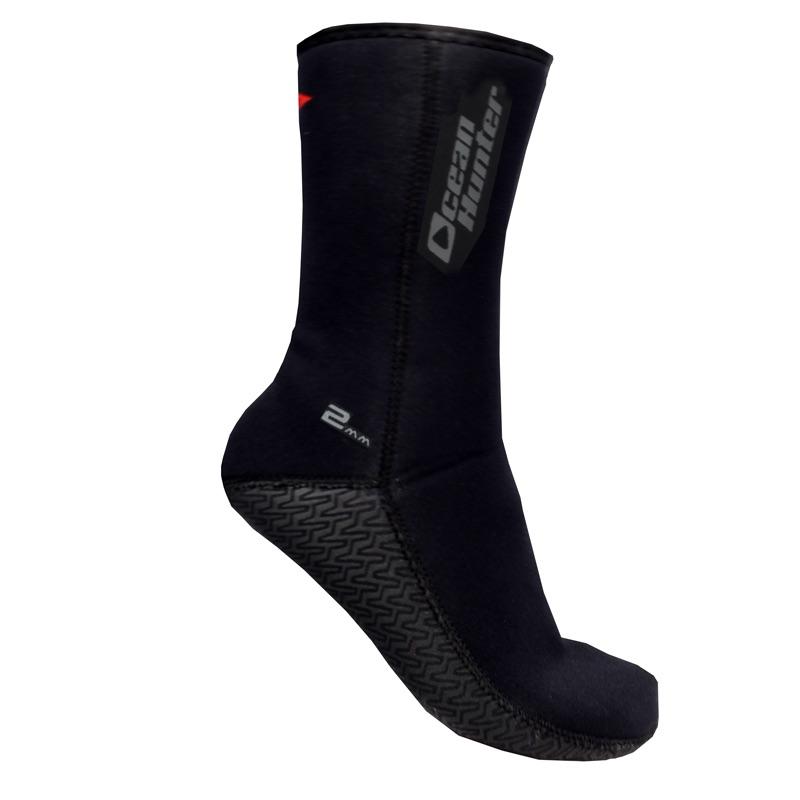
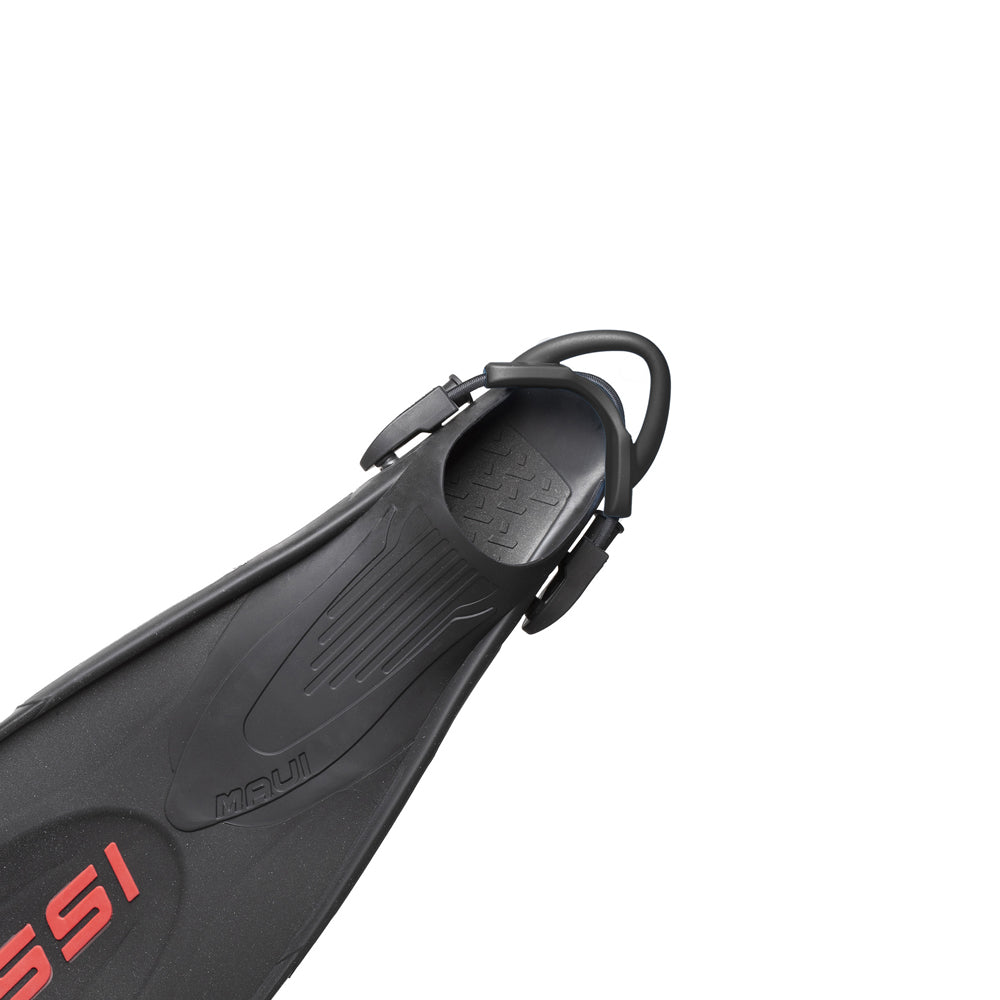
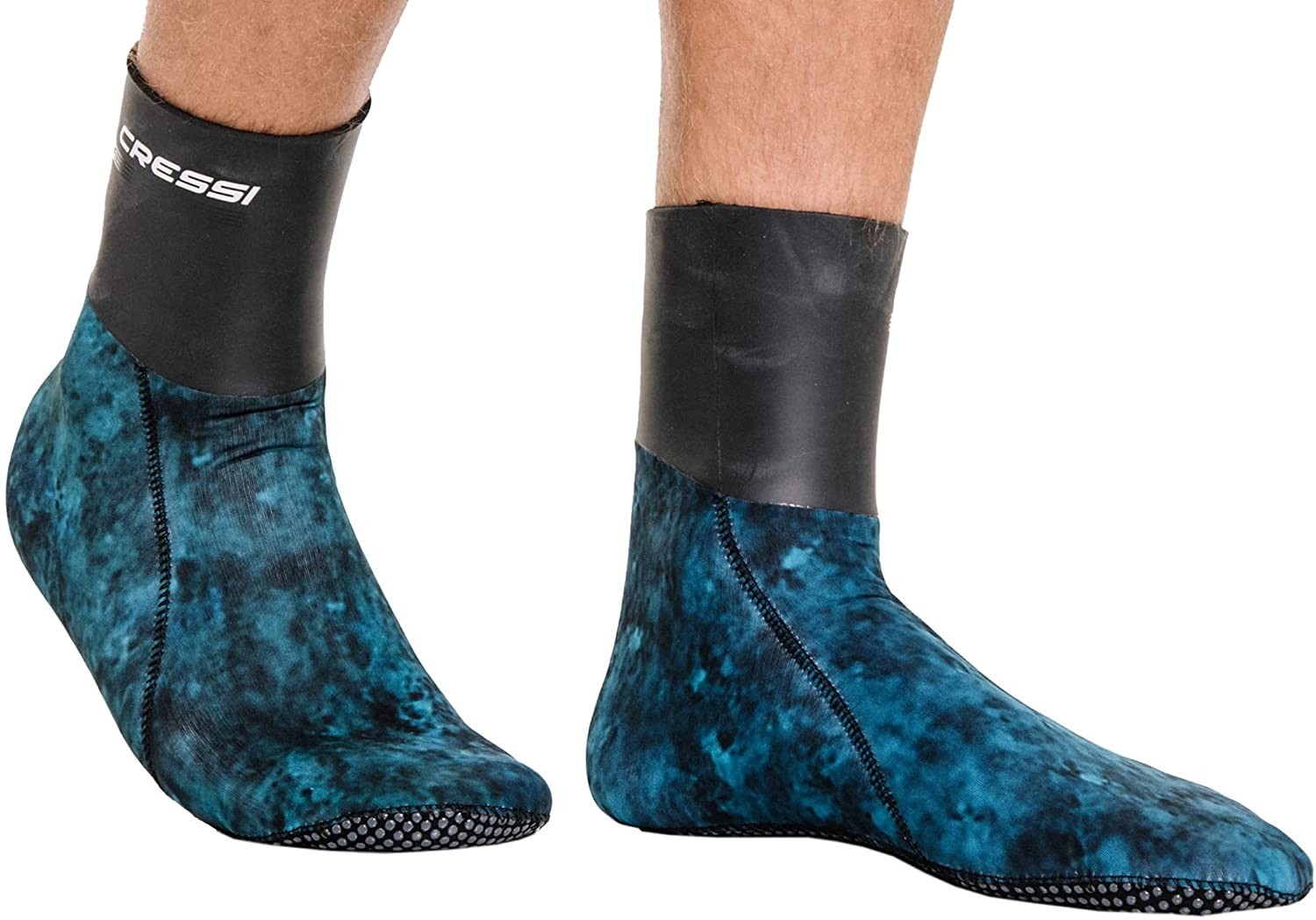
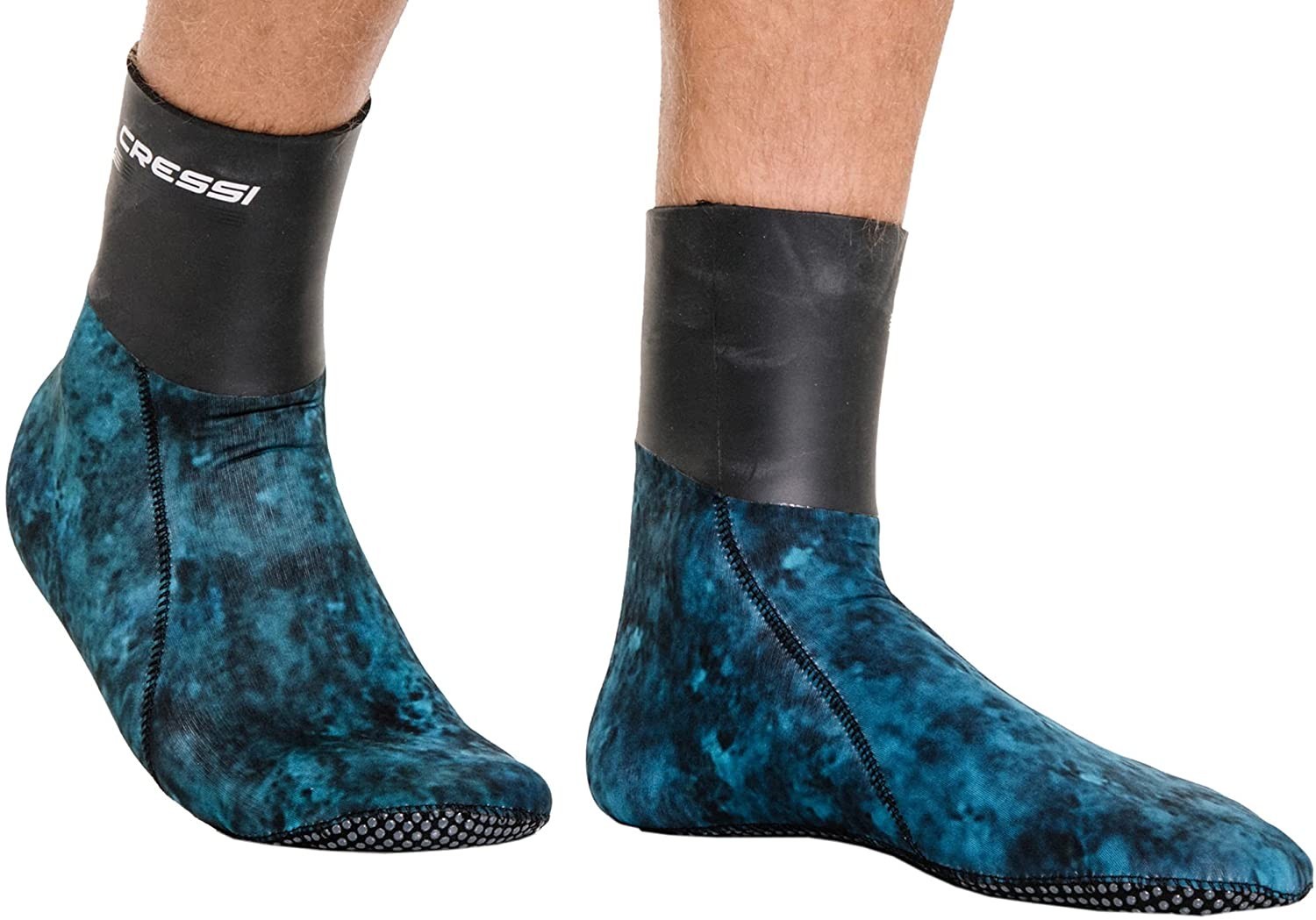
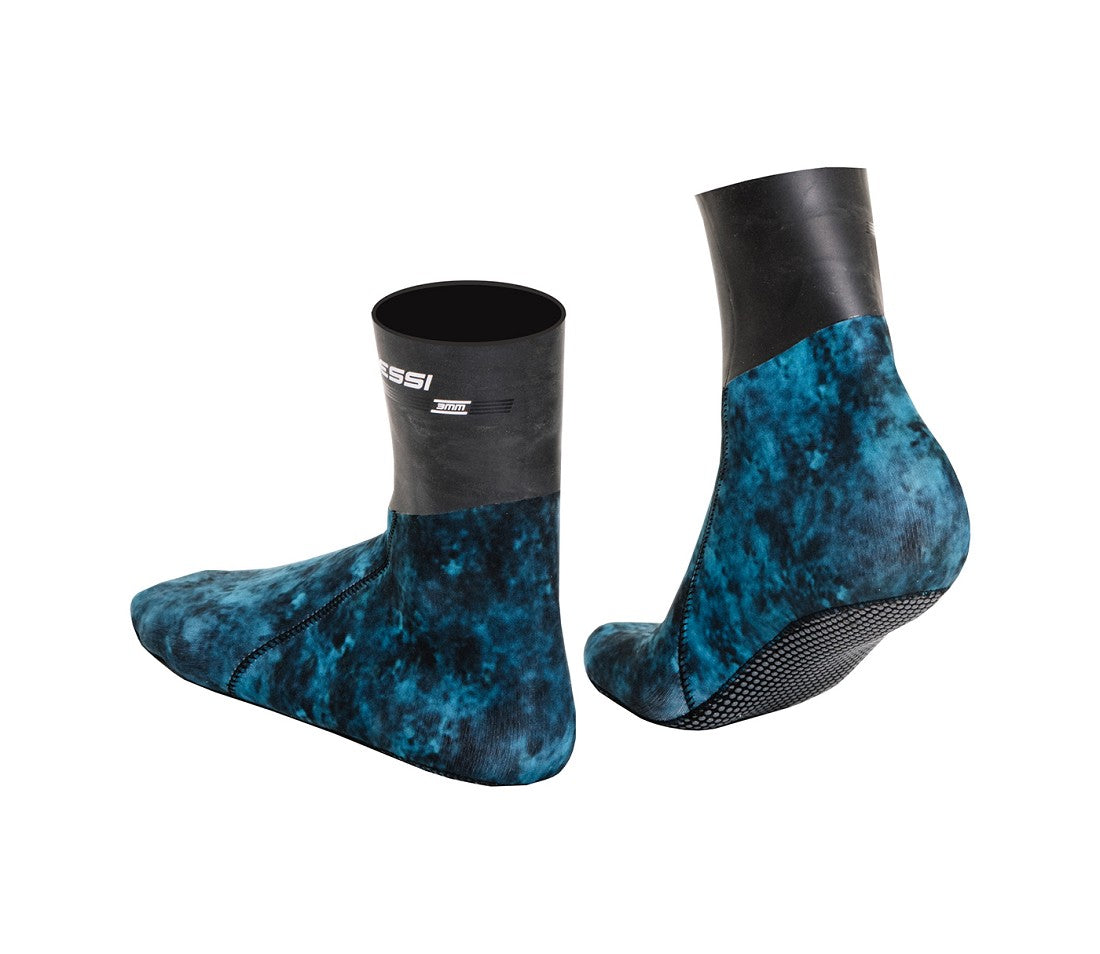
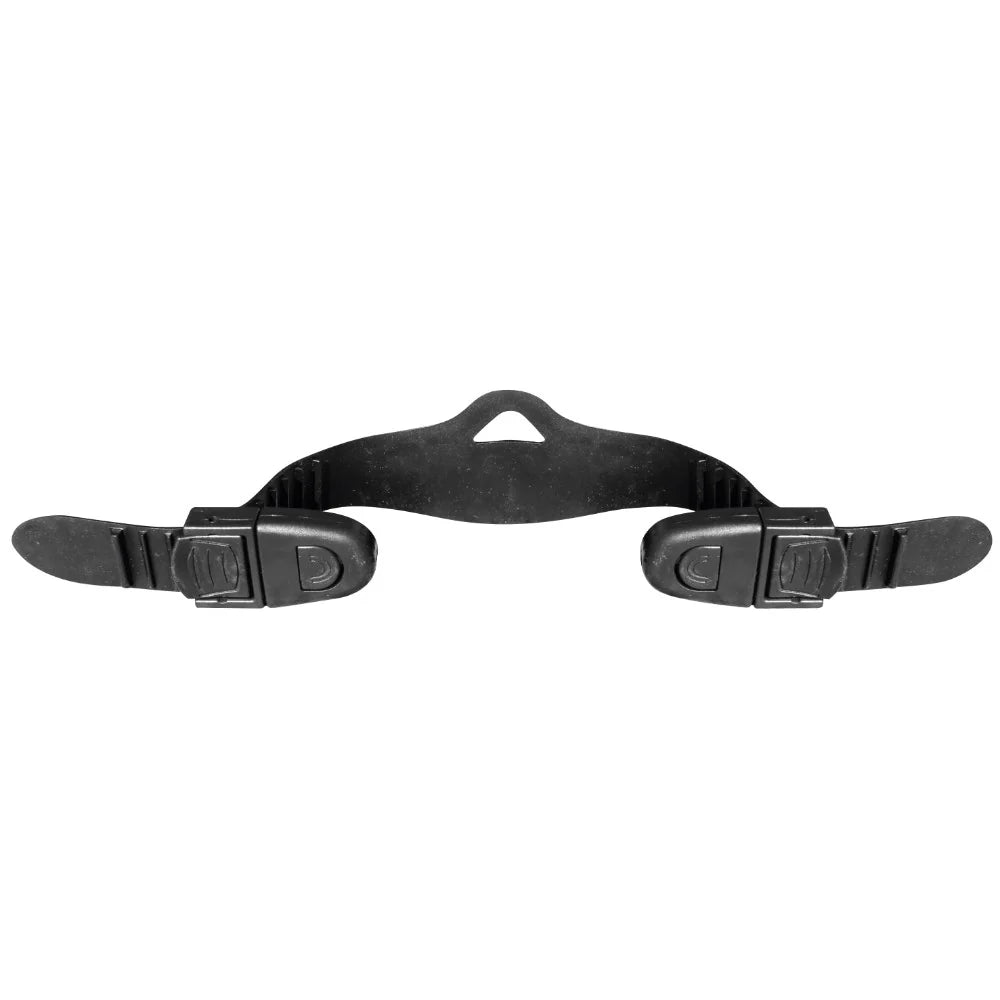
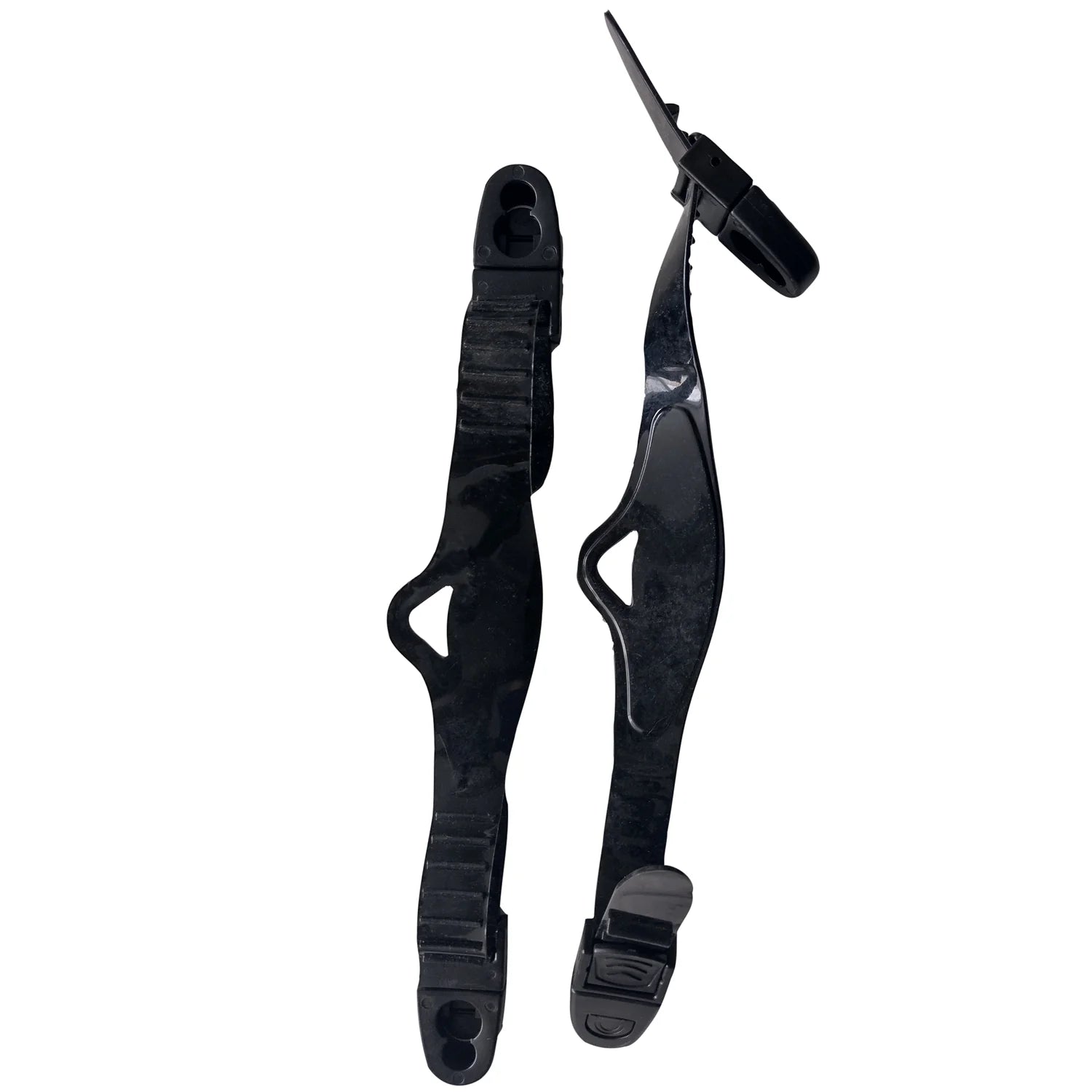
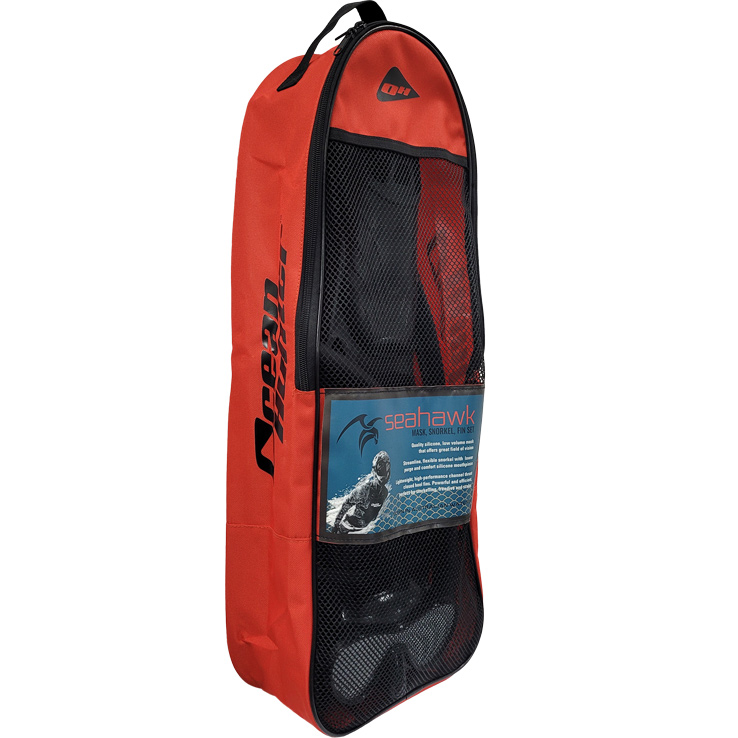
Fit is what decides whether you enjoy the day. Full foot pockets are worn barefoot or with a thin sock and suit warm water. Larger pockets take a neoprene bootie, which stops rubbing and adds warmth. Either way, snug without pinching — a loose fin will blister your heel. Pair them with mask and snorkel sets, or browse the full dive and spear range.
Frequently asked questions
What is the difference between snorkelling fins and freediving fins?
Snorkelling fins have short blades that are easy to kick and easy to travel with. Freediving and spearfishing fins have long blades that move much more water per kick, which is more efficient at depth but harder work at the surface.
Should I wear socks or booties with fins?
With an open or larger foot pocket, yes — a neoprene bootie prevents rubbing and keeps your feet warm. Full foot pockets sized for bare feet are fine with a thin sock at most.
How should fins fit?
Snug with no heel lift and no pinching across the toes. A fin that slides on the kick will blister you, and one that squeezes will cramp your foot in cold water.
Are long fins worth it for snorkelling?
Only if you are covering distance or starting to dive down. For drifting over a reef, short blades are easier, more comfortable and much easier to pack.


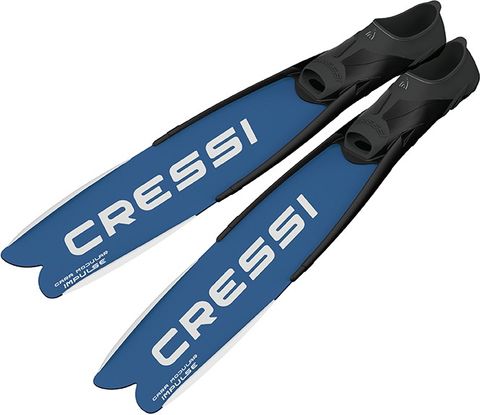
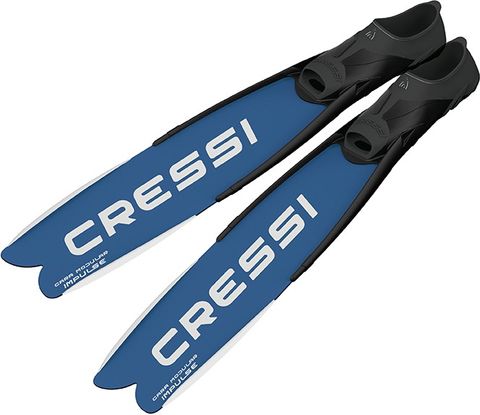
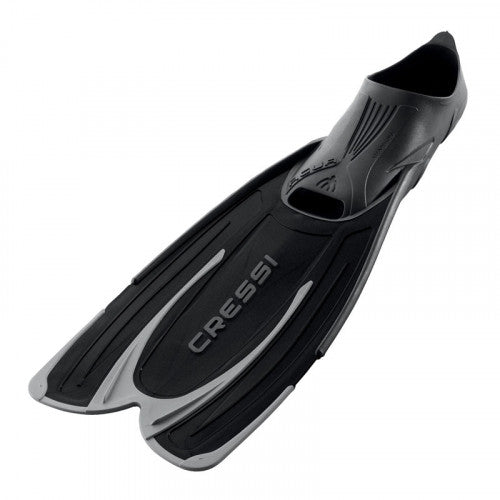
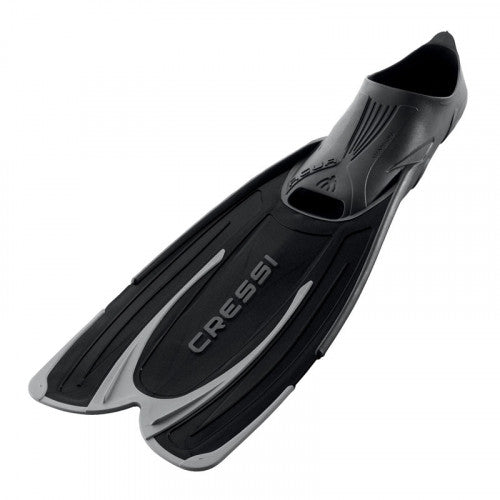
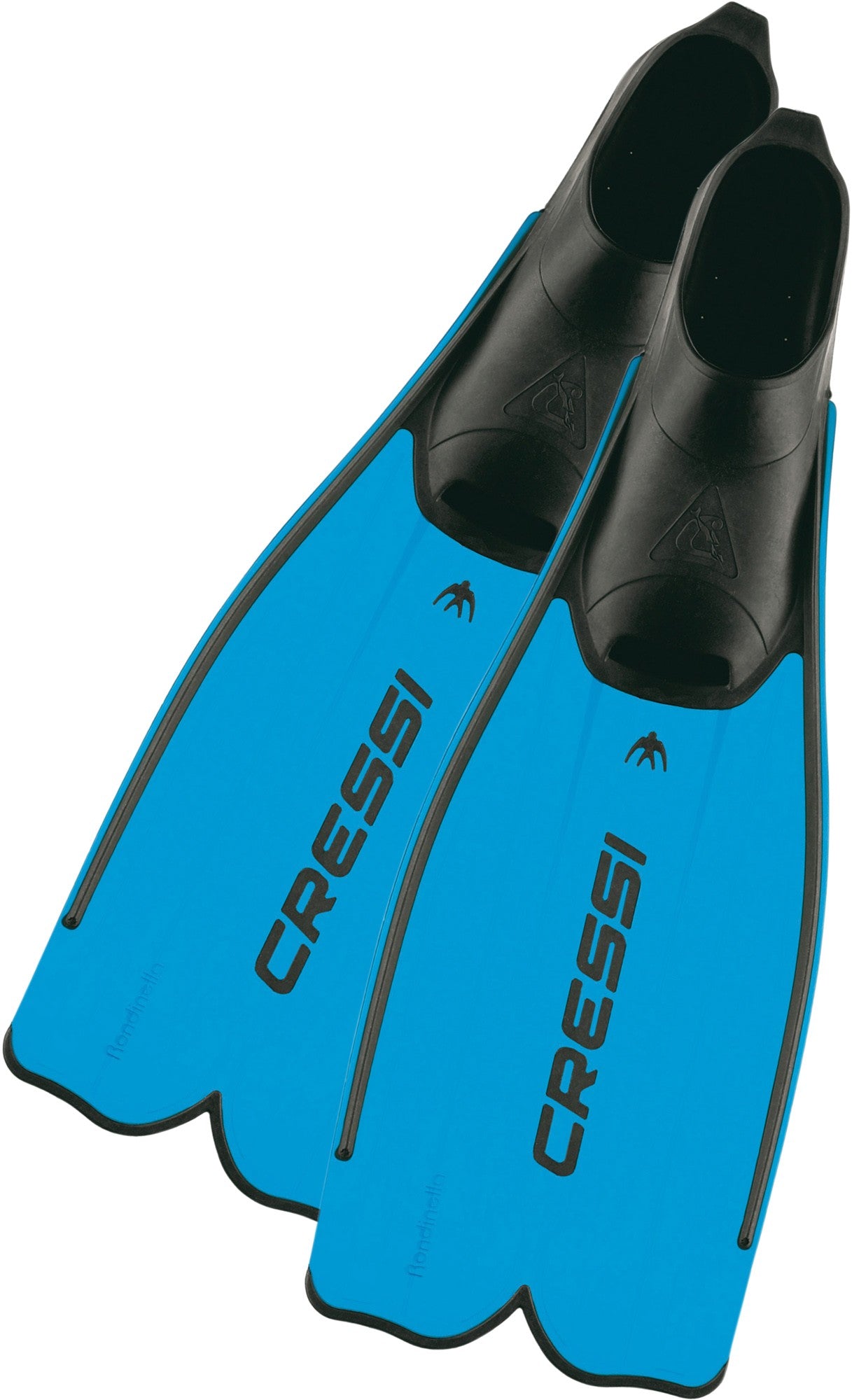

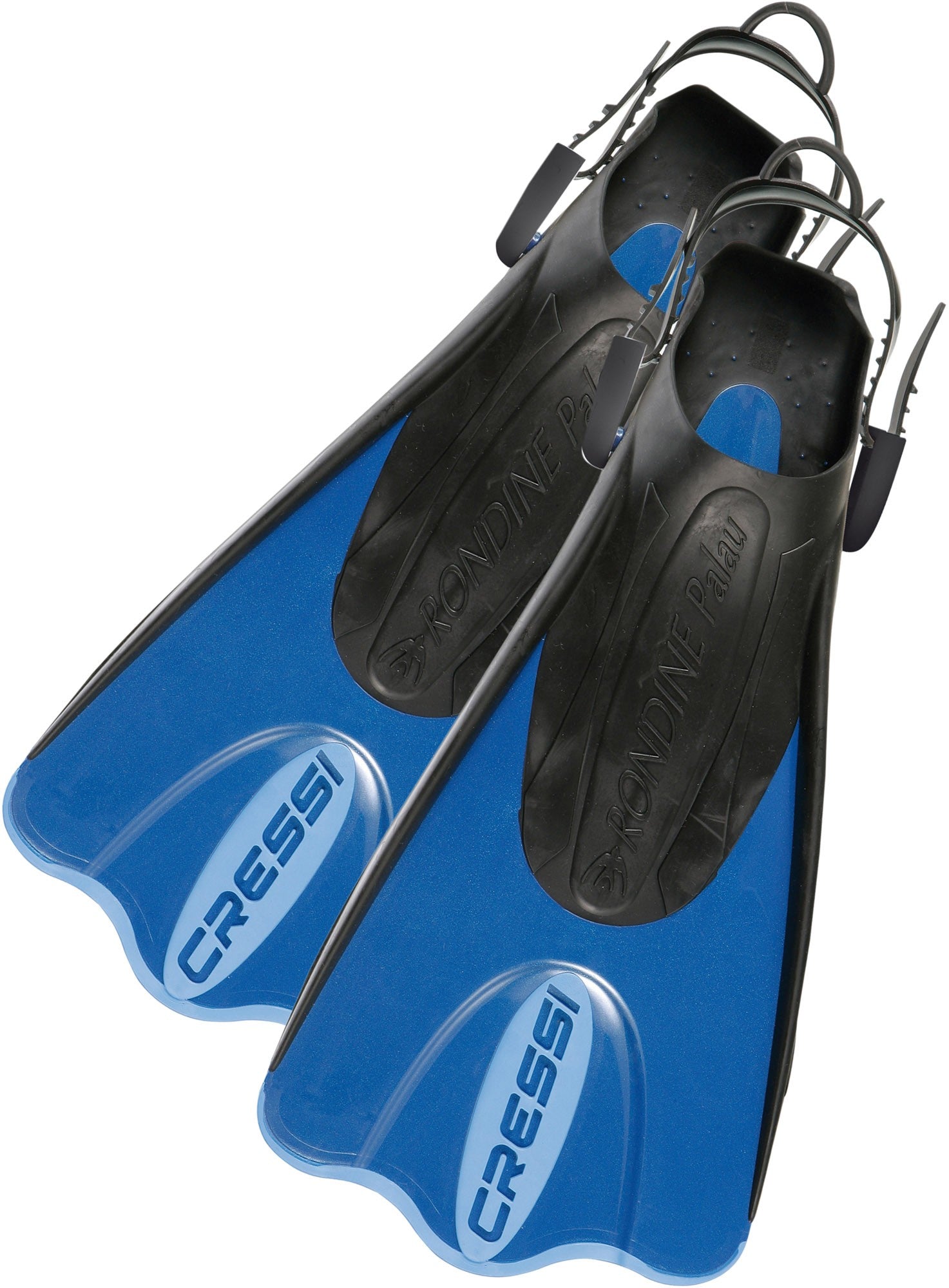
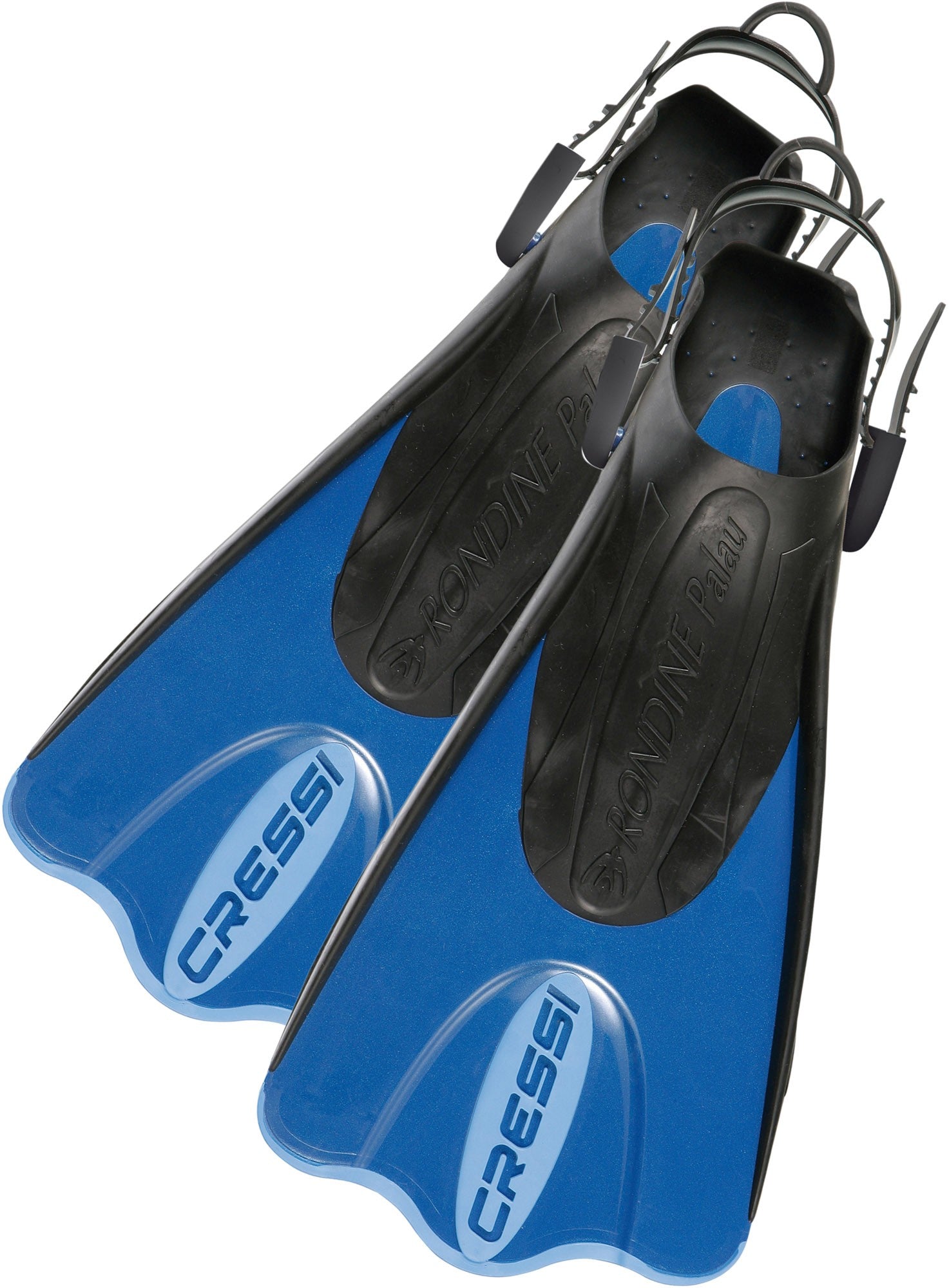

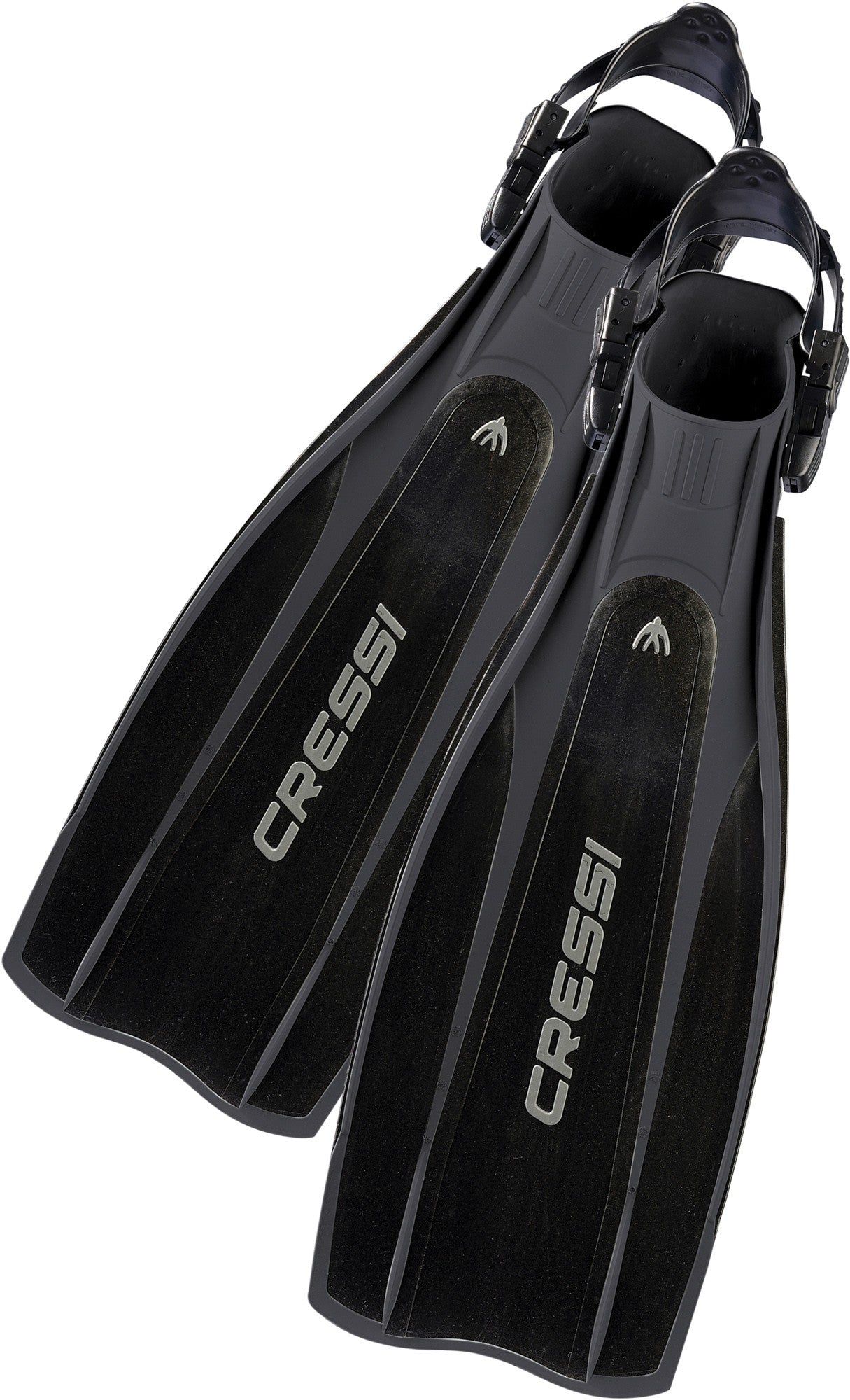








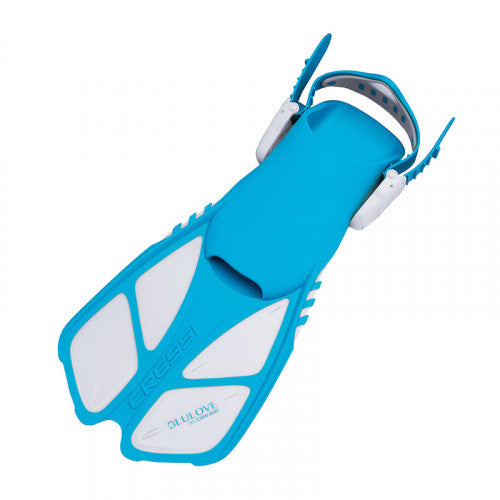
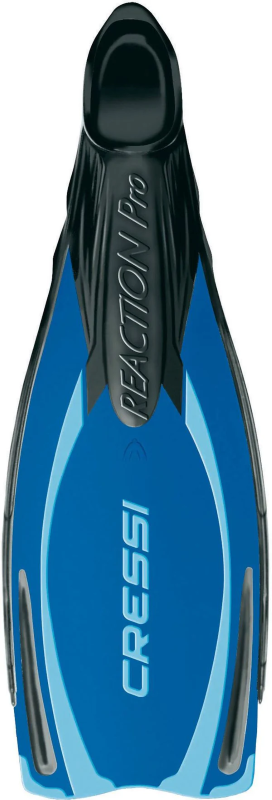

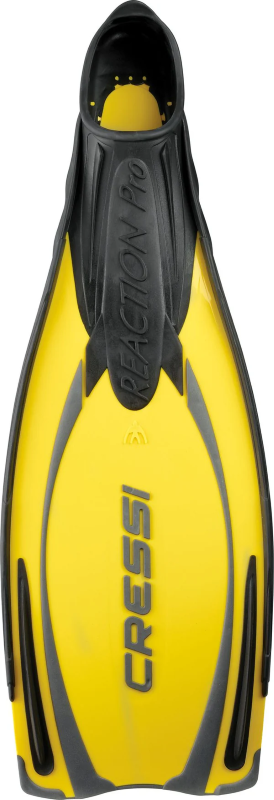

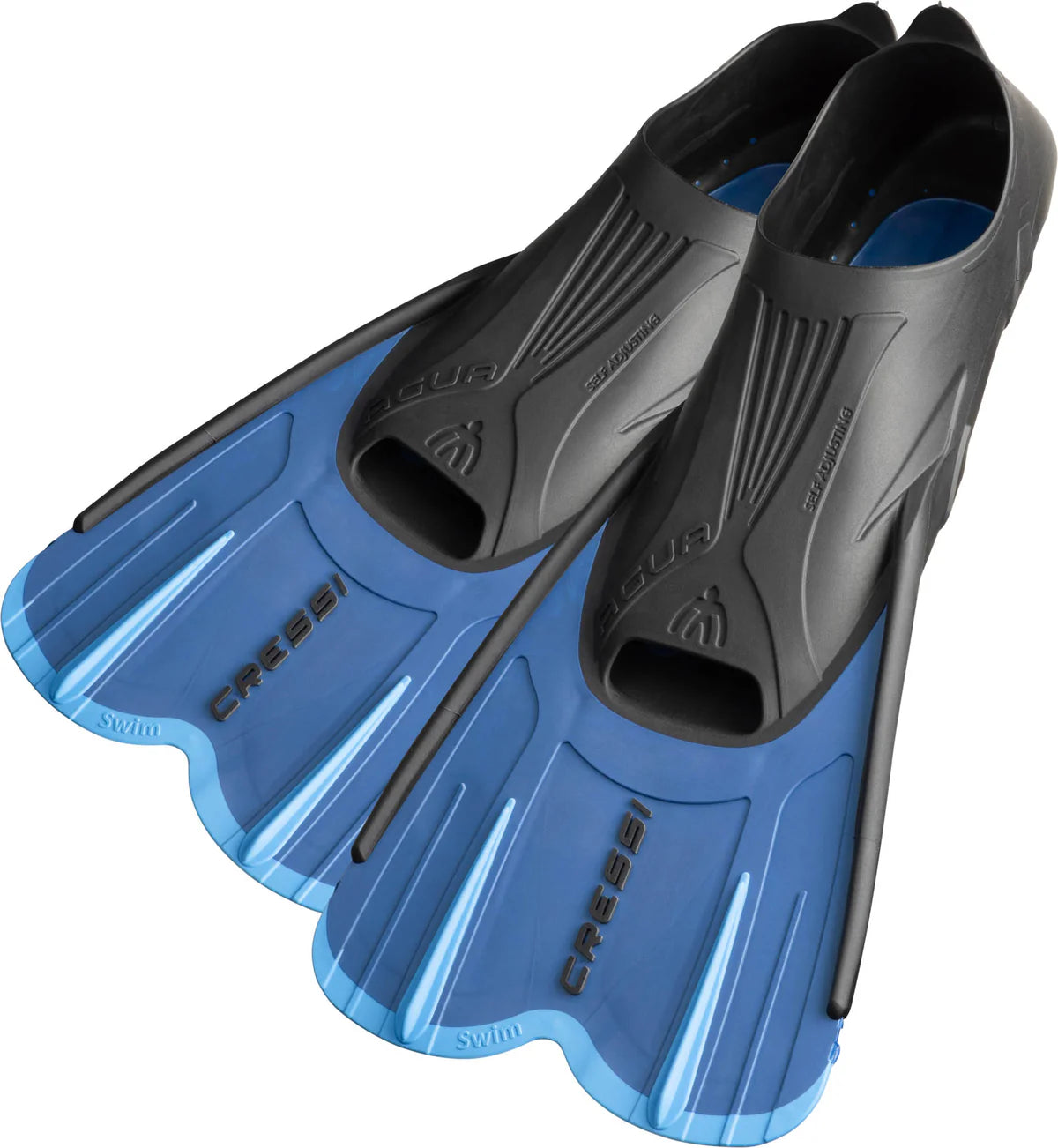




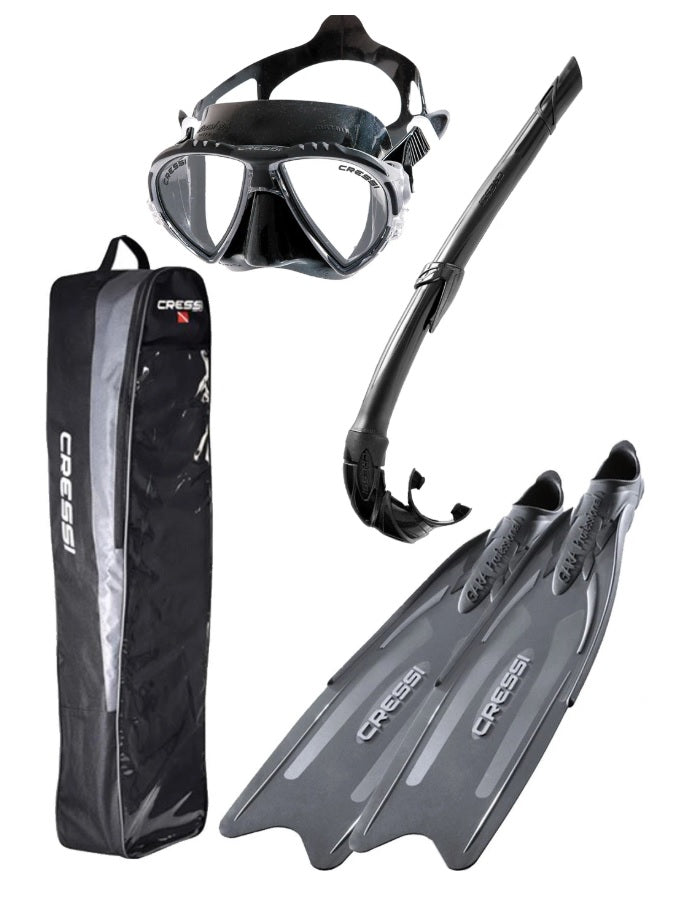

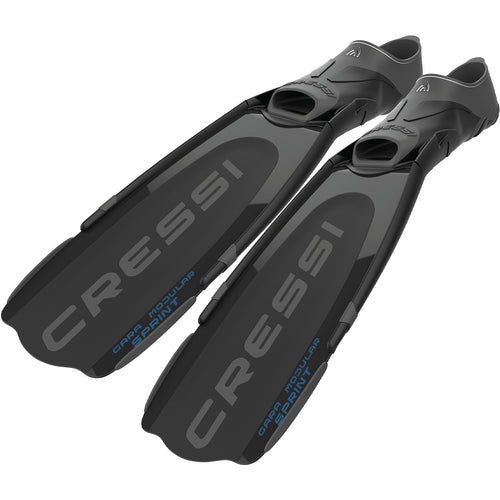
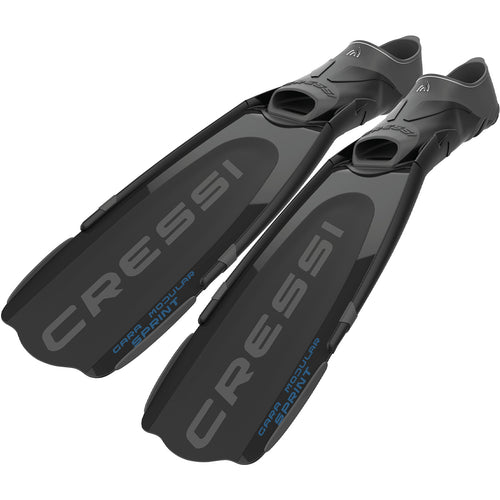
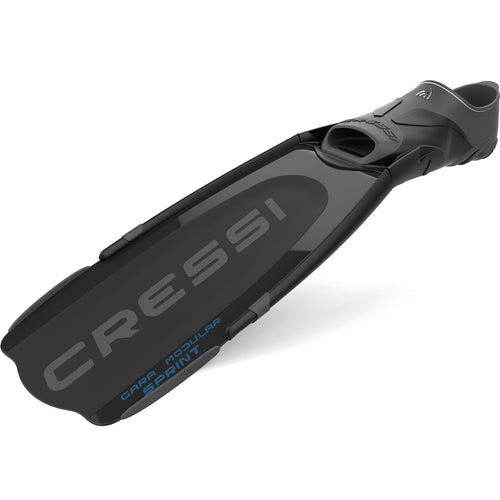

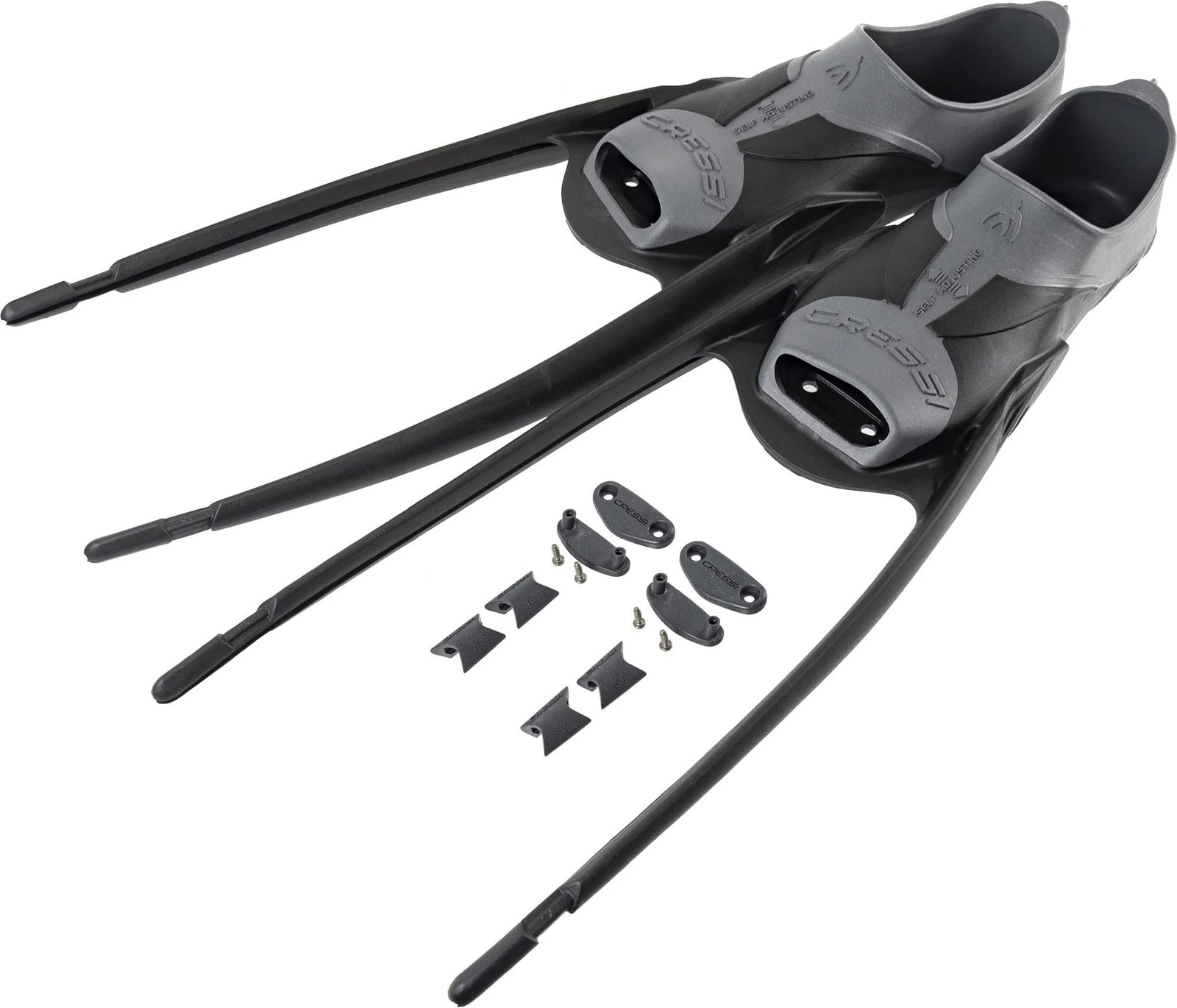




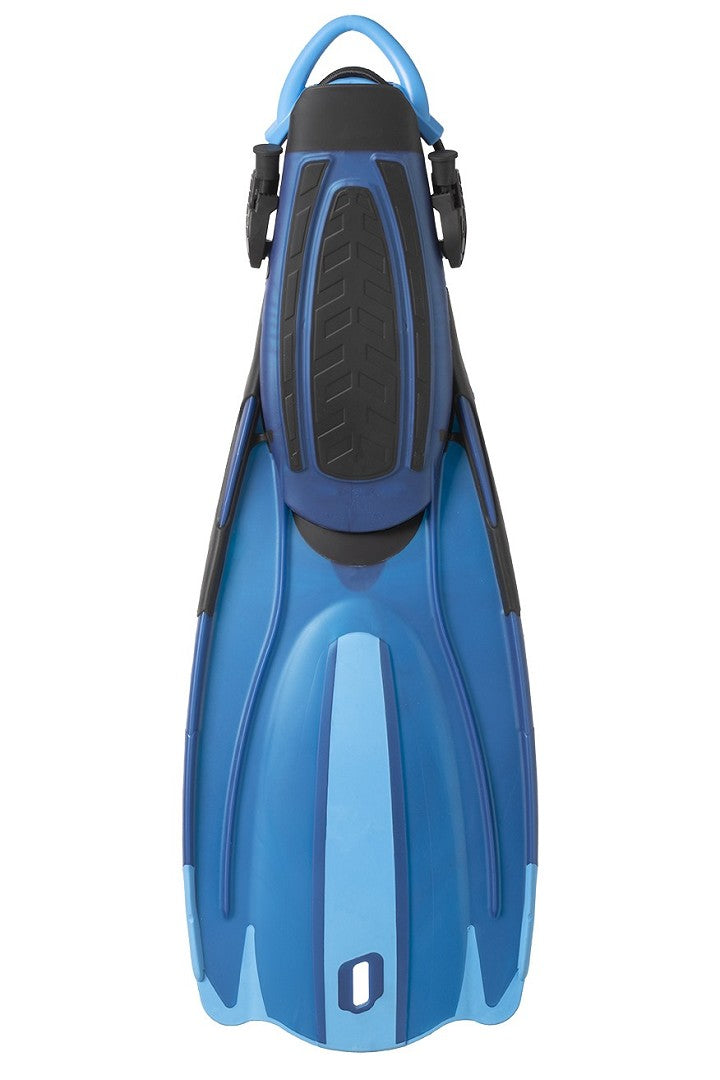


































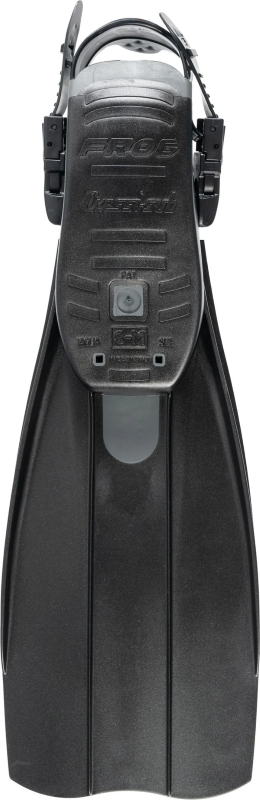

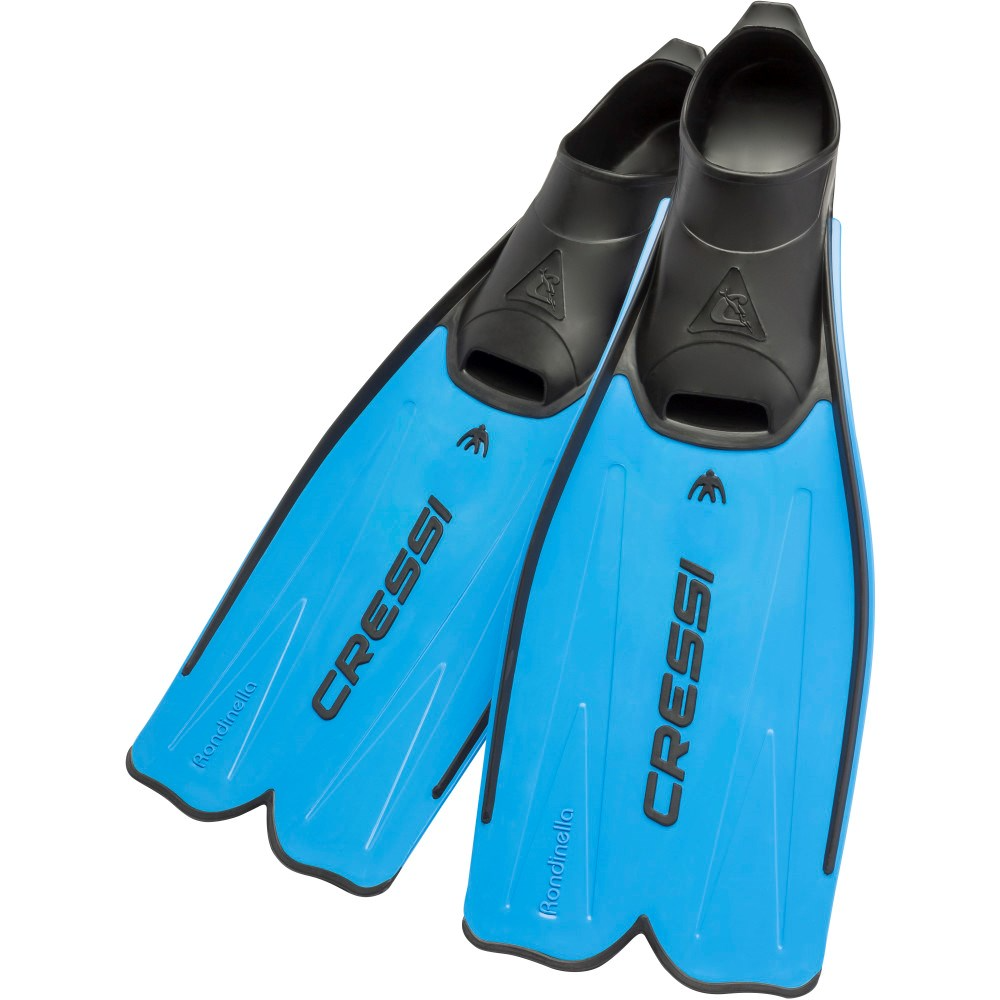

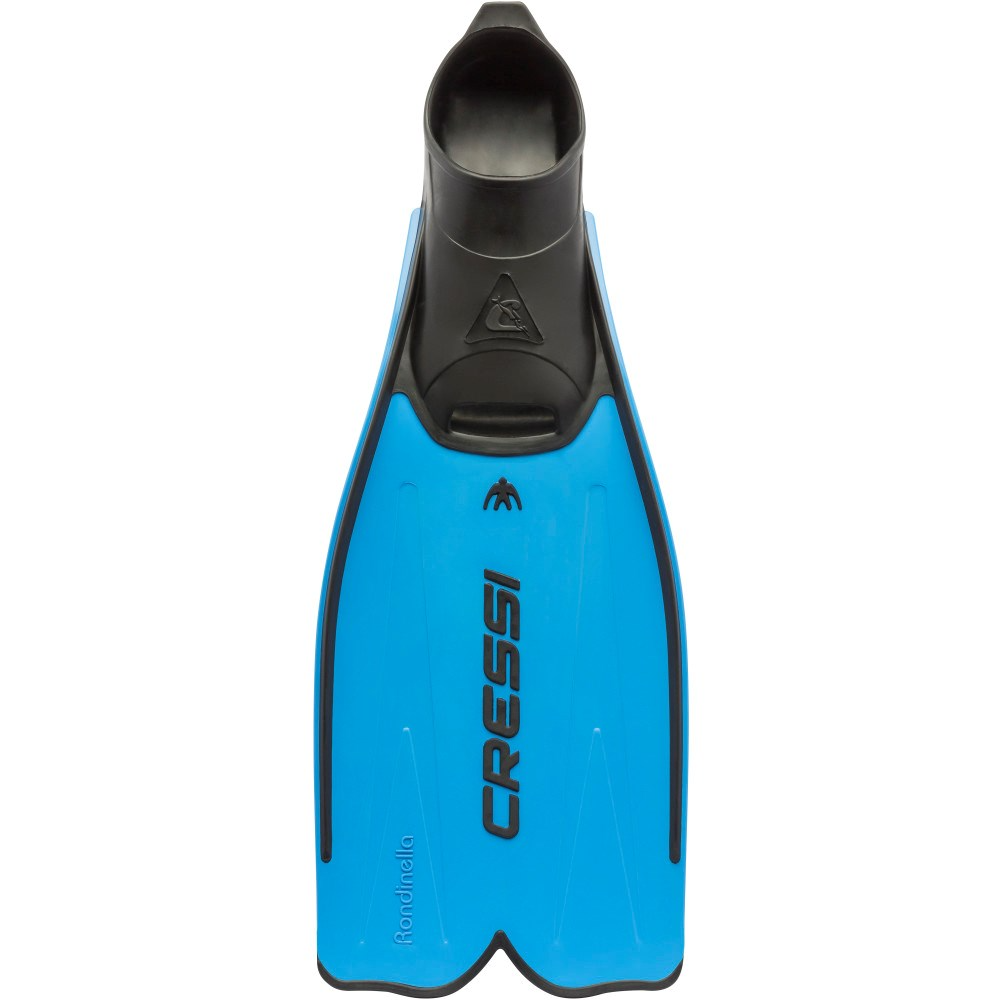

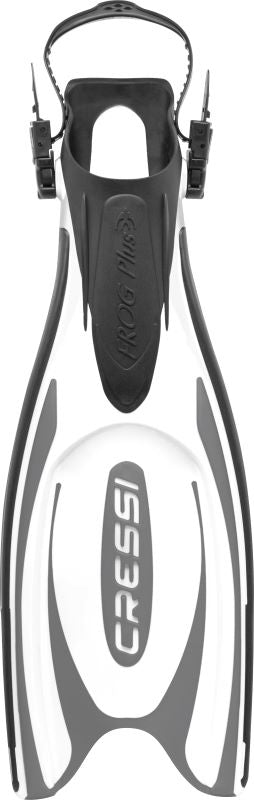

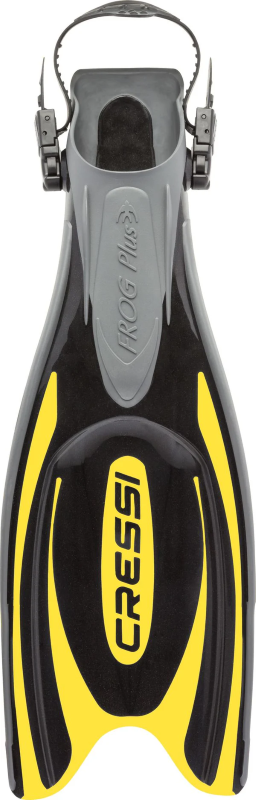

Fins for snorkelling, freediving and spearfishing, in short recreational blades through to long freediving fins, in adult and junior sizes. The right pair moves you further on less effort, which matters far more than it sounds once you are an hour into a session.
Choosing fins
Blade length is the trade-off. Short blades are easy to kick, easy to pack and fine for snorkelling around a reef or off the beach. Long blades move much more water per kick, which is what freedivers and spearfishers want for covering ground and getting down efficiently, but they take more leg strength and are awkward in shallow water.
Stiffness follows from that. A softer blade suits lighter divers and longer easy sessions. A stiffer blade rewards strong technique and suits deeper diving and heavier kit.
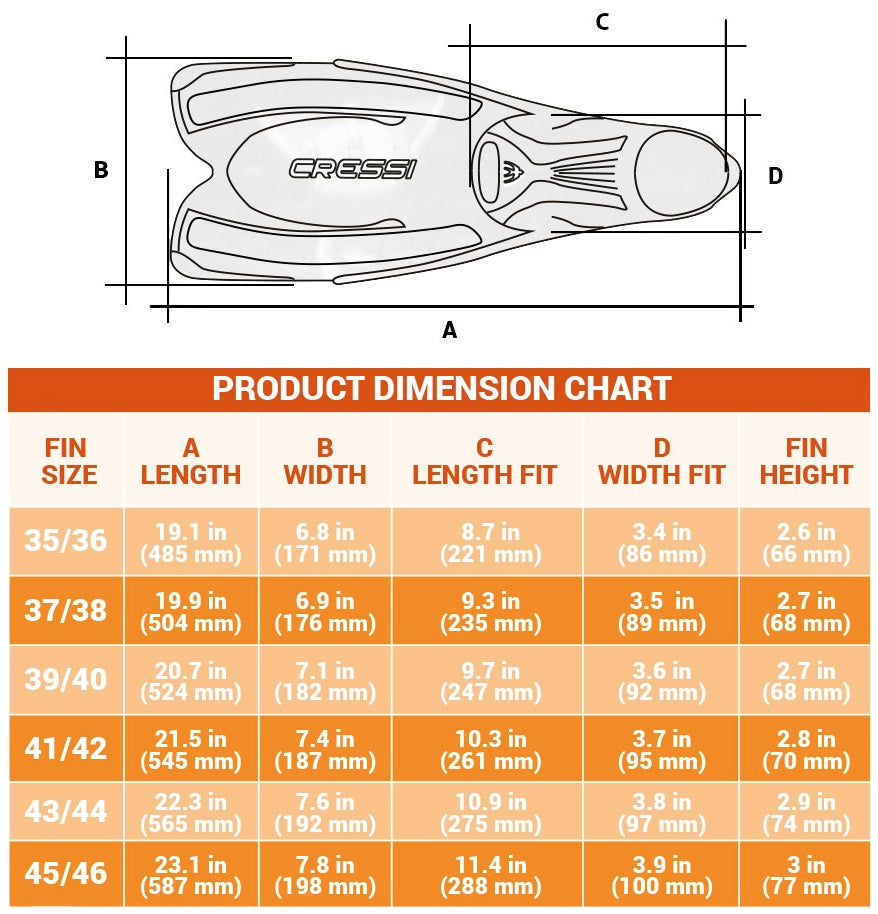
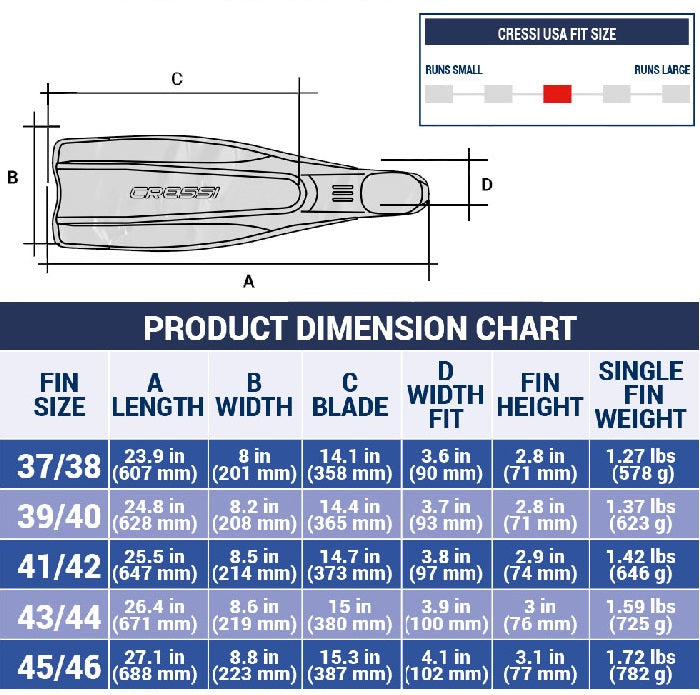
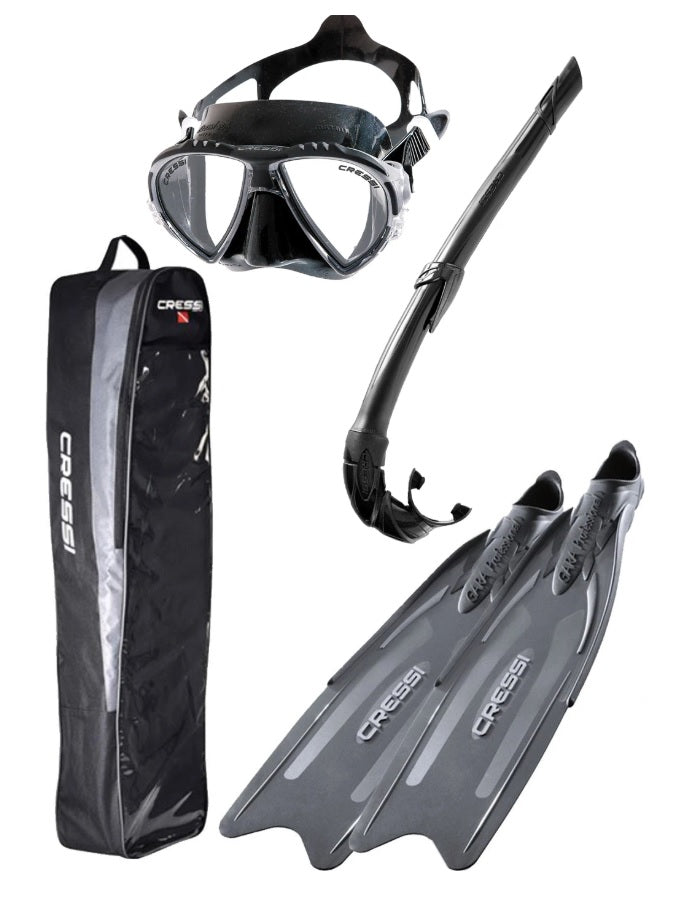
Fit is what decides whether you enjoy the day. Full foot pockets are worn barefoot or with a thin sock and suit warm water. Larger pockets take a neoprene bootie, which stops rubbing and adds warmth. Either way, snug without pinching — a loose fin will blister your heel. Pair them with mask and snorkel sets, or browse the full dive and spear range.
Frequently asked questions
What is the difference between snorkelling fins and freediving fins?
Snorkelling fins have short blades that are easy to kick and easy to travel with. Freediving and spearfishing fins have long blades that move much more water per kick, which is more efficient at depth but harder work at the surface.
Should I wear socks or booties with fins?
With an open or larger foot pocket, yes — a neoprene bootie prevents rubbing and keeps your feet warm. Full foot pockets sized for bare feet are fine with a thin sock at most.
How should fins fit?
Snug with no heel lift and no pinching across the toes. A fin that slides on the kick will blister you, and one that squeezes will cramp your foot in cold water.
Are long fins worth it for snorkelling?
Only if you are covering distance or starting to dive down. For drifting over a reef, short blades are easier, more comfortable and much easier to pack.