

FREE SHIPPING ON ORDERS OVER $150*

AUSSIE FAMILY OWNED BUSINESS FOR OVER 40 YEARS

100% SATISFACTION GUARANTEED
Metal Slugs
Metal Slugs
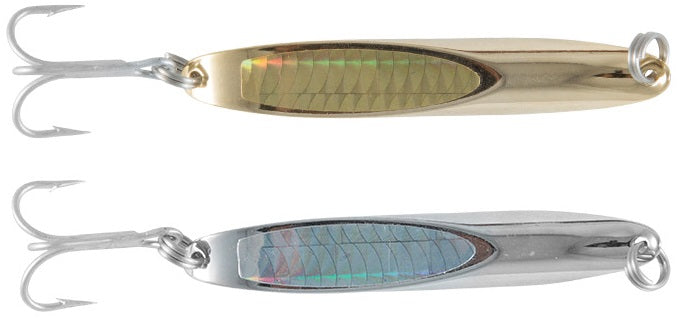
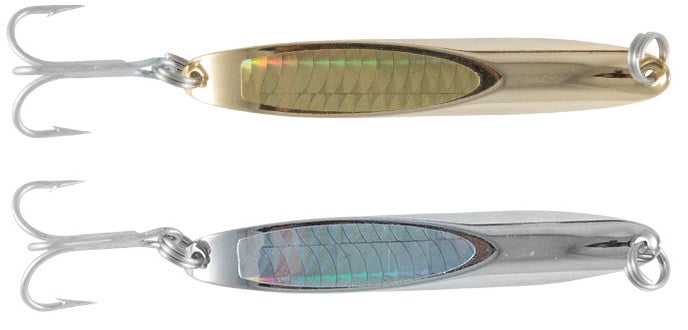
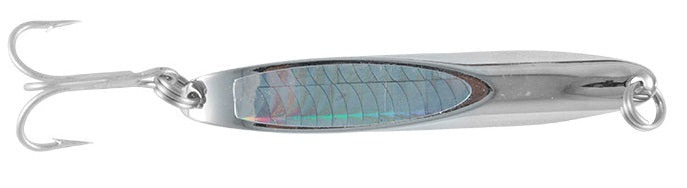
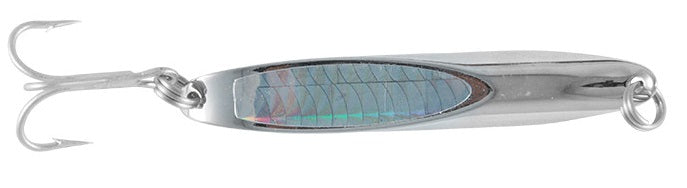
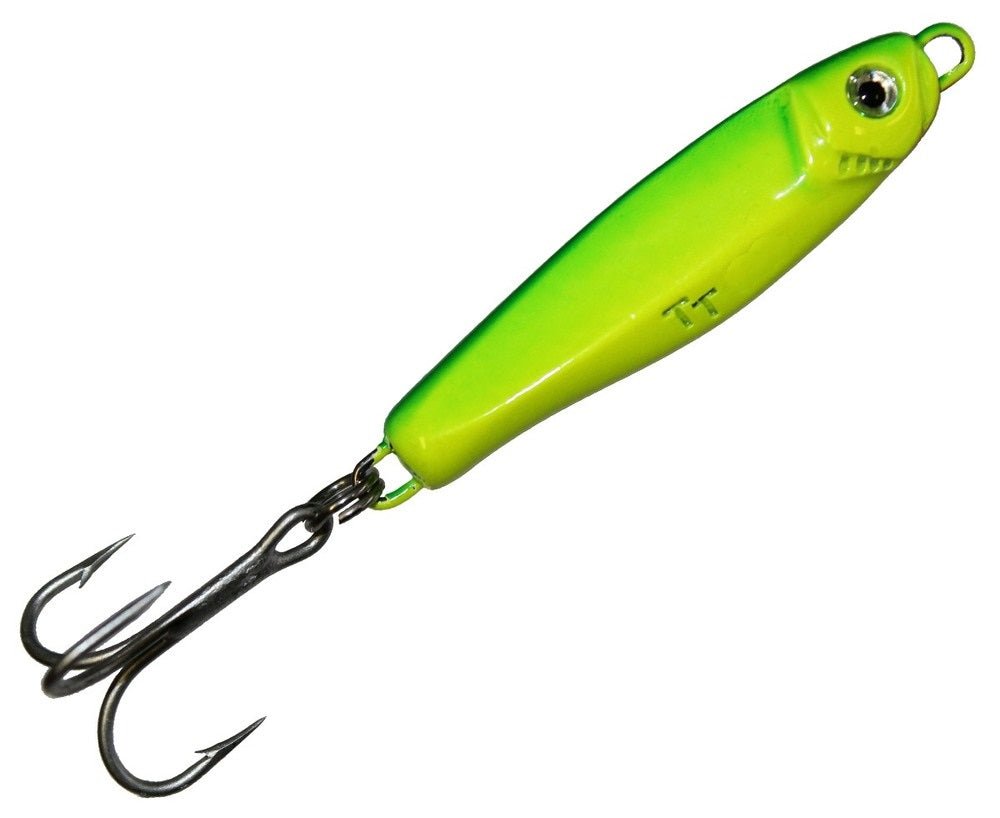
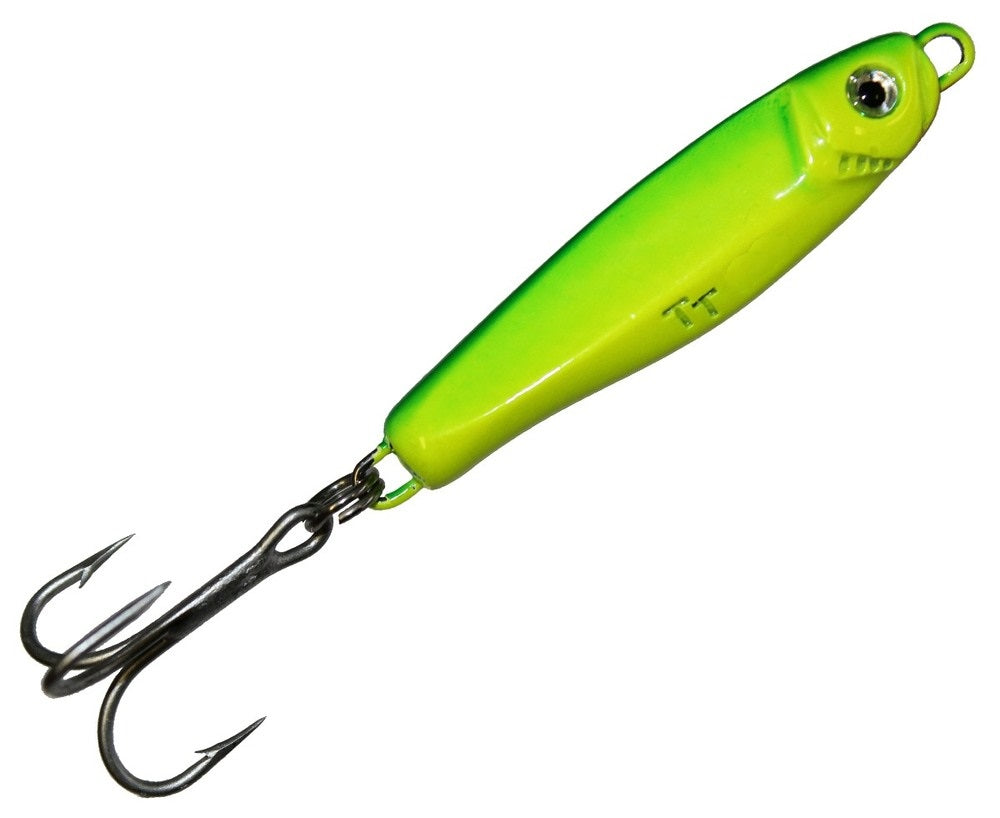
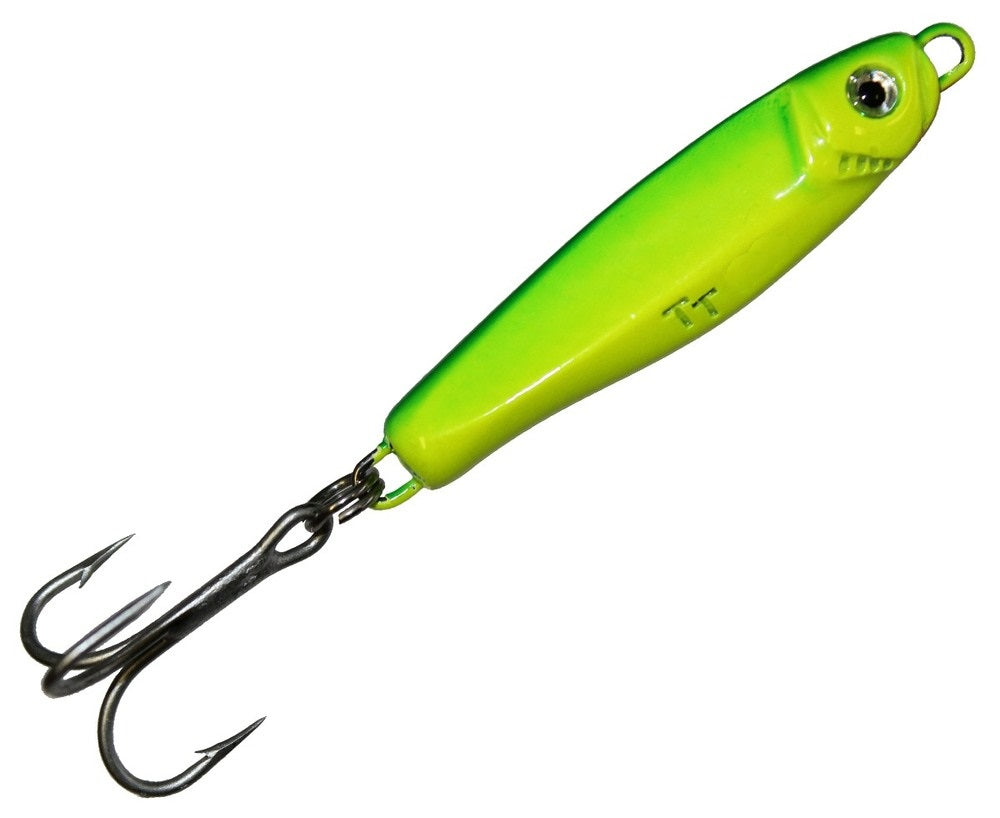
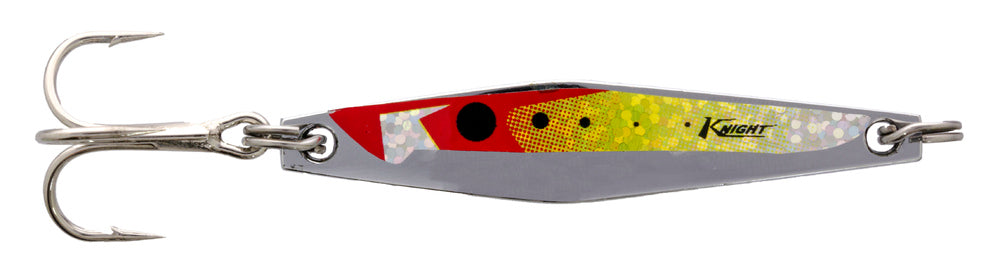
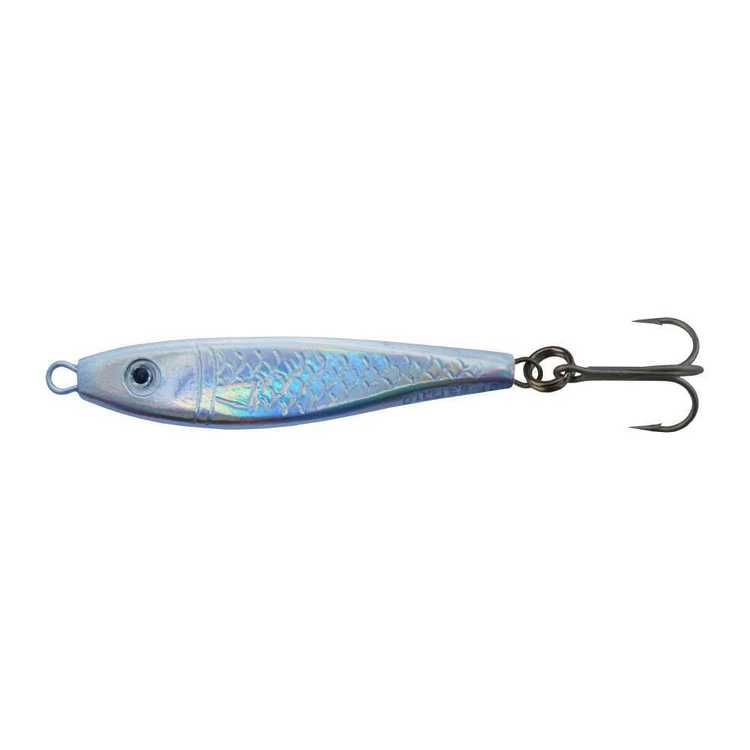
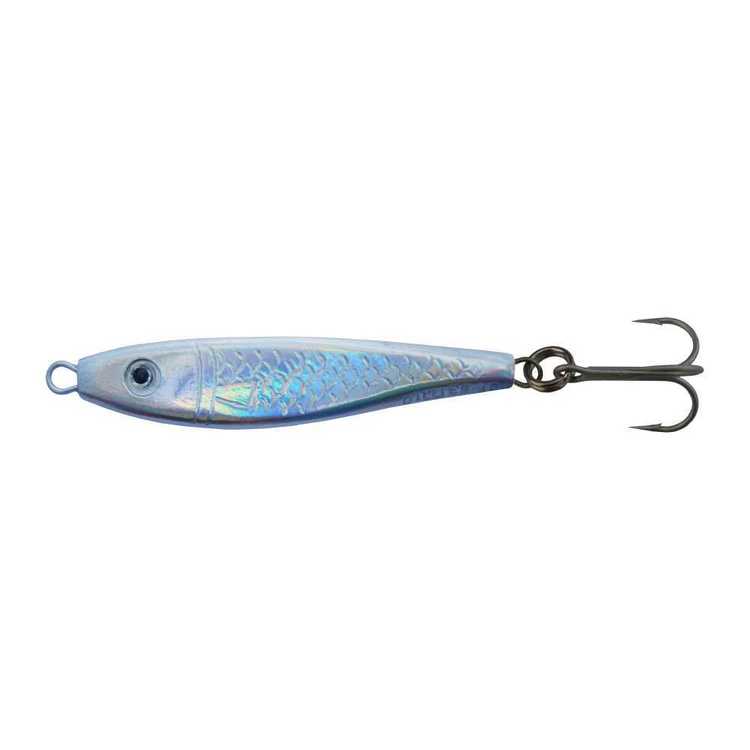
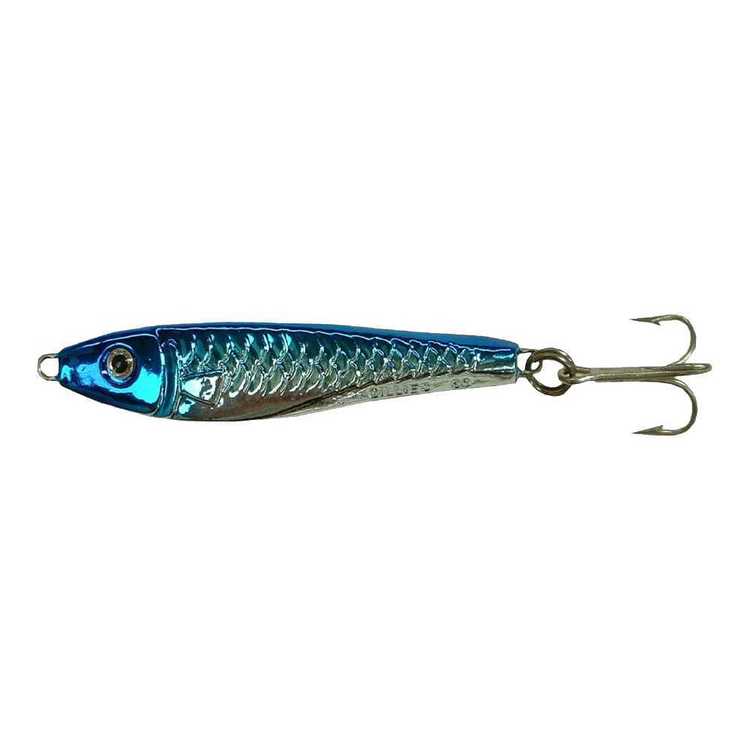
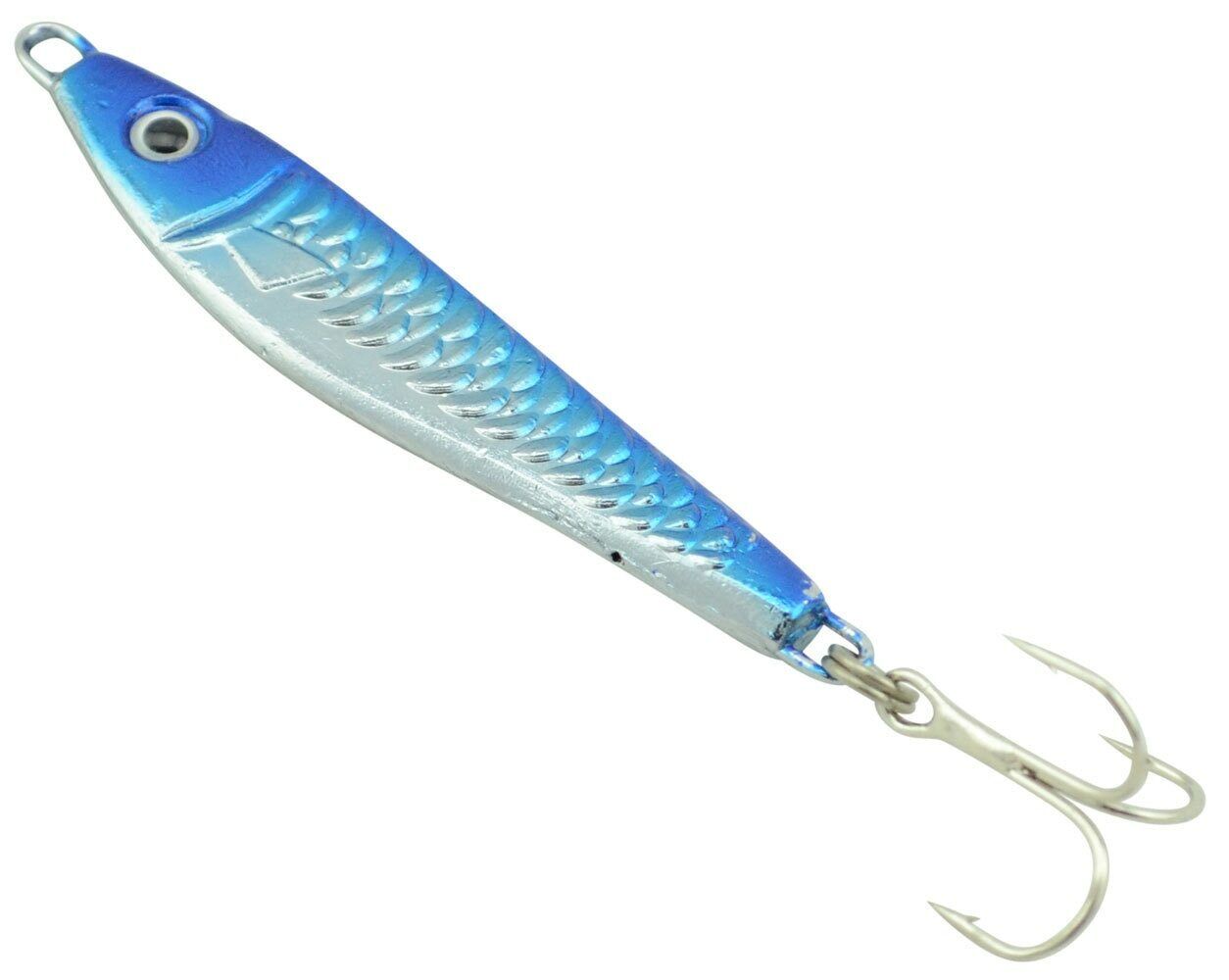
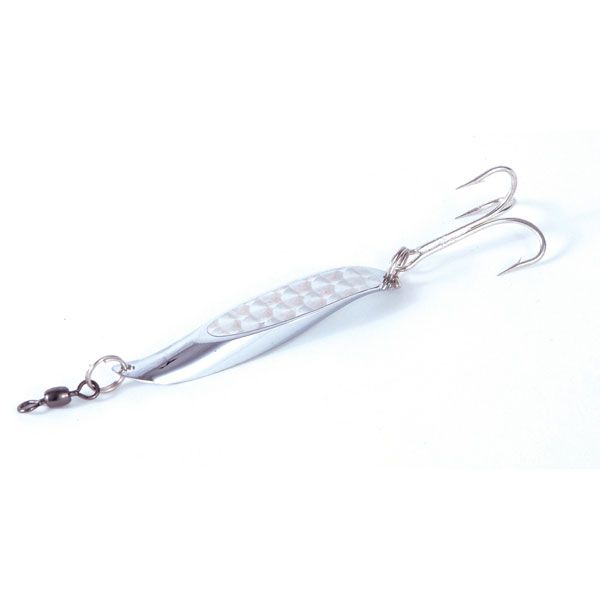
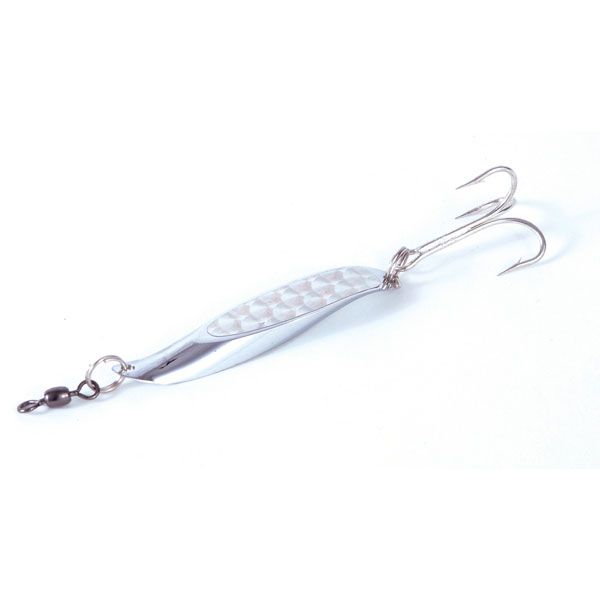
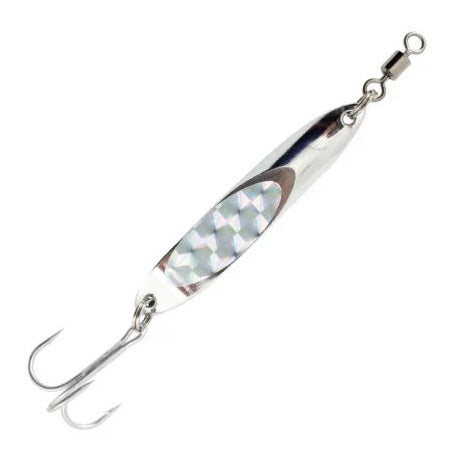
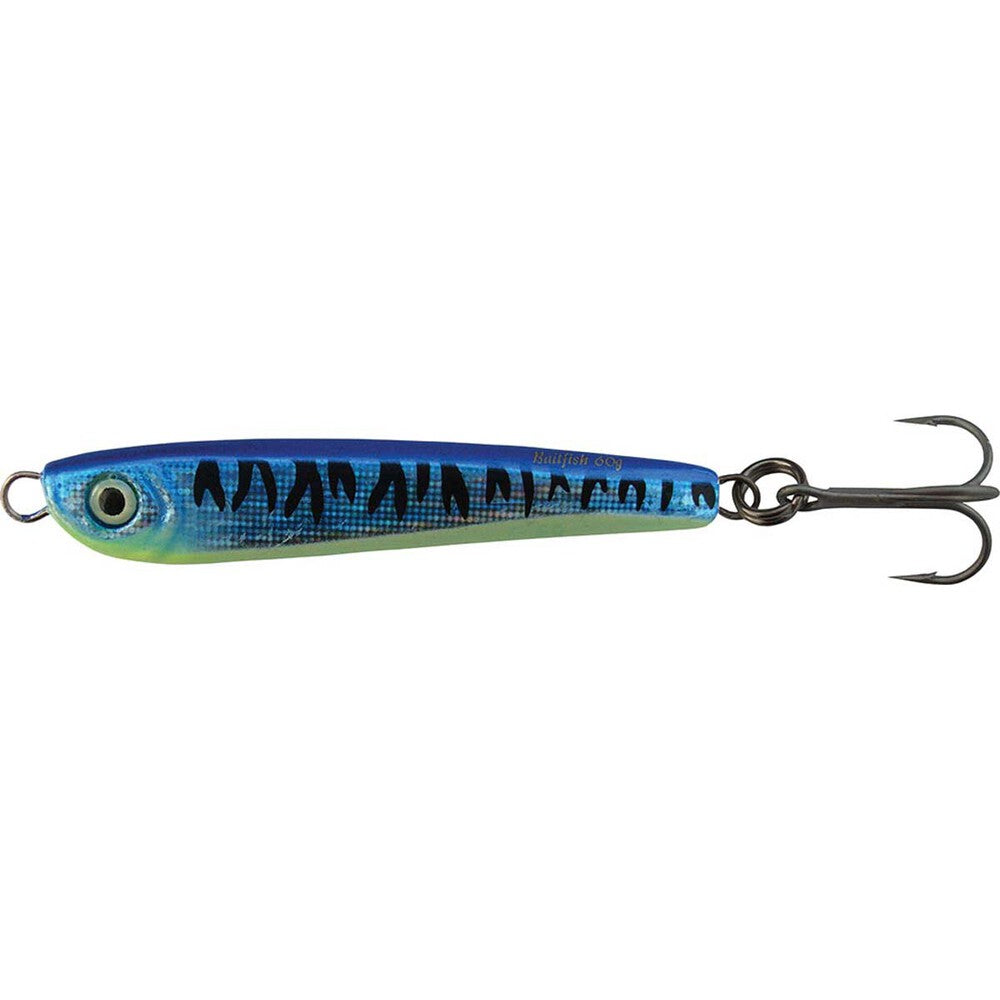
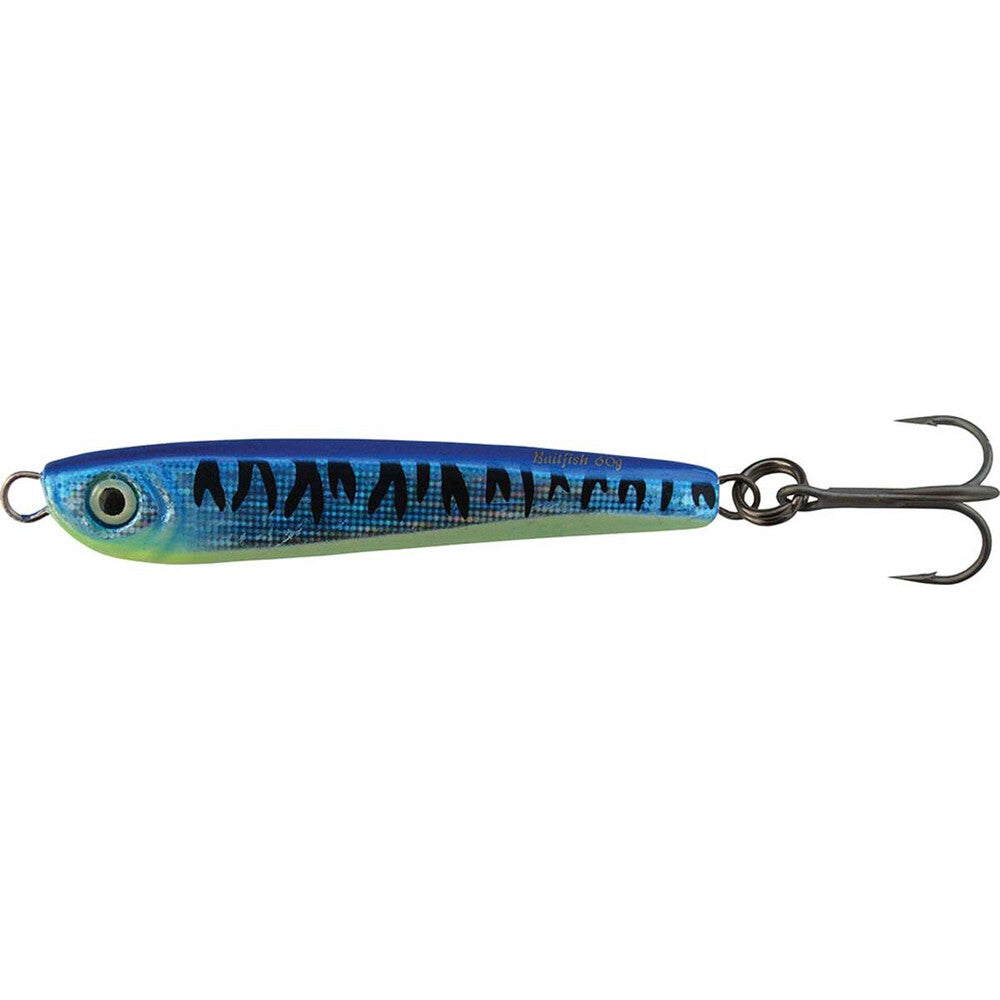
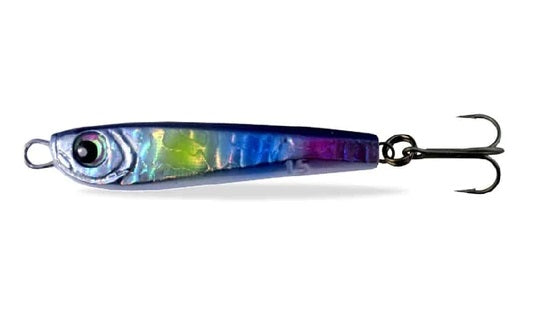
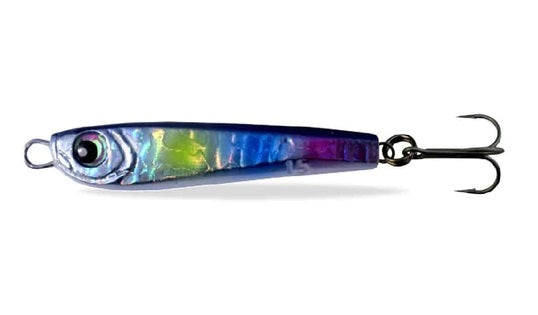
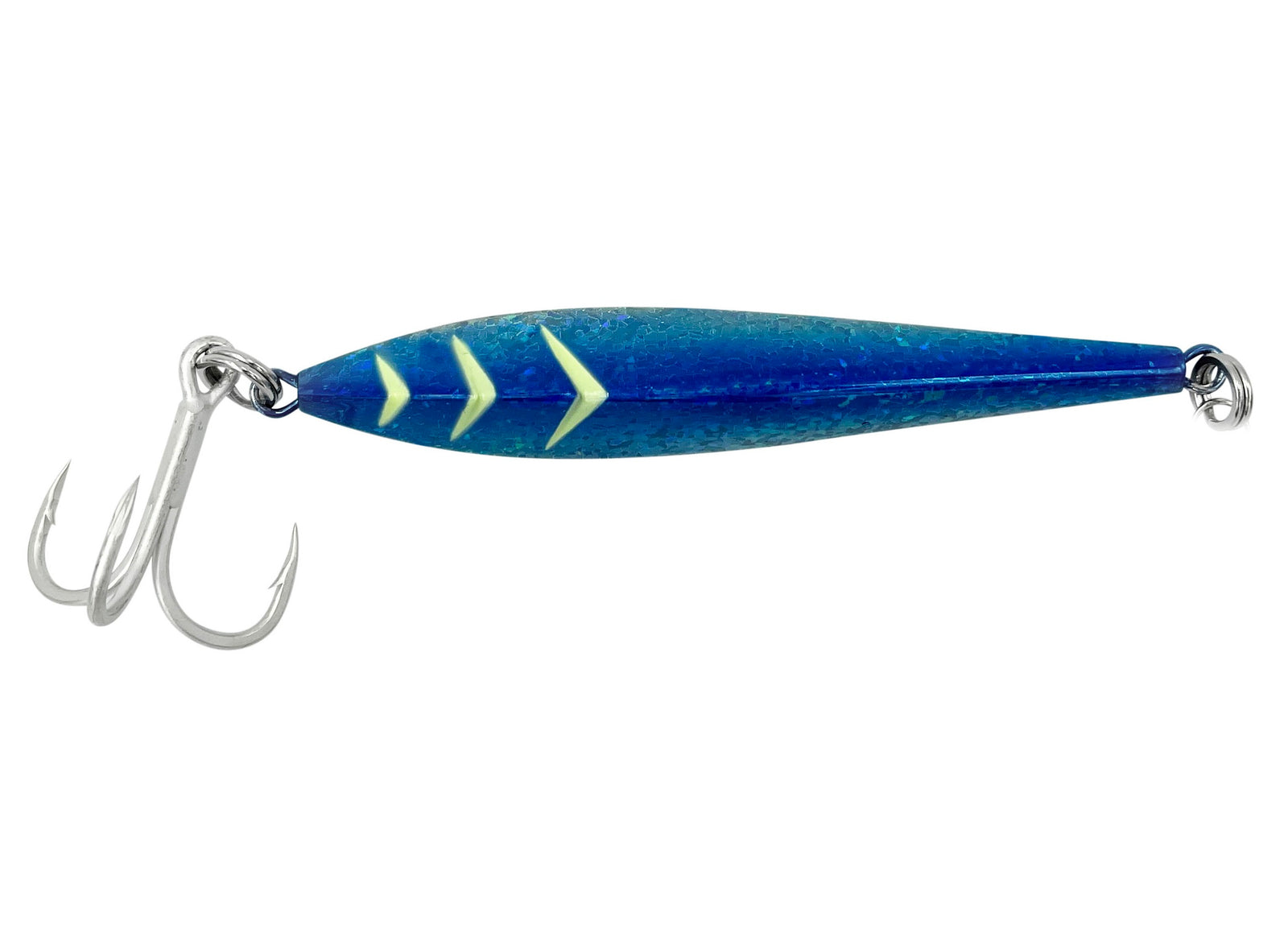
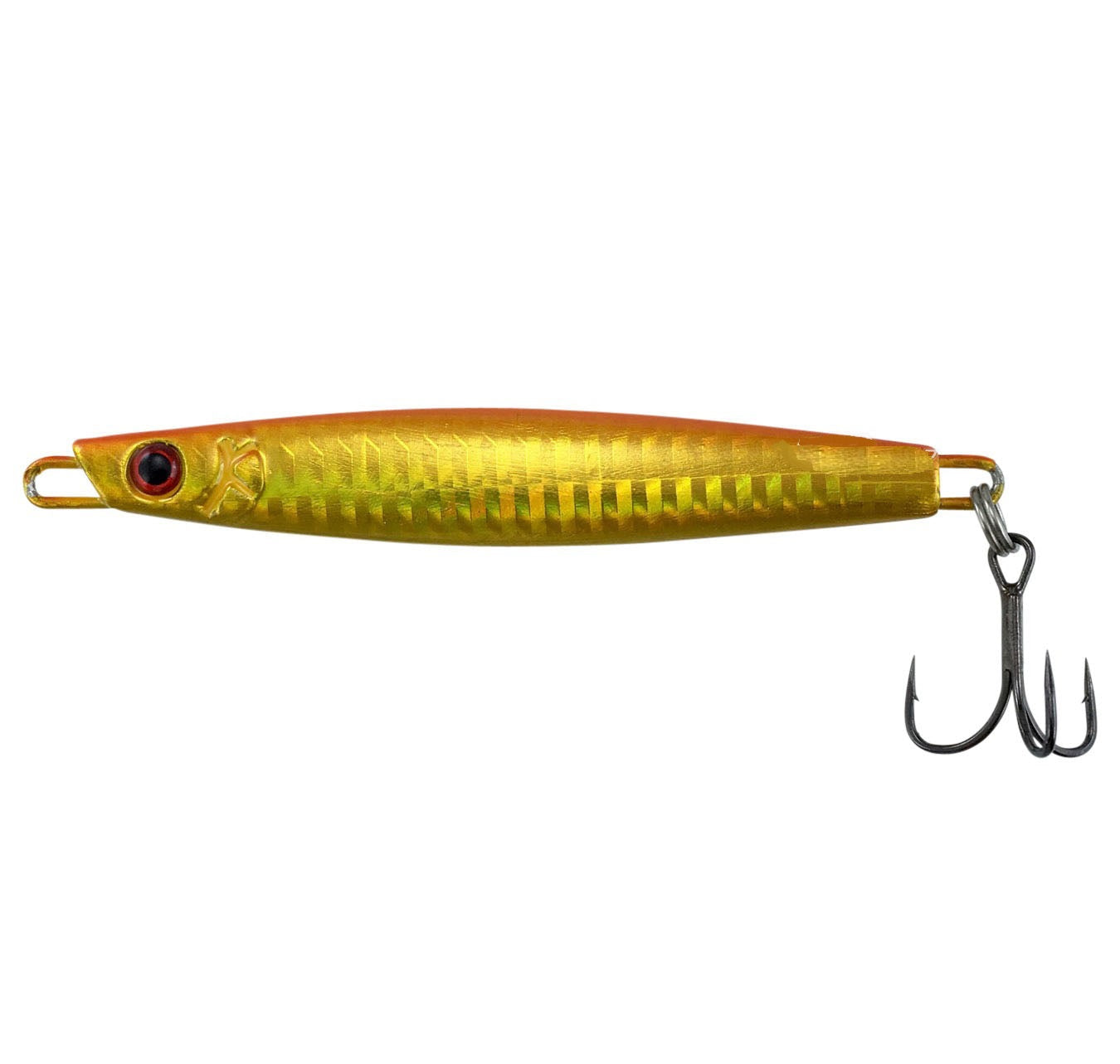
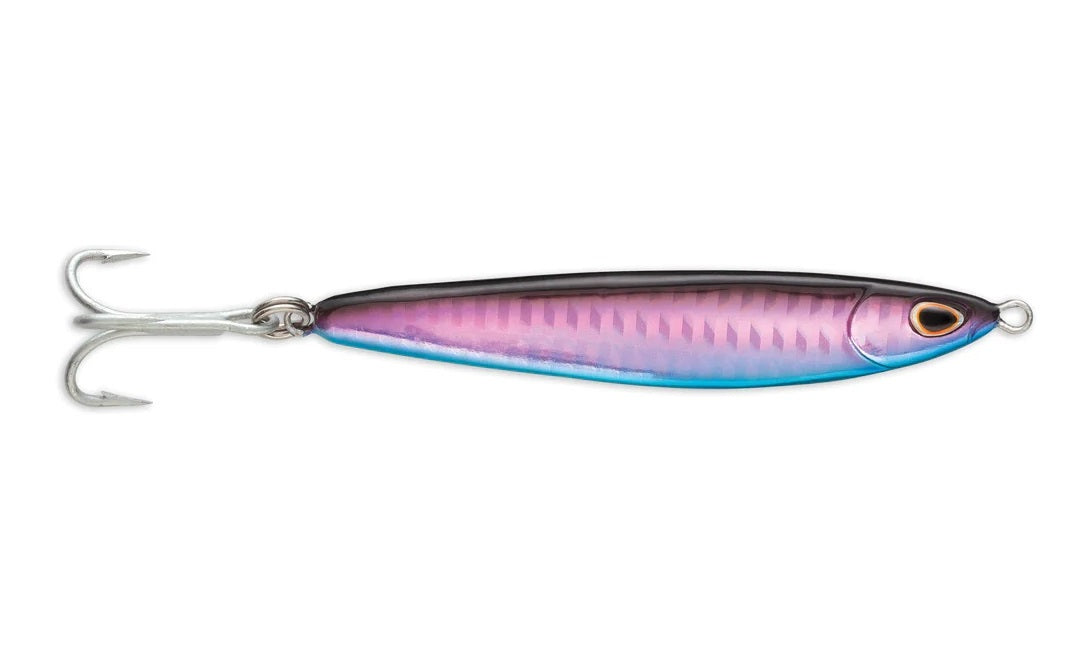
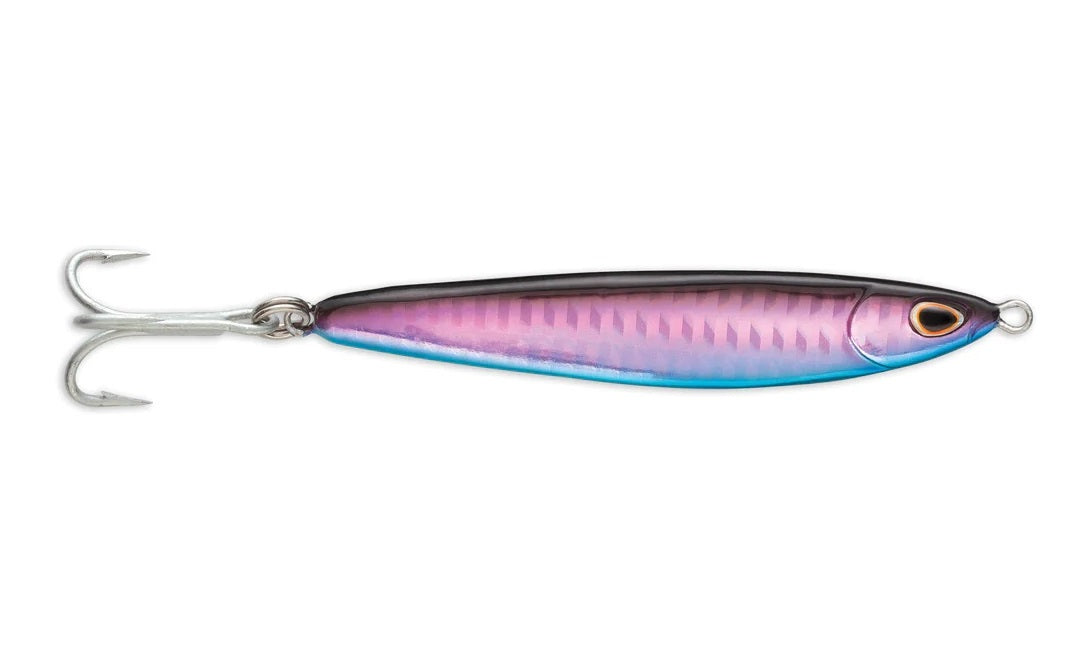
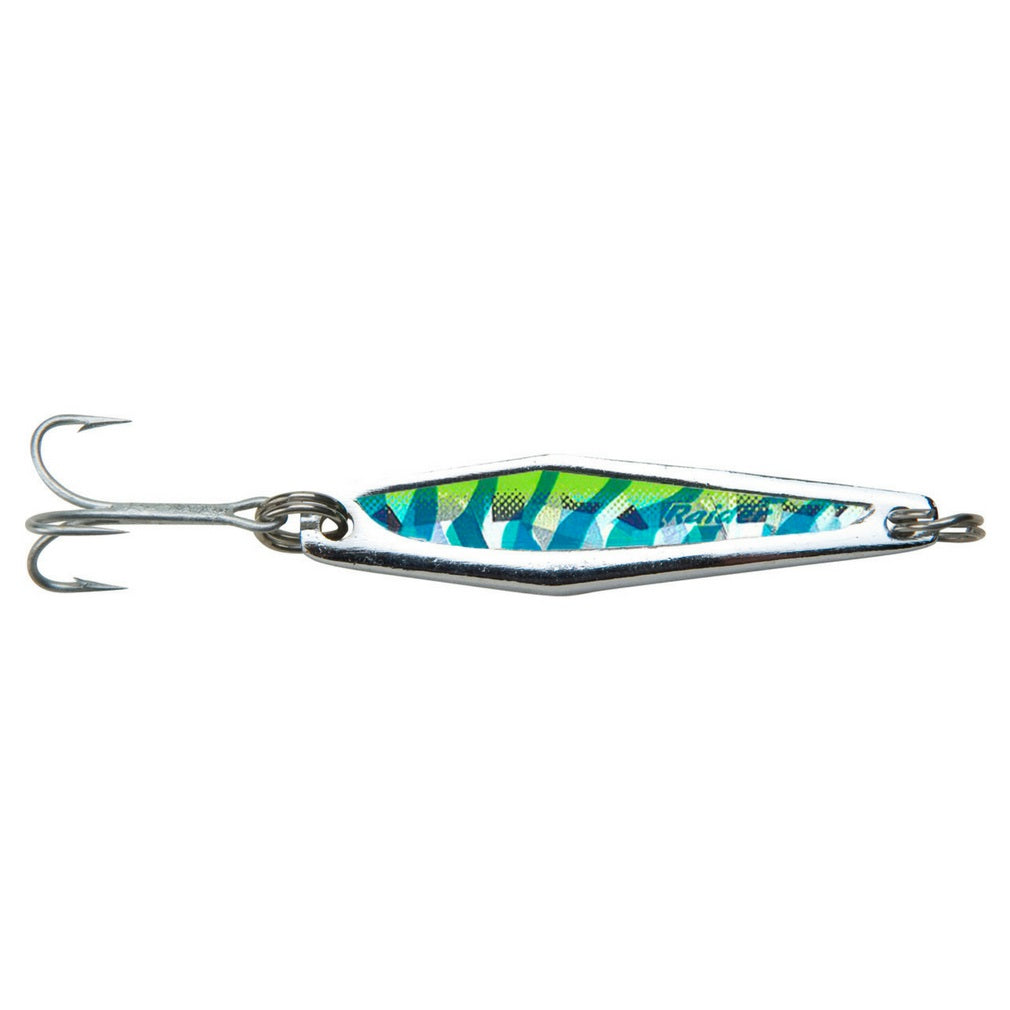
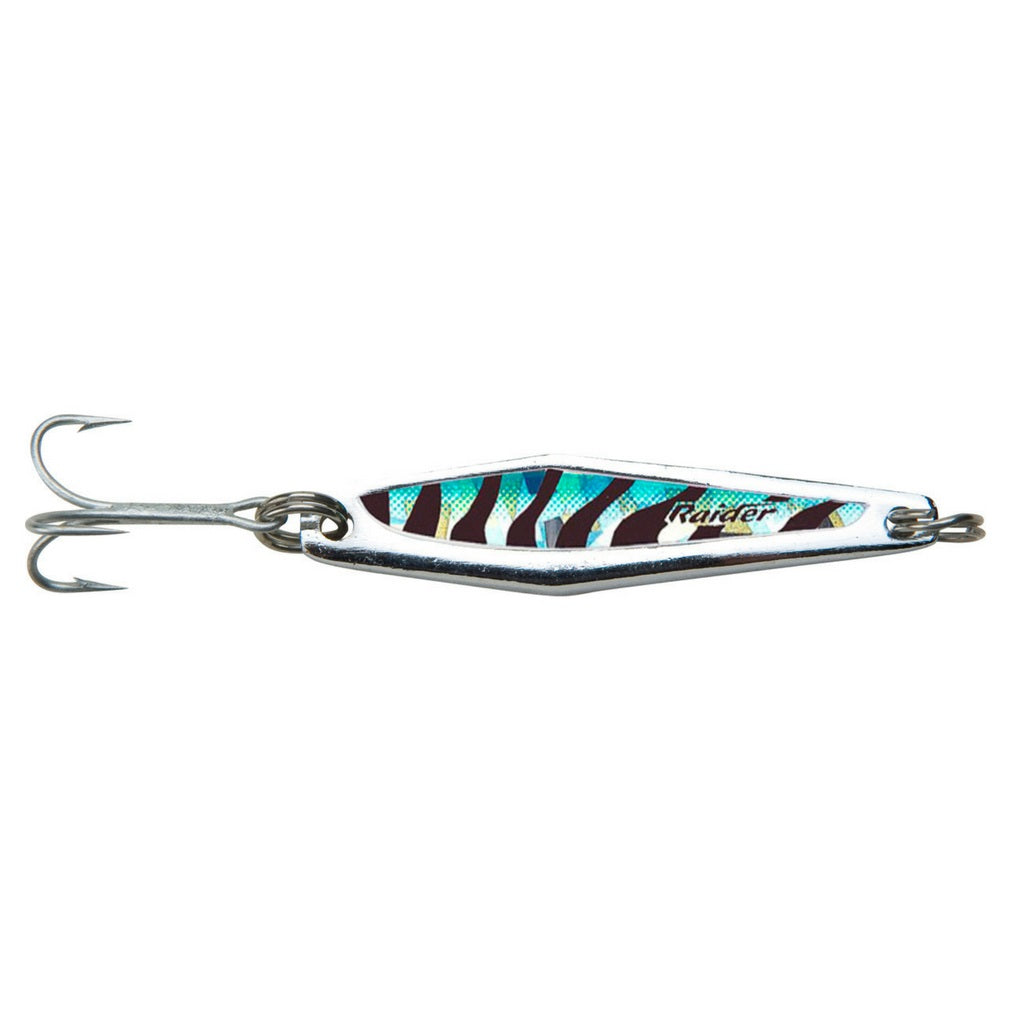
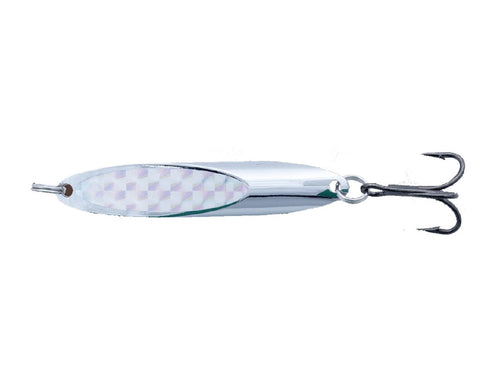
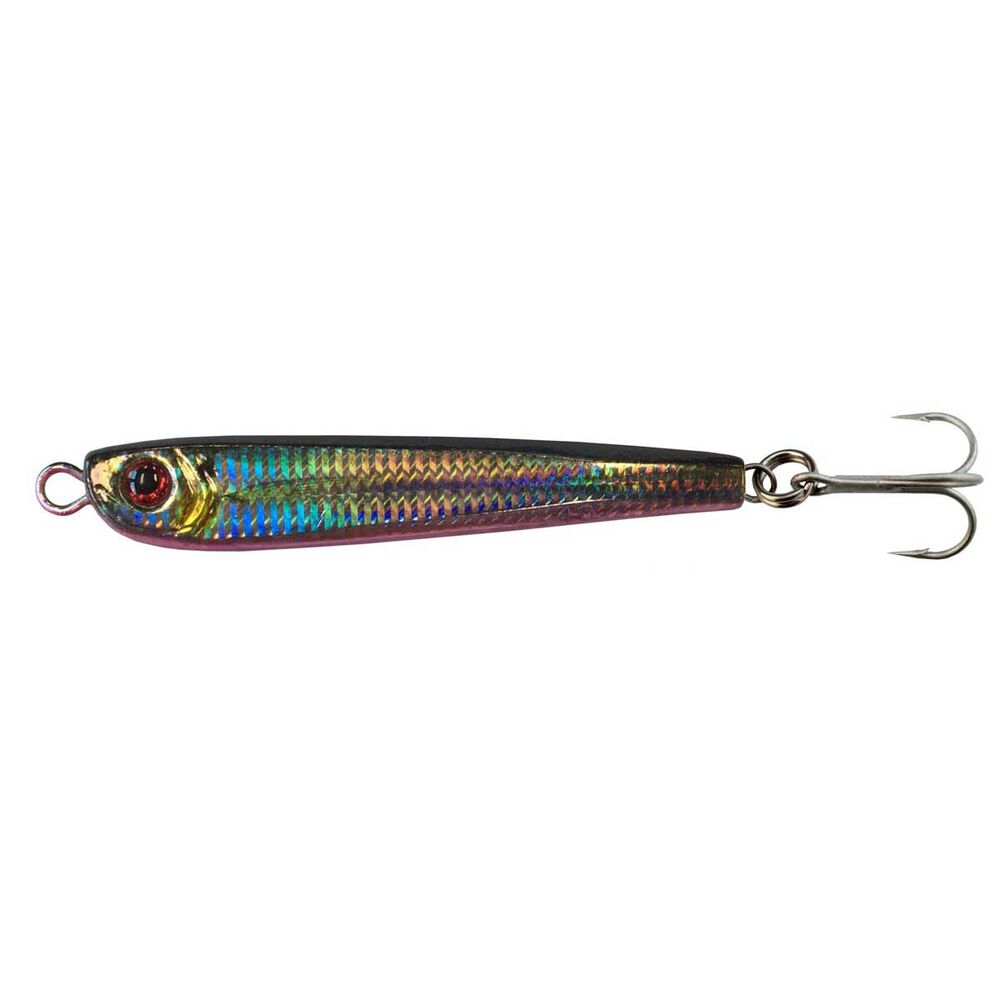
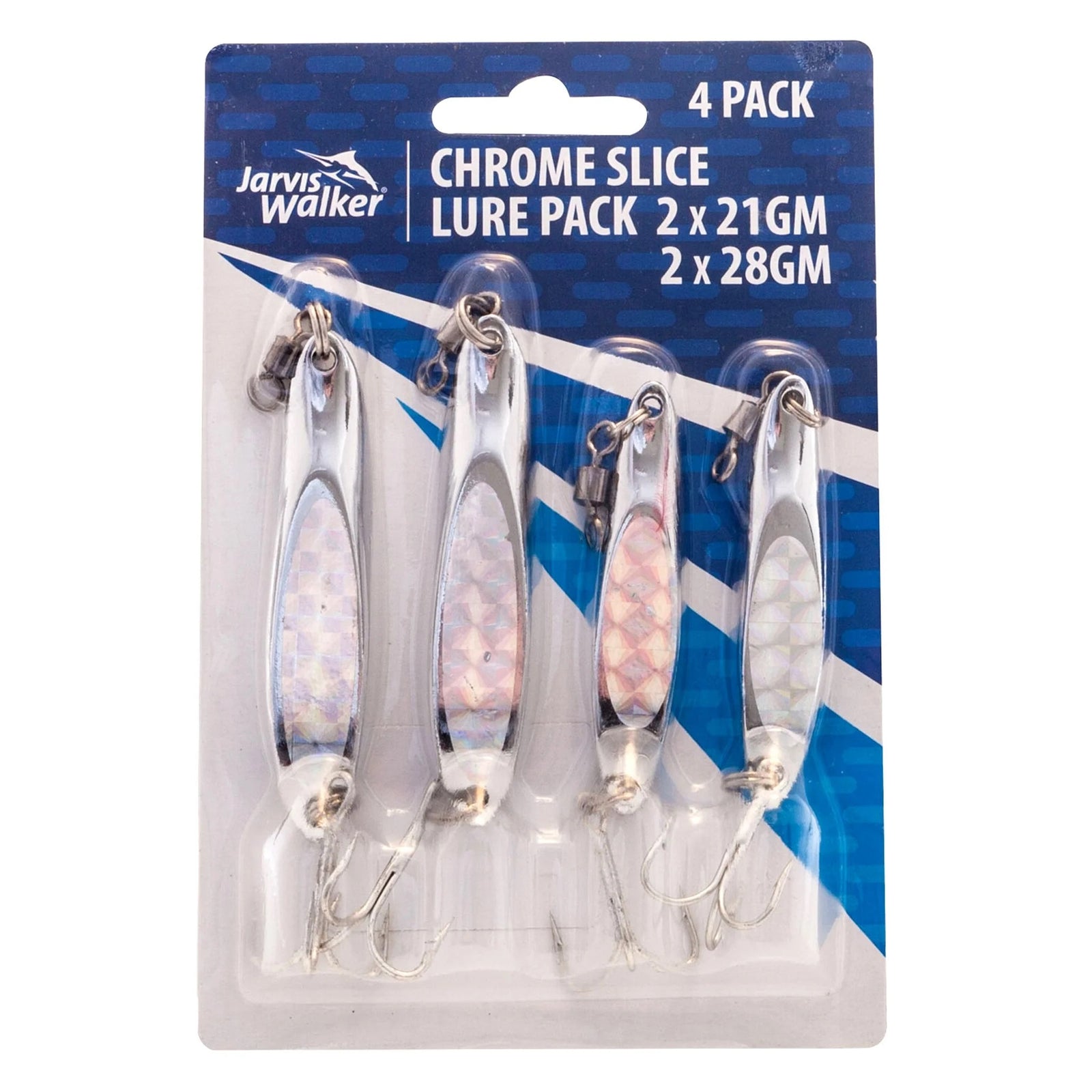
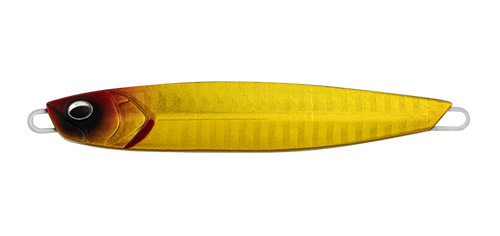
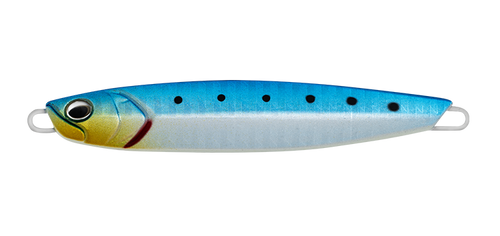
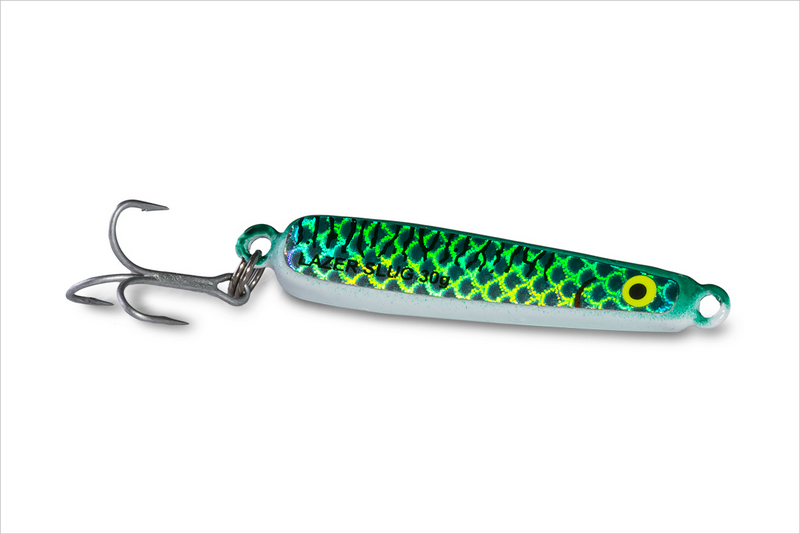
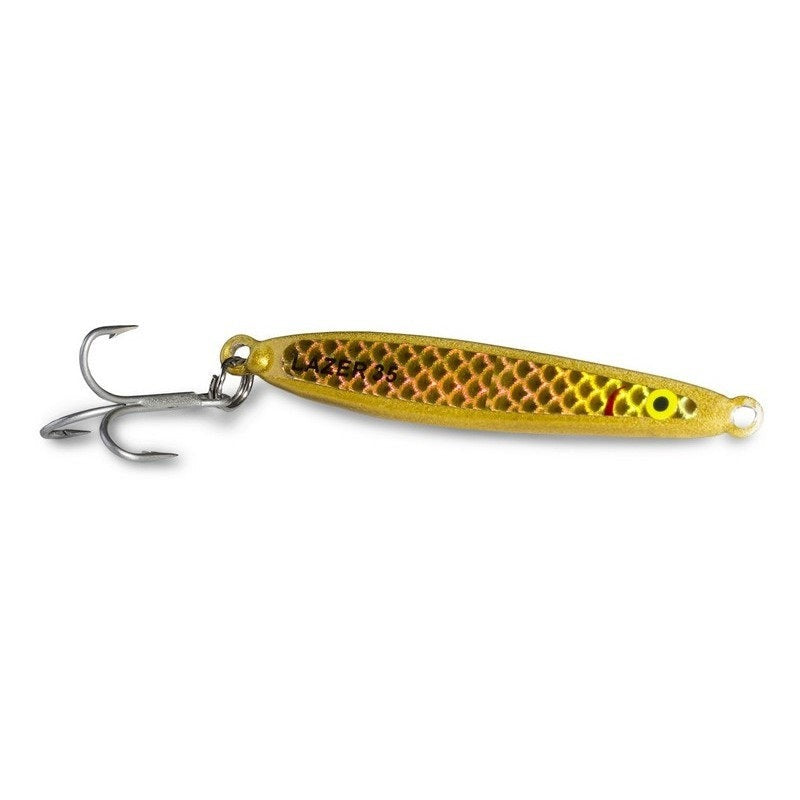
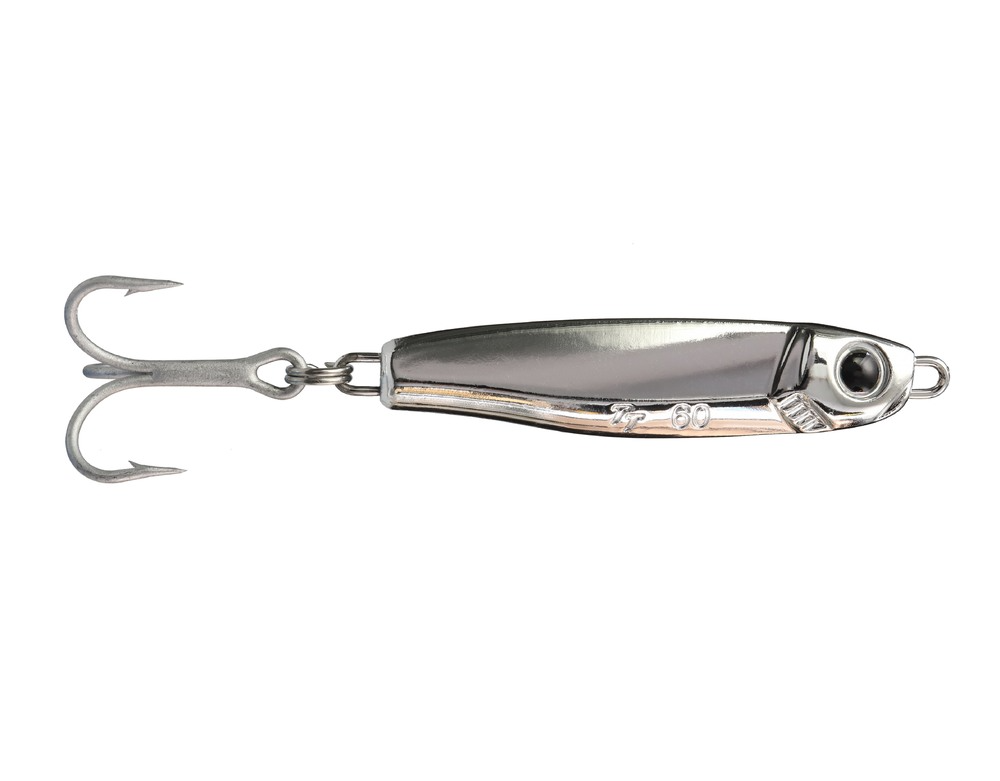
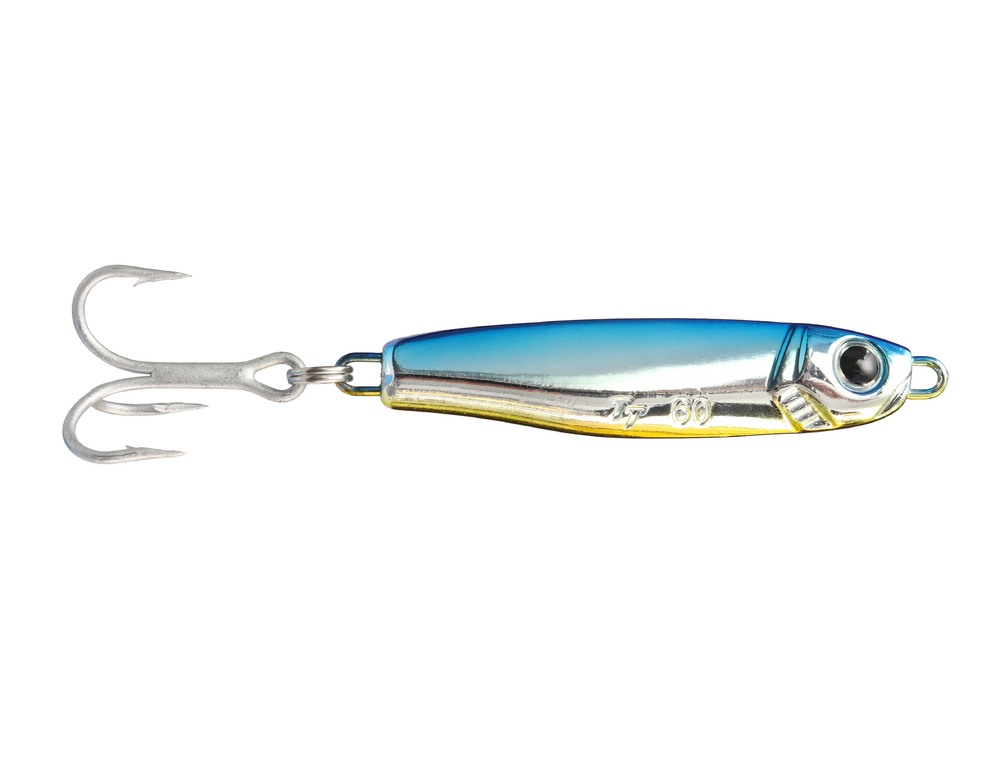
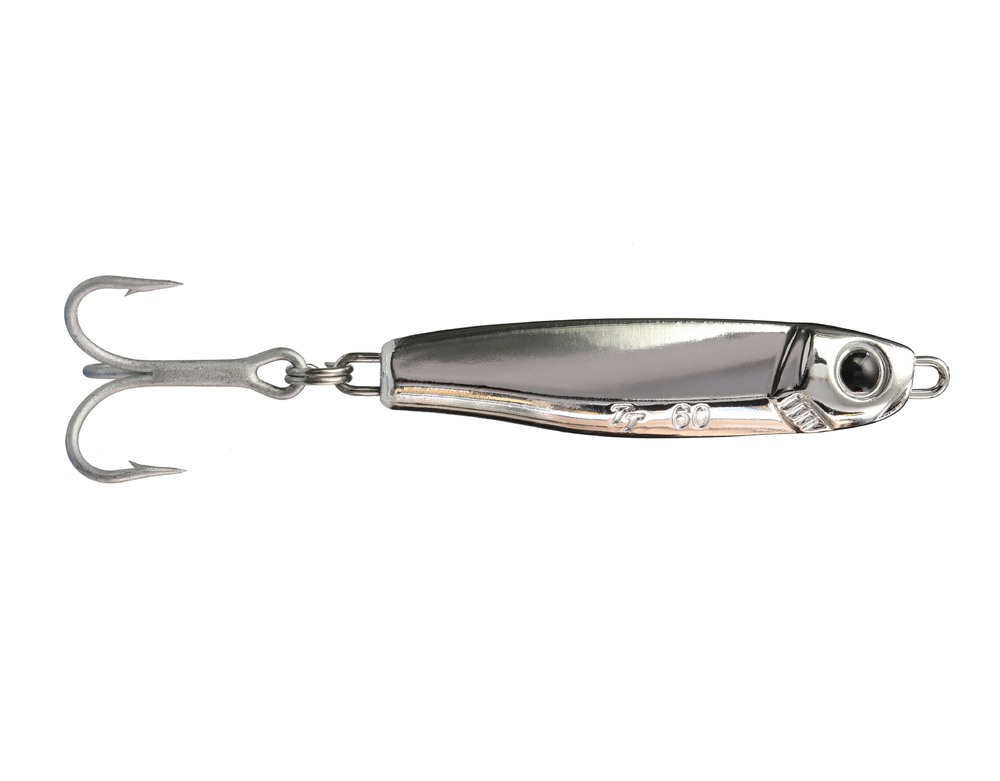
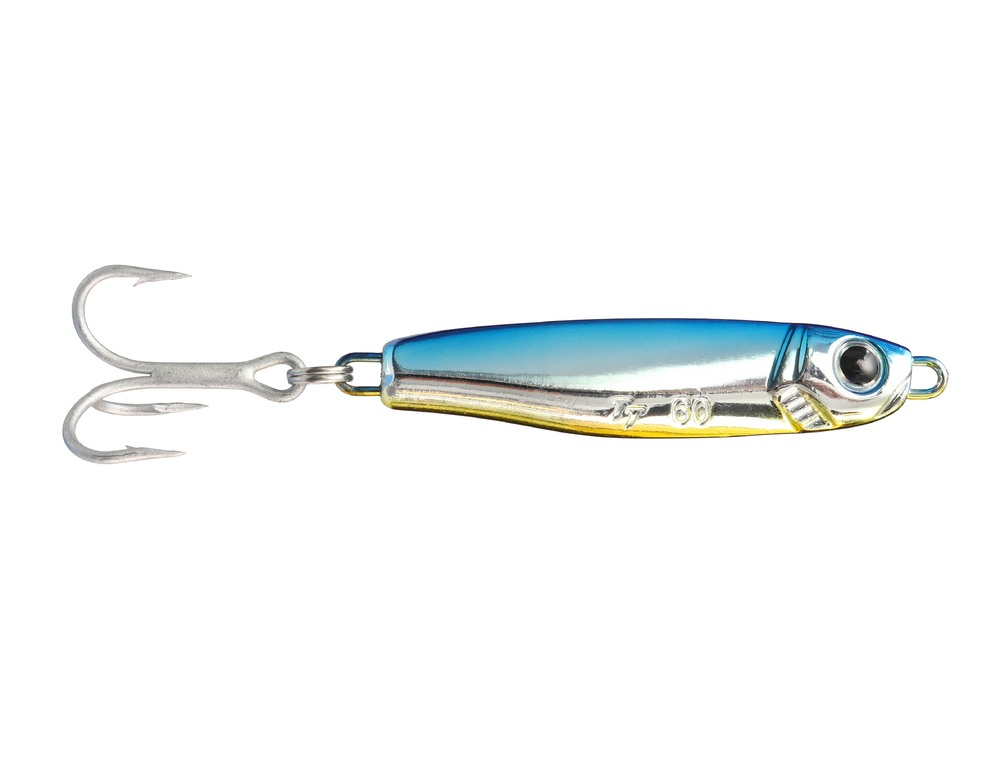
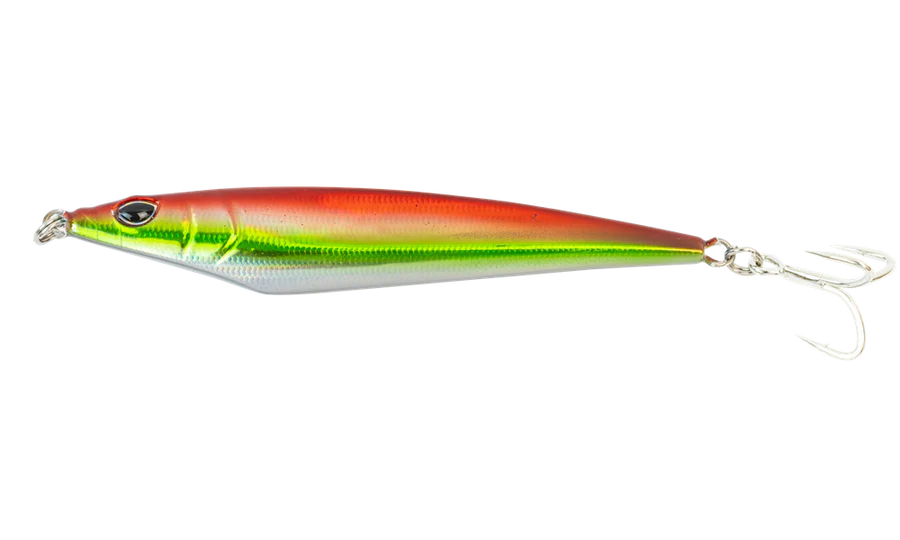
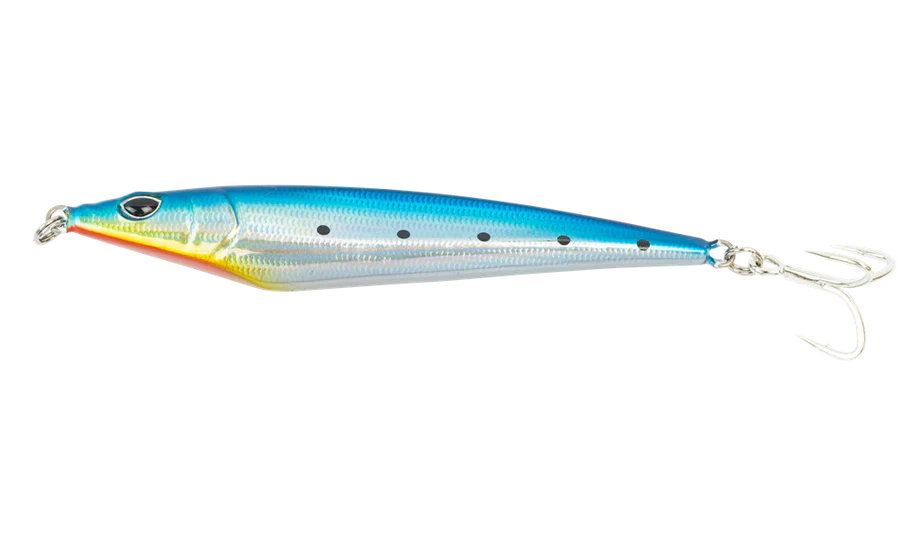
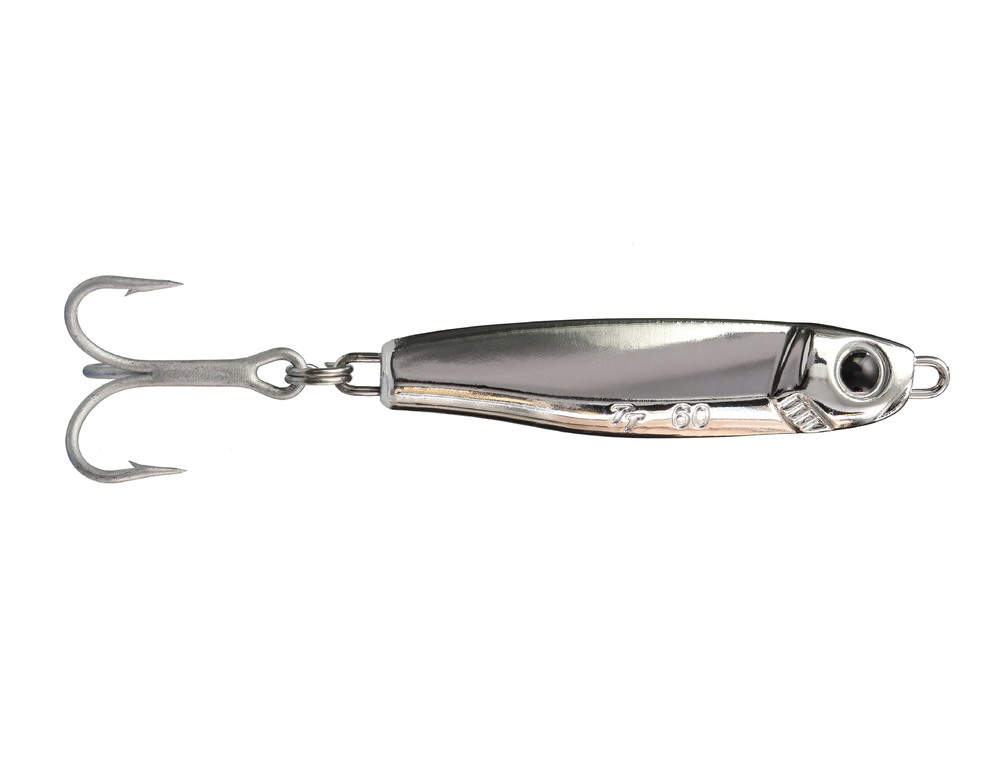
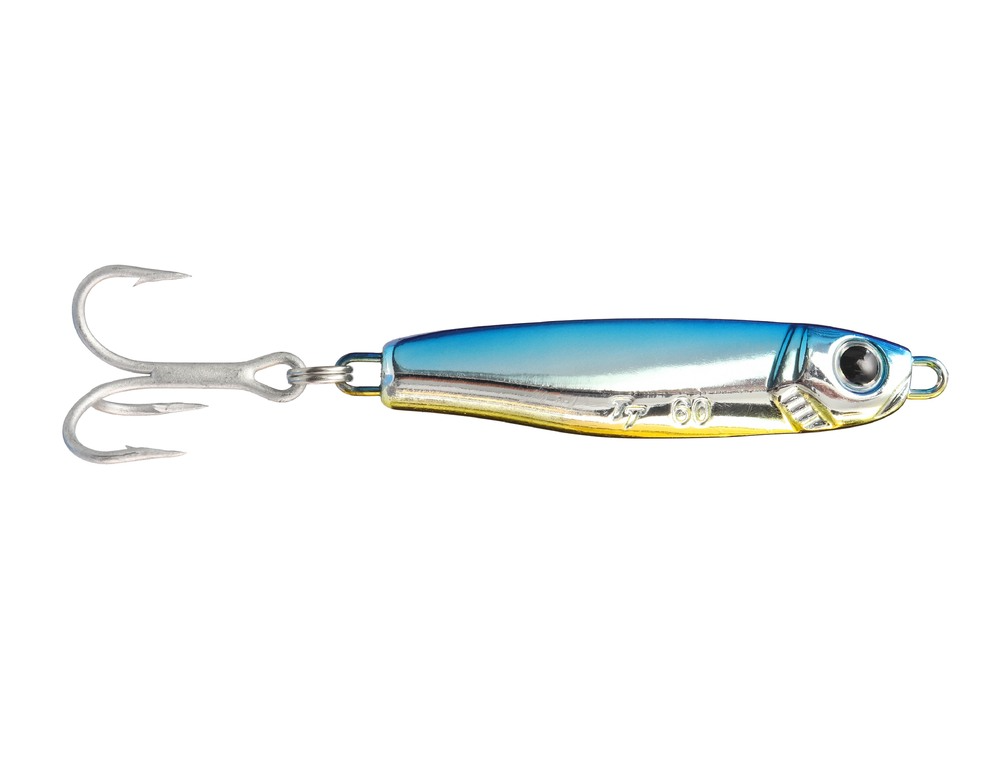
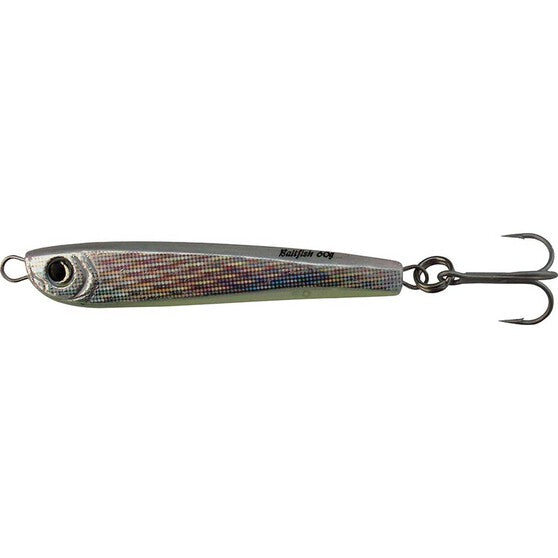
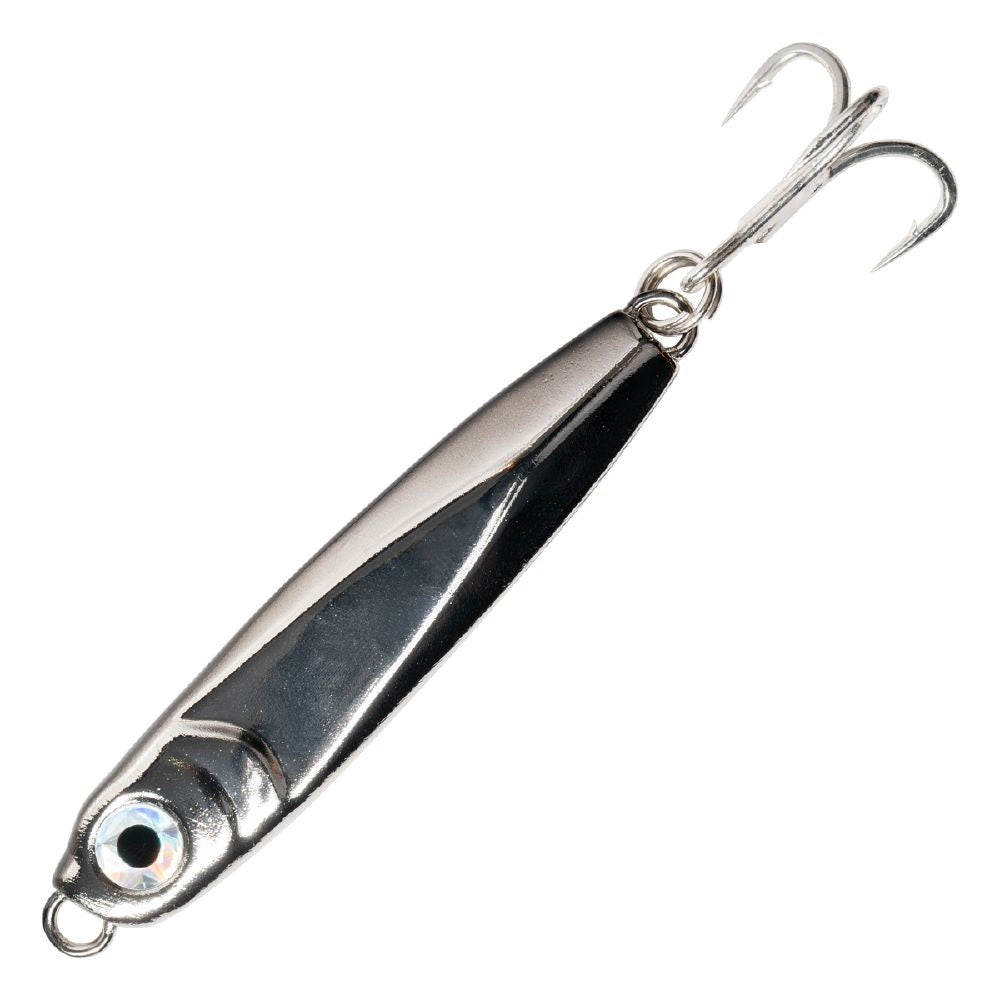
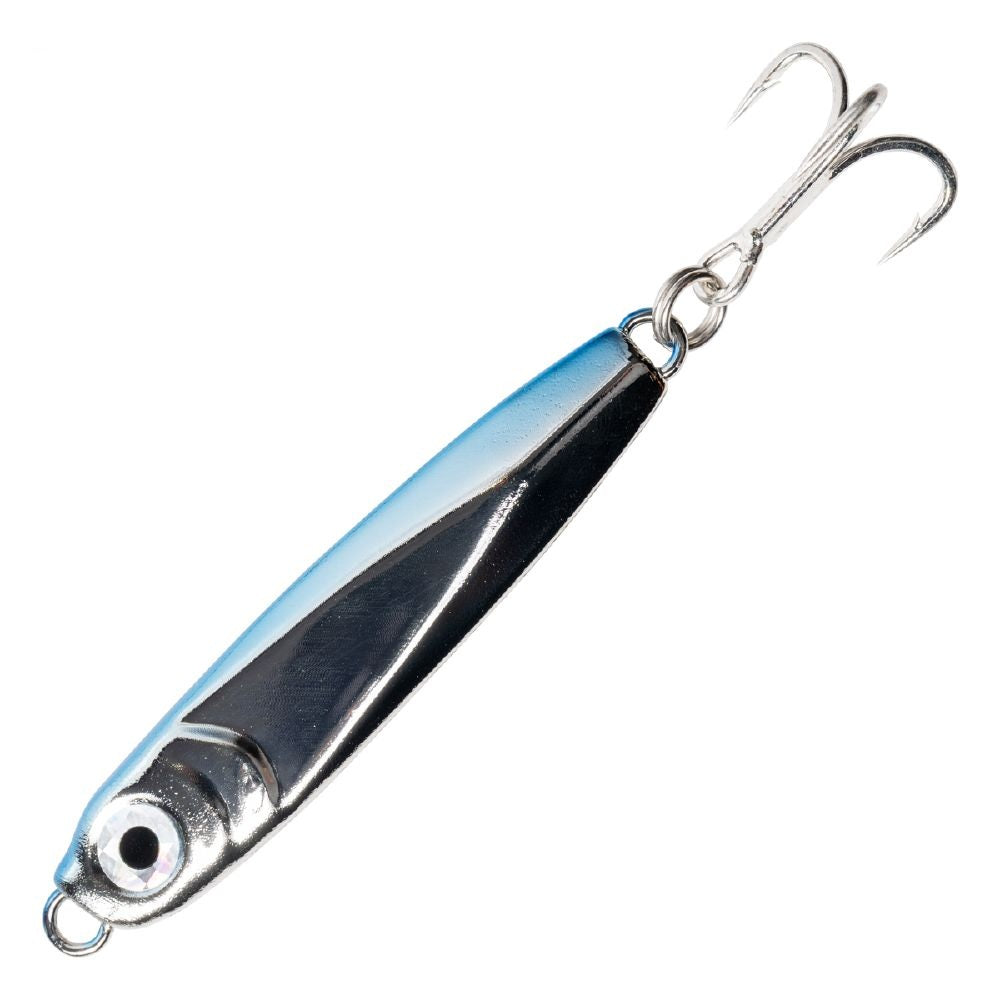
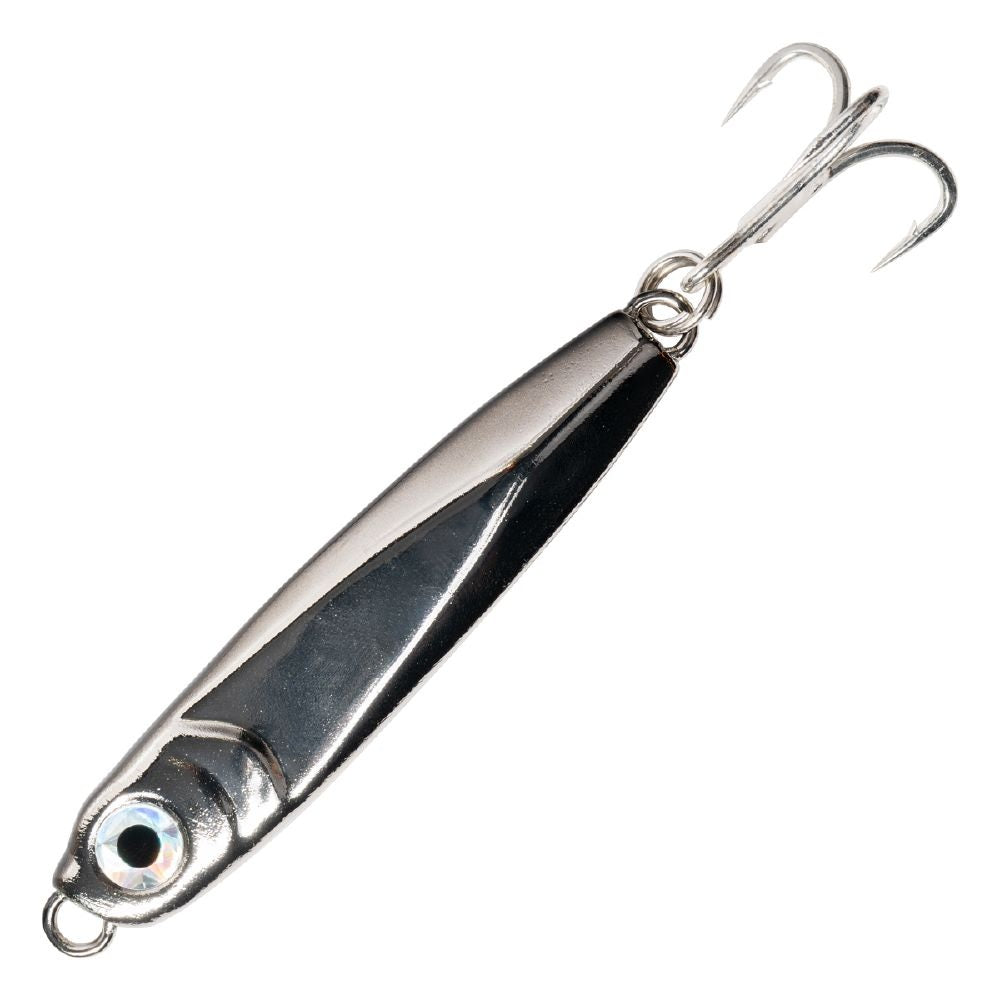
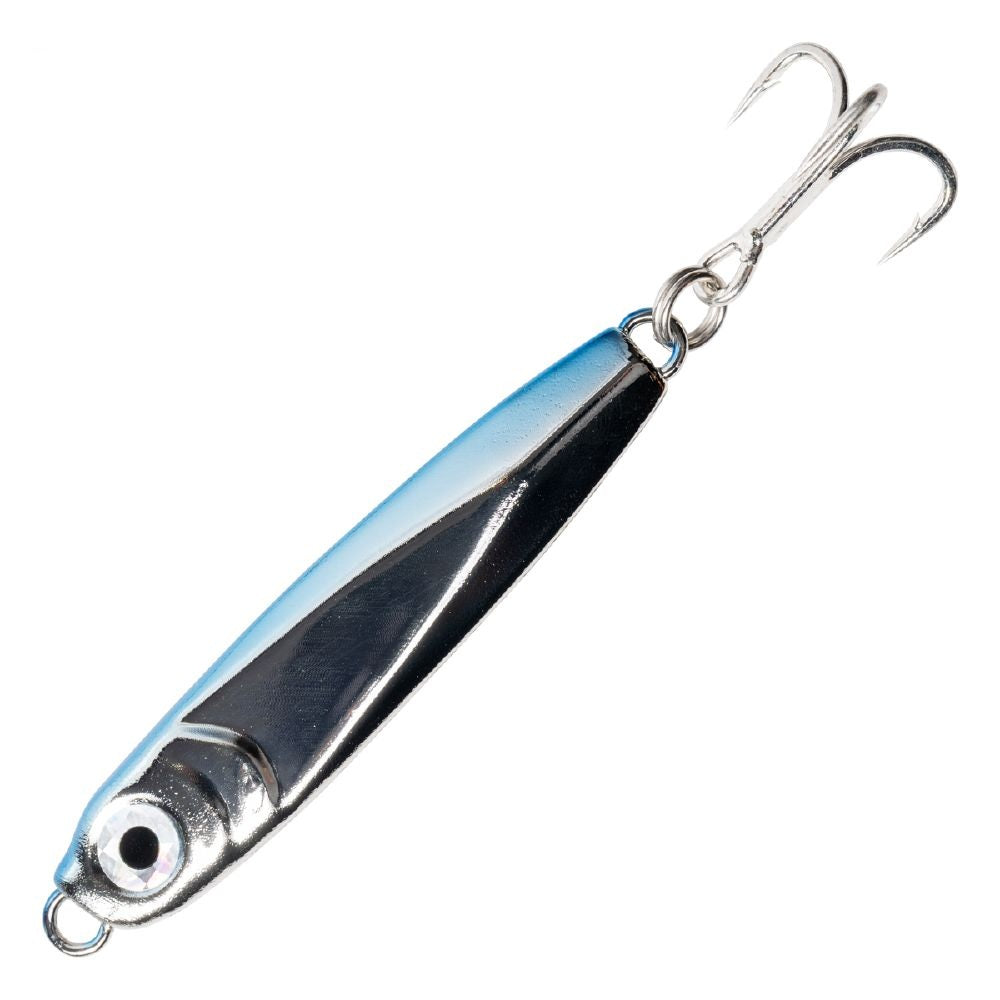
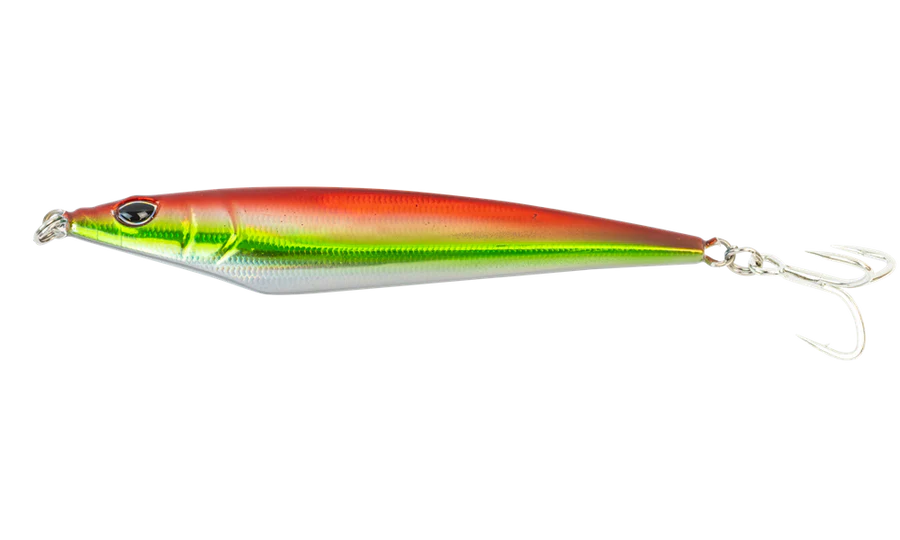
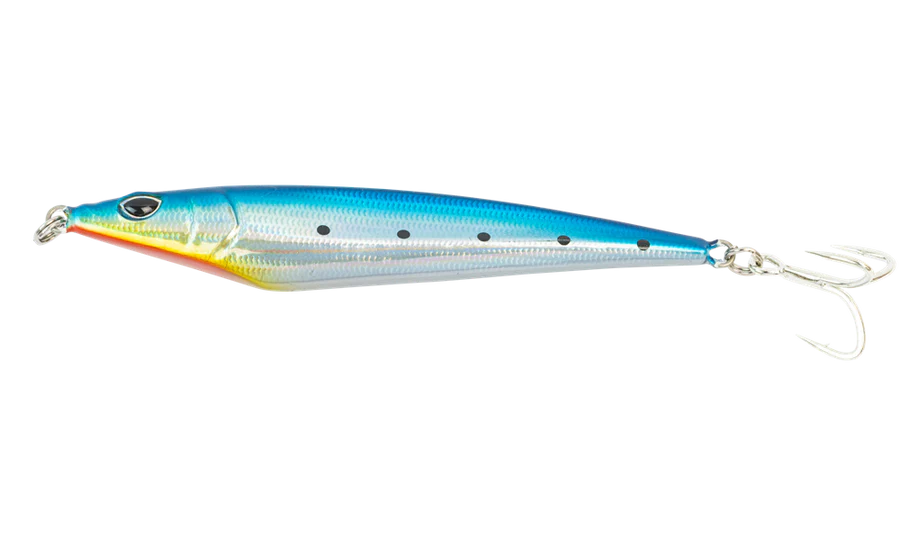
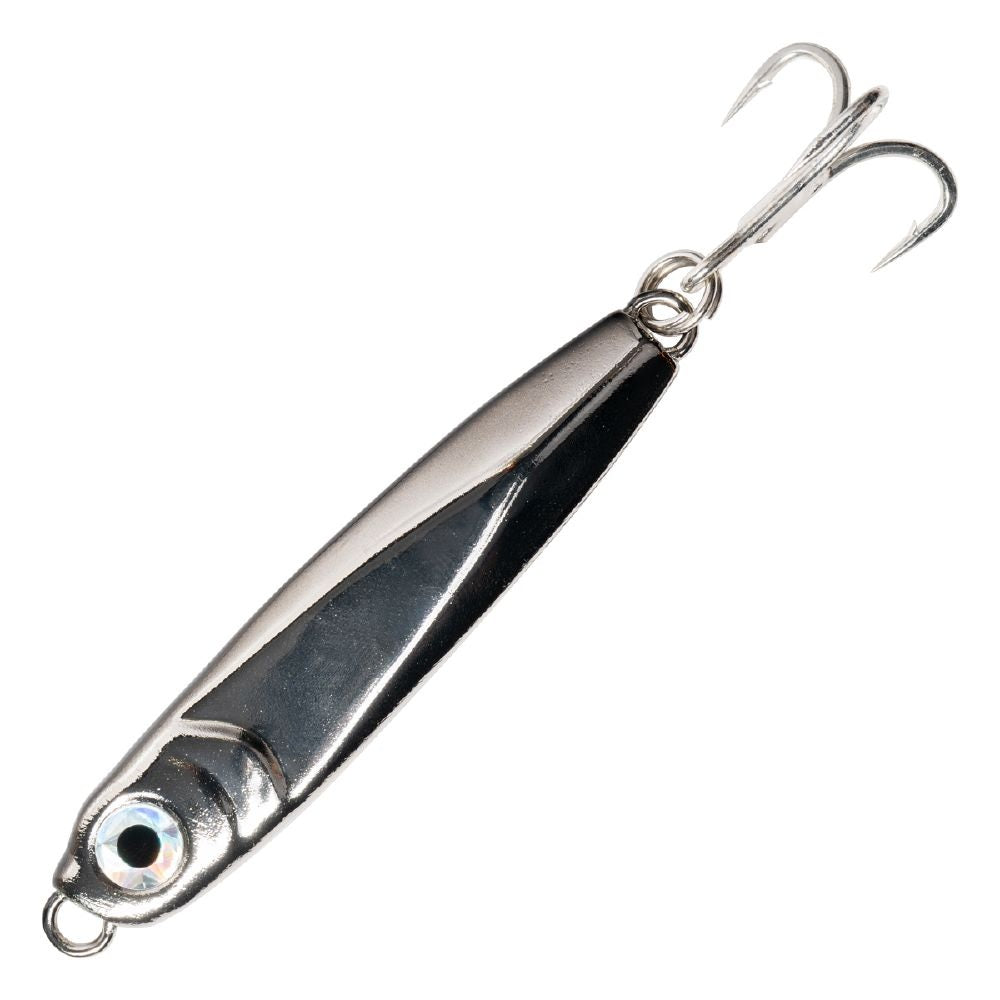
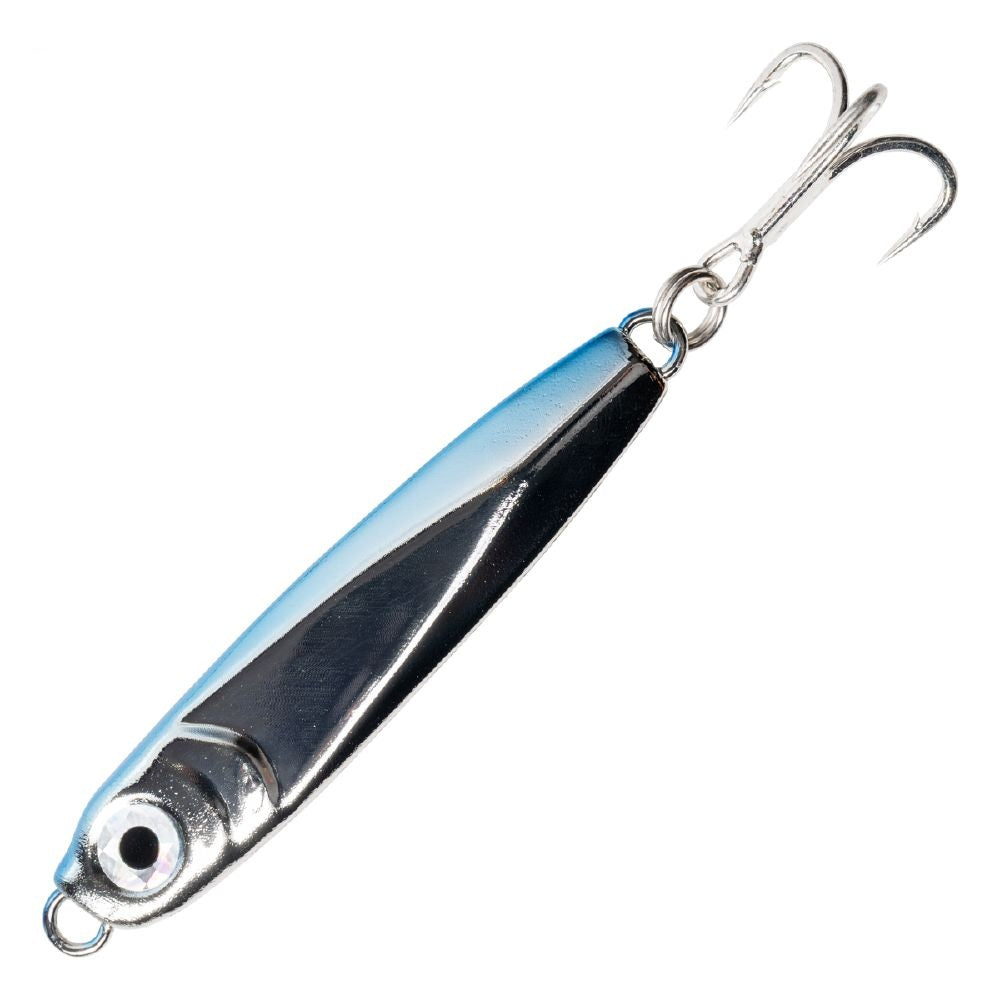
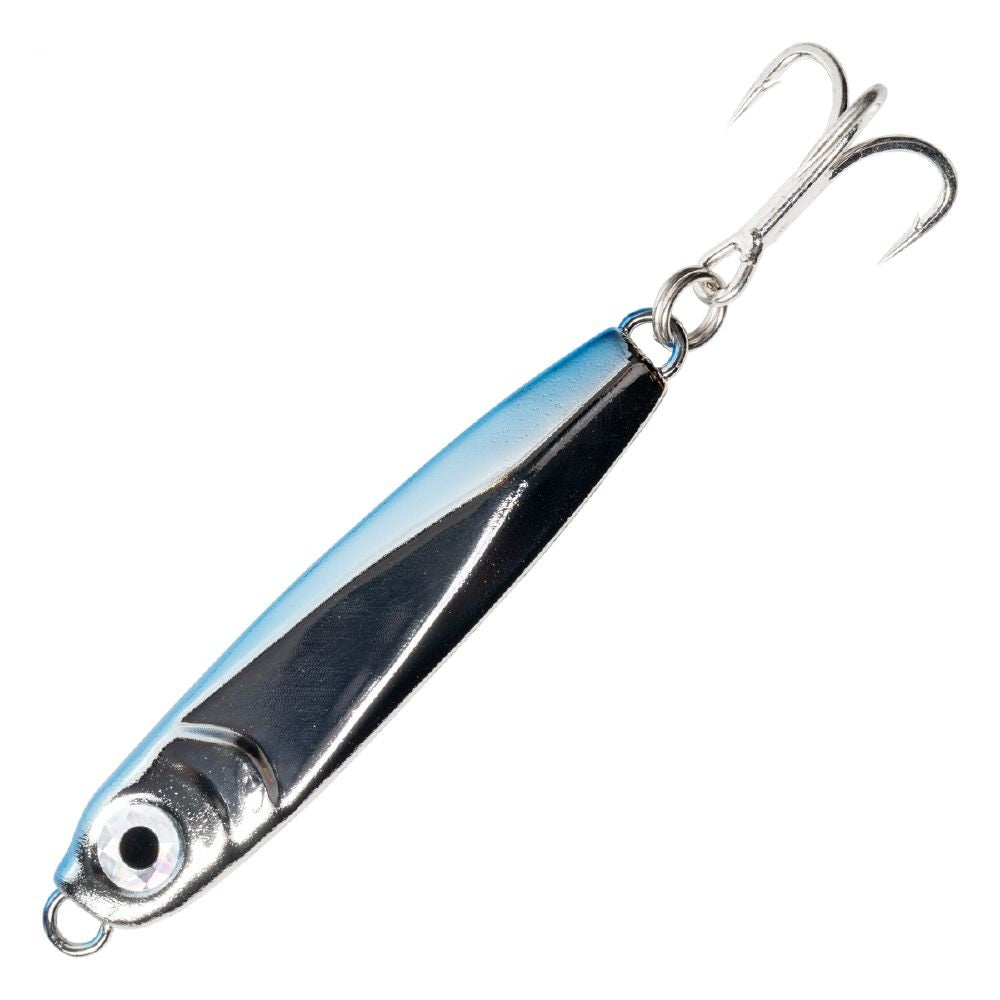
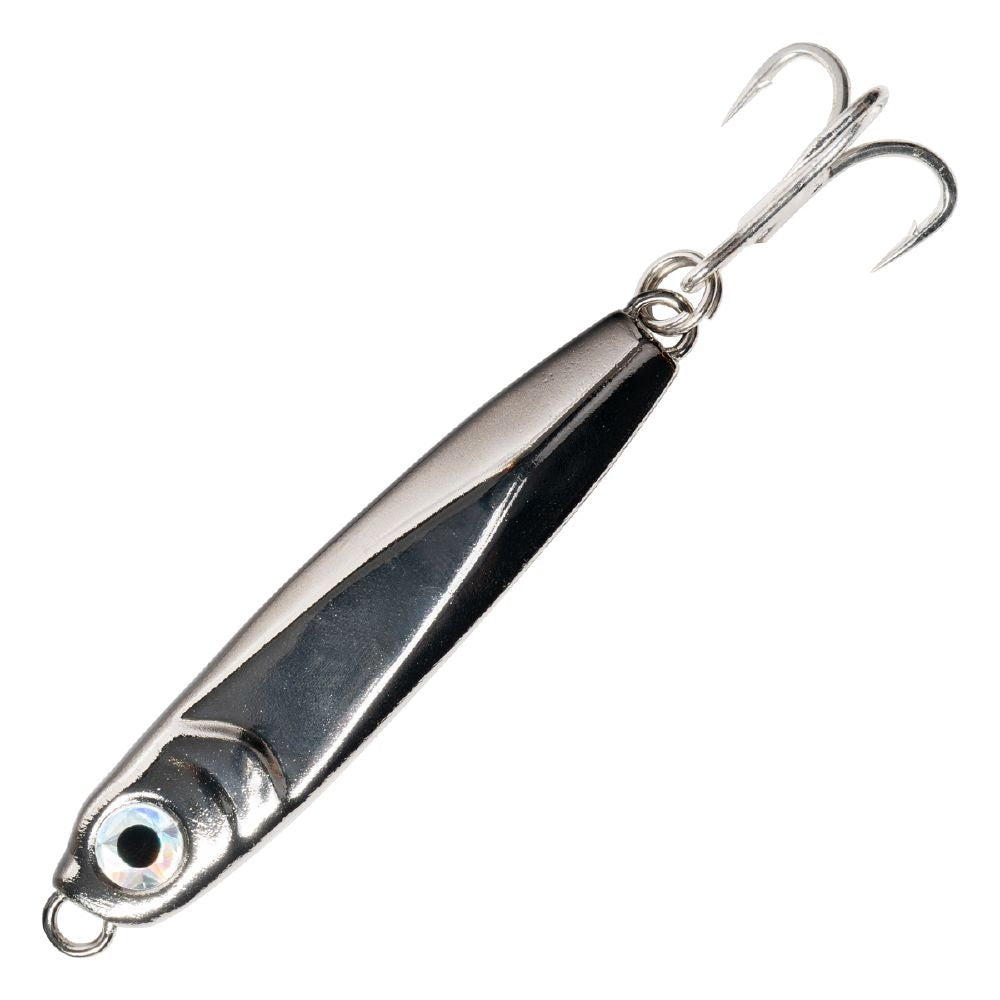
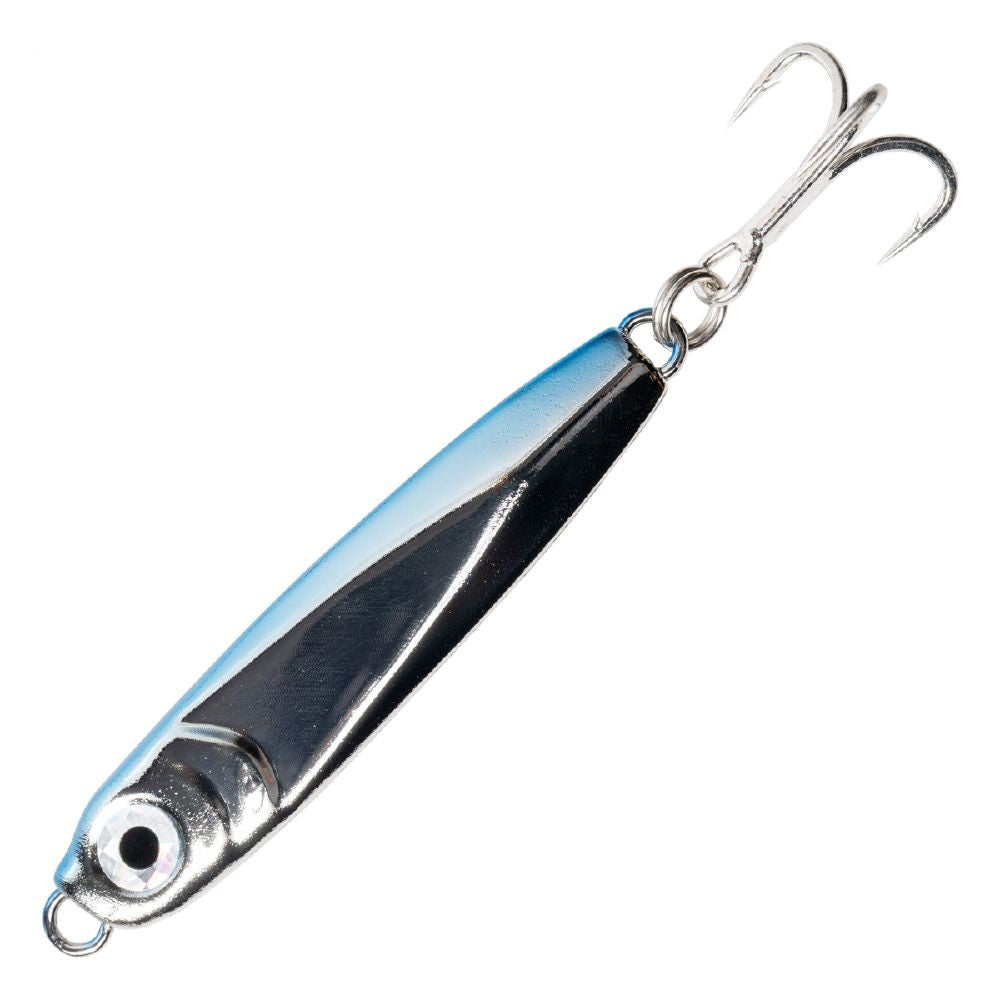
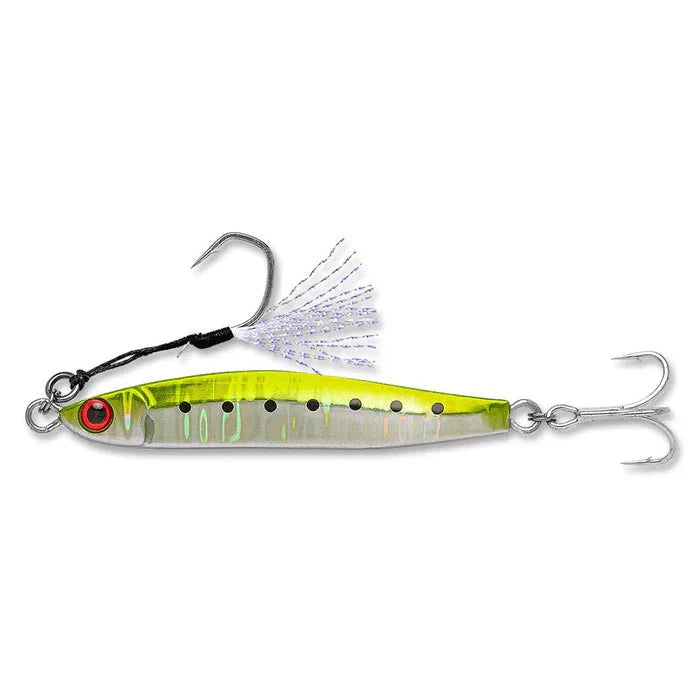
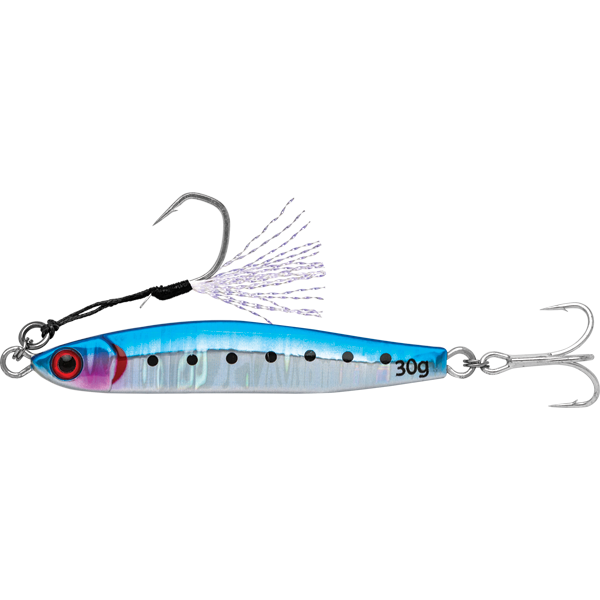
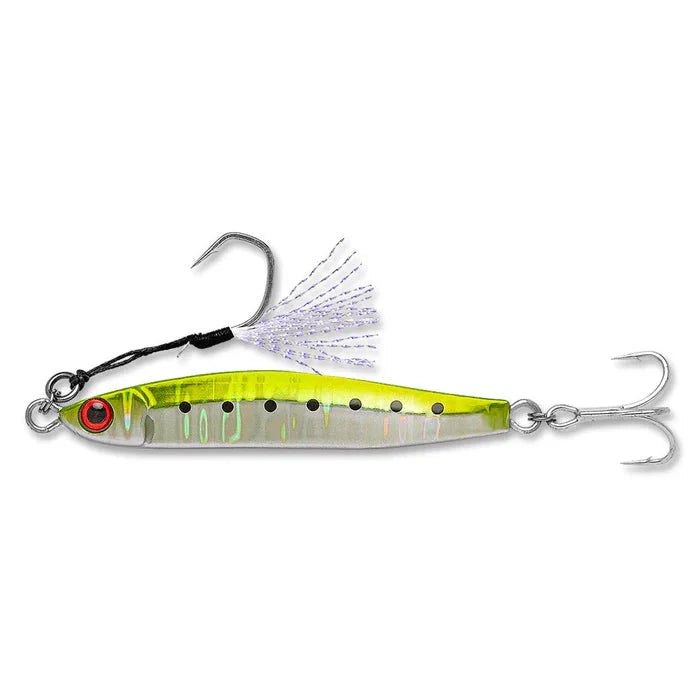
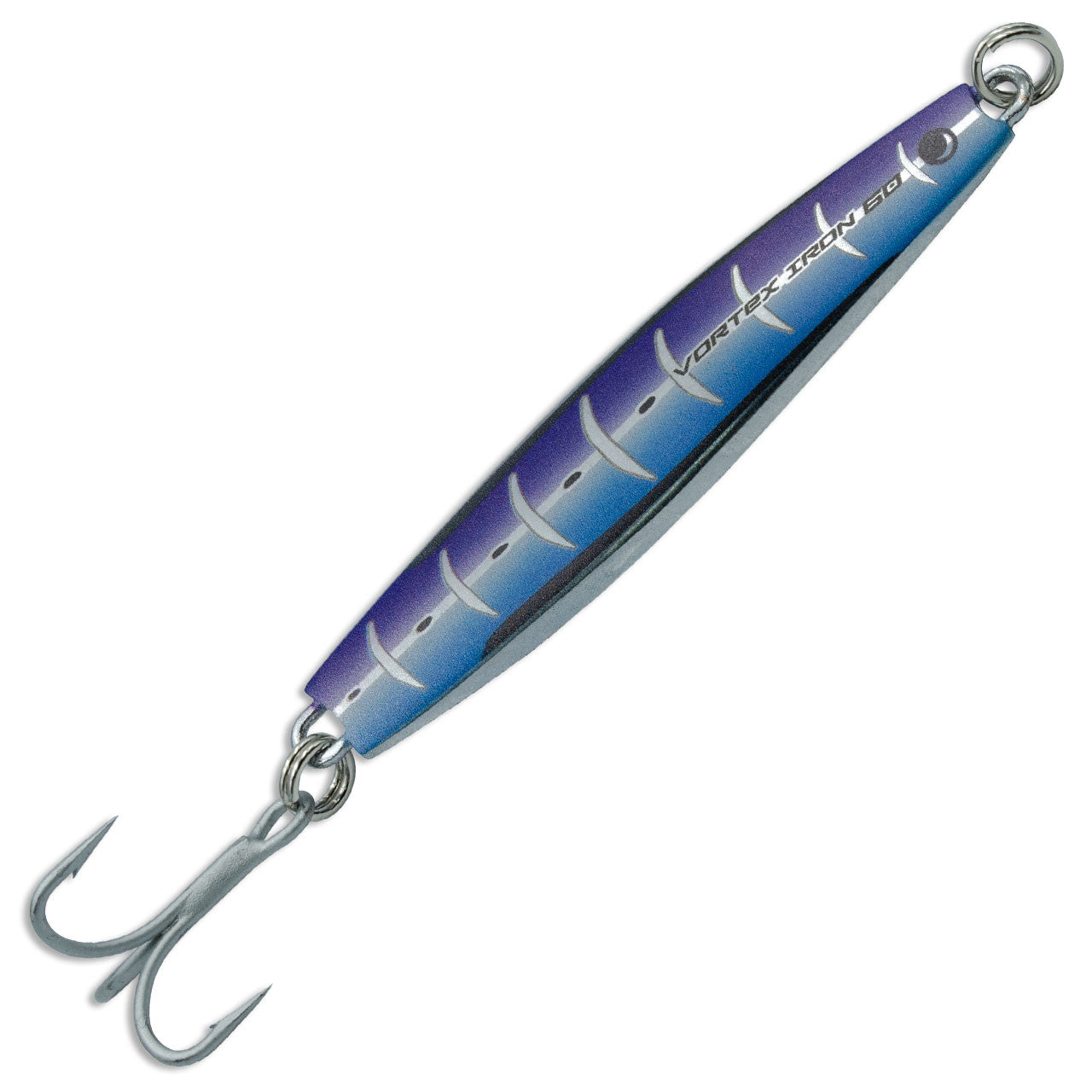
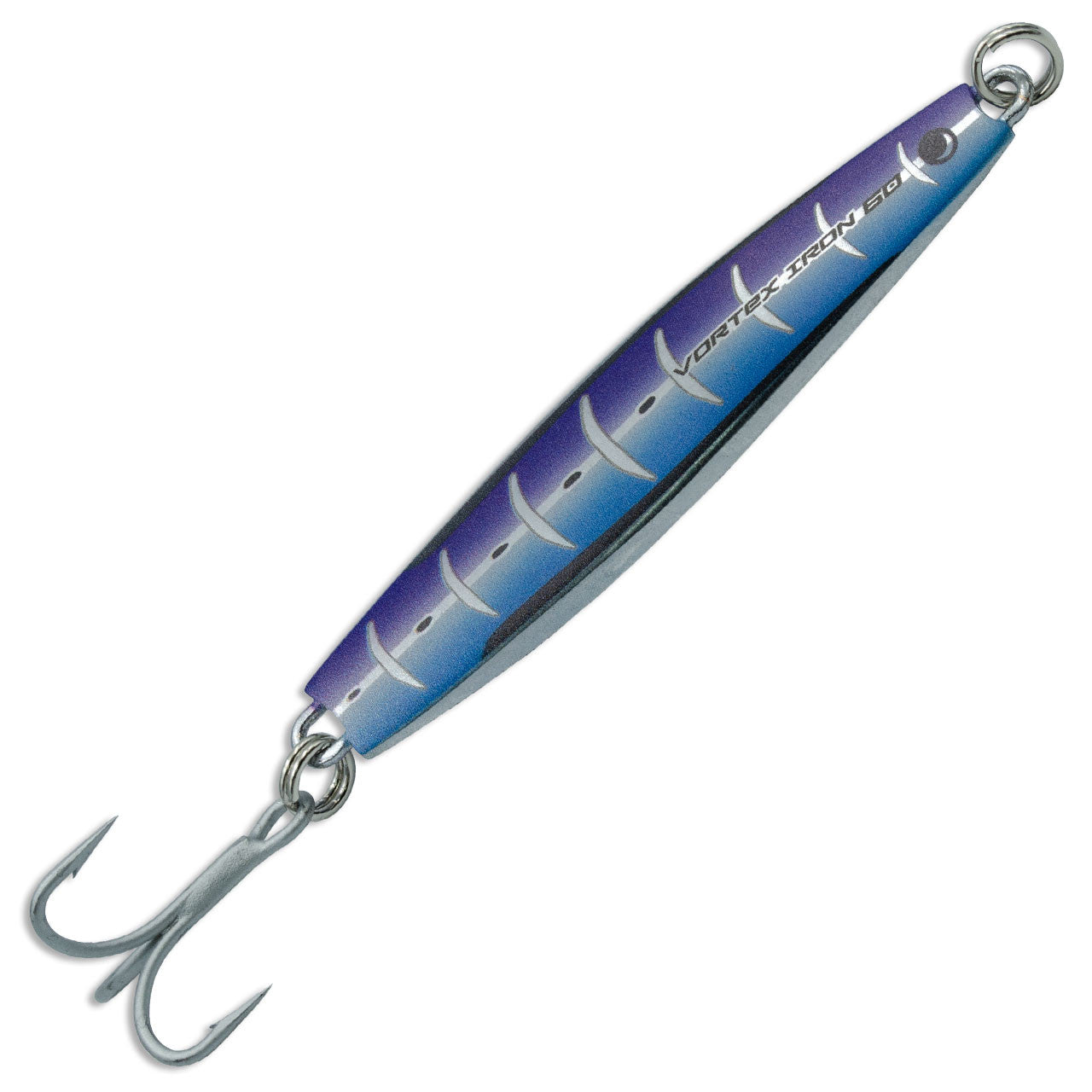
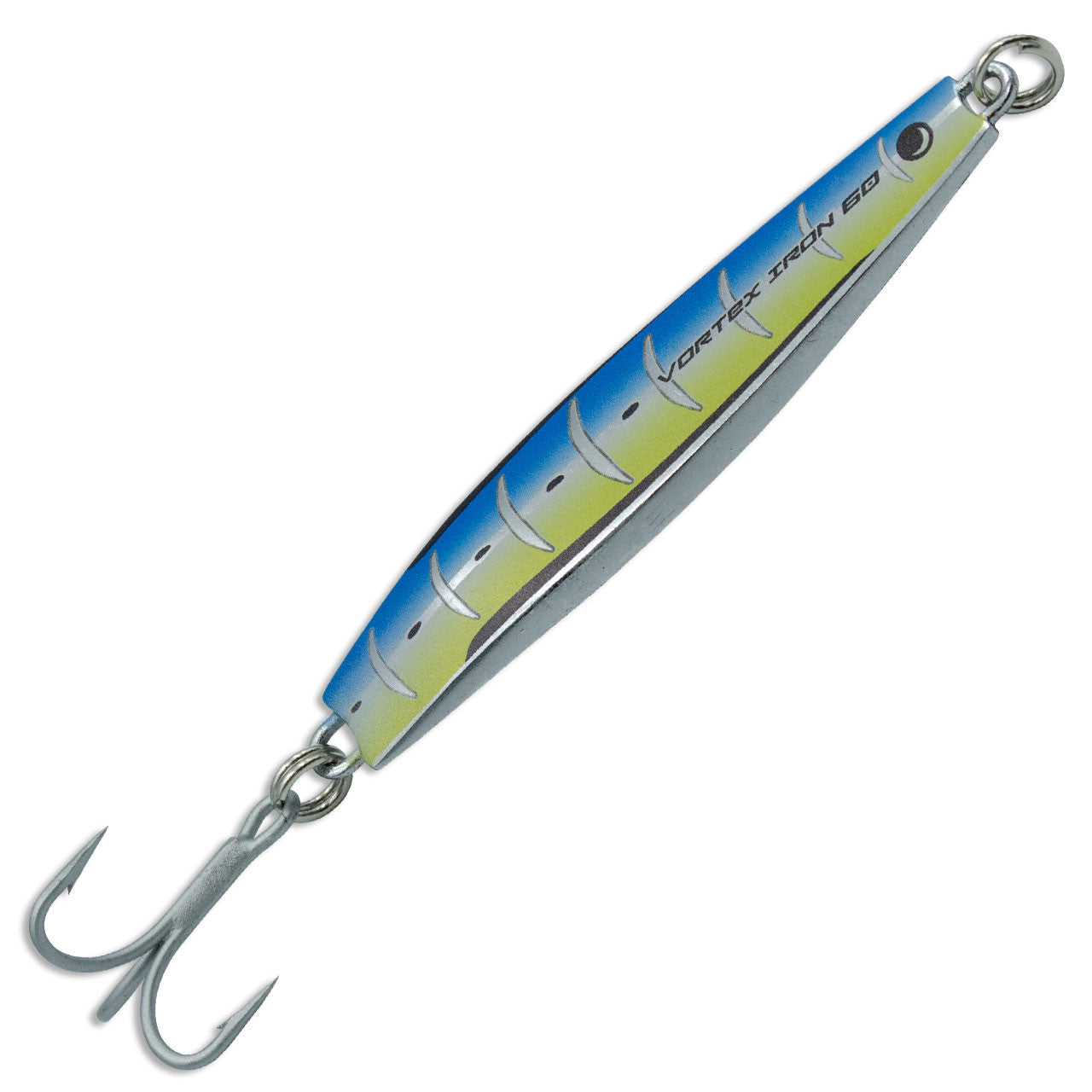
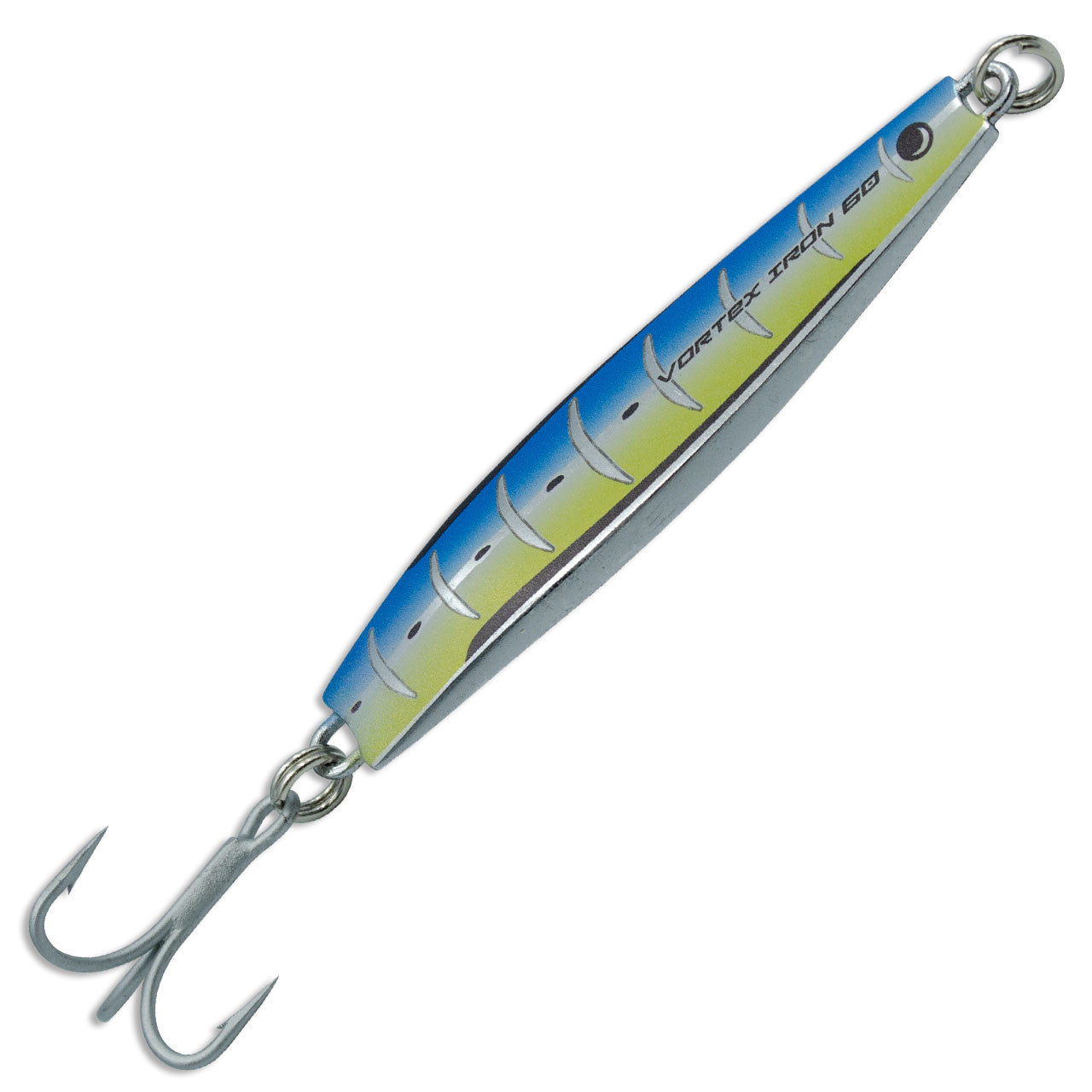
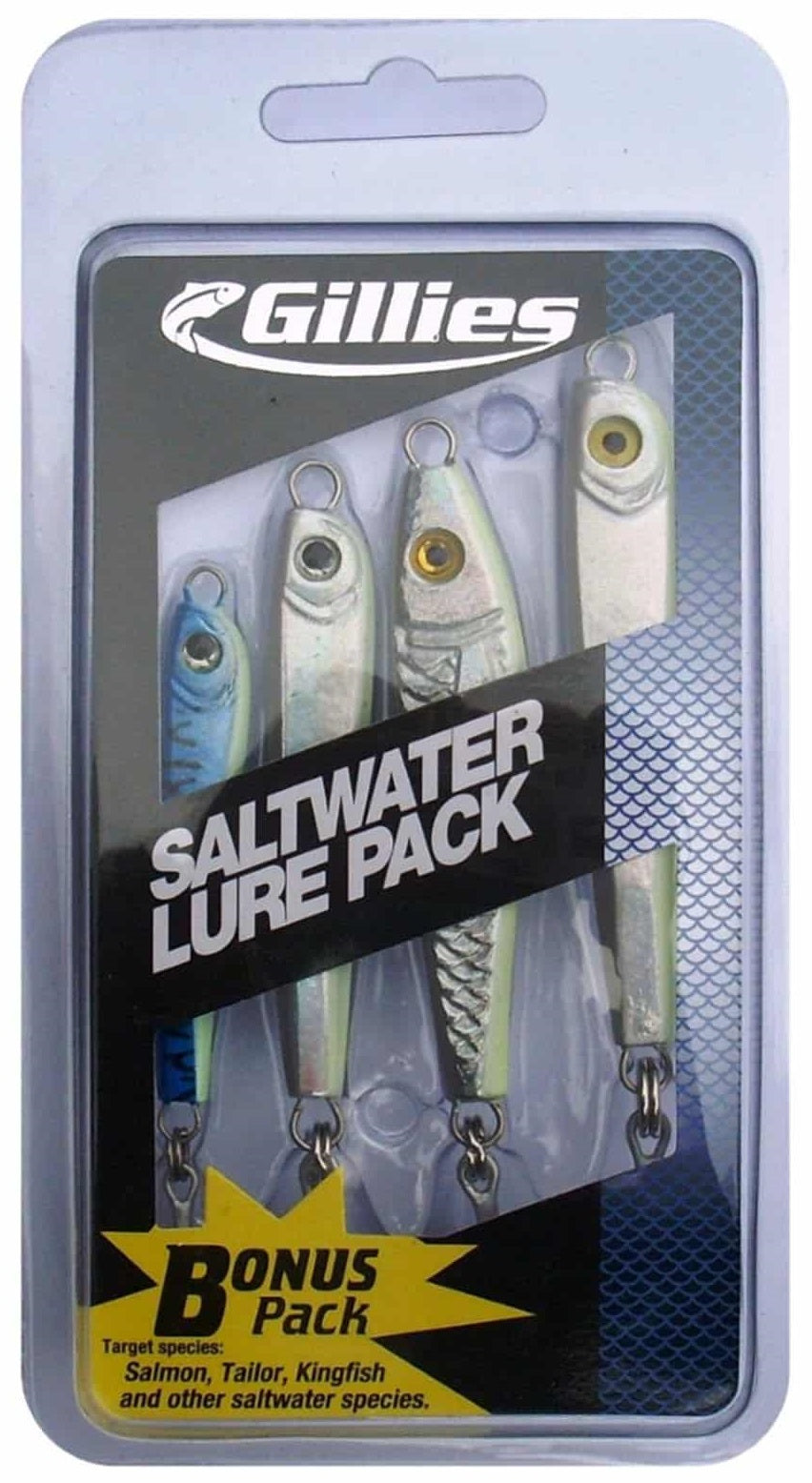
A metal slug is the simplest lure in the box and one of the deadliest. Dense, aerodynamic and fast-sinking, it casts further than anything else of the same size, which is exactly what you want when fish are busting up out of reach.
How to fish a metal slug
The default retrieve is fast and flat — cast past the school, let it sink a moment, then wind hard enough that the lure stays just under the surface. Tailor, salmon, bonito and mac tuna will chase it down. For deeper fish, count the lure down and use a rip-and-drop retrieve, letting it flutter on the pause. Most strikes come on the drop.
Choosing a weight and shape
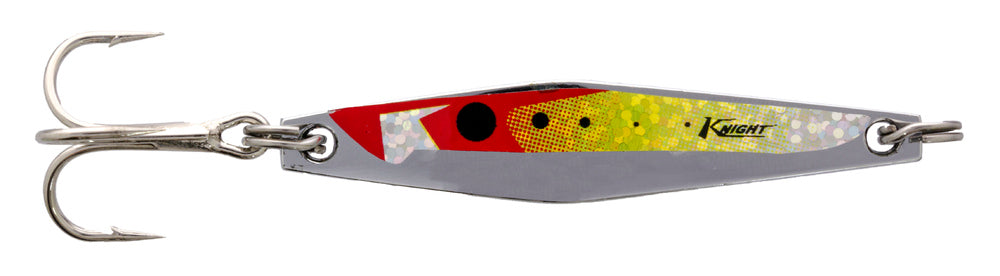
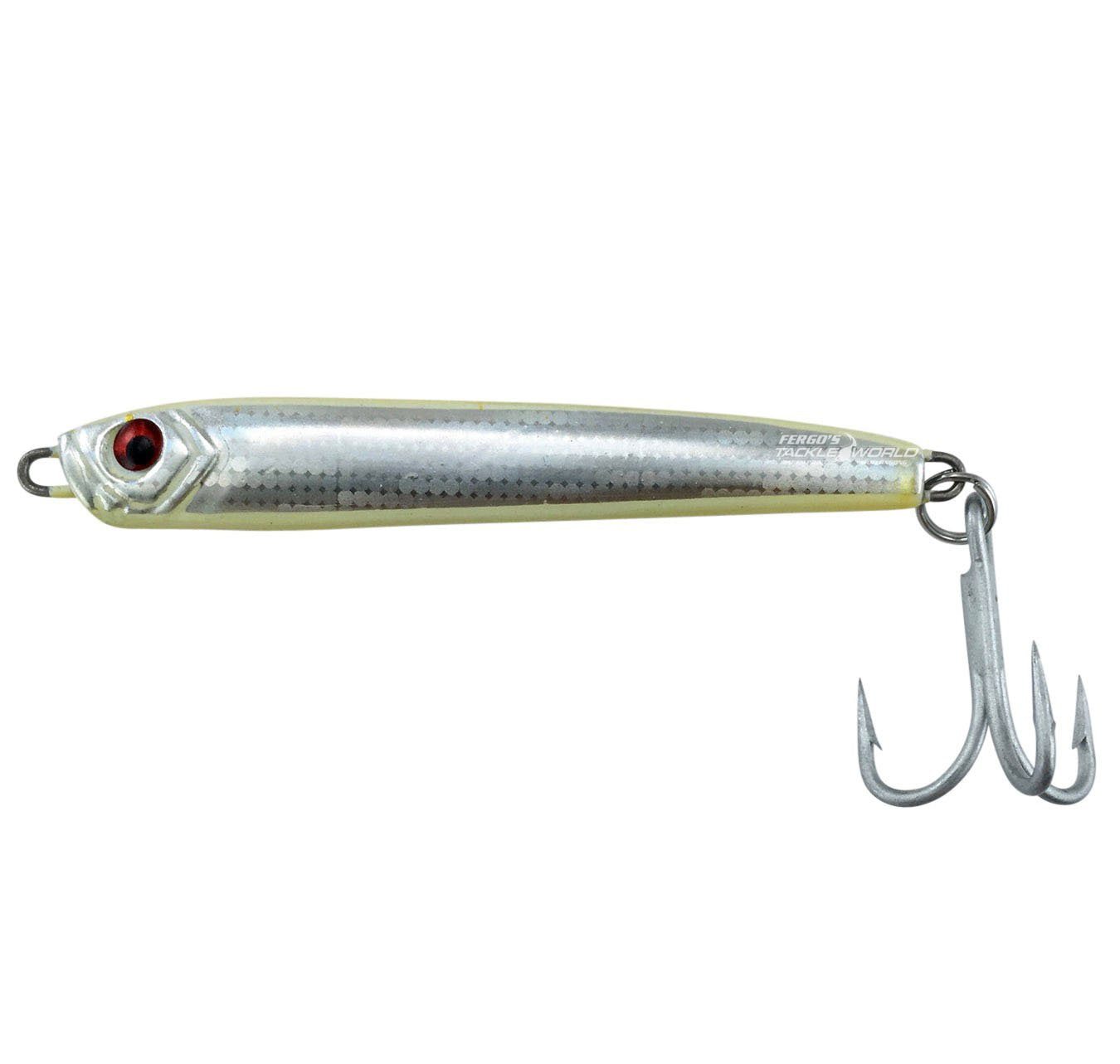
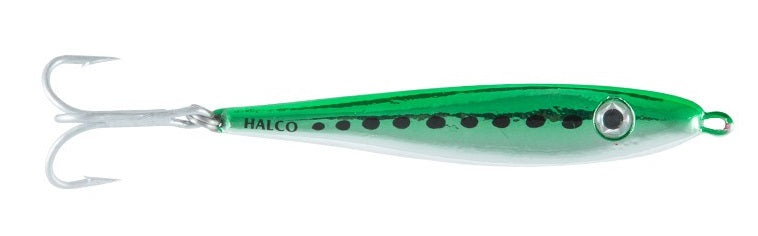
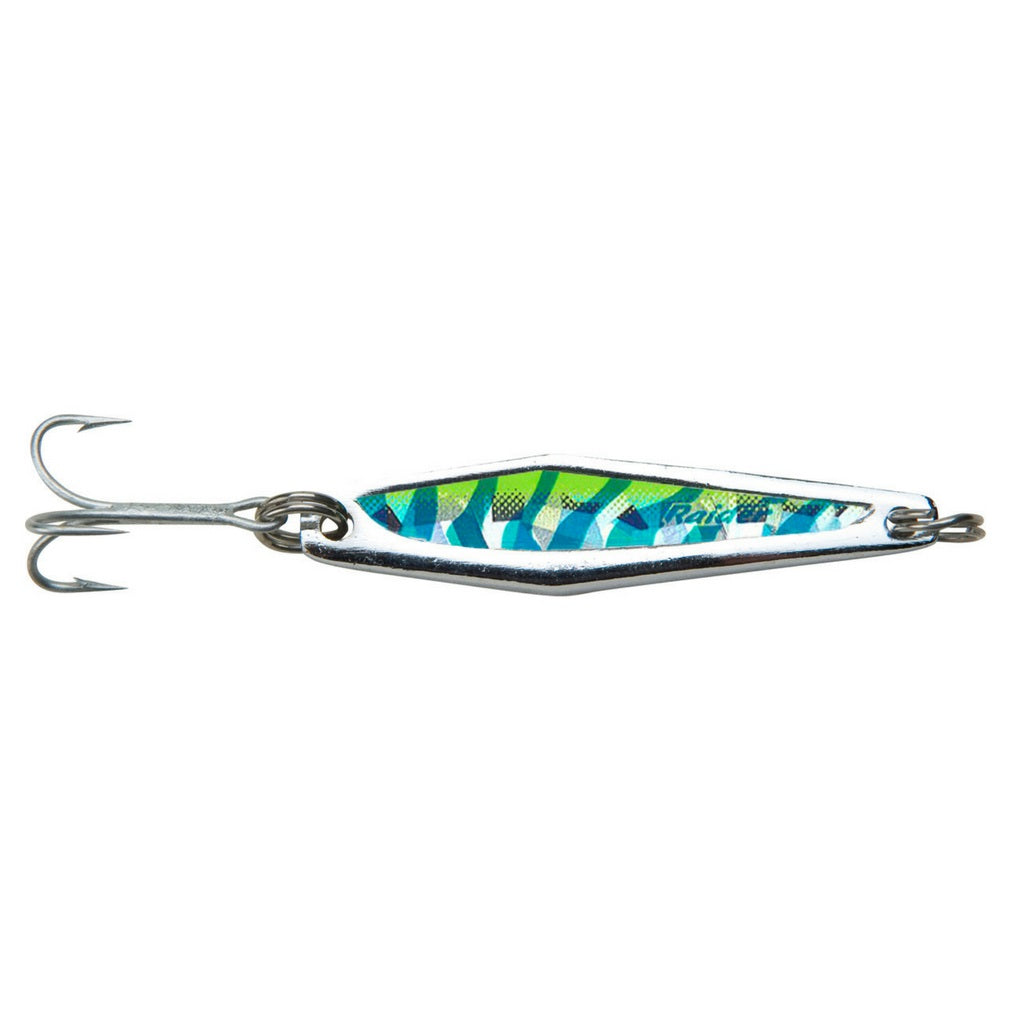
Lighter slugs suit estuary and beach work on light spin gear. Mid-weights are the standard for rock and beach fishing where casting distance wins the day. The heaviest are for offshore spinning at tuna and mackerel. Narrow, knife-shaped slices cast furthest; wider slugs give more flash and flutter on the drop.
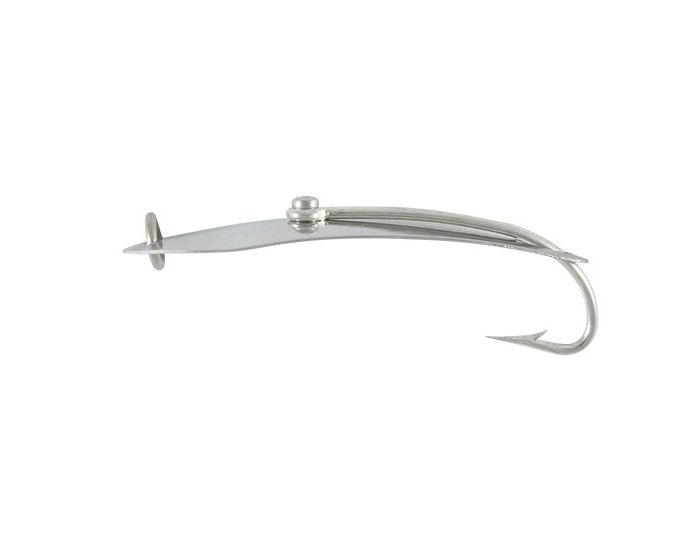
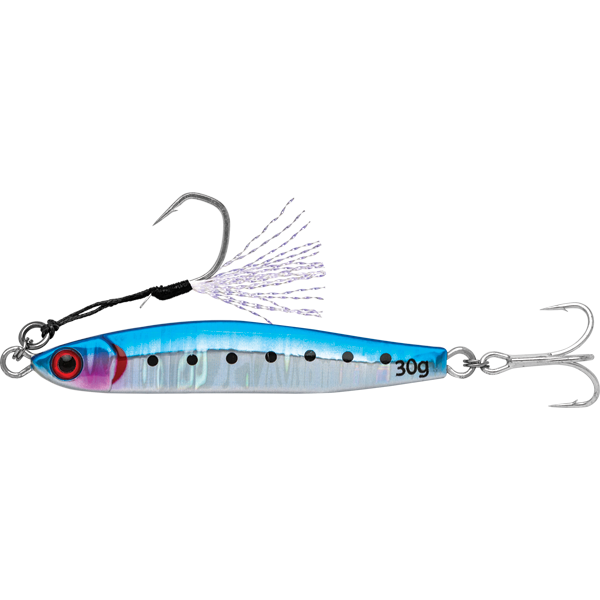
Consider upgrading the hooks — many slugs come with modest trebles, and a single assist hook often converts more strikes.
Frequently asked questions
What is a metal slug lure?
A solid metal casting lure, sometimes called a slice, designed for long casts and fast retrieves at surface-feeding fish like tailor, salmon and tuna.
What weight metal slug should I use?
Match it to your rod's cast rating and the distance you need. Heavier slugs cast further but need a rod with the backbone to throw them.
Single hook or treble on a slug?
Trebles hook more fish but tangle and damage fish more. A single assist hook is cleaner, safer for release and increasingly the preferred option.




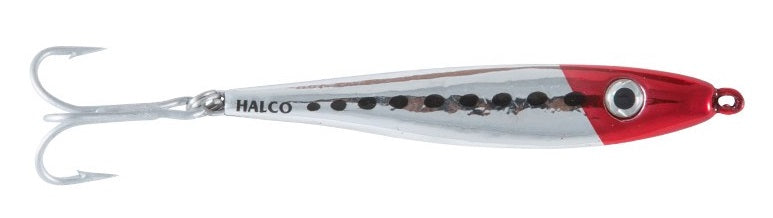

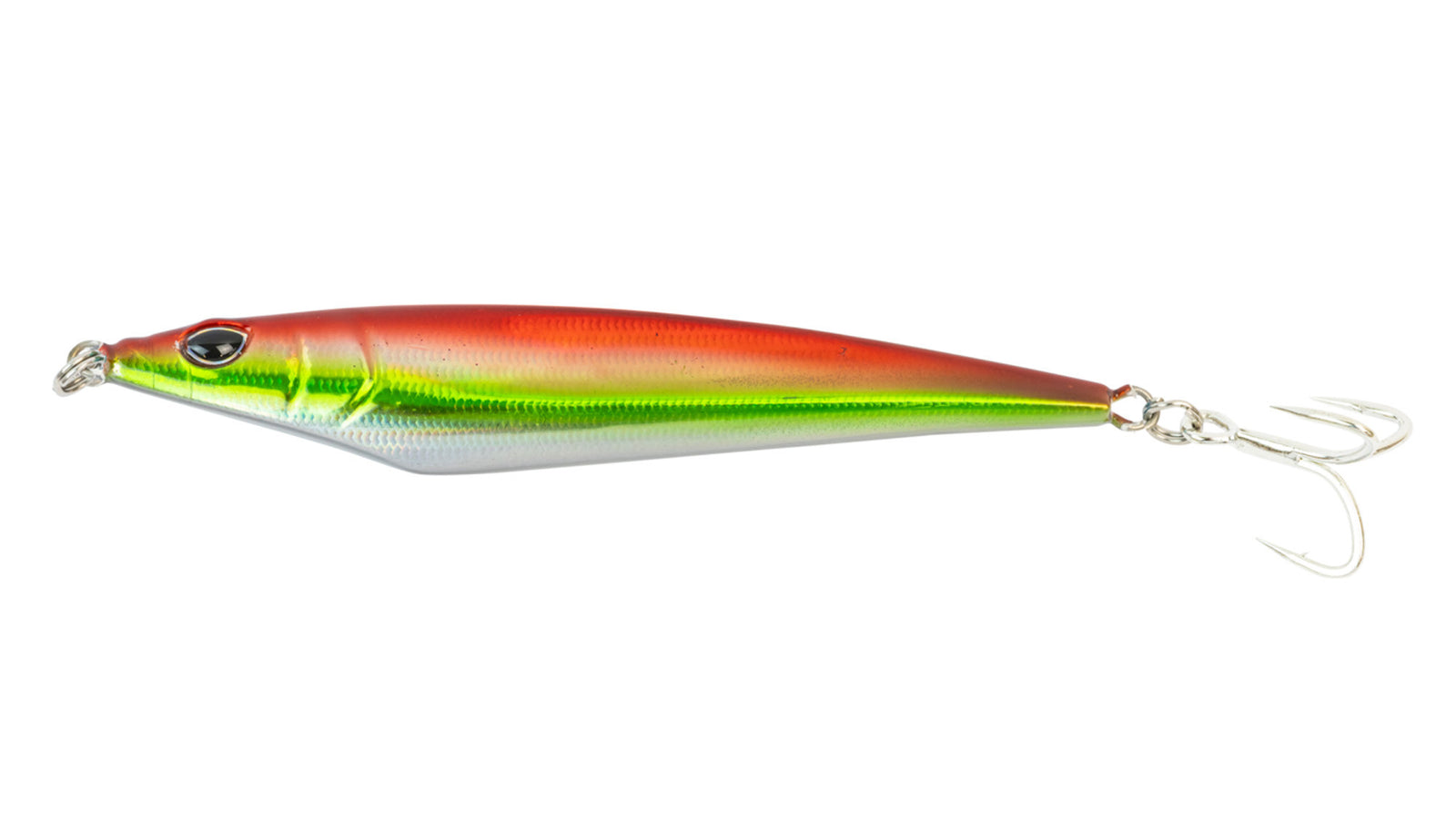
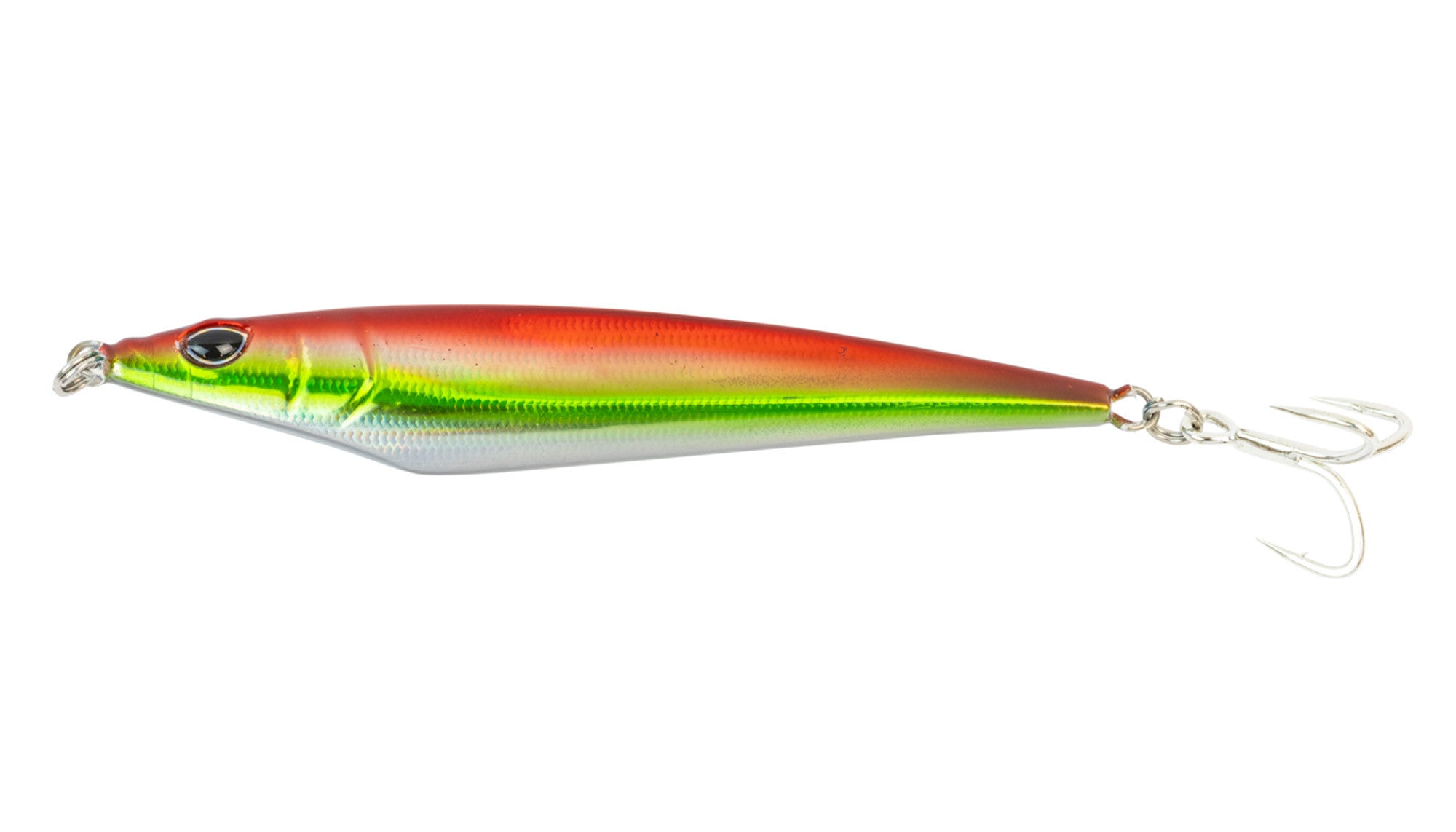
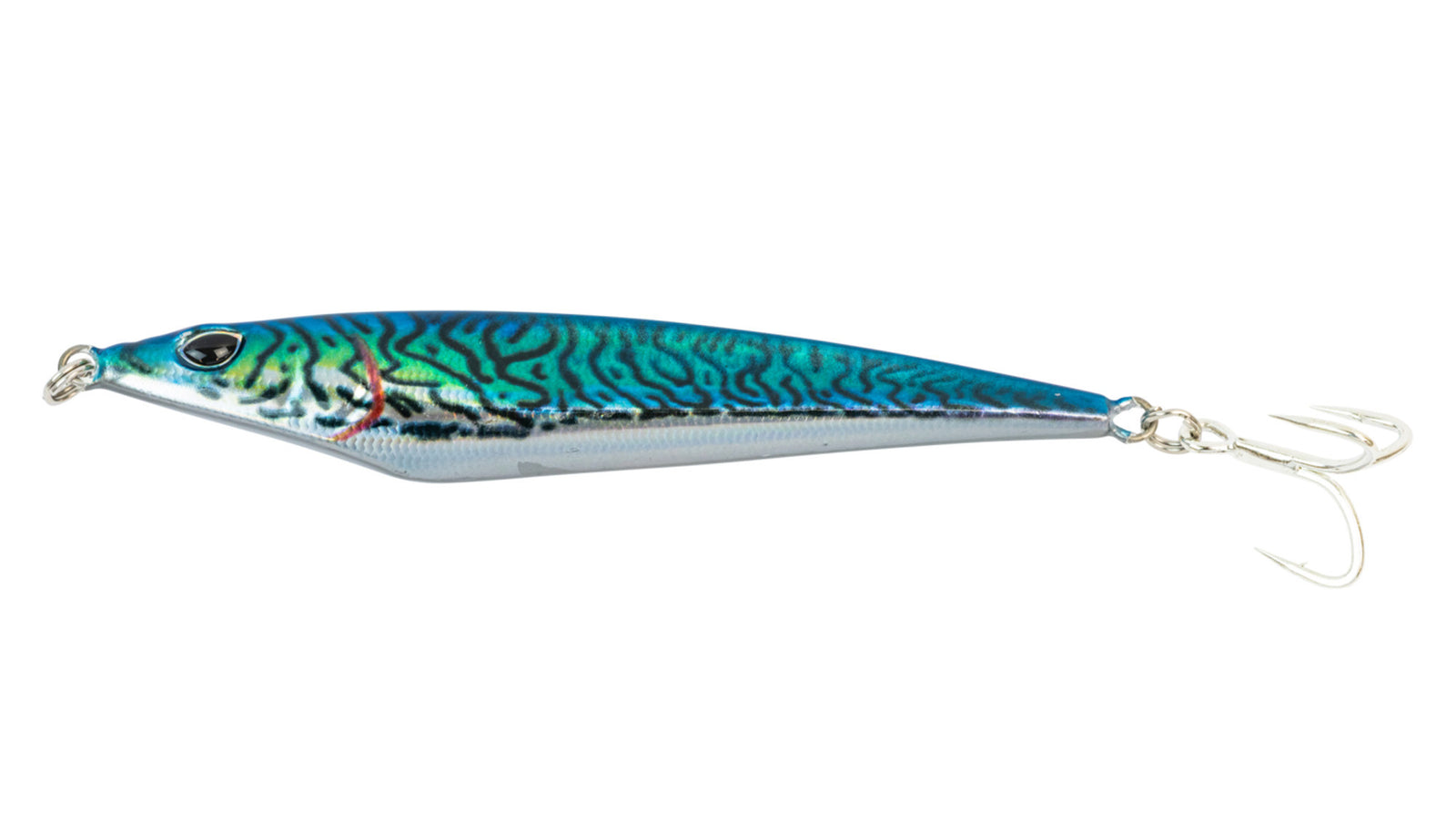




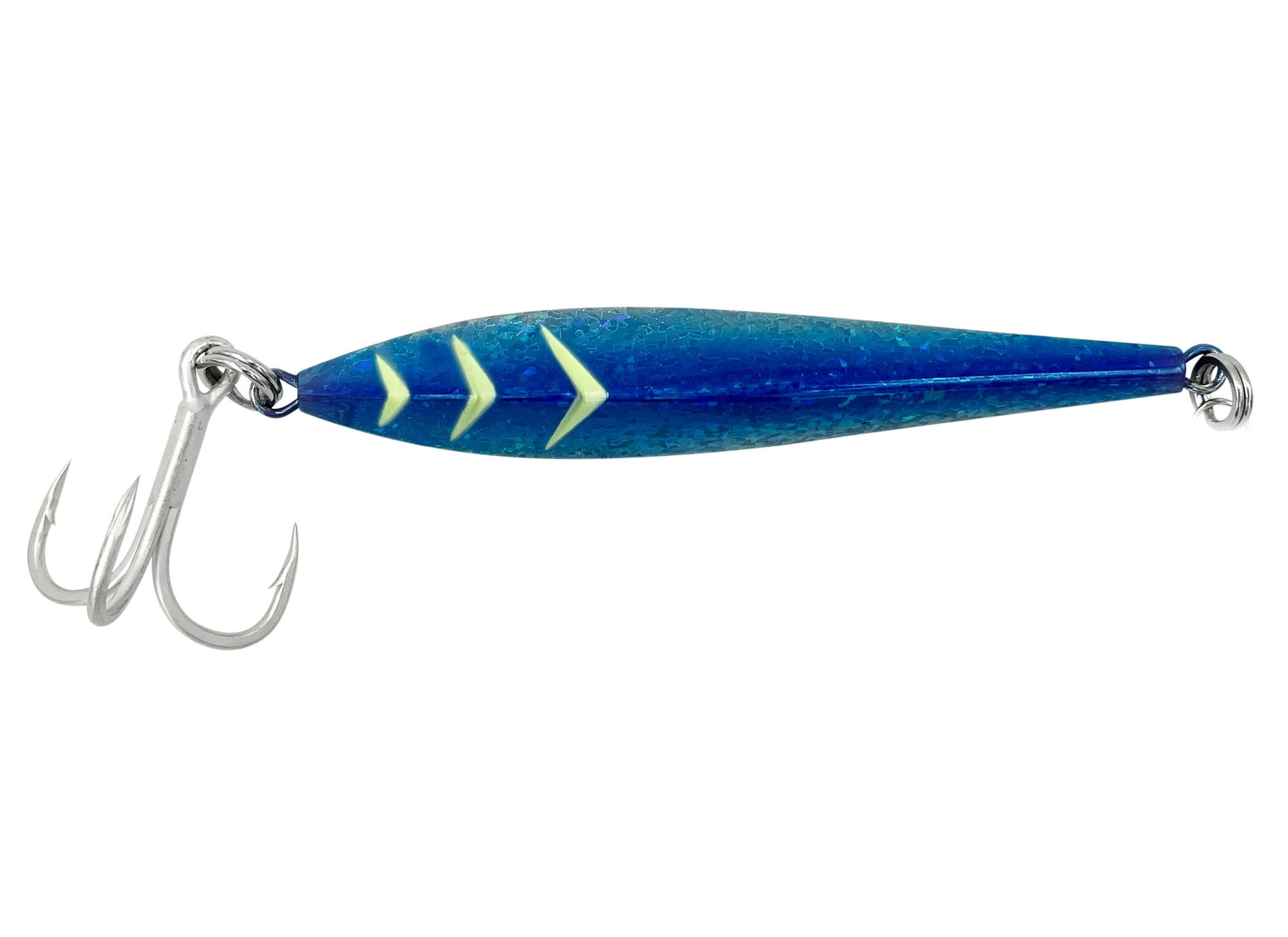
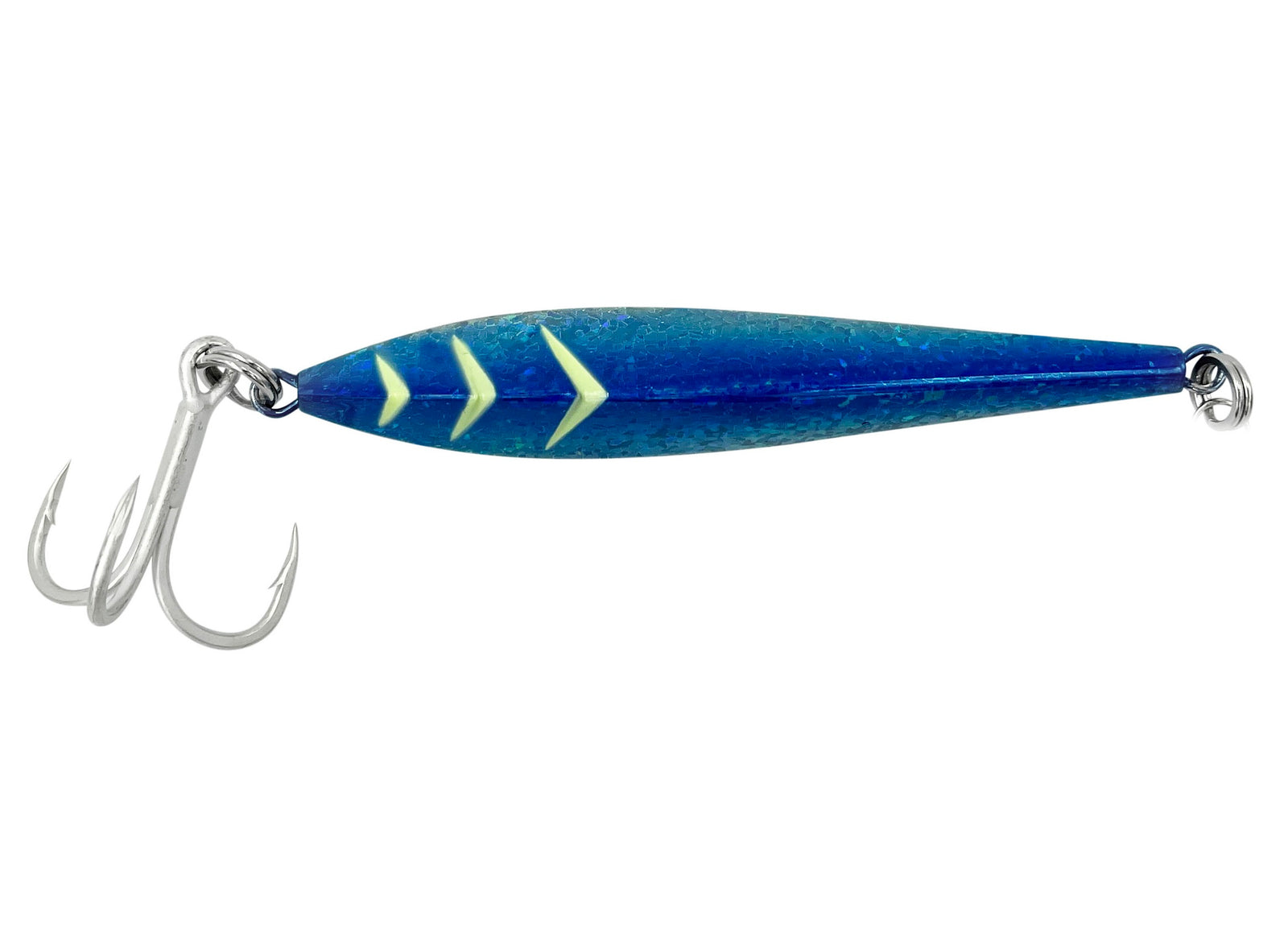


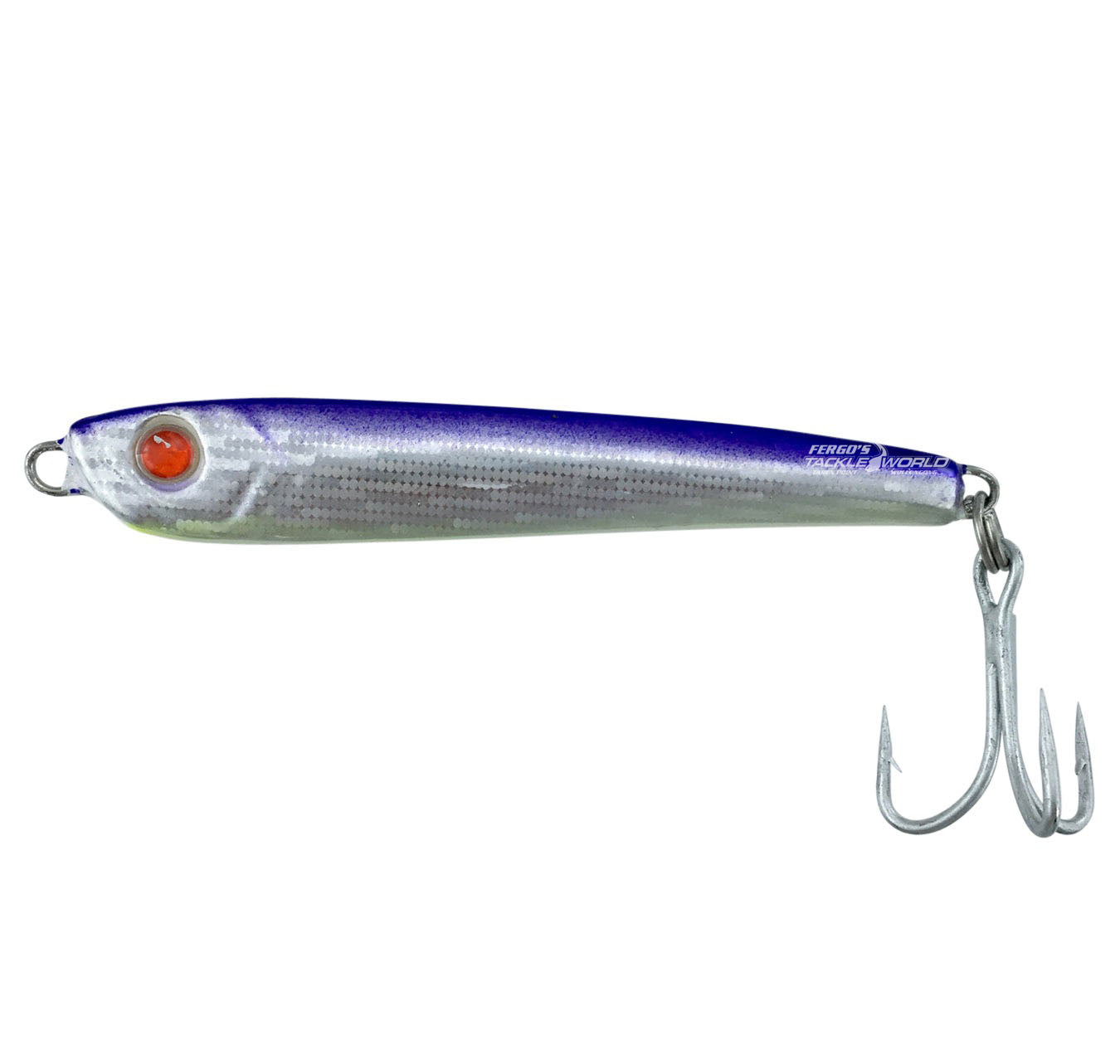
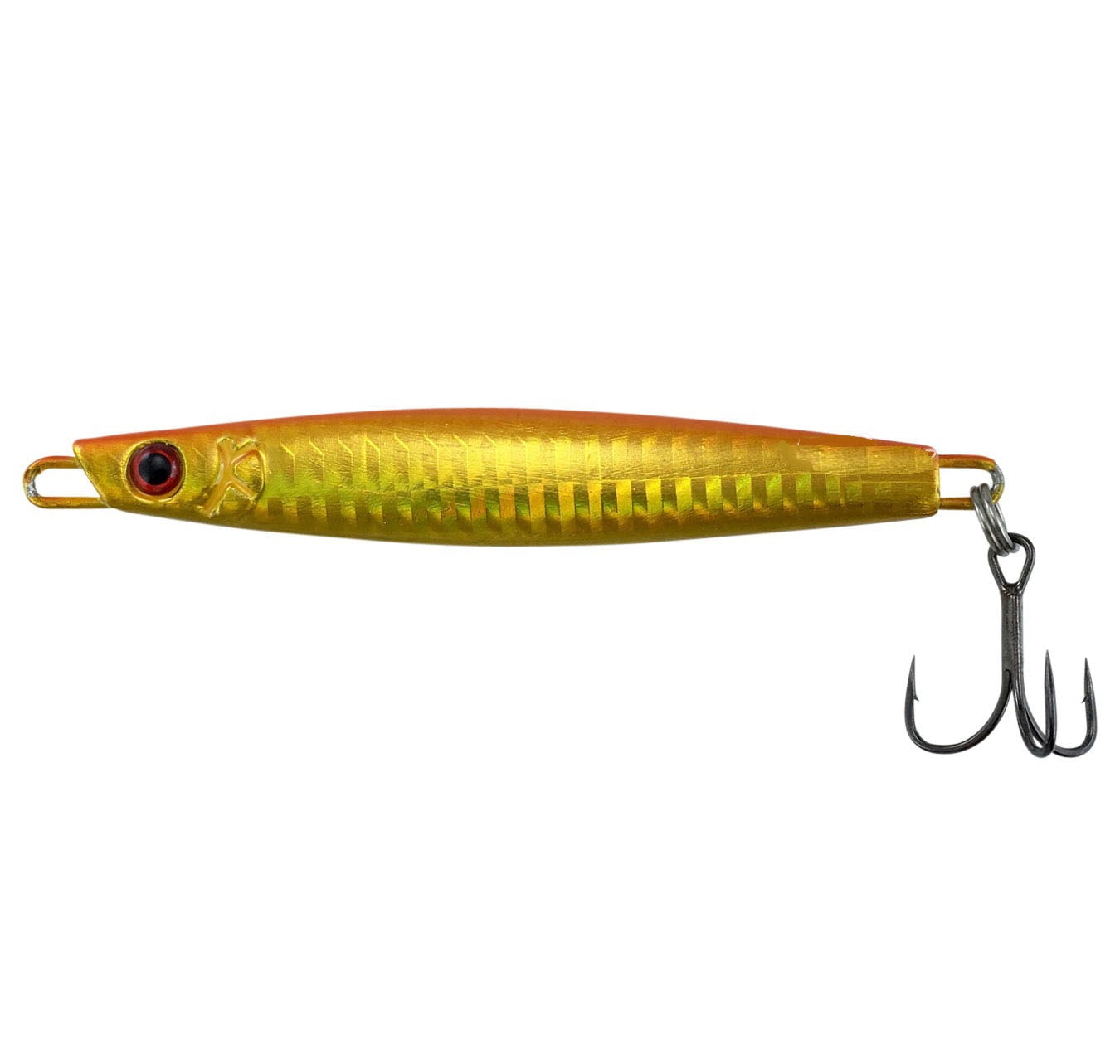


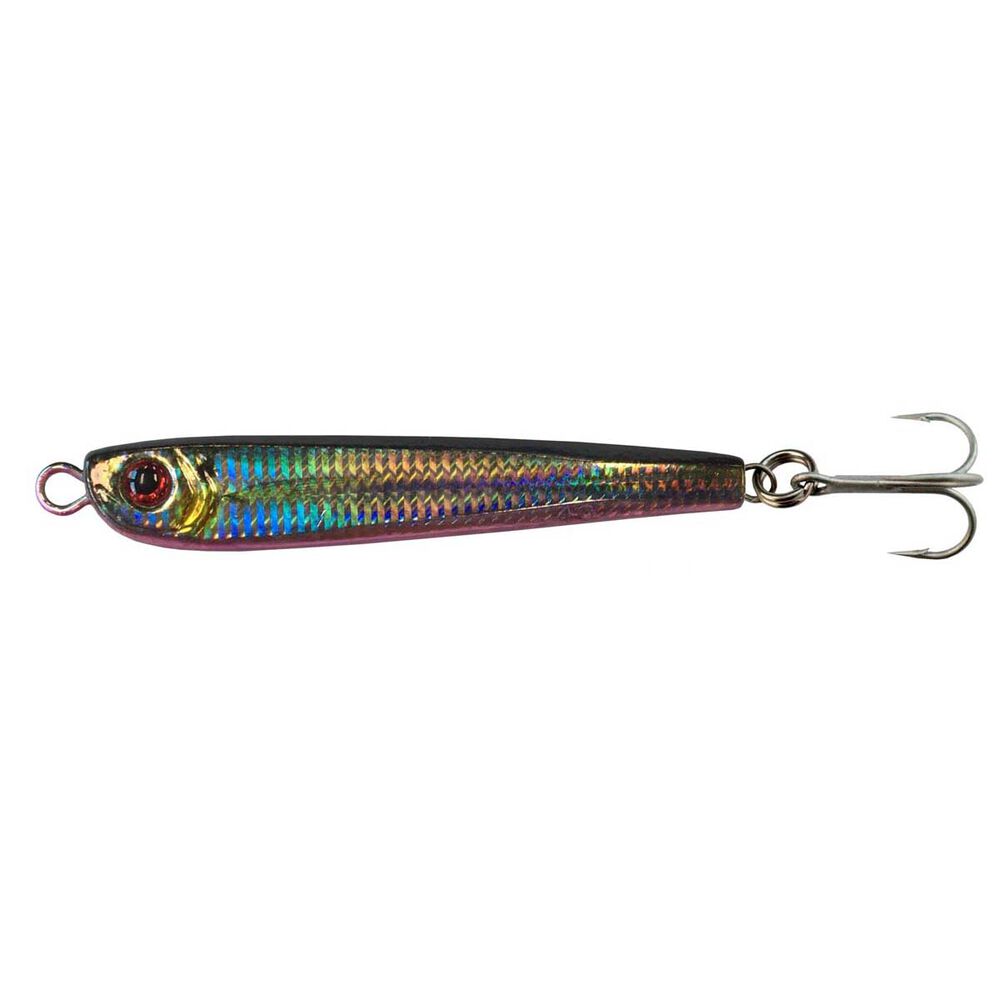
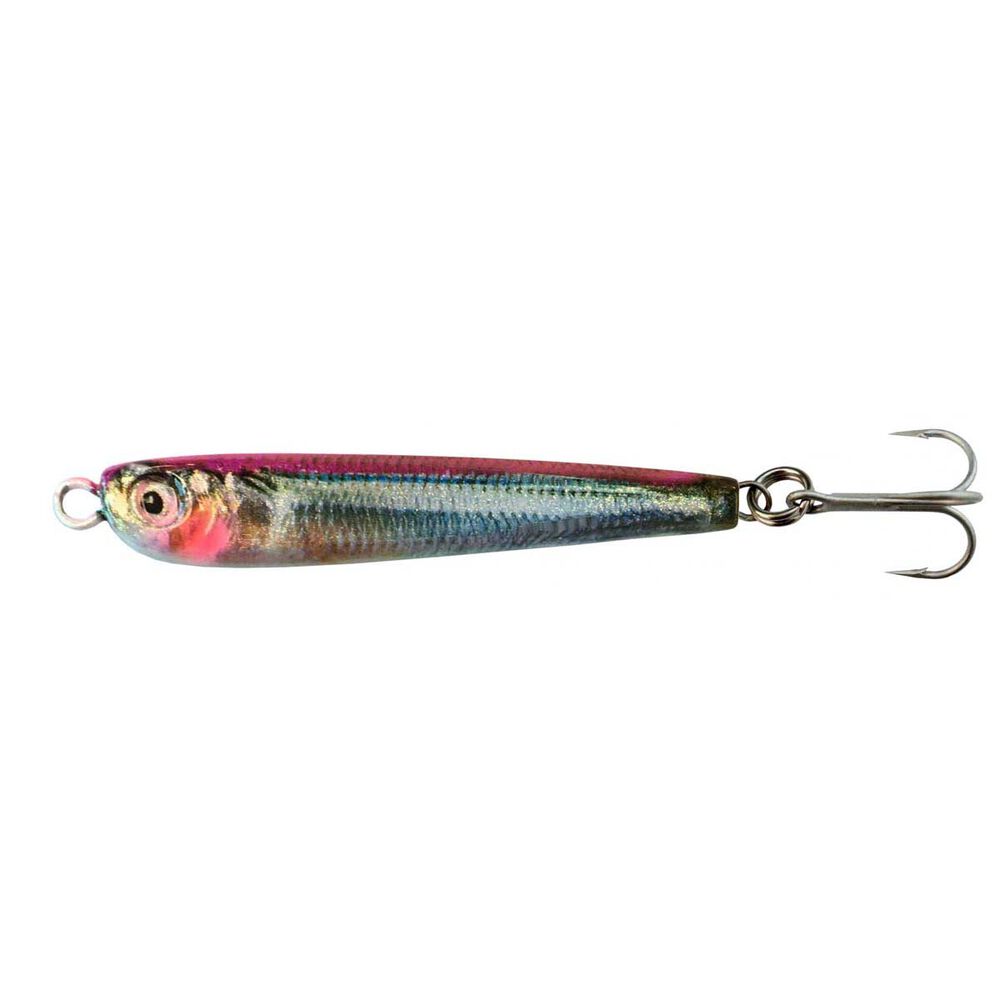

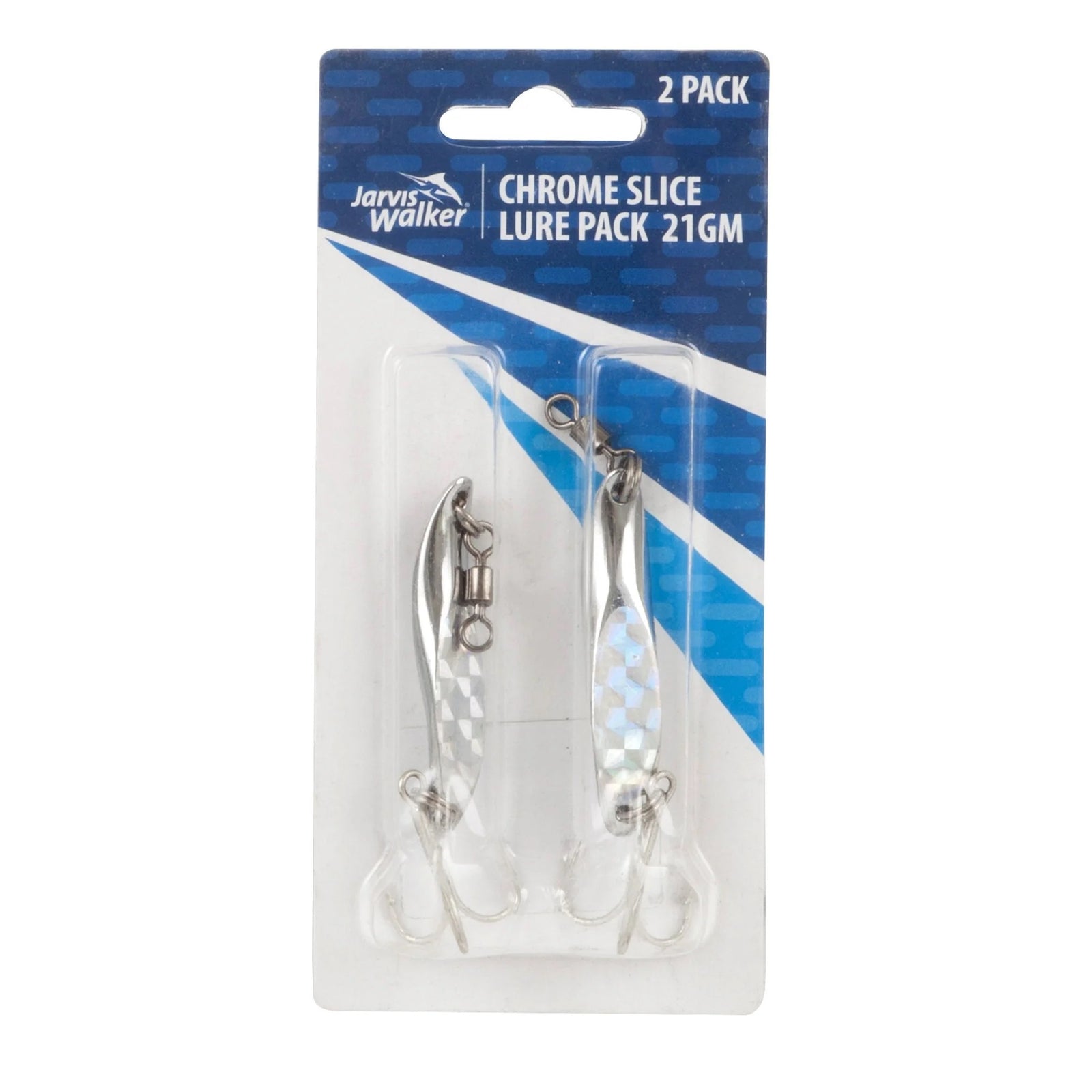
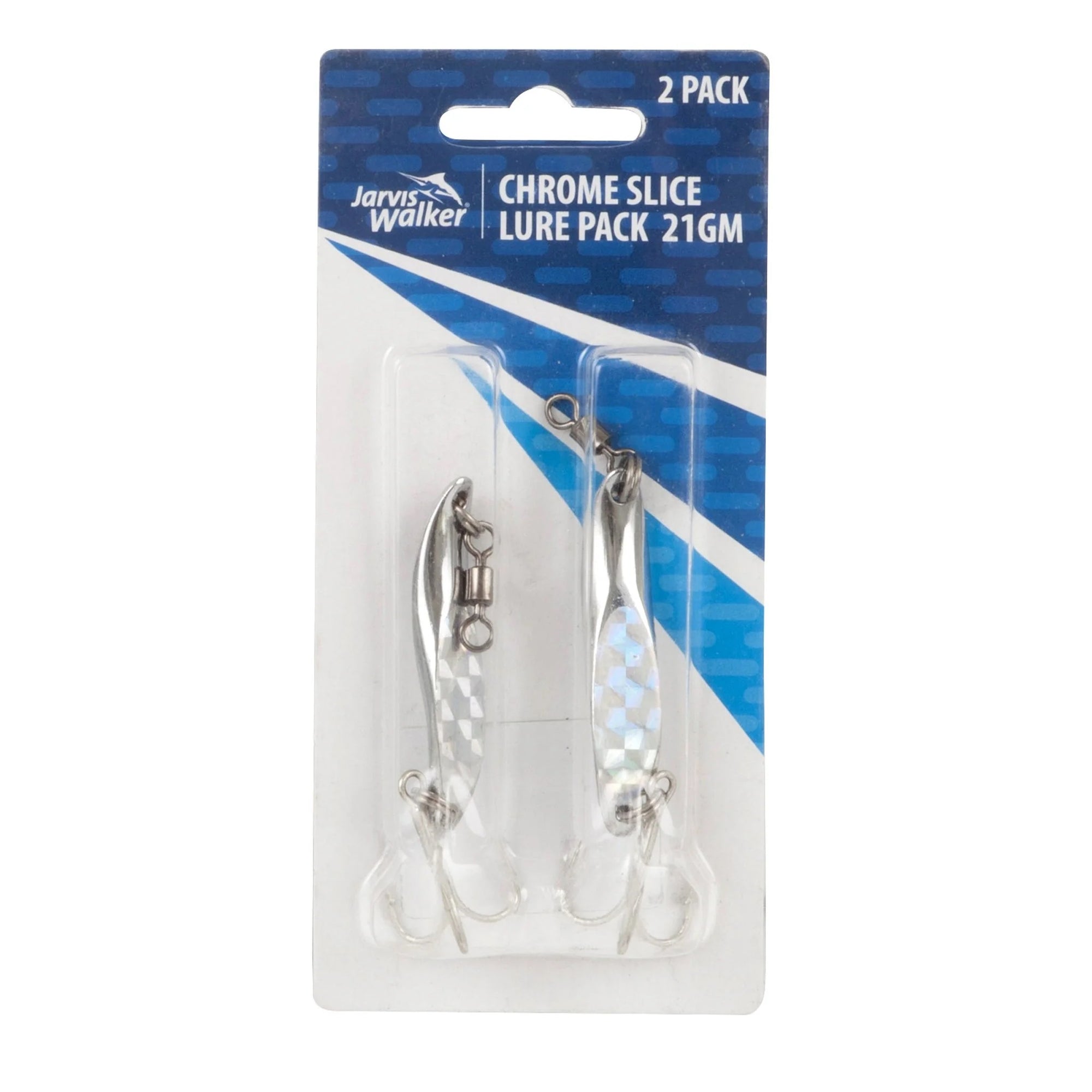






















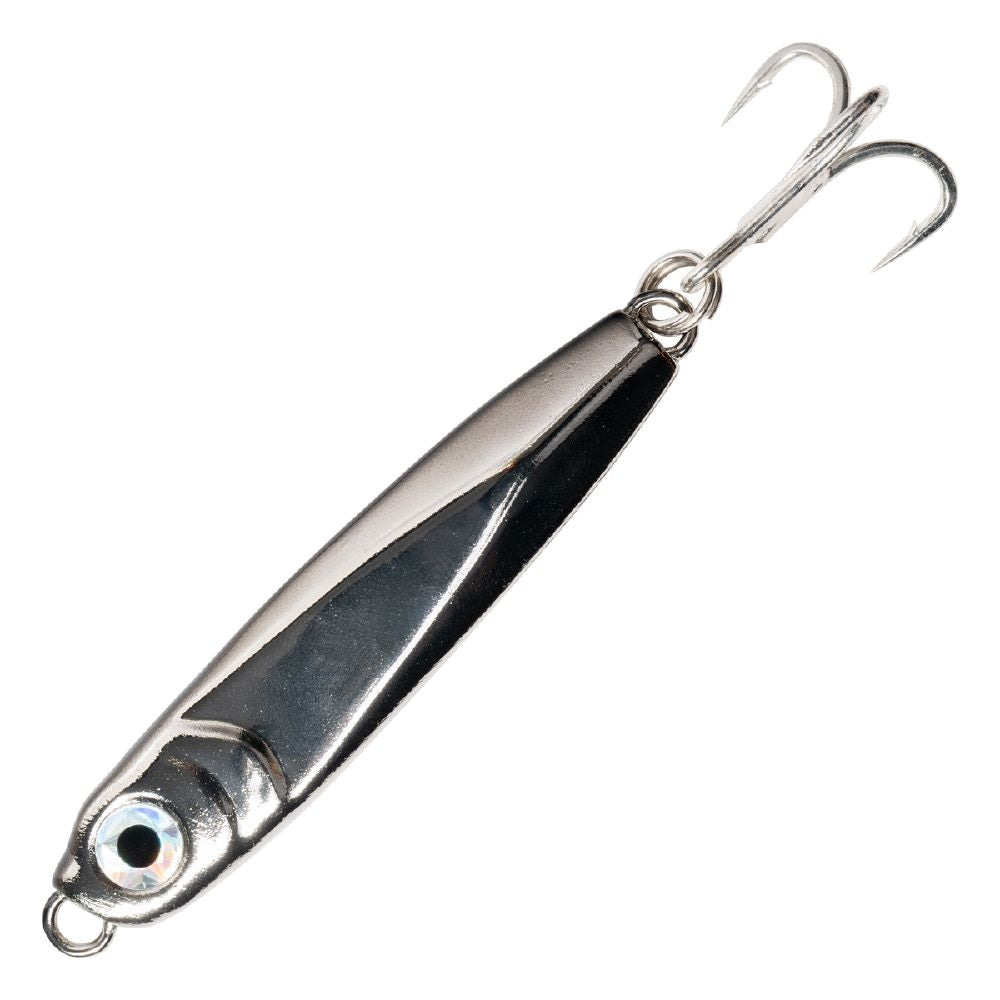

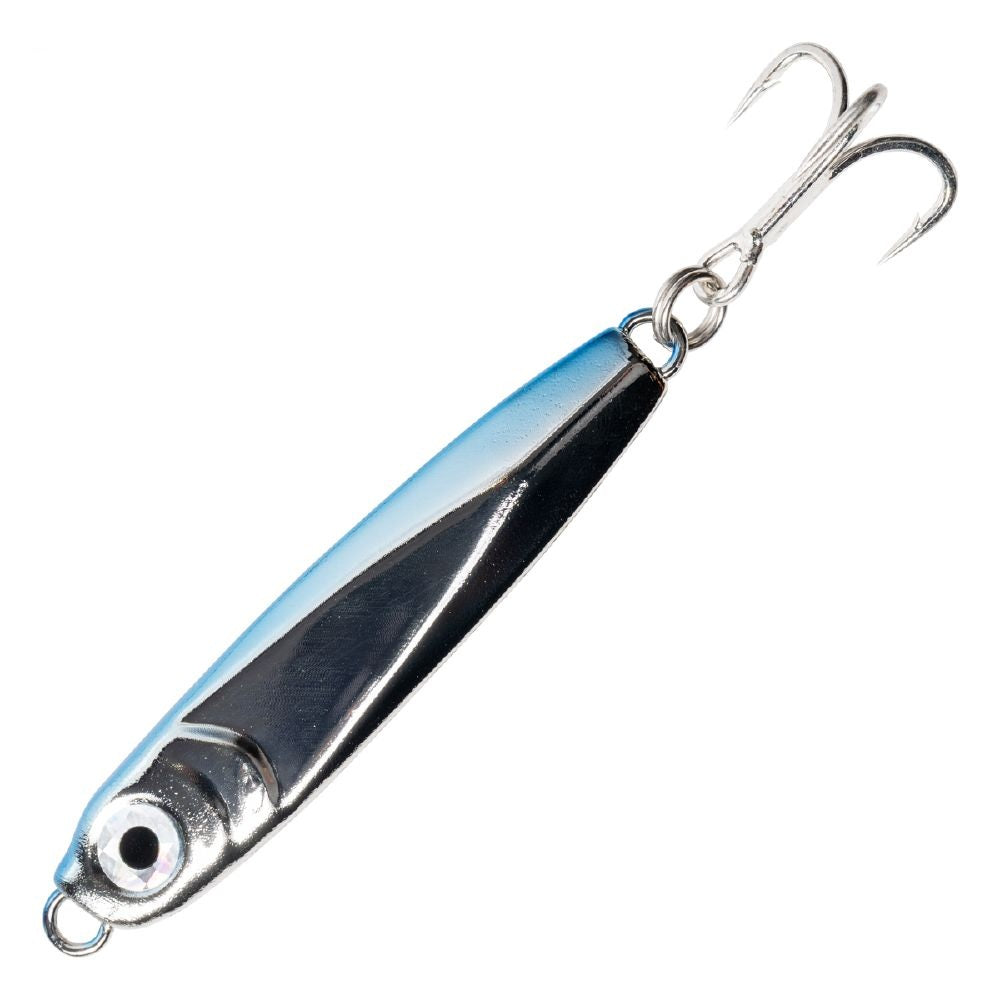


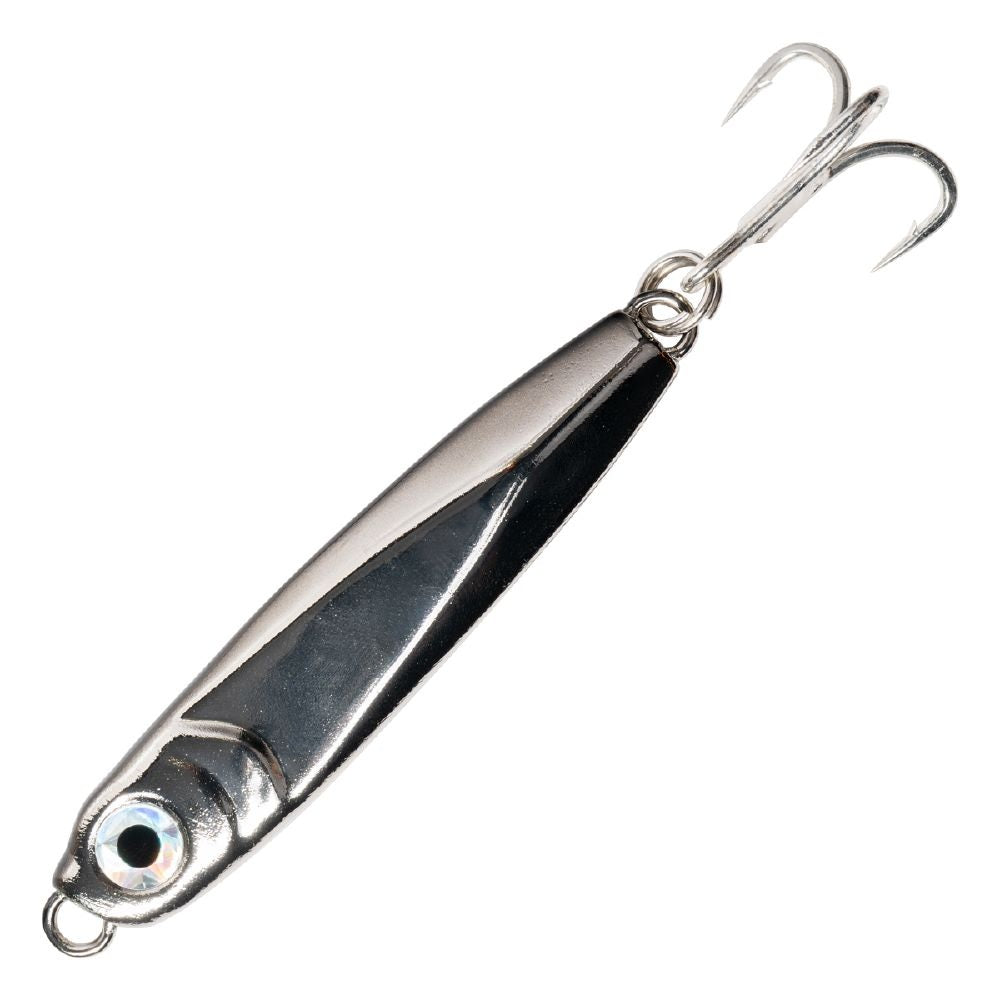


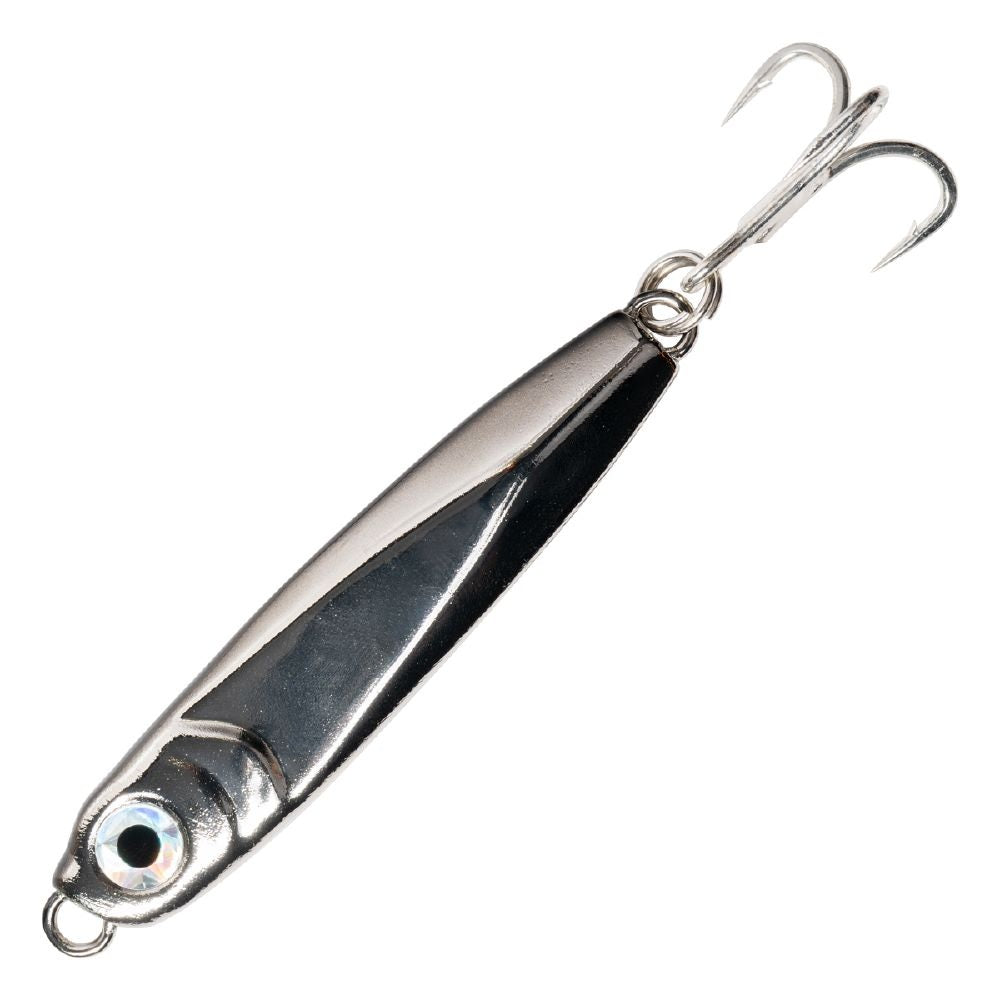









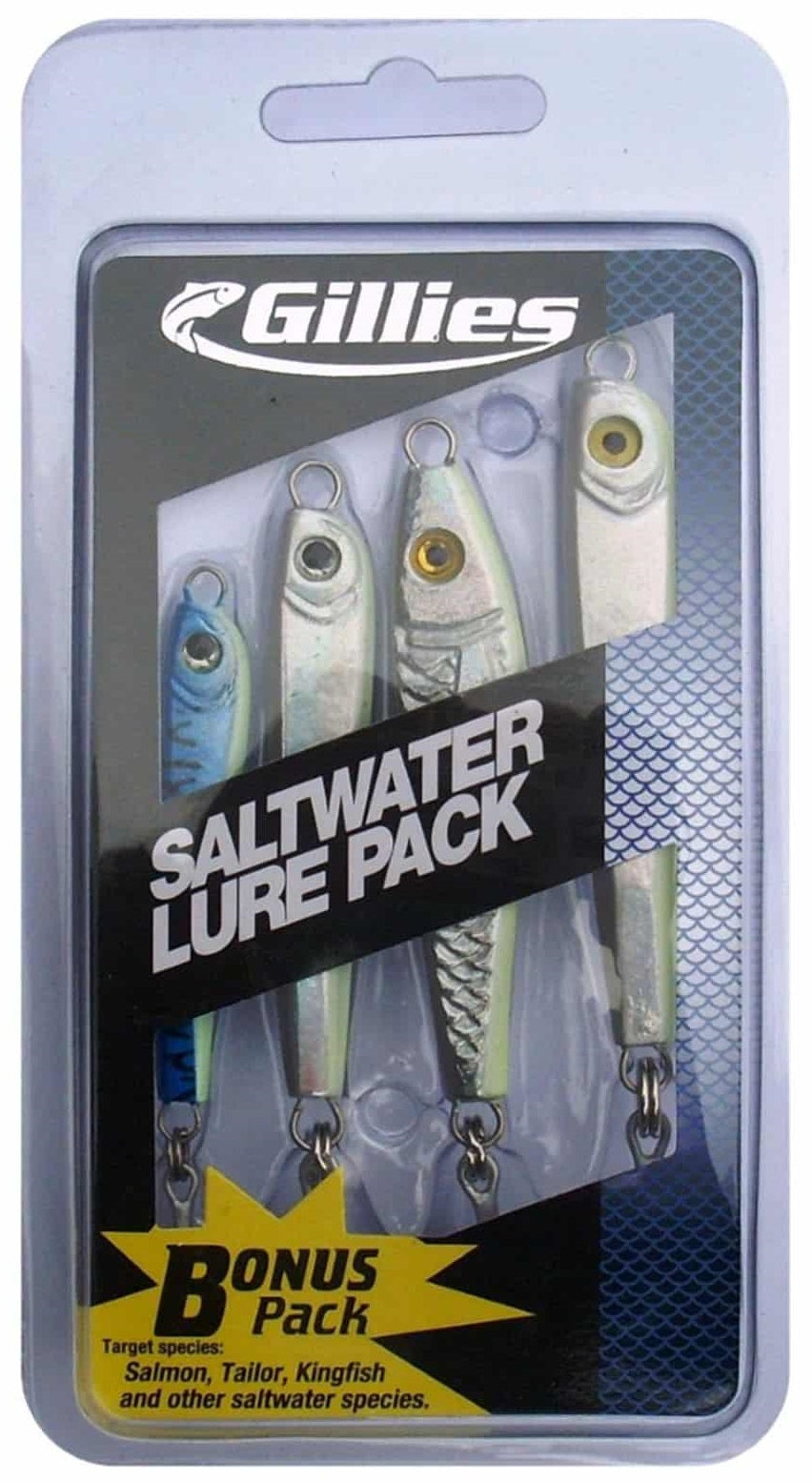
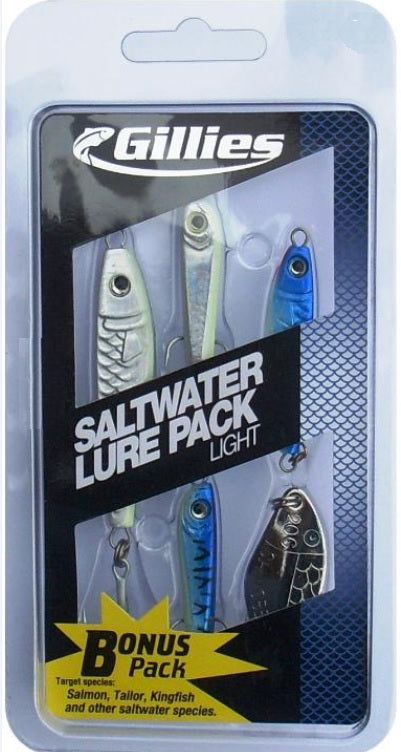
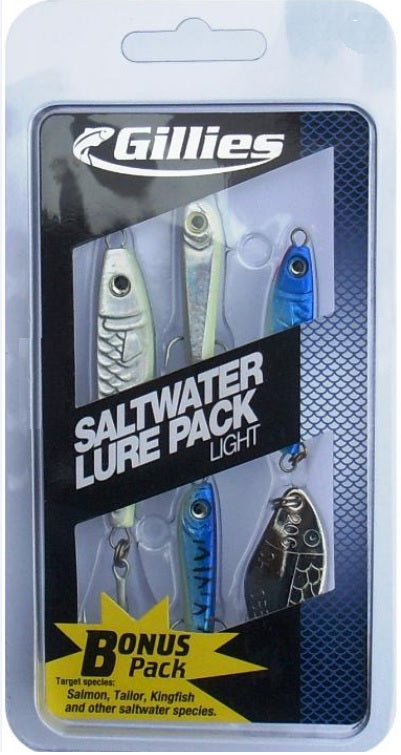
A metal slug is the simplest lure in the box and one of the deadliest. Dense, aerodynamic and fast-sinking, it casts further than anything else of the same size, which is exactly what you want when fish are busting up out of reach.
How to fish a metal slug
The default retrieve is fast and flat — cast past the school, let it sink a moment, then wind hard enough that the lure stays just under the surface. Tailor, salmon, bonito and mac tuna will chase it down. For deeper fish, count the lure down and use a rip-and-drop retrieve, letting it flutter on the pause. Most strikes come on the drop.
Choosing a weight and shape
Lighter slugs suit estuary and beach work on light spin gear. Mid-weights are the standard for rock and beach fishing where casting distance wins the day. The heaviest are for offshore spinning at tuna and mackerel. Narrow, knife-shaped slices cast furthest; wider slugs give more flash and flutter on the drop.
Consider upgrading the hooks — many slugs come with modest trebles, and a single assist hook often converts more strikes.
Frequently asked questions
What is a metal slug lure?
A solid metal casting lure, sometimes called a slice, designed for long casts and fast retrieves at surface-feeding fish like tailor, salmon and tuna.
What weight metal slug should I use?
Match it to your rod's cast rating and the distance you need. Heavier slugs cast further but need a rod with the backbone to throw them.
Single hook or treble on a slug?
Trebles hook more fish but tangle and damage fish more. A single assist hook is cleaner, safer for release and increasingly the preferred option.