

FREE SHIPPING ON ORDERS OVER $150*

AUSSIE FAMILY OWNED BUSINESS FOR OVER 40 YEARS

100% SATISFACTION GUARANTEED
Boating and Marine
Boating and Marine
A boat is a system, and most of what goes wrong on the water traces back to something small that was overlooked on the trailer. Batteries, bilge pumps, navigation lights, safety gear and the fittings that hold it all together are unglamorous until the day one of them decides the trip is over.
What to think about
Safety equipment comes first, and it is the one area where the requirements are not up to you. Carry what your state requires for the waters you are in, and check the expiry dates on flares and the servicing on lifejackets rather than assuming. Your state's maritime authority publishes the current list.
Electrical is where most reliability problems start. Salt finds every connection eventually, so marine-grade terminals, proper fusing and a battery that is actually up to the load are worth the extra outlay.
Then the working gear — anchors and rope matched to your bottom type, rod holders positioned for how you actually fish, and enough lighting to launch and retrieve in the dark at either end of the day.
See also boat accessories and fish finders.
Frequently asked questions
What safety gear do I need on a boat in Australia?
It varies by state and by how far offshore you go. Lifejackets, flares, an EPIRB and signalling equipment are common requirements — check your state maritime authority for the current list.
Why do boat batteries fail so quickly?
Usually because a starting battery is being used to run electronics and pumps. A deep-cycle battery is built for sustained draw; a starting battery is not.
What anchor should I use?
It depends on the bottom. Sand, mud, reef and weed each hold different anchor types, which is why many boats carry more than one.


Sold Out
Anderson Plug Connector Pair 50A Amp 12 - 24V 6AWG Grey Caravan Trailer Solar
$3.99
$10.00
Sold Out






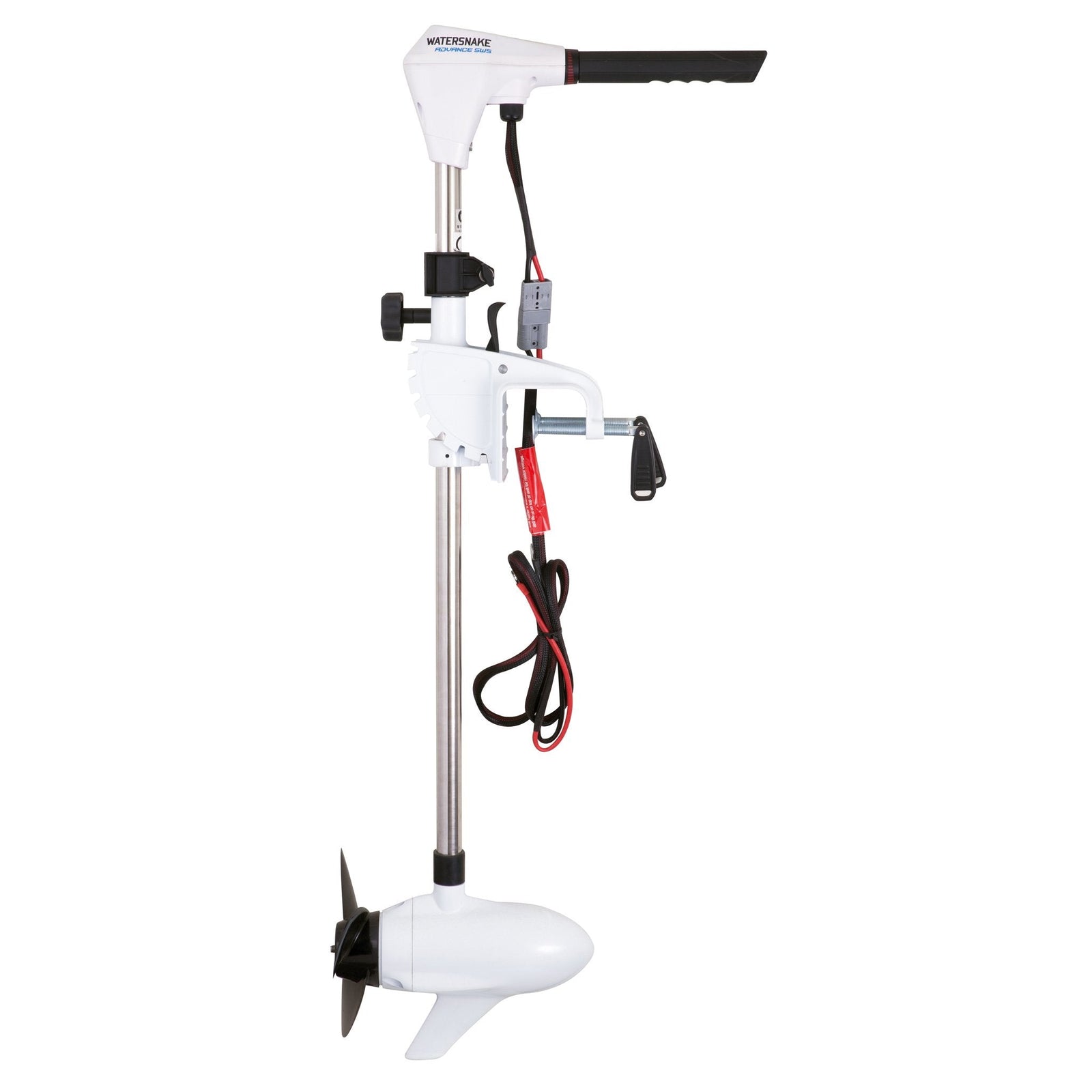
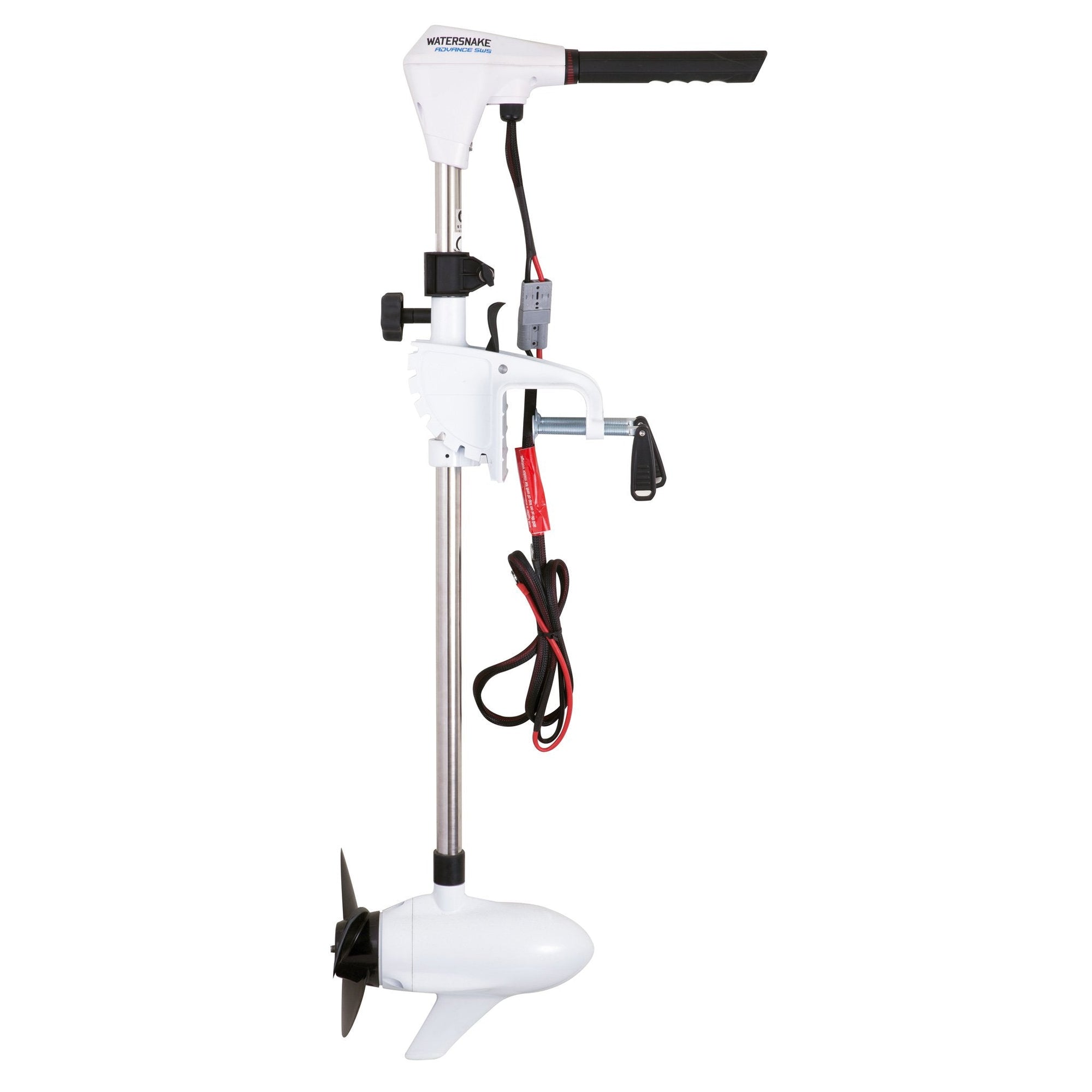
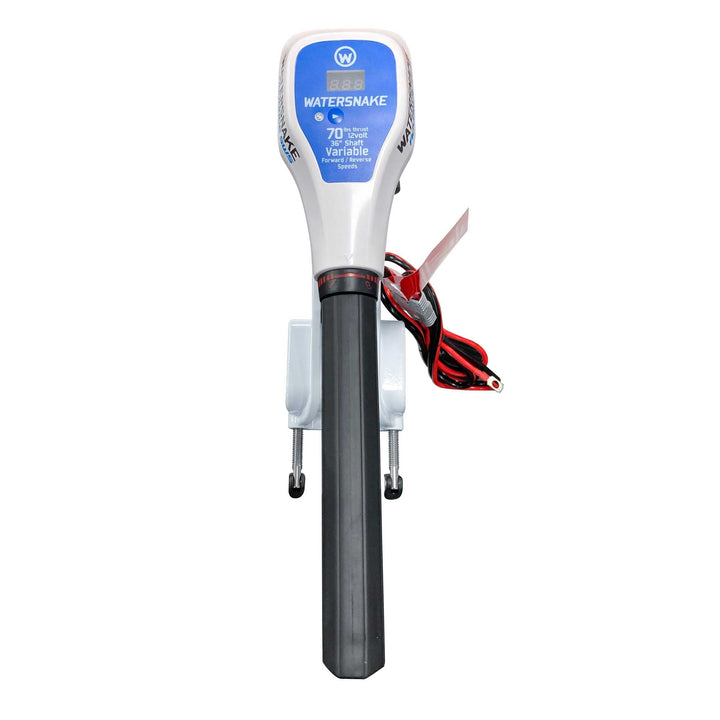
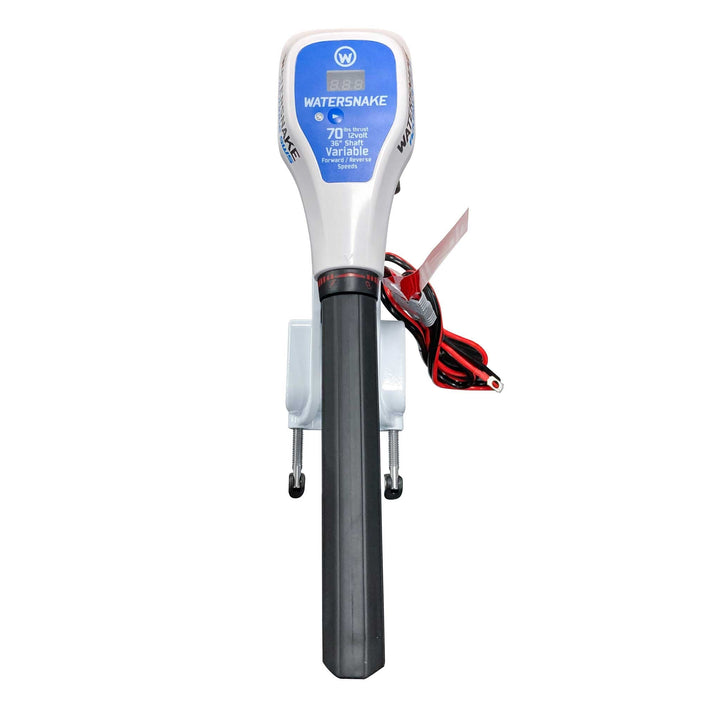





Sold Out
Jetpilot Venture Mens Neo Neoprene Life Jacket PFD Vest Black Black
from
$133.41
$252.00
Sold Out


Sold Out
Jetpilot Venture Mens Neo Neoprene Life Jacket PFD Vest Black Red
from
$133.41
$252.00
Sold Out


Sold Out
Jetpilot Venture Mens Neo Neoprene Life Jacket PFD Vest Black Yellow
from
$133.41
$252.00
Sold Out


Sold Out
Railblaza Tracwedge Track Gunnel Boat Starport Mount Black 03-4127-11
$24.60
$27.95
Sold Out


Sold Out
Jetpilot Venture Mens Neo Neoprene Life Jacket PFD Vest Grey Camo
from
$60.00
$252.00
Sold Out


Sold Out
Jetpilot Boys Rex Youth Cause Neo Neoprene Life Jacket PFD Vest
from
$76.22
$144.00
Sold Out




Sold Out
Jetpilot Cause Mens FE S Grip Neo Neoprene Life Jacket PFD Vest Black Grey
$120.70
$228.00
Sold Out
A boat is a system, and most of what goes wrong on the water traces back to something small that was overlooked on the trailer. Batteries, bilge pumps, navigation lights, safety gear and the fittings that hold it all together are unglamorous until the day one of them decides the trip is over.
What to think about
Safety equipment comes first, and it is the one area where the requirements are not up to you. Carry what your state requires for the waters you are in, and check the expiry dates on flares and the servicing on lifejackets rather than assuming. Your state's maritime authority publishes the current list.
Electrical is where most reliability problems start. Salt finds every connection eventually, so marine-grade terminals, proper fusing and a battery that is actually up to the load are worth the extra outlay.
Then the working gear — anchors and rope matched to your bottom type, rod holders positioned for how you actually fish, and enough lighting to launch and retrieve in the dark at either end of the day.
See also boat accessories and fish finders.
Frequently asked questions
What safety gear do I need on a boat in Australia?
It varies by state and by how far offshore you go. Lifejackets, flares, an EPIRB and signalling equipment are common requirements — check your state maritime authority for the current list.
Why do boat batteries fail so quickly?
Usually because a starting battery is being used to run electronics and pumps. A deep-cycle battery is built for sustained draw; a starting battery is not.
What anchor should I use?
It depends on the bottom. Sand, mud, reef and weed each hold different anchor types, which is why many boats carry more than one.