

FREE SHIPPING ON ORDERS OVER $150*

AUSSIE FAMILY OWNED BUSINESS FOR OVER 40 YEARS

100% SATISFACTION GUARANTEED
Fishing Leader
Fishing Leader
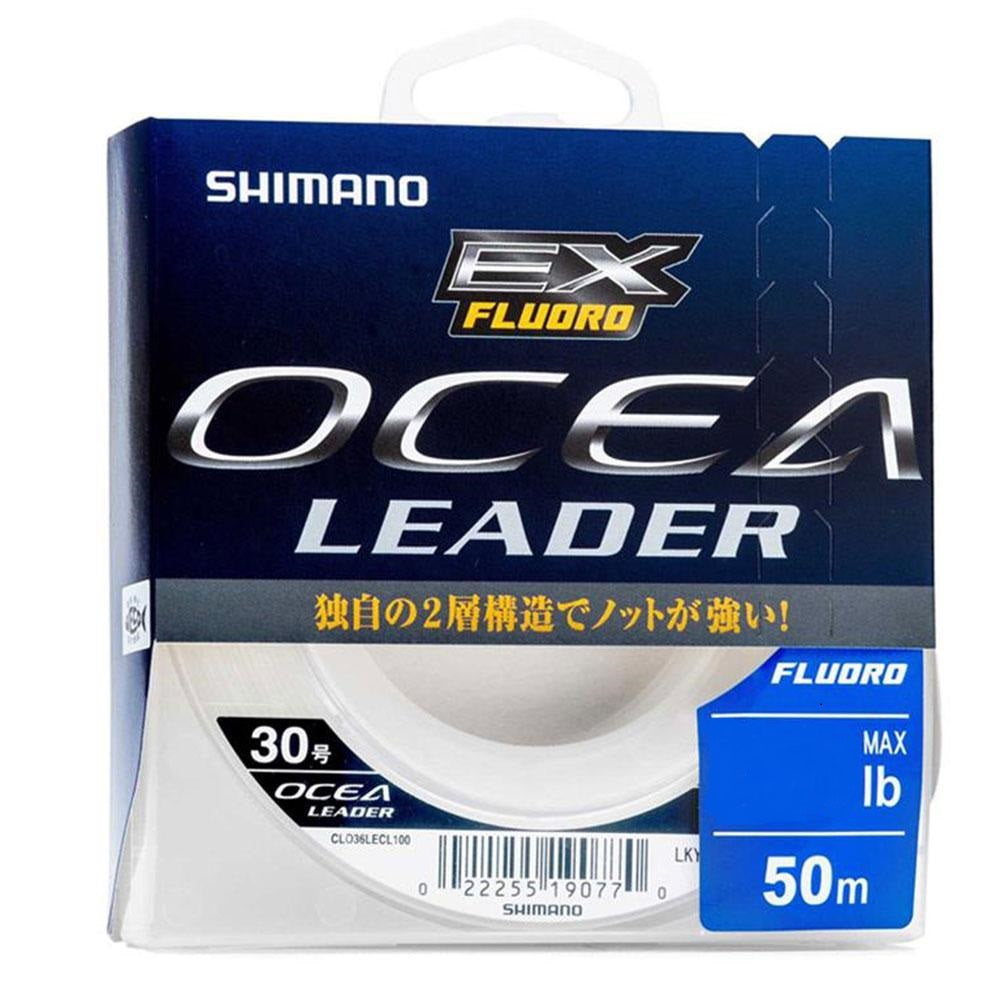
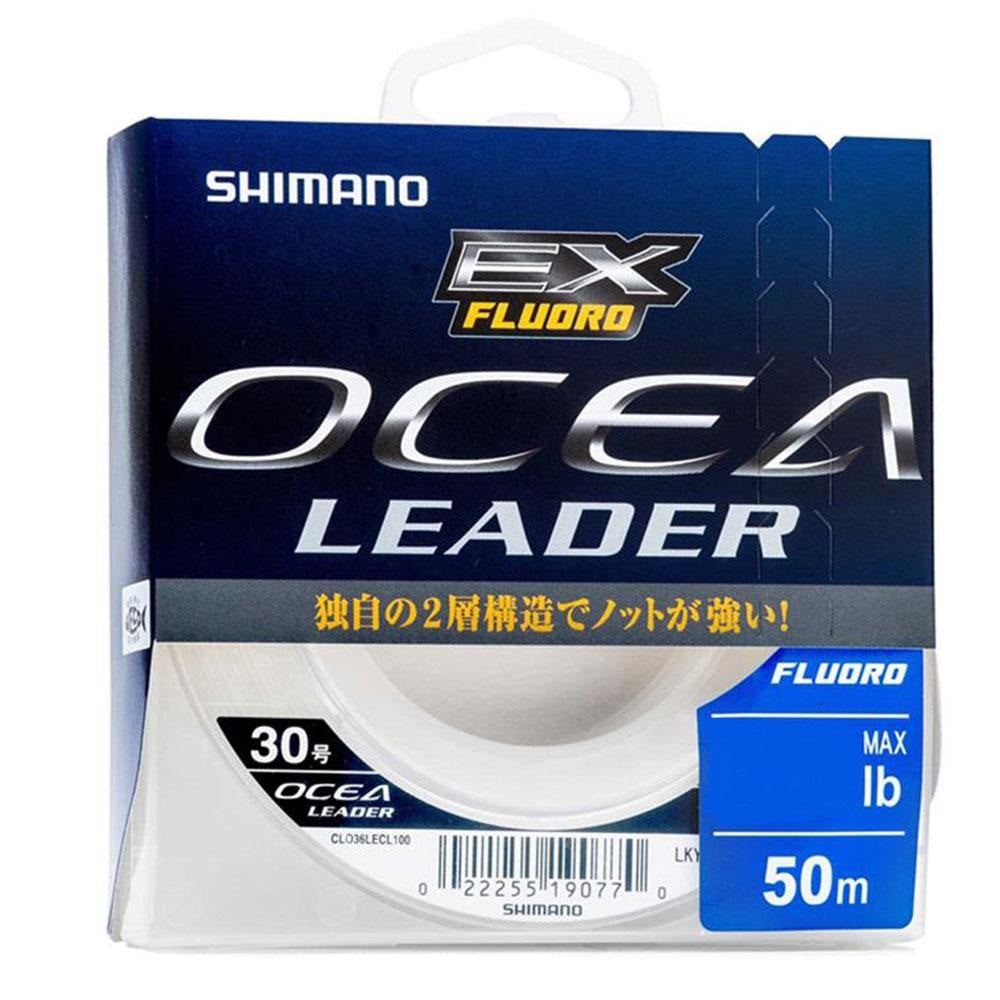
Leader is the last section of line before the hook, and it does the jobs your mainline cannot. It takes the abrasion against rocks, reef, teeth and gill plates, and it gives you a presentation the fish is less likely to see. Braid is superb mainline and a poor leader, which is why almost every braid setup ends in something else.
Fluorocarbon or mono?
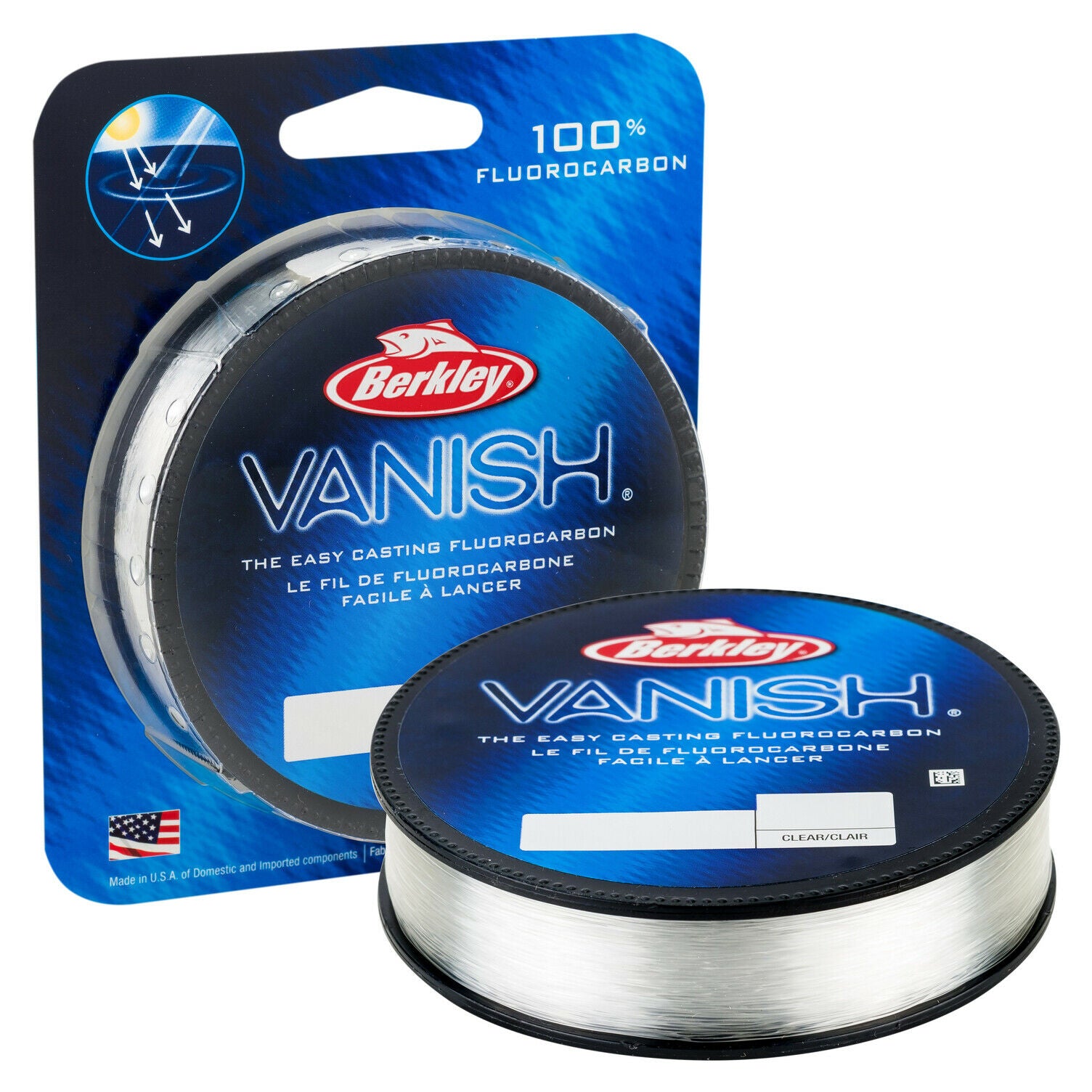
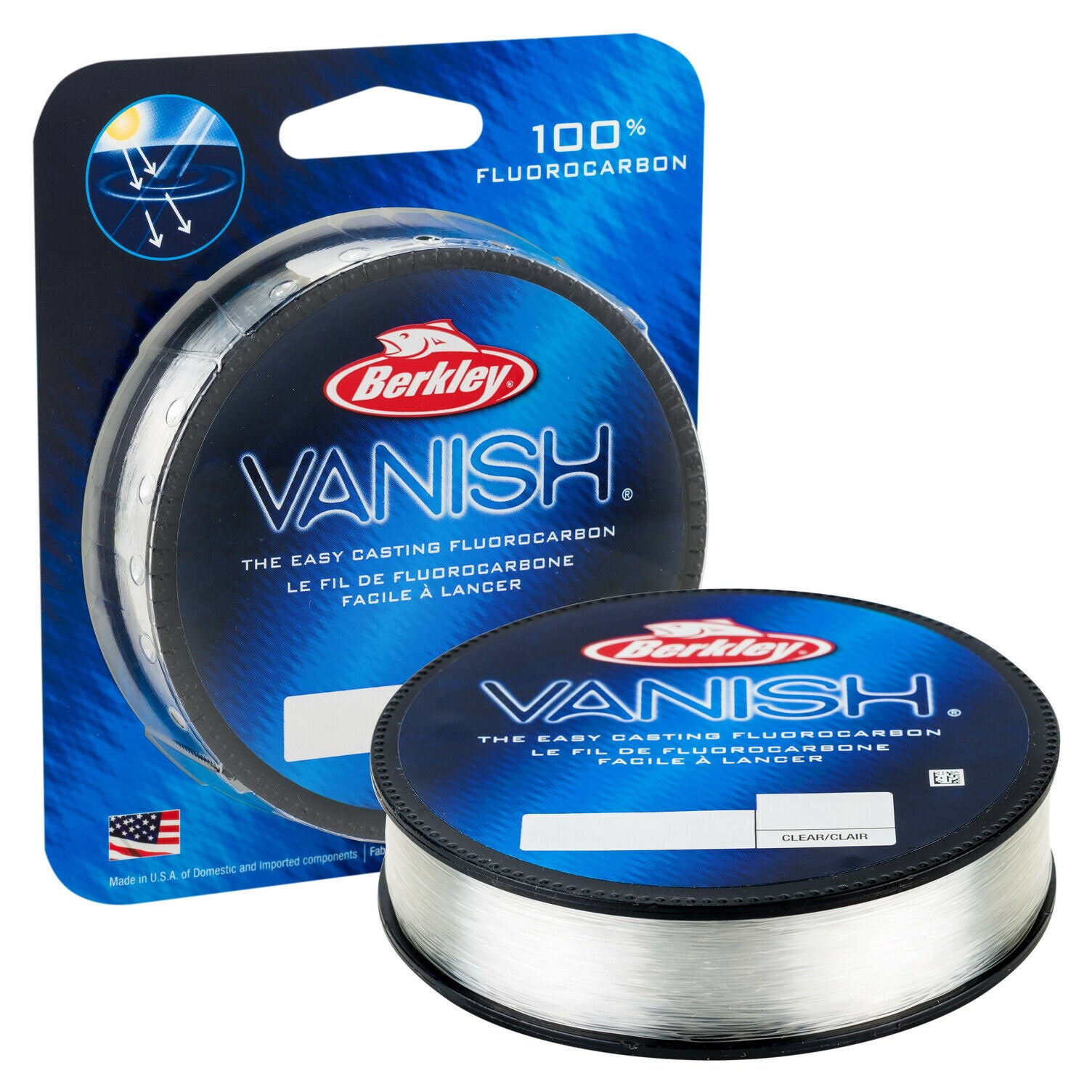
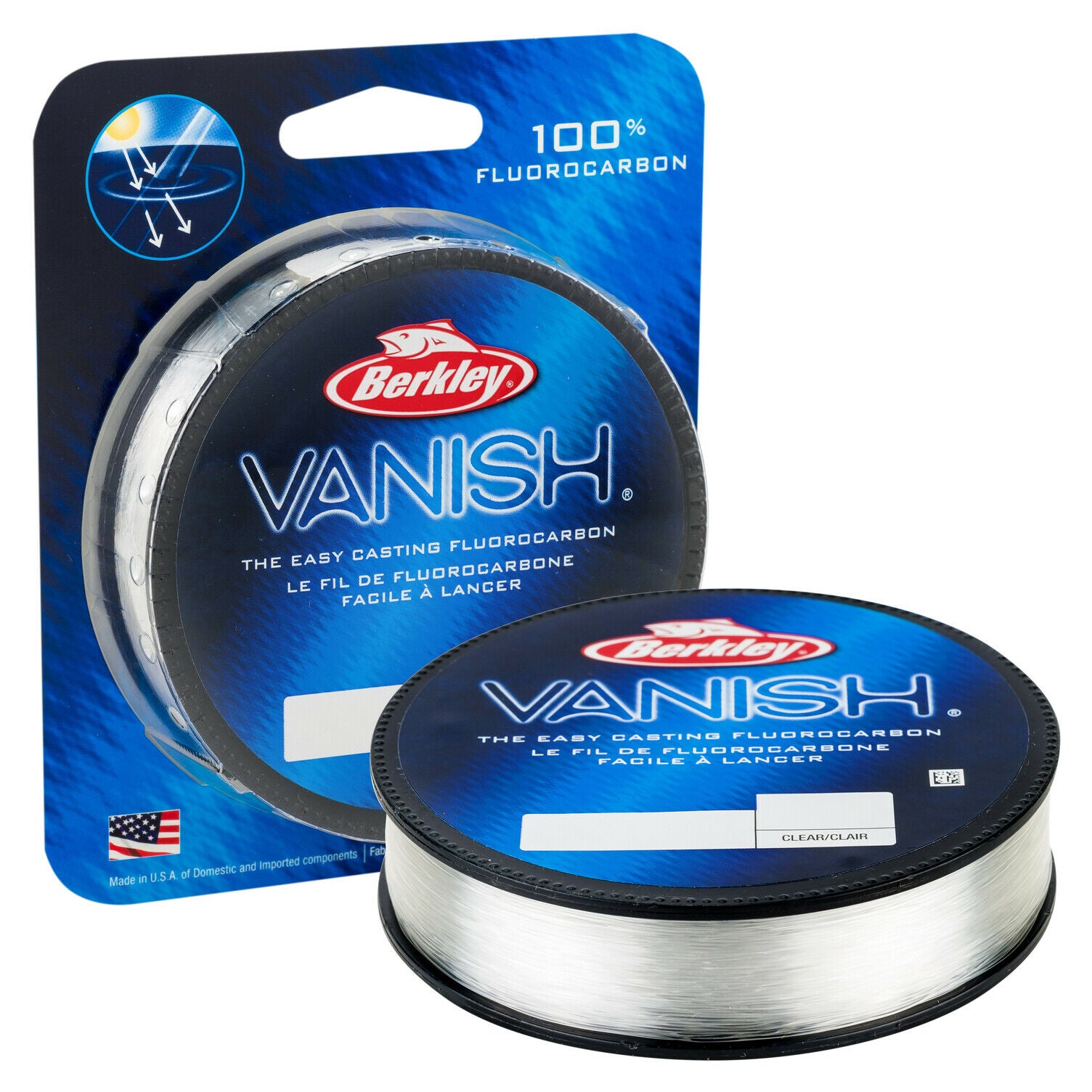
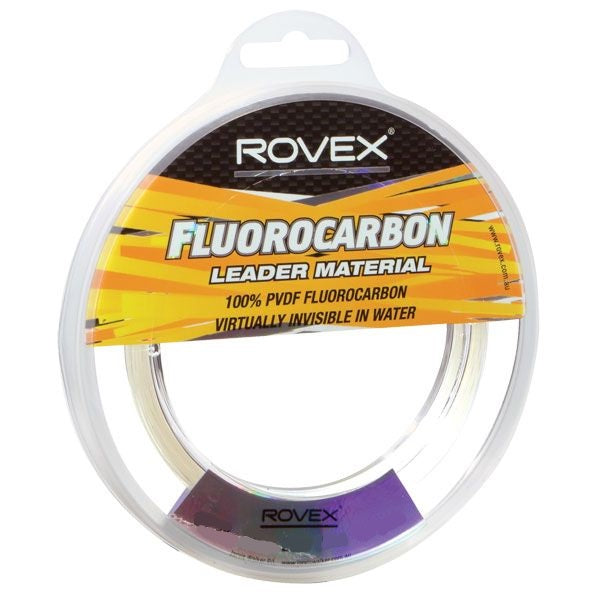
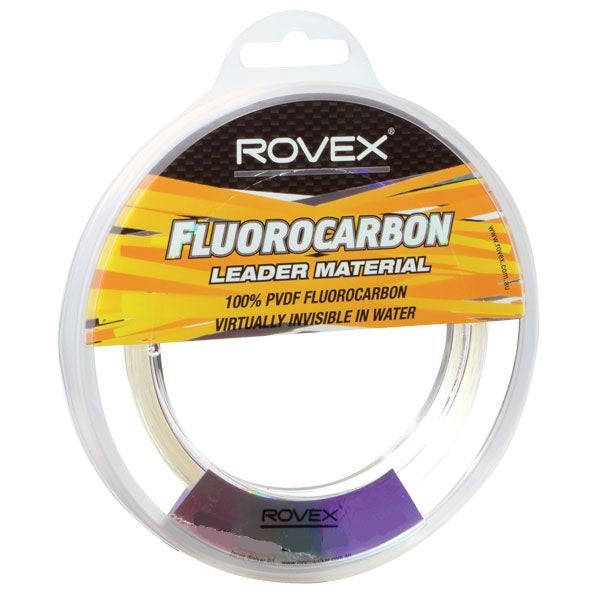
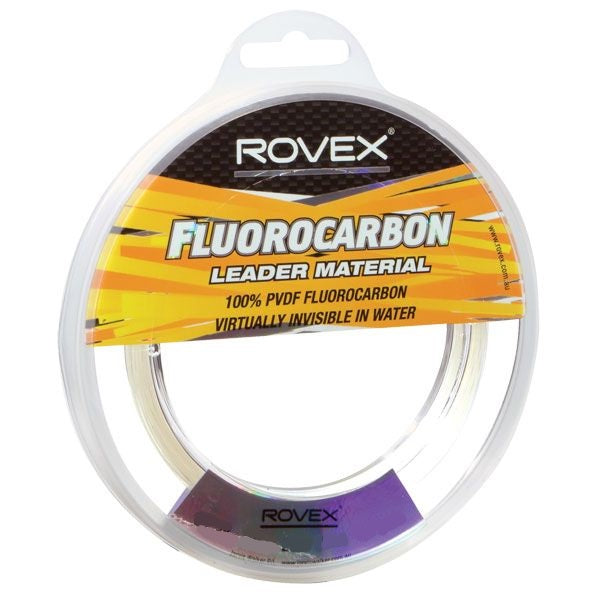
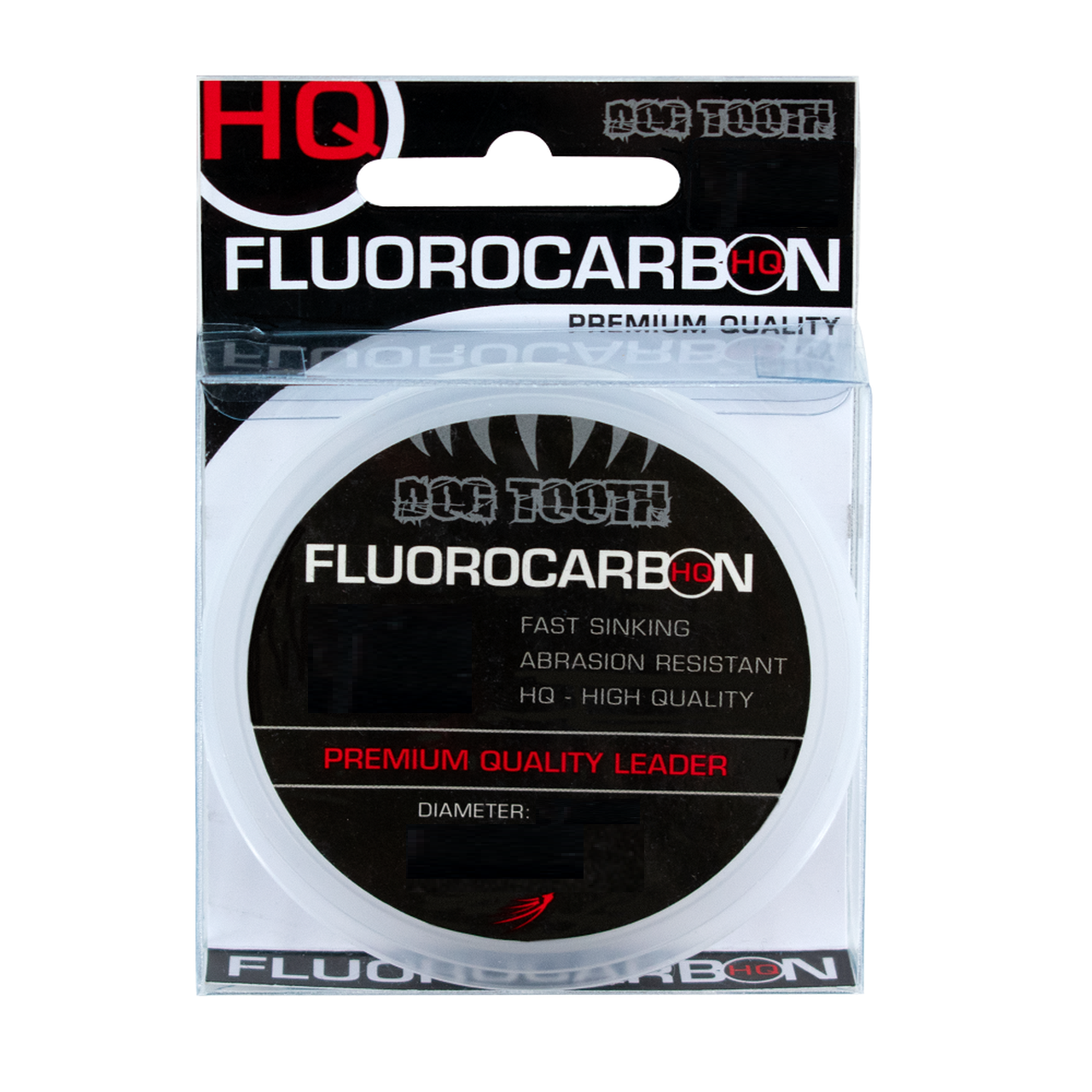
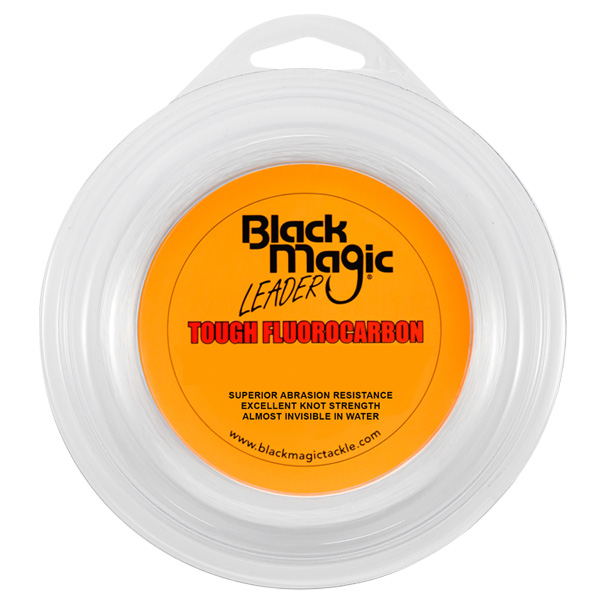
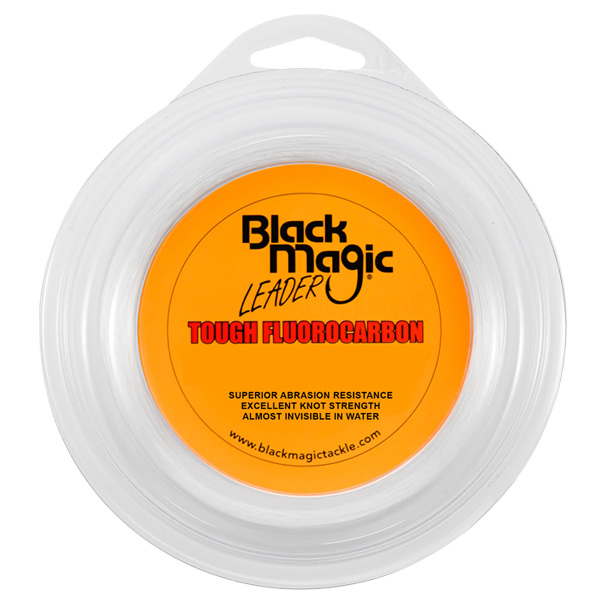
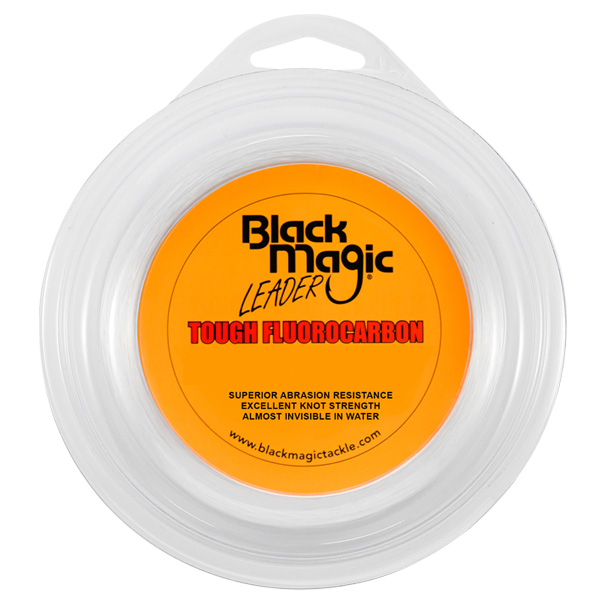
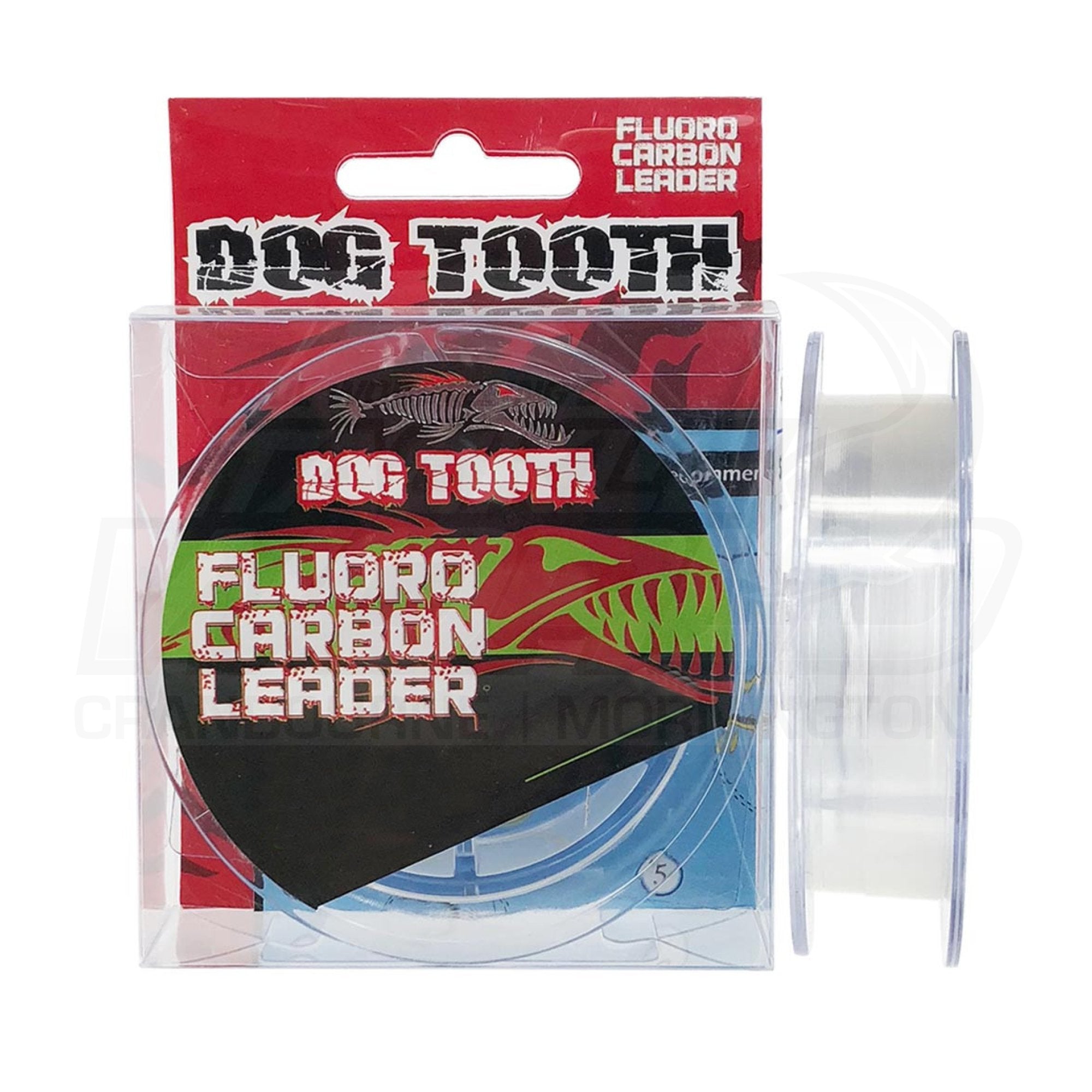
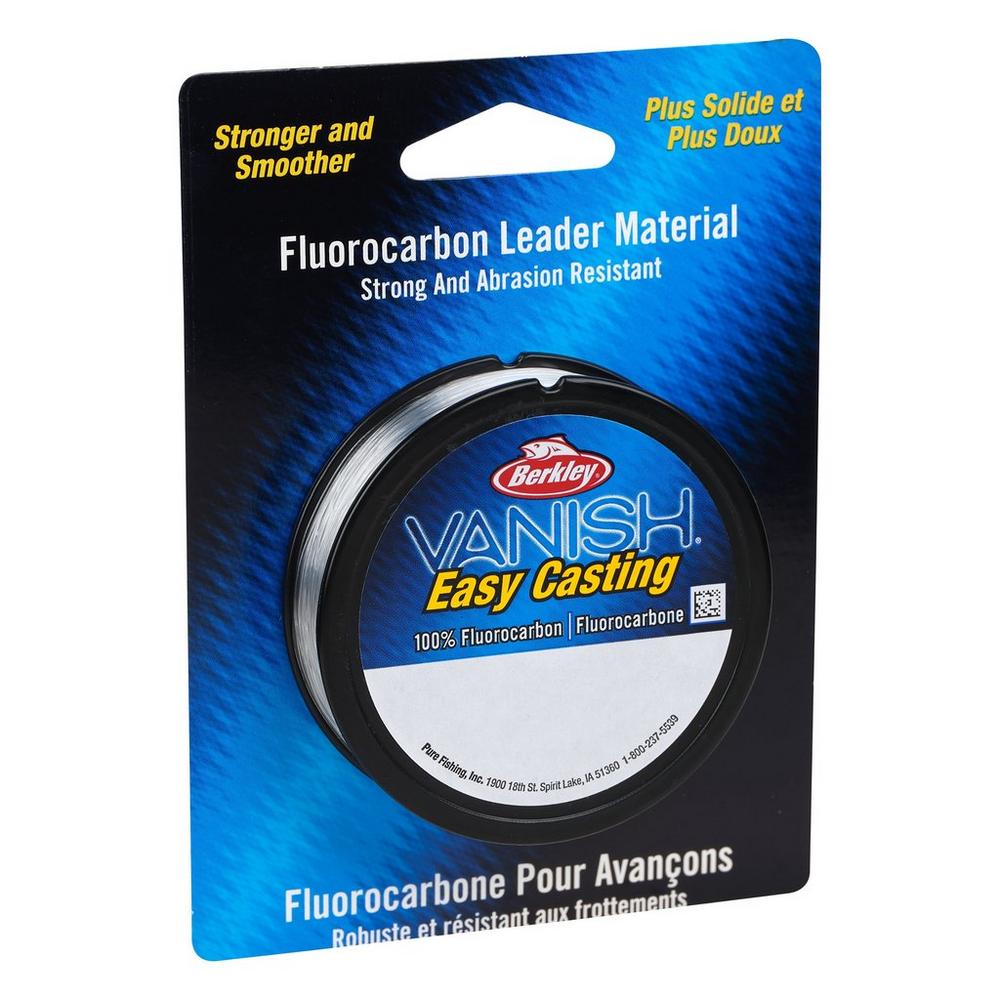
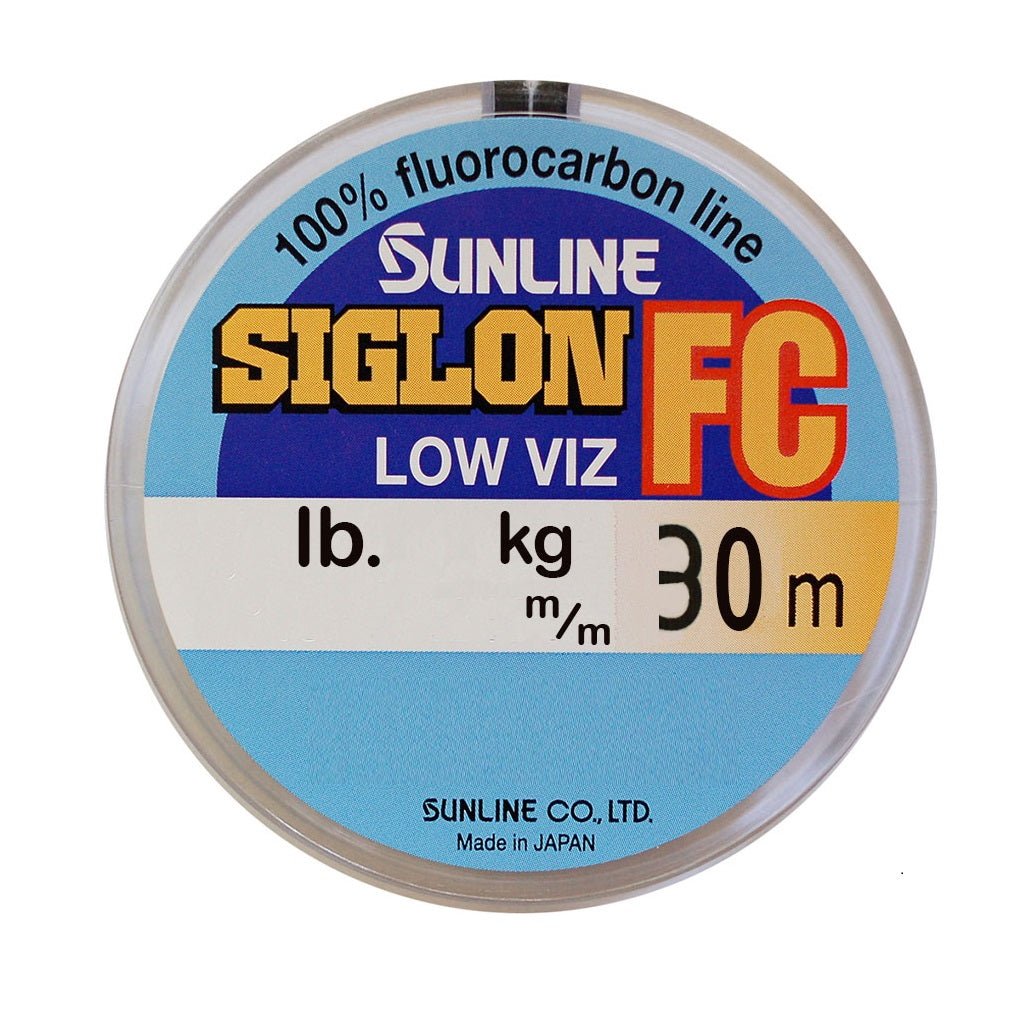
Fluorocarbon is harder, sinks, and is far less visible underwater. It is the default for clear water, for wary species, and anywhere the leader is dragging across structure.
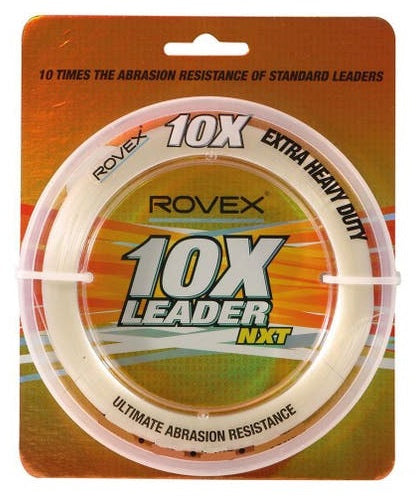
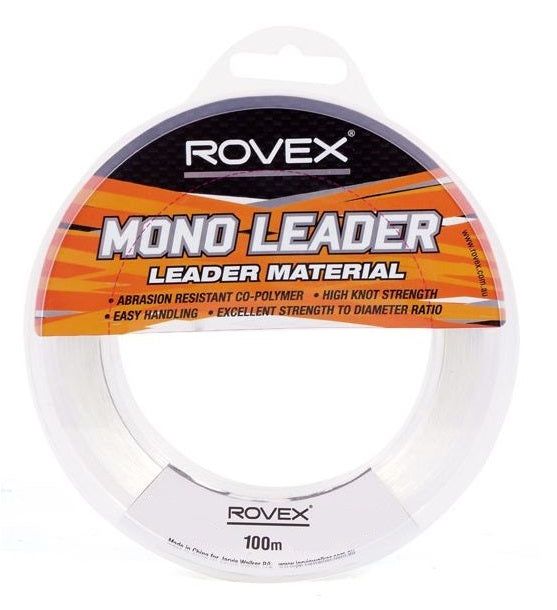
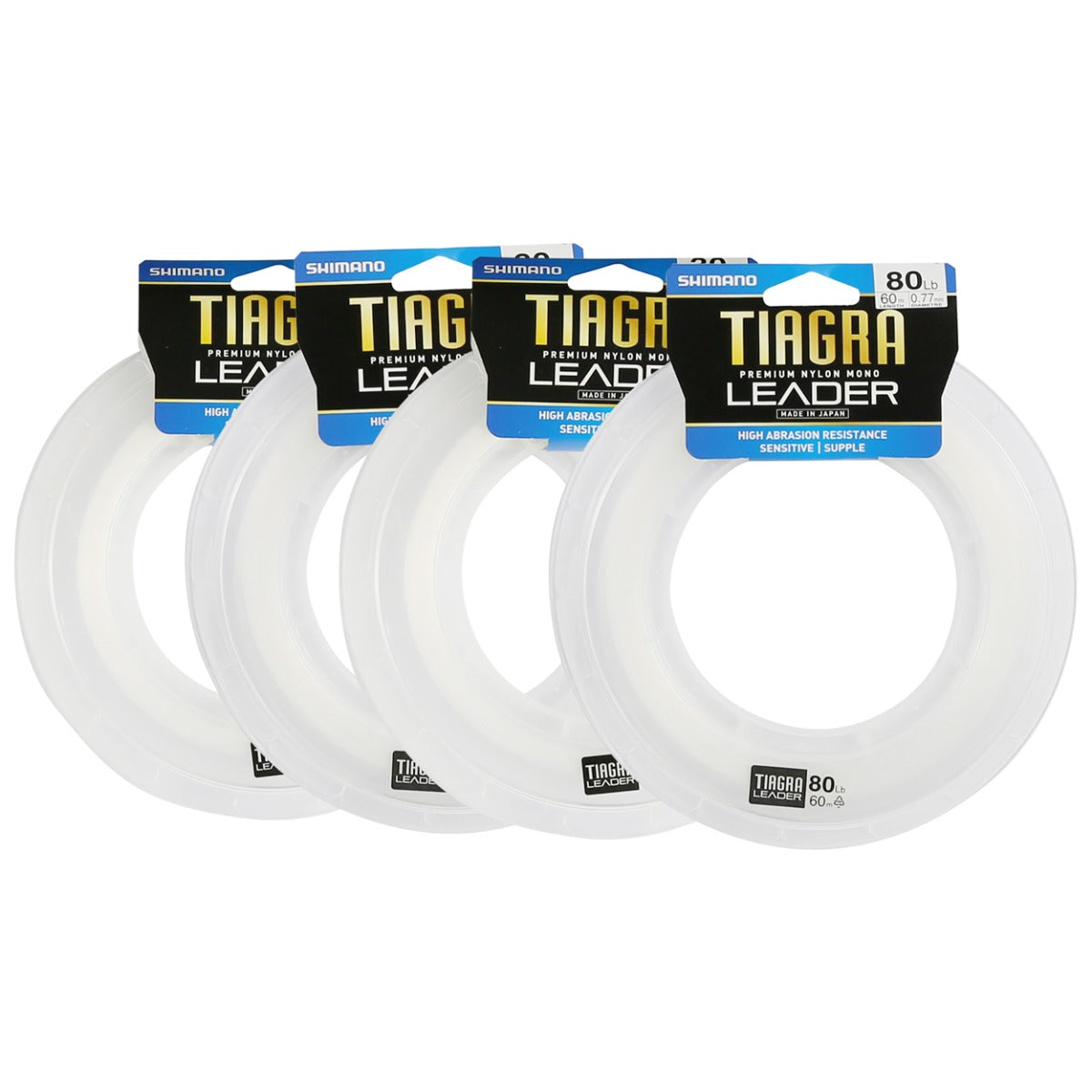
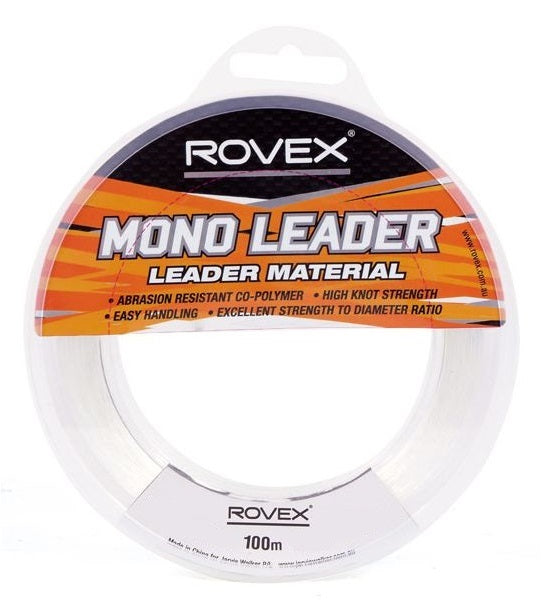
Monofilament stretches more, which cushions headshakes and protects hooksets on soft-mouthed fish. It floats, which is what you want for surface lures, and it costs less — so it is the sensible choice for heavy leaders that get cut back constantly.
As for strength, the usual approach is a leader heavier than the mainline, with how much heavier depending on how abrasive the fishing is. Clean open water needs less; reef, snags and toothy species need considerably more.
Length is a matter of conditions too. Clear, calm water generally calls for longer leaders; dirty water and heavy structure do not.
Pairs with braided fishing line as mainline, or monofilament line where stretch is wanted throughout.
Frequently asked questions
Do I need a leader with braid?
Almost always. Braid is highly visible, has no stretch and cuts easily on structure. A leader fixes all three problems.
Fluorocarbon or mono leader?
Fluorocarbon for clear water, wary fish and abrasion. Mono where you want stretch, a floating leader for surface lures, or cheaper heavy leader.
How long should a leader be?
Longer in clear calm water where visibility is the issue, shorter around heavy structure where casting and control matter more.

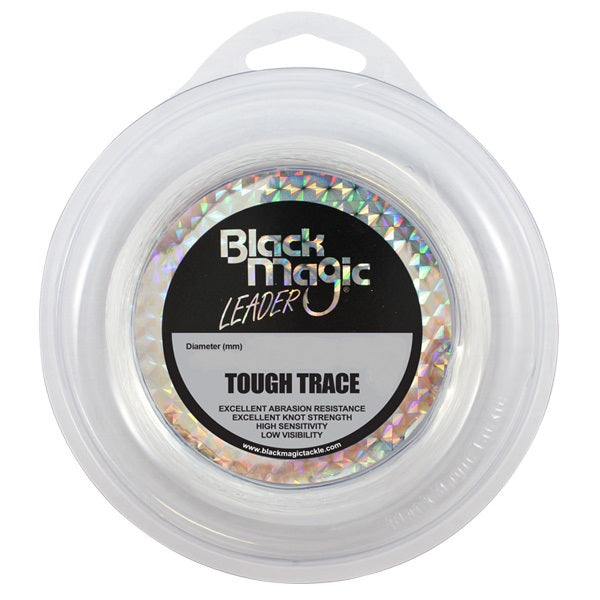
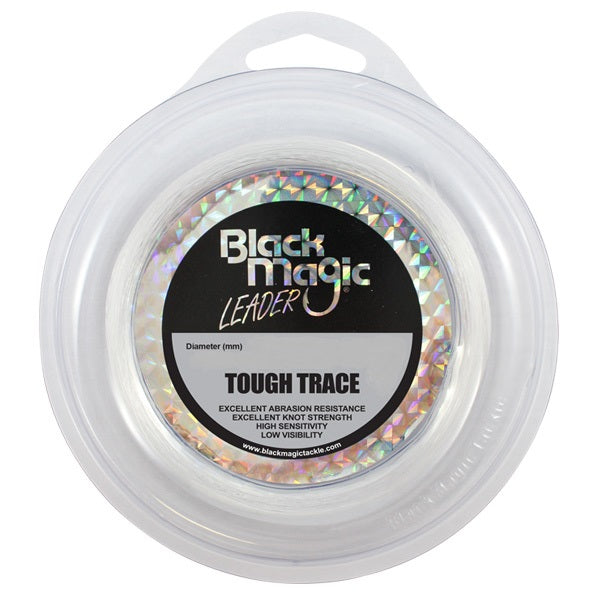
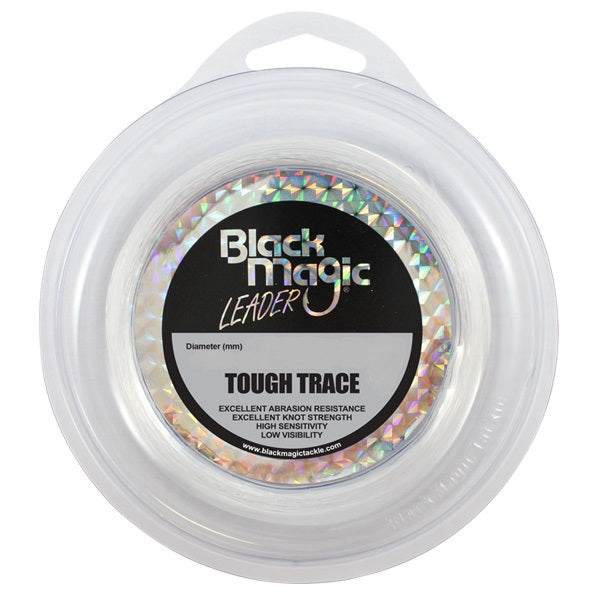
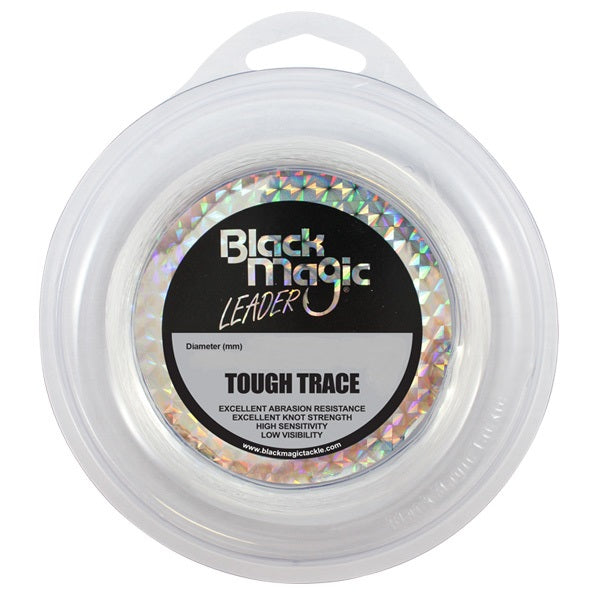
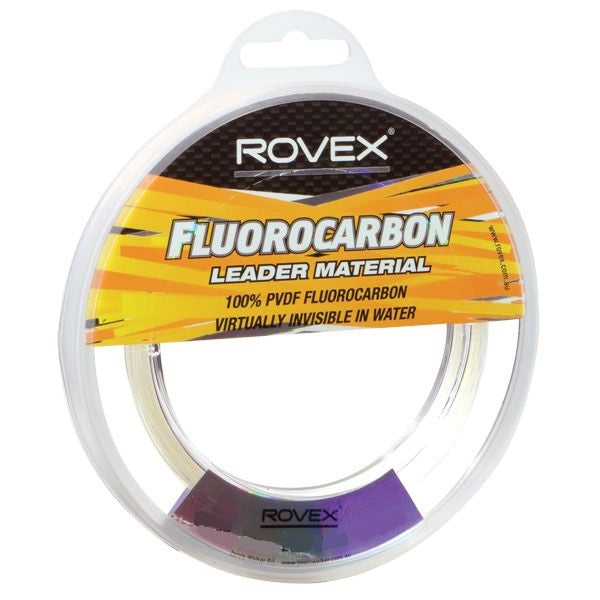



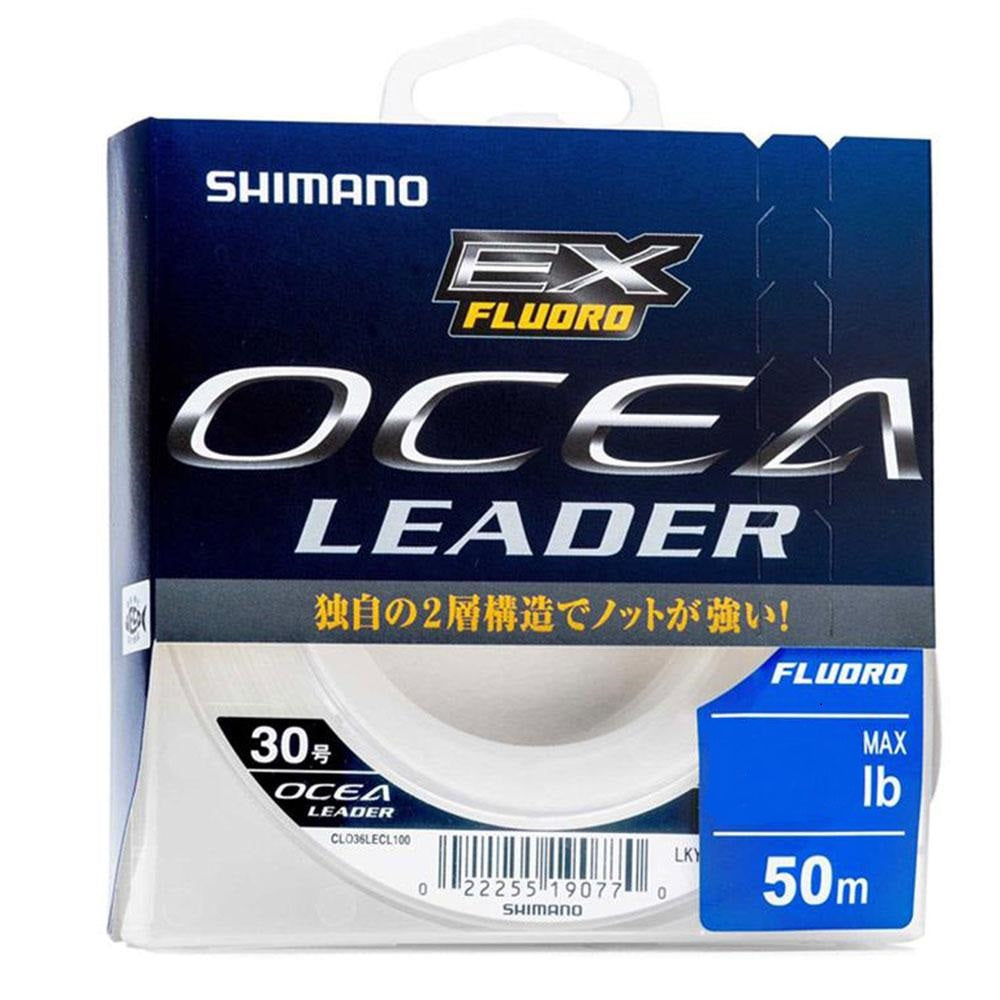
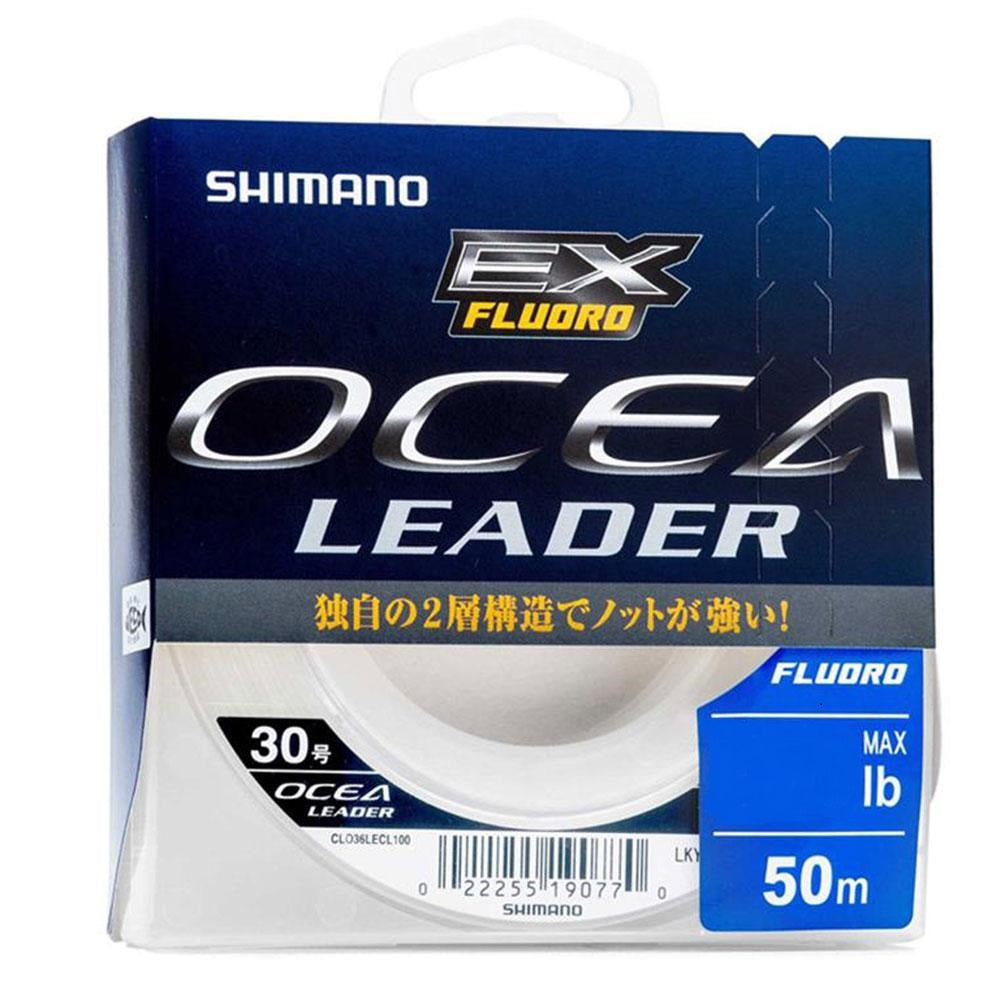



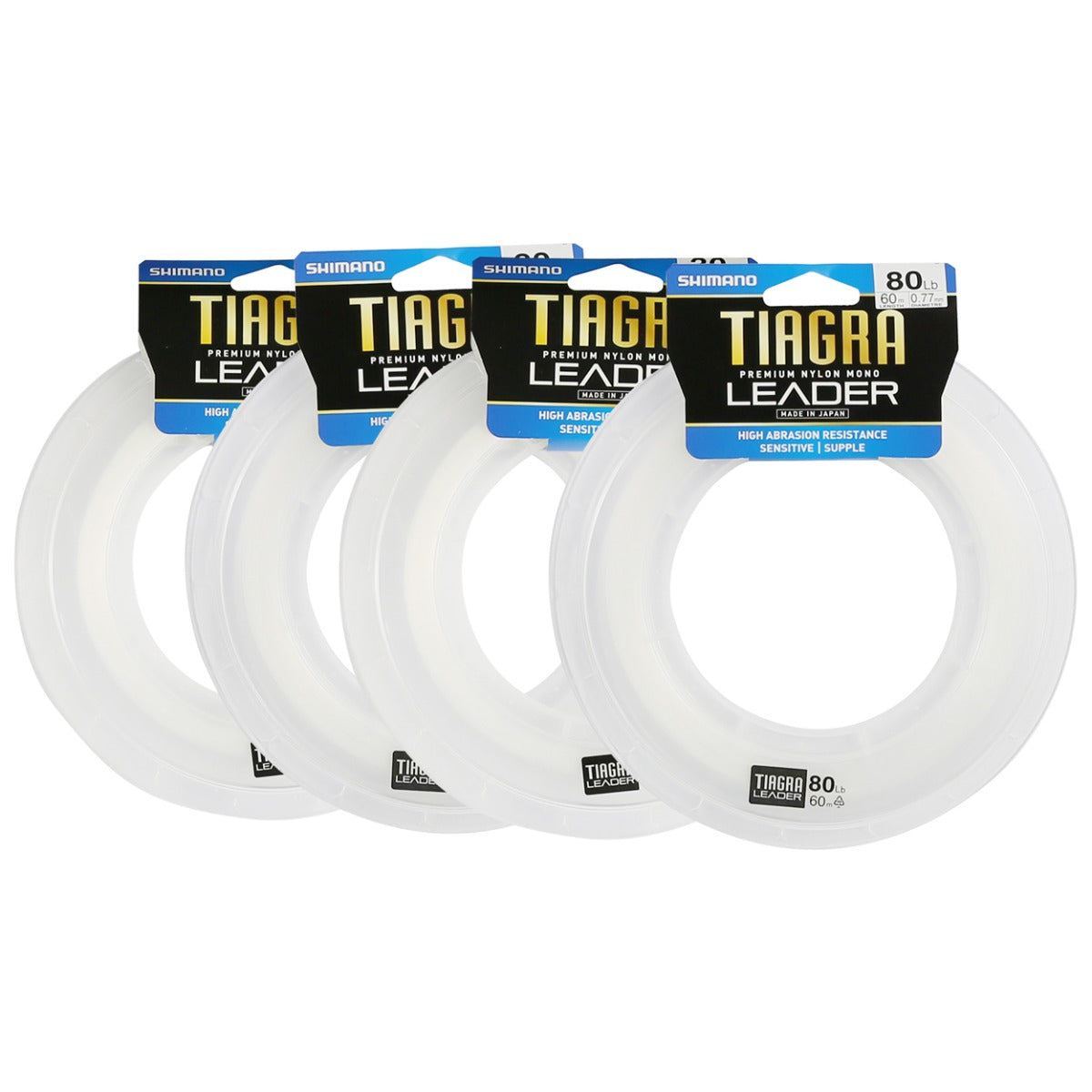
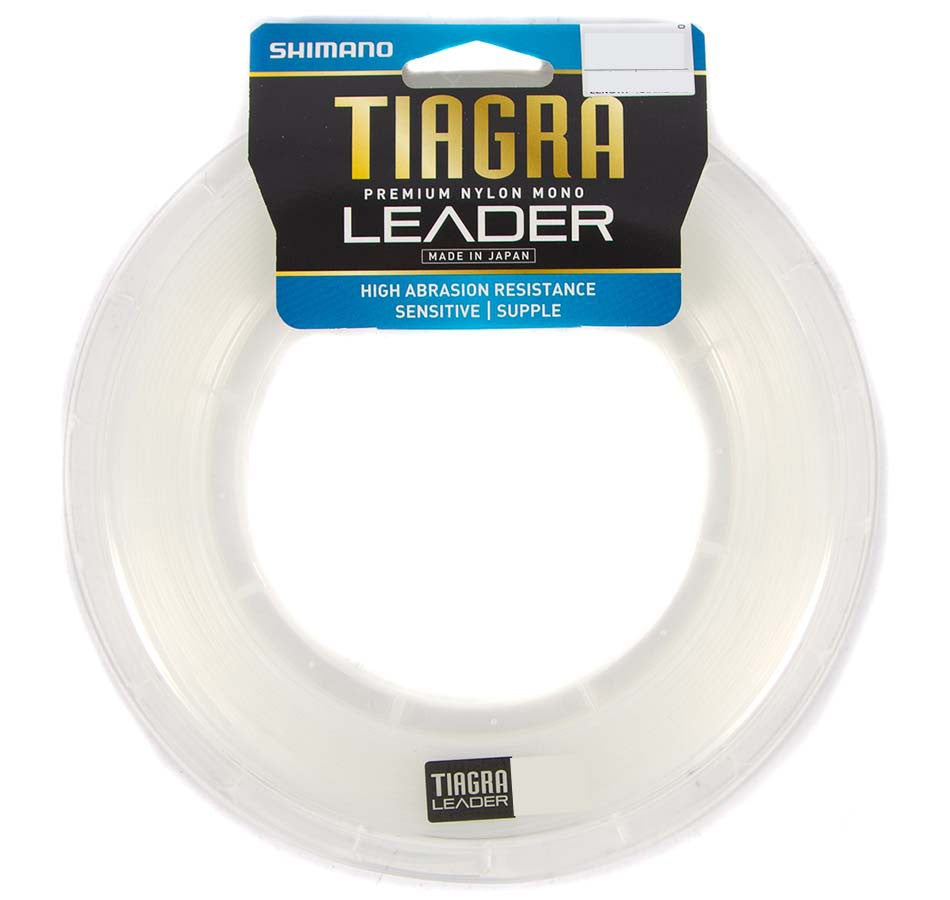
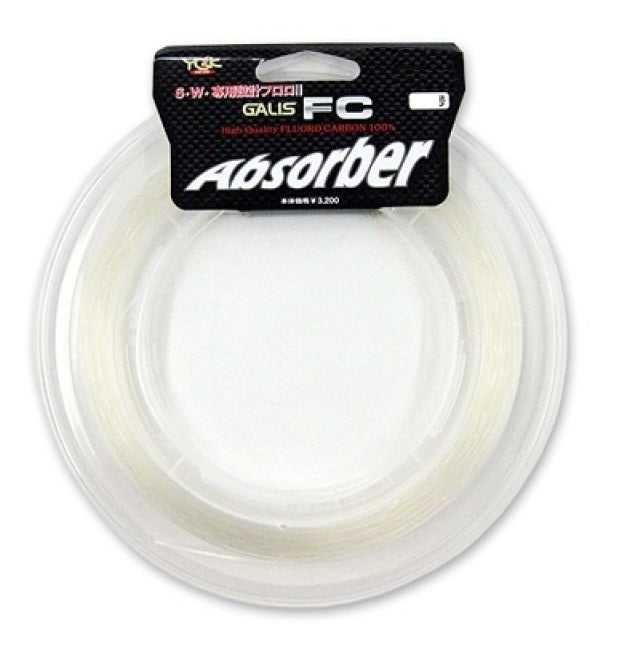
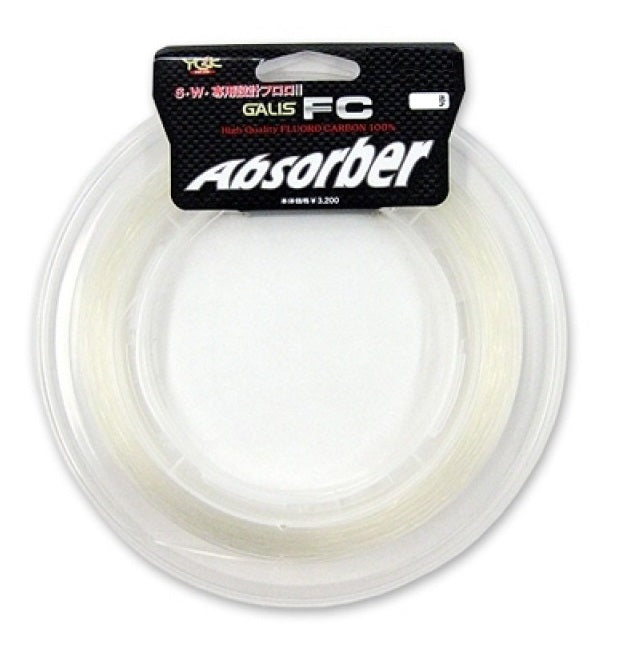
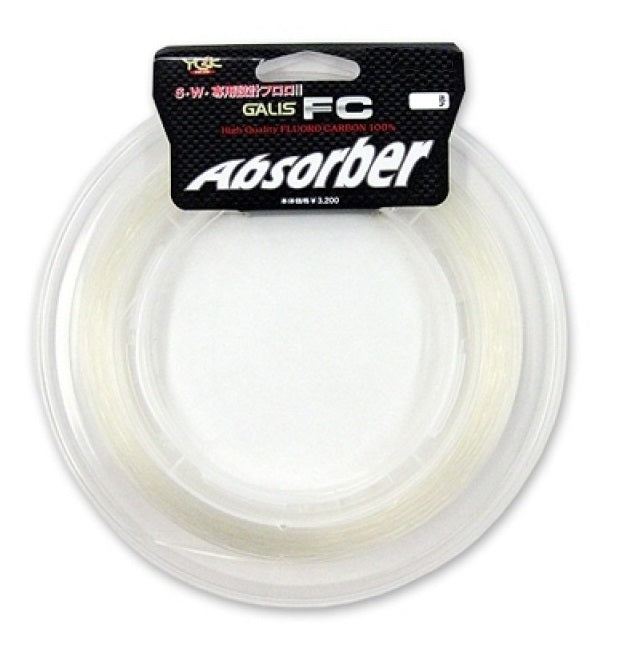
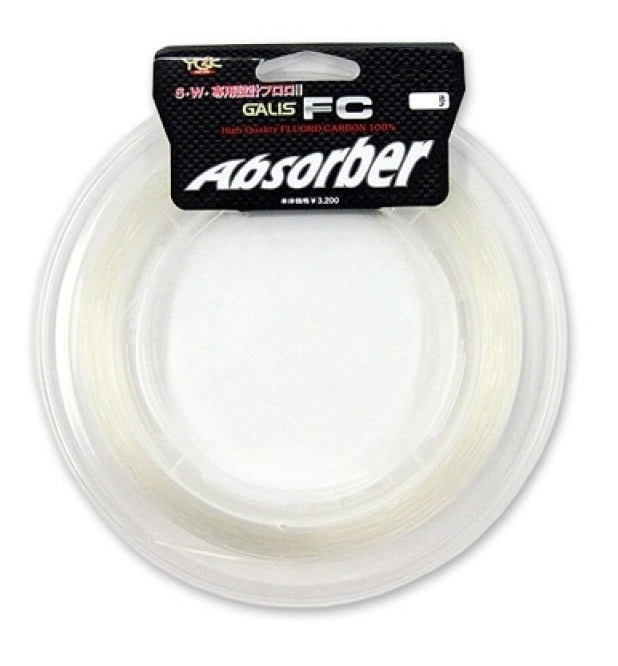
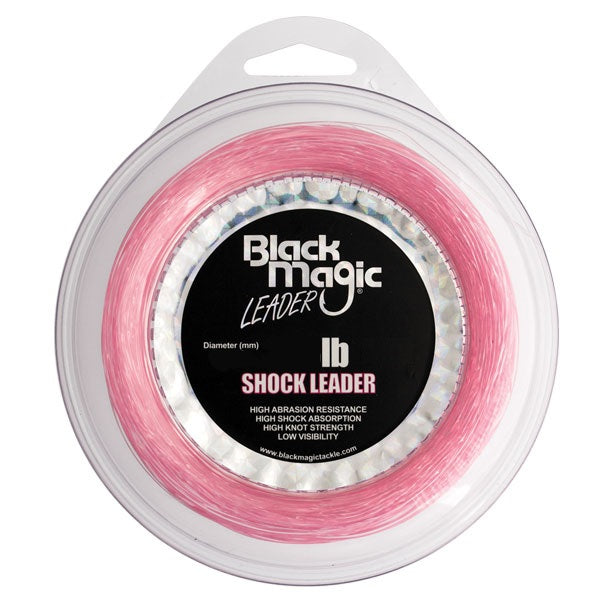
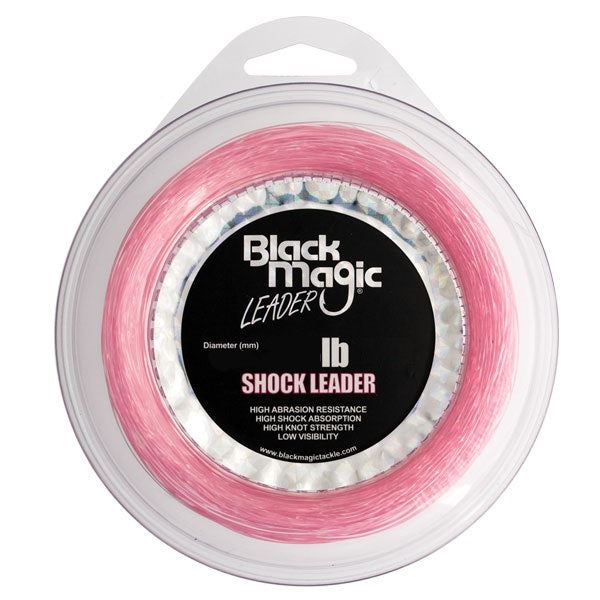
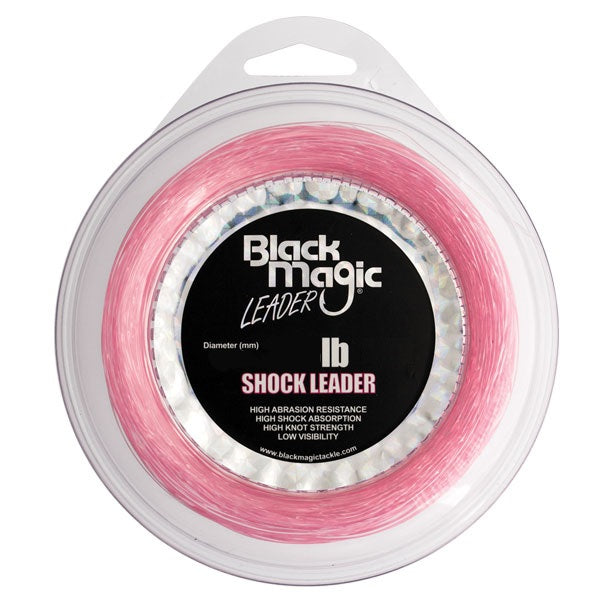
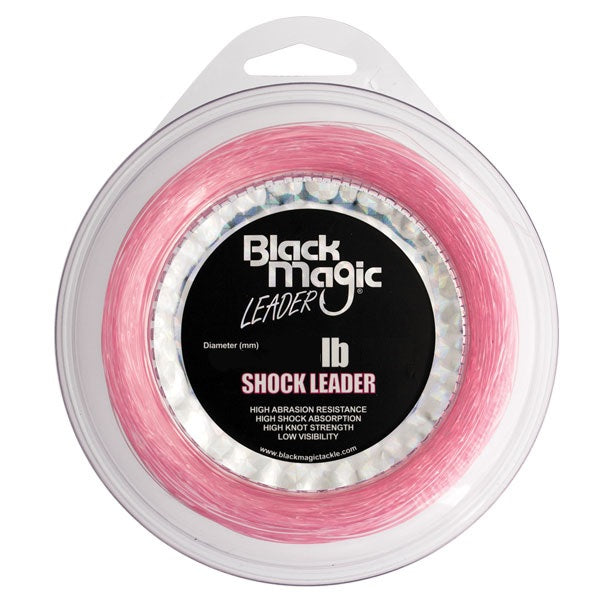

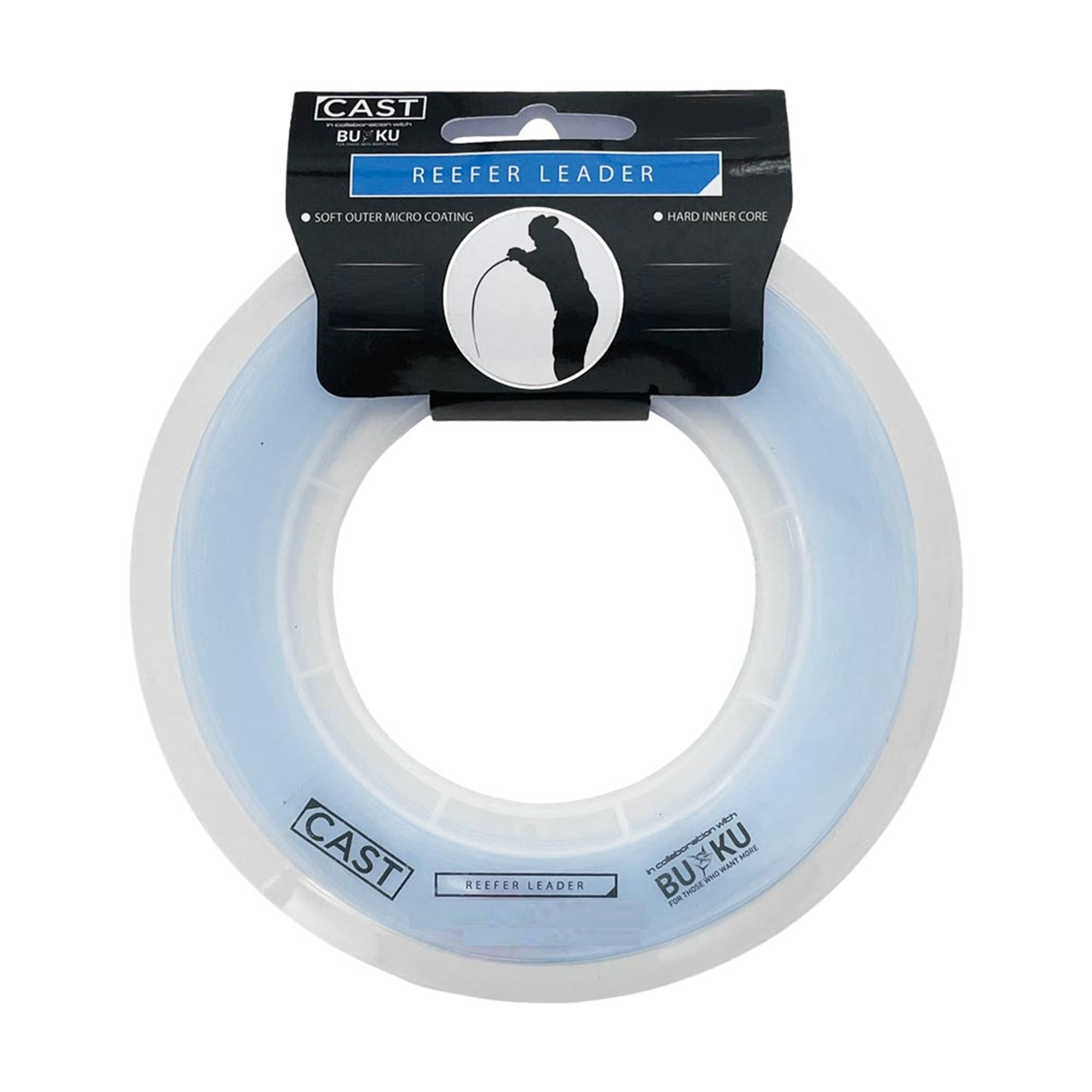

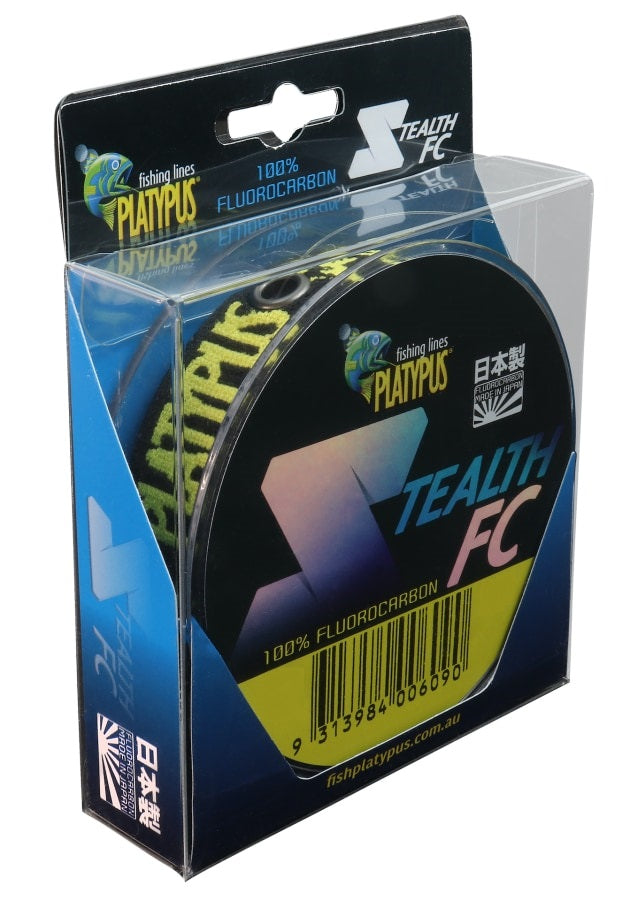

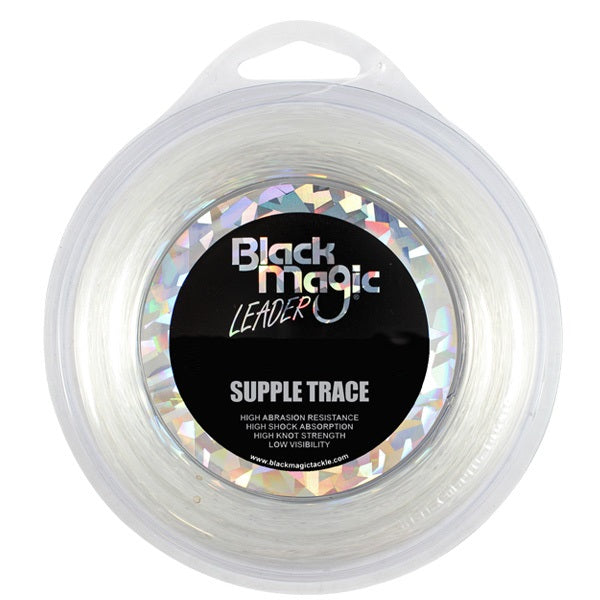

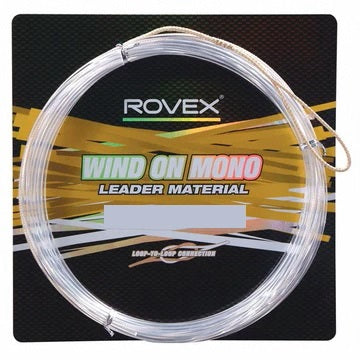

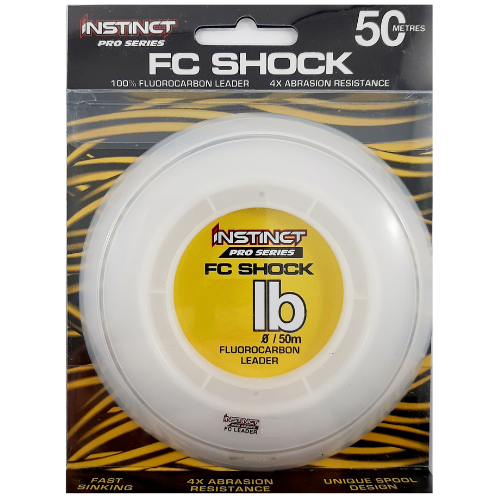

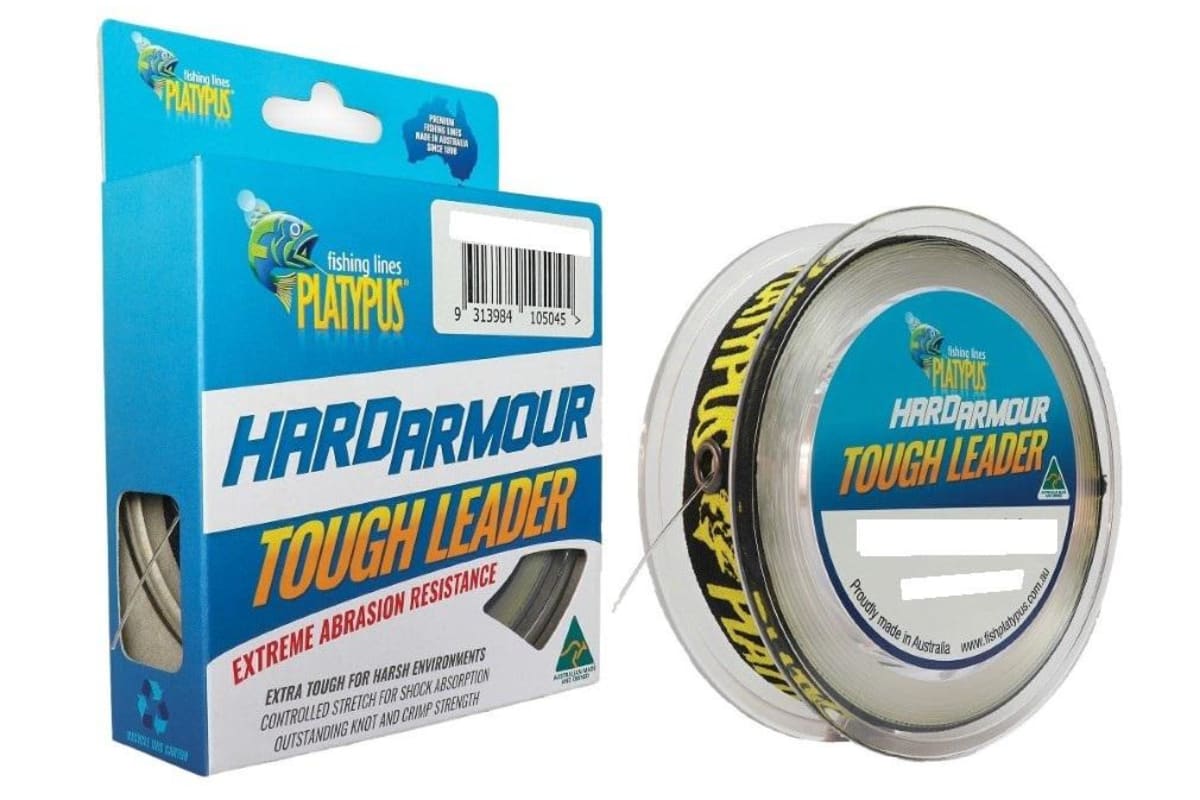

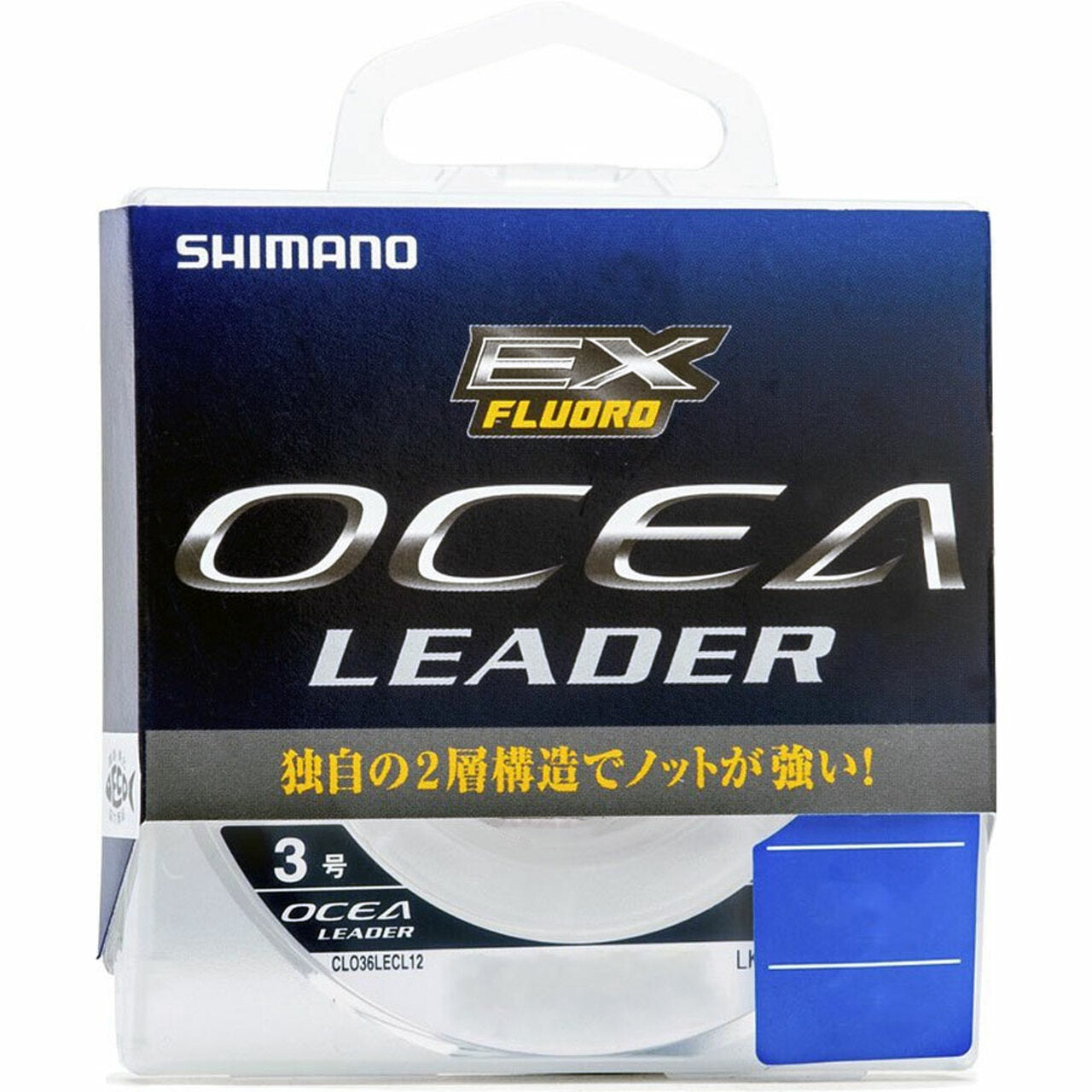
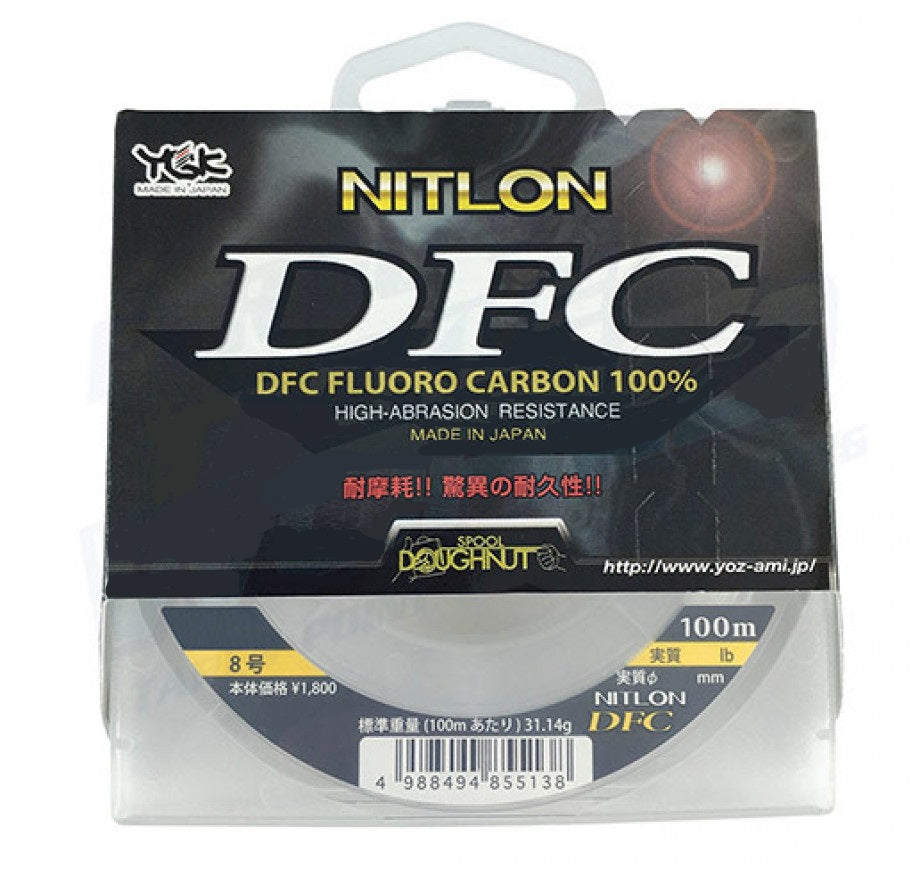
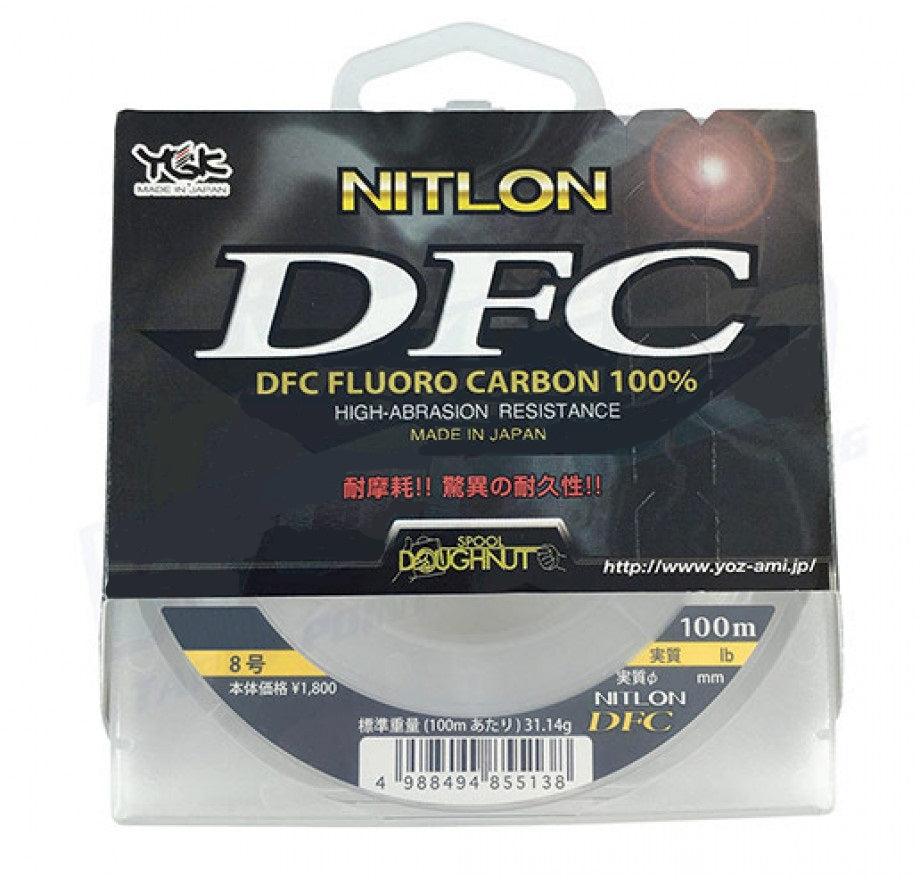


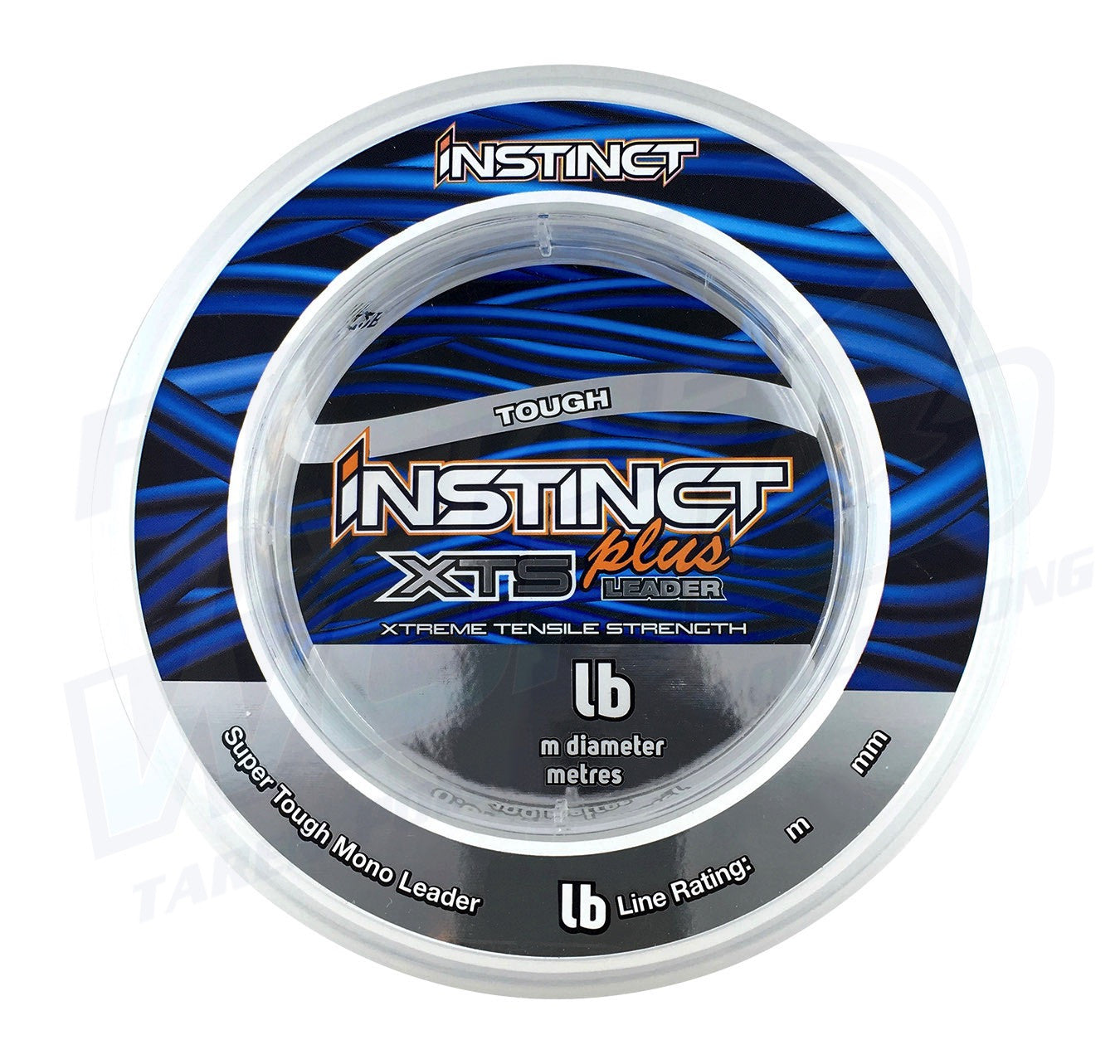

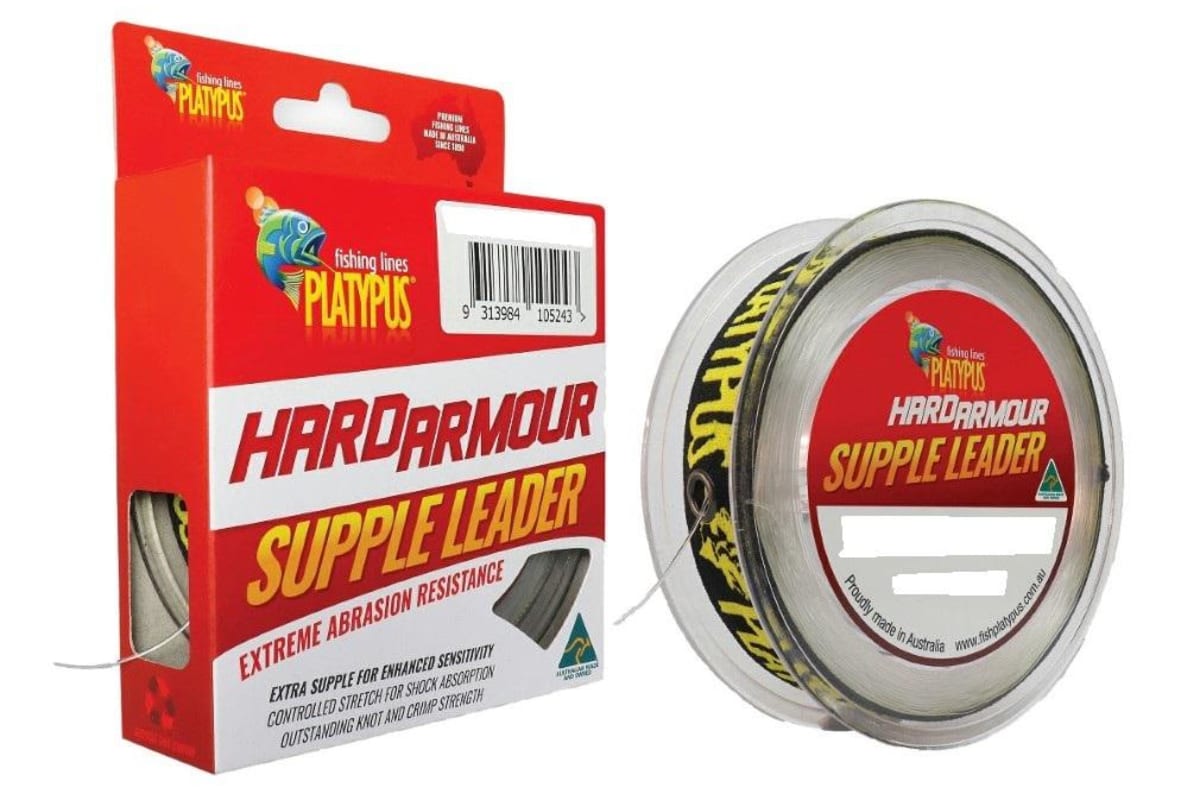

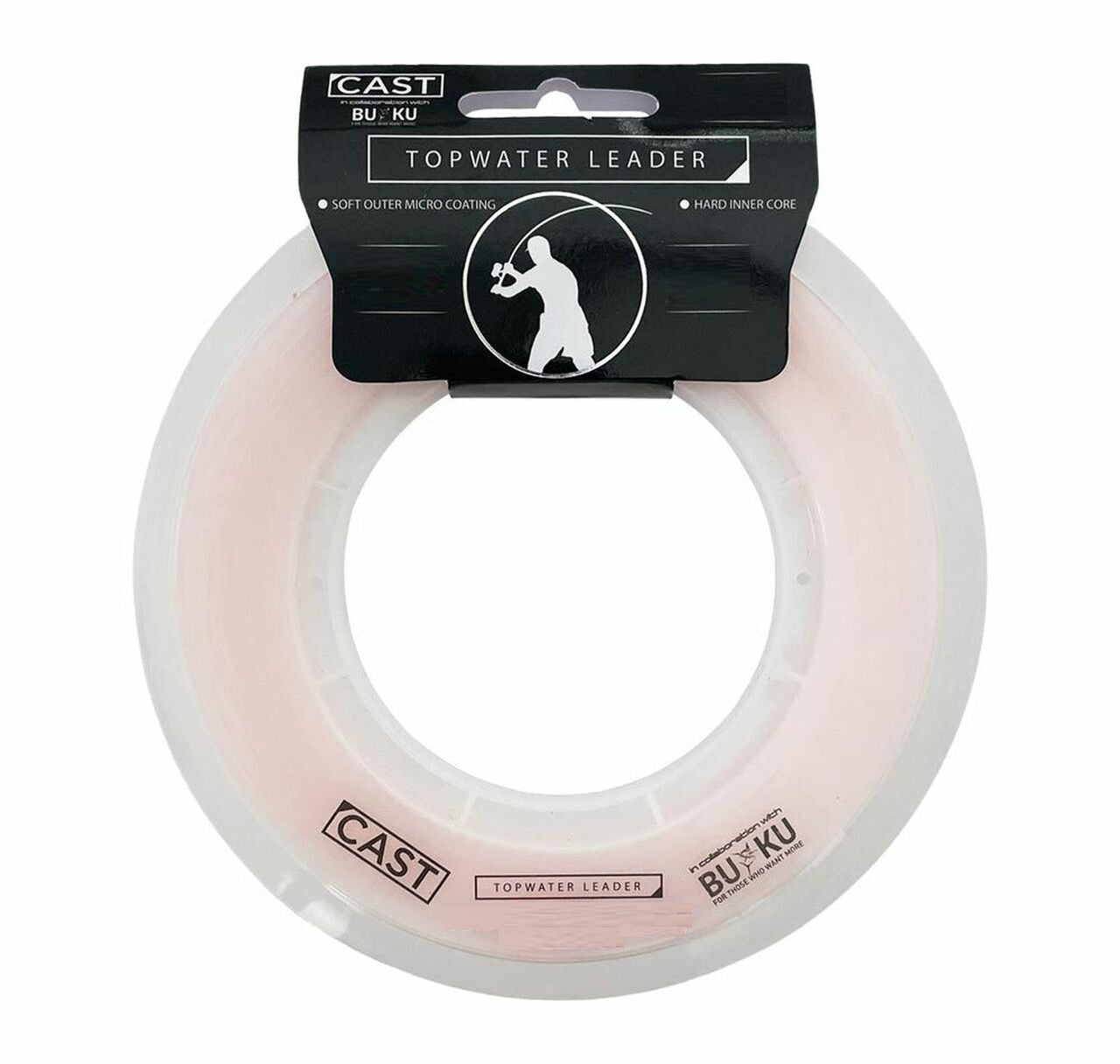

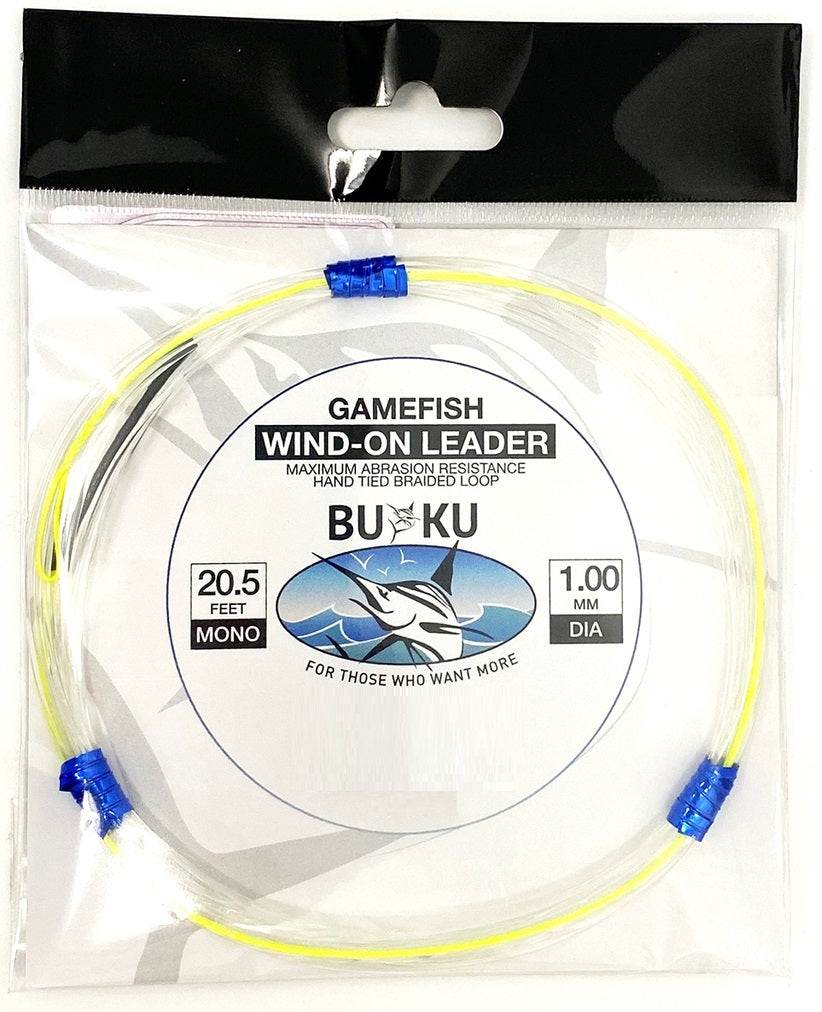

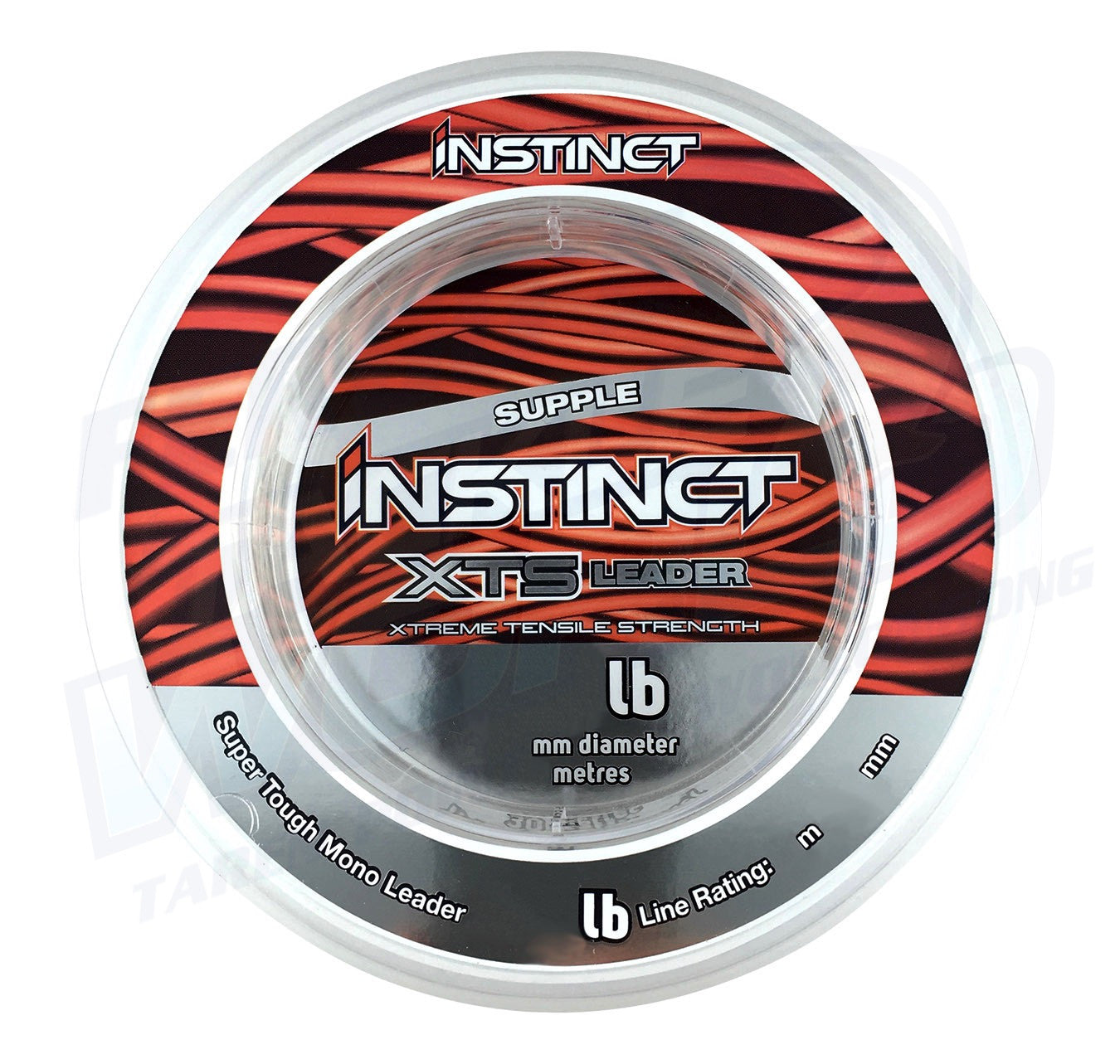
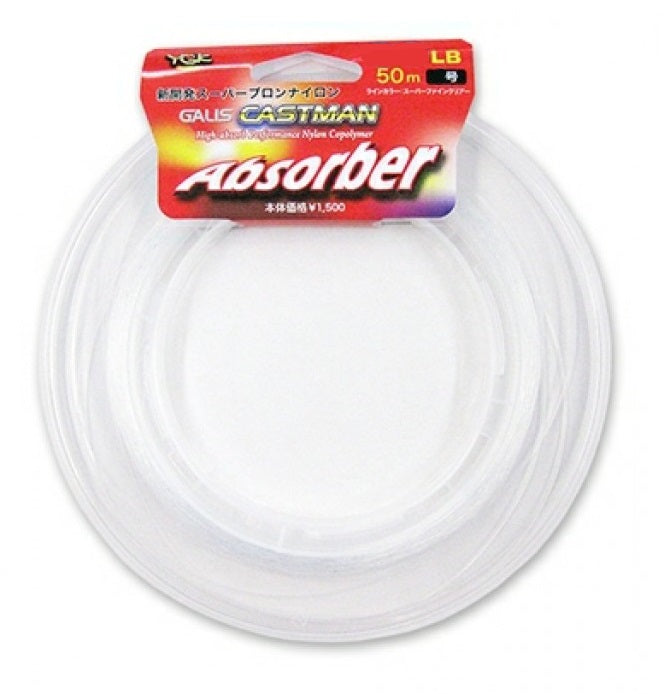
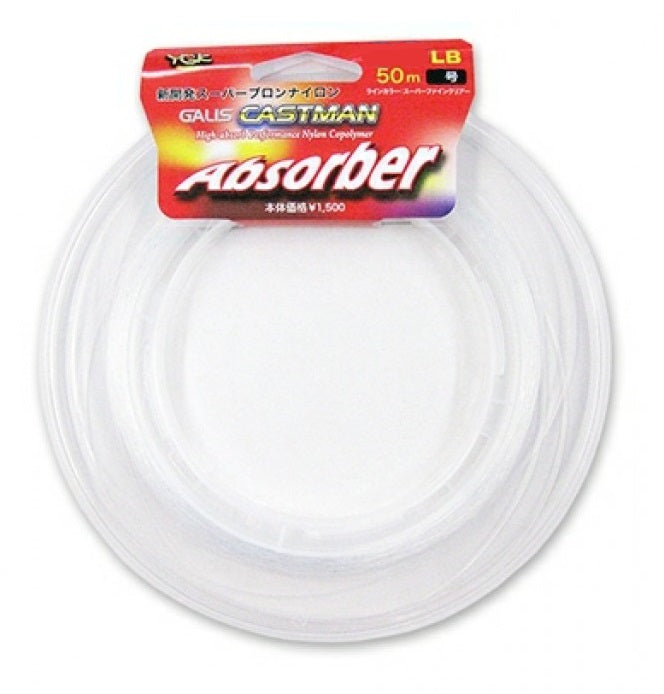


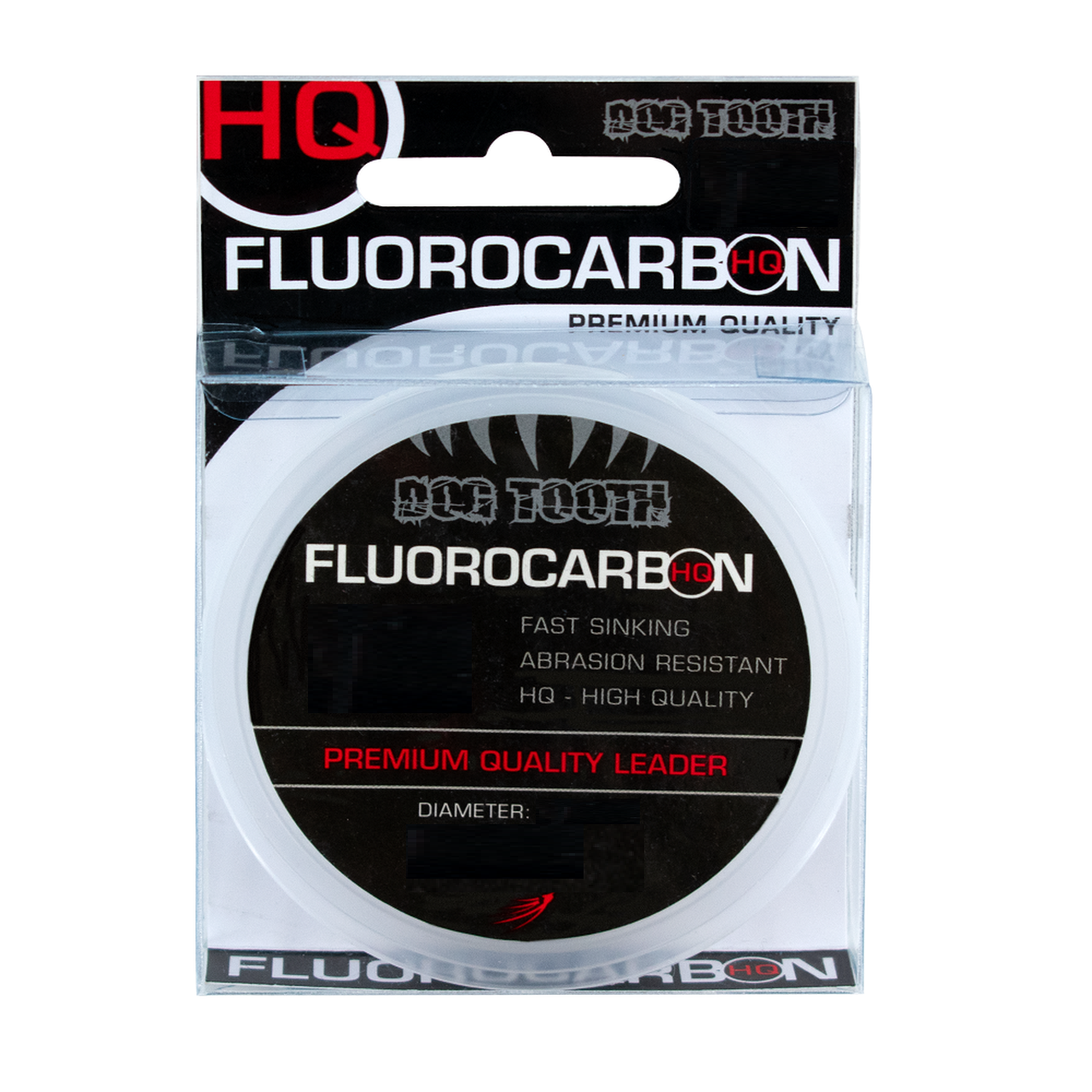

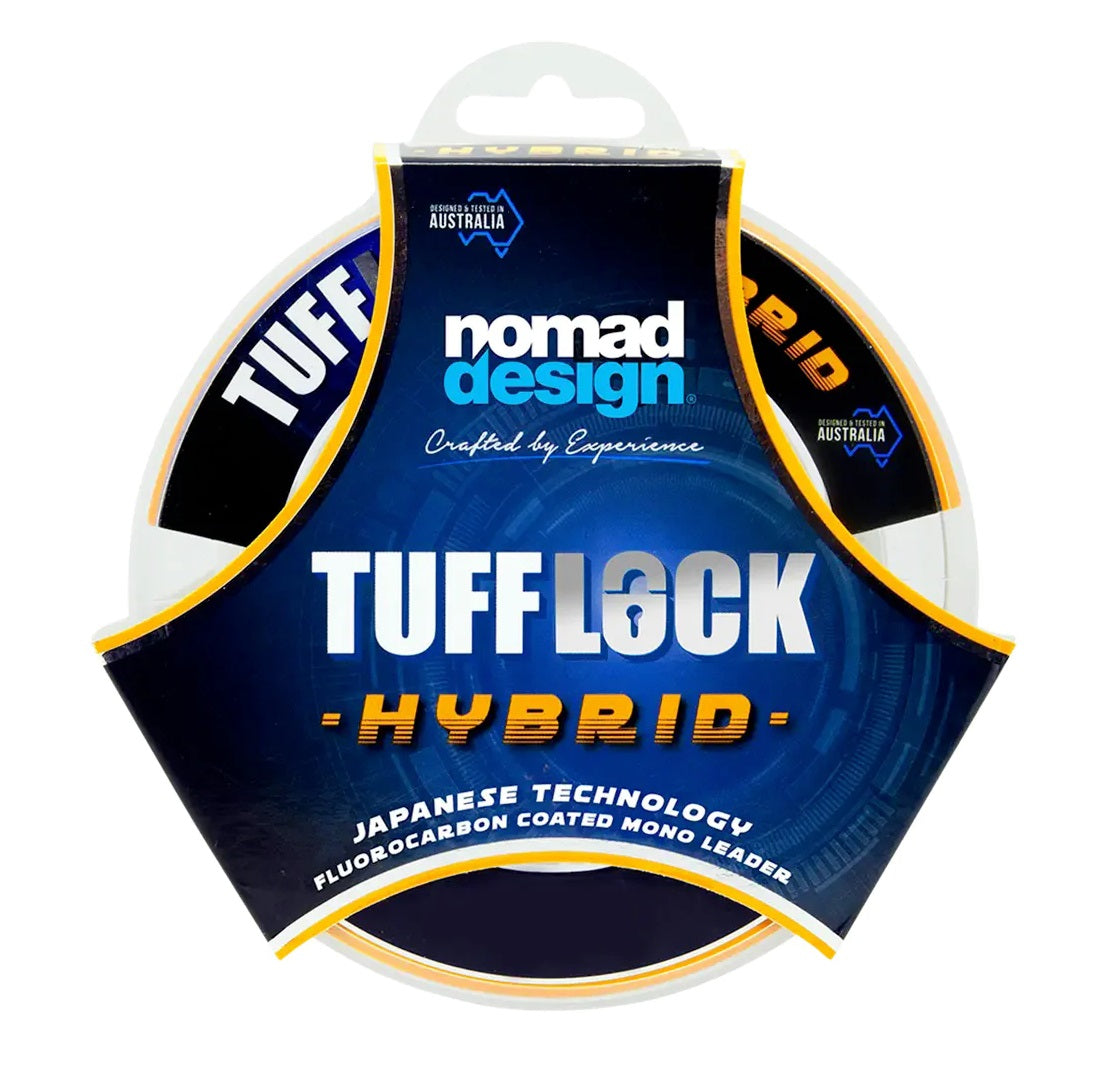

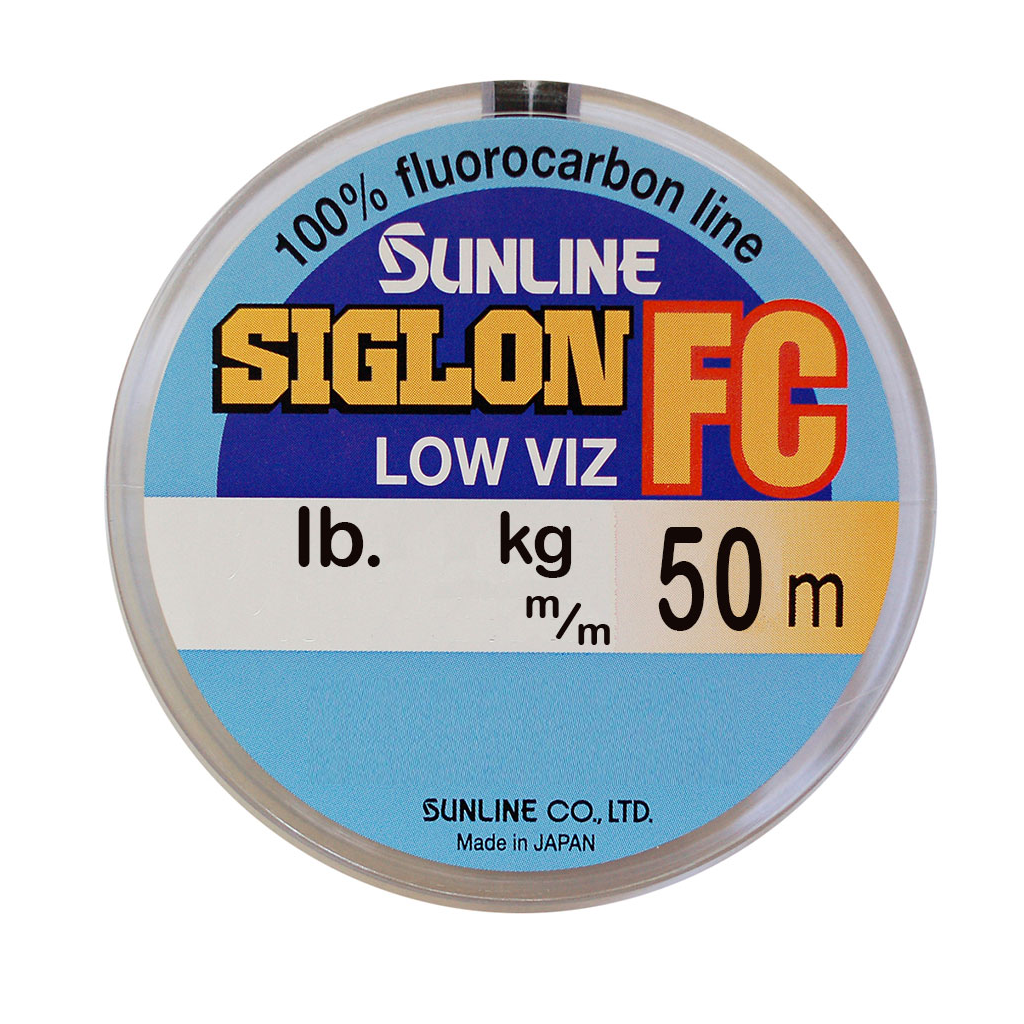


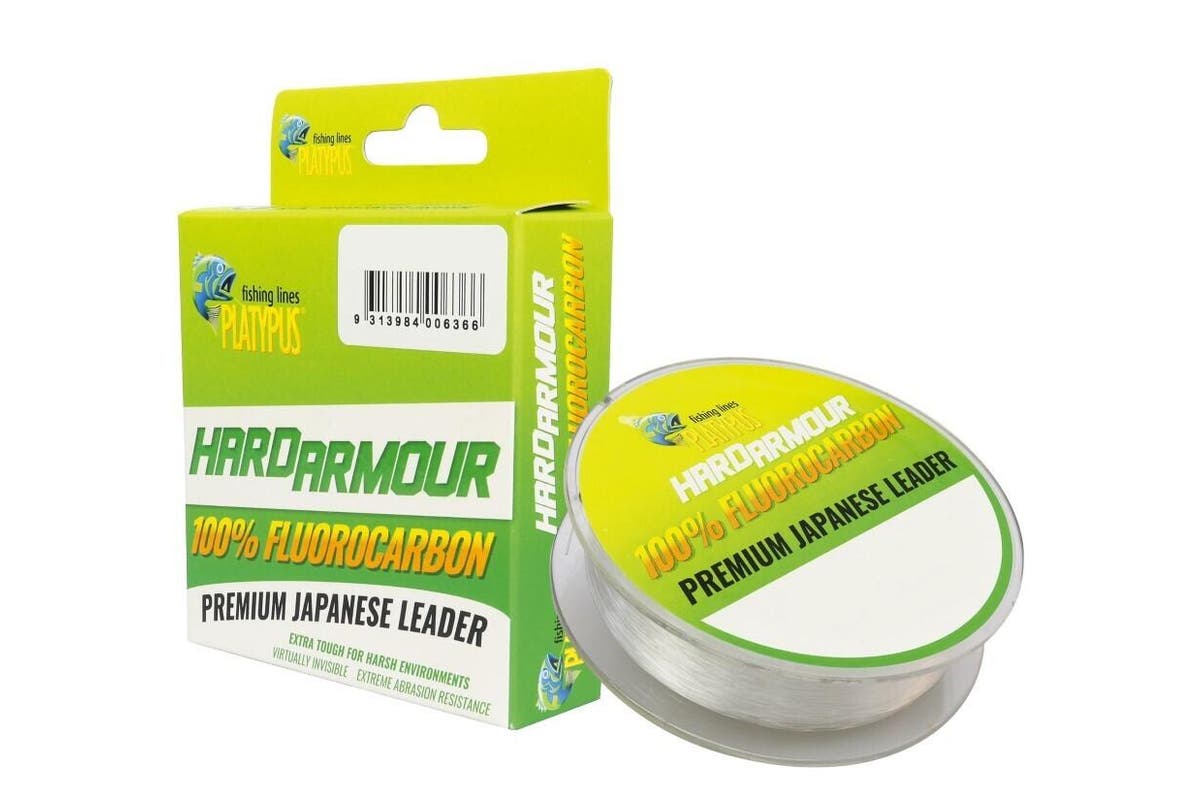

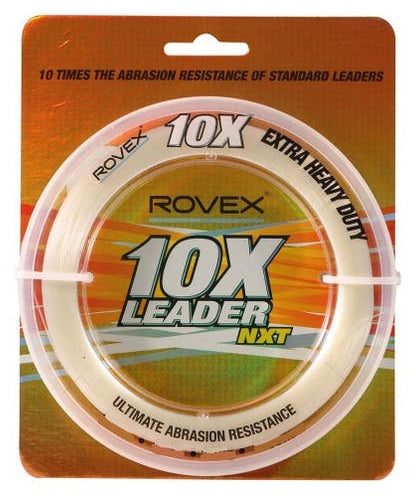

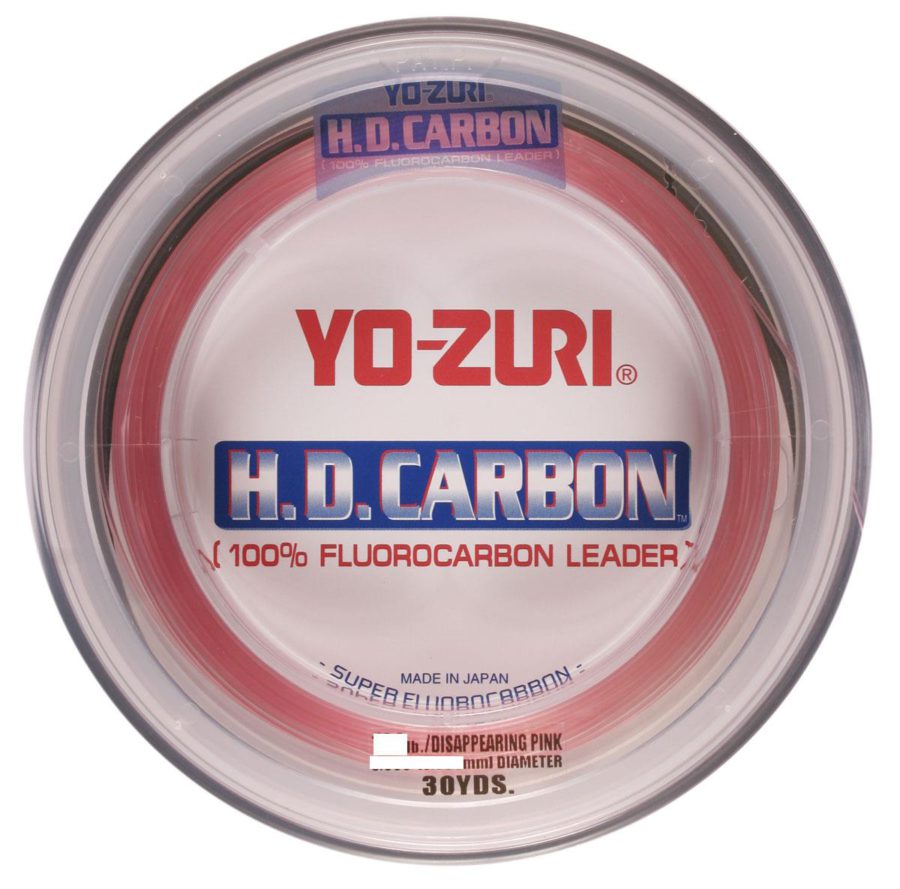


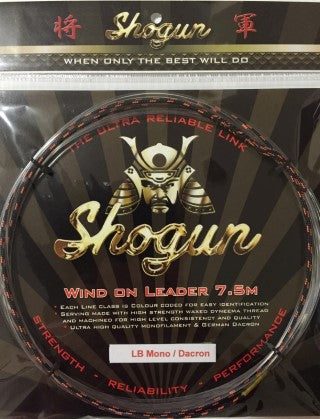

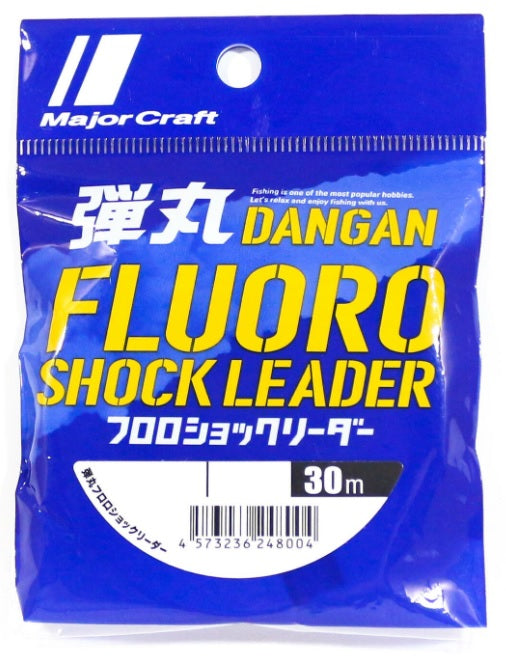
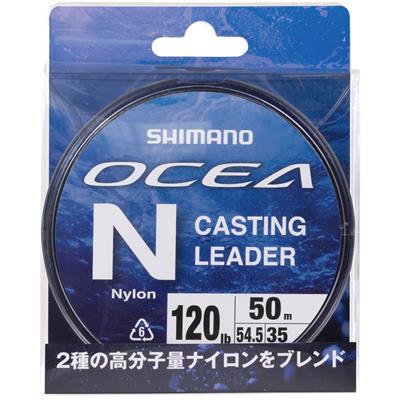

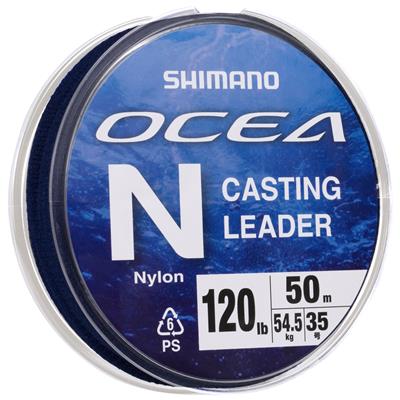


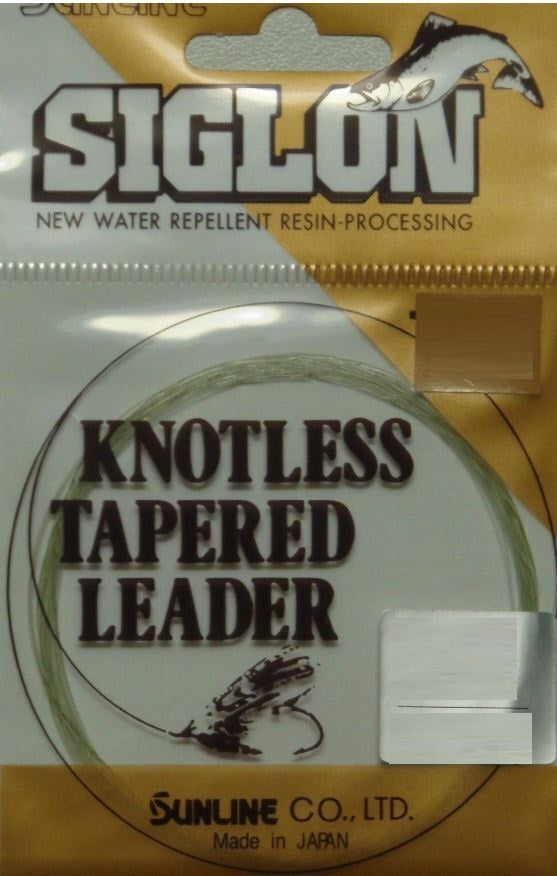

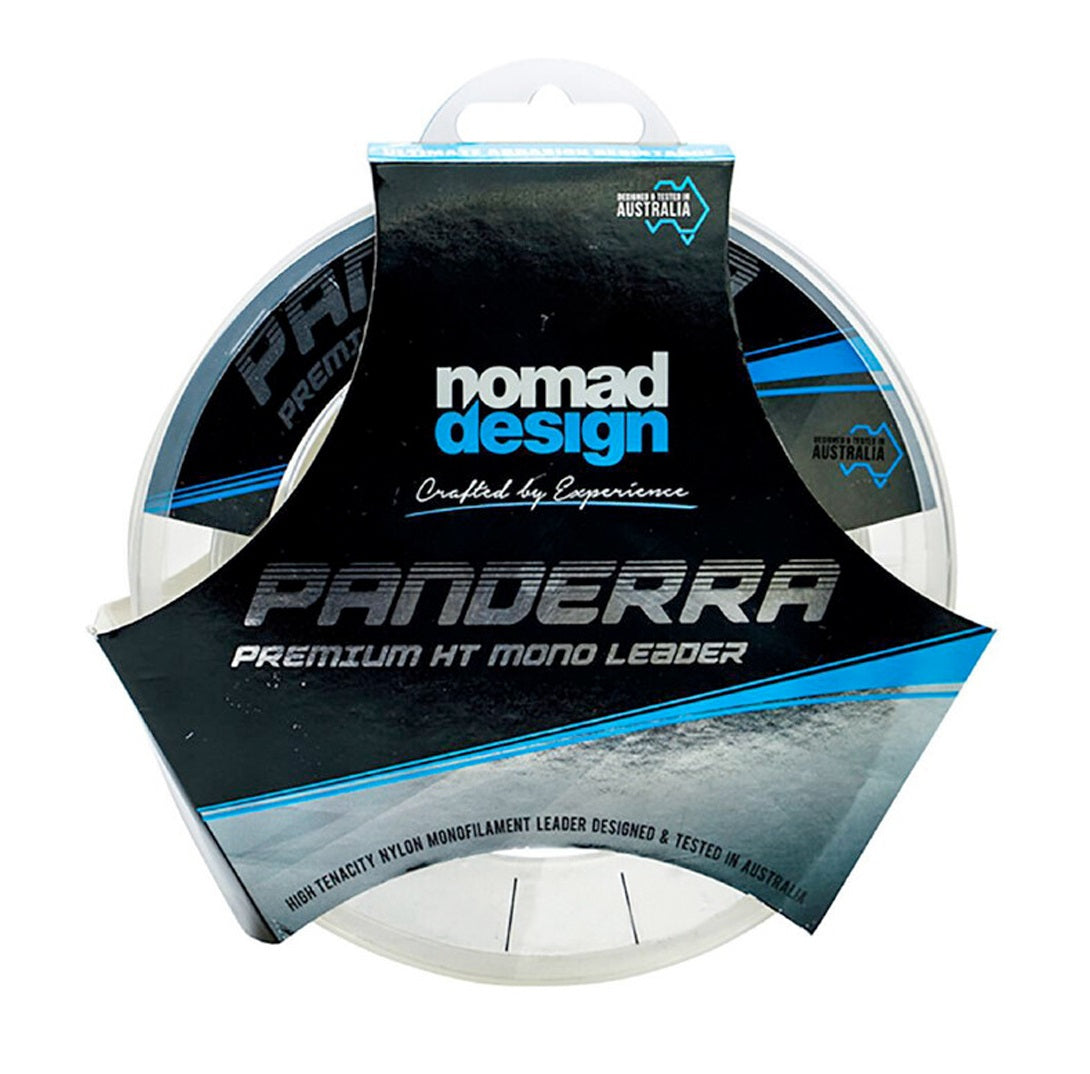

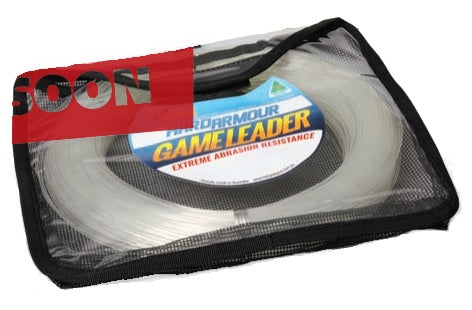

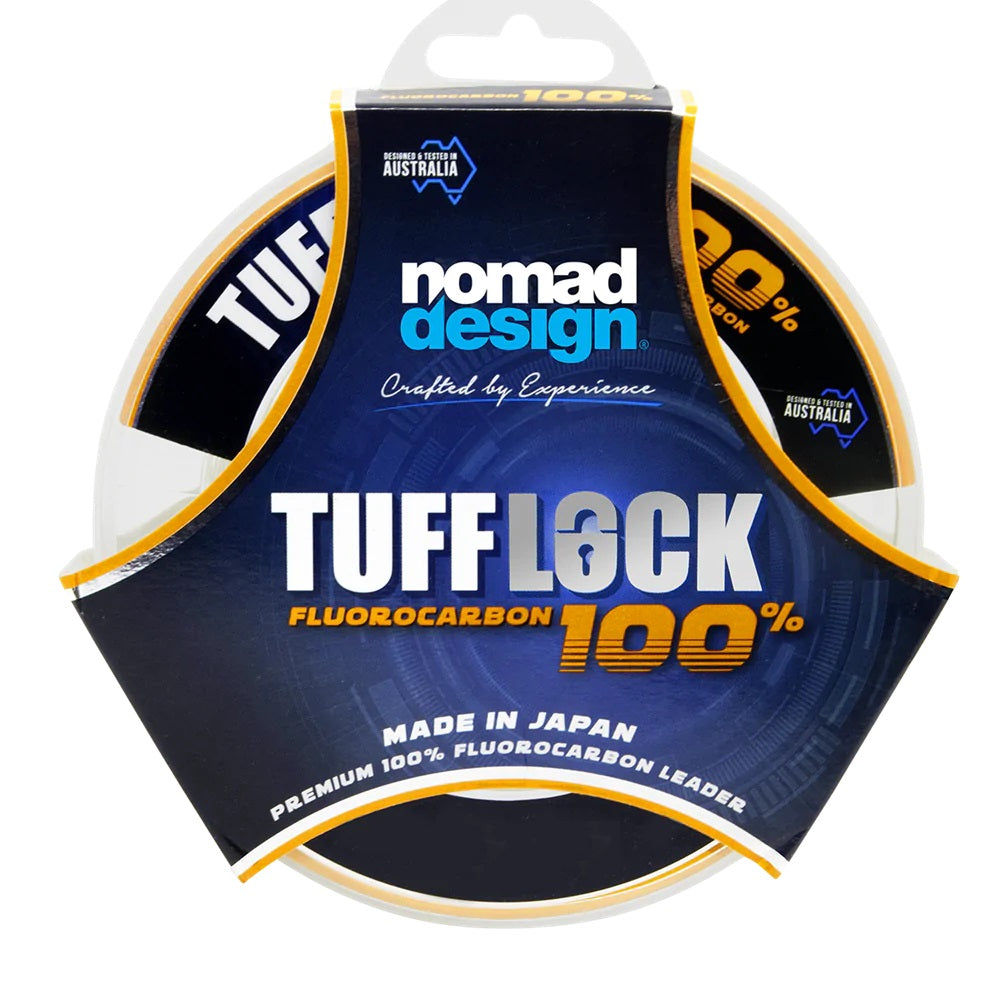

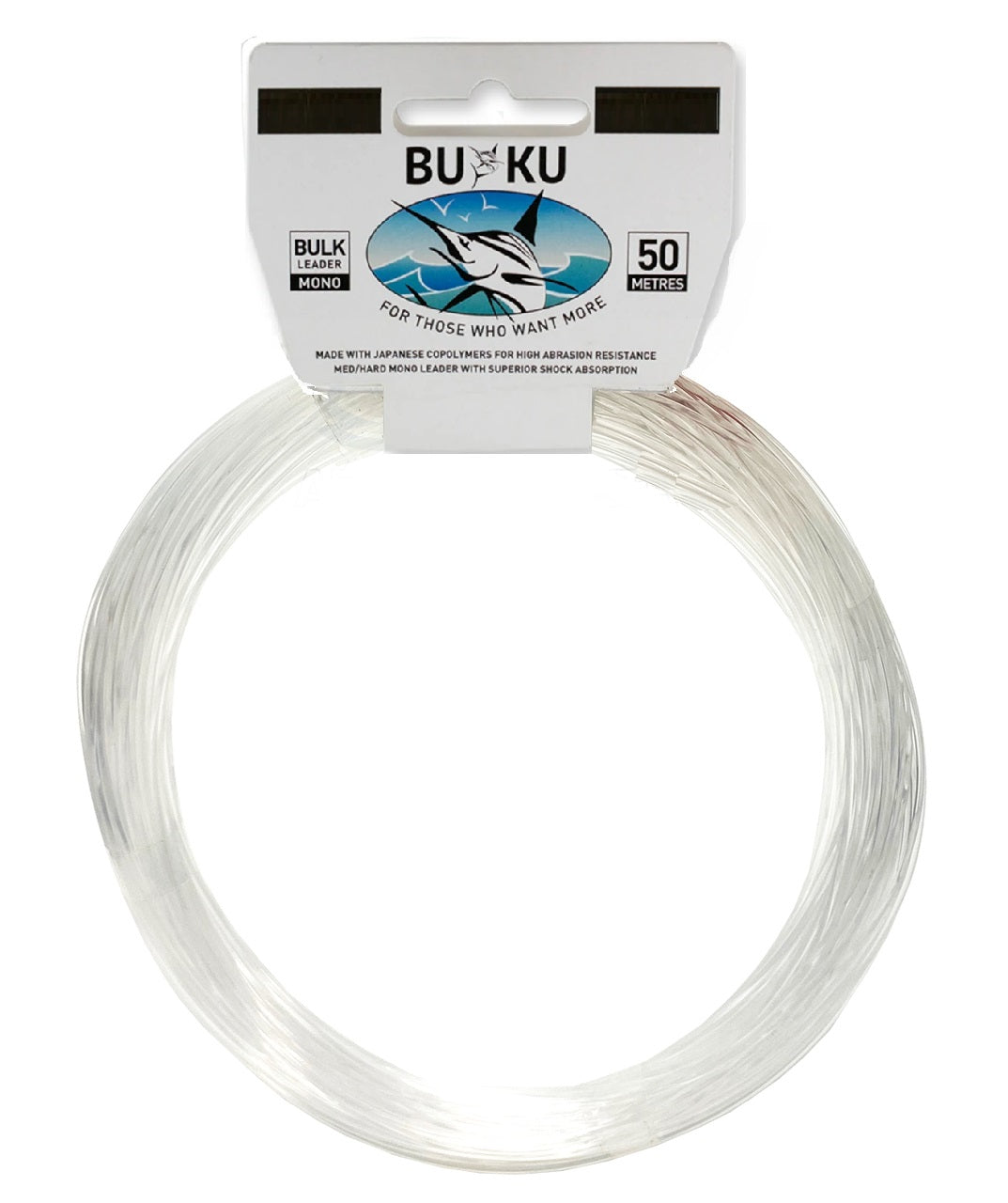
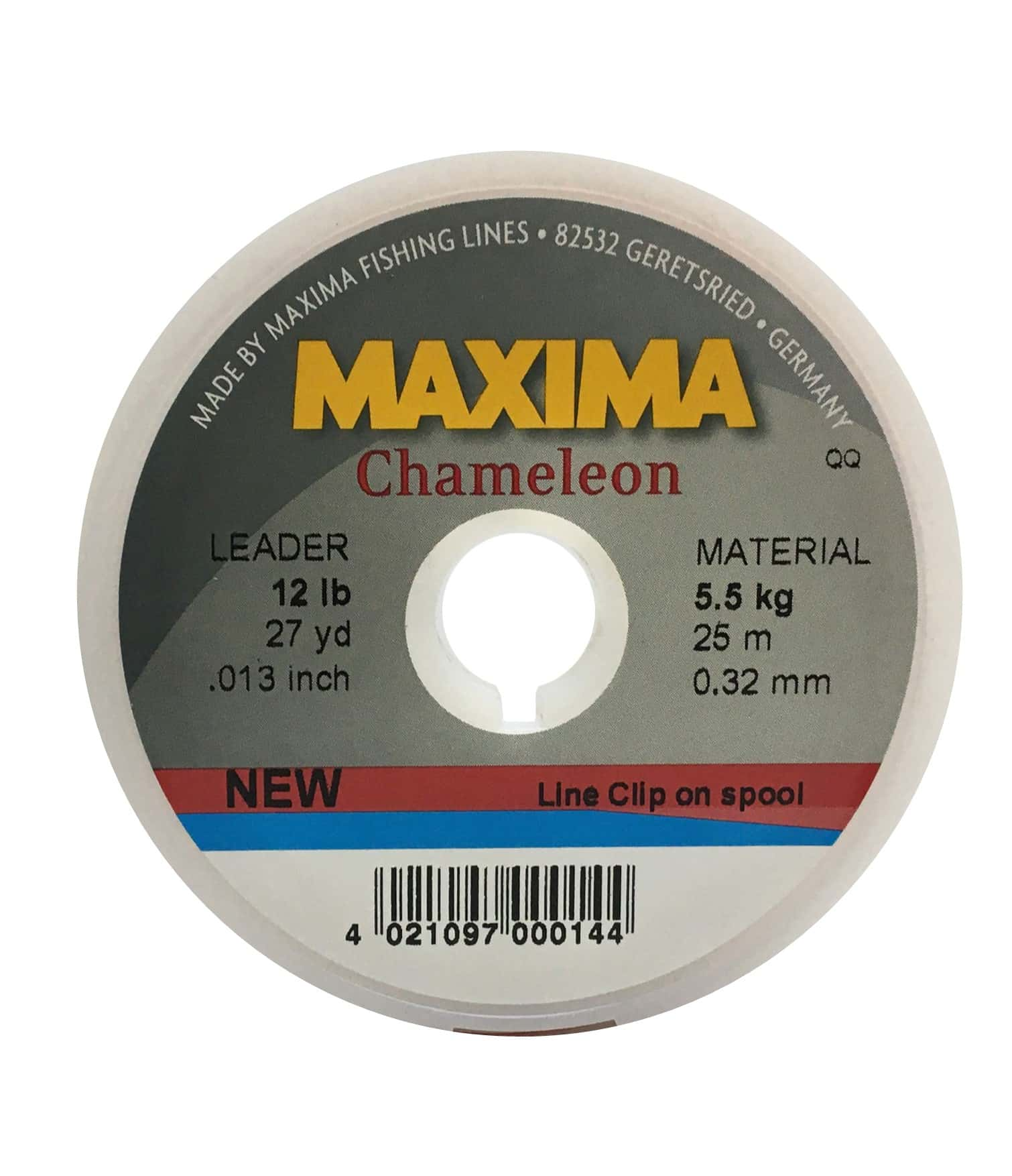

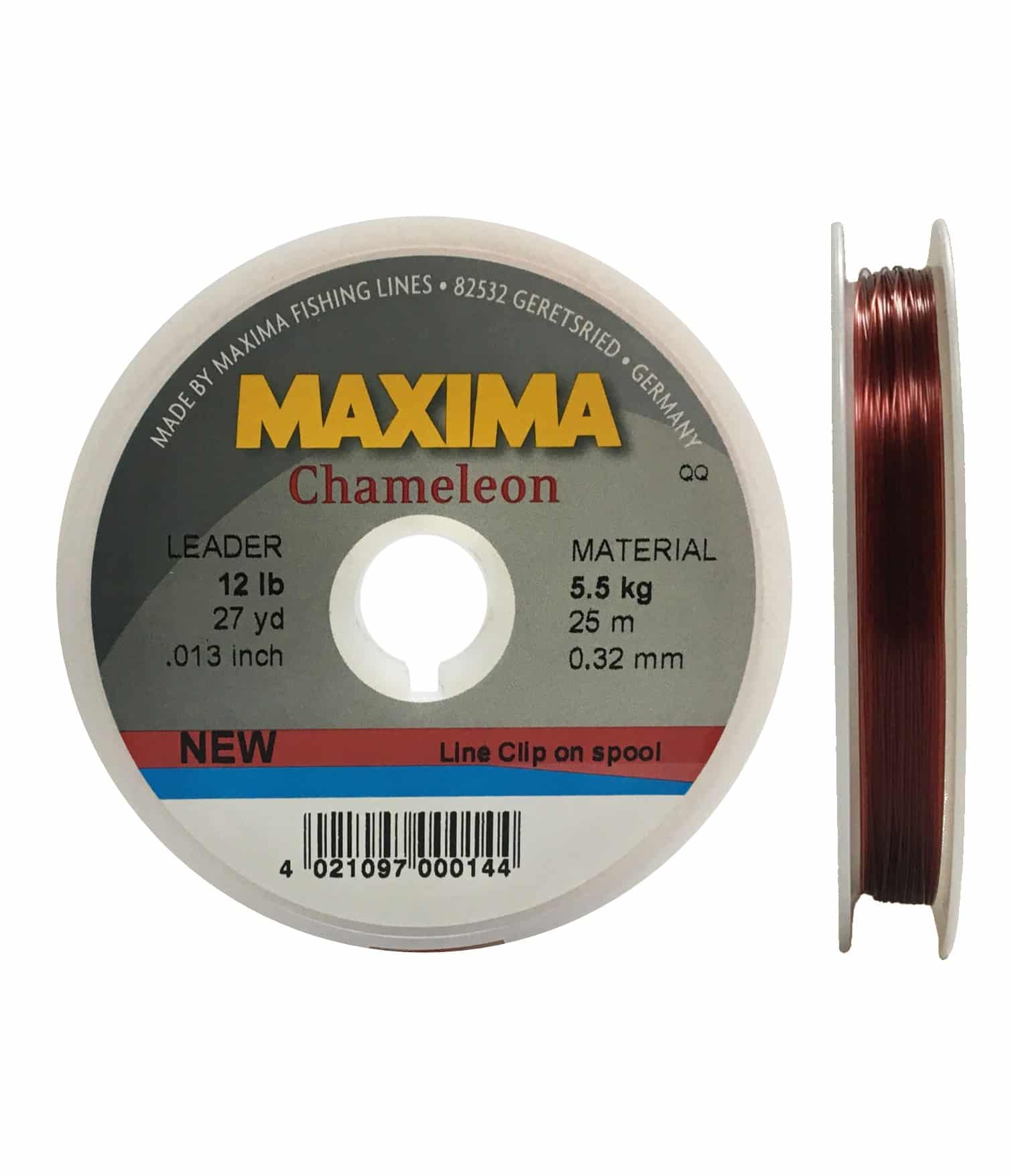

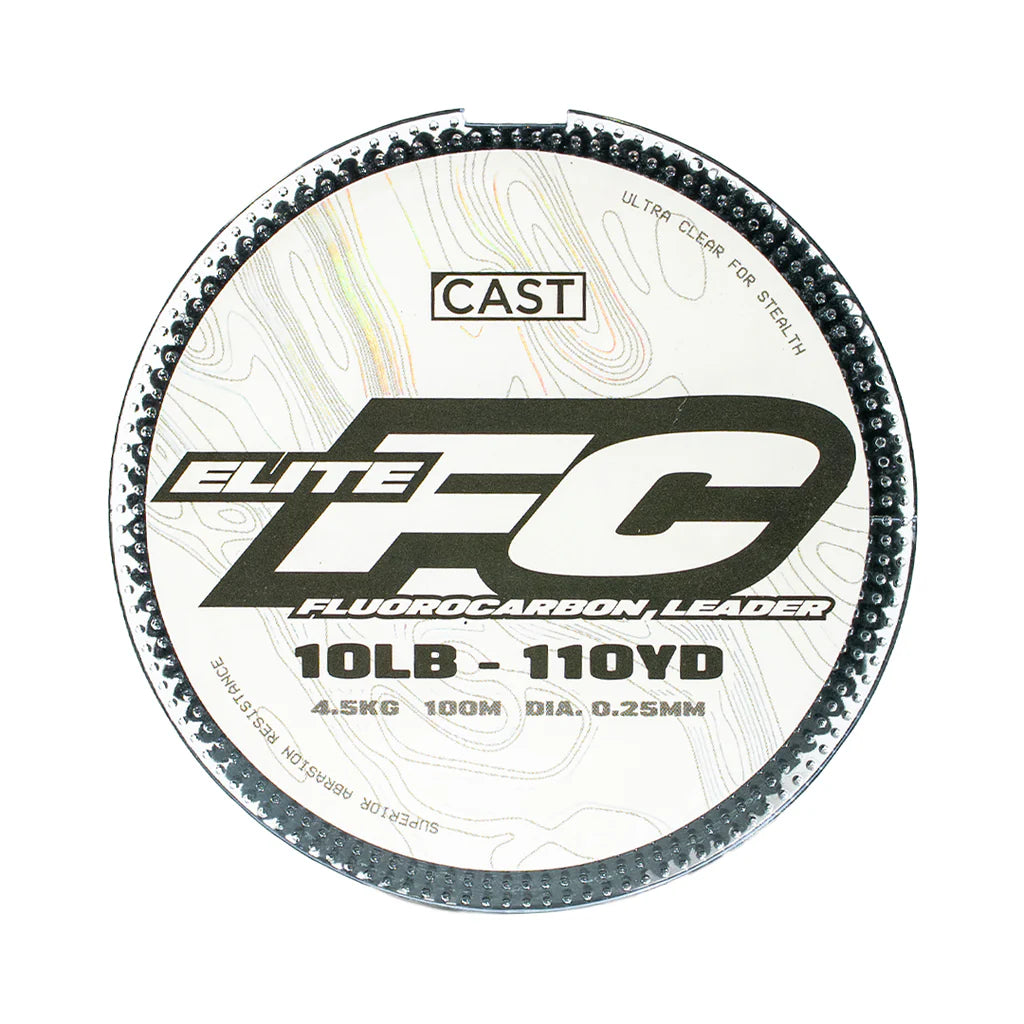

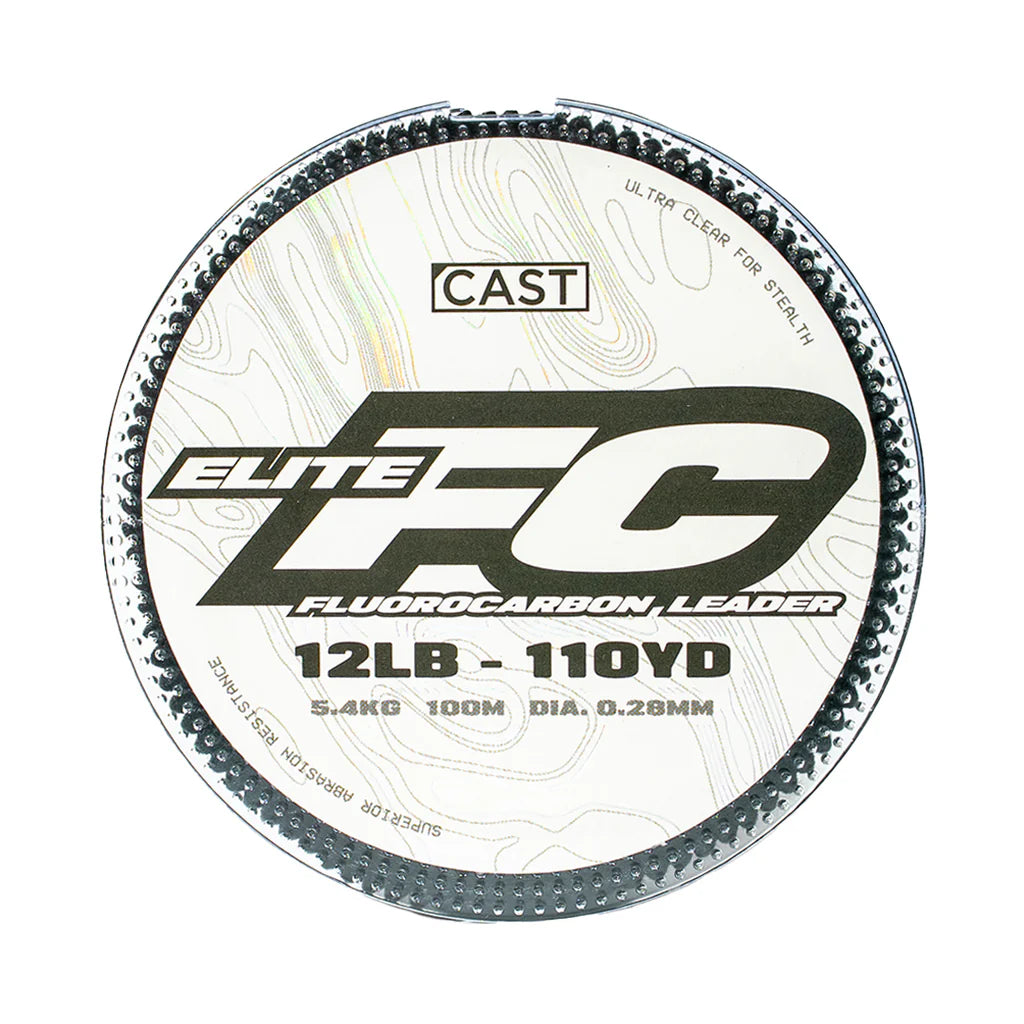



Leader is the last section of line before the hook, and it does the jobs your mainline cannot. It takes the abrasion against rocks, reef, teeth and gill plates, and it gives you a presentation the fish is less likely to see. Braid is superb mainline and a poor leader, which is why almost every braid setup ends in something else.
Fluorocarbon or mono?
Fluorocarbon is harder, sinks, and is far less visible underwater. It is the default for clear water, for wary species, and anywhere the leader is dragging across structure.
Monofilament stretches more, which cushions headshakes and protects hooksets on soft-mouthed fish. It floats, which is what you want for surface lures, and it costs less — so it is the sensible choice for heavy leaders that get cut back constantly.
As for strength, the usual approach is a leader heavier than the mainline, with how much heavier depending on how abrasive the fishing is. Clean open water needs less; reef, snags and toothy species need considerably more.
Length is a matter of conditions too. Clear, calm water generally calls for longer leaders; dirty water and heavy structure do not.
Pairs with braided fishing line as mainline, or monofilament line where stretch is wanted throughout.
Frequently asked questions
Do I need a leader with braid?
Almost always. Braid is highly visible, has no stretch and cuts easily on structure. A leader fixes all three problems.
Fluorocarbon or mono leader?
Fluorocarbon for clear water, wary fish and abrasion. Mono where you want stretch, a floating leader for surface lures, or cheaper heavy leader.
How long should a leader be?
Longer in clear calm water where visibility is the issue, shorter around heavy structure where casting and control matter more.