

FREE SHIPPING ON ORDERS OVER $150*

AUSSIE FAMILY OWNED BUSINESS FOR OVER 40 YEARS

100% SATISFACTION GUARANTEED
Surface Walkers
Surface Walkers
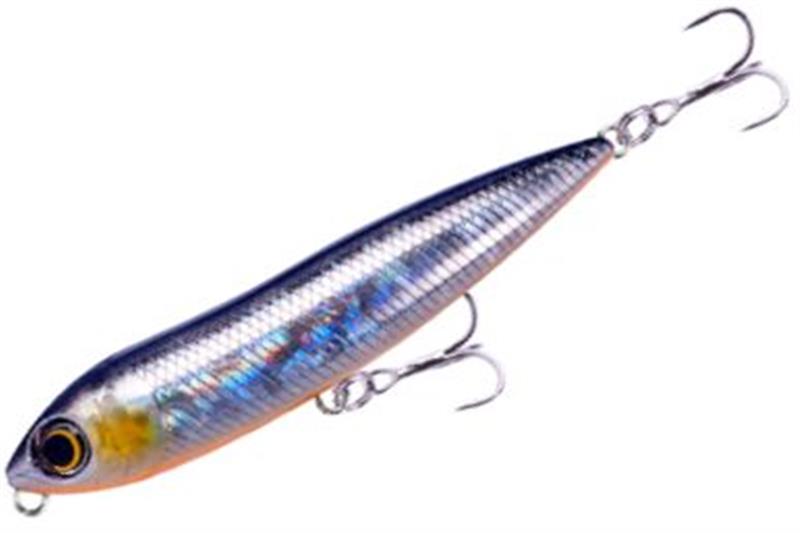
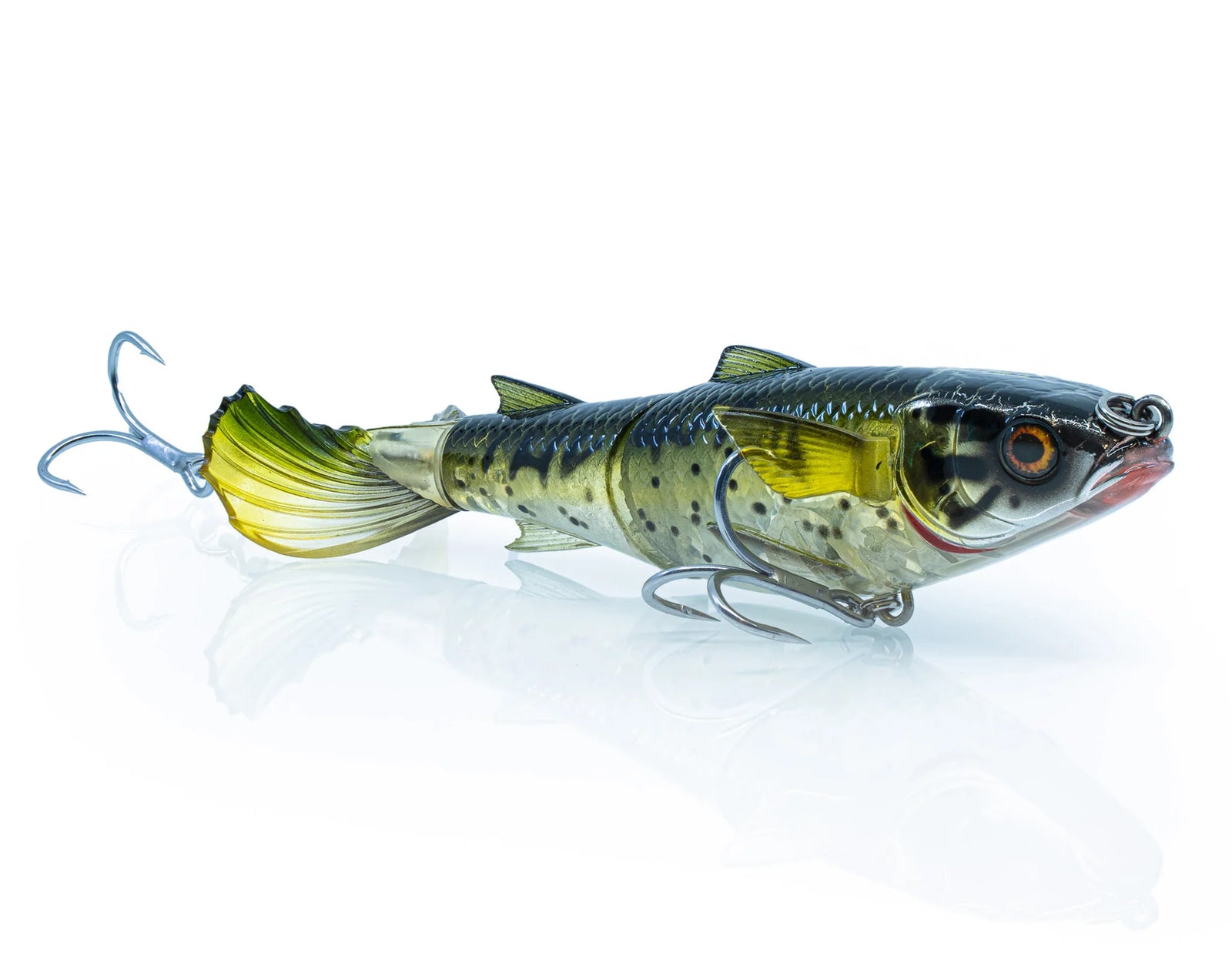
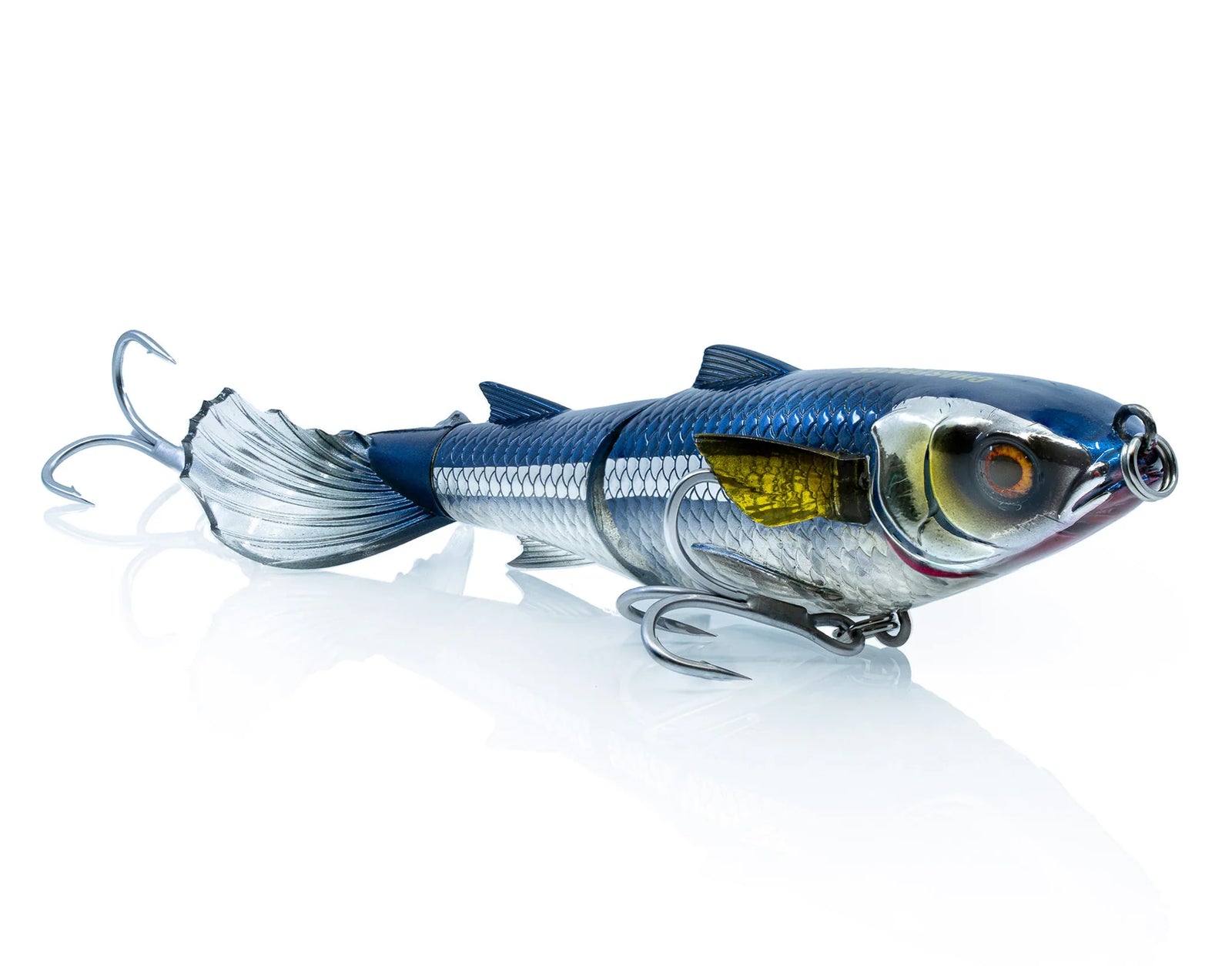
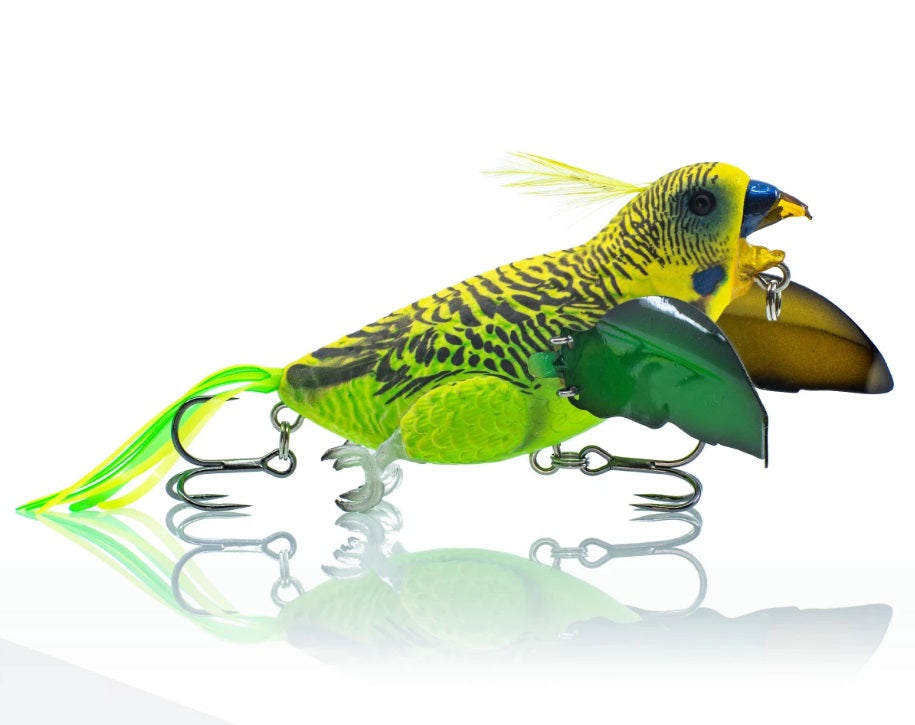
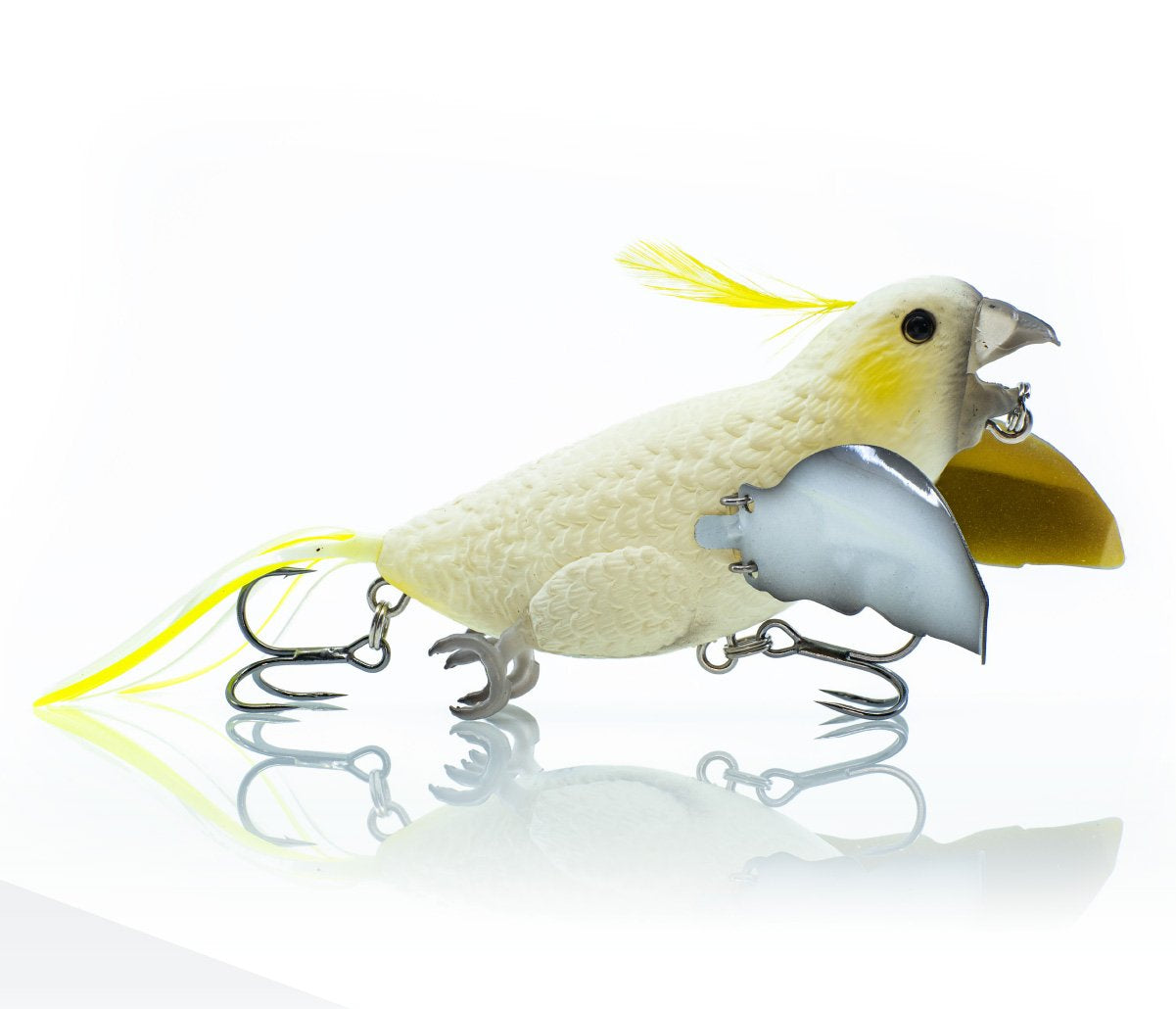
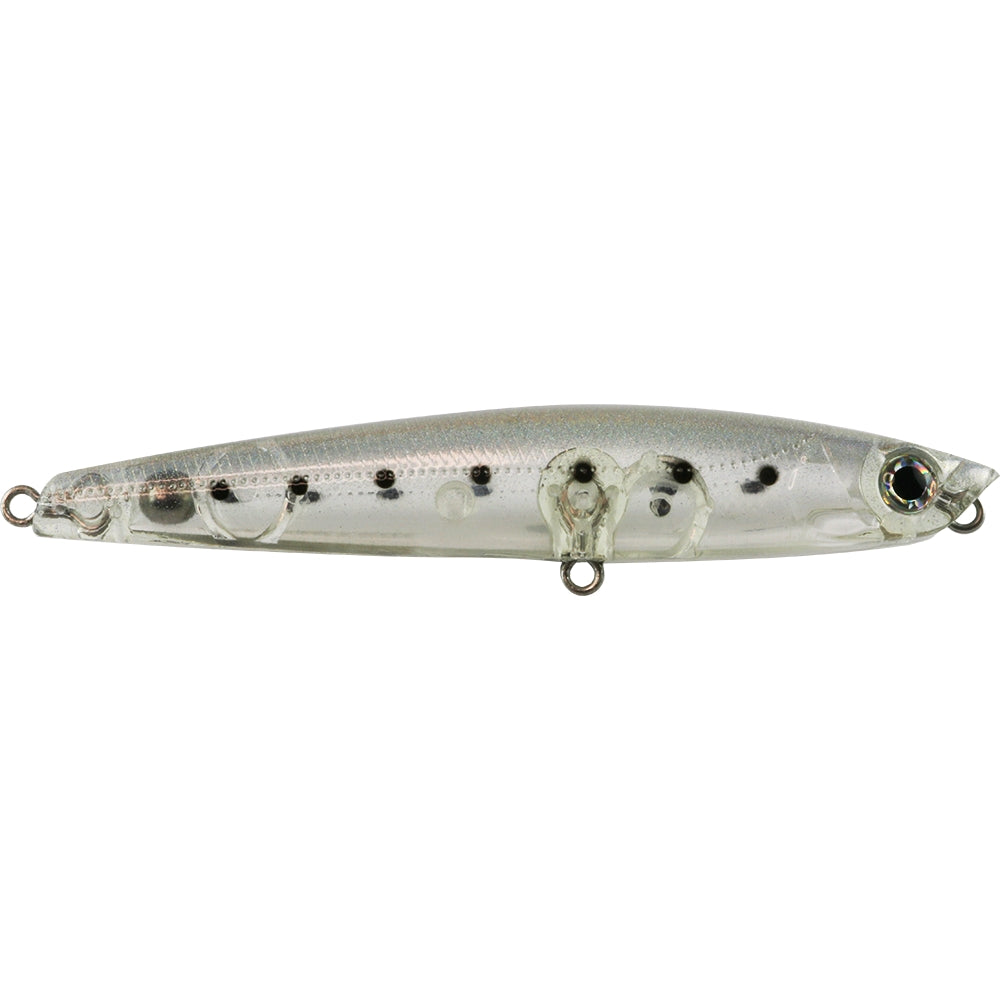
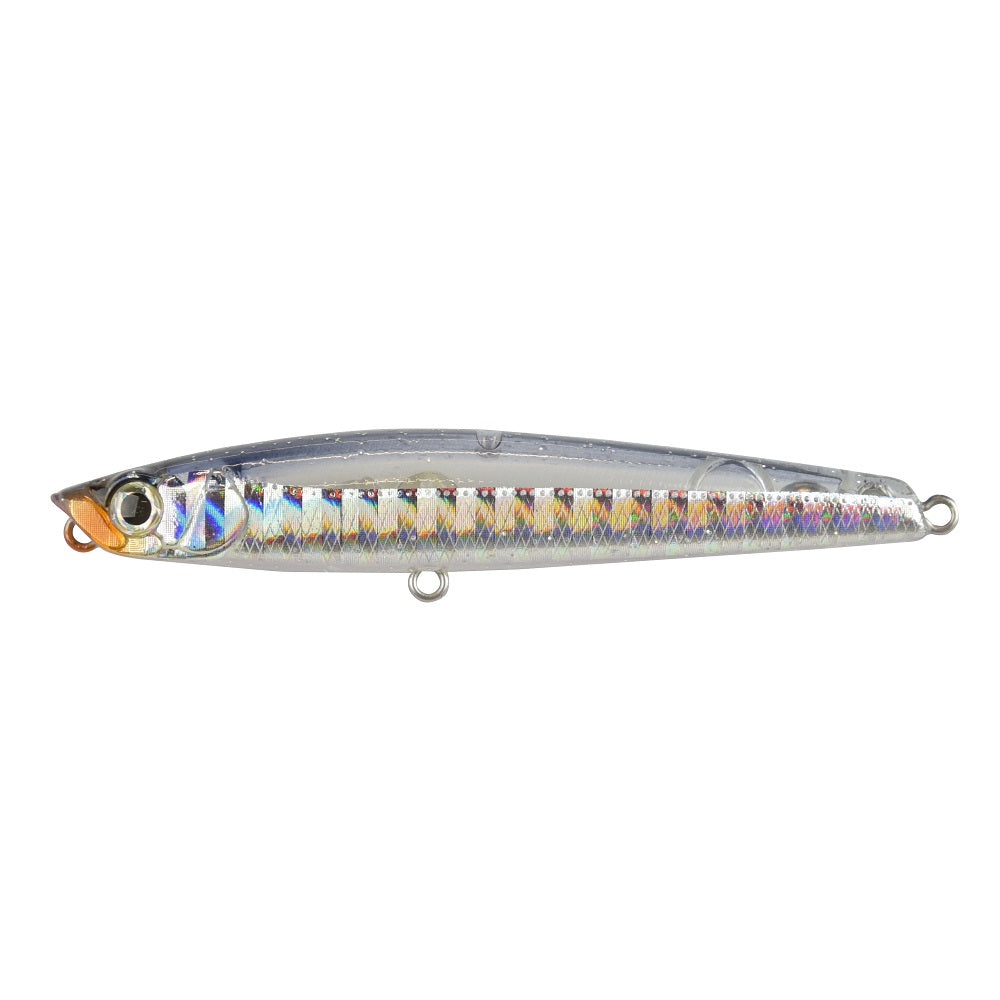
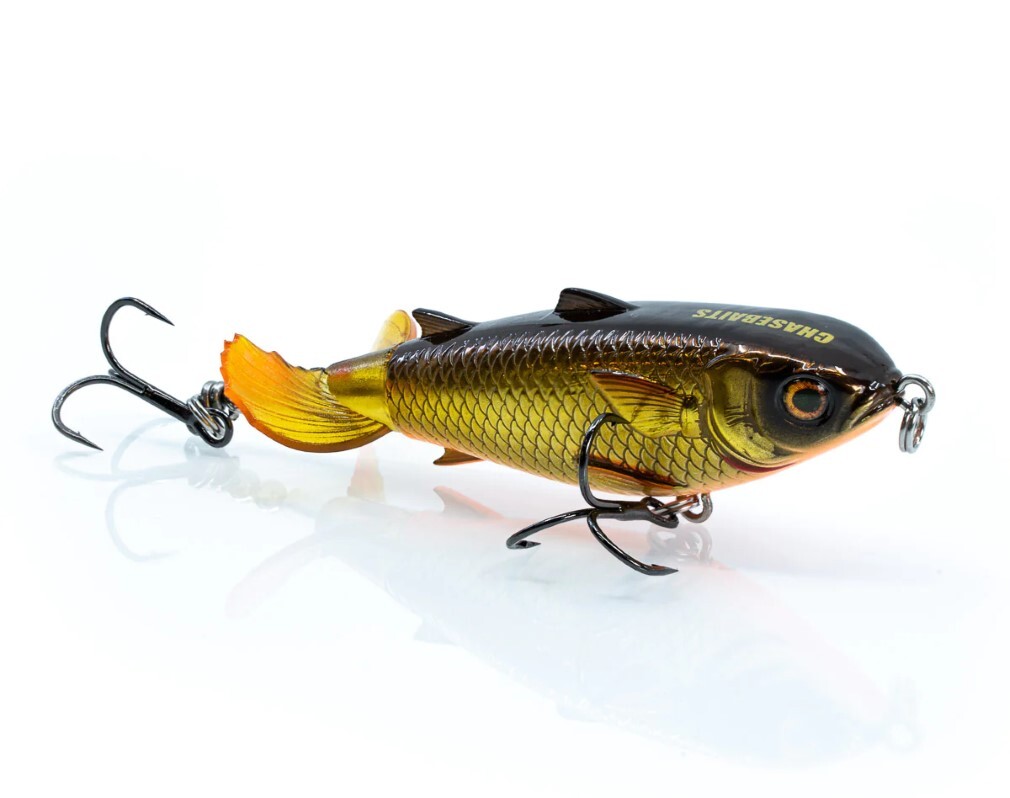
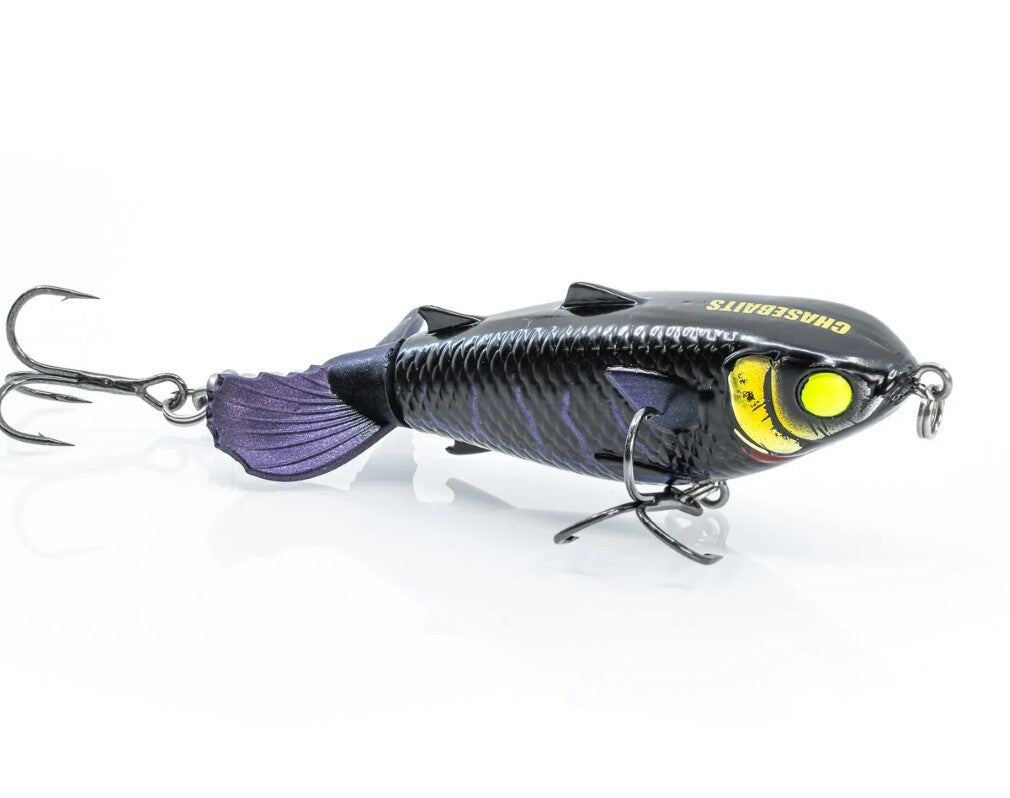
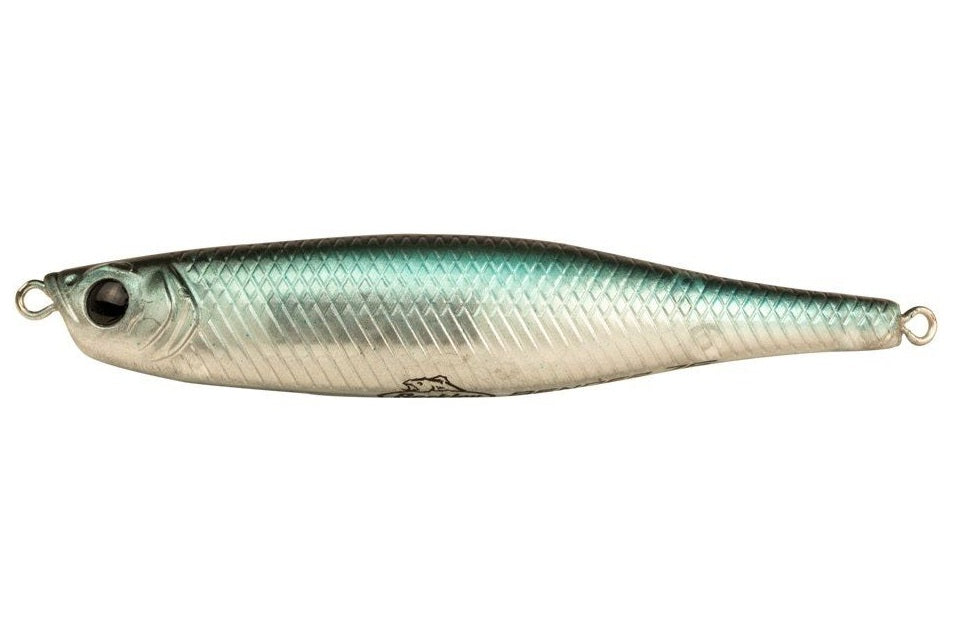
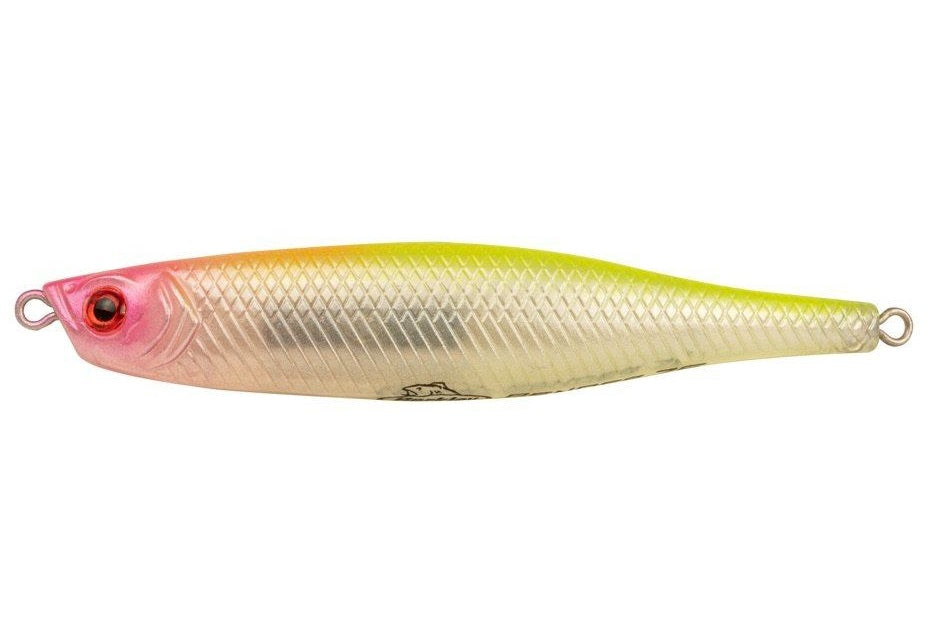
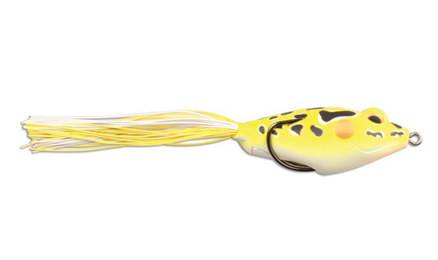
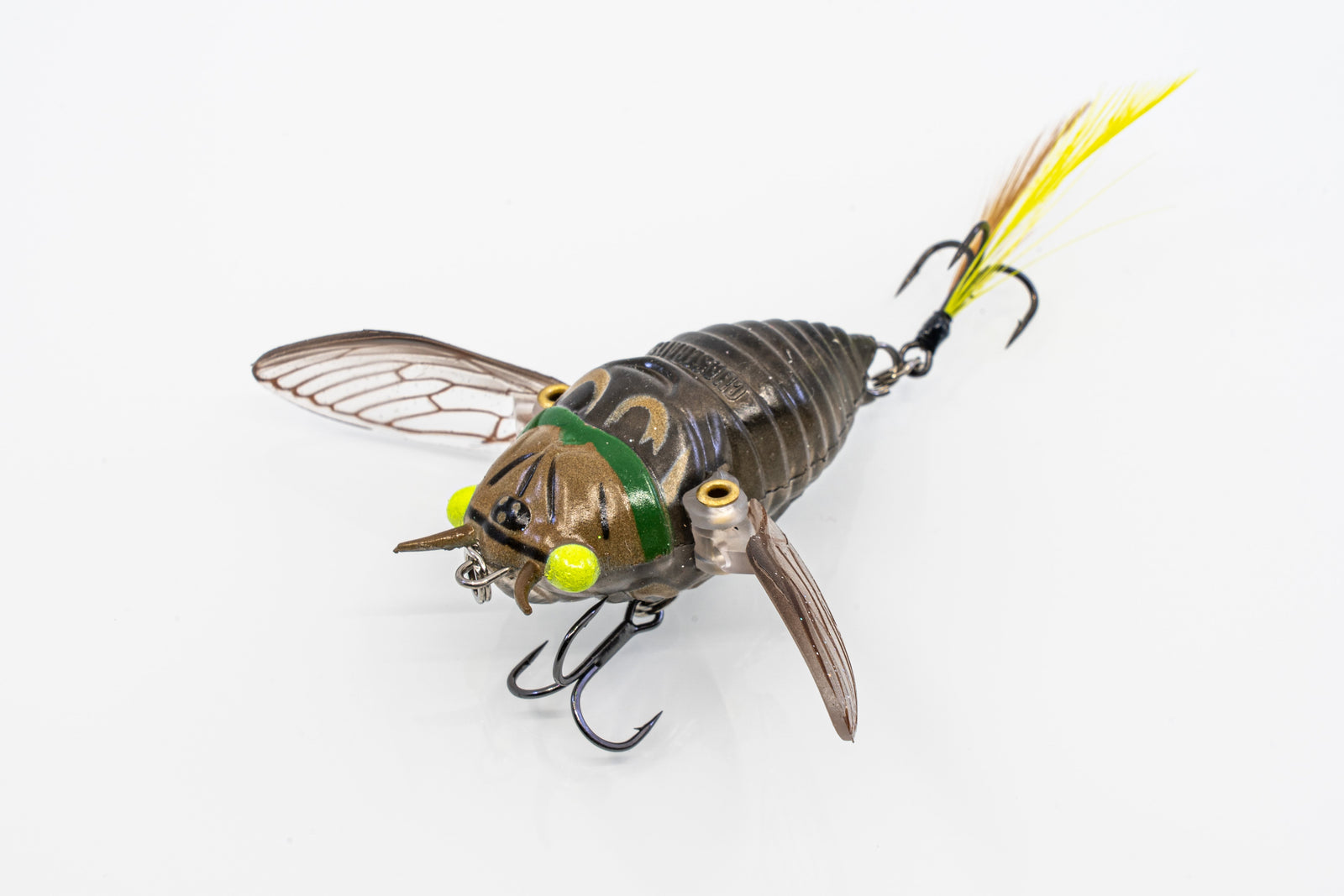
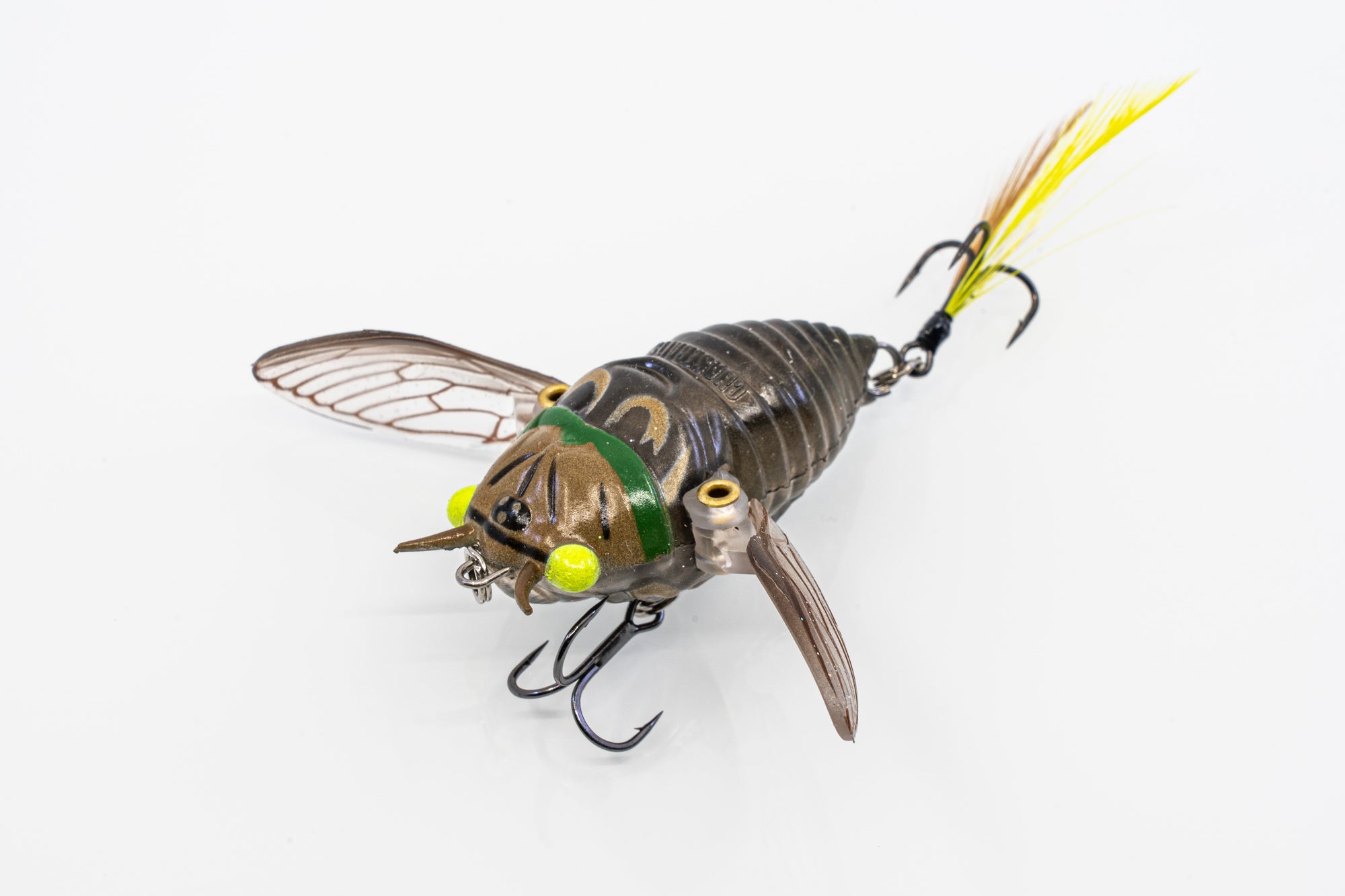
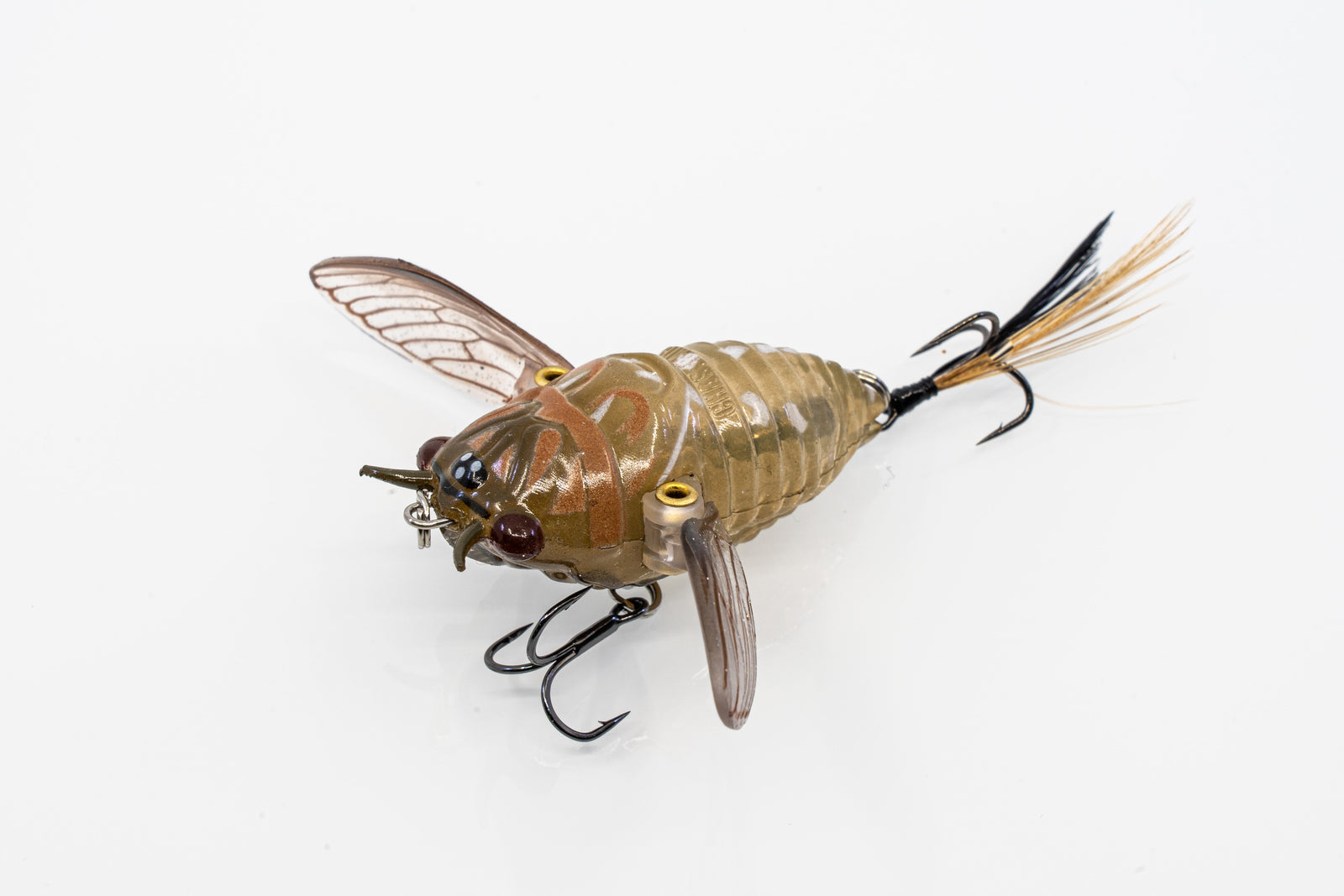
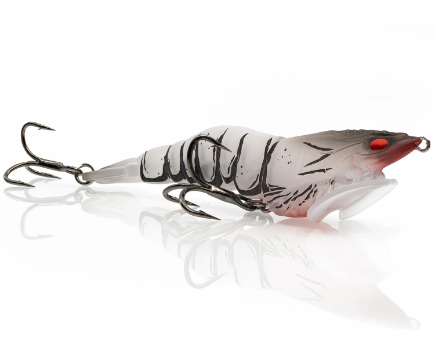
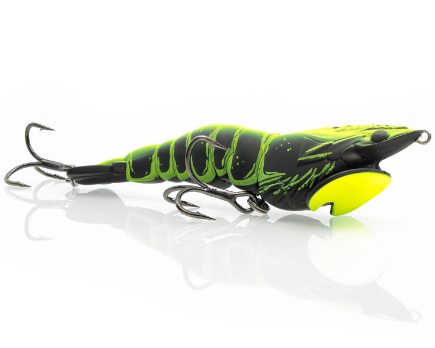
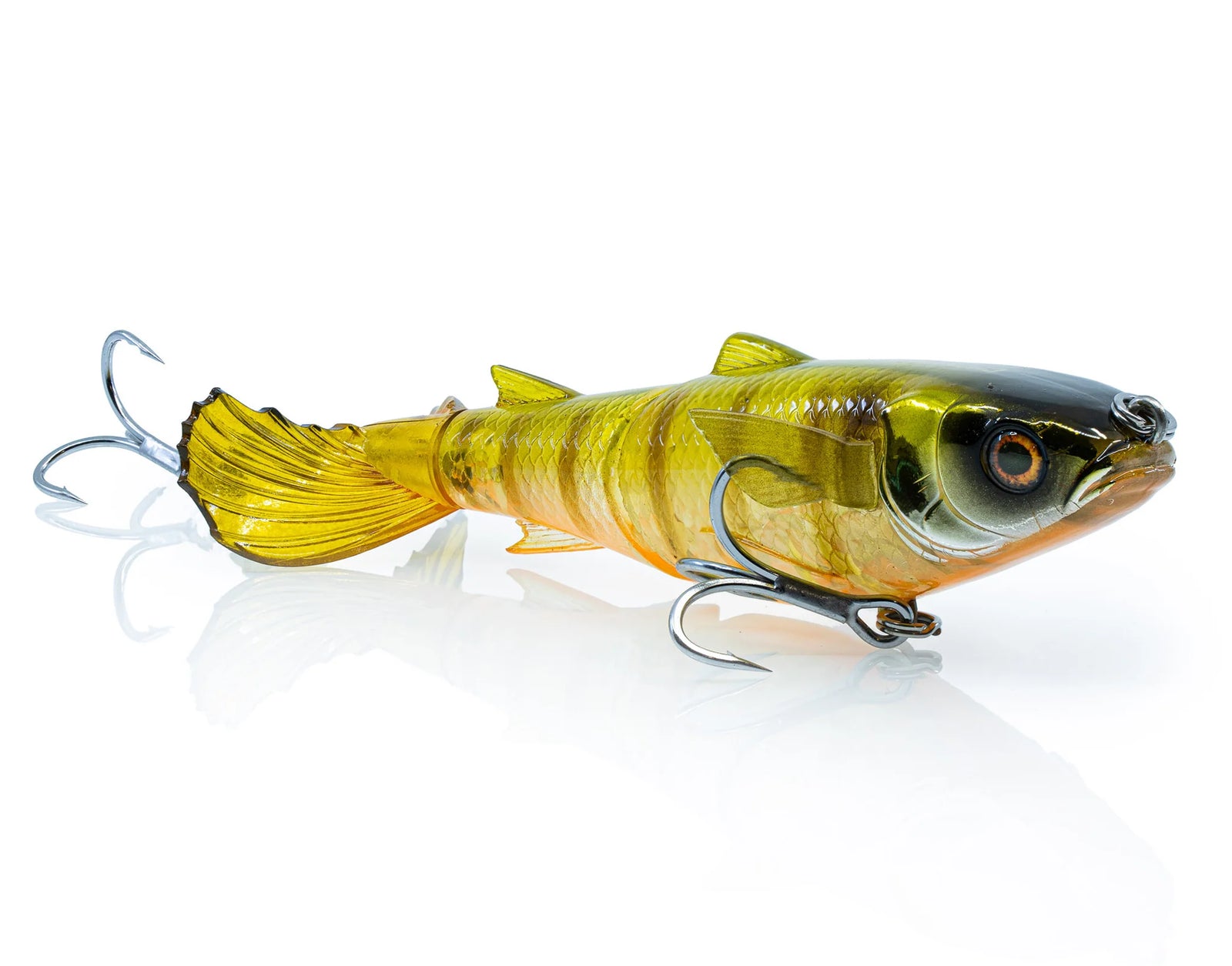
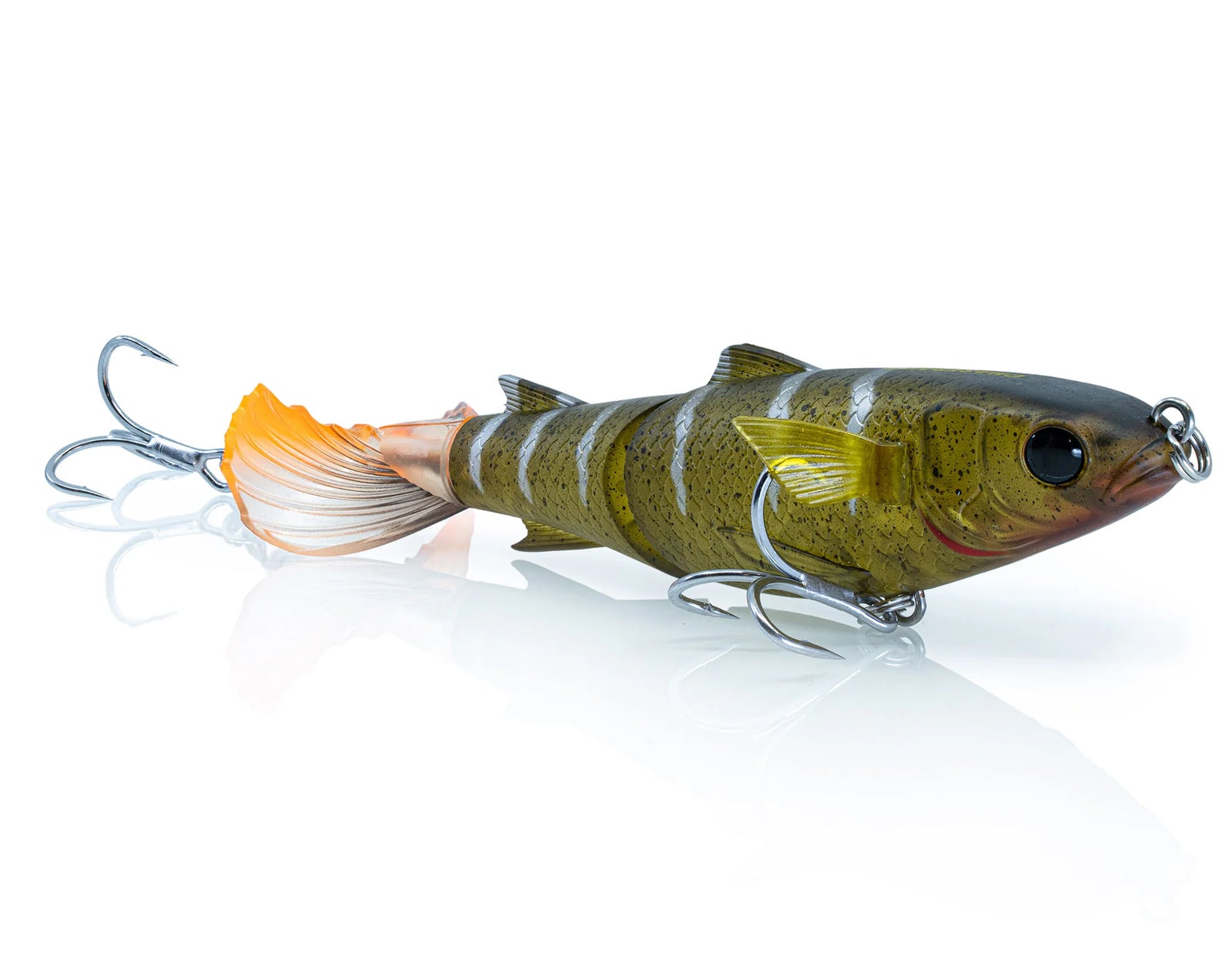
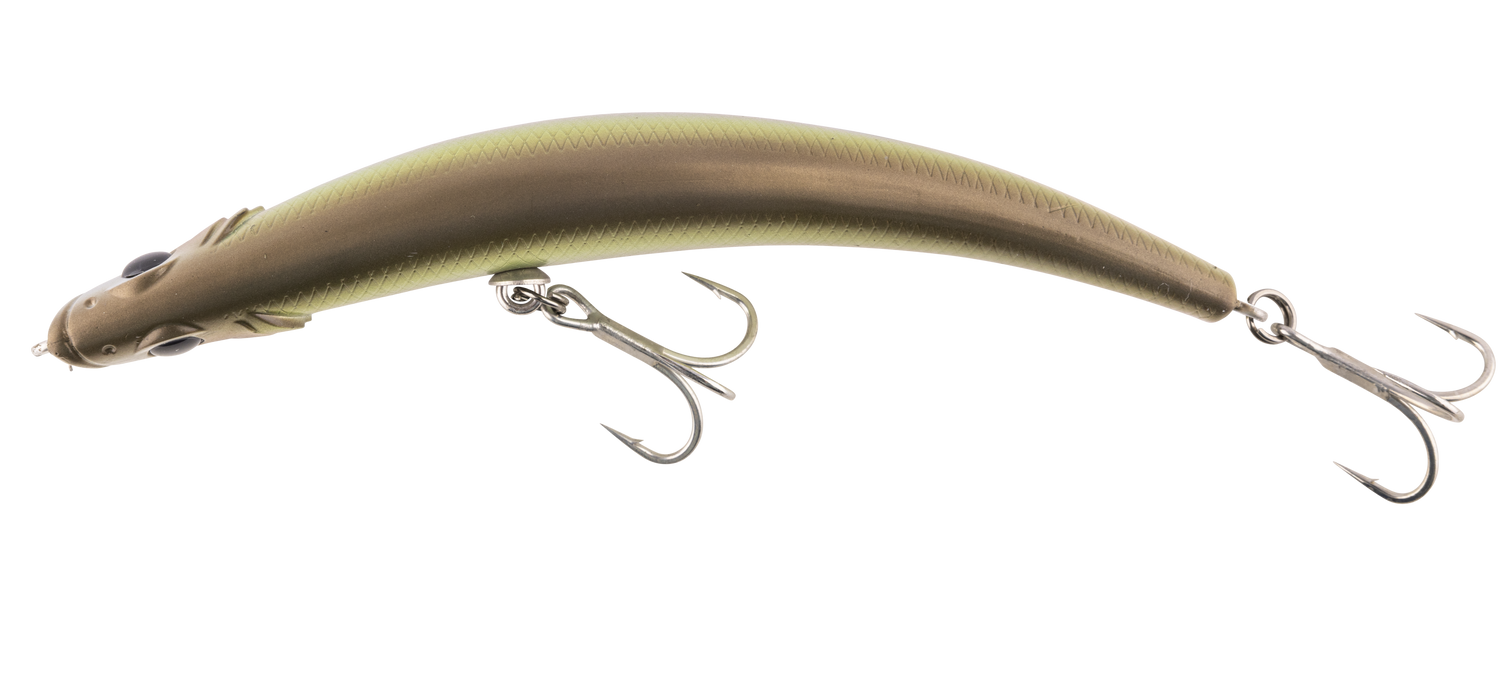
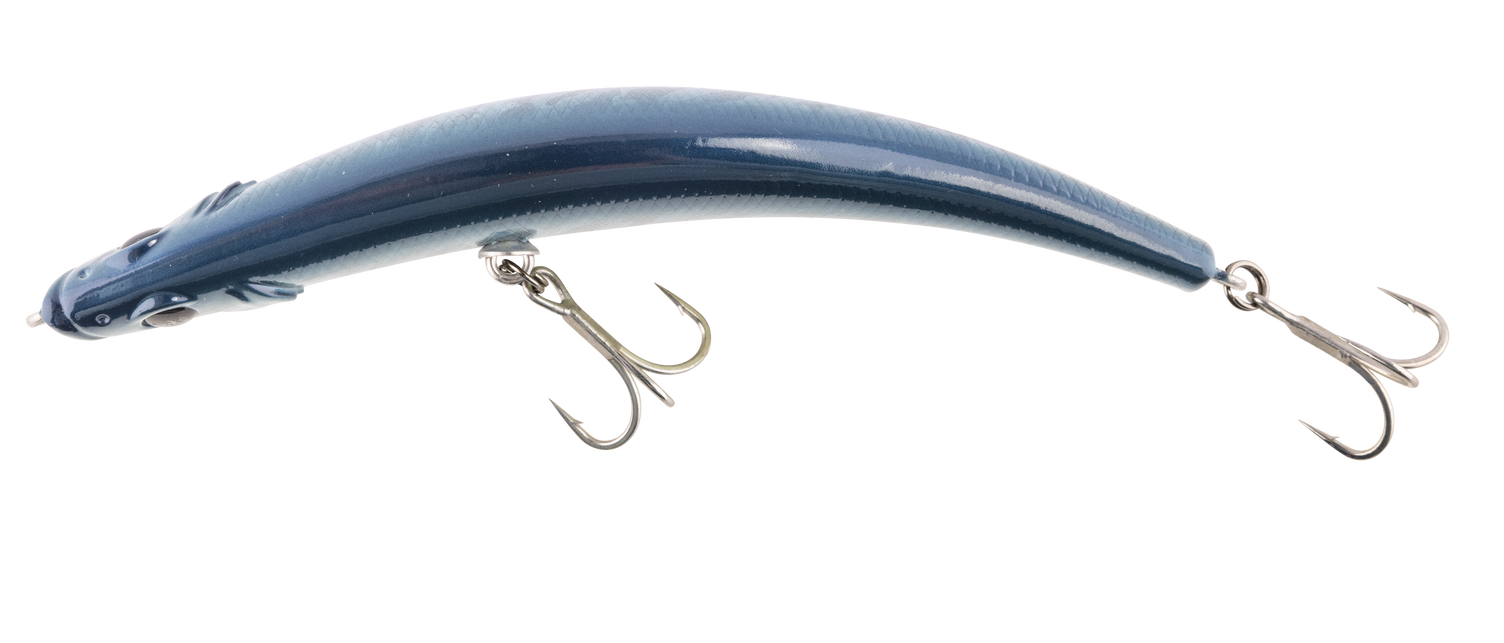
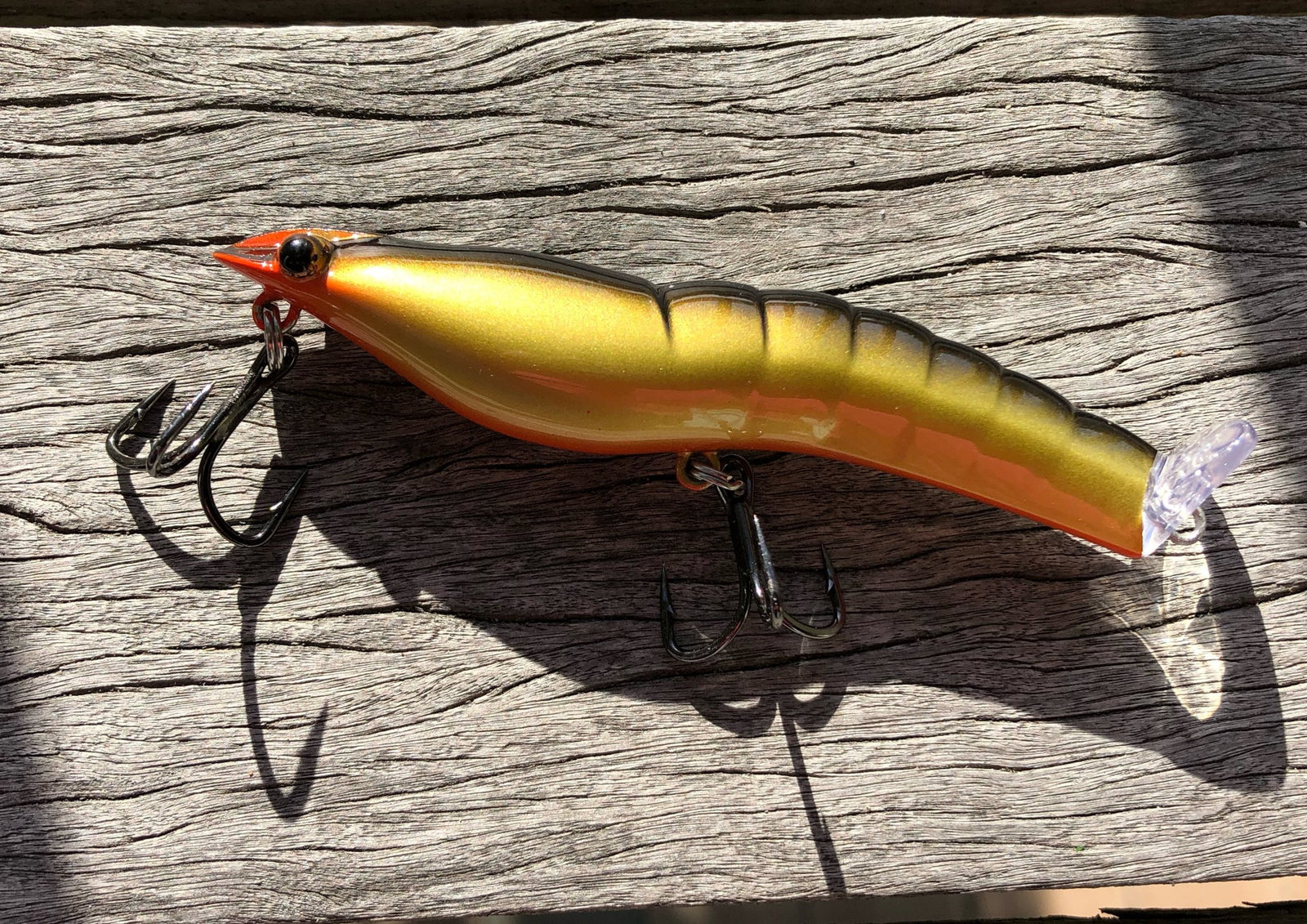
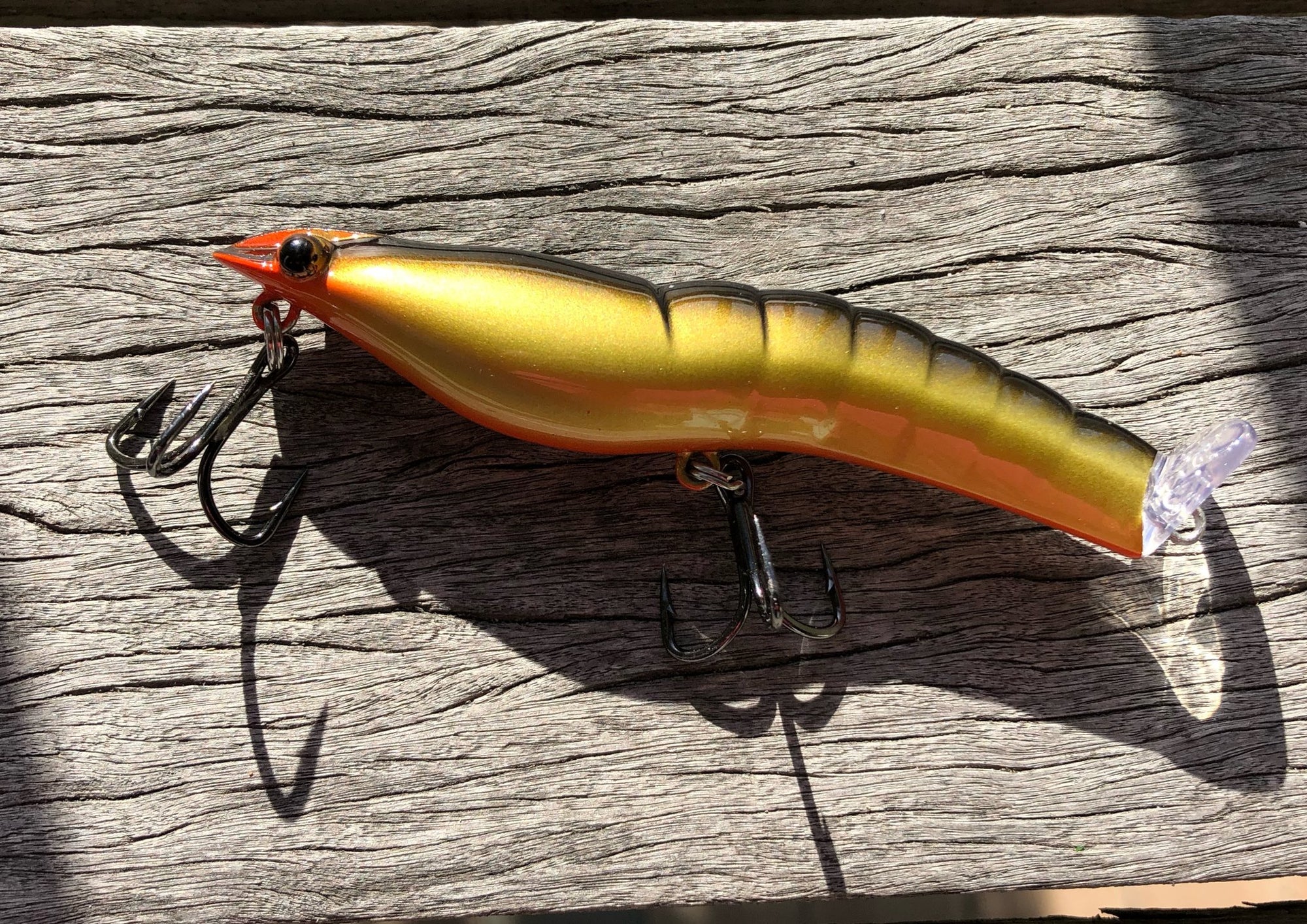
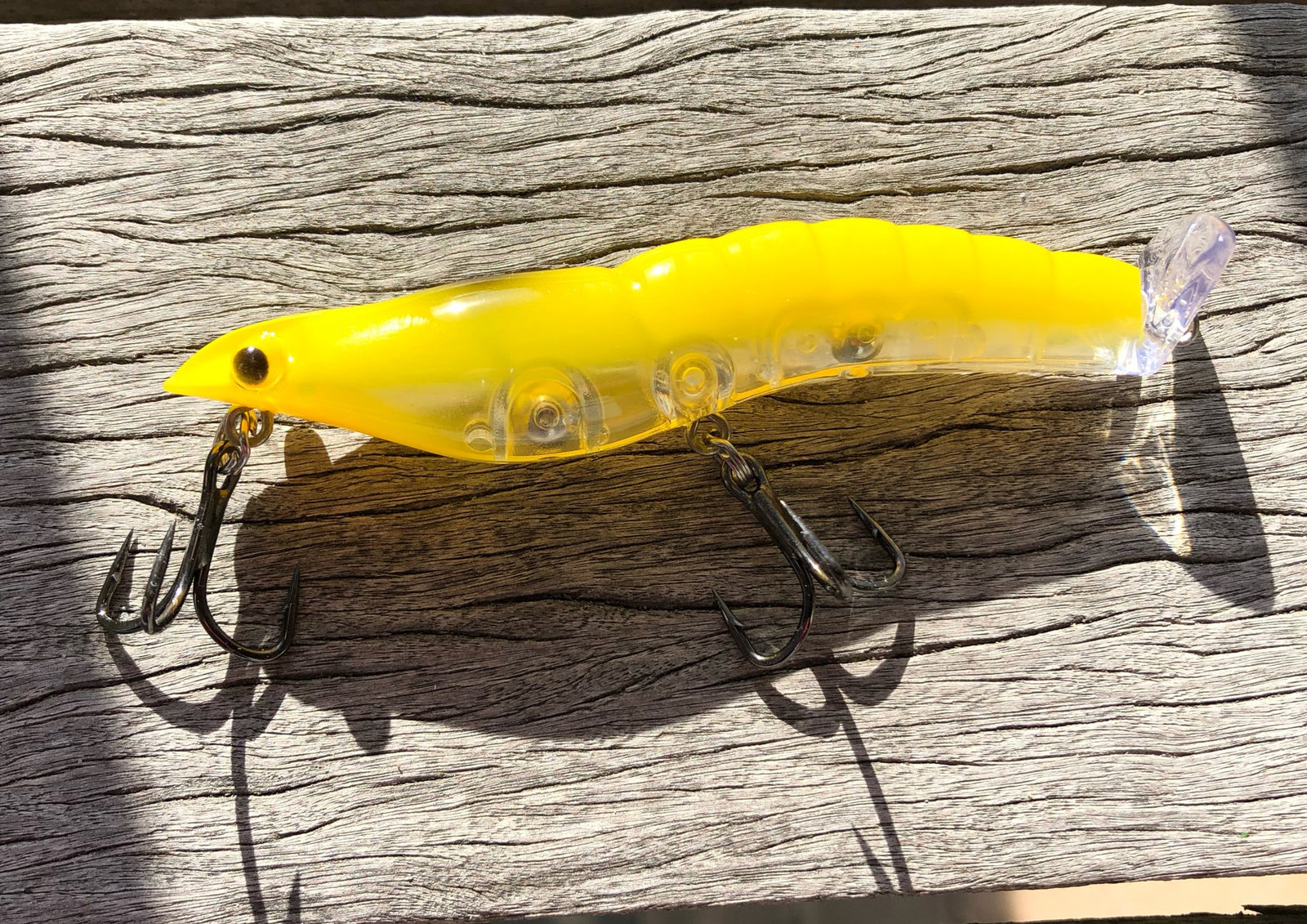
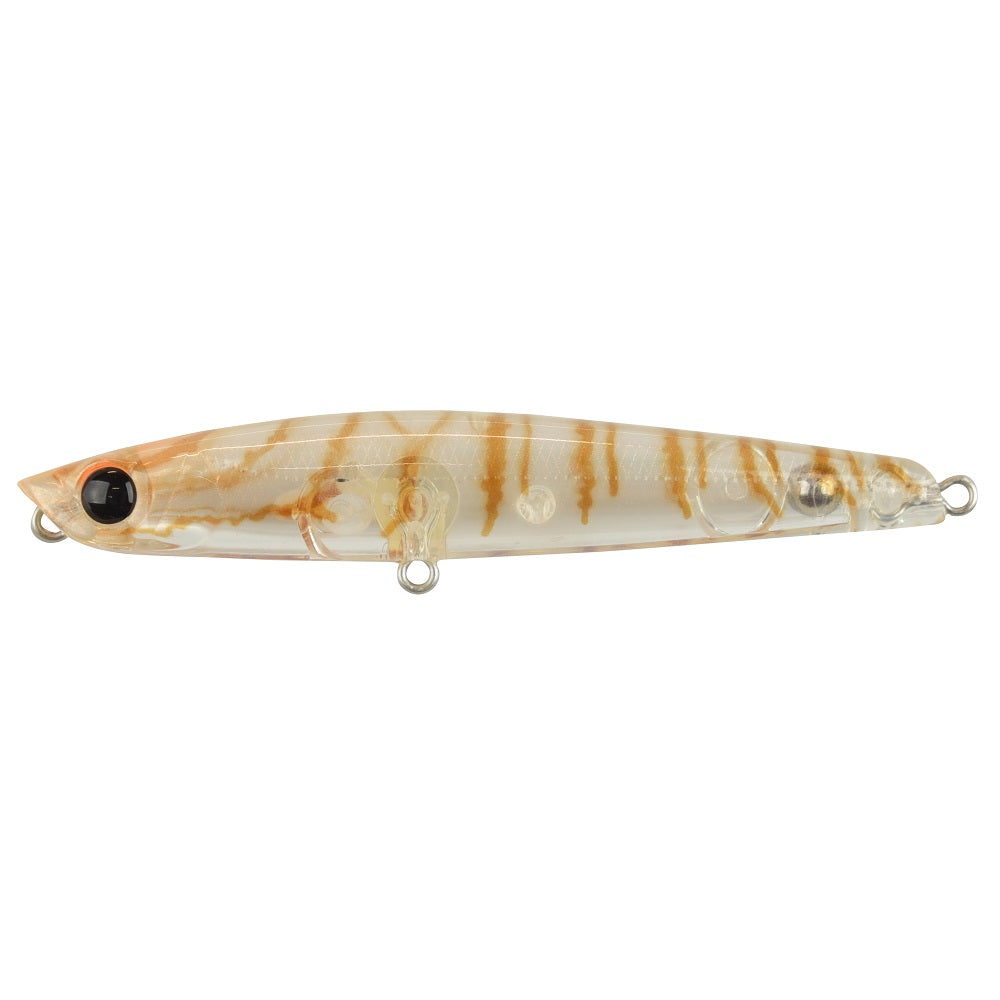
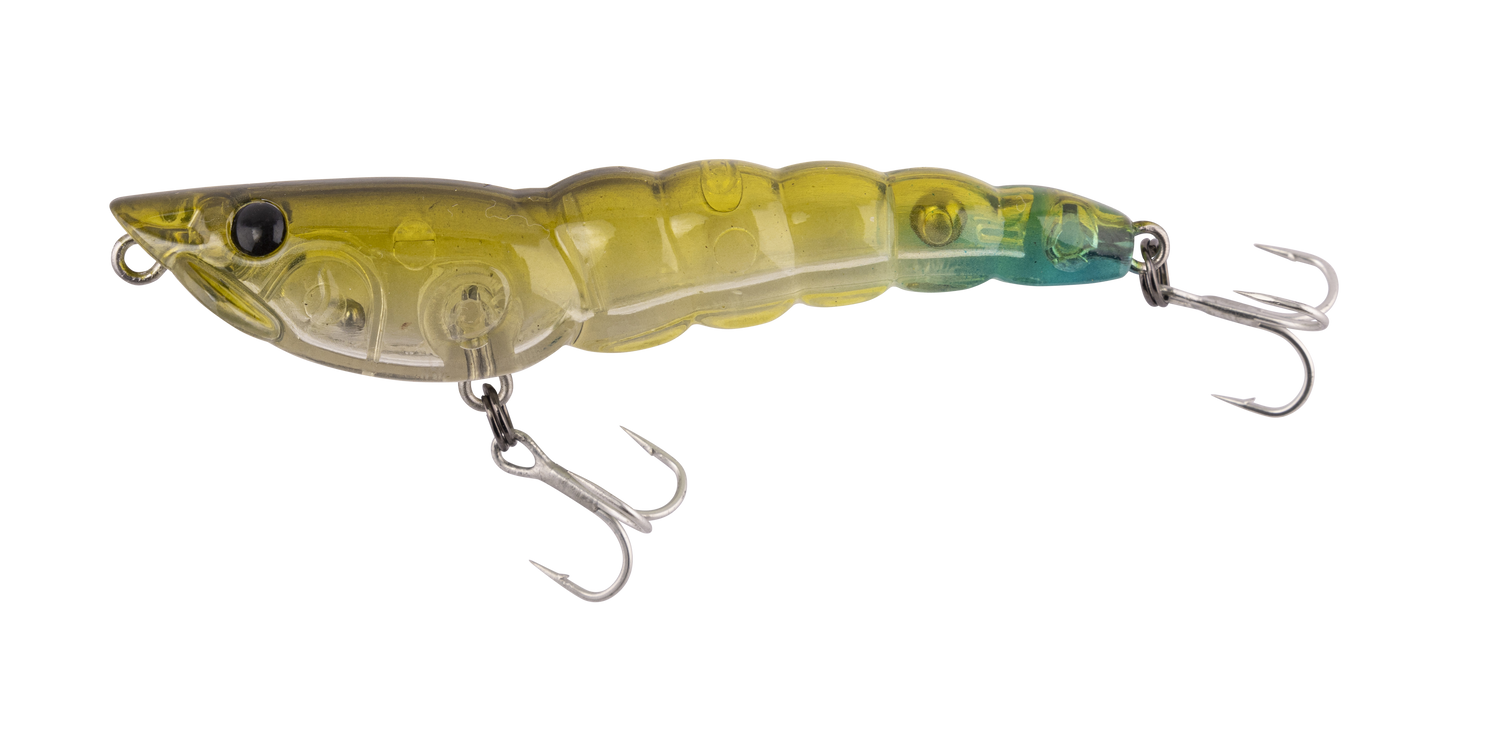
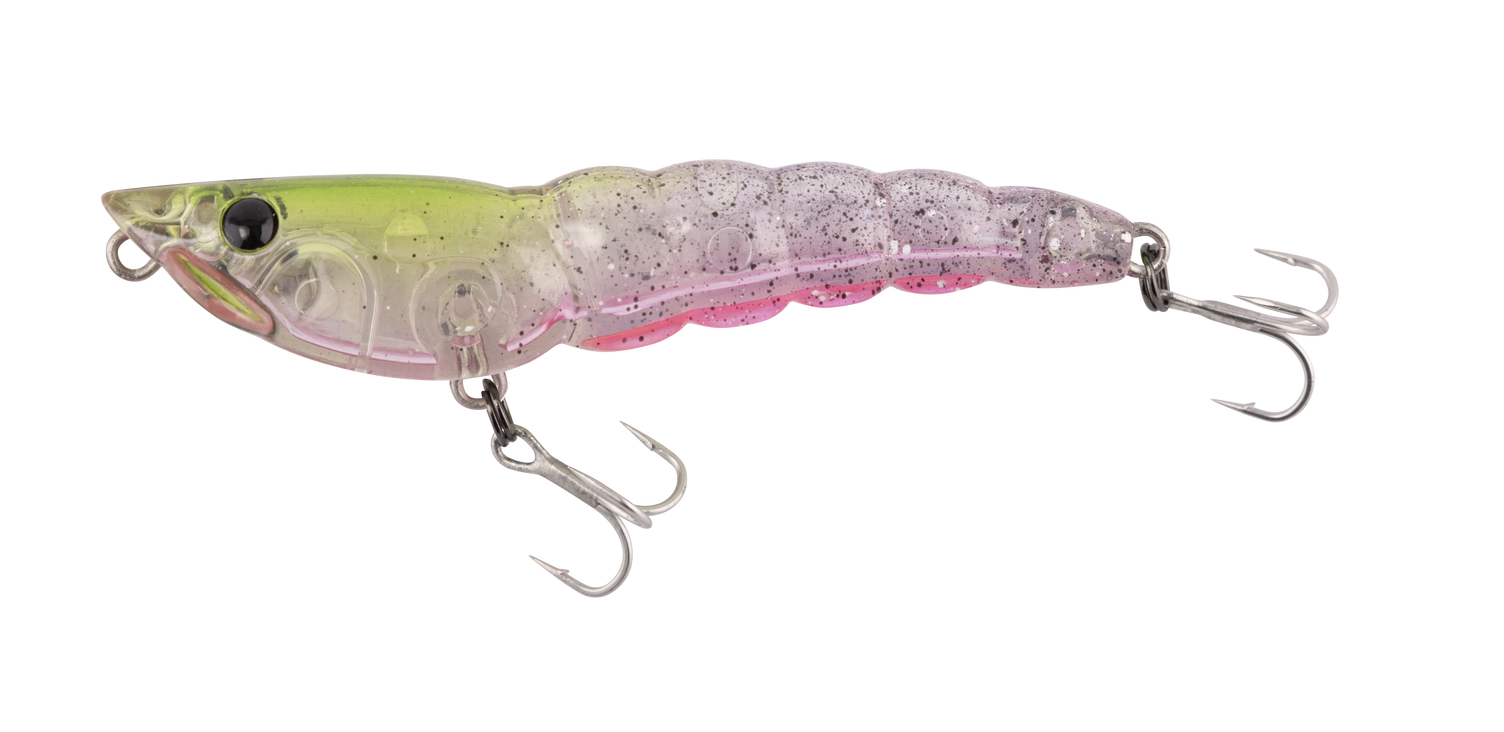
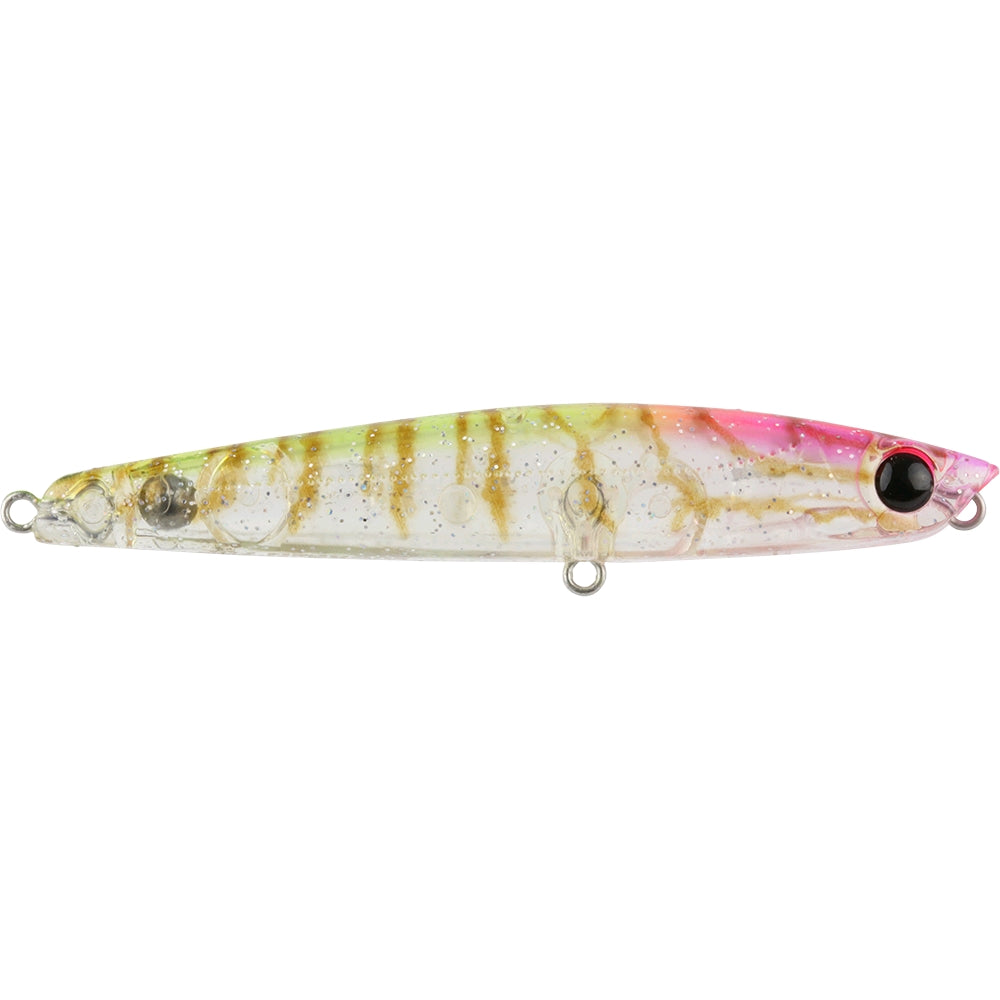
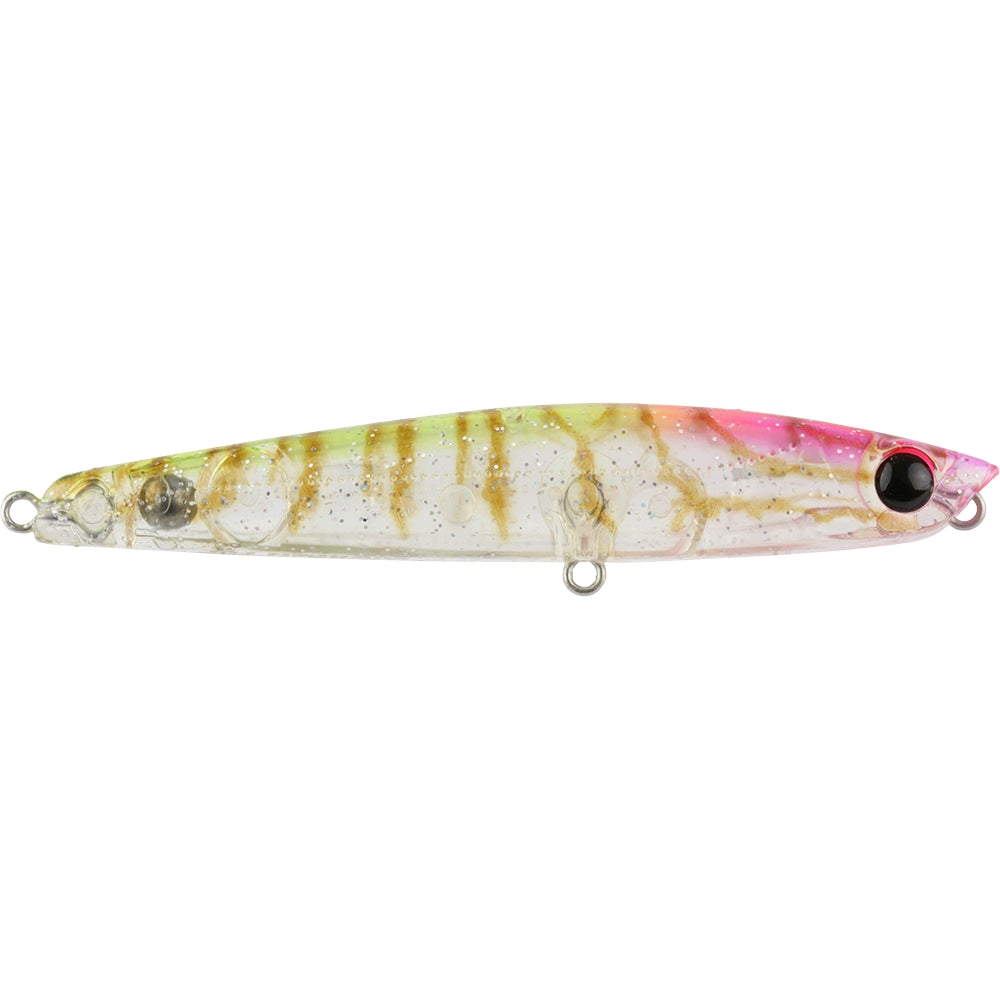
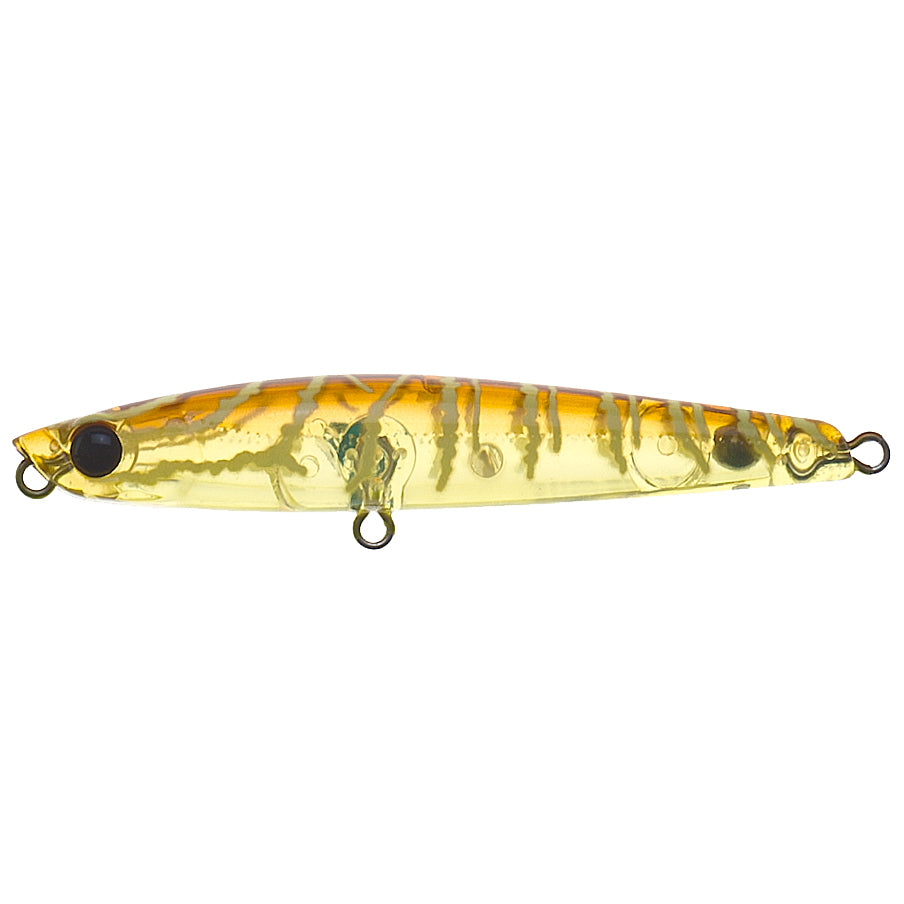
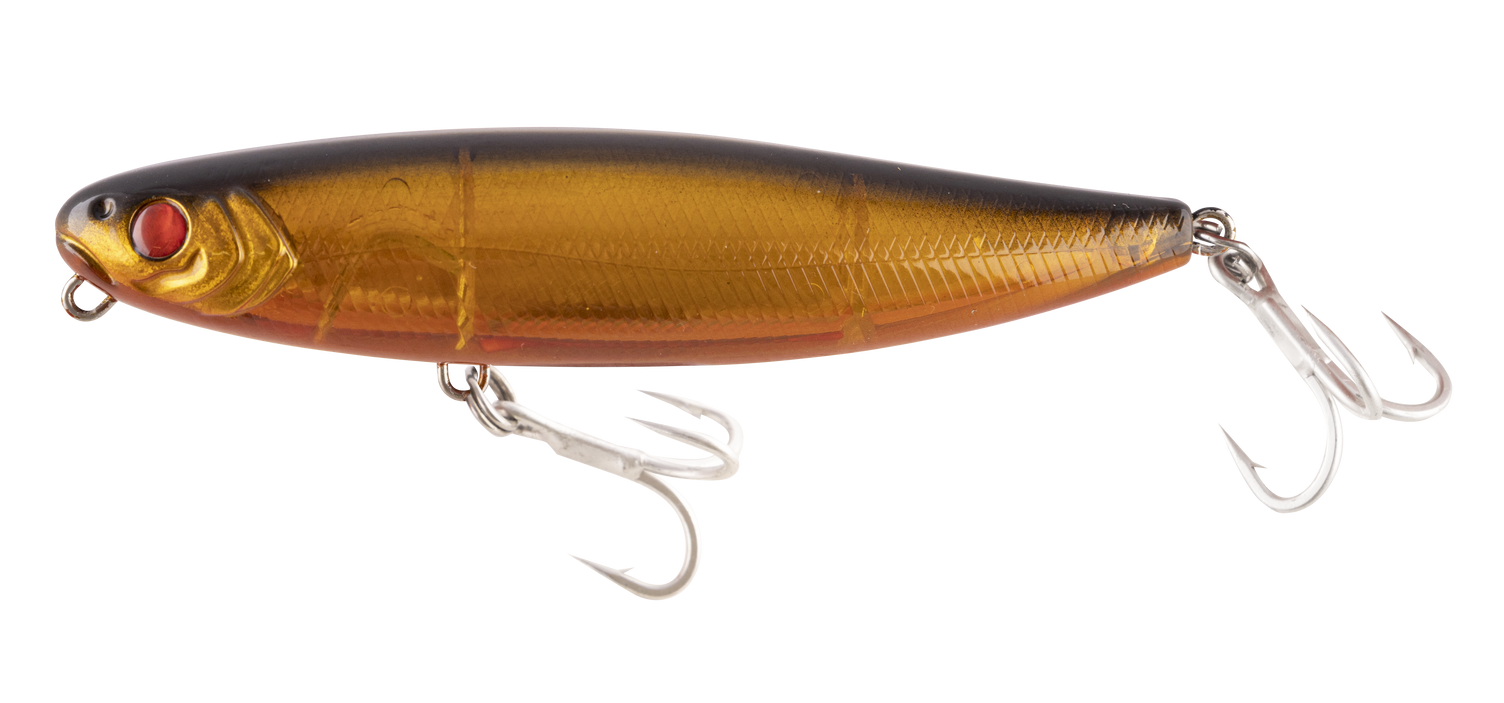
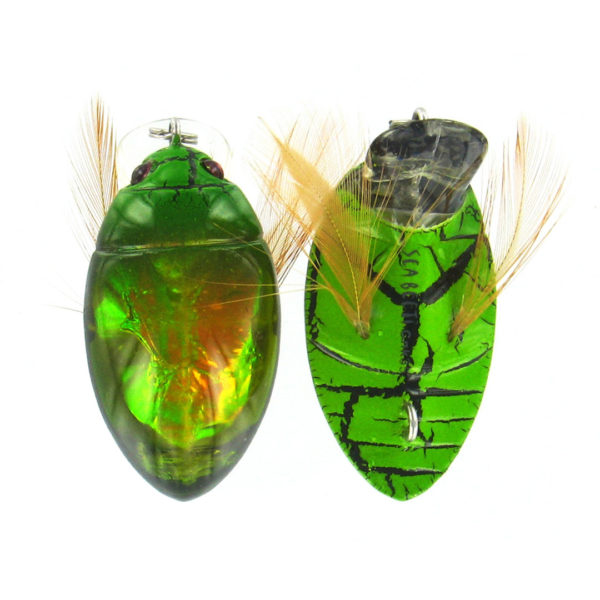
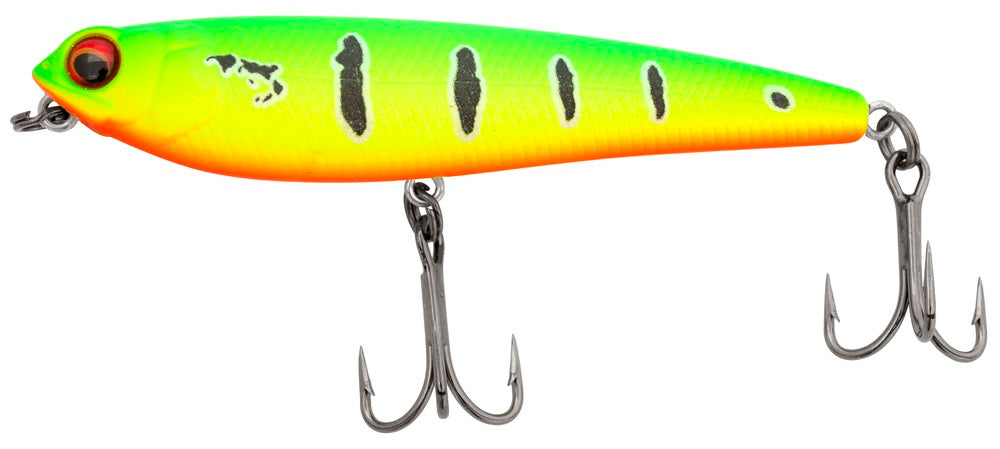
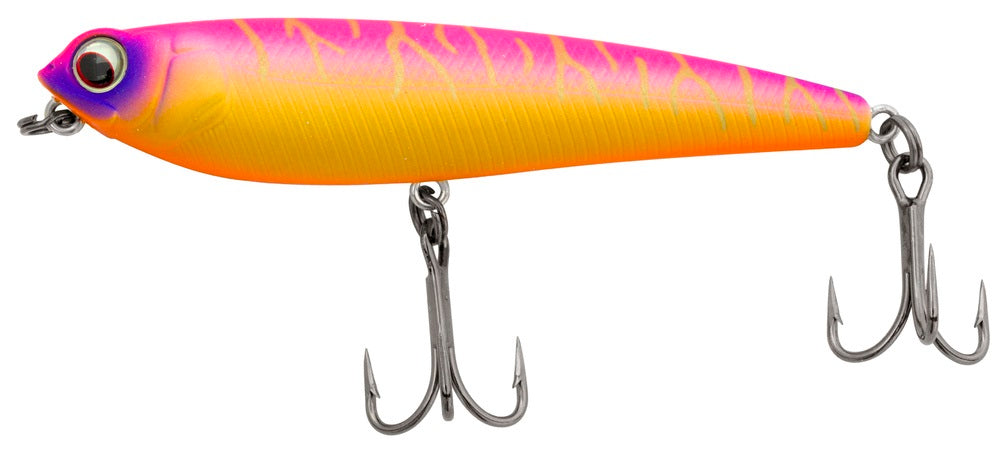
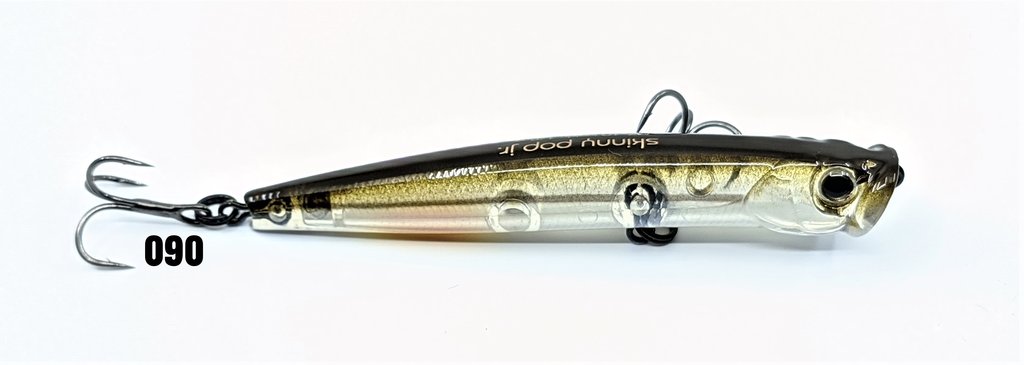
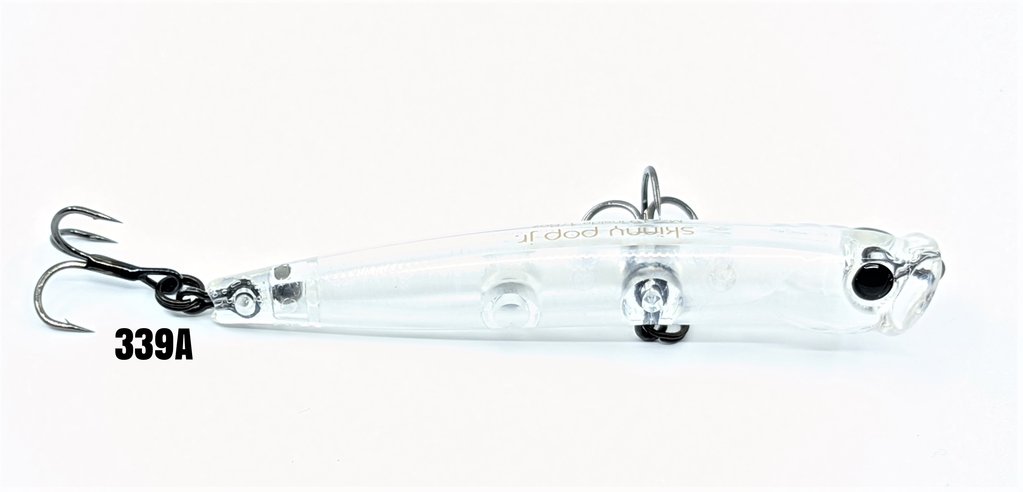
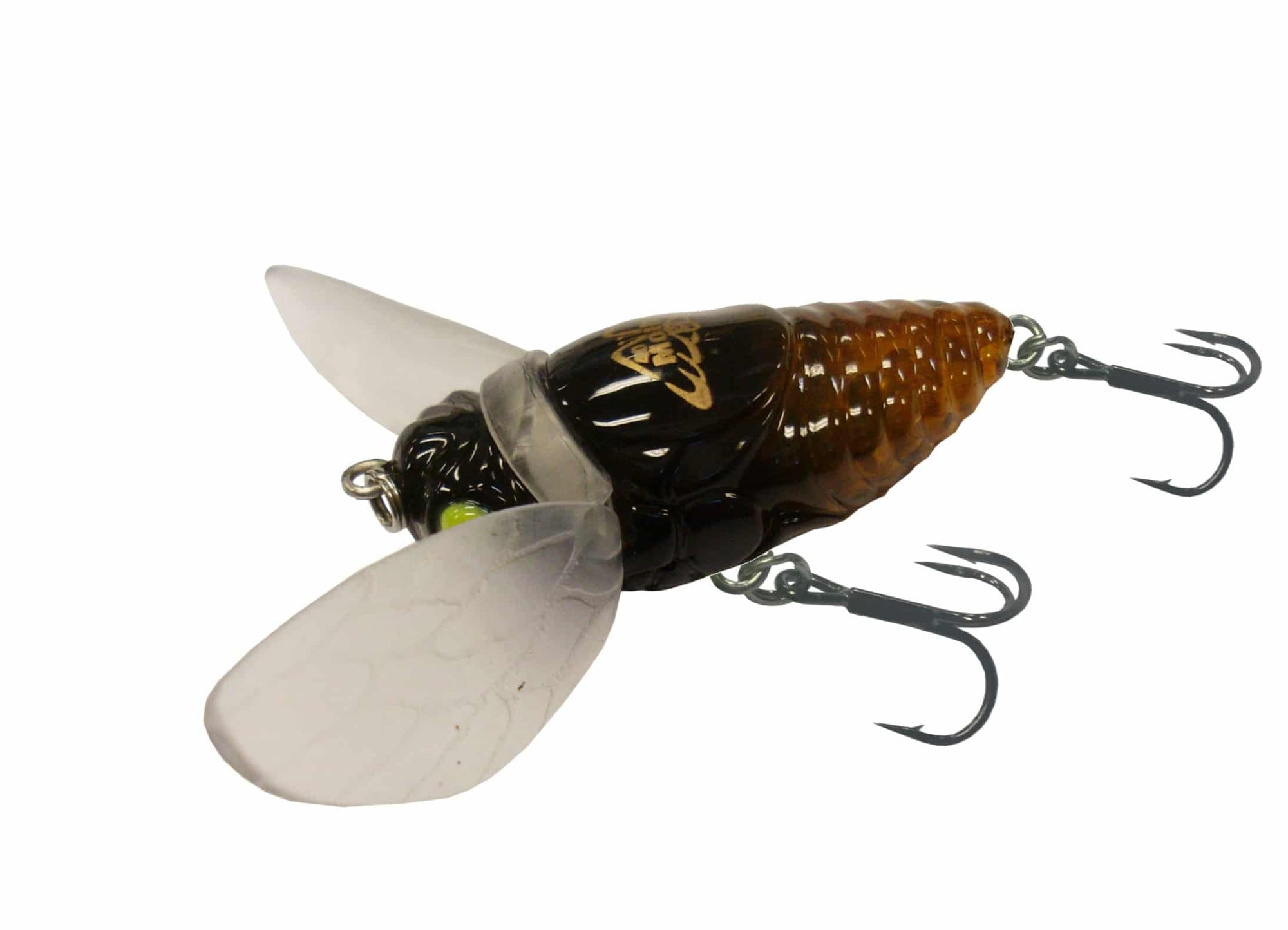
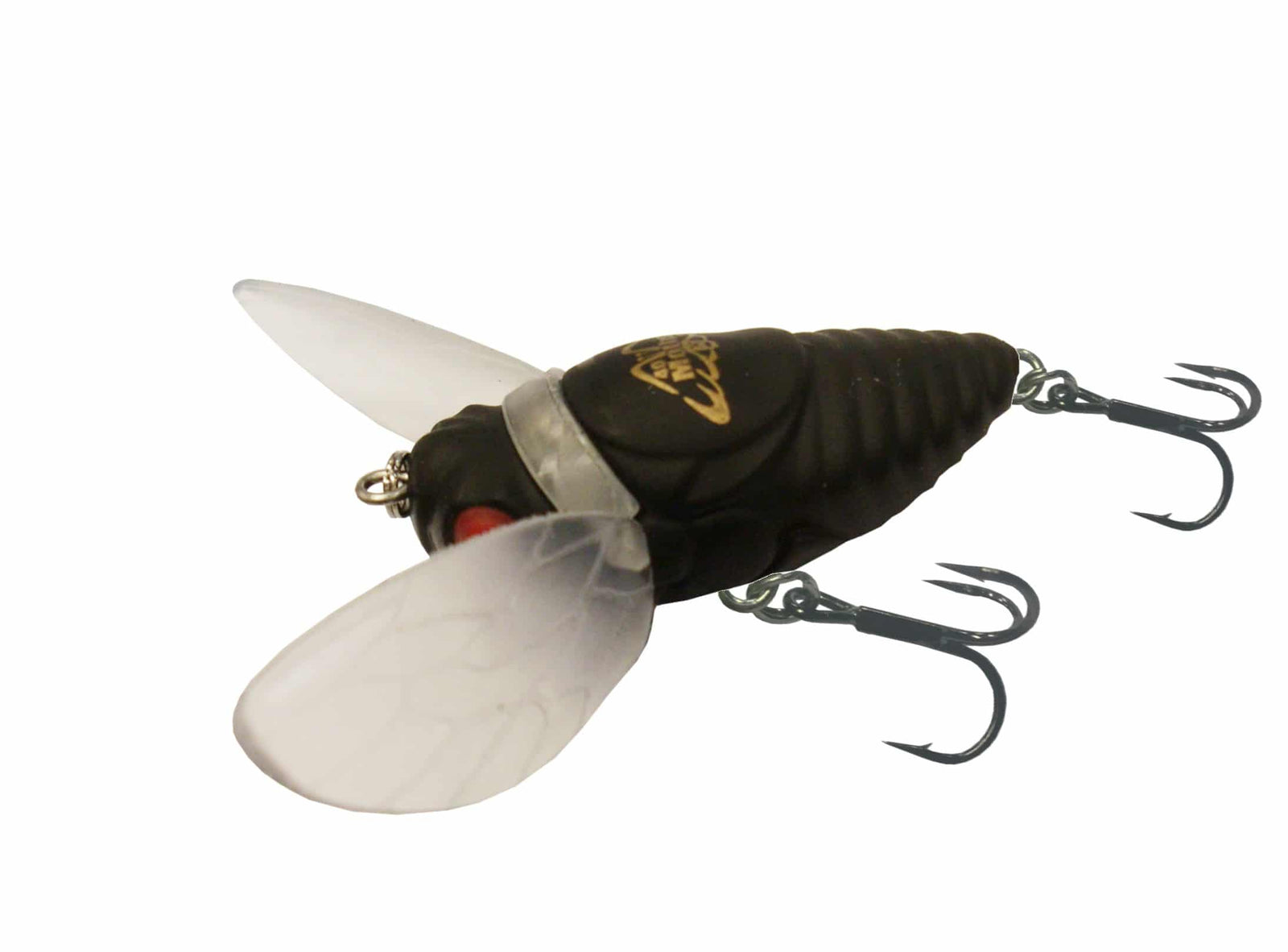
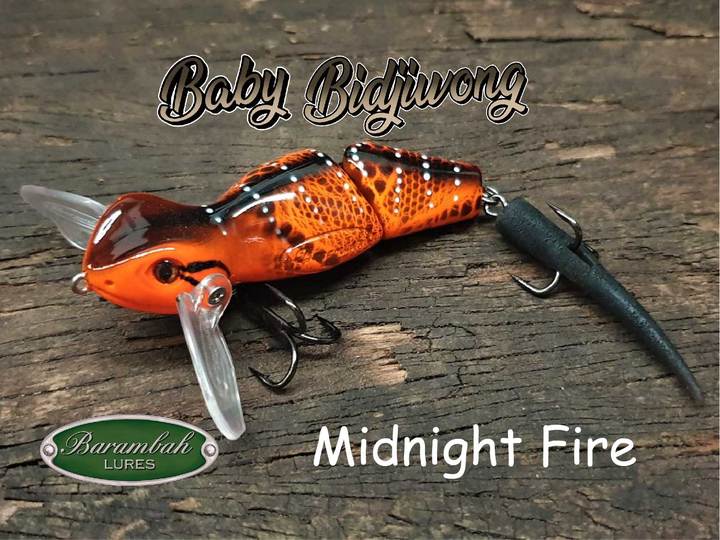
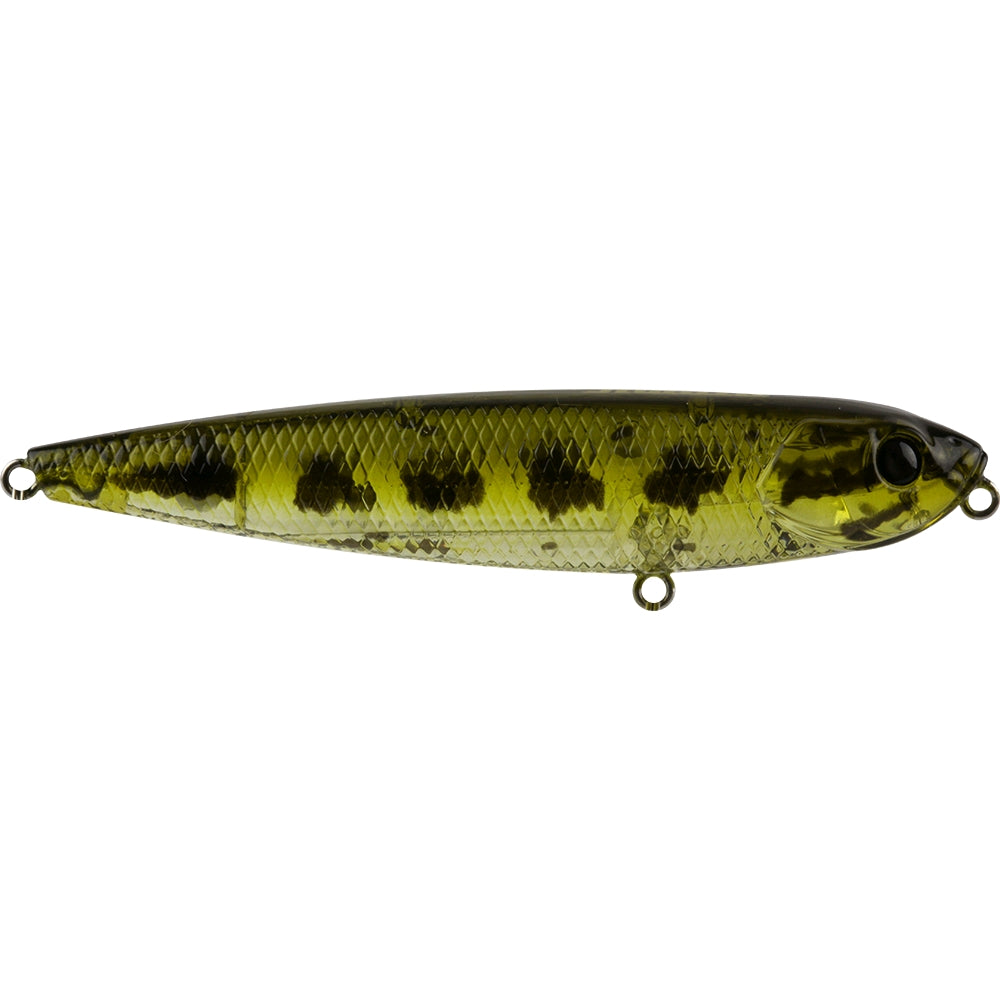
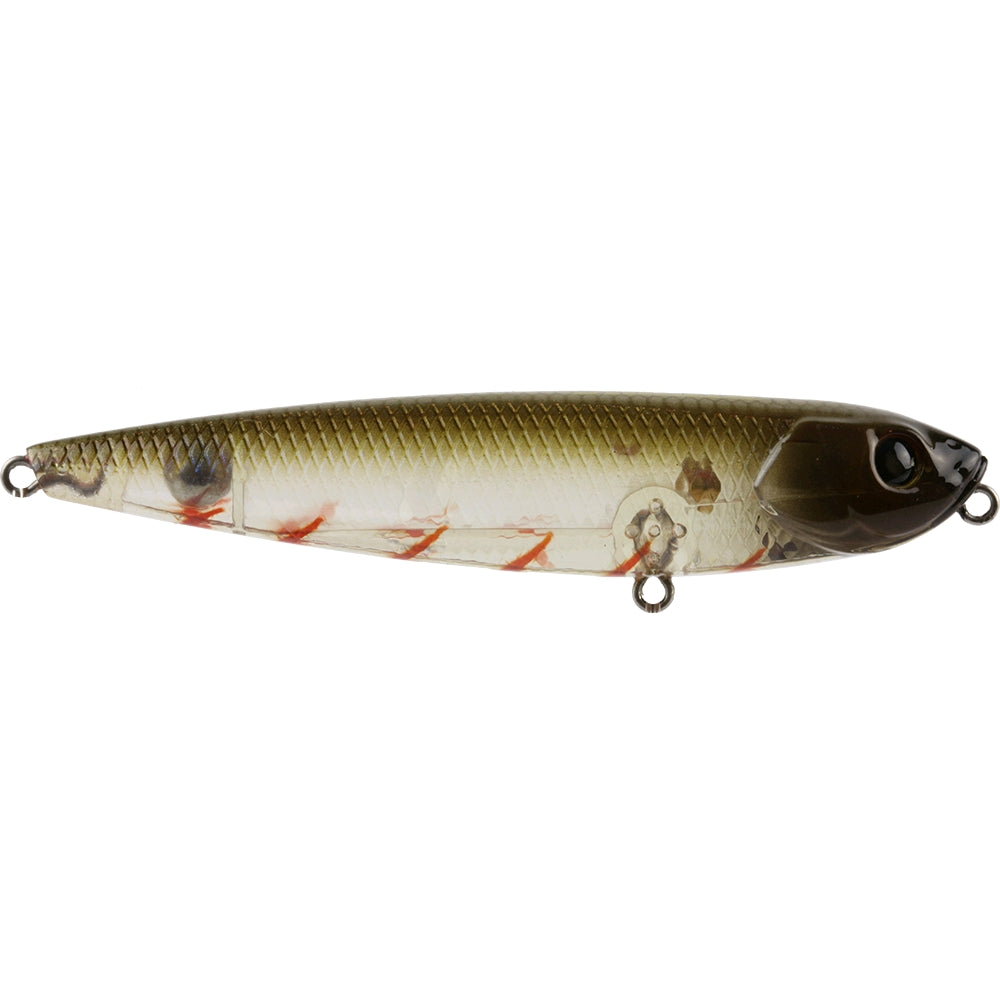
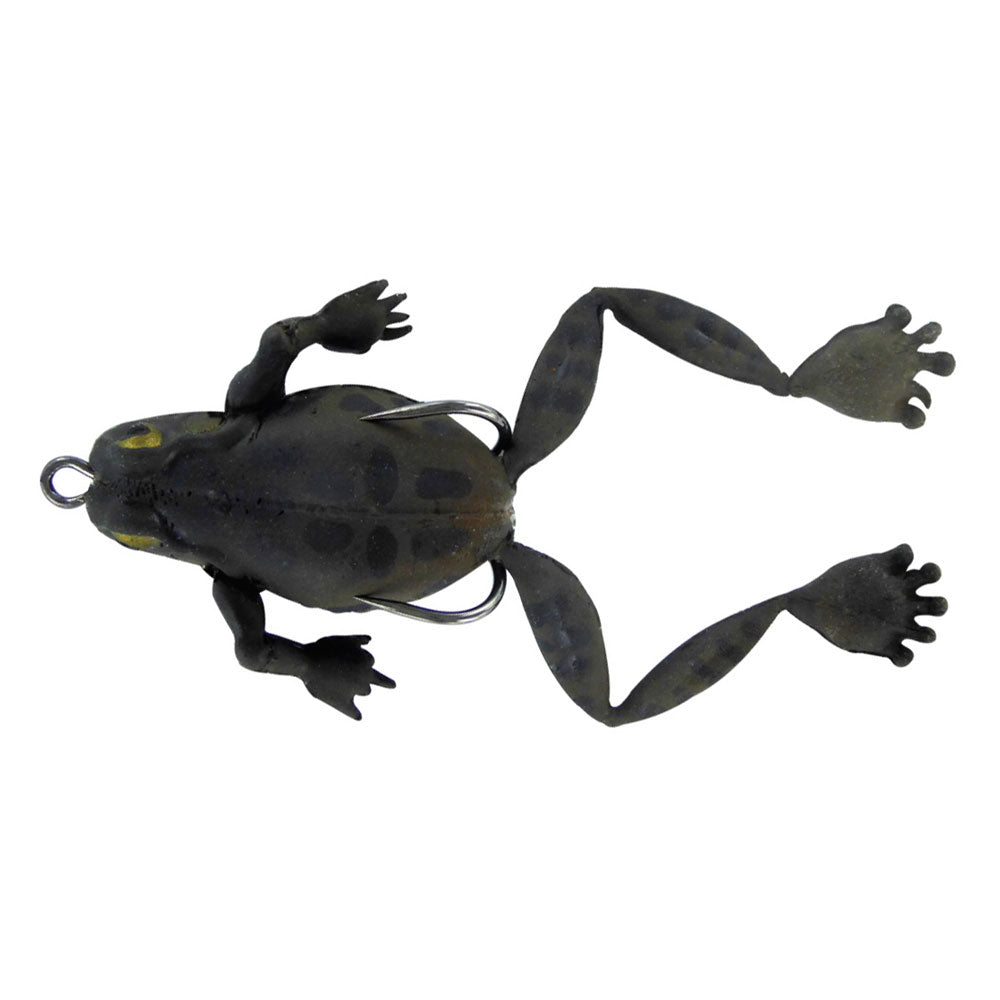
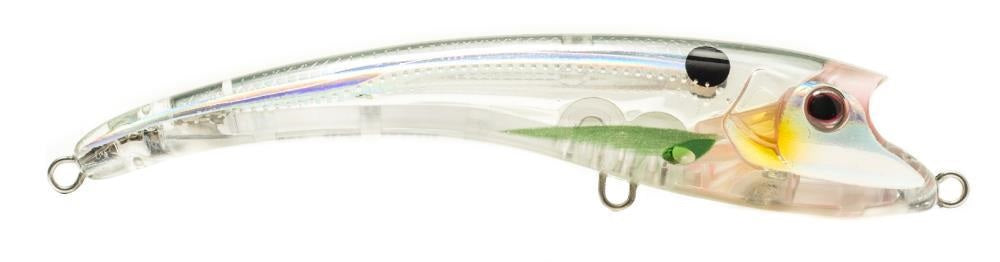
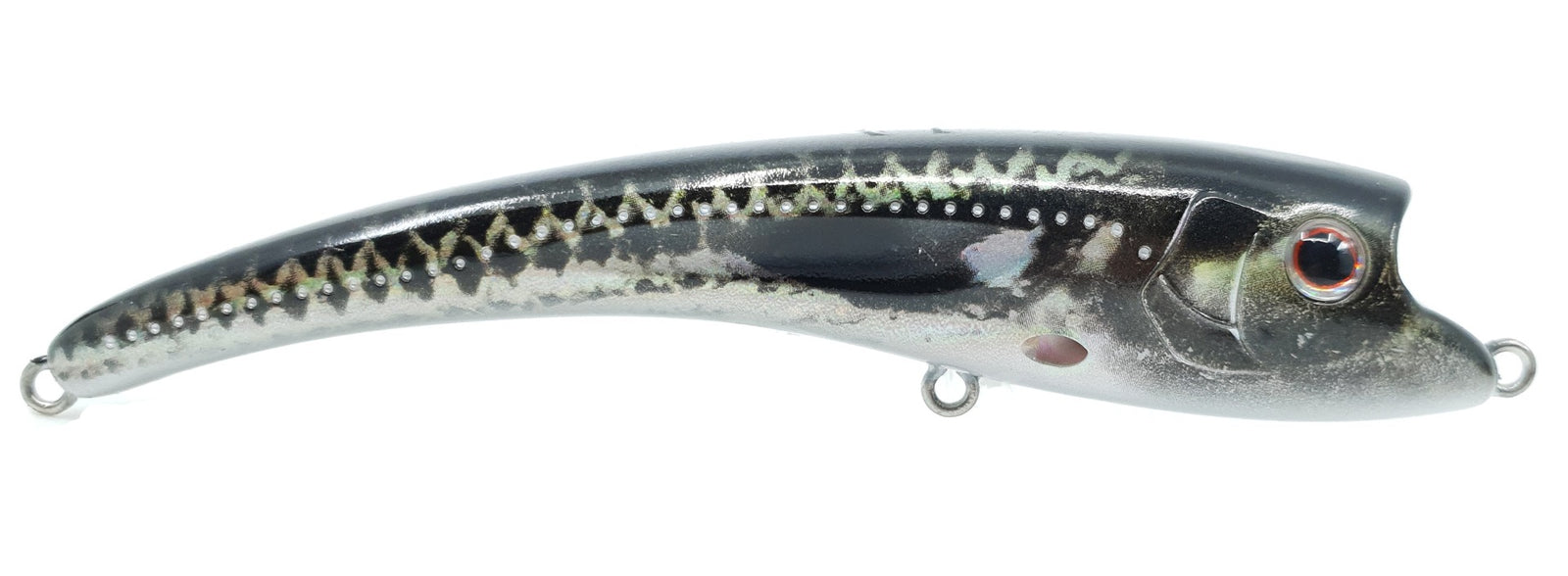
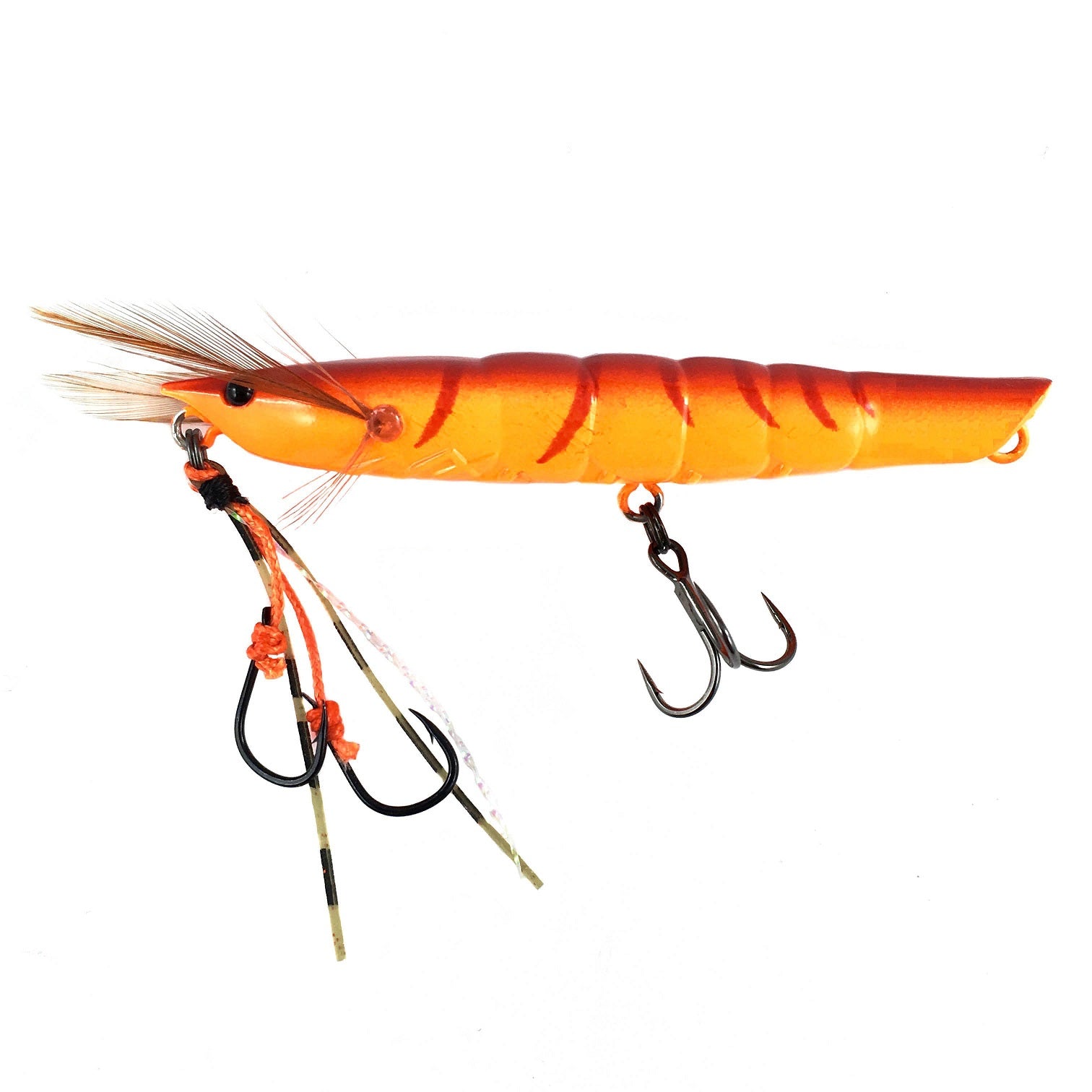
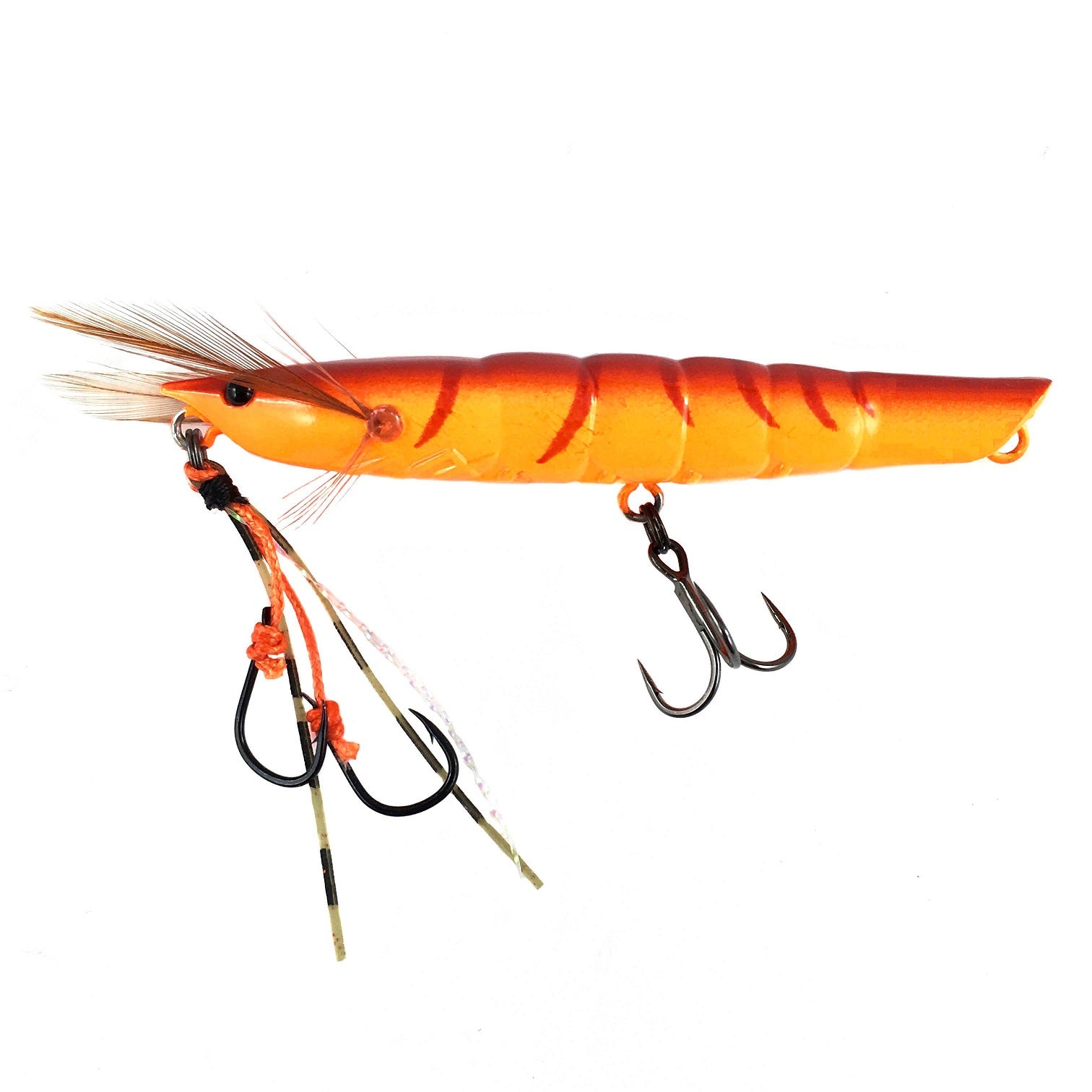
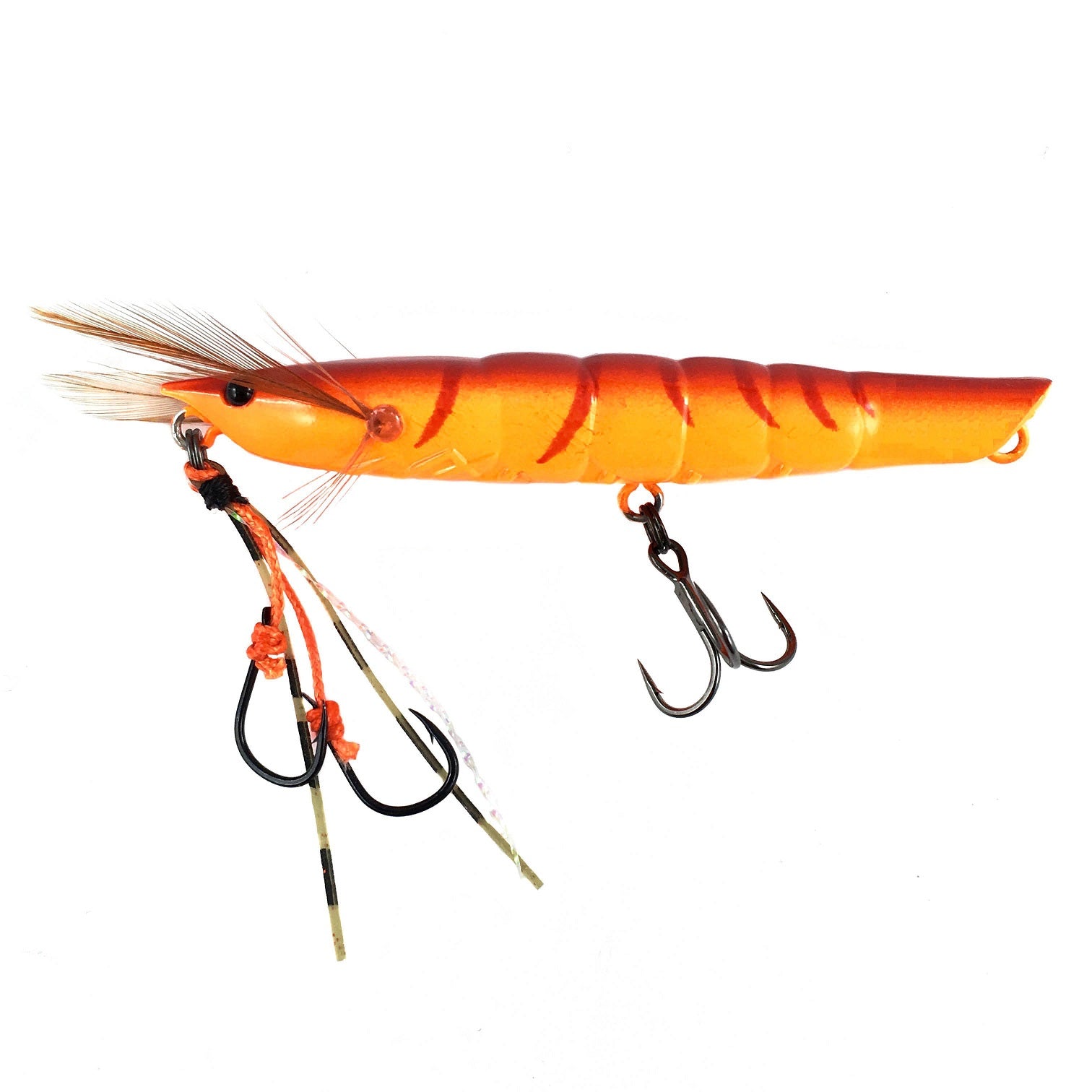
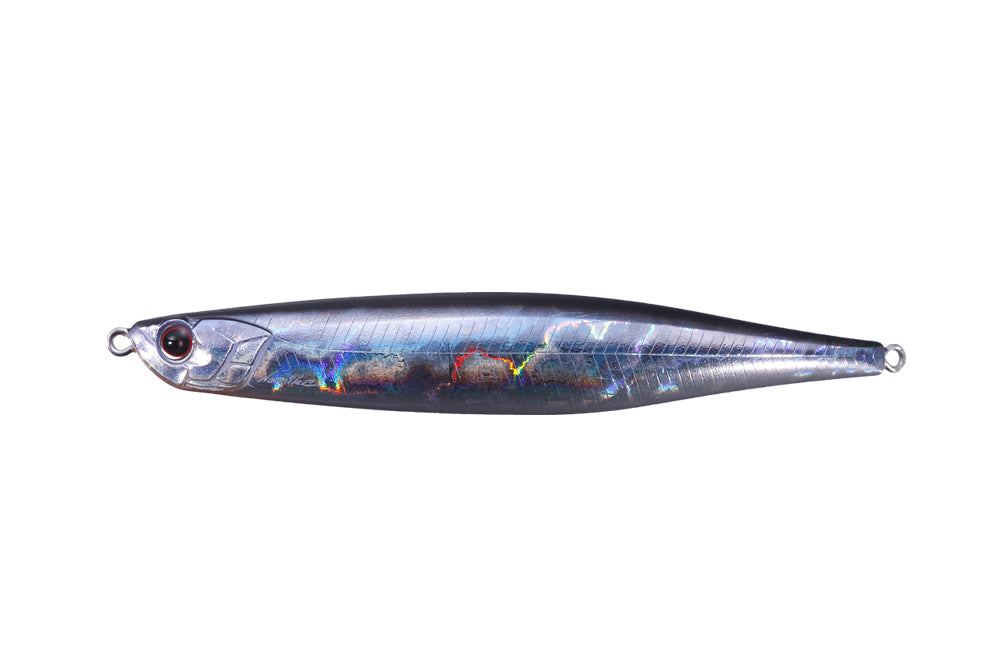
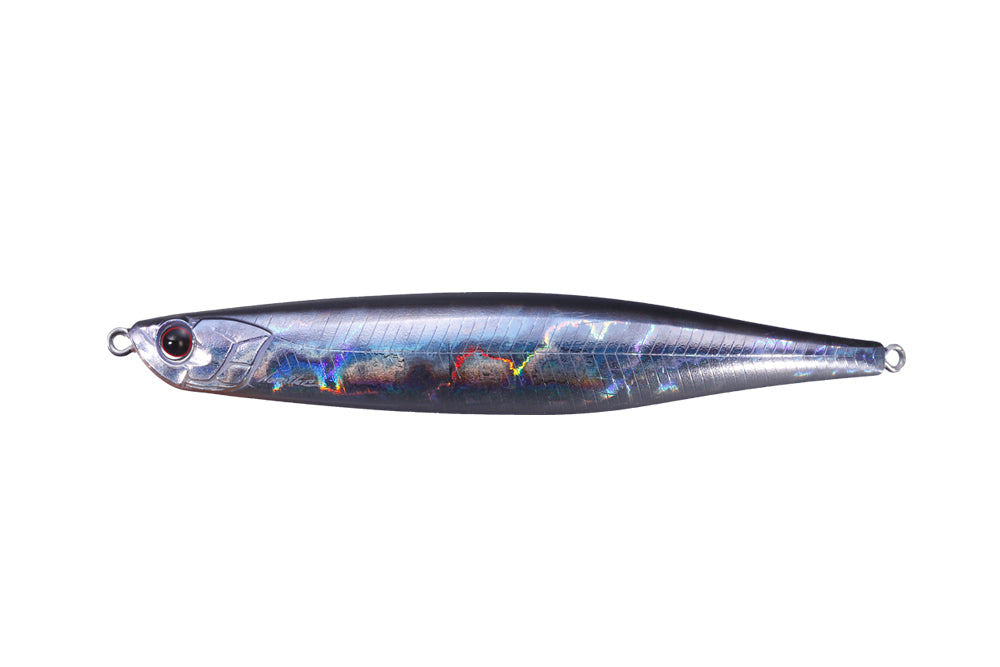
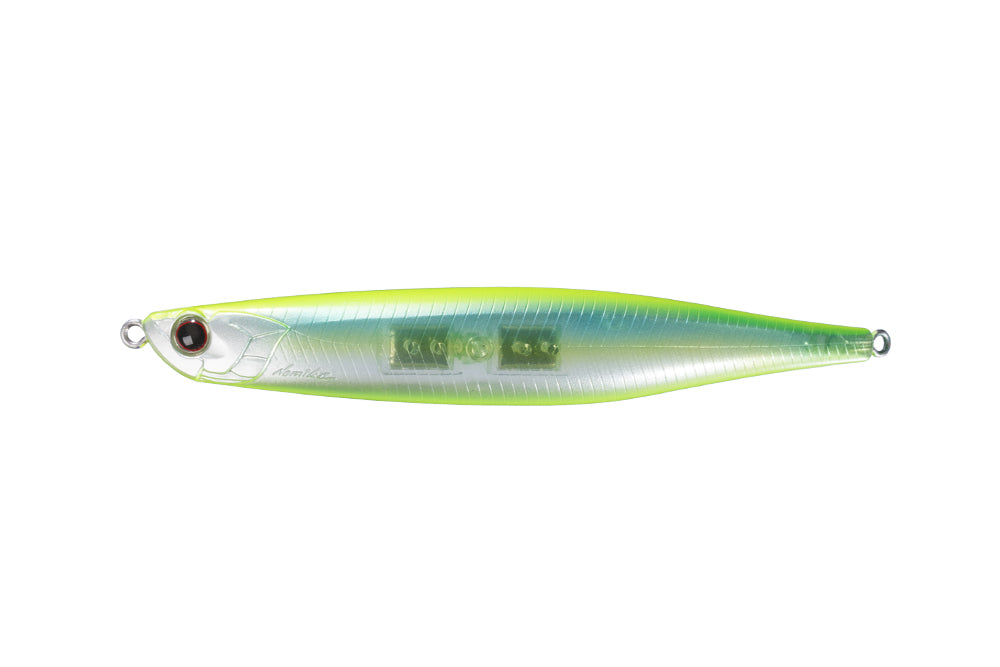
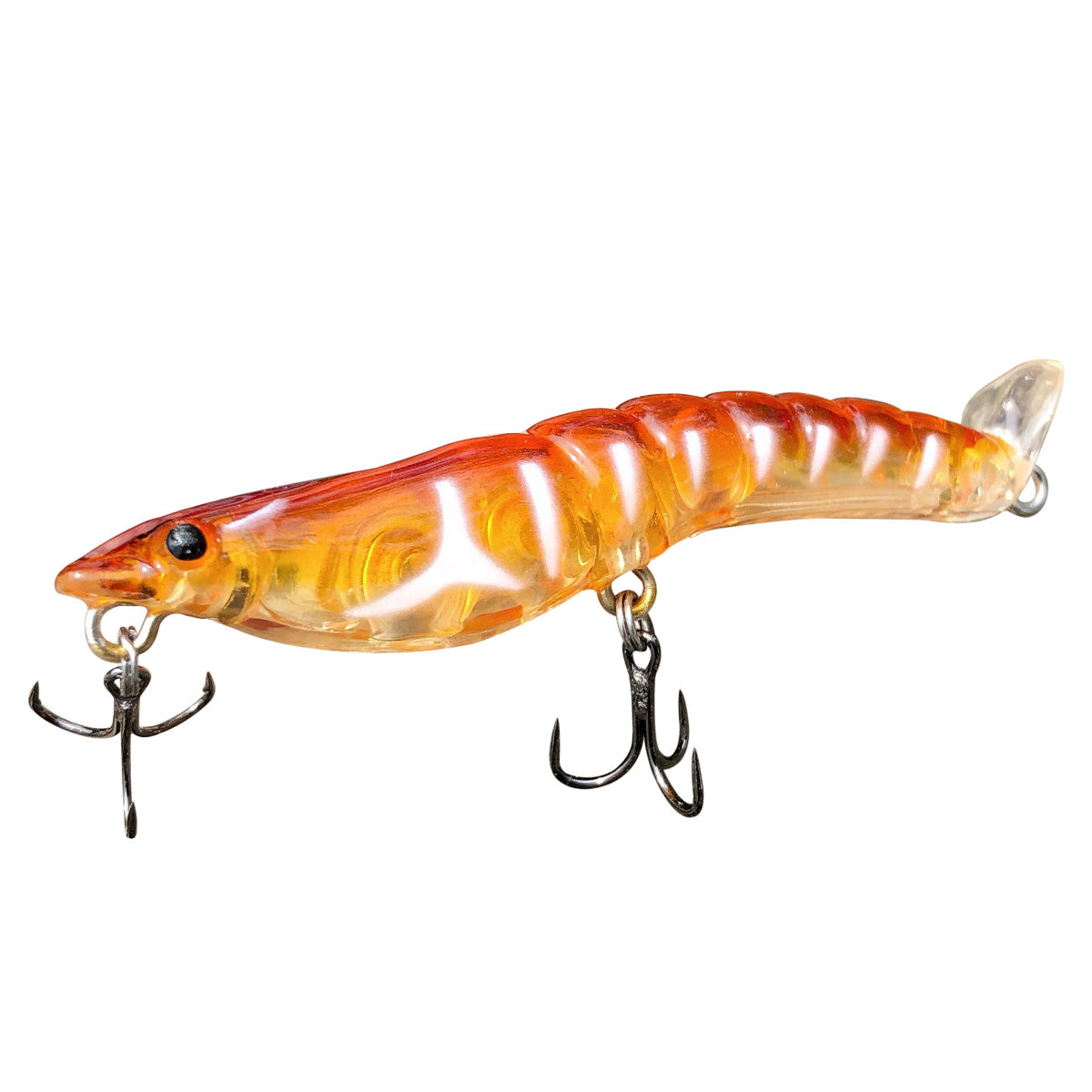
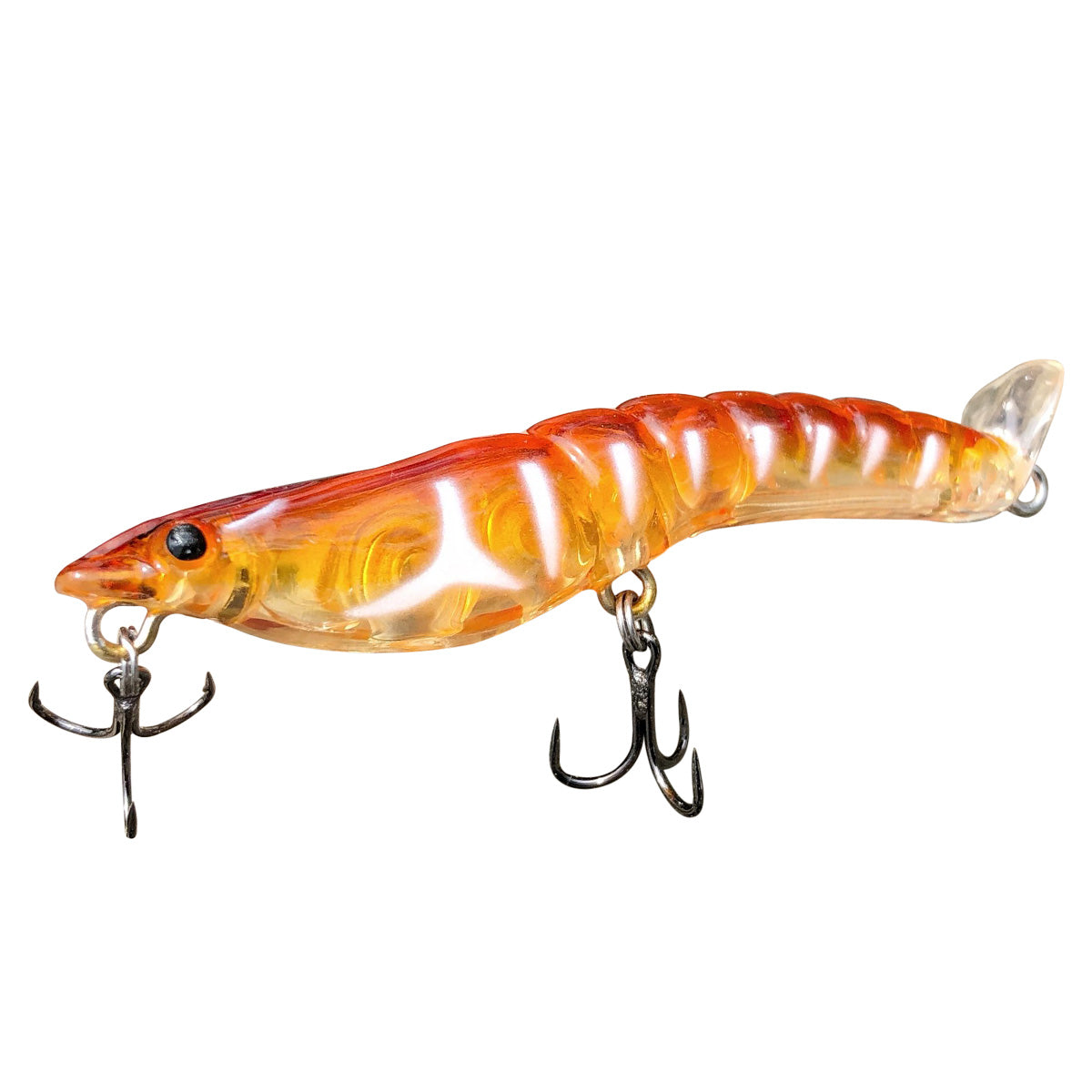
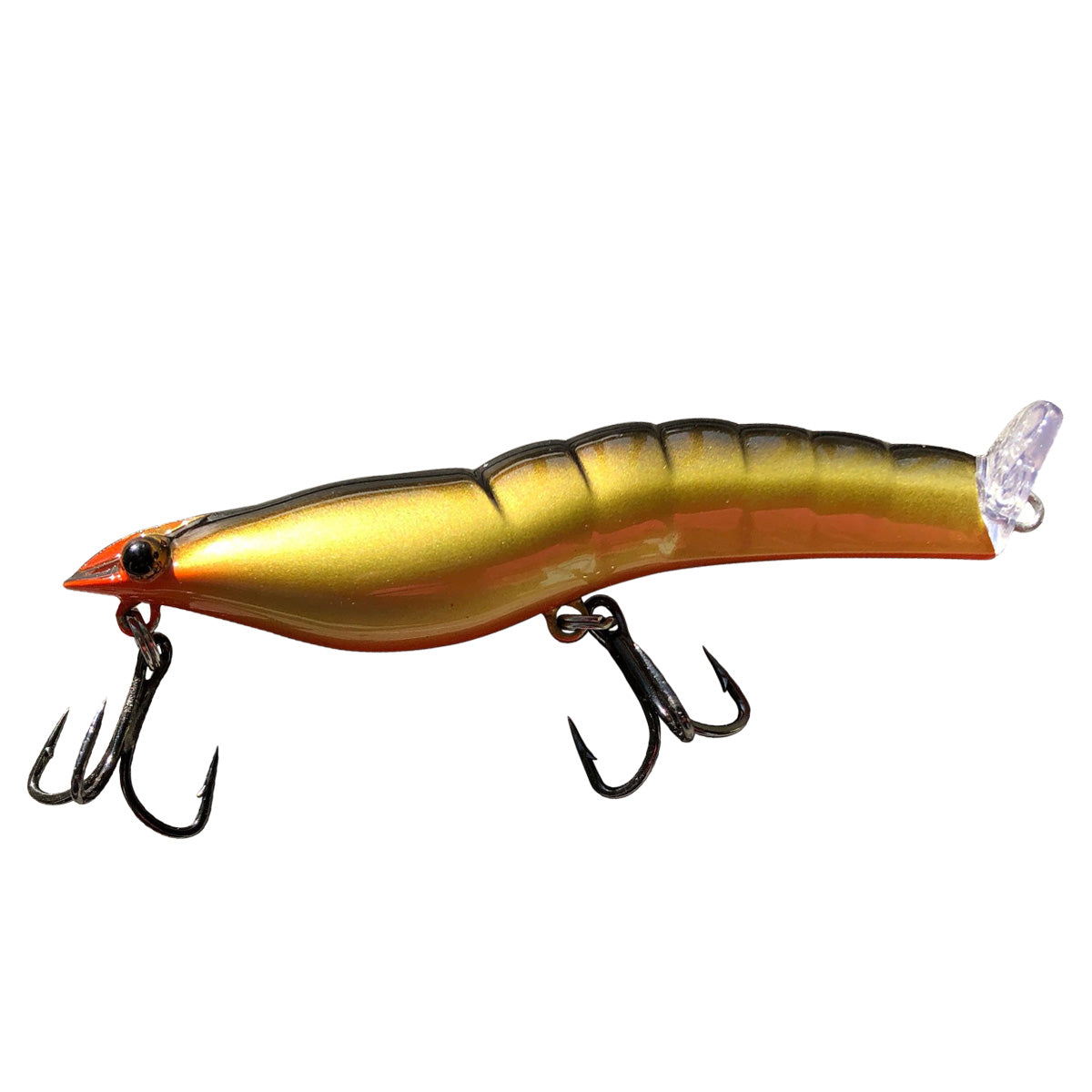
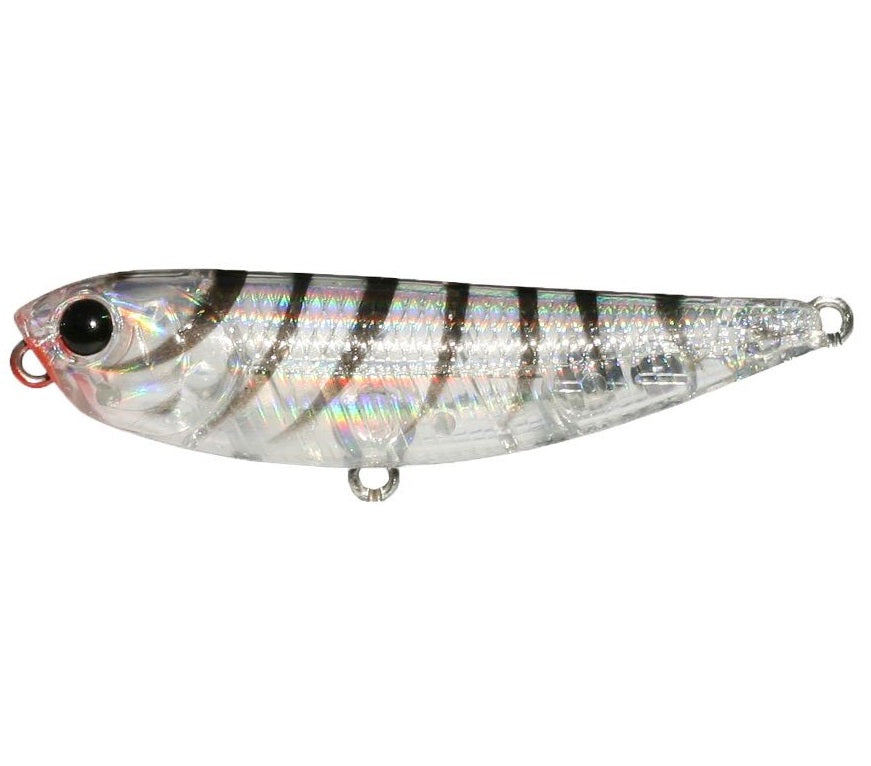
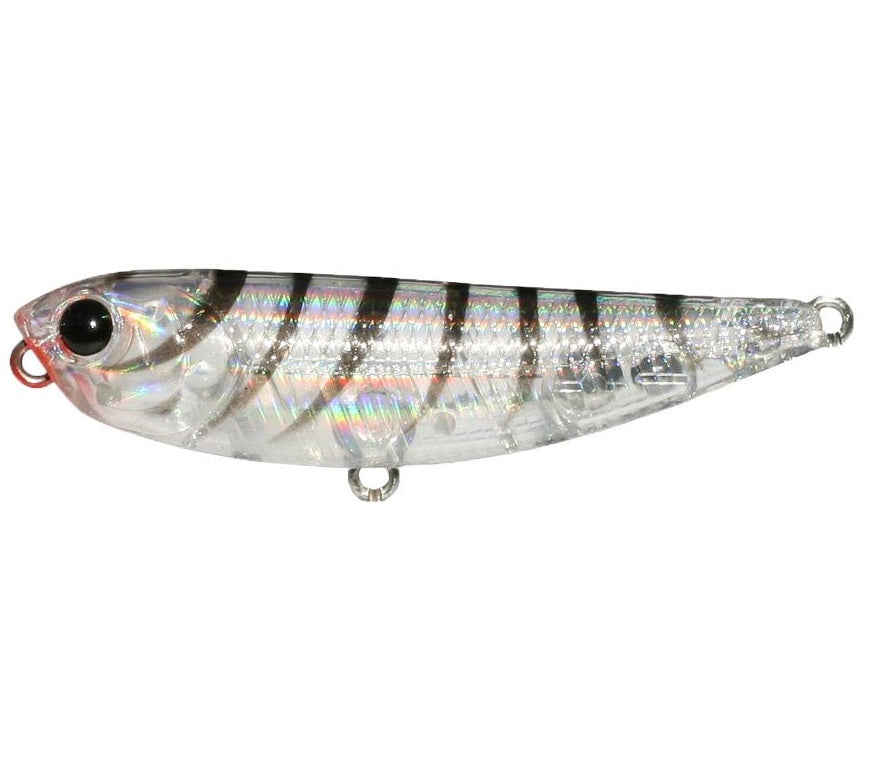
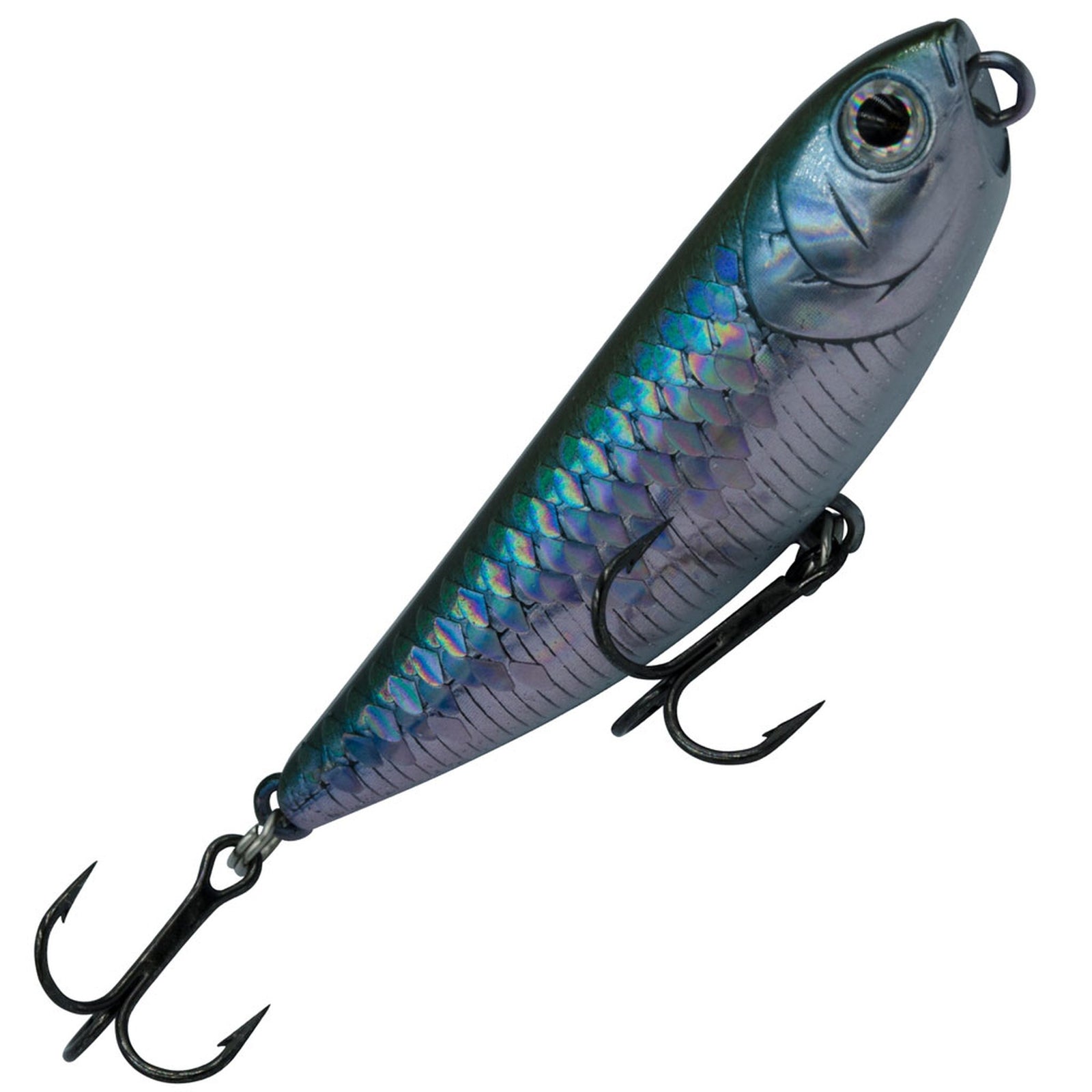
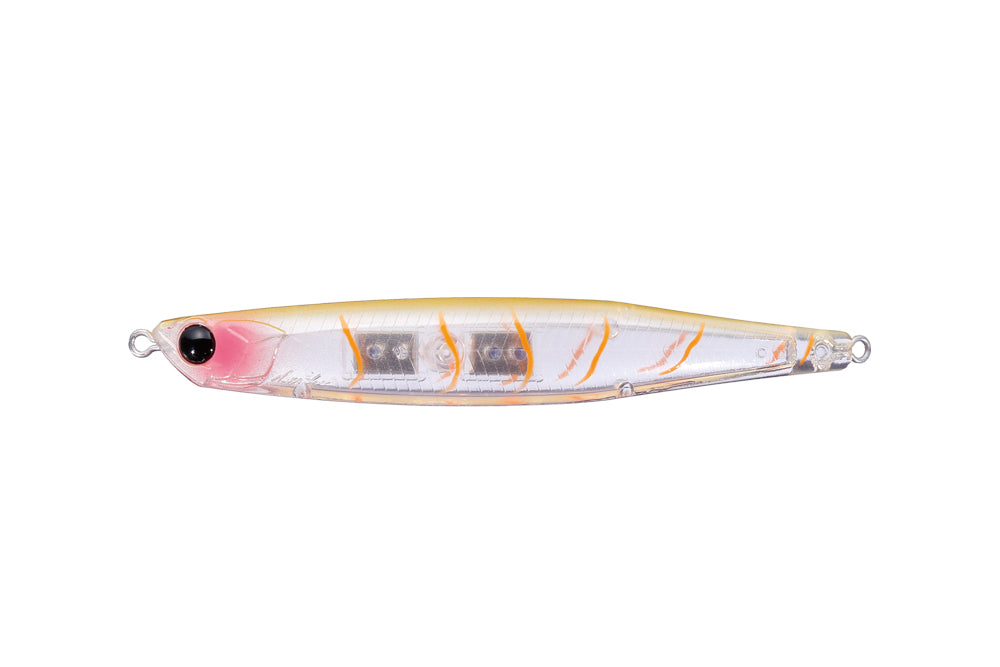
Surface walkers sit on top of the water and swing side to side as you twitch the rod, the action usually described as walking the dog. They are the lures behind the most spectacular strikes in fishing, because everything happens in plain sight.
Choosing a surface walker
Size is set by the target. Slim, small walkers suit whiting and bream over the flats, where a fish will chase a lure a long way in shallow water. Bigger walkers suit bass, barra, mangrove jack and pelagics, where the fish is looking for a mouthful rather than a snack.
Surface fishing rewards patience more than any other style. Work the lure in short twitches with the rod tip low, keep a little slack so it can swing, and resist striking at the splash. Wait until the rod loads, then lift. Early mornings, late afternoons and flat, low-light conditions are when surface works best.
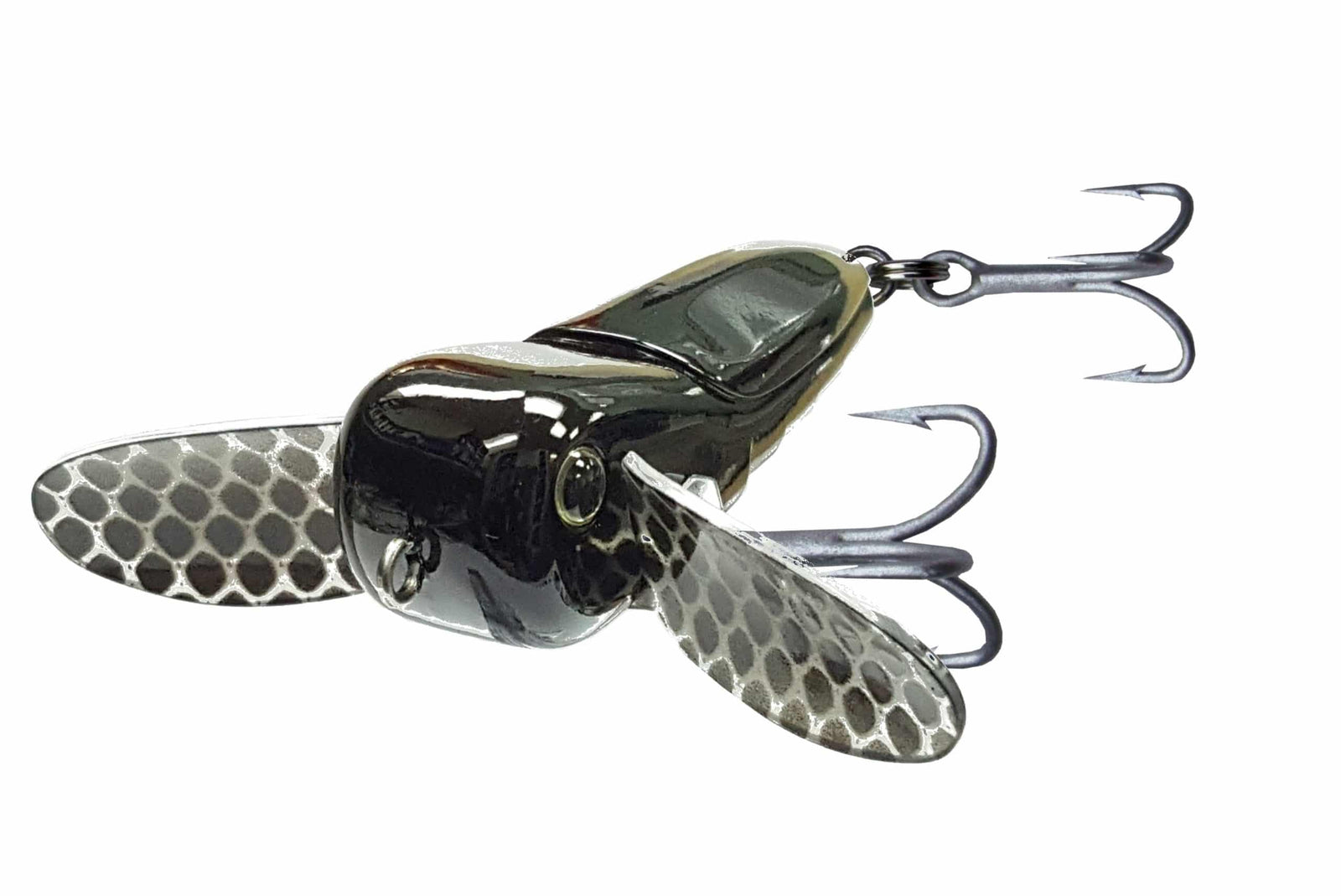
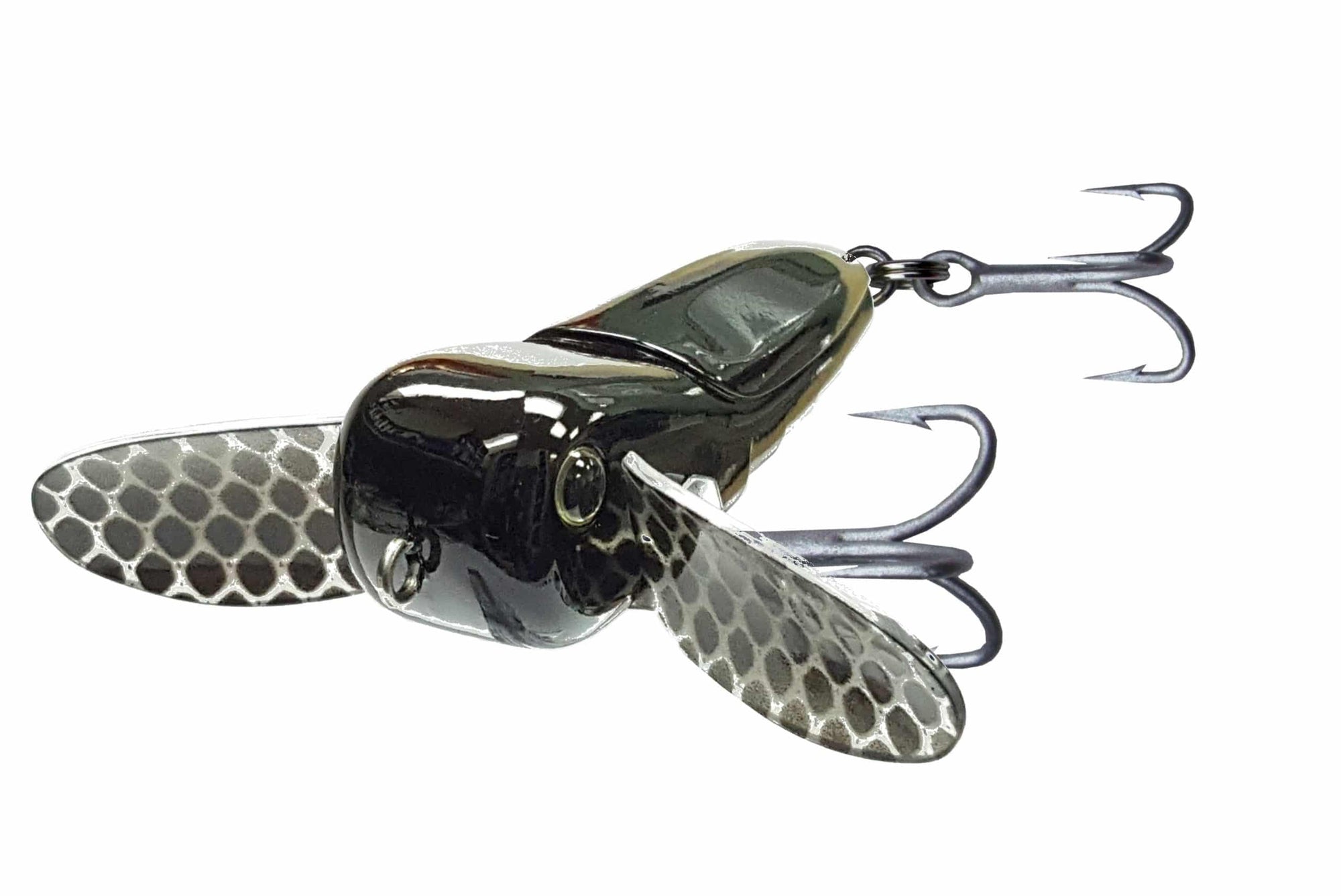
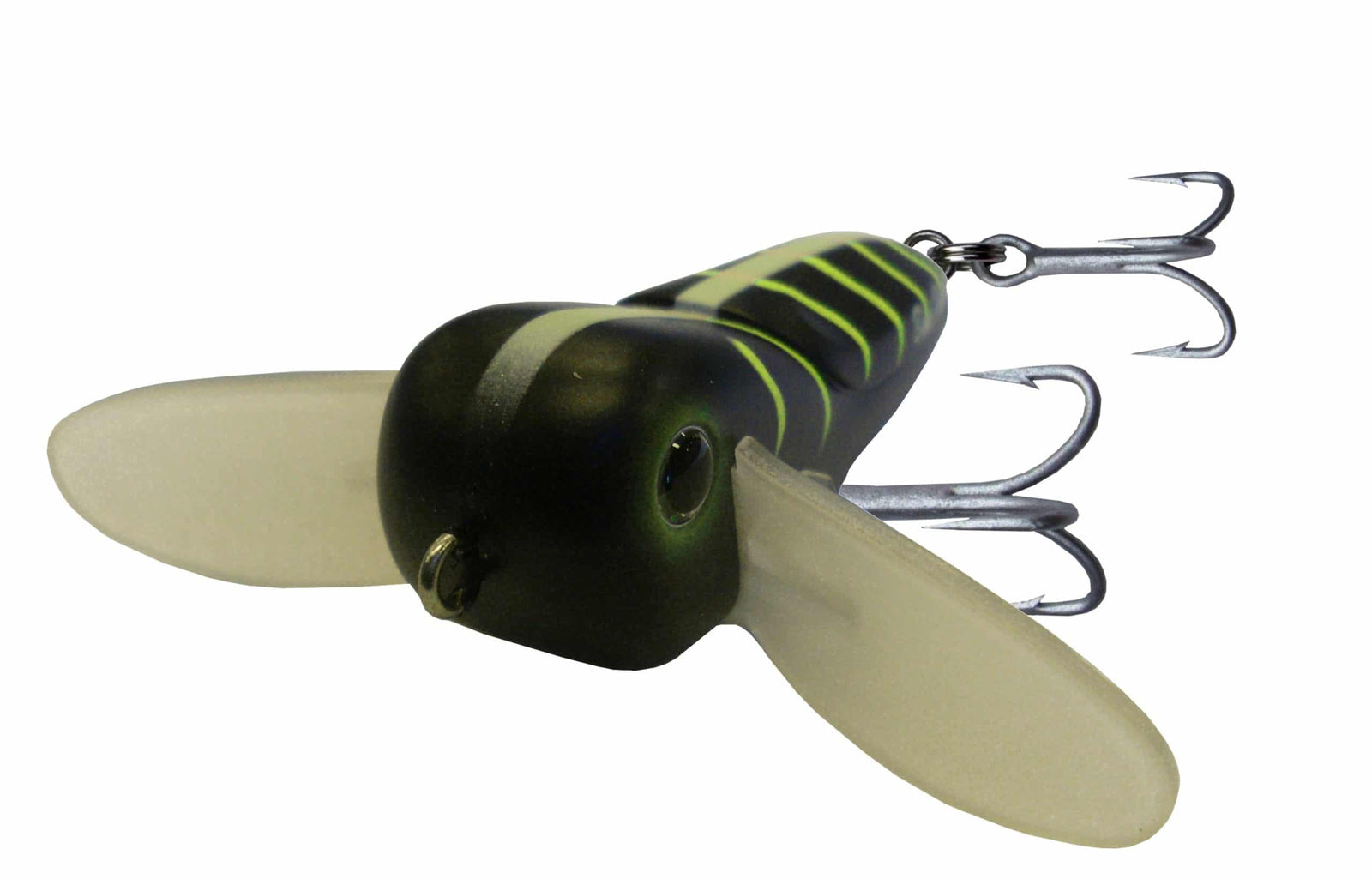
If the fish are boiling but not committing, it is worth switching to a popper for extra noise, or to a stickbait for a longer cast and a subtler profile.
Frequently asked questions
What does walk the dog mean?
It is the zig-zag action a surface walker makes when you twitch the rod tip downward in a steady rhythm while taking up a little line between twitches. The lure swings left, then right, and keeps tracking forward.
When is the best time to fish surface lures?
Low light. Dawn, dusk and overcast days are the classics, and warm still water helps. Fish are more willing to look up when the surface is calm and the light is soft.
Why do I keep missing surface strikes?
Almost always because of striking too early. Wait until you feel weight on the rod before lifting — a fish that misses the lure will very often come back for it.
What is the difference between a walker and a popper?
A walker has a rounded or pointed nose and glides side to side quietly. A popper has a cupped face that pushes water and makes noise, which suits choppy conditions and fish that need to be called in.
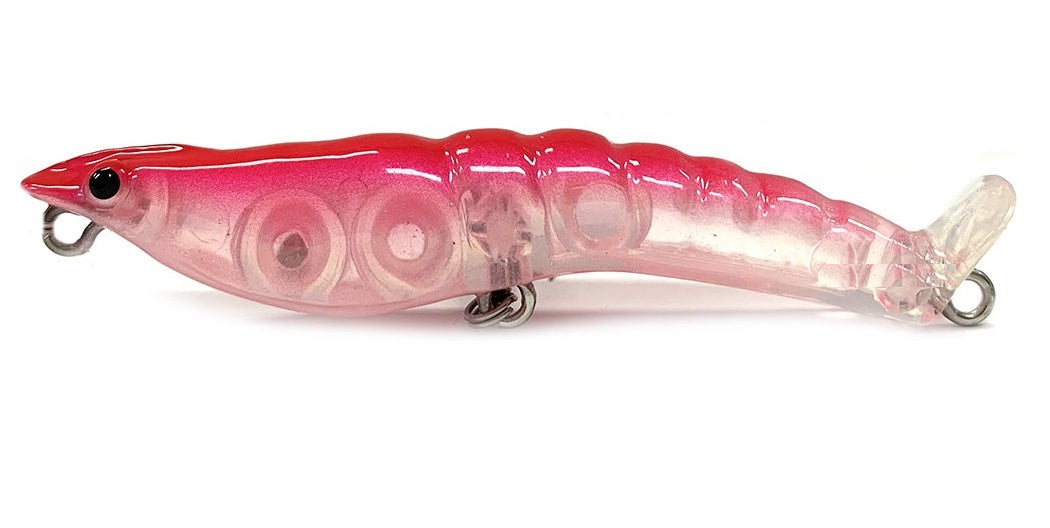
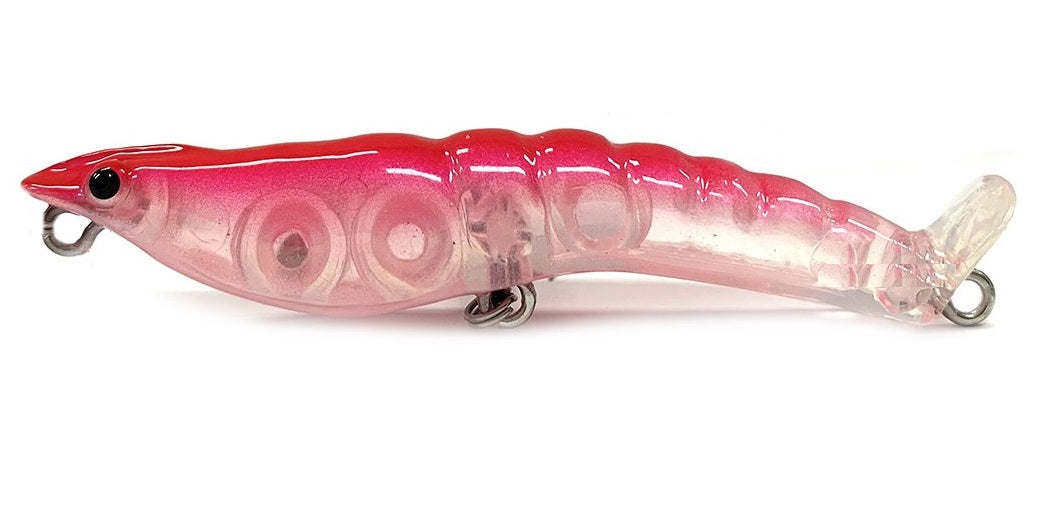
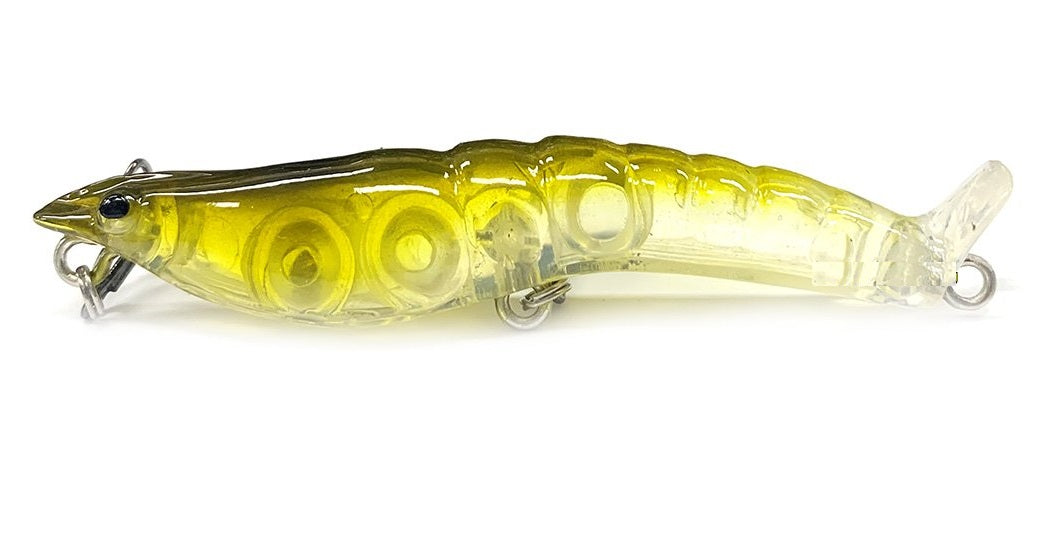
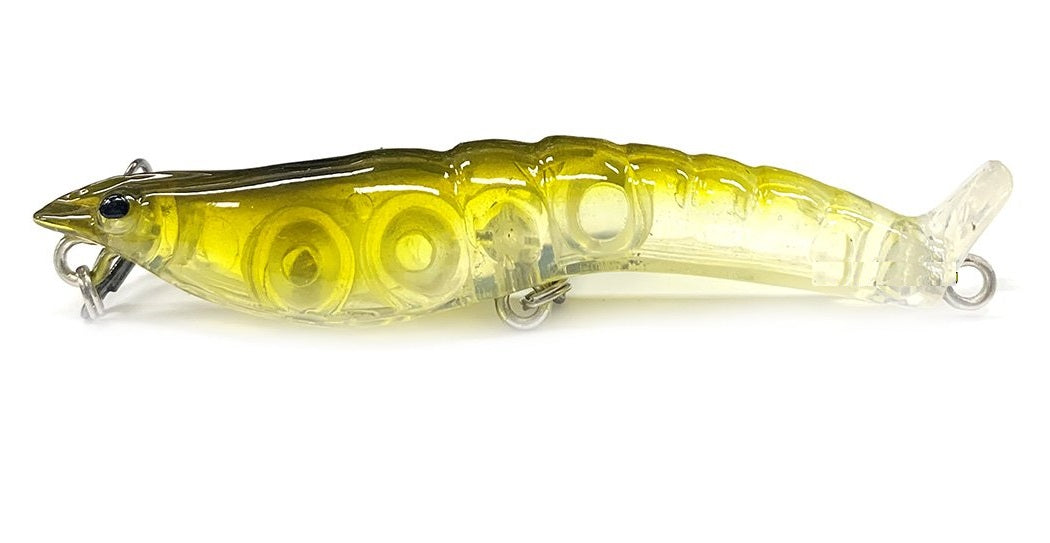

























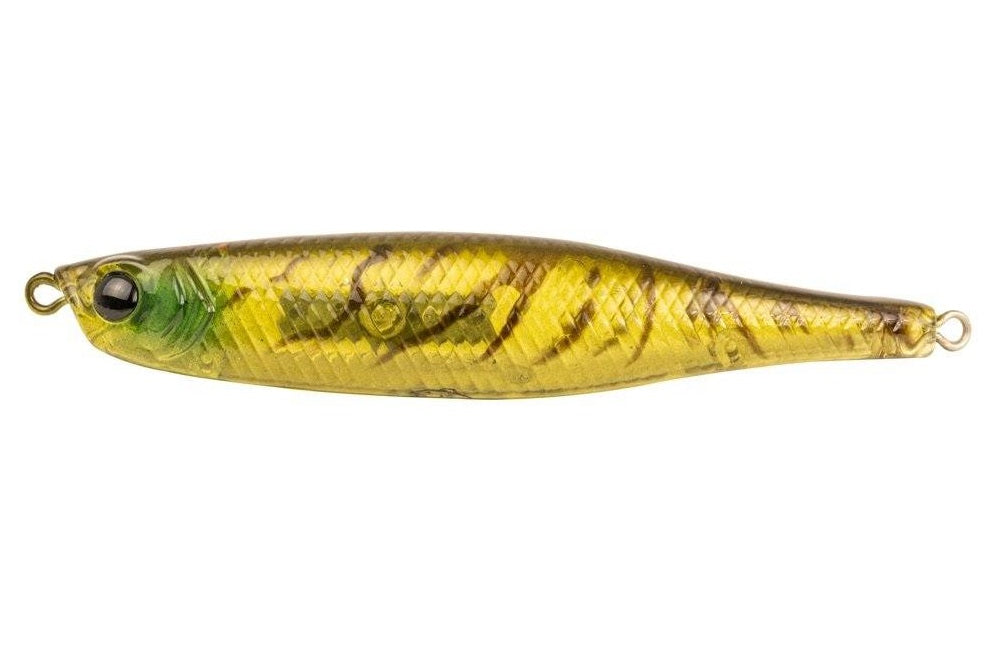

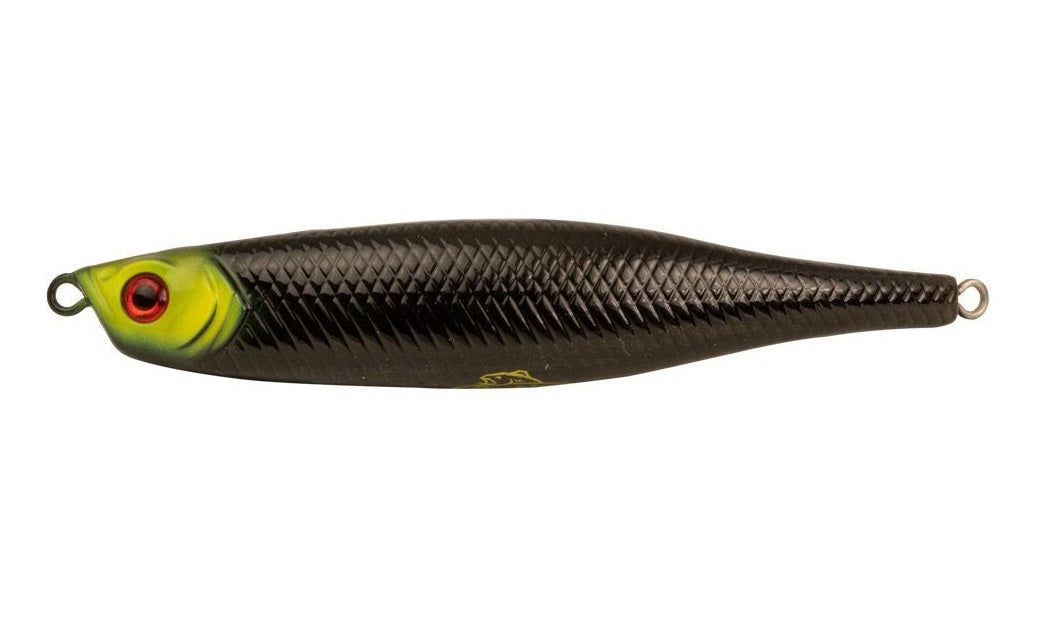

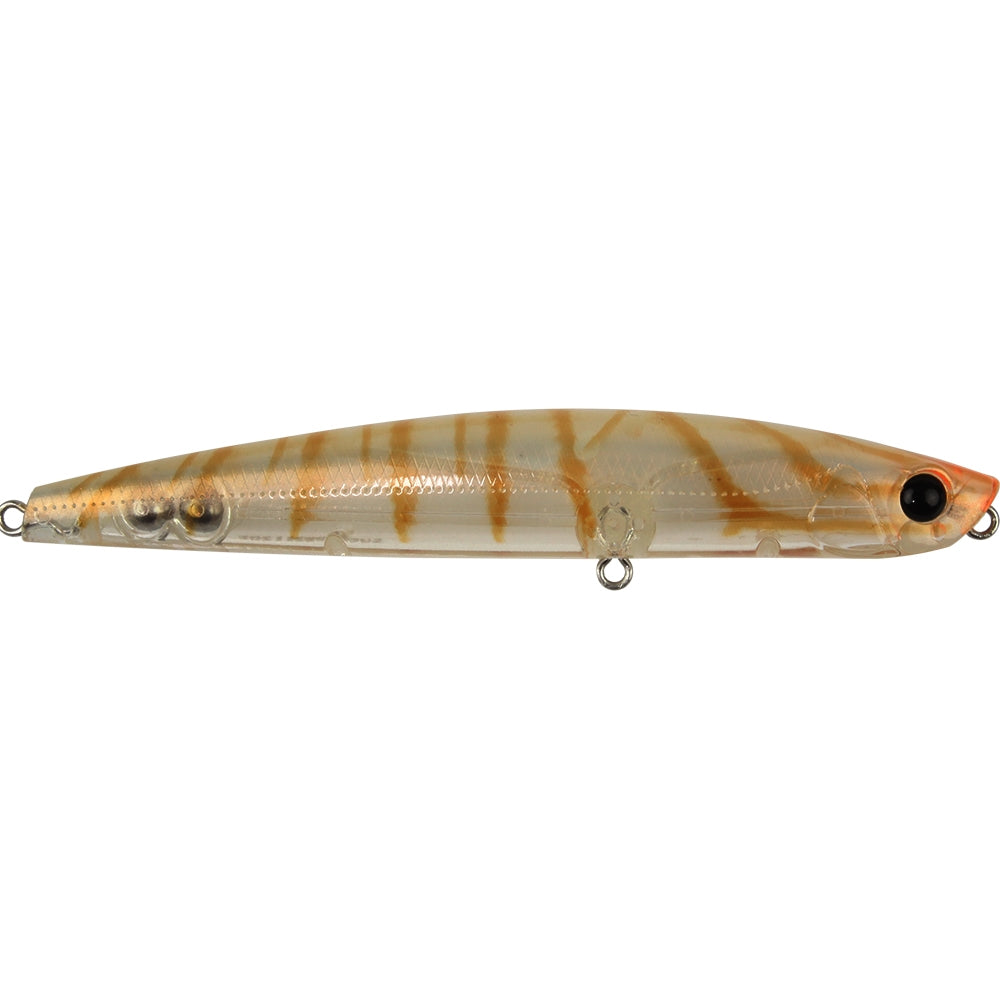







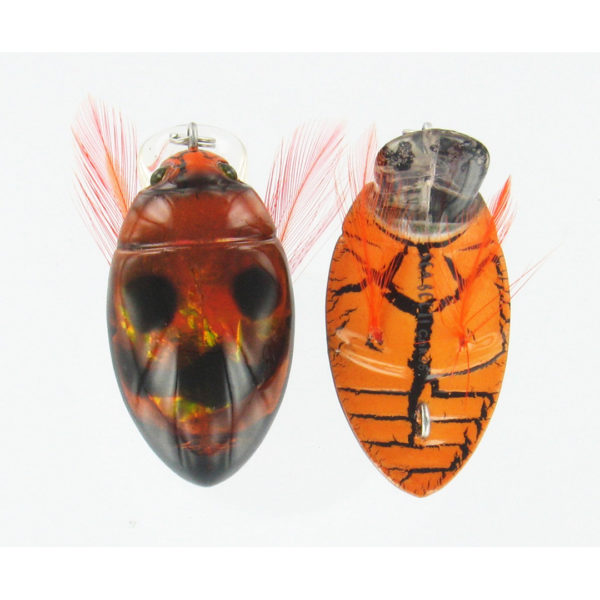

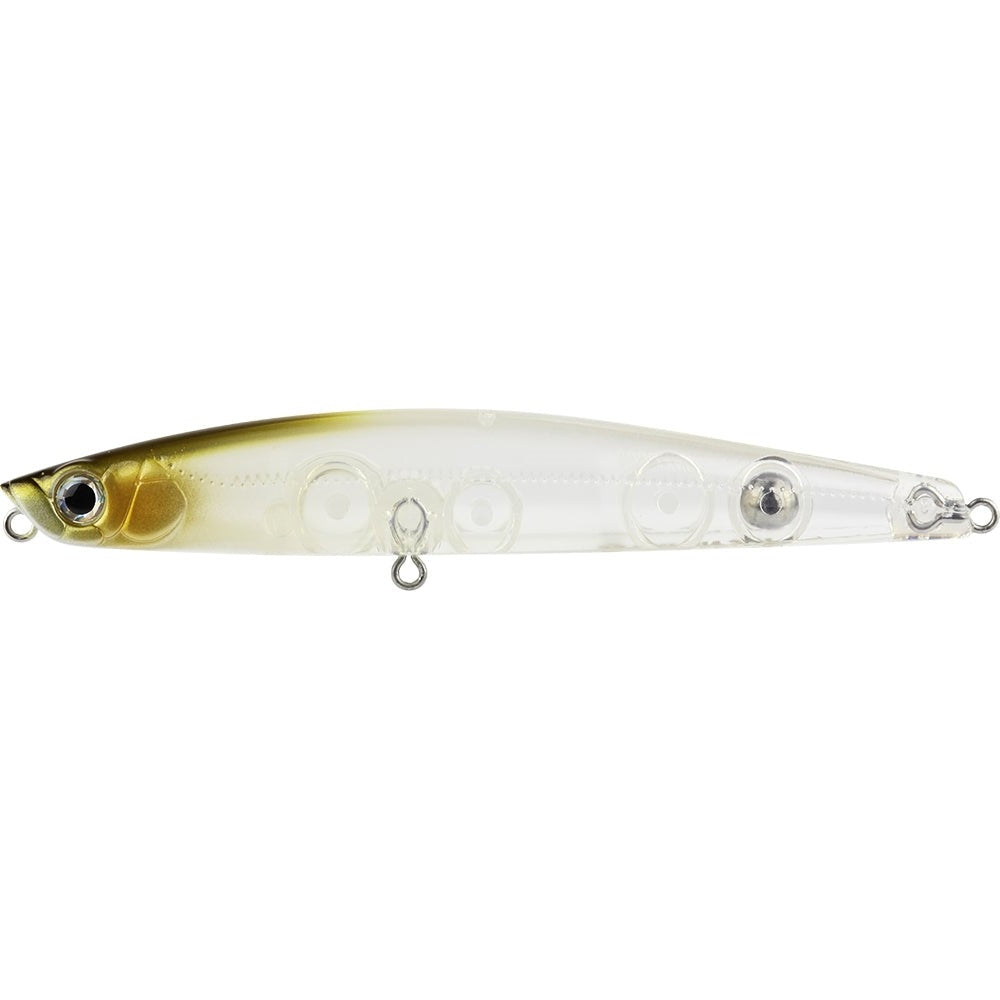

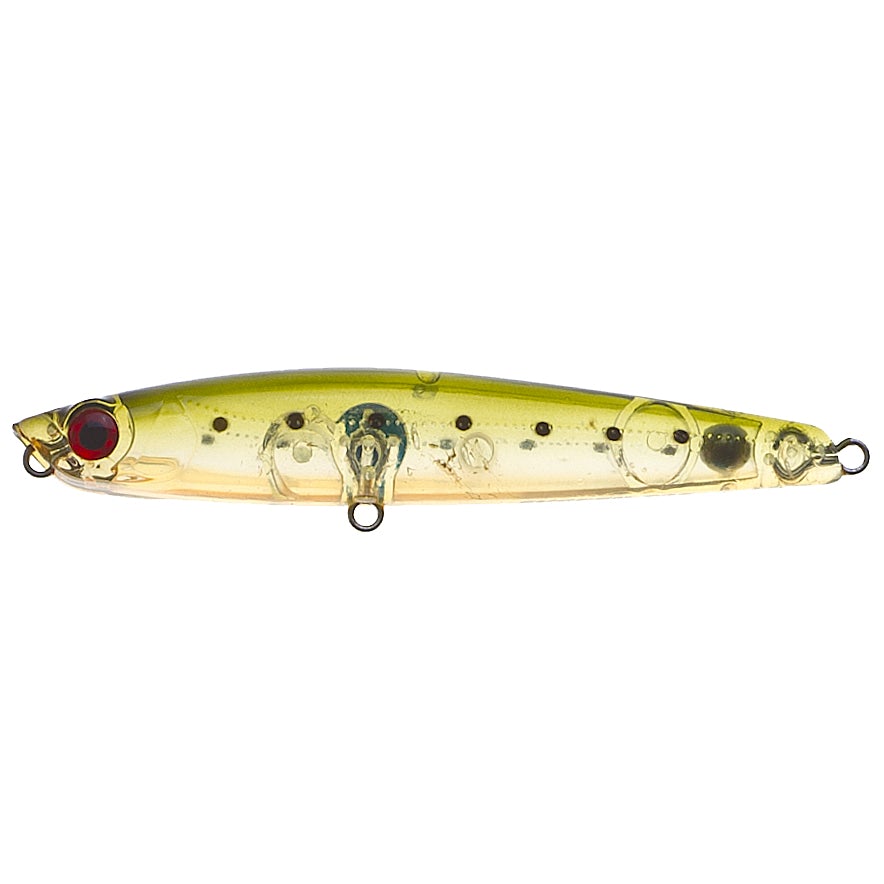

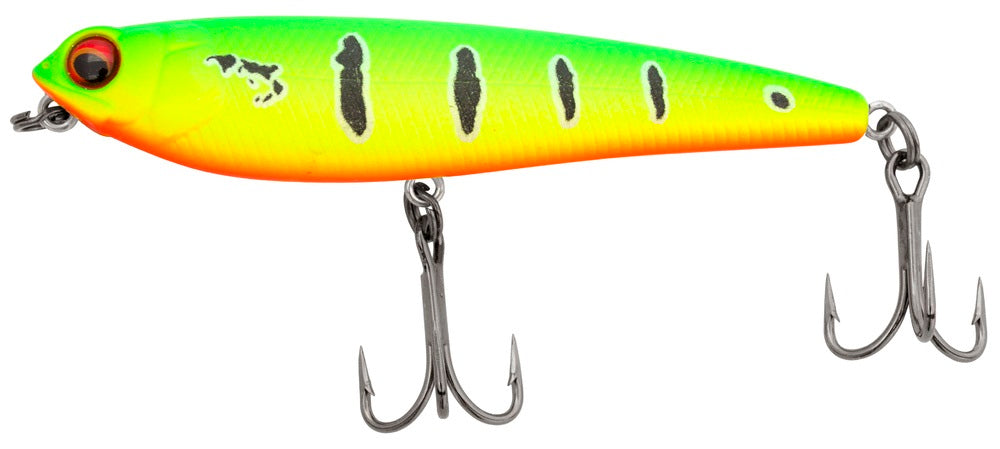



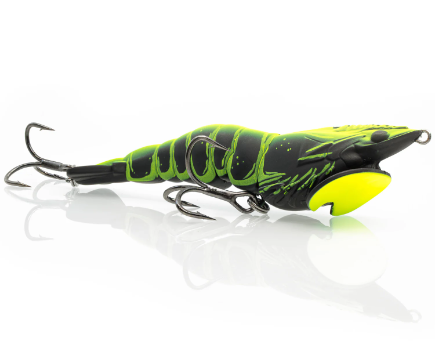

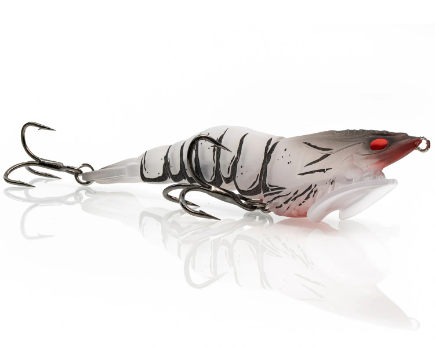

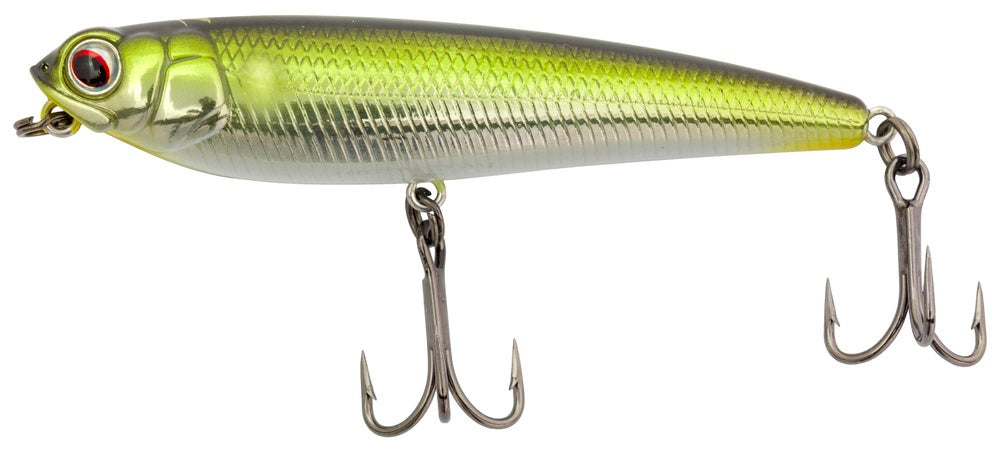
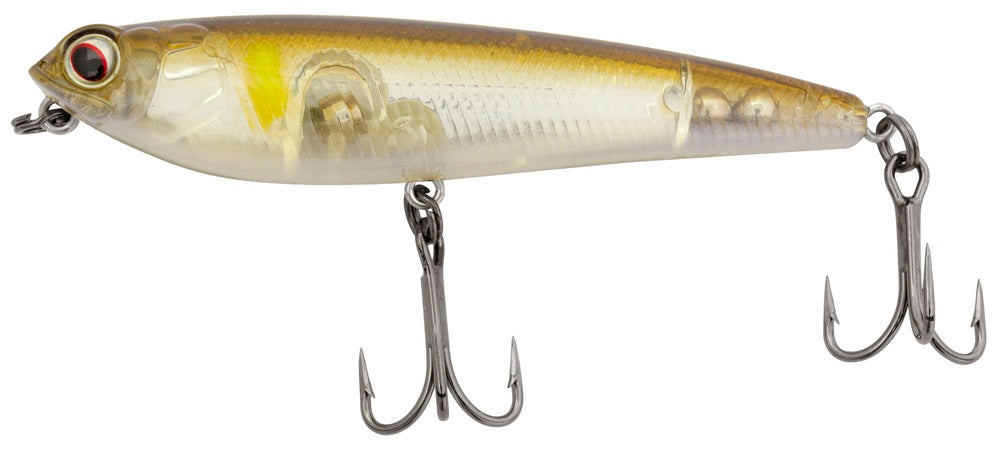


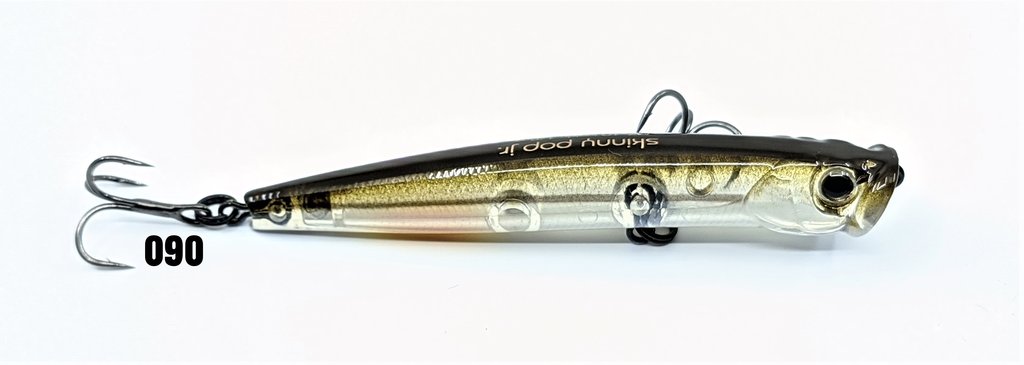
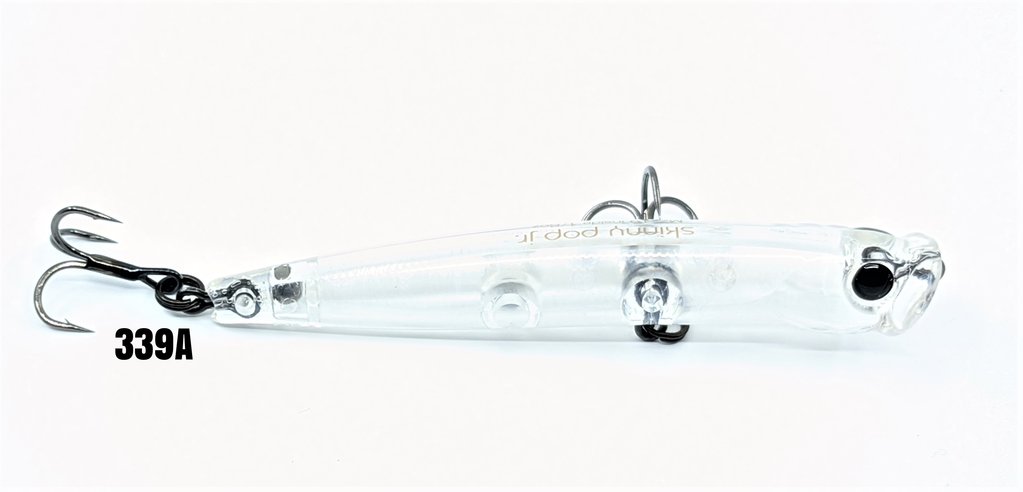
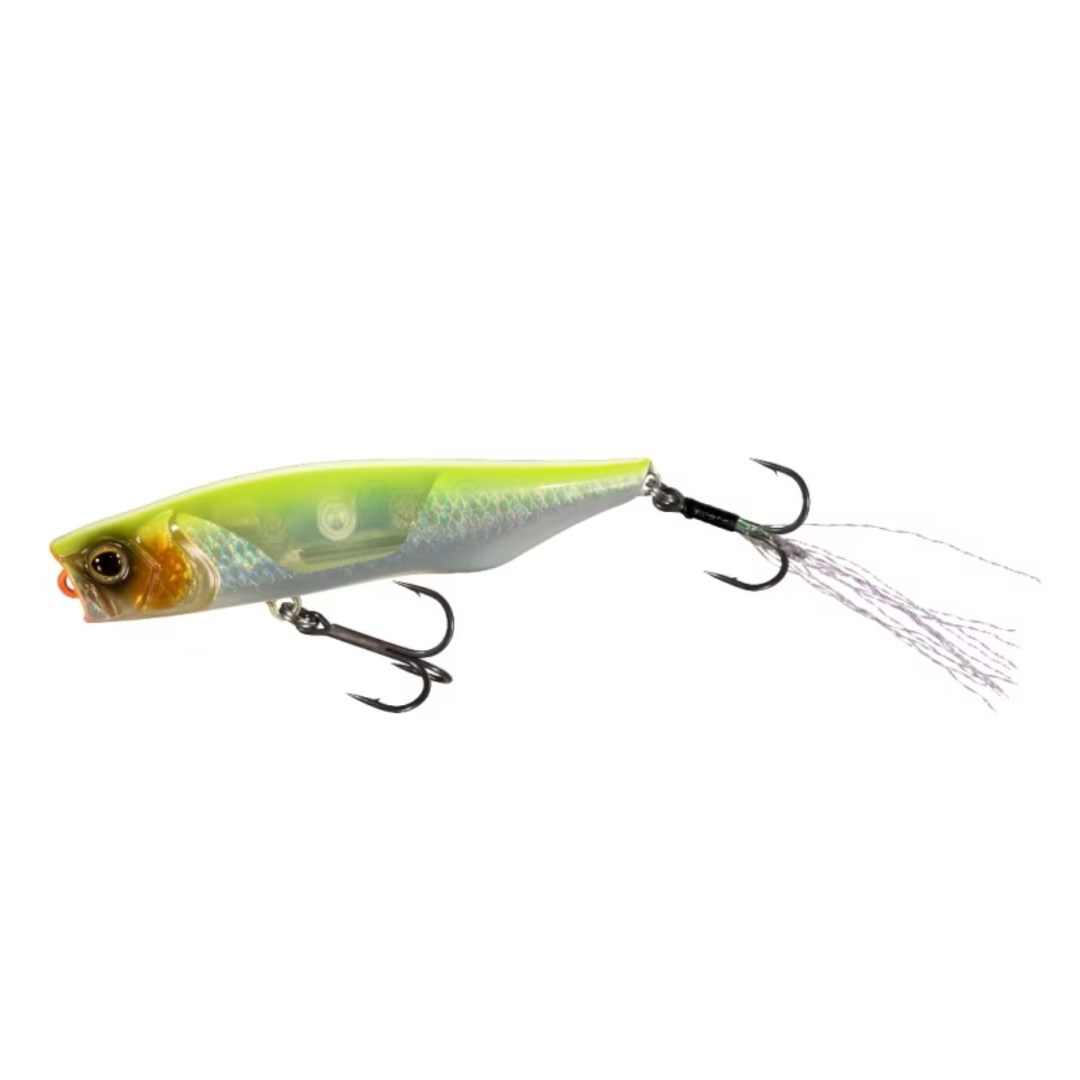

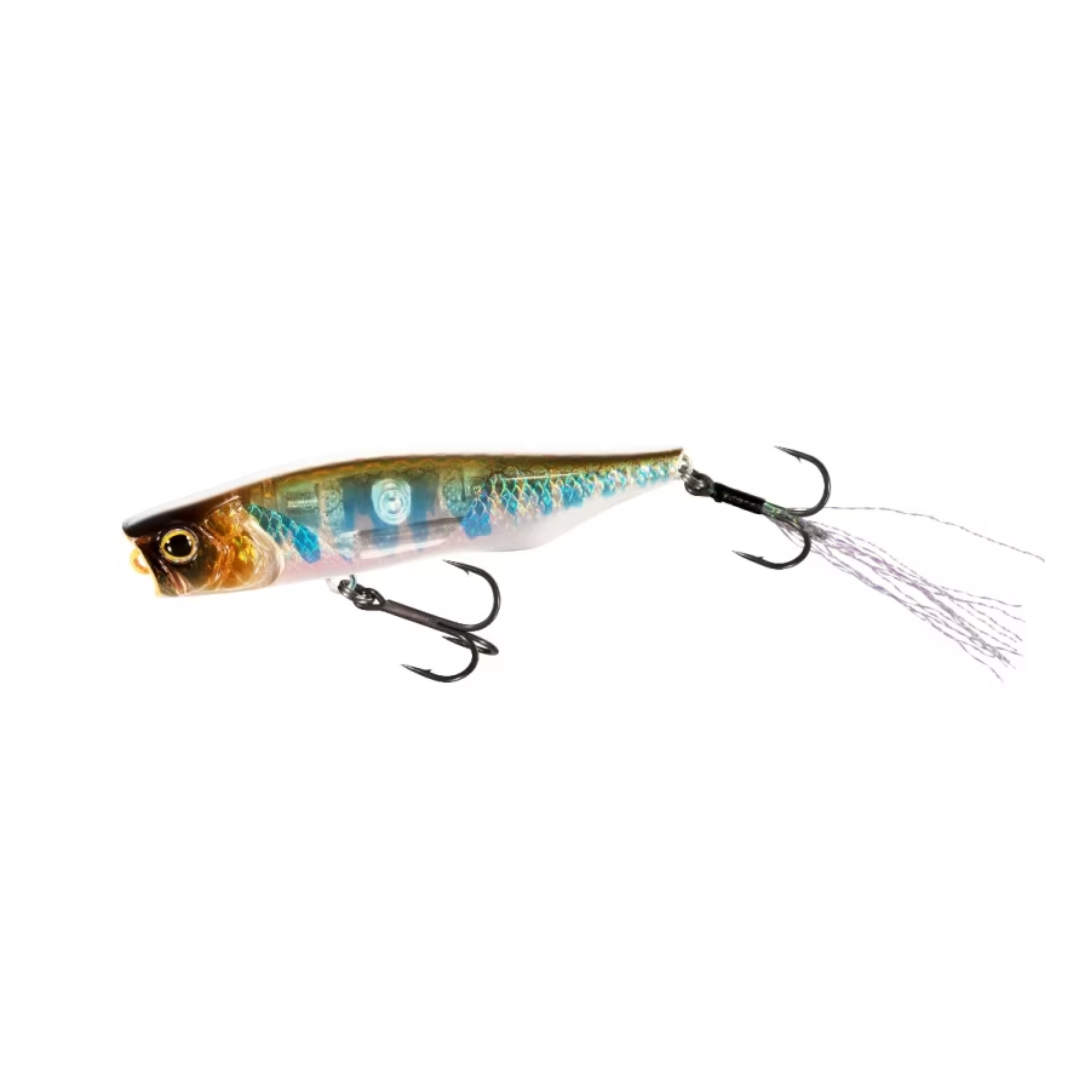

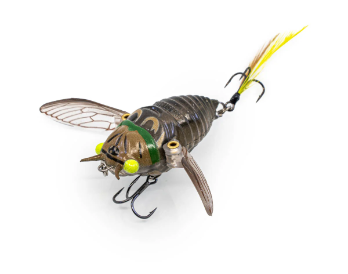

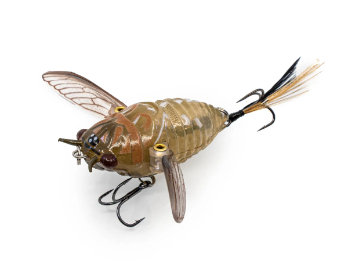

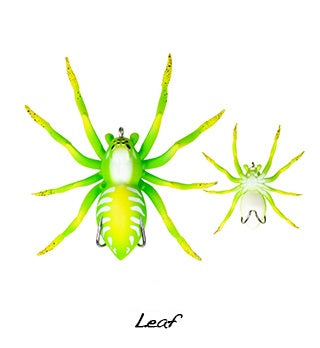
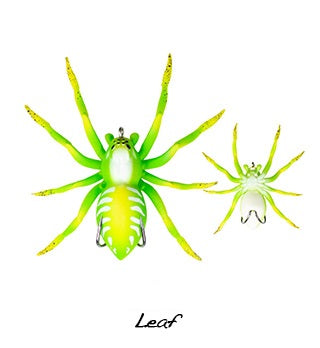
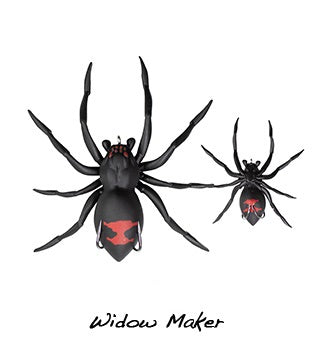

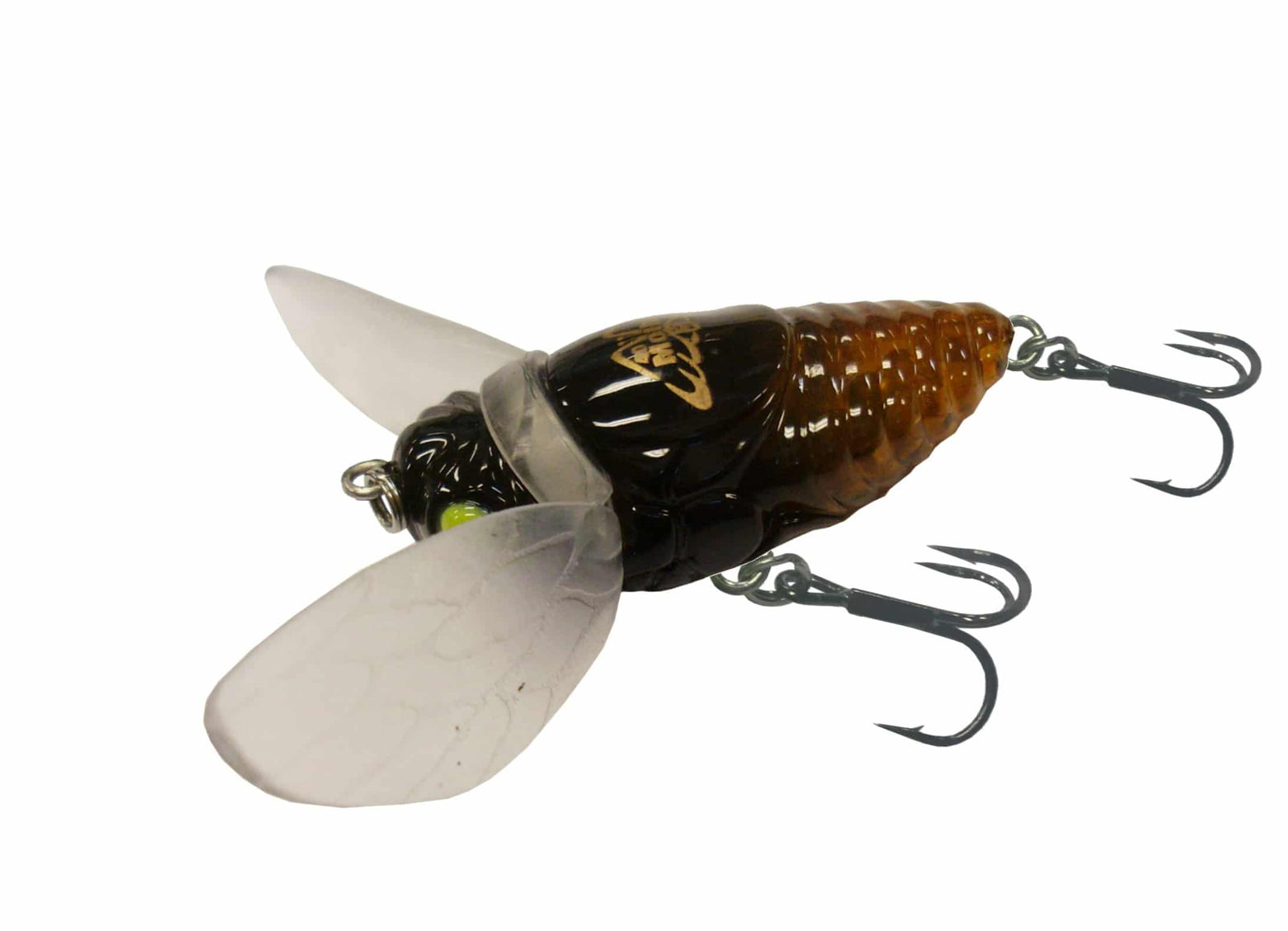







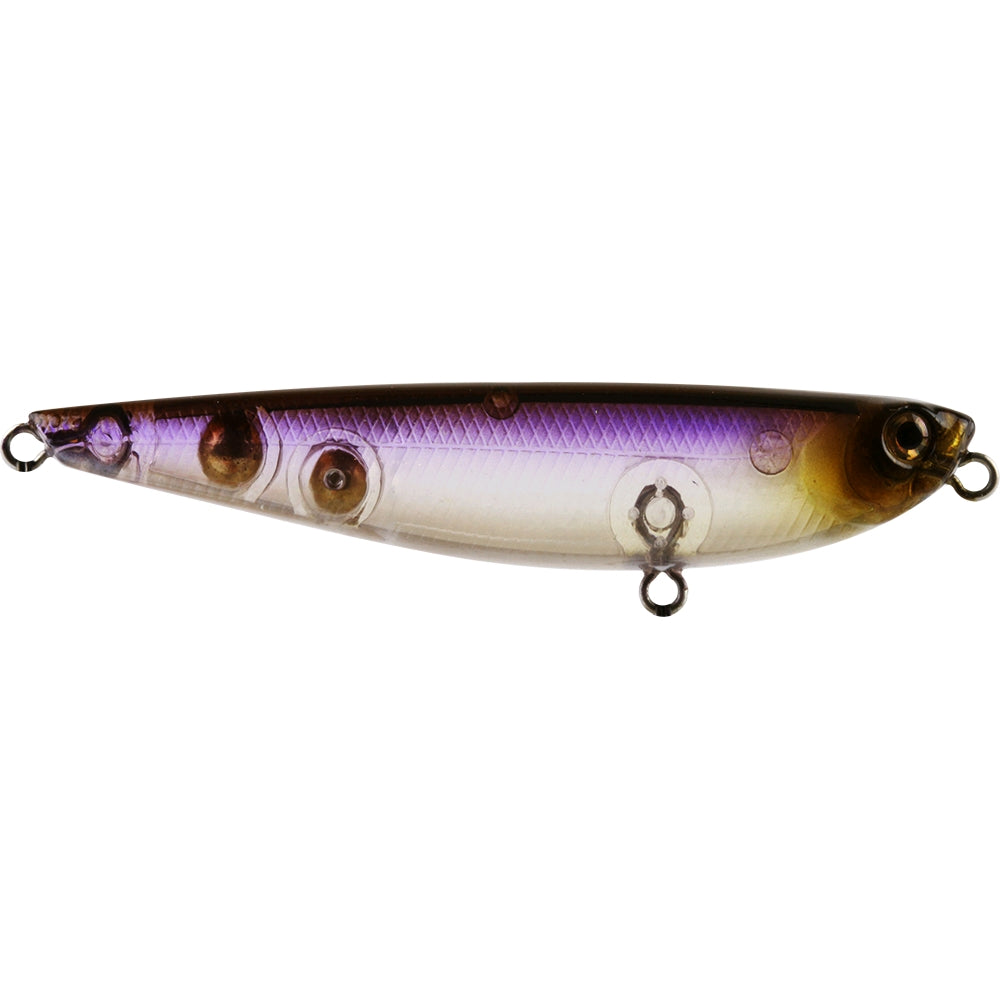

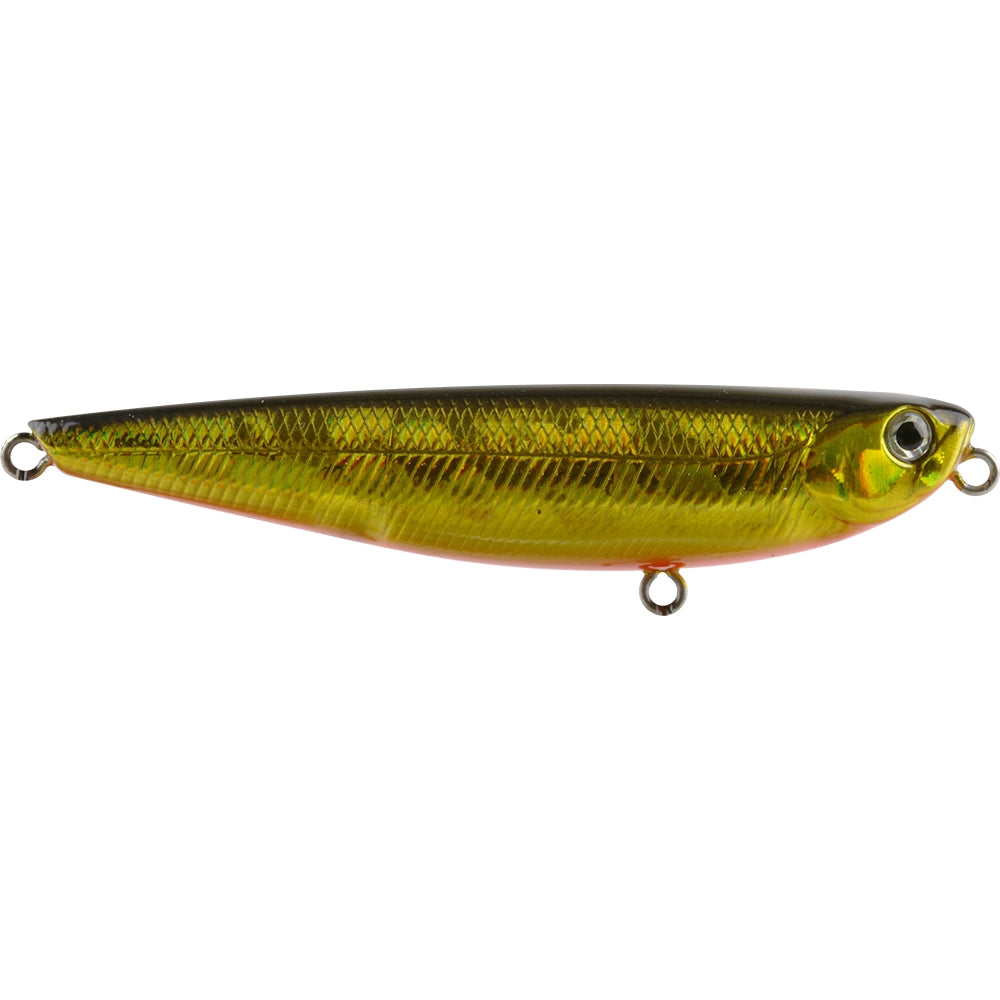

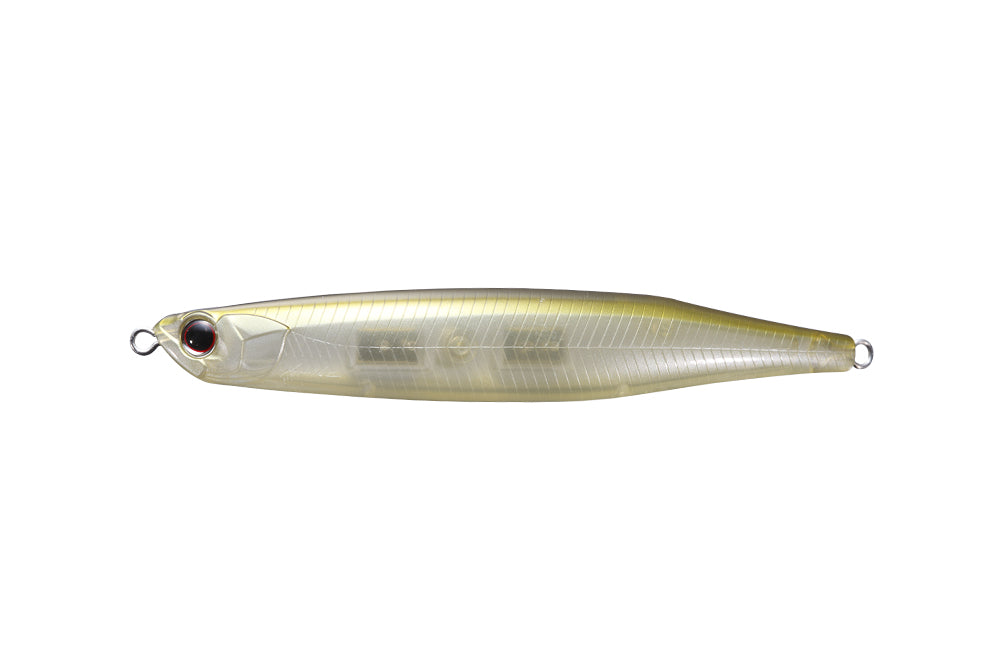
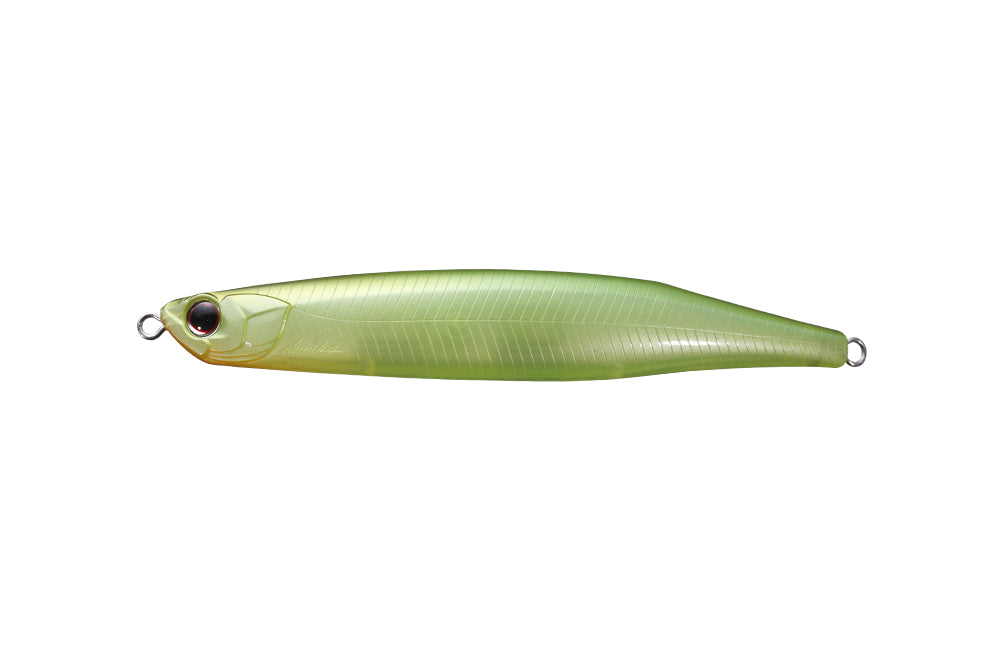

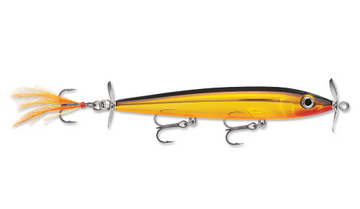

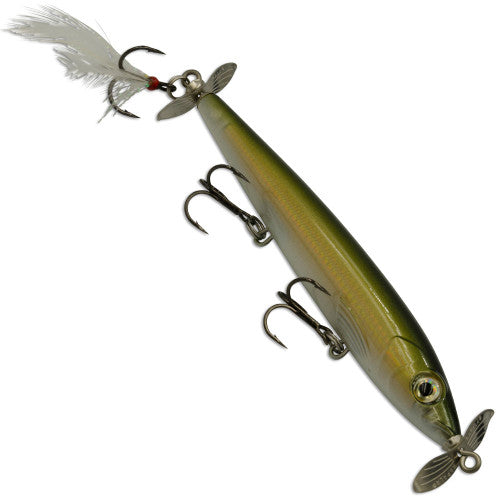

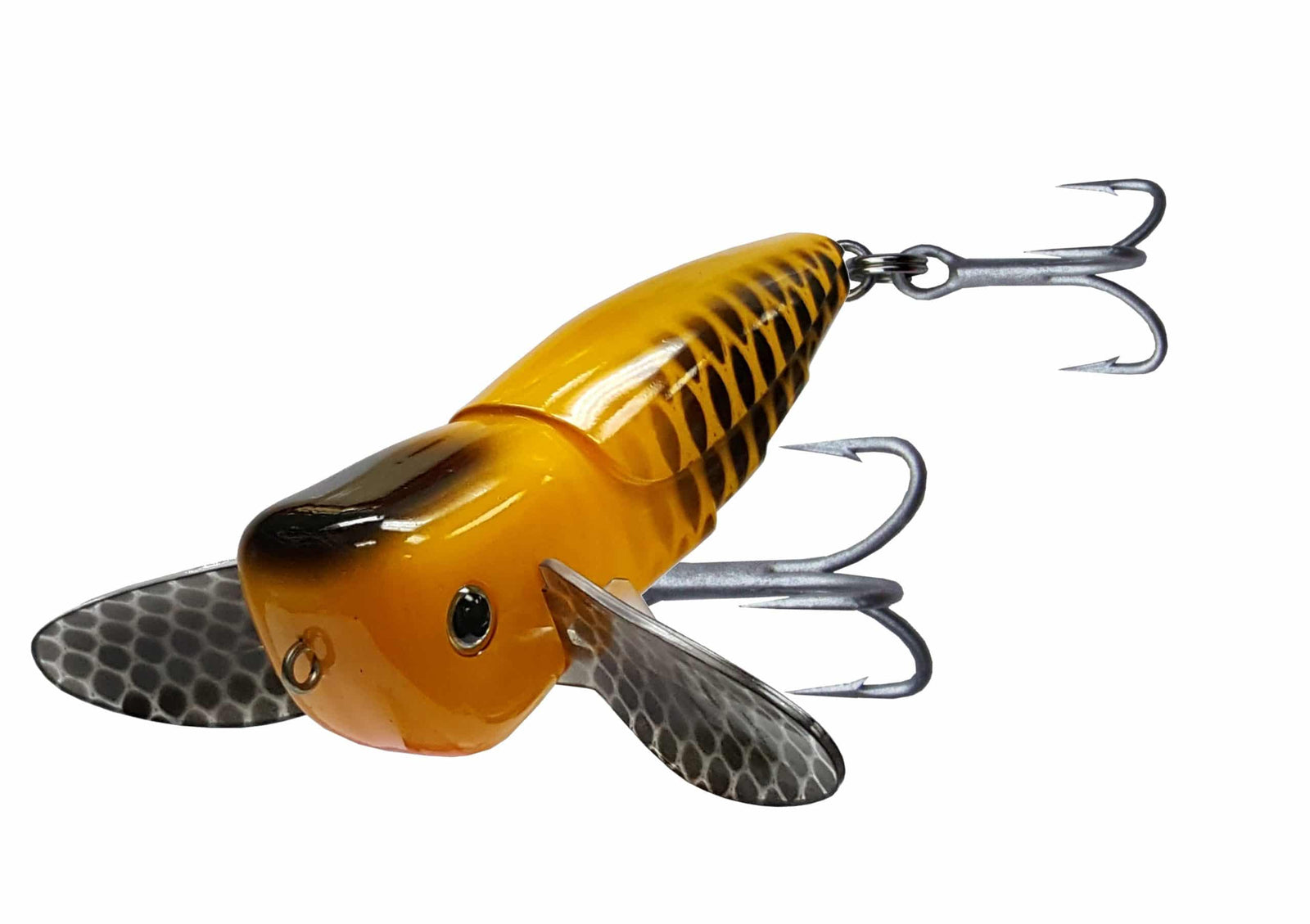
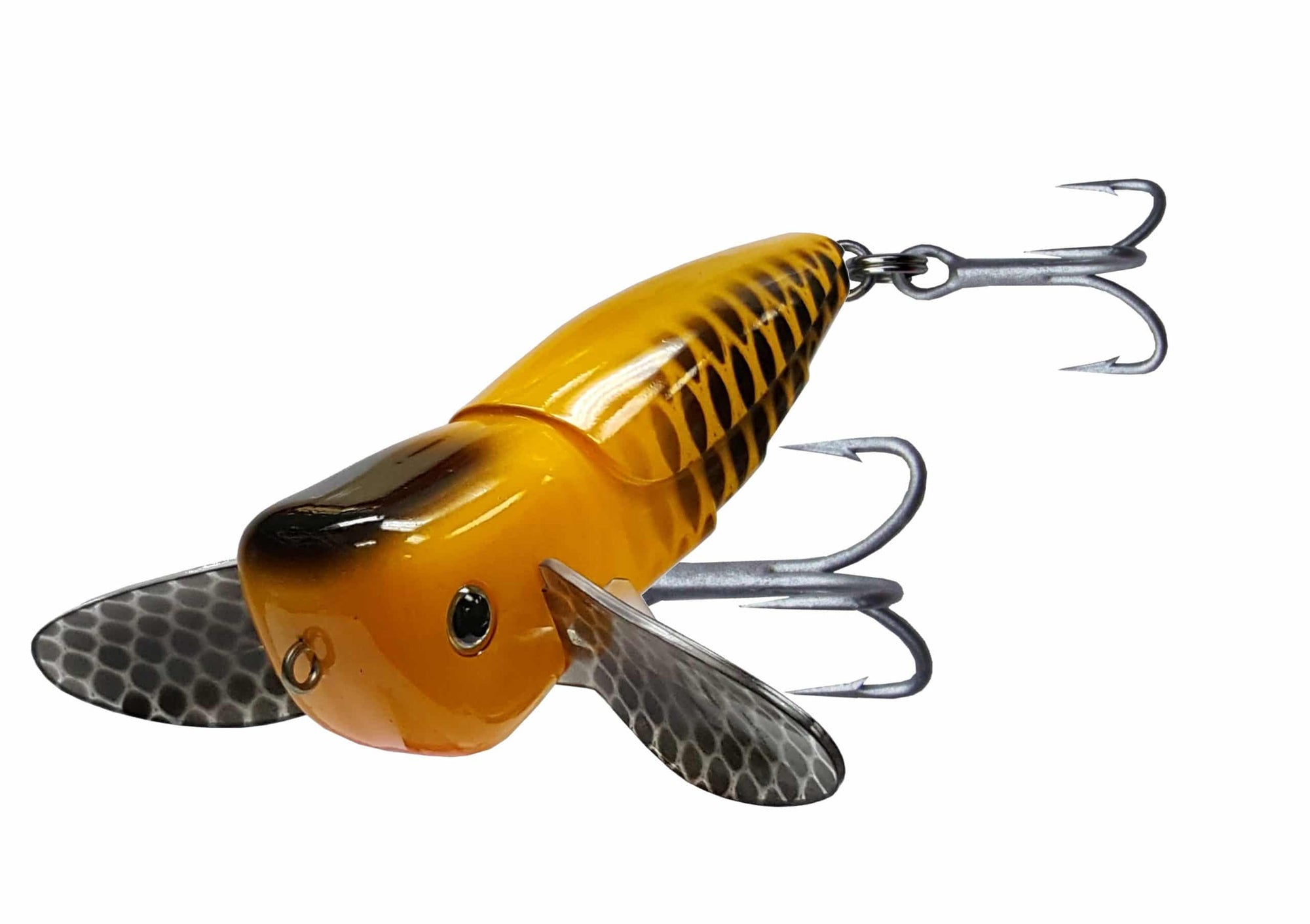
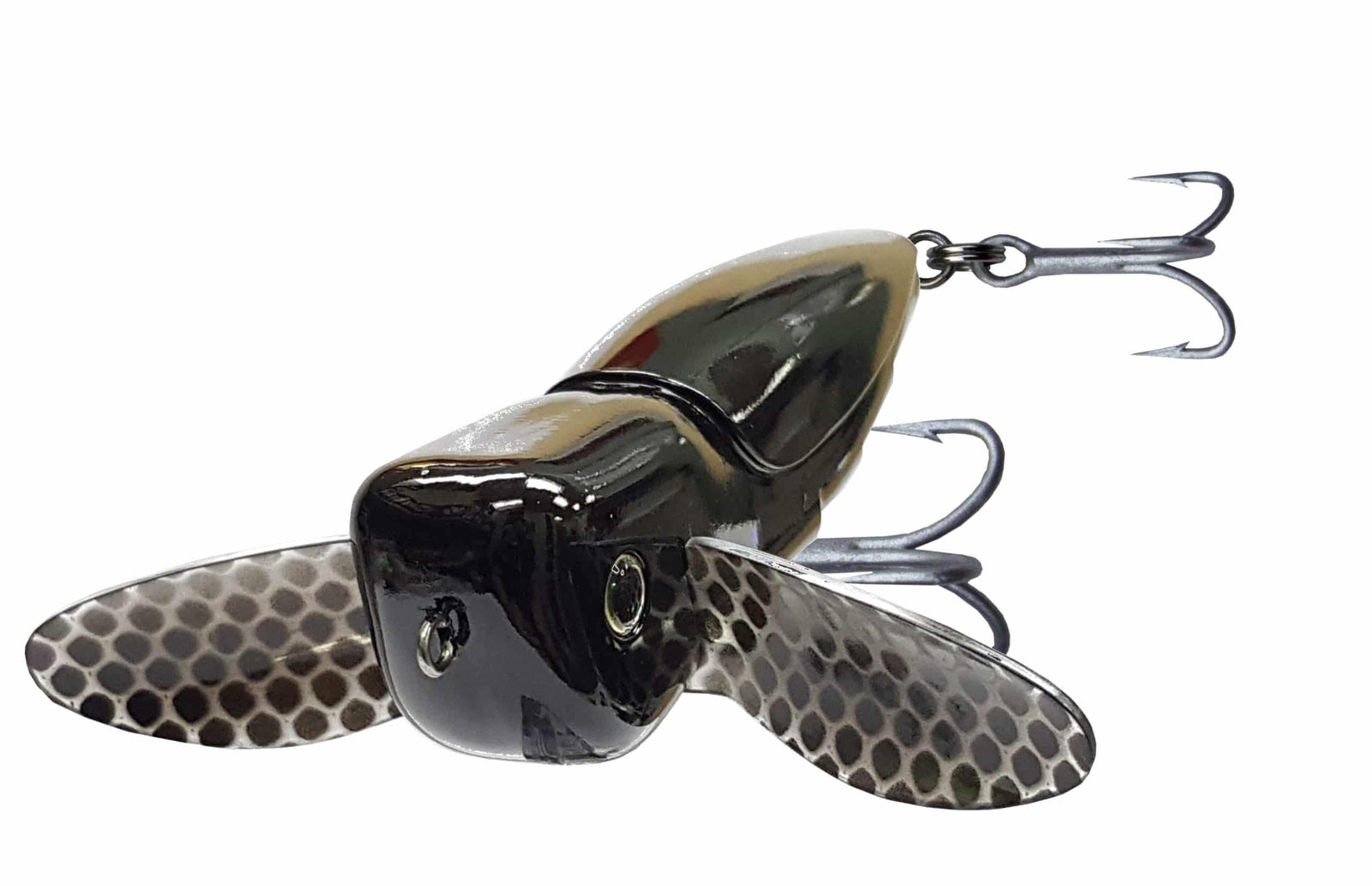

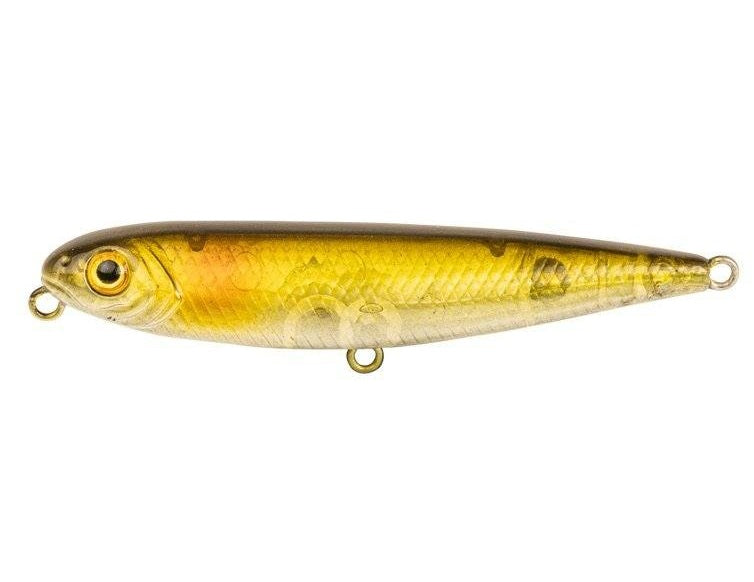

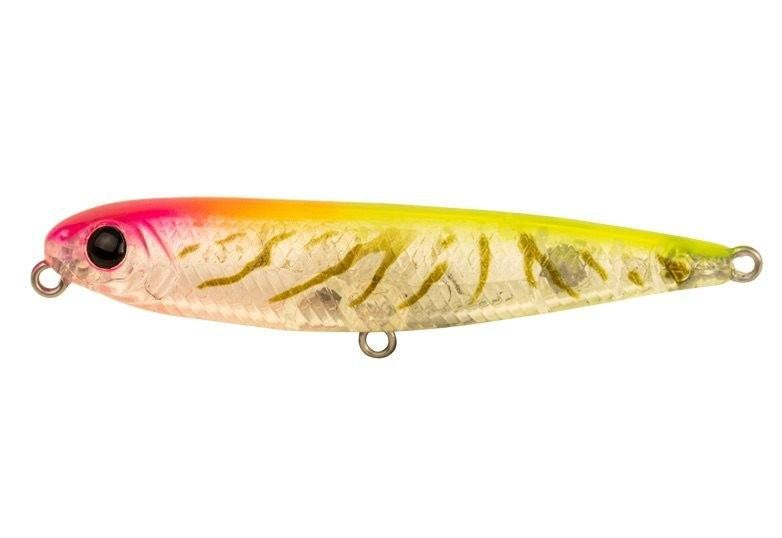






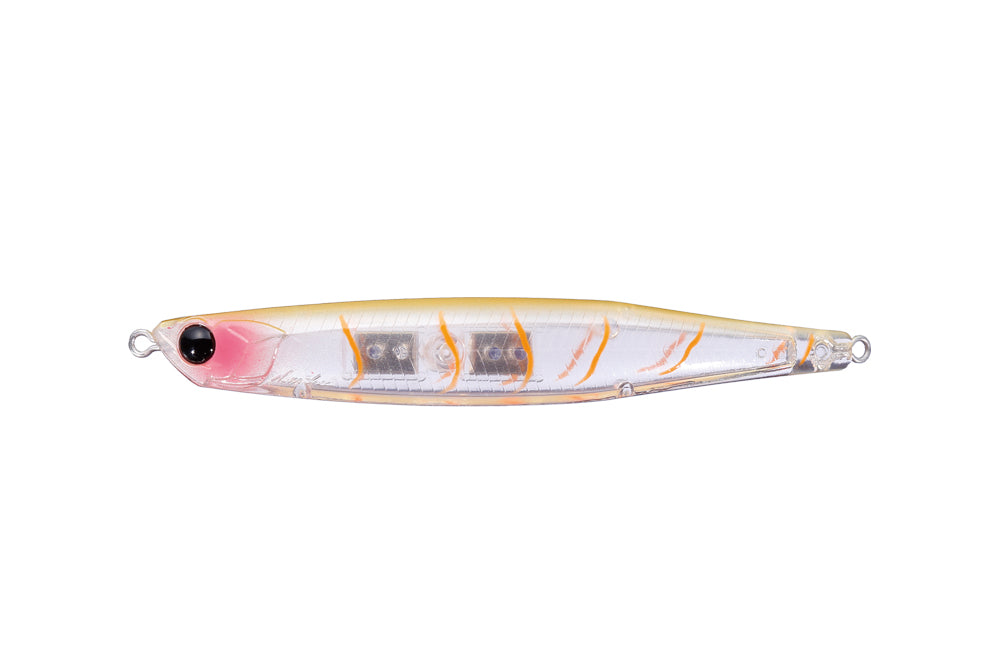
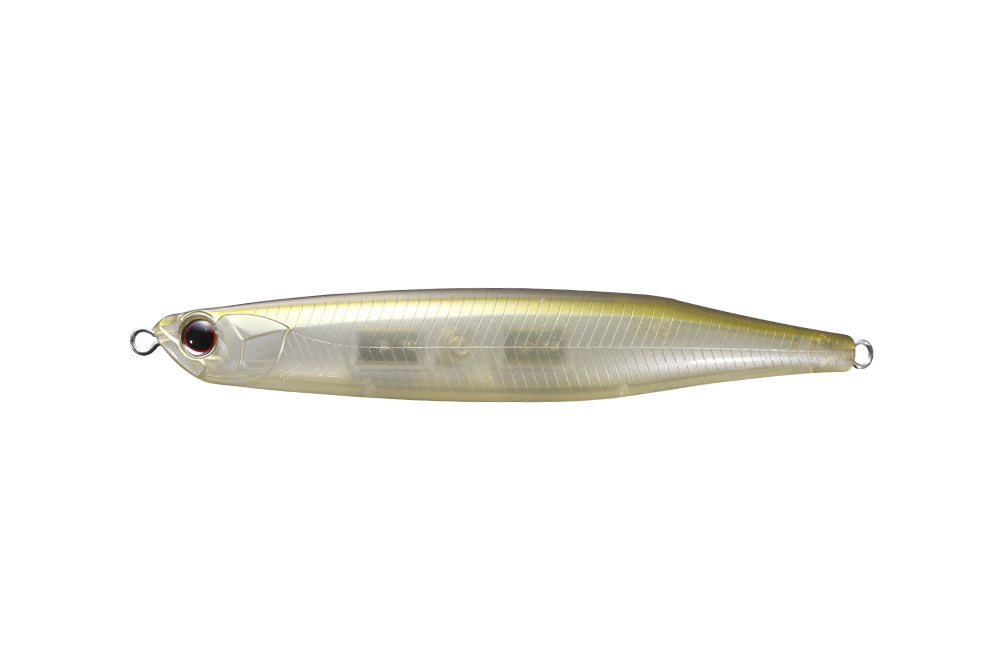

Surface walkers sit on top of the water and swing side to side as you twitch the rod, the action usually described as walking the dog. They are the lures behind the most spectacular strikes in fishing, because everything happens in plain sight.
Choosing a surface walker
Size is set by the target. Slim, small walkers suit whiting and bream over the flats, where a fish will chase a lure a long way in shallow water. Bigger walkers suit bass, barra, mangrove jack and pelagics, where the fish is looking for a mouthful rather than a snack.
Surface fishing rewards patience more than any other style. Work the lure in short twitches with the rod tip low, keep a little slack so it can swing, and resist striking at the splash. Wait until the rod loads, then lift. Early mornings, late afternoons and flat, low-light conditions are when surface works best.
If the fish are boiling but not committing, it is worth switching to a popper for extra noise, or to a stickbait for a longer cast and a subtler profile.
Frequently asked questions
What does walk the dog mean?
It is the zig-zag action a surface walker makes when you twitch the rod tip downward in a steady rhythm while taking up a little line between twitches. The lure swings left, then right, and keeps tracking forward.
When is the best time to fish surface lures?
Low light. Dawn, dusk and overcast days are the classics, and warm still water helps. Fish are more willing to look up when the surface is calm and the light is soft.
Why do I keep missing surface strikes?
Almost always because of striking too early. Wait until you feel weight on the rod before lifting — a fish that misses the lure will very often come back for it.
What is the difference between a walker and a popper?
A walker has a rounded or pointed nose and glides side to side quietly. A popper has a cupped face that pushes water and makes noise, which suits choppy conditions and fish that need to be called in.