

FREE SHIPPING ON ORDERS OVER $150*

AUSSIE FAMILY OWNED BUSINESS FOR OVER 40 YEARS

100% SATISFACTION GUARANTEED
Baitcaster Reels
Baitcaster Reels
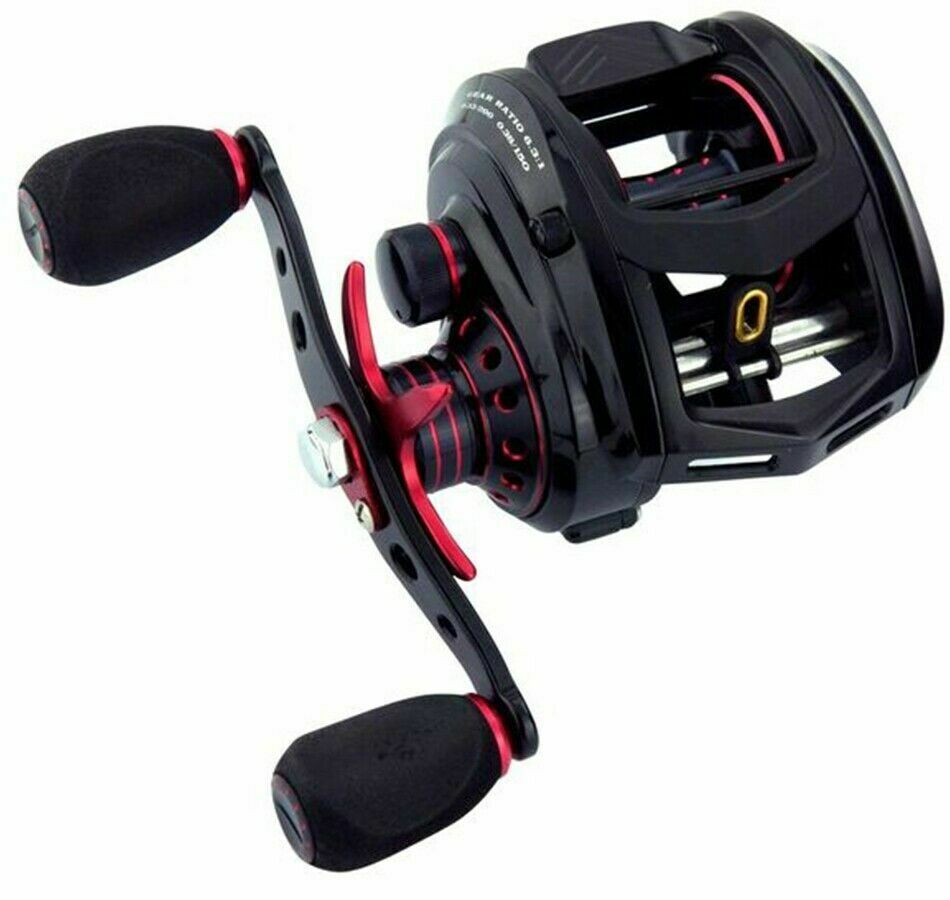
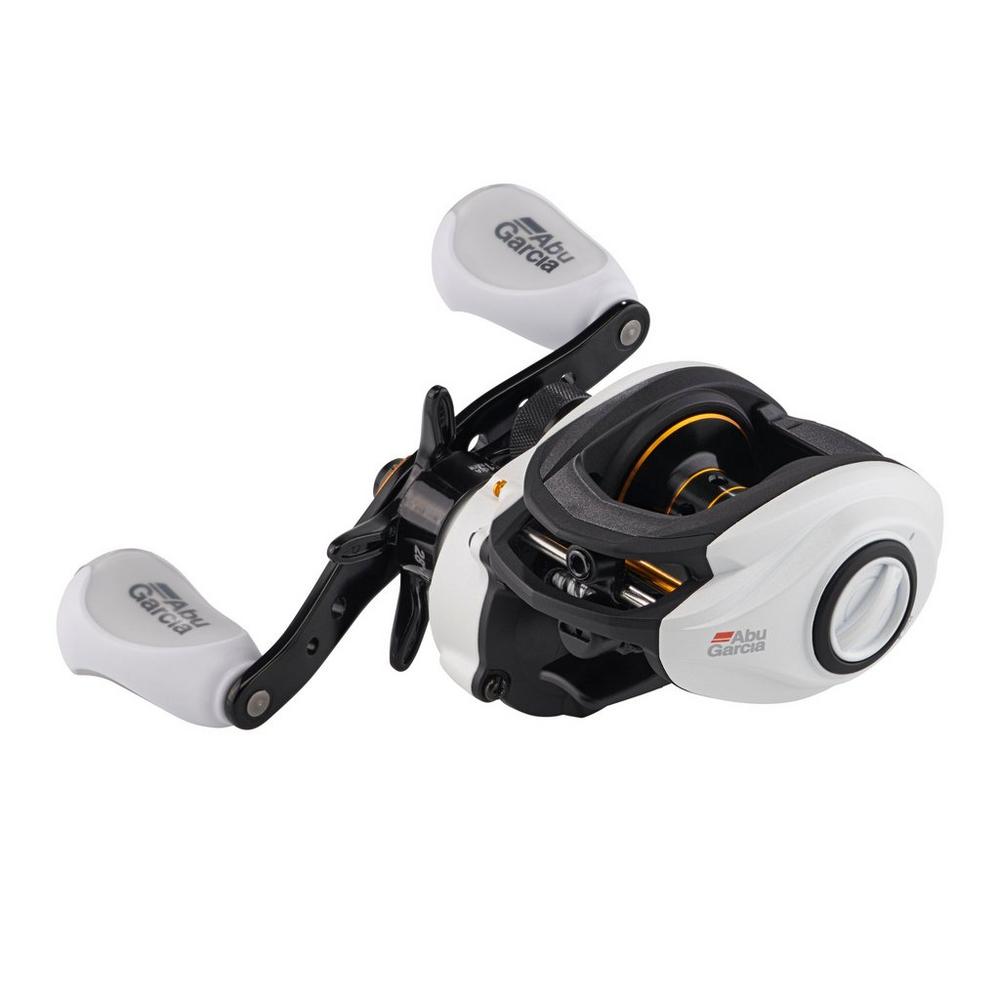
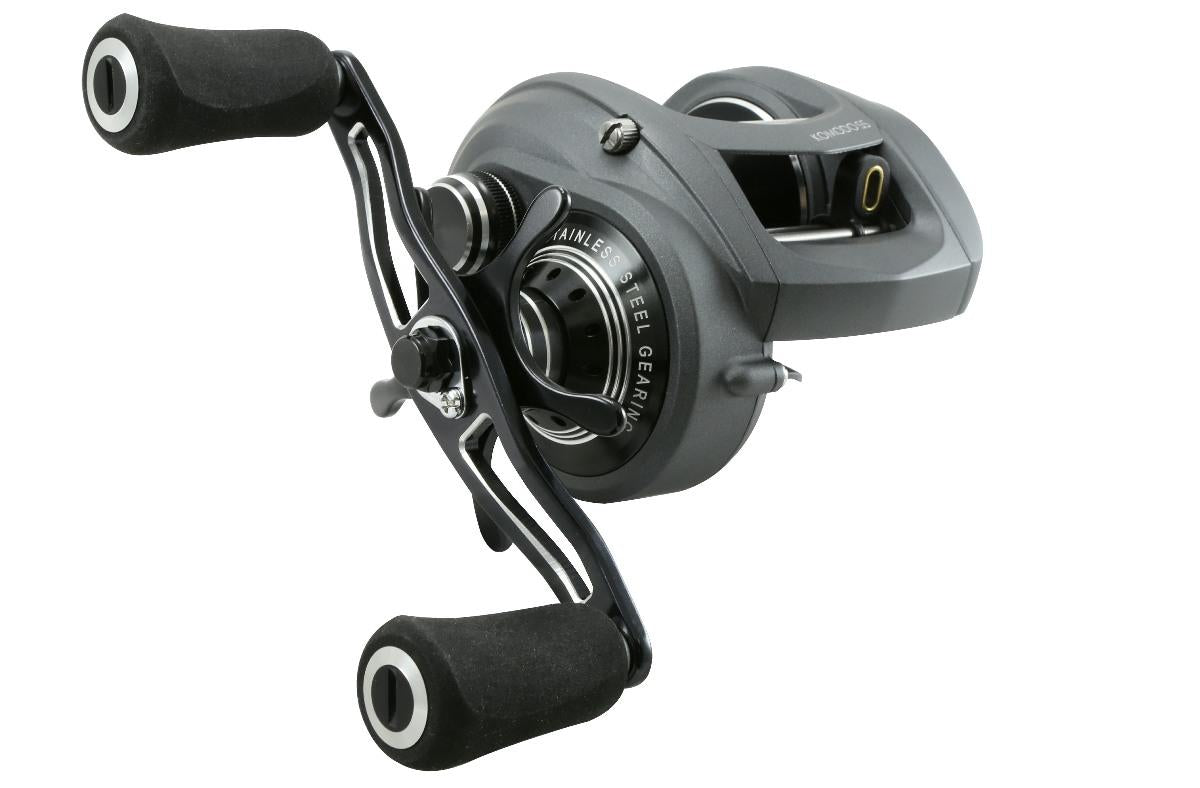
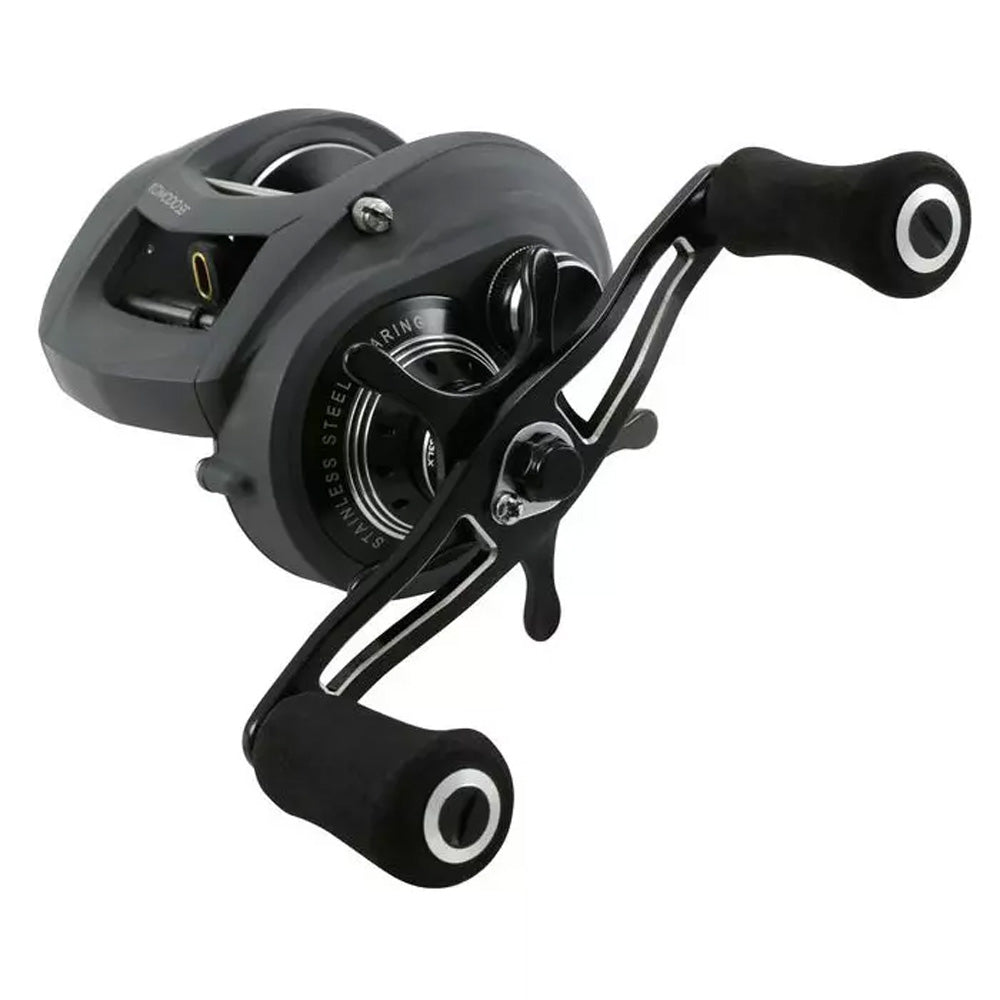
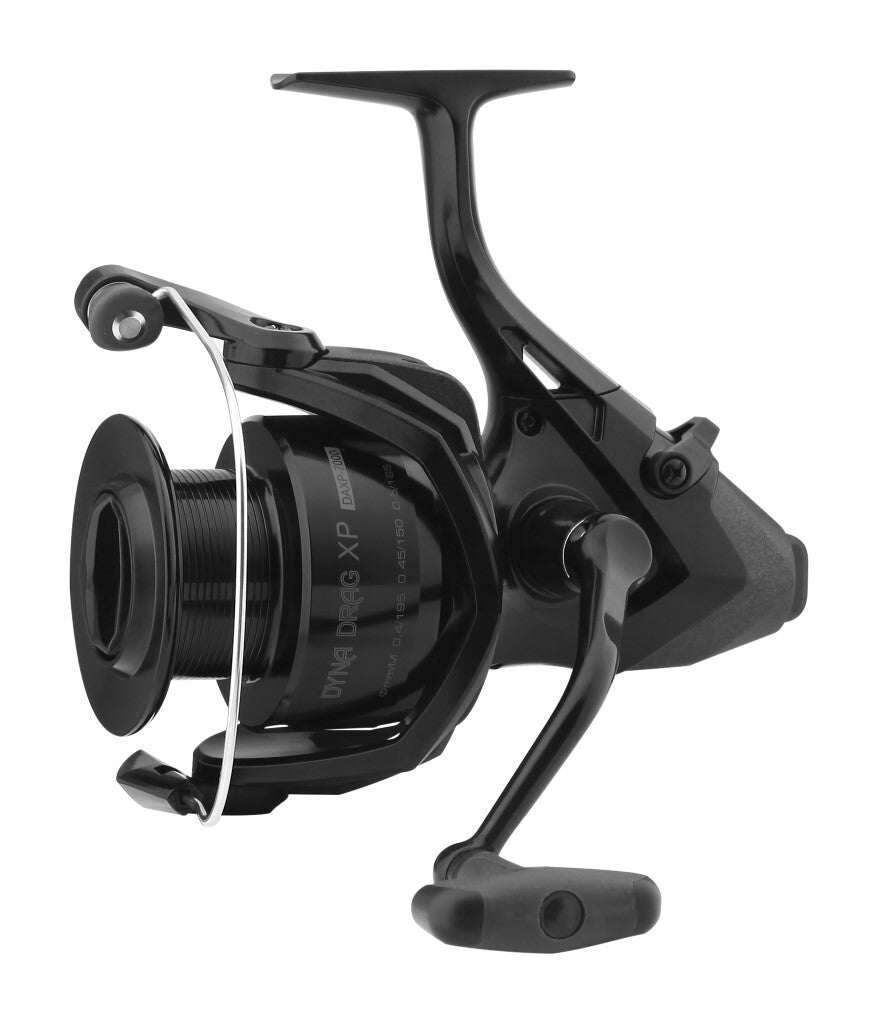
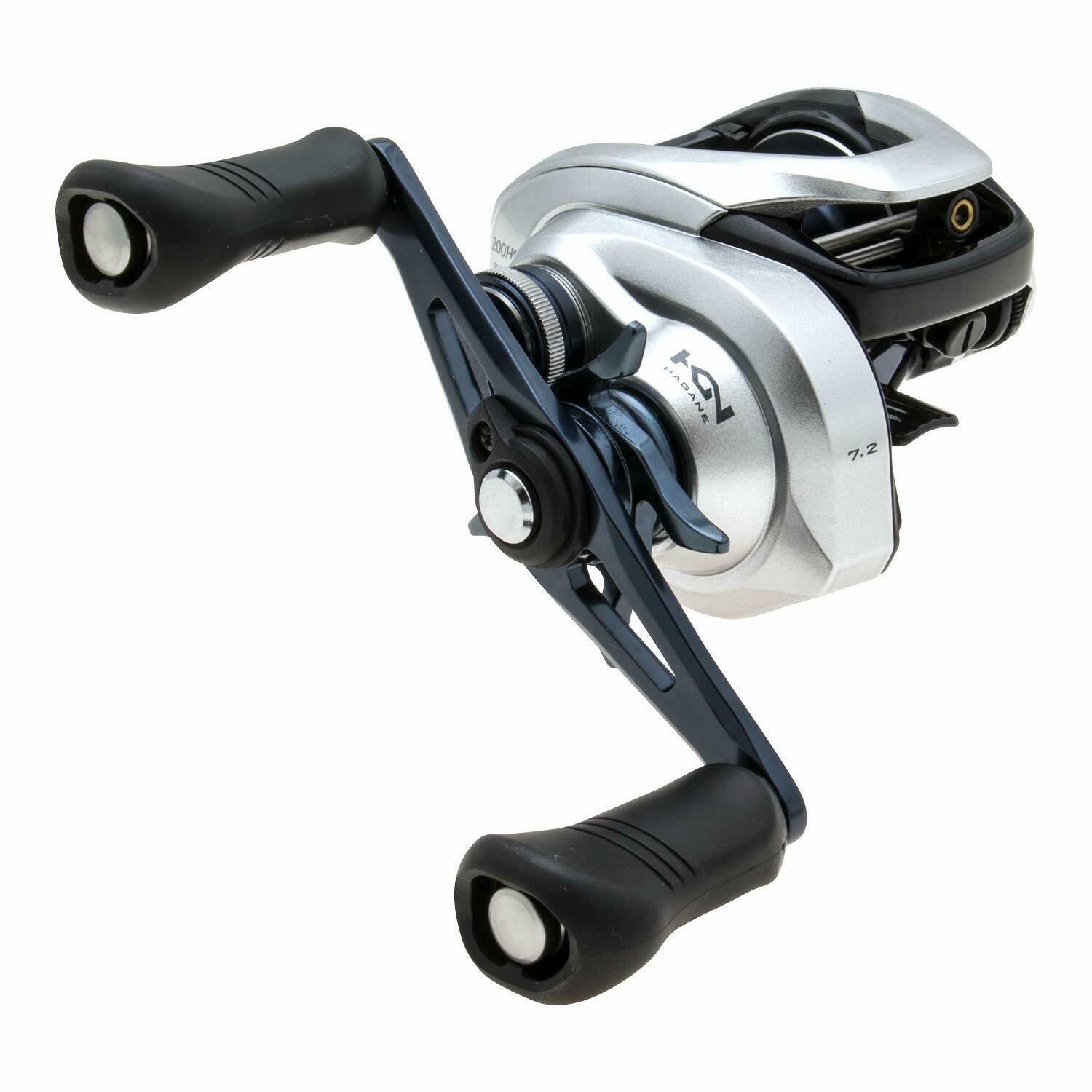
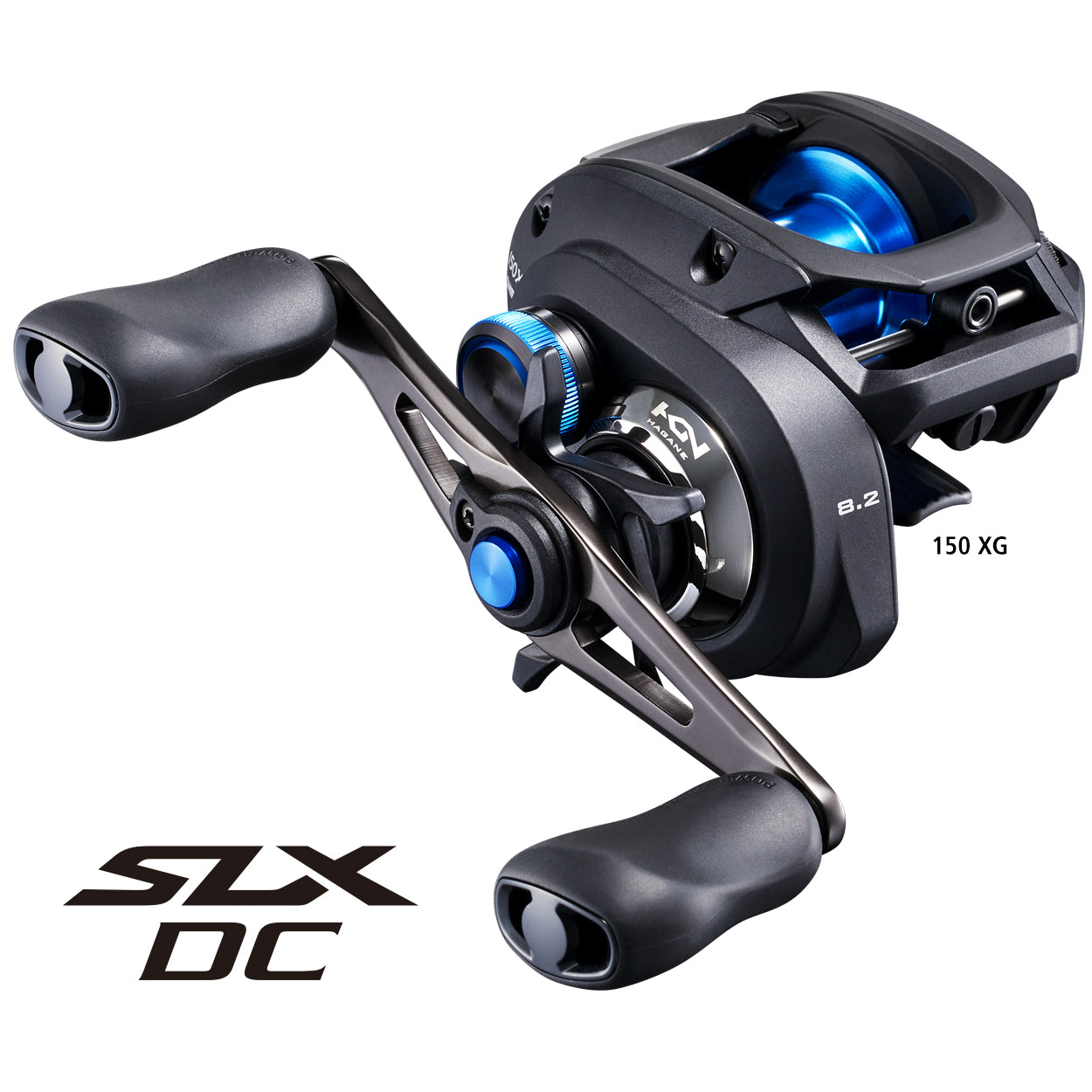
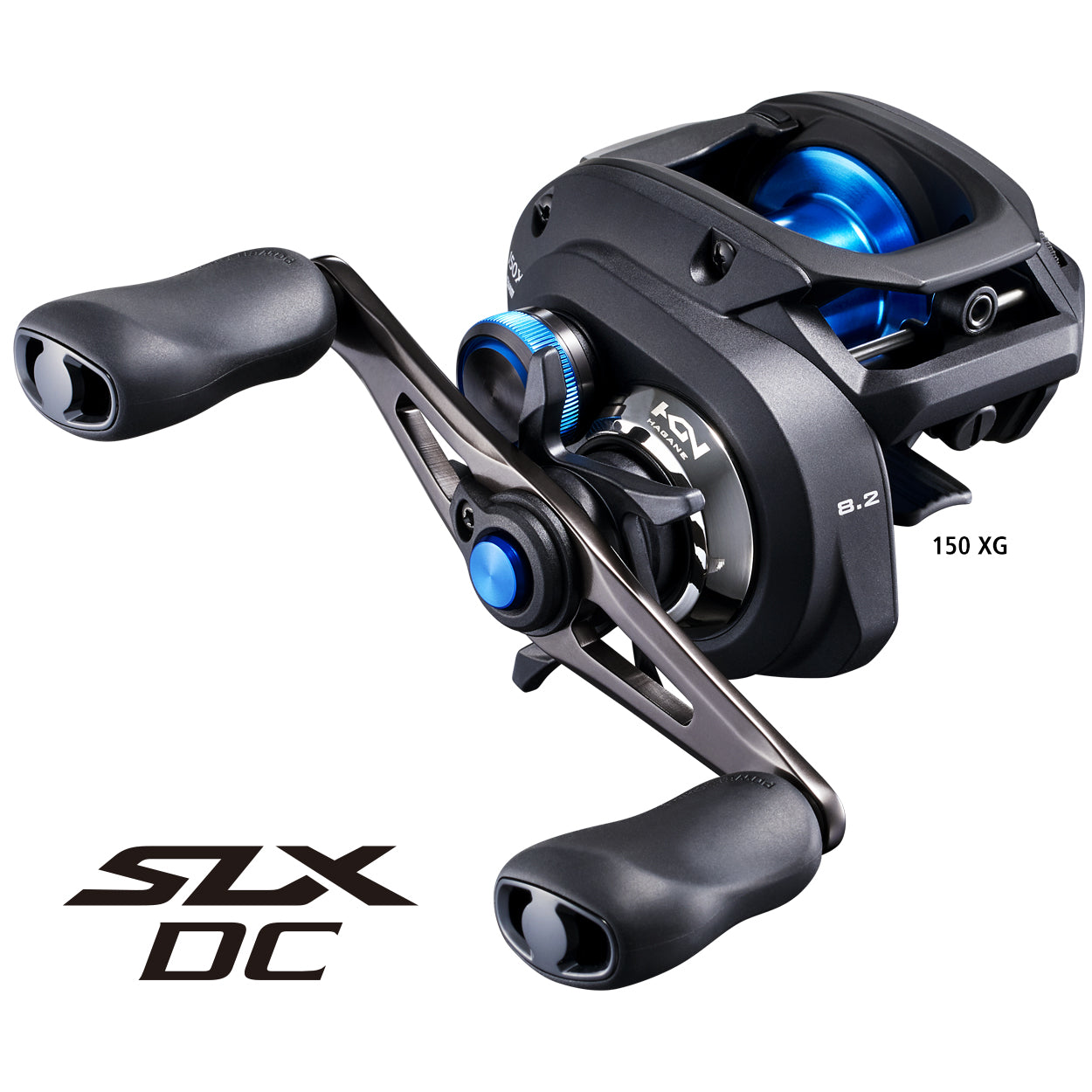
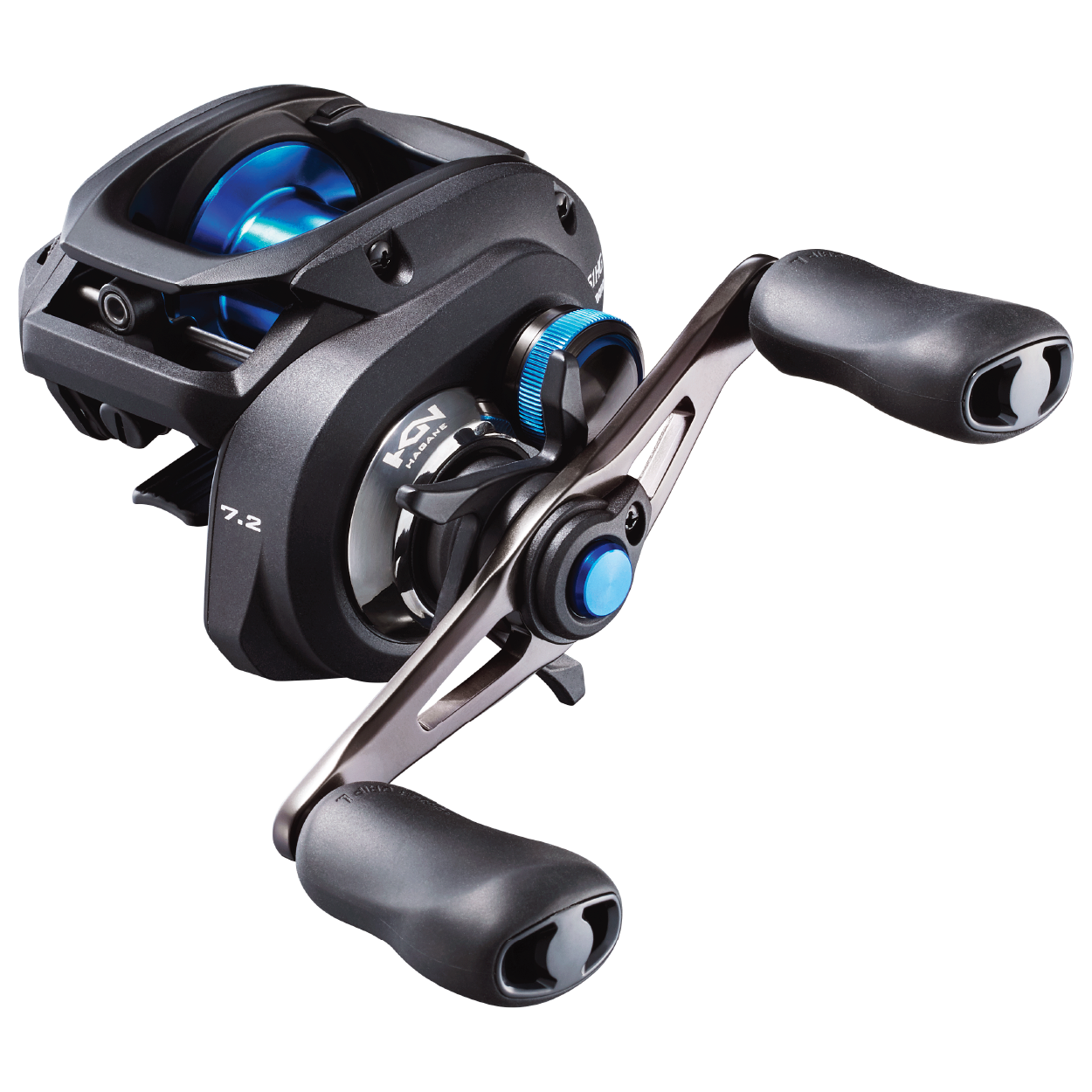
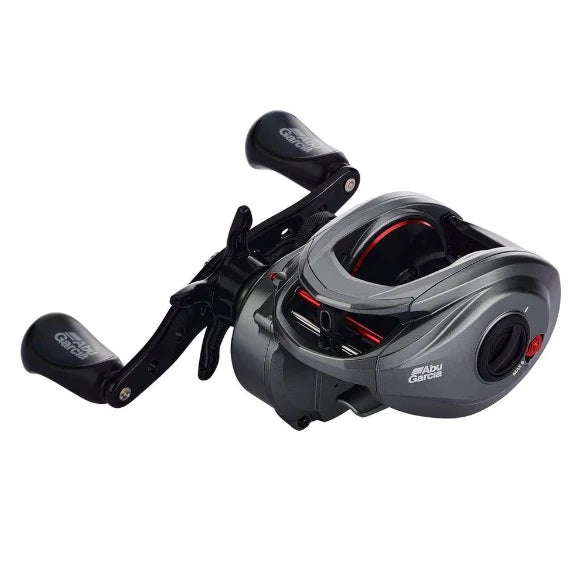
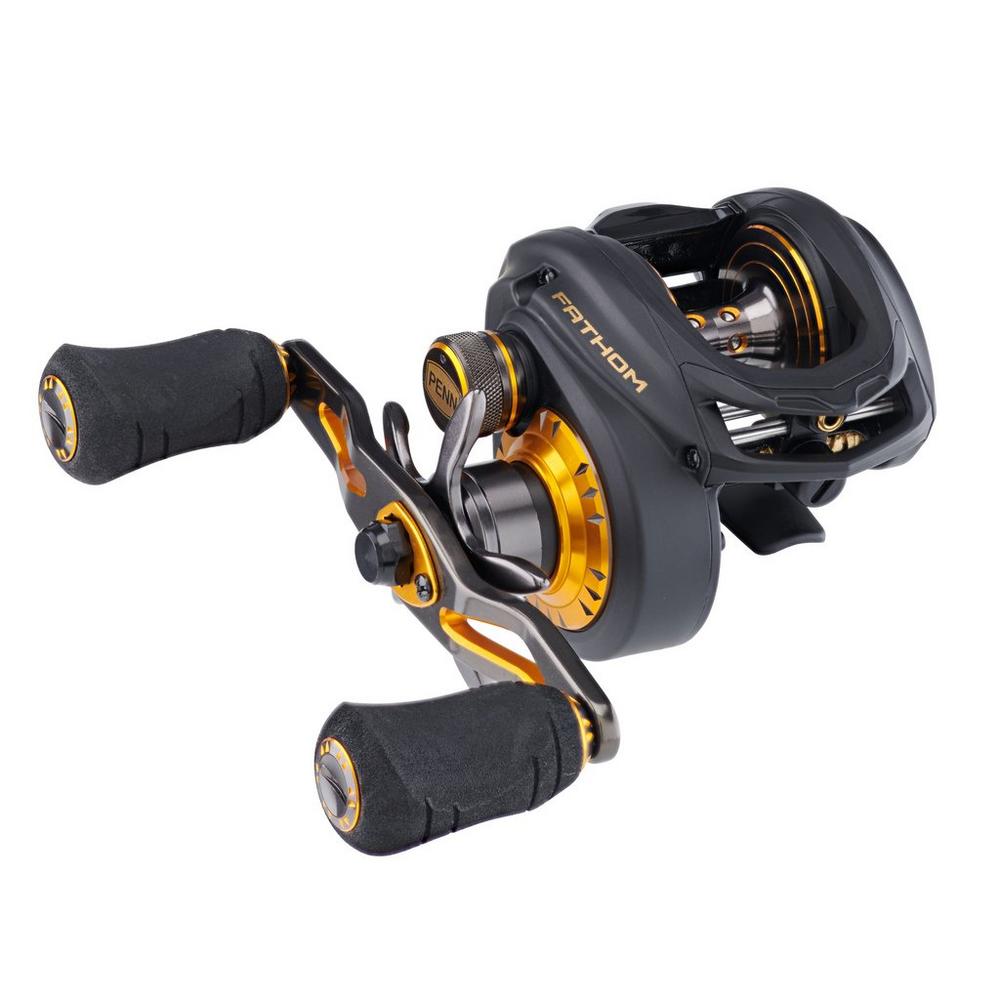
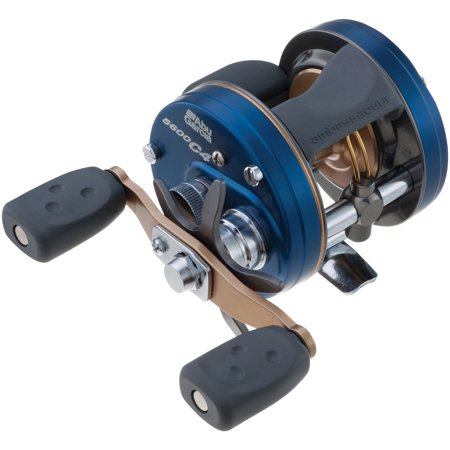
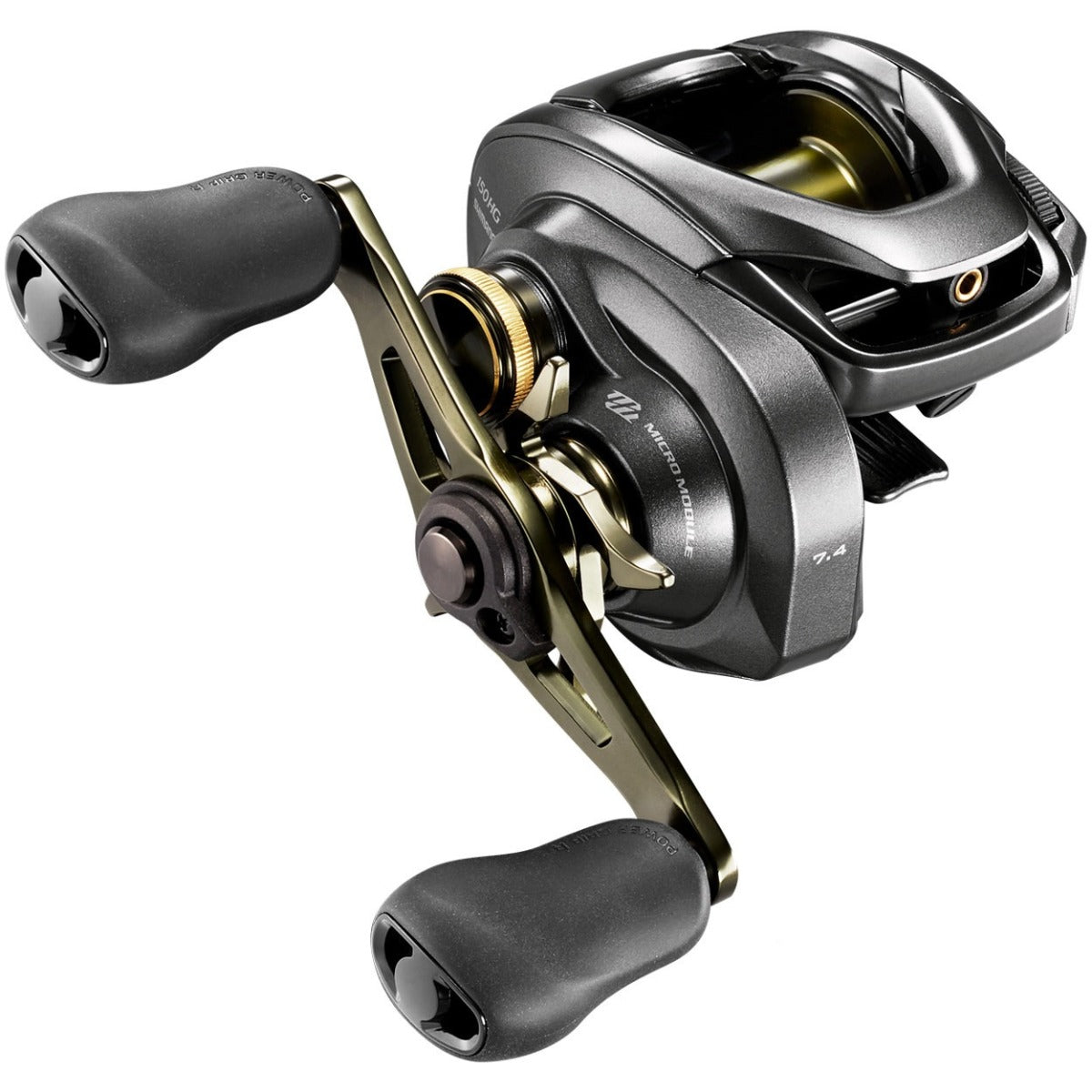
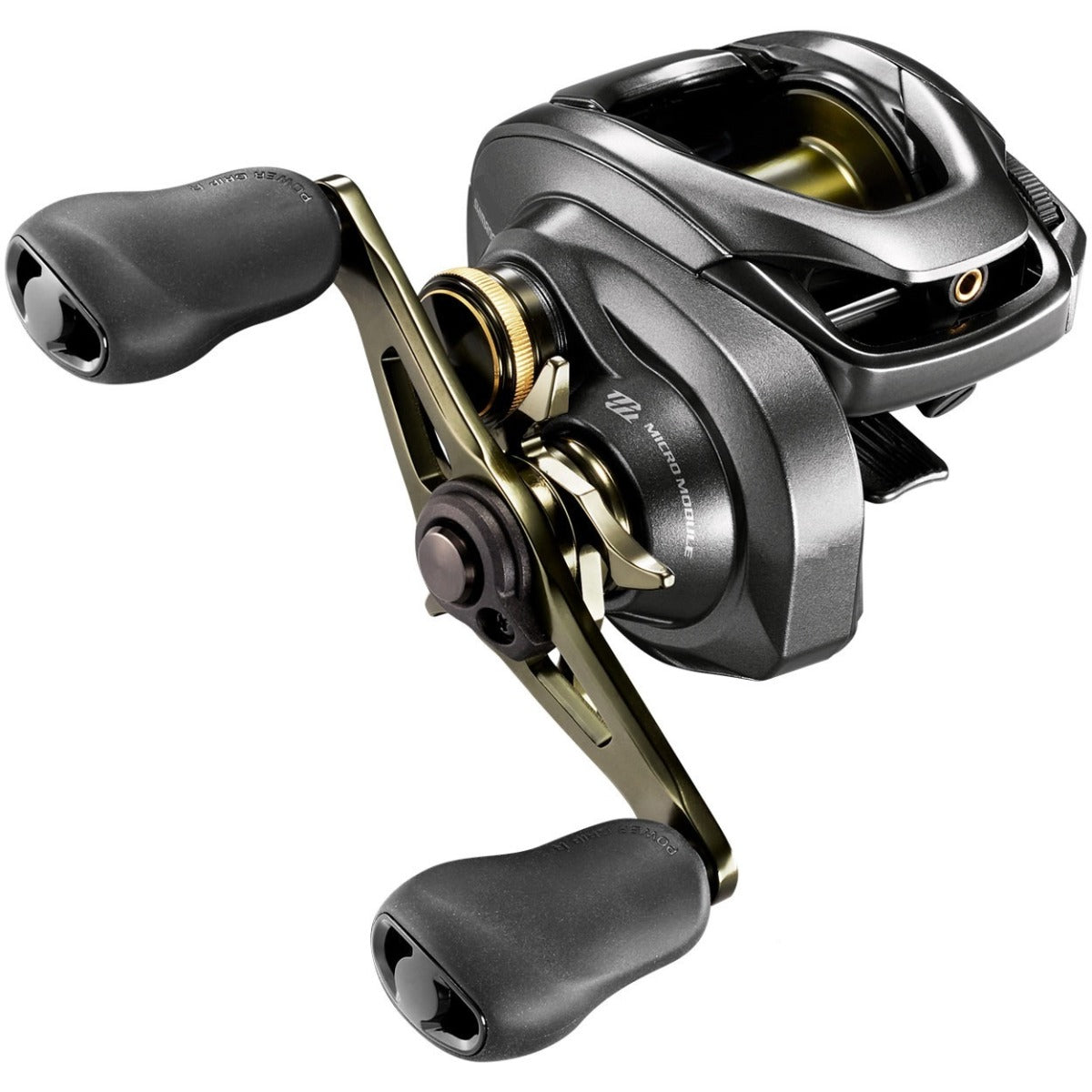
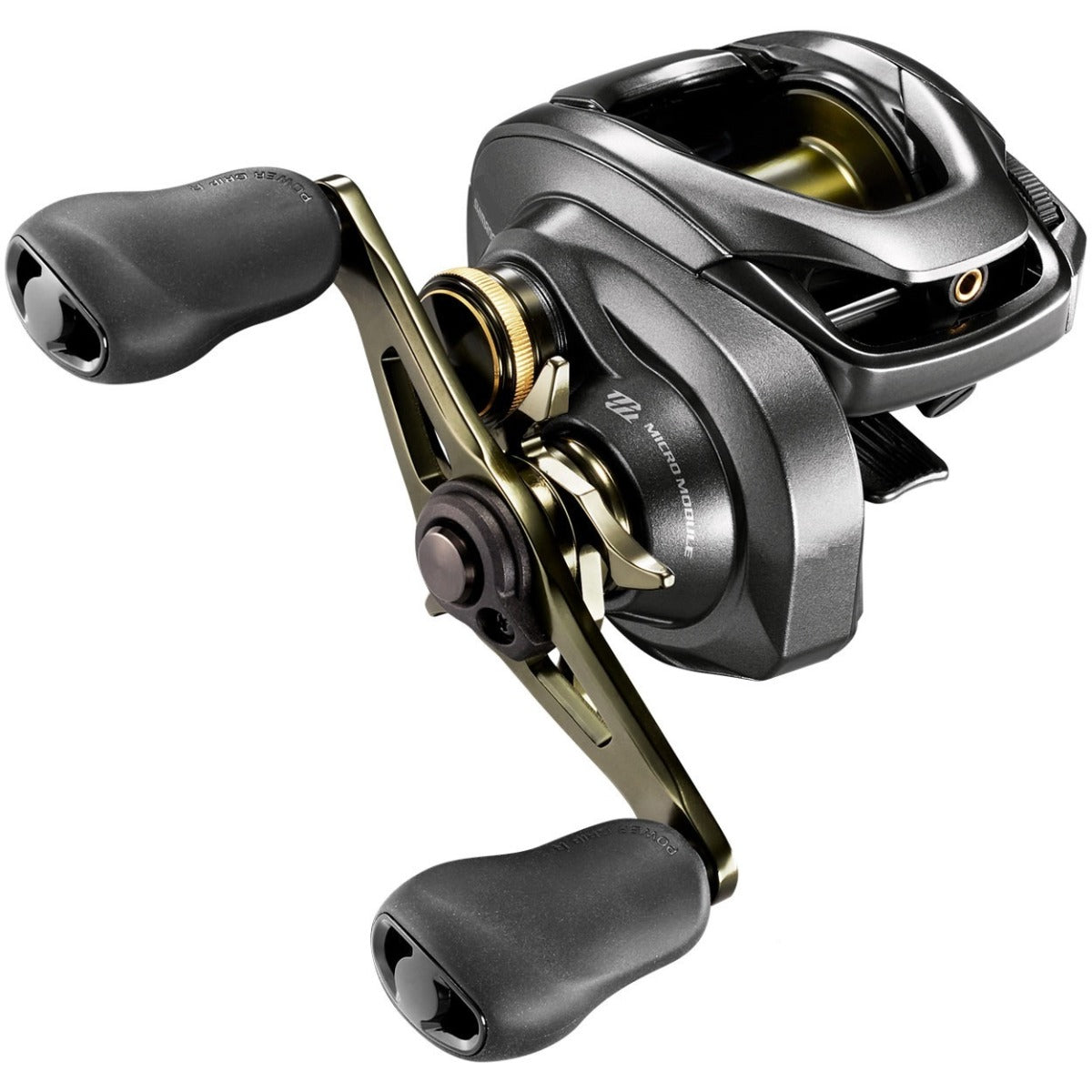
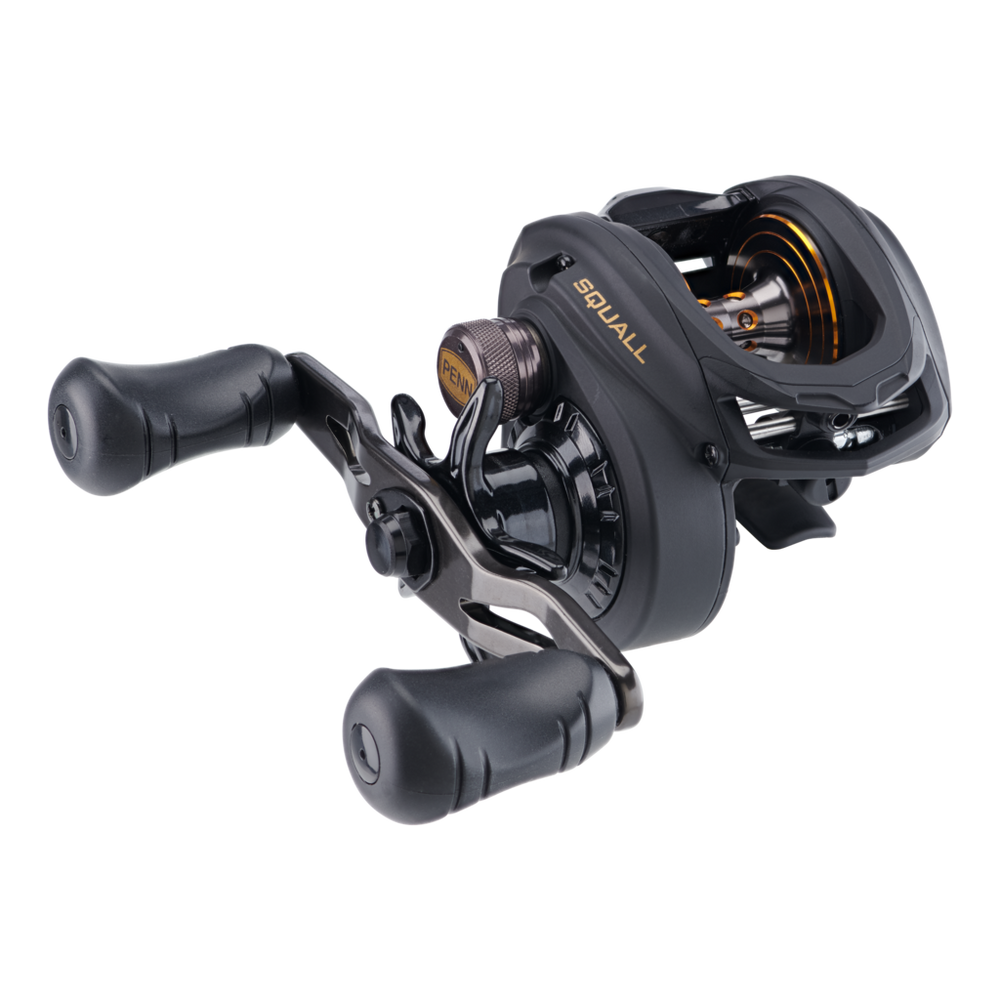
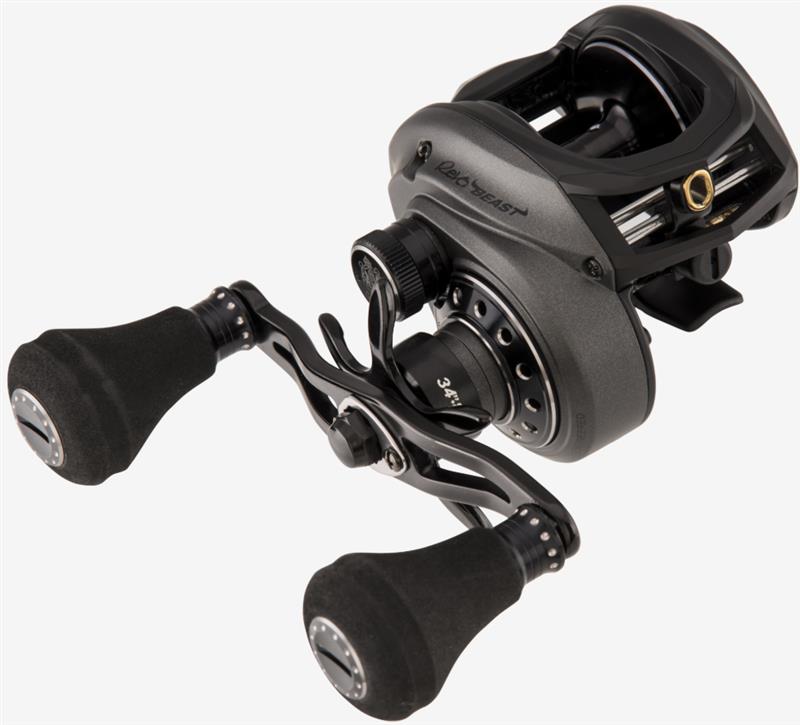
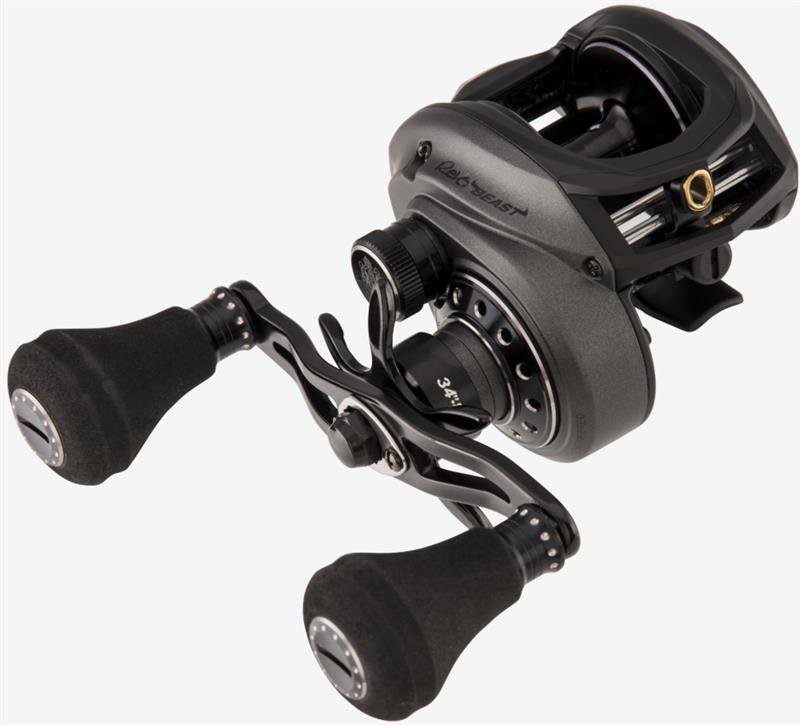
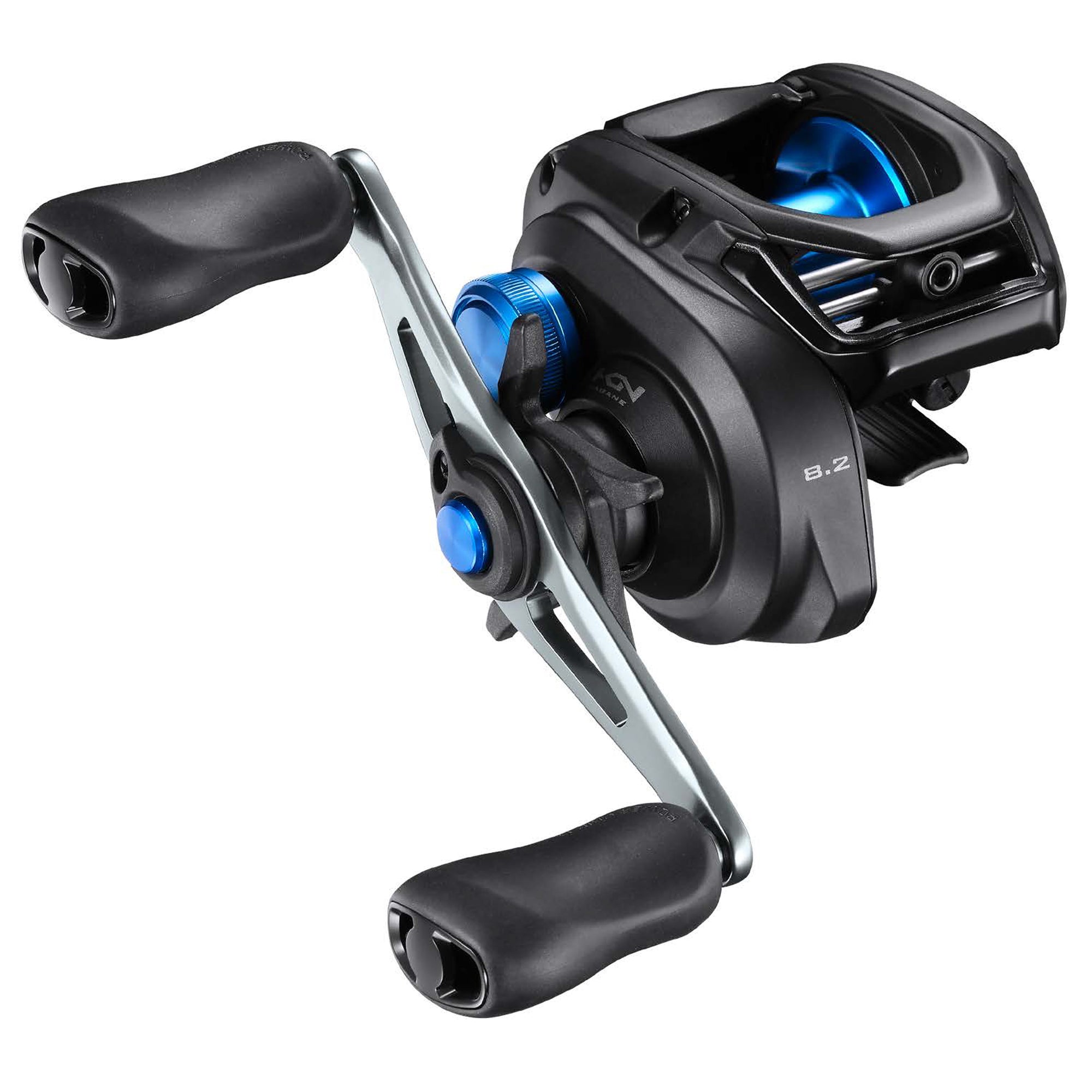
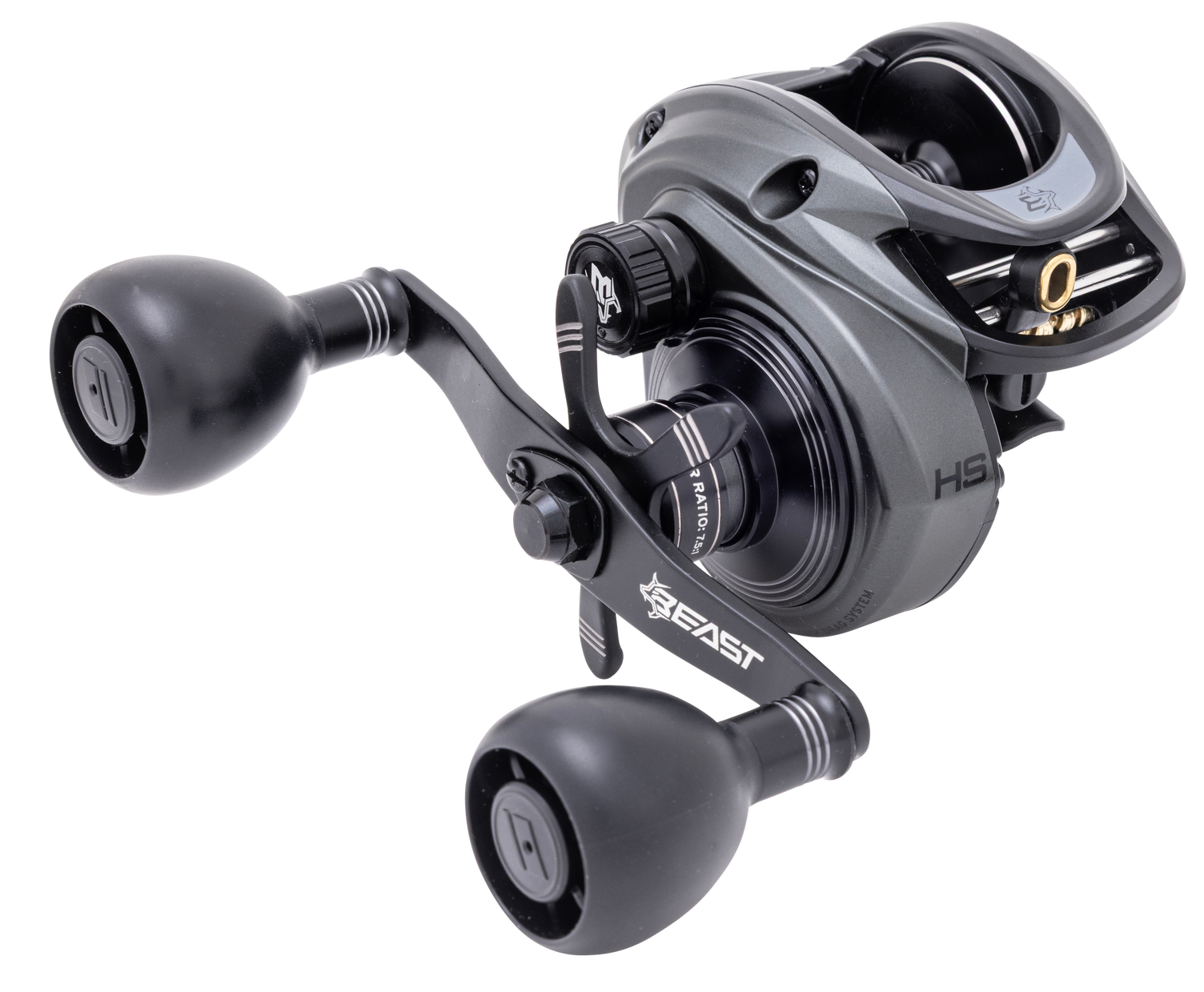
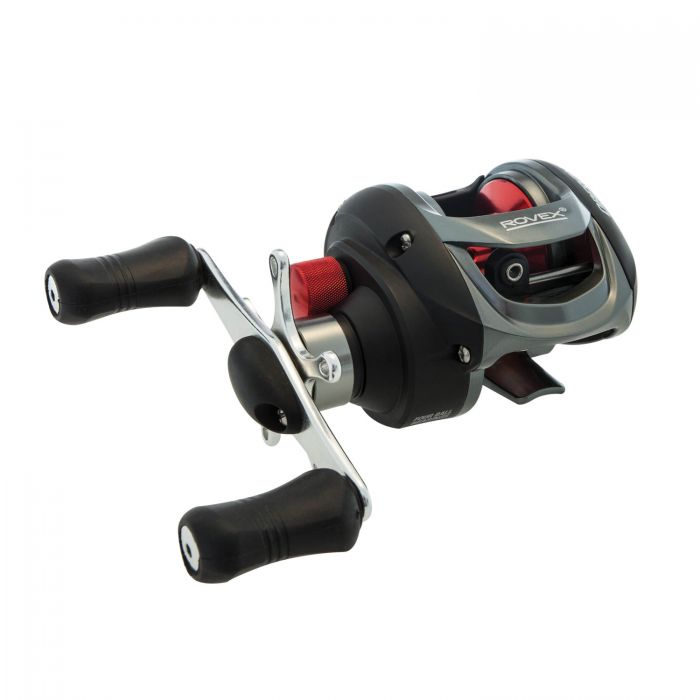
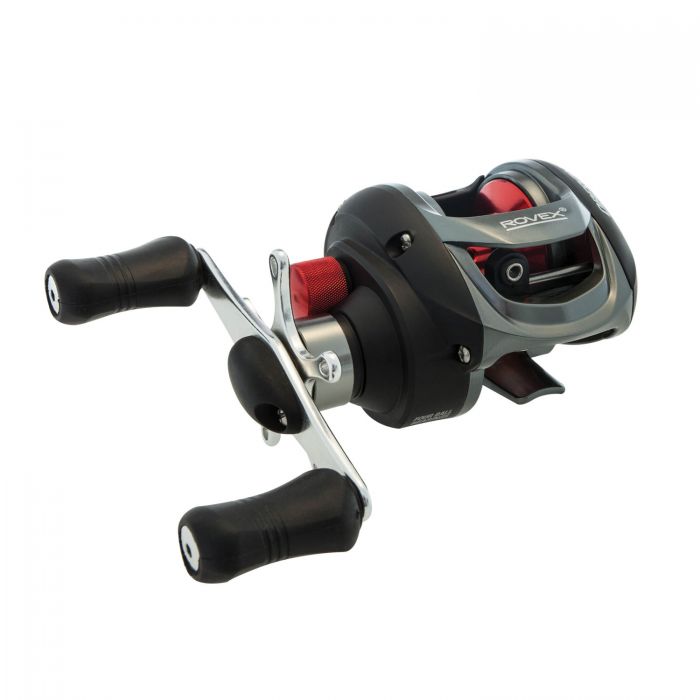
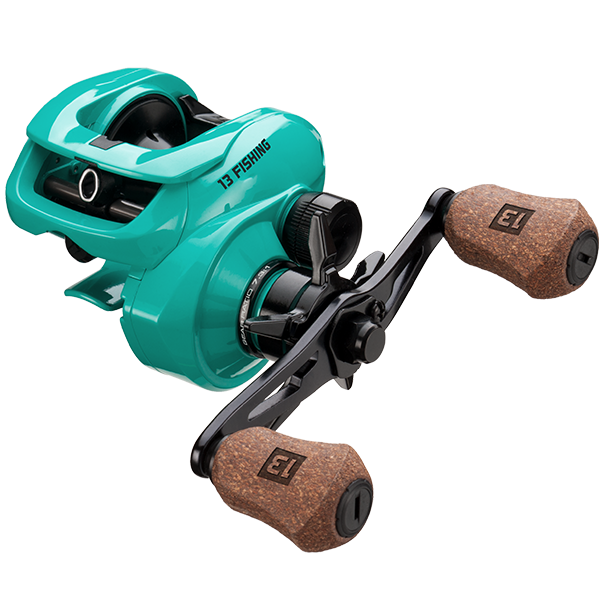
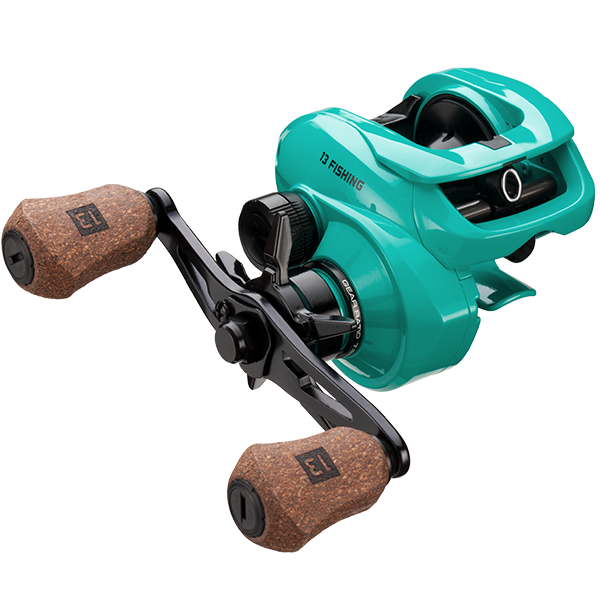
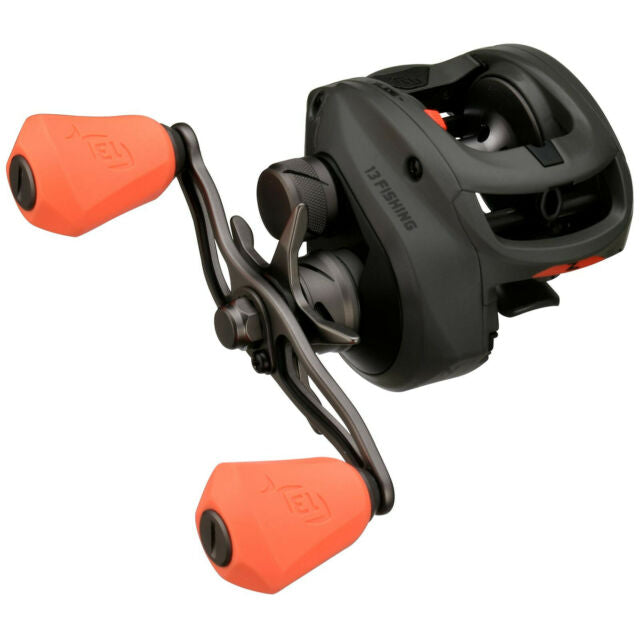
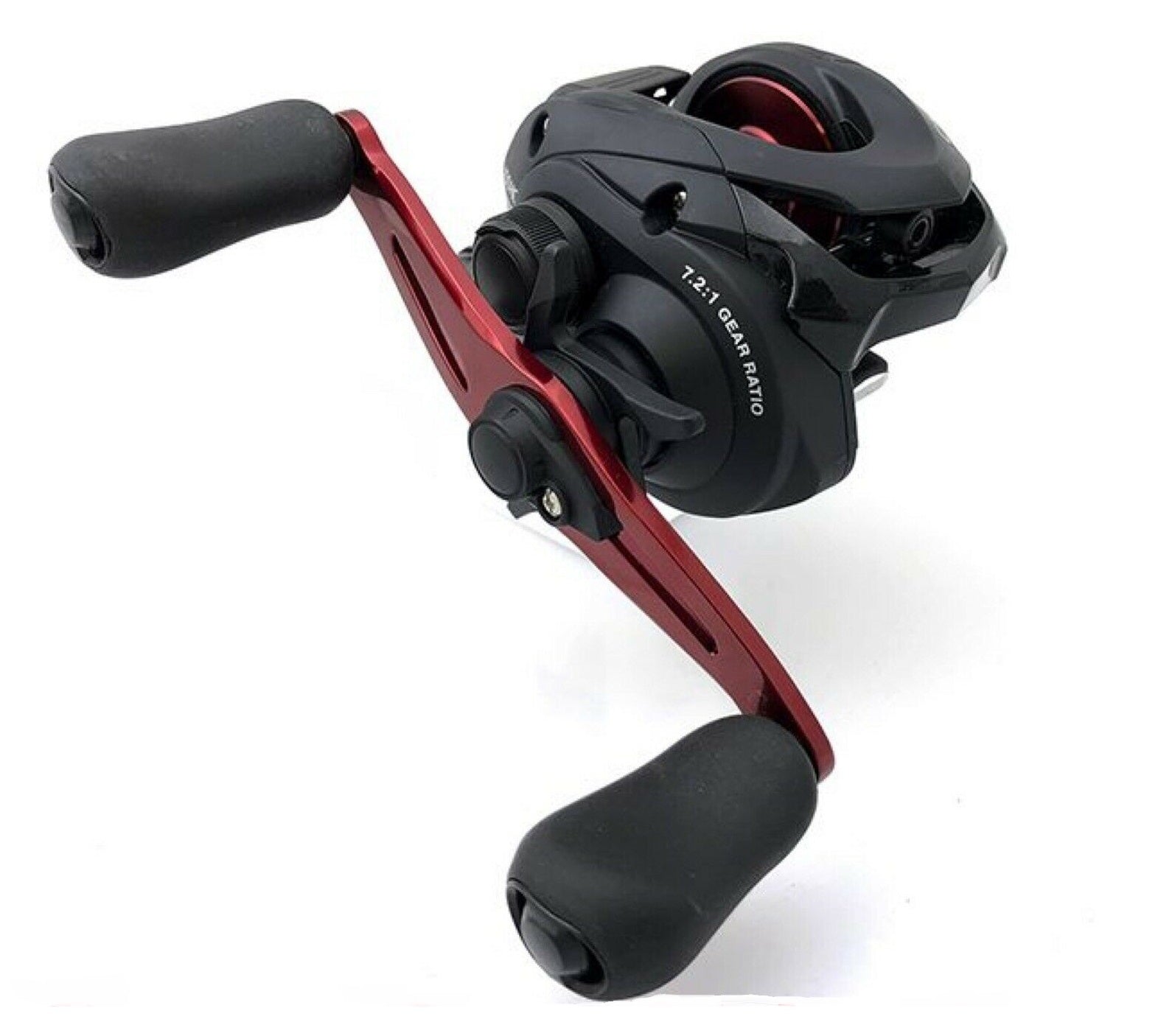
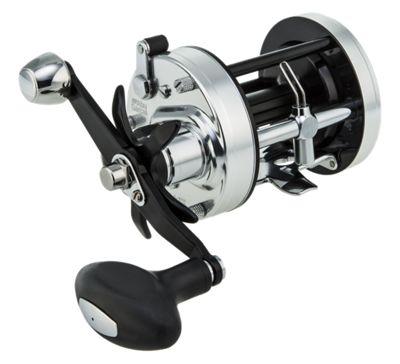
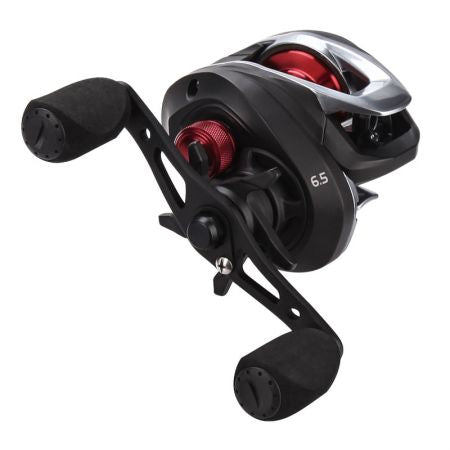
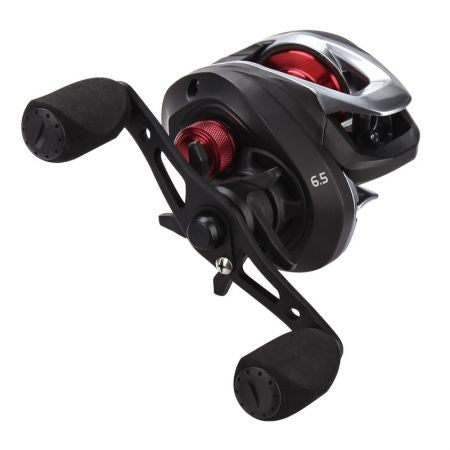
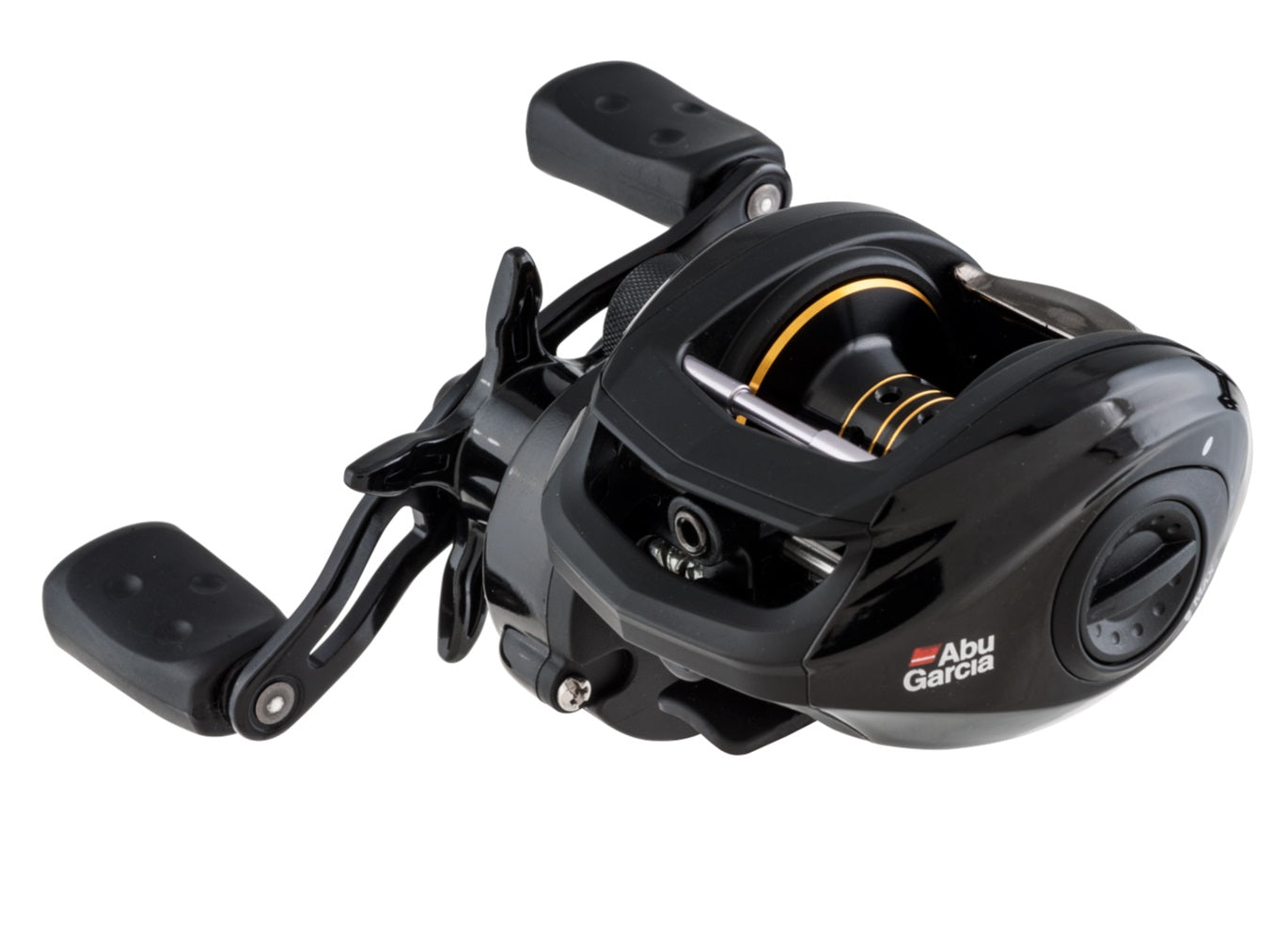
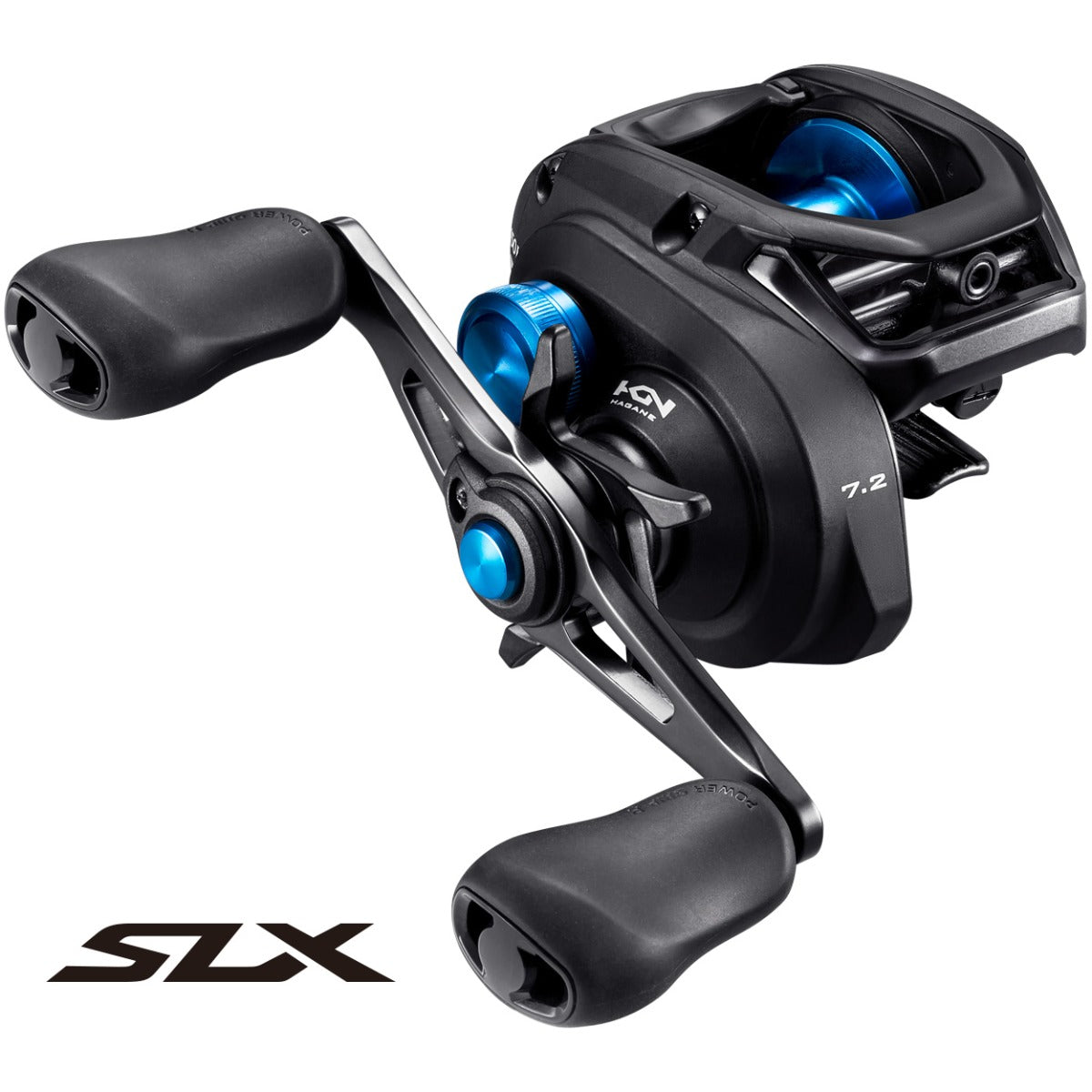
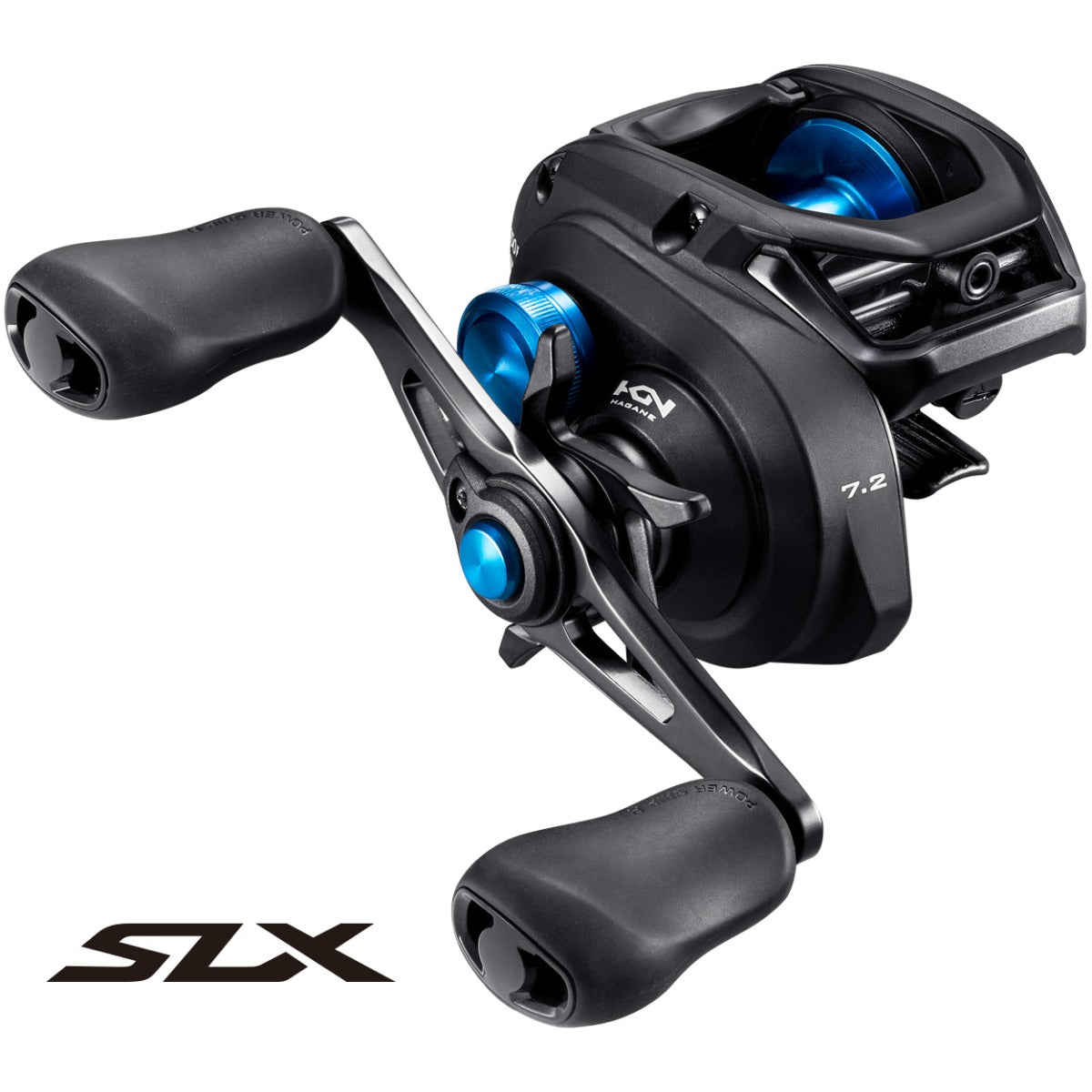
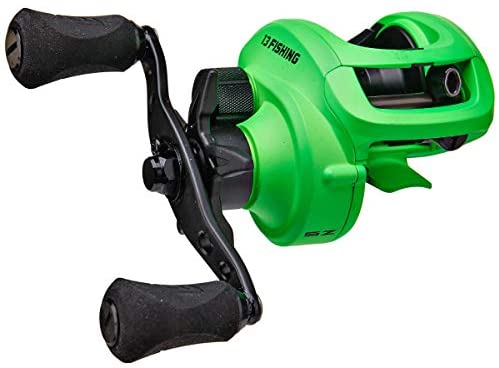
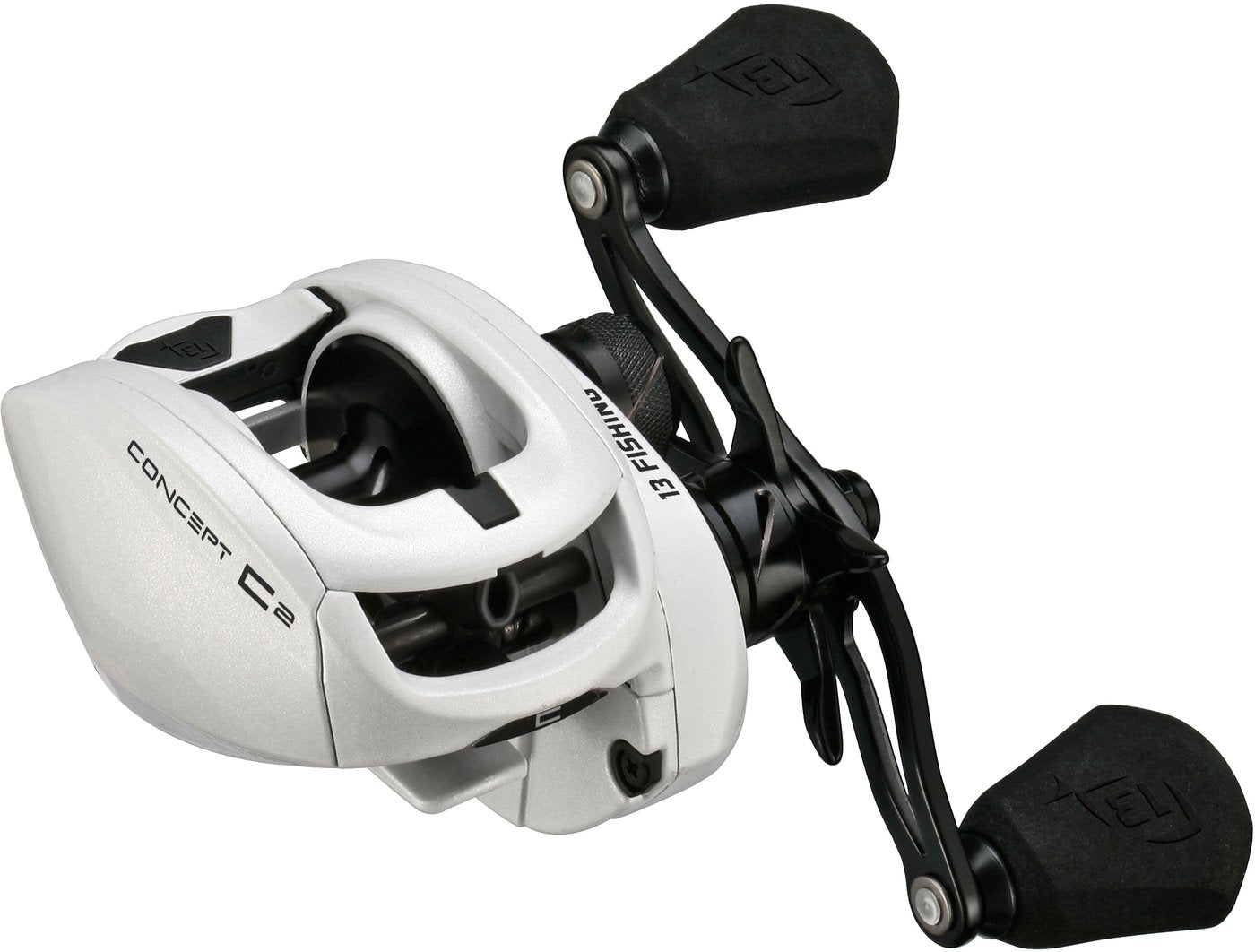
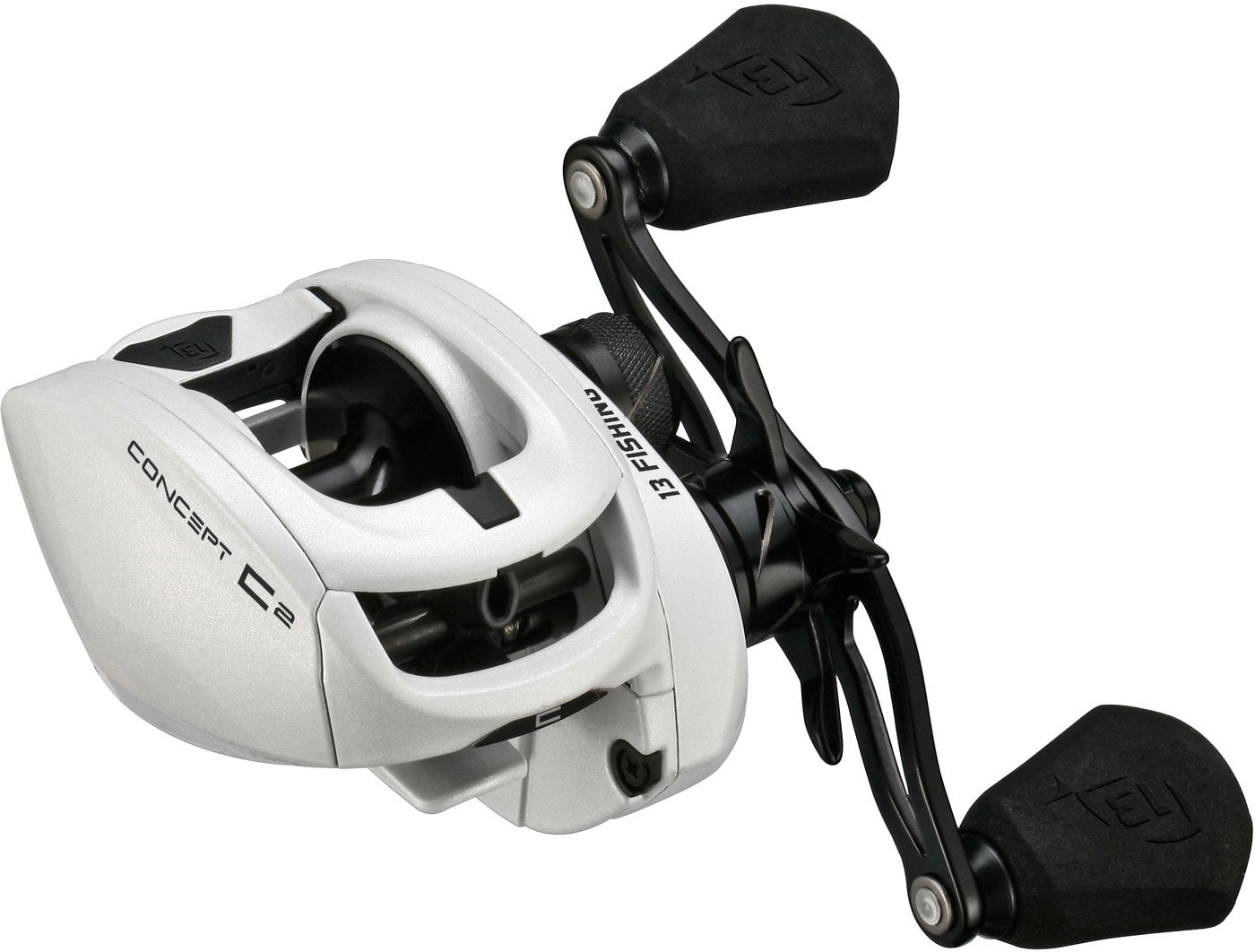
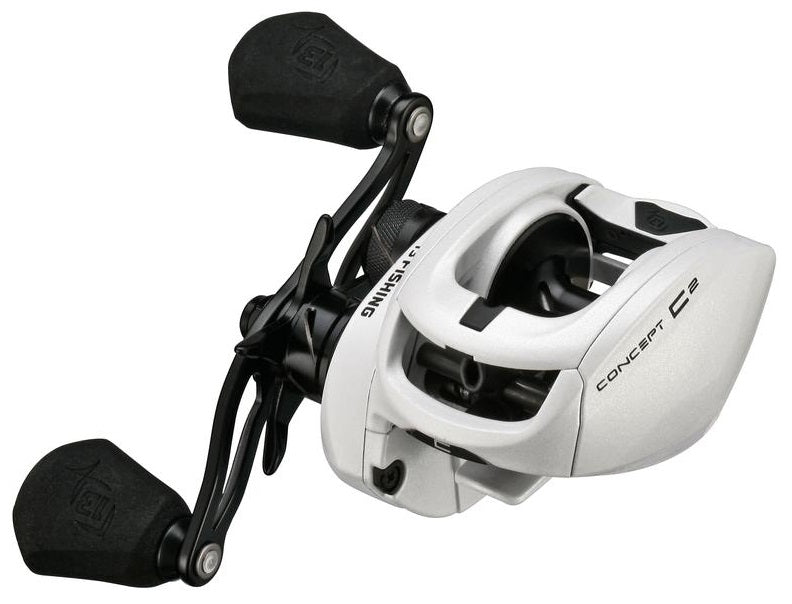
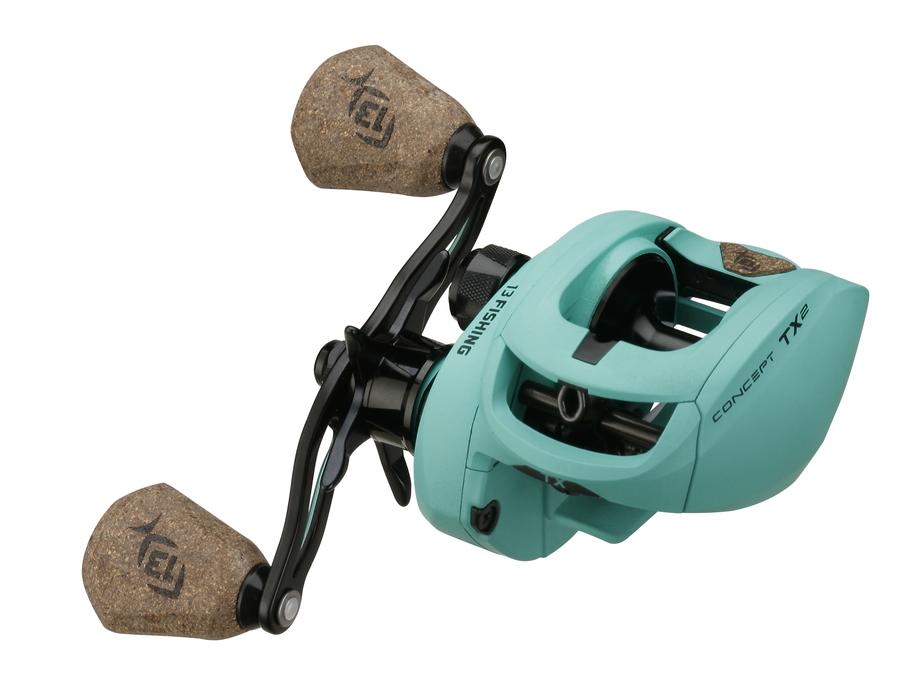
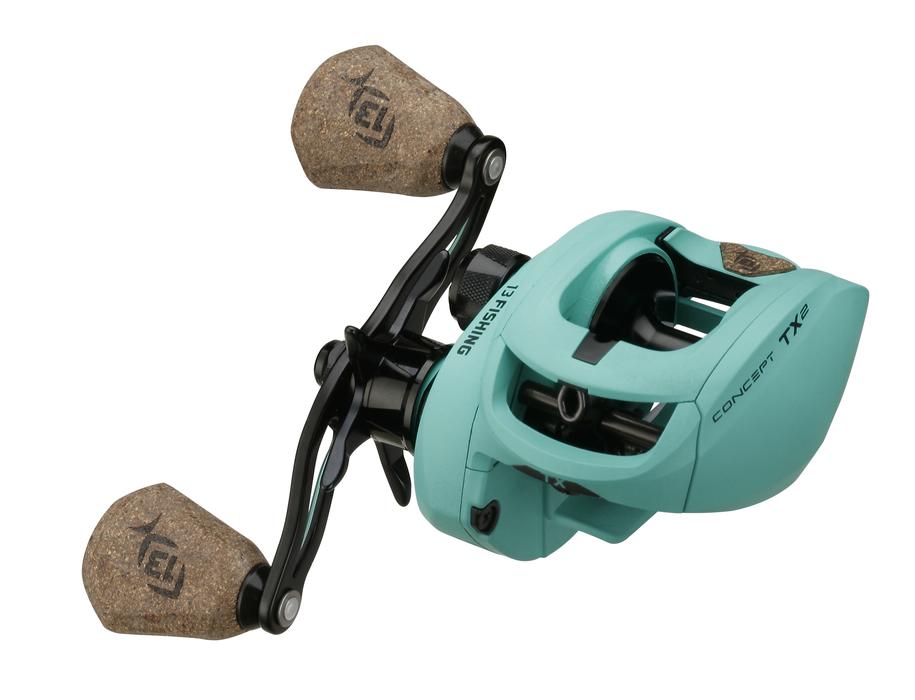
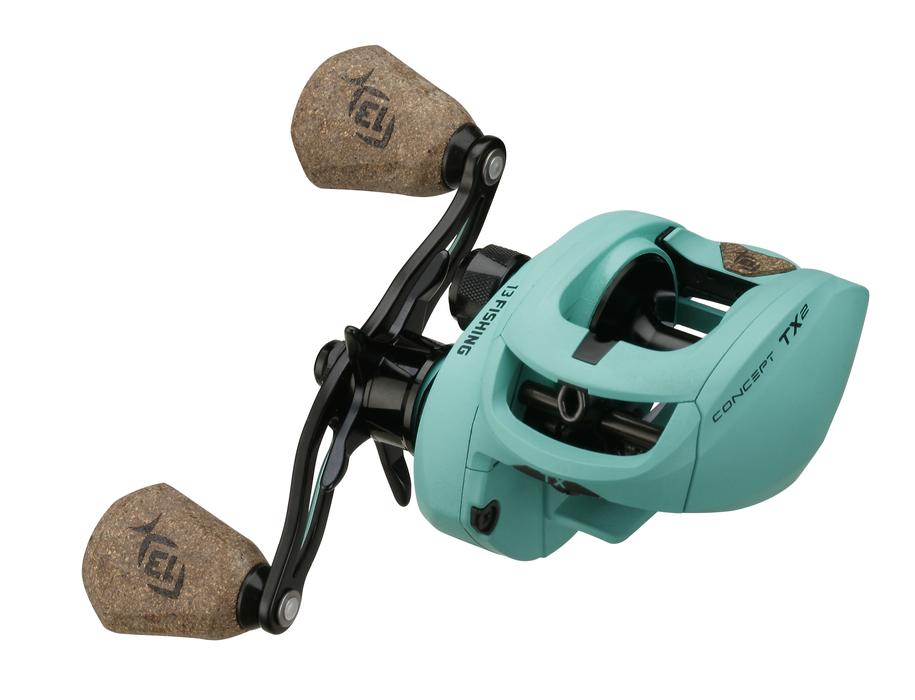
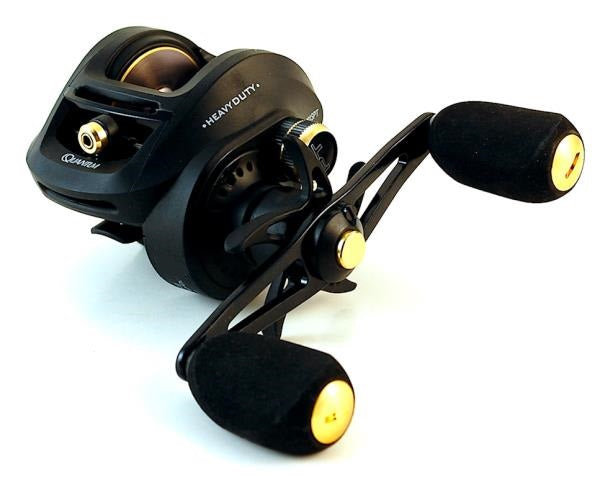
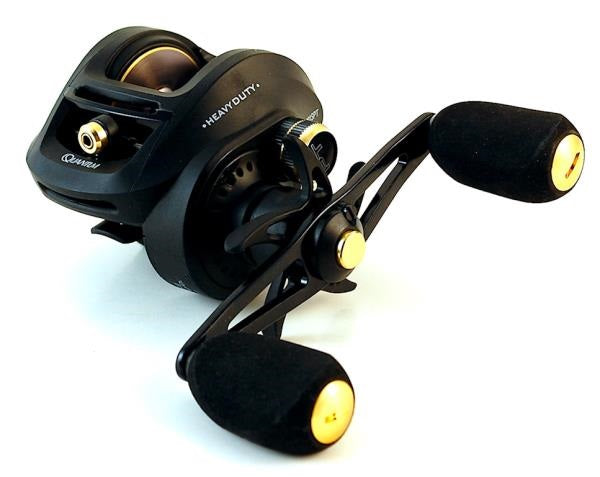
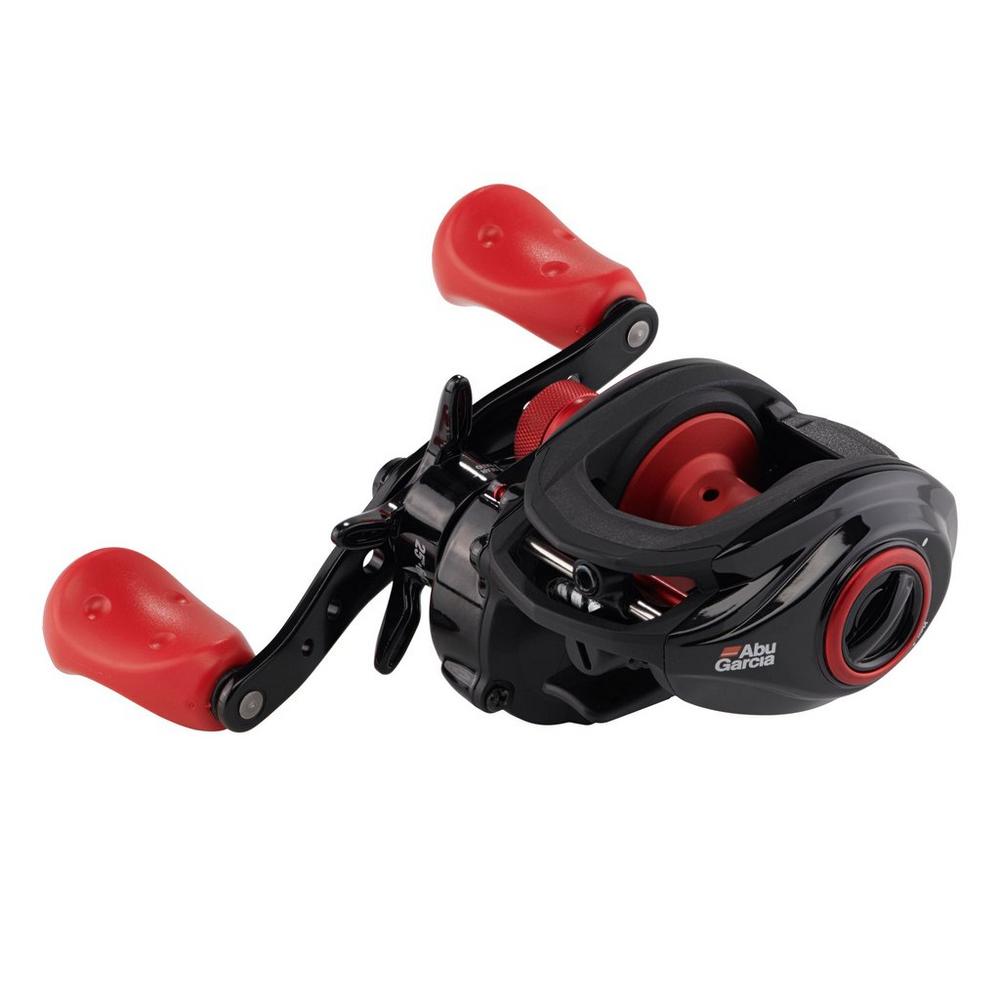
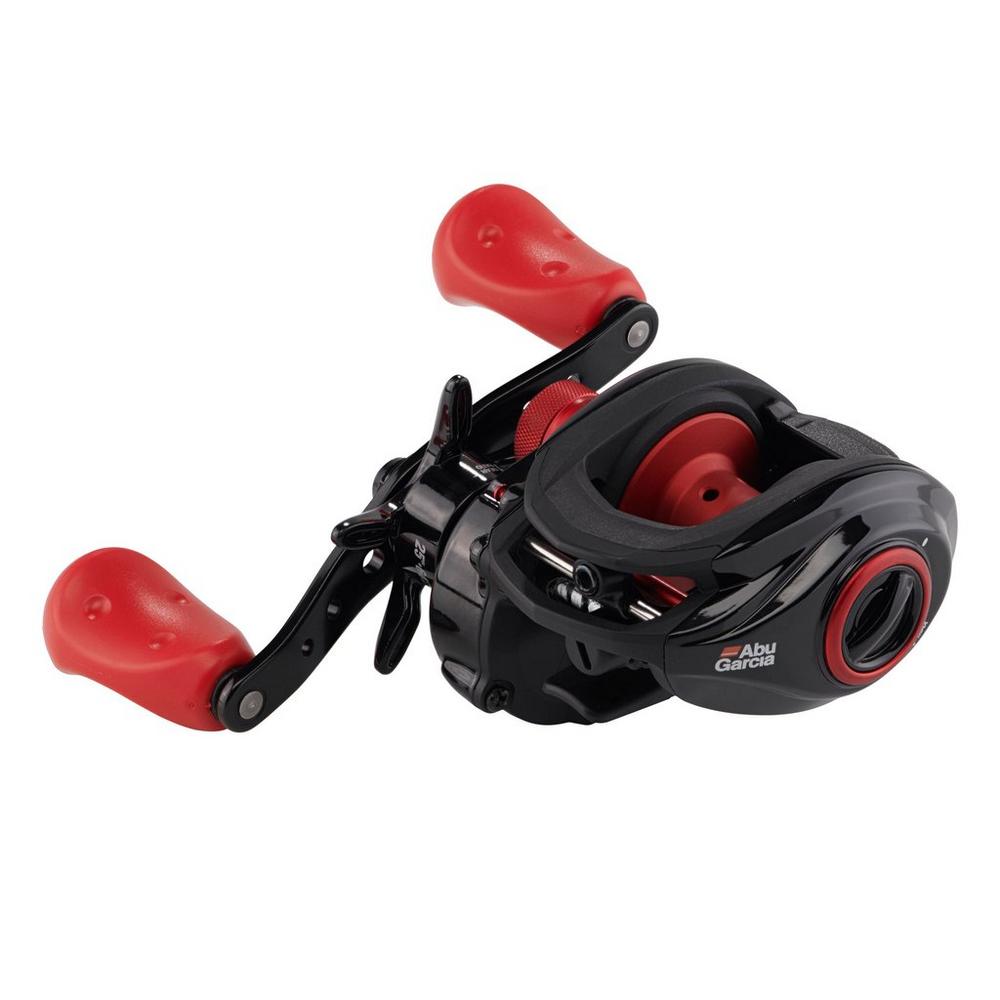
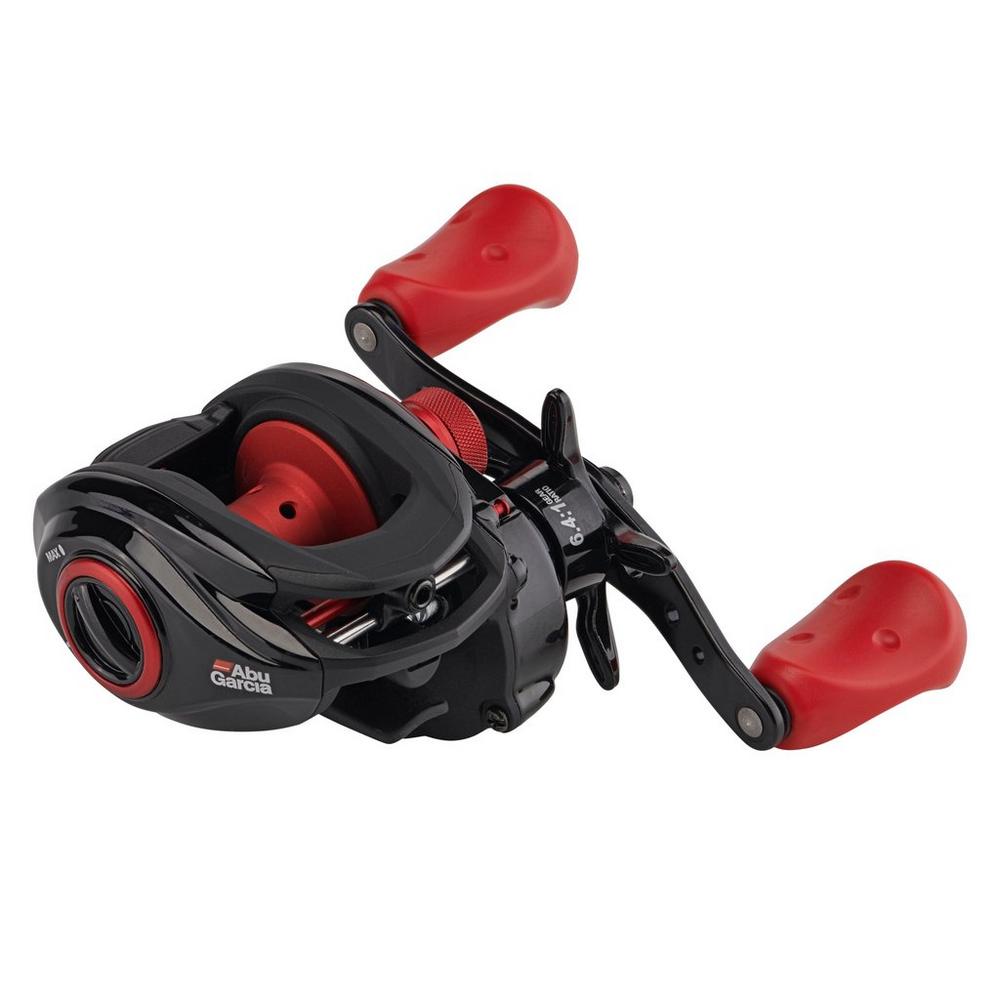
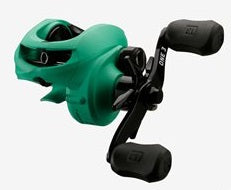
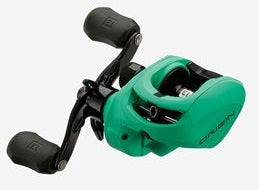
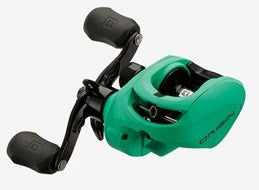
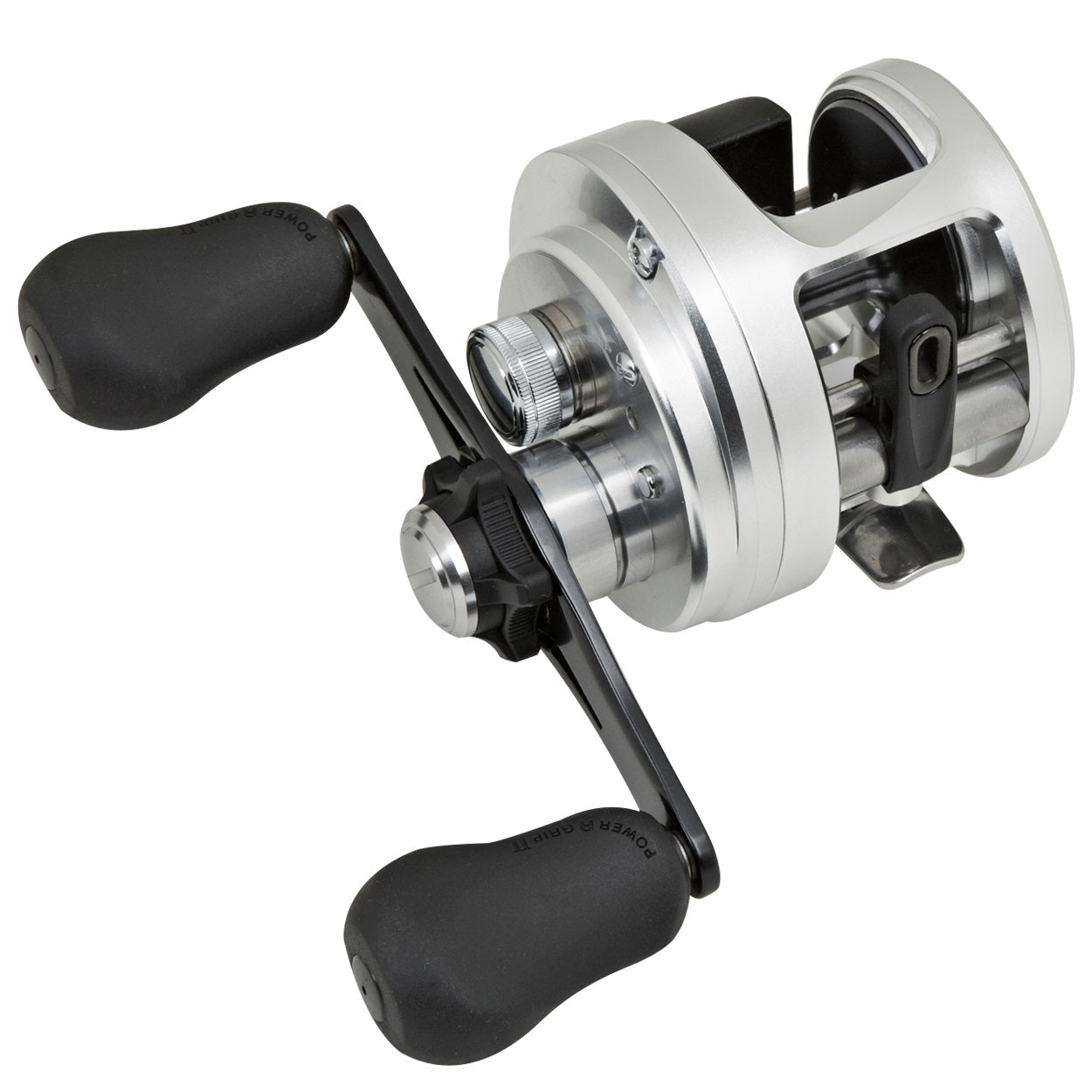
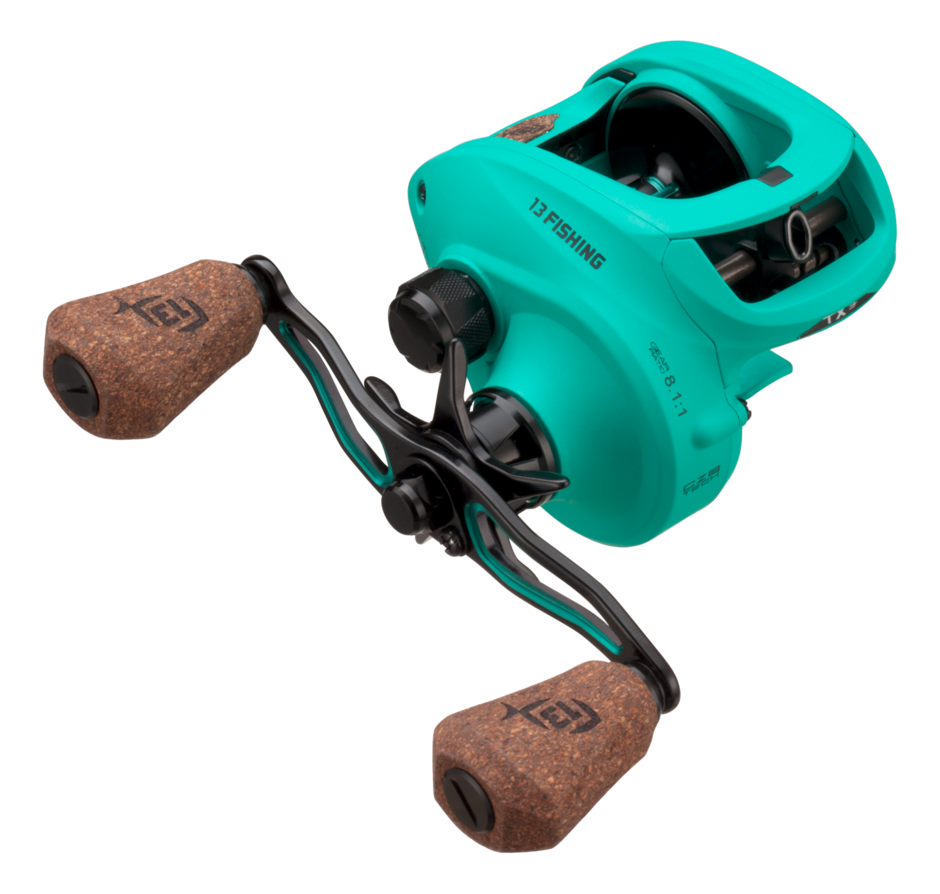
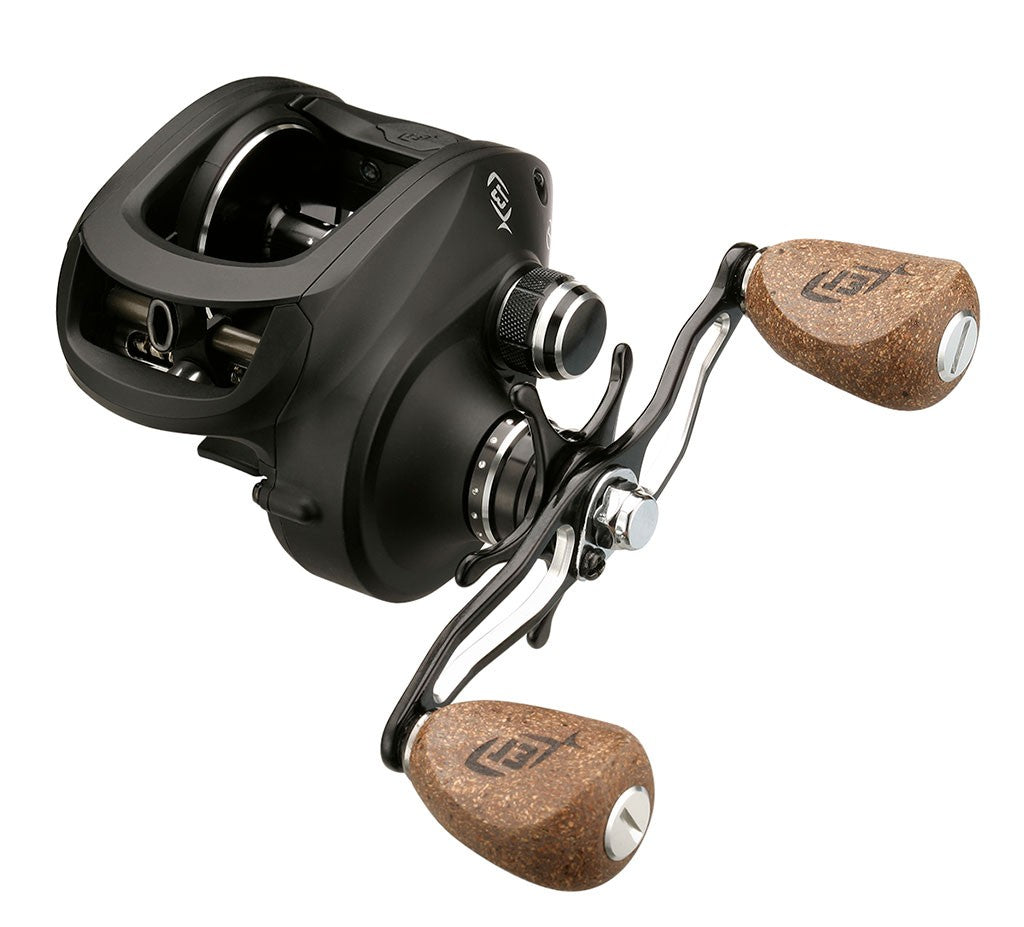
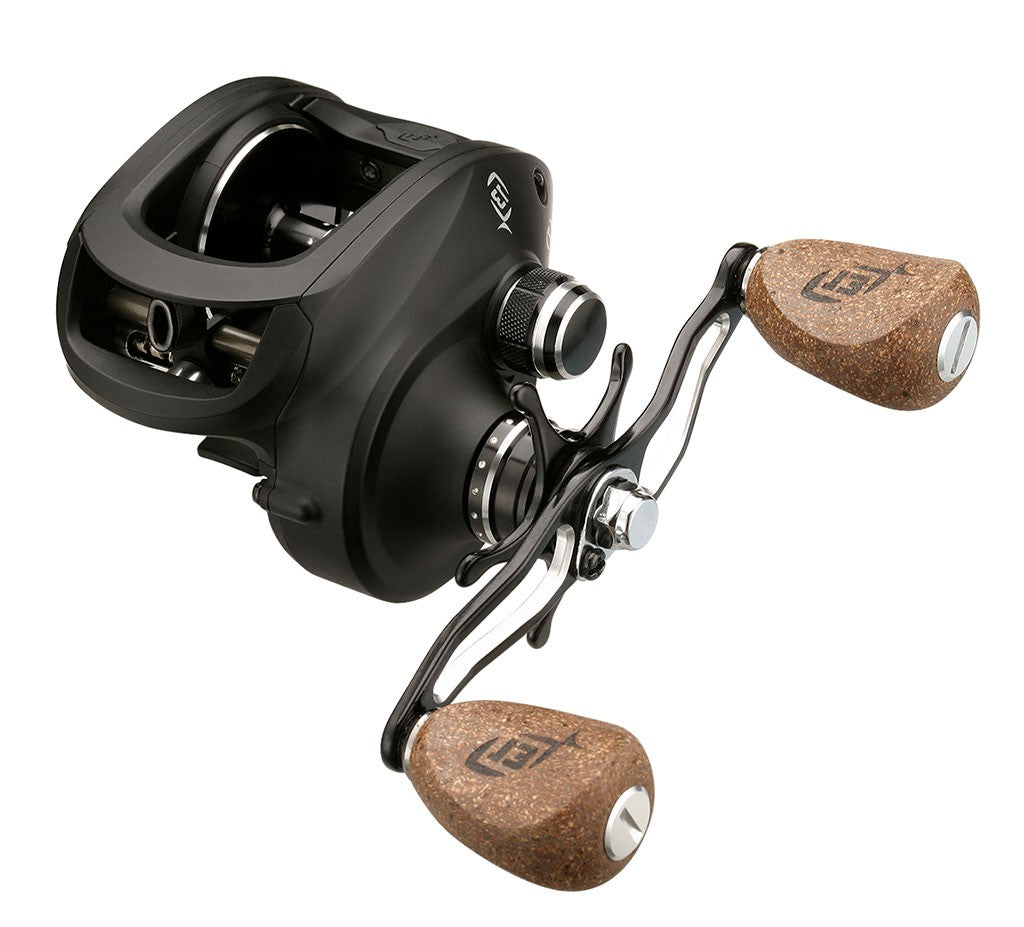
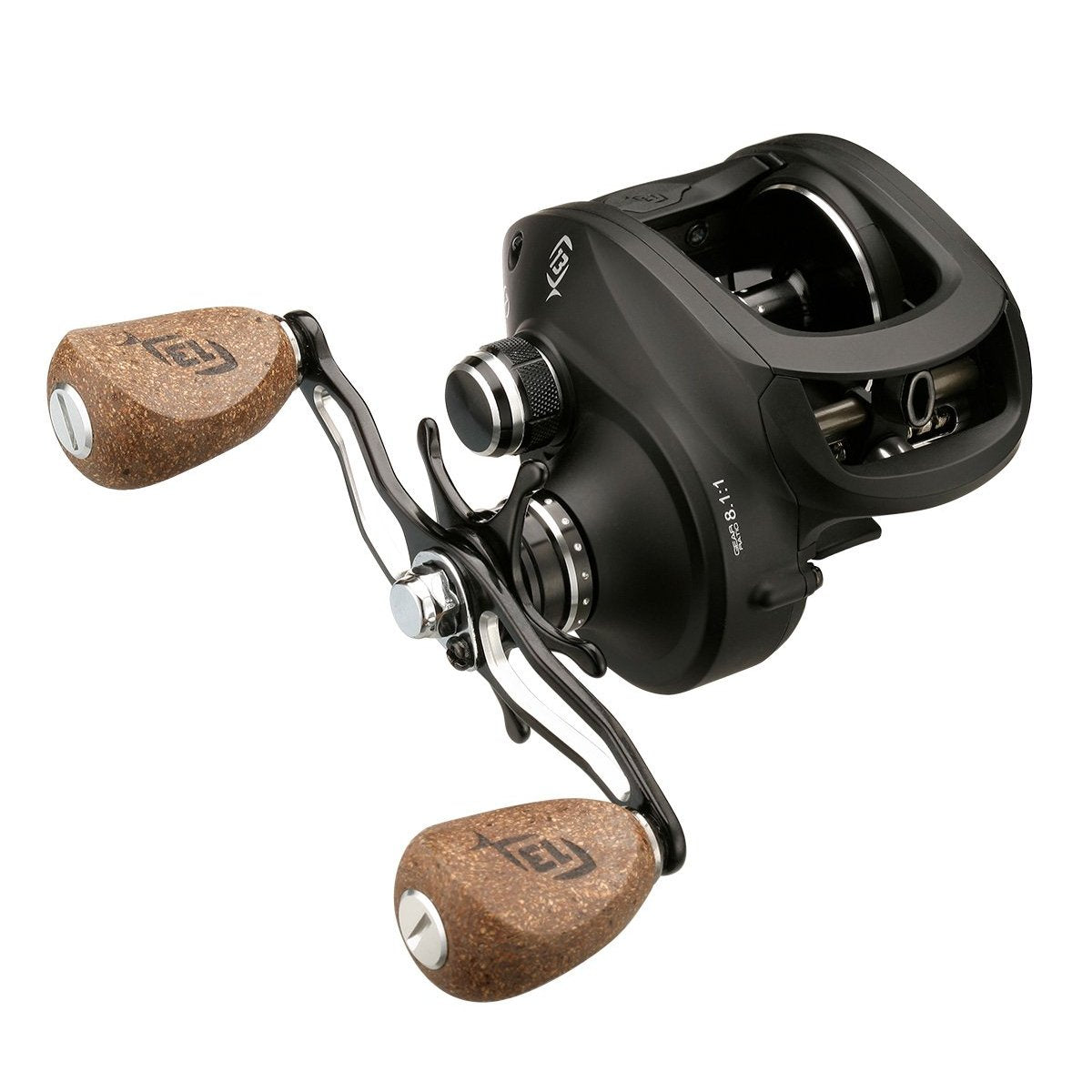
A baitcaster puts the spool in line with the rod and lets you control the cast with your thumb. That gives accuracy a spinning reel cannot match, and a drag system that transfers pressure directly — which is why baitcasters dominate Australian barramundi, Murray cod, bass and mangrove jack fishing.
Low profile or round?
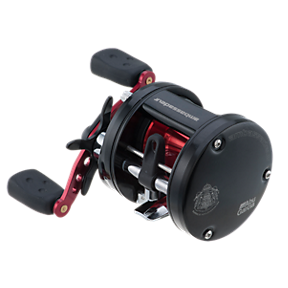
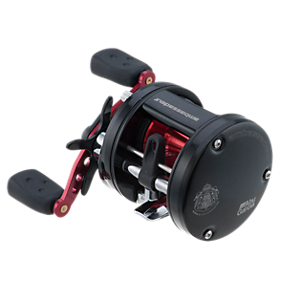
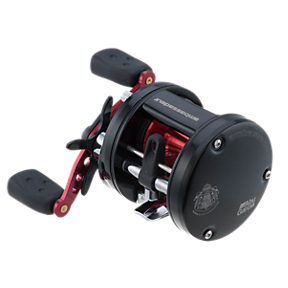
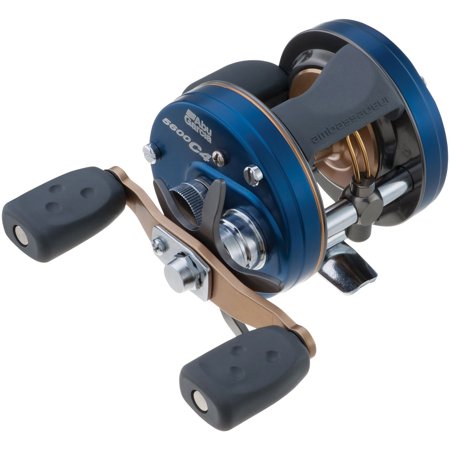
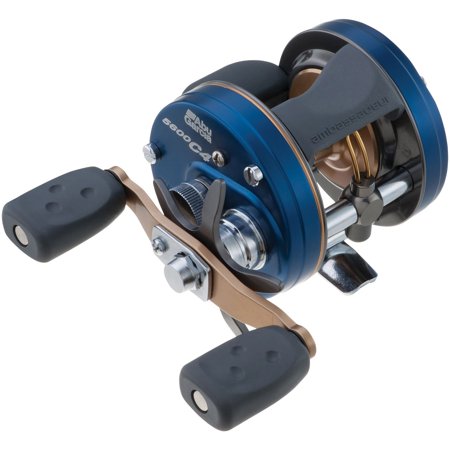
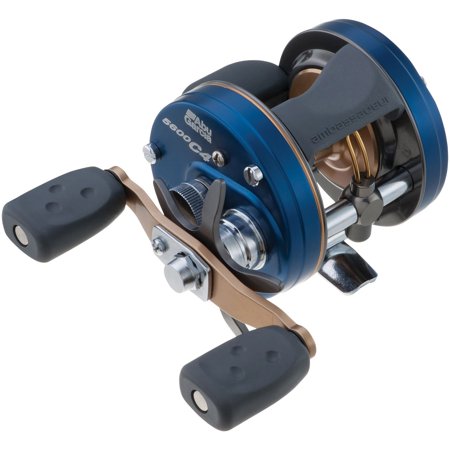
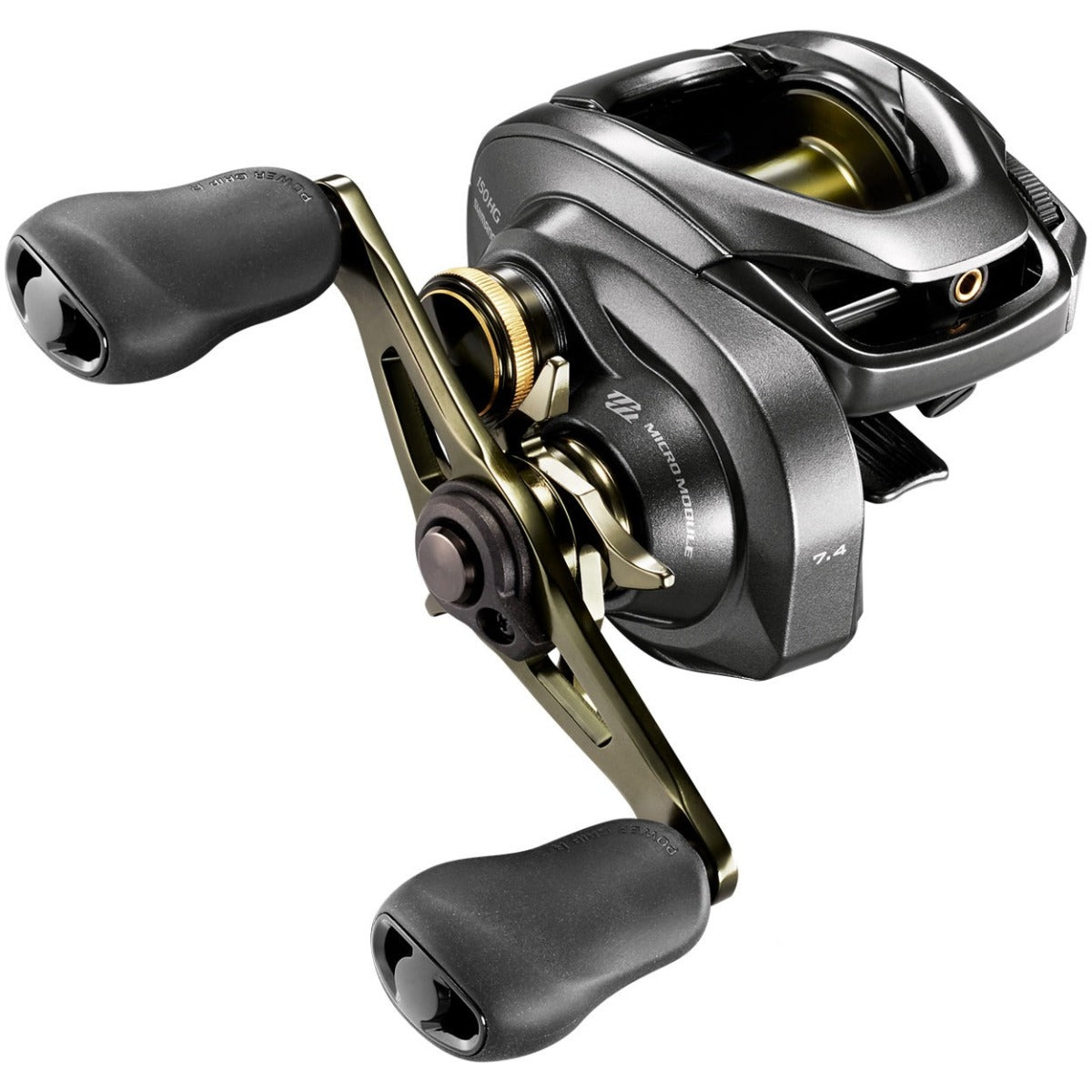
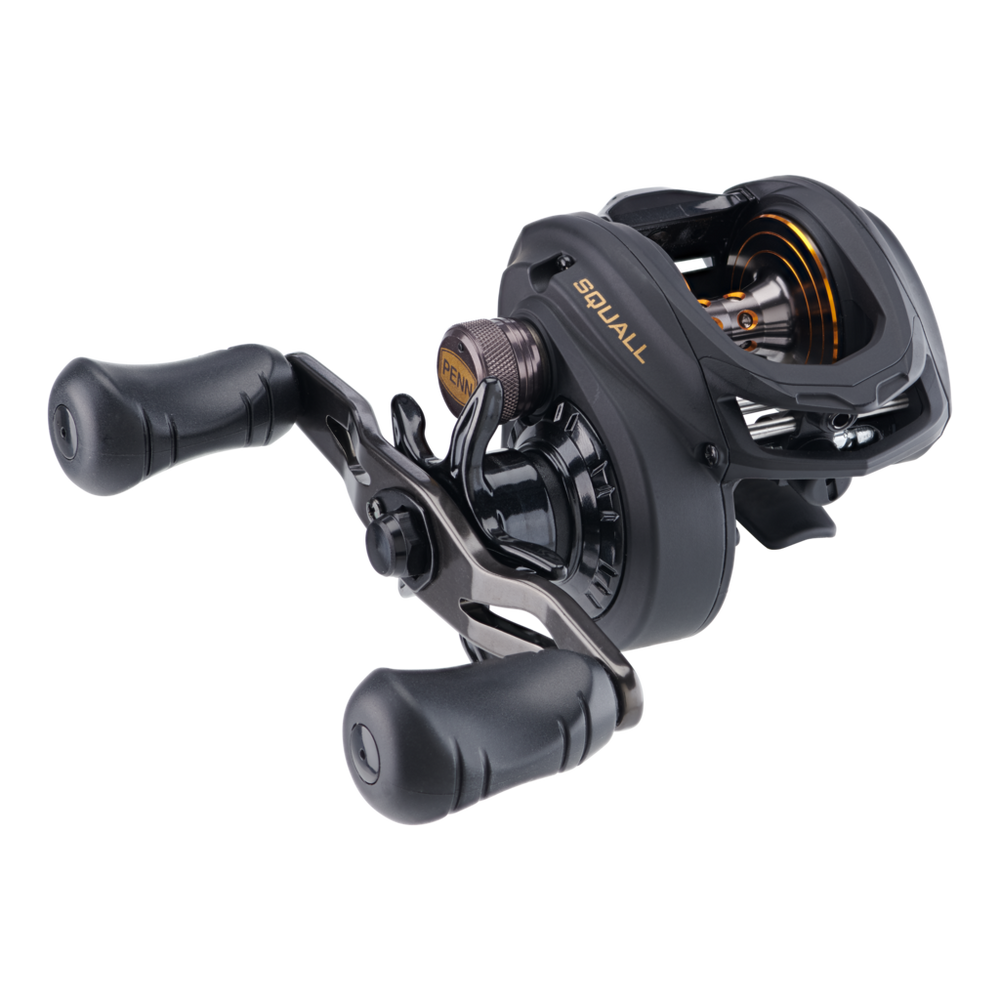
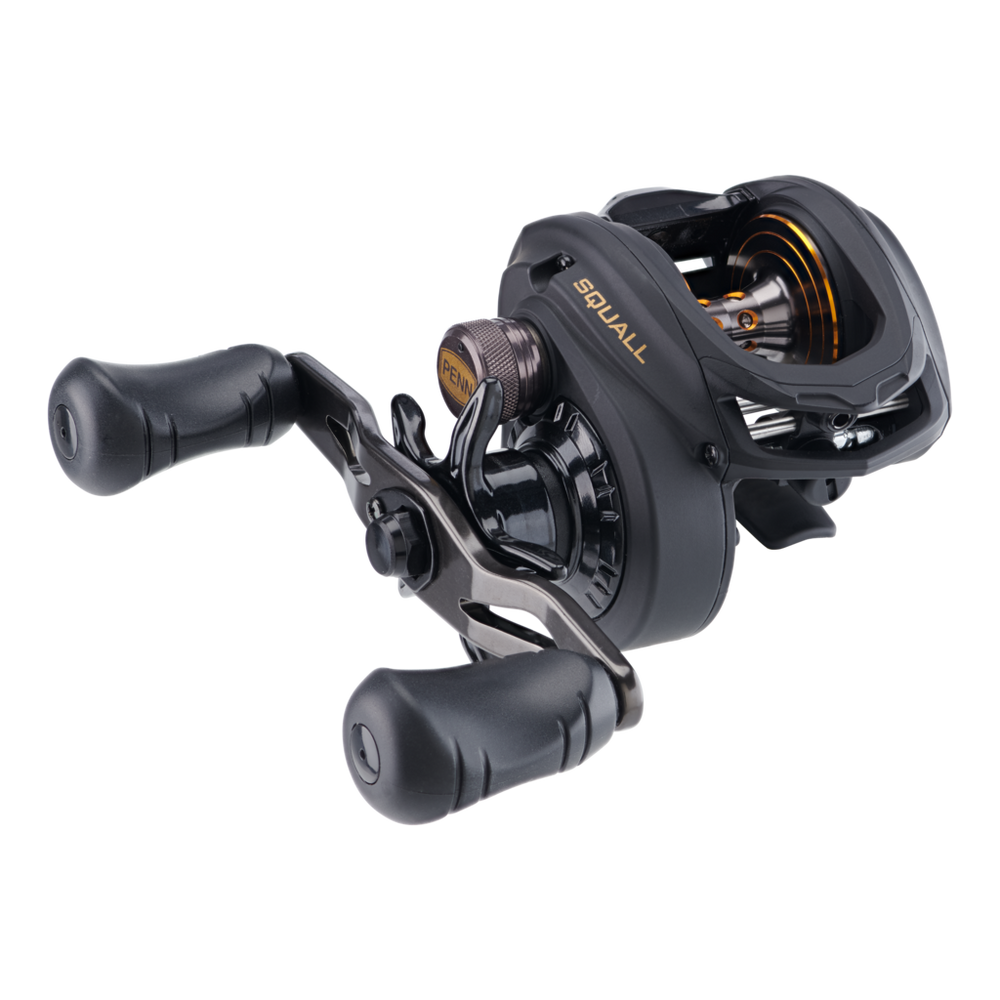
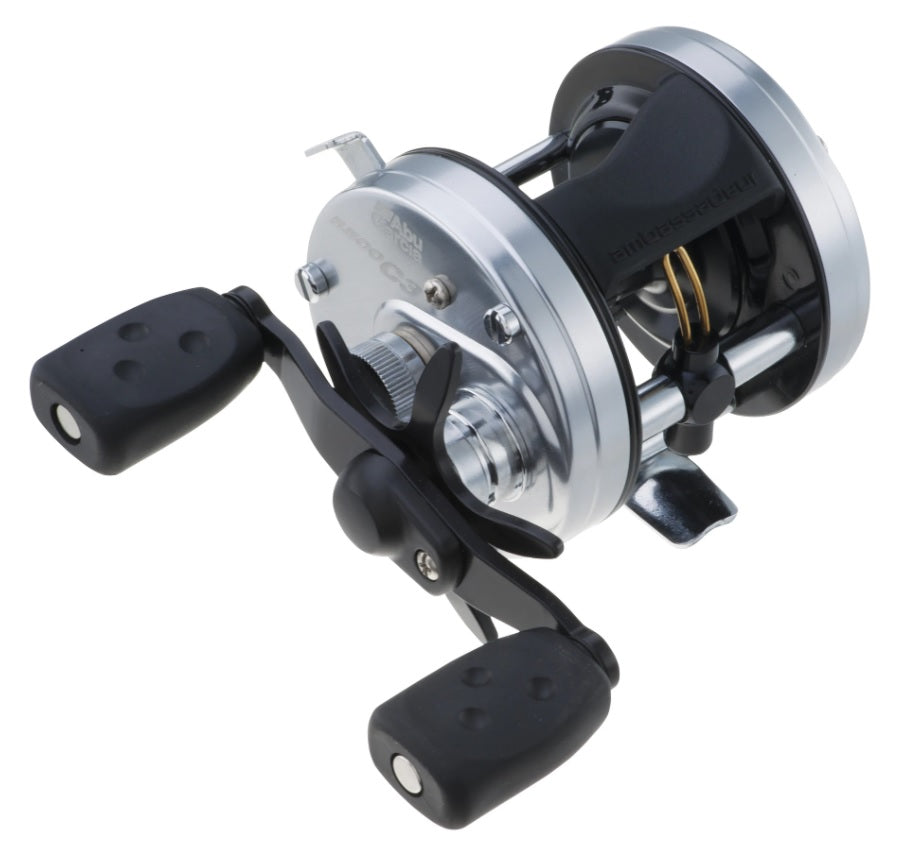
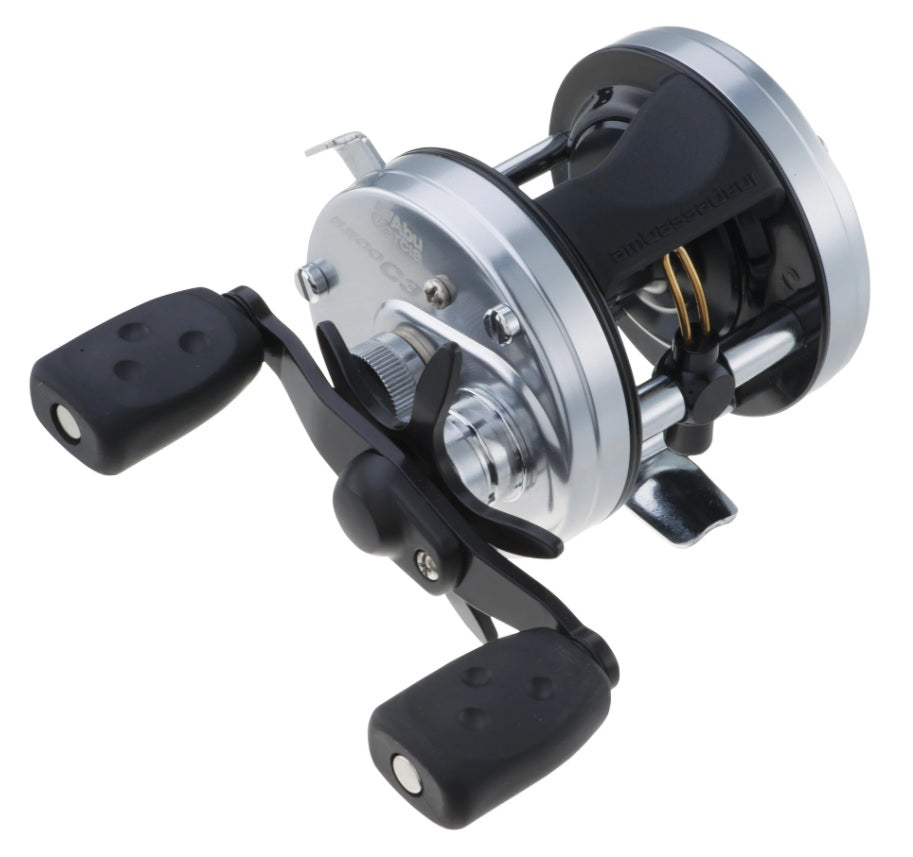
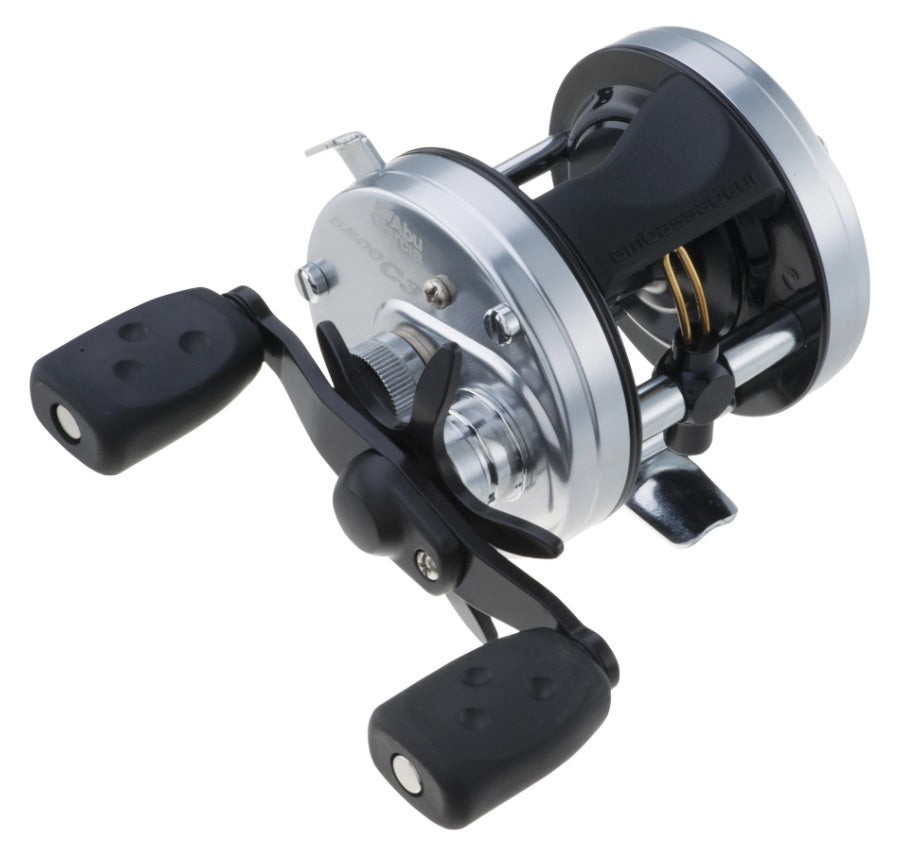
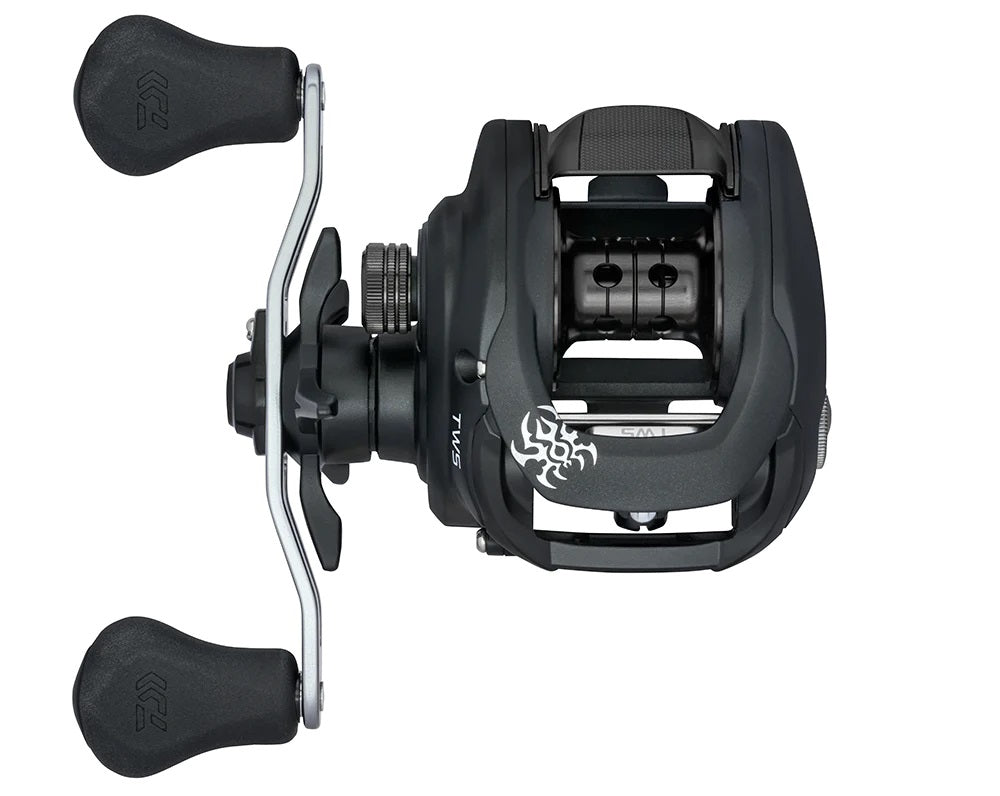
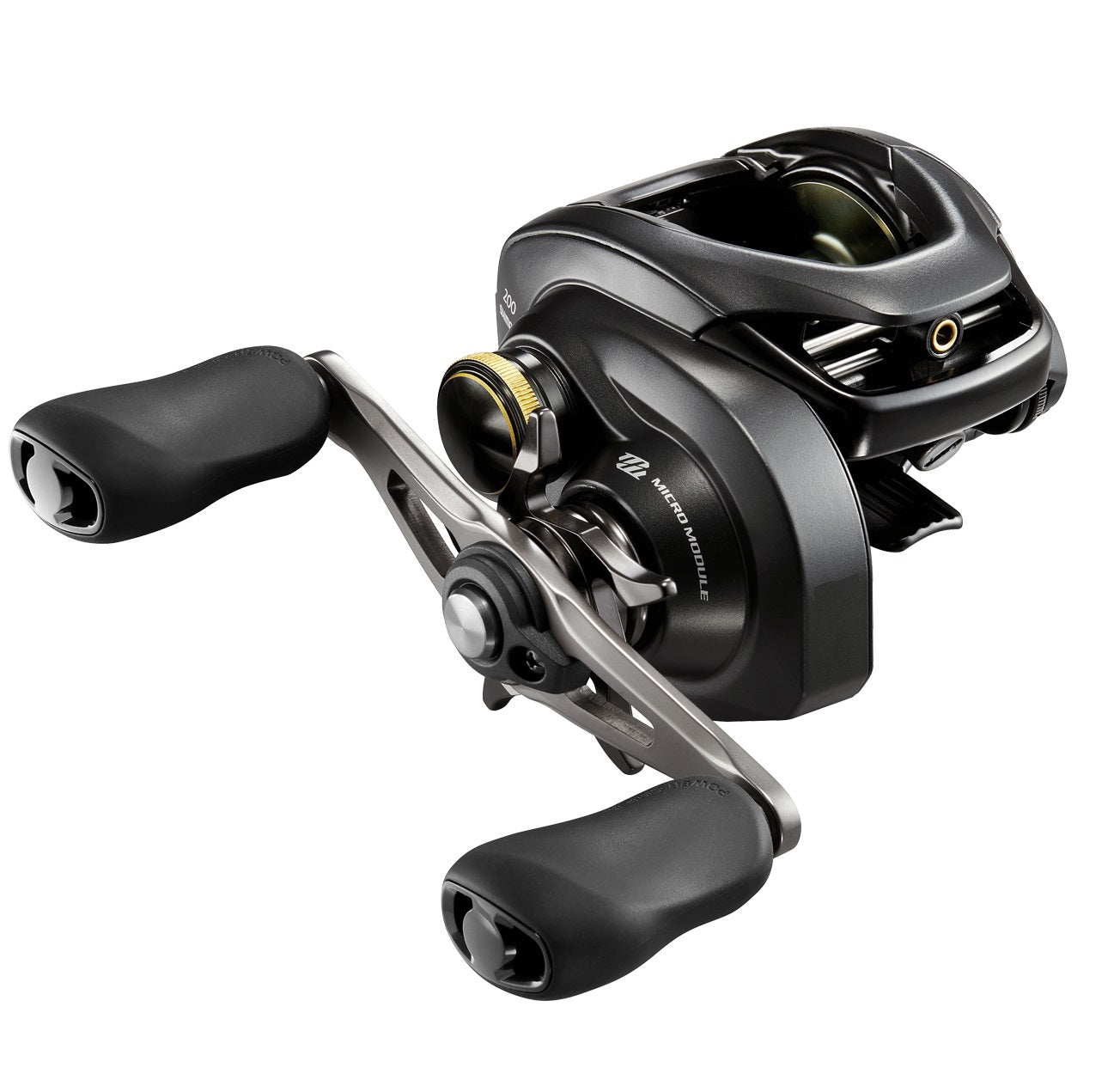
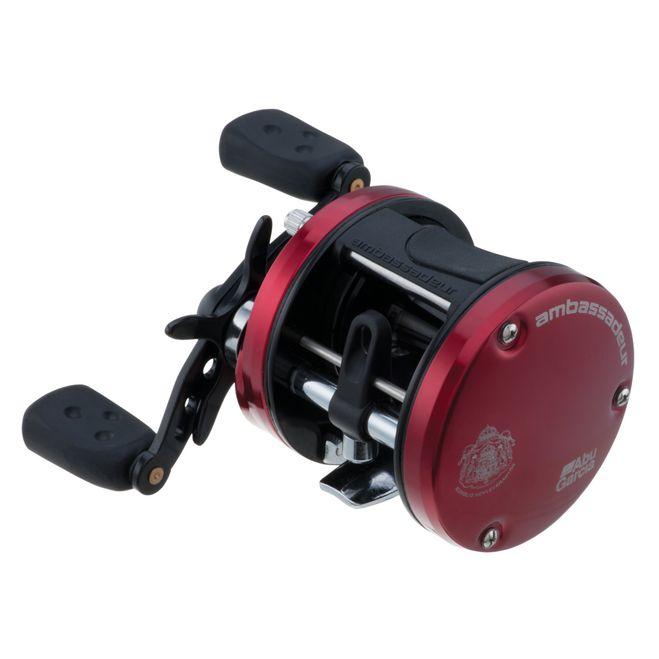
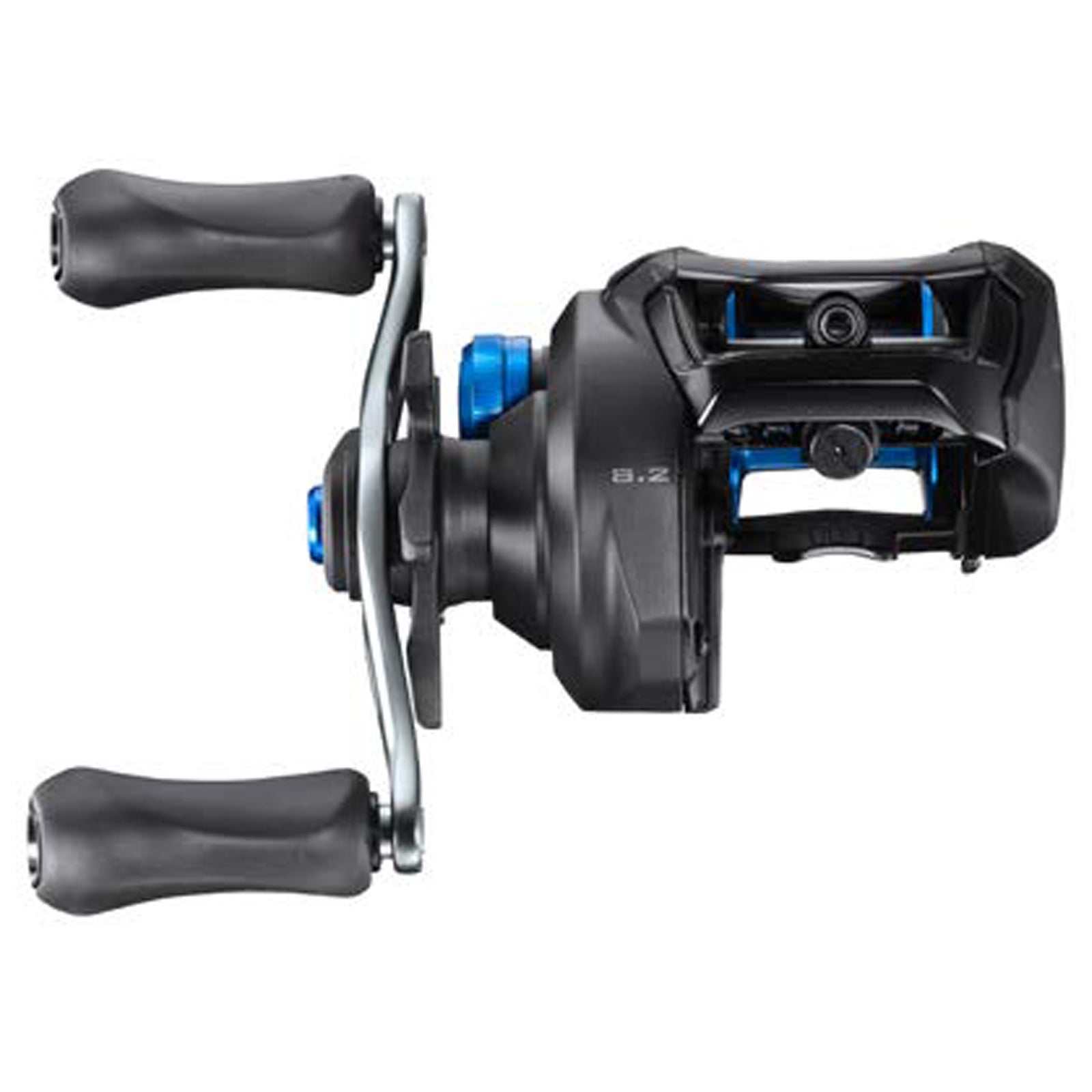
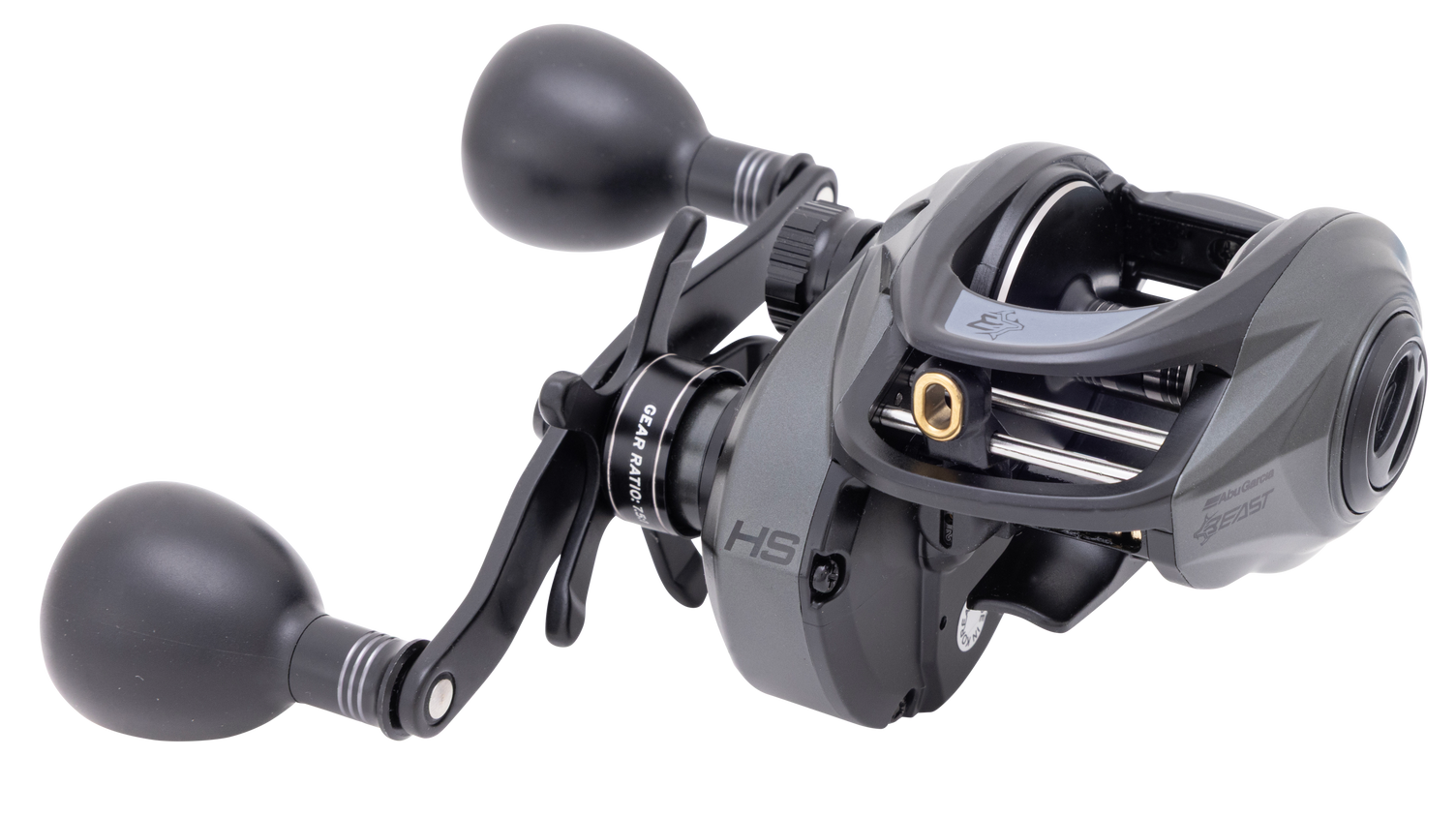
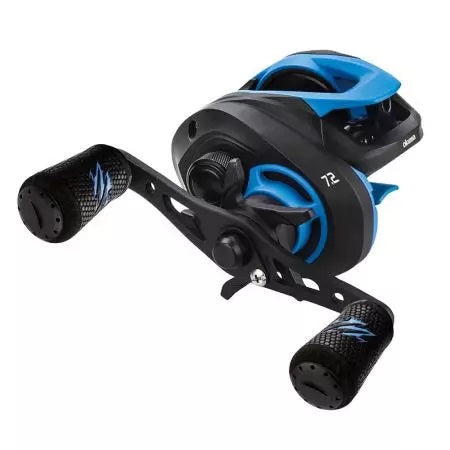
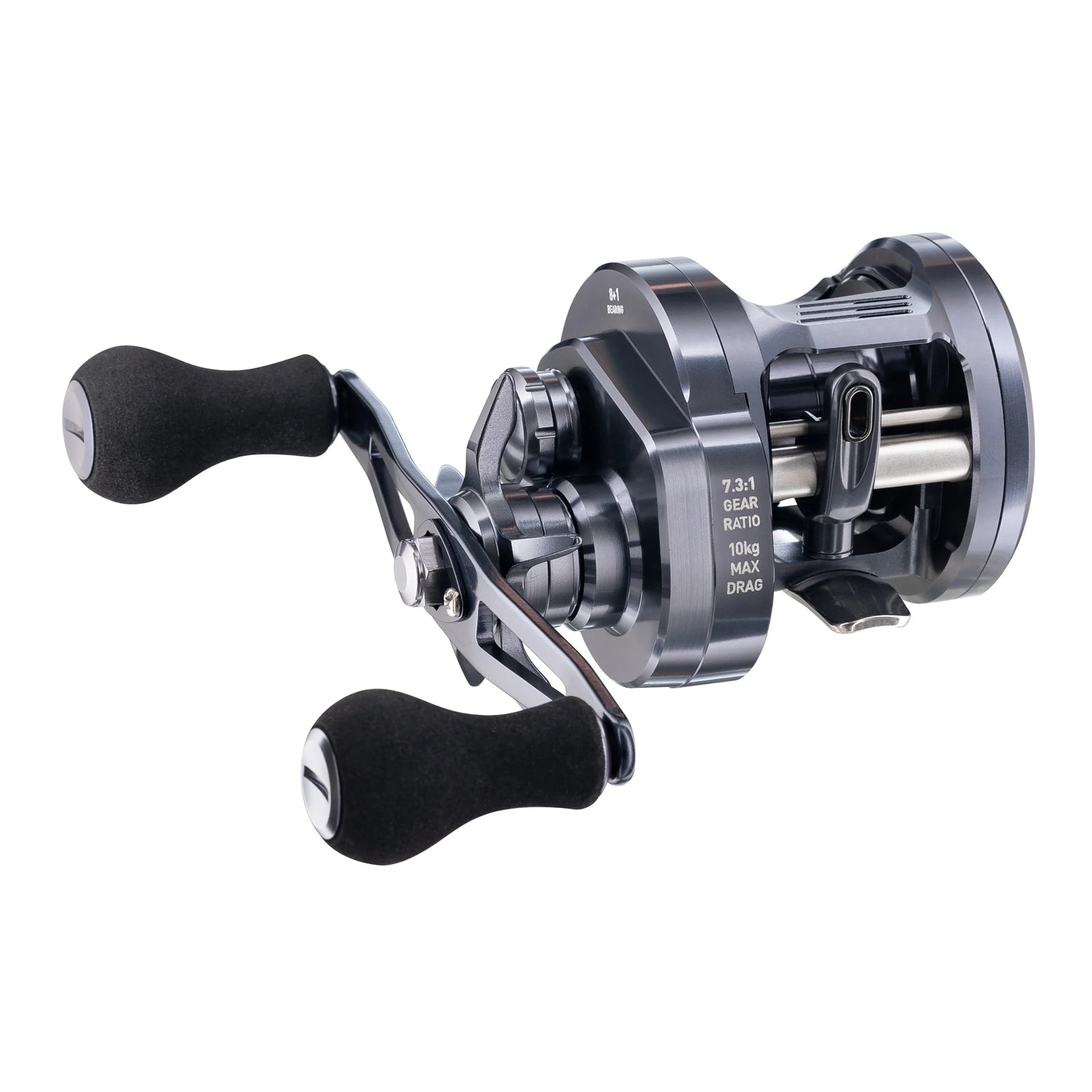
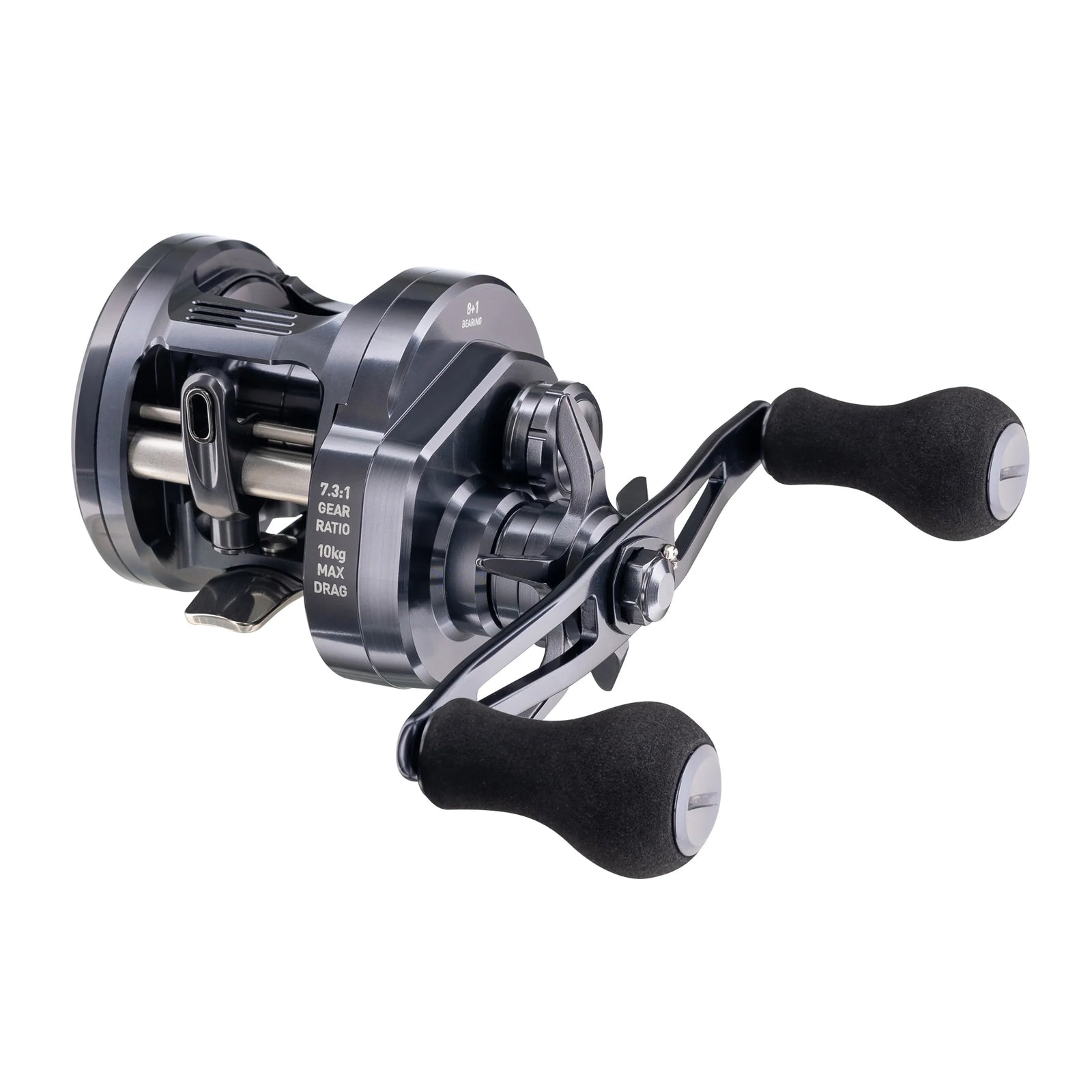
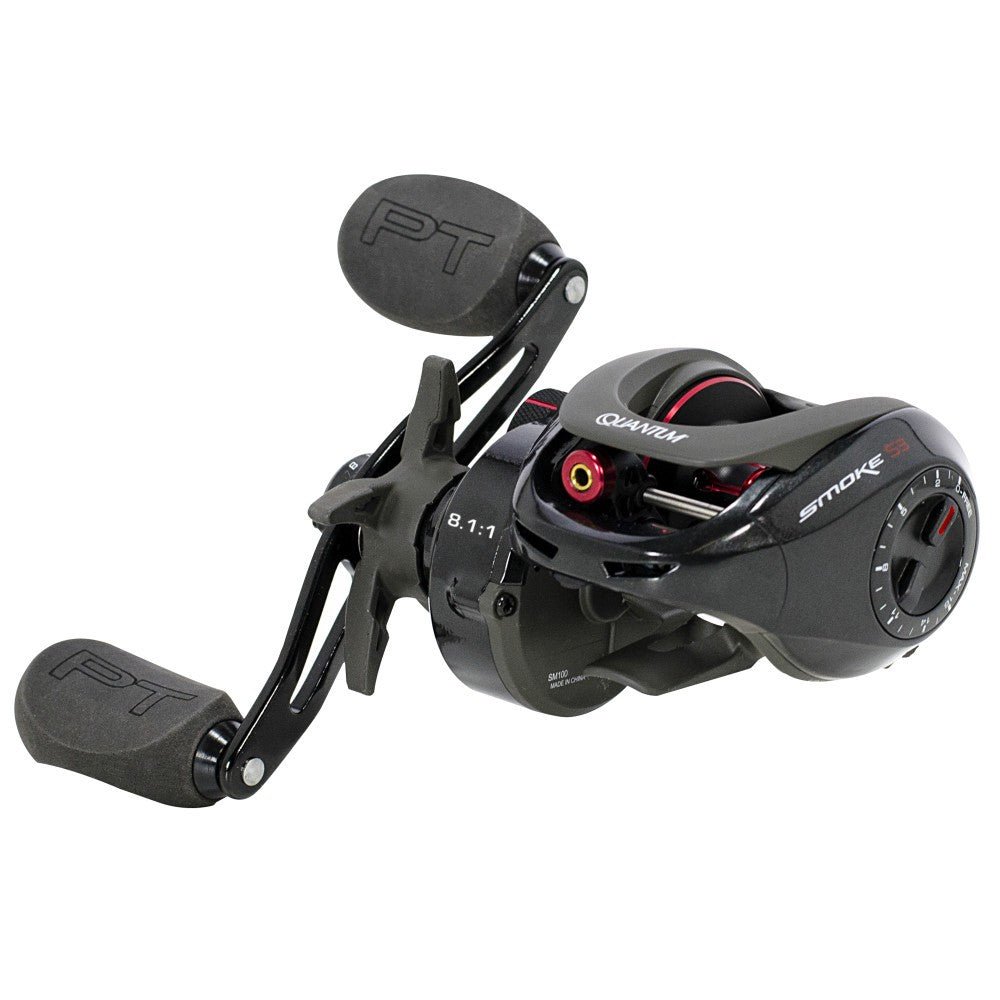
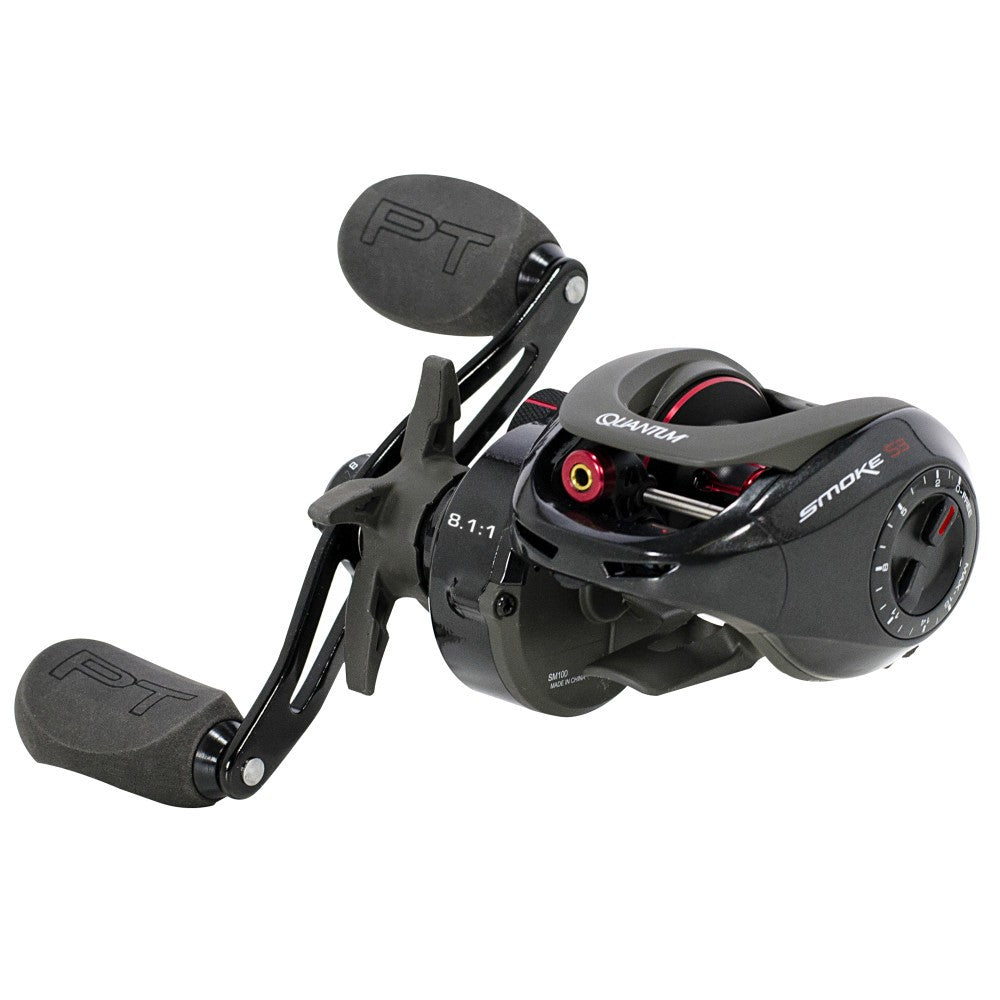
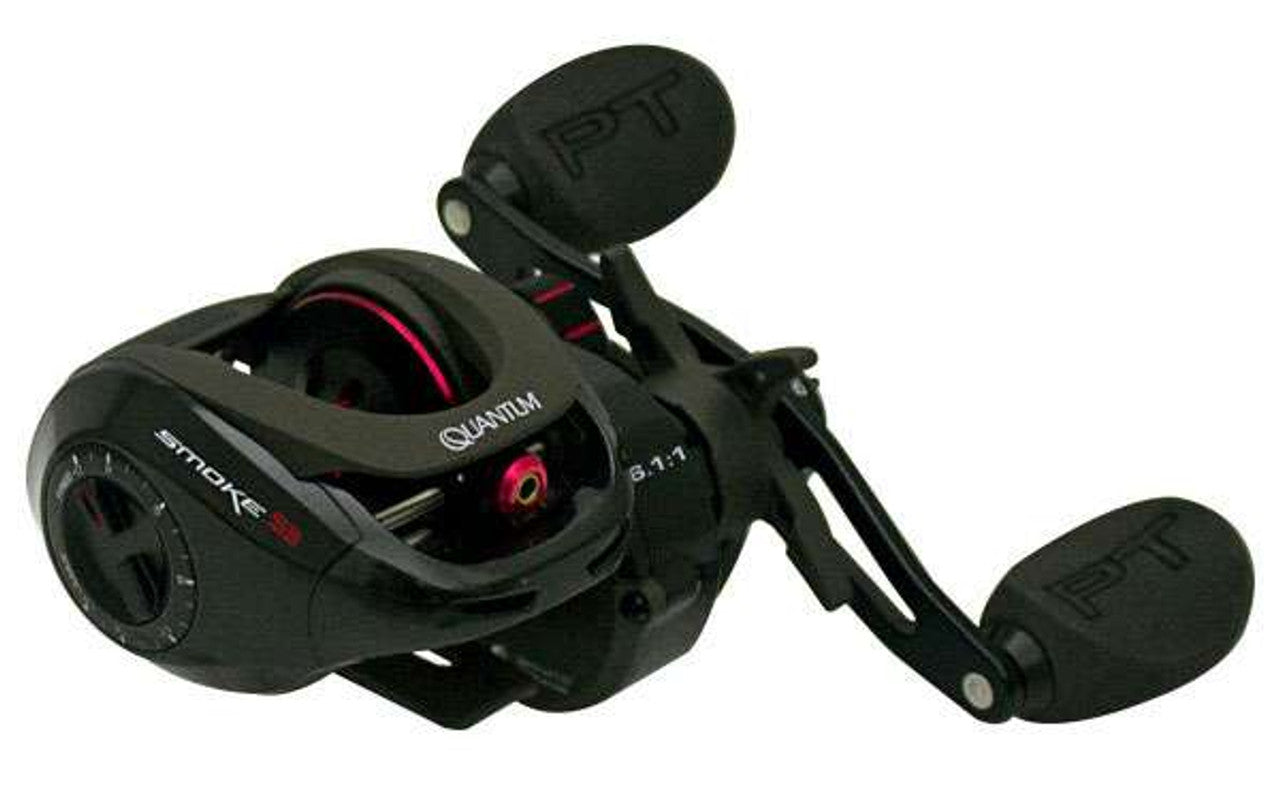
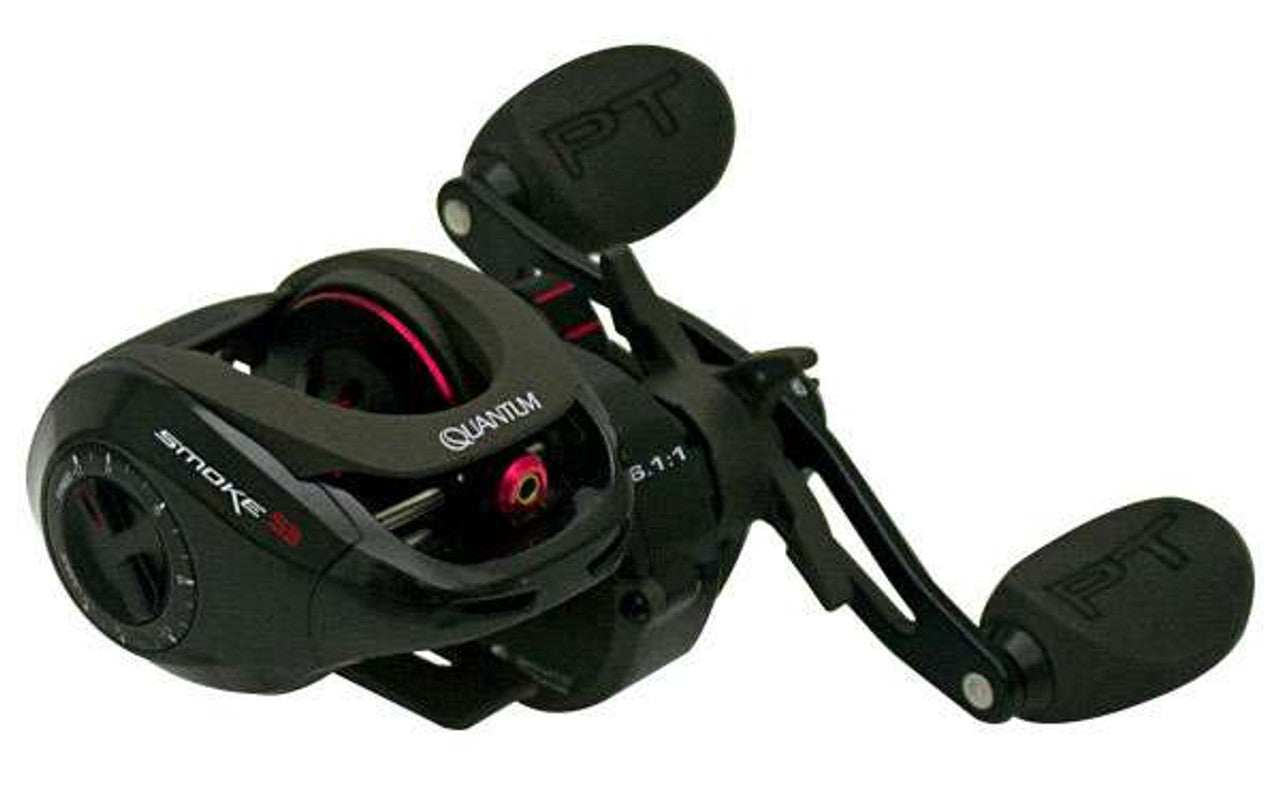
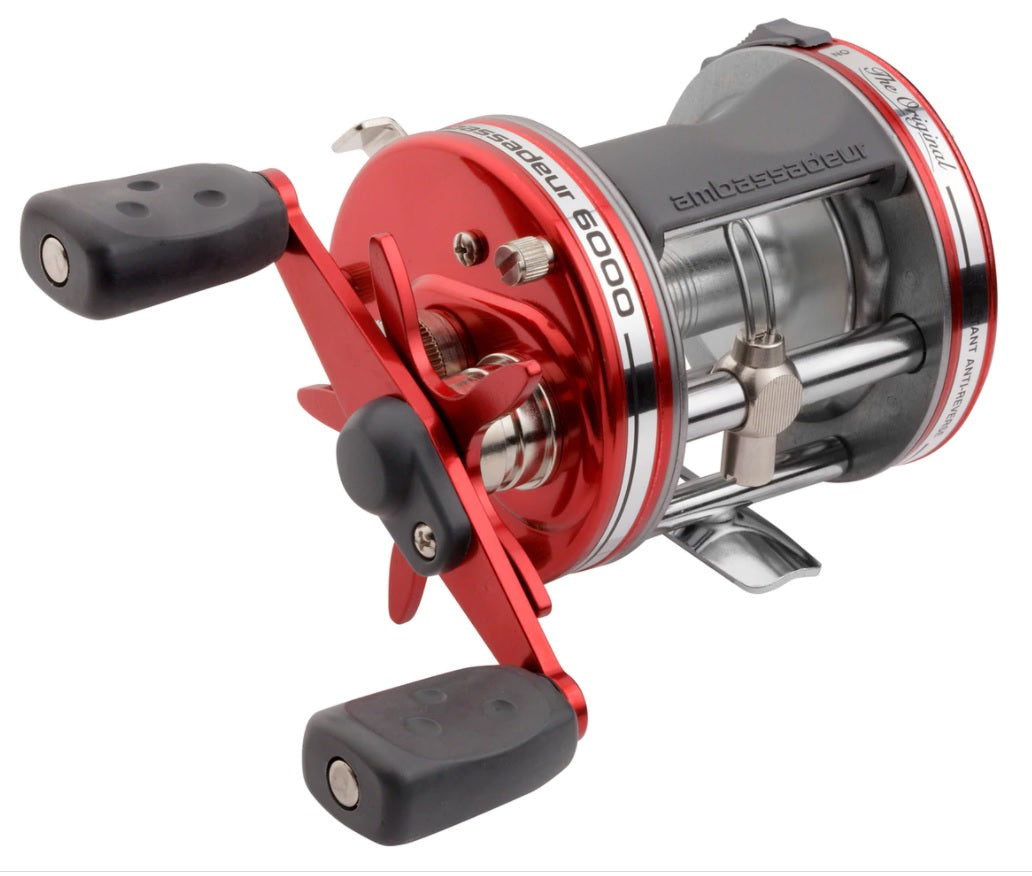
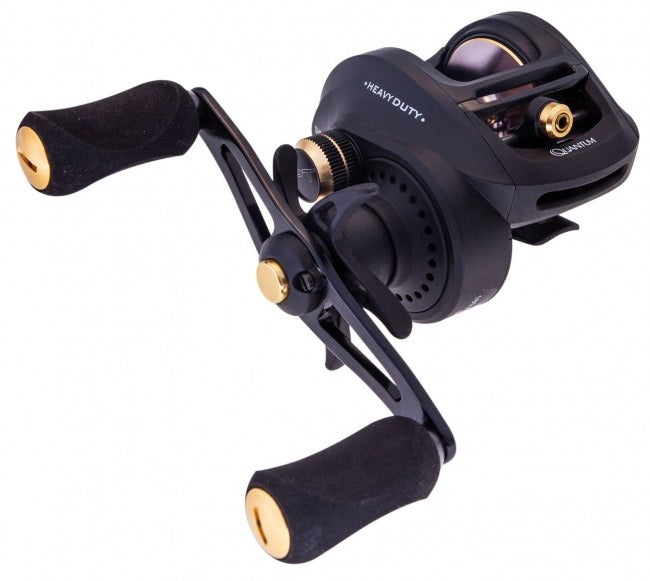
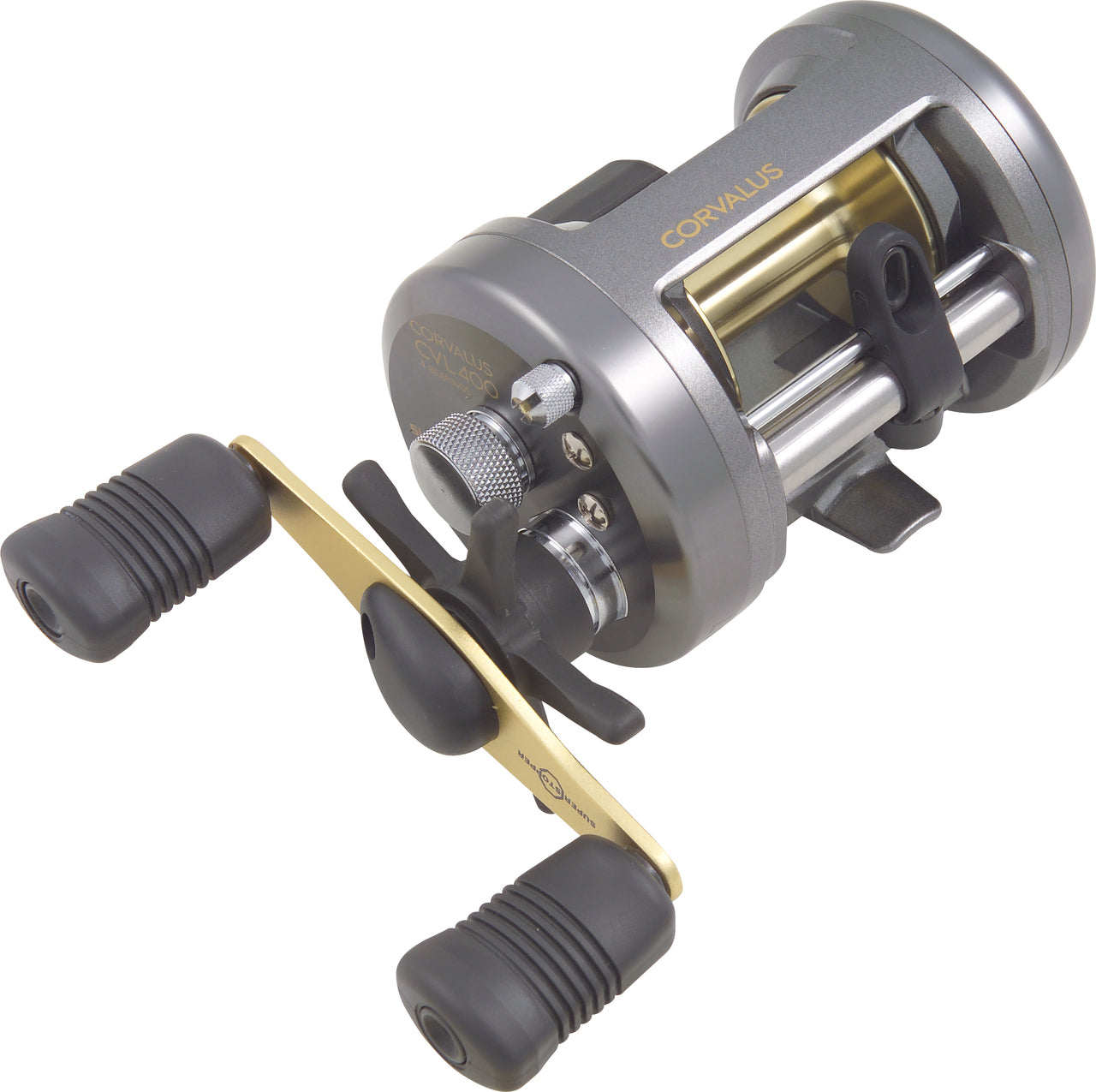
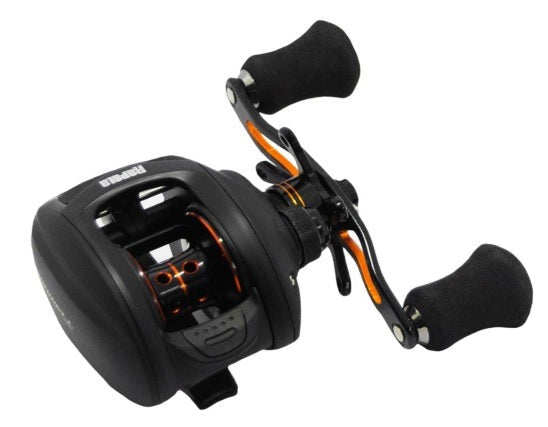
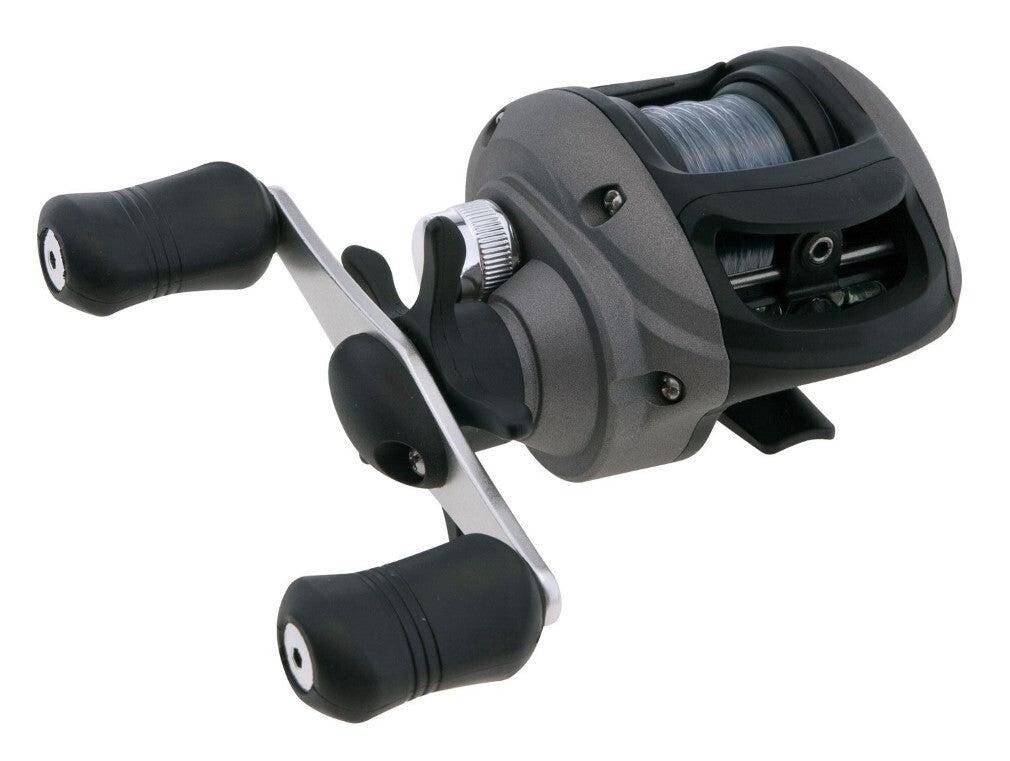
Low profile reels sit flat in the palm and suit casting lures all day. They are the standard choice for freshwater and estuary lure fishing. Round baitcasters hold more line and handle heavier drag, which makes them the pick for trolling, big barra and light offshore work.
Braking systems
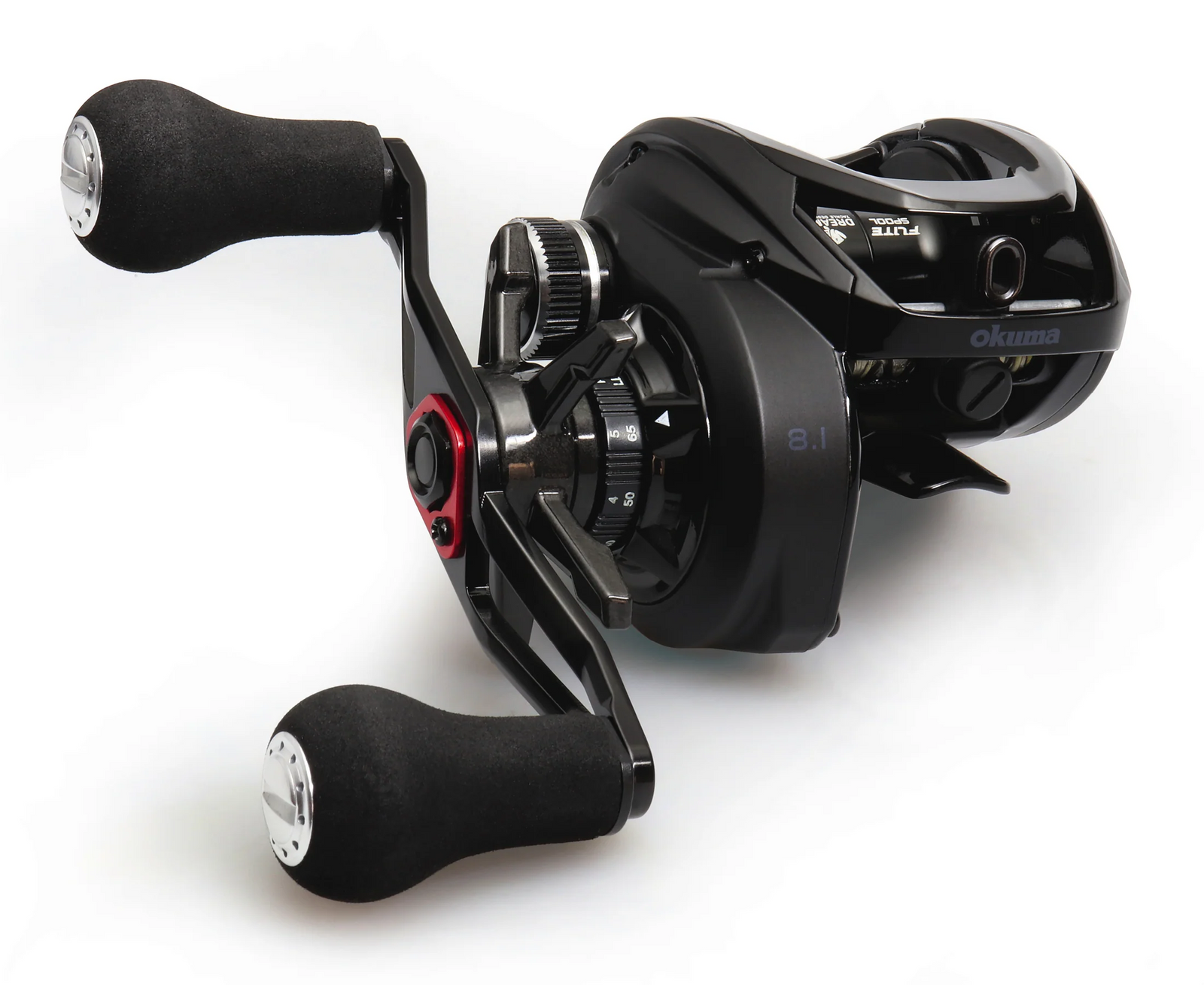
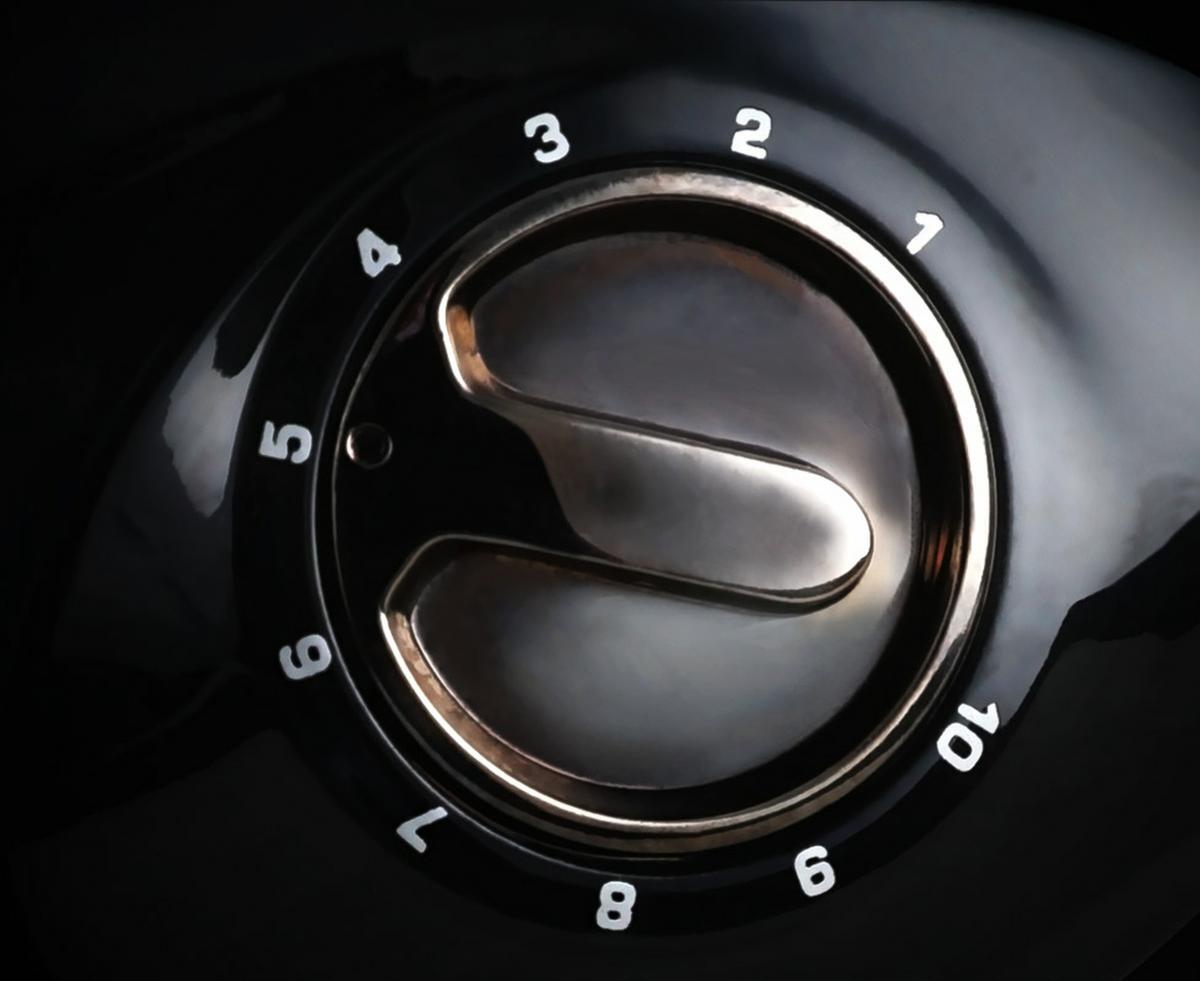
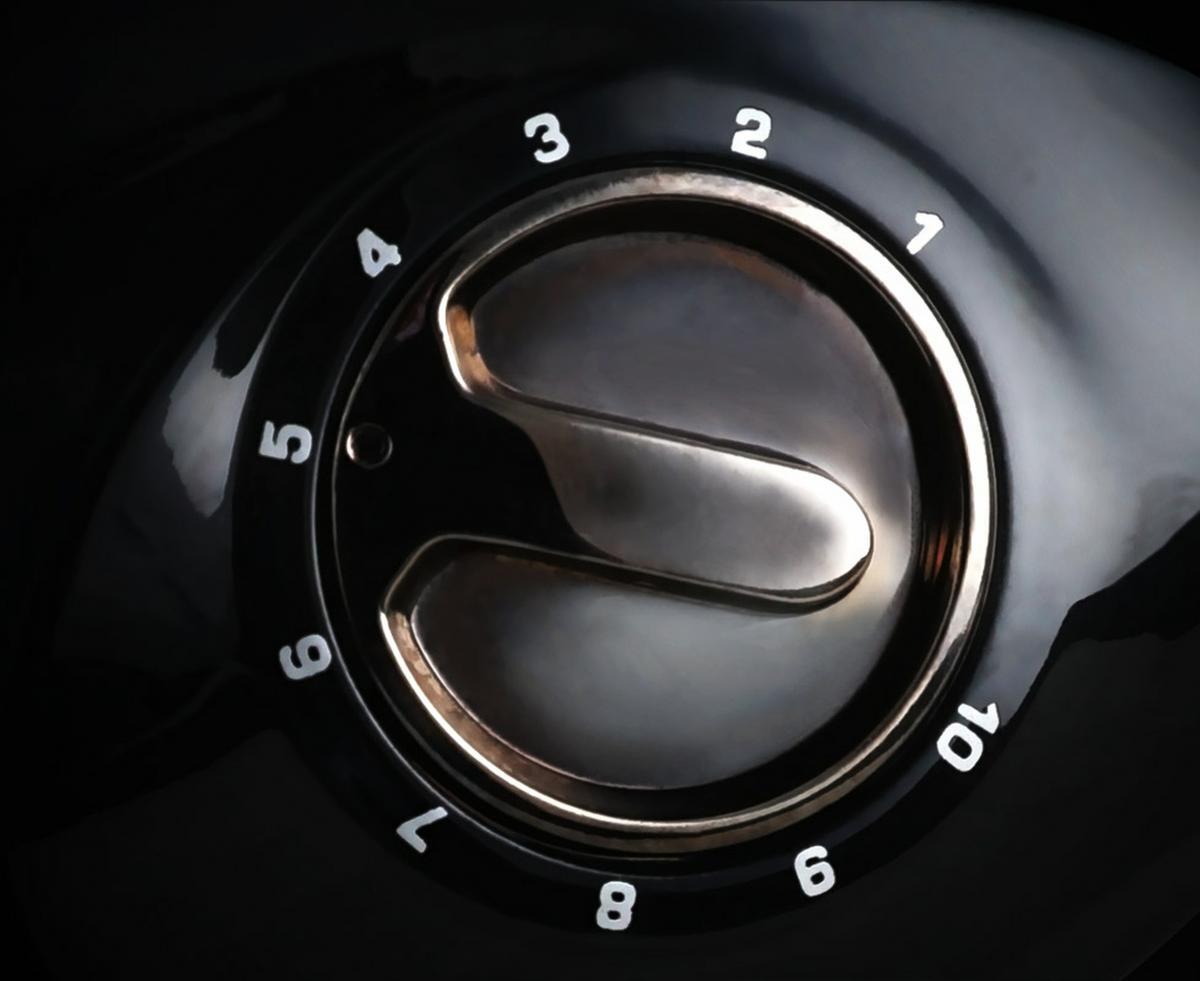
Magnetic brakes are adjusted externally and are the easier system to learn on. Centrifugal brakes are set inside the sideplate and give a more progressive feel once you know what you are doing, and many modern reels use both. Whichever you choose, start with the brakes high and the spool tension firm, then back both off as your thumb improves. Match the reel to a baitcaster rod, and load it with braided line, which casts better on these reels than mono does.
Frequently asked questions
Are baitcasters good for beginners?
They take a few sessions to learn but are not out of reach. Start with heavier lures, keep the brakes on and practise in open water before fishing tight cover.
How do I stop a baitcaster backlashing?
Set spool tension so a lure drops slowly when you release the spool, keep brakes engaged early on, and thumb the spool lightly as the lure lands.
Left or right hand retrieve?
Whichever lets you keep the rod in your stronger hand. Most right-handed Australian anglers now choose left-hand retrieve so they never swap hands after the cast.




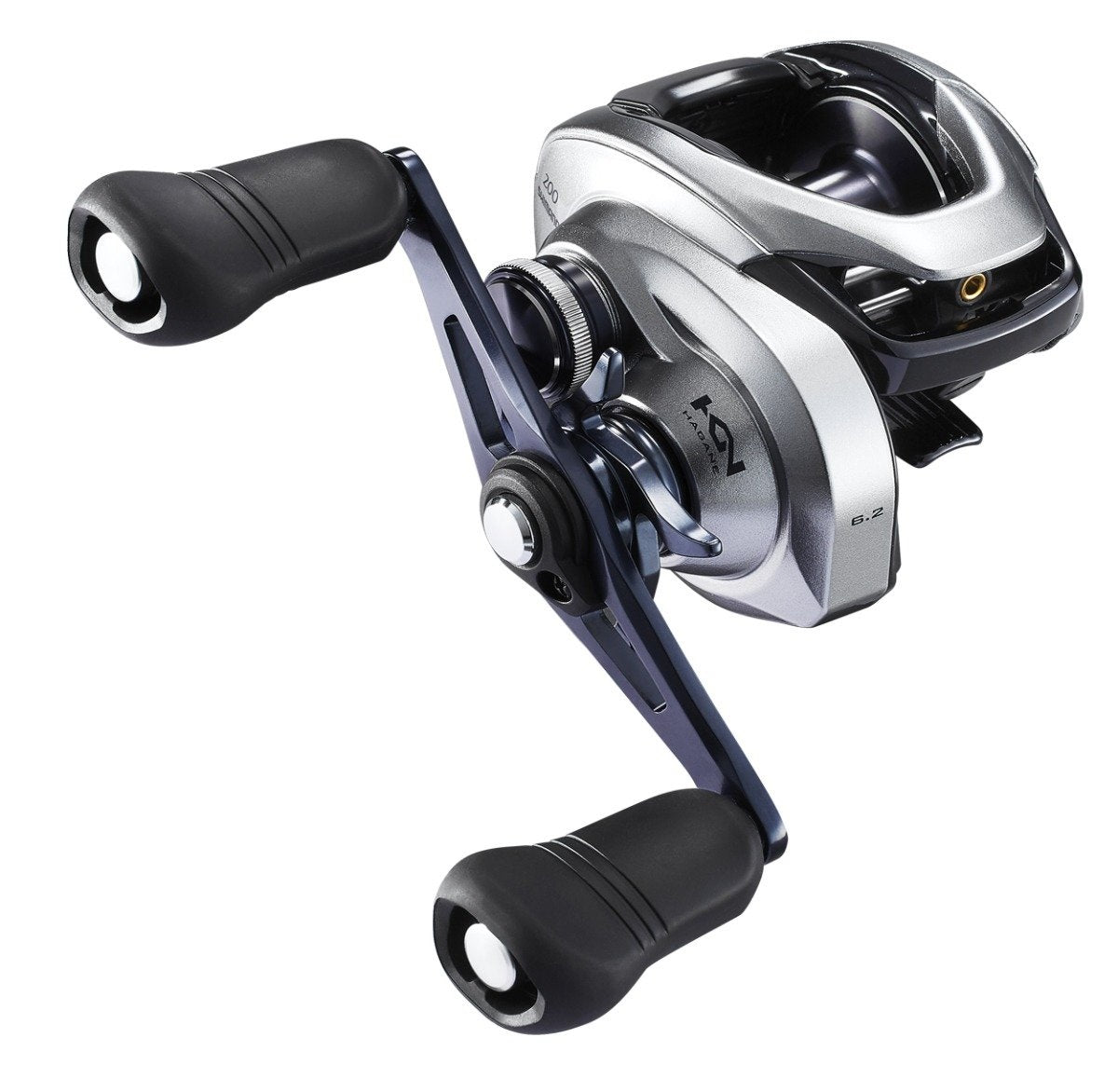


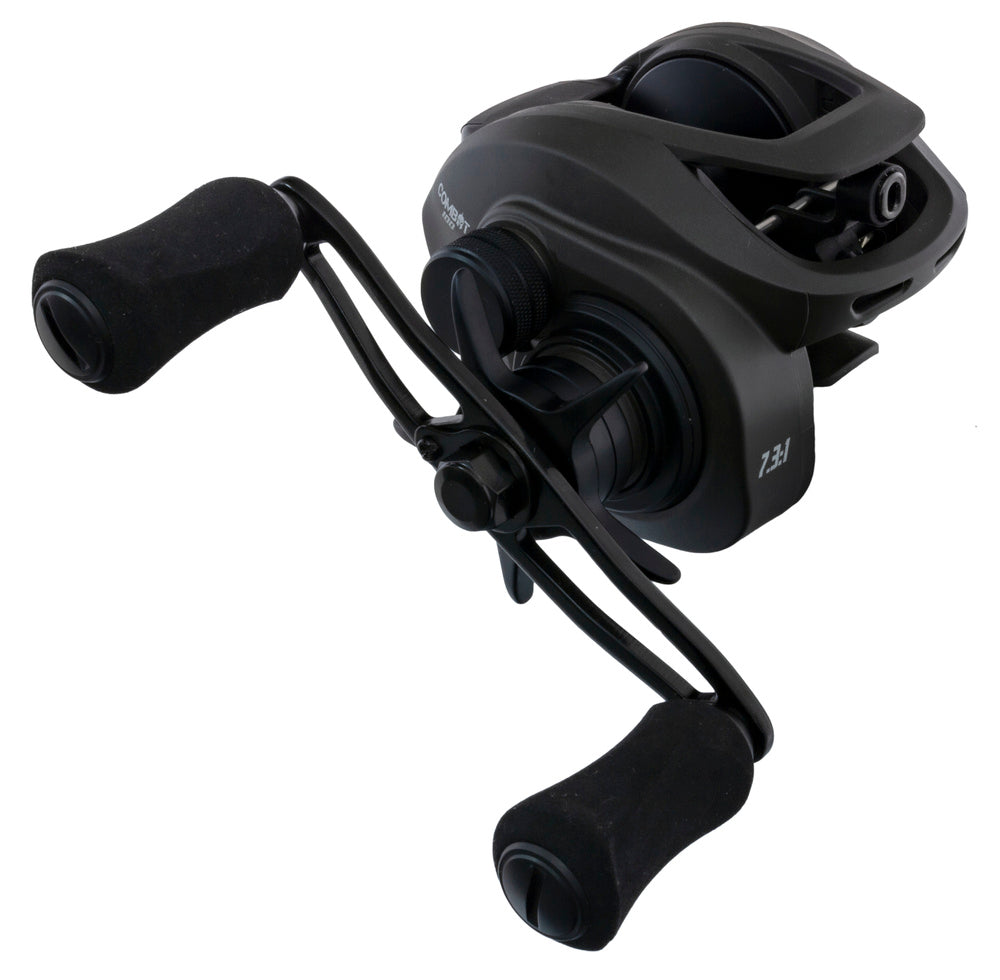
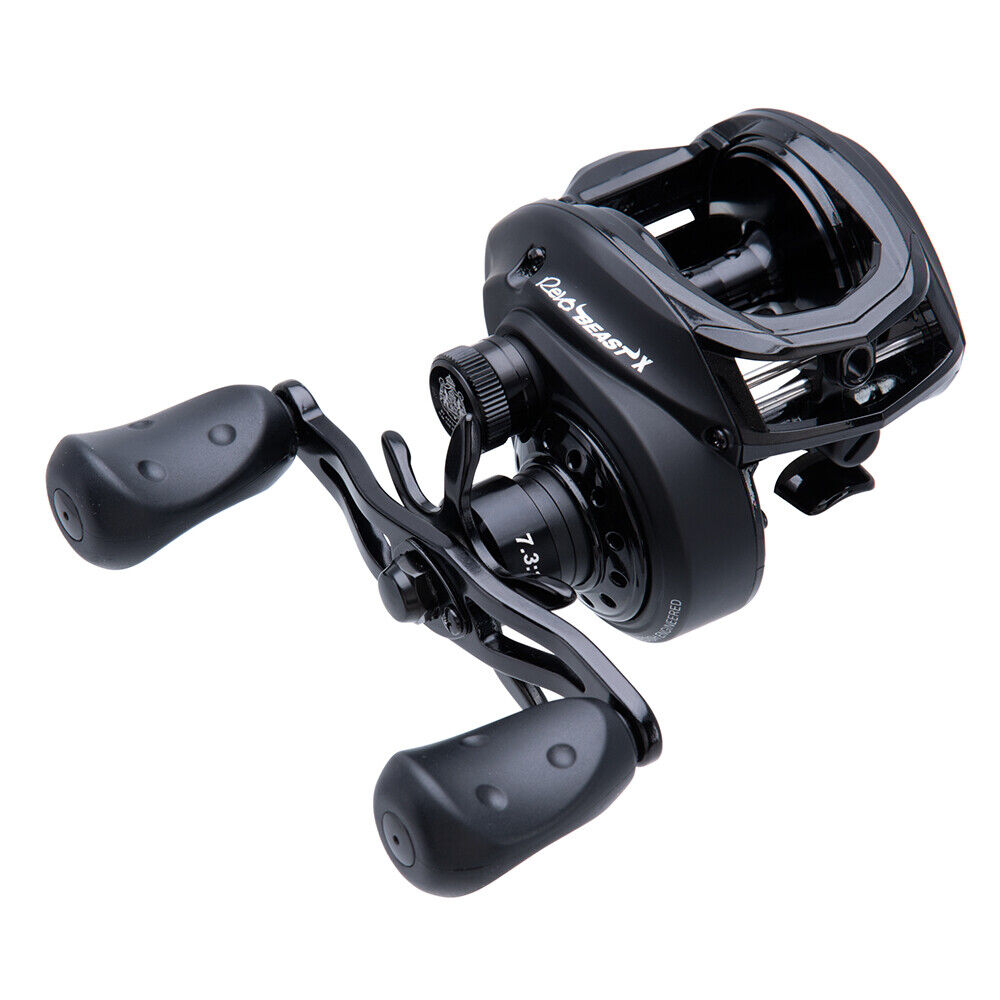

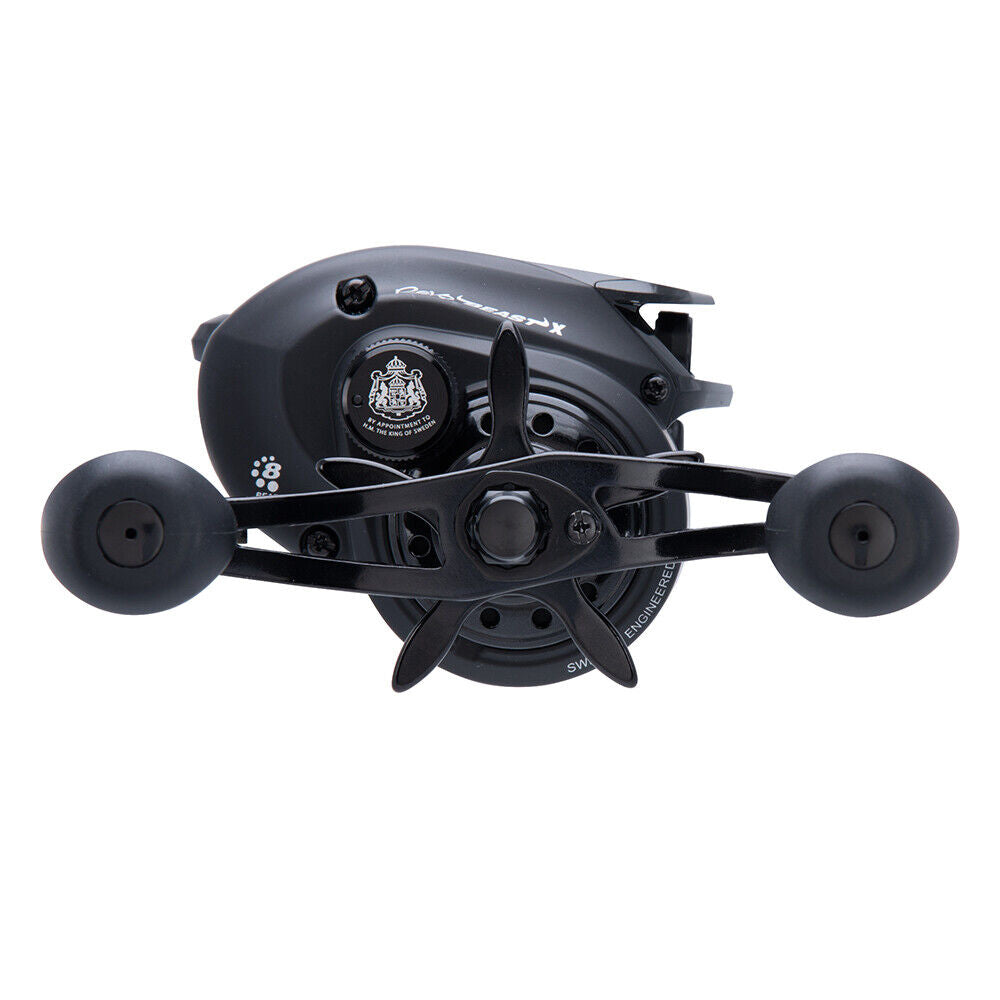



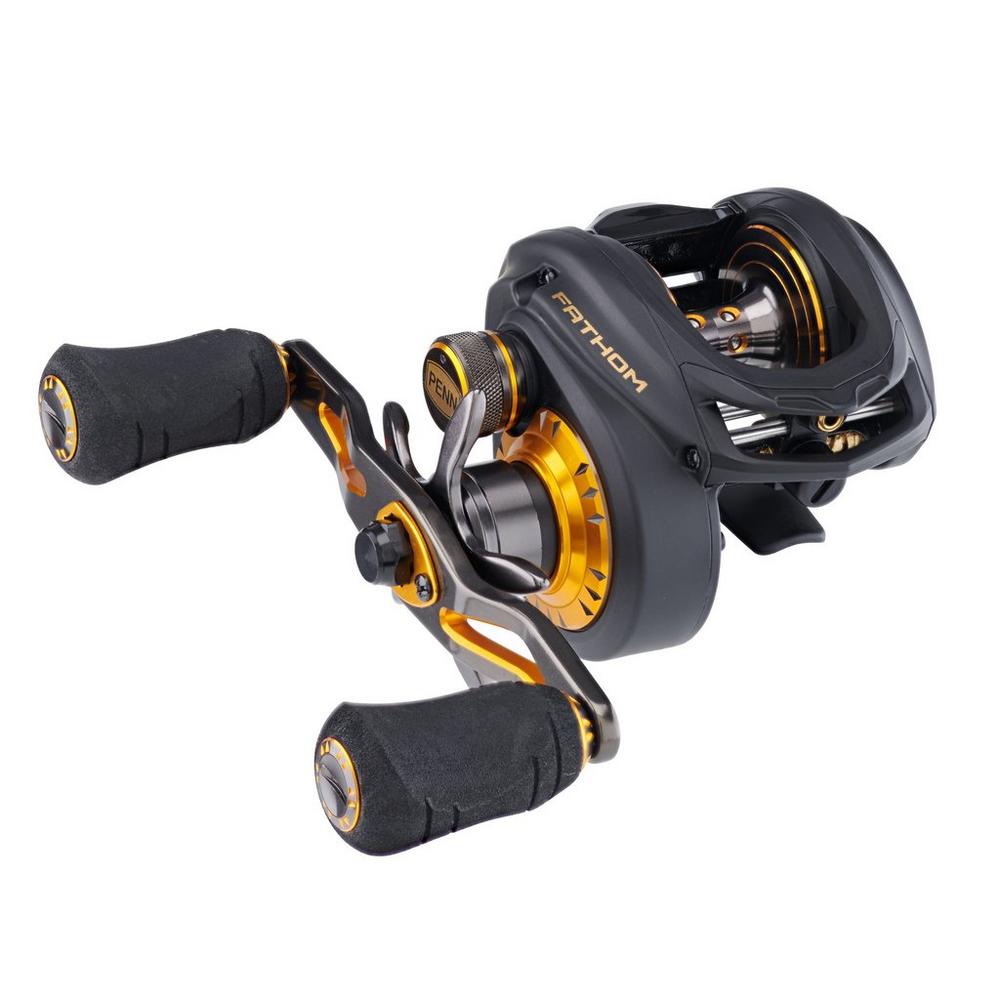
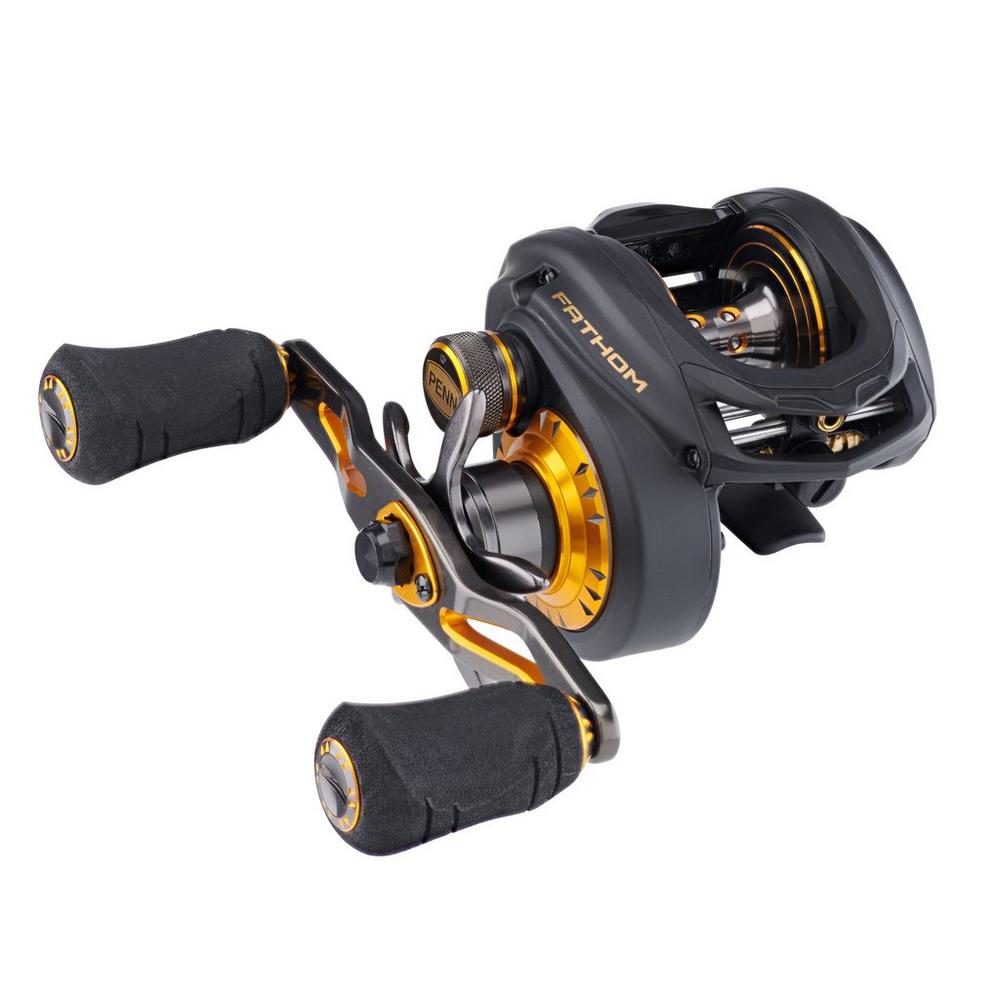
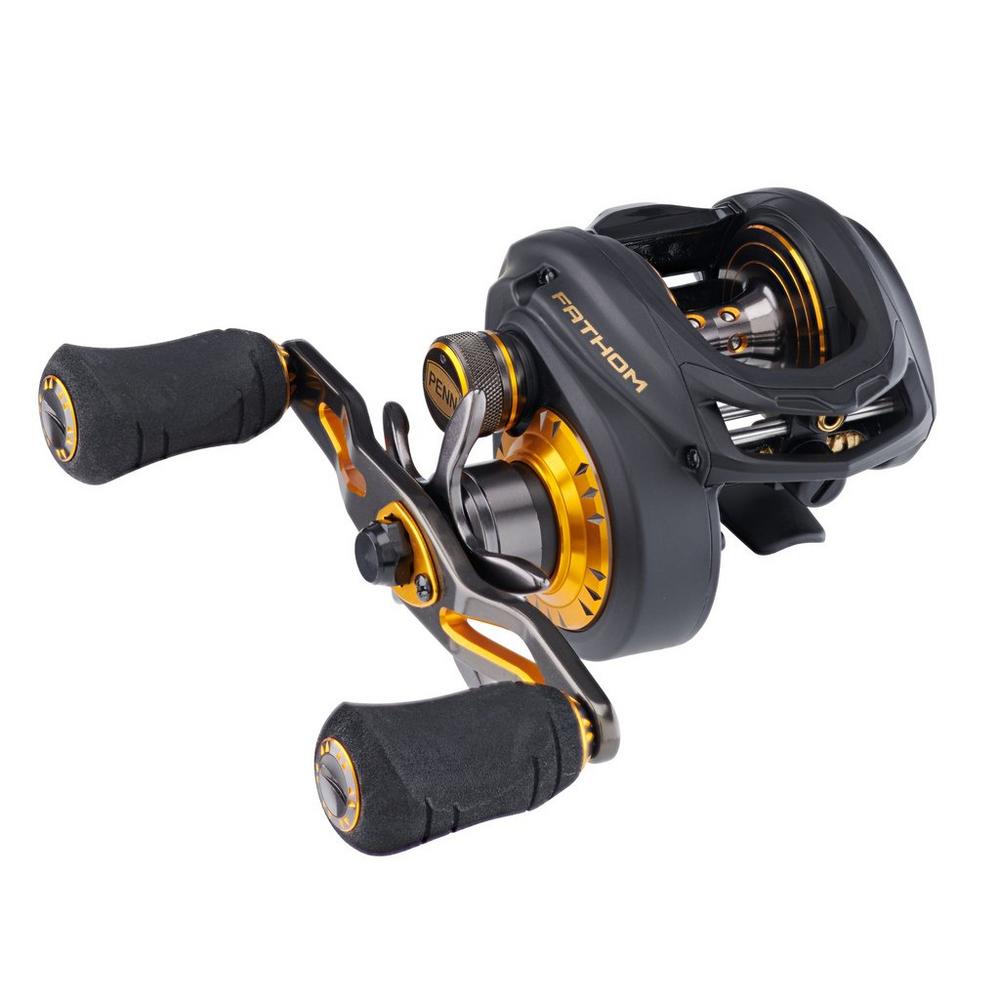




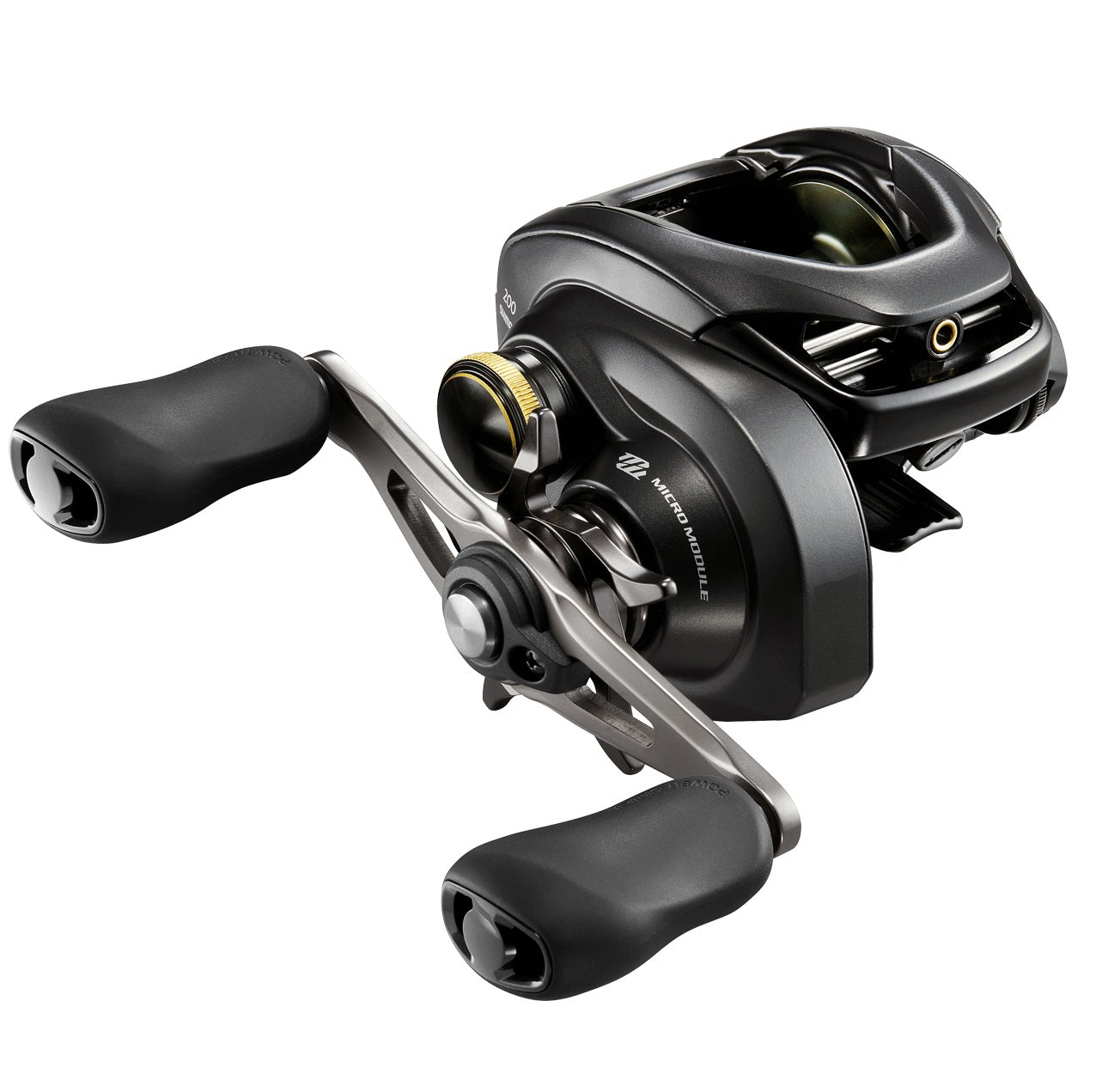


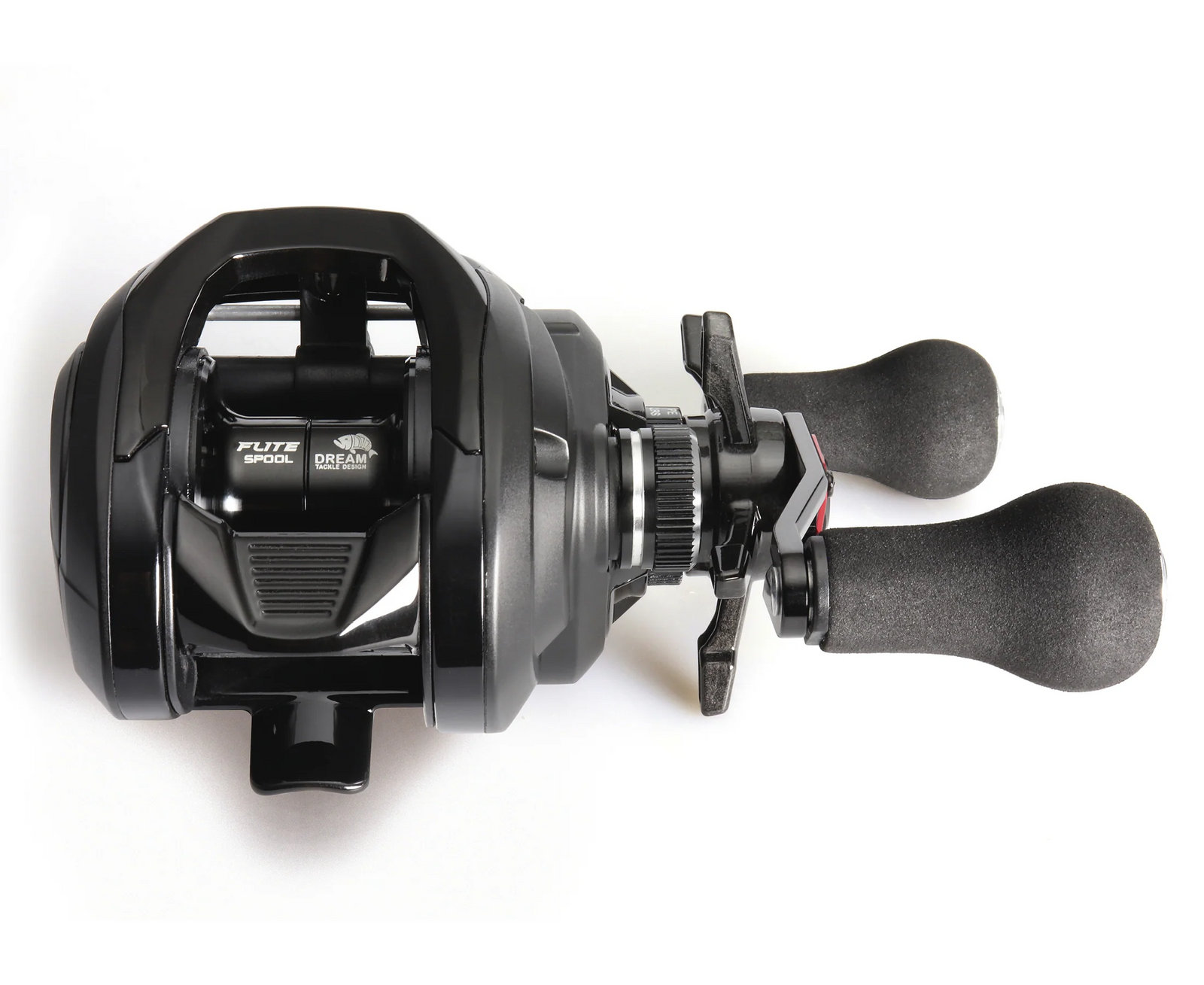


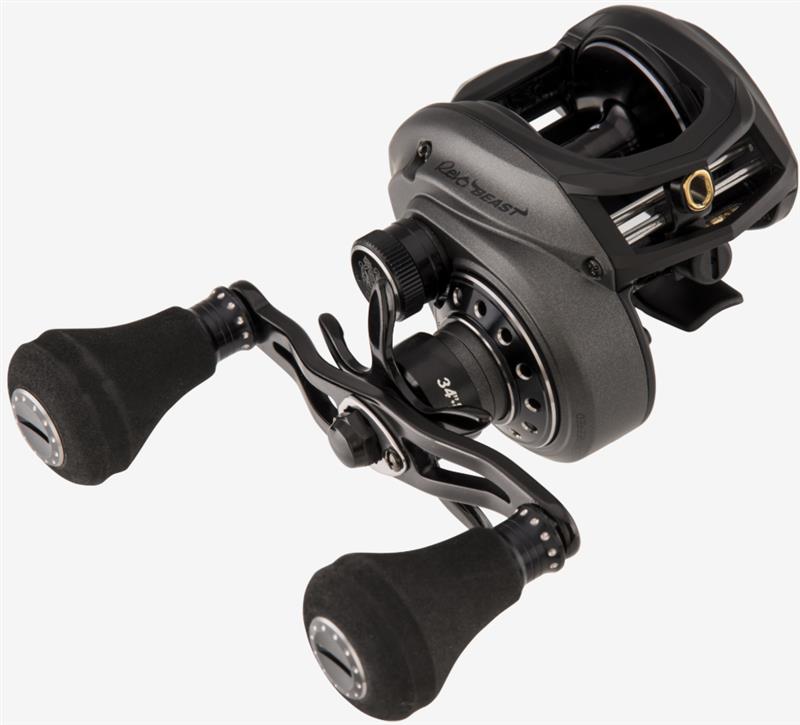

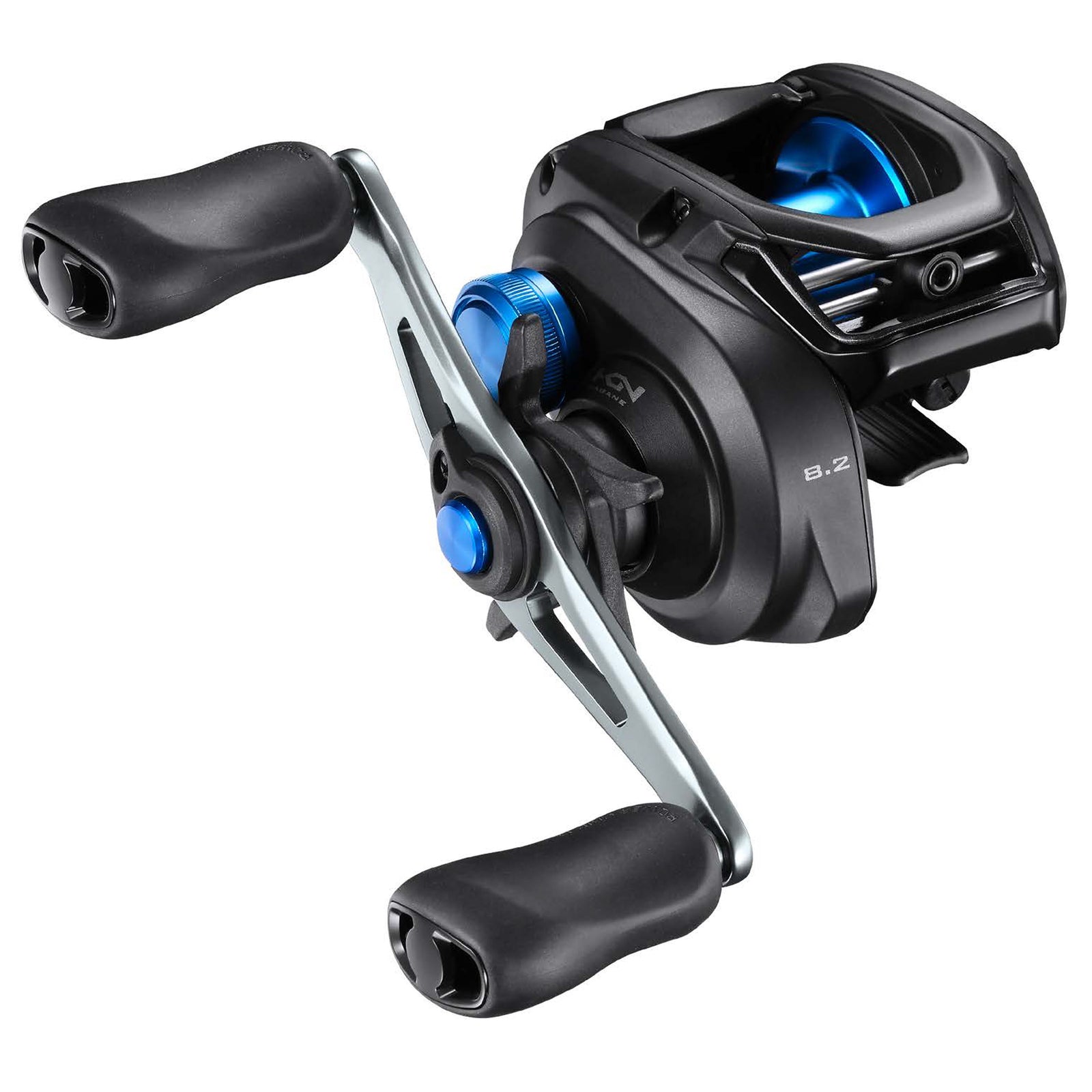











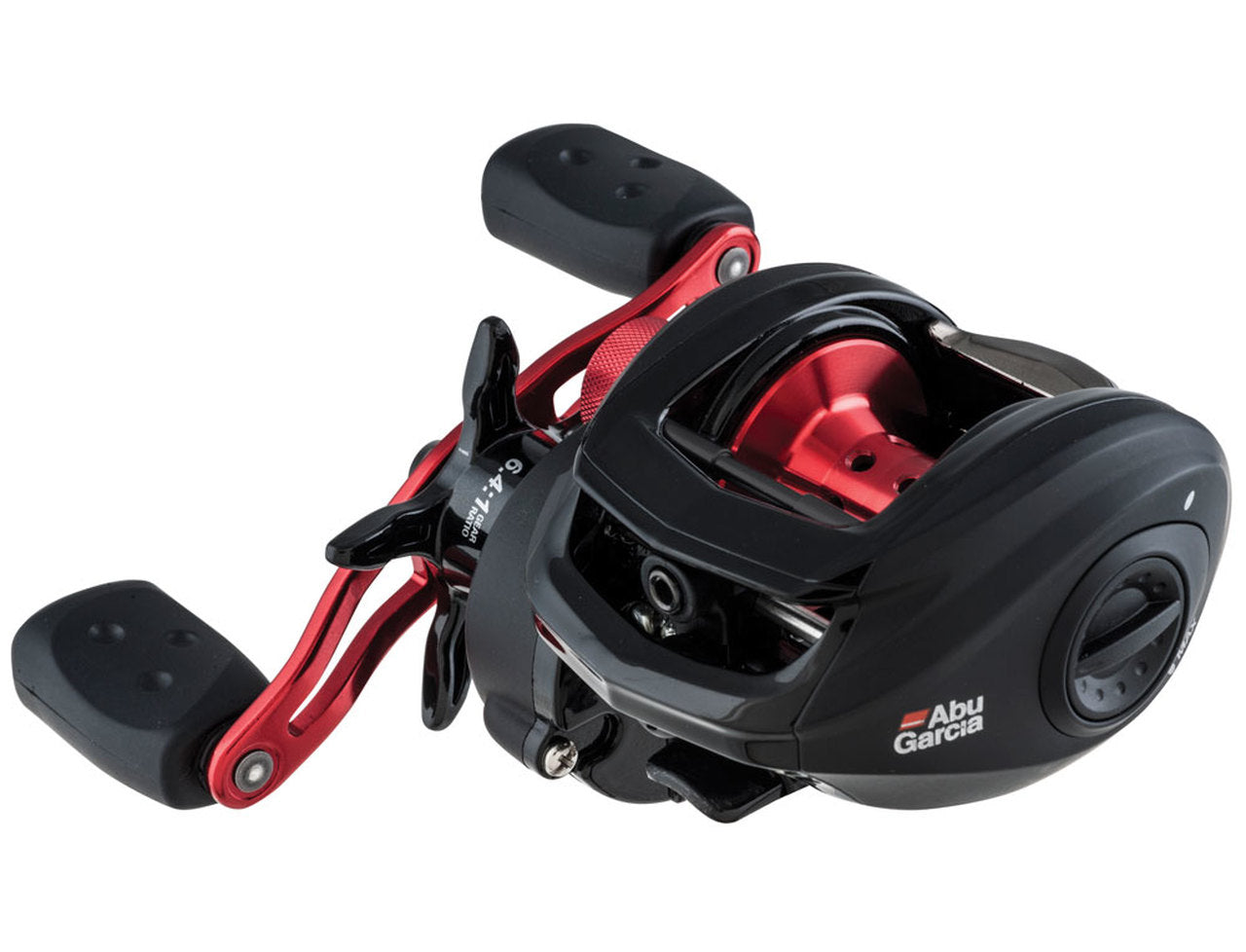





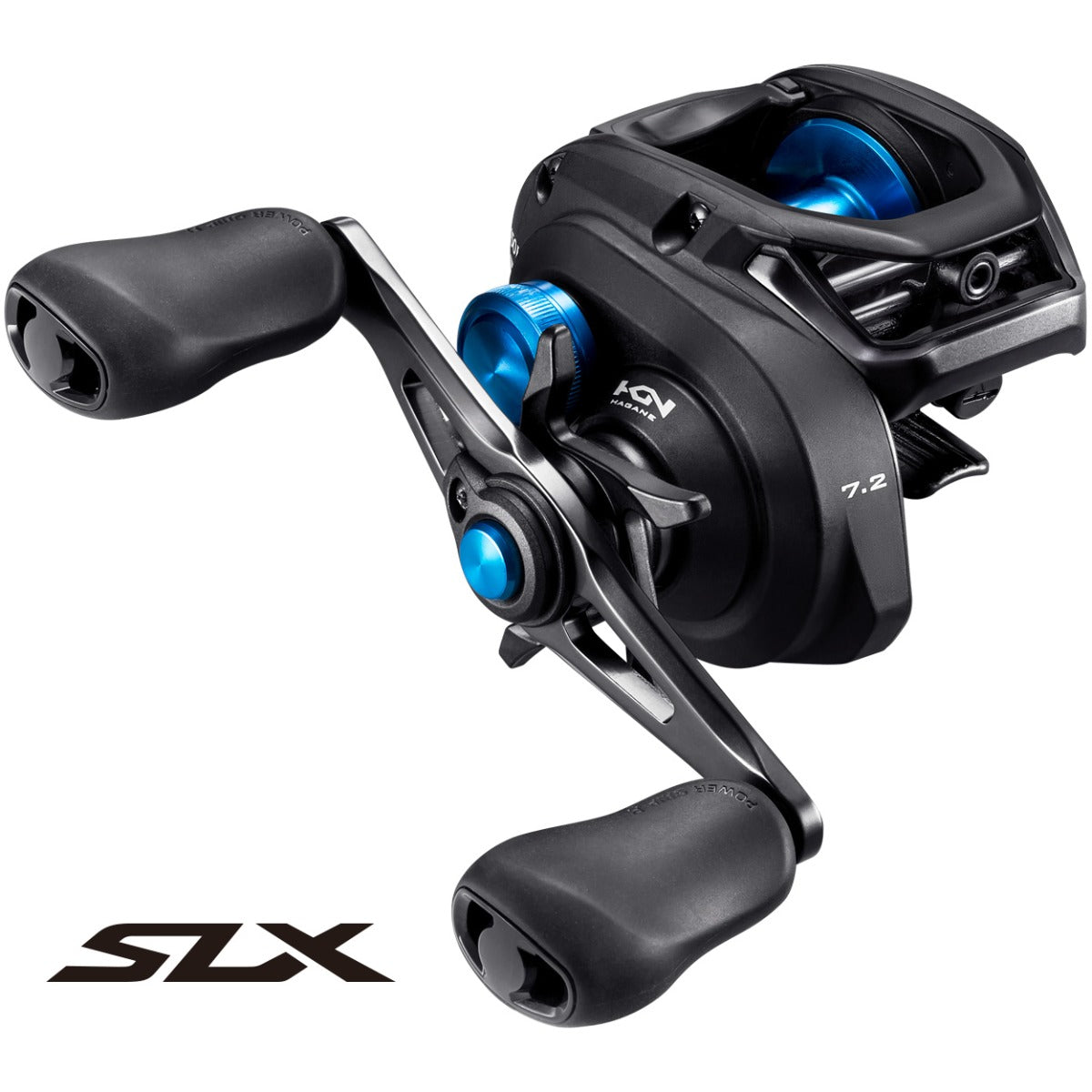
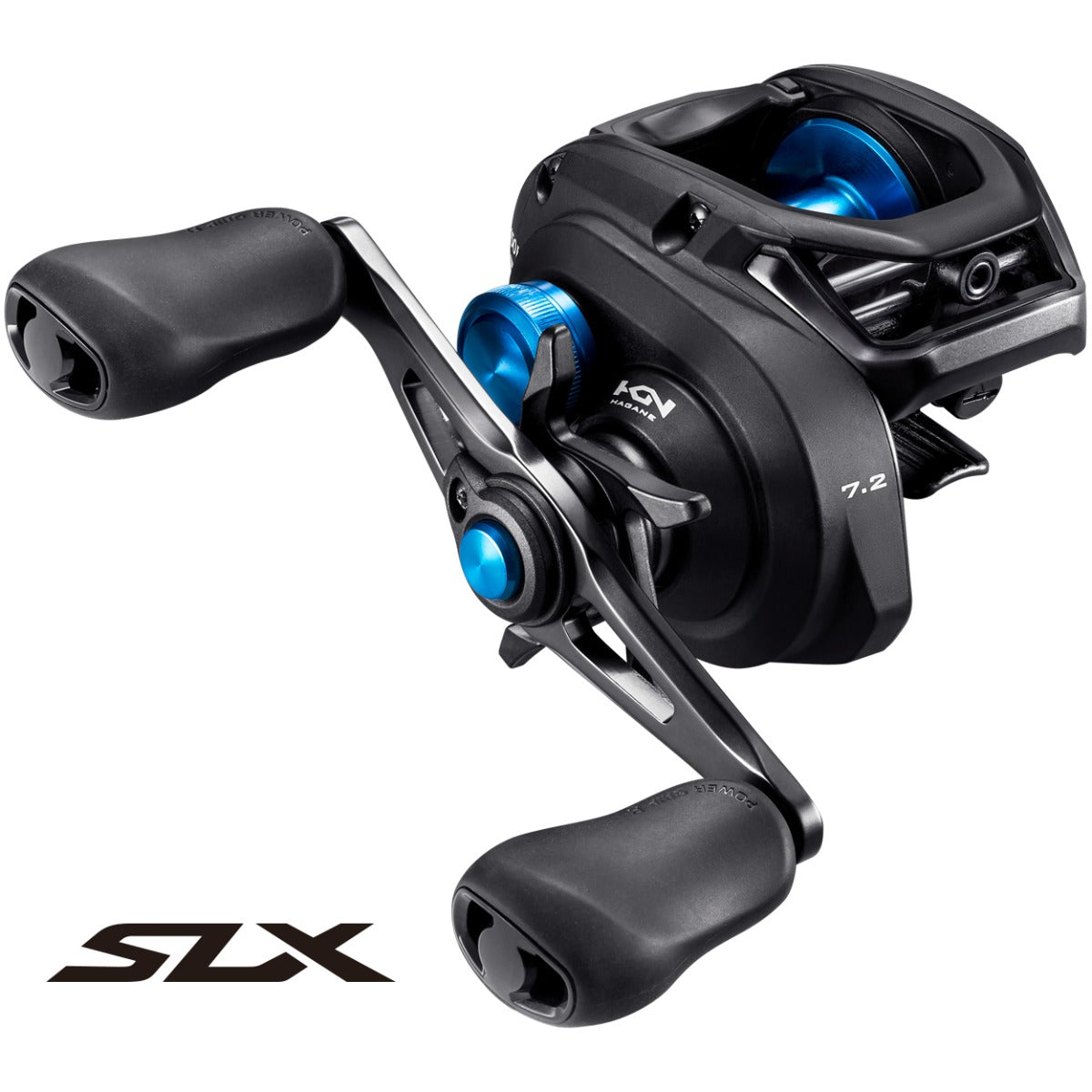
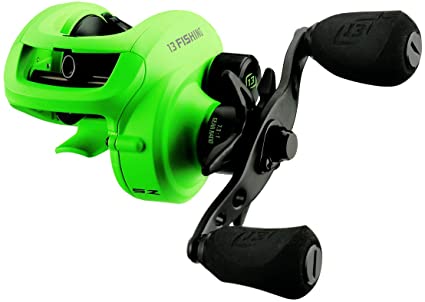








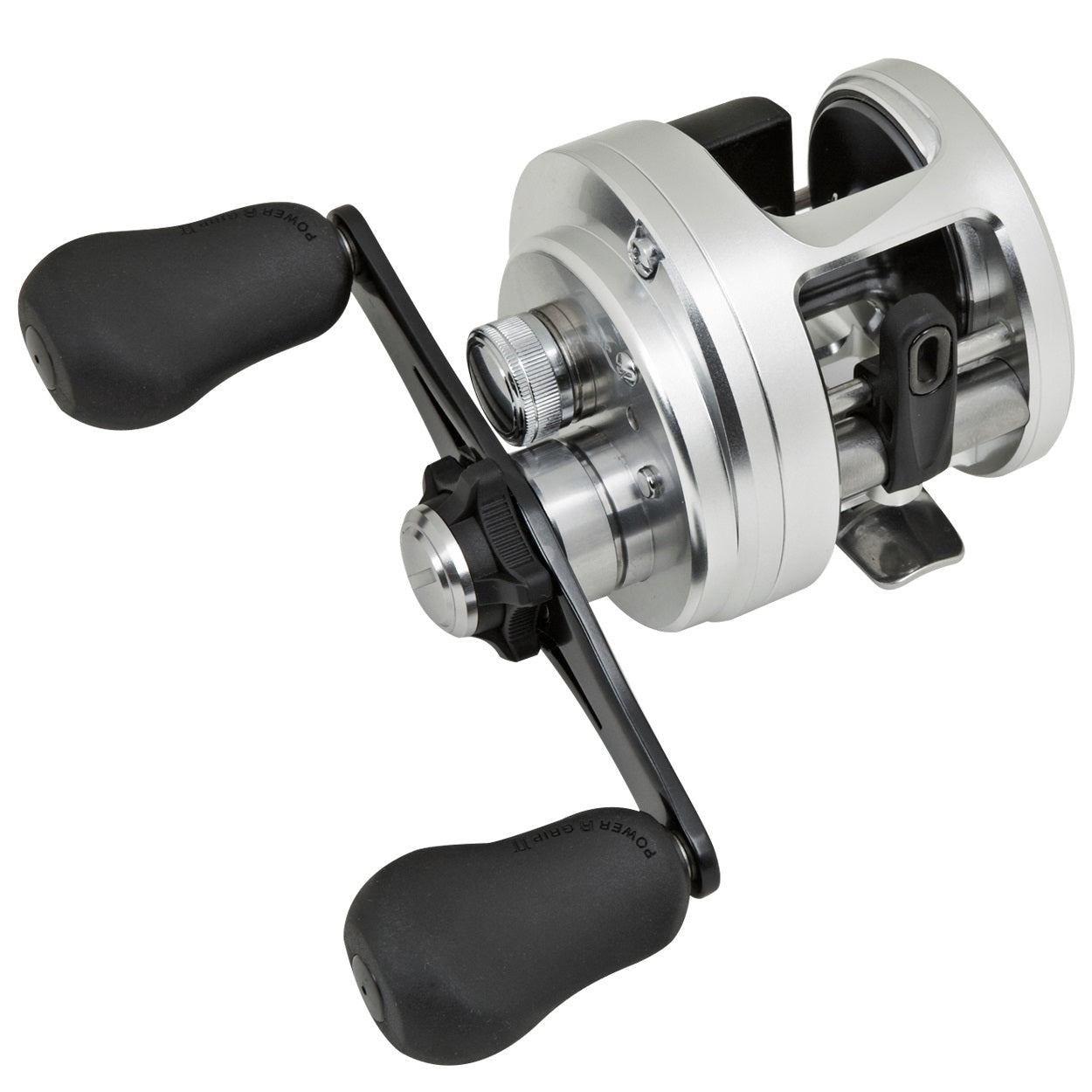
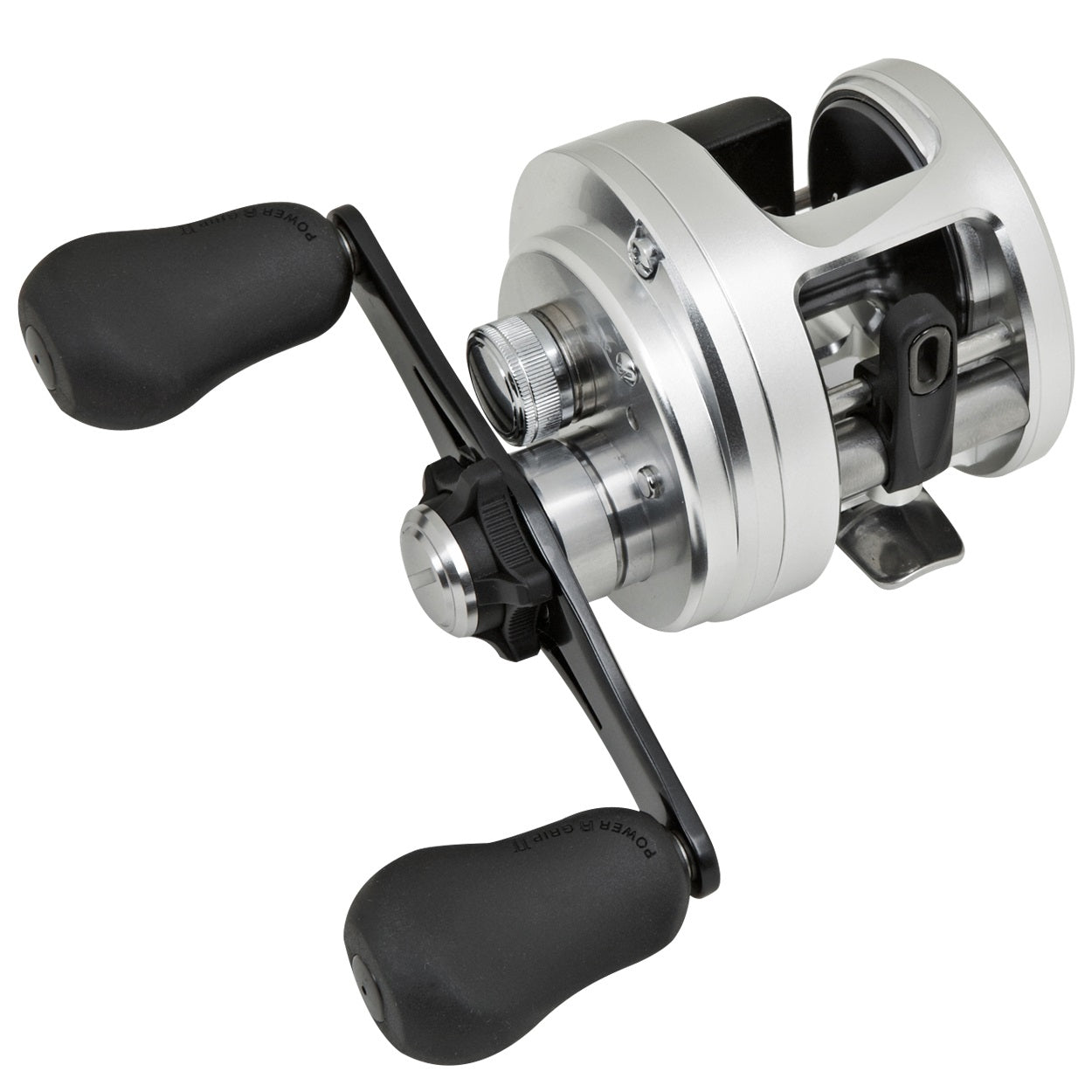

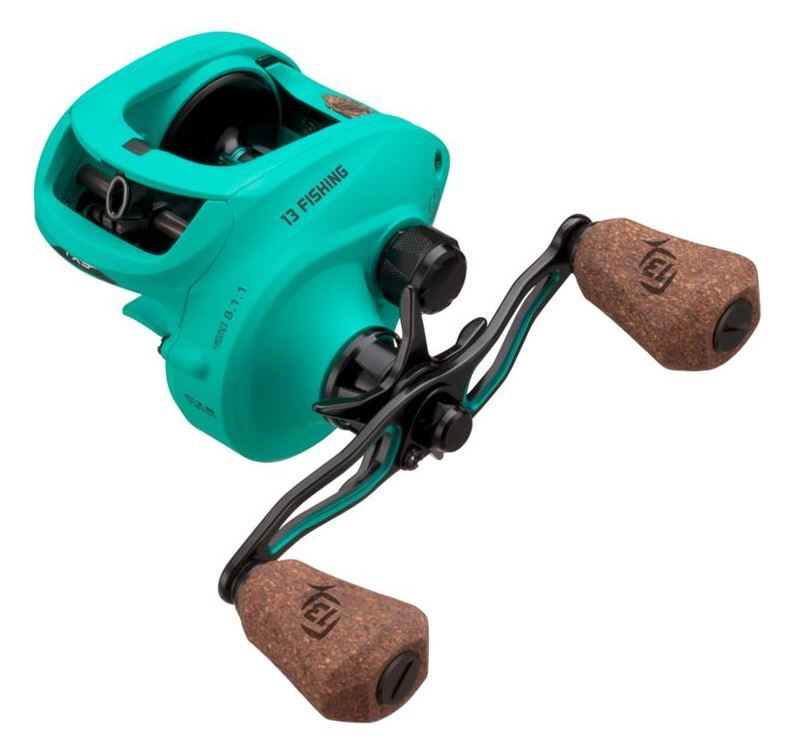
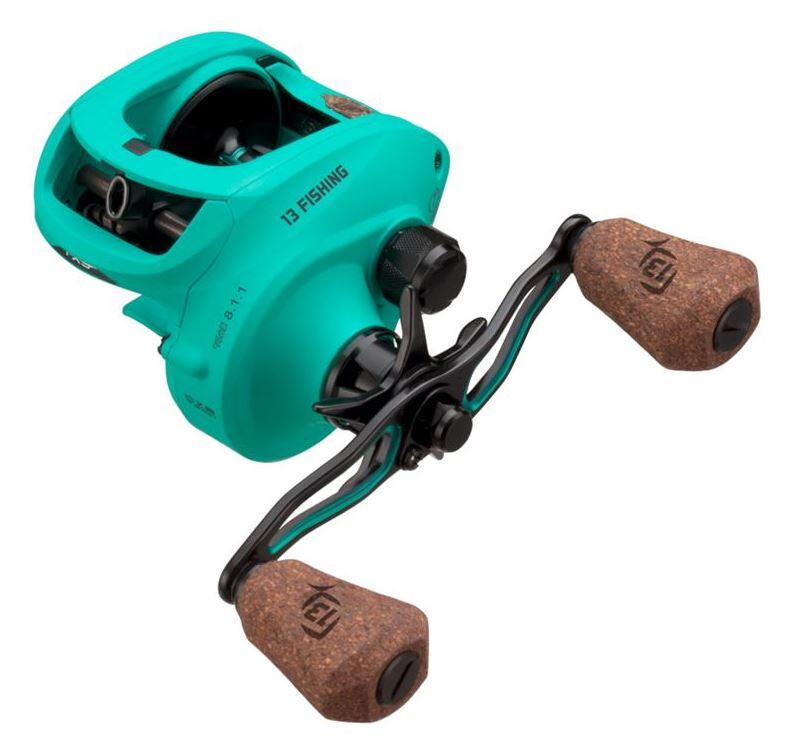



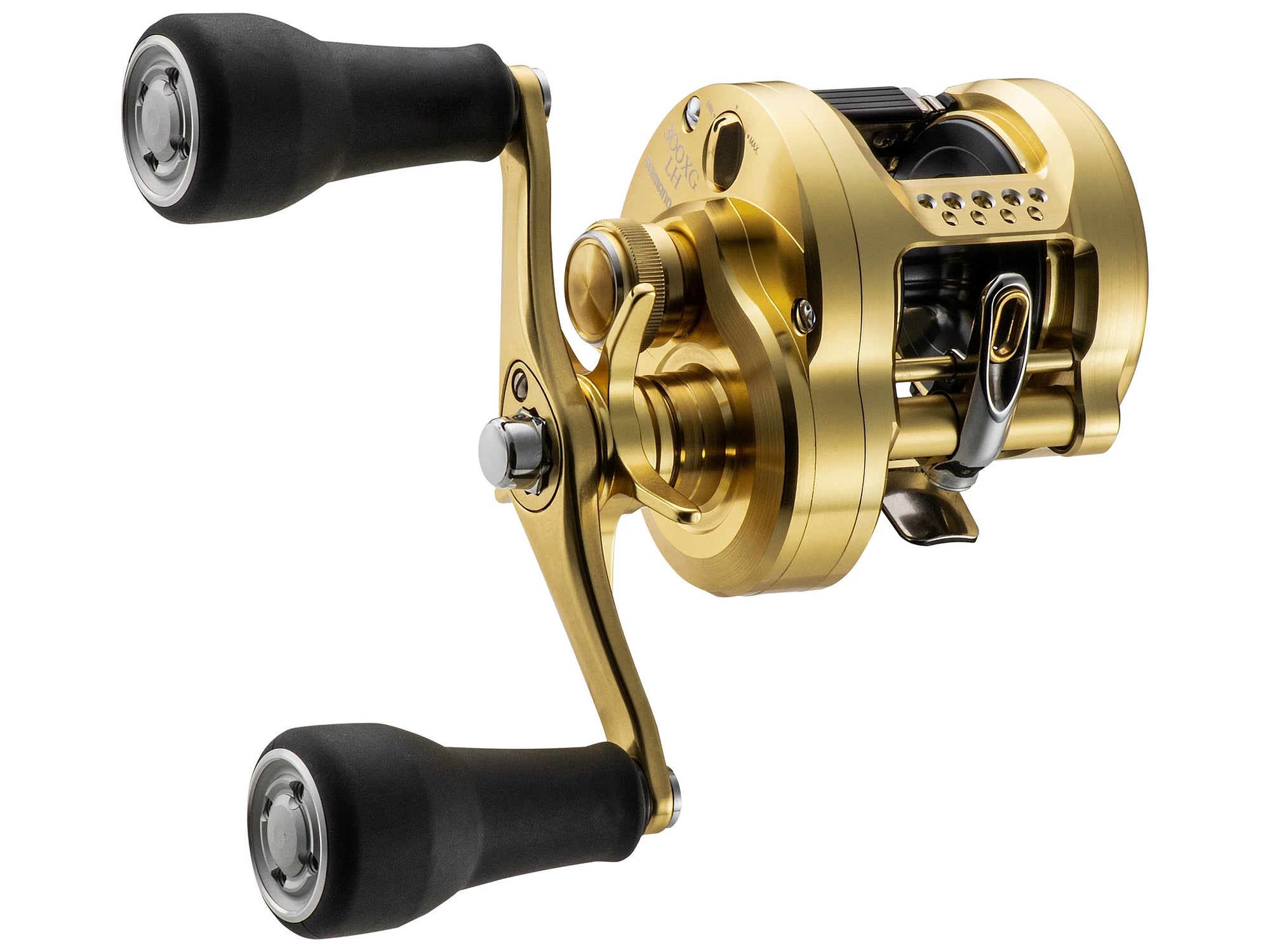


A baitcaster puts the spool in line with the rod and lets you control the cast with your thumb. That gives accuracy a spinning reel cannot match, and a drag system that transfers pressure directly — which is why baitcasters dominate Australian barramundi, Murray cod, bass and mangrove jack fishing.
Low profile or round?
Low profile reels sit flat in the palm and suit casting lures all day. They are the standard choice for freshwater and estuary lure fishing. Round baitcasters hold more line and handle heavier drag, which makes them the pick for trolling, big barra and light offshore work.
Braking systems
Magnetic brakes are adjusted externally and are the easier system to learn on. Centrifugal brakes are set inside the sideplate and give a more progressive feel once you know what you are doing, and many modern reels use both. Whichever you choose, start with the brakes high and the spool tension firm, then back both off as your thumb improves. Match the reel to a baitcaster rod, and load it with braided line, which casts better on these reels than mono does.
Frequently asked questions
Are baitcasters good for beginners?
They take a few sessions to learn but are not out of reach. Start with heavier lures, keep the brakes on and practise in open water before fishing tight cover.
How do I stop a baitcaster backlashing?
Set spool tension so a lure drops slowly when you release the spool, keep brakes engaged early on, and thumb the spool lightly as the lure lands.
Left or right hand retrieve?
Whichever lets you keep the rod in your stronger hand. Most right-handed Australian anglers now choose left-hand retrieve so they never swap hands after the cast.