

FREE SHIPPING ON ORDERS OVER $150*

AUSSIE FAMILY OWNED BUSINESS FOR OVER 40 YEARS

100% SATISFACTION GUARANTEED
Dive and Spear
Dive and Spear
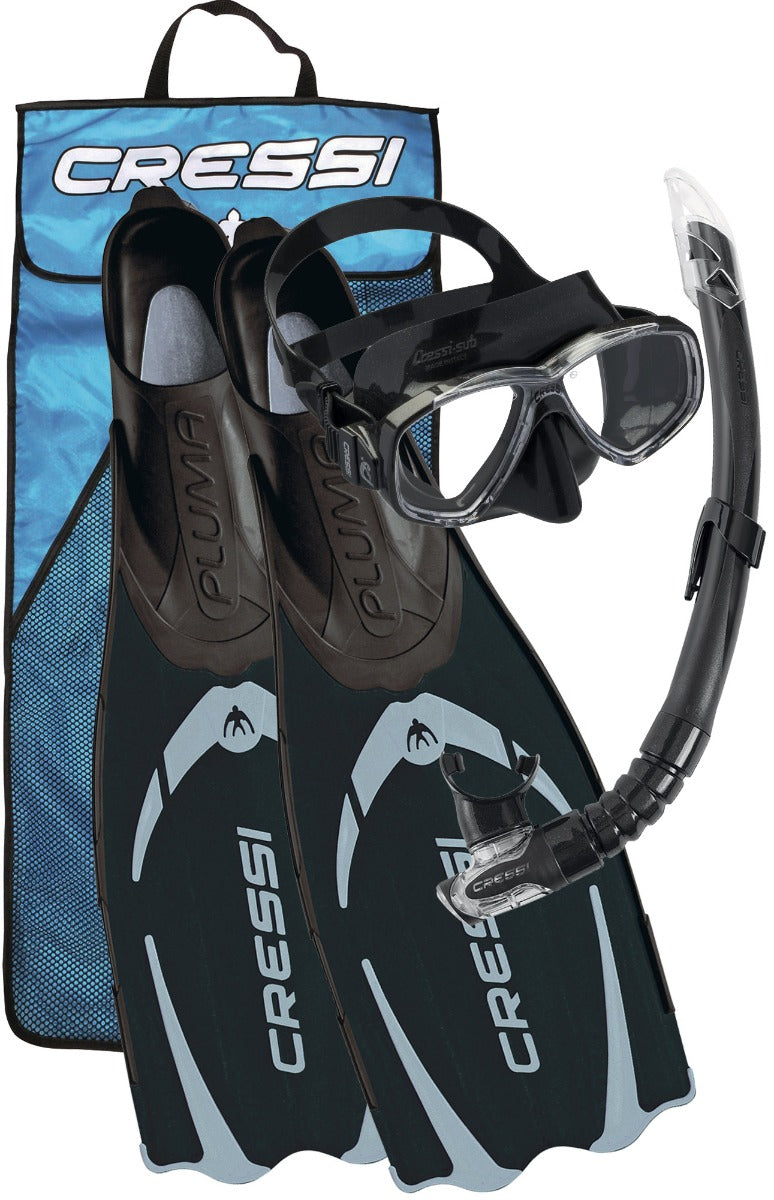
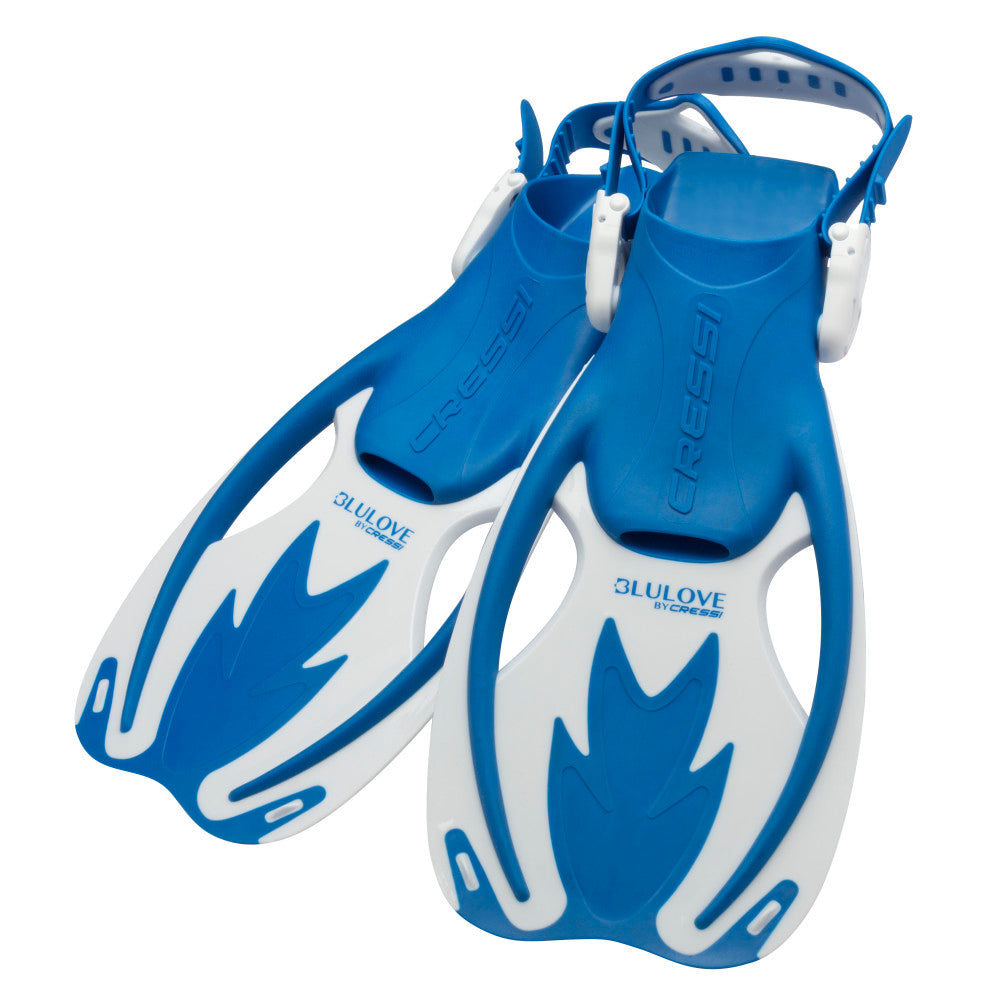
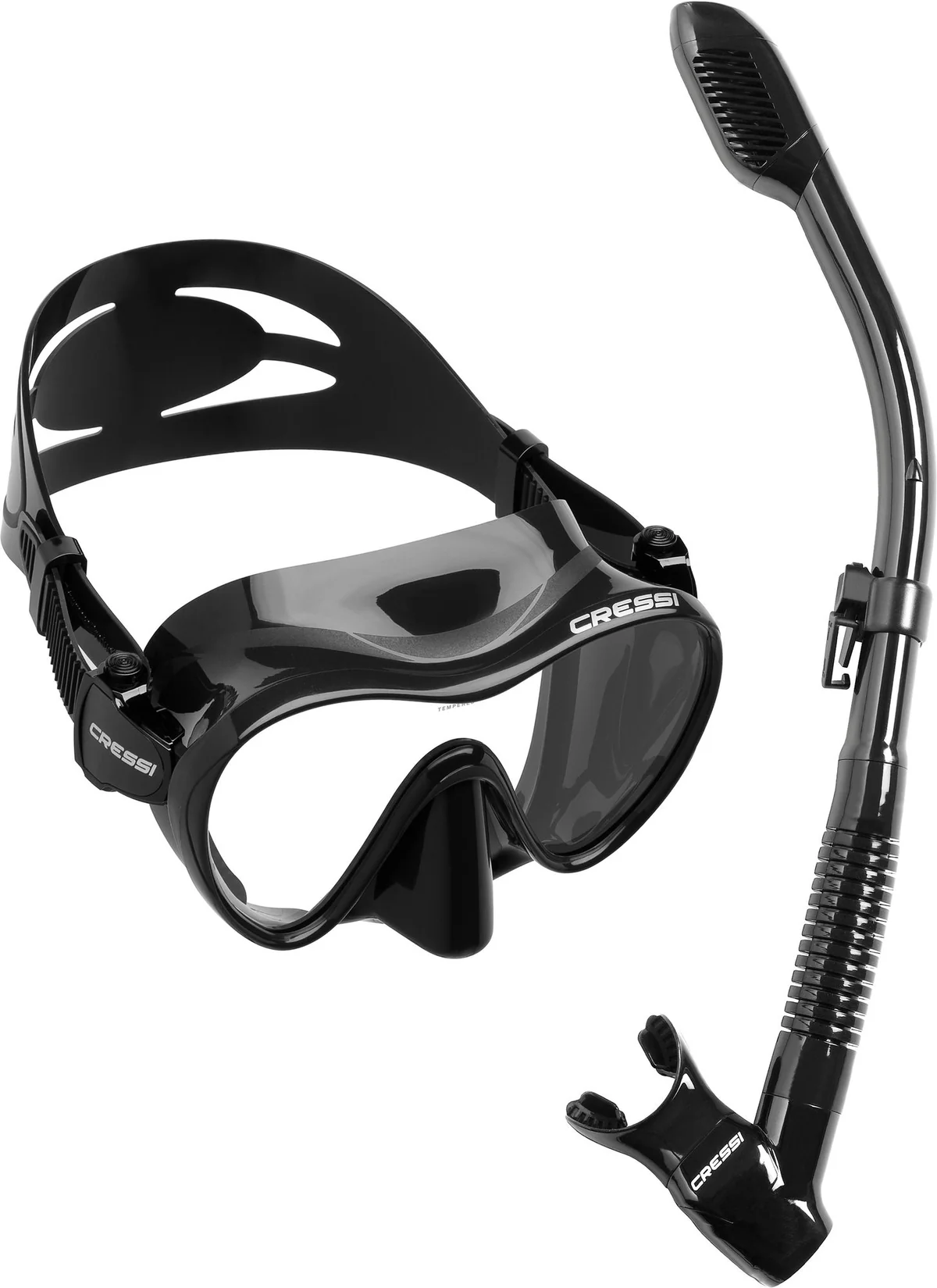
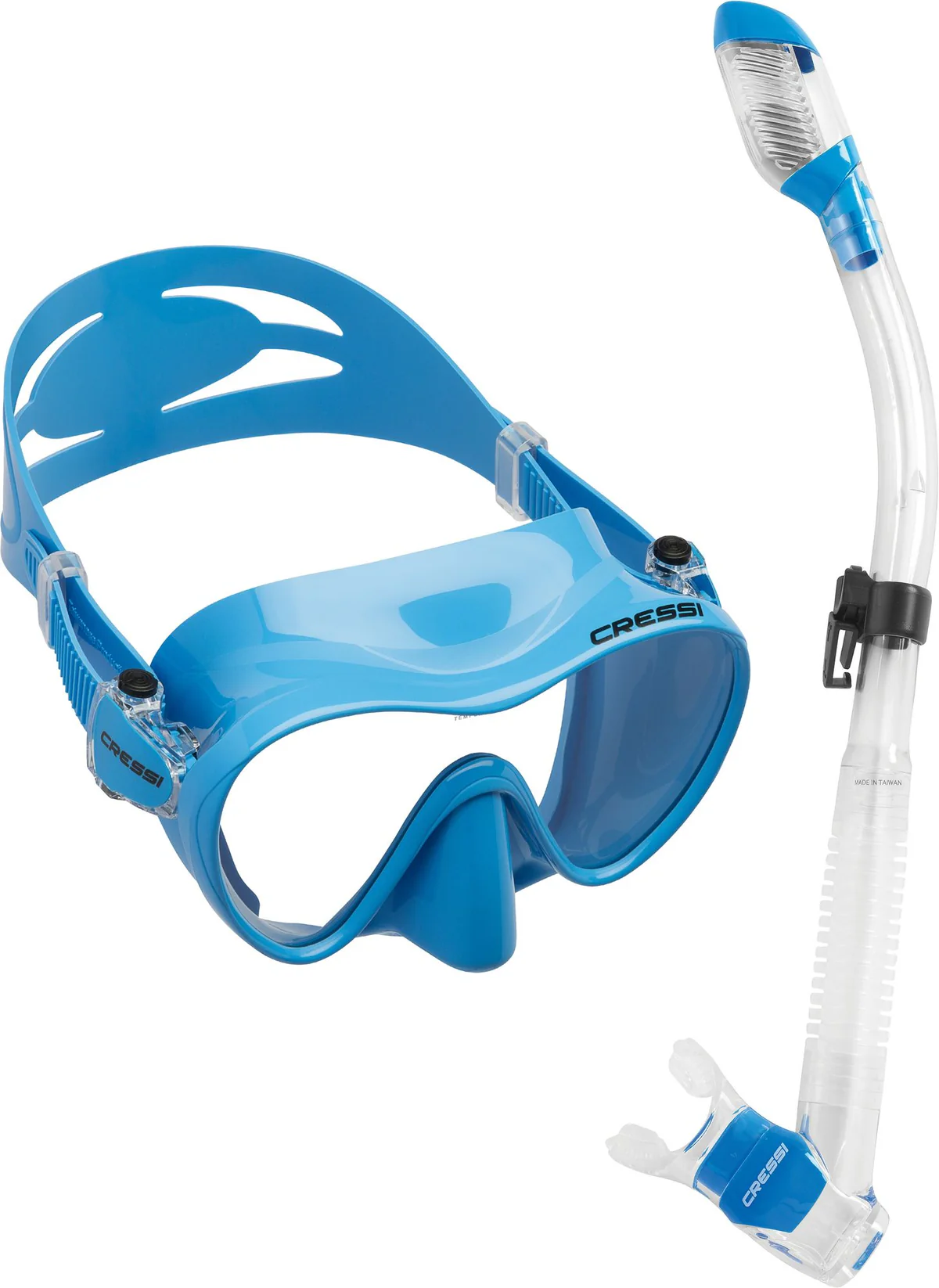
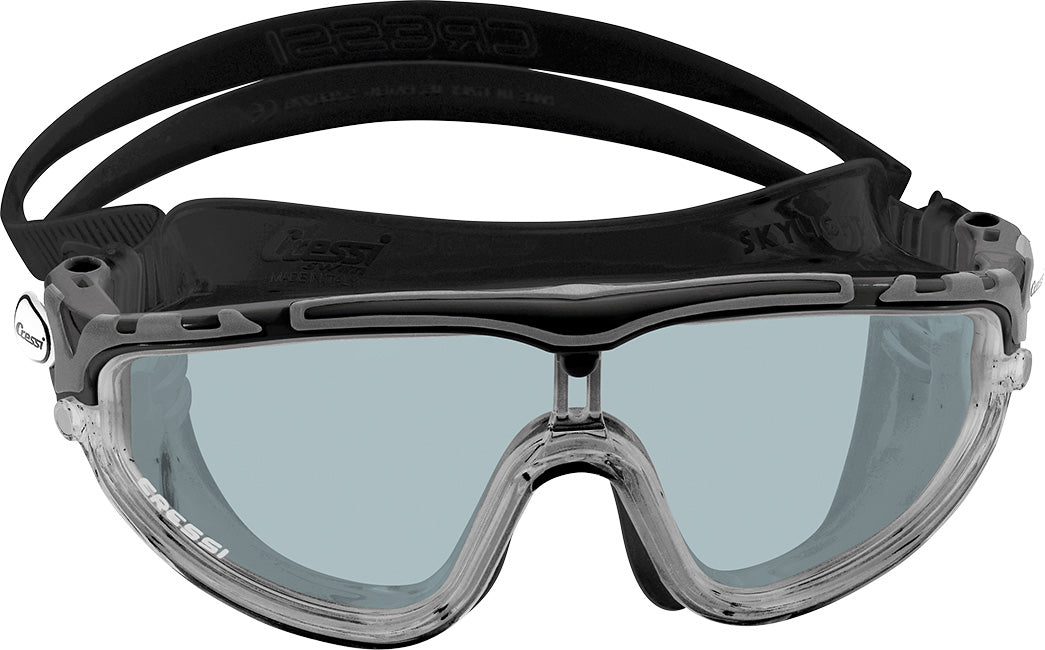
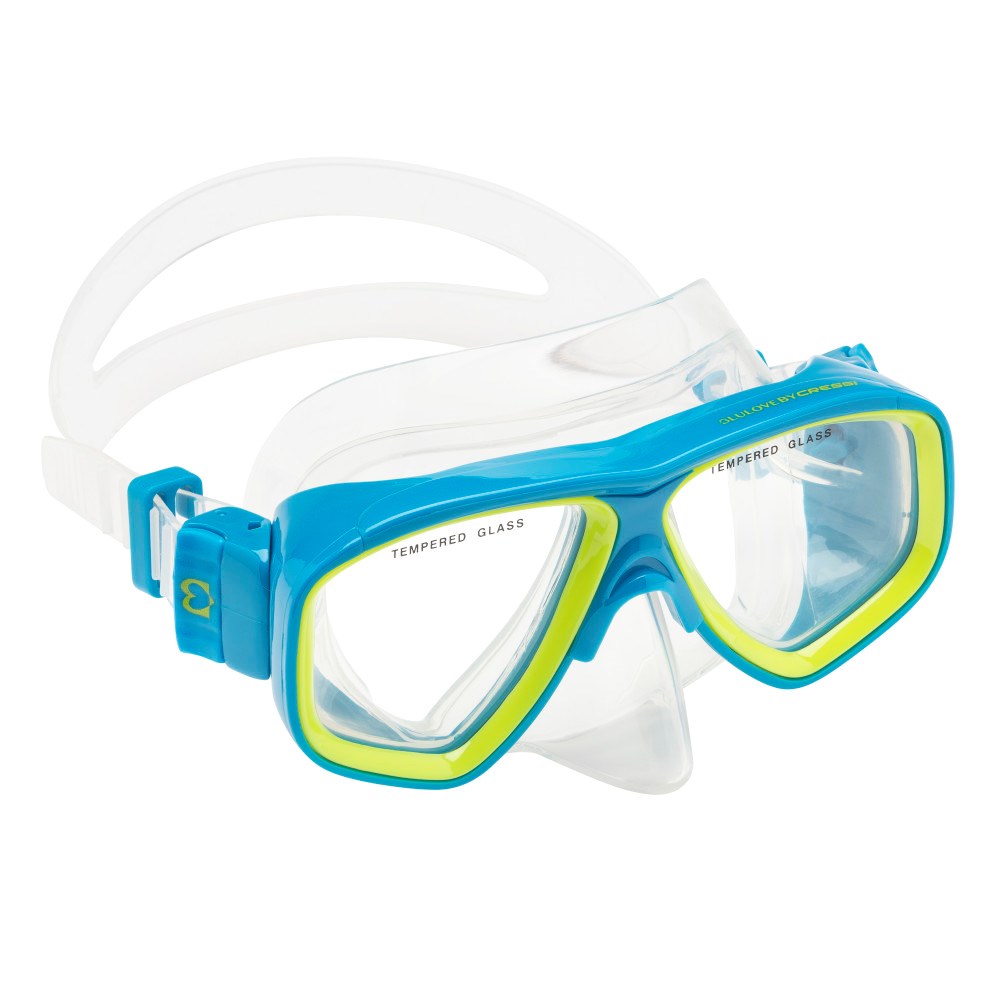
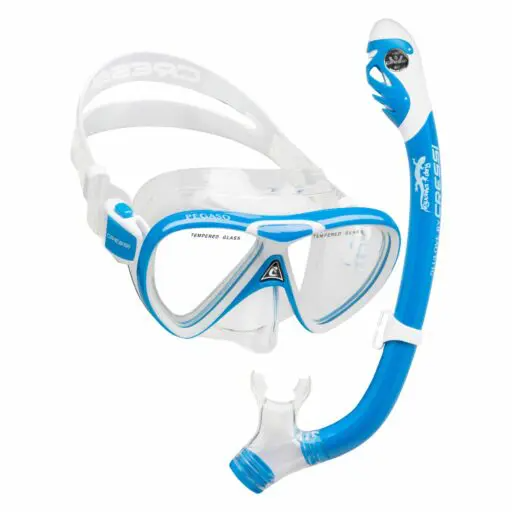
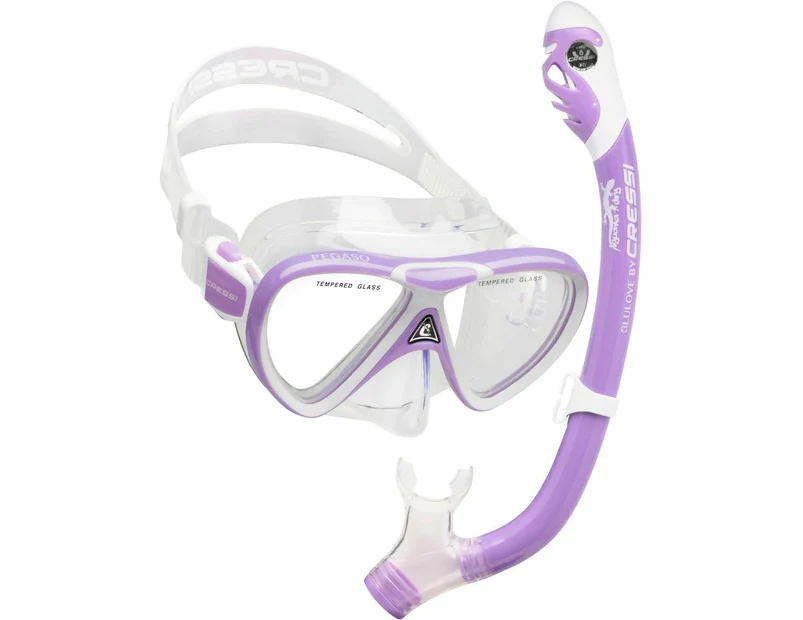
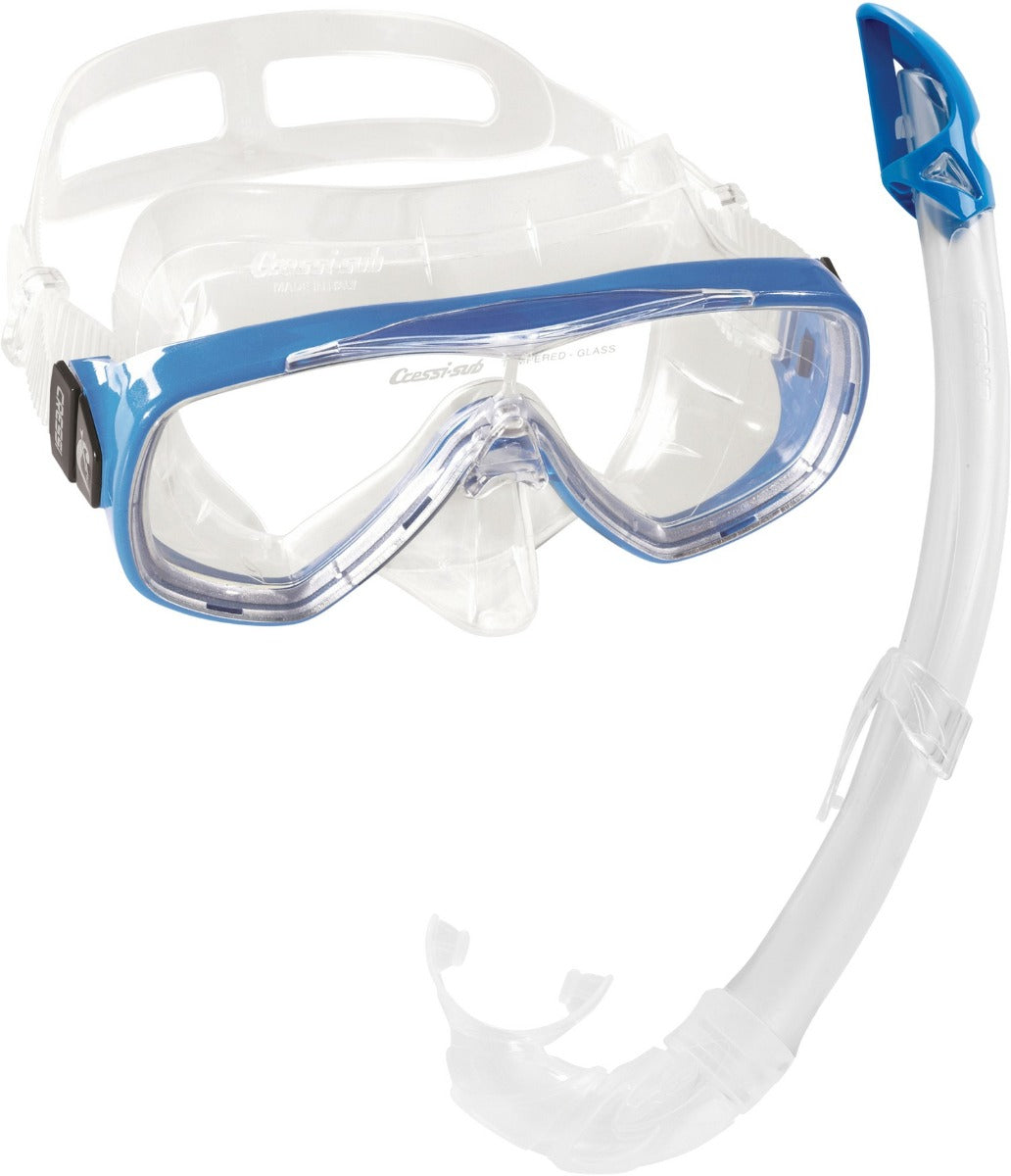
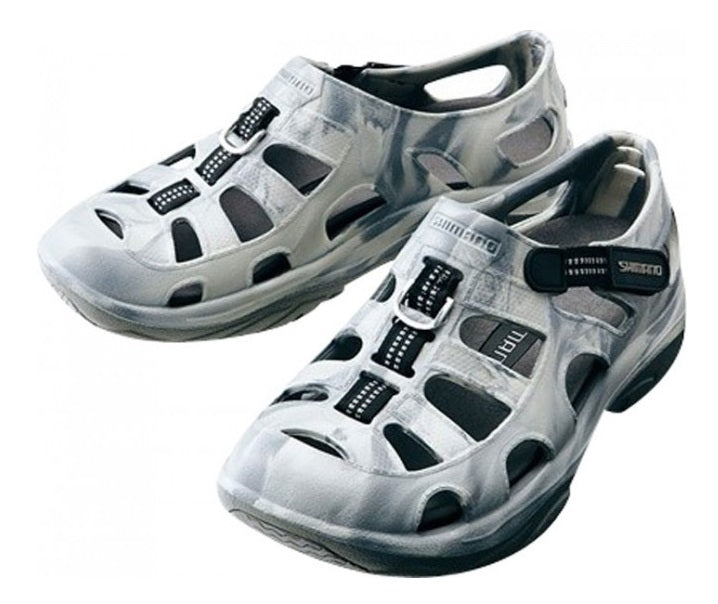
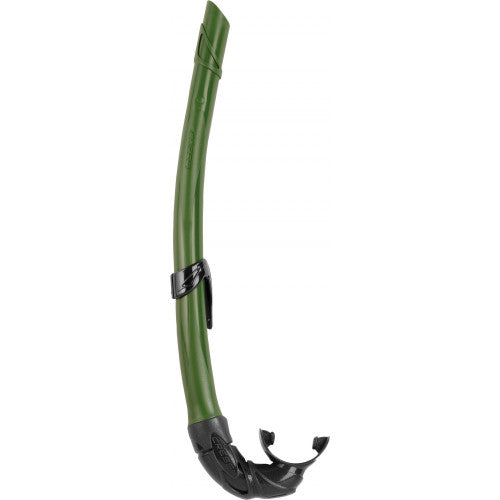
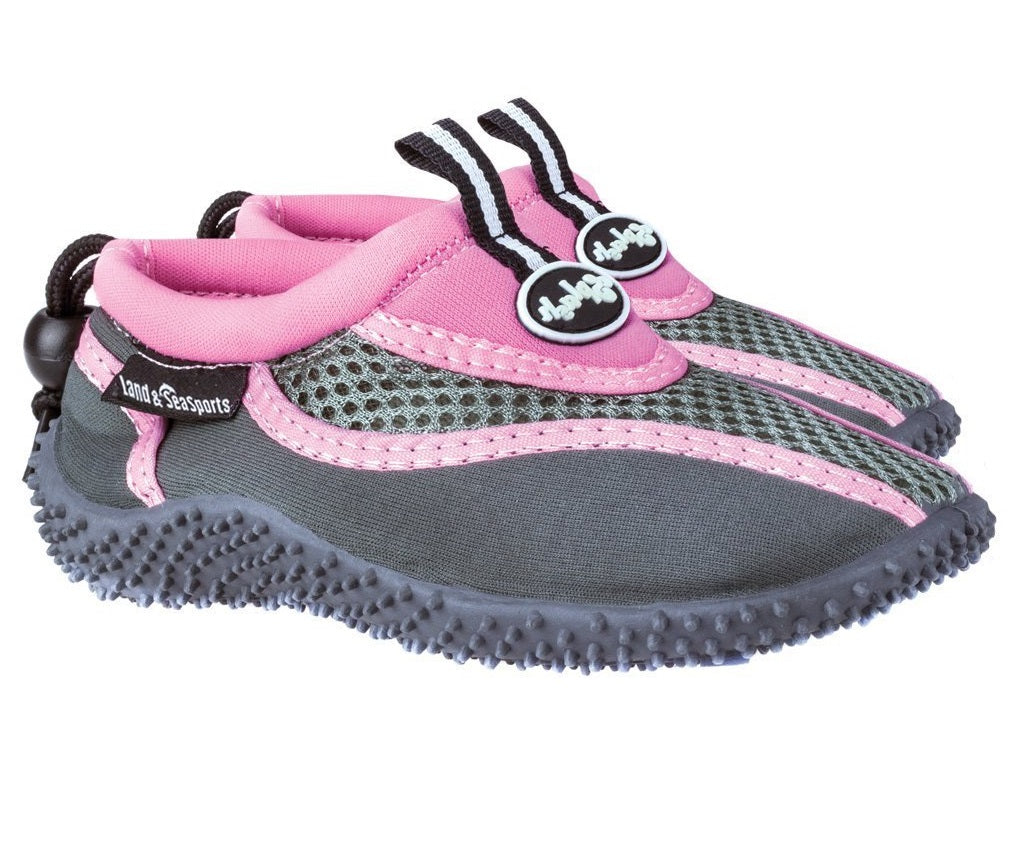
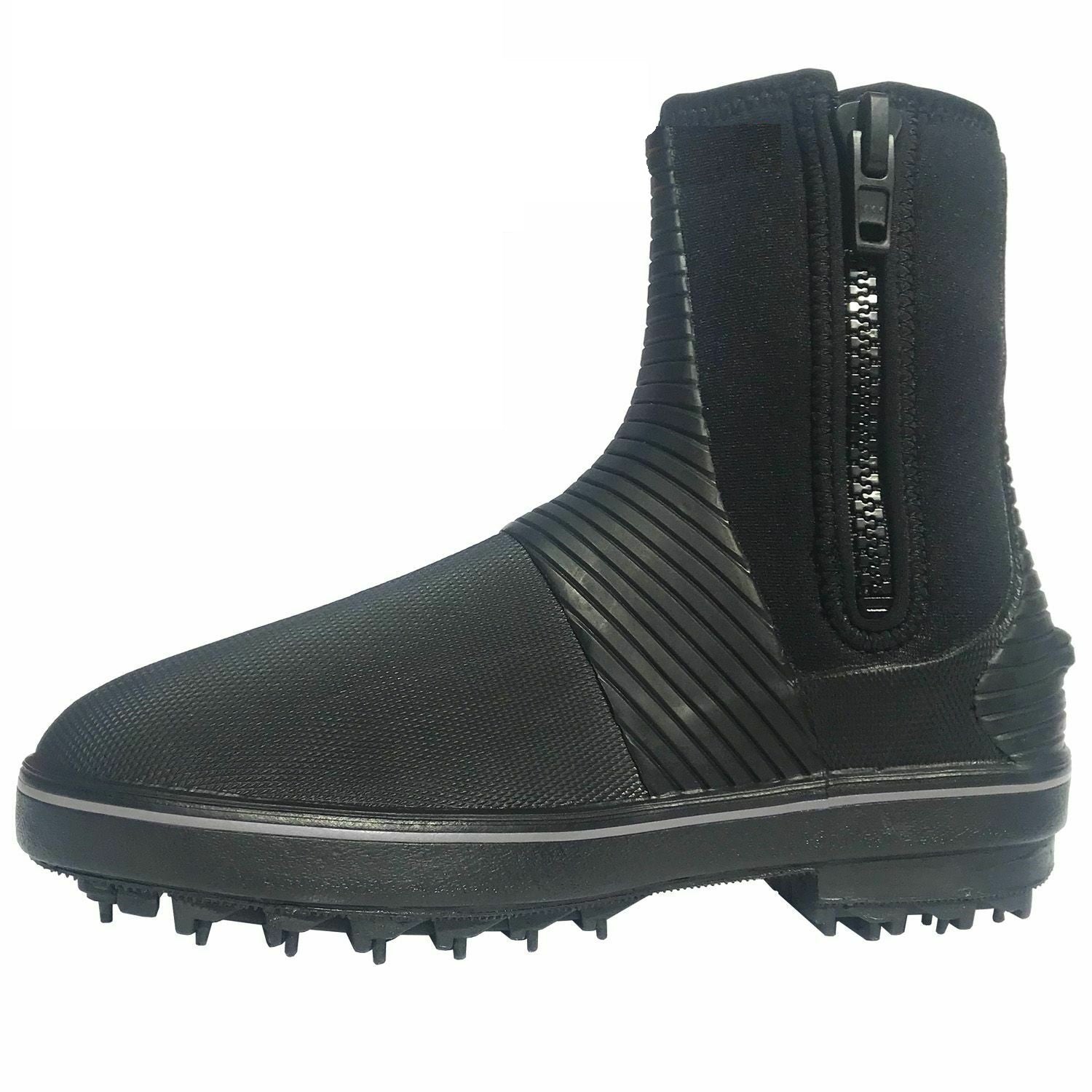
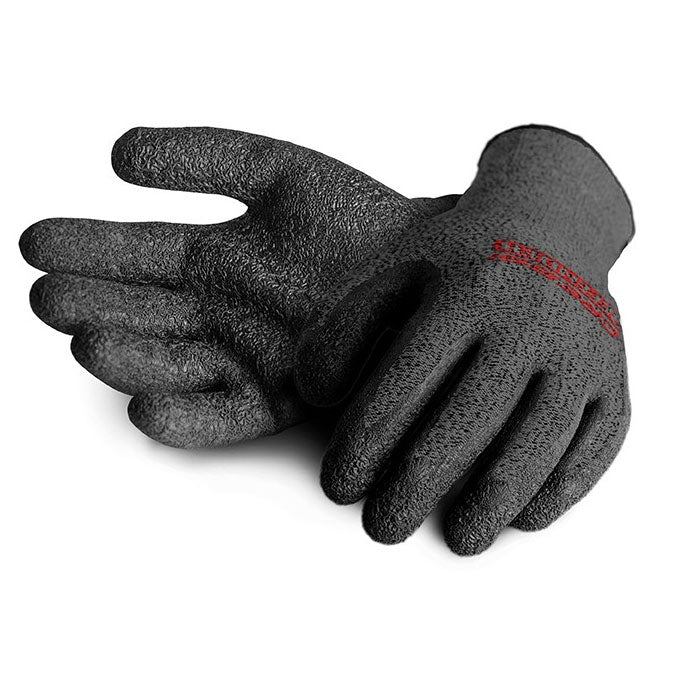
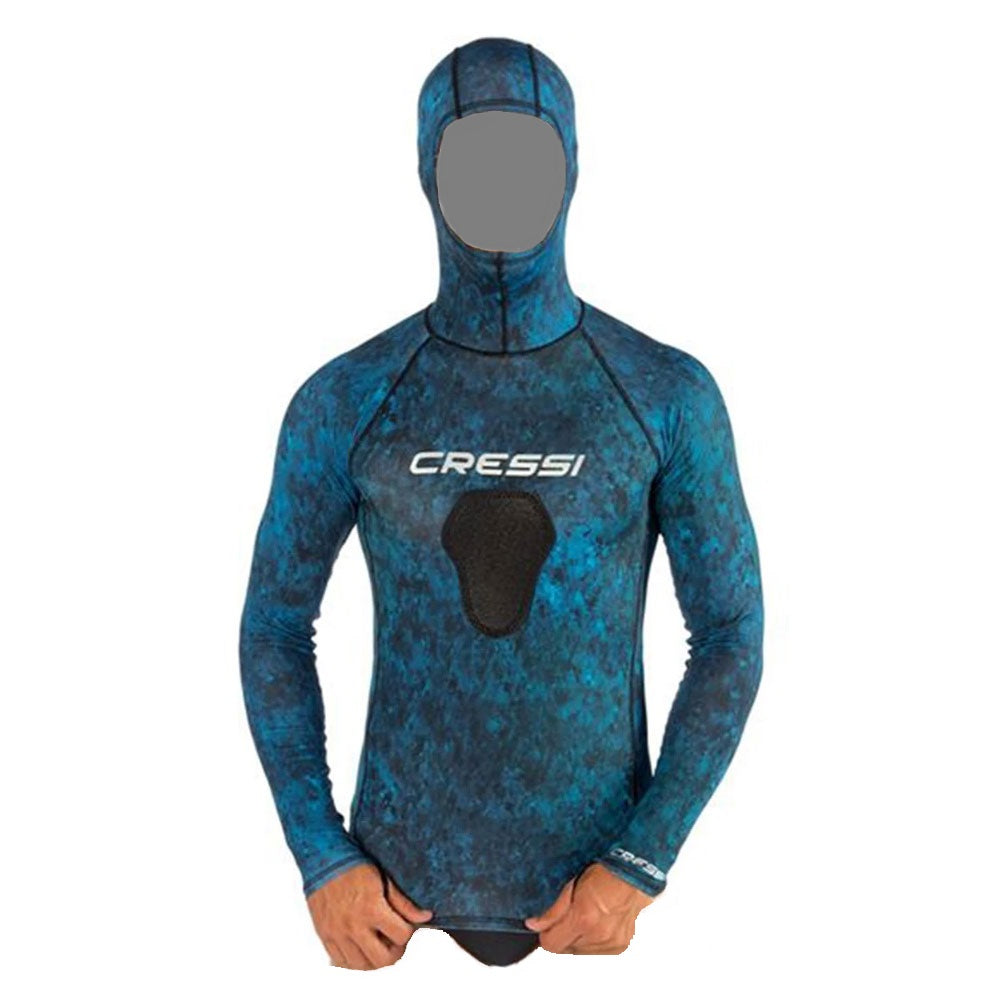
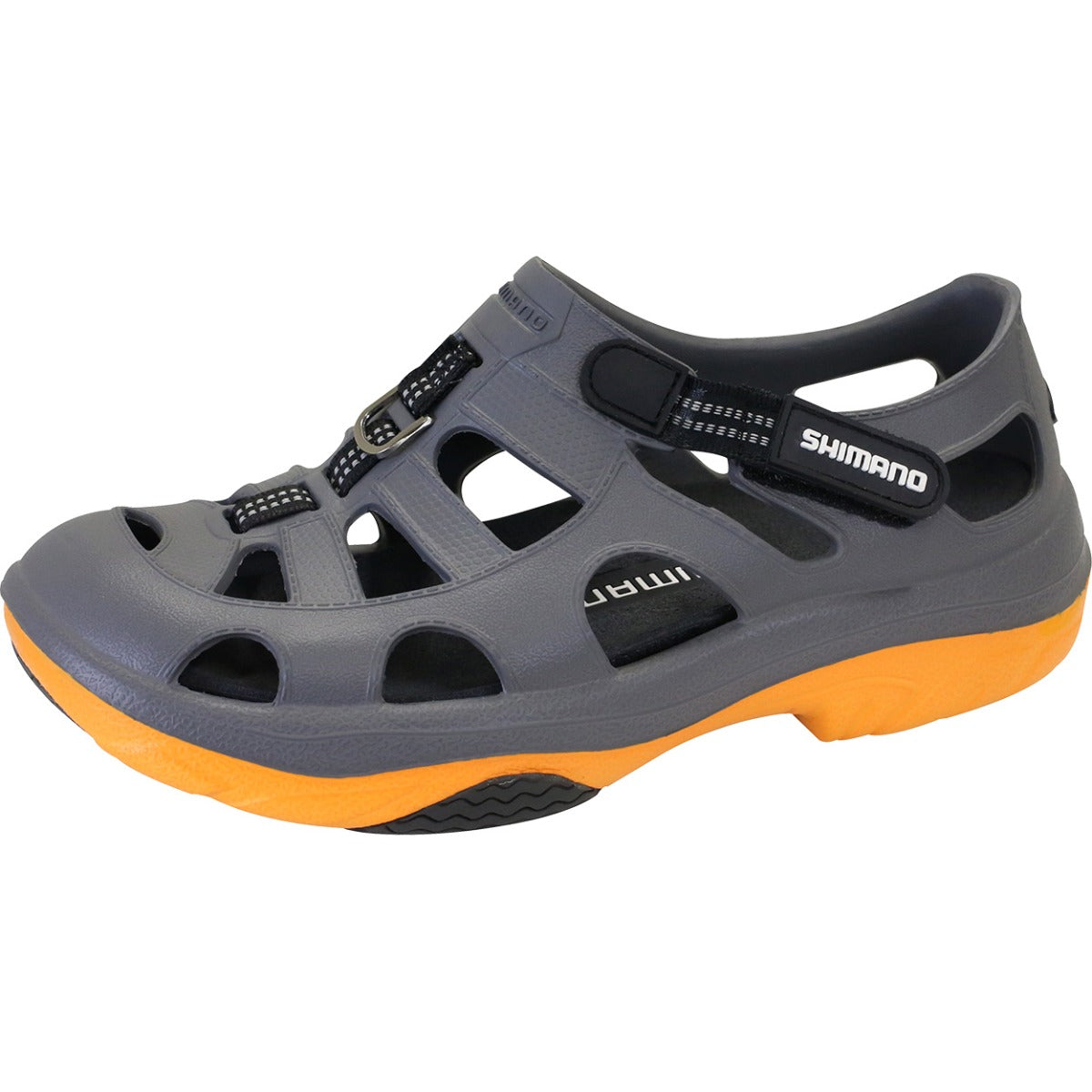
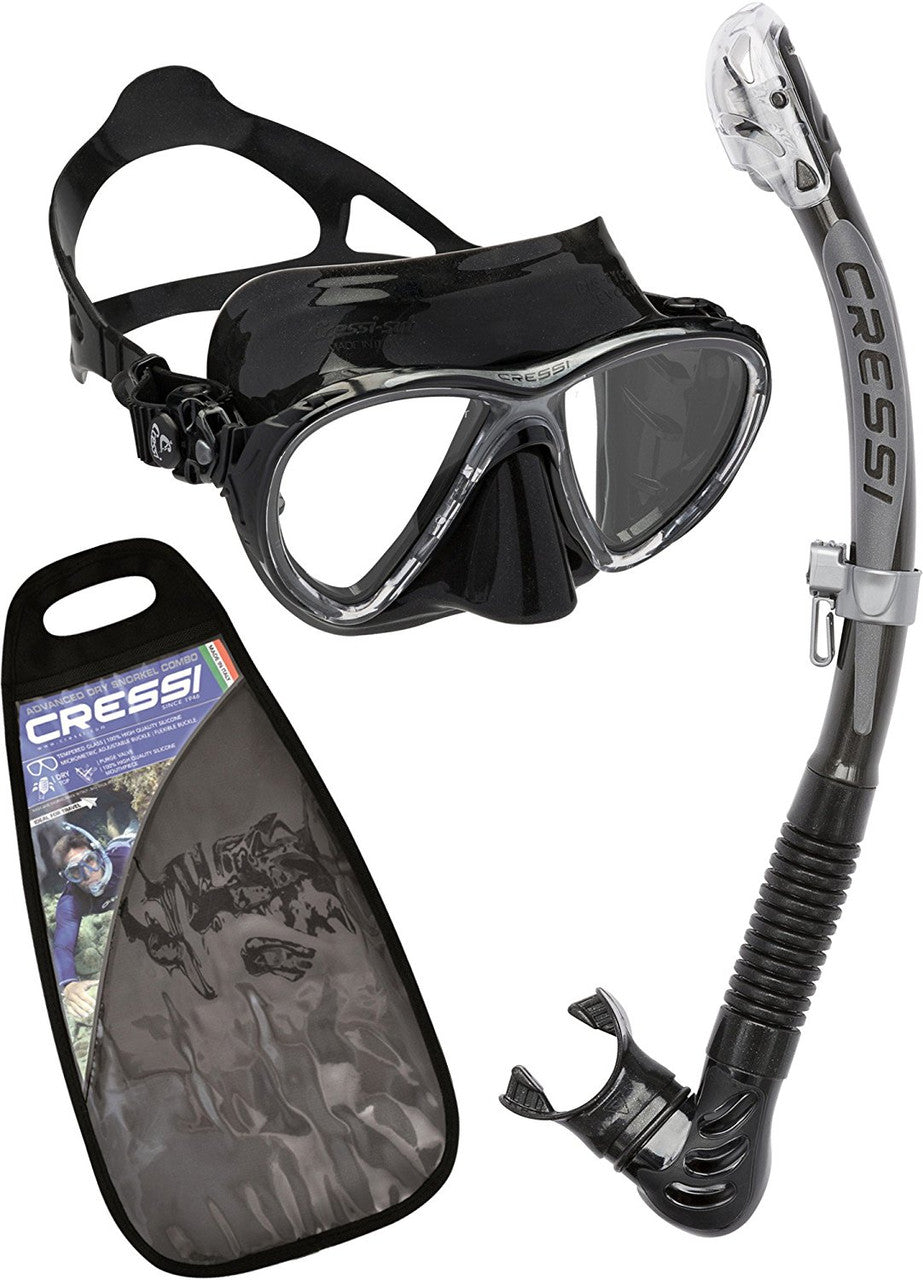
Everything for spearfishing, freediving and snorkelling in one place — spearguns and pole spears, masks and snorkels, fins, wetsuits, gloves and boots, knives, floats and rigging. Whether you are picking up a set for the kids over summer or building a full freediving kit, the range covers both ends.
Getting started
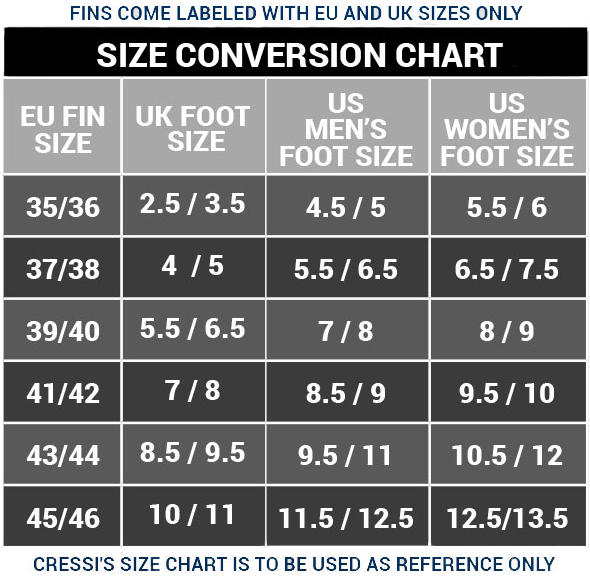
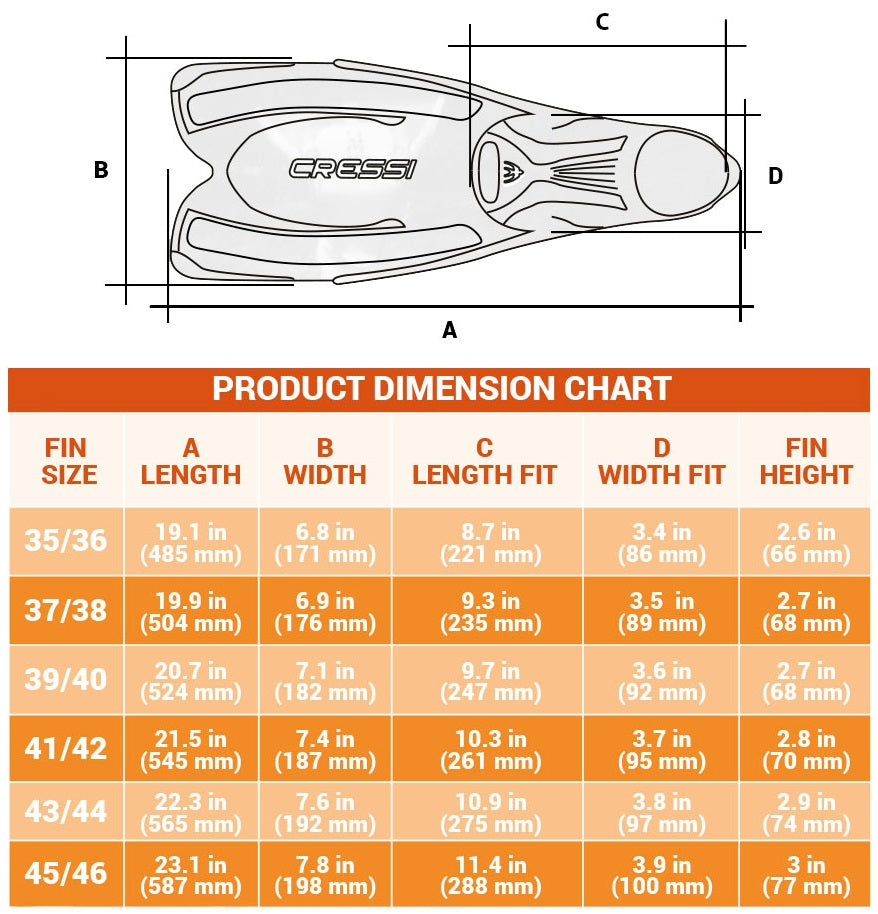
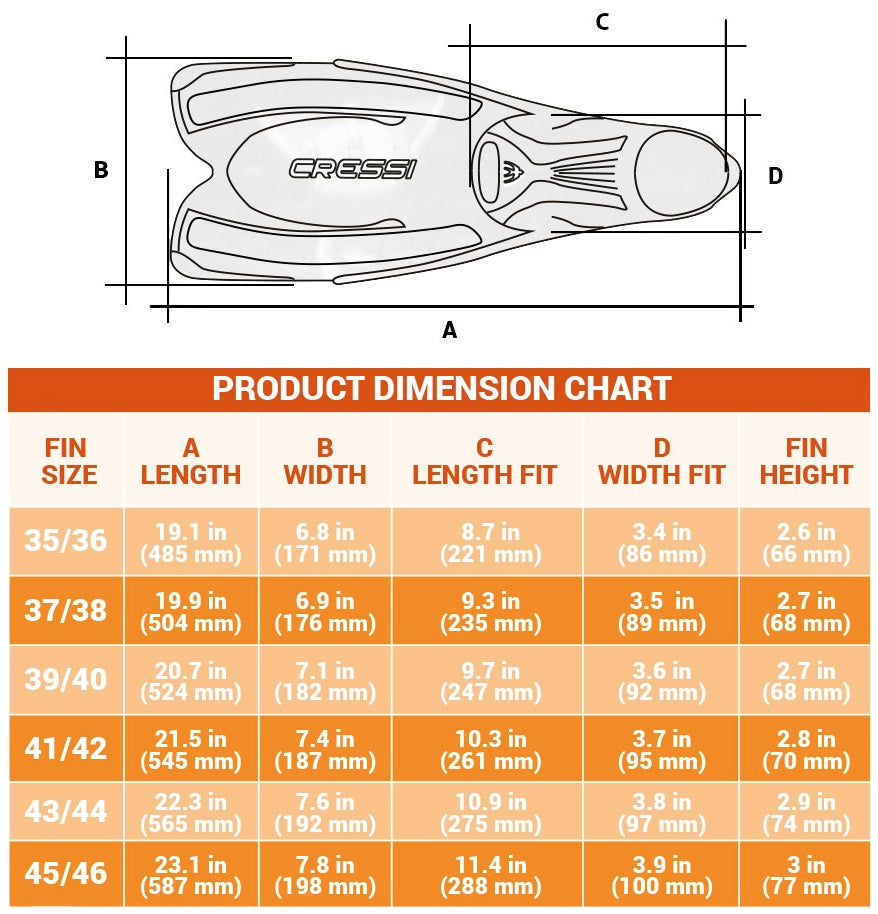
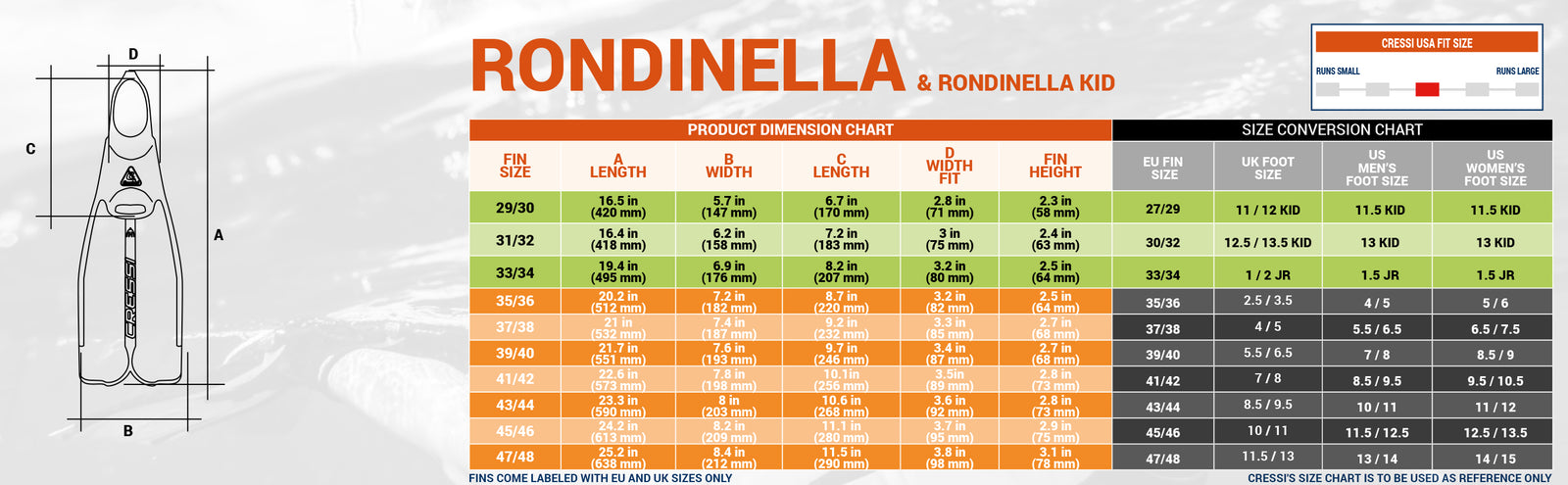
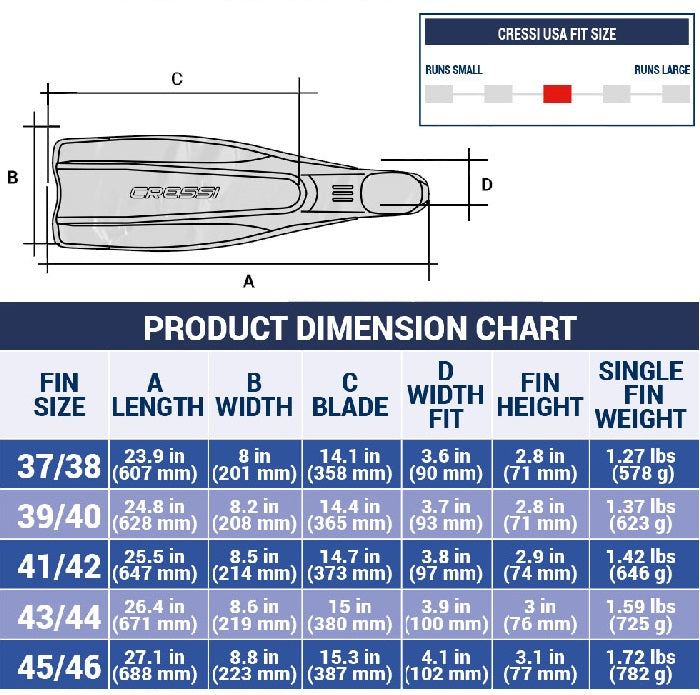
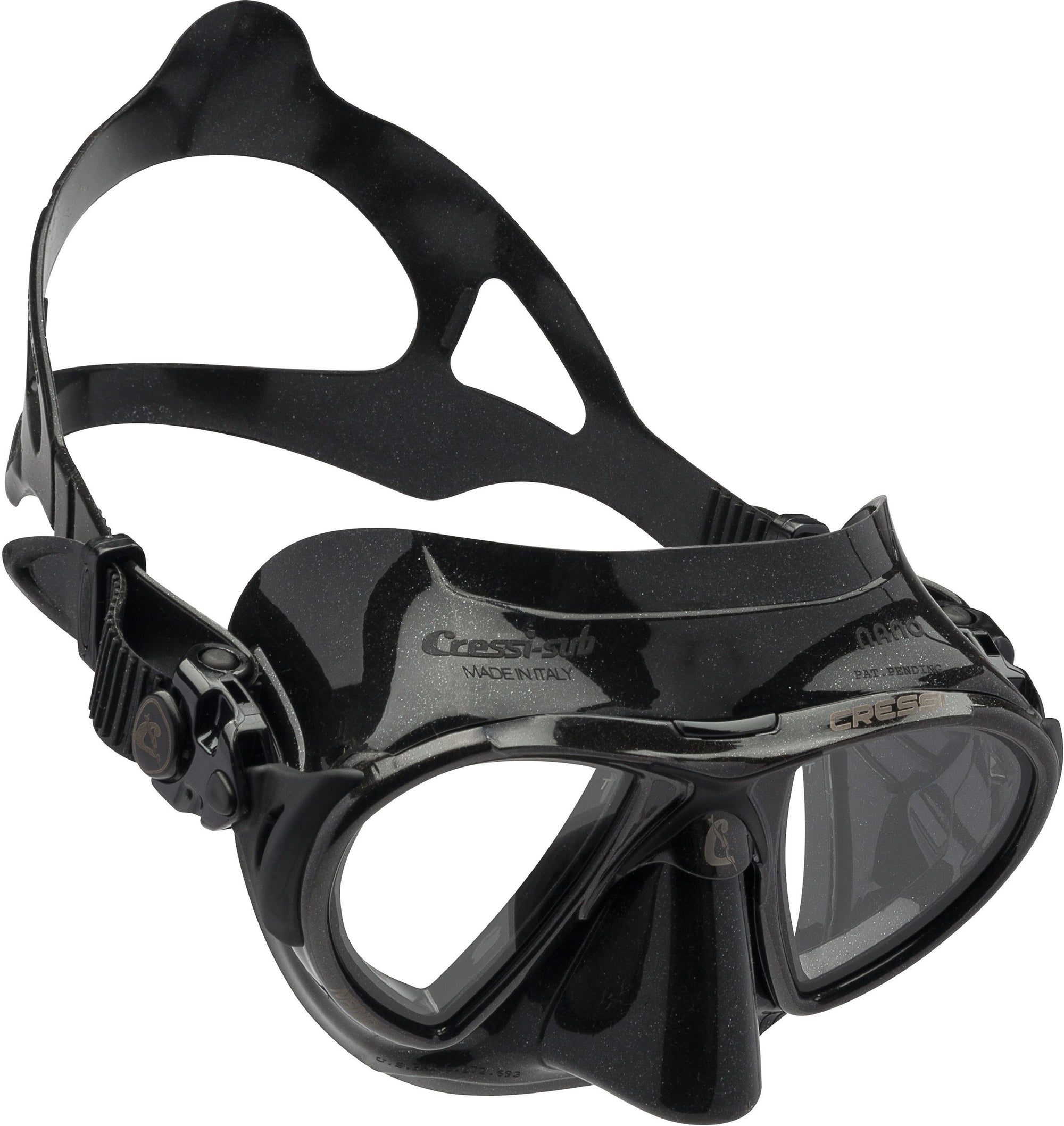
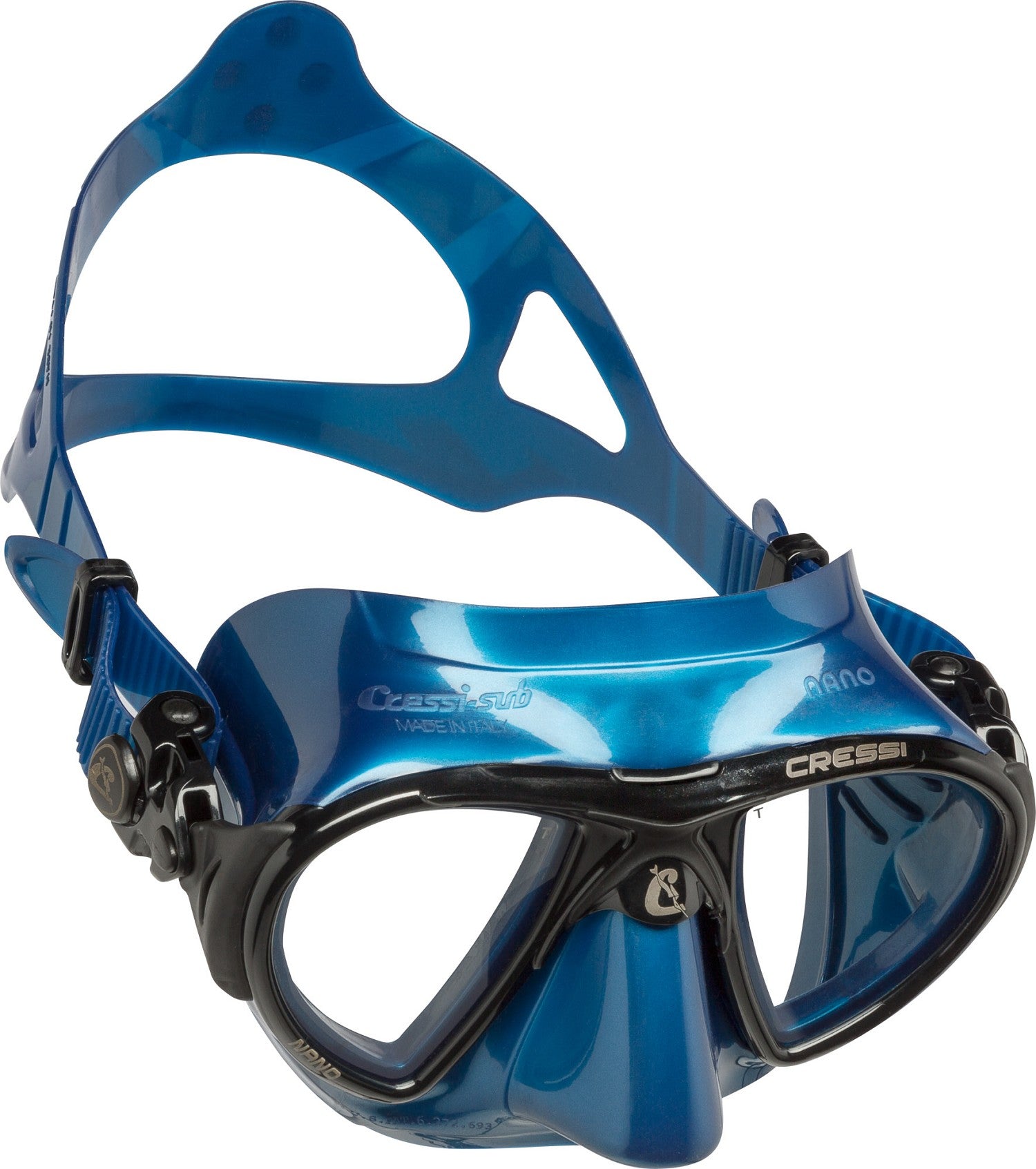
Fit comes before everything. A mask that leaks or fins that rub will end a session faster than cold water or poor visibility. Masks need a proper face seal, fins need enough room for a bootie, and a wetsuit needs to be snug without restricting your breathing.
For snorkelling, a mask and snorkel set with a pair of fins is all you need. For spearfishing, add a suit, a weight belt, a knife and a float with a dive flag, then the gun itself. Building up in that order means each piece is useful on its own.
Spearfishing rules vary by state and by location — closed areas, protected species, size and bag limits and gear restrictions all apply, and they change. Check your state fisheries authority before you head out. Start with spearguns, or with wetsuits if you are sorting out thermal protection first.
Frequently asked questions
What gear do I need to start spearfishing?
A mask and snorkel, fins, a wetsuit, a weight belt, a knife, a float with a dive flag and a speargun or pole spear. Most people buy the snorkelling gear first and add the gun once they are comfortable in the water.
Do I need a licence to spearfish in Australia?
Requirements differ by state, as do closed areas, protected species and gear rules. Check the fisheries authority for the state you are diving in before you go.
What is the difference between freediving and spearfishing gear?
There is a lot of overlap. Freediving favours long-bladed fins and low-volume masks for efficiency at depth, while spearfishing adds the gun, a float line and a knife. Most gear crosses over.
Can I use snorkelling fins for spearfishing?
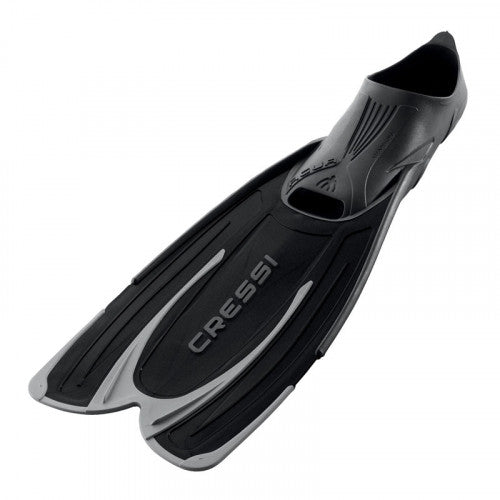
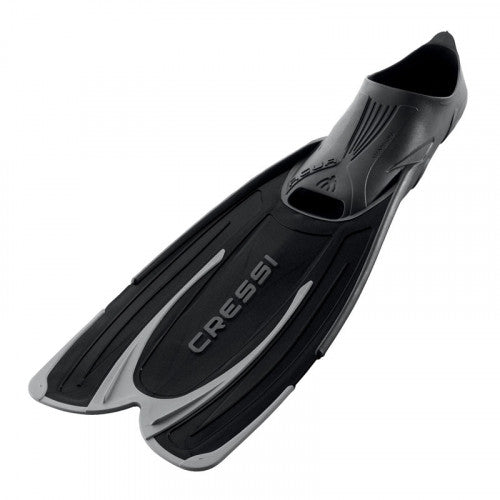
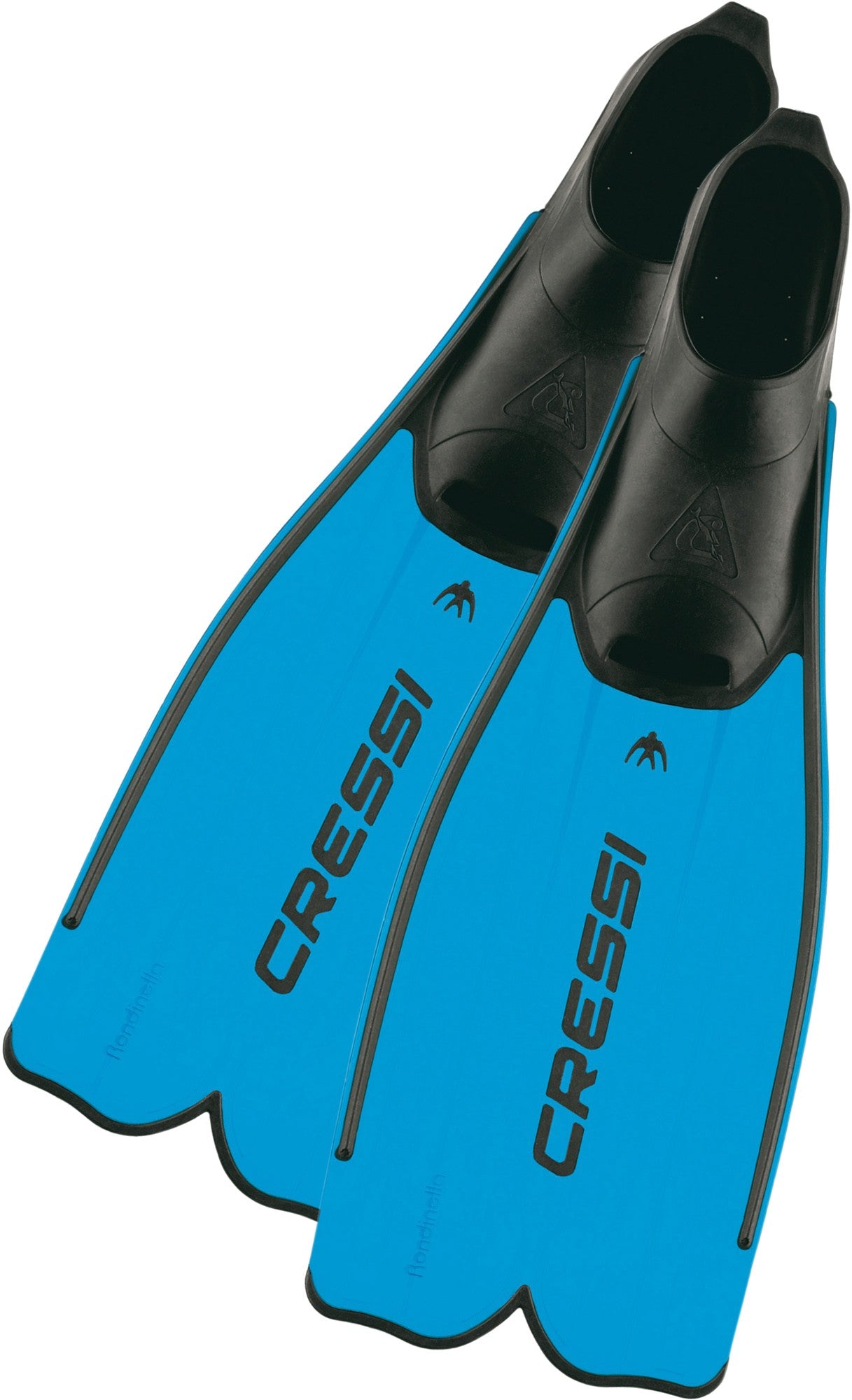
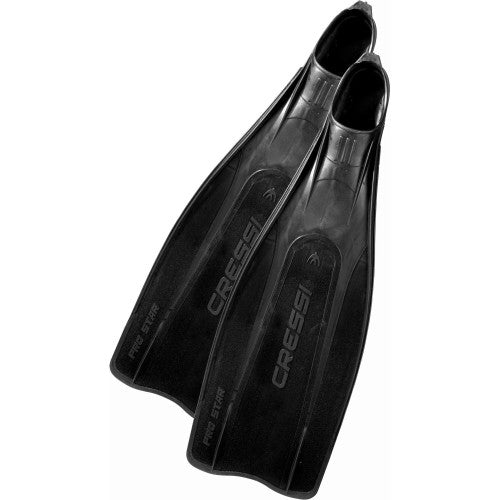
For shallow work, yes. Longer freediving and spearfishing blades move more water per kick, which makes a real difference once you are diving deeper or covering ground.
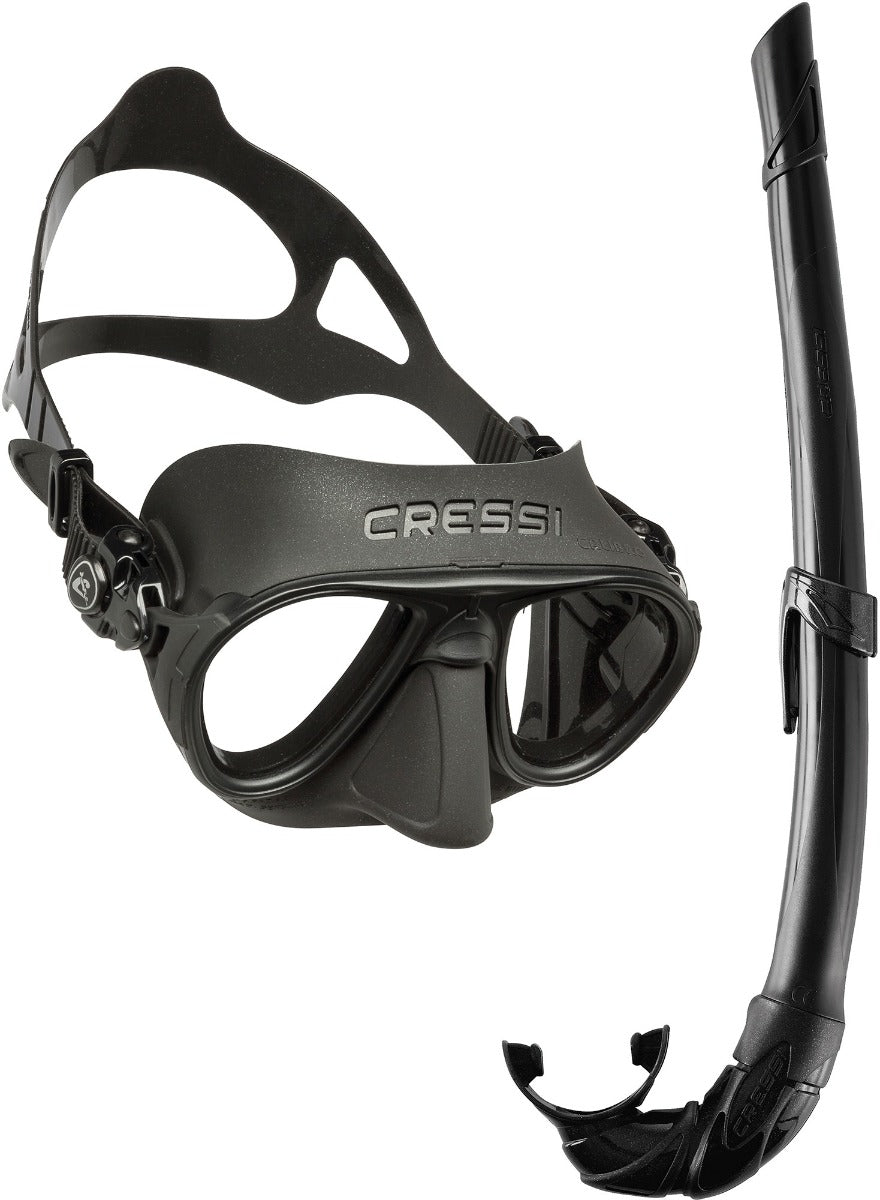
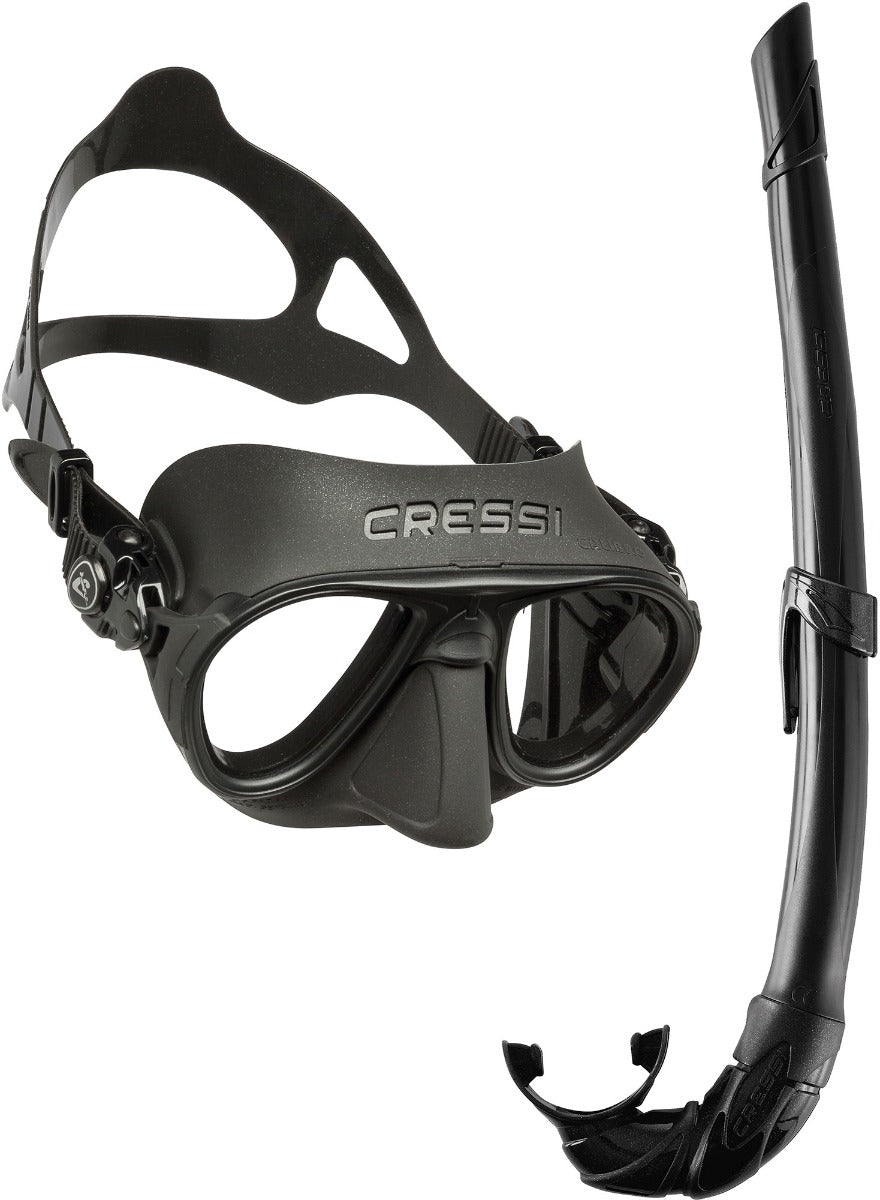
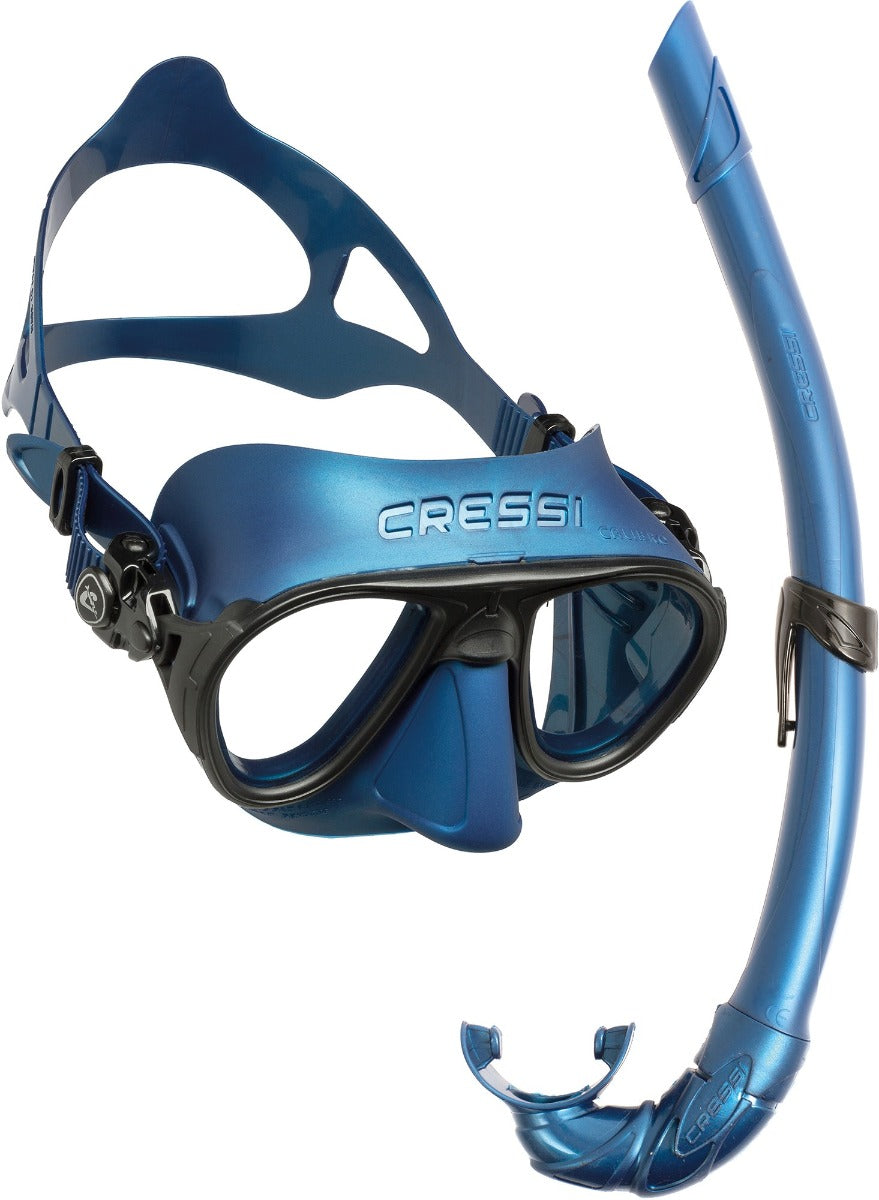
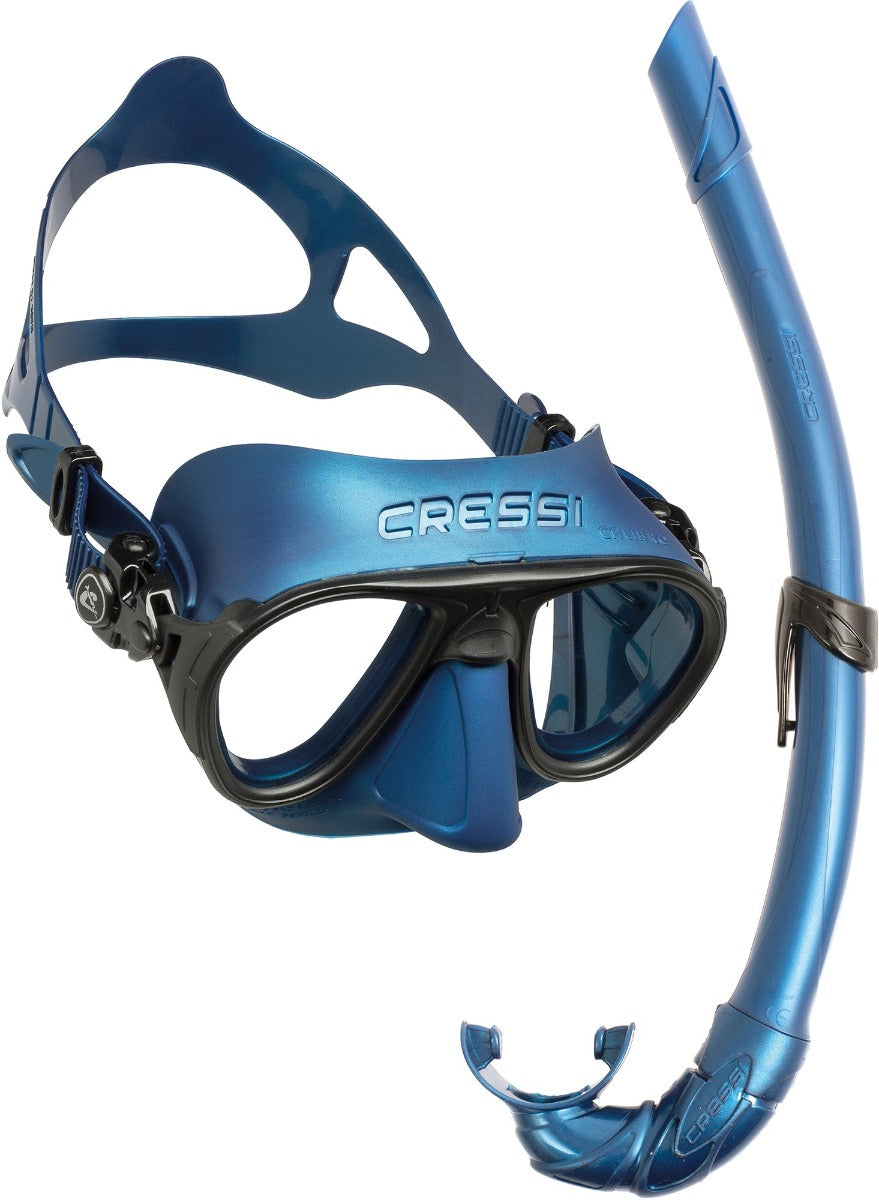


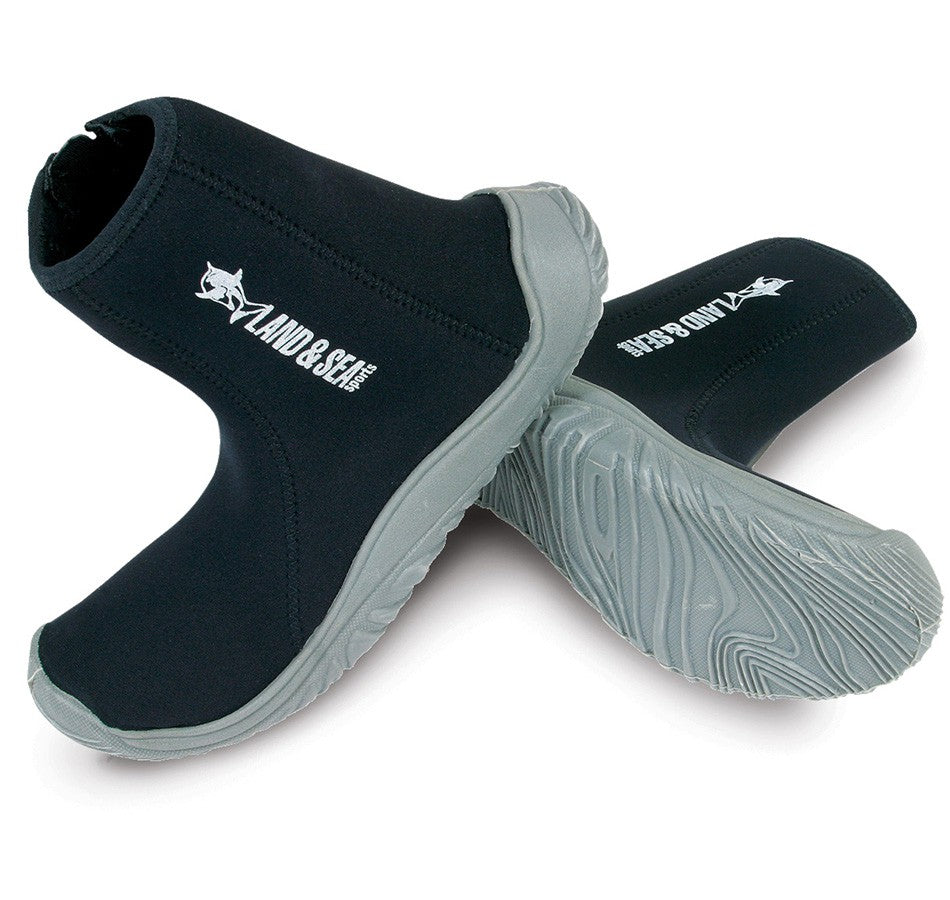
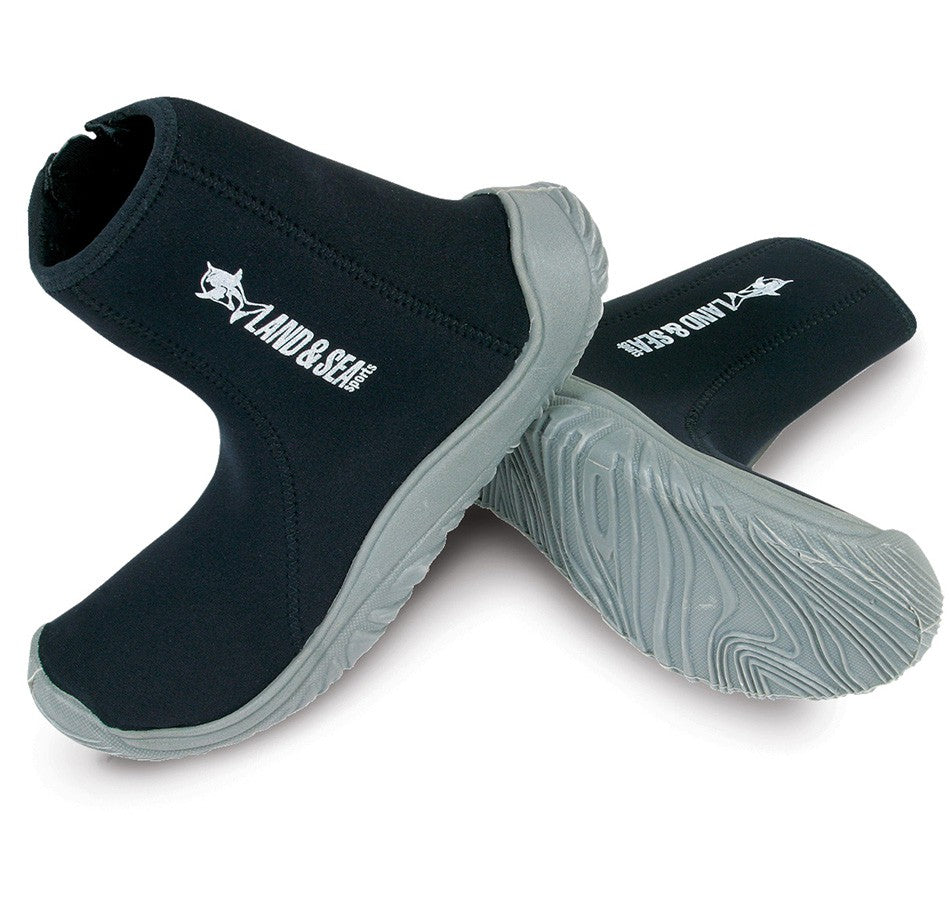
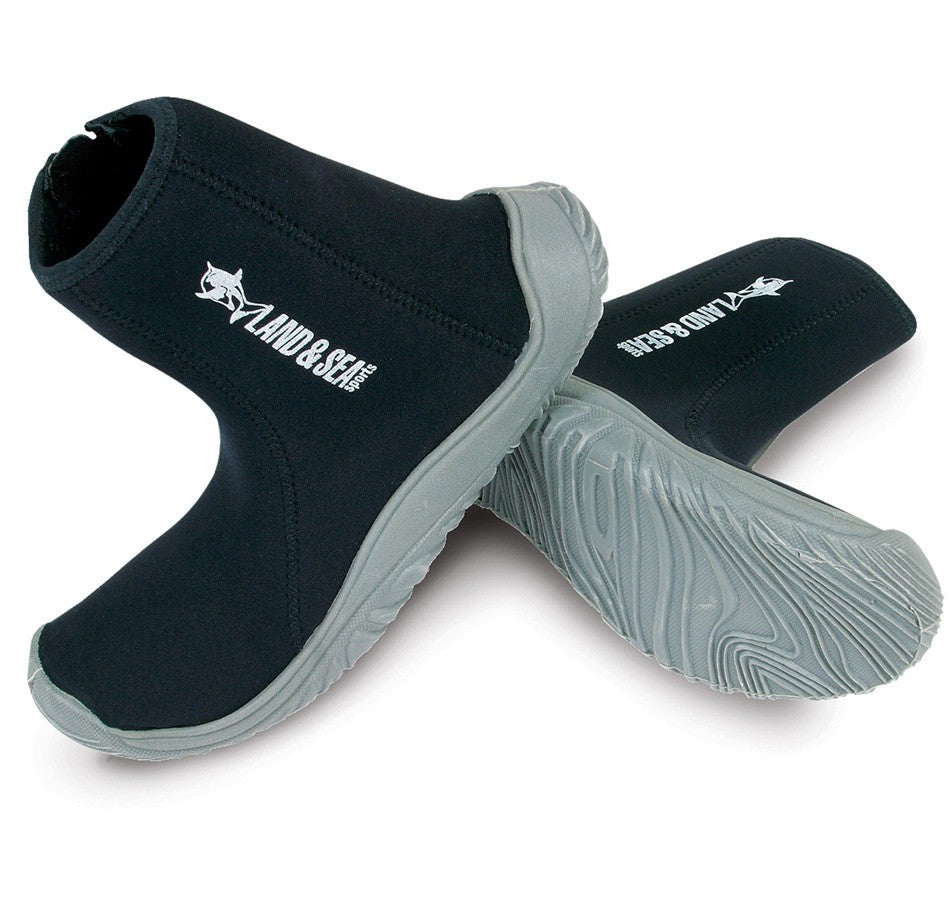
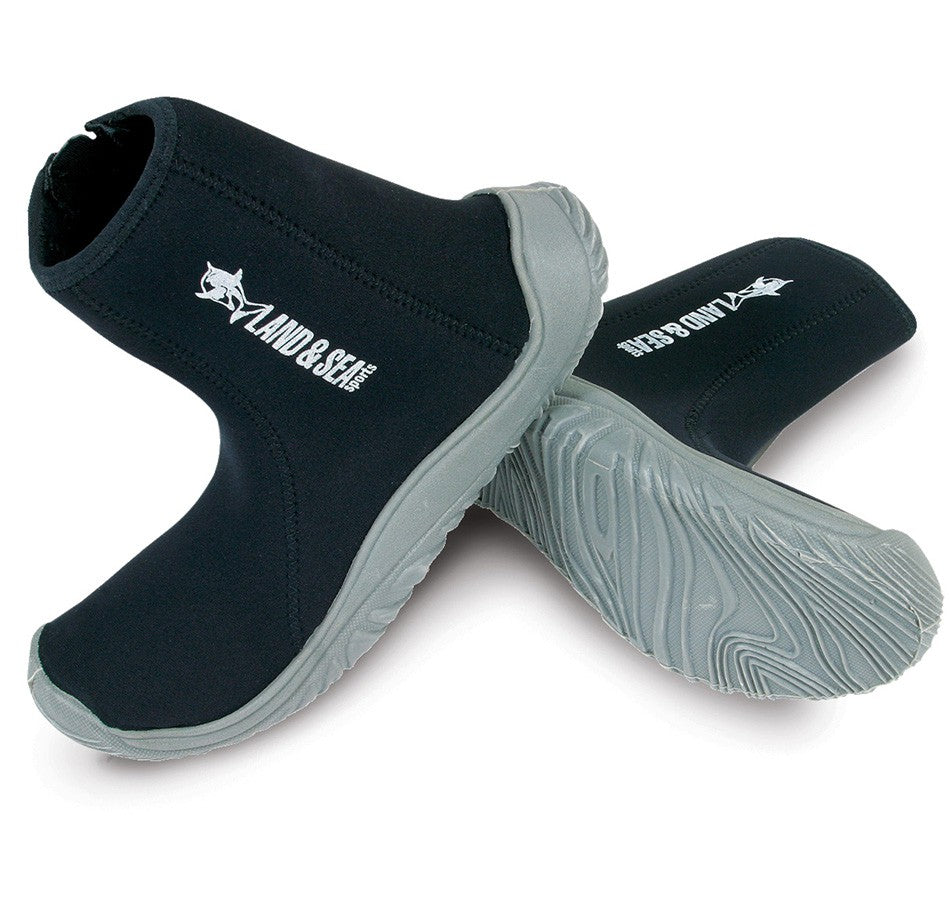
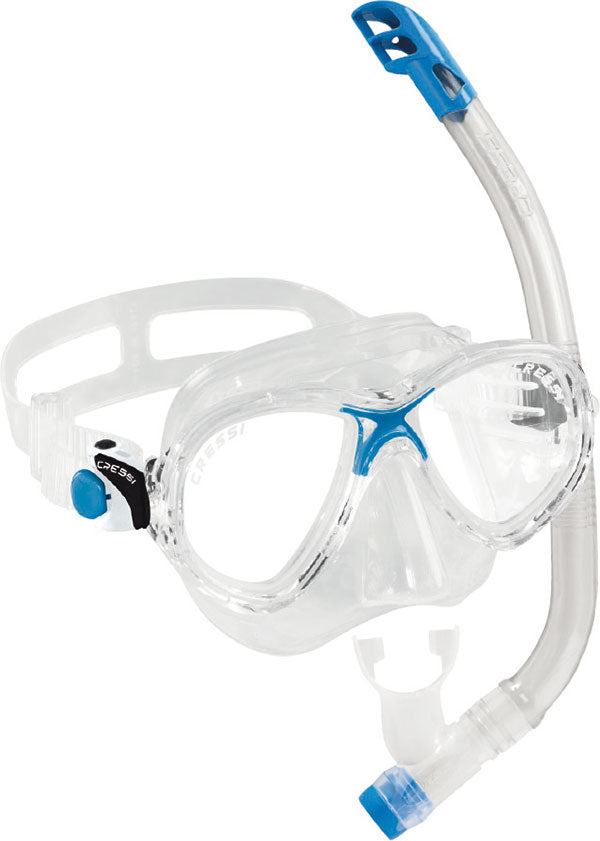
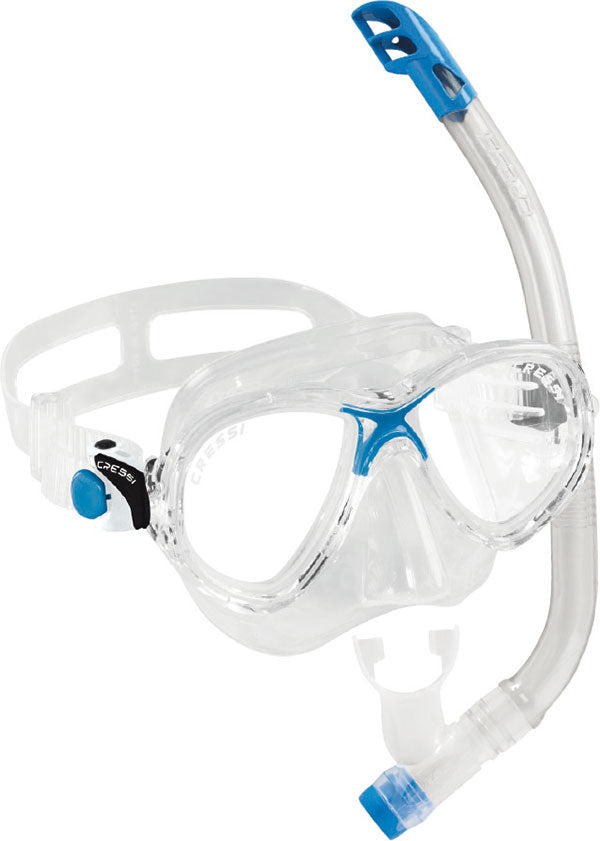
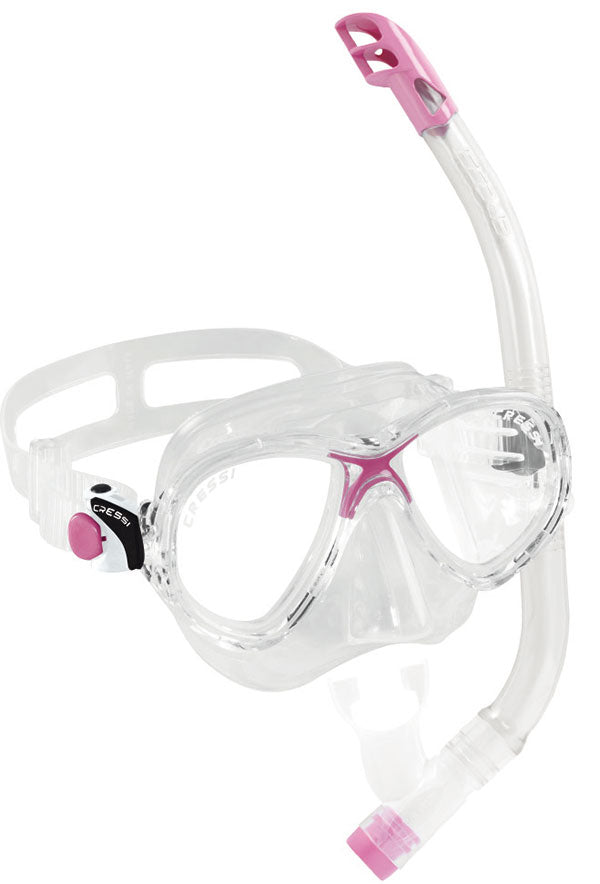
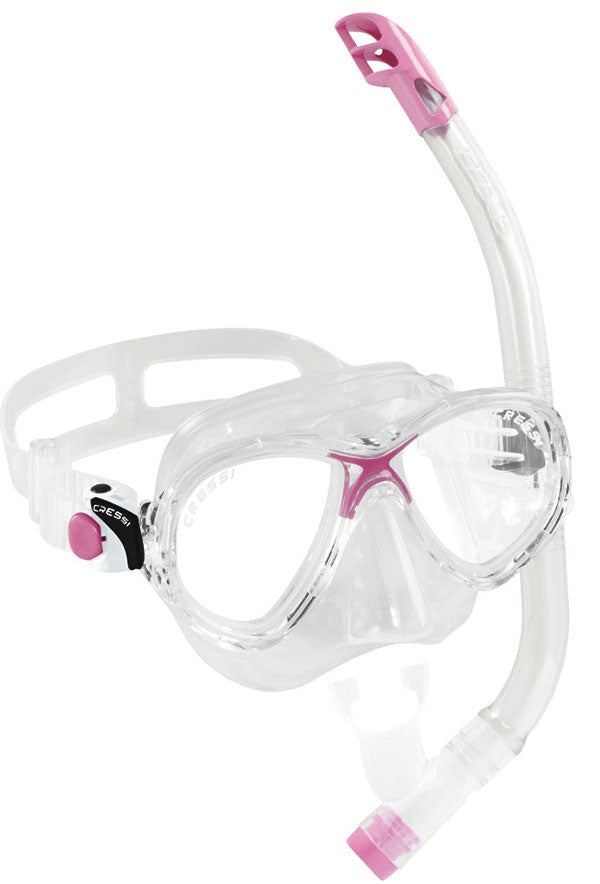
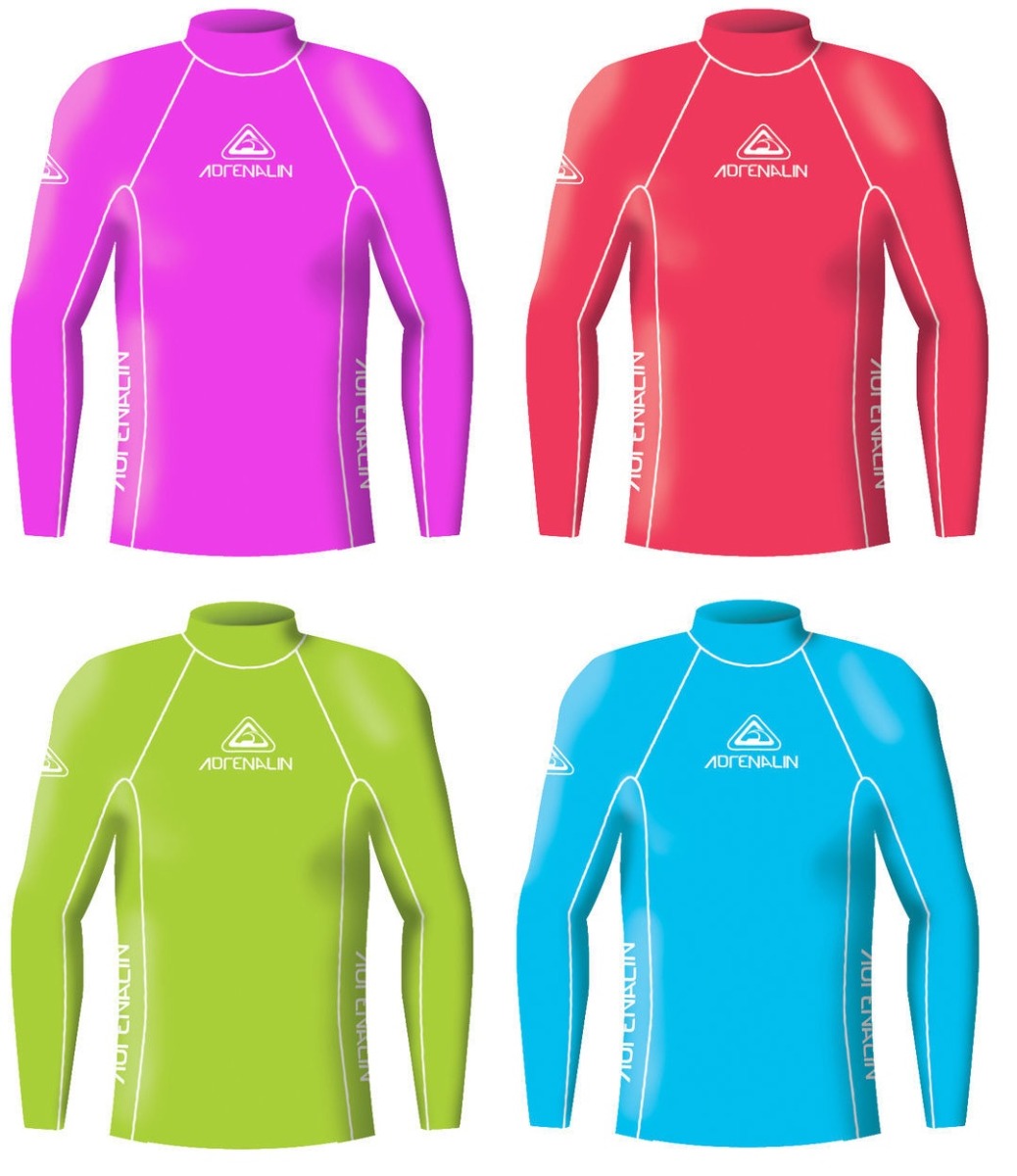
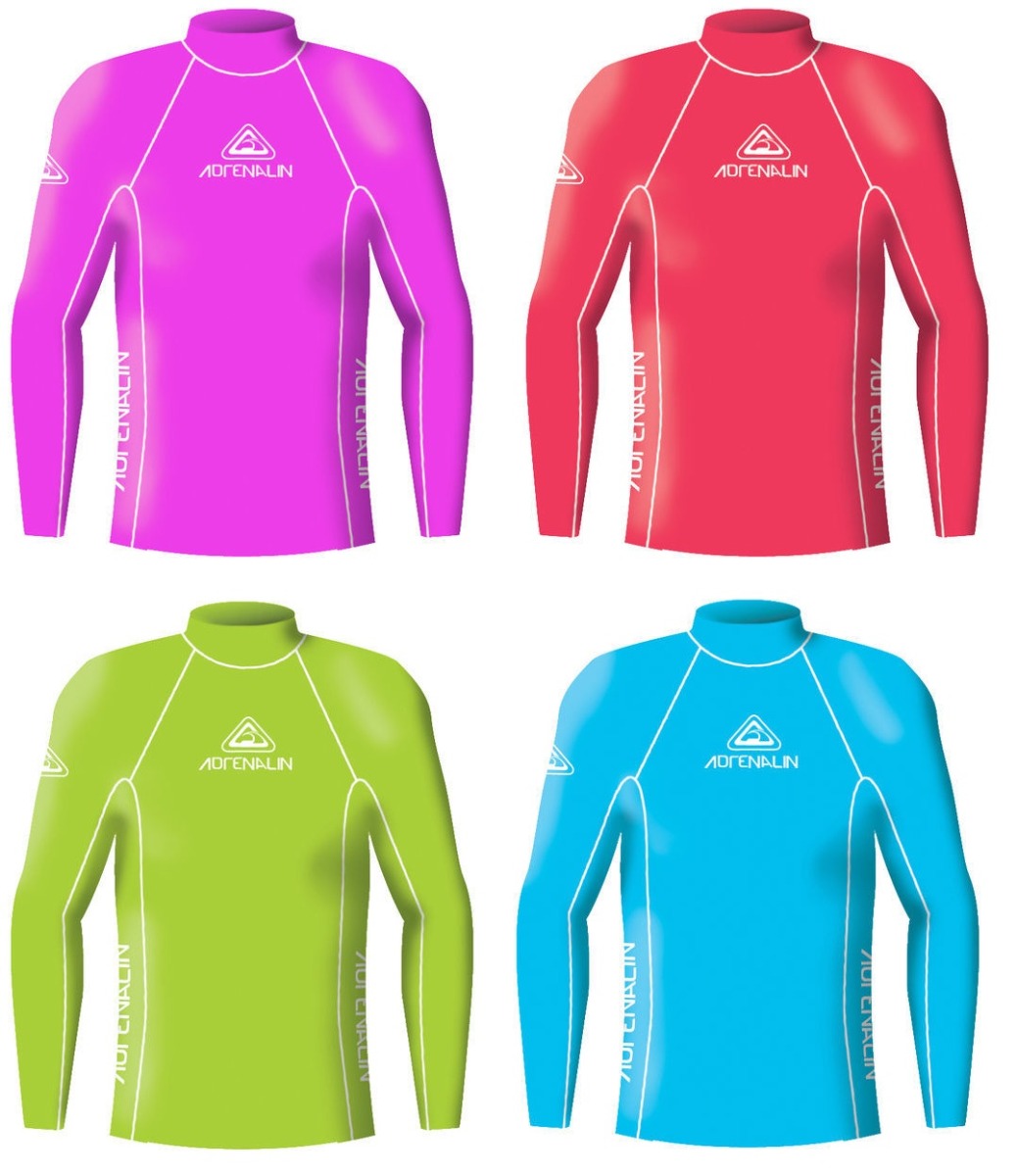
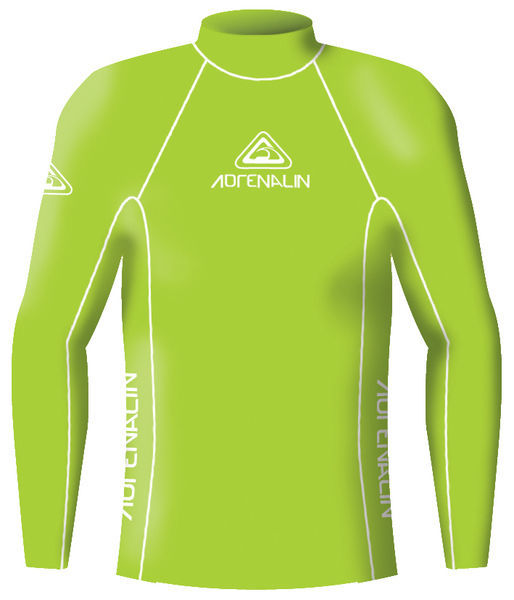

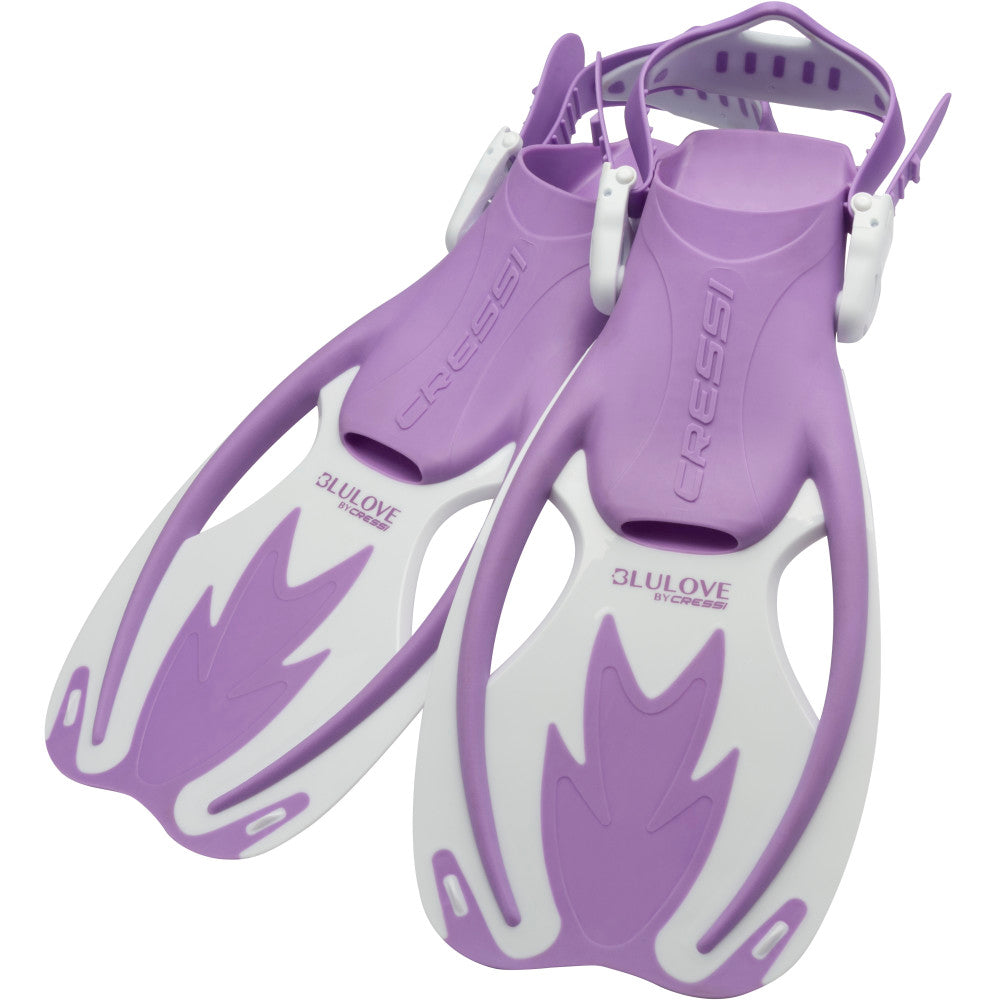




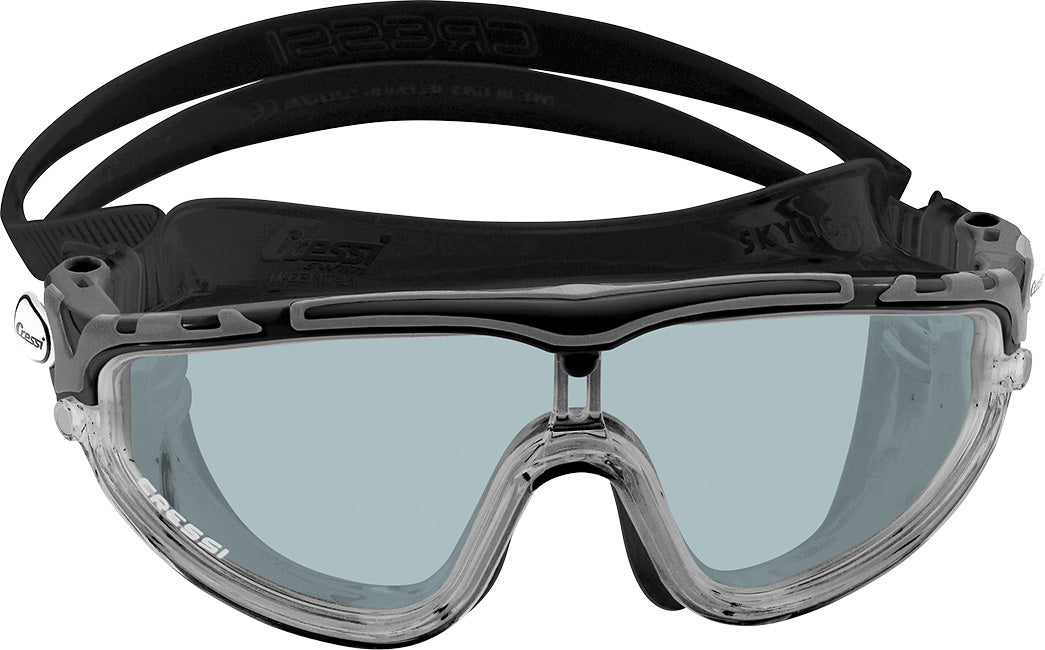
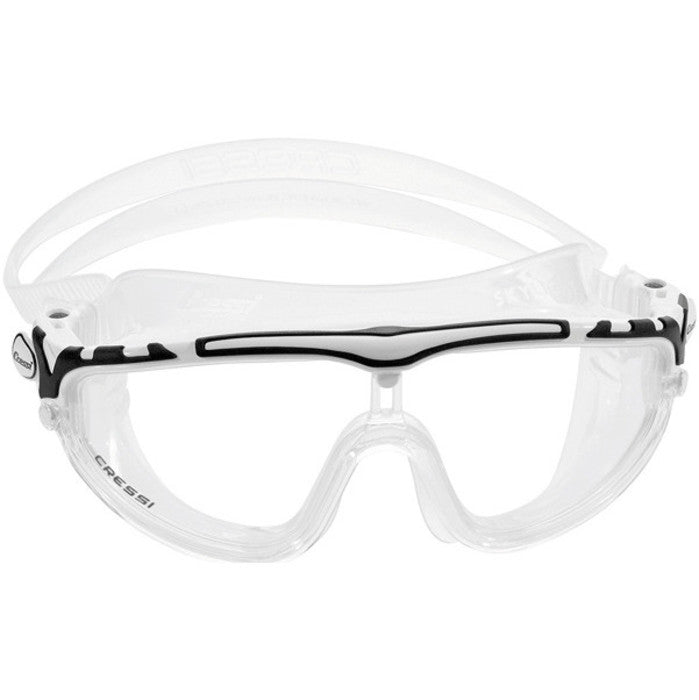
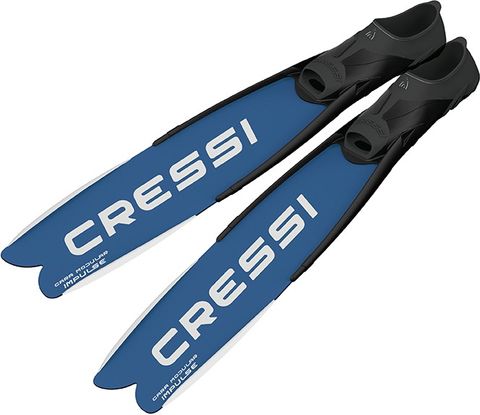
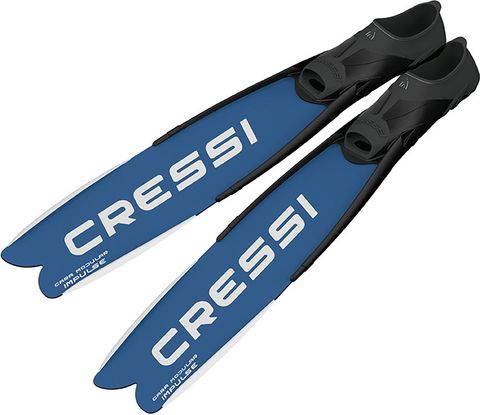
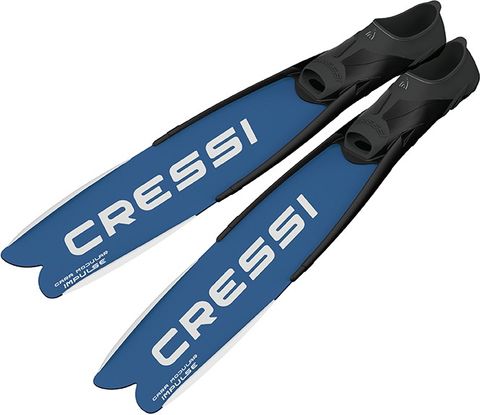
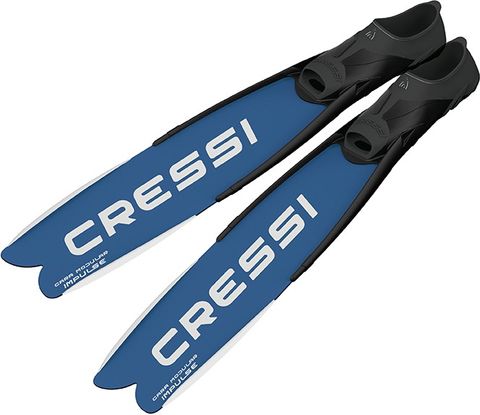

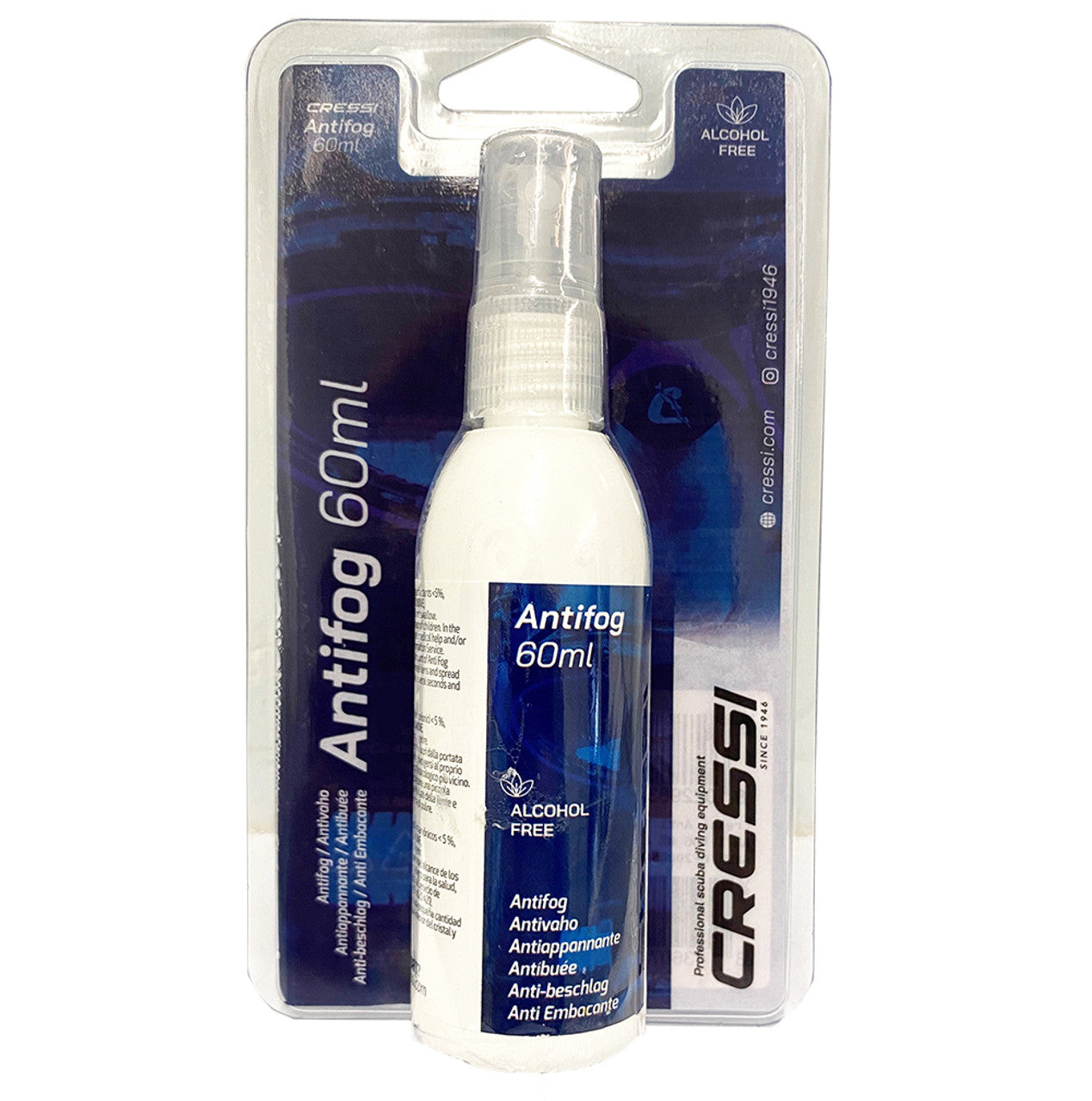
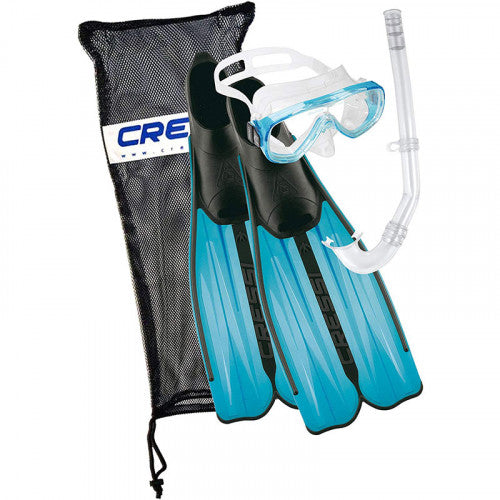
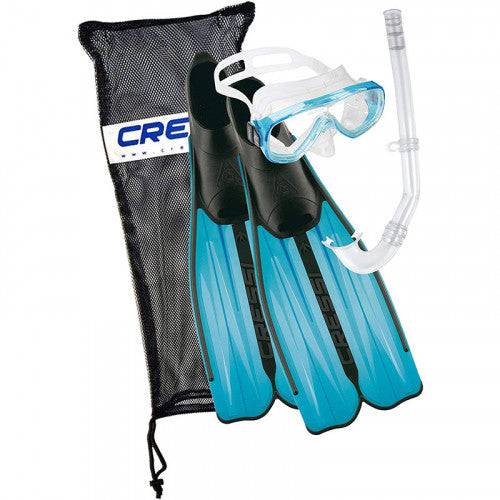
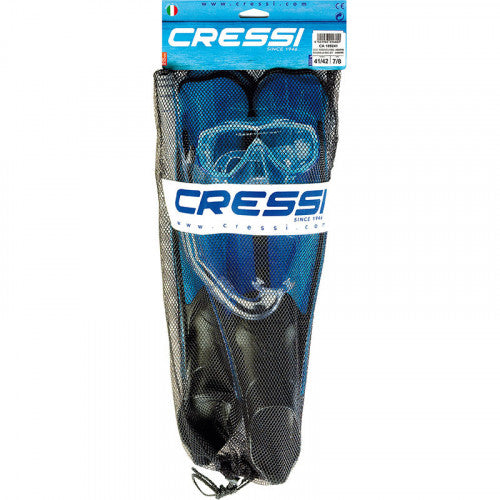


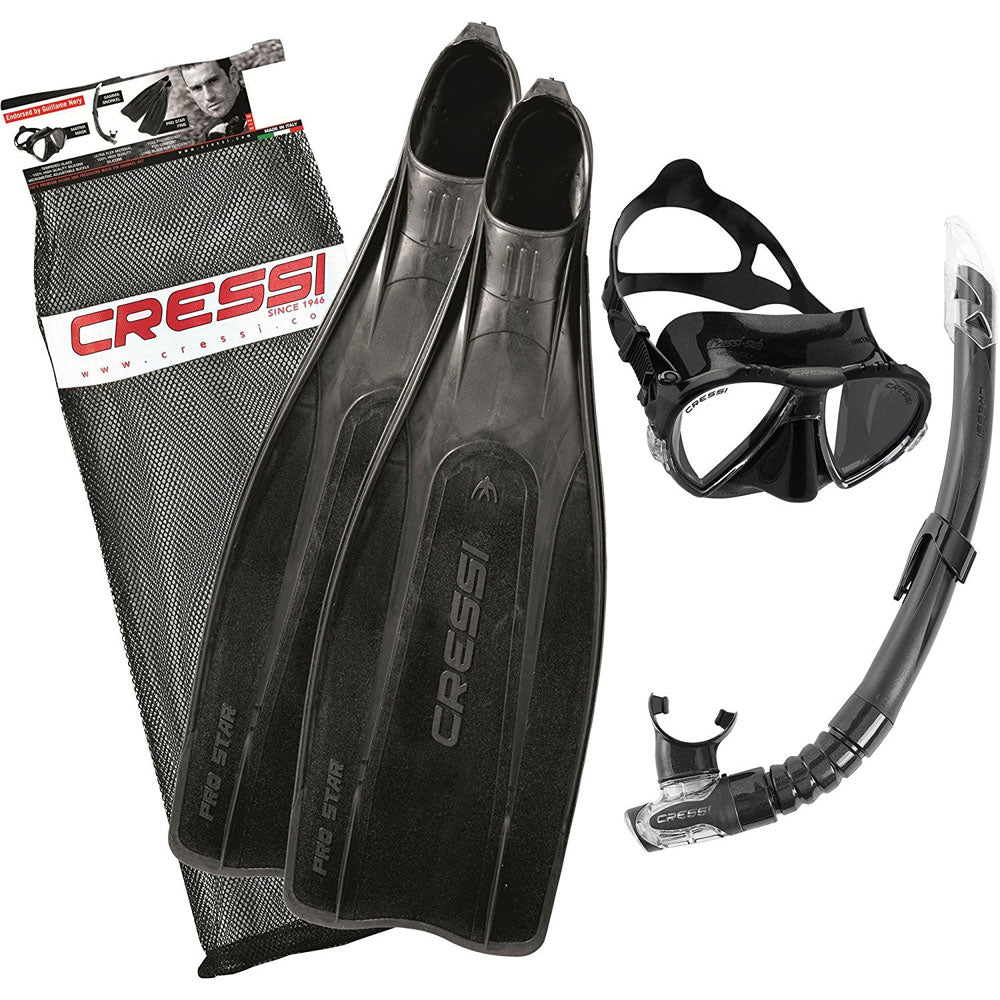
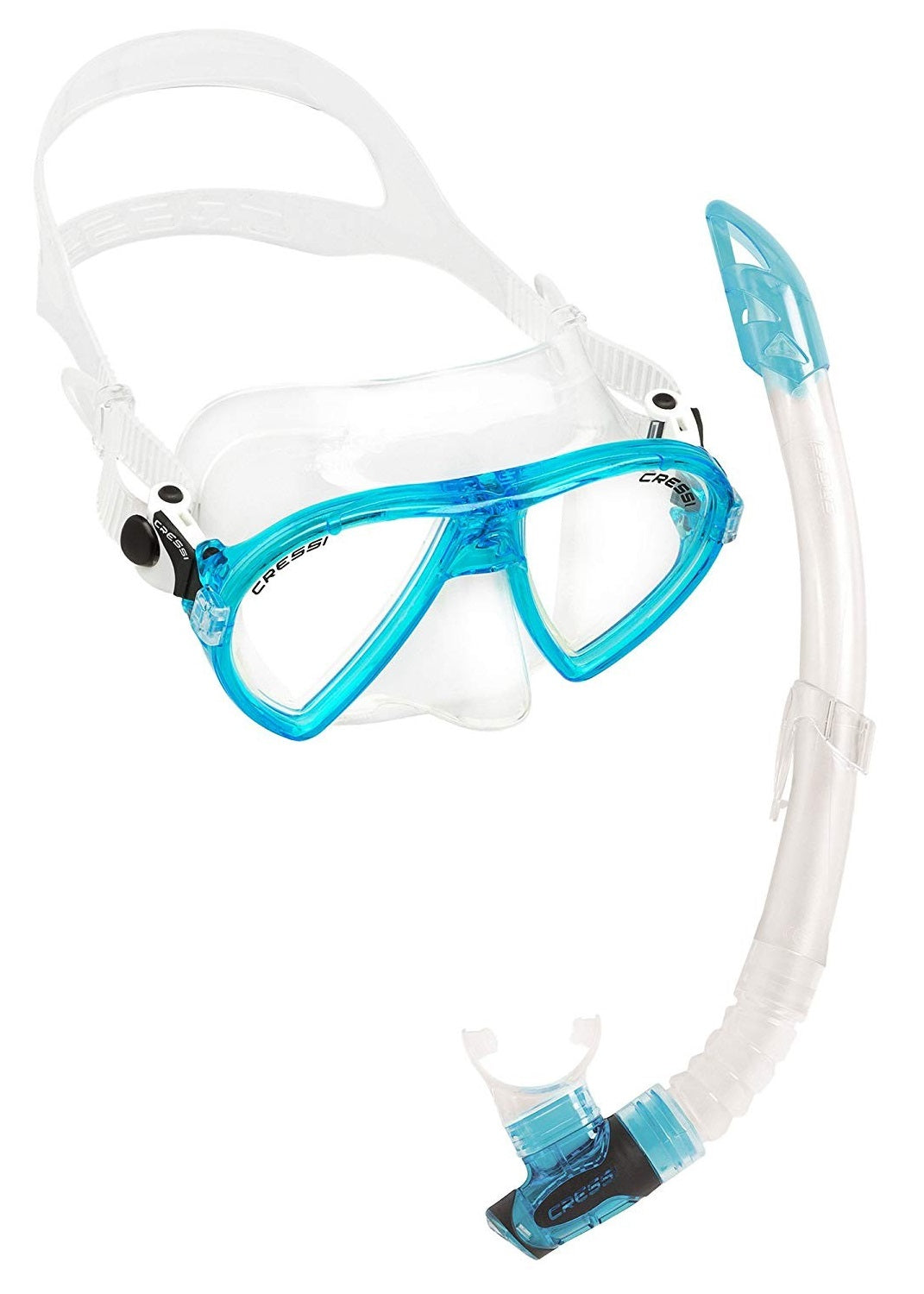
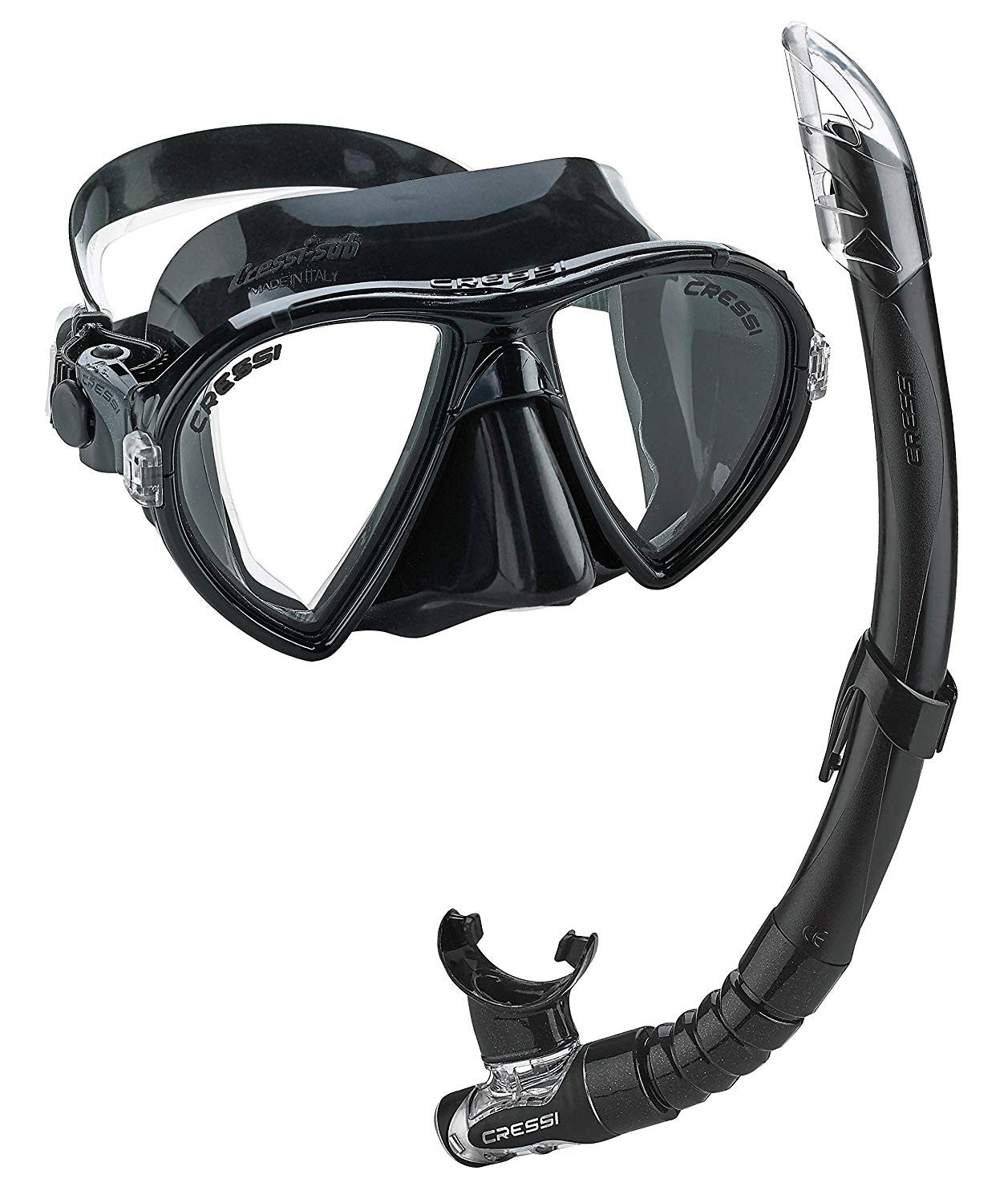
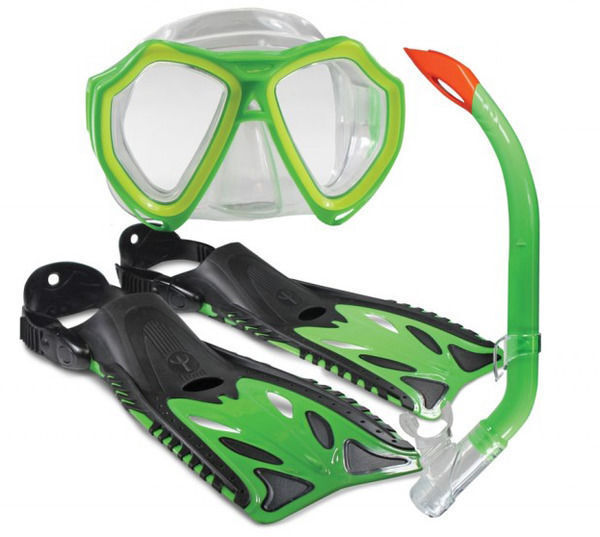
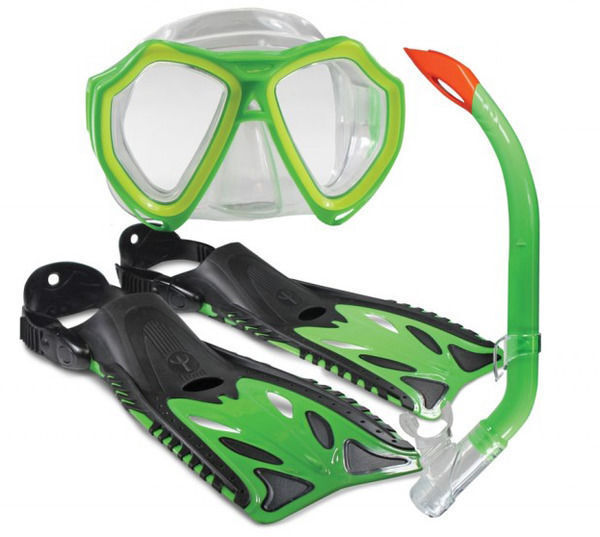

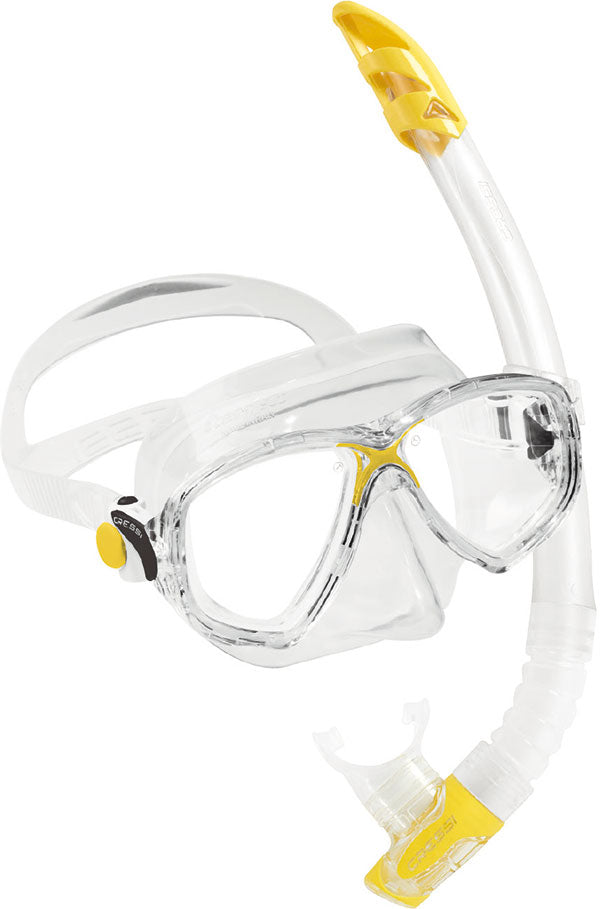
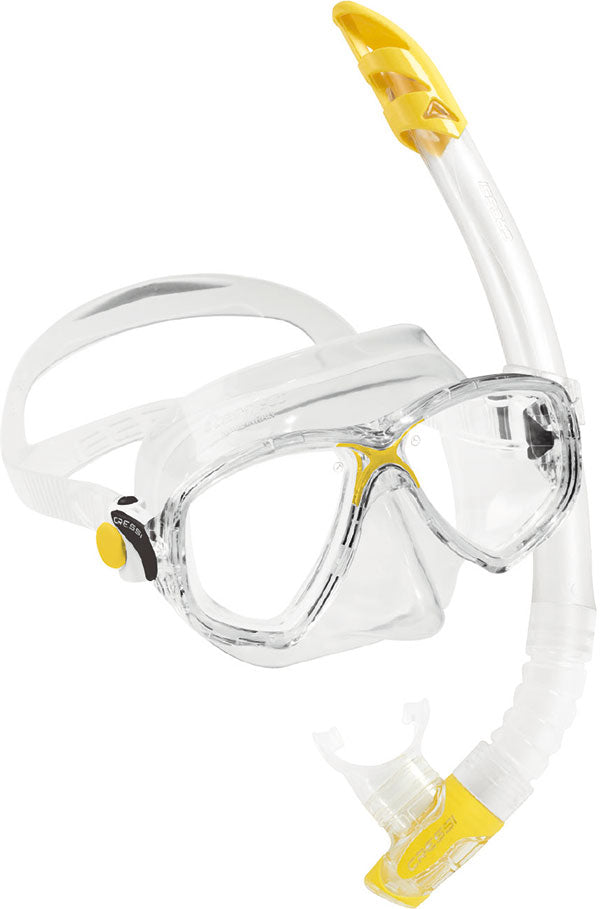
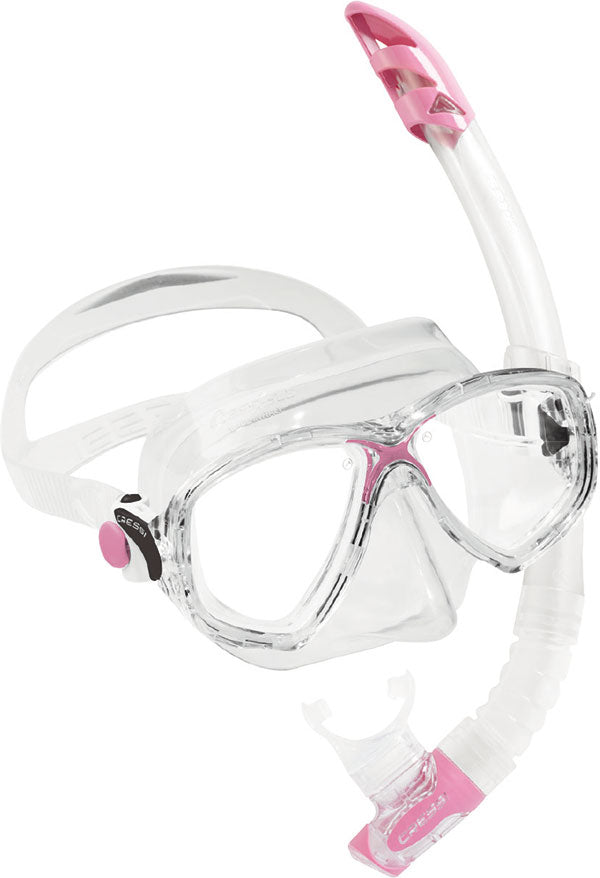
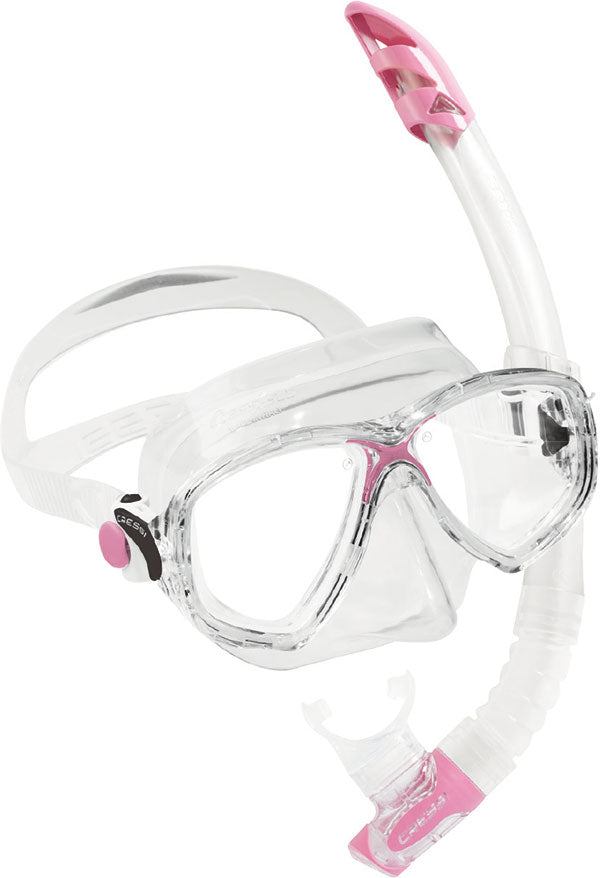
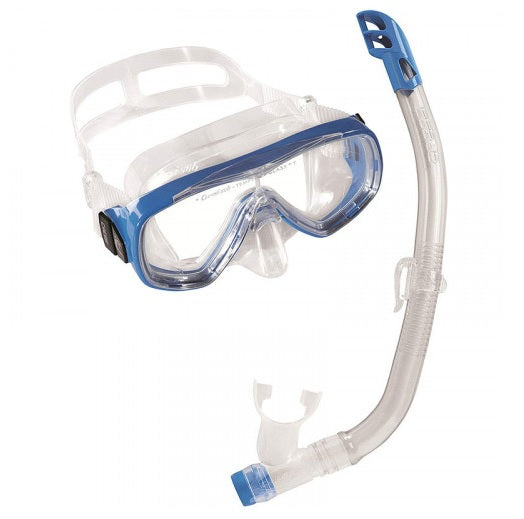
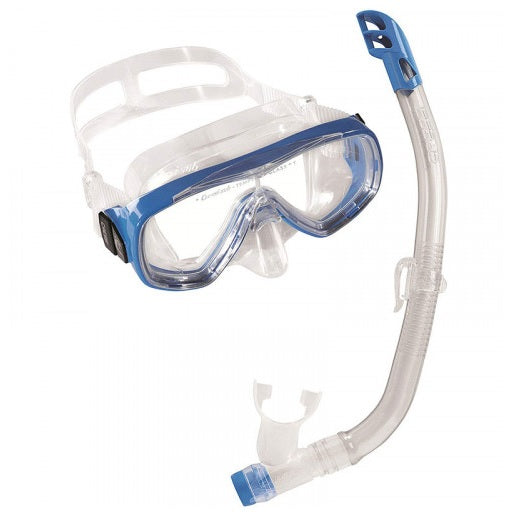
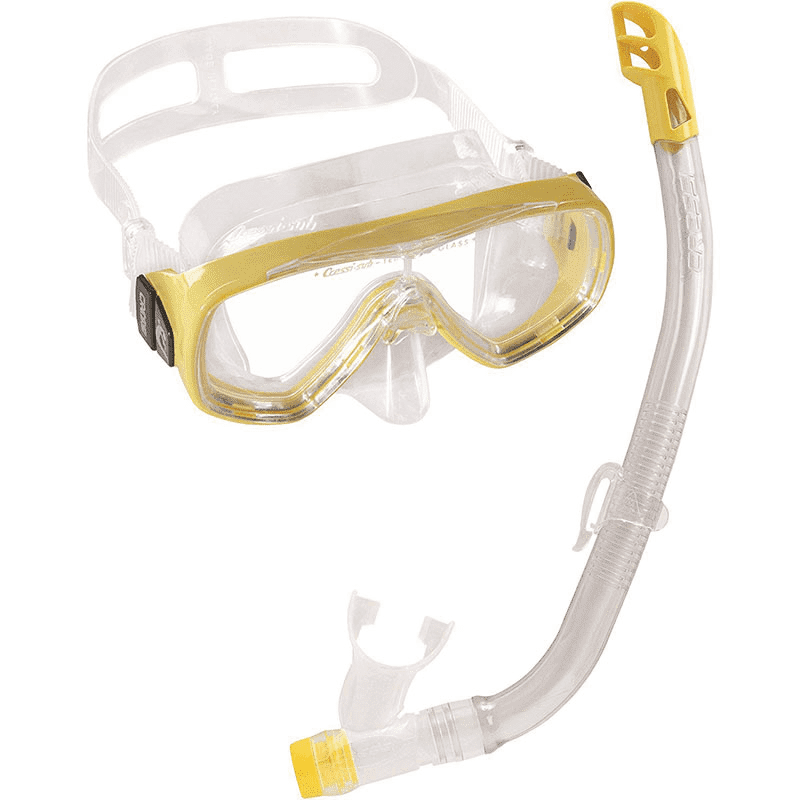
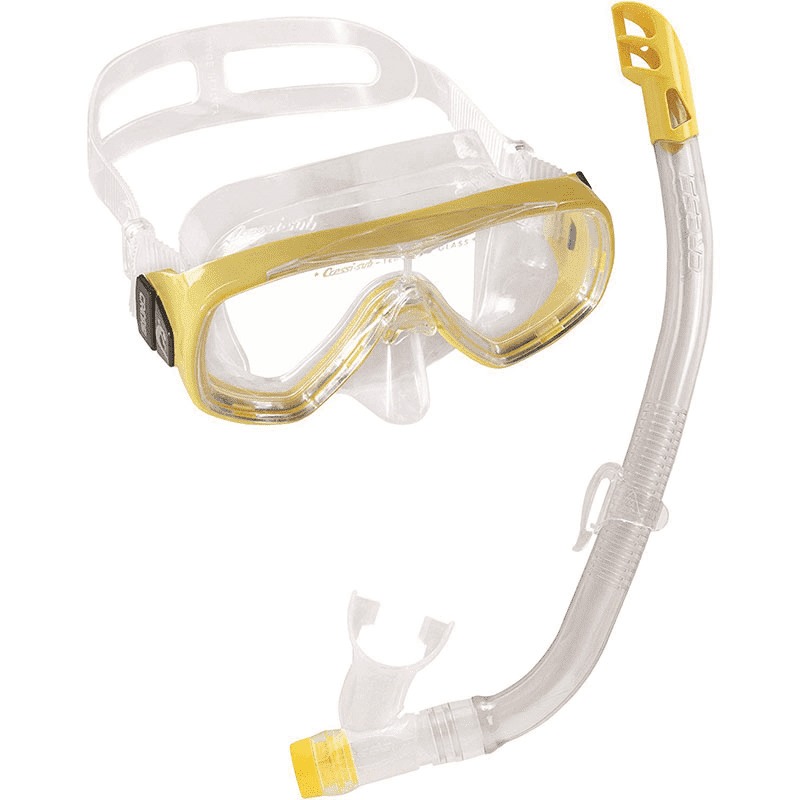
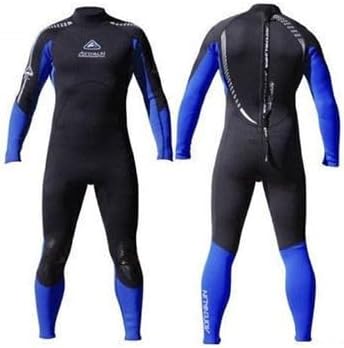

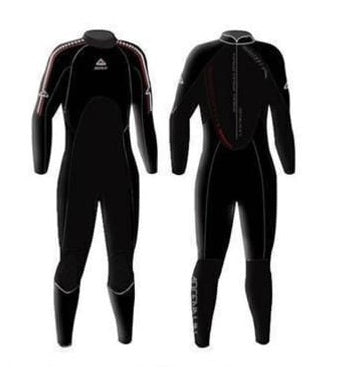

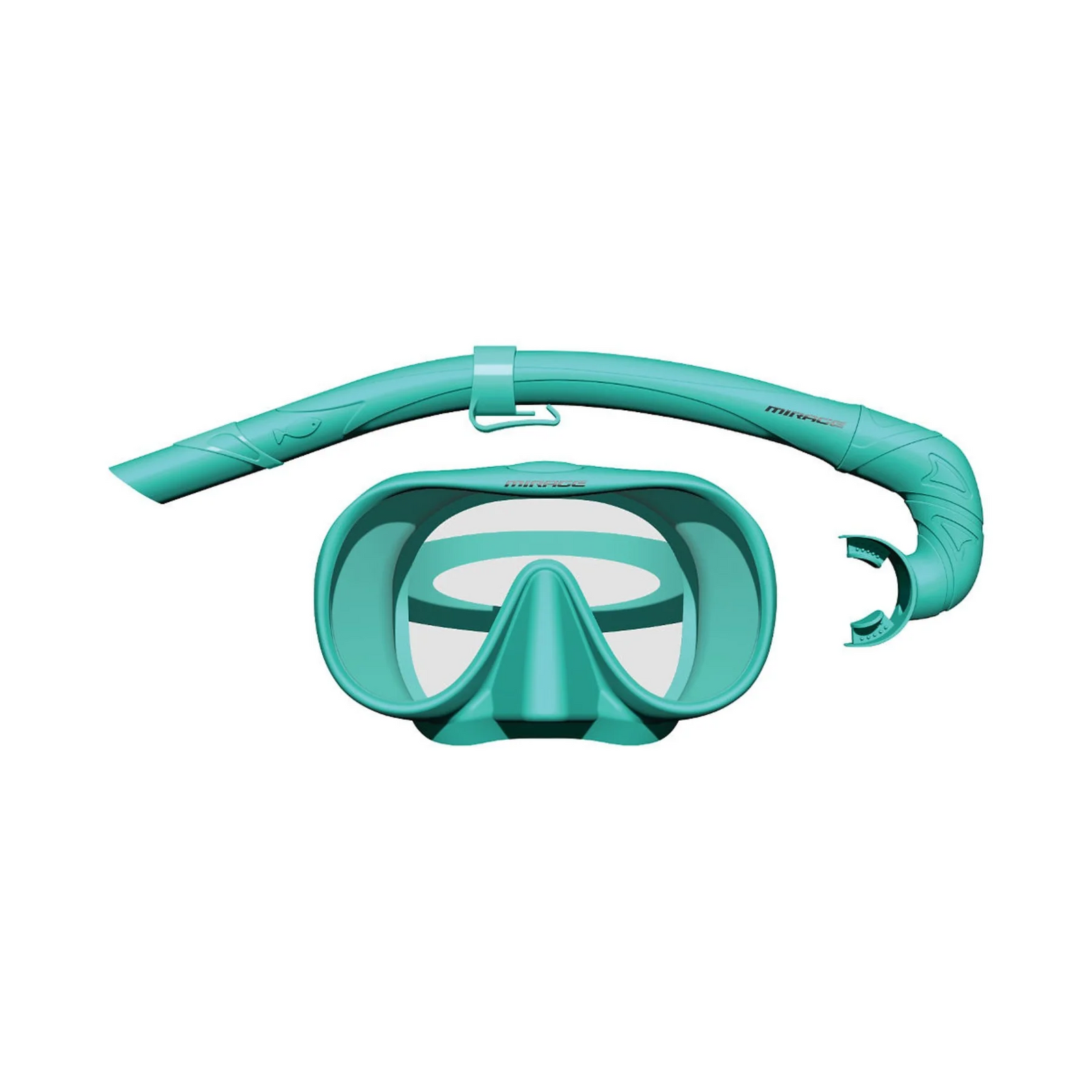

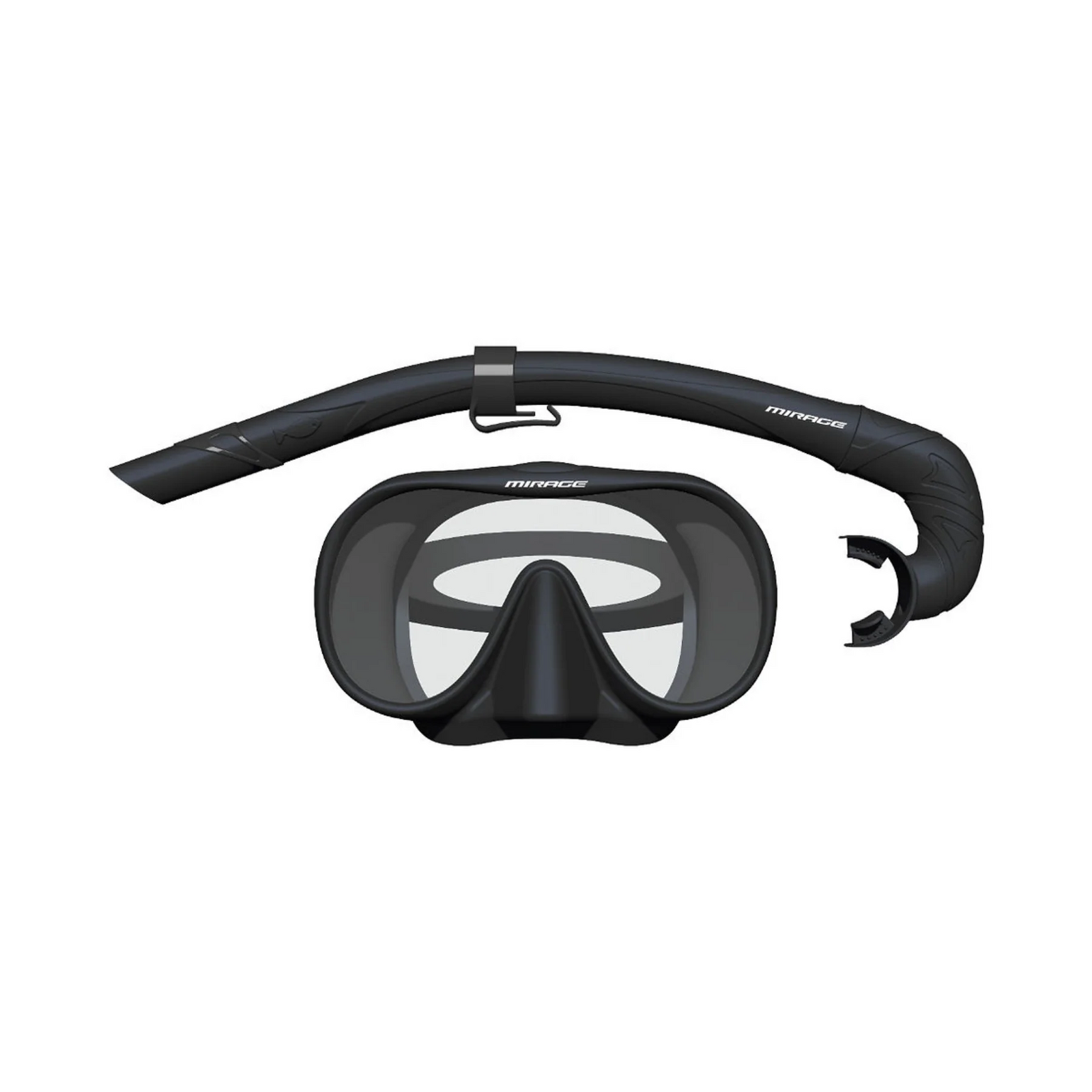


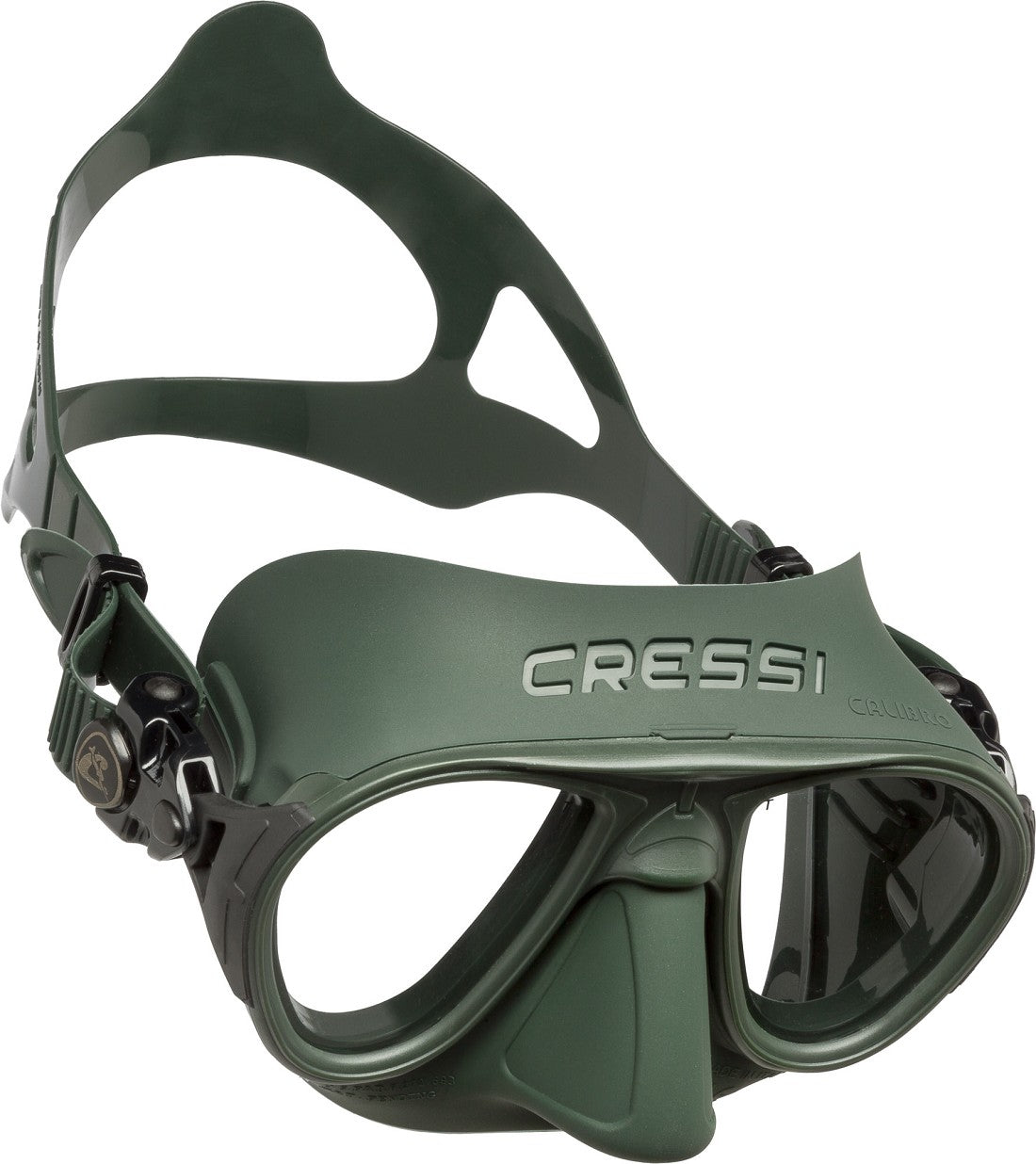

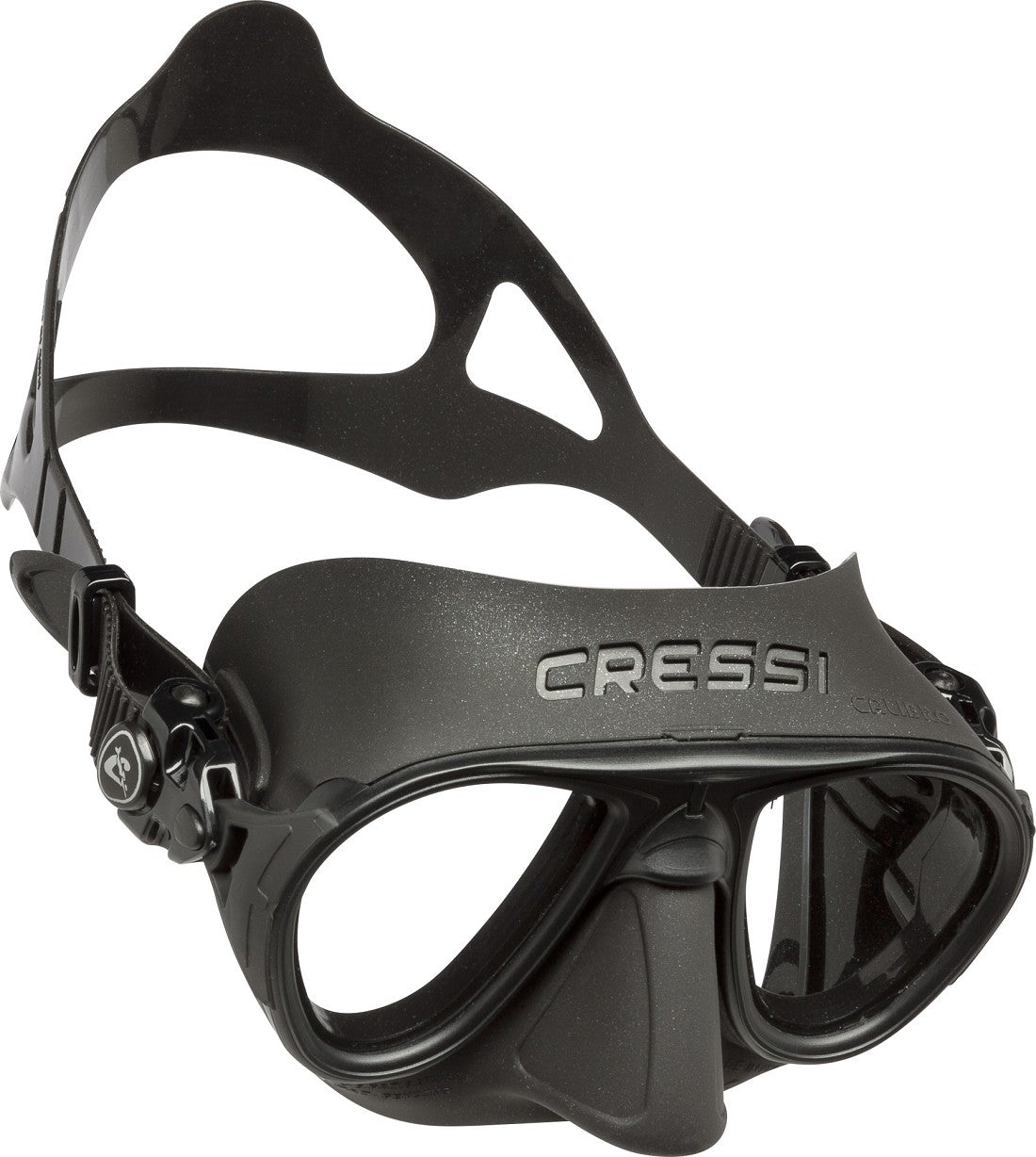
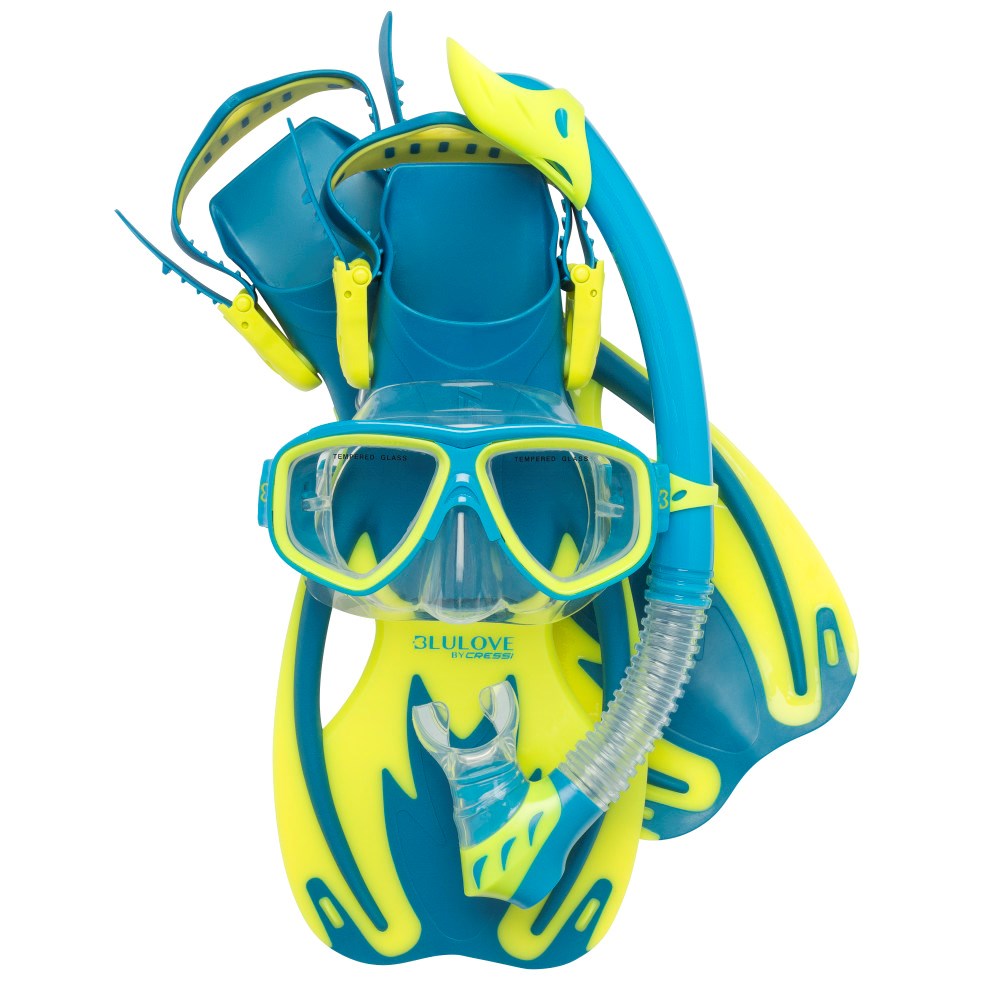
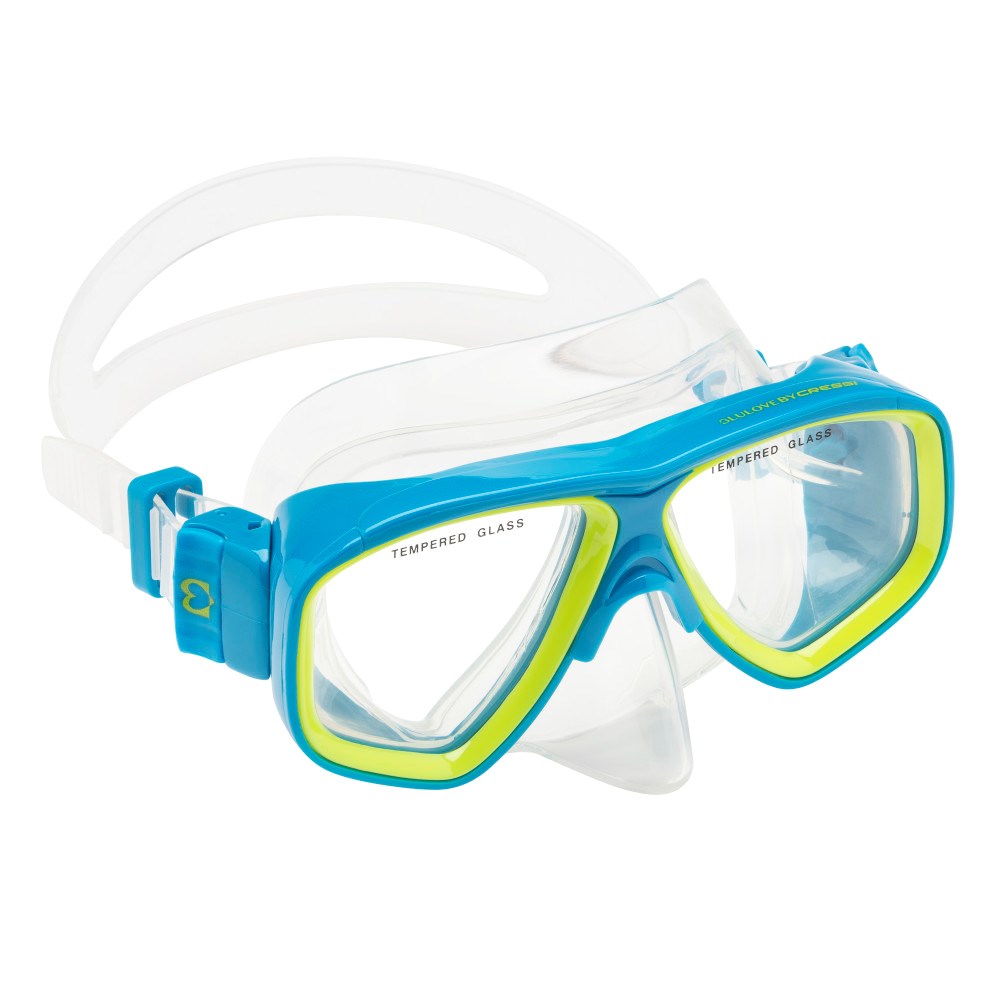


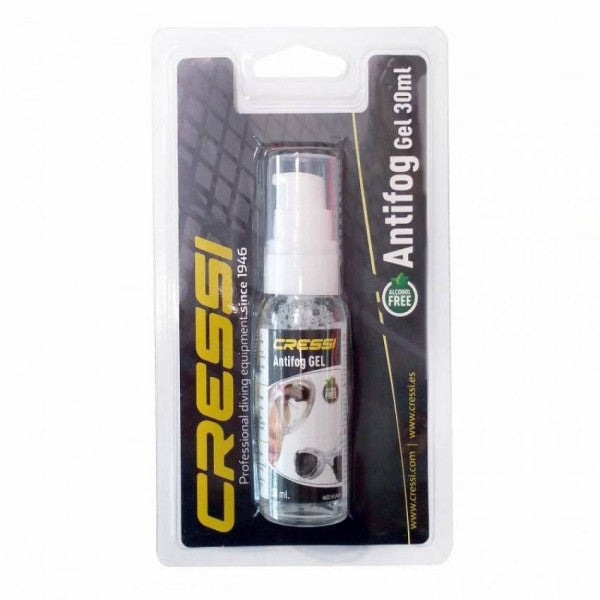
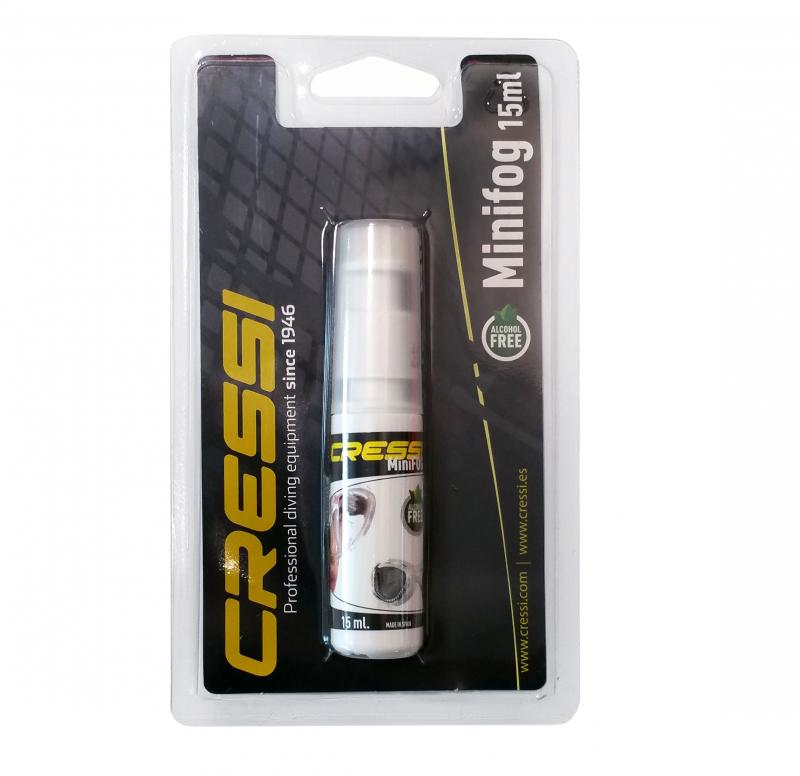

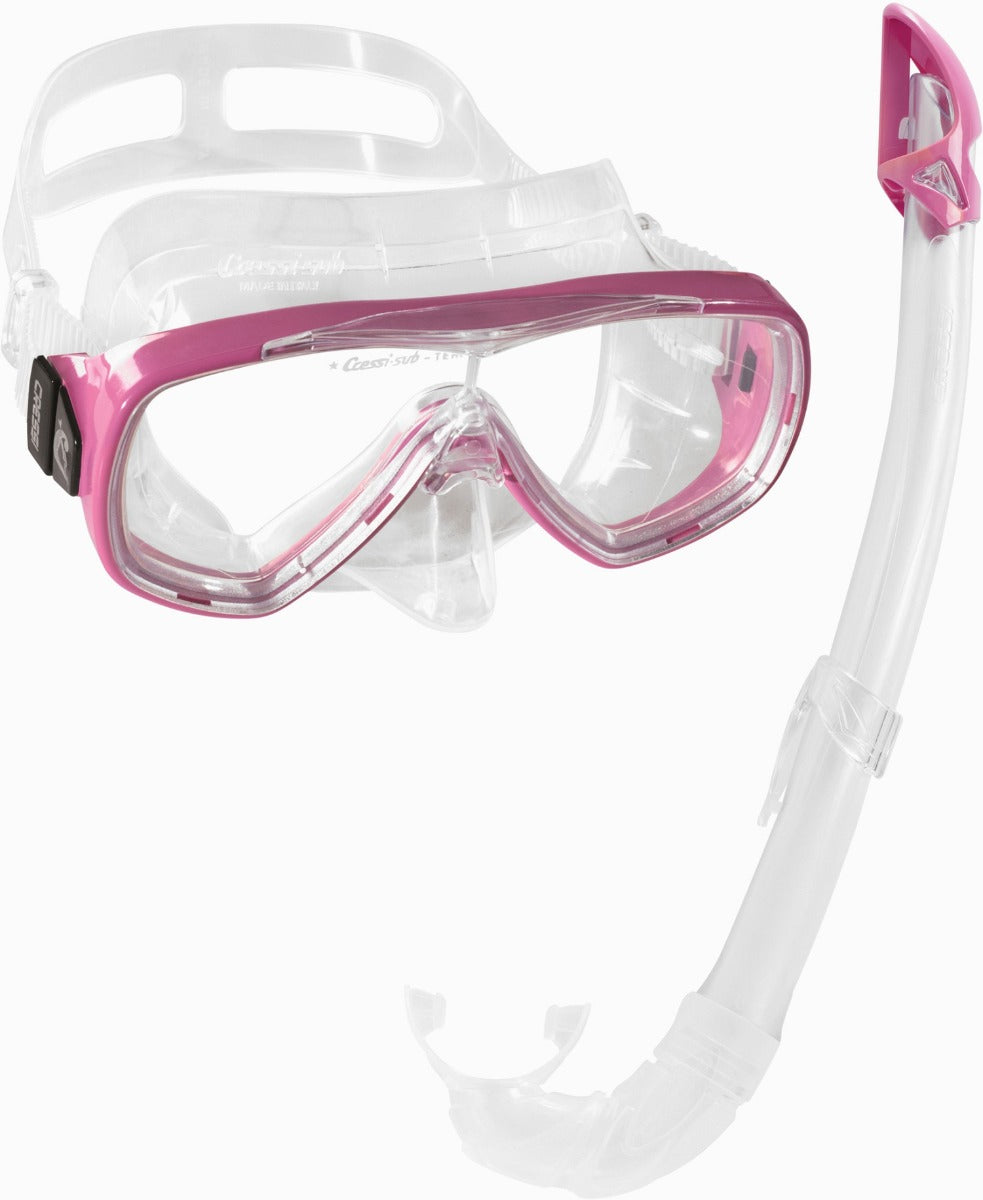
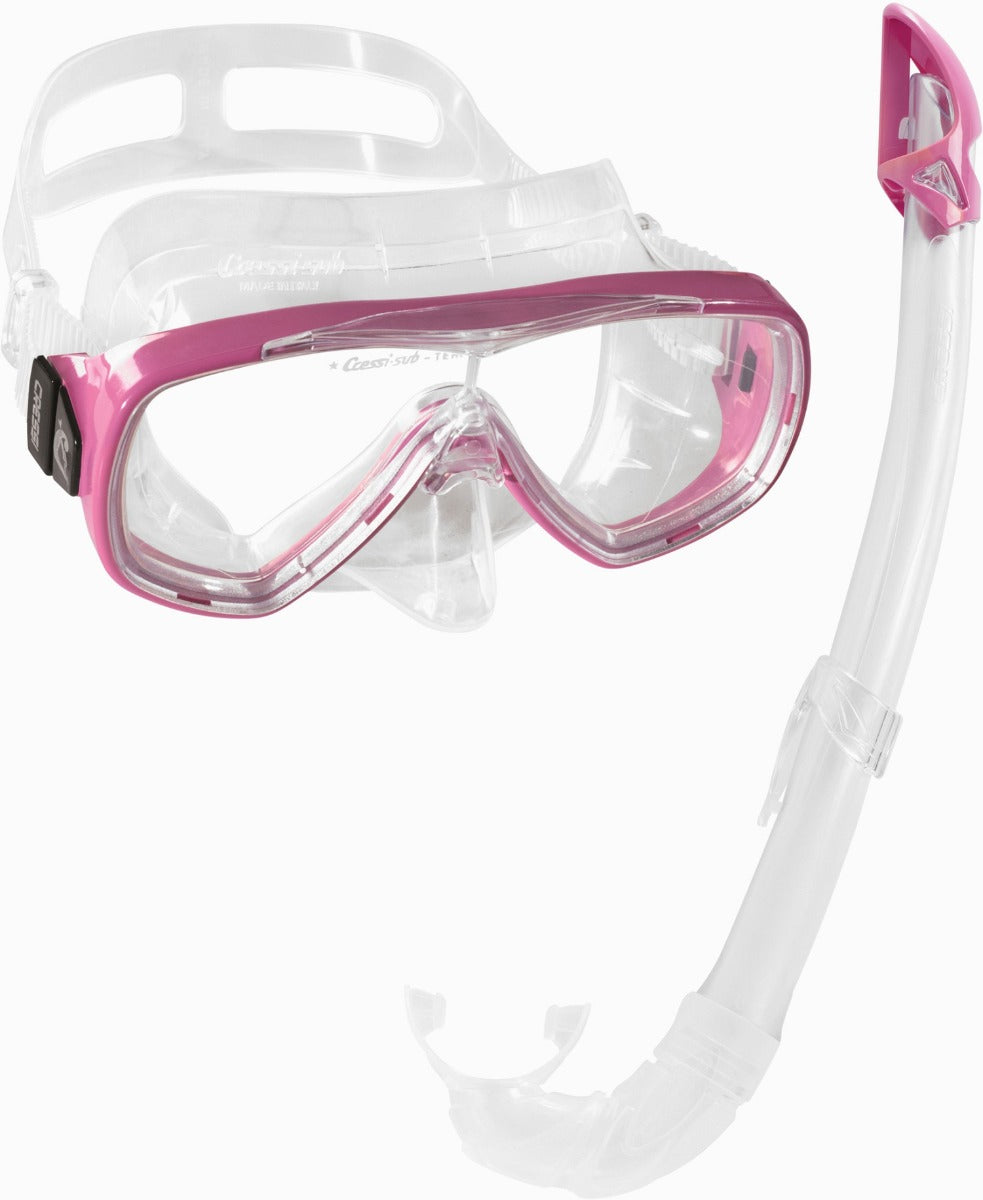
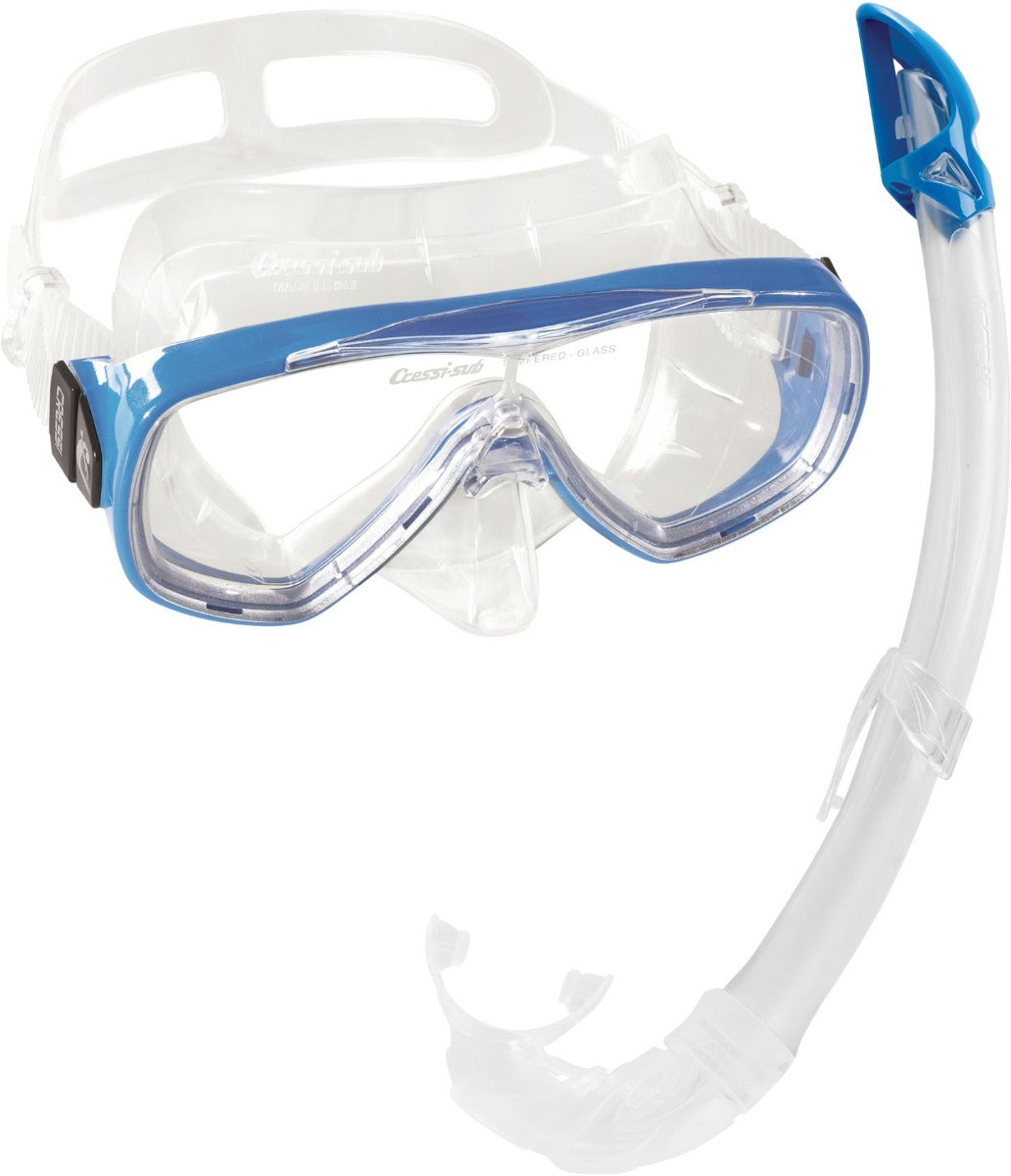

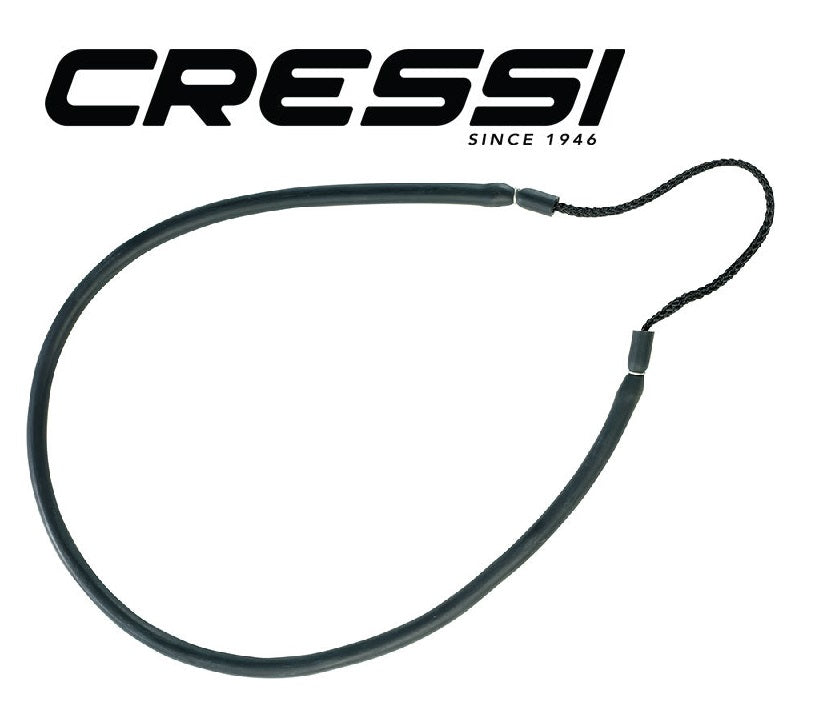

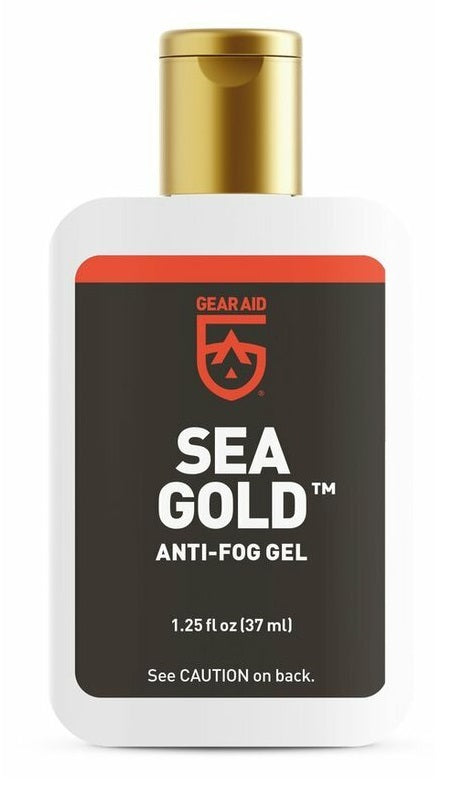
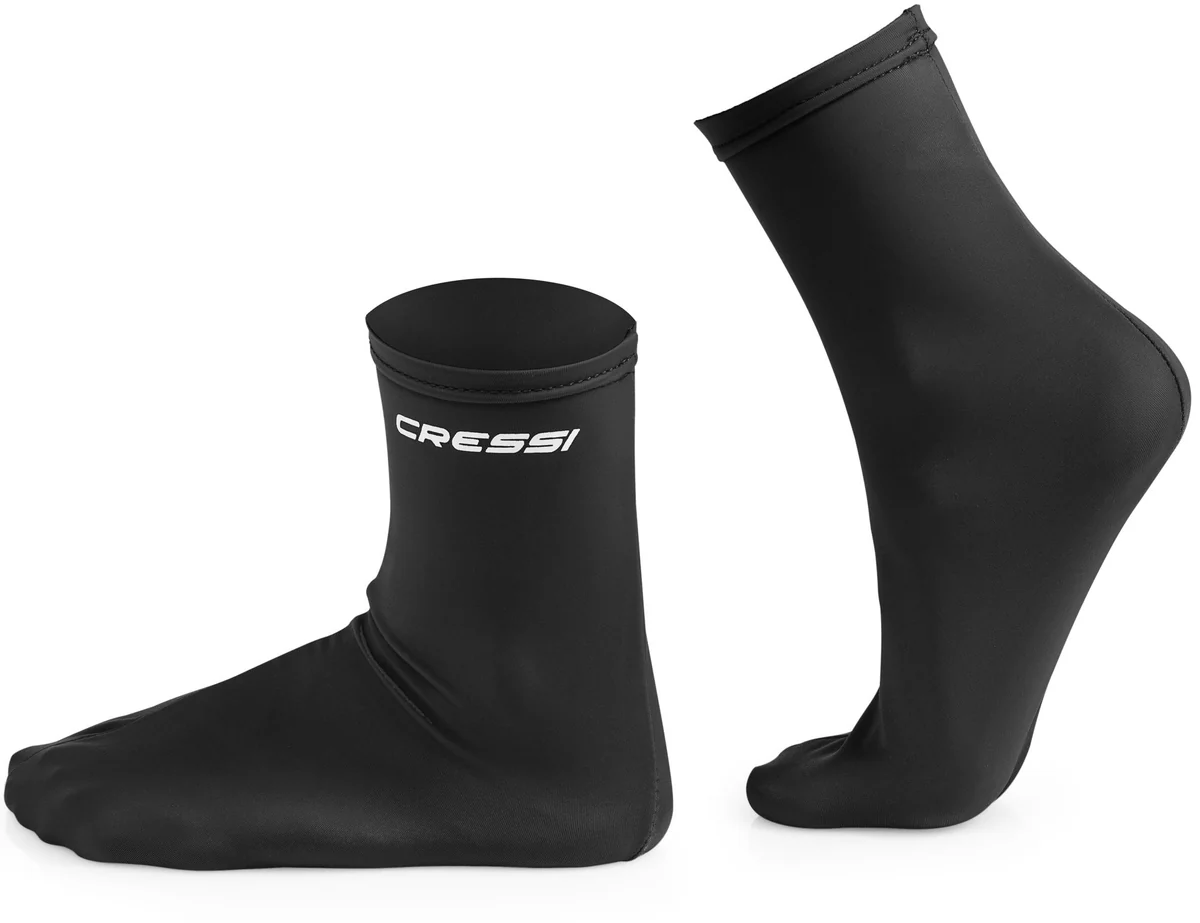


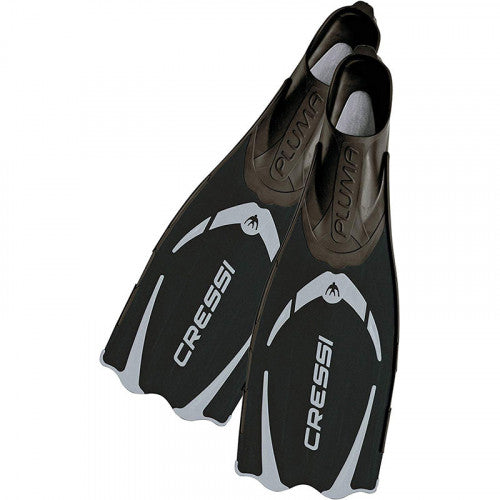
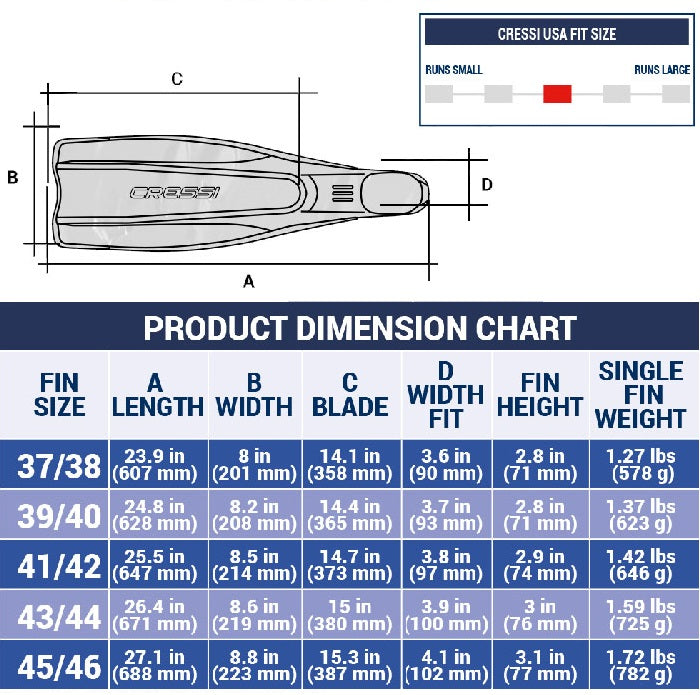
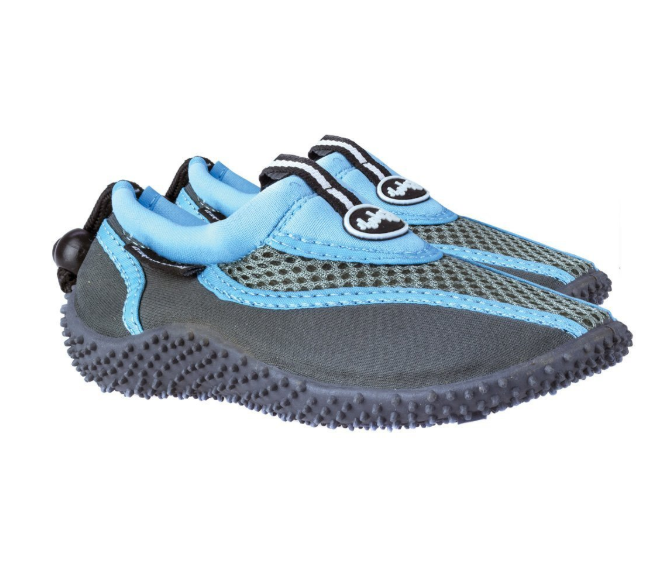
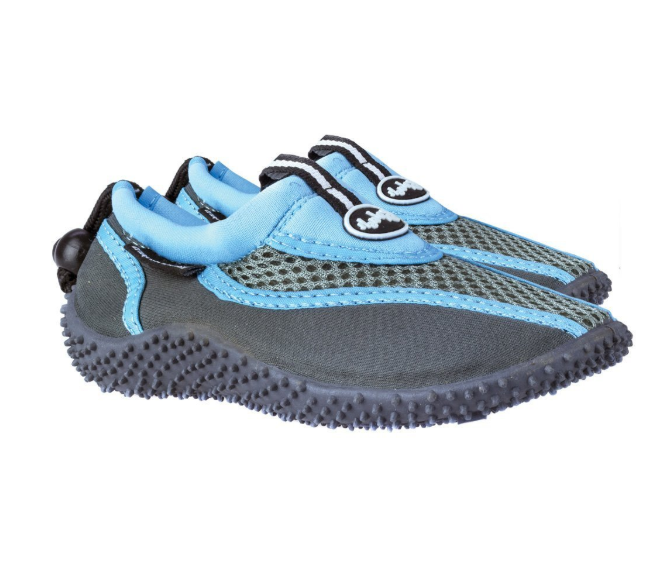
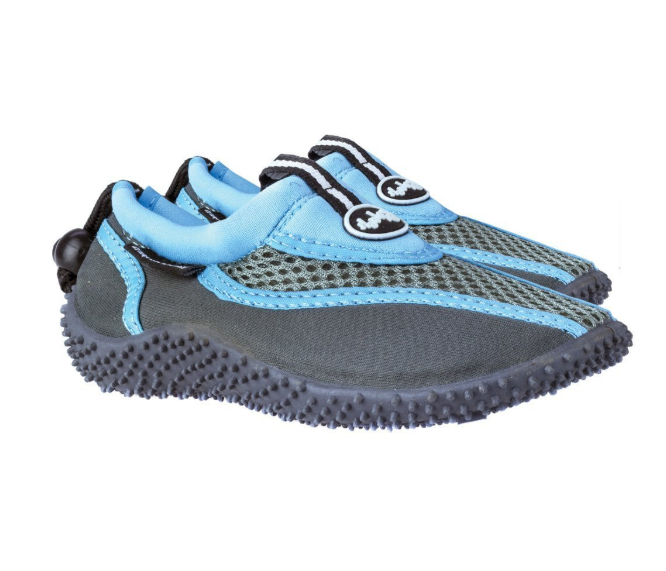
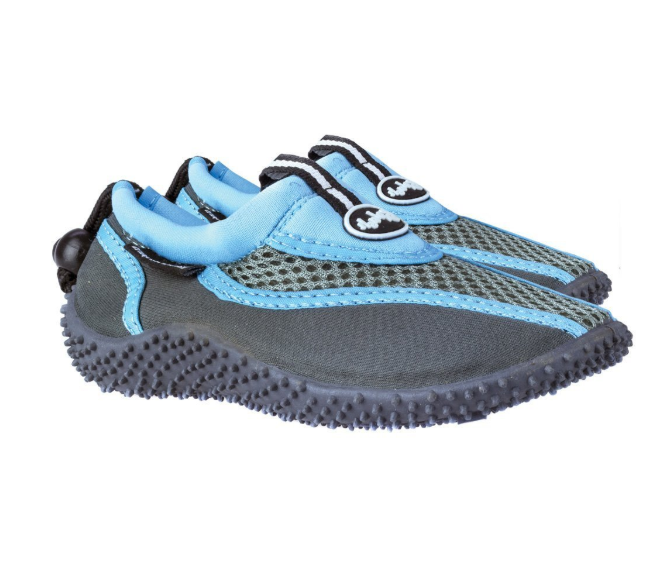

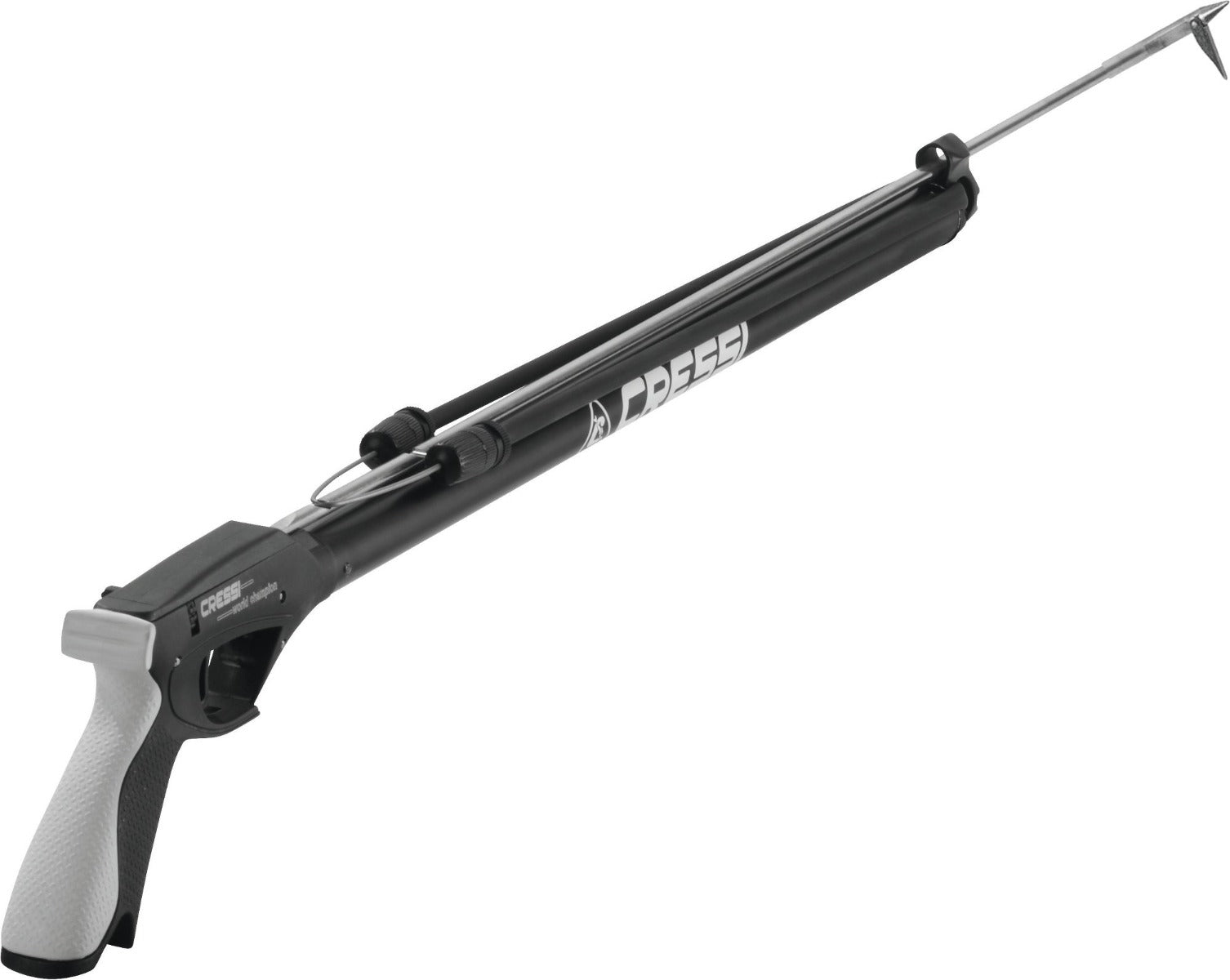
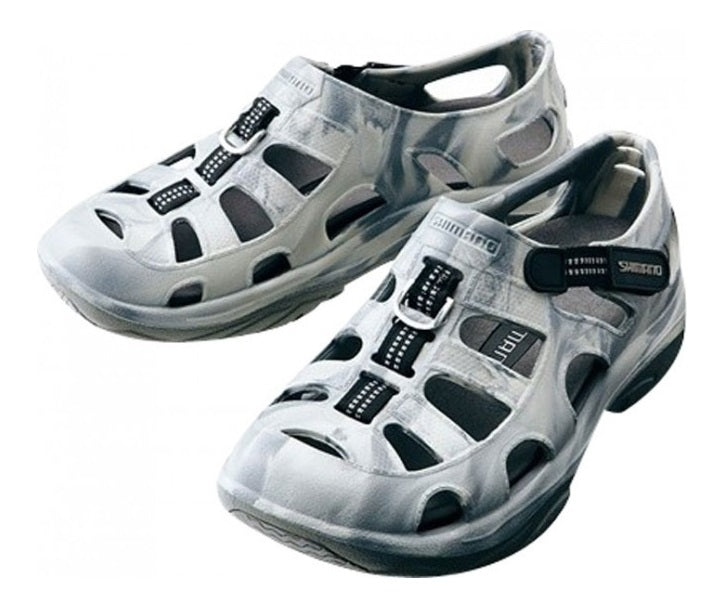





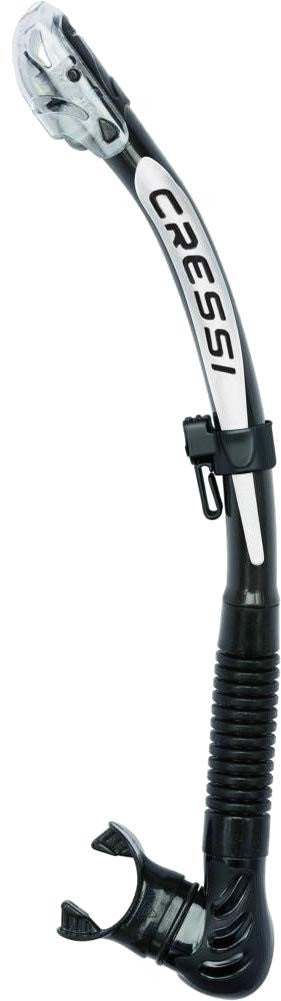
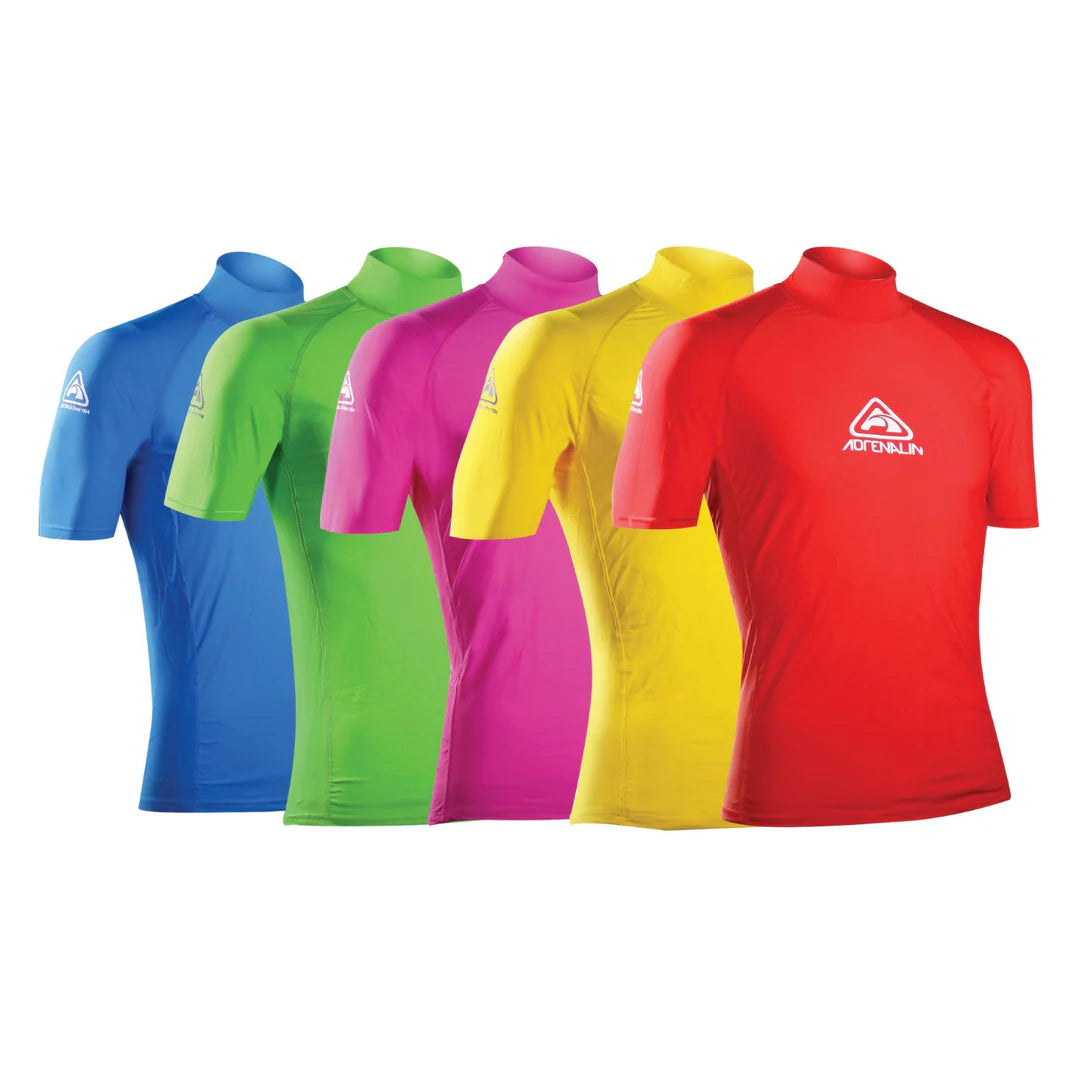

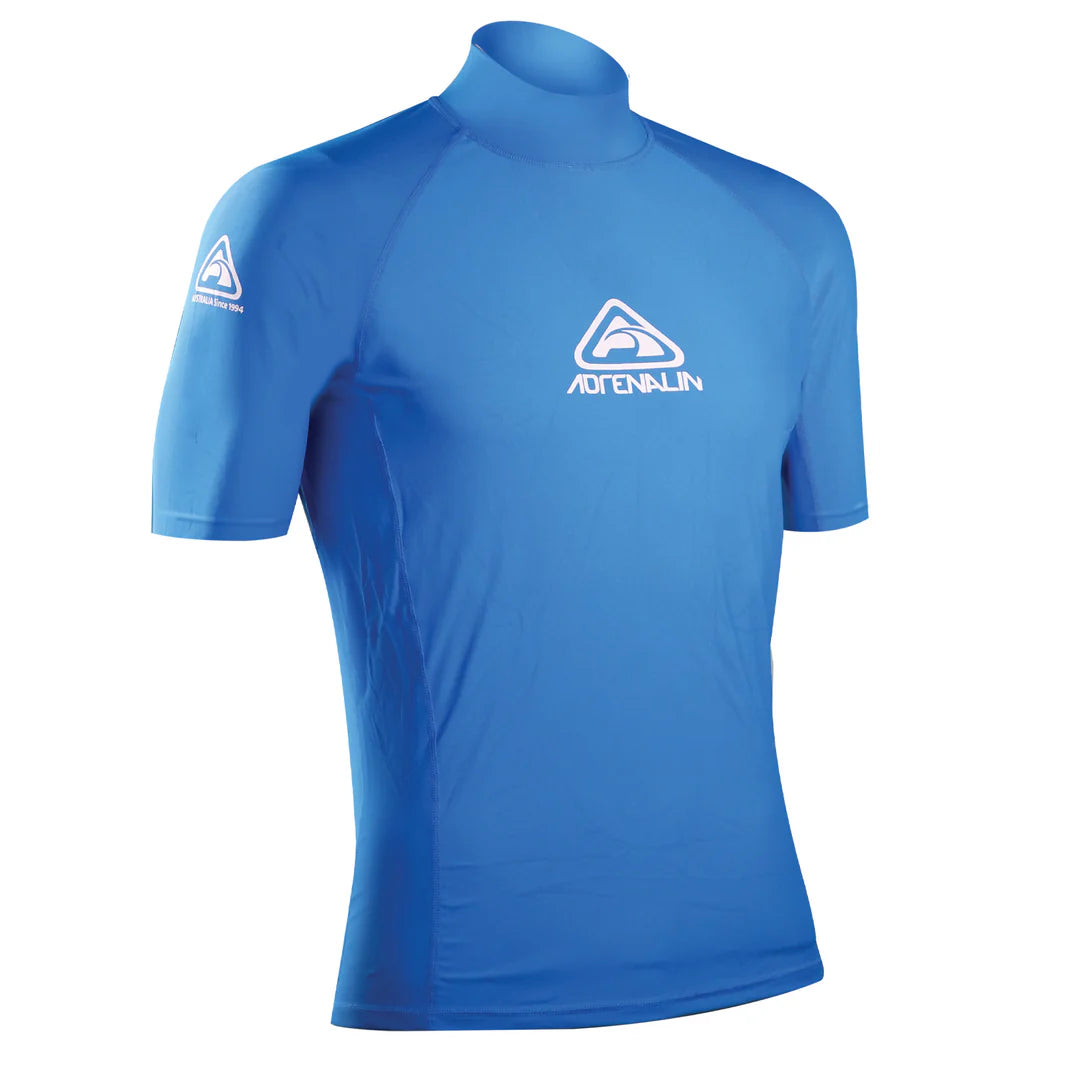


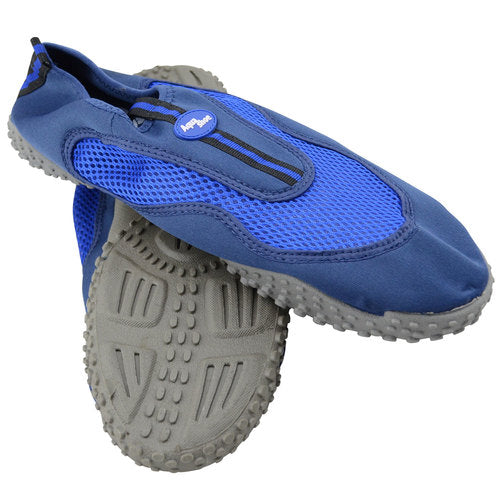





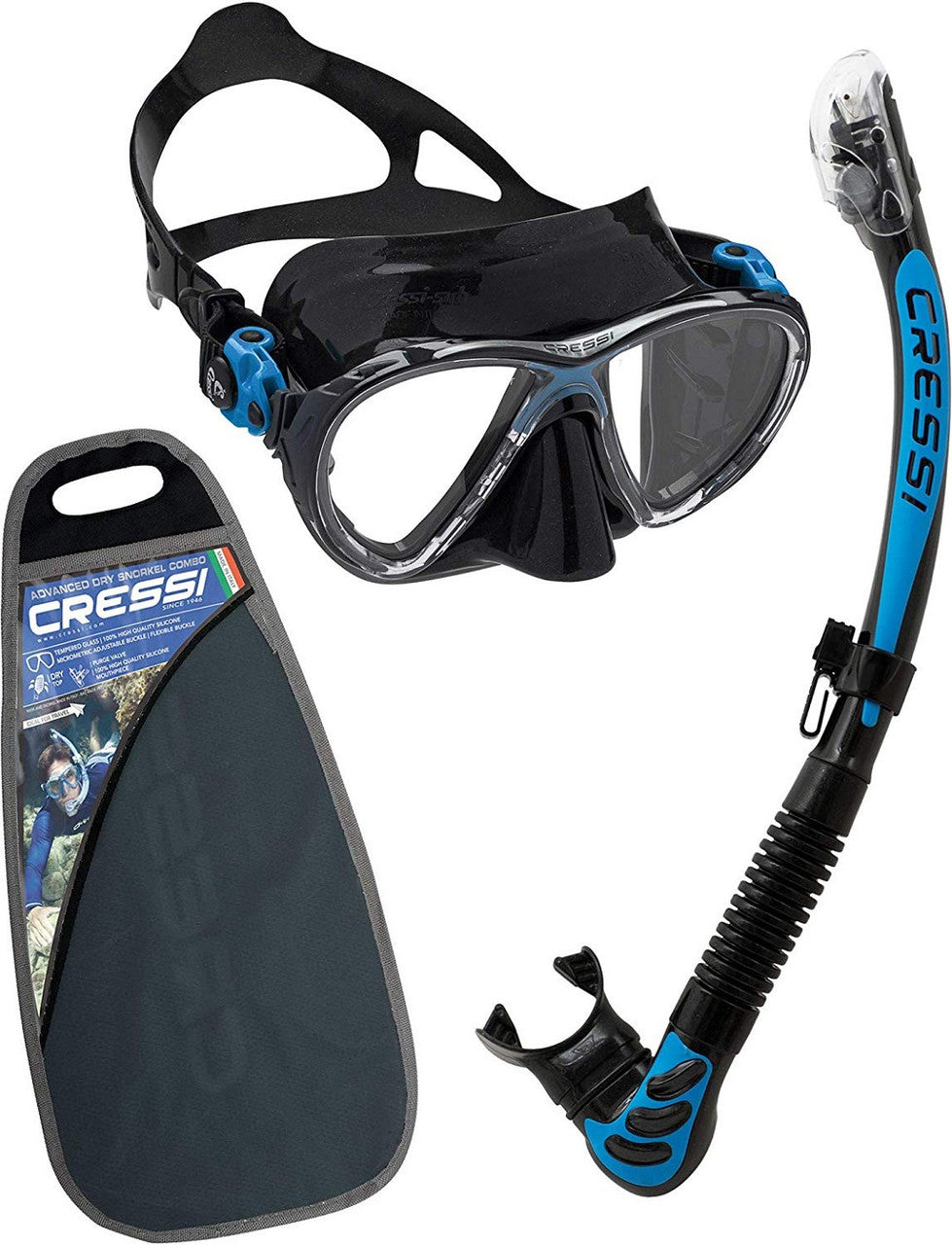

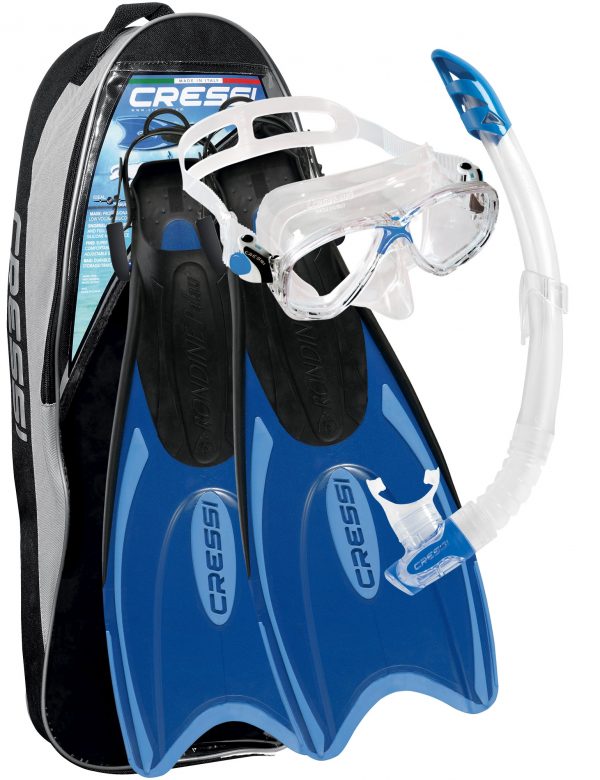
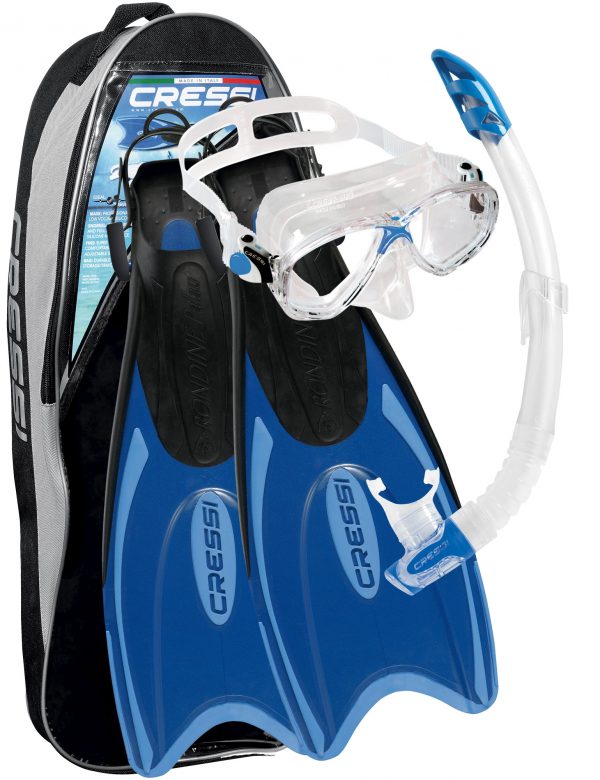
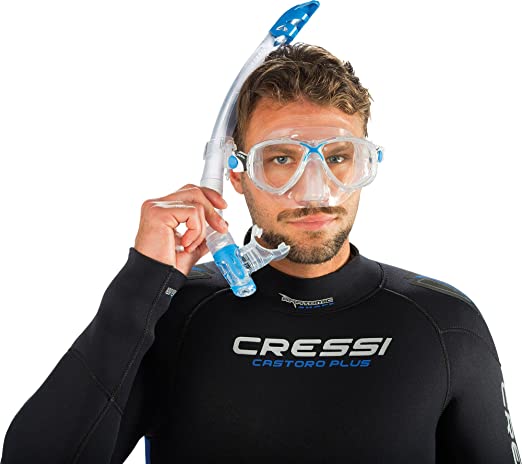

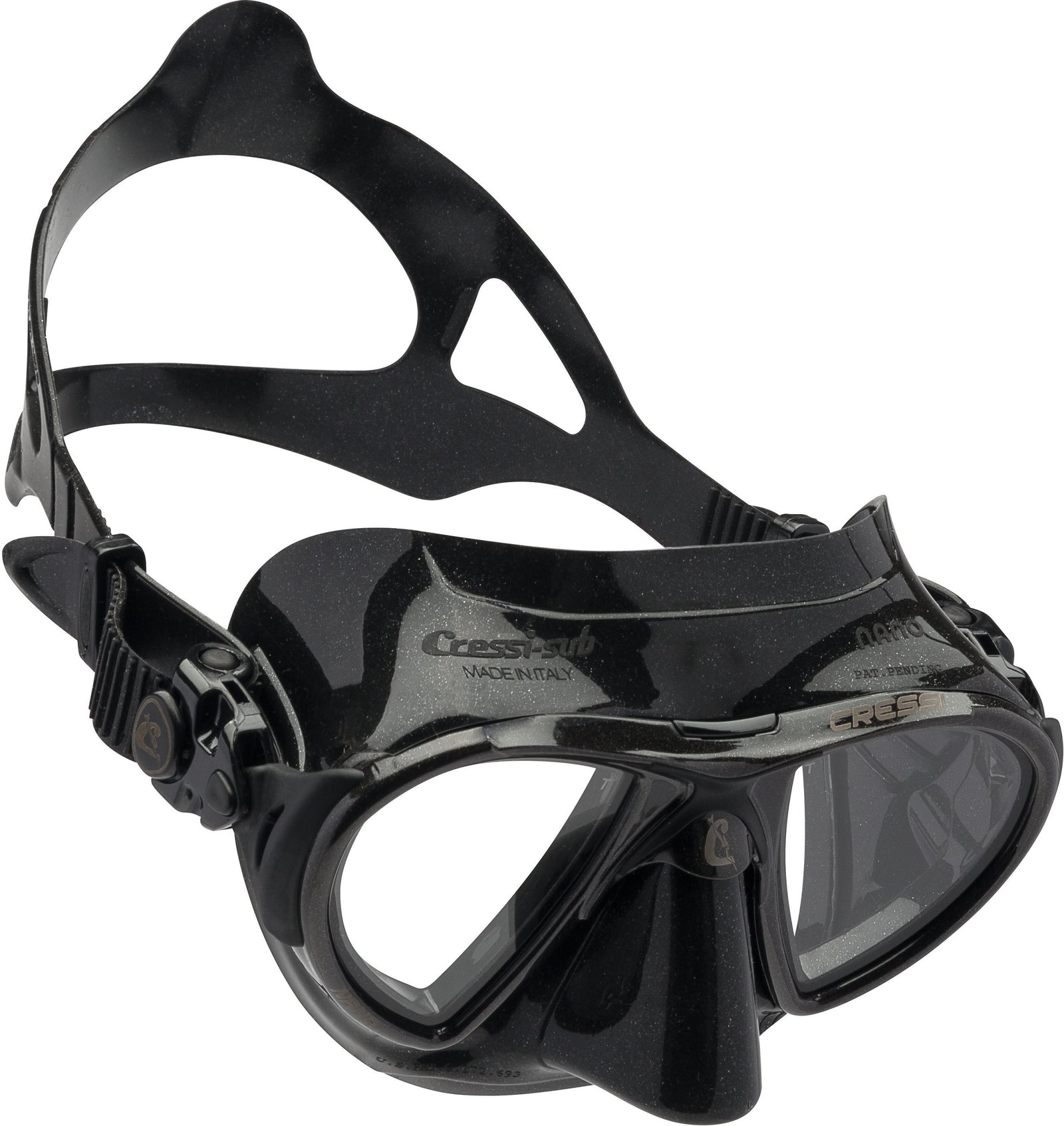

Everything for spearfishing, freediving and snorkelling in one place — spearguns and pole spears, masks and snorkels, fins, wetsuits, gloves and boots, knives, floats and rigging. Whether you are picking up a set for the kids over summer or building a full freediving kit, the range covers both ends.
Getting started
Fit comes before everything. A mask that leaks or fins that rub will end a session faster than cold water or poor visibility. Masks need a proper face seal, fins need enough room for a bootie, and a wetsuit needs to be snug without restricting your breathing.
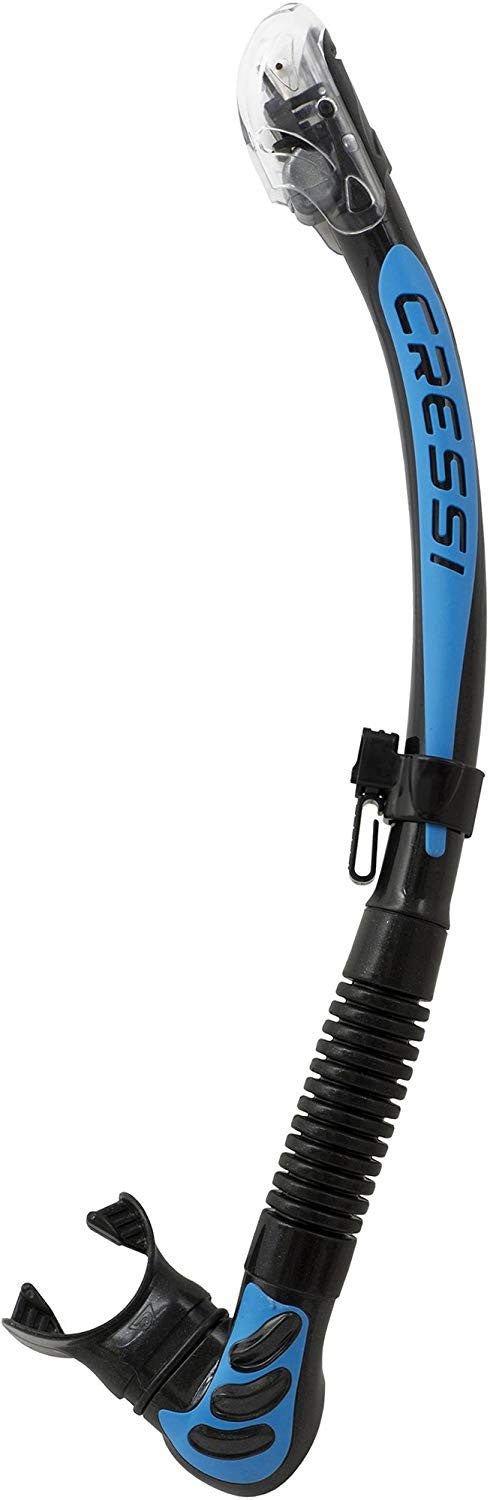
For snorkelling, a mask and snorkel set with a pair of fins is all you need. For spearfishing, add a suit, a weight belt, a knife and a float with a dive flag, then the gun itself. Building up in that order means each piece is useful on its own.
Spearfishing rules vary by state and by location — closed areas, protected species, size and bag limits and gear restrictions all apply, and they change. Check your state fisheries authority before you head out. Start with spearguns, or with wetsuits if you are sorting out thermal protection first.
Frequently asked questions
What gear do I need to start spearfishing?
A mask and snorkel, fins, a wetsuit, a weight belt, a knife, a float with a dive flag and a speargun or pole spear. Most people buy the snorkelling gear first and add the gun once they are comfortable in the water.
Do I need a licence to spearfish in Australia?
Requirements differ by state, as do closed areas, protected species and gear rules. Check the fisheries authority for the state you are diving in before you go.
What is the difference between freediving and spearfishing gear?
There is a lot of overlap. Freediving favours long-bladed fins and low-volume masks for efficiency at depth, while spearfishing adds the gun, a float line and a knife. Most gear crosses over.
Can I use snorkelling fins for spearfishing?
For shallow work, yes. Longer freediving and spearfishing blades move more water per kick, which makes a real difference once you are diving deeper or covering ground.