

FREE SHIPPING ON ORDERS OVER $150*

AUSSIE FAMILY OWNED BUSINESS FOR OVER 40 YEARS

100% SATISFACTION GUARANTEED
Water and Reef Shoes
Water and Reef Shoes
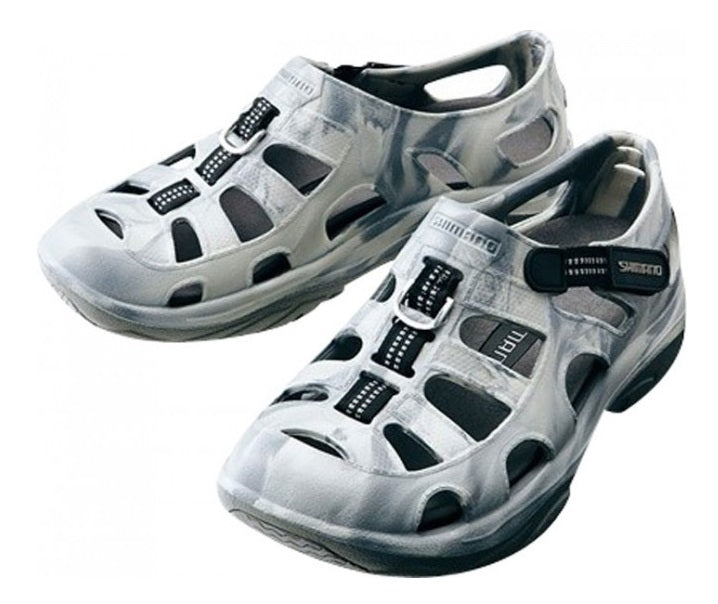
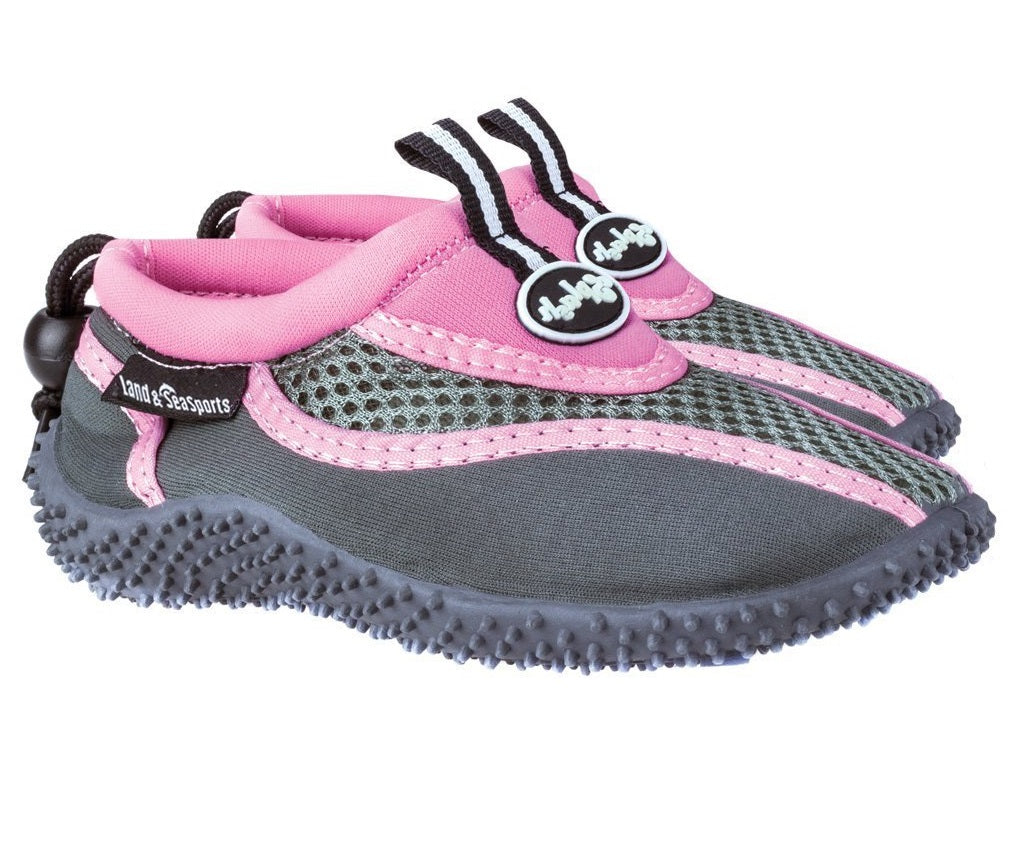
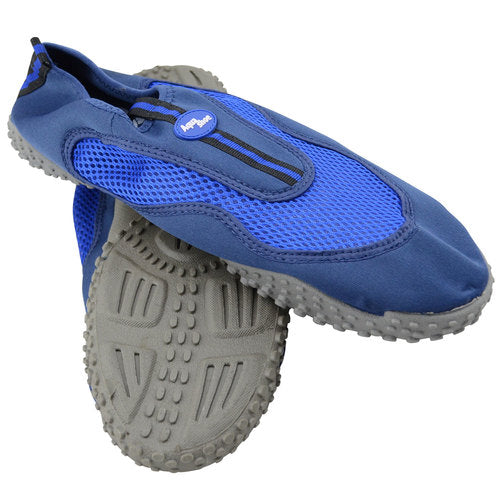
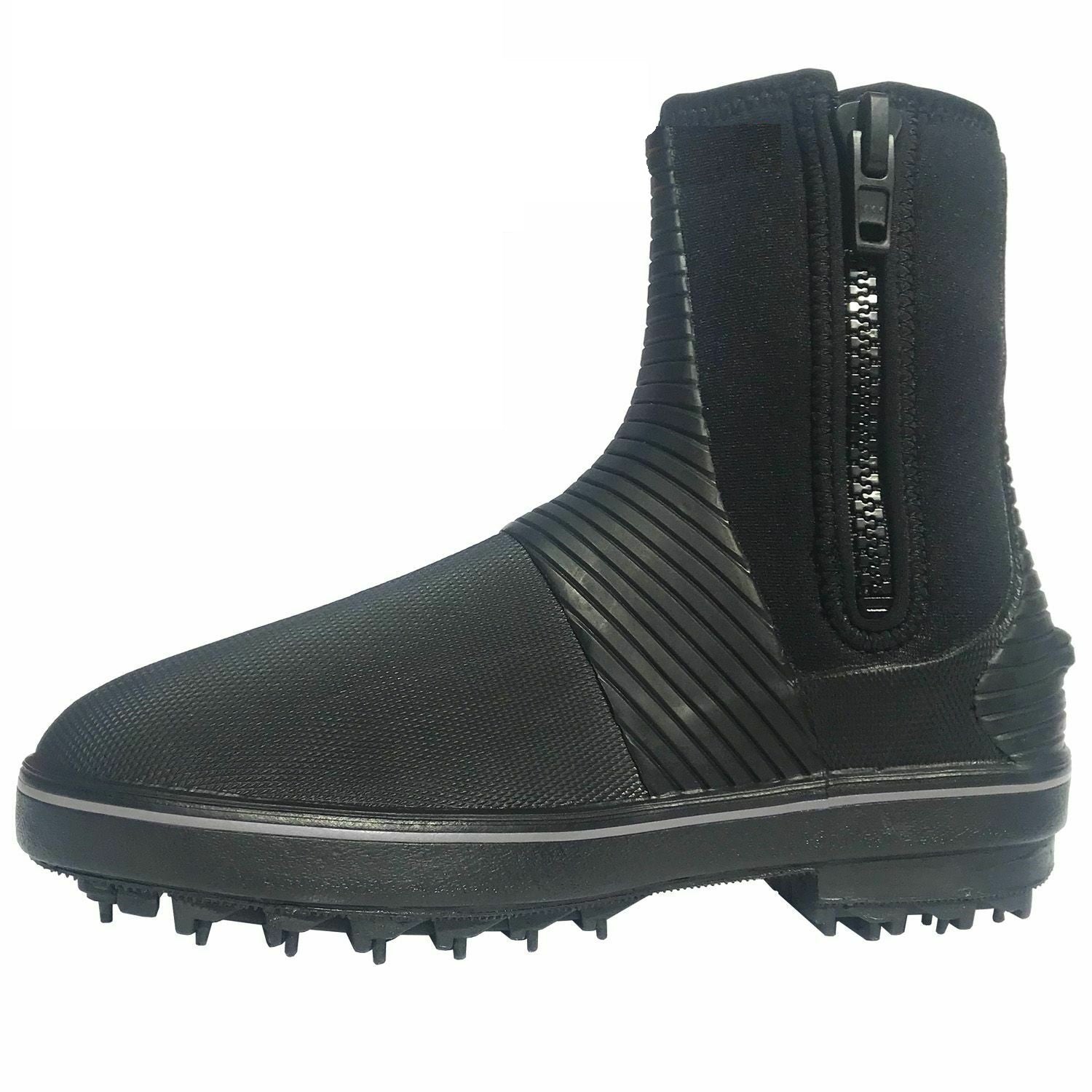
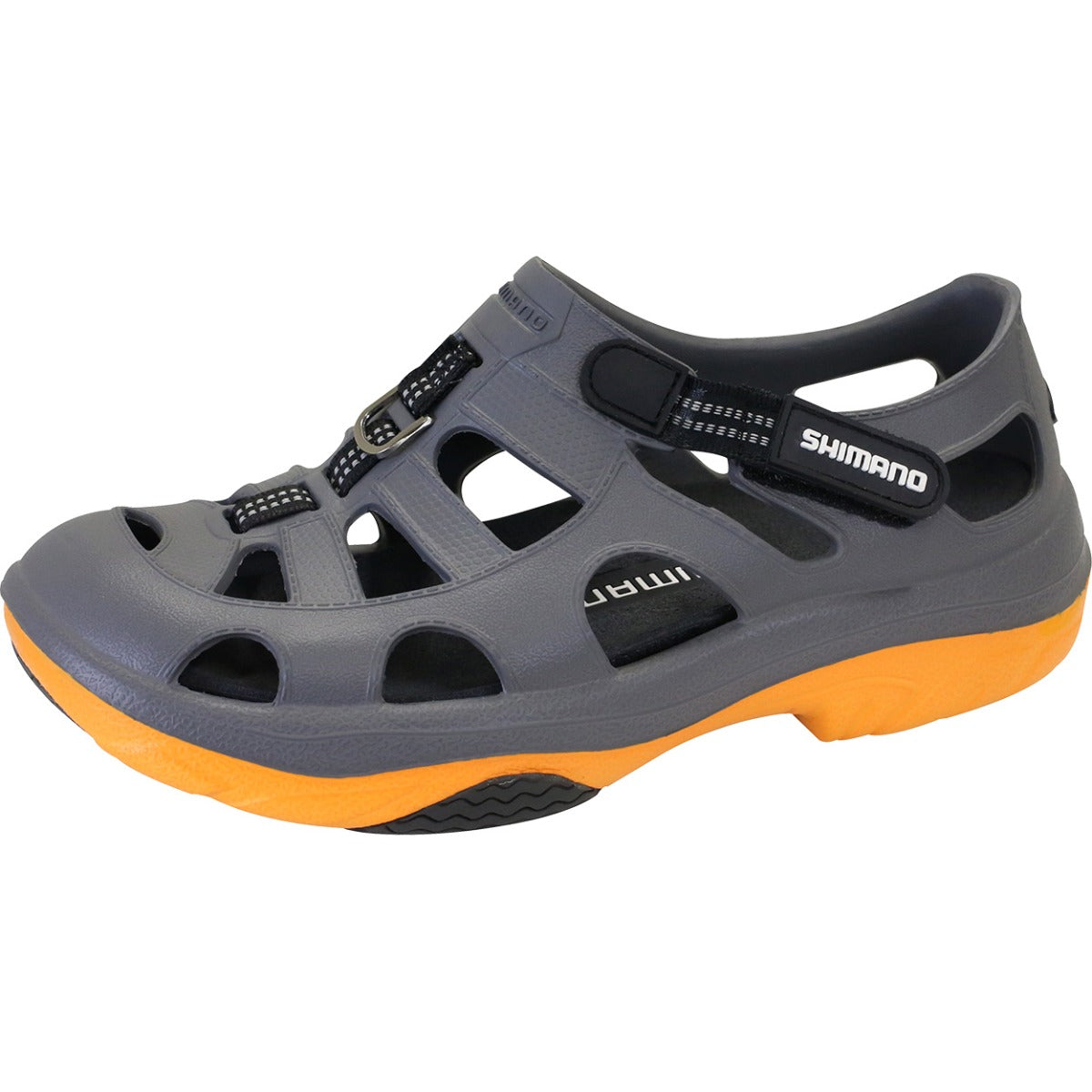
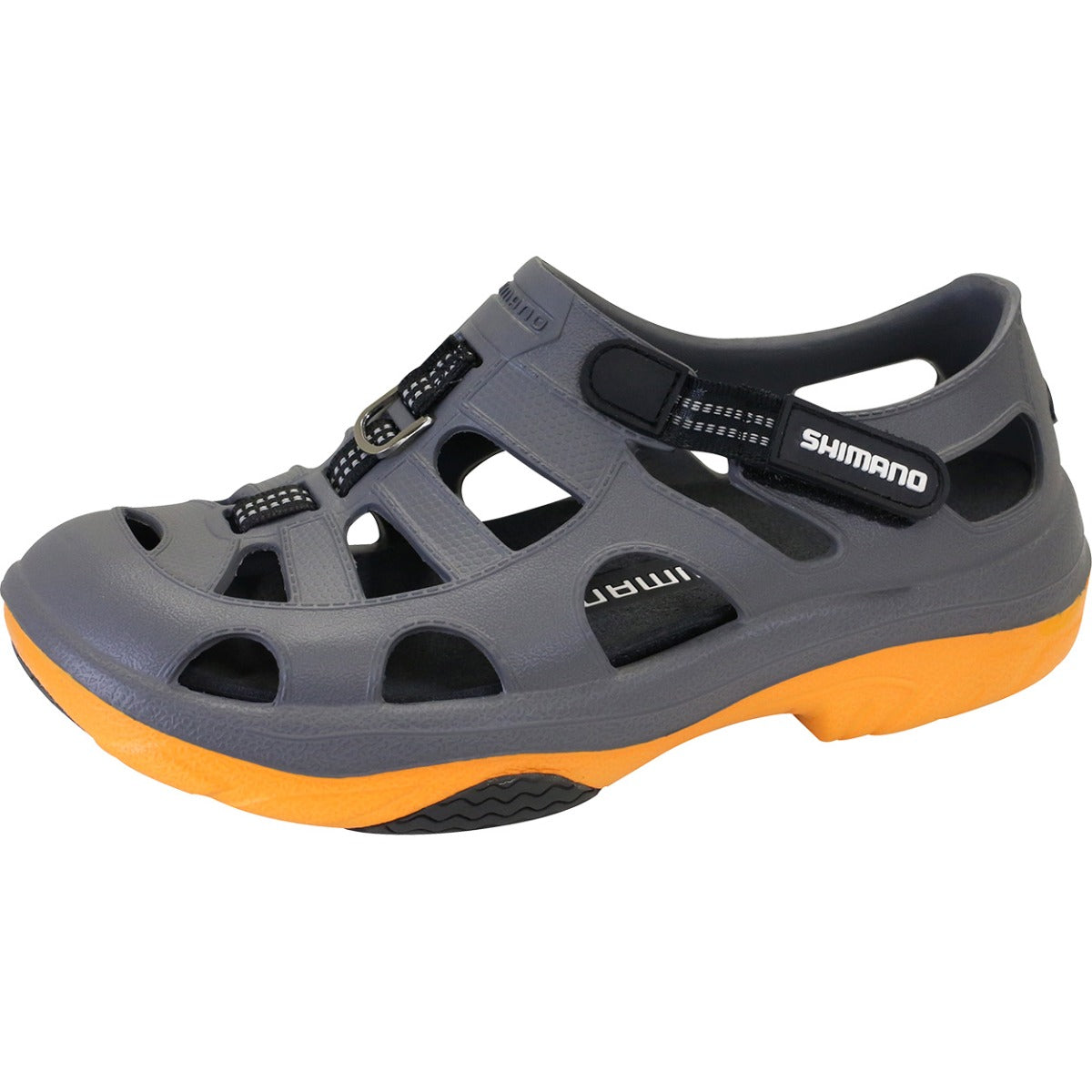
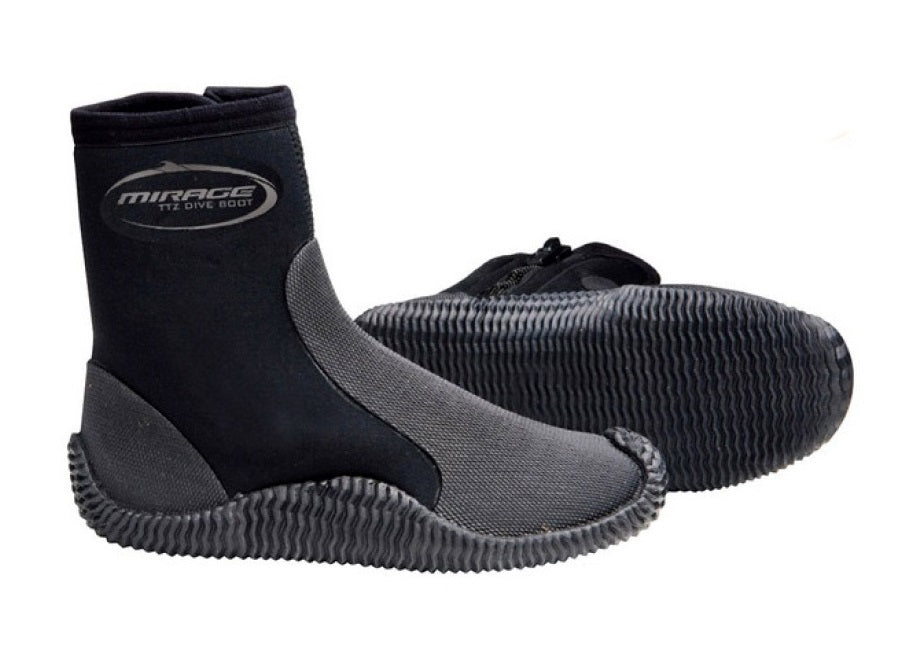
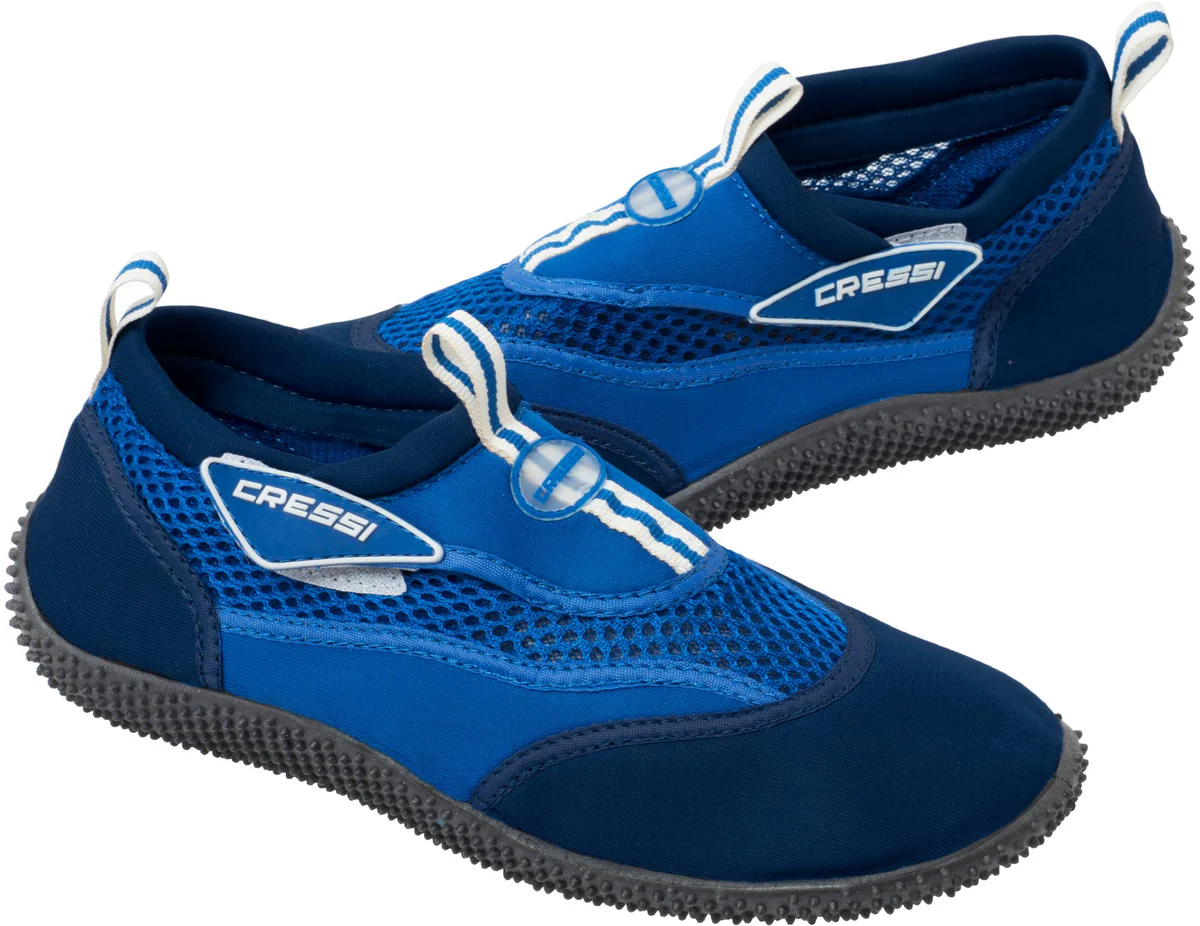
Footwear for wet ground — reef flats, rock ledges, boat decks and everything under the surface. Reef shoes, aqua shoes, rock spike boots, neoprene dive boots and non-marking deck shoes, in adult and kids sizes.
Which type you need
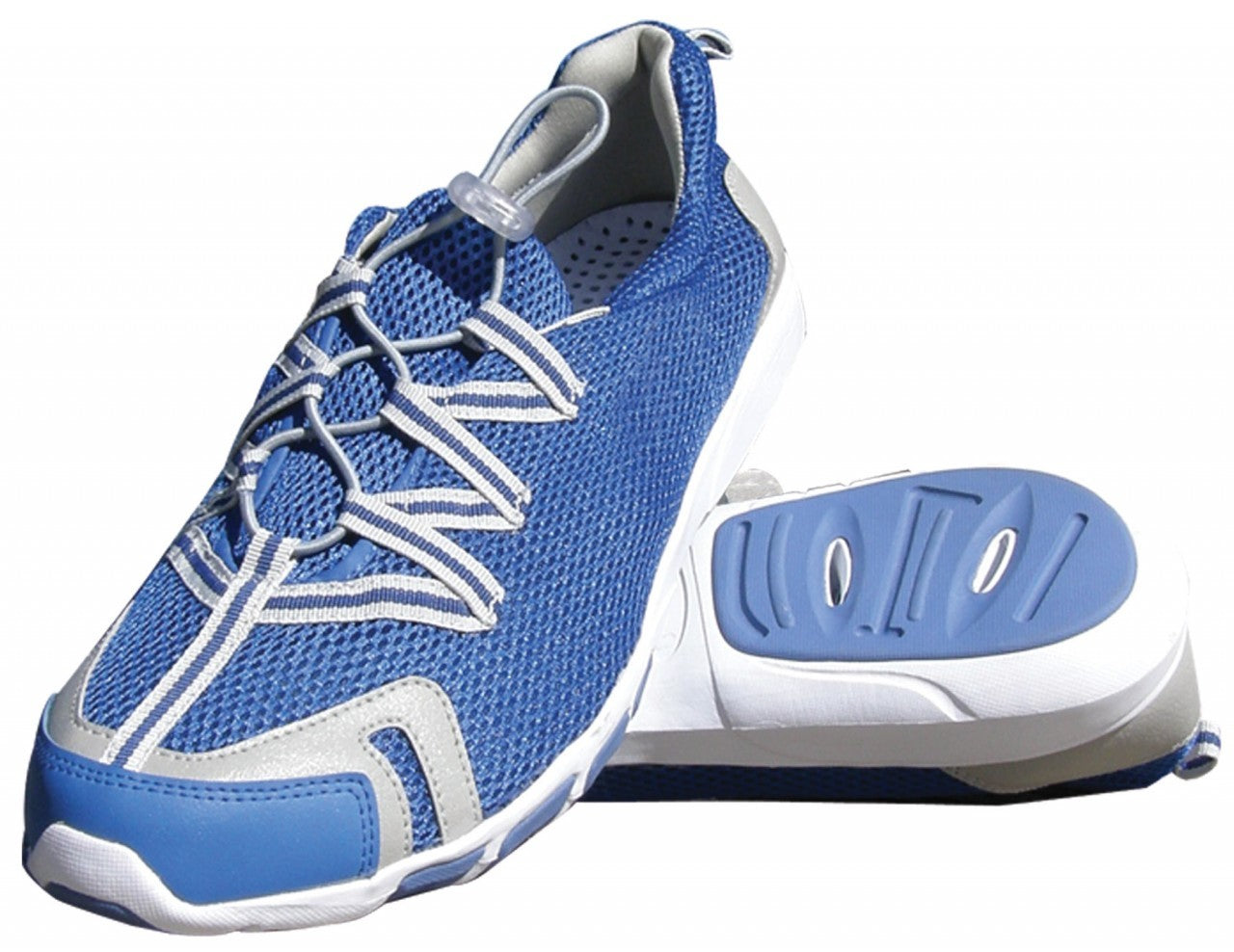
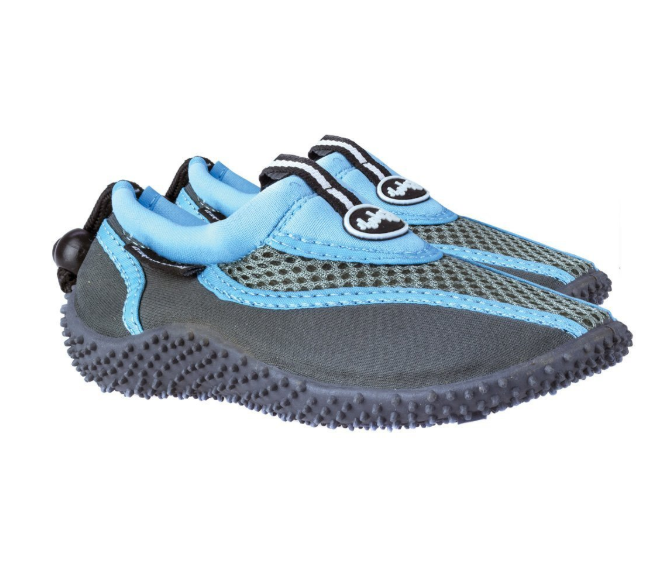
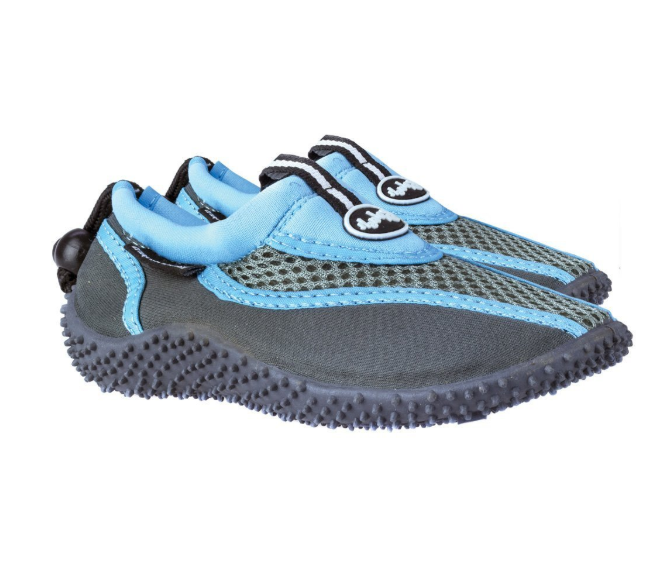
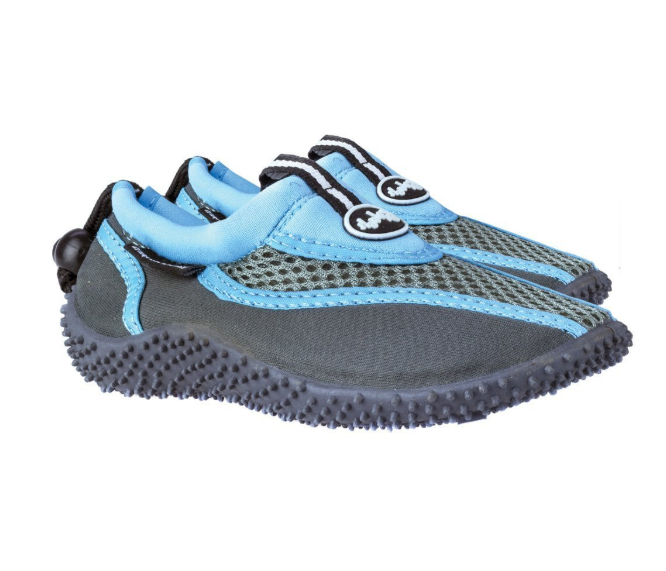
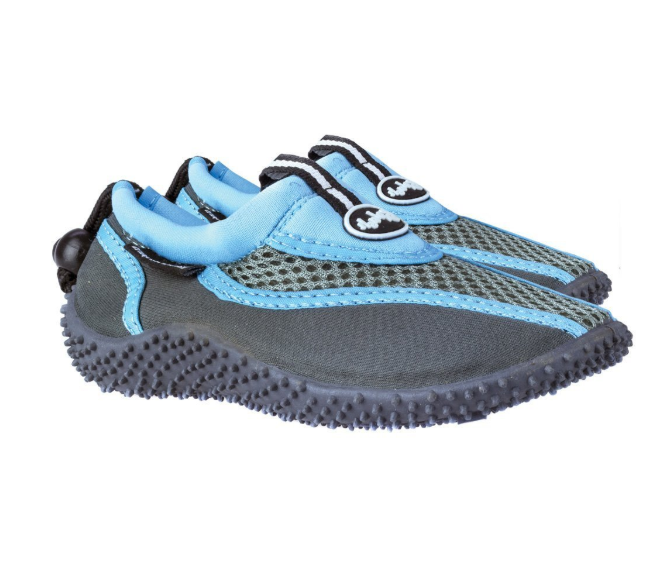
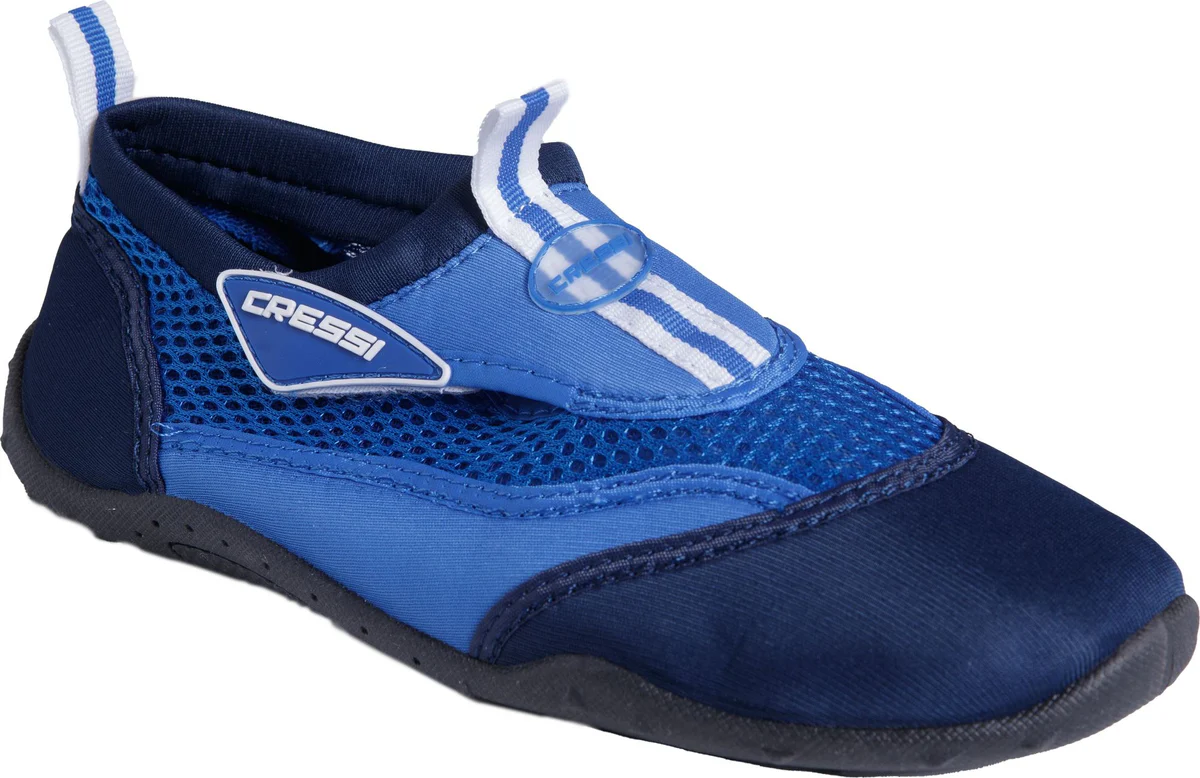
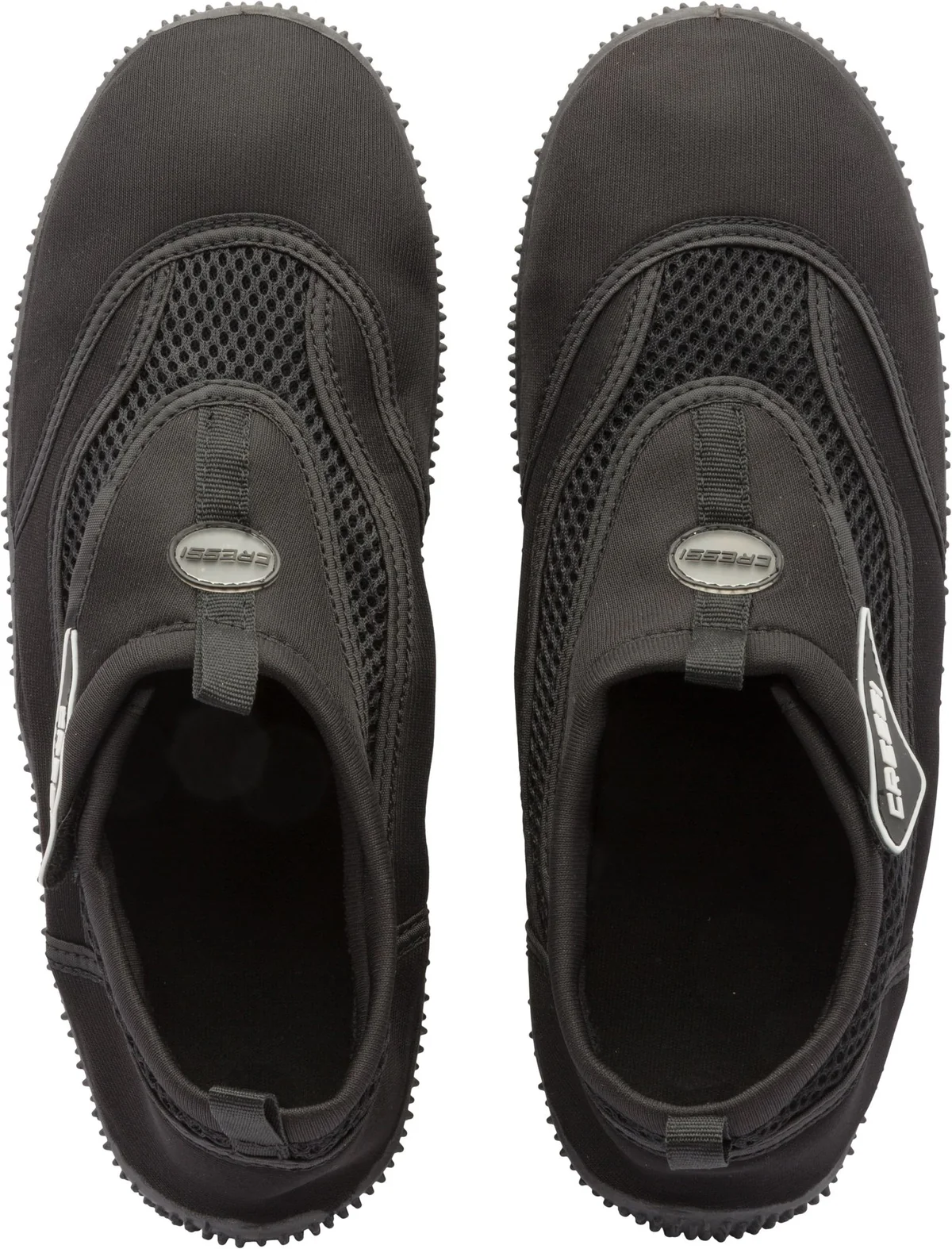
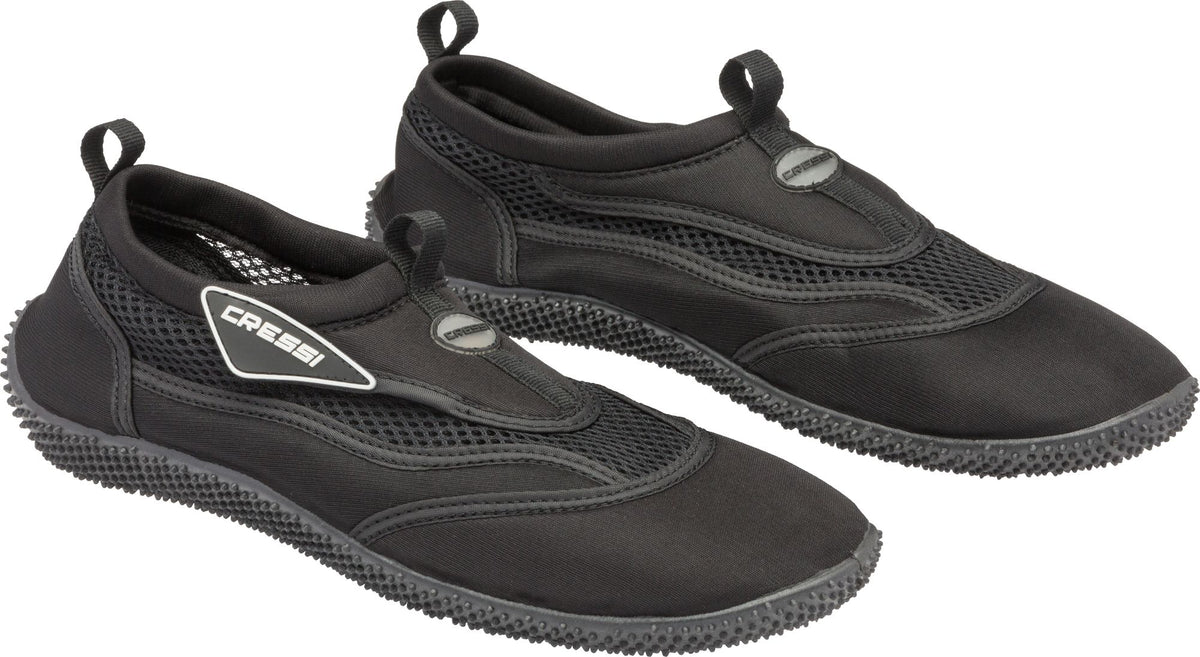
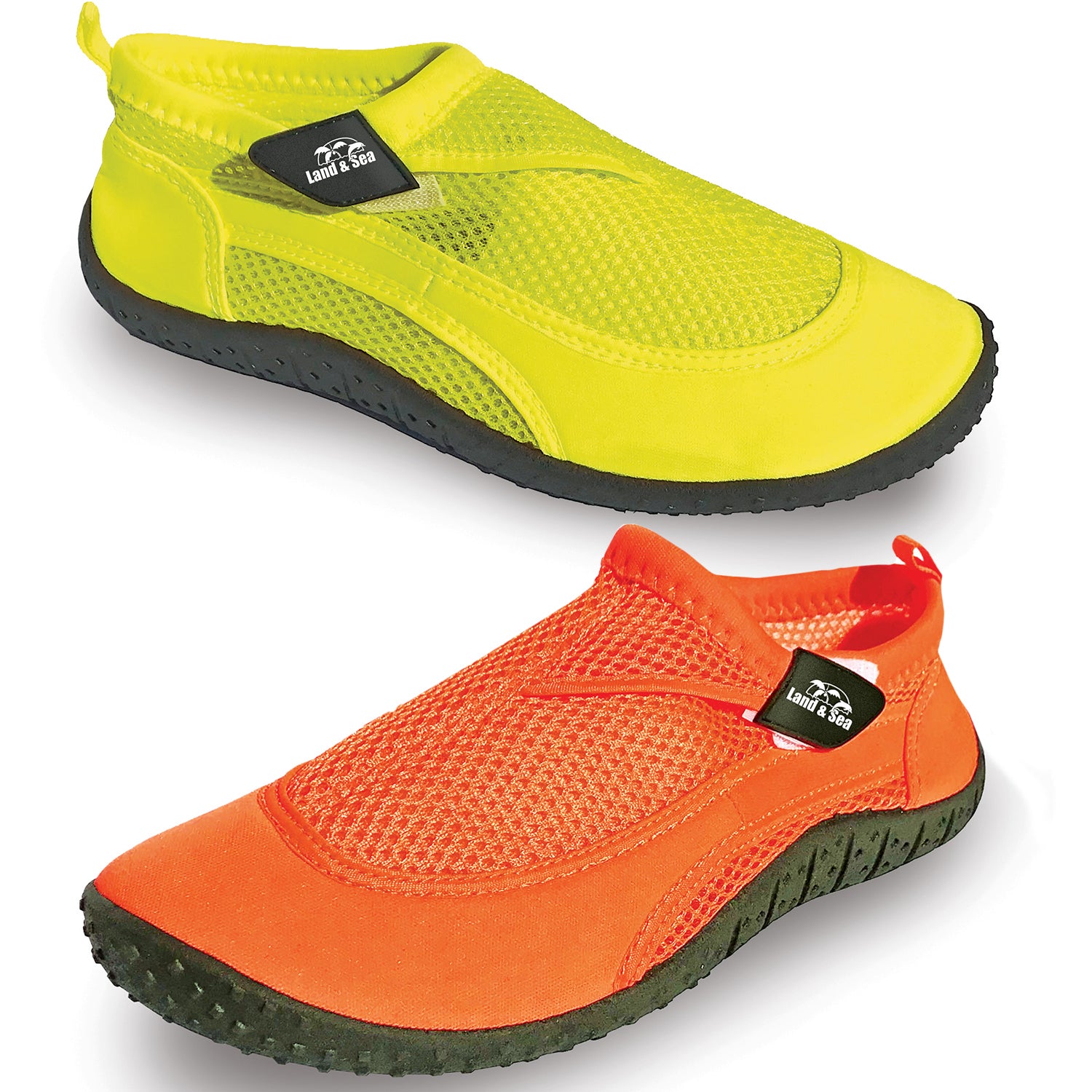
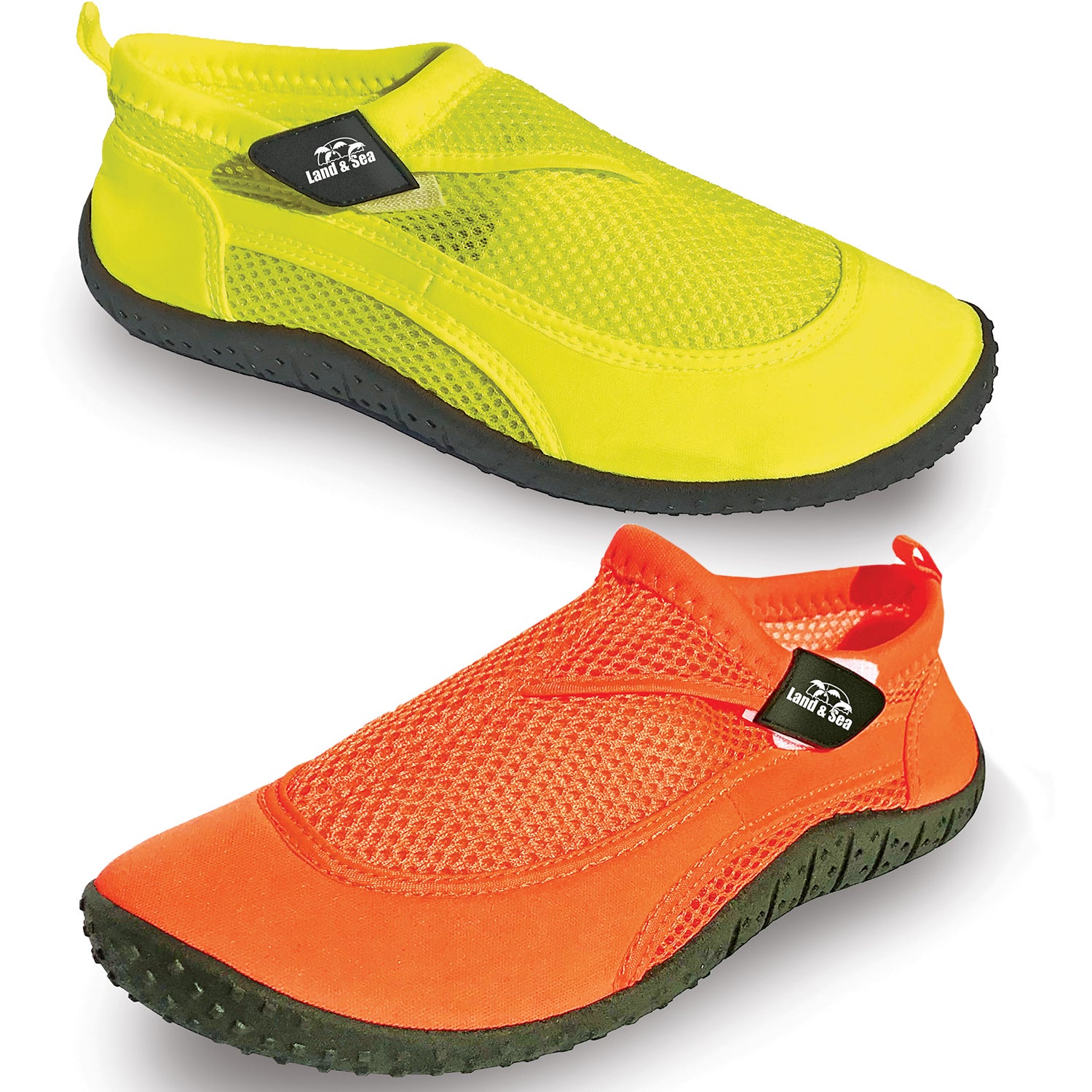
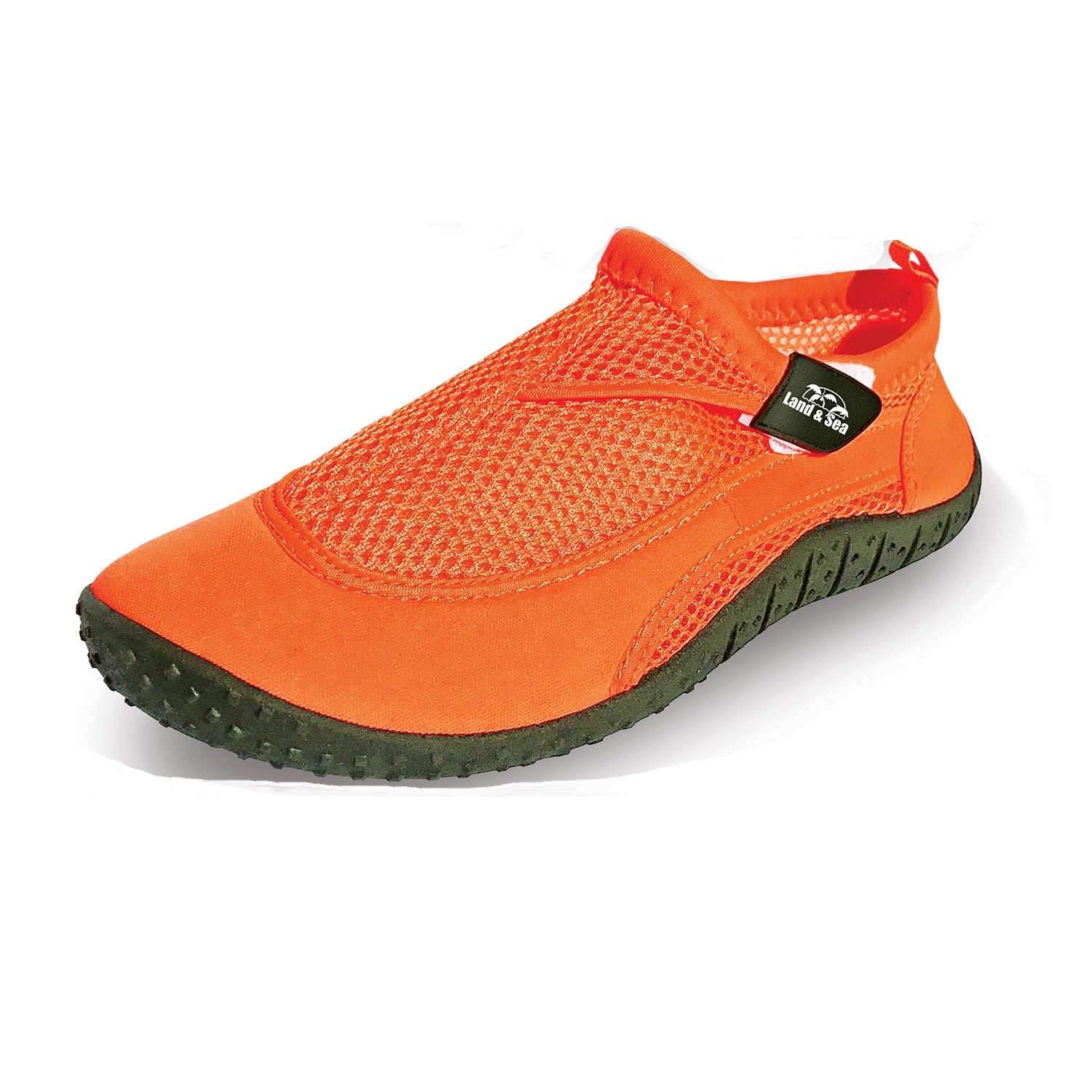
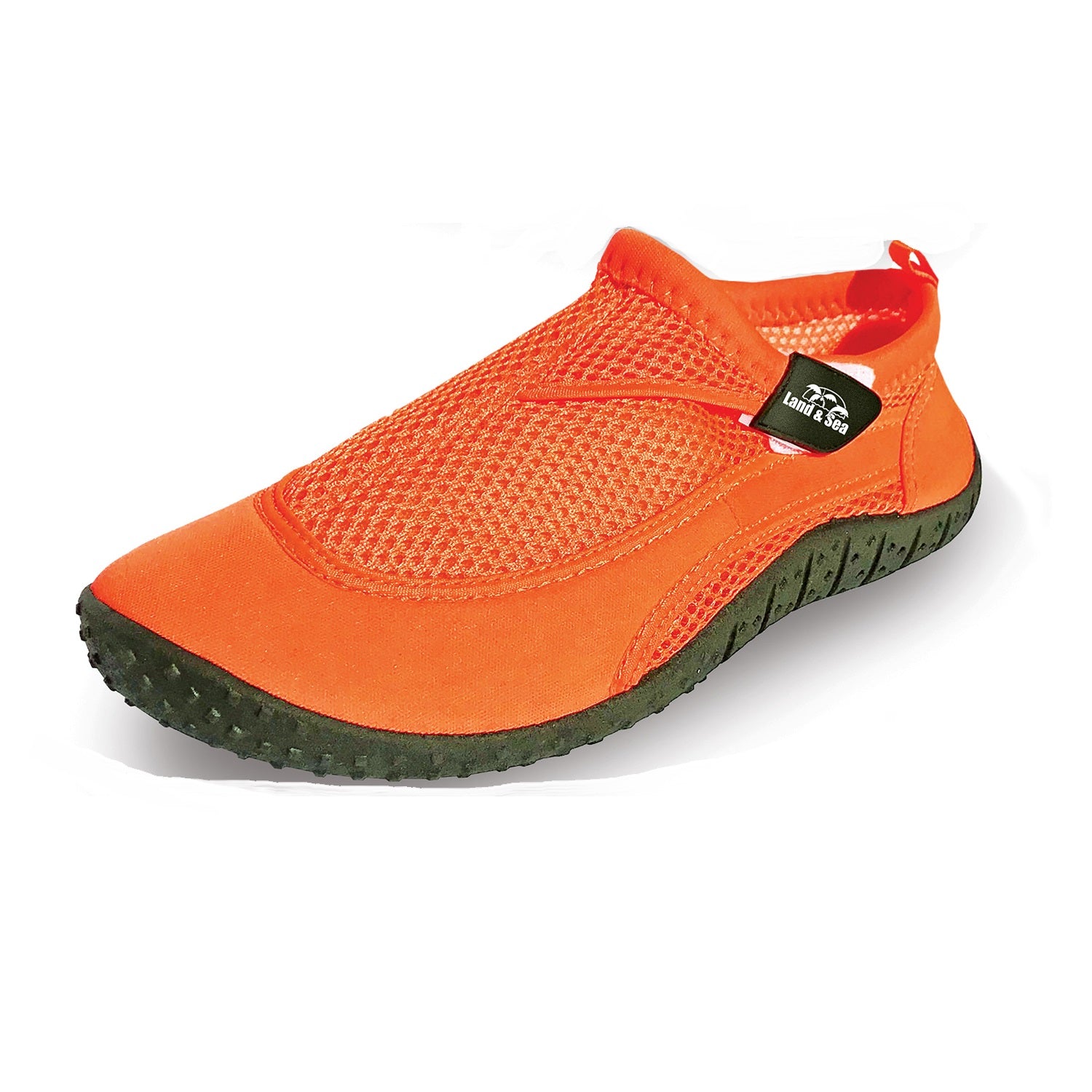
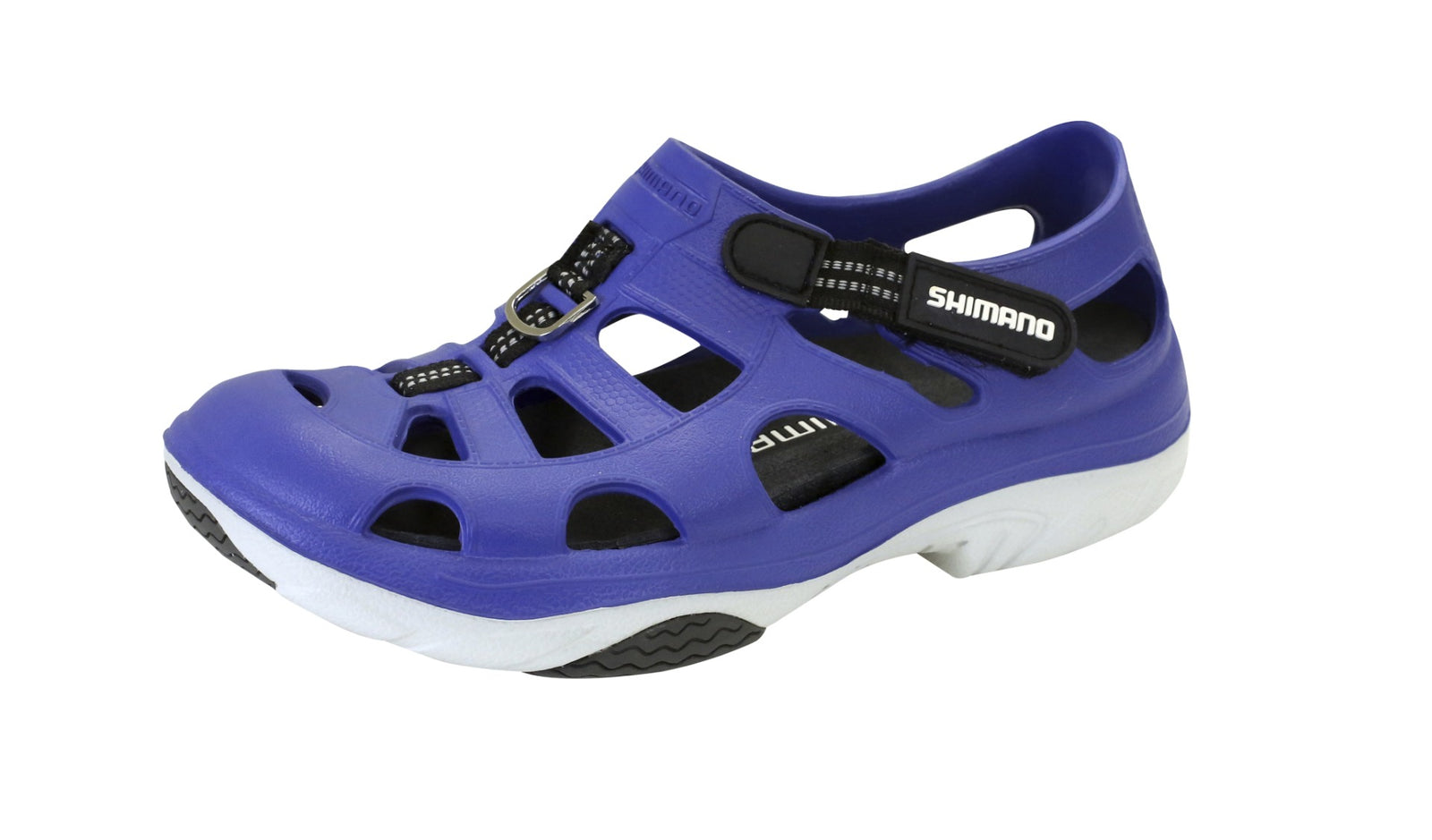
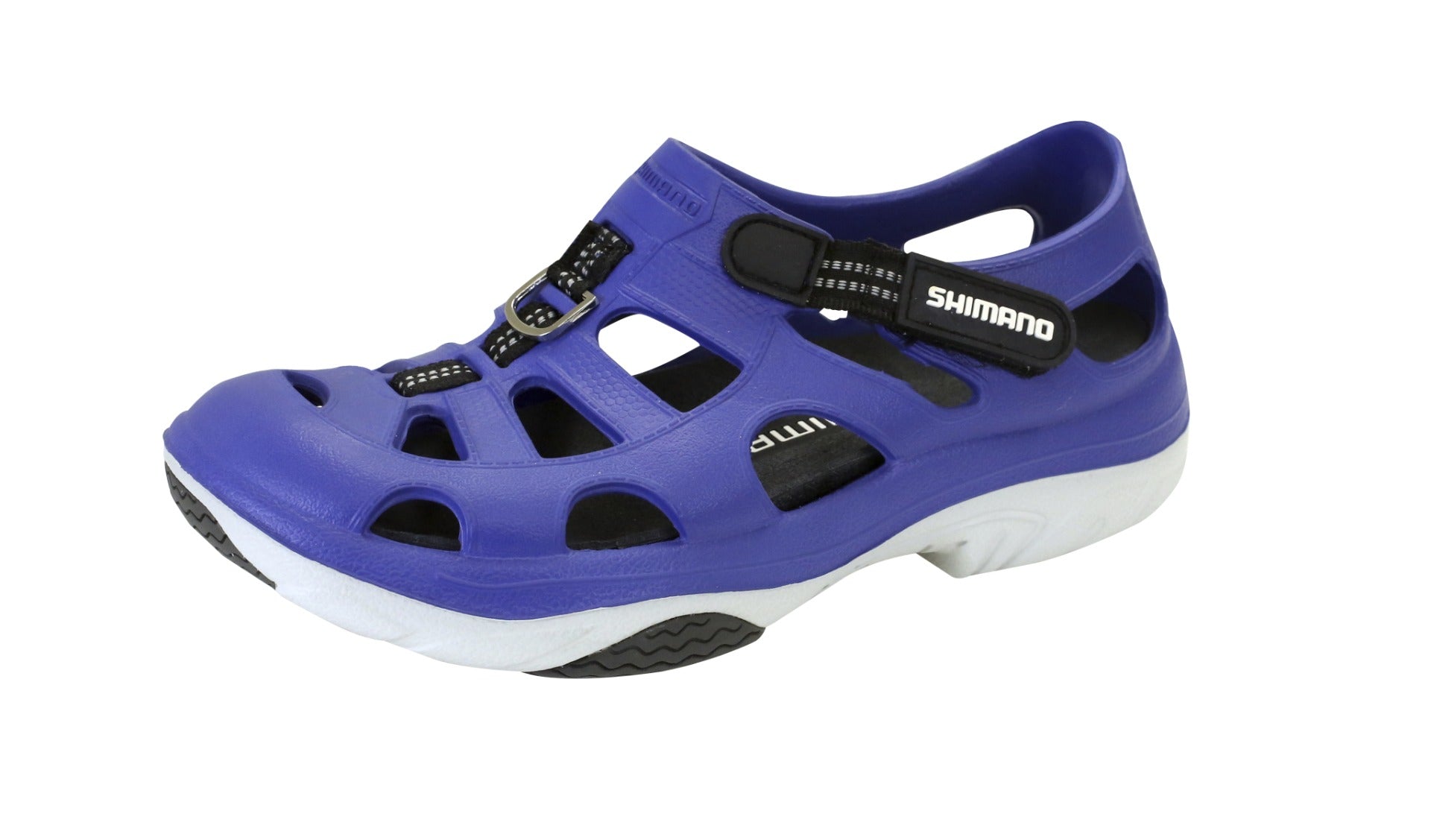
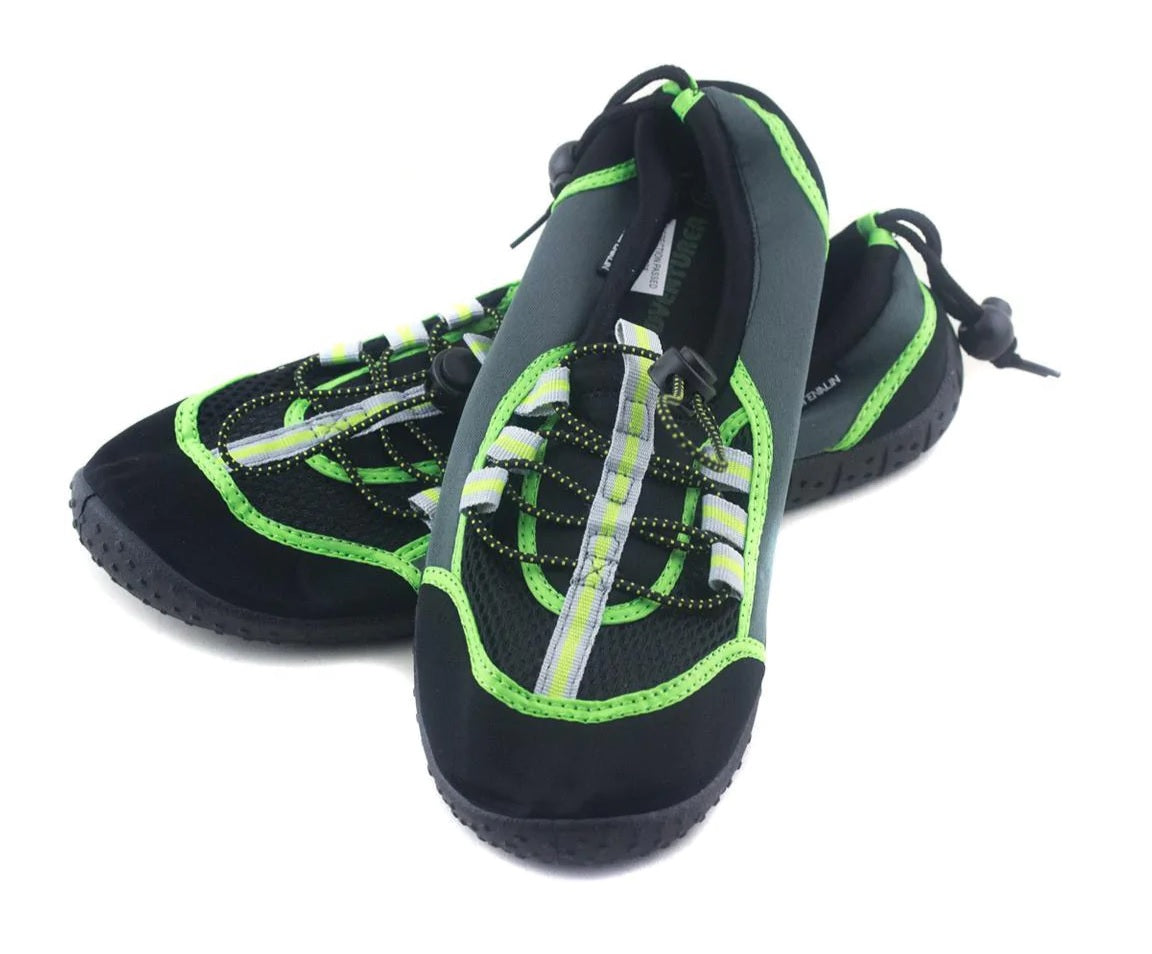
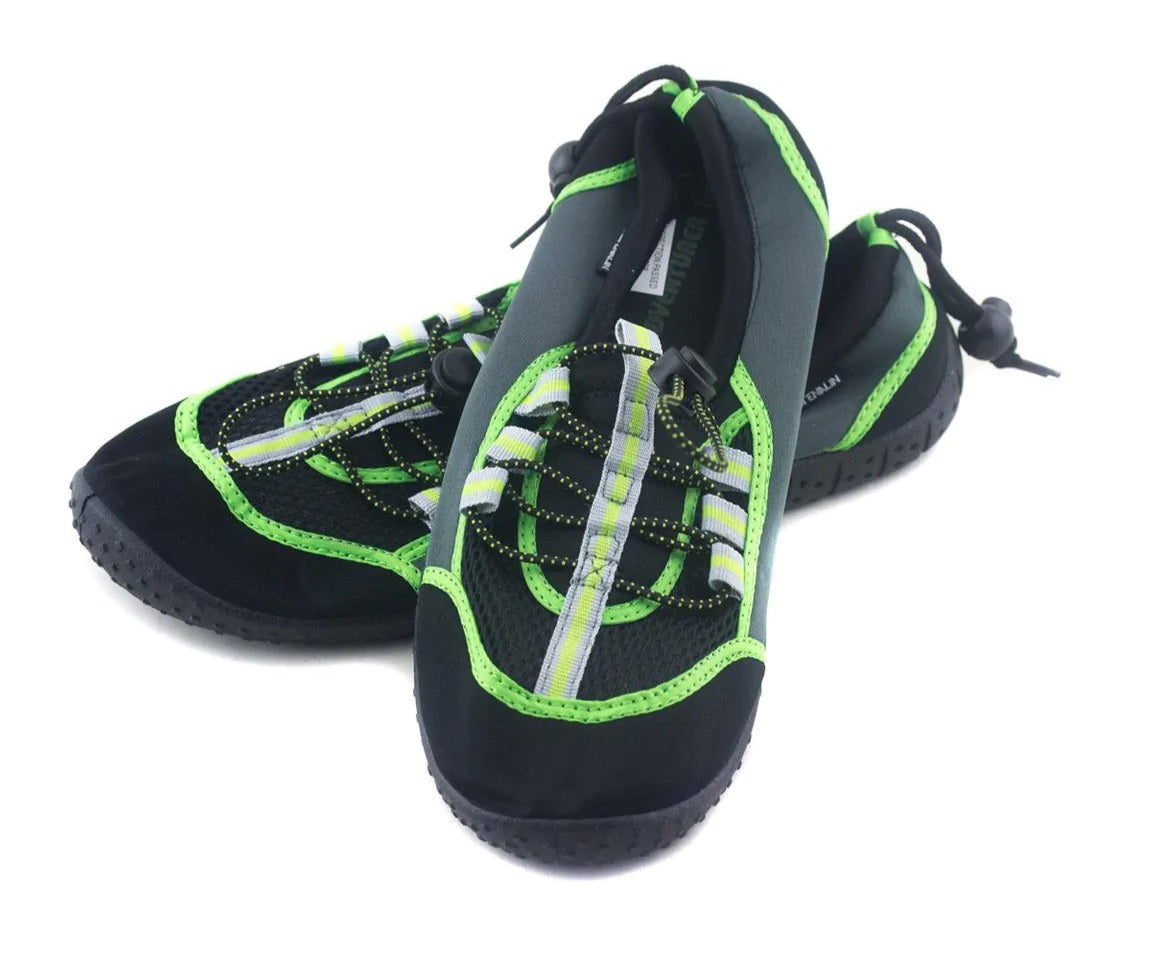
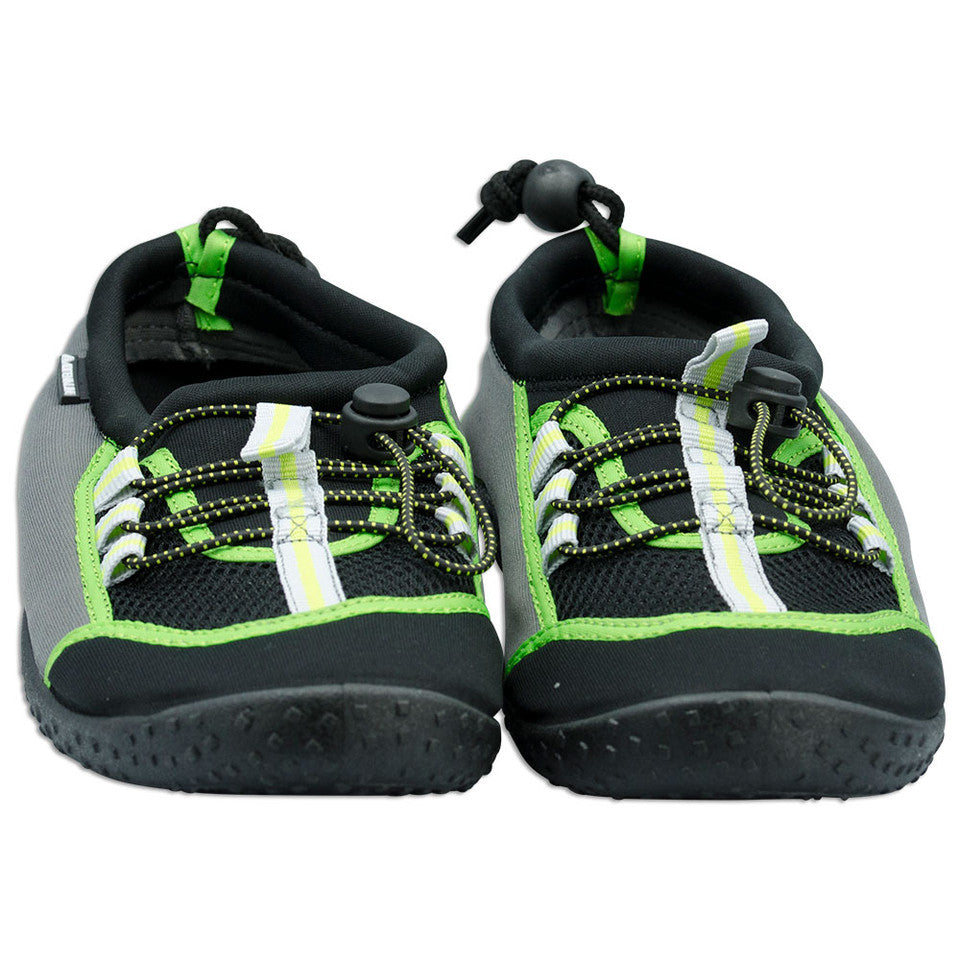
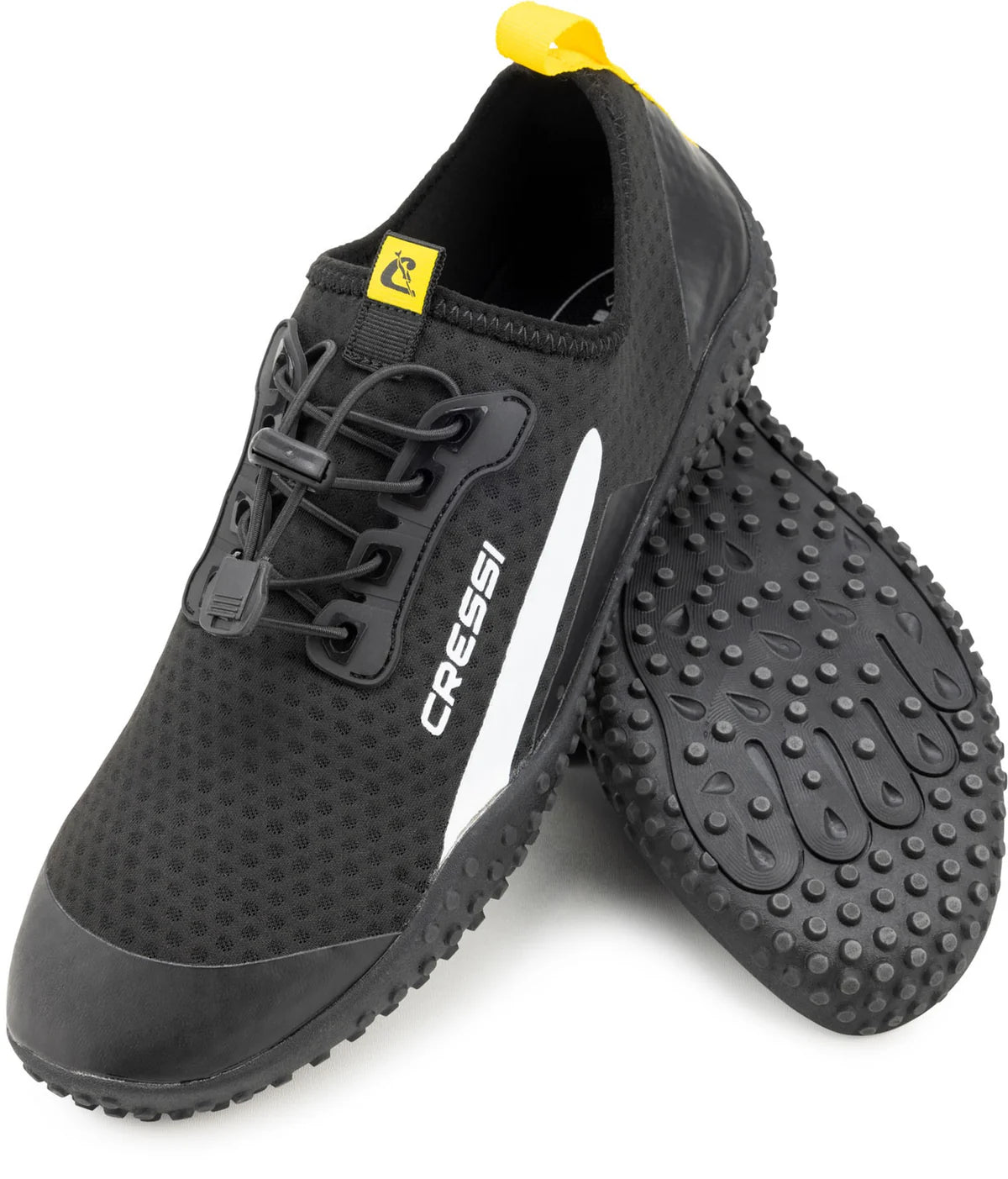
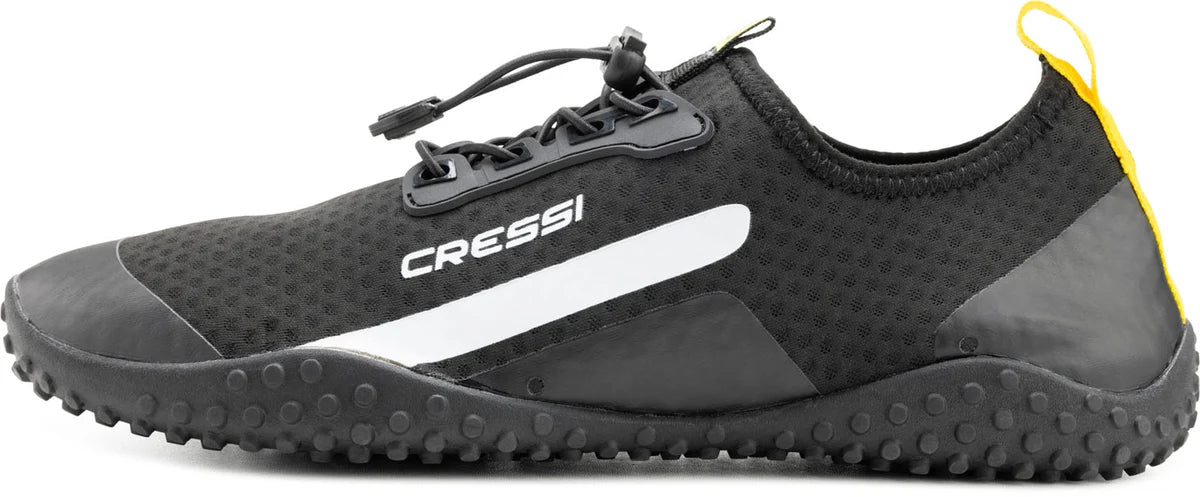
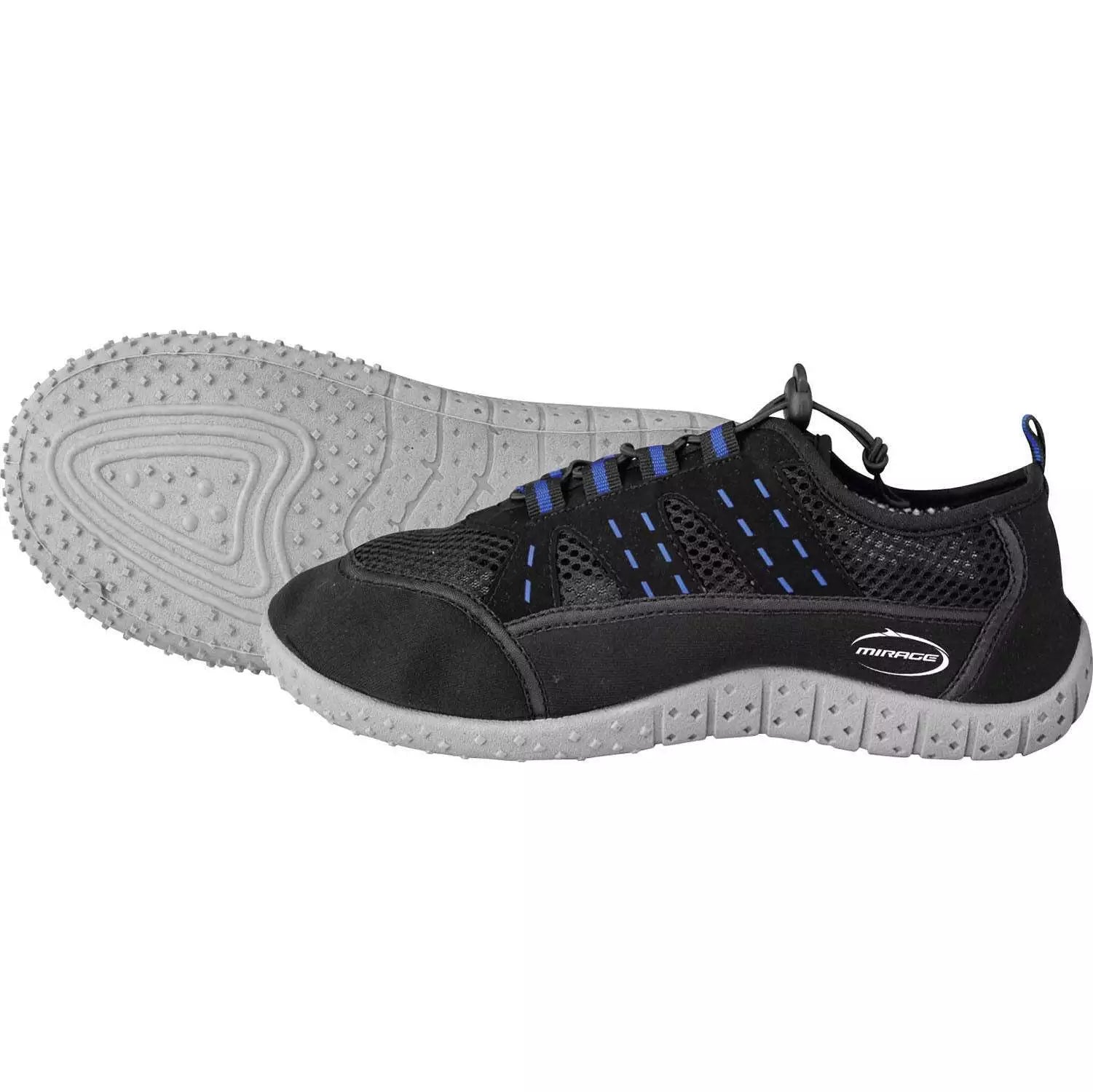
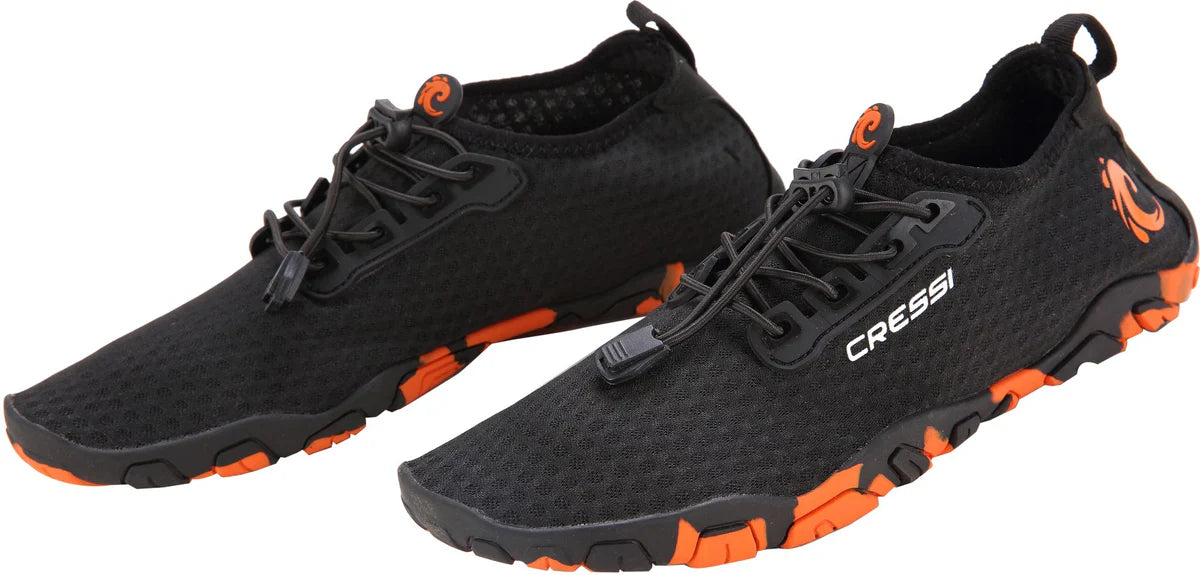
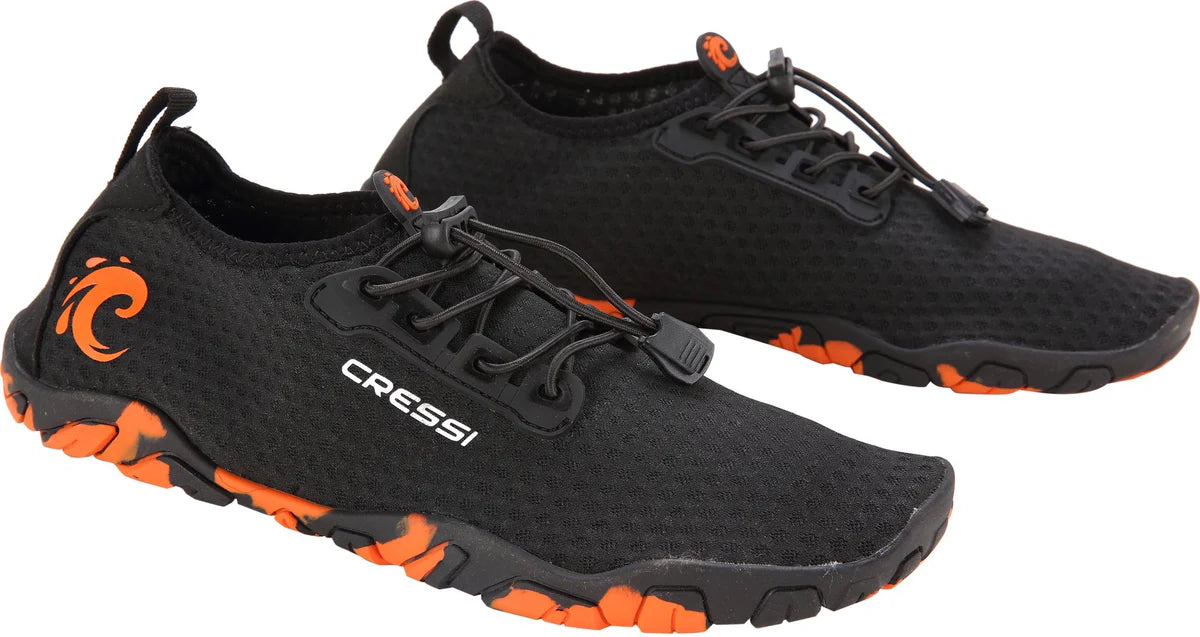
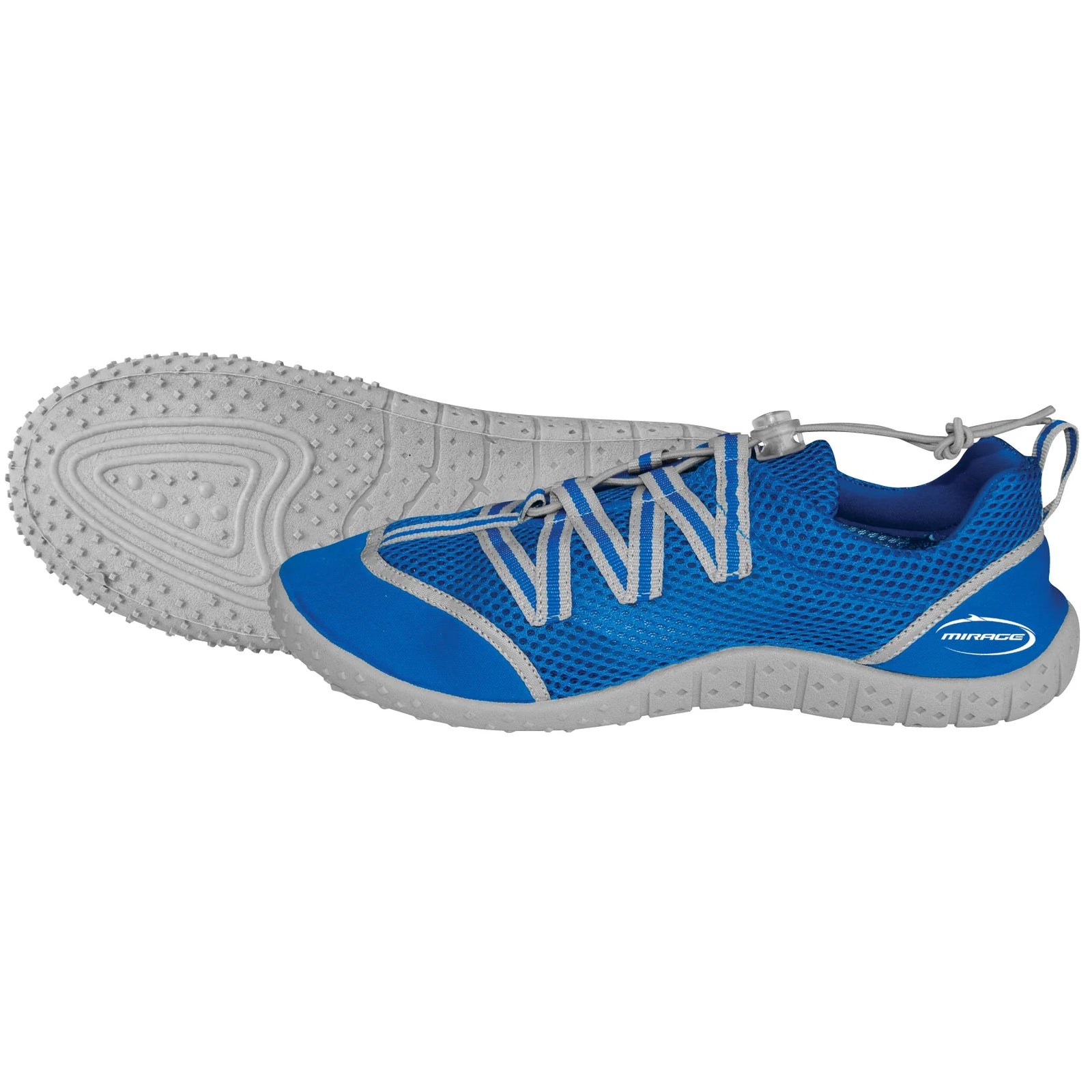
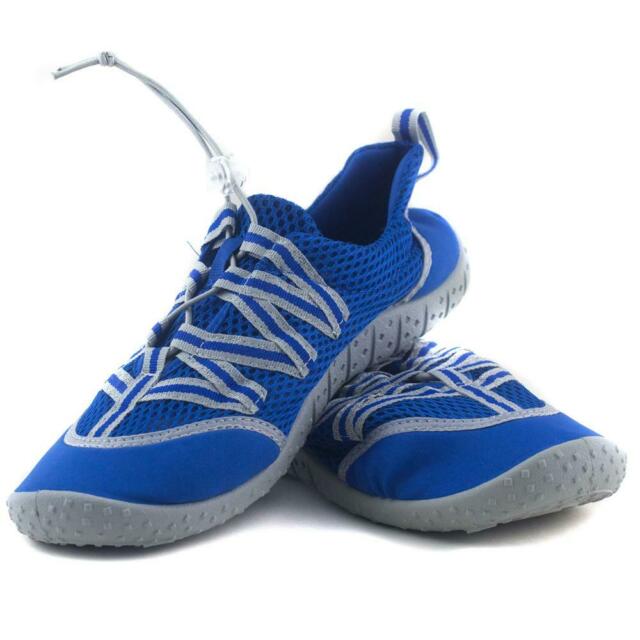
Reef shoes and aqua shoes are the light end of it. A quick-draining upper, a thin protective sole and enough grip for wet sand and smooth rock. They suit reef flats, beach entries and kayaking, where the hazard underfoot is oyster shell and coral rubble rather than cold. Reef walkers and aqua socks are the same idea in a lighter form.
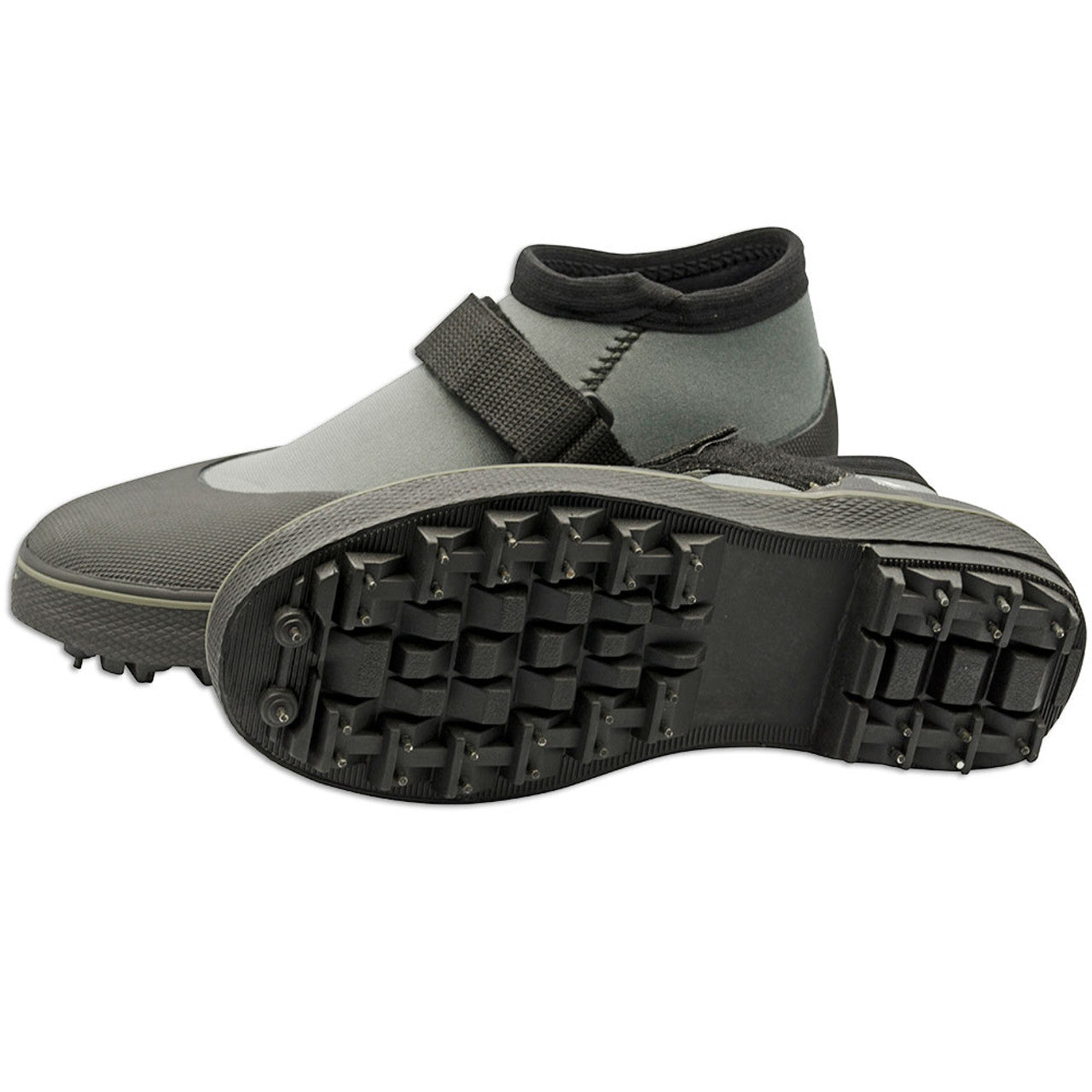
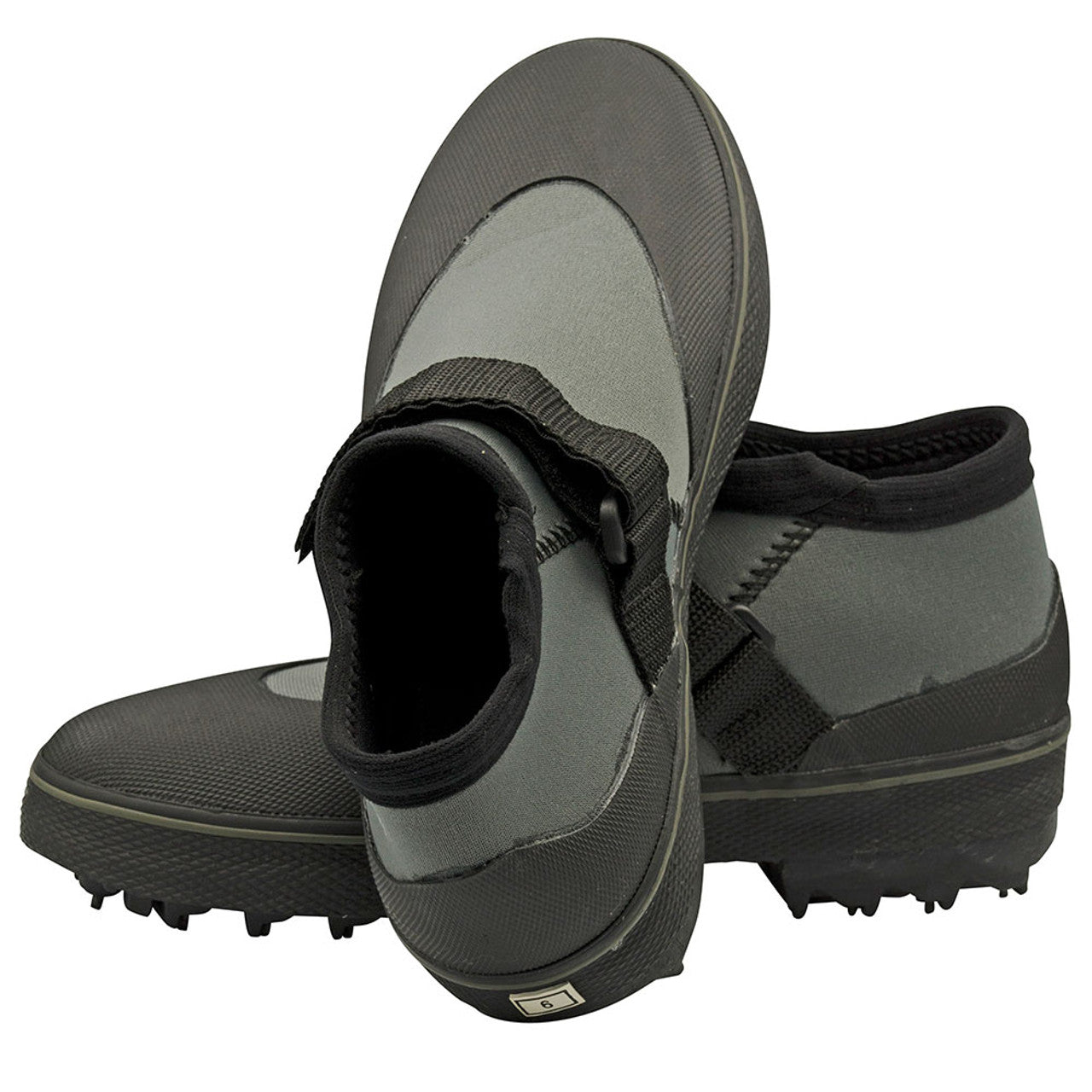
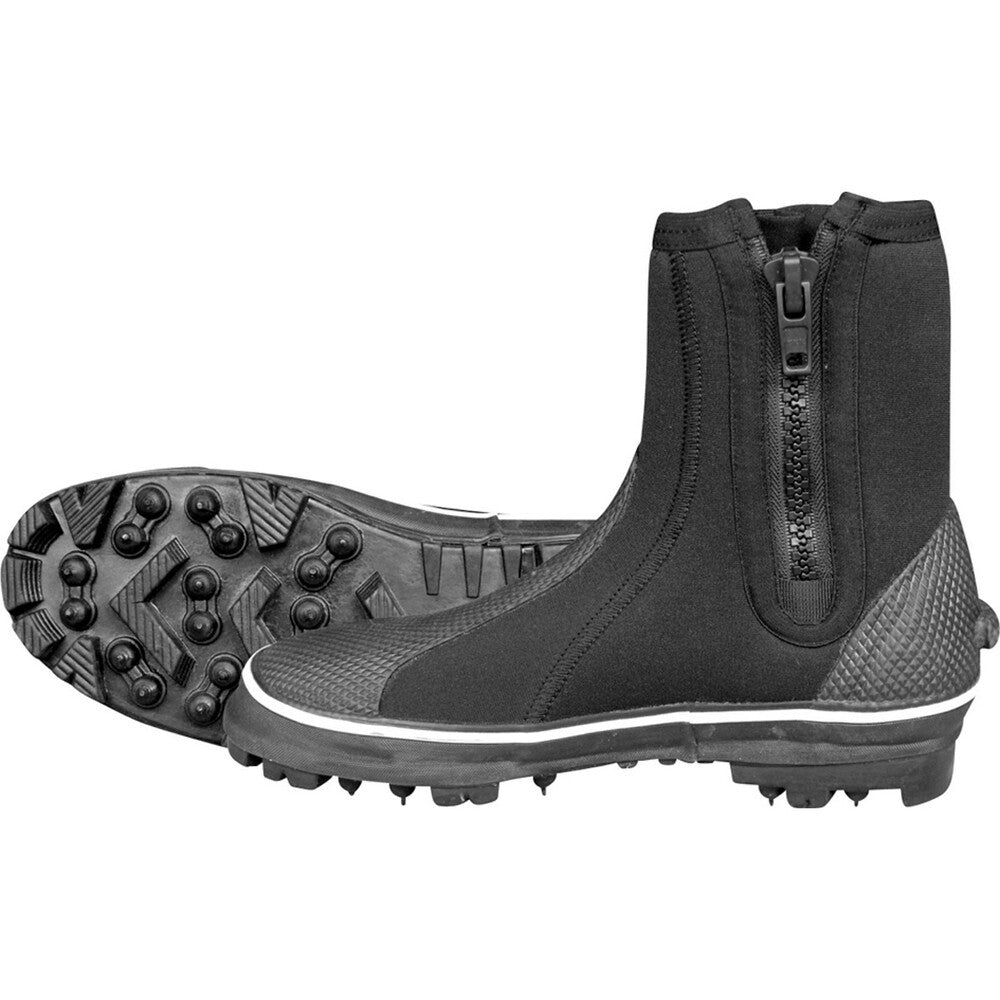
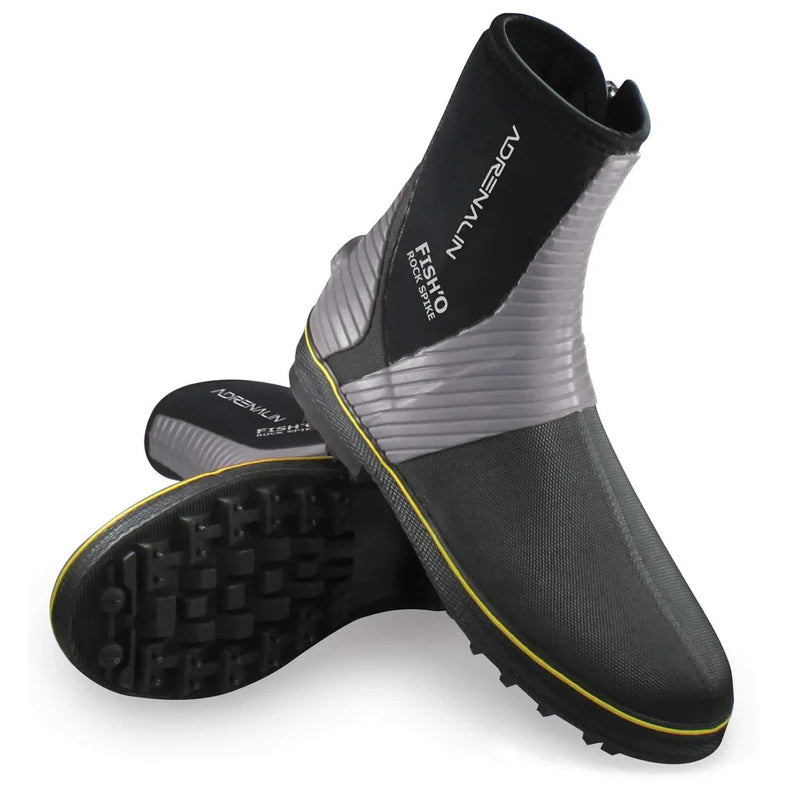
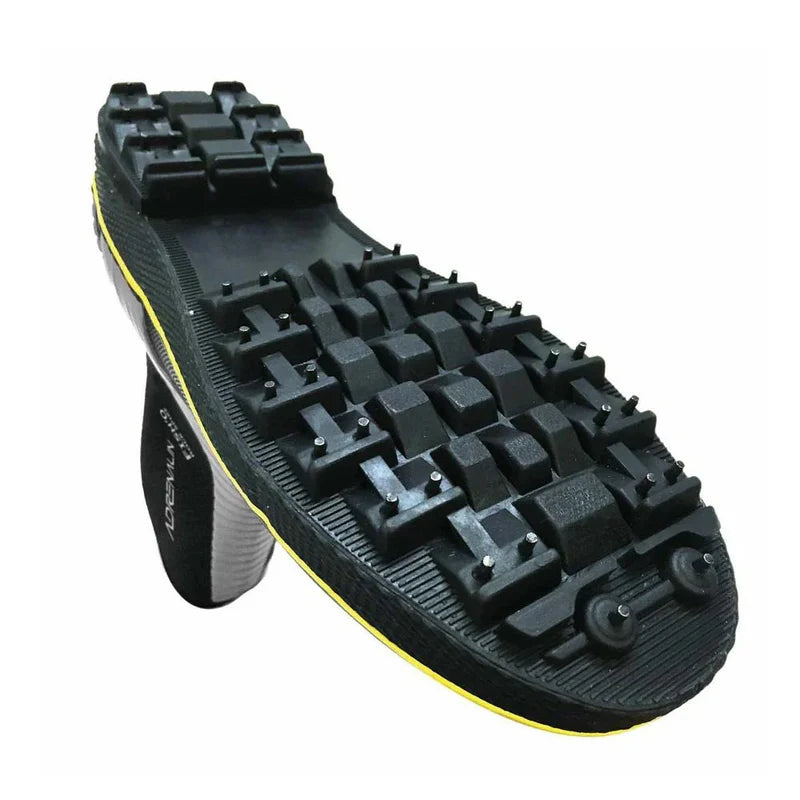
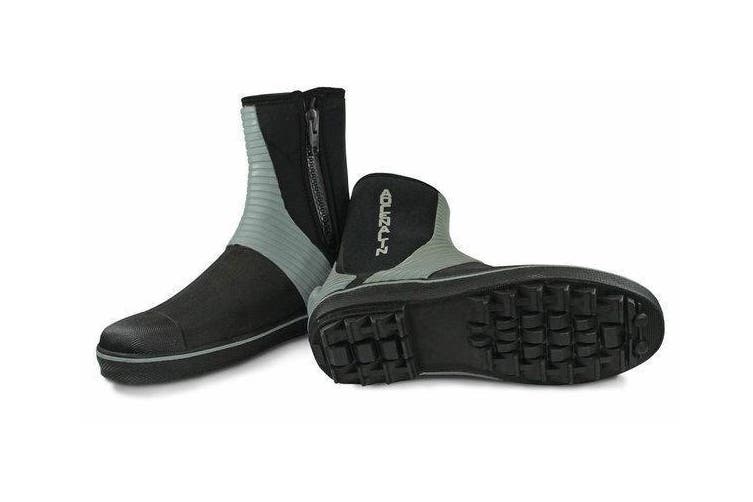
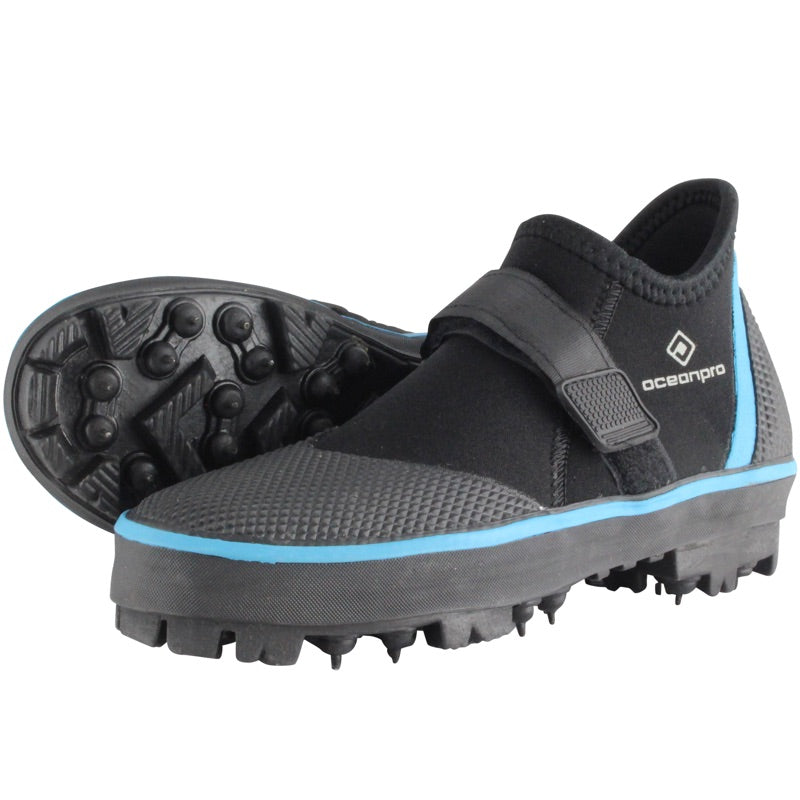
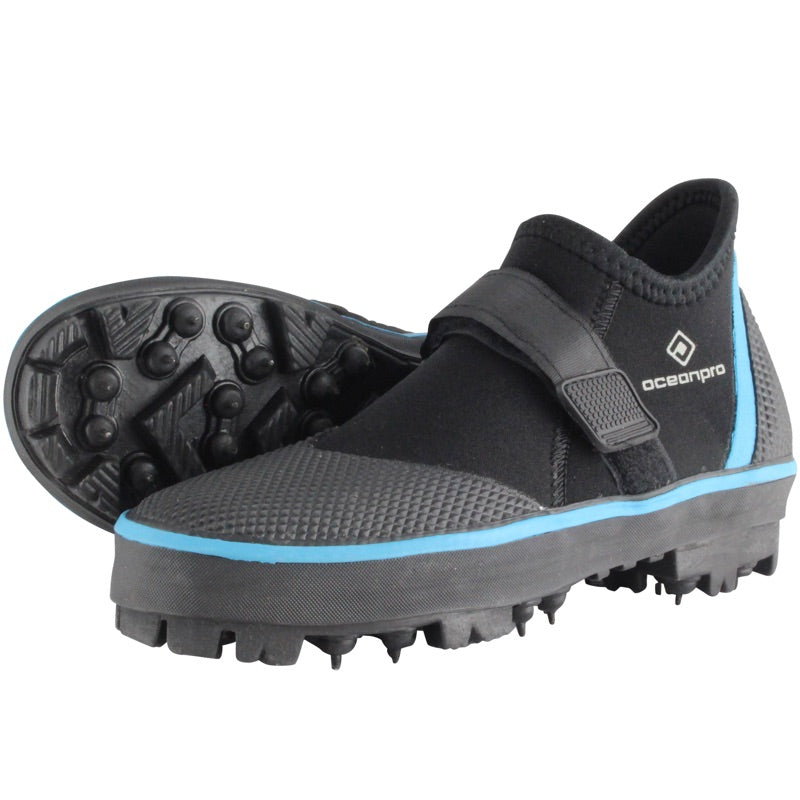
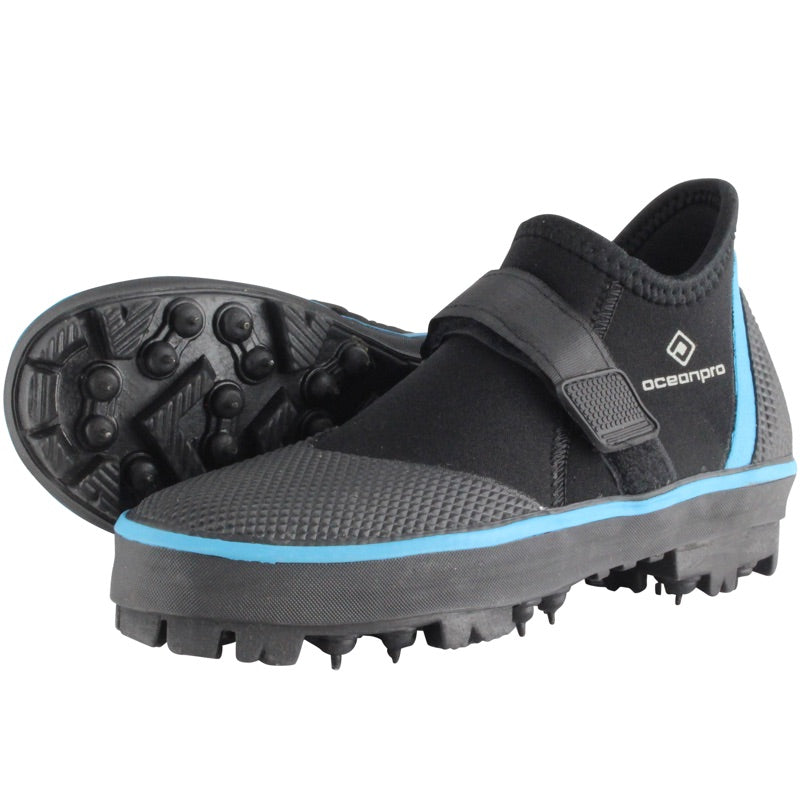
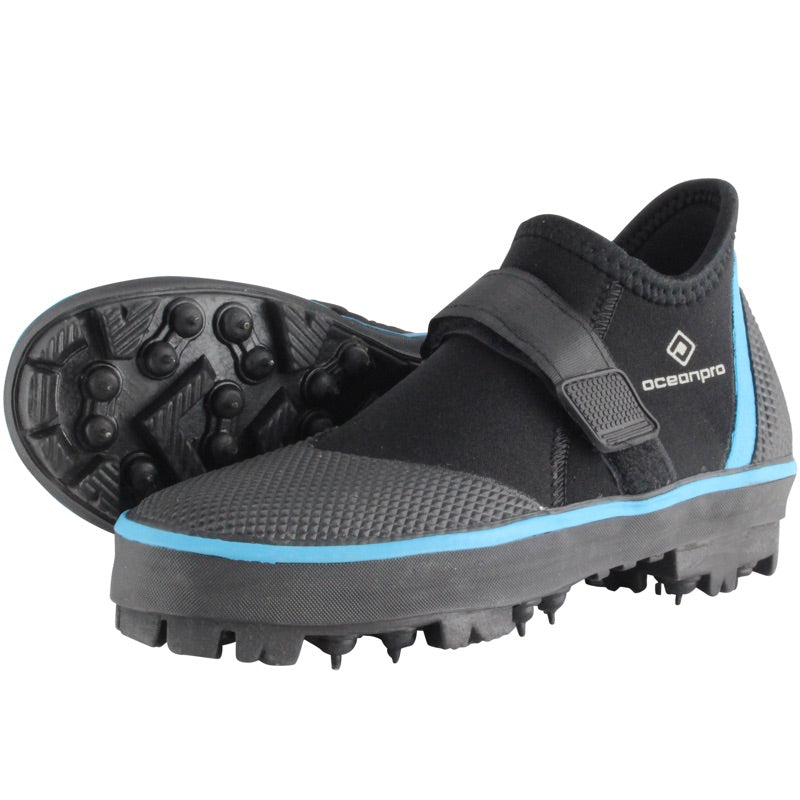
Rock spike boots go the other way. Hardened spikes set into the sole bite into wet, weed-covered stone in a way rubber simply cannot, which is why they are the standard for fishing off ledges and washes. Green weed defeats everything else.
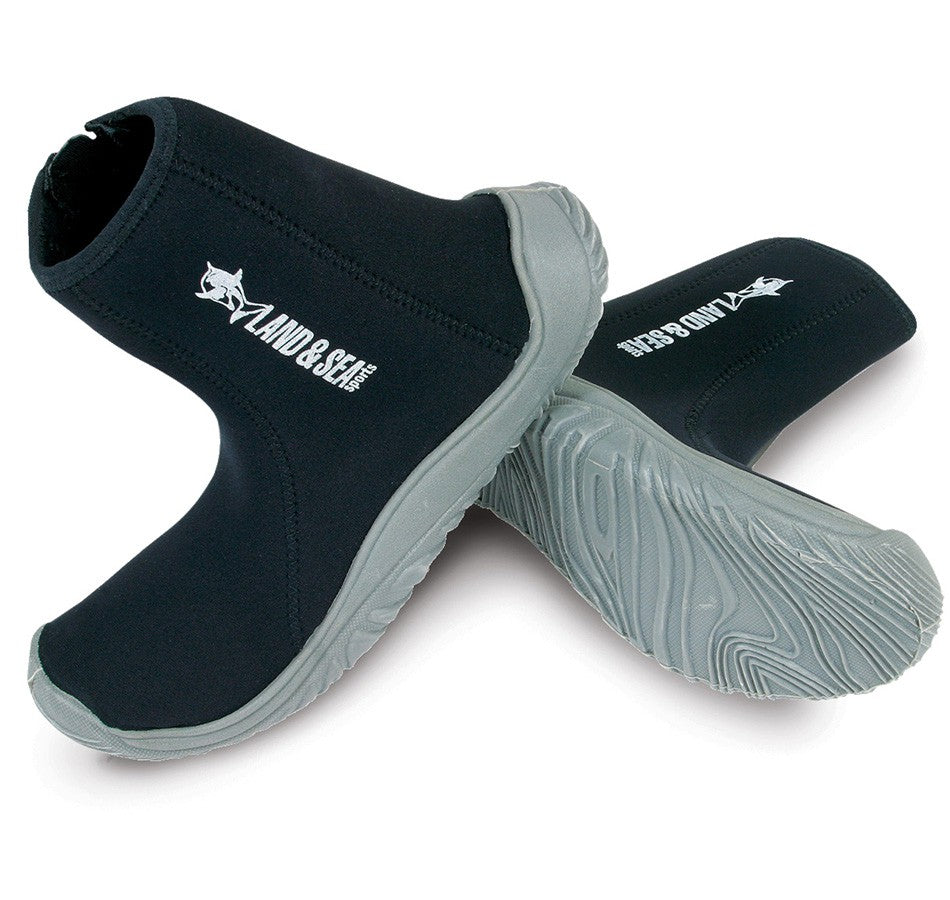
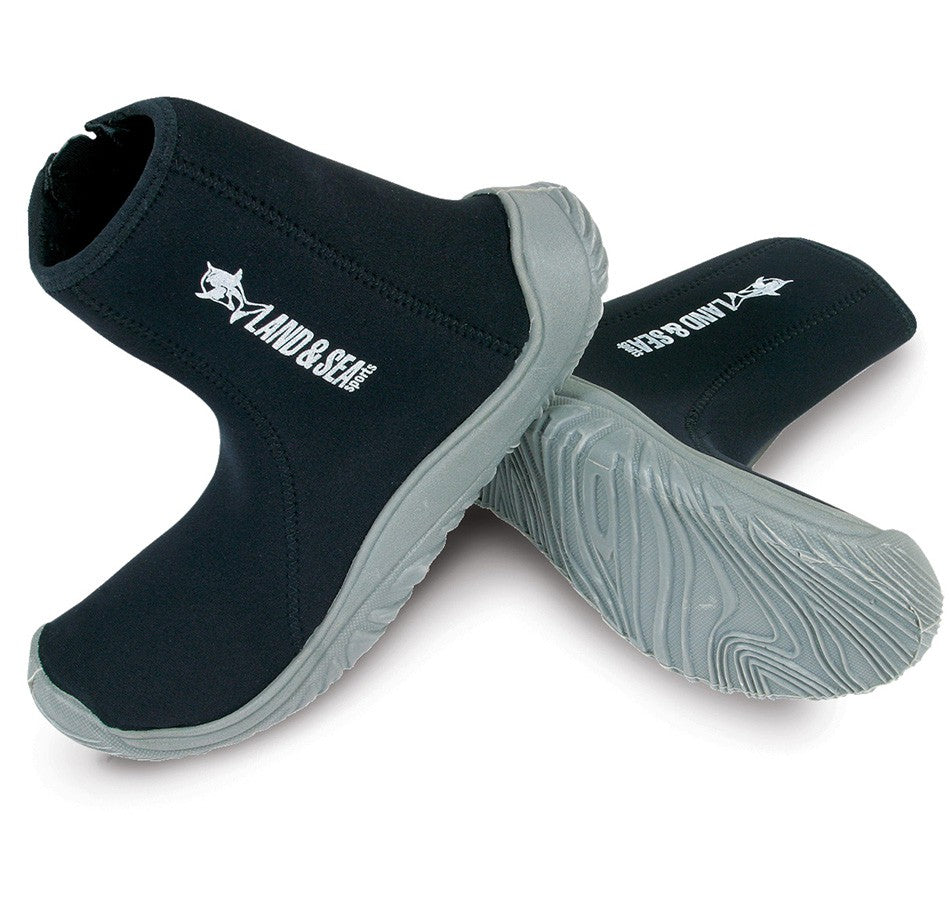
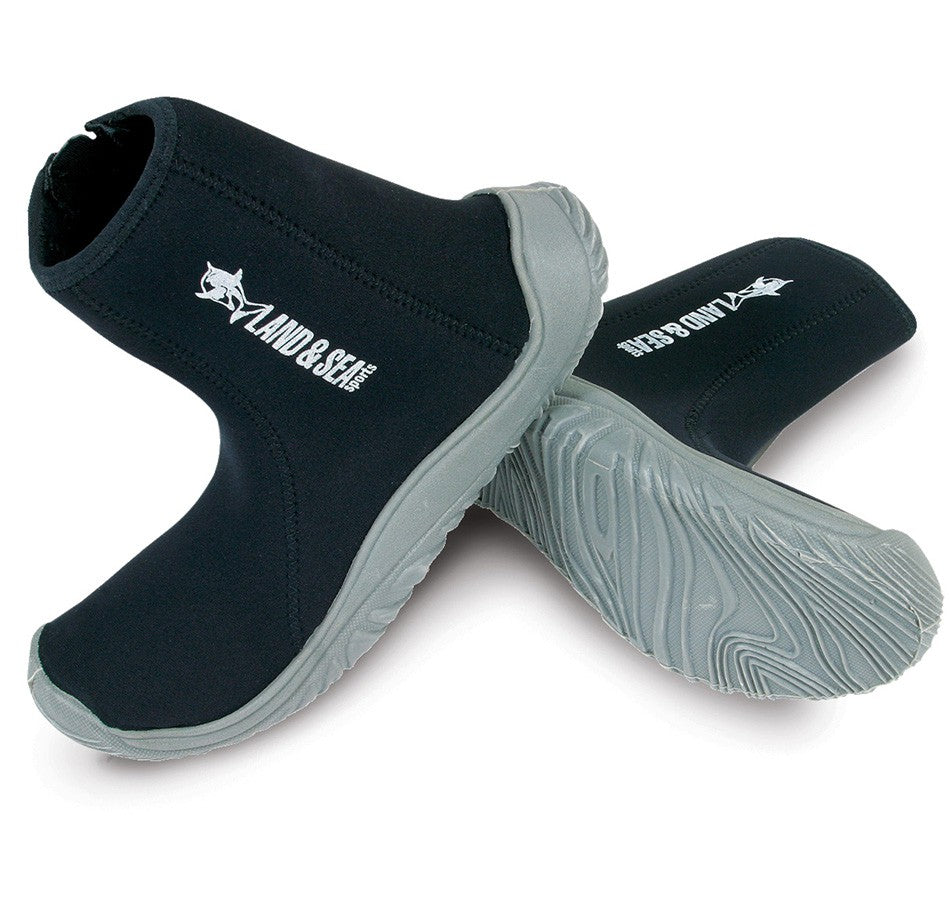
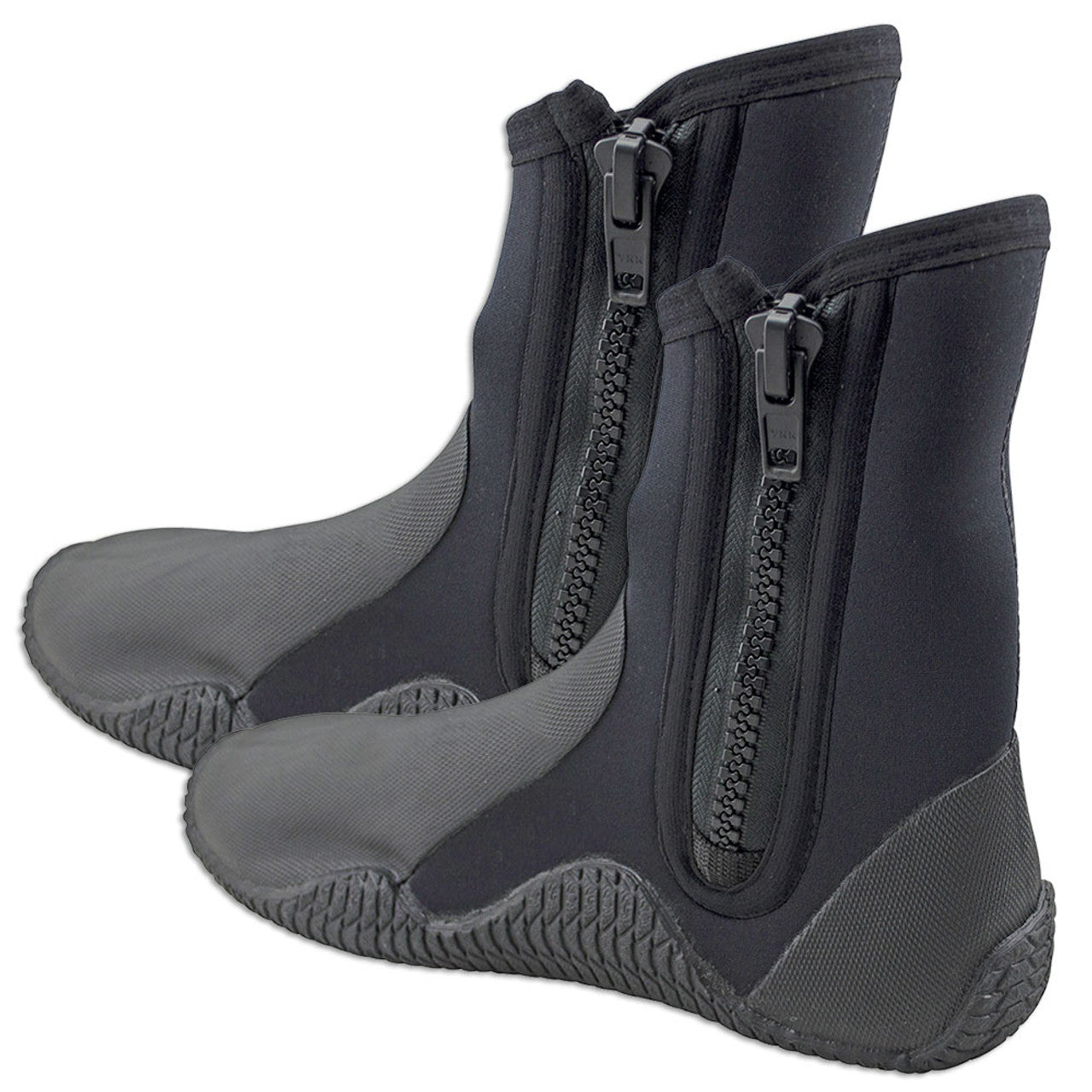
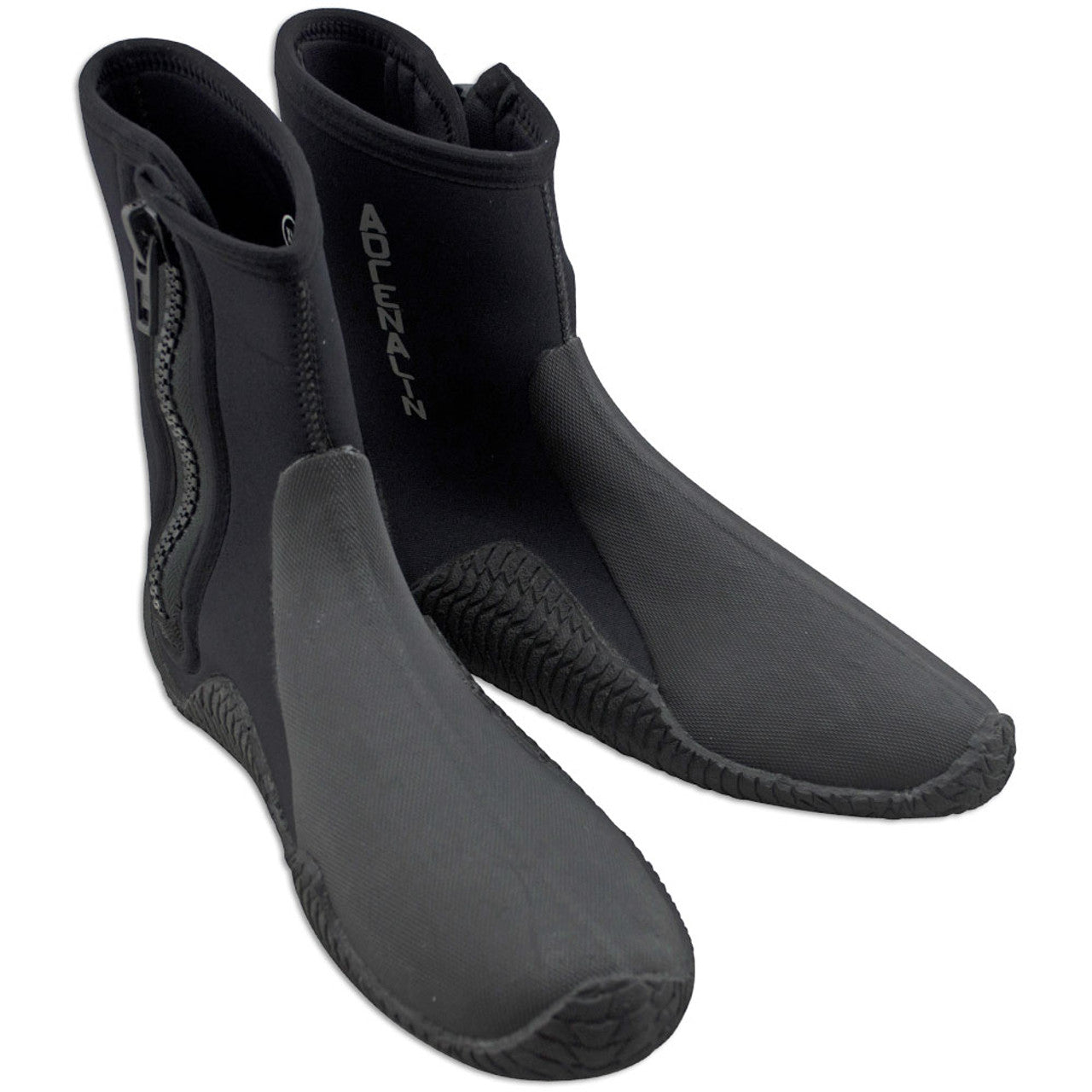
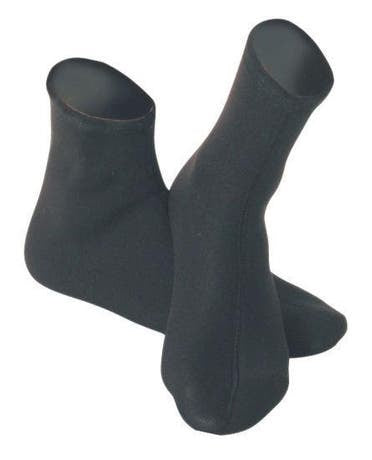
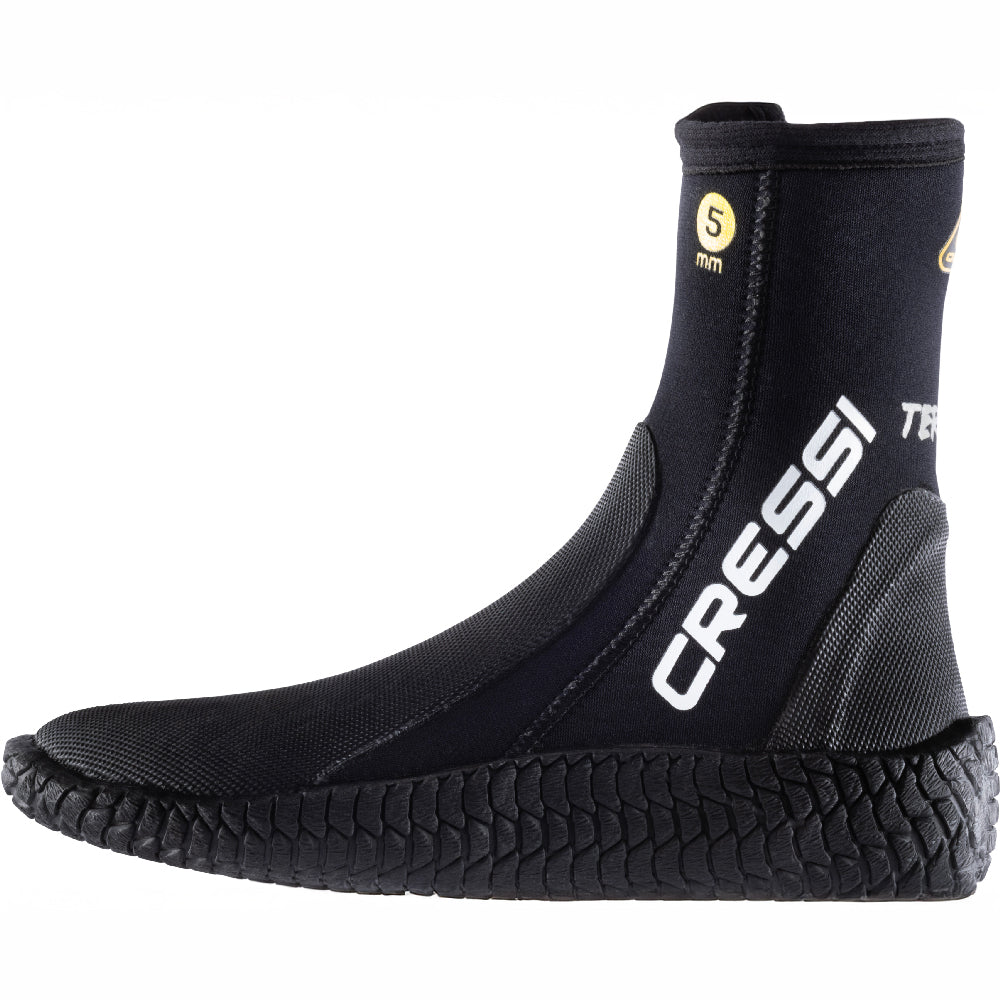
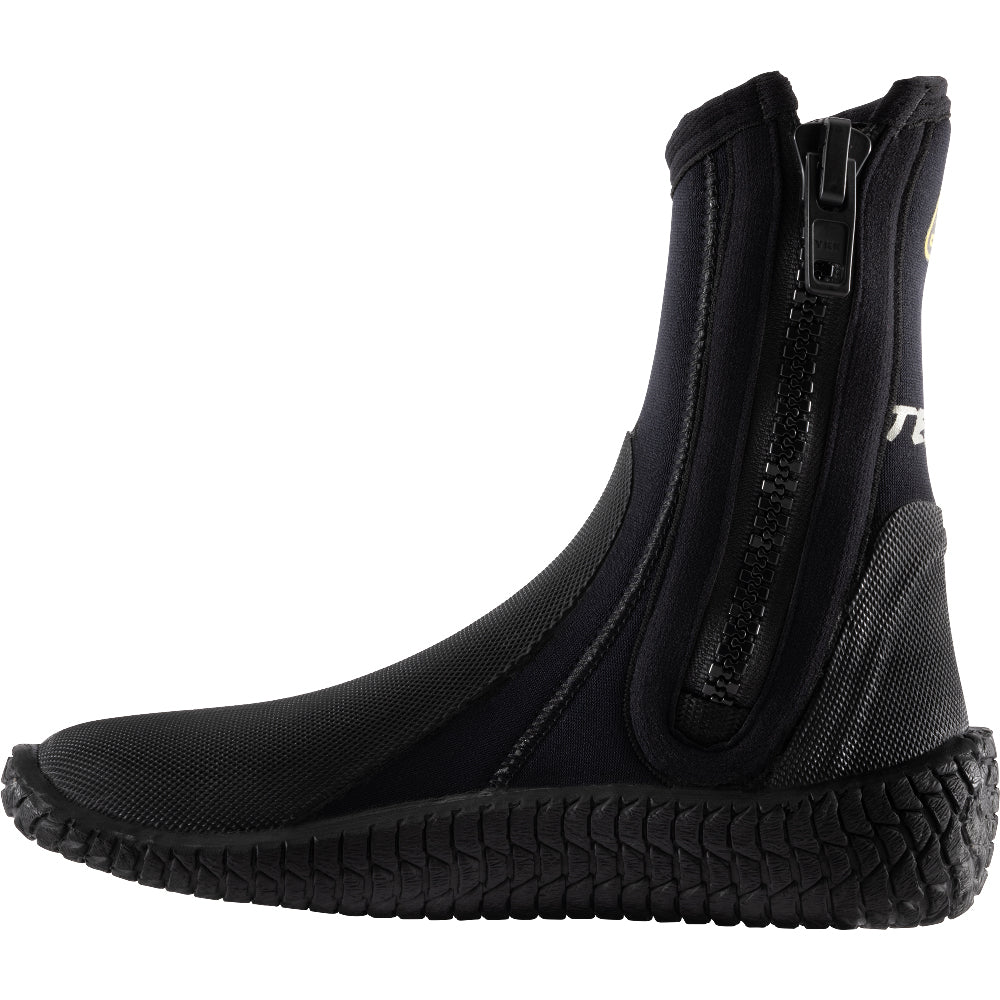
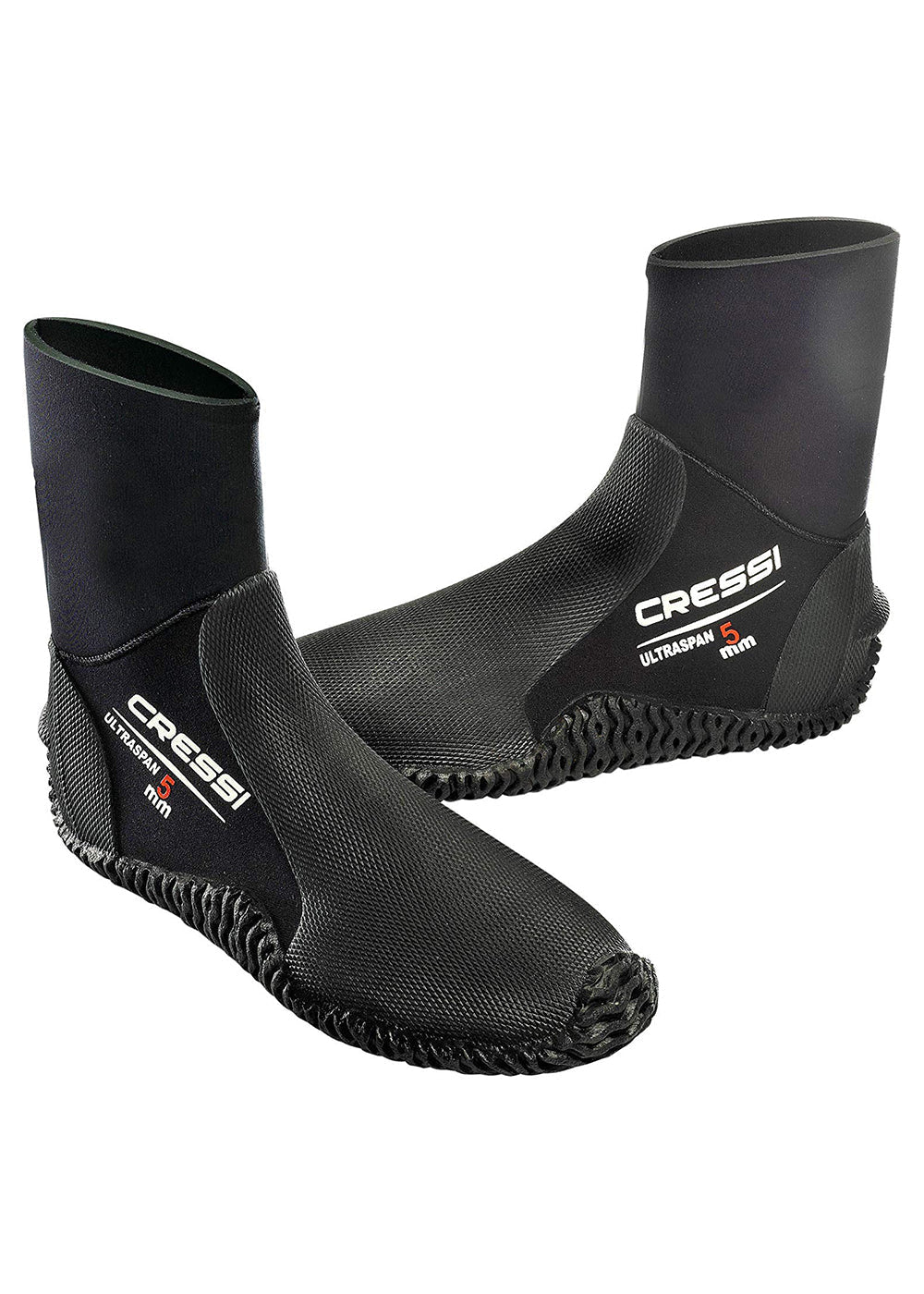
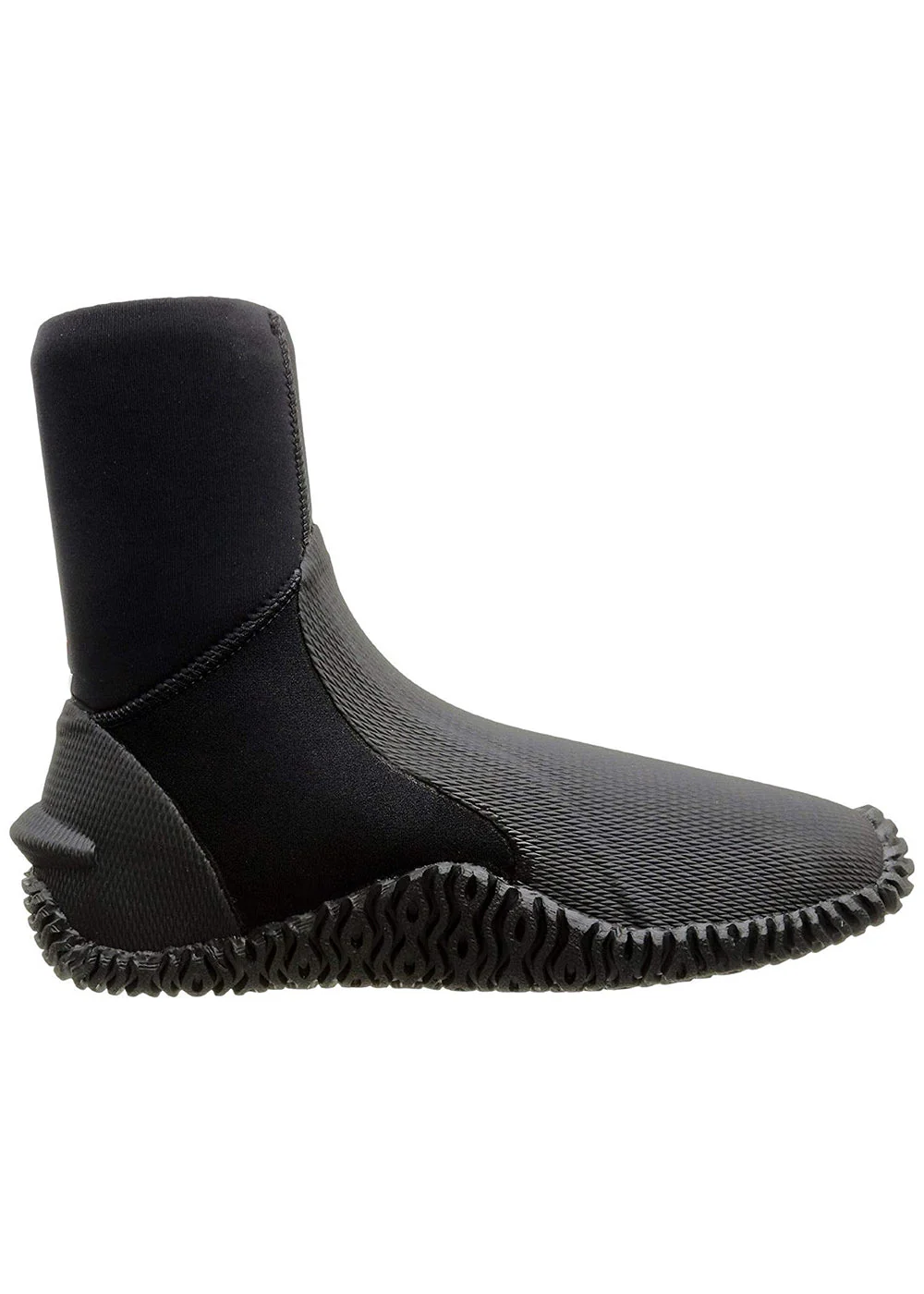
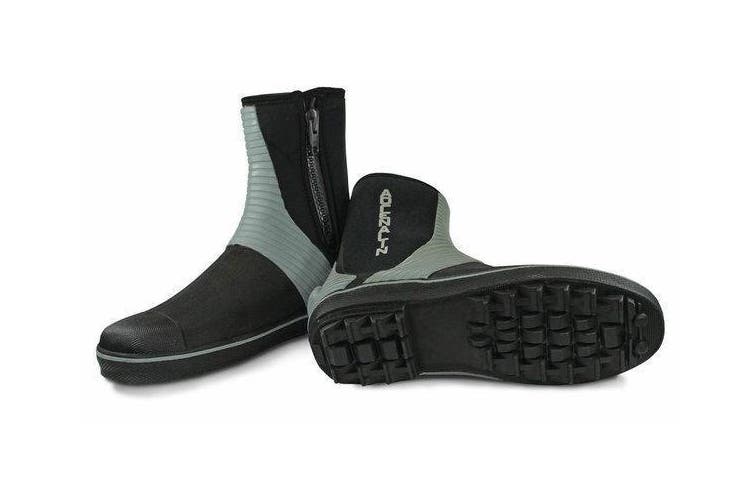
Neoprene dive boots add warmth on top of protection, and are cut to work inside a fin. Thicker neoprene suits cold water and rough entries; thinner boots and dive socks are easier going in warm water. Zip styles go on quickly, pull-on styles let less water through.
Deck shoes are the boat option. Soft siped rubber holds on wet fibreglass and leaves no black scuffing, and ordinary trainers fail on both counts.
Sizing and fit
If you plan to wear boots with fins, size the fins around the boots — a fin that fitted bare feet will pinch badly with a bootie inside it. See dive fins for sizing, and wetsuits for the rest of your thermal protection.
Frequently asked questions
What is the difference between reef shoes and water shoes?
Very little — the names get used for the same thing. Where they differ, reef shoes have a tougher sole aimed at coral and oyster, while water shoes are lighter and more flexible. Both drain and dry fast.
Do I really need rock spike boots for rock fishing?
On dry rock, no. On the wet, weeded rock around a wash they are the difference between standing up and going in, because rubber slides on green weed however aggressive the tread is.
Are aqua shoes worth it for kids?
They are one of the more worthwhile things to put on a child at the beach. Kids spend longer on reef flats and in rock pools than adults do, and cut their feet more often for it.

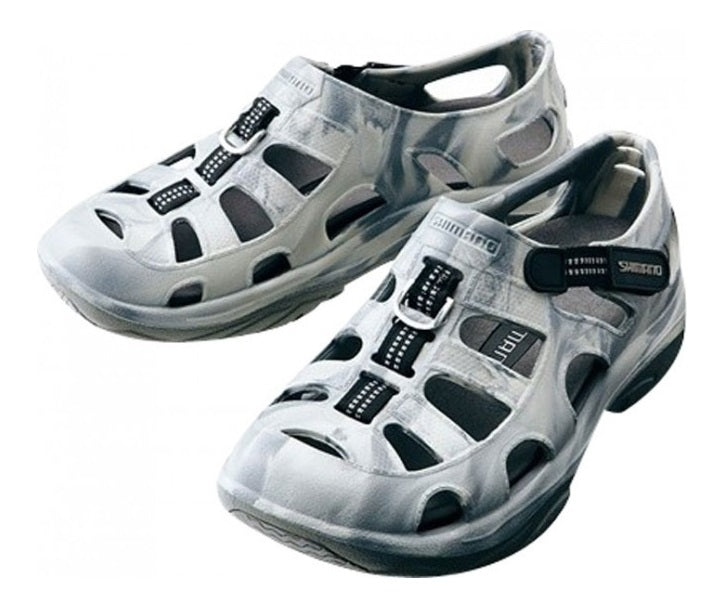
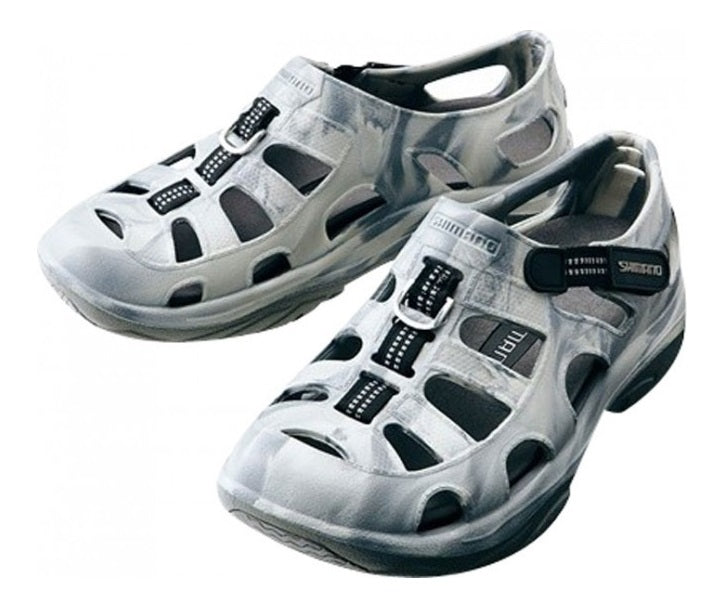
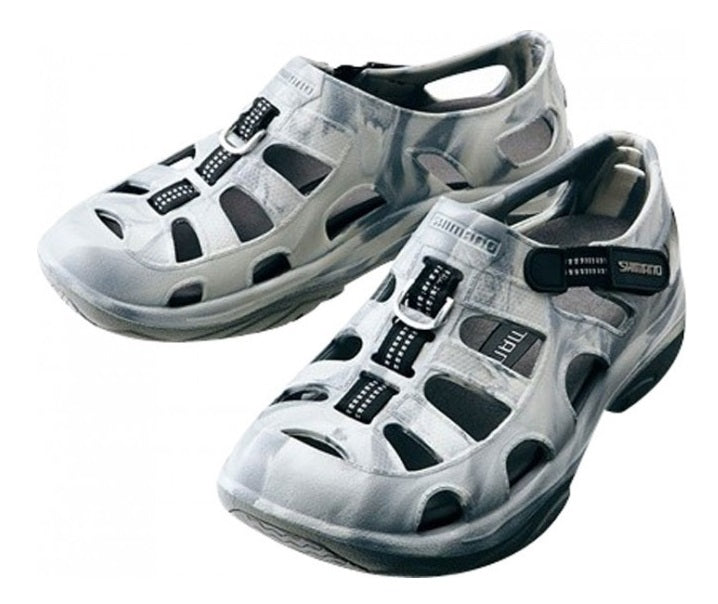

















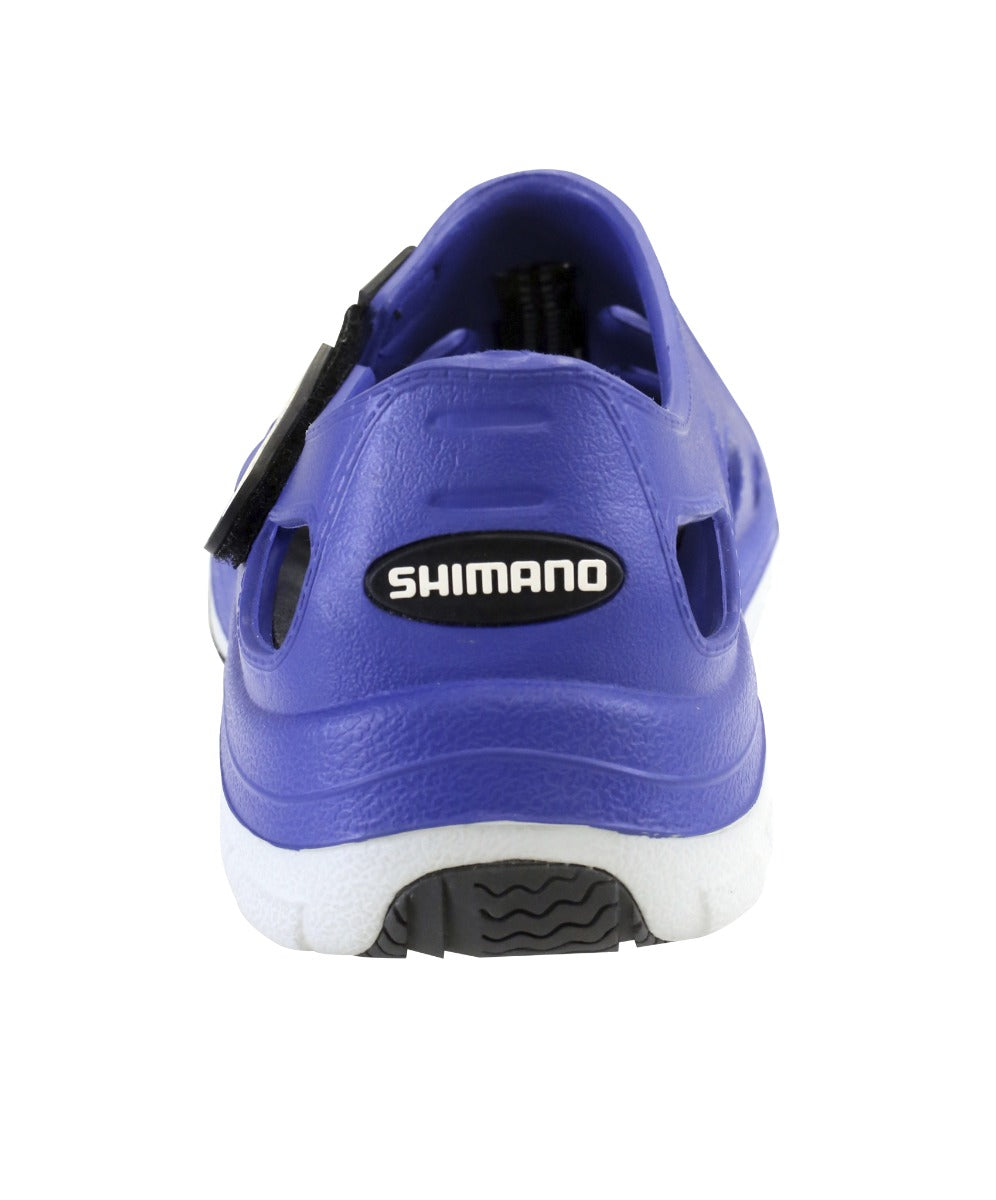















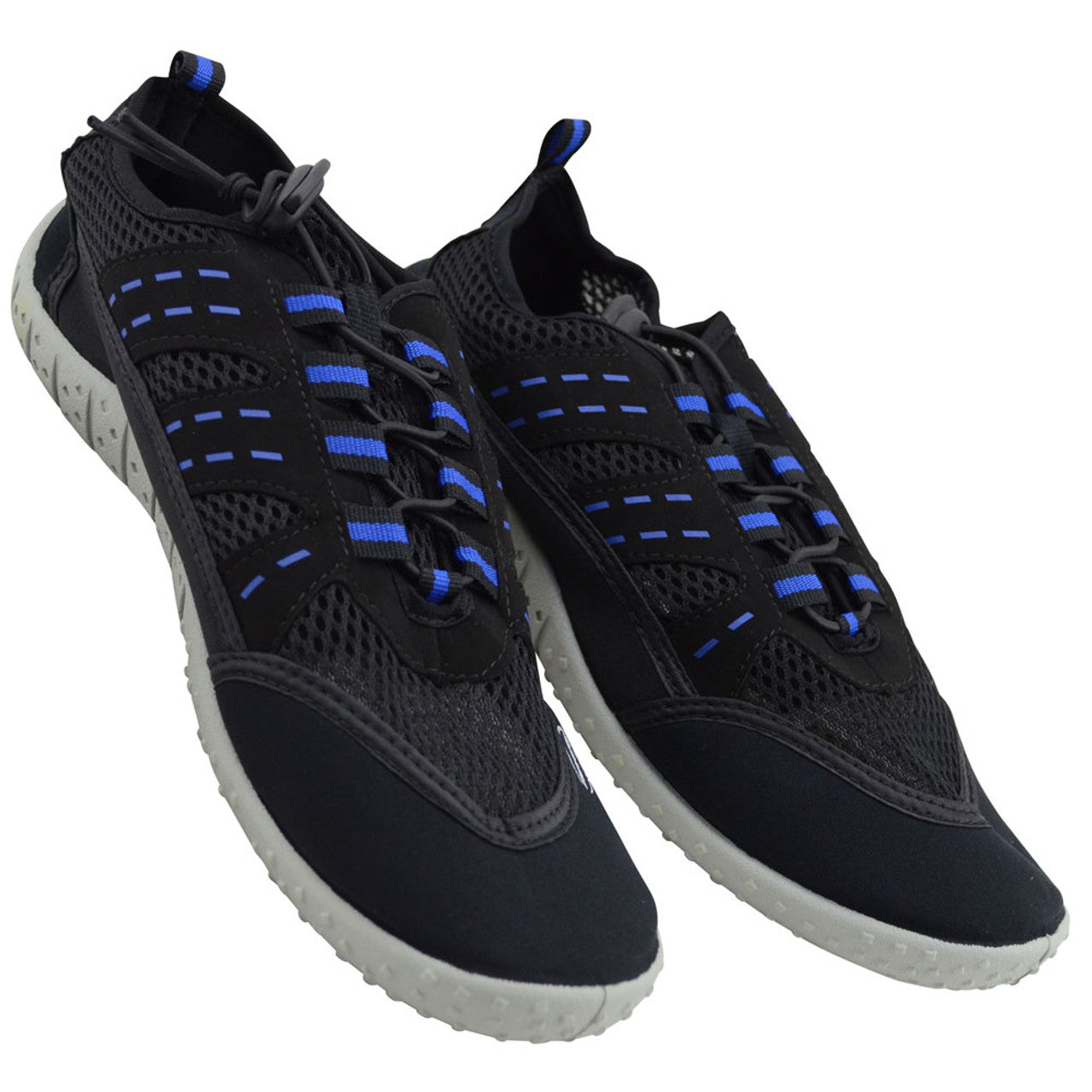


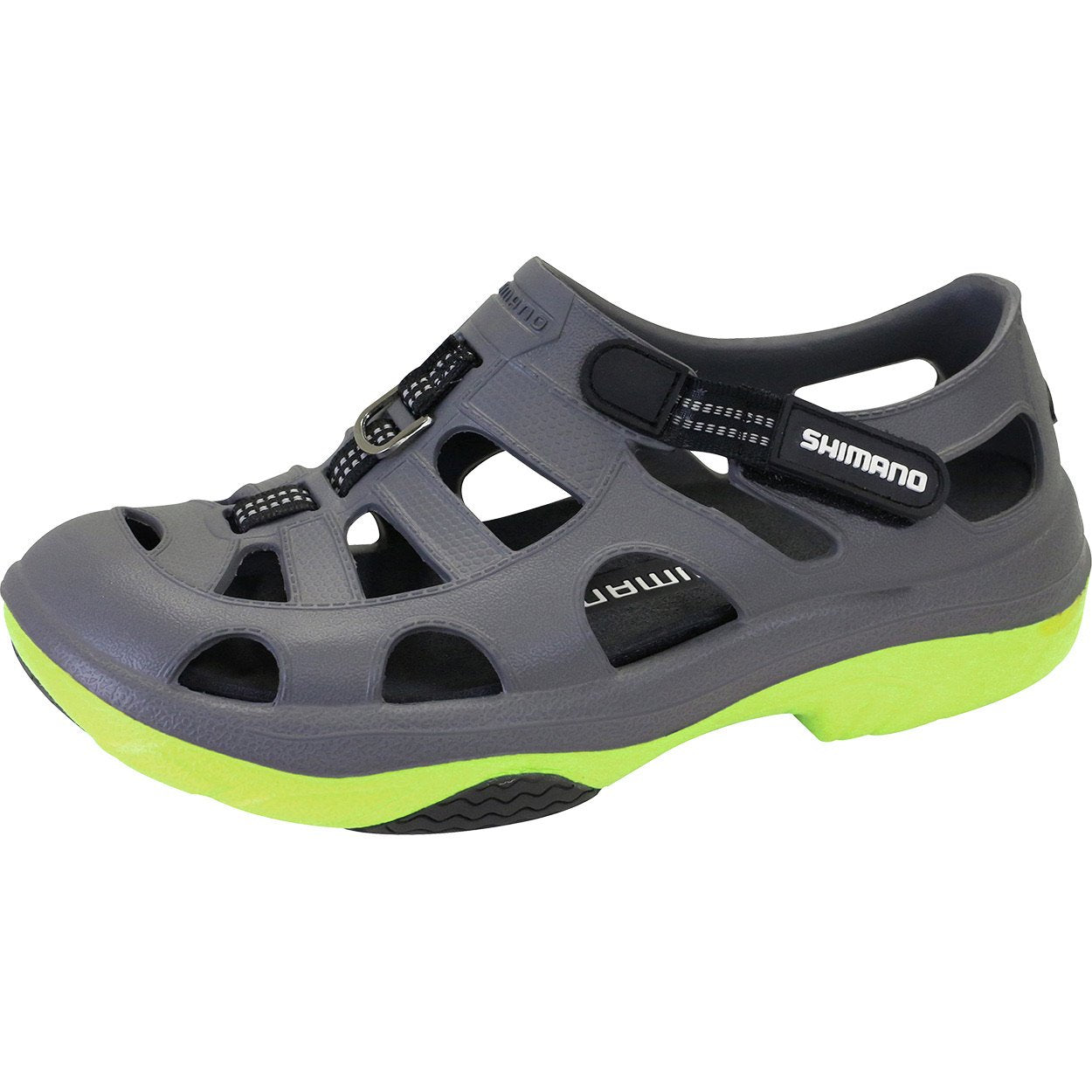
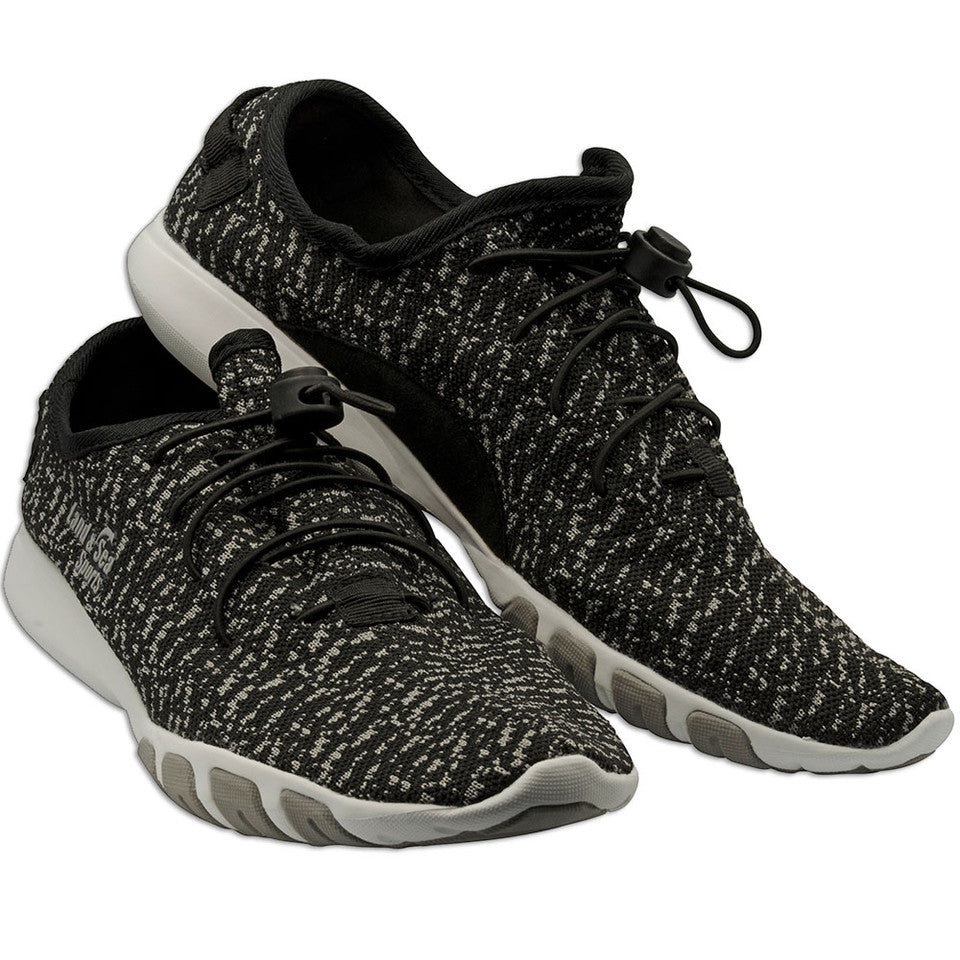

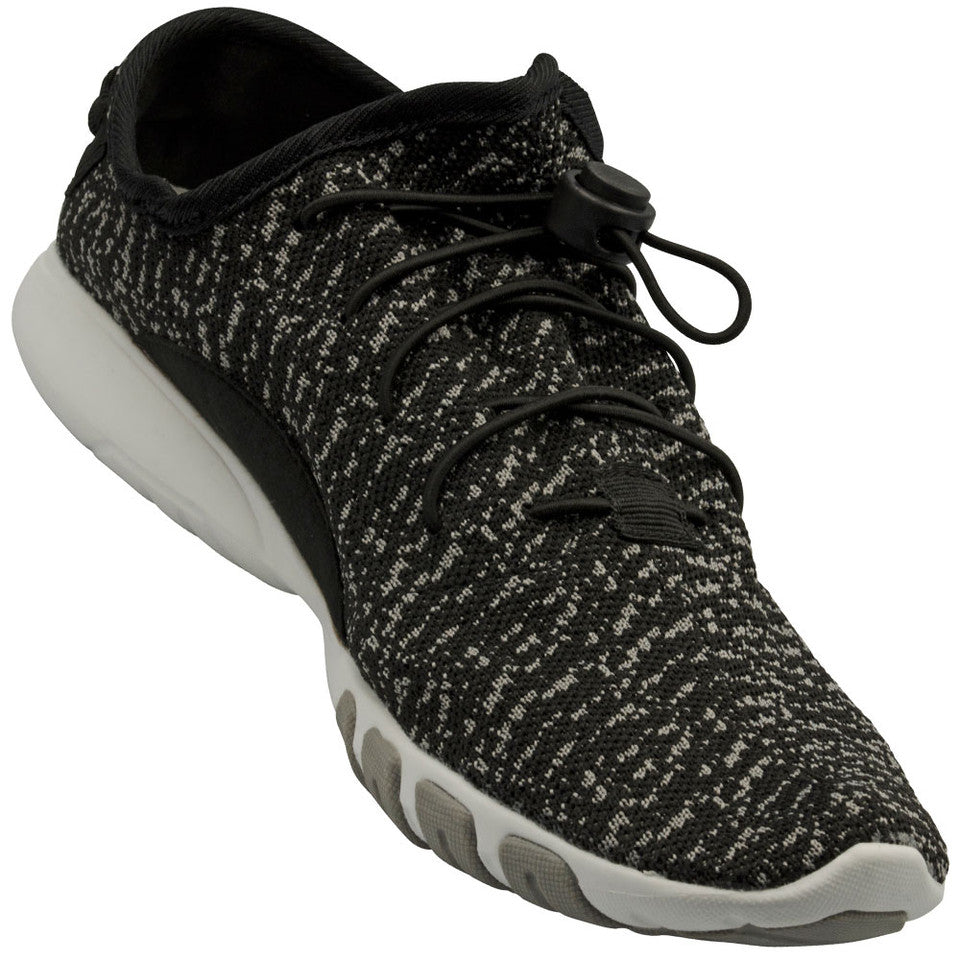








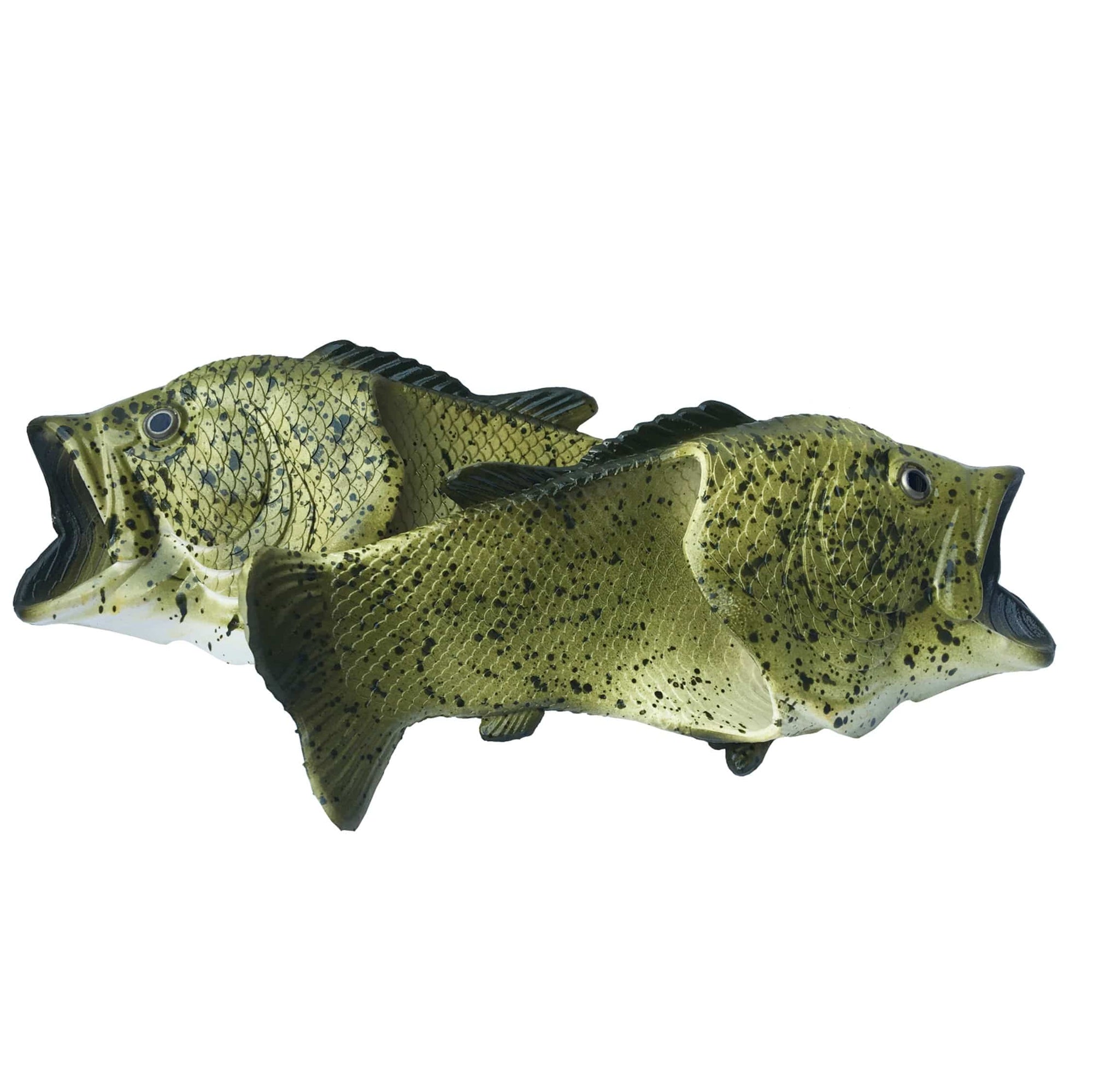
Footwear for wet ground — reef flats, rock ledges, boat decks and everything under the surface. Reef shoes, aqua shoes, rock spike boots, neoprene dive boots and non-marking deck shoes, in adult and kids sizes.
Which type you need
Reef shoes and aqua shoes are the light end of it. A quick-draining upper, a thin protective sole and enough grip for wet sand and smooth rock. They suit reef flats, beach entries and kayaking, where the hazard underfoot is oyster shell and coral rubble rather than cold. Reef walkers and aqua socks are the same idea in a lighter form.
Rock spike boots go the other way. Hardened spikes set into the sole bite into wet, weed-covered stone in a way rubber simply cannot, which is why they are the standard for fishing off ledges and washes. Green weed defeats everything else.
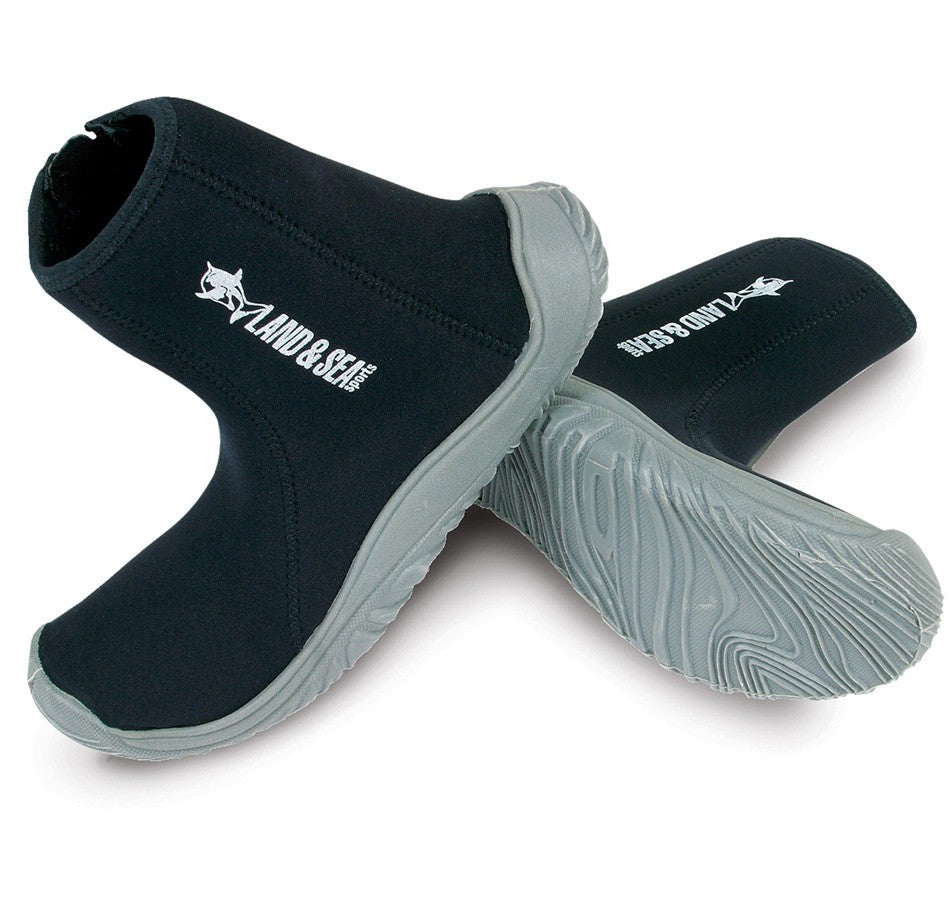
Neoprene dive boots add warmth on top of protection, and are cut to work inside a fin. Thicker neoprene suits cold water and rough entries; thinner boots and dive socks are easier going in warm water. Zip styles go on quickly, pull-on styles let less water through.
Deck shoes are the boat option. Soft siped rubber holds on wet fibreglass and leaves no black scuffing, and ordinary trainers fail on both counts.
Sizing and fit
If you plan to wear boots with fins, size the fins around the boots — a fin that fitted bare feet will pinch badly with a bootie inside it. See dive fins for sizing, and wetsuits for the rest of your thermal protection.
Frequently asked questions
What is the difference between reef shoes and water shoes?
Very little — the names get used for the same thing. Where they differ, reef shoes have a tougher sole aimed at coral and oyster, while water shoes are lighter and more flexible. Both drain and dry fast.
Do I really need rock spike boots for rock fishing?
On dry rock, no. On the wet, weeded rock around a wash they are the difference between standing up and going in, because rubber slides on green weed however aggressive the tread is.
Are aqua shoes worth it for kids?
They are one of the more worthwhile things to put on a child at the beach. Kids spend longer on reef flats and in rock pools than adults do, and cut their feet more often for it.