

FREE SHIPPING ON ORDERS OVER $150*

AUSSIE FAMILY OWNED BUSINESS FOR OVER 40 YEARS

100% SATISFACTION GUARANTEED
Fishing Jigs
Fishing Jigs
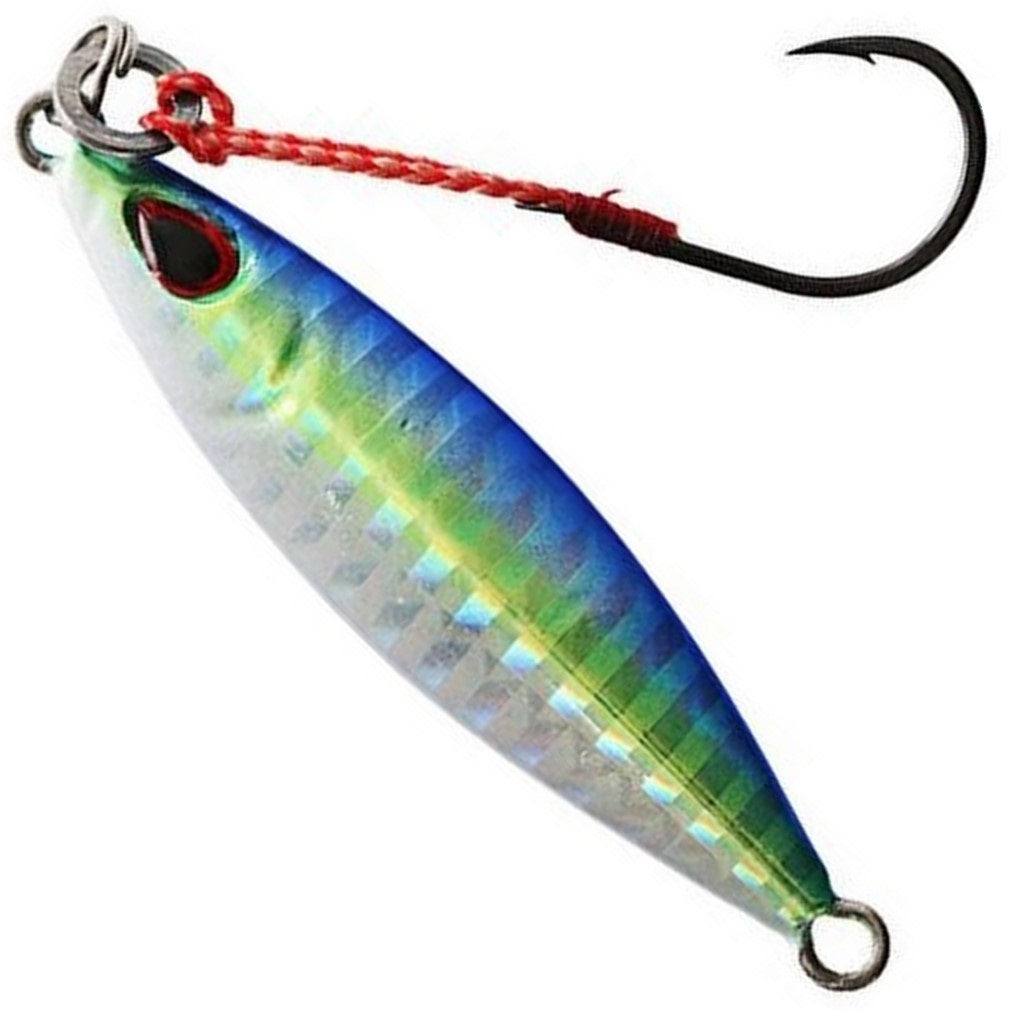
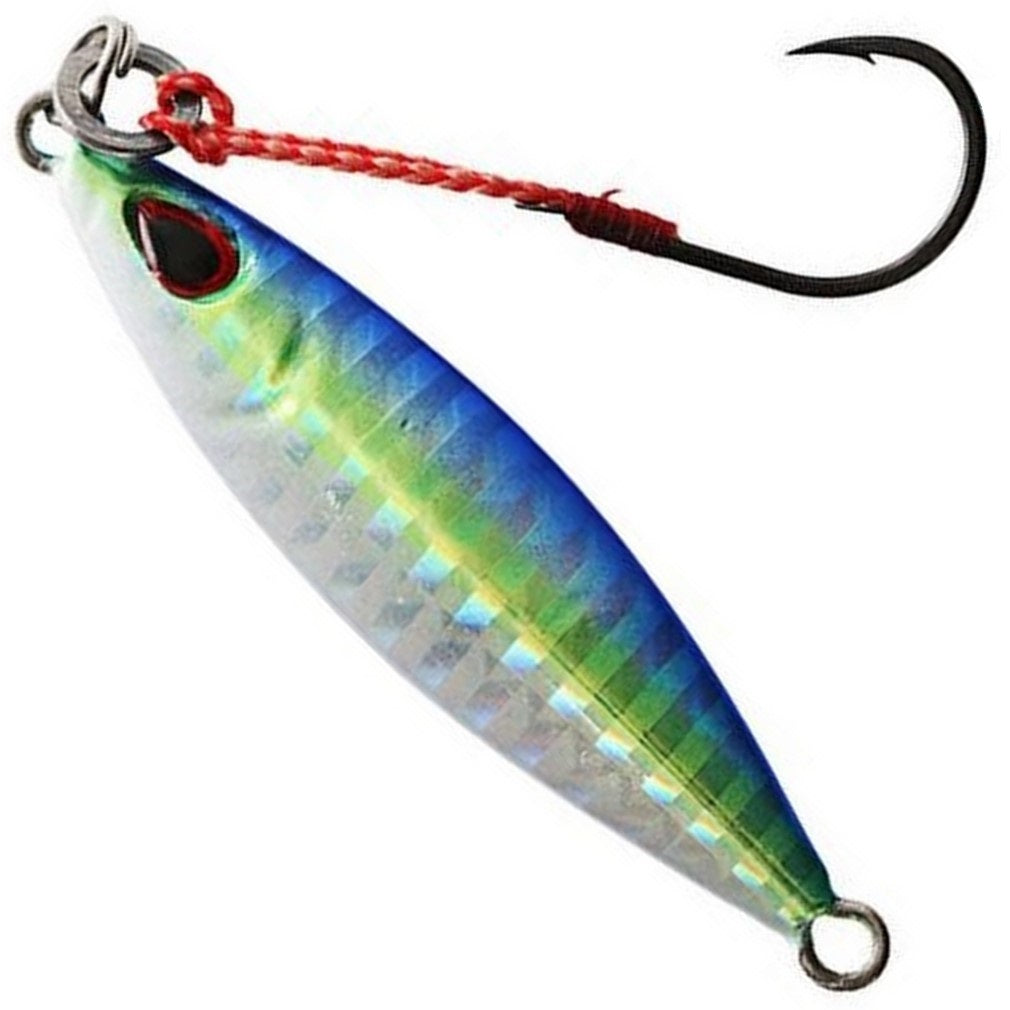
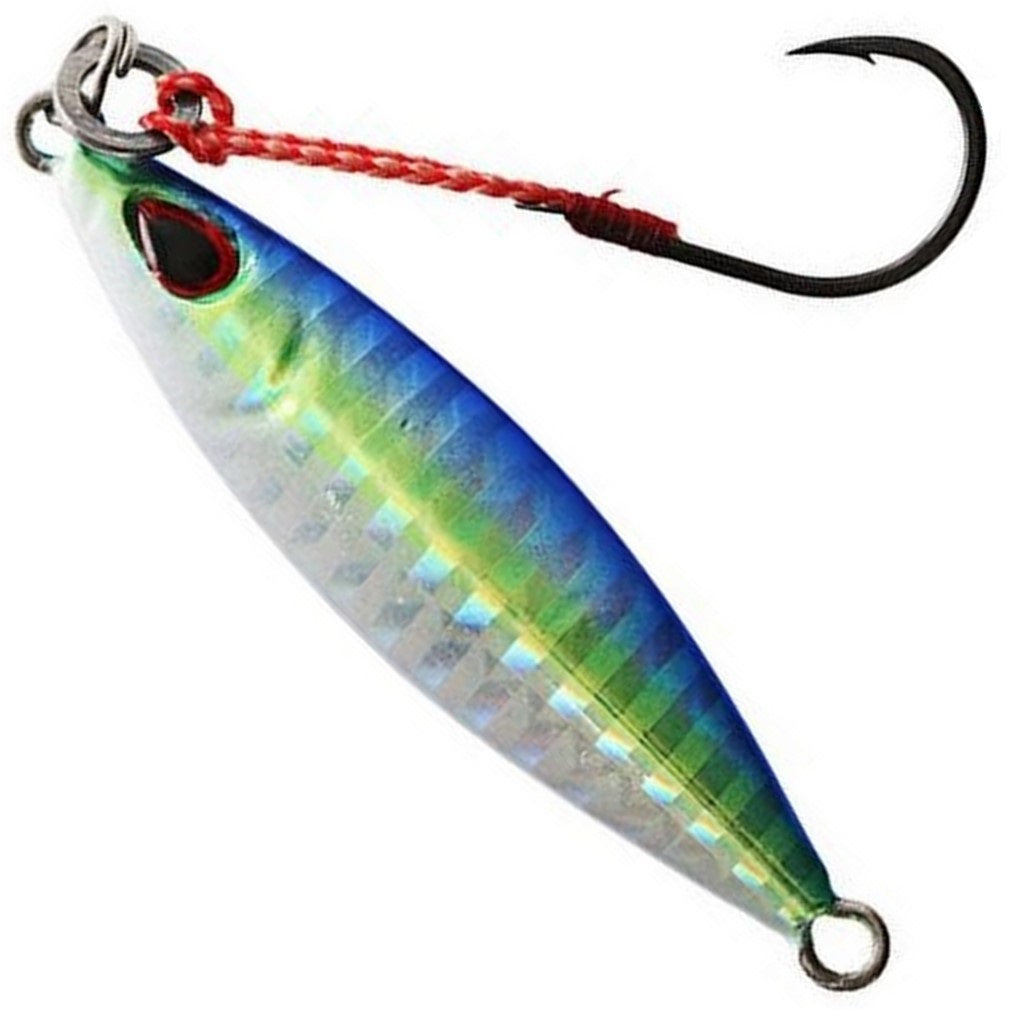
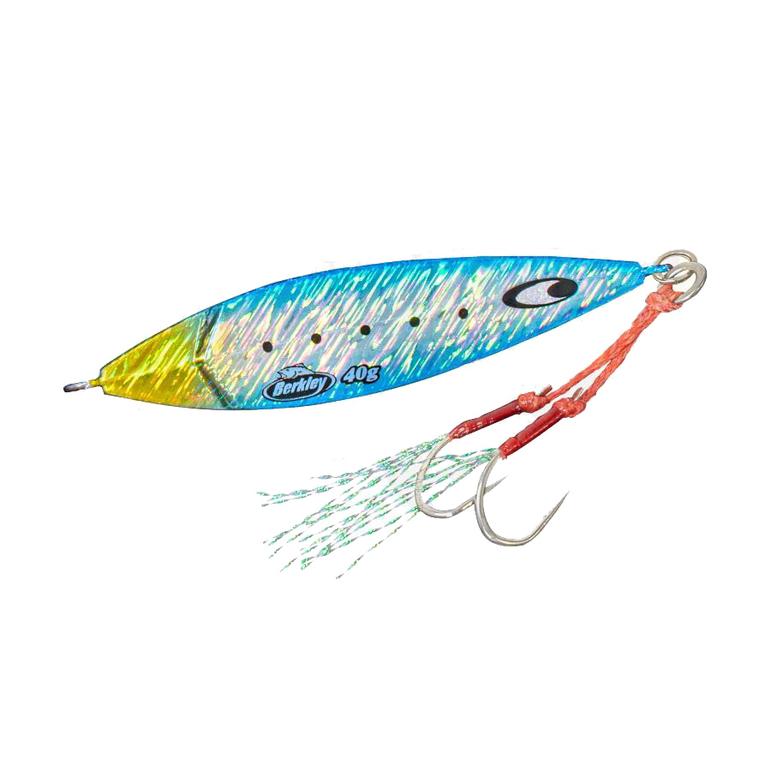
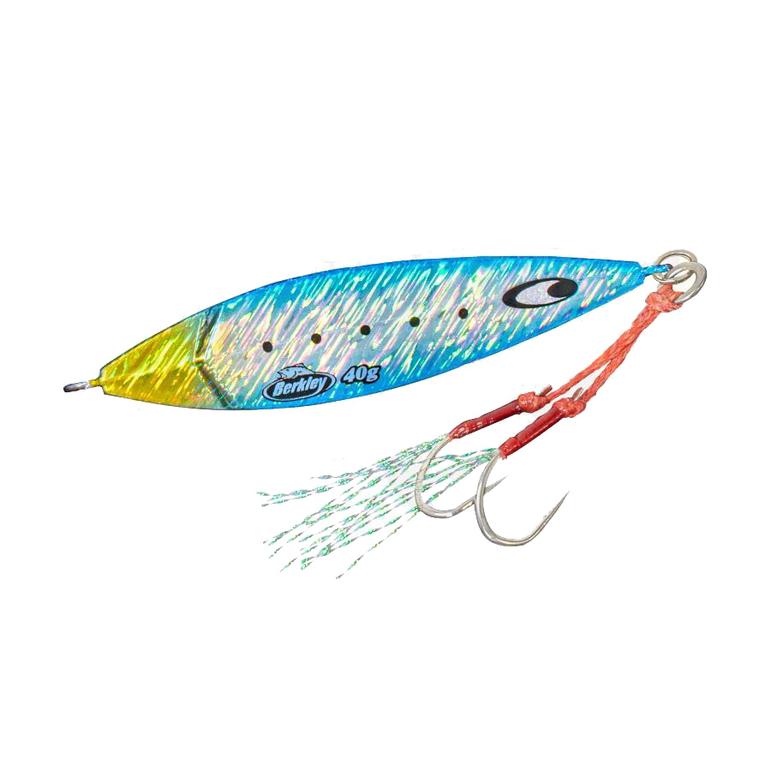
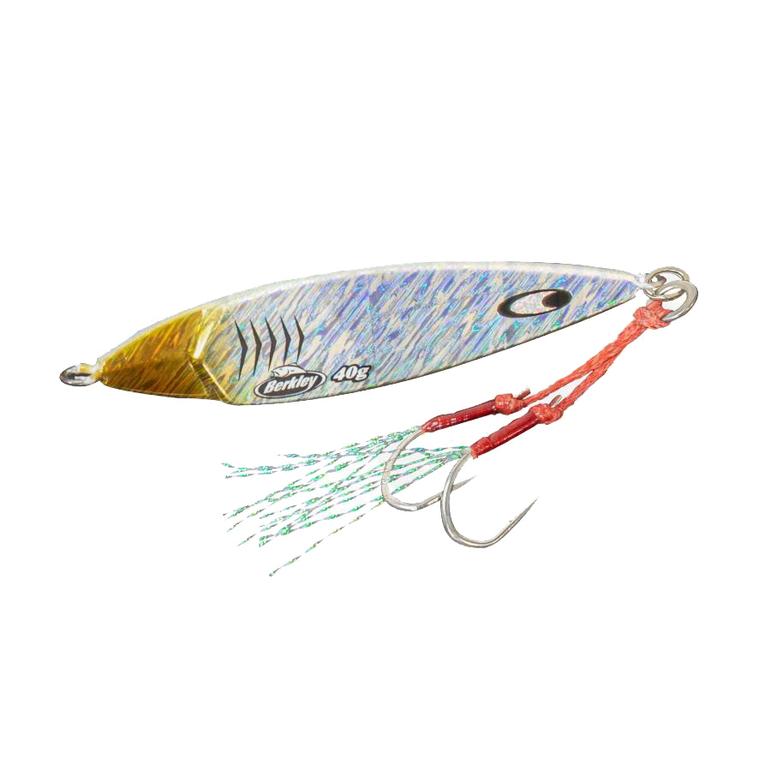
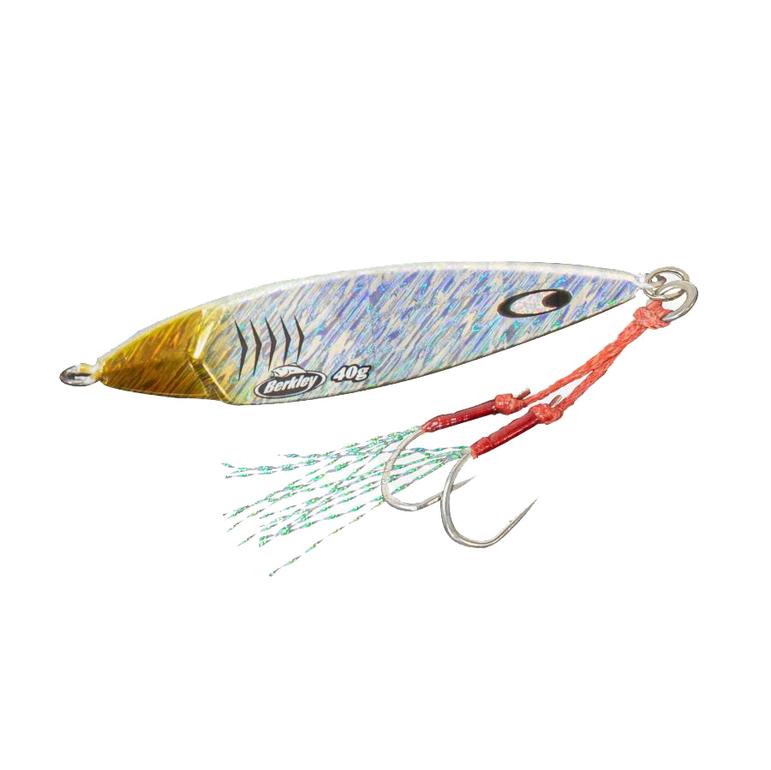
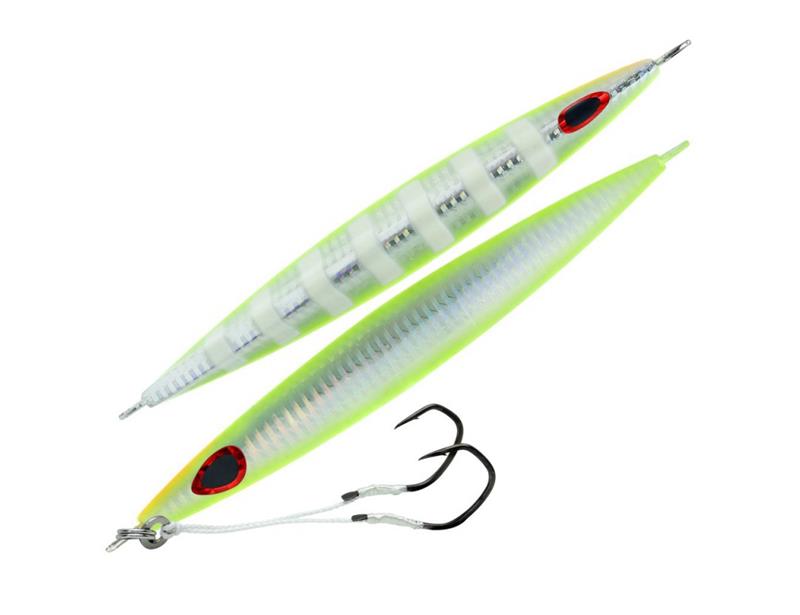
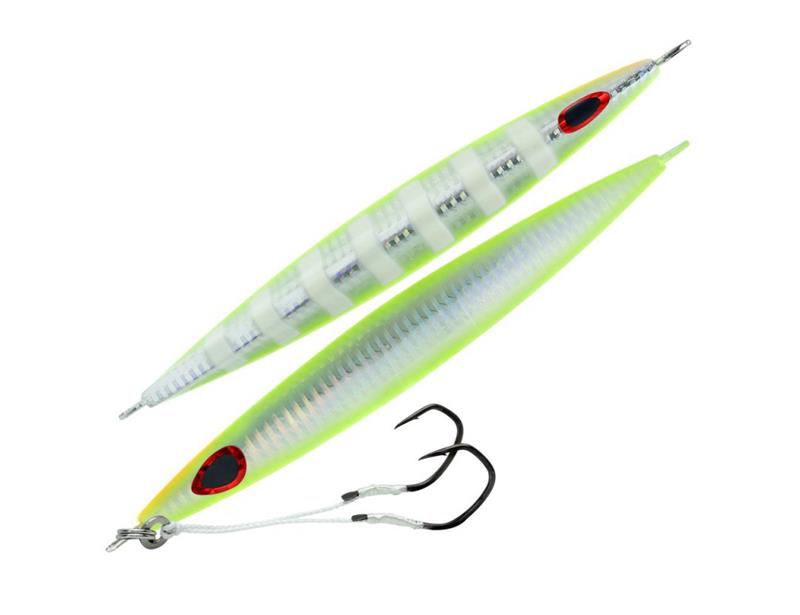
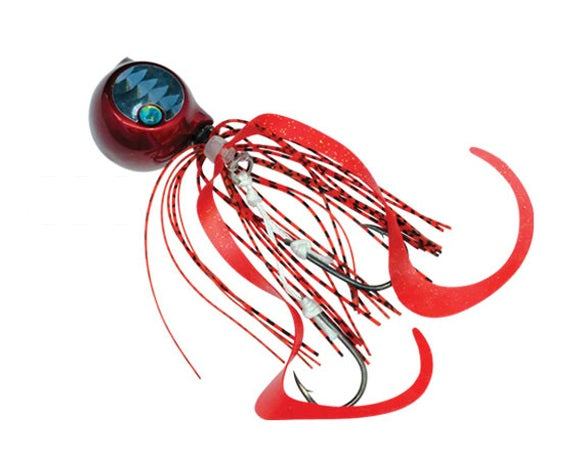
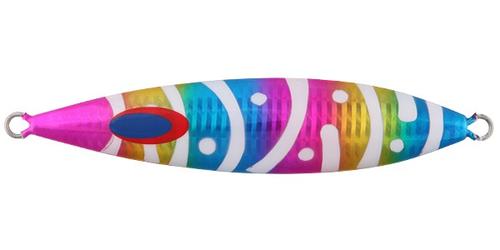
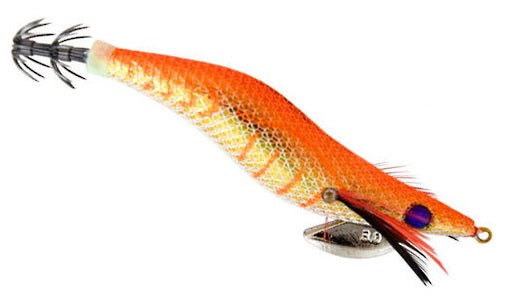
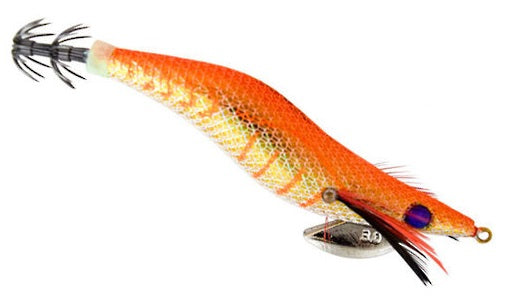
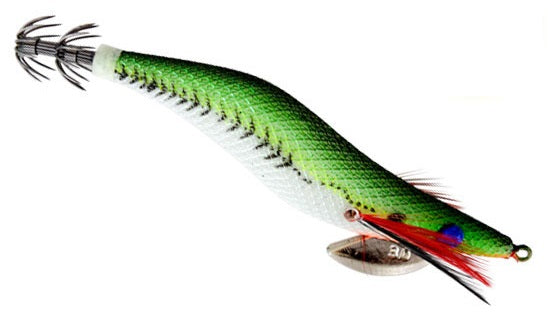
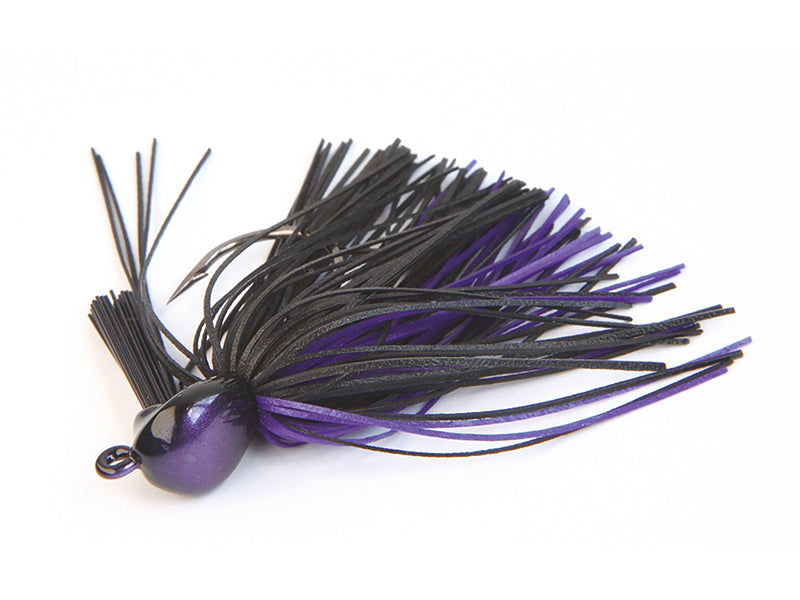
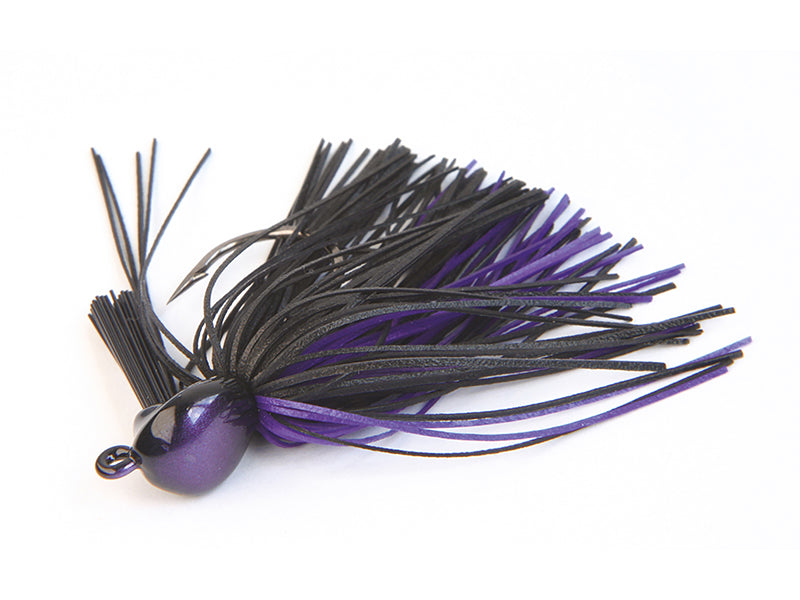
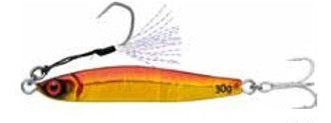
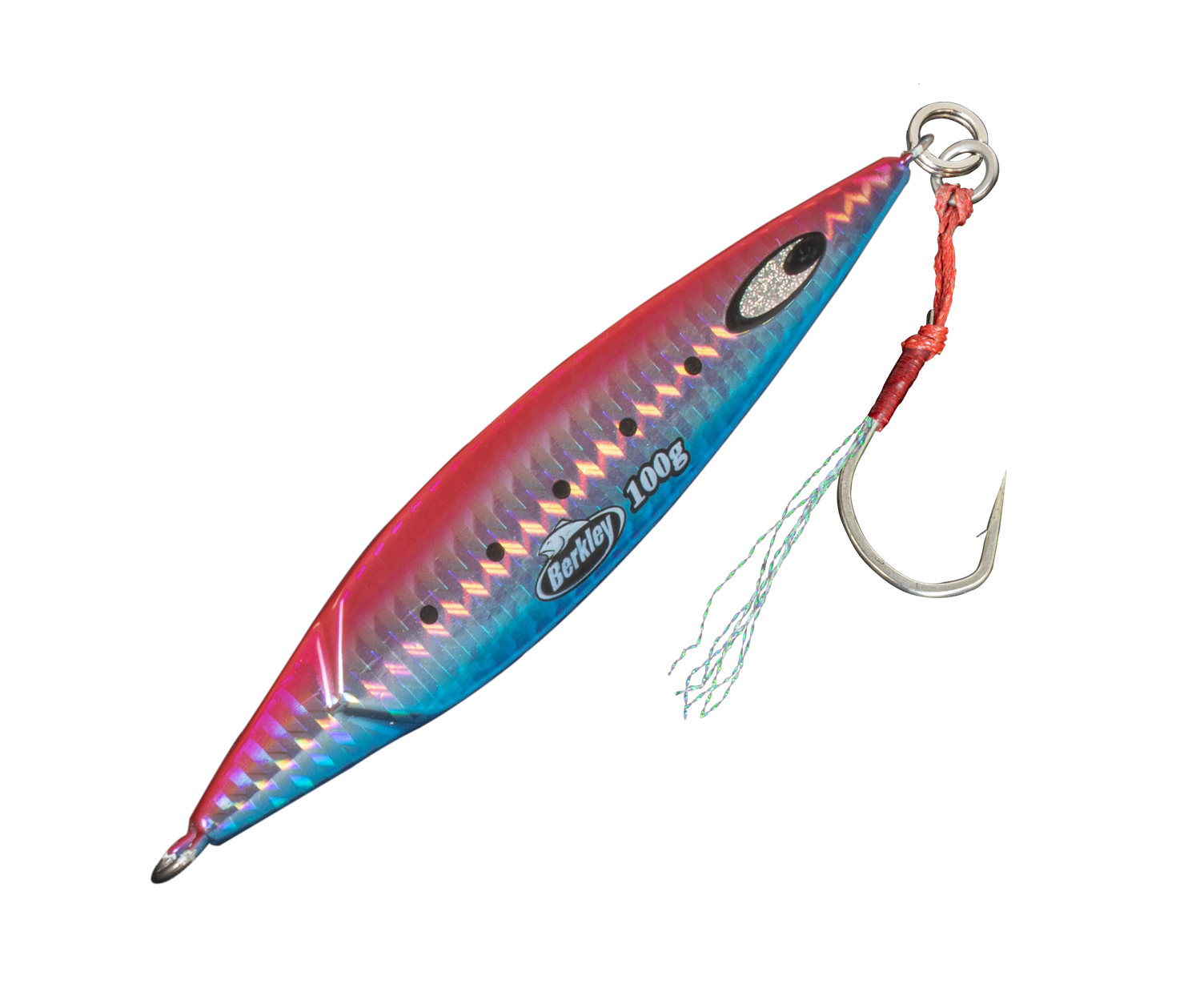
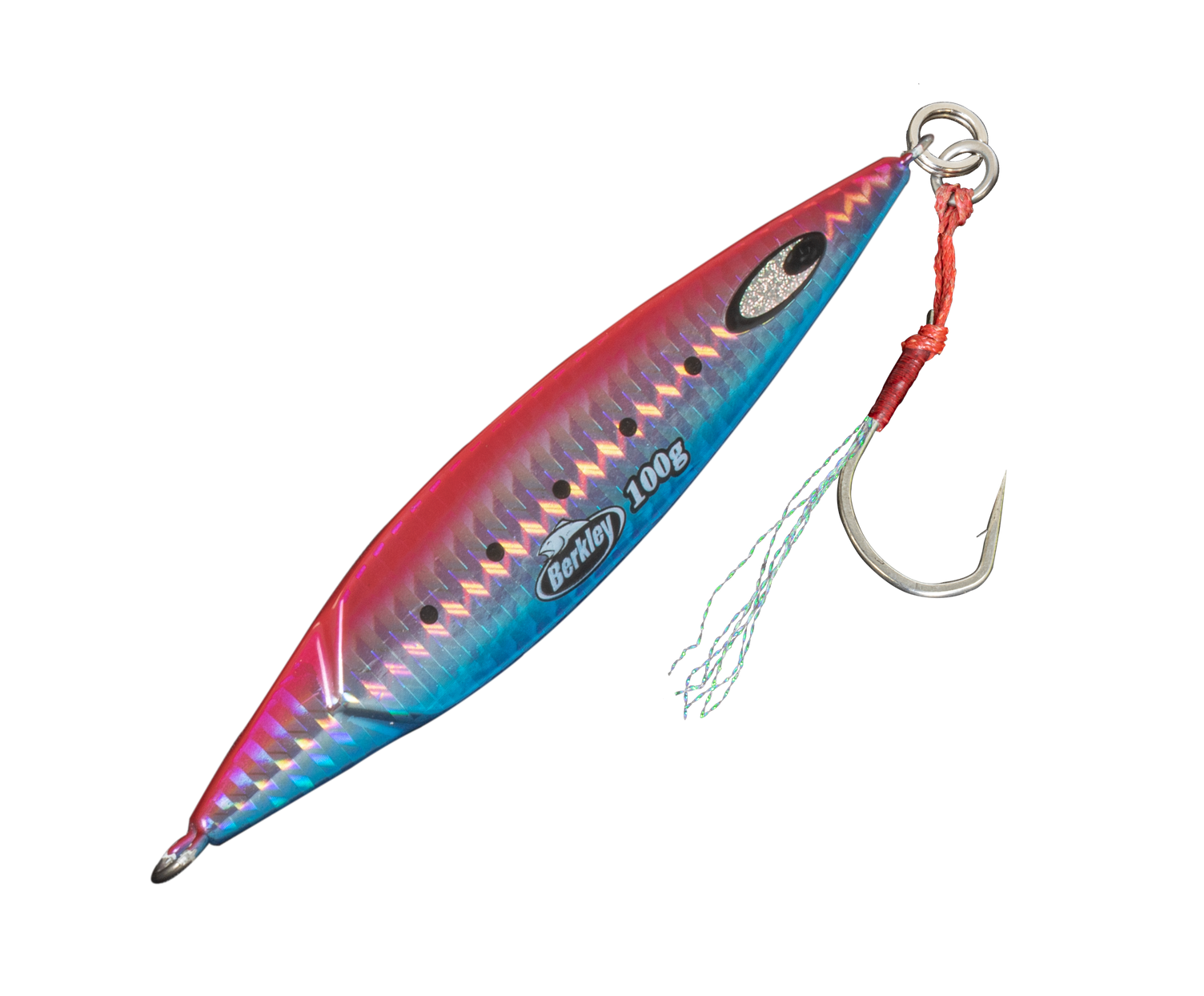
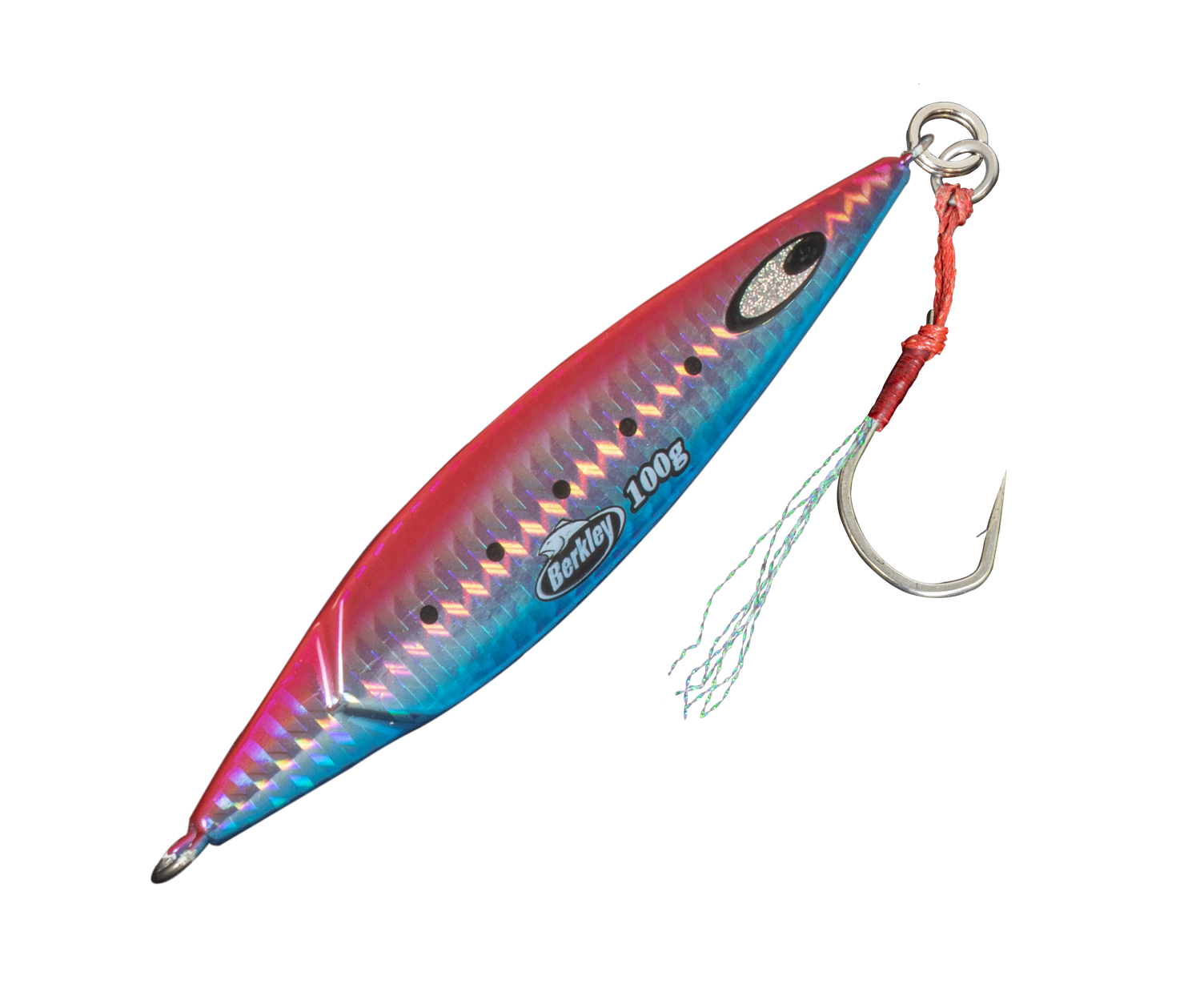
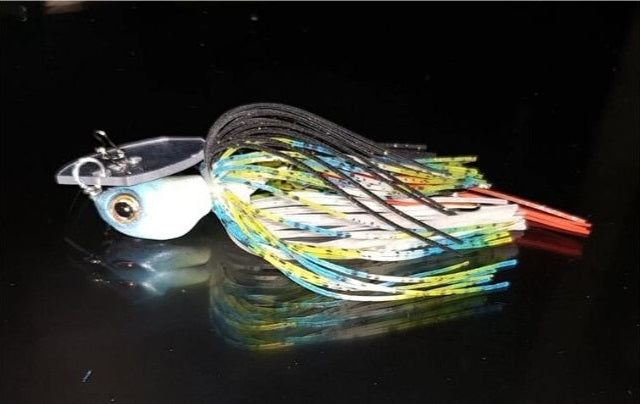
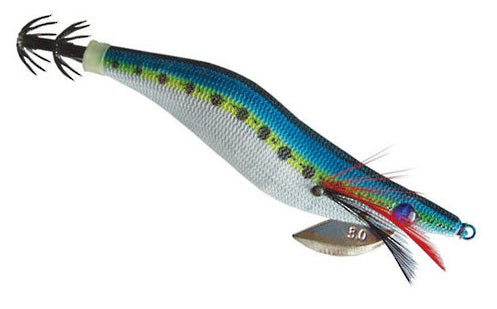
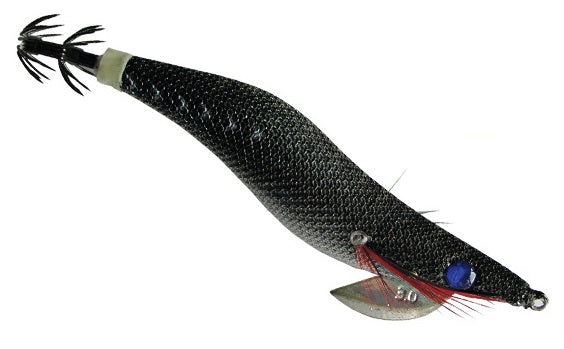
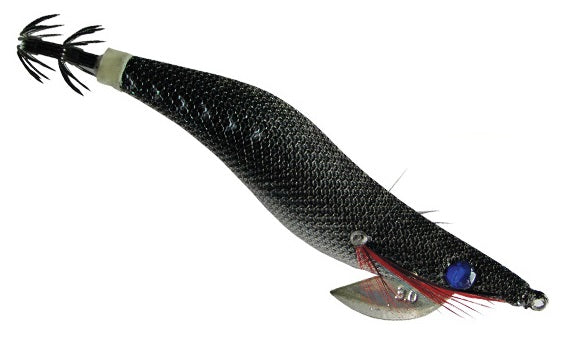
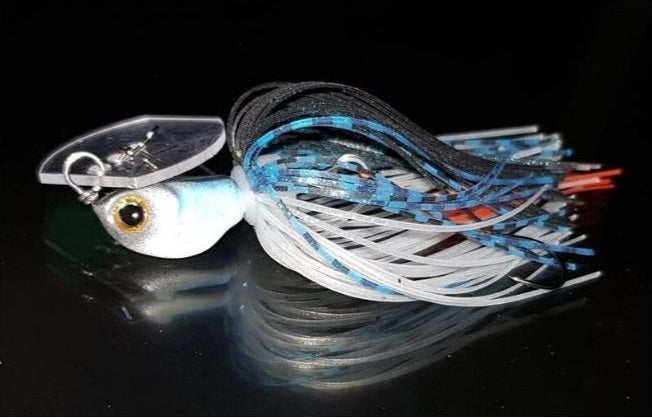
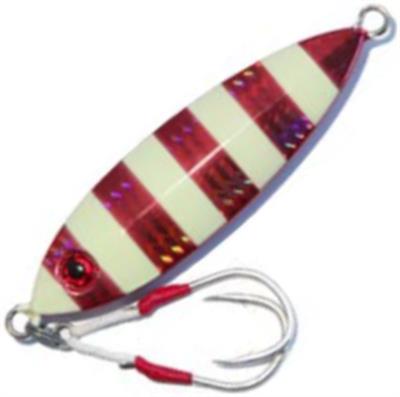
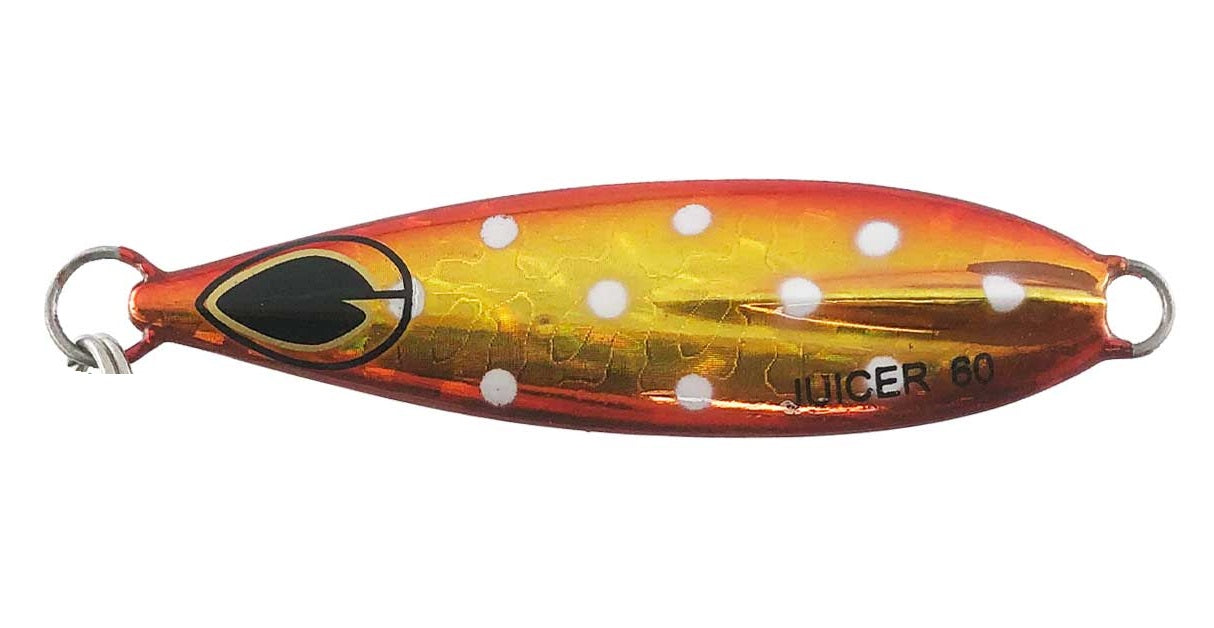
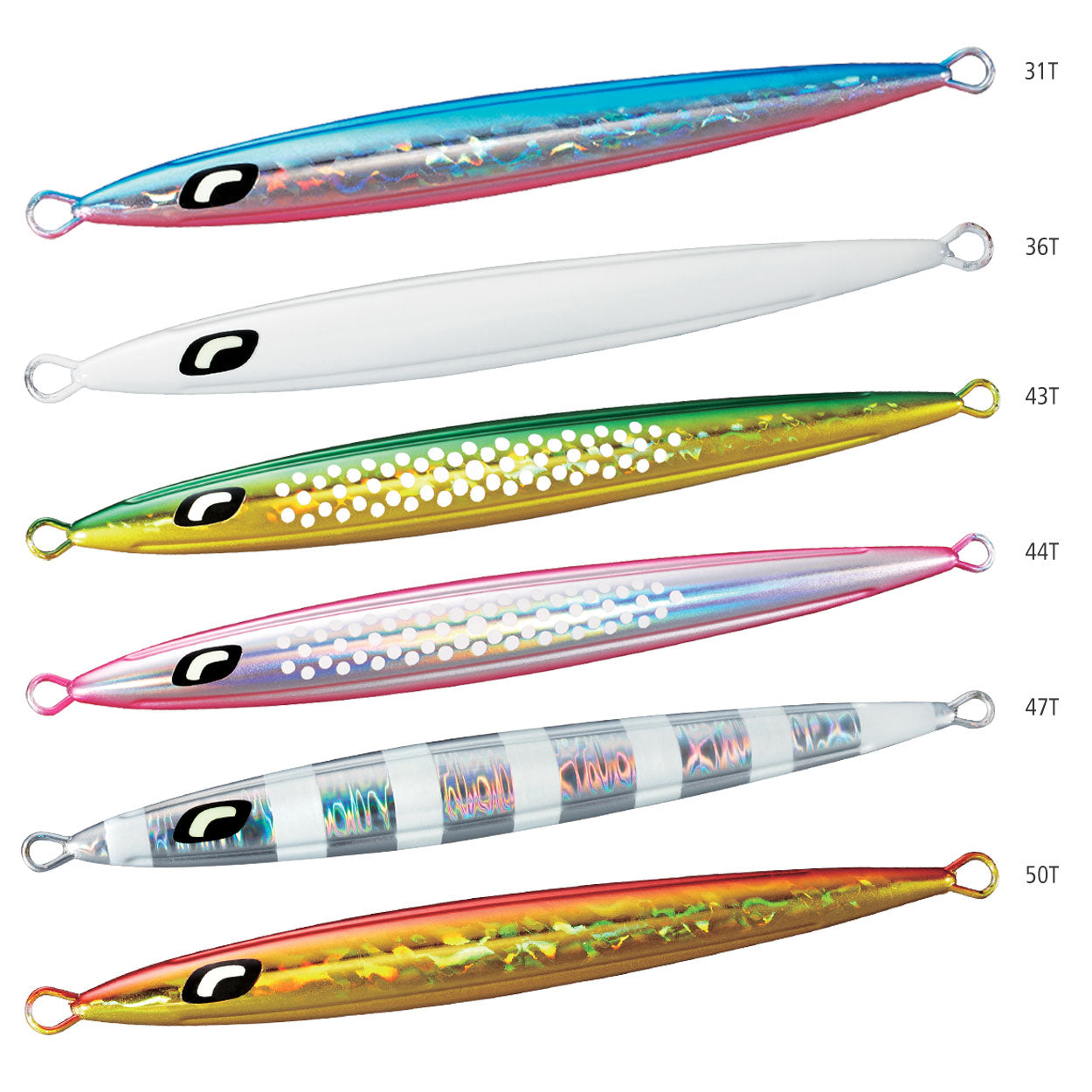
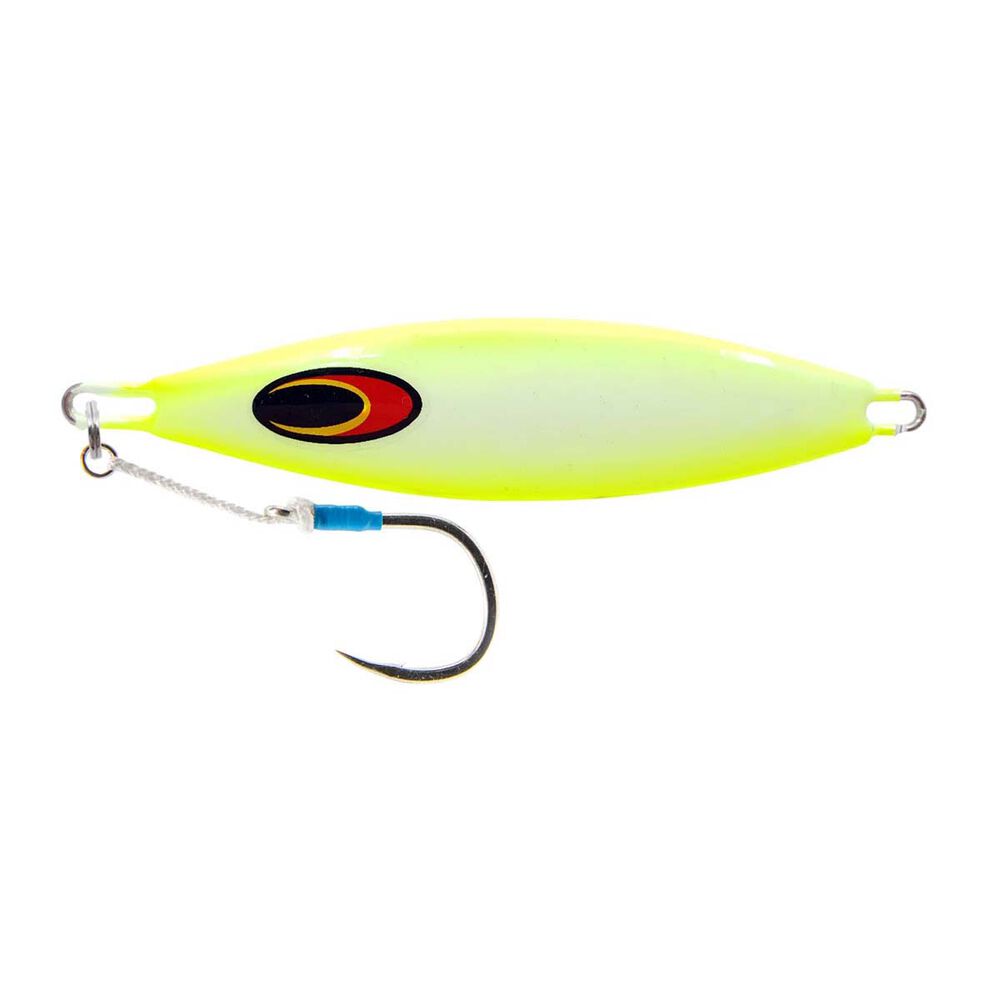
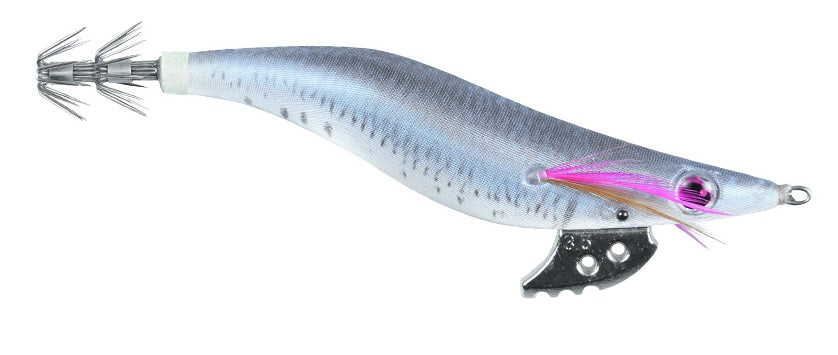
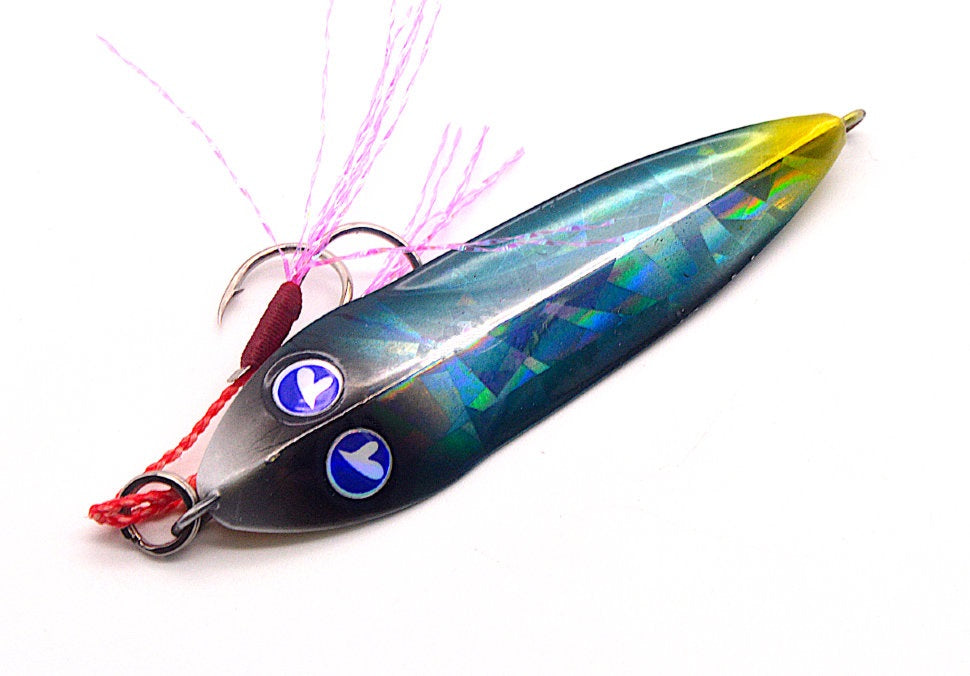
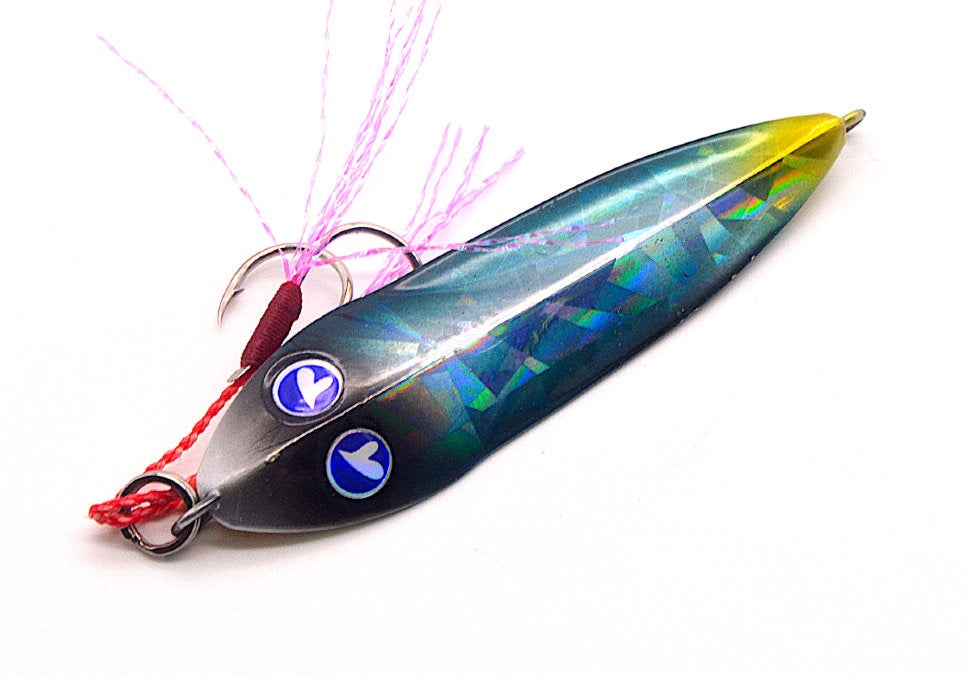
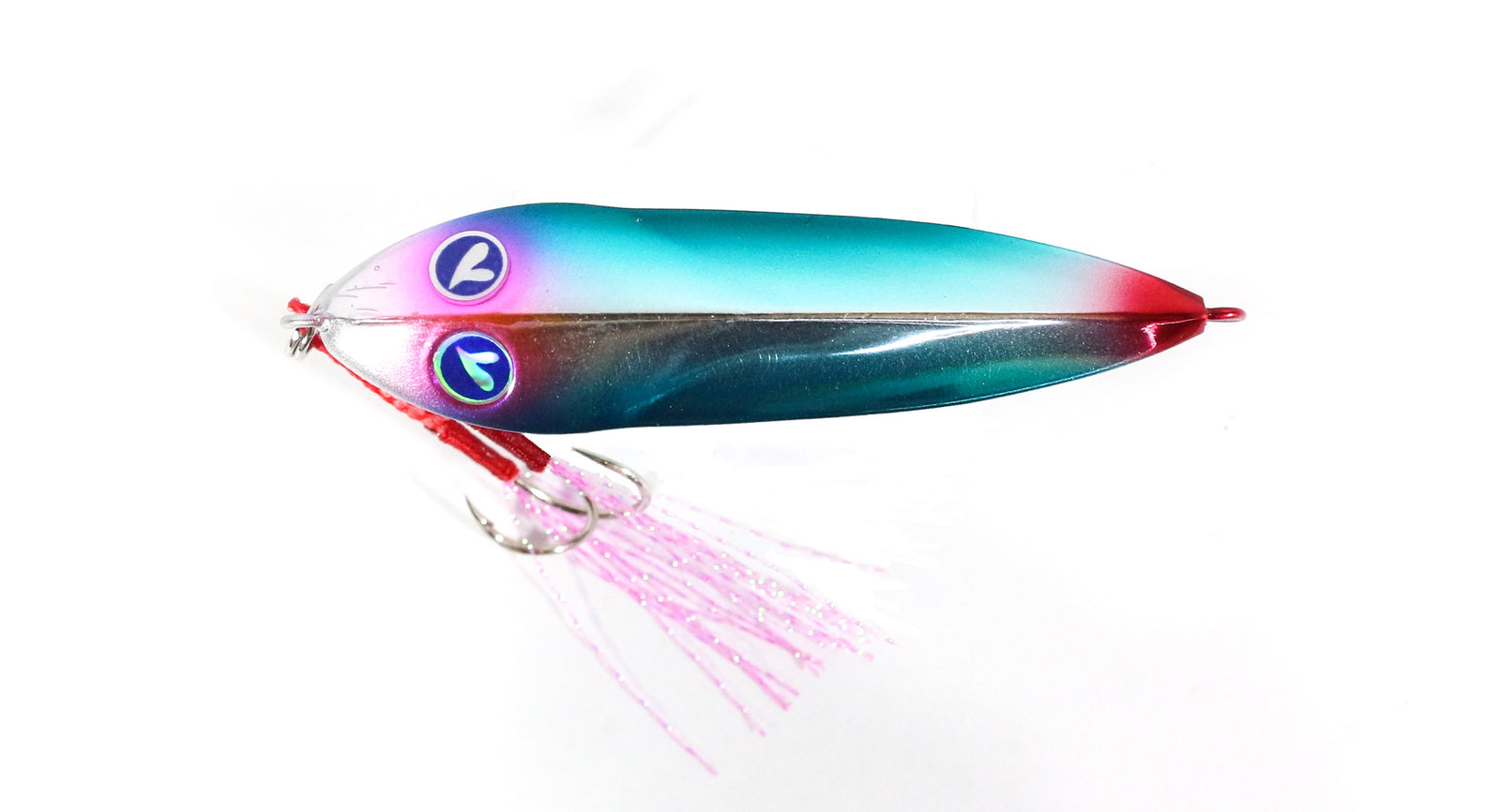
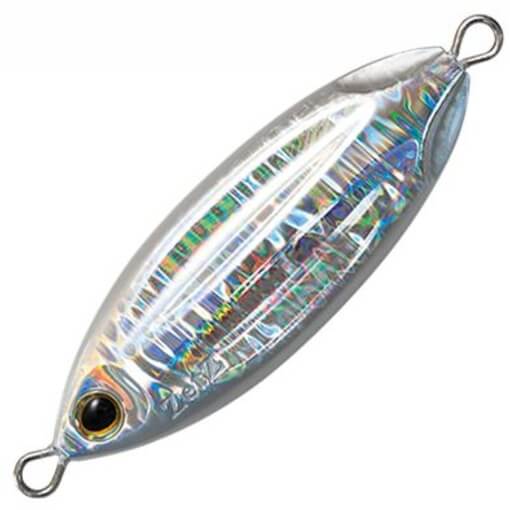
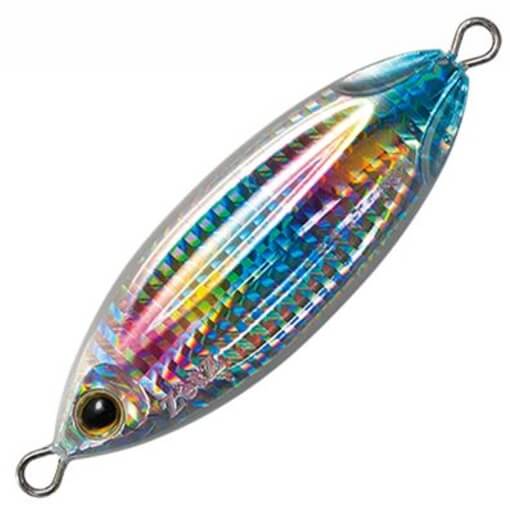
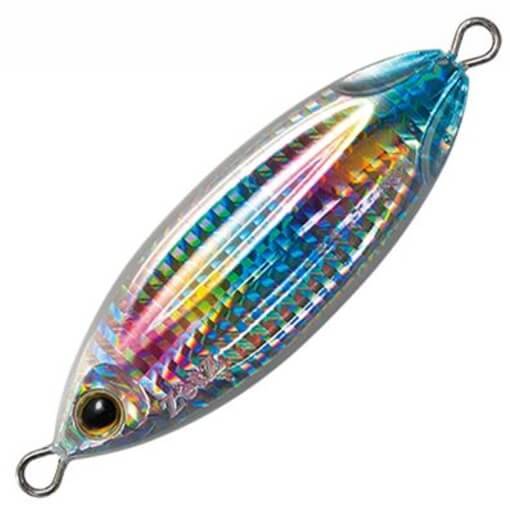
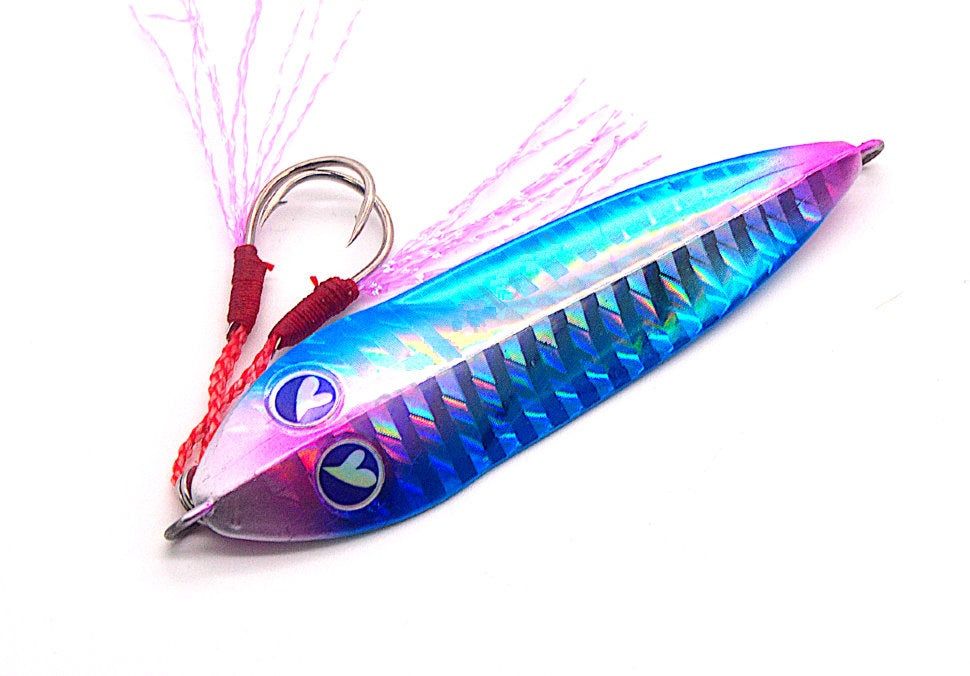
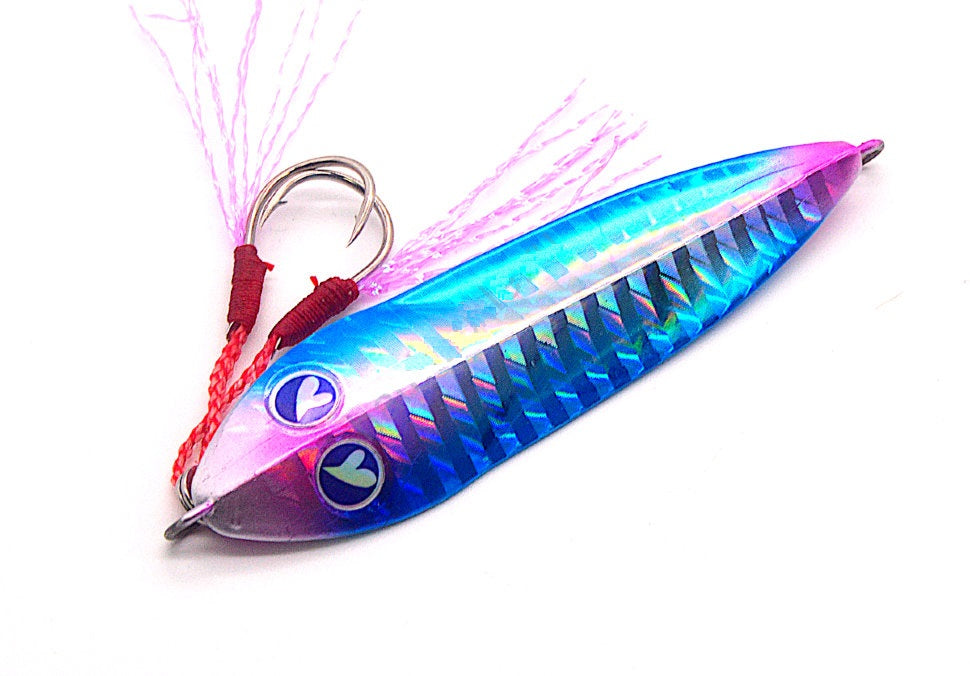
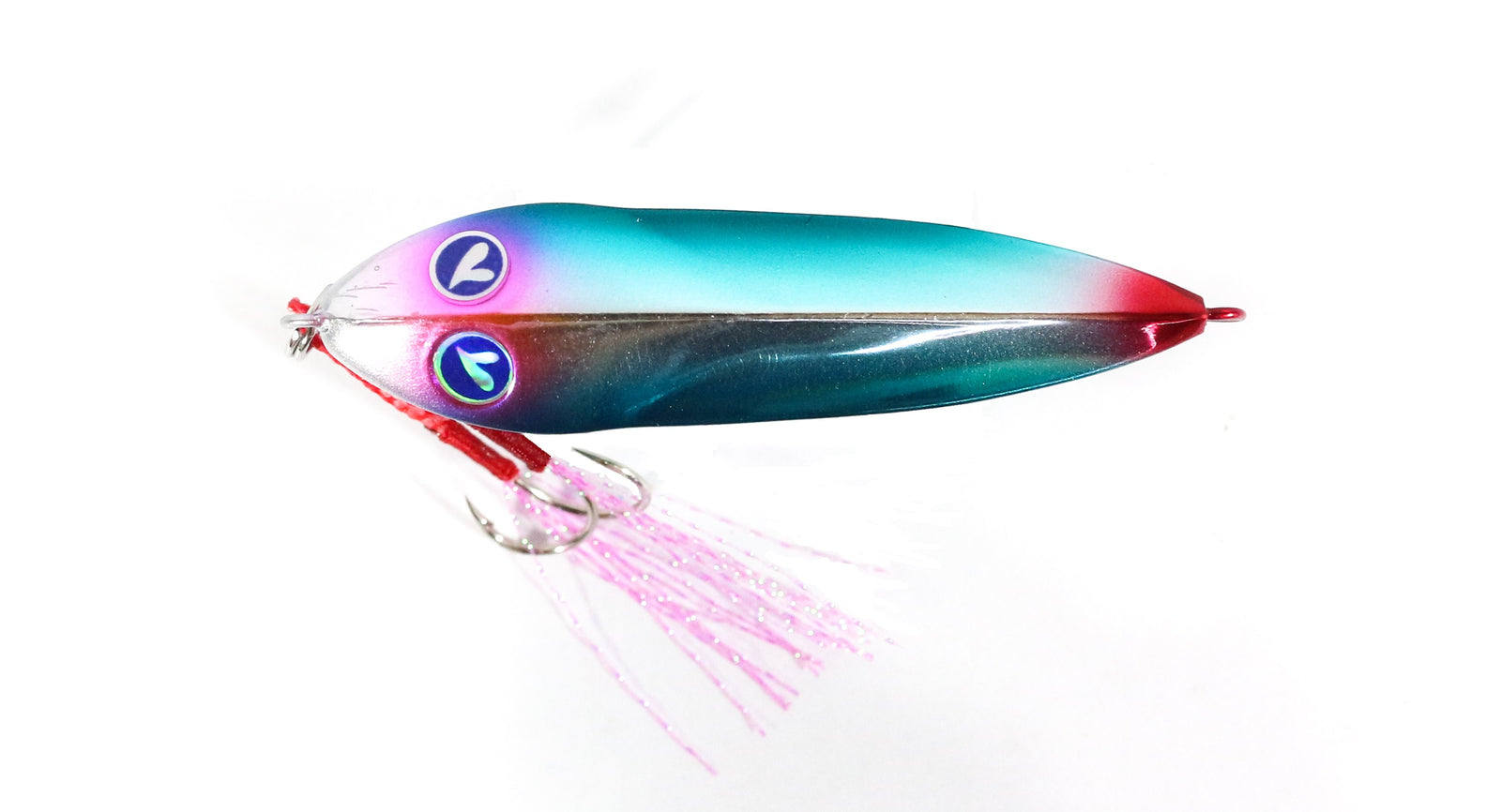
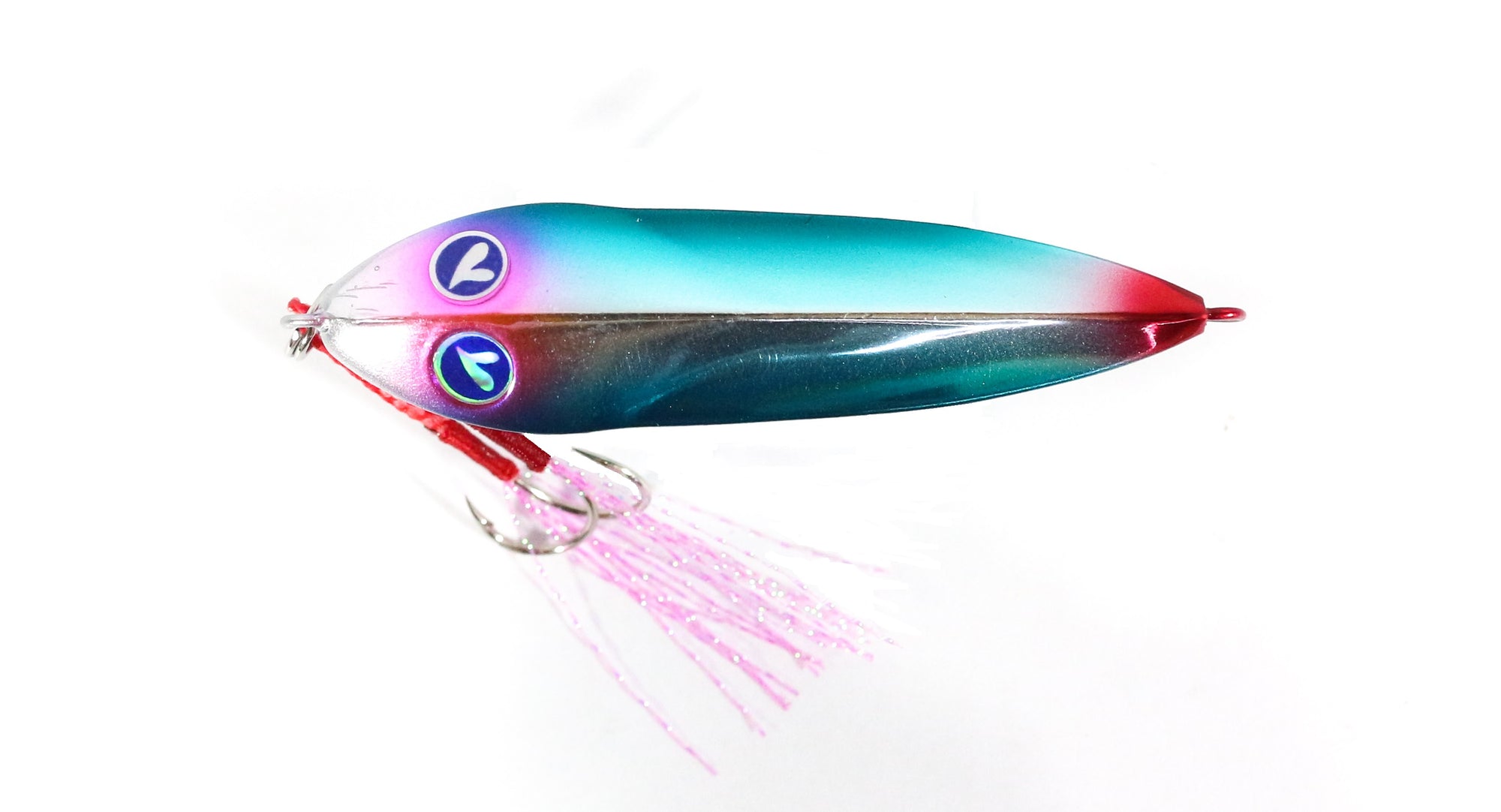
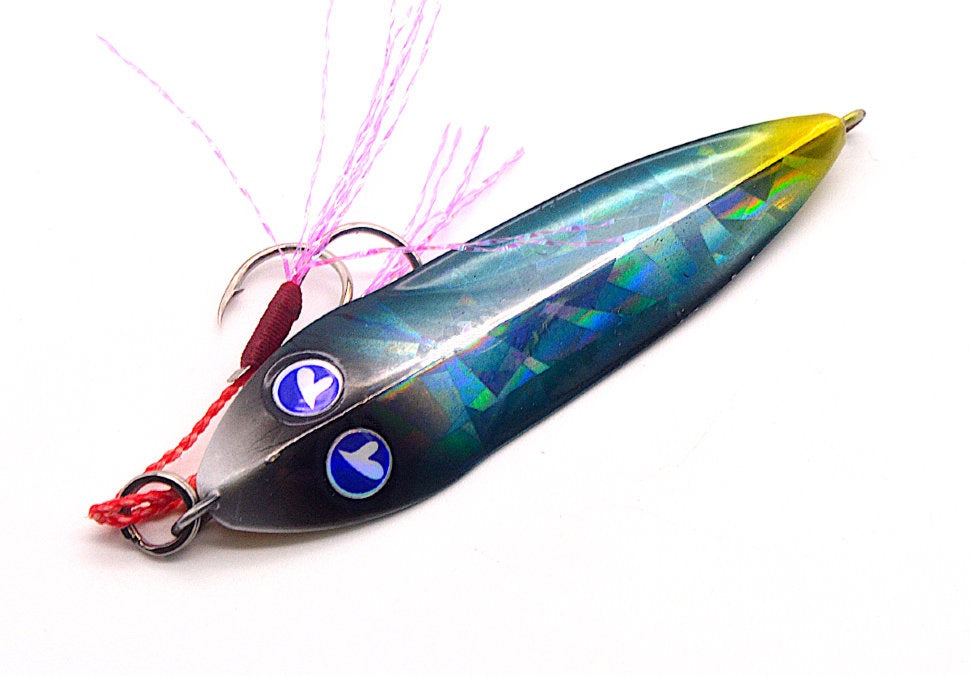
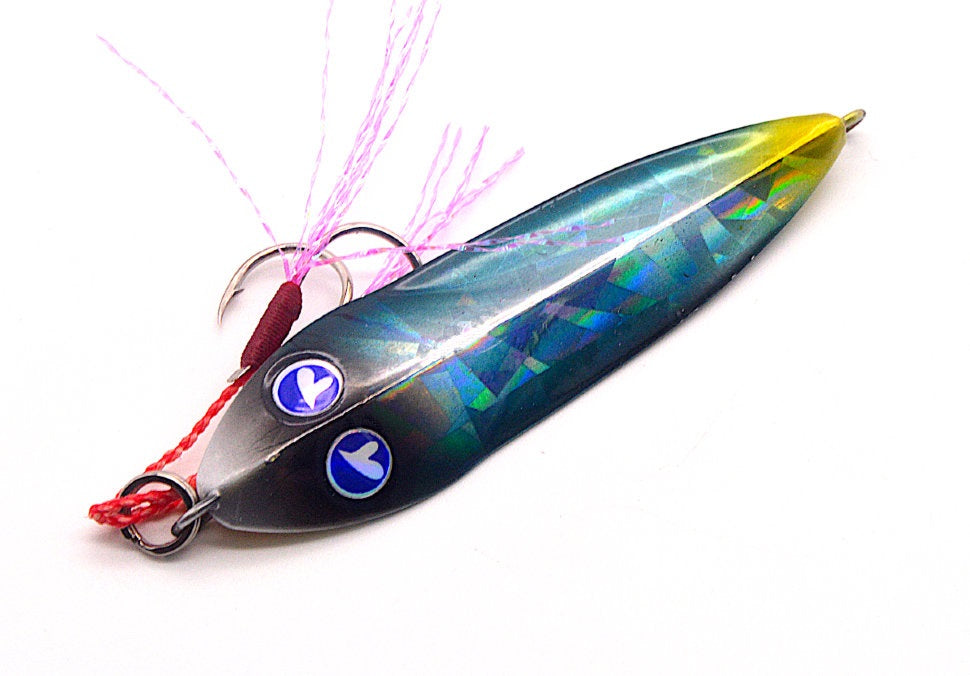
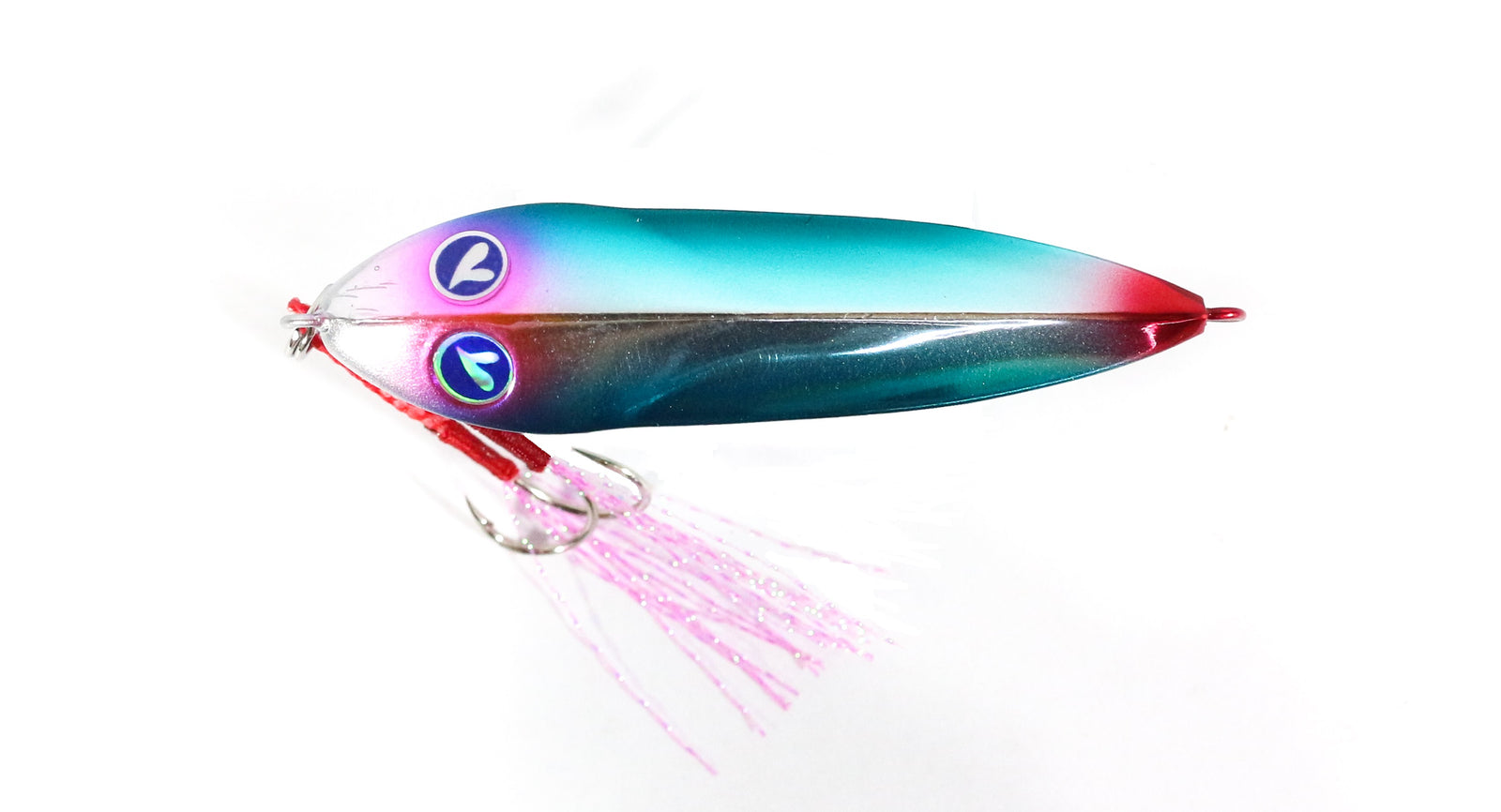
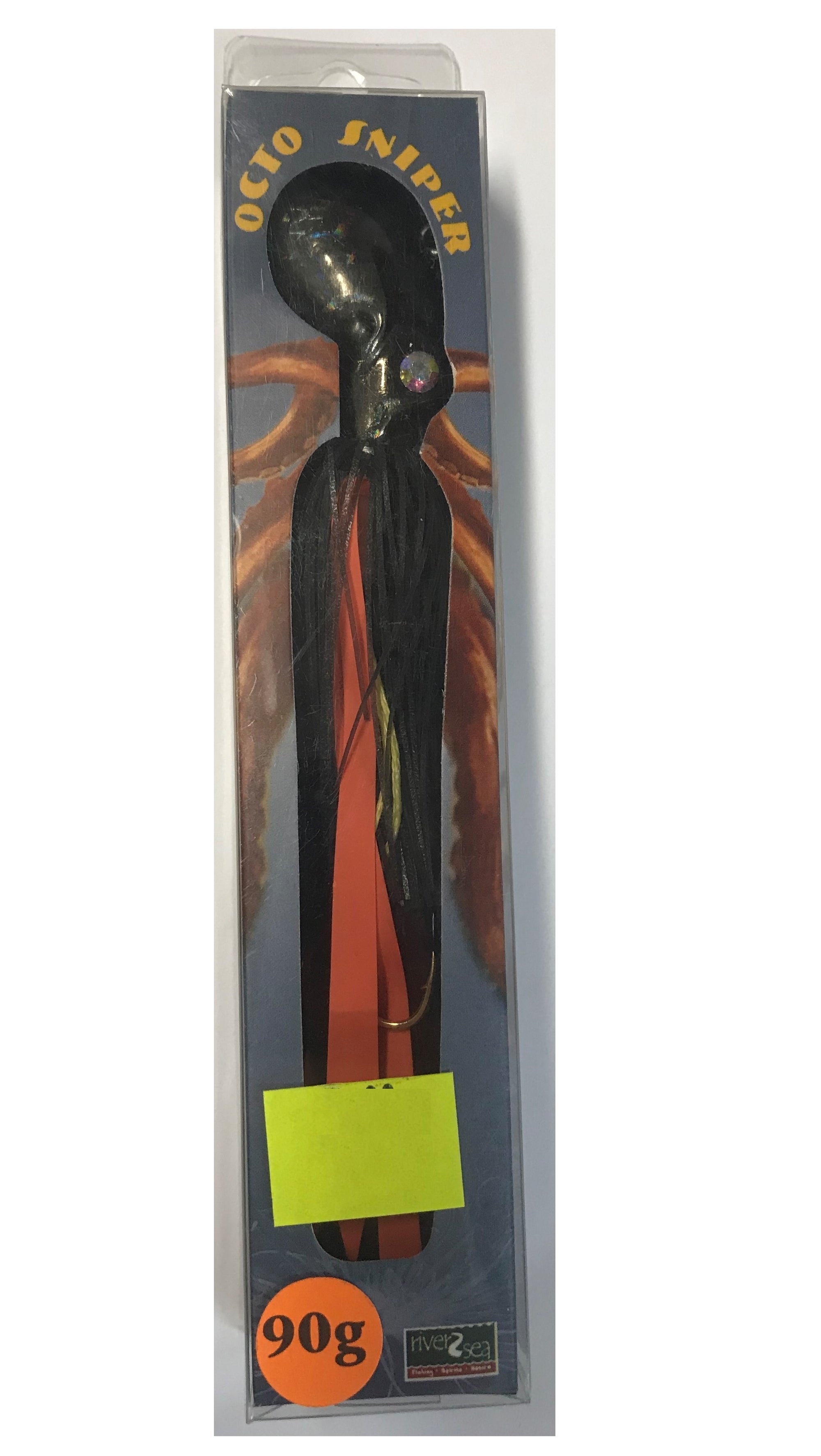
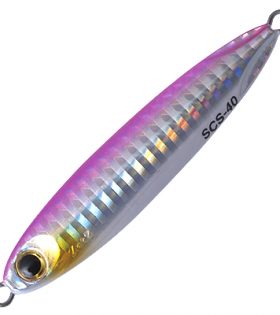
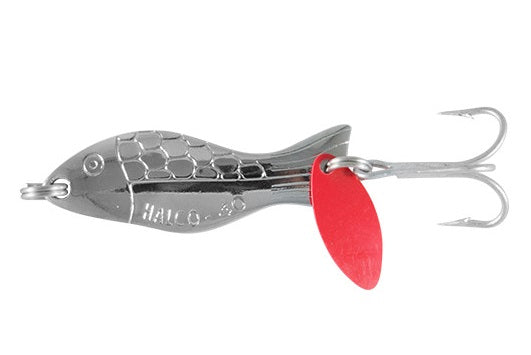
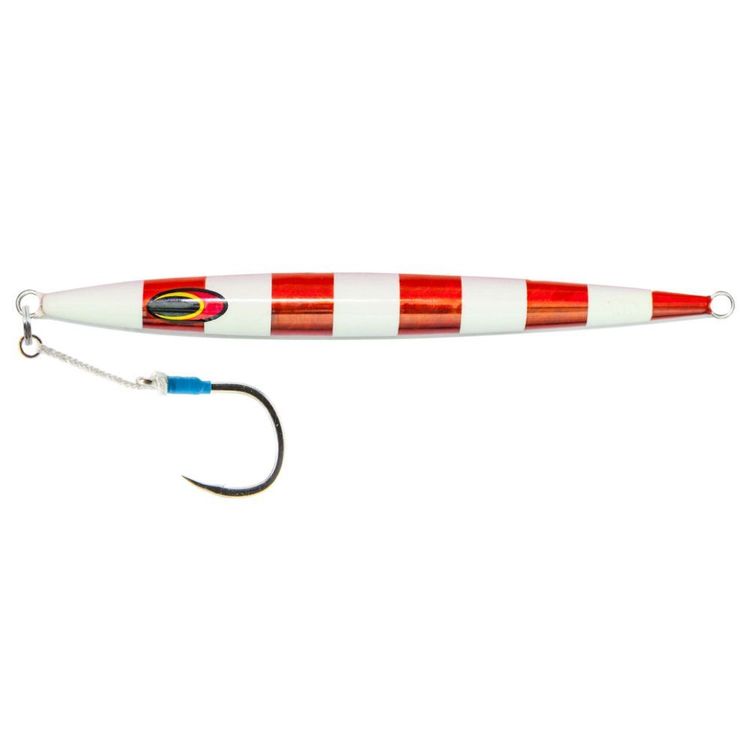
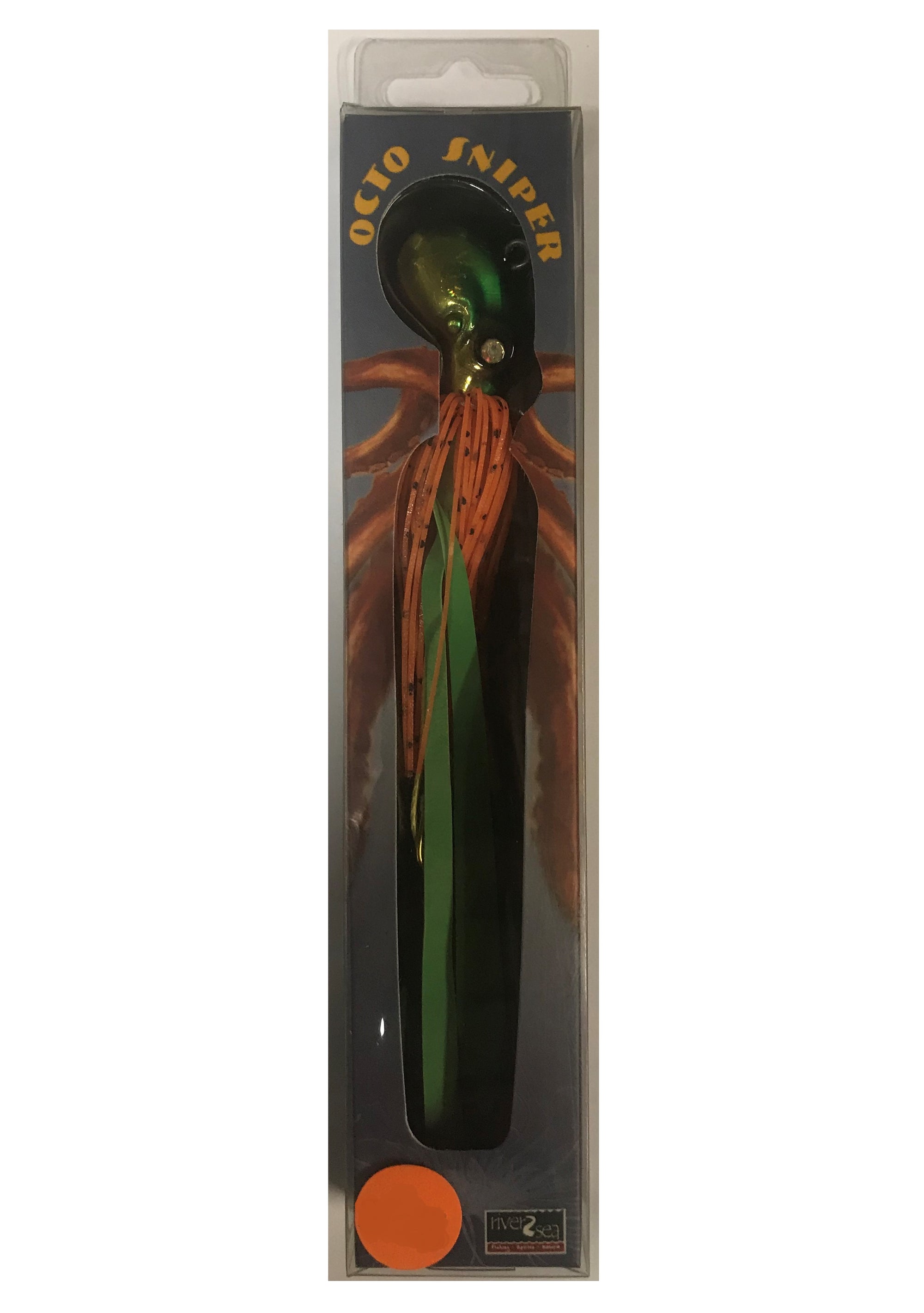
Jigs are weighted metal lures you drop rather than cast, worked back up through the water column with the rod. The range covers knife jigs, slow pitch jigs, micro jigs and inshore options, for everything from snapper and kingfish to smaller reef species.
Choosing a jig
Weight is chosen by depth and current, not by the size of the fish. The jig needs to reach the bottom close to vertical — if it is streaming away behind the boat you have gone too light, and you will struggle to feel the bite. Carry a spread of weights so you can adjust as the tide moves.
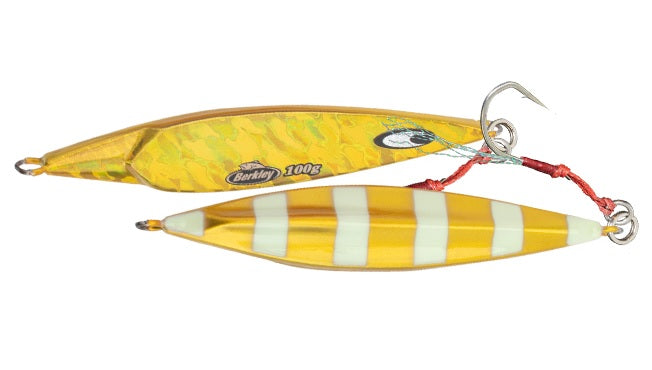
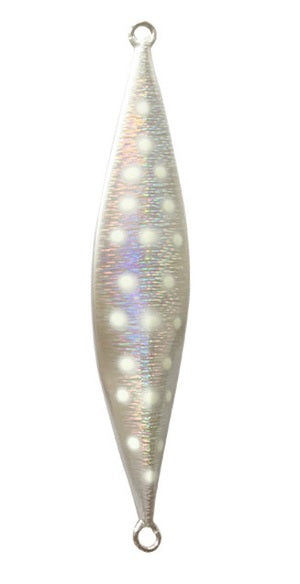
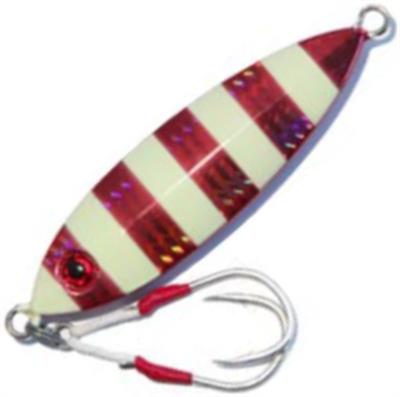
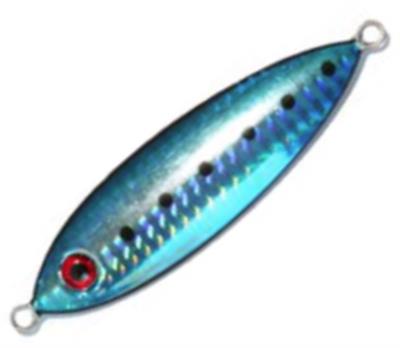
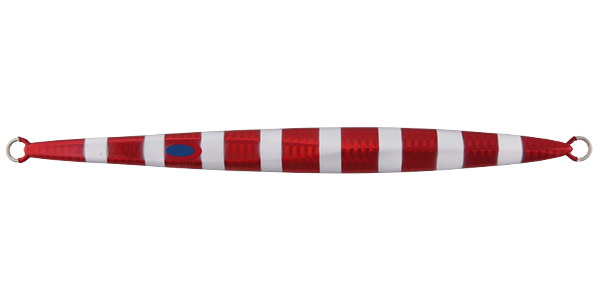
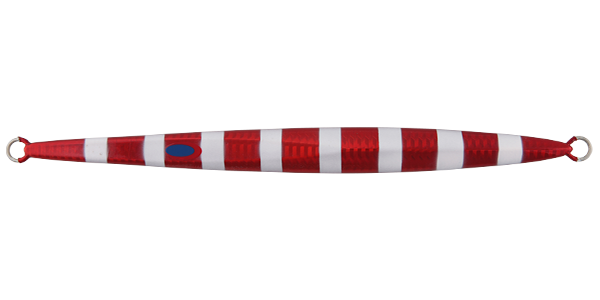
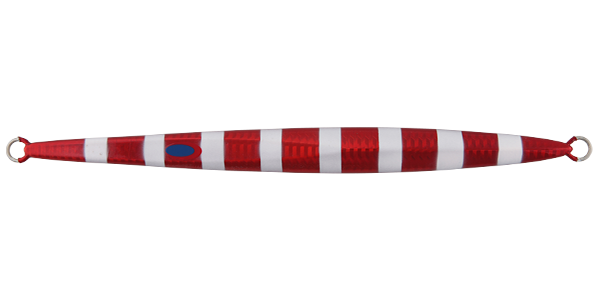
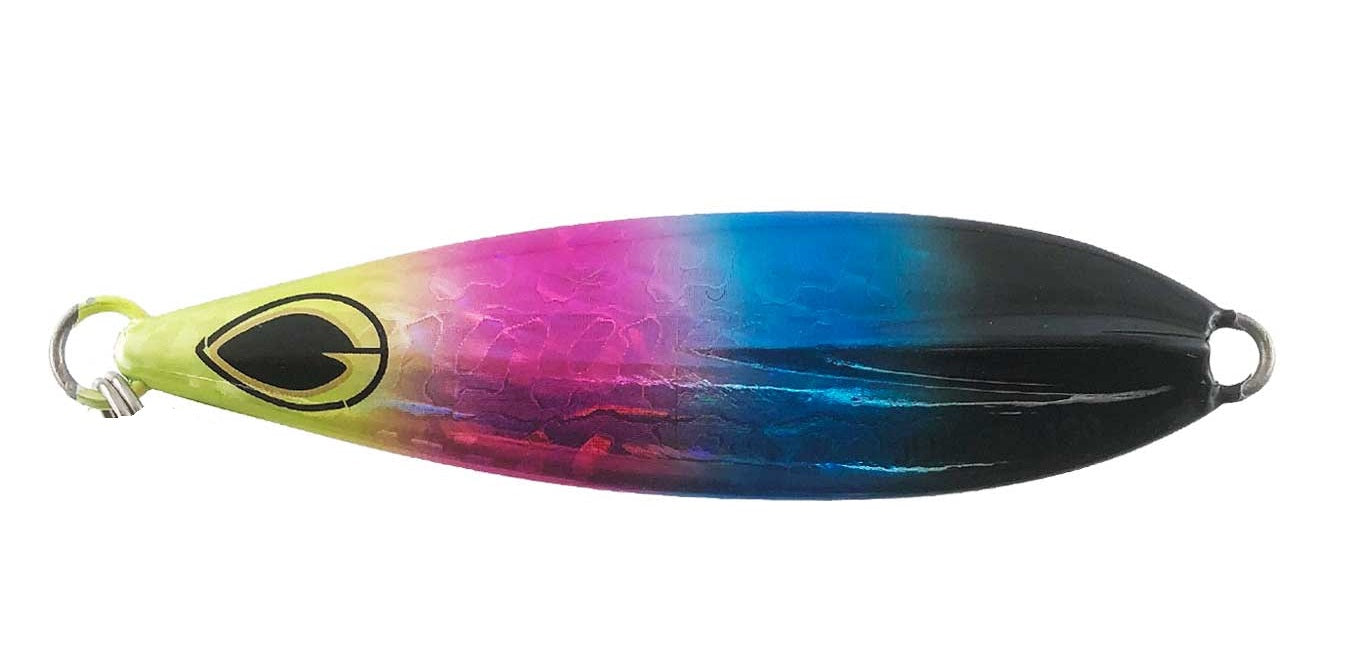
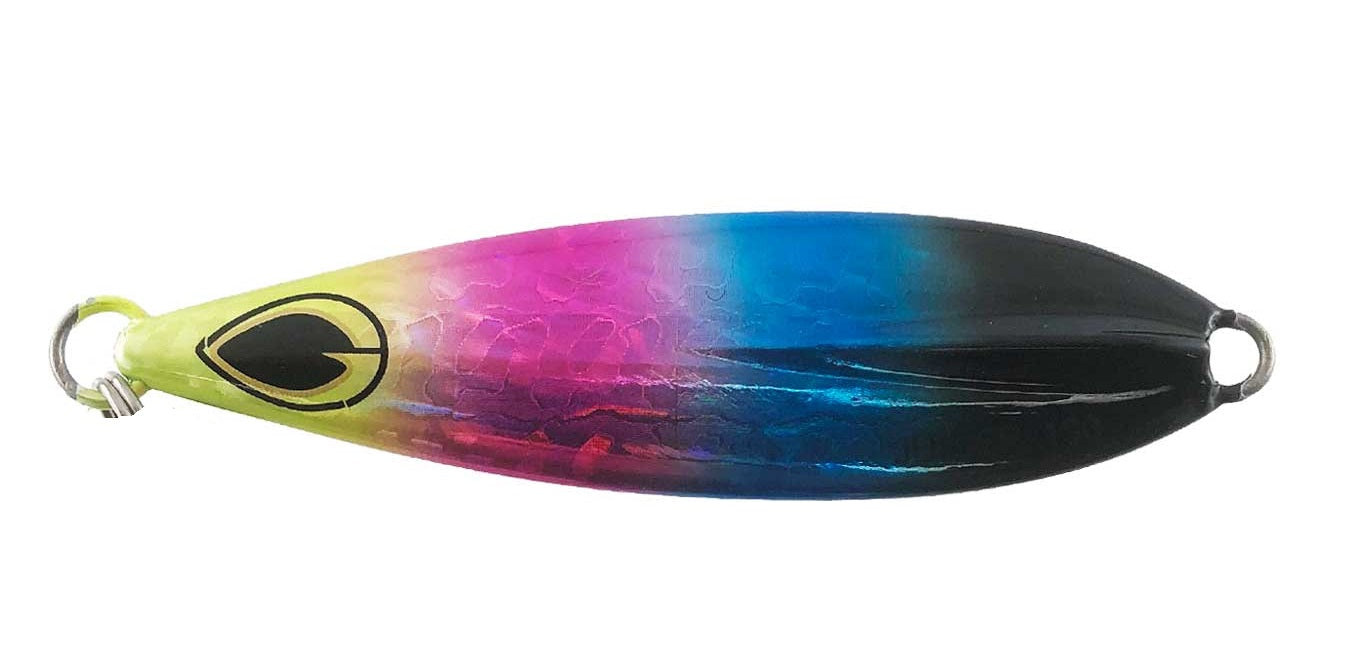
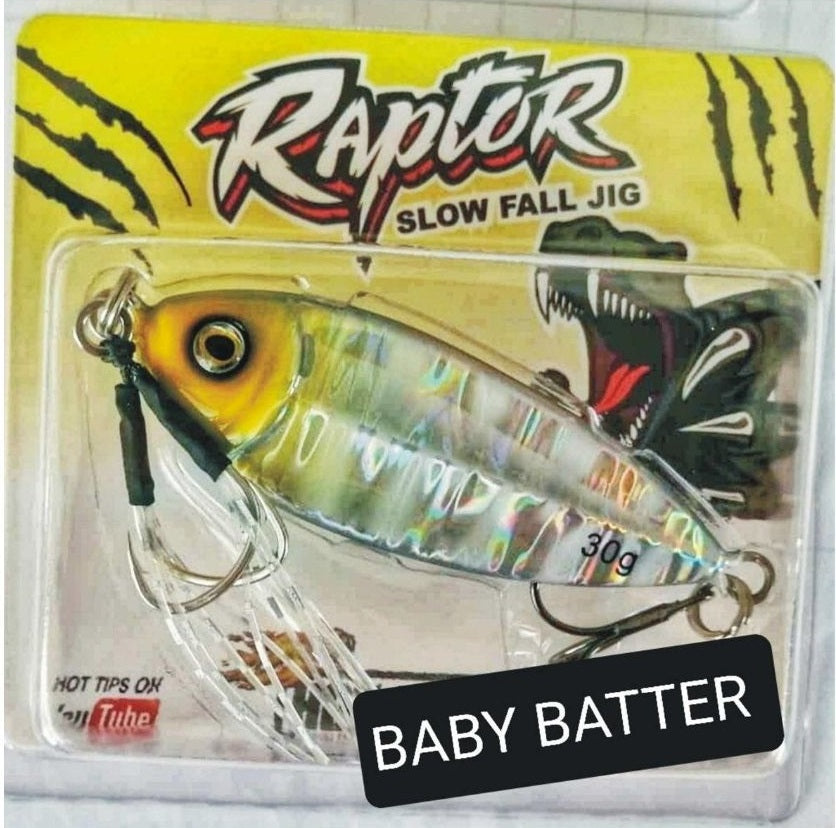
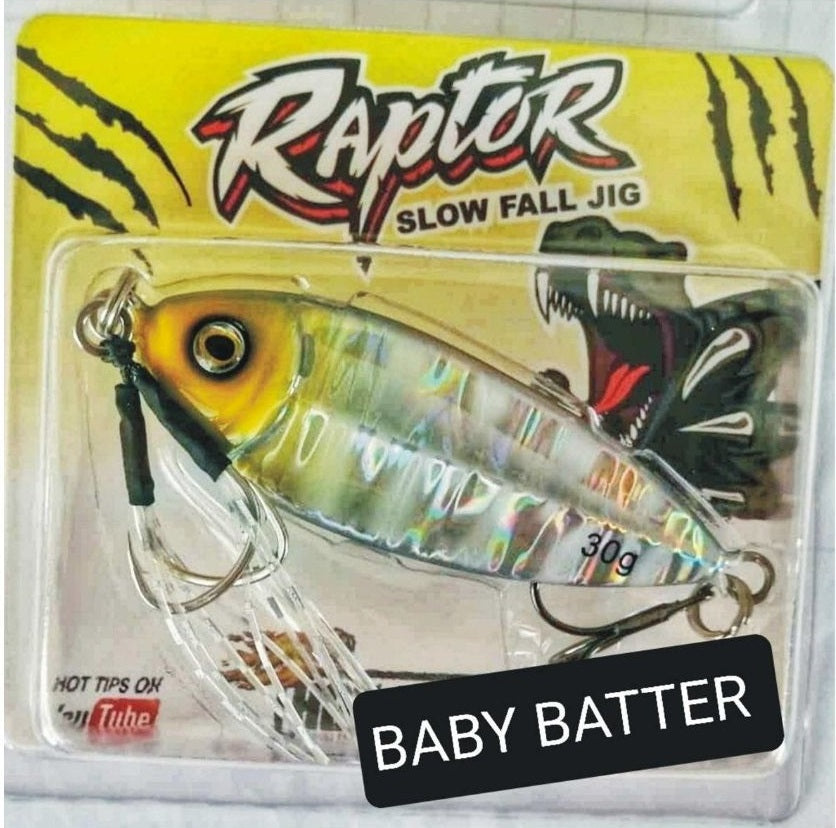
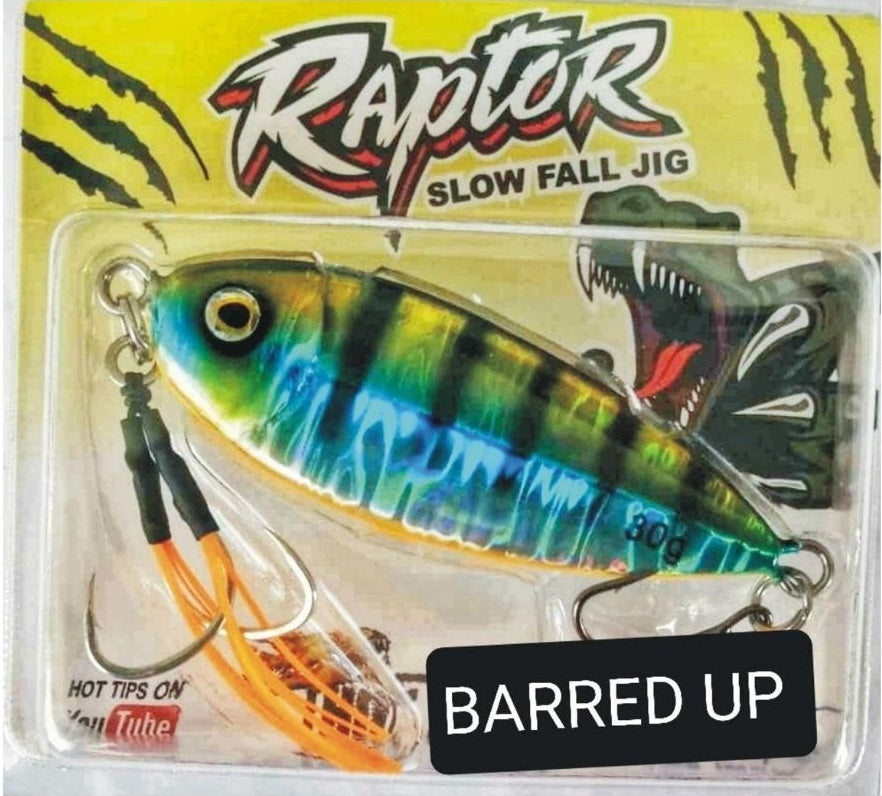
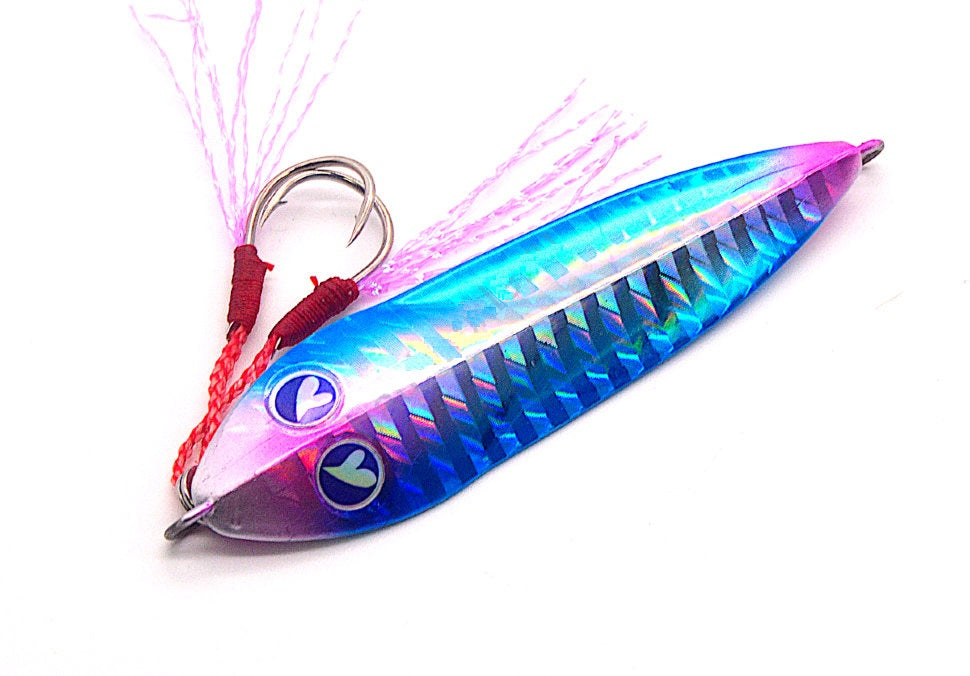
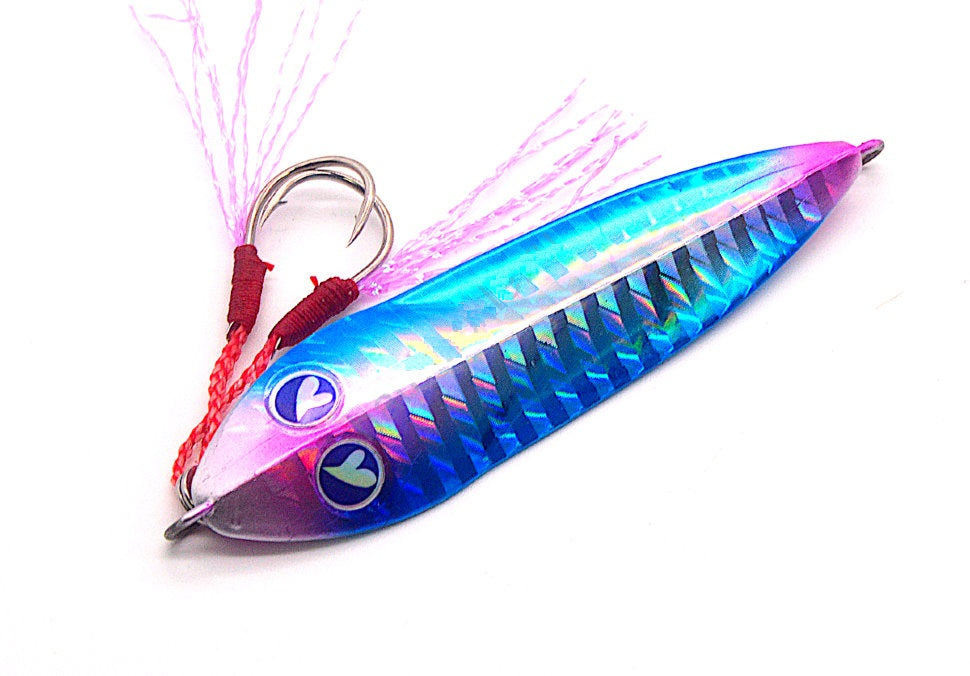
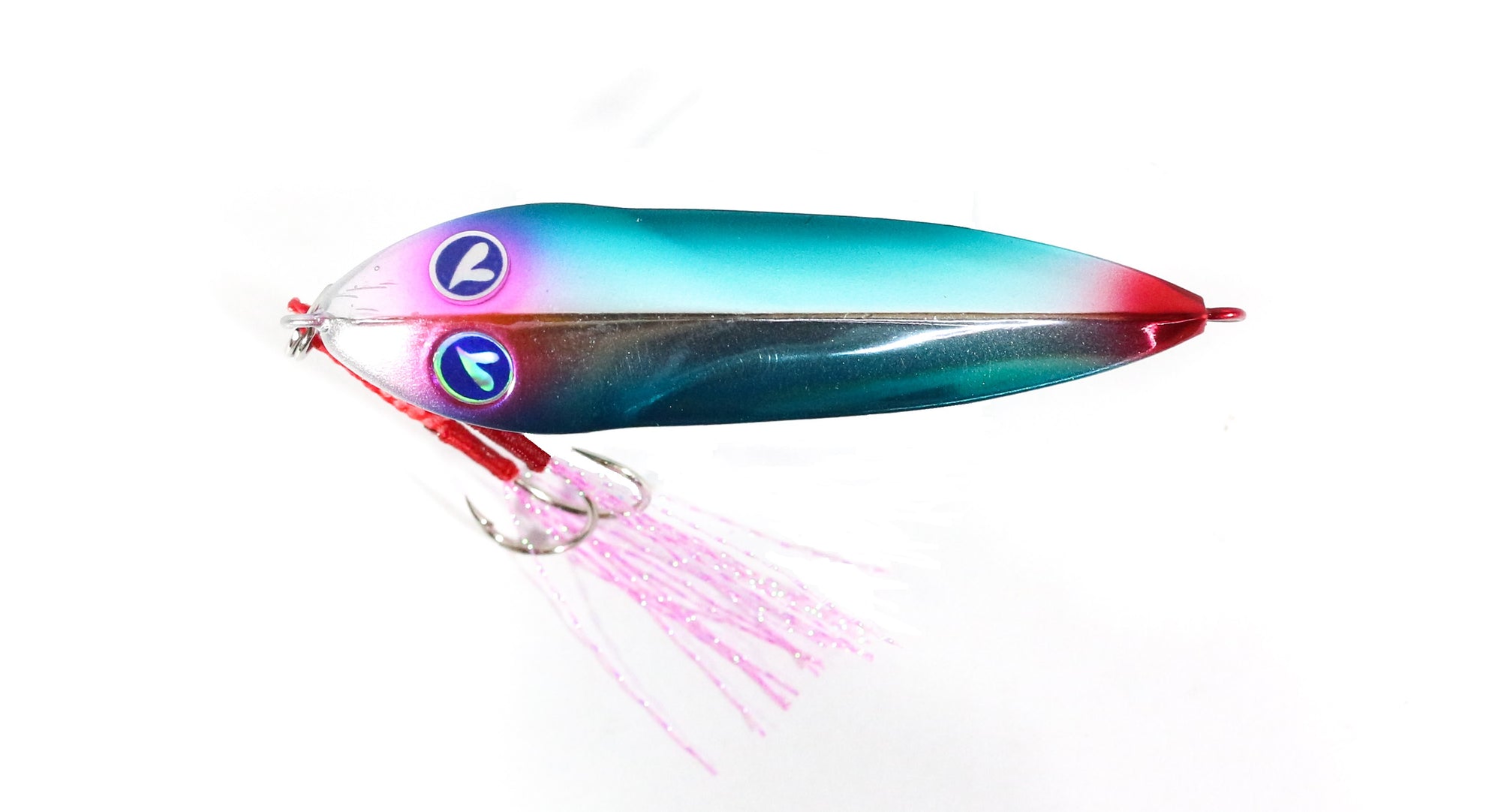
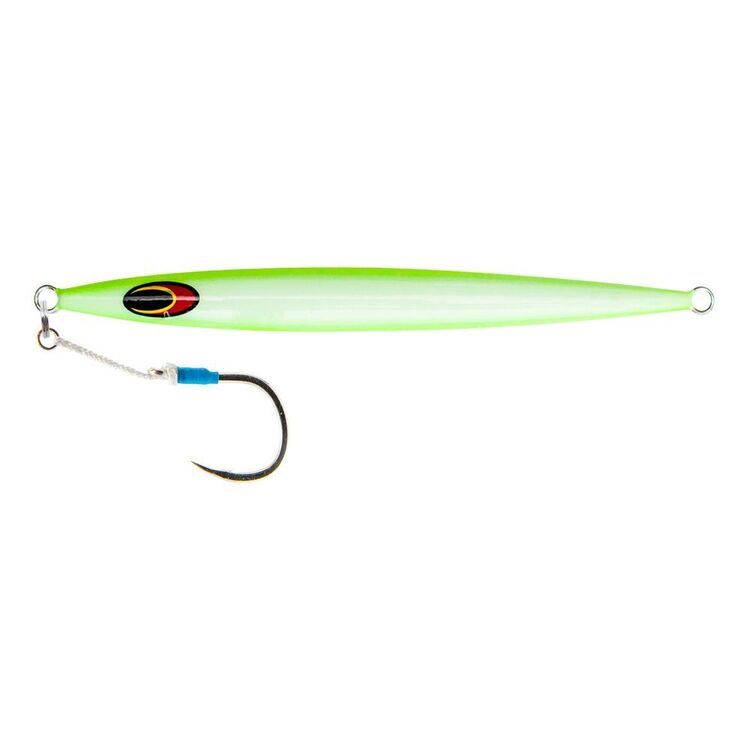
Shape decides the action. A long, slim knife jig falls fast and darts on the lift, which suits fast-moving fish in deep water. A flatter, wider jig flutters on the drop and does more of the work for you, which is the idea behind slow pitch. Micro jigs bring the same approach into shallower inshore ground.
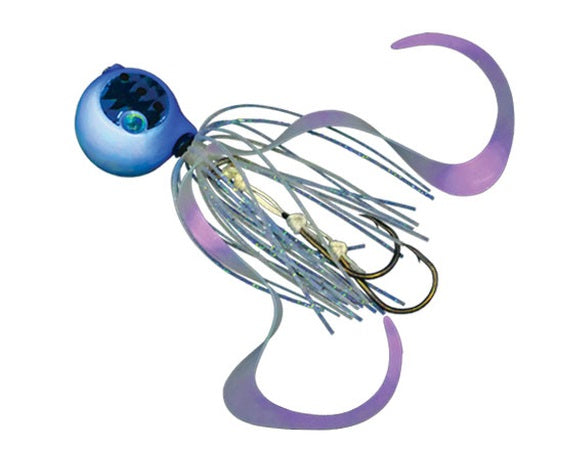
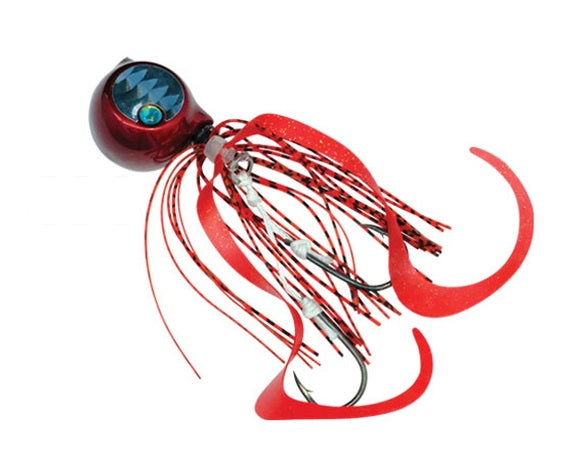
Most jigs are fished on assist hooks rather than the factory treble, rigged at the top of the jig so the hook sits near the head where fish tend to strike.
Frequently asked questions
What weight jig do I need?
Enough to hold the bottom in the current you are fishing. A rough starting point is to match the depth in metres to the jig weight in grams, then go heavier if the line angles away from vertical.
What is slow pitch jigging?
A technique where the rod loads and unloads to make the jig flutter and fall rather than race upward. It is less tiring than speed jigging and works well on fish sitting close to the bottom.
Do jigs need assist hooks?
Not always, but most anglers prefer them. Assist hooks rigged at the head hook fish more reliably than a tail treble and are far less likely to foul on the bottom.
Can I jig from the shore?
Yes. Micro jigs and slim casting jigs are built to be thrown from rocks and beaches, then worked back with lifts and pauses rather than dropped straight down.

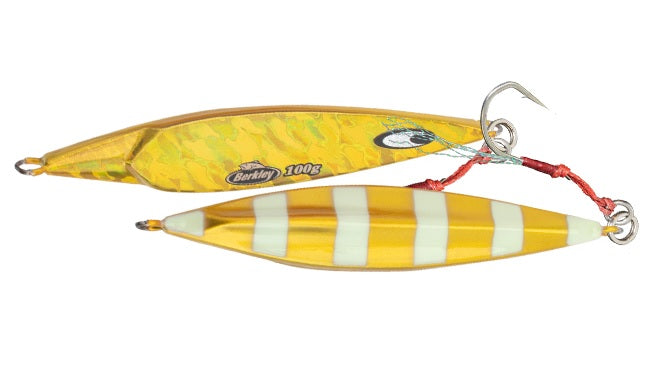
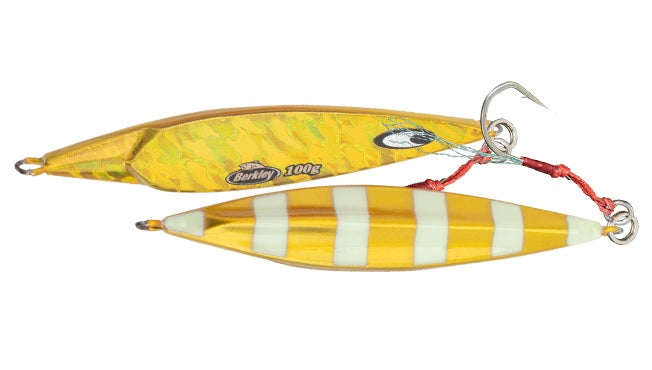
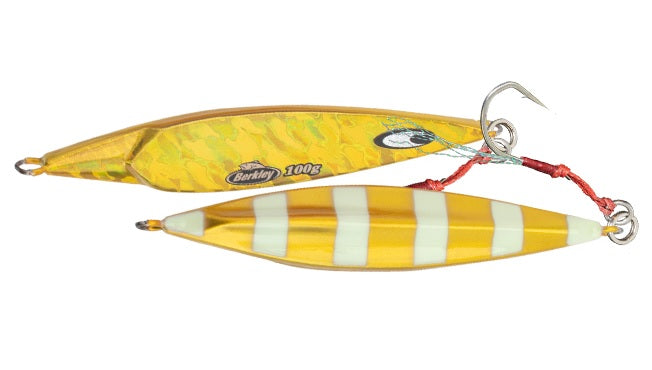

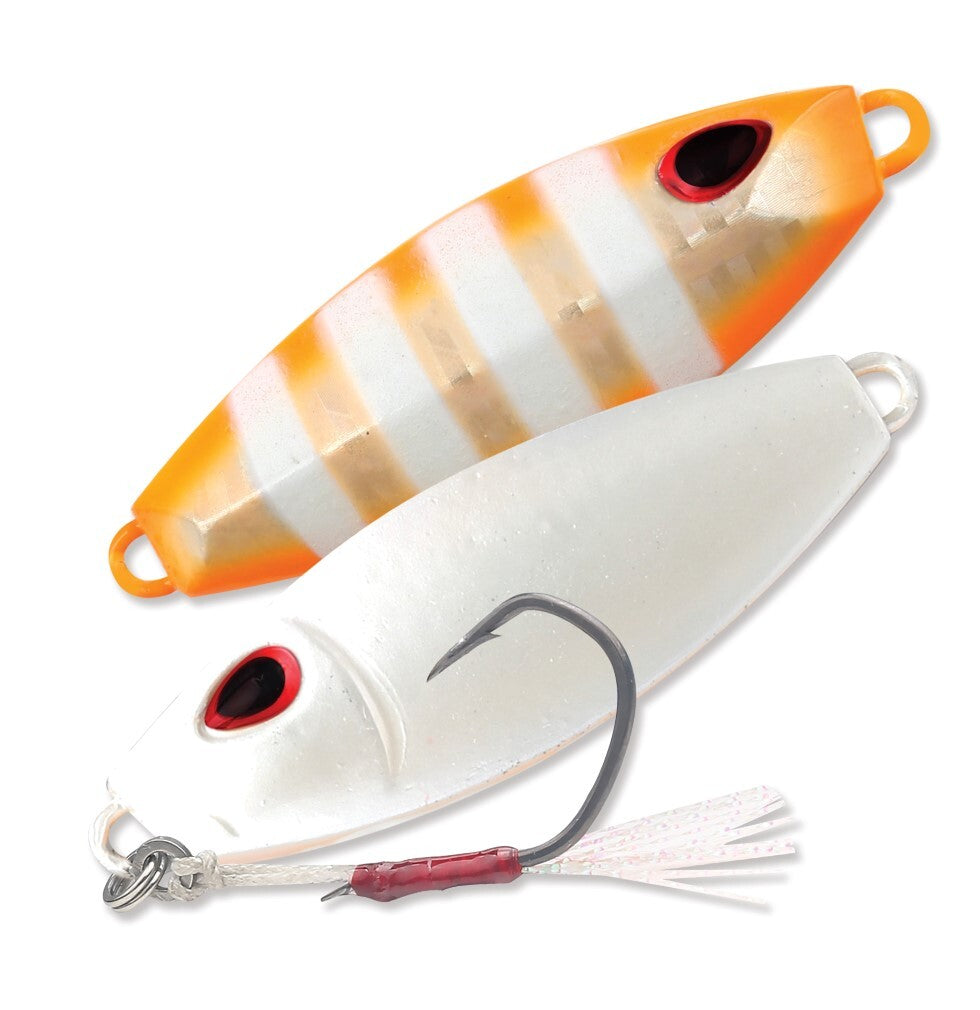






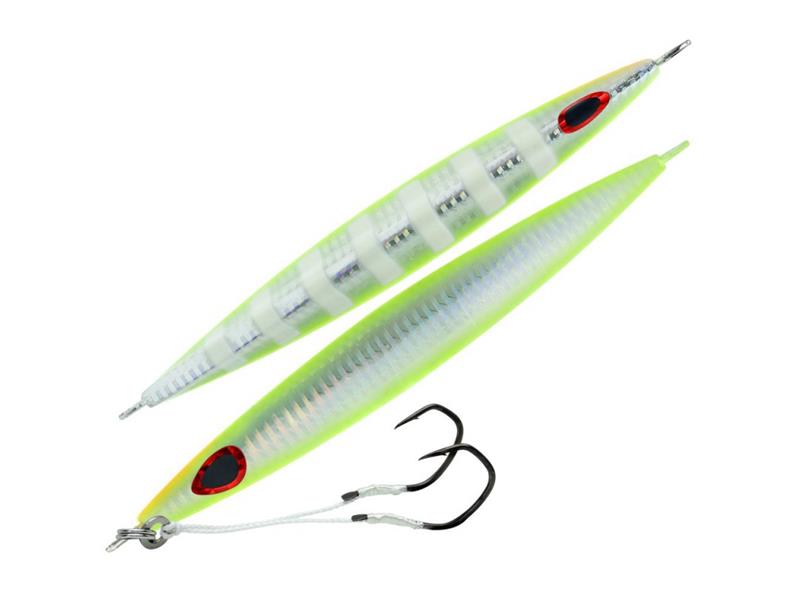
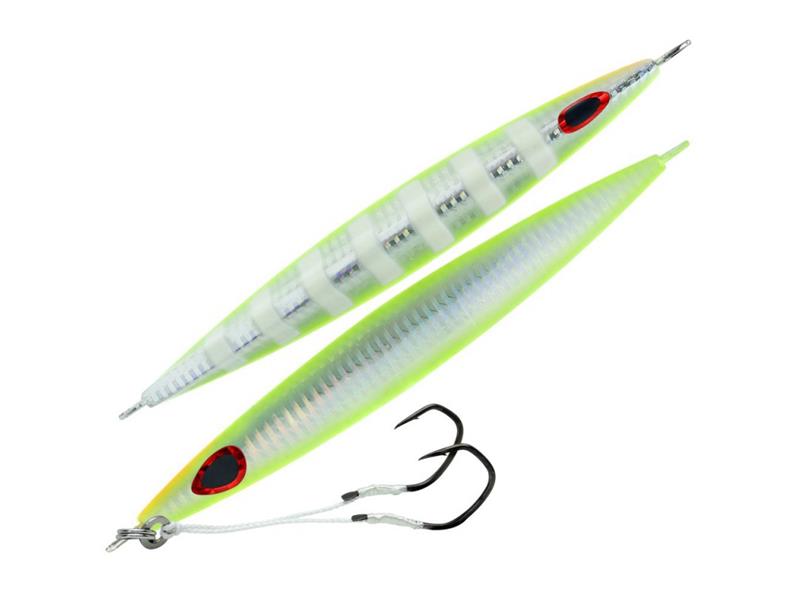
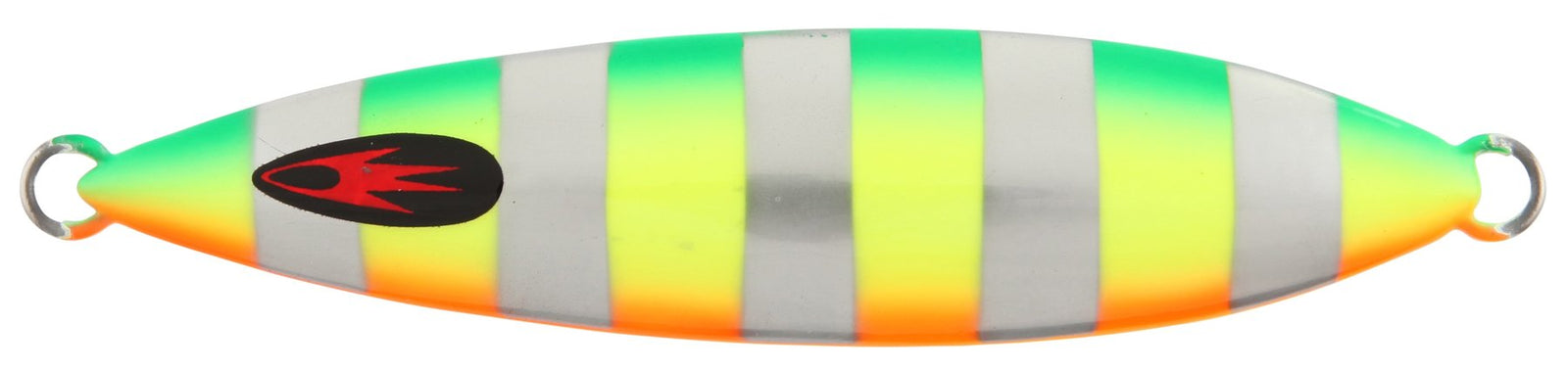
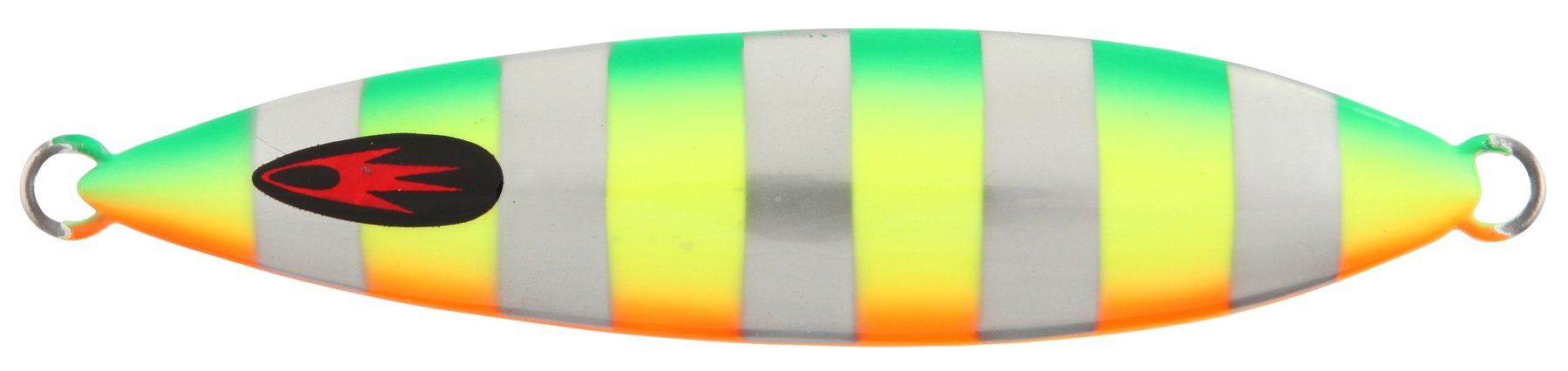
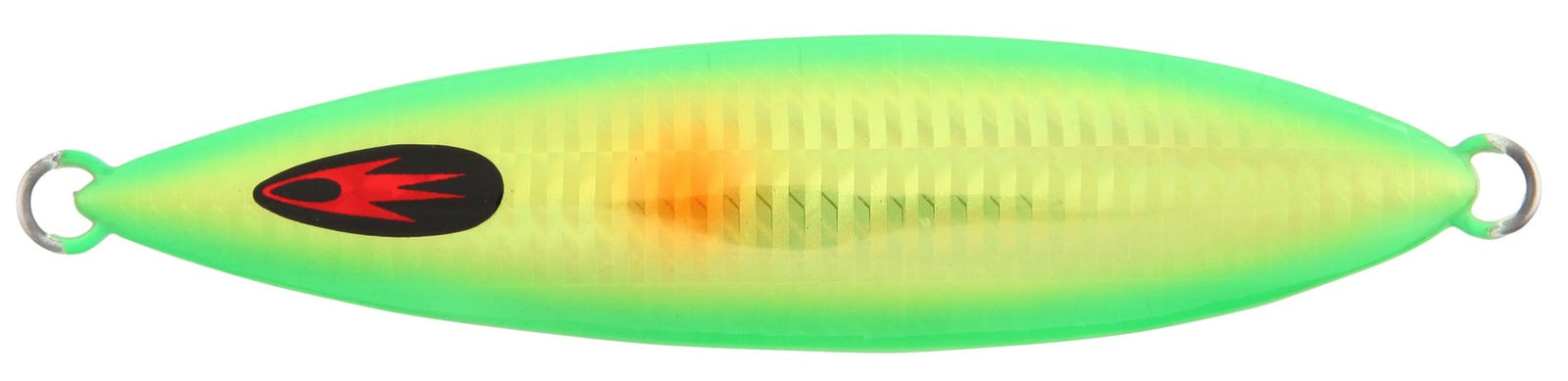






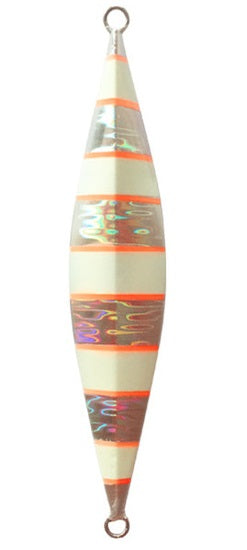




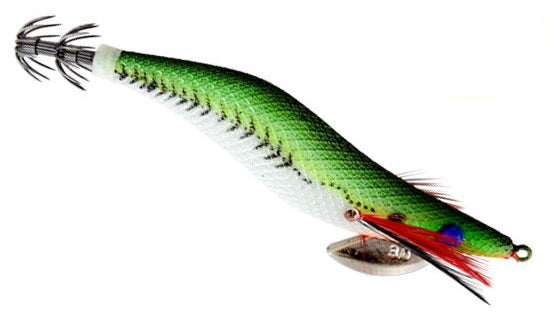
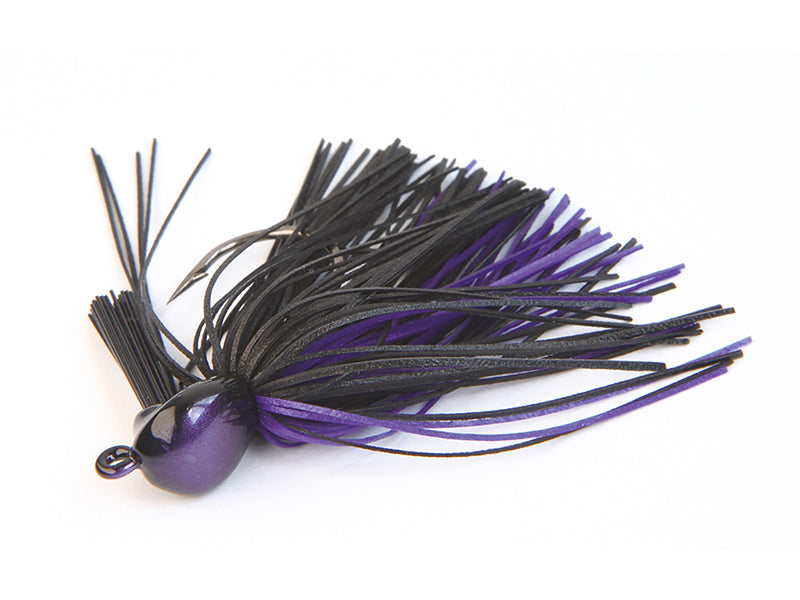



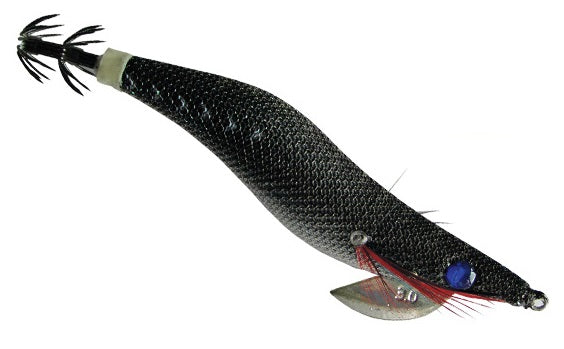
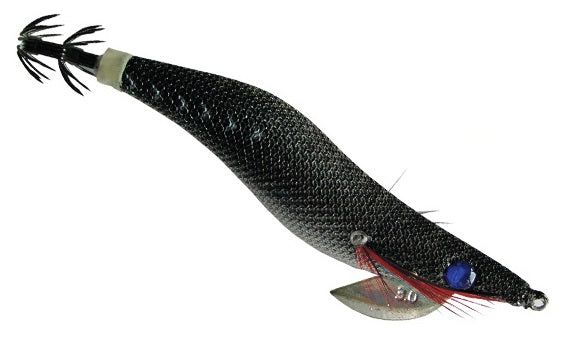
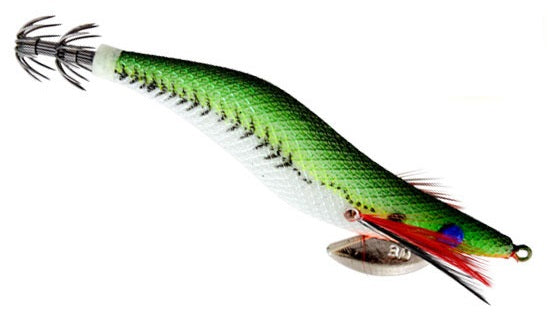
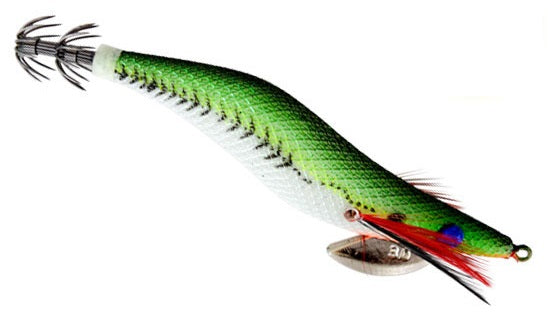
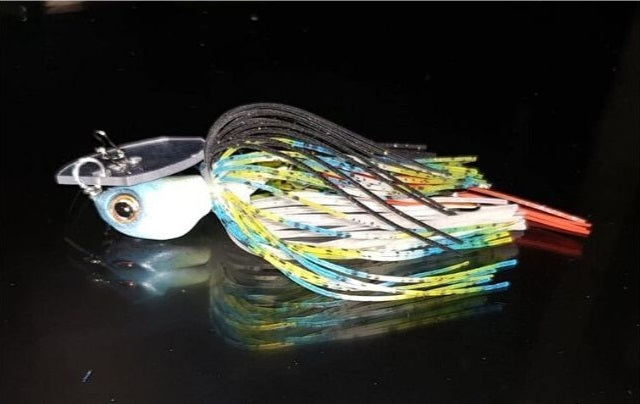
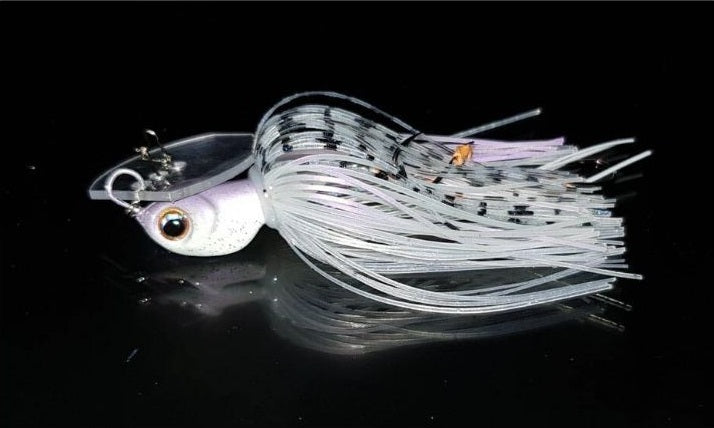
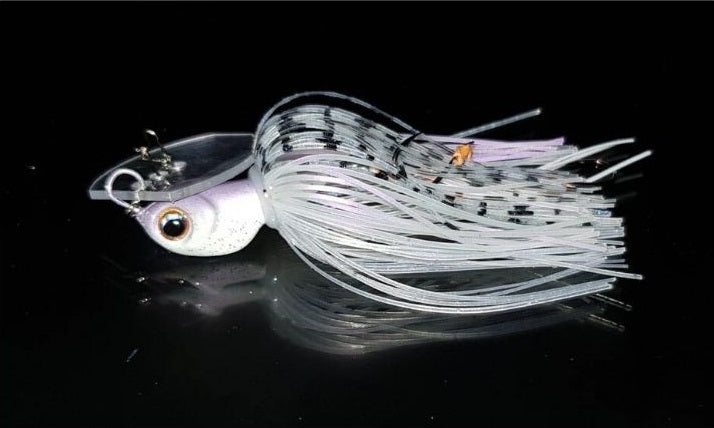
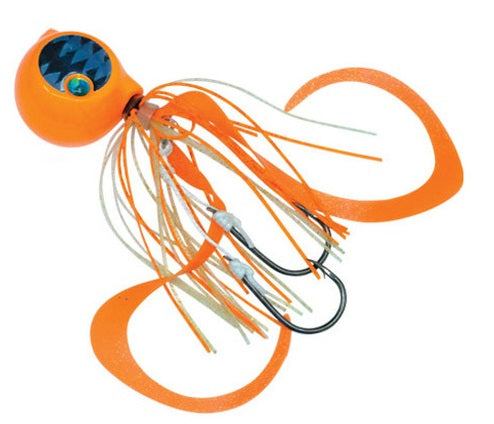
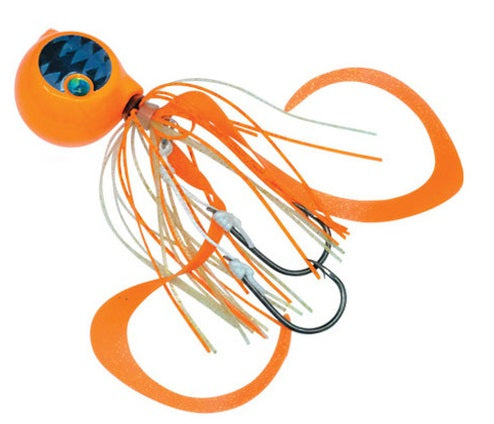
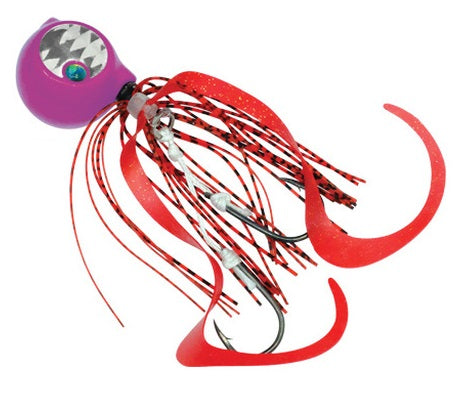

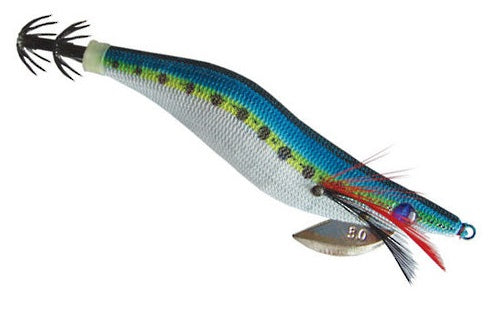





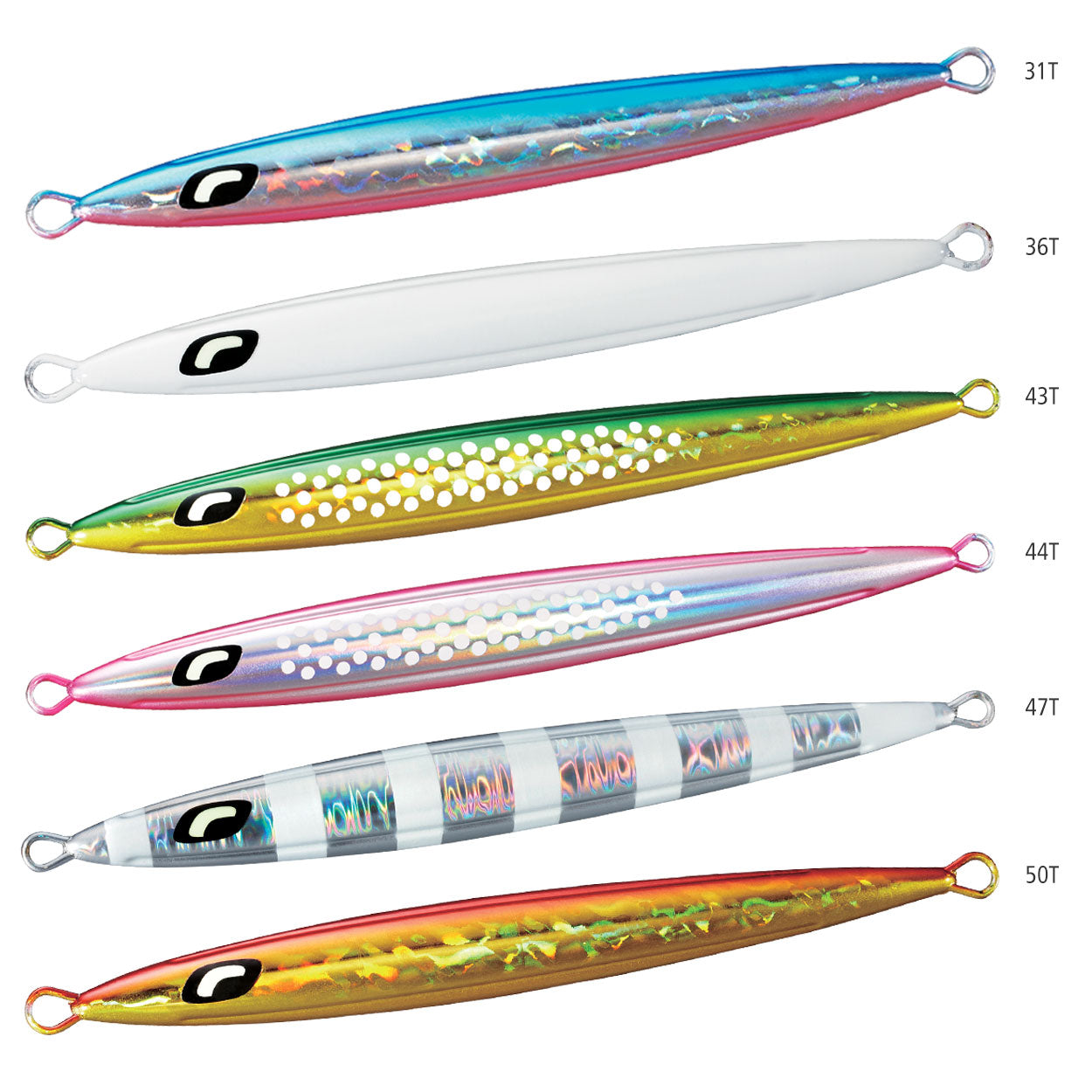

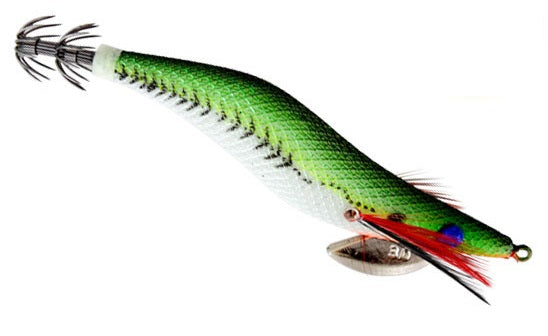
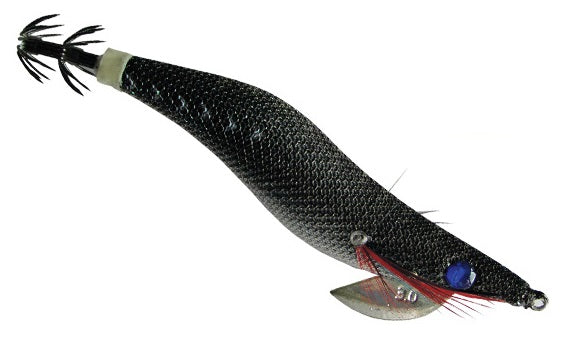

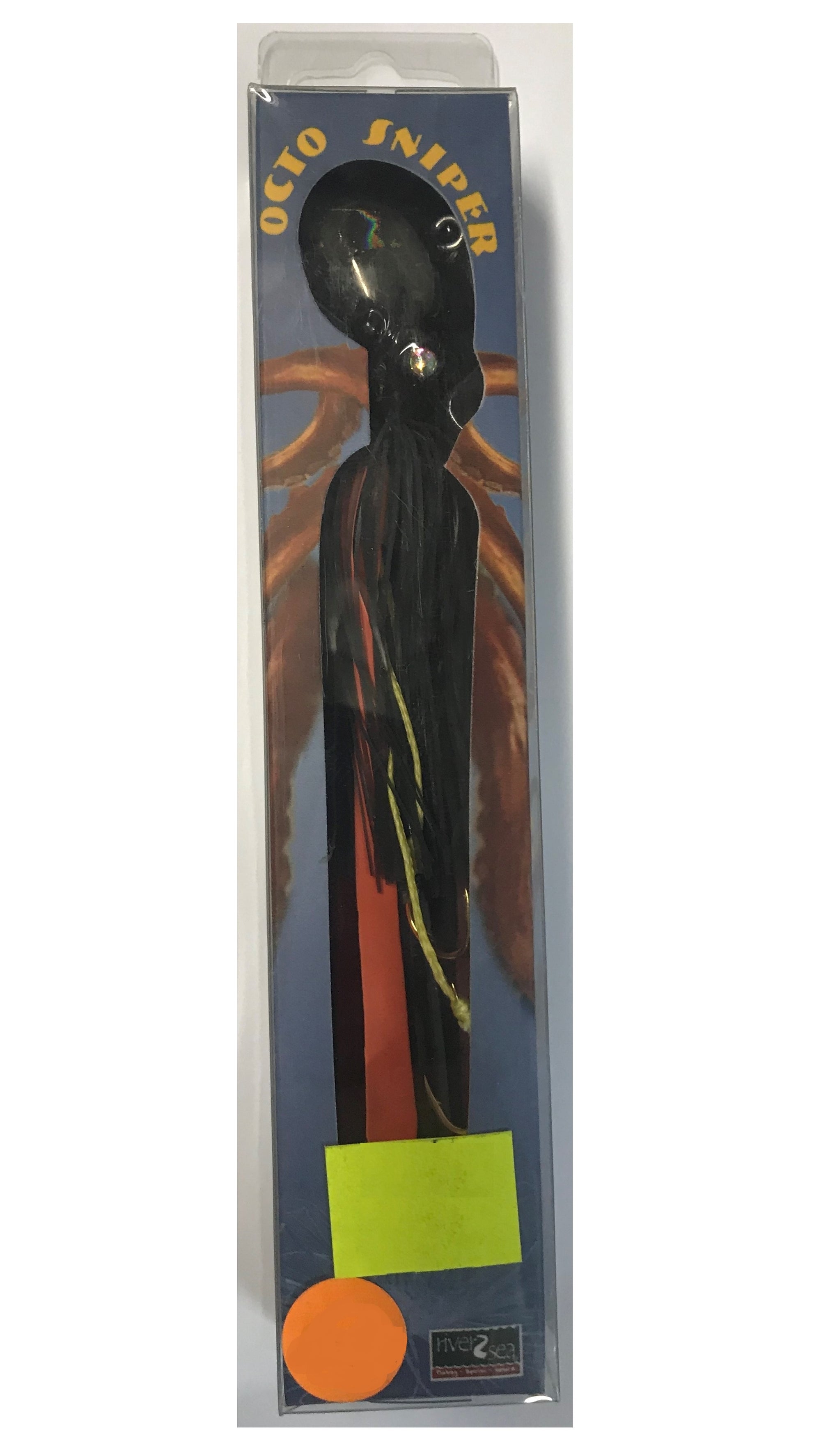

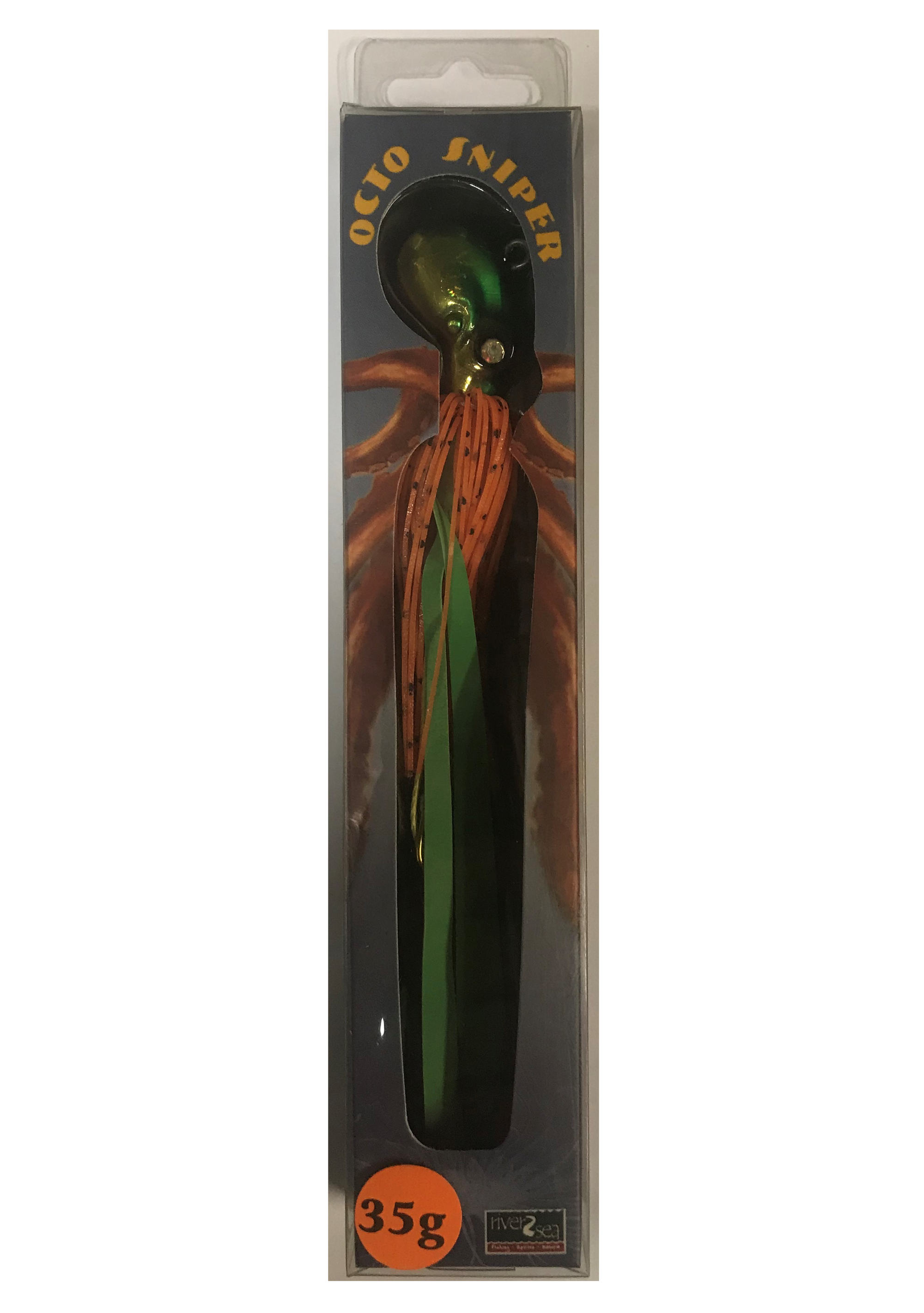
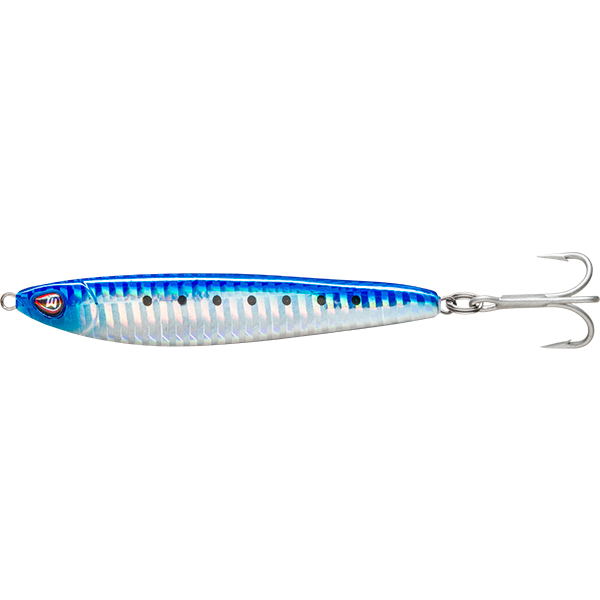

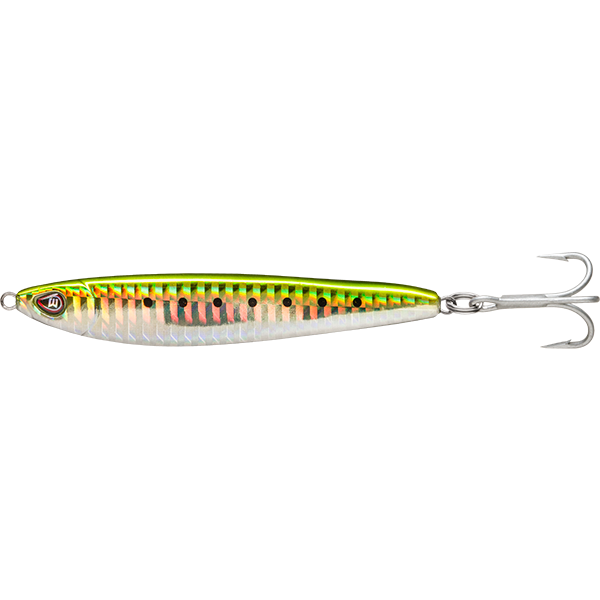


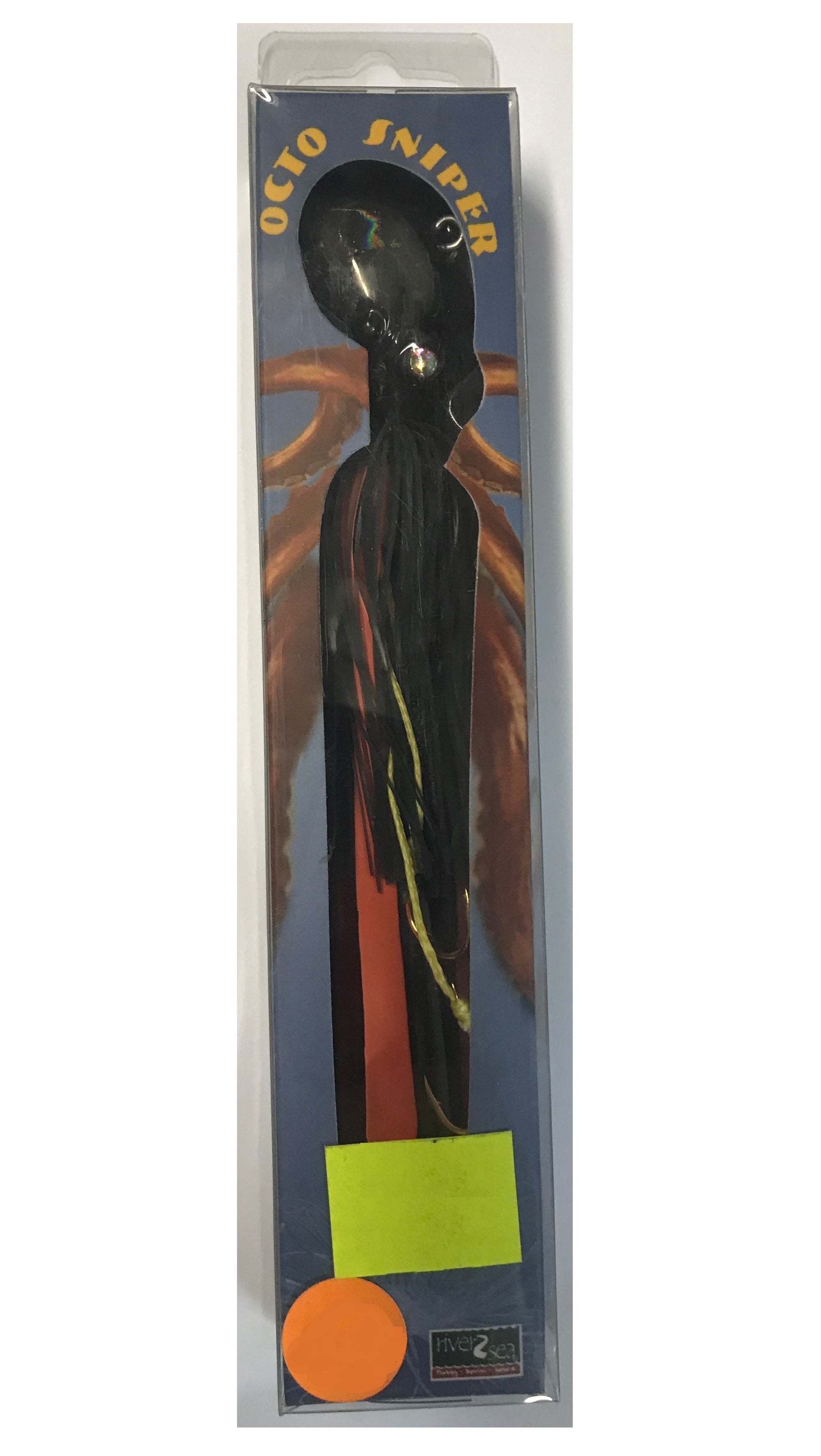
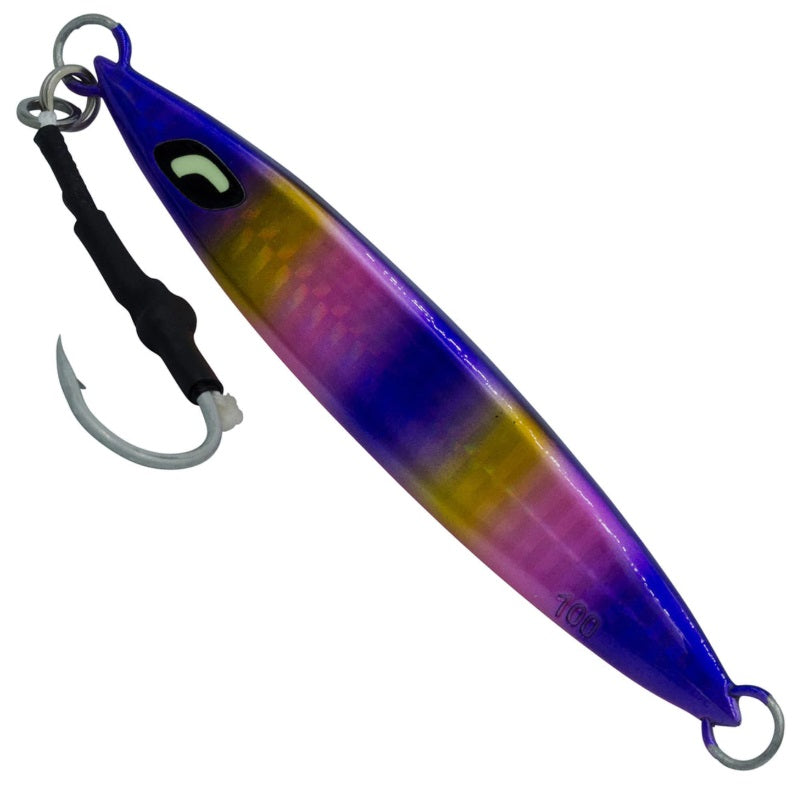
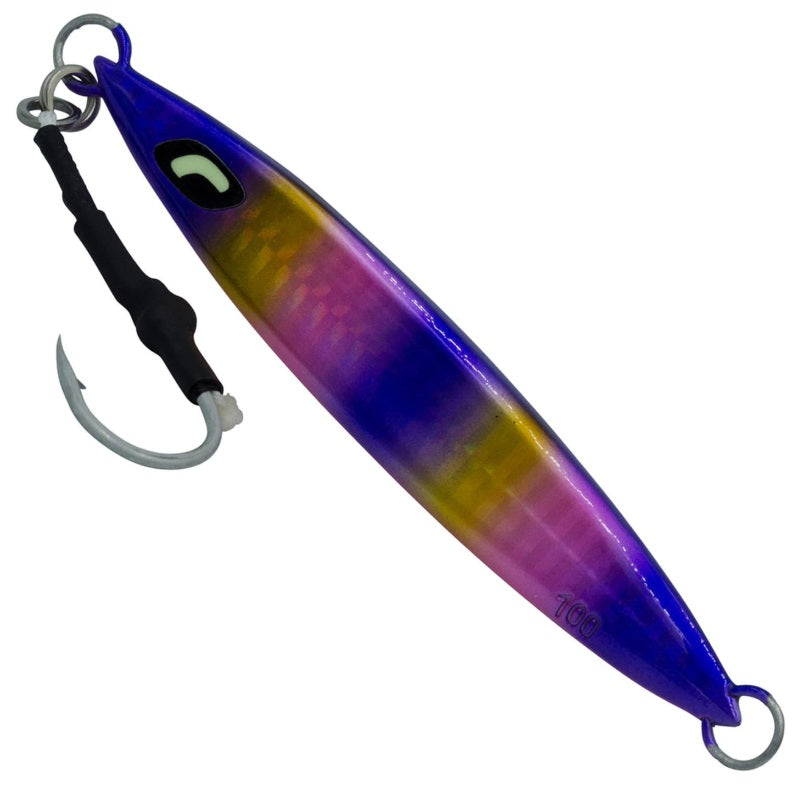
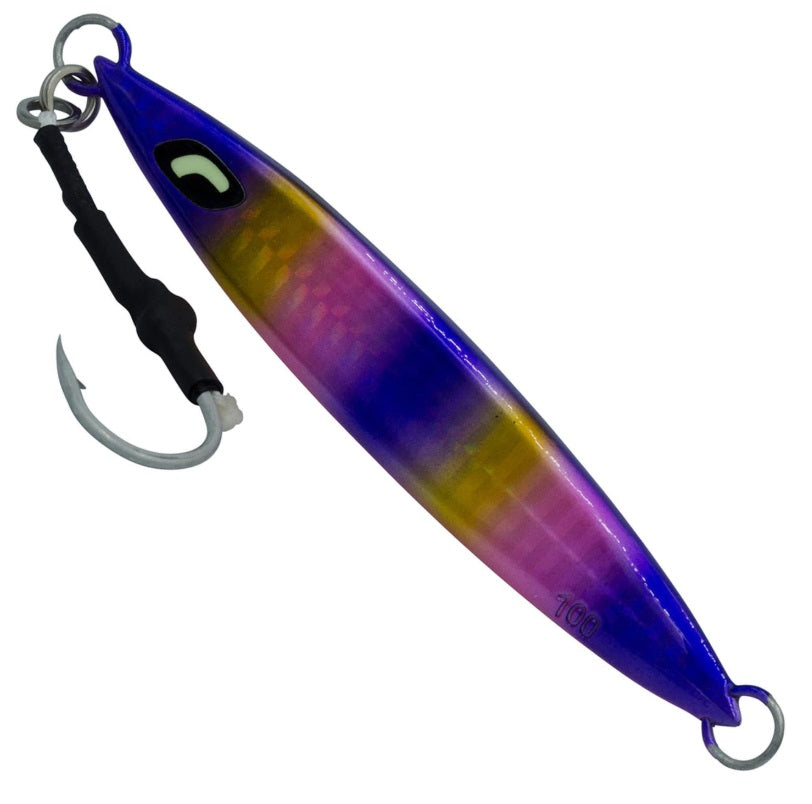


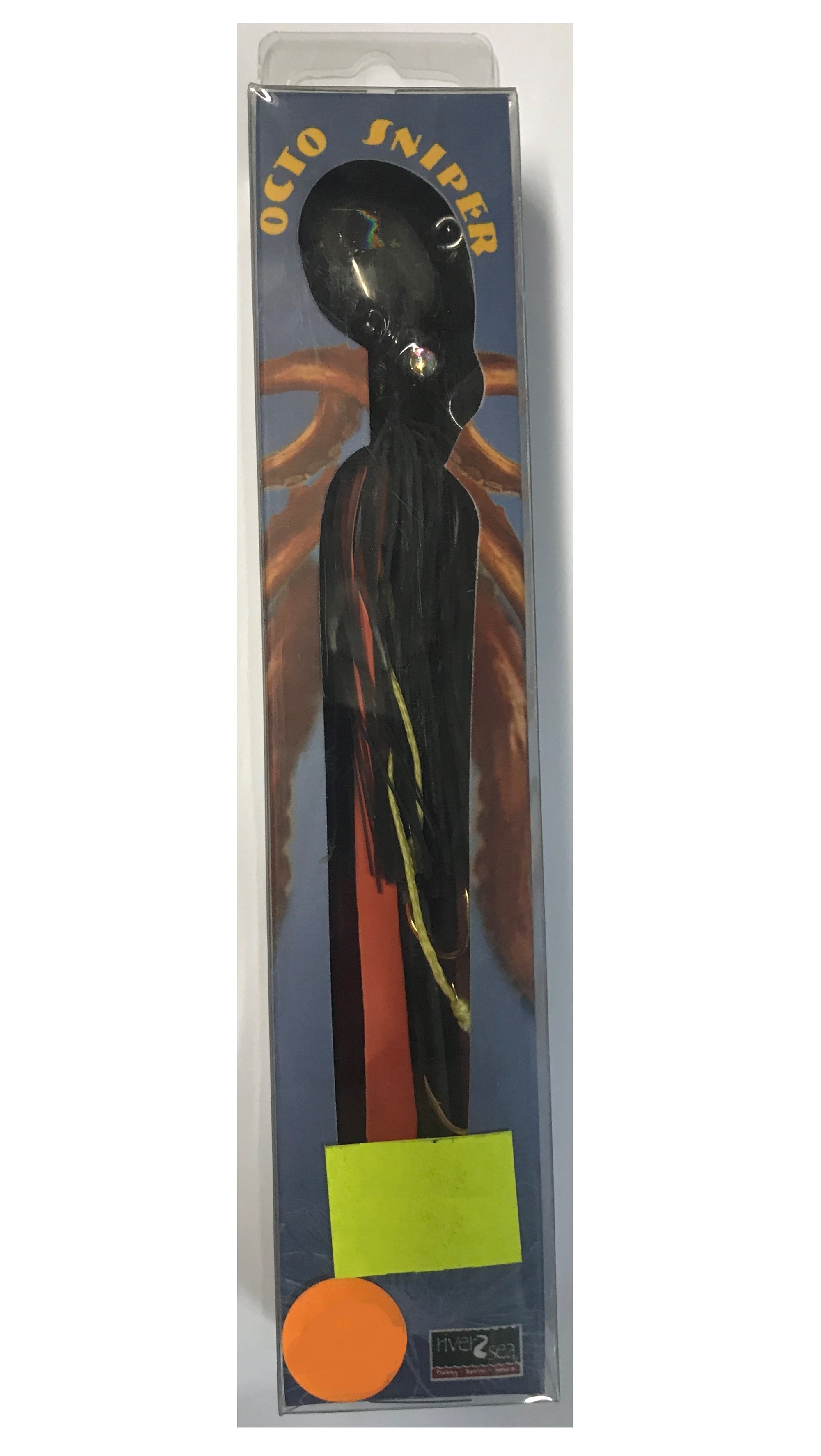












Jigs are weighted metal lures you drop rather than cast, worked back up through the water column with the rod. The range covers knife jigs, slow pitch jigs, micro jigs and inshore options, for everything from snapper and kingfish to smaller reef species.
Choosing a jig
Weight is chosen by depth and current, not by the size of the fish. The jig needs to reach the bottom close to vertical — if it is streaming away behind the boat you have gone too light, and you will struggle to feel the bite. Carry a spread of weights so you can adjust as the tide moves.
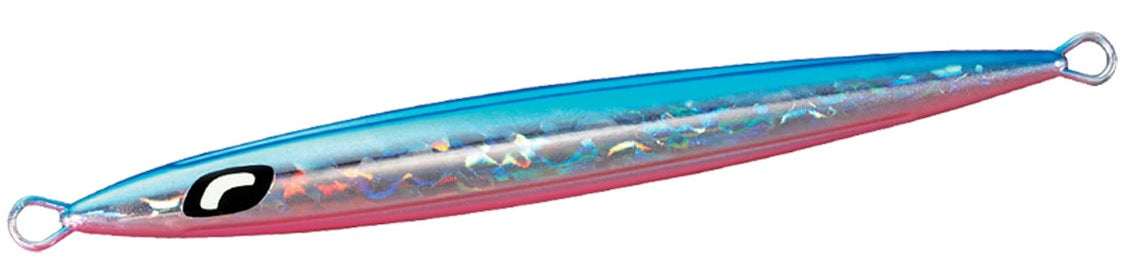
Shape decides the action. A long, slim knife jig falls fast and darts on the lift, which suits fast-moving fish in deep water. A flatter, wider jig flutters on the drop and does more of the work for you, which is the idea behind slow pitch. Micro jigs bring the same approach into shallower inshore ground.
Most jigs are fished on assist hooks rather than the factory treble, rigged at the top of the jig so the hook sits near the head where fish tend to strike.
Frequently asked questions
What weight jig do I need?
Enough to hold the bottom in the current you are fishing. A rough starting point is to match the depth in metres to the jig weight in grams, then go heavier if the line angles away from vertical.
What is slow pitch jigging?
A technique where the rod loads and unloads to make the jig flutter and fall rather than race upward. It is less tiring than speed jigging and works well on fish sitting close to the bottom.
Do jigs need assist hooks?
Not always, but most anglers prefer them. Assist hooks rigged at the head hook fish more reliably than a tail treble and are far less likely to foul on the bottom.
Can I jig from the shore?
Yes. Micro jigs and slim casting jigs are built to be thrown from rocks and beaches, then worked back with lifts and pauses rather than dropped straight down.