

FREE SHIPPING ON ORDERS OVER $150*

AUSSIE FAMILY OWNED BUSINESS FOR OVER 40 YEARS

100% SATISFACTION GUARANTEED
Fly Fishing Line
Fly Fishing Line
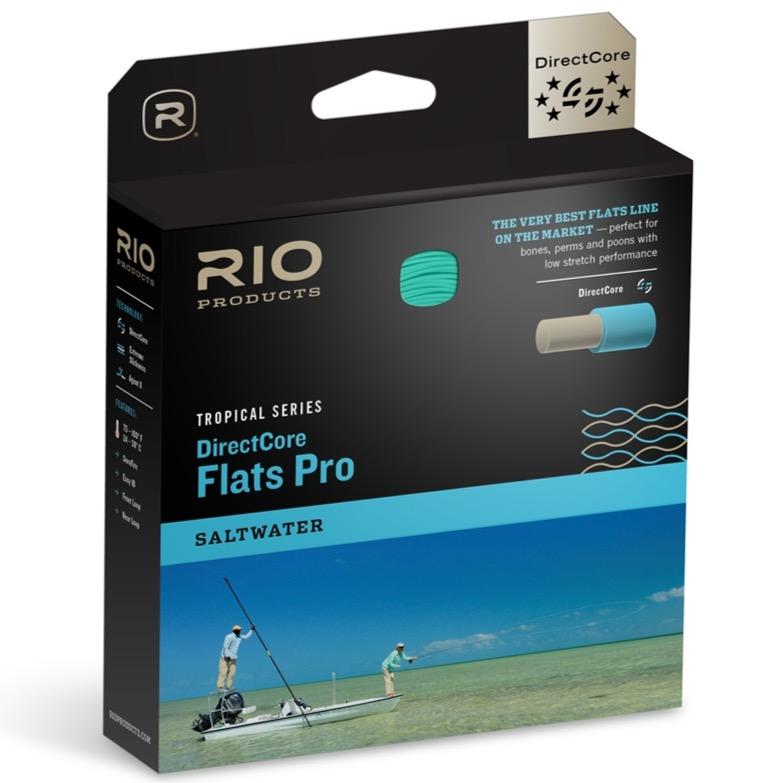
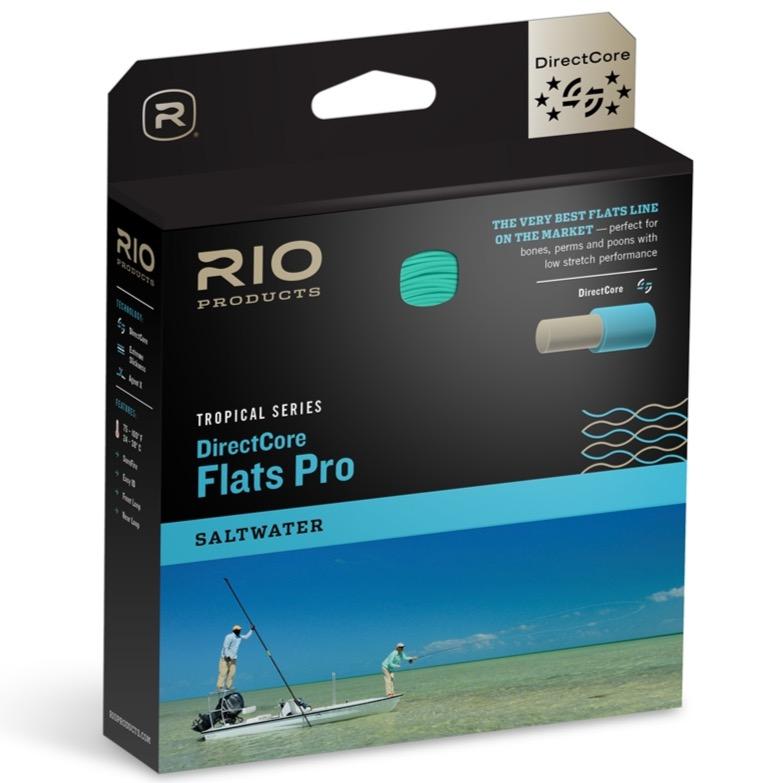
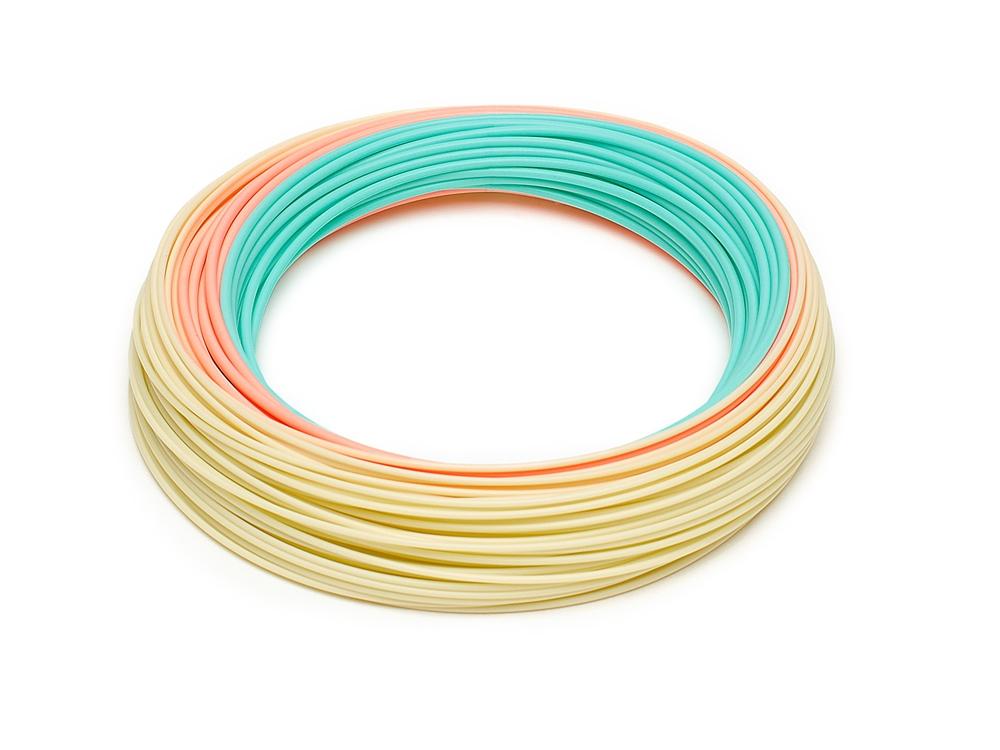
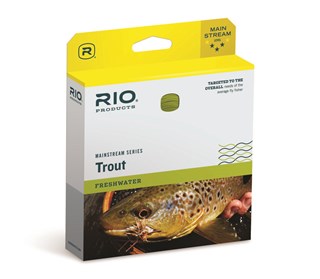
Fly lines in floating, intermediate and sinking densities, with backing to go underneath.
In fly fishing the line is what you cast — the fly weighs almost nothing, so the rod loads against the weight of the line itself. That makes the line the most important purchase in the system and the one most worth spending on. It must match the rod's stated weight, or the rod will not load properly.
Floating lines cover most trout and surface fishing and are the sensible first line. Intermediate lines sink slowly to fish just under the surface. Full sinking lines get flies down in lakes and salt water. Taper shape affects how the line turns over, with weight-forward tapers the easiest to cast. Rods are in fly fishing rods, and fly reels hold the line.

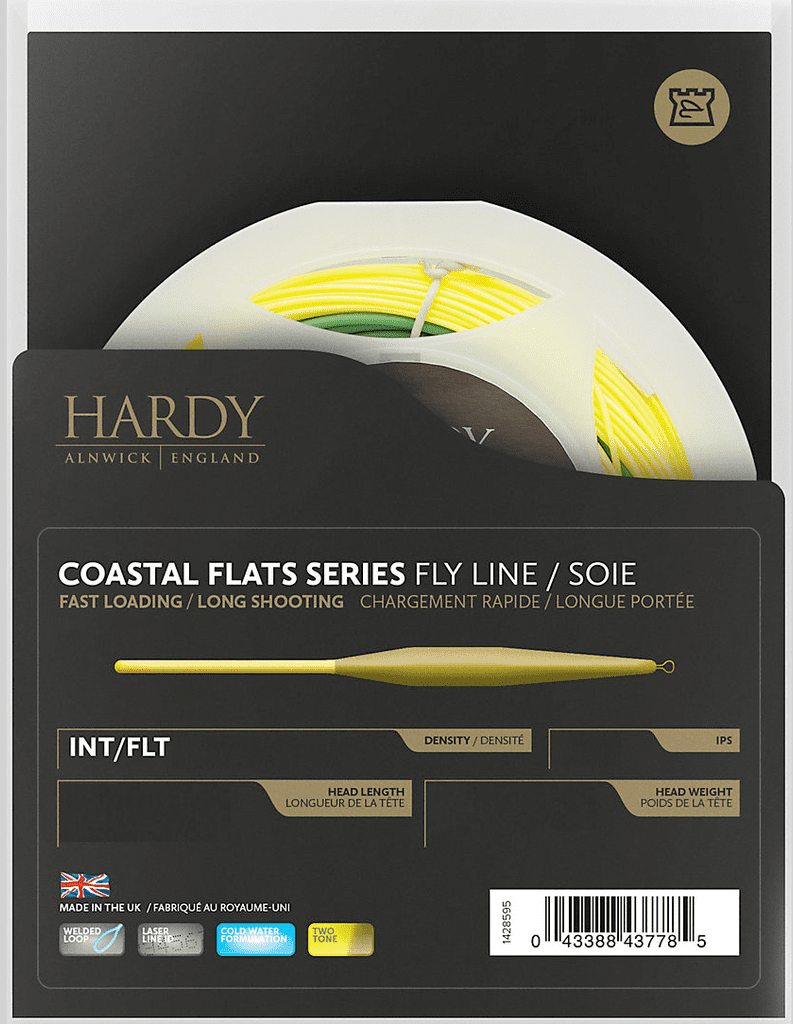

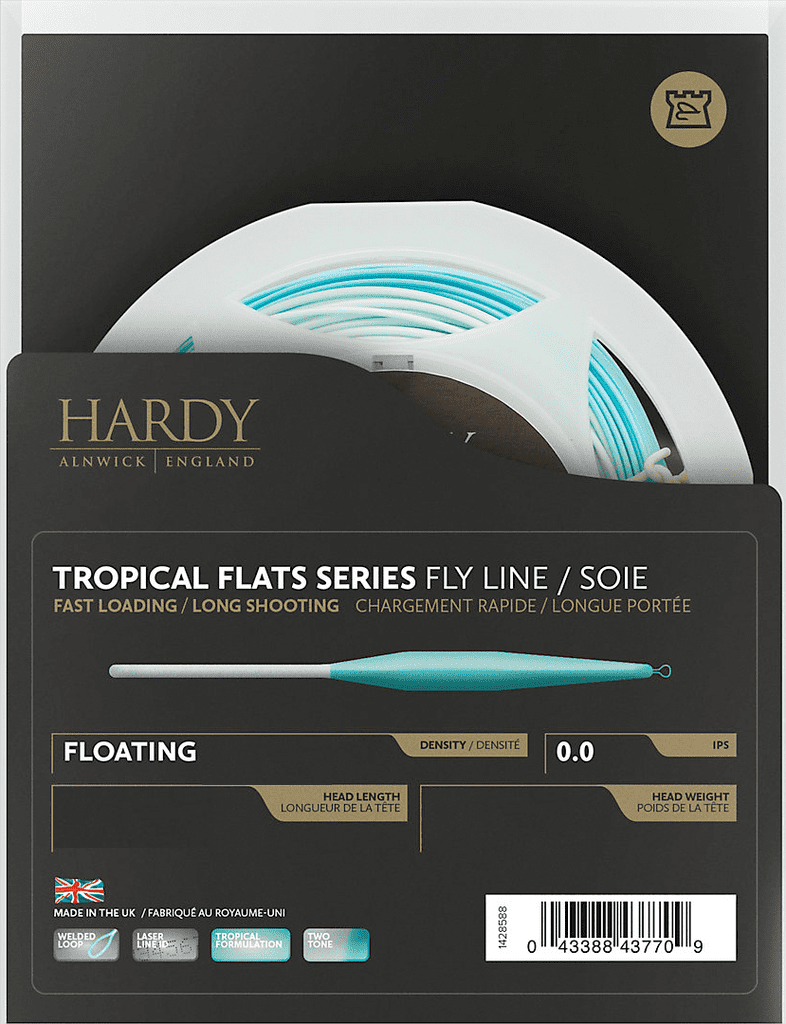

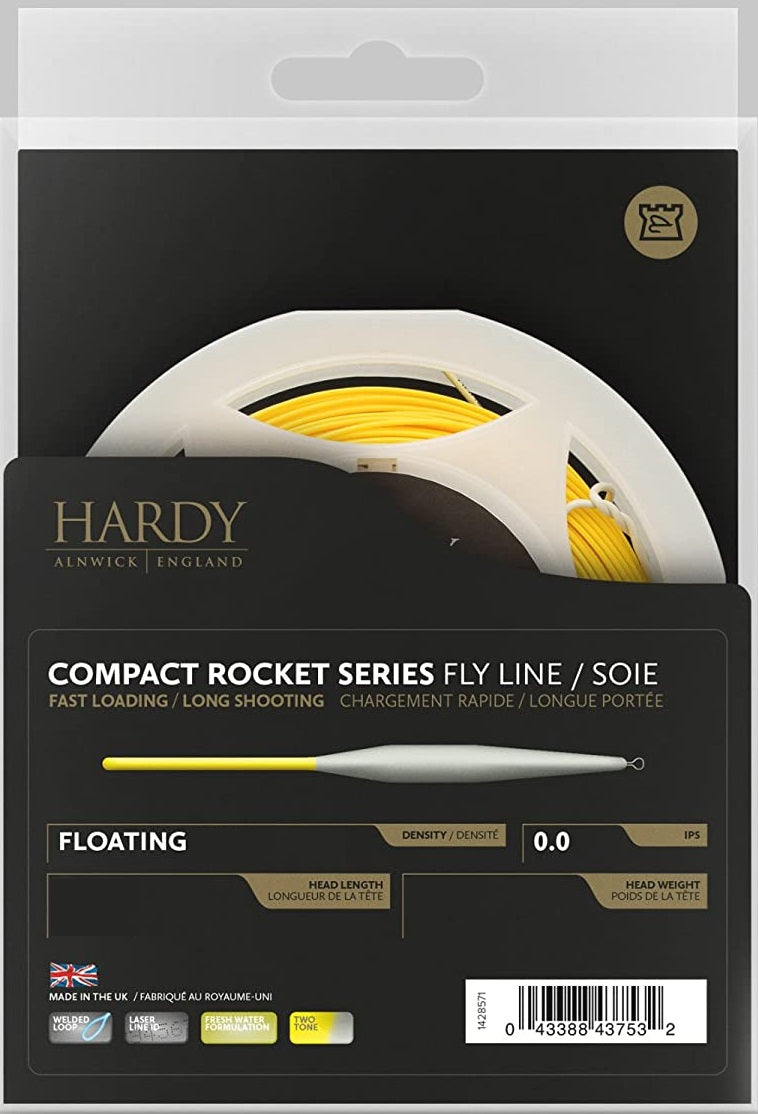

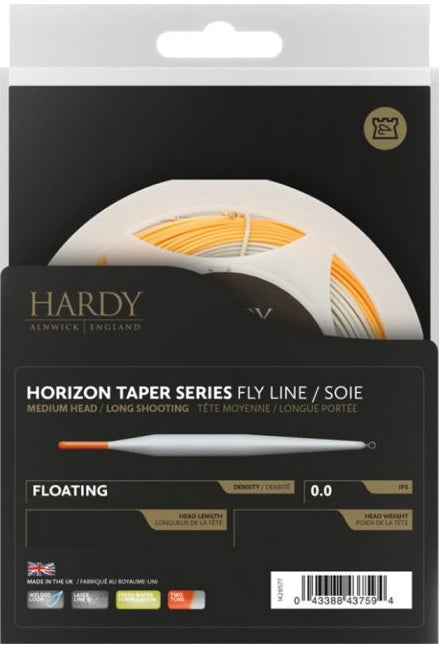







Fly lines in floating, intermediate and sinking densities, with backing to go underneath.
In fly fishing the line is what you cast — the fly weighs almost nothing, so the rod loads against the weight of the line itself. That makes the line the most important purchase in the system and the one most worth spending on. It must match the rod's stated weight, or the rod will not load properly.
Floating lines cover most trout and surface fishing and are the sensible first line. Intermediate lines sink slowly to fish just under the surface. Full sinking lines get flies down in lakes and salt water. Taper shape affects how the line turns over, with weight-forward tapers the easiest to cast. Rods are in fly fishing rods, and fly reels hold the line.