

FREE SHIPPING ON ORDERS OVER $150*

AUSSIE FAMILY OWNED BUSINESS FOR OVER 40 YEARS

100% SATISFACTION GUARANTEED
Fly Fishing Reels
Fly Fishing Reels
Fly reels for trout through to saltwater, with spare spools to match. On light freshwater tackle a fly reel mostly stores line; once fish start running, the drag becomes the most important thing about it.
Choosing a fly reel
Match the reel to the rod and line weight. A reel that is too light will not balance the rod in your hand, and one that is too heavy makes a day's casting feel like work. Manufacturers list the weight range each reel is designed for.
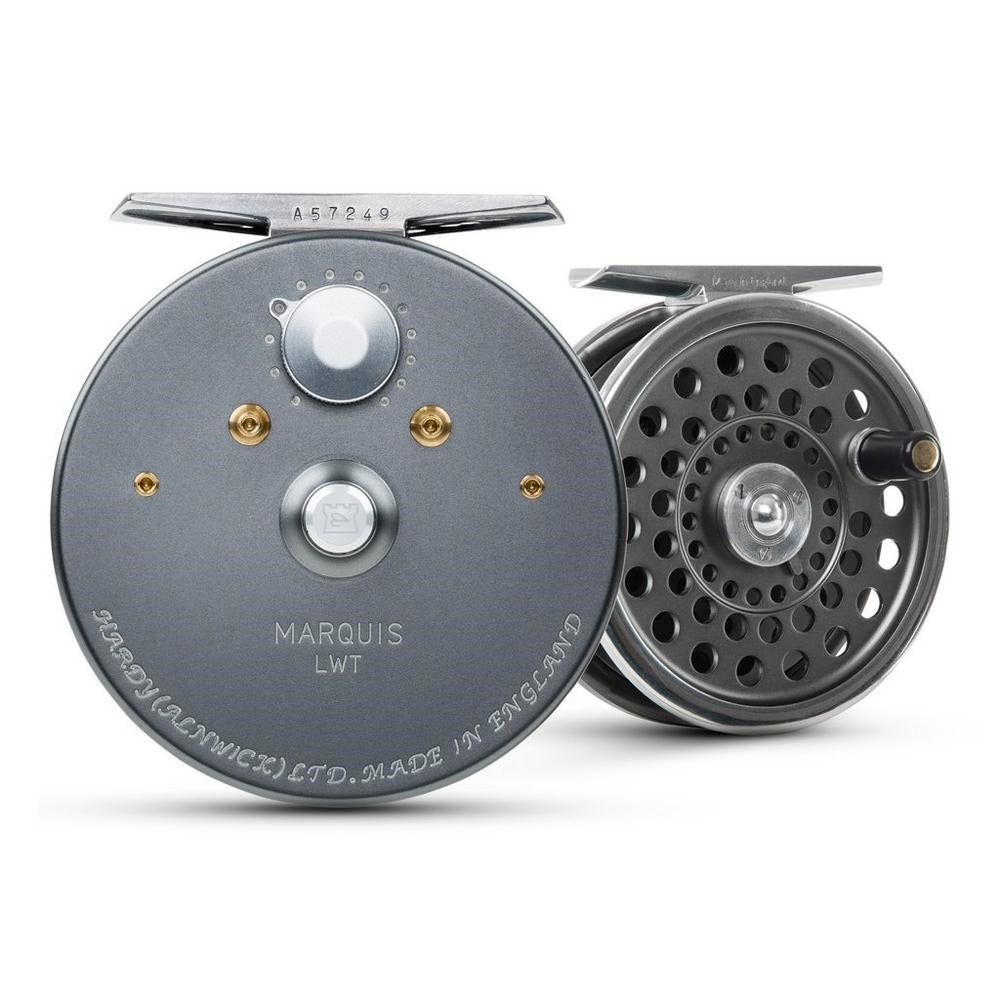
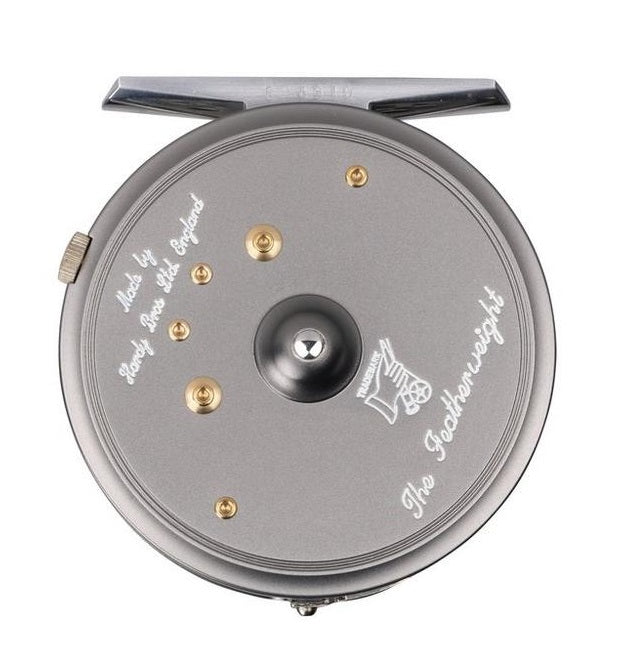
Drag is where the money goes. A simple click-and-pawl drag is fine for trout on small water and has a pleasant old-fashioned feel. A sealed disc drag is what you want for anything that runs hard or anywhere salt water is involved, because it is both smoother and protected from grit.
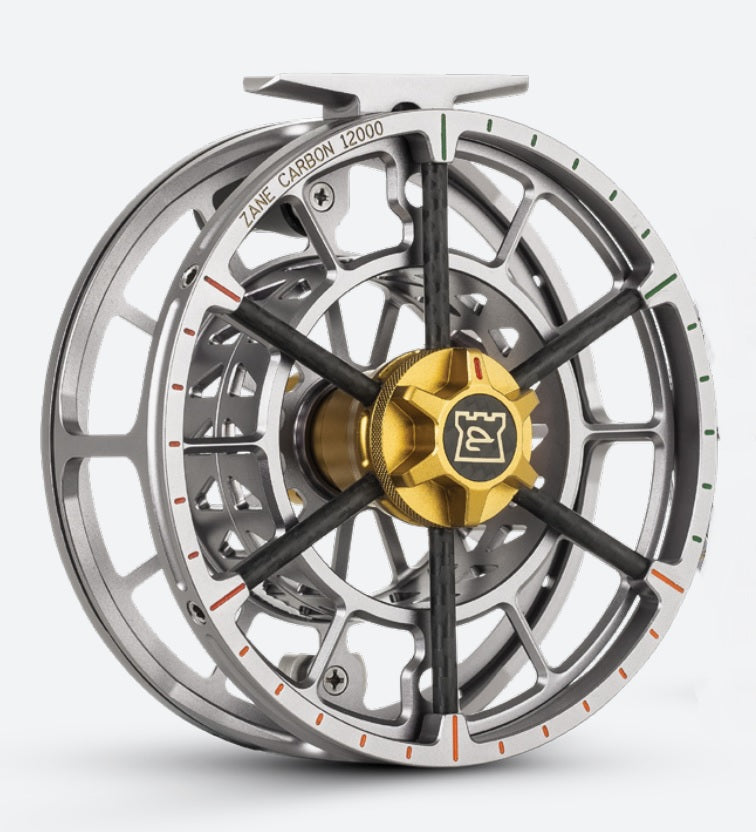
Capacity needs to allow for backing as well as fly line. Large arbour reels pick up line faster per turn and put less memory into the line, which is why most modern reels use them. Spare spools let you switch between floating and sinking lines without rerigging. Pair with a matched fly rod, or see fishing reels for conventional tackle.
Frequently asked questions
Does a fly reel need a good drag?
For trout on small streams, not especially — you often play fish by hand. For salt water and anything that makes long runs, the drag is the most important part of the reel.
What is a large arbour fly reel?
One with a wide spool centre, so each turn of the handle picks up more line and the line coils in wider loops. It retrieves faster and leaves less memory in the fly line.
How much backing do I need?
Enough to fill the spool under the fly line and to cover a long run. The reel's stated capacity assumes a particular line weight, so check it against the line you are using.
Are spare spools worth buying?
If you switch between floating and sinking lines, very much so. Changing a spool takes seconds where re-spooling takes a session.


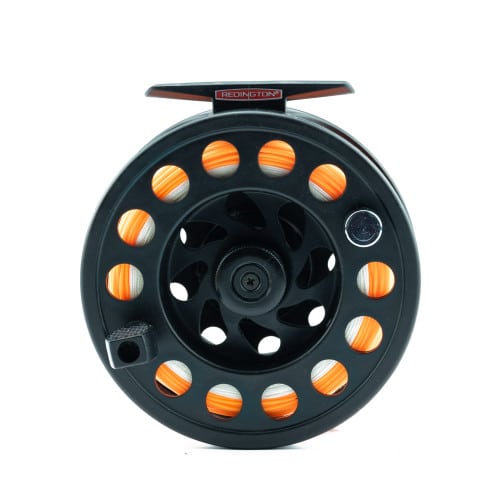

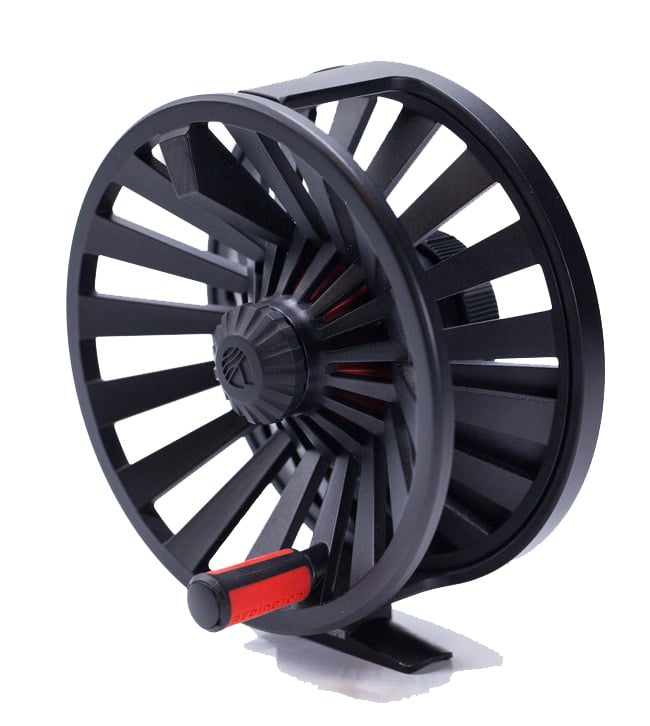


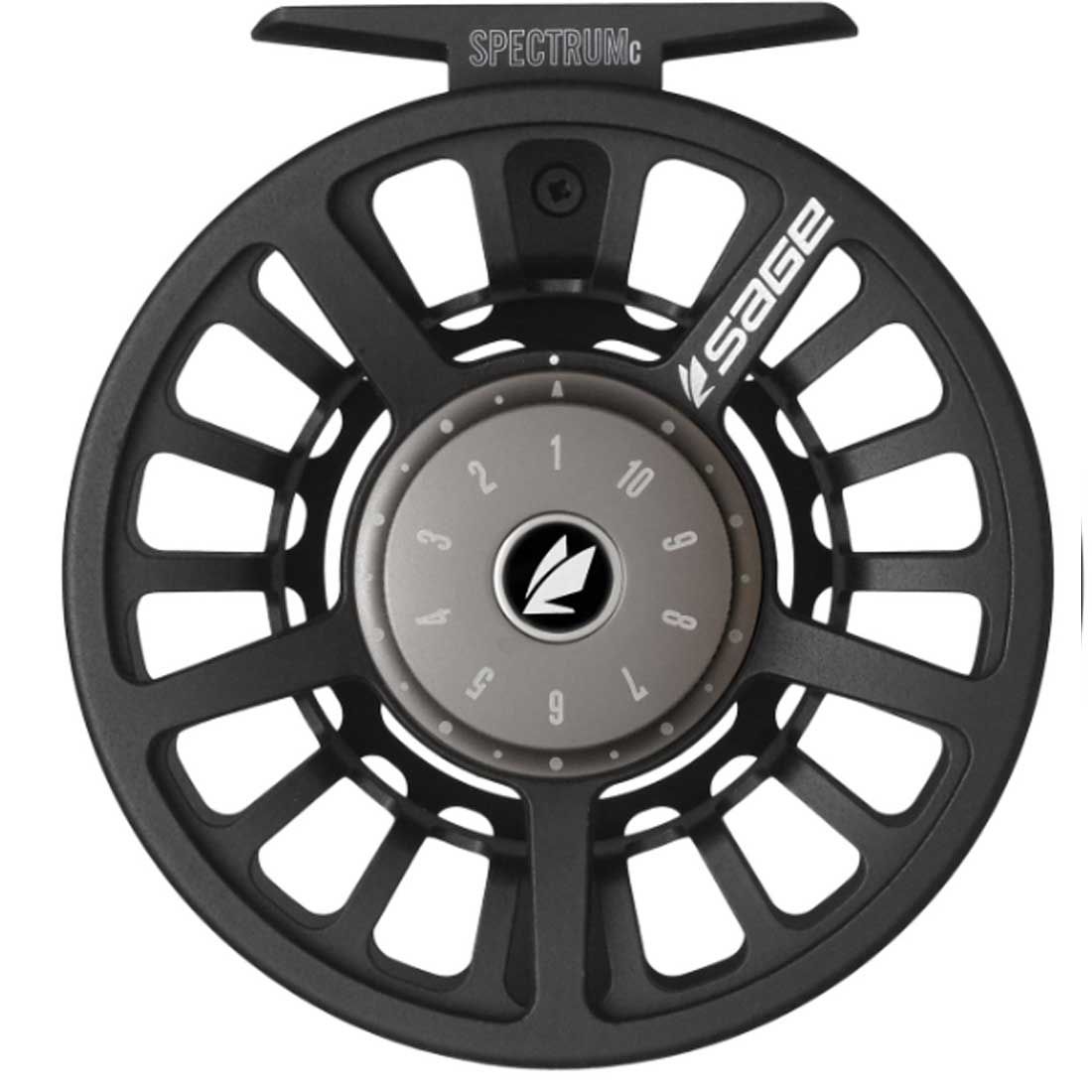


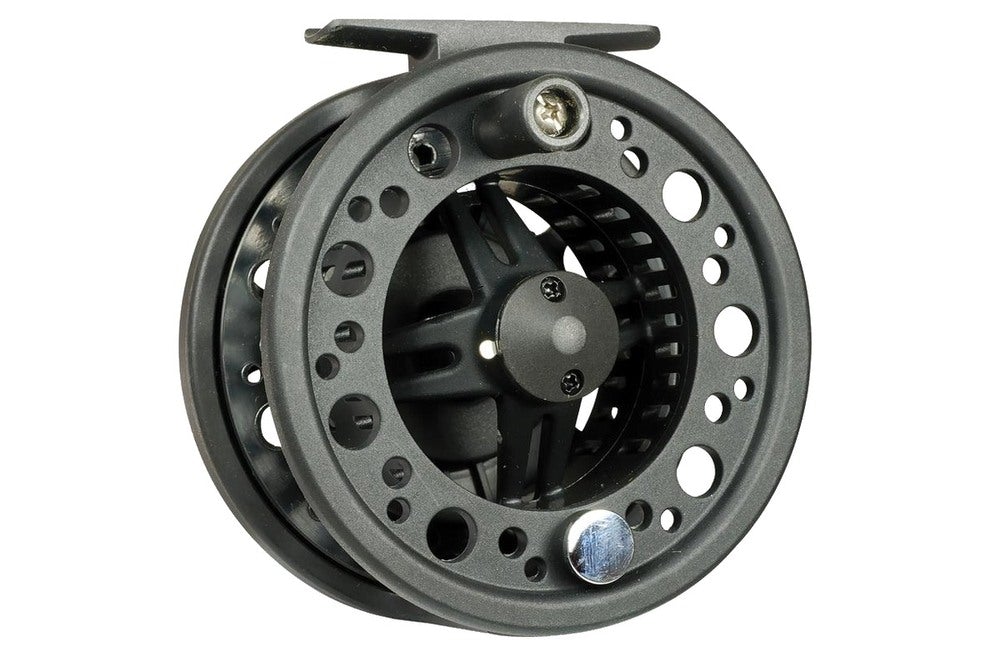
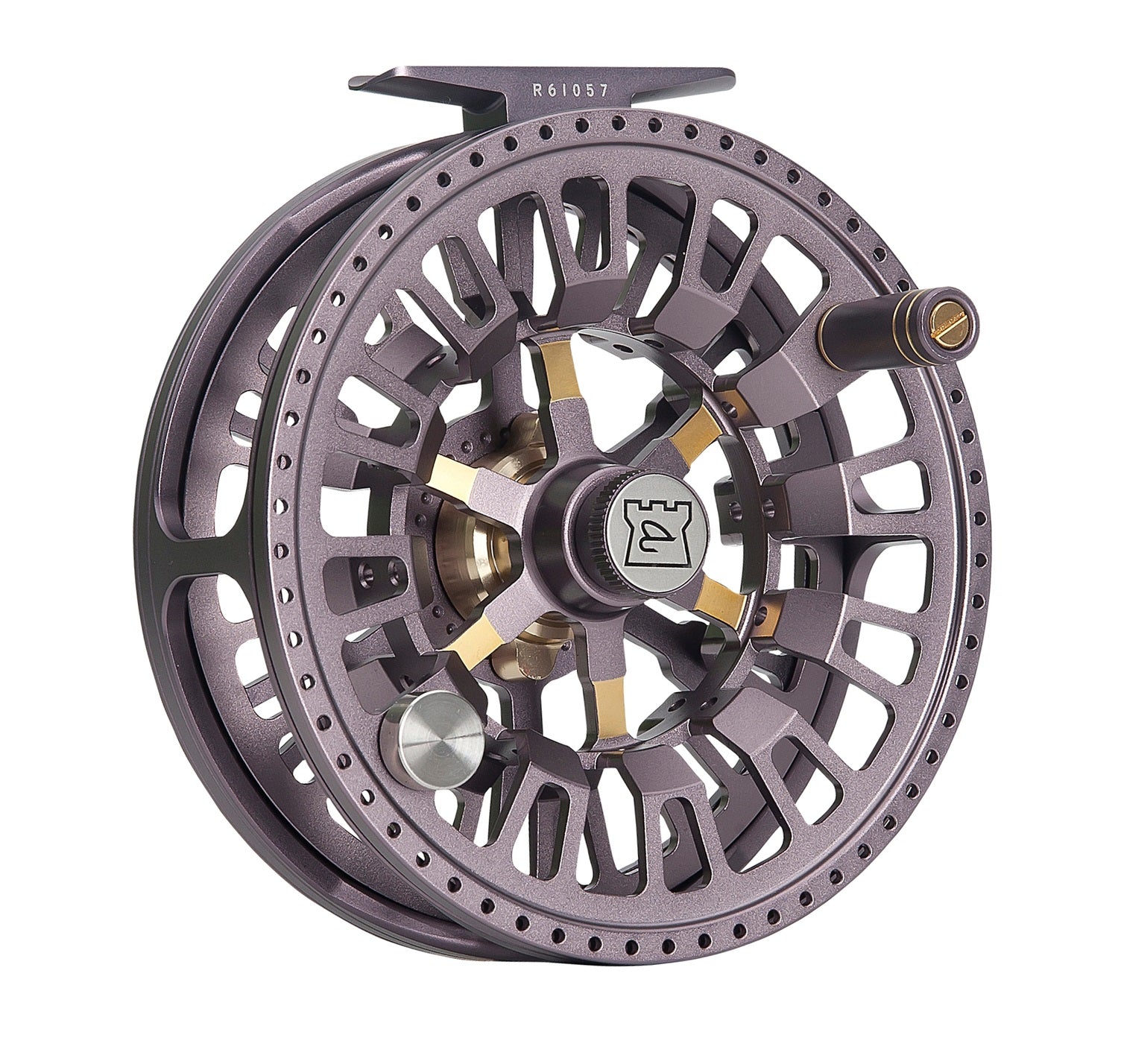
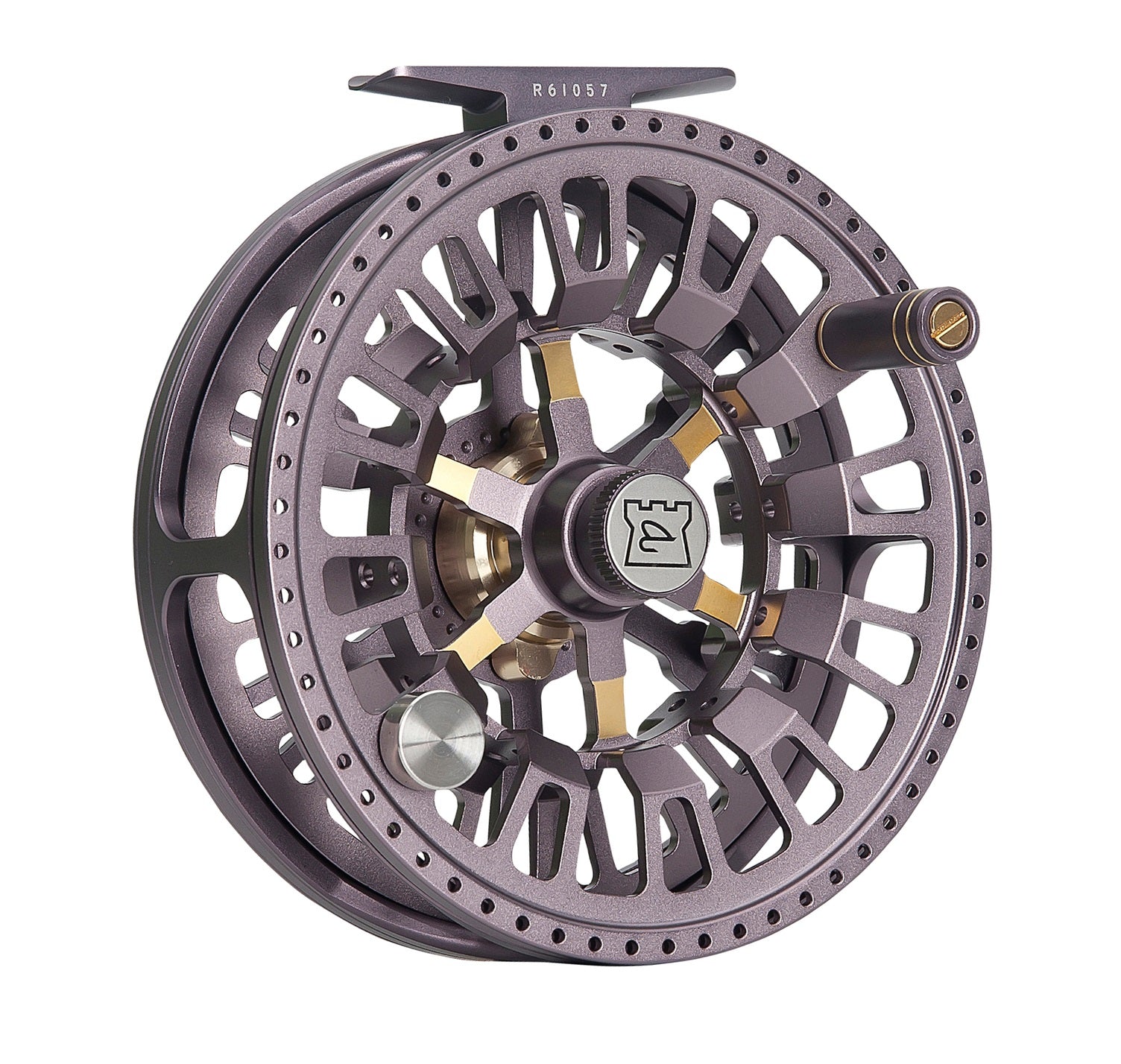
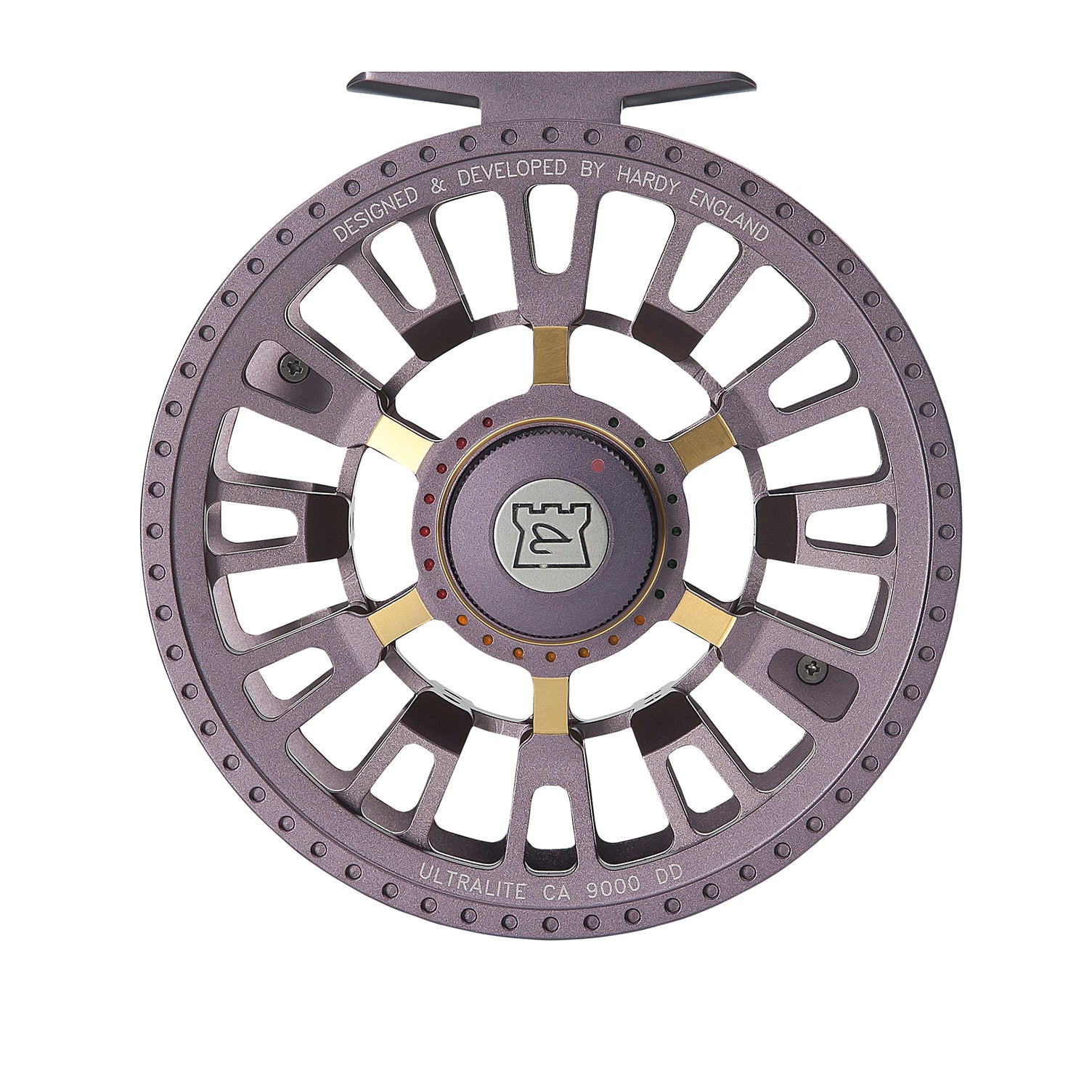


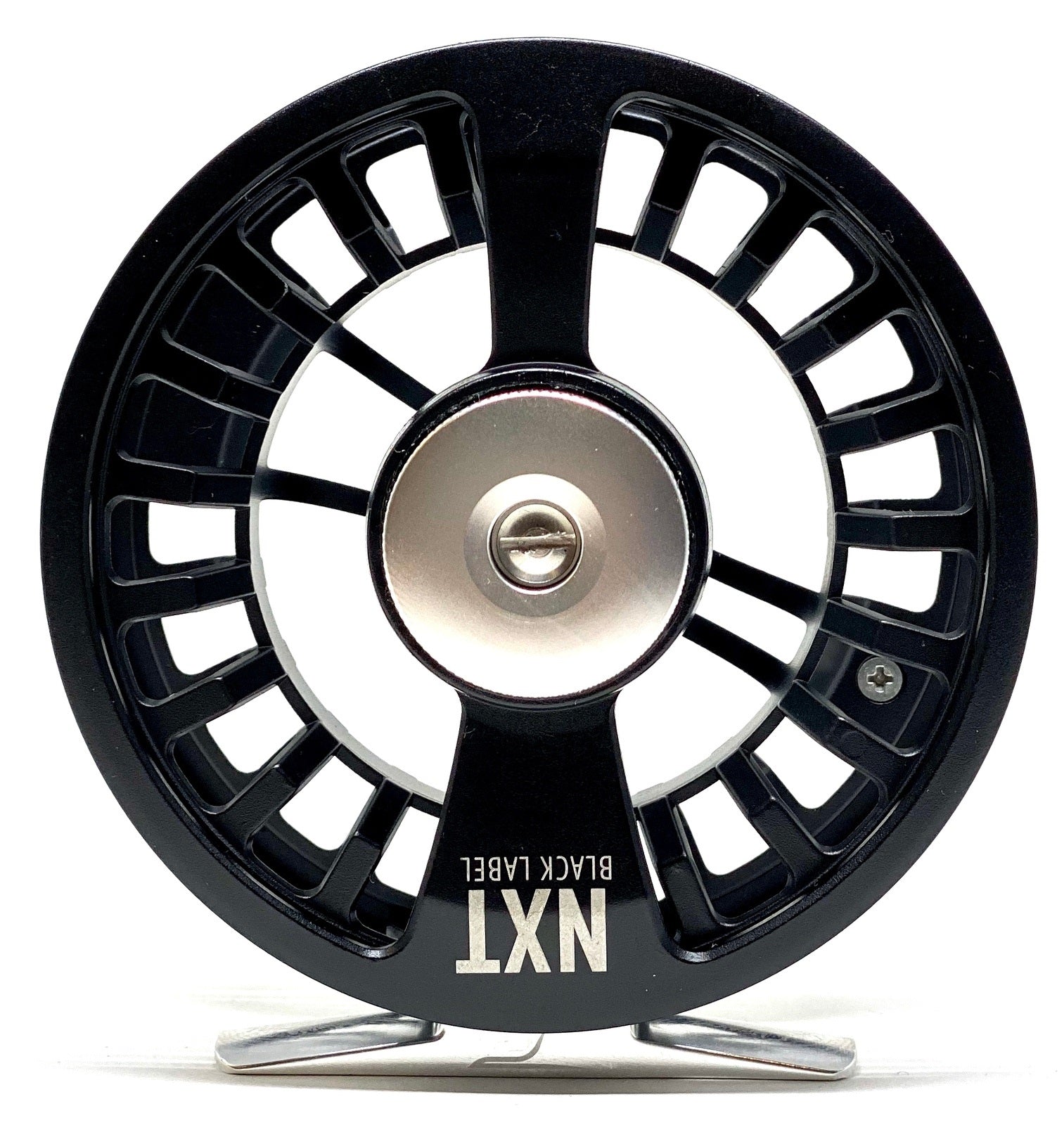
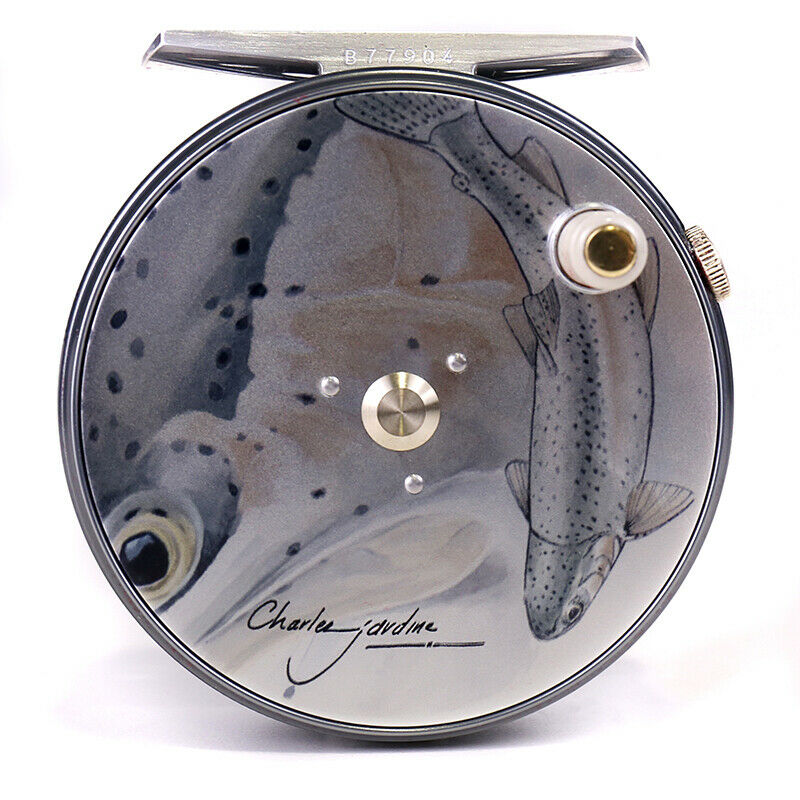
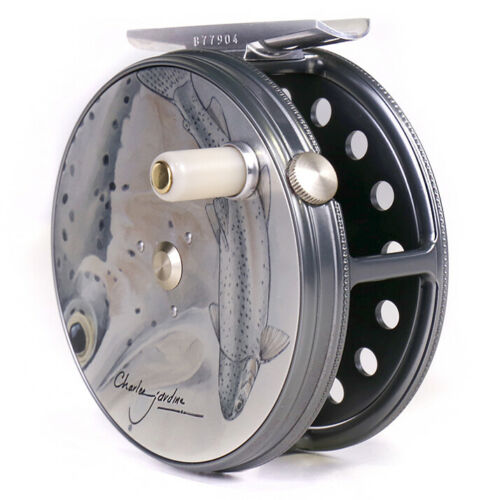


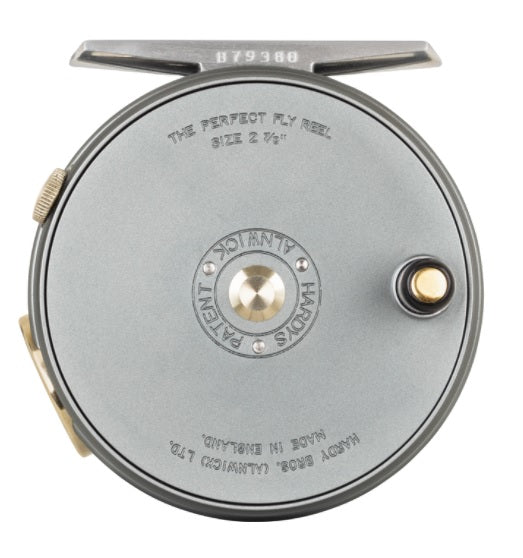

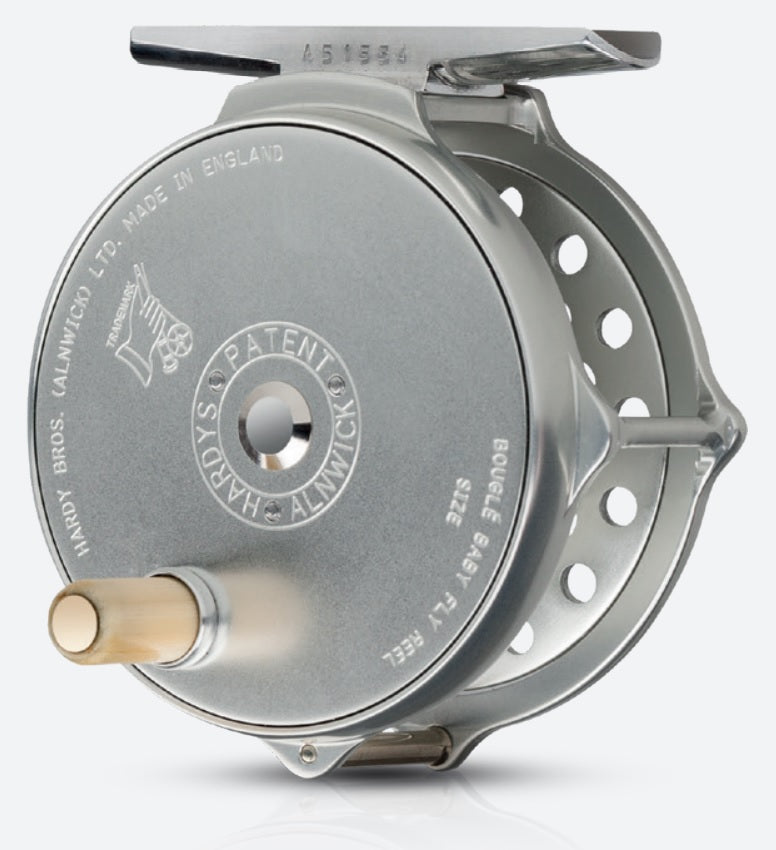

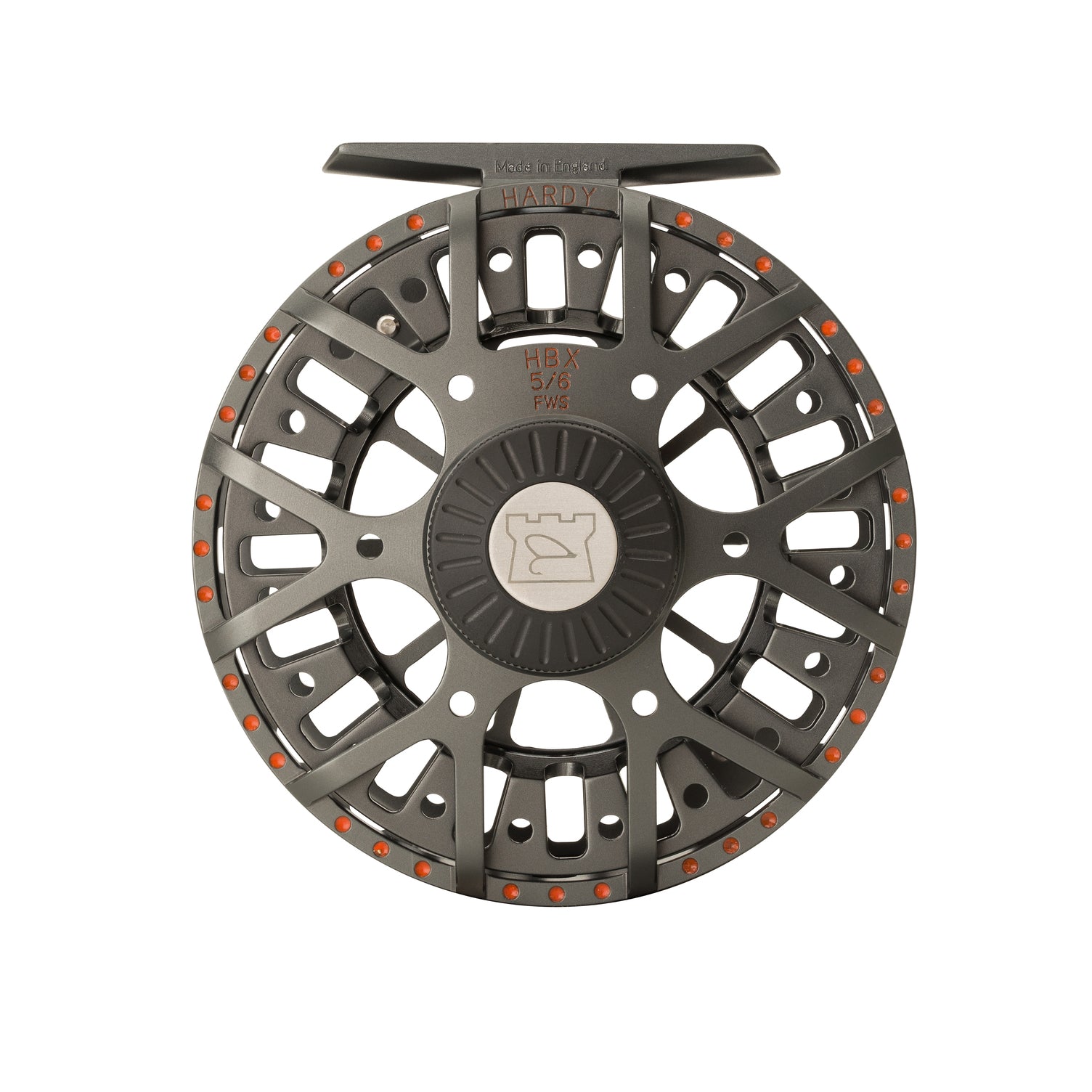


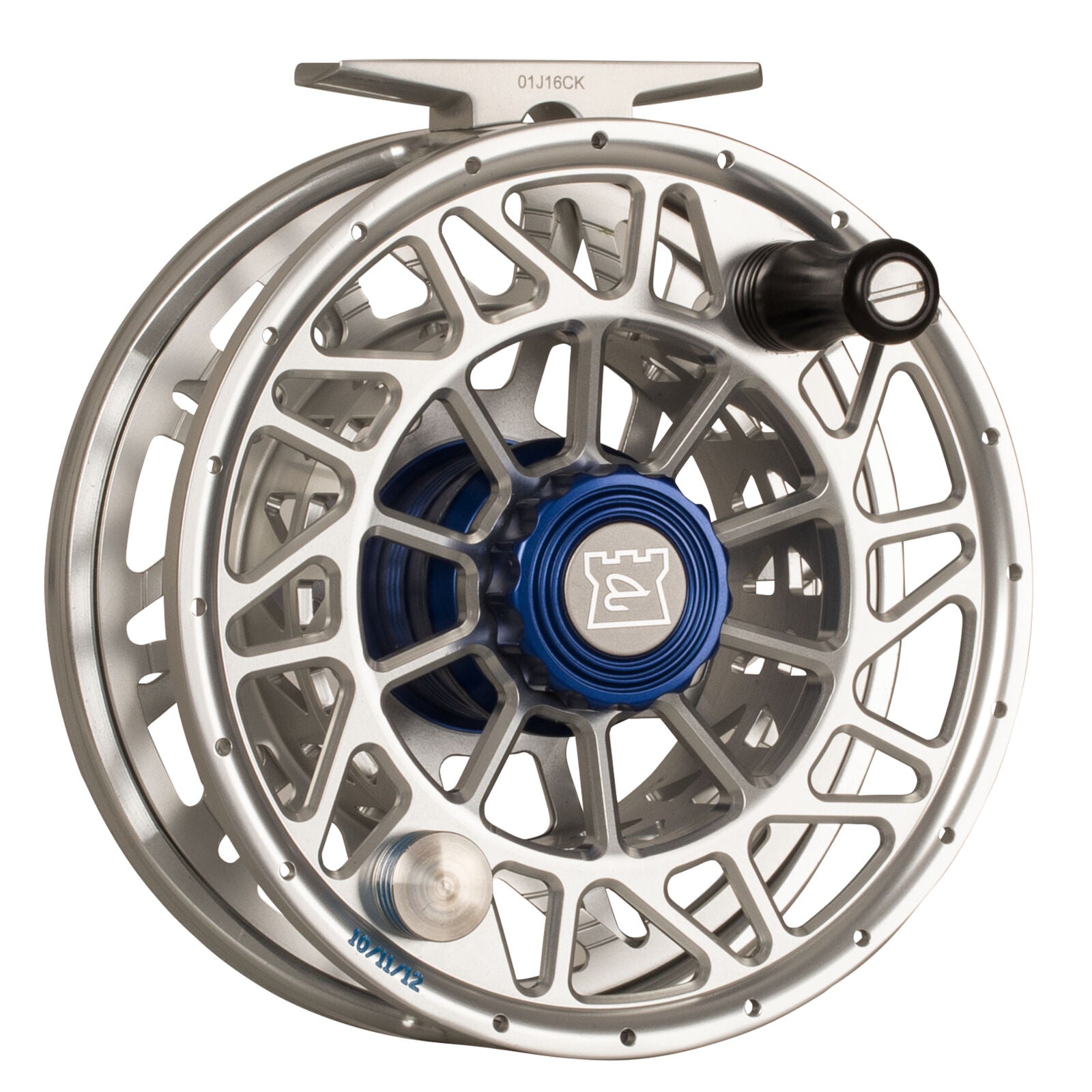


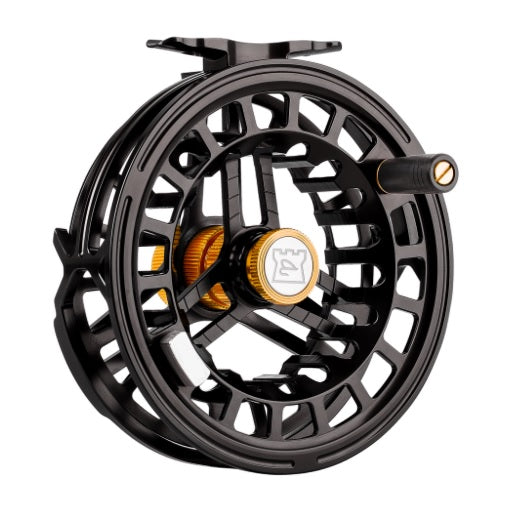



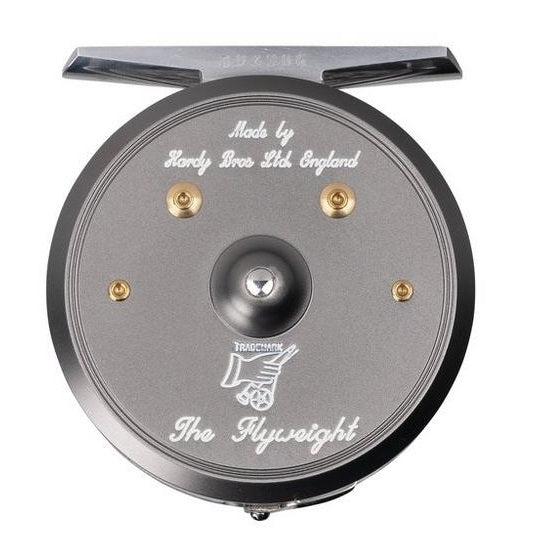

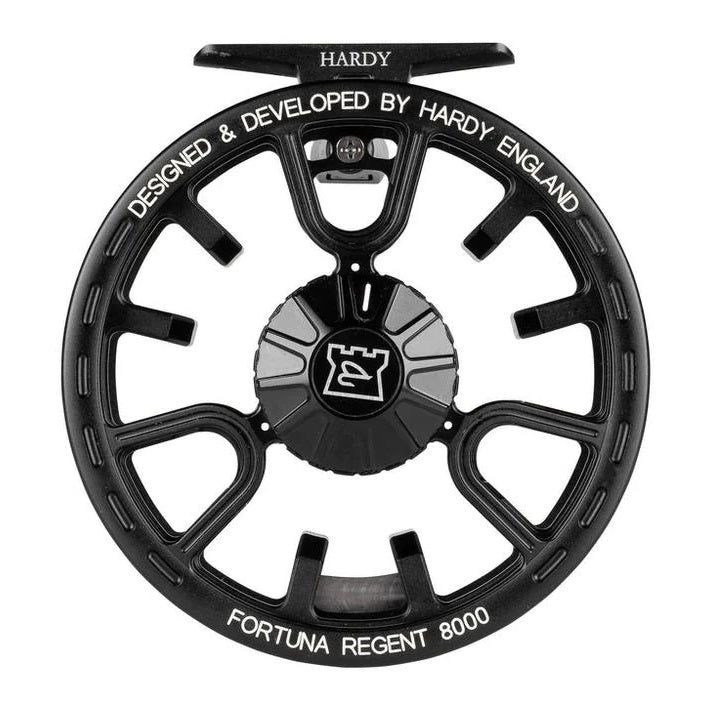
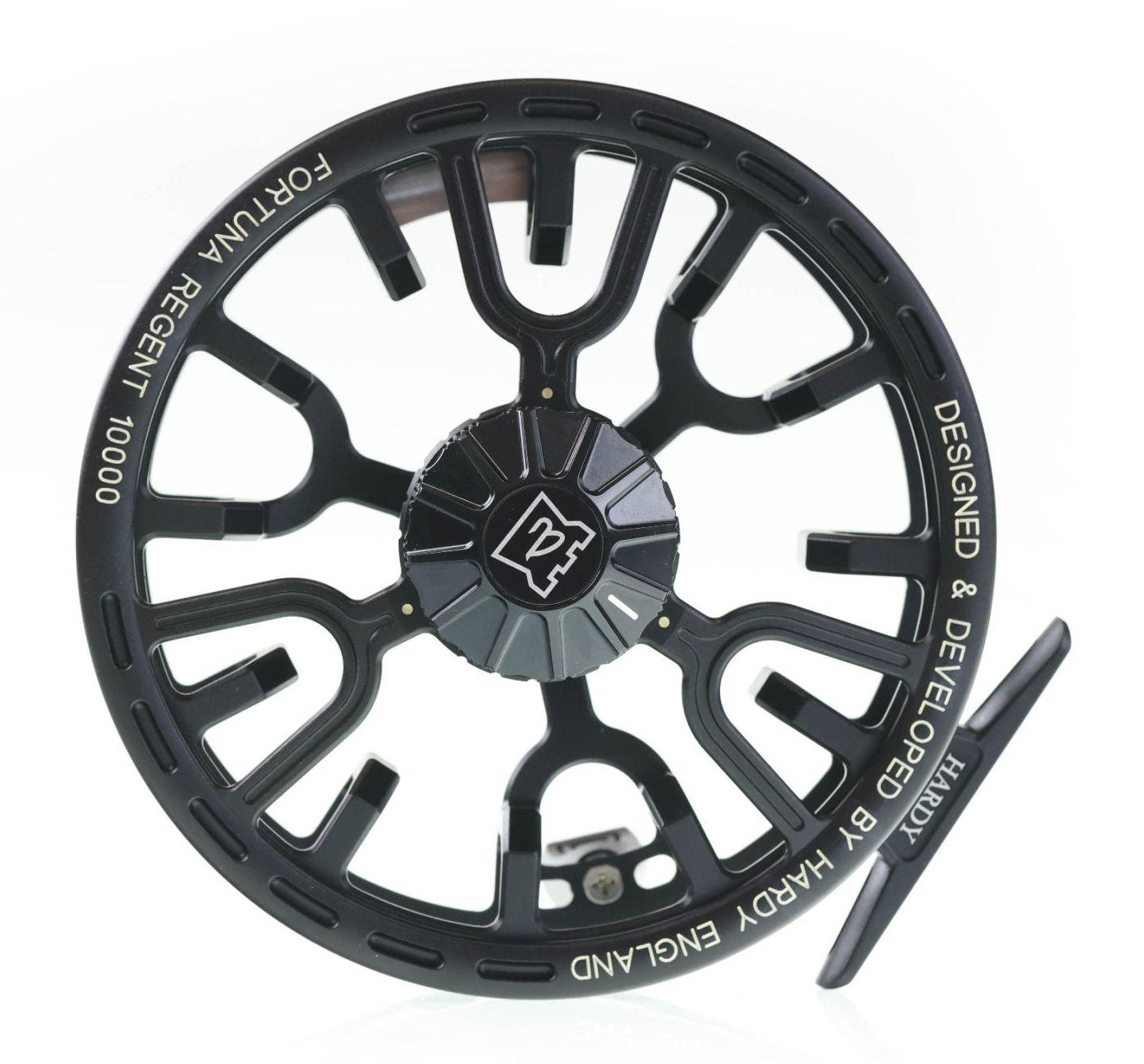


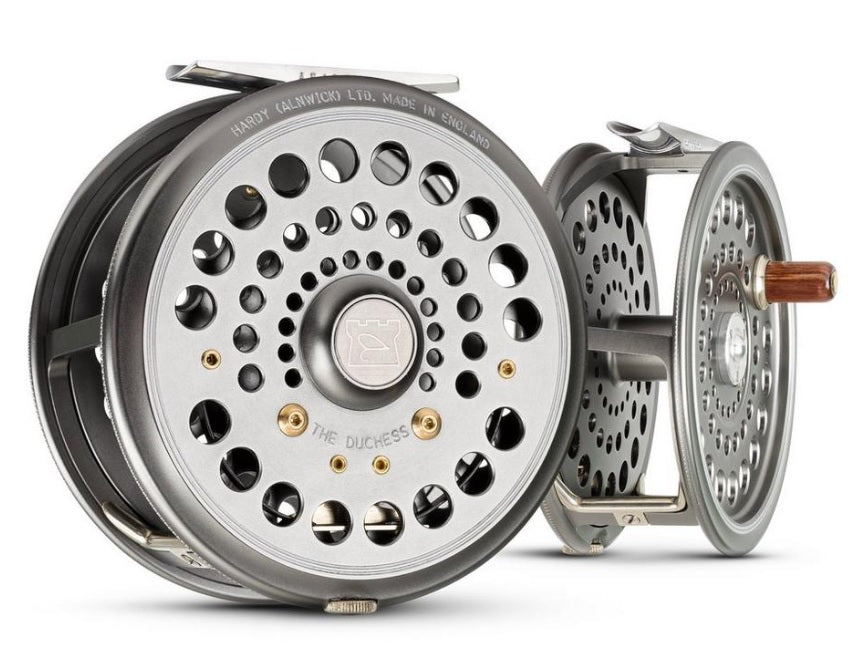

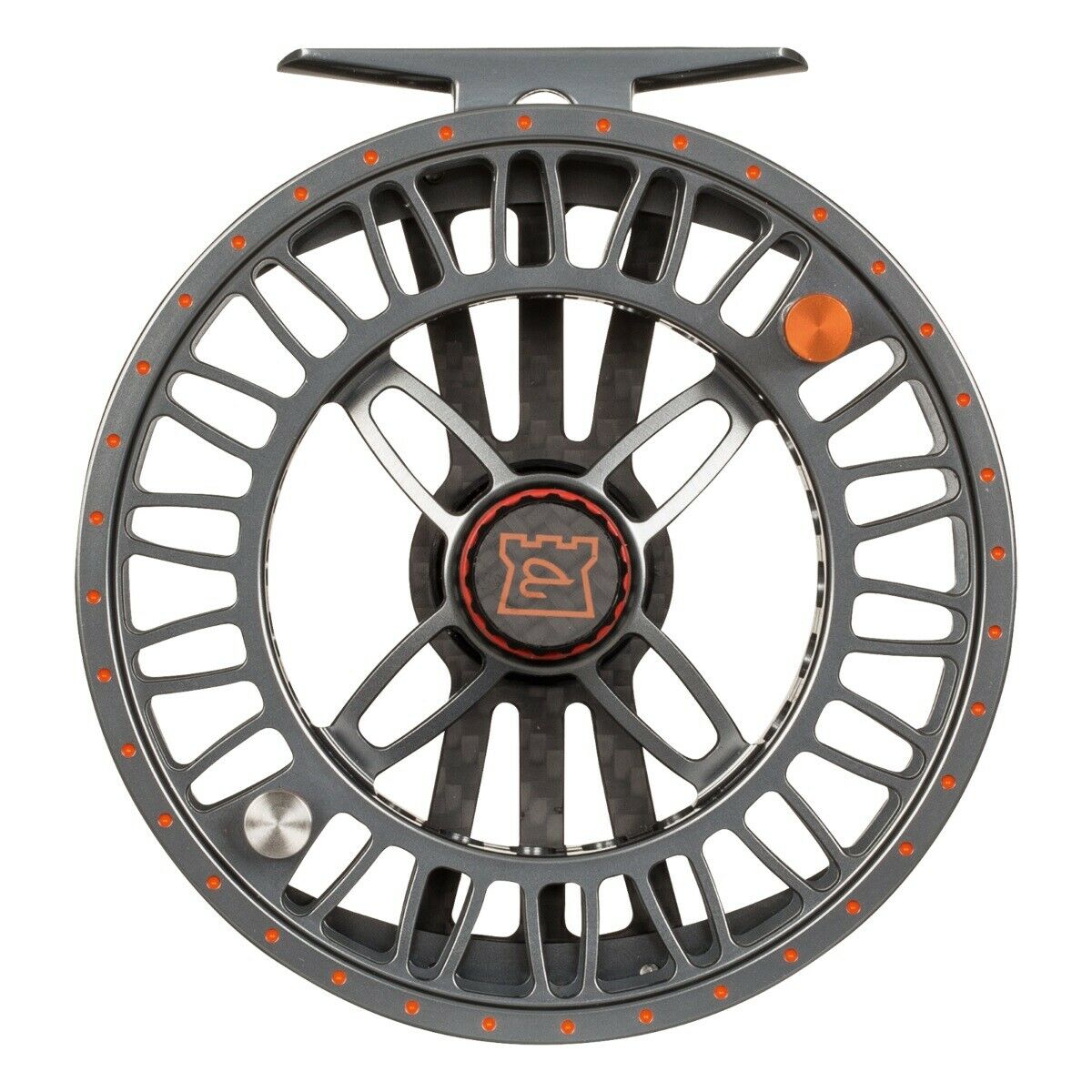


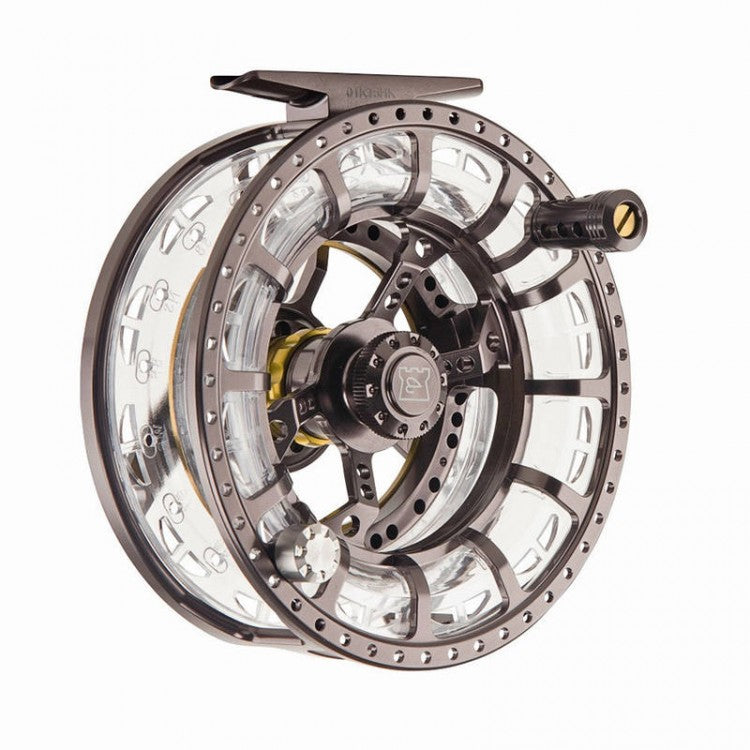
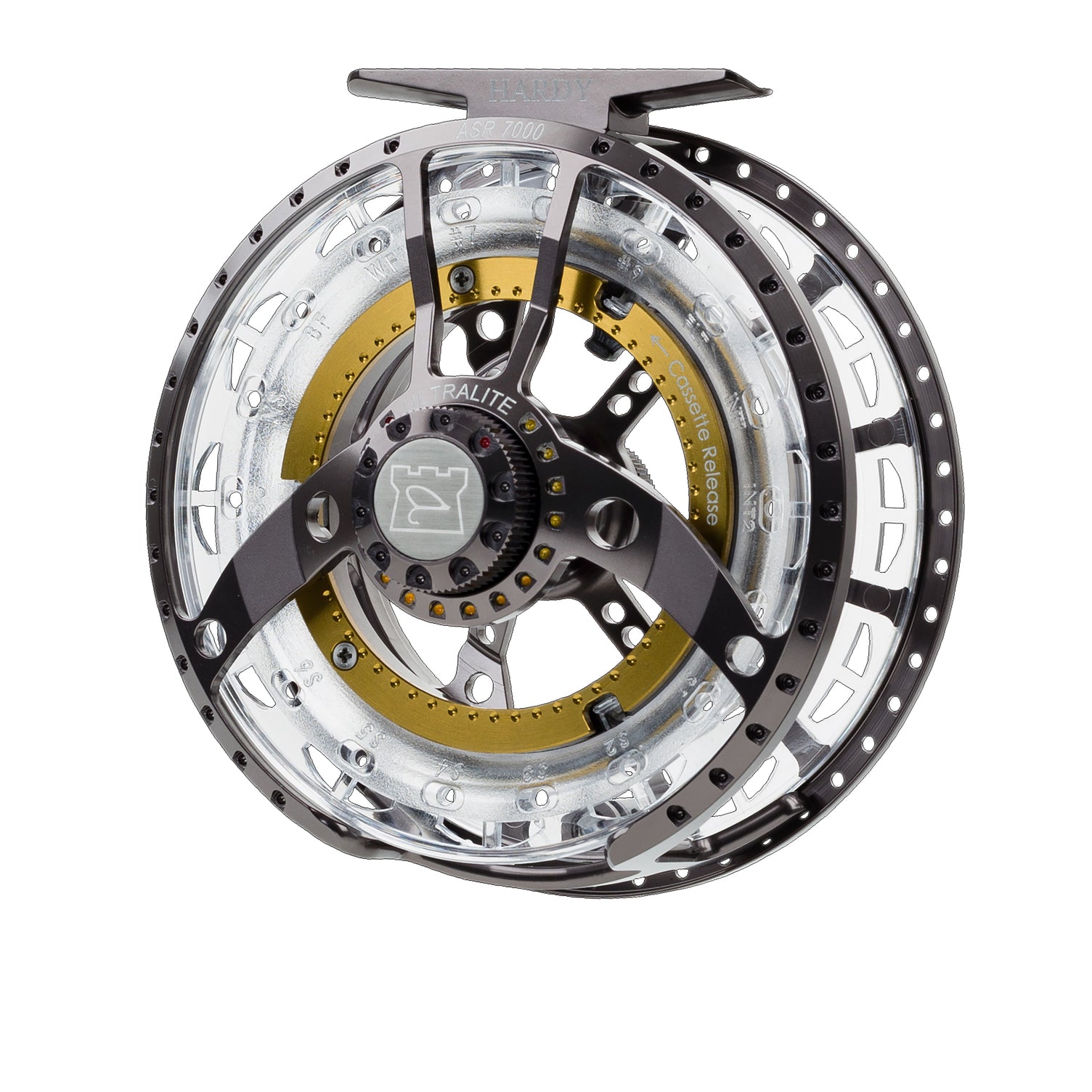

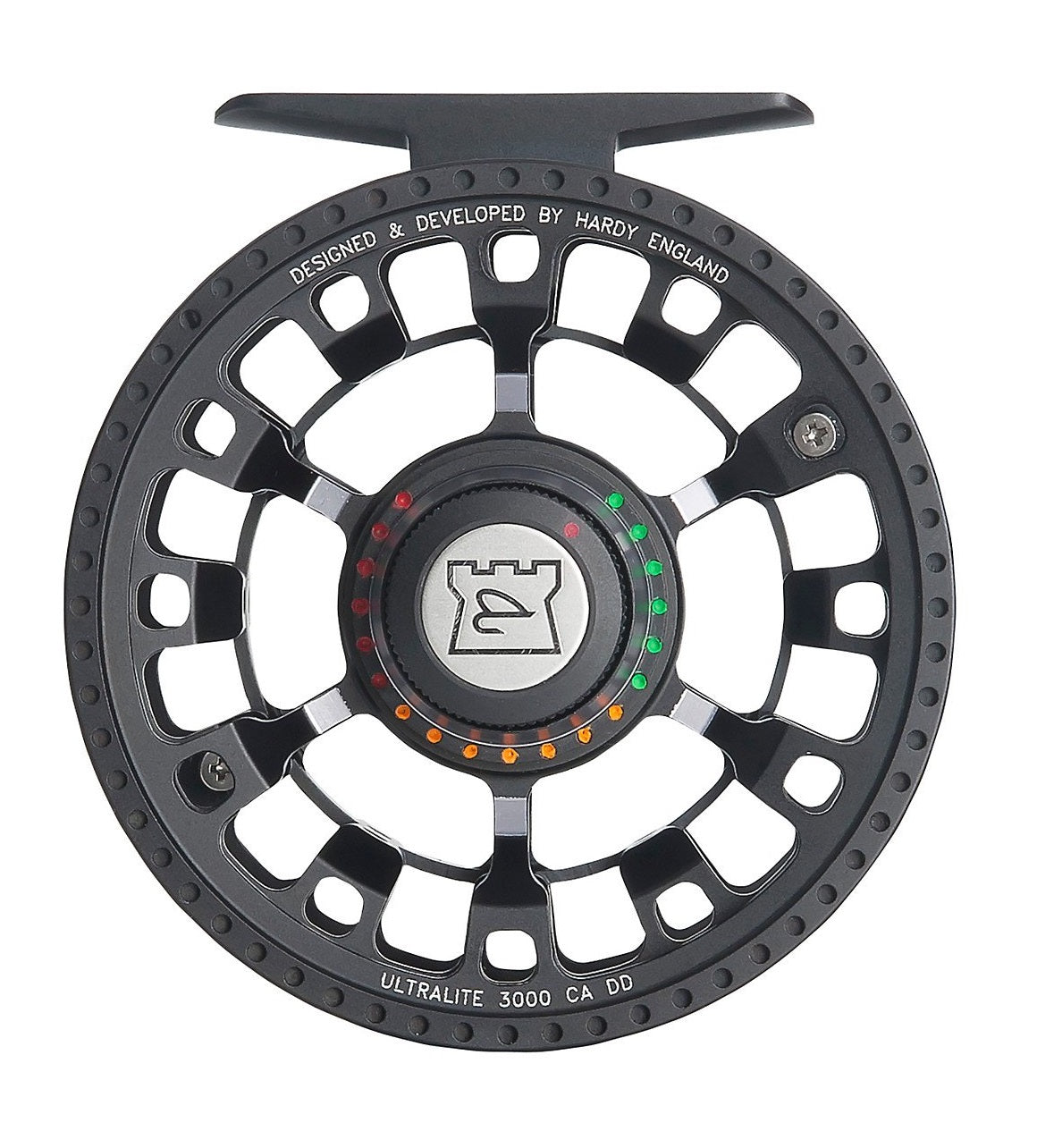
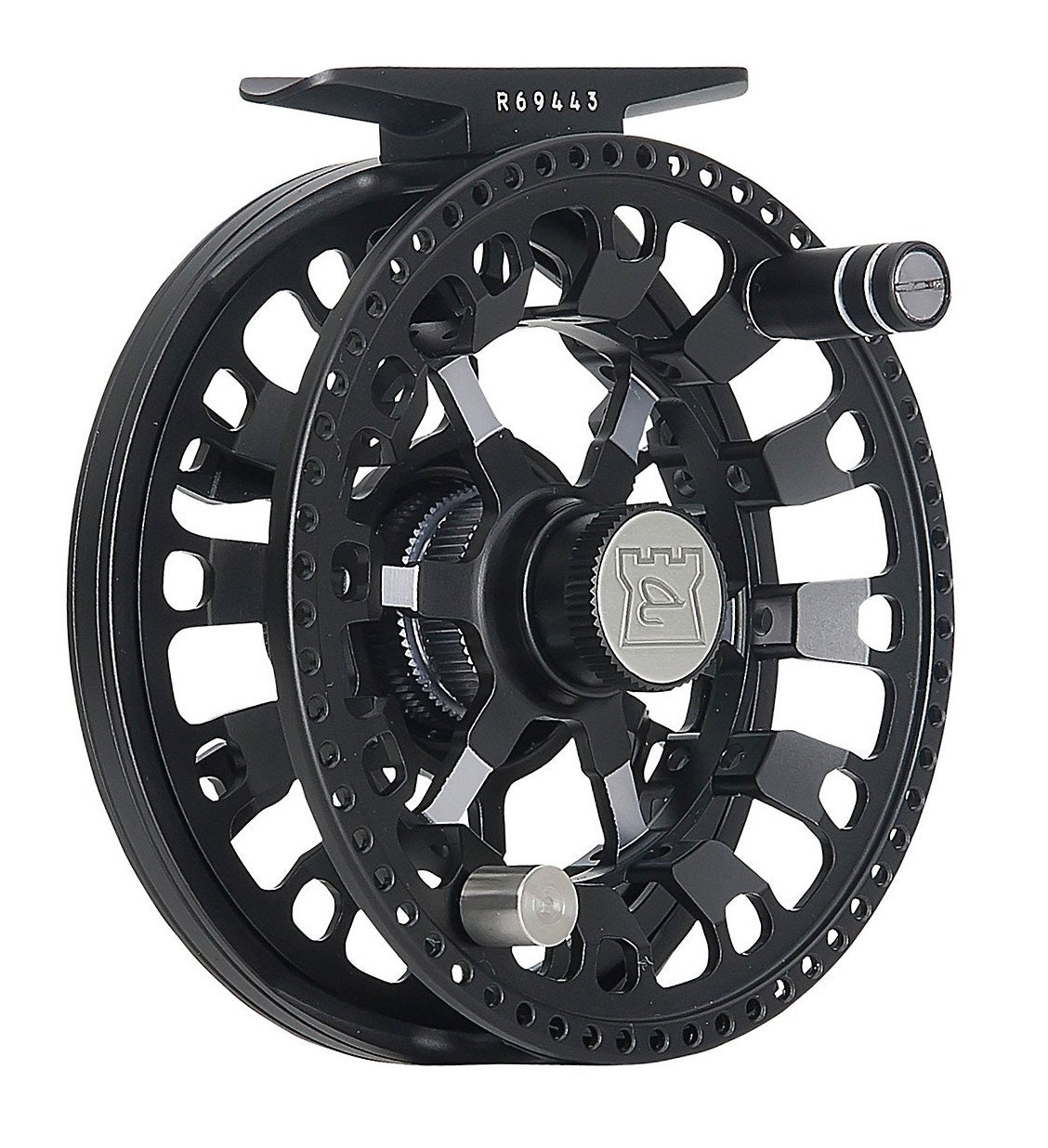


Fly reels for trout through to saltwater, with spare spools to match. On light freshwater tackle a fly reel mostly stores line; once fish start running, the drag becomes the most important thing about it.
Choosing a fly reel
Match the reel to the rod and line weight. A reel that is too light will not balance the rod in your hand, and one that is too heavy makes a day's casting feel like work. Manufacturers list the weight range each reel is designed for.
Drag is where the money goes. A simple click-and-pawl drag is fine for trout on small water and has a pleasant old-fashioned feel. A sealed disc drag is what you want for anything that runs hard or anywhere salt water is involved, because it is both smoother and protected from grit.
Capacity needs to allow for backing as well as fly line. Large arbour reels pick up line faster per turn and put less memory into the line, which is why most modern reels use them. Spare spools let you switch between floating and sinking lines without rerigging. Pair with a matched fly rod, or see fishing reels for conventional tackle.
Frequently asked questions
Does a fly reel need a good drag?
For trout on small streams, not especially — you often play fish by hand. For salt water and anything that makes long runs, the drag is the most important part of the reel.
What is a large arbour fly reel?
One with a wide spool centre, so each turn of the handle picks up more line and the line coils in wider loops. It retrieves faster and leaves less memory in the fly line.
How much backing do I need?
Enough to fill the spool under the fly line and to cover a long run. The reel's stated capacity assumes a particular line weight, so check it against the line you are using.
Are spare spools worth buying?
If you switch between floating and sinking lines, very much so. Changing a spool takes seconds where re-spooling takes a session.