

FREE SHIPPING ON ORDERS OVER $150*

AUSSIE FAMILY OWNED BUSINESS FOR OVER 40 YEARS

100% SATISFACTION GUARANTEED
Fly Fishing Rods
Fly Fishing Rods
Fly rods for trout streams, bass and estuary flats through to heavier saltwater work. The range covers single-hand rods in the common line weights, mostly in four-piece builds that travel easily.
Choosing a fly rod
Line weight is the number that matters, and it describes the whole system rather than the rod alone. The rod, the line and the reel all need to be the same weight class, because fly casting works by loading the rod with the weight of the line rather than the weight of the lure. Lighter weights suit small streams and delicate presentation; heavier weights throw larger flies and handle wind and bigger fish.
Length is a trade-off between reach and room. A longer rod mends line better and casts further, while a shorter rod is easier to use on an overgrown creek where the trees are the real obstacle.
Action follows the same logic as any other rod. Faster actions generate line speed and cut wind; slower, more progressive actions are more forgiving to cast and protect fine tippet. Pair the rod with a matched fly reel, or see fishing rods for conventional tackle.
Frequently asked questions
What weight fly rod should I start with?
A mid-range weight is the usual first rod, because it handles trout in most water and still copes with a bit of wind. Go lighter only if you are fishing small clear streams, heavier for salt water and big flies.
Does the fly line have to match the rod?
Yes. Fly casting loads the rod with the line's weight, so a mismatched line will either fail to load the rod or overload it. Match the weight marked on the rod.
Are four-piece fly rods weaker than two-piece?
Not meaningfully with modern ferrules. Four-piece rods pack into a bag or a car boot easily, which is why most rods are now built that way.
What length fly rod do I need?
Longer for open water, distance and line control. Shorter for tight creeks and overgrown banks where you cannot complete a full cast anyway.





Sold Out
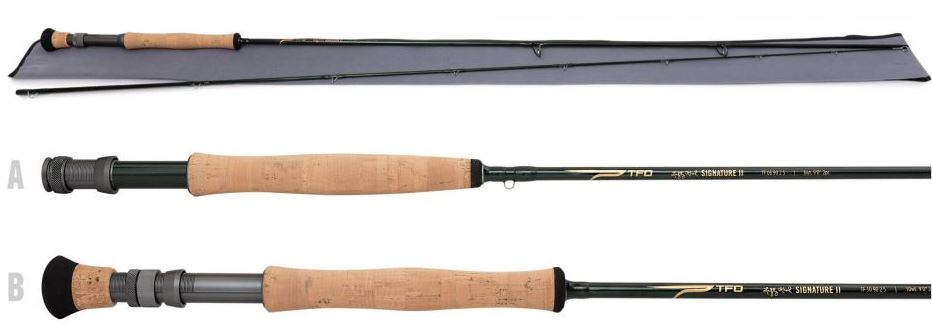
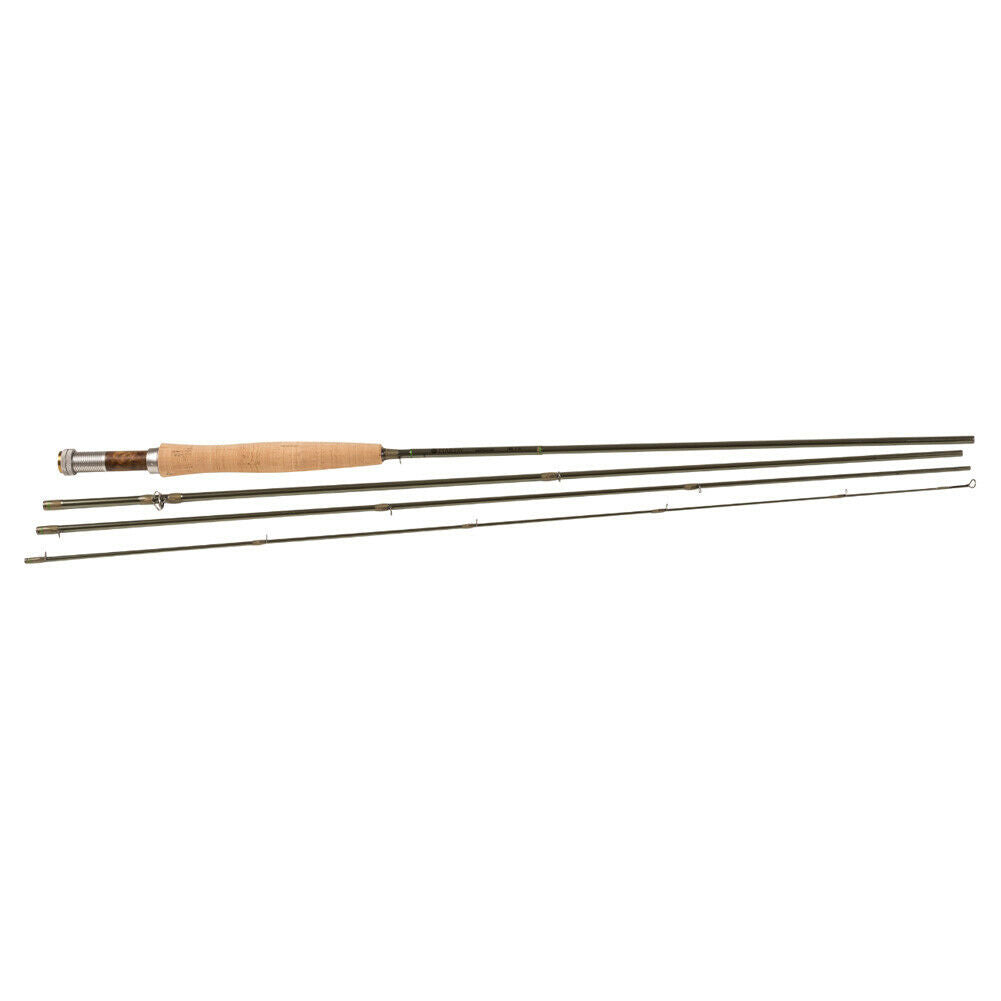
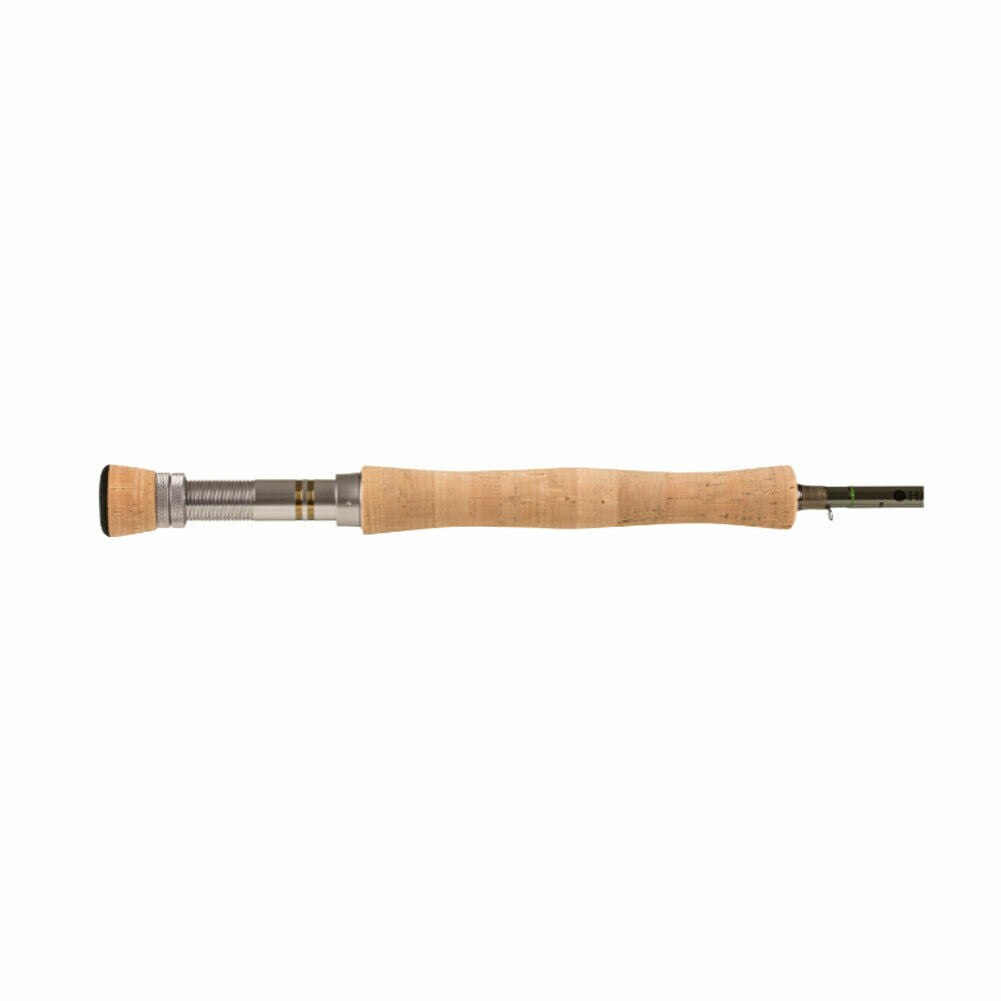
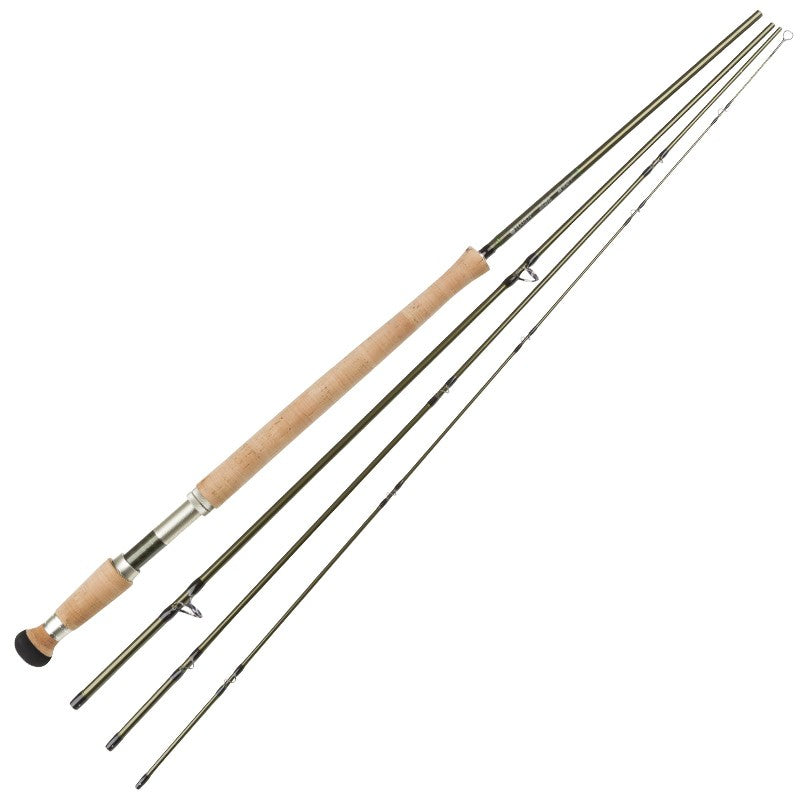
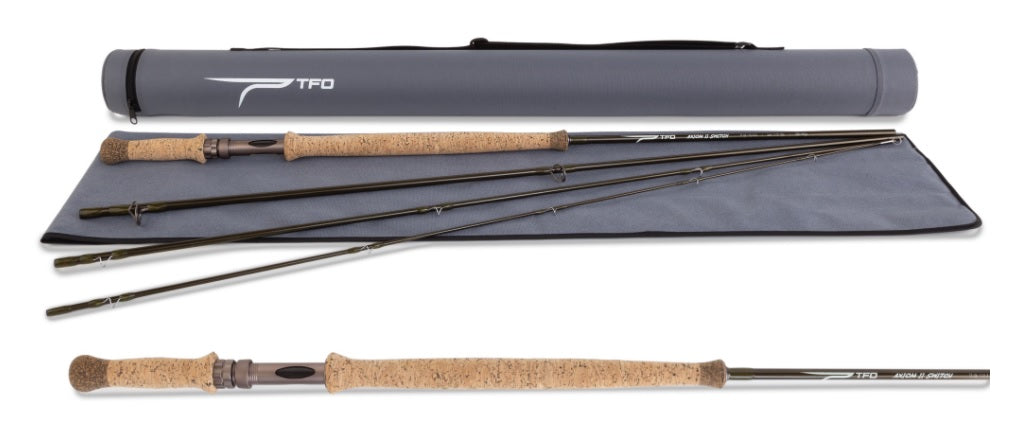
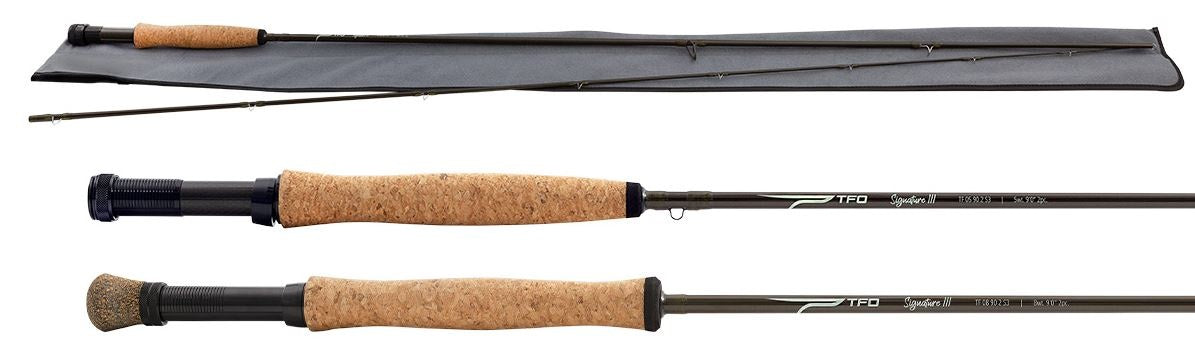
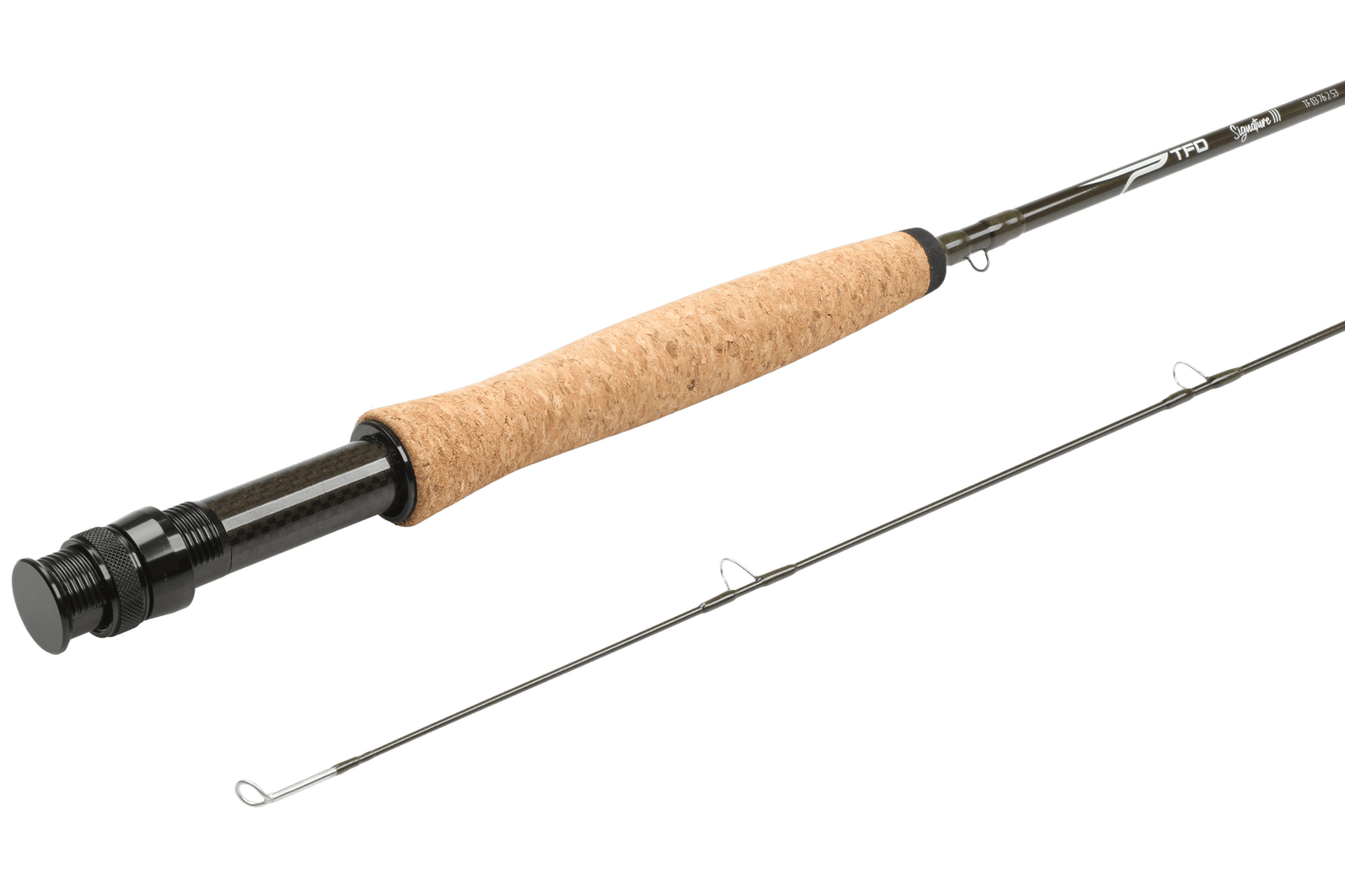
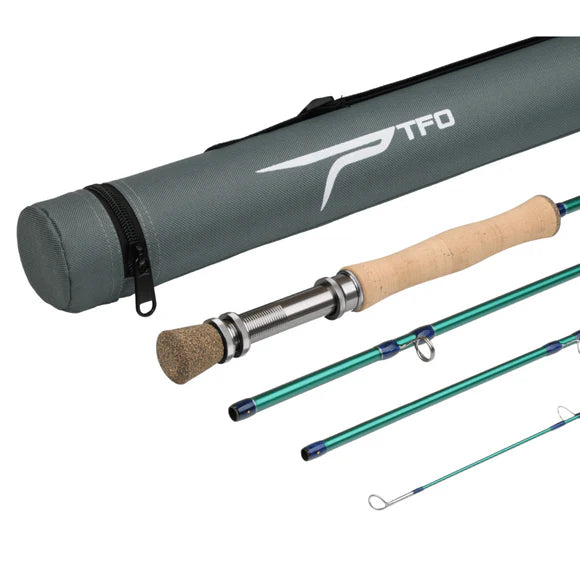
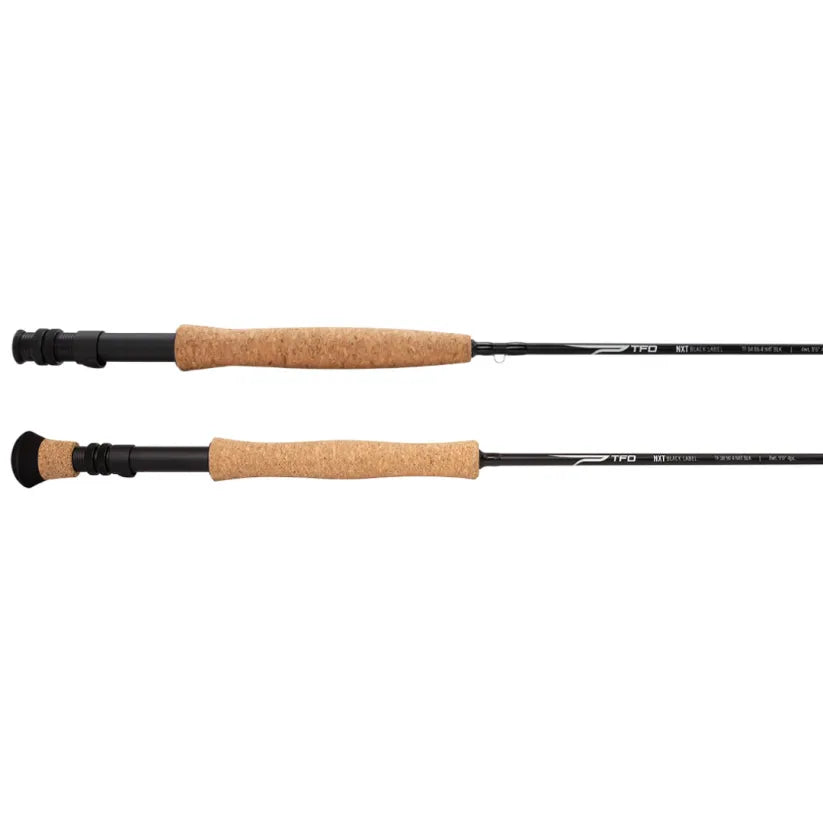
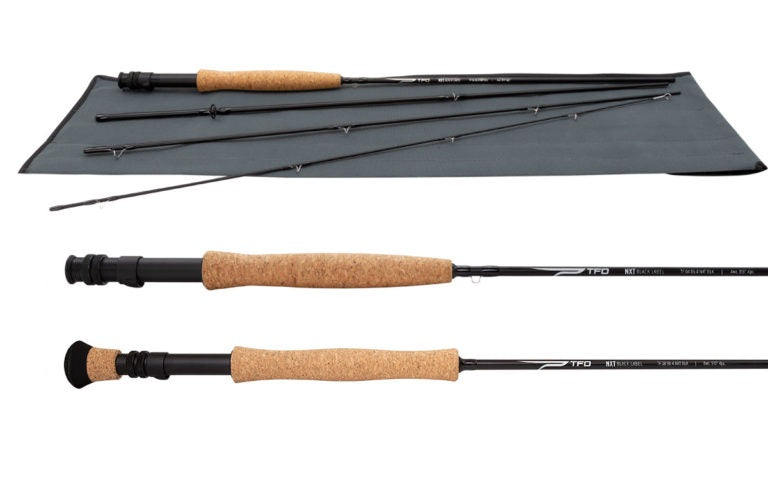
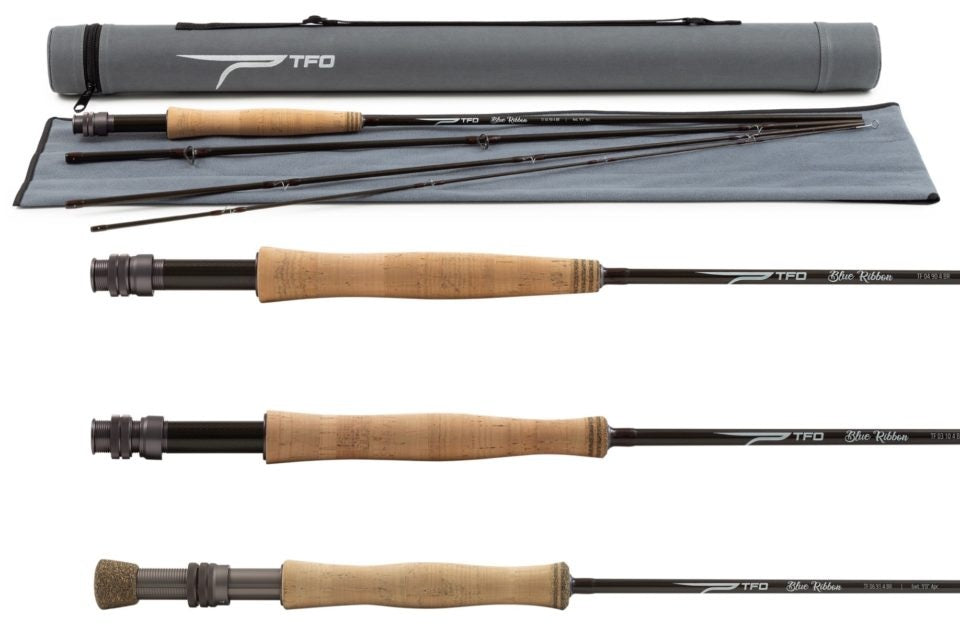
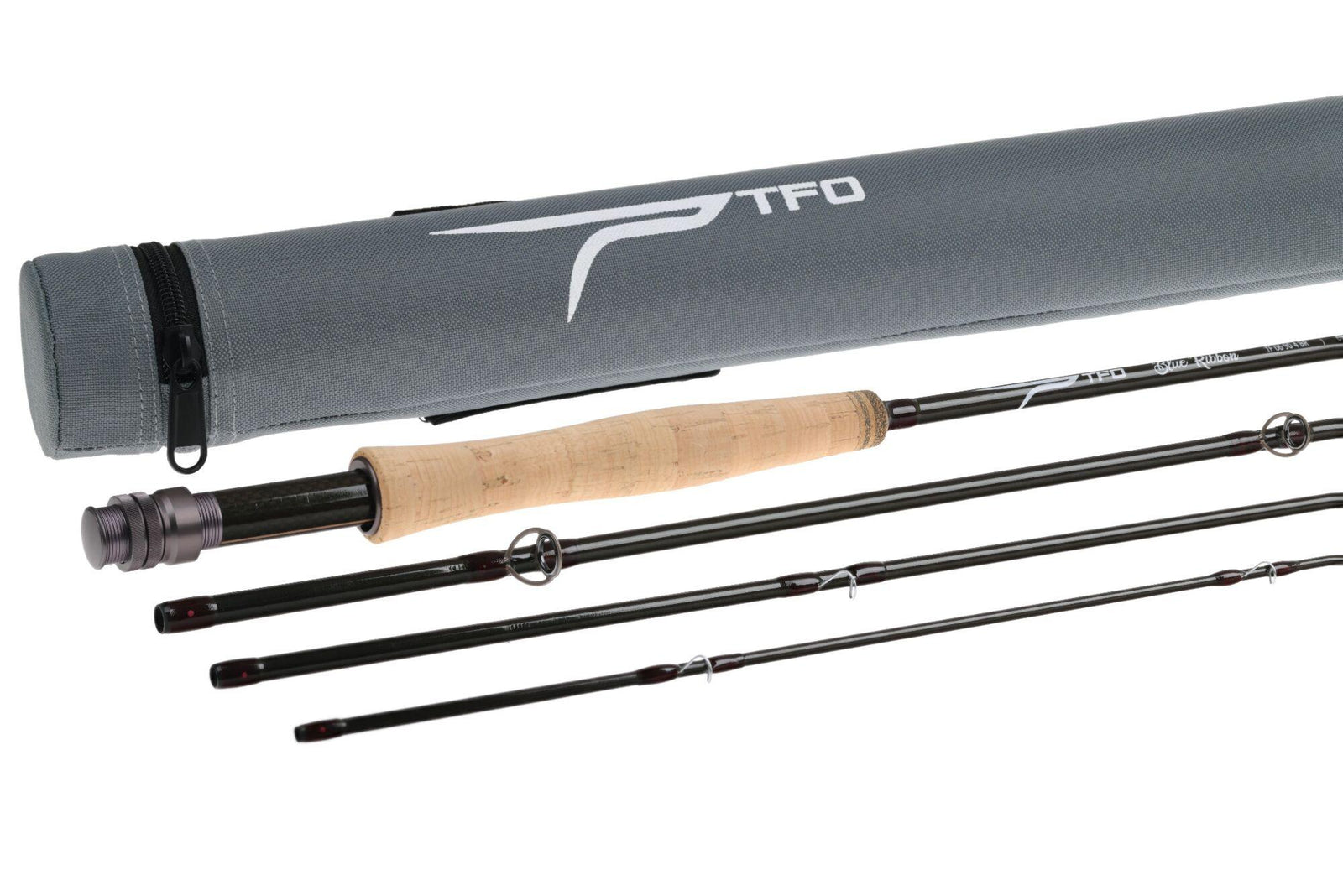
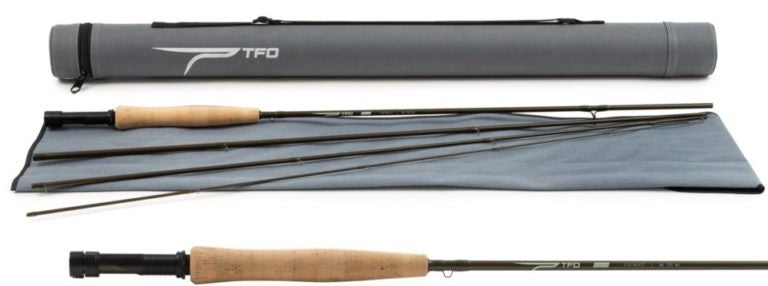
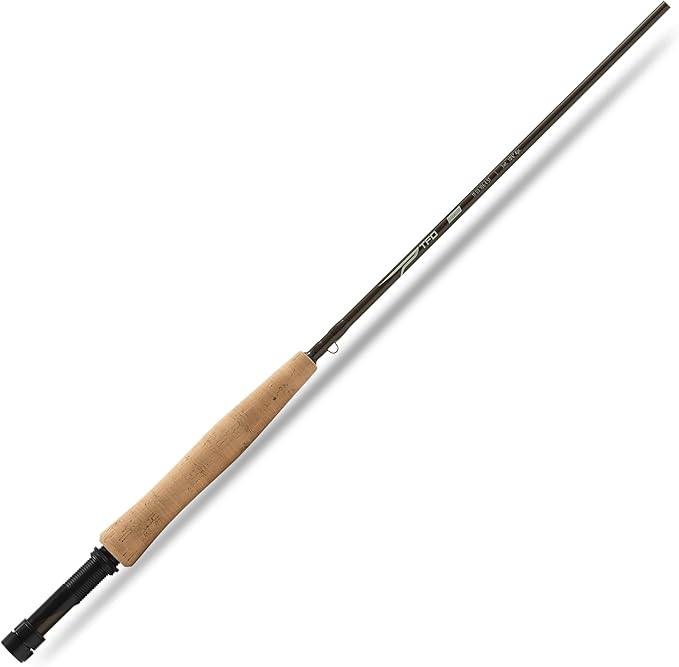
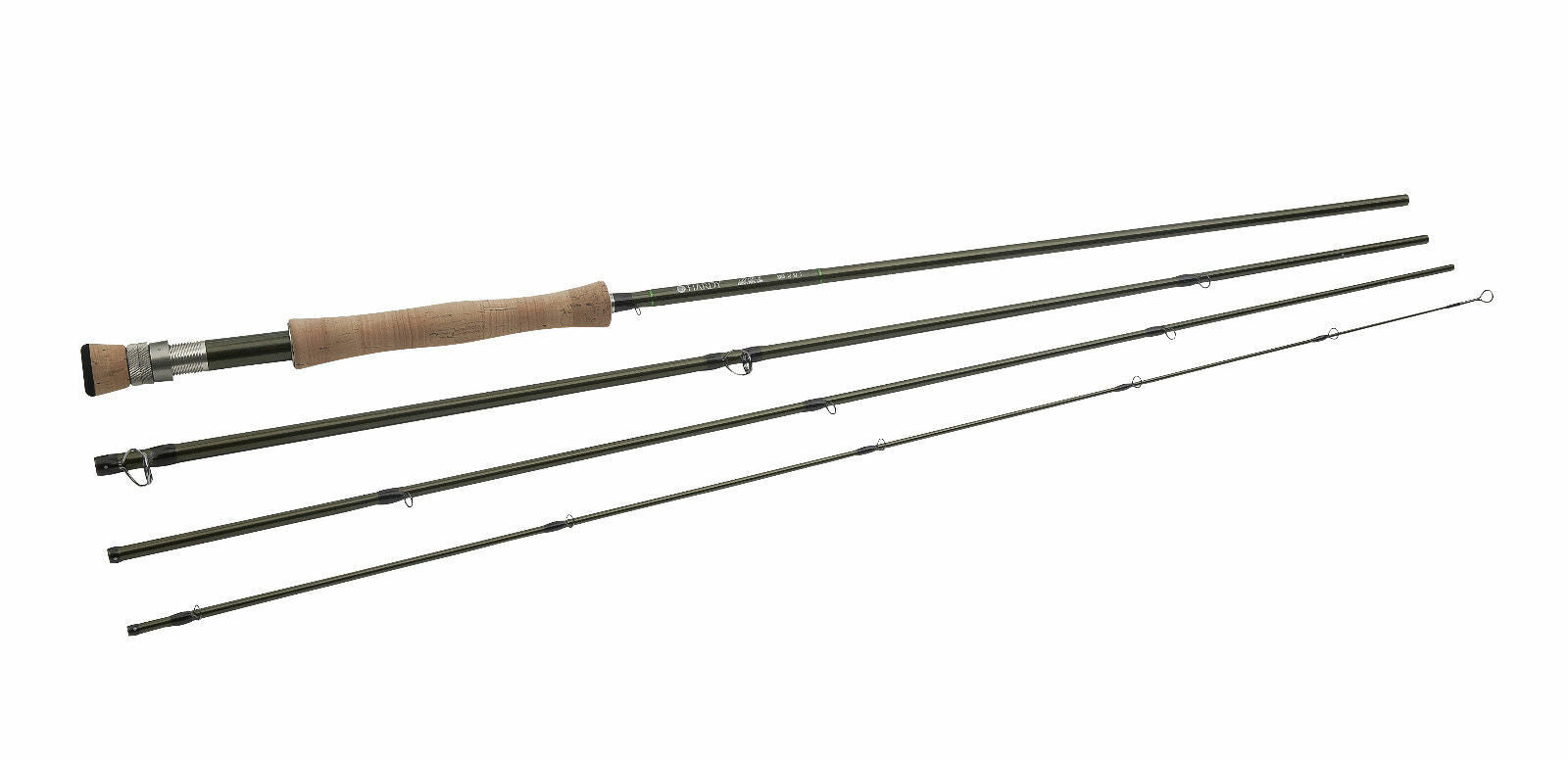
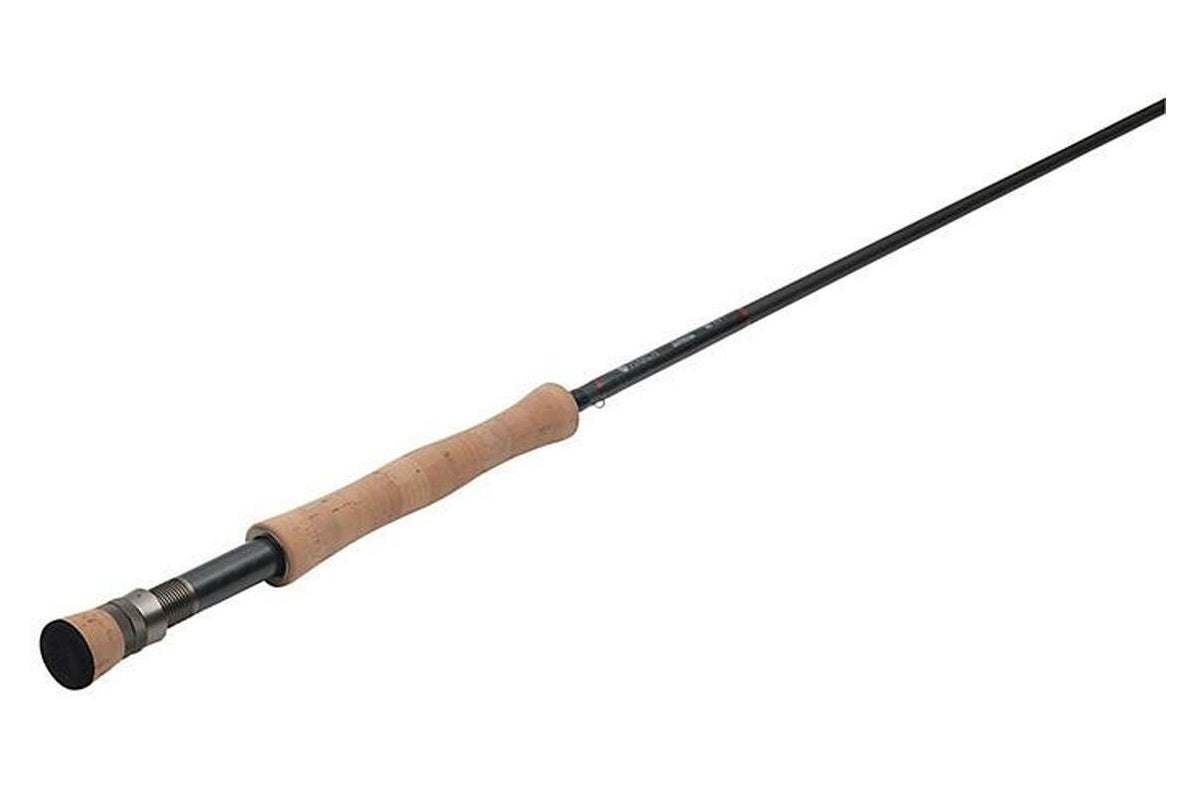
Temple Fork Outfitters TFO Lefty Kreh Signature II Fly Fishing Rod
$239.00
$299.00
Sold Out






















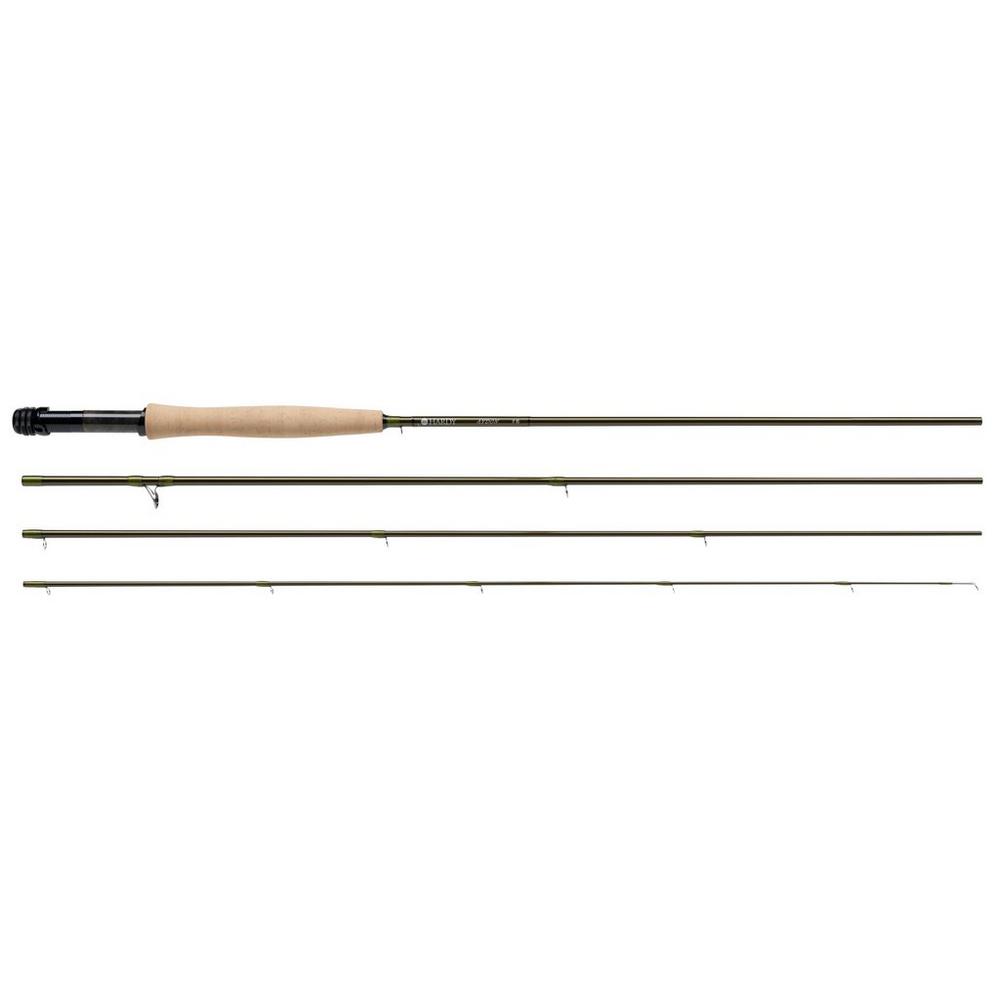
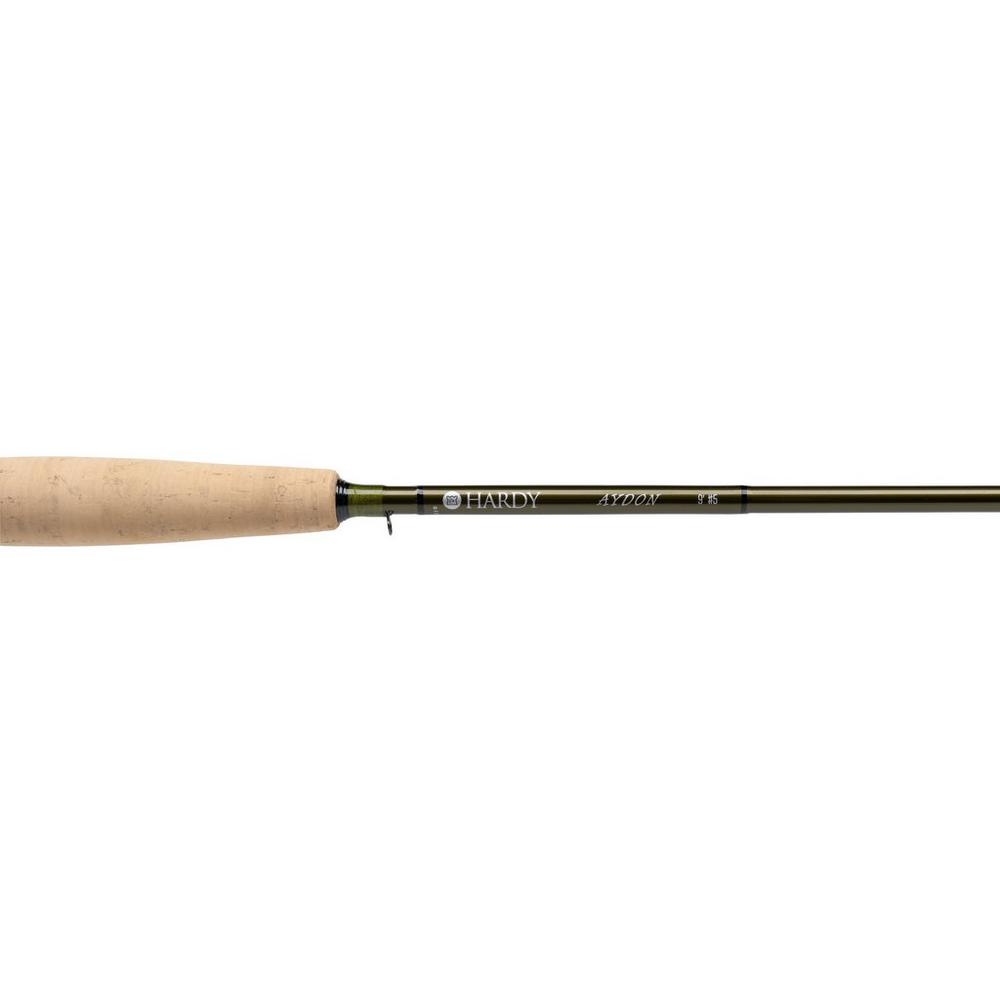

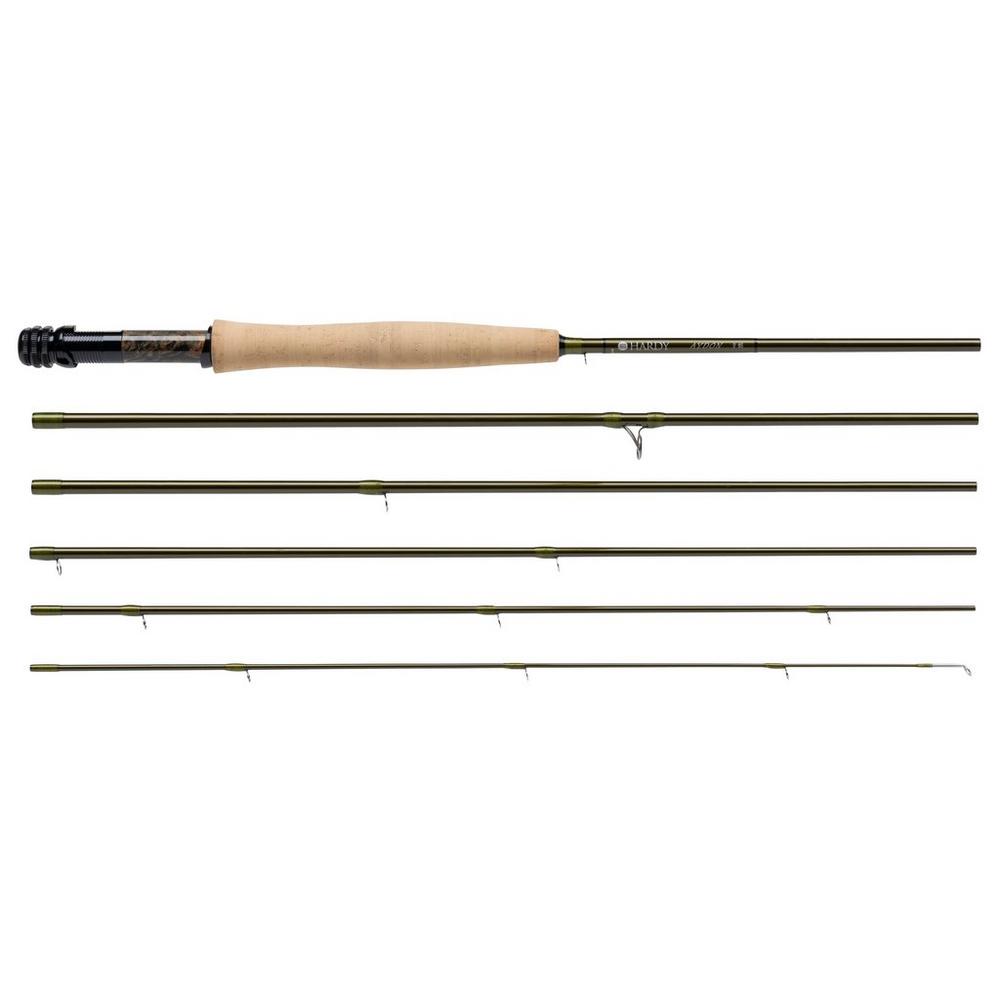
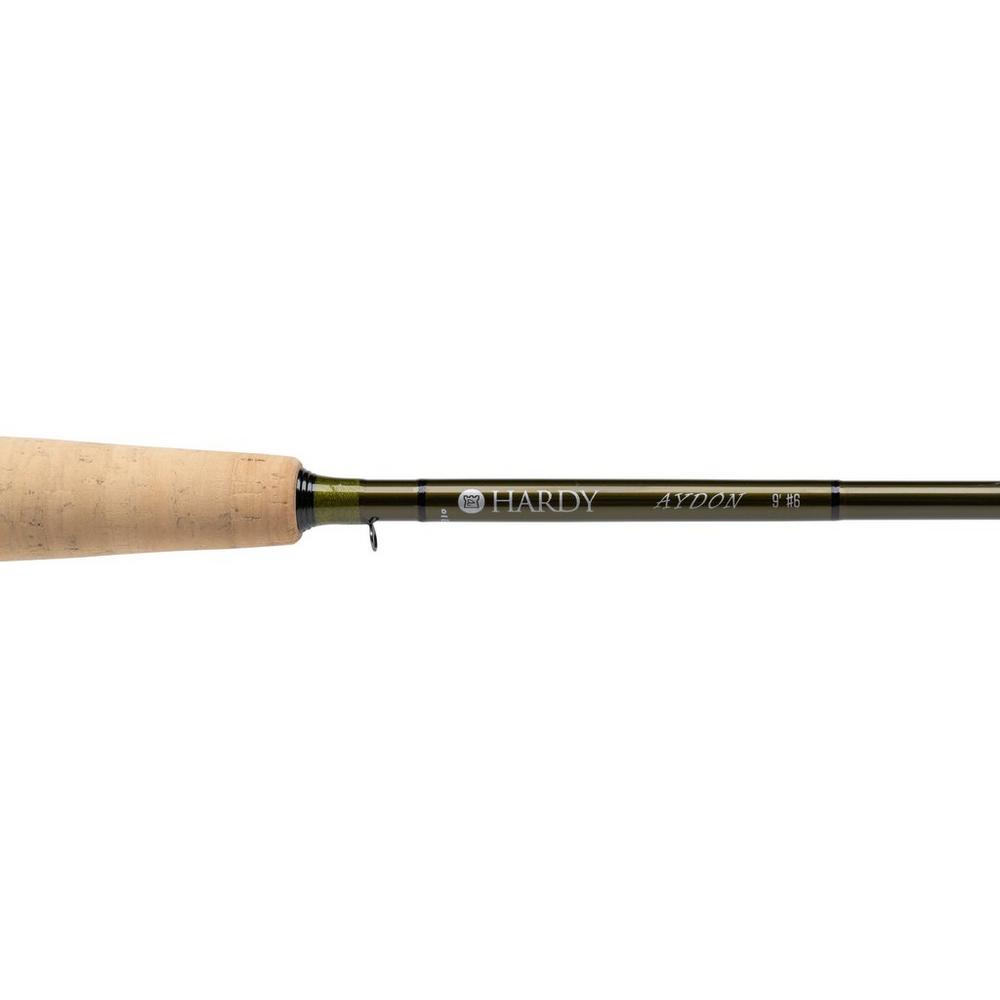

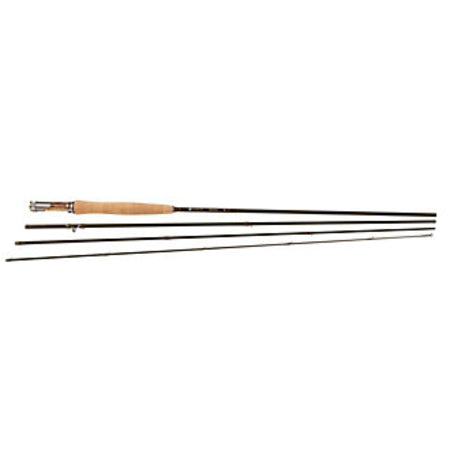
Sold Out
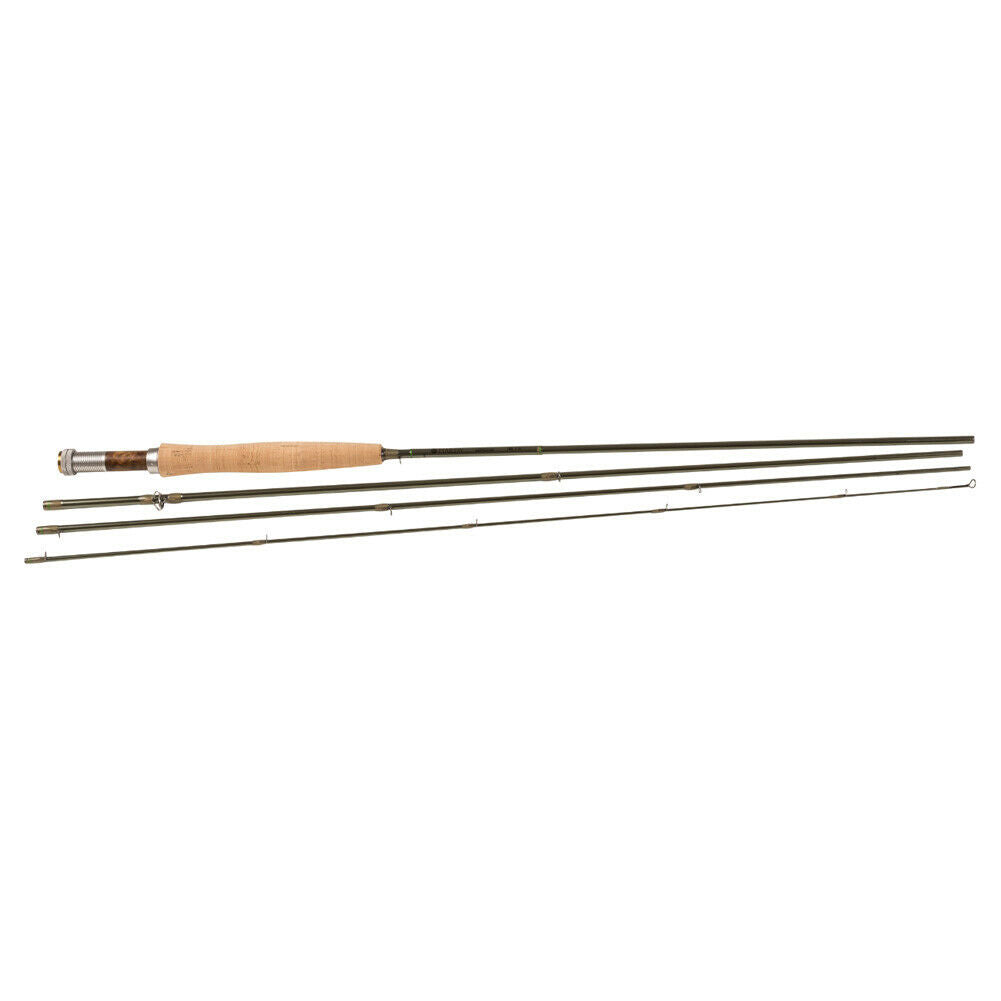
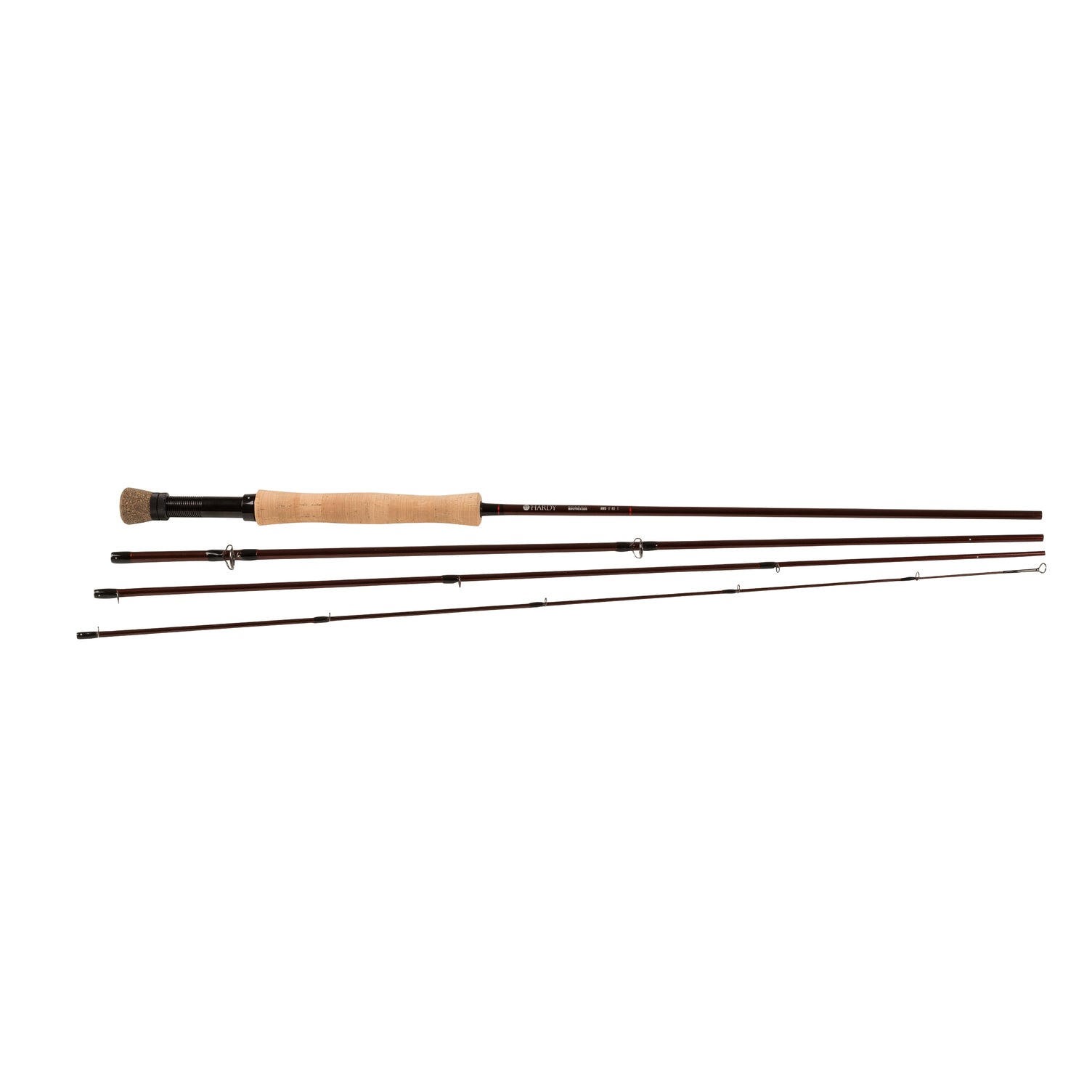
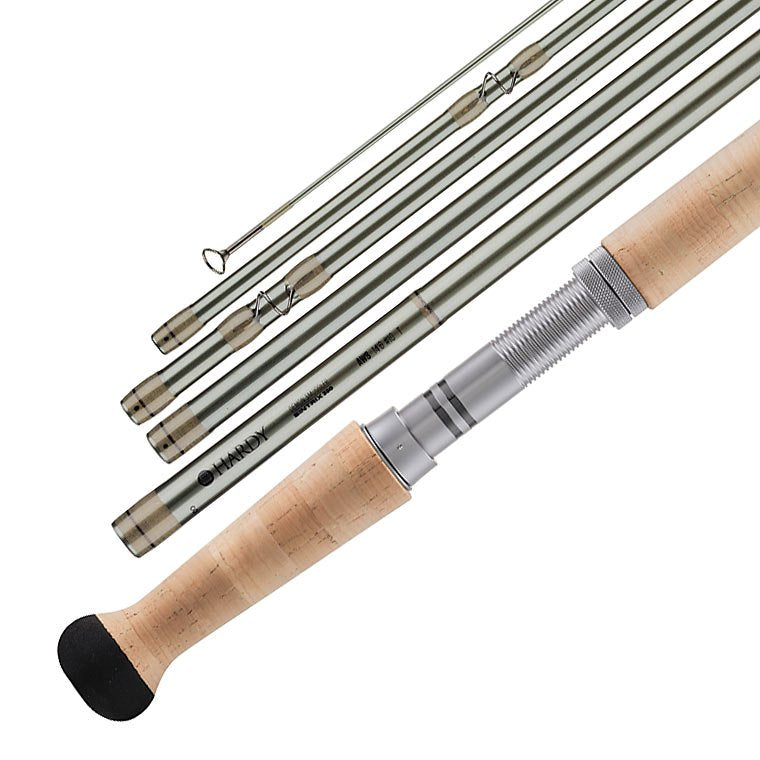
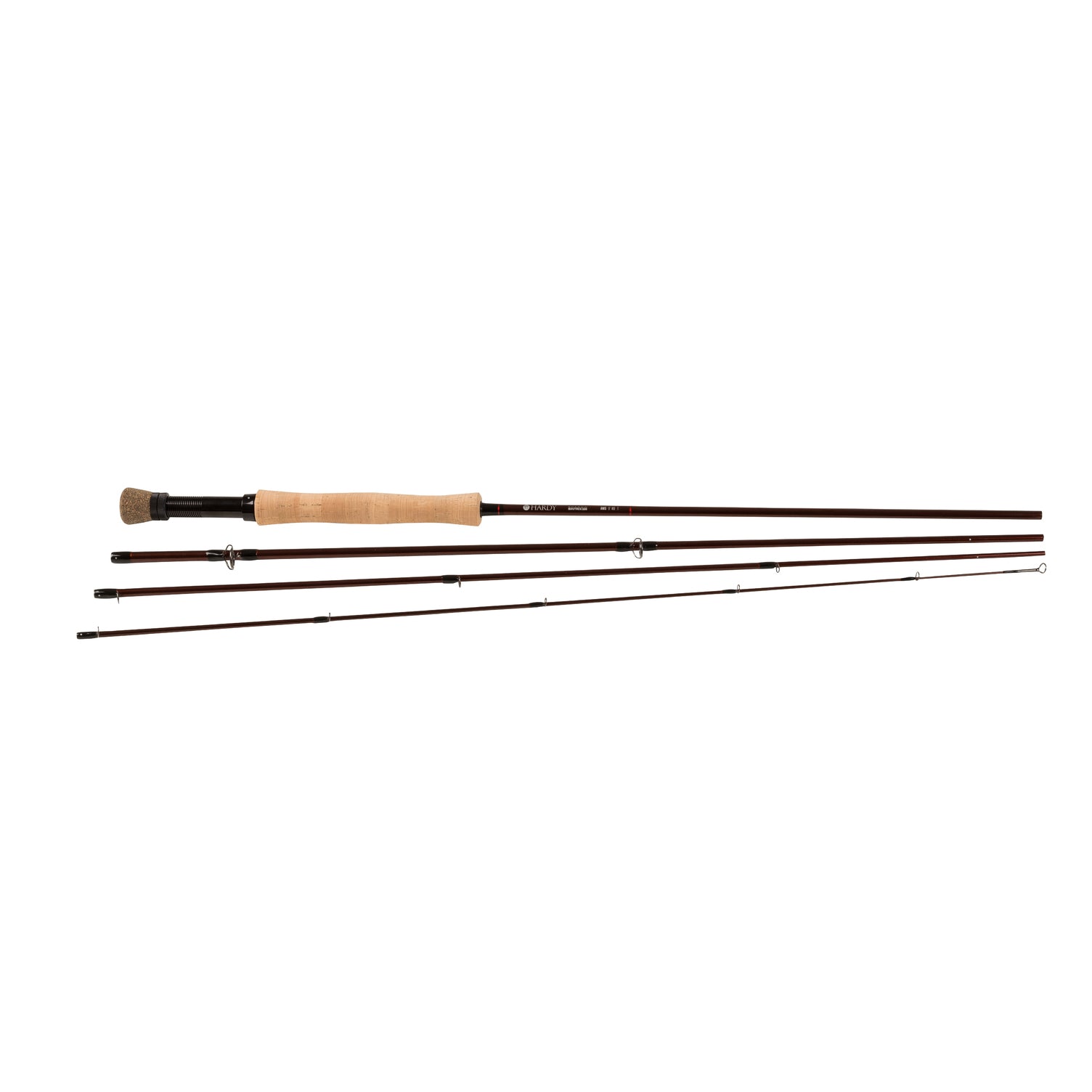
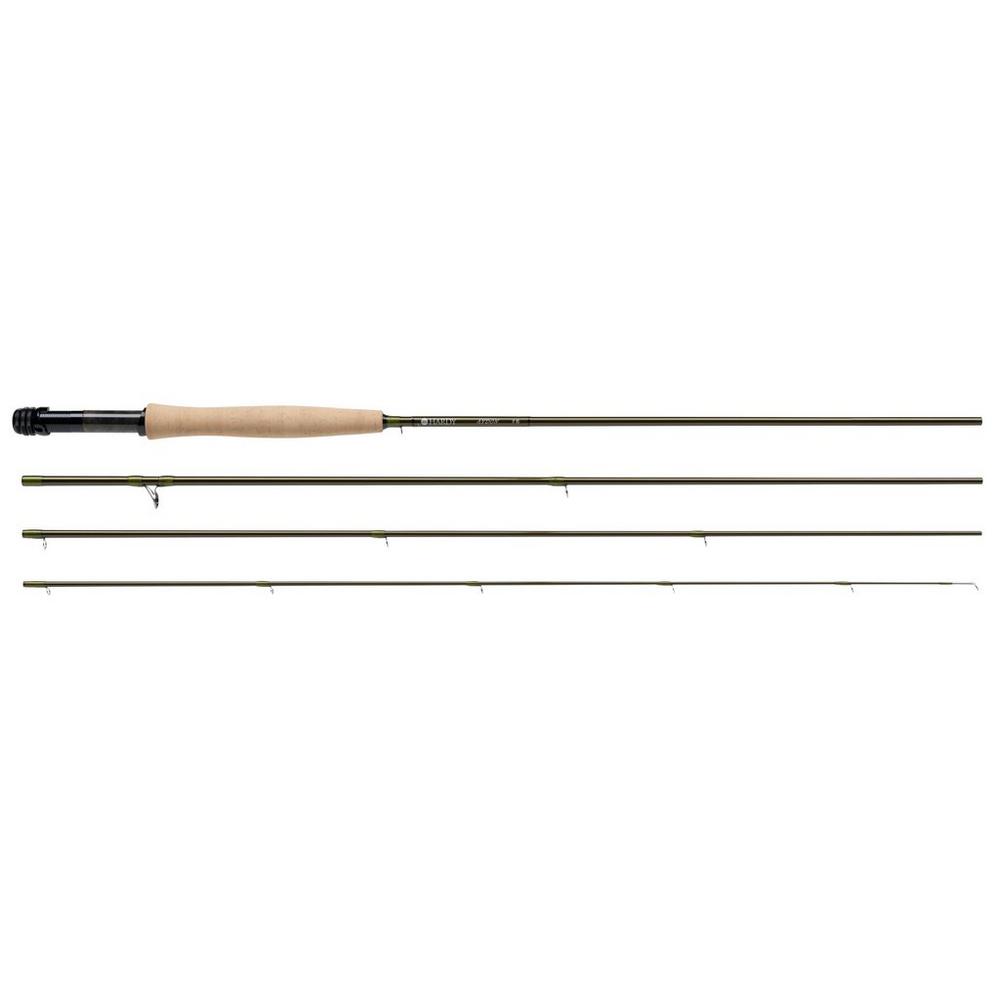
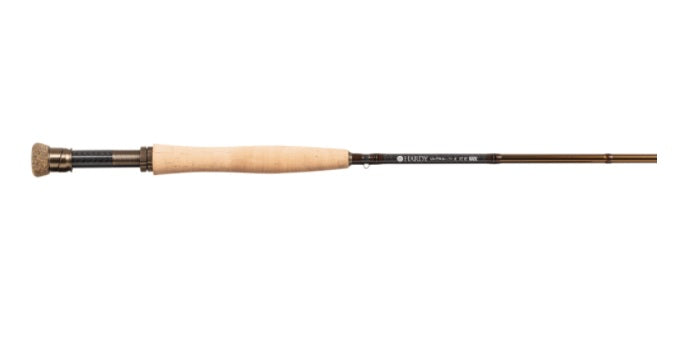
Hardy Zephrus Sintrix Ultralite Fly Fishing Rod 9FT9 5WT - Mega Clearance
$777.79
$1,250.00
Sold Out

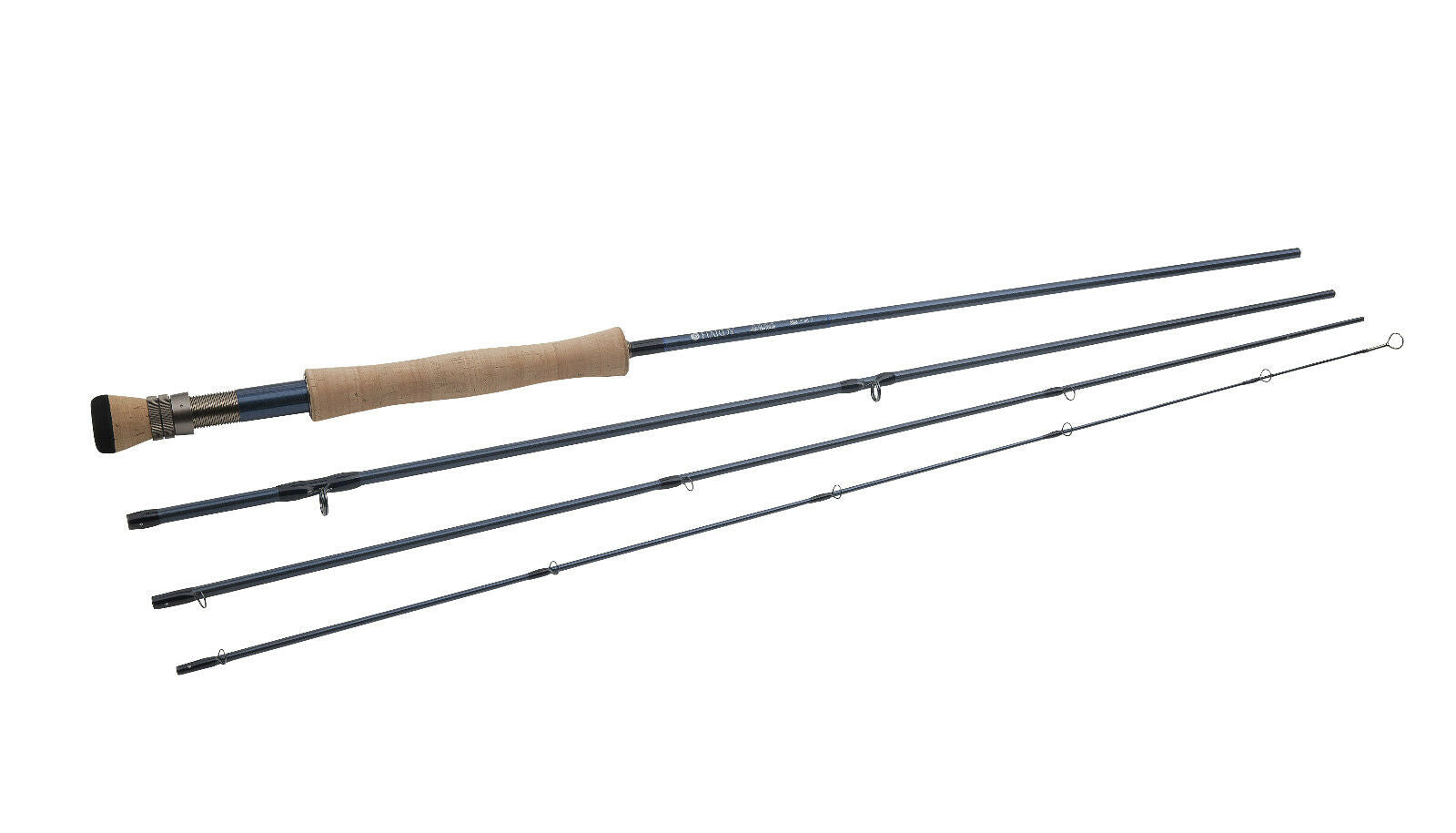
Sold Out
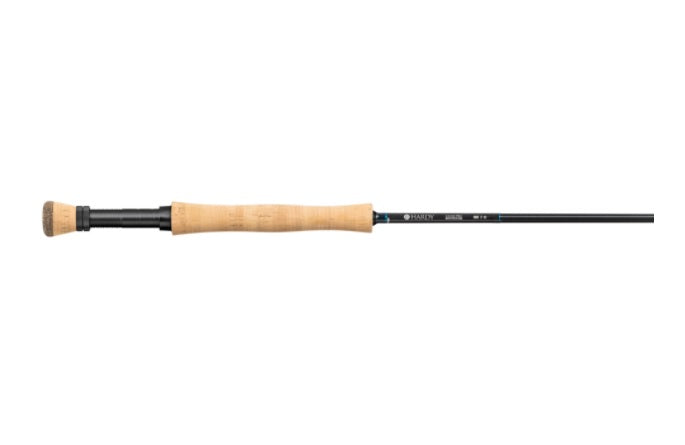
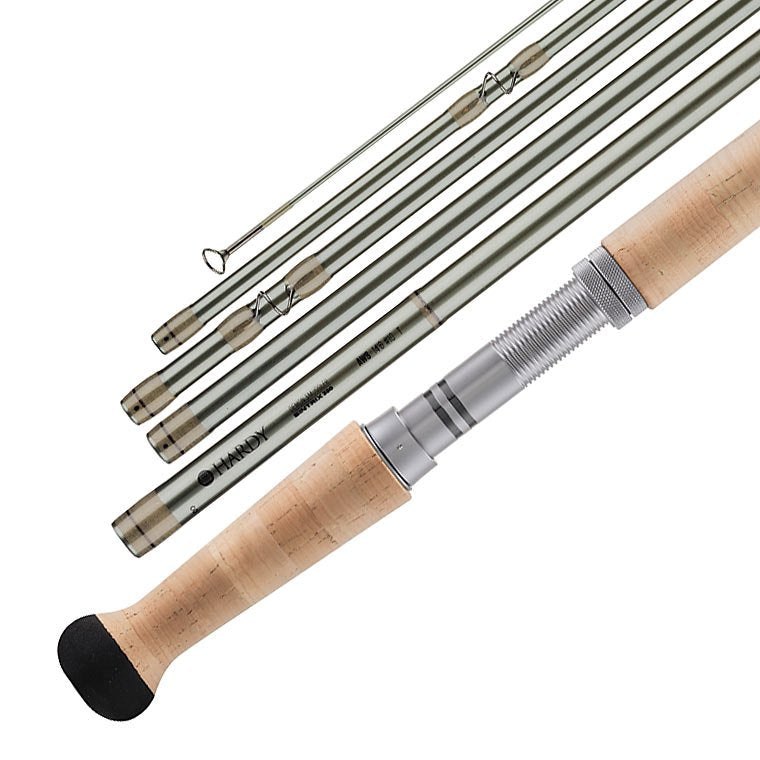
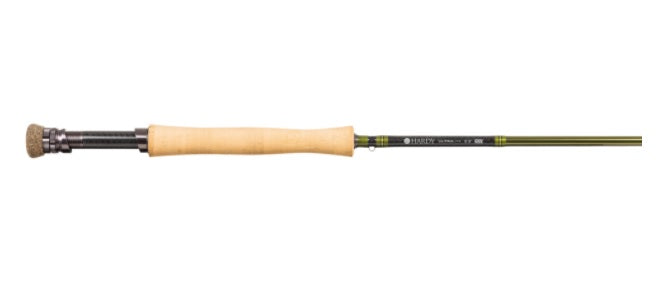
Hardy Zephrus Sintrix SWS Fly Fishing Rod 9FT 12WT - Mega Clearance
$755.65
$1,210.00
Sold Out





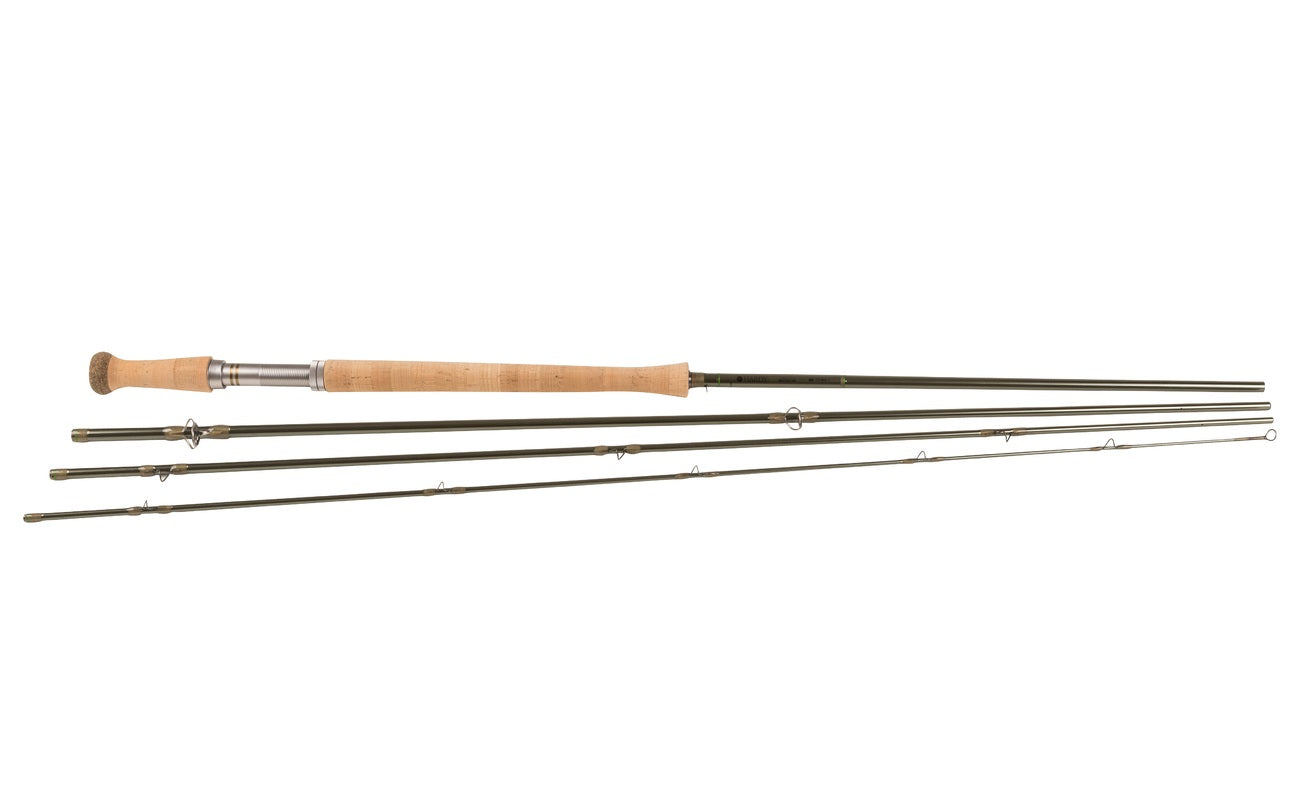
Fly rods for trout streams, bass and estuary flats through to heavier saltwater work. The range covers single-hand rods in the common line weights, mostly in four-piece builds that travel easily.
Choosing a fly rod
Line weight is the number that matters, and it describes the whole system rather than the rod alone. The rod, the line and the reel all need to be the same weight class, because fly casting works by loading the rod with the weight of the line rather than the weight of the lure. Lighter weights suit small streams and delicate presentation; heavier weights throw larger flies and handle wind and bigger fish.
Length is a trade-off between reach and room. A longer rod mends line better and casts further, while a shorter rod is easier to use on an overgrown creek where the trees are the real obstacle.
Action follows the same logic as any other rod. Faster actions generate line speed and cut wind; slower, more progressive actions are more forgiving to cast and protect fine tippet. Pair the rod with a matched fly reel, or see fishing rods for conventional tackle.
Frequently asked questions
What weight fly rod should I start with?
A mid-range weight is the usual first rod, because it handles trout in most water and still copes with a bit of wind. Go lighter only if you are fishing small clear streams, heavier for salt water and big flies.
Does the fly line have to match the rod?
Yes. Fly casting loads the rod with the line's weight, so a mismatched line will either fail to load the rod or overload it. Match the weight marked on the rod.
Are four-piece fly rods weaker than two-piece?
Not meaningfully with modern ferrules. Four-piece rods pack into a bag or a car boot easily, which is why most rods are now built that way.
What length fly rod do I need?
Longer for open water, distance and line control. Shorter for tight creeks and overgrown banks where you cannot complete a full cast anyway.