

FREE SHIPPING ON ORDERS OVER $150*

AUSSIE FAMILY OWNED BUSINESS FOR OVER 40 YEARS

100% SATISFACTION GUARANTEED
Downriggers
Downriggers
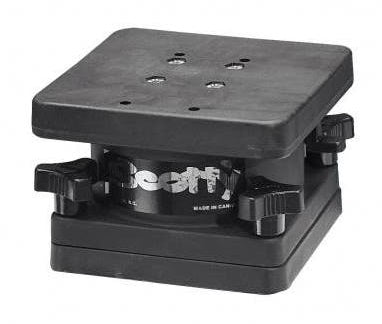
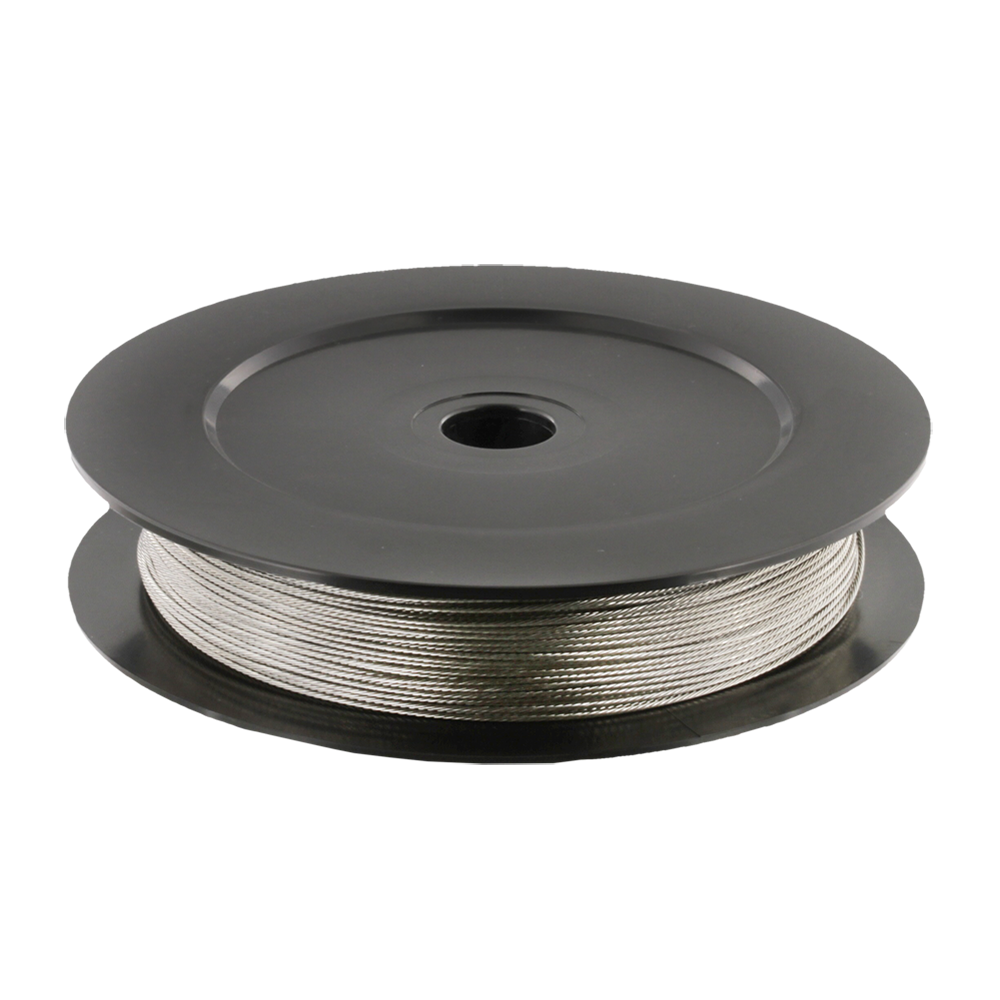
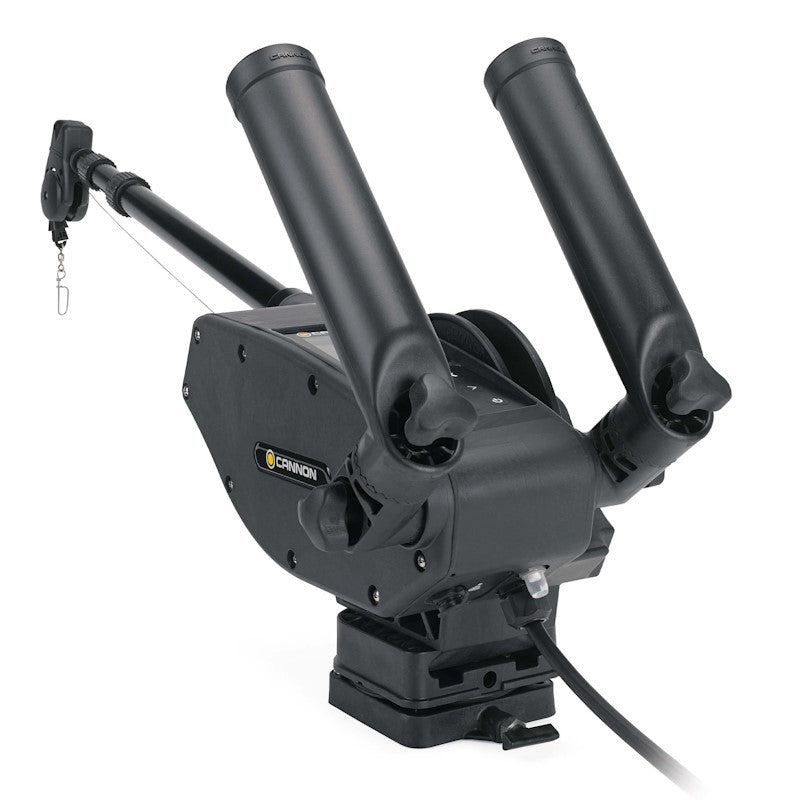
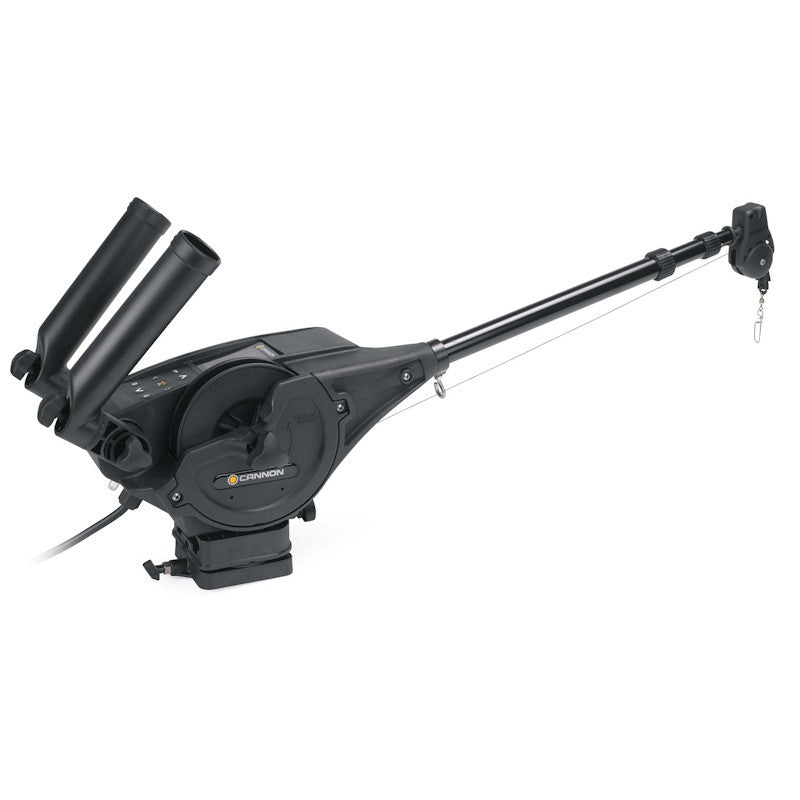
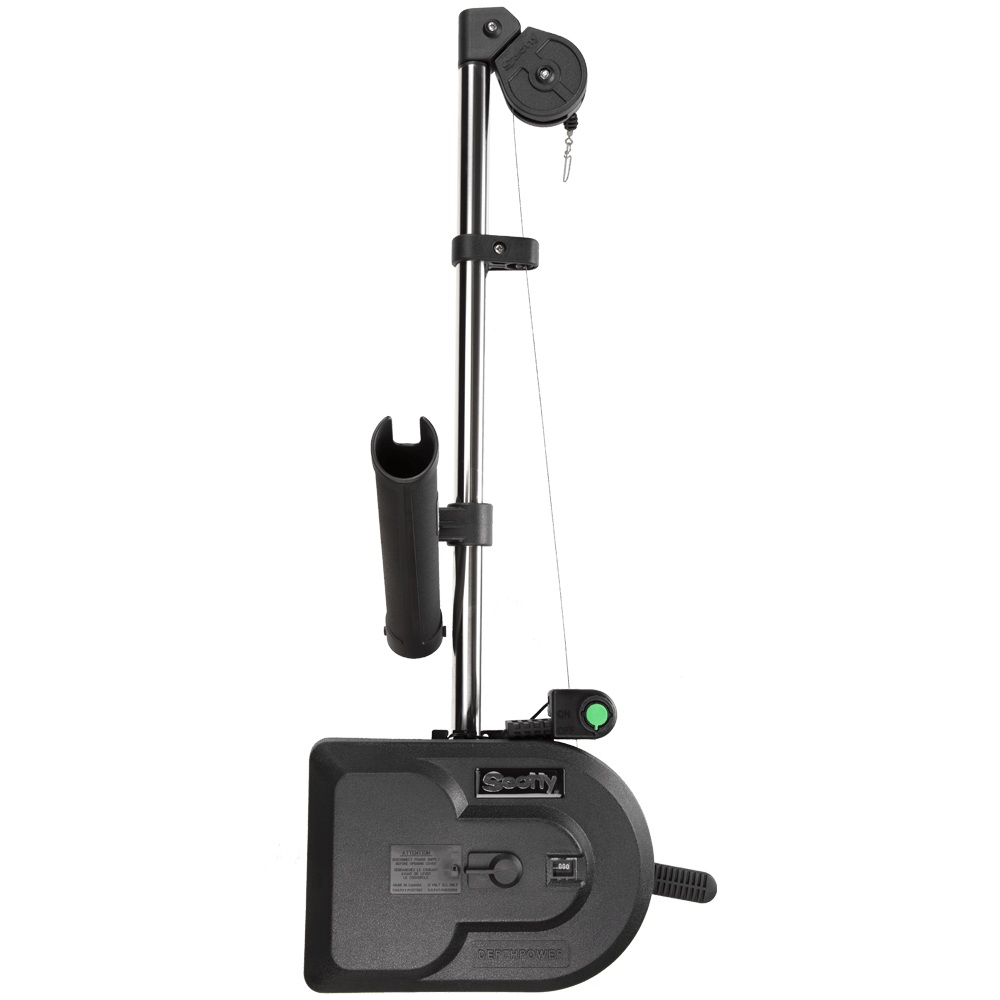
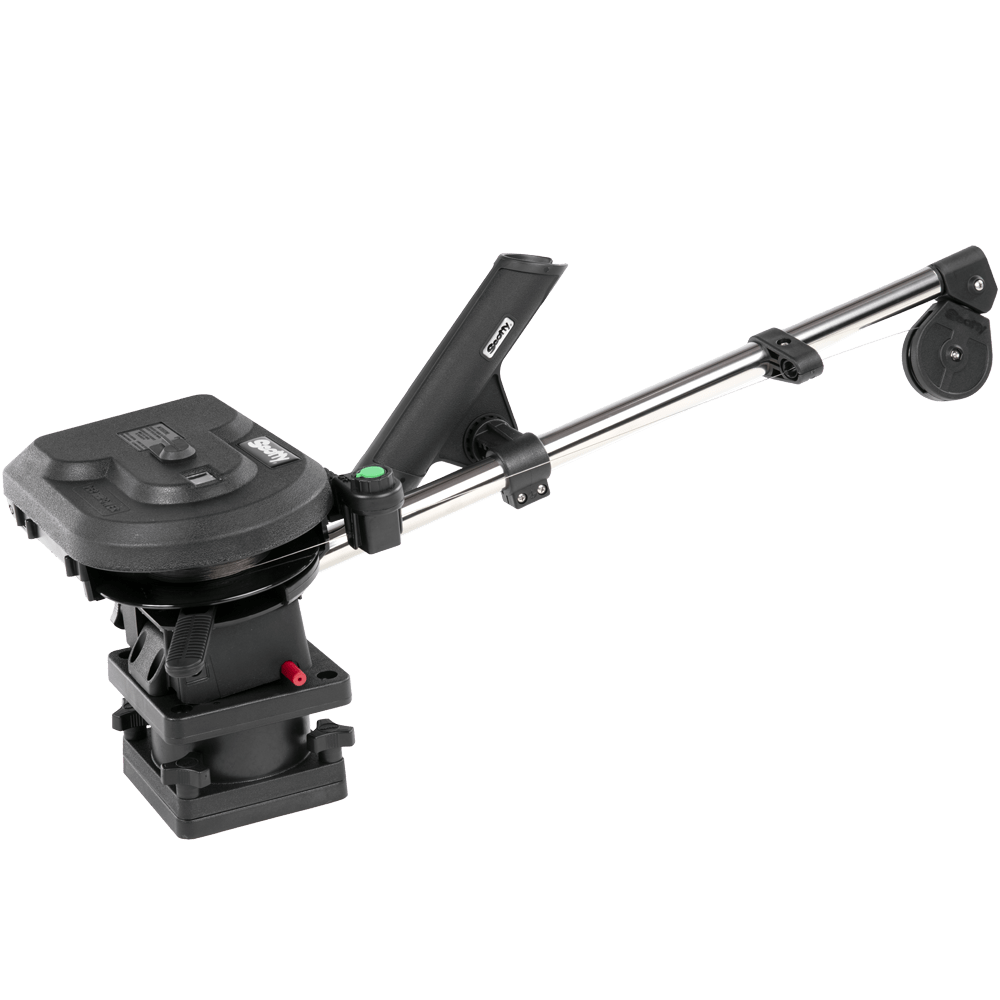
A downrigger puts a trolled lure or bait at an exact depth and keeps it there, using a heavy weight on a separate cable with the line held by a release clip. When the fish hits, the line pops free and you fight it on your own tackle rather than against the weight.
Choosing a downrigger
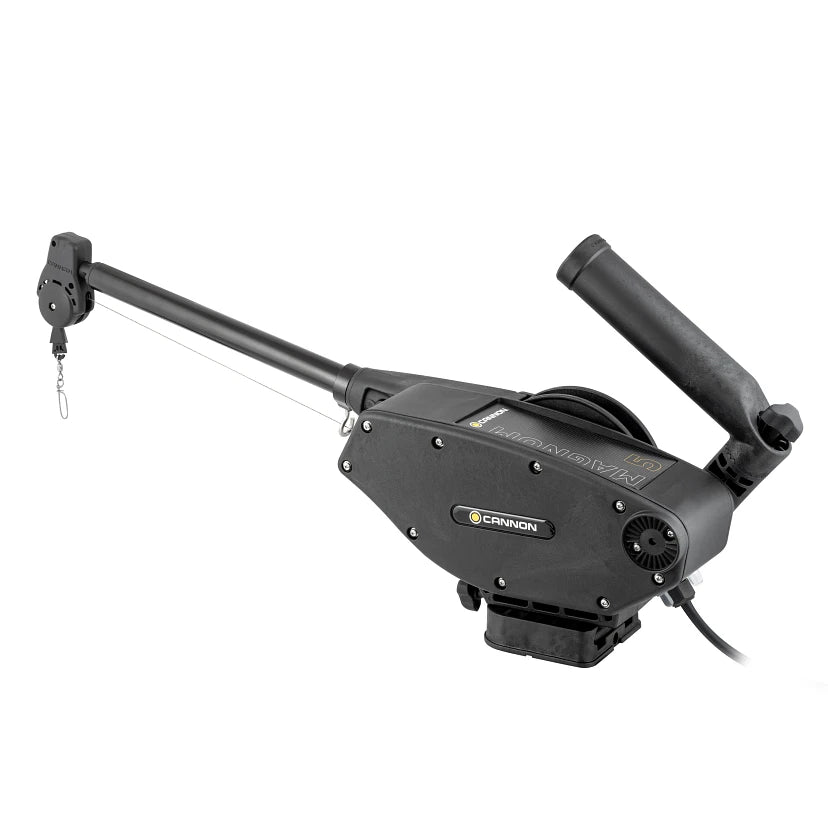
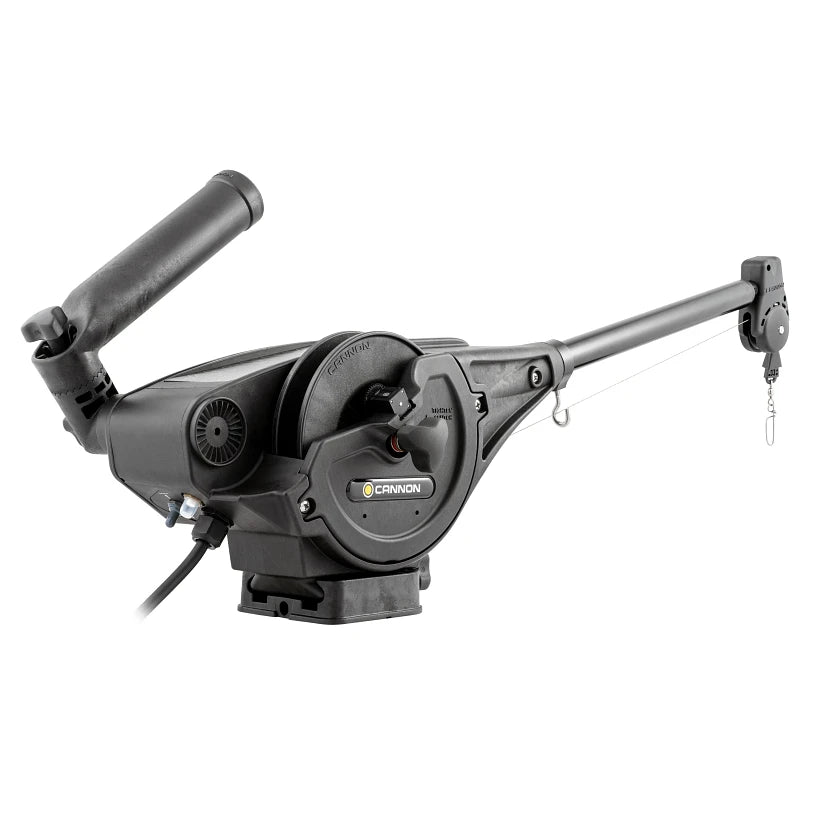
Manual downriggers are cheaper, lighter and perfectly workable for shallower trolling. Electric models cost more but retrieve the weight for you, which stops being a luxury the moment you are fishing deep and resetting repeatedly through a session.
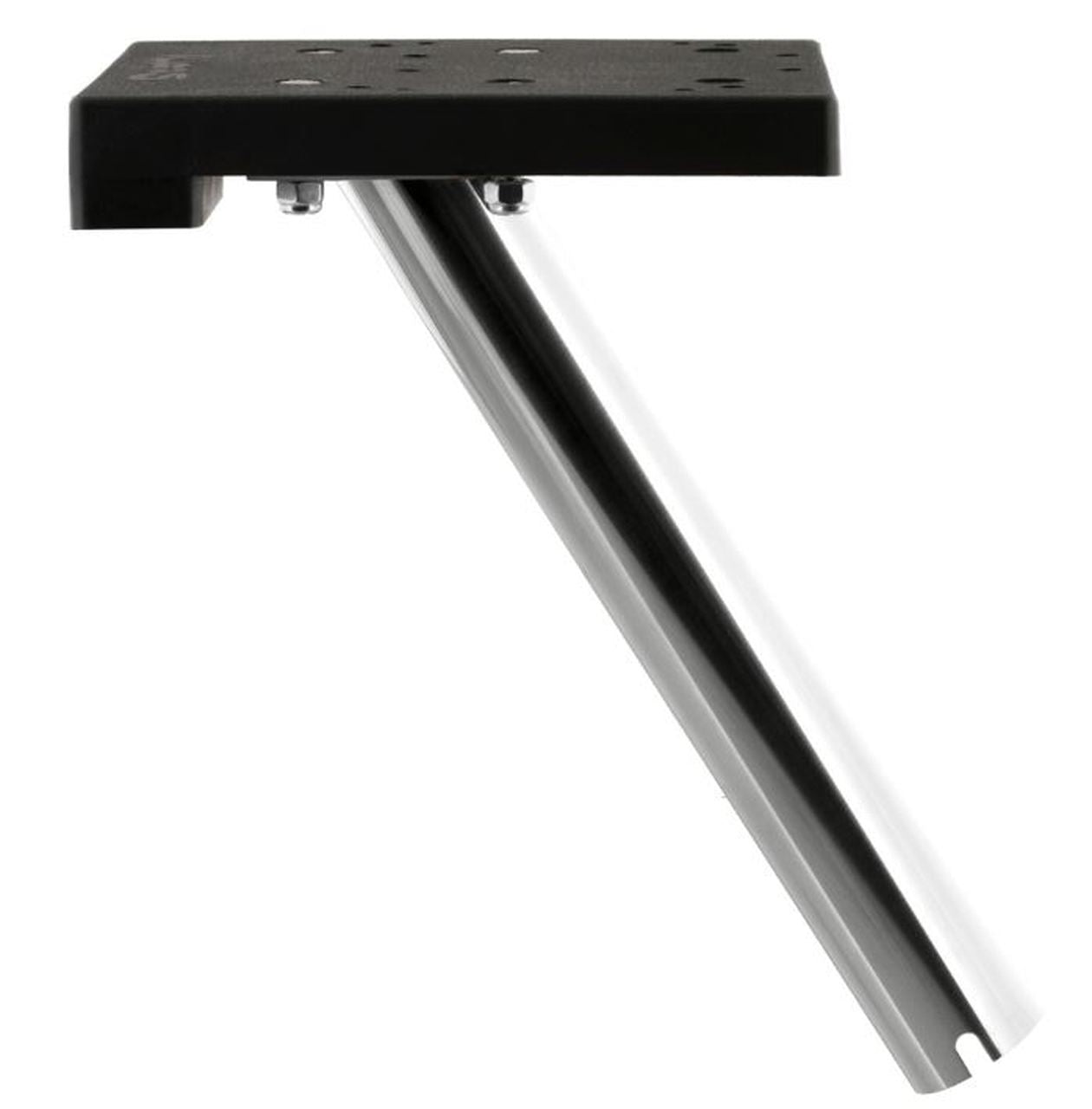
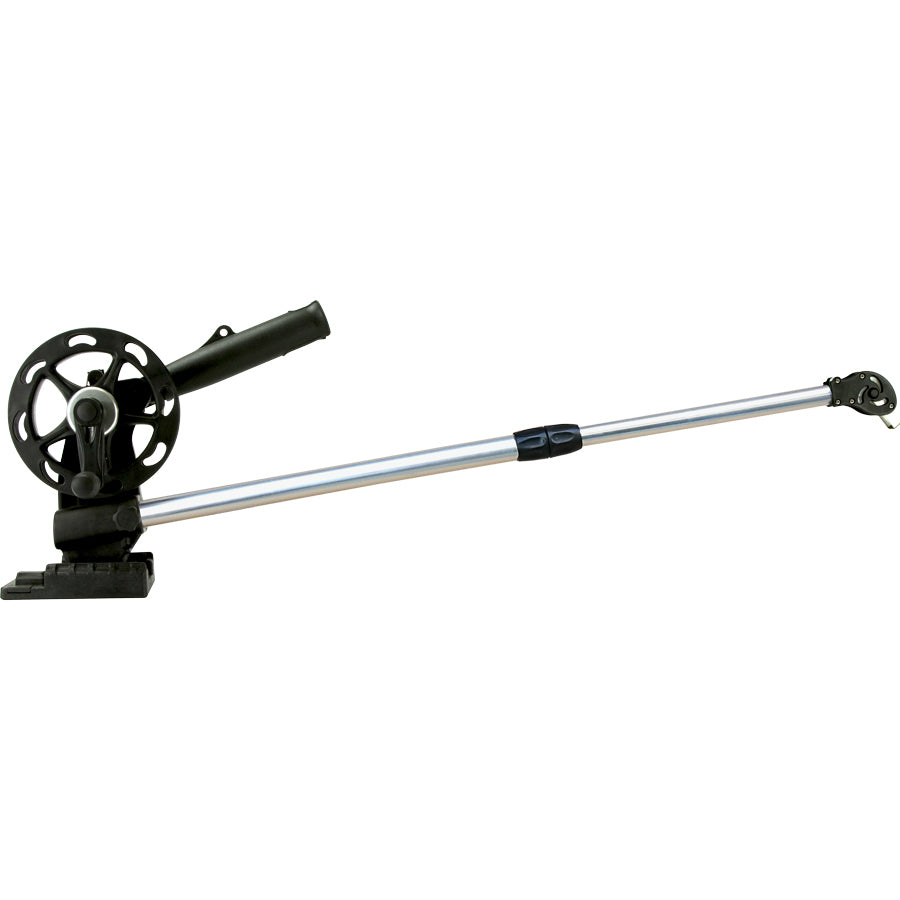
Boom length decides how far the cable runs from the hull. A longer boom keeps the weight clear of the prop wash and lets you run two downriggers without them tangling; a shorter boom is easier to live with on a small boat.
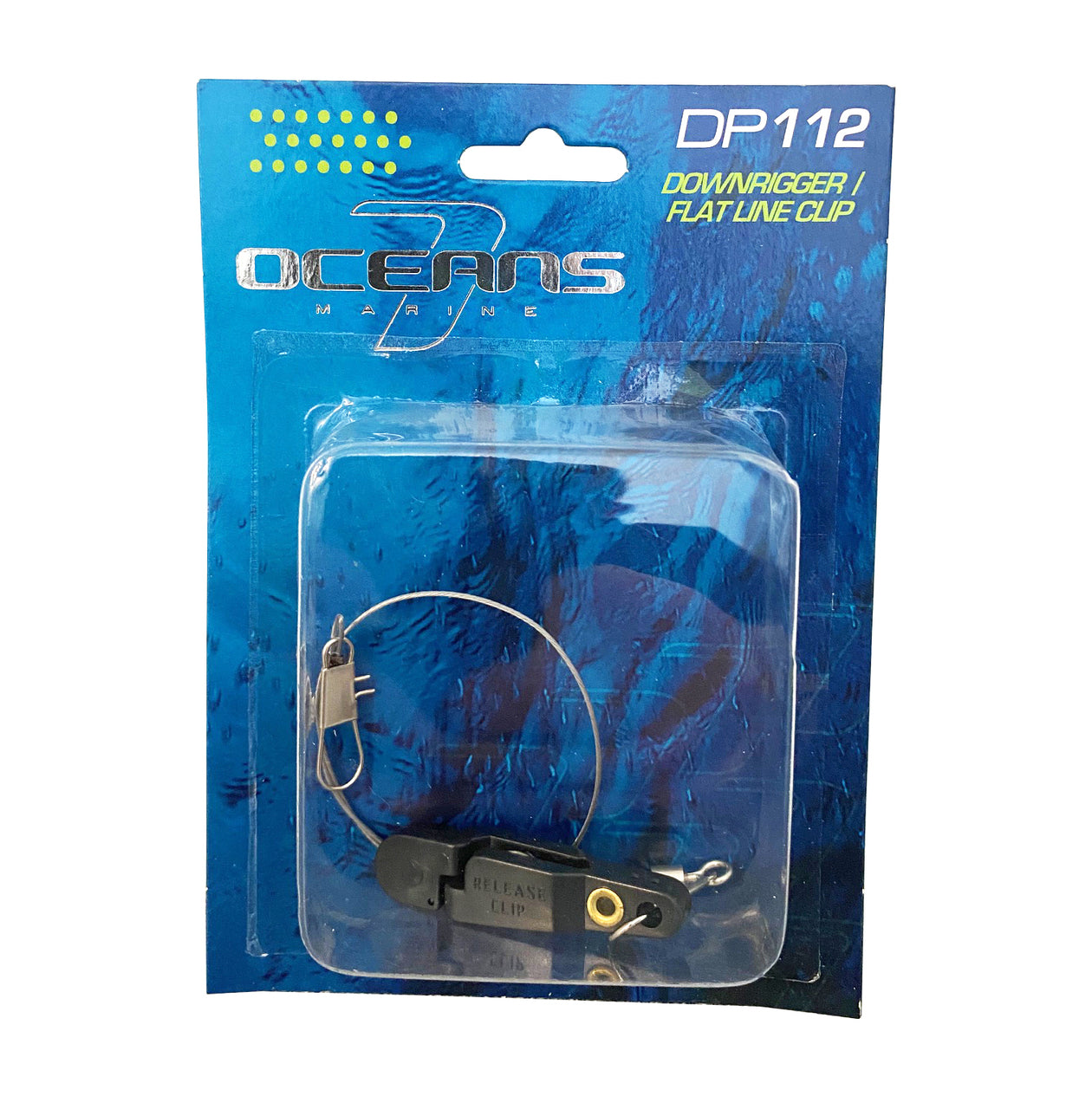
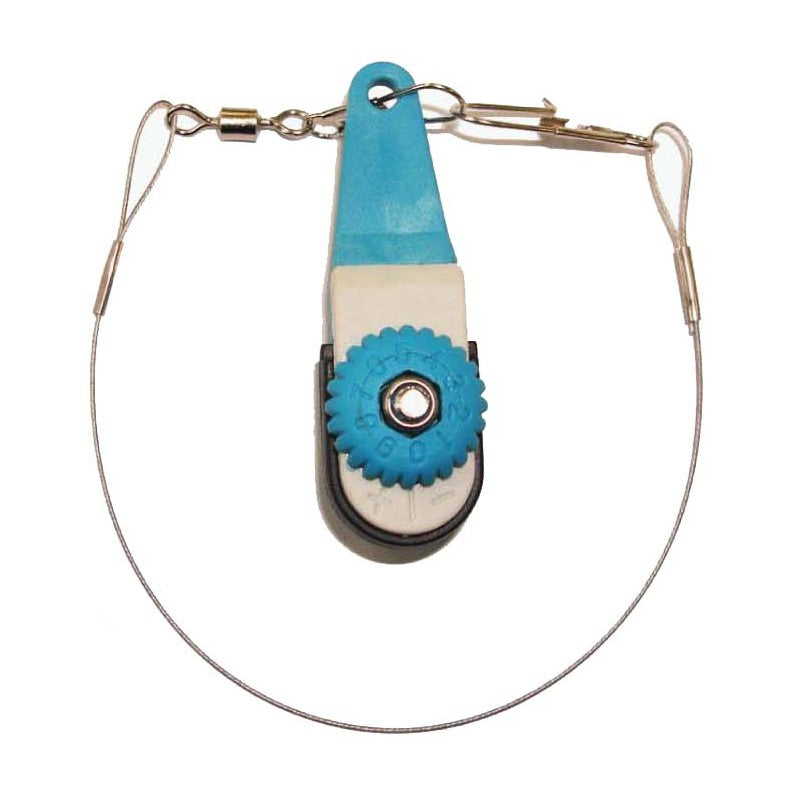
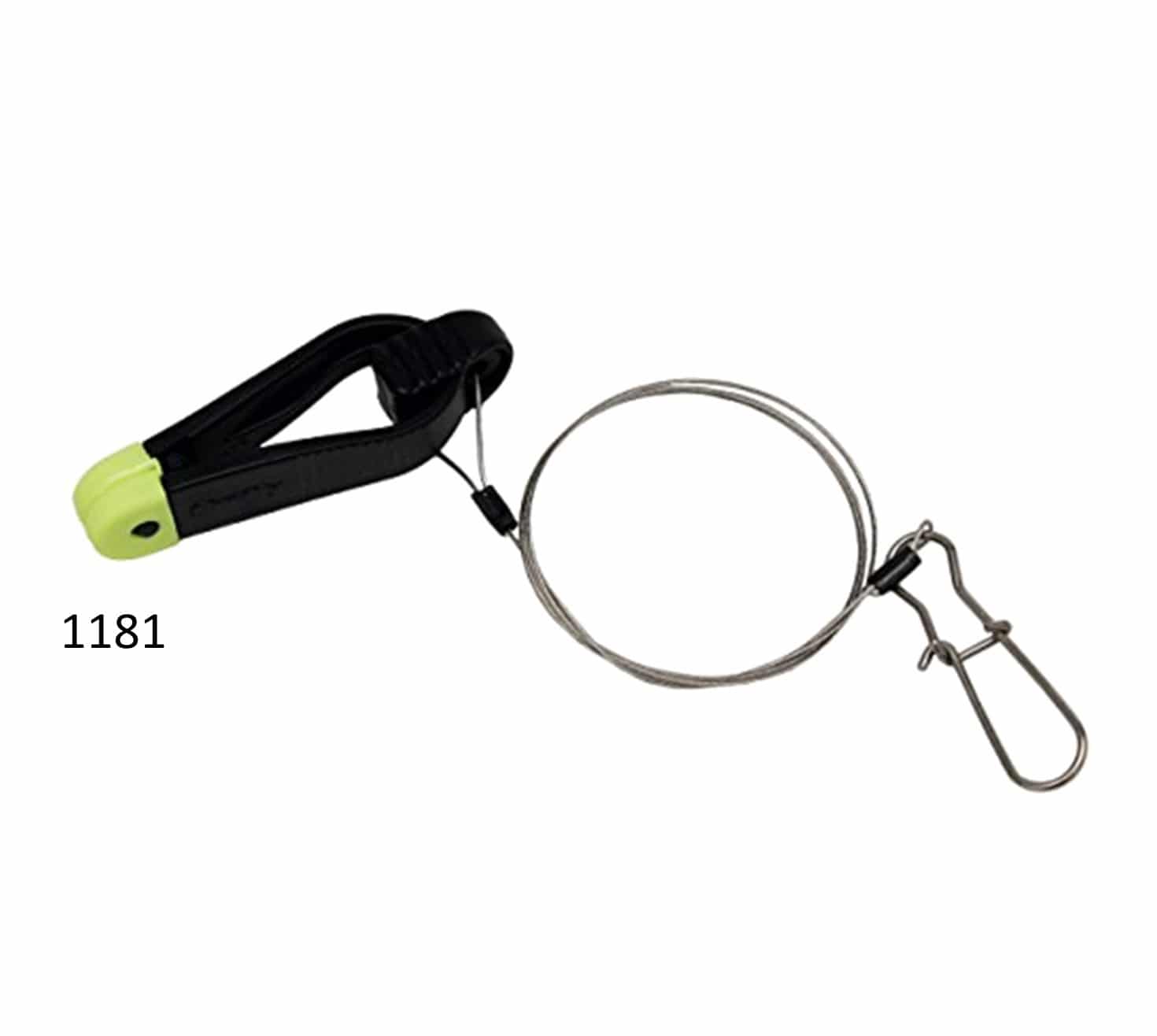
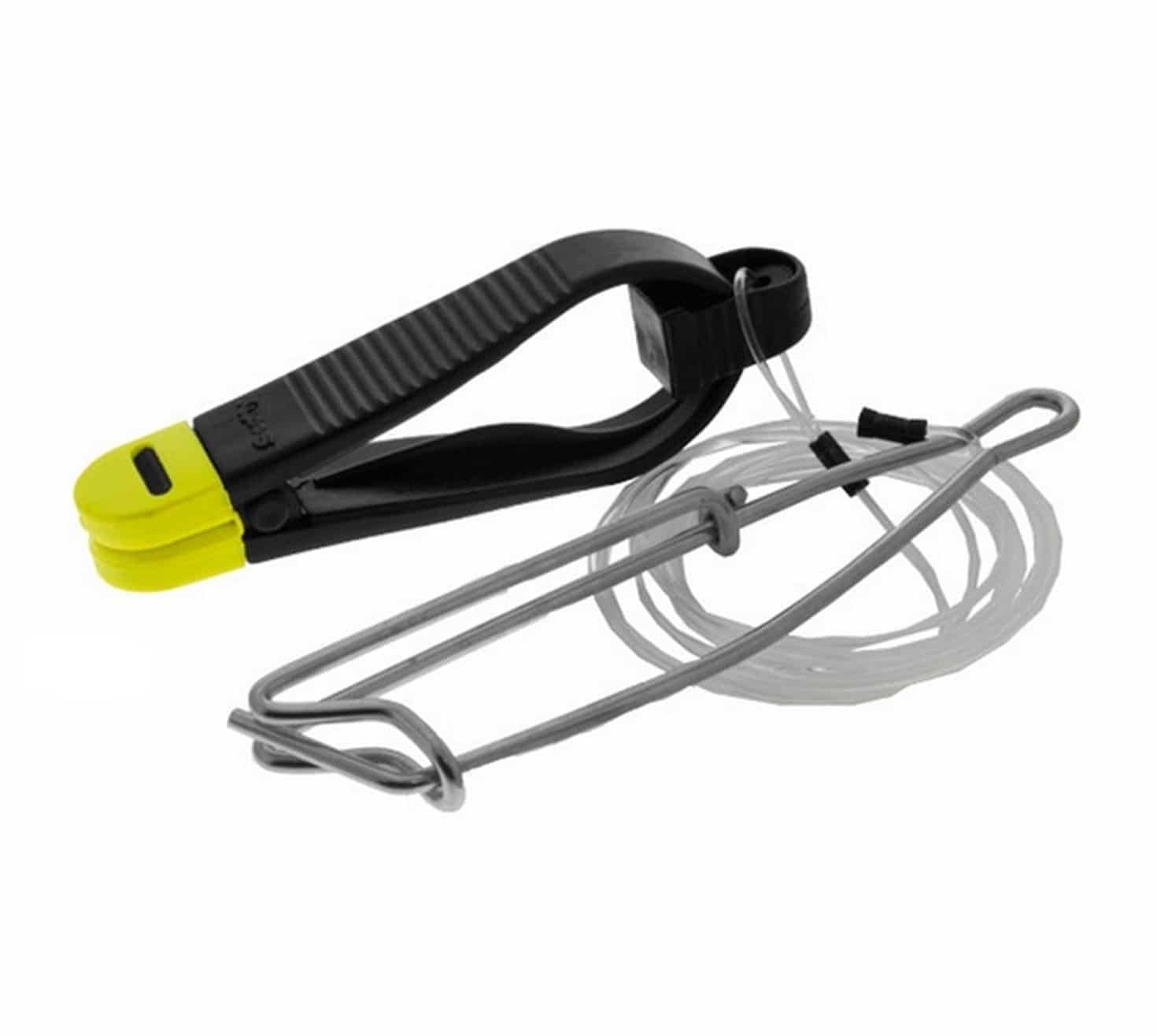
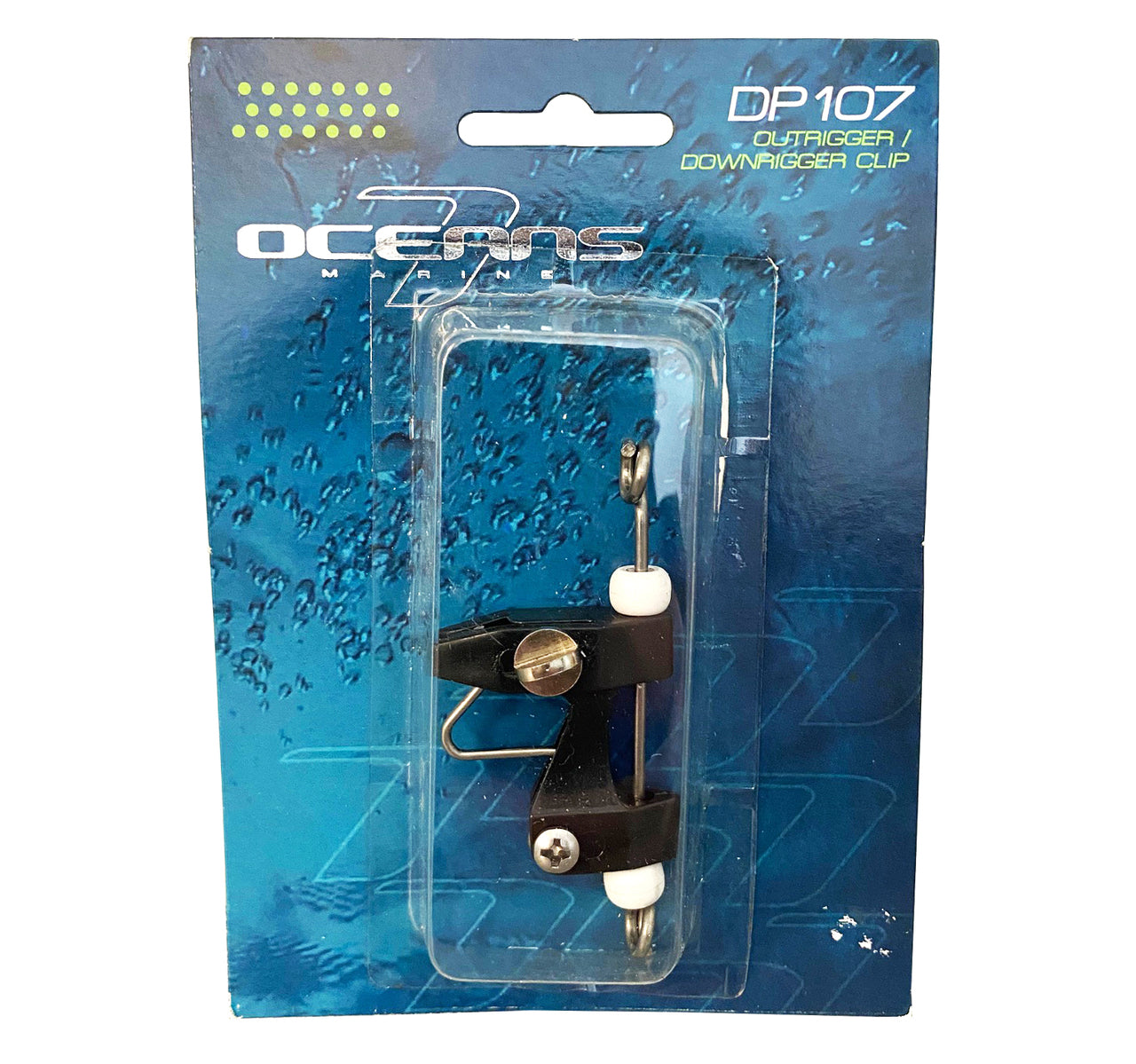
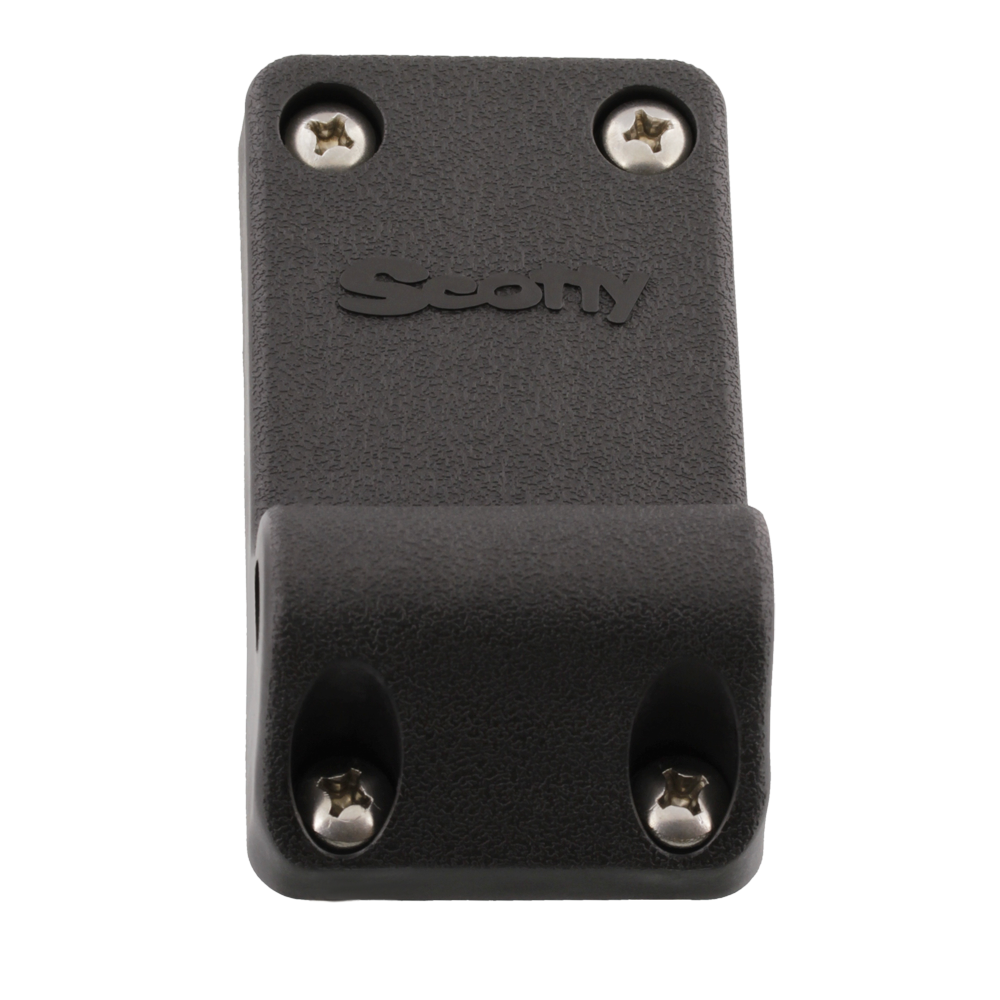
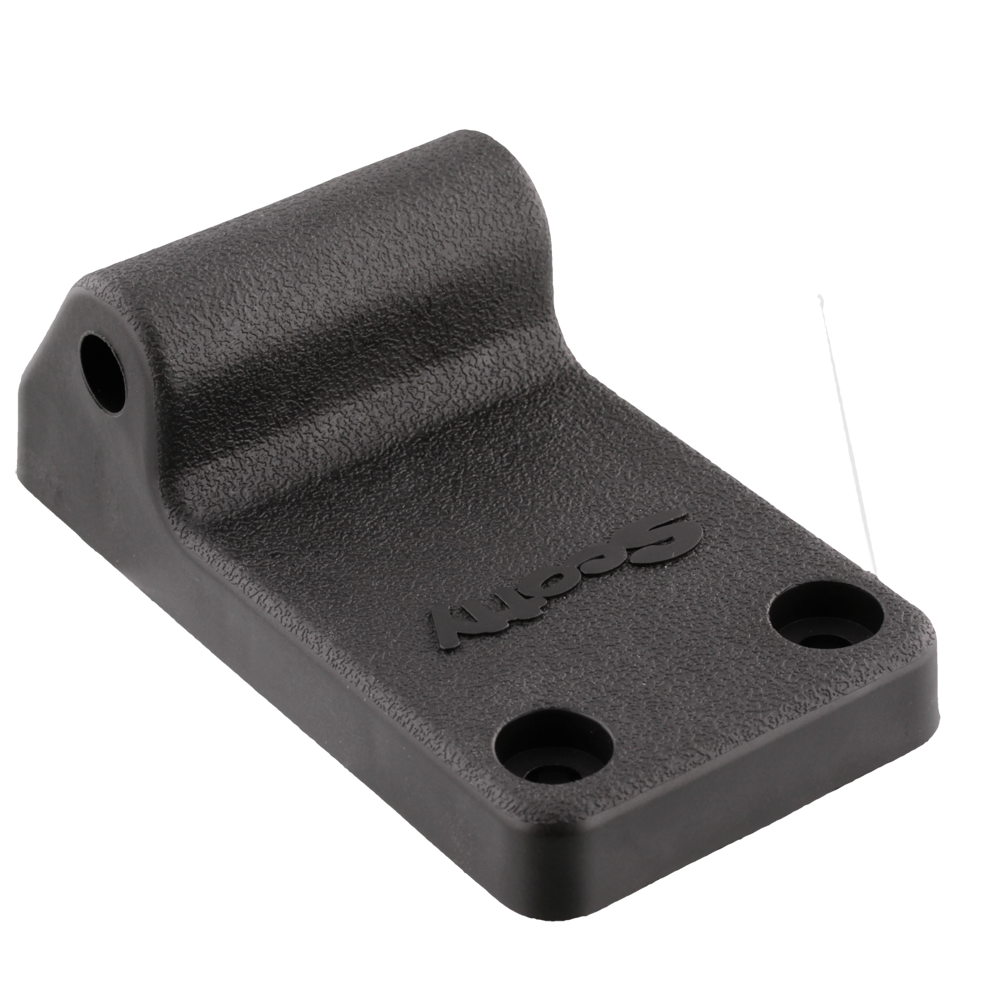
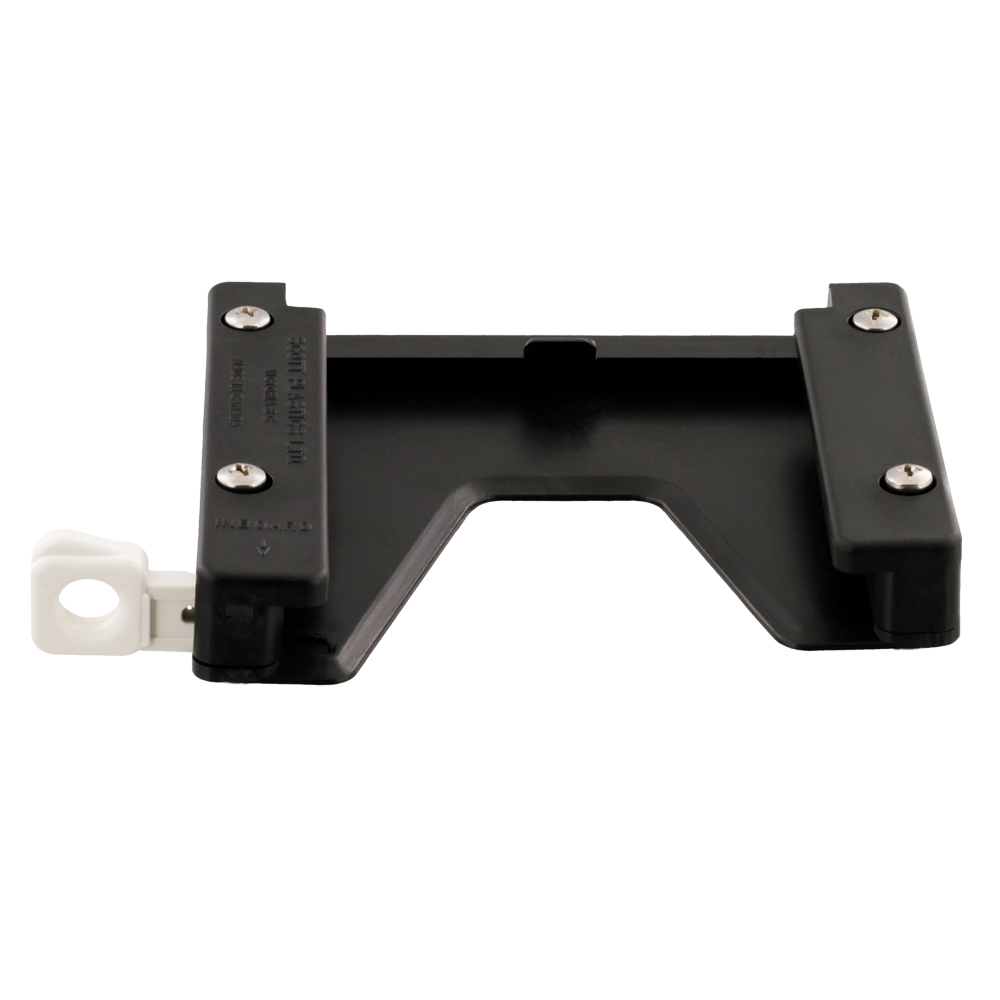
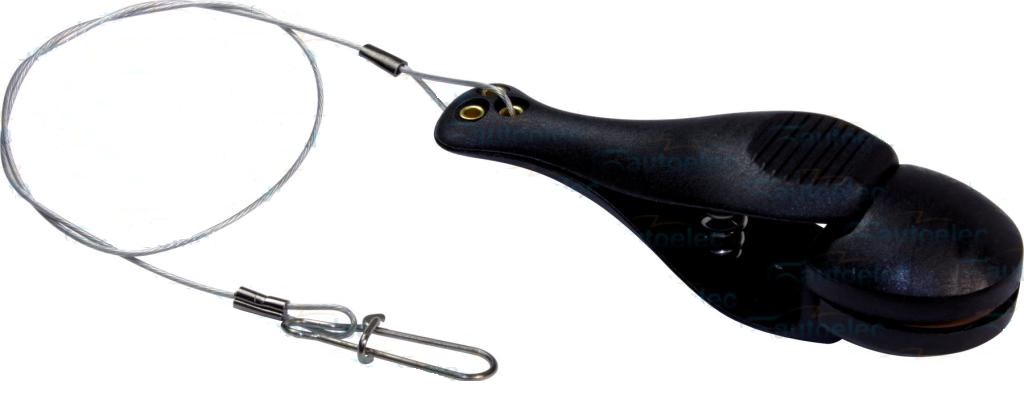
The release clip is the part that determines whether the system works. Too tight and the fish never releases, too loose and the wash trips it constantly. Most clips are adjustable, and setting them properly is worth the time. Downriggers pair with rod holders mounted to take the load, and overhead rods are the usual choice on them.
Frequently asked questions
How does a downrigger work?
A heavy weight on a separate cable carries your line down to a set depth, where a release clip holds it. A strike pulls the line out of the clip, so you fight the fish on your own line with no weight attached.
Manual or electric downrigger?
Manual is fine for shallower water and occasional use. Electric earns its cost when you are fishing deep or resetting often, because winding a heavy weight up by hand all day gets old quickly.
What weight bomb do I need?
Heavier than feels necessary. Trolling speed and current push the cable back, and a light bomb means your actual fishing depth is much shallower than the counter suggests.
Can I use a downrigger on a small boat?
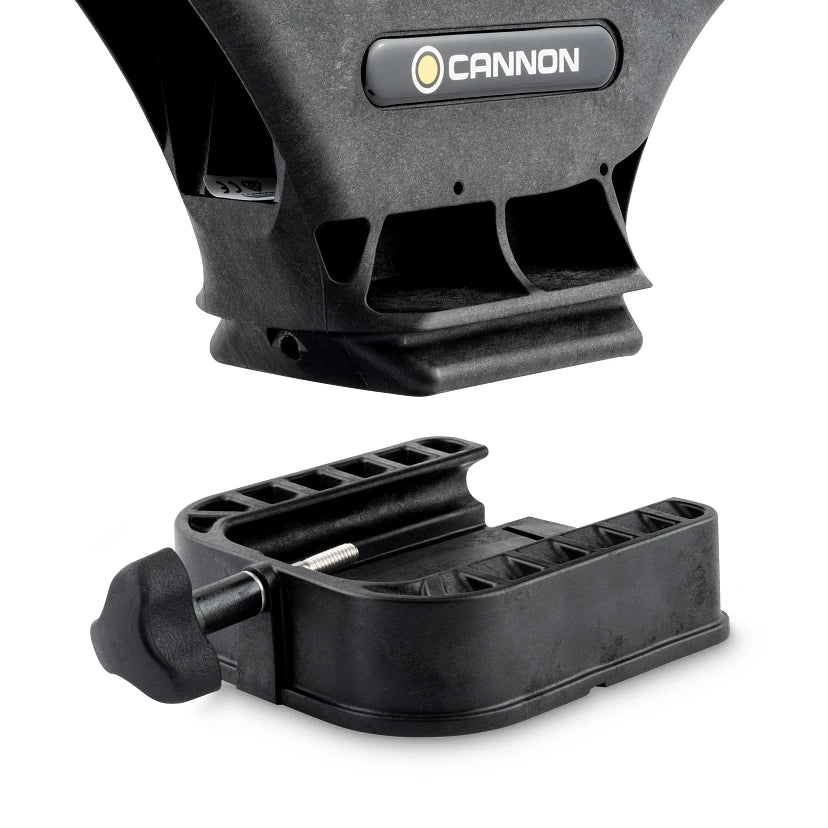
Yes. Clamp-mount and portable models are made for exactly that, and a shorter boom suits a smaller transom.










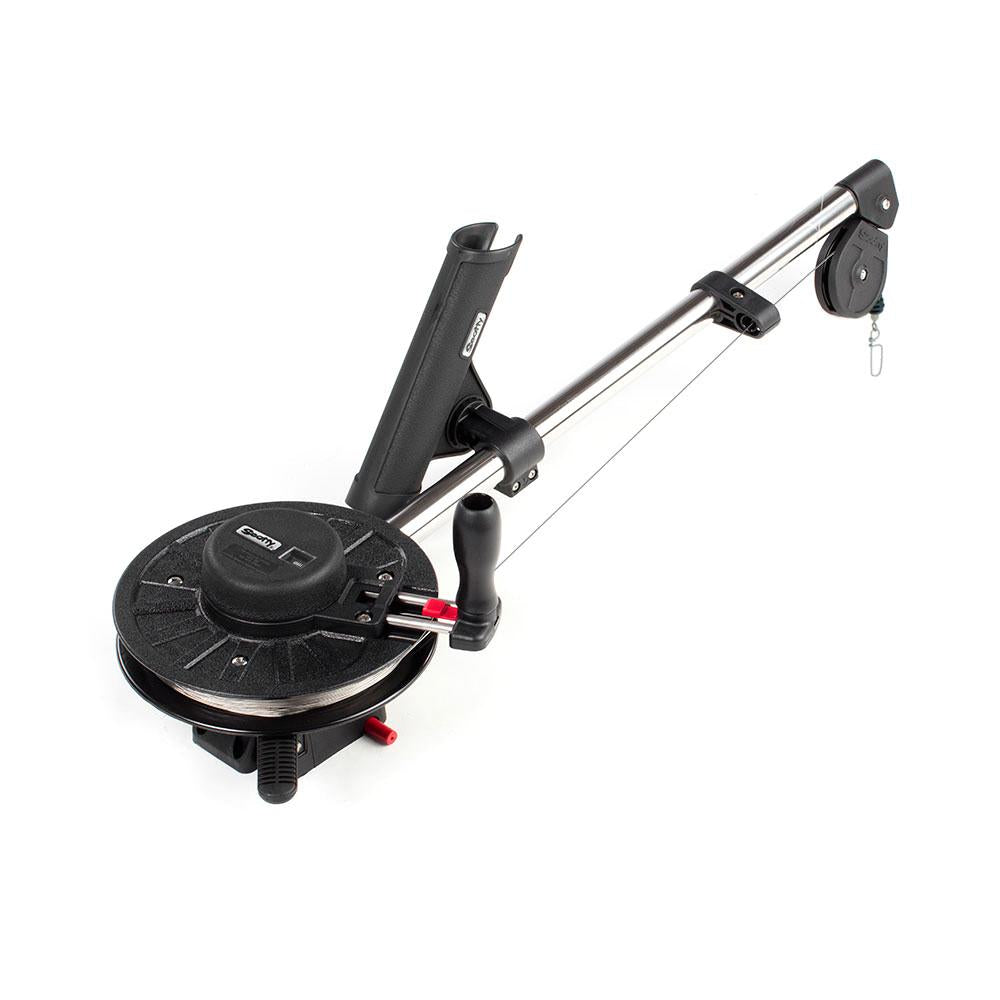


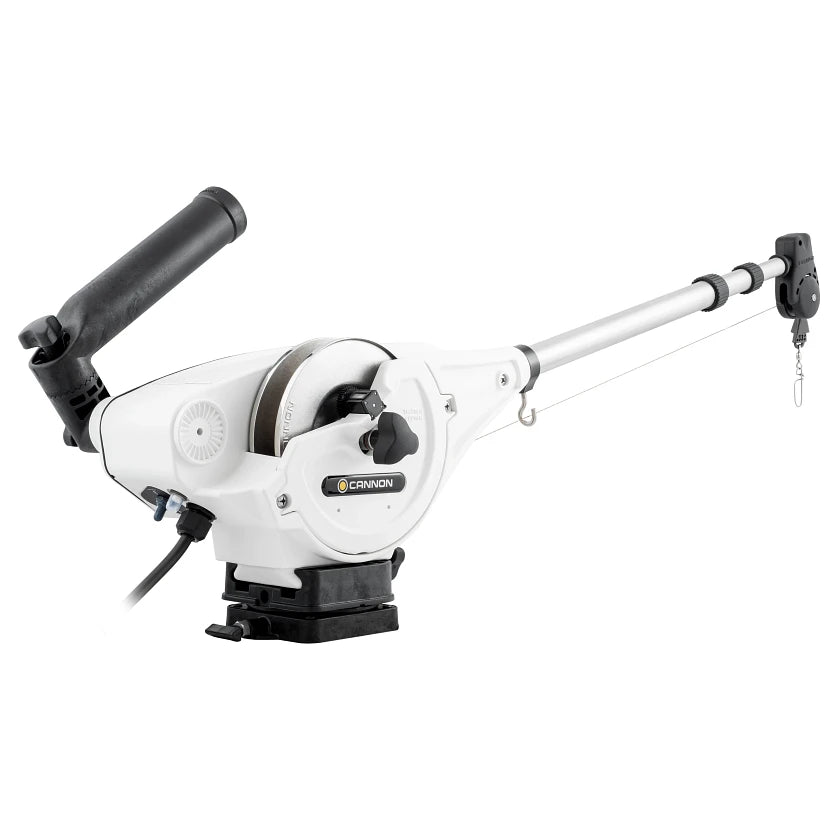

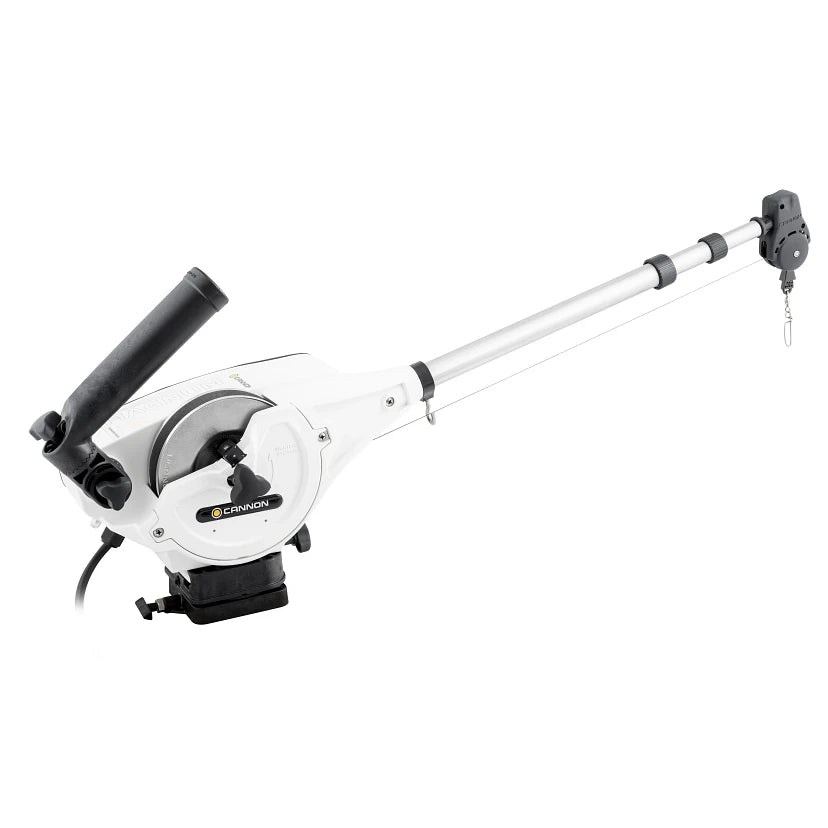

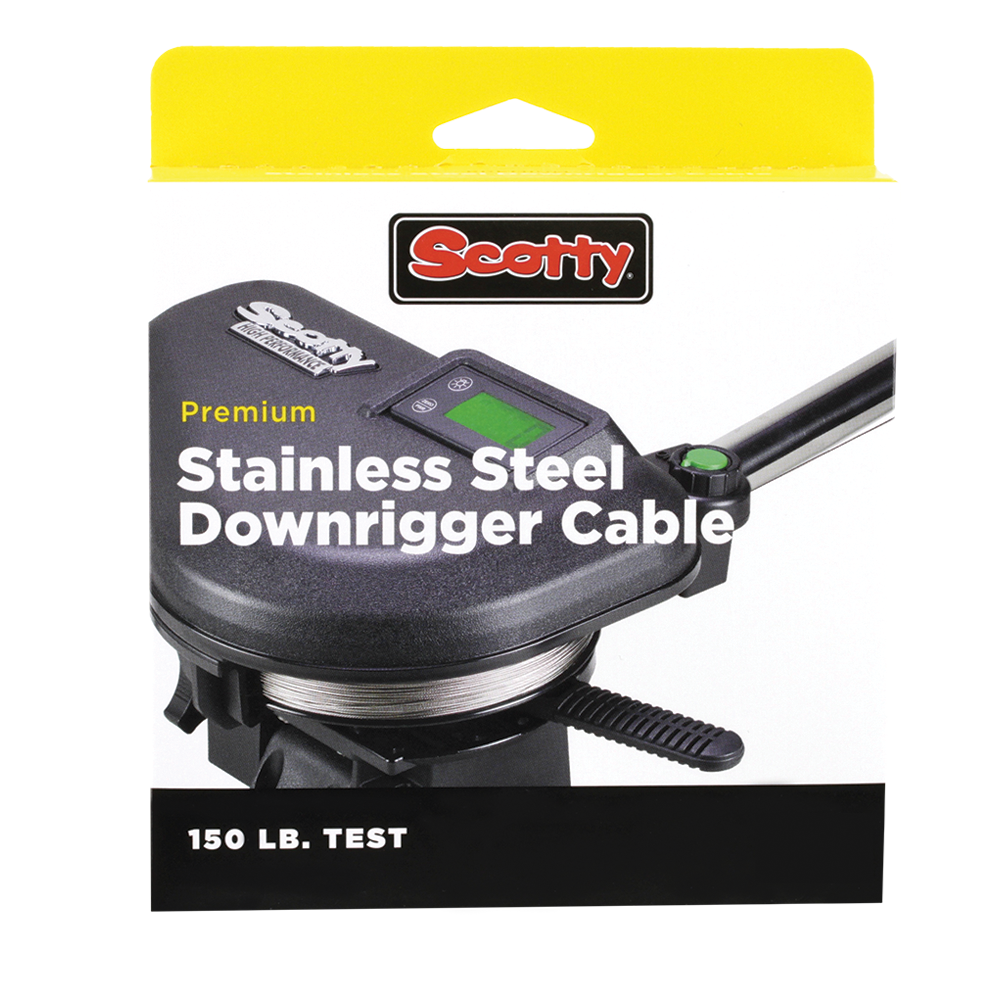





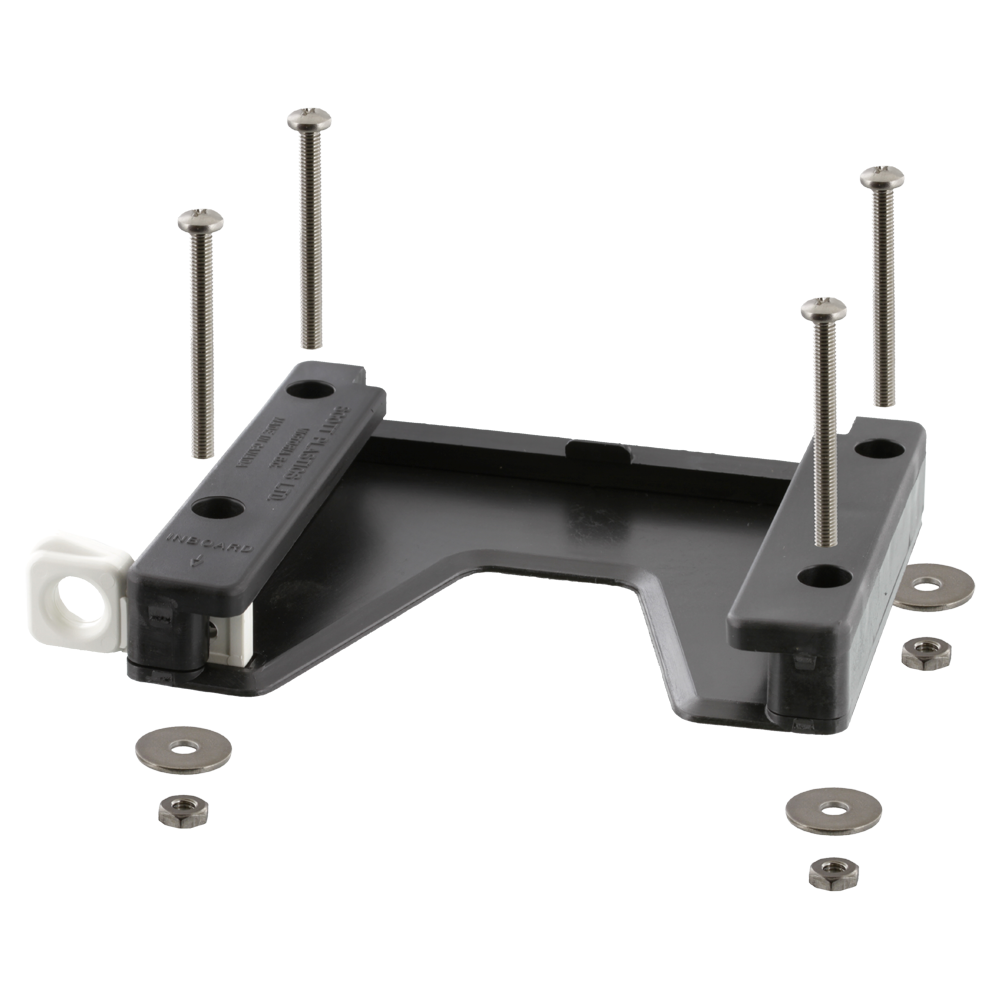

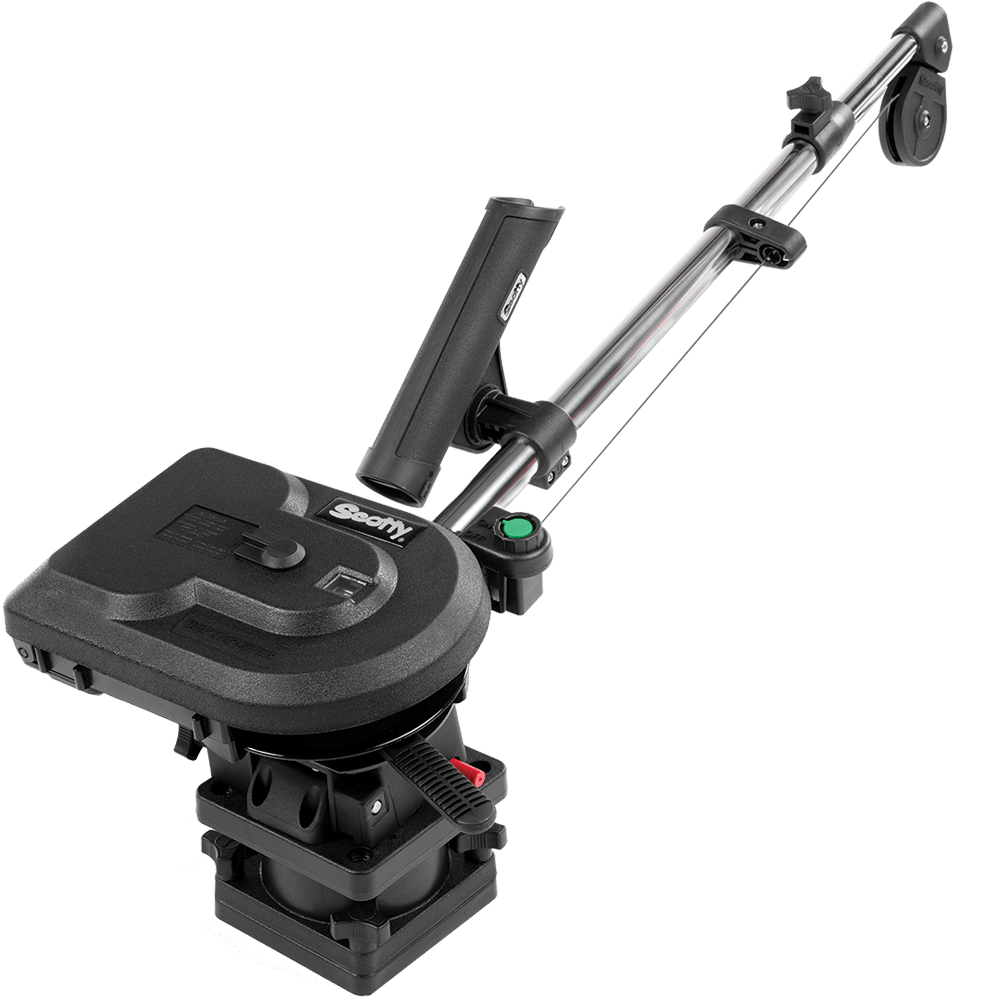

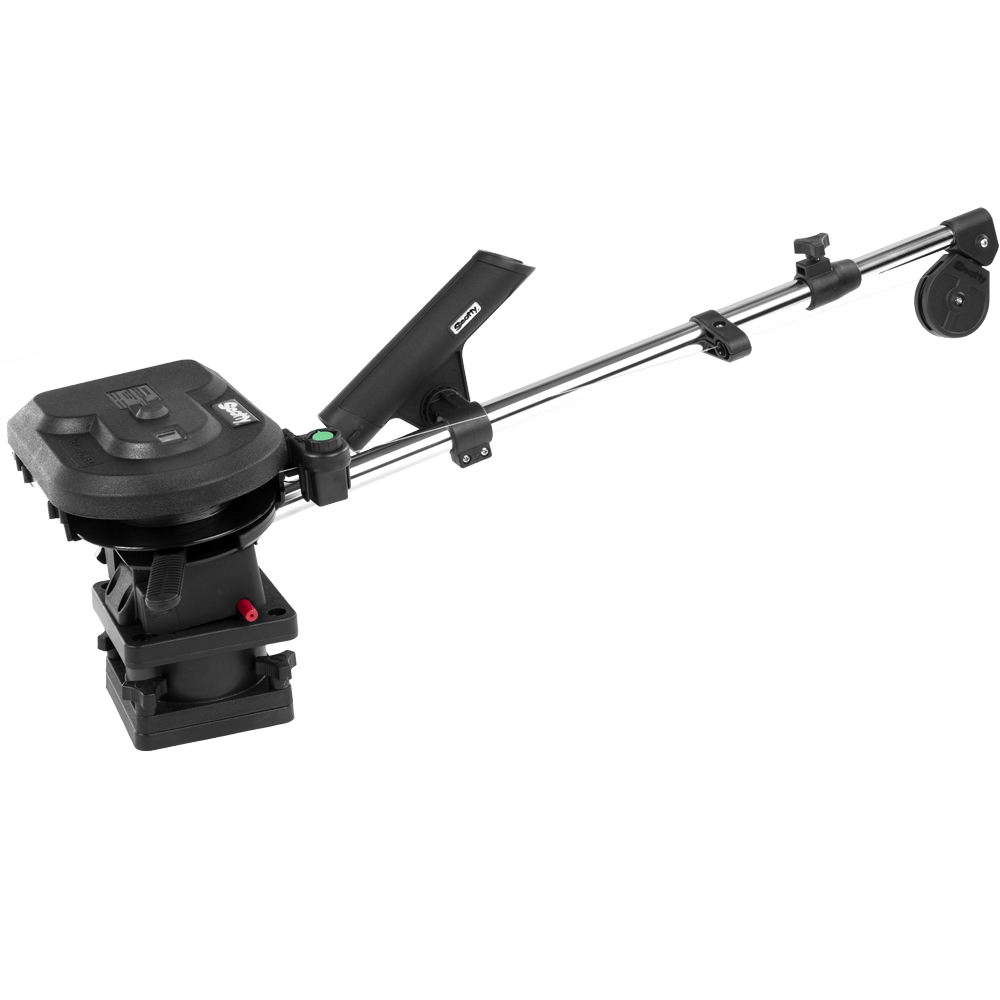


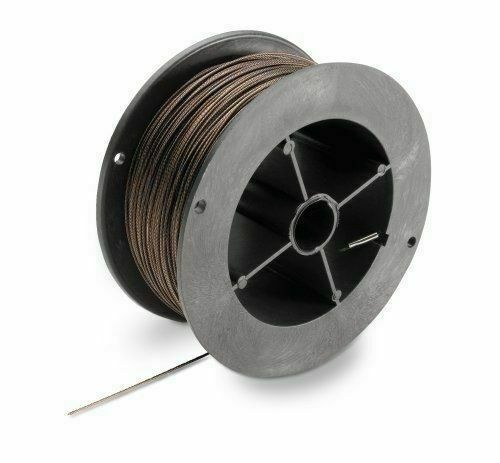
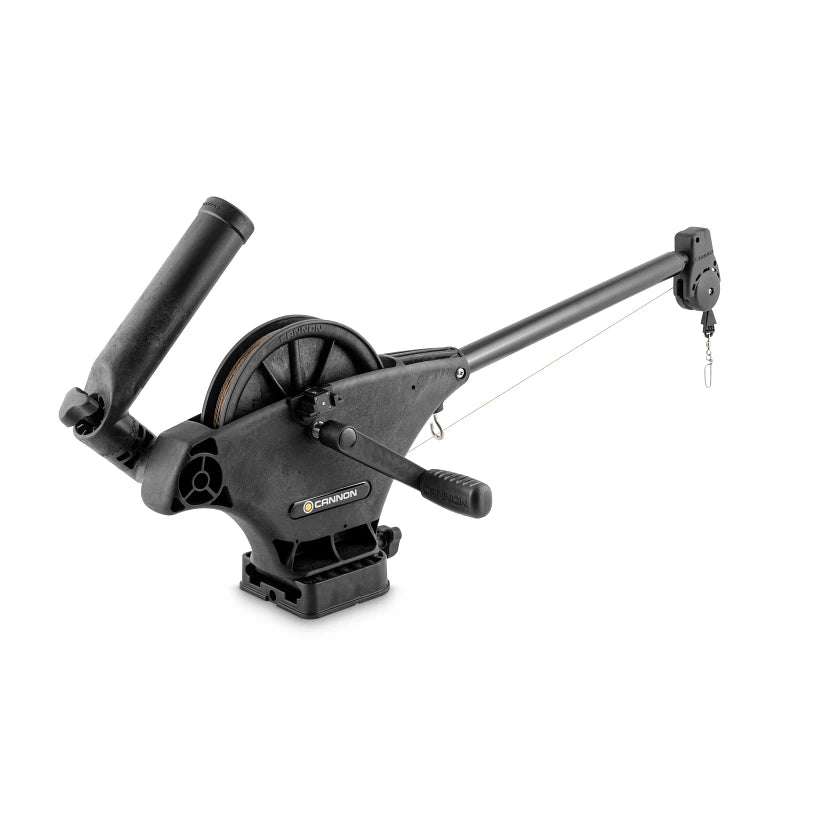

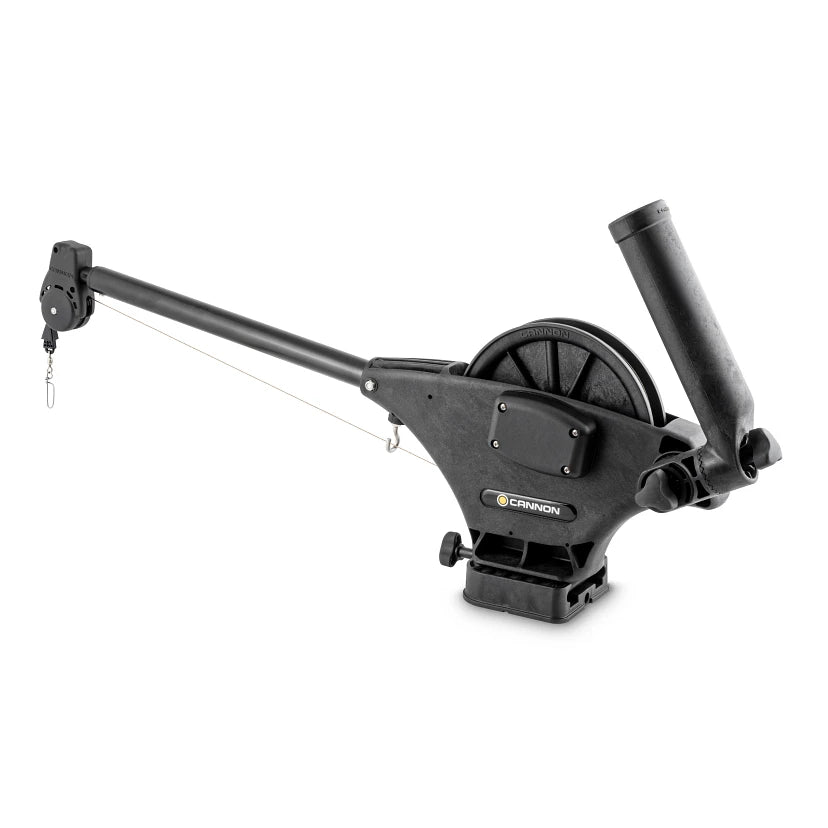

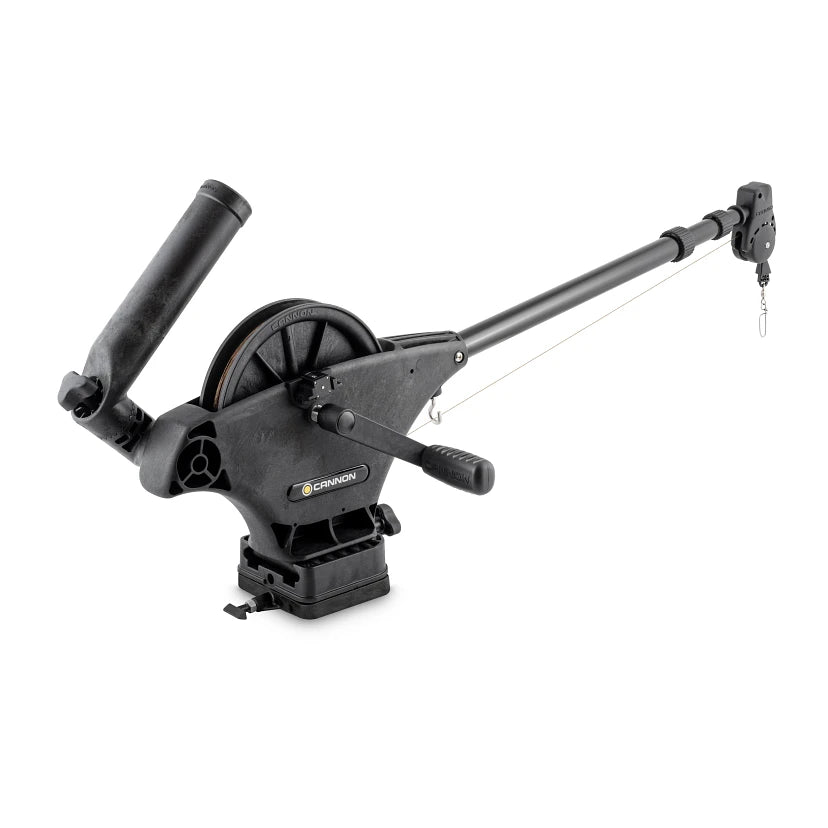


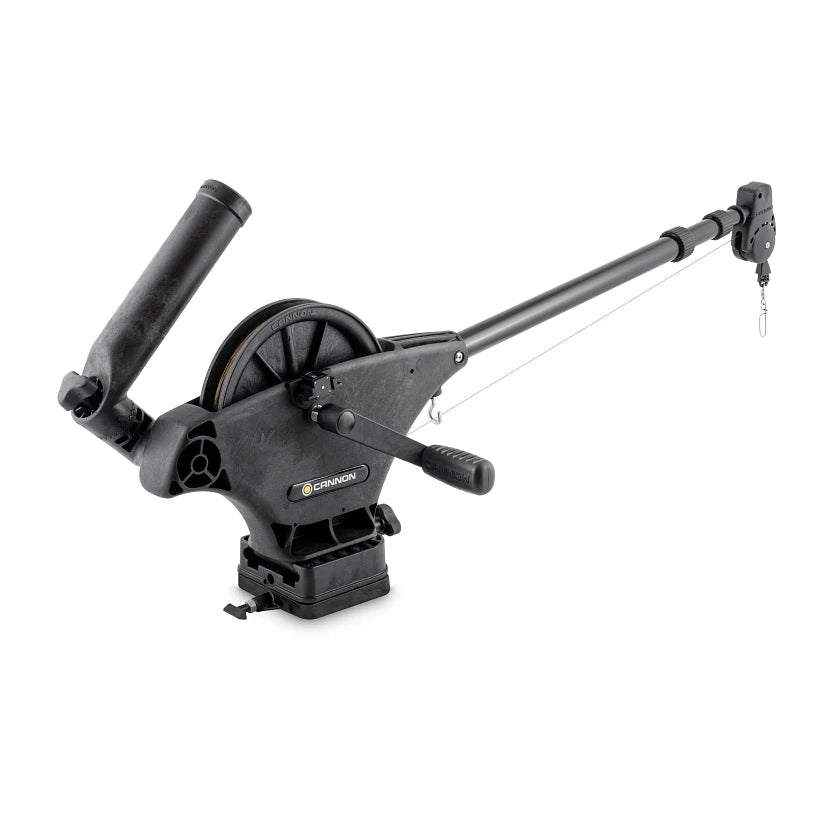

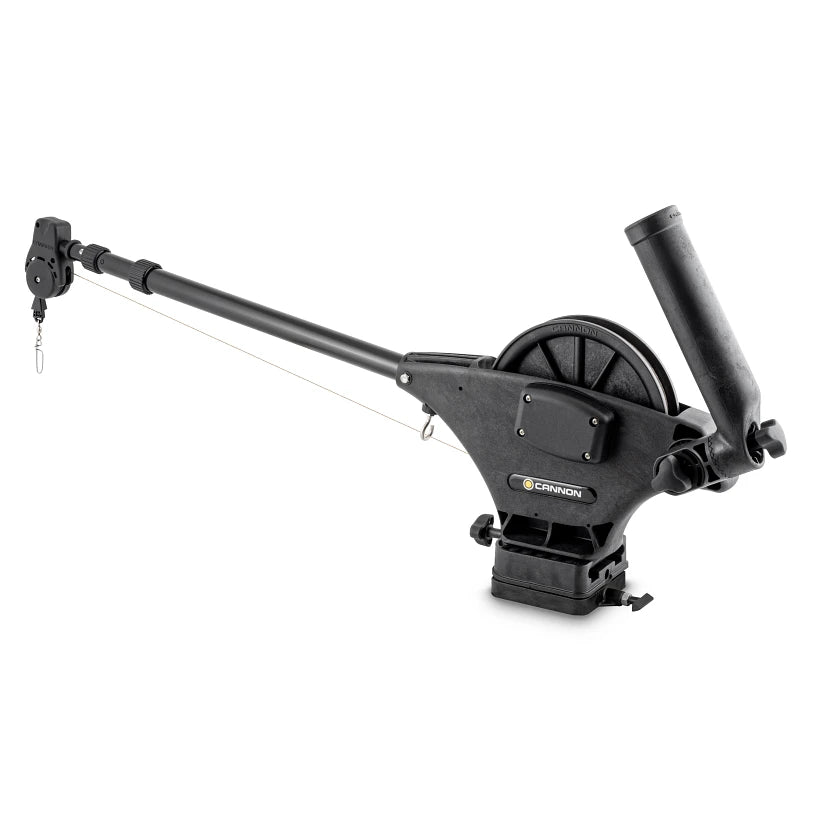



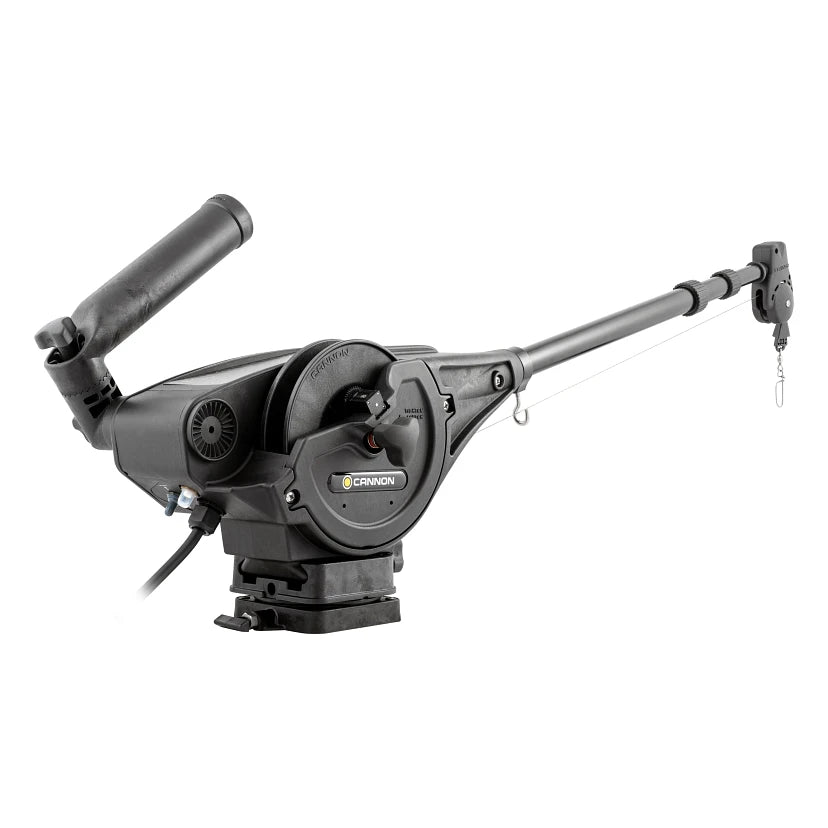

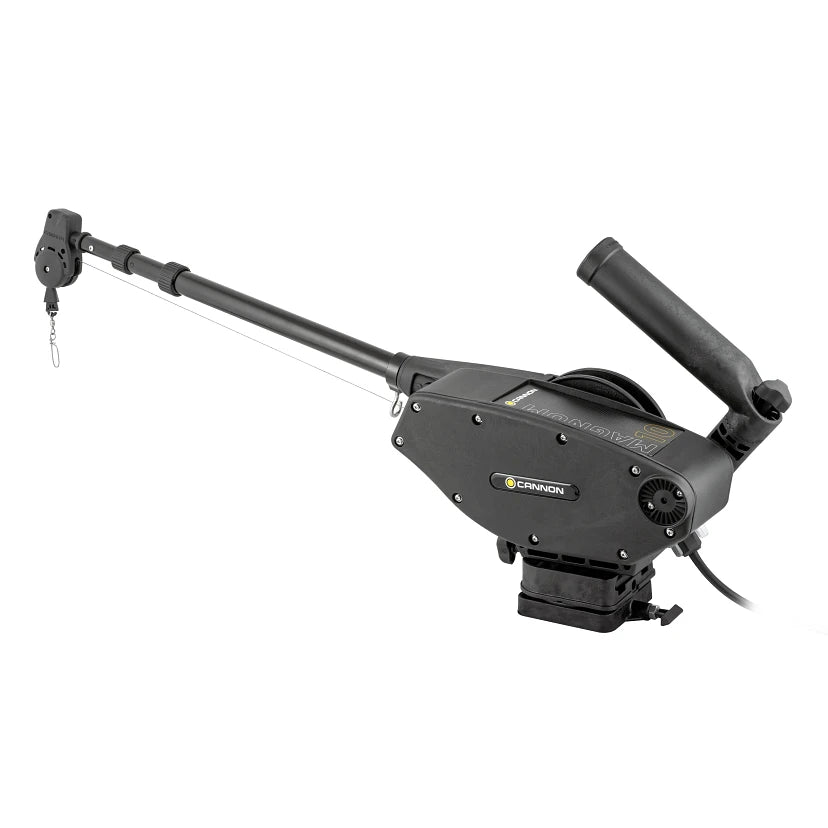

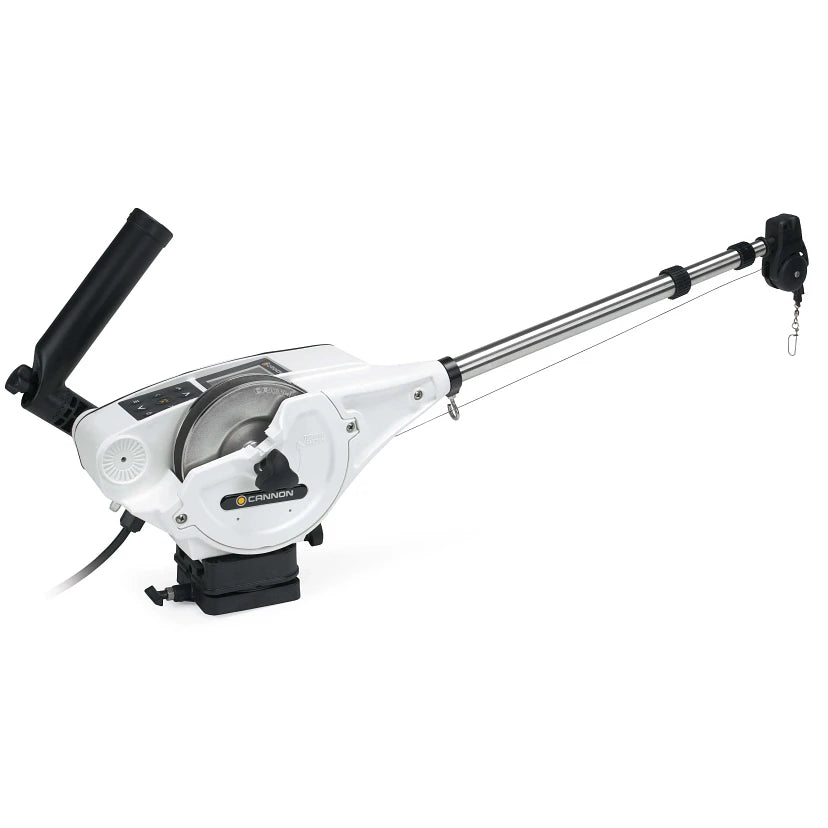

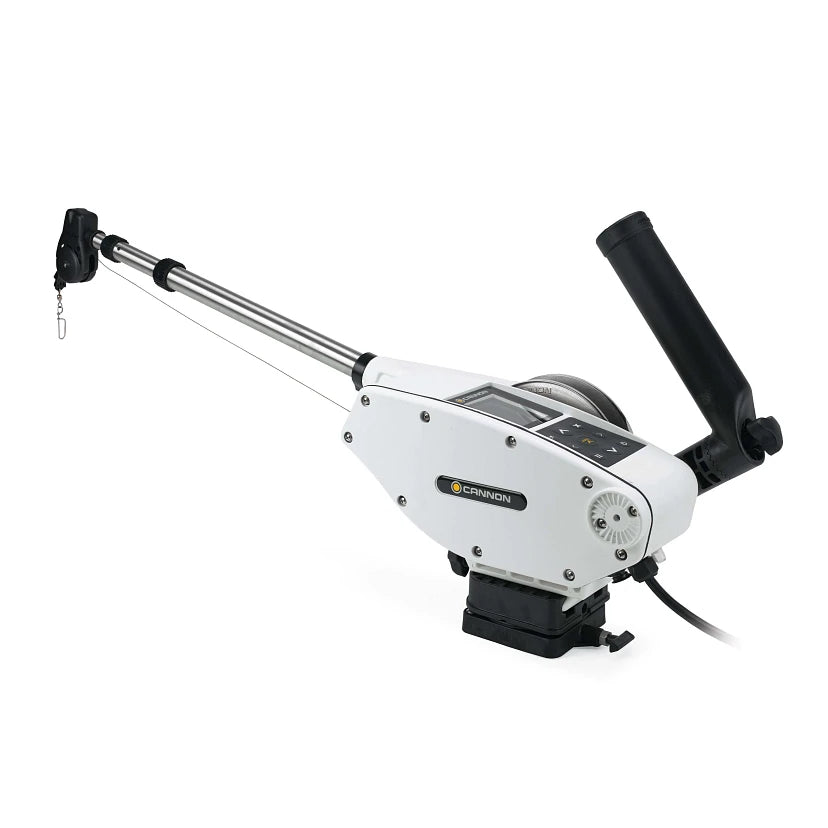






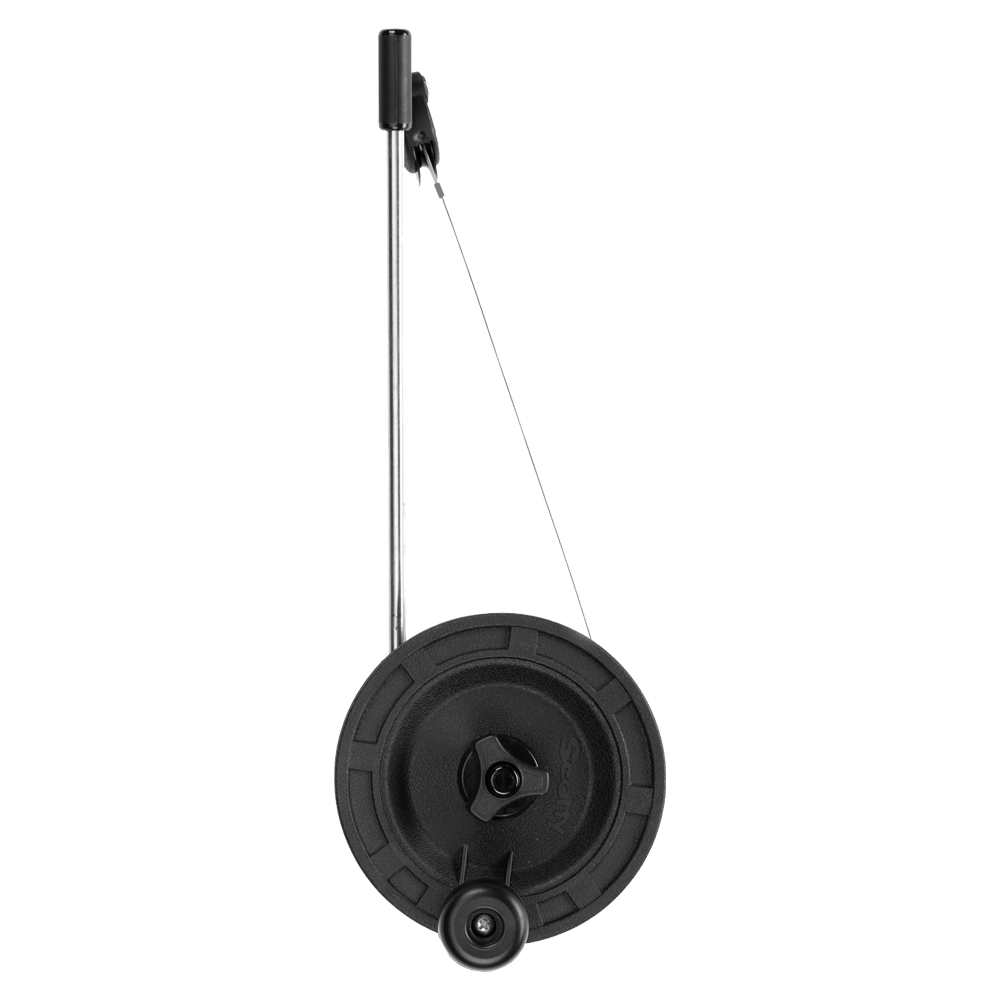

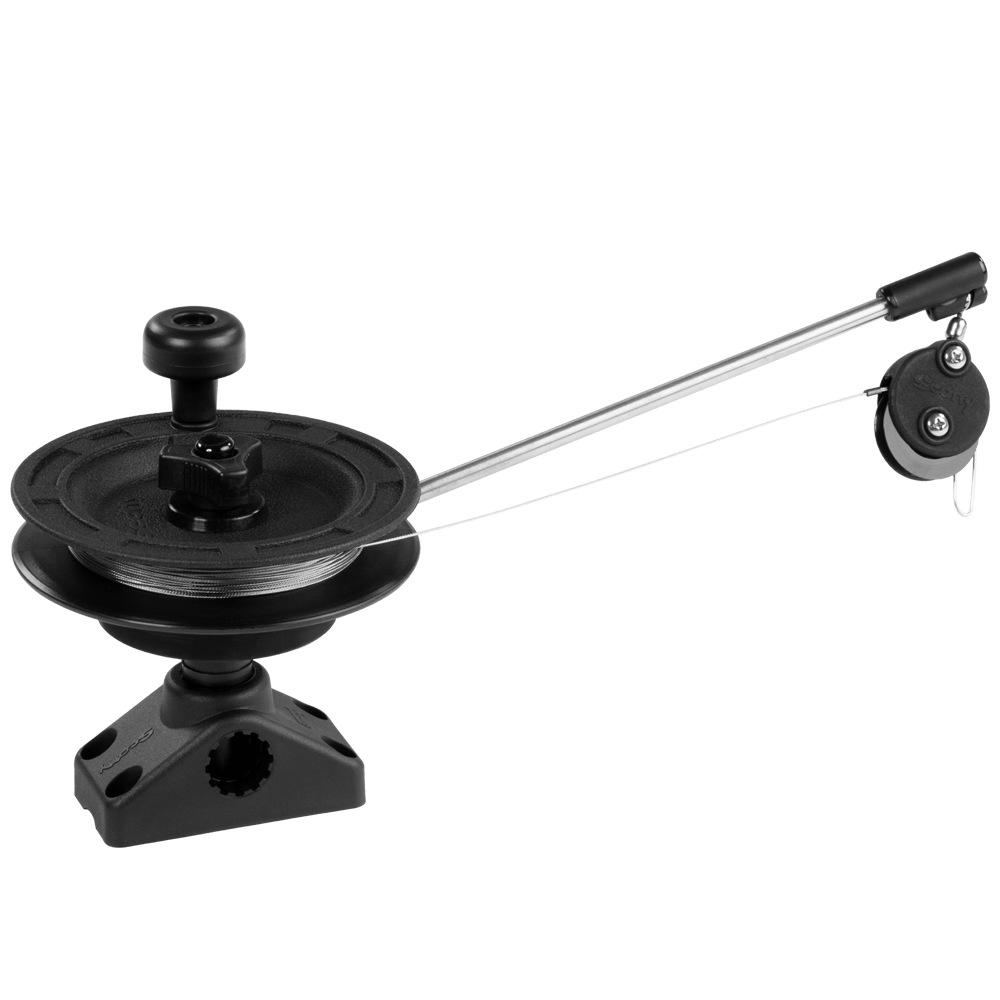

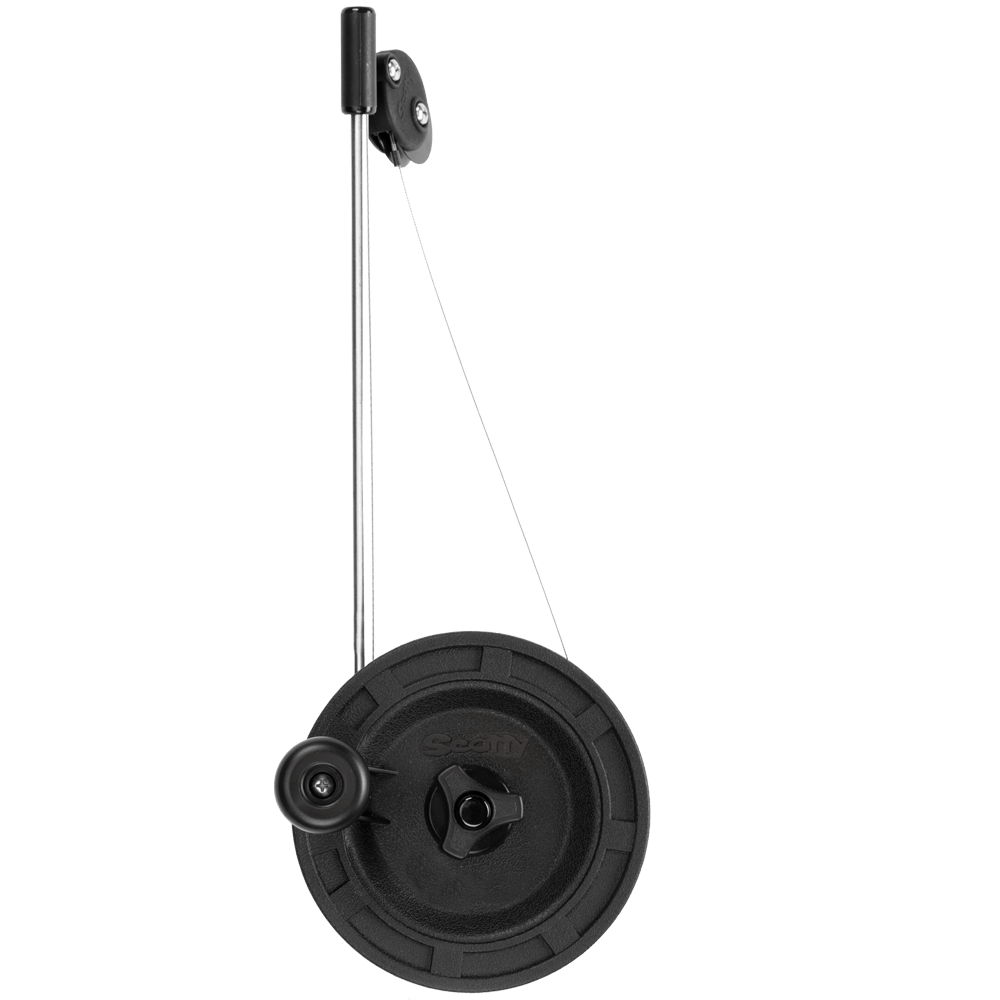

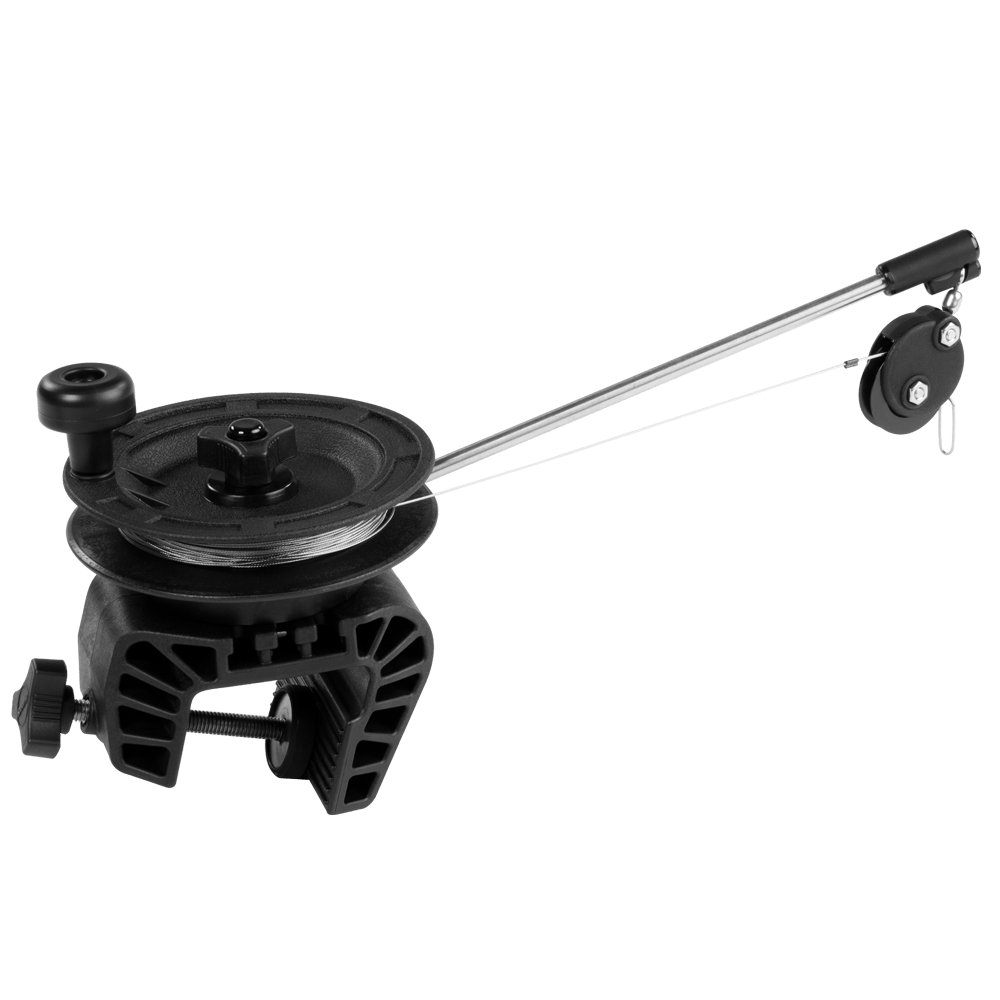


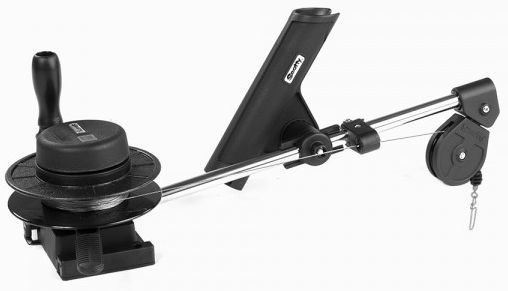



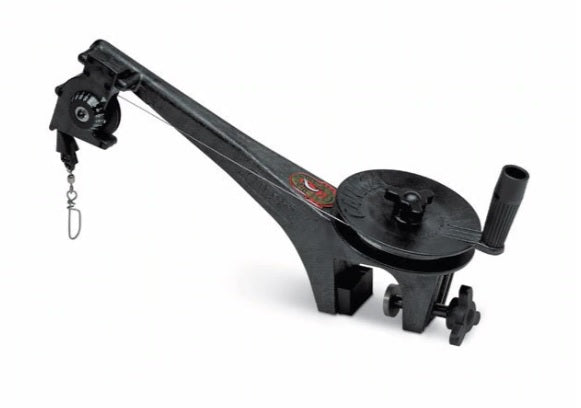

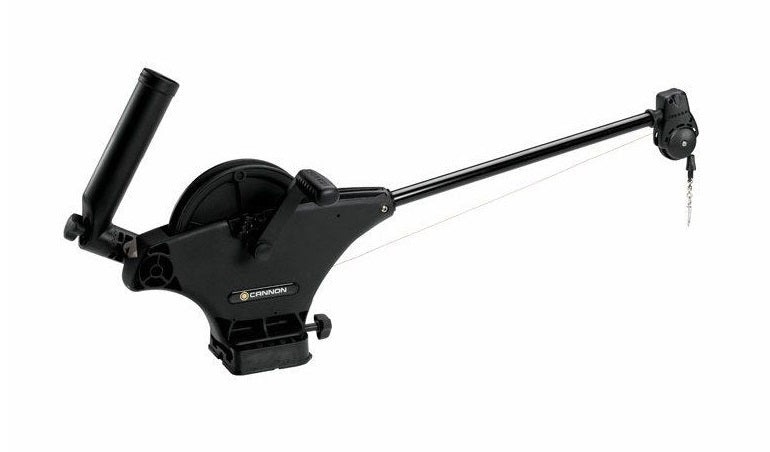
A downrigger puts a trolled lure or bait at an exact depth and keeps it there, using a heavy weight on a separate cable with the line held by a release clip. When the fish hits, the line pops free and you fight it on your own tackle rather than against the weight.
Choosing a downrigger
Manual downriggers are cheaper, lighter and perfectly workable for shallower trolling. Electric models cost more but retrieve the weight for you, which stops being a luxury the moment you are fishing deep and resetting repeatedly through a session.
Boom length decides how far the cable runs from the hull. A longer boom keeps the weight clear of the prop wash and lets you run two downriggers without them tangling; a shorter boom is easier to live with on a small boat.
The release clip is the part that determines whether the system works. Too tight and the fish never releases, too loose and the wash trips it constantly. Most clips are adjustable, and setting them properly is worth the time. Downriggers pair with rod holders mounted to take the load, and overhead rods are the usual choice on them.
Frequently asked questions
How does a downrigger work?
A heavy weight on a separate cable carries your line down to a set depth, where a release clip holds it. A strike pulls the line out of the clip, so you fight the fish on your own line with no weight attached.
Manual or electric downrigger?
Manual is fine for shallower water and occasional use. Electric earns its cost when you are fishing deep or resetting often, because winding a heavy weight up by hand all day gets old quickly.
What weight bomb do I need?
Heavier than feels necessary. Trolling speed and current push the cable back, and a light bomb means your actual fishing depth is much shallower than the counter suggests.
Can I use a downrigger on a small boat?
Yes. Clamp-mount and portable models are made for exactly that, and a shorter boom suits a smaller transom.