

FREE SHIPPING ON ORDERS OVER $150*

AUSSIE FAMILY OWNED BUSINESS FOR OVER 40 YEARS

100% SATISFACTION GUARANTEED
Wetsuits
Wetsuits
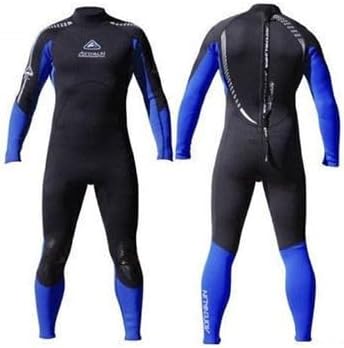
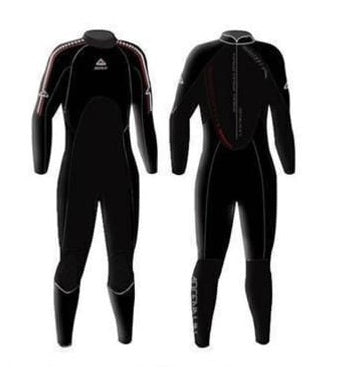
Cold ends more dives than anything else. A wetsuit buys you time in the water, and time in the water is the whole point — it is the difference between a short session and a full morning working a reef properly.
Choosing a wetsuit
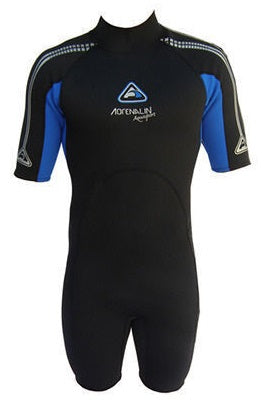
Thickness is the main decision and it follows the water, not the air. Warmer northern water suits thinner suits, while southern water and winter diving demand more. Most people who dive year-round end up owning two.
Then the lining. Open cell suits sit directly against the skin and are noticeably warmer, at the cost of needing lubricant to get into and more care to avoid tearing. Lined suits are tougher and easier to put on, which suits anyone diving occasionally or handling a suit roughly.
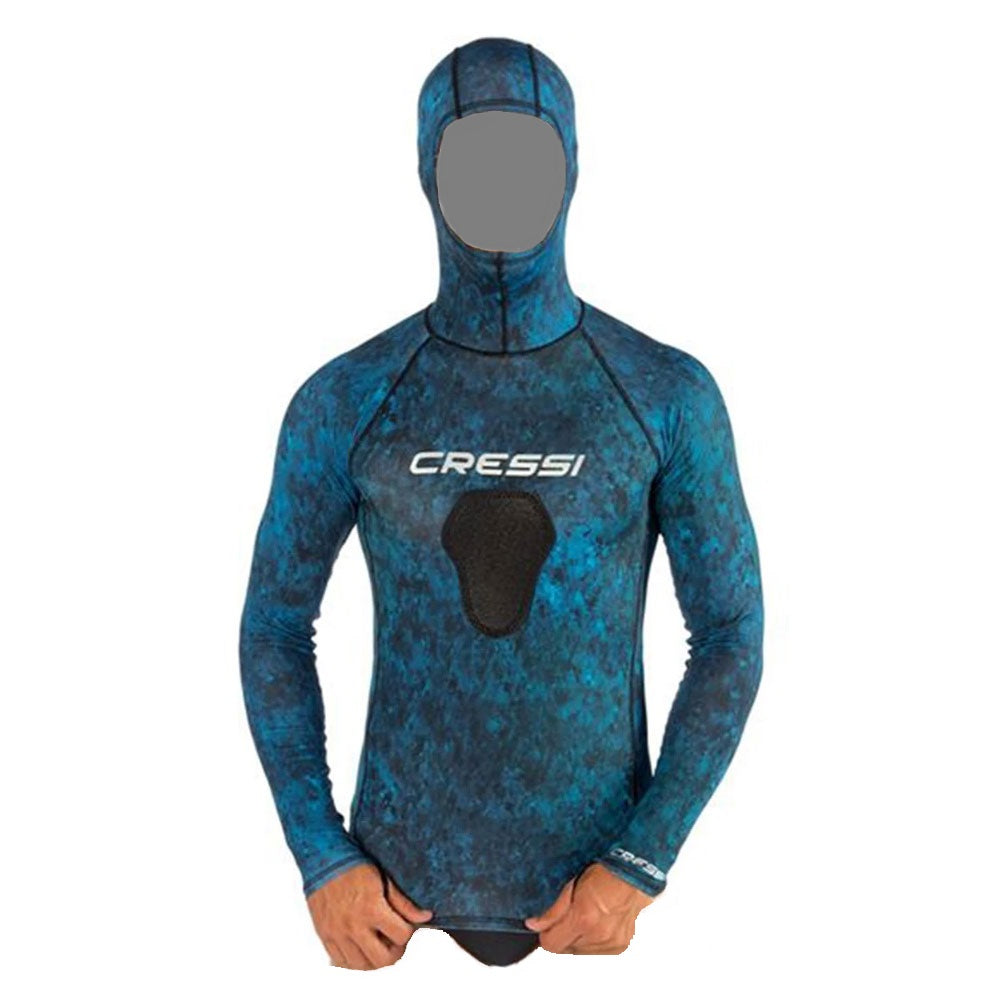
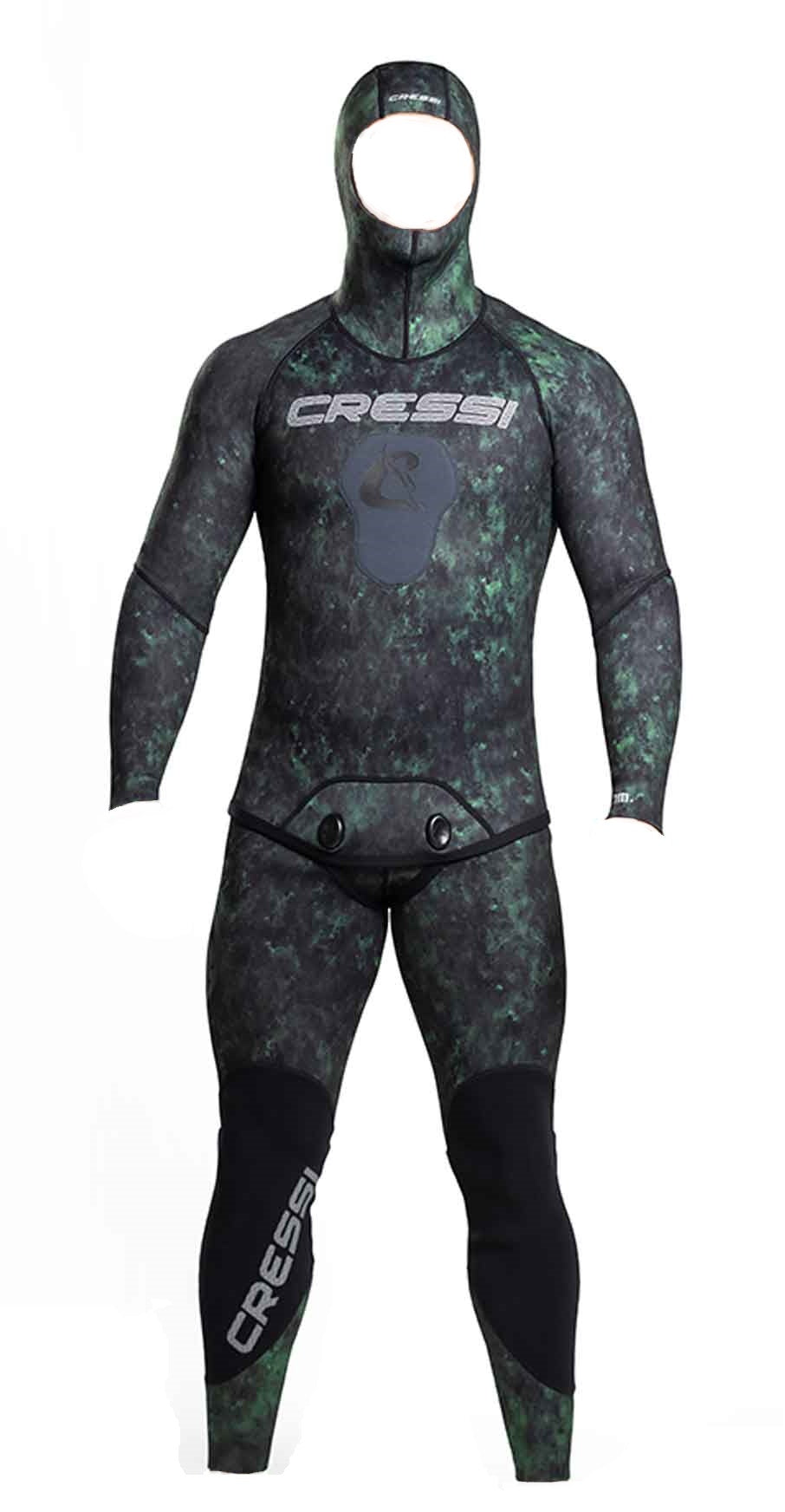
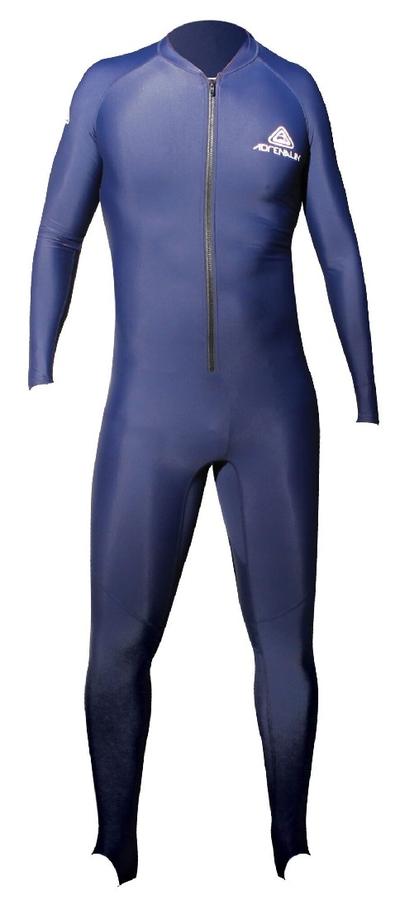
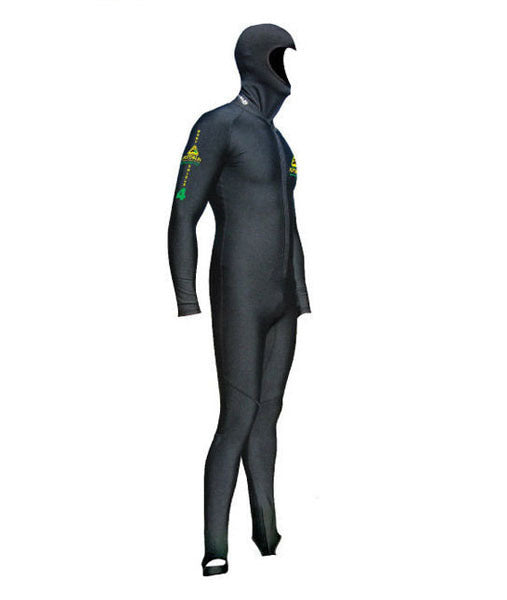
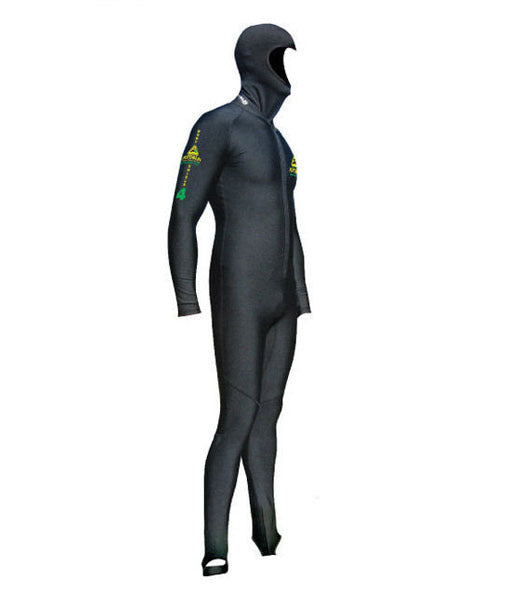
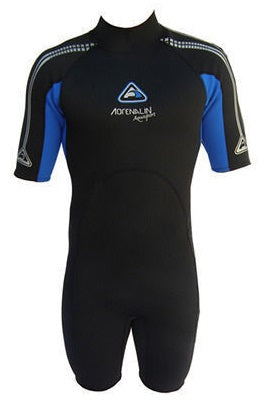
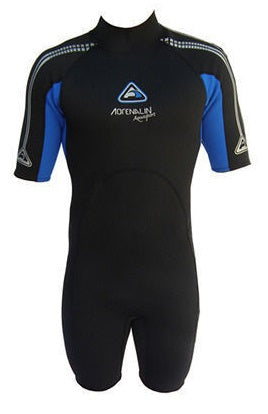
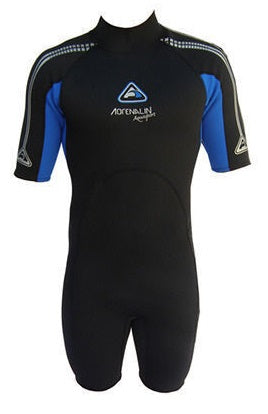
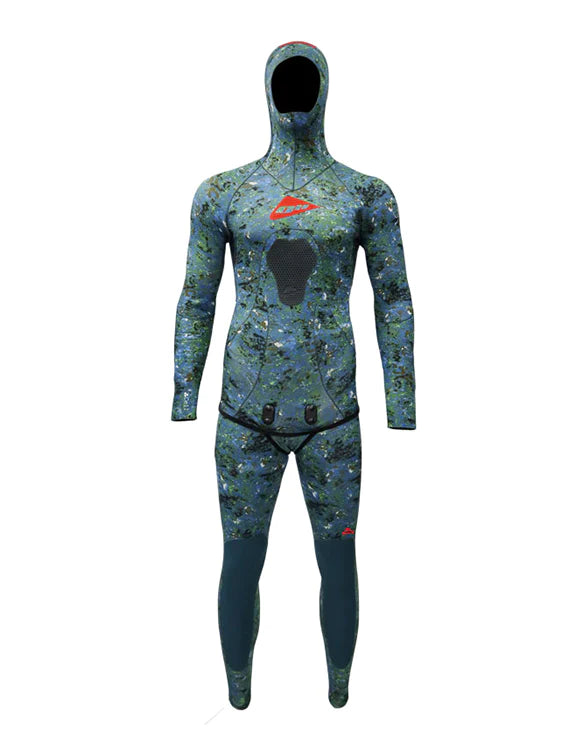
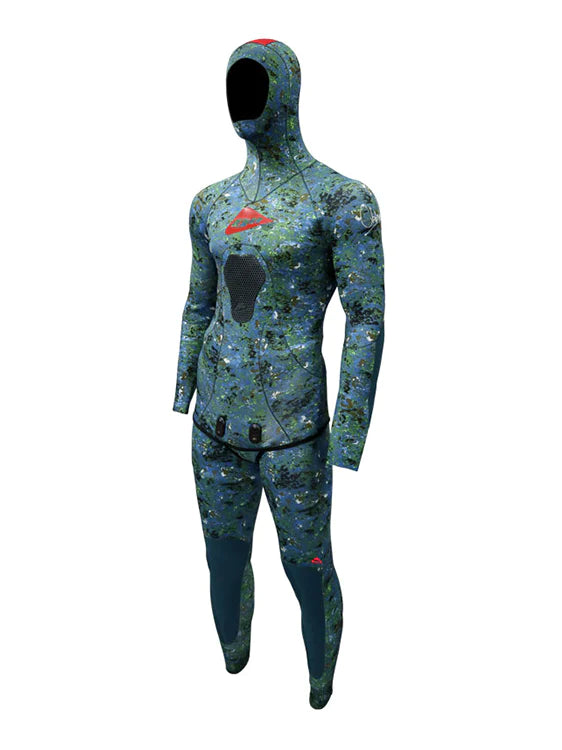
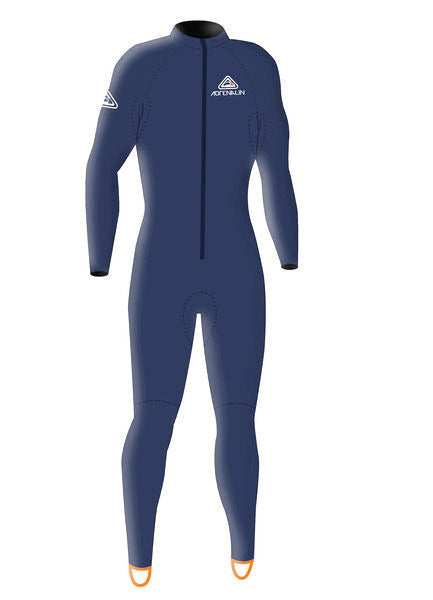
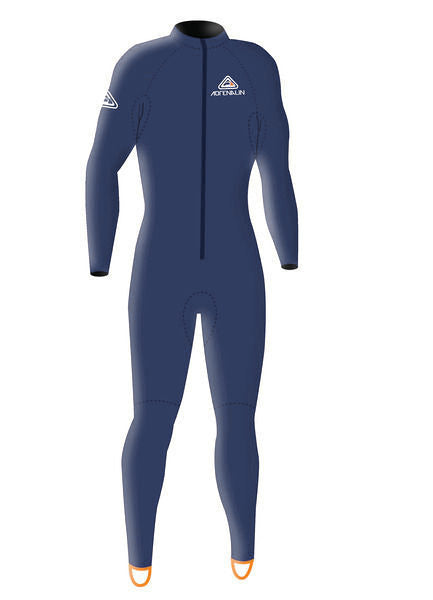
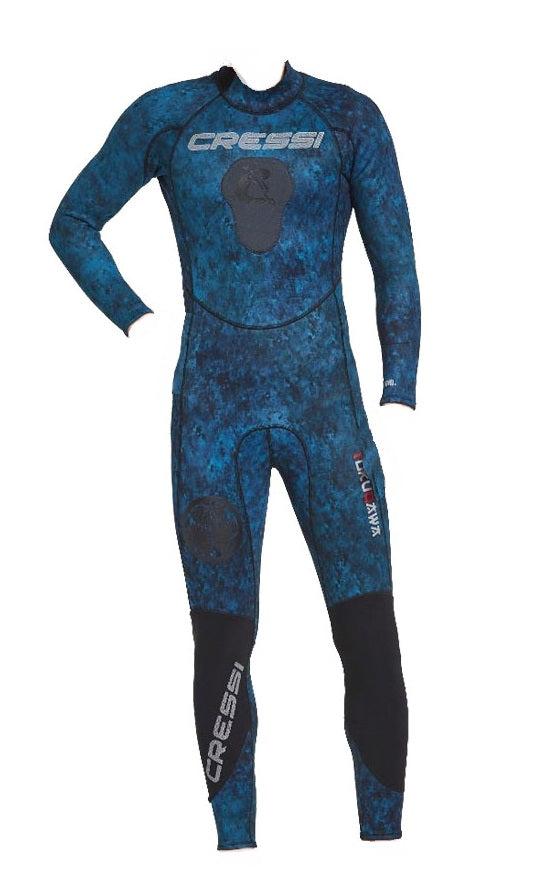
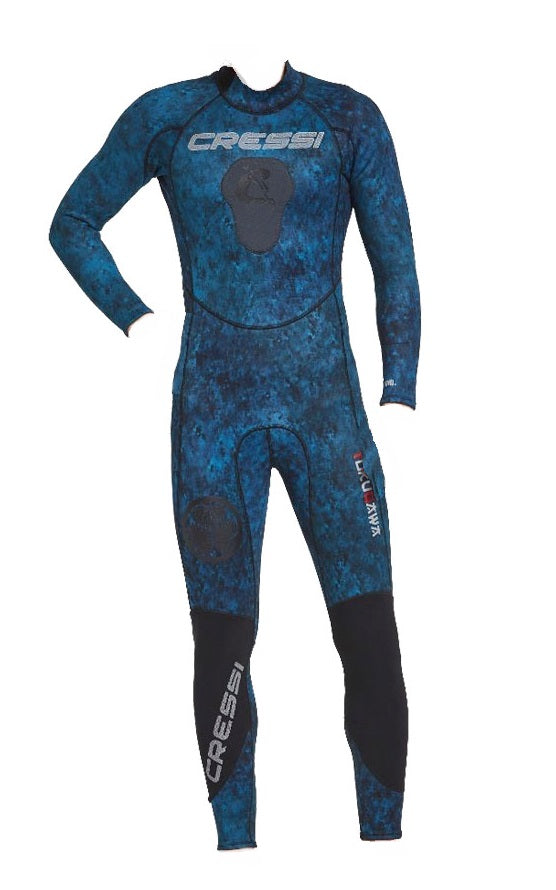
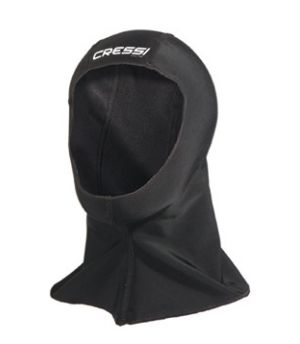
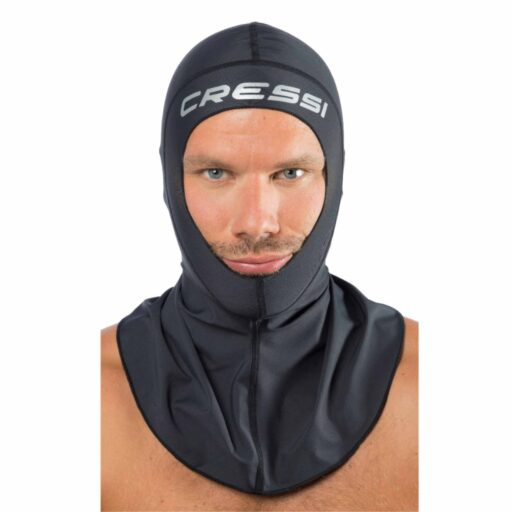
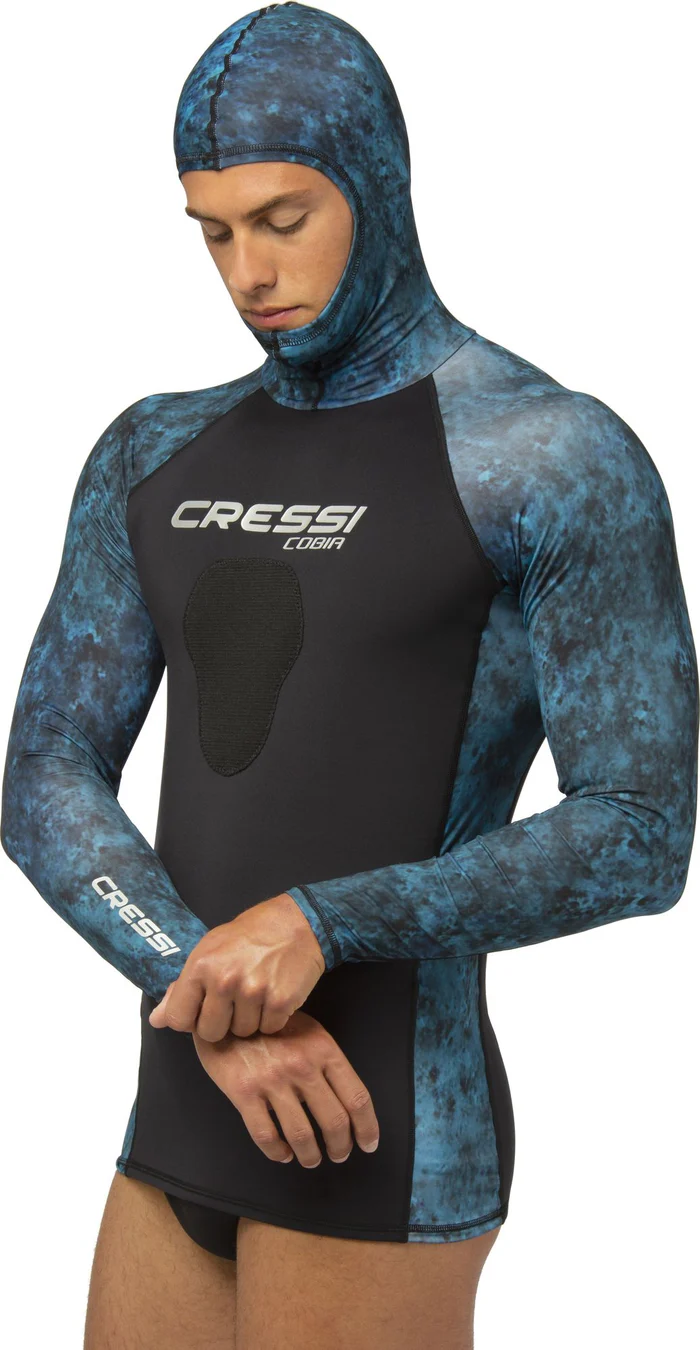
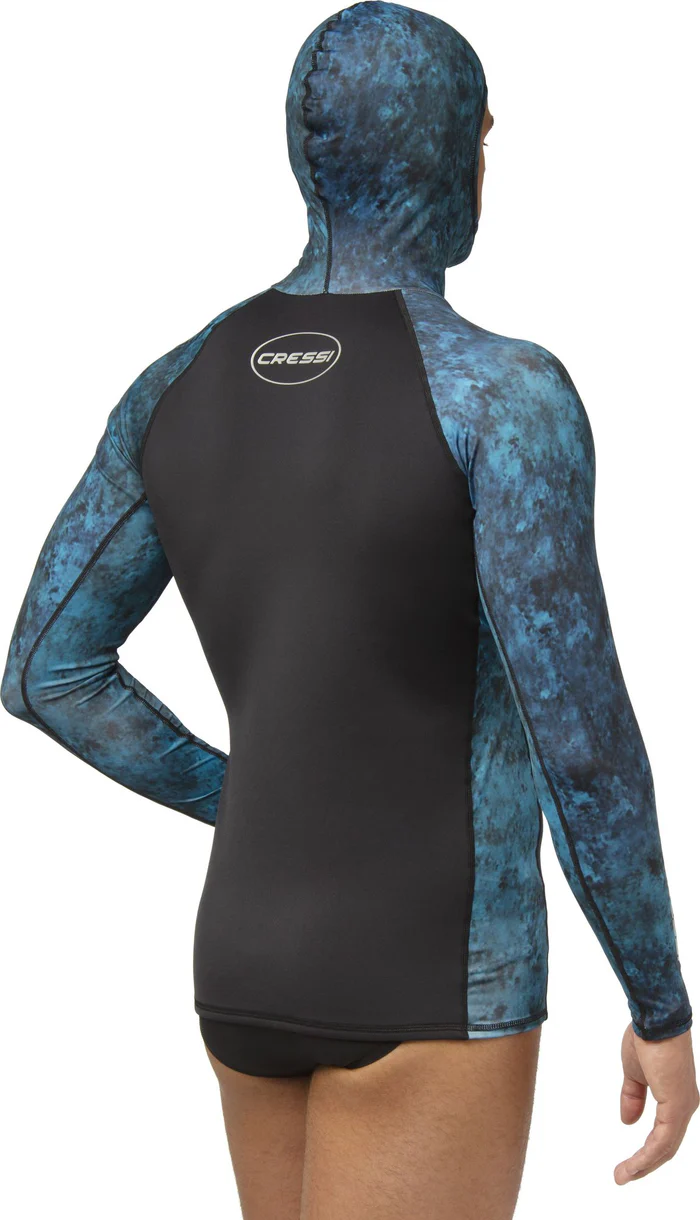
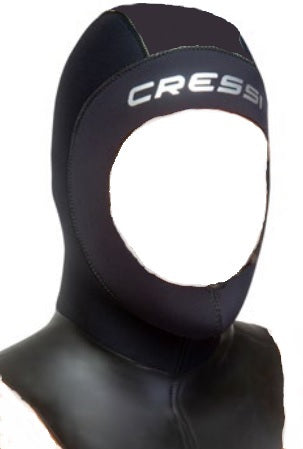
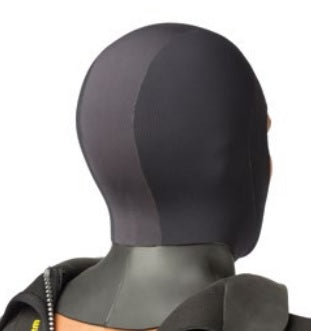
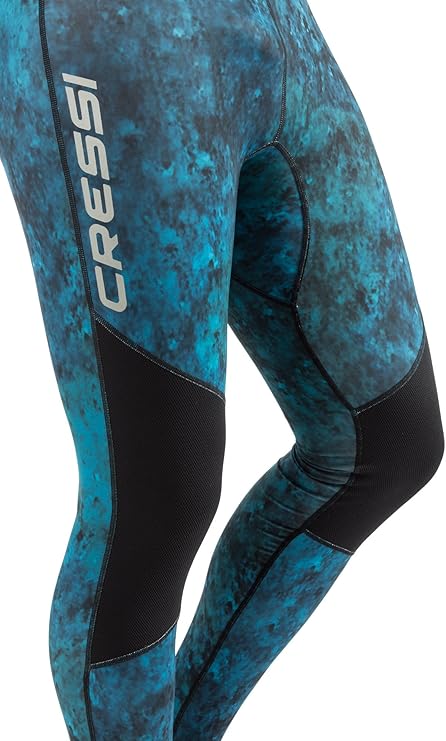
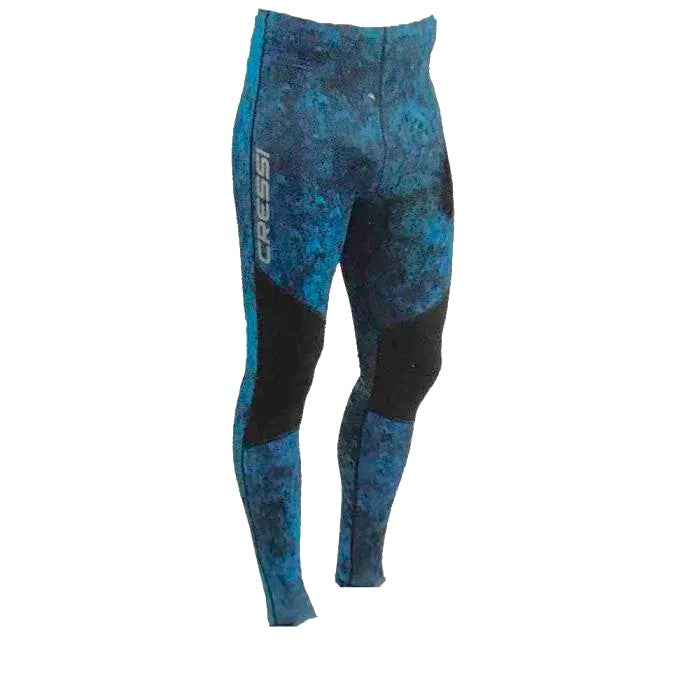
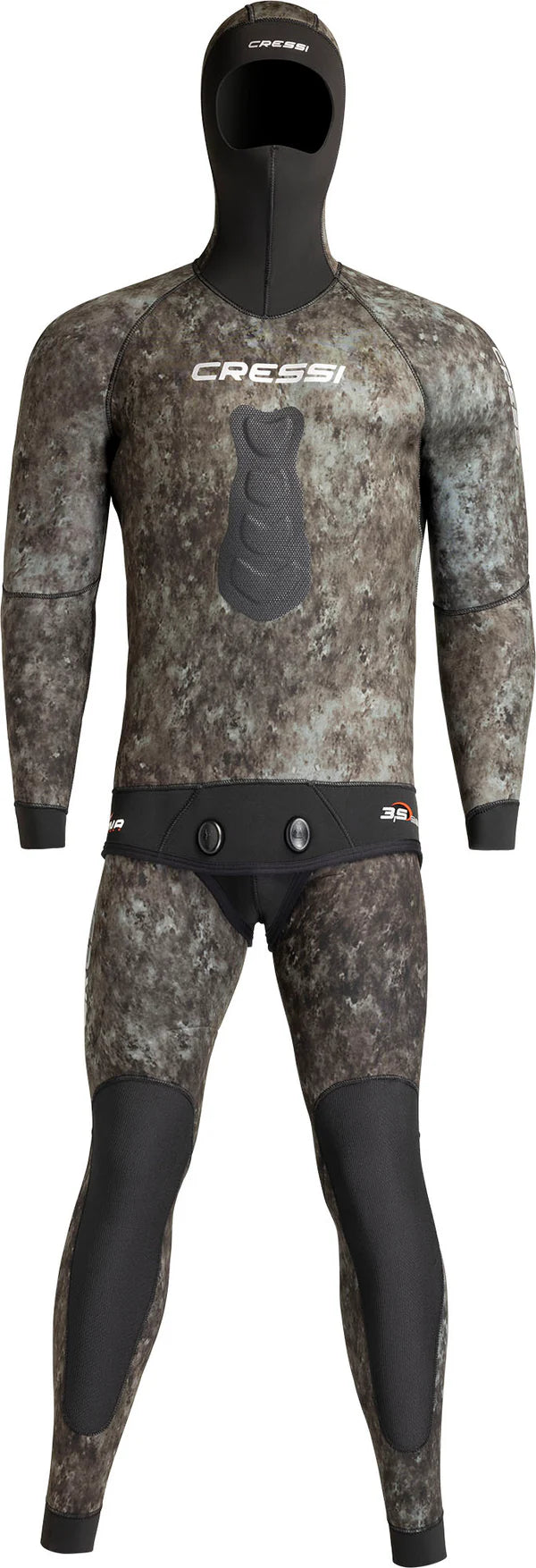
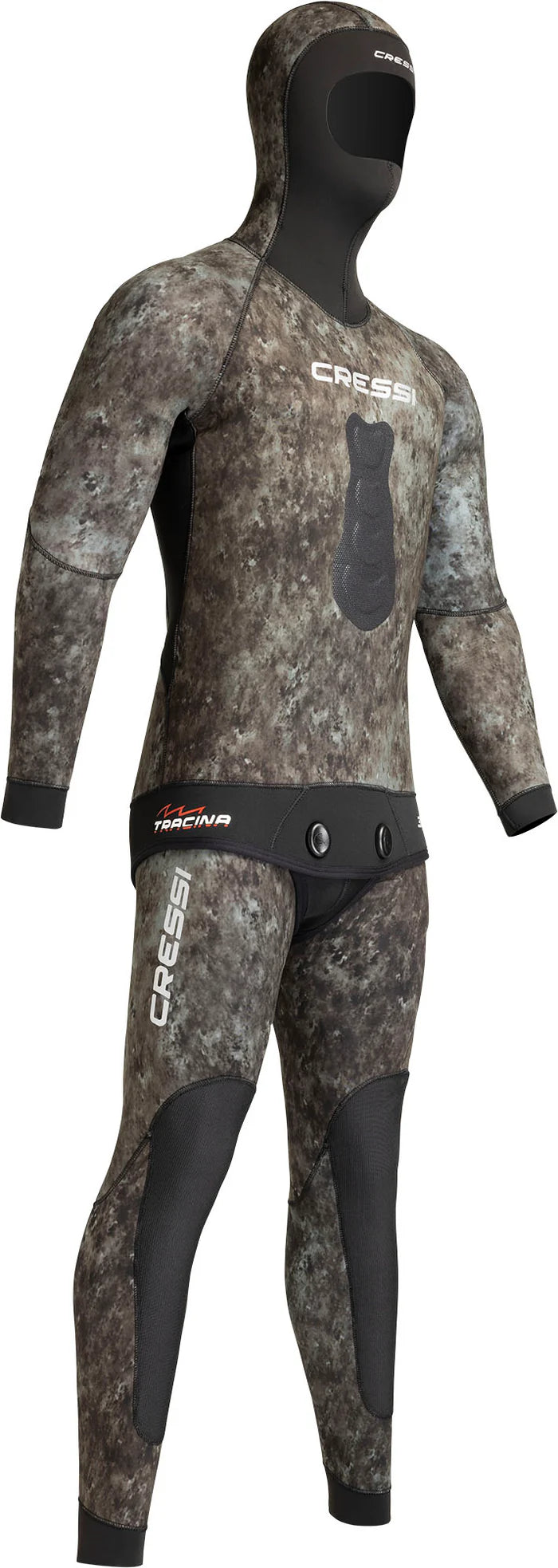
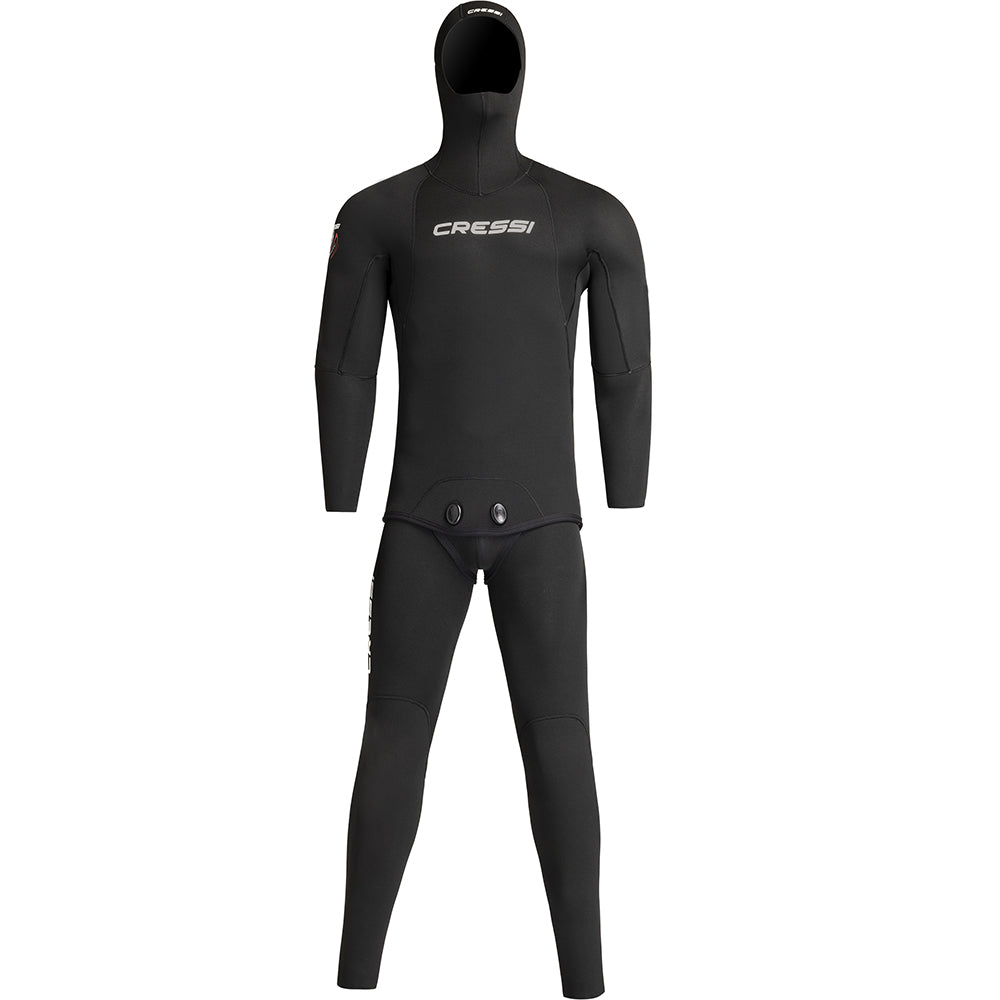
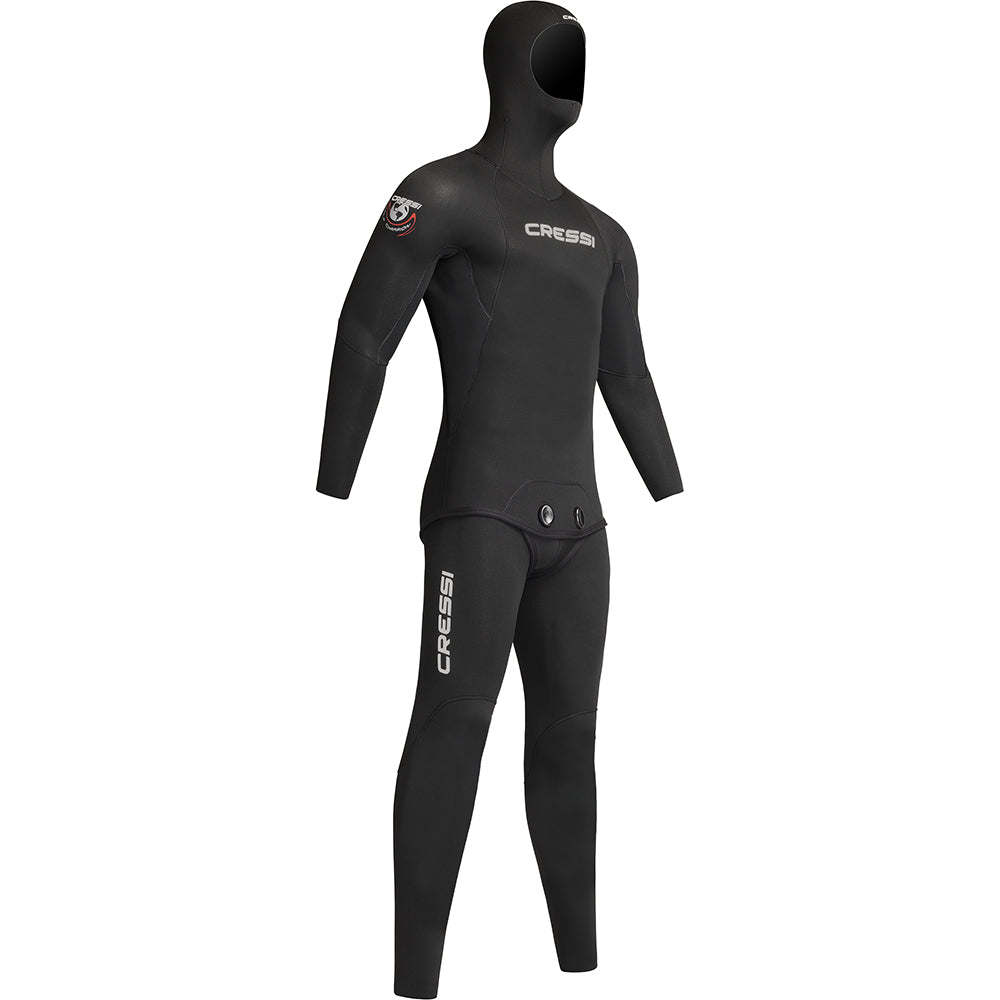
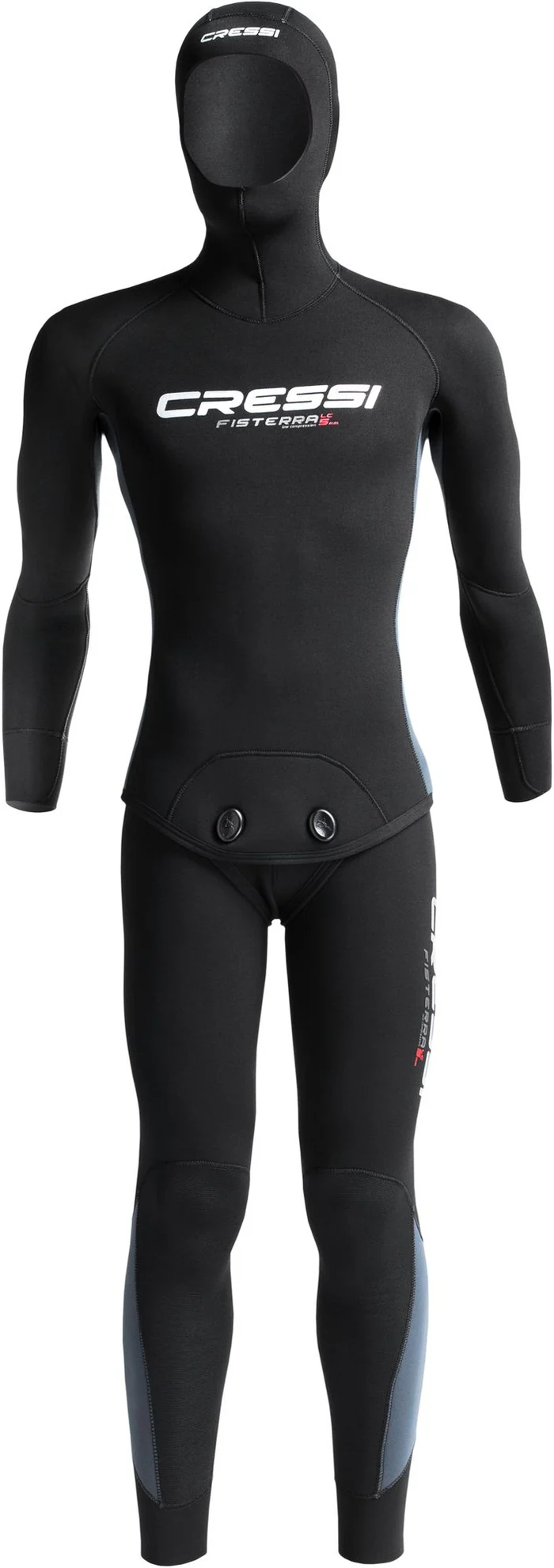
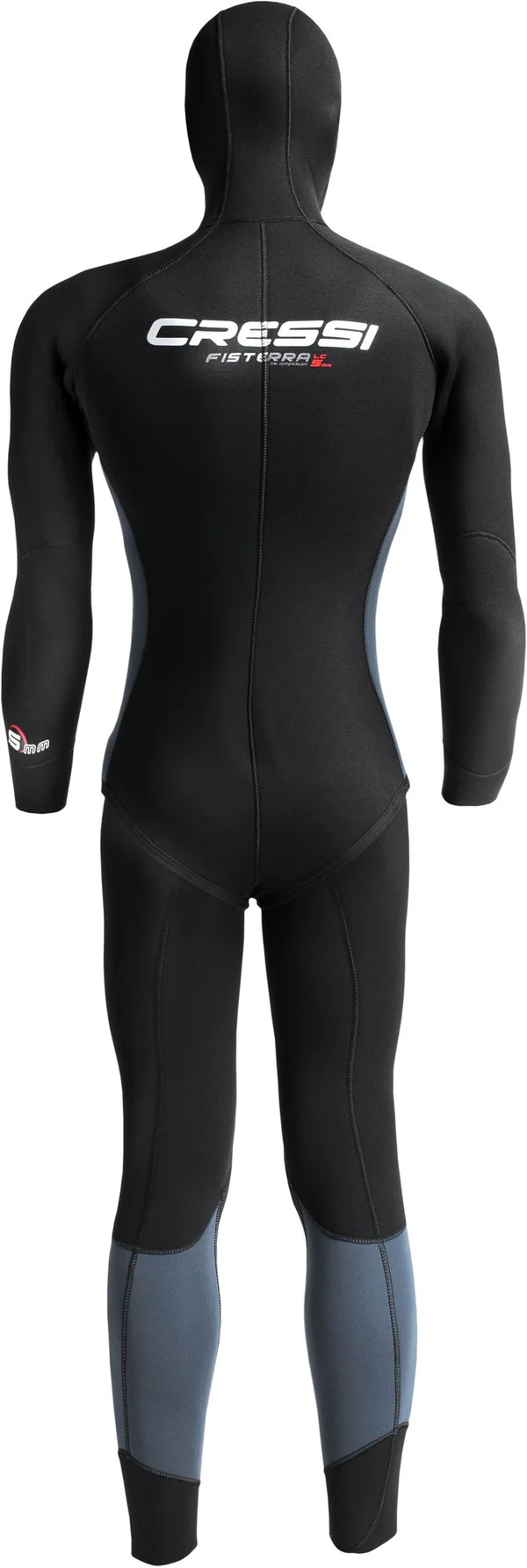
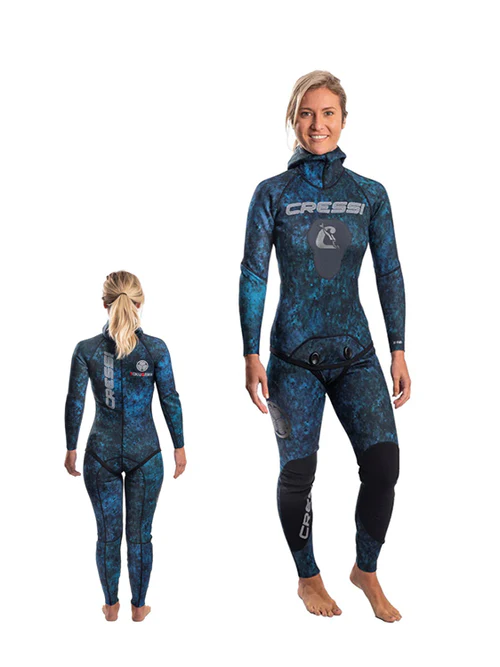
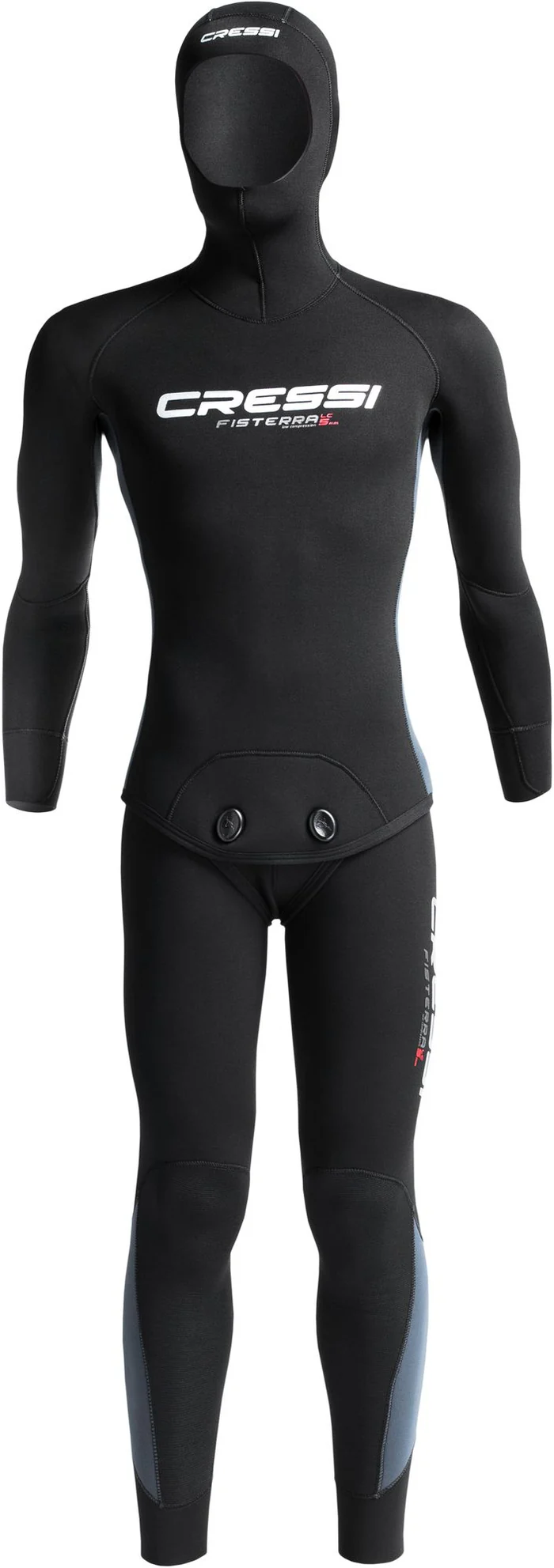
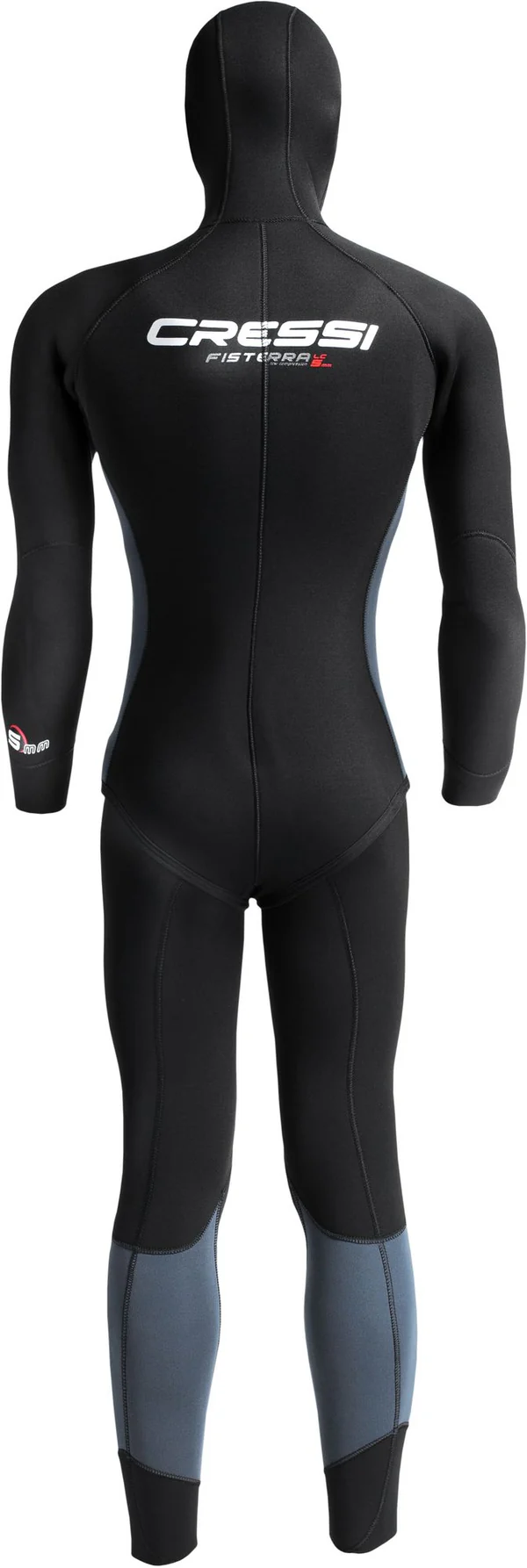
Cut matters for spearfishing specifically. A two-piece with a hooded top and high-waisted pants keeps water out around the middle, where a single-piece suit tends to flush.
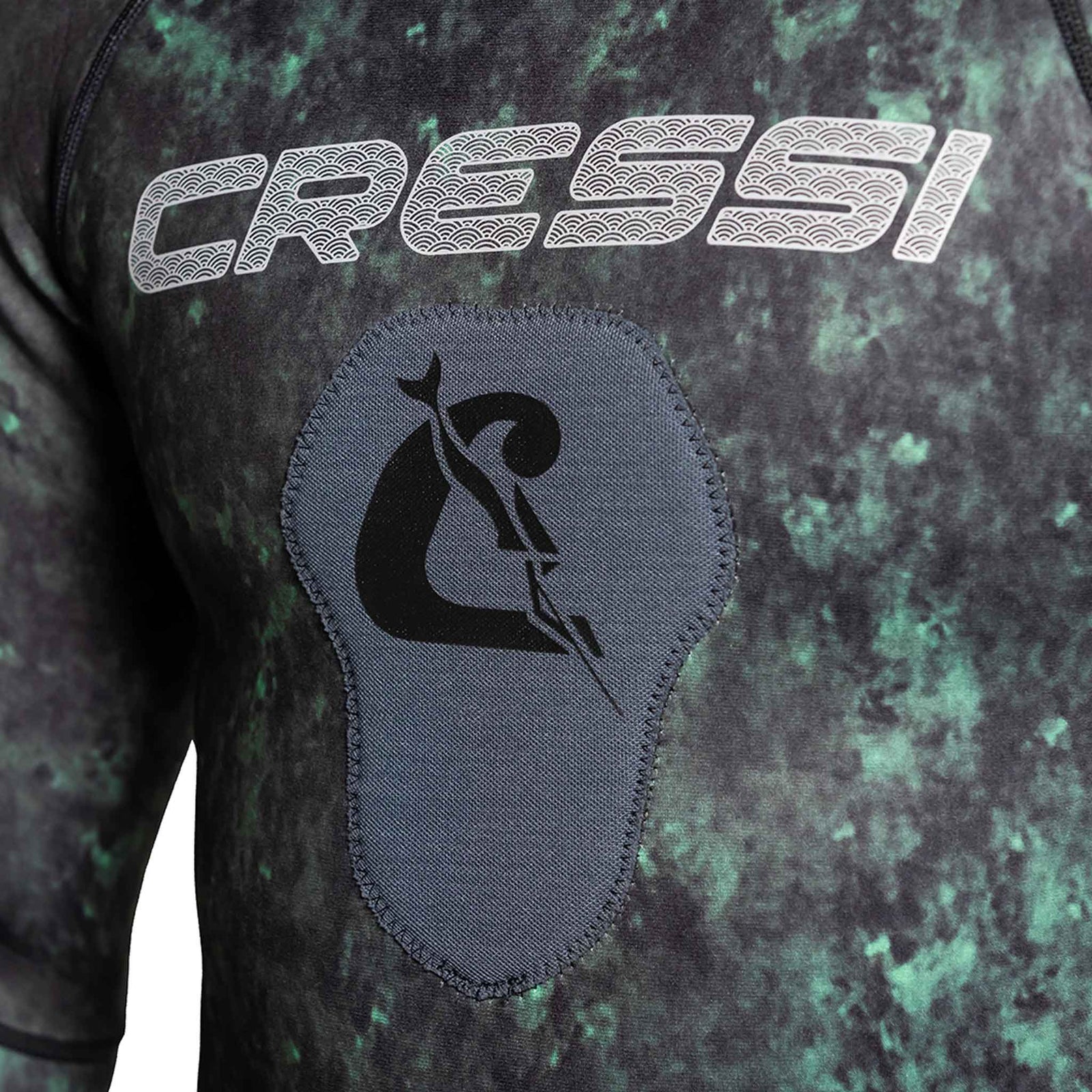
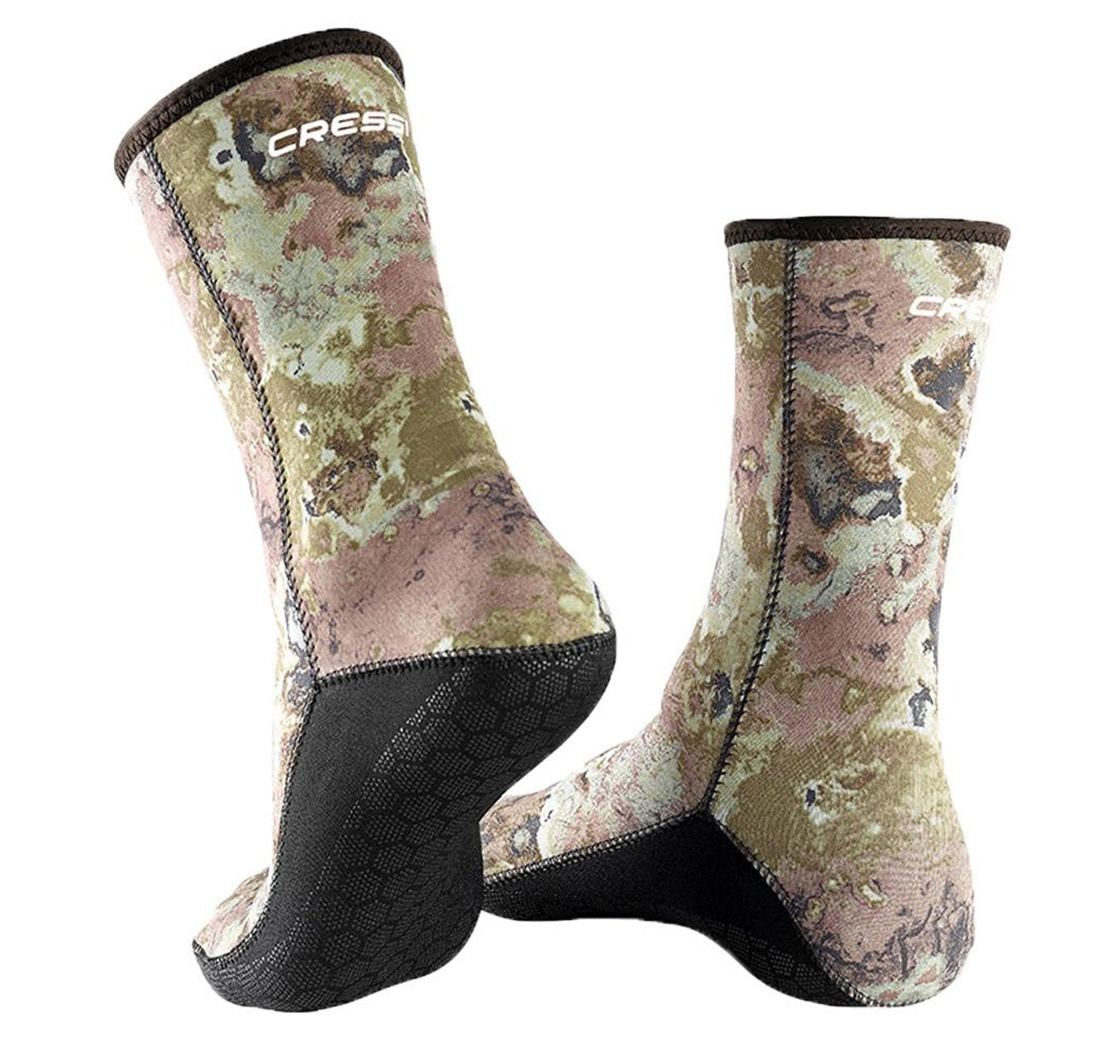
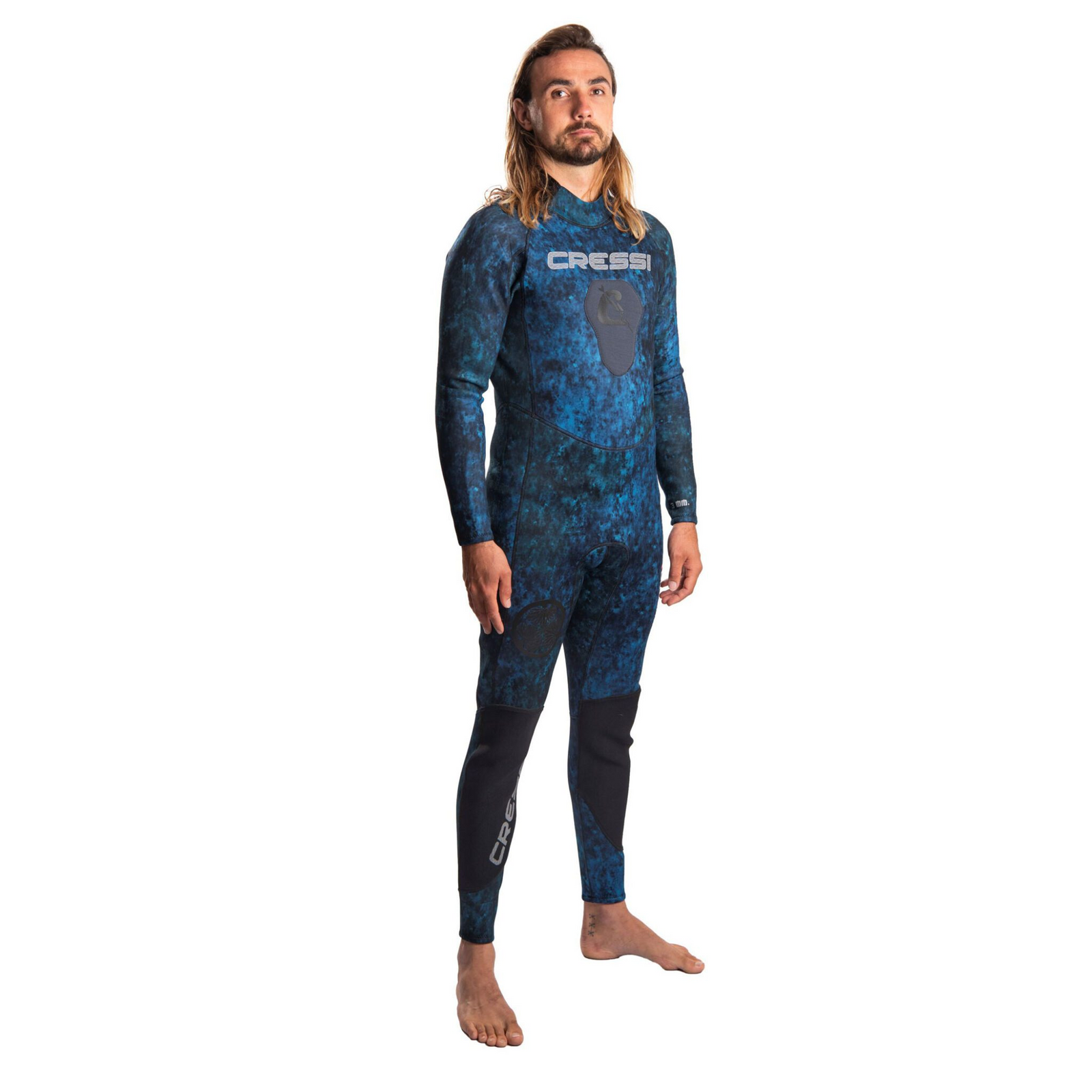
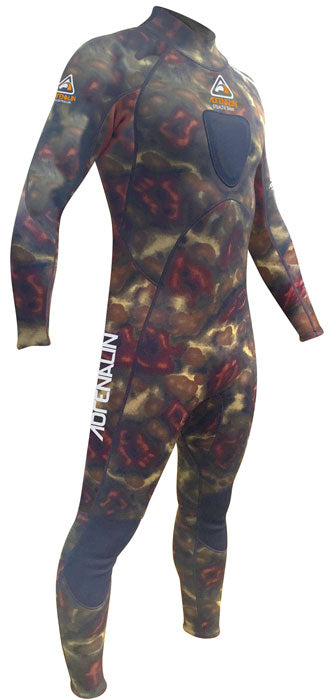
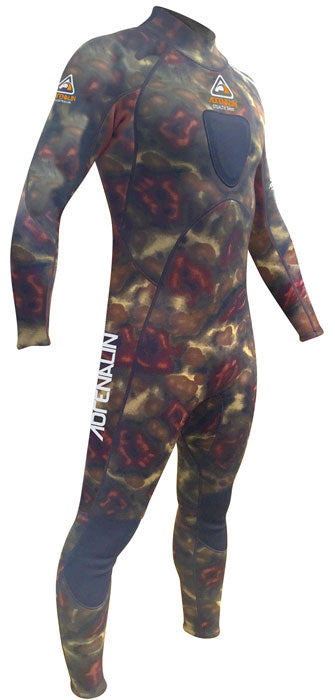
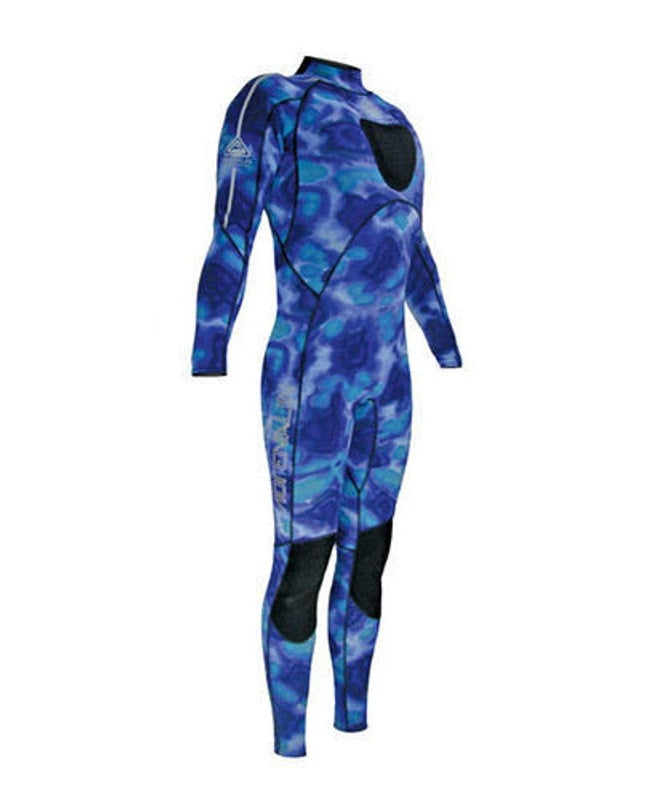
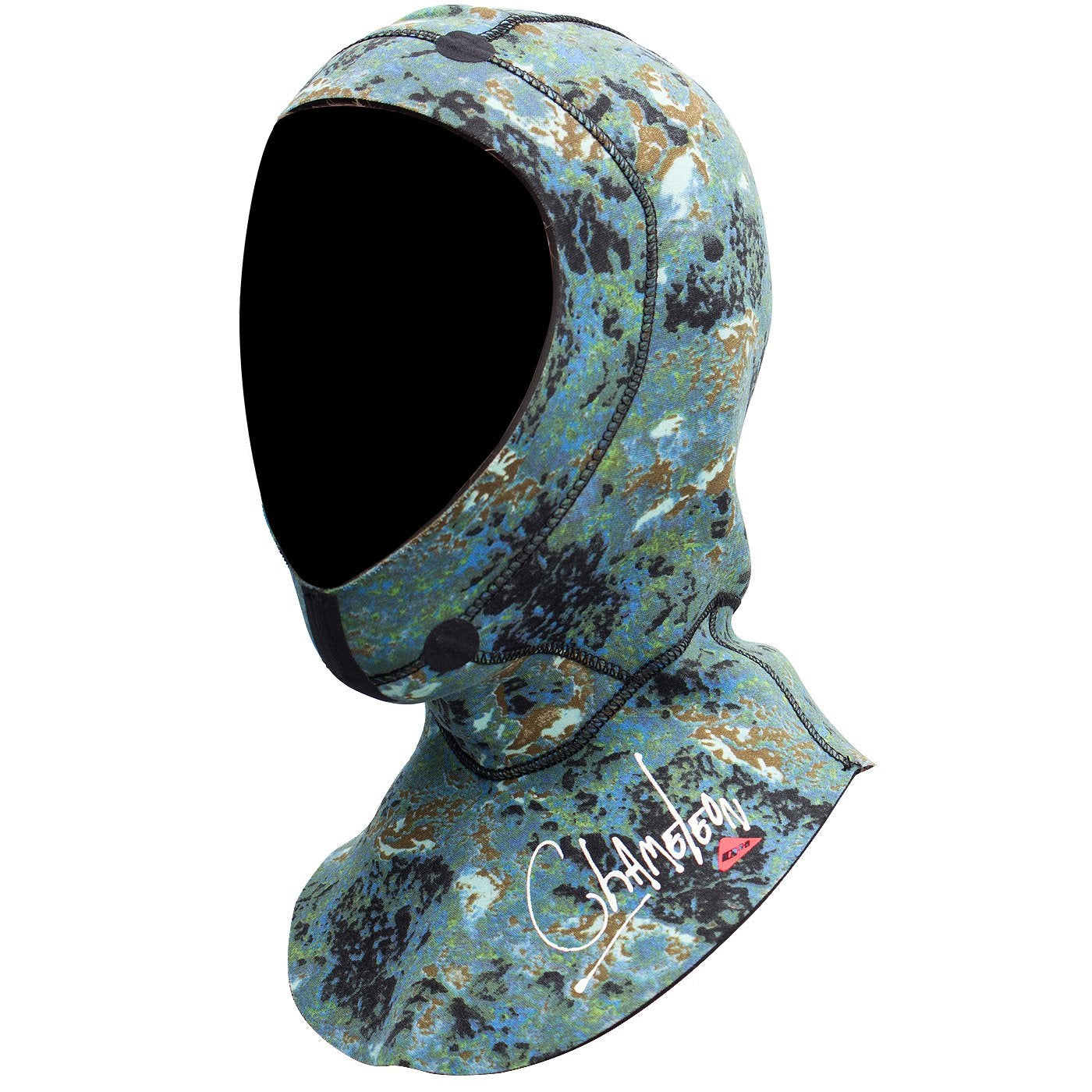
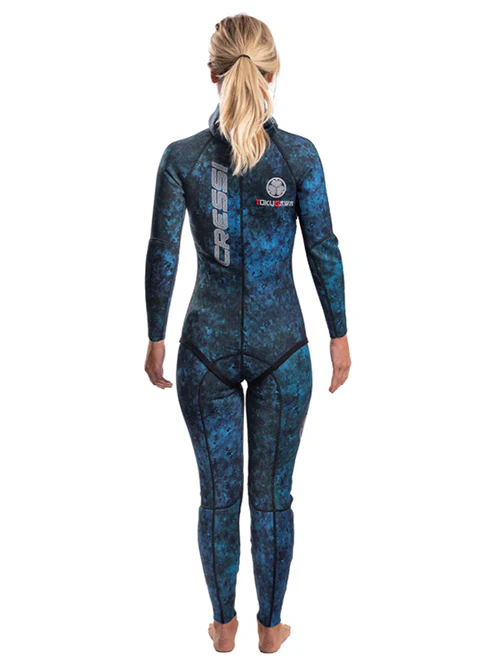
Camouflage patterns exist for a reason and do help in clear water, though fit and thickness will always matter more.
See the full dive and spear range, including spear guns.
Frequently asked questions
What thickness wetsuit do I need in Australia?
It depends on where and when you dive. Northern waters suit thinner suits year-round, while southern and winter diving needs considerably more.
What is an open cell wetsuit?
One where the inner surface is unlined neoprene that seals against the skin. It is warmer than a lined suit but needs lubricant to get on and tears more easily.
Do I need a spearfishing-specific wetsuit?
Not strictly, but the two-piece hooded cut keeps water out far better than a surfing suit and includes a chest pad for loading a gun.

























































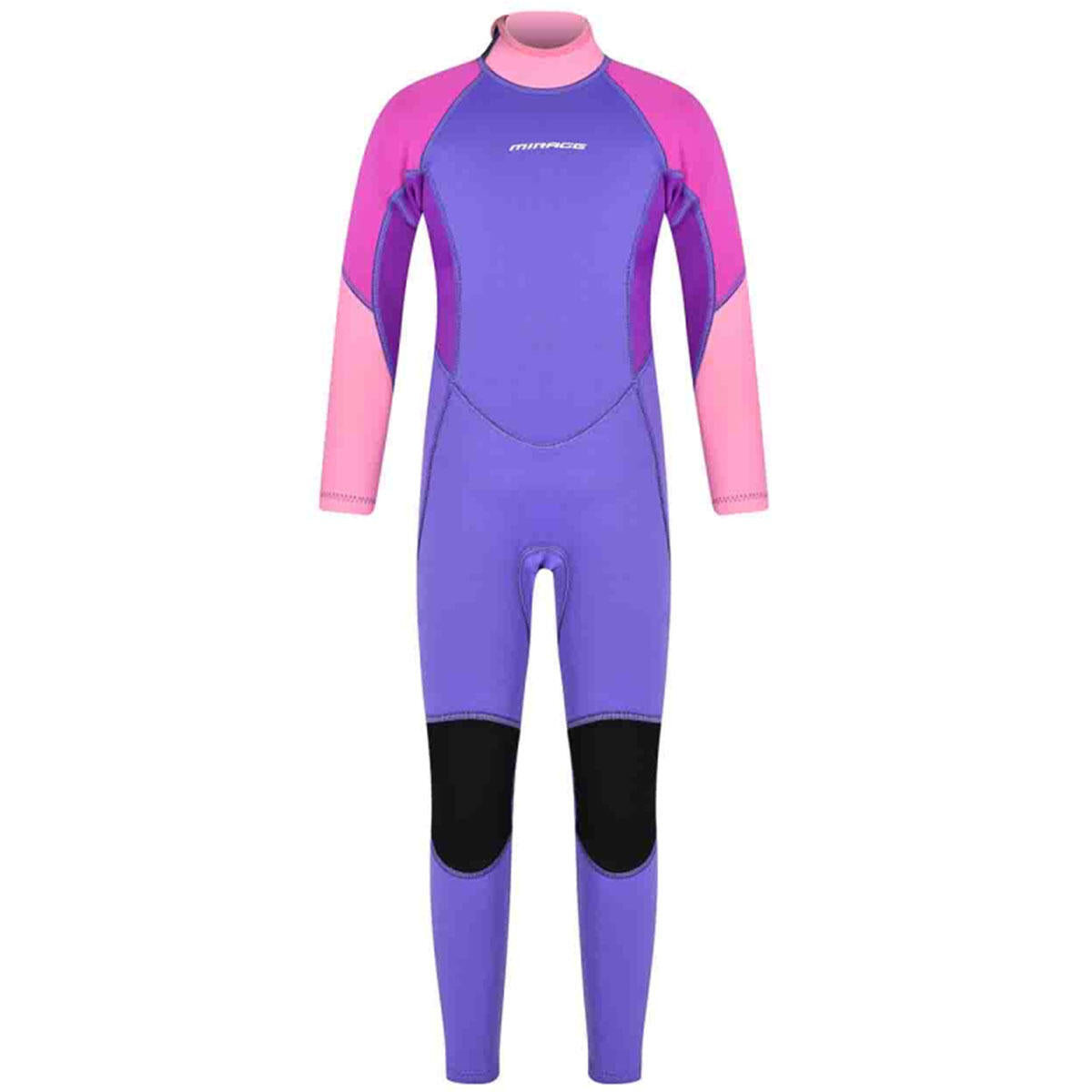

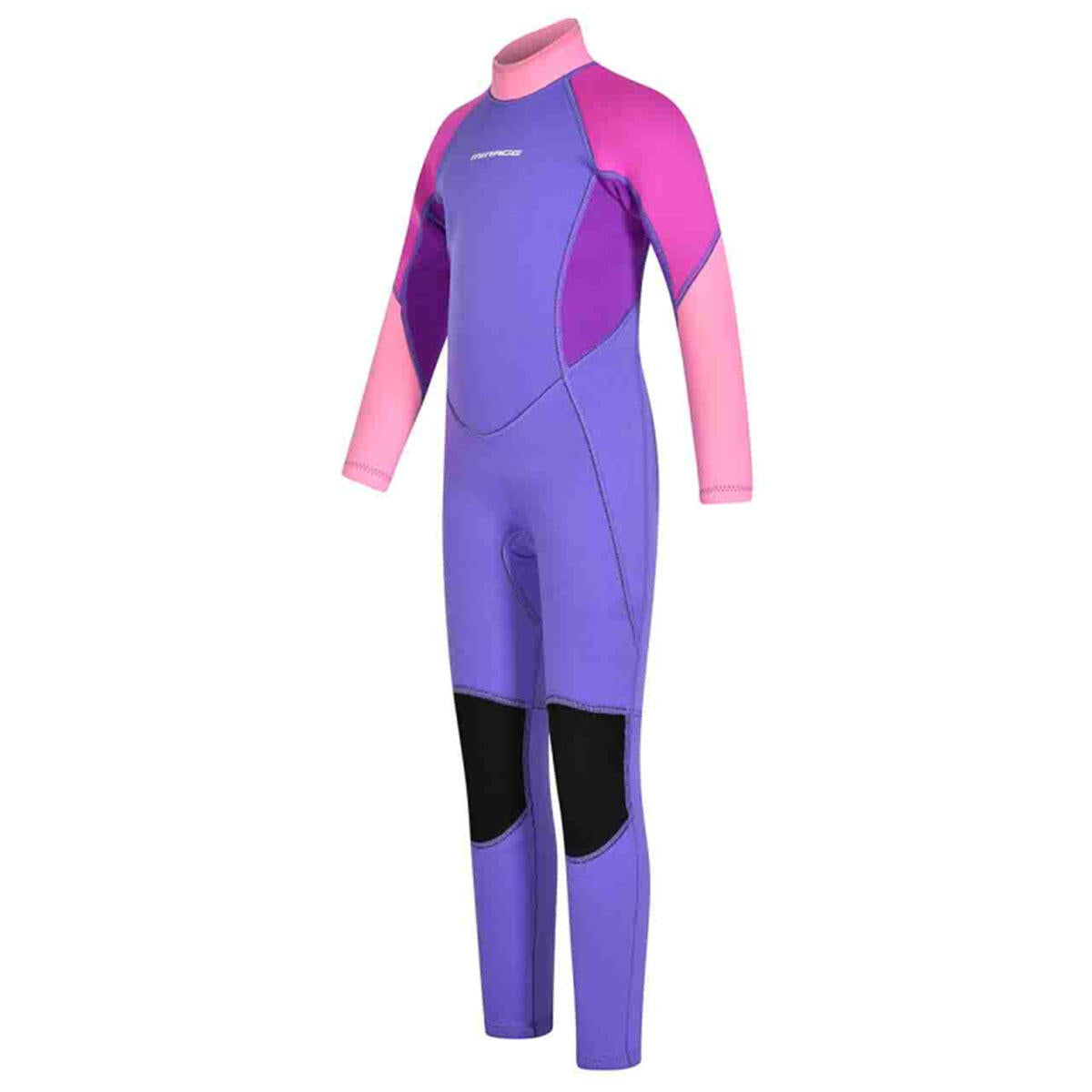

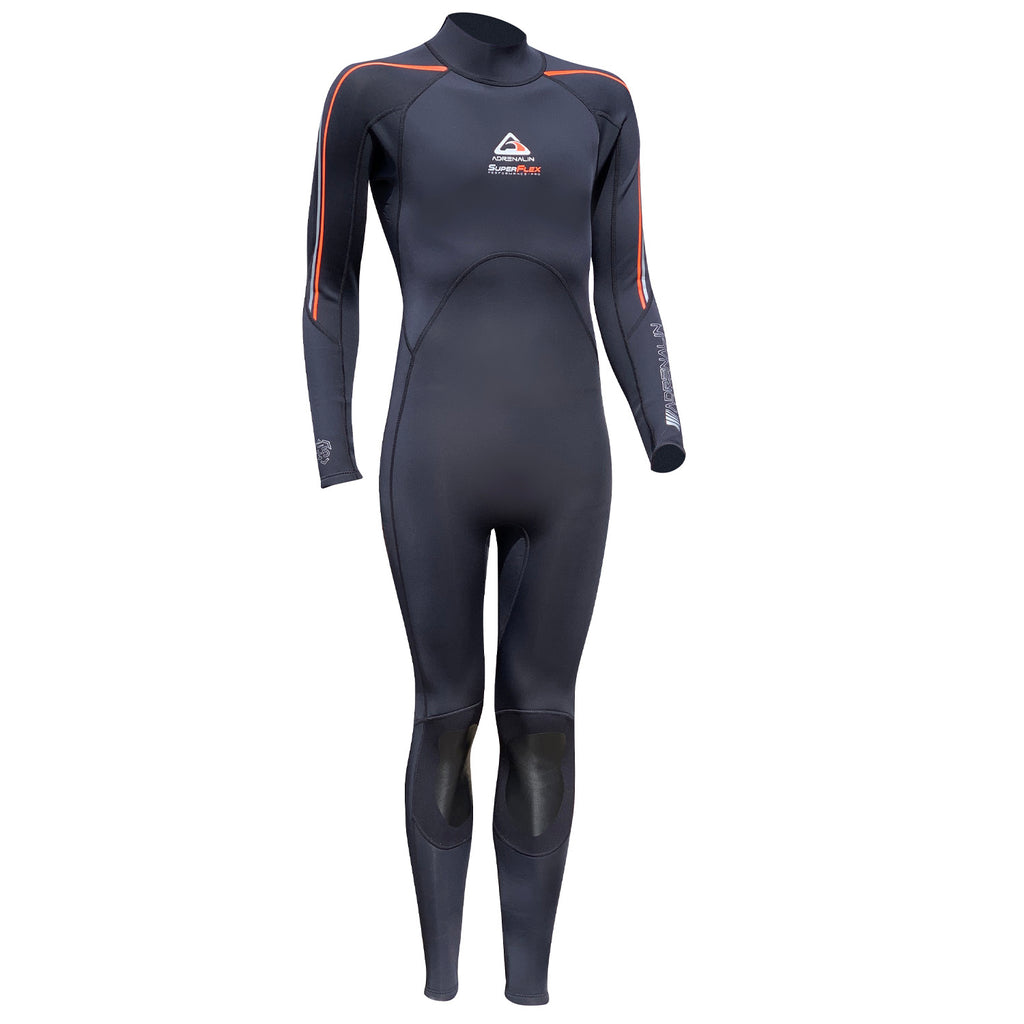

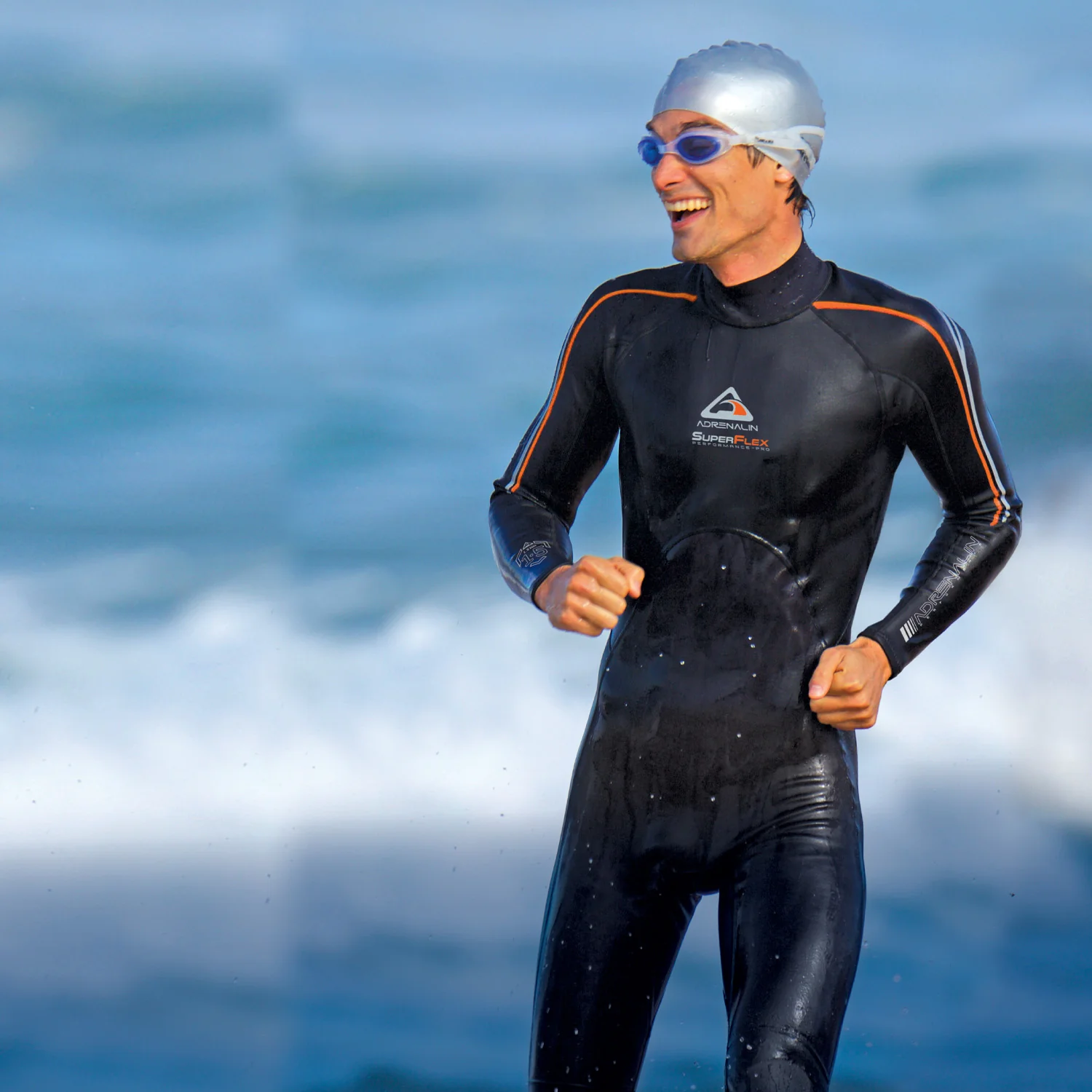

Cold ends more dives than anything else. A wetsuit buys you time in the water, and time in the water is the whole point — it is the difference between a short session and a full morning working a reef properly.
Choosing a wetsuit
Thickness is the main decision and it follows the water, not the air. Warmer northern water suits thinner suits, while southern water and winter diving demand more. Most people who dive year-round end up owning two.
Then the lining. Open cell suits sit directly against the skin and are noticeably warmer, at the cost of needing lubricant to get into and more care to avoid tearing. Lined suits are tougher and easier to put on, which suits anyone diving occasionally or handling a suit roughly.
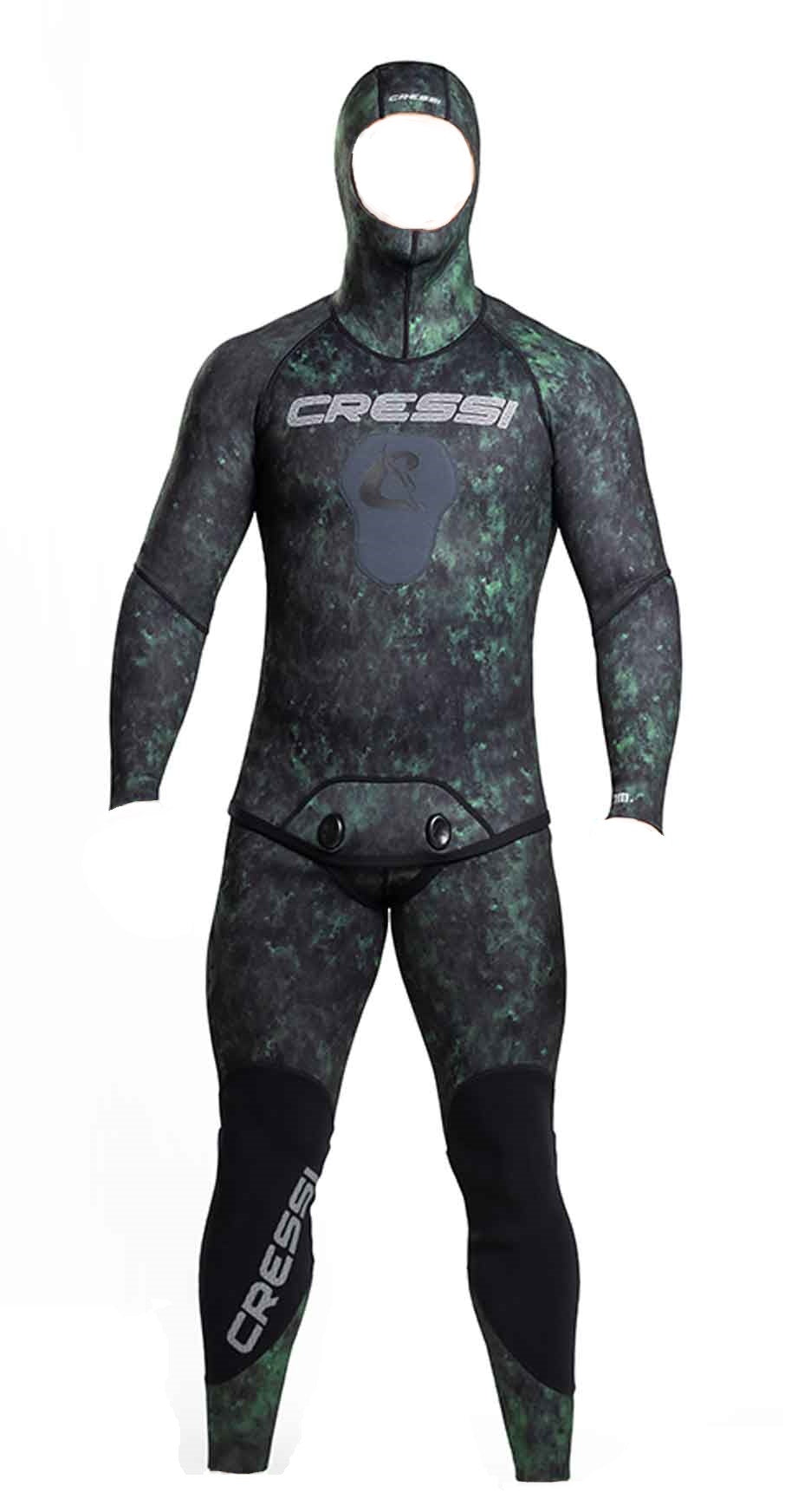
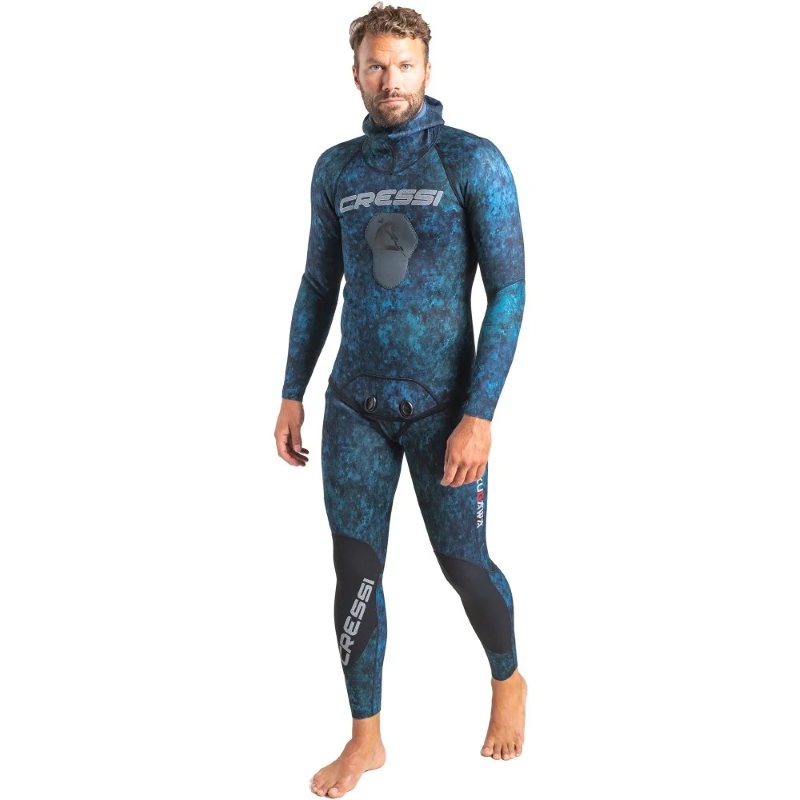
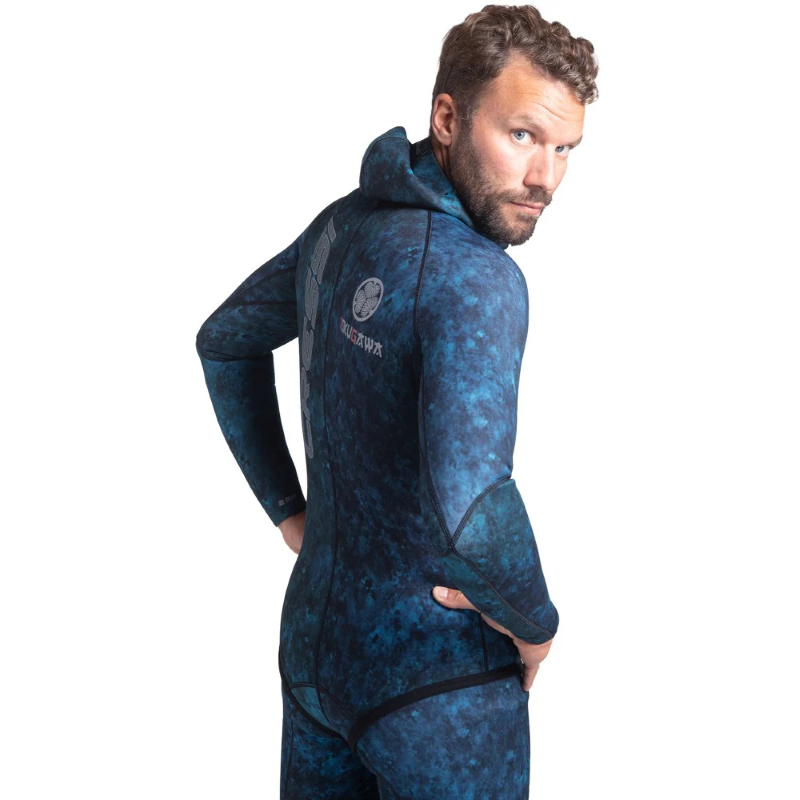
Cut matters for spearfishing specifically. A two-piece with a hooded top and high-waisted pants keeps water out around the middle, where a single-piece suit tends to flush.
Camouflage patterns exist for a reason and do help in clear water, though fit and thickness will always matter more.
See the full dive and spear range, including spear guns.
Frequently asked questions
What thickness wetsuit do I need in Australia?
It depends on where and when you dive. Northern waters suit thinner suits year-round, while southern and winter diving needs considerably more.
What is an open cell wetsuit?
One where the inner surface is unlined neoprene that seals against the skin. It is warmer than a lined suit but needs lubricant to get on and tears more easily.
Do I need a spearfishing-specific wetsuit?
Not strictly, but the two-piece hooded cut keeps water out far better than a surfing suit and includes a chest pad for loading a gun.