

FREE SHIPPING ON ORDERS OVER $150*

AUSSIE FAMILY OWNED BUSINESS FOR OVER 40 YEARS

100% SATISFACTION GUARANTEED
Polarised Fishing Sunglasses
Polarised Fishing Sunglasses
Polarised sunglasses are the one piece of gear that changes what you can actually see. Glare bouncing off the surface hides everything beneath it. Cut that glare and structure, weed beds, bait schools and fish appear where a moment ago there was only a mirror. For sight fishing it is not an accessory, it is the equipment.
Choosing a pair
Polarisation is the non-negotiable part. Plenty of dark sunglasses are not polarised at all — they dim the scene without removing glare, which is not the same thing.
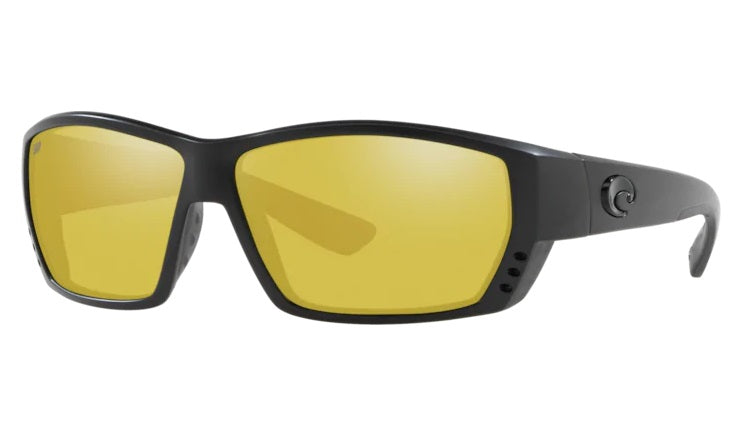
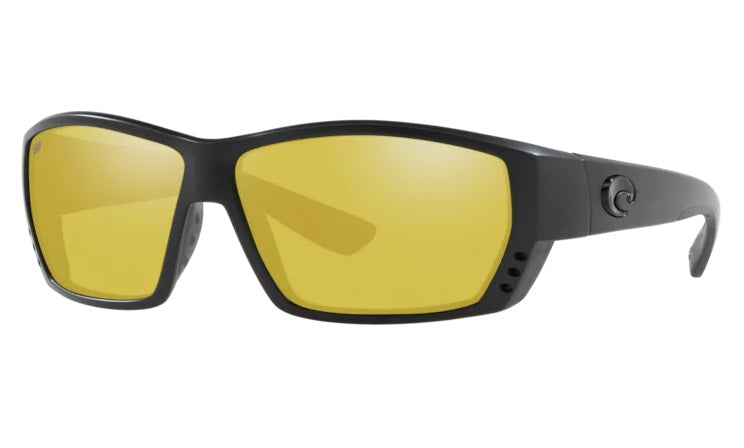
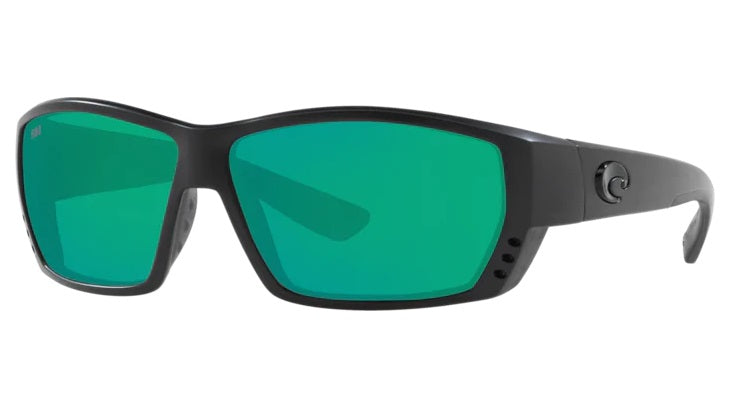
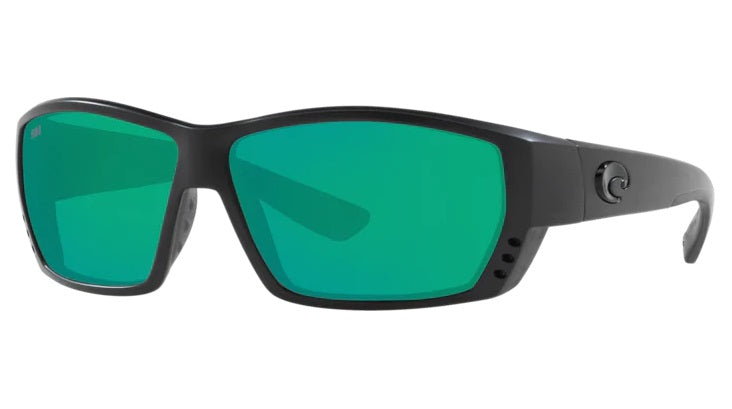
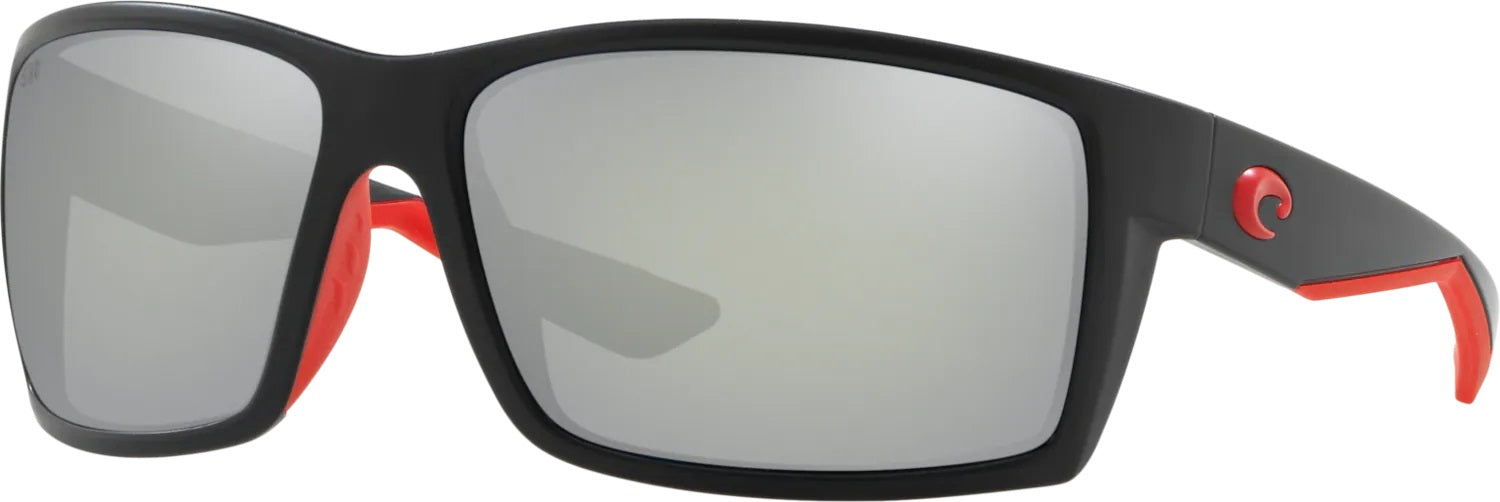
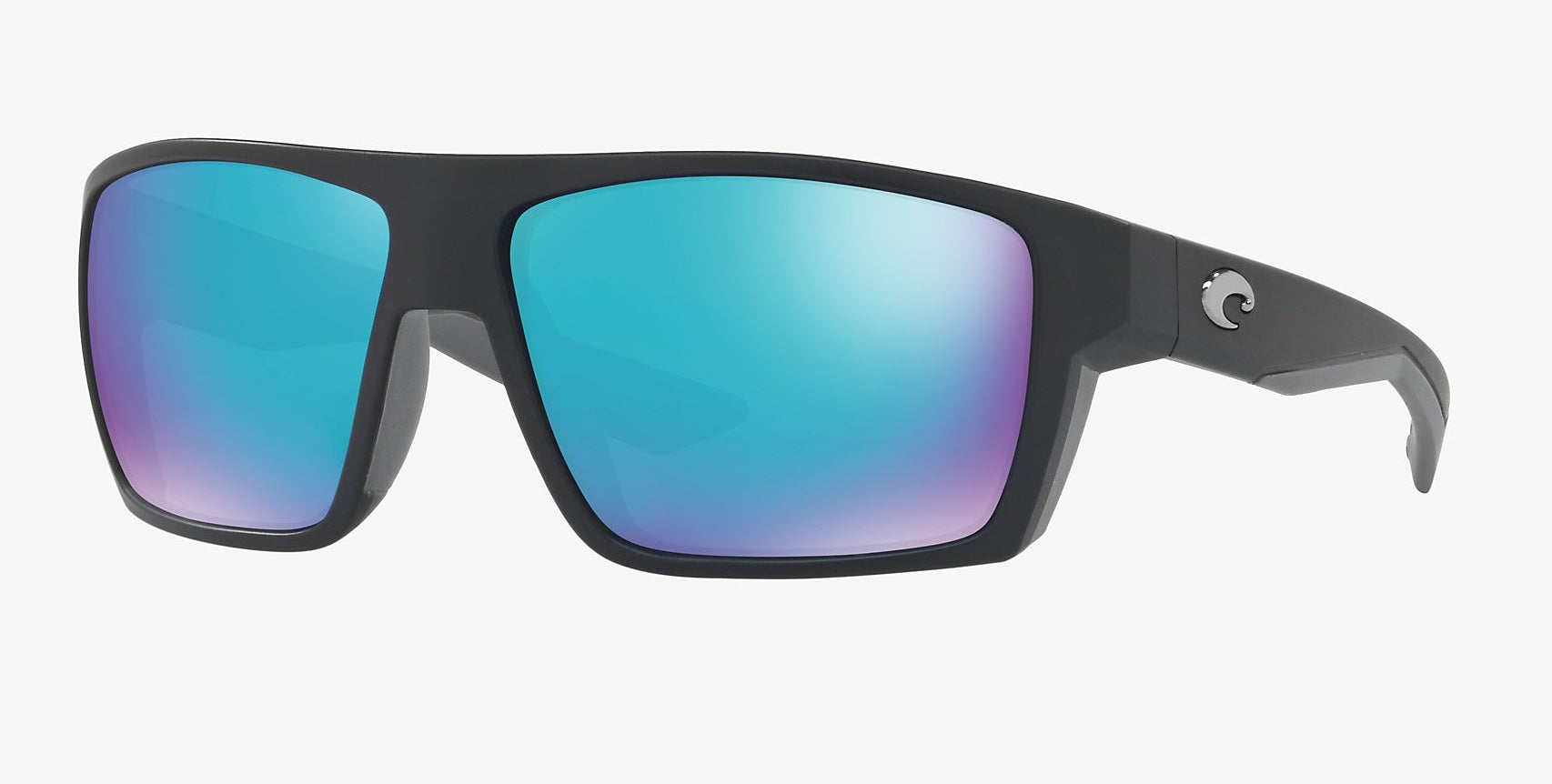
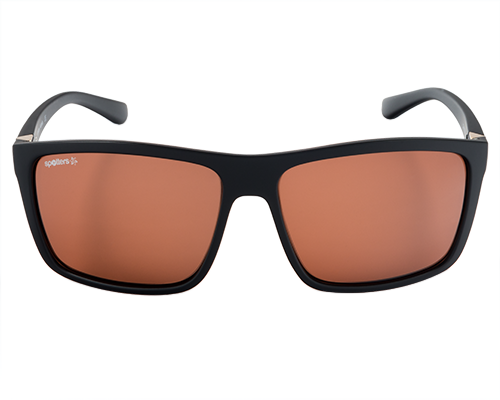
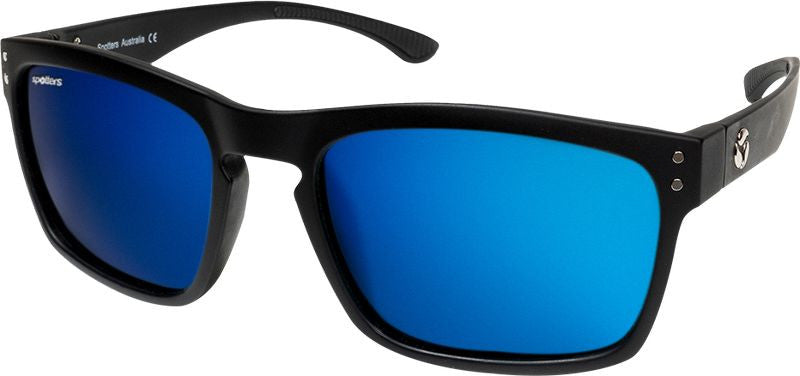
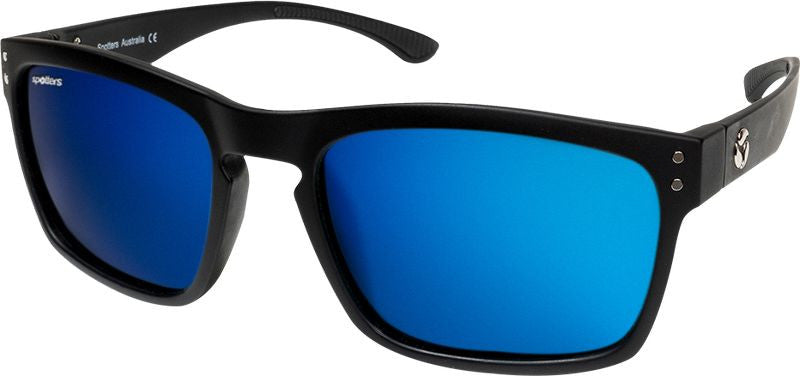
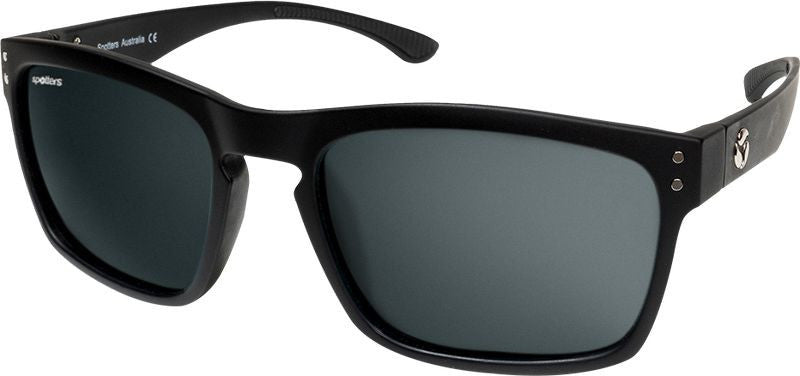
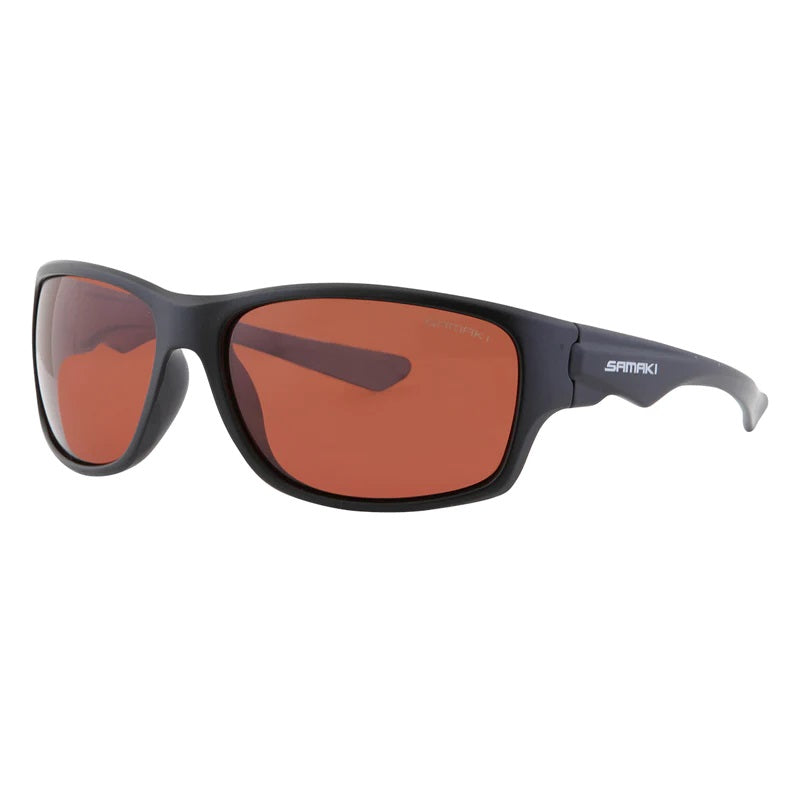
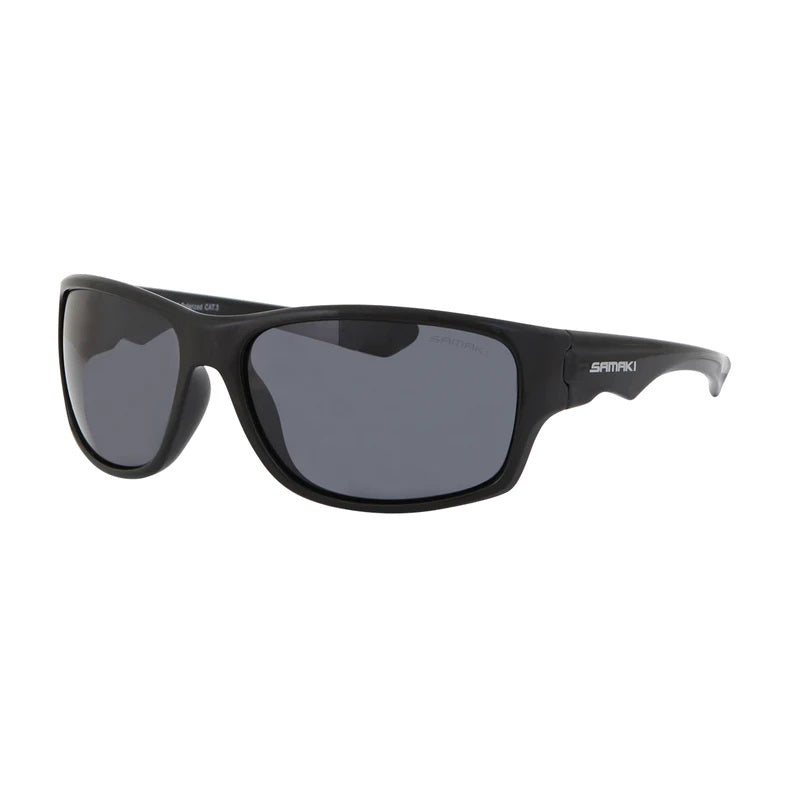
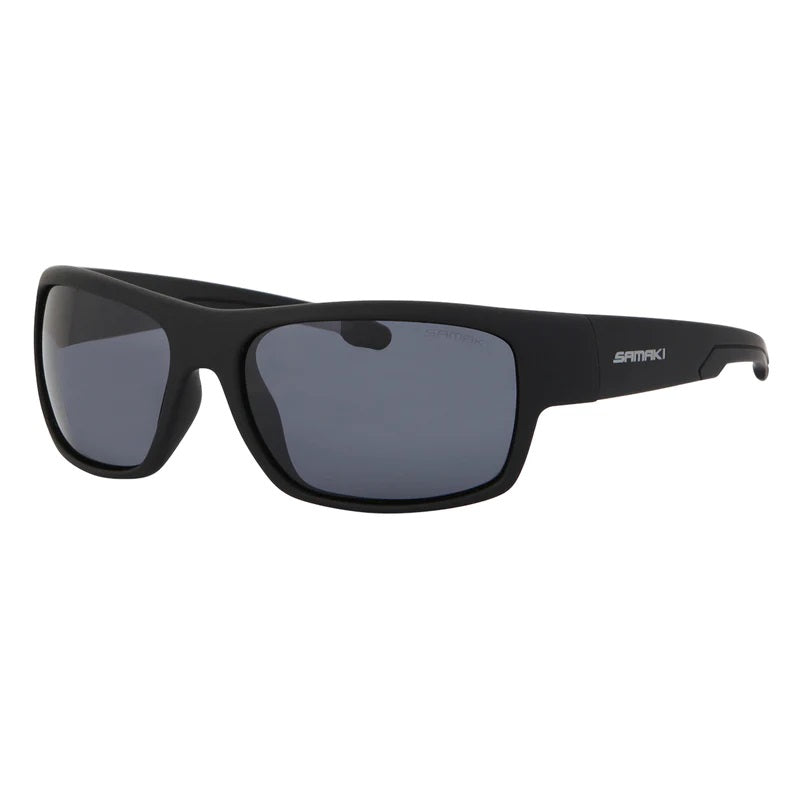
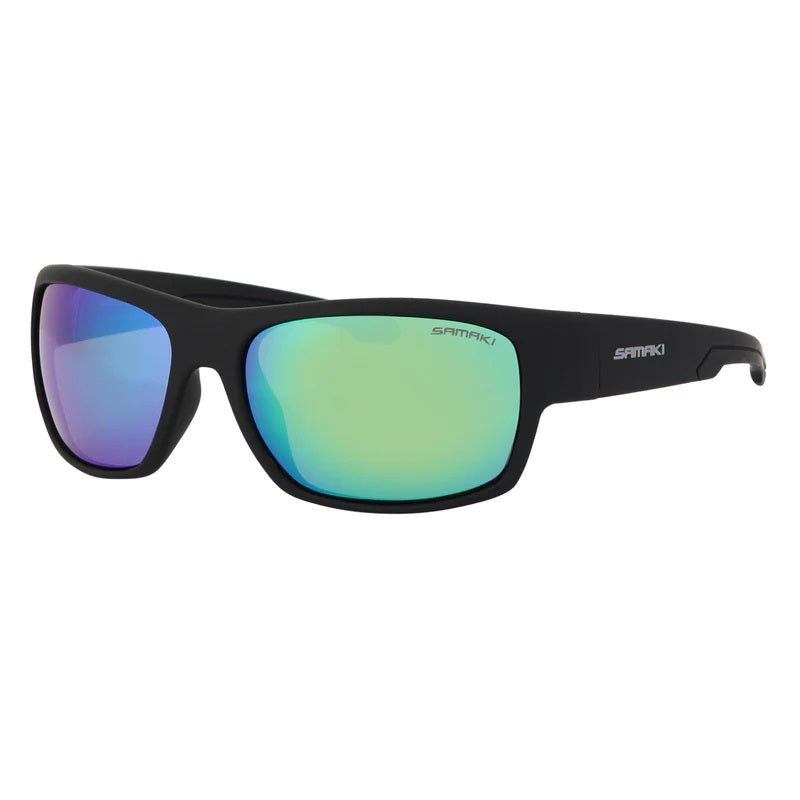
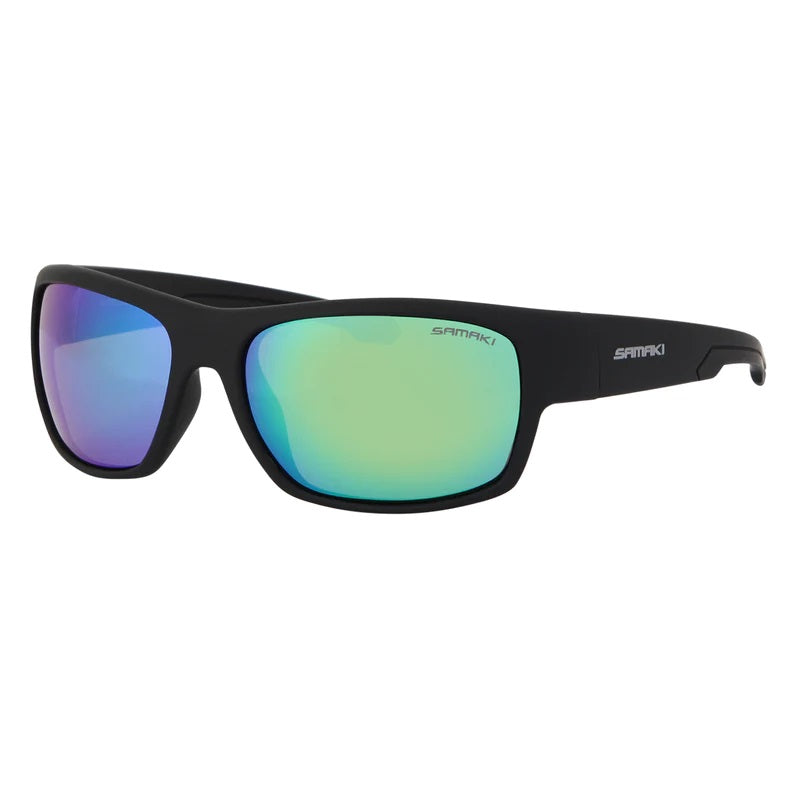
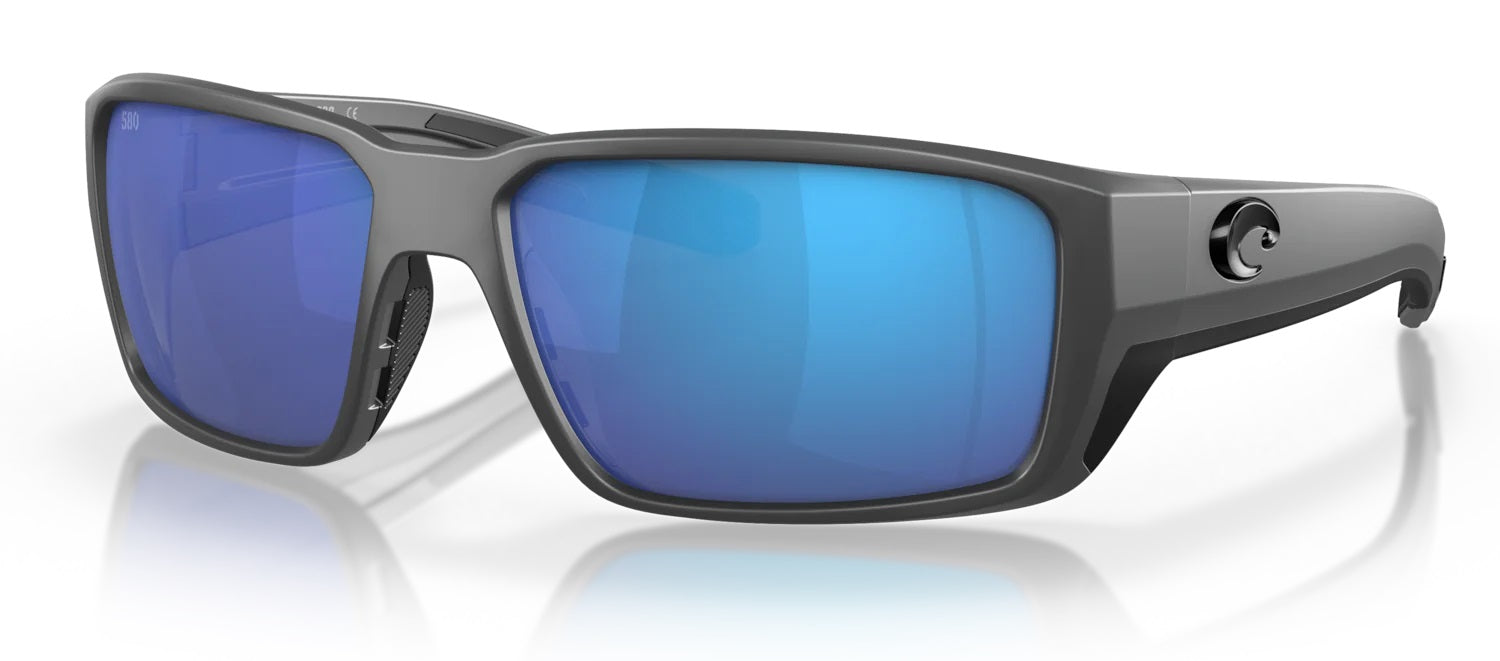
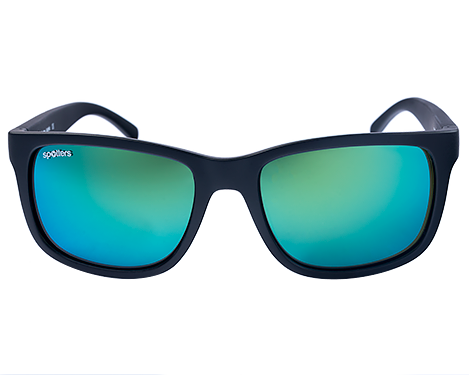
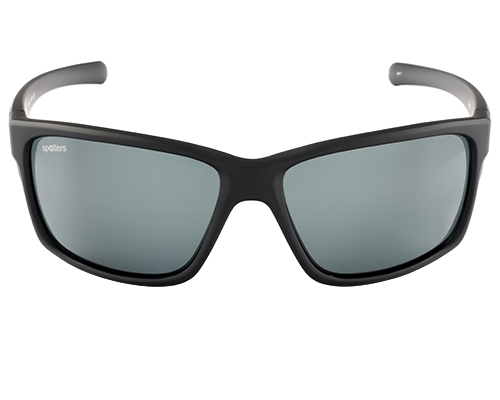
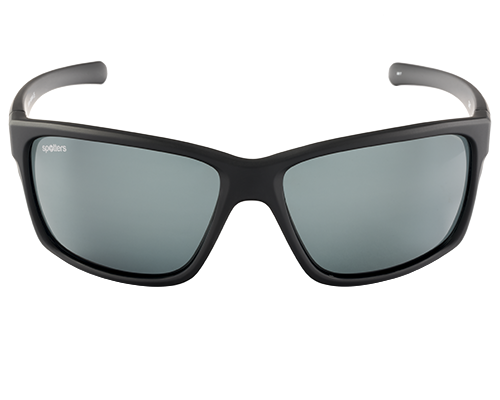
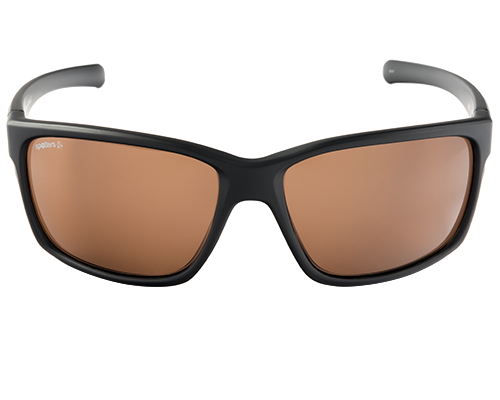
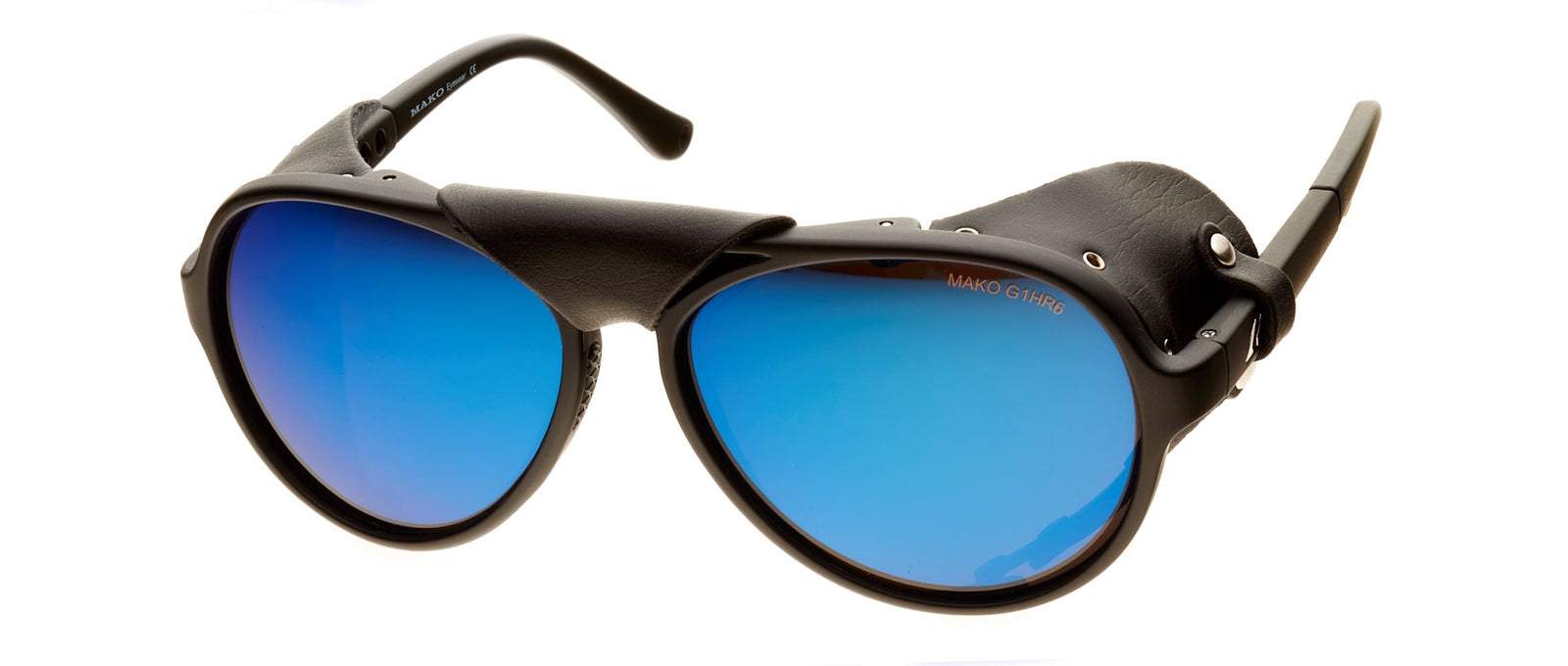
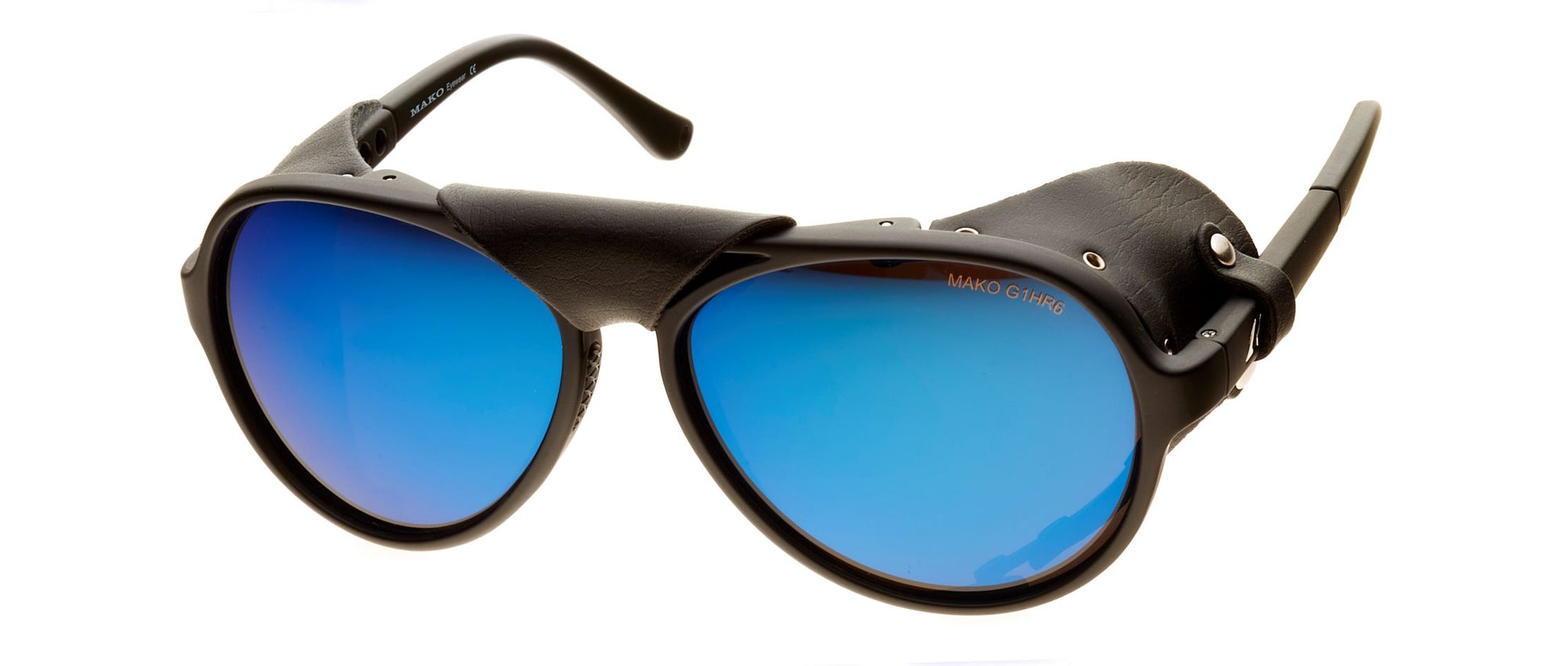
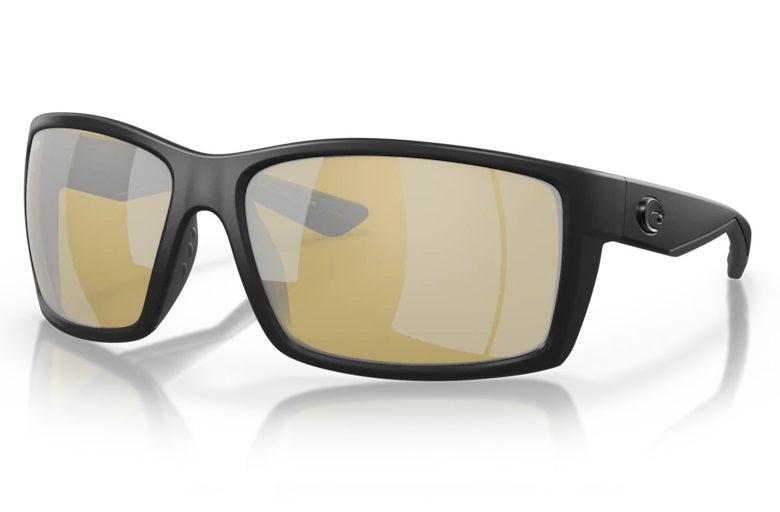
Lens colour changes what you see. Copper and amber tints lift contrast in estuaries, rivers and dirty water. Grey tints stay truer to natural colour and suit bright open water offshore. Mirror coatings knock back more light again for glare off sand and flats.
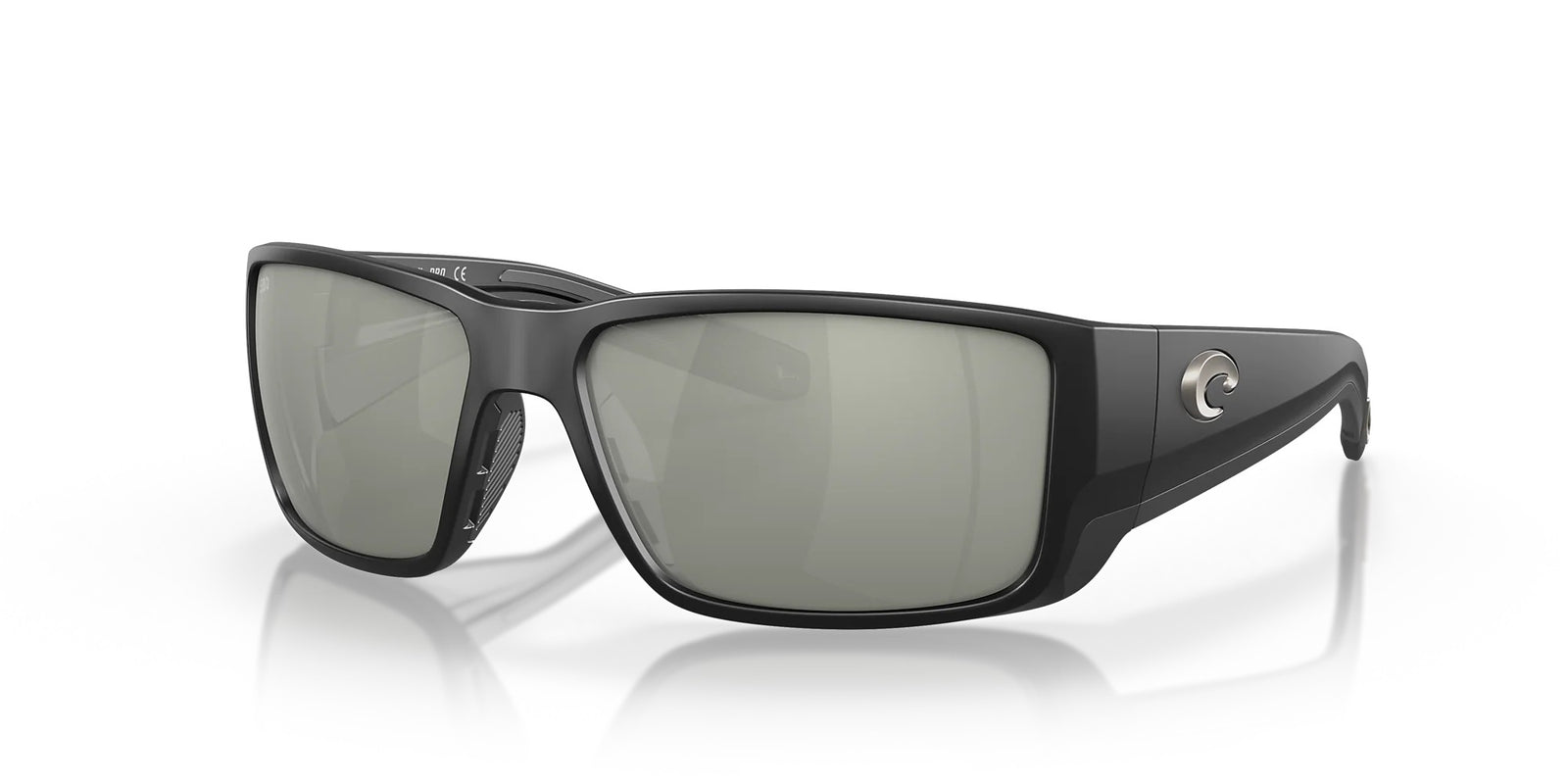
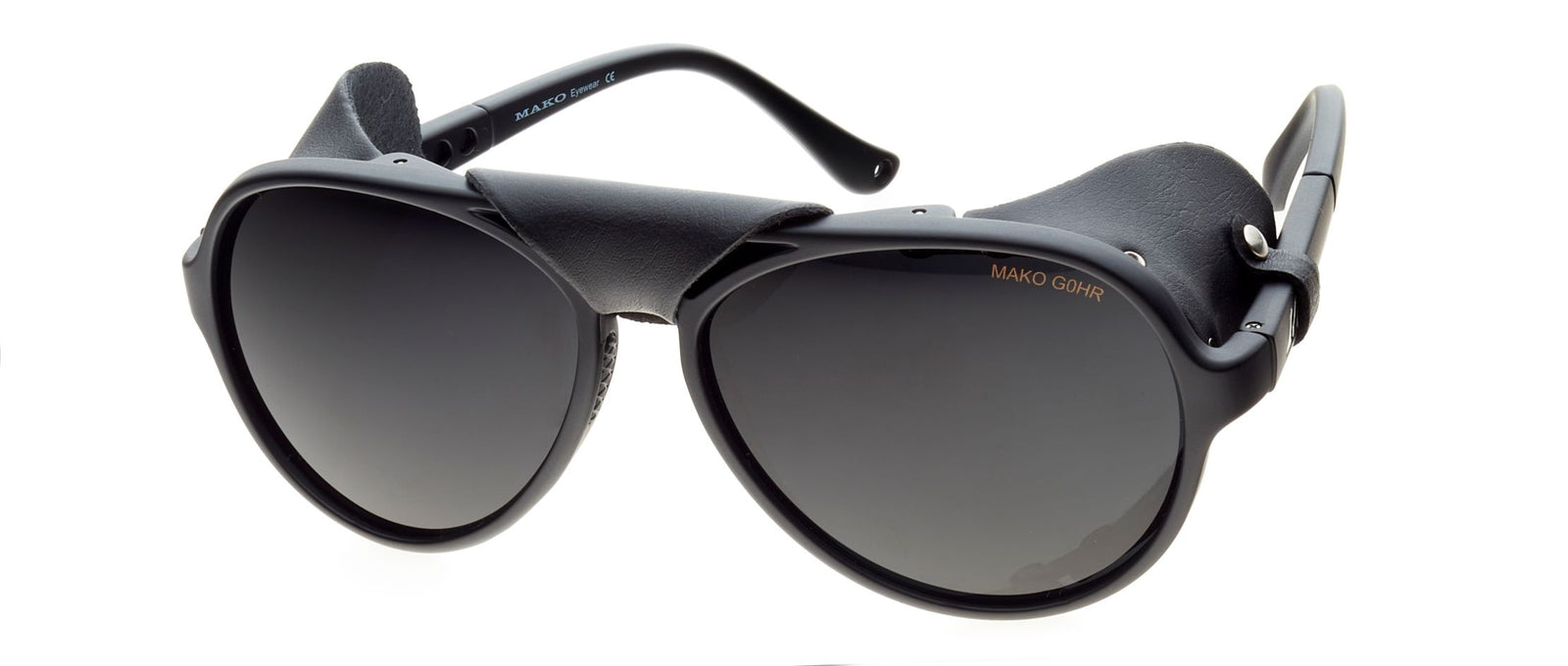
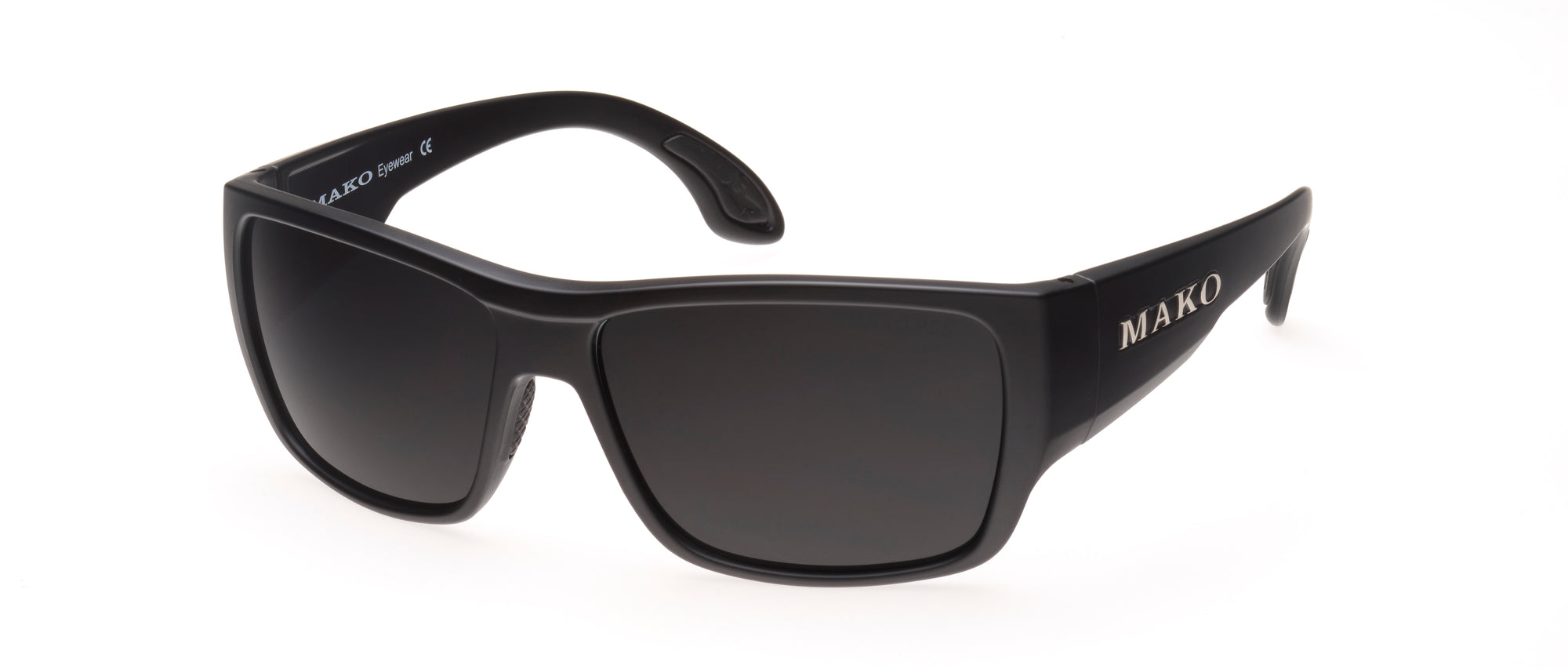
Frame fit matters more than most people expect. Wrap-around frames block light sneaking in from the sides, and a pair that grips through a day of looking down at your feet is worth more than a pair that looks good in the shop.
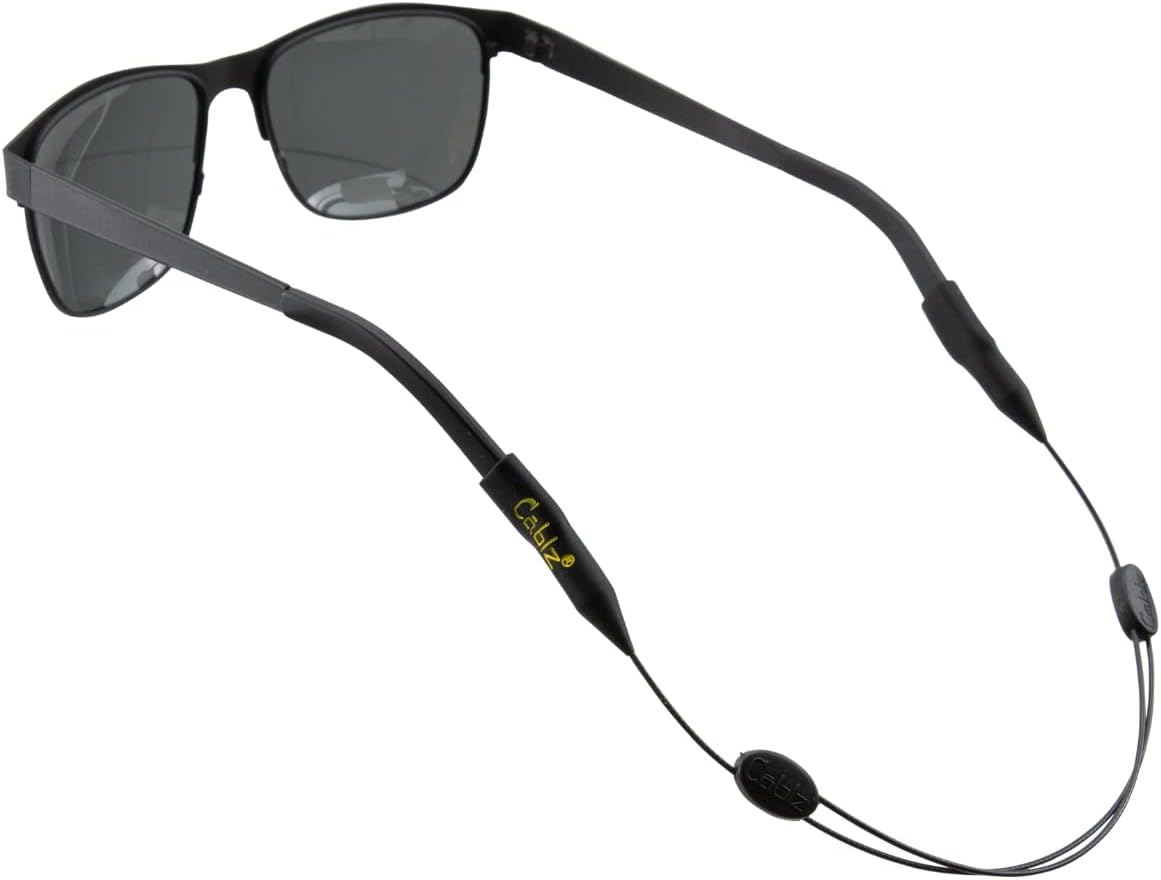
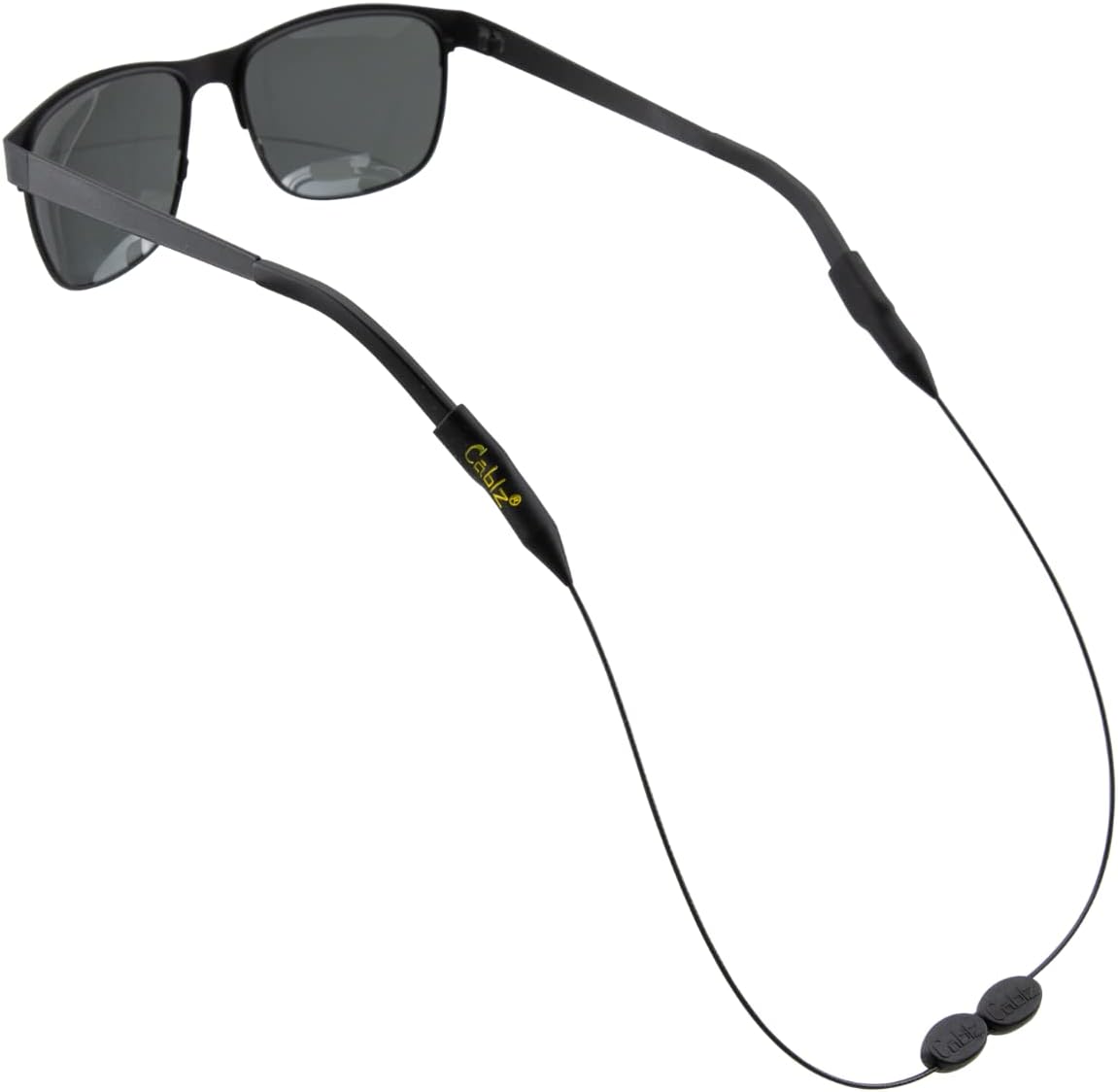
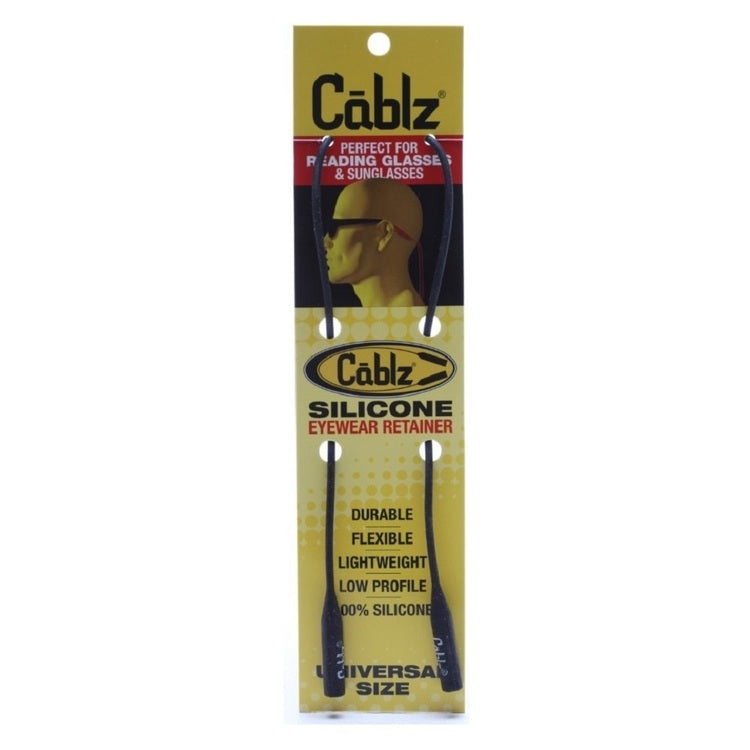
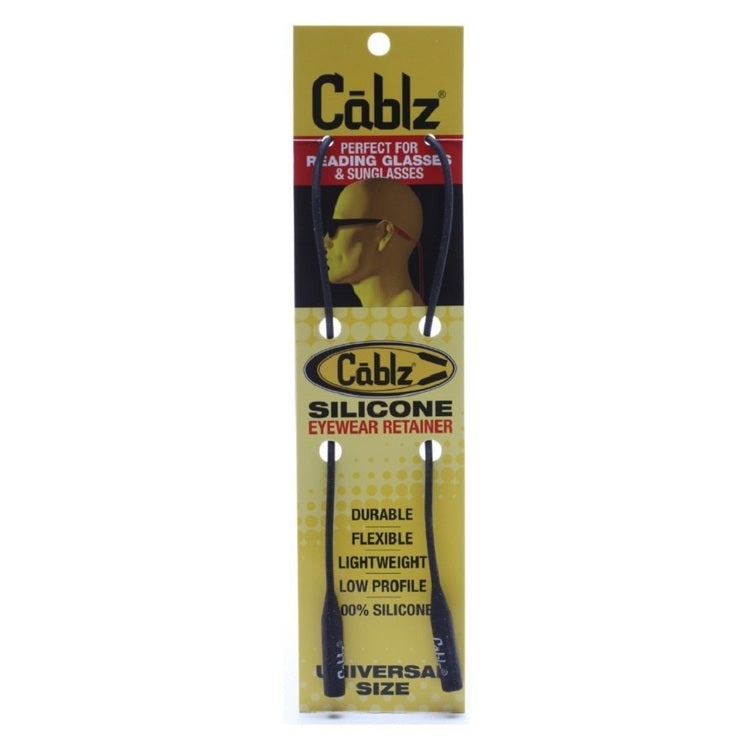
Then add a retainer cord. Sunglasses go over the side more often than any other item on a boat.
A pair works best with a fishing hat to handle overhead sun the lenses cannot.
Frequently asked questions
Are polarised sunglasses worth it for fishing?
Yes, more than almost anything else you can buy. They remove surface glare so you can see structure, bait and fish that are otherwise completely invisible.
What lens colour is best for fishing?
Copper and amber for estuaries, rivers and low light because they lift contrast. Grey for bright open water offshore where you want natural colour.
How do I tell if sunglasses are actually polarised?
Look at a phone or computer screen through them and tilt your head. Polarised lenses will darken sharply at certain angles; ordinary tinted lenses will not.



Sold Out
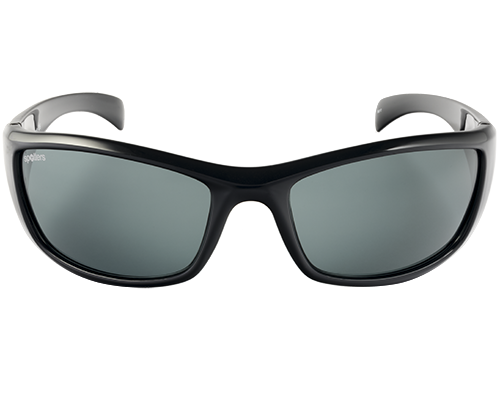
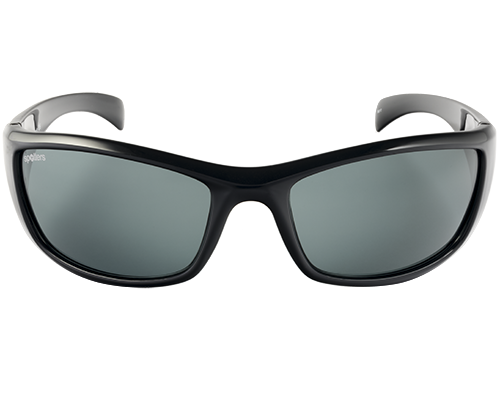
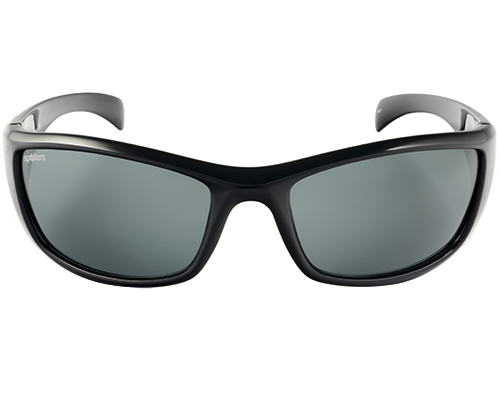
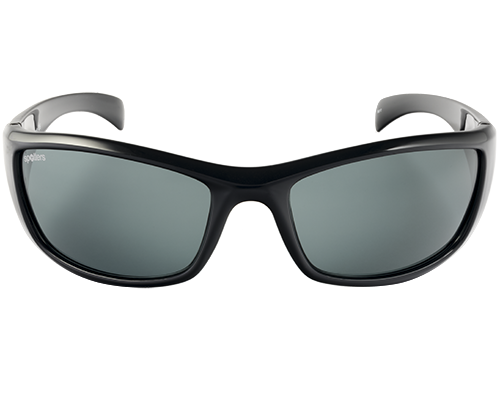
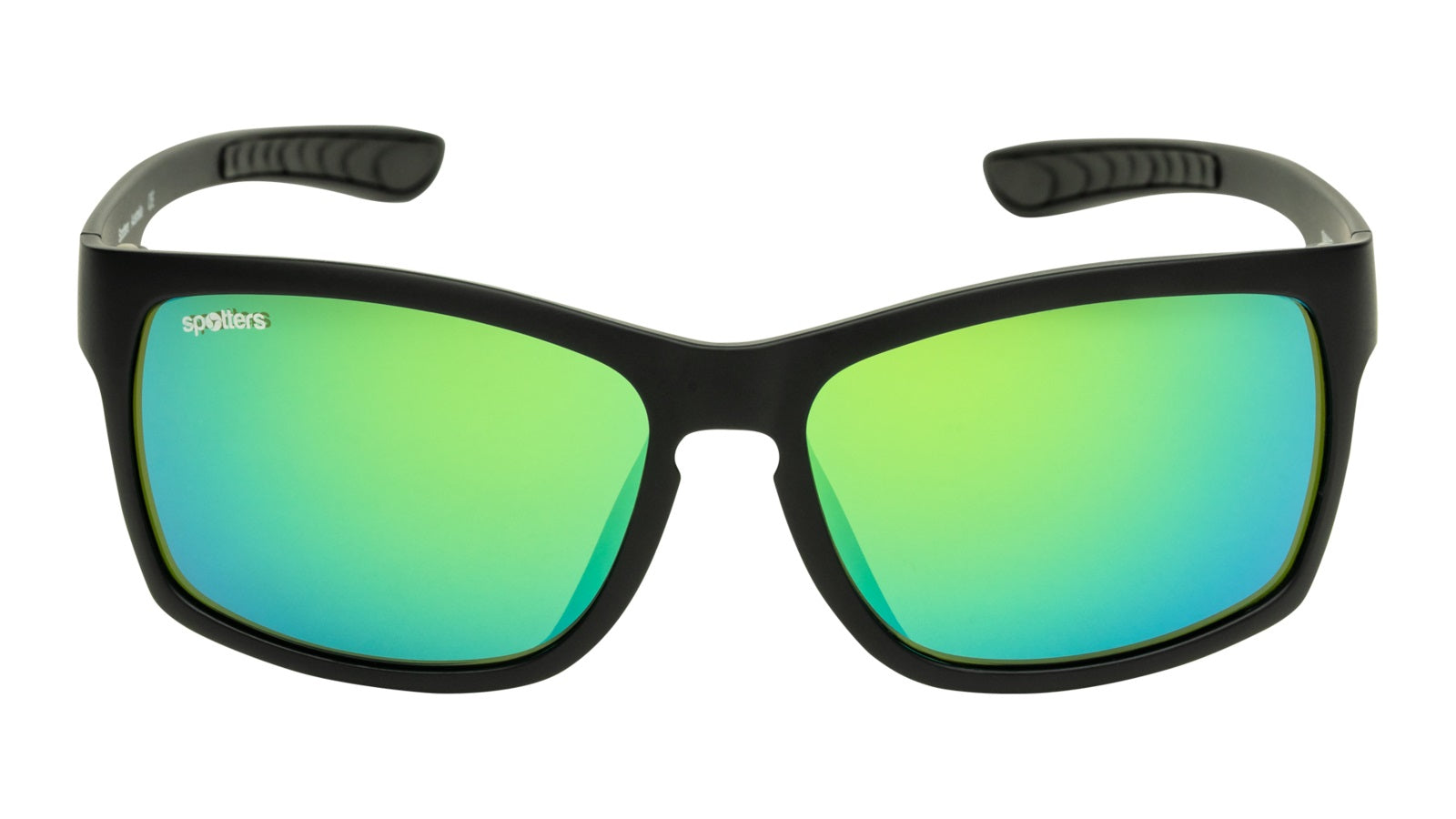
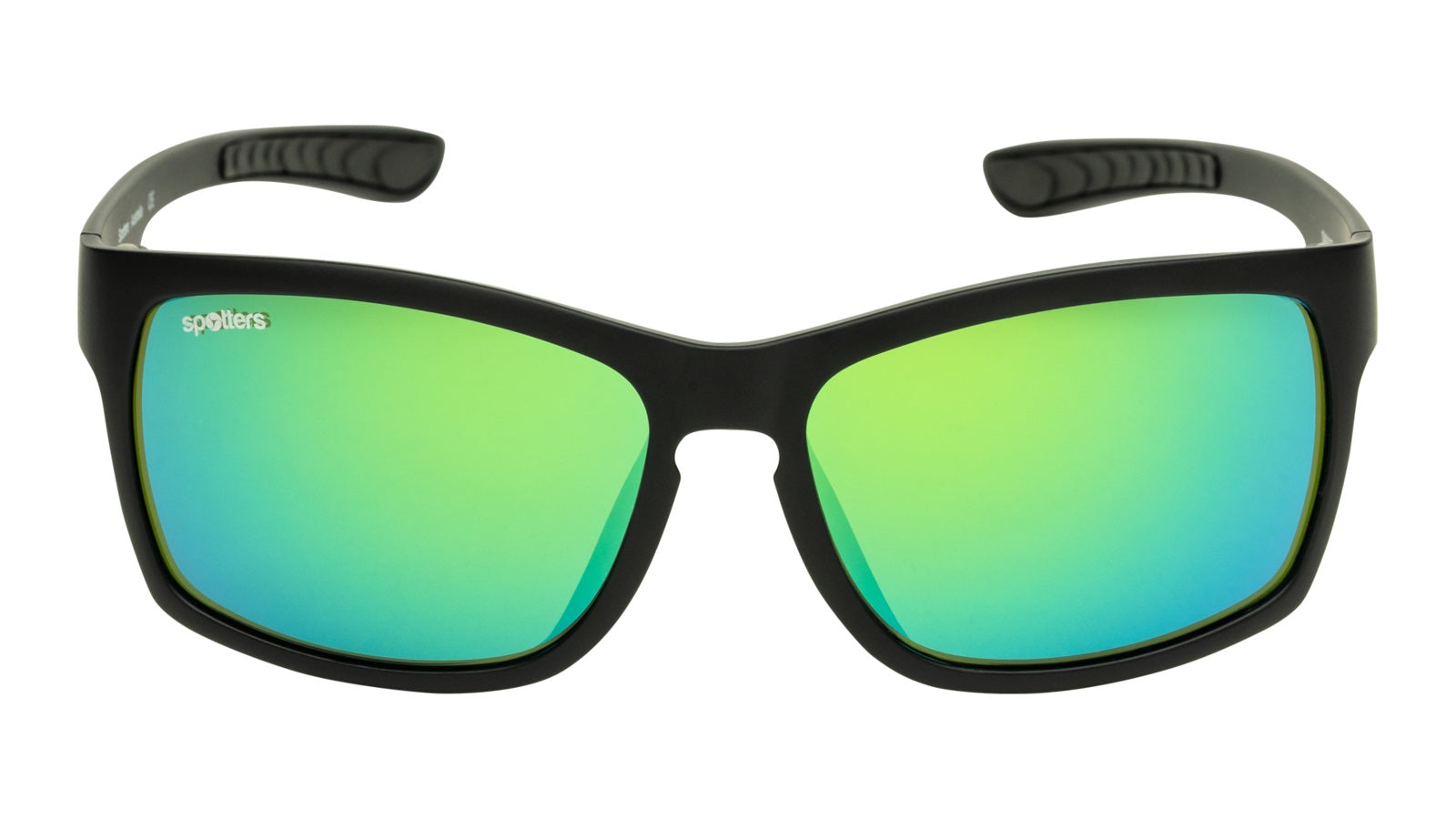
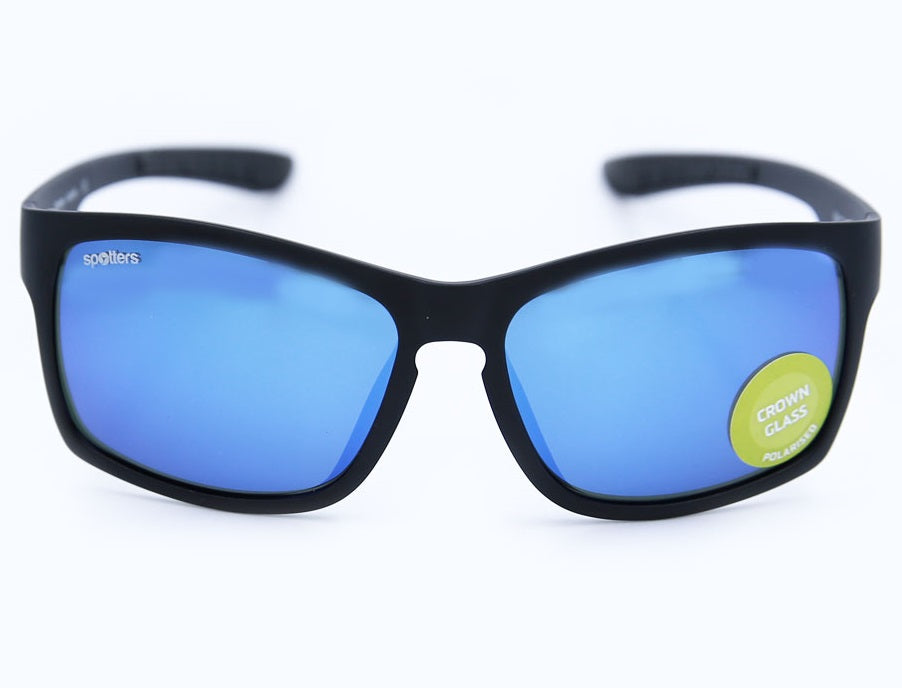
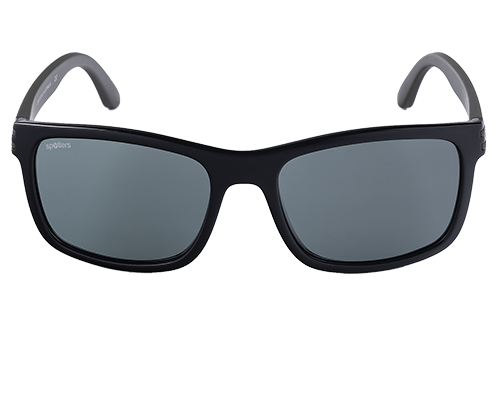
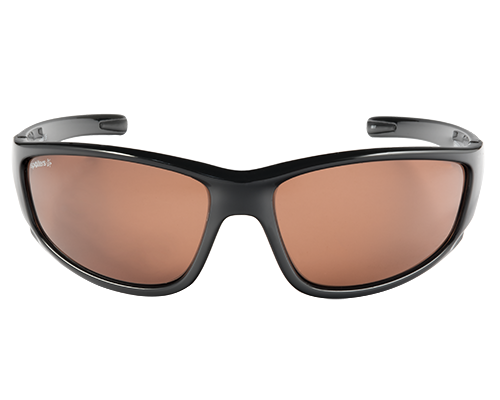
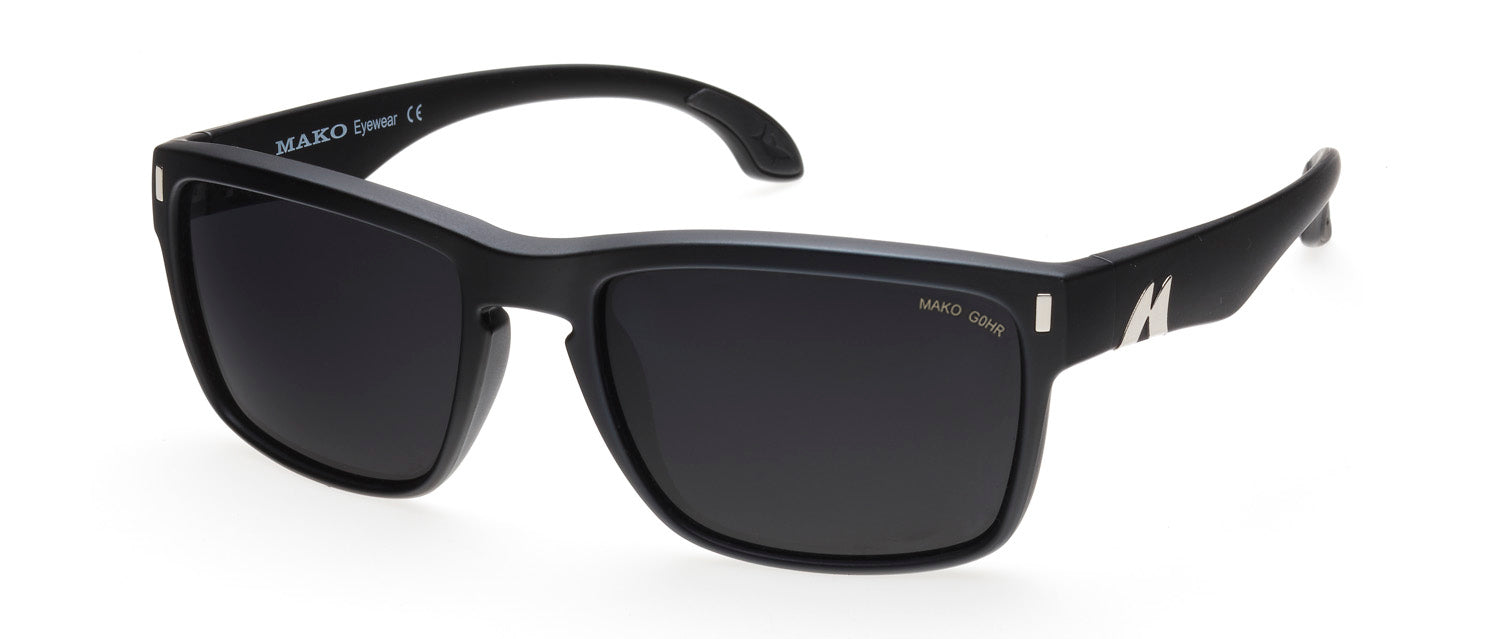
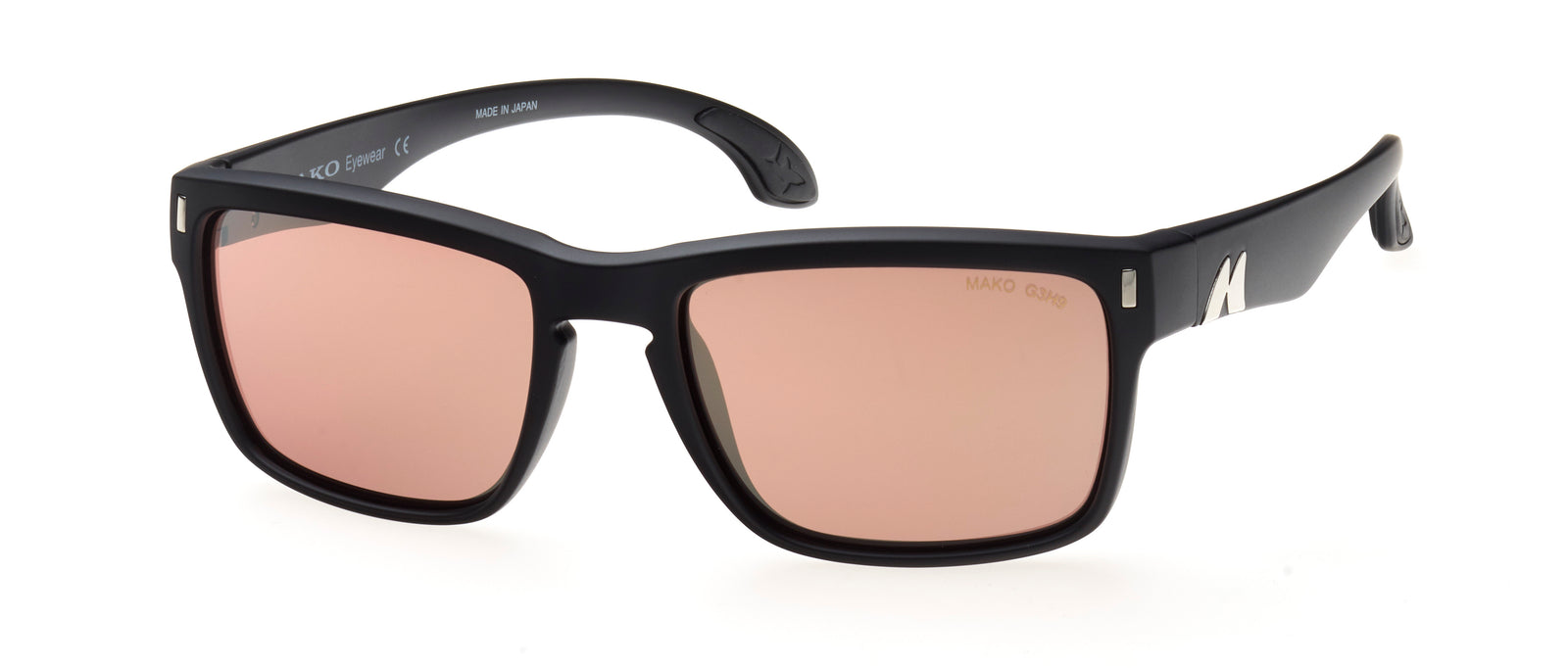
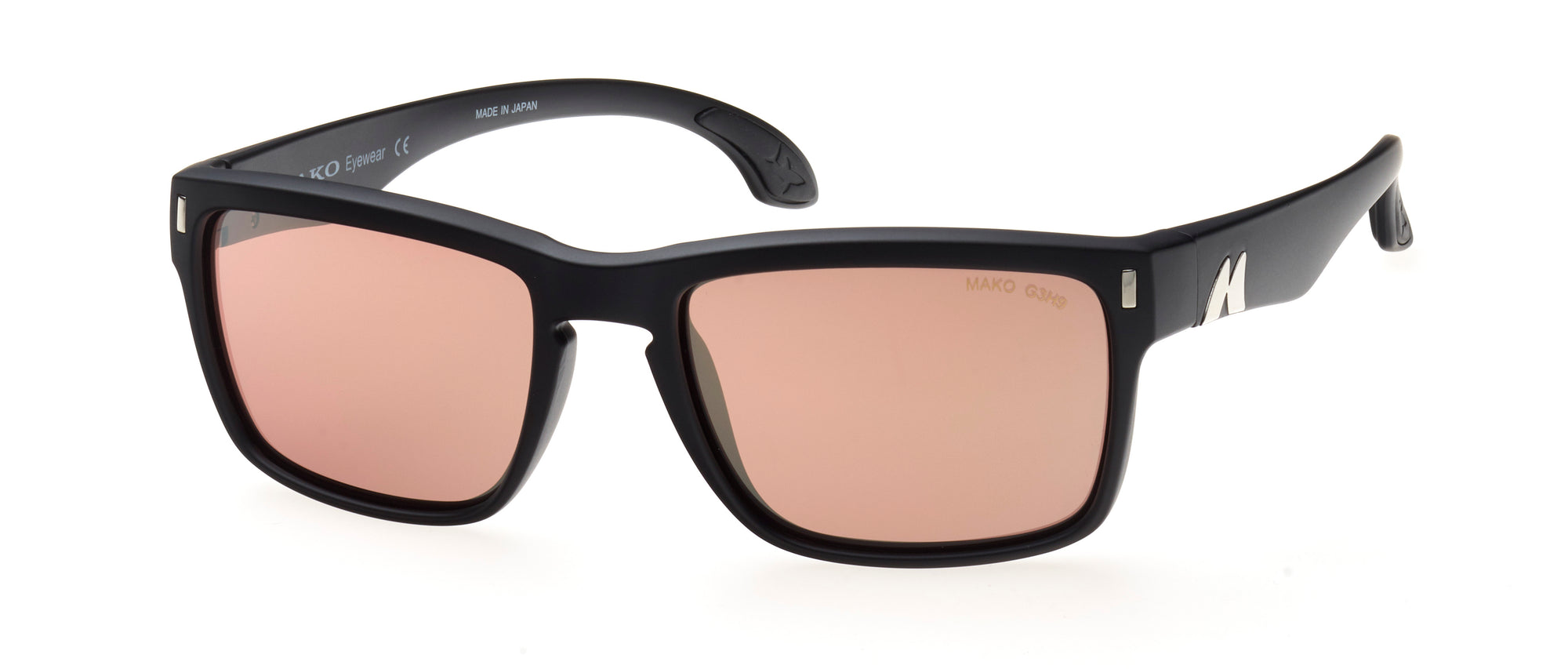
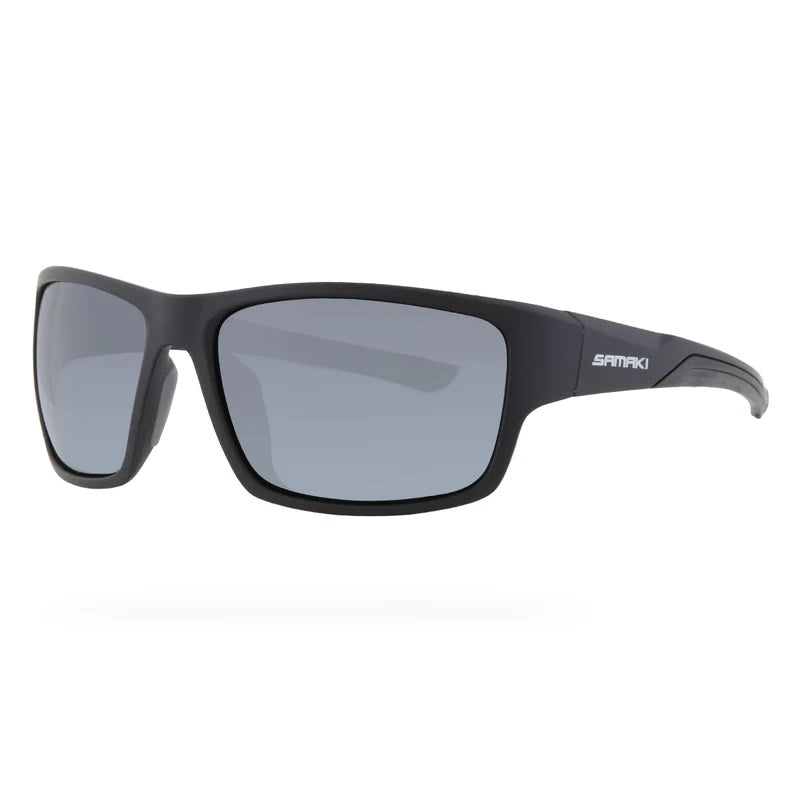
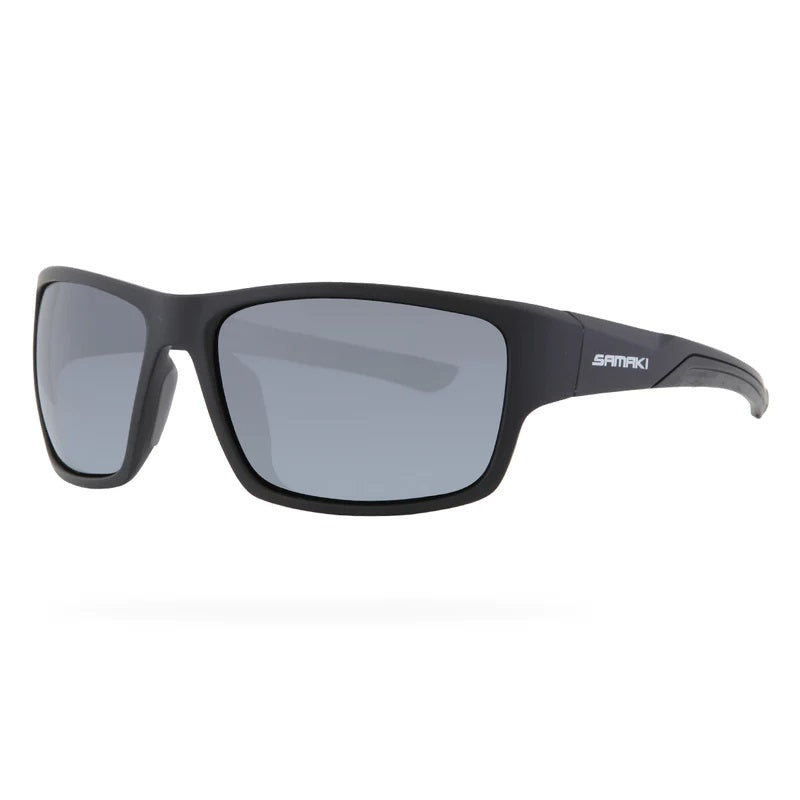
Spotters Savage Matte Black Frame Polarised Performance Sunglasses
from
$170.00
$339.95
Sold Out
Sold Out
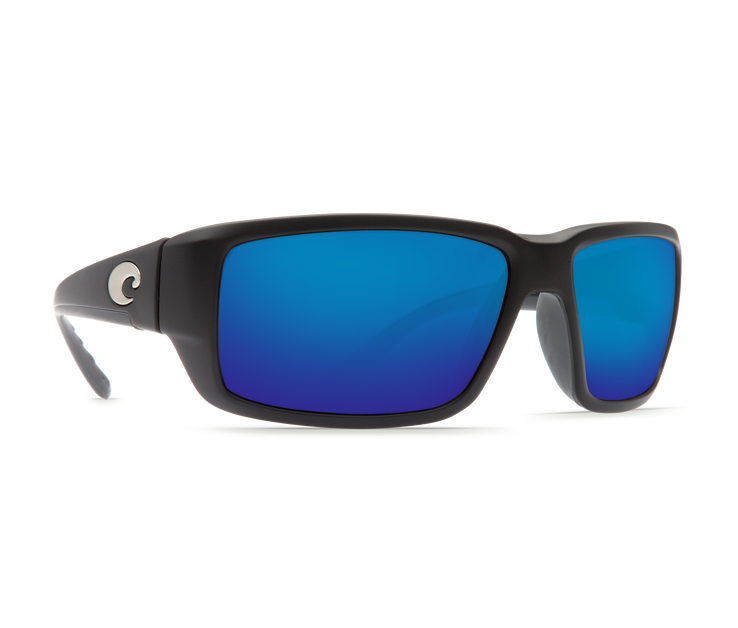
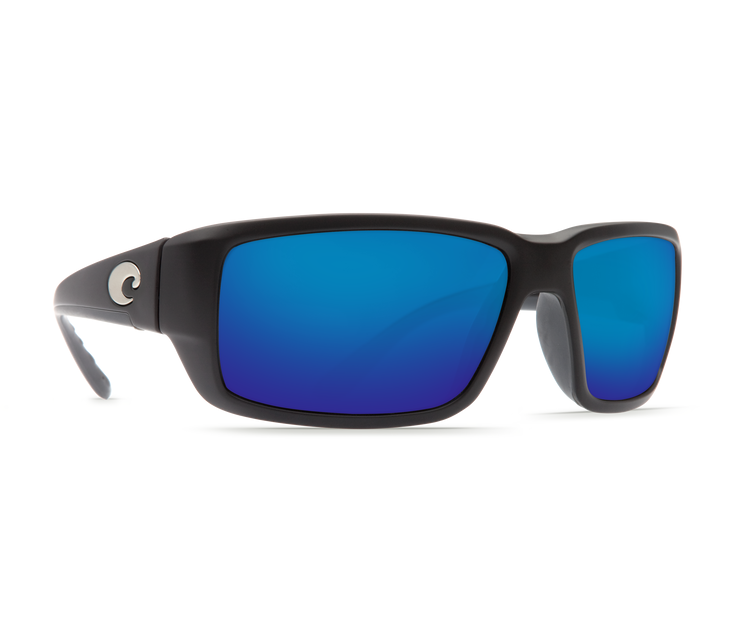
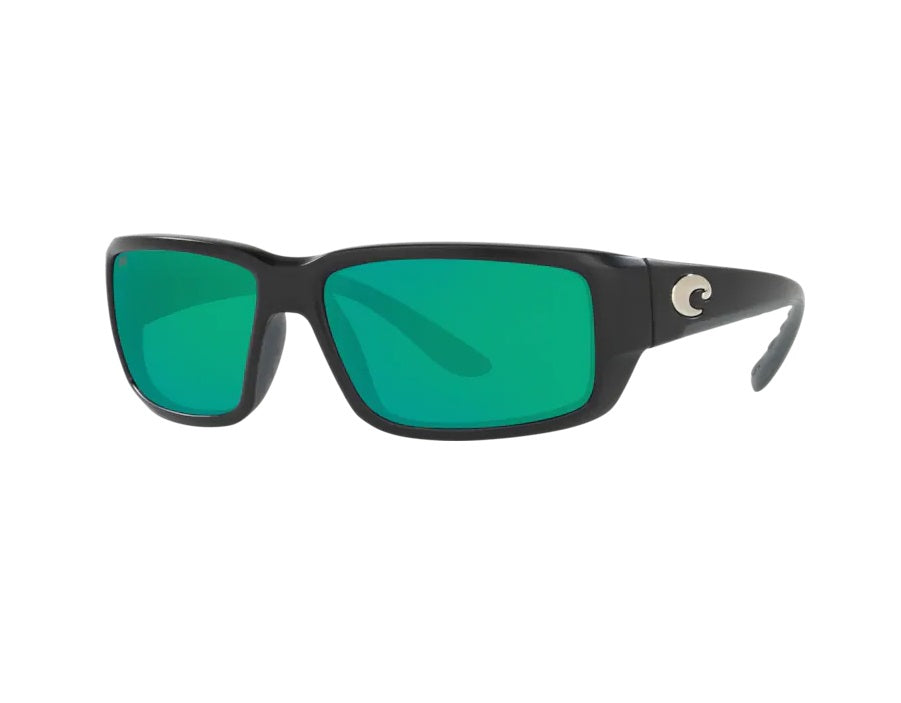
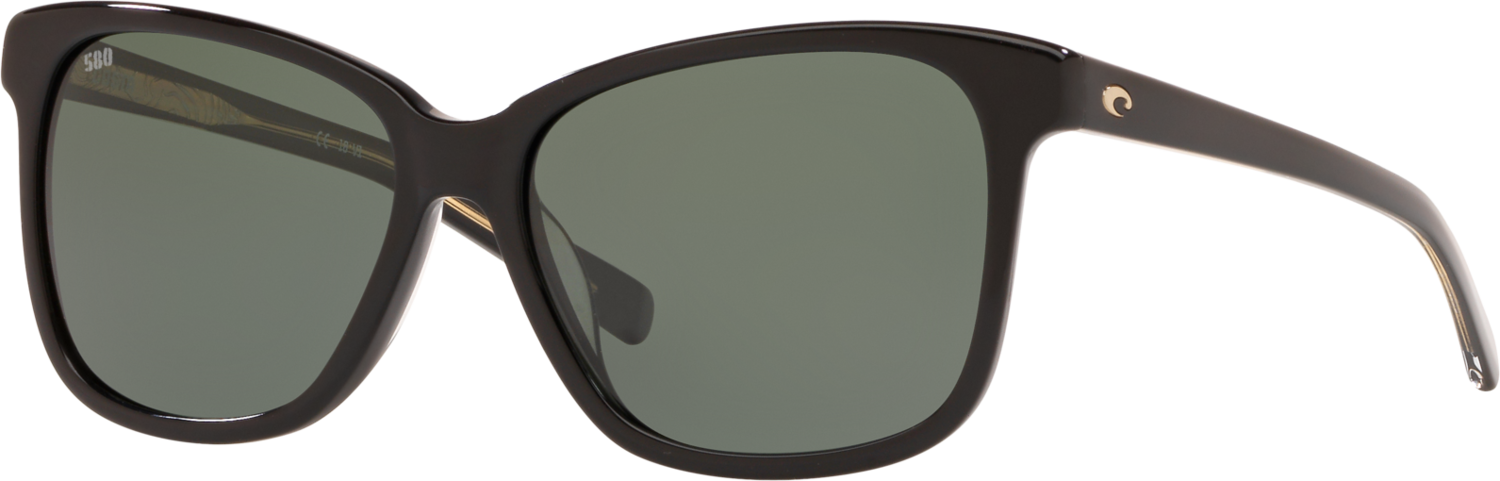
Costa Del Mar Fantail Matt Black Frame Glass Lens Polarised Sunglasses
$168.00
$320.00
Sold Out

Sold Out
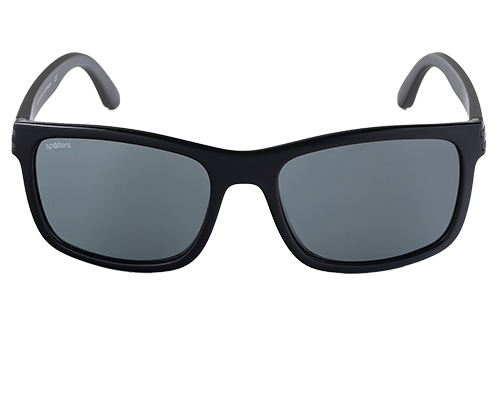
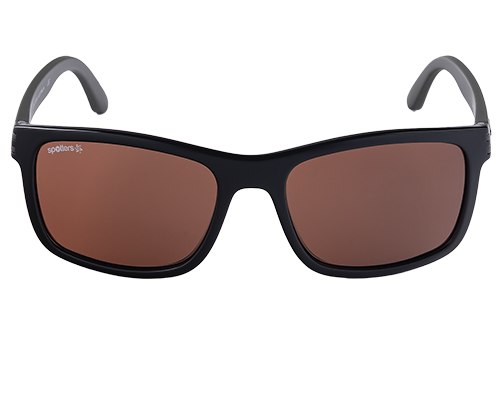
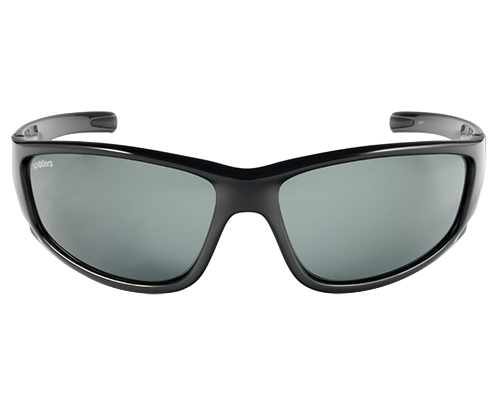
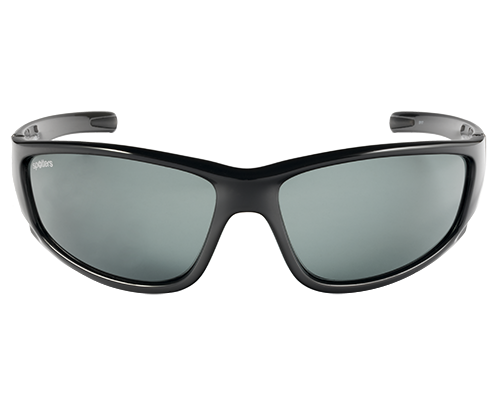
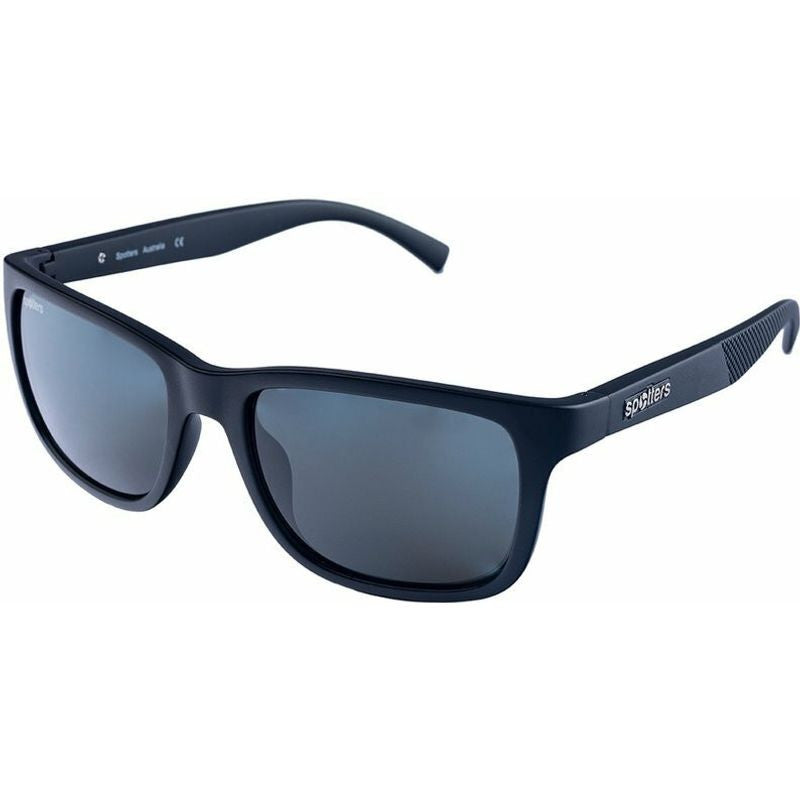
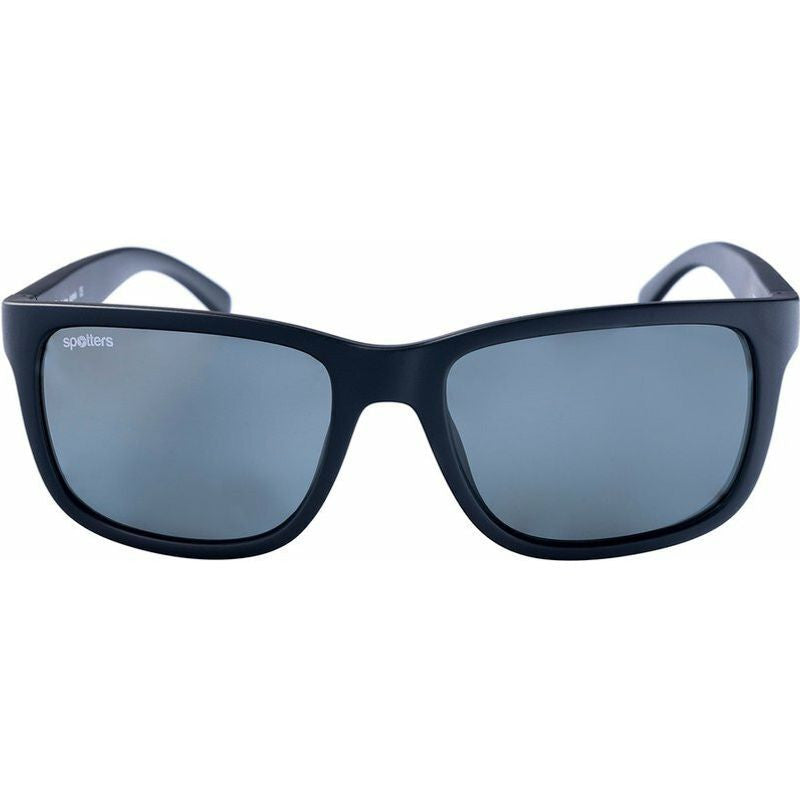
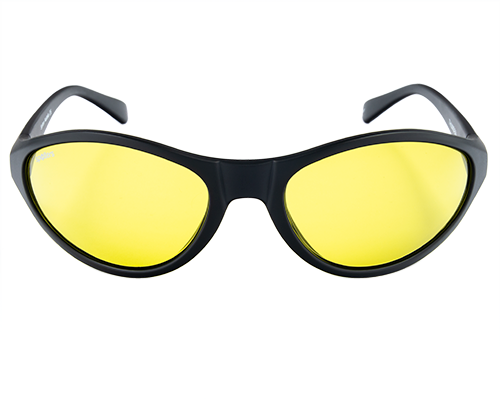
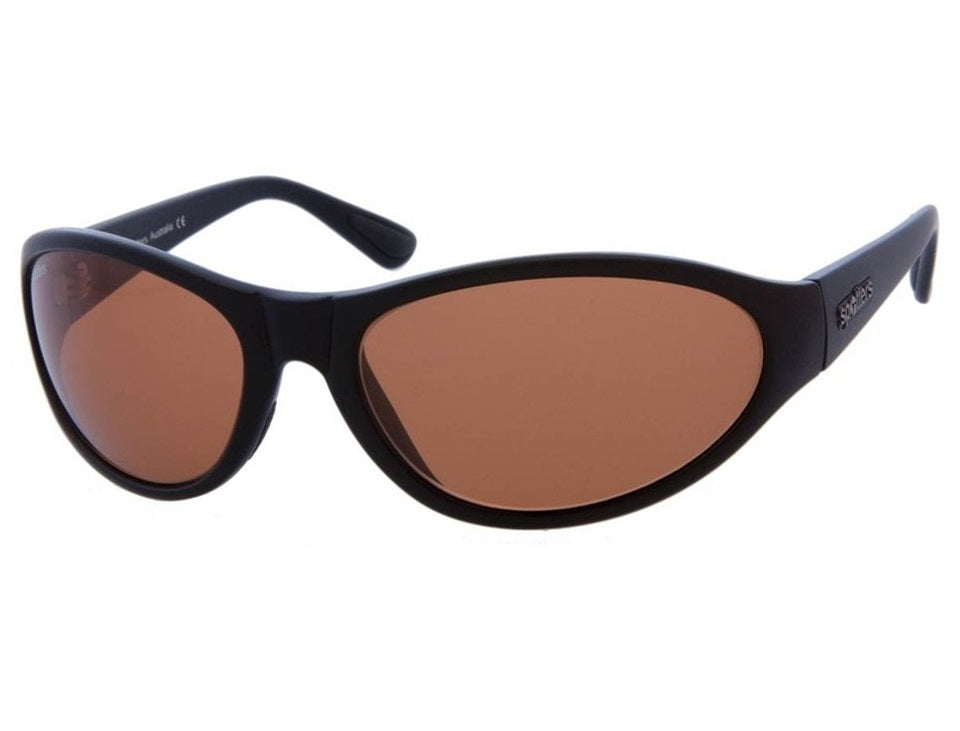
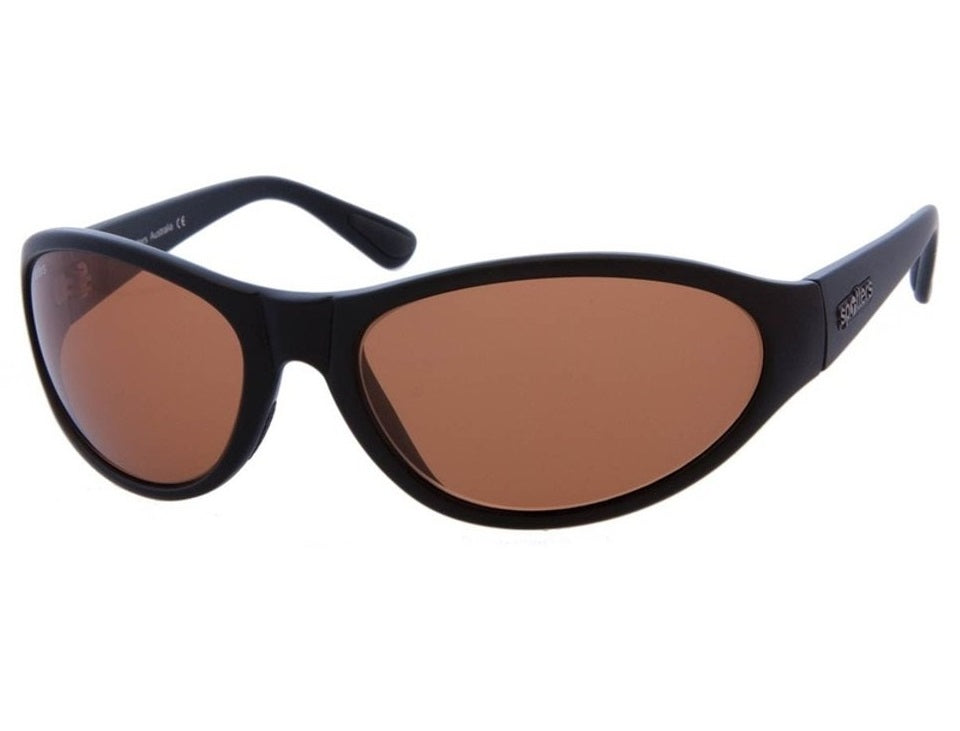
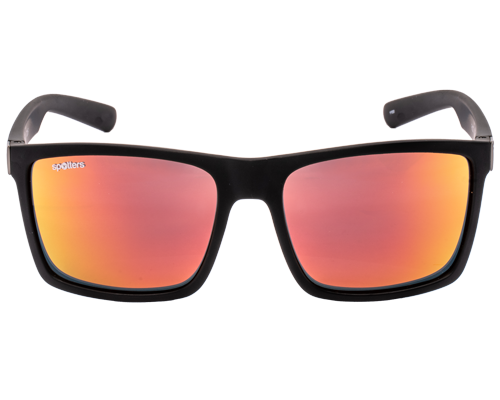
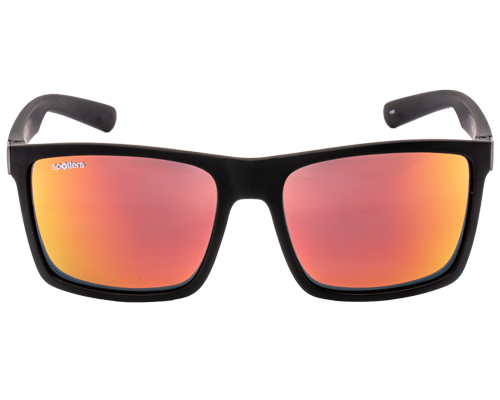
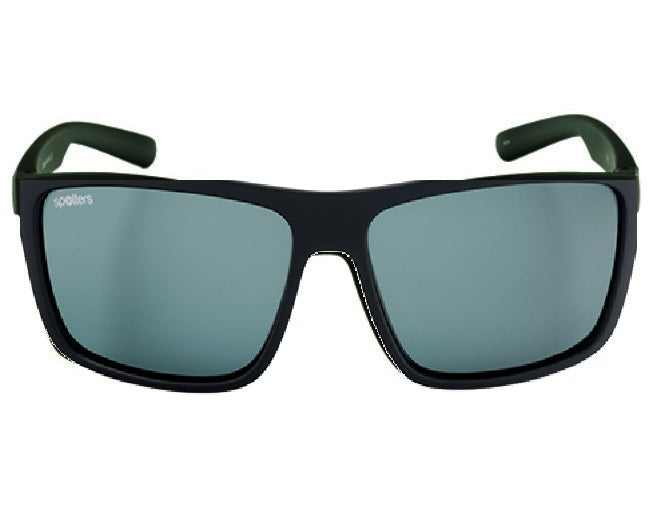
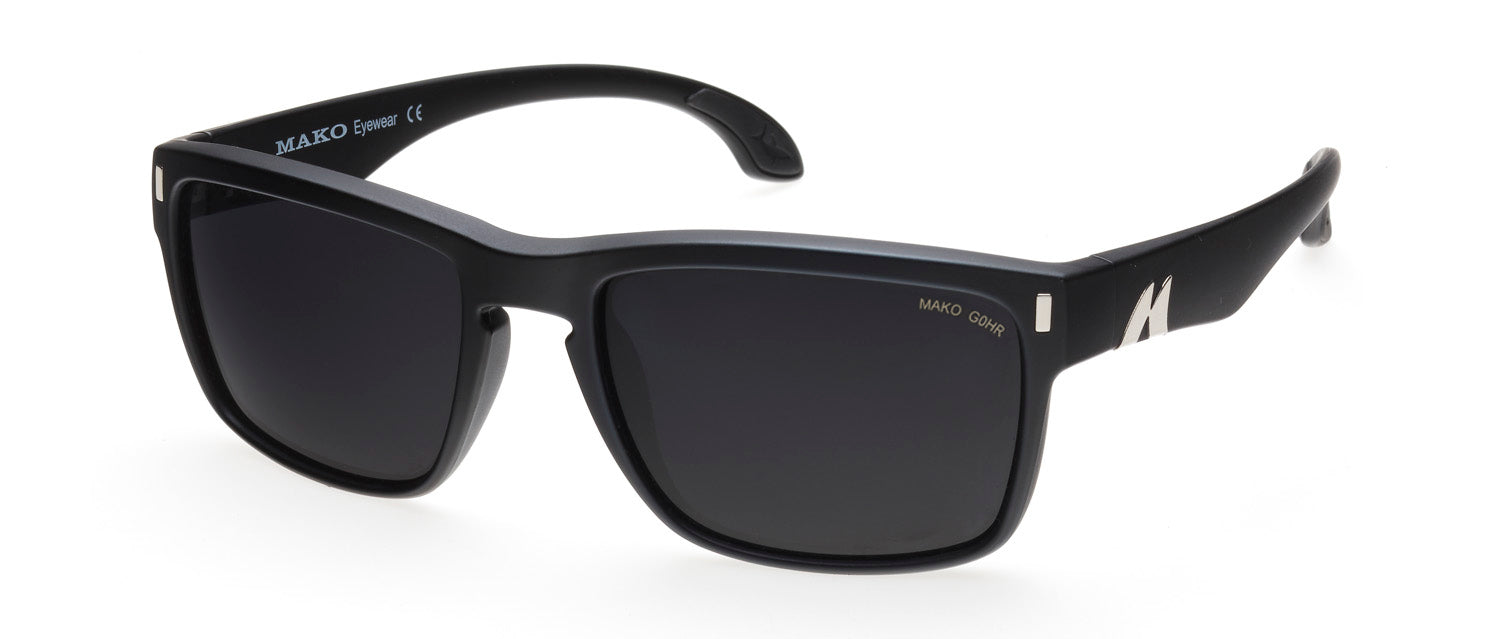
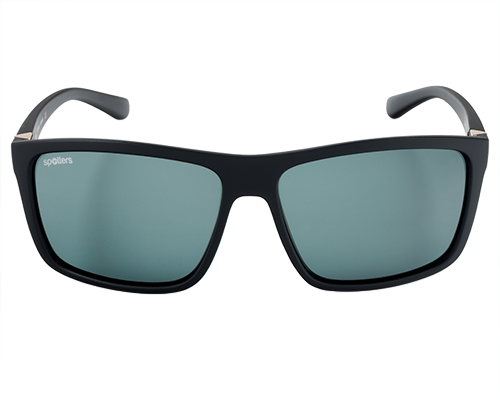
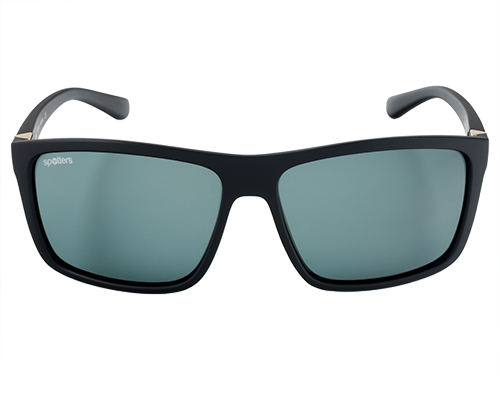
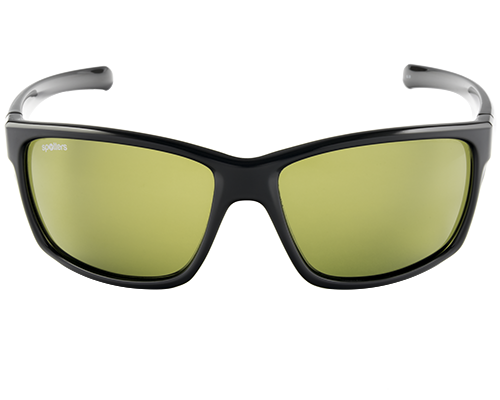
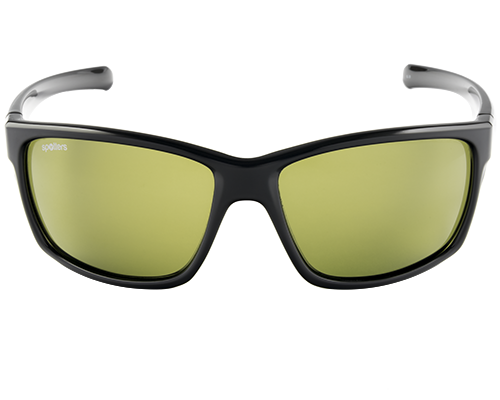
Spotters Chill Gloss-Matt Hybrid Mens Performance Polarised Sunglasses
from
$169.00
$320.00
Sold Out



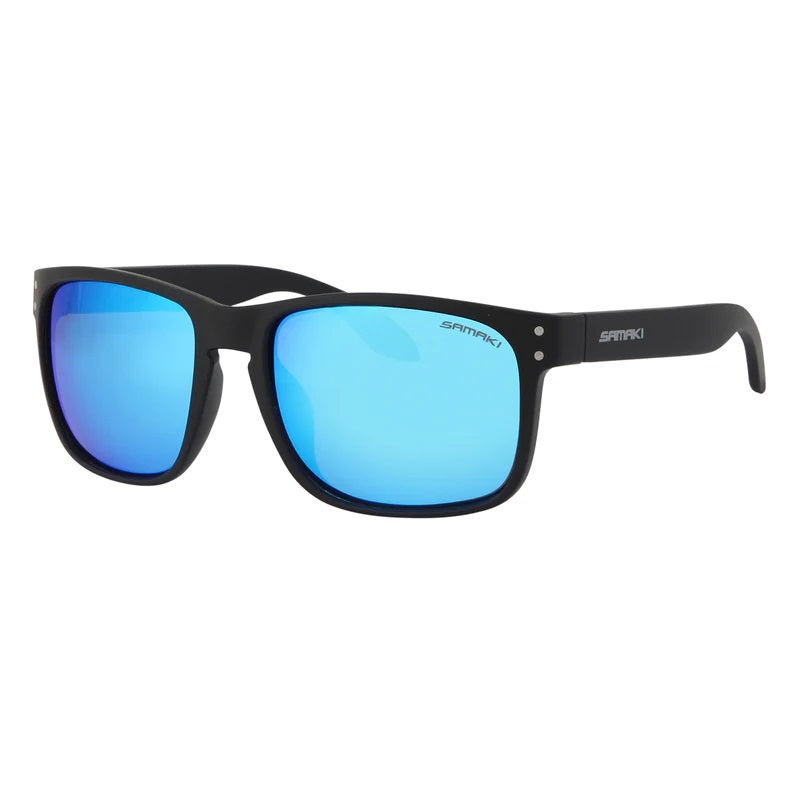
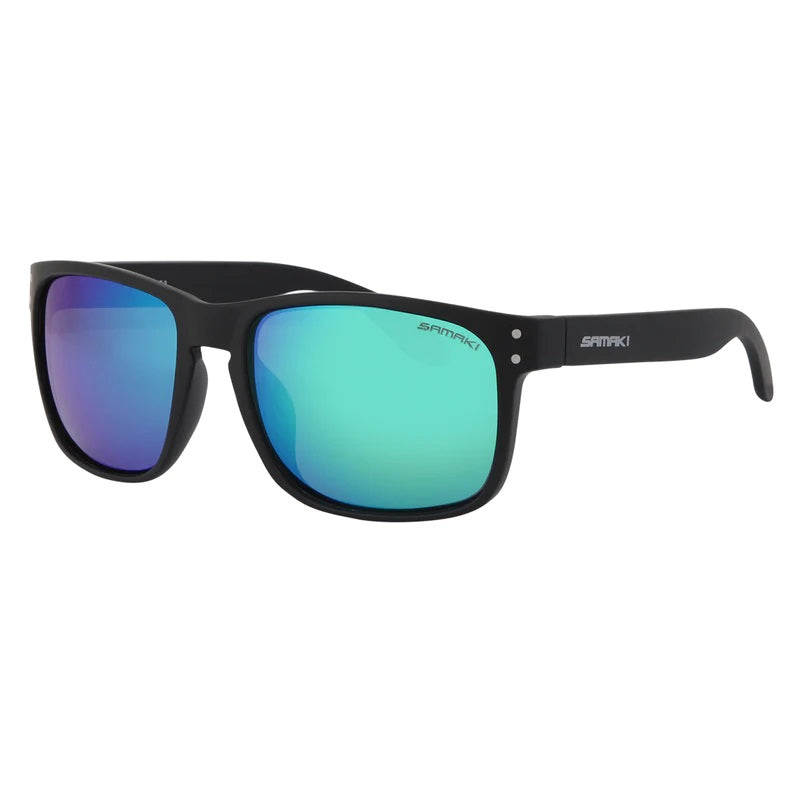

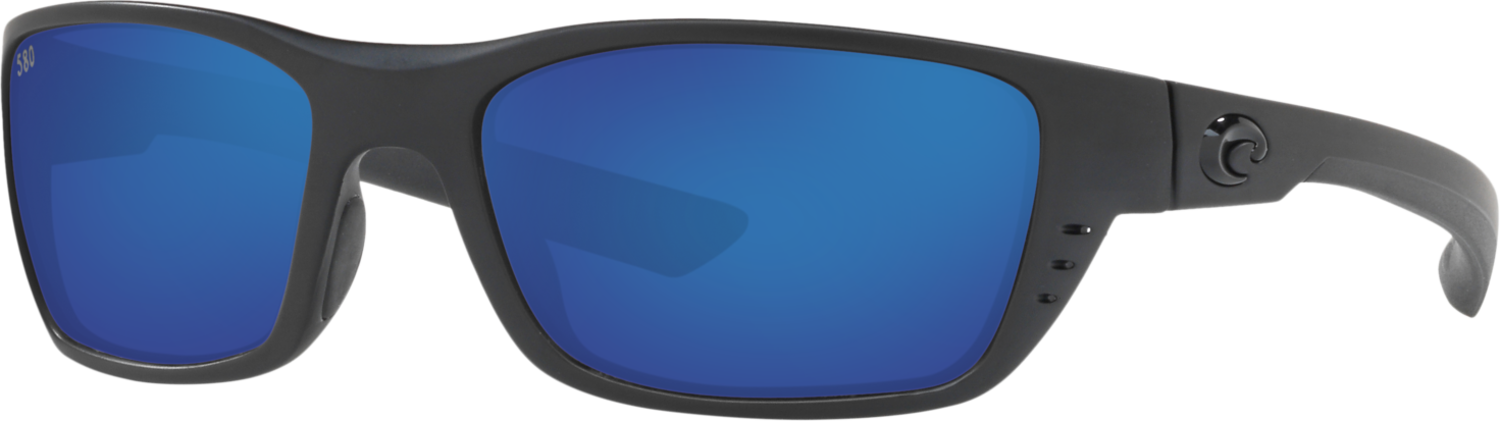




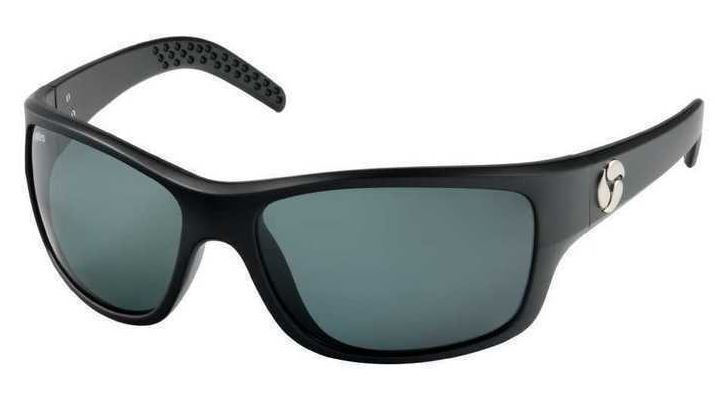
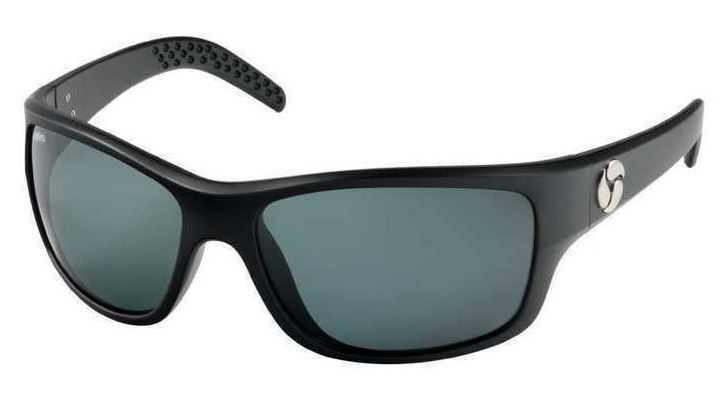
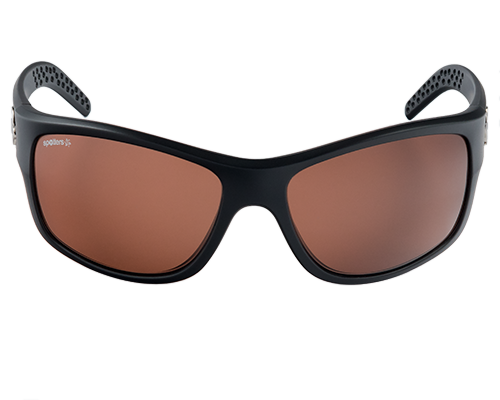

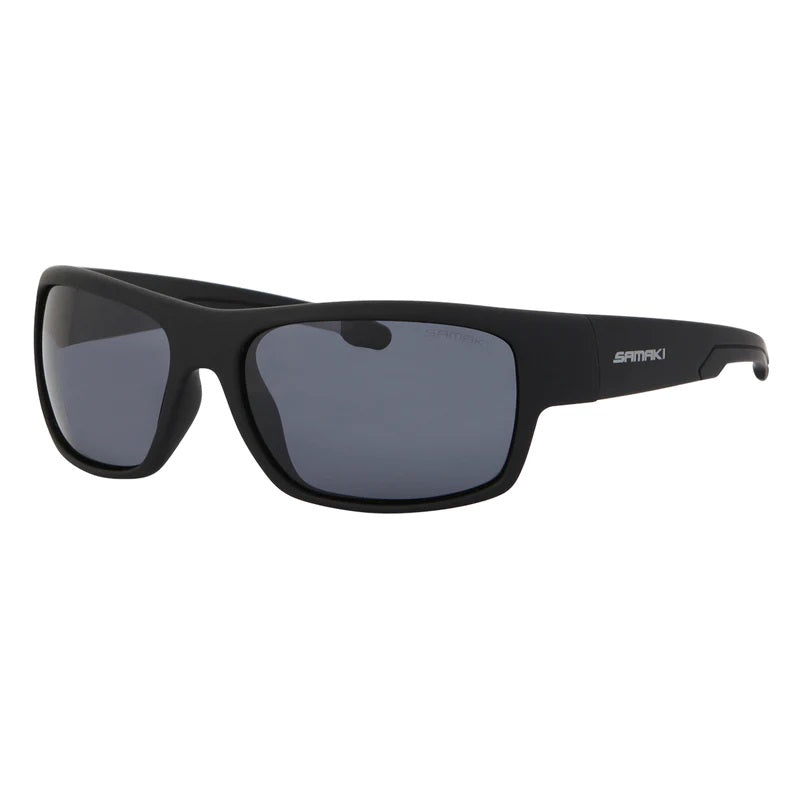



Sold Out
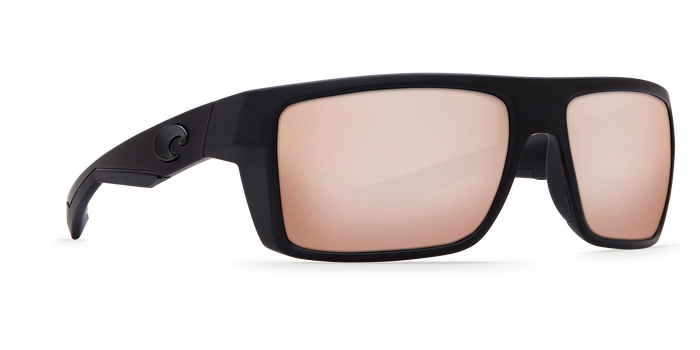
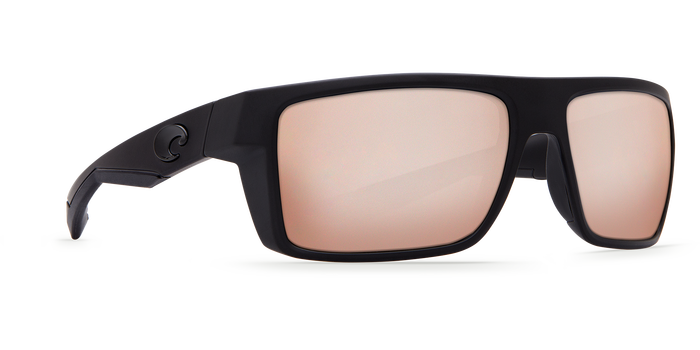
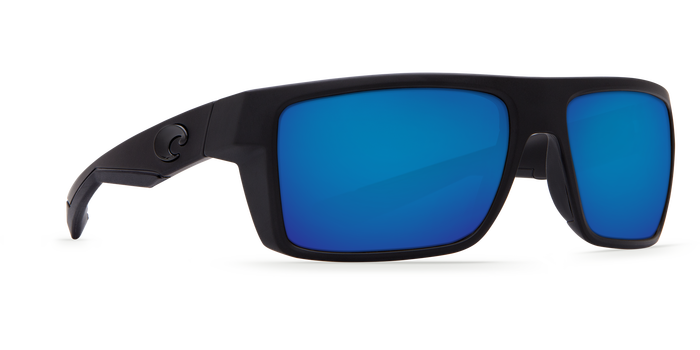
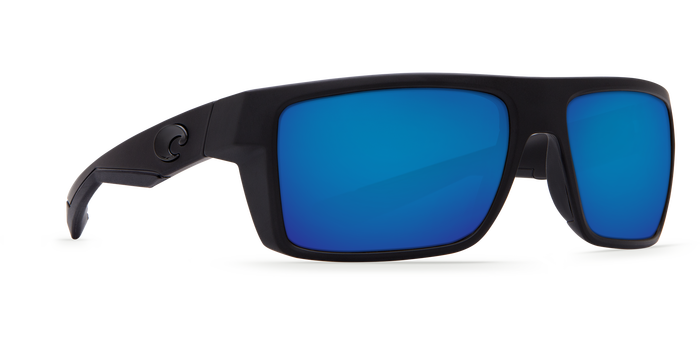
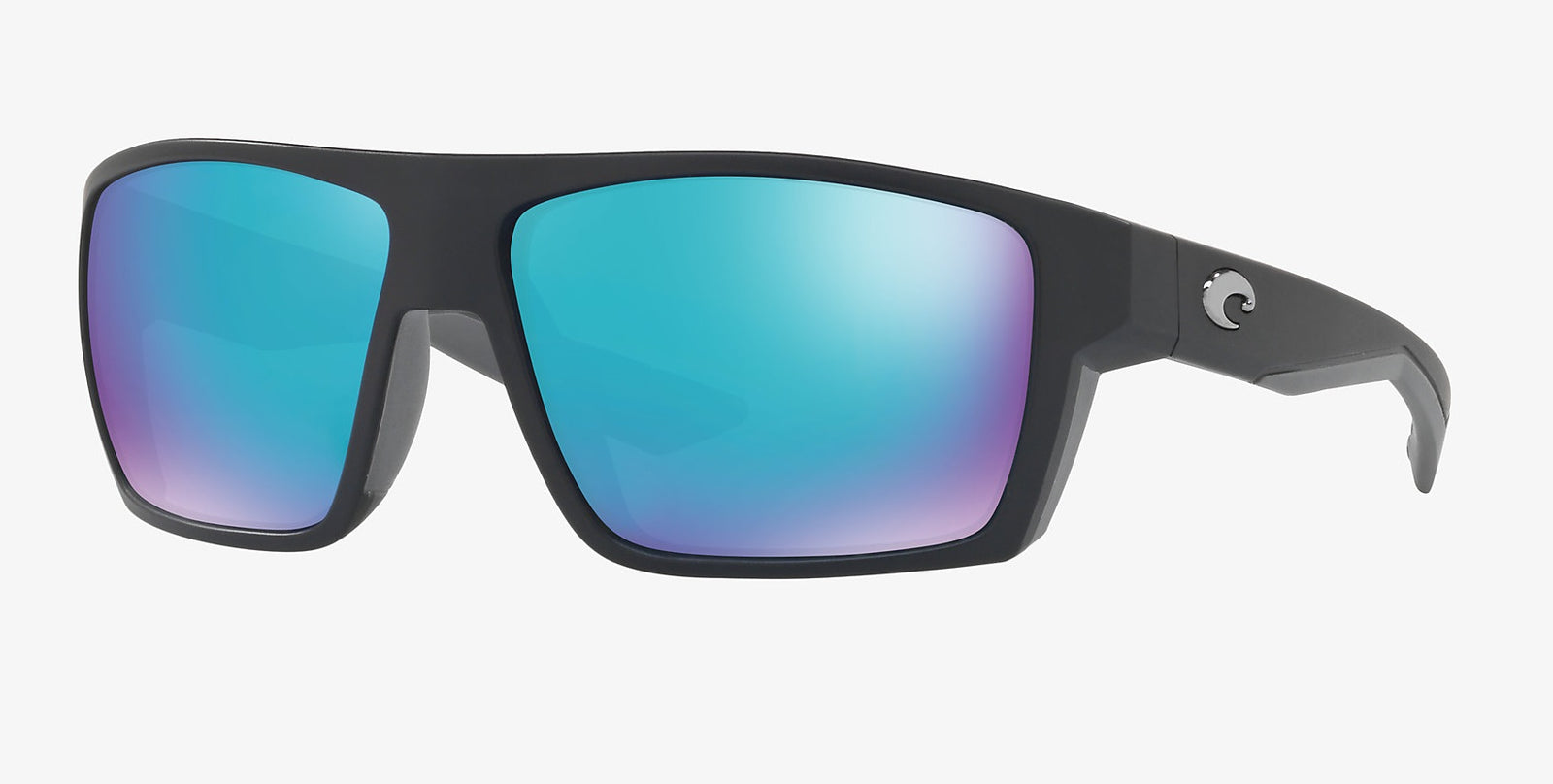
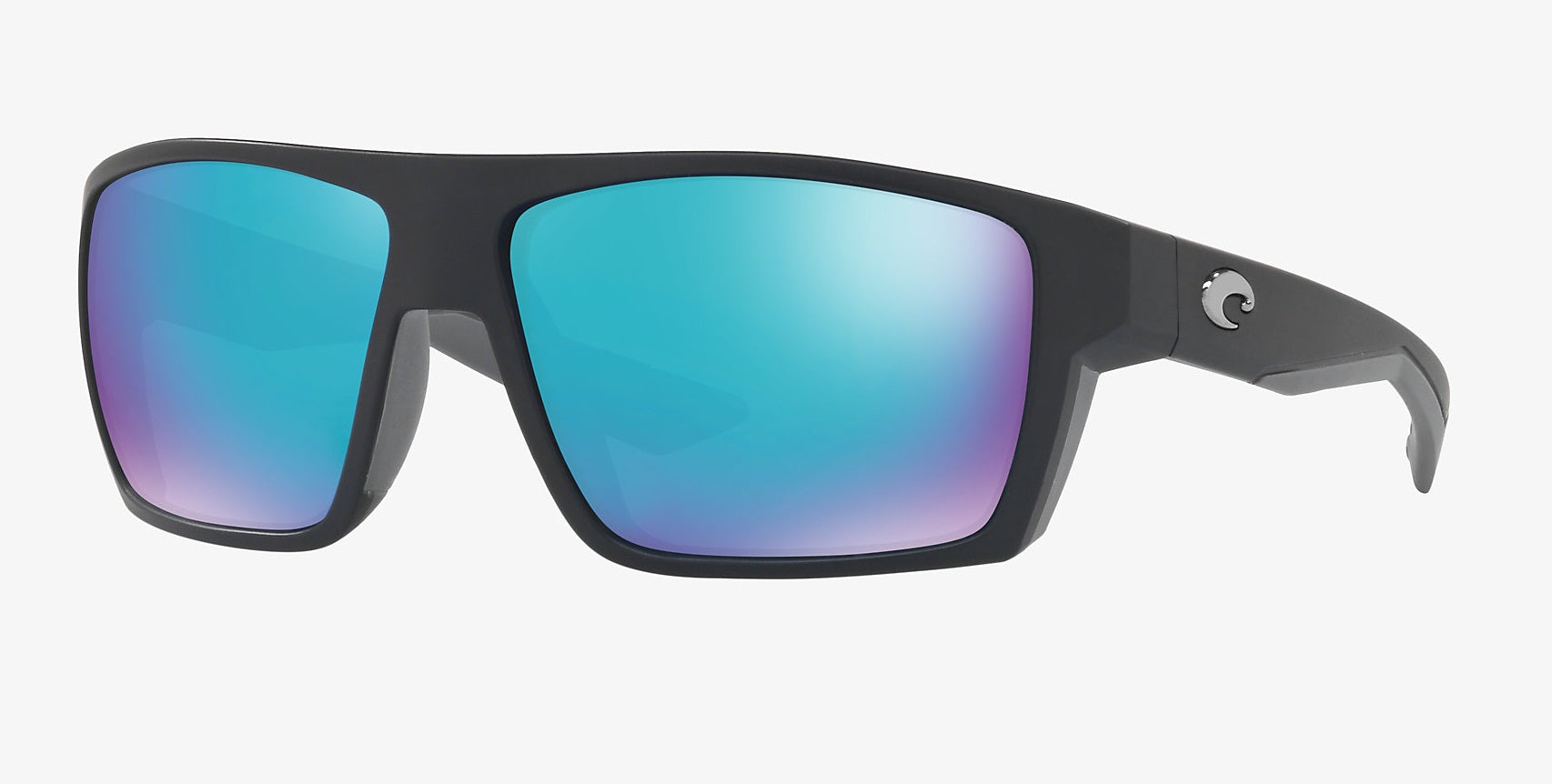
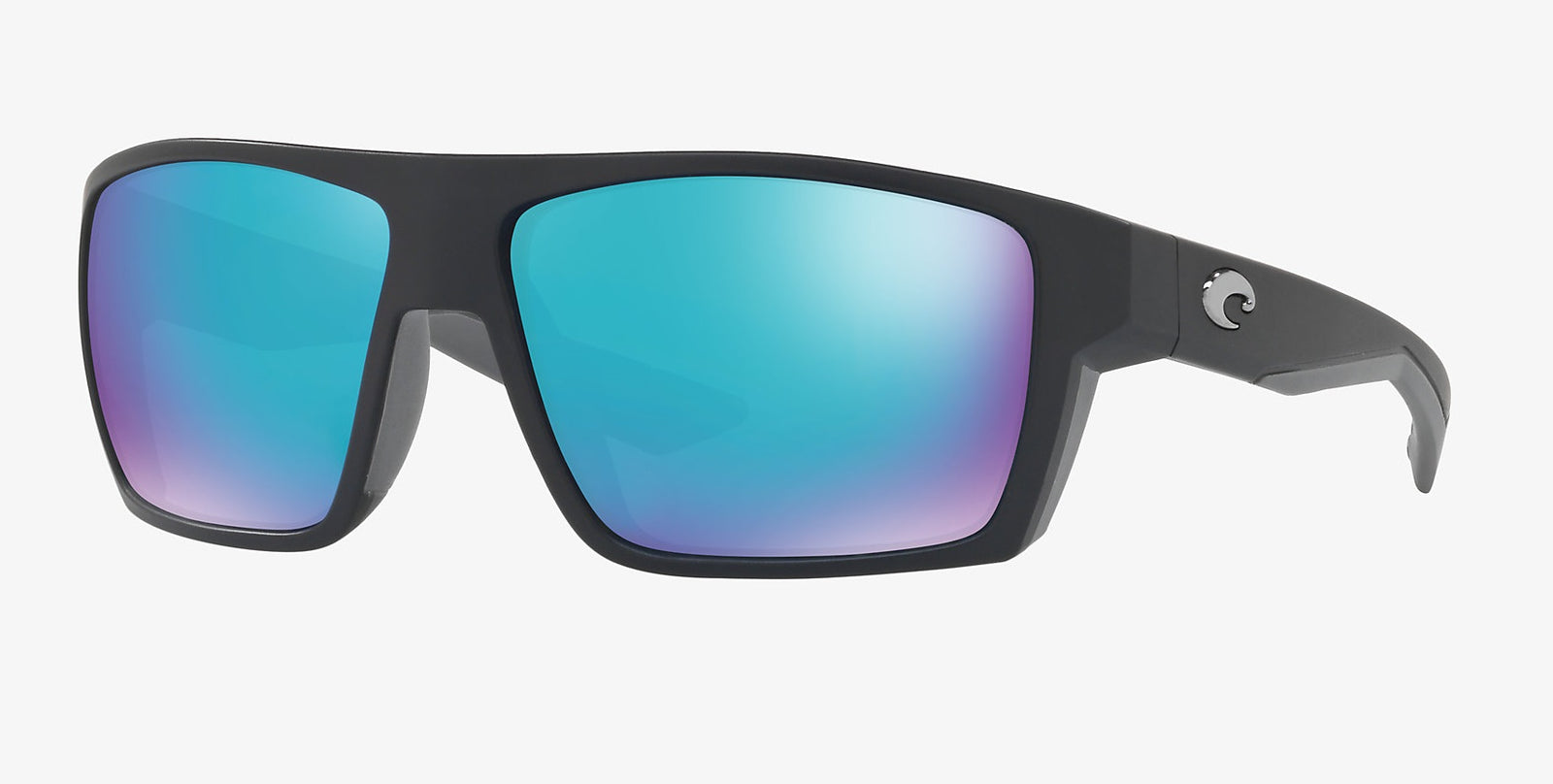
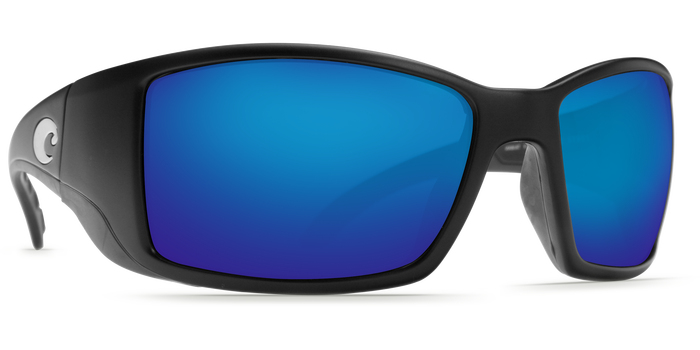
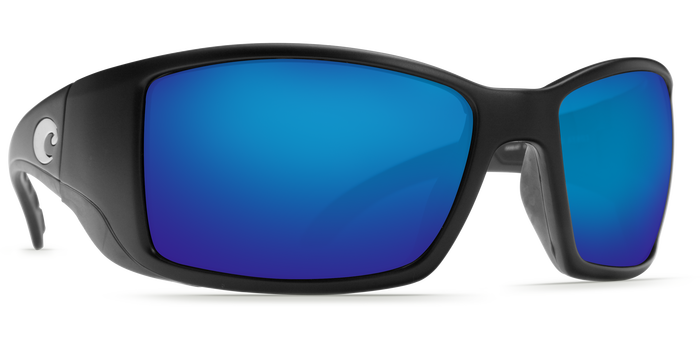
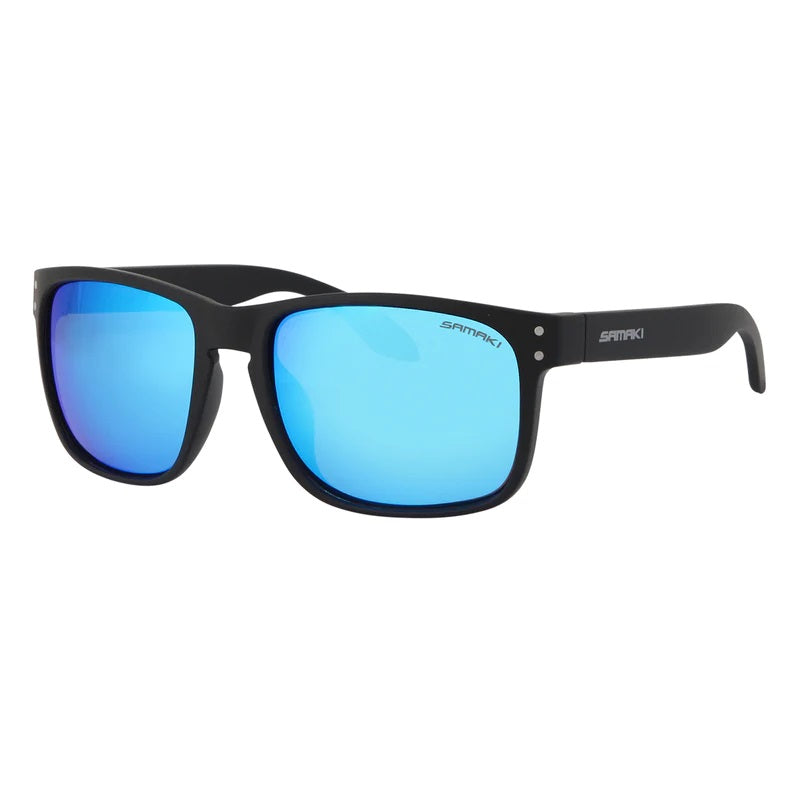
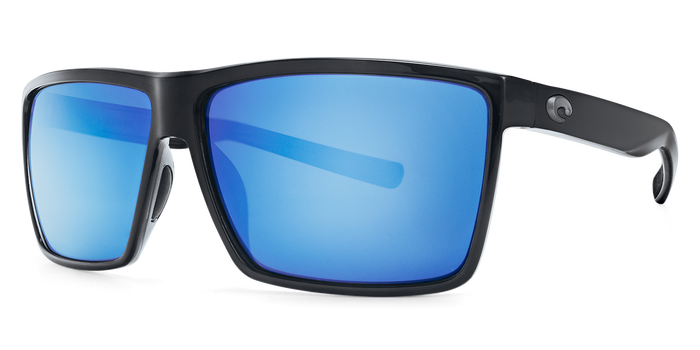
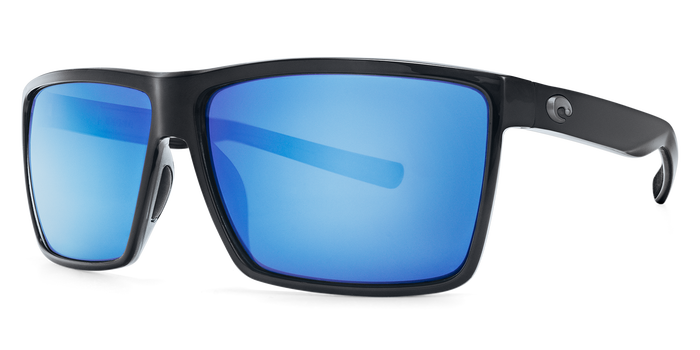
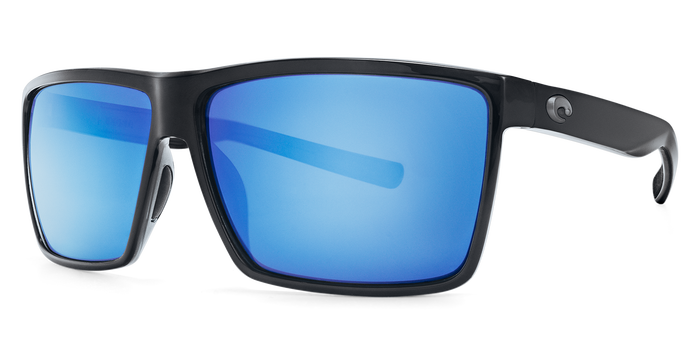
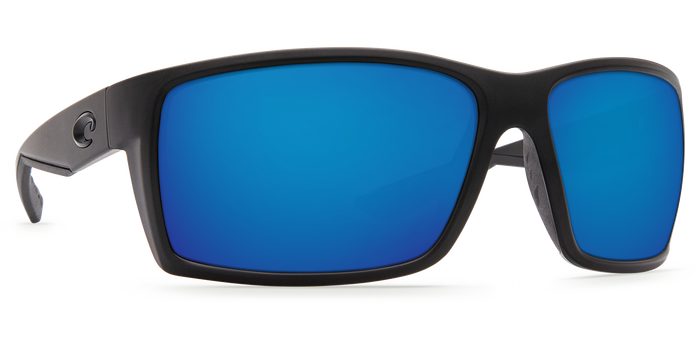
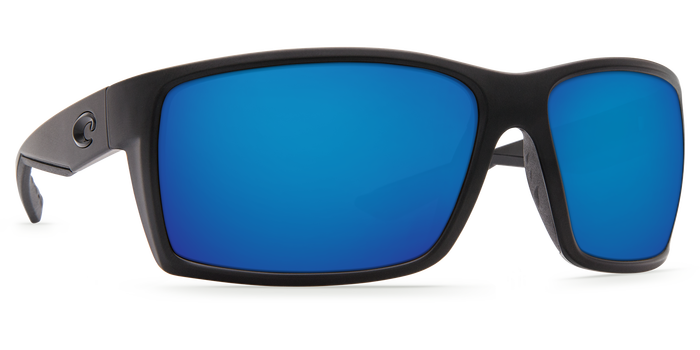
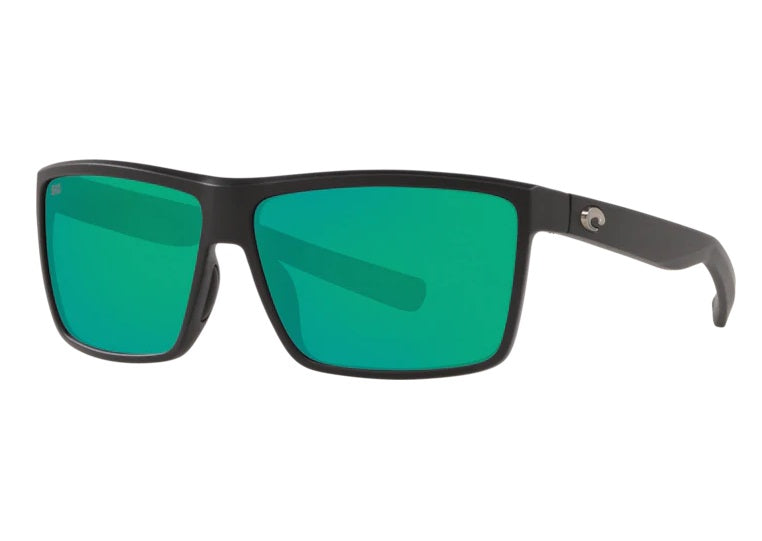
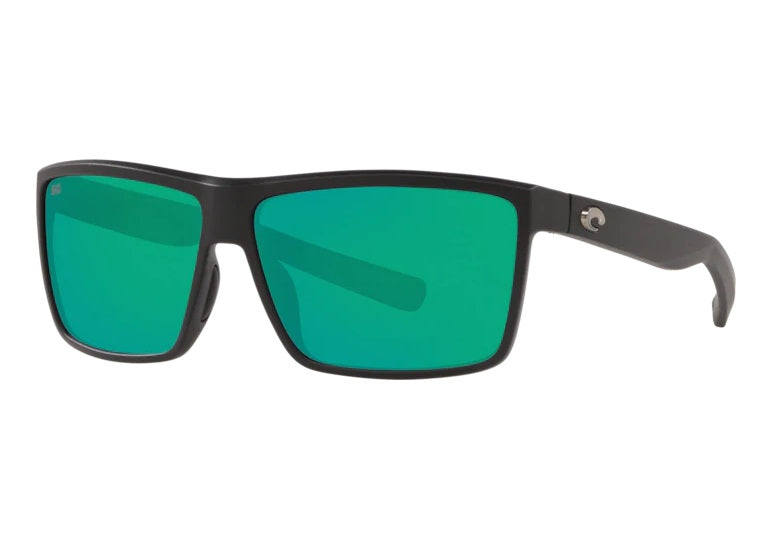
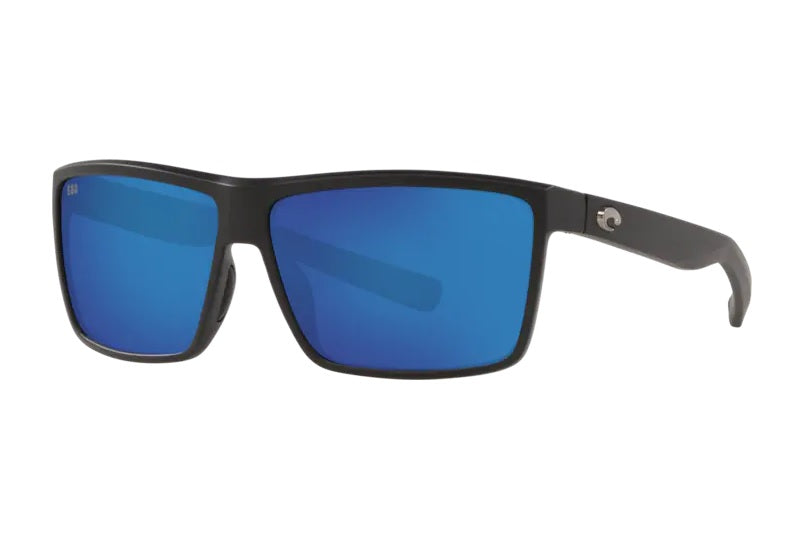
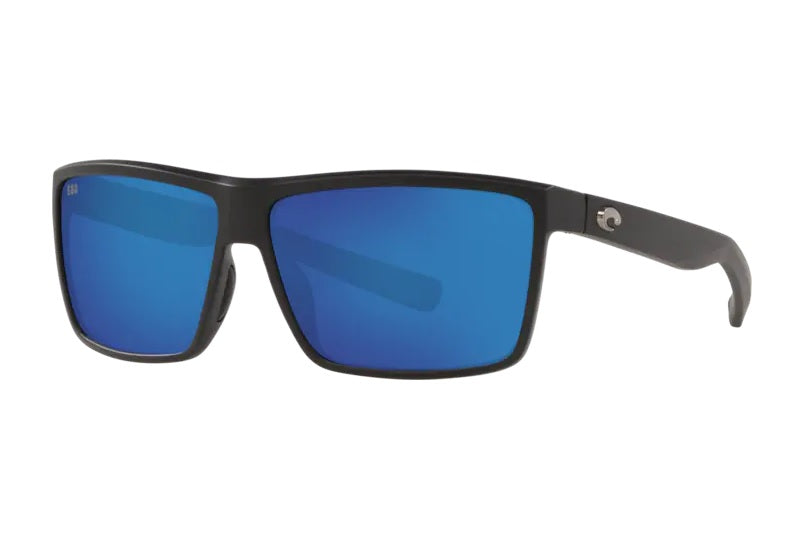
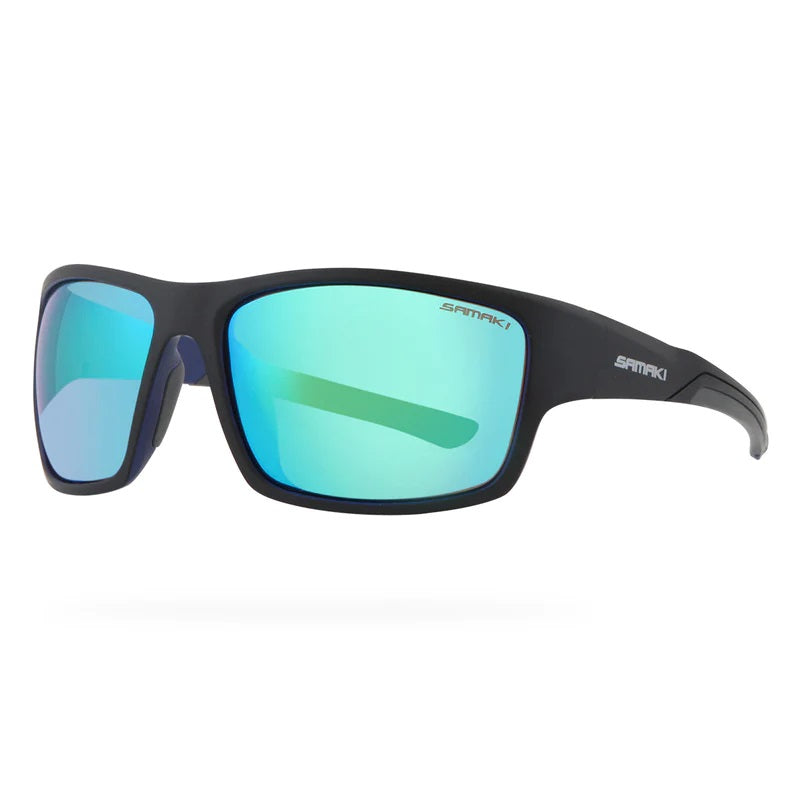
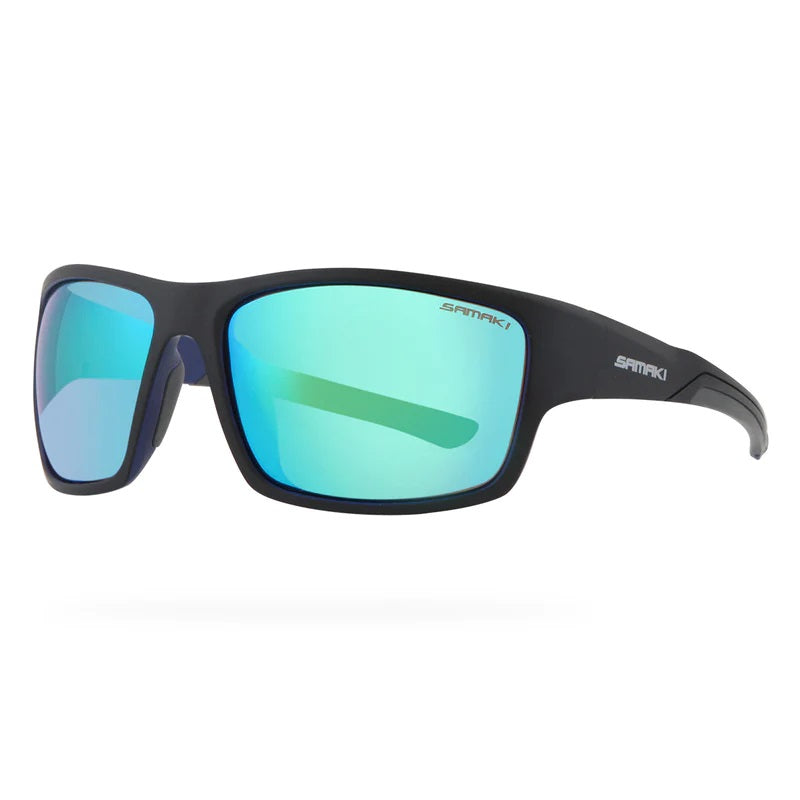
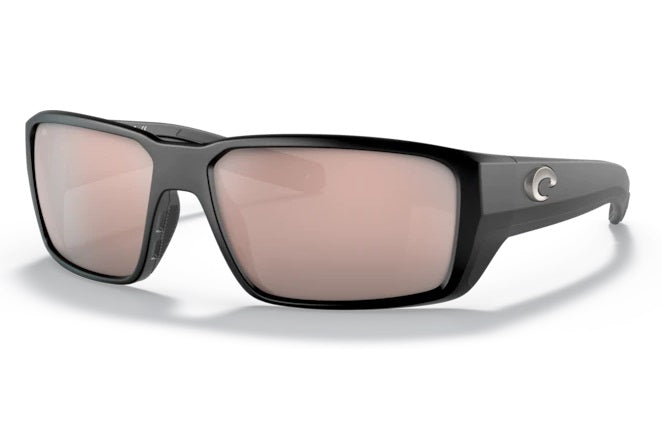
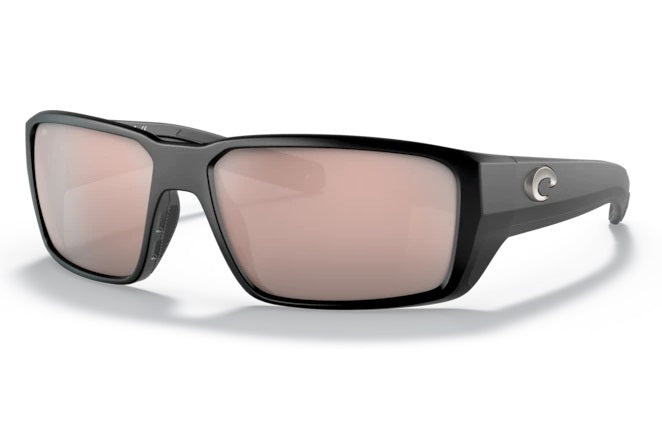
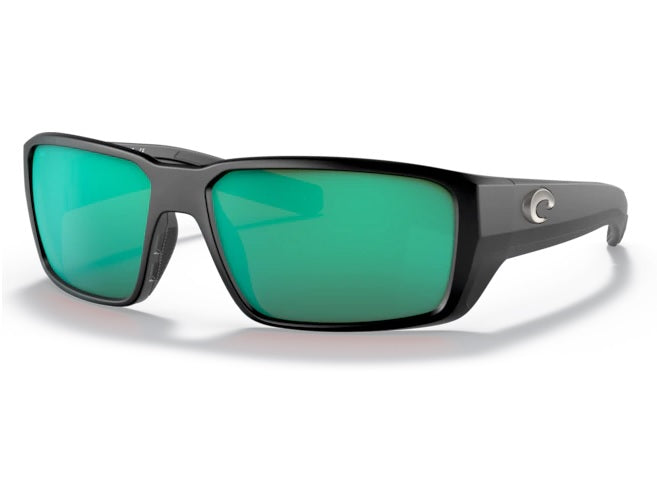
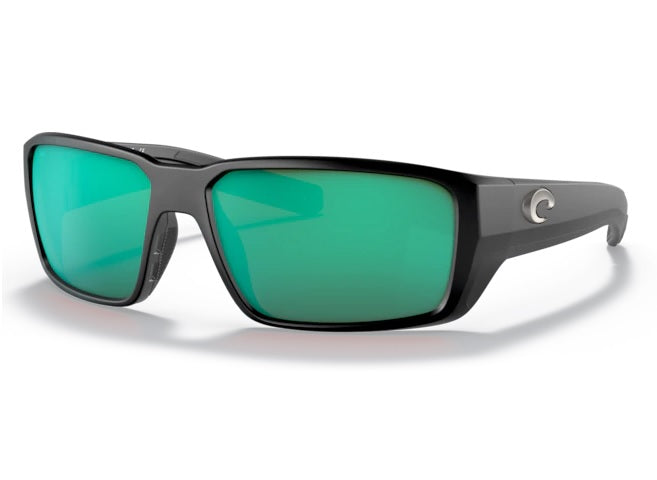
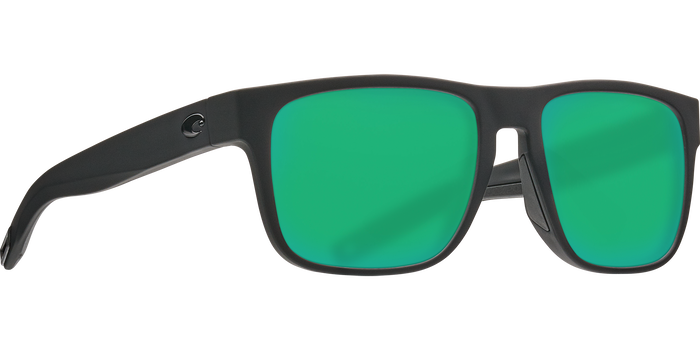
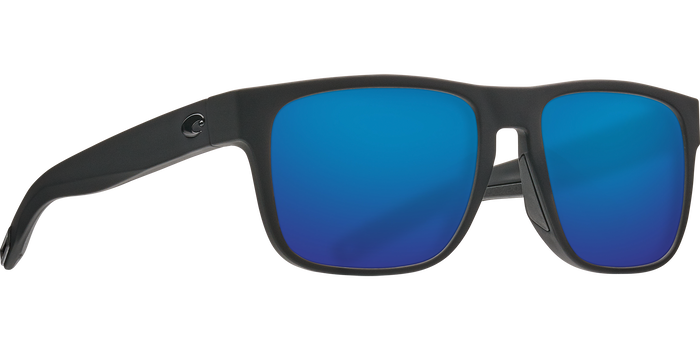
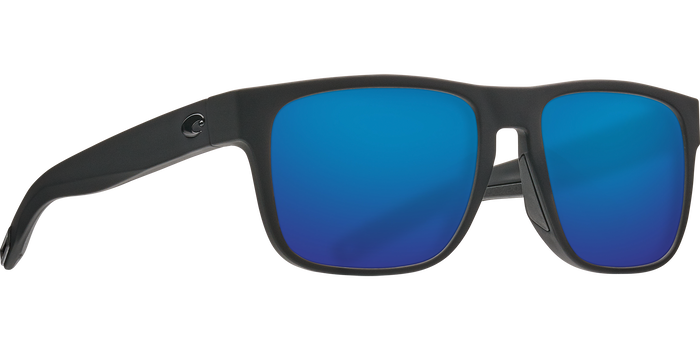
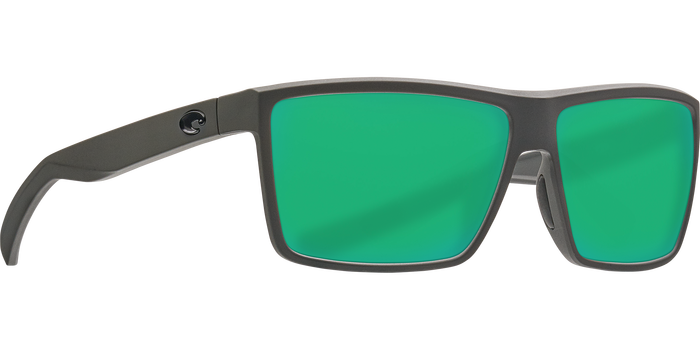
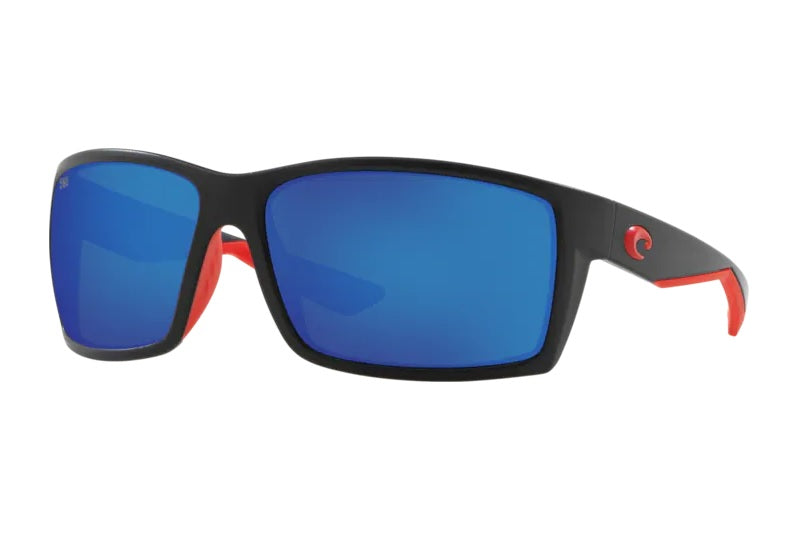
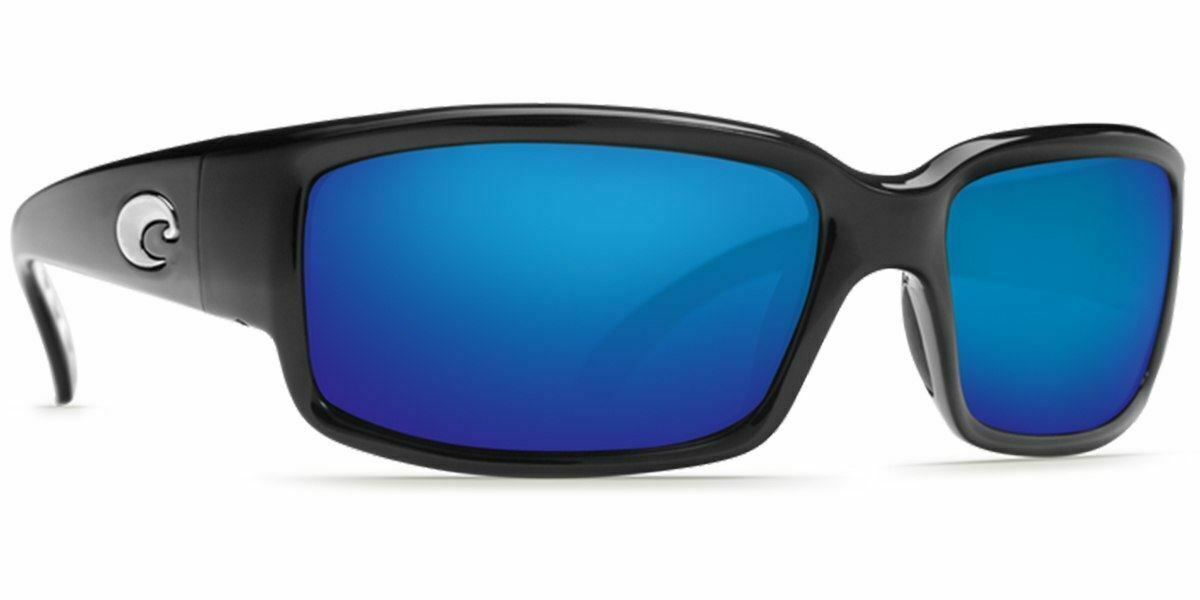
Costa Del Mar Rinconcito Matte Black Frame Polarised Sunglasses
from
$168.00
$320.00
Sold Out

Sold Out
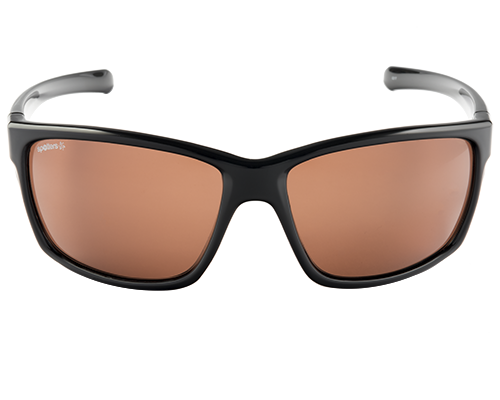
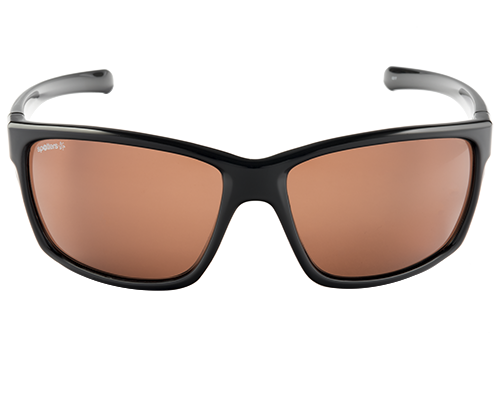
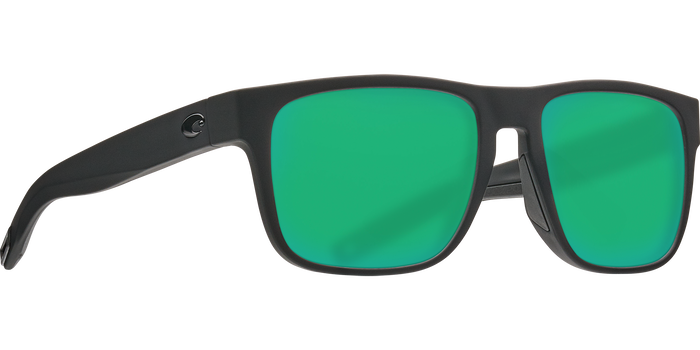
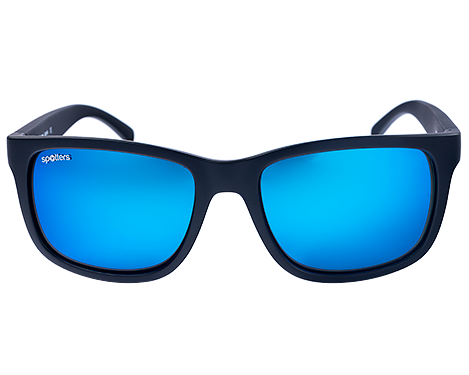
Costa Del Mar Spearo Blackout Frame Glass Lens Polarised Sunglasses
$168.00
$320.00
Sold Out





Sold Out
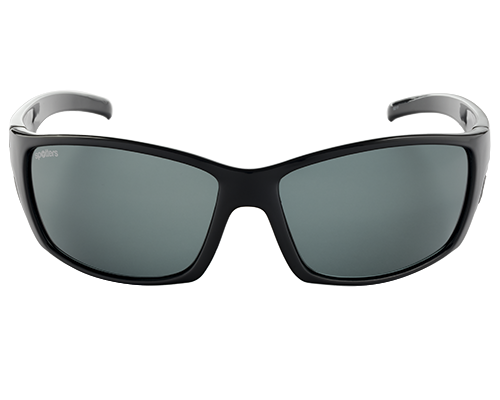
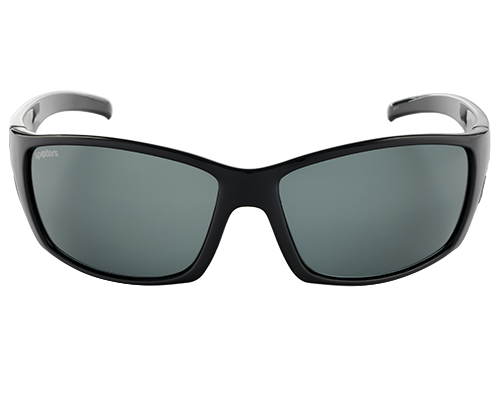
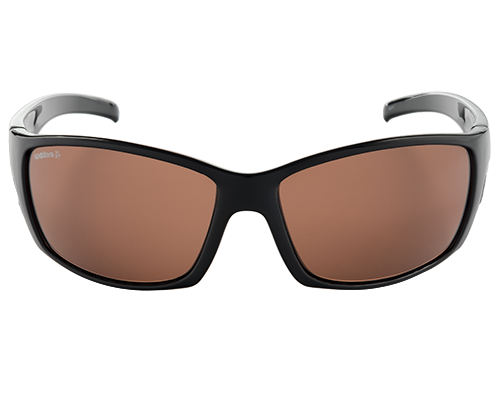
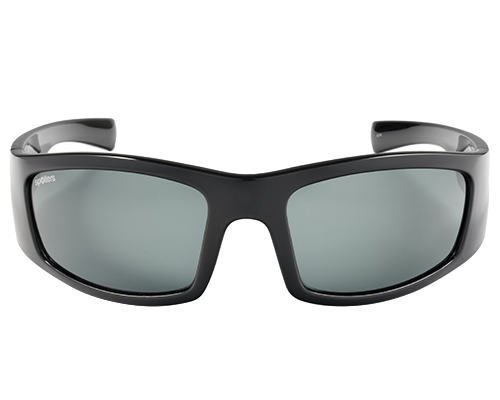
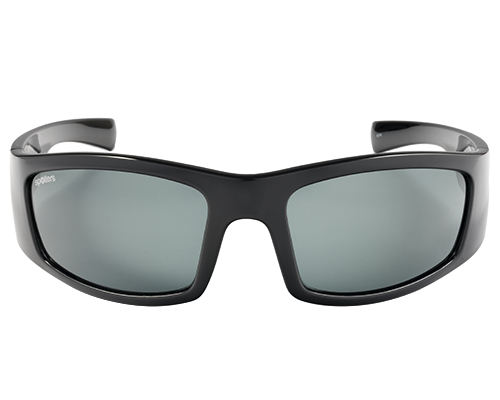
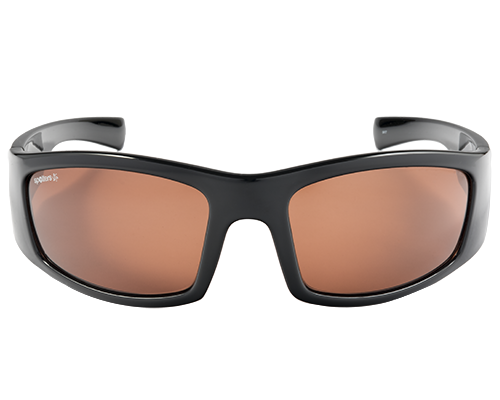
Spotters Coyote+ Gloss Black Mens Performance Polarised Sunglasses
$271.96
$339.95
Sold Out

Sold Out
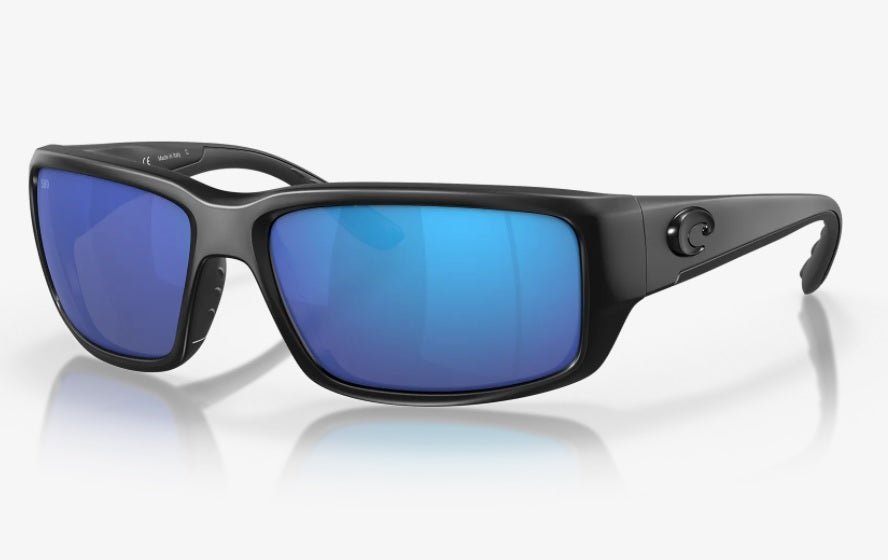
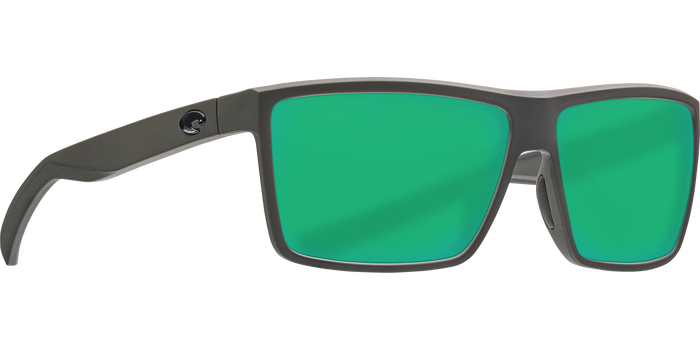
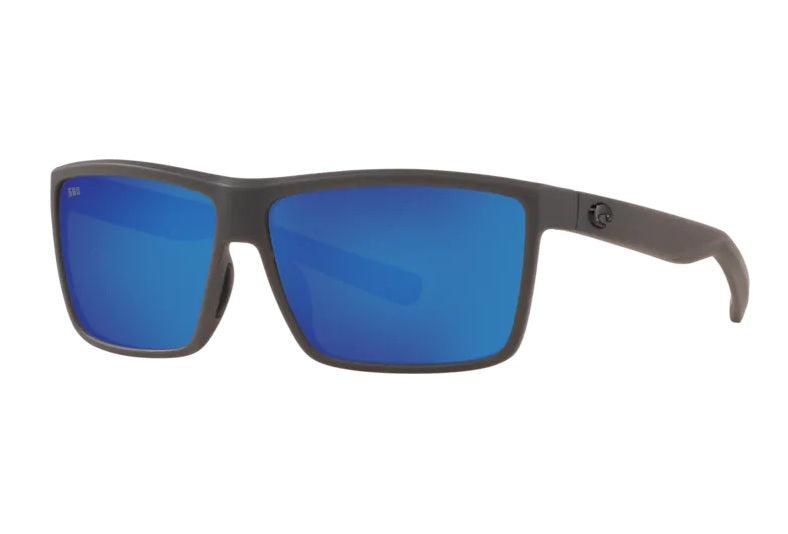
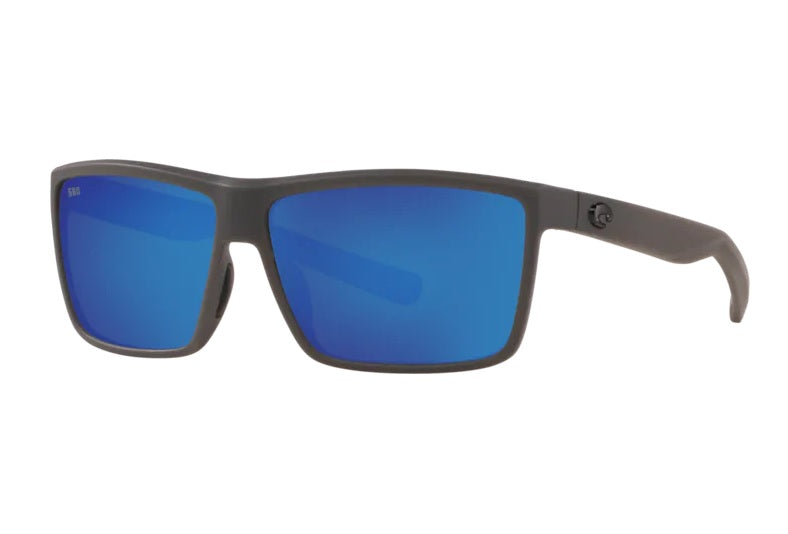
Costa Del Mar Rinconcito Matte Gray Frame Polarised Sunglasses
from
$168.00
$320.00
Sold Out



Sold Out
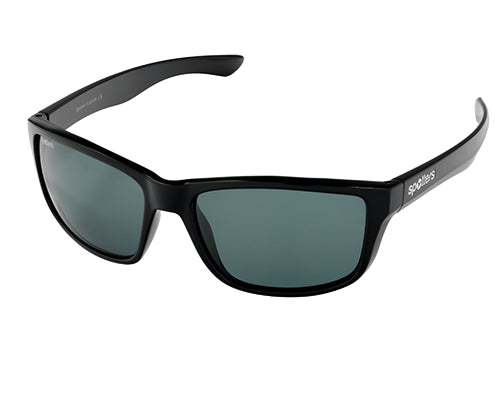
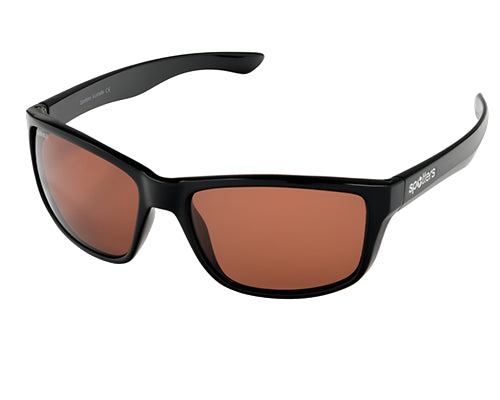
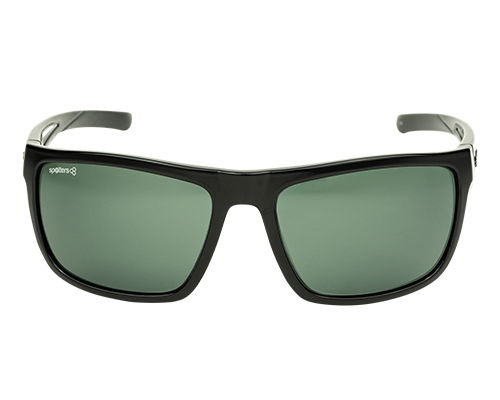
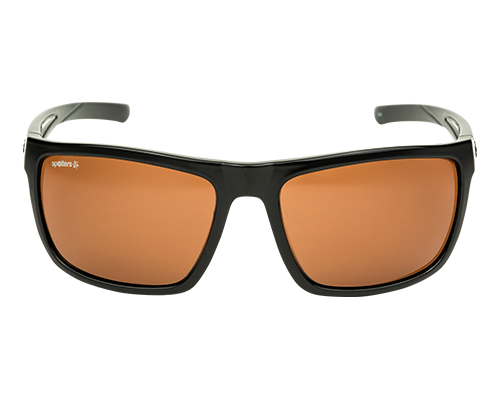
Spotters Morph Gloss Black Frame Polarised Performance Sunglasses
from
$170.00
$339.95
Sold Out


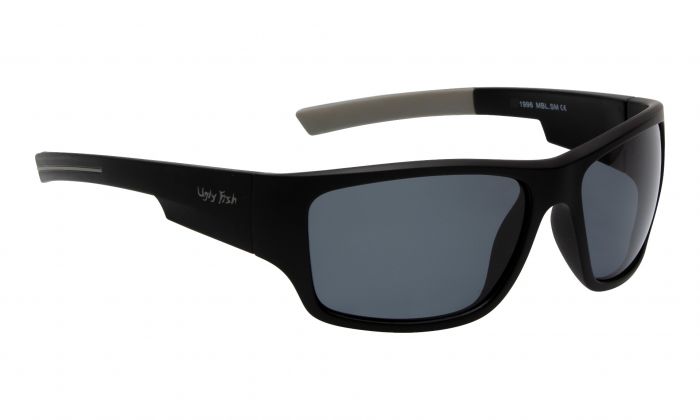
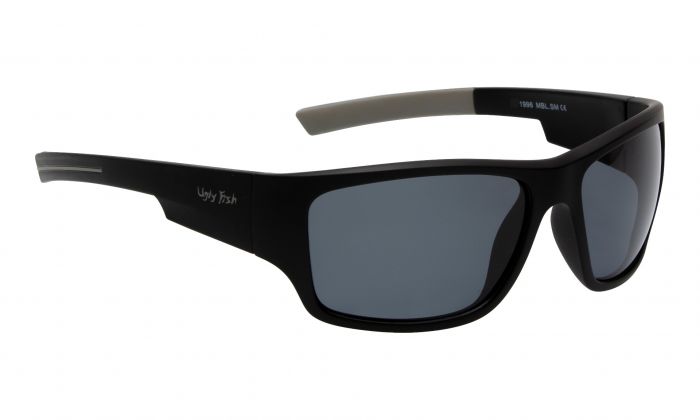

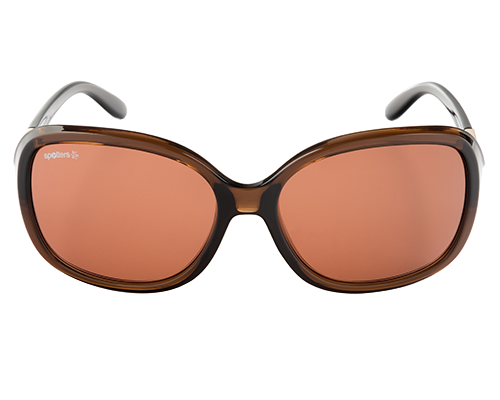
Sold Out
Spotters Mia Gloss Brown Womens Performance Polarised Sunglasses Halide
$271.96
$339.95
Sold Out

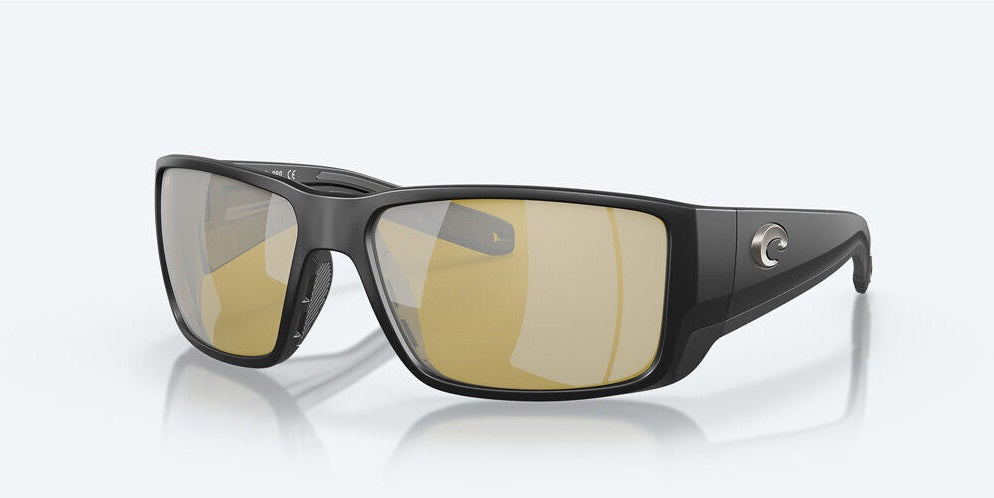



Polarised sunglasses are the one piece of gear that changes what you can actually see. Glare bouncing off the surface hides everything beneath it. Cut that glare and structure, weed beds, bait schools and fish appear where a moment ago there was only a mirror. For sight fishing it is not an accessory, it is the equipment.
Choosing a pair
Polarisation is the non-negotiable part. Plenty of dark sunglasses are not polarised at all — they dim the scene without removing glare, which is not the same thing.
Lens colour changes what you see. Copper and amber tints lift contrast in estuaries, rivers and dirty water. Grey tints stay truer to natural colour and suit bright open water offshore. Mirror coatings knock back more light again for glare off sand and flats.
Frame fit matters more than most people expect. Wrap-around frames block light sneaking in from the sides, and a pair that grips through a day of looking down at your feet is worth more than a pair that looks good in the shop.
Then add a retainer cord. Sunglasses go over the side more often than any other item on a boat.
A pair works best with a fishing hat to handle overhead sun the lenses cannot.
Frequently asked questions
Are polarised sunglasses worth it for fishing?
Yes, more than almost anything else you can buy. They remove surface glare so you can see structure, bait and fish that are otherwise completely invisible.
What lens colour is best for fishing?
Copper and amber for estuaries, rivers and low light because they lift contrast. Grey for bright open water offshore where you want natural colour.
How do I tell if sunglasses are actually polarised?
Look at a phone or computer screen through them and tilt your head. Polarised lenses will darken sharply at certain angles; ordinary tinted lenses will not.