

FREE SHIPPING ON ORDERS OVER $150*

AUSSIE FAMILY OWNED BUSINESS FOR OVER 40 YEARS

100% SATISFACTION GUARANTEED
Fishing Hats and Caps
Fishing Hats and Caps
A hat is the cheapest sun protection you will ever buy and the easiest to forget. Face, ears and the back of the neck take a beating on the water, and the reflected sun coming off the surface hits exactly the places a cap leaves exposed.
Which style suits your fishing
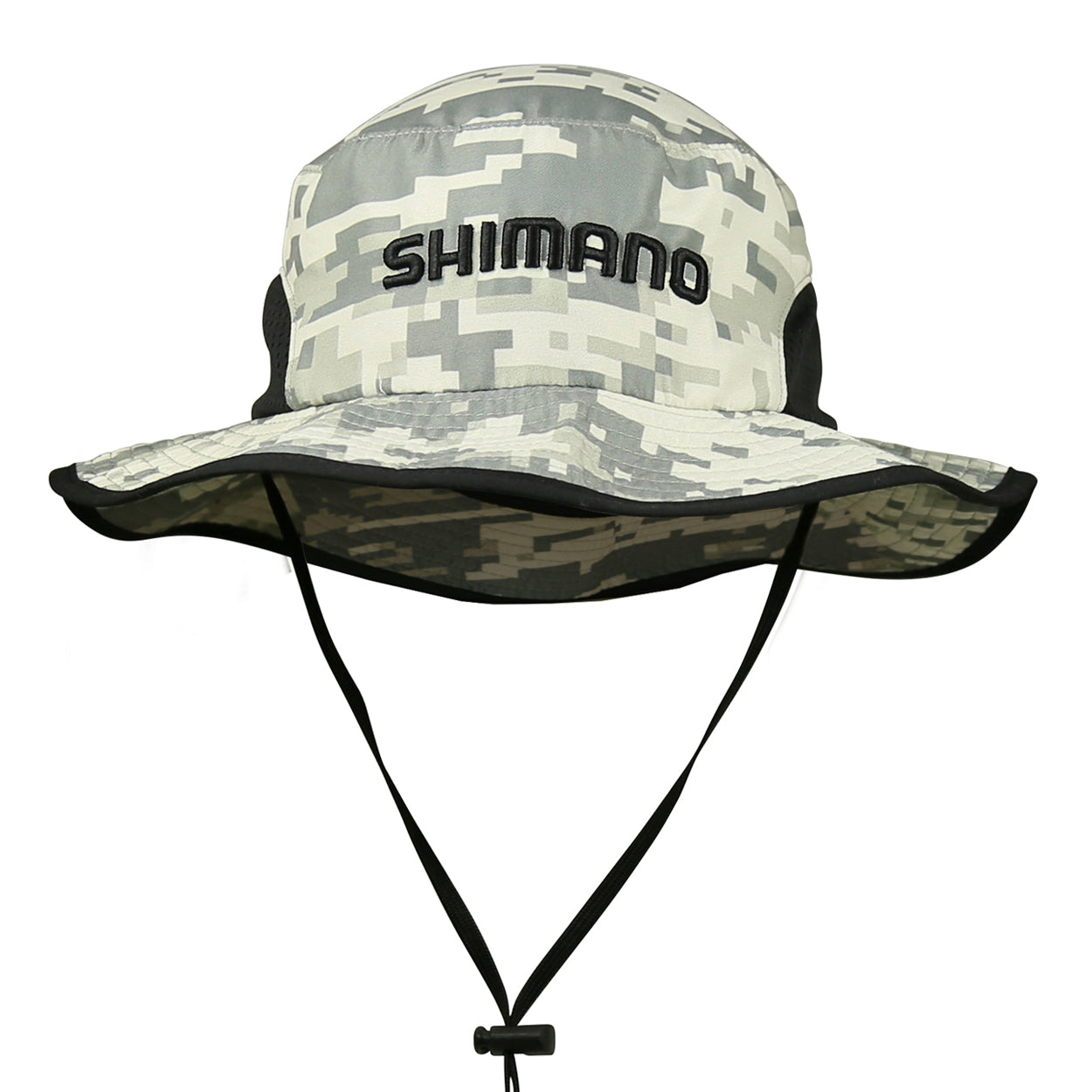
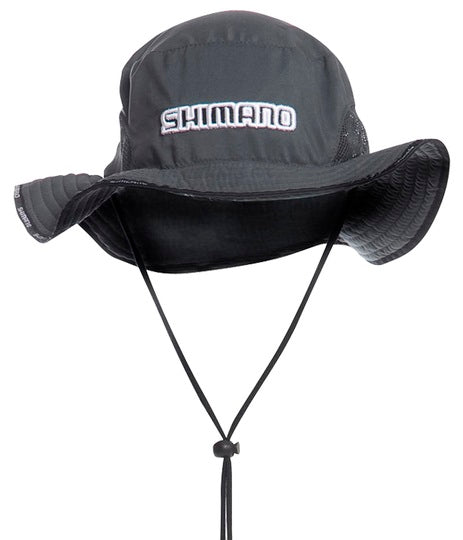
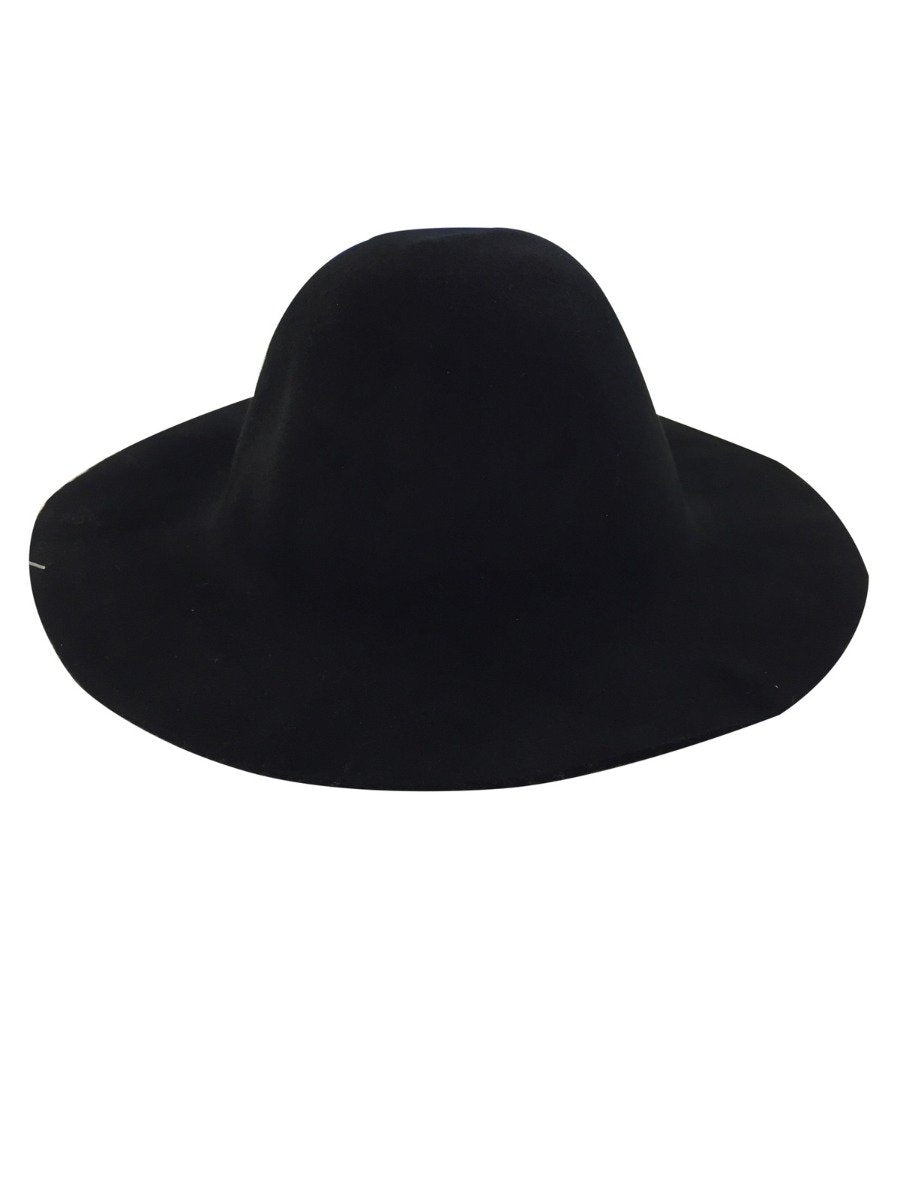
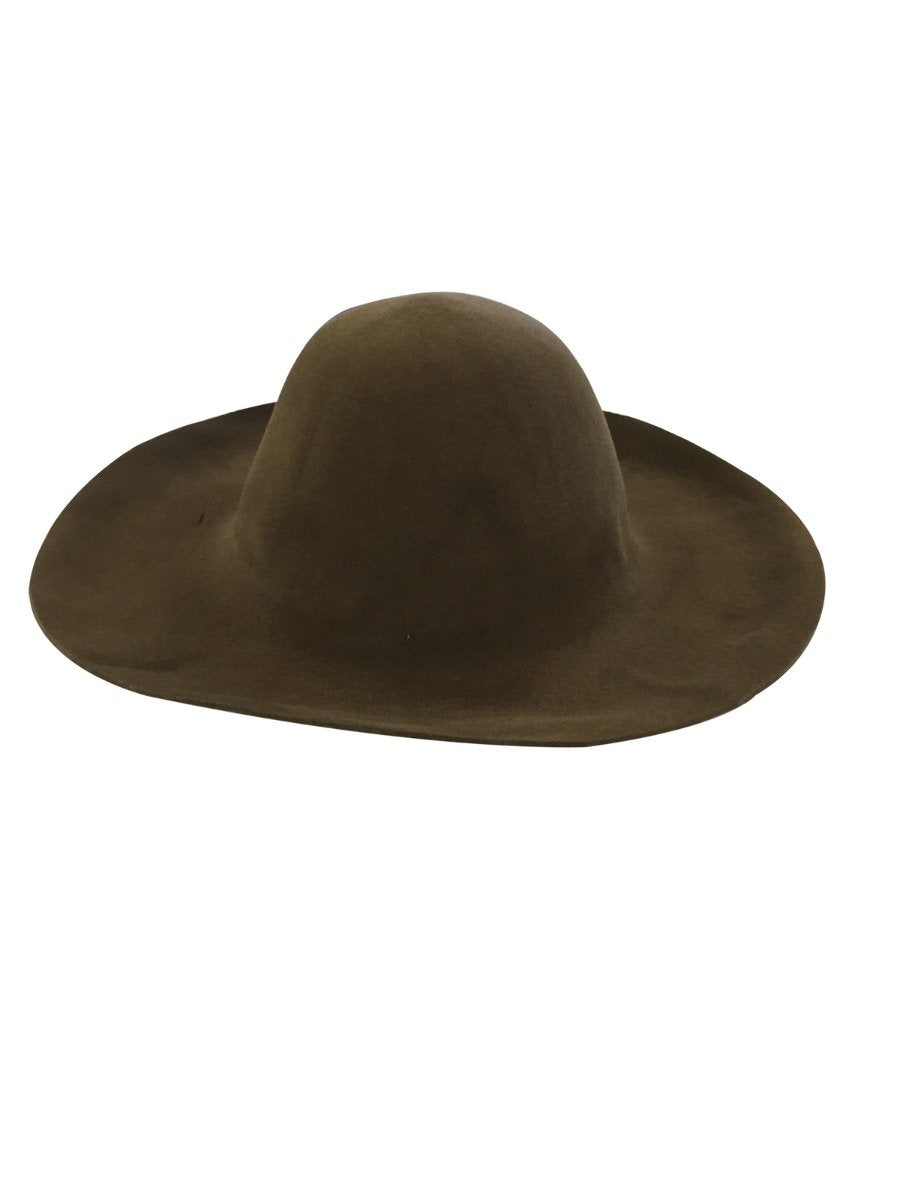
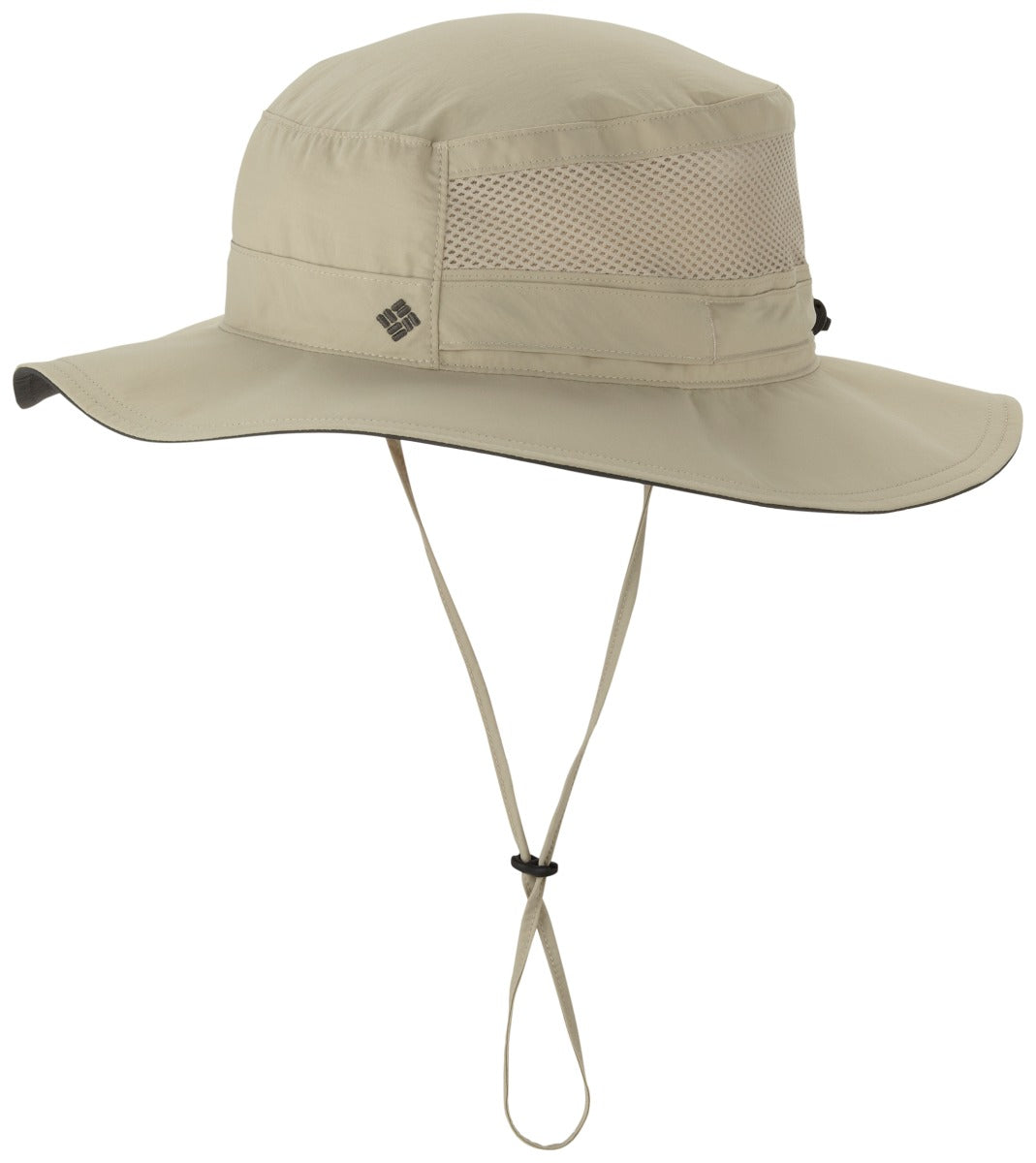
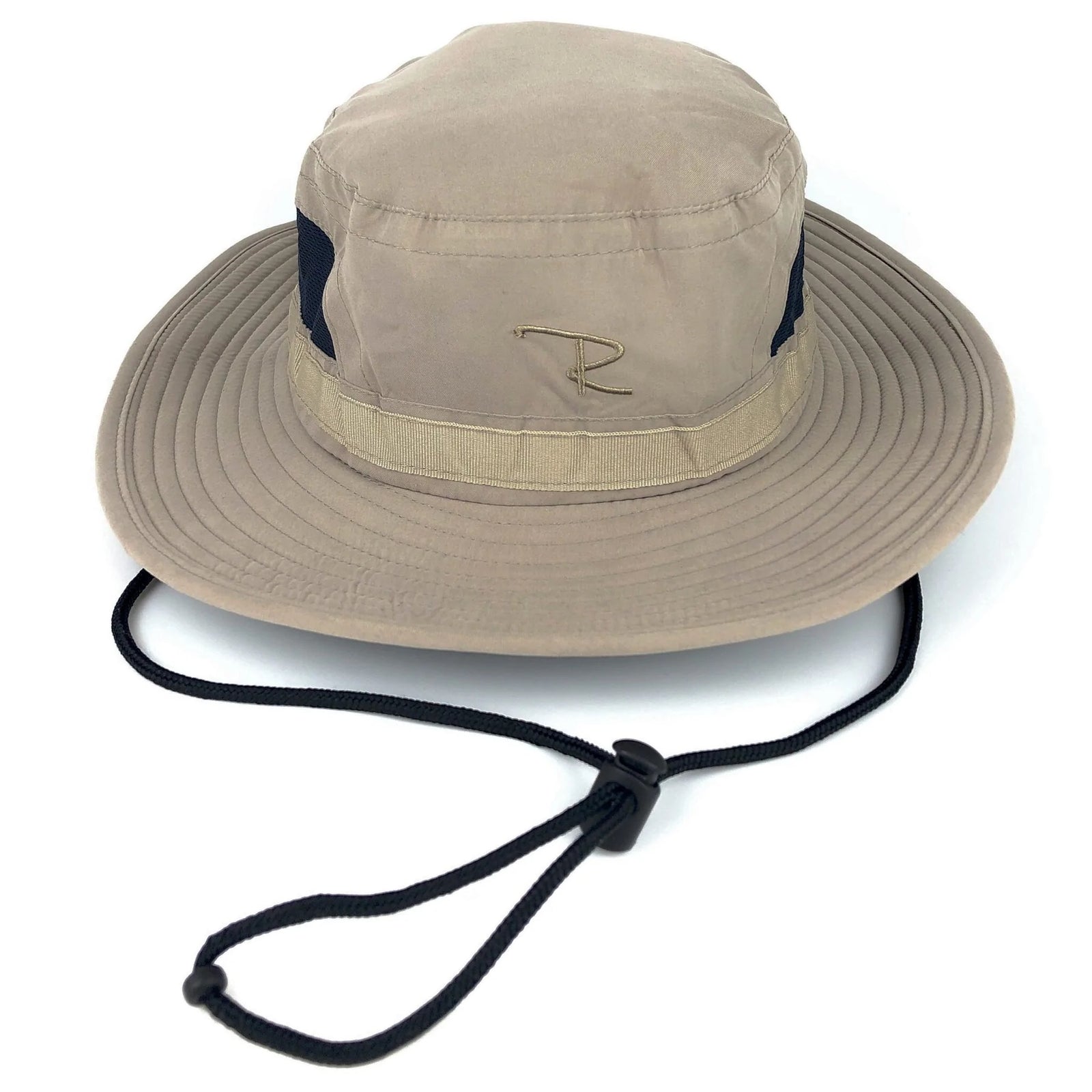
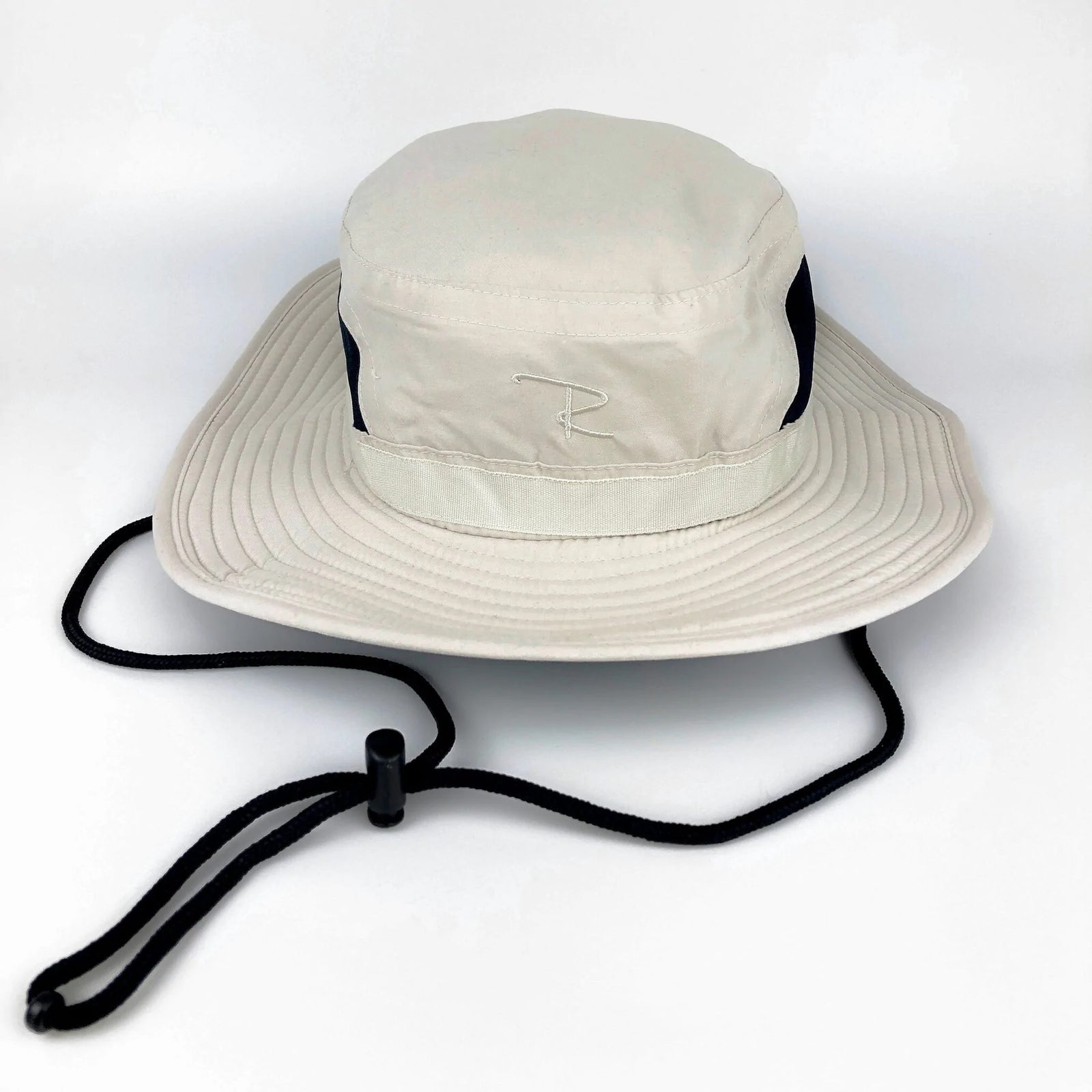
A wide-brim hat gives the most coverage and is hard to beat on a boat or a flat. The trade-off is wind — look for a chin cord, because the first gust that takes your hat over the side ends the debate.
Bucket hats sit closer to the head, handle wind better and pack flat in a tackle bag. They are the practical middle ground.
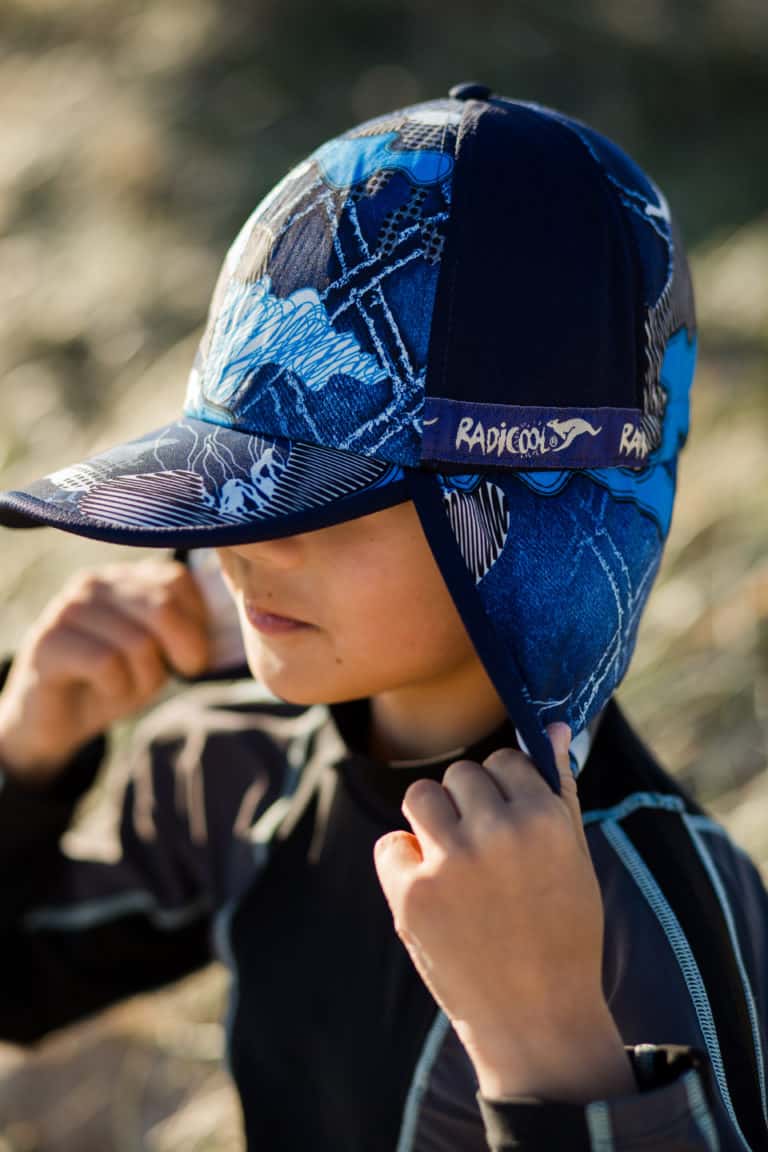
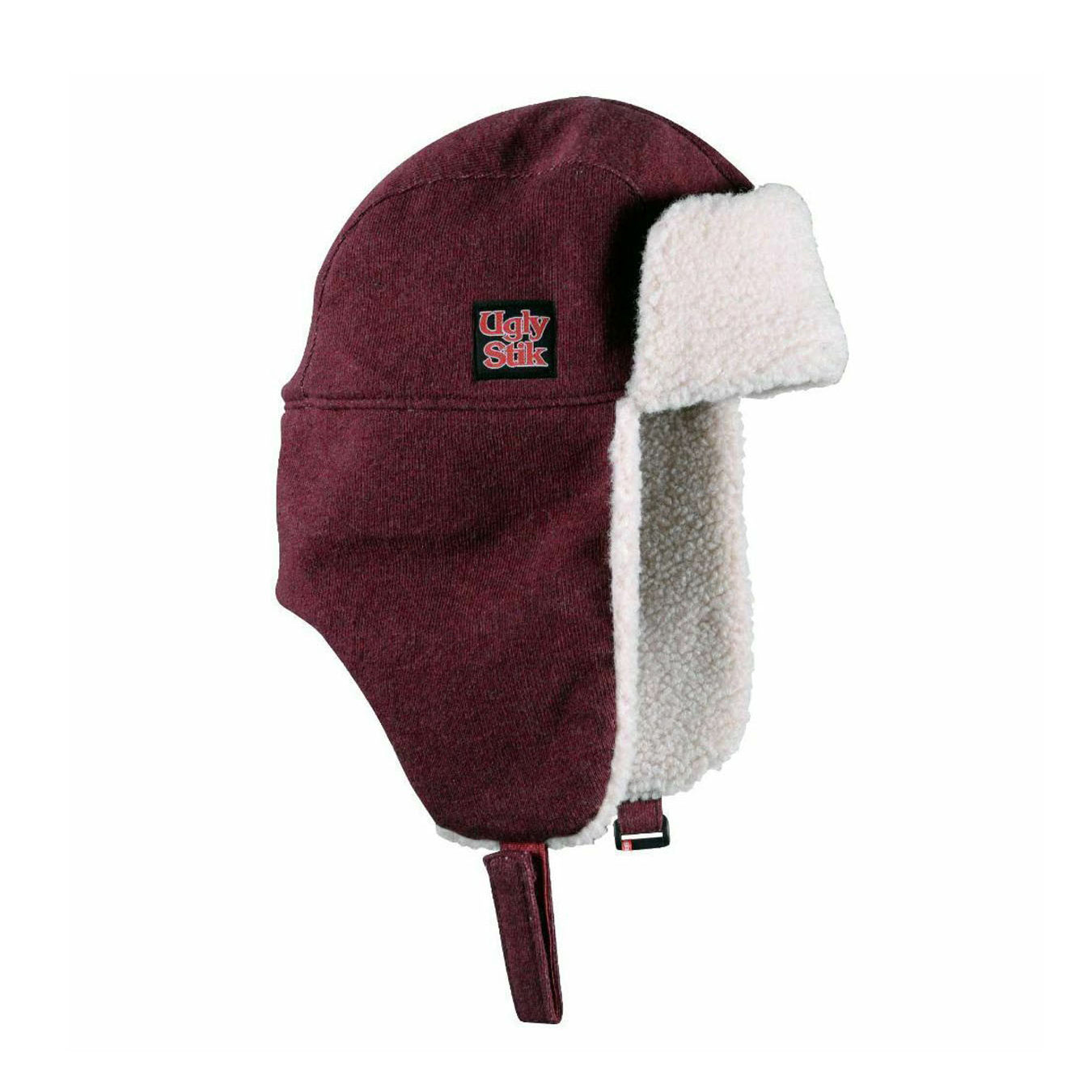
A legionnaire cap adds a neck flap to a normal cap shape, which covers the spot most anglers burn while keeping a clear forward view for casting.
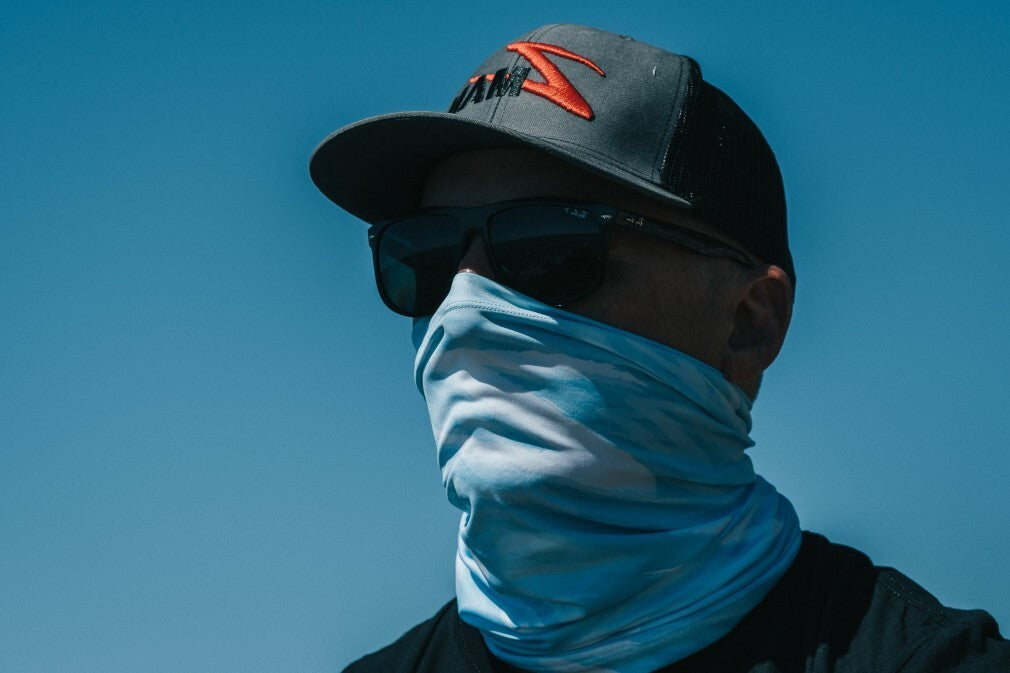
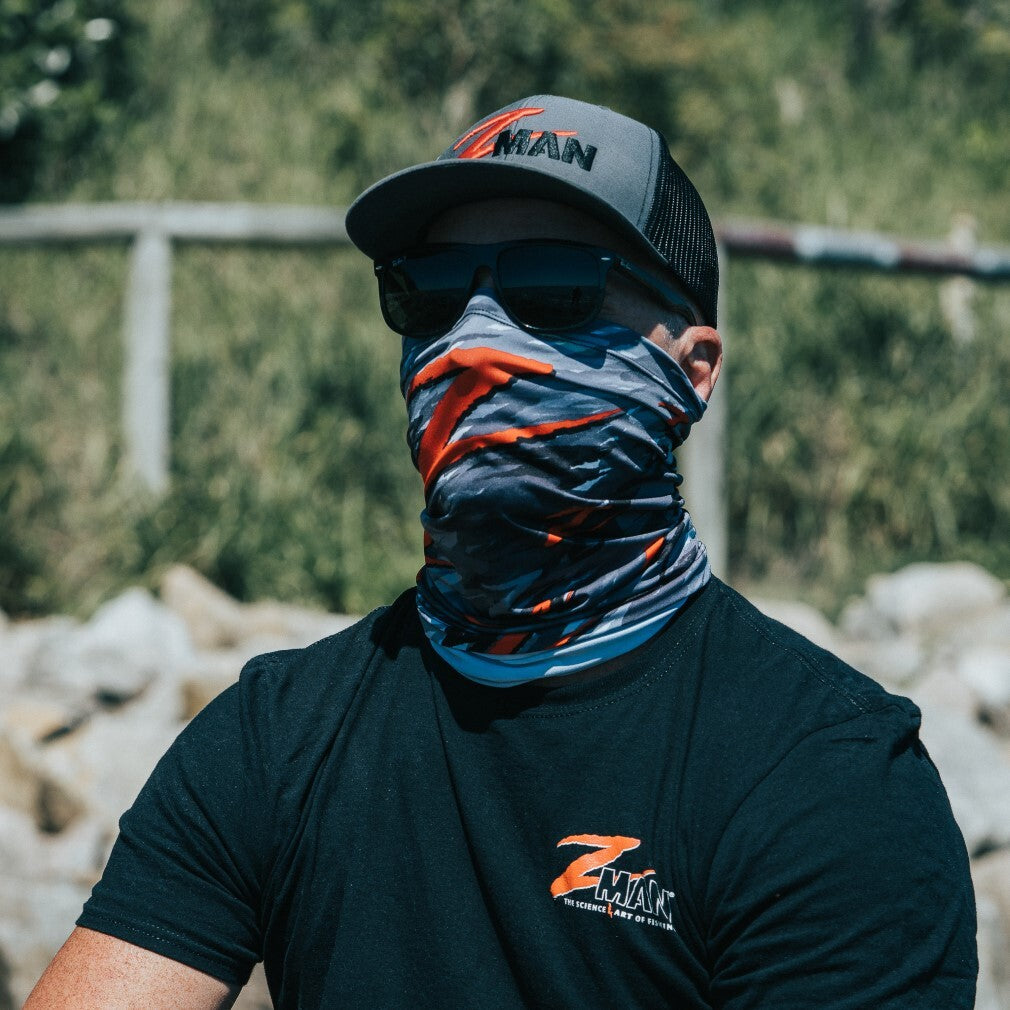
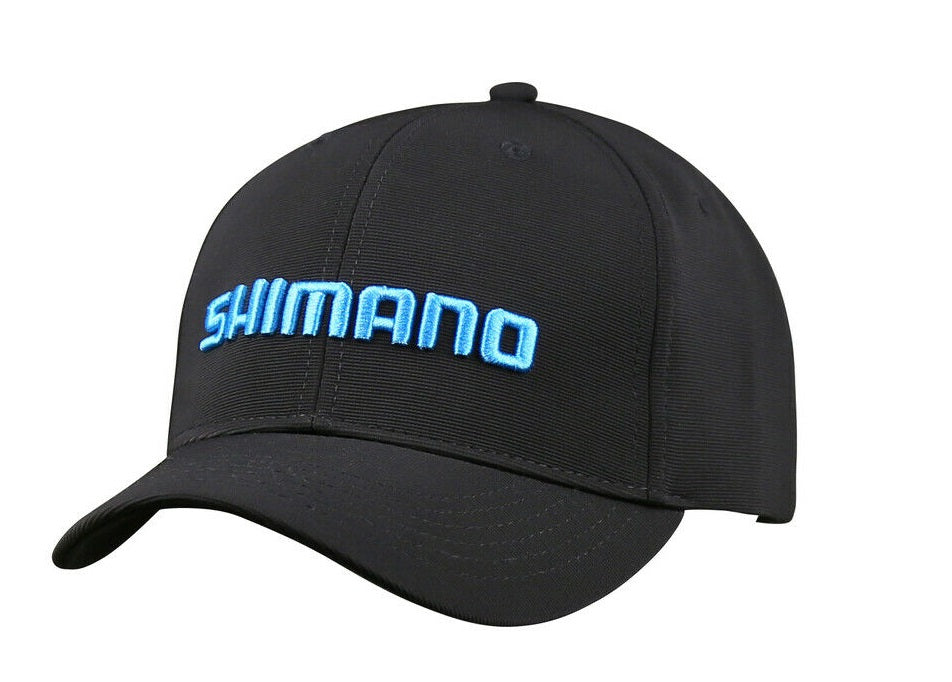
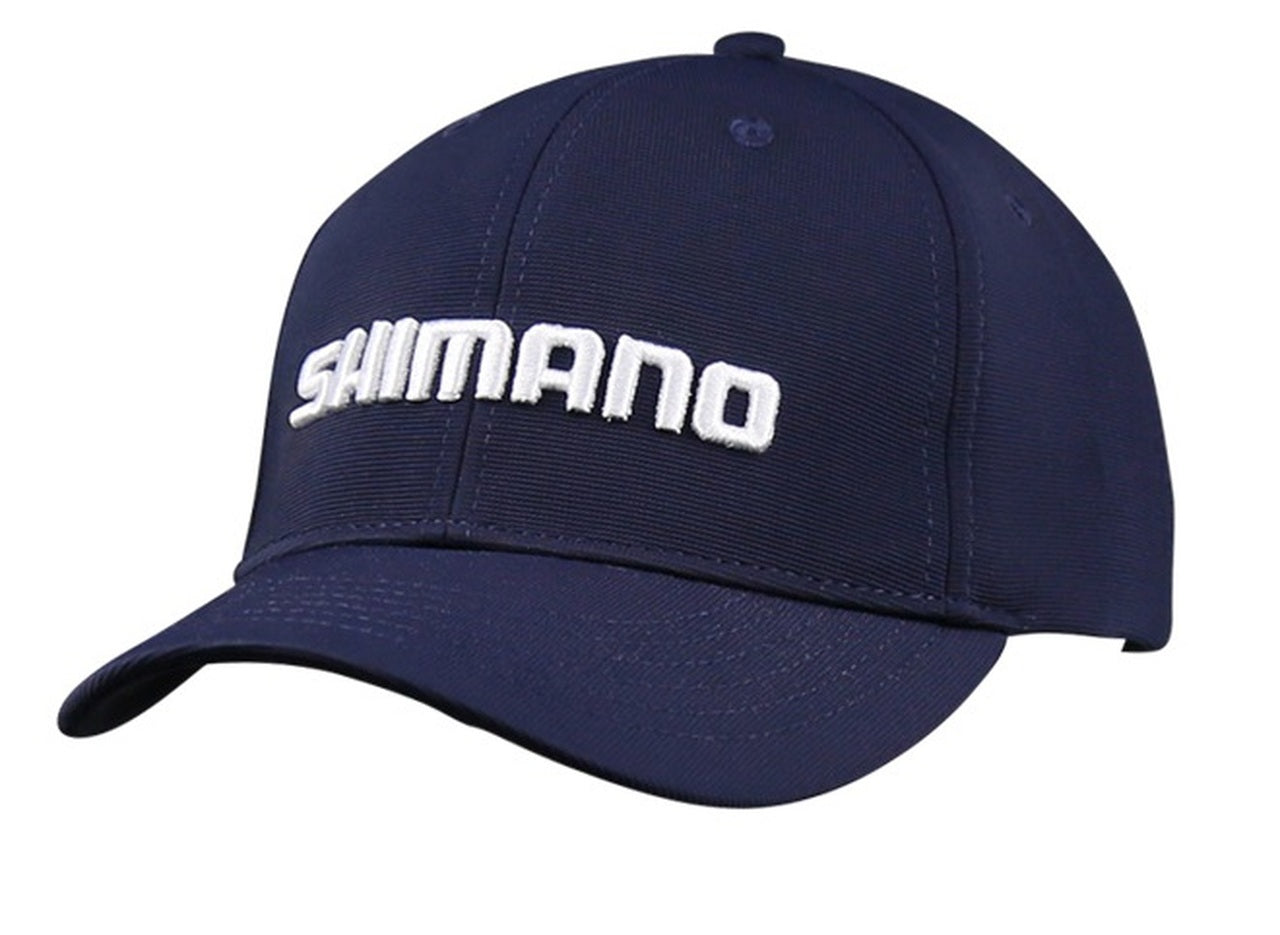
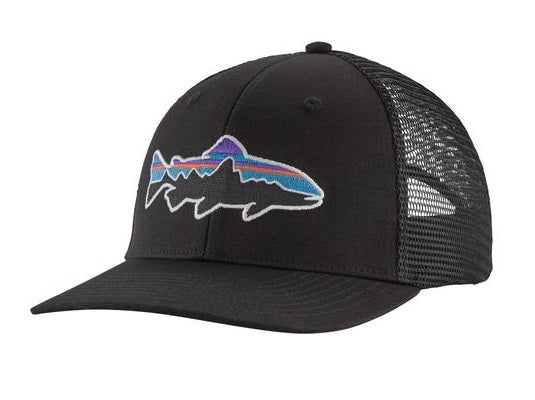
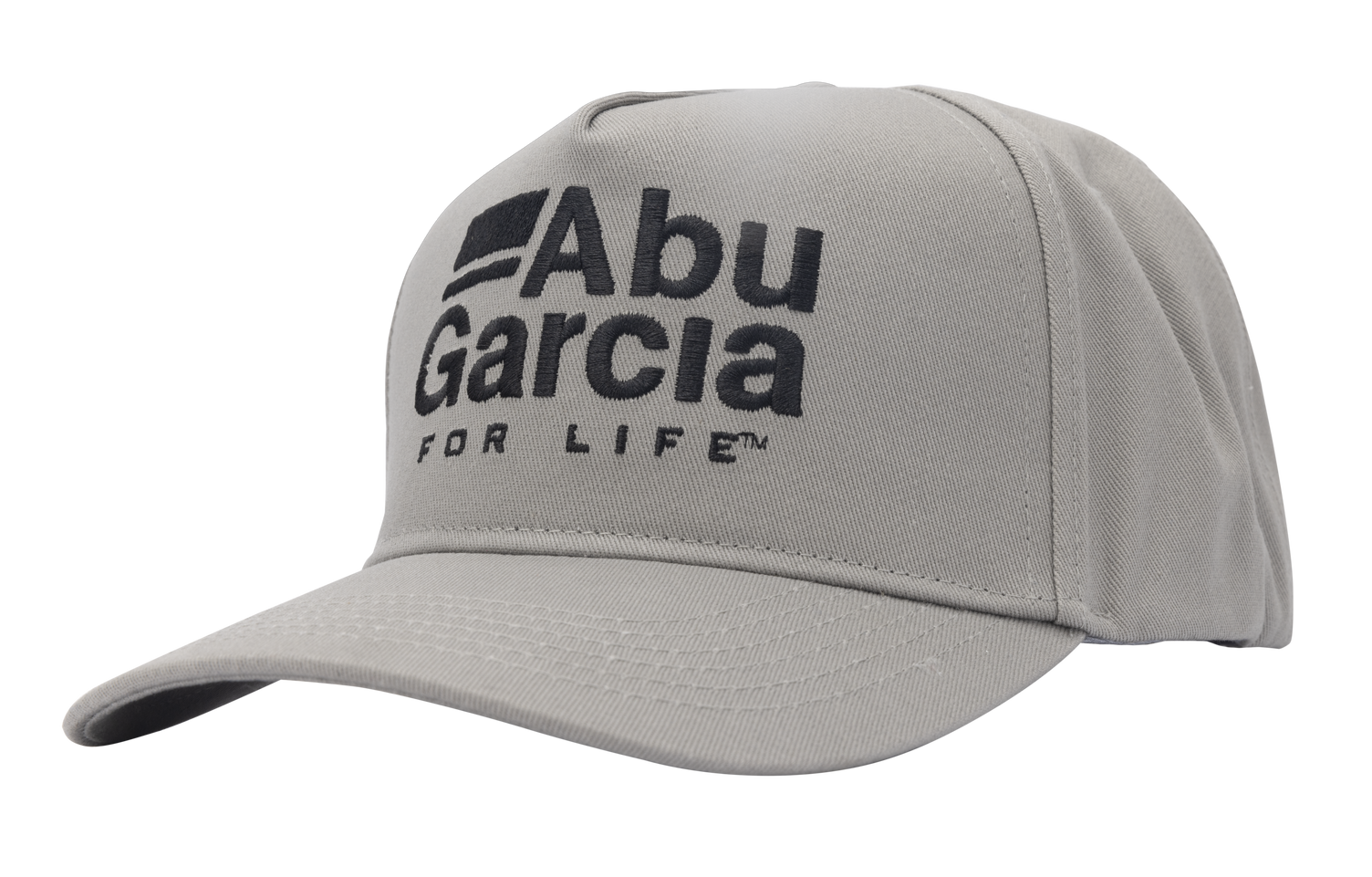
Caps are the lightest and the most comfortable, but they leave ears and neck exposed. If a cap is what you will actually wear, wear one — just be honest about what it is not covering.
A hat works best alongside polarised sunglasses, which handle the glare a brim cannot.
Frequently asked questions
What is the best hat for fishing?
A wide-brim or bucket hat with a chin cord gives the best all-round protection. A legionnaire cap is a good compromise if you want a clear line of sight when casting.
Do I still need a hat if I wear sunscreen?
Yes. Sunscreen wears off and rarely gets reapplied properly on the water. A hat keeps working all day and protects your ears and neck without you thinking about it.
Will a fishing hat blow off in the wind?
Any hat can. A chin cord solves it, and most purpose-built fishing hats either include one or have loops to attach one.












































A hat is the cheapest sun protection you will ever buy and the easiest to forget. Face, ears and the back of the neck take a beating on the water, and the reflected sun coming off the surface hits exactly the places a cap leaves exposed.
Which style suits your fishing
A wide-brim hat gives the most coverage and is hard to beat on a boat or a flat. The trade-off is wind — look for a chin cord, because the first gust that takes your hat over the side ends the debate.
Bucket hats sit closer to the head, handle wind better and pack flat in a tackle bag. They are the practical middle ground.
A legionnaire cap adds a neck flap to a normal cap shape, which covers the spot most anglers burn while keeping a clear forward view for casting.
Caps are the lightest and the most comfortable, but they leave ears and neck exposed. If a cap is what you will actually wear, wear one — just be honest about what it is not covering.
A hat works best alongside polarised sunglasses, which handle the glare a brim cannot.
Frequently asked questions
What is the best hat for fishing?
A wide-brim or bucket hat with a chin cord gives the best all-round protection. A legionnaire cap is a good compromise if you want a clear line of sight when casting.
Do I still need a hat if I wear sunscreen?
Yes. Sunscreen wears off and rarely gets reapplied properly on the water. A hat keeps working all day and protects your ears and neck without you thinking about it.
Will a fishing hat blow off in the wind?
Any hat can. A chin cord solves it, and most purpose-built fishing hats either include one or have loops to attach one.