

FREE SHIPPING ON ORDERS OVER $150*

AUSSIE FAMILY OWNED BUSINESS FOR OVER 40 YEARS

100% SATISFACTION GUARANTEED
Dive and Spear Accessories
Dive and Spear Accessories
The small items that keep dive gear working — anti-fog sprays and gels, neoprene cement for wetsuit repairs, snorkel keepers, replacement mask straps, defog cloths and lubricants. None of it is exciting and all of it saves a dive.
The ones that matter most
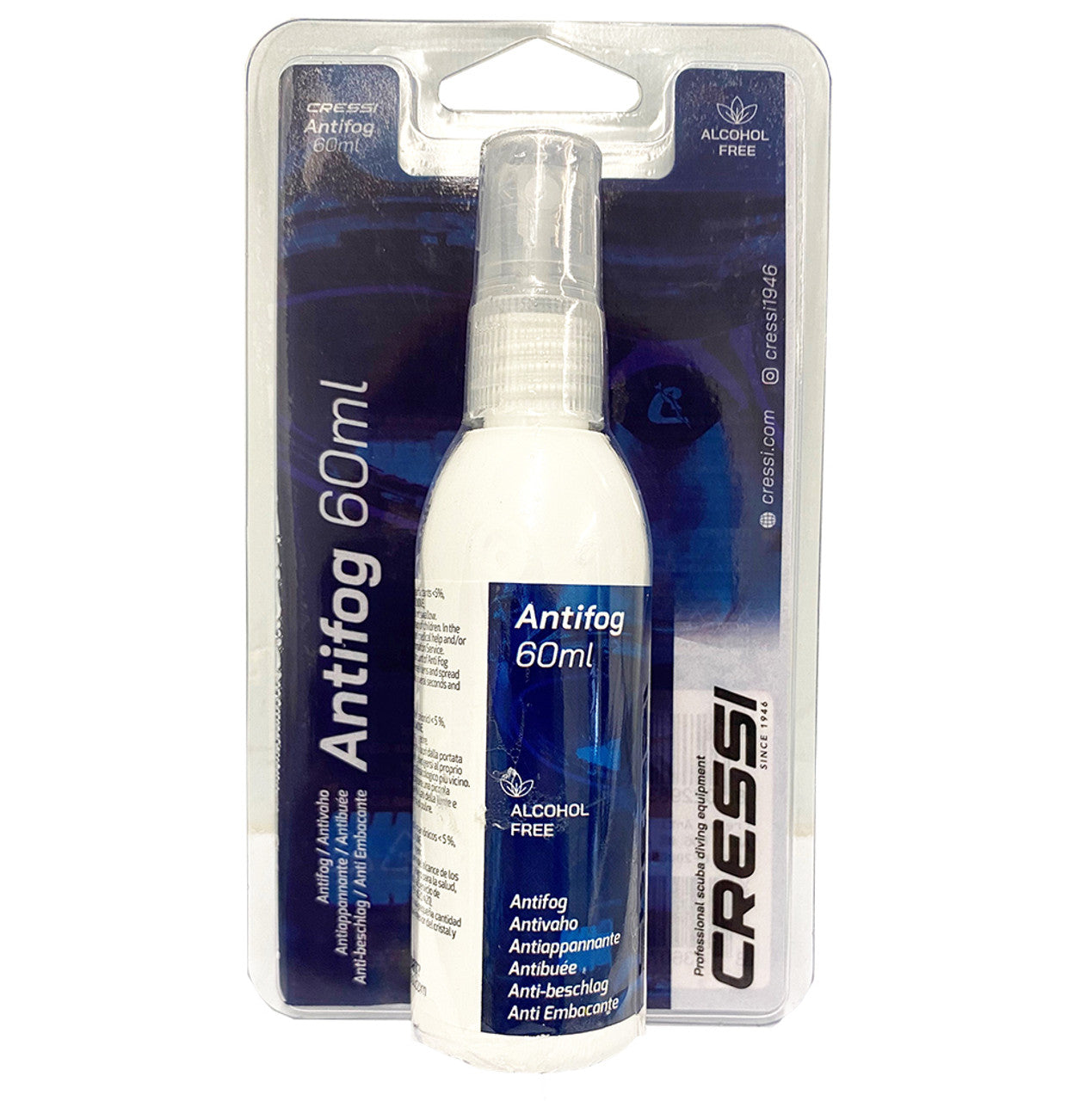
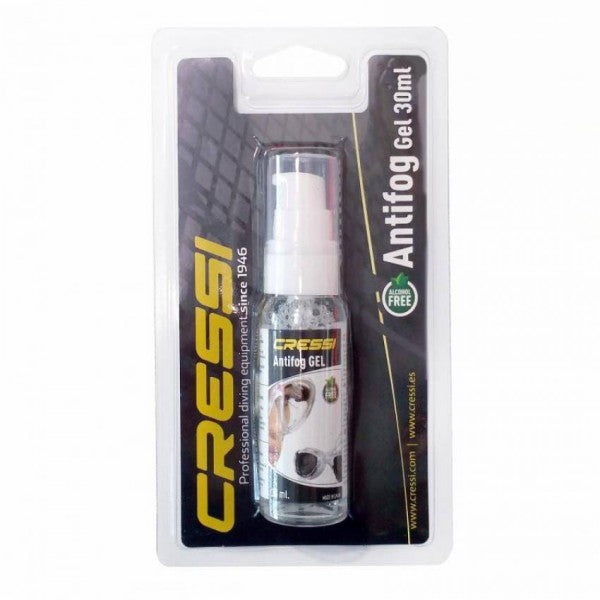
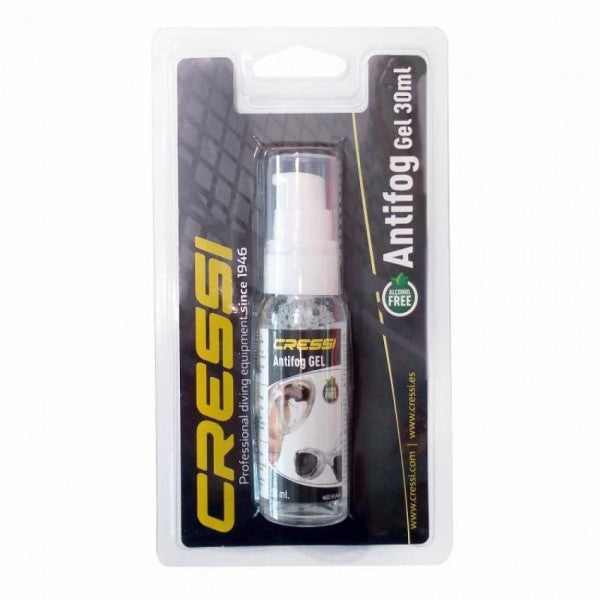
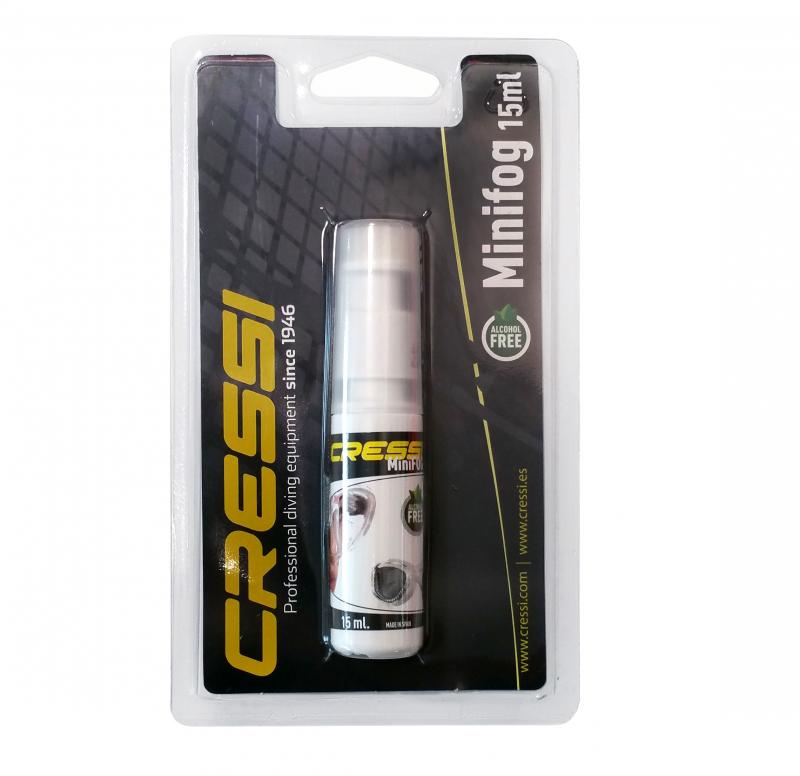
Anti-fog is the item people most often wish they had. A brand new mask carries a film from the moulding process that has to be scrubbed off before any anti-fog will work — toothpaste or a dedicated cleaner, worked over the inside of the lens. After that, a drop of anti-fog and a rinse before each dive is all it takes.
Neoprene cement repairs wetsuit tears and reattaches loose seams. A small tear left alone becomes a large one quickly, because neoprene keeps splitting along the line of the damage.
Snorkel keepers and mask straps are the parts that perish first, since they take the most UV and the most stretching. They cost very little and are worth carrying as spares. The rest of the gear is in dive and spear, and wetsuits covers thermal protection.
Frequently asked questions
How do I stop a new mask fogging?
Scrub the inside of the lens with toothpaste or a dedicated mask cleaner to remove the factory film, then use anti-fog before each dive. Skipping the first step is why anti-fog sometimes seems not to work.
Can you repair a torn wetsuit?
Yes. Neoprene cement glues tears and loose seams and holds well if the surfaces are clean and dry. Doing it early matters, because tears spread.
Does spit work as an anti-fog?
It does, and plenty of divers use nothing else. It will not work on a new mask that still has its factory film, and it is less reliable in cold water.
How often do mask straps need replacing?
When they lose stretch or show cracking, which usually comes from sun rather than use. Carrying a spare is cheap insurance on a trip.







The small items that keep dive gear working — anti-fog sprays and gels, neoprene cement for wetsuit repairs, snorkel keepers, replacement mask straps, defog cloths and lubricants. None of it is exciting and all of it saves a dive.
The ones that matter most
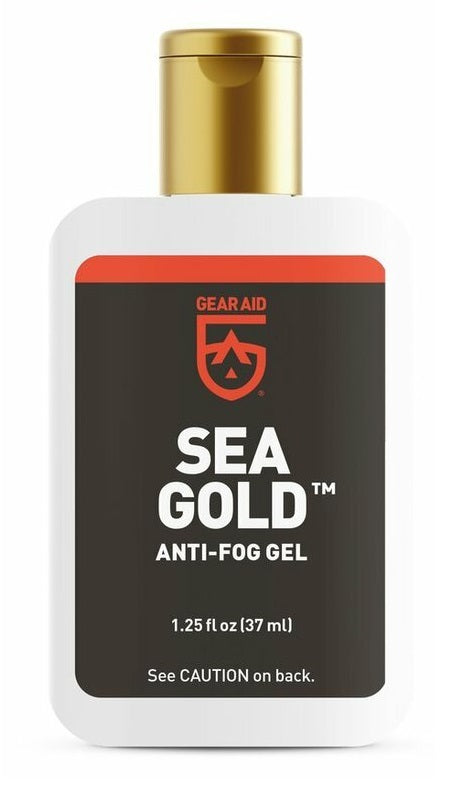
Anti-fog is the item people most often wish they had. A brand new mask carries a film from the moulding process that has to be scrubbed off before any anti-fog will work — toothpaste or a dedicated cleaner, worked over the inside of the lens. After that, a drop of anti-fog and a rinse before each dive is all it takes.
Neoprene cement repairs wetsuit tears and reattaches loose seams. A small tear left alone becomes a large one quickly, because neoprene keeps splitting along the line of the damage.
Snorkel keepers and mask straps are the parts that perish first, since they take the most UV and the most stretching. They cost very little and are worth carrying as spares. The rest of the gear is in dive and spear, and wetsuits covers thermal protection.
Frequently asked questions
How do I stop a new mask fogging?
Scrub the inside of the lens with toothpaste or a dedicated mask cleaner to remove the factory film, then use anti-fog before each dive. Skipping the first step is why anti-fog sometimes seems not to work.
Can you repair a torn wetsuit?
Yes. Neoprene cement glues tears and loose seams and holds well if the surfaces are clean and dry. Doing it early matters, because tears spread.
Does spit work as an anti-fog?
It does, and plenty of divers use nothing else. It will not work on a new mask that still has its factory film, and it is less reliable in cold water.
How often do mask straps need replacing?
When they lose stretch or show cracking, which usually comes from sun rather than use. Carrying a spare is cheap insurance on a trip.