

FREE SHIPPING ON ORDERS OVER $150*

AUSSIE FAMILY OWNED BUSINESS FOR OVER 40 YEARS

100% SATISFACTION GUARANTEED
Trout Spinner Lures
Trout Spinner Lures
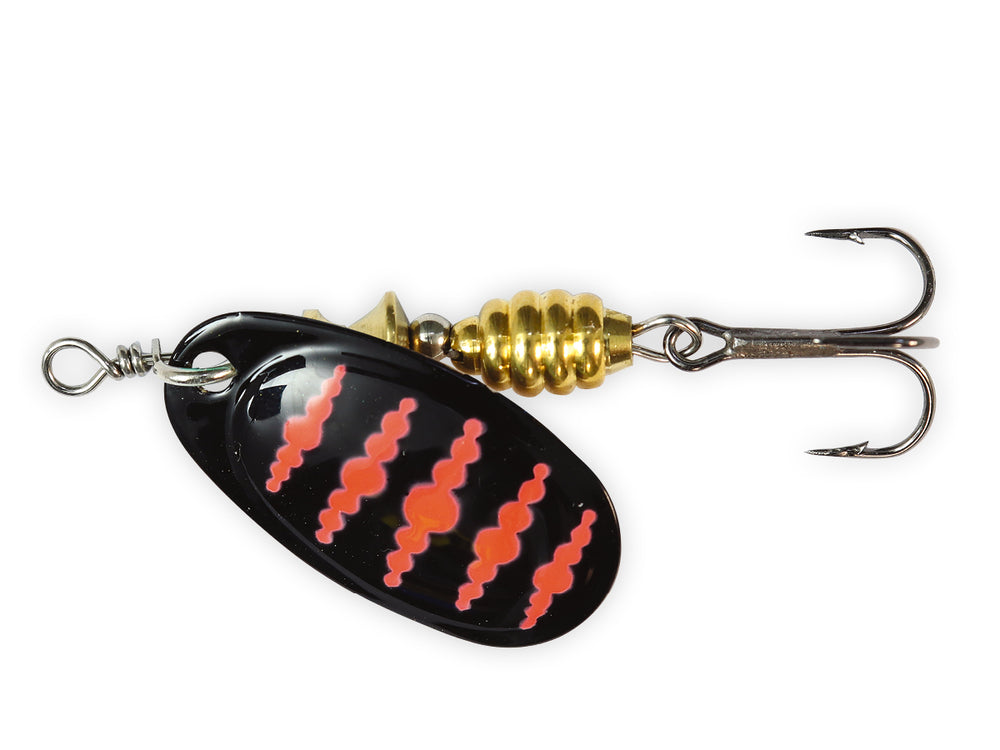
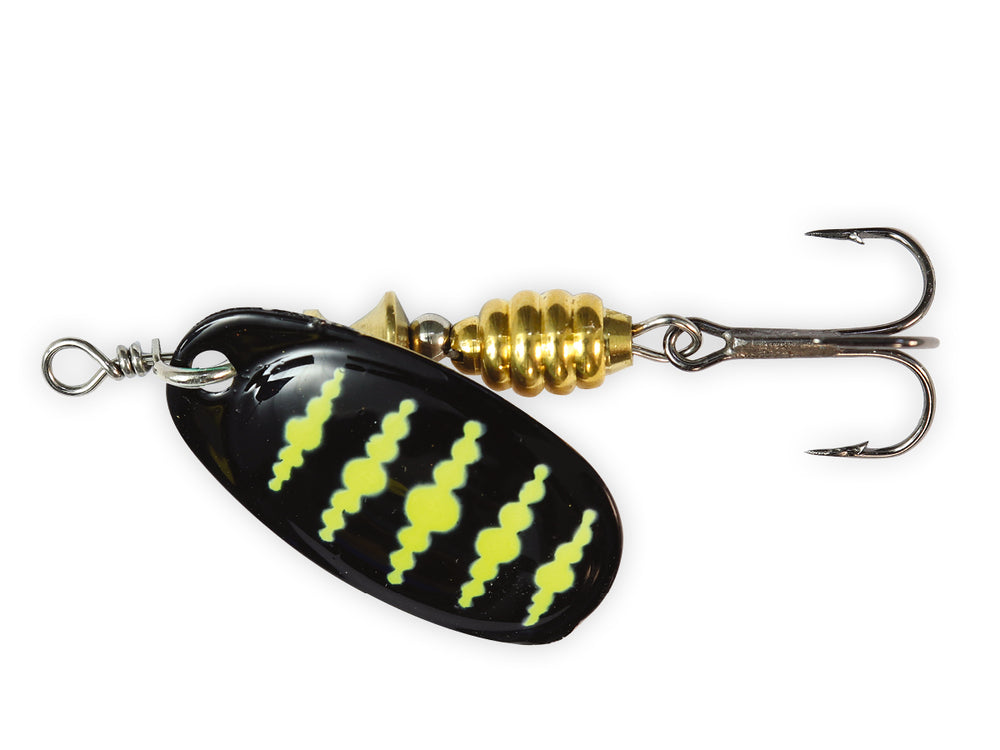
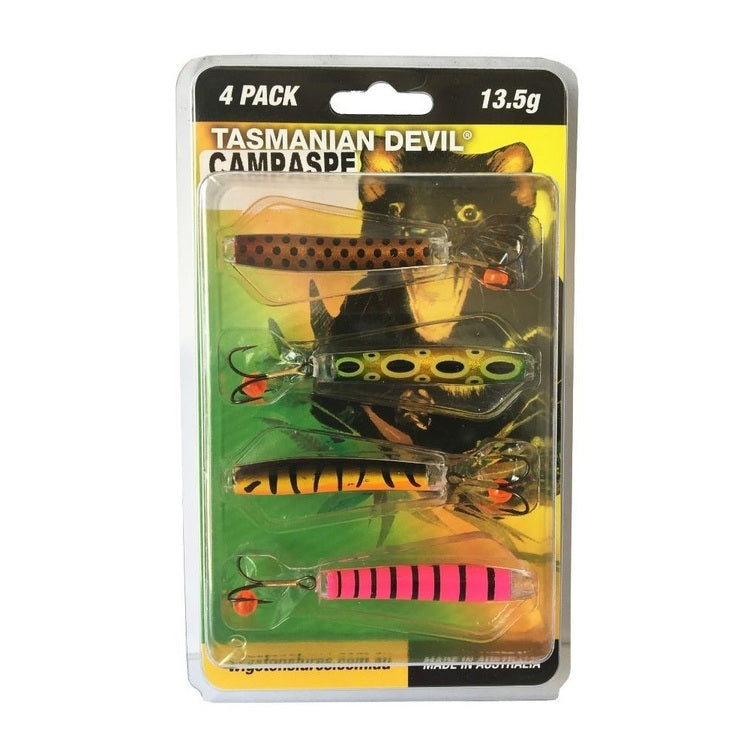
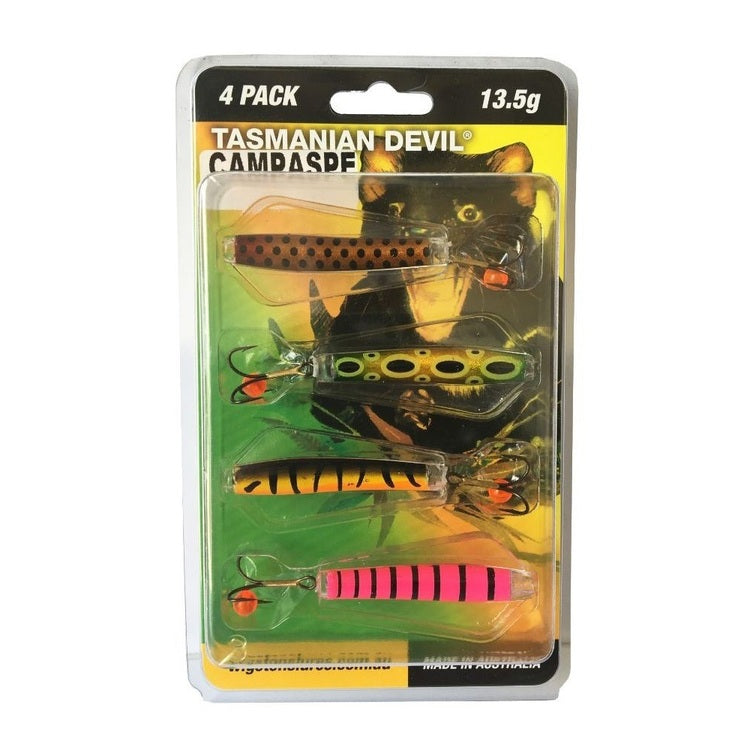
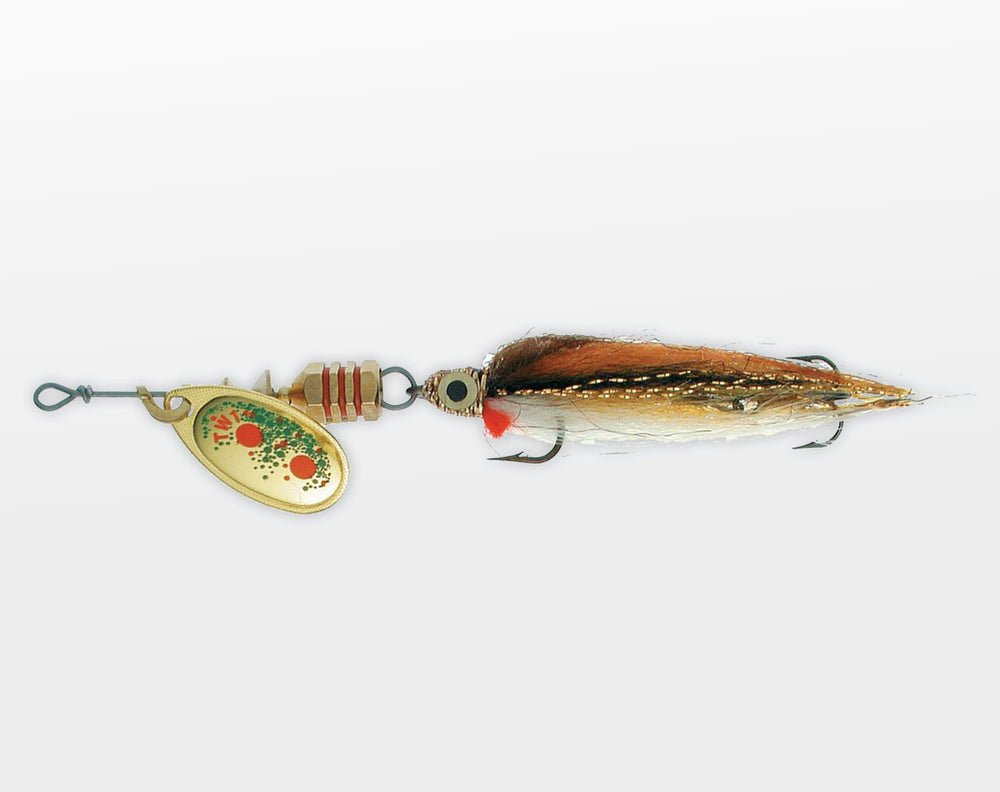
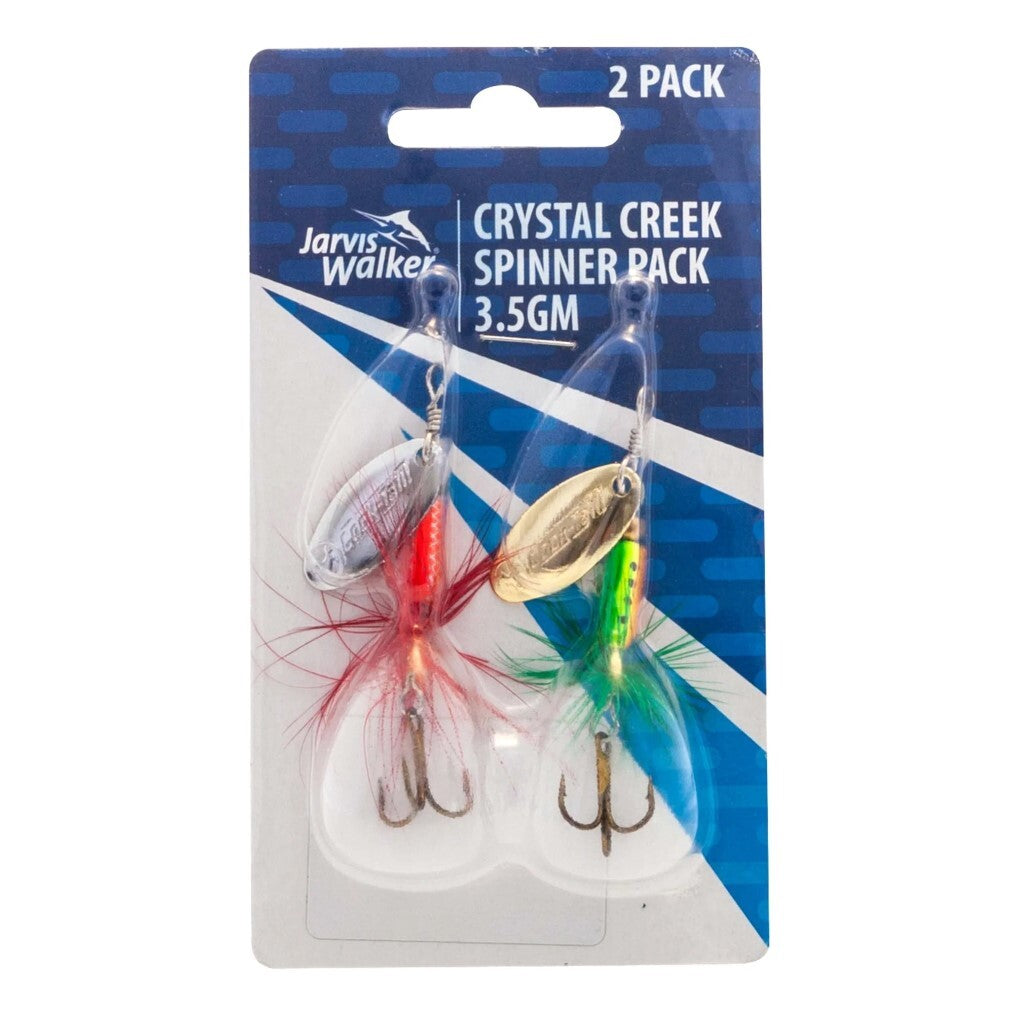
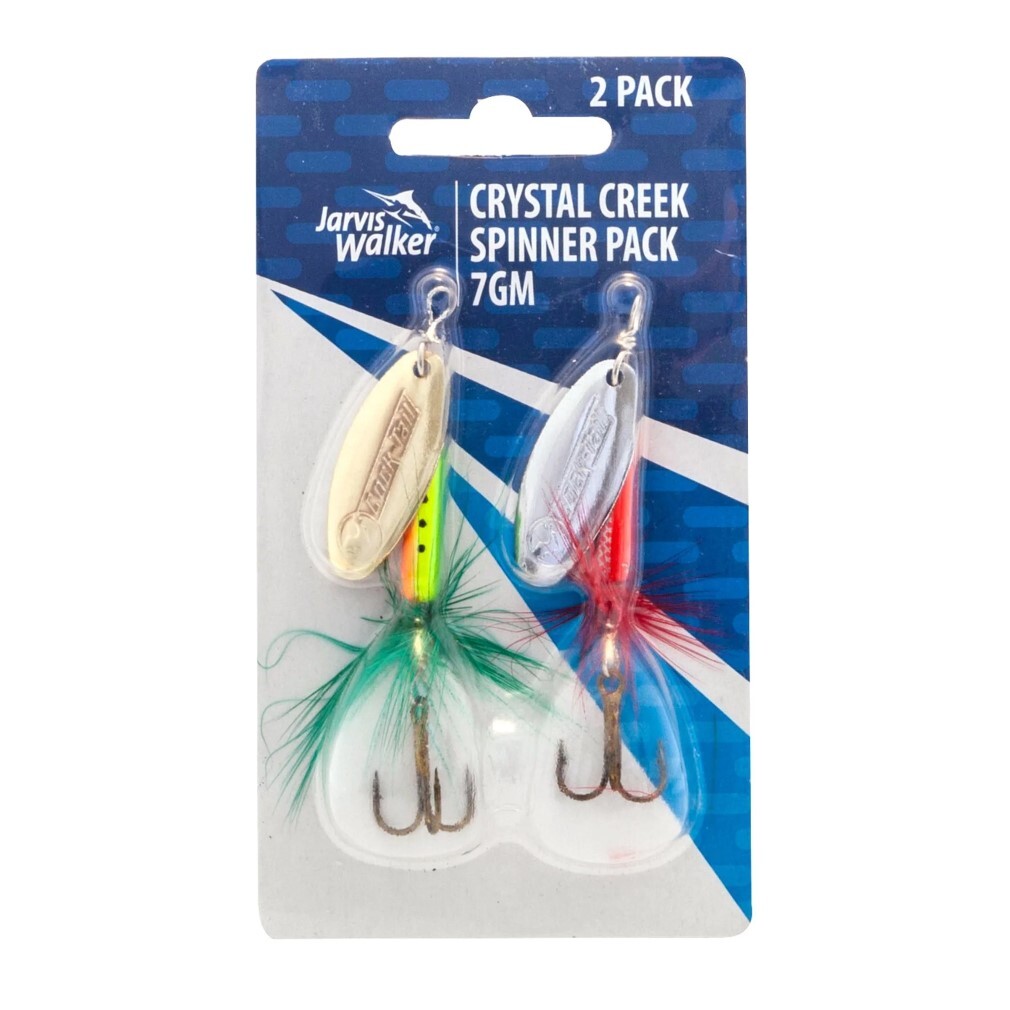
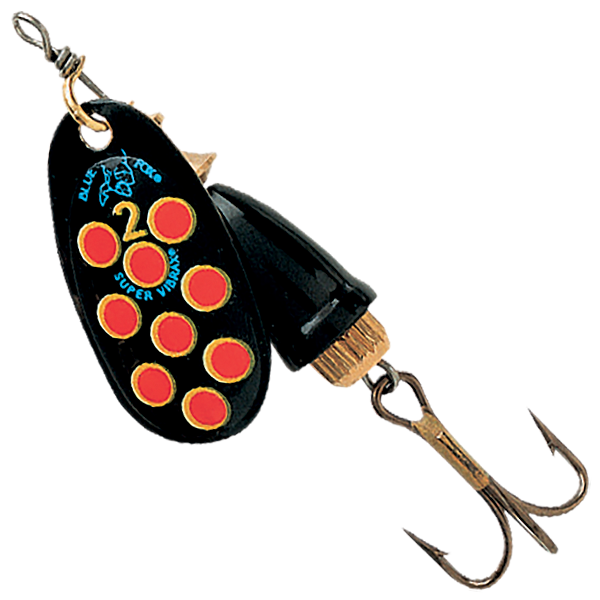
Inline spinners are among the simplest lures ever made and still among the most effective. A blade rotating around a straight wire body throws flash and vibration in every direction, and trout, redfin, bass and almost anything else in freshwater will eat one.
Fishing a spinner
Blade size and shape control how the lure runs. A wider blade spins at slower speeds and rises in the water, which suits shallow streams and slow retrieves. A narrower blade runs deeper and holds its action in faster current.
In moving water the standard approach is to cast up and across, then retrieve just fast enough to feel the blade turning as the current brings it round. In lakes, a slow steady wind with the occasional pause works, letting the lure flutter down between turns.
Spinners twist line badly. A small swivel in the leader is close to essential, and it costs you almost nothing in presentation. Check your state's rules on lure fishing in trout waters, since some rivers are fly or bait restricted. Other freshwater options sit in hard bodies, and swivels will save your line.
Frequently asked questions
How do you fish an inline spinner for trout?
In a stream, cast up and across and wind just fast enough to feel the blade turn as the current swings the lure around. In still water, a slow steady retrieve with occasional pauses works well.
Do spinners twist your line?
Badly, if you fish them direct. A small swivel in the leader a short distance above the lure fixes it and makes almost no difference to how the spinner fishes.
What size spinner for trout?
Small in clear shallow streams, larger in deeper or faster water and in lakes. If the blade is not turning at the speed you want to retrieve, change size.
Do spinners work for anything besides trout?
Yes. Redfin, bass, small cod and estuary species all take them. They are one of the most generally effective lures in fresh water.
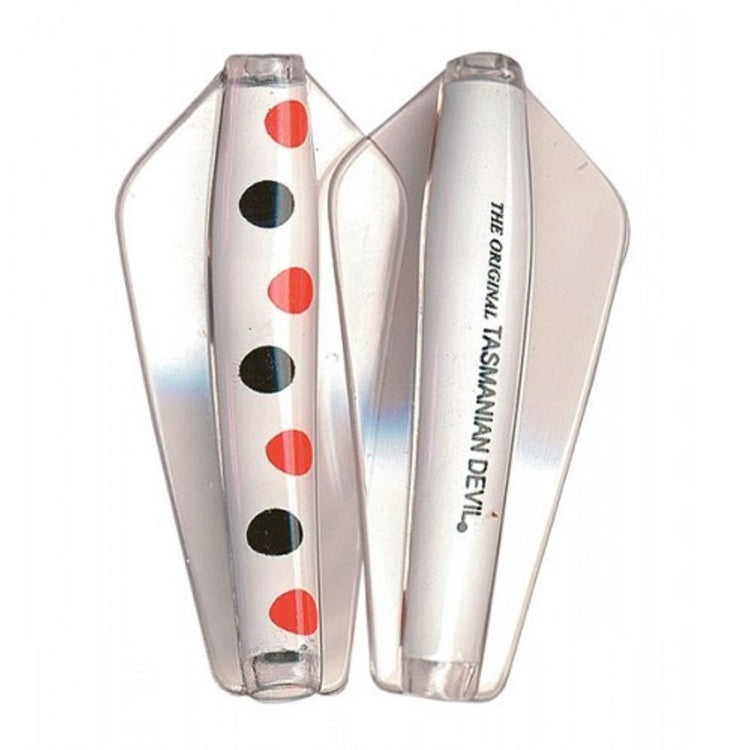
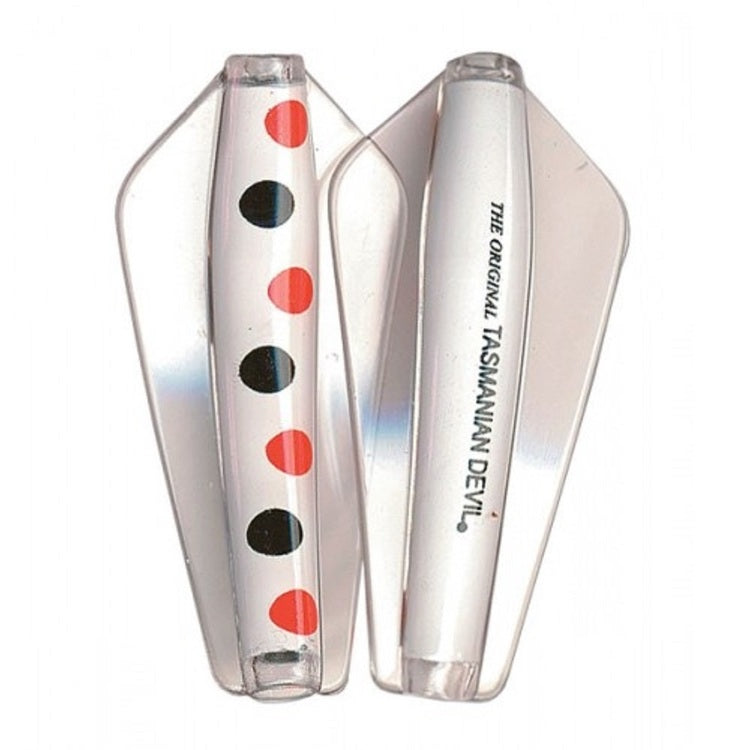
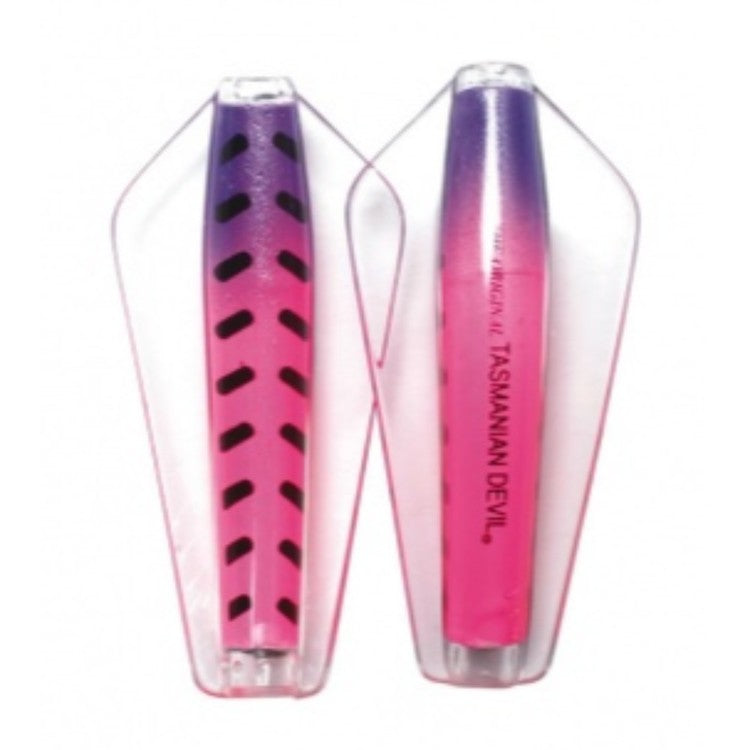


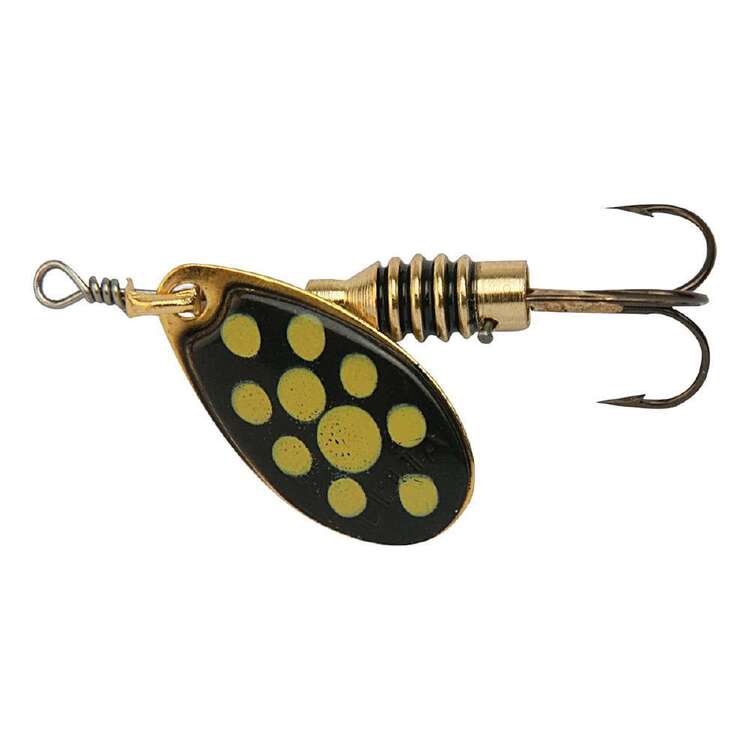

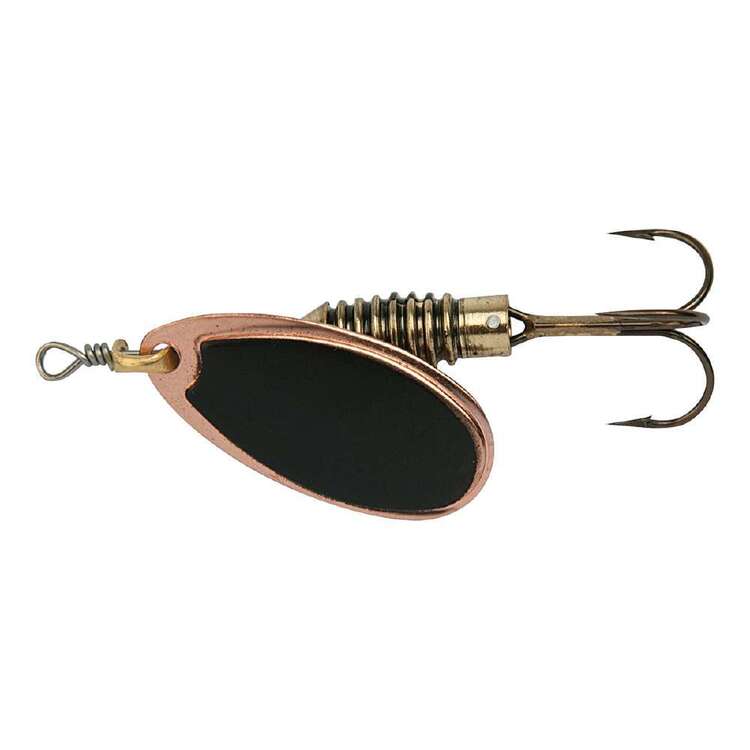
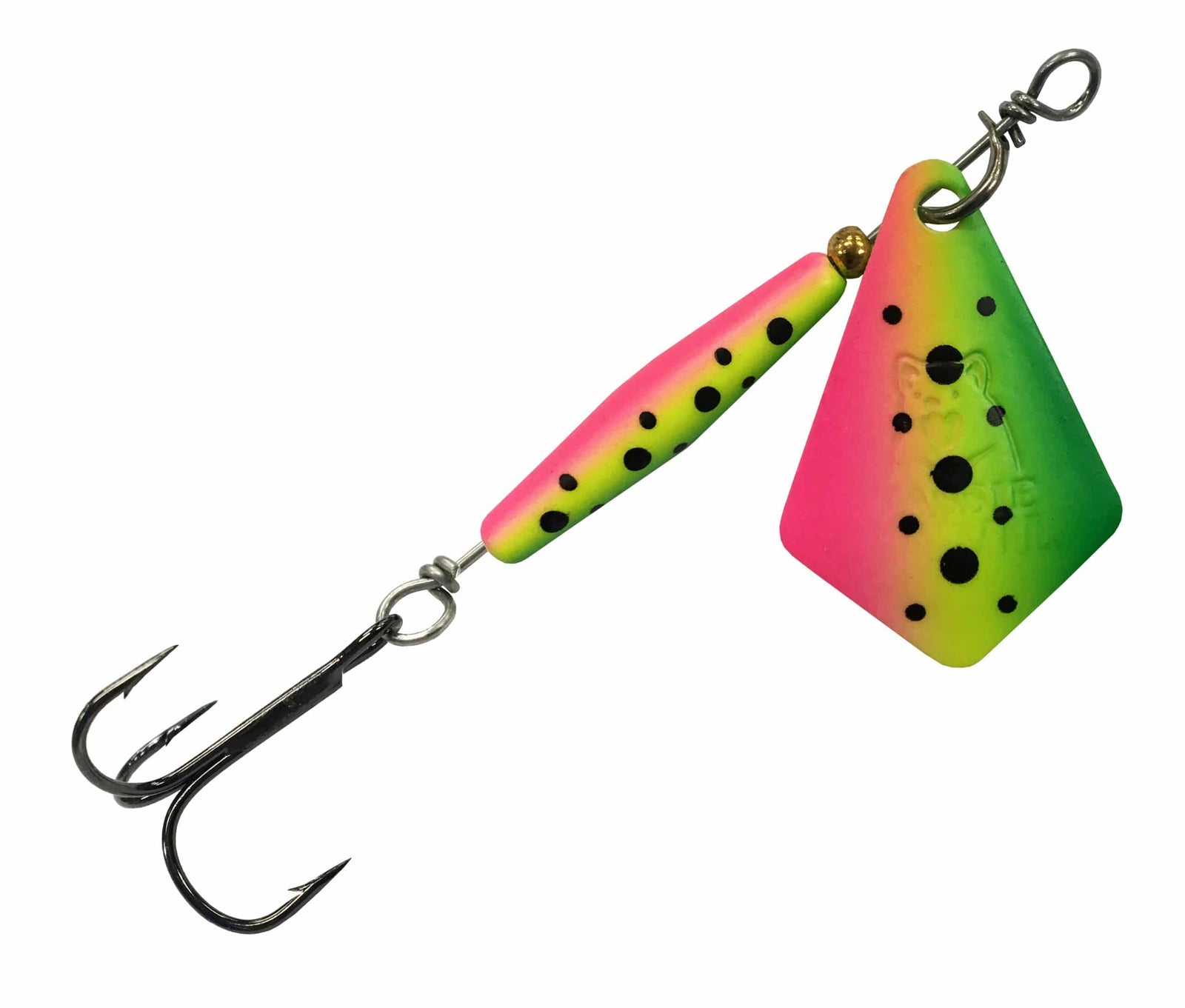
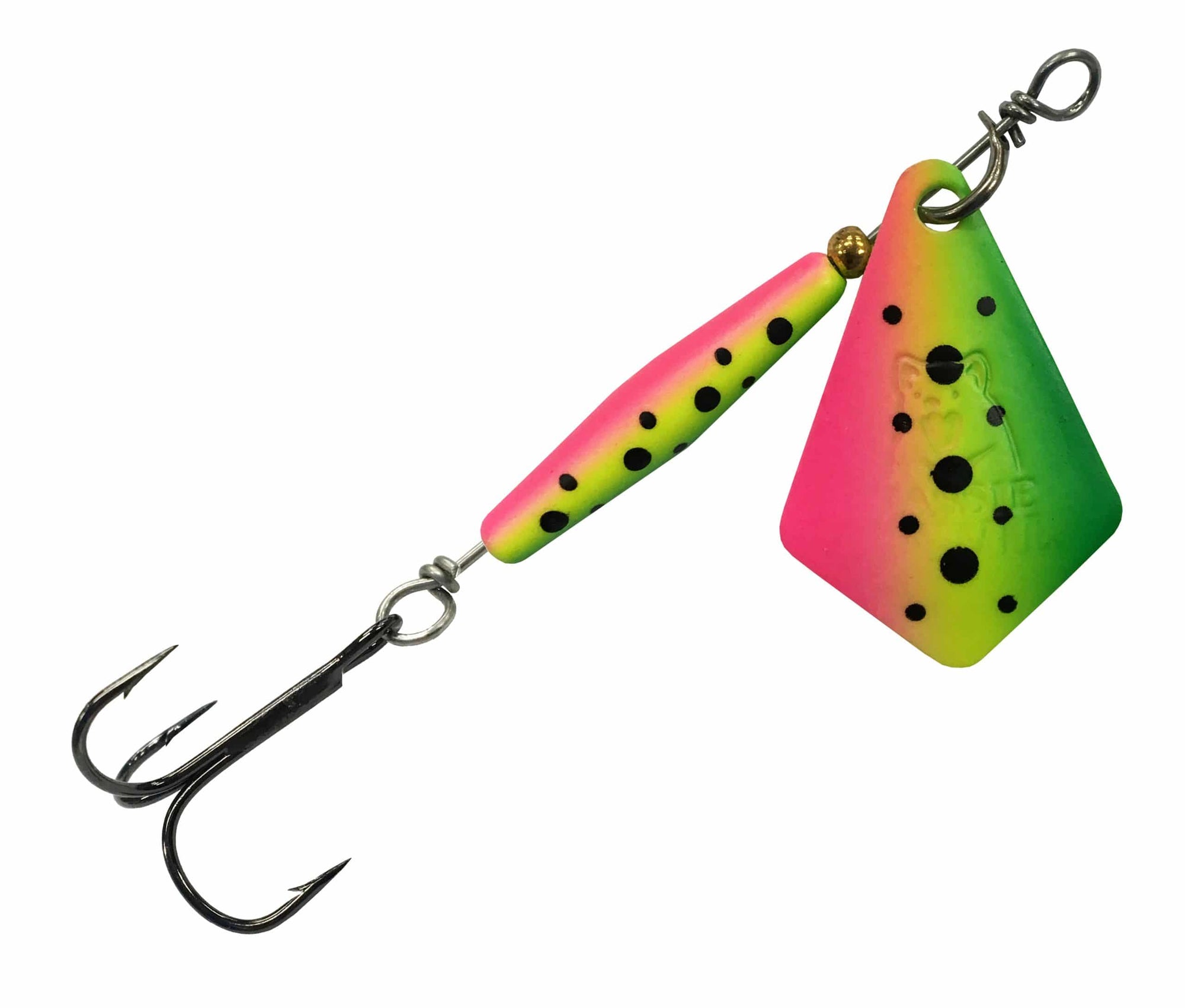
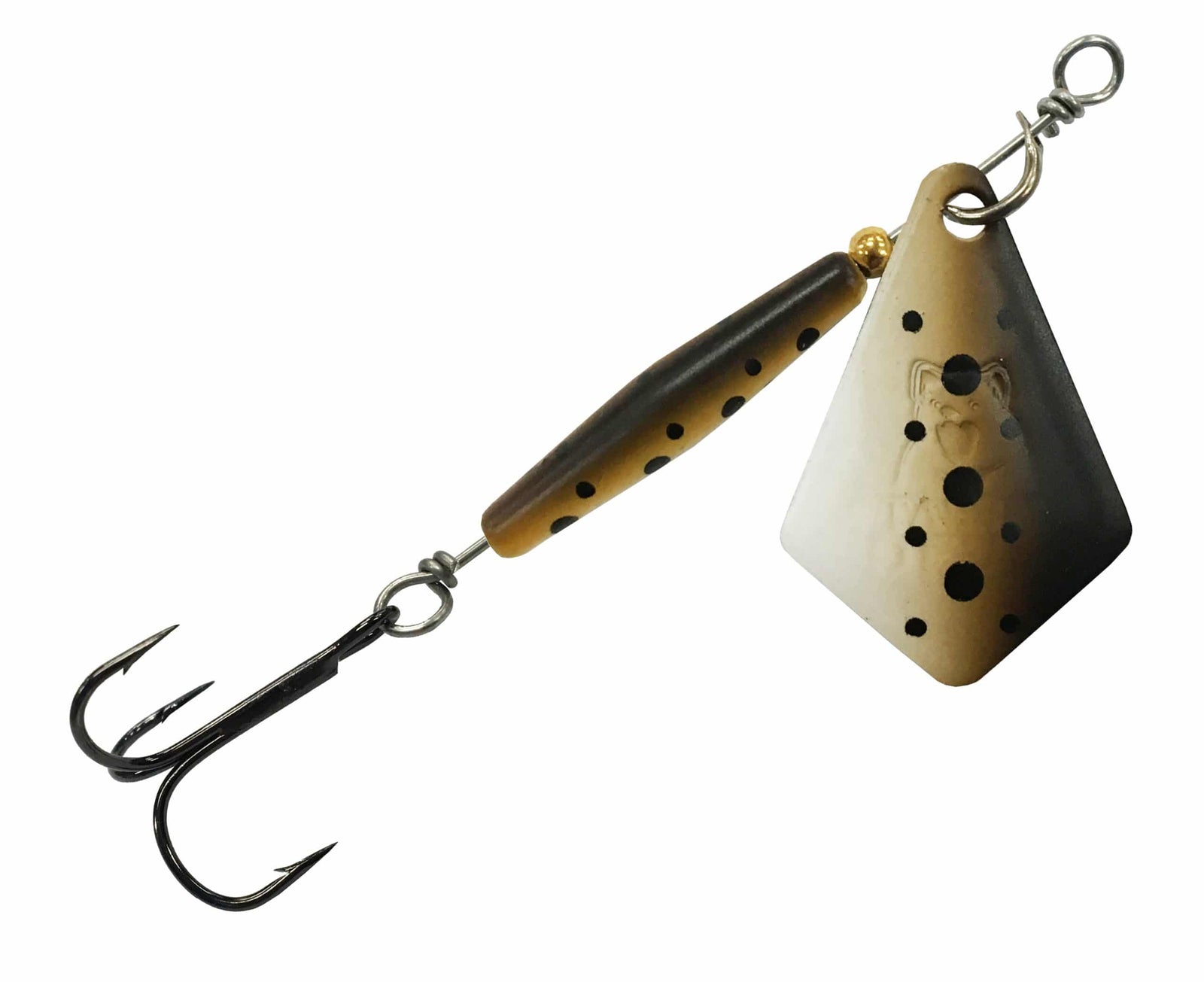


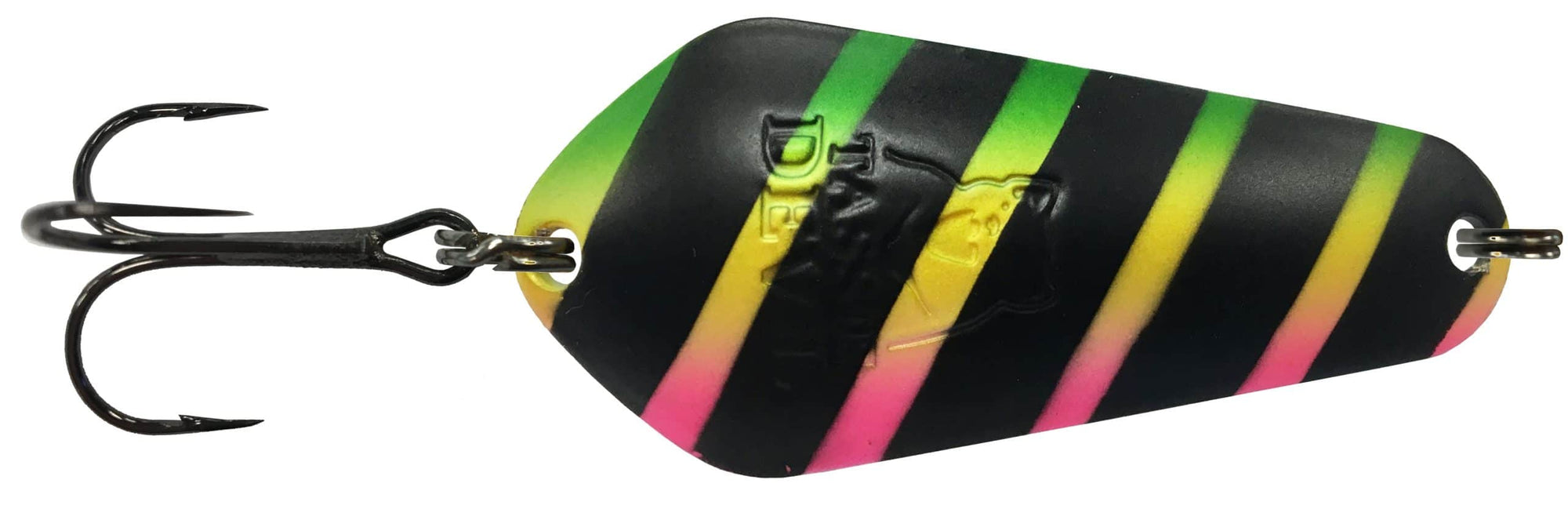


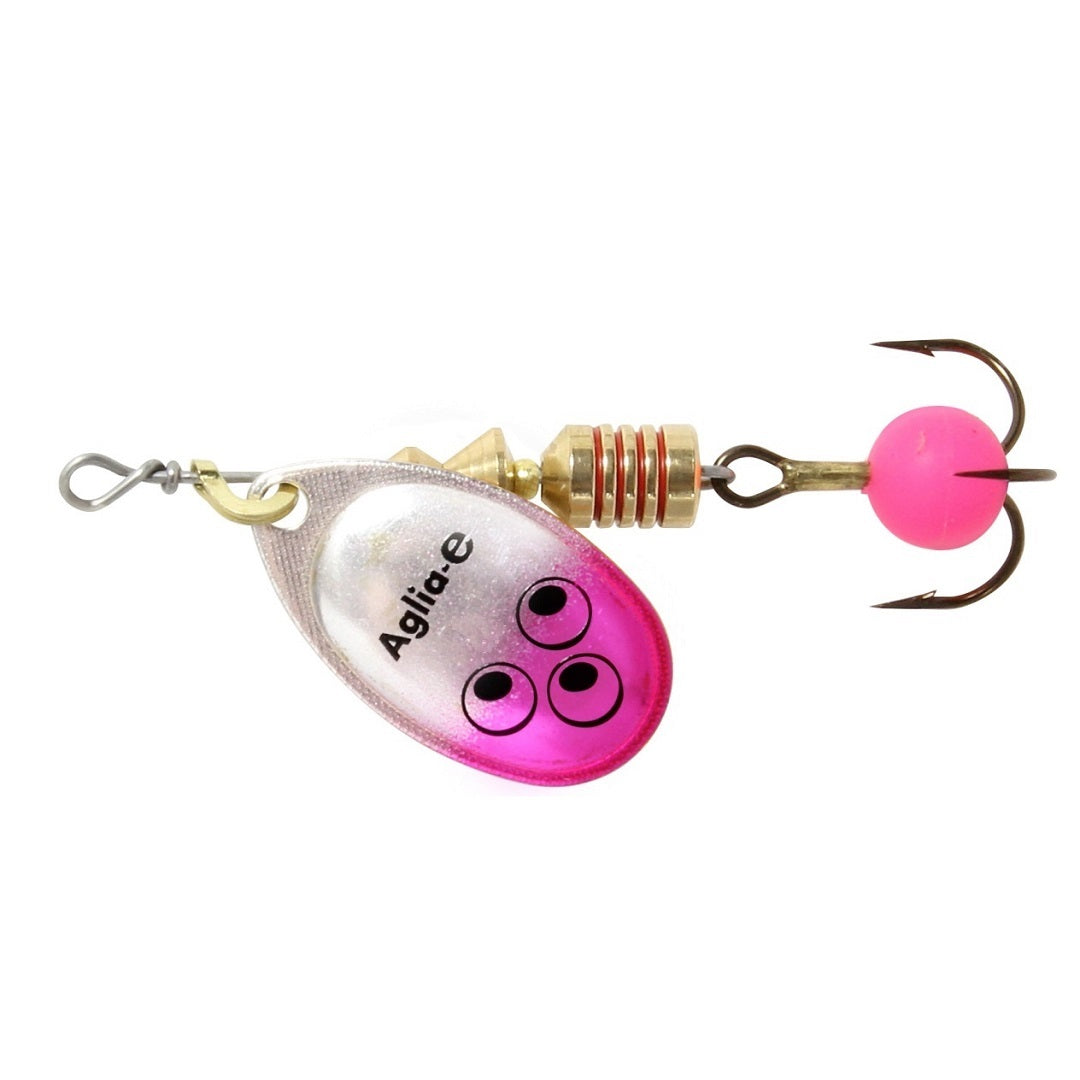
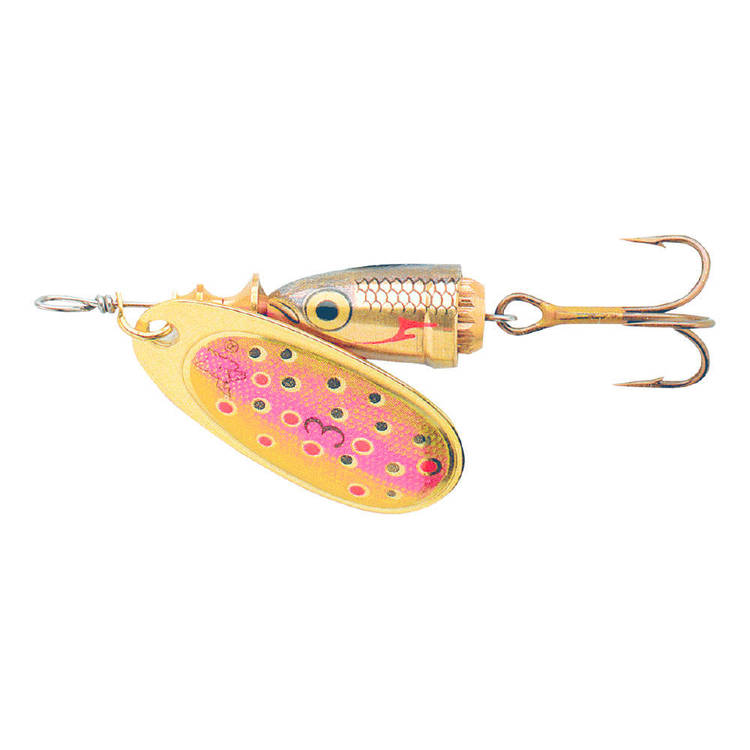
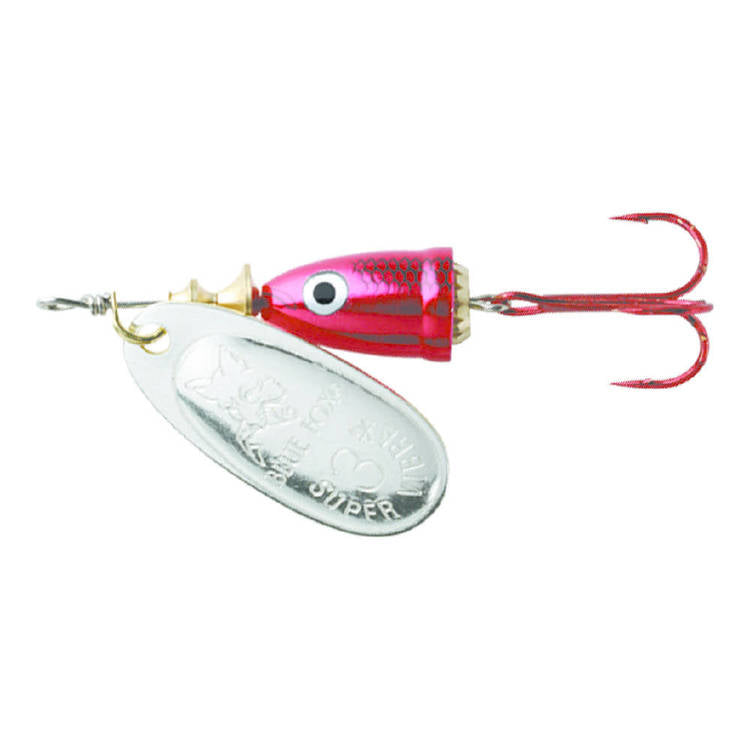


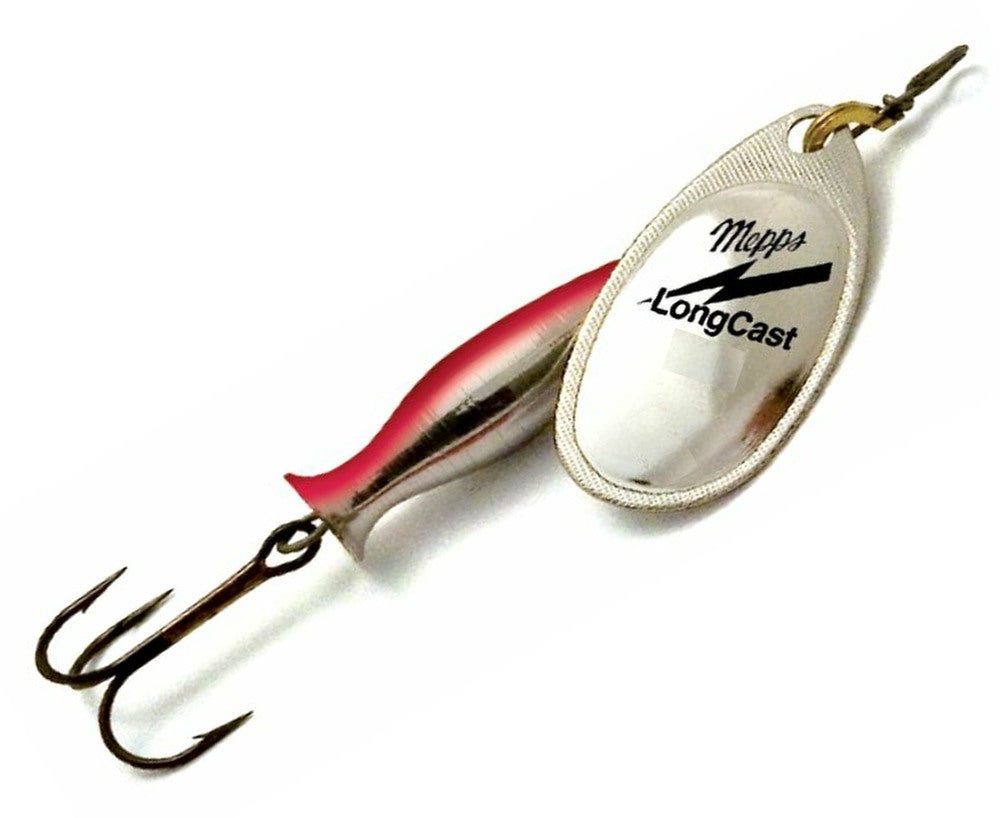


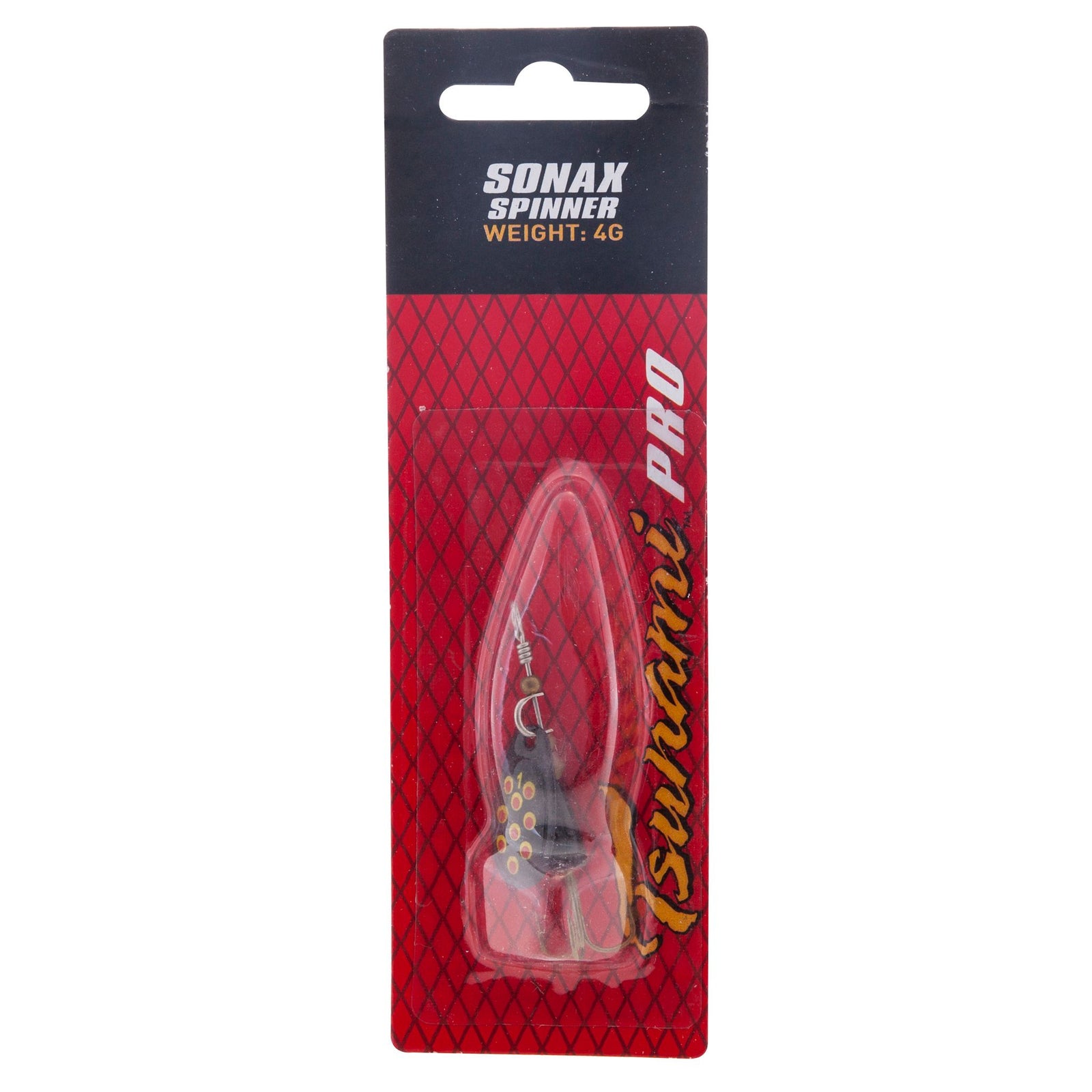

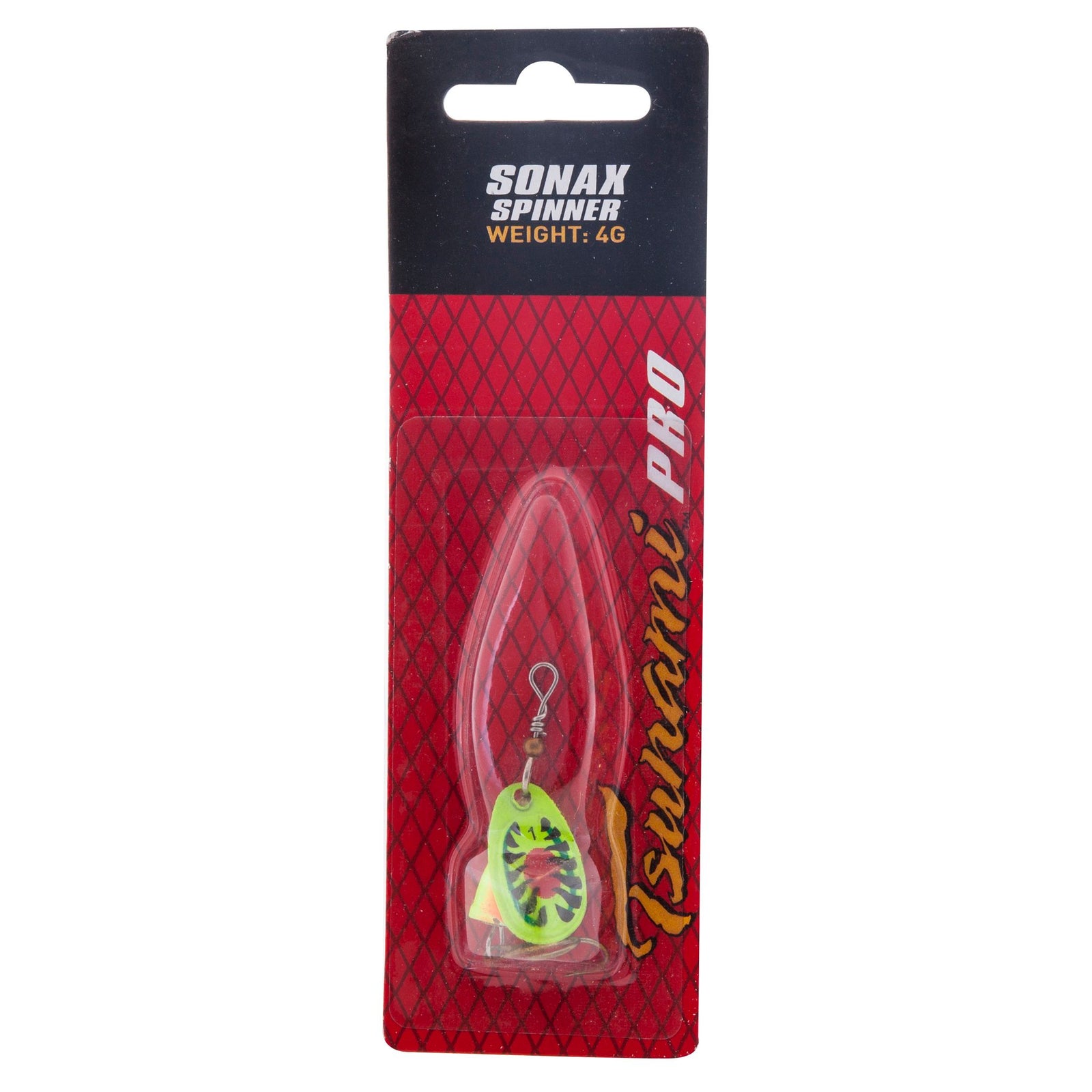



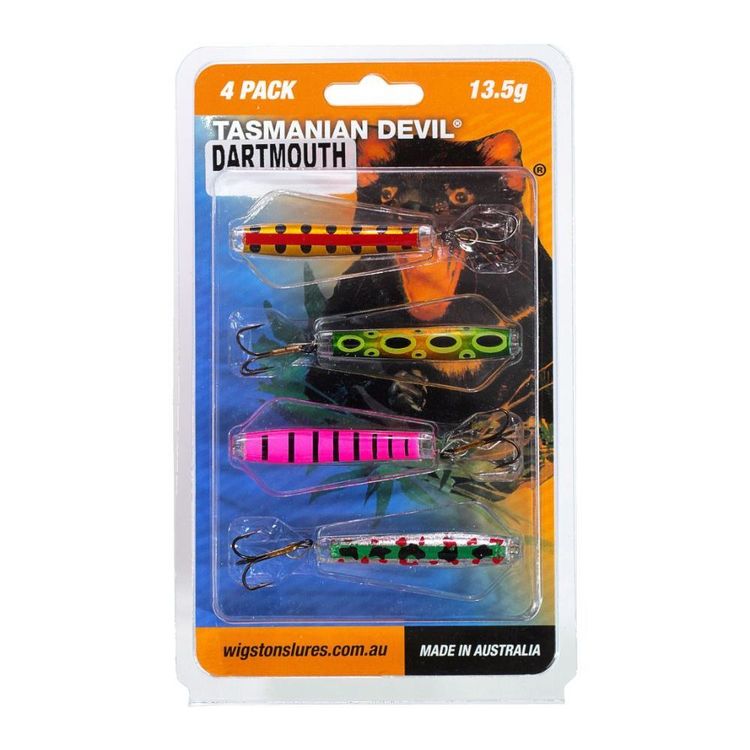


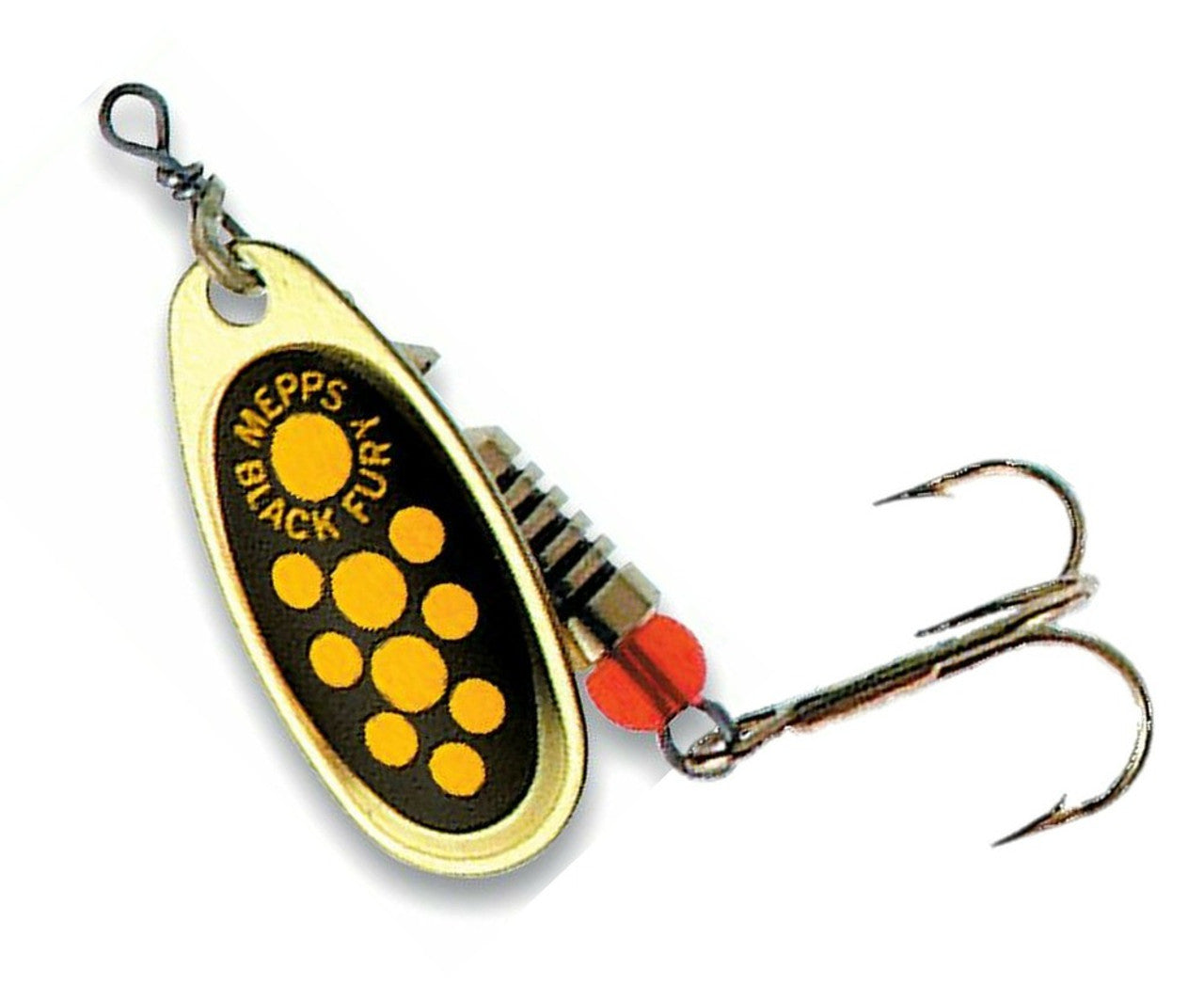

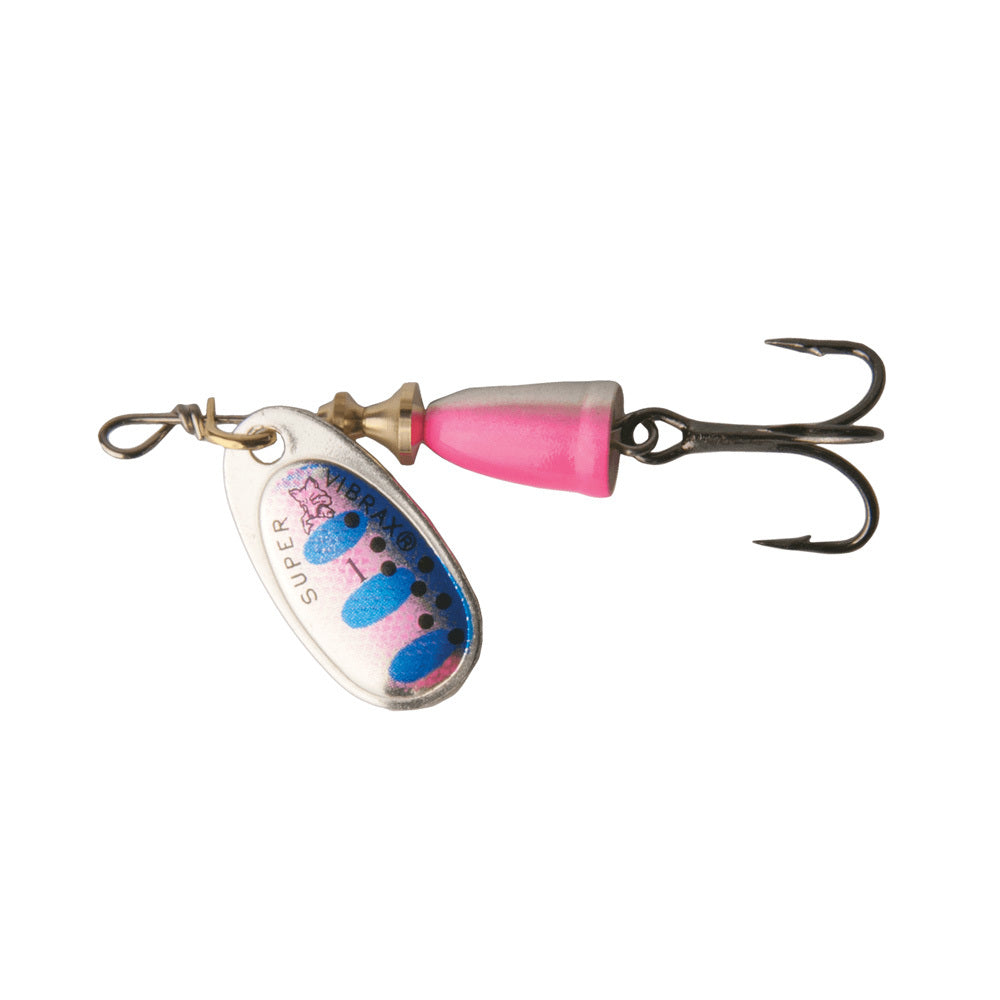

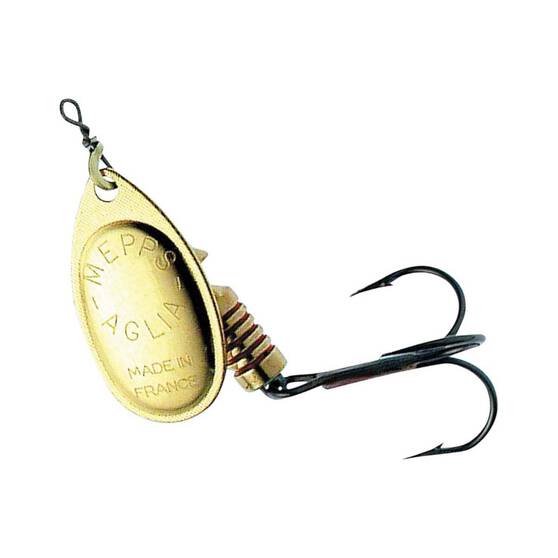
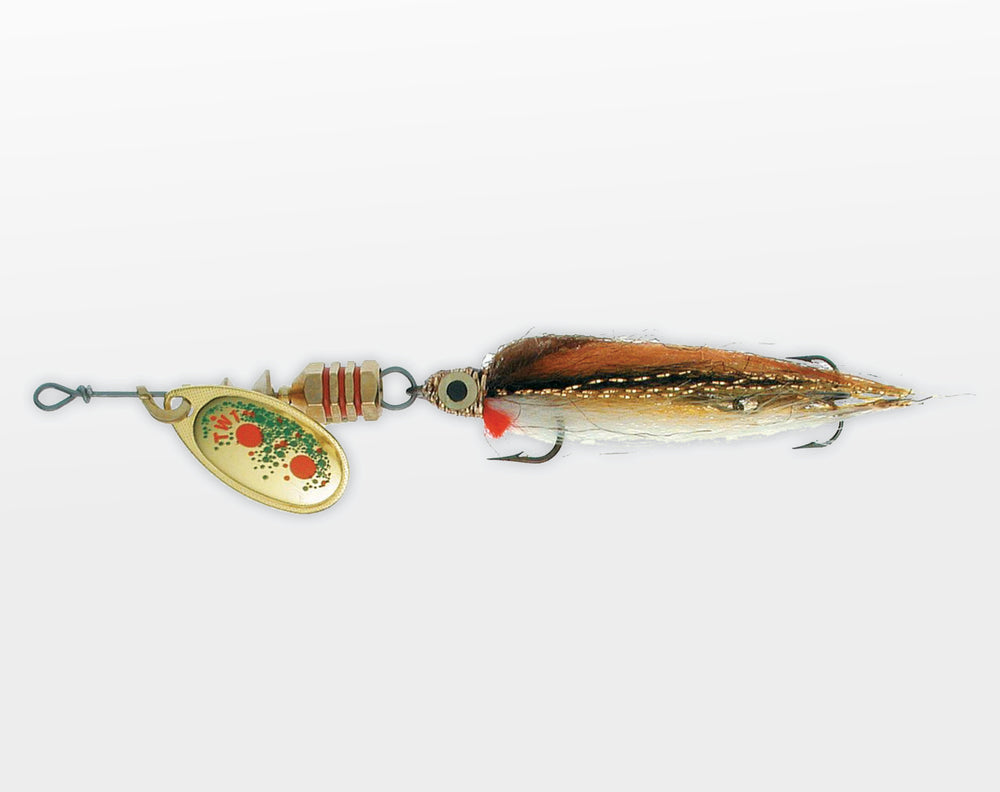
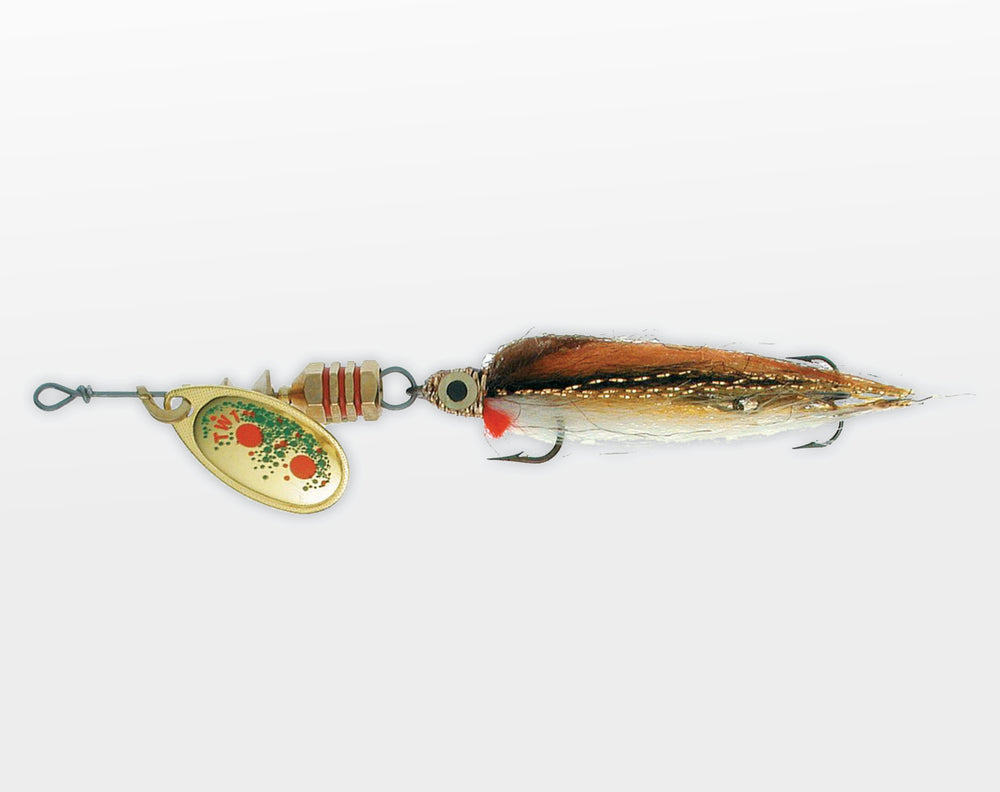

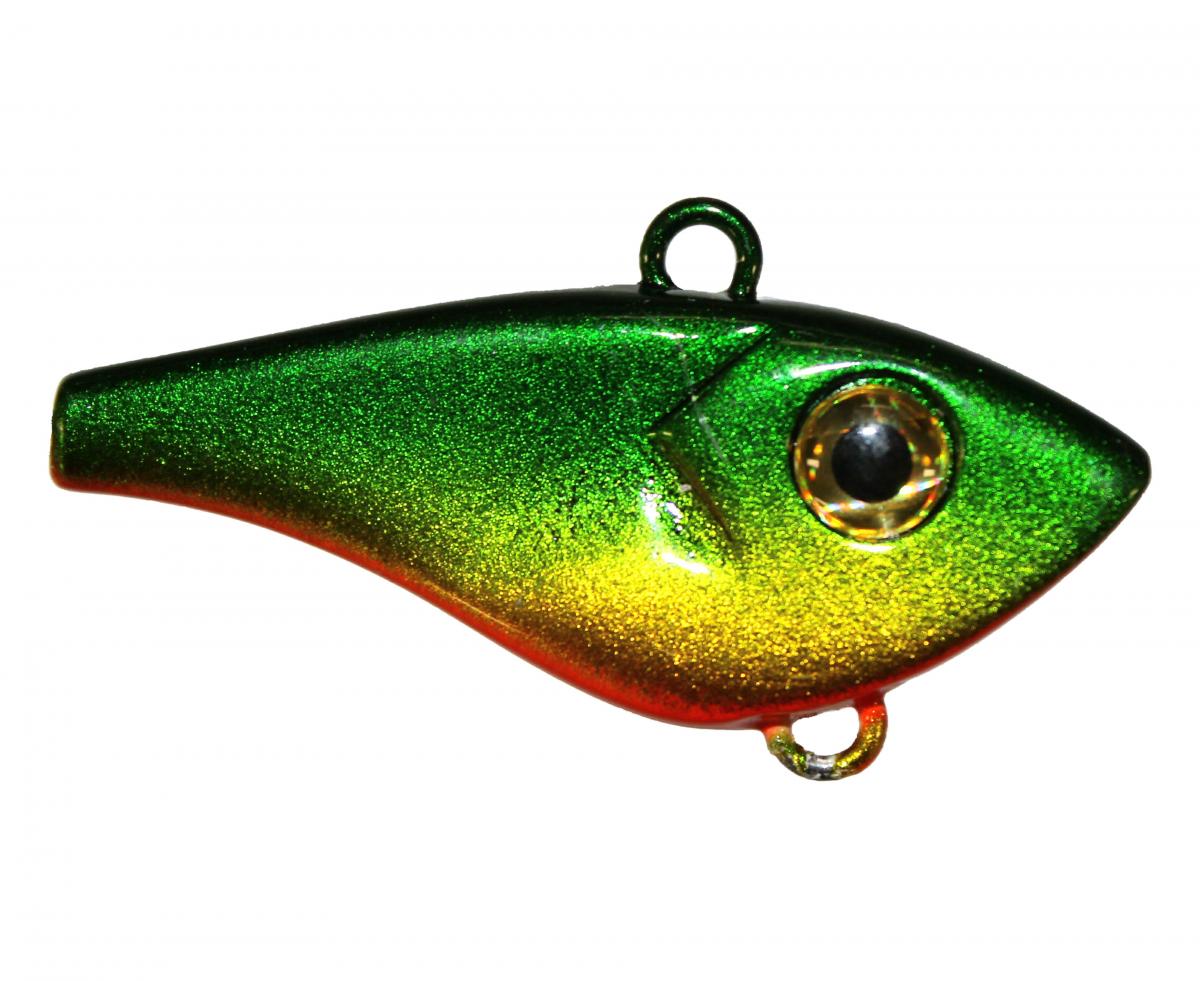
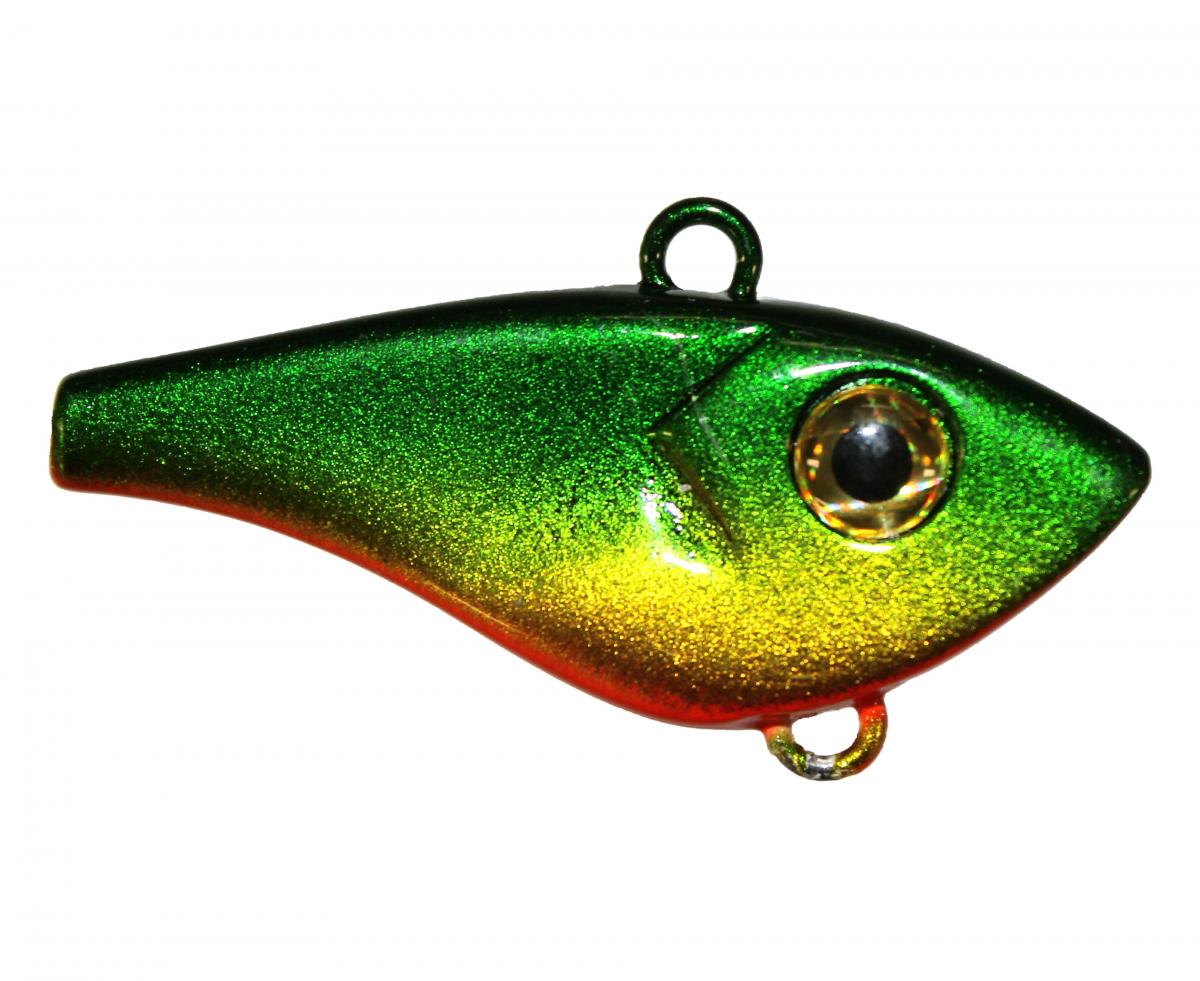
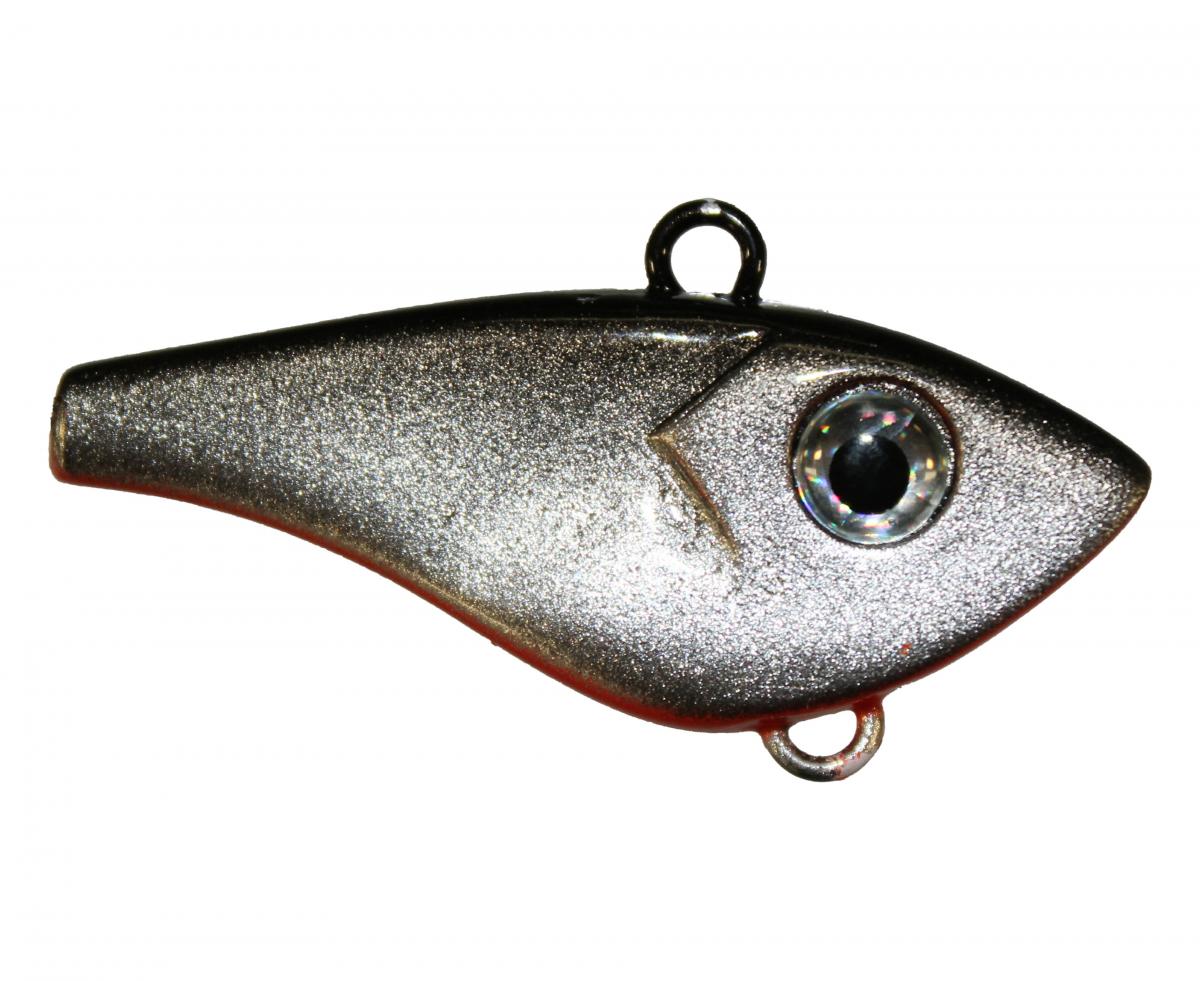


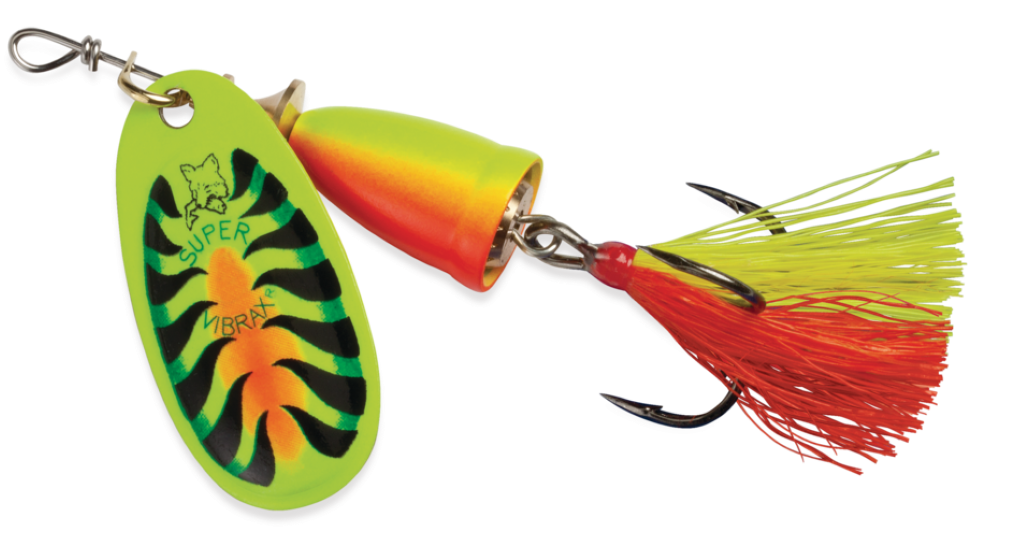


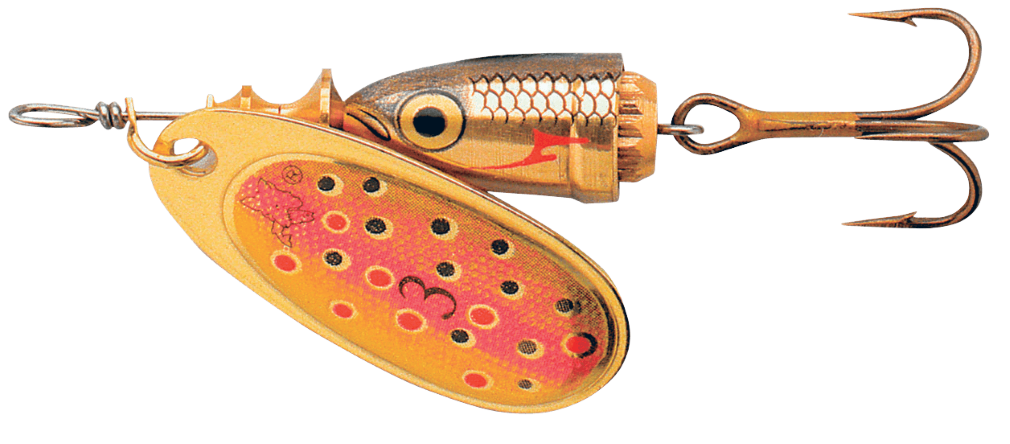


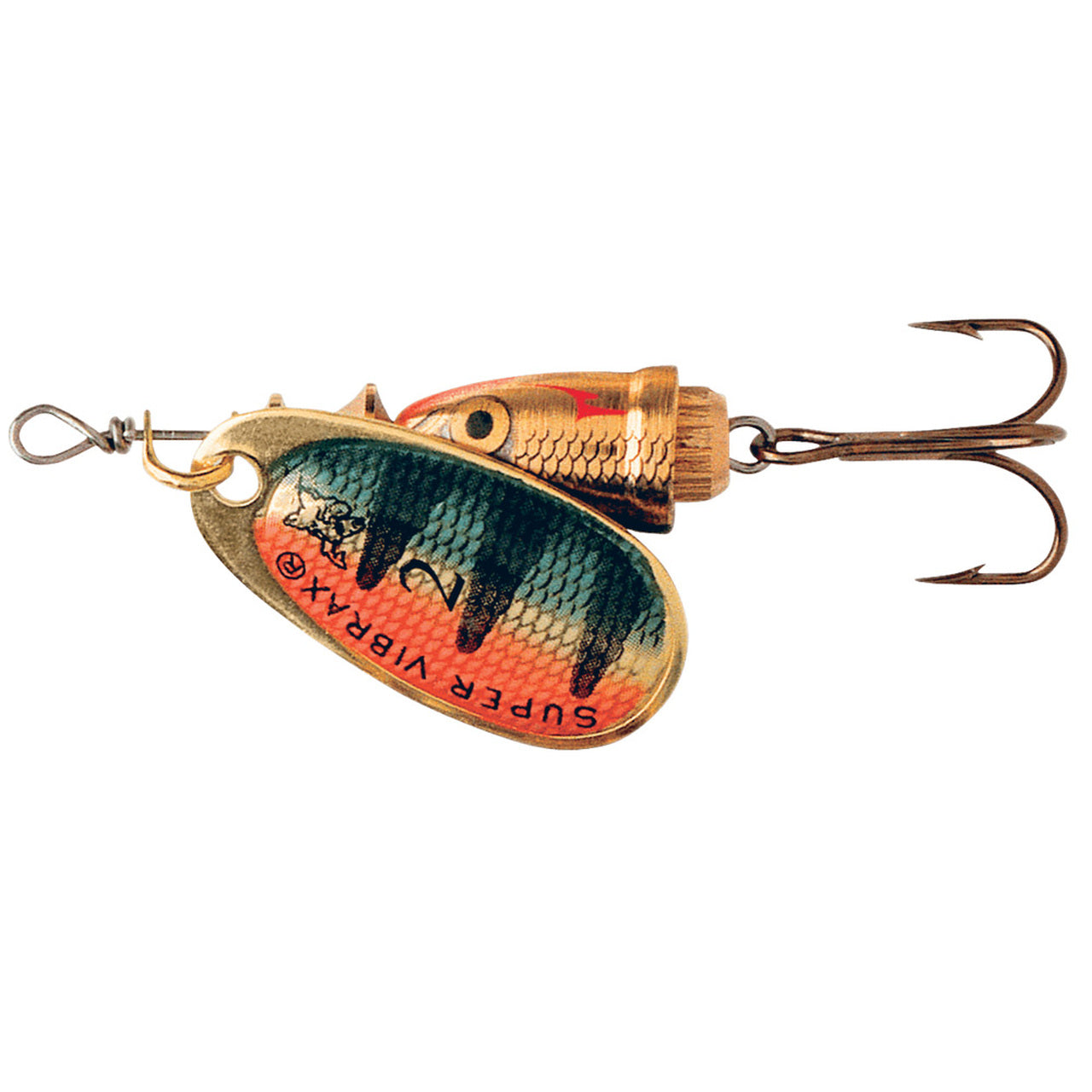
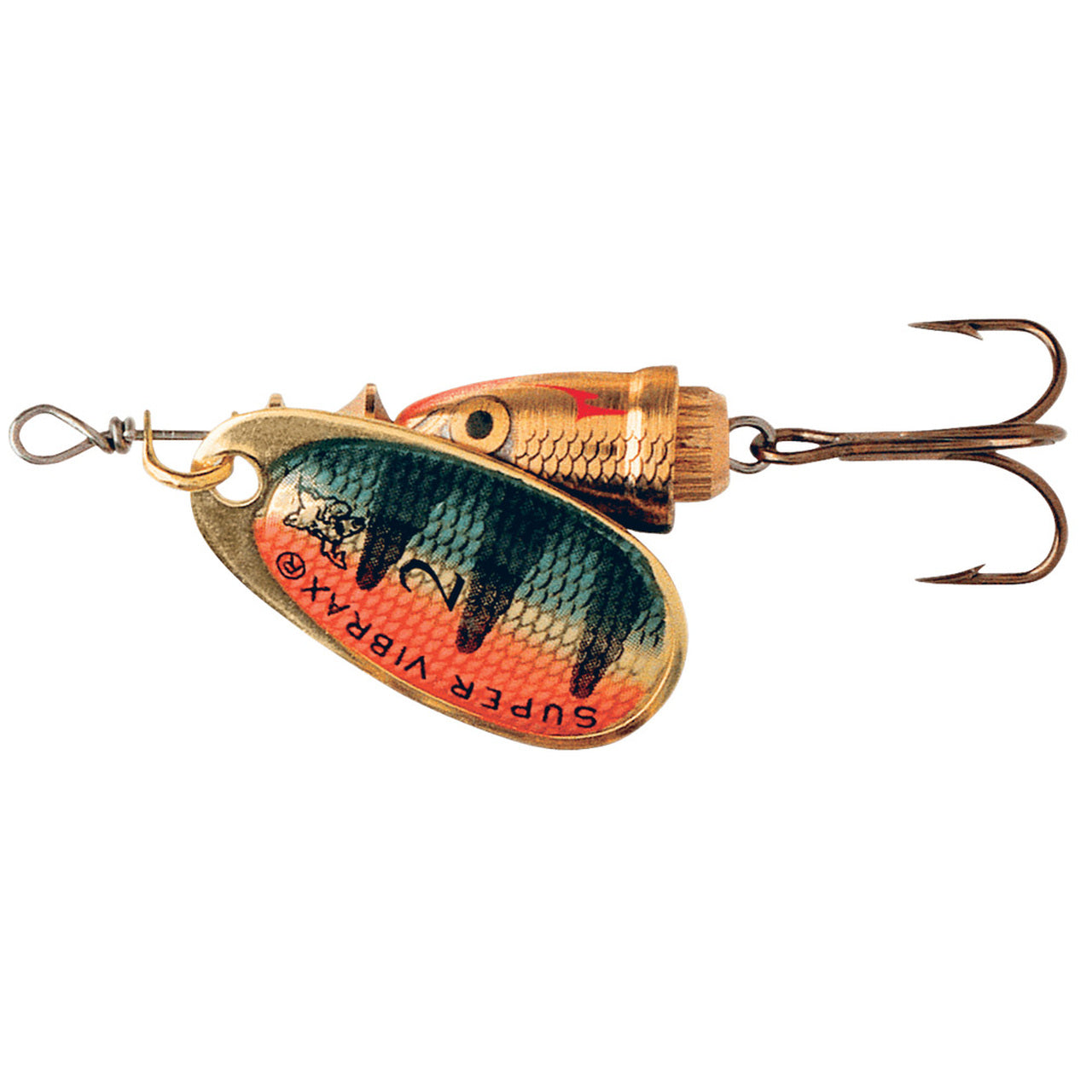

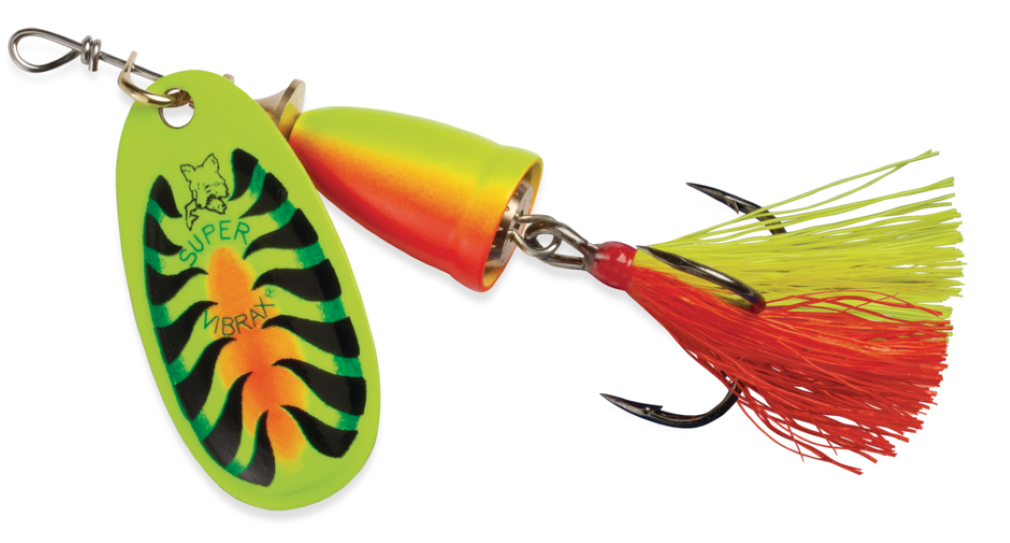
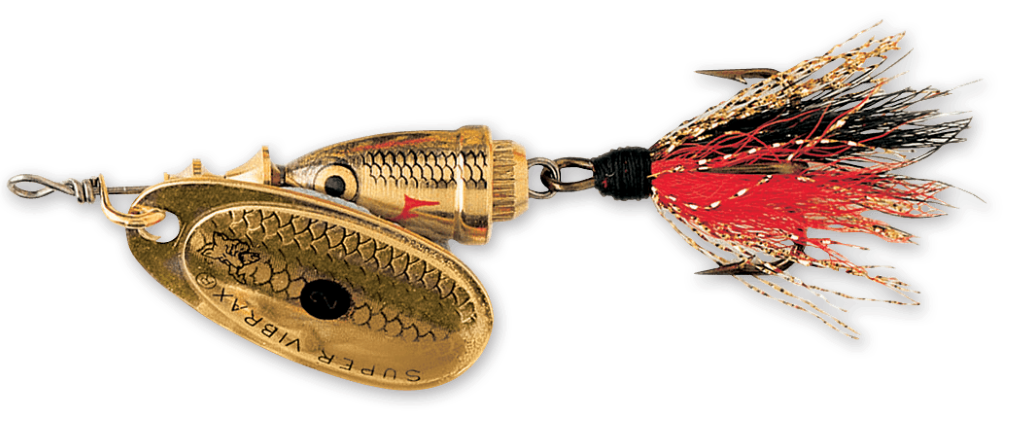


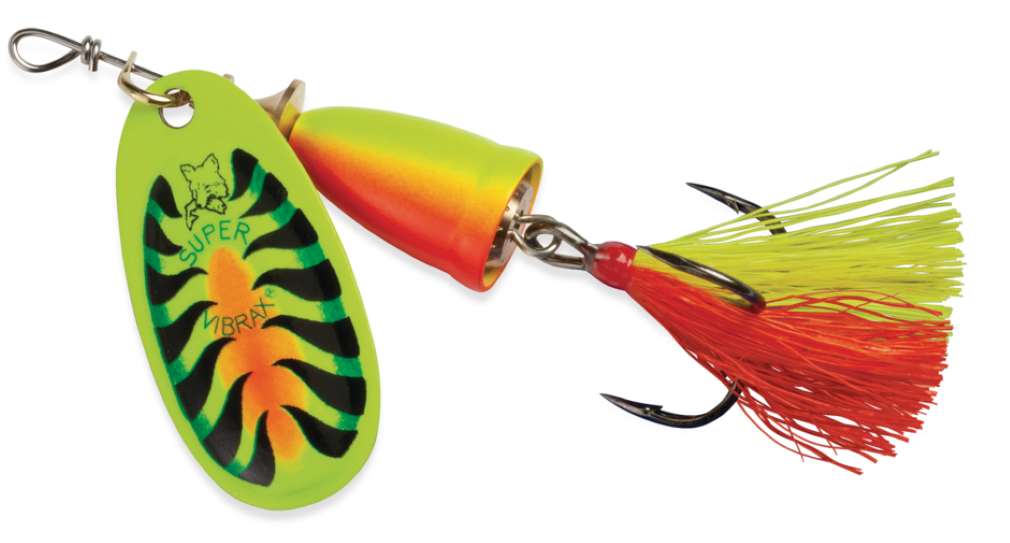


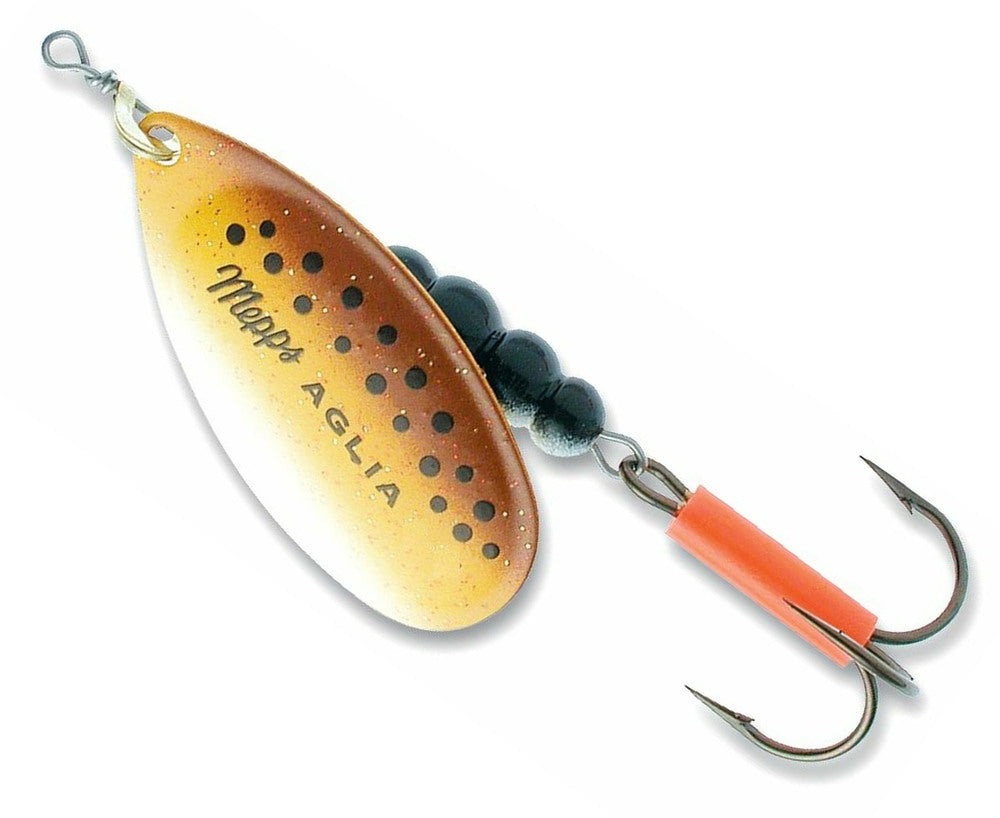

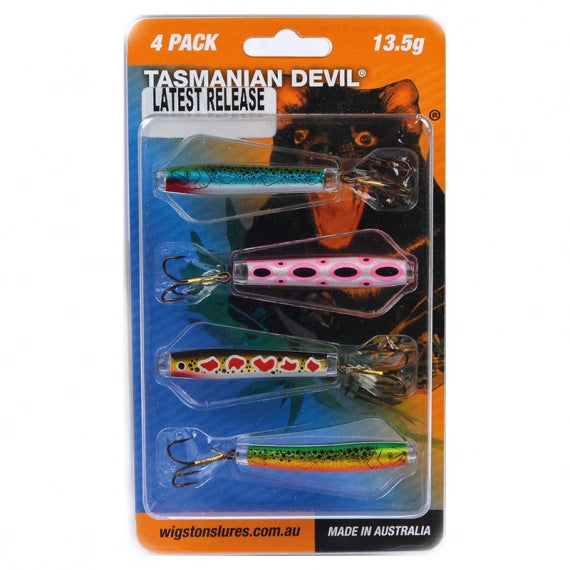
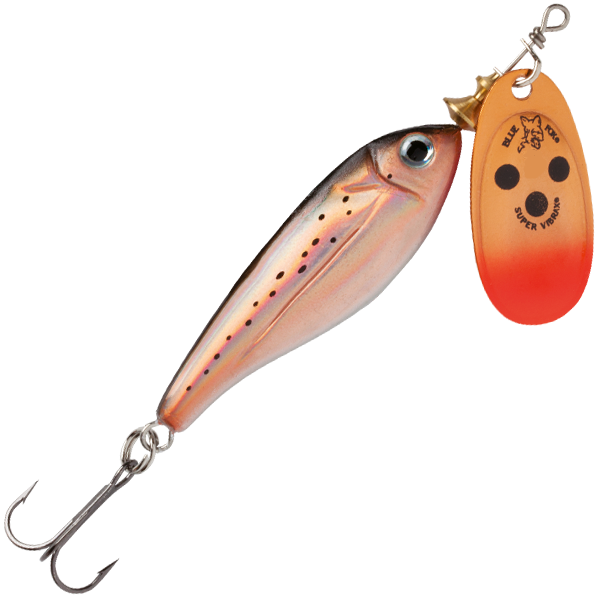
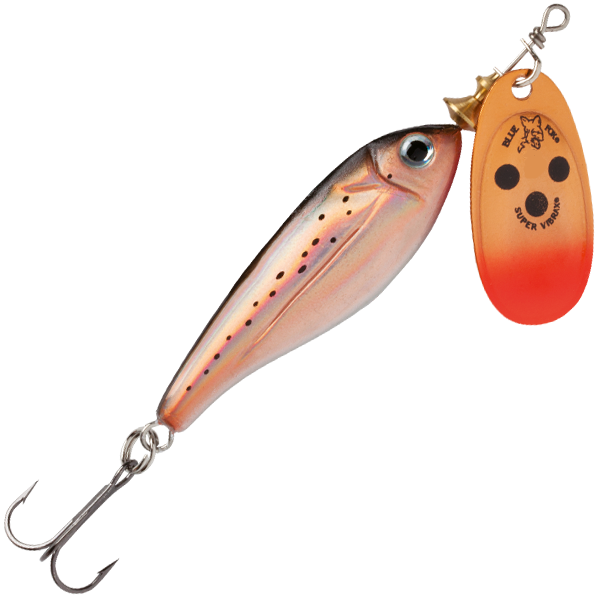
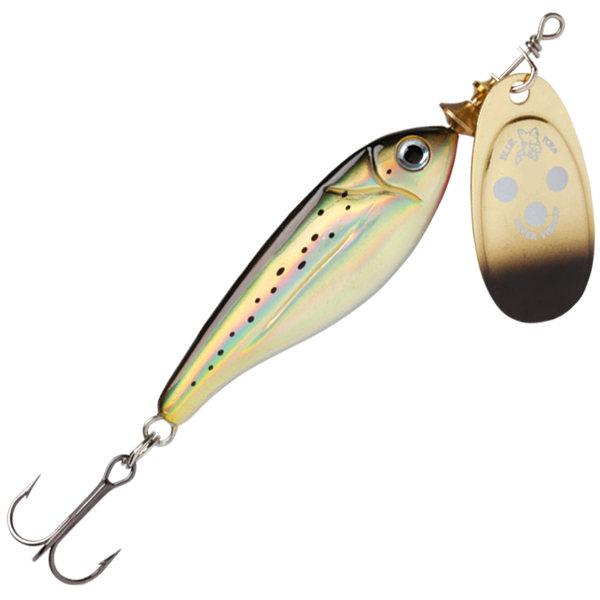

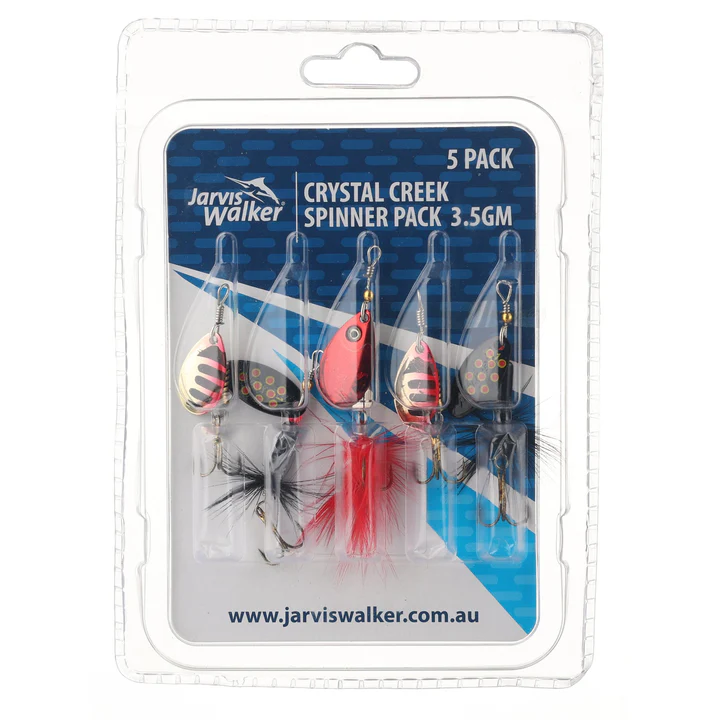

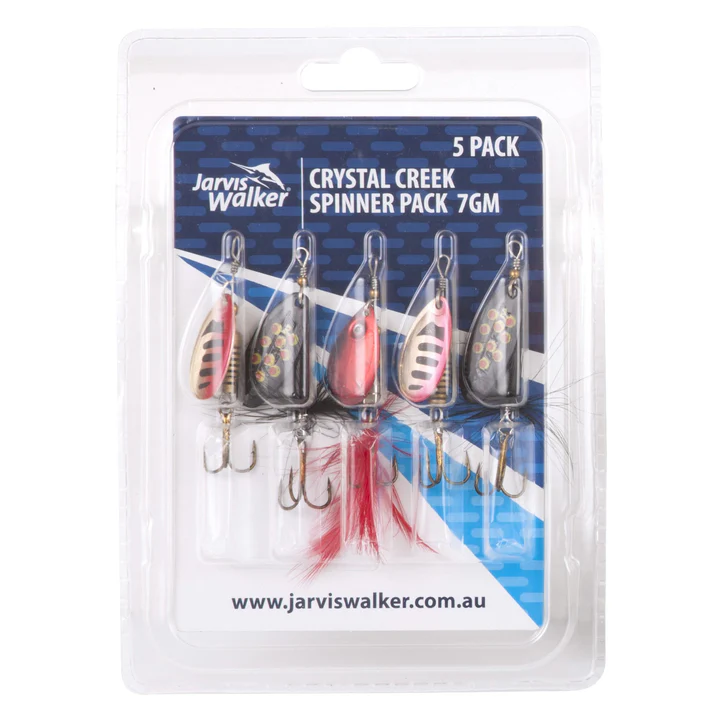


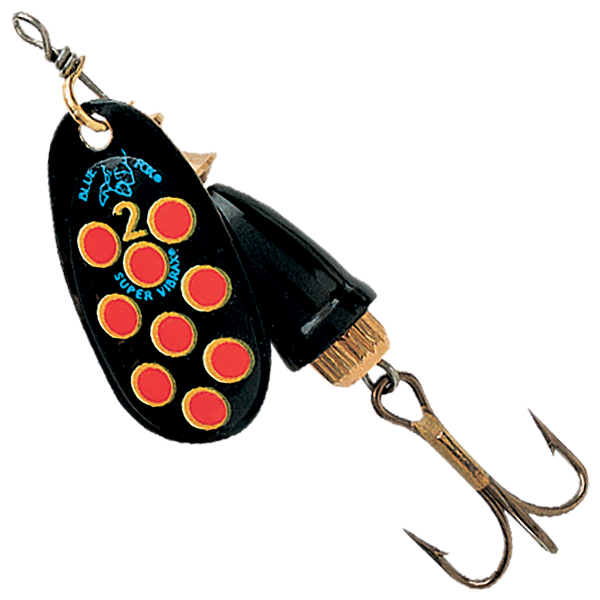


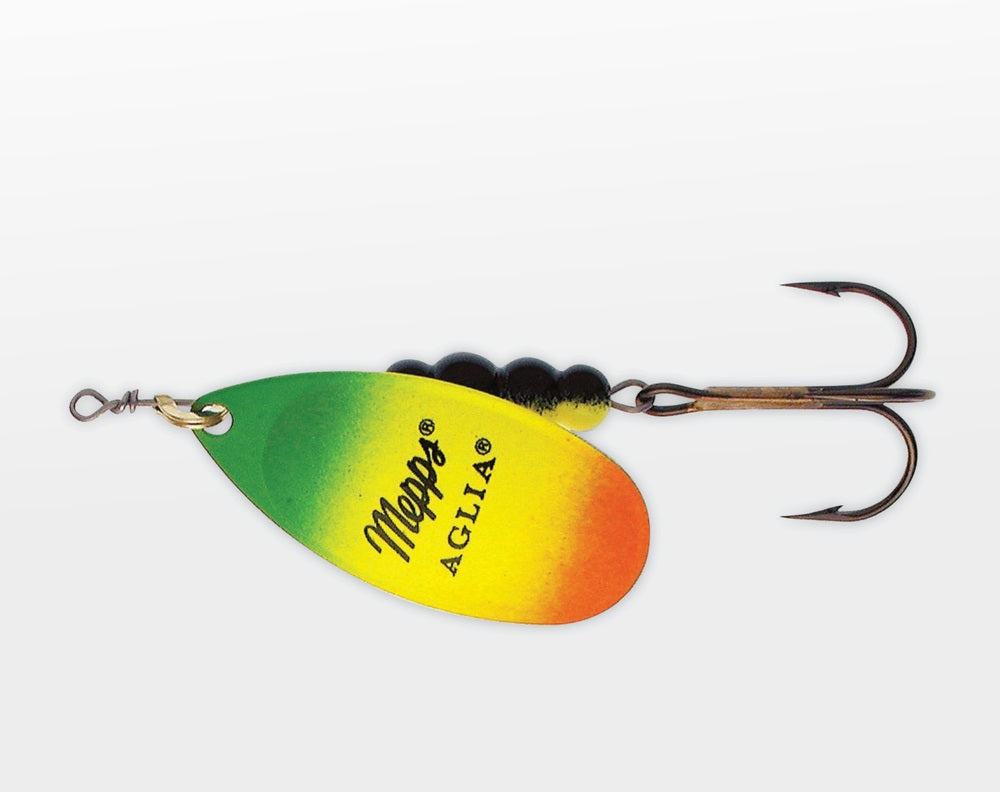
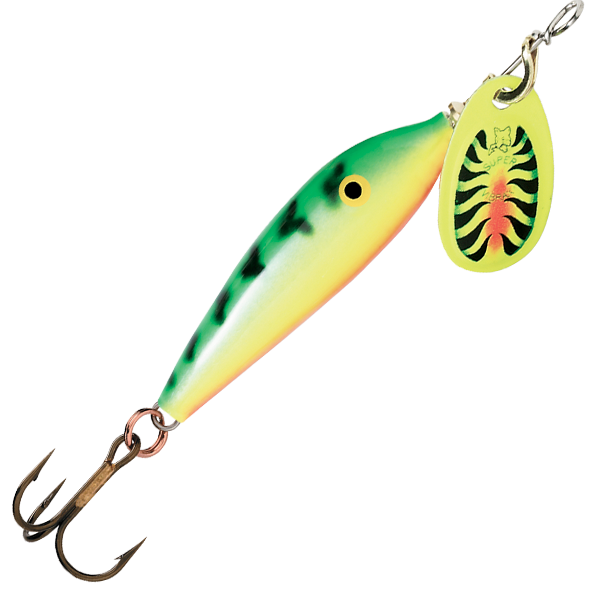

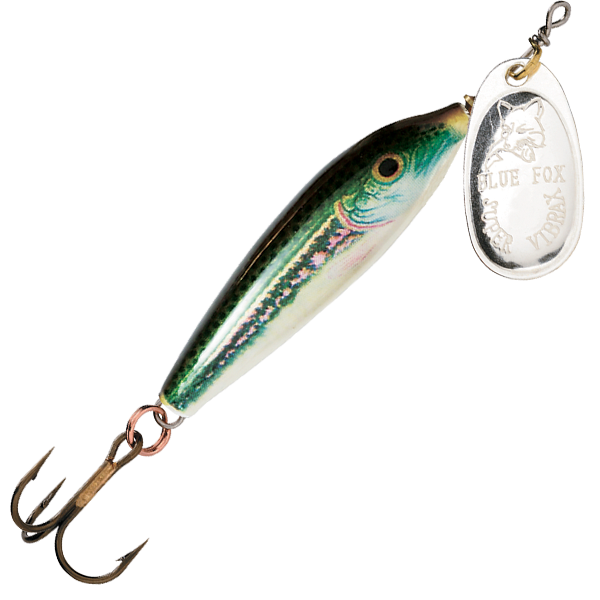

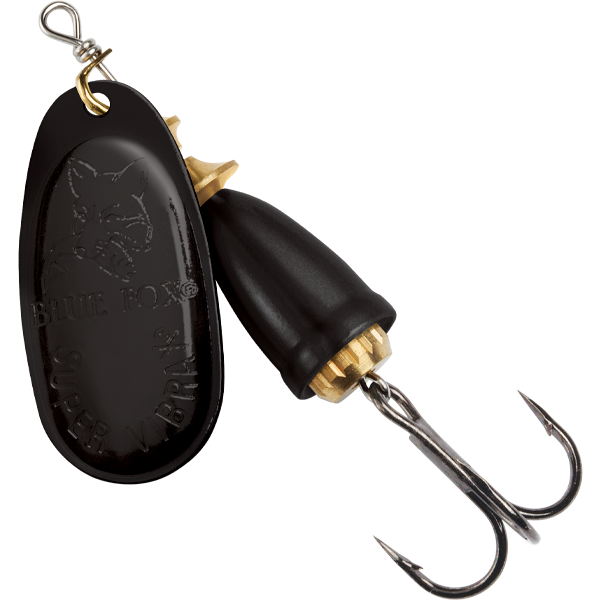

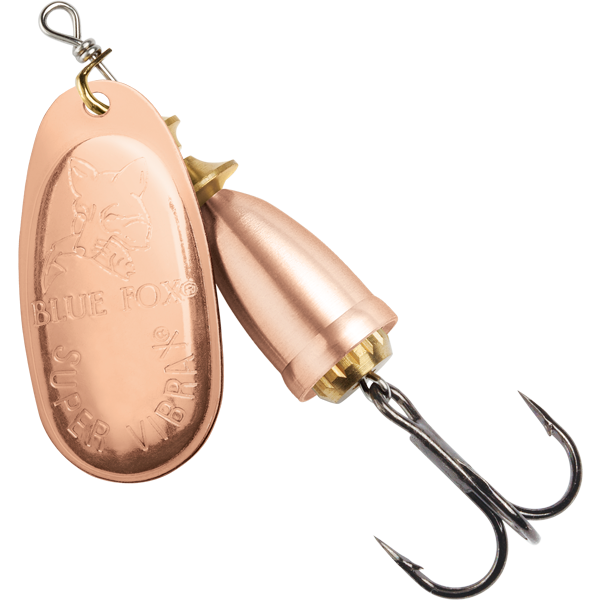








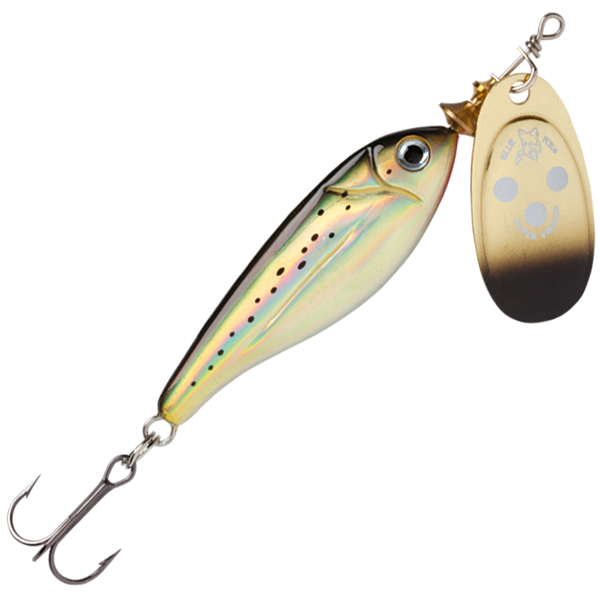
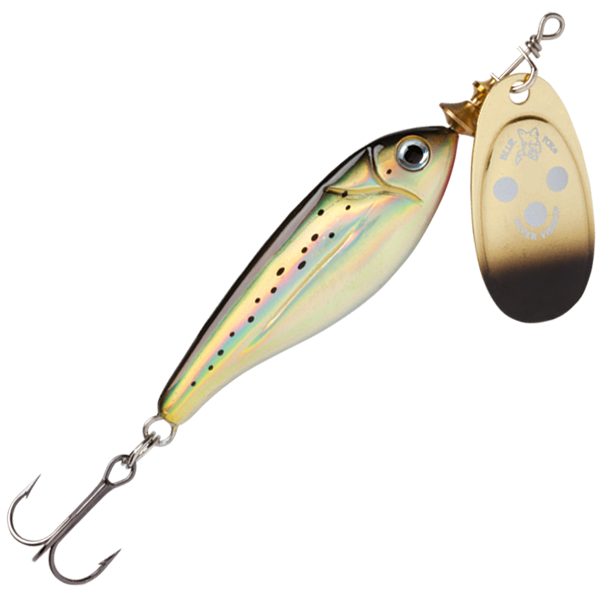
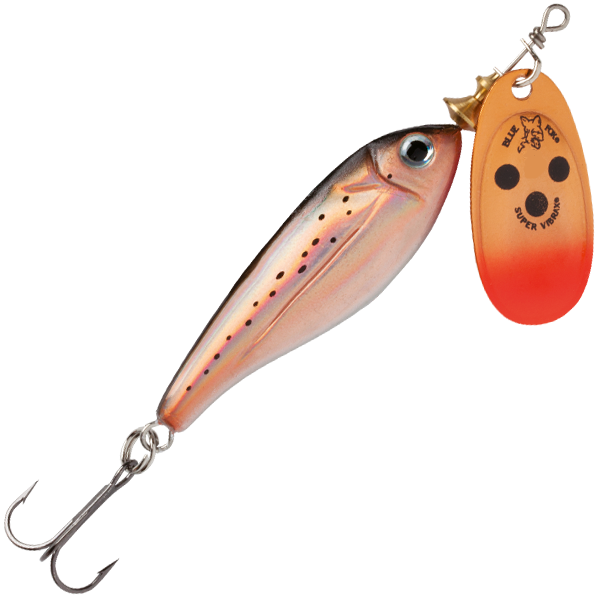

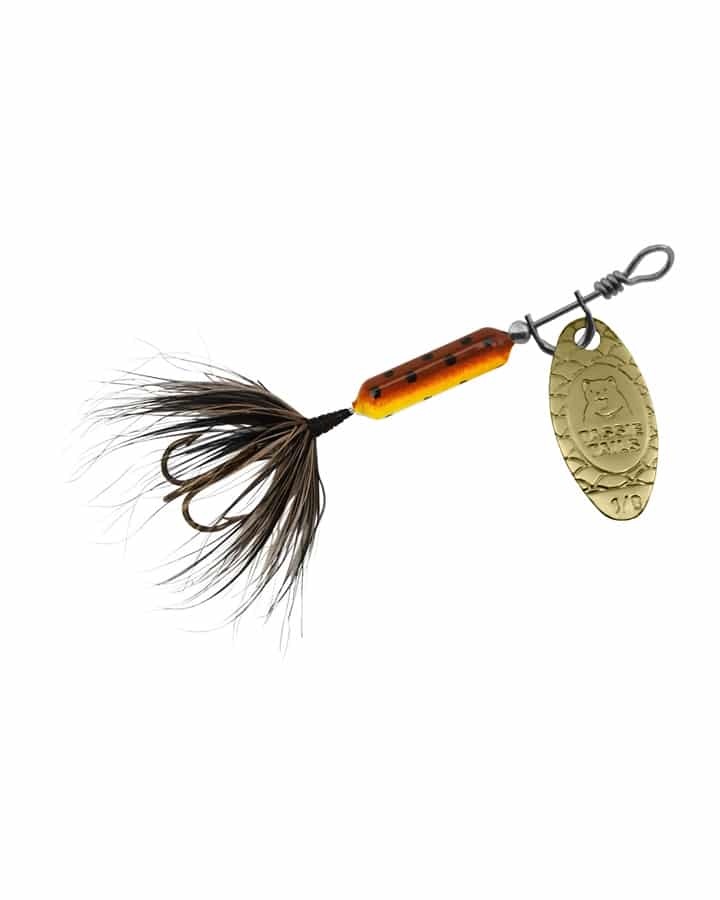

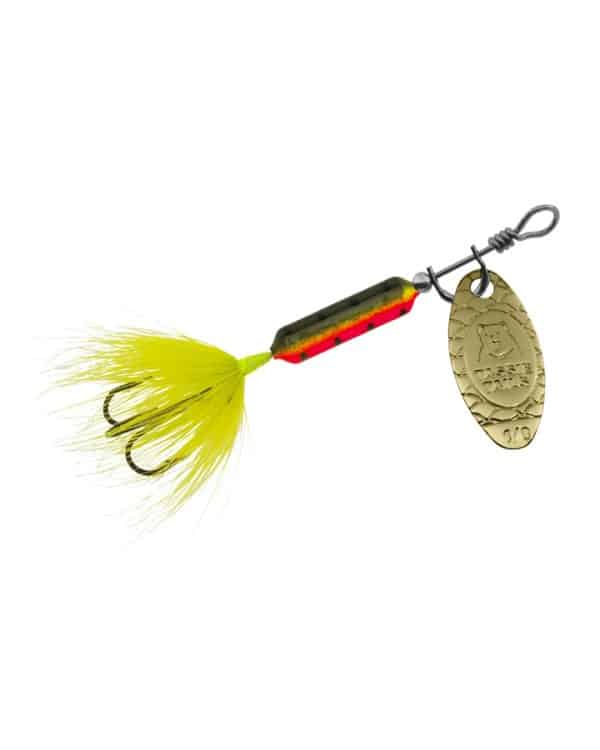


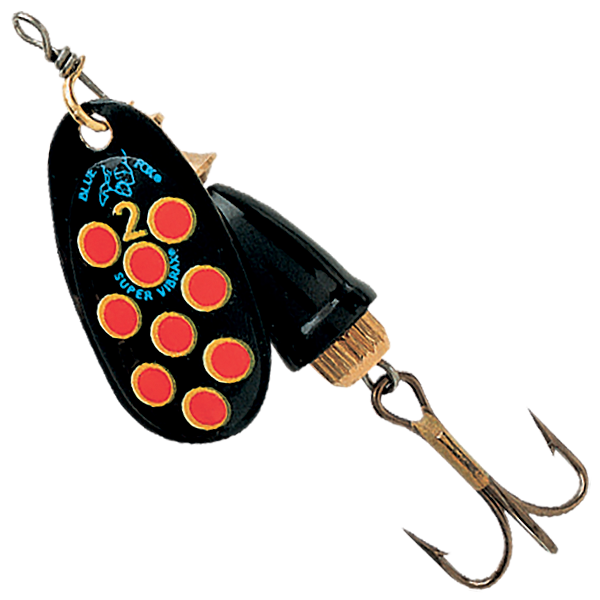
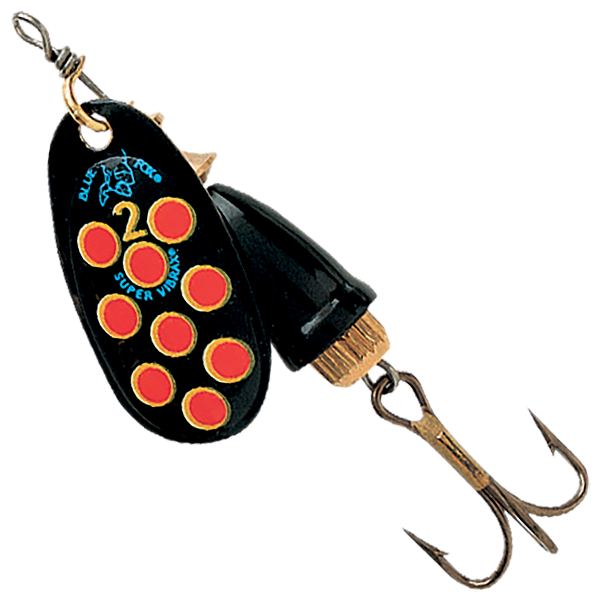
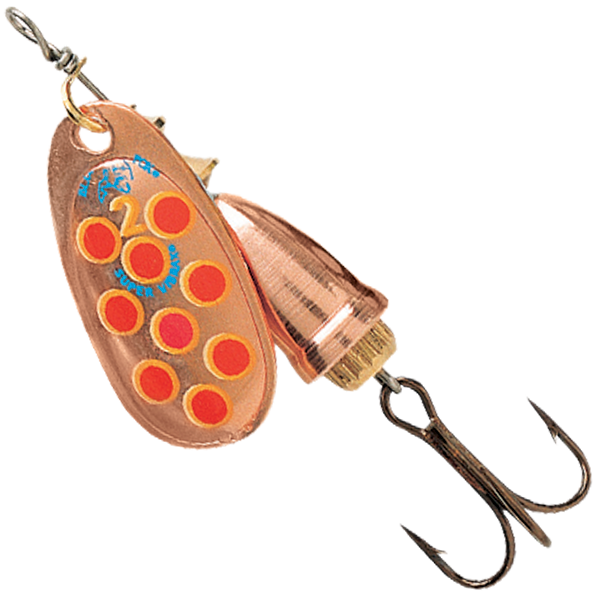

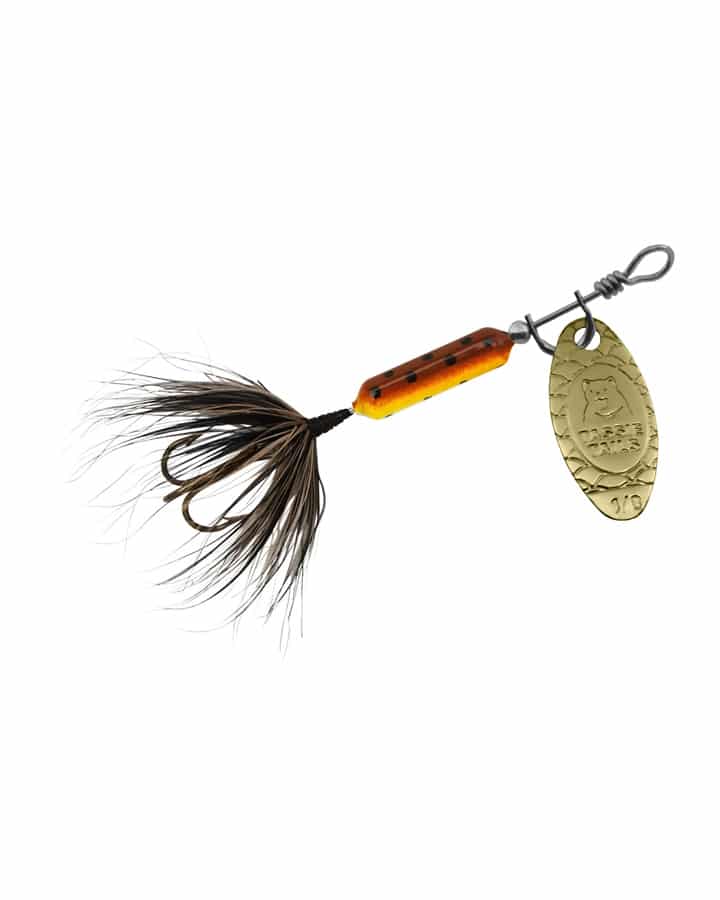

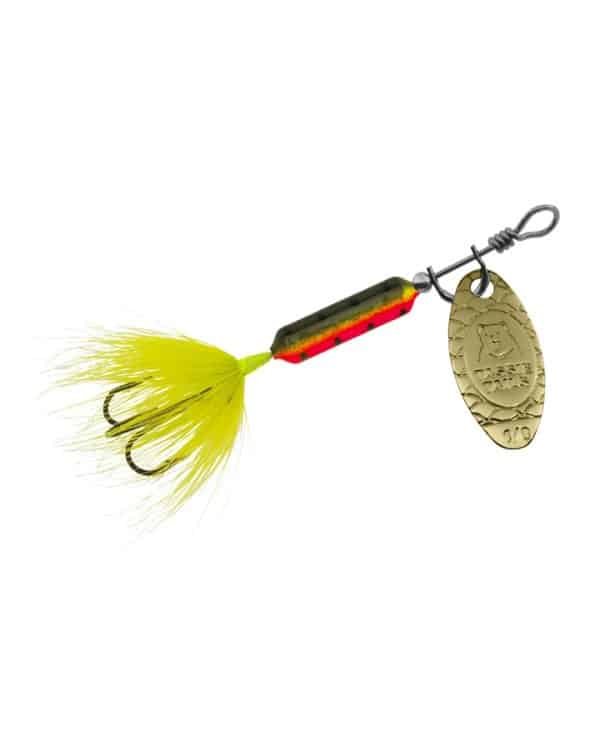

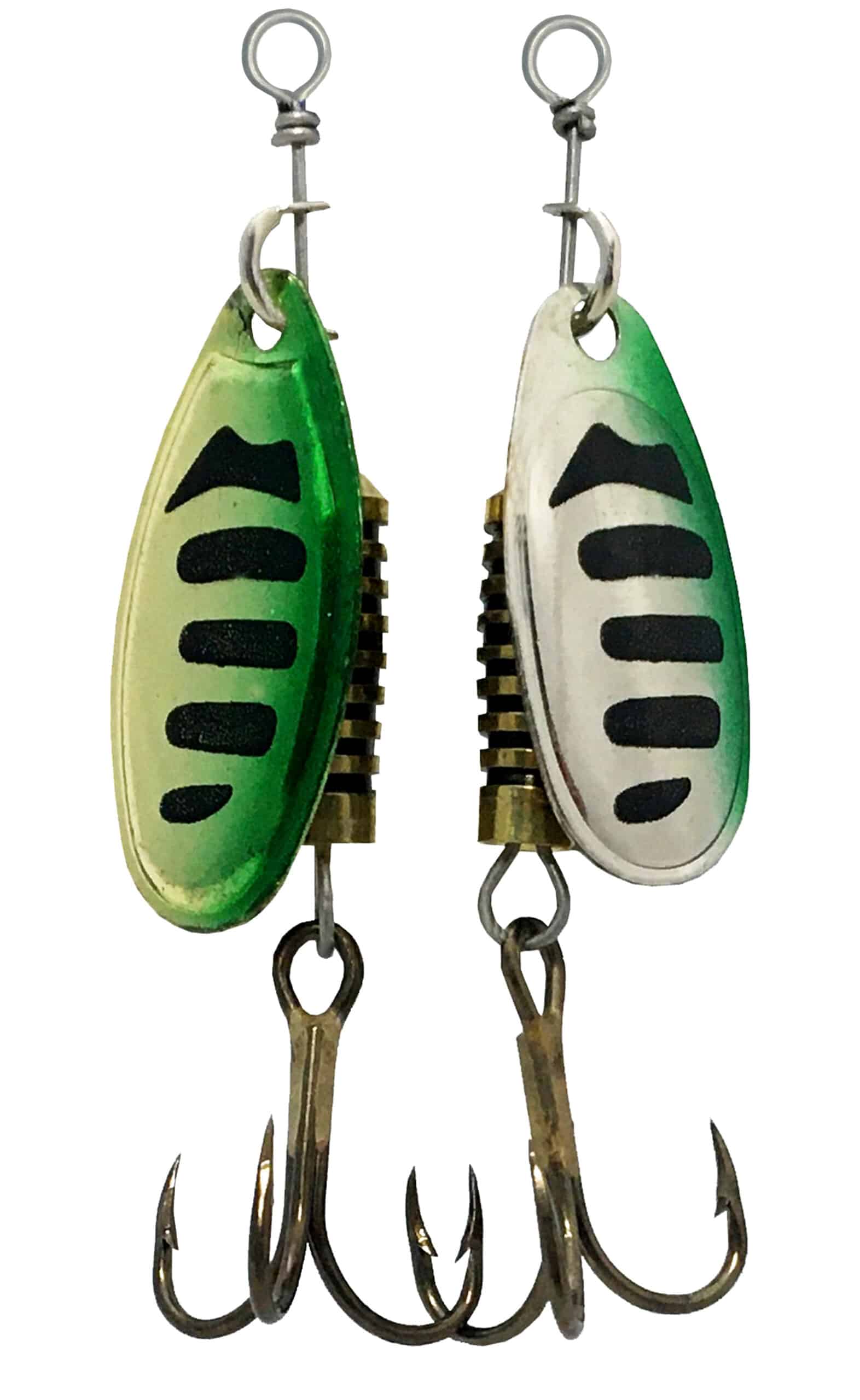

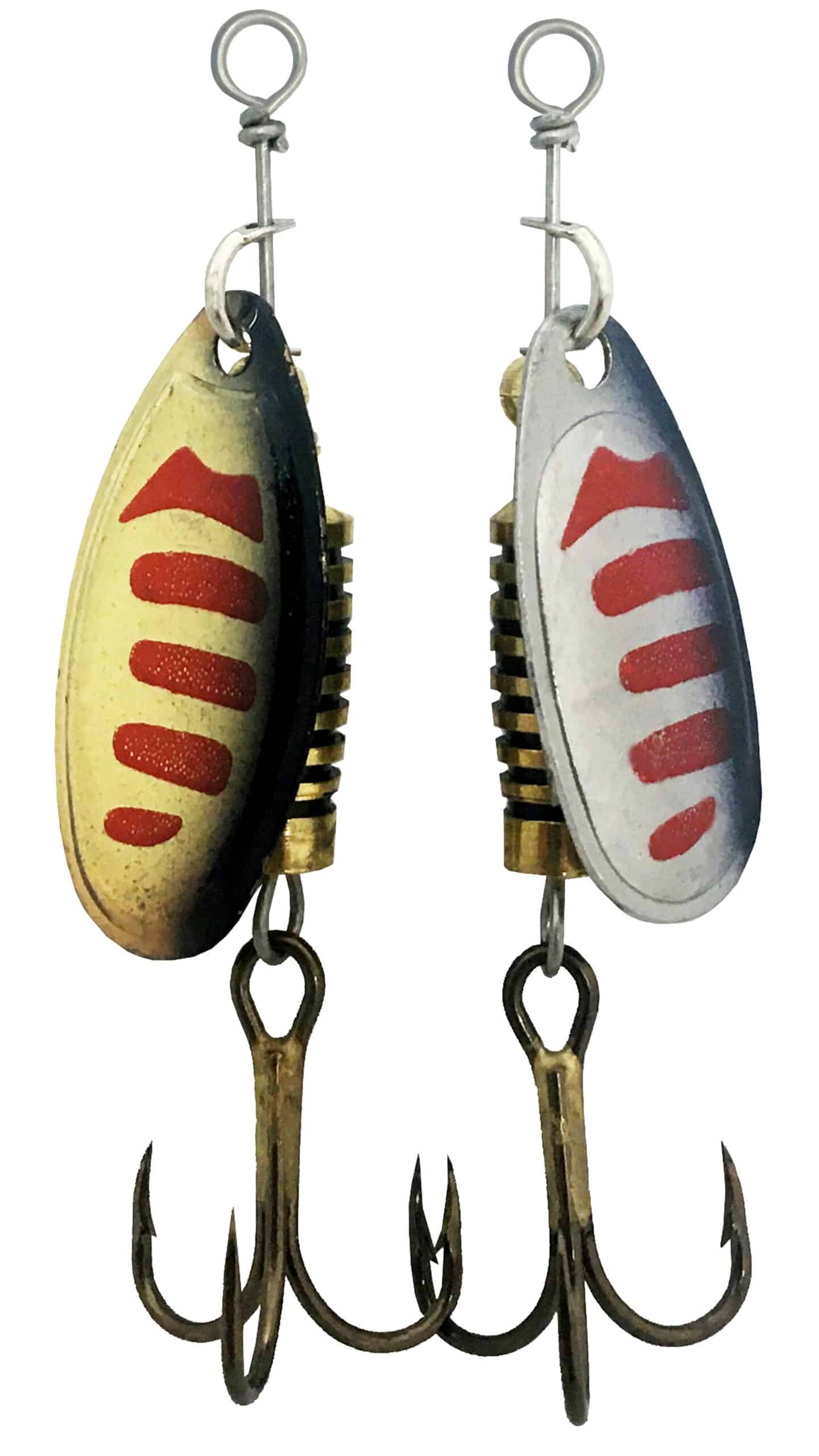

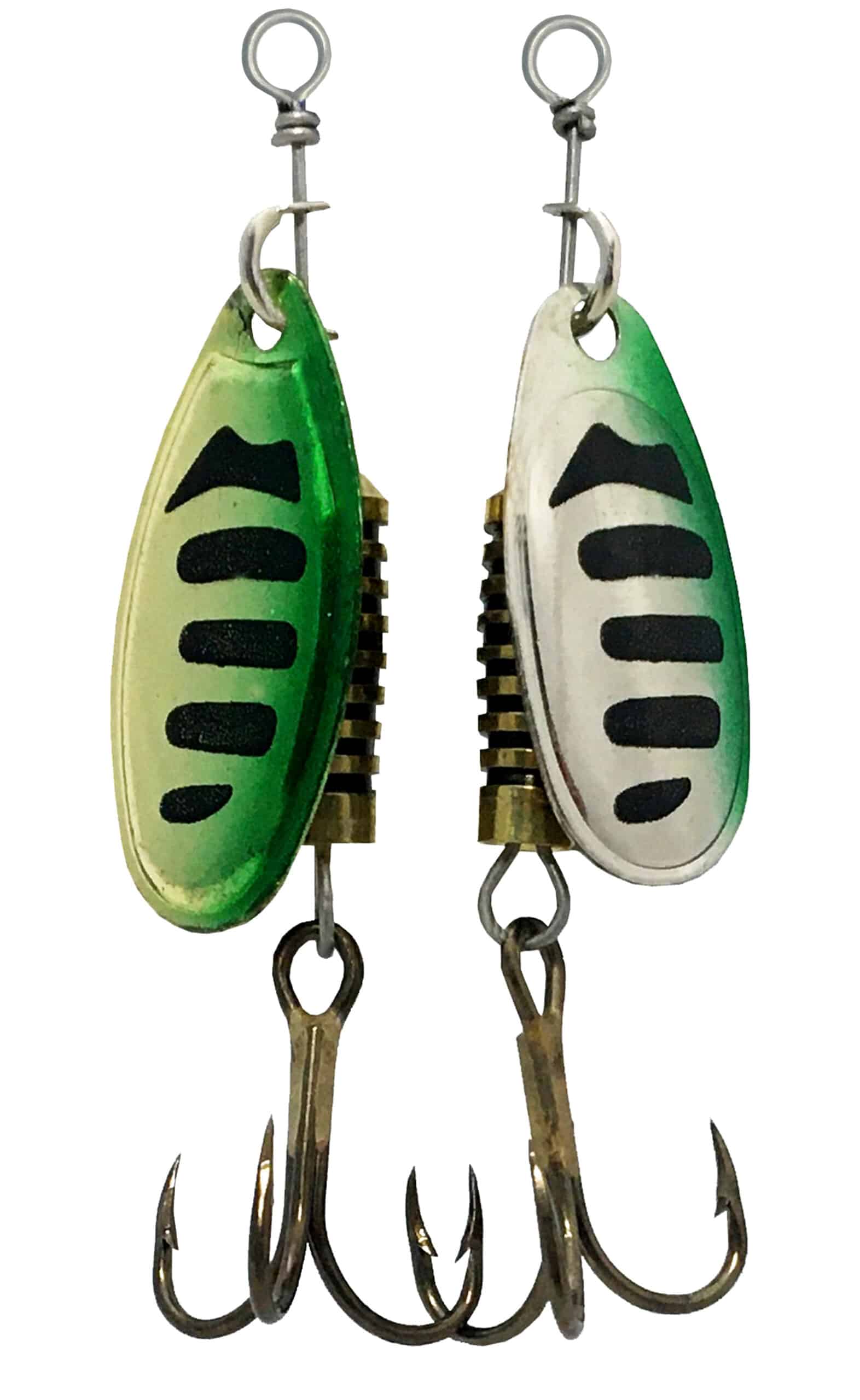

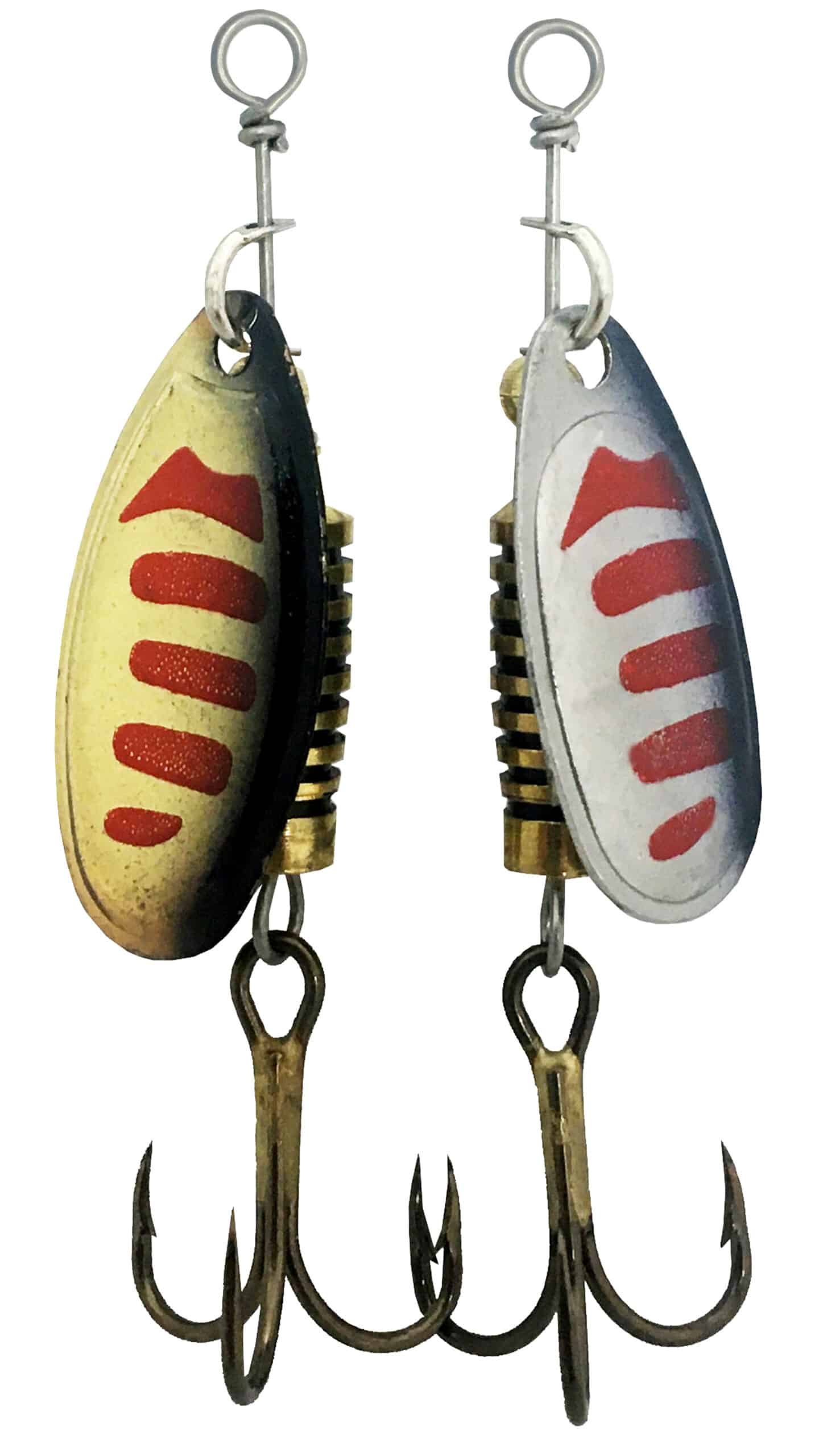

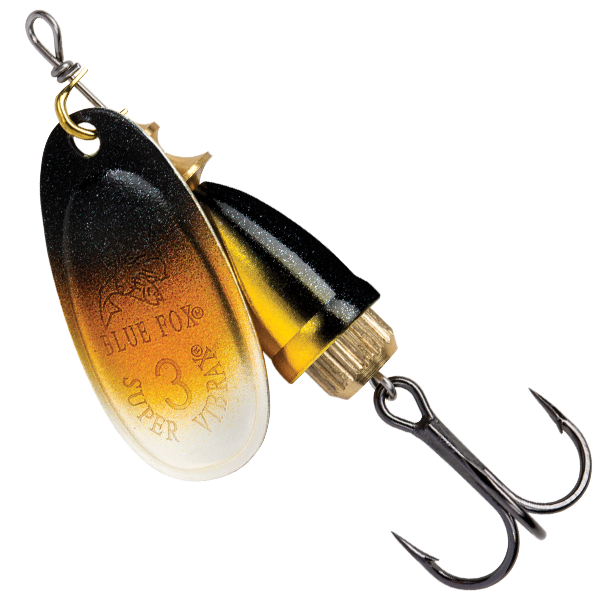

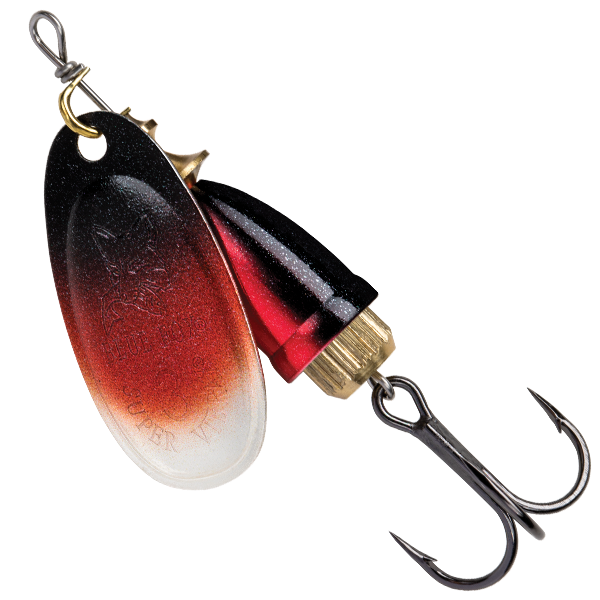

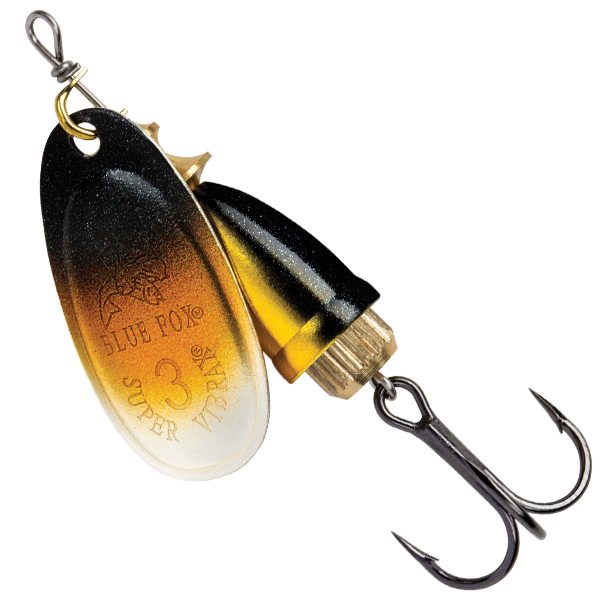

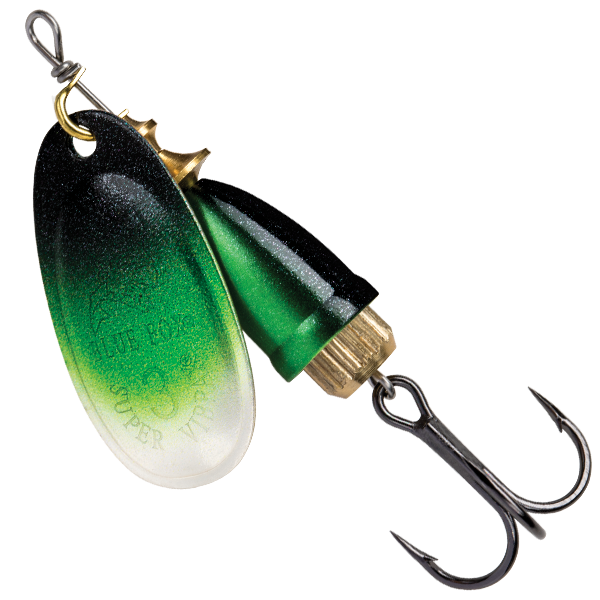

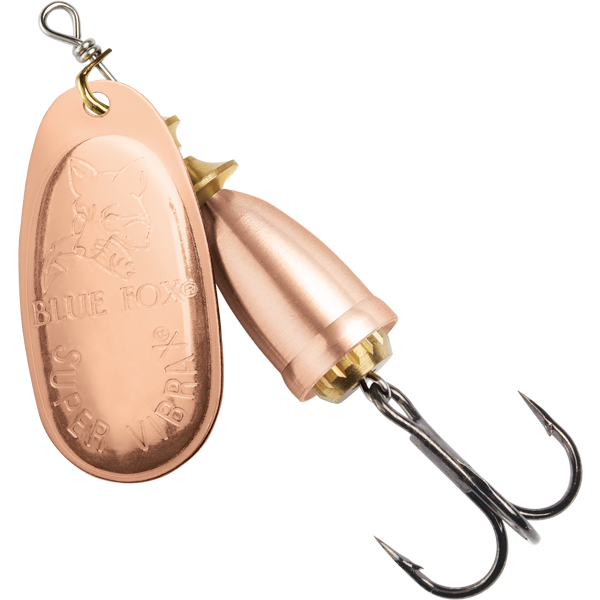

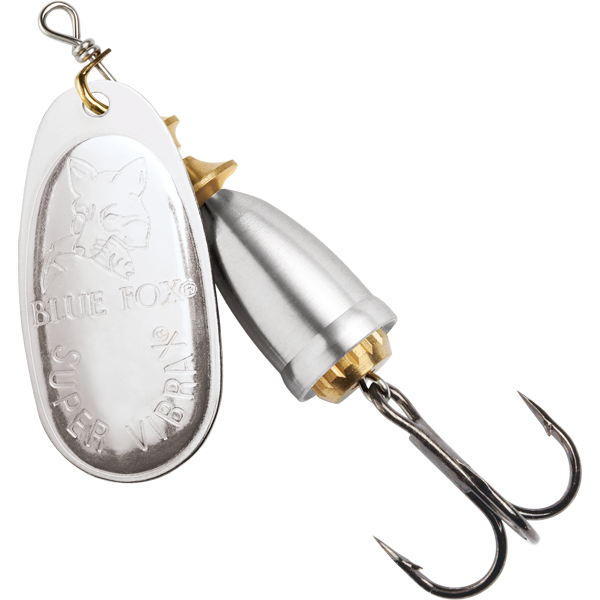

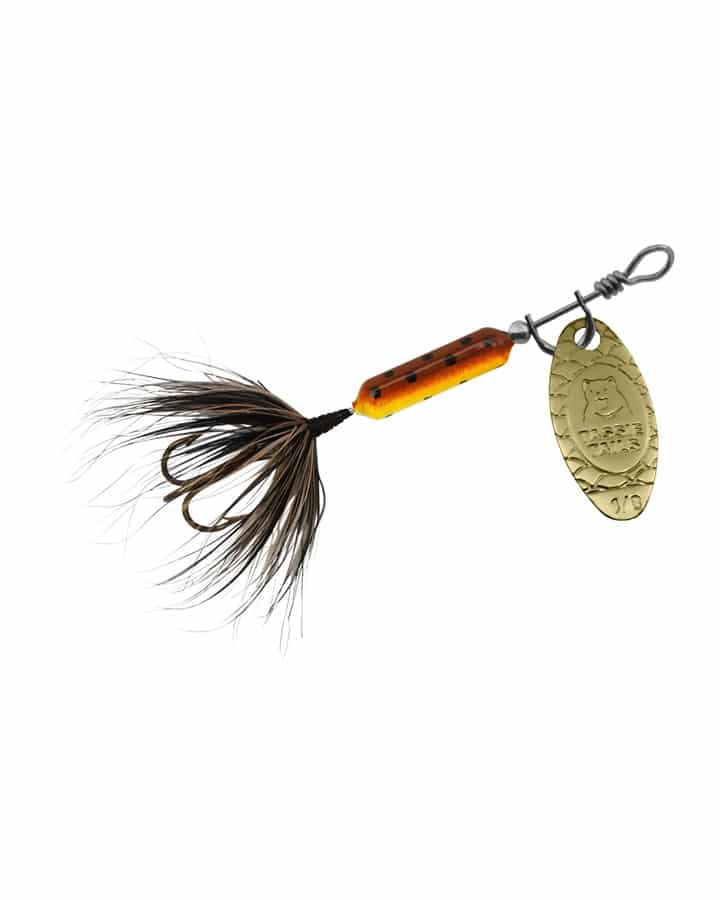

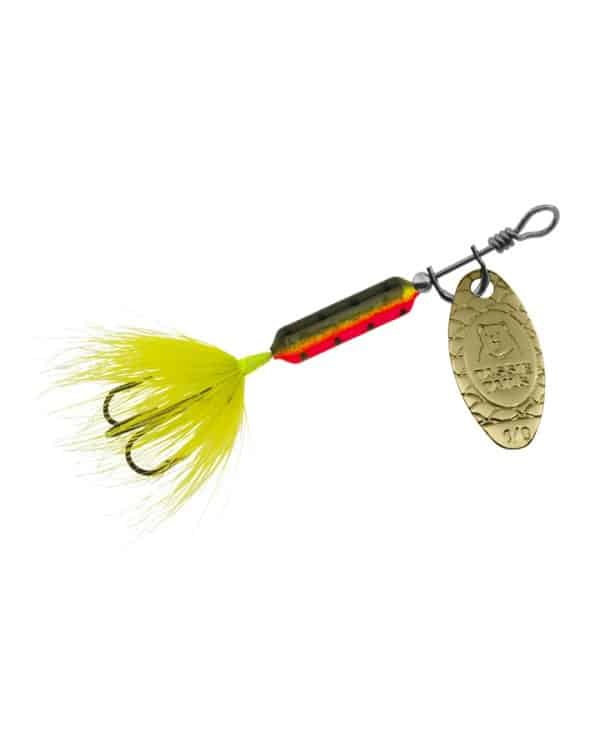

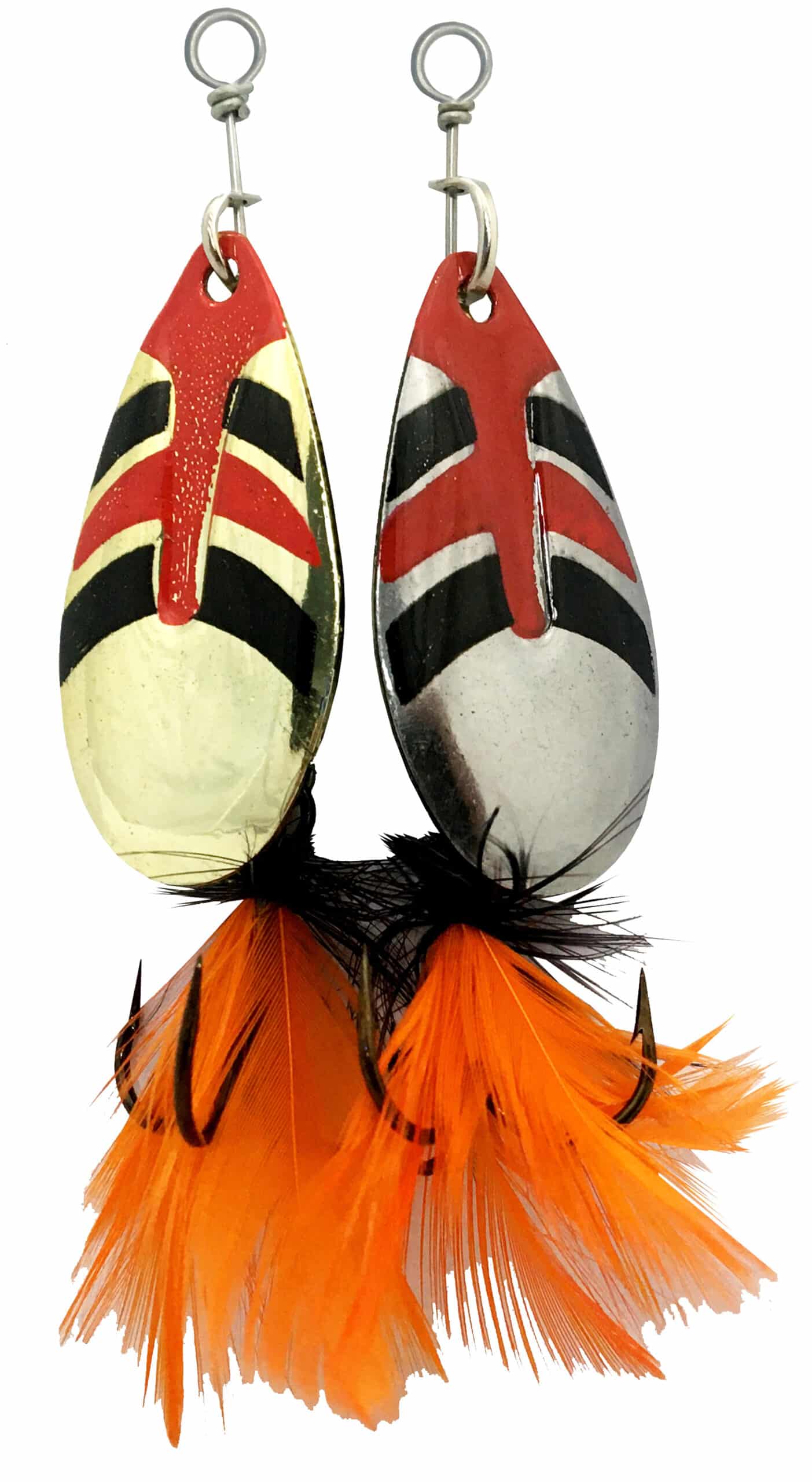

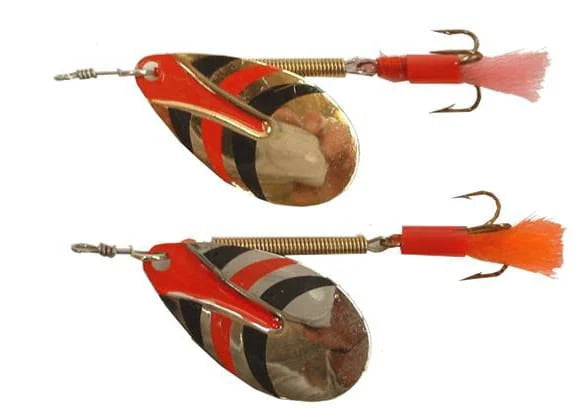

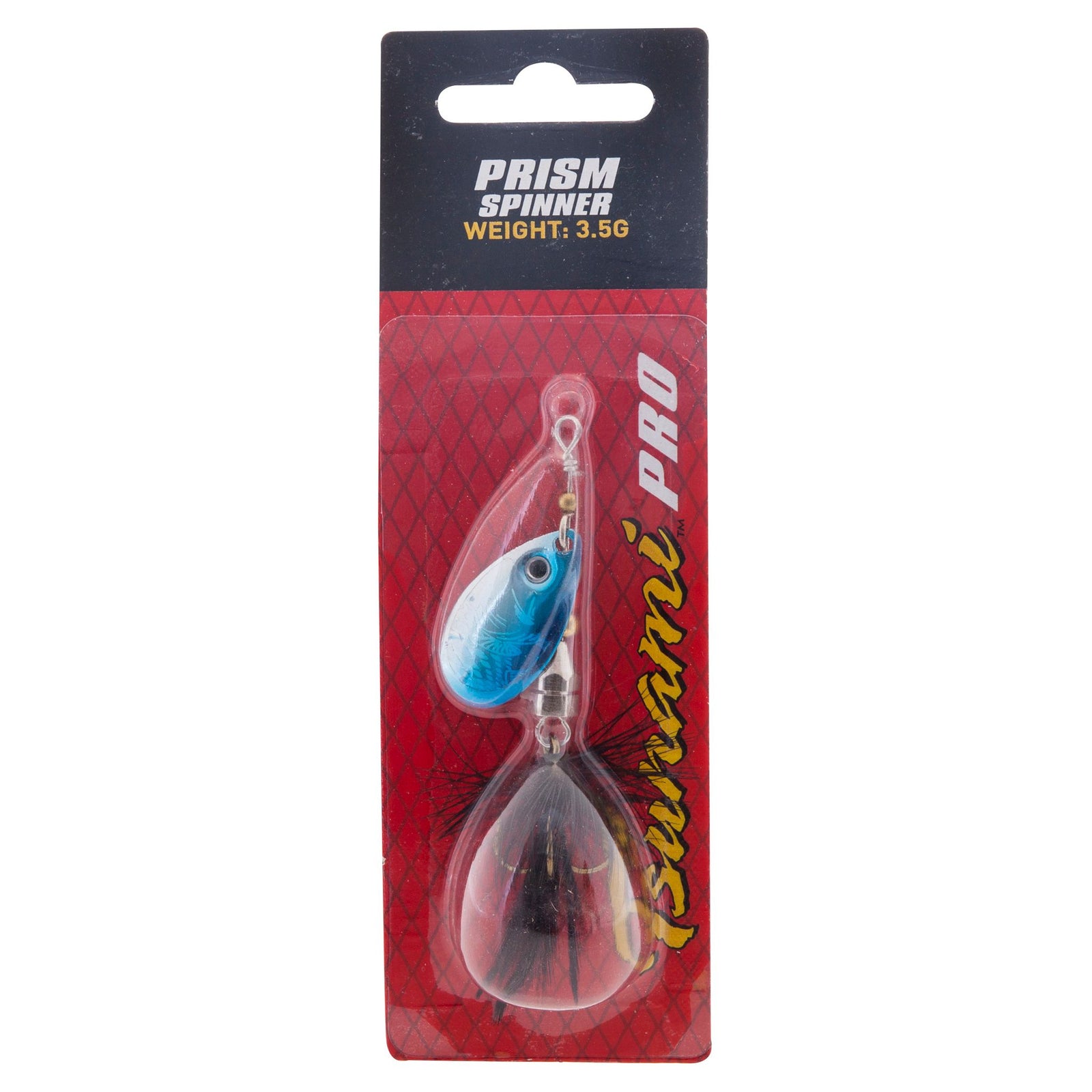

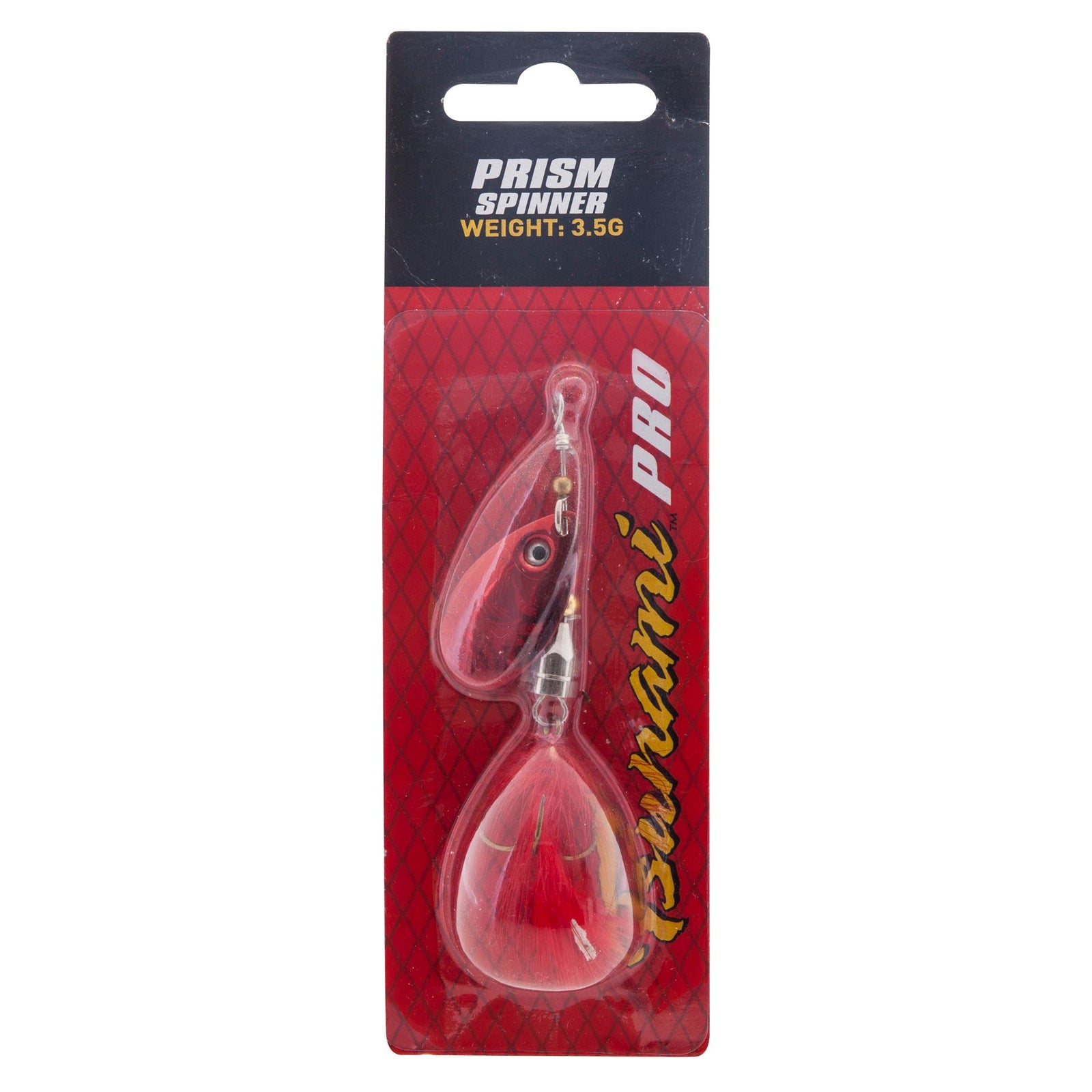

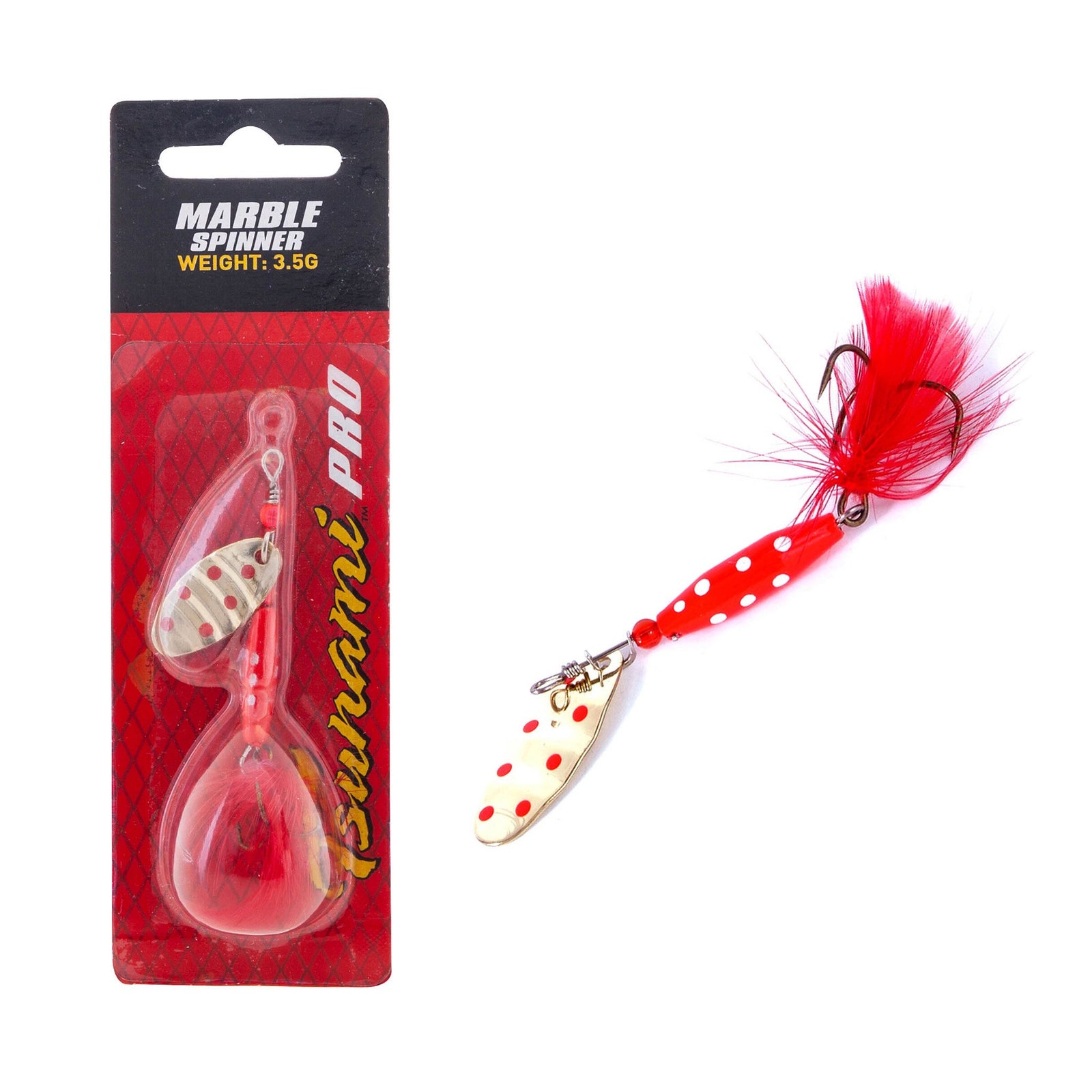

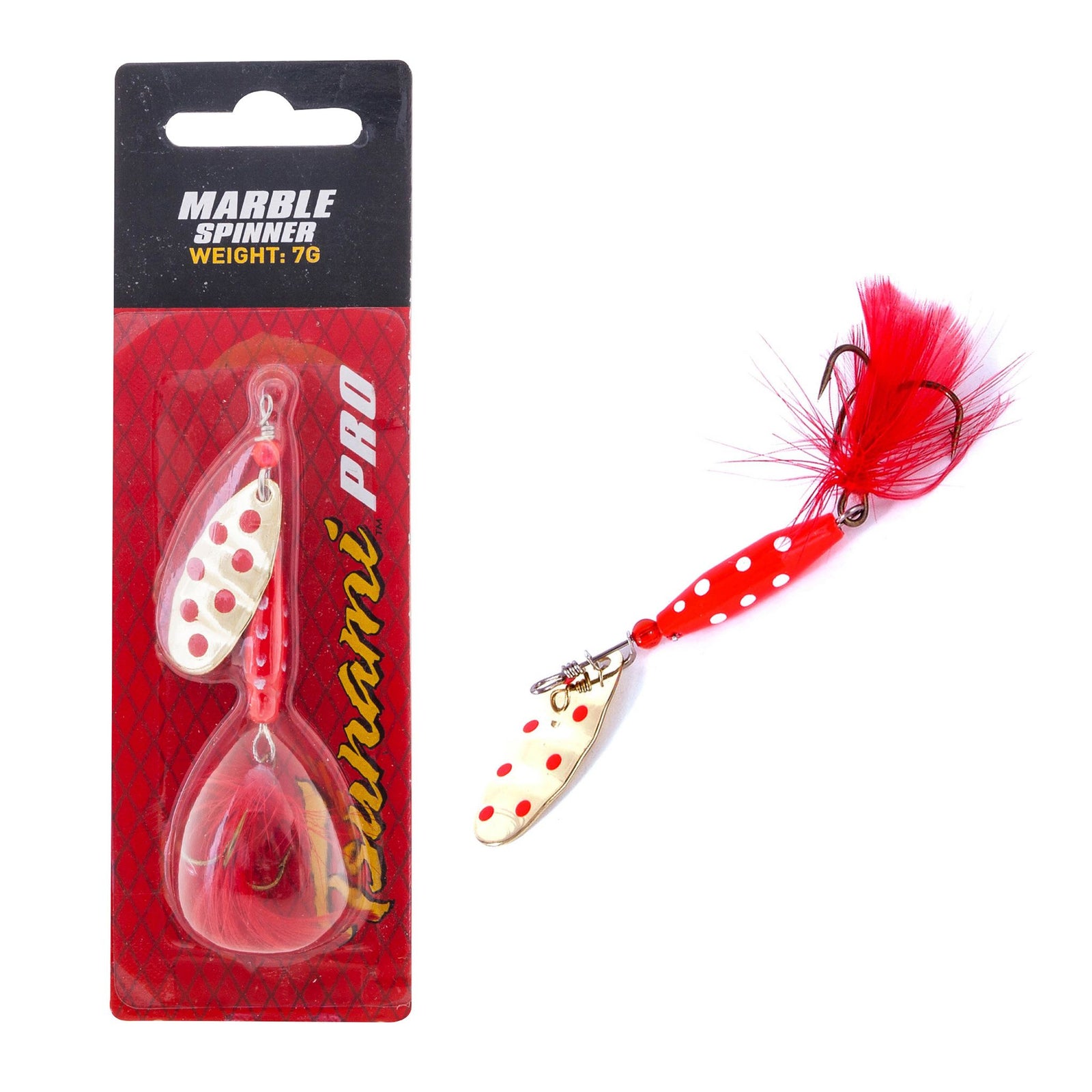

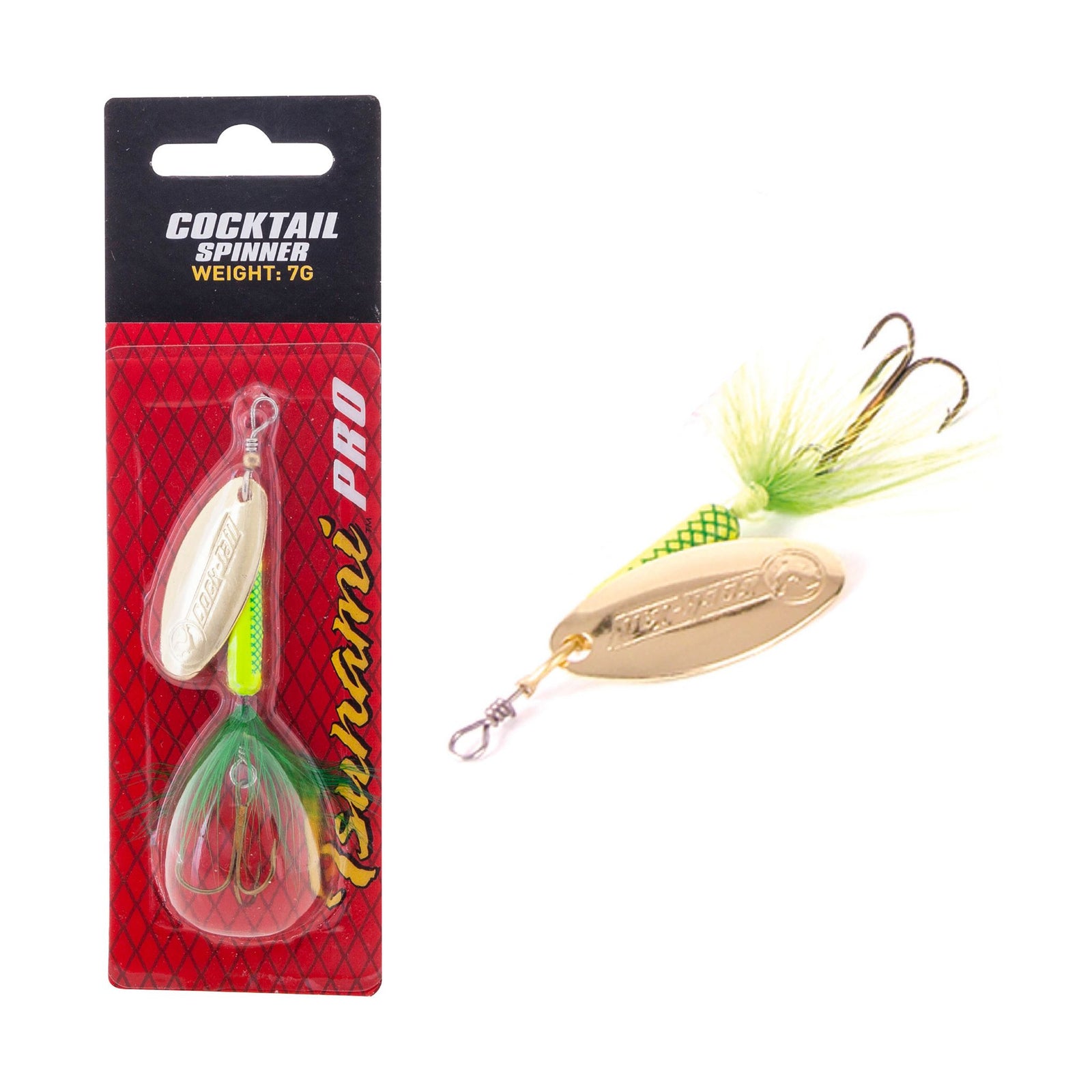

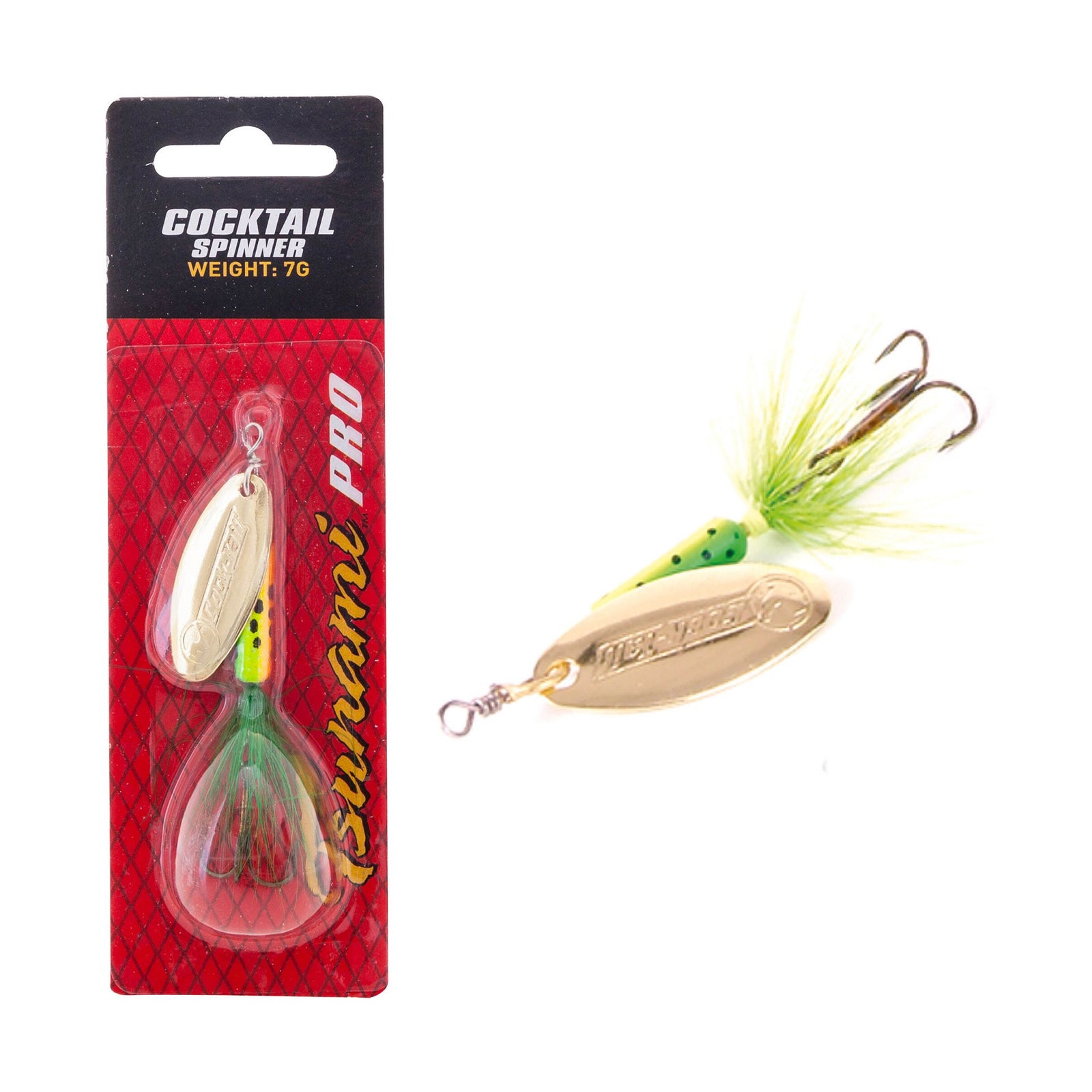

Inline spinners are among the simplest lures ever made and still among the most effective. A blade rotating around a straight wire body throws flash and vibration in every direction, and trout, redfin, bass and almost anything else in freshwater will eat one.
Fishing a spinner
Blade size and shape control how the lure runs. A wider blade spins at slower speeds and rises in the water, which suits shallow streams and slow retrieves. A narrower blade runs deeper and holds its action in faster current.
In moving water the standard approach is to cast up and across, then retrieve just fast enough to feel the blade turning as the current brings it round. In lakes, a slow steady wind with the occasional pause works, letting the lure flutter down between turns.
Spinners twist line badly. A small swivel in the leader is close to essential, and it costs you almost nothing in presentation. Check your state's rules on lure fishing in trout waters, since some rivers are fly or bait restricted. Other freshwater options sit in hard bodies, and swivels will save your line.
Frequently asked questions
How do you fish an inline spinner for trout?
In a stream, cast up and across and wind just fast enough to feel the blade turn as the current swings the lure around. In still water, a slow steady retrieve with occasional pauses works well.
Do spinners twist your line?
Badly, if you fish them direct. A small swivel in the leader a short distance above the lure fixes it and makes almost no difference to how the spinner fishes.
What size spinner for trout?
Small in clear shallow streams, larger in deeper or faster water and in lakes. If the blade is not turning at the speed you want to retrieve, change size.
Do spinners work for anything besides trout?
Yes. Redfin, bass, small cod and estuary species all take them. They are one of the most generally effective lures in fresh water.