

FREE SHIPPING ON ORDERS OVER $150*

AUSSIE FAMILY OWNED BUSINESS FOR OVER 40 YEARS

100% SATISFACTION GUARANTEED
Swivels and Snaps
Swivels and Snaps
Swivels stop line twist and snaps let you change lures without retying. They are small, cheap and completely load-bearing, which is why they are worth buying properly rather than by the bargain packet.
Choosing swivels and snaps
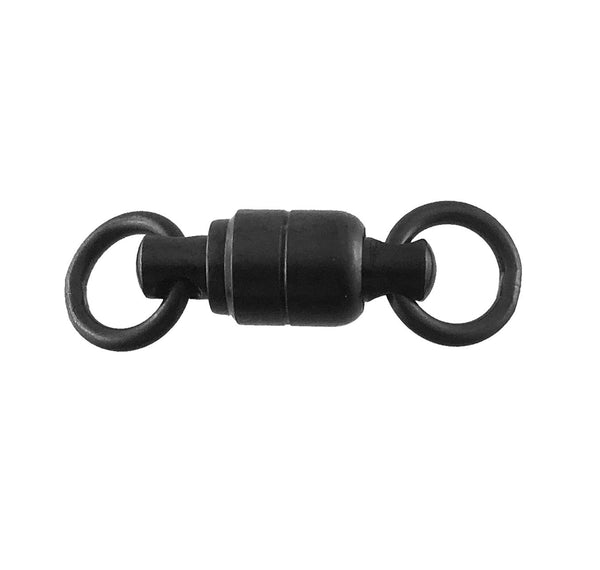
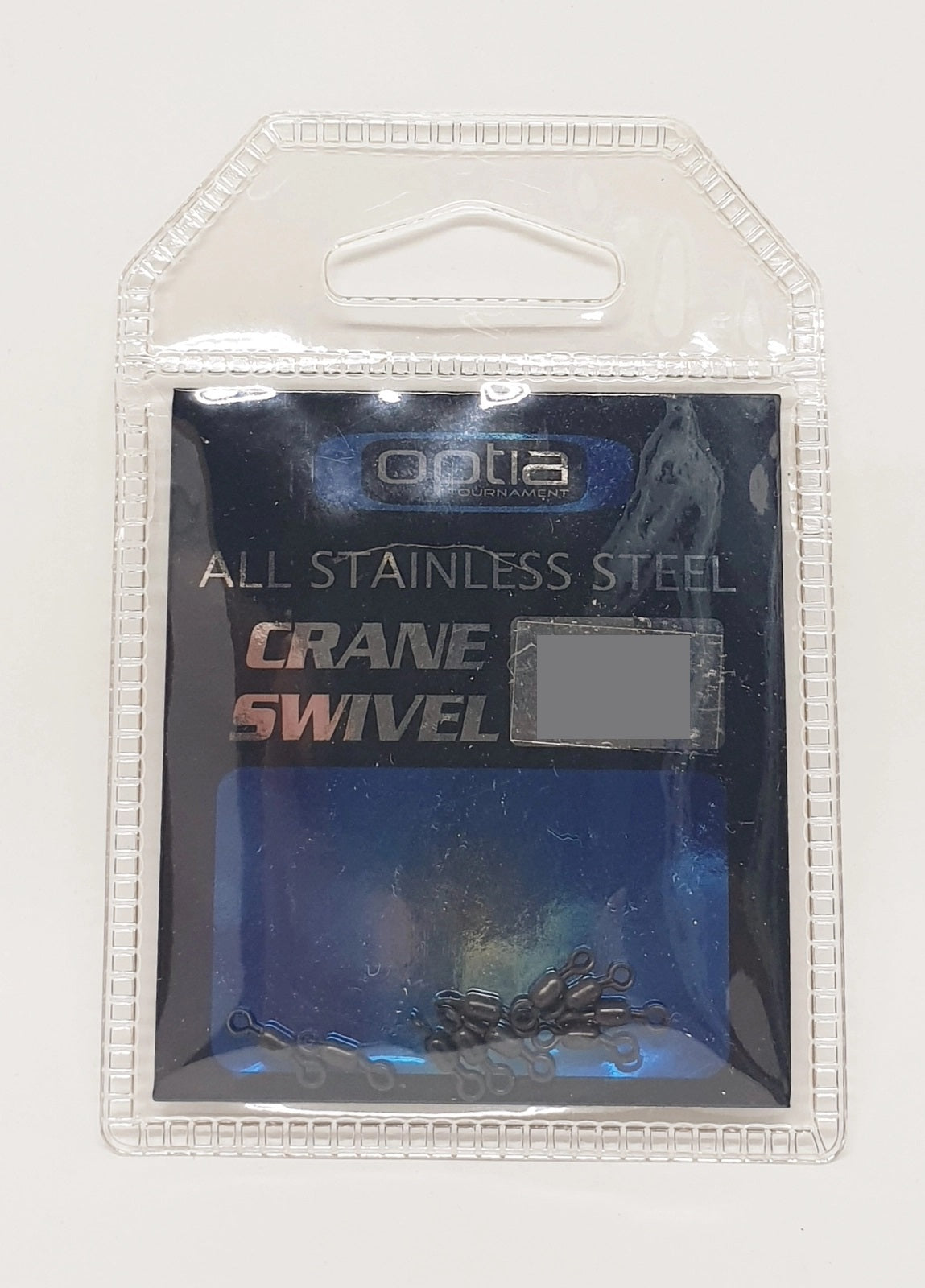
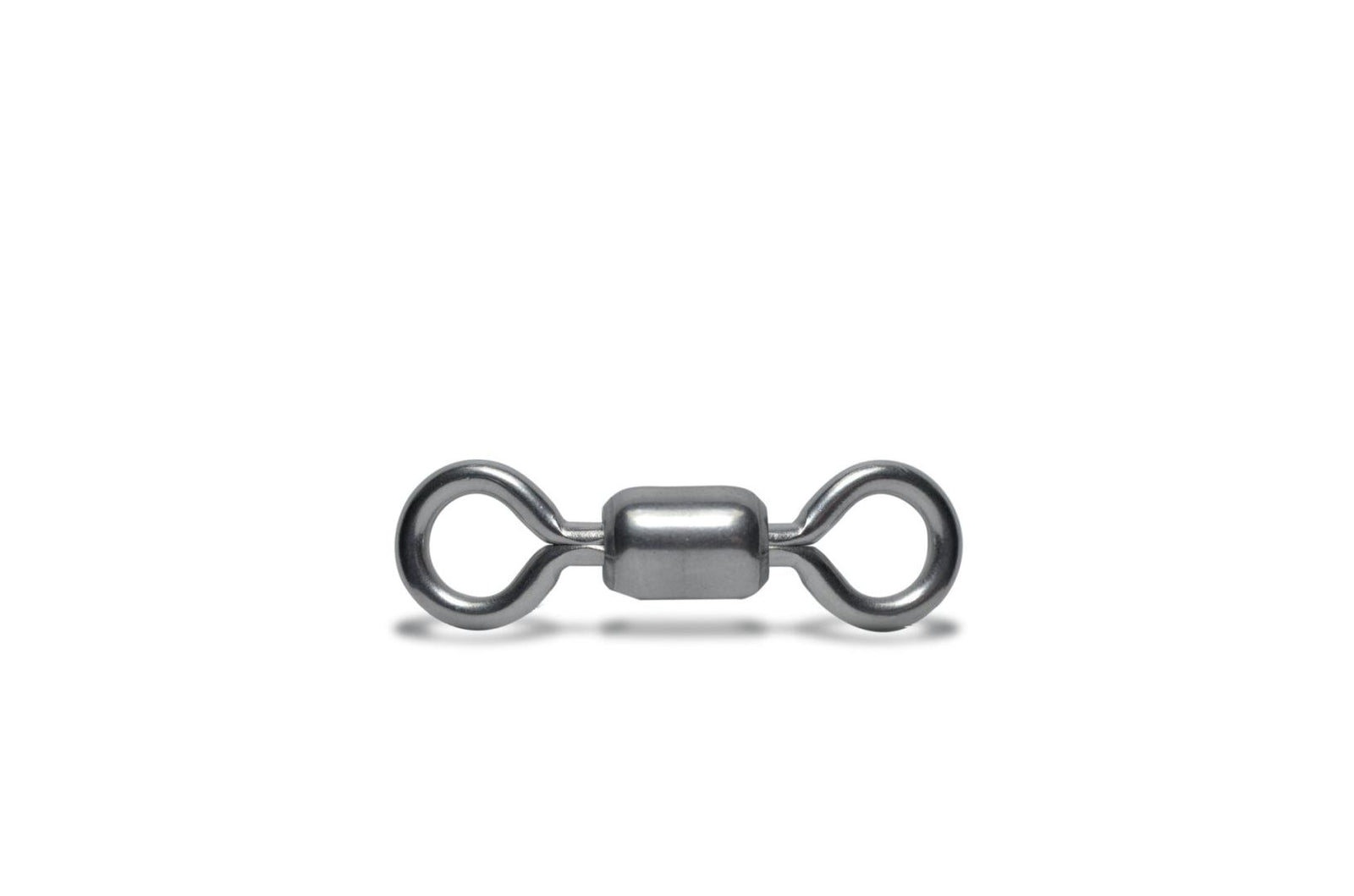
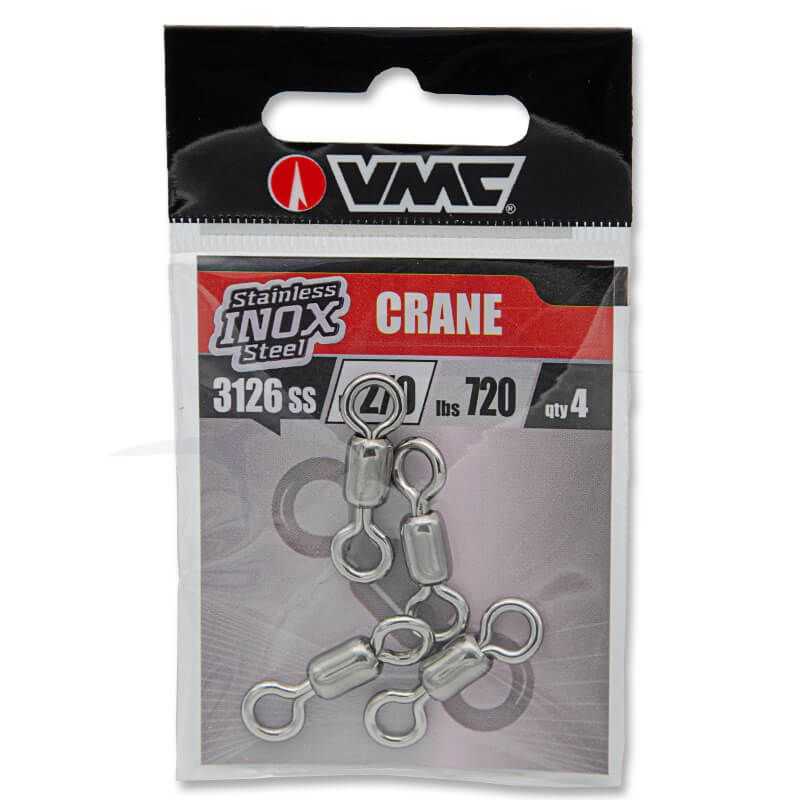
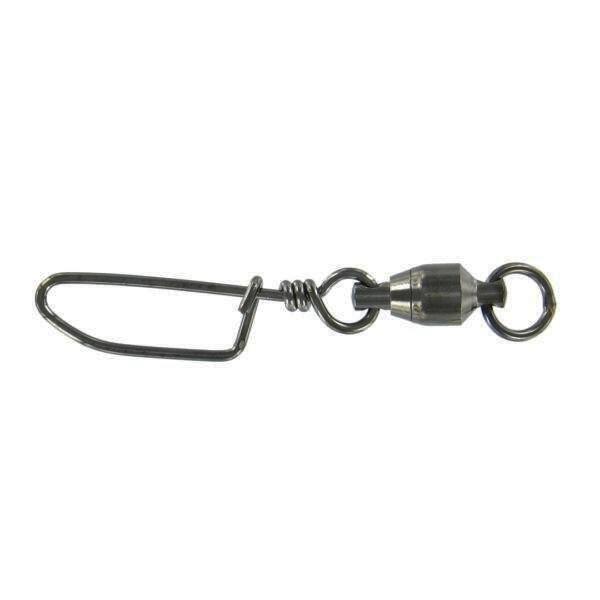
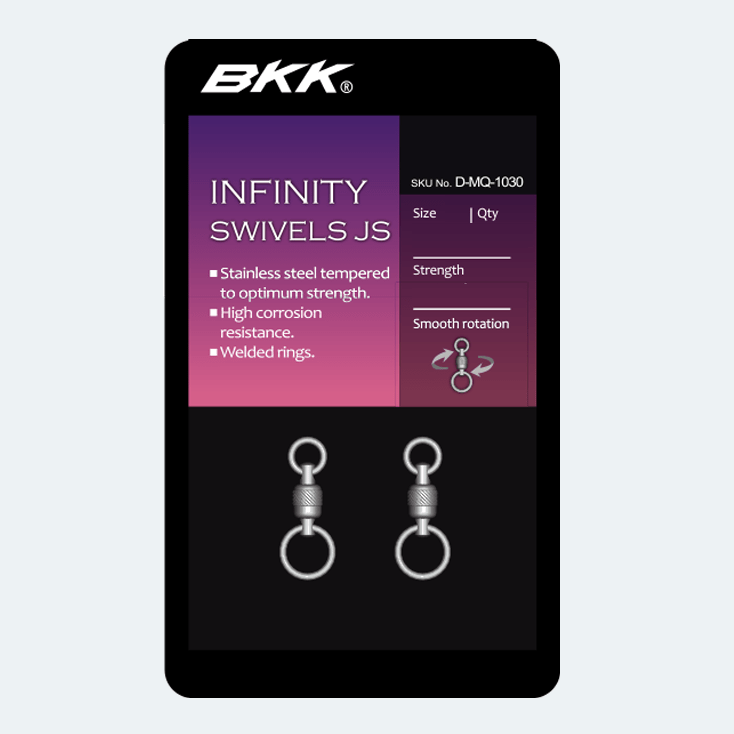
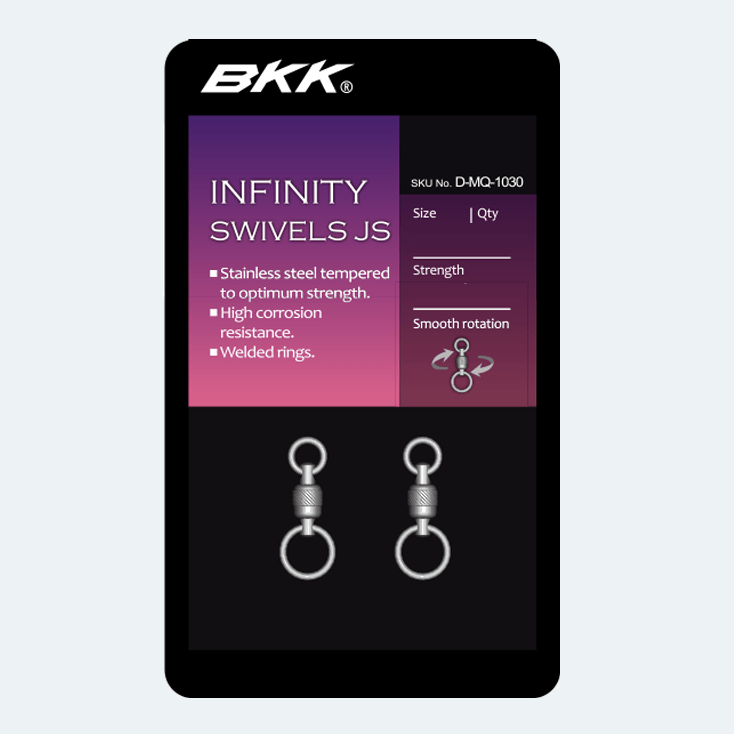
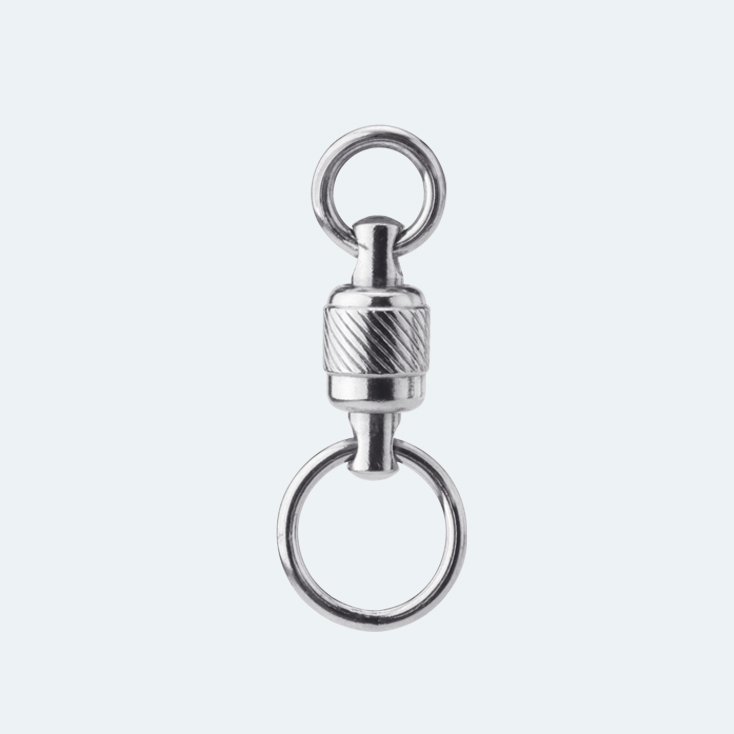
Barrel and rolling swivels handle everyday bait fishing and rig building. Ball bearing swivels turn under load, which is what you need for trolling and for spinning lures that would otherwise wind your line into a spring. Crane swivels sit between the two.
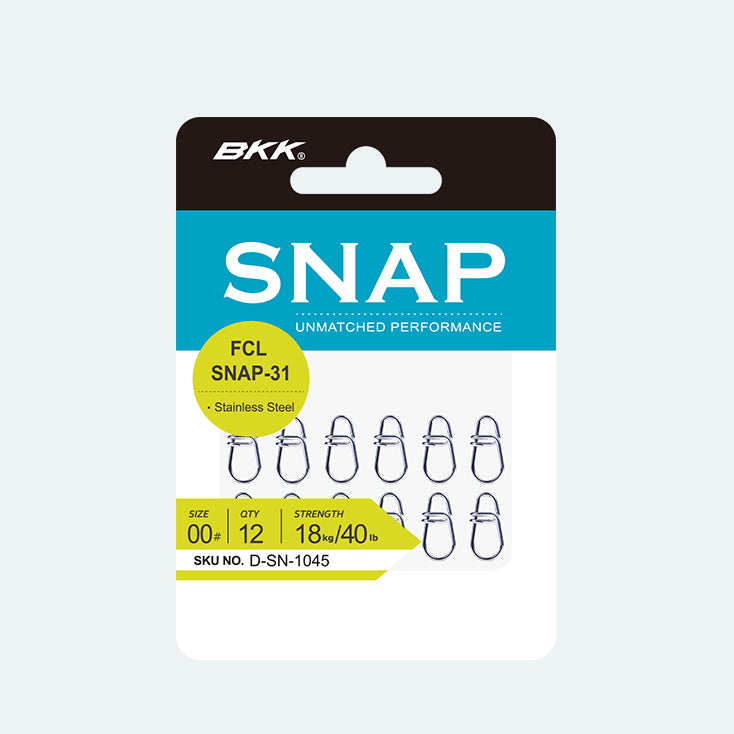
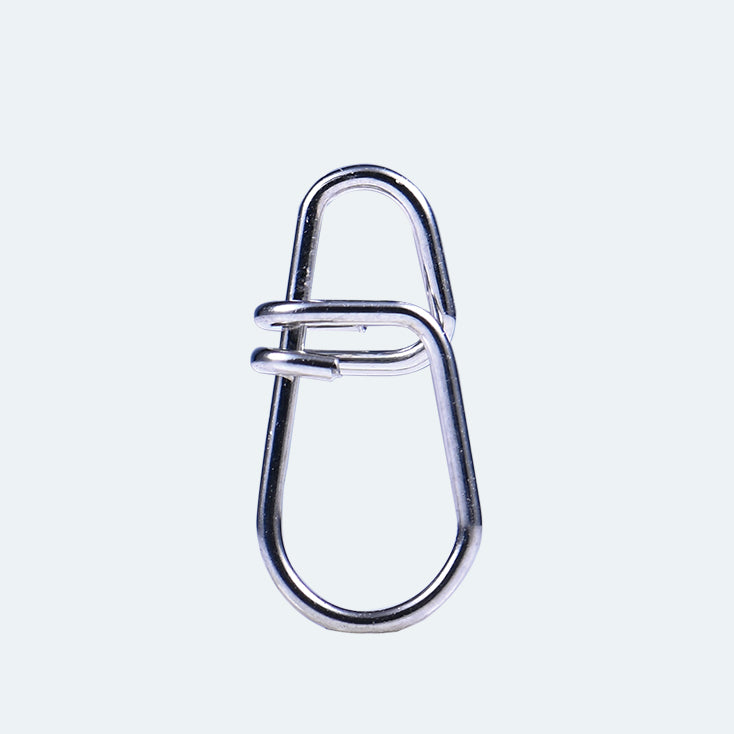
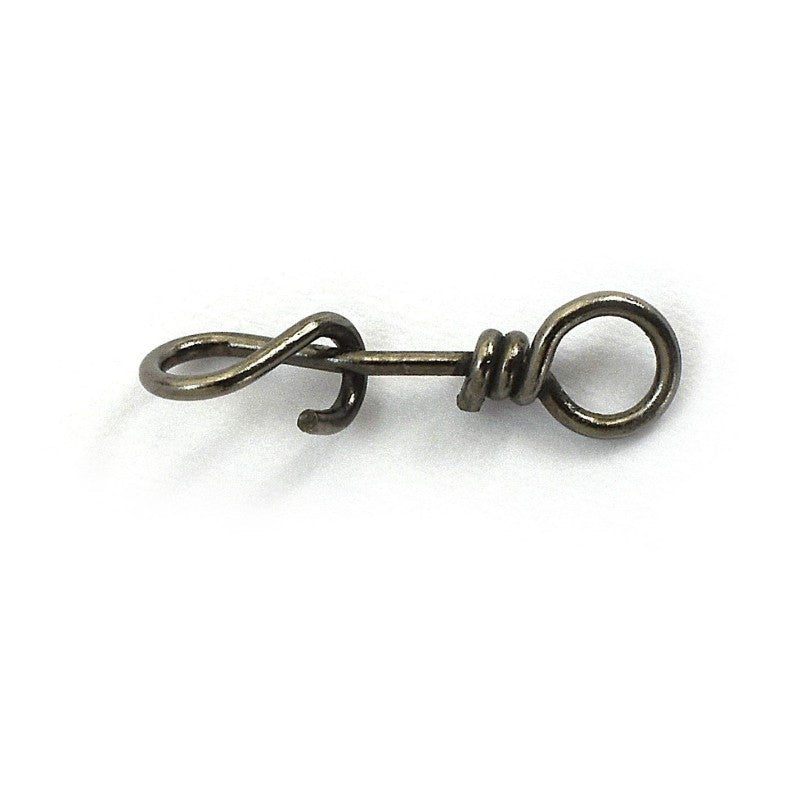
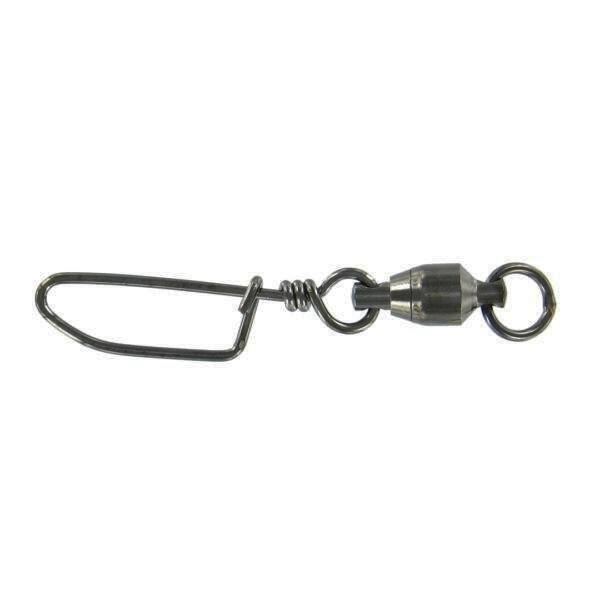
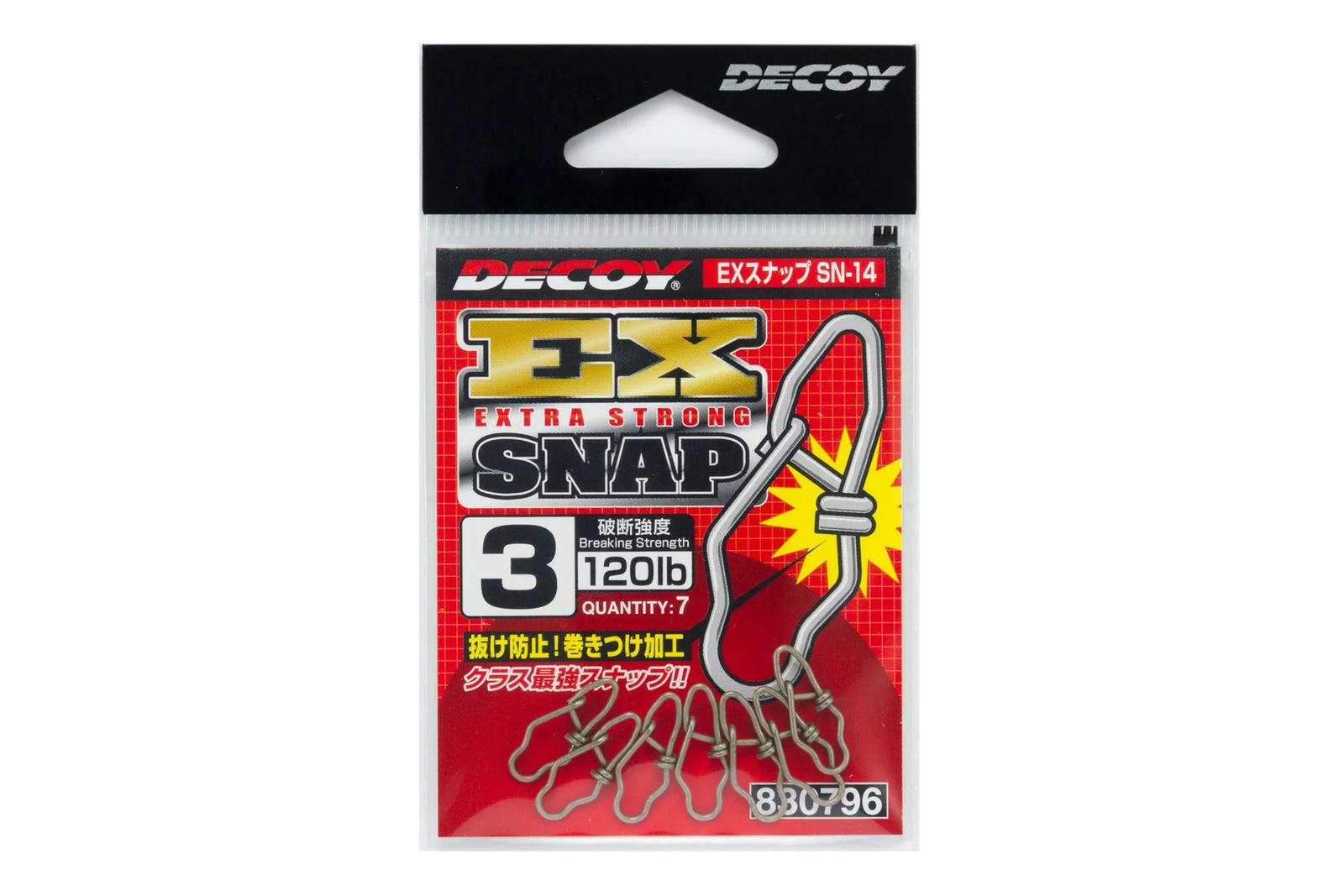
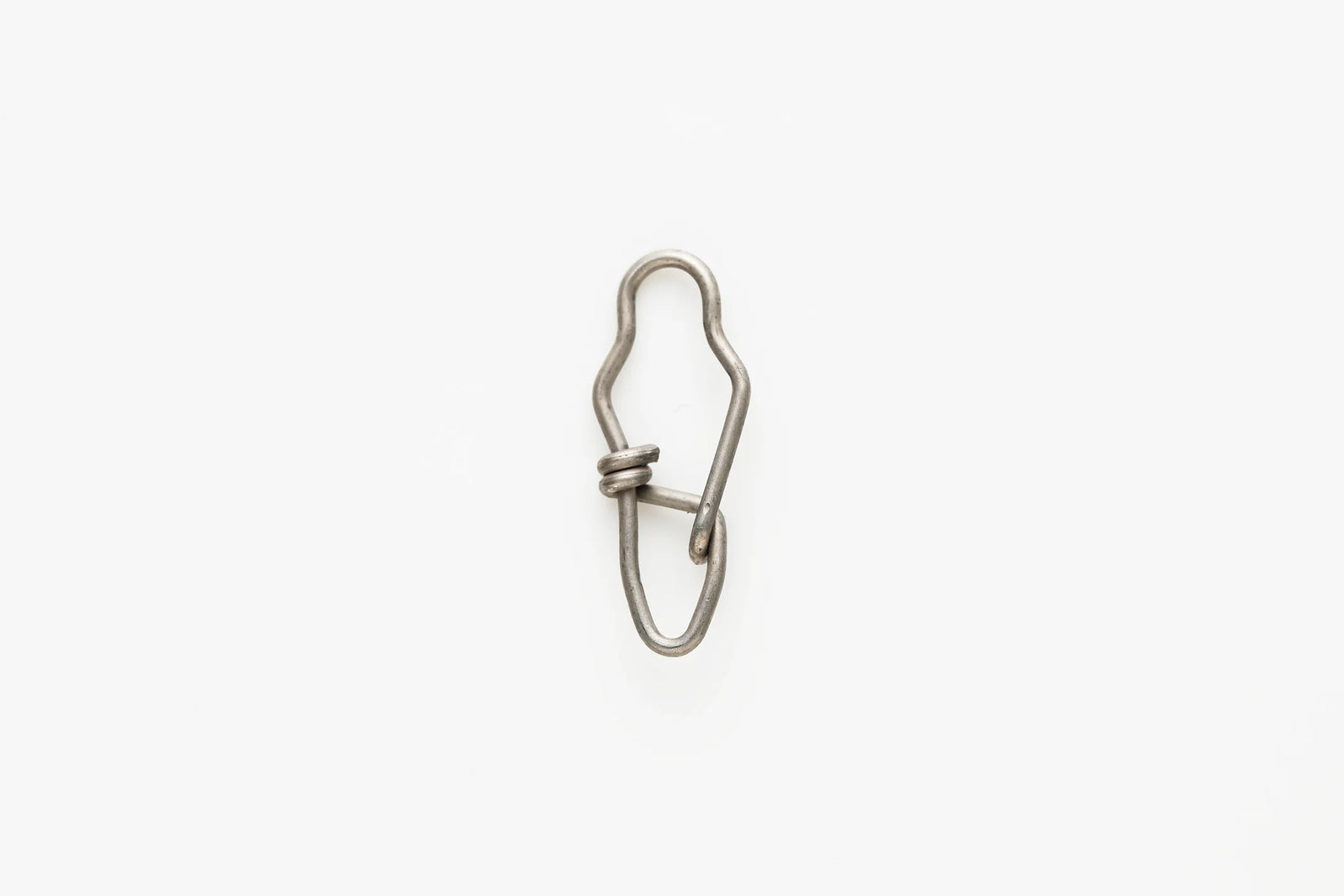
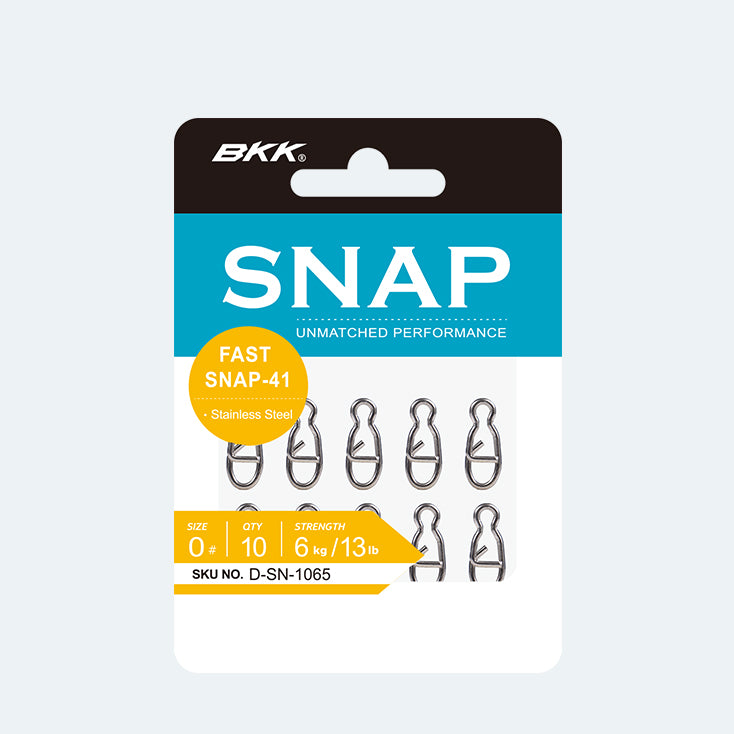
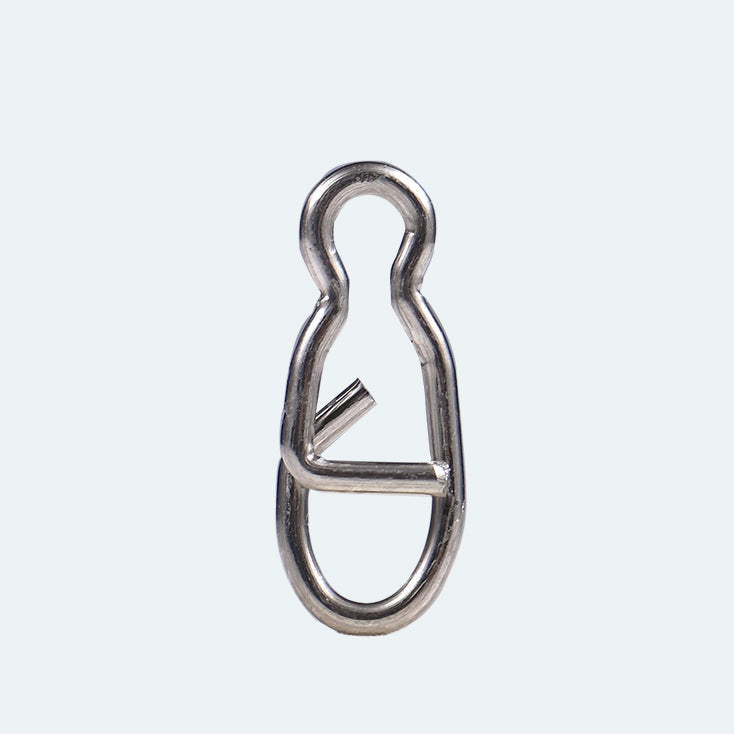
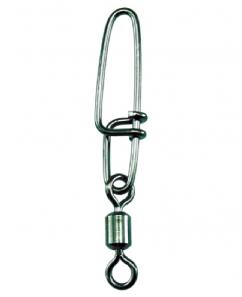
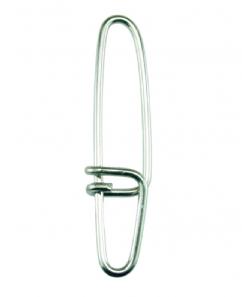
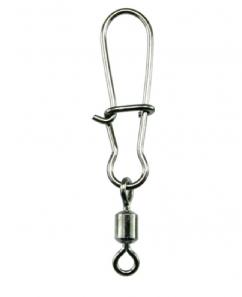
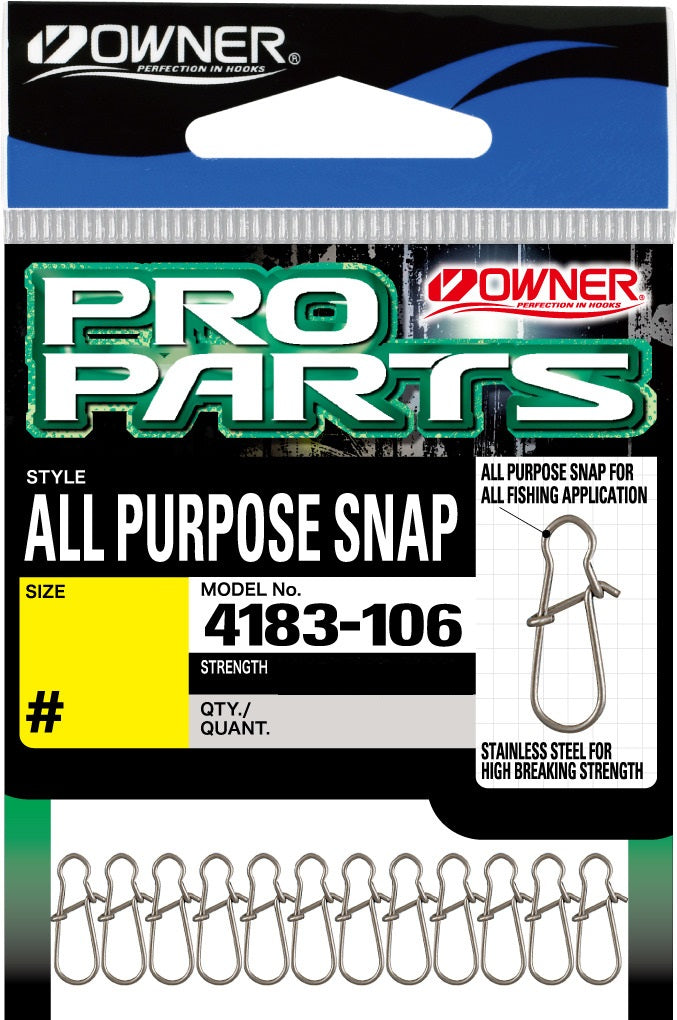
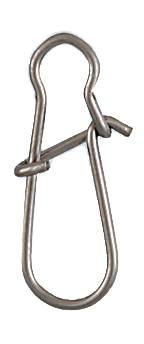
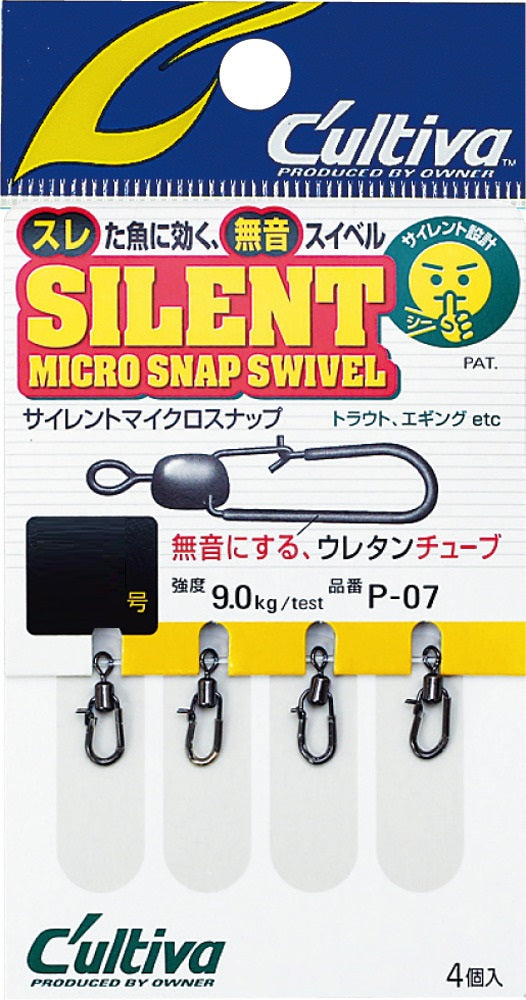
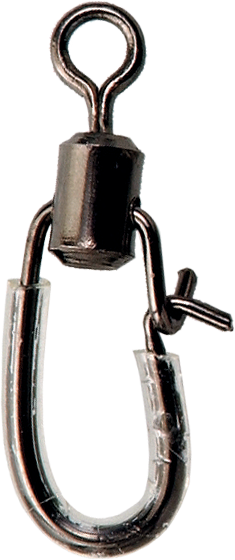
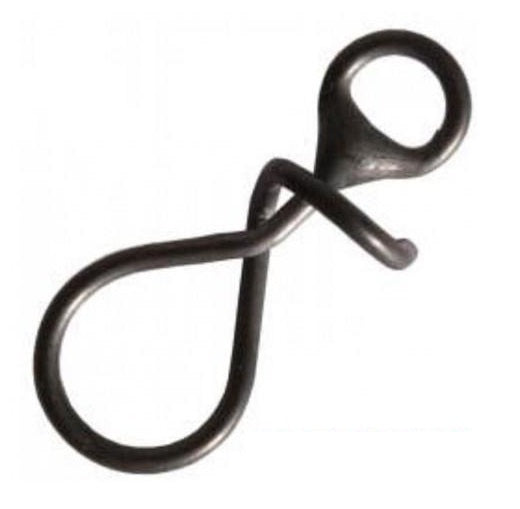
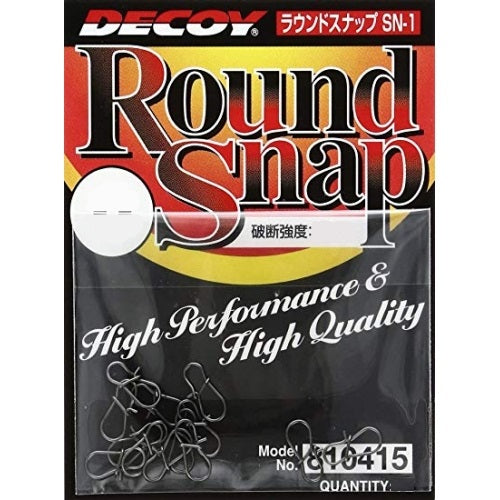
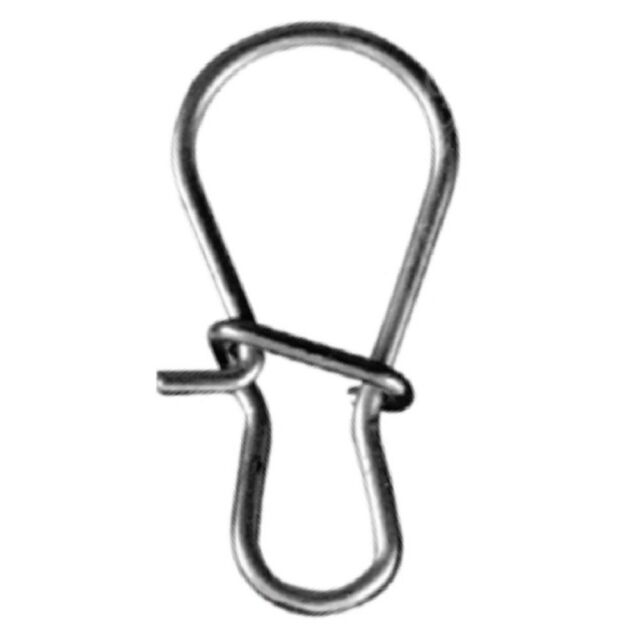
Snaps and clips let you swap lures in seconds. A snap on its own is the low-profile choice for casting lures, since it adds a connection without adding rotation. A snap swivel combines both jobs and suits trolling and bait rigs where twist is the problem.
Size down rather than up. An oversized swivel in front of a small lure kills its action and gives fish something obvious to look at. Match the swivel's rating to your leader, not to the heaviest fish you can imagine. The rest of the connection gear sits in terminal tackle, and pre-tied fishing rigs already include the right sizes.
Frequently asked questions
Do I need a swivel?
For bait fishing, trolling and anything with a spinning blade, yes — a swivel stops line twist that would otherwise ruin the line on your reel. For most casting with lures, a plain snap or a direct knot is better.
What is a ball bearing swivel for?
Turning under load. Ordinary swivels seize up when there is weight on them, while a ball bearing swivel keeps rotating, which is what trolling and spinning lures need.
Will a snap affect my lure's action?
A correctly sized snap usually improves it, because the lure swings freely instead of being locked by a tight knot. An oversized snap weighs the nose down and dulls the action.
What size swivel should I use?
The smallest one rated above your leader strength. Swivels are usually the strongest part of a rig, so there is no benefit in going heavier than the line it is joining.










Sold Out
Halco Zip Fastach Fast Attach Clip 15mm 50lb Bulk Value Pack - ZIPC15 PP
$9.99
$14.00
Sold Out






Sold Out
Shogun Brass Barrel Swivel Interlock Snap Mega Bulk 1000 Pack
from
$120.04
$159.95
Sold Out

















Swivels stop line twist and snaps let you change lures without retying. They are small, cheap and completely load-bearing, which is why they are worth buying properly rather than by the bargain packet.
Choosing swivels and snaps
Barrel and rolling swivels handle everyday bait fishing and rig building. Ball bearing swivels turn under load, which is what you need for trolling and for spinning lures that would otherwise wind your line into a spring. Crane swivels sit between the two.
Snaps and clips let you swap lures in seconds. A snap on its own is the low-profile choice for casting lures, since it adds a connection without adding rotation. A snap swivel combines both jobs and suits trolling and bait rigs where twist is the problem.
Size down rather than up. An oversized swivel in front of a small lure kills its action and gives fish something obvious to look at. Match the swivel's rating to your leader, not to the heaviest fish you can imagine. The rest of the connection gear sits in terminal tackle, and pre-tied fishing rigs already include the right sizes.
Frequently asked questions
Do I need a swivel?
For bait fishing, trolling and anything with a spinning blade, yes — a swivel stops line twist that would otherwise ruin the line on your reel. For most casting with lures, a plain snap or a direct knot is better.
What is a ball bearing swivel for?
Turning under load. Ordinary swivels seize up when there is weight on them, while a ball bearing swivel keeps rotating, which is what trolling and spinning lures need.
Will a snap affect my lure's action?
A correctly sized snap usually improves it, because the lure swings freely instead of being locked by a tight knot. An oversized snap weighs the nose down and dulls the action.
What size swivel should I use?
The smallest one rated above your leader strength. Swivels are usually the strongest part of a rig, so there is no benefit in going heavier than the line it is joining.