

FREE SHIPPING ON ORDERS OVER $150*

AUSSIE FAMILY OWNED BUSINESS FOR OVER 40 YEARS

100% SATISFACTION GUARANTEED
Tackle Boxes and Bags
Tackle Boxes and Bags
Every angler reaches the same point — more gear than pockets, lures going rusty in a pile, and ten minutes lost looking for one jighead. Storage is what turns a collection of tackle into something you can actually fish with.
Box, bag or backpack?
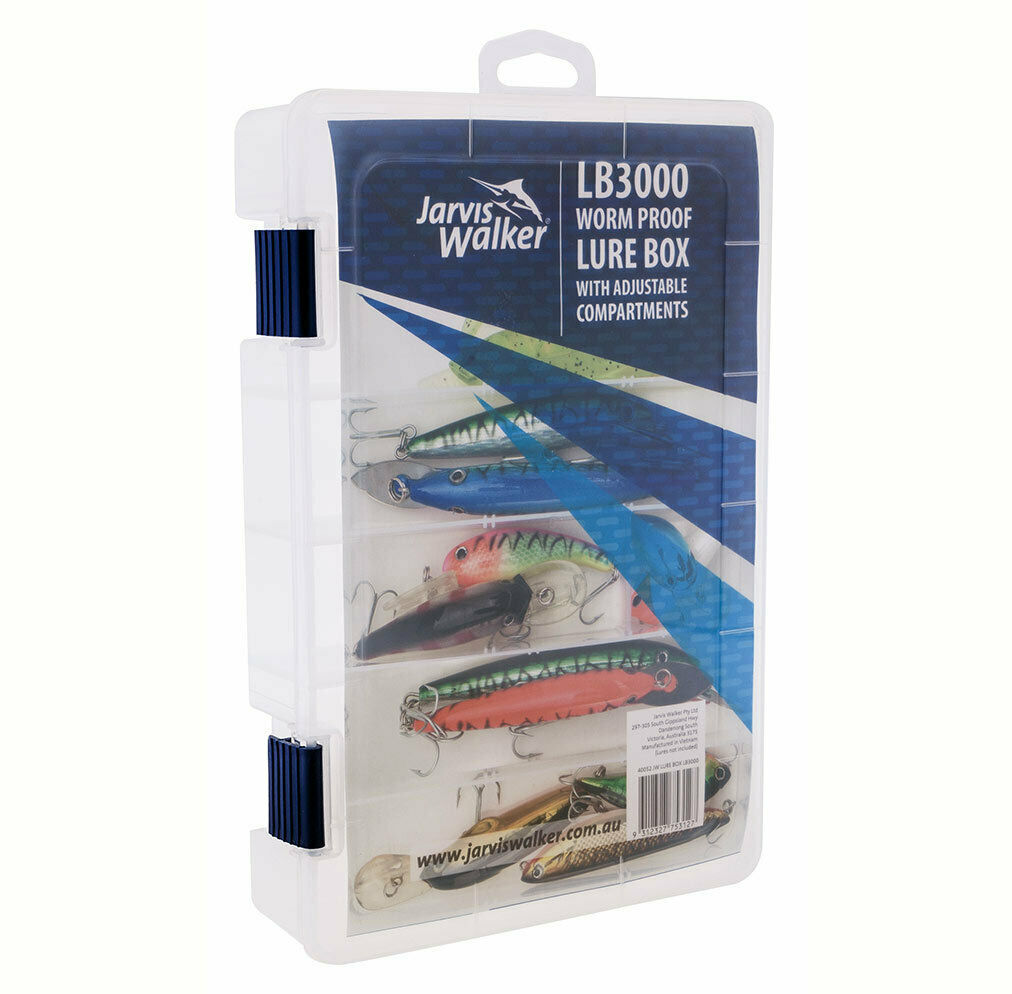
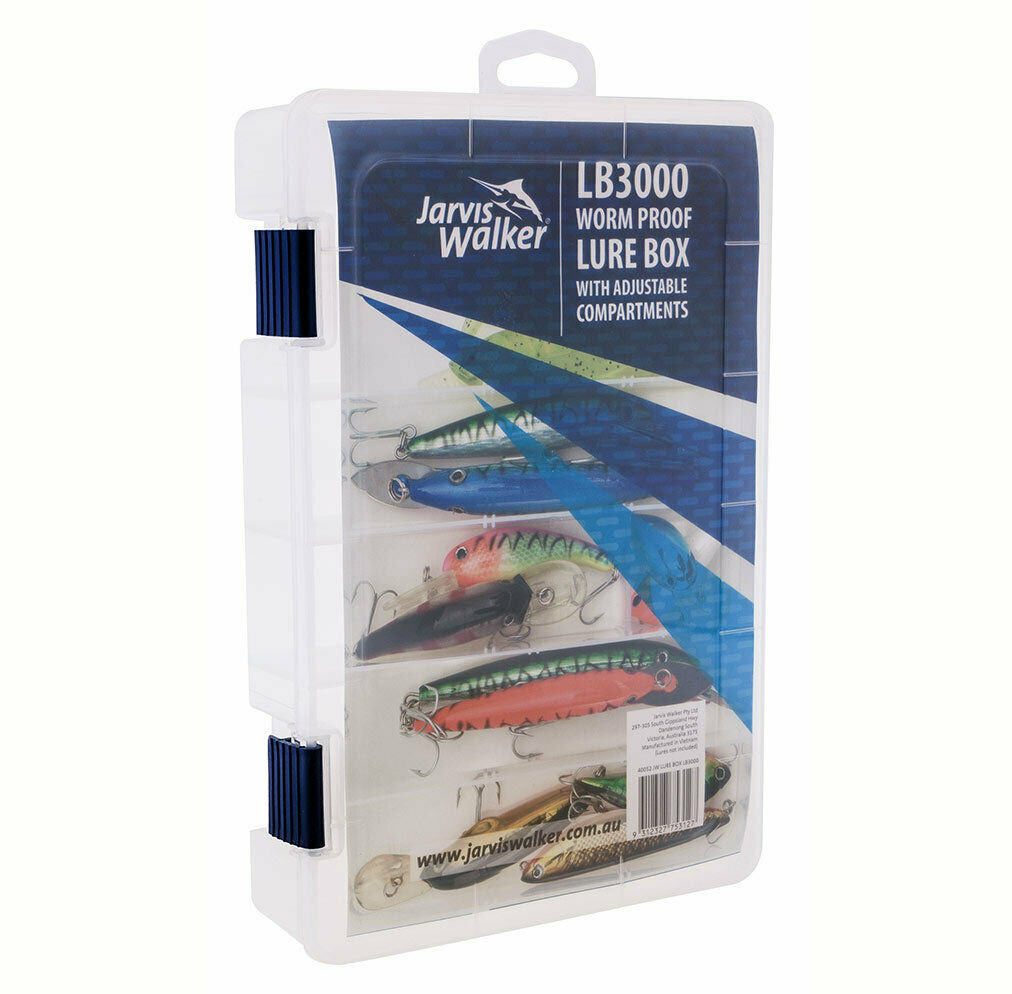
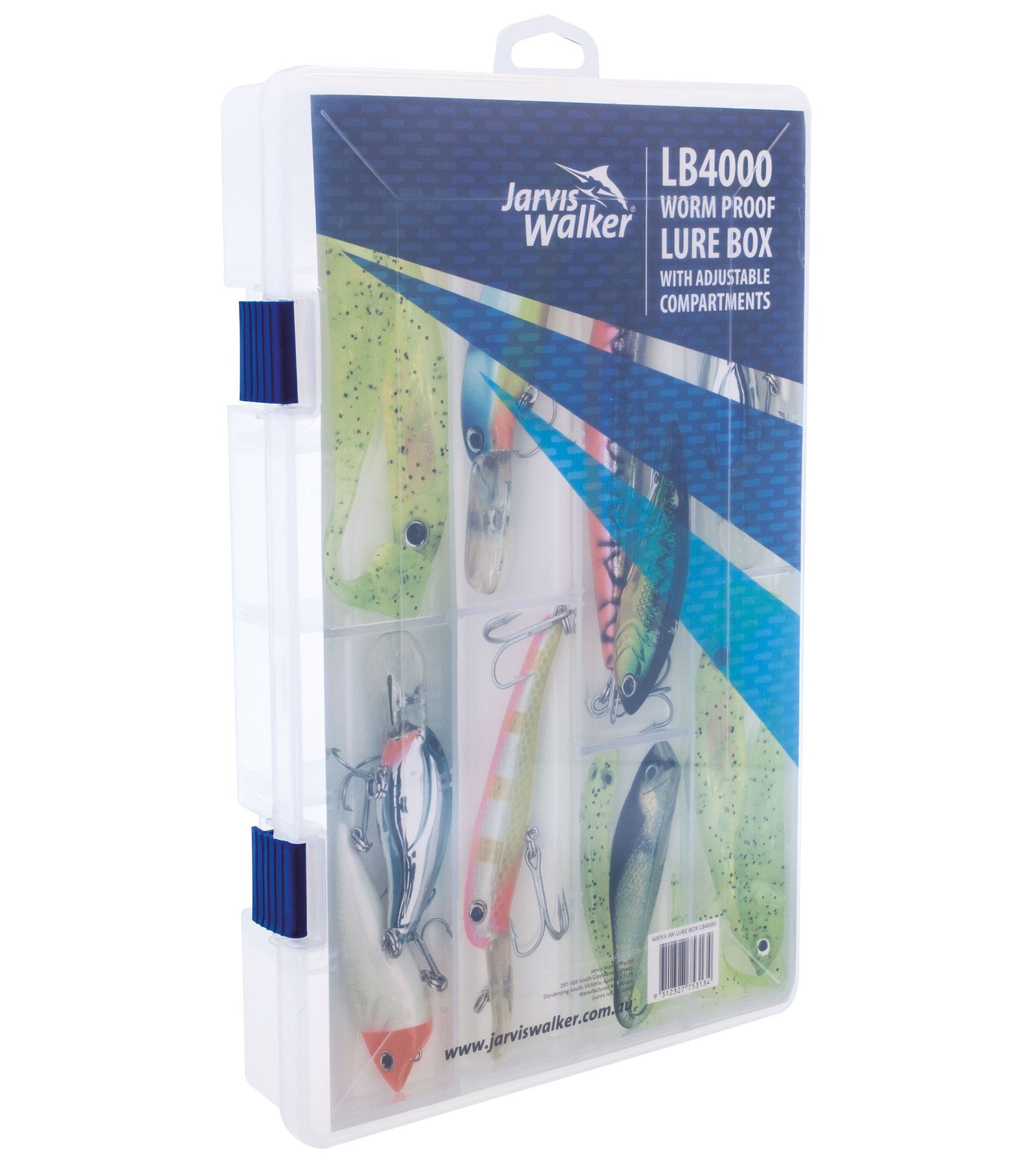
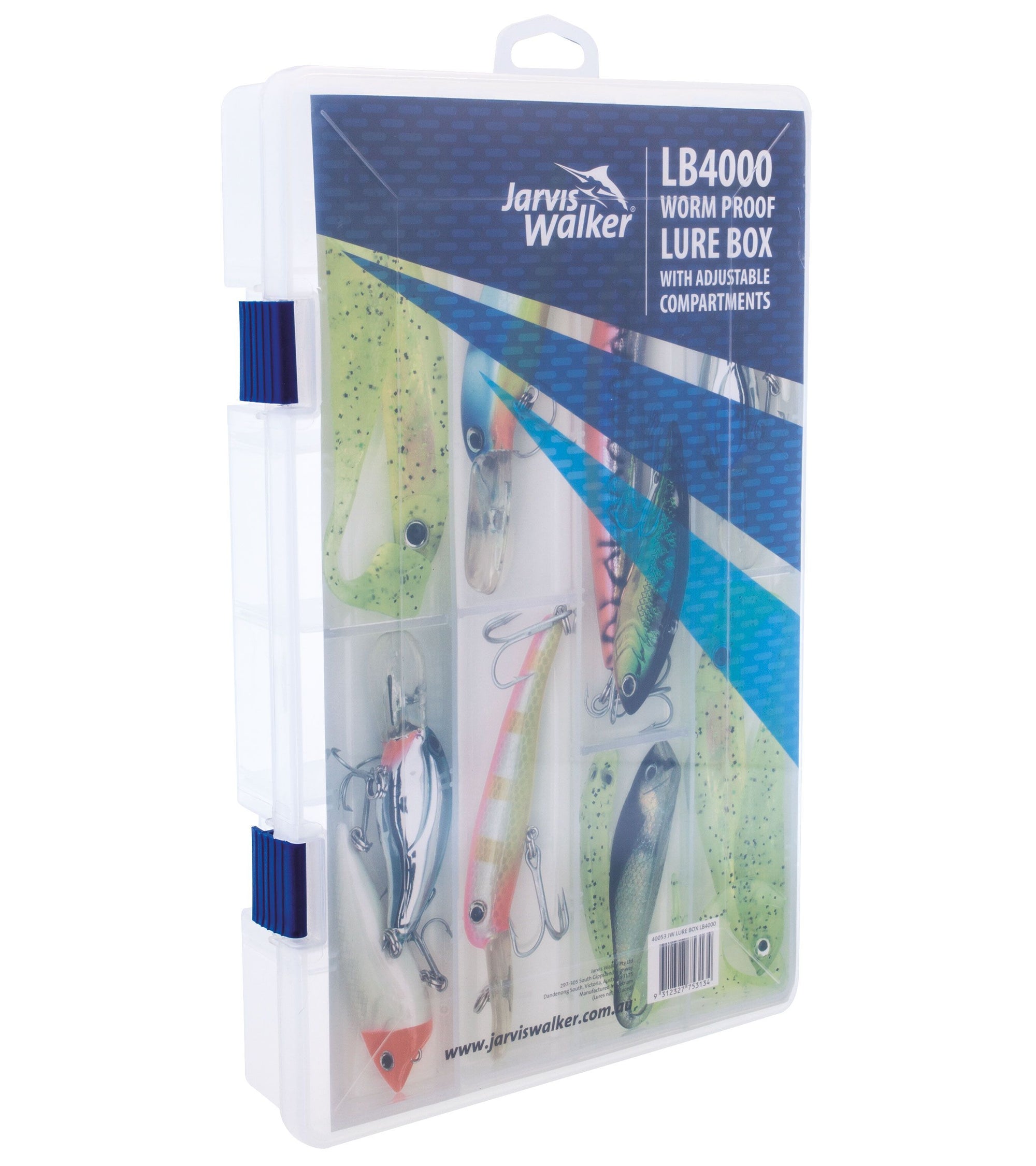
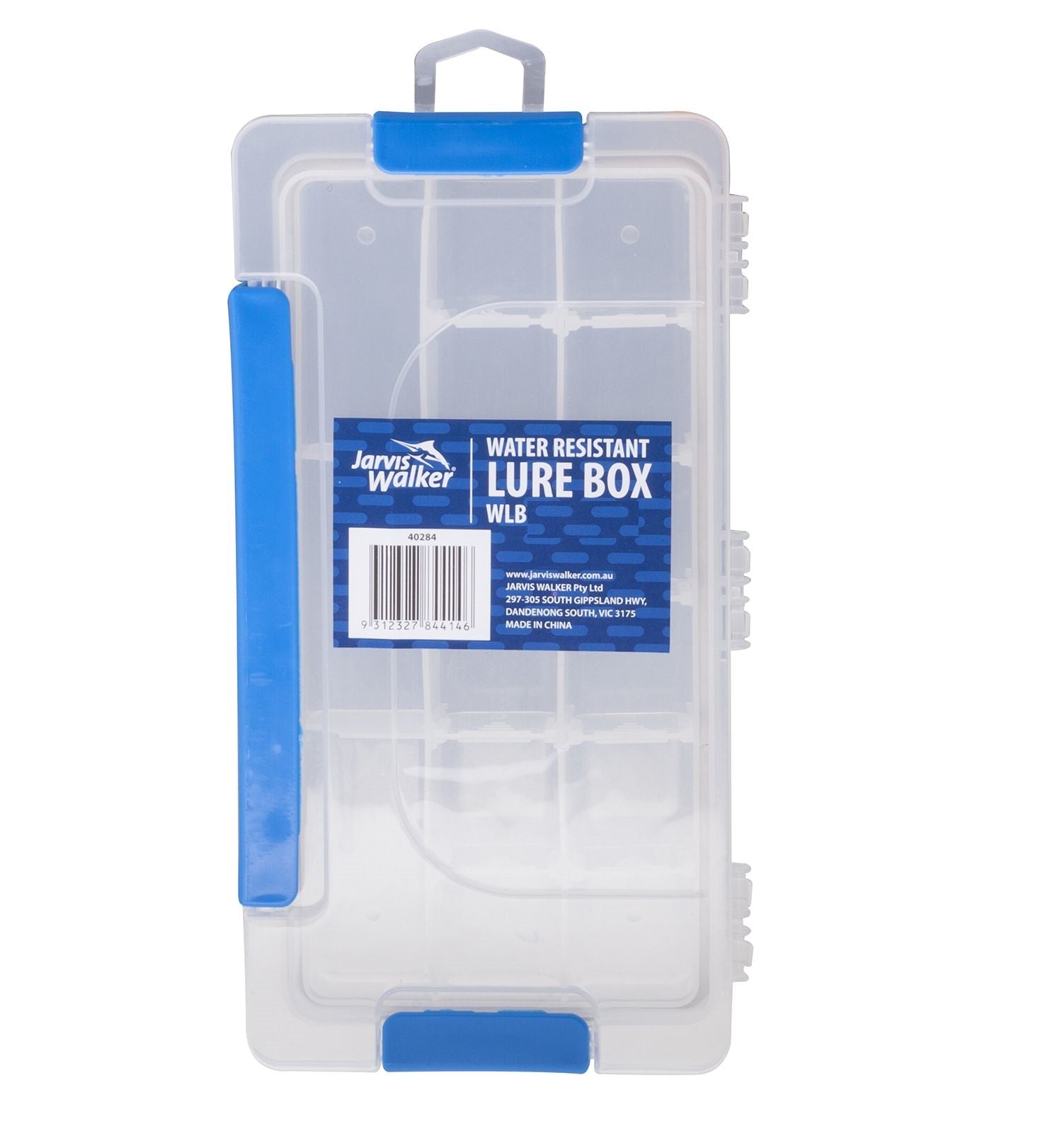
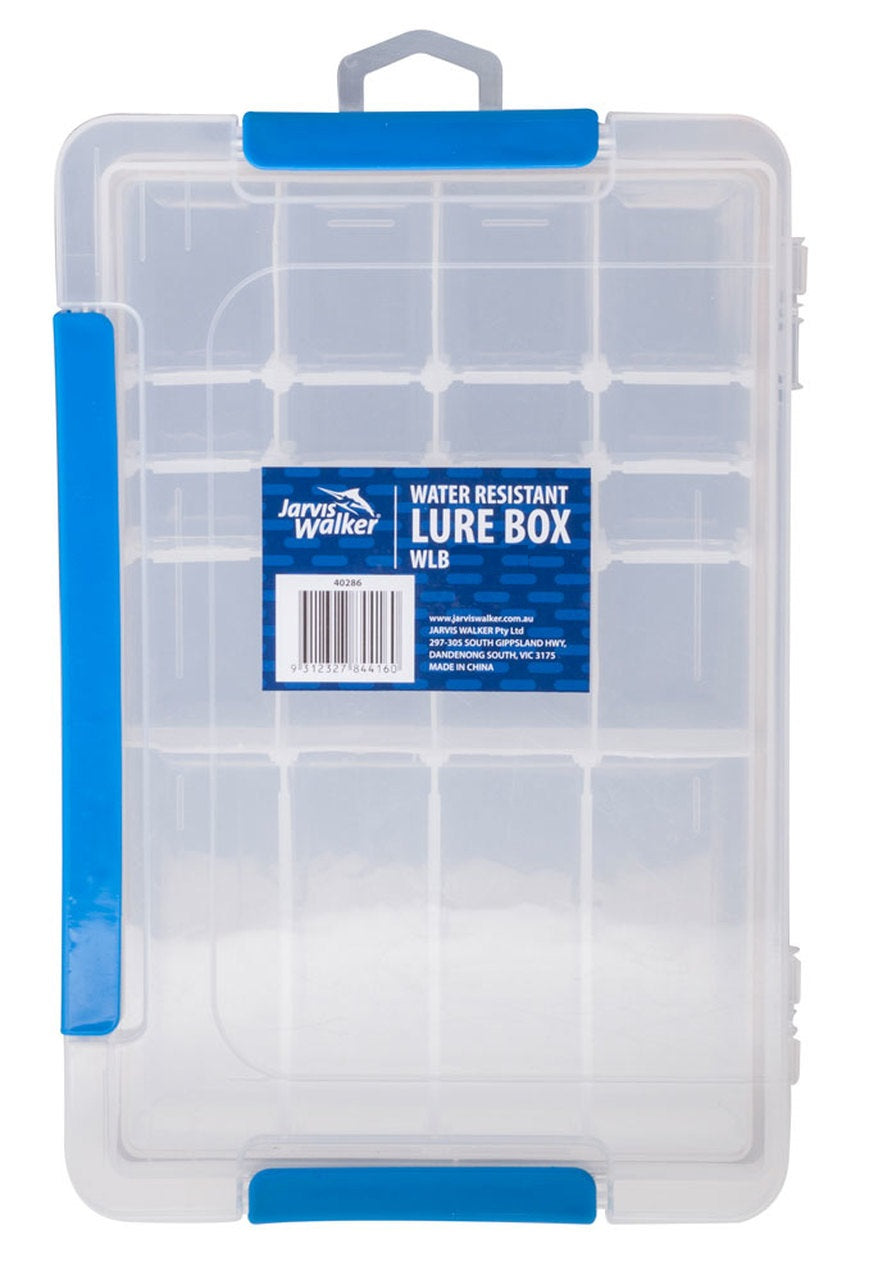
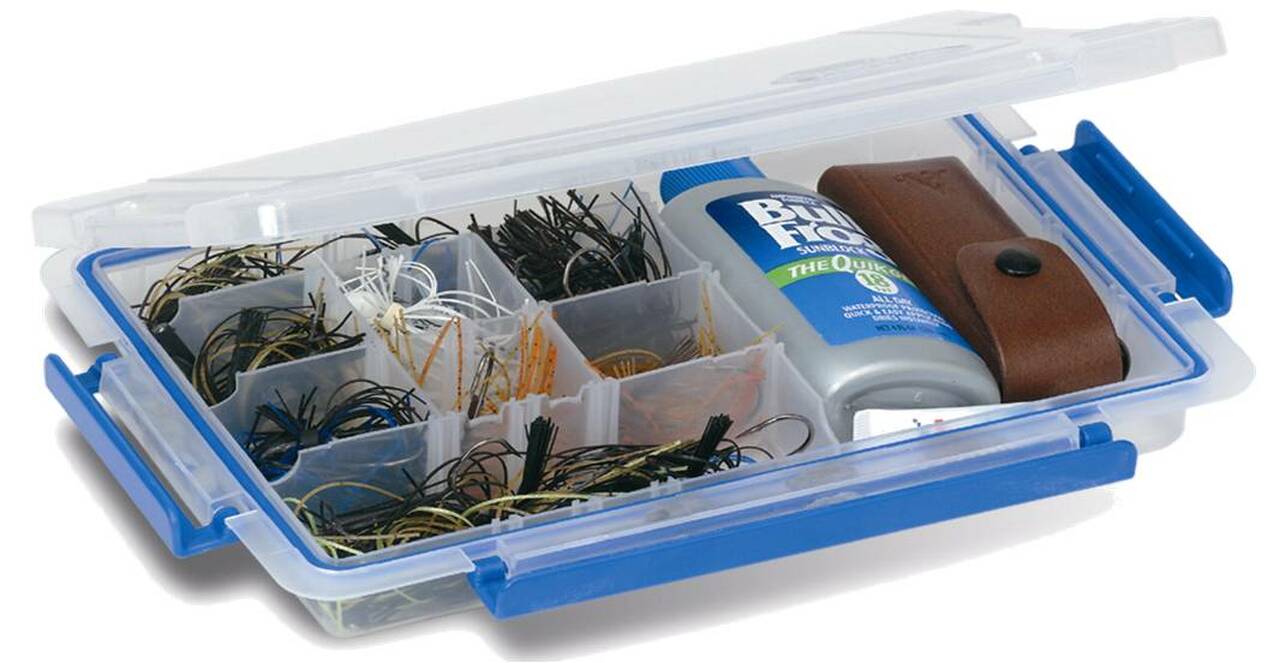
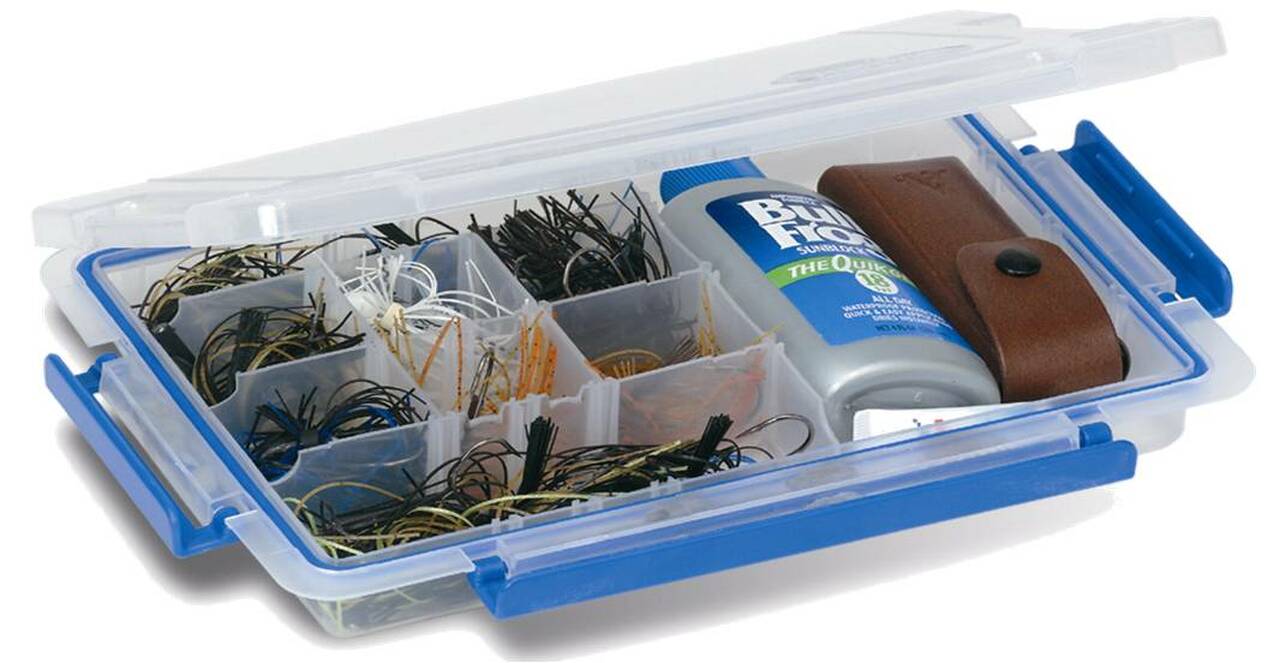
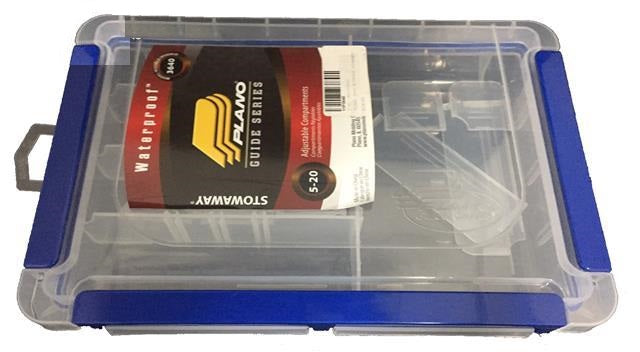
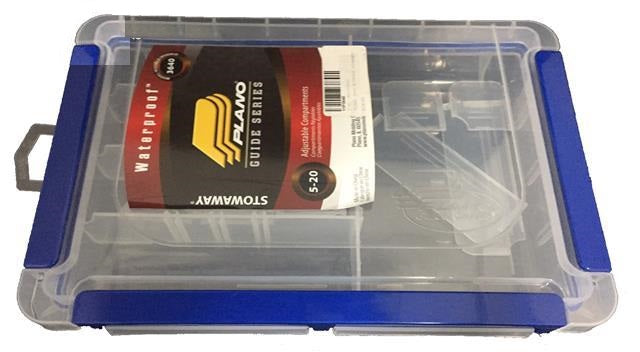
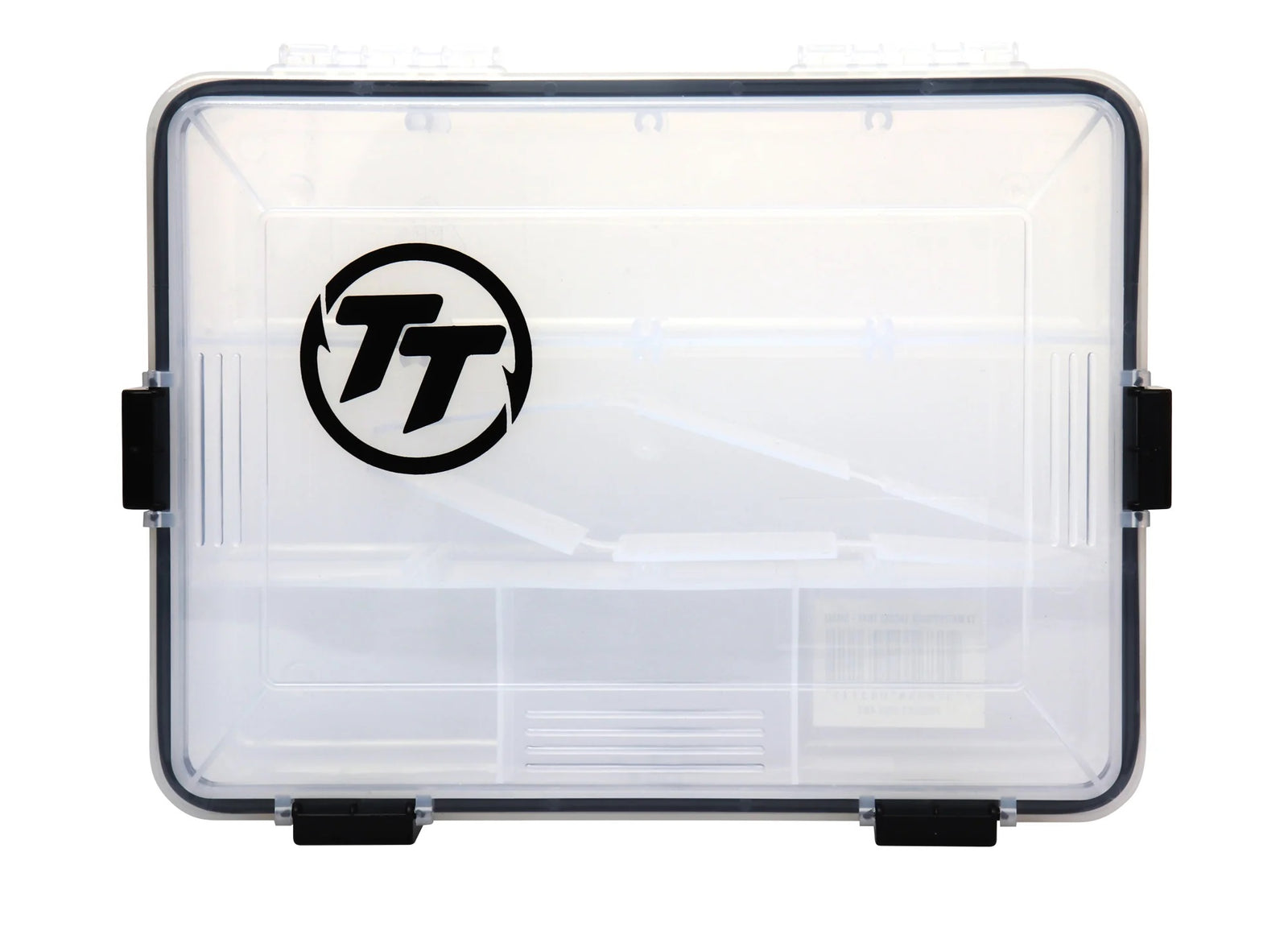
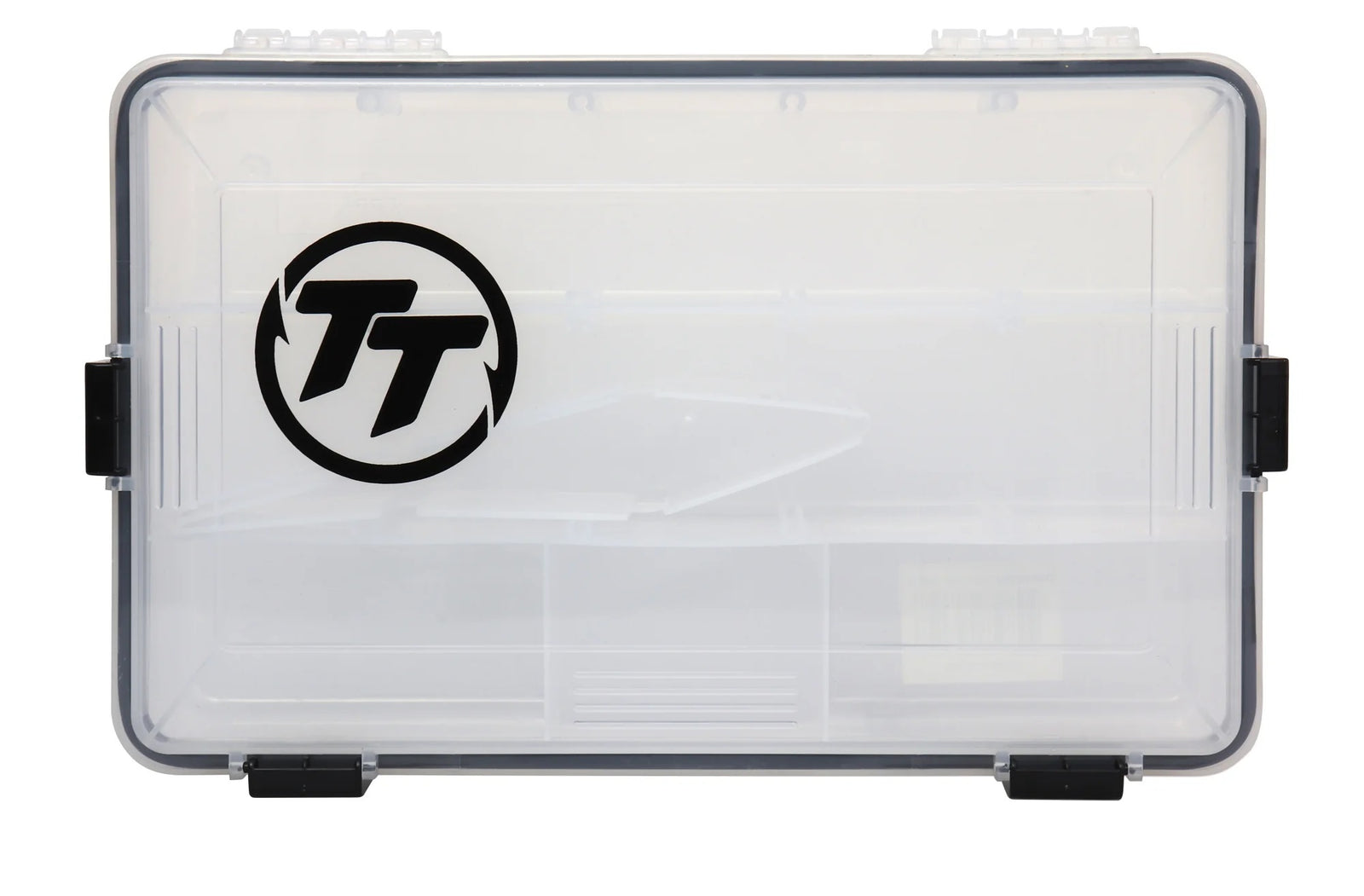
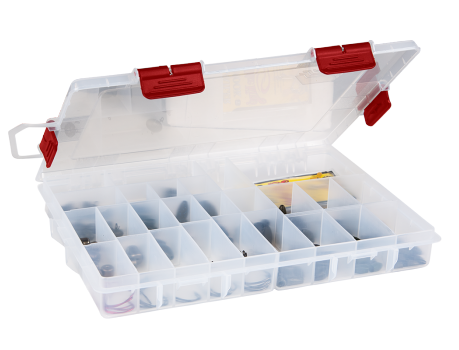
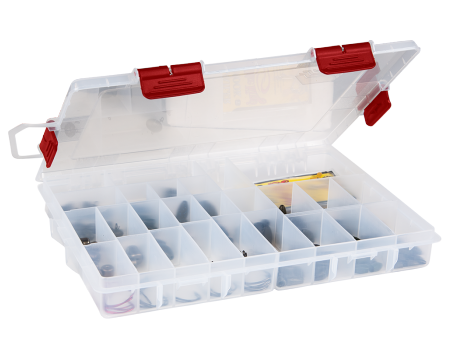
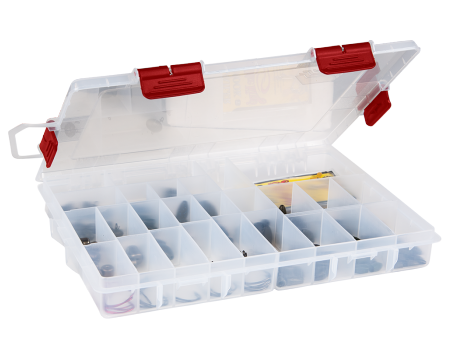
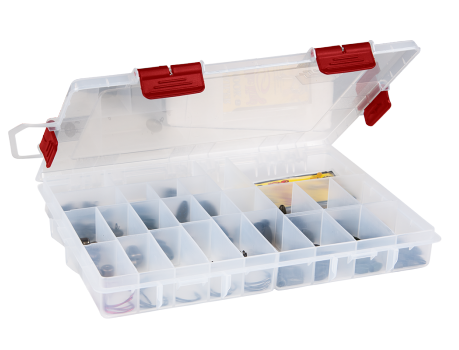
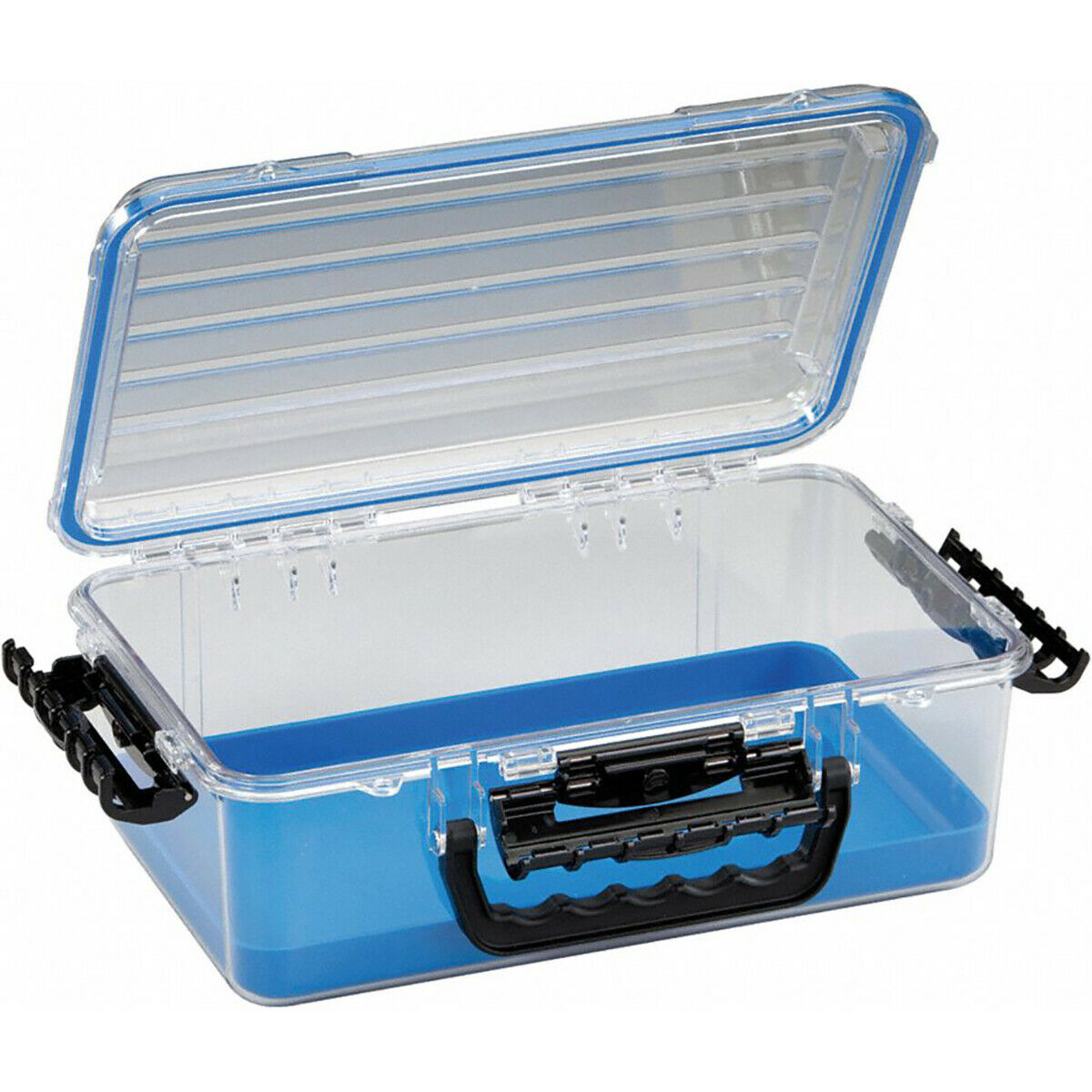
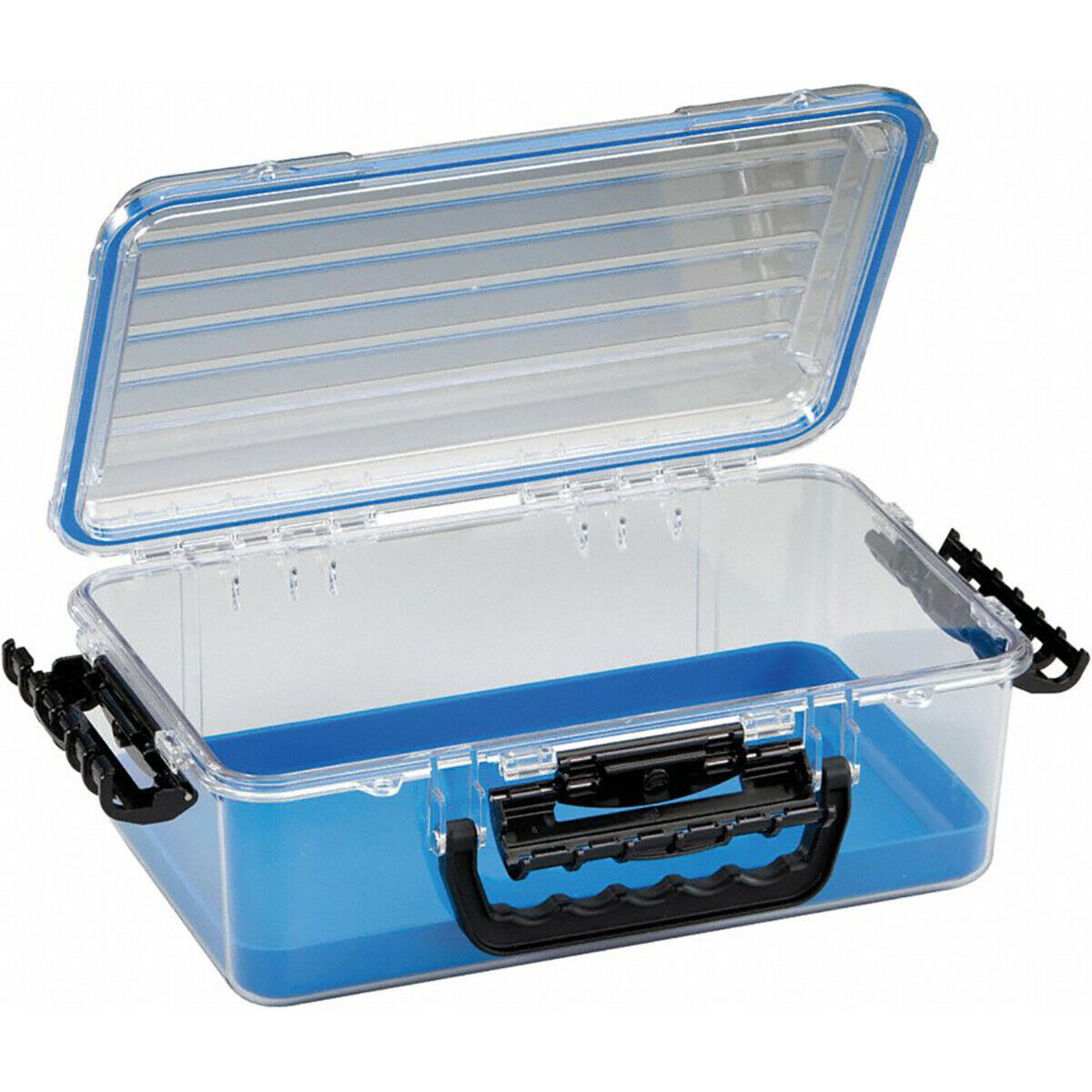
A hard tackle box protects what is inside and stacks well in a boat. It is the right answer when gear lives somewhere and does not get carried far.
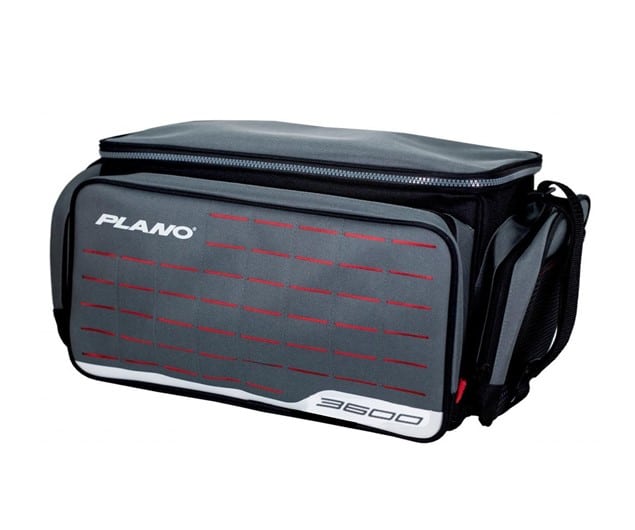
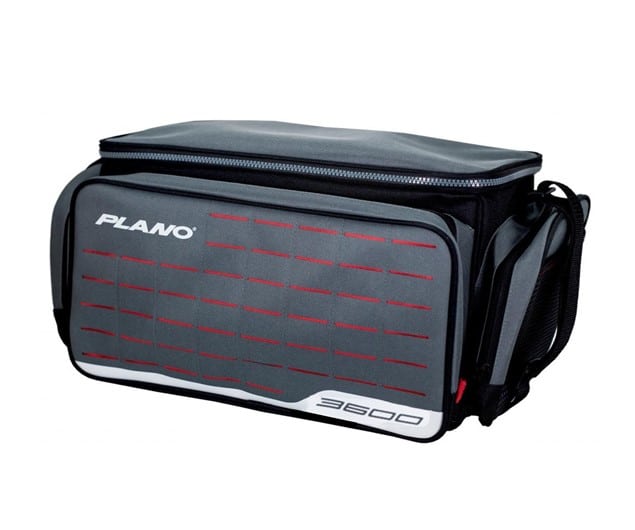
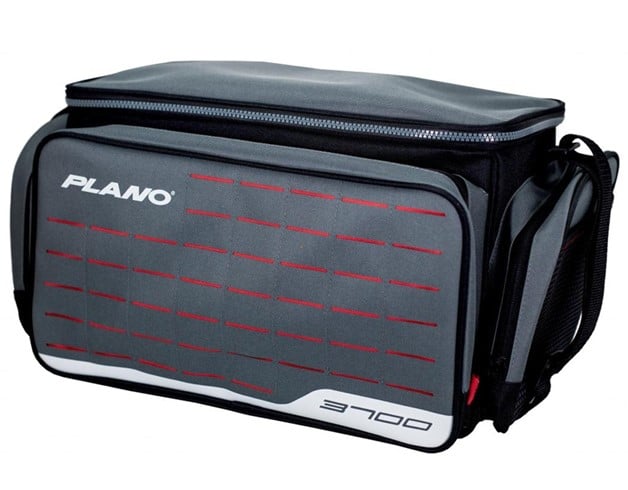
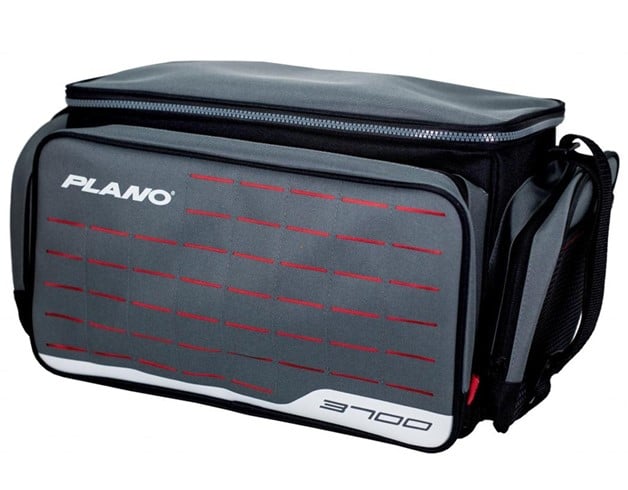
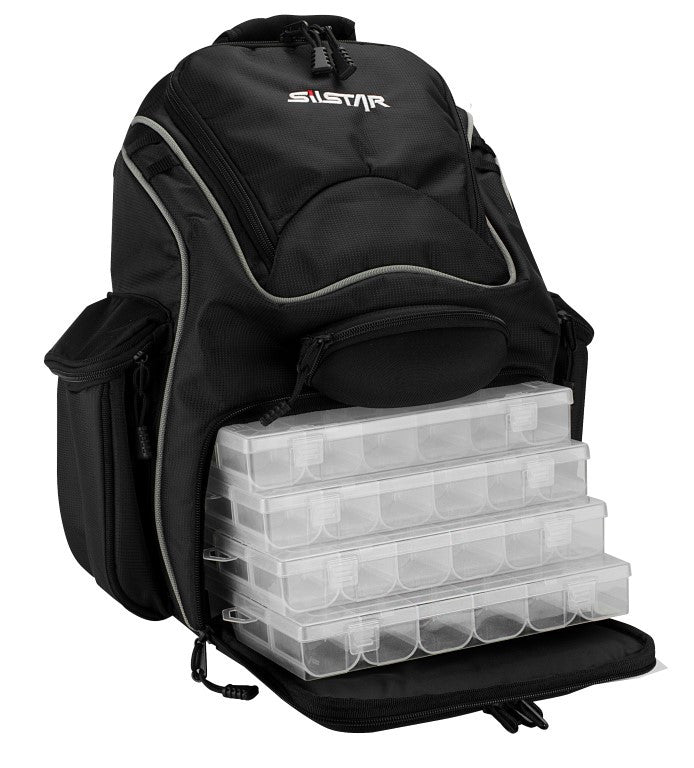
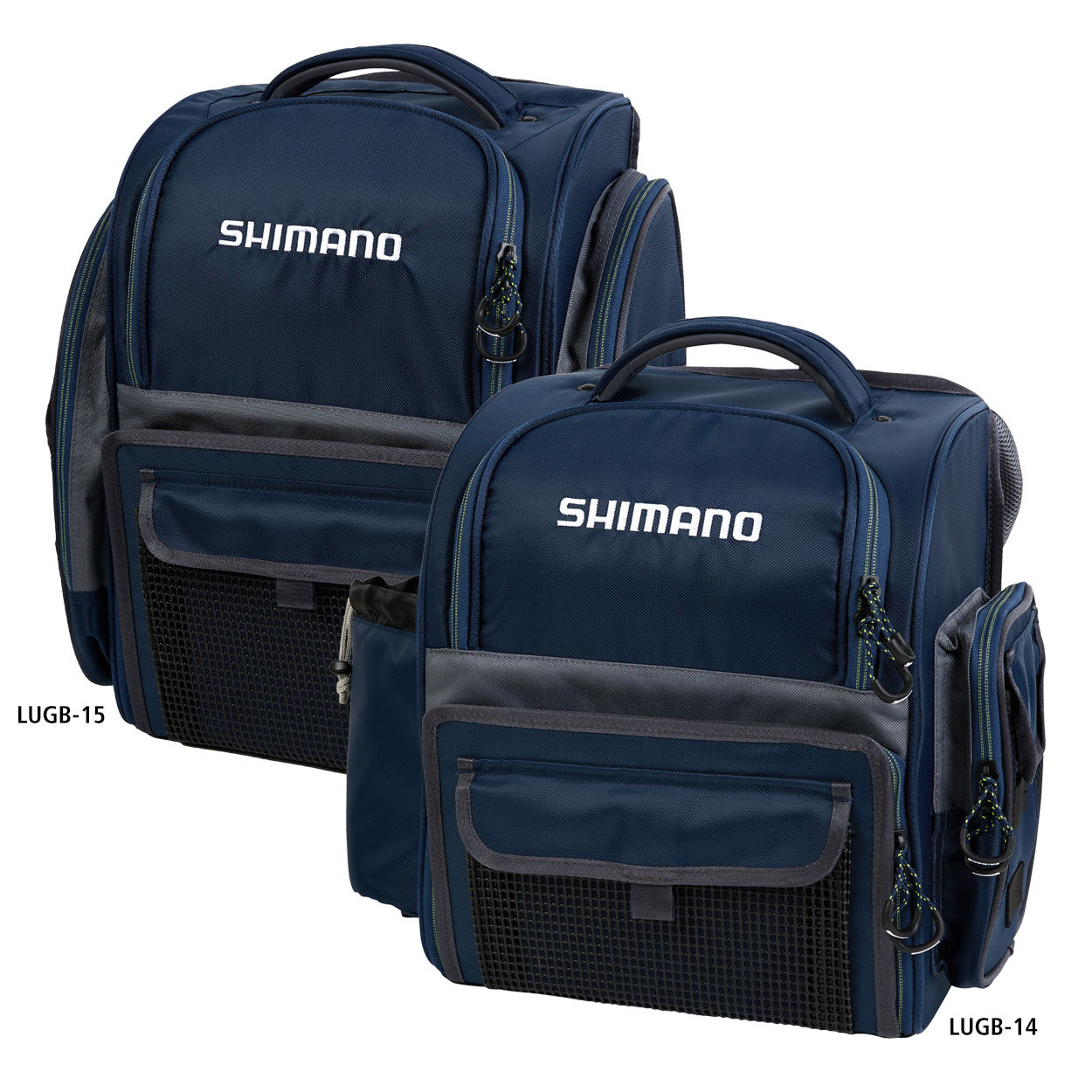
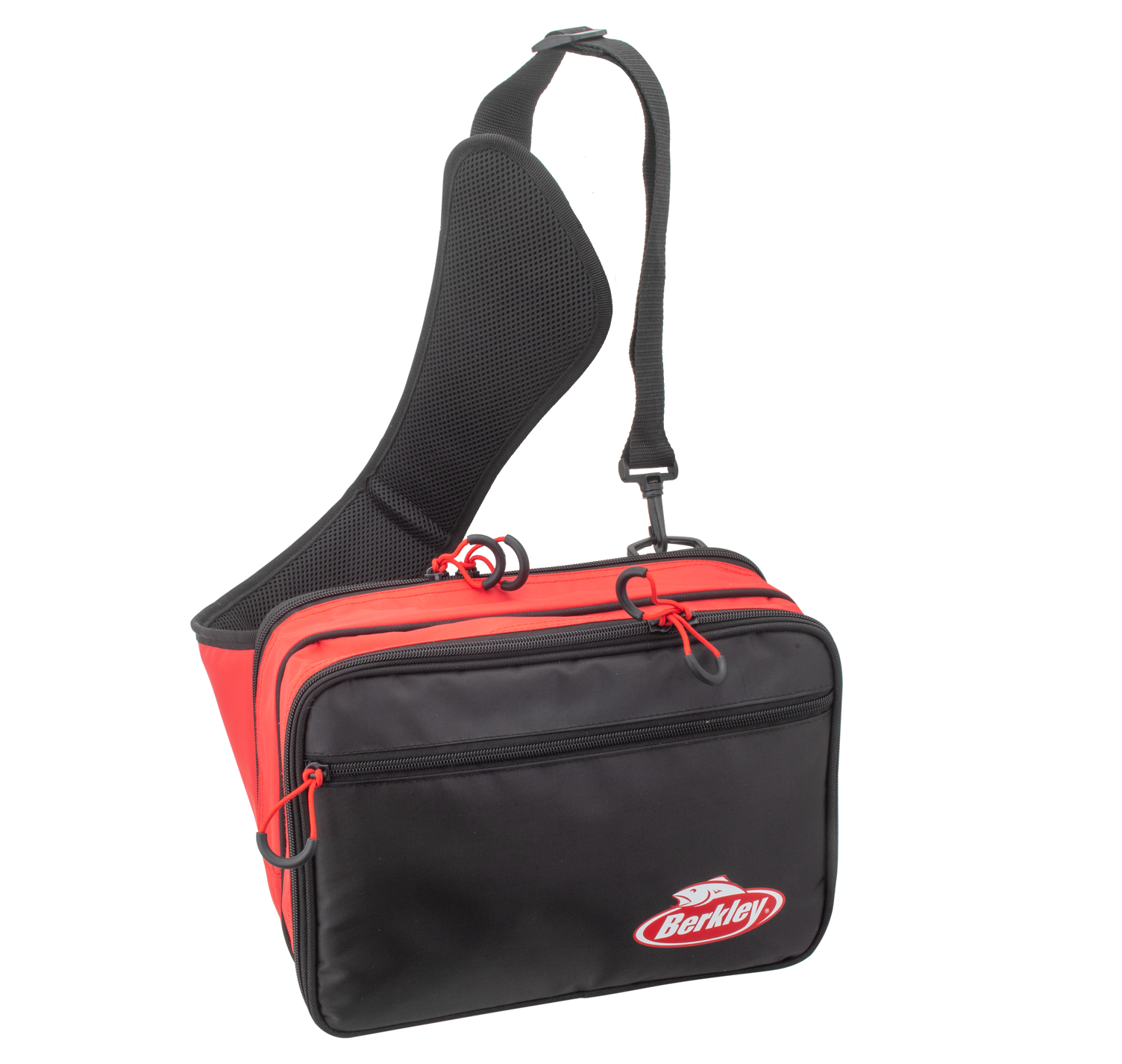
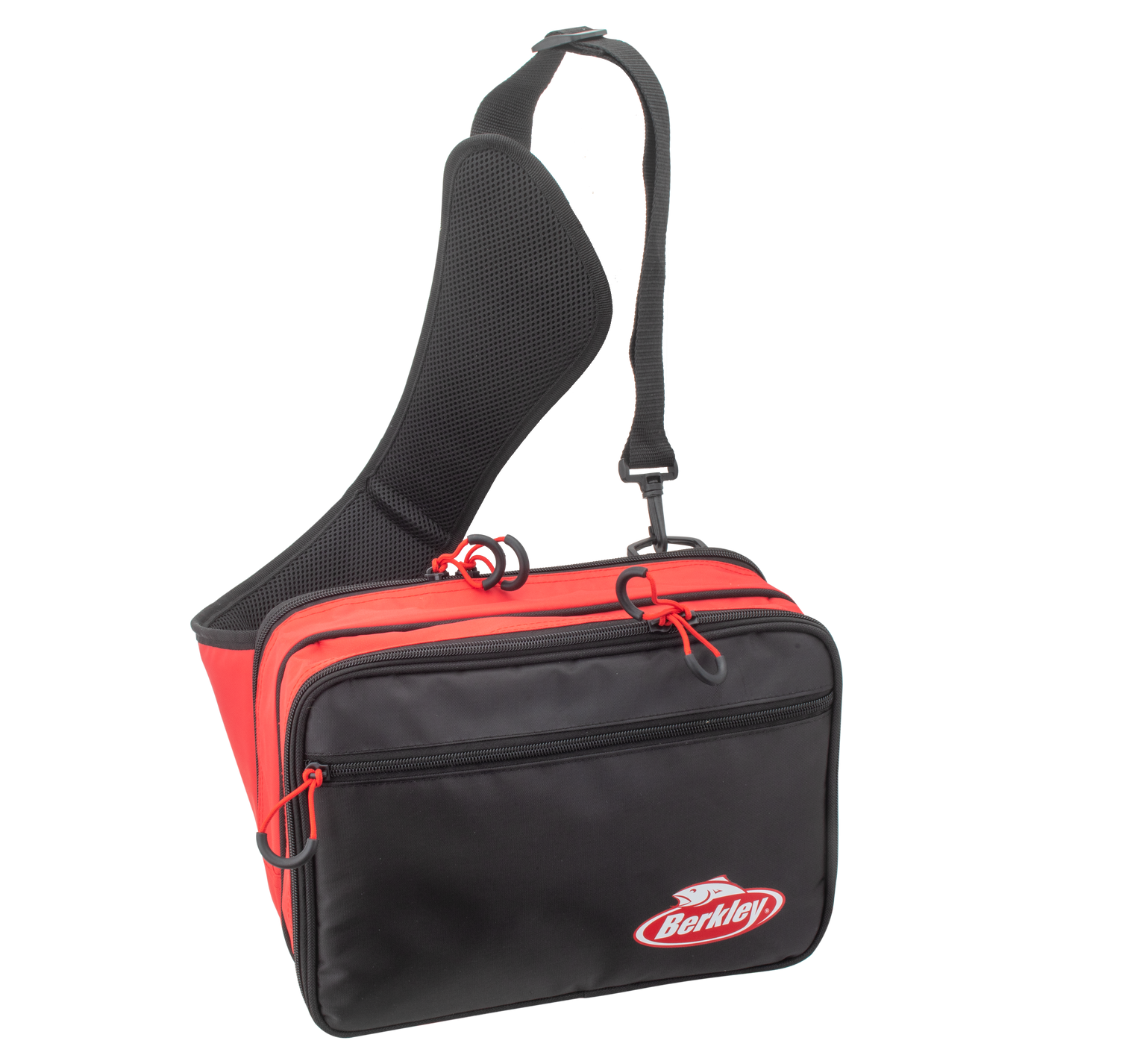
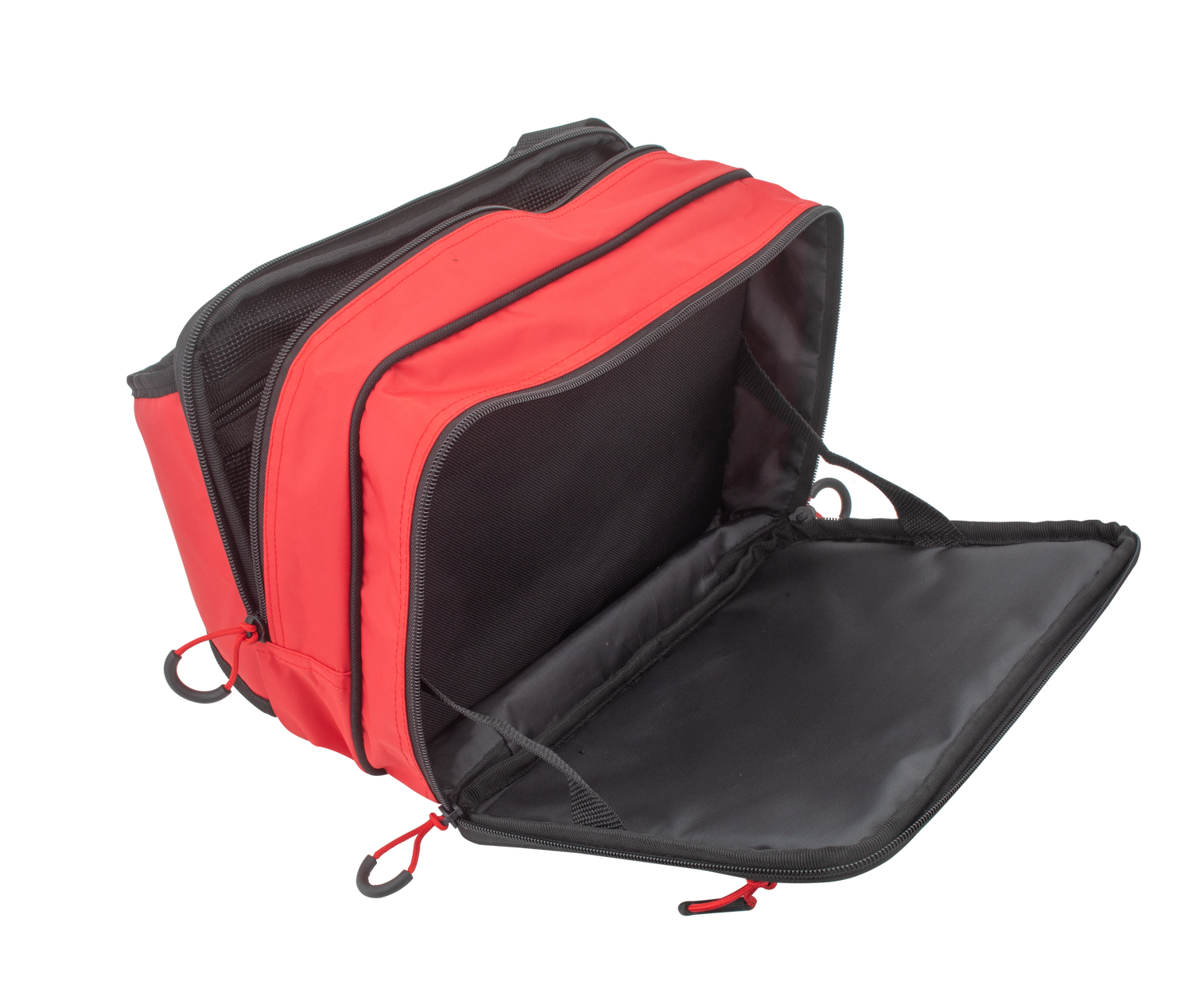
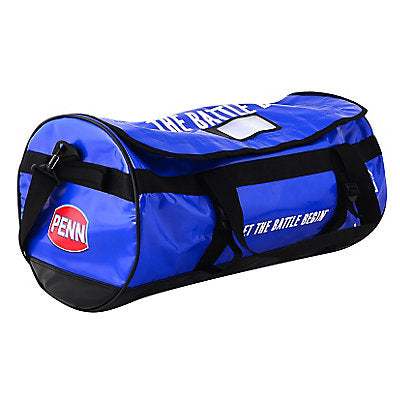
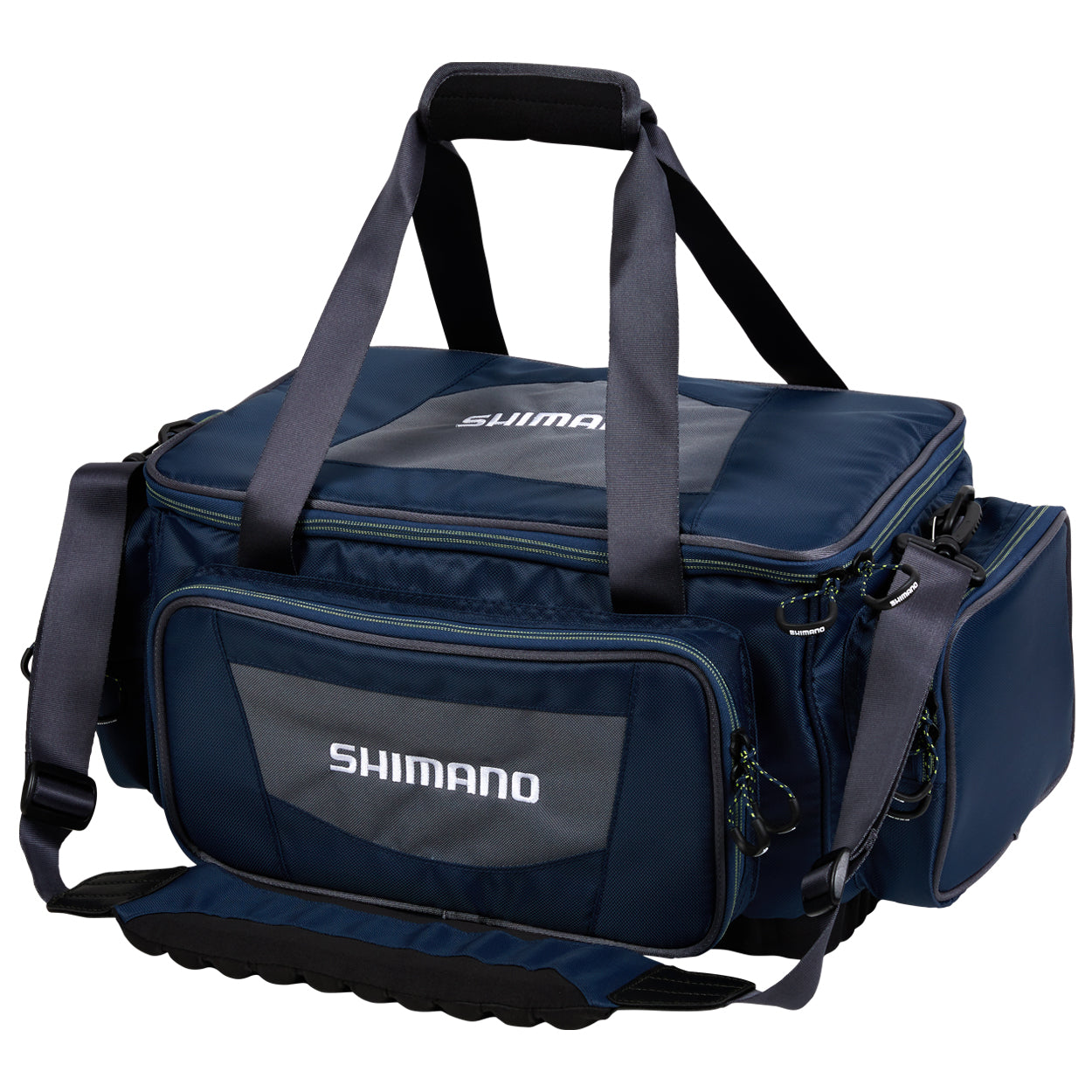
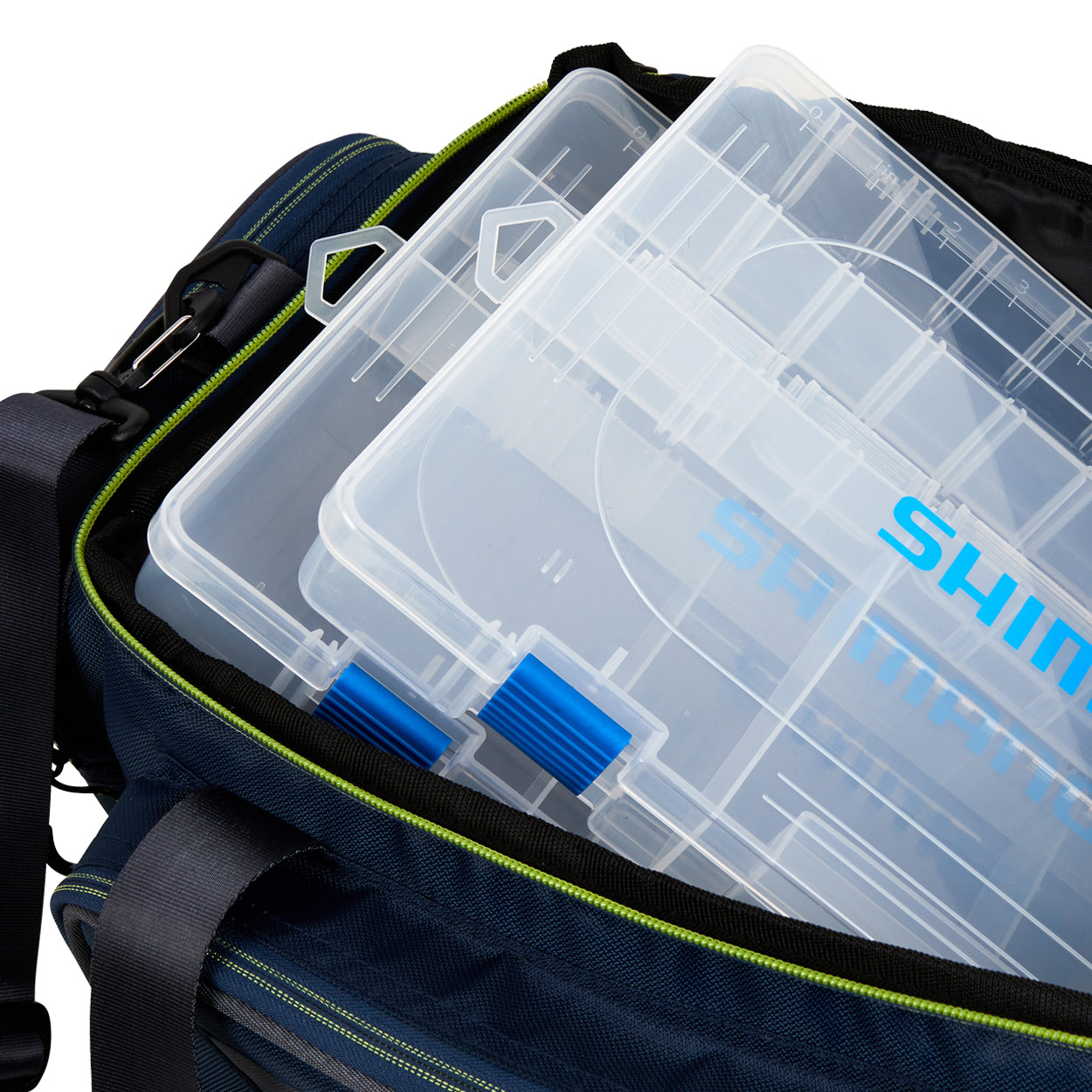
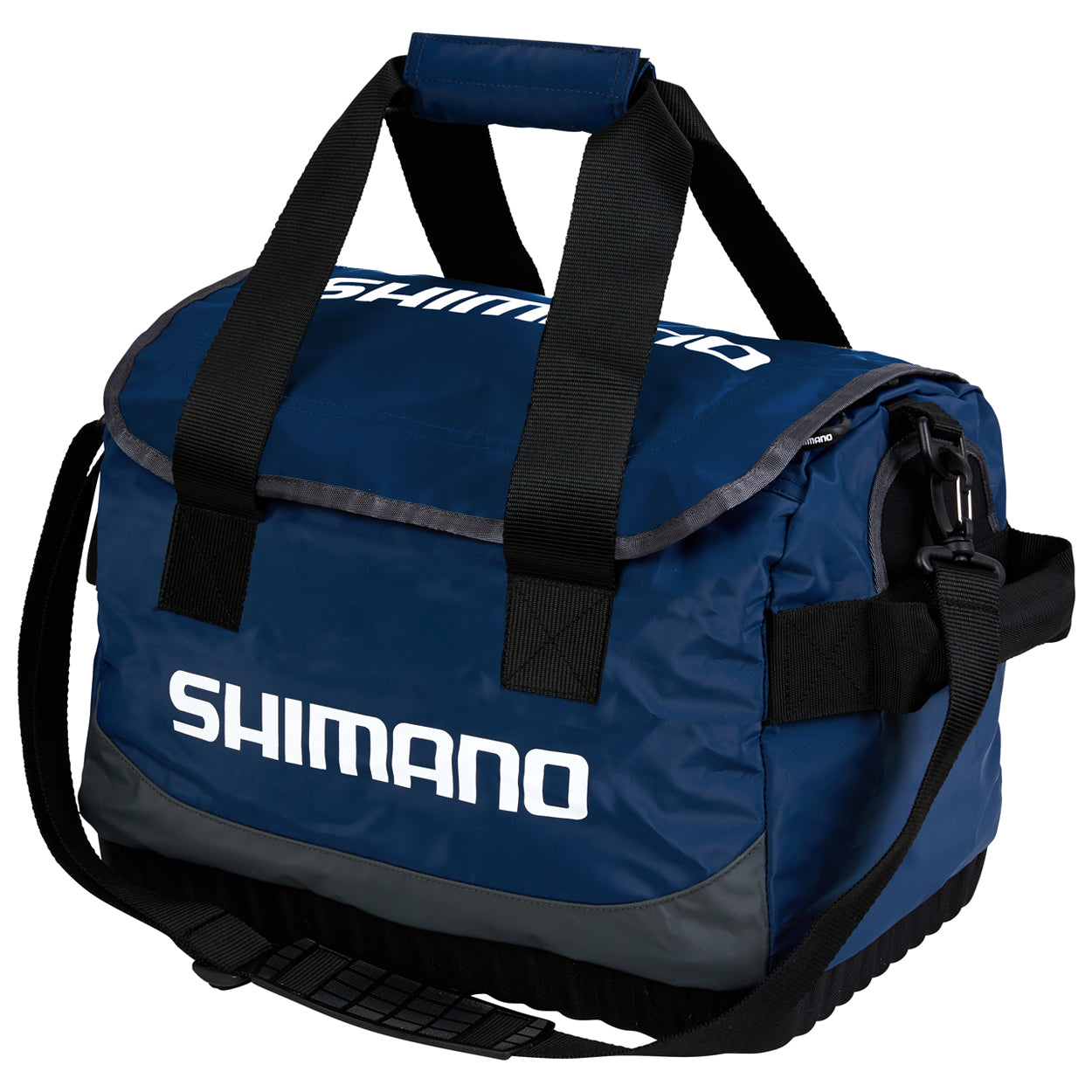
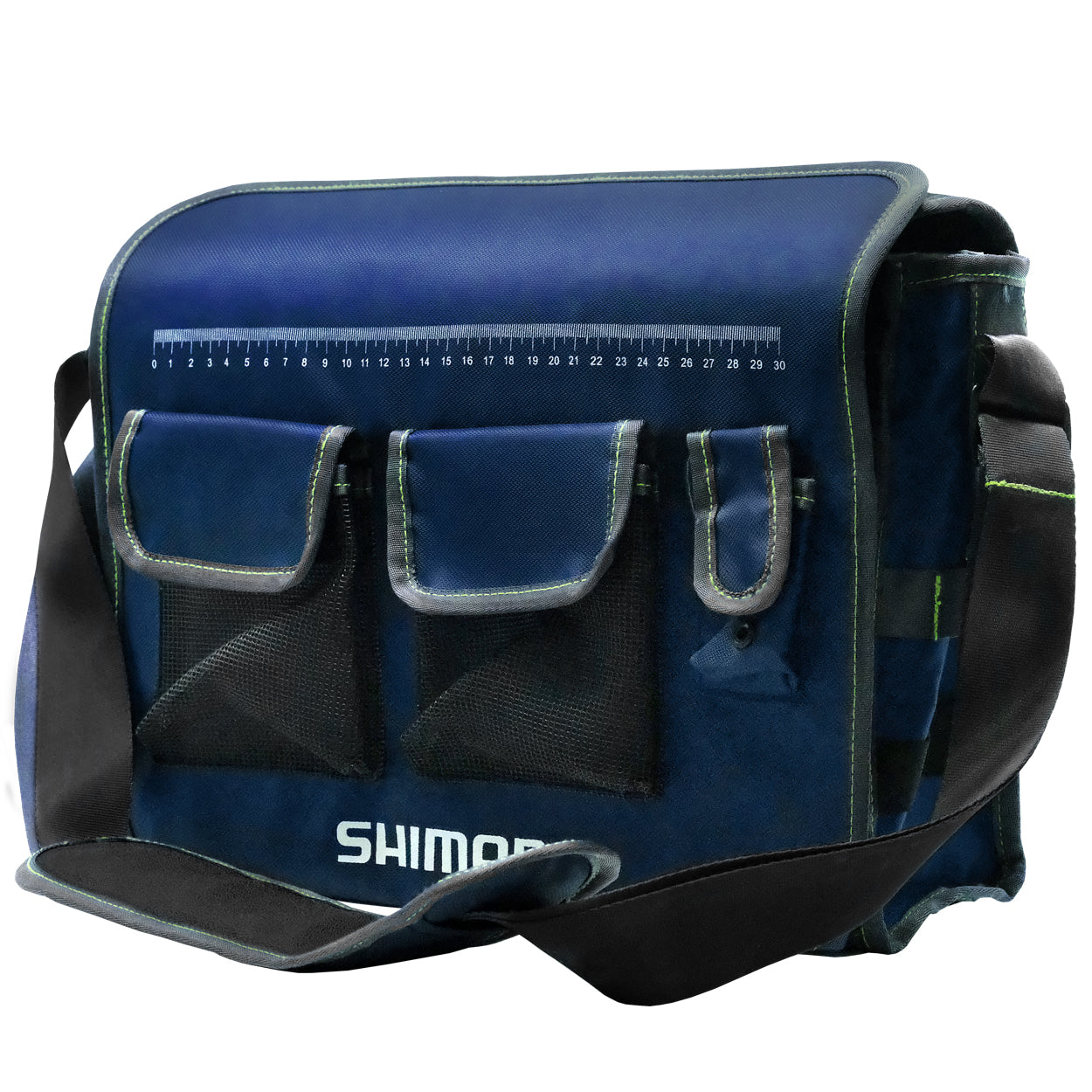
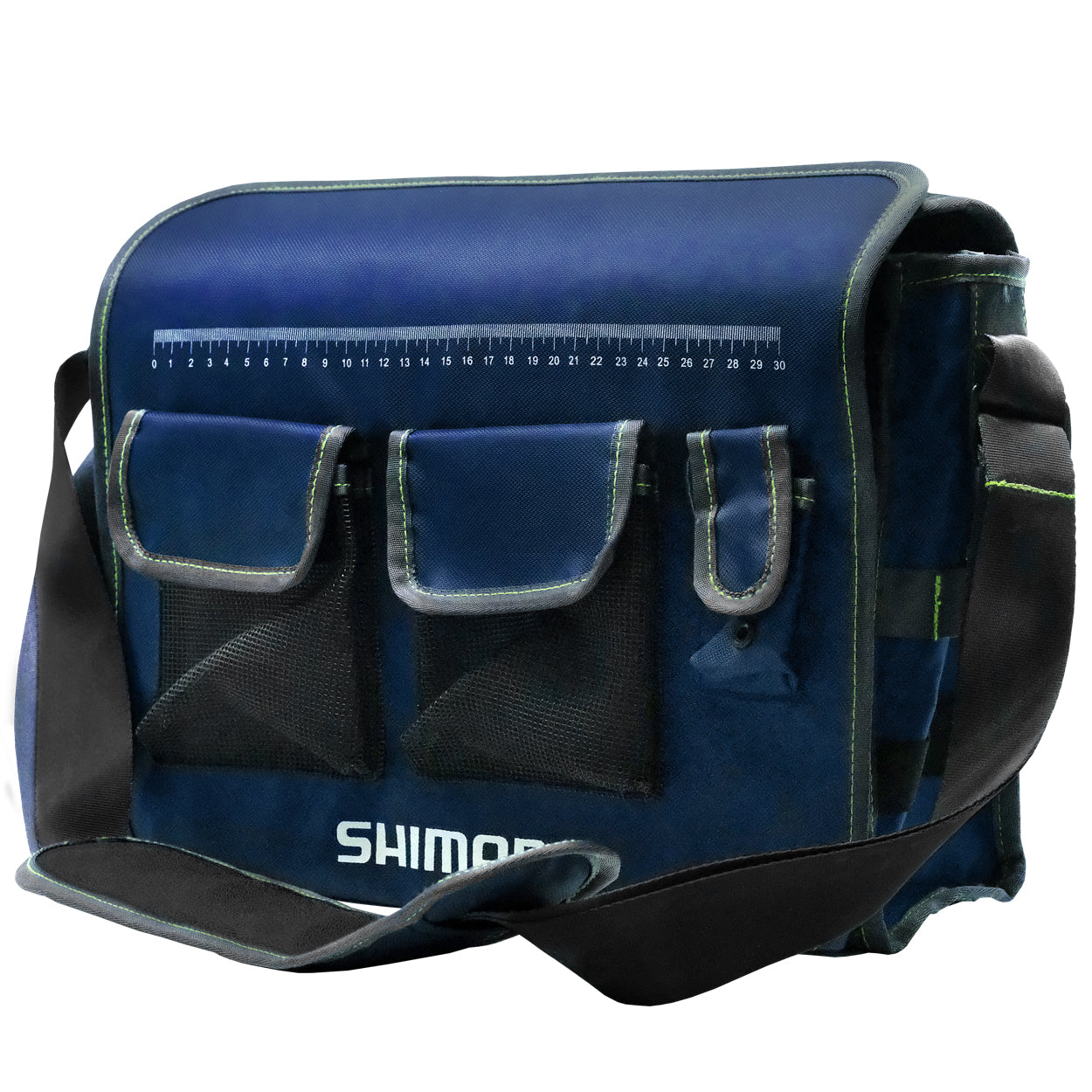
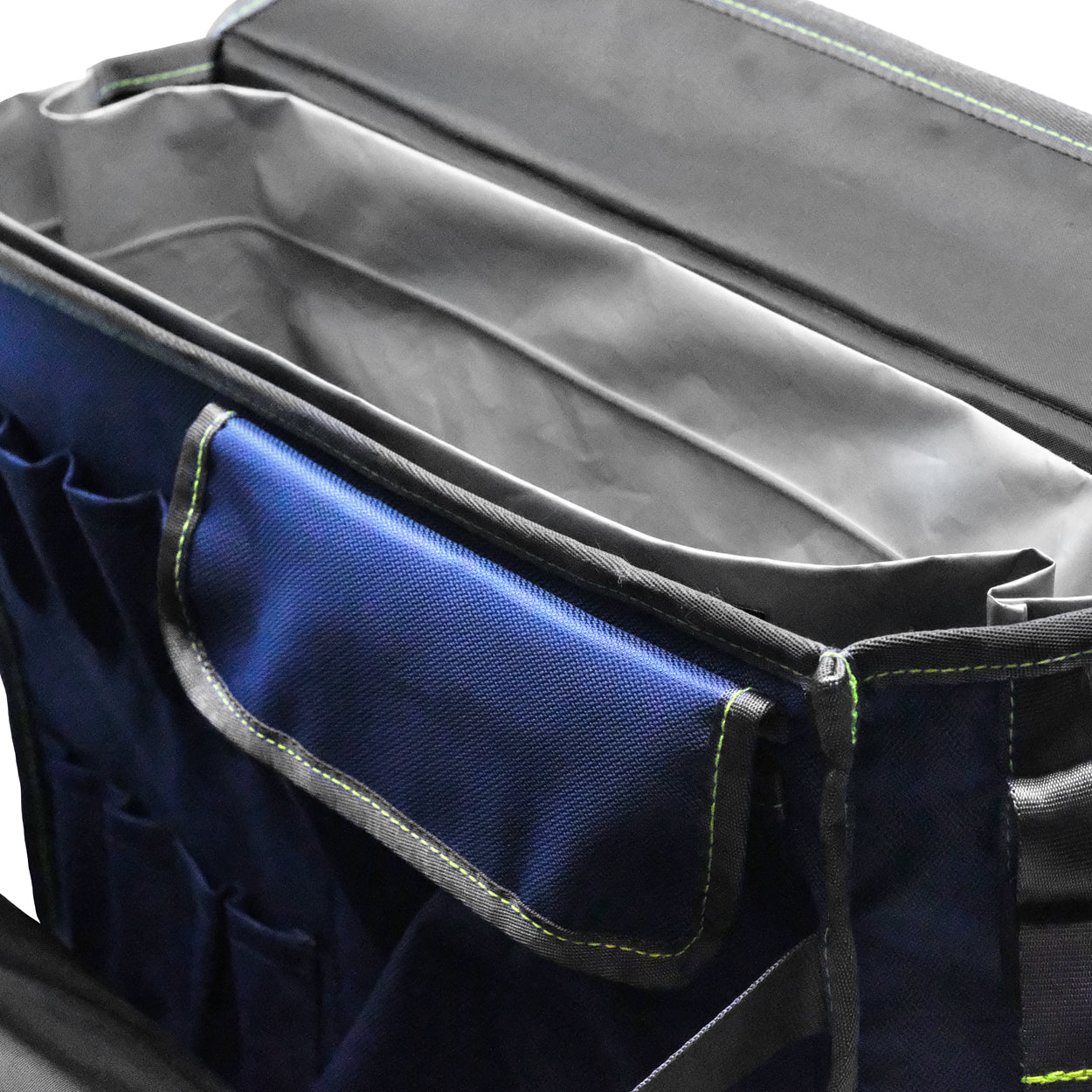
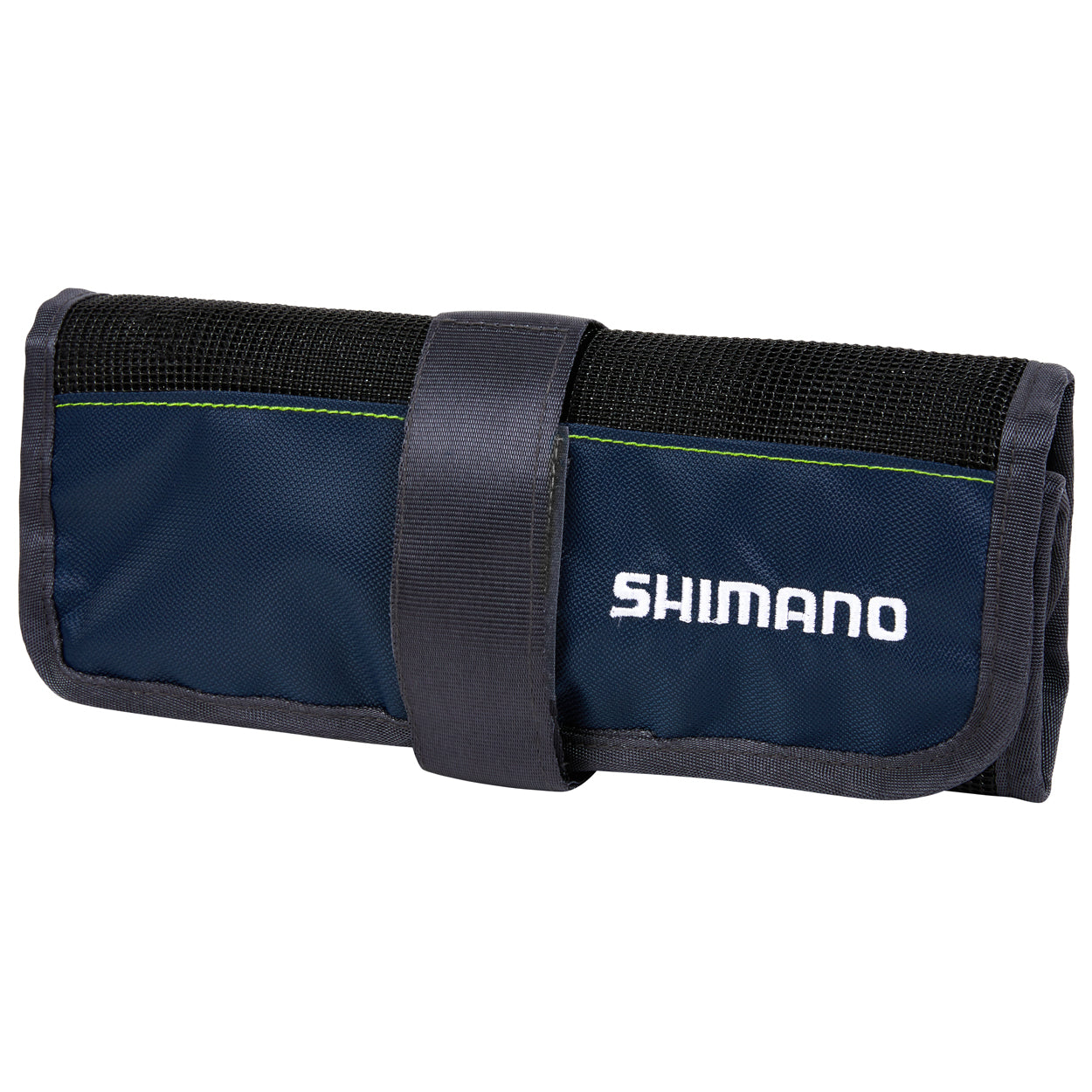
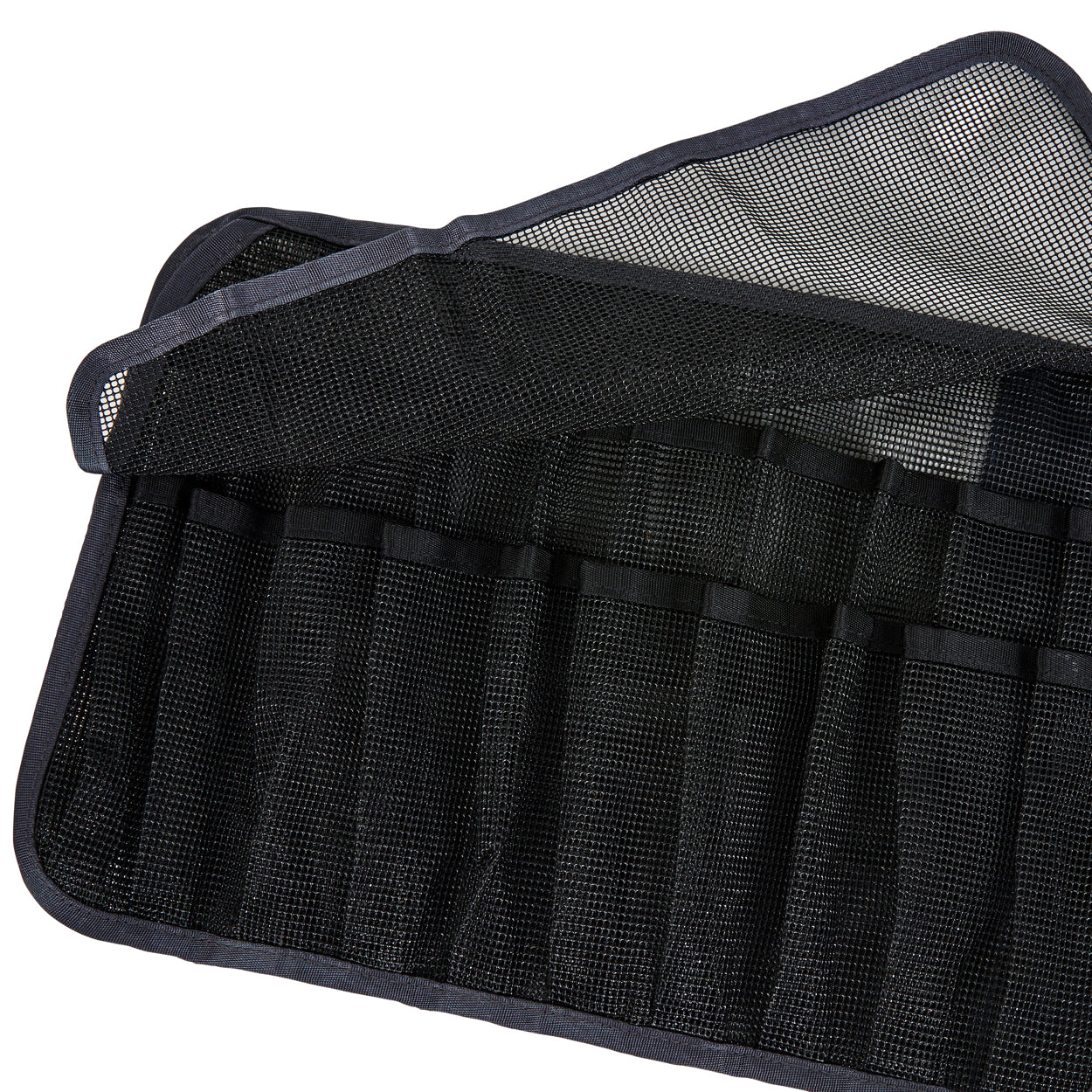
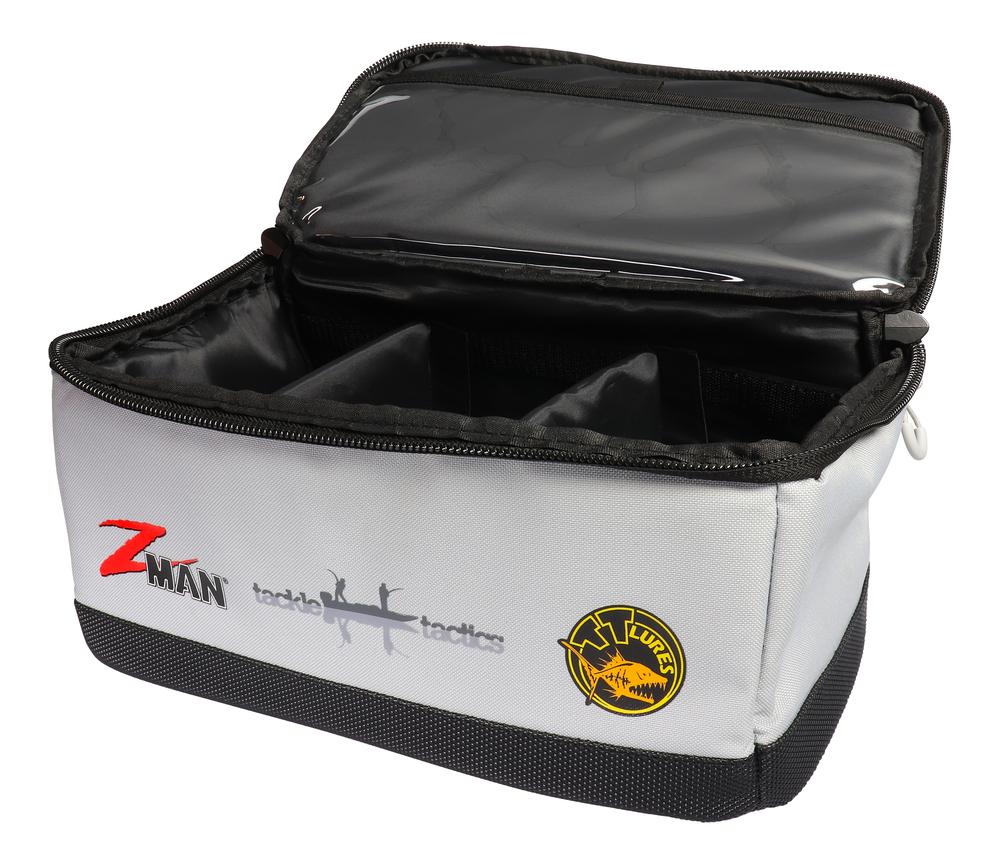
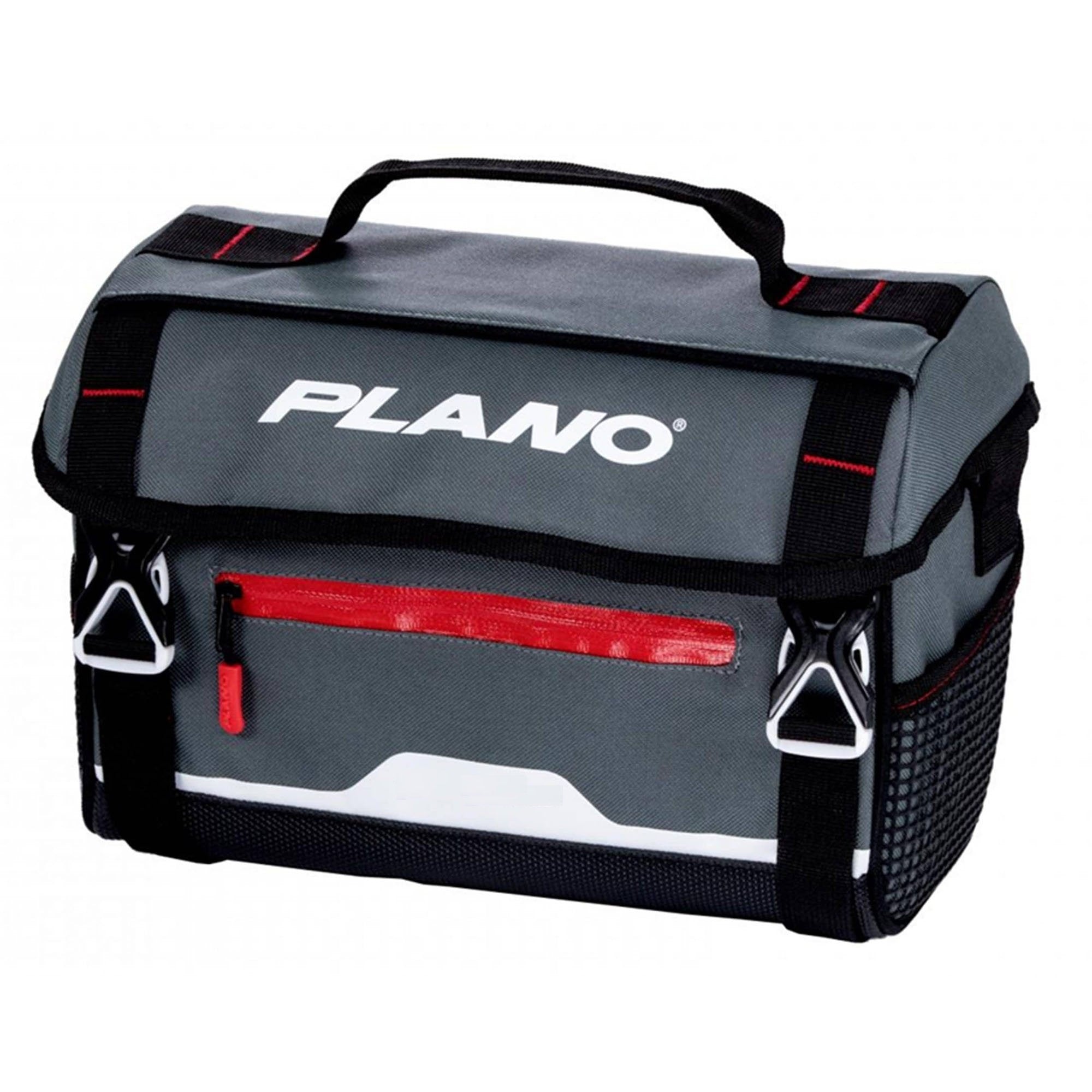
A tackle bag holds removable trays inside a soft shell, with outside pockets for tools and leader. It is the most flexible option and the most popular for good reason — you pull out the trays you need for the session and leave the rest at home.
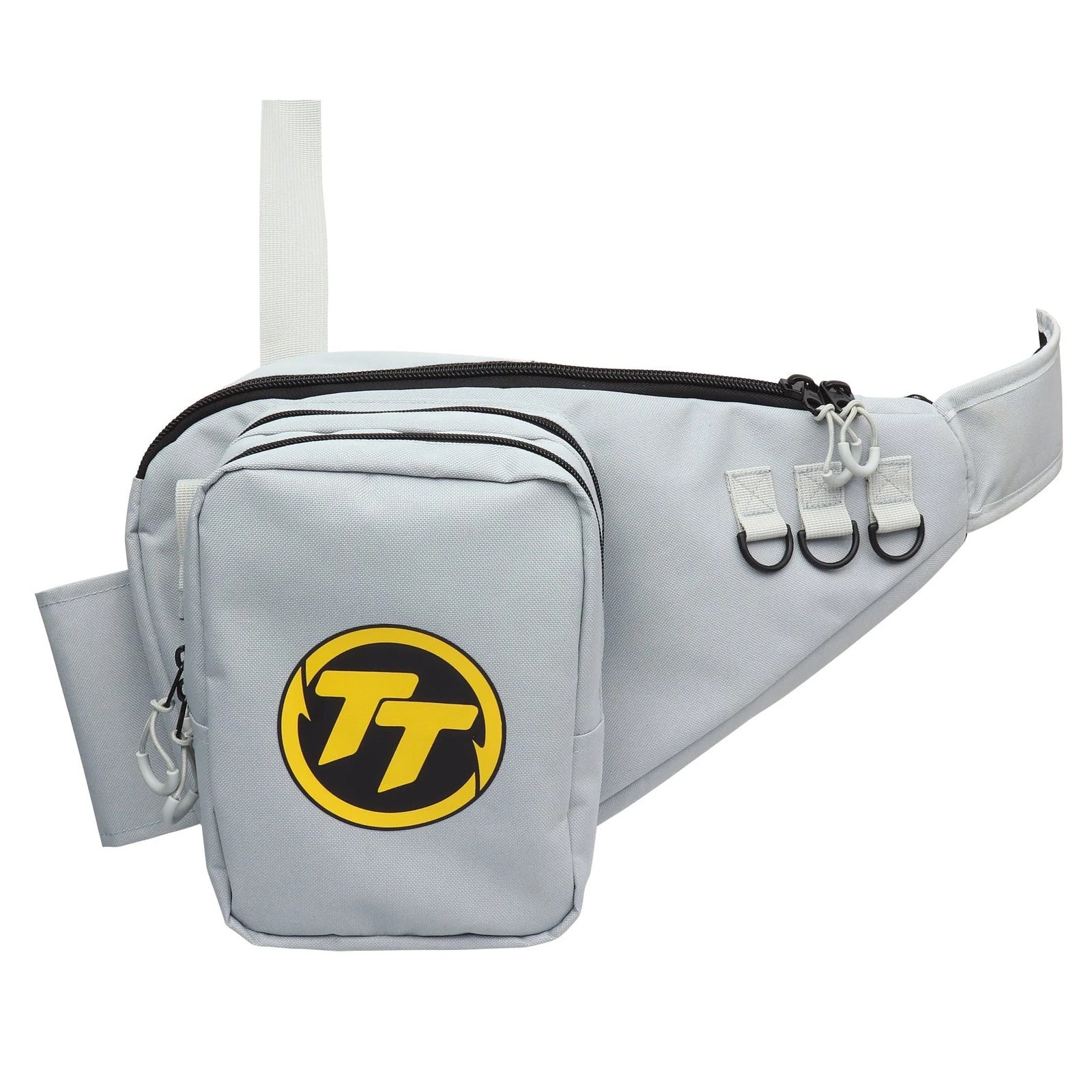
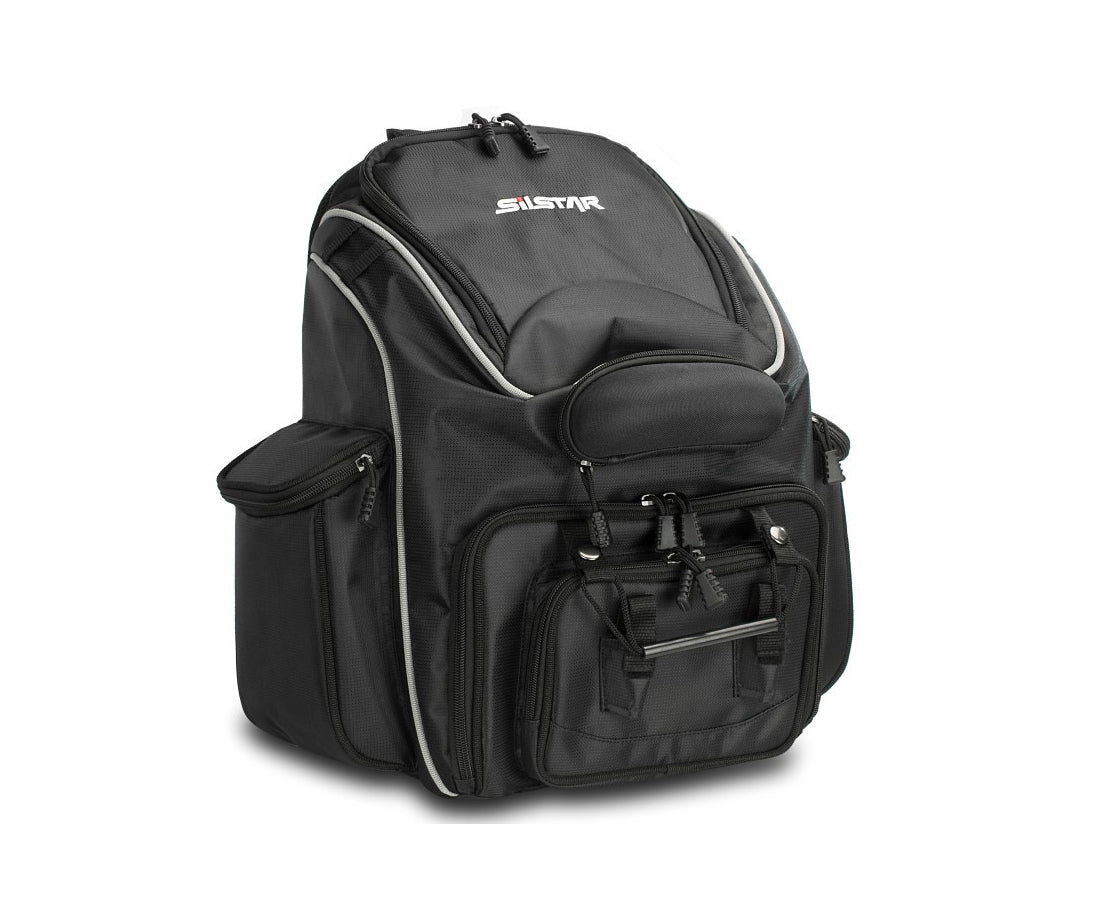
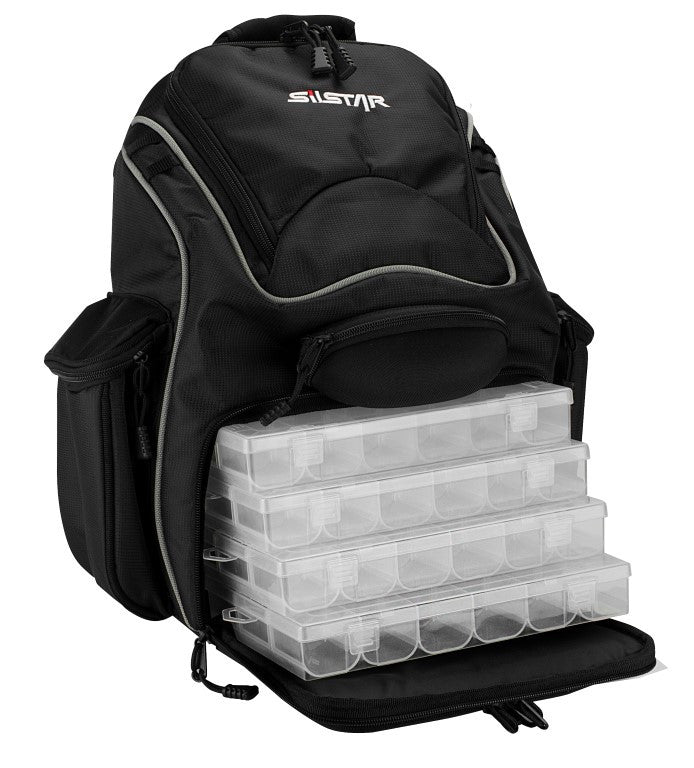
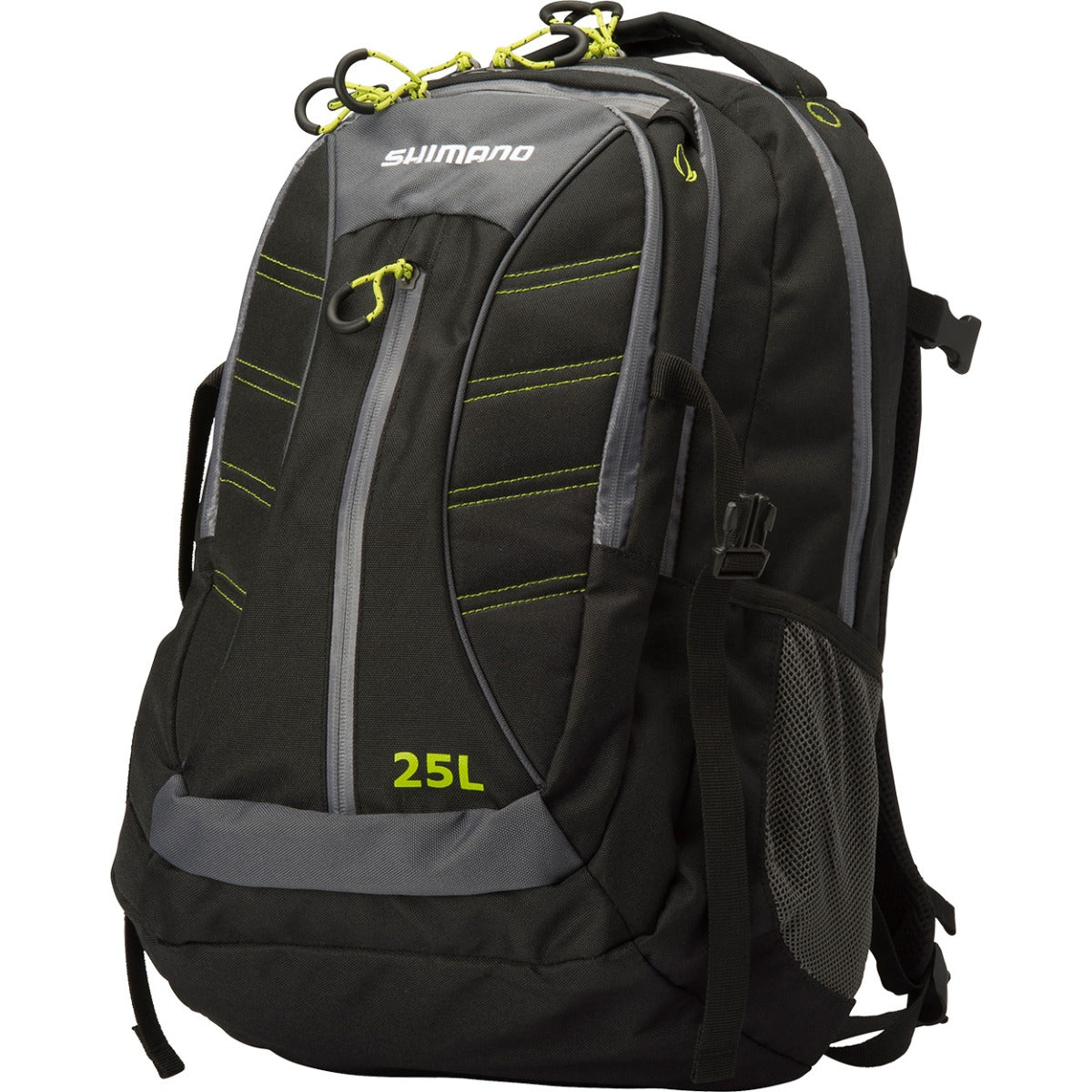
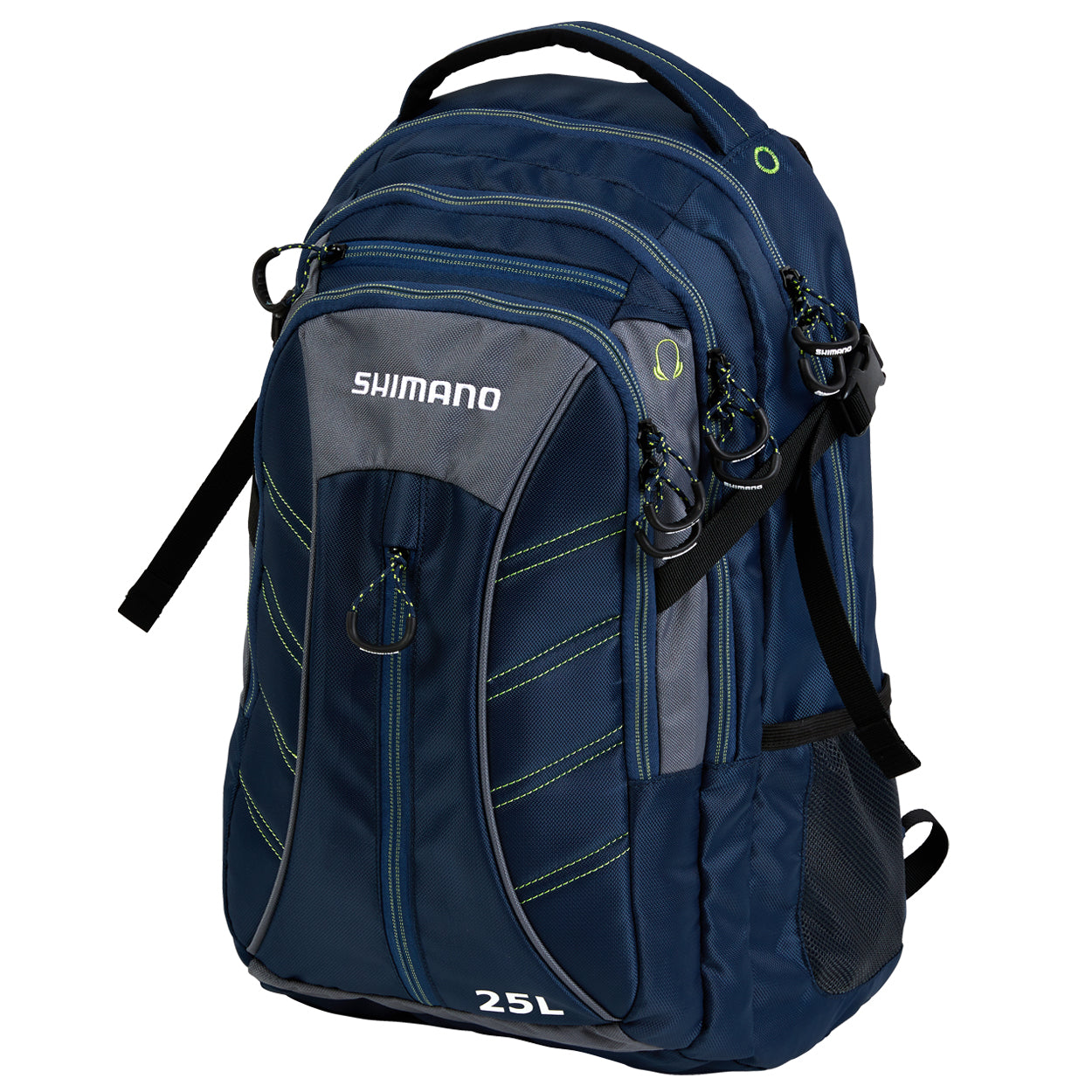
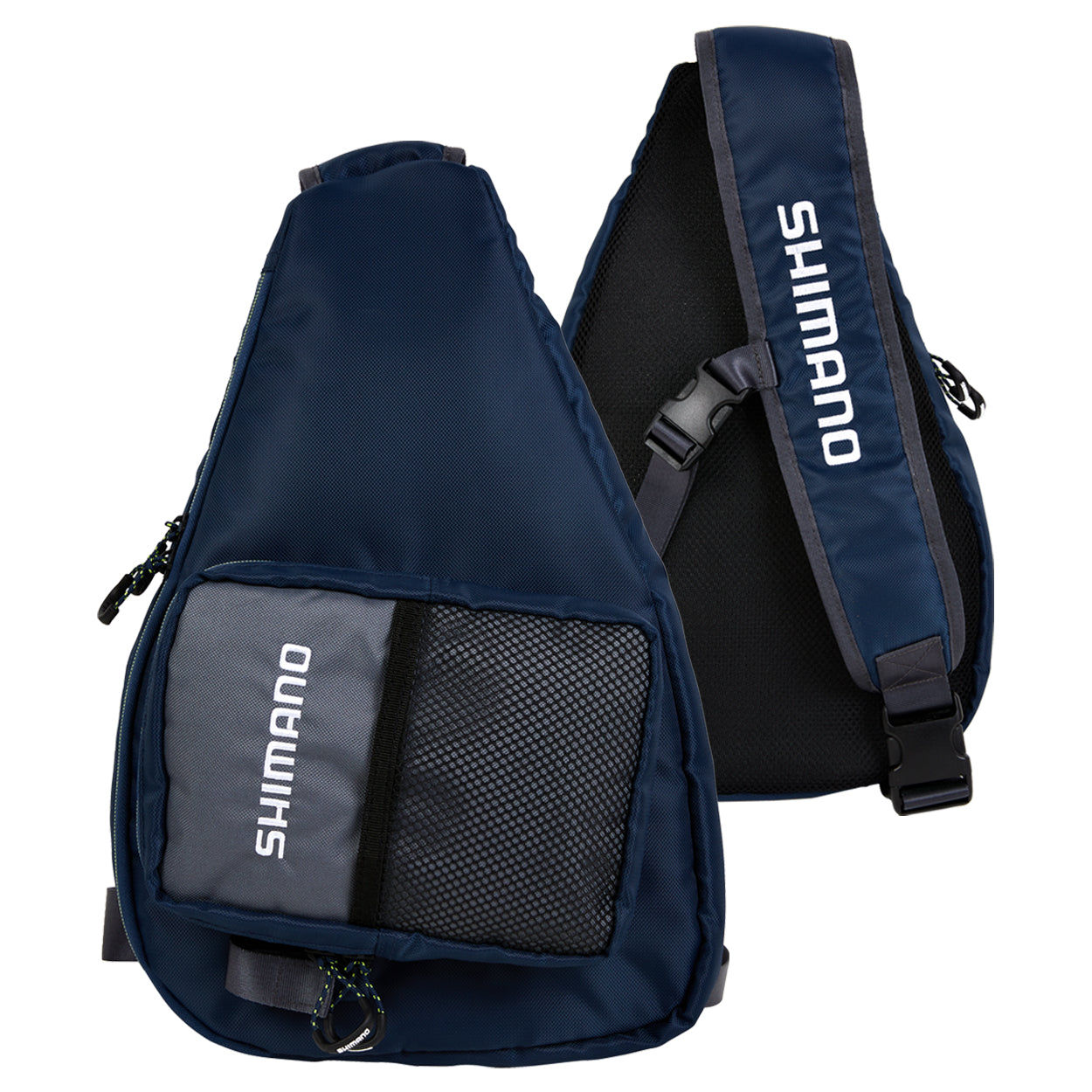
A fishing backpack does the same job hands-free, which matters if you walk to your spots, fish from the rocks, or scramble down a bank to get where the fish are.
Whatever you choose, look at how it handles salt. Corrosion-resistant hardware and drainage holes are the difference between storage that lasts and storage that seizes up by next summer.
Keep your fishing tools in the outside pockets and the trays for terminal gear, and everything has a home.
Frequently asked questions
What size tackle box do I need?
Smaller than you think. Most anglers over-buy, then carry a box half full of gear they never use. Start with what you fish with weekly and expand later.
Tackle box or tackle bag?
A bag for most anglers, because you can swap trays to suit the session. A hard box is better where gear stays put and needs protection.
How do I stop lures rusting in the box?
Dry everything before it goes away, and never close a wet box. Ventilated trays and a moisture absorber inside help, but drying is what actually matters.





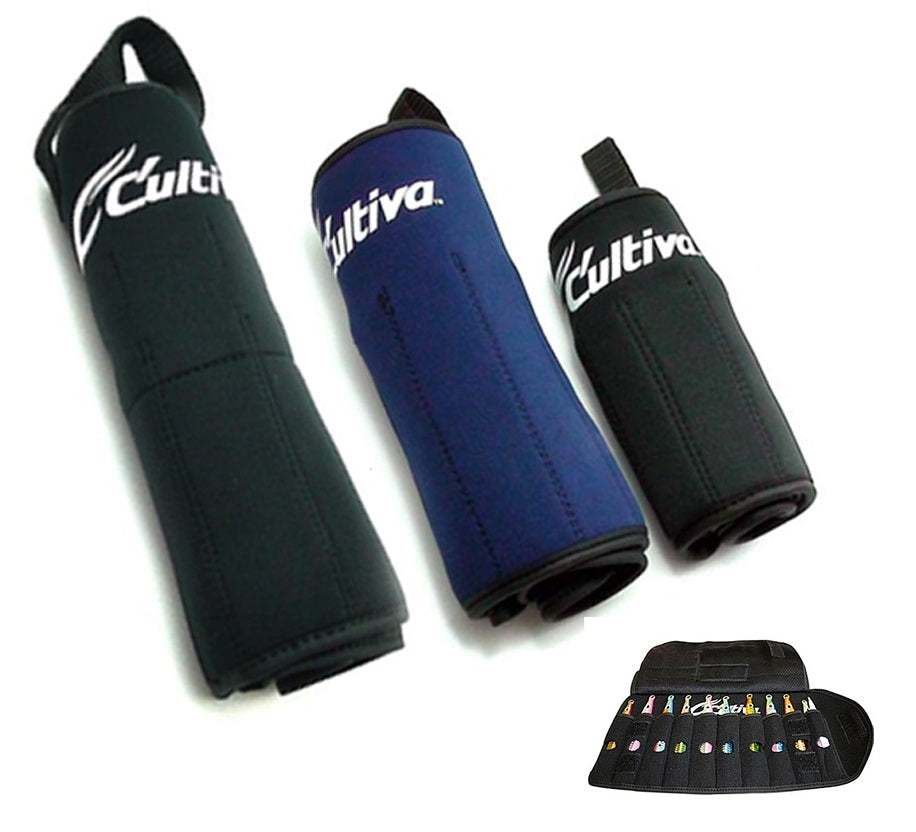
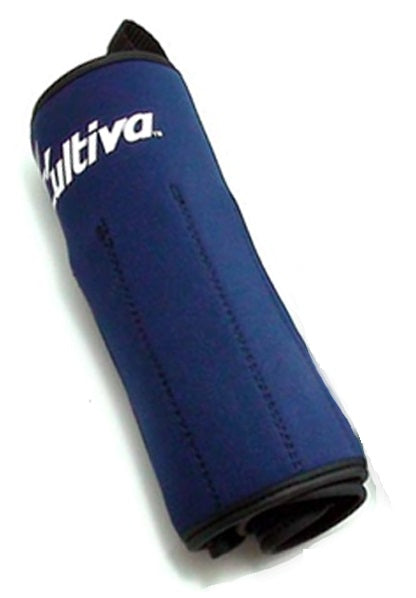
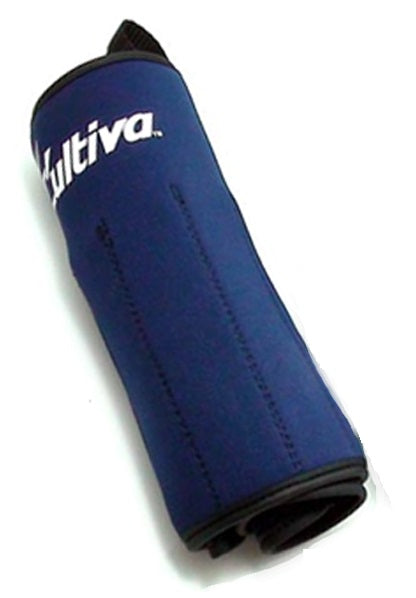
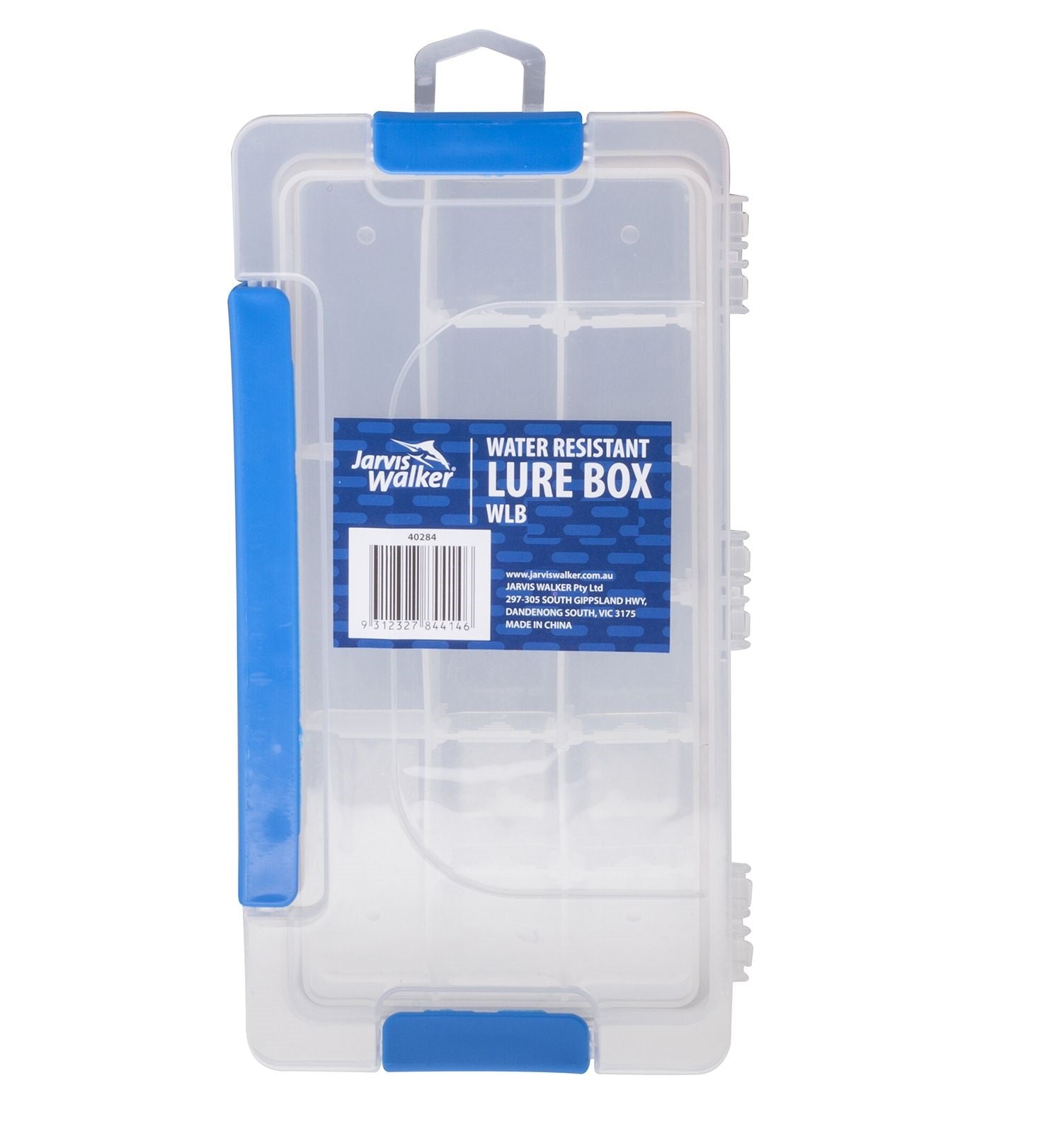











Sold Out
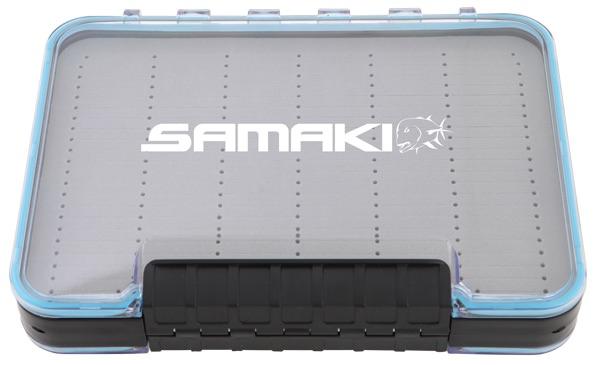
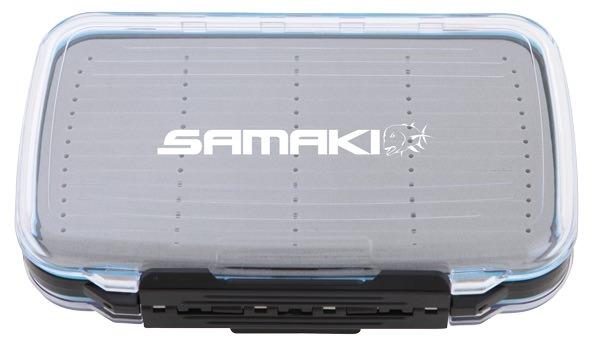
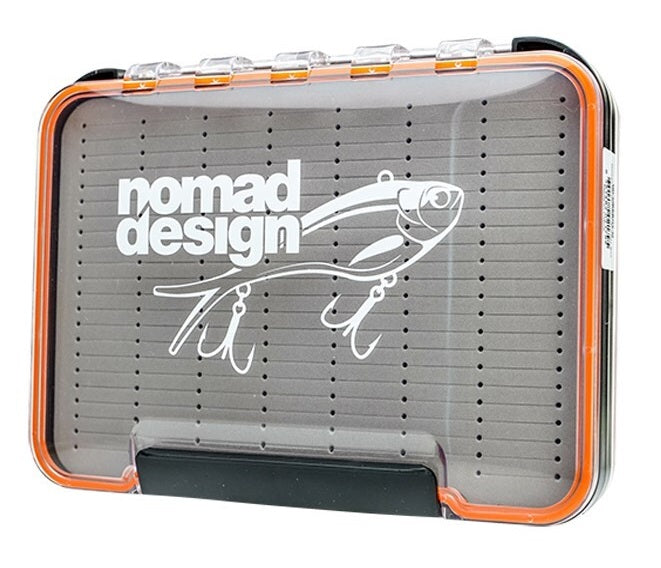
Nomad Waterproof Foam Filled Heavy Duty Vibe Storage Tackle Box Tray
from
$40.99
$49.99
Sold Out
Sold Out
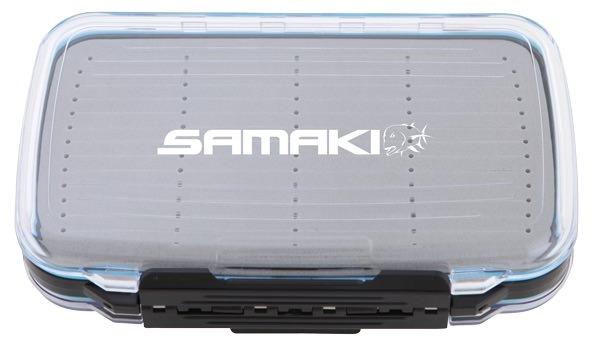
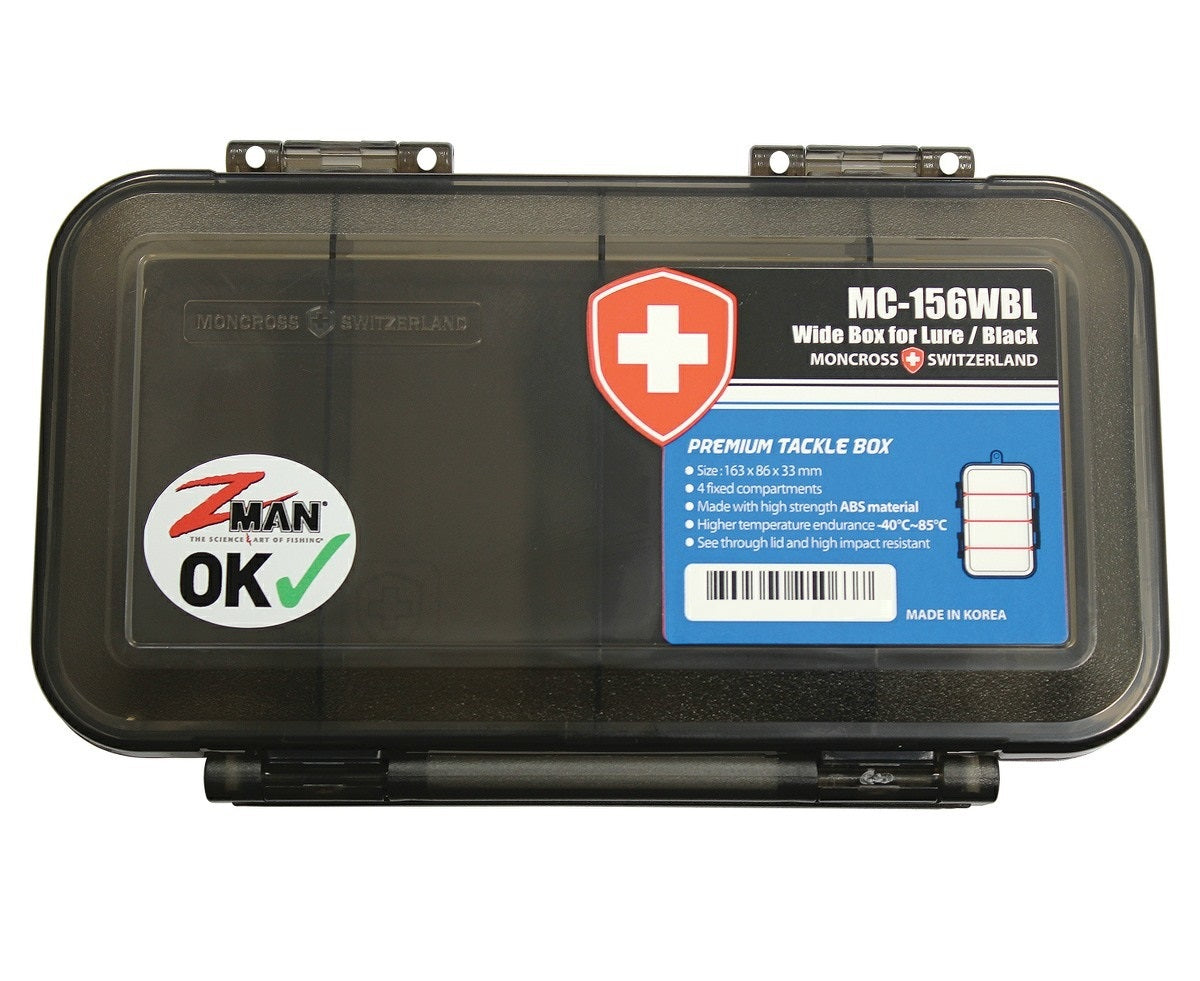
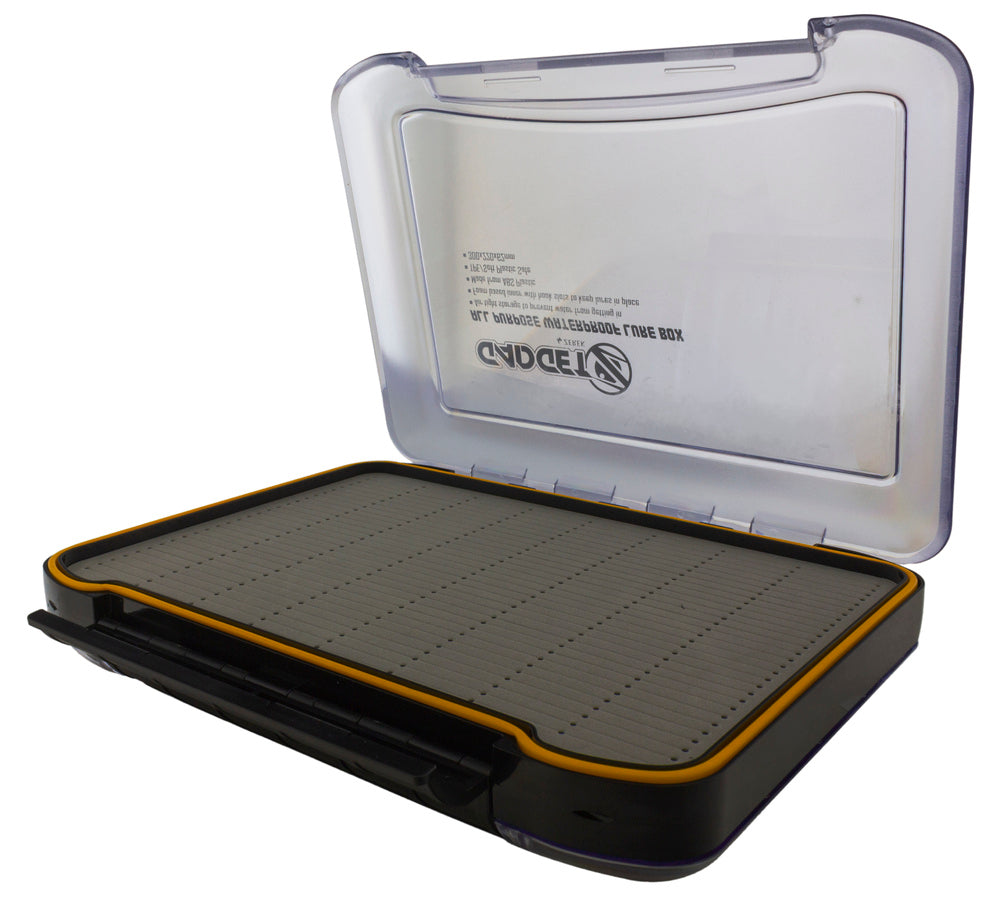
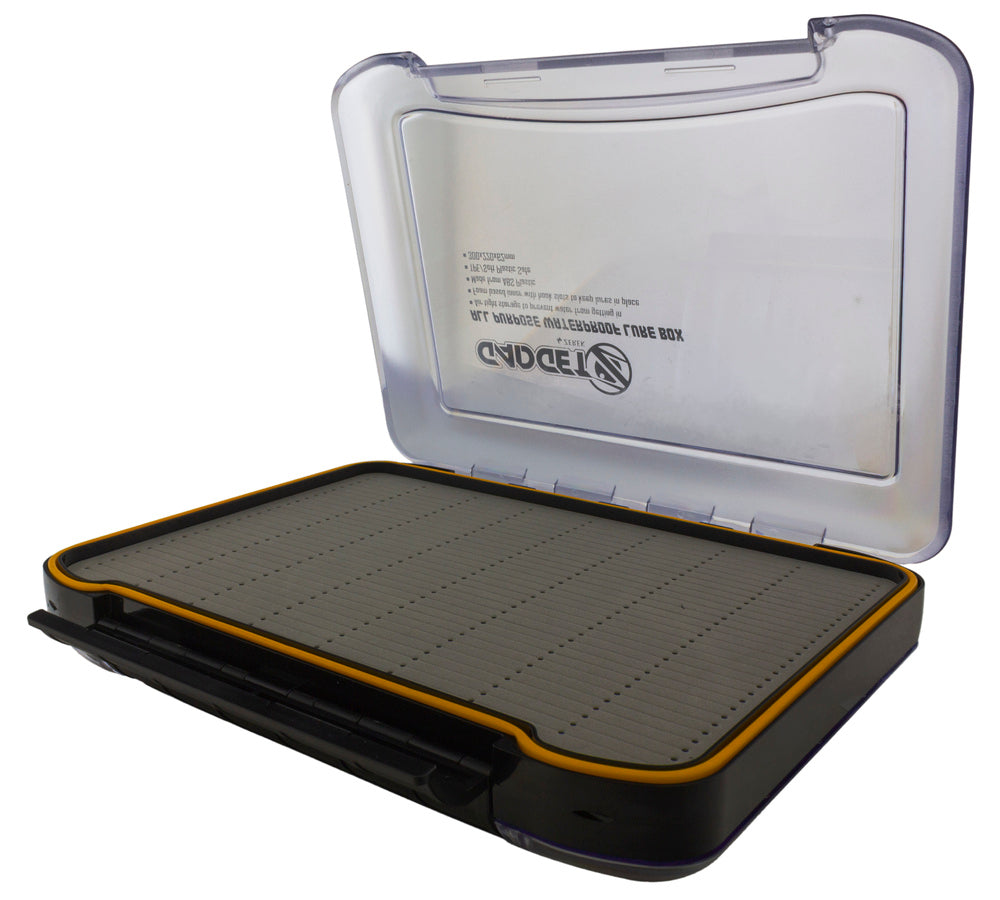
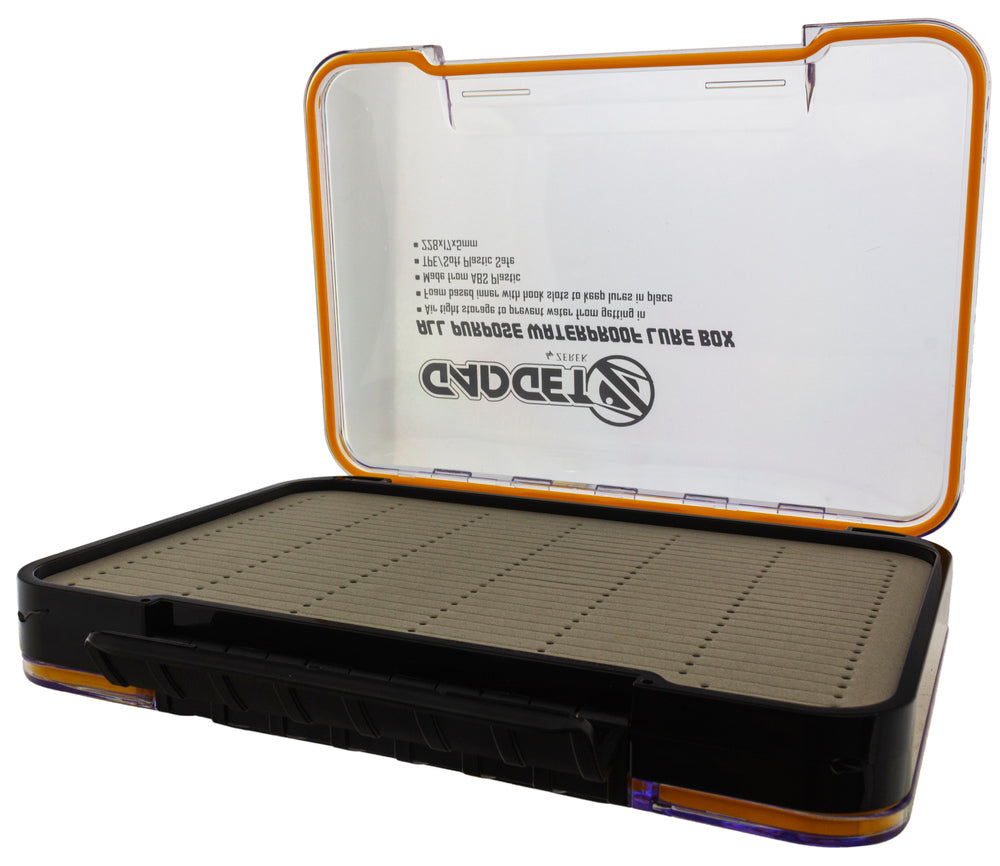
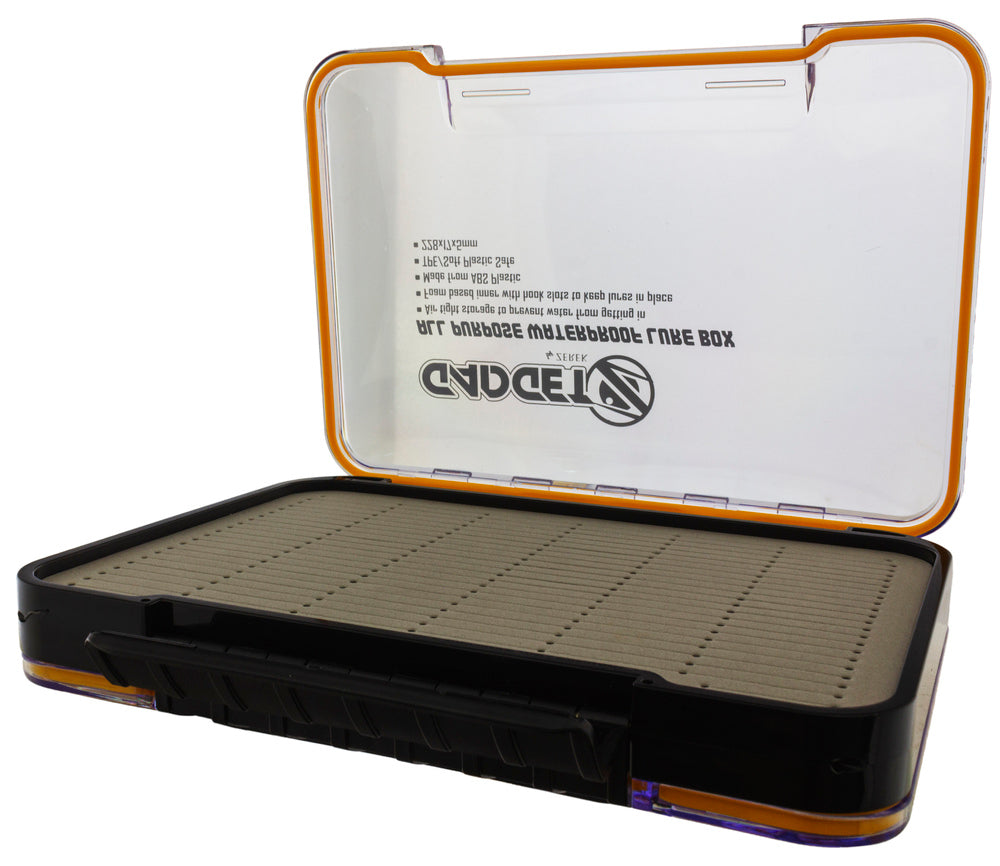
Zerek Gadgetz Heavy Duty Waterproof Foam Filled Soft Vibe Lure Storage Box
from
$49.99
Sold Out













Sold Out
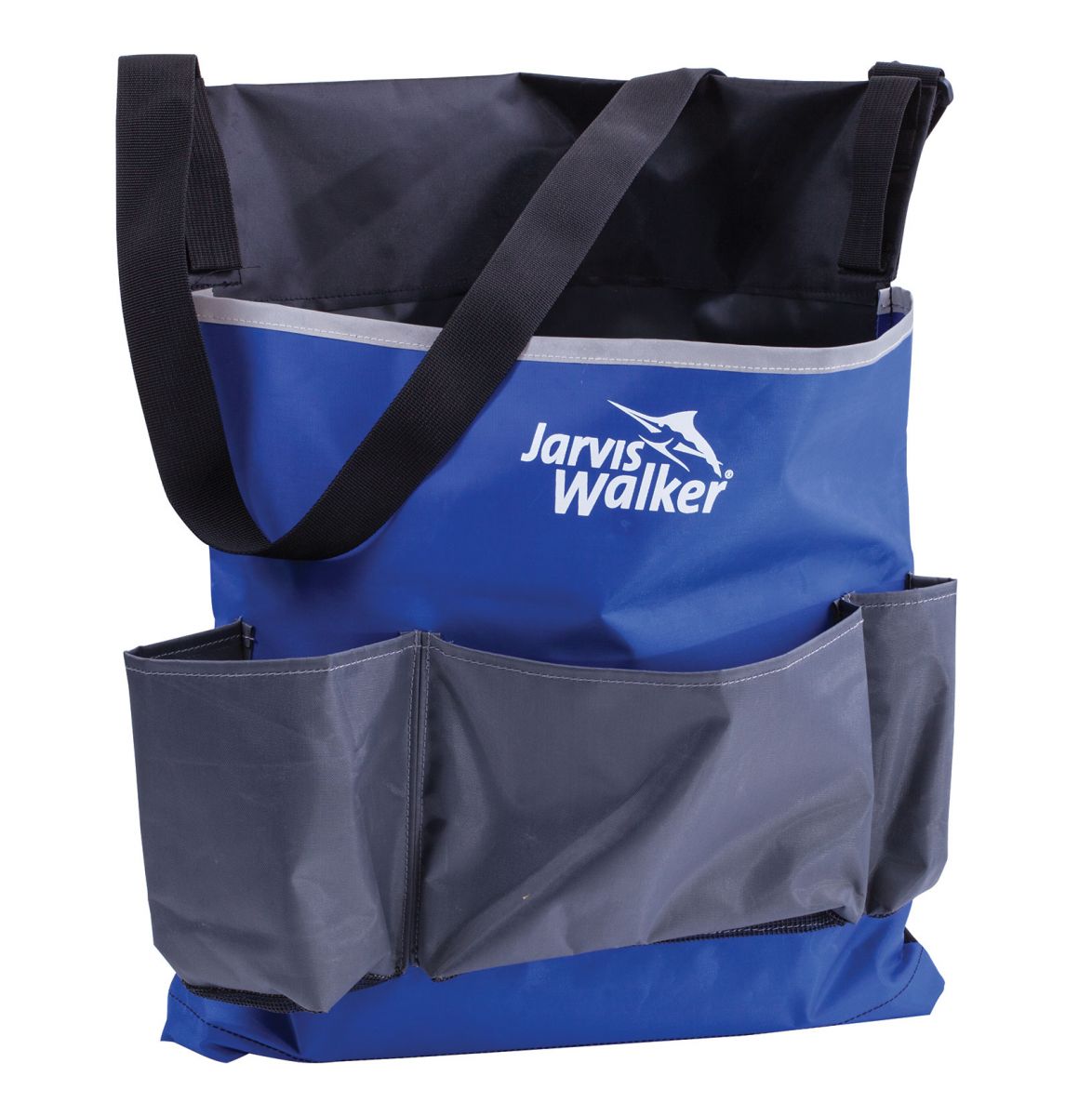
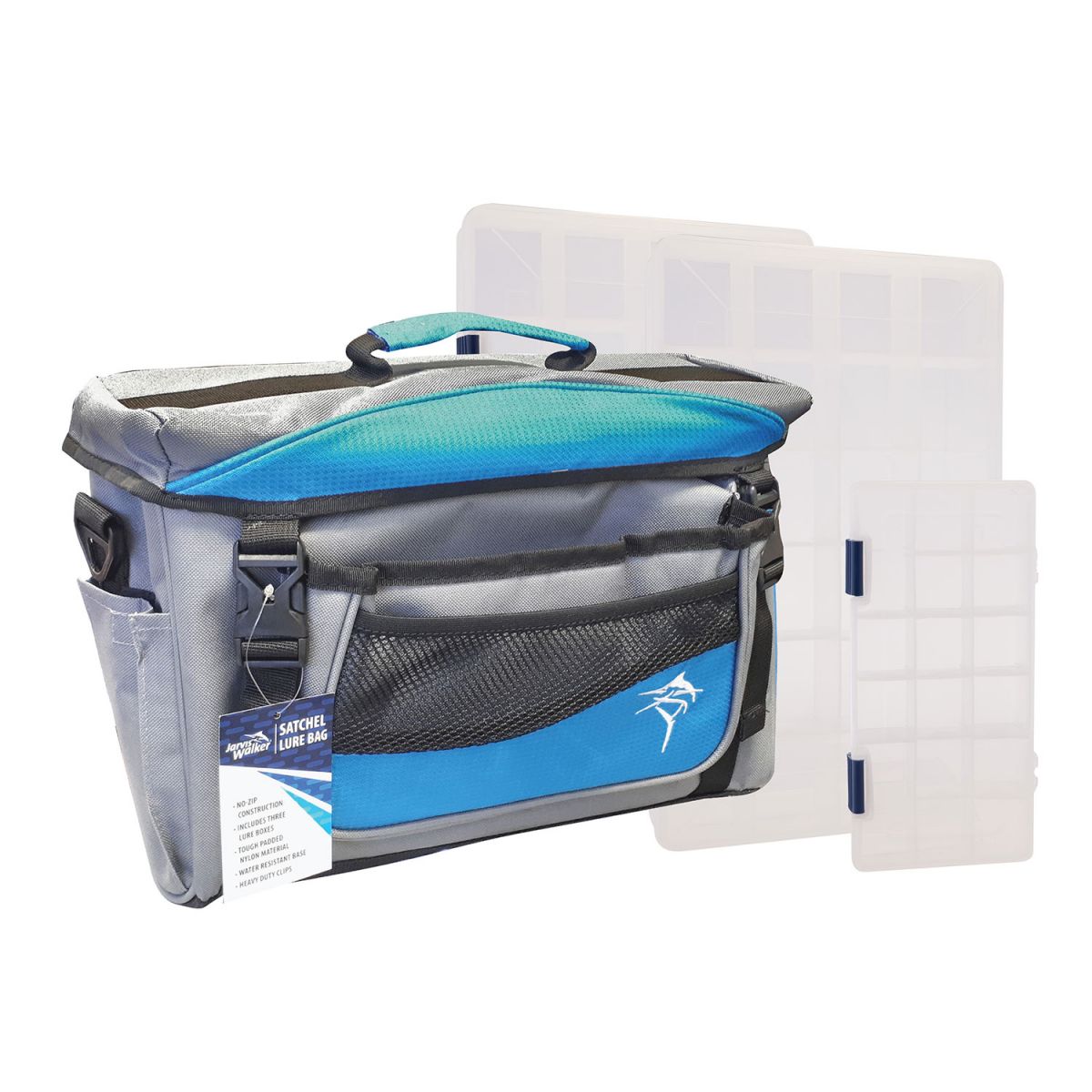
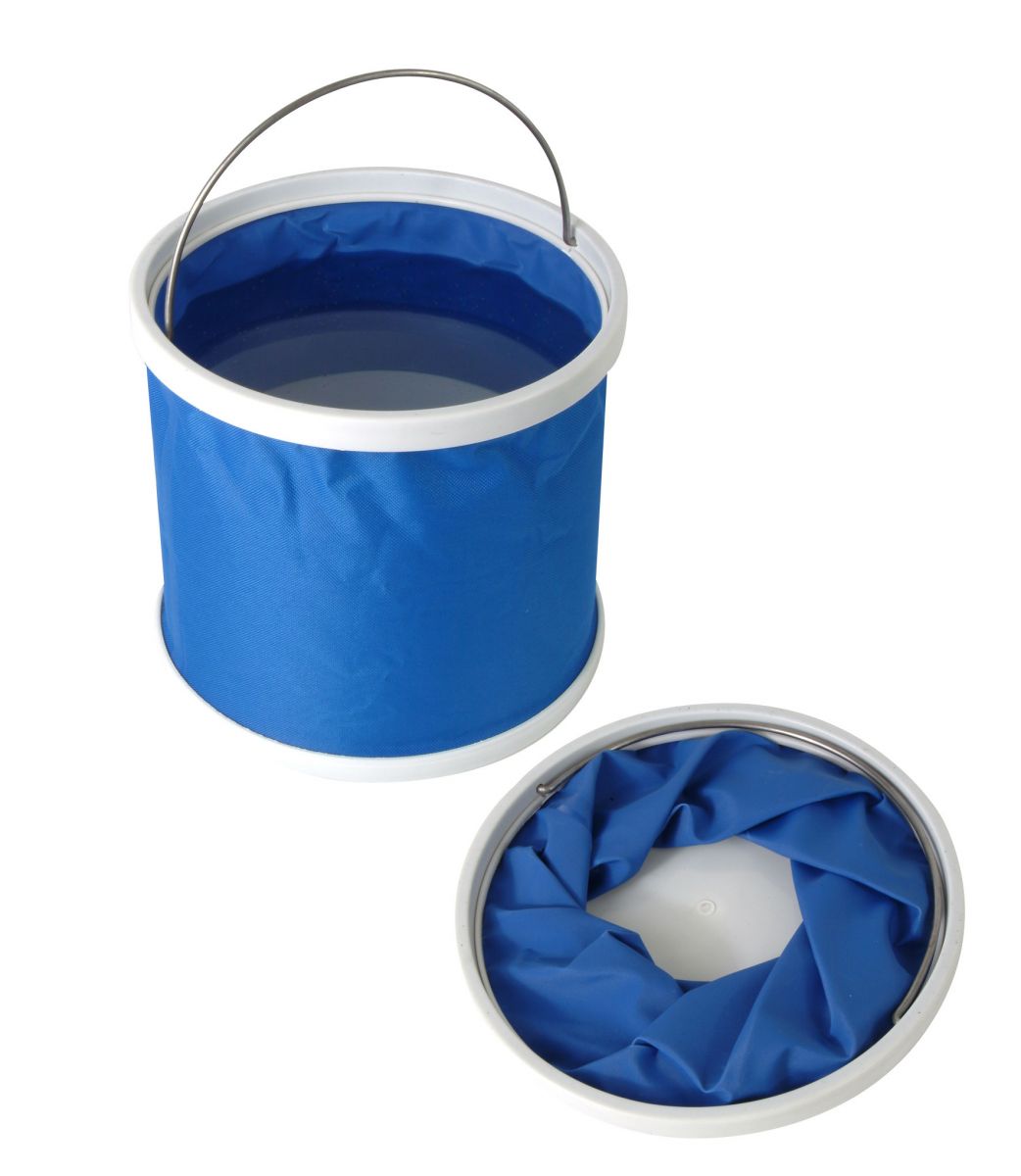
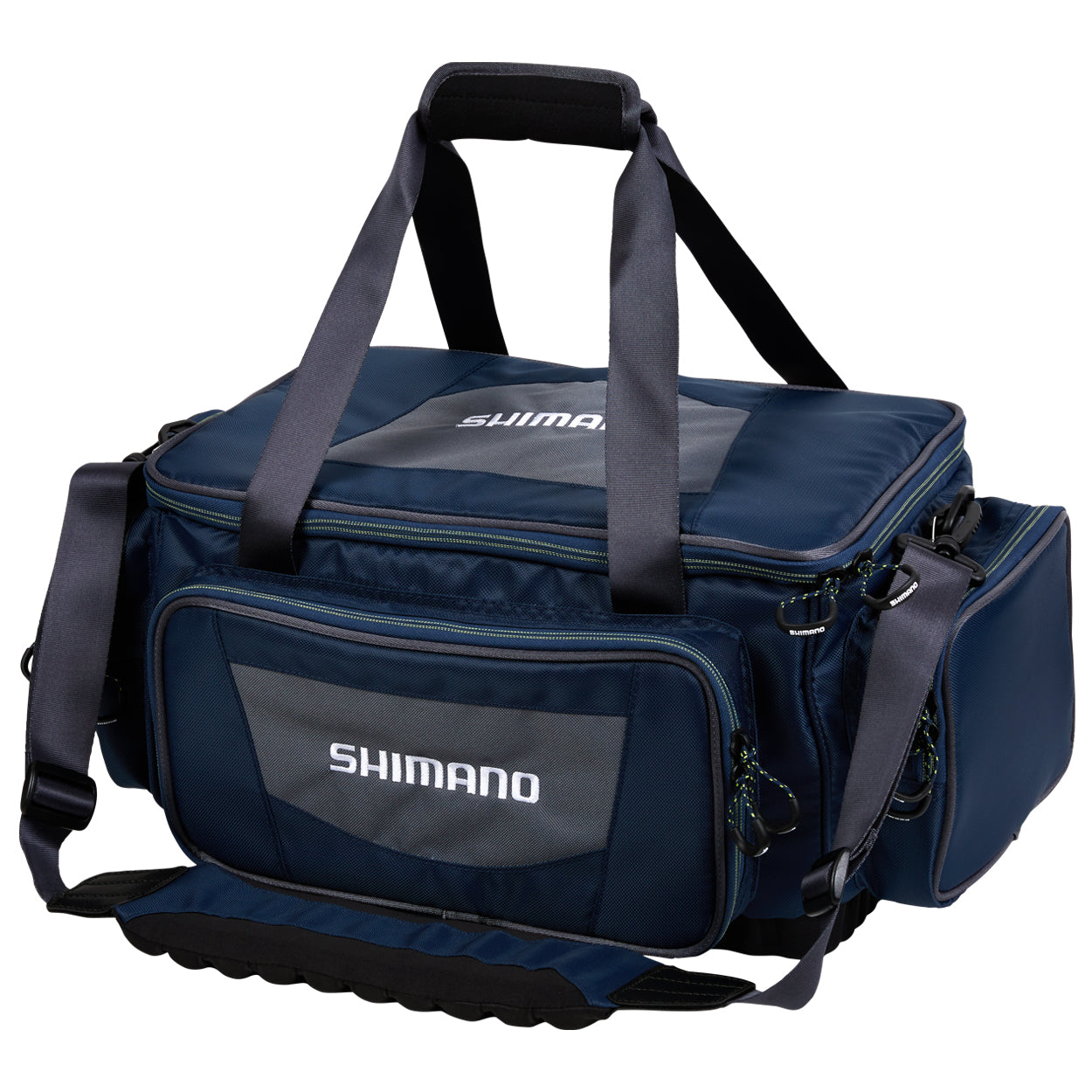
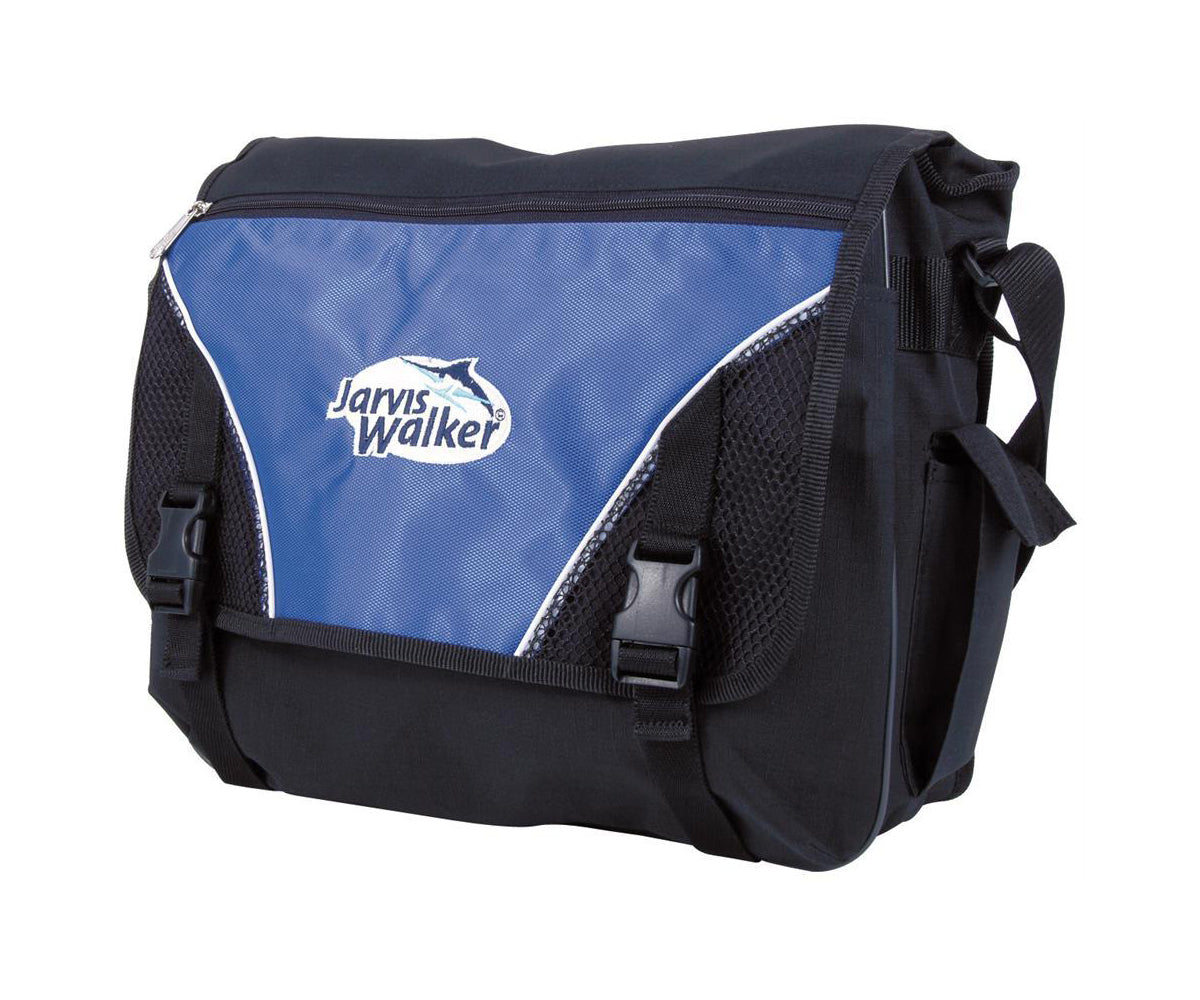
Jarvis Walker Fishing Tackle Storage Bag With Bottle And Phone Holder 87020
$16.21
$22.95
Sold Out






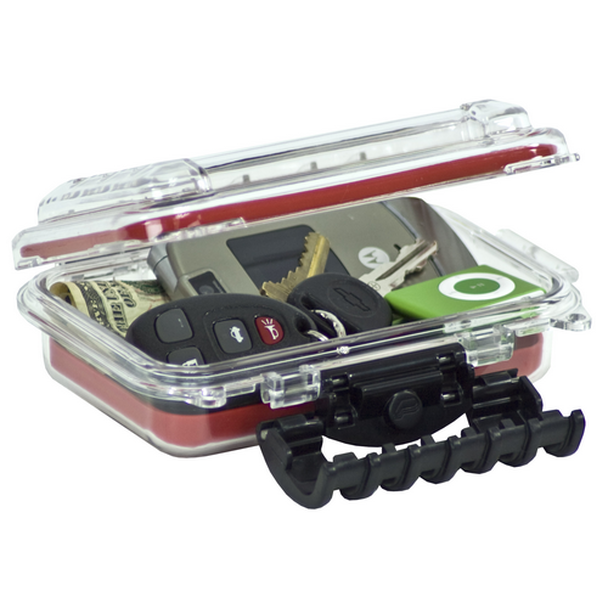

Every angler reaches the same point — more gear than pockets, lures going rusty in a pile, and ten minutes lost looking for one jighead. Storage is what turns a collection of tackle into something you can actually fish with.
Box, bag or backpack?
A hard tackle box protects what is inside and stacks well in a boat. It is the right answer when gear lives somewhere and does not get carried far.
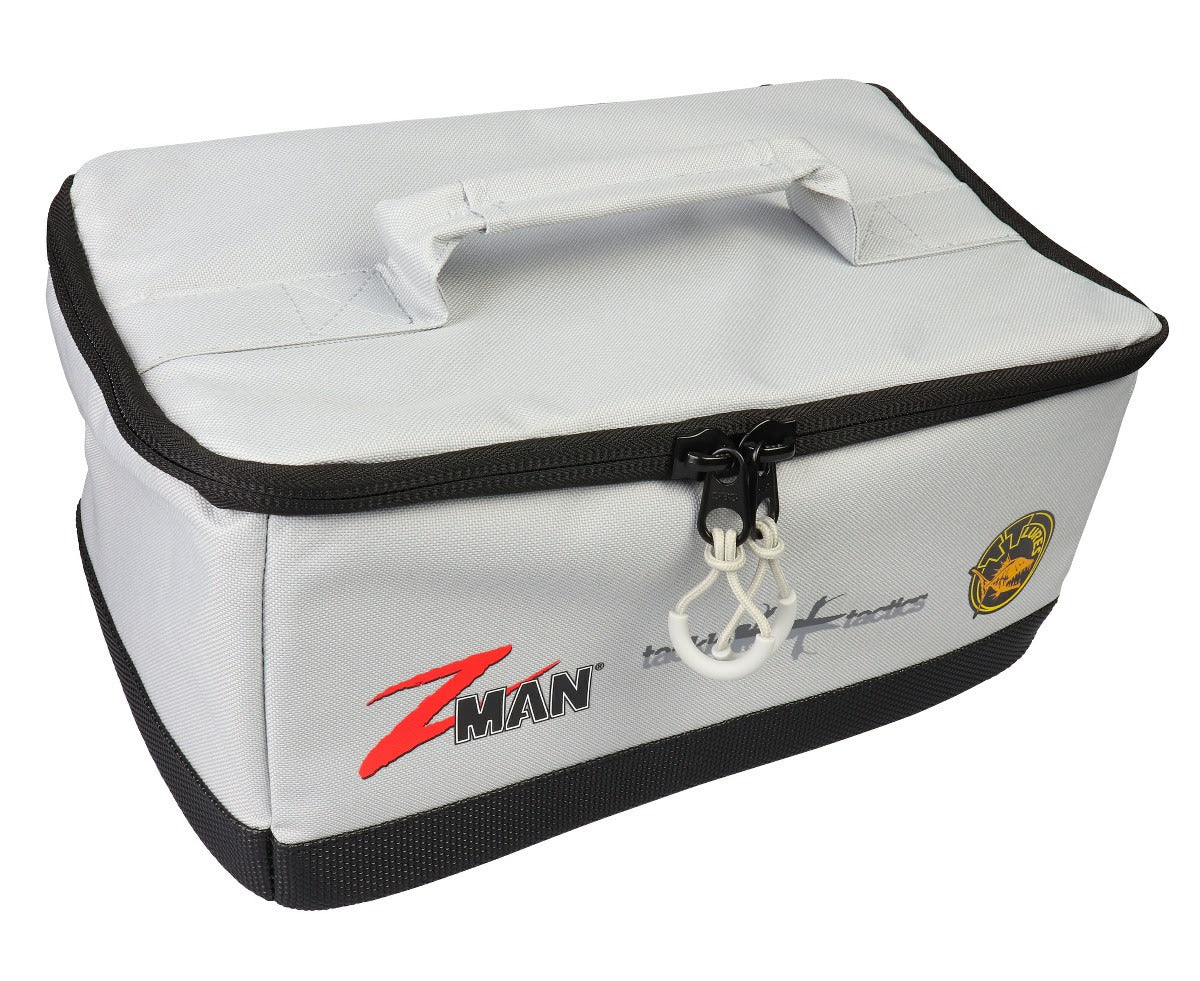
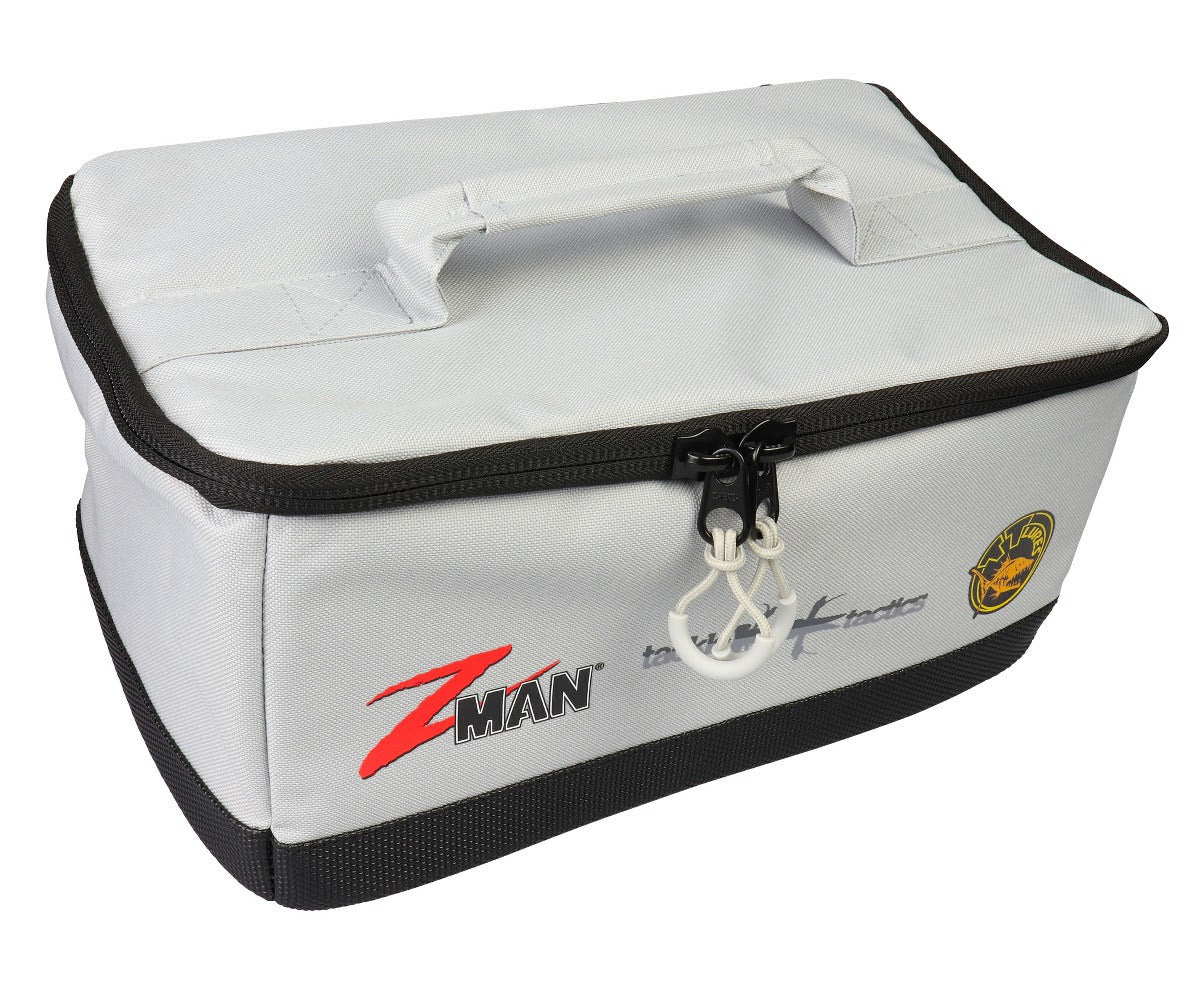
A tackle bag holds removable trays inside a soft shell, with outside pockets for tools and leader. It is the most flexible option and the most popular for good reason — you pull out the trays you need for the session and leave the rest at home.
A fishing backpack does the same job hands-free, which matters if you walk to your spots, fish from the rocks, or scramble down a bank to get where the fish are.
Whatever you choose, look at how it handles salt. Corrosion-resistant hardware and drainage holes are the difference between storage that lasts and storage that seizes up by next summer.
Keep your fishing tools in the outside pockets and the trays for terminal gear, and everything has a home.
Frequently asked questions
What size tackle box do I need?
Smaller than you think. Most anglers over-buy, then carry a box half full of gear they never use. Start with what you fish with weekly and expand later.
Tackle box or tackle bag?
A bag for most anglers, because you can swap trays to suit the session. A hard box is better where gear stays put and needs protection.
How do I stop lures rusting in the box?
Dry everything before it goes away, and never close a wet box. Ventilated trays and a moisture absorber inside help, but drying is what actually matters.