

FREE SHIPPING ON ORDERS OVER $150*

AUSSIE FAMILY OWNED BUSINESS FOR OVER 40 YEARS

100% SATISFACTION GUARANTEED
Fishing Tools and Knives
Fishing Tools and Knives
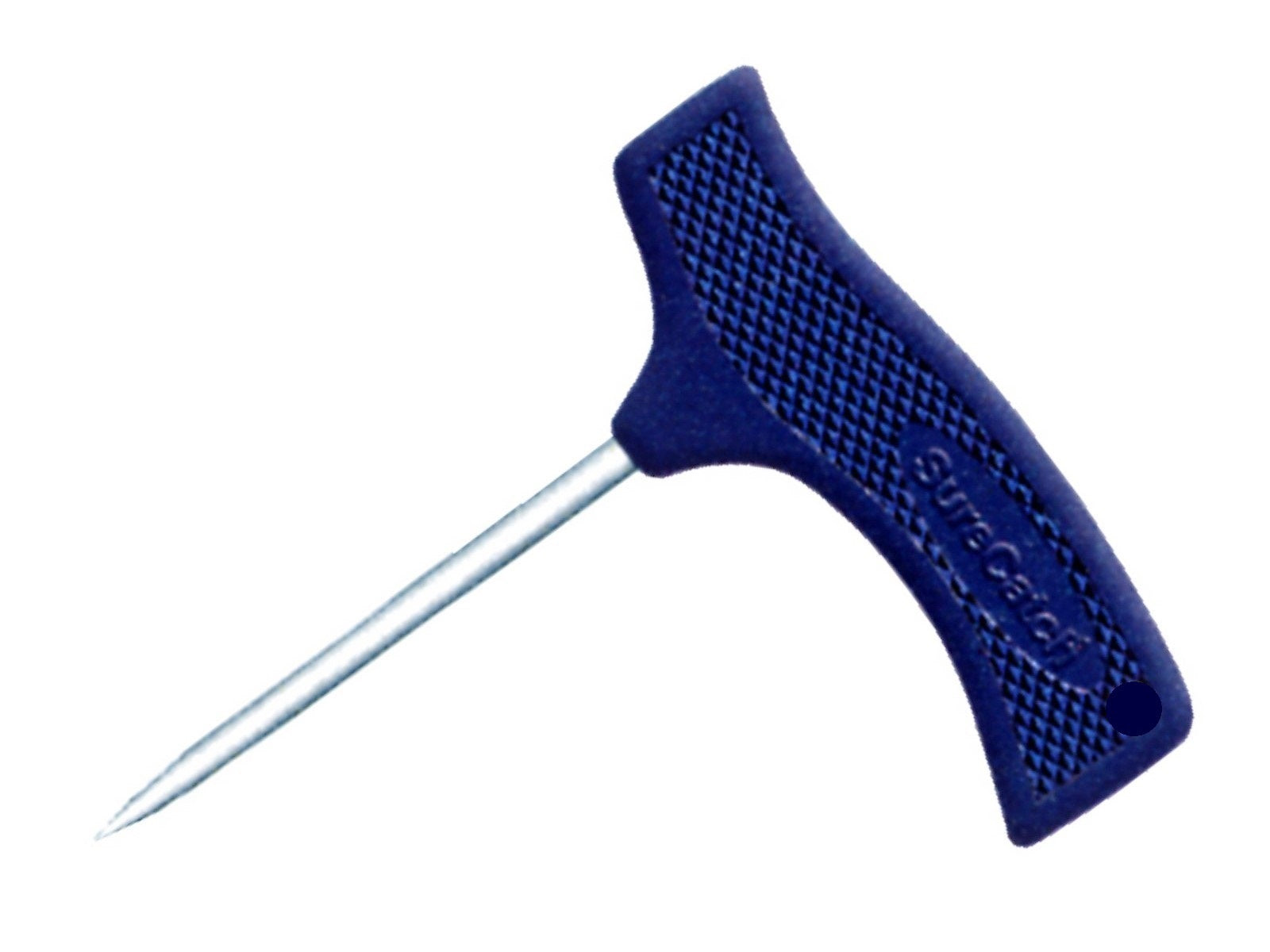
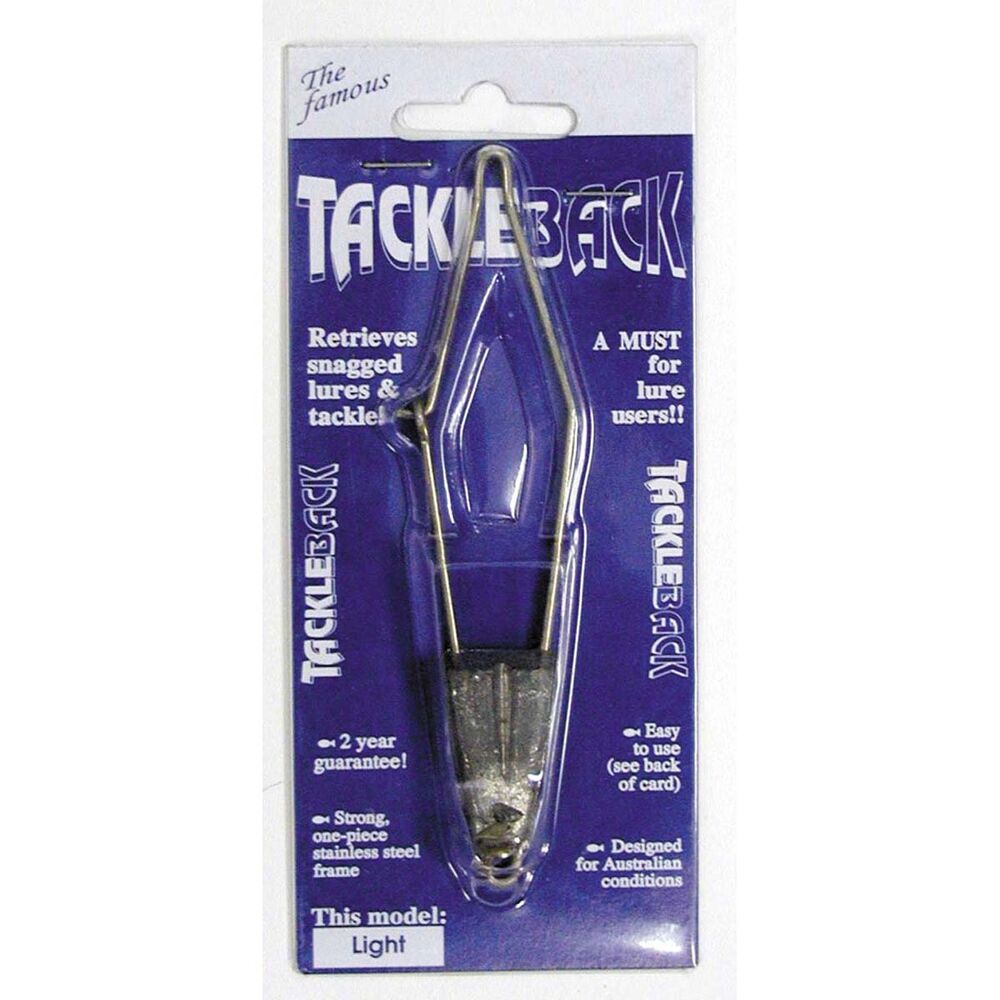
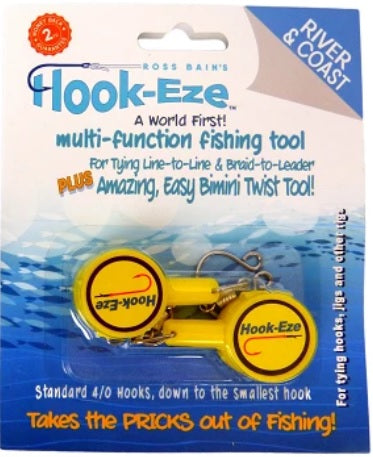
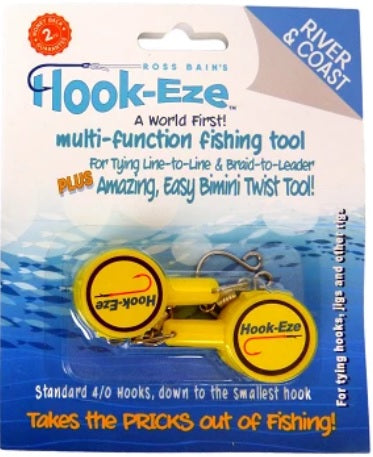
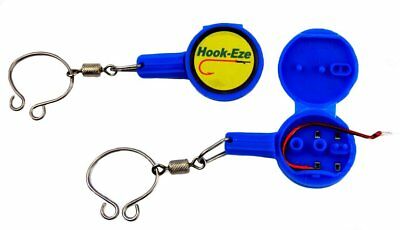
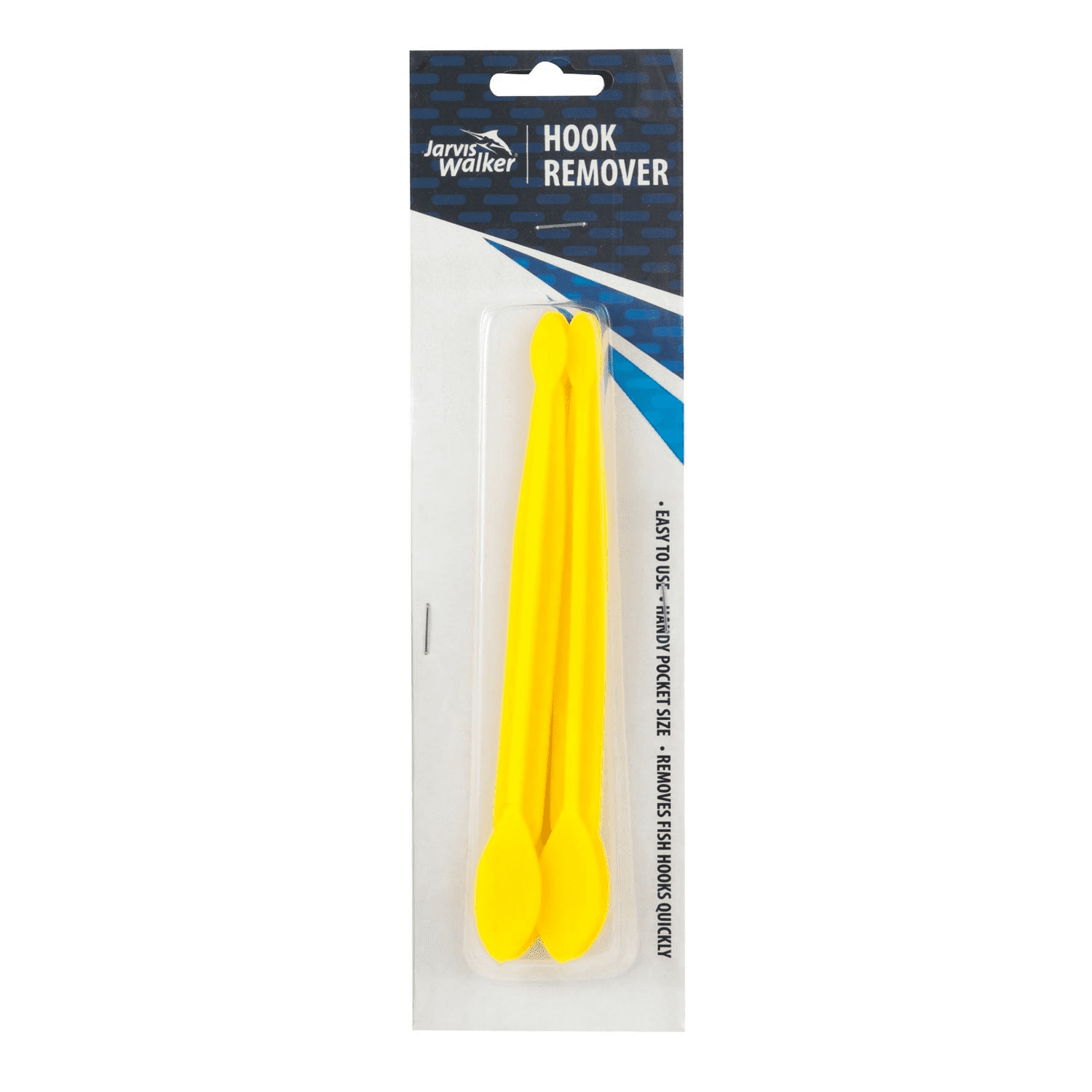
Tools are the part of the kit nobody thinks about until the moment they are needed, and then they matter enormously. A hook buried past the barb, a fish that needs handling quickly, a leader that has to be cut cleanly — these are the situations where the right tool turns a problem into a few seconds of work.
What is worth carrying
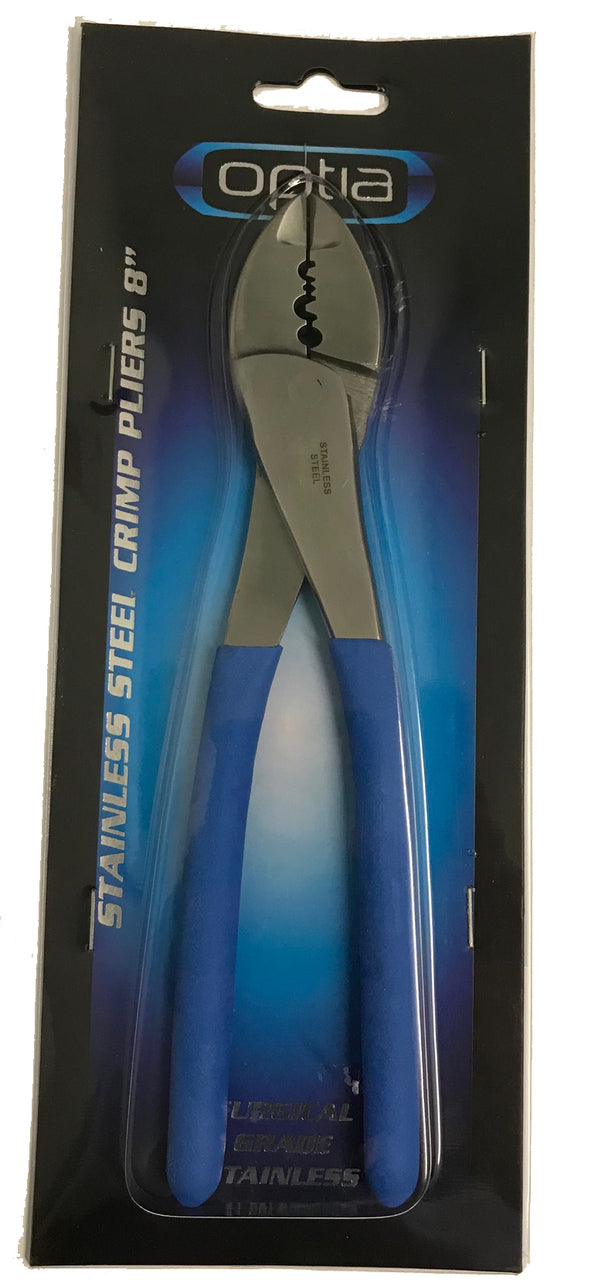
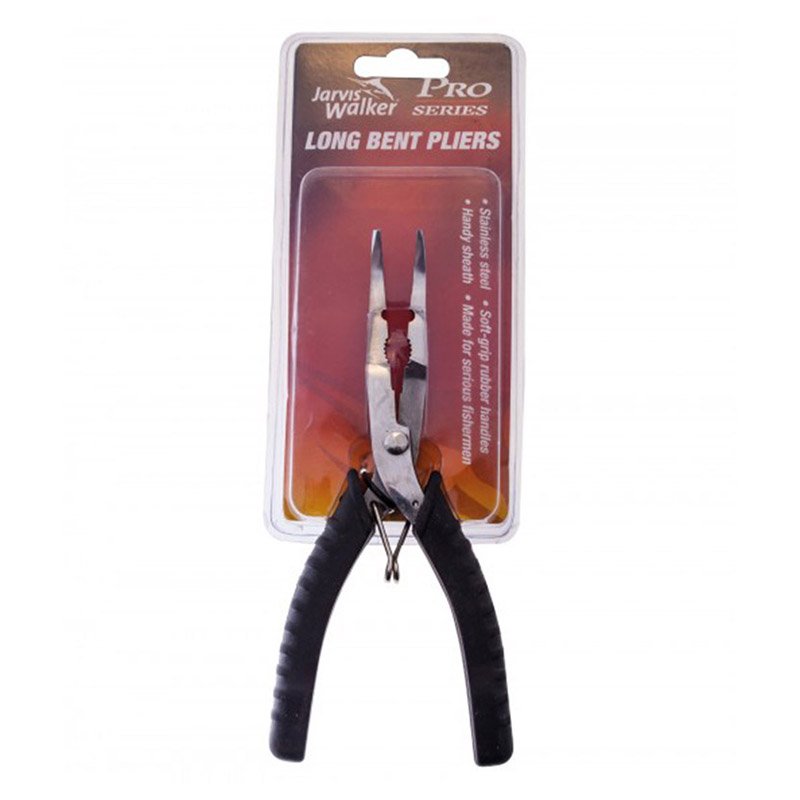
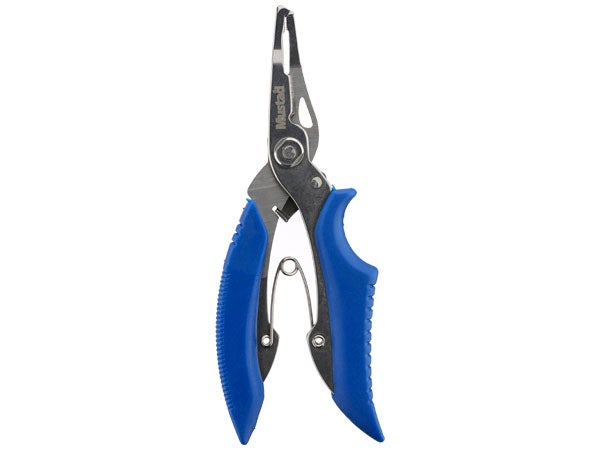
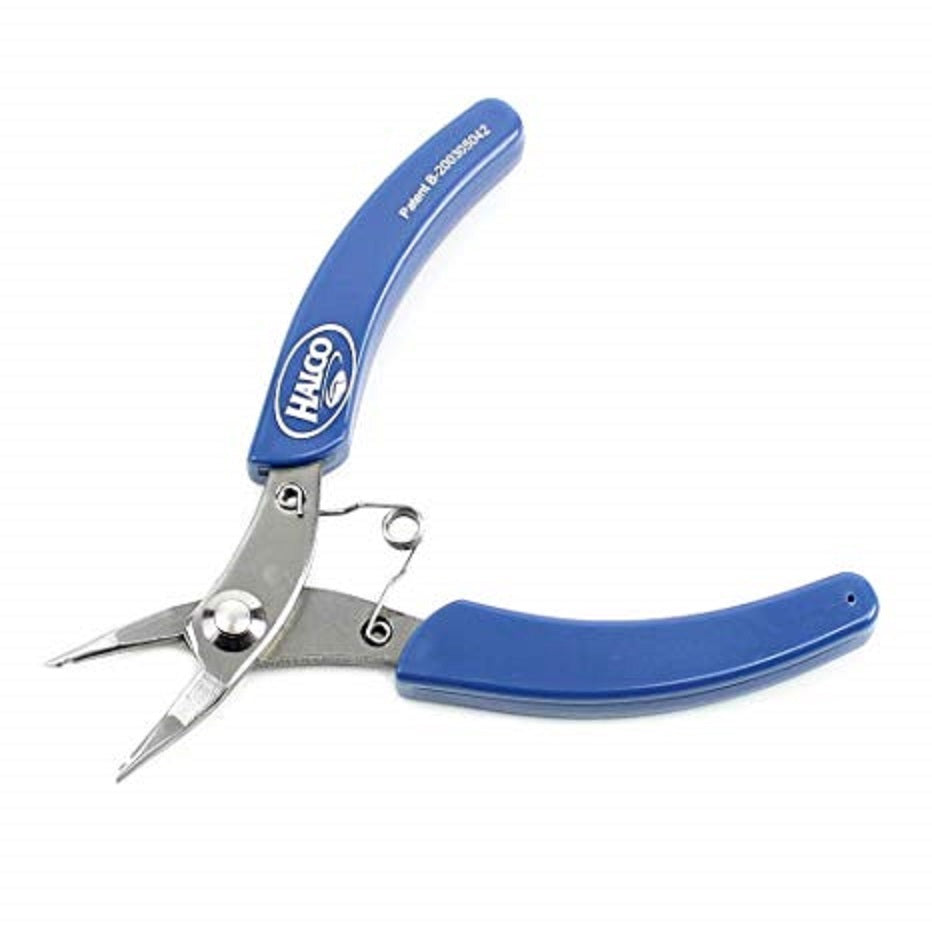
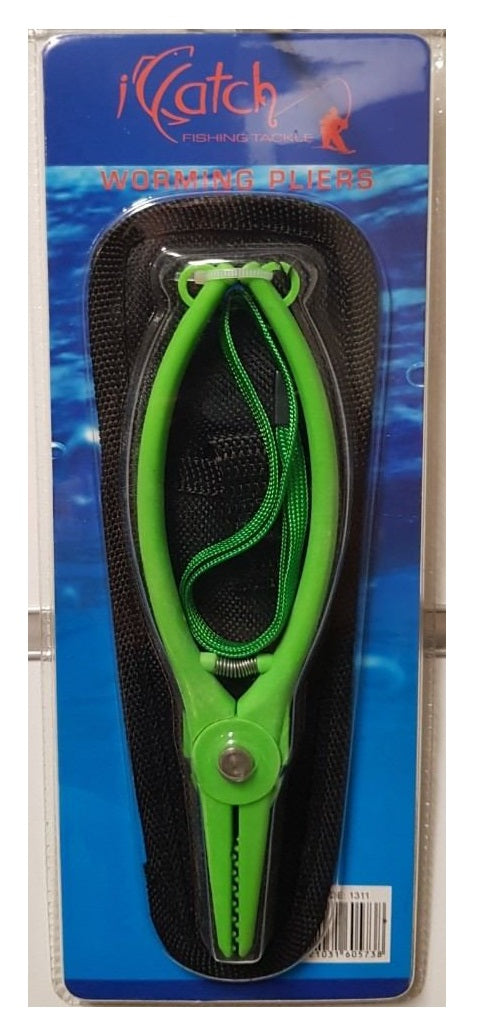
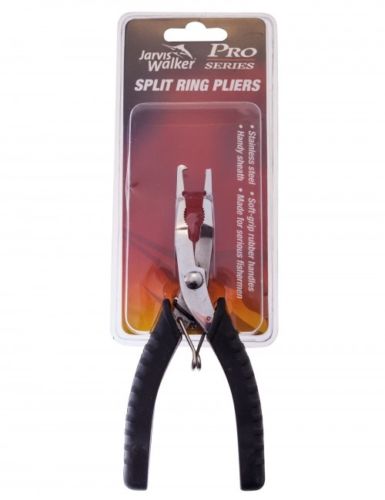
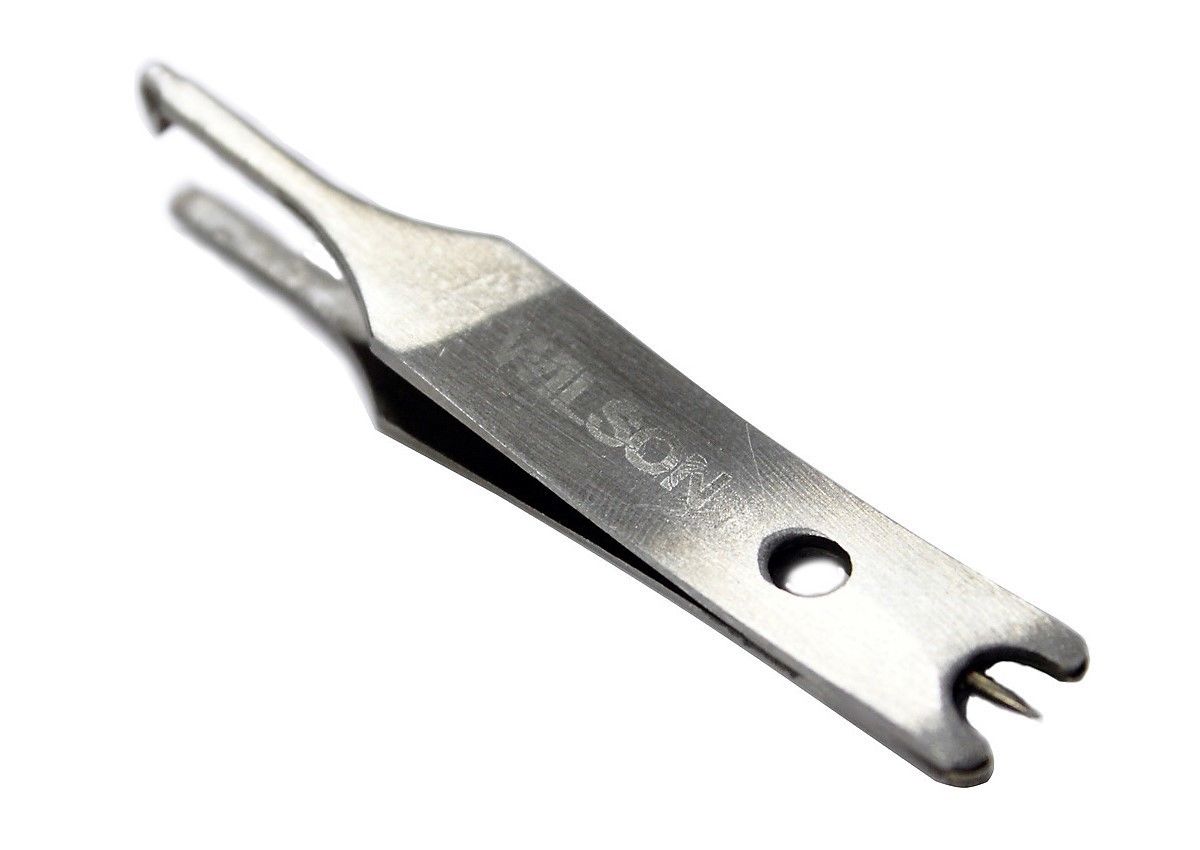
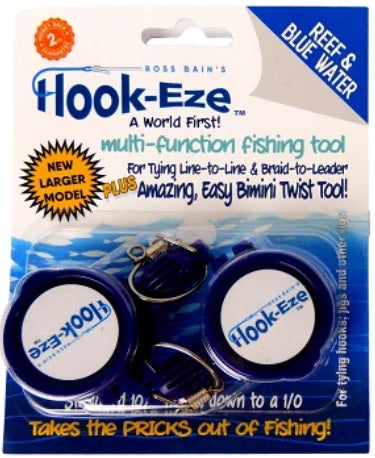
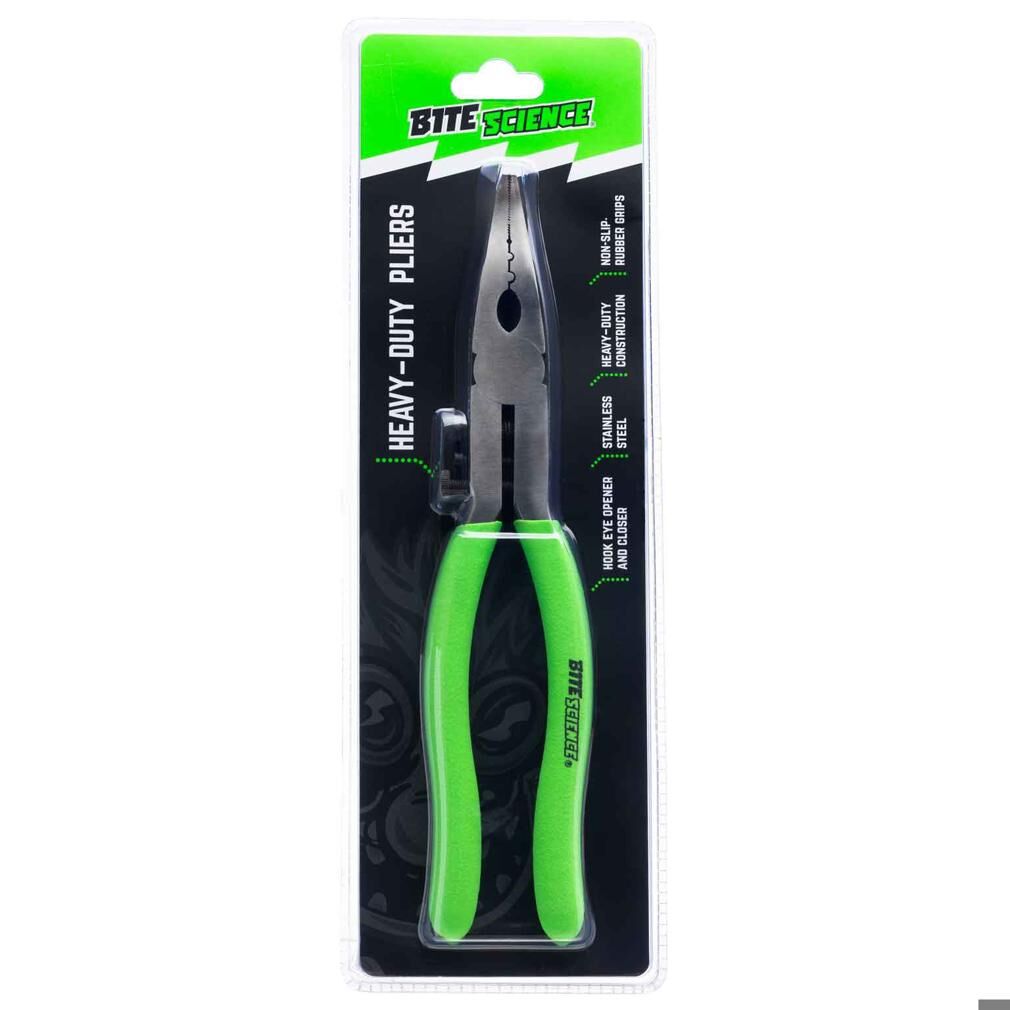
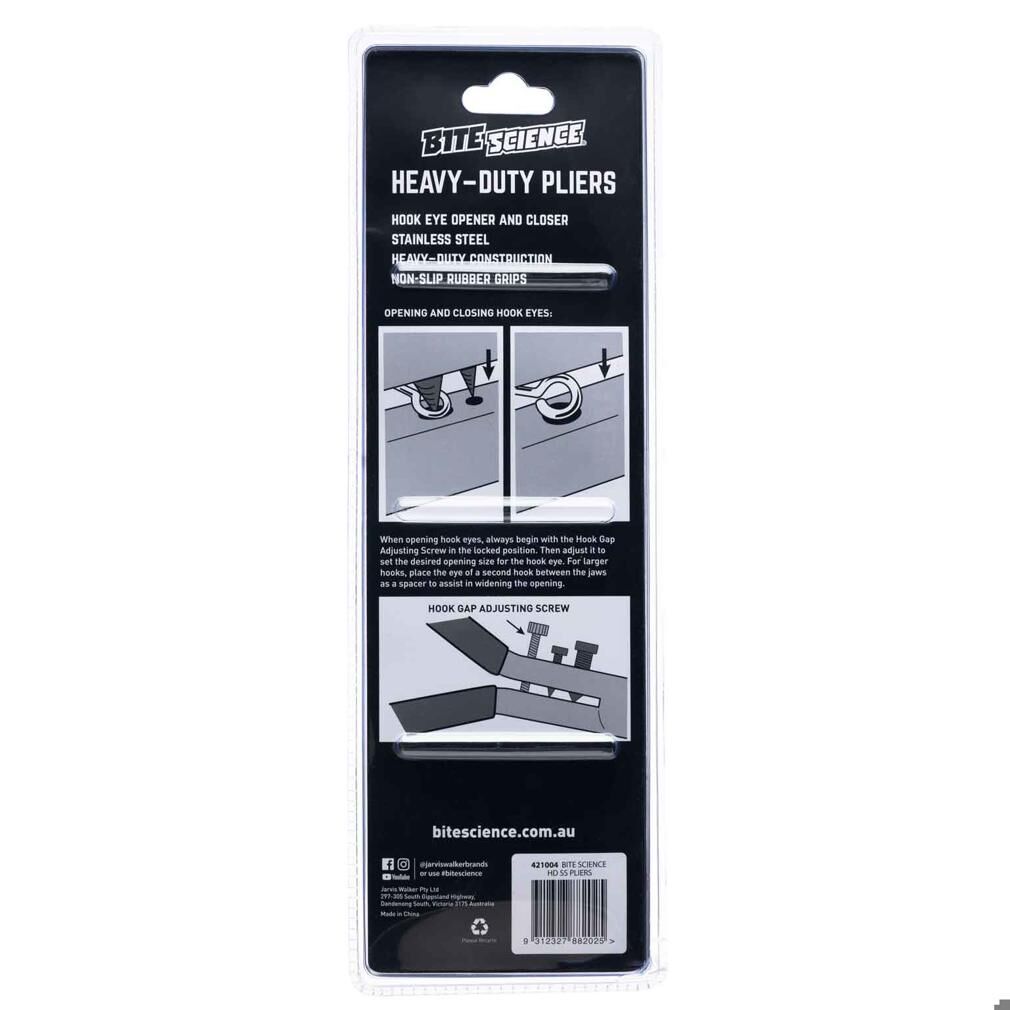
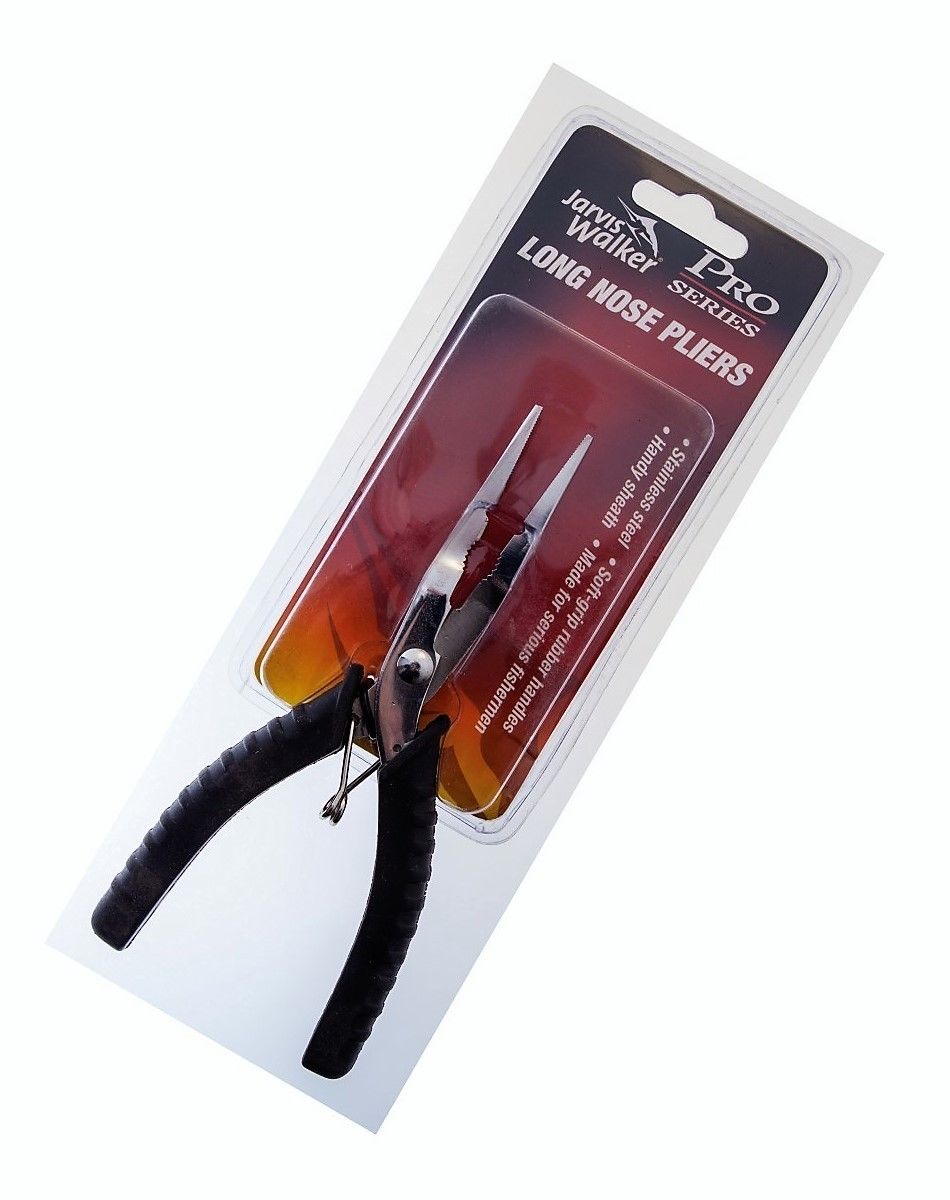
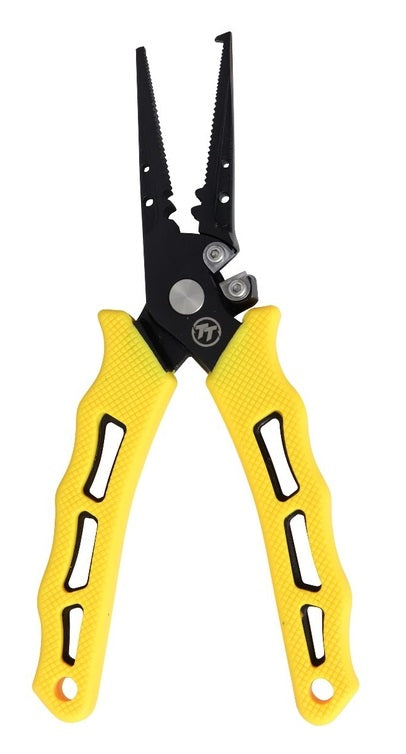
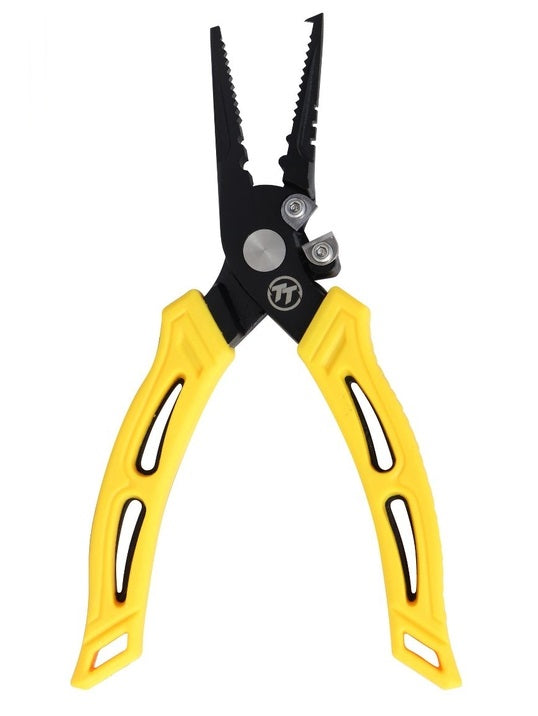
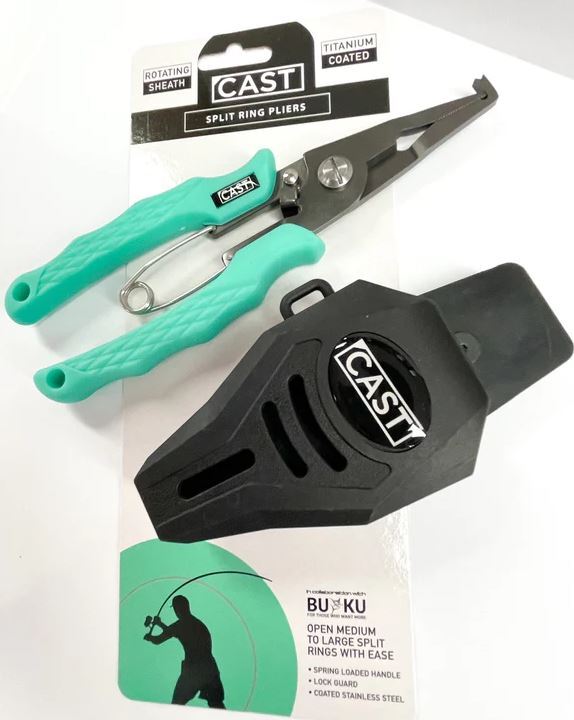
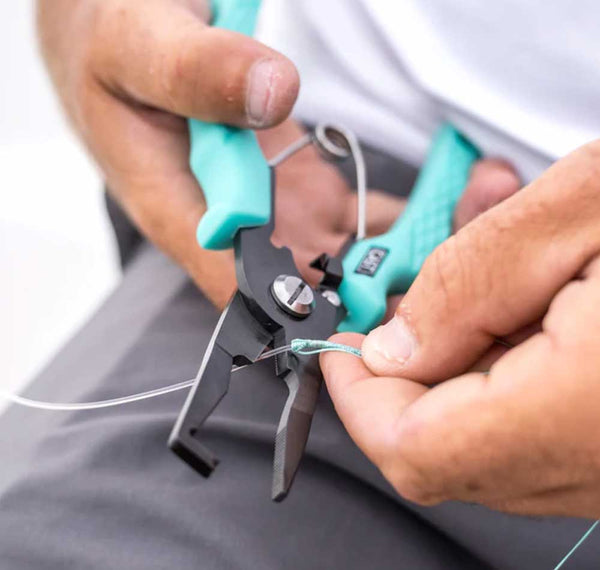
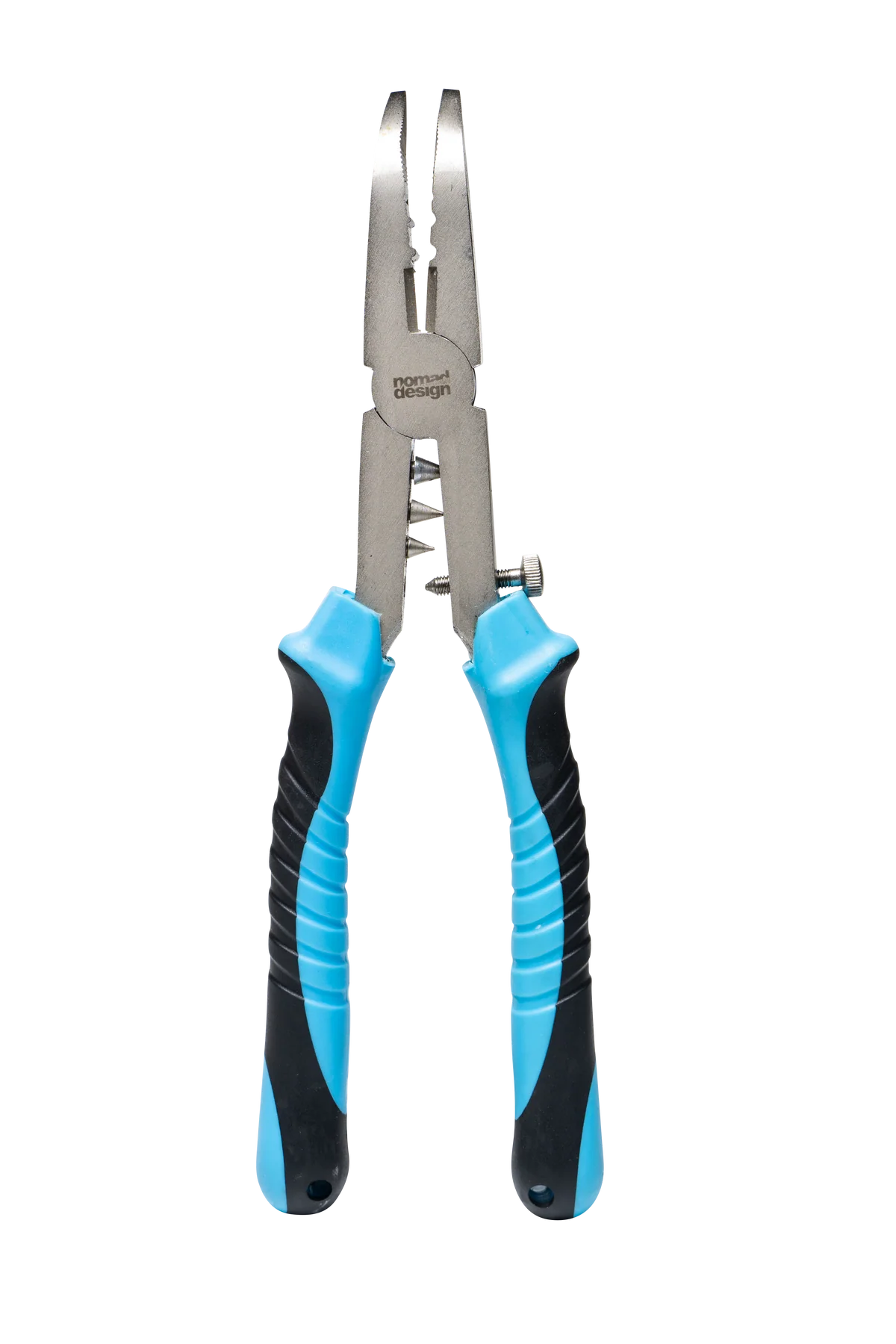
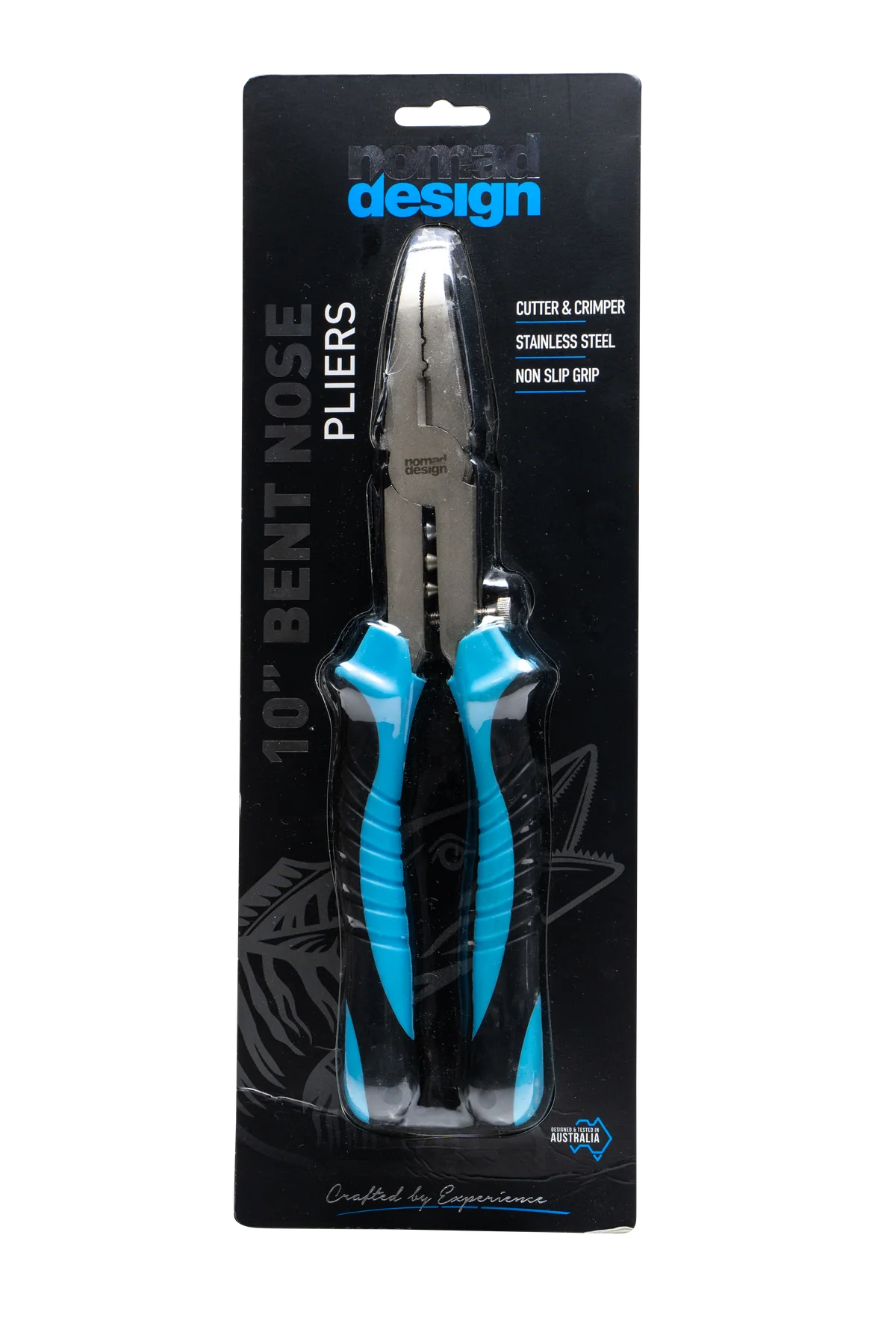
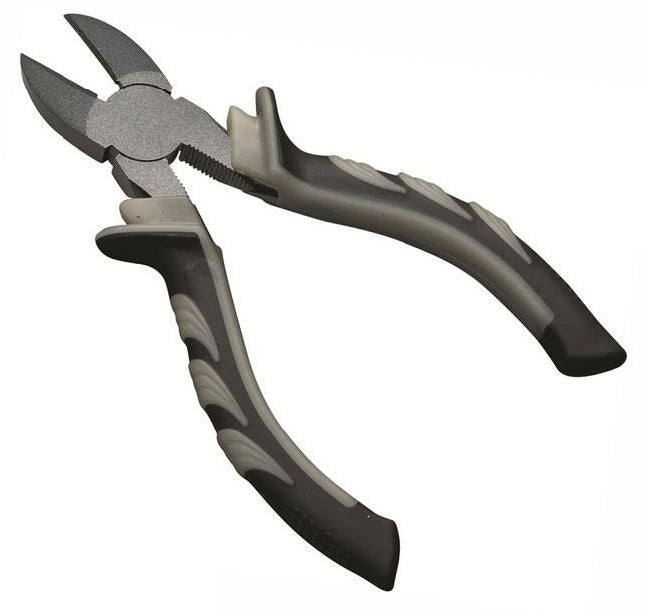
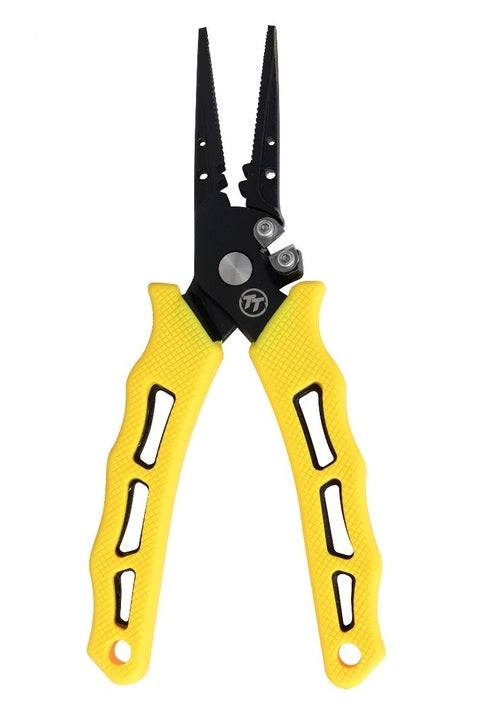
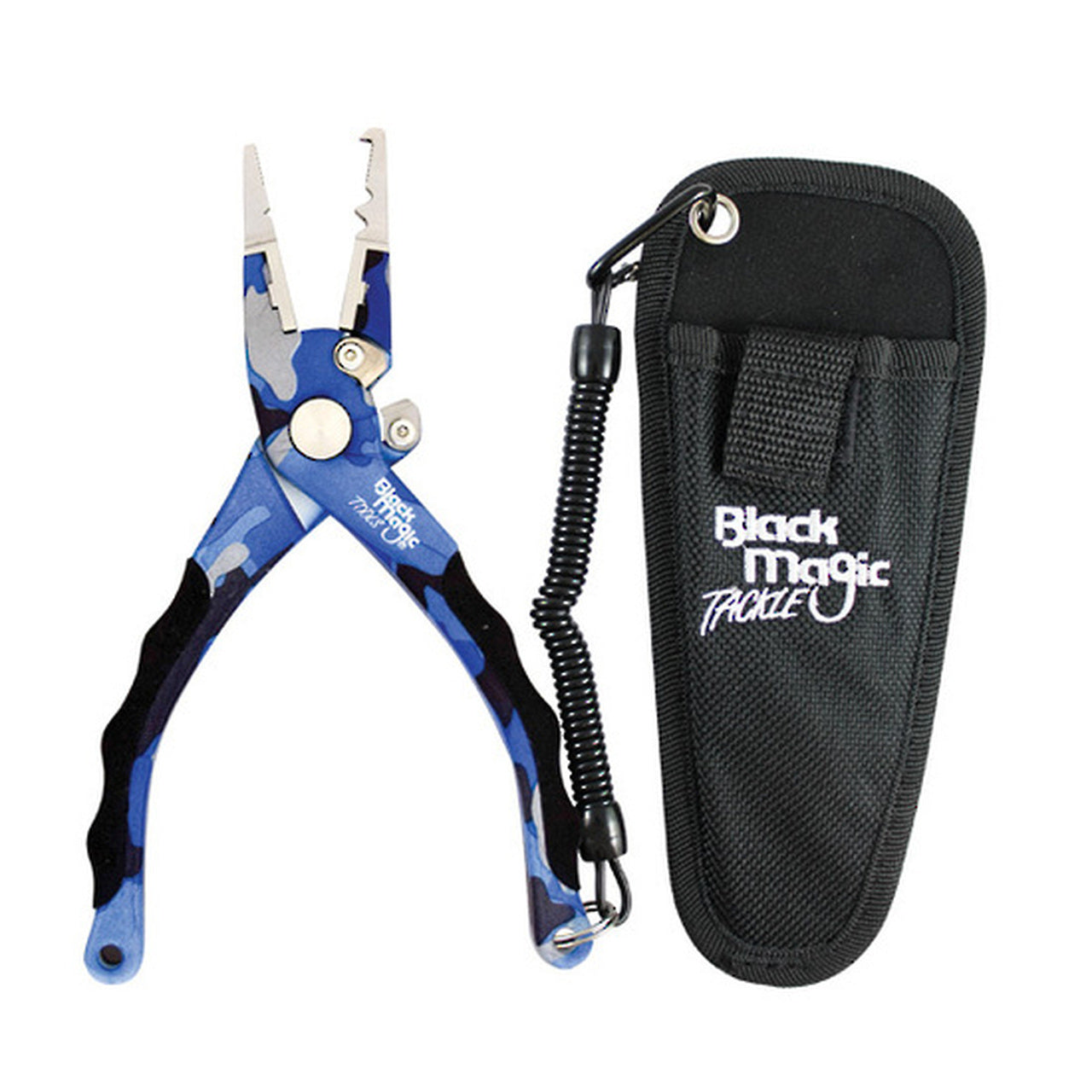
Pliers do the most work. They pull hooks, crimp sleeves, cut braid and open split rings, and long-nose versions keep your fingers clear of teeth. If you buy one tool, buy these.
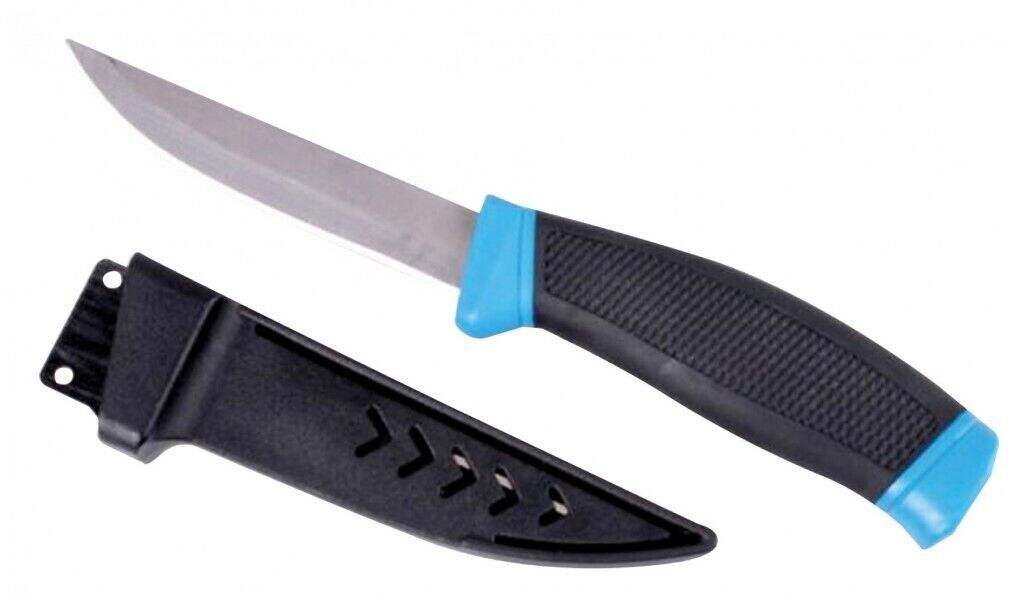
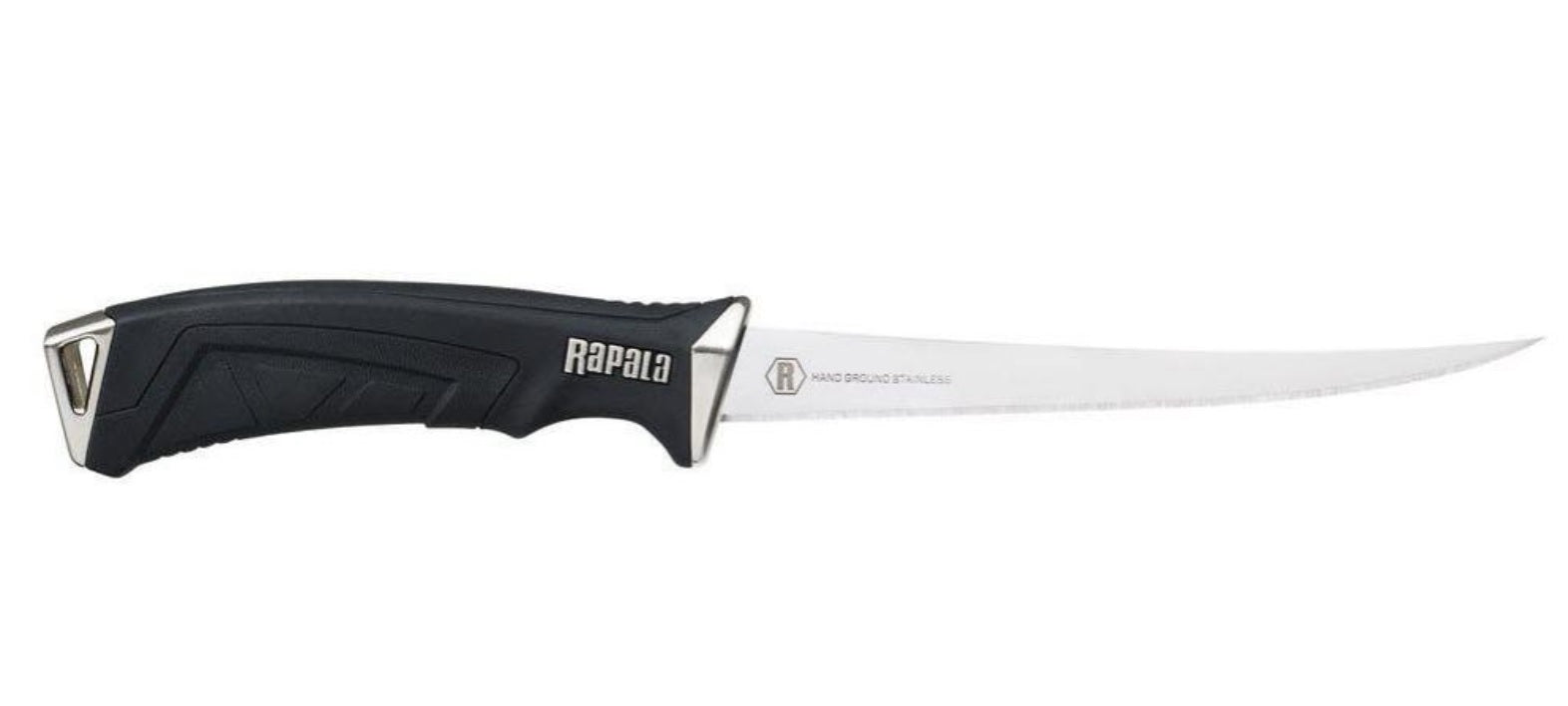
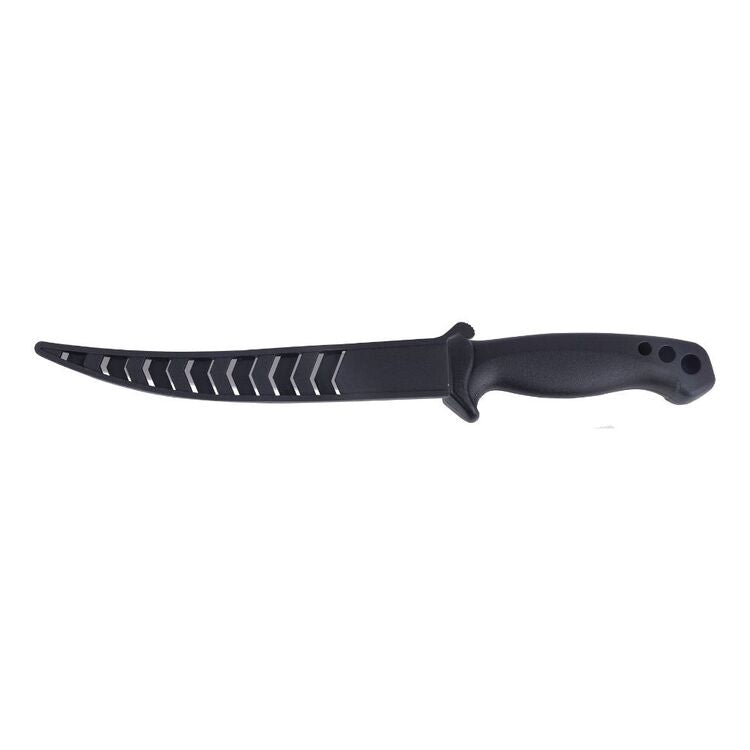
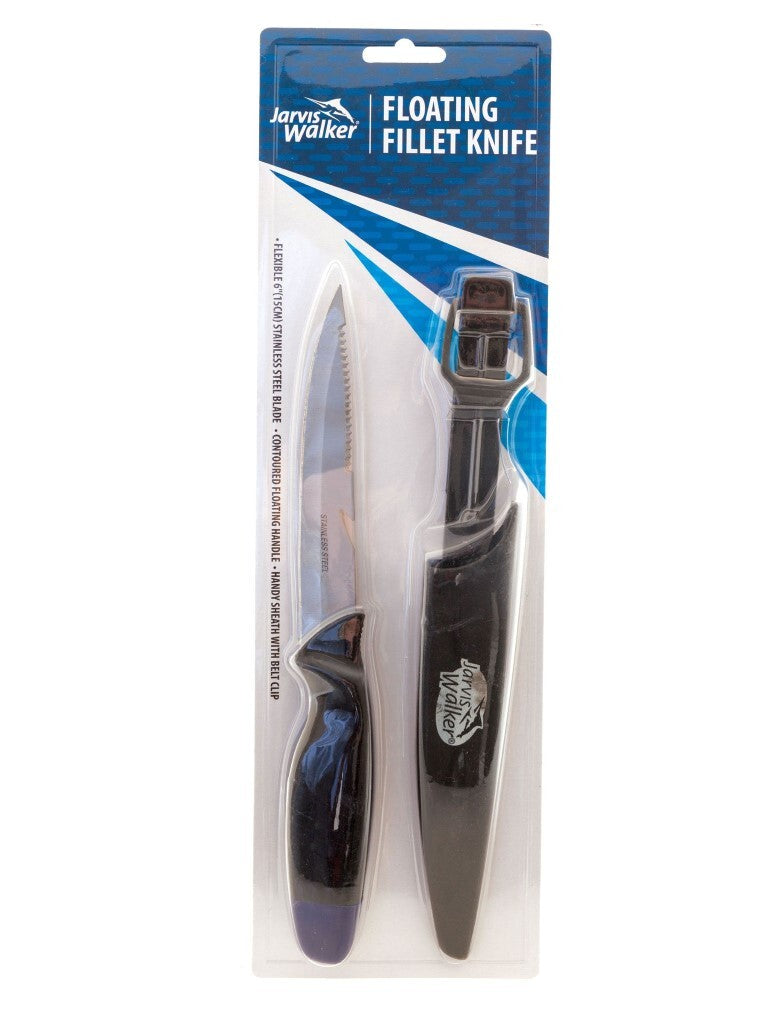
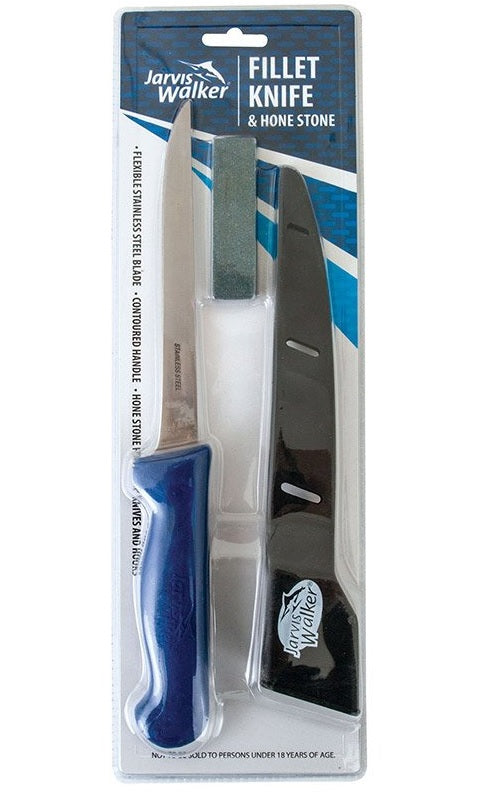
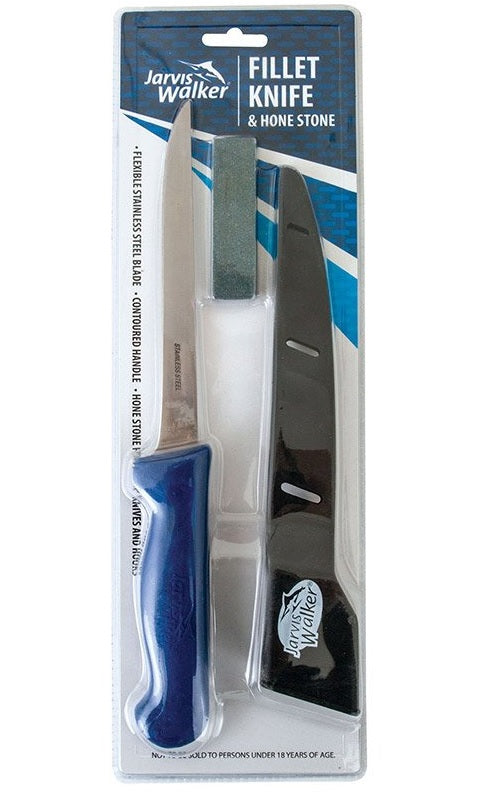
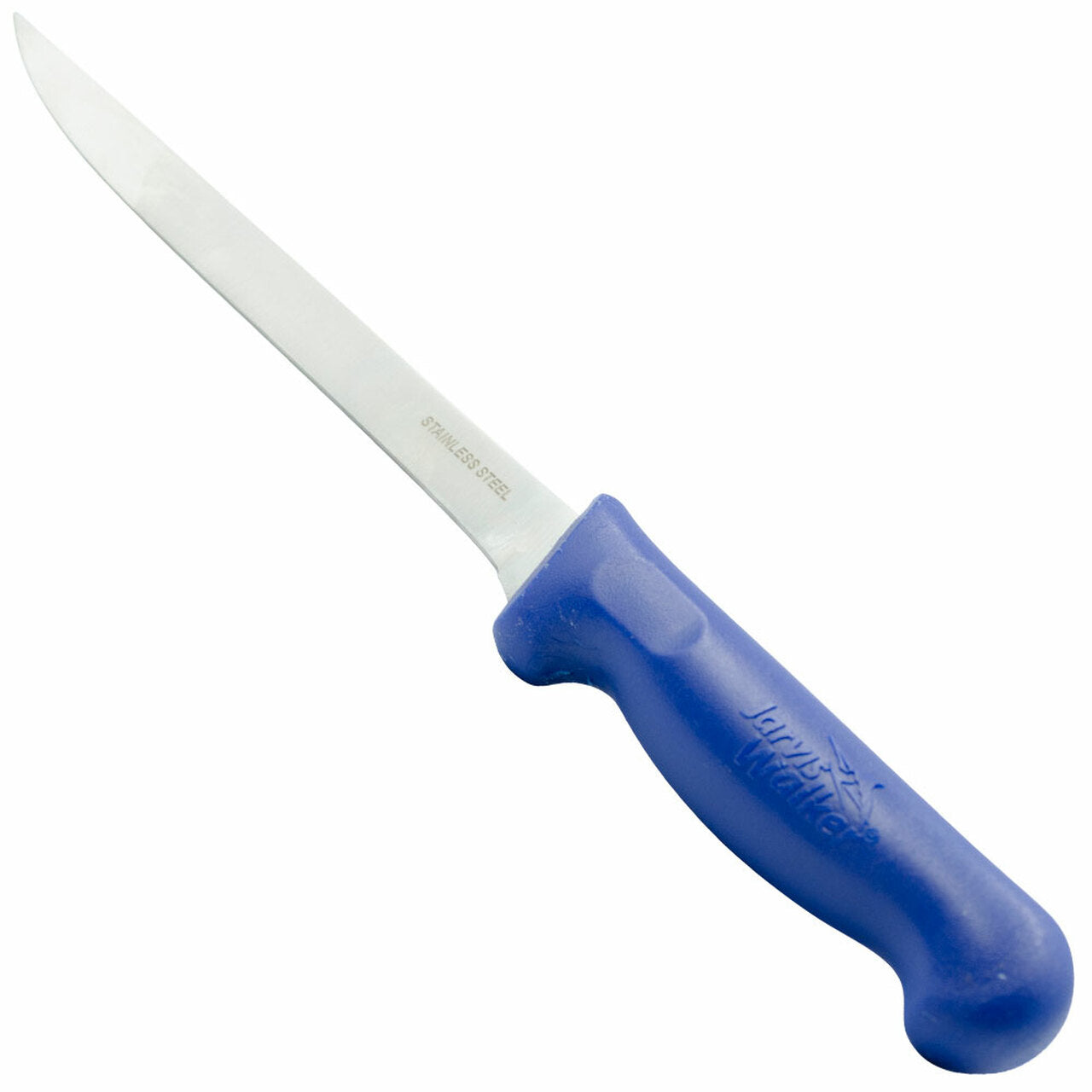
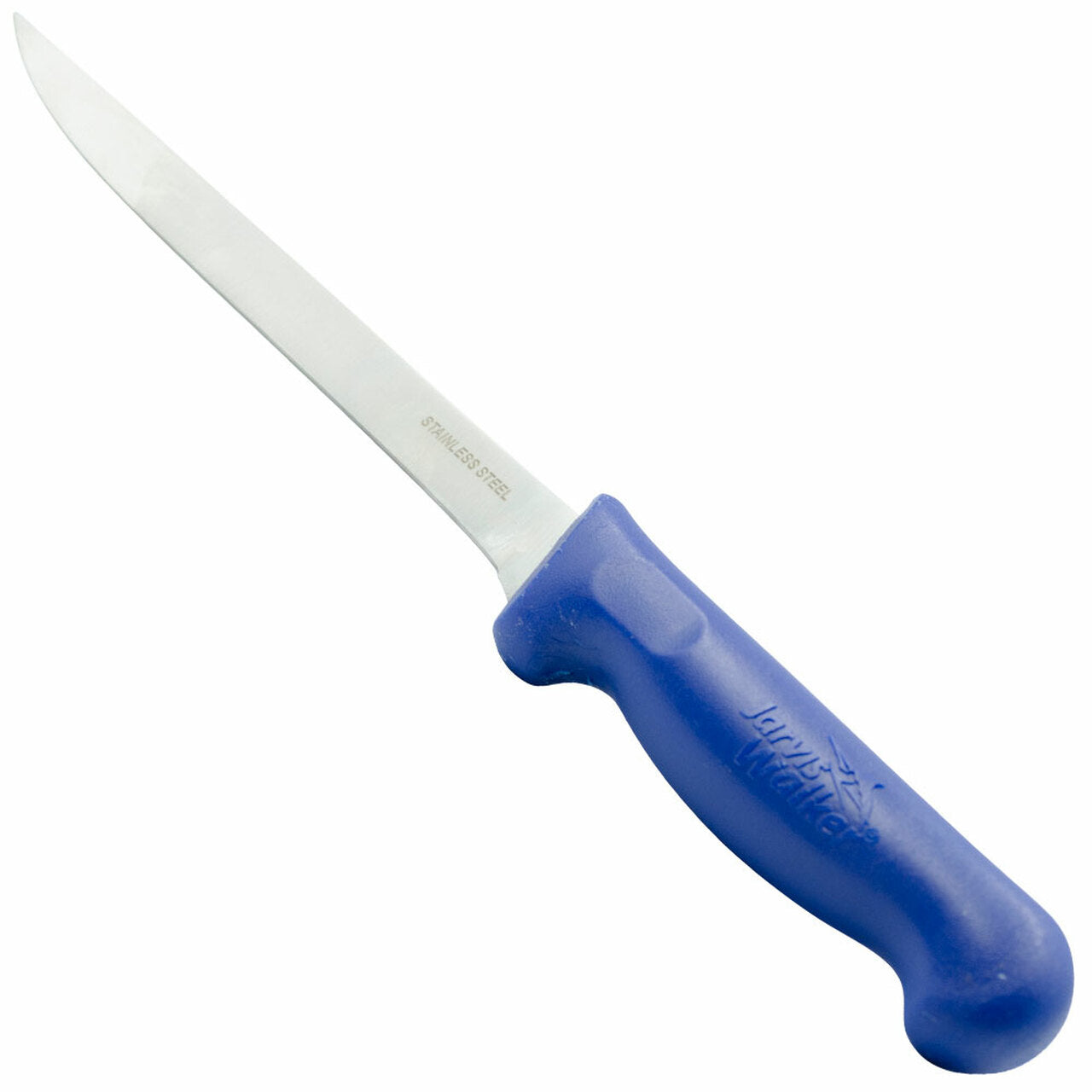
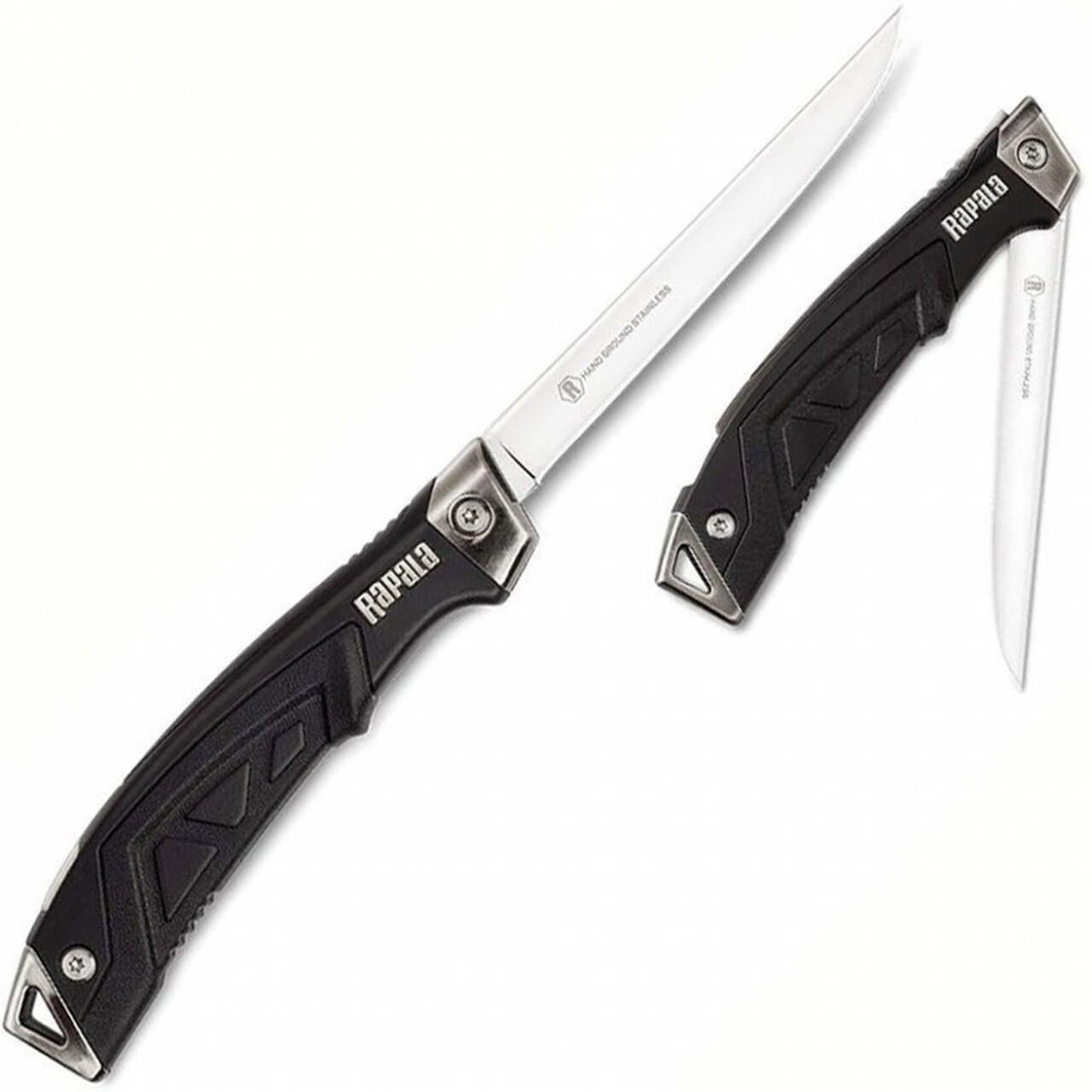
A filleting knife earns its keep the moment you start cleaning your own catch. Flexibility is what separates a filleting knife from an ordinary blade — it follows the bone rather than cutting through it. A stiffer bait knife handles the rougher work of cutting pilchards and squid.
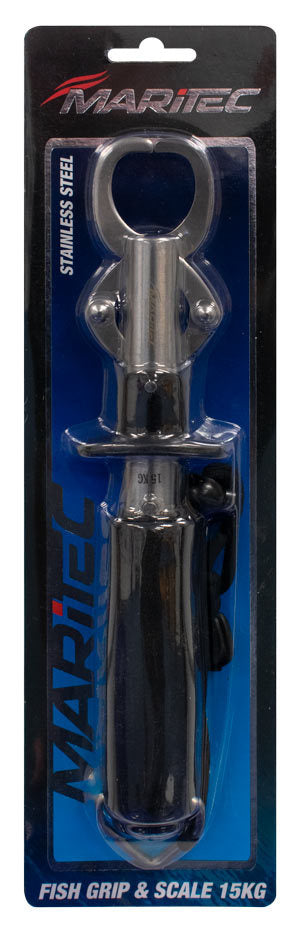
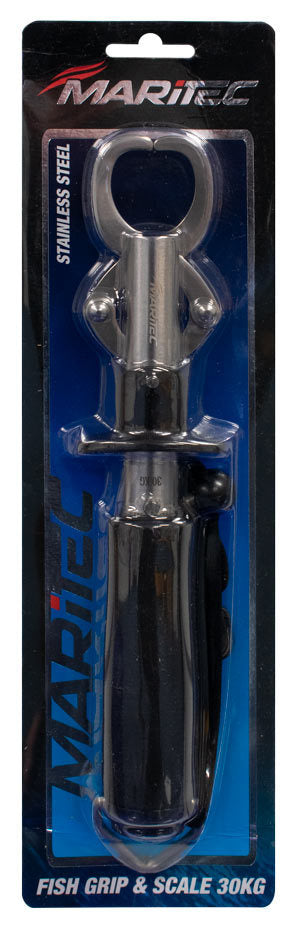
Scales settle arguments and matter more if you release fish, because a quick, accurate weight means less time out of the water.
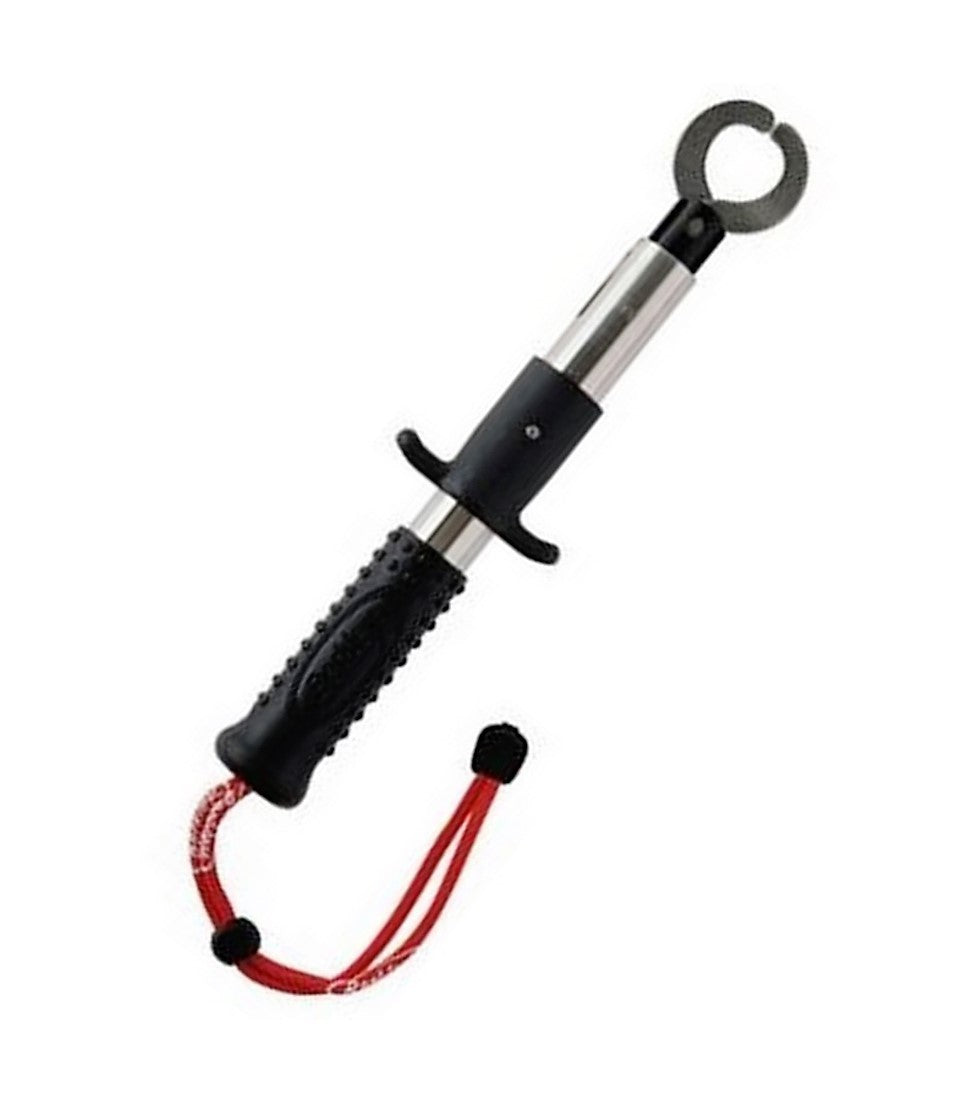
Lip grips control a thrashing fish without either of you getting hurt, which is worth having for anything with teeth or spikes.
Most of this lives permanently in a tackle bag rather than being packed each trip.
Frequently asked questions
What tools do I actually need for fishing?
Long-nose pliers, a knife and something to cut braid covers most situations. Add scales and lip grips if you handle bigger fish or release them.
What is the difference between a fillet knife and a bait knife?
A fillet knife has a thin, flexible blade that follows the bone to take clean fillets. A bait knife is shorter and stiffer for cutting up baits and doing rougher work.
Why won't my knife cut braided line?
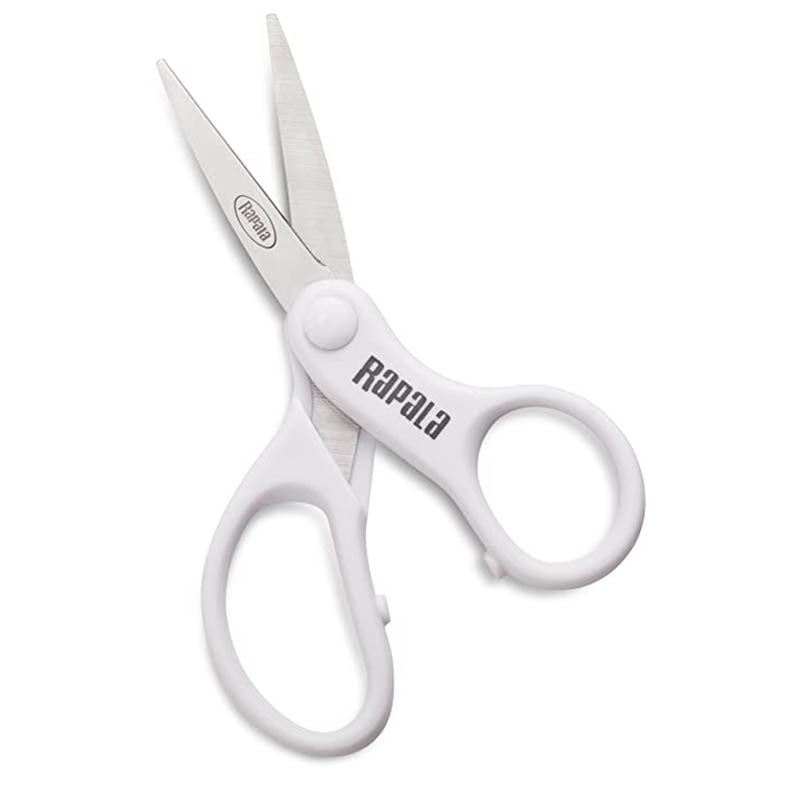
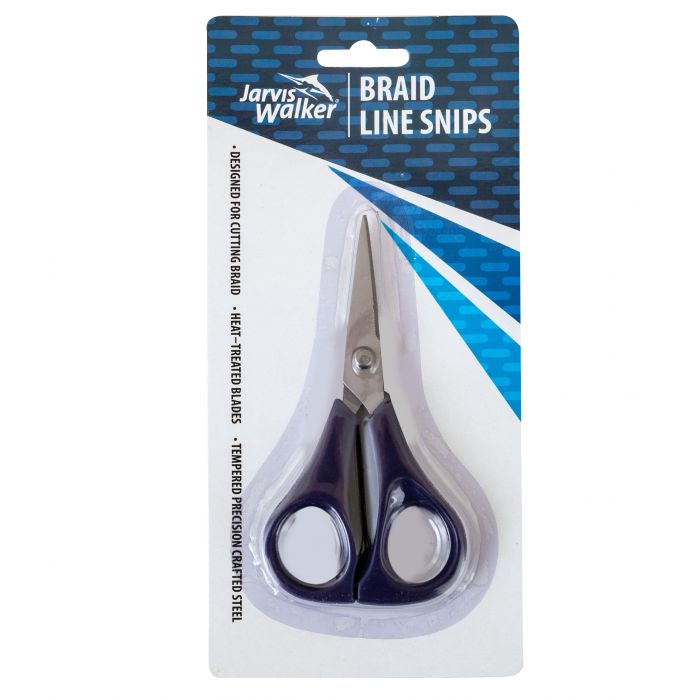
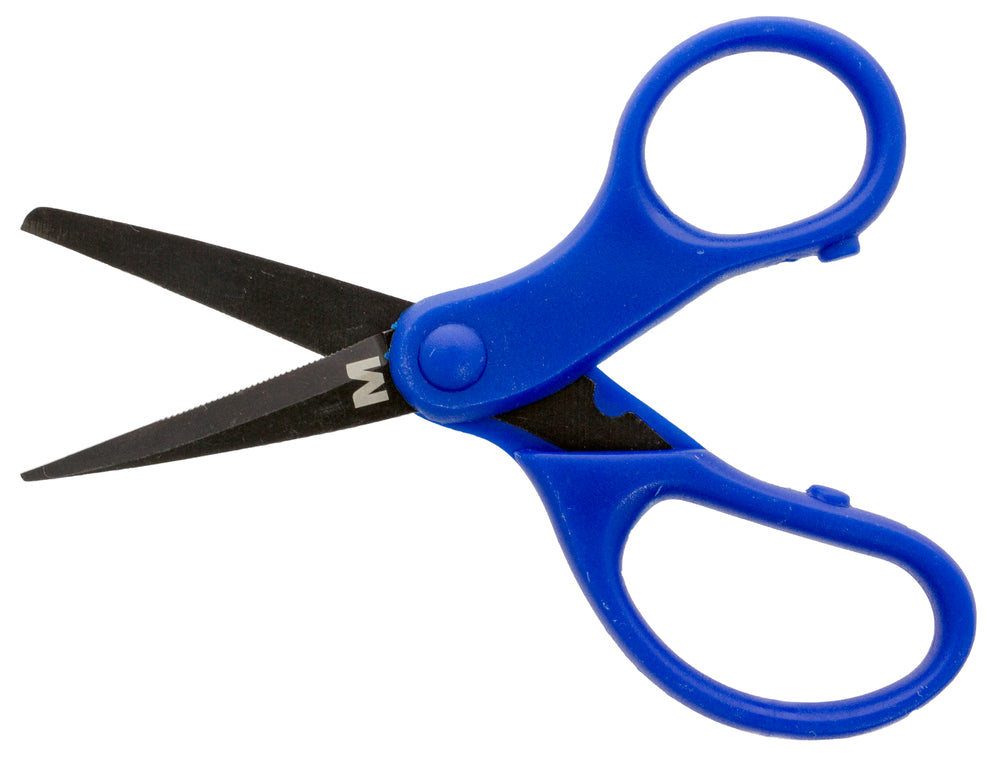
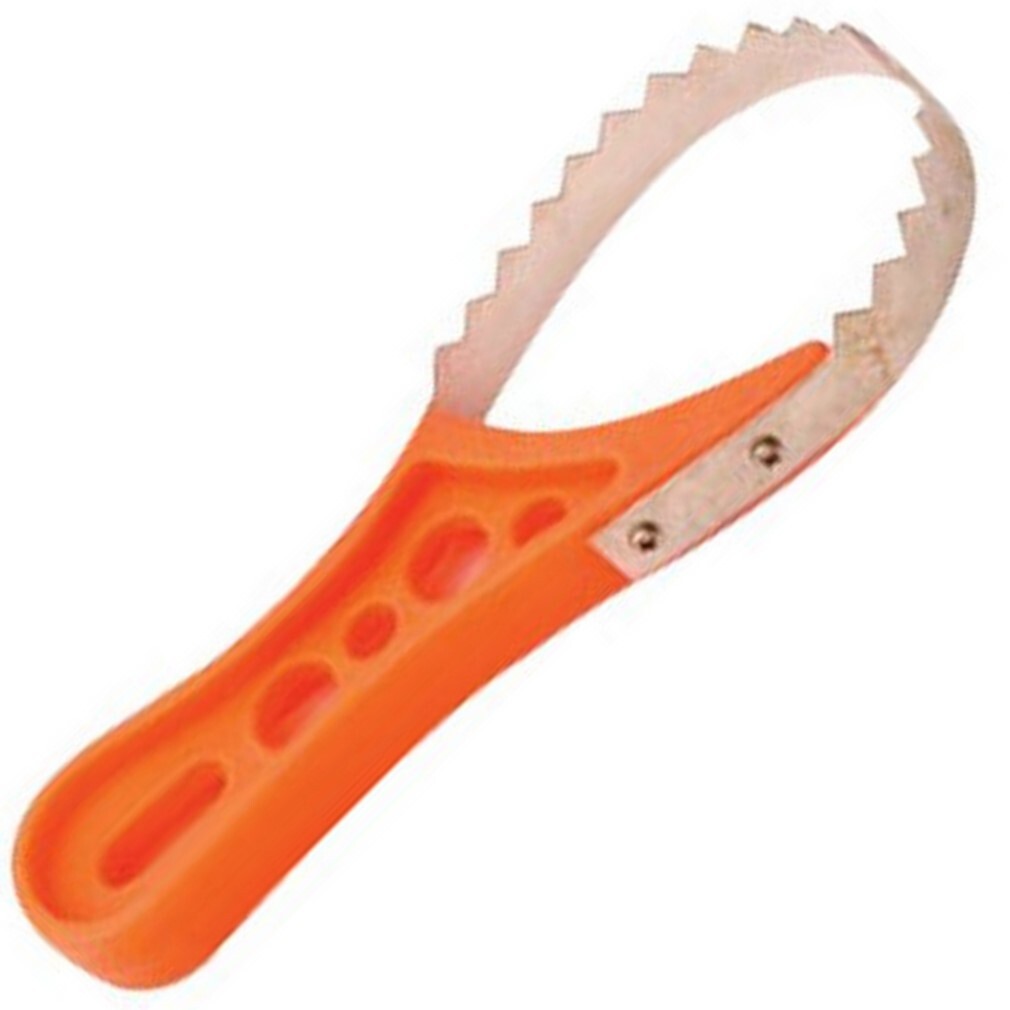
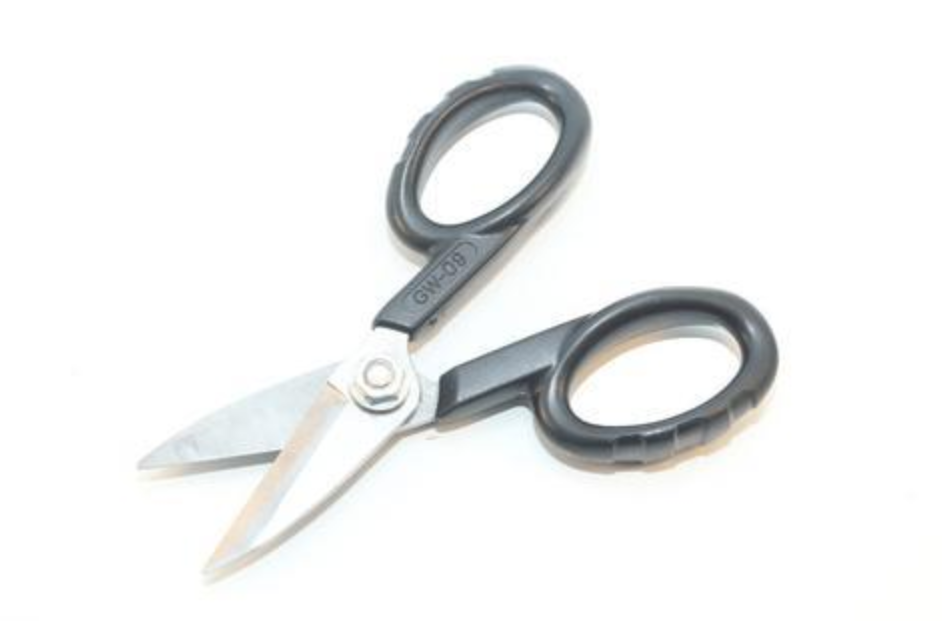
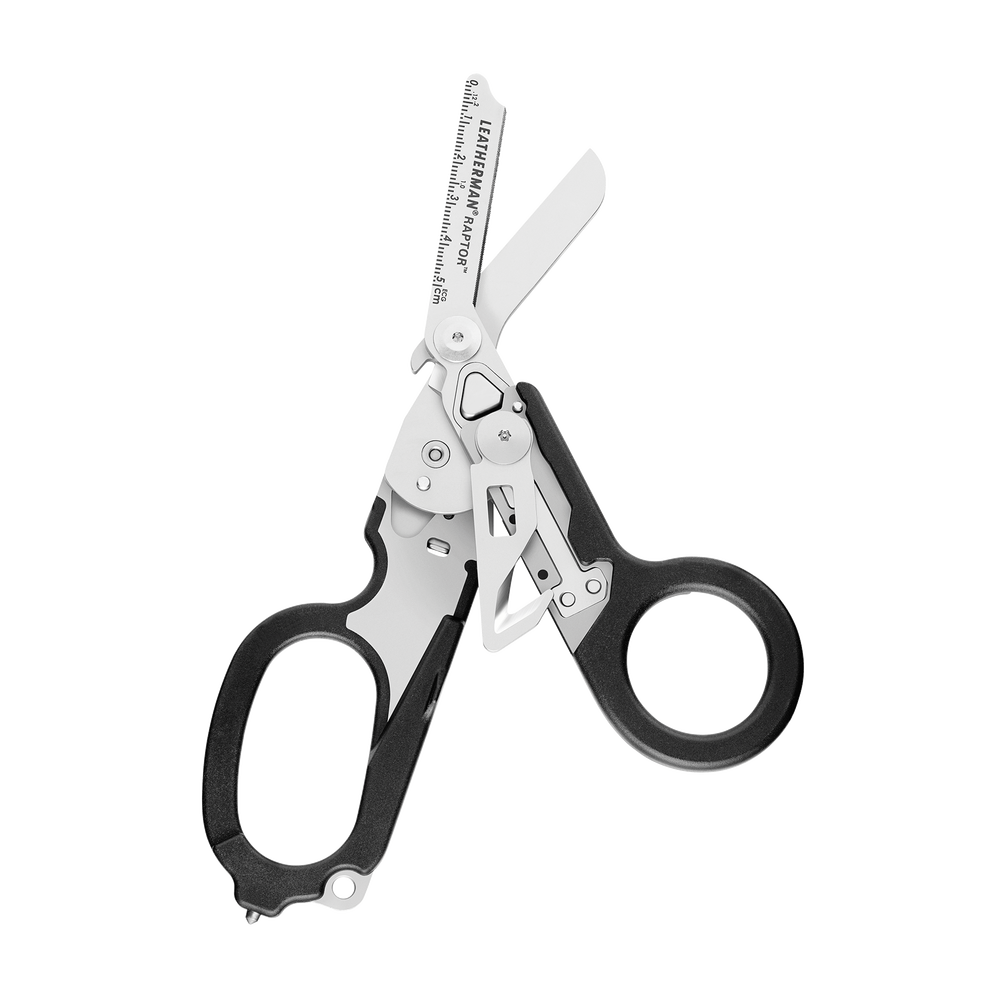
Most knives will not. Braid needs dedicated braid scissors or a cutter with serrated edges — a standard blade tends to push and fray it rather than cut through.
How do I stop my tools rusting?
Rinse them in fresh water after every saltwater trip and dry them before they go away. Salt left sitting on a blade or a pivot does the damage, not use.




















































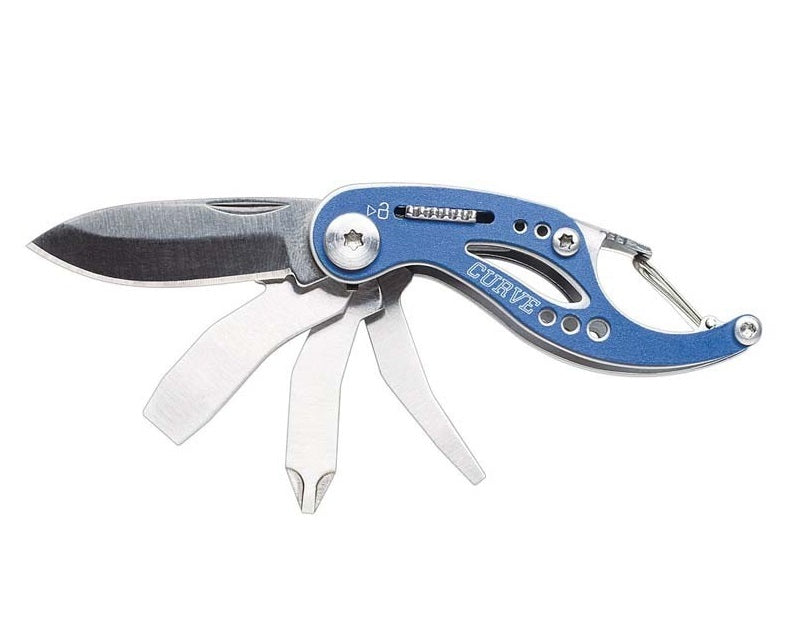


Tools are the part of the kit nobody thinks about until the moment they are needed, and then they matter enormously. A hook buried past the barb, a fish that needs handling quickly, a leader that has to be cut cleanly — these are the situations where the right tool turns a problem into a few seconds of work.
What is worth carrying
Pliers do the most work. They pull hooks, crimp sleeves, cut braid and open split rings, and long-nose versions keep your fingers clear of teeth. If you buy one tool, buy these.
A filleting knife earns its keep the moment you start cleaning your own catch. Flexibility is what separates a filleting knife from an ordinary blade — it follows the bone rather than cutting through it. A stiffer bait knife handles the rougher work of cutting pilchards and squid.
Scales settle arguments and matter more if you release fish, because a quick, accurate weight means less time out of the water.
Lip grips control a thrashing fish without either of you getting hurt, which is worth having for anything with teeth or spikes.
Most of this lives permanently in a tackle bag rather than being packed each trip.
Frequently asked questions
What tools do I actually need for fishing?
Long-nose pliers, a knife and something to cut braid covers most situations. Add scales and lip grips if you handle bigger fish or release them.
What is the difference between a fillet knife and a bait knife?
A fillet knife has a thin, flexible blade that follows the bone to take clean fillets. A bait knife is shorter and stiffer for cutting up baits and doing rougher work.
Why won't my knife cut braided line?
Most knives will not. Braid needs dedicated braid scissors or a cutter with serrated edges — a standard blade tends to push and fray it rather than cut through.
How do I stop my tools rusting?
Rinse them in fresh water after every saltwater trip and dry them before they go away. Salt left sitting on a blade or a pivot does the damage, not use.