

FREE SHIPPING ON ORDERS OVER $150*

AUSSIE FAMILY OWNED BUSINESS FOR OVER 40 YEARS

100% SATISFACTION GUARANTEED
Stickbaits
Stickbaits
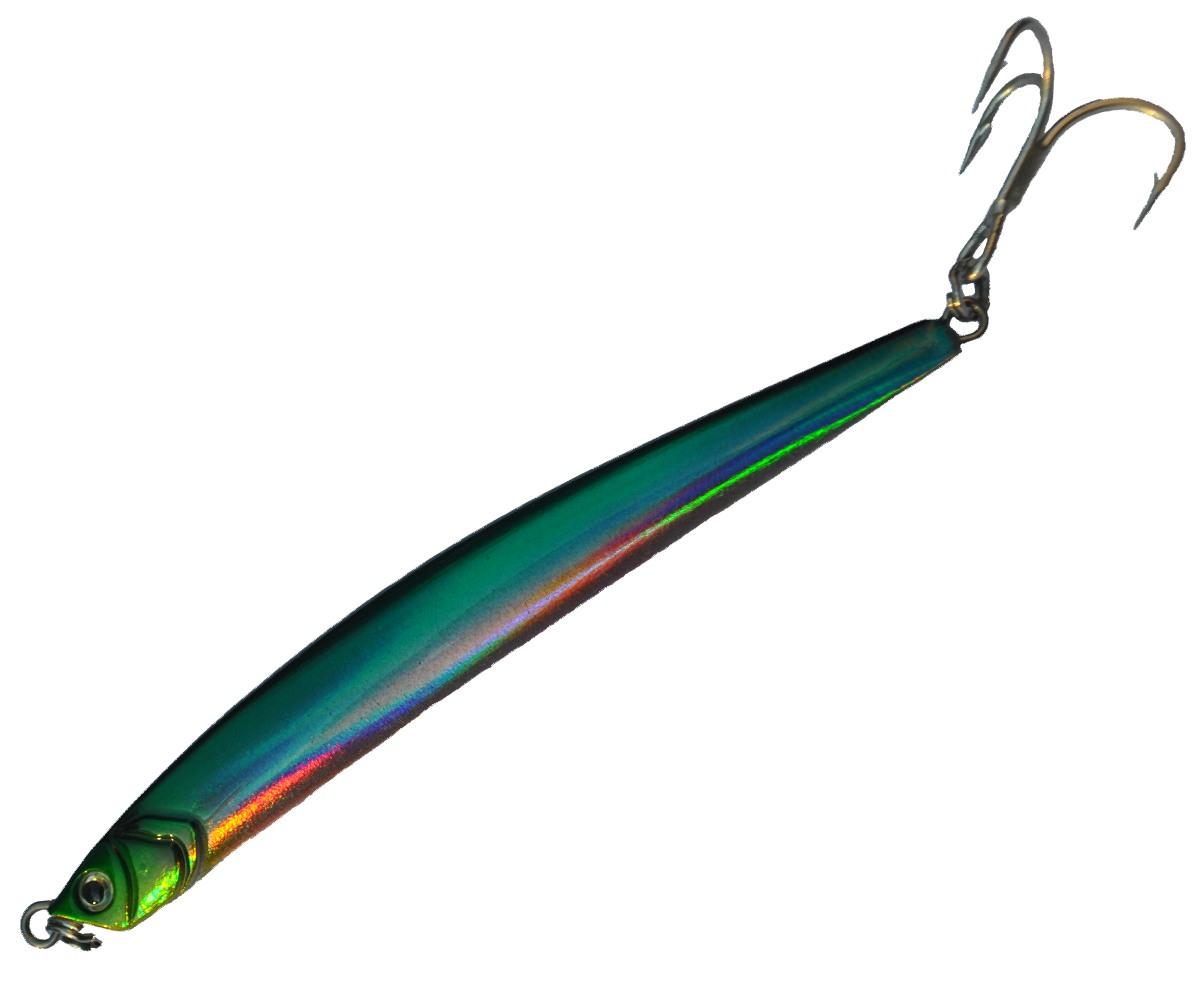
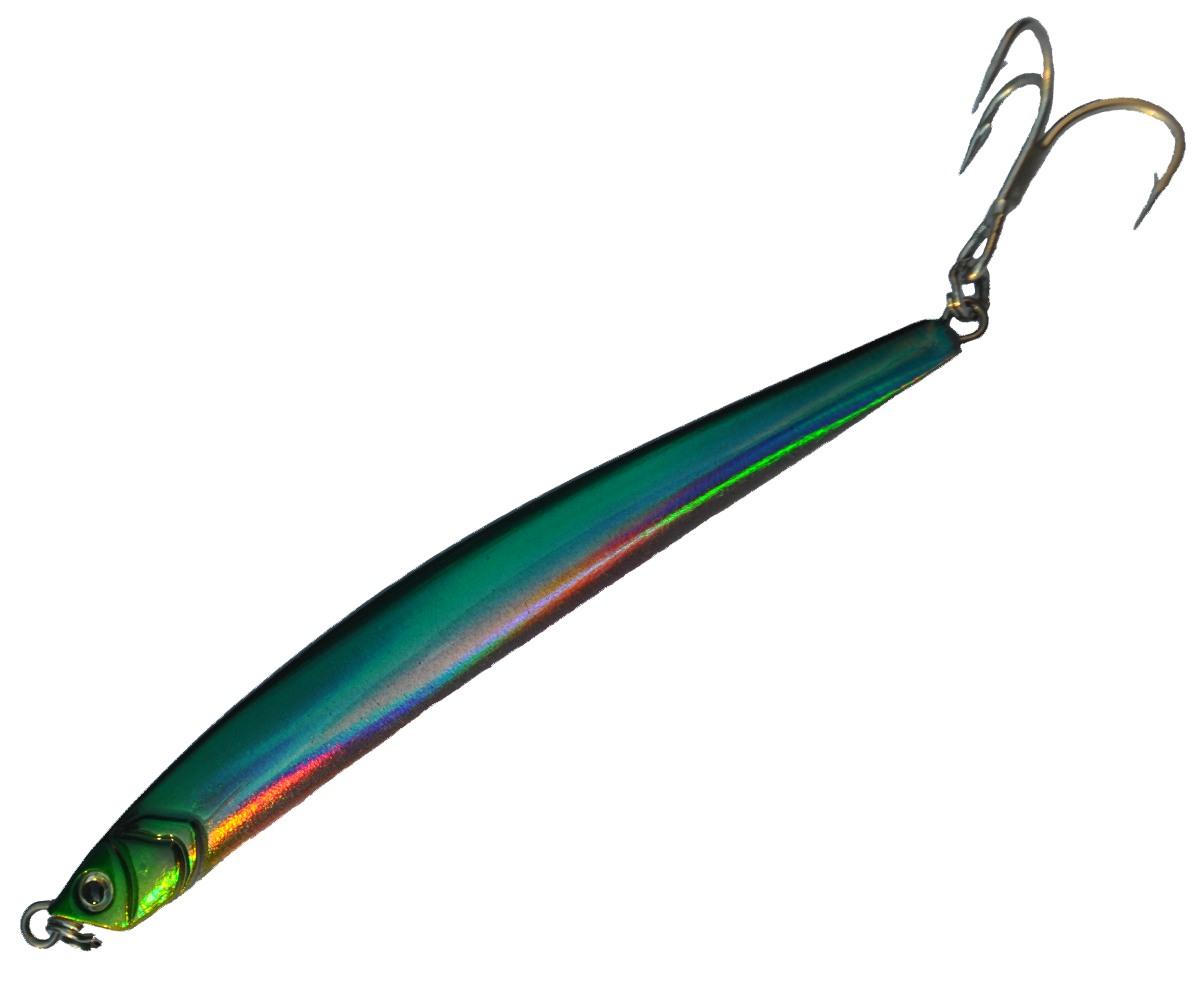
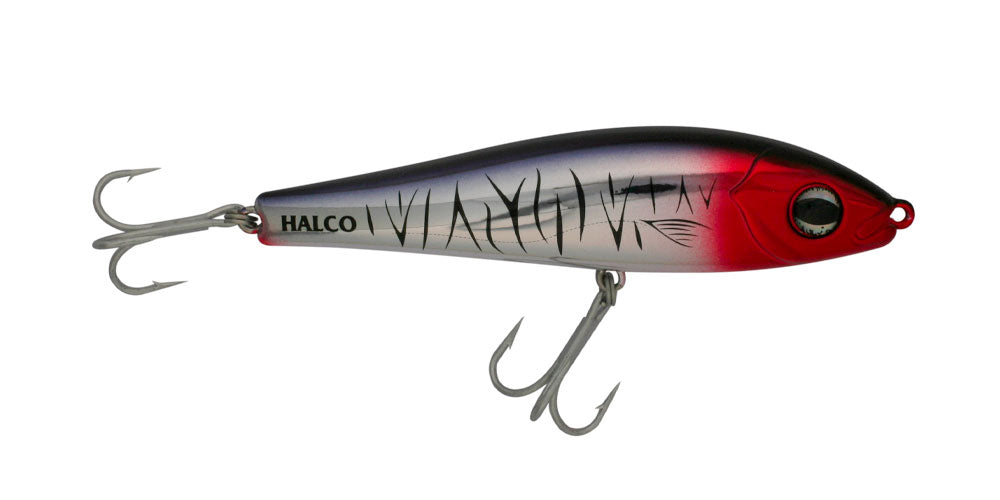
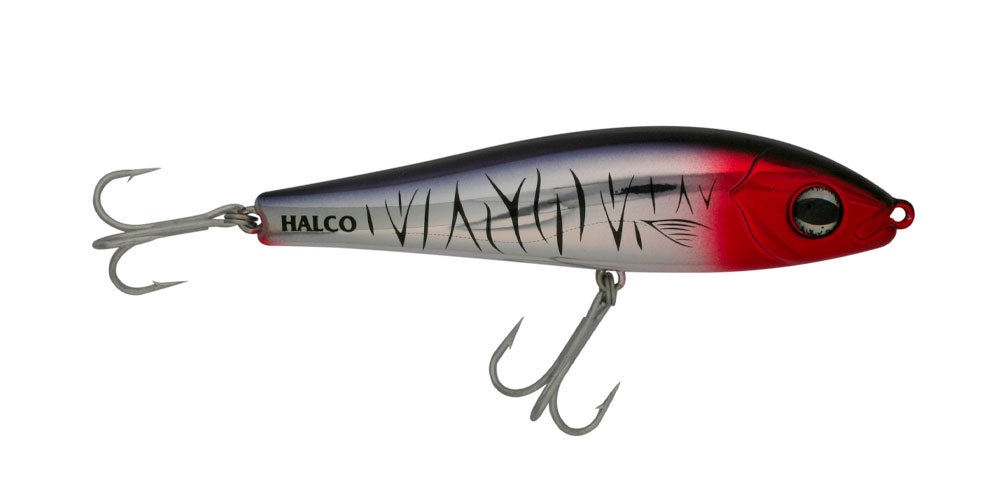
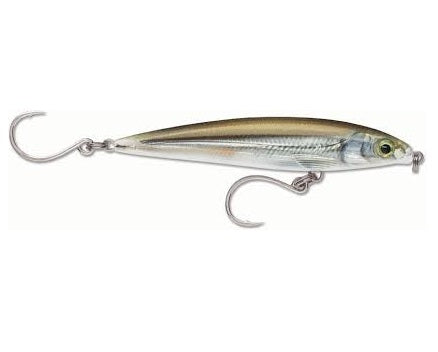
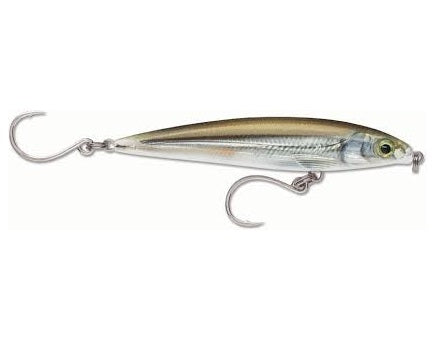
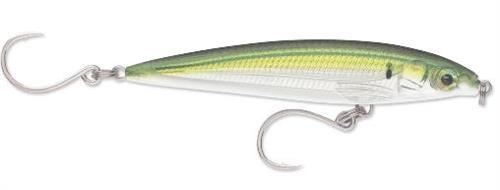
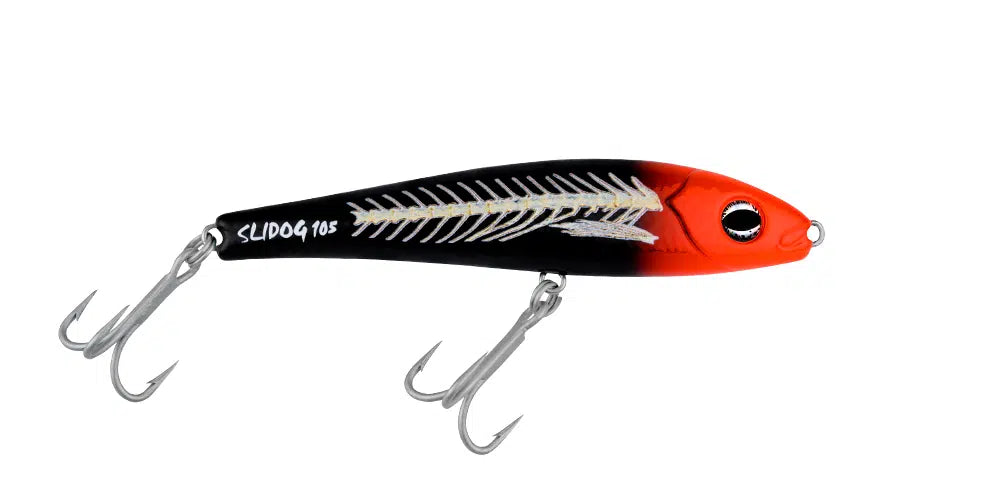
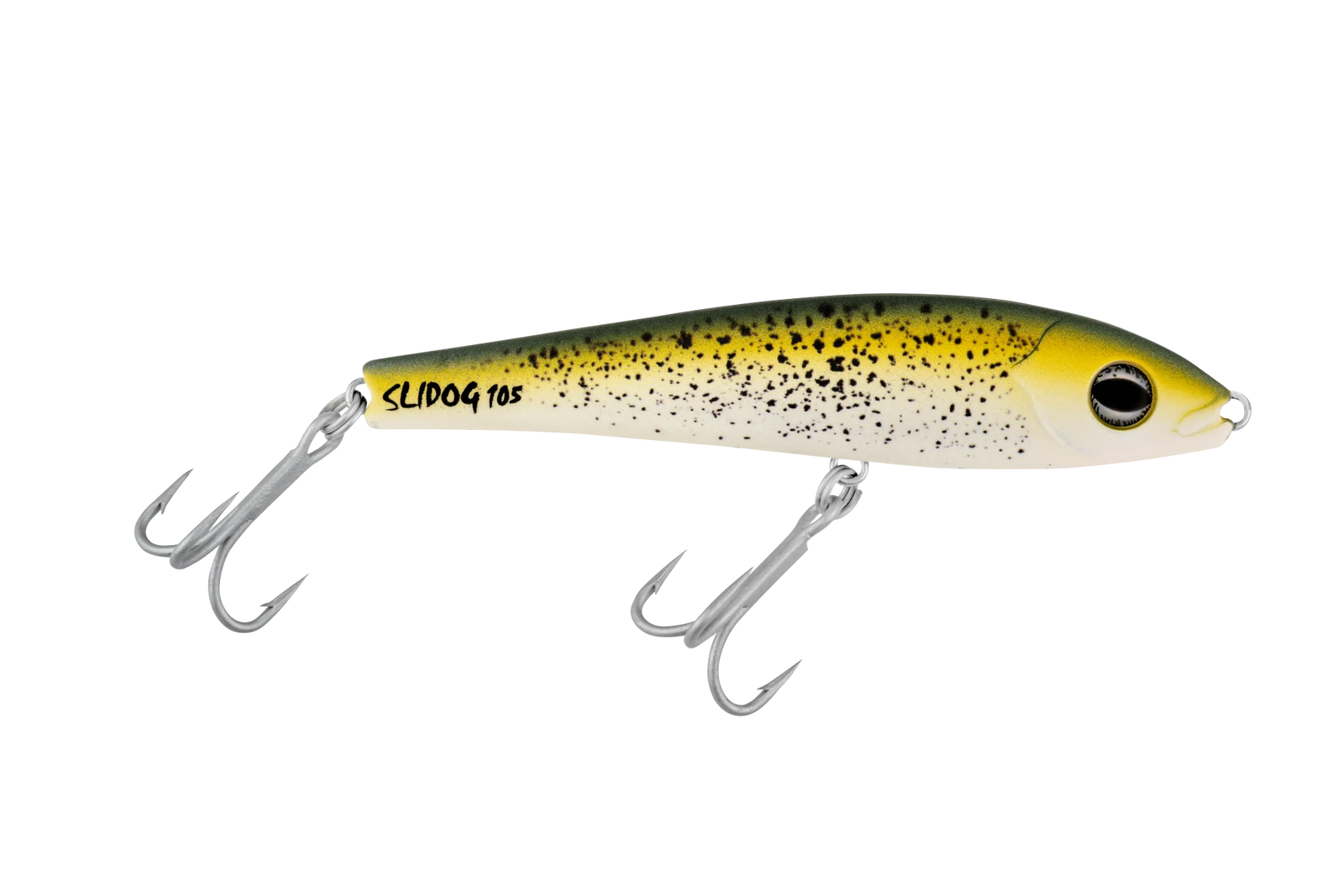
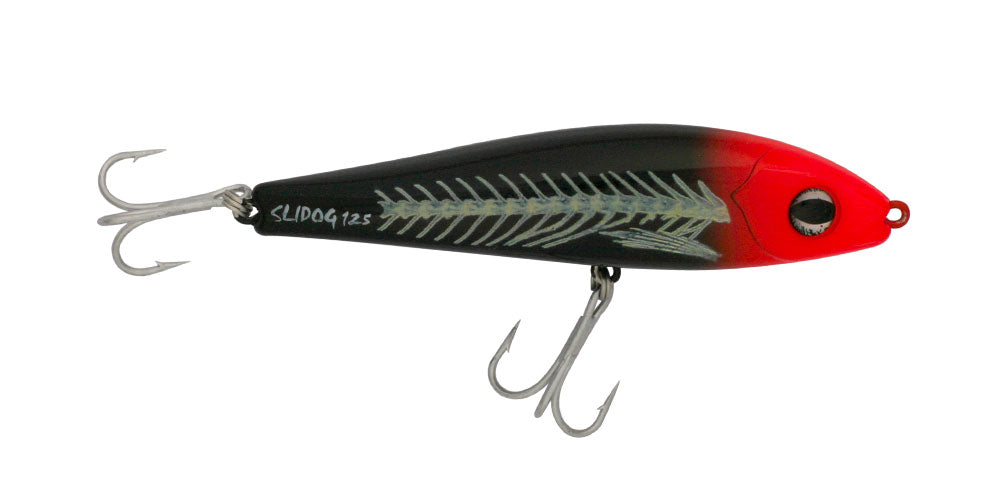
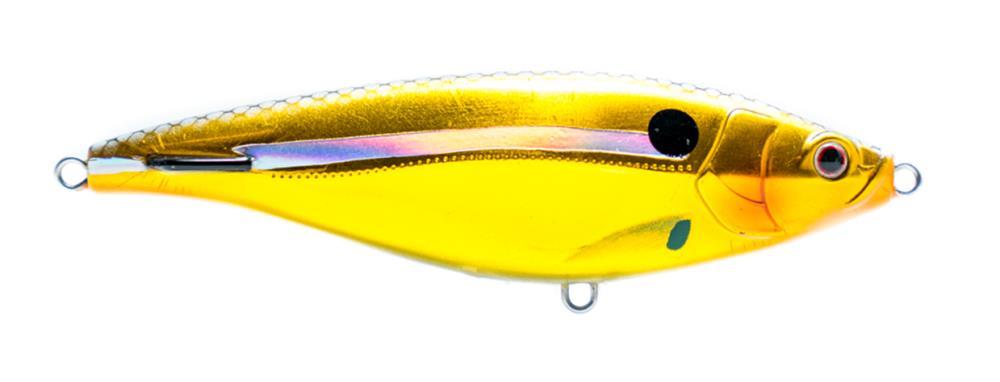
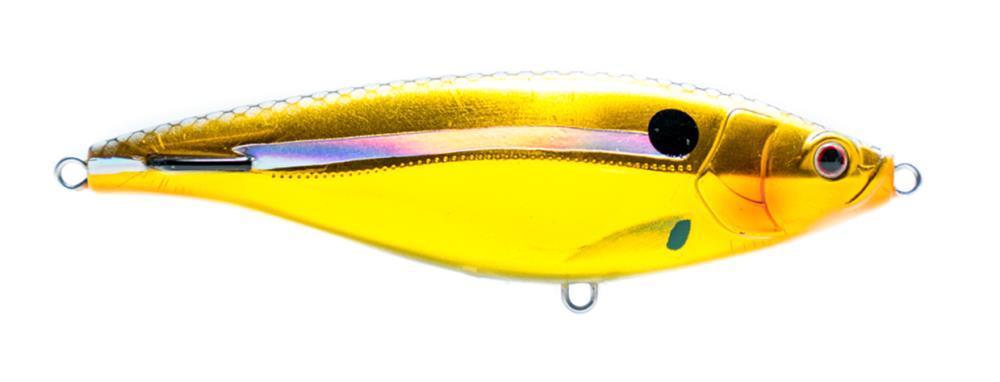
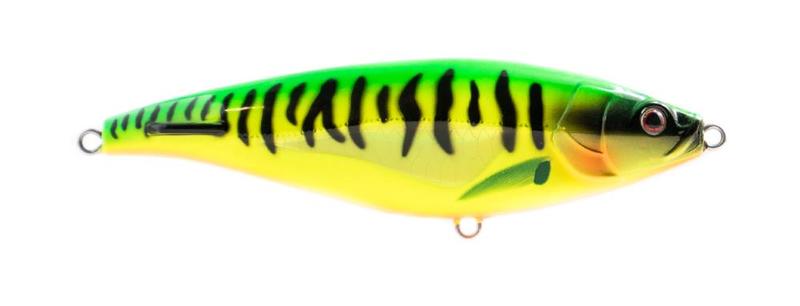
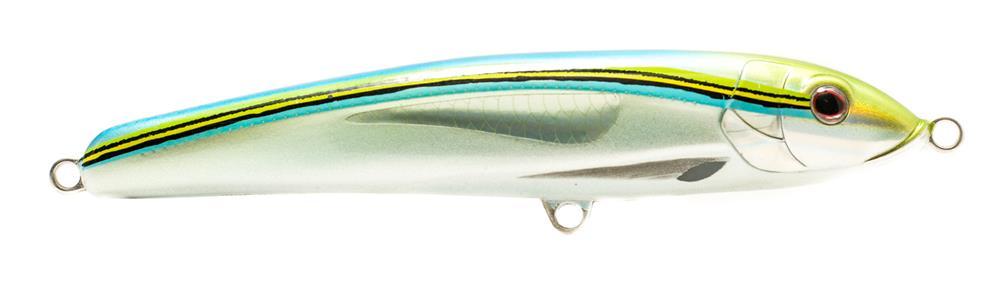
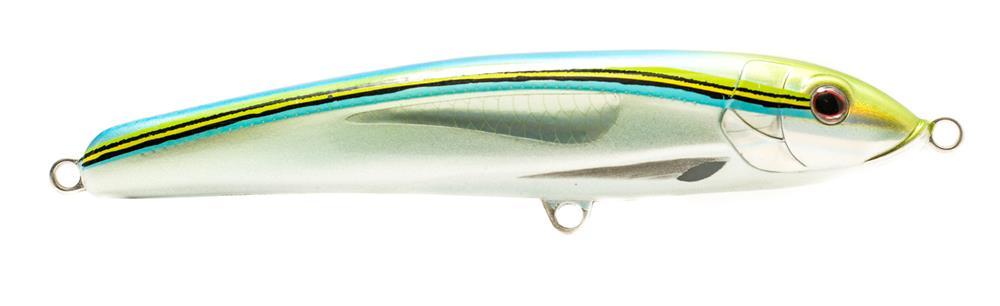
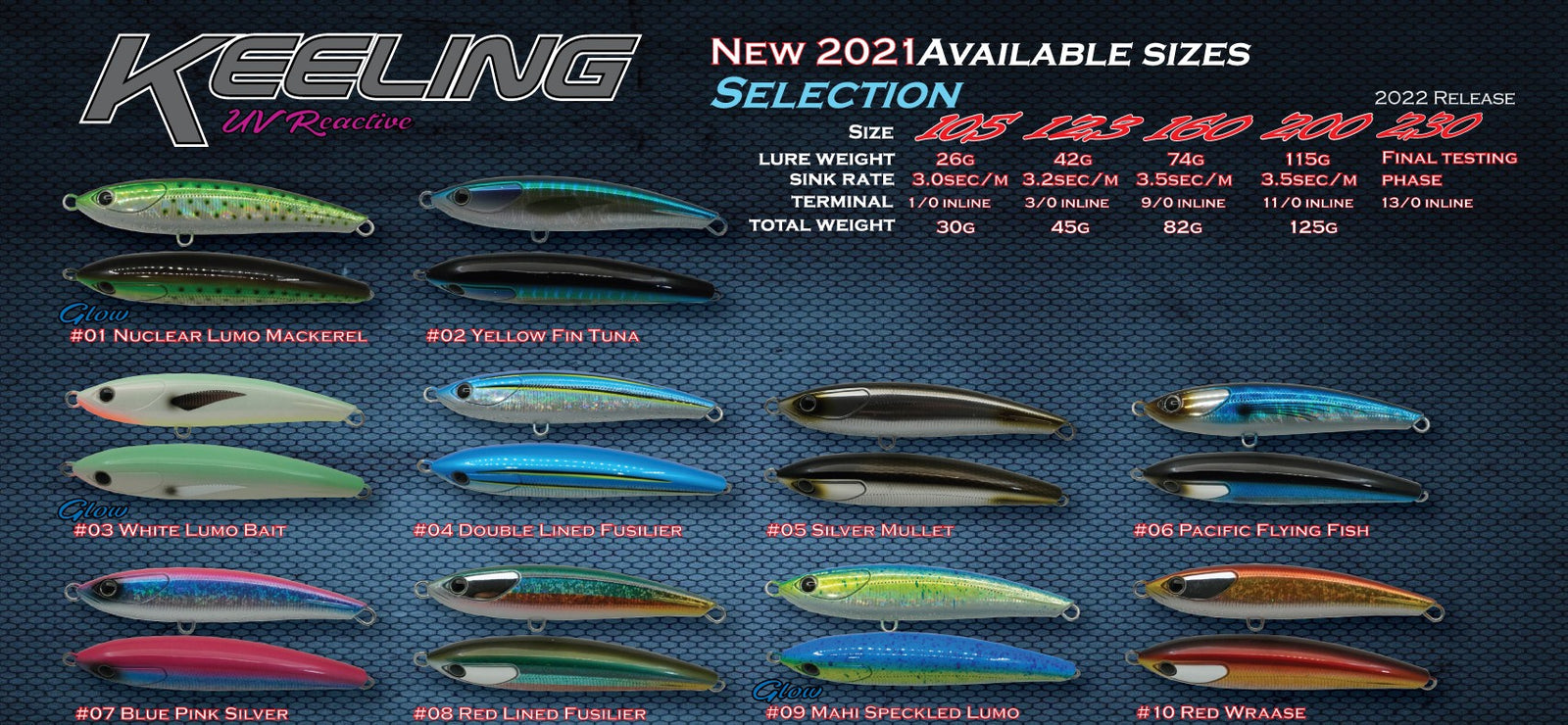
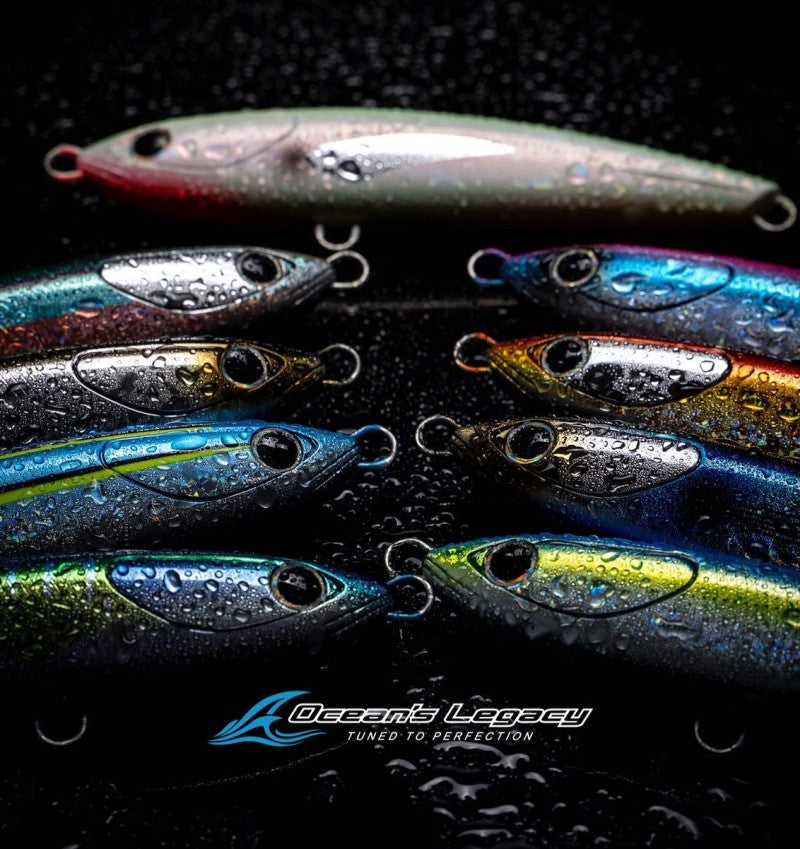
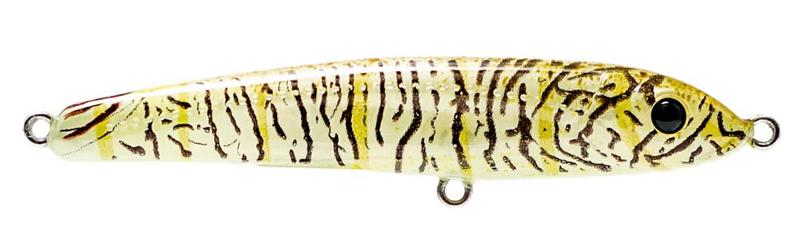
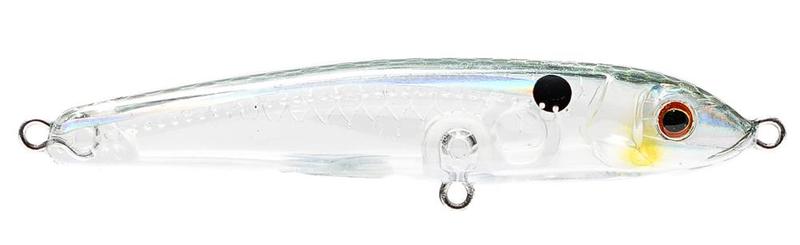
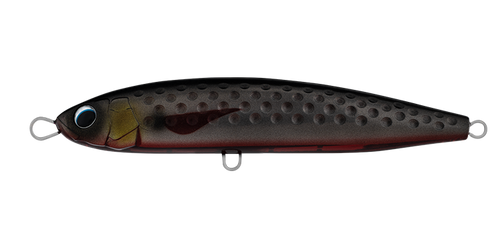
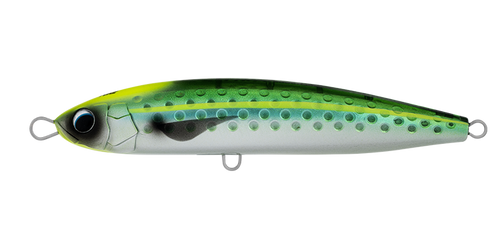
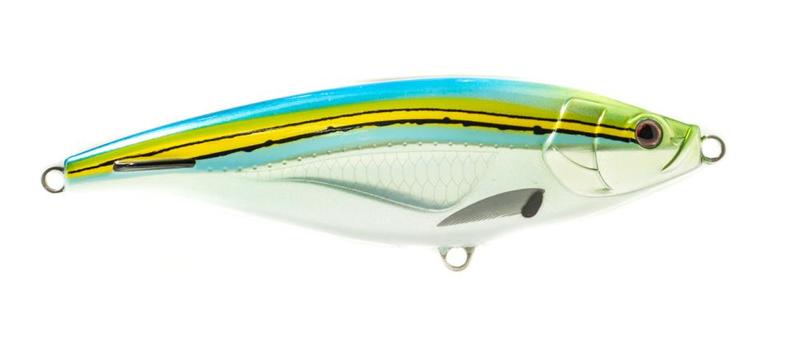
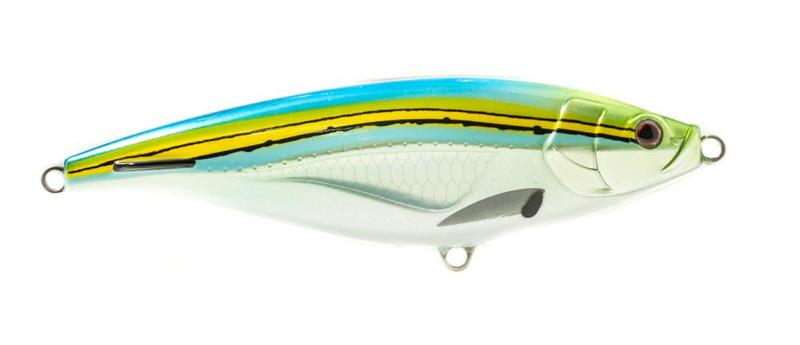
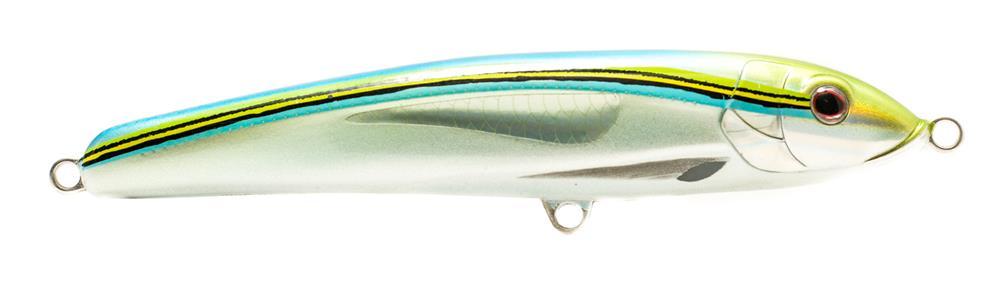
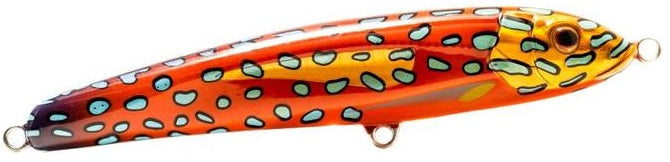
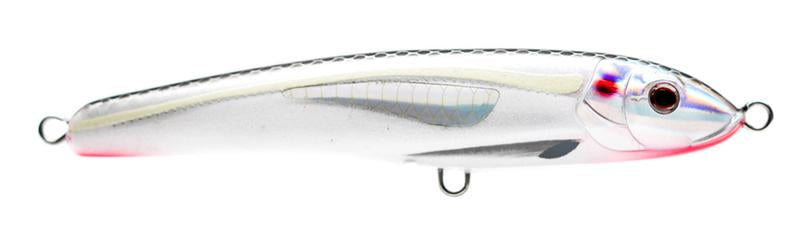
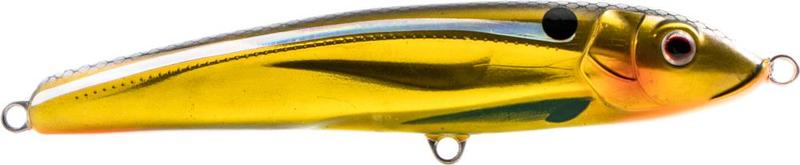
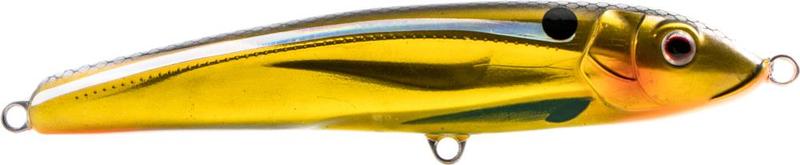
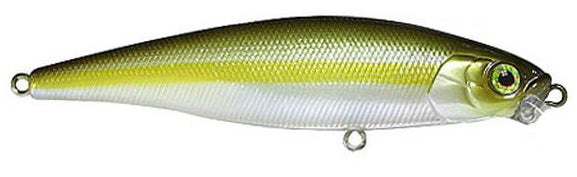
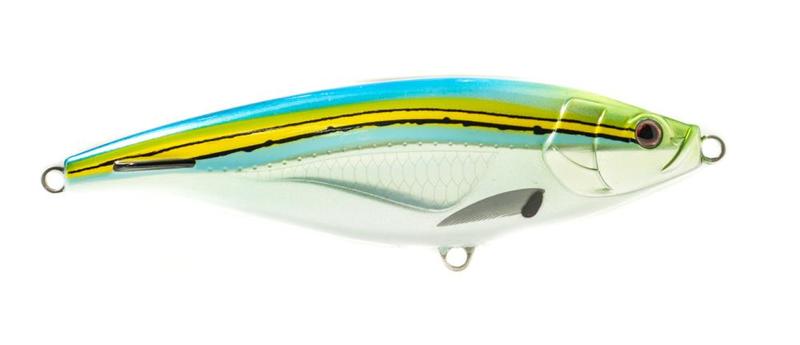
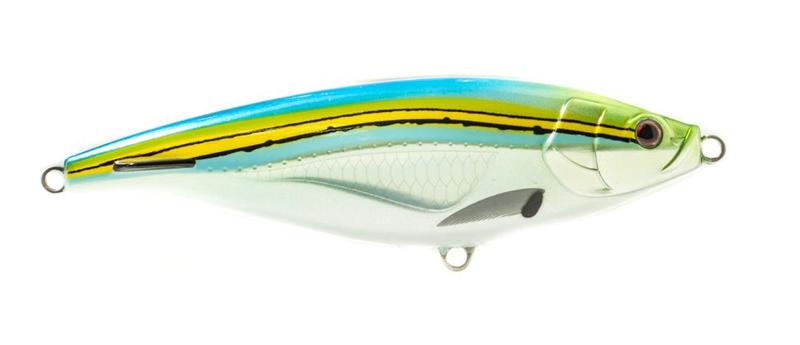
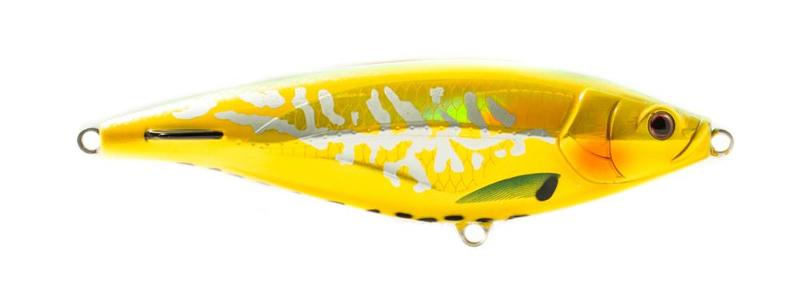
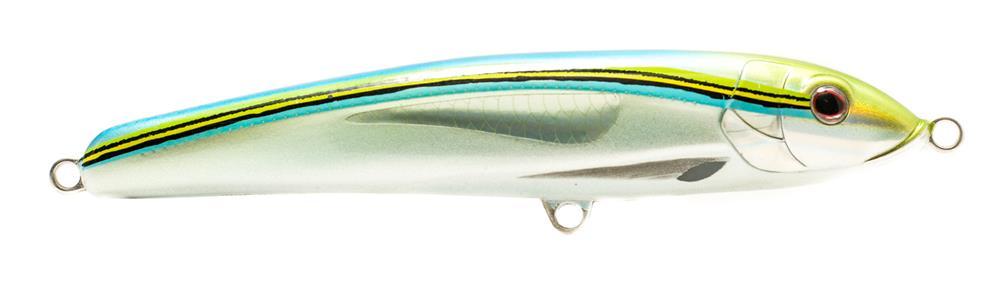
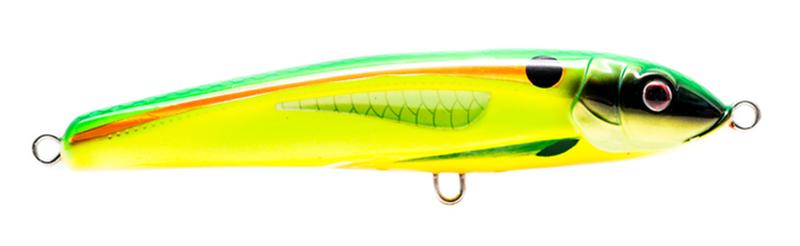
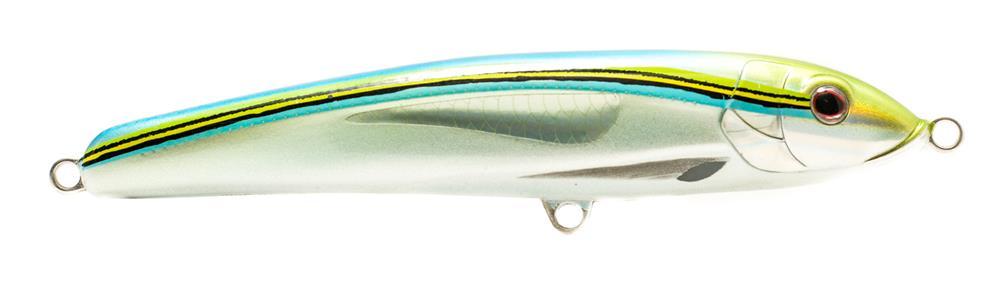
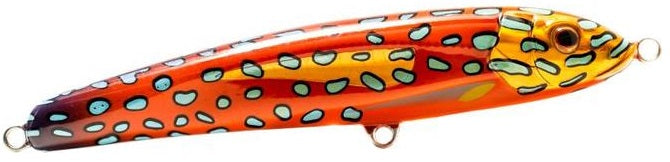
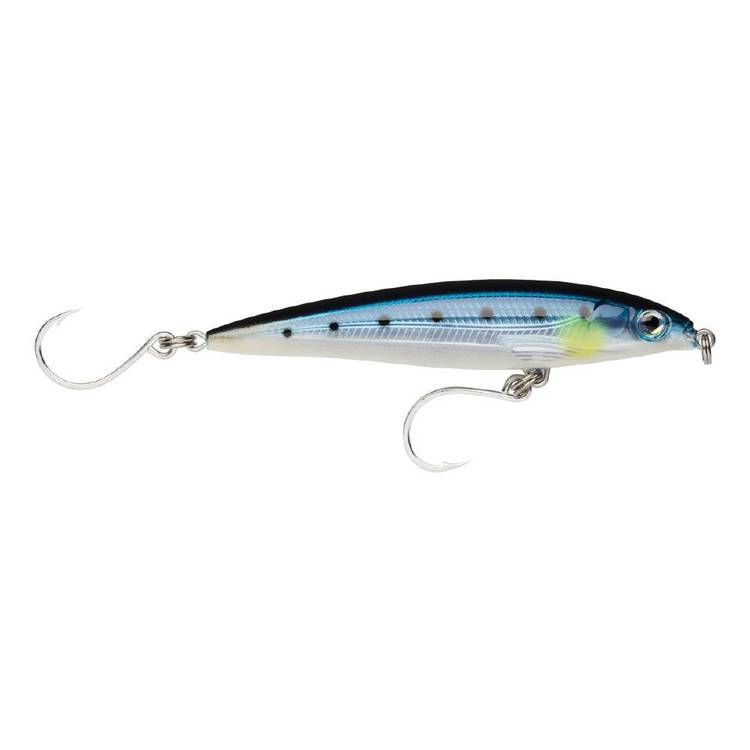
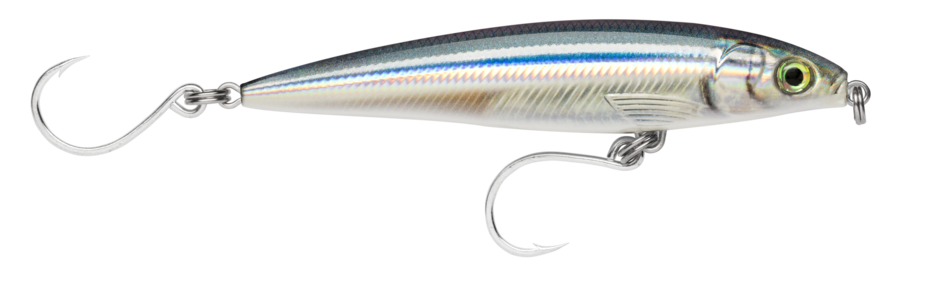
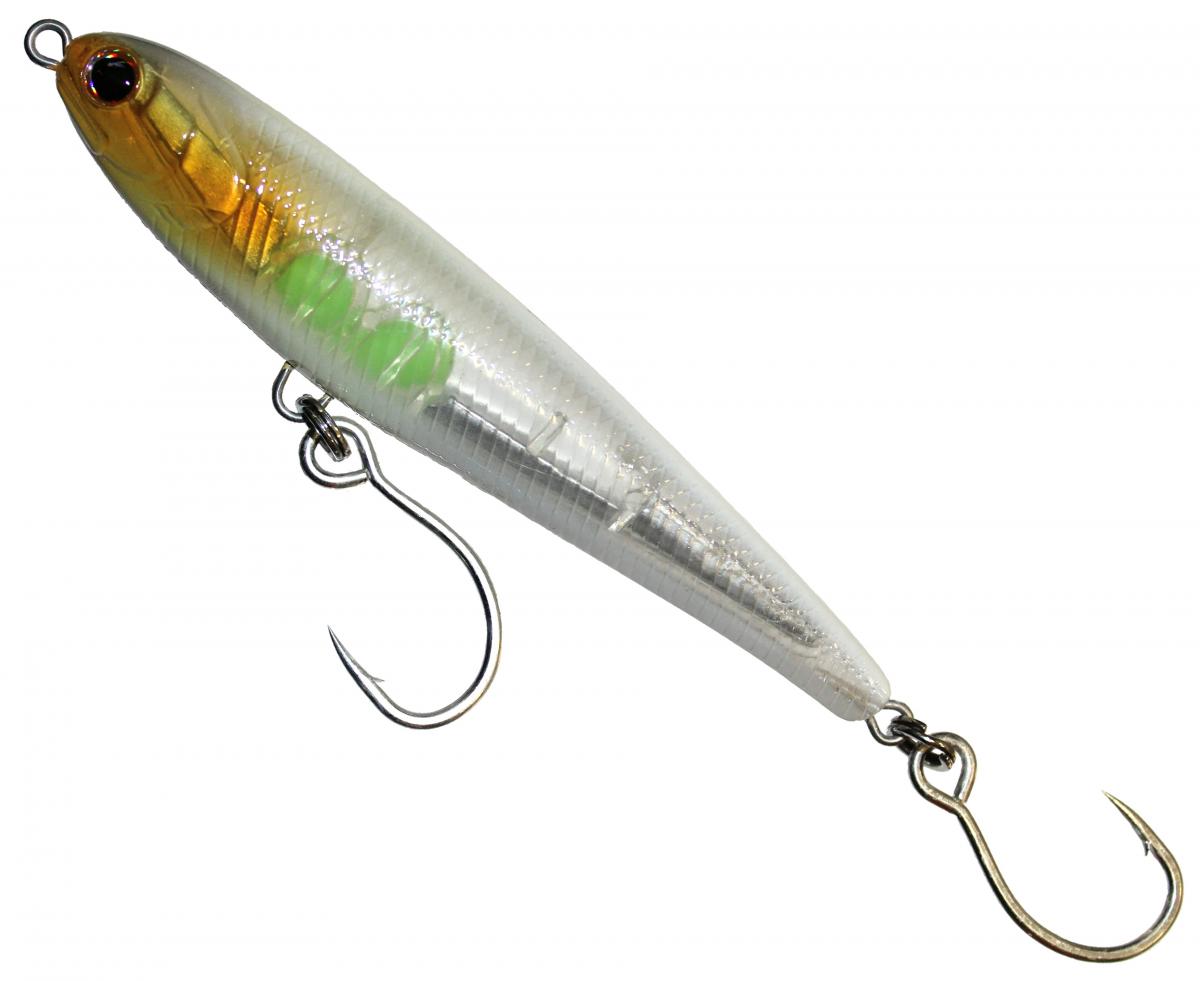
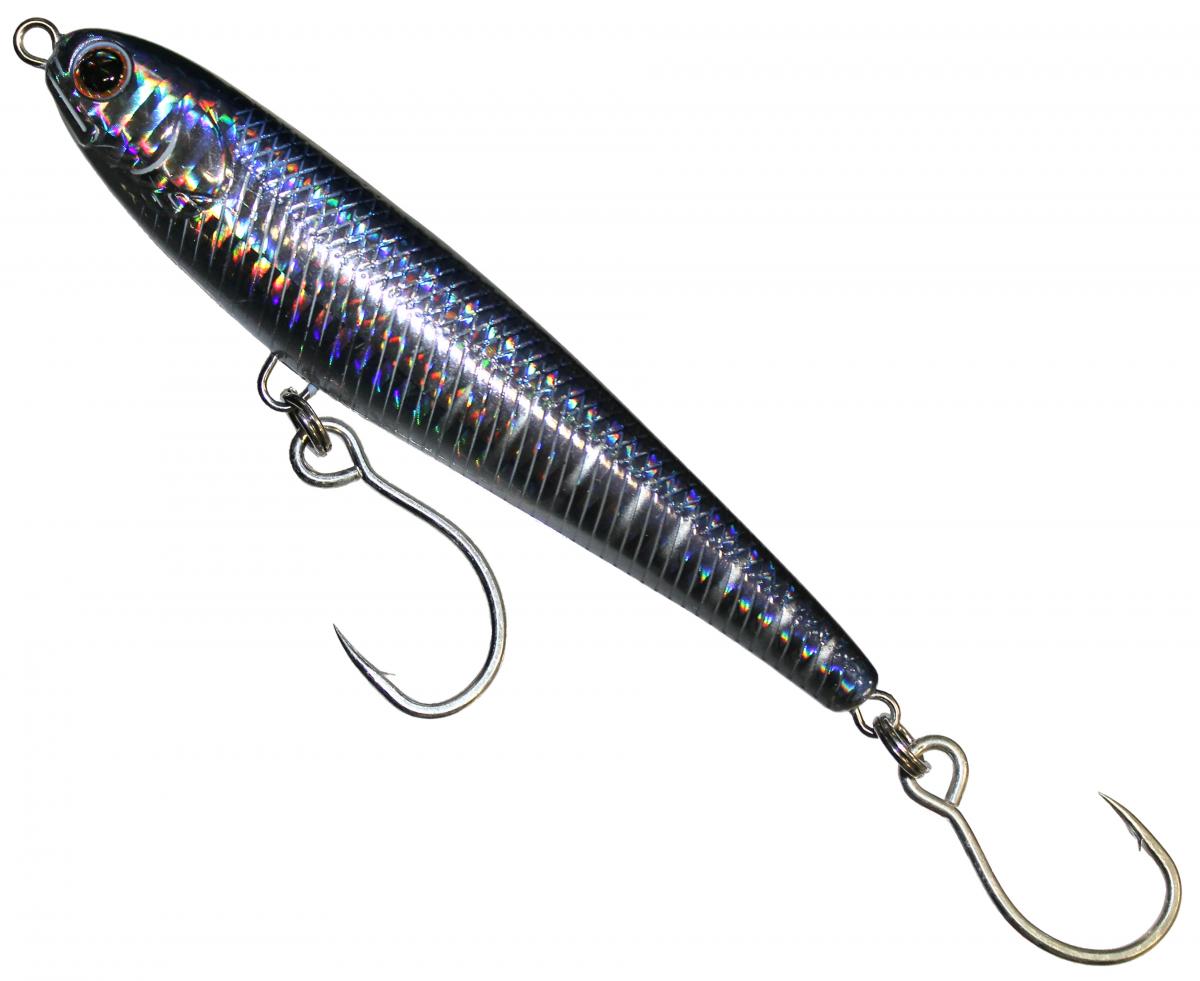
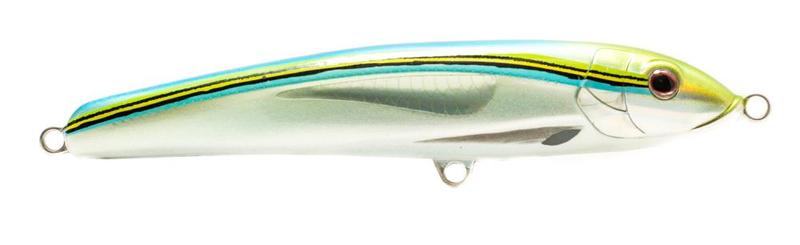
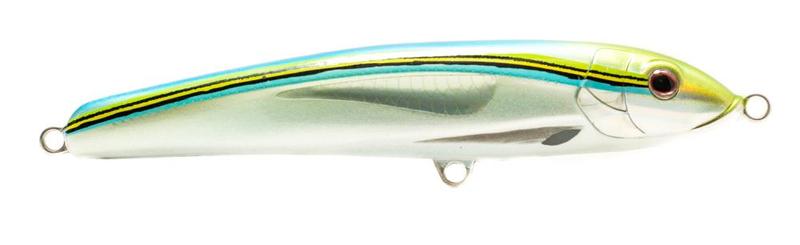
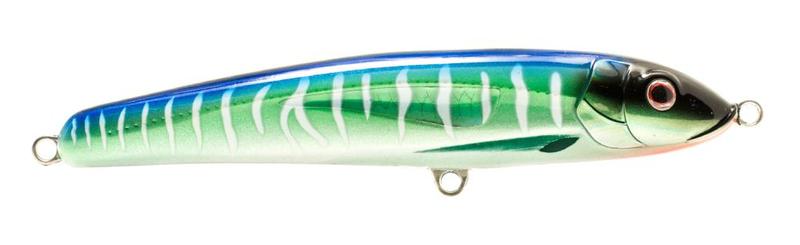
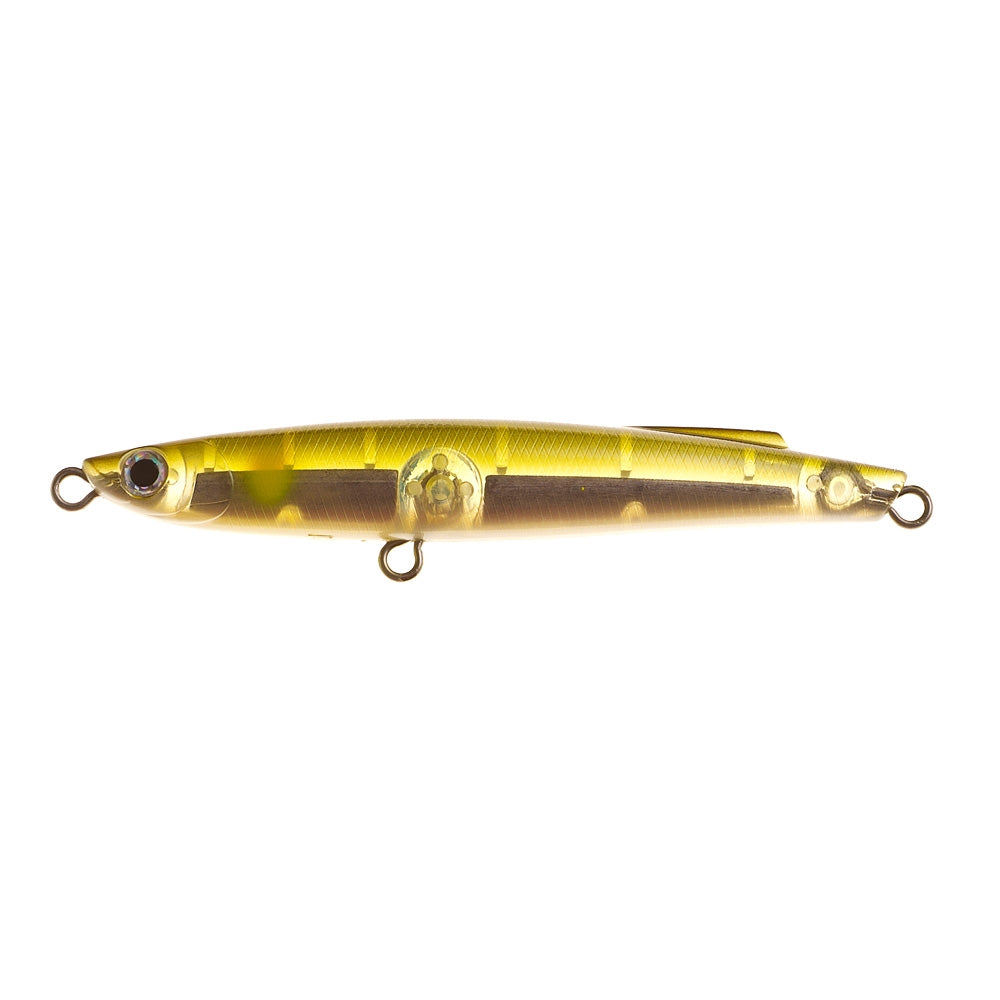
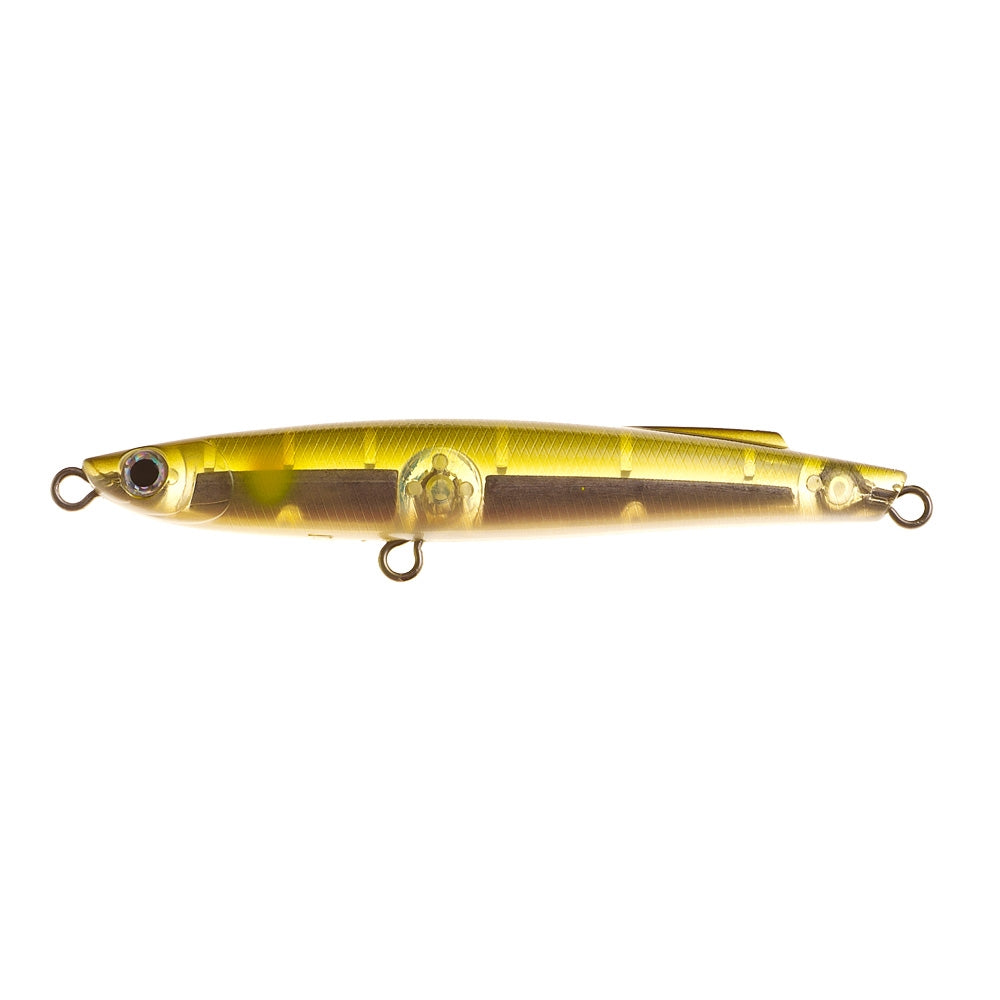
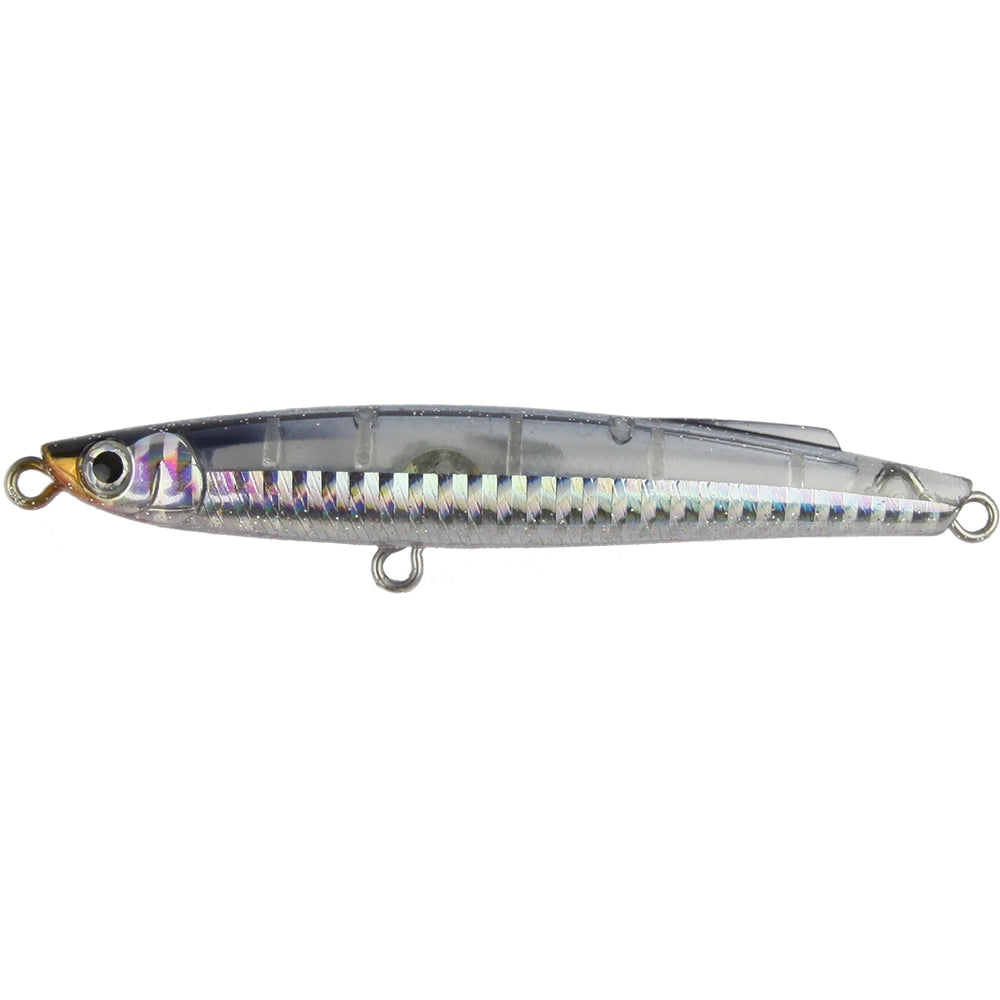
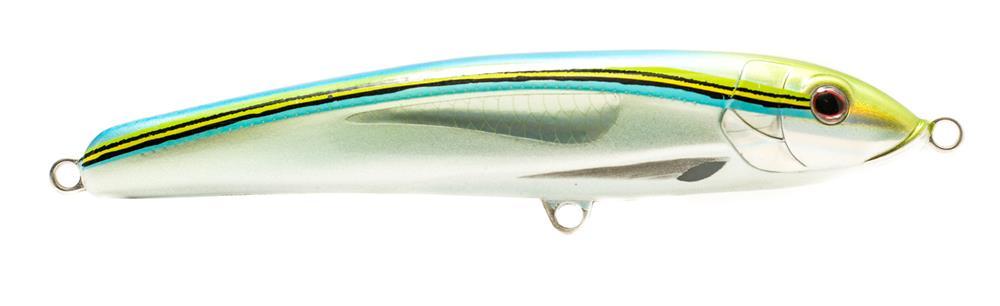
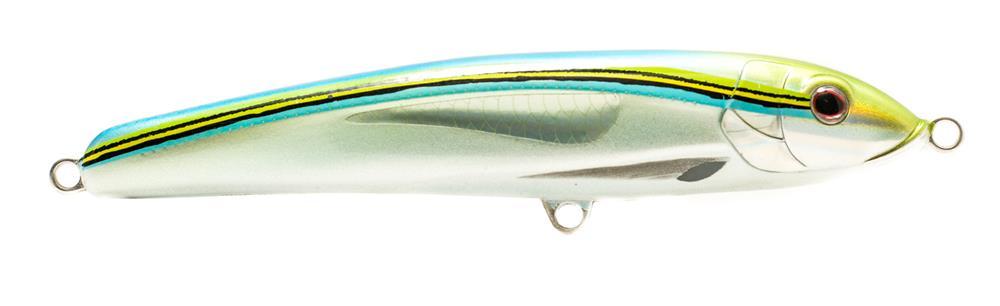
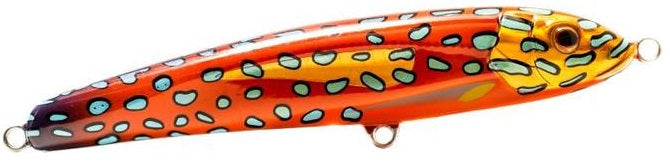
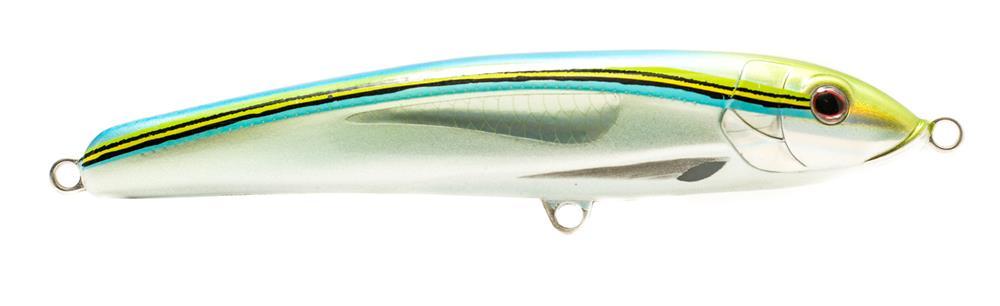
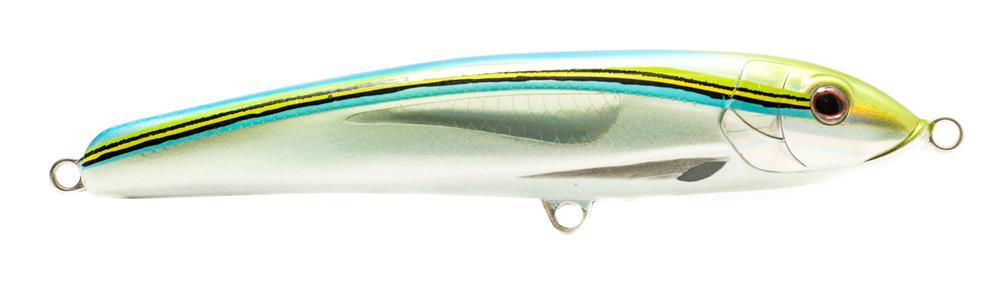
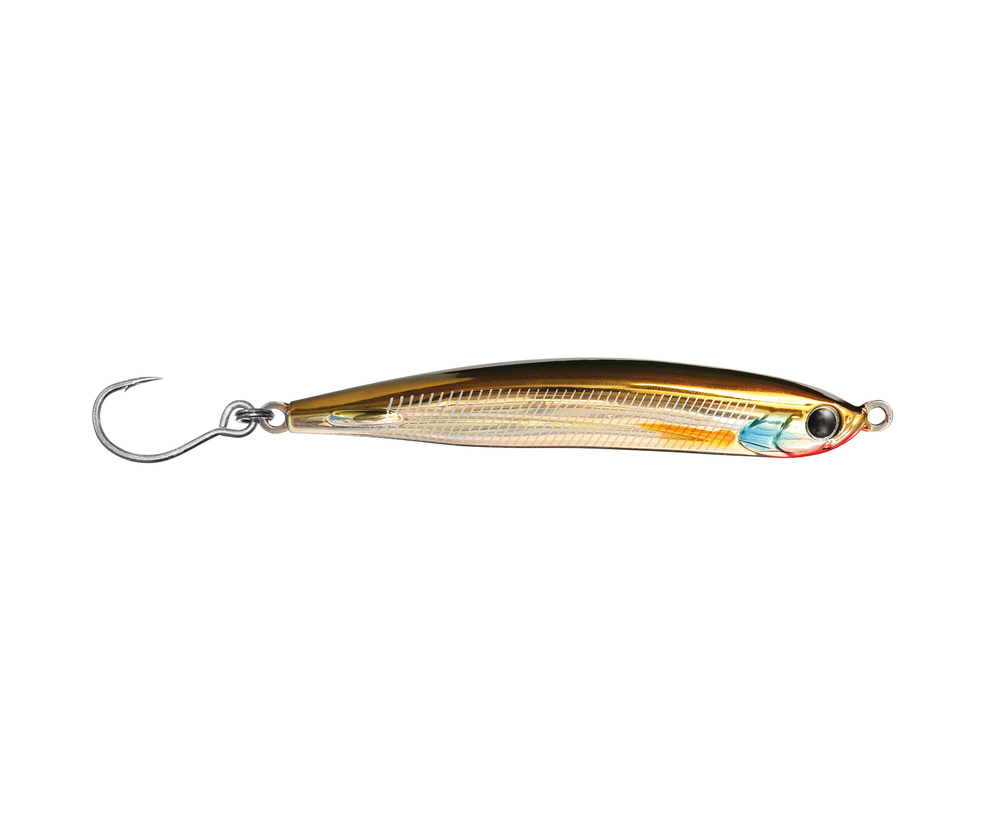
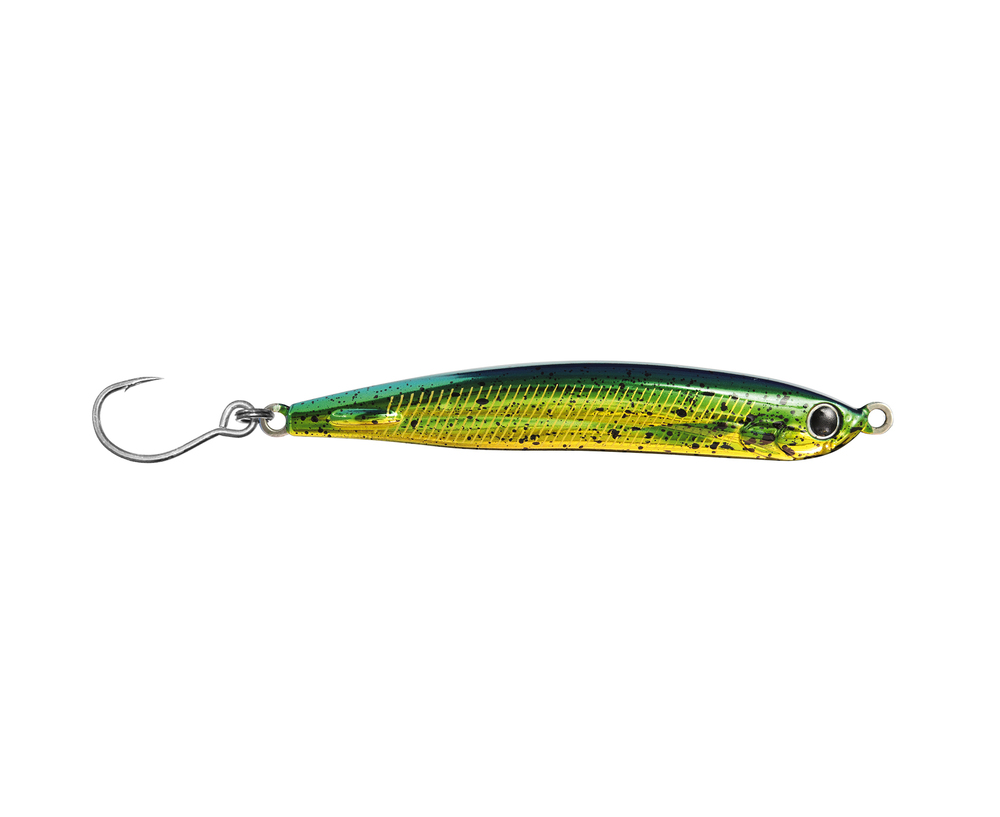
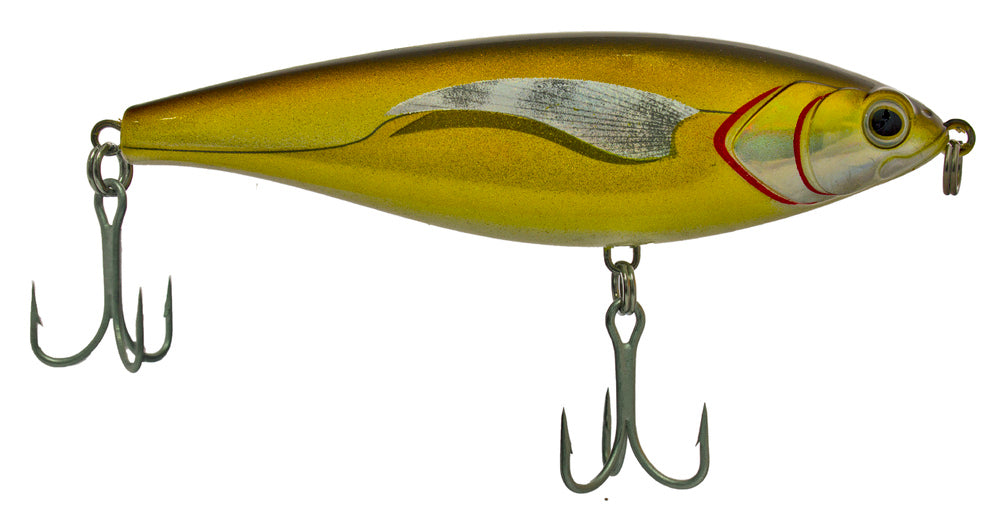
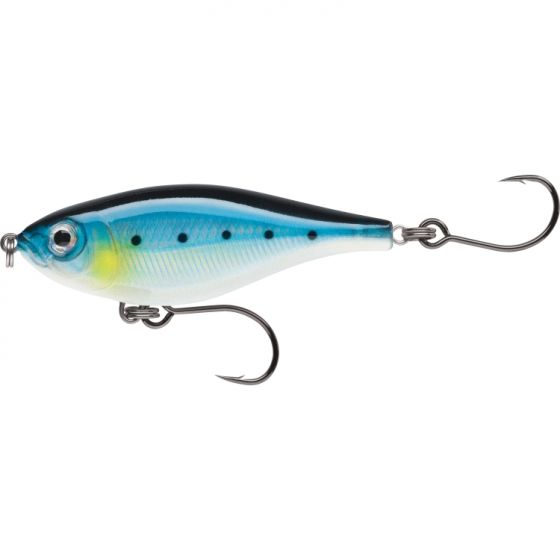
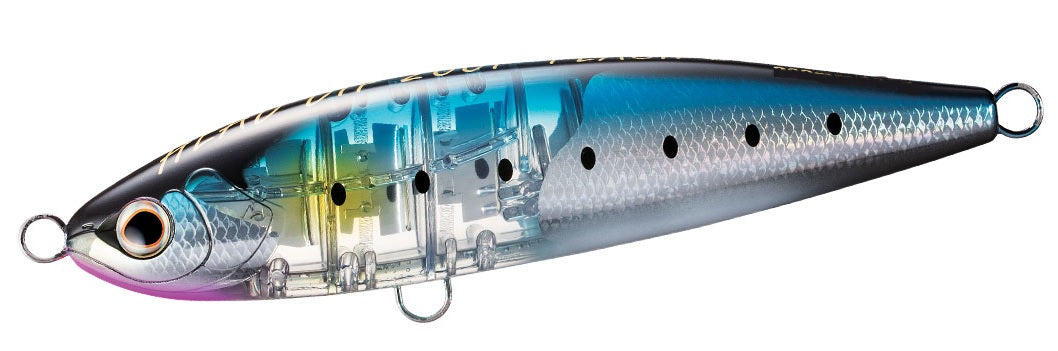
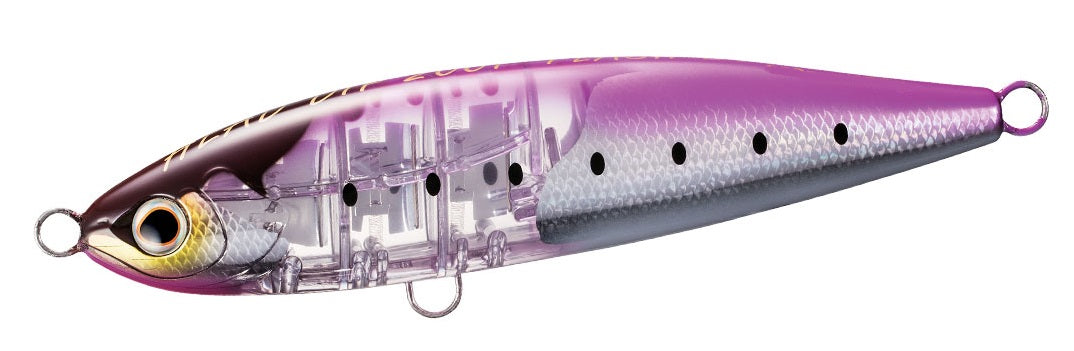
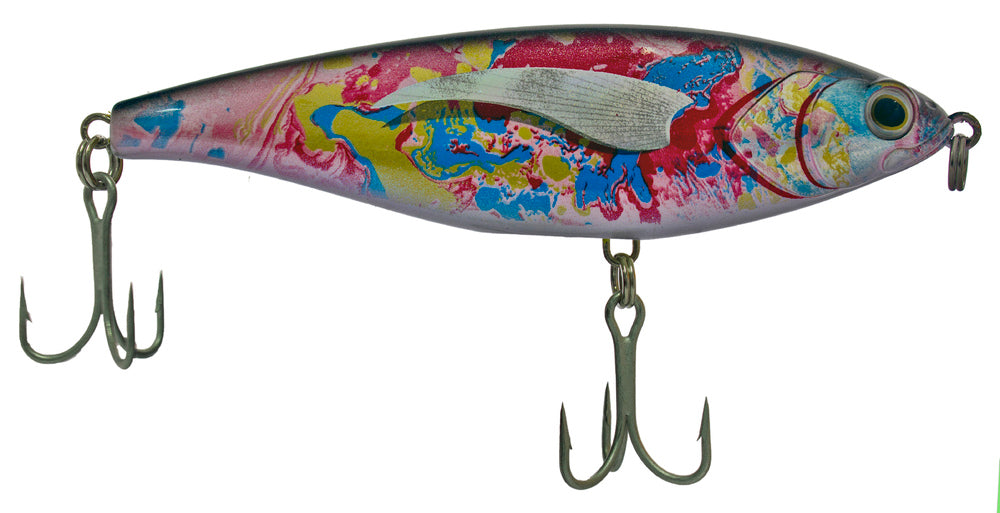
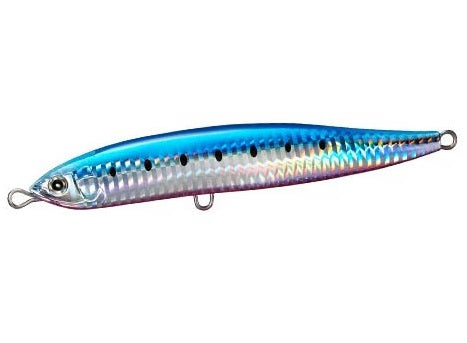
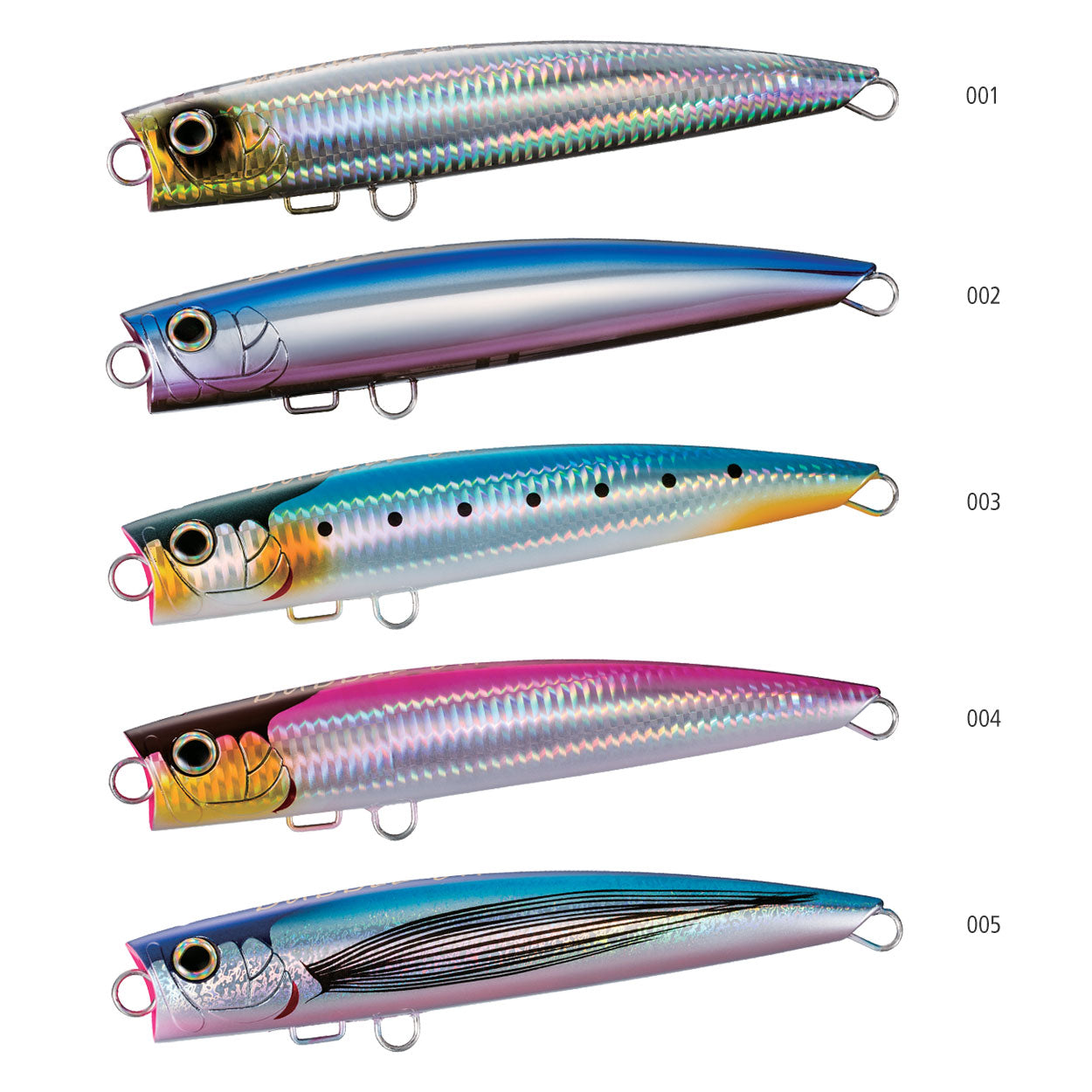
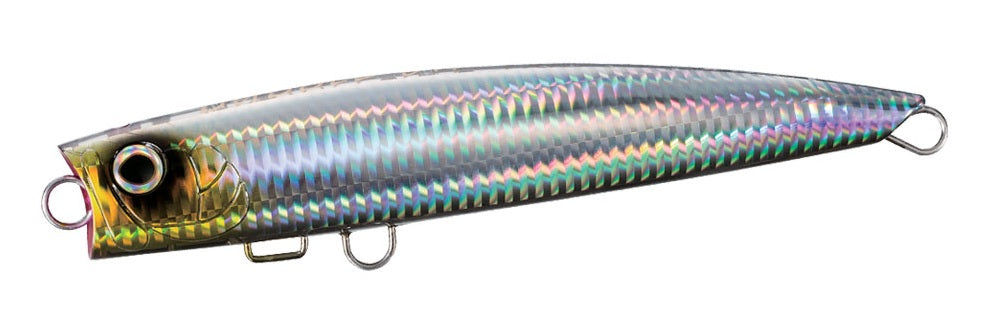
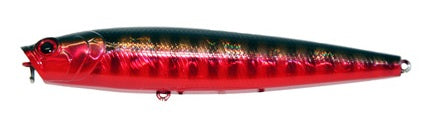
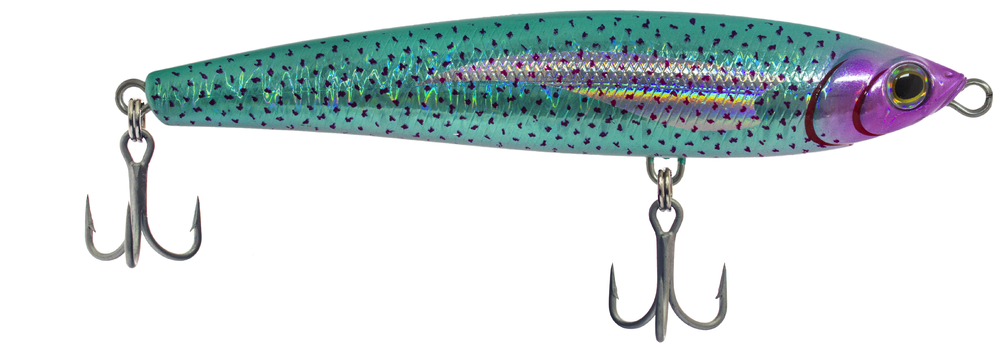
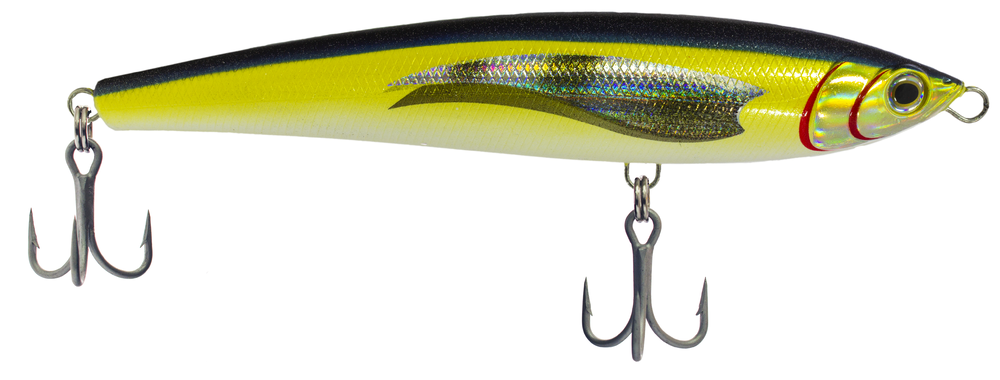
Stickbaits are long, slim lures with no bib, which makes them easy to cast a long way and leaves the action entirely up to you. They range from small estuary sizes through to the heavy offshore stickbaits thrown at tuna, kingfish and GT.
Floating or sinking
Floating stickbaits stay on or just under the surface and swim with a wide, lazy sweep when you wind and pause. They are the choice when fish are feeding on top or working bait against the surface.
Sinking stickbaits let you count the lure down before you start the retrieve, so you can reach fish holding deeper or punch a cast into wind. They also stay in the strike zone longer in rough water, where a floating lure gets thrown around.
Either way the lure needs input. Sweep the rod, wind up the slack, and let it glide on the pause rather than winding steadily. For the side-to-side action instead of the long glide, surface walkers cover that, and poppers add noise when you need to call fish up from deeper water.
Frequently asked questions
What is the difference between a stickbait and a minnow?
A stickbait has no bib, so it has no built-in swimming action and relies on how you work the rod. A minnow has a bib and swims by itself on a straight retrieve.
Should I choose a floating or sinking stickbait?
Floating for fish feeding on the surface and for calm conditions. Sinking for casting distance, wind, rough water, or fish sitting below the surface.
What tackle do I need for offshore stickbaits?
Heavy stickbaits need a rod with enough backbone to cast and sweep them, and a reel with the line capacity to handle a long run. Check the lure weight rating on the rod before you buy.
Do stickbaits work in the estuary?
Yes. Small sinking stickbaits are effective on bream, whiting and flathead, especially worked over shallow sand flats where the lure can be seen from a distance.


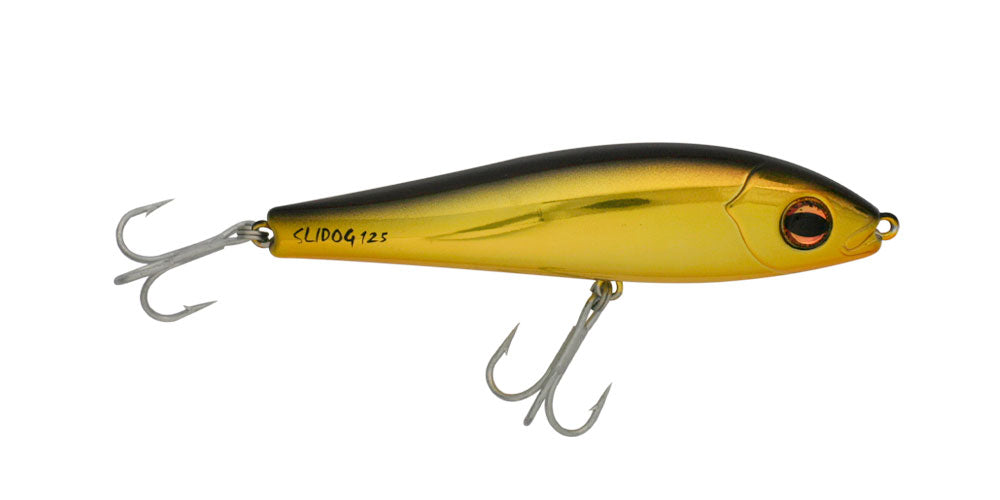

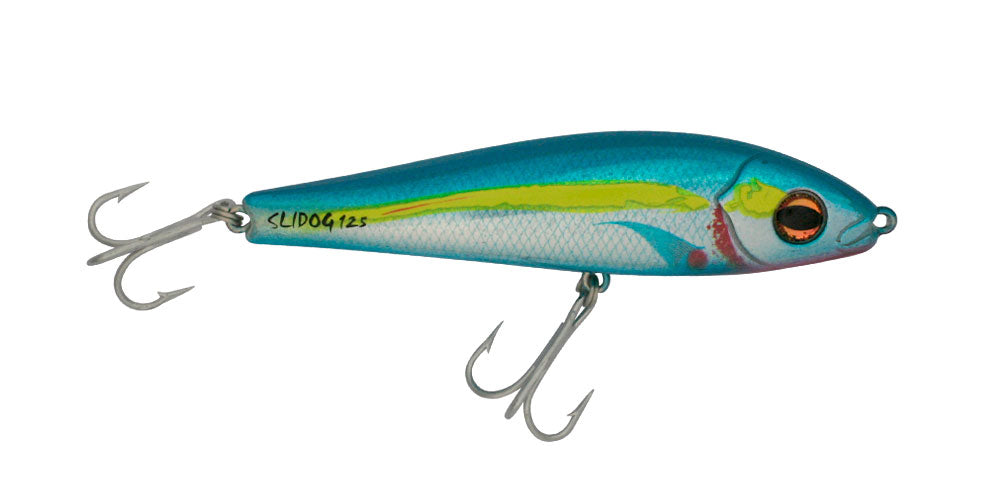
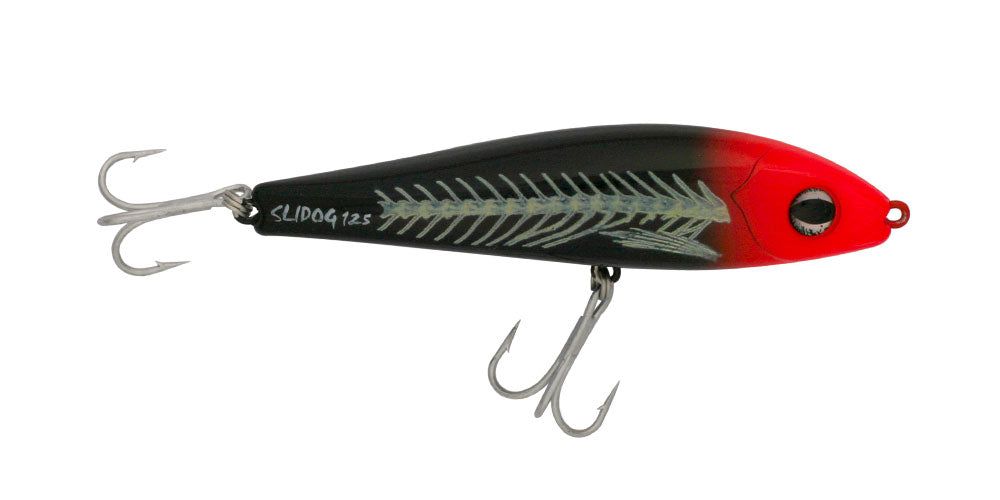

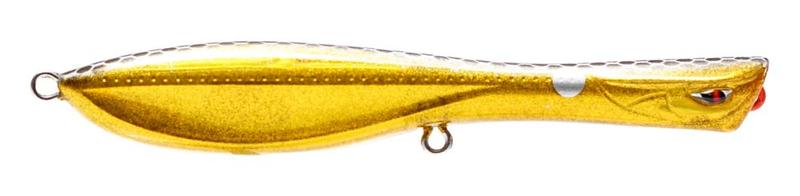
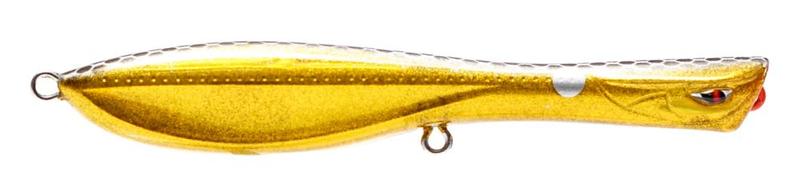
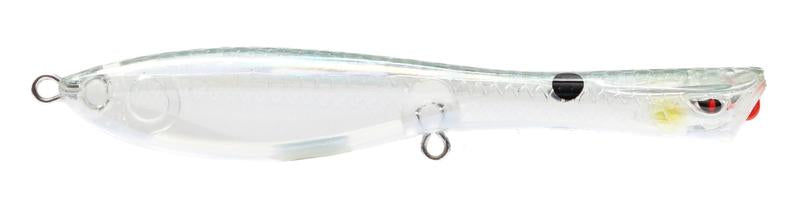
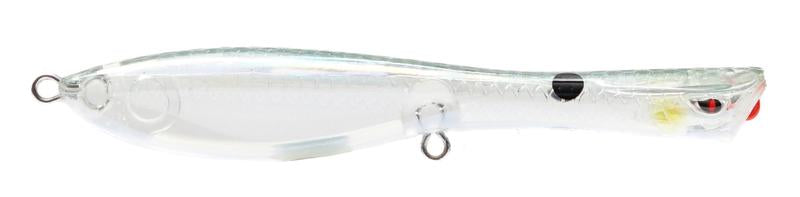



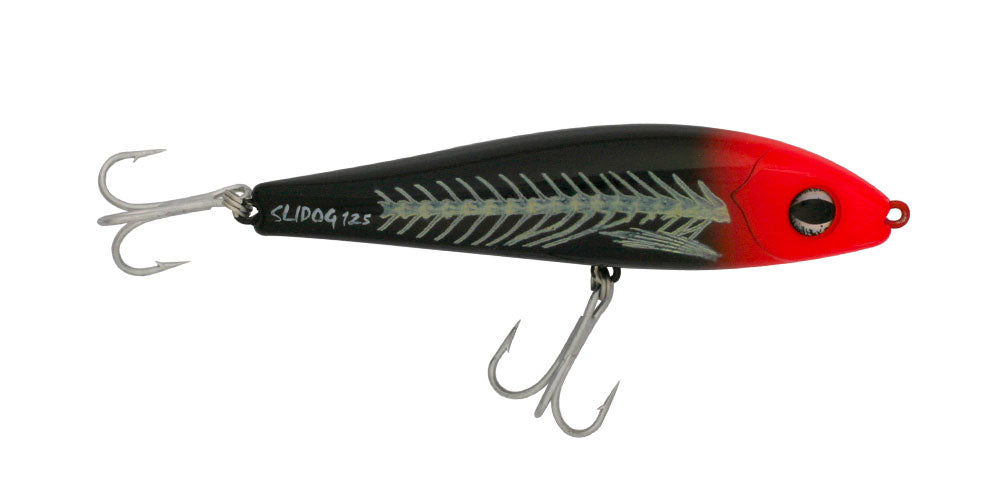


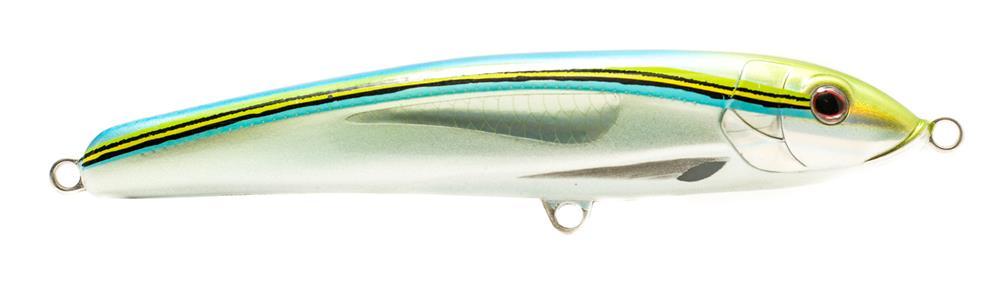

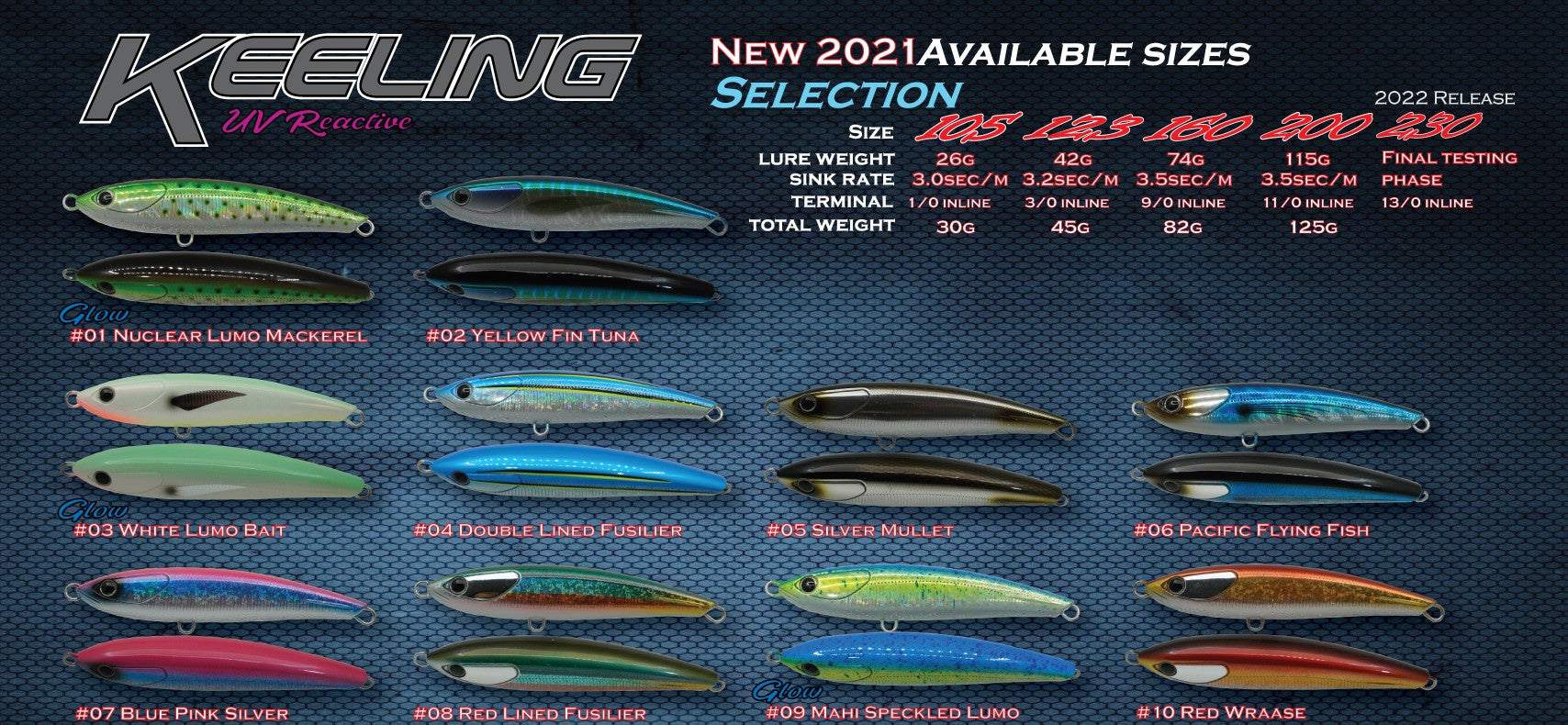


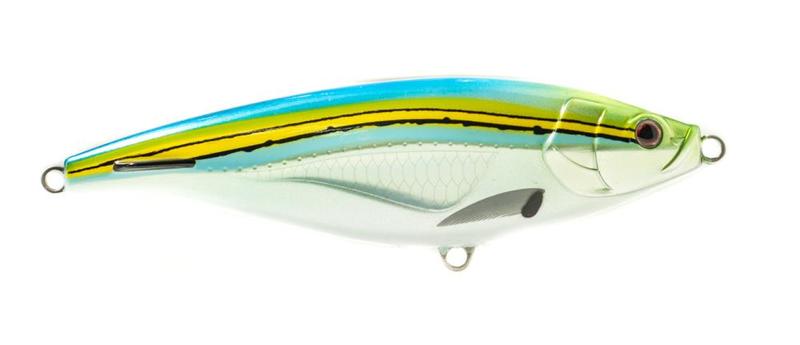
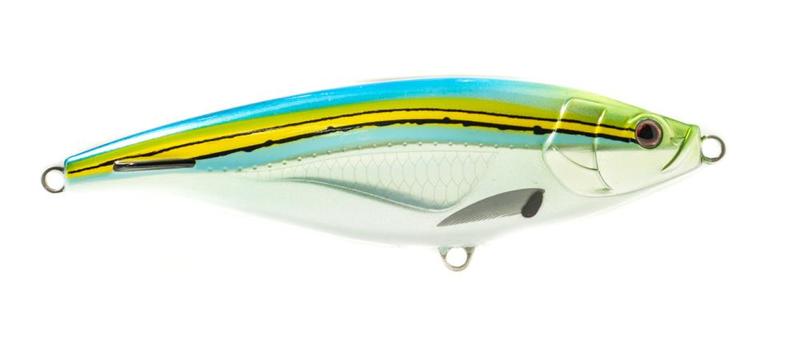
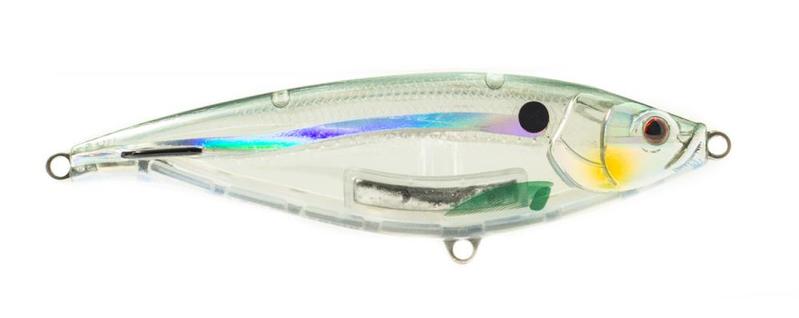

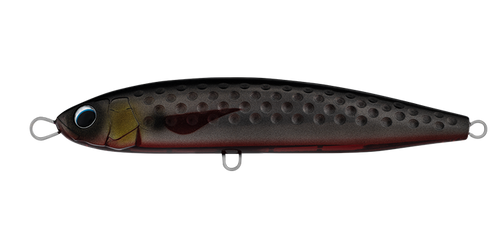

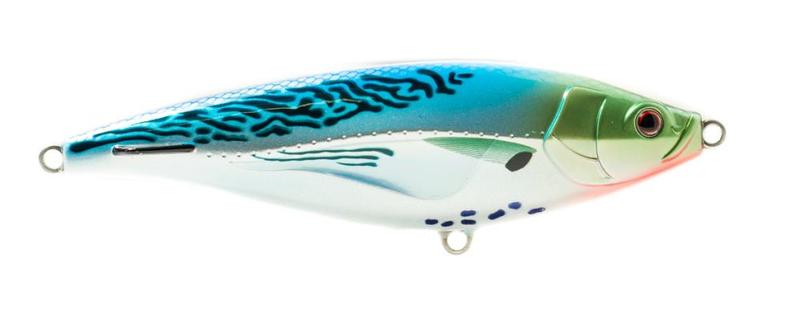

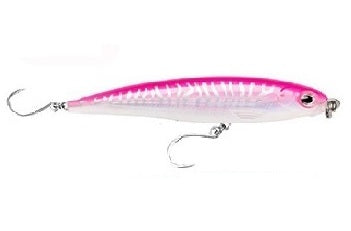

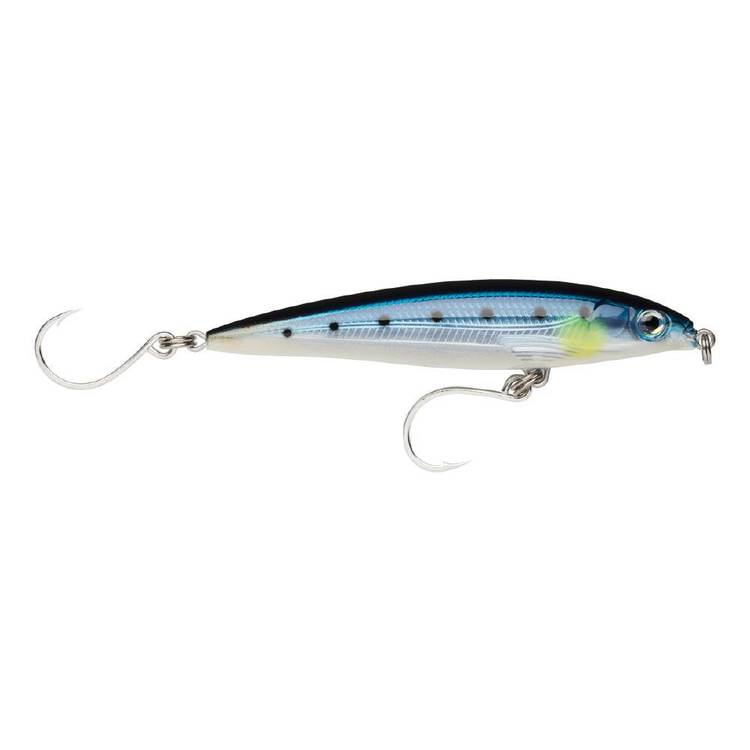


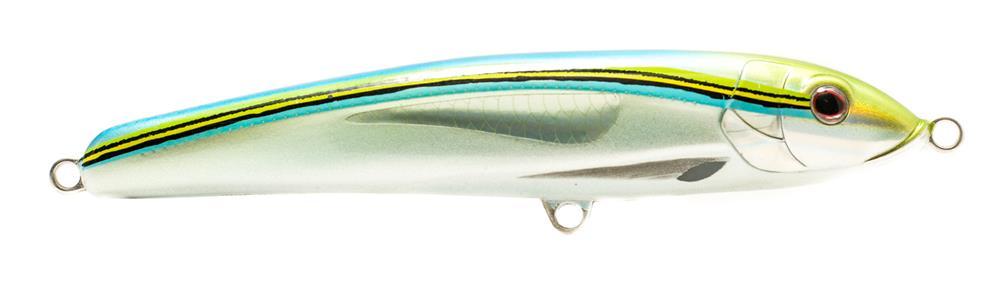

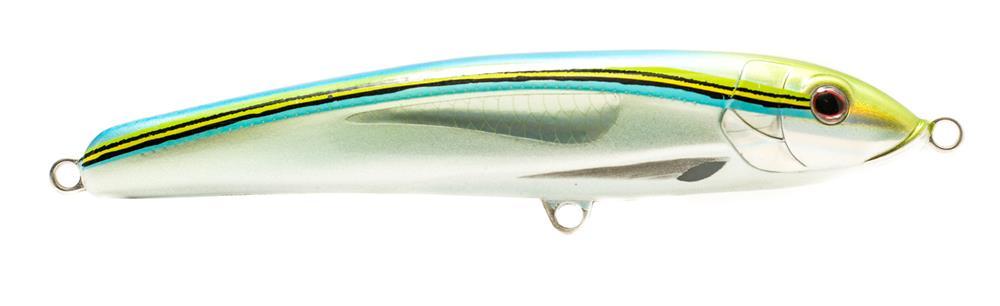

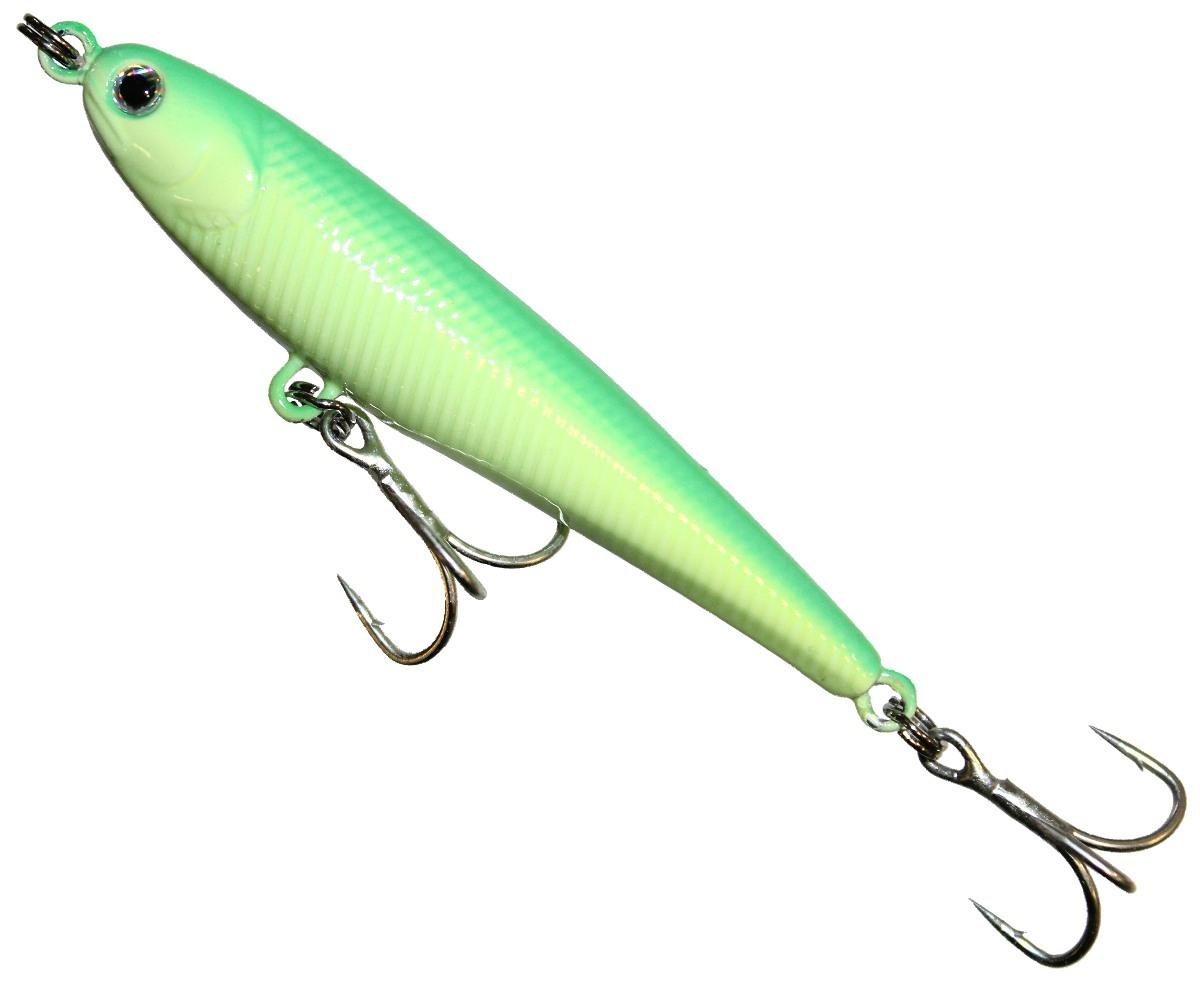
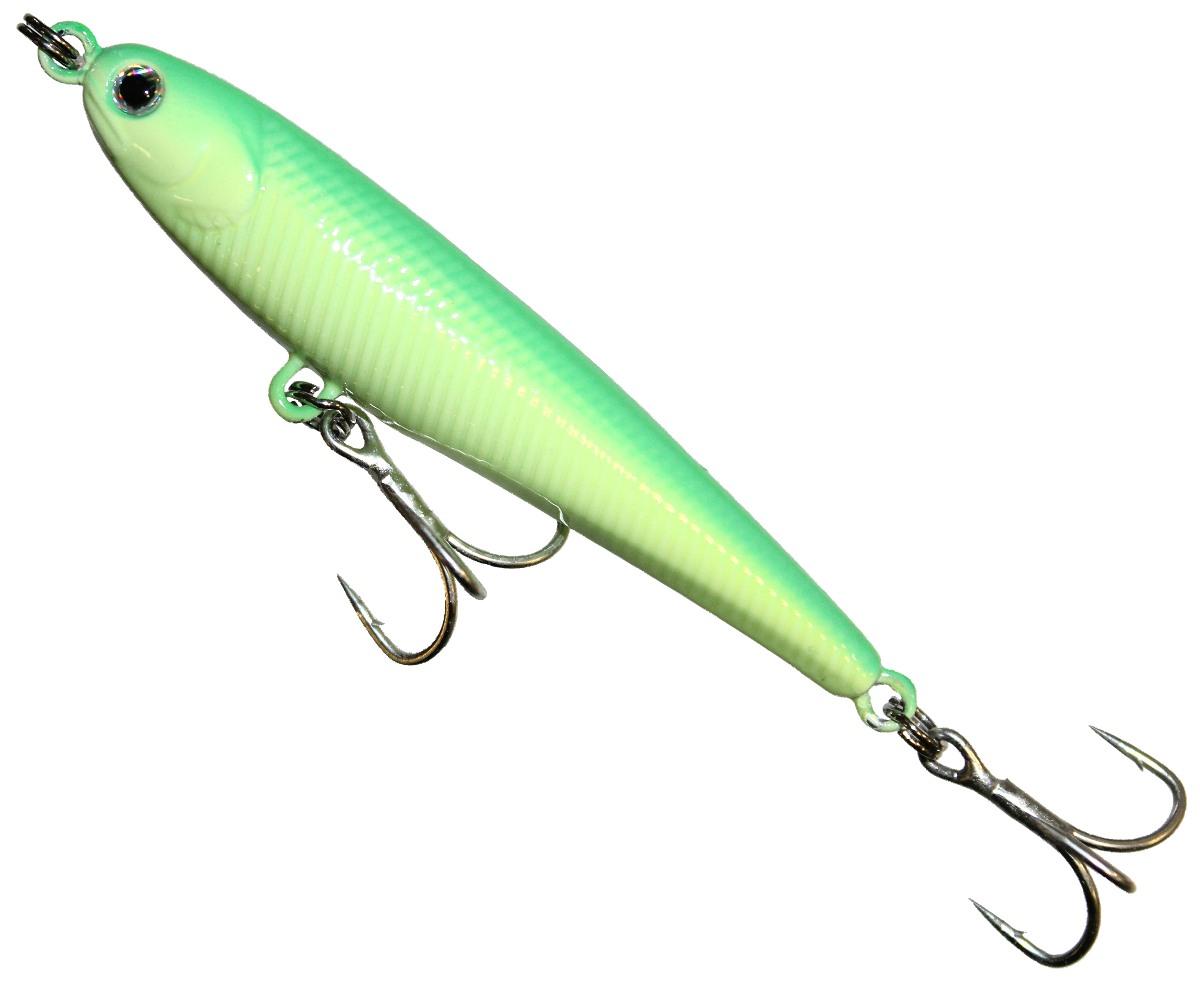
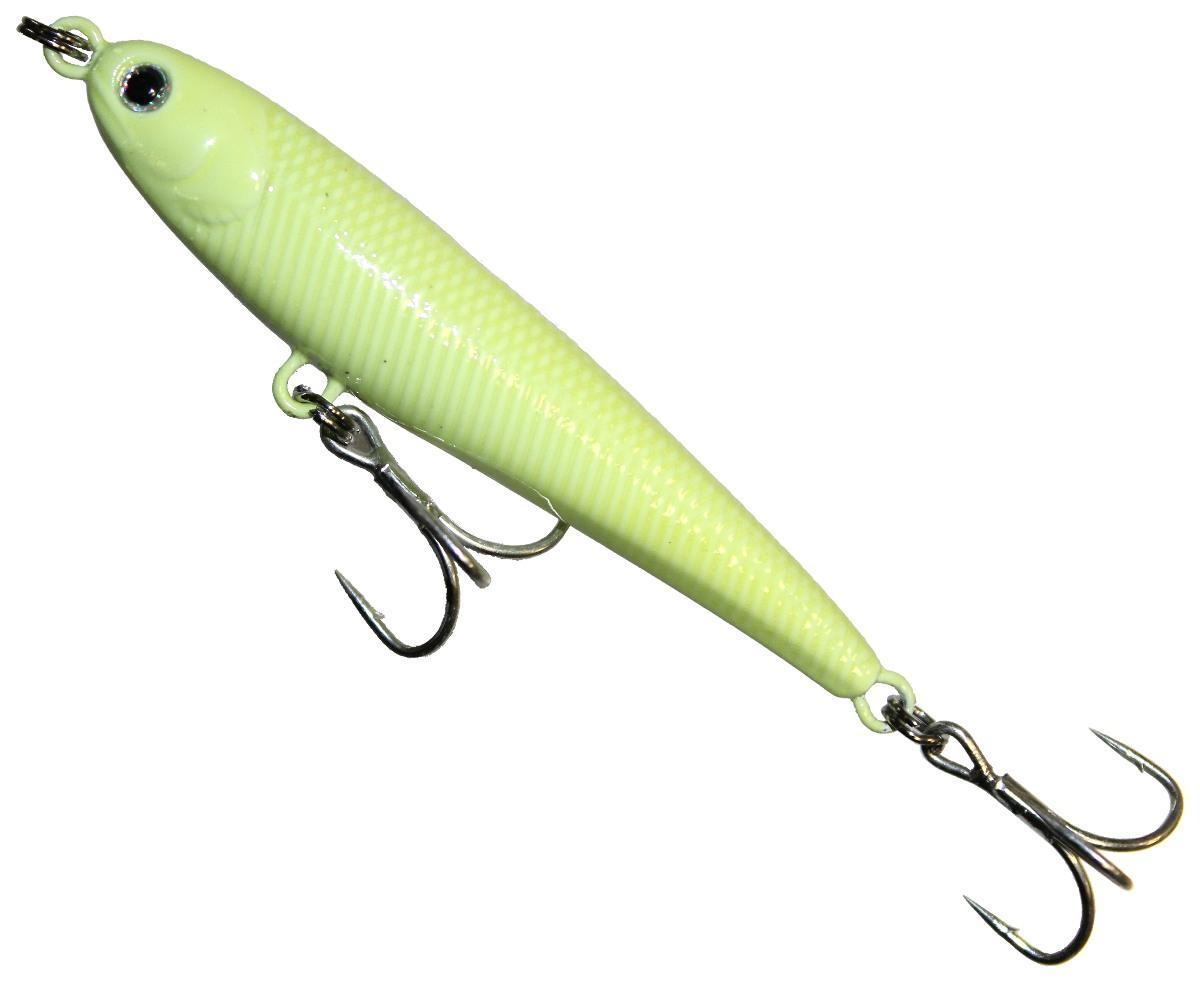



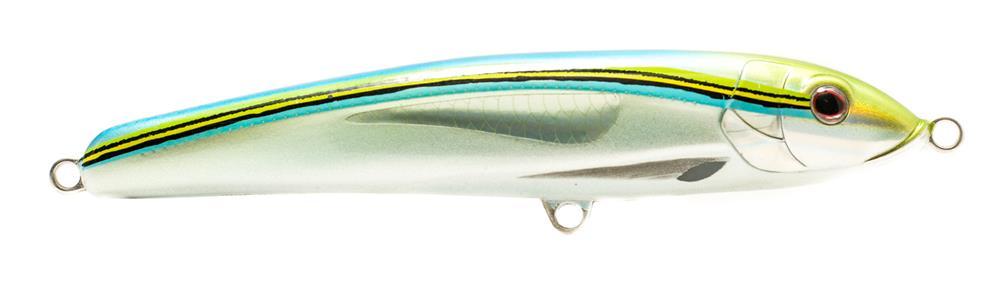






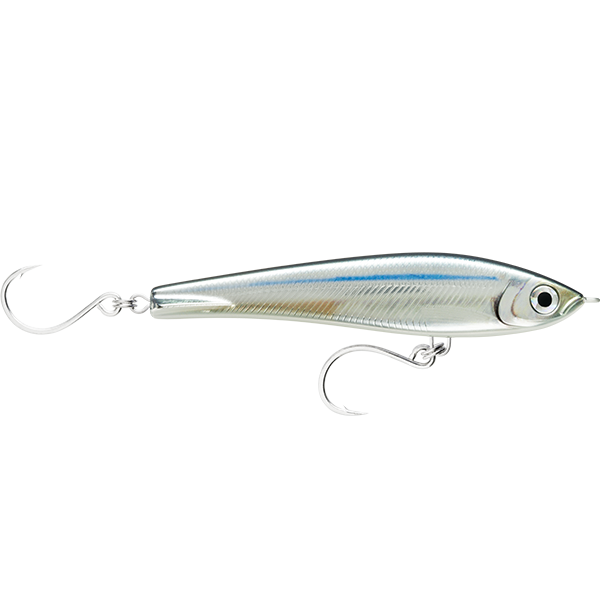

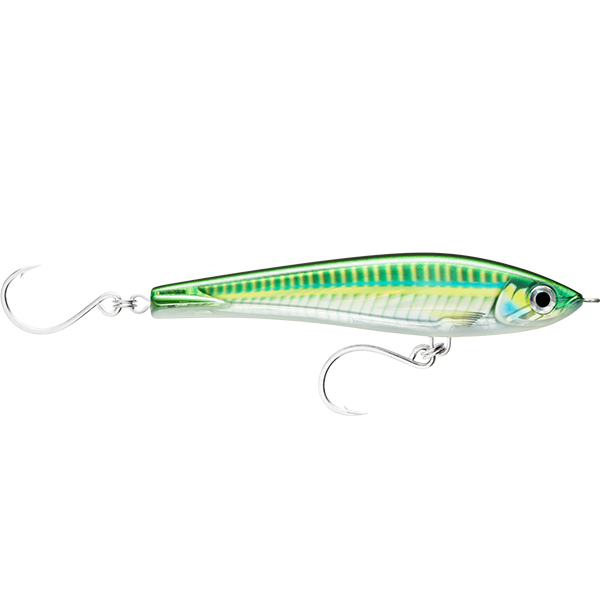

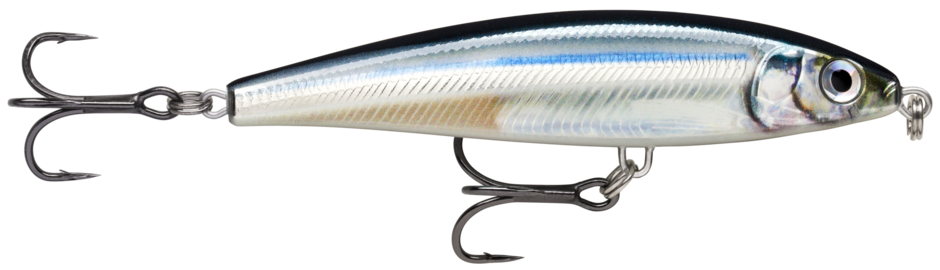

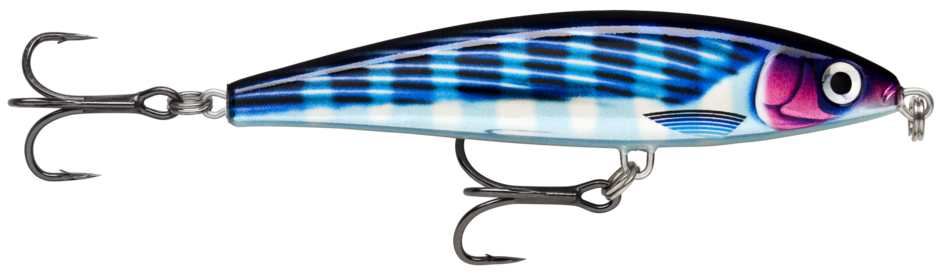



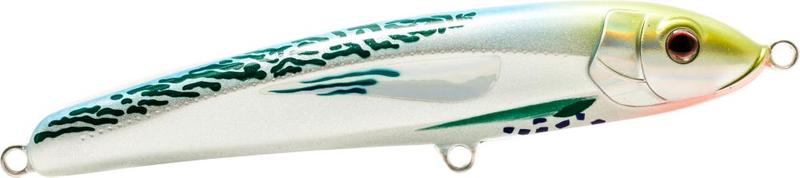


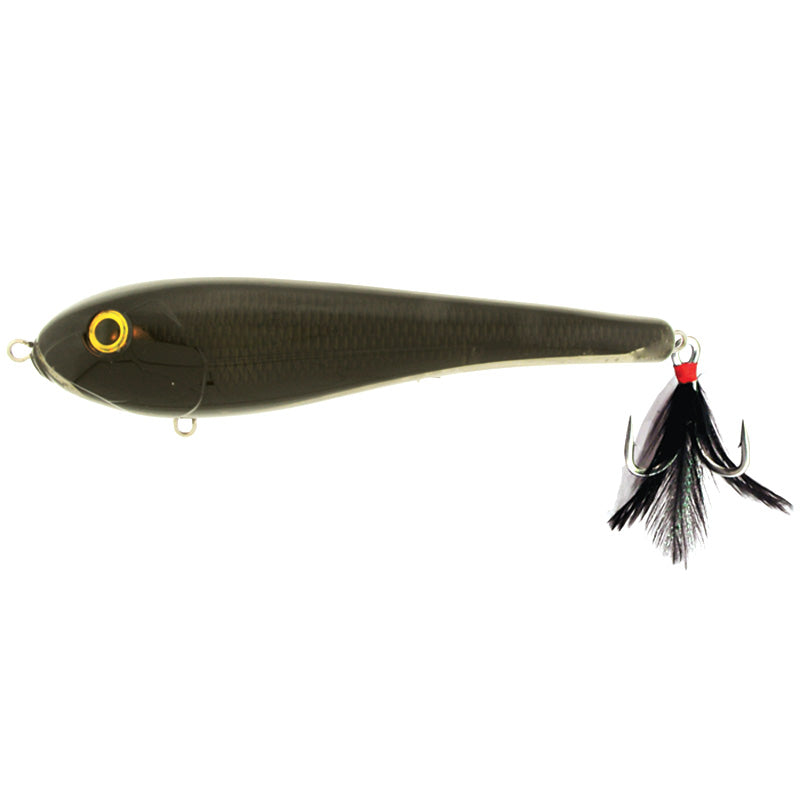
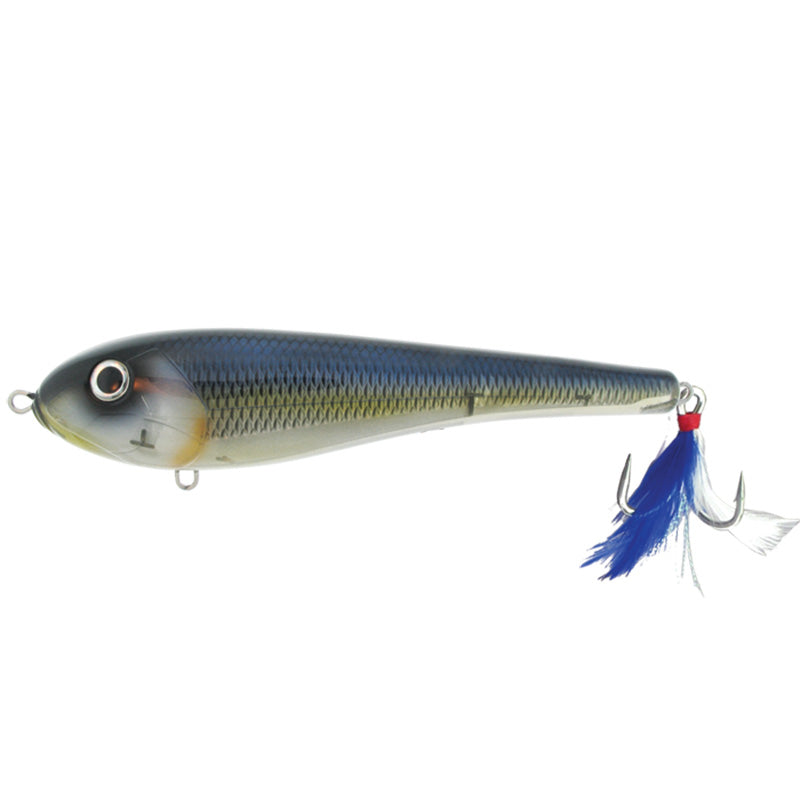

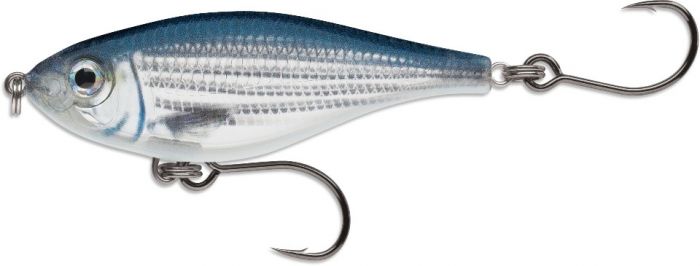

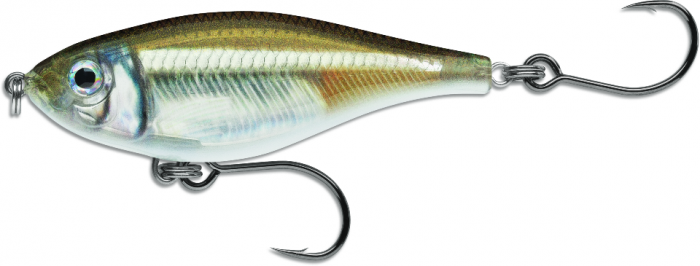

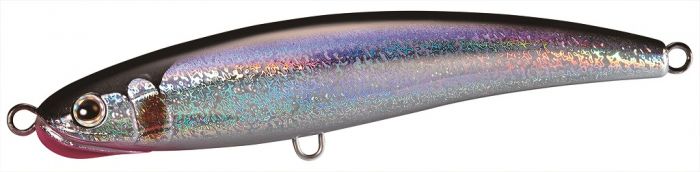

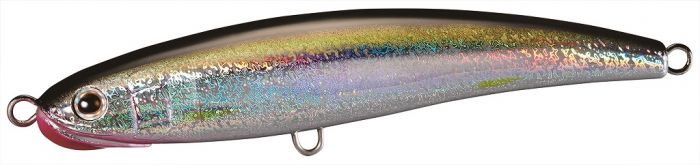



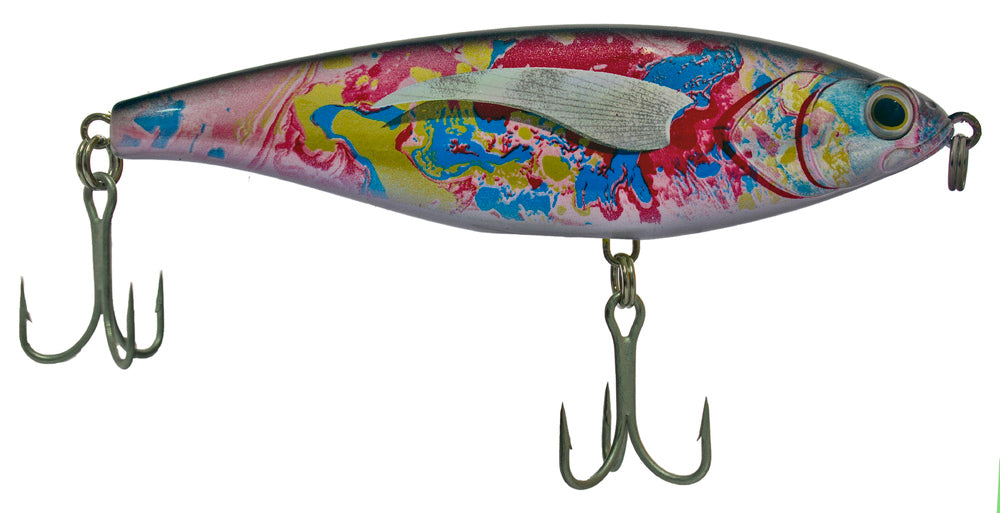

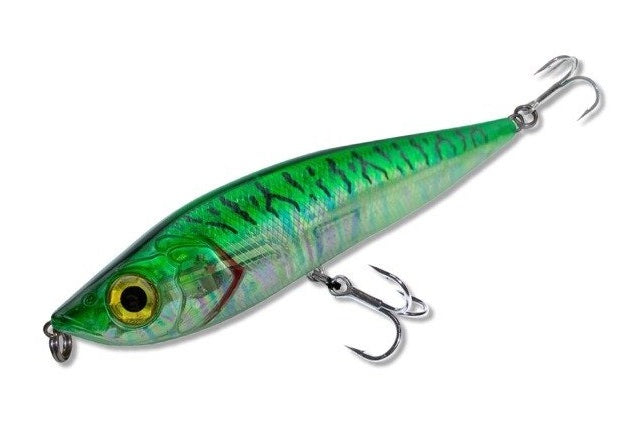
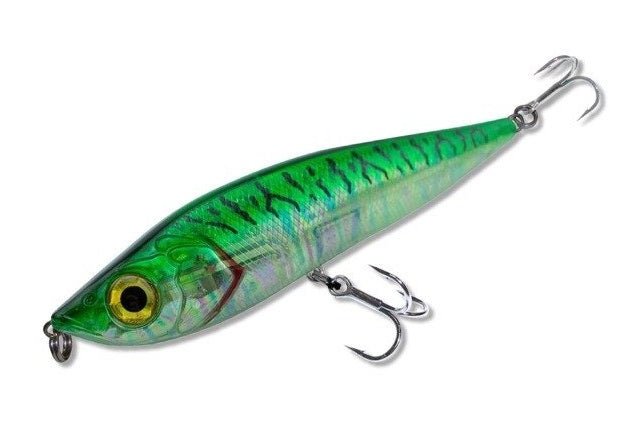
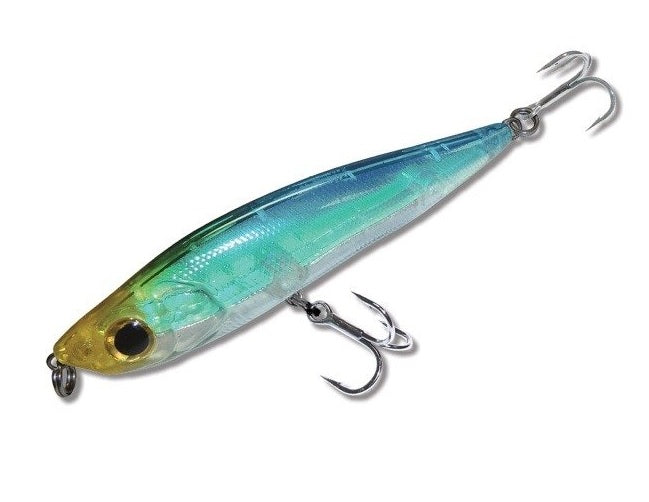





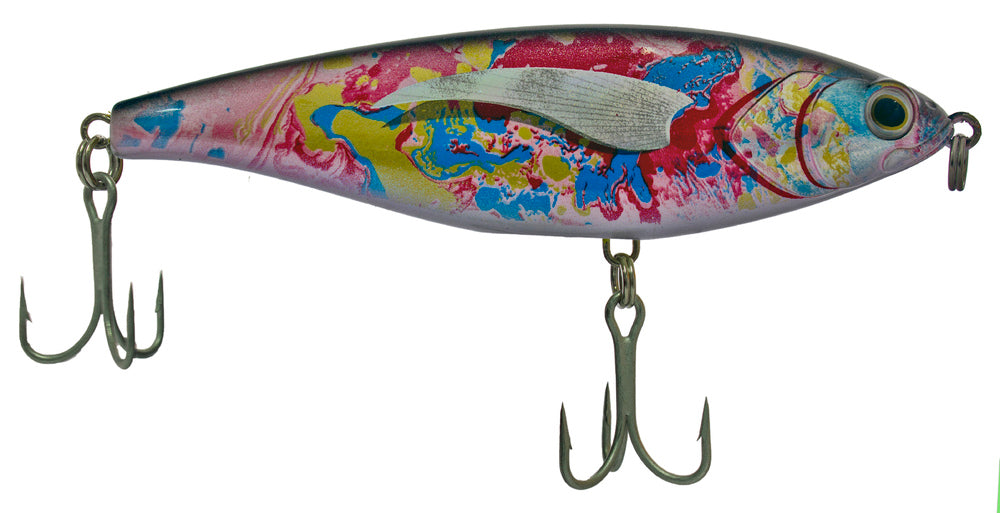
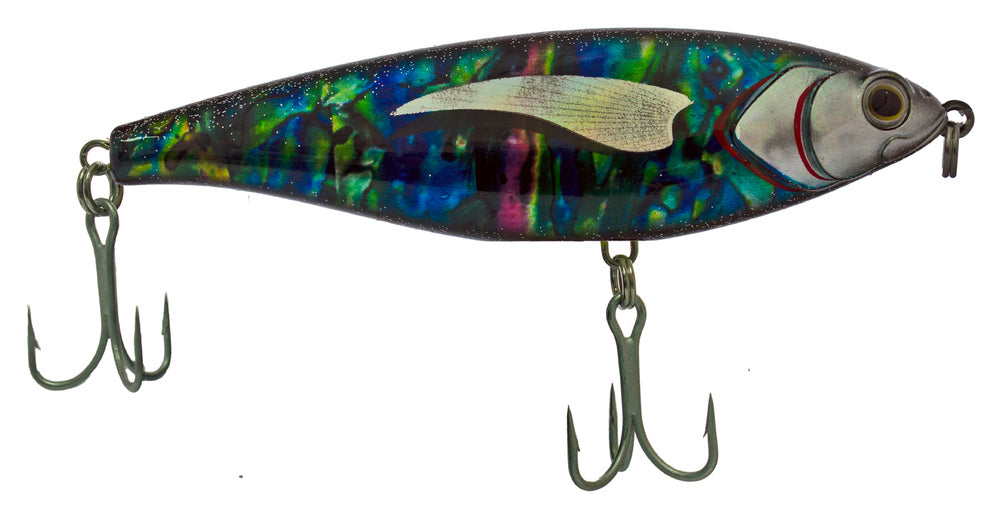

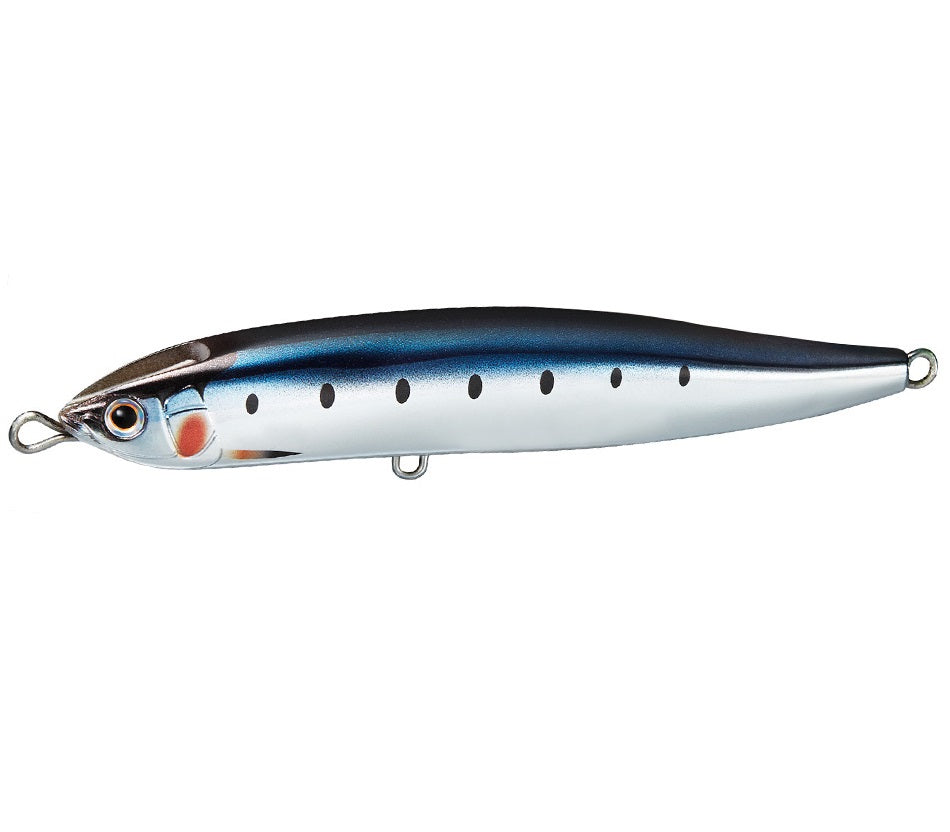
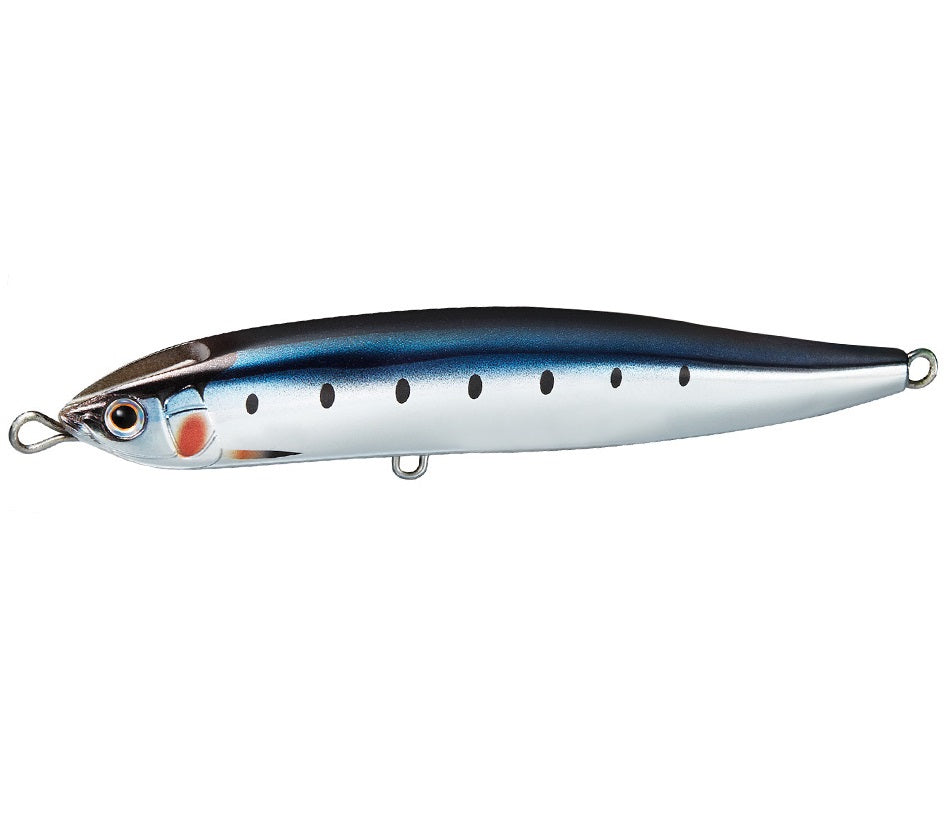




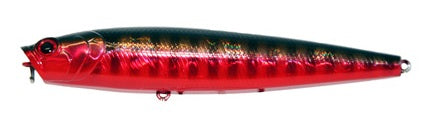
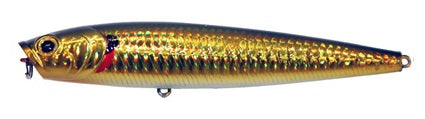

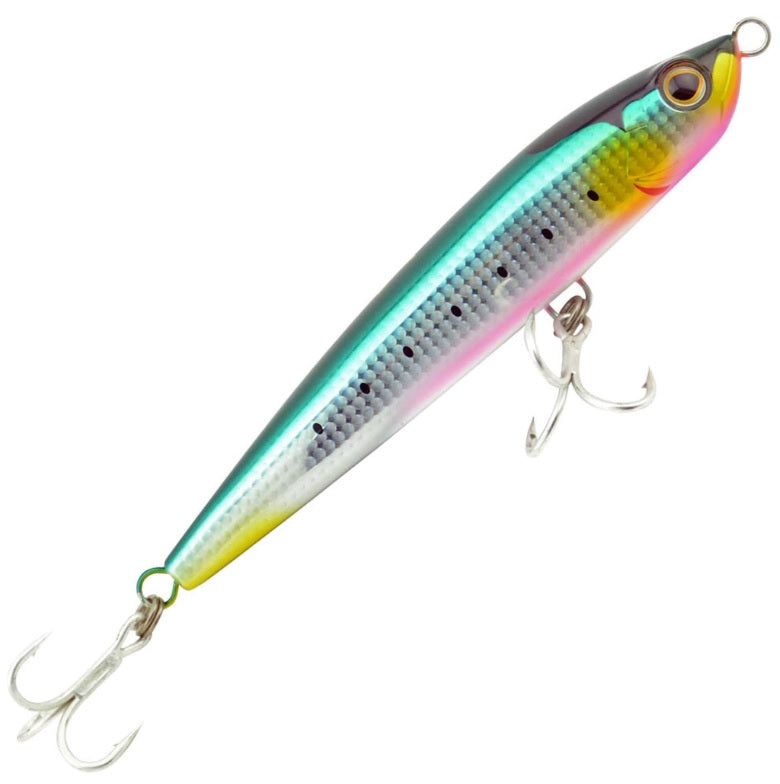

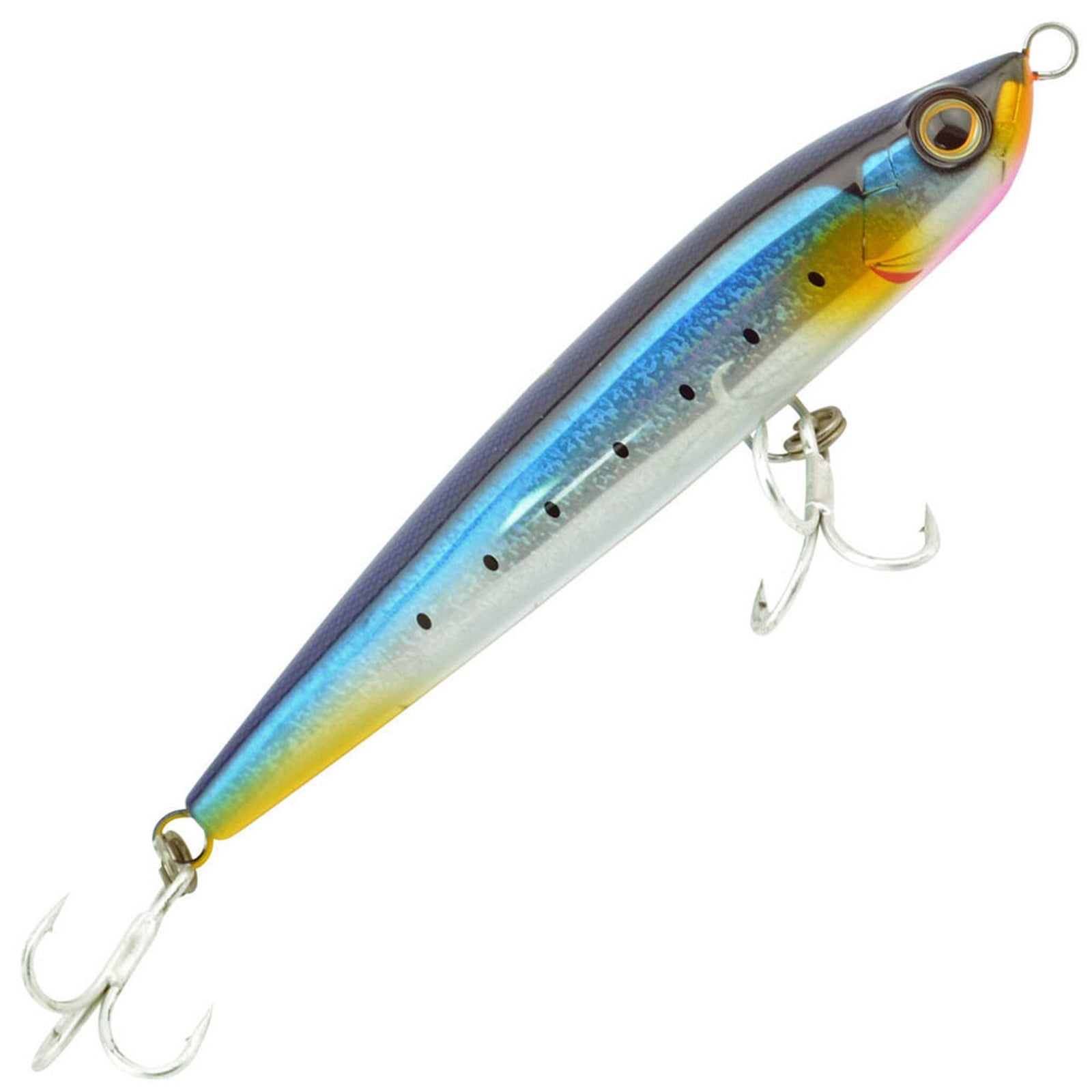

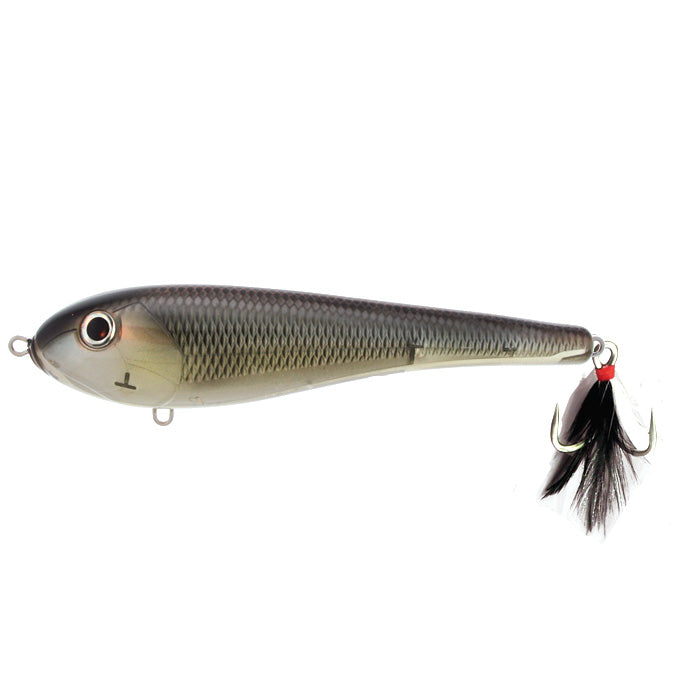
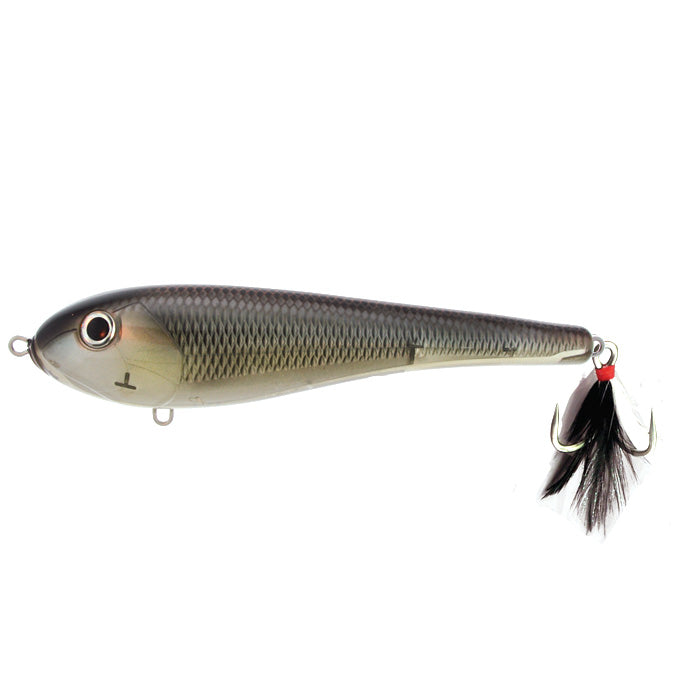
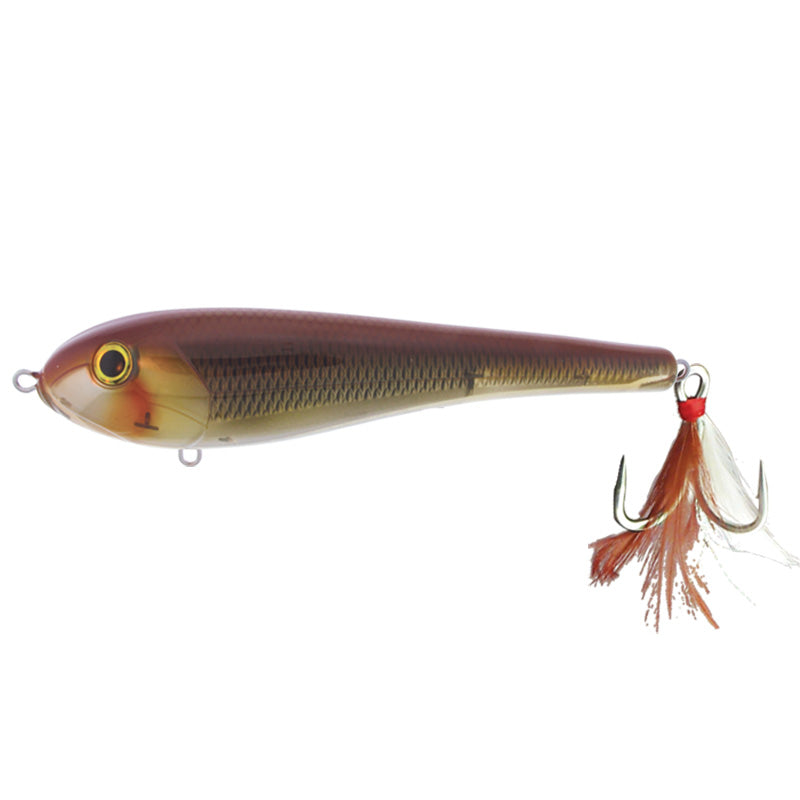

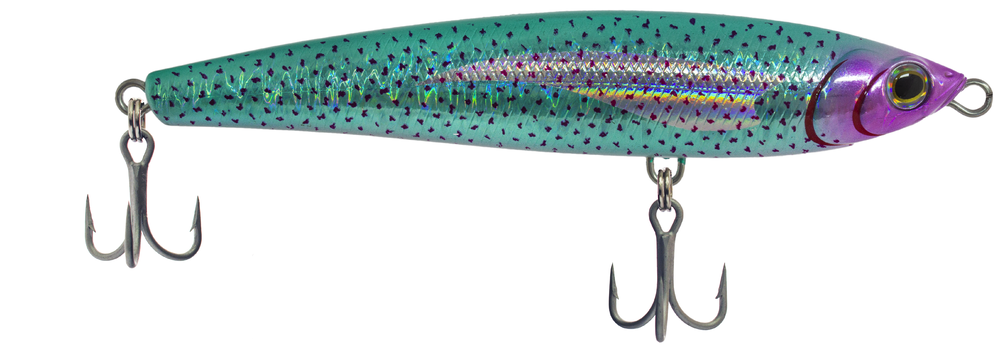

Stickbaits are long, slim lures with no bib, which makes them easy to cast a long way and leaves the action entirely up to you. They range from small estuary sizes through to the heavy offshore stickbaits thrown at tuna, kingfish and GT.
Floating or sinking
Floating stickbaits stay on or just under the surface and swim with a wide, lazy sweep when you wind and pause. They are the choice when fish are feeding on top or working bait against the surface.
Sinking stickbaits let you count the lure down before you start the retrieve, so you can reach fish holding deeper or punch a cast into wind. They also stay in the strike zone longer in rough water, where a floating lure gets thrown around.
Either way the lure needs input. Sweep the rod, wind up the slack, and let it glide on the pause rather than winding steadily. For the side-to-side action instead of the long glide, surface walkers cover that, and poppers add noise when you need to call fish up from deeper water.
Frequently asked questions
What is the difference between a stickbait and a minnow?
A stickbait has no bib, so it has no built-in swimming action and relies on how you work the rod. A minnow has a bib and swims by itself on a straight retrieve.
Should I choose a floating or sinking stickbait?
Floating for fish feeding on the surface and for calm conditions. Sinking for casting distance, wind, rough water, or fish sitting below the surface.
What tackle do I need for offshore stickbaits?
Heavy stickbaits need a rod with enough backbone to cast and sweep them, and a reel with the line capacity to handle a long run. Check the lure weight rating on the rod before you buy.
Do stickbaits work in the estuary?
Yes. Small sinking stickbaits are effective on bream, whiting and flathead, especially worked over shallow sand flats where the lure can be seen from a distance.