

FREE SHIPPING ON ORDERS OVER $150*

AUSSIE FAMILY OWNED BUSINESS FOR OVER 40 YEARS

100% SATISFACTION GUARANTEED
Poppers
Poppers
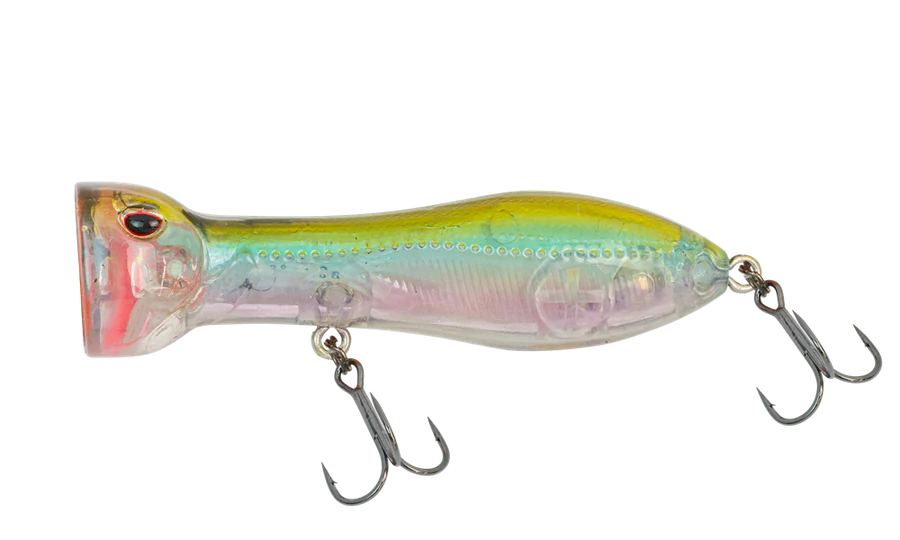
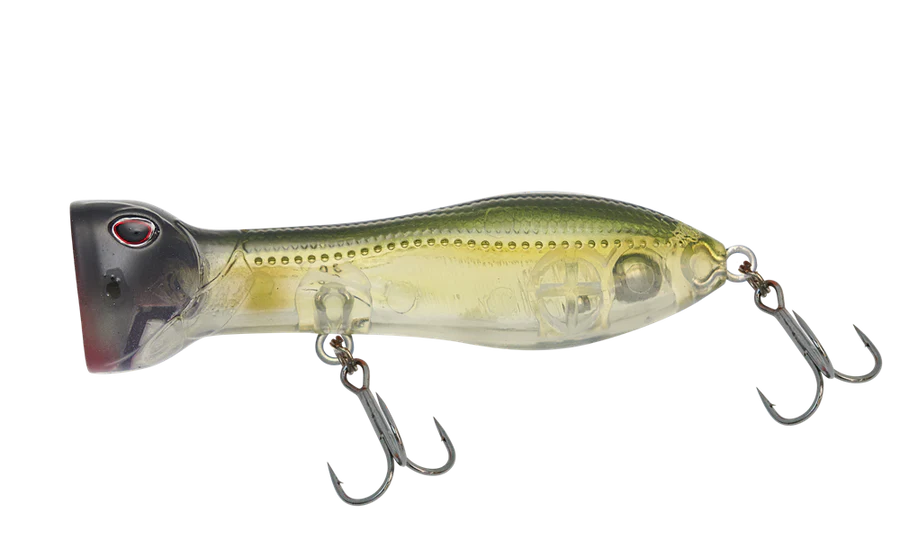
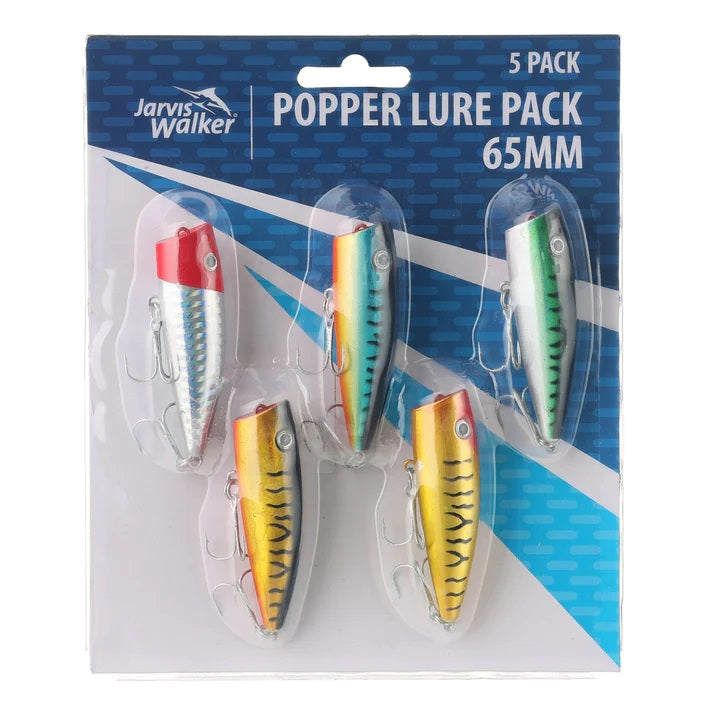
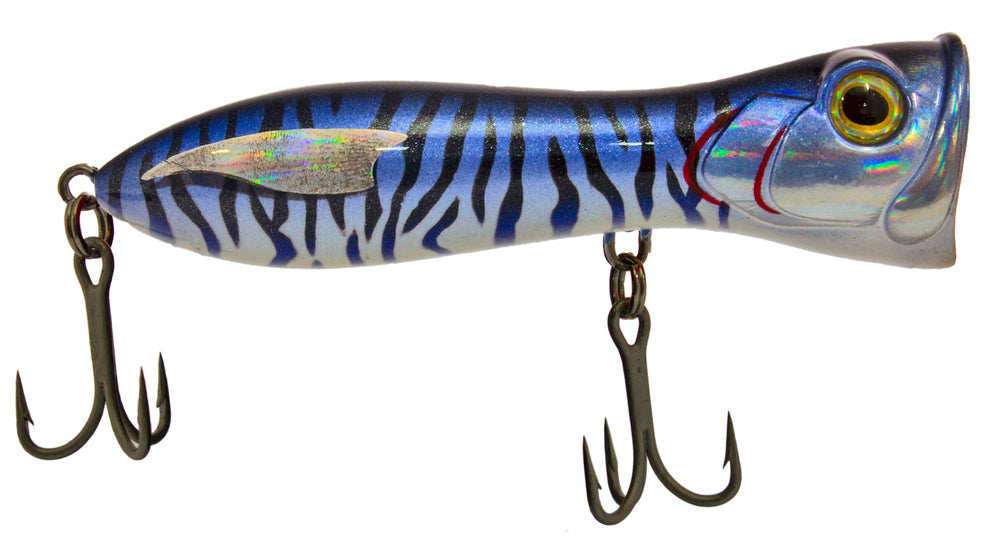
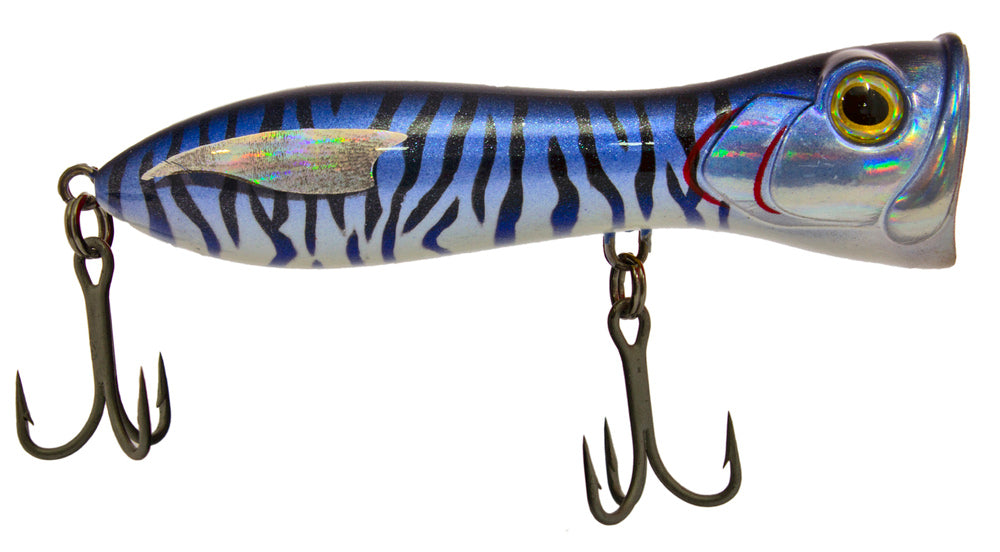
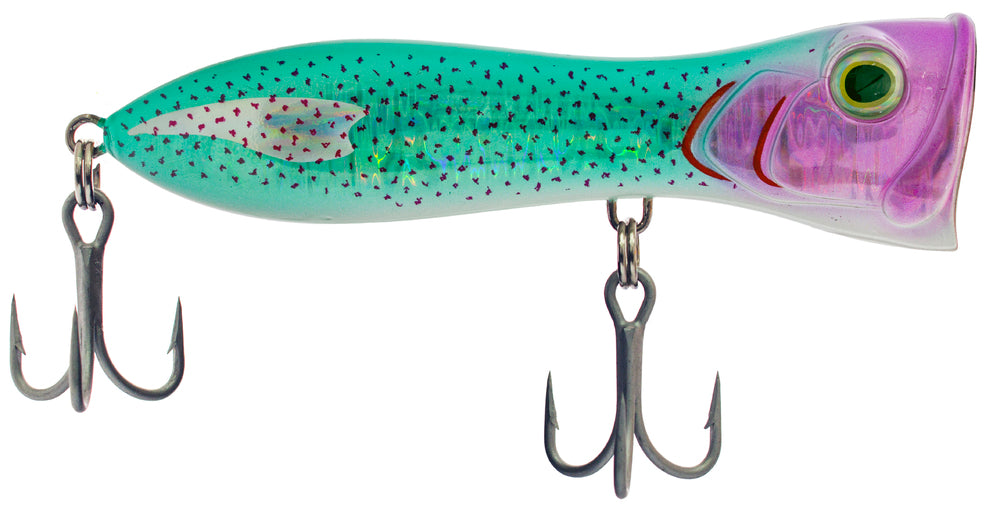
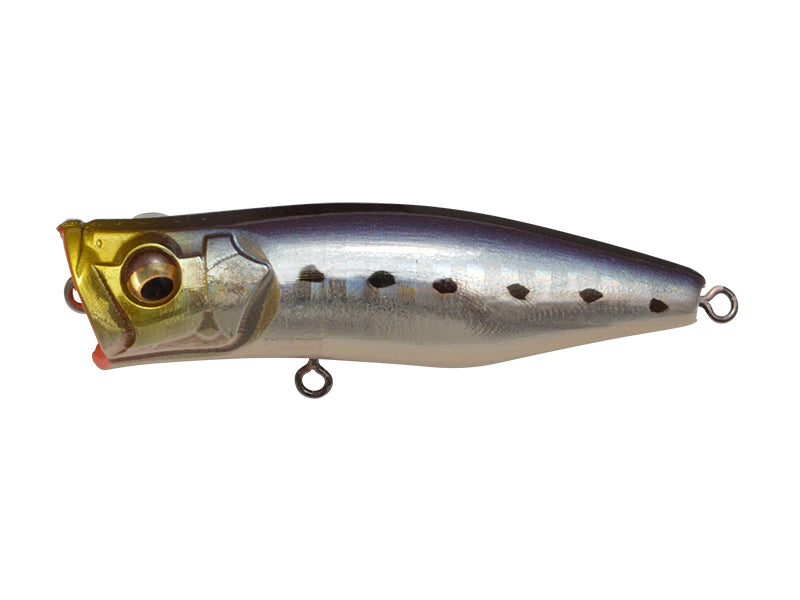
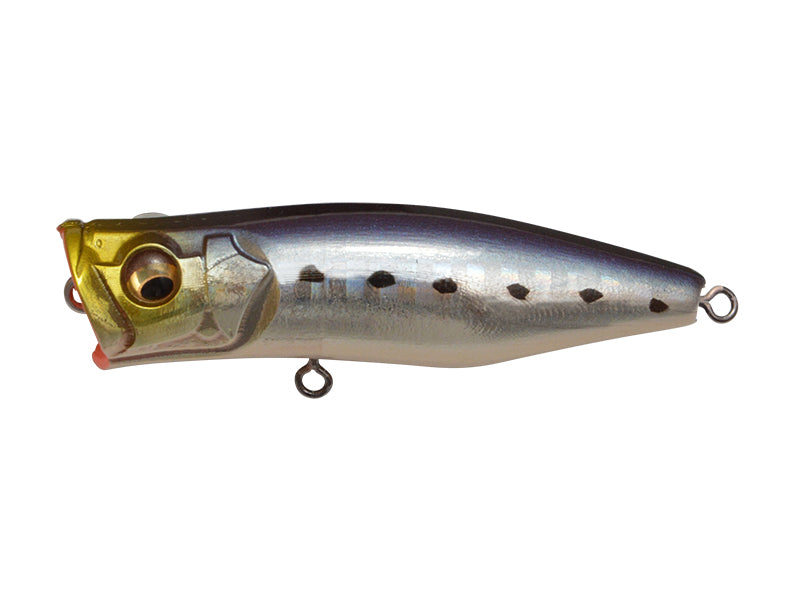
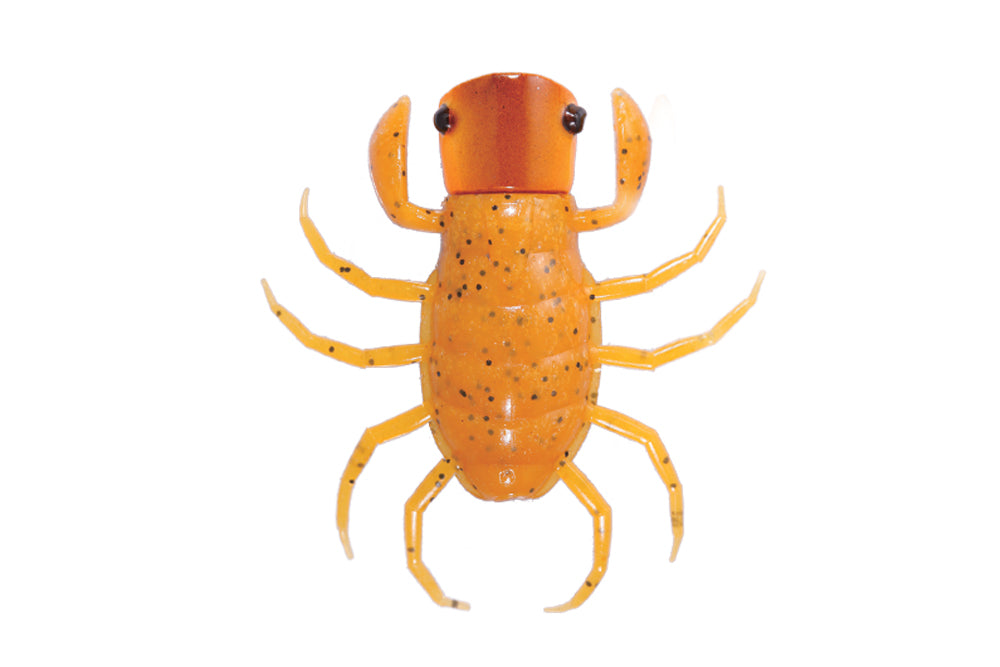
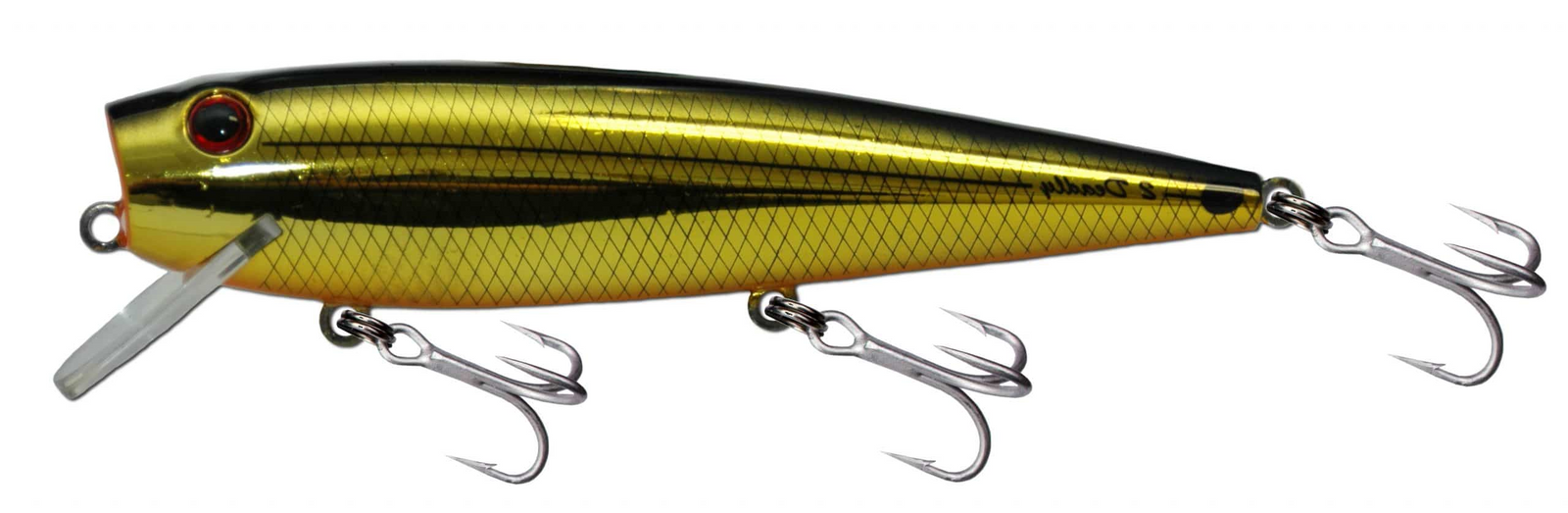
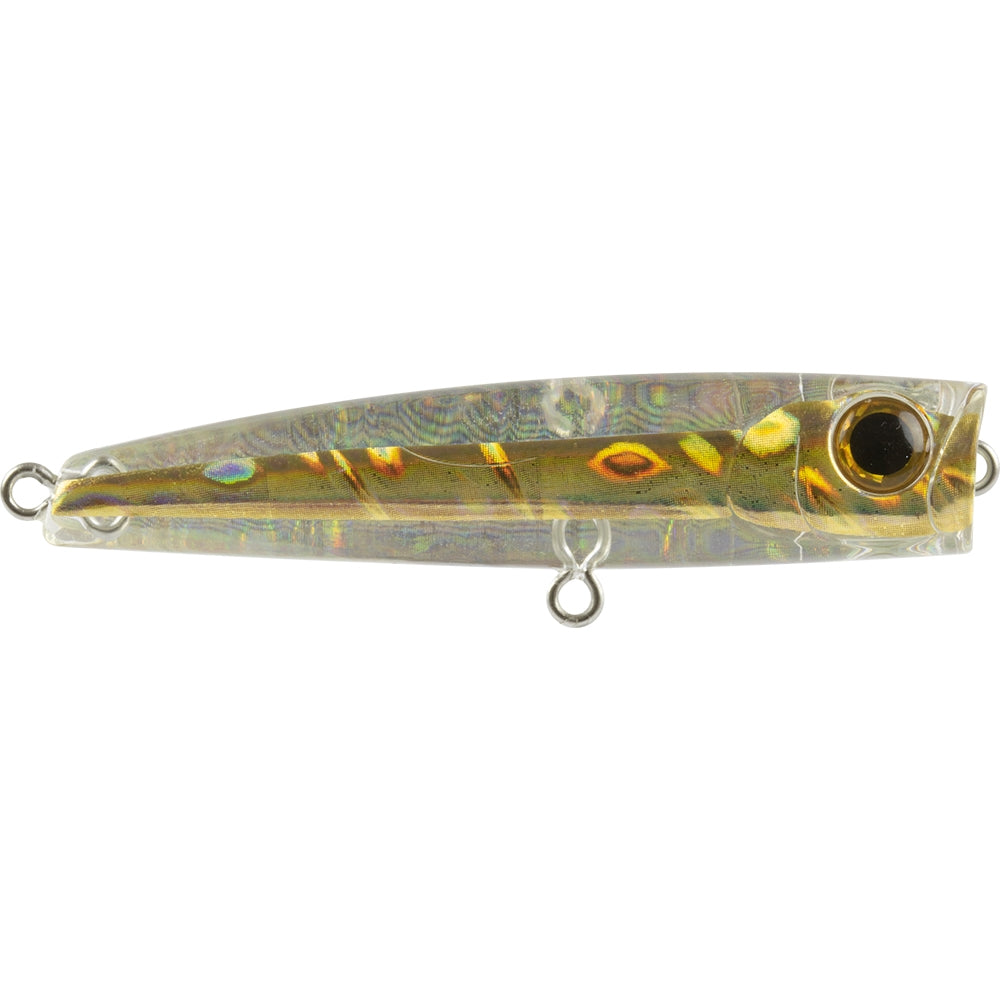
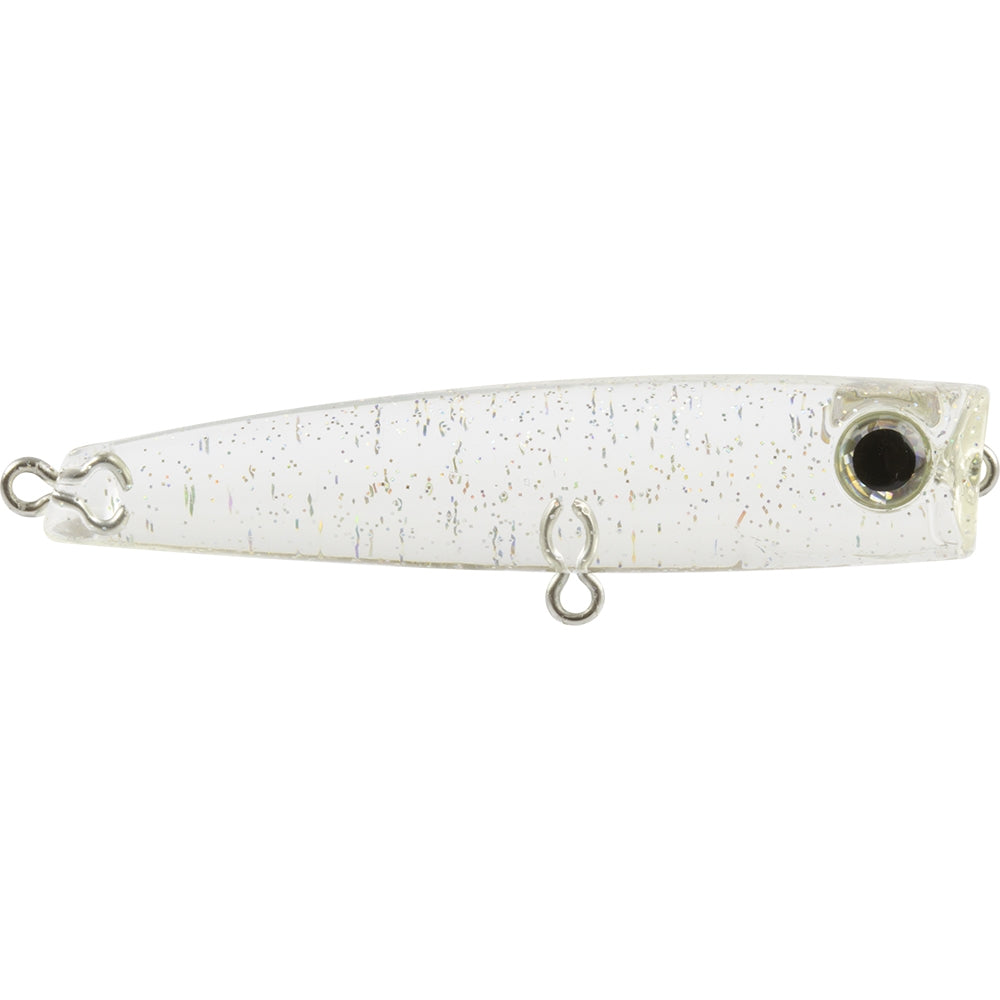
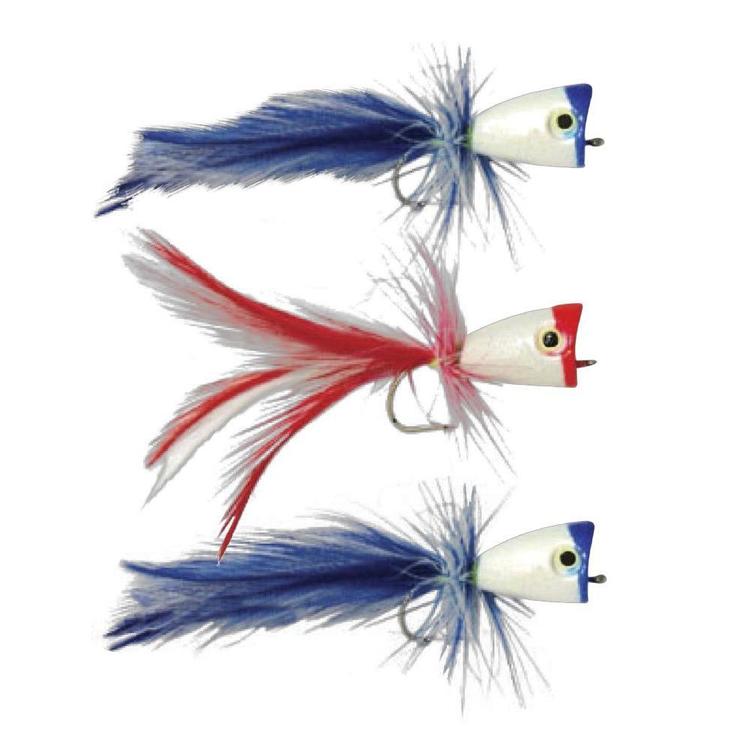
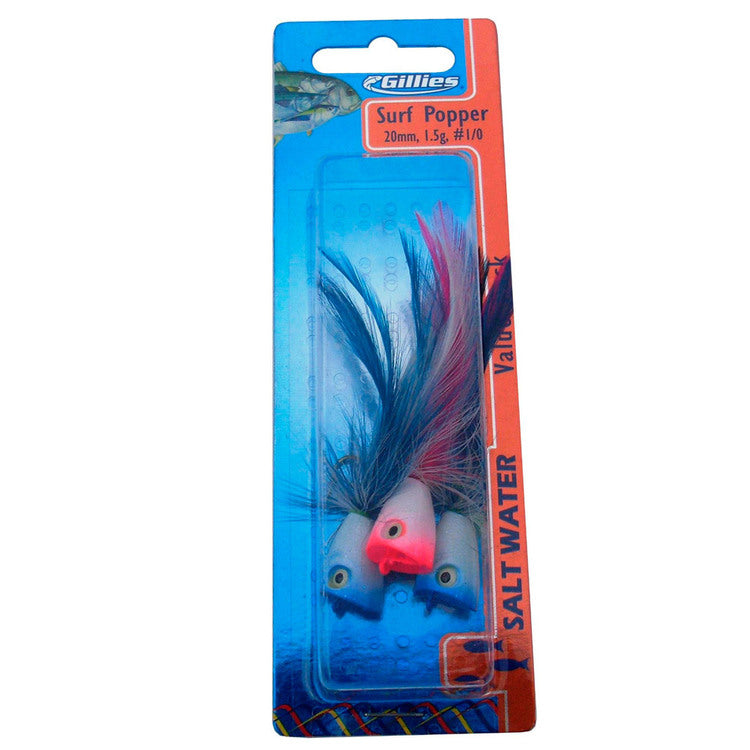
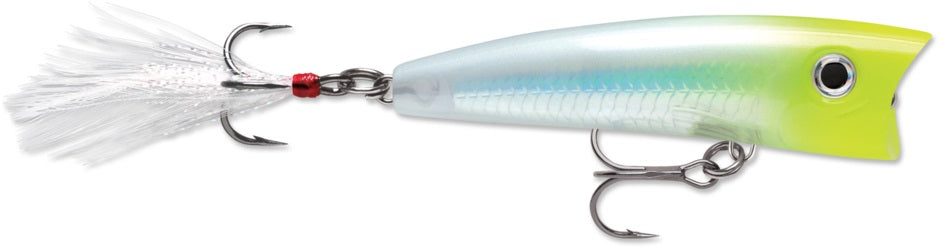
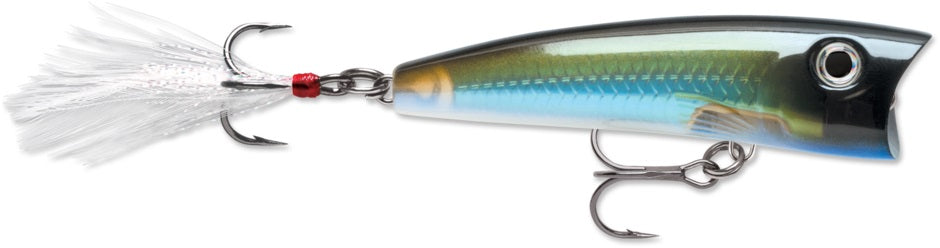
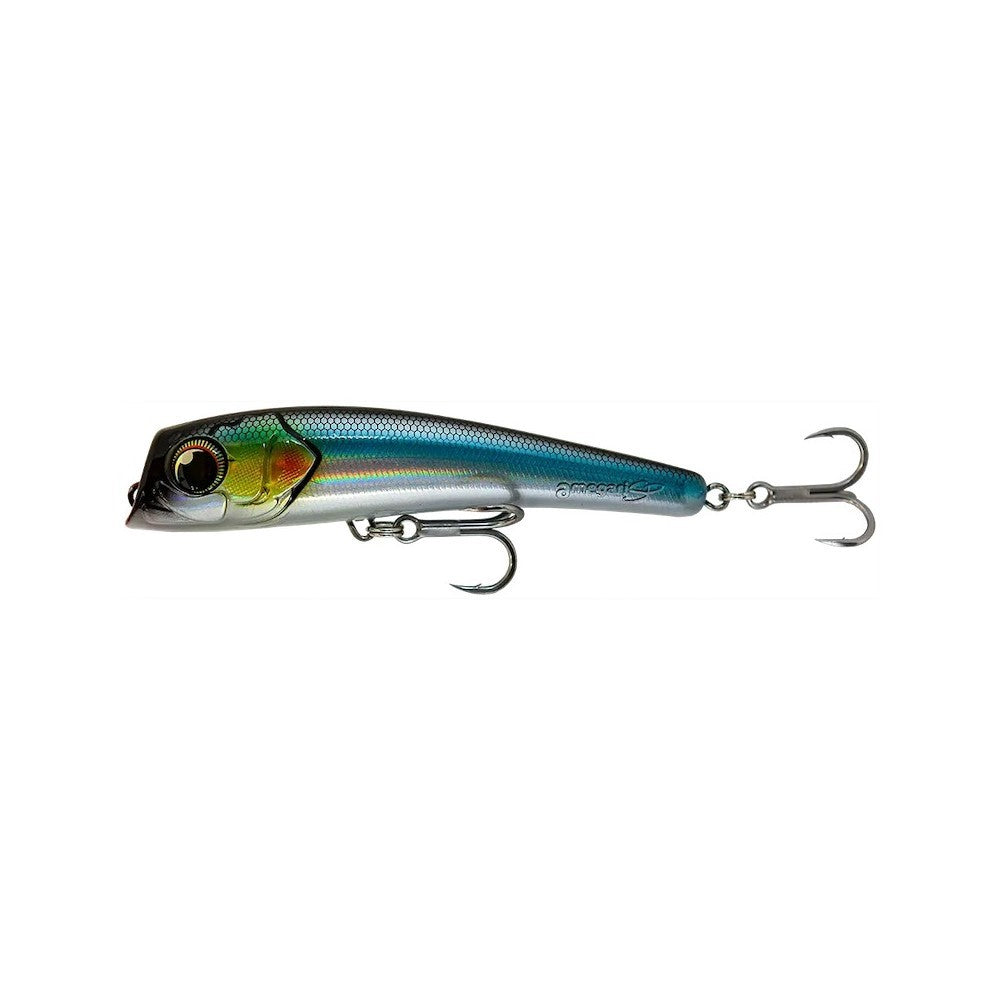
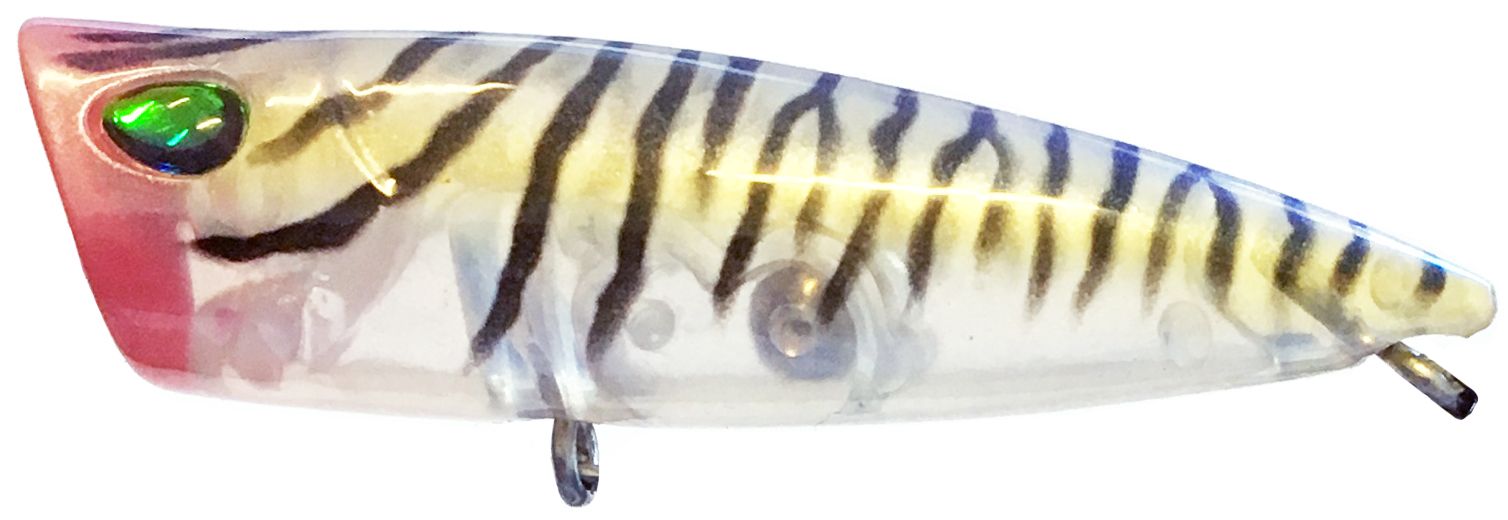
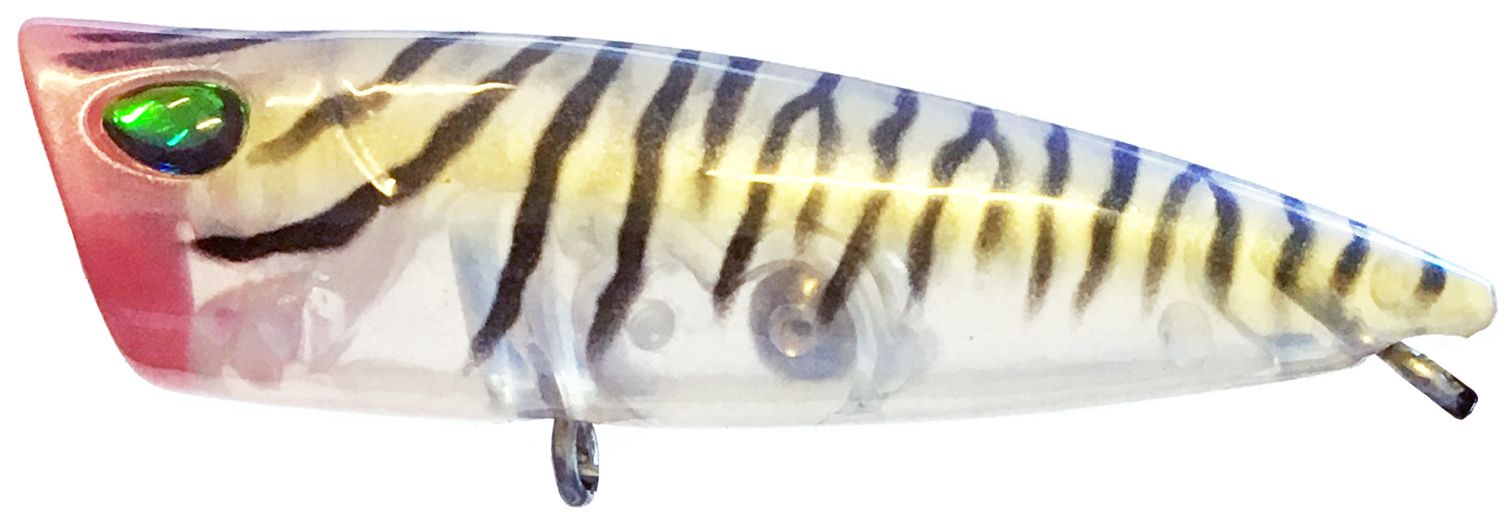
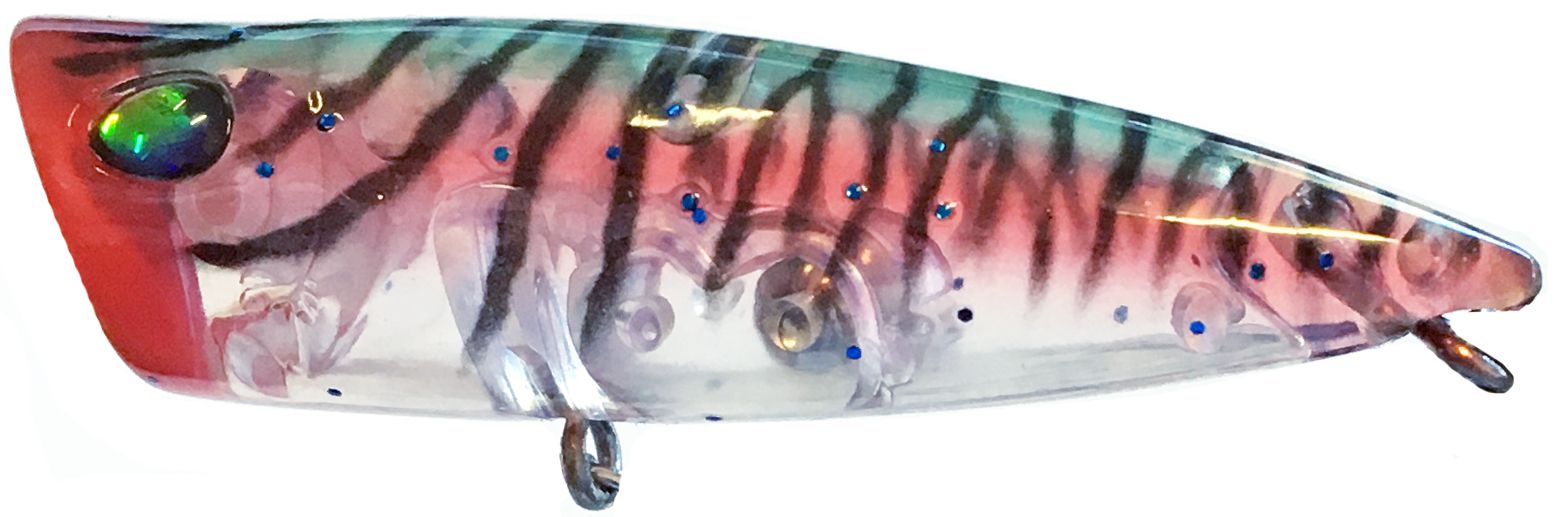
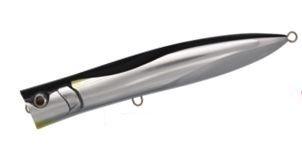
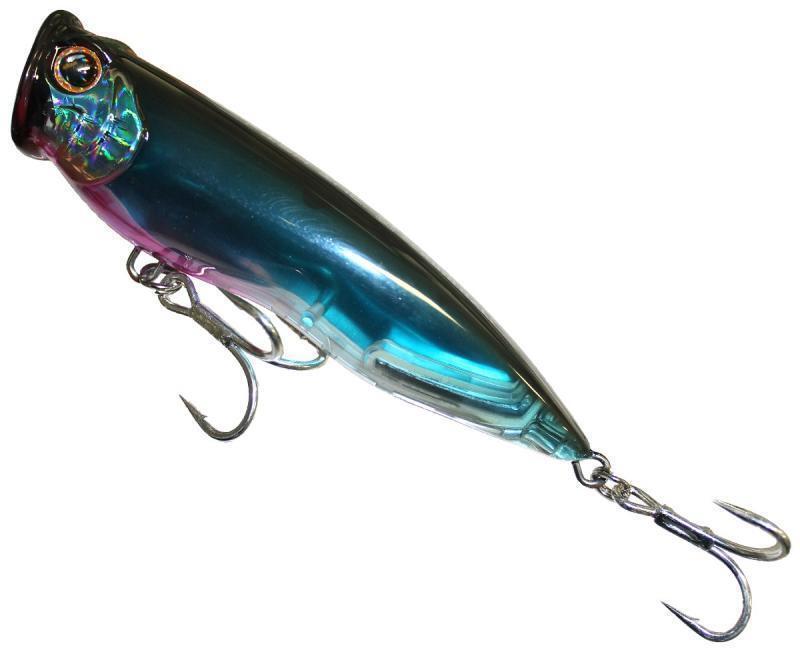
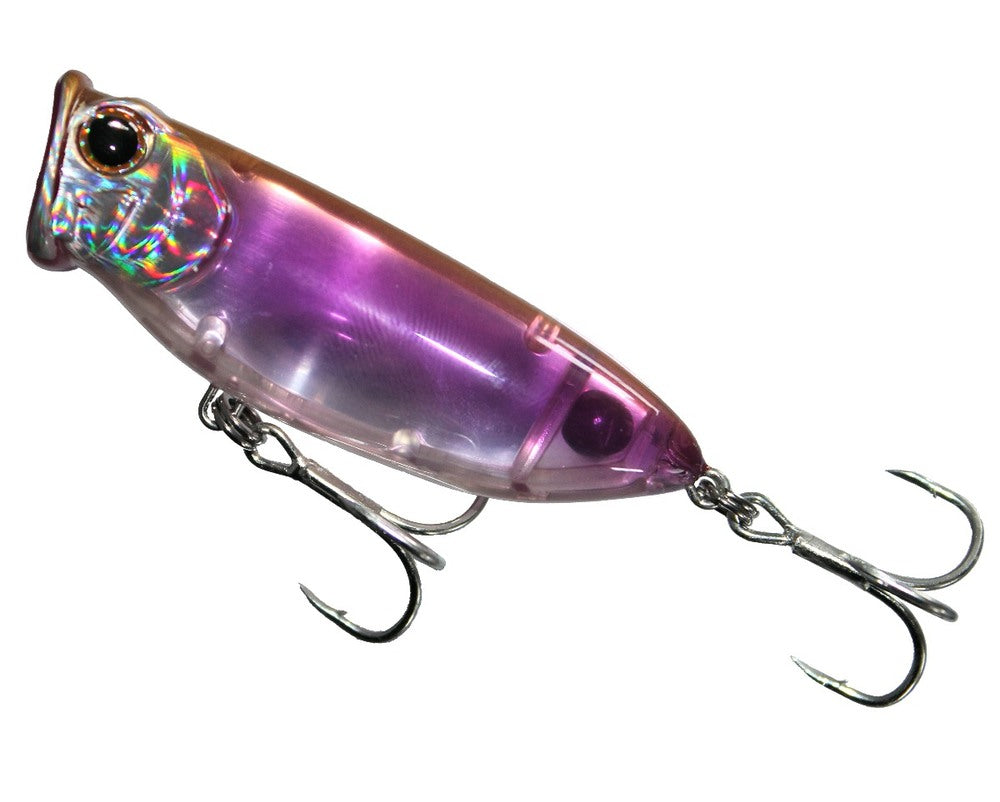
Poppers are surface lures with a cupped or scooped face that pushes water and throws spray when you work the rod. The noise and the bubble trail are the point — a popper calls fish up from below rather than waiting to be noticed.
Choosing a popper
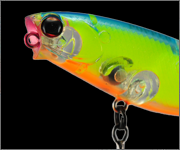
Face shape sets the sound. A deep, sharply cut cup makes a loud pop and a big splash, which carries in chop and wind. A shallower, chugger style face makes a softer bloop and suits calm water and wary fish. Both have their day, and it is worth carrying one of each.
Size follows the fish. Small poppers work on bream, whiting and bass in skinny water. Larger poppers are built for barra, mangrove jack and offshore pelagics, where a big disturbance is what gets attention.
Work a popper in bursts. Two or three sharp pulls, then a long pause — most strikes come on the pause, when the lure is sitting still in its own bubble trail. If the fish are following without committing, a quieter surface walker or a subtler stickbait will often convert them.
Frequently asked questions
How do you work a popper?
Point the rod tip down and pull it in short, sharp strokes so the face bites the water, winding up the slack between pulls. Pause after every few pops and be ready — that is when fish usually eat it.
When should I use a popper instead of a walker?
When you need noise. Choppy water, dirty water, wind, or fish holding deeper all favour a popper, because the sound reaches further than a quiet lure's profile.
Why do fish miss poppers?
Because the lure is moving fast and the fish is striking at splash. Slowing down, pausing longer and waiting to feel weight before you lift will convert far more of them.
Do poppers work in the estuary?
Yes. Small poppers are very effective on bream and whiting over shallow flats, and on bass in freshwater, particularly early and late in the day.




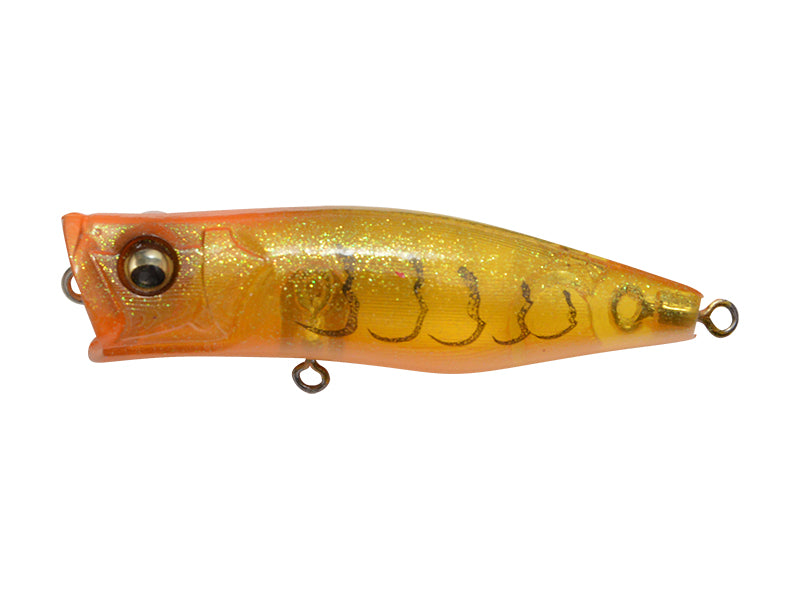
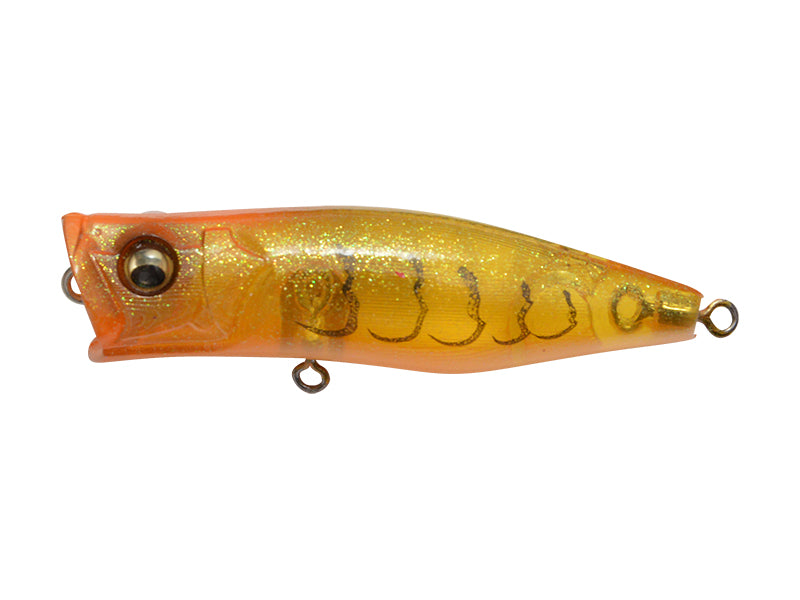
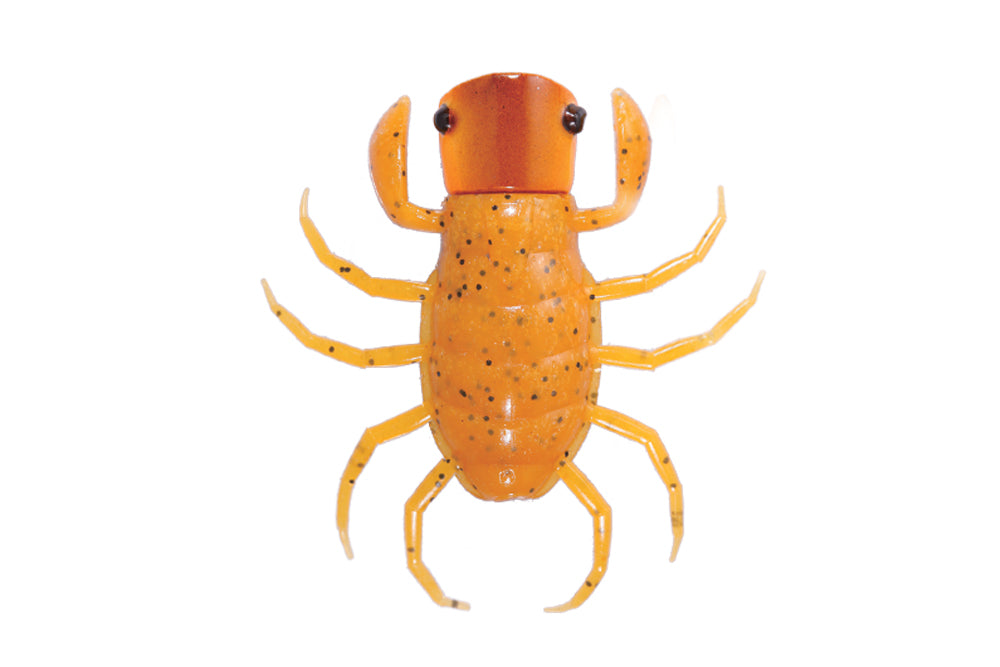


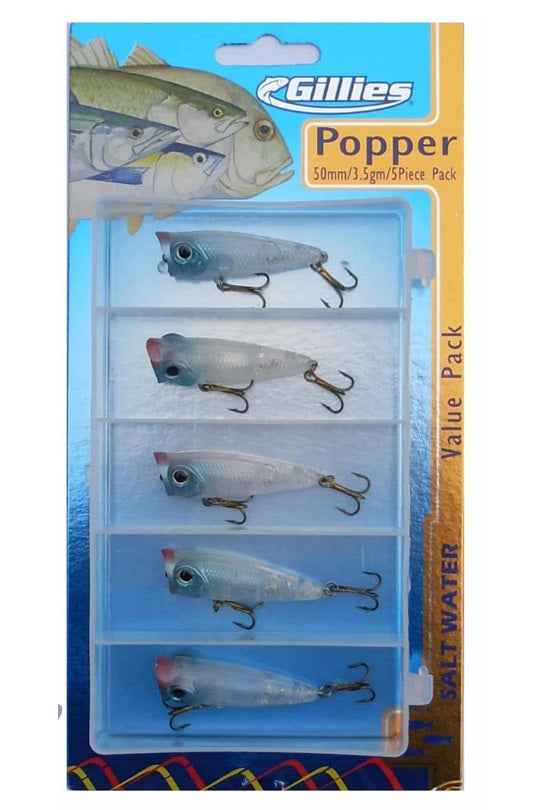
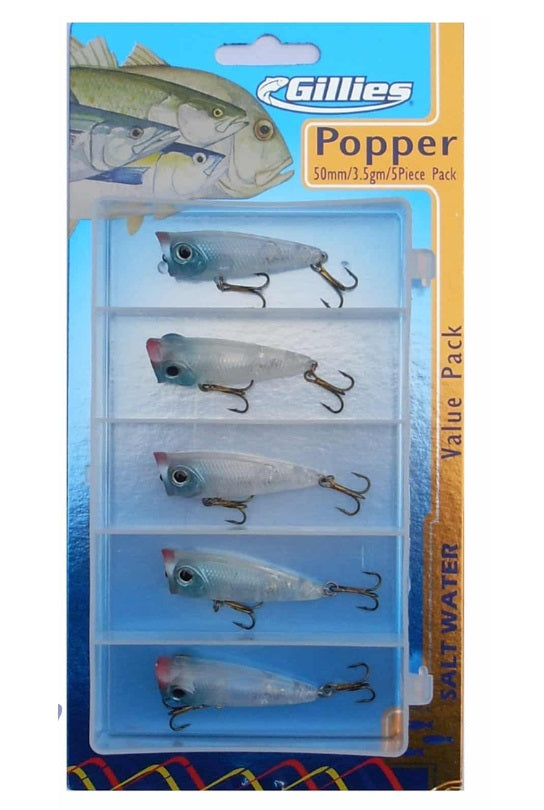
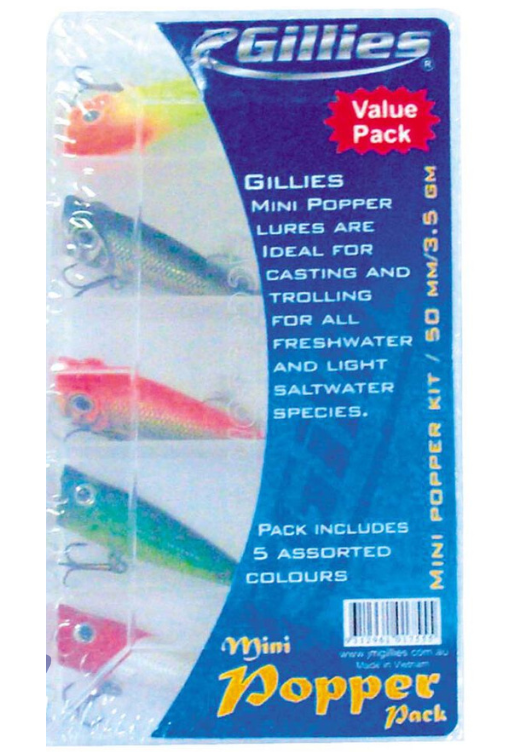

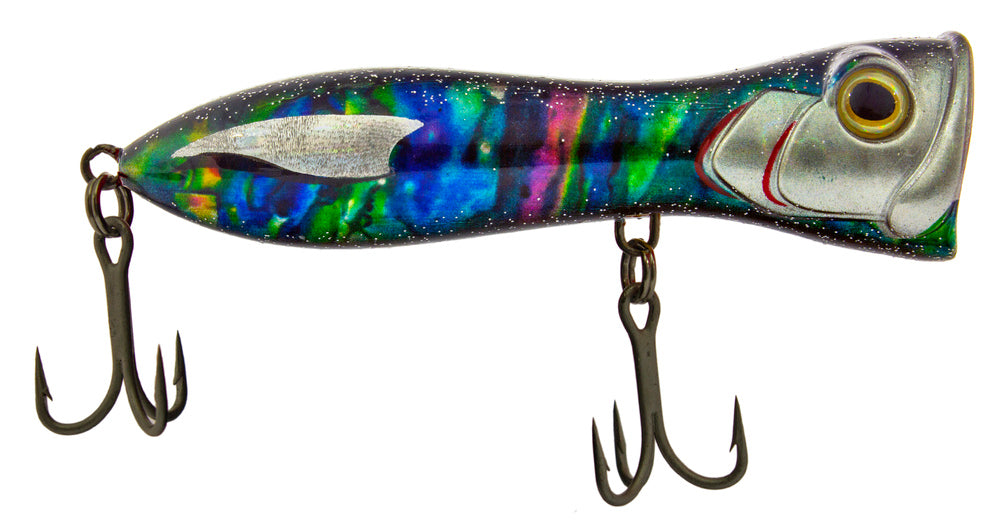
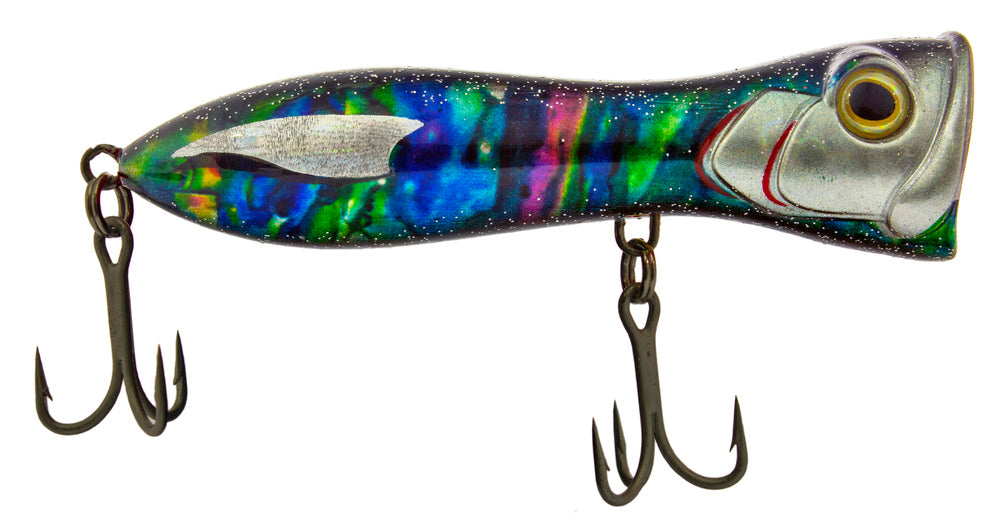
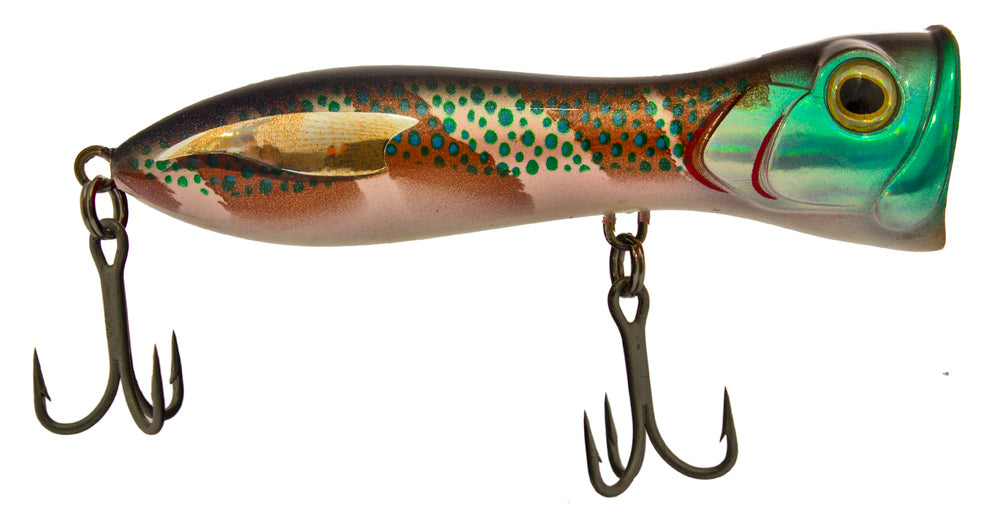
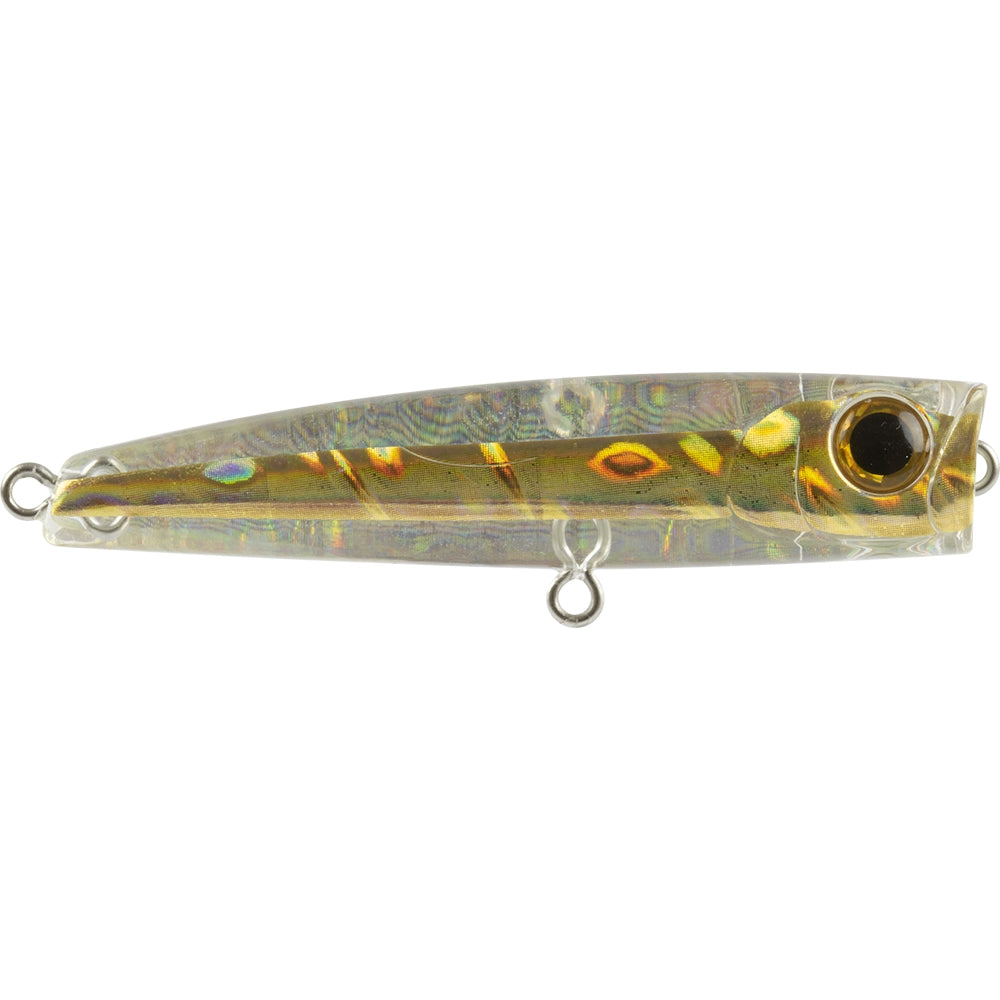



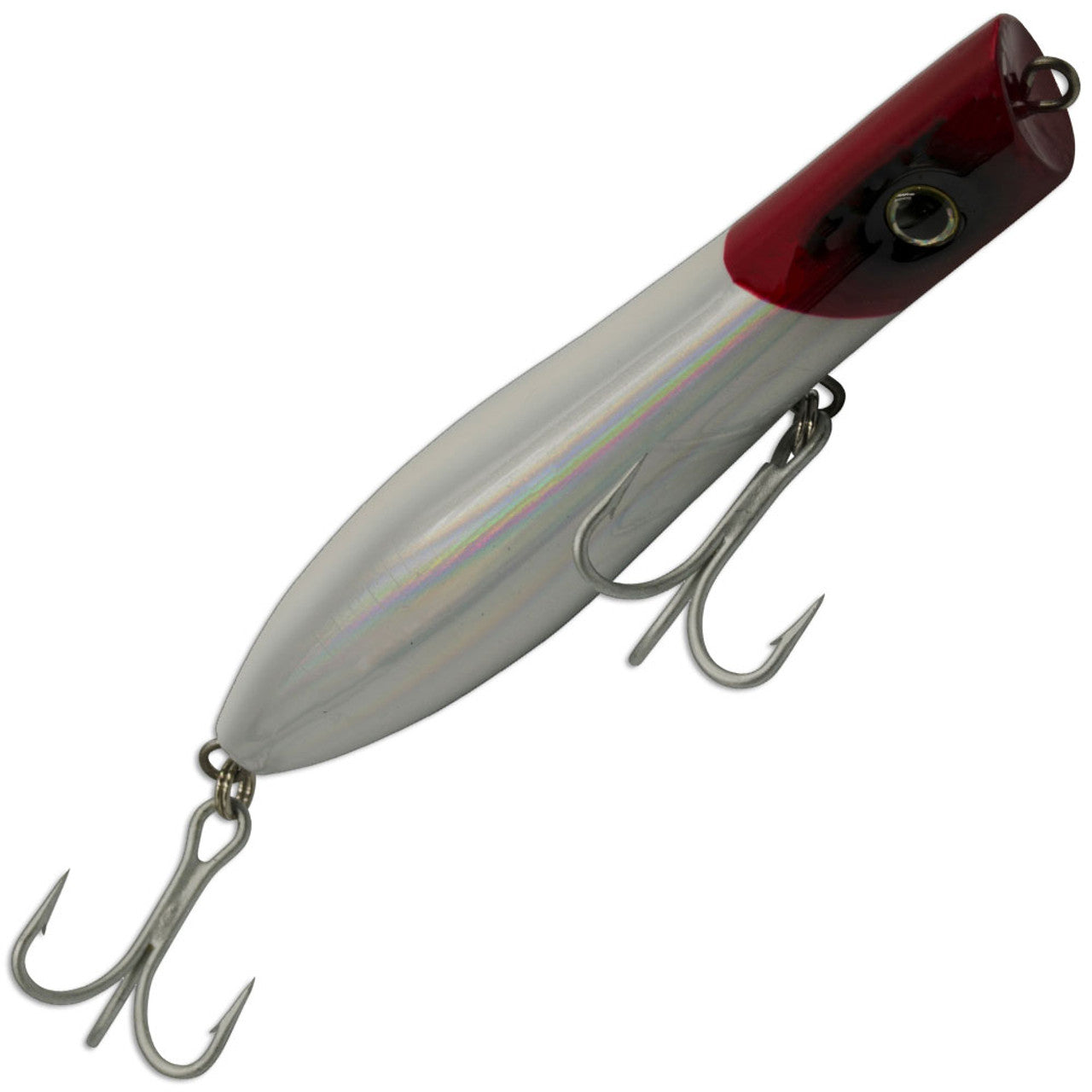

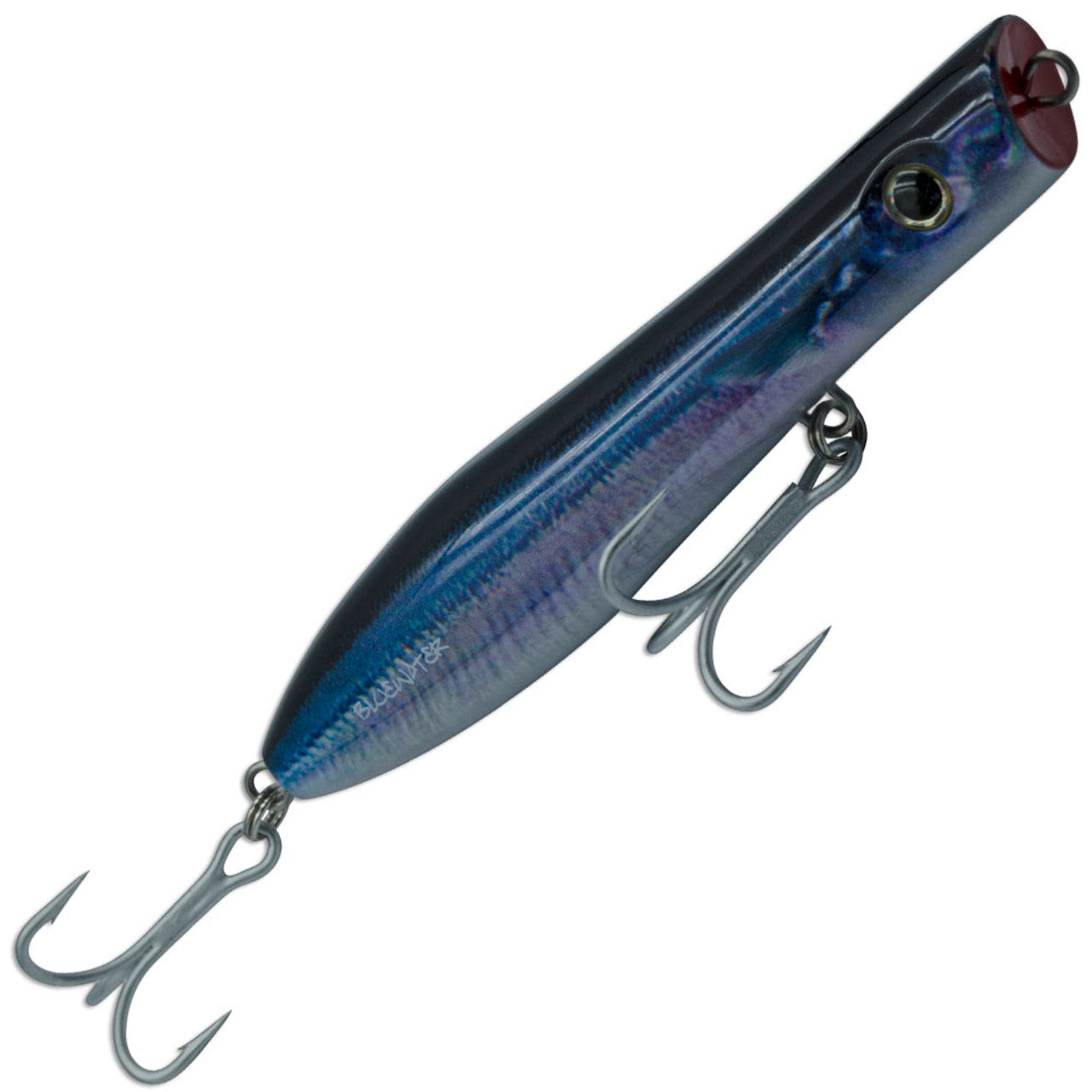

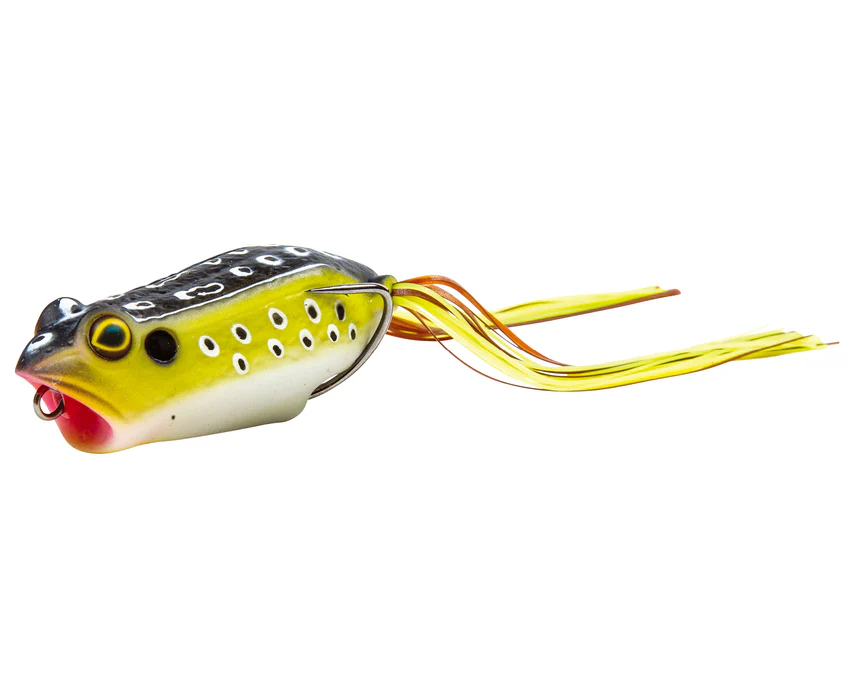

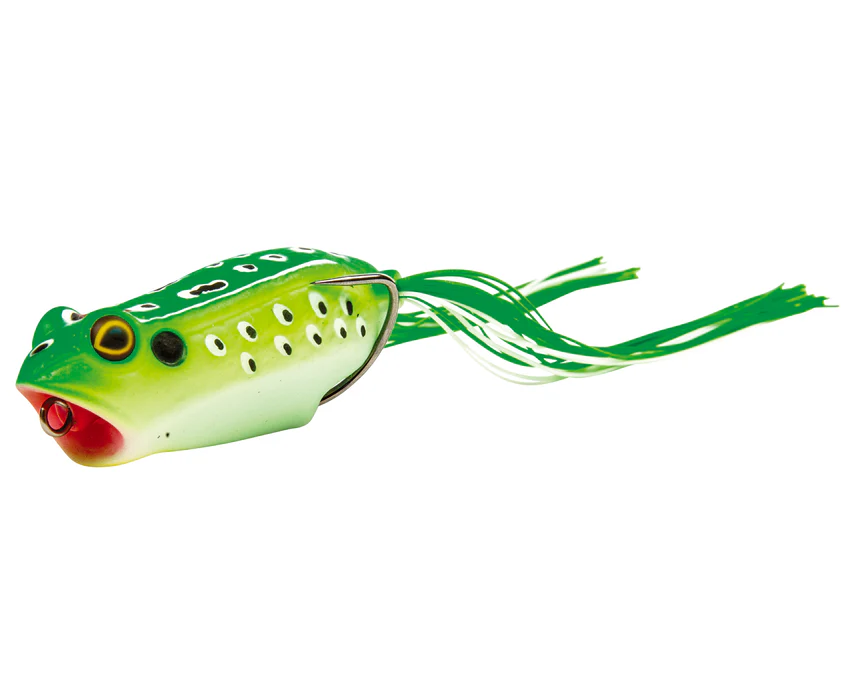

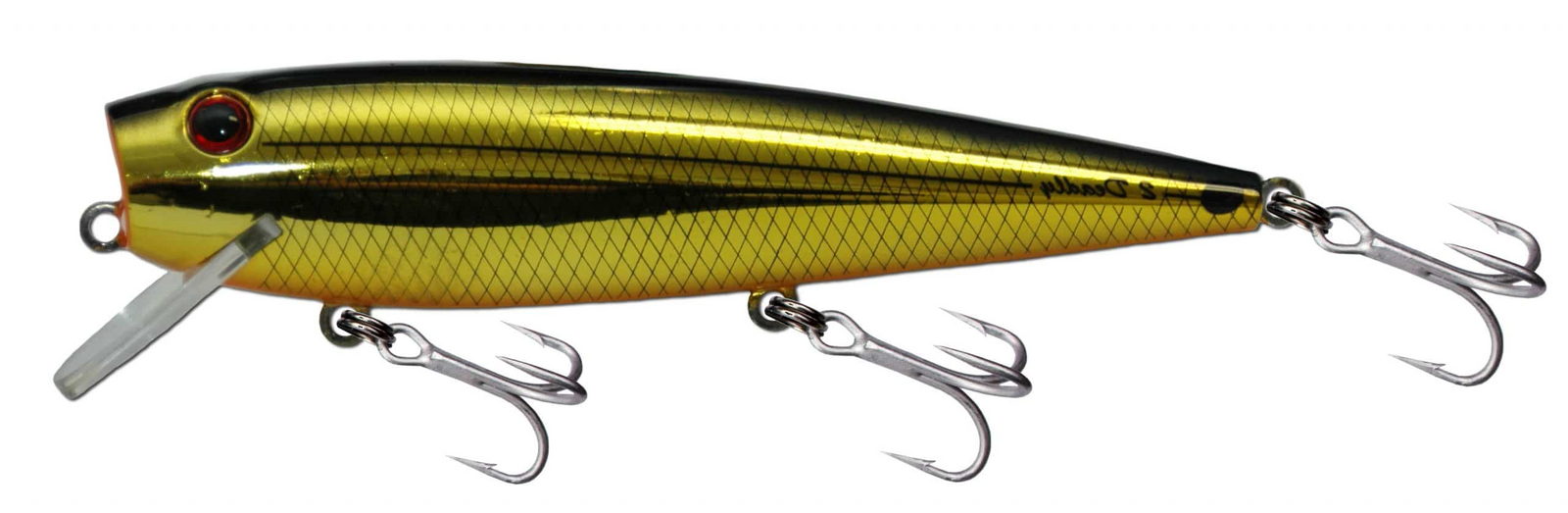

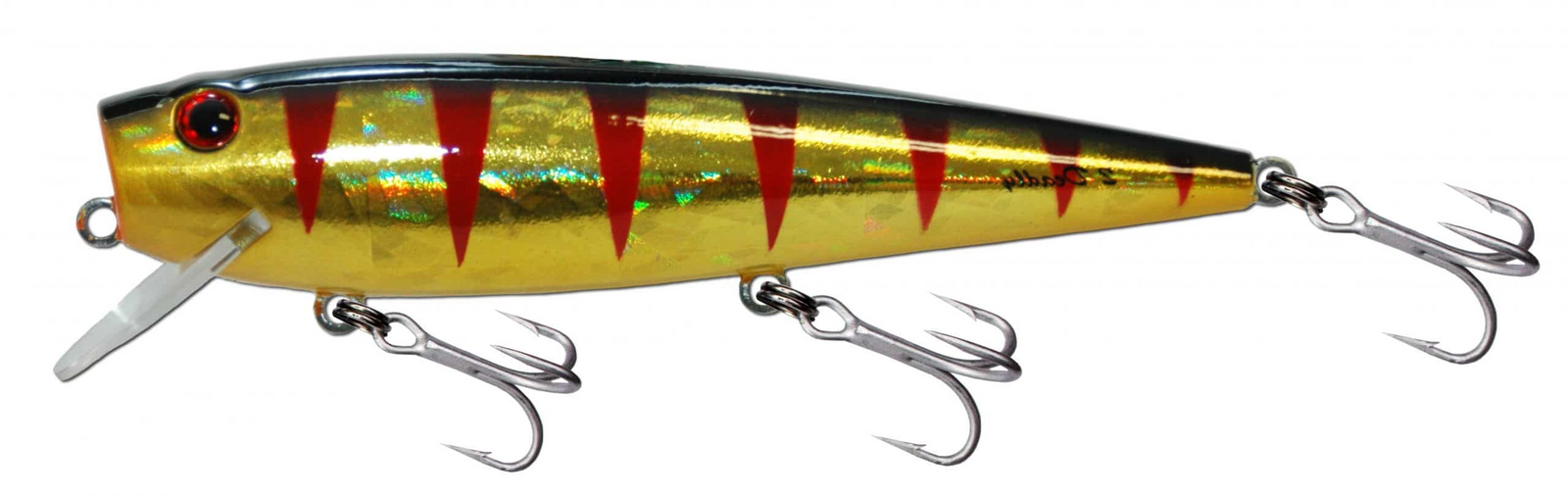

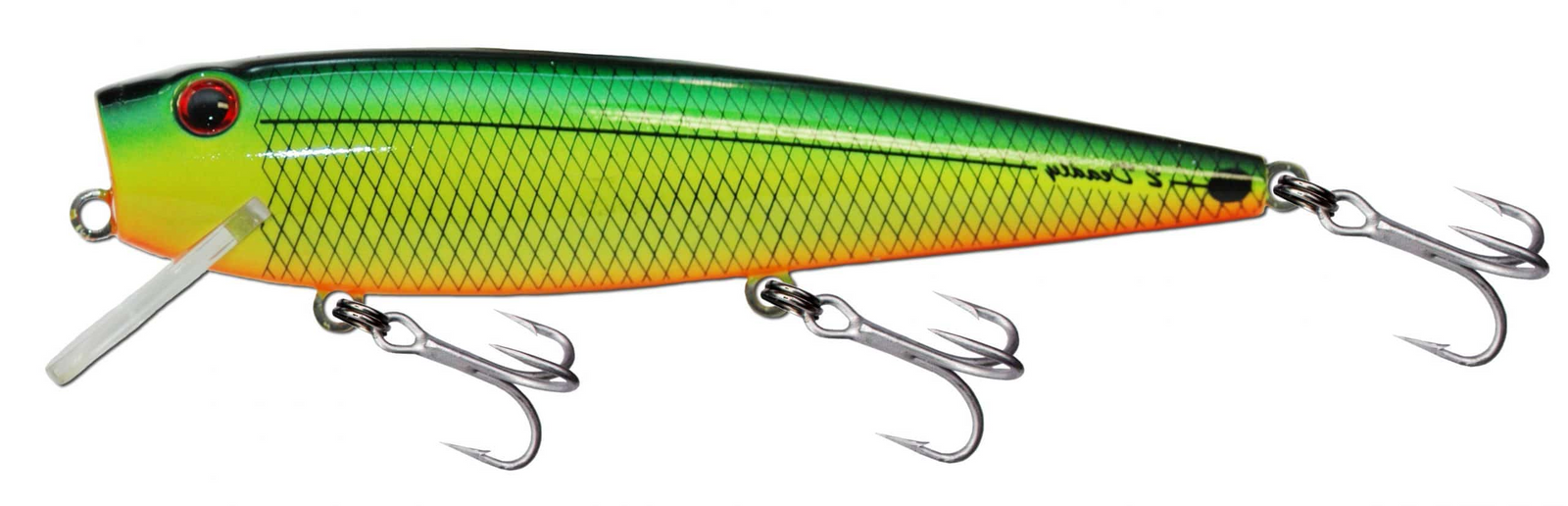

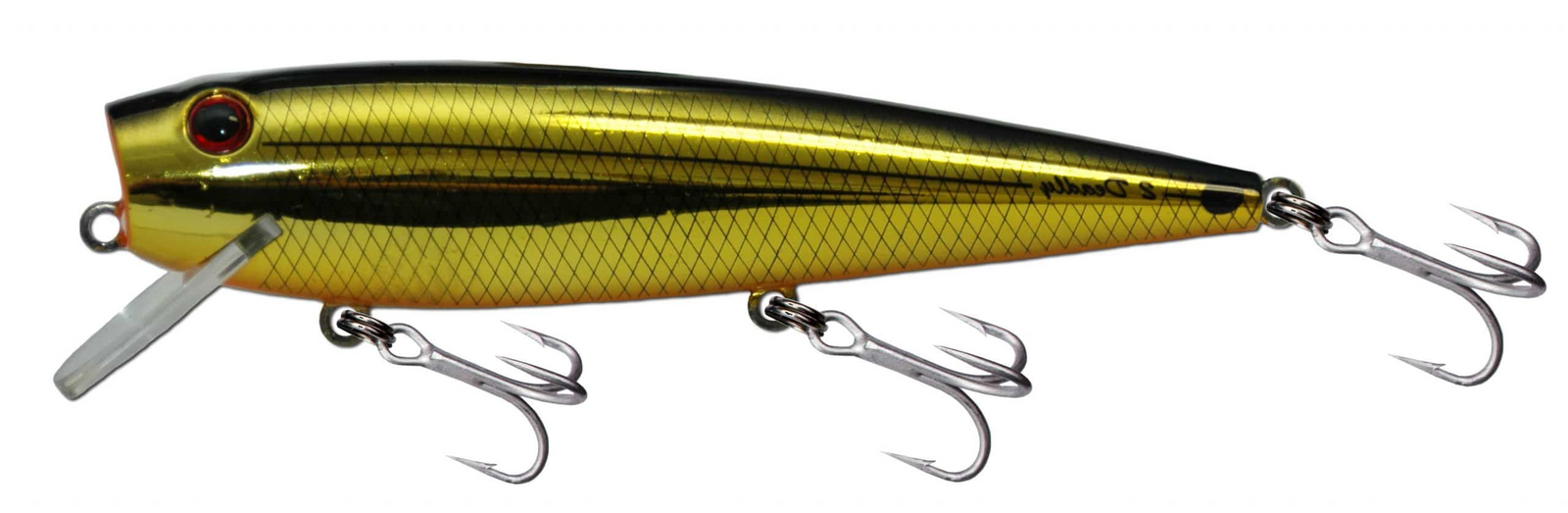

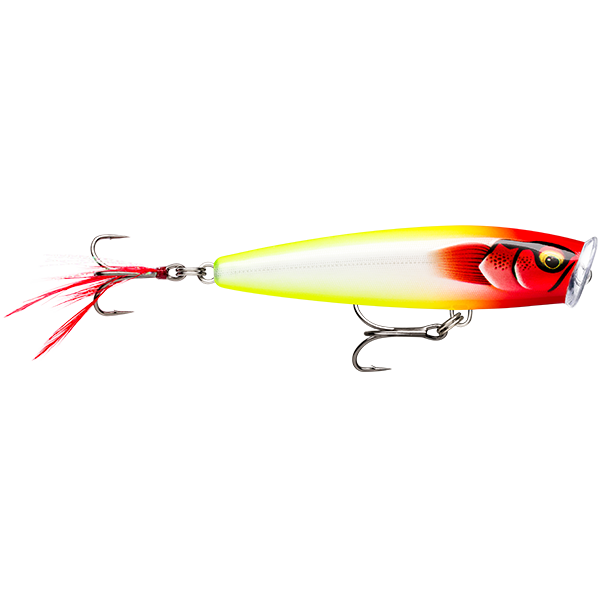

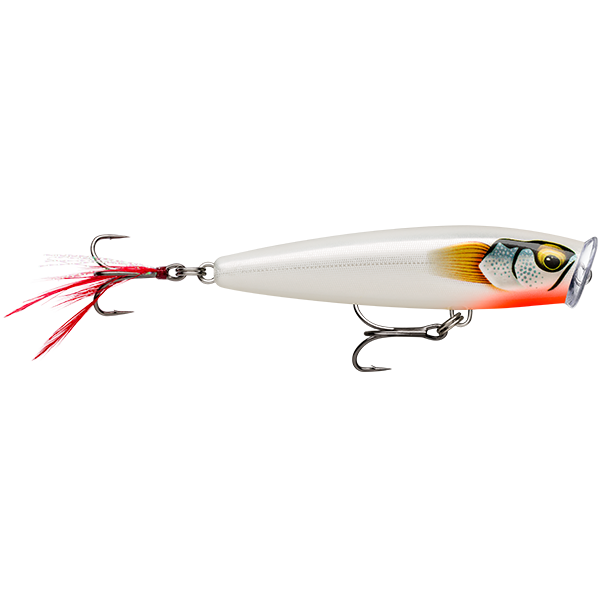

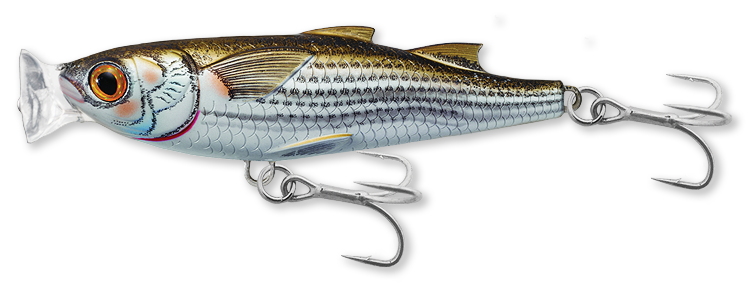
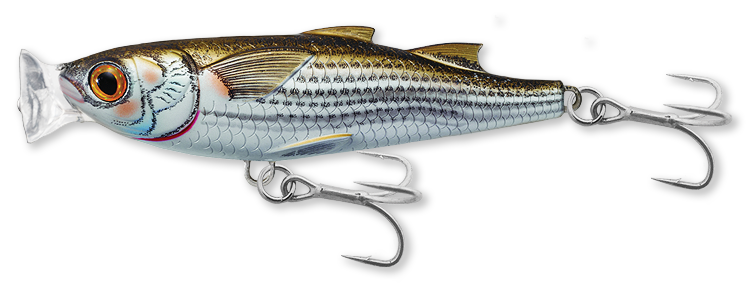

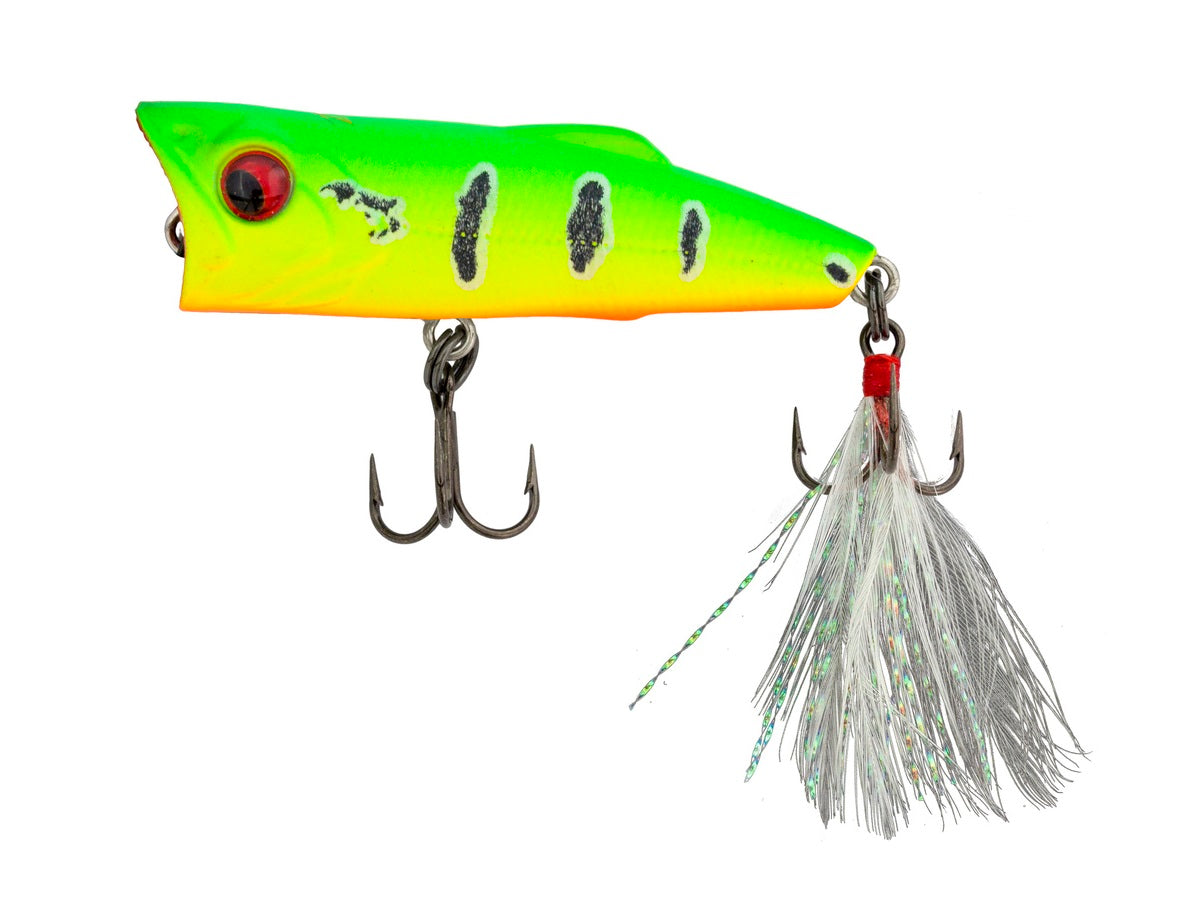
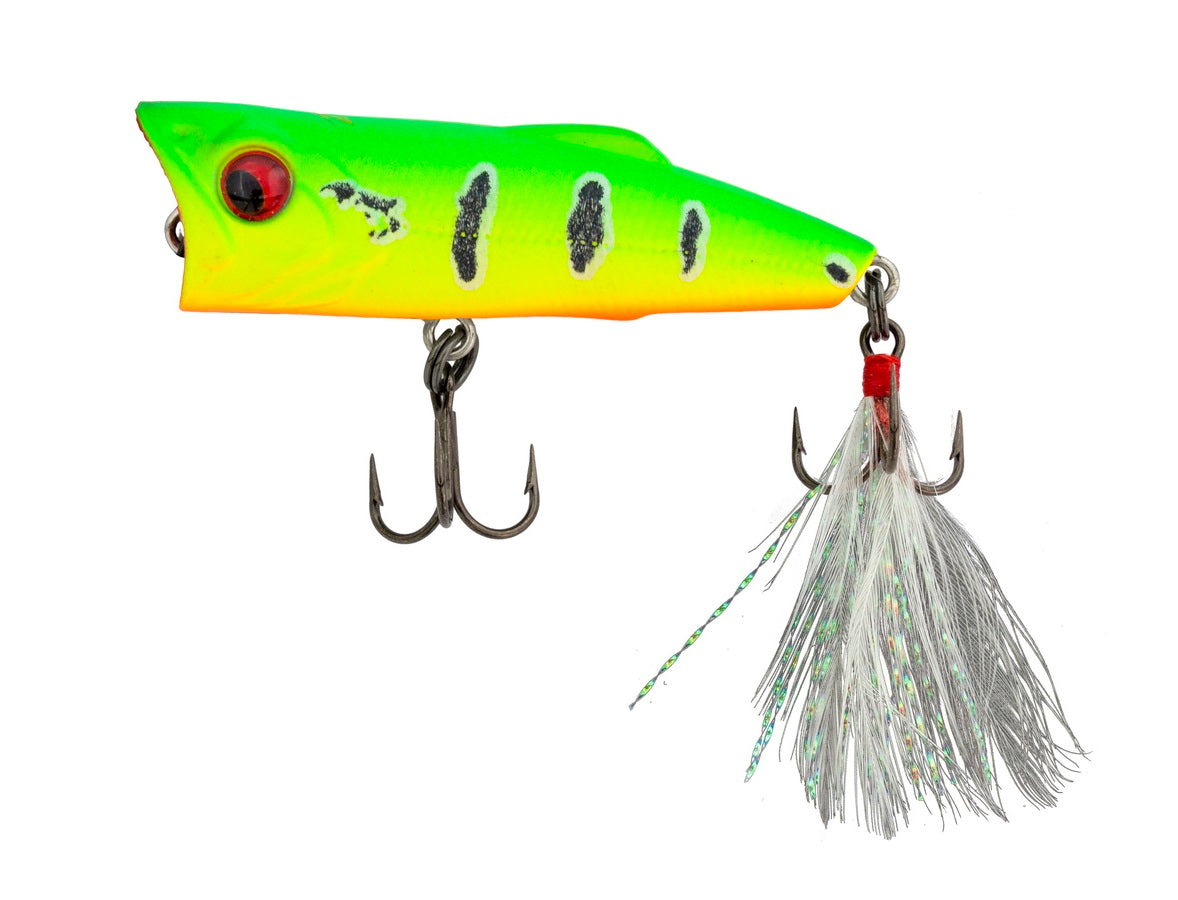
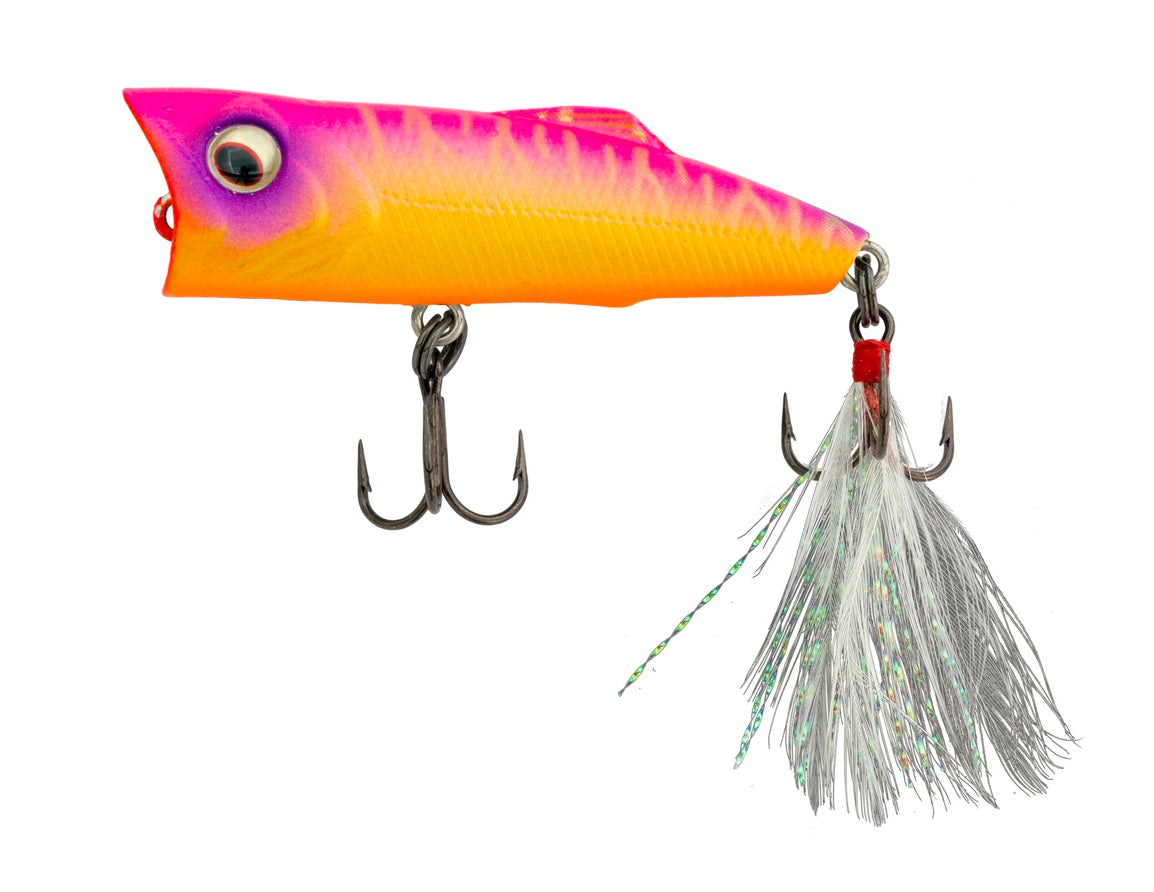

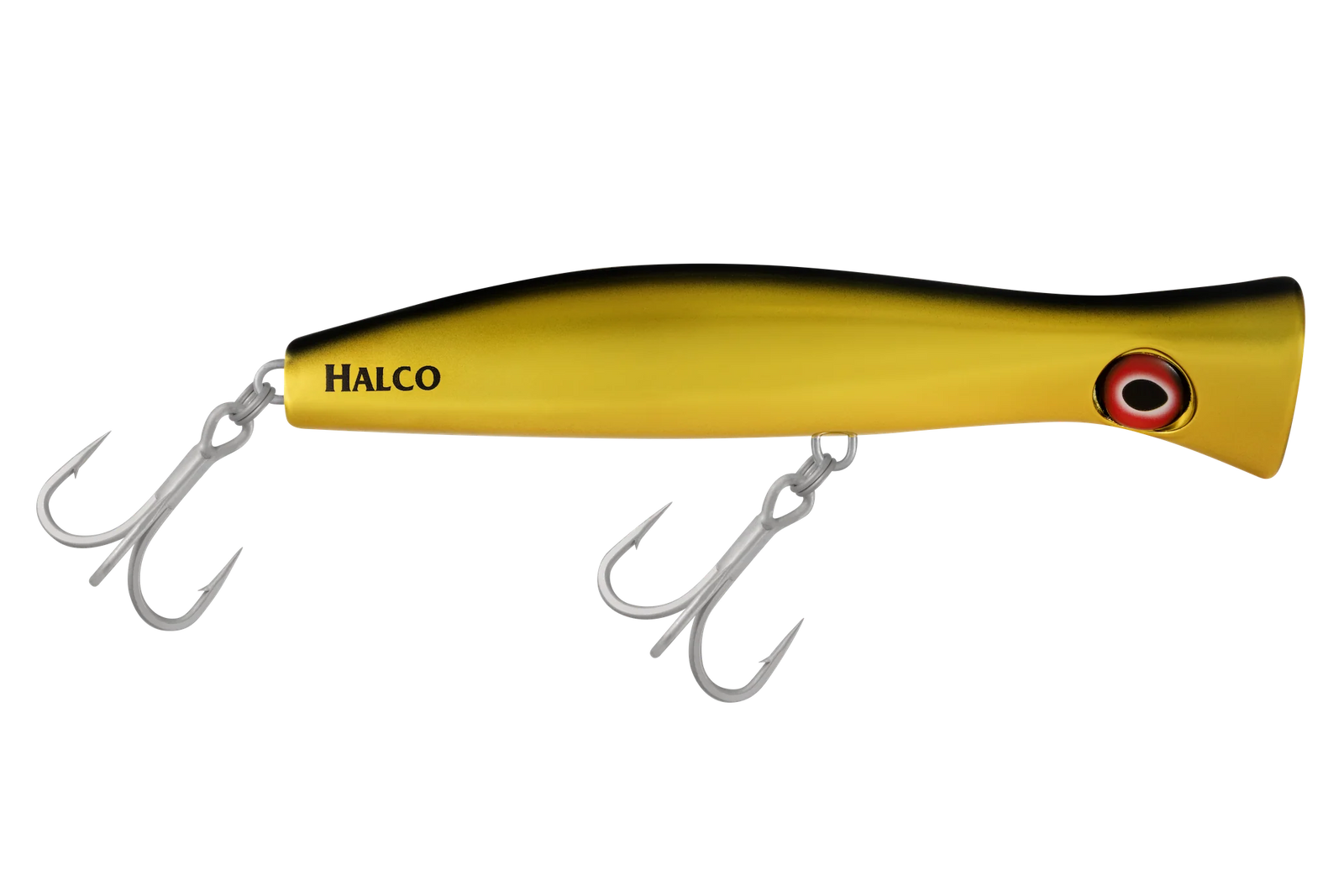

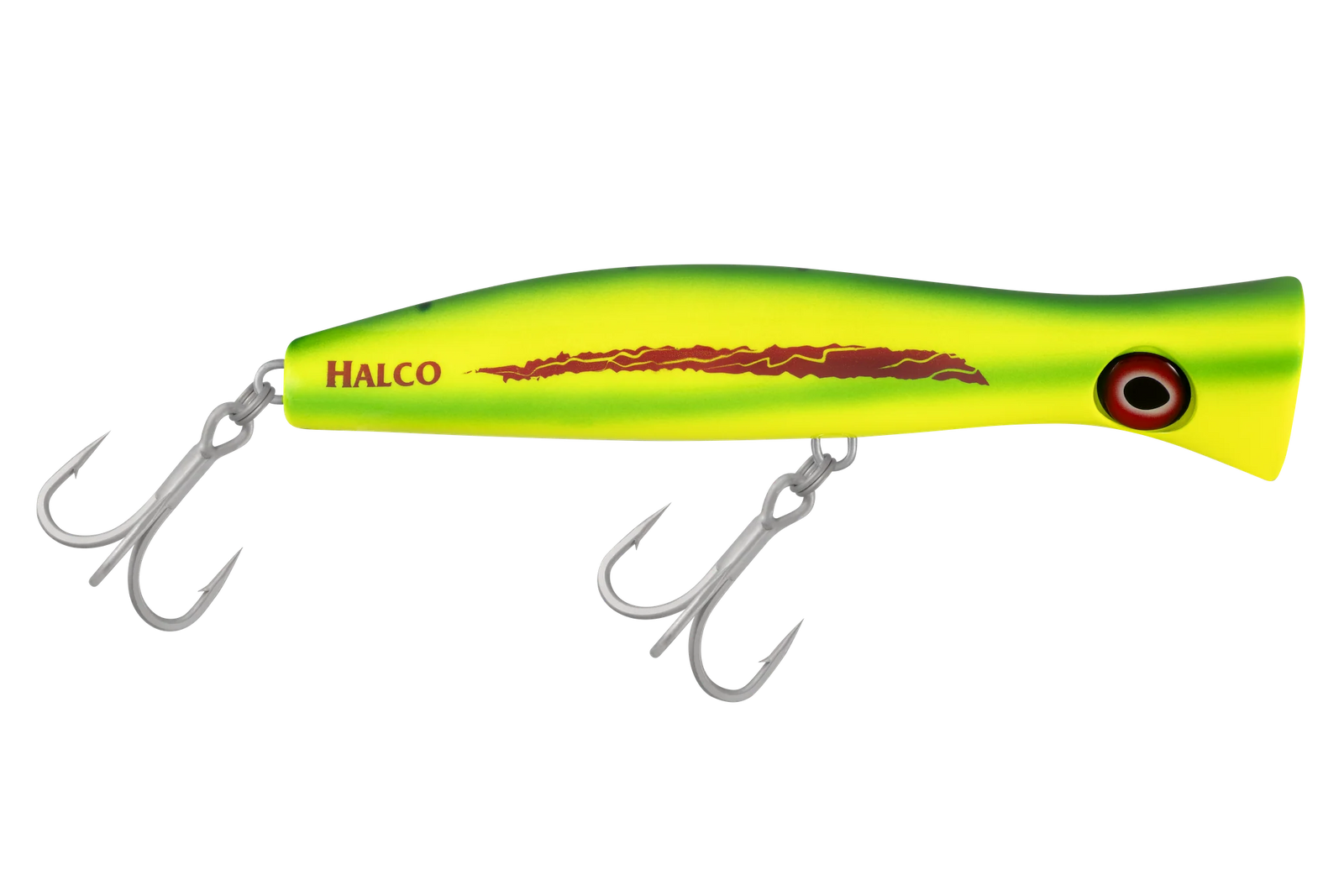

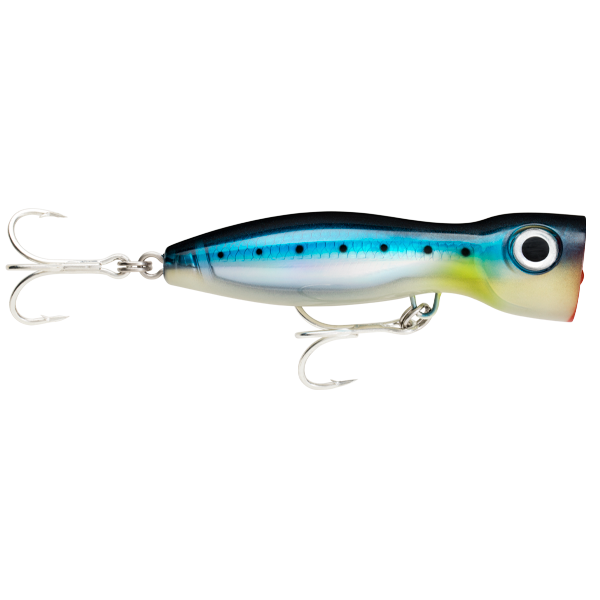

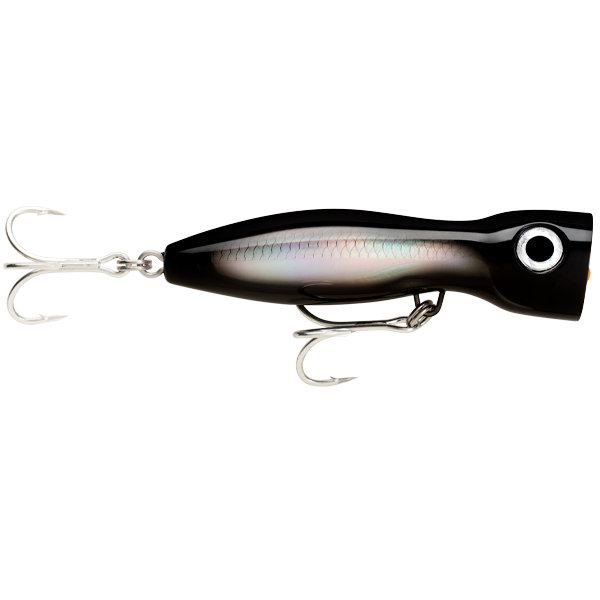

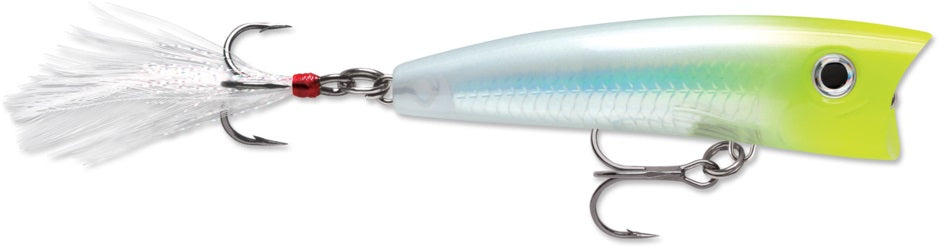

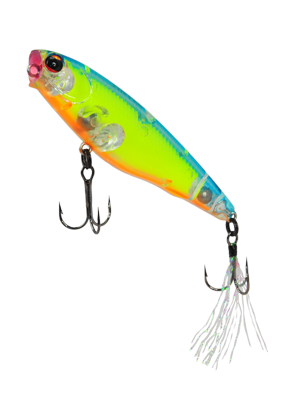
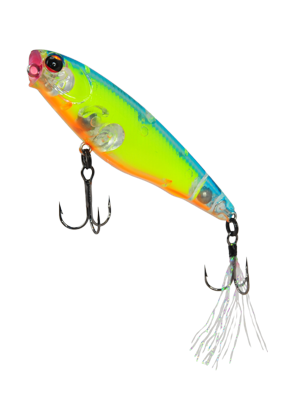

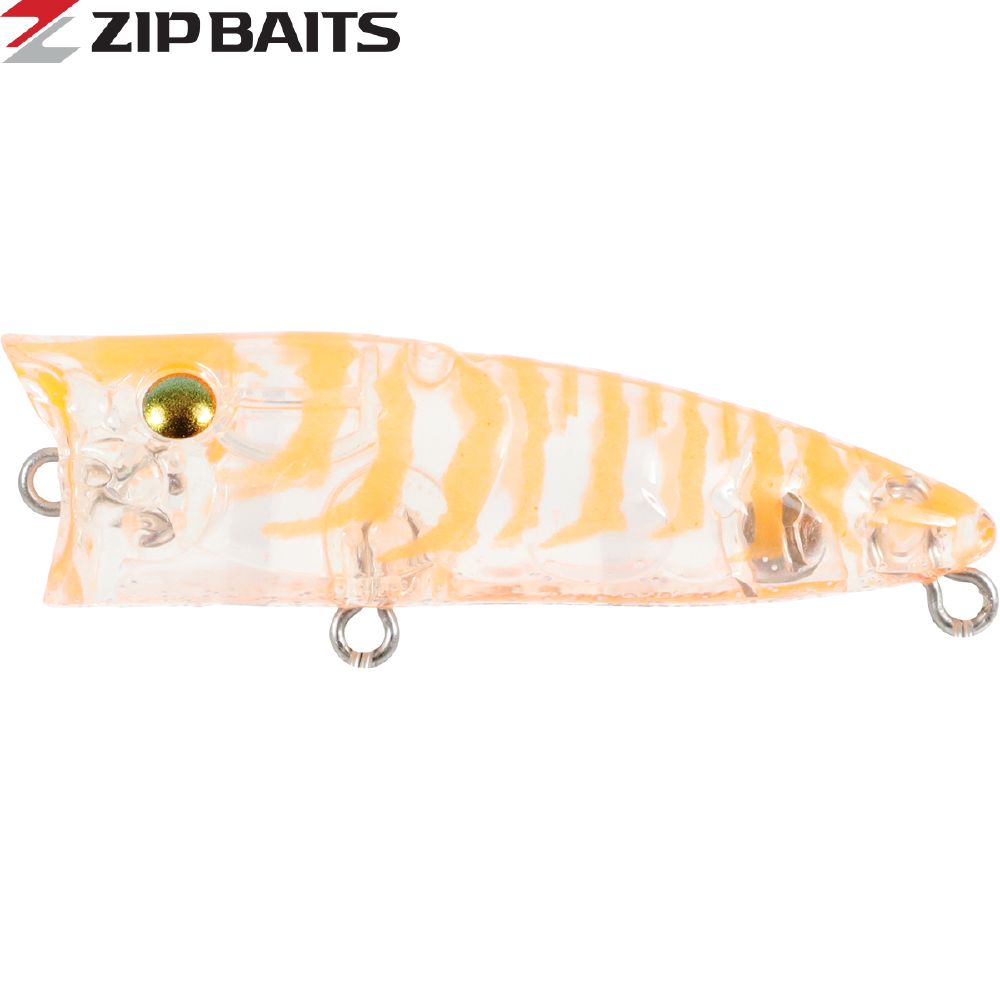

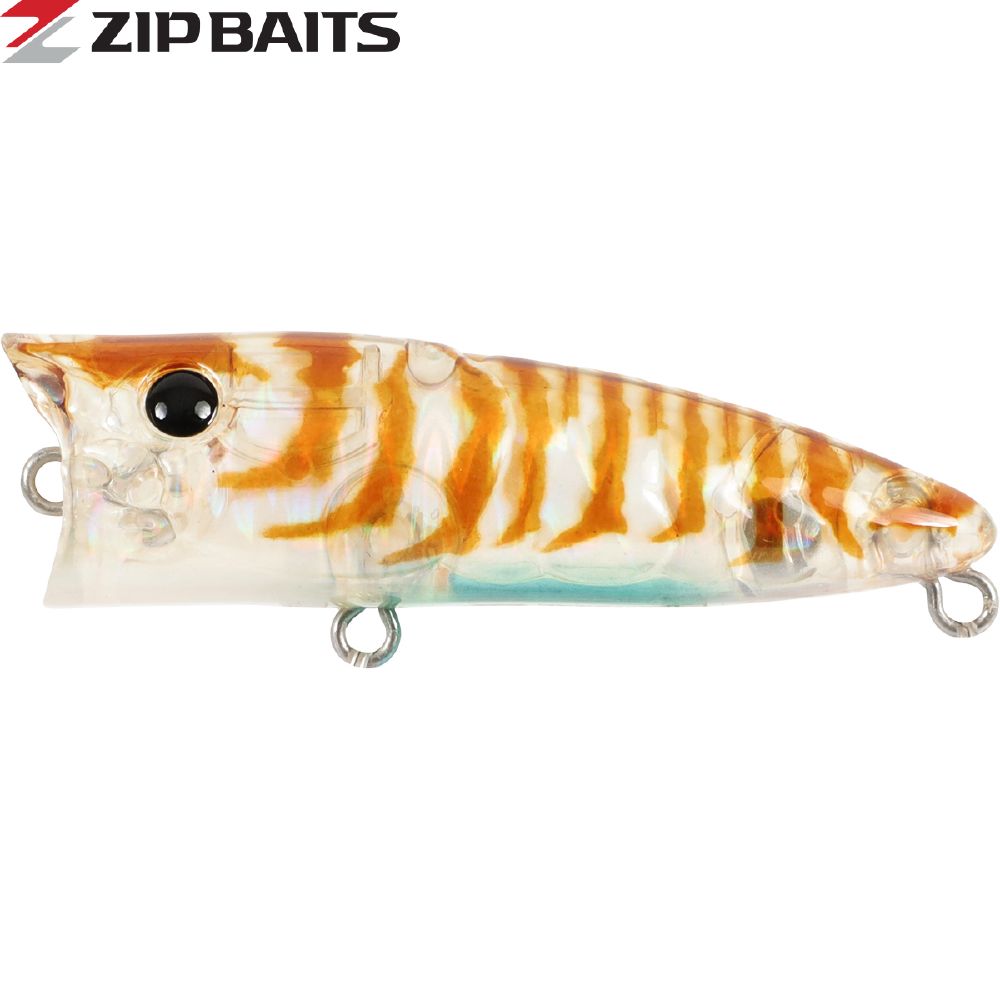

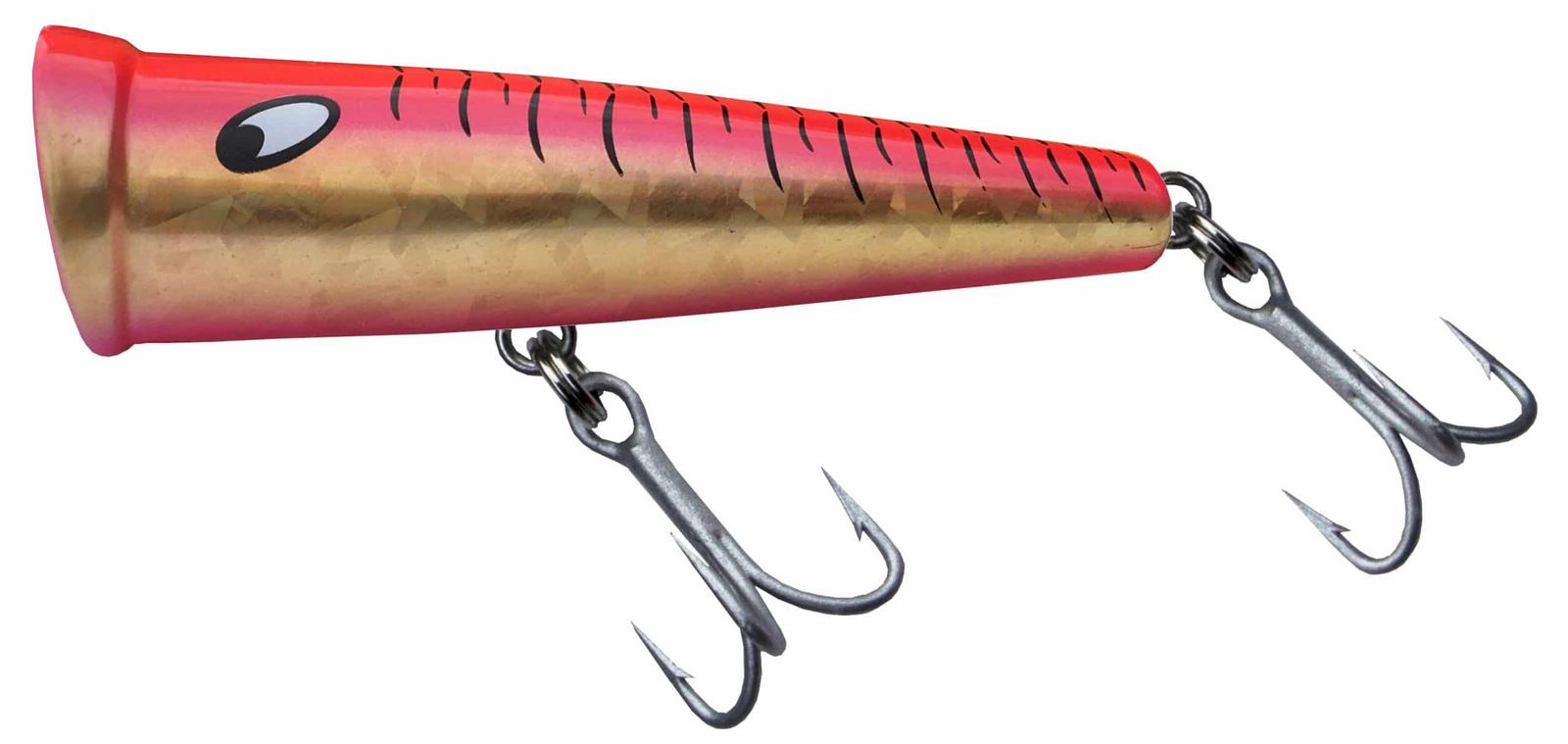

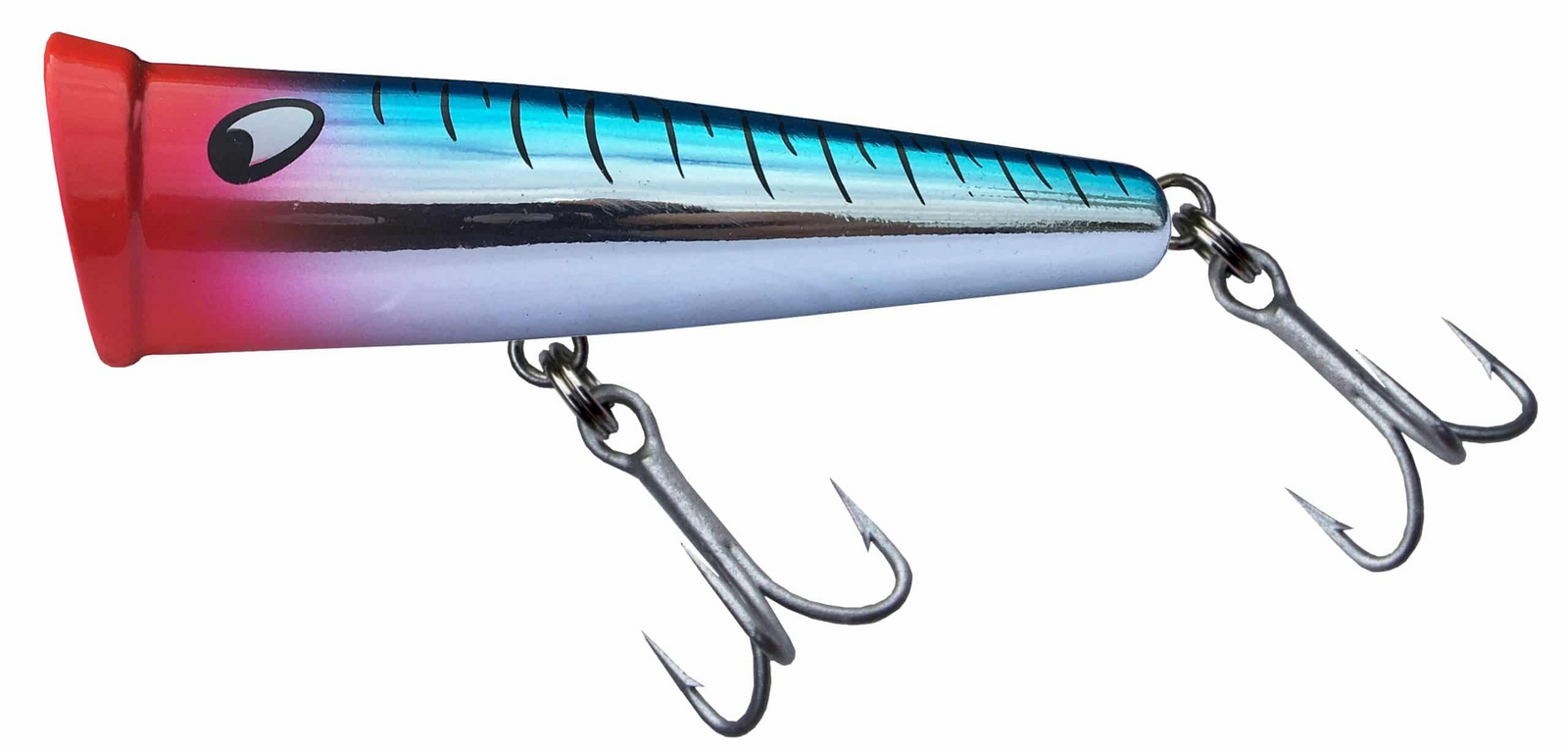


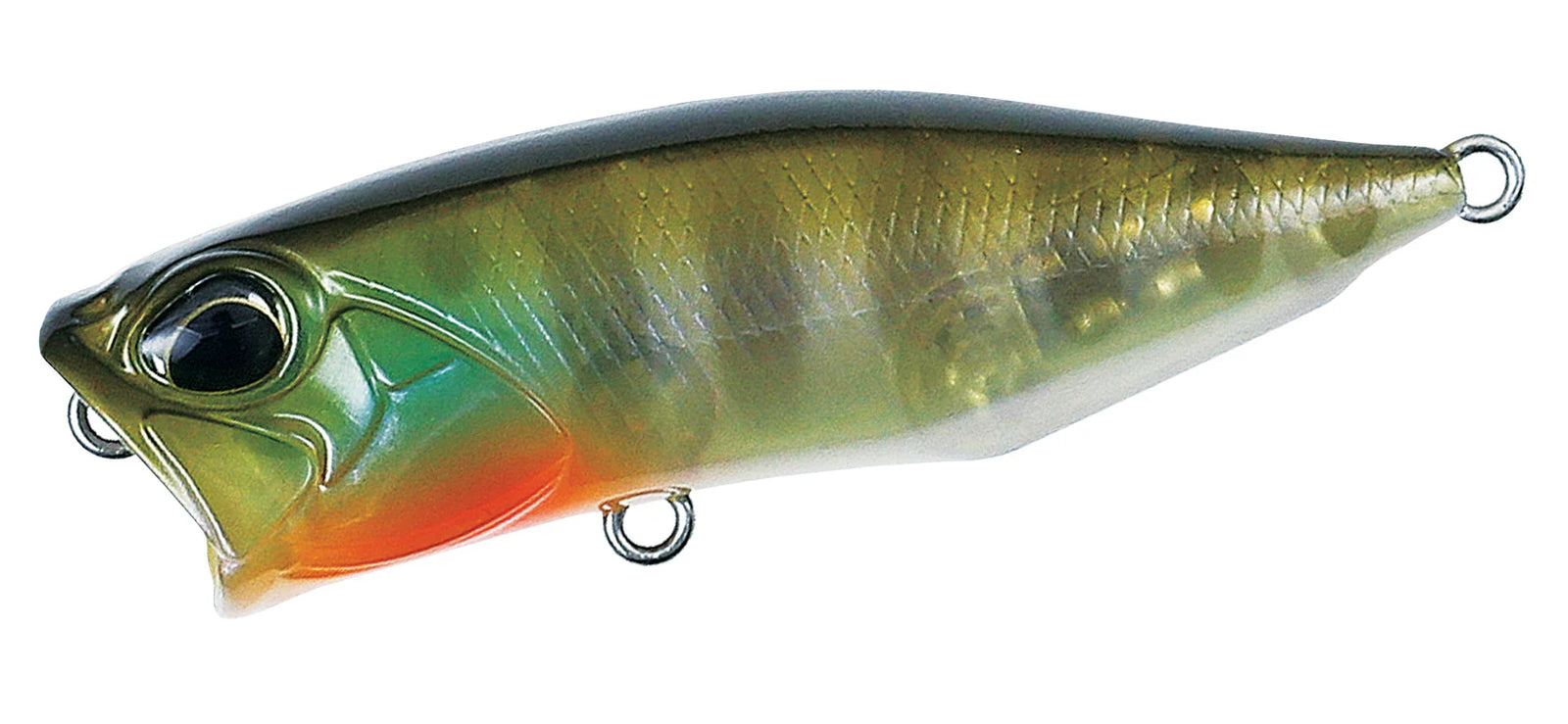

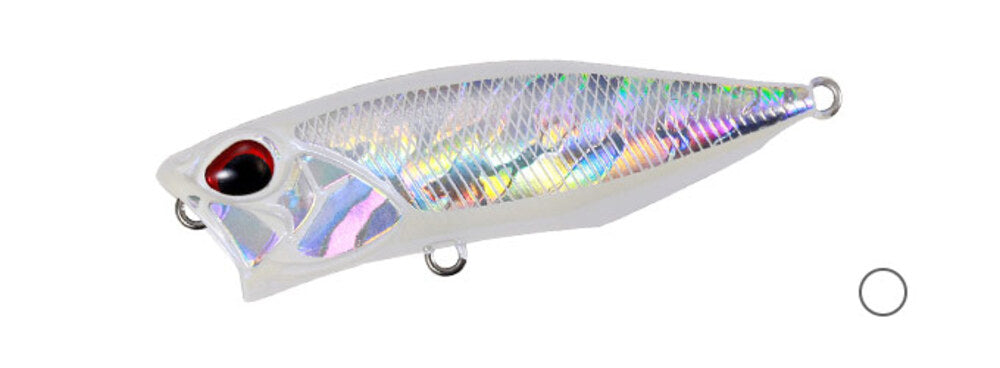

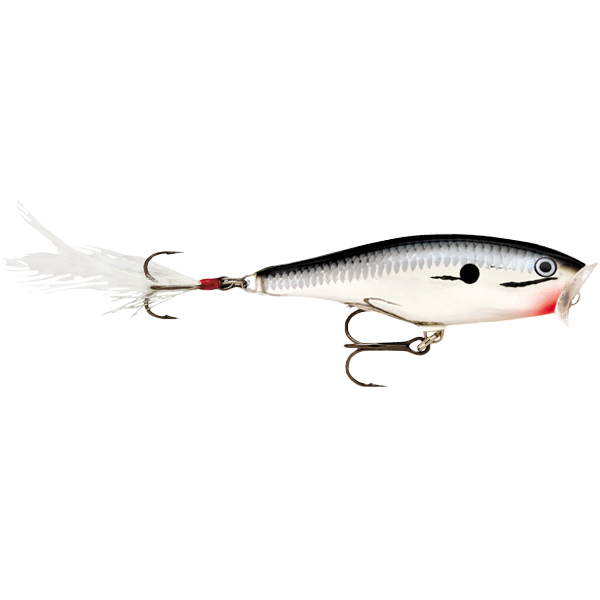

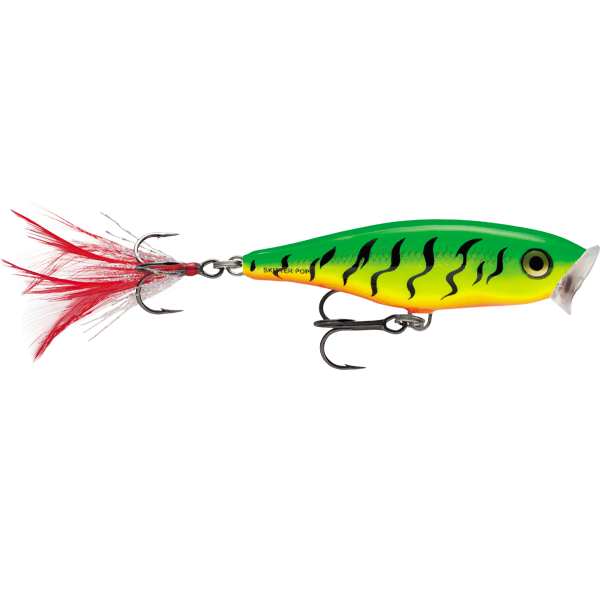

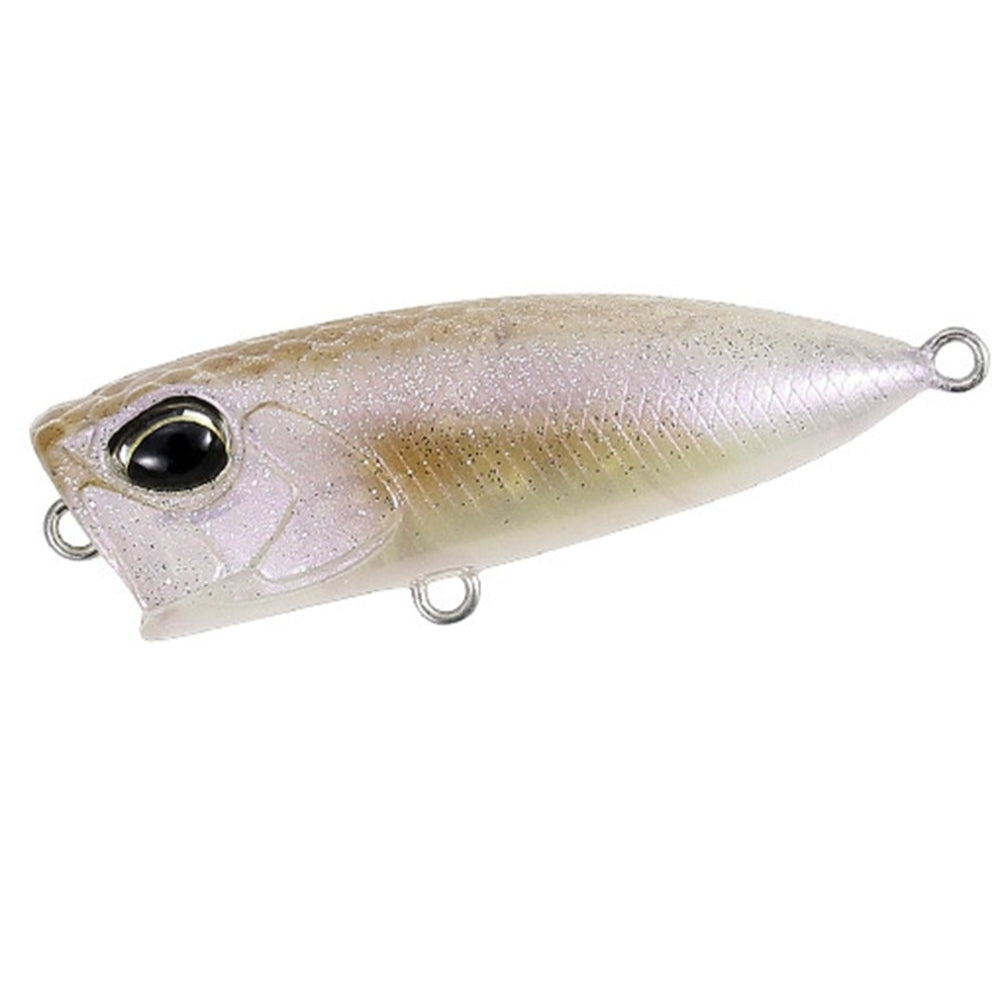

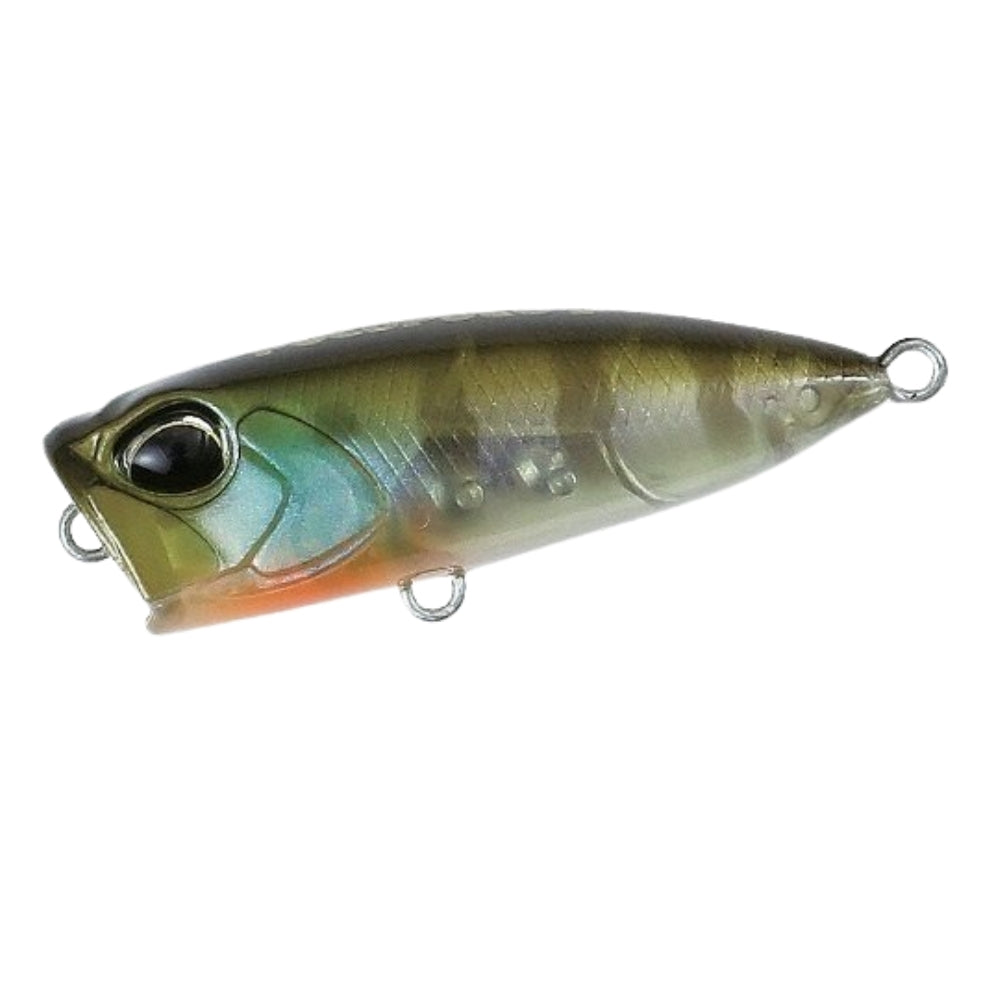

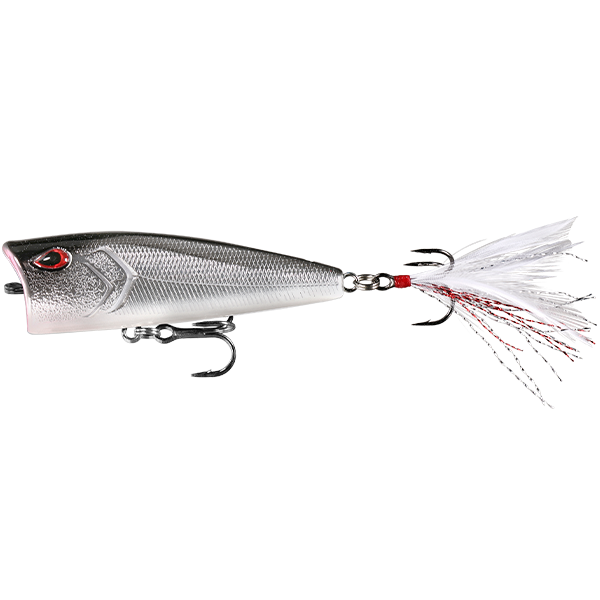

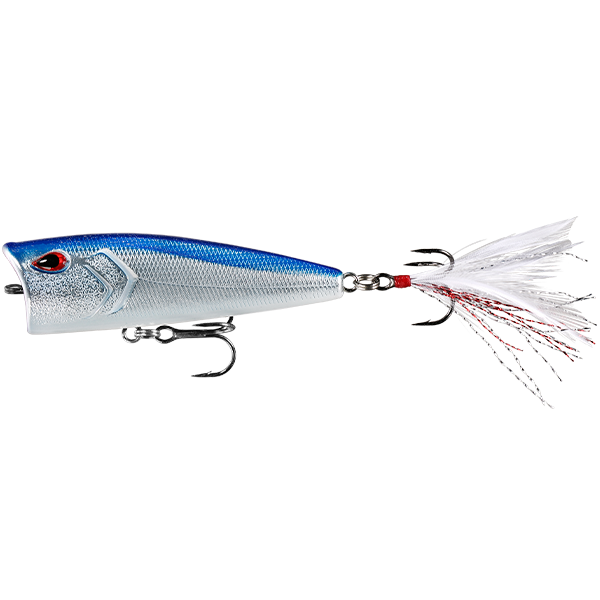

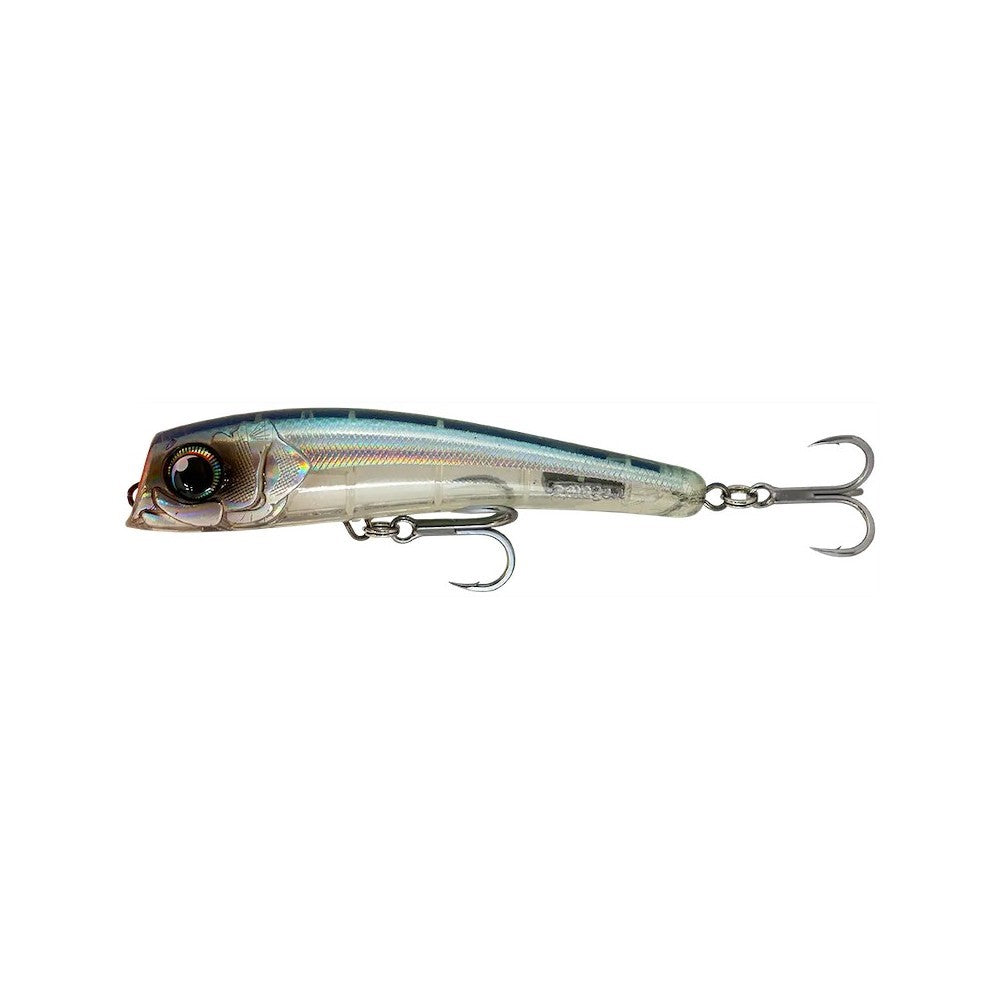
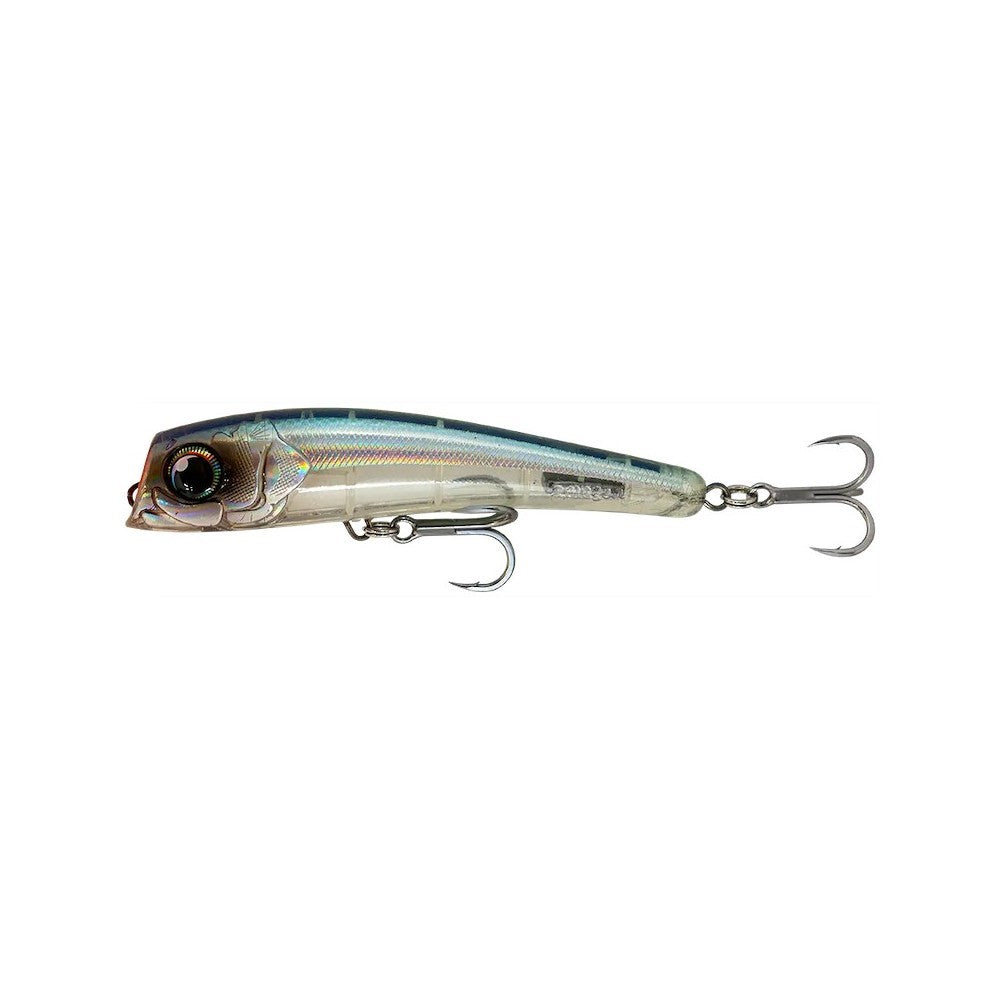


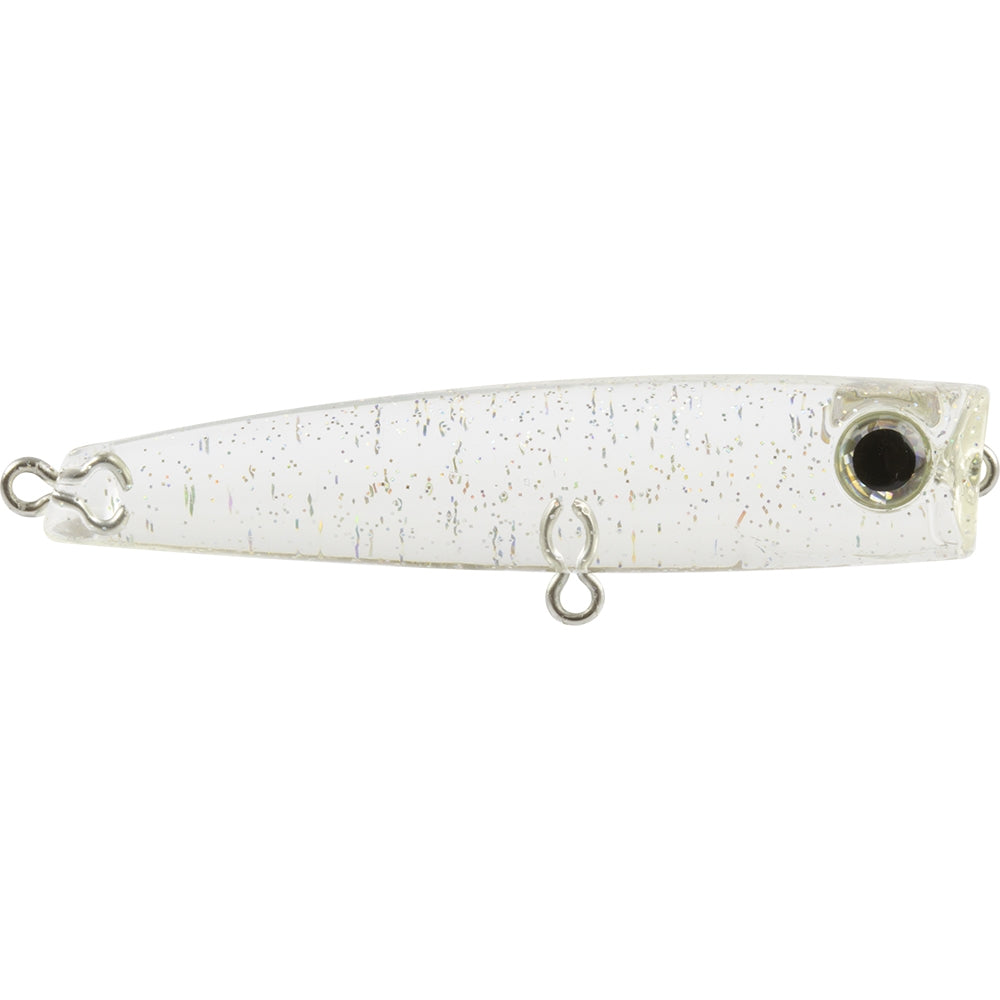
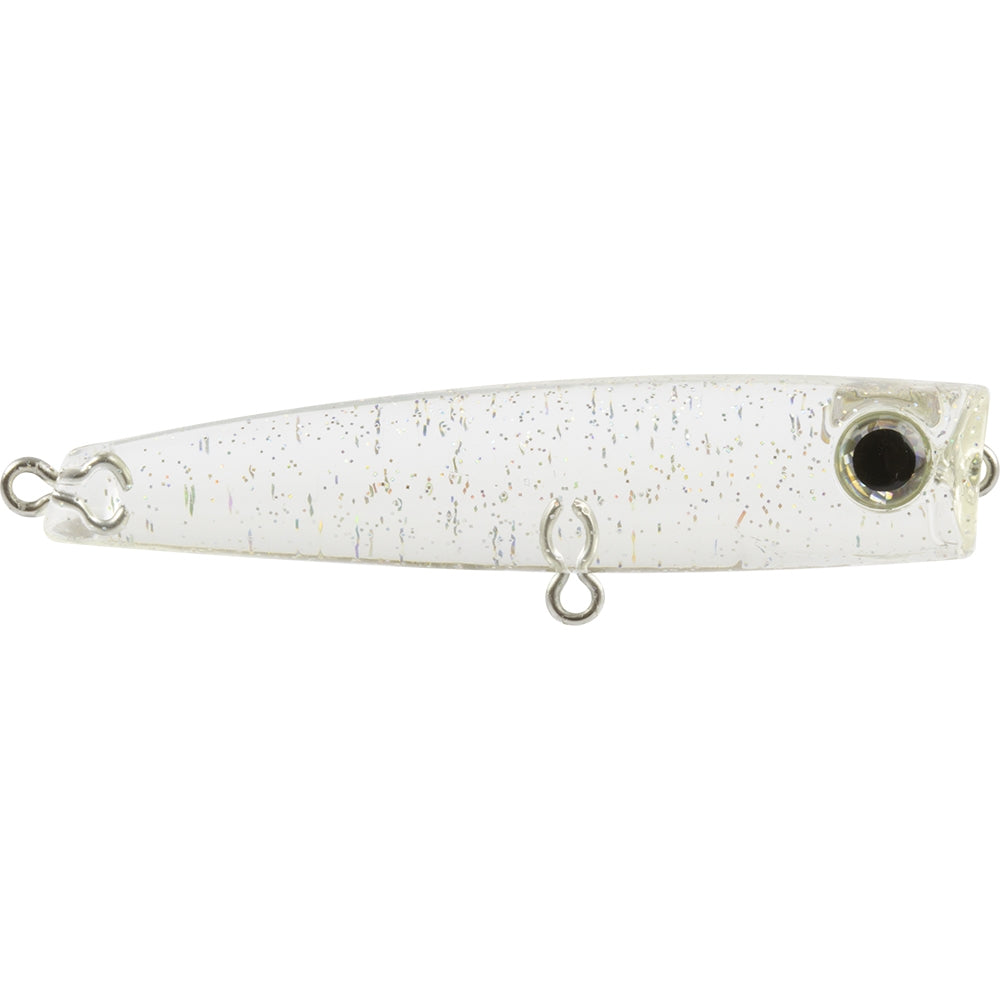
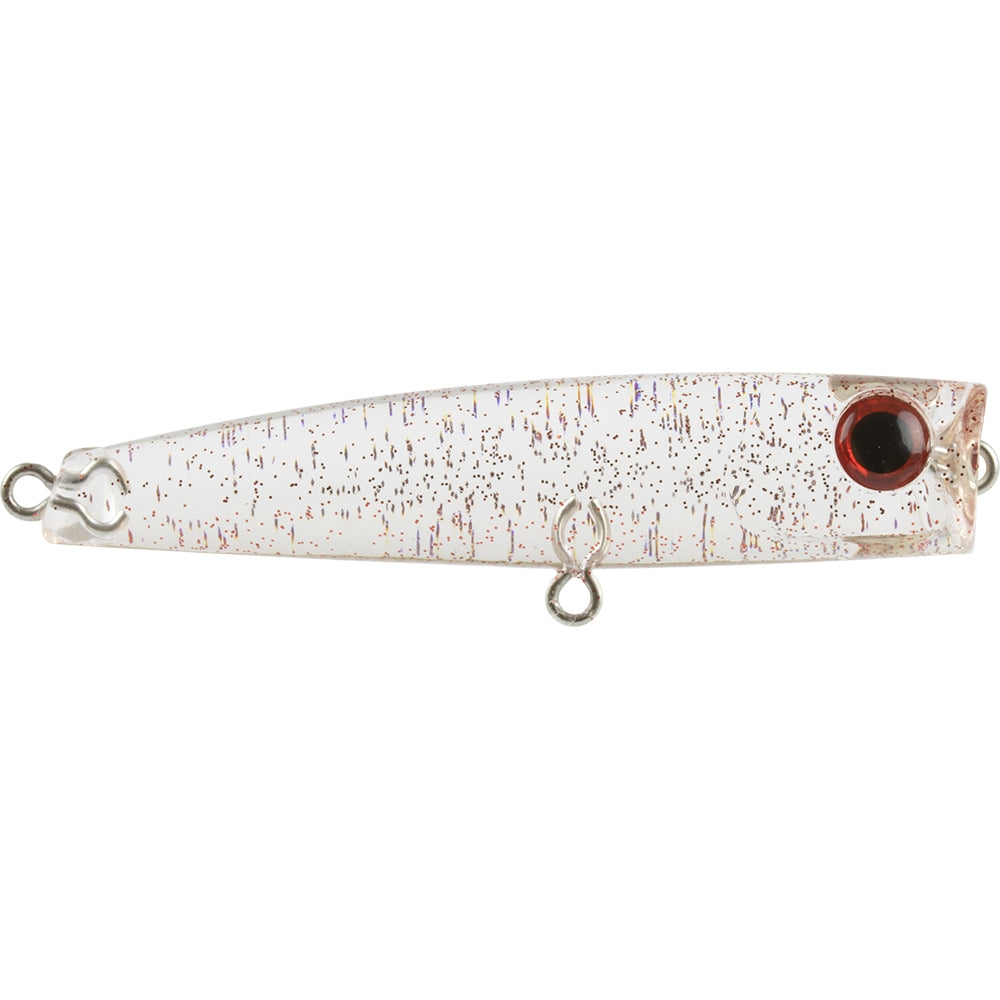

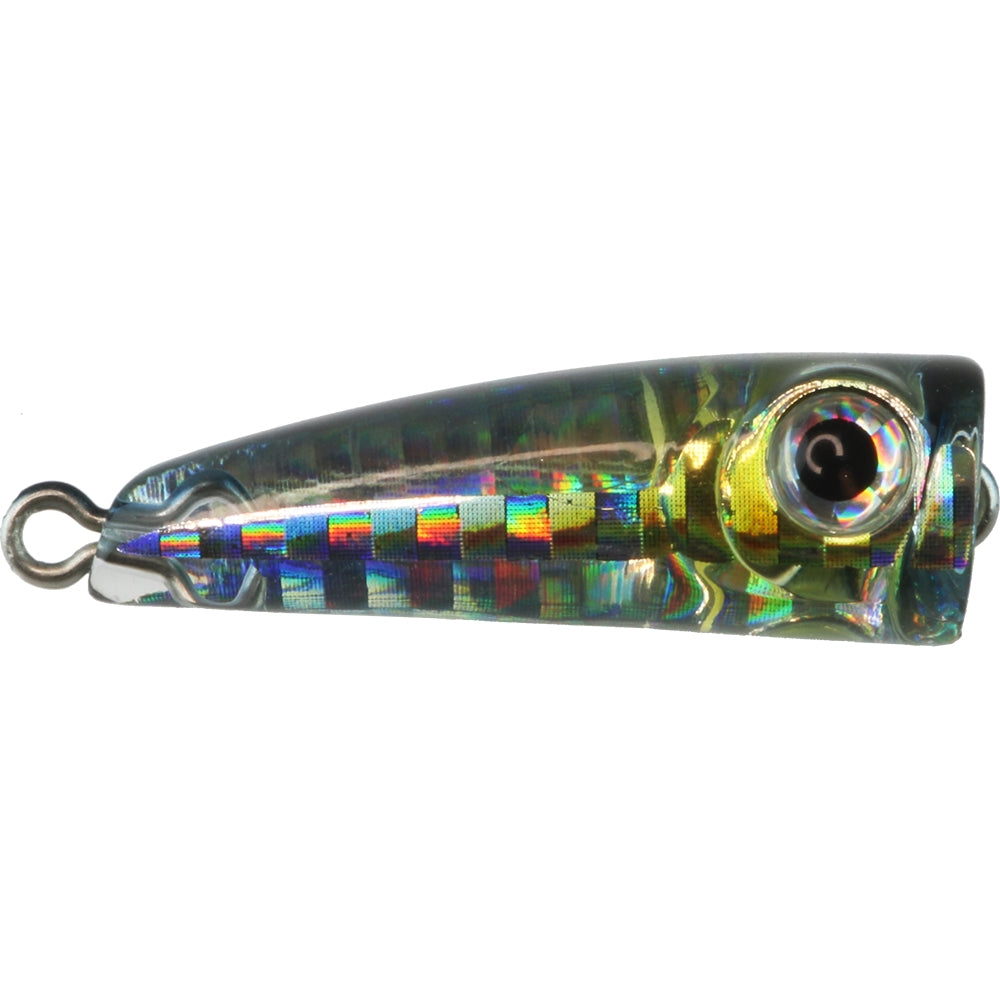
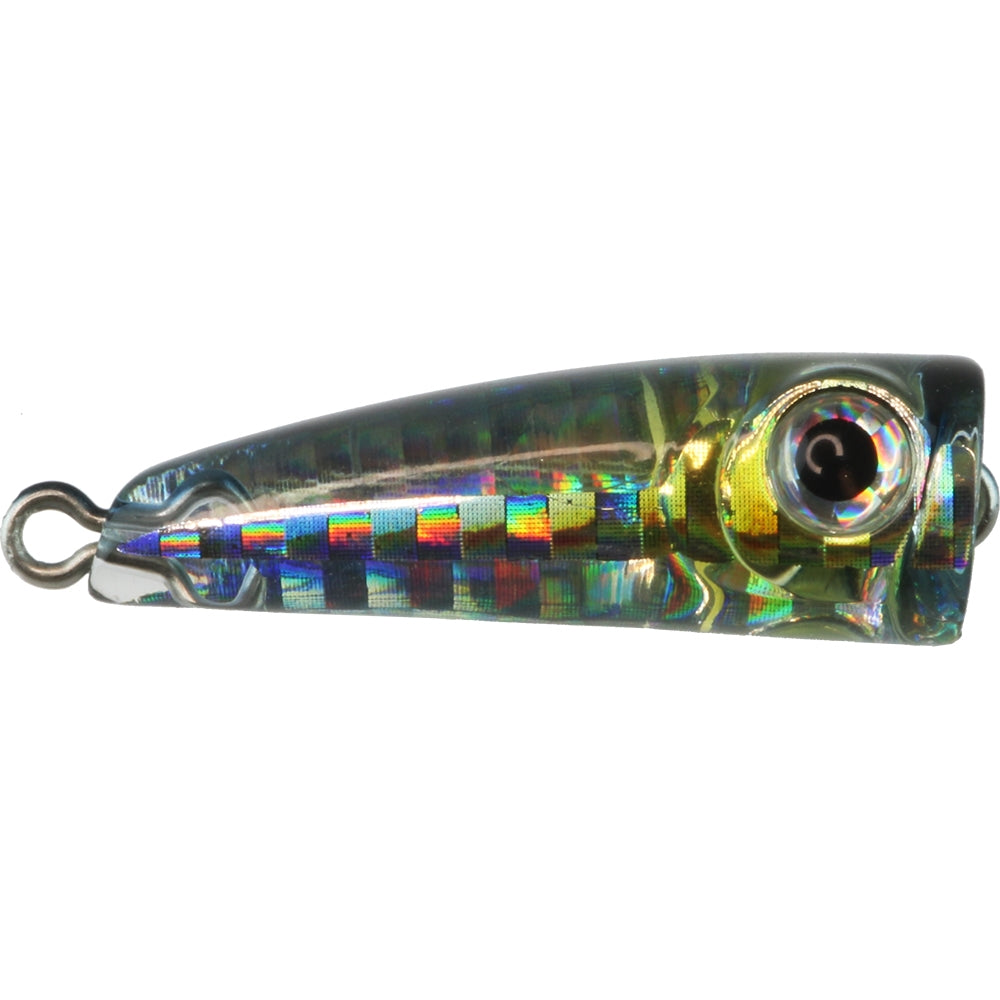
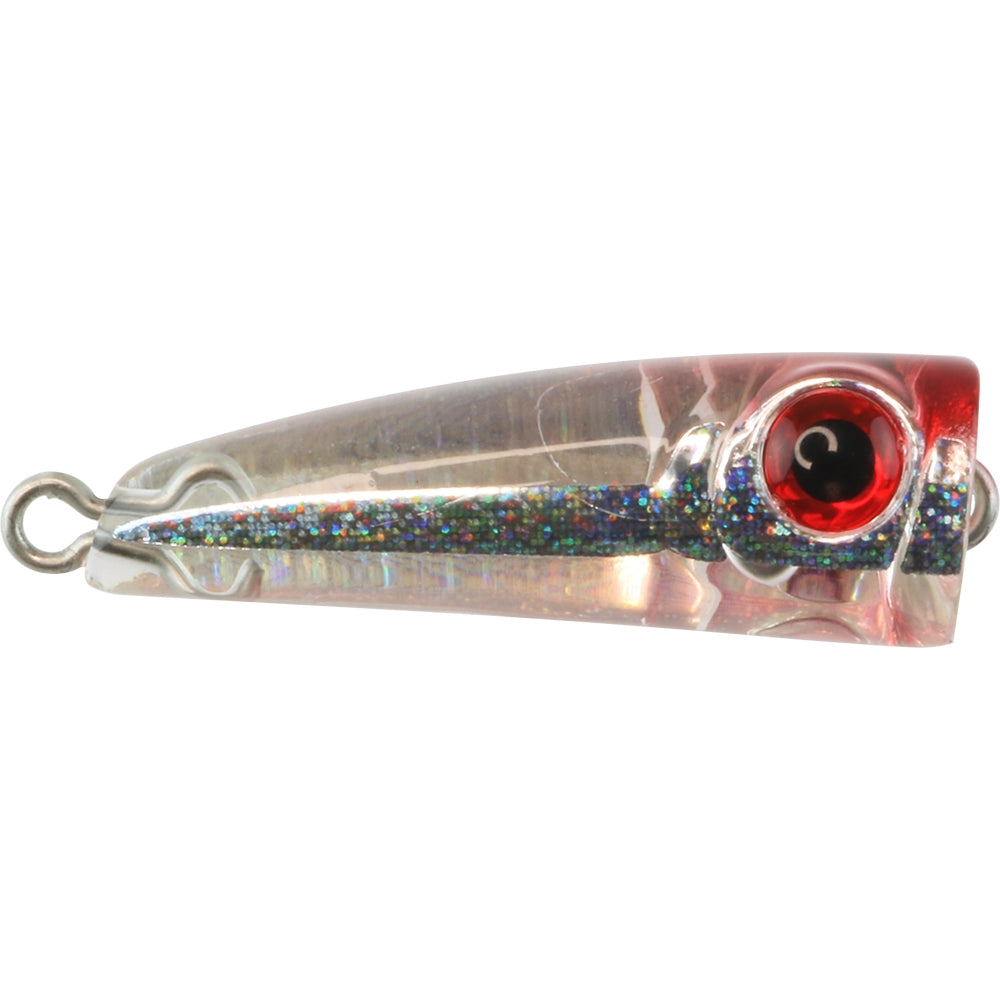


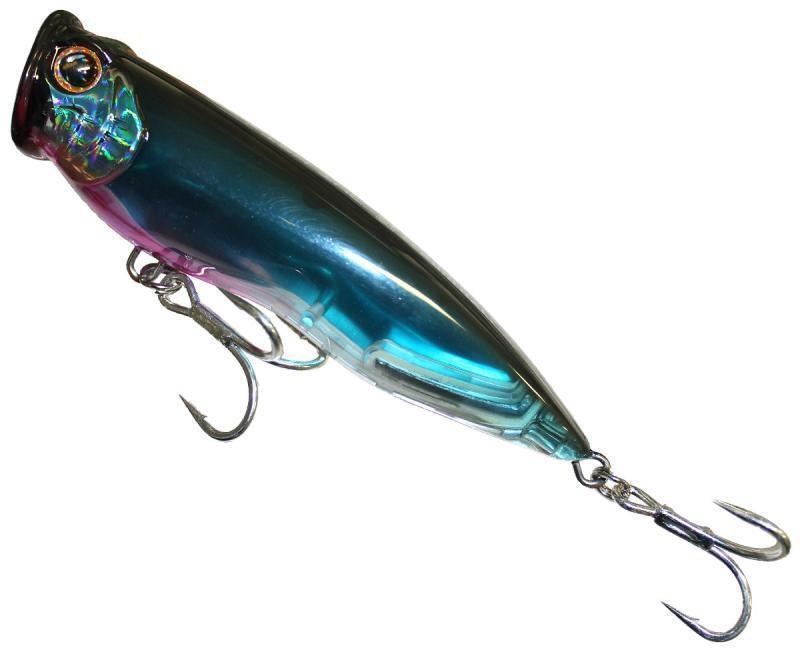

Poppers are surface lures with a cupped or scooped face that pushes water and throws spray when you work the rod. The noise and the bubble trail are the point — a popper calls fish up from below rather than waiting to be noticed.
Choosing a popper
Face shape sets the sound. A deep, sharply cut cup makes a loud pop and a big splash, which carries in chop and wind. A shallower, chugger style face makes a softer bloop and suits calm water and wary fish. Both have their day, and it is worth carrying one of each.
Size follows the fish. Small poppers work on bream, whiting and bass in skinny water. Larger poppers are built for barra, mangrove jack and offshore pelagics, where a big disturbance is what gets attention.
Work a popper in bursts. Two or three sharp pulls, then a long pause — most strikes come on the pause, when the lure is sitting still in its own bubble trail. If the fish are following without committing, a quieter surface walker or a subtler stickbait will often convert them.
Frequently asked questions
How do you work a popper?
Point the rod tip down and pull it in short, sharp strokes so the face bites the water, winding up the slack between pulls. Pause after every few pops and be ready — that is when fish usually eat it.
When should I use a popper instead of a walker?
When you need noise. Choppy water, dirty water, wind, or fish holding deeper all favour a popper, because the sound reaches further than a quiet lure's profile.
Why do fish miss poppers?
Because the lure is moving fast and the fish is striking at splash. Slowing down, pausing longer and waiting to feel weight before you lift will convert far more of them.
Do poppers work in the estuary?
Yes. Small poppers are very effective on bream and whiting over shallow flats, and on bass in freshwater, particularly early and late in the day.