

FREE SHIPPING ON ORDERS OVER $150*

AUSSIE FAMILY OWNED BUSINESS FOR OVER 40 YEARS

100% SATISFACTION GUARANTEED
Spinnerbaits
Spinnerbaits
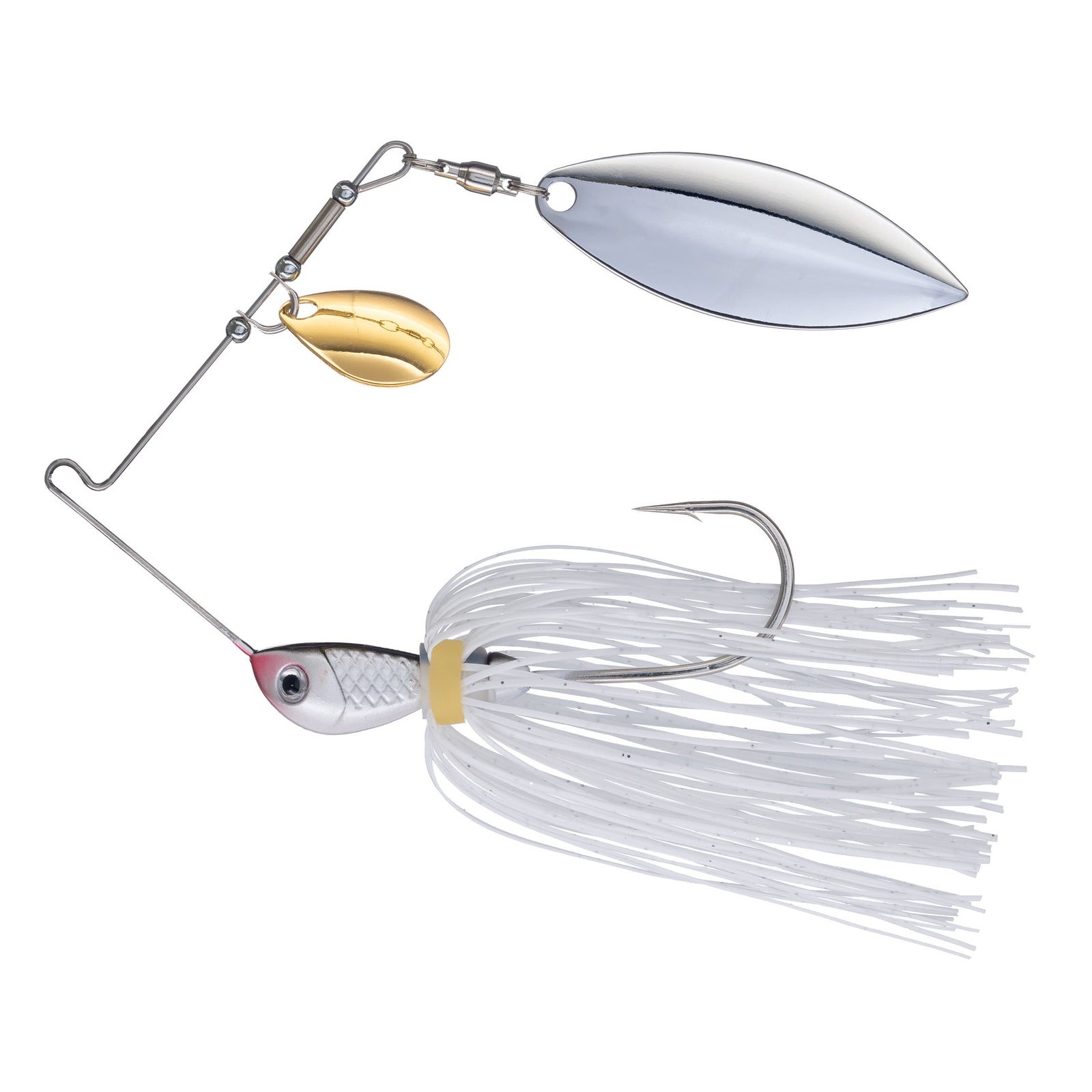
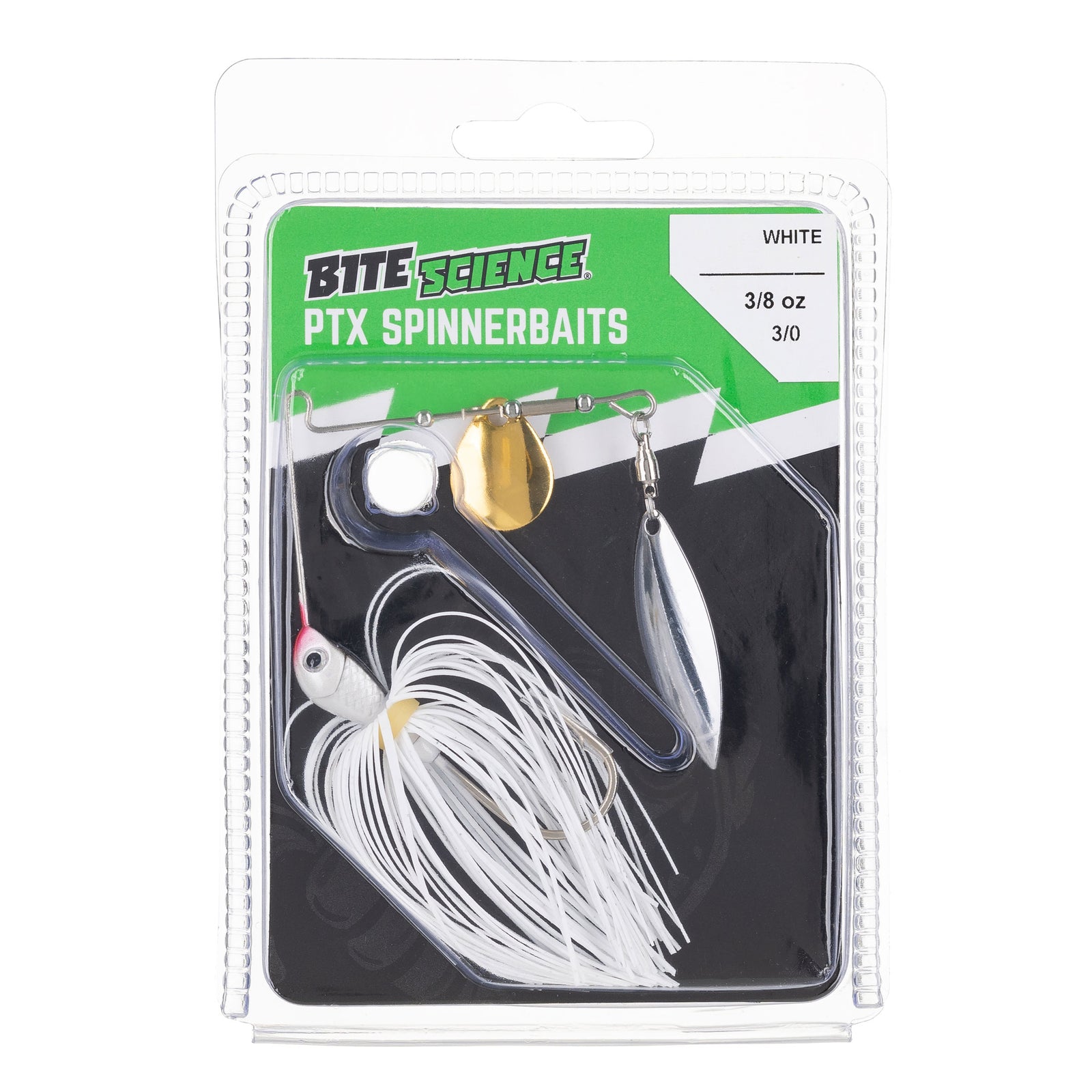
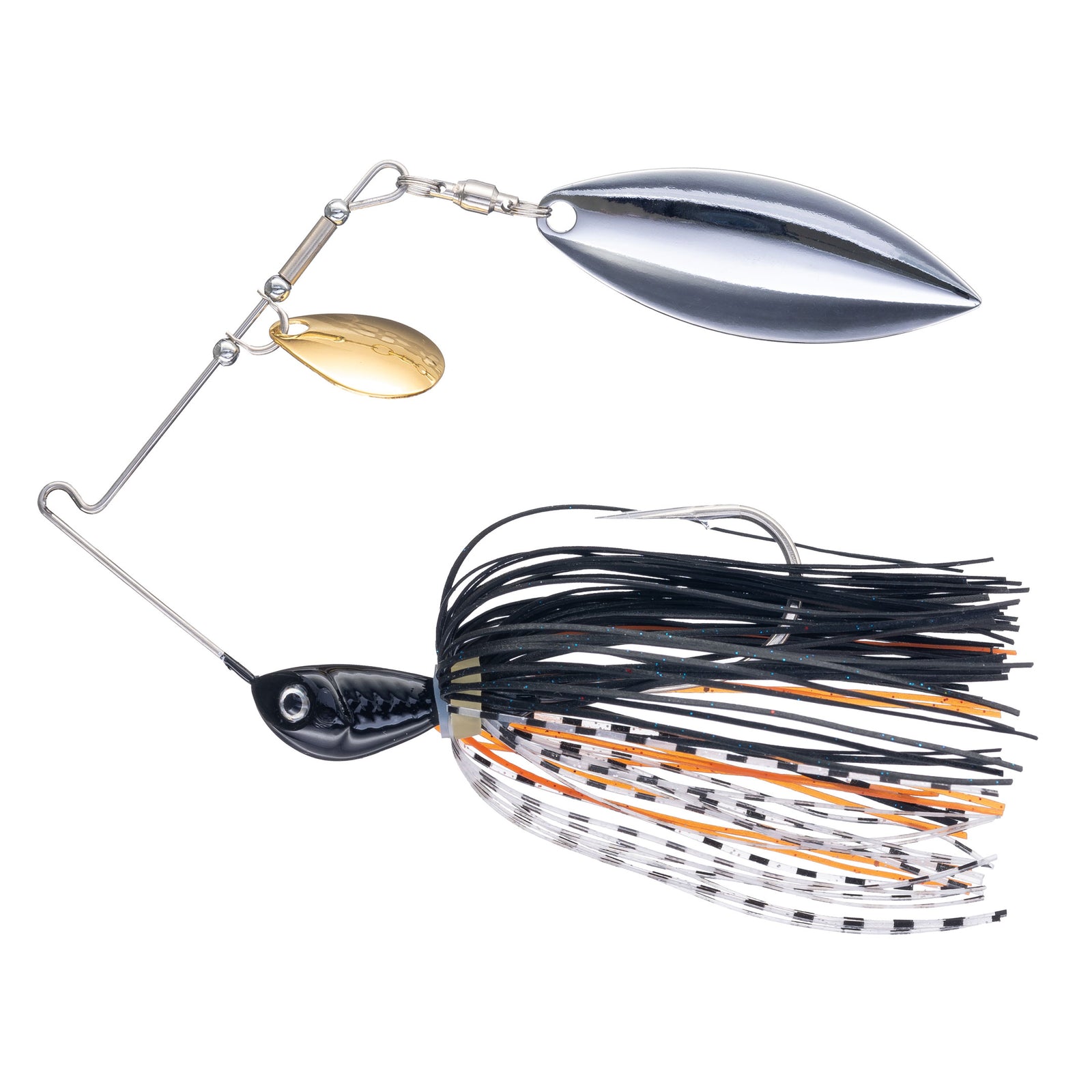
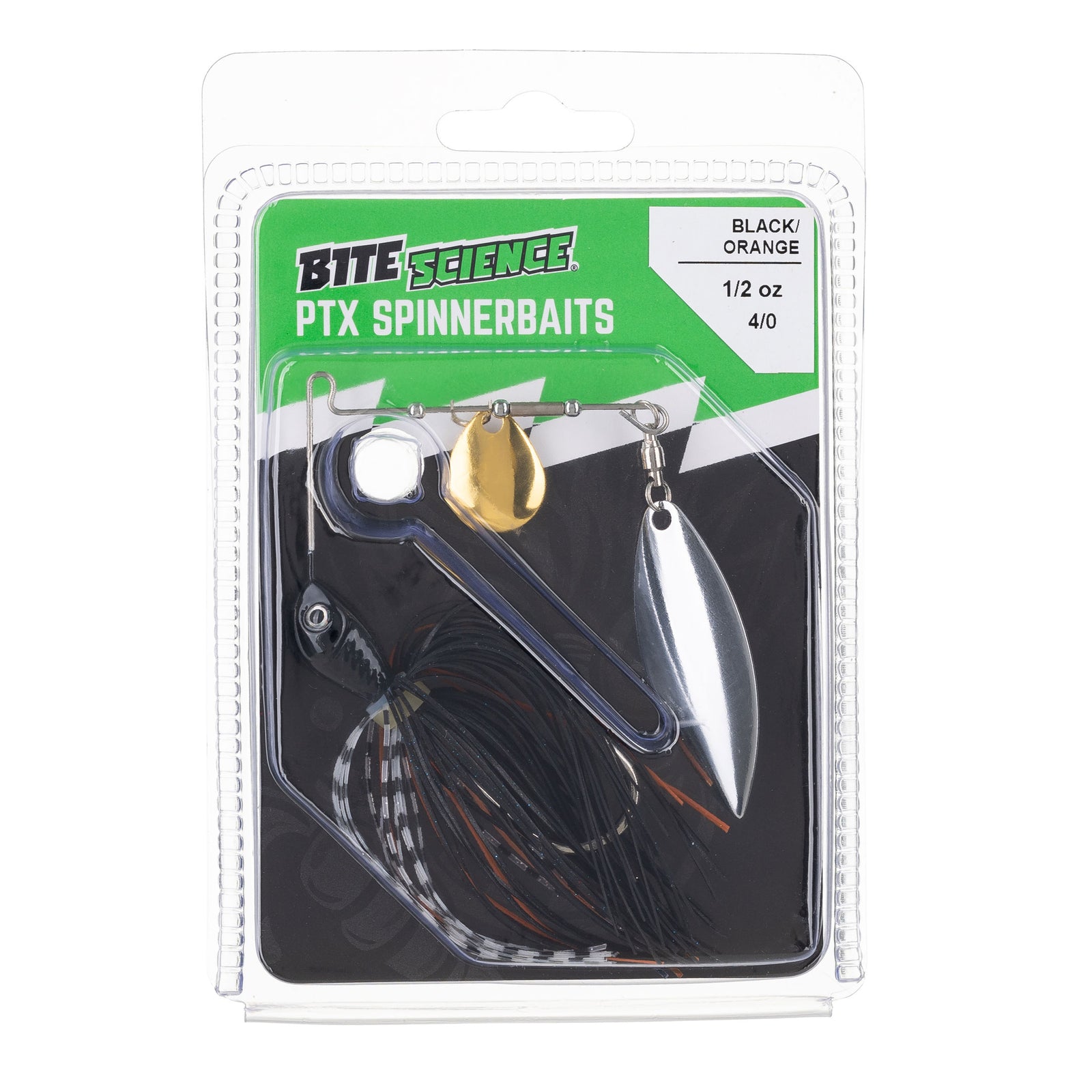
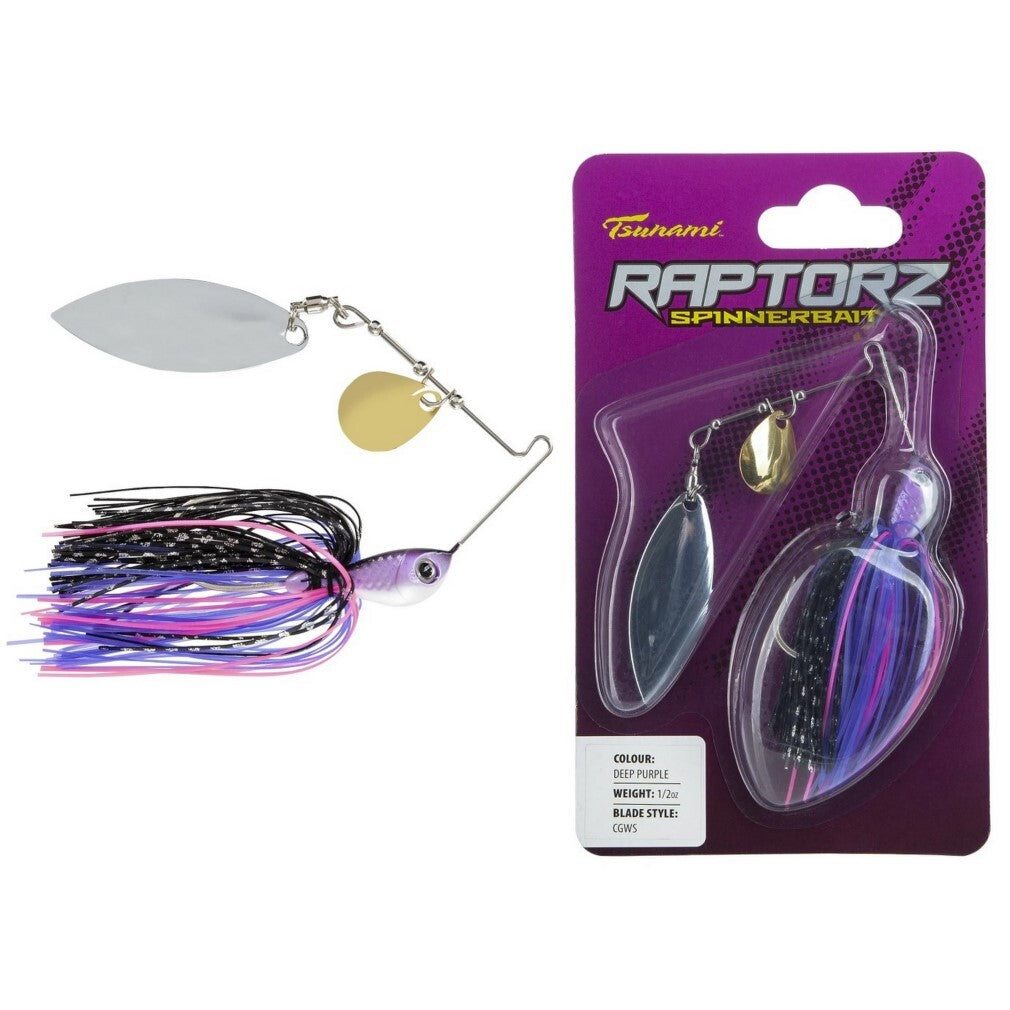
Spinnerbaits are a safety-pin wire frame with a weighted head and skirt on one arm and spinning blades on the other. The frame is what makes them so useful — the upturned hook and the wire arm let them come through timber and weed that would collect almost any other lure.
Blades and weight
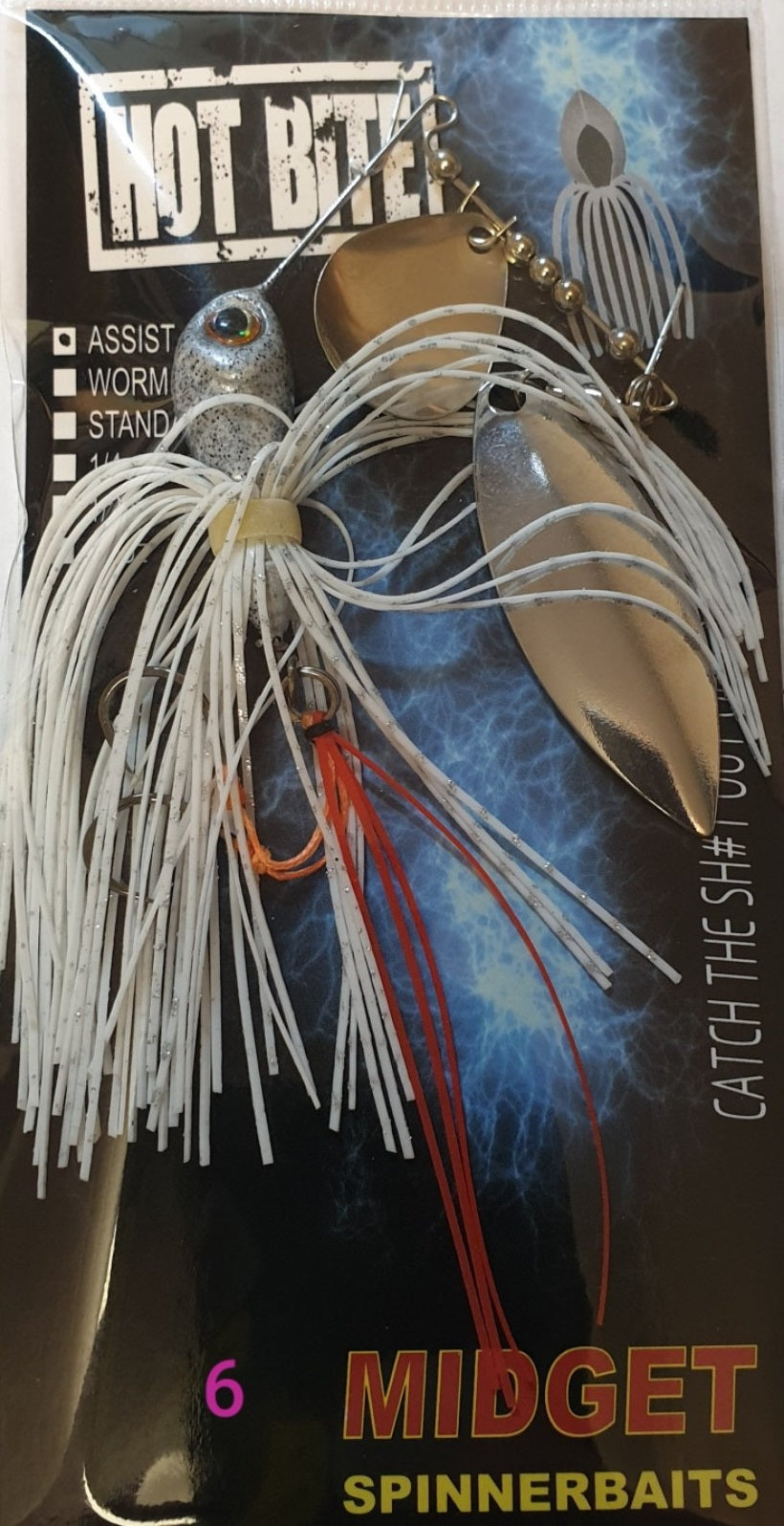
Colorado blades are round and wide, so they turn slowly, throw a lot of vibration and let you fish slowly without the lure sinking. They are the choice for dirty water and cold fish. Willow blades are long and narrow, cutting through the water with more flash and less thump, which suits clearer water and faster retrieves.
Weight sets the depth. Lighter spinnerbaits can be slow rolled just under the surface, while heavier ones get down against timber and along drop-offs. Tandem blade arrangements split the difference between lift and flash.
Fish them right into the structure. A spinnerbait bounced off a log and allowed to flutter is how most cod and barra eat them. For the same water with a different profile, swimbaits and soft plastics cover it.
Frequently asked questions
What is the difference between Colorado and willow blades?
Colorado blades are round, turn slowly and thump hard, which suits dirty water and slow retrieves. Willow blades are slim, flash more and vibrate less, which suits clear water and faster fishing.
Why do spinnerbaits not snag?
The wire arm runs ahead of the upturned hook and deflects timber and weed away from it. They are not completely snag-proof, but they come through cover far better than a treble-hooked lure.
What fish do spinnerbaits catch in Australia?
Murray cod, barramundi, bass, yellowbelly and saratoga are the main targets. They also work on estuary species around structure.
Should I add a trailer hook?
It converts short strikes, which is useful when fish are nipping at the skirt. It also increases snagging, so it is a trade-off rather than an automatic improvement.
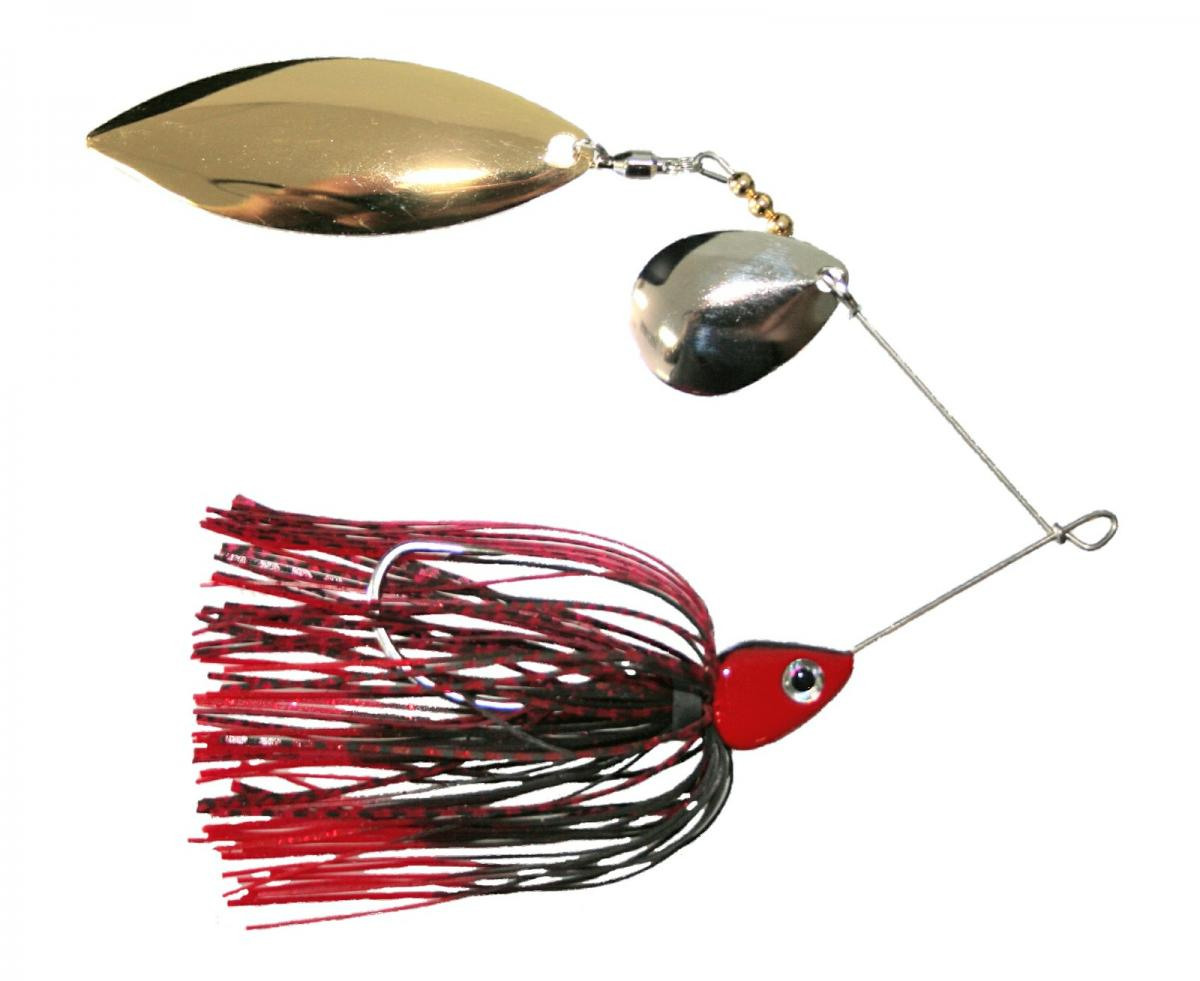

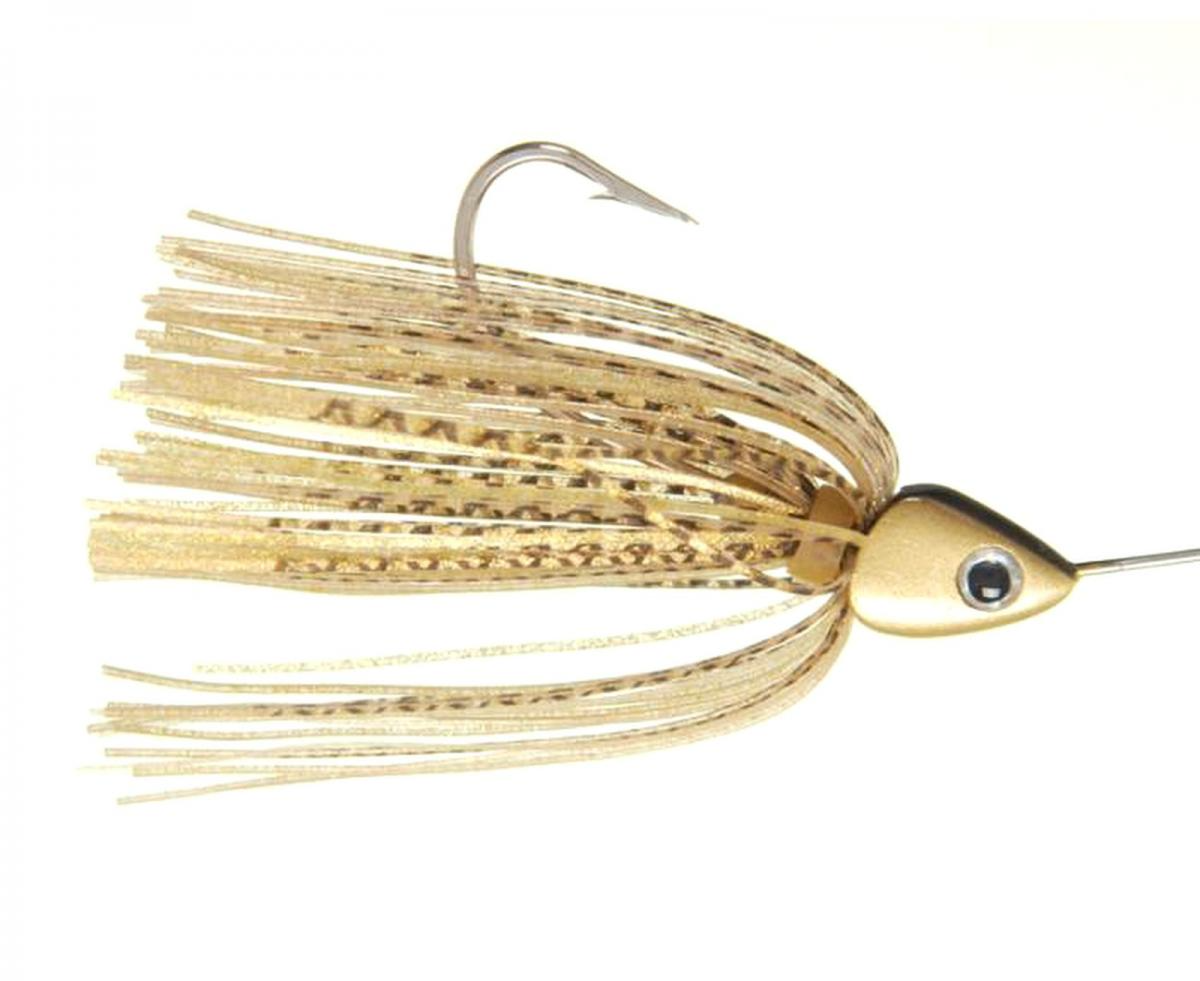

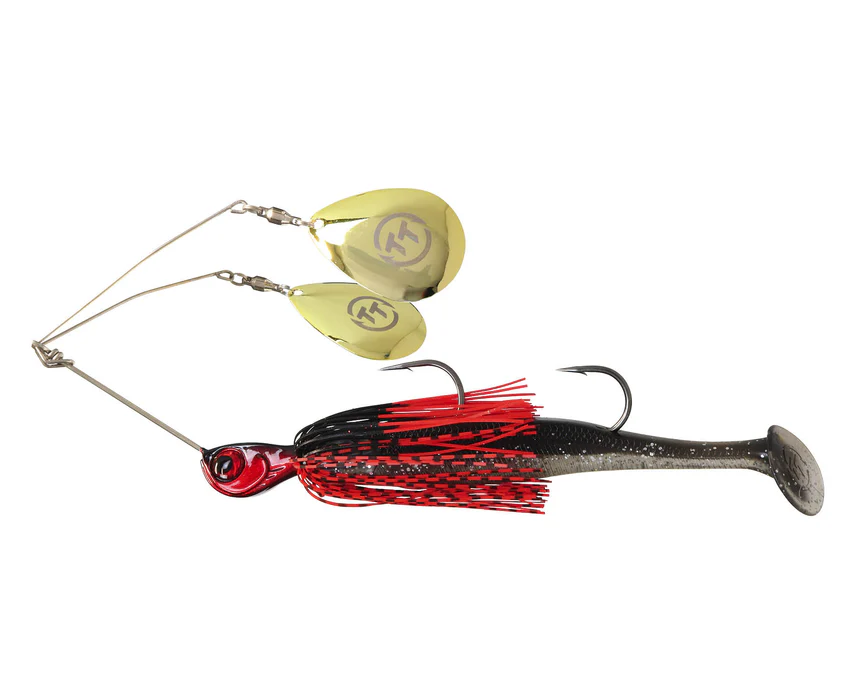

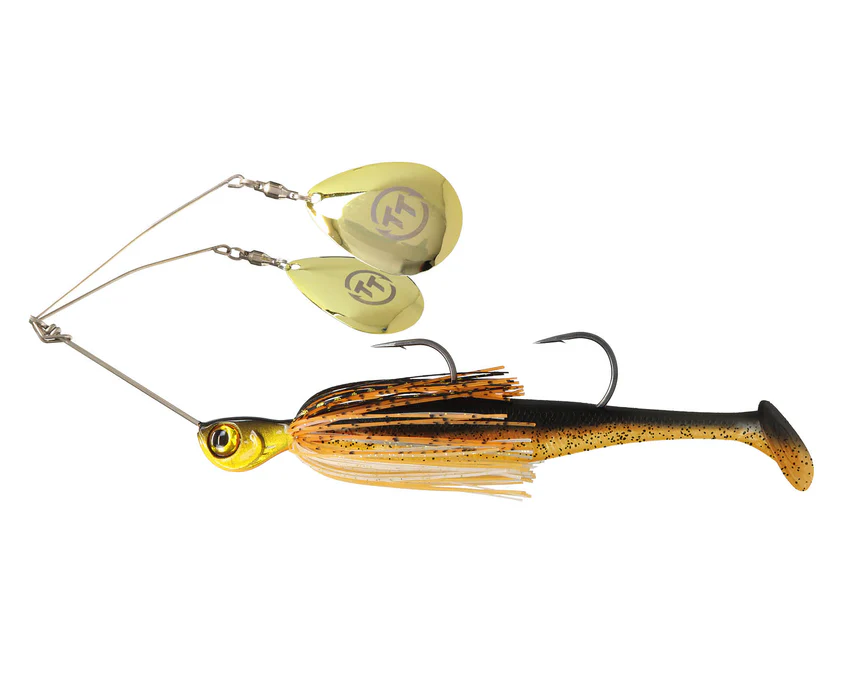





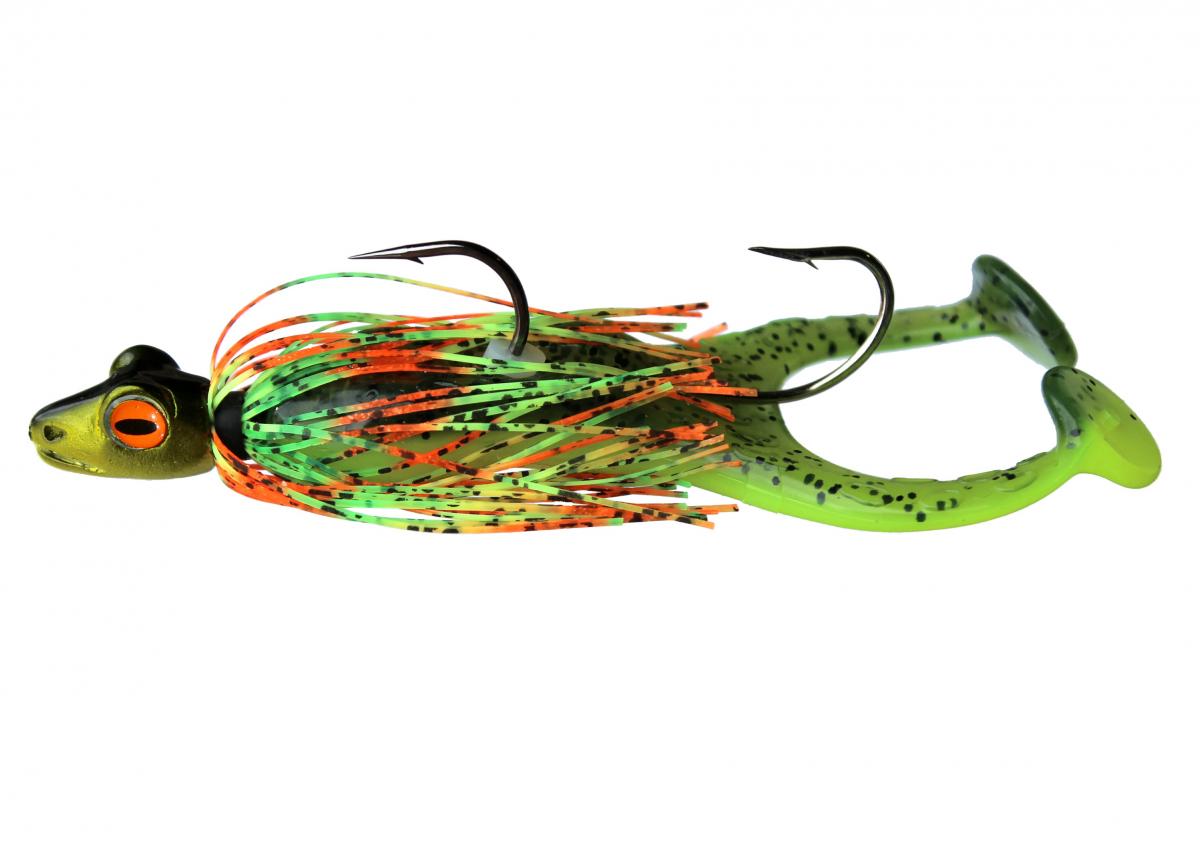

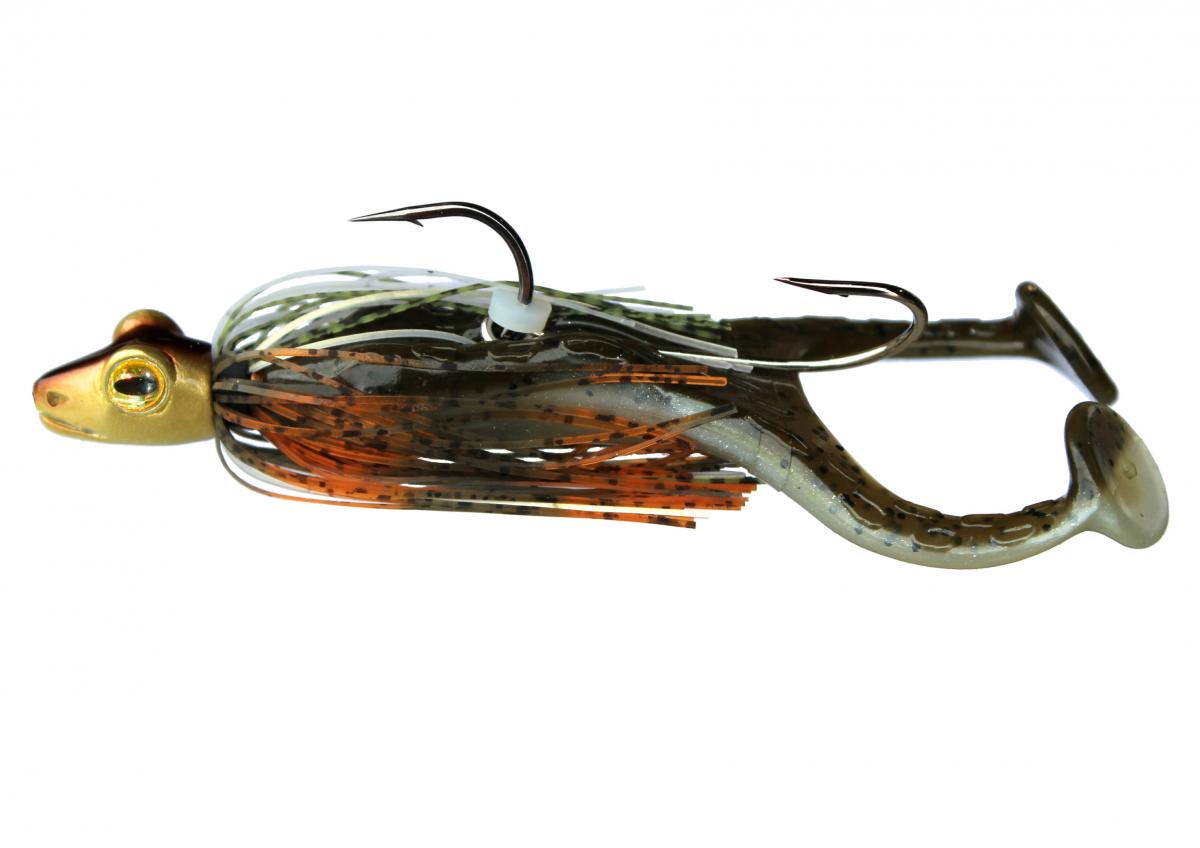

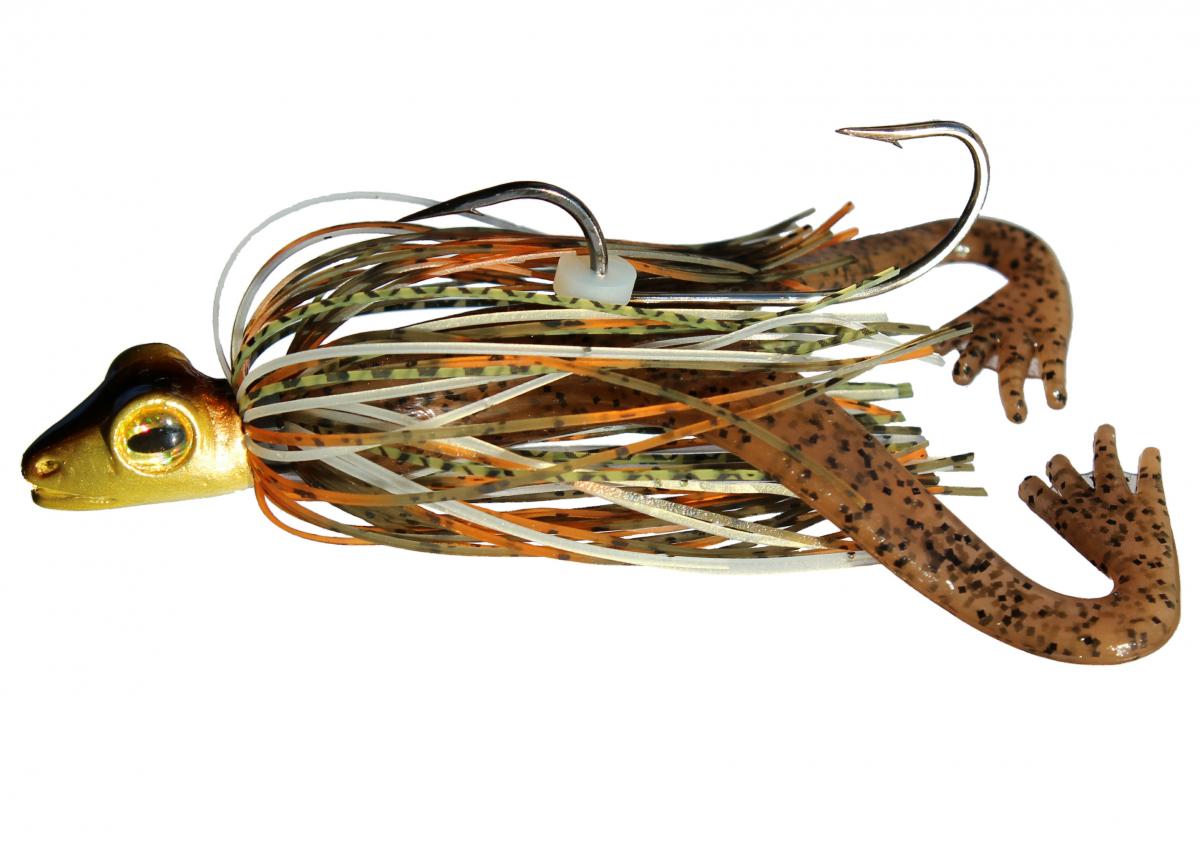
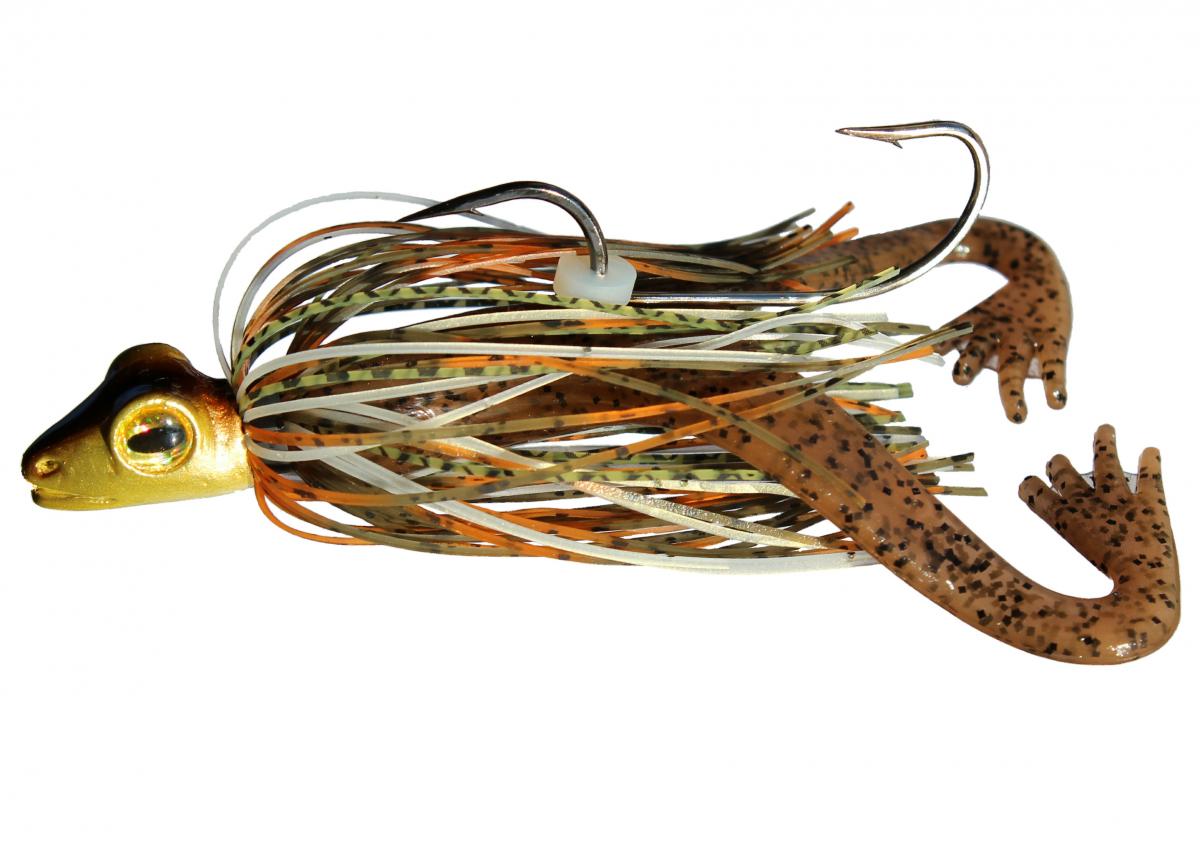

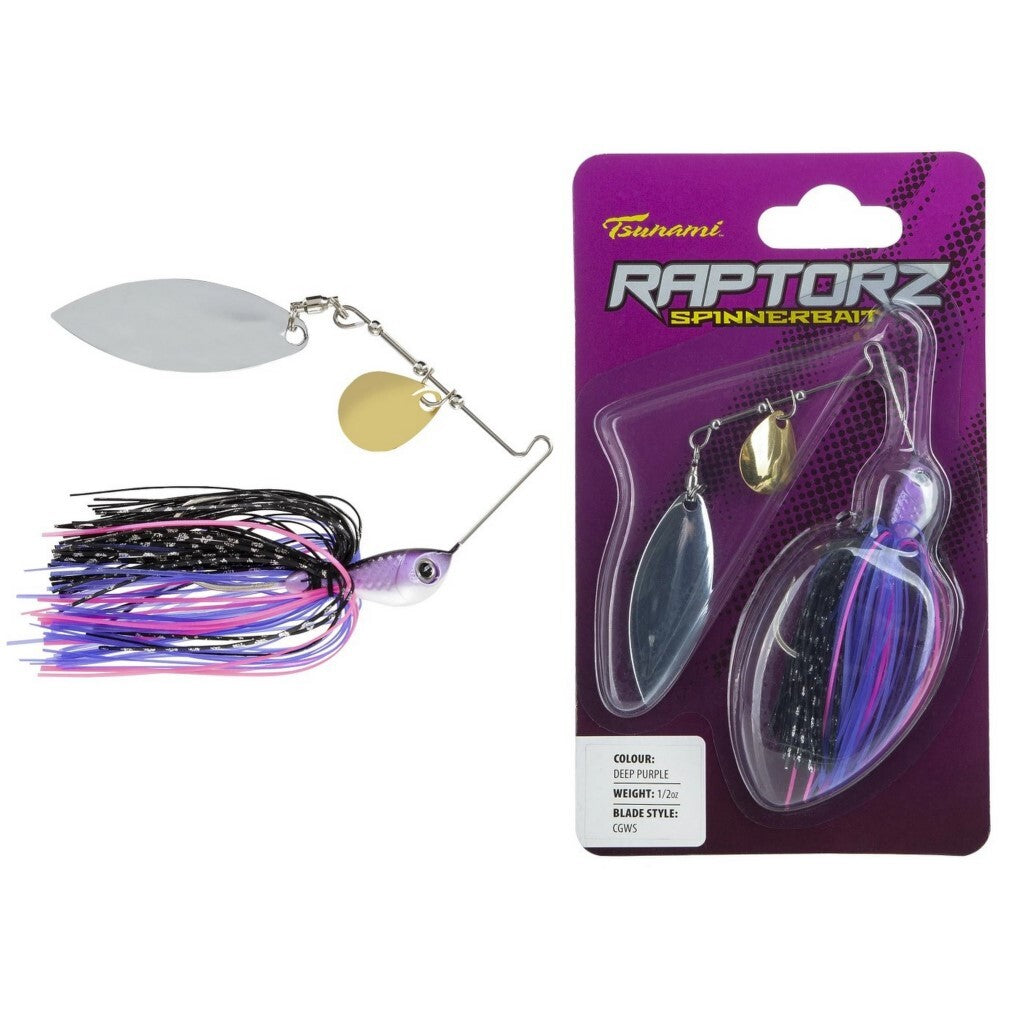
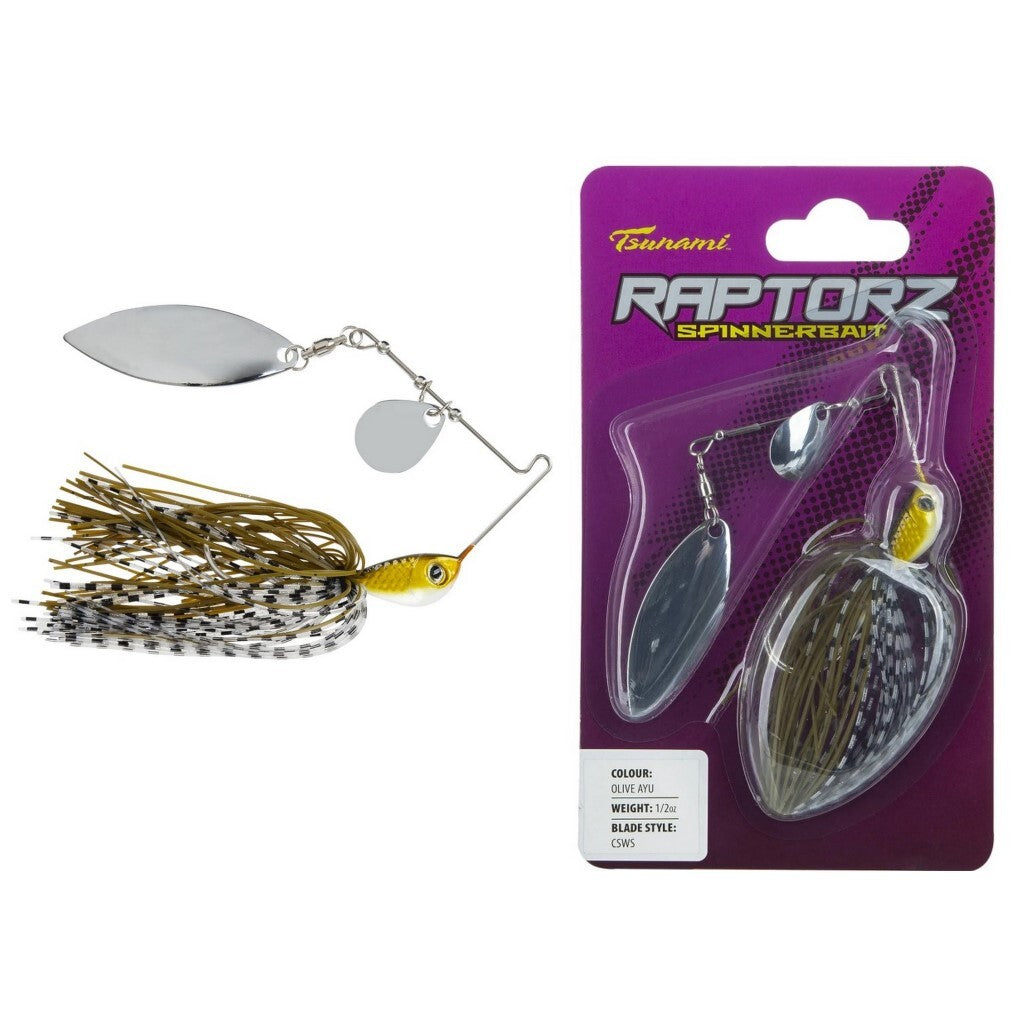

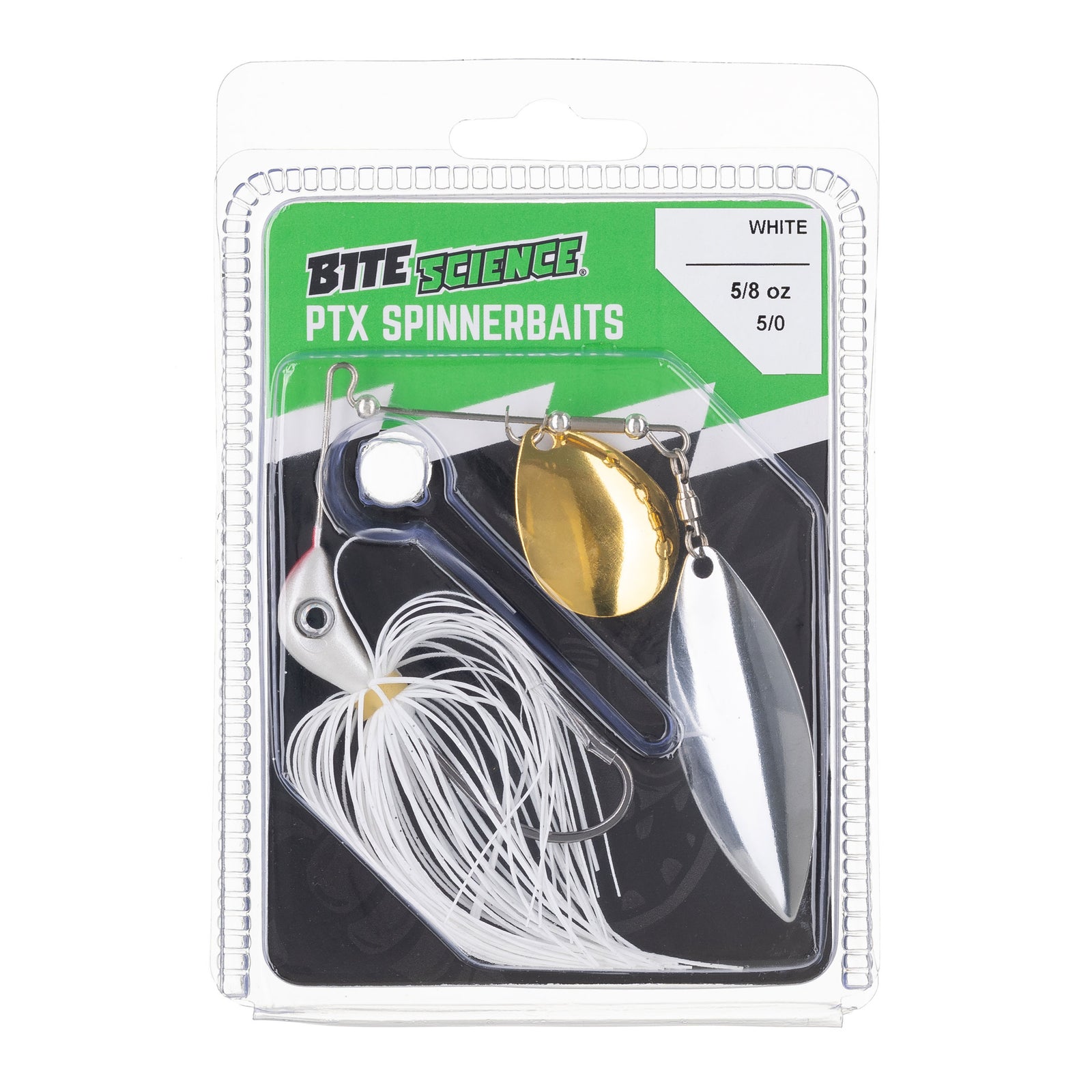

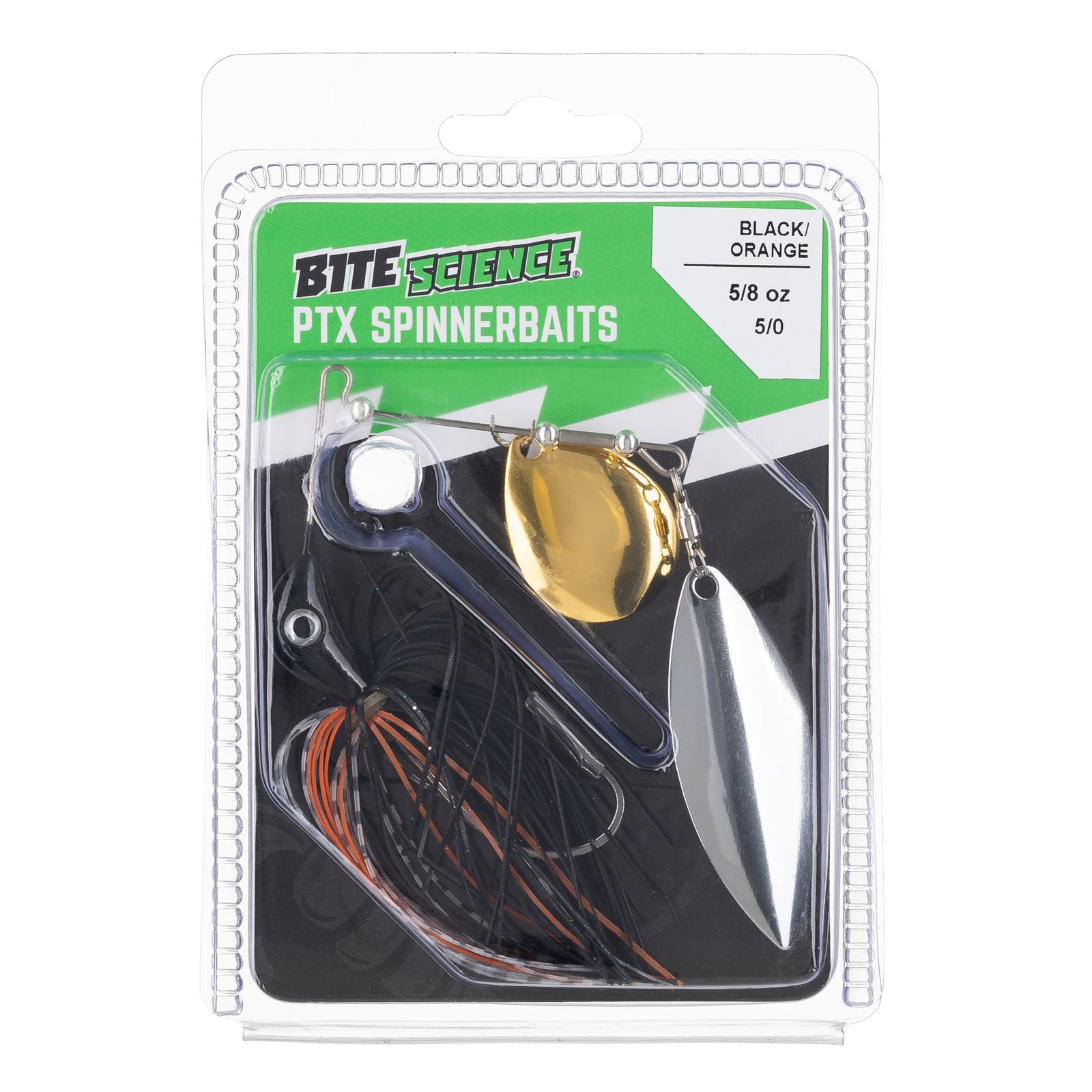

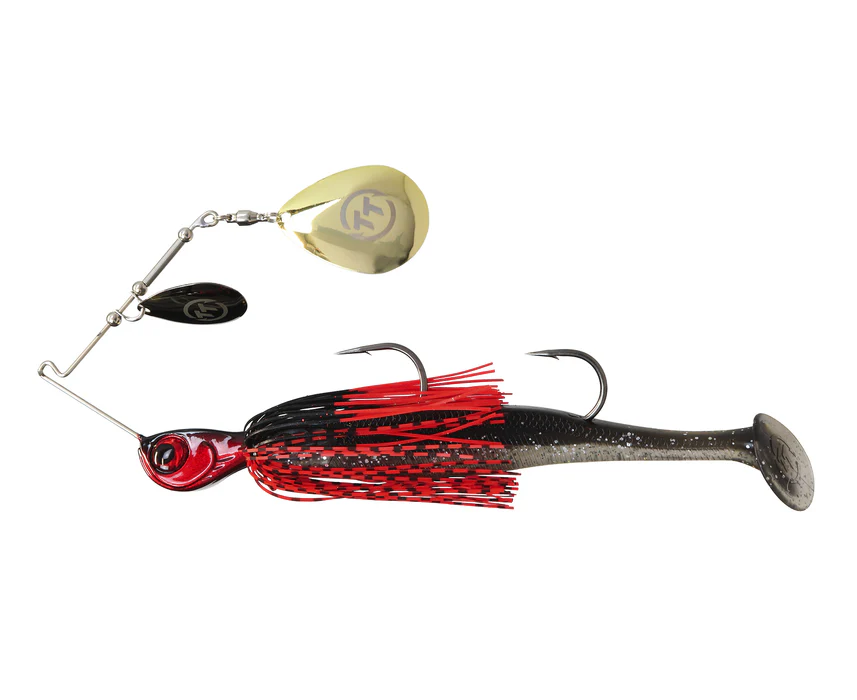

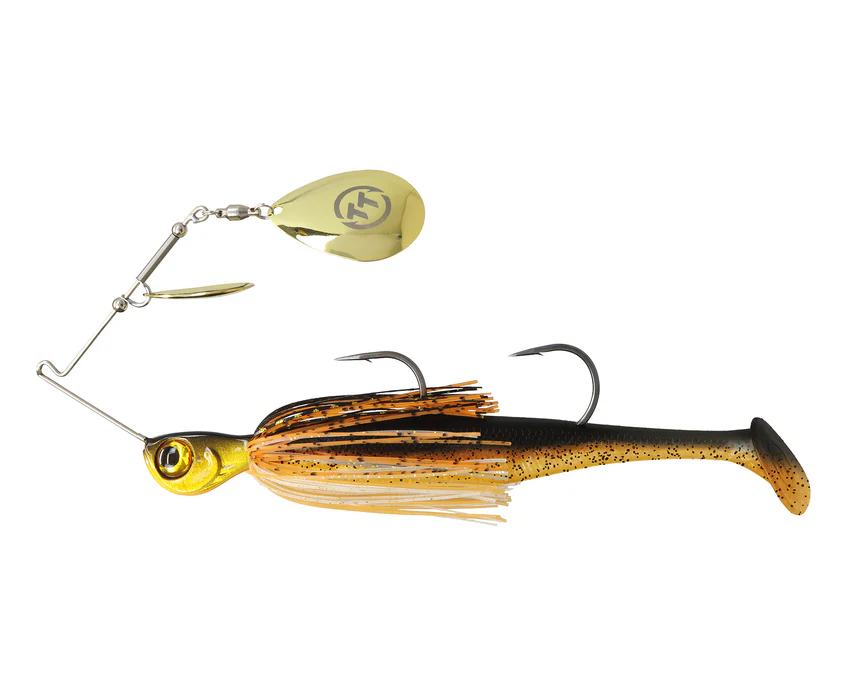

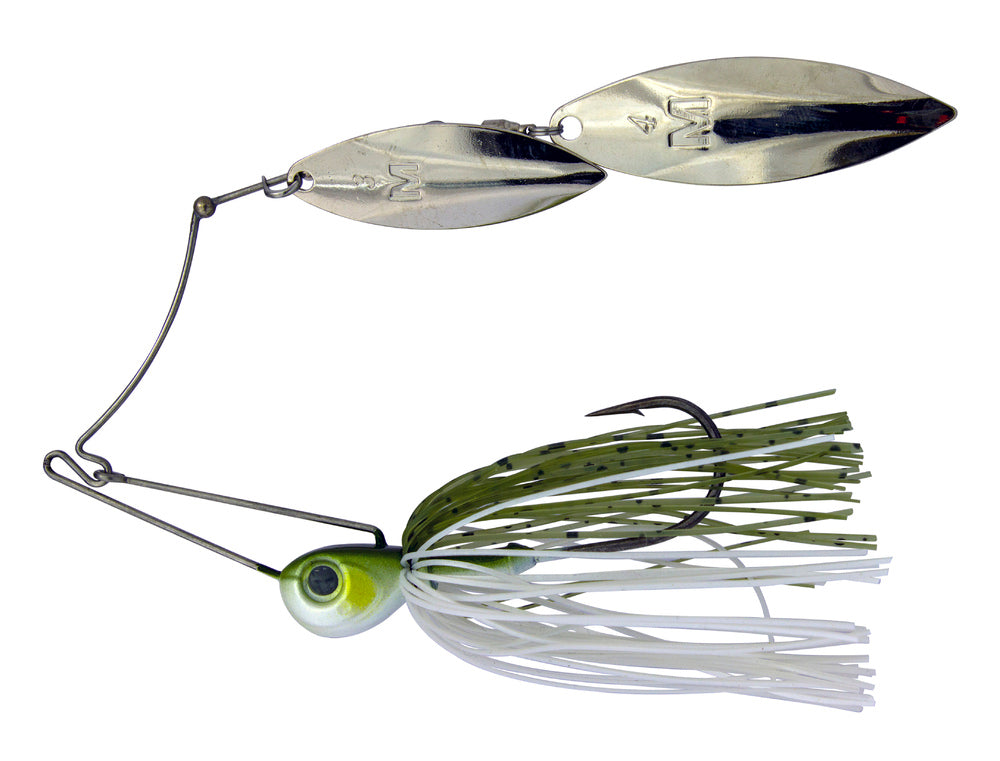

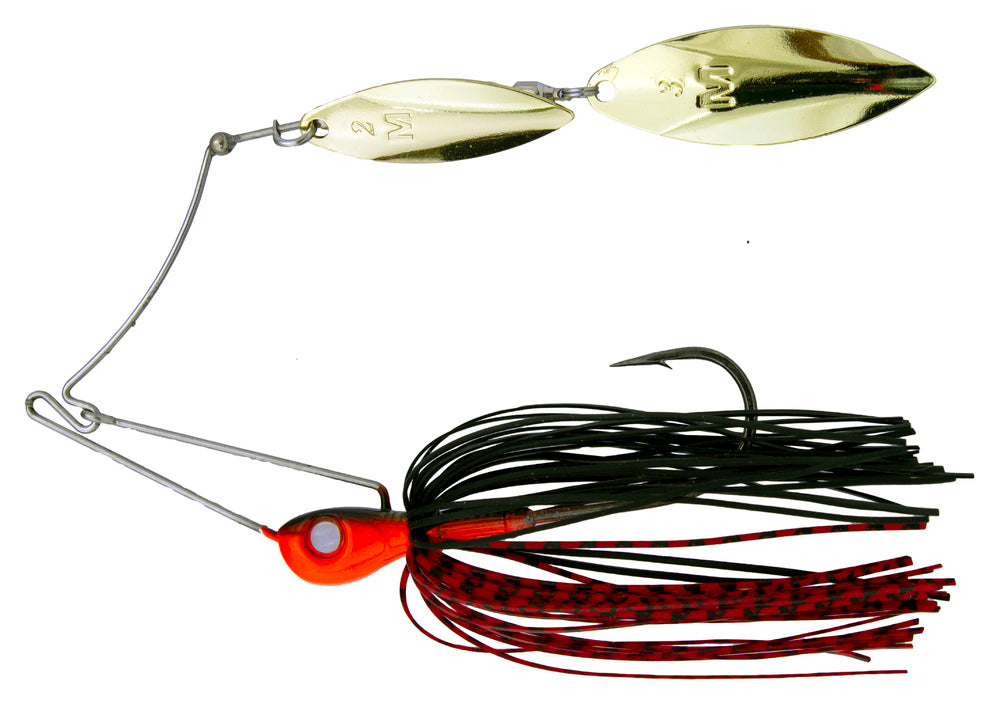

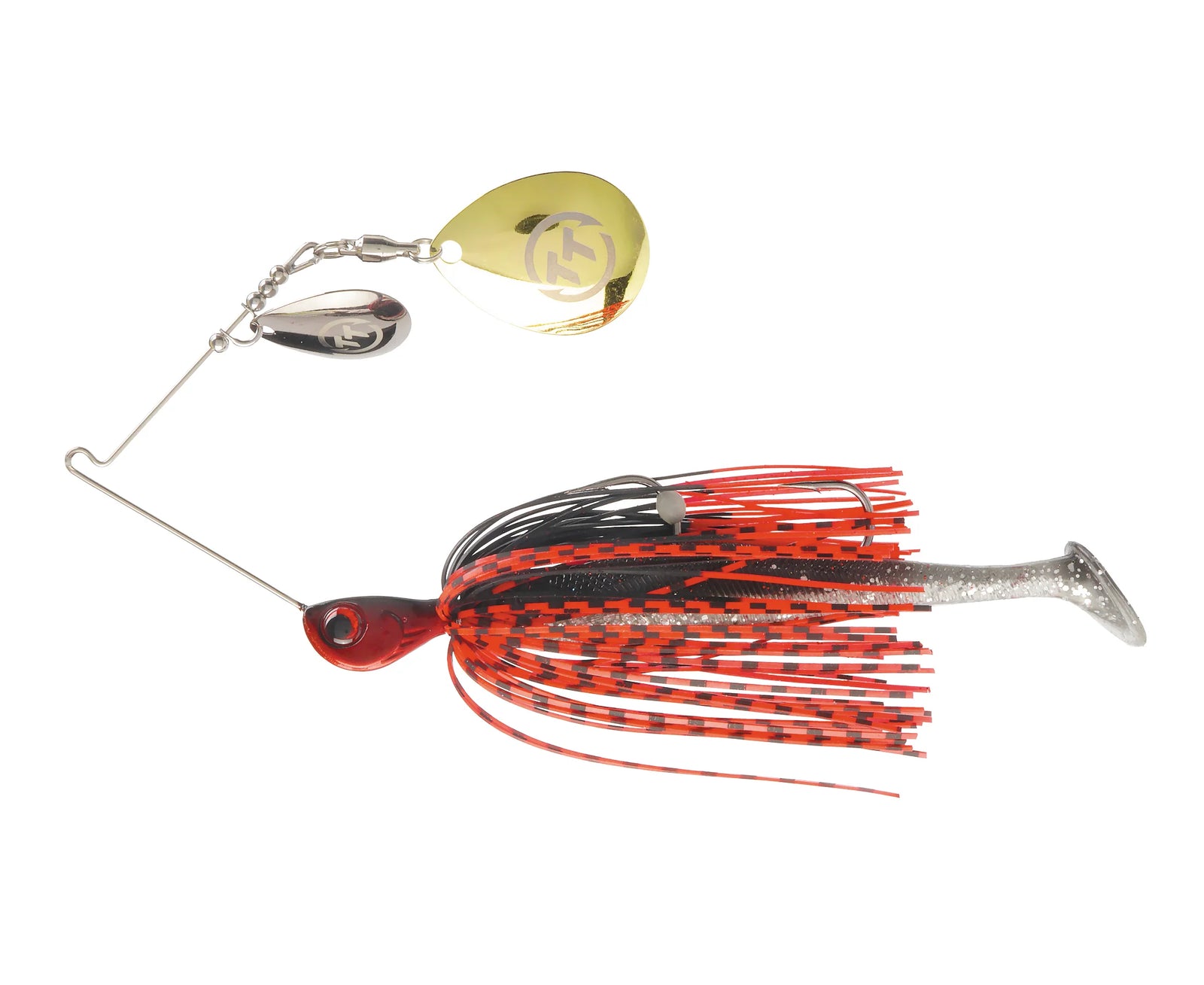

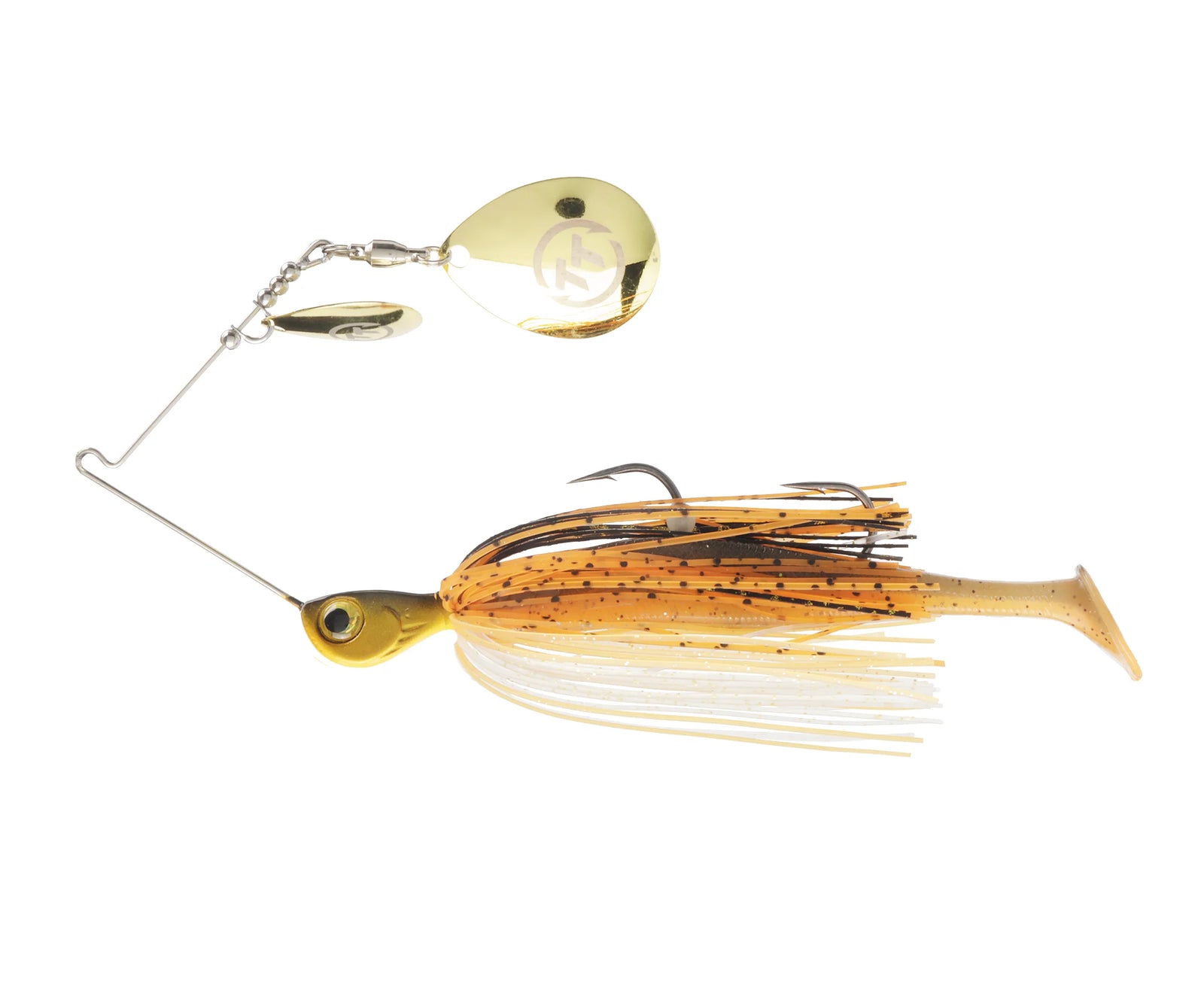

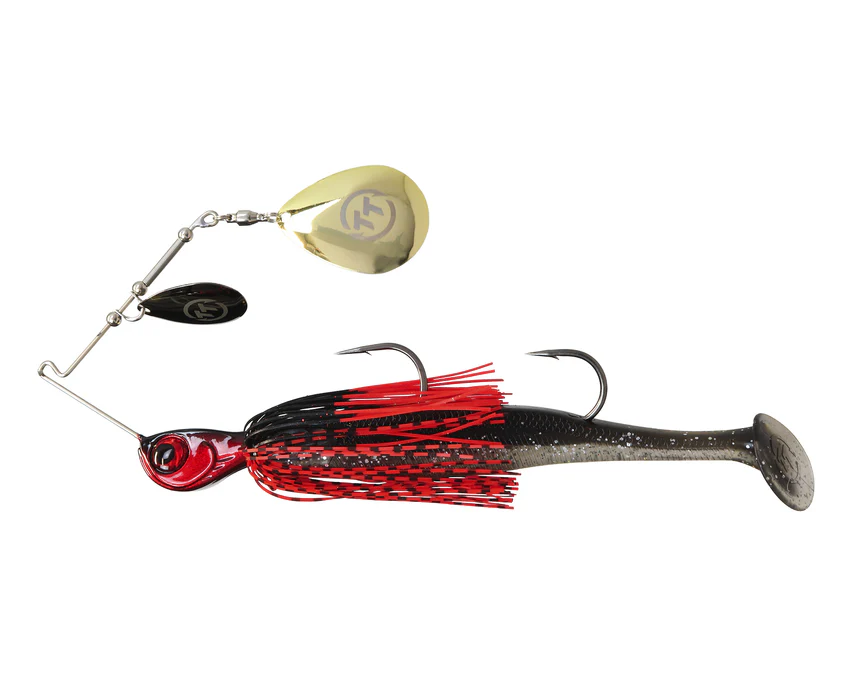

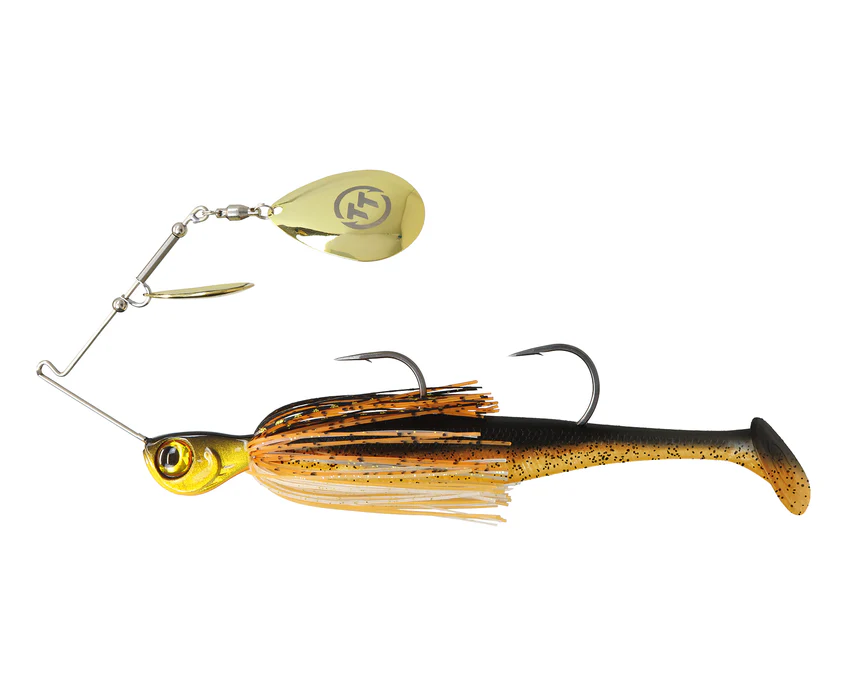

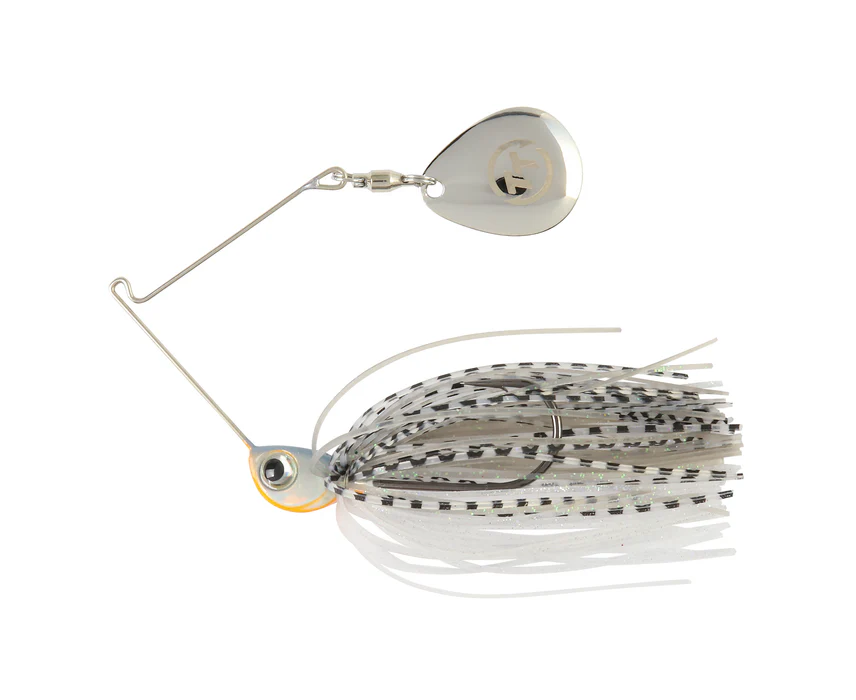

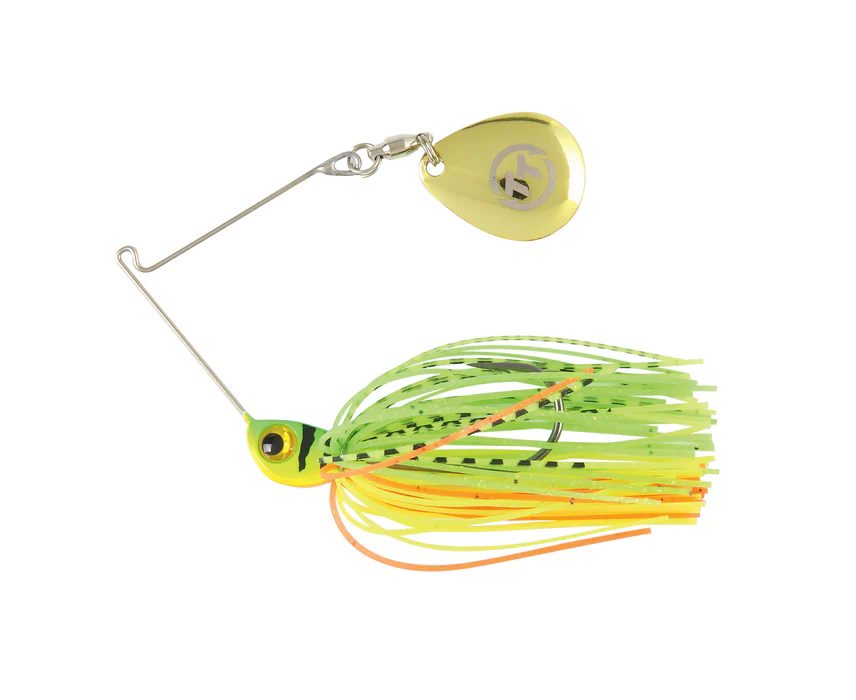

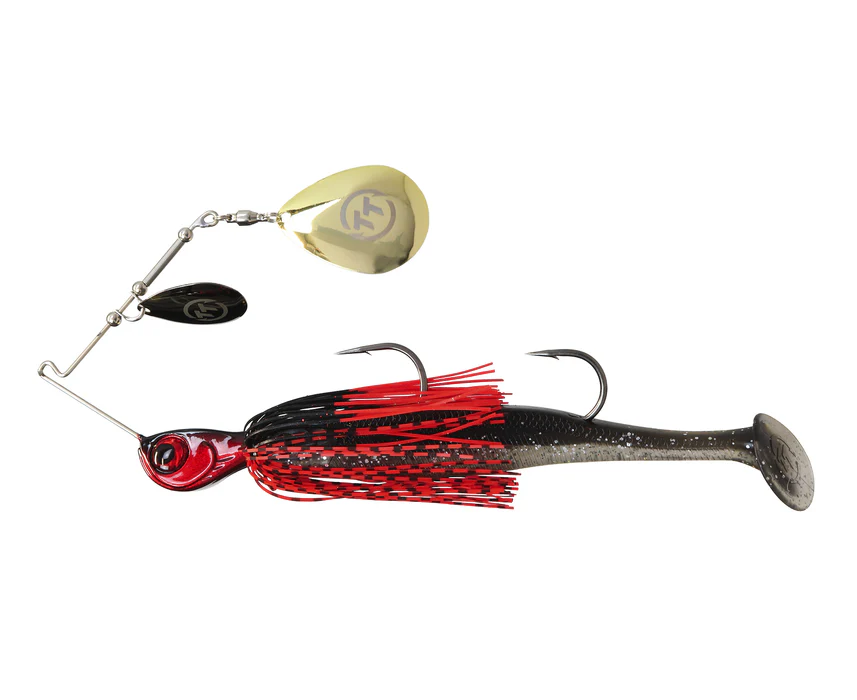

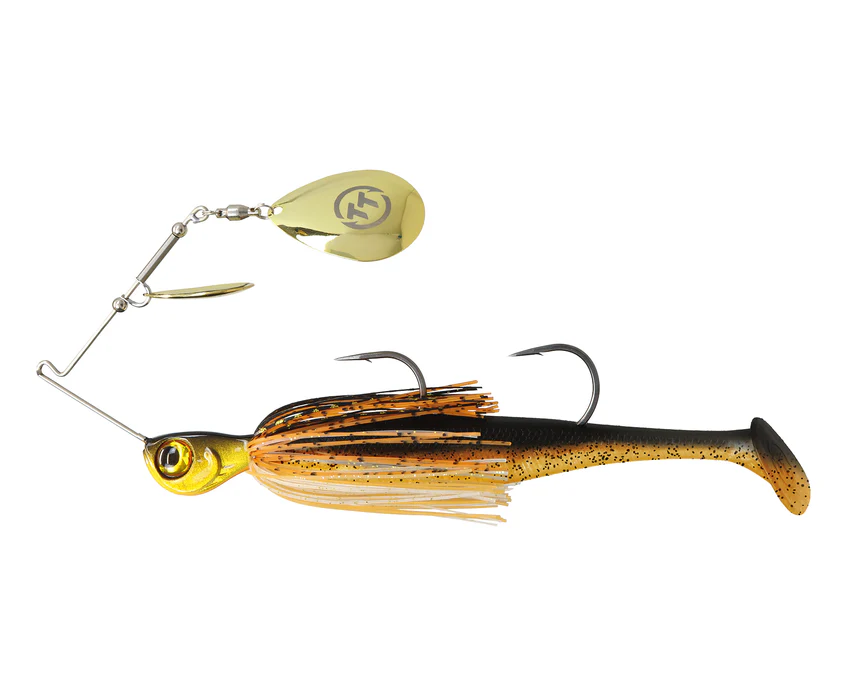



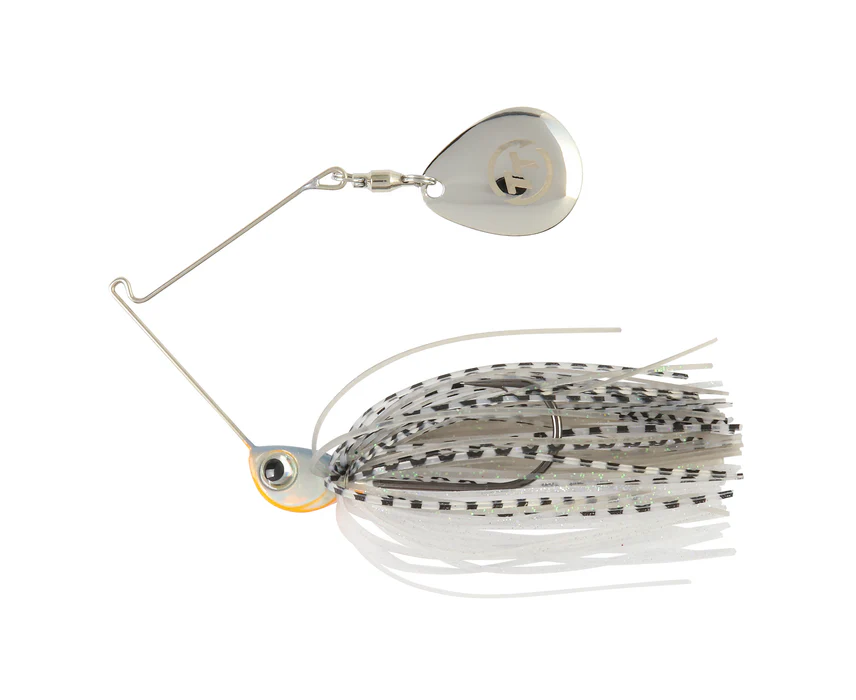

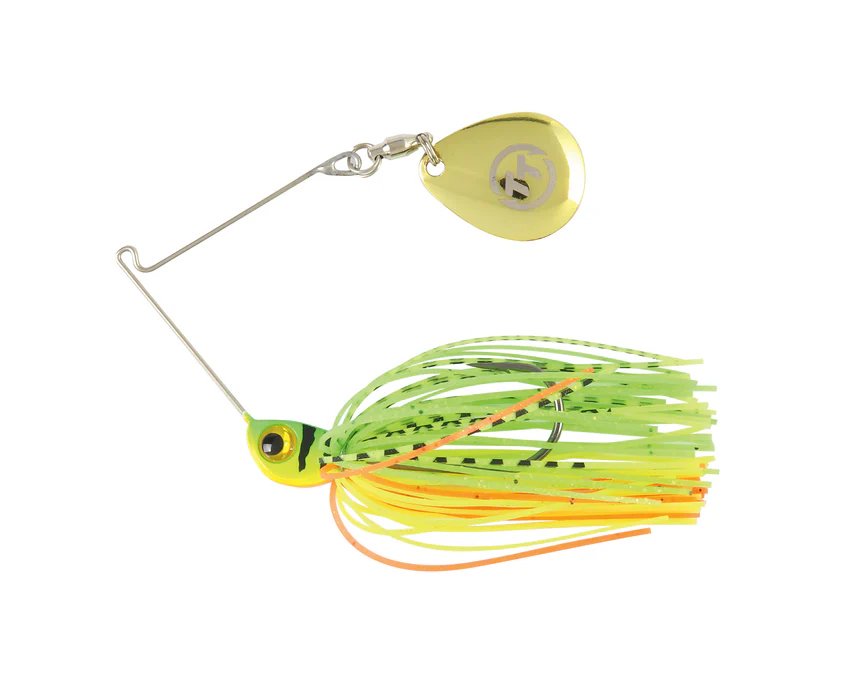

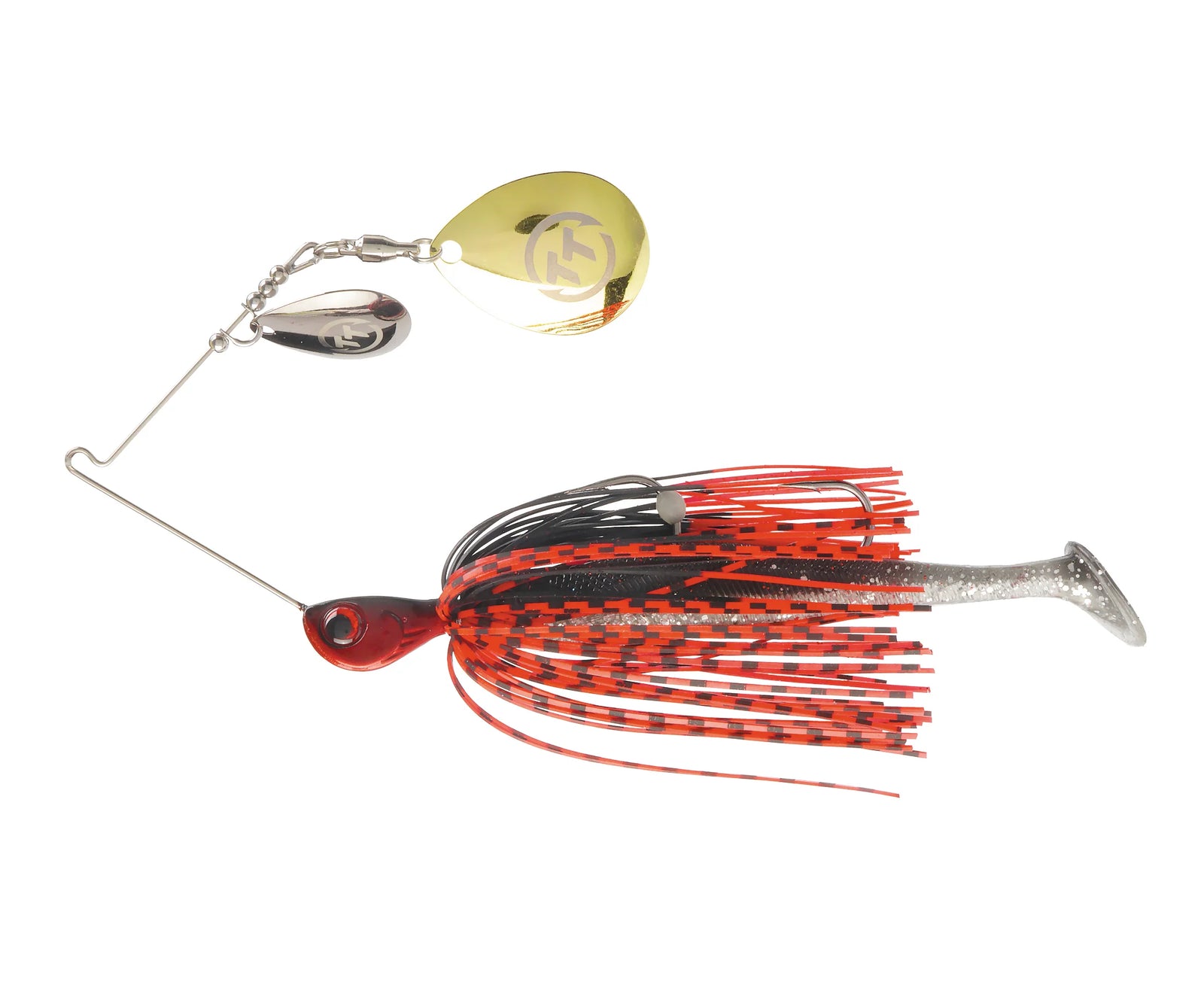

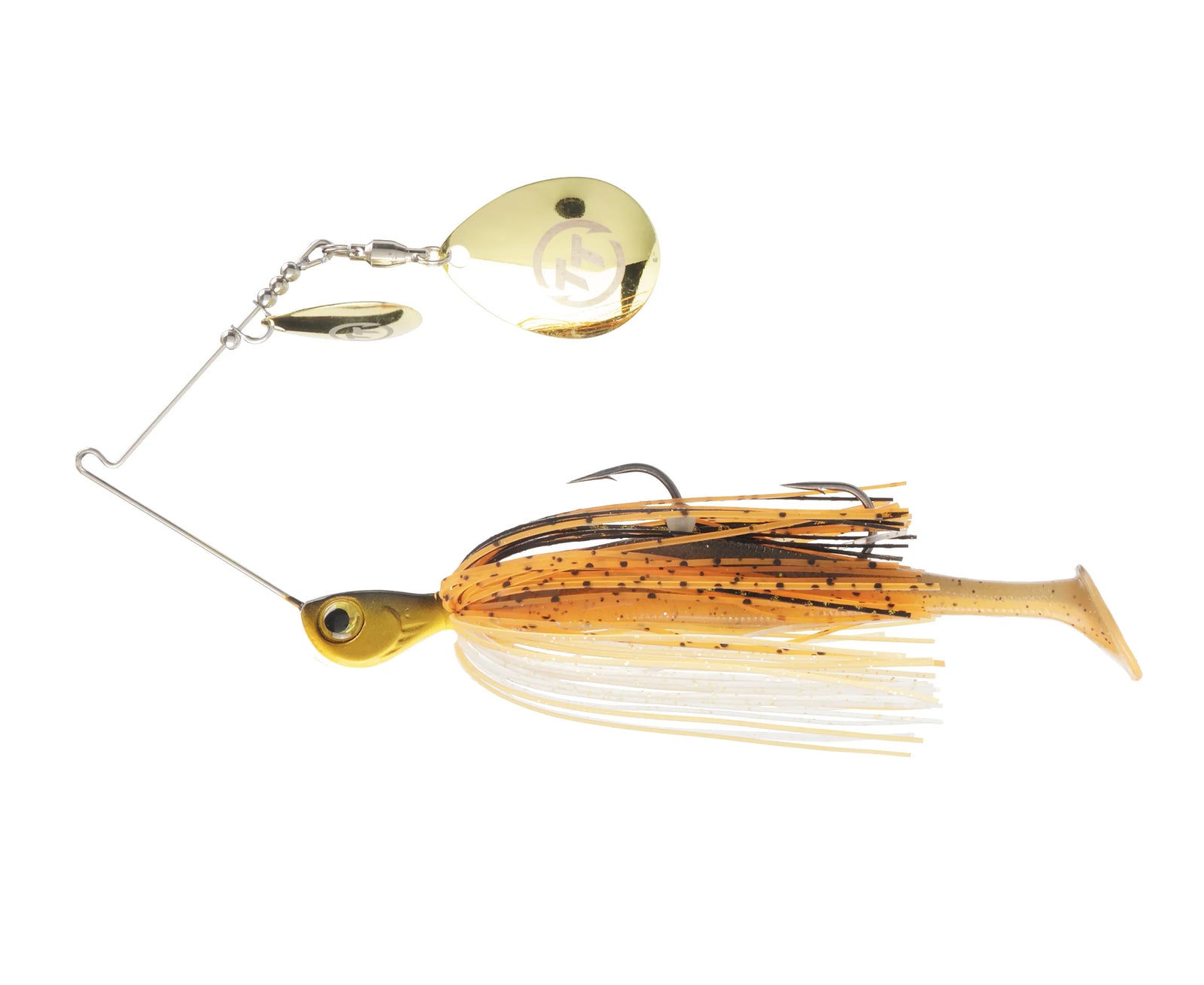

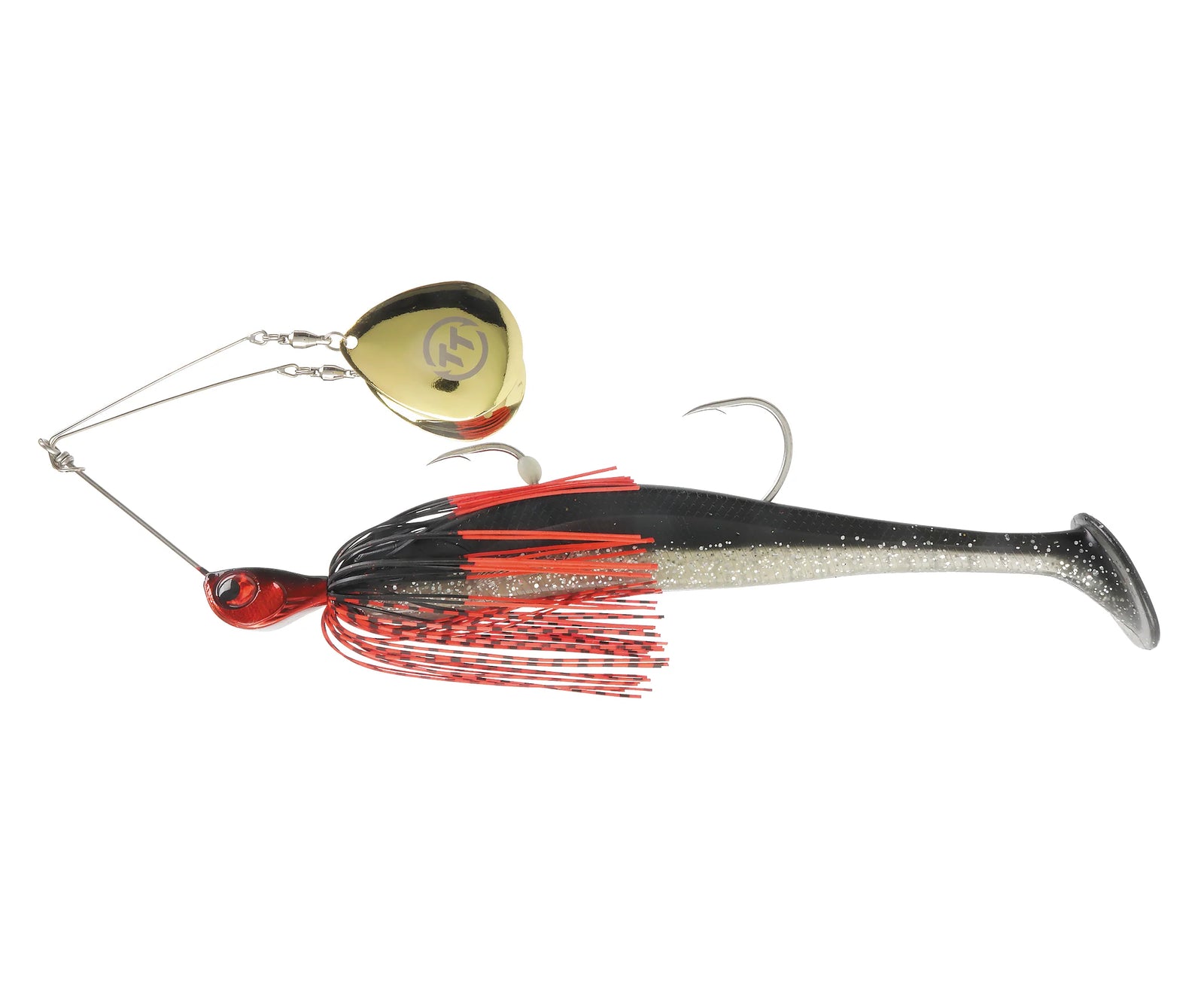

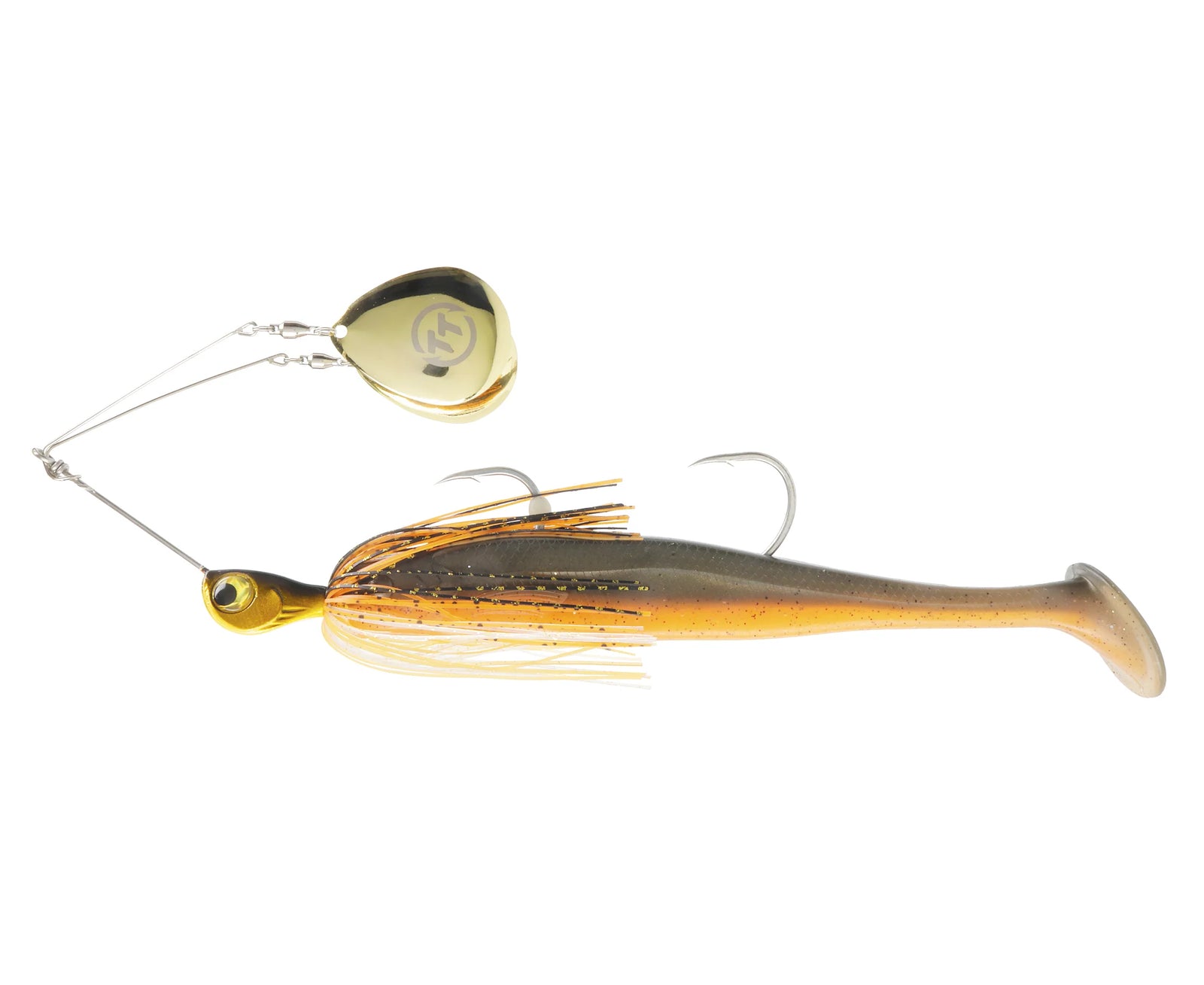

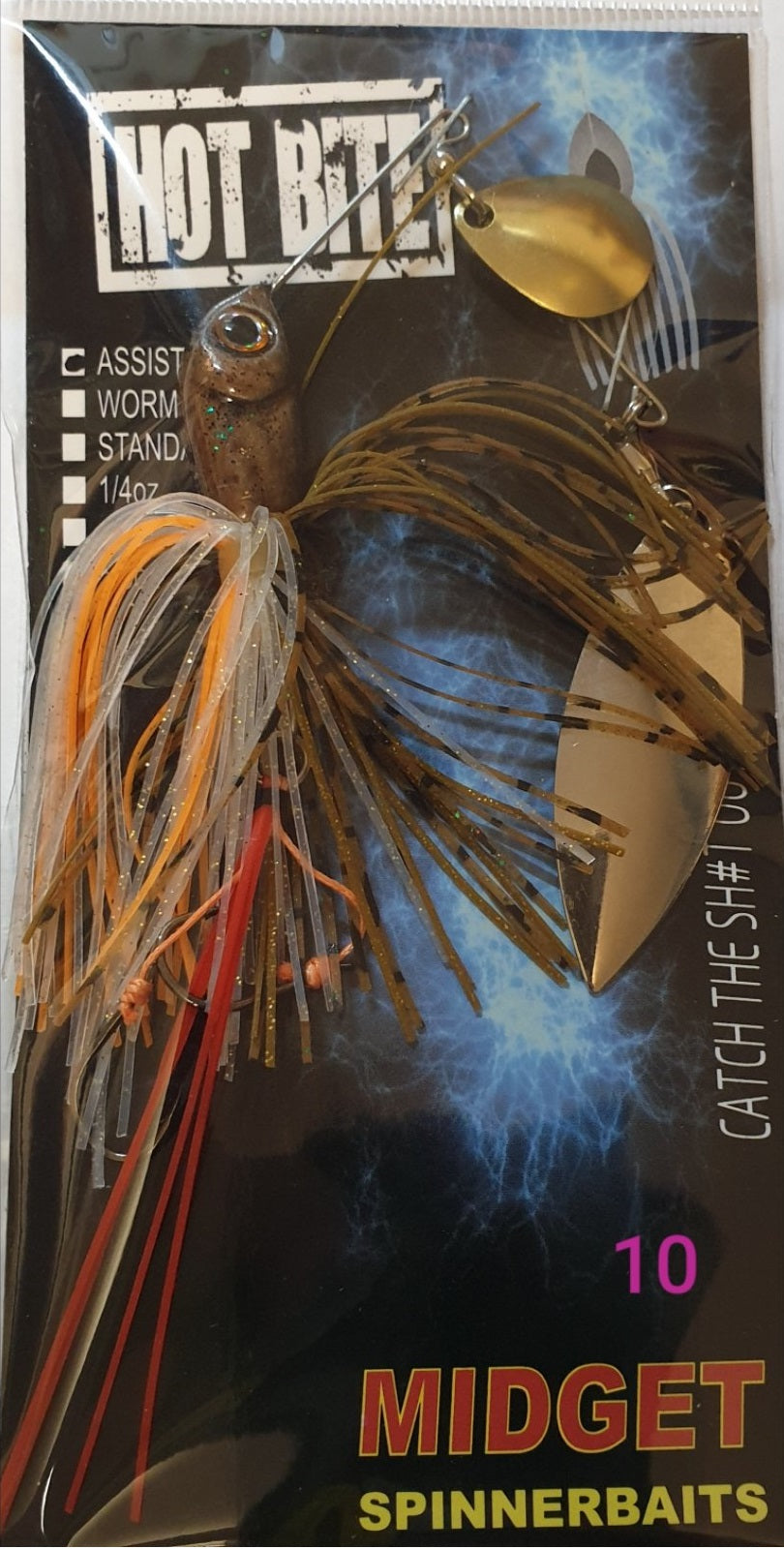
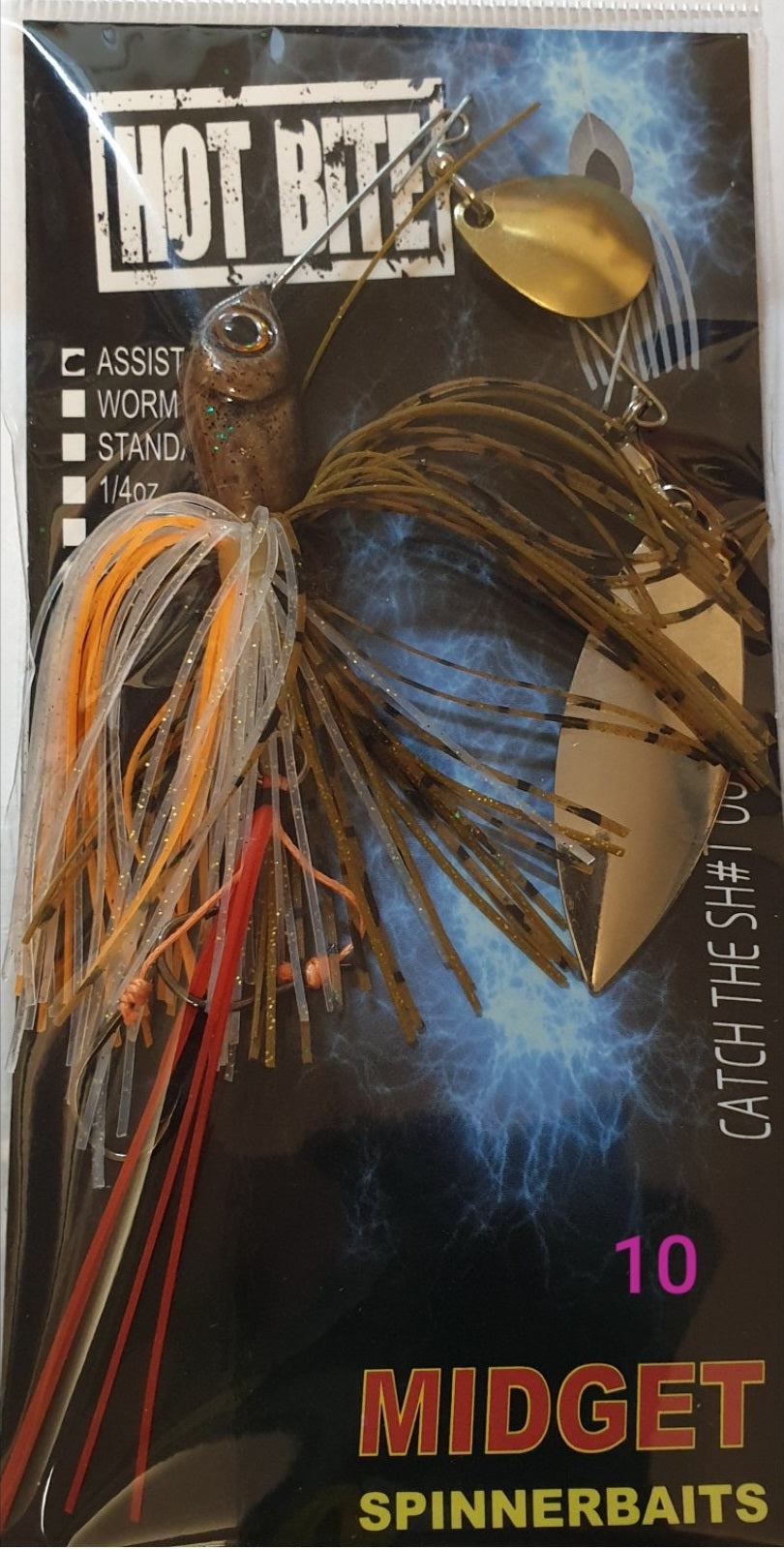
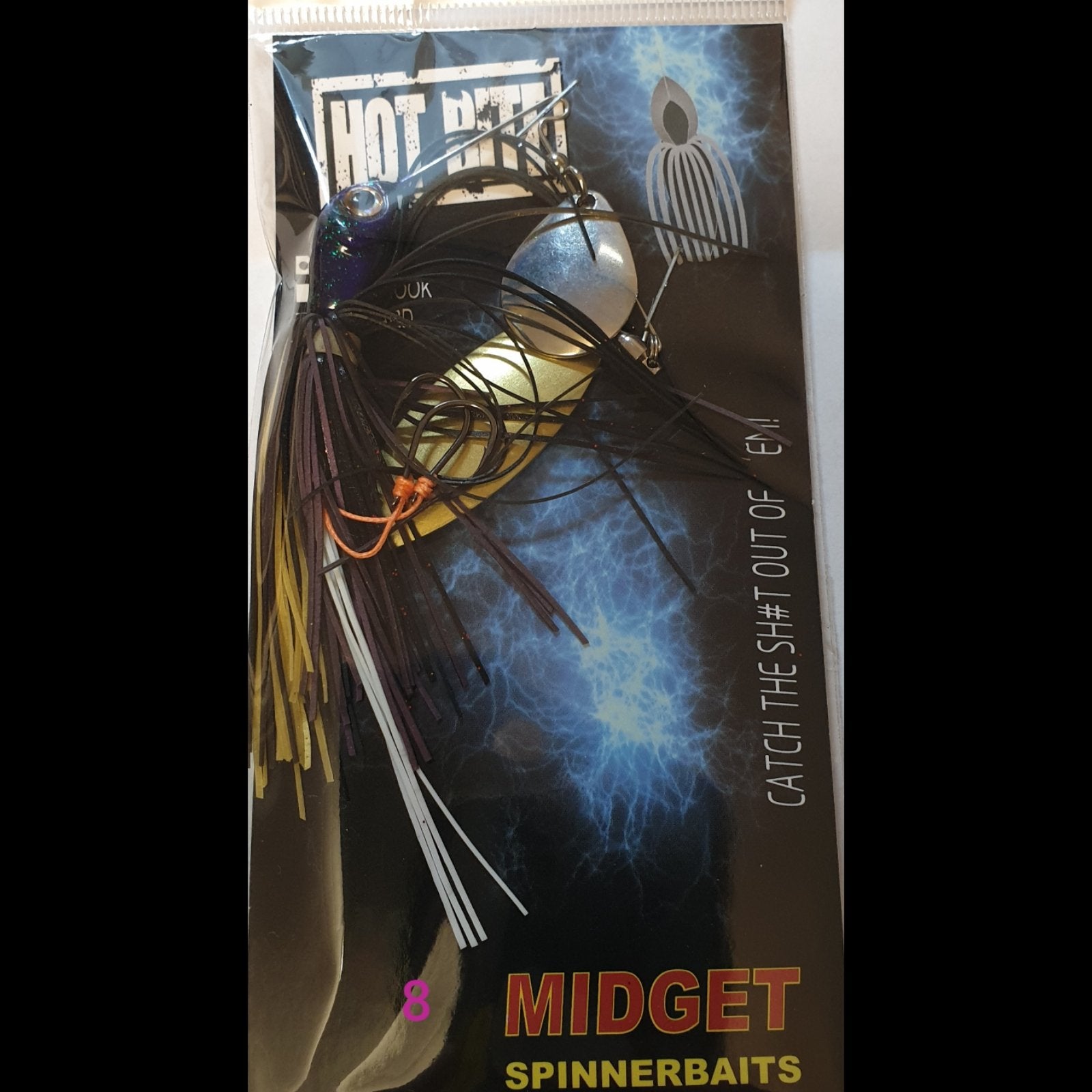

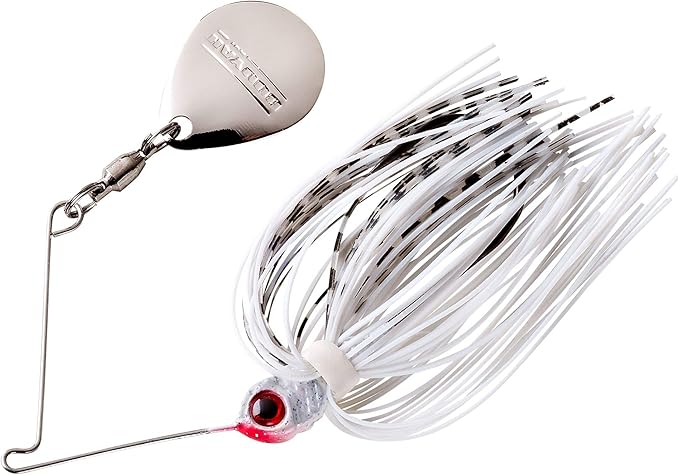

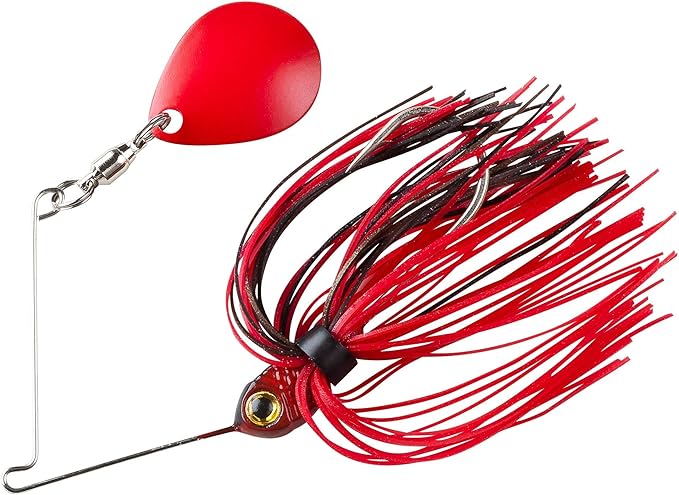

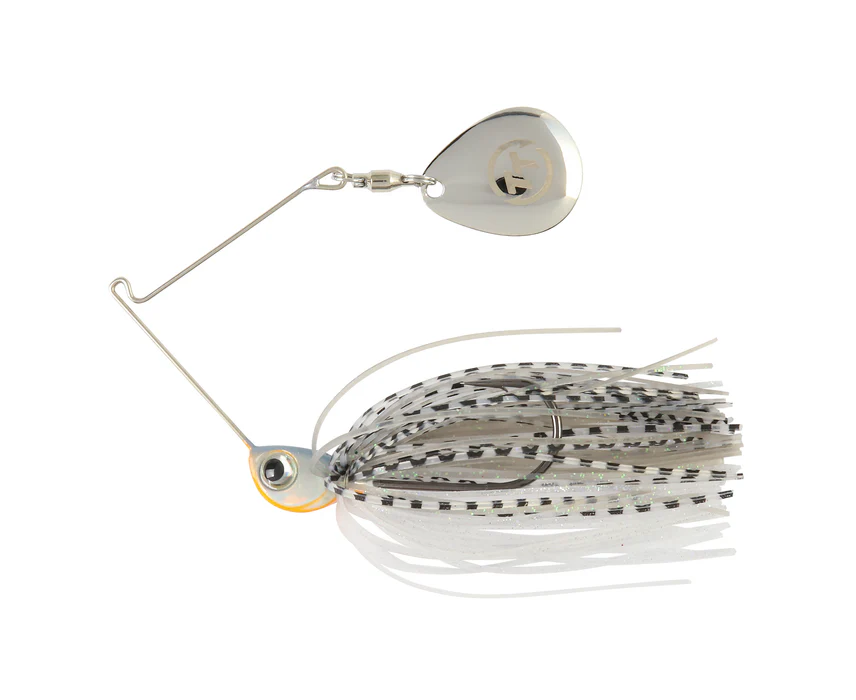

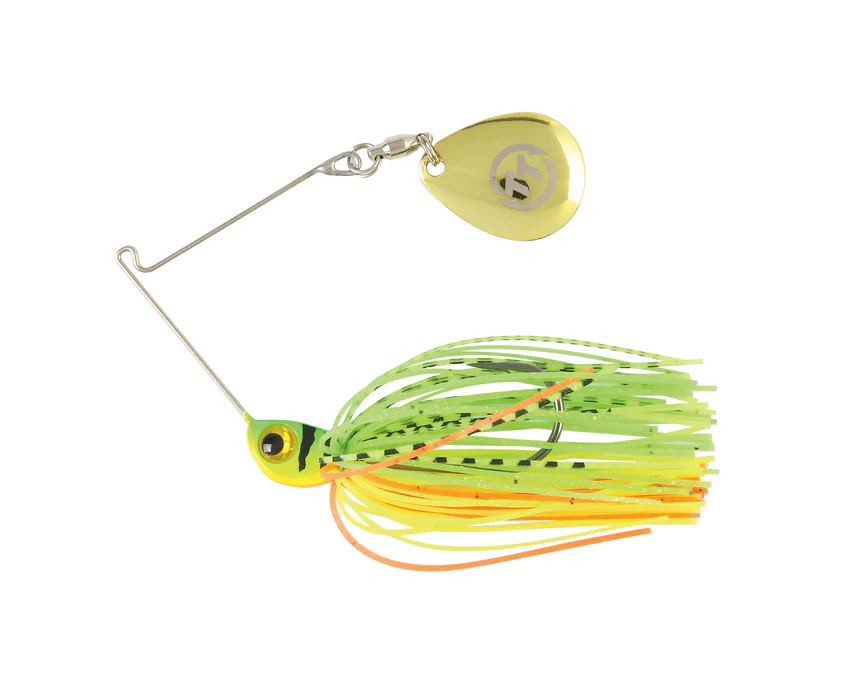

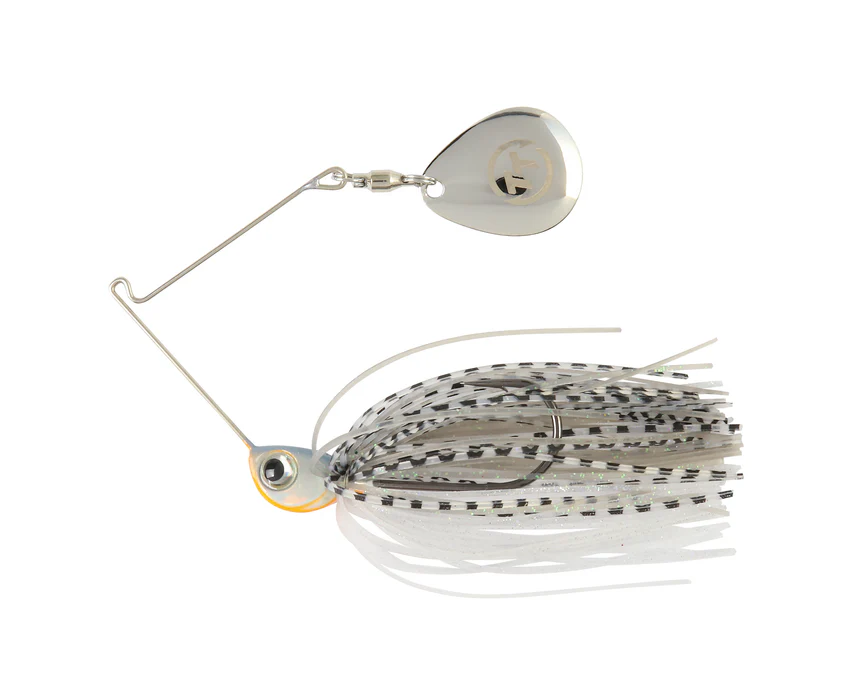

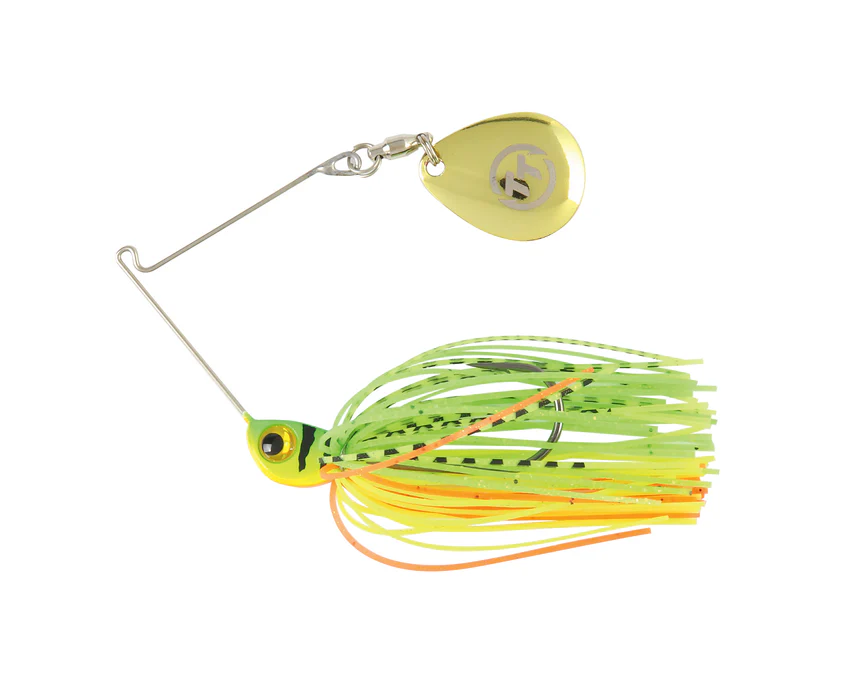

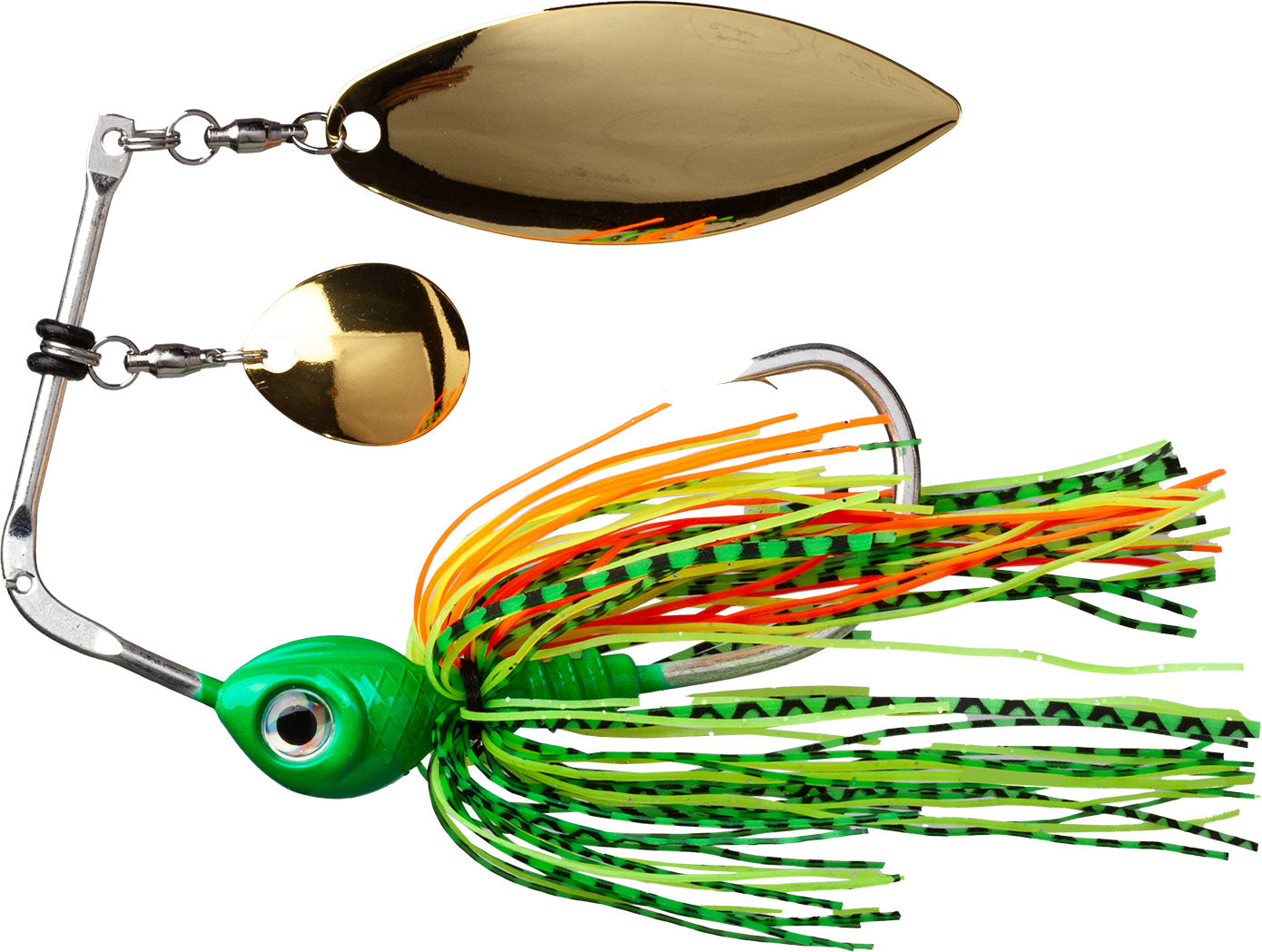

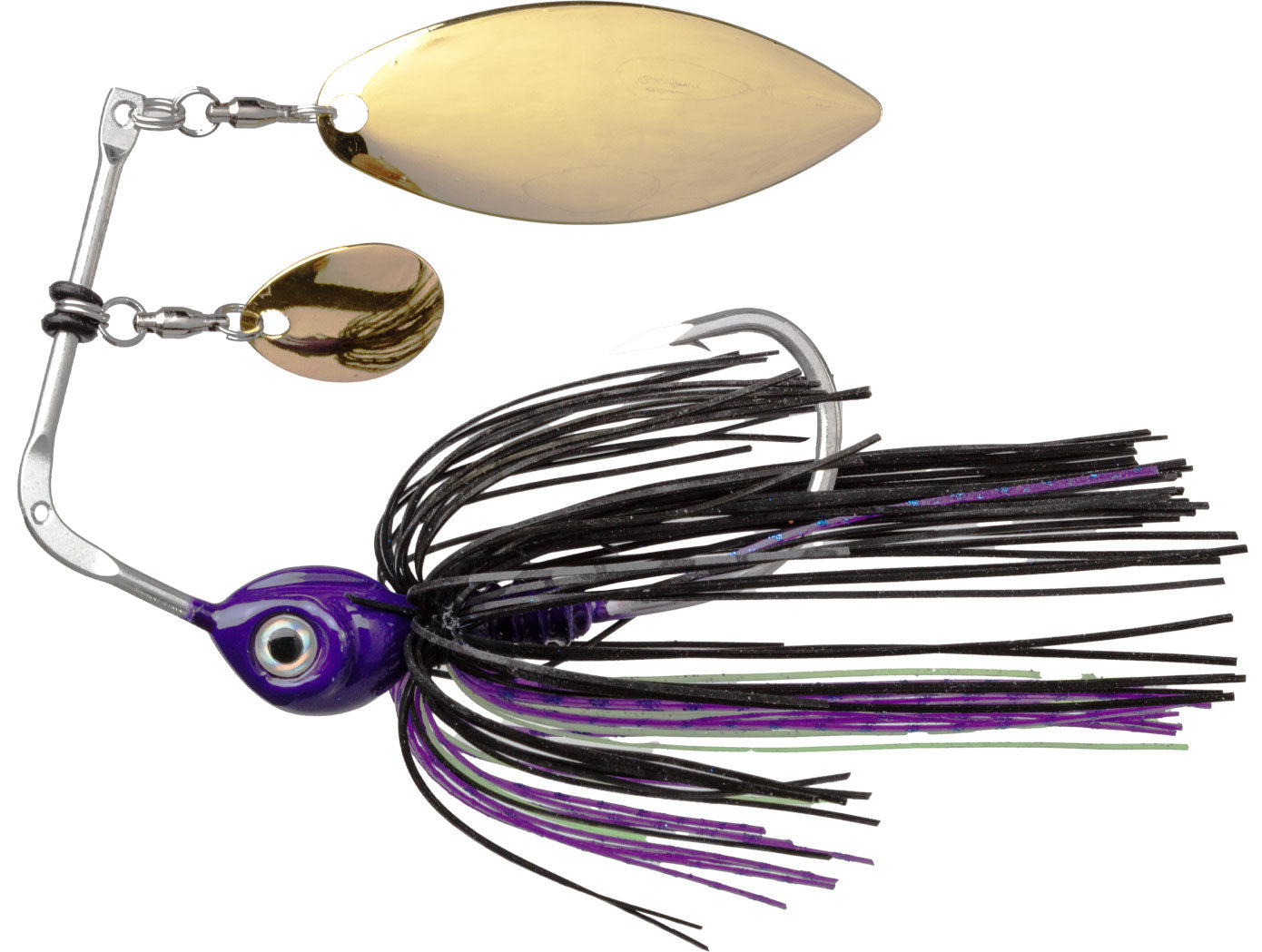

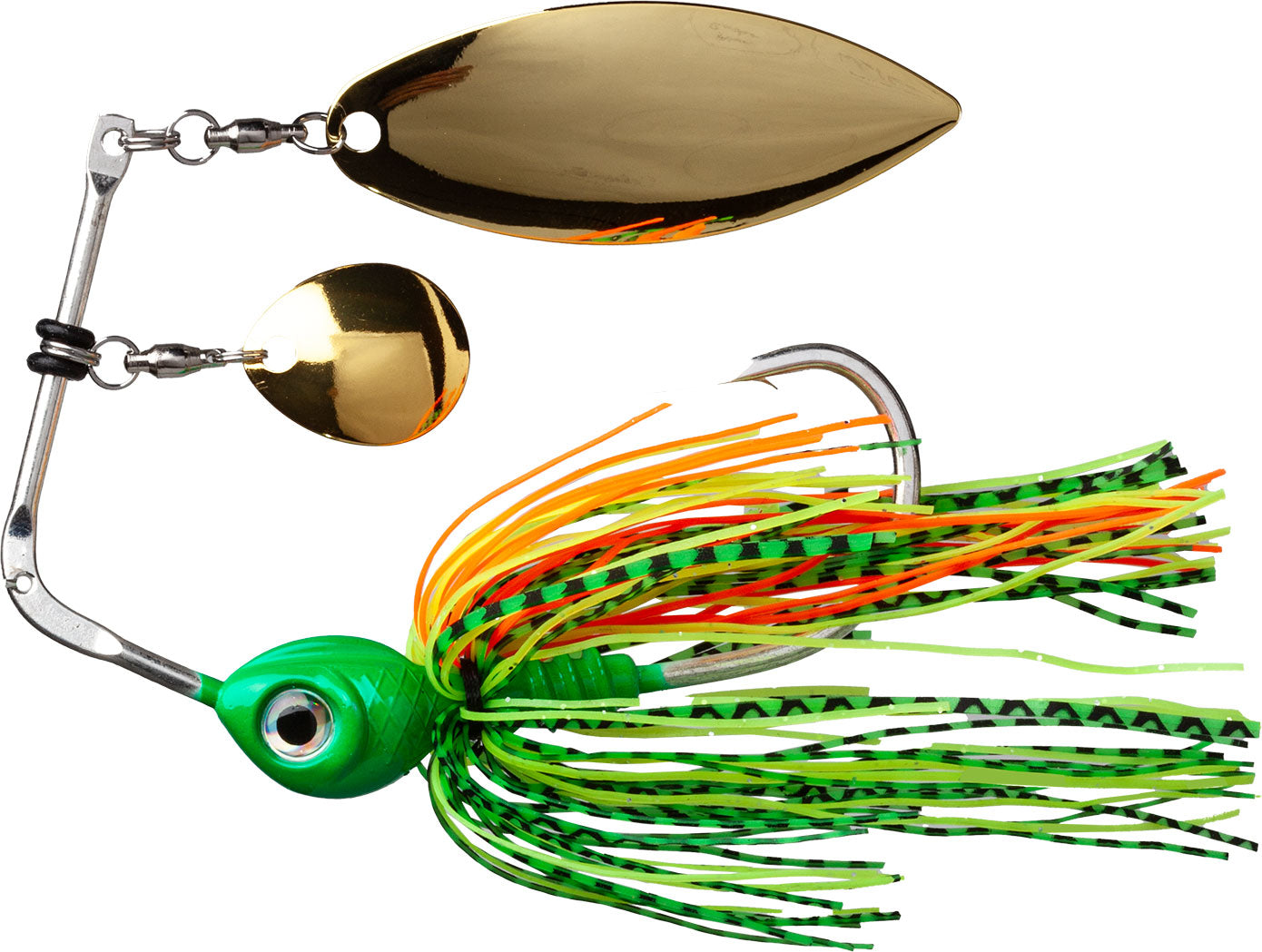

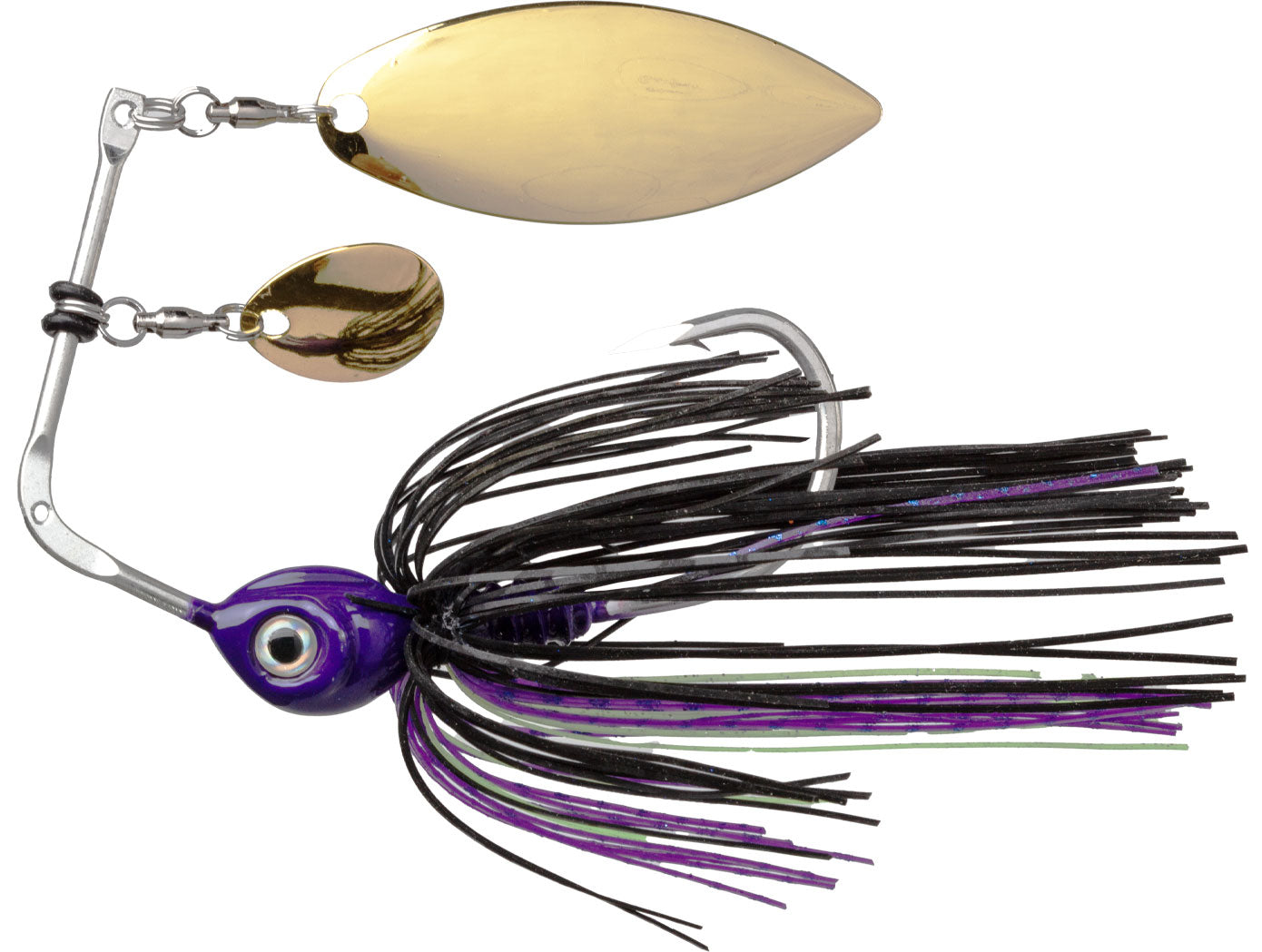

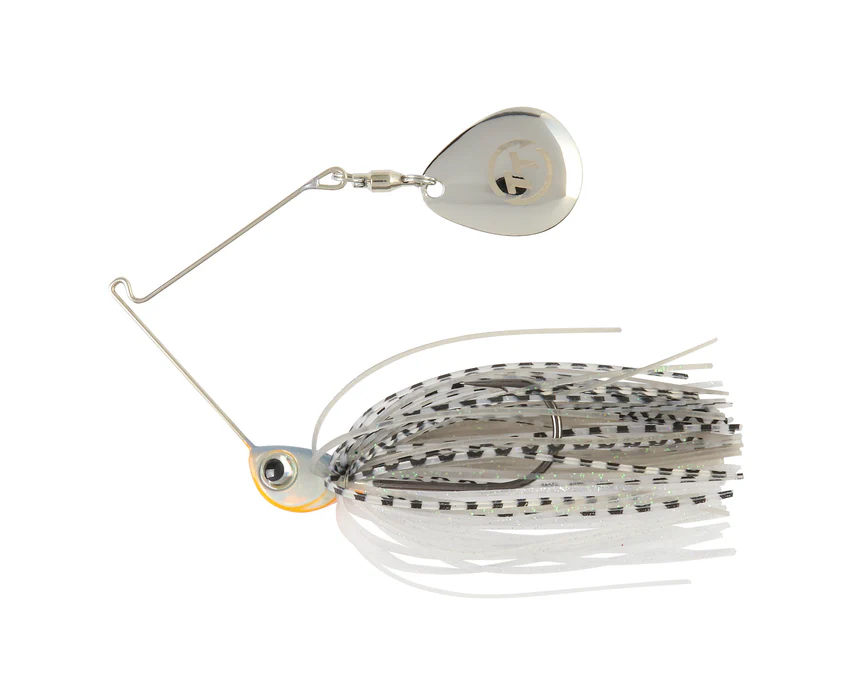

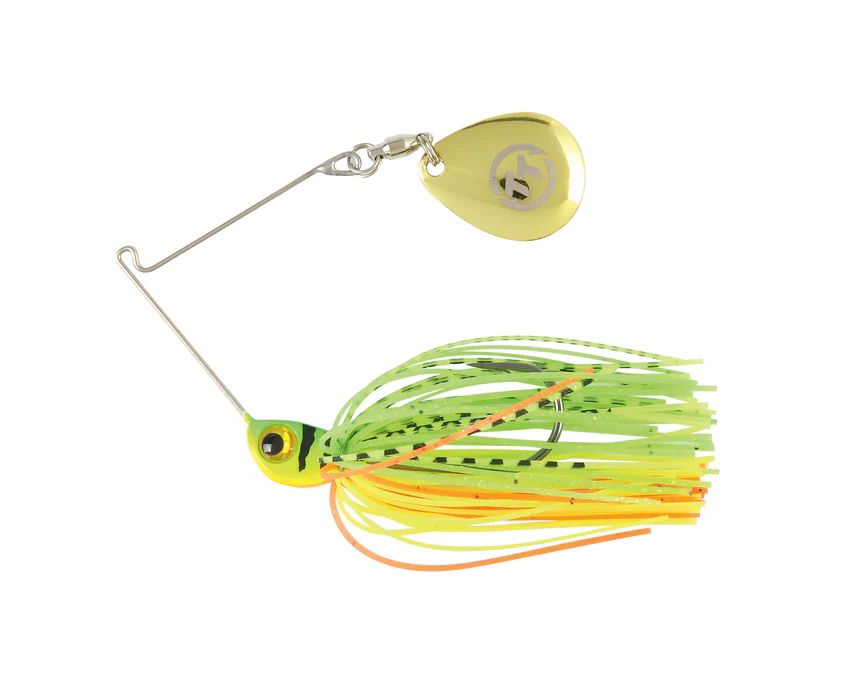


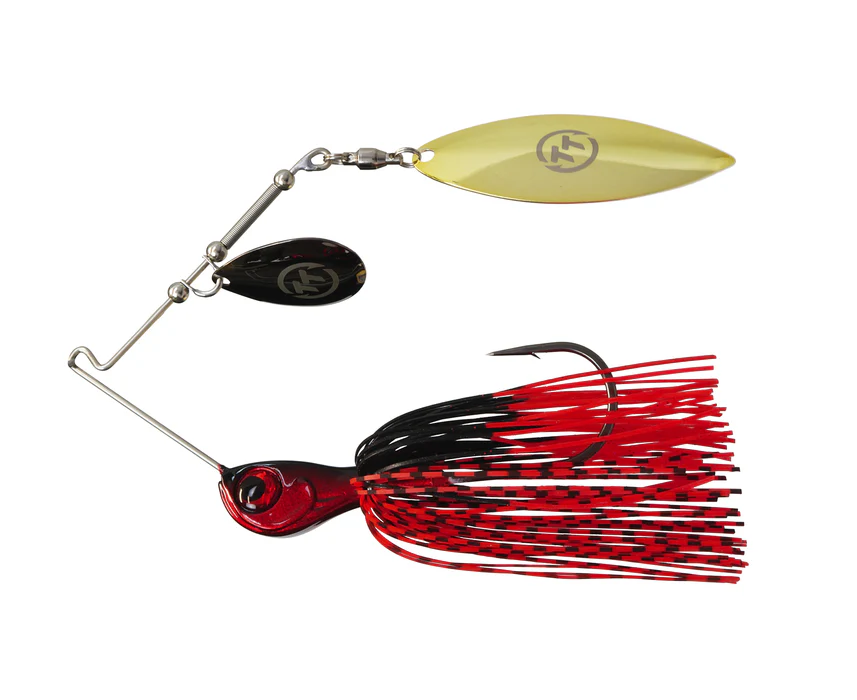

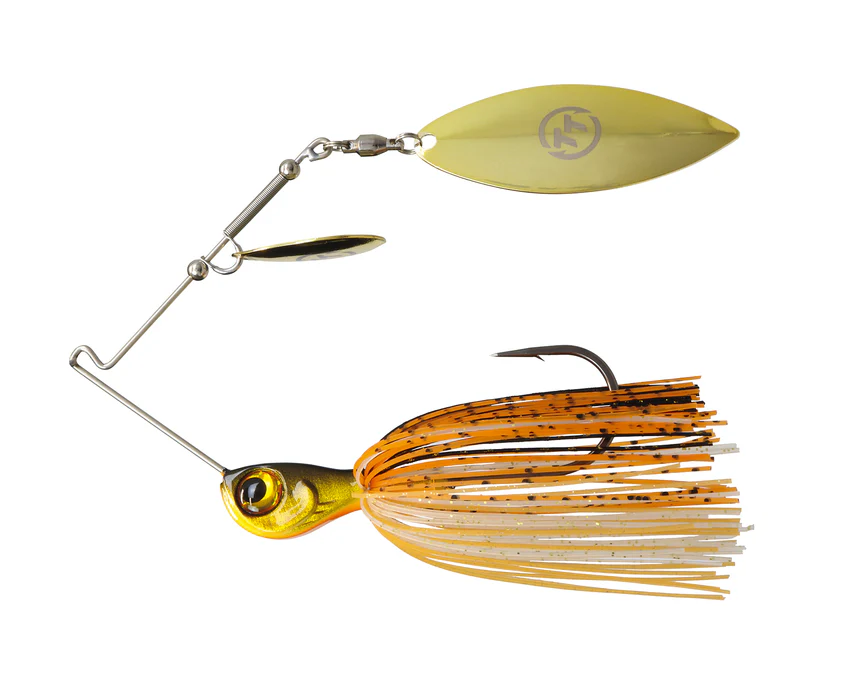

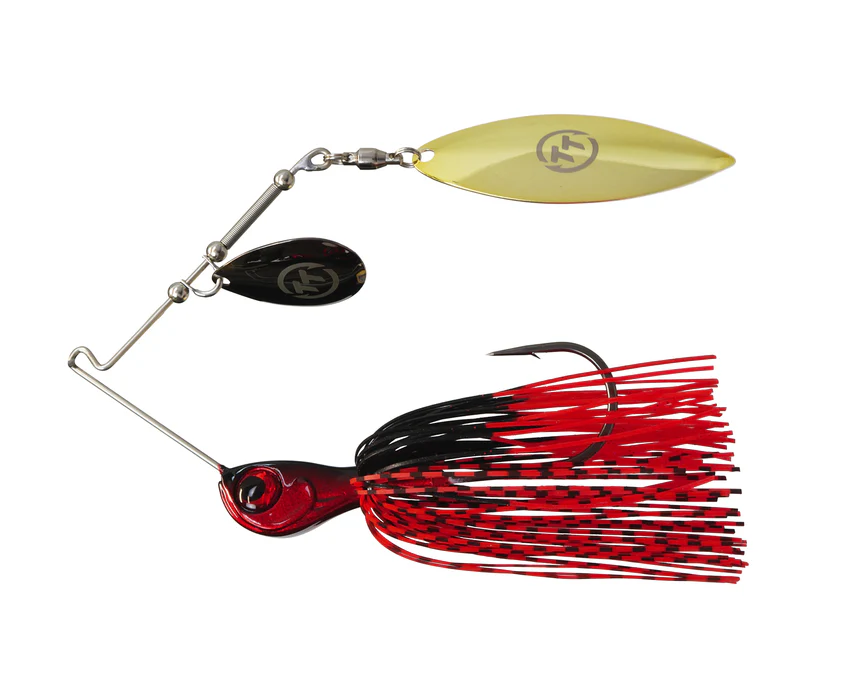

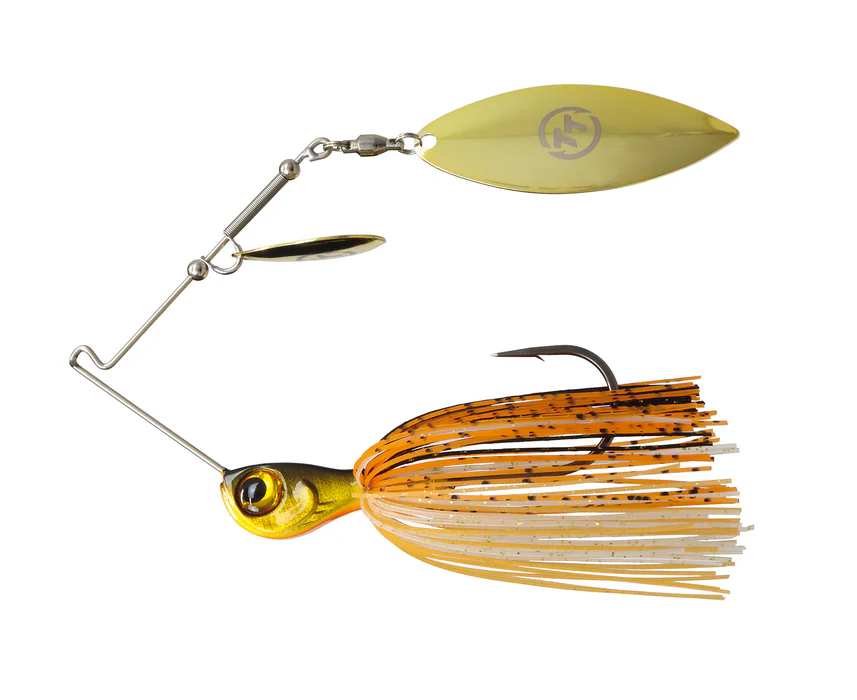

Spinnerbaits are a safety-pin wire frame with a weighted head and skirt on one arm and spinning blades on the other. The frame is what makes them so useful — the upturned hook and the wire arm let them come through timber and weed that would collect almost any other lure.
Blades and weight
Colorado blades are round and wide, so they turn slowly, throw a lot of vibration and let you fish slowly without the lure sinking. They are the choice for dirty water and cold fish. Willow blades are long and narrow, cutting through the water with more flash and less thump, which suits clearer water and faster retrieves.
Weight sets the depth. Lighter spinnerbaits can be slow rolled just under the surface, while heavier ones get down against timber and along drop-offs. Tandem blade arrangements split the difference between lift and flash.
Fish them right into the structure. A spinnerbait bounced off a log and allowed to flutter is how most cod and barra eat them. For the same water with a different profile, swimbaits and soft plastics cover it.
Frequently asked questions
What is the difference between Colorado and willow blades?
Colorado blades are round, turn slowly and thump hard, which suits dirty water and slow retrieves. Willow blades are slim, flash more and vibrate less, which suits clear water and faster fishing.
Why do spinnerbaits not snag?
The wire arm runs ahead of the upturned hook and deflects timber and weed away from it. They are not completely snag-proof, but they come through cover far better than a treble-hooked lure.
What fish do spinnerbaits catch in Australia?
Murray cod, barramundi, bass, yellowbelly and saratoga are the main targets. They also work on estuary species around structure.
Should I add a trailer hook?
It converts short strikes, which is useful when fish are nipping at the skirt. It also increases snagging, so it is a trade-off rather than an automatic improvement.