

FREE SHIPPING ON ORDERS OVER $150*

AUSSIE FAMILY OWNED BUSINESS FOR OVER 40 YEARS

100% SATISFACTION GUARANTEED
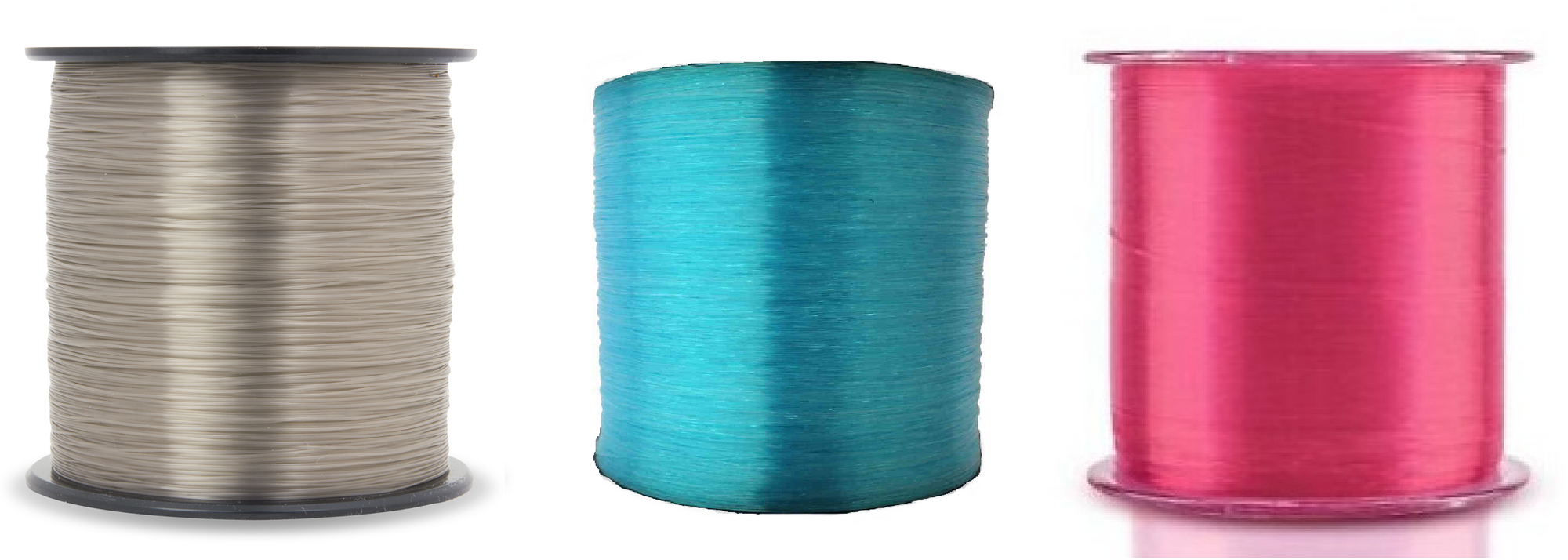
Monofilament Fishing Line
Monofilament Fishing Line
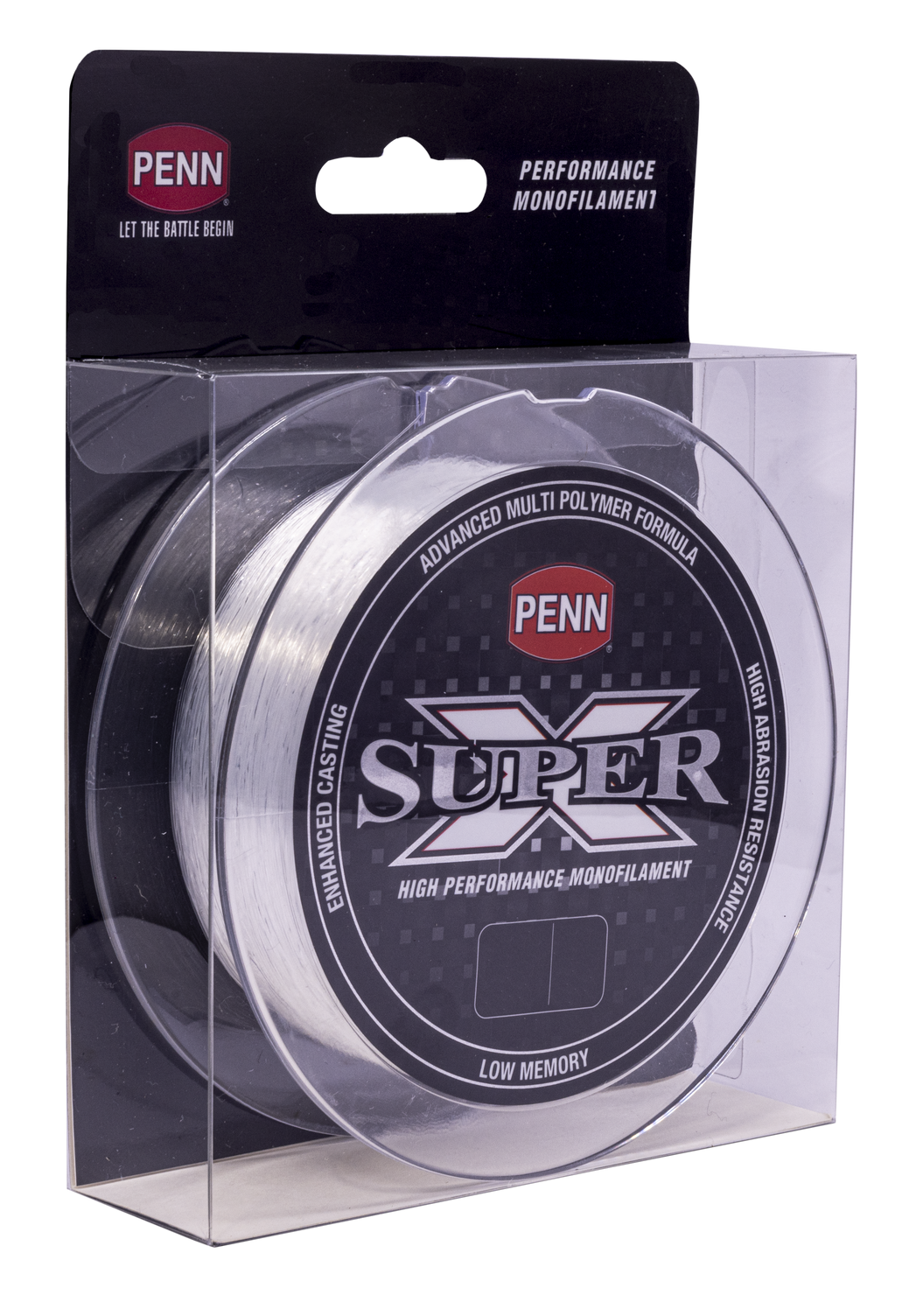
Monofilament has been quietly outlasting every line that was going to replace it. It stretches, which forgives mistakes. It is cheap, so respooling is not a decision. It handles knots well and it sits on a spool without the problems braid brings. For a great deal of Australian fishing it remains the right answer.
Where mono wins
Stretch is the headline feature and it works in your favour more often than anglers expect. It cushions a lunging fish at the boat, protects light hook-holds on soft-mouthed species, and forgives a drag setting that was not quite right.
It also floats, which matters for surface presentations and for beach fishing where a sinking line drags in the wash.
Abrasion resistance is another advantage. Mono takes rubbing against sand, rock and gill plates better than braid of the same breaking strain.
And it is forgiving to handle. Knots are easier, wind knots are rarer, and a backlash in mono is a nuisance rather than the end of the session.
Where mono loses is sensitivity and depth — the stretch that protects you also dulls what you feel, which is why deep and lure fishing tends to run braided line with a fishing leader instead.
Frequently asked questions
Is monofilament better than braid?
Neither is better outright. Mono stretches, floats and is cheap, which suits bait and beach fishing. Braid is thinner and more sensitive, which suits lures and deep water.
How often should I replace mono line?
At least once a season if you fish regularly, and sooner if it has seen a lot of sun. Mono degrades with UV exposure even sitting on the reel.
What breaking strain should I use?
Match it to the rod's line rating rather than to the fish. A rod rated for a line class is designed to protect that line under load.
Why does my mono keep twisting?
Usually a missing swivel, or line loaded onto the spool the wrong way. Both are easy to fix and both ruin a spool quickly if left.


Sold Out
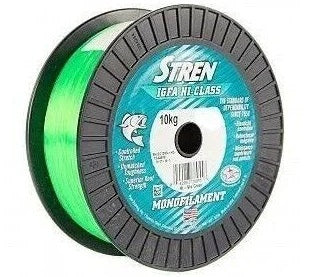
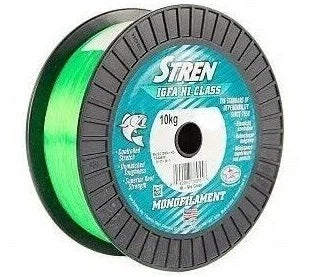
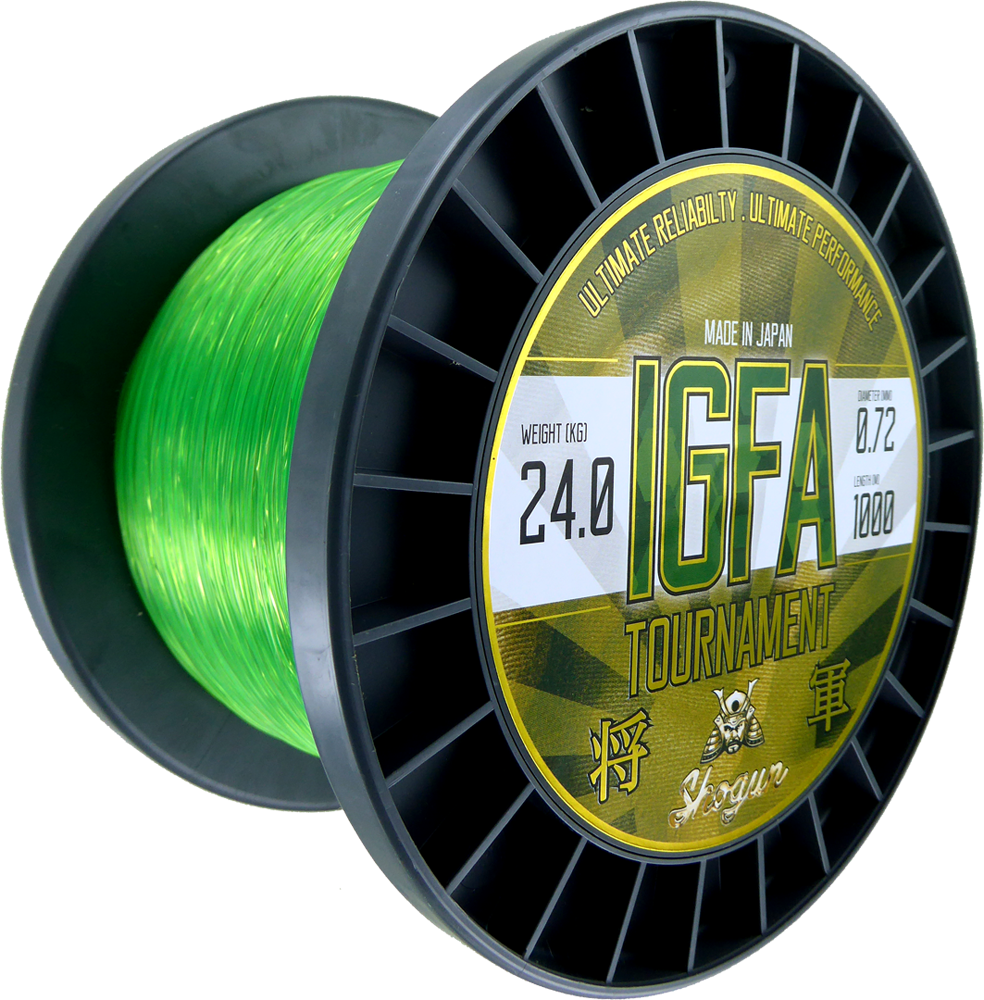
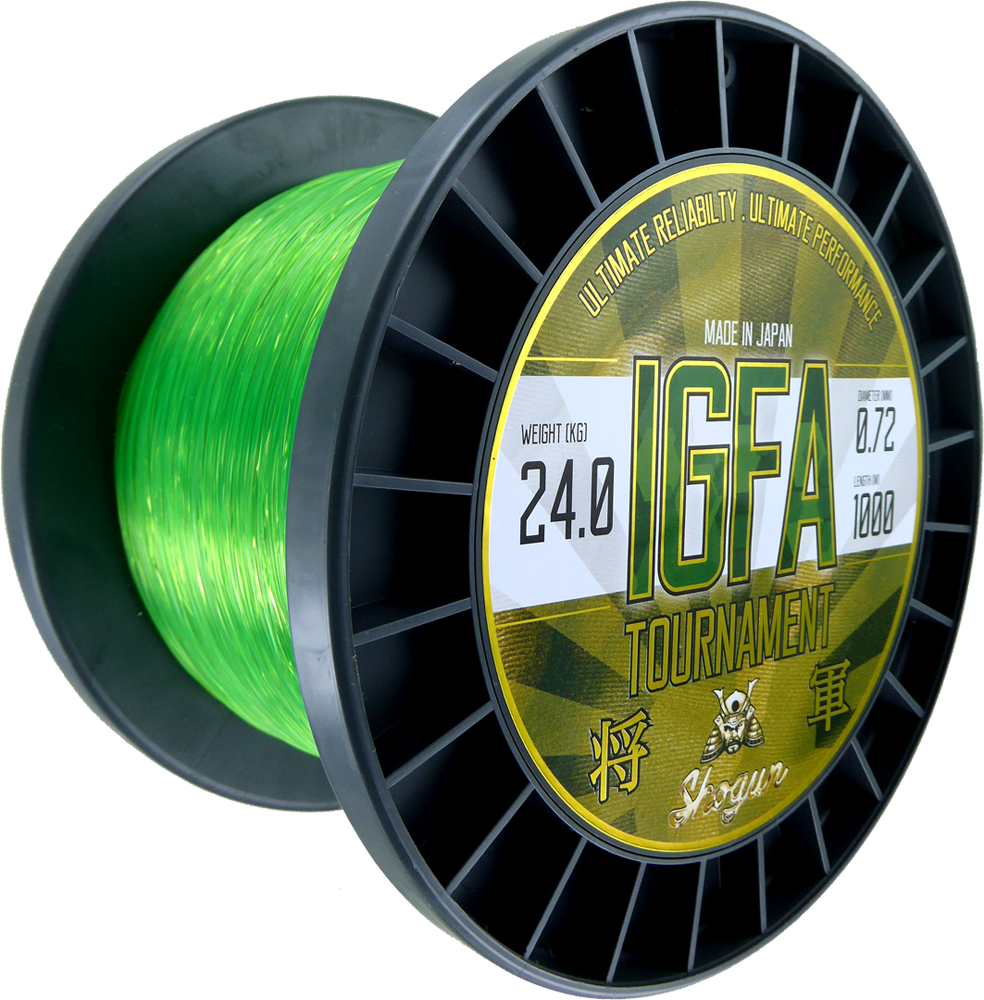
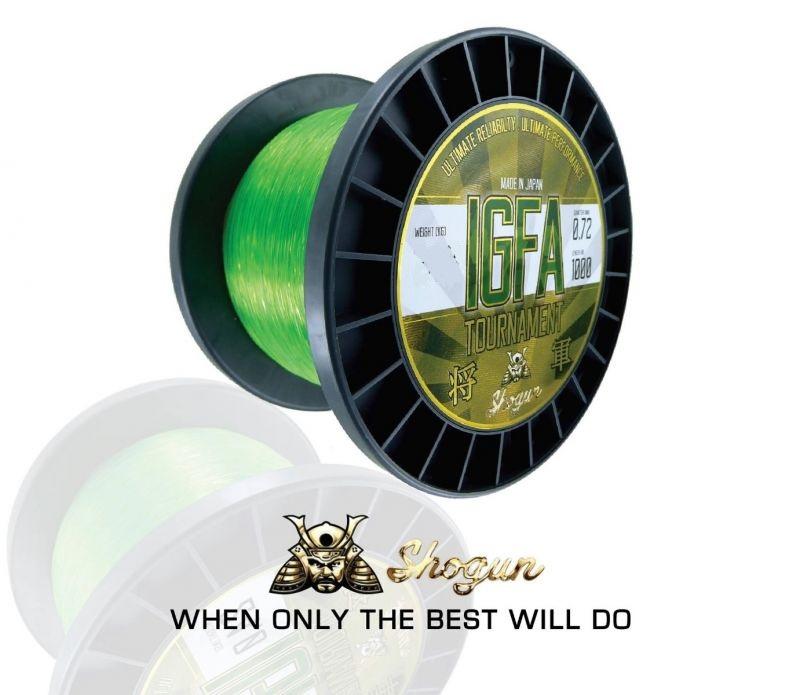
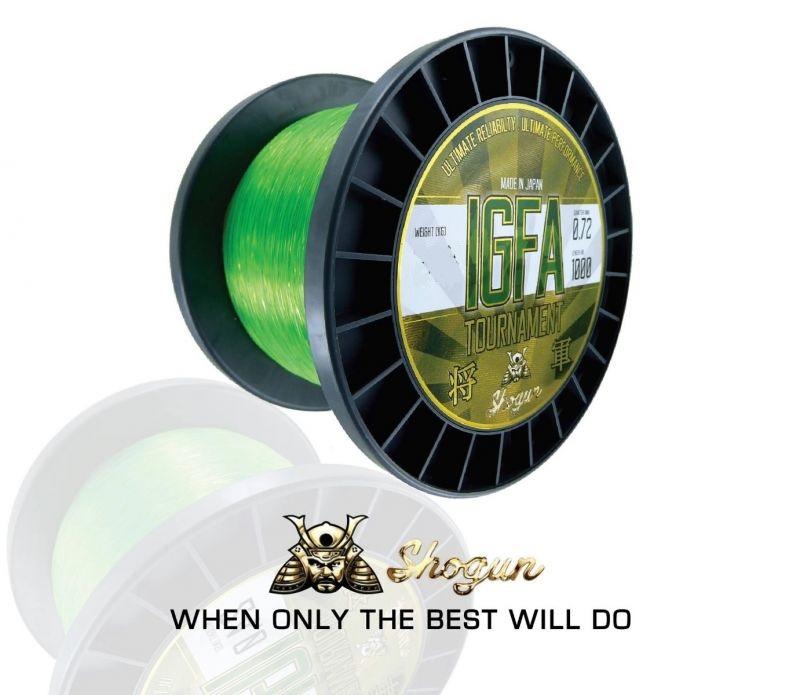
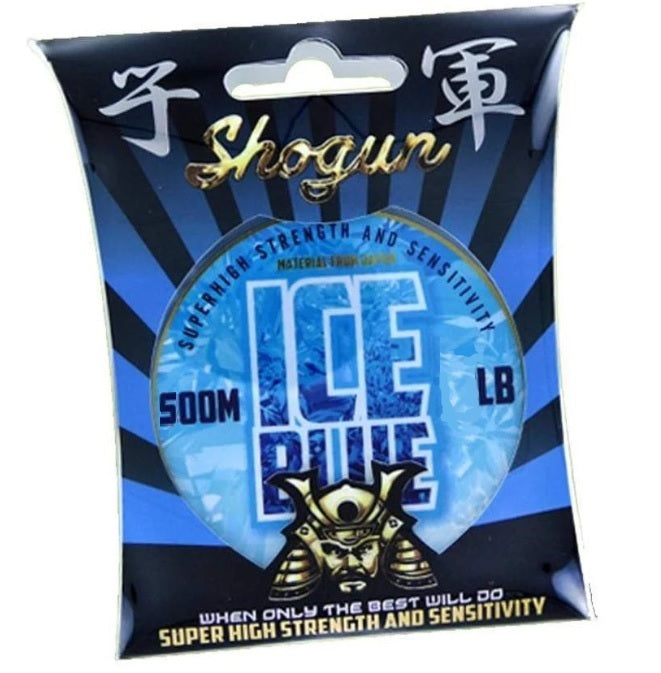
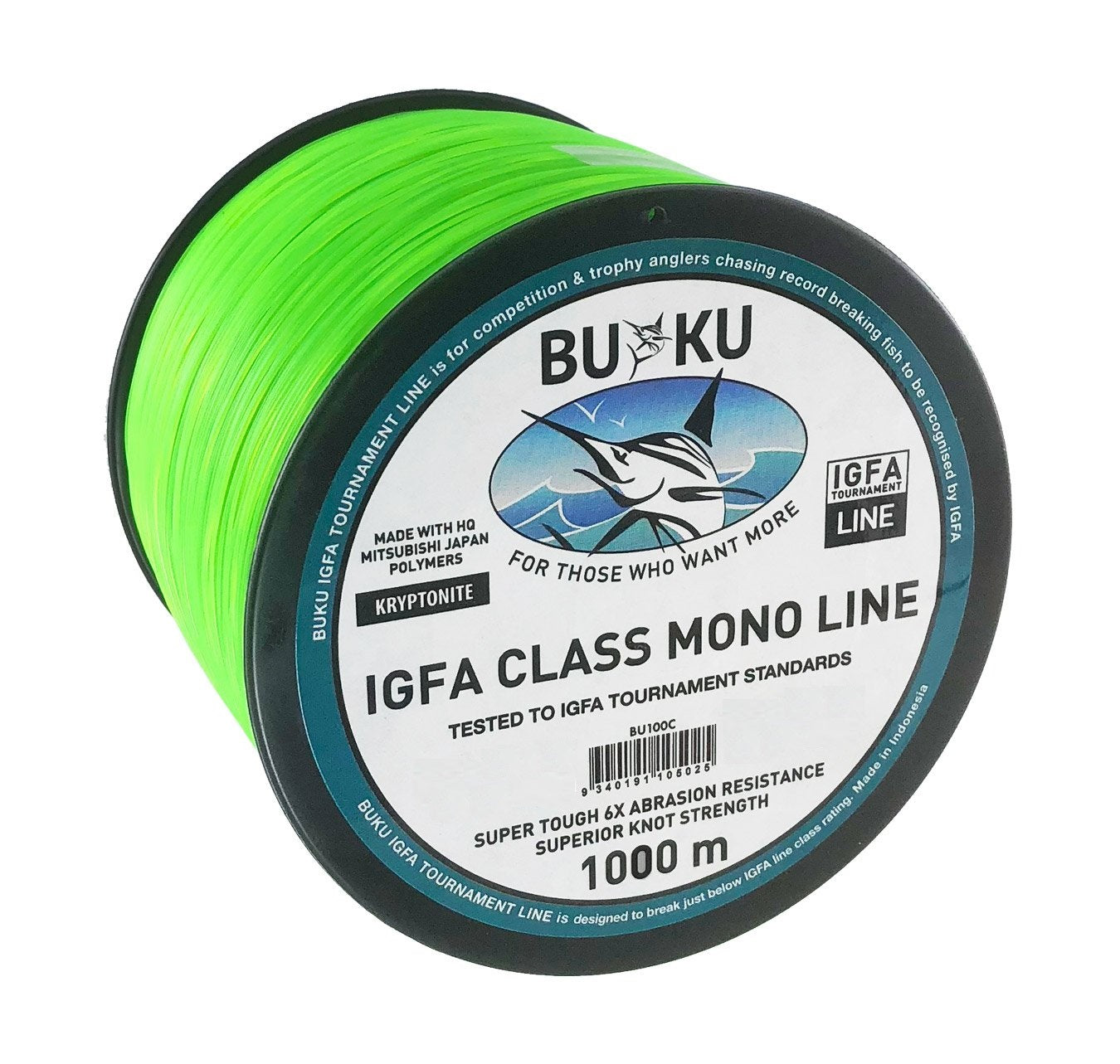
Shogun IGFA Tournament 1000m Monofilament Fluoro Green Fishing Line
from
$25.99
$90.00
Sold Out






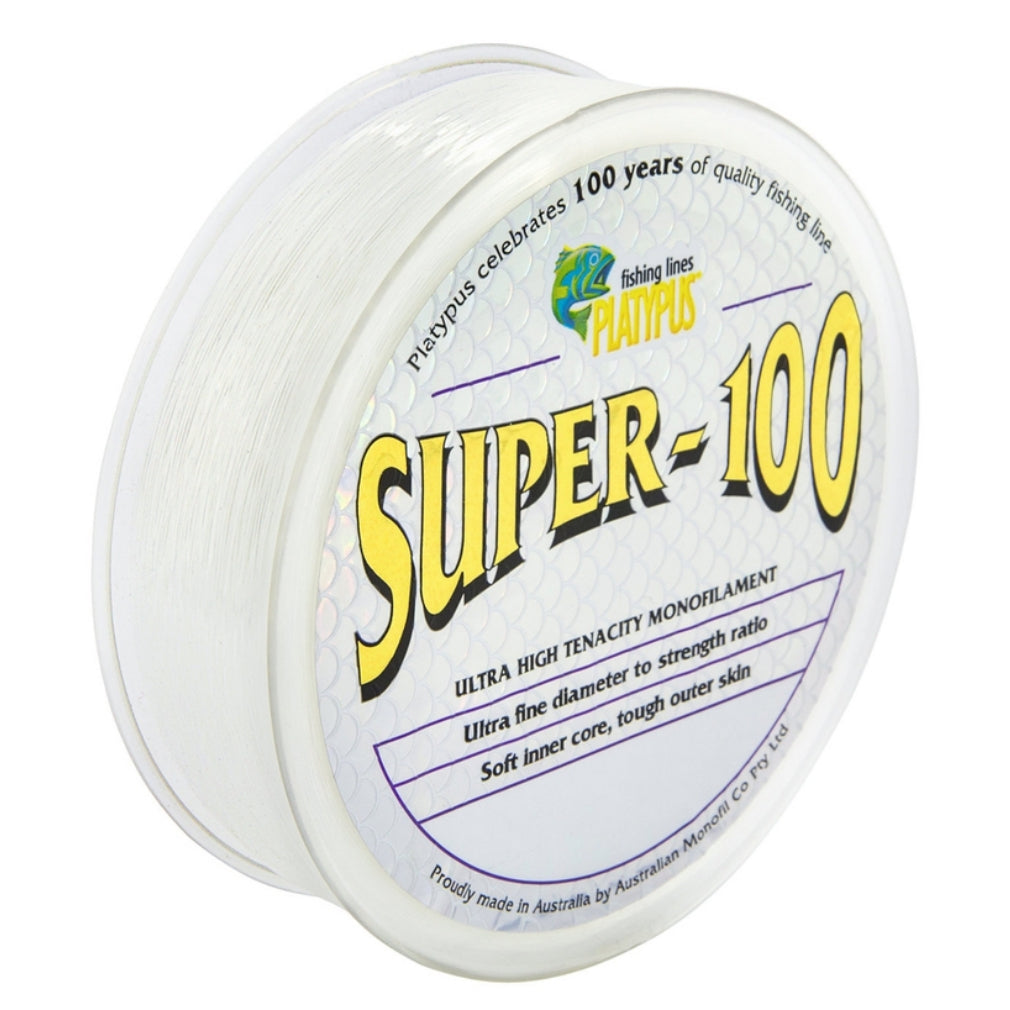


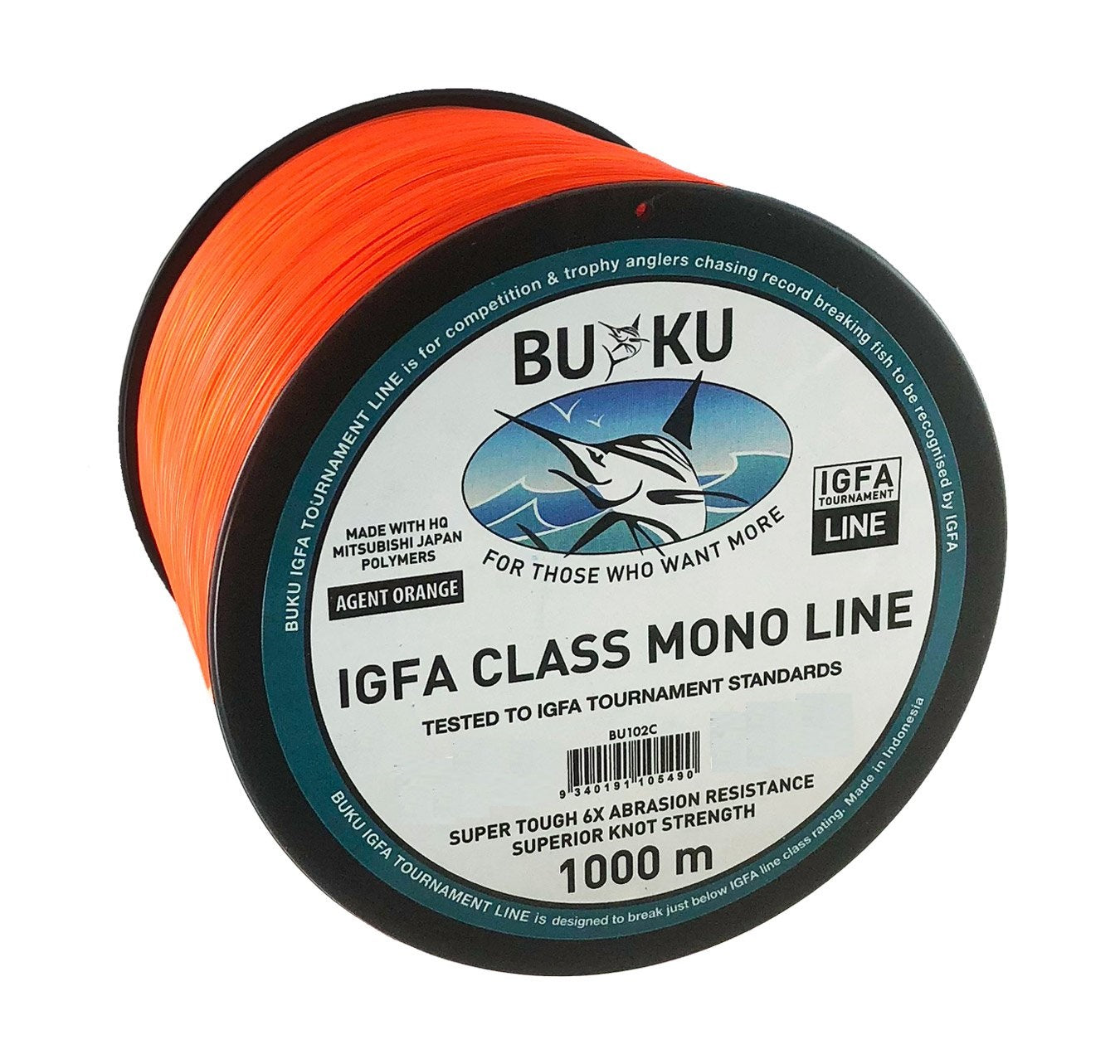



Sold Out
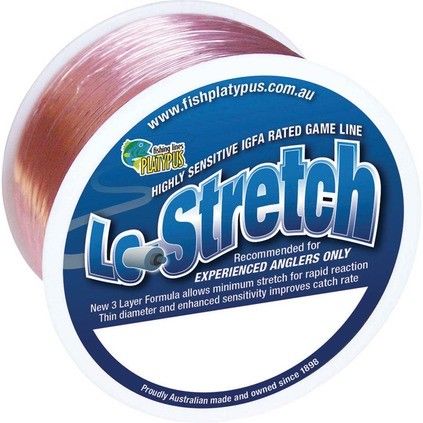
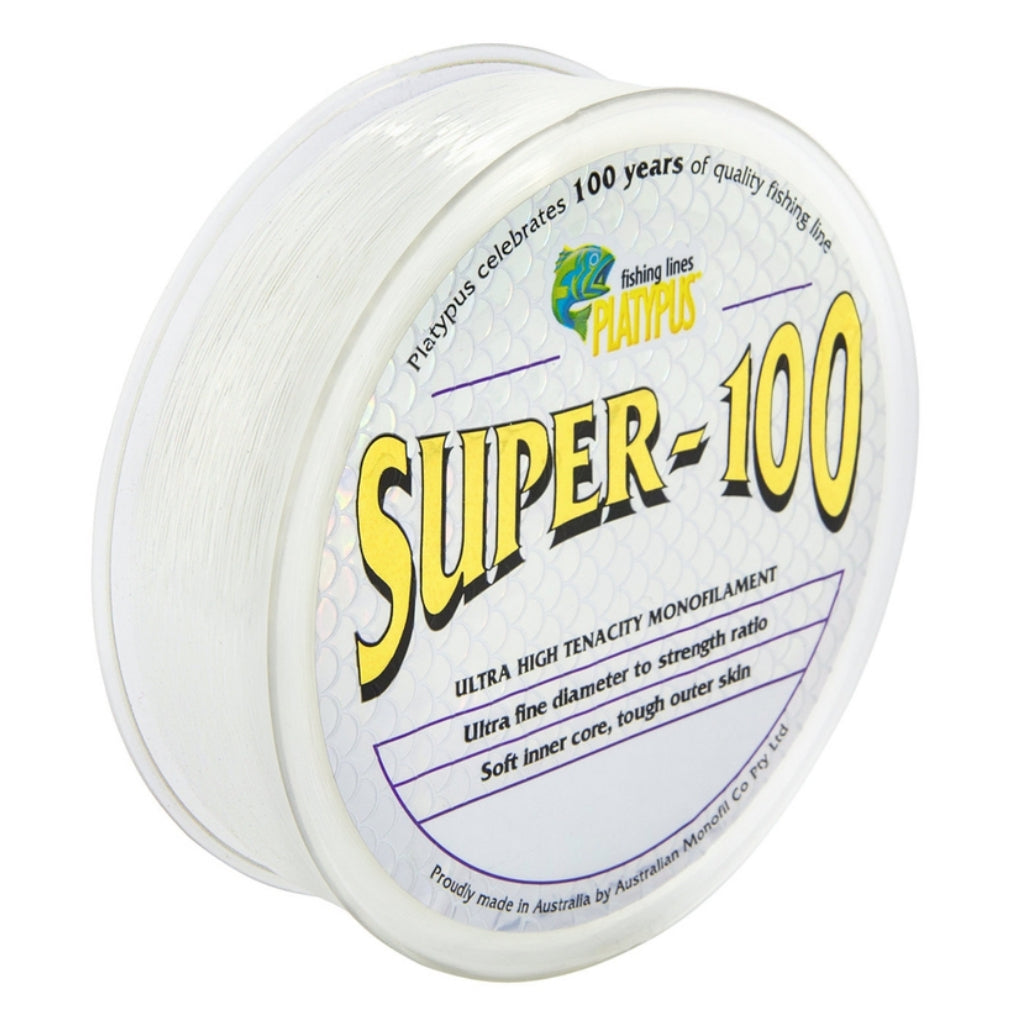
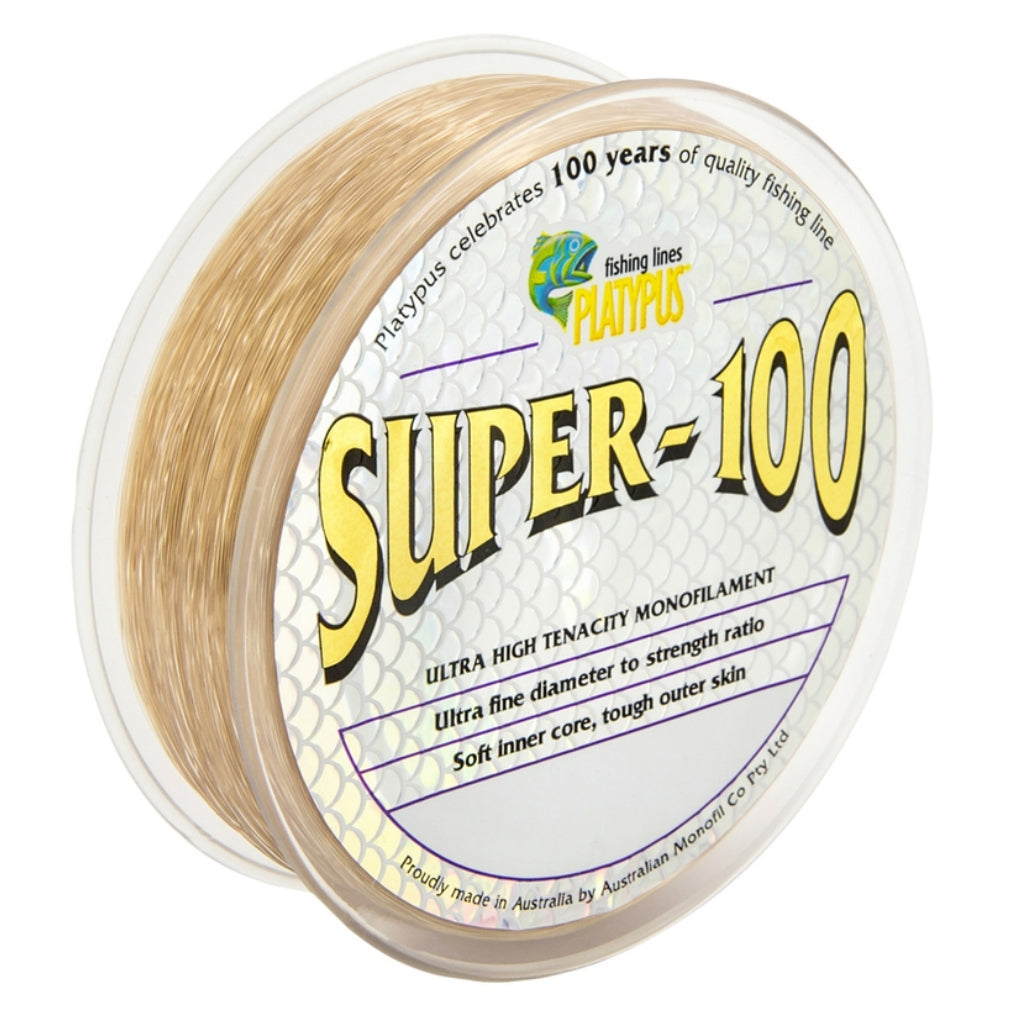
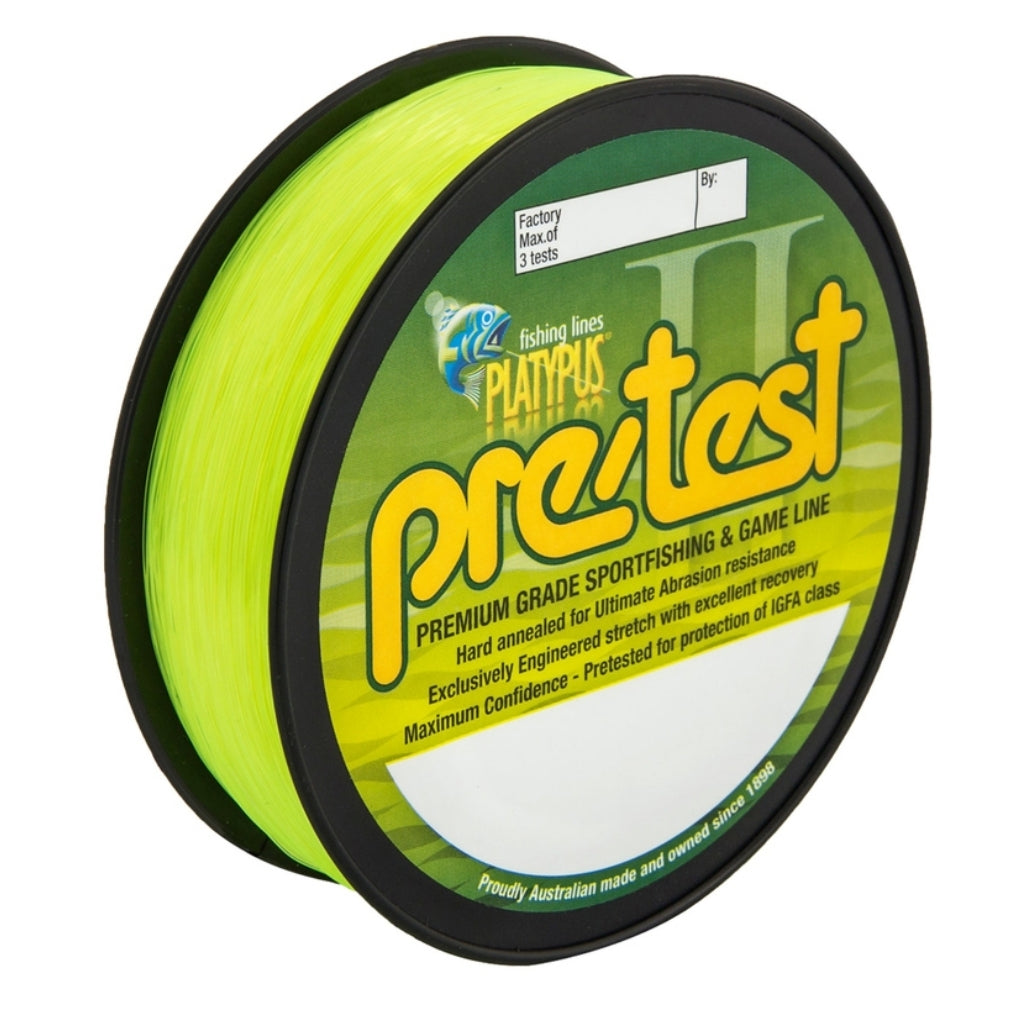
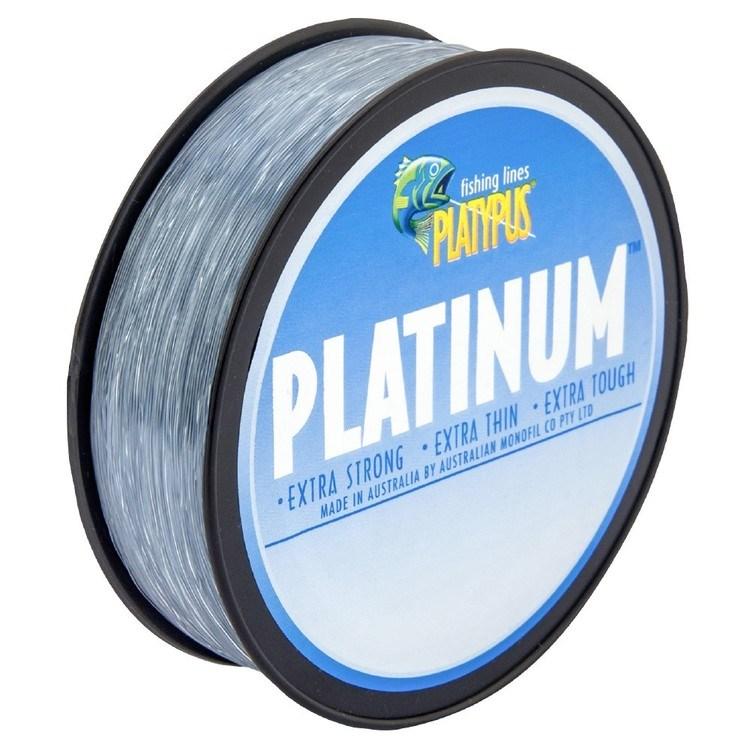
Platypus Pretest Monofilament High-Vis Yellow Fishing Line - 300m
from
$11.66
$12.95
Sold Out







Sold Out
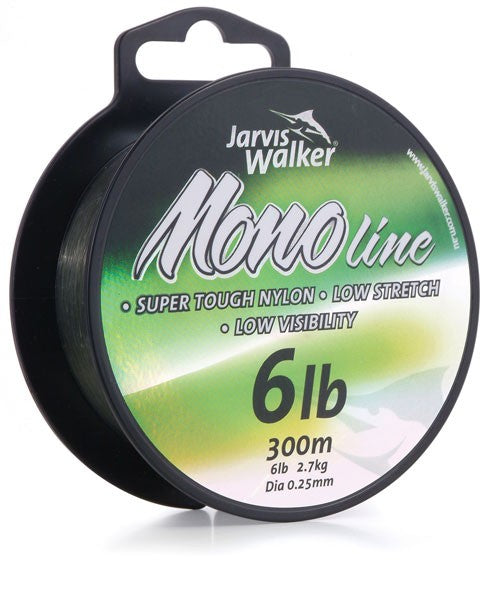
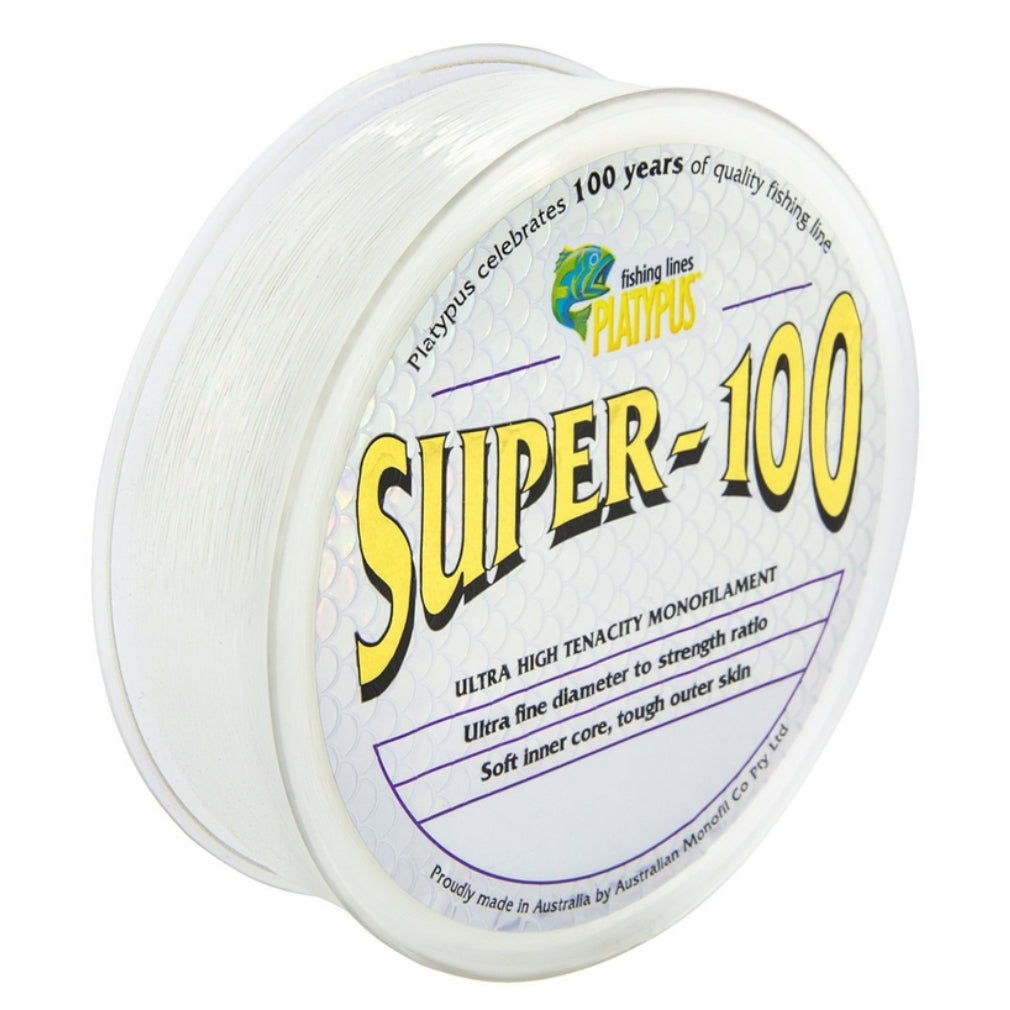
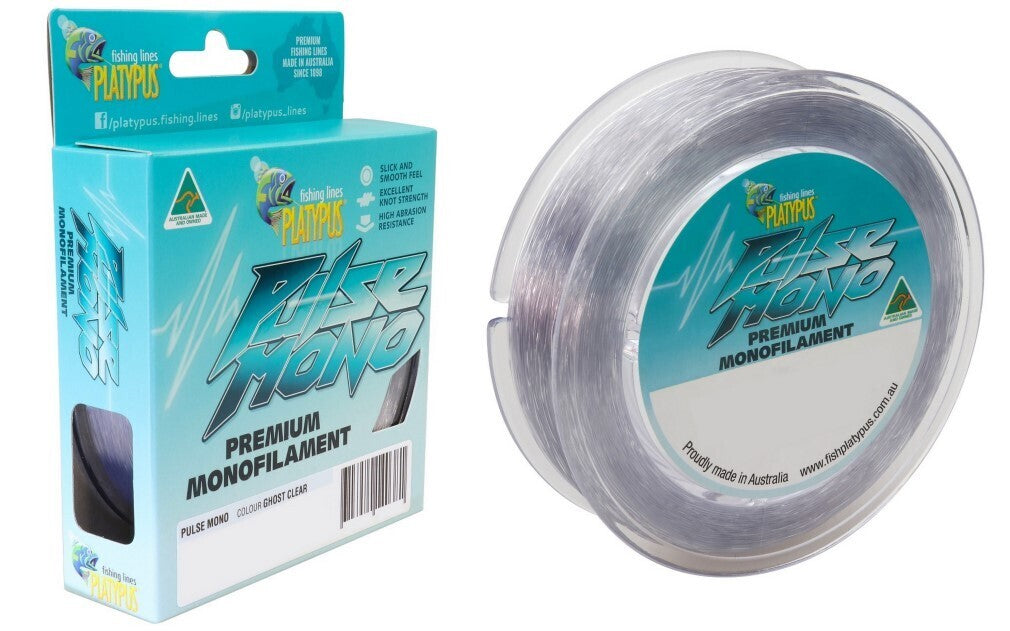
Platypus Pulse Premium Grade Mono Monofilament Fishing Line 300m
from
$20.66
$22.95
Sold Out


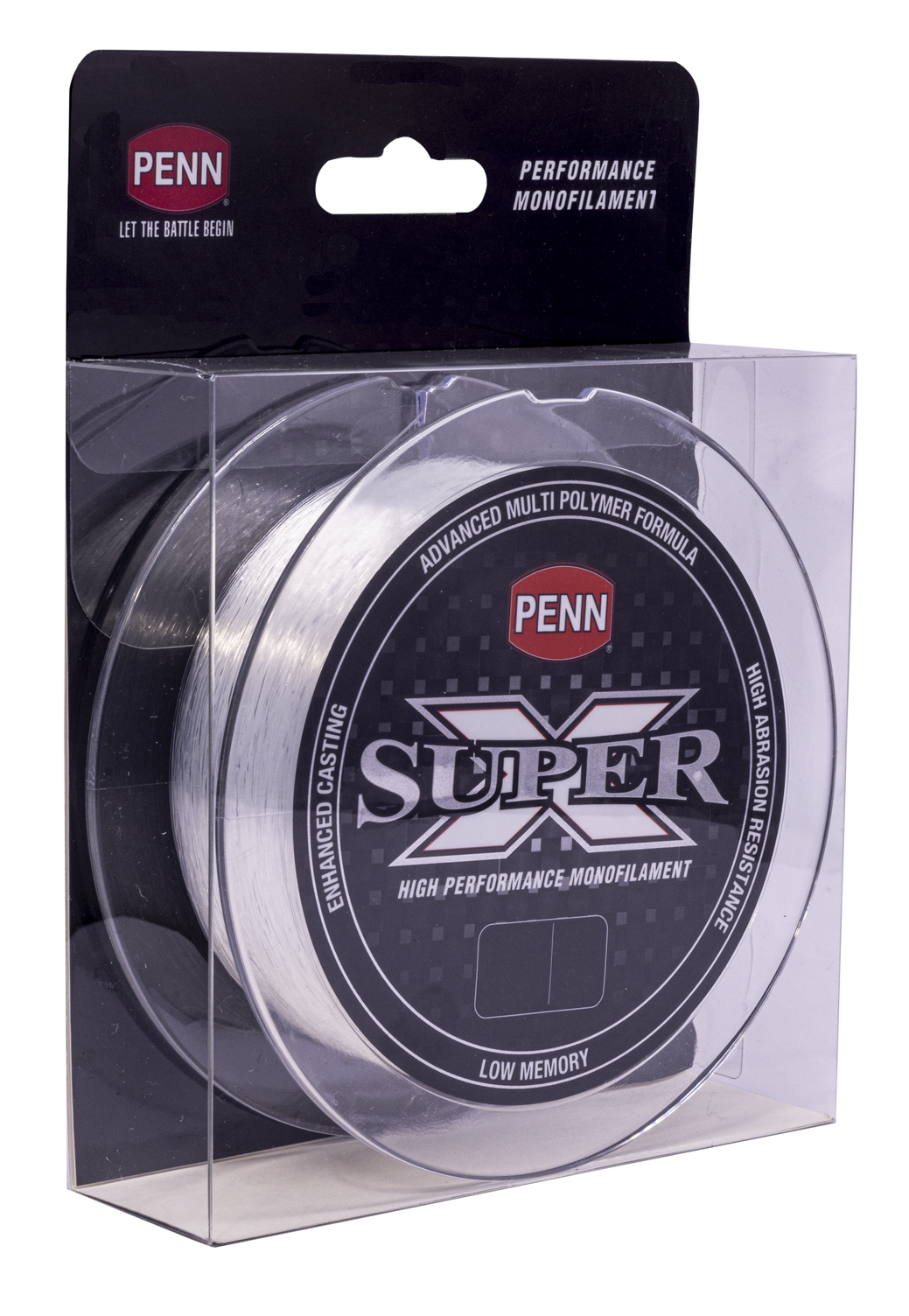


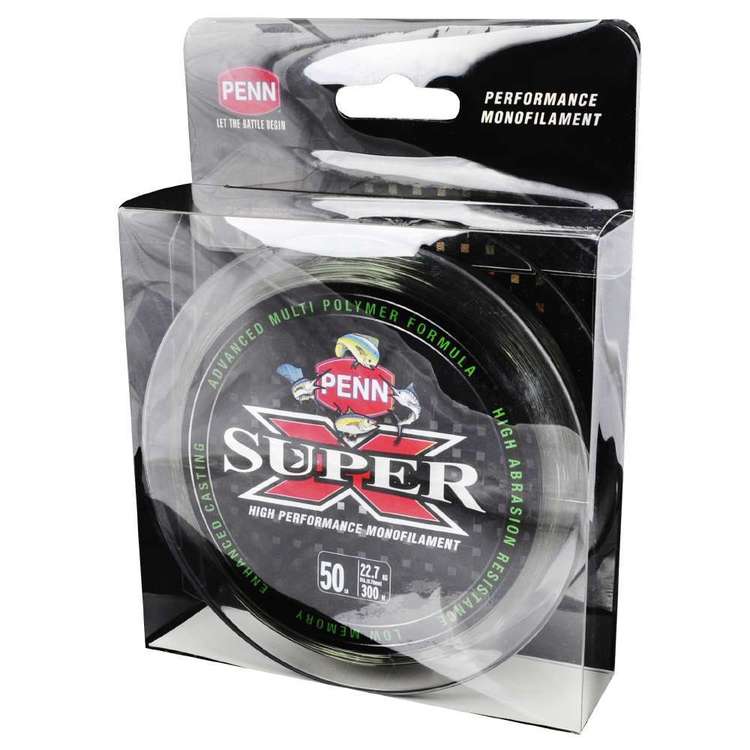


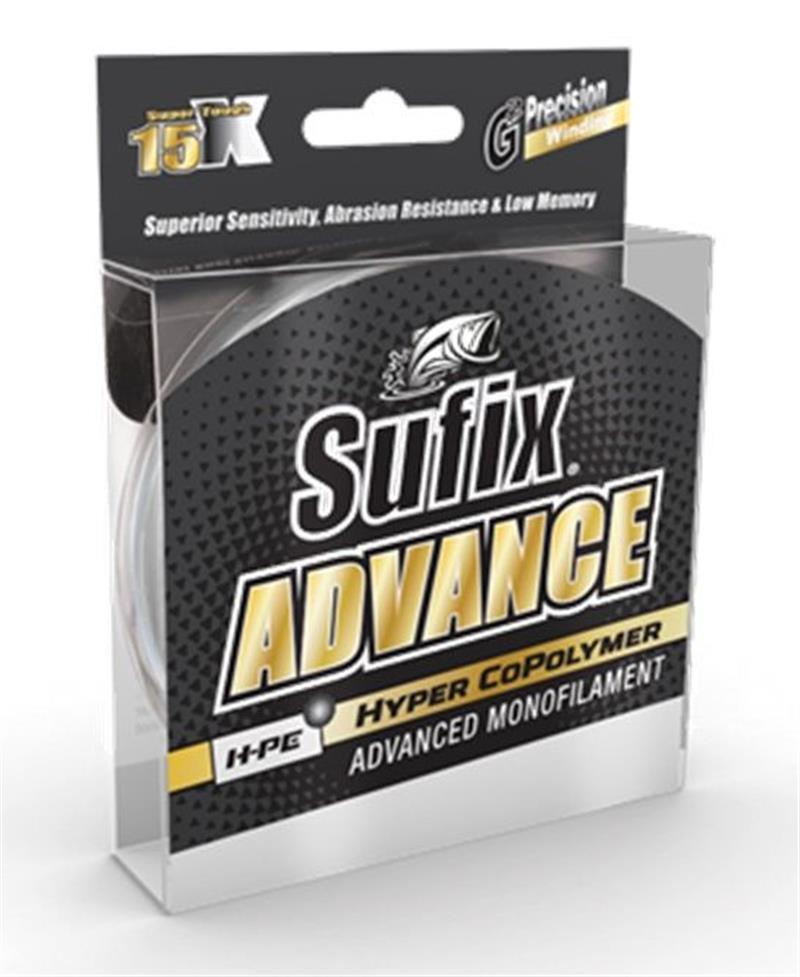


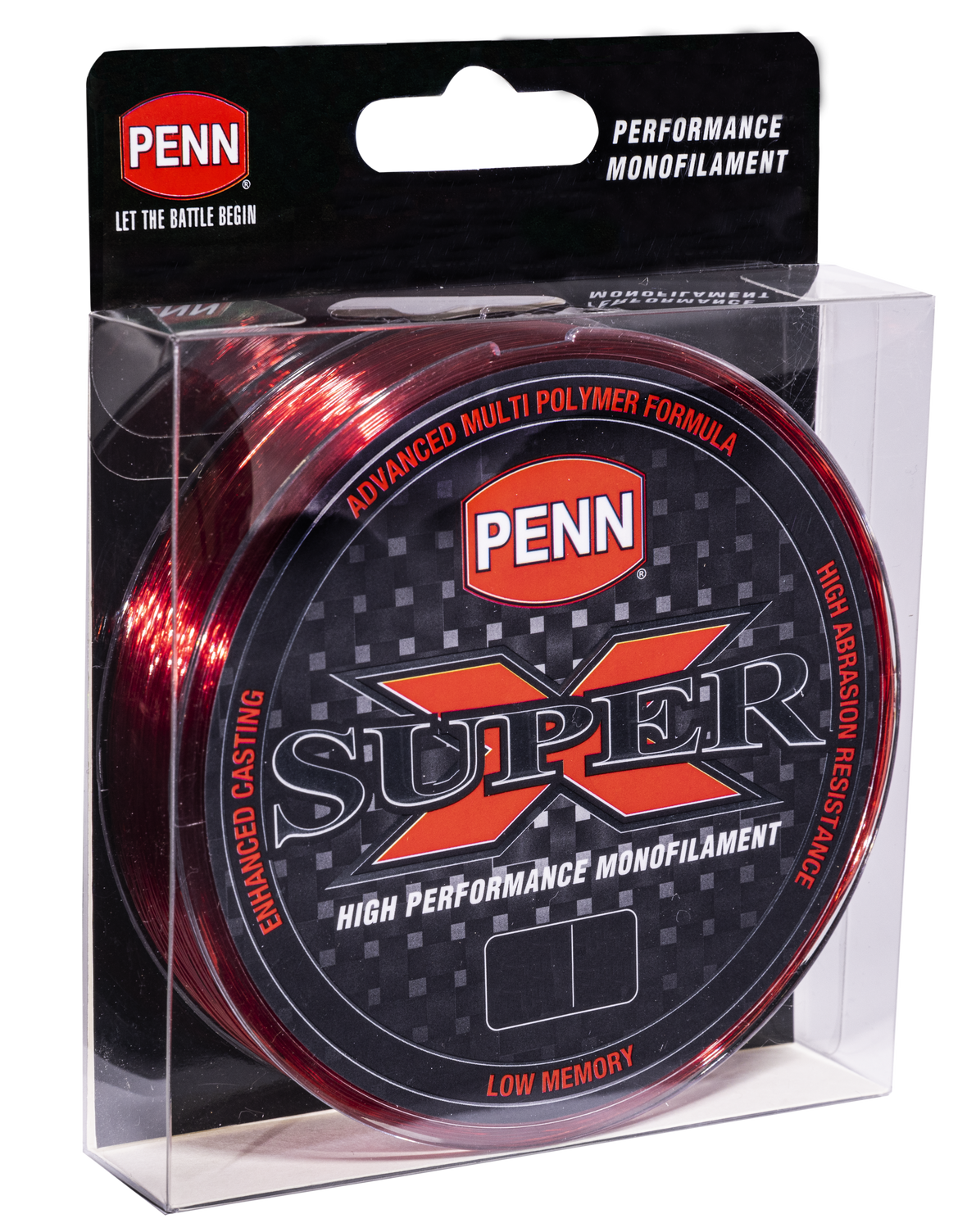














Monofilament has been quietly outlasting every line that was going to replace it. It stretches, which forgives mistakes. It is cheap, so respooling is not a decision. It handles knots well and it sits on a spool without the problems braid brings. For a great deal of Australian fishing it remains the right answer.
Where mono wins
Stretch is the headline feature and it works in your favour more often than anglers expect. It cushions a lunging fish at the boat, protects light hook-holds on soft-mouthed species, and forgives a drag setting that was not quite right.
It also floats, which matters for surface presentations and for beach fishing where a sinking line drags in the wash.
Abrasion resistance is another advantage. Mono takes rubbing against sand, rock and gill plates better than braid of the same breaking strain.
And it is forgiving to handle. Knots are easier, wind knots are rarer, and a backlash in mono is a nuisance rather than the end of the session.
Where mono loses is sensitivity and depth — the stretch that protects you also dulls what you feel, which is why deep and lure fishing tends to run braided line with a fishing leader instead.
Frequently asked questions
Is monofilament better than braid?
Neither is better outright. Mono stretches, floats and is cheap, which suits bait and beach fishing. Braid is thinner and more sensitive, which suits lures and deep water.
How often should I replace mono line?
At least once a season if you fish regularly, and sooner if it has seen a lot of sun. Mono degrades with UV exposure even sitting on the reel.
What breaking strain should I use?
Match it to the rod's line rating rather than to the fish. A rod rated for a line class is designed to protect that line under load.
Why does my mono keep twisting?
Usually a missing swivel, or line loaded onto the spool the wrong way. Both are easy to fix and both ruin a spool quickly if left.