

FREE SHIPPING ON ORDERS OVER $150*

AUSSIE FAMILY OWNED BUSINESS FOR OVER 40 YEARS

100% SATISFACTION GUARANTEED
Fishing Line and Leader
Fishing Line and Leader
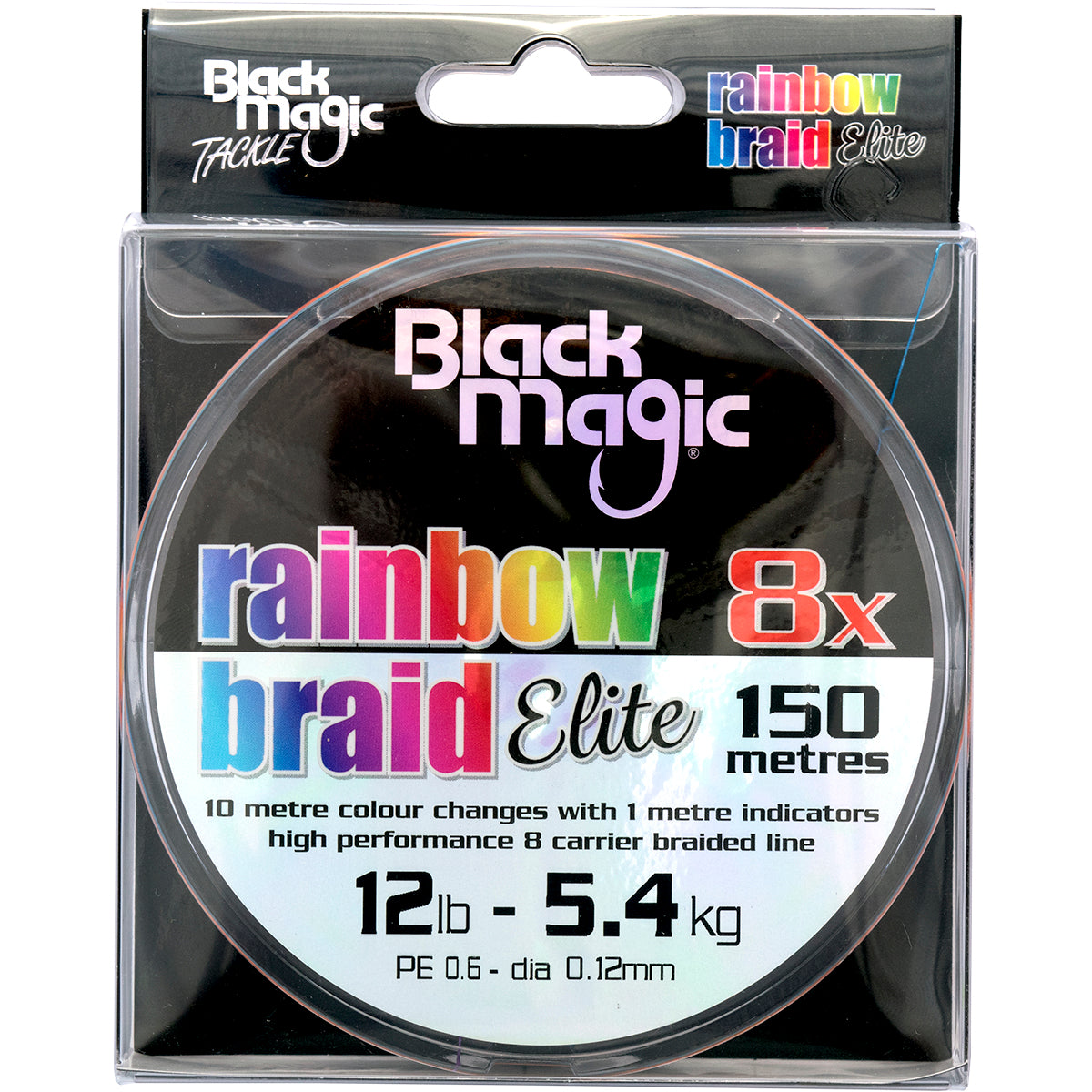
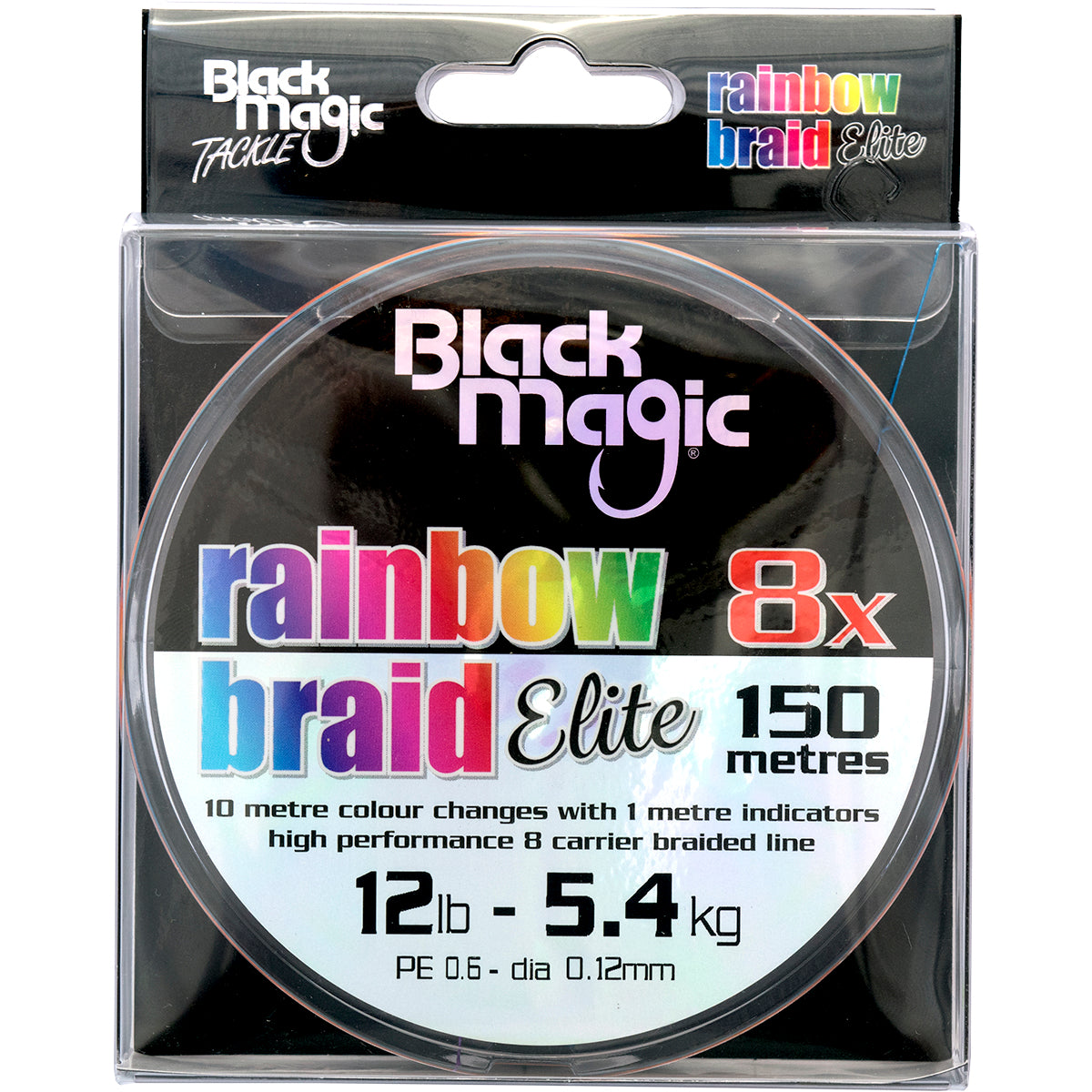
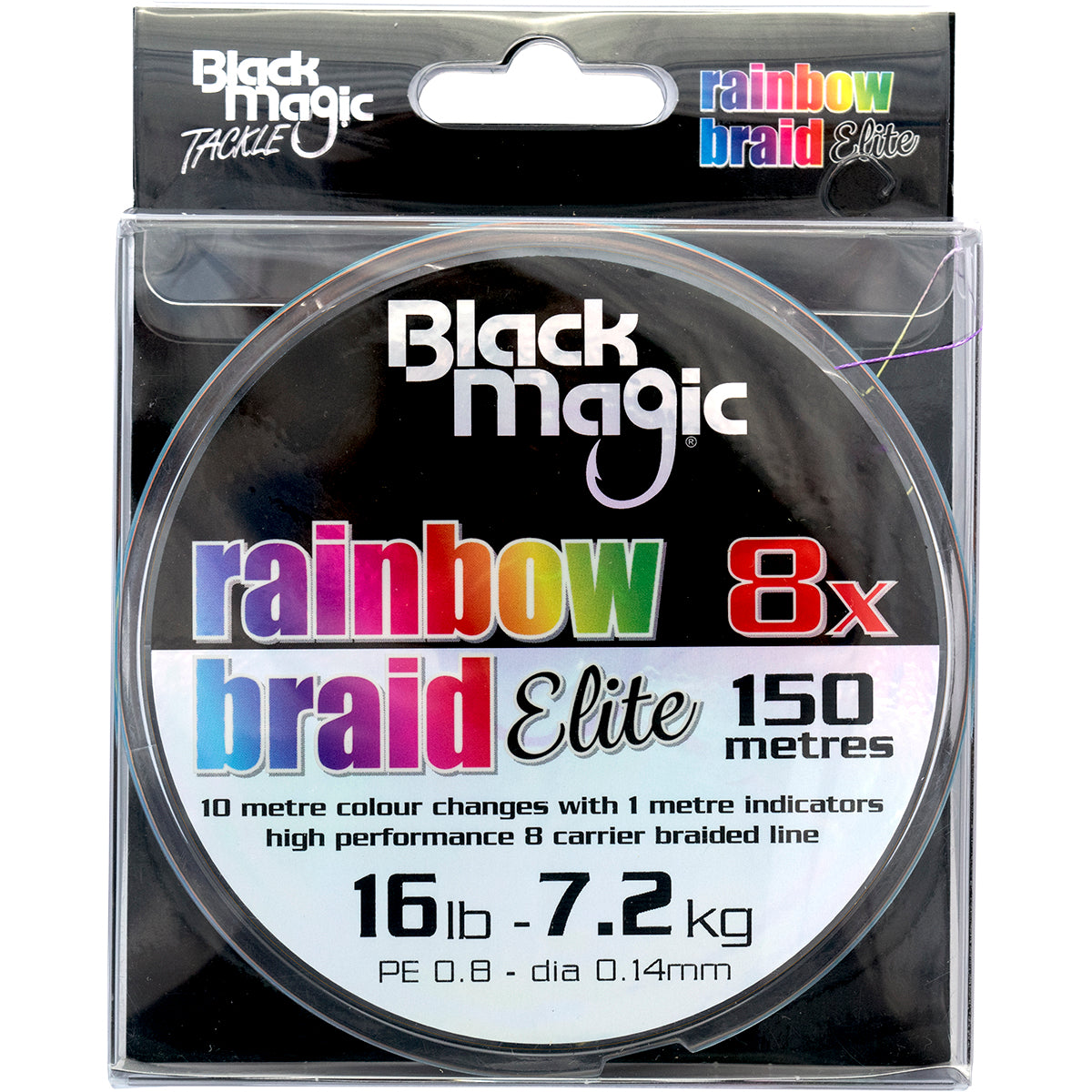
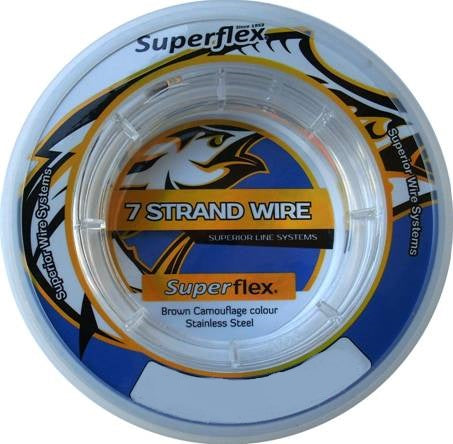
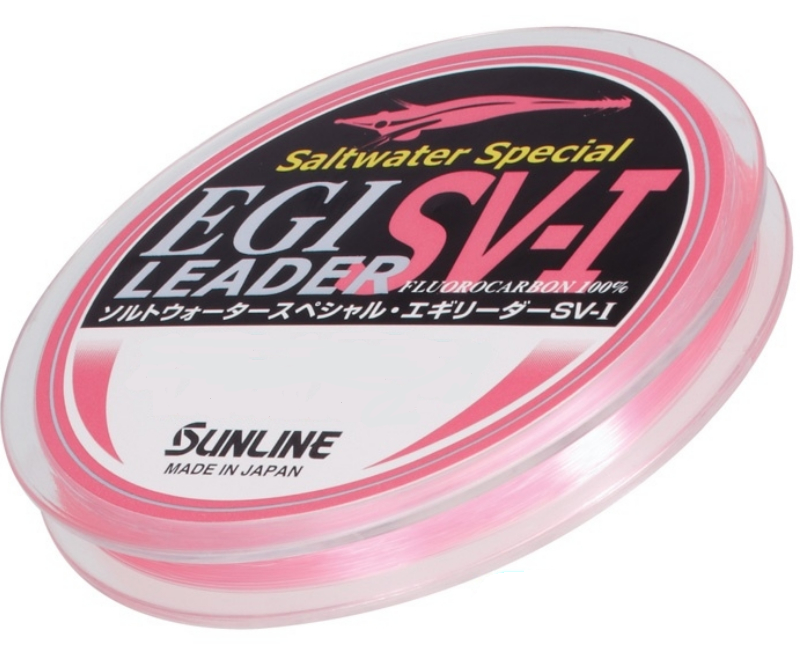
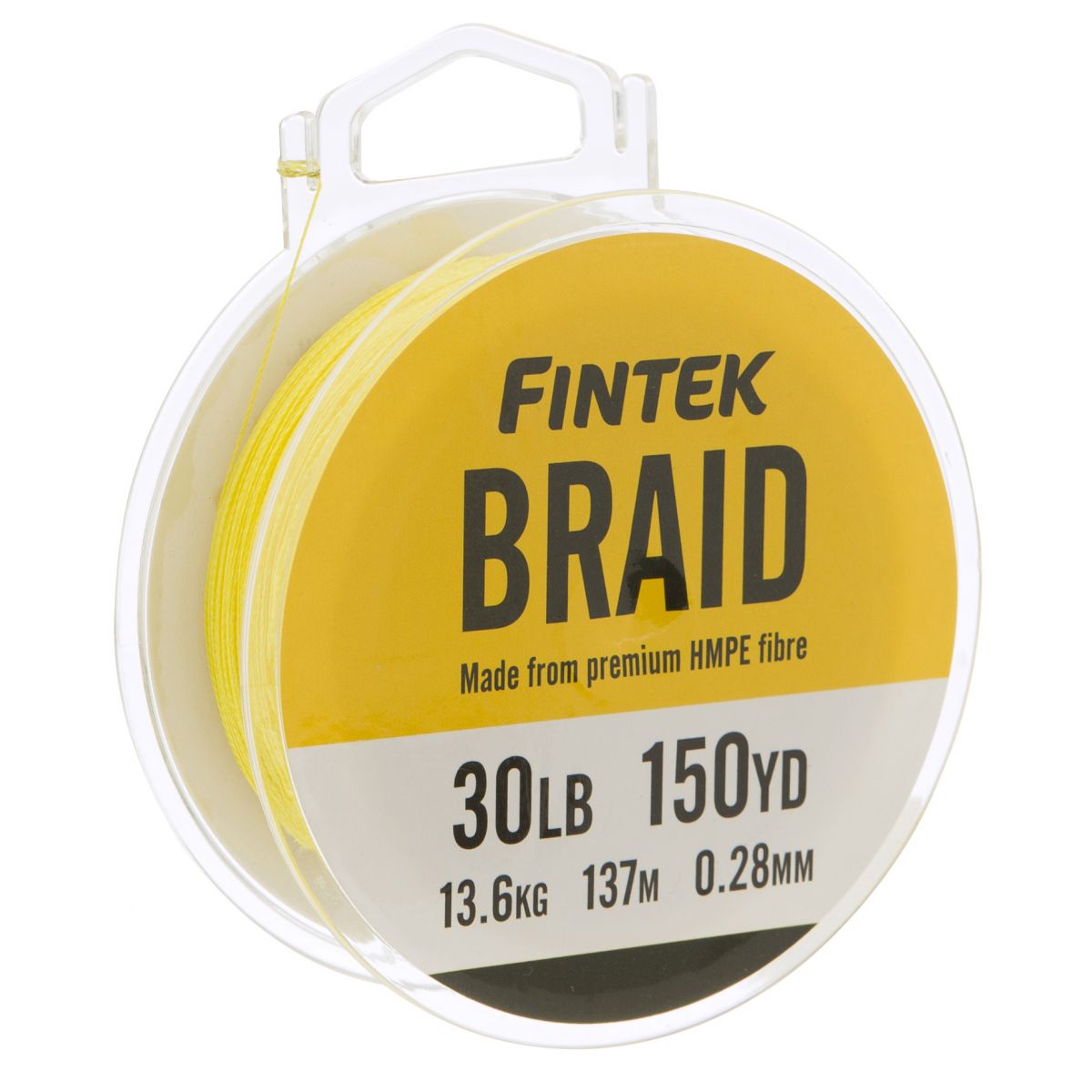
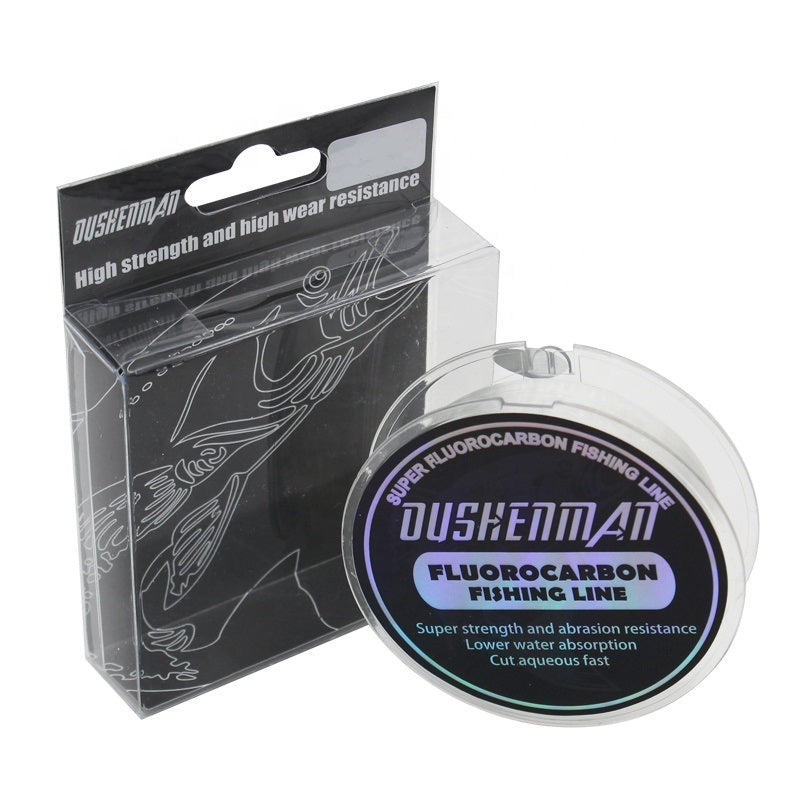
Line is the connection between you and the fish, and most setups use two kinds: a main line on the reel and a leader tied to the end of it. This range covers braid, monofilament and fluorocarbon in both roles, from light estuary classes through to heavy offshore.
Main line and leader
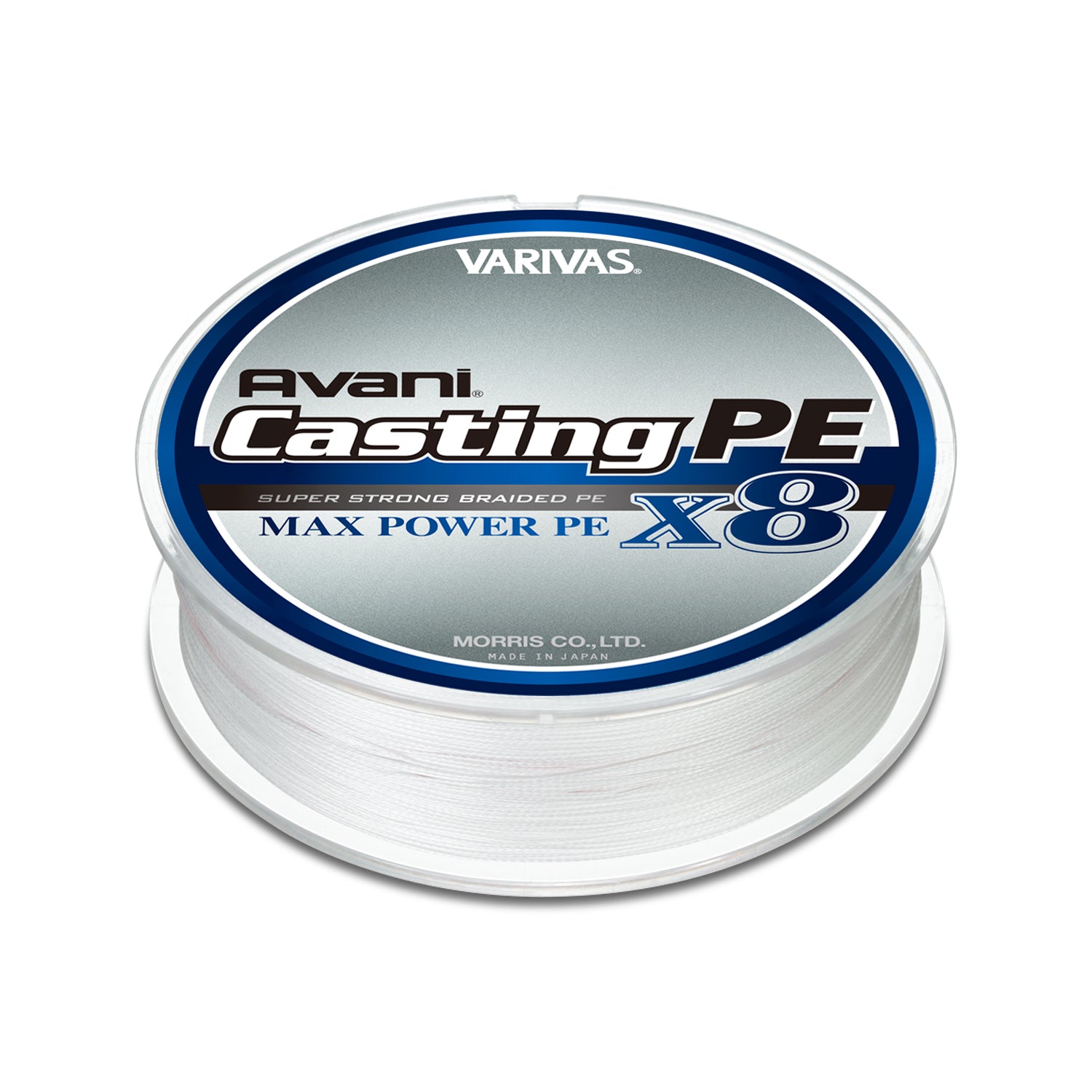
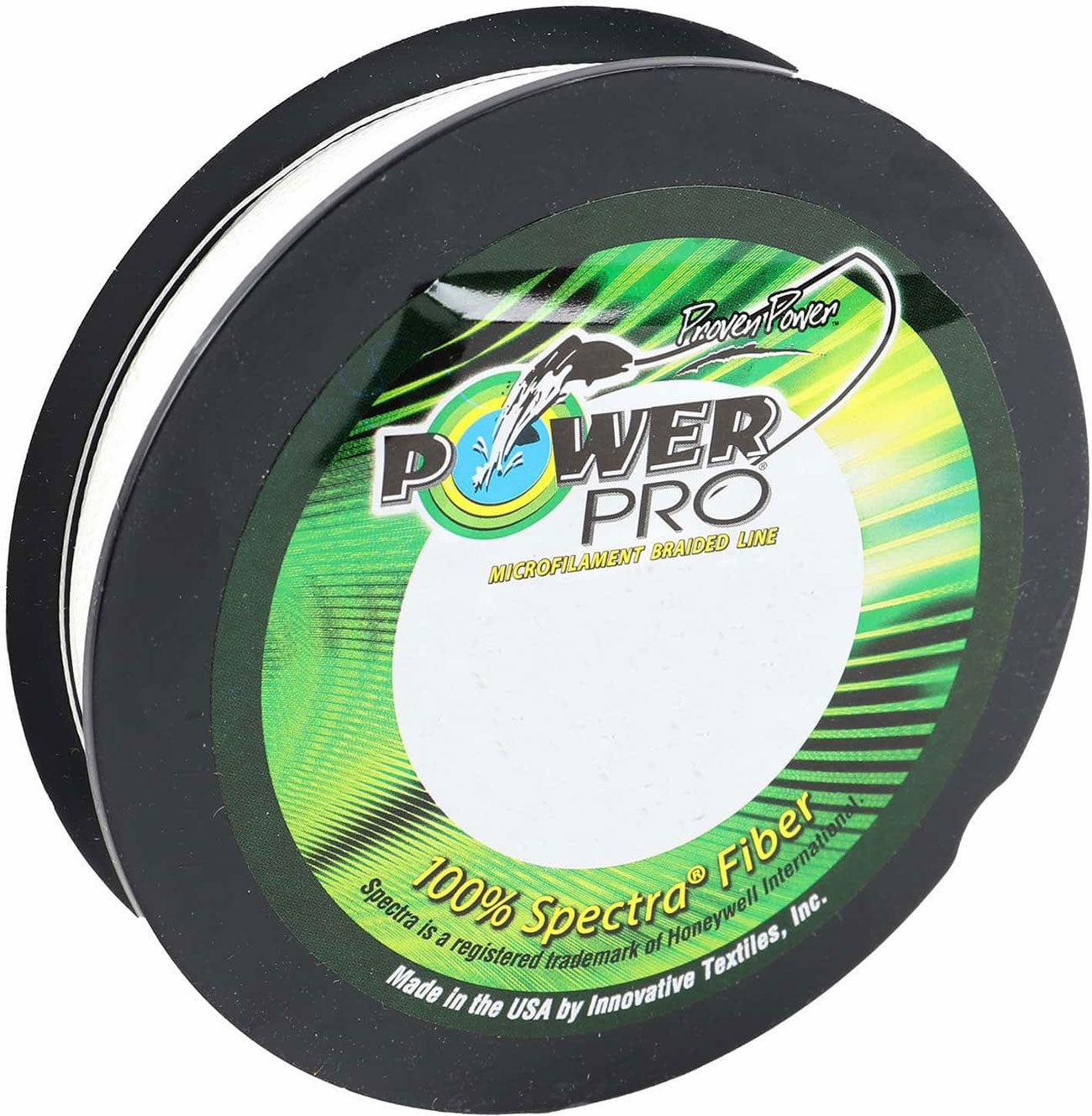
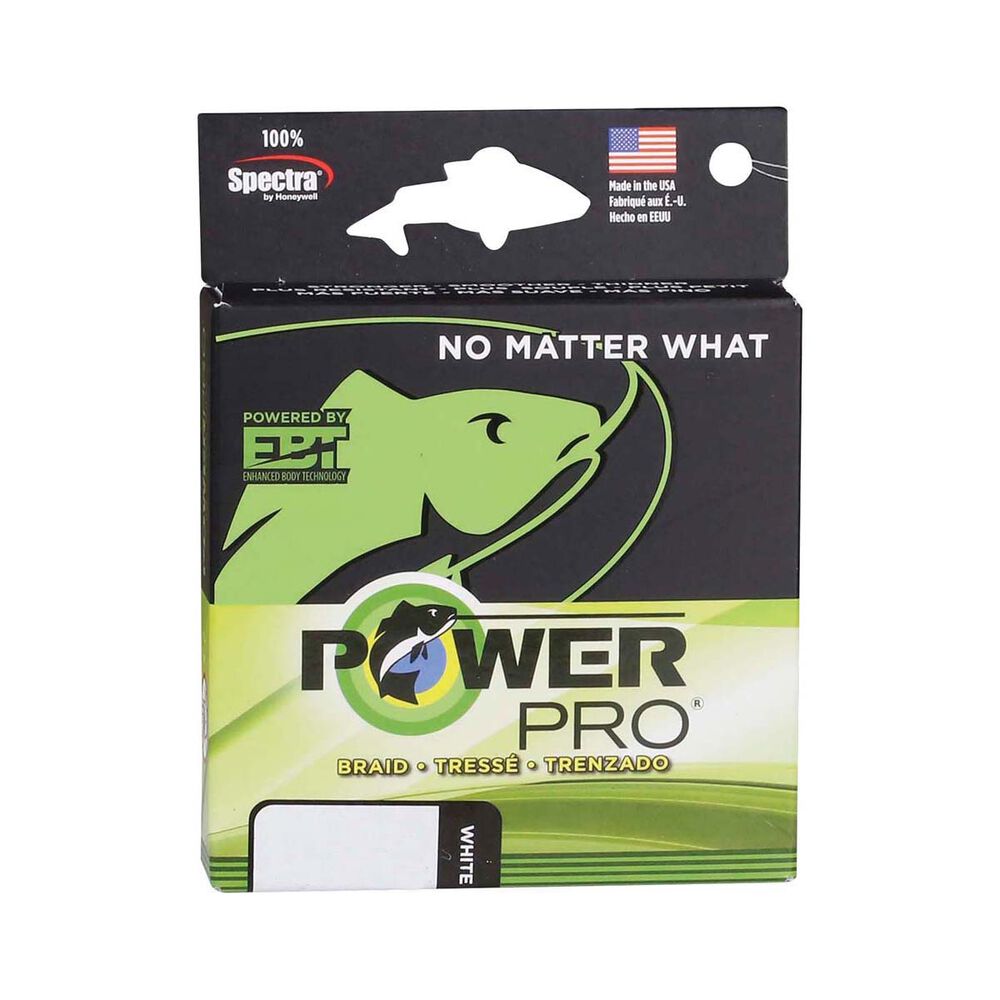
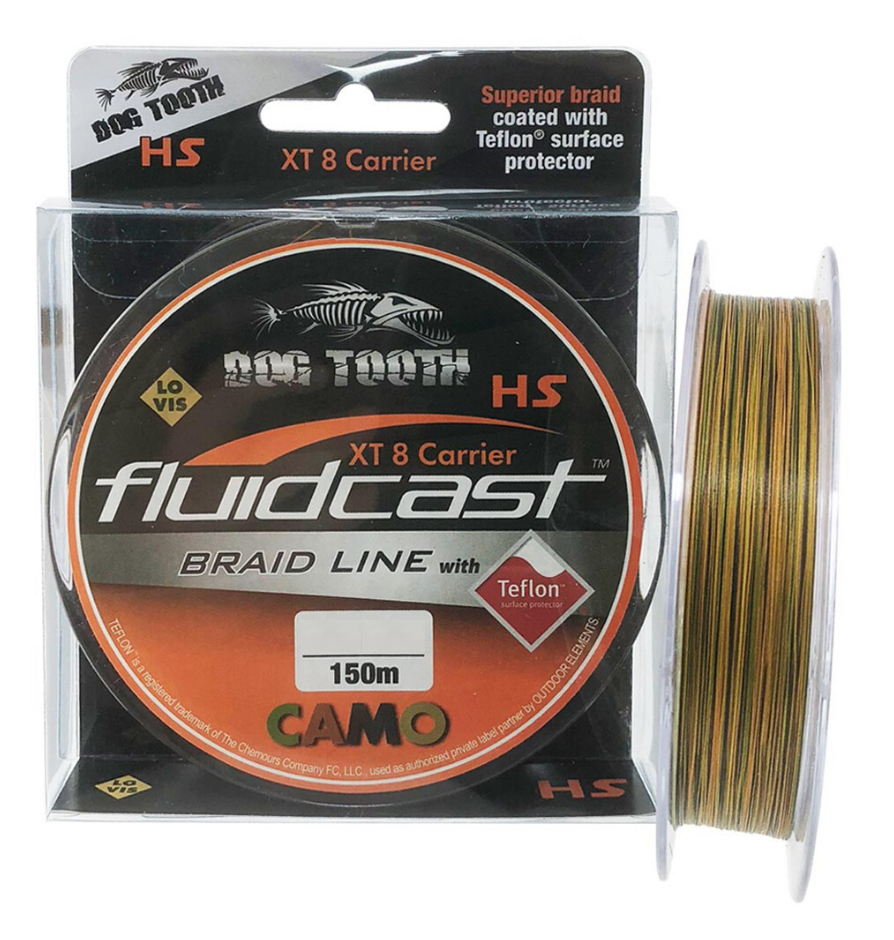
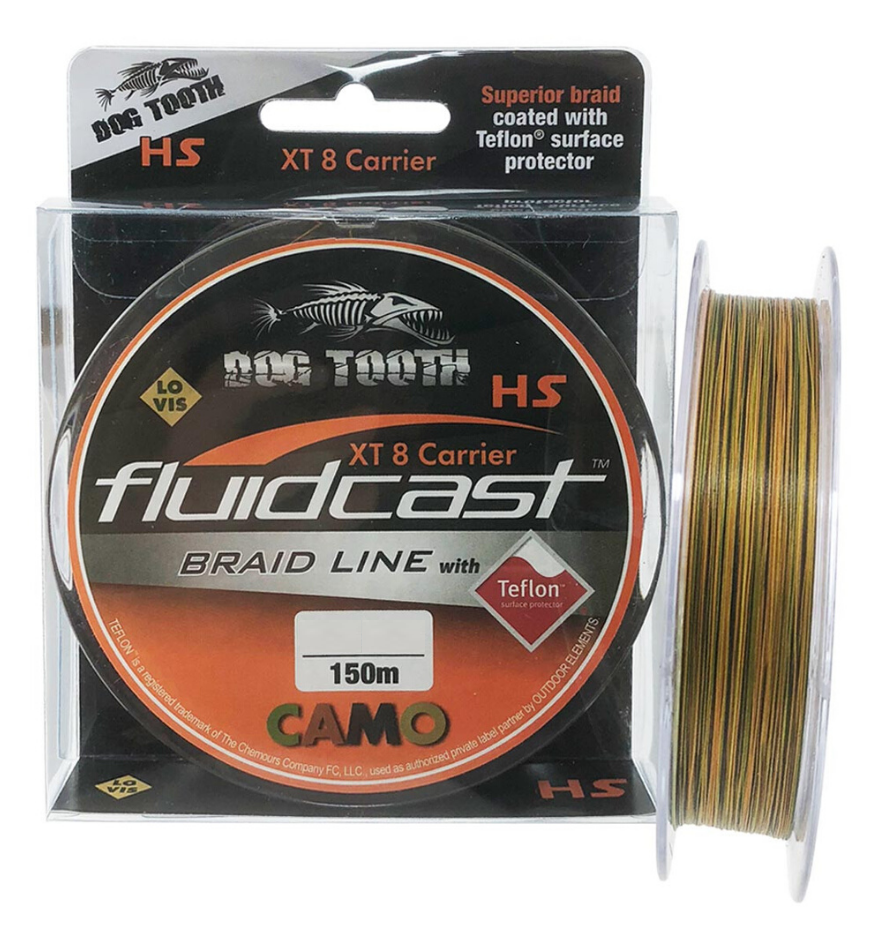
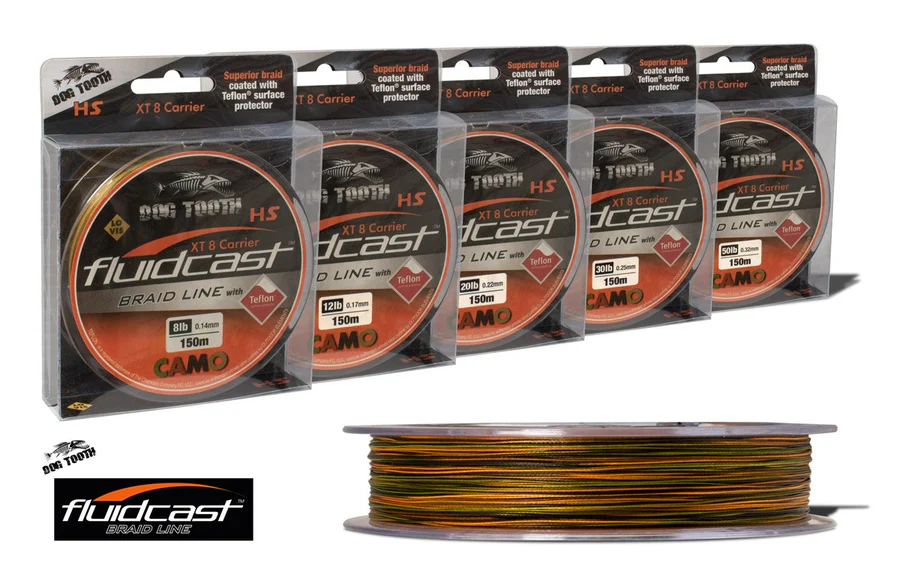
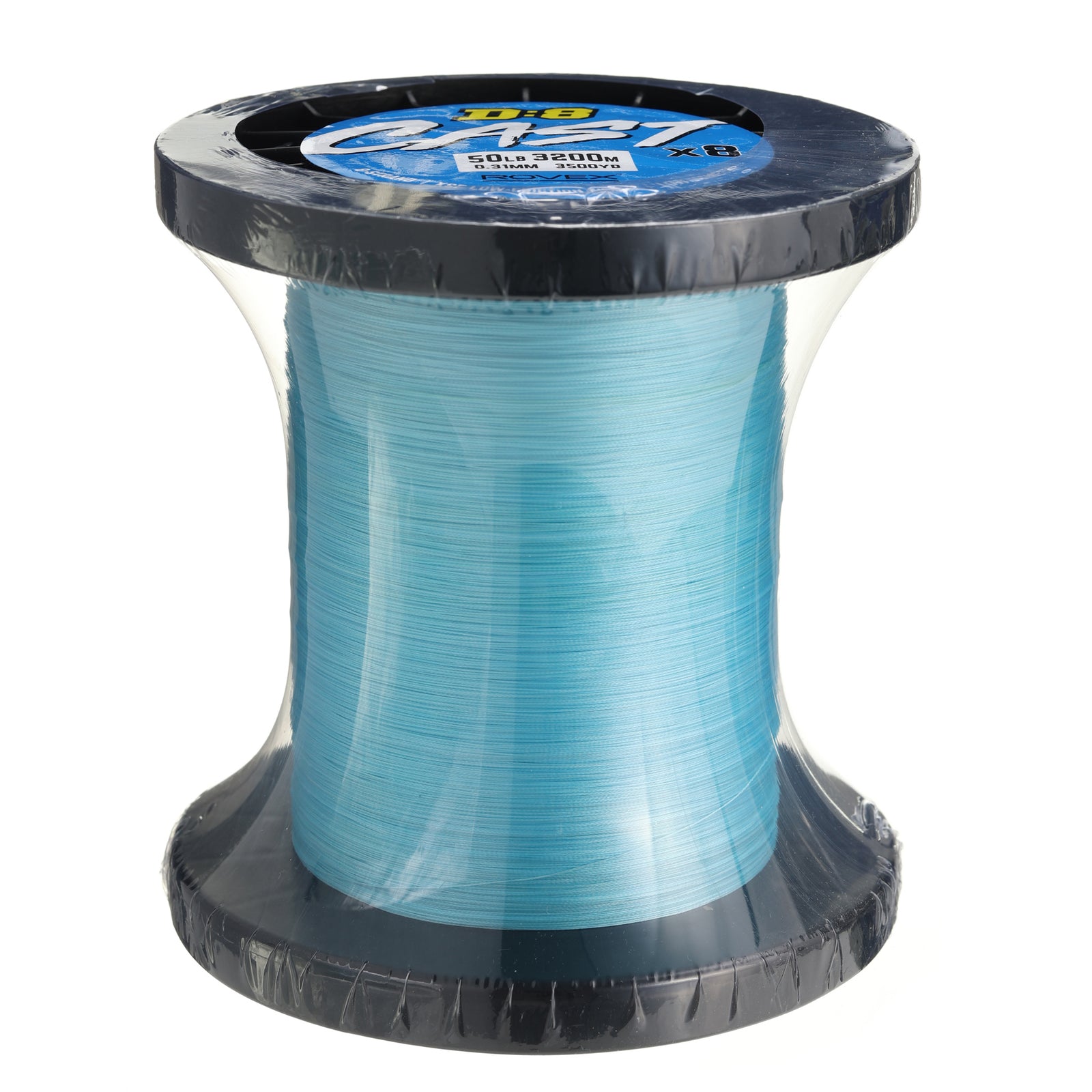
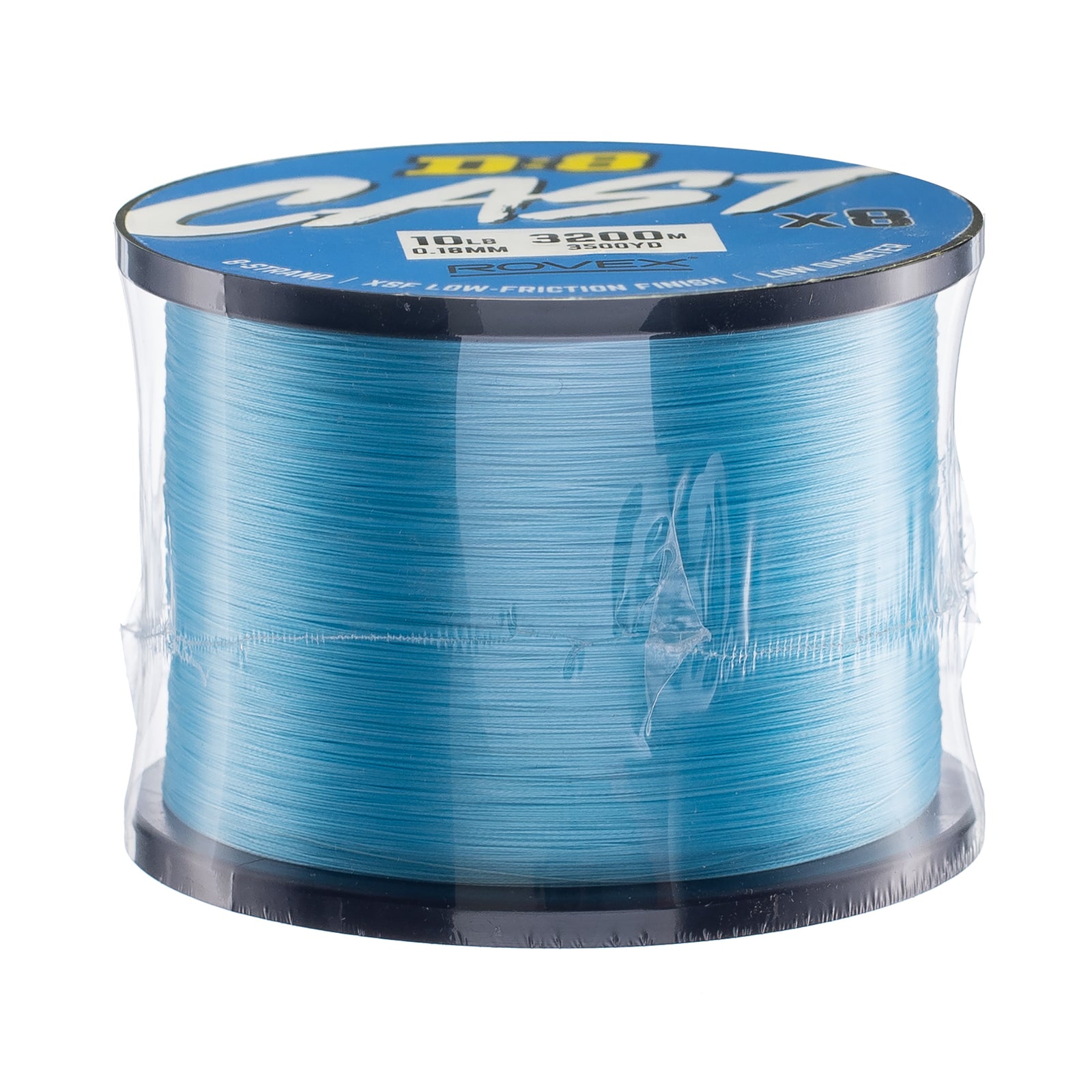
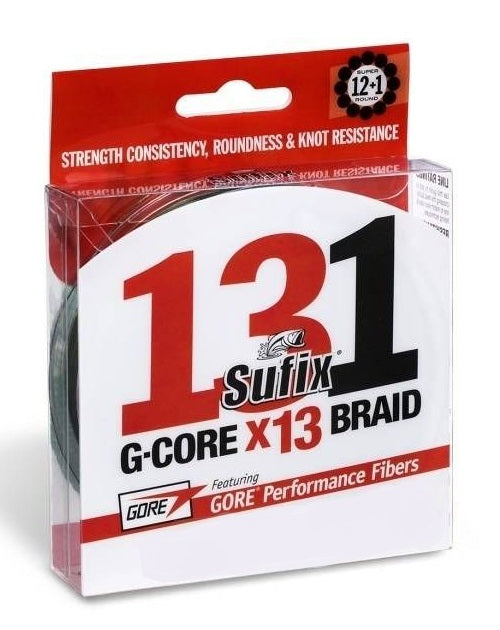
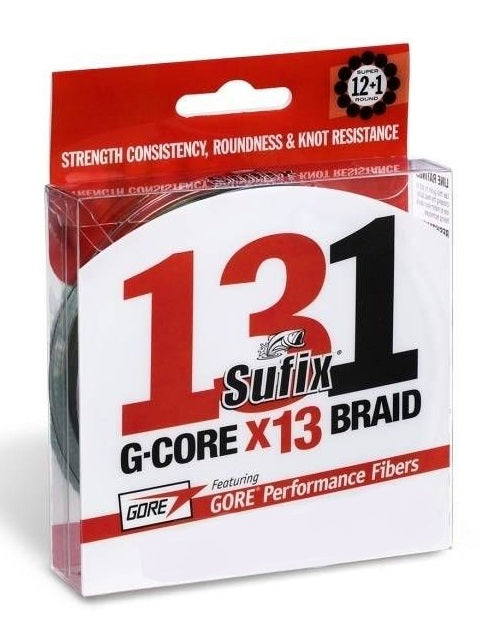
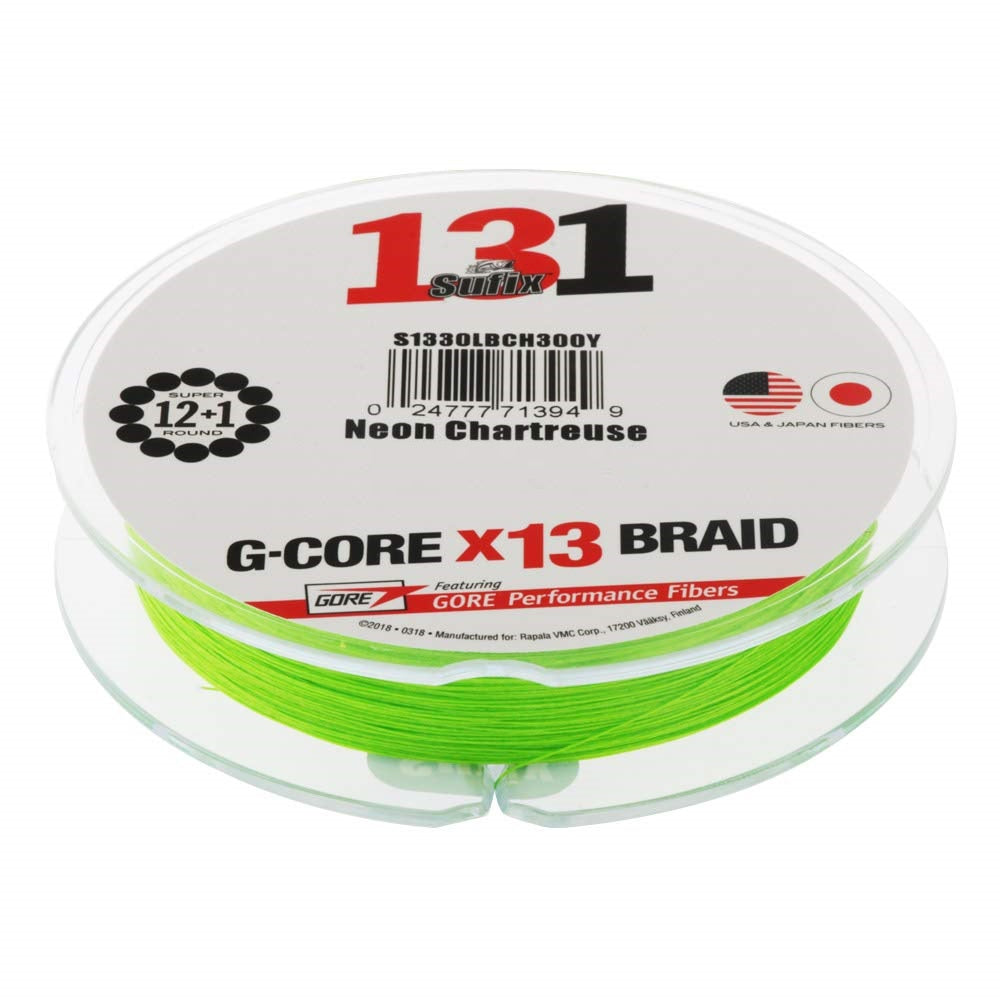
Braid has almost no stretch and a very thin diameter for its strength, so it casts further and transmits every touch straight to the rod. That sensitivity is why it dominates lure fishing. It is also visible in the water and has no abrasion resistance to speak of, which is exactly what the leader is there to fix.
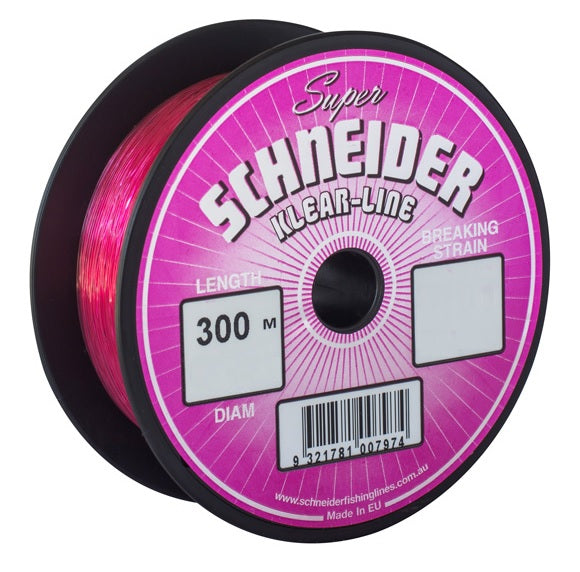
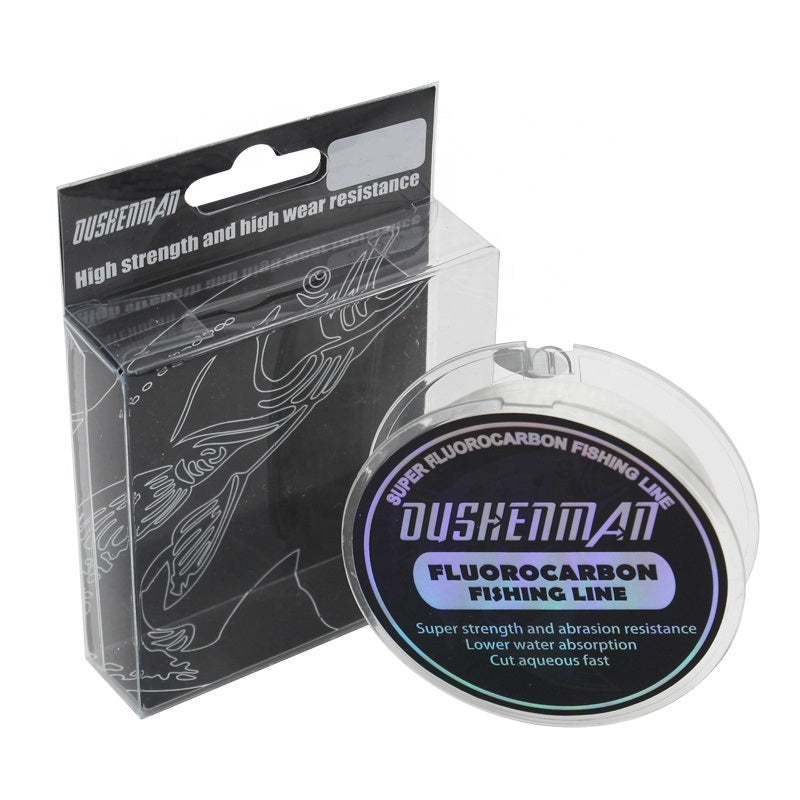
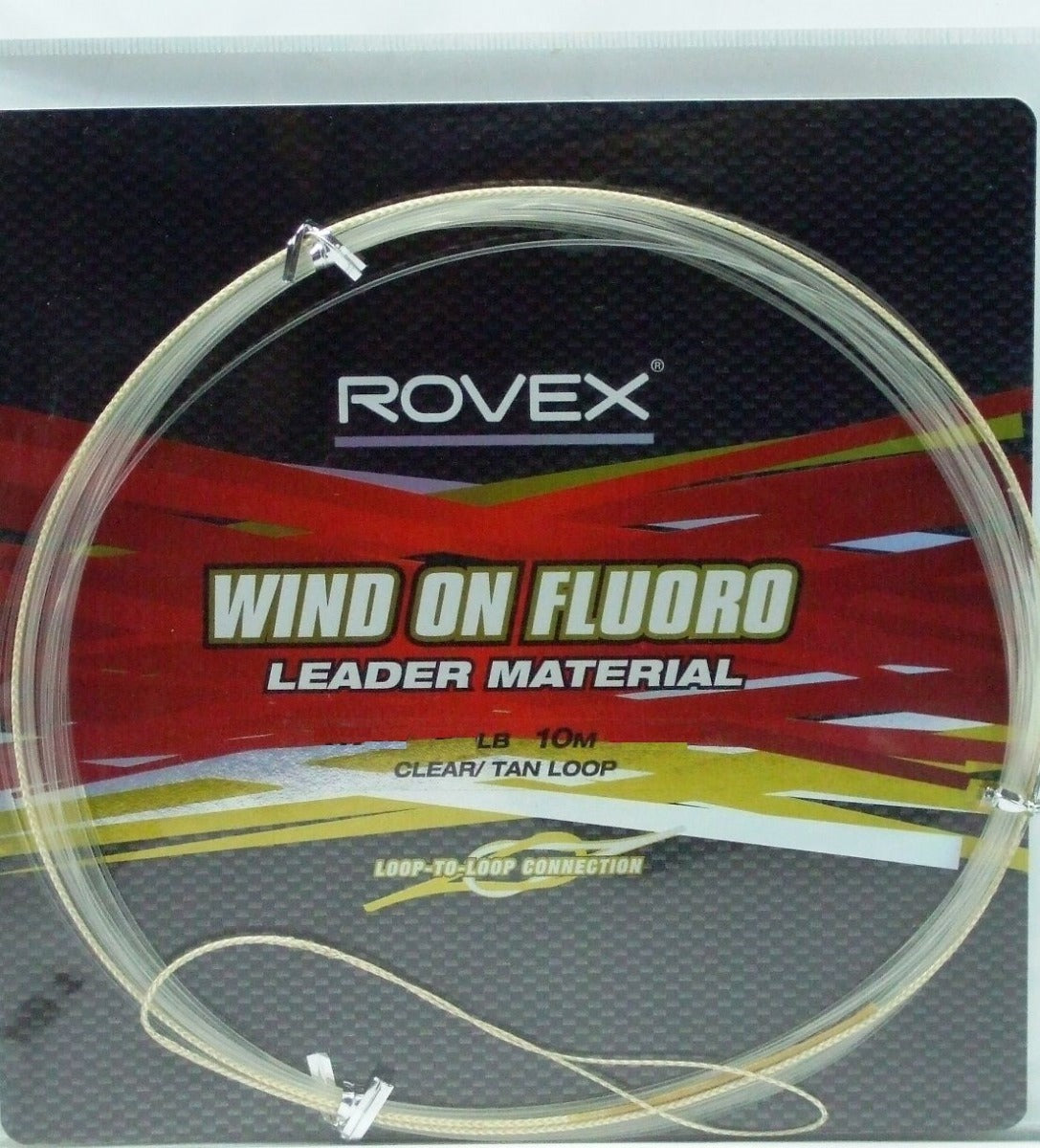
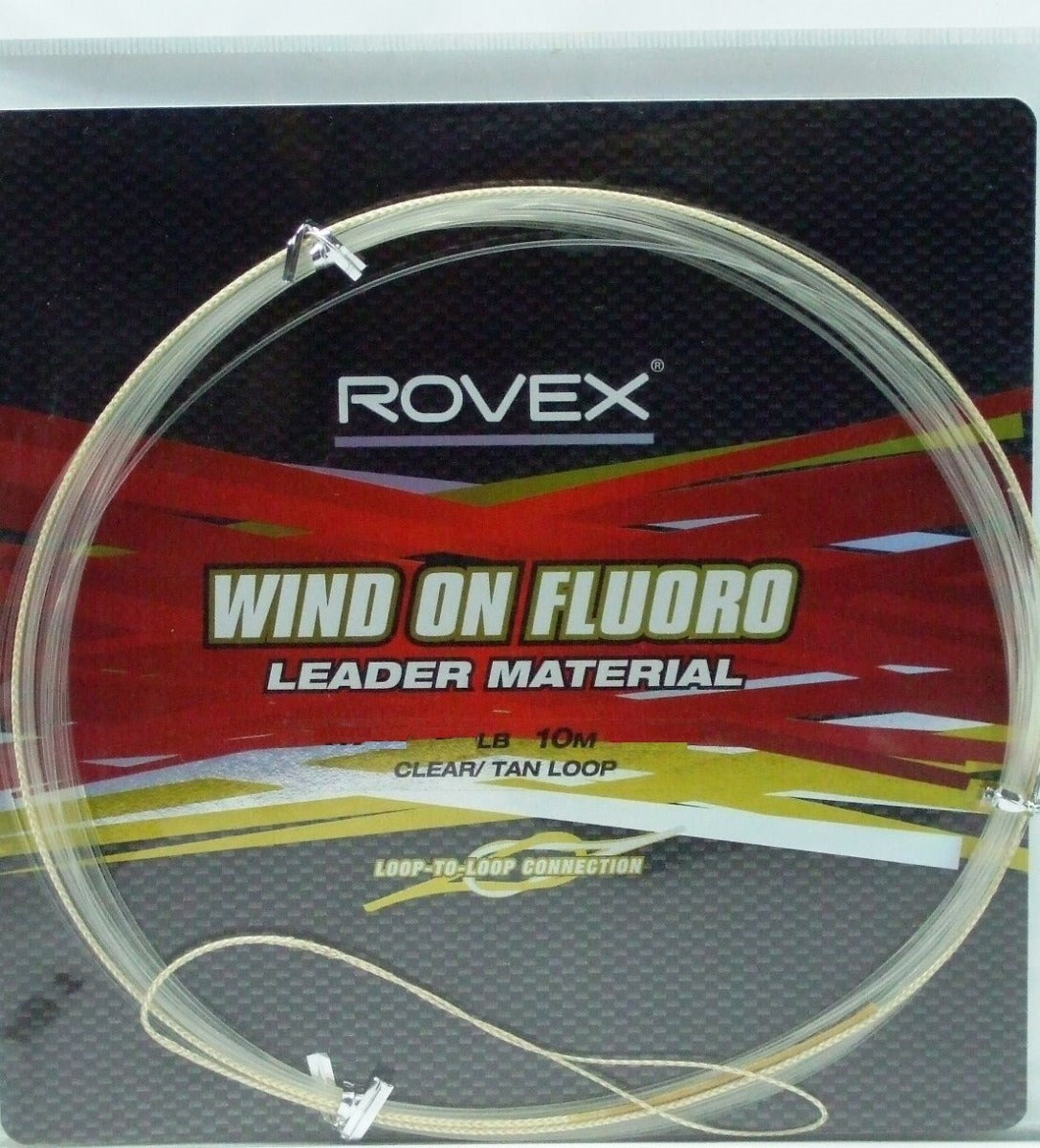
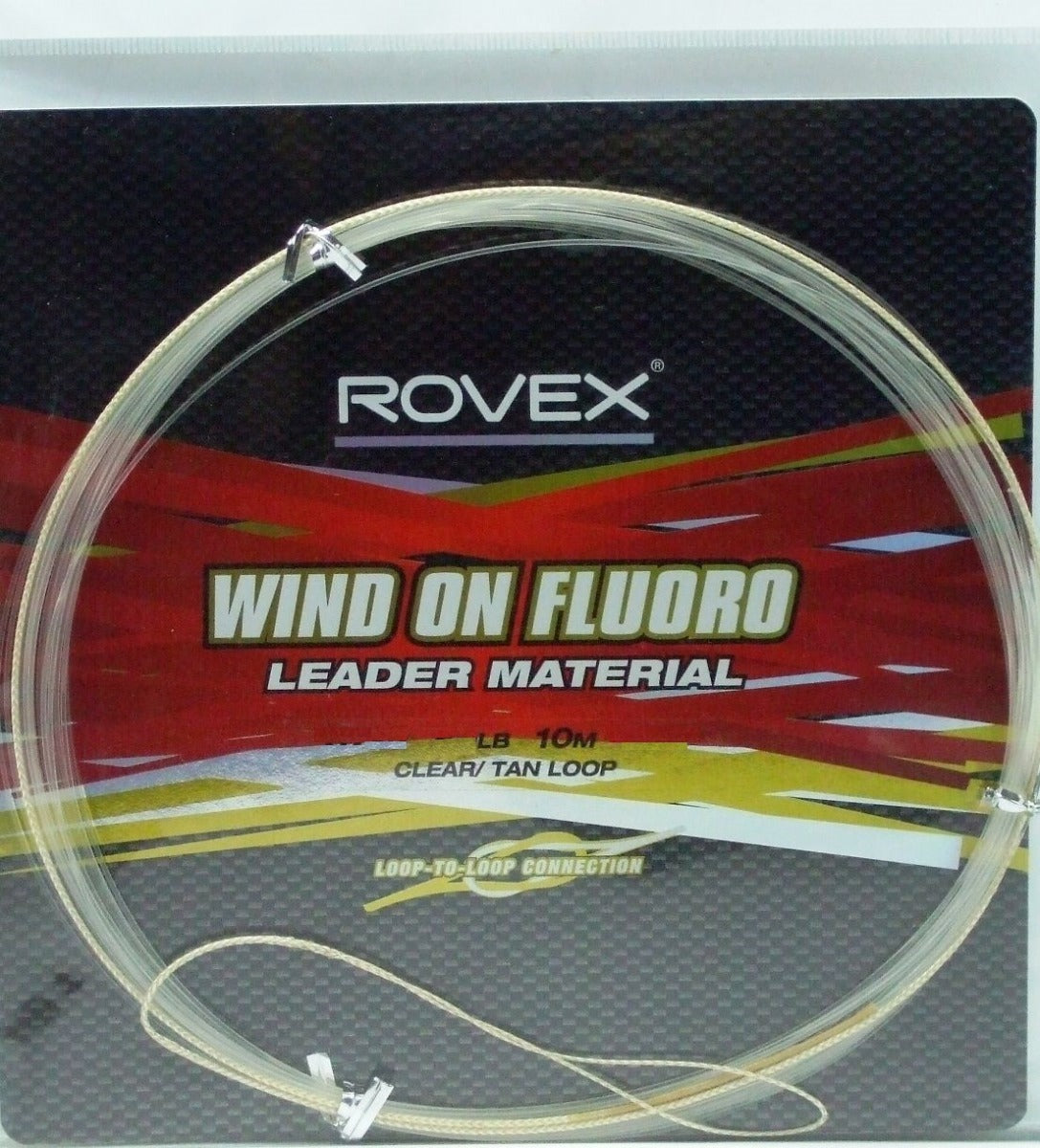
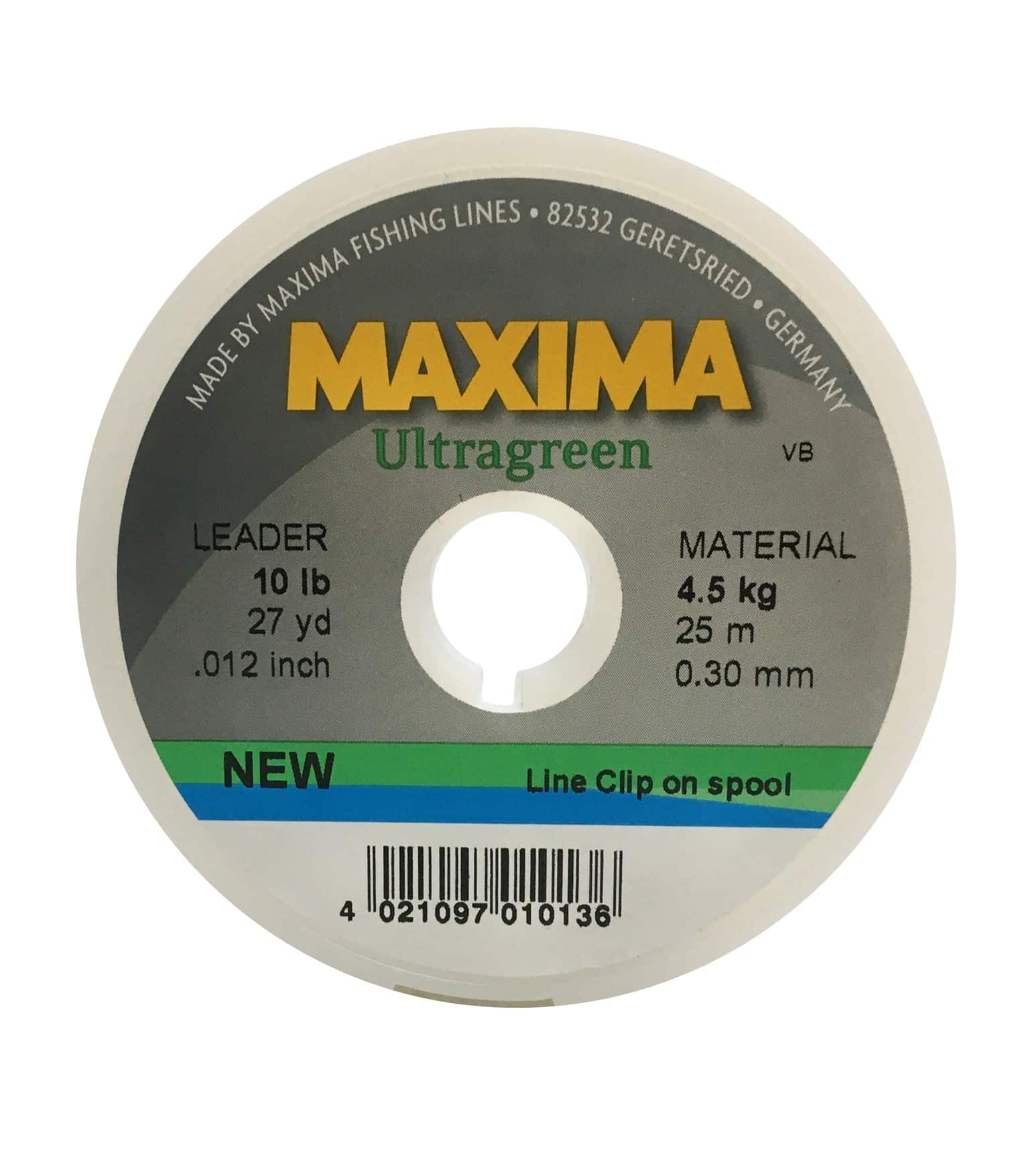
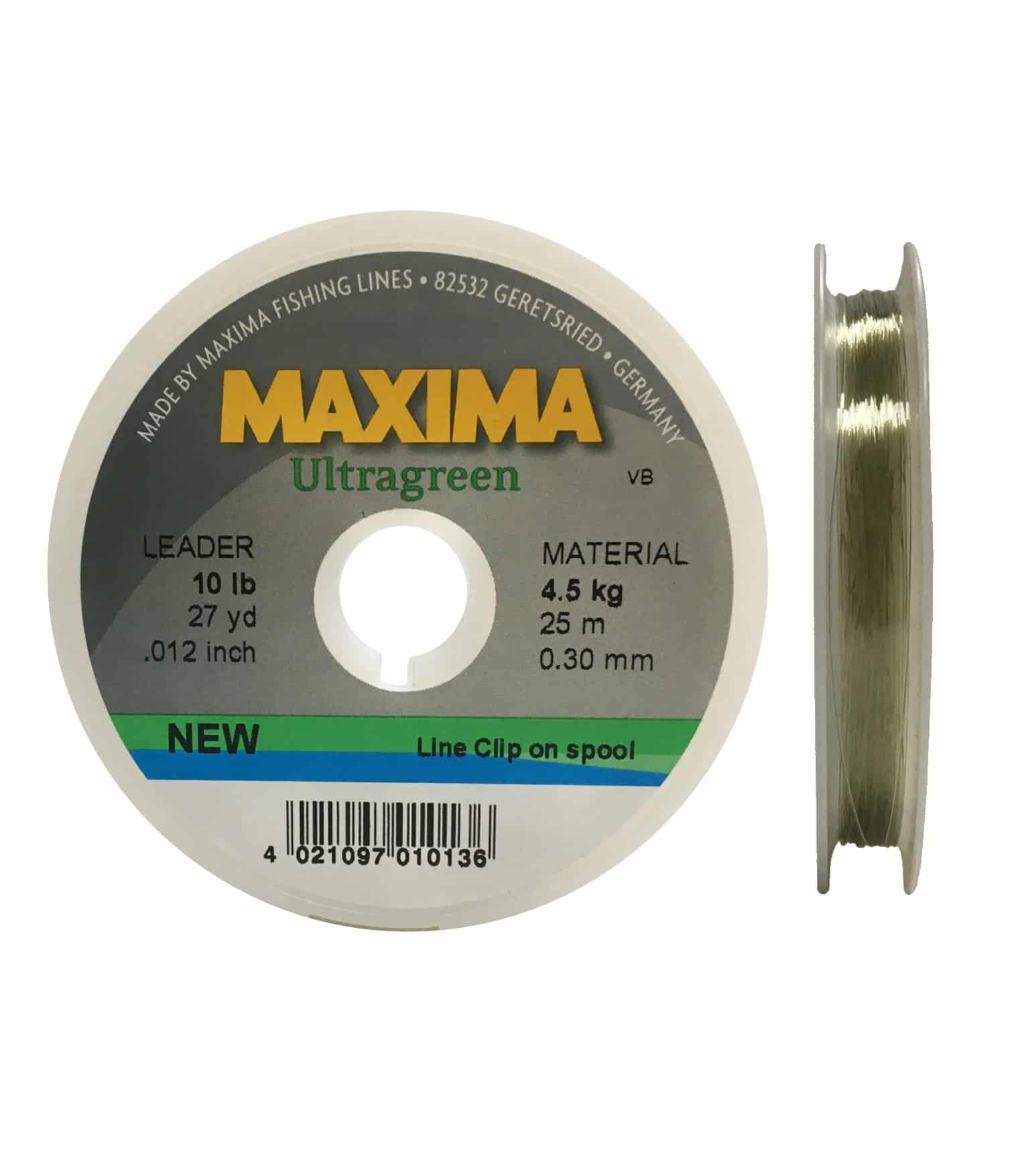
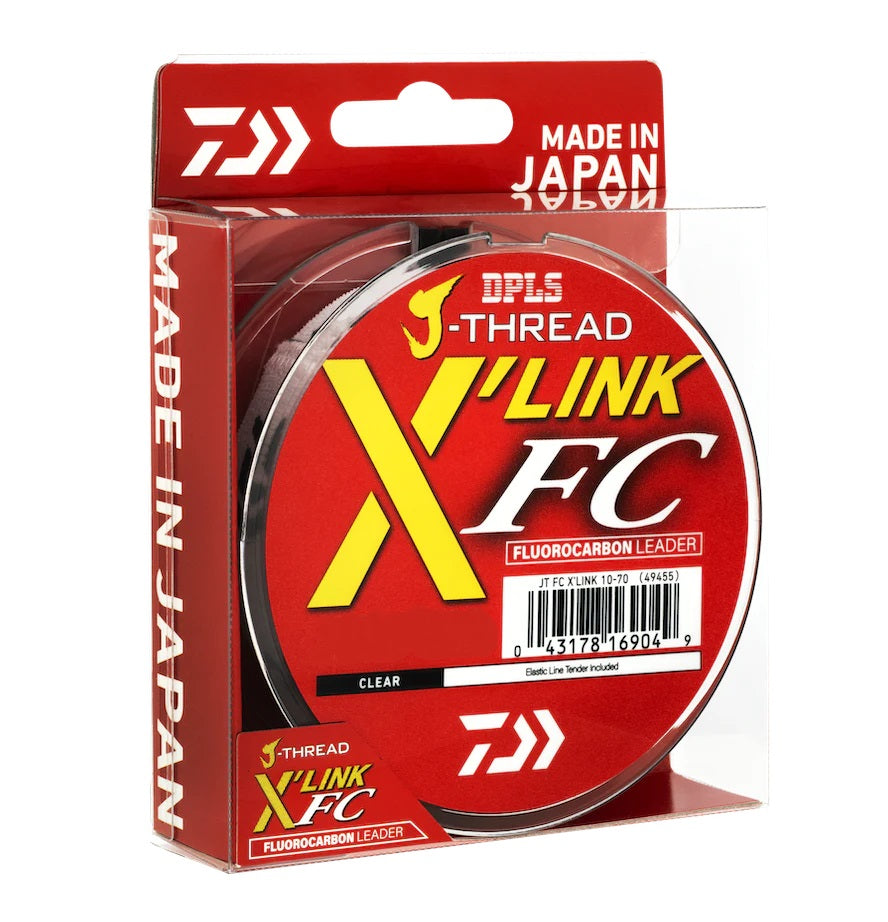
Monofilament stretches, which is forgiving on the strike and around hard-fighting fish, and it is the cheaper way to fill a spool. Fluorocarbon is far less visible underwater and stands up better to rubbing on rock, sand and teeth, which is why it is the usual leader choice.
Most anglers run braid on the reel with a metre or two of fluorocarbon leader joined by an FG or double uni knot. Browse braided line for main line and leader for the business end.
Frequently asked questions
Why do I need both a main line and a leader?
Because no single line does both jobs well. Braid is visible and cuts easily on structure, so a length of fluorocarbon or mono between the braid and the lure protects the connection and keeps the presentation subtle.
How long should a leader be?
A rod length is a common starting point for lure fishing. Go longer in clear water or around abrasive structure, and shorter when you need the knot to stay outside the guides for easier casting.
Braid or mono on the reel?
Braid for lure fishing, where sensitivity and casting distance matter. Mono for bait fishing and for beginners, where the stretch is forgiving and the cost per spool is lower.
What knot joins braid to leader?
The FG knot is the slimmest and passes through guides best, but it takes practice. The double uni is easier to tie and reliable enough for most fishing.






































Sale
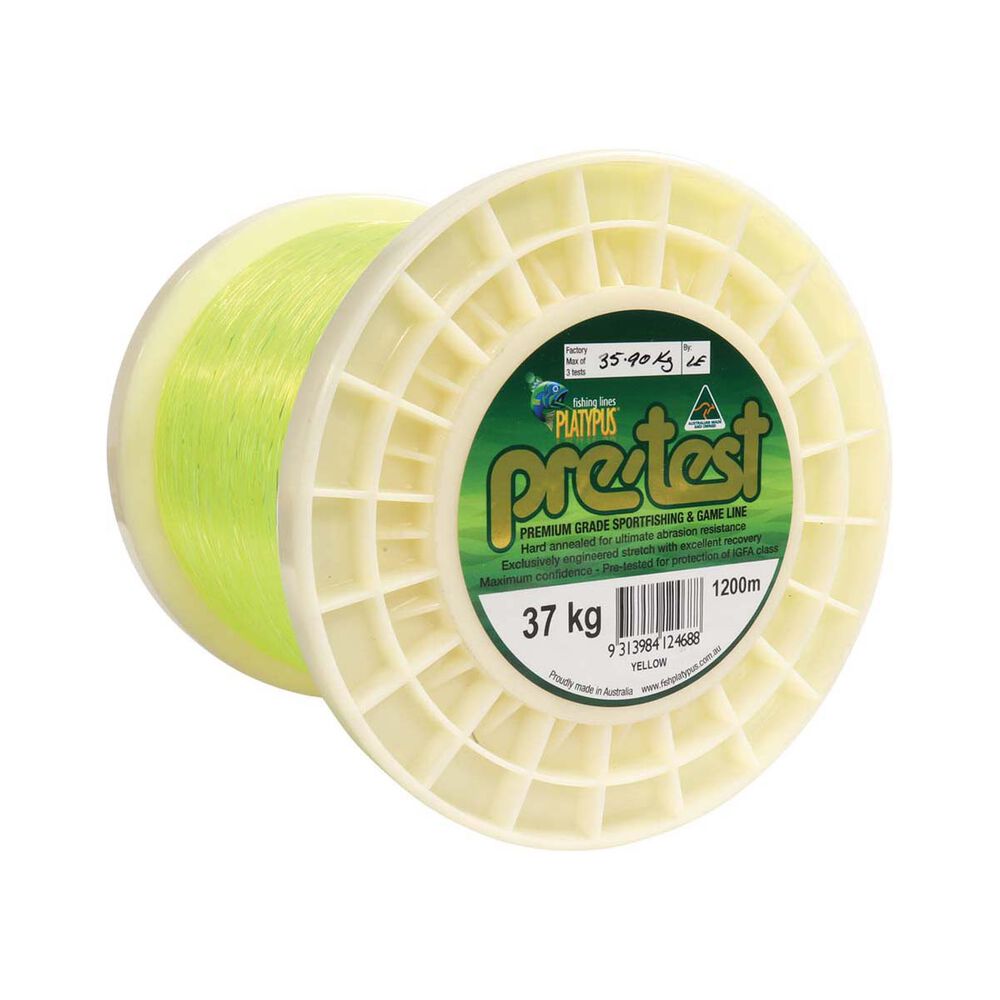
Platypus Pre Test IGFA Rated Approved Mono Game Fishing Line Hi Vis Yellow 1200m
from
$35.00
$54.90


Sold Out
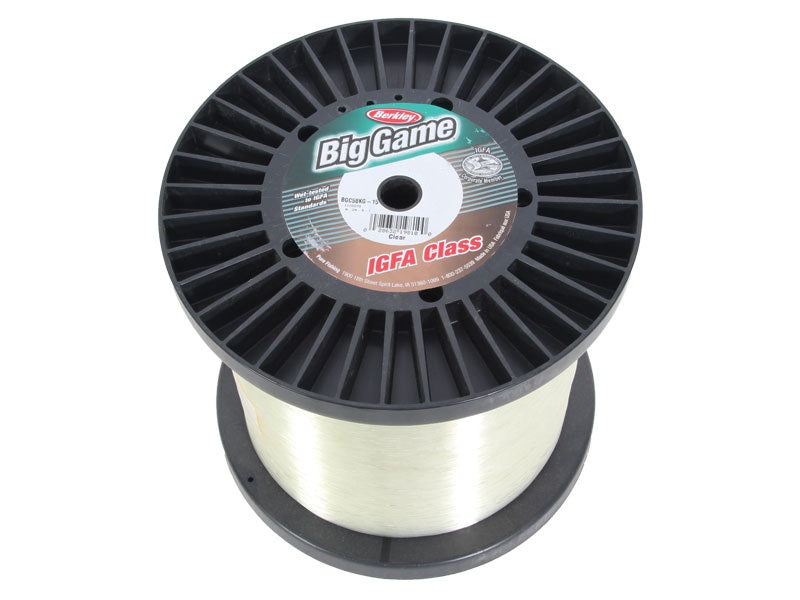
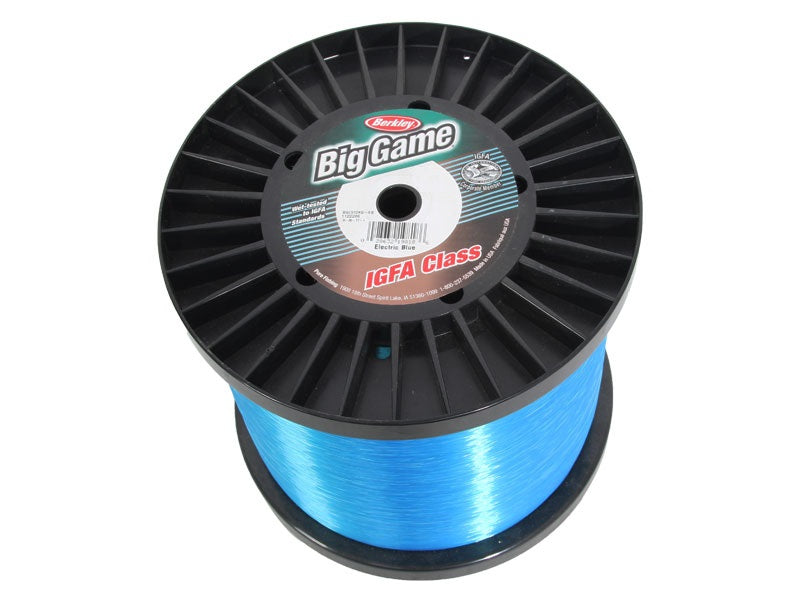
Berkley IGFA Rated Monofilament Game Fishing Line Mega Bulk 5lb Spool
from
$140.00
$299.99
Sold Out


Sold Out
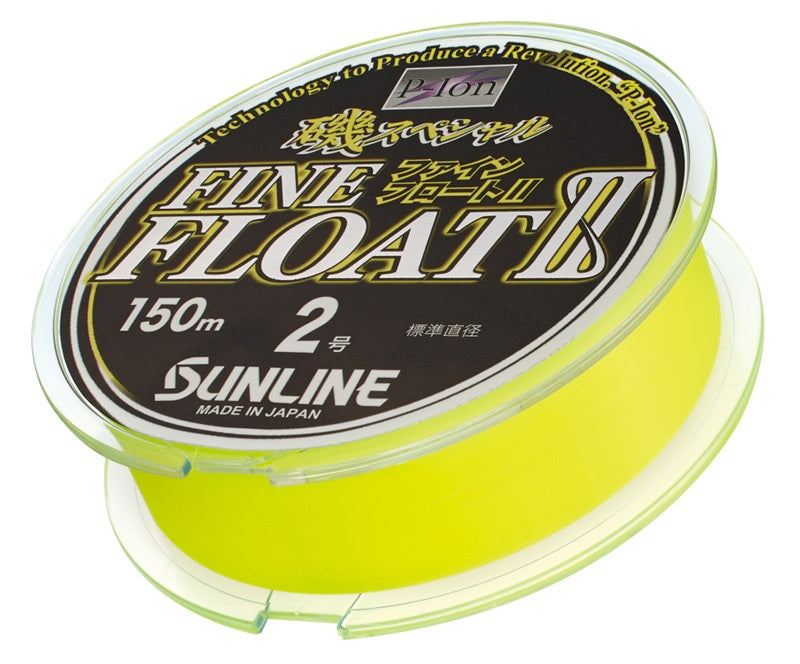
Hardy Horizon Taper Series Twin Float Fly Line - Mega Clearance
from
$19.62
$99.00
Sold Out

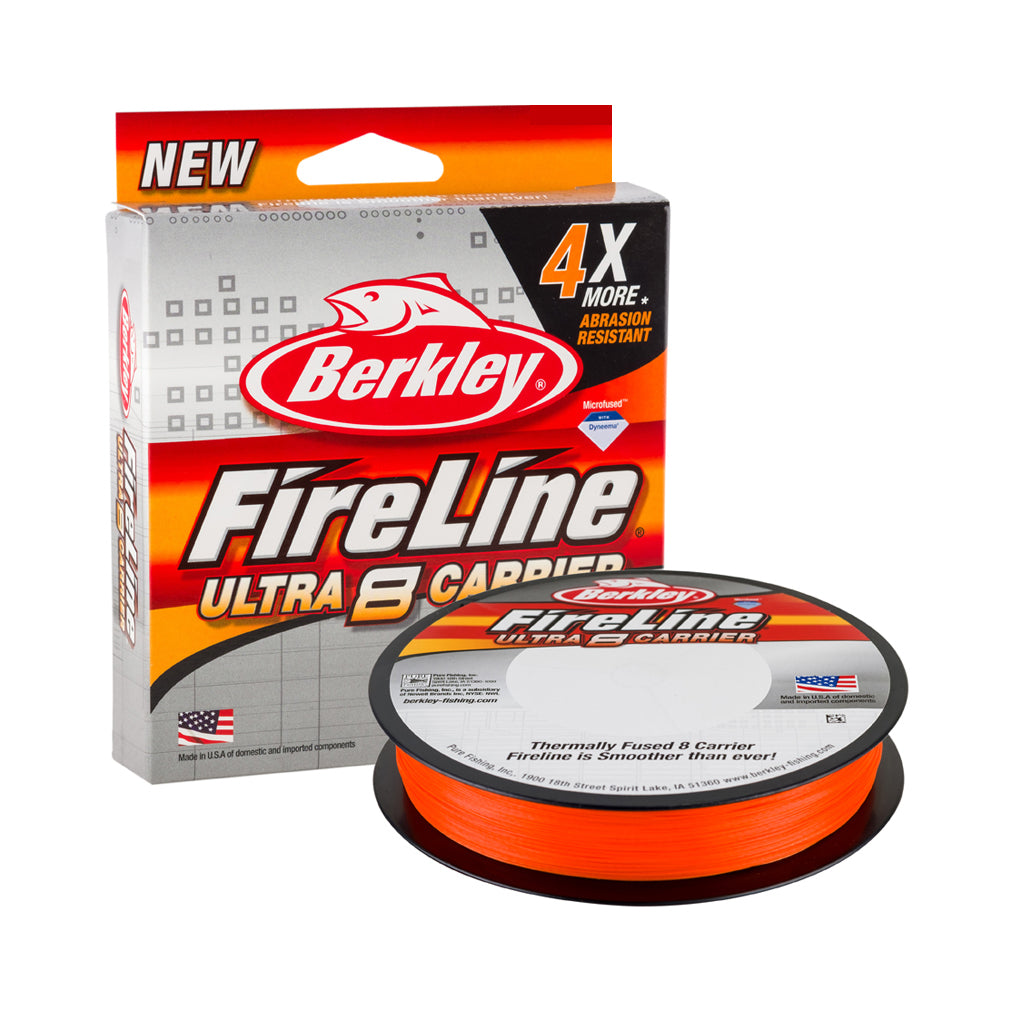

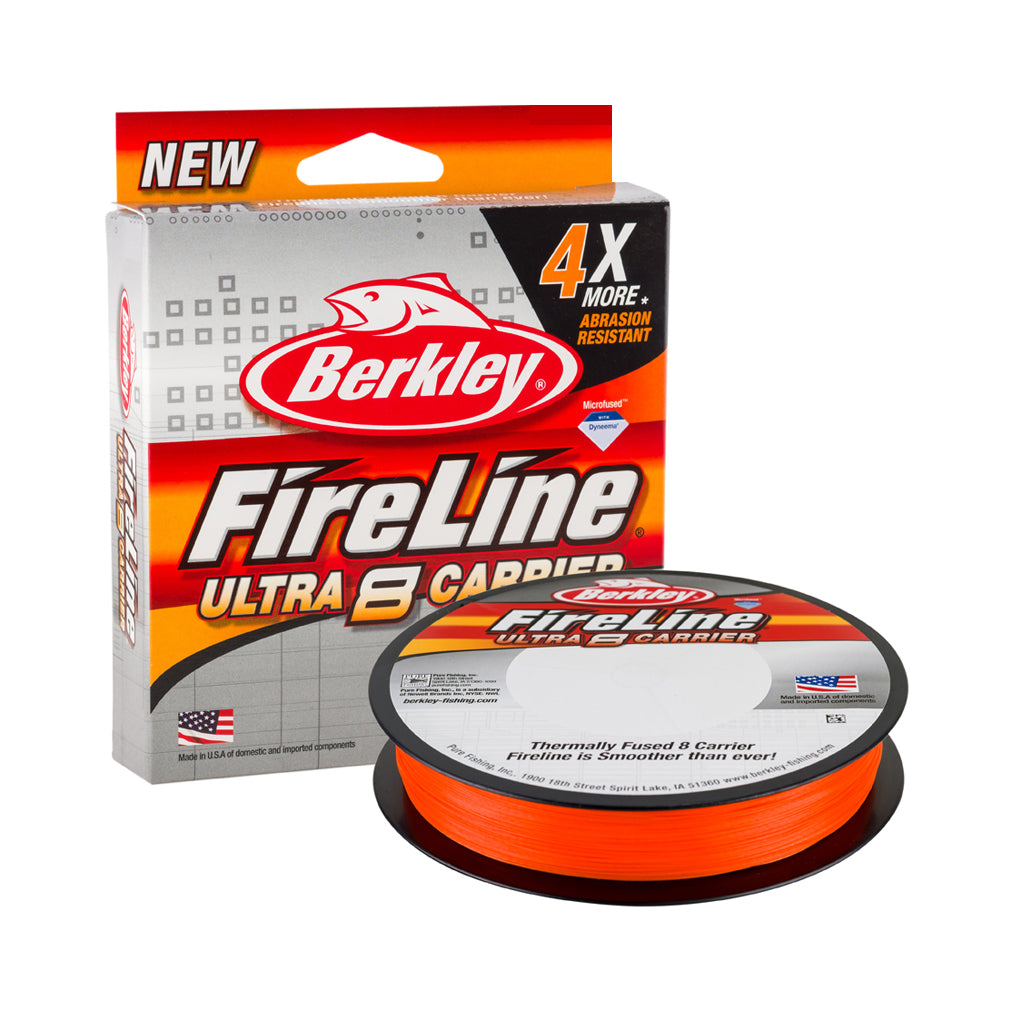

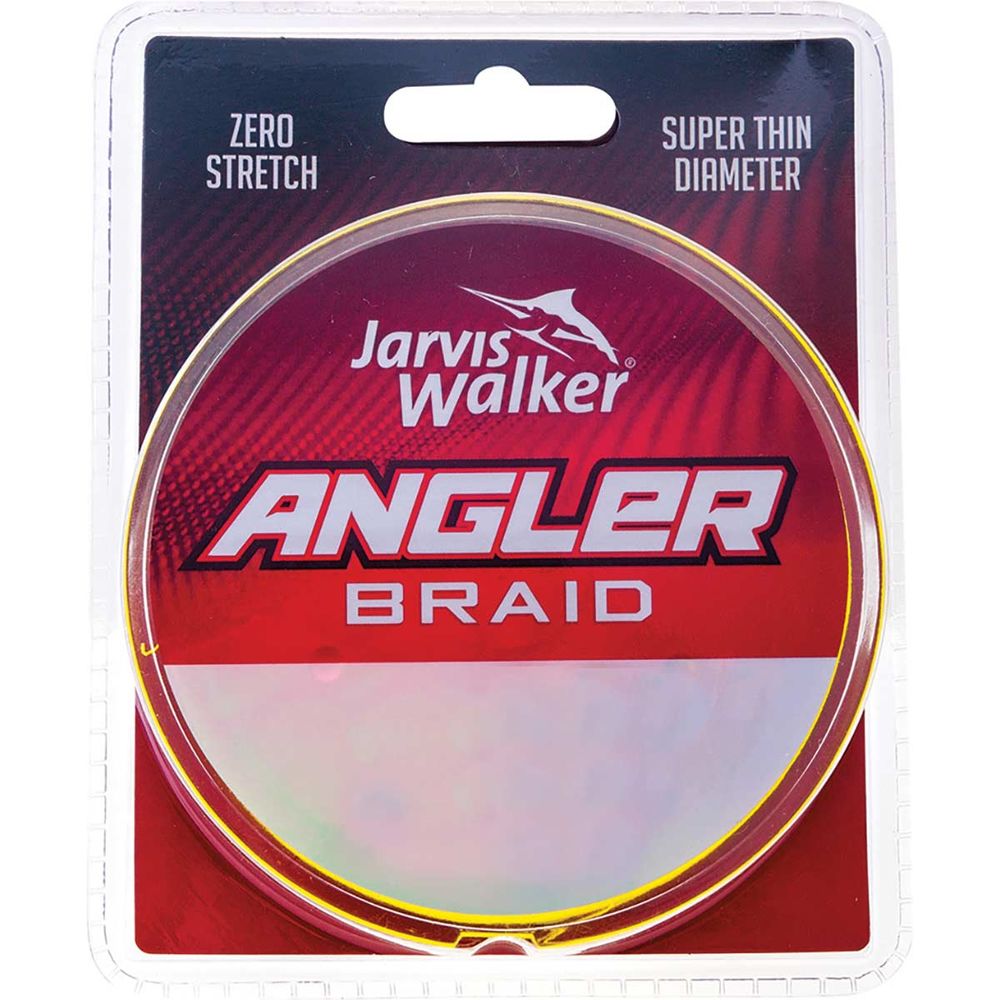

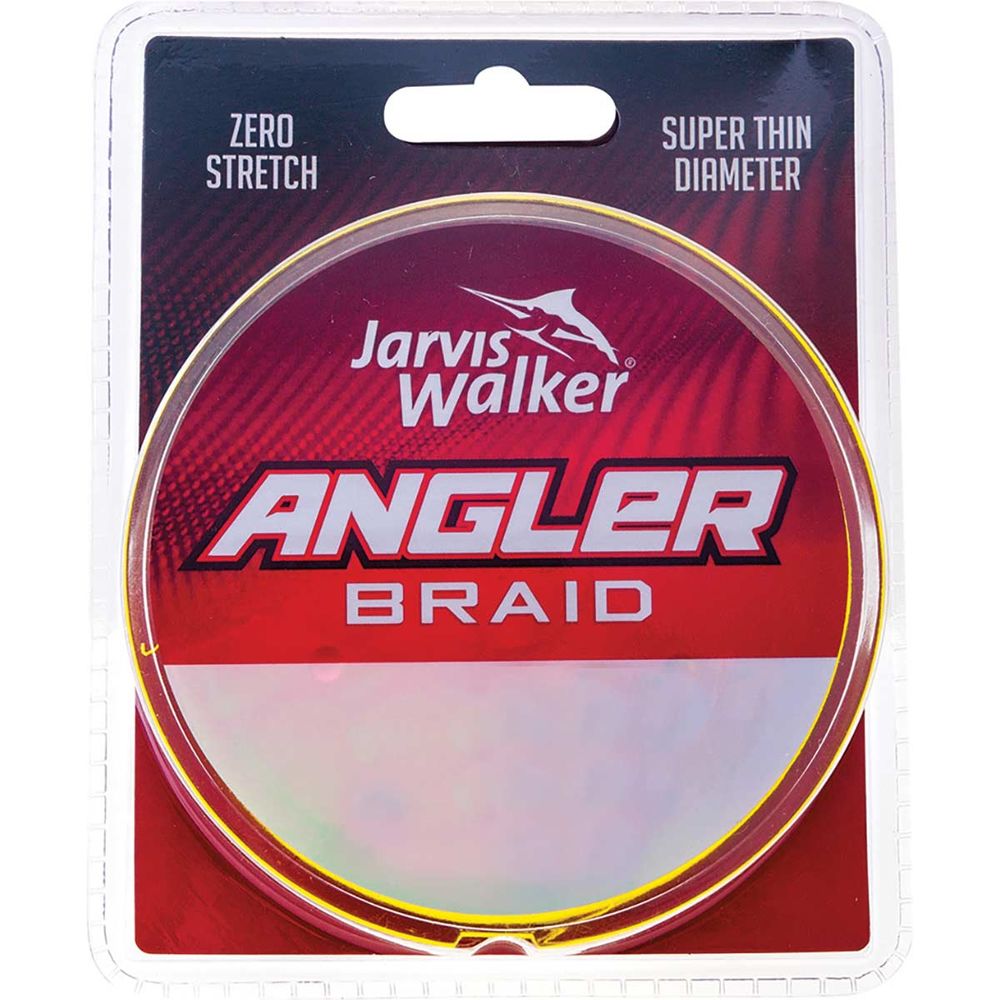




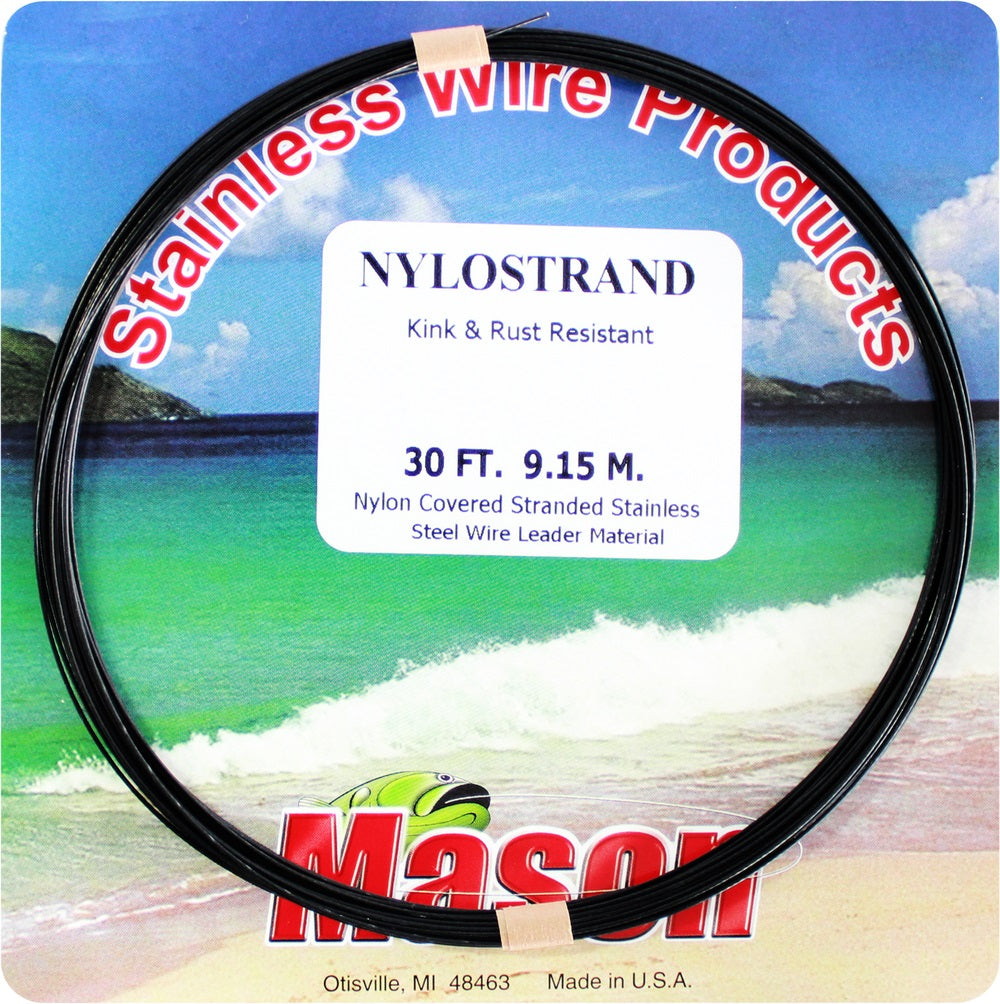
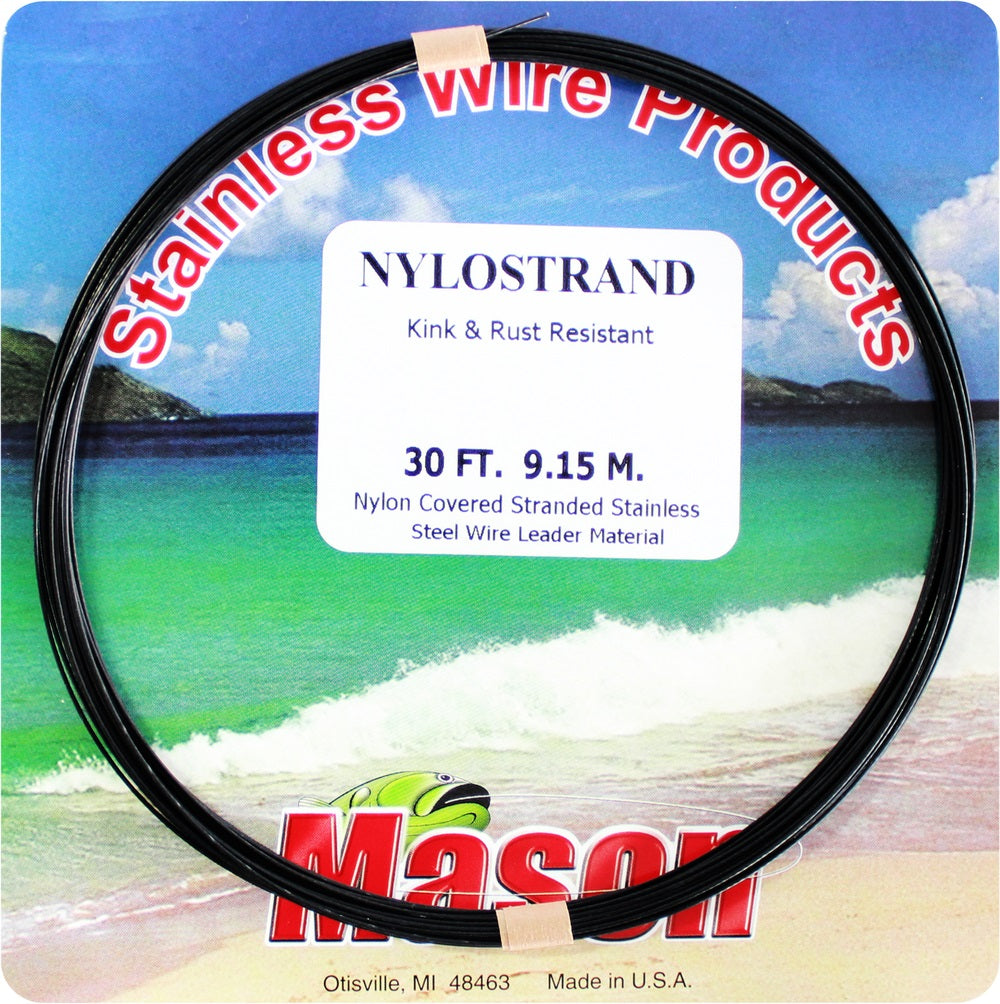

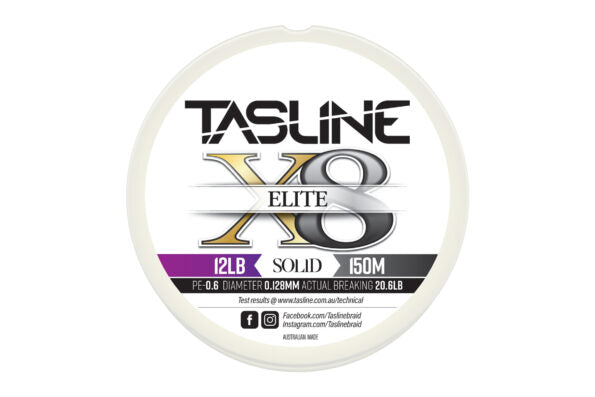

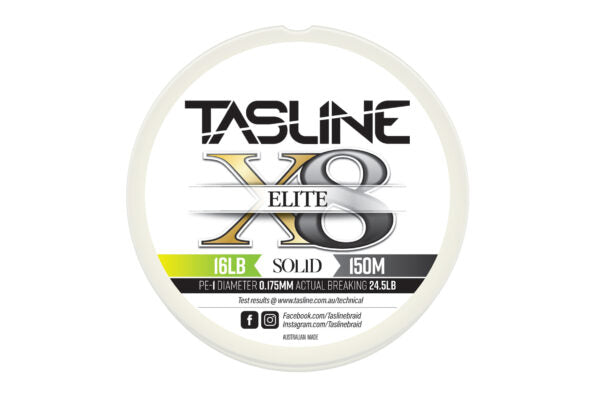


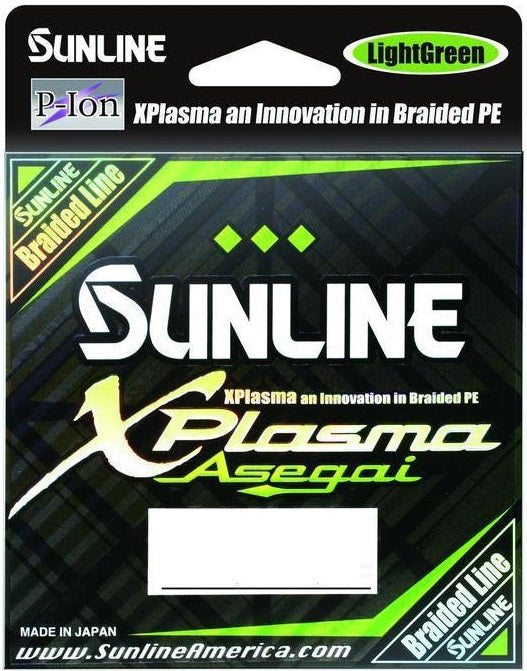


Line is the connection between you and the fish, and most setups use two kinds: a main line on the reel and a leader tied to the end of it. This range covers braid, monofilament and fluorocarbon in both roles, from light estuary classes through to heavy offshore.
Main line and leader
Braid has almost no stretch and a very thin diameter for its strength, so it casts further and transmits every touch straight to the rod. That sensitivity is why it dominates lure fishing. It is also visible in the water and has no abrasion resistance to speak of, which is exactly what the leader is there to fix.
Monofilament stretches, which is forgiving on the strike and around hard-fighting fish, and it is the cheaper way to fill a spool. Fluorocarbon is far less visible underwater and stands up better to rubbing on rock, sand and teeth, which is why it is the usual leader choice.
Most anglers run braid on the reel with a metre or two of fluorocarbon leader joined by an FG or double uni knot. Browse braided line for main line and leader for the business end.
Frequently asked questions
Why do I need both a main line and a leader?
Because no single line does both jobs well. Braid is visible and cuts easily on structure, so a length of fluorocarbon or mono between the braid and the lure protects the connection and keeps the presentation subtle.
How long should a leader be?
A rod length is a common starting point for lure fishing. Go longer in clear water or around abrasive structure, and shorter when you need the knot to stay outside the guides for easier casting.
Braid or mono on the reel?
Braid for lure fishing, where sensitivity and casting distance matter. Mono for bait fishing and for beginners, where the stretch is forgiving and the cost per spool is lower.
What knot joins braid to leader?
The FG knot is the slimmest and passes through guides best, but it takes practice. The double uni is easier to tie and reliable enough for most fishing.