

FREE SHIPPING ON ORDERS OVER $150*

AUSSIE FAMILY OWNED BUSINESS FOR OVER 40 YEARS

100% SATISFACTION GUARANTEED
Boat Accessories
Boat Accessories
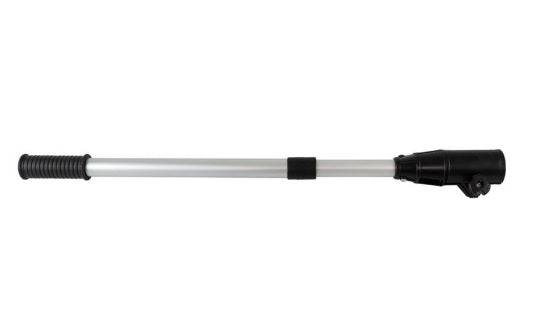
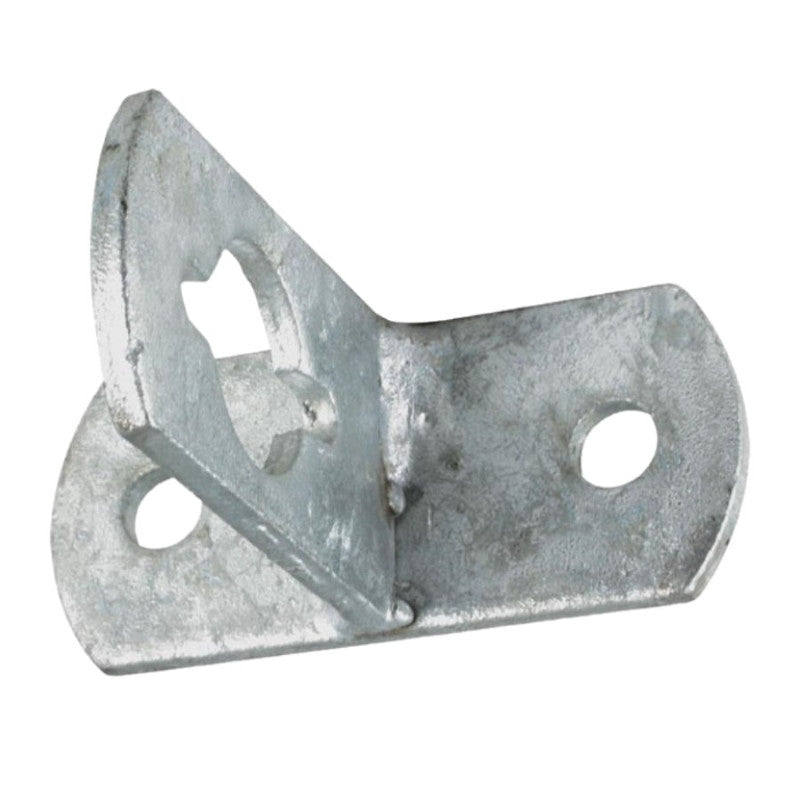
Boat accessories are what turn a hull into a fishing platform. Where the rod holders sit, whether you can reach the net, how the deck drains, whether there is light where you need it at four in the morning — these are the details that decide how a boat actually fishes.
Setting a boat up
Rod holders are the first thing most anglers add and the thing most often positioned badly. Think about where you stand, where the rods clear the gunwale on a strike, and whether a trolled rod fouls the motor.
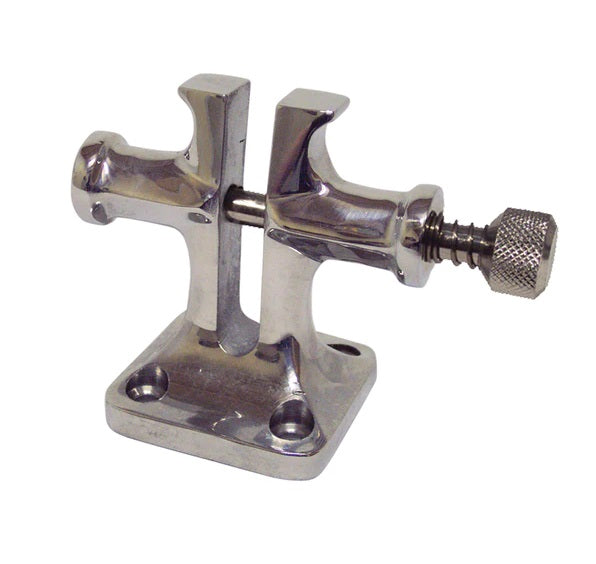
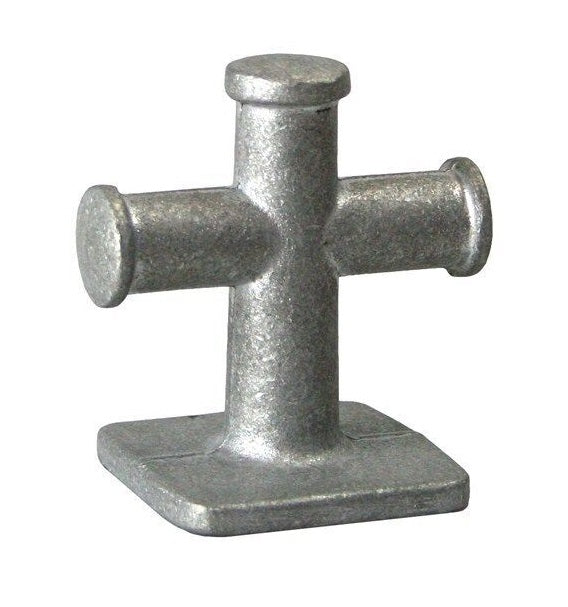
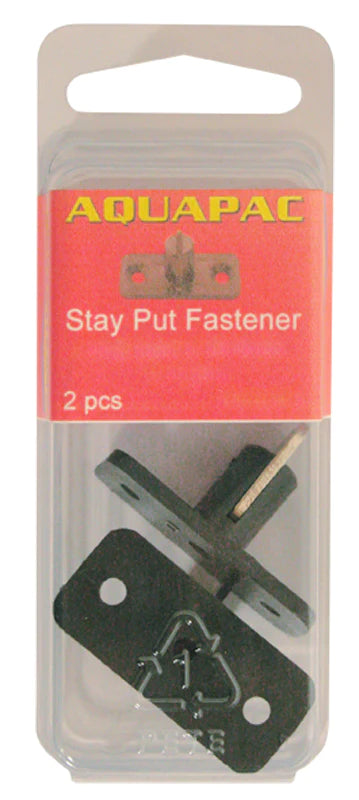
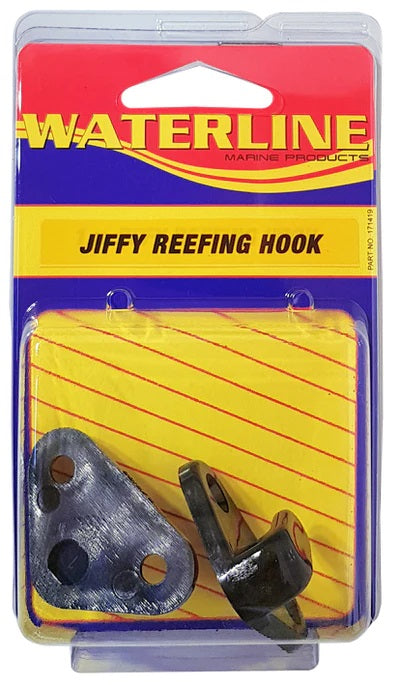
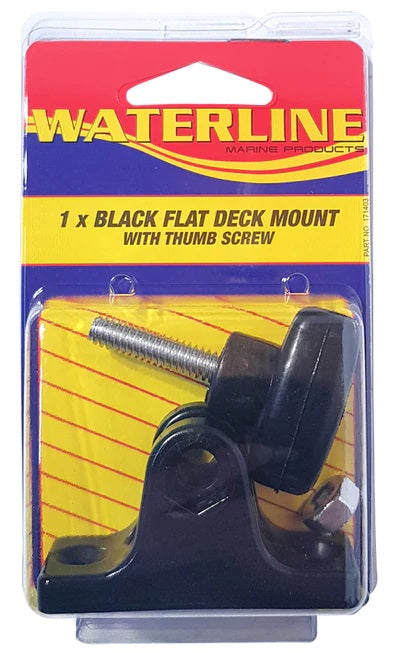
Then deck hardware — cleats, rod racks, grab rails and storage. Every item is a hole in the boat, so plan the layout before you drill anything.
Pumps and plumbing matter more than they sound. A bilge pump that runs when you need it and a livewell that keeps bait alive are the difference between a good day and a short one.
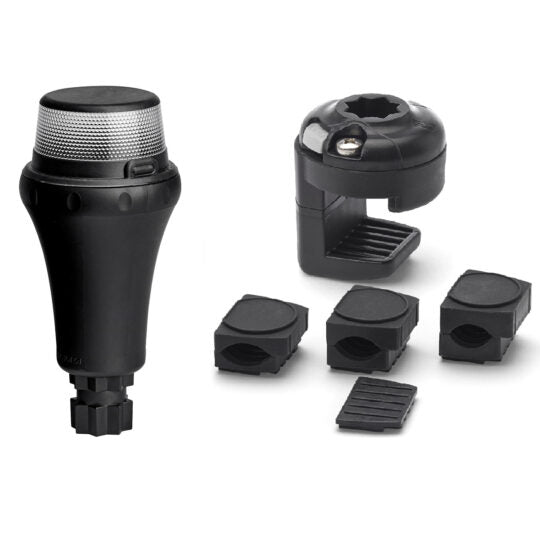
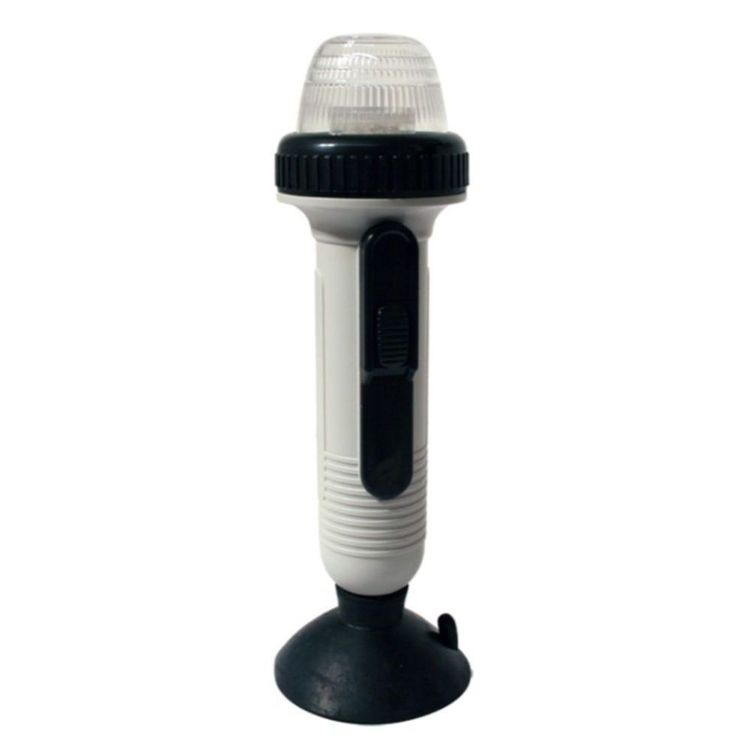
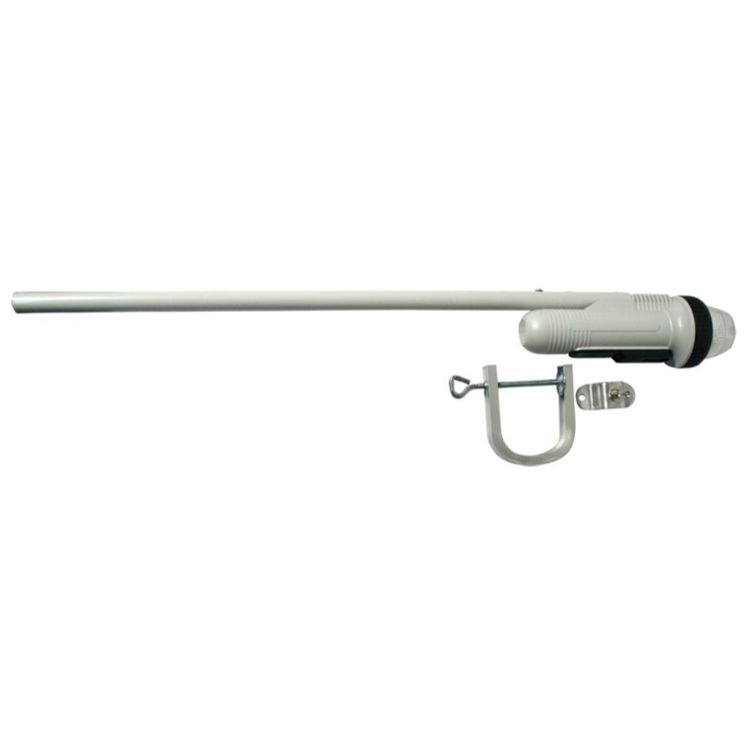
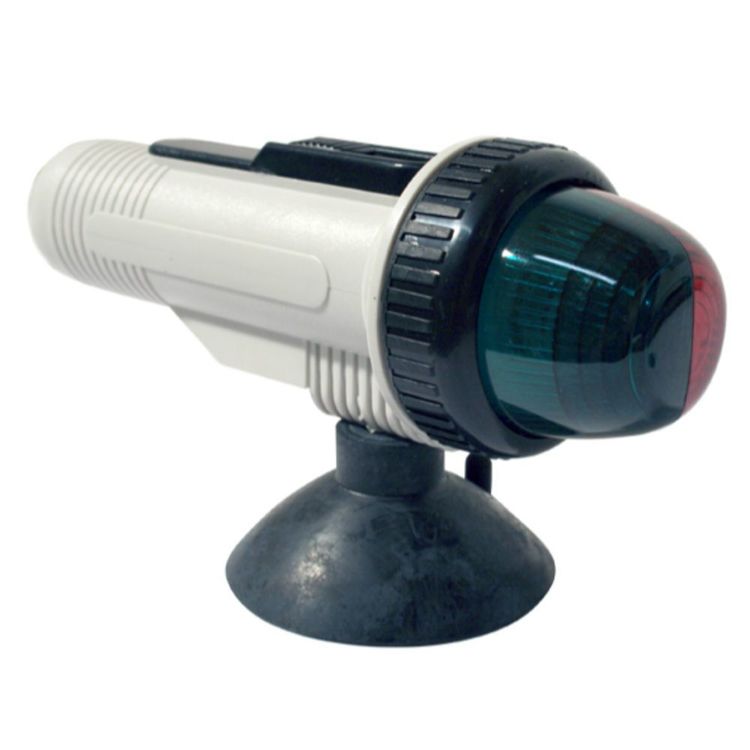
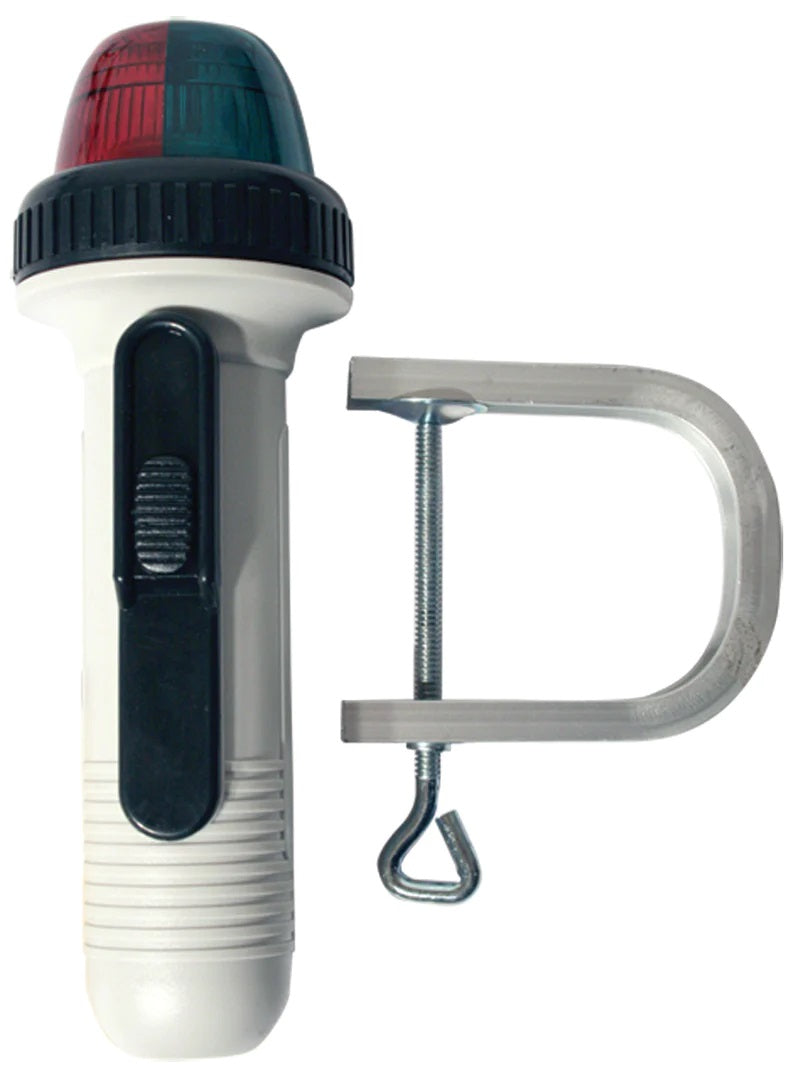
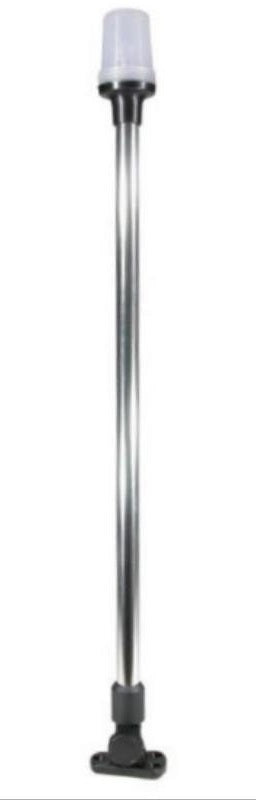
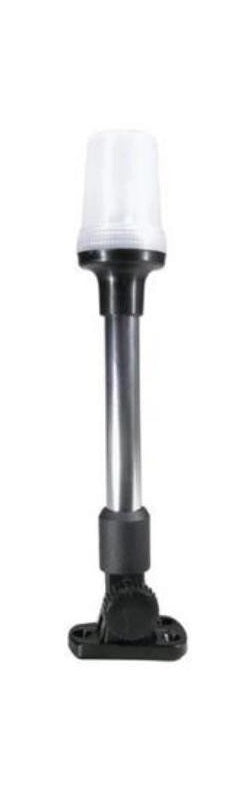
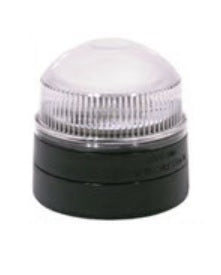
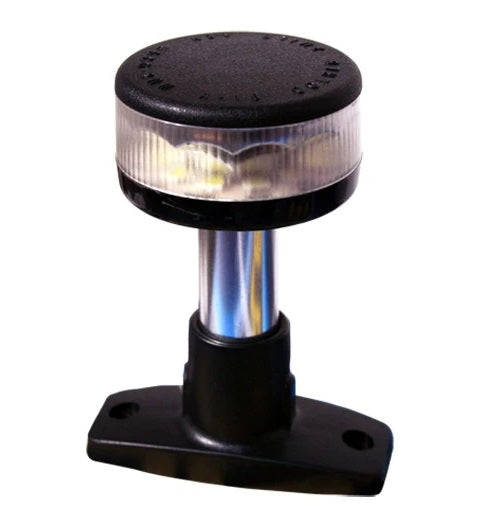
Lighting is the last thing people fit and the first thing they wish they had. Deck lights for rigging, navigation lights that meet requirements, and a torch that has not gone flat.
Everything here sits alongside the wider boating and marine range.
Frequently asked questions
Where should rod holders go on a boat?
Where rods clear the gunwale on a strike and do not foul the motor when trolling. Sit in the boat and mime the fight before you drill.
What is the difference between marine hardware and normal hardware?
Marine fittings use grades of stainless and plastics chosen to survive salt. Ordinary hardware corrodes fast in a marine environment, often within a season.
Do I need a livewell to keep bait alive?
For live bait over any length of time, yes. Bait needs circulating oxygenated water, which a bucket cannot provide for long.














































Boat accessories are what turn a hull into a fishing platform. Where the rod holders sit, whether you can reach the net, how the deck drains, whether there is light where you need it at four in the morning — these are the details that decide how a boat actually fishes.
Setting a boat up
Rod holders are the first thing most anglers add and the thing most often positioned badly. Think about where you stand, where the rods clear the gunwale on a strike, and whether a trolled rod fouls the motor.
Then deck hardware — cleats, rod racks, grab rails and storage. Every item is a hole in the boat, so plan the layout before you drill anything.
Pumps and plumbing matter more than they sound. A bilge pump that runs when you need it and a livewell that keeps bait alive are the difference between a good day and a short one.
Lighting is the last thing people fit and the first thing they wish they had. Deck lights for rigging, navigation lights that meet requirements, and a torch that has not gone flat.
Everything here sits alongside the wider boating and marine range.
Frequently asked questions
Where should rod holders go on a boat?
Where rods clear the gunwale on a strike and do not foul the motor when trolling. Sit in the boat and mime the fight before you drill.
What is the difference between marine hardware and normal hardware?
Marine fittings use grades of stainless and plastics chosen to survive salt. Ordinary hardware corrodes fast in a marine environment, often within a season.
Do I need a livewell to keep bait alive?
For live bait over any length of time, yes. Bait needs circulating oxygenated water, which a bucket cannot provide for long.