

FREE SHIPPING ON ORDERS OVER $150*

AUSSIE FAMILY OWNED BUSINESS FOR OVER 40 YEARS

100% SATISFACTION GUARANTEED
Fishing Scent and Attractants
Fishing Scent and Attractants
Scents, gels, sprays and attractants for soft plastics, hard lures and bait. They are not a substitute for putting the lure in the right place, but they do two useful things: they mask human and boat smells on the lure, and they encourage a fish that has eaten it to hold on a moment longer.
Using scent
Gels cling to soft plastics longest and are the usual choice for lure fishing. Sprays are faster to apply across several lures or a rod full of gear. Bait soaks and powders work differently again, going into or onto a bait rather than a lure.
Reapply more often than feels necessary. Scent washes off within a few casts, and the common mistake is treating one application as lasting a session. A quick dab each time you check the lure is the habit worth building.
Scent matters most where fish take time to inspect a lure — bream around structure, fish in cold or dirty water, and anything pressured. It matters least on a fast-moving reaction bite. Most of it goes onto soft plastics, and jig heads are what you will rig them on.
Frequently asked questions
Does fishing scent actually work?
The clearest benefit is that fish hold on longer once they have eaten the lure, which gives you more time to set the hook. Masking unwanted smells on the lure is the other real effect.
How often should I reapply scent?
Every few casts. Scent washes off quickly, and the usual mistake is applying it once at the start and assuming it is still there an hour later.
Gel or spray?
Gel sticks to soft plastics for longer and is the better choice for lure fishing. Spray is quicker if you are treating a lot of lures or refreshing gear between drifts.
Can I use scent on hard body lures?
Yes, though it does not cling nearly as well to hard plastic. The benefit is smaller than it is on soft plastics, where the material holds the scent.

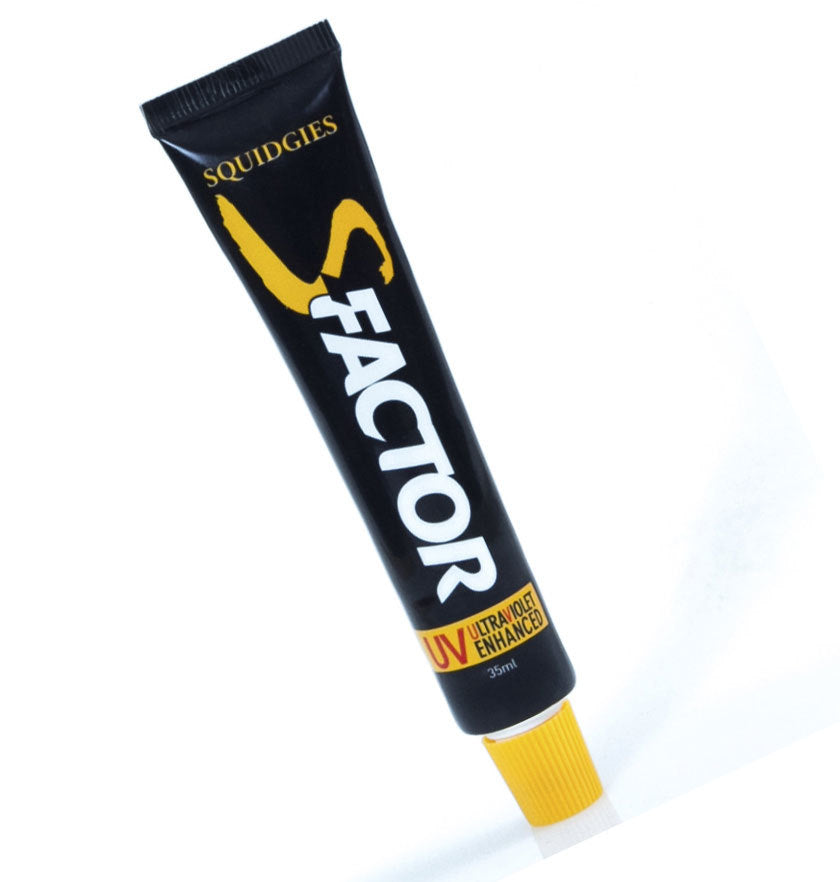
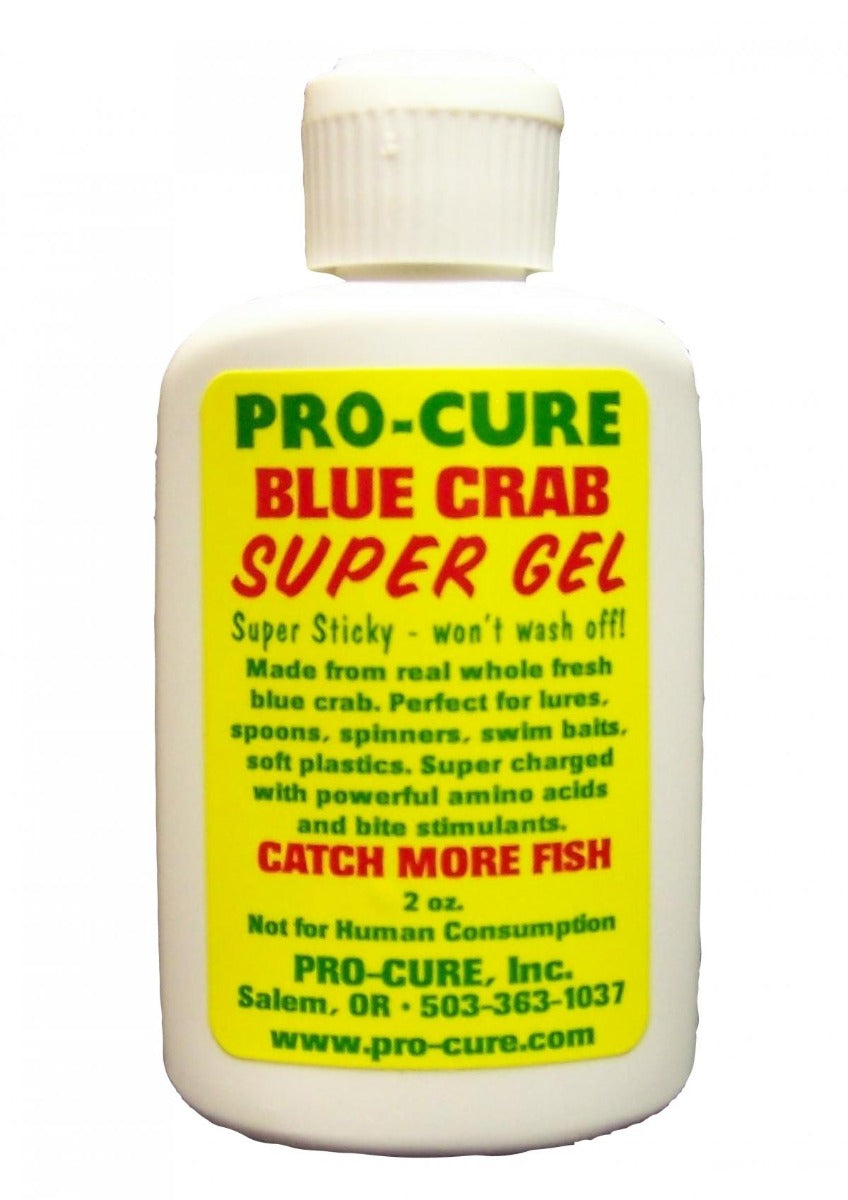
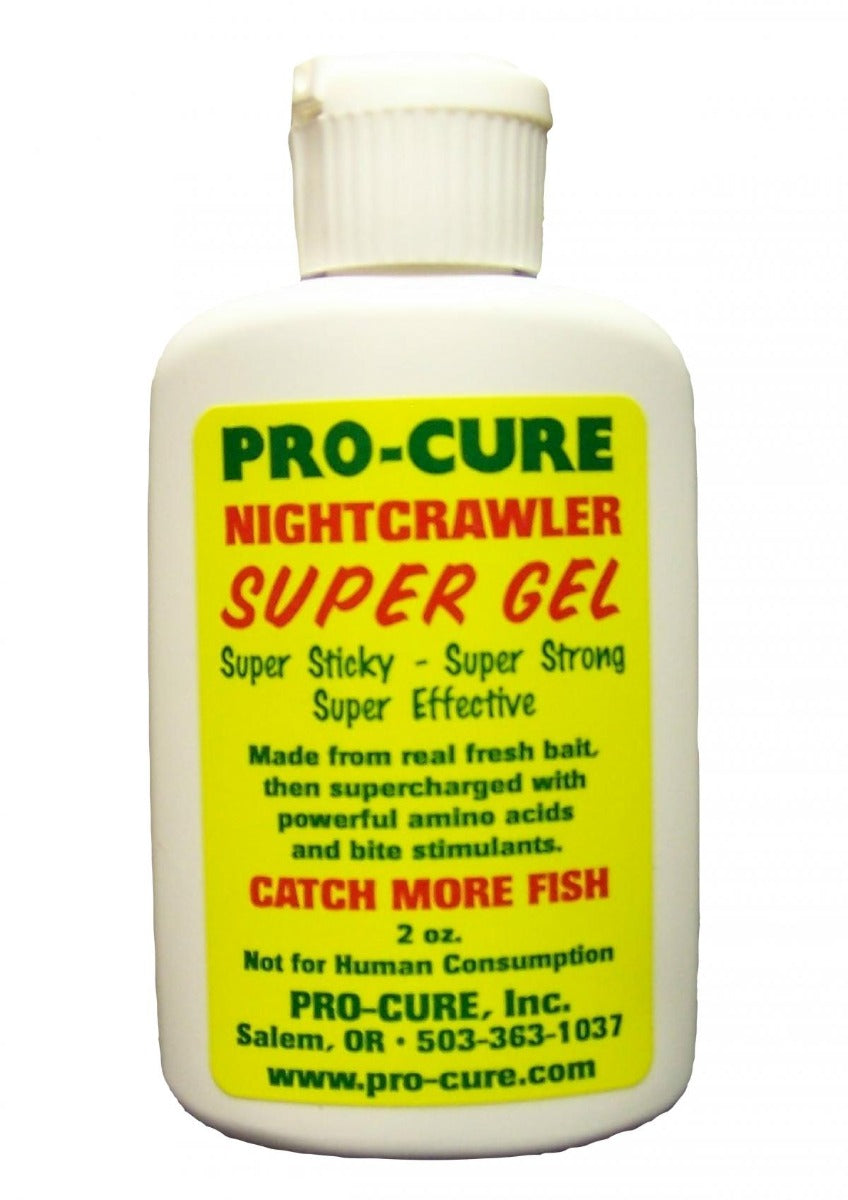
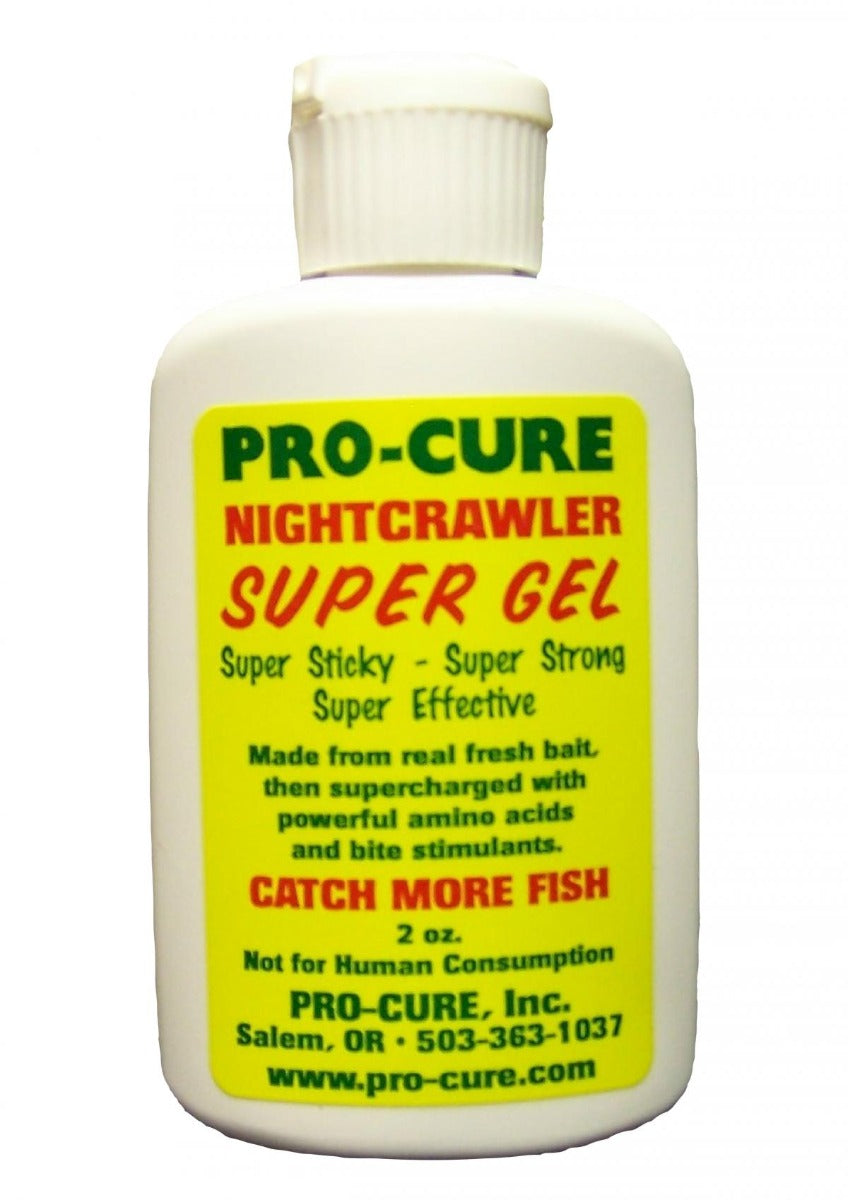

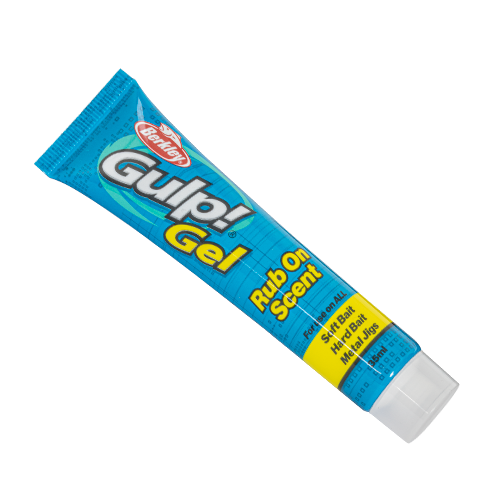
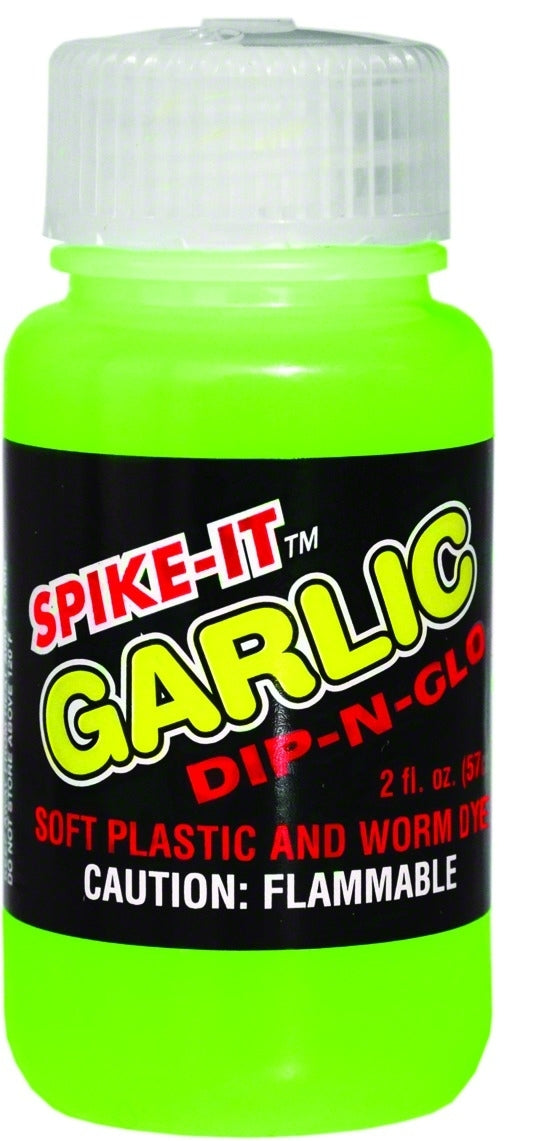
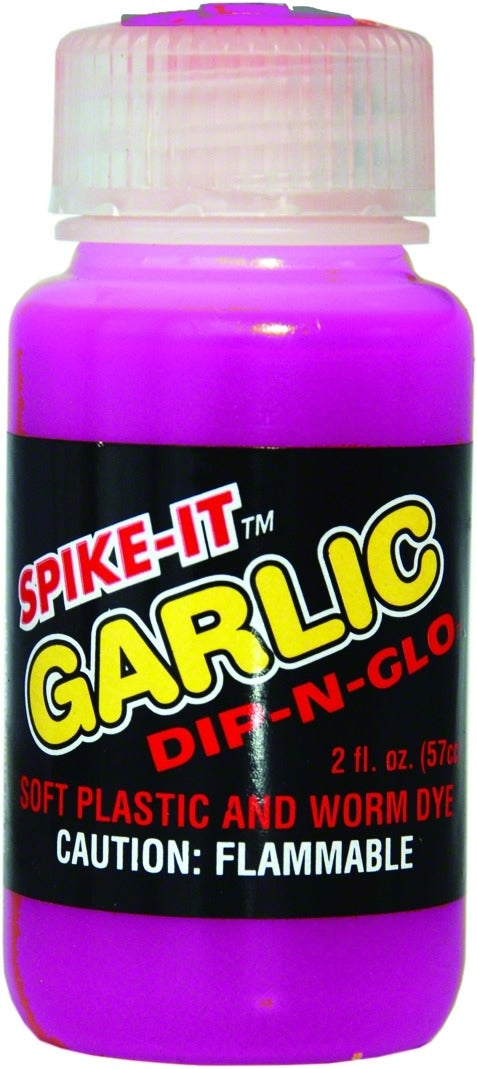


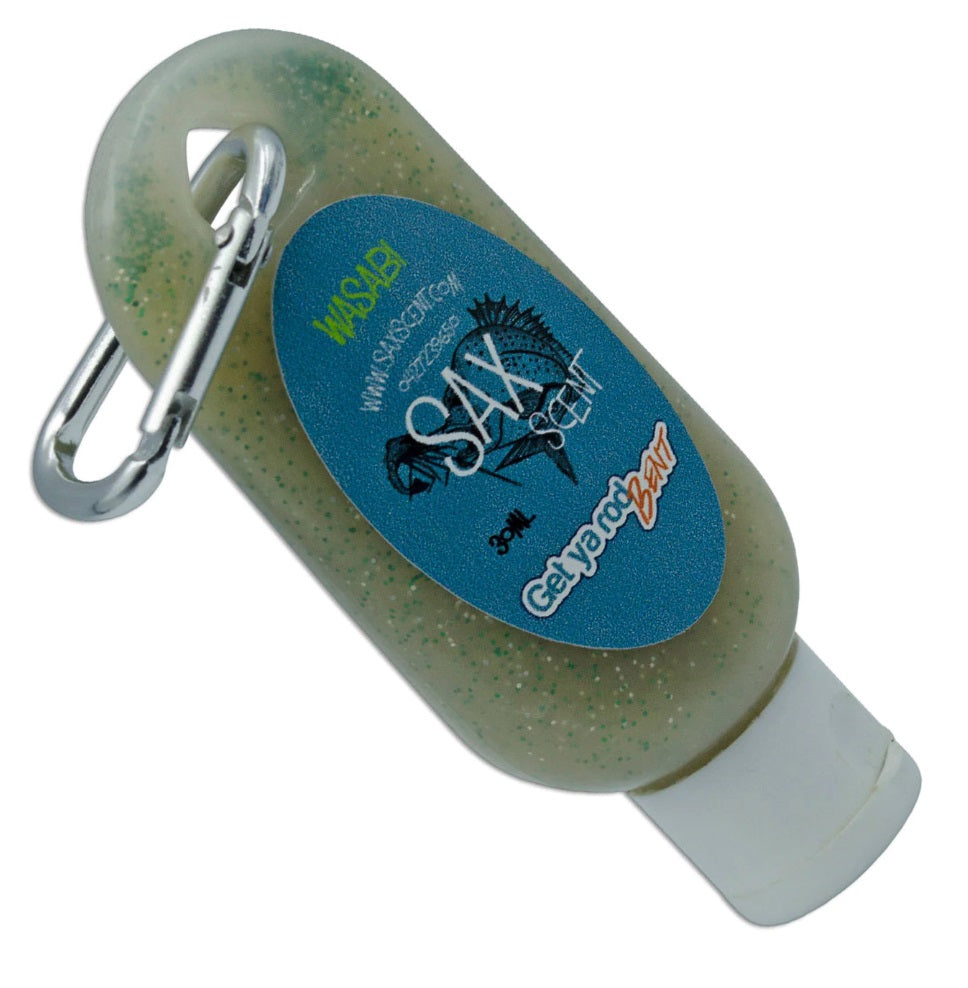


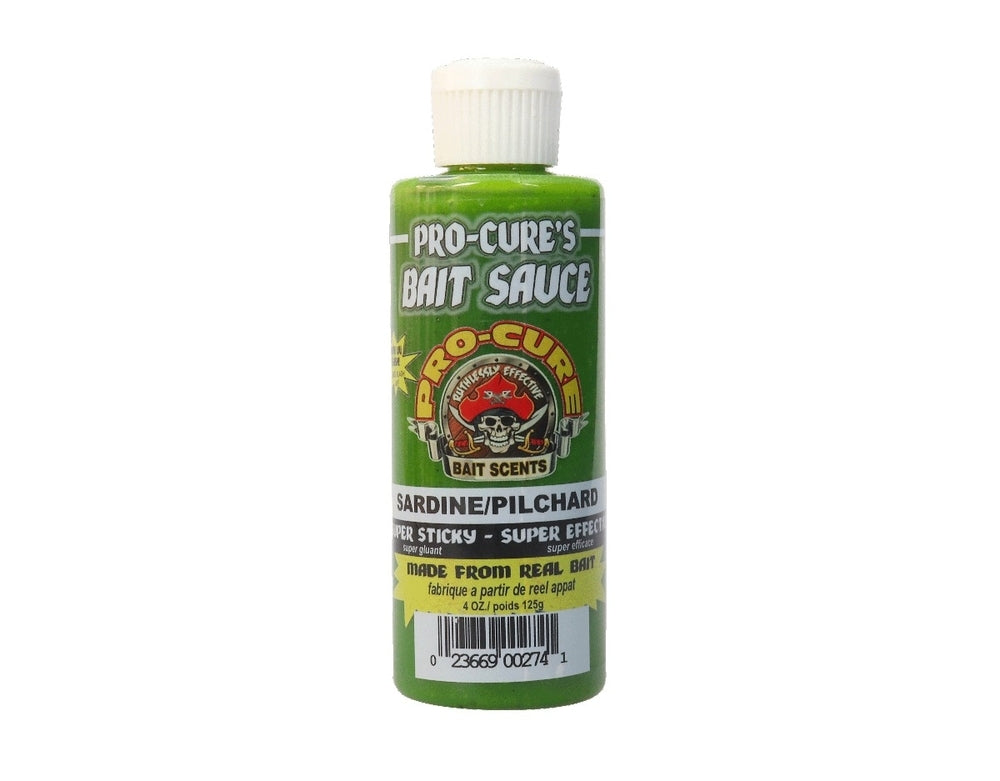


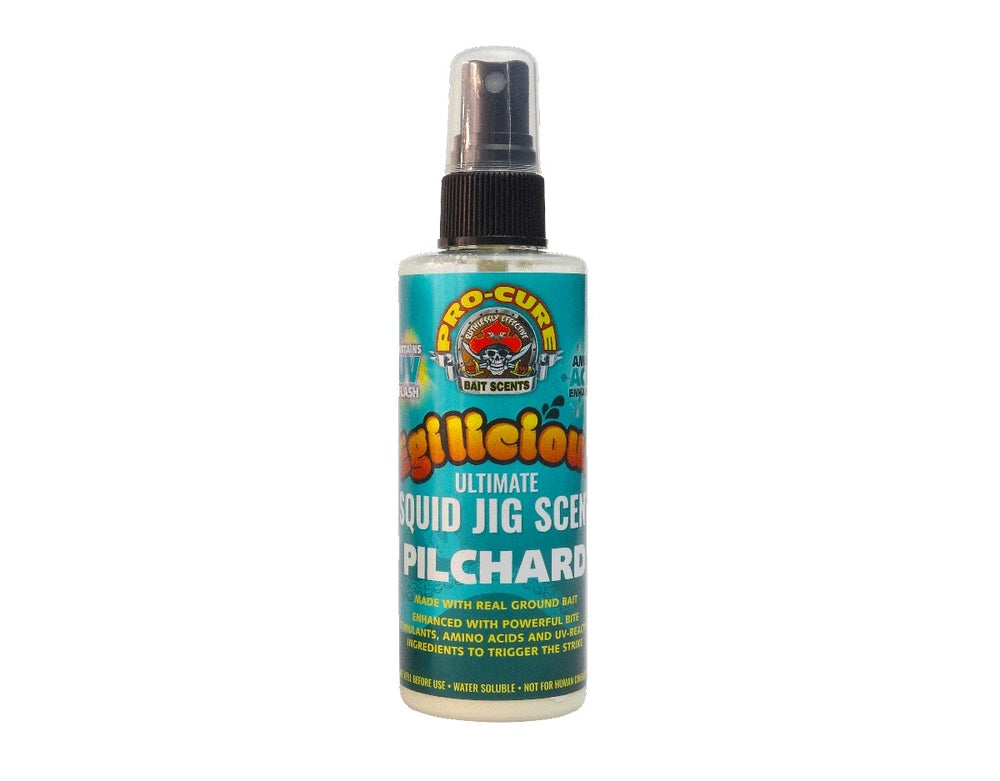
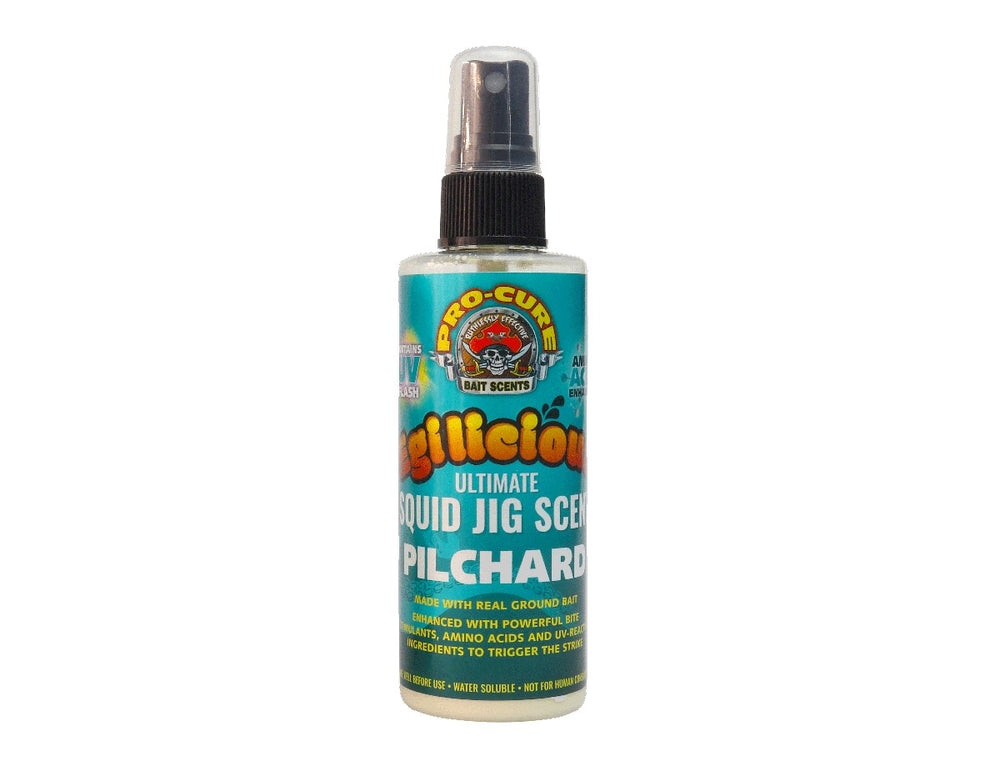
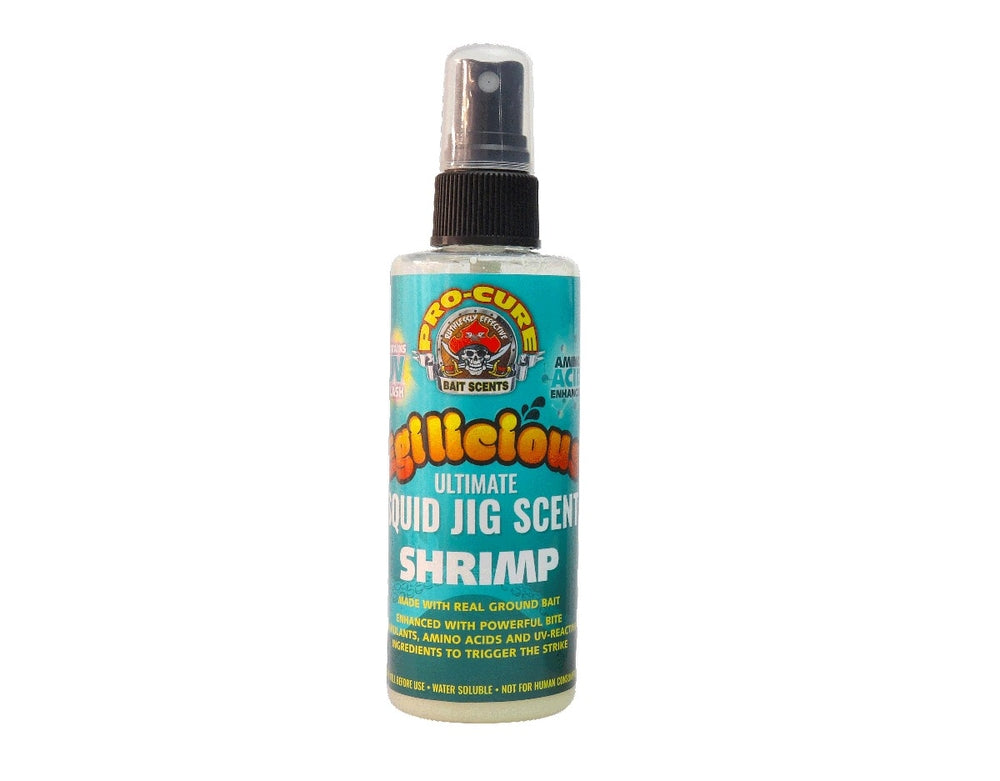


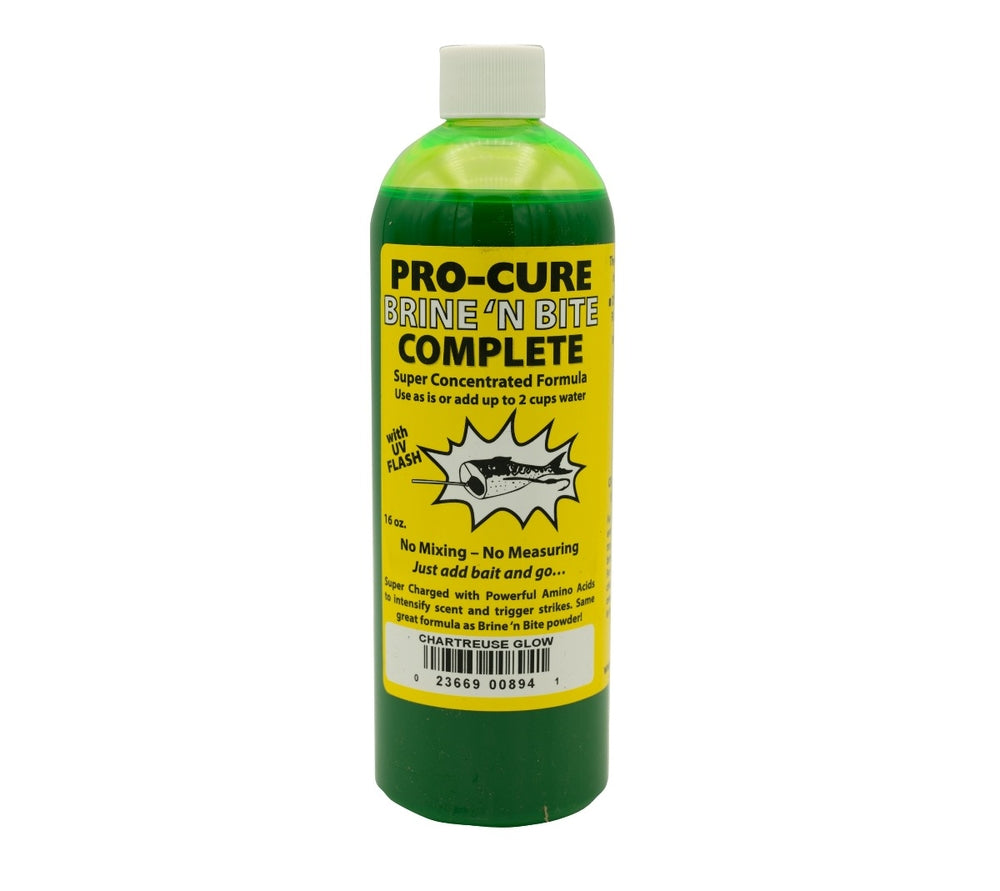
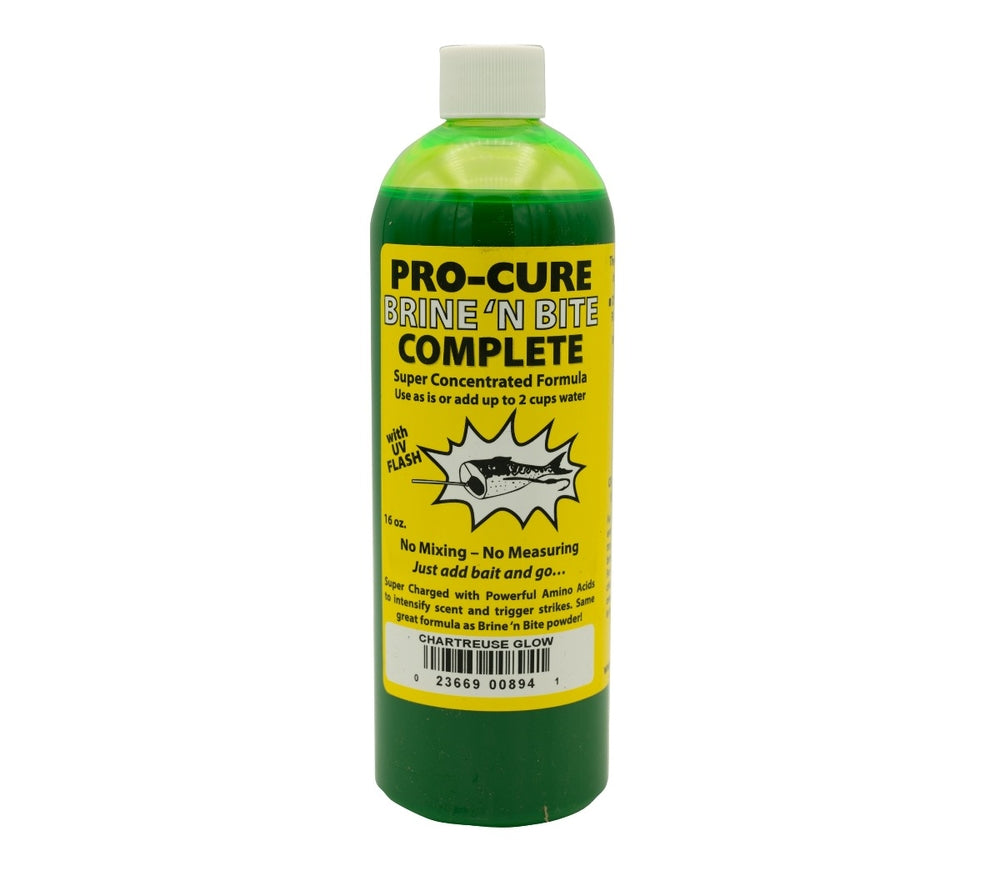
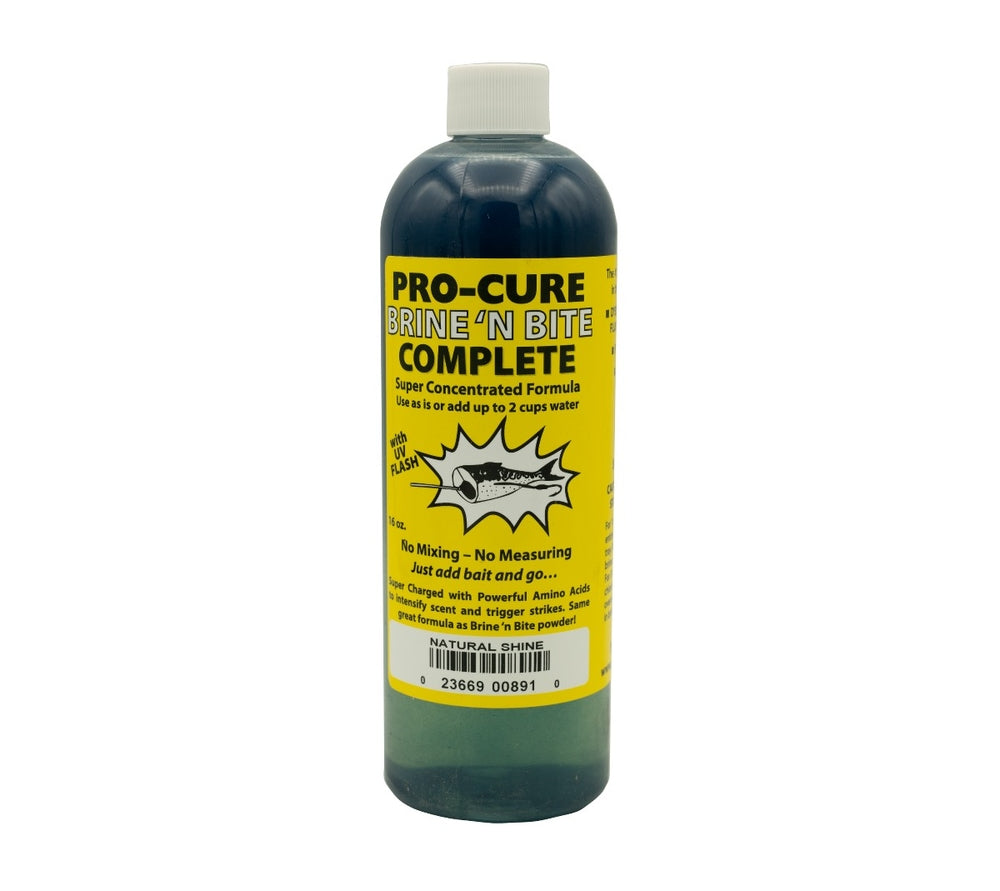

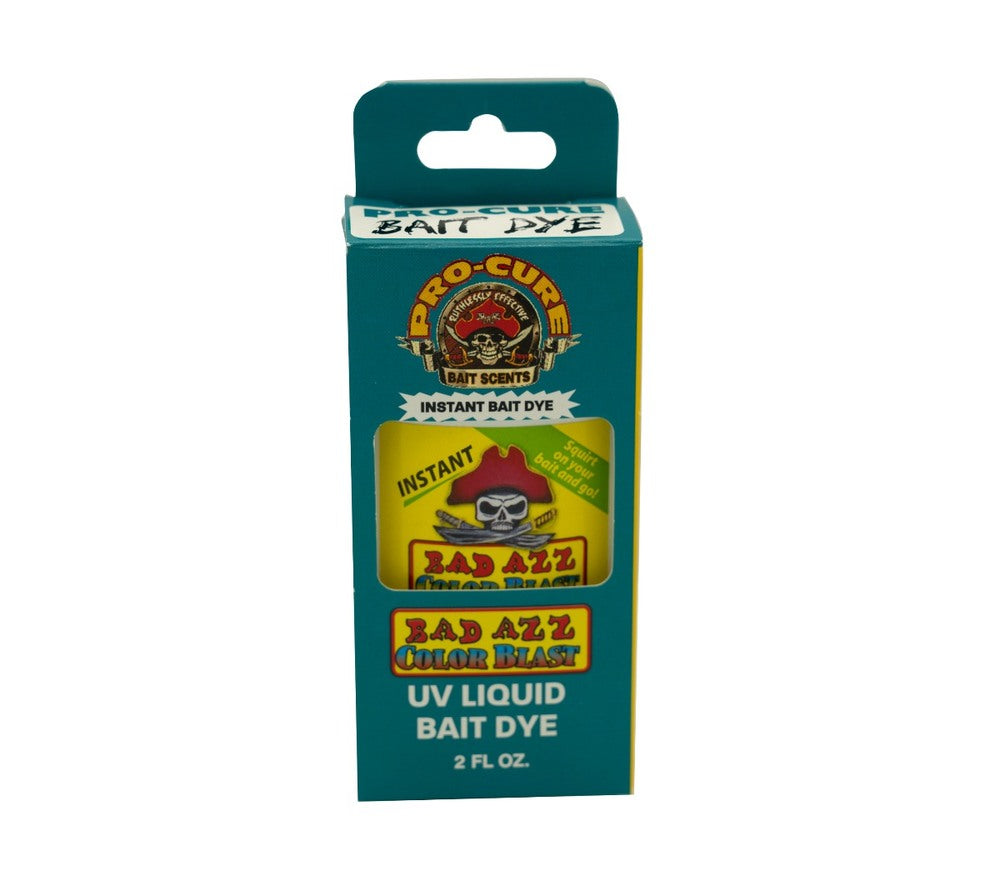
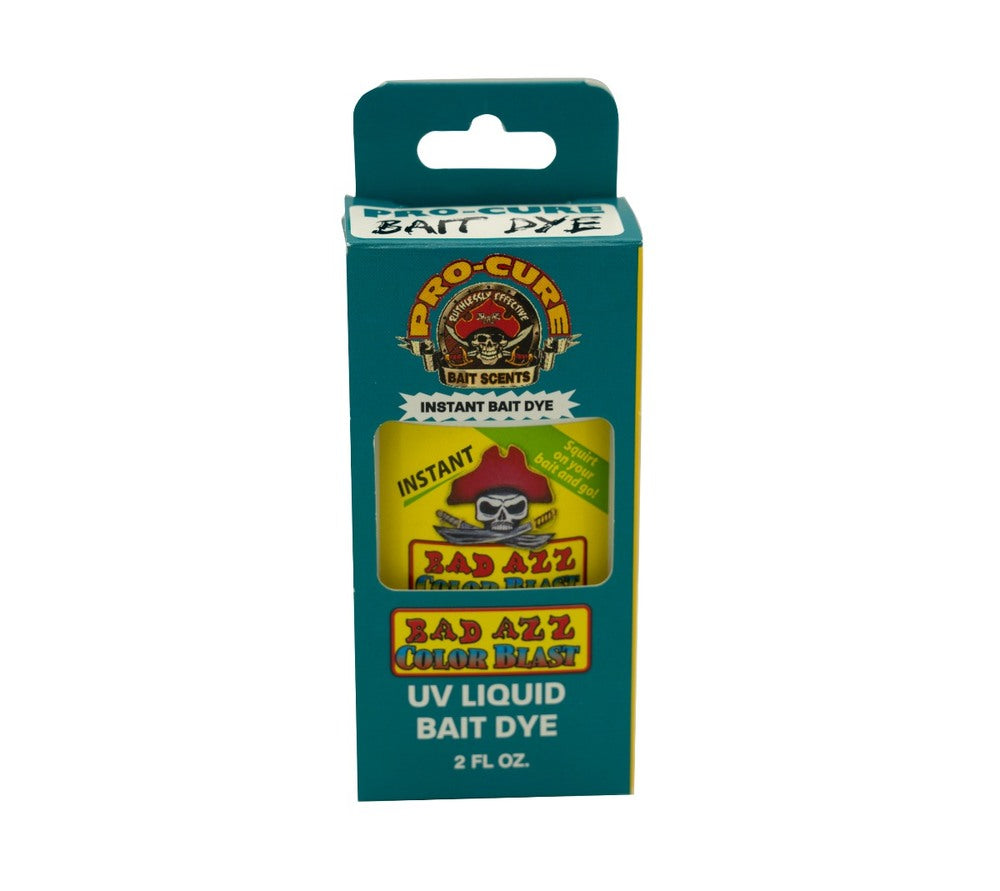
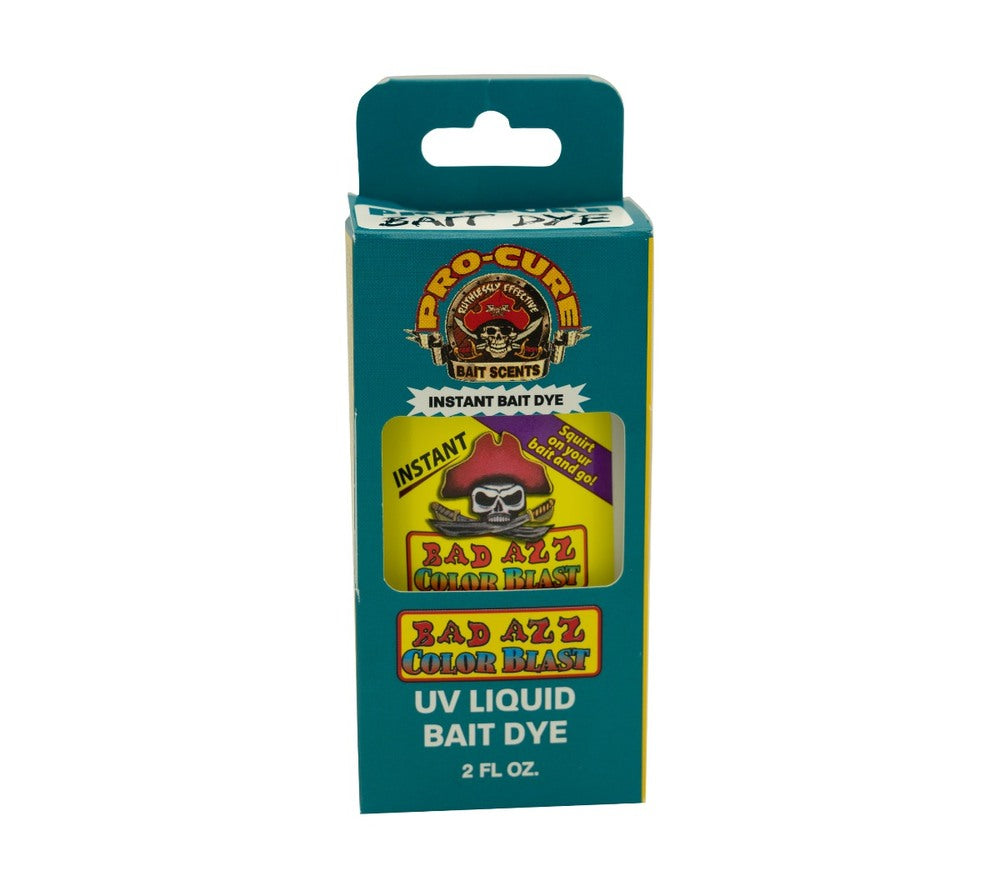


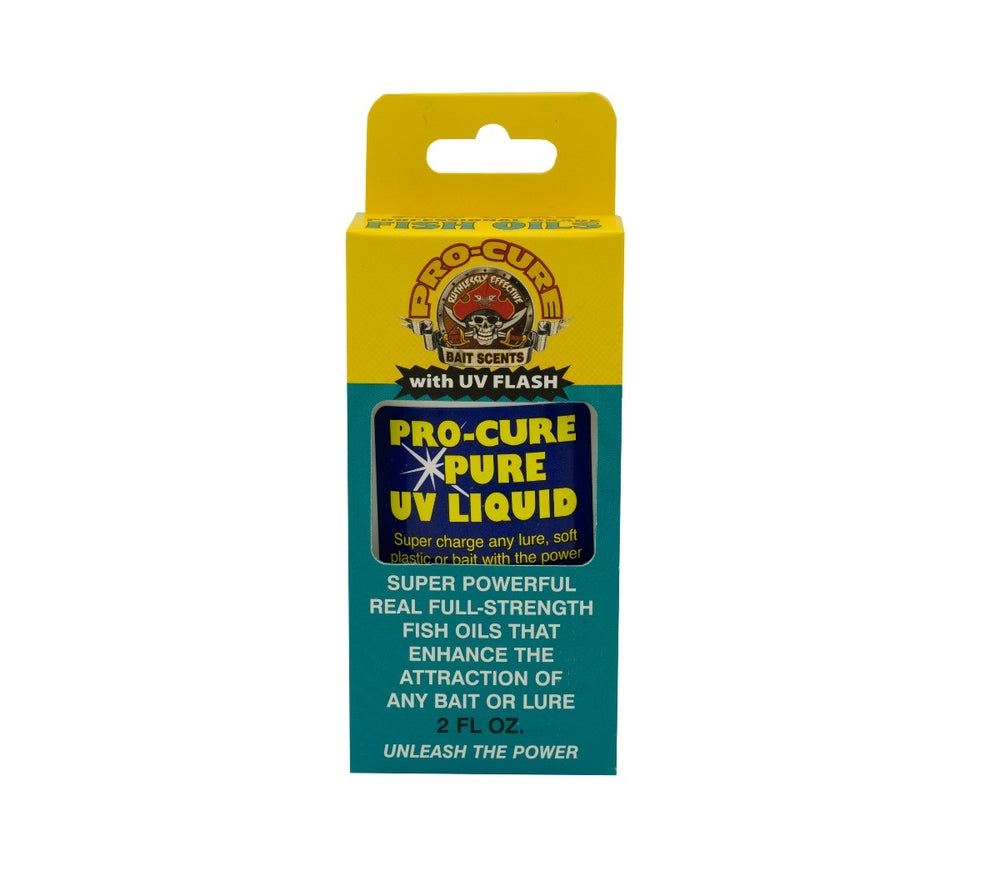

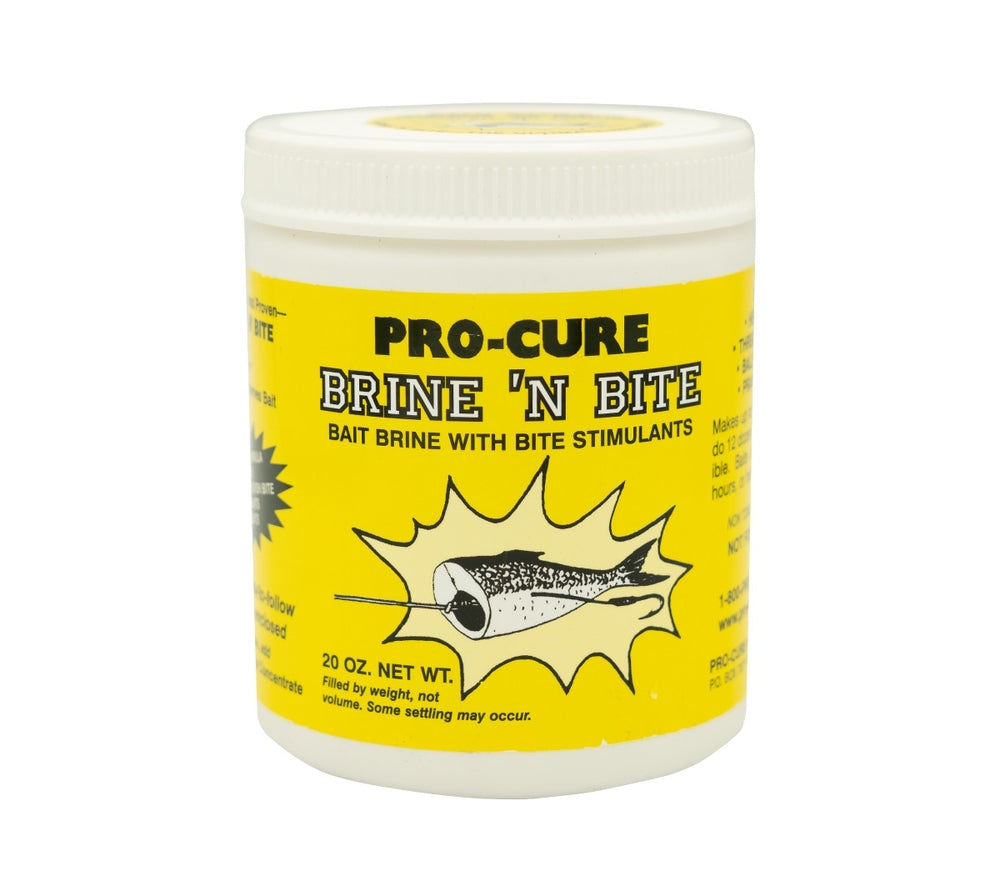
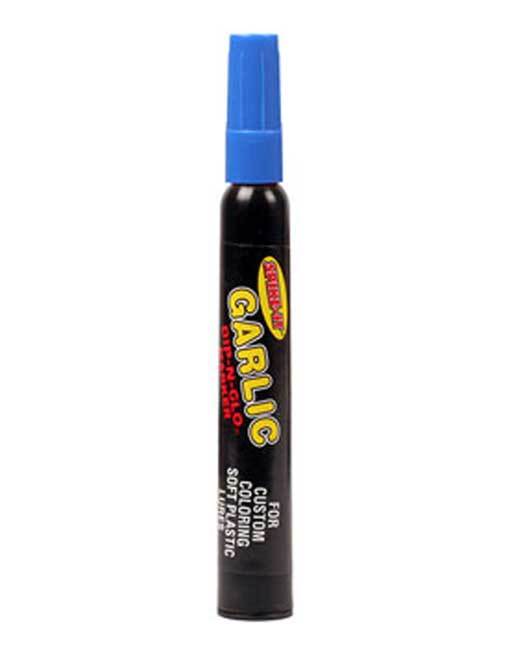
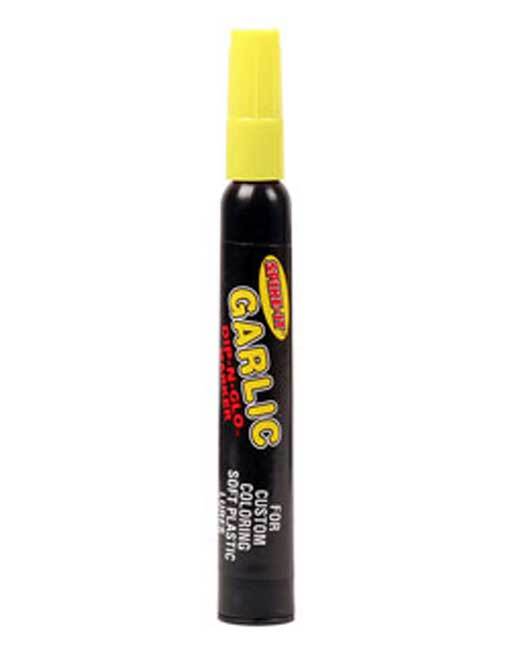


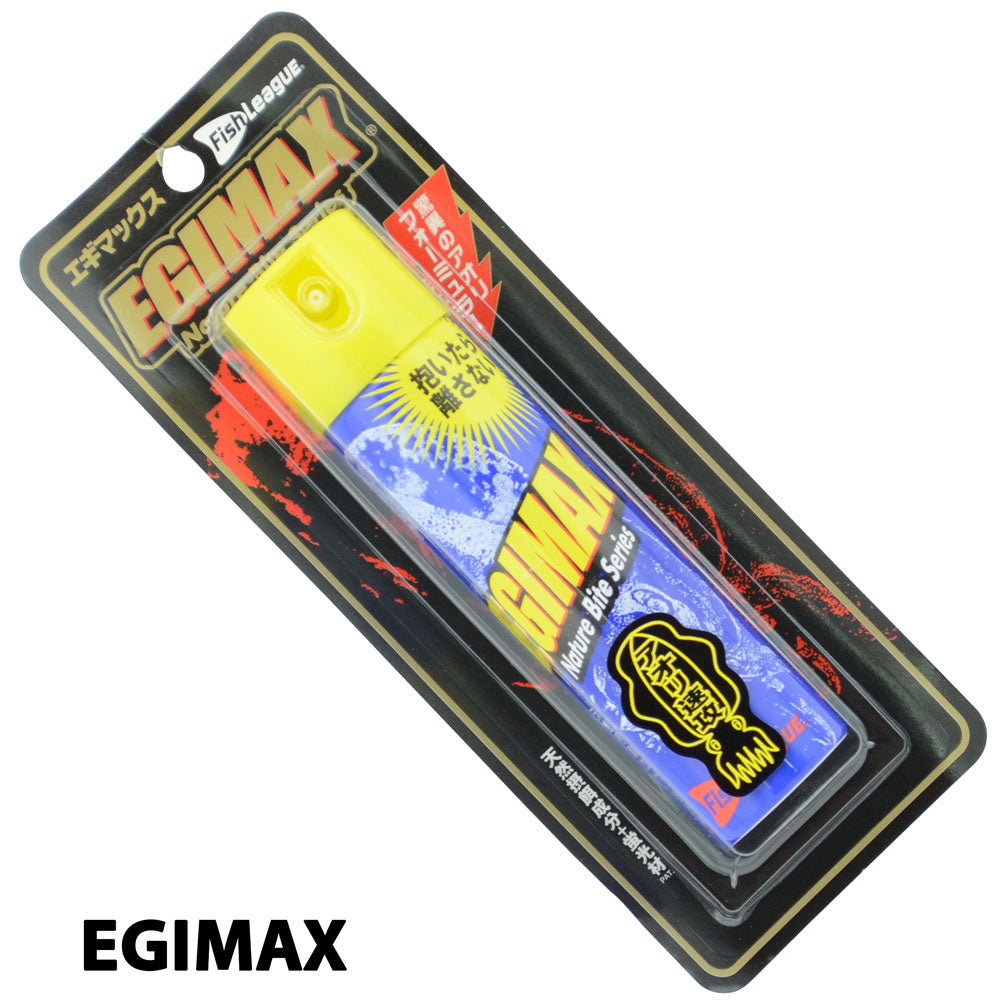
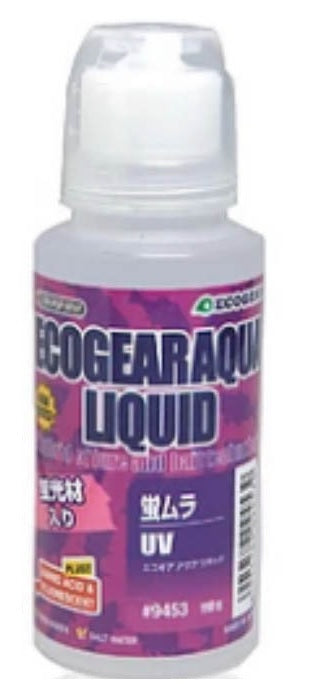
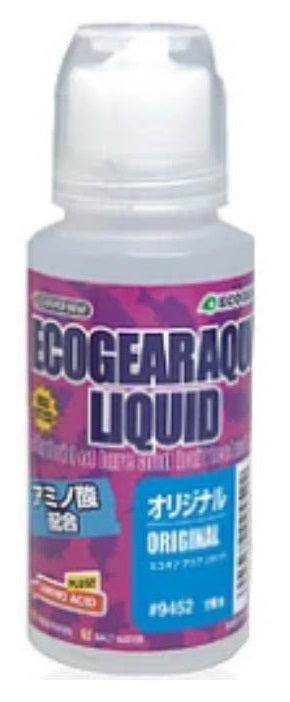


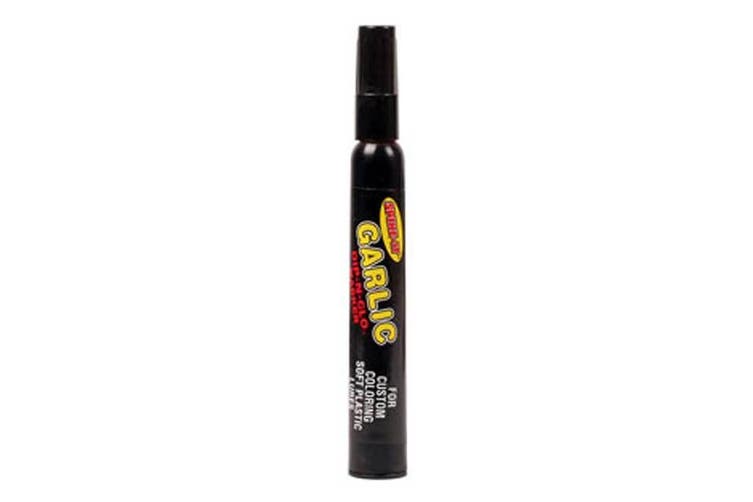


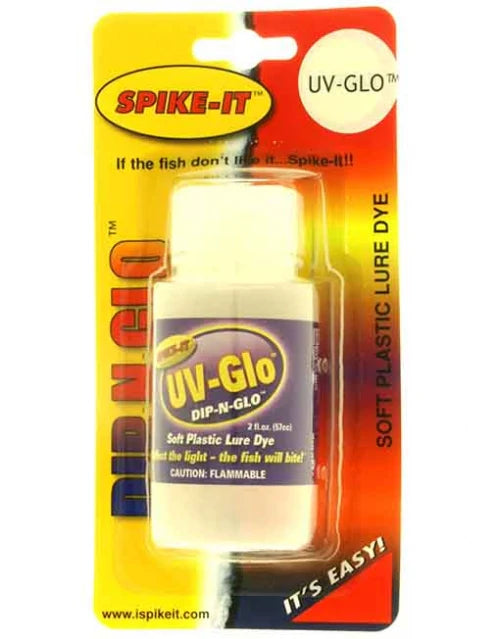


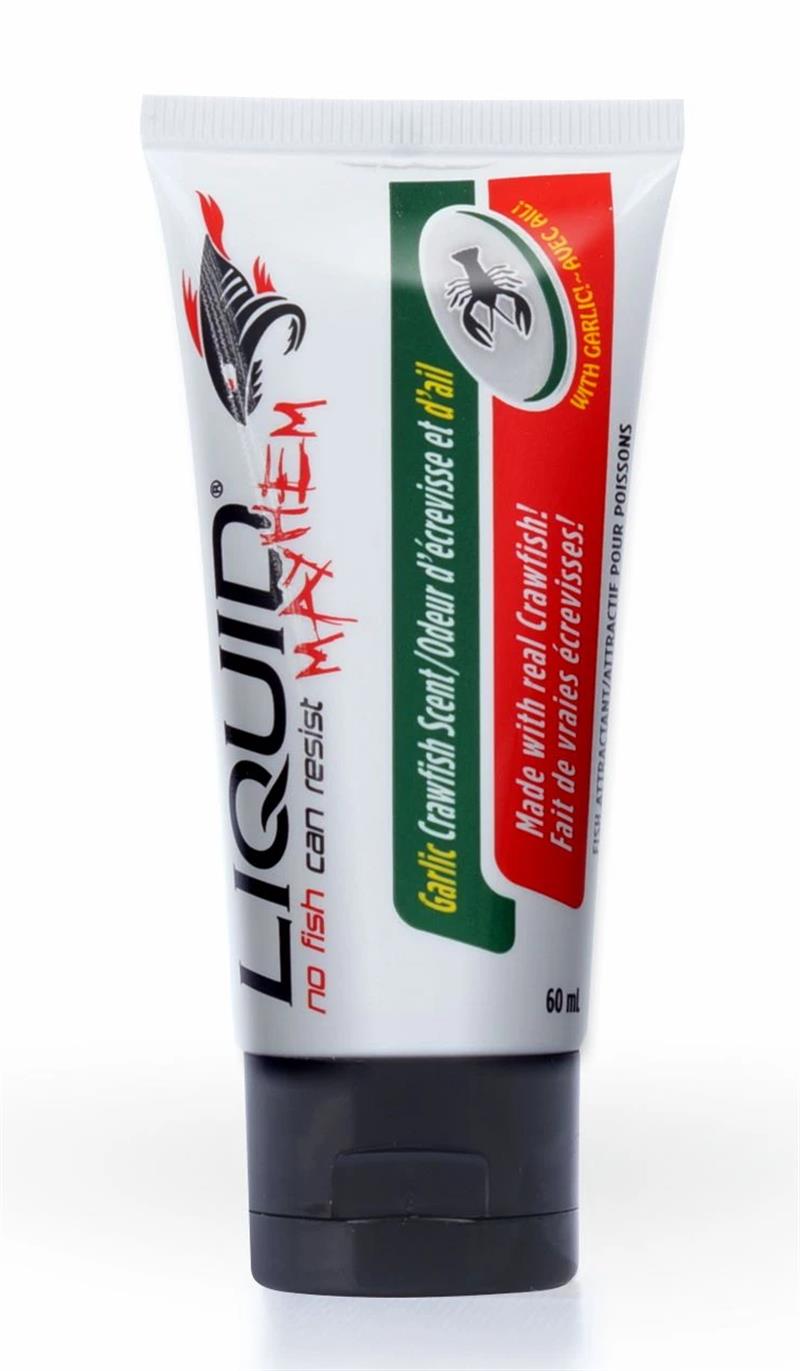
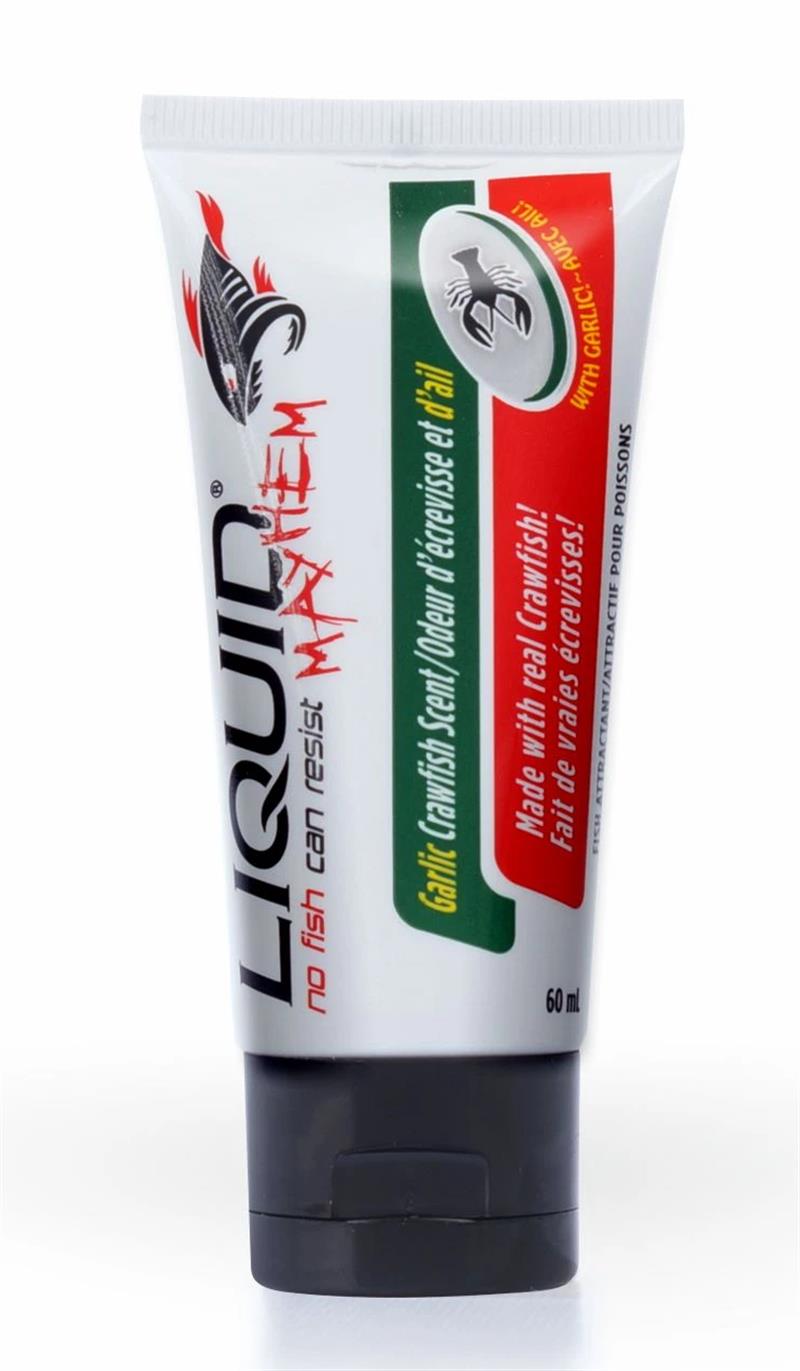
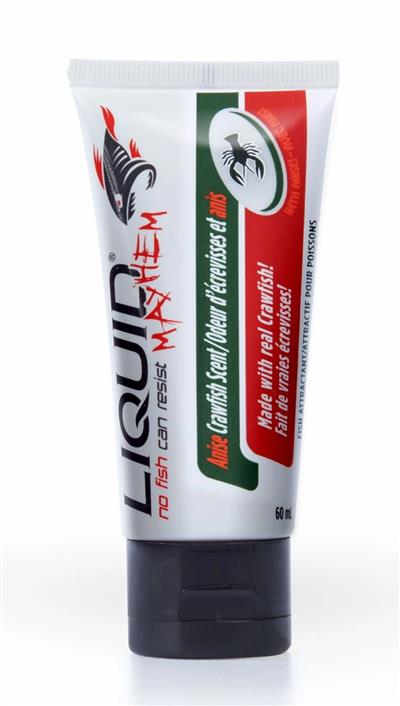

Scents, gels, sprays and attractants for soft plastics, hard lures and bait. They are not a substitute for putting the lure in the right place, but they do two useful things: they mask human and boat smells on the lure, and they encourage a fish that has eaten it to hold on a moment longer.
Using scent
Gels cling to soft plastics longest and are the usual choice for lure fishing. Sprays are faster to apply across several lures or a rod full of gear. Bait soaks and powders work differently again, going into or onto a bait rather than a lure.
Reapply more often than feels necessary. Scent washes off within a few casts, and the common mistake is treating one application as lasting a session. A quick dab each time you check the lure is the habit worth building.
Scent matters most where fish take time to inspect a lure — bream around structure, fish in cold or dirty water, and anything pressured. It matters least on a fast-moving reaction bite. Most of it goes onto soft plastics, and jig heads are what you will rig them on.
Frequently asked questions
Does fishing scent actually work?
The clearest benefit is that fish hold on longer once they have eaten the lure, which gives you more time to set the hook. Masking unwanted smells on the lure is the other real effect.
How often should I reapply scent?
Every few casts. Scent washes off quickly, and the usual mistake is applying it once at the start and assuming it is still there an hour later.
Gel or spray?
Gel sticks to soft plastics for longer and is the better choice for lure fishing. Spray is quicker if you are treating a lot of lures or refreshing gear between drifts.
Can I use scent on hard body lures?
Yes, though it does not cling nearly as well to hard plastic. The benefit is smaller than it is on soft plastics, where the material holds the scent.