

FREE SHIPPING ON ORDERS OVER $150*

AUSSIE FAMILY OWNED BUSINESS FOR OVER 40 YEARS

100% SATISFACTION GUARANTEED
Baitcaster Rods
Baitcaster Rods
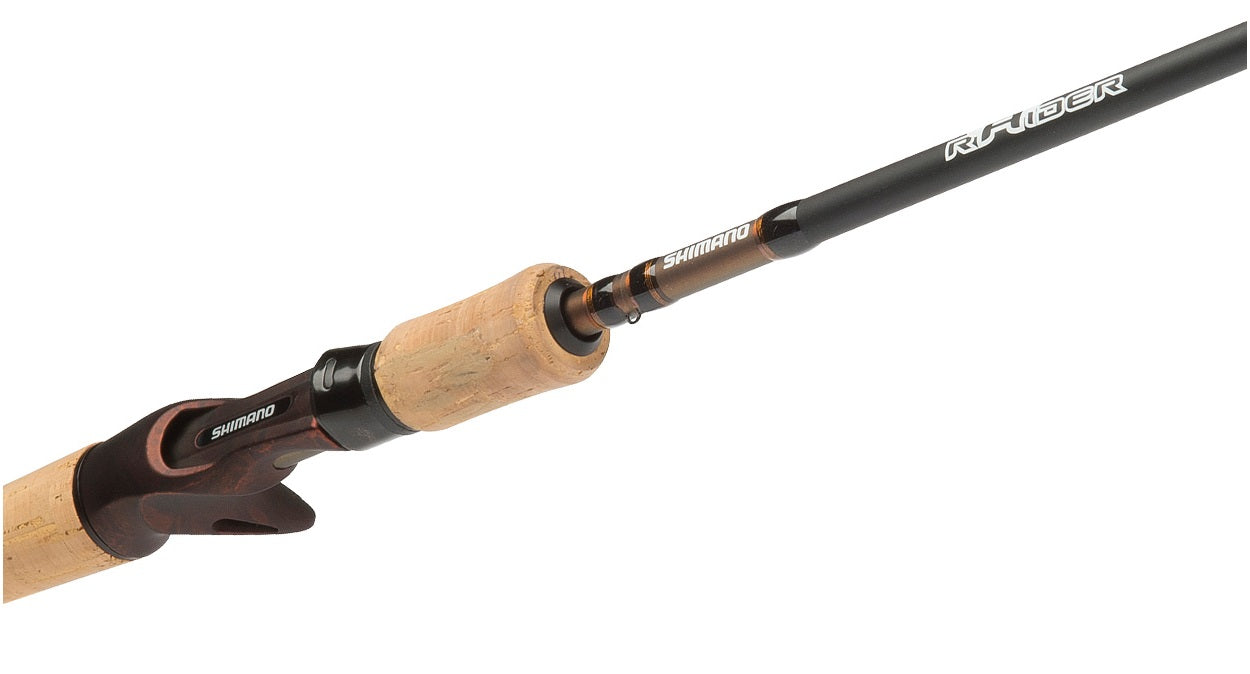
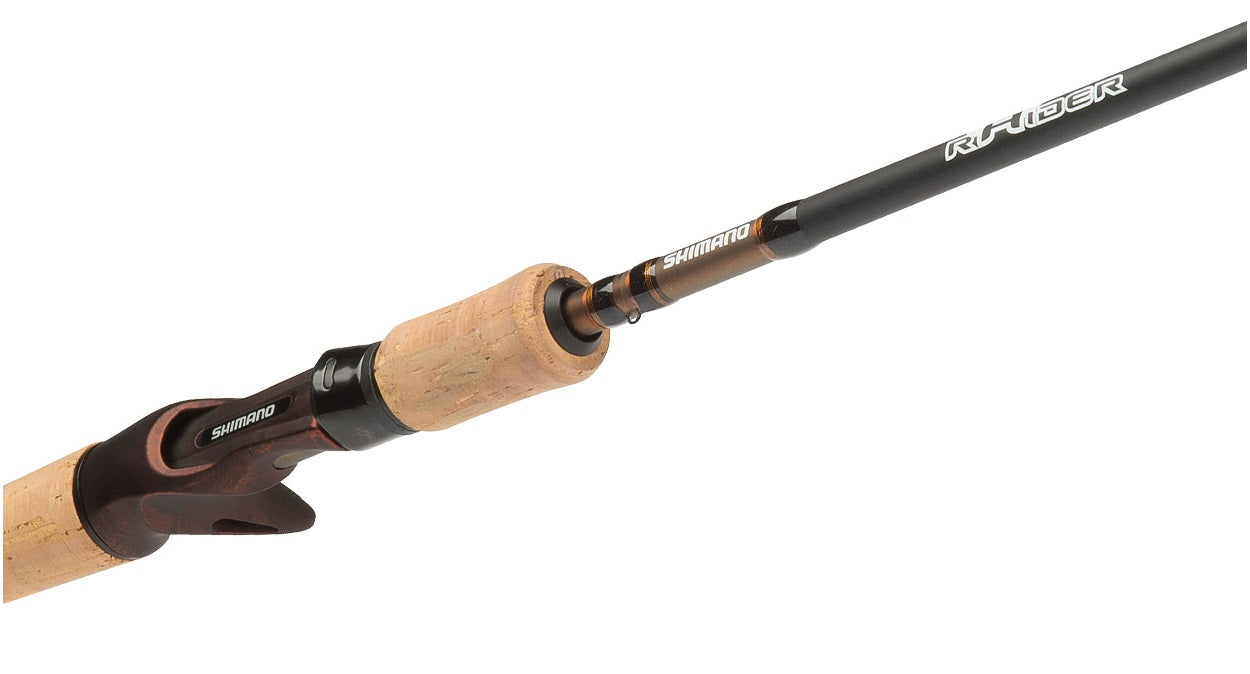
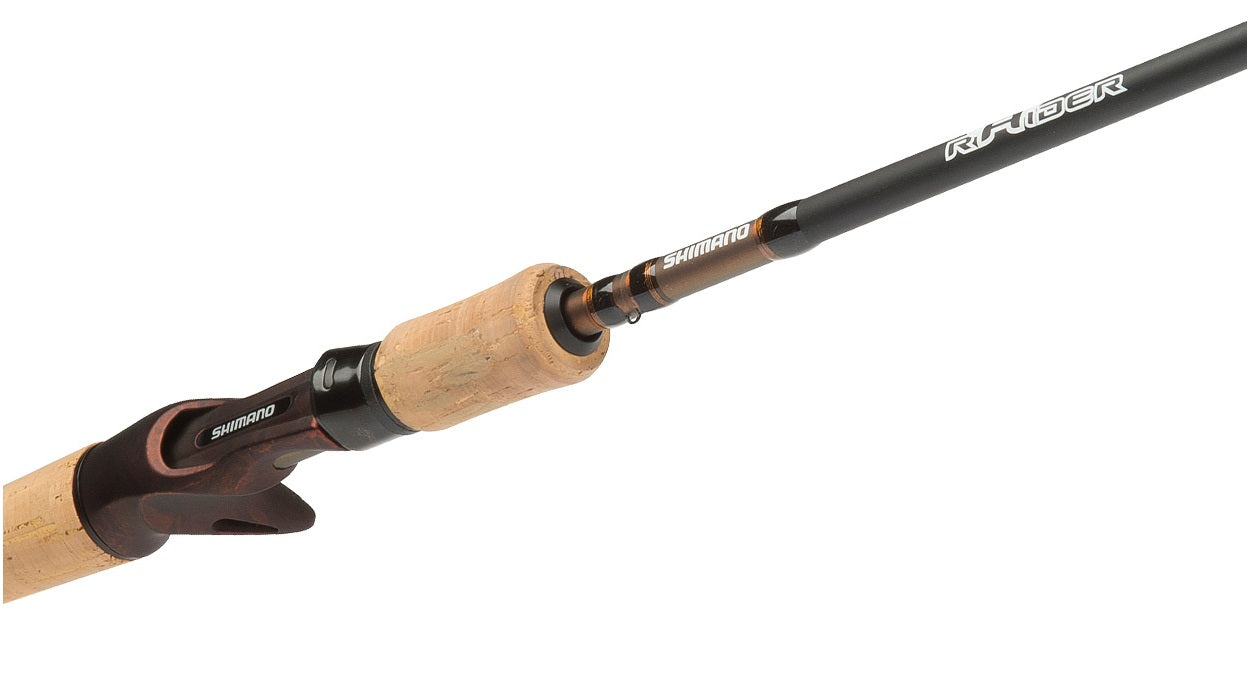
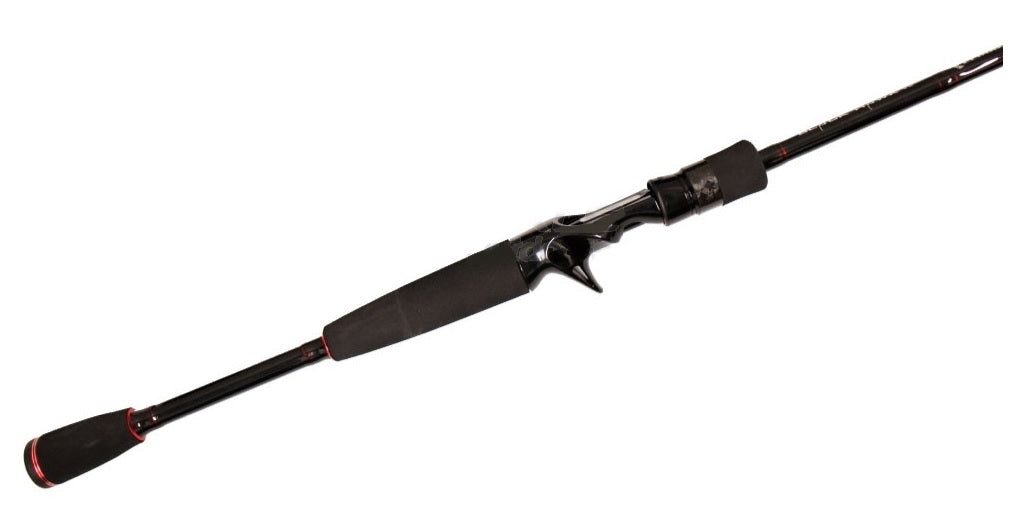
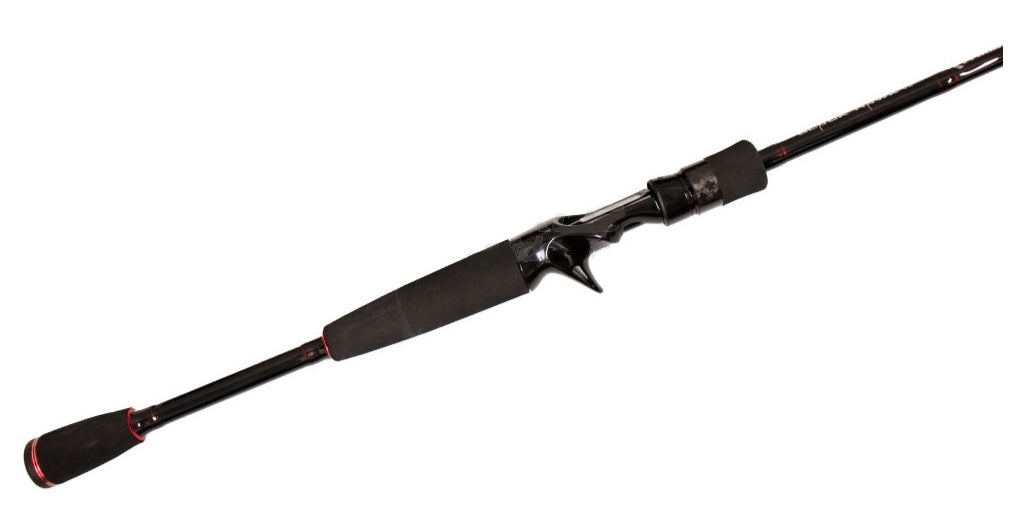
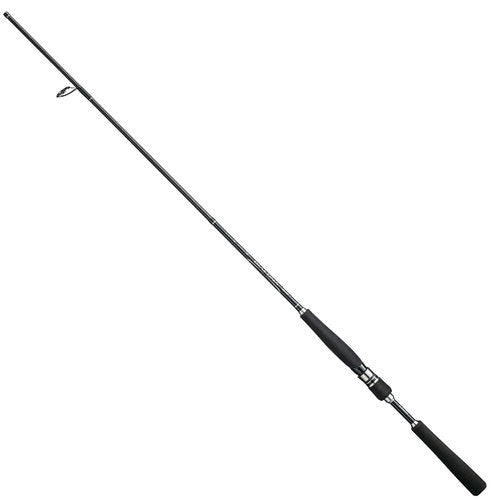
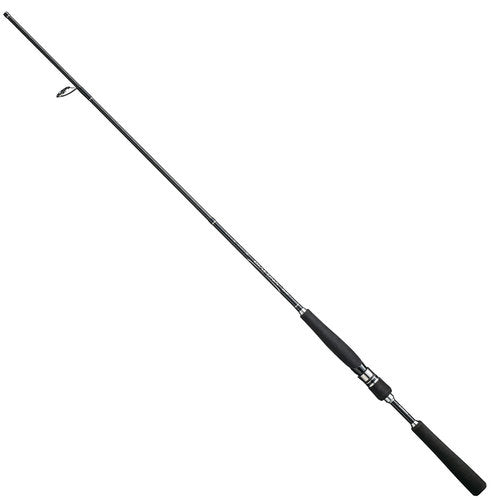
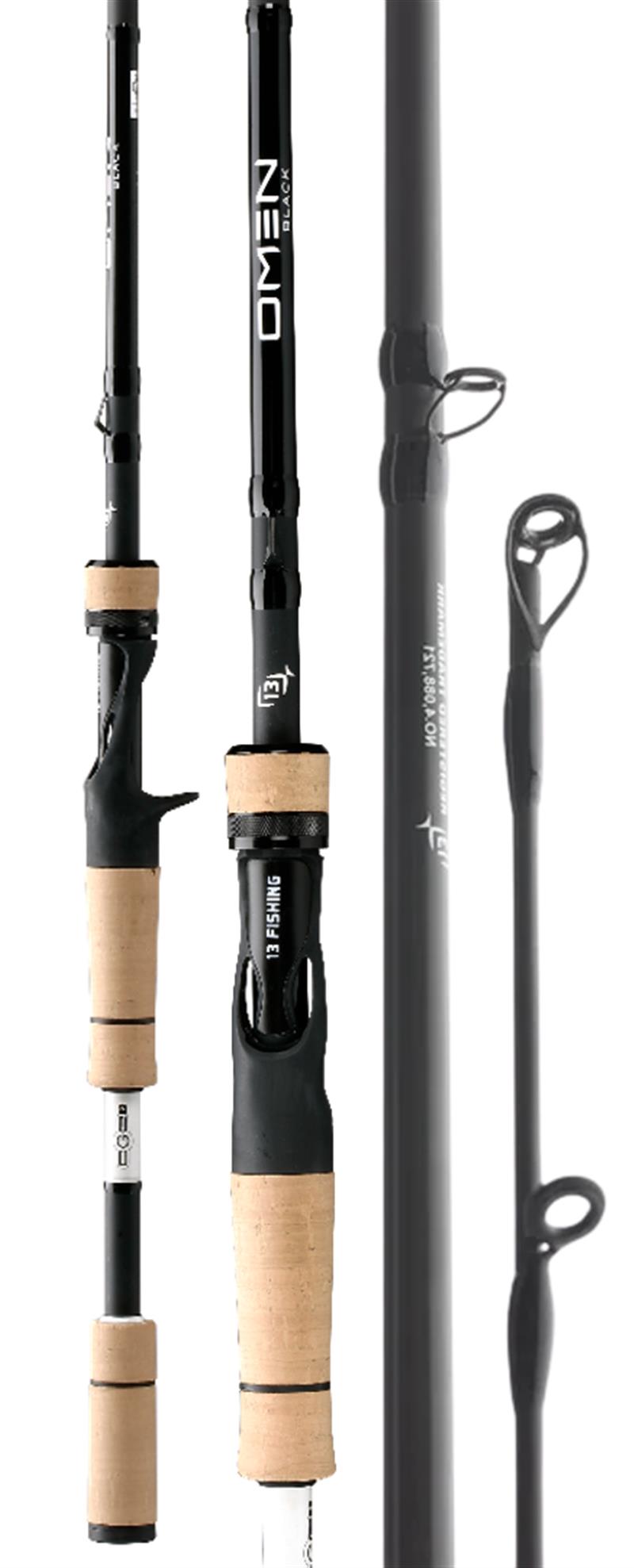
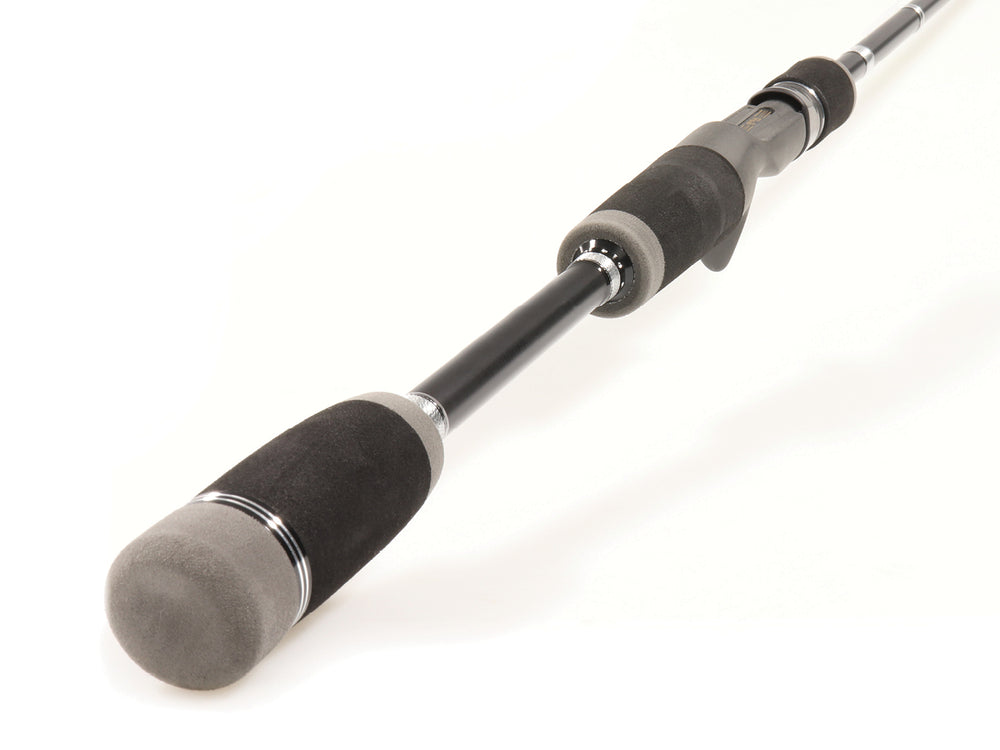
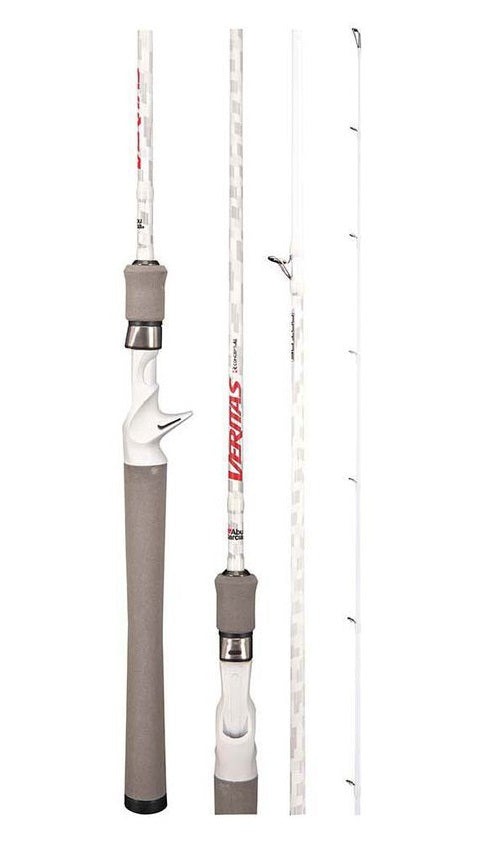
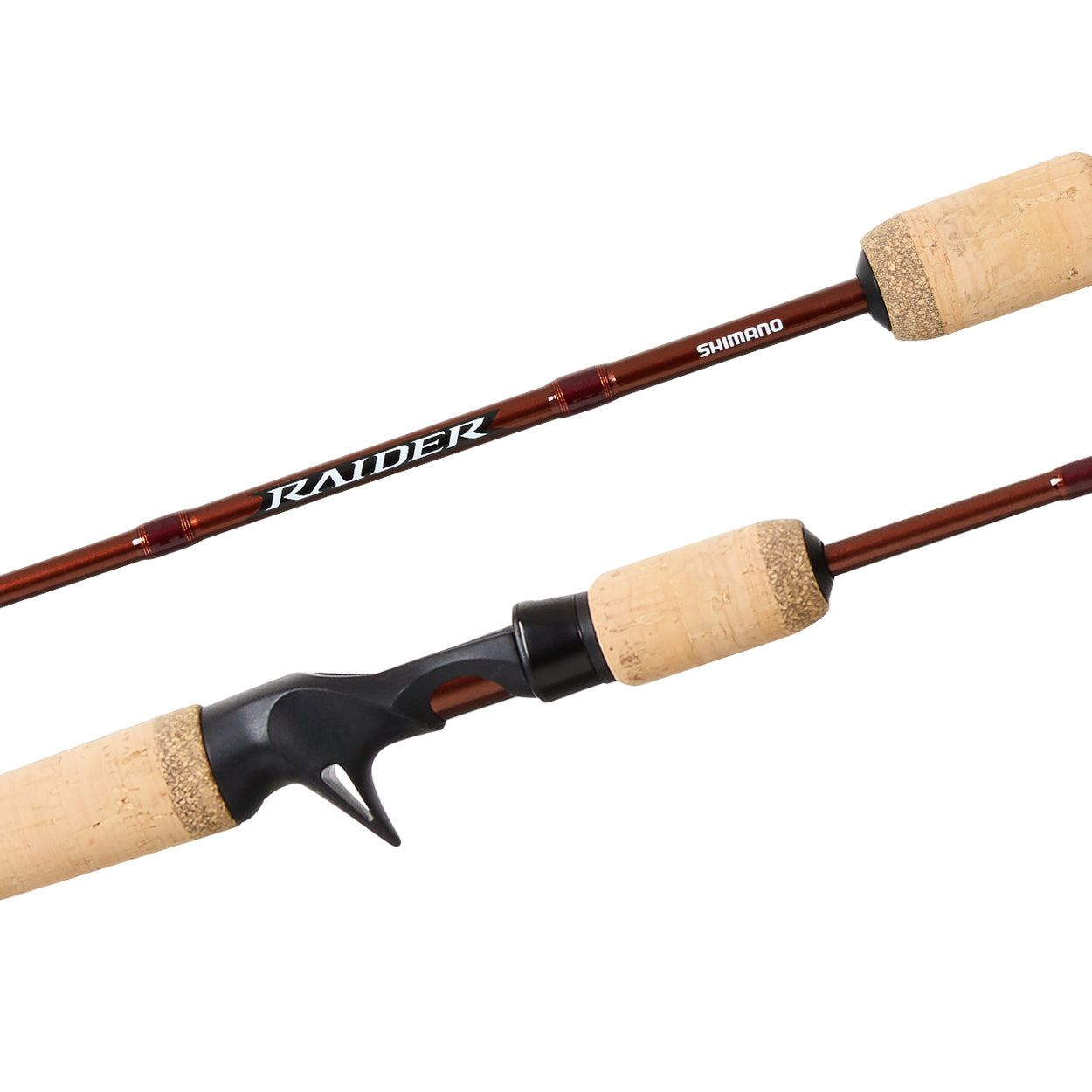
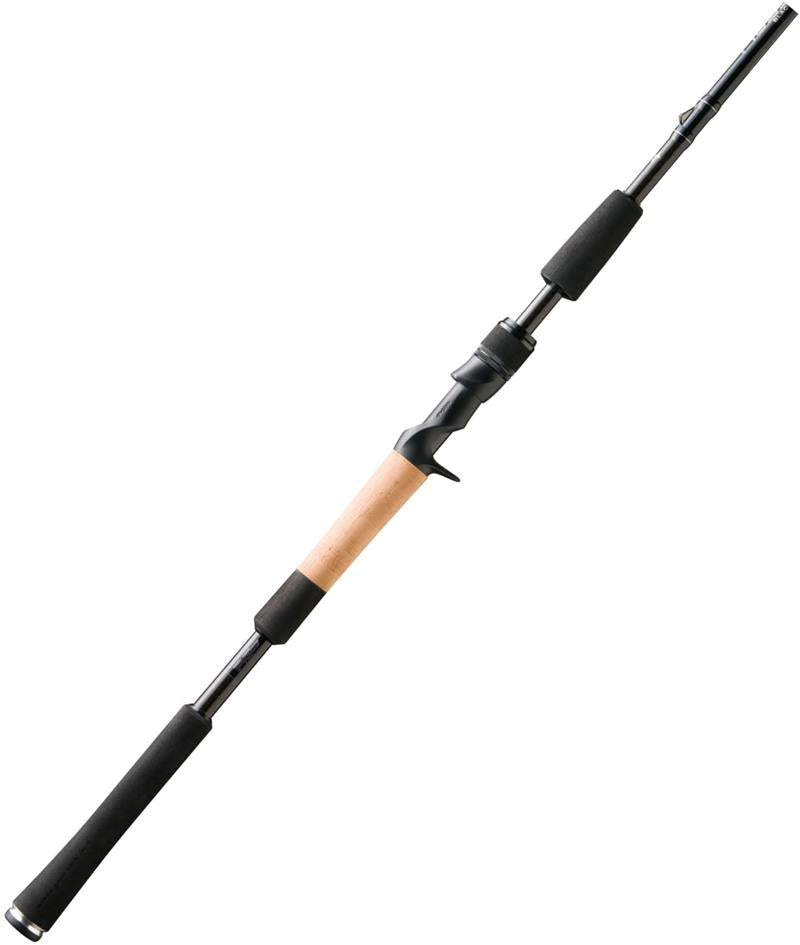
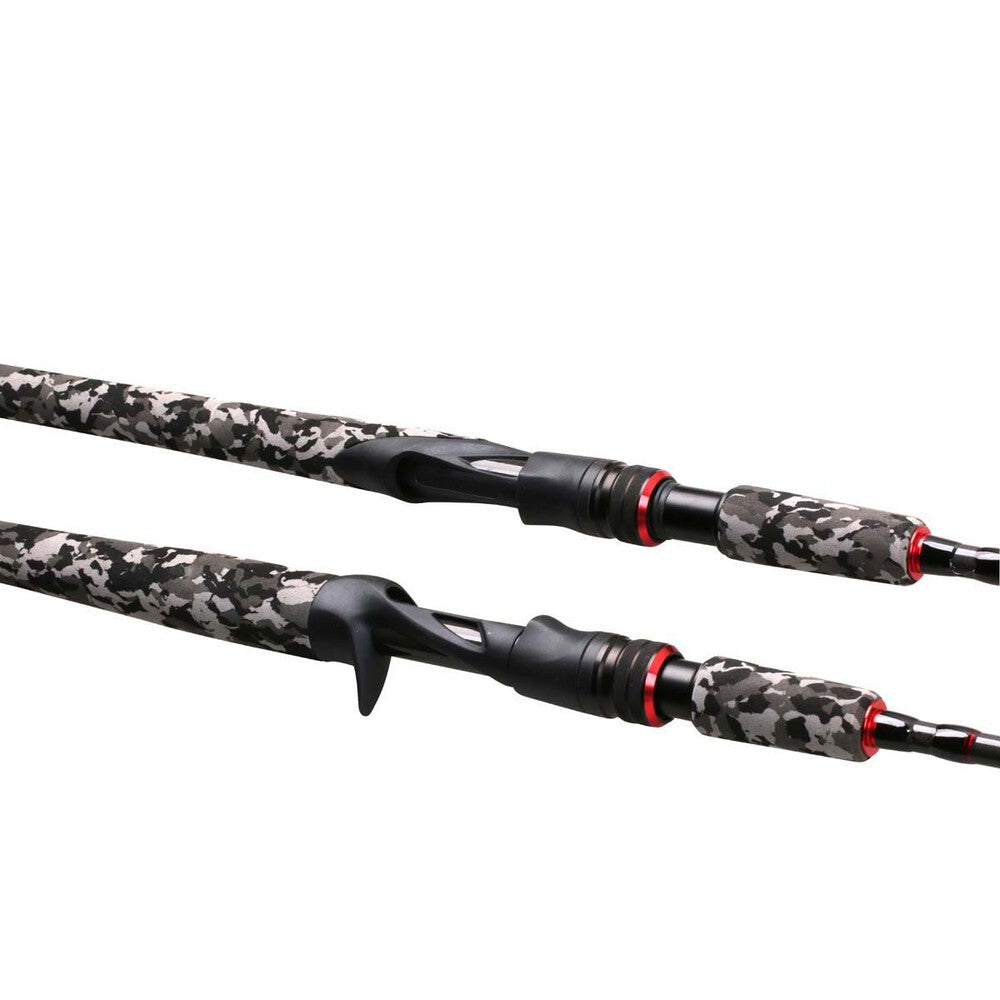
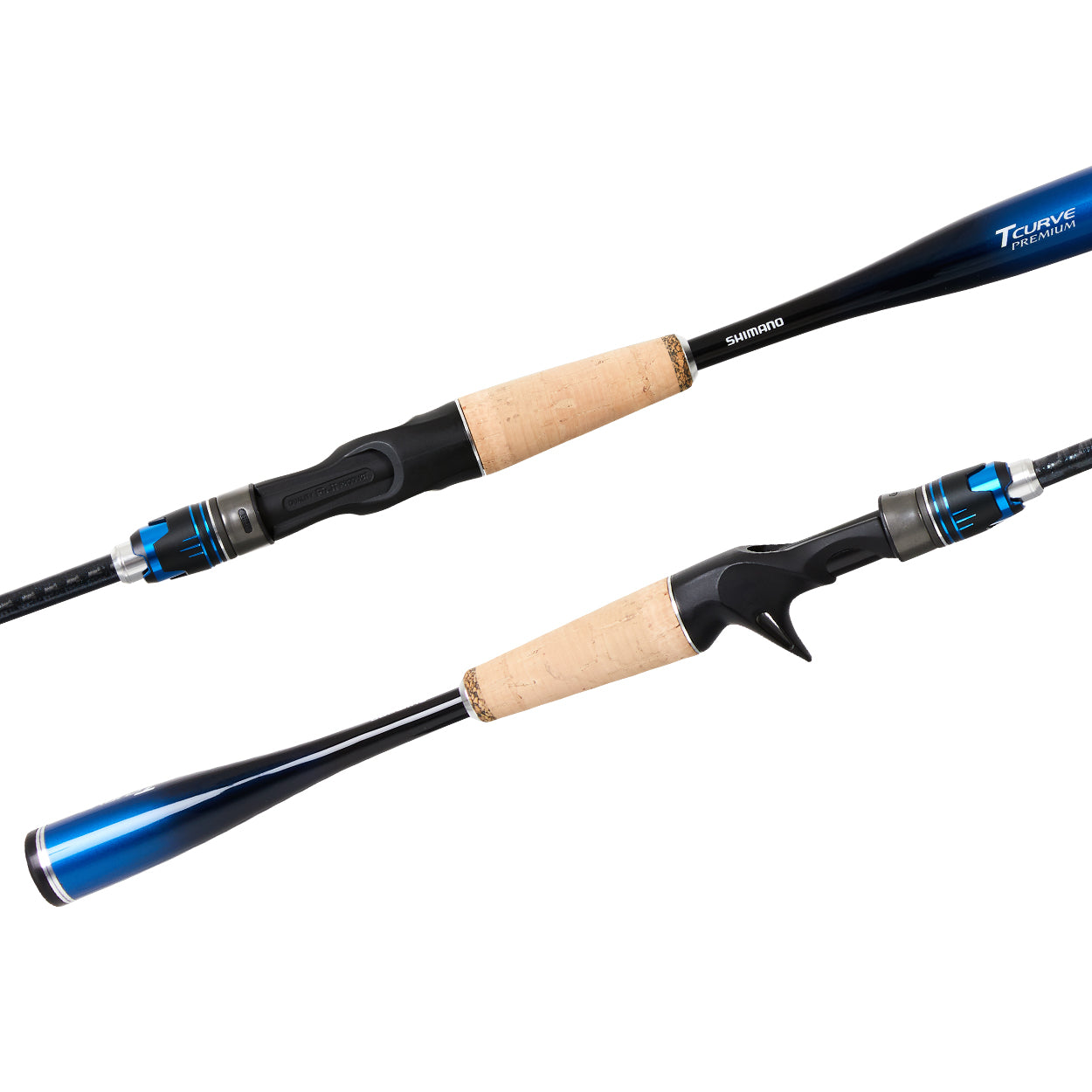
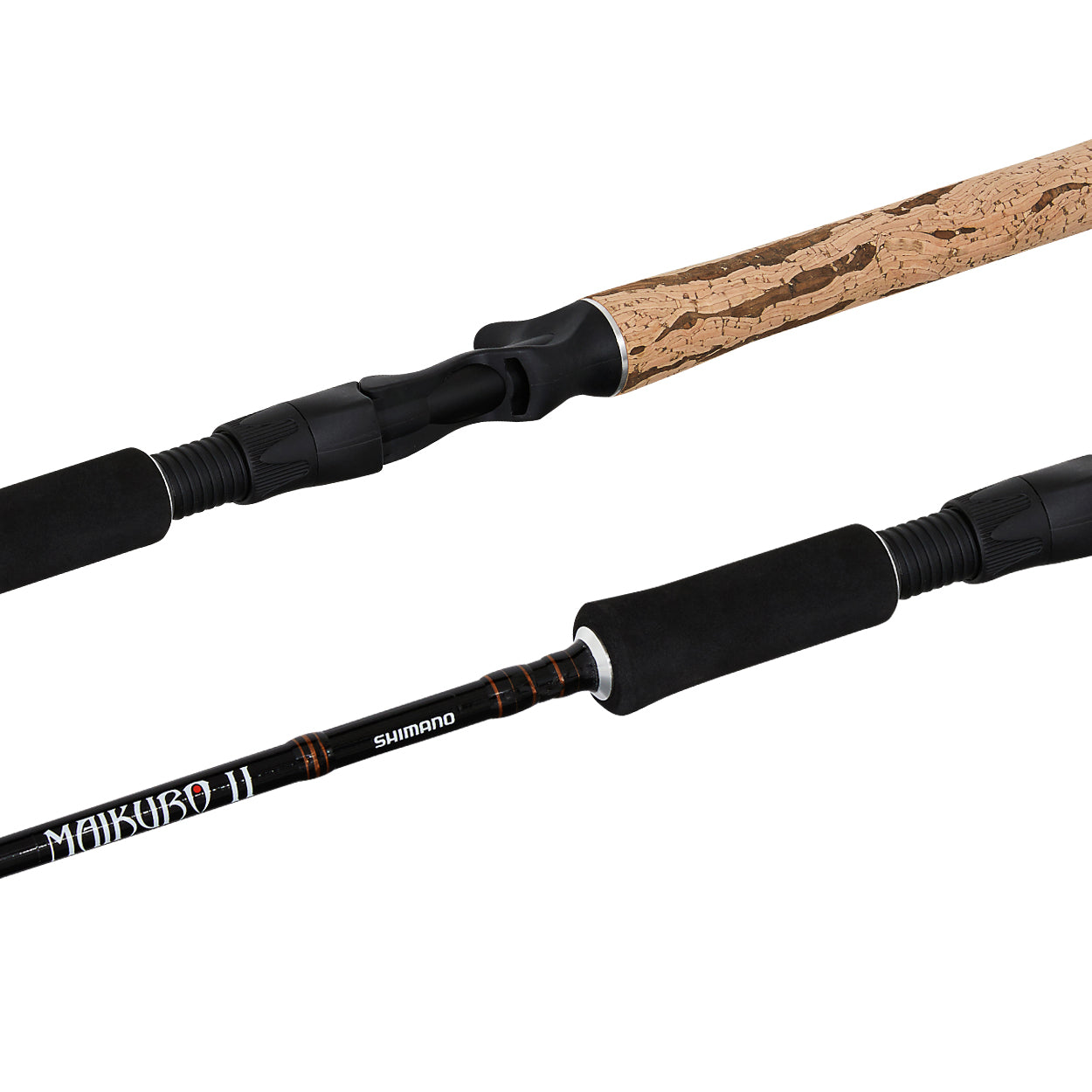
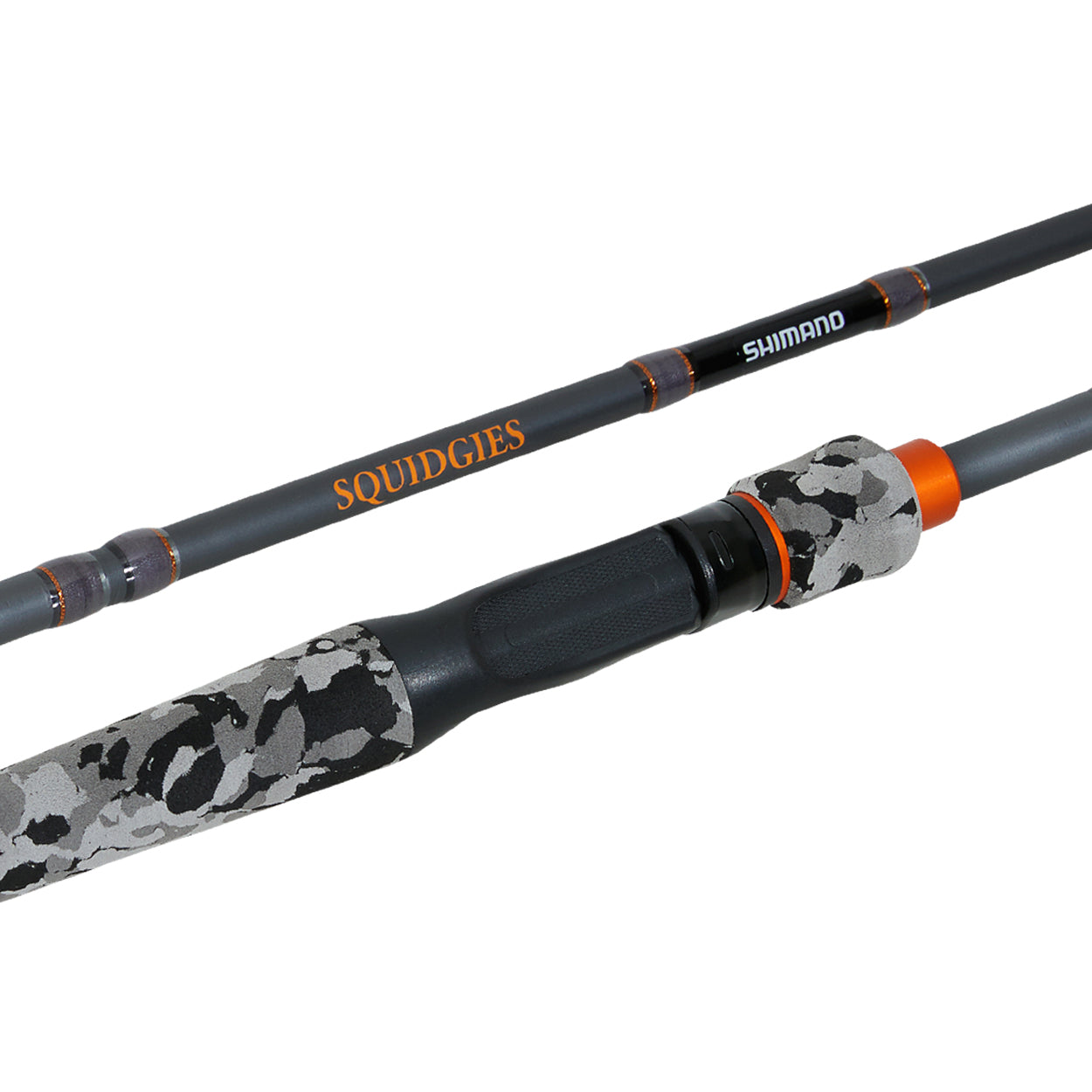
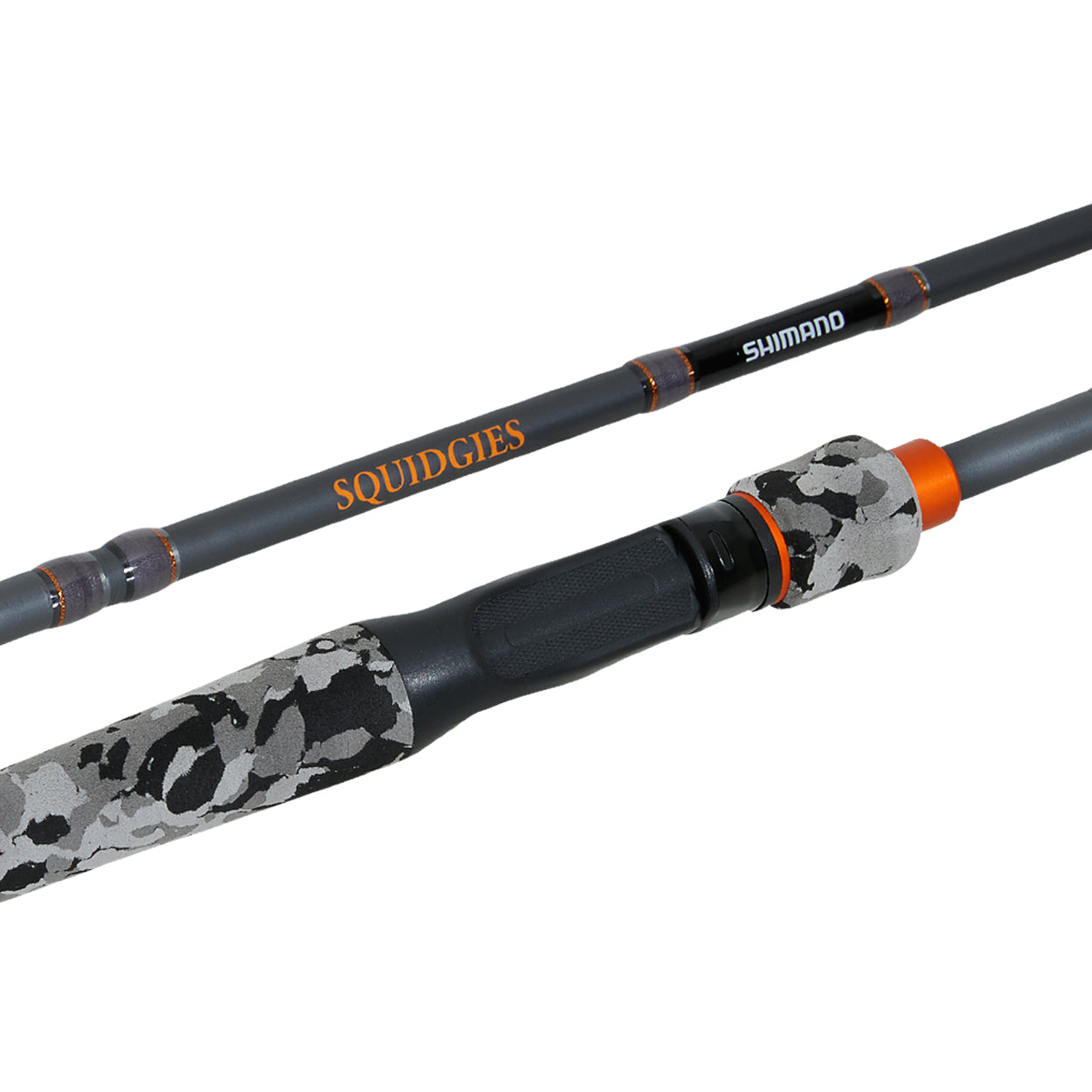
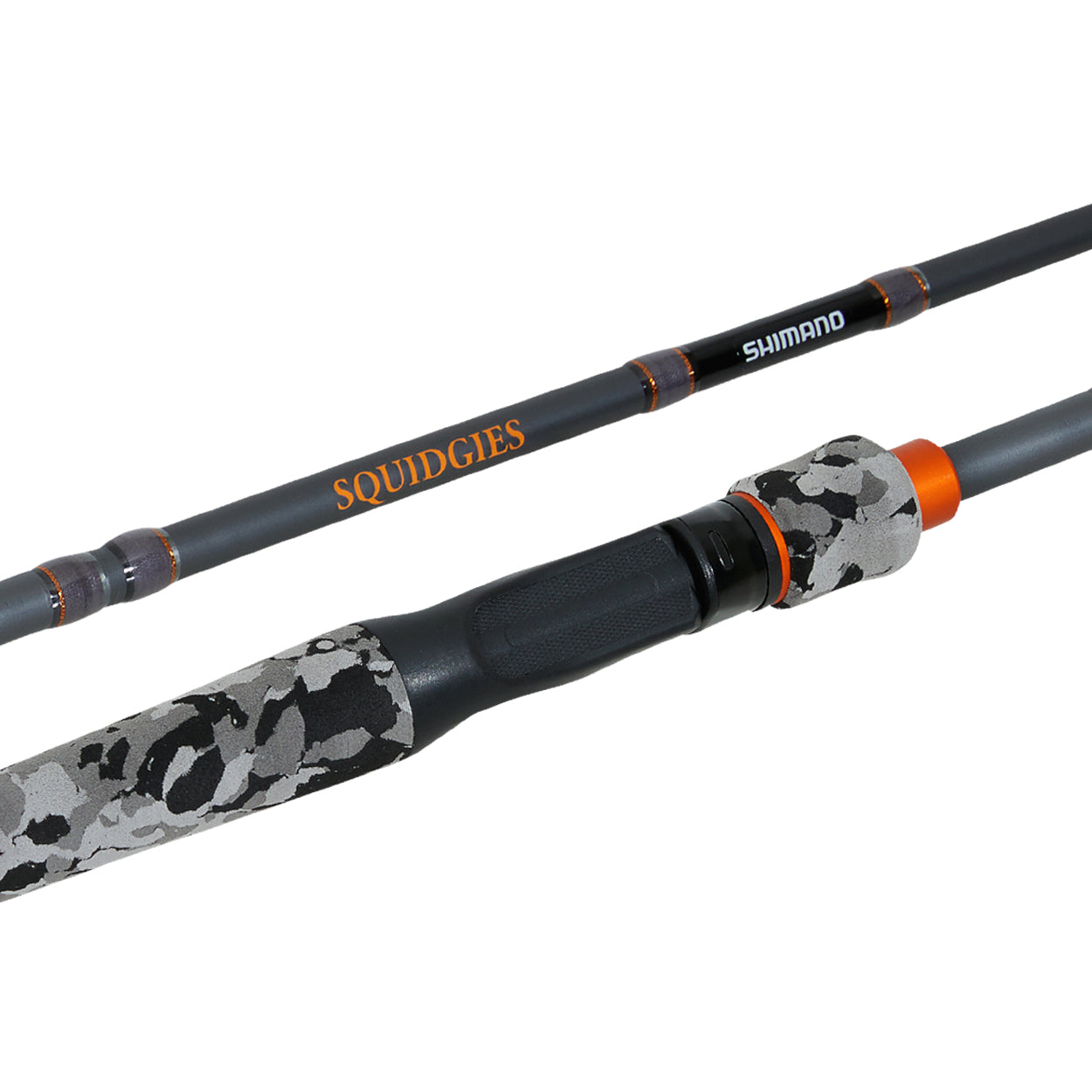
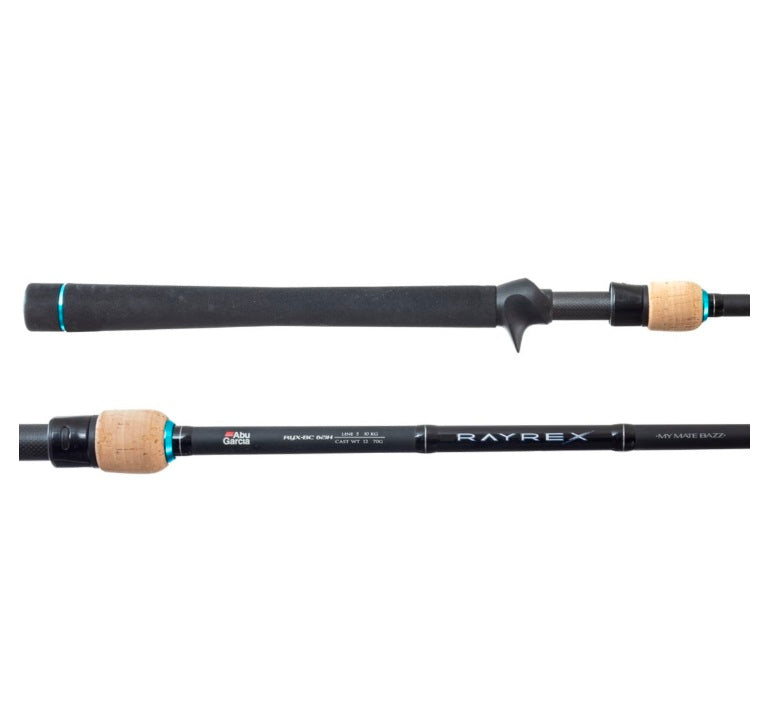
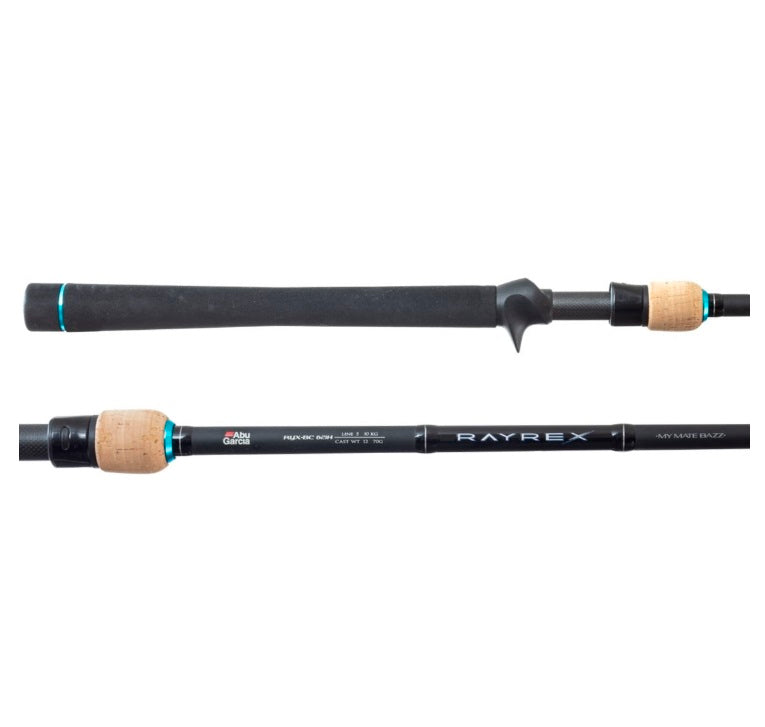
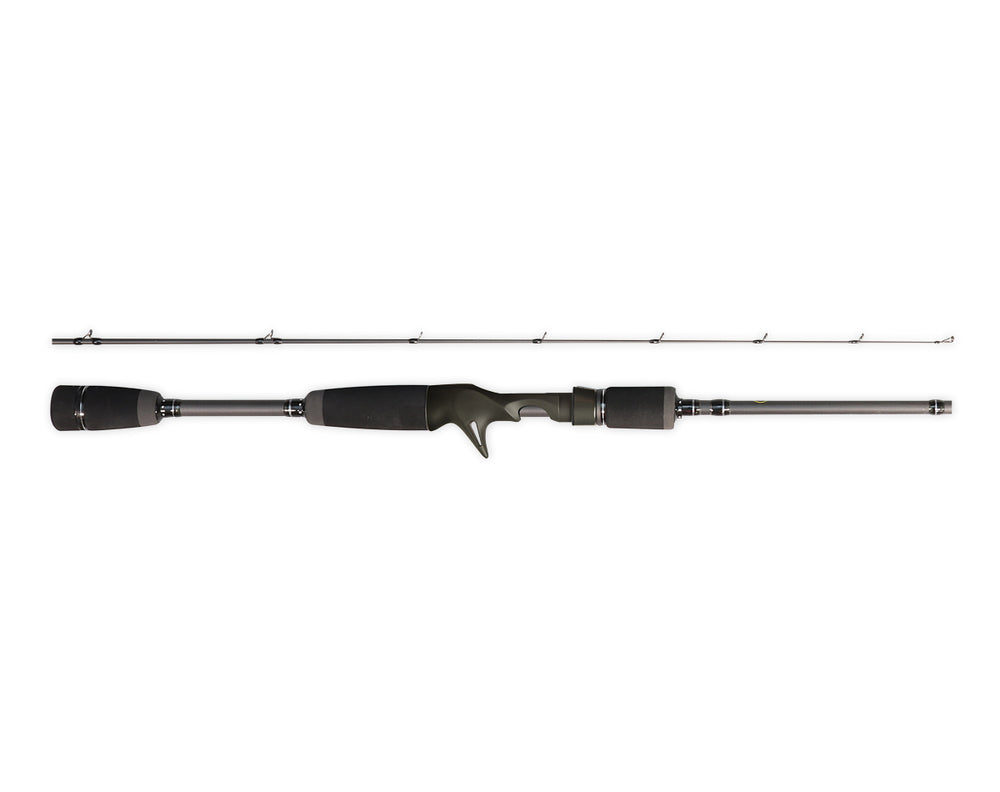
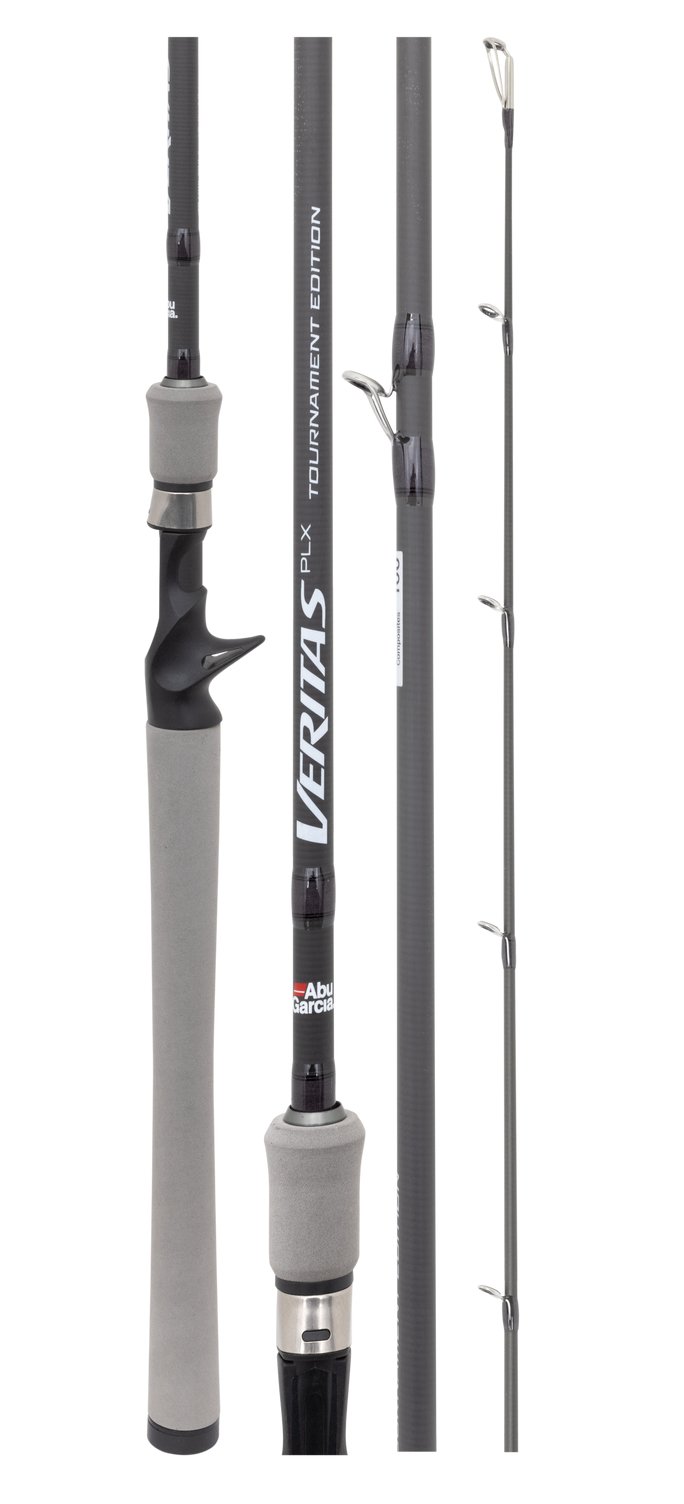
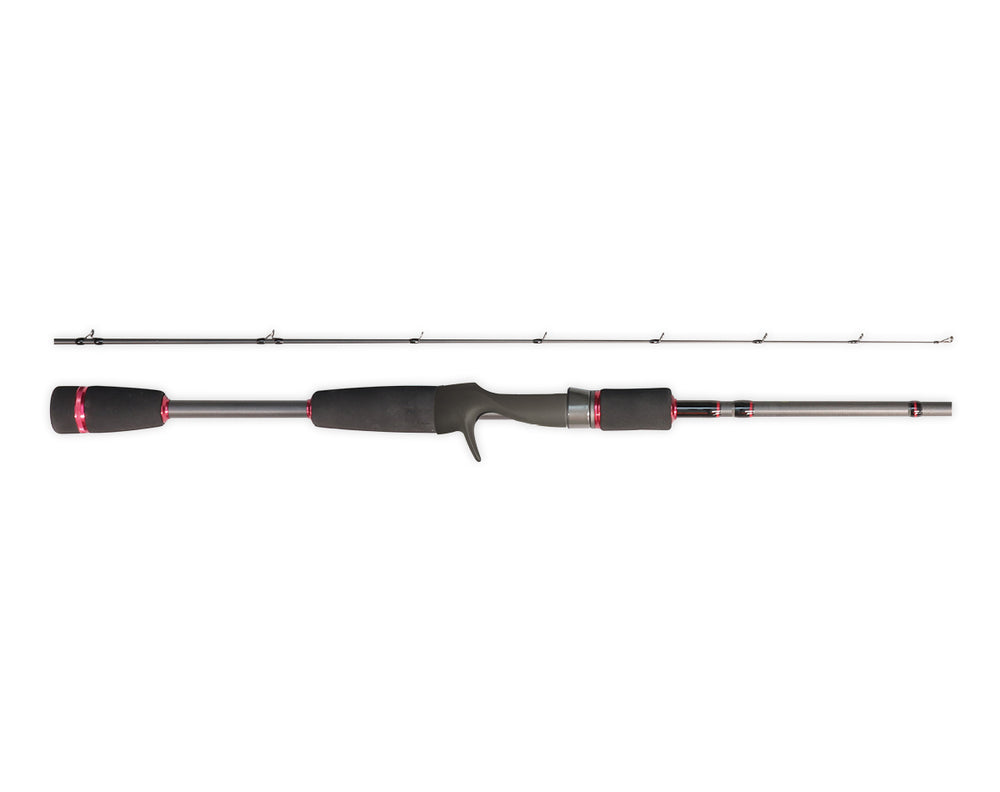
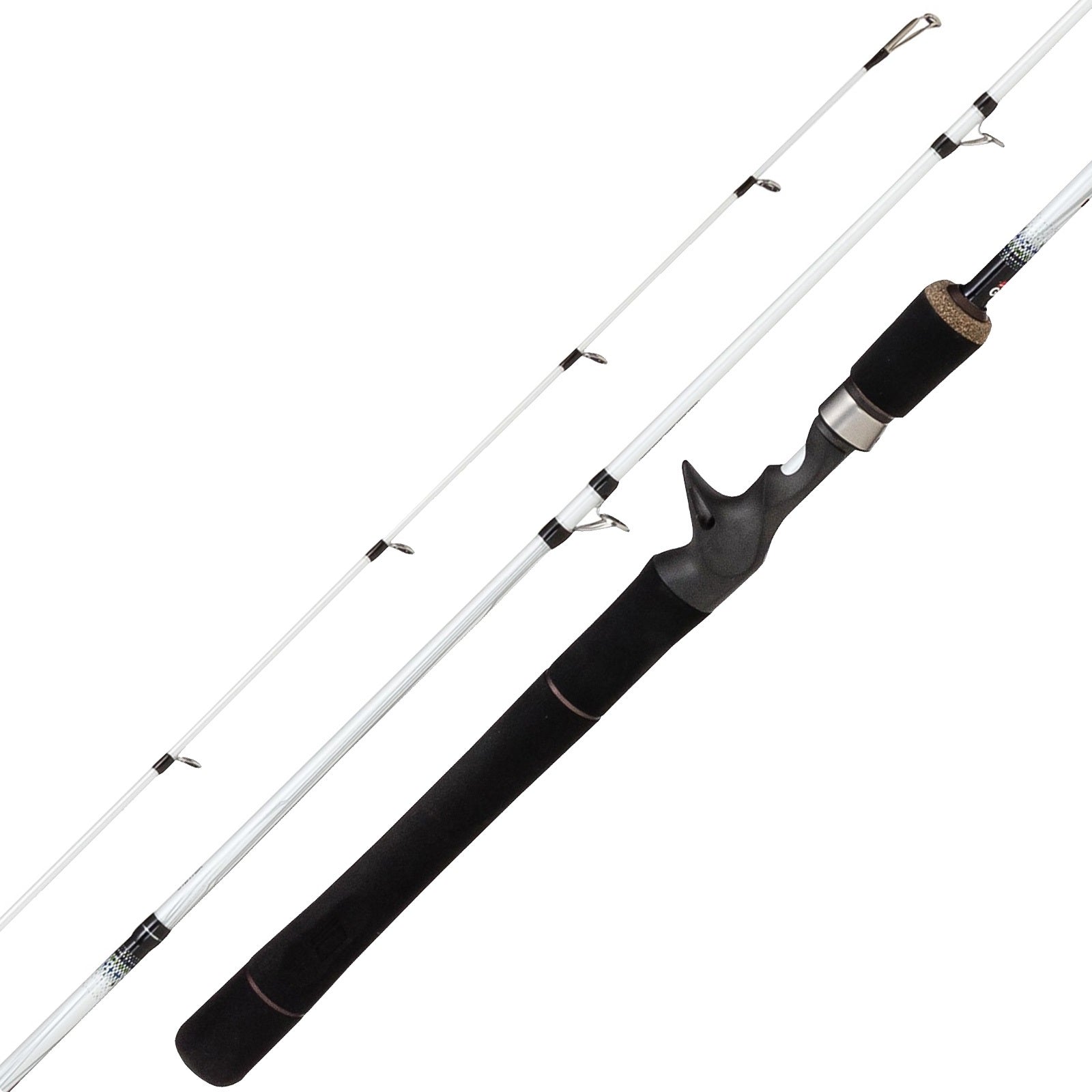
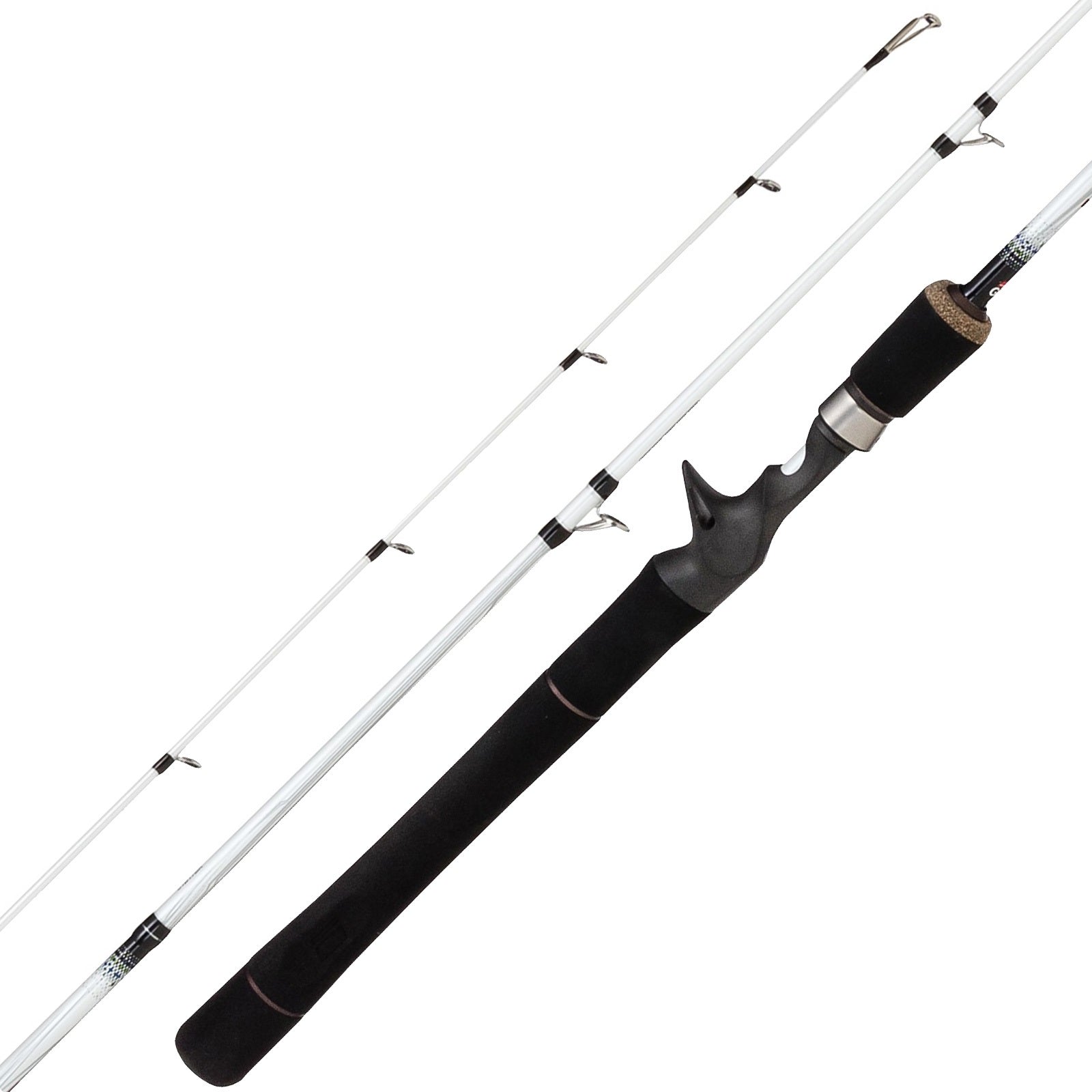
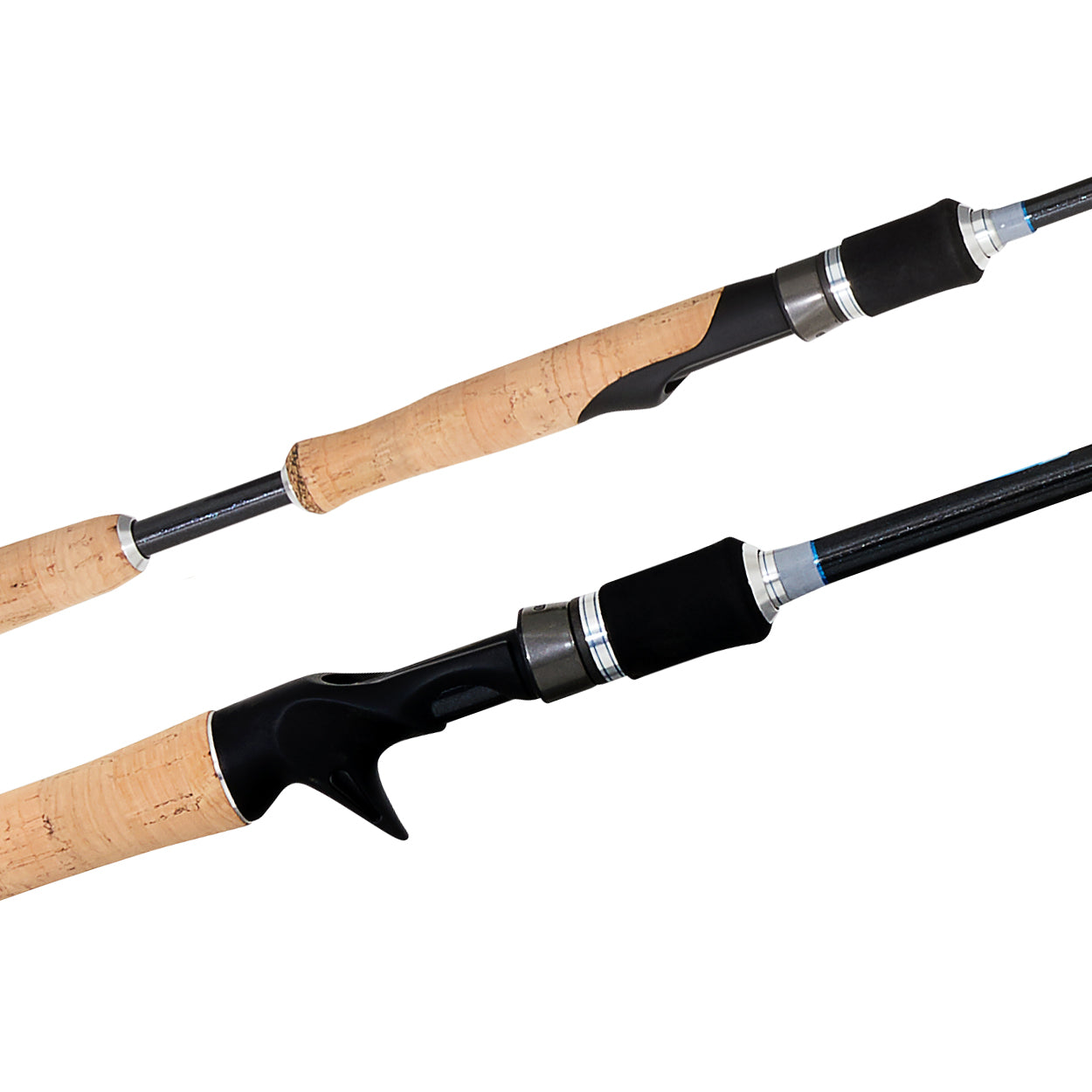
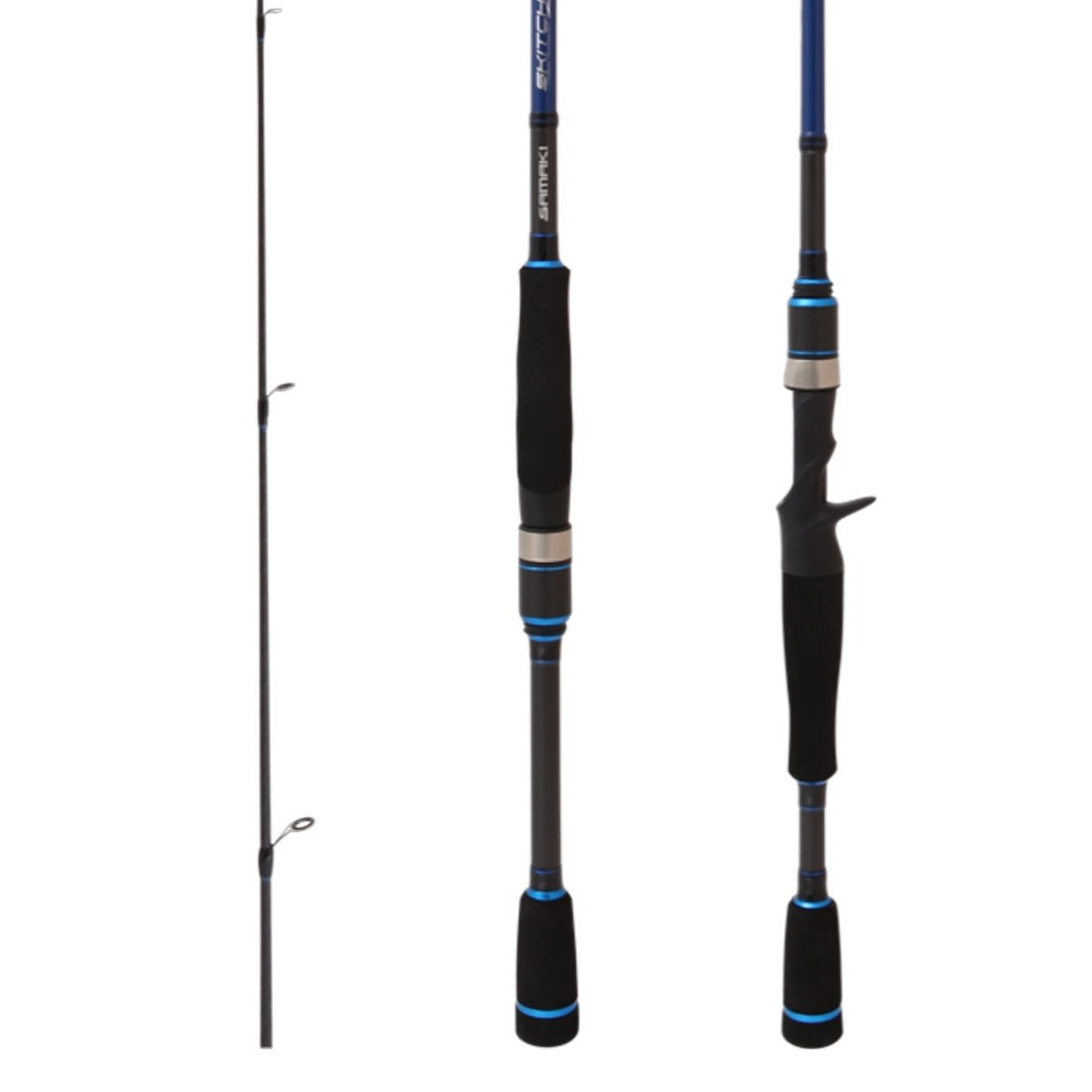
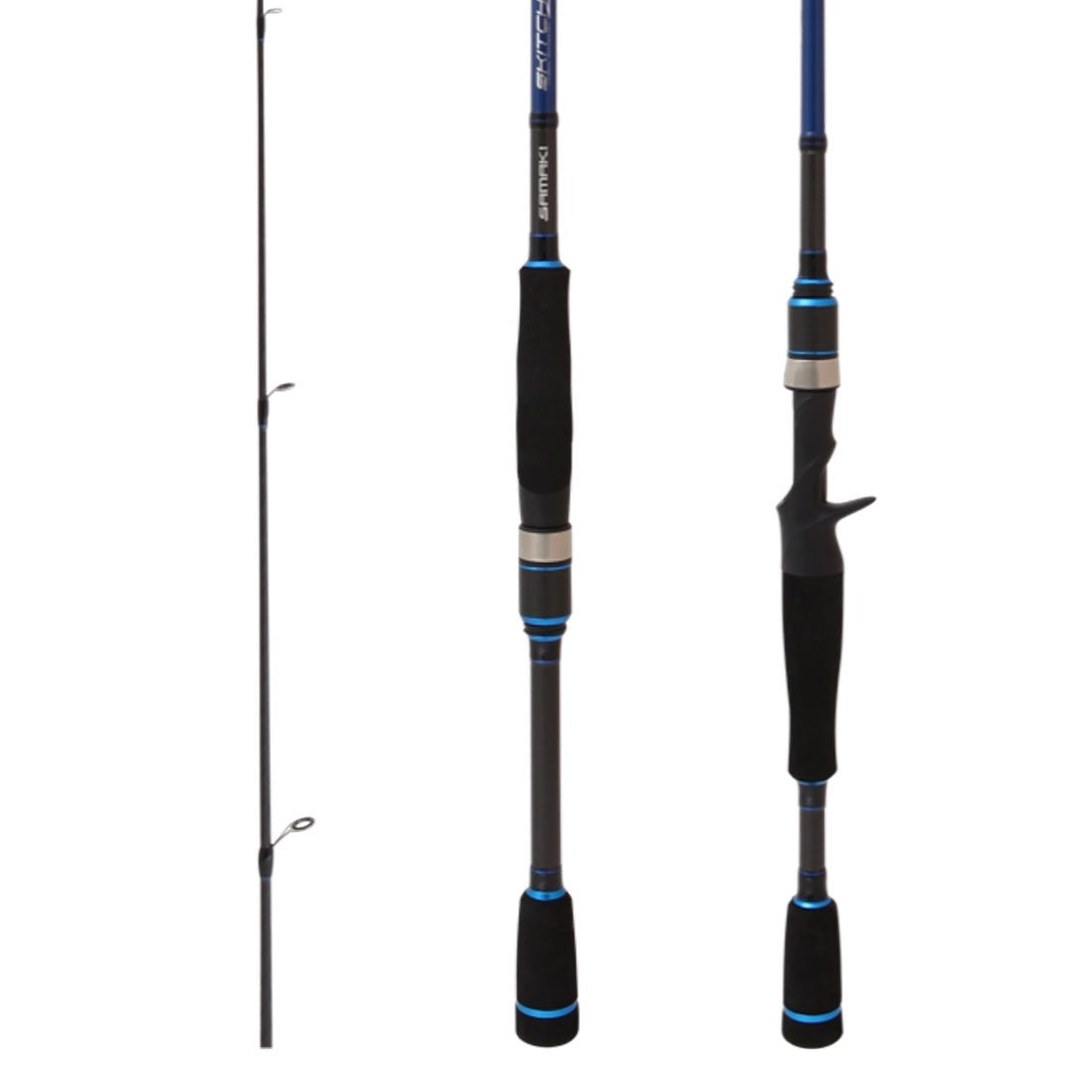
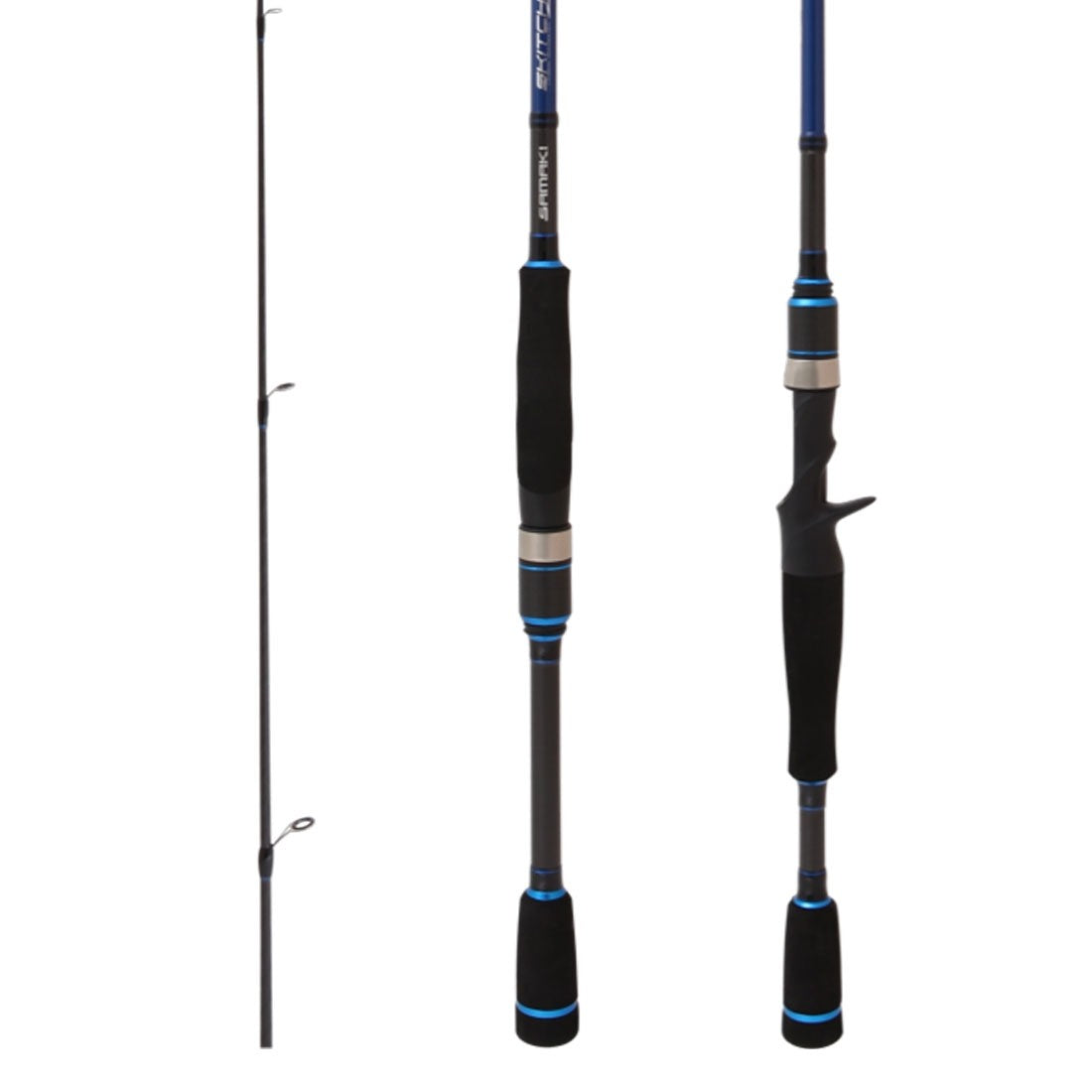
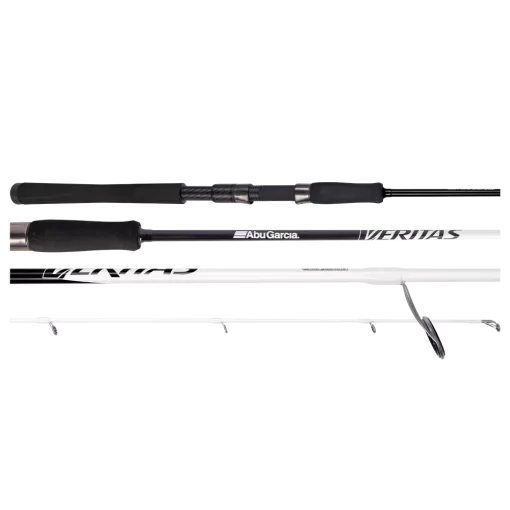
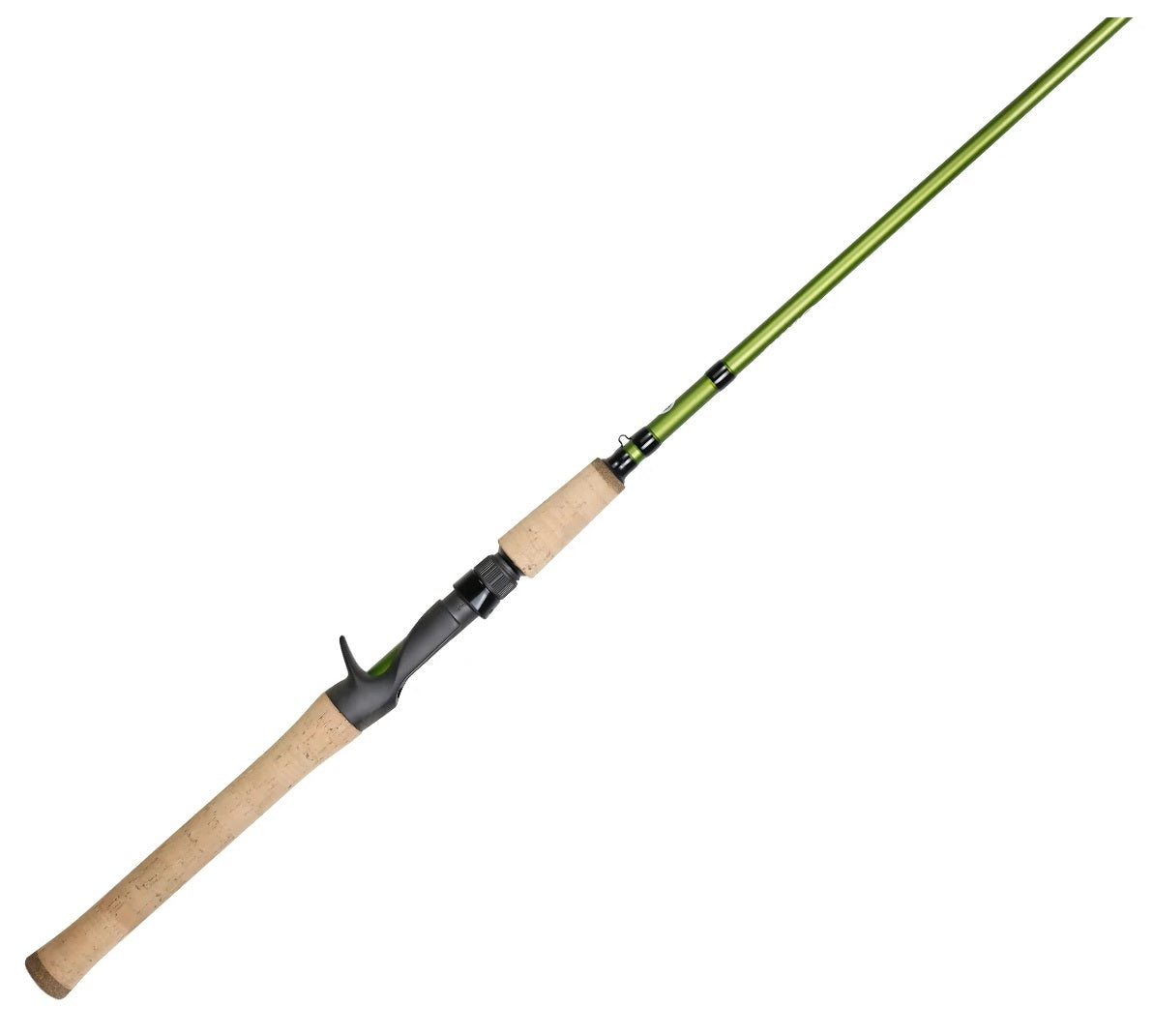
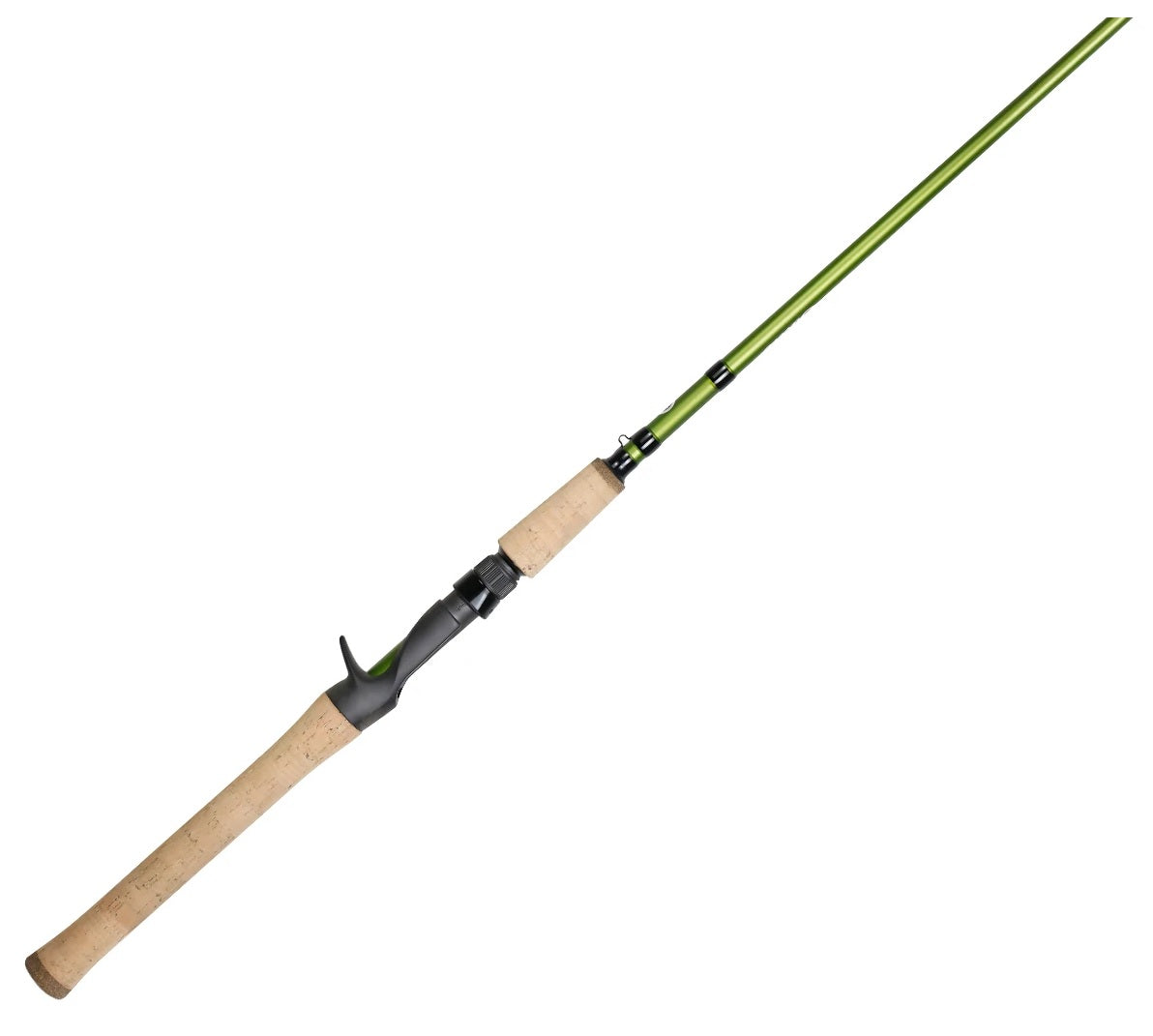
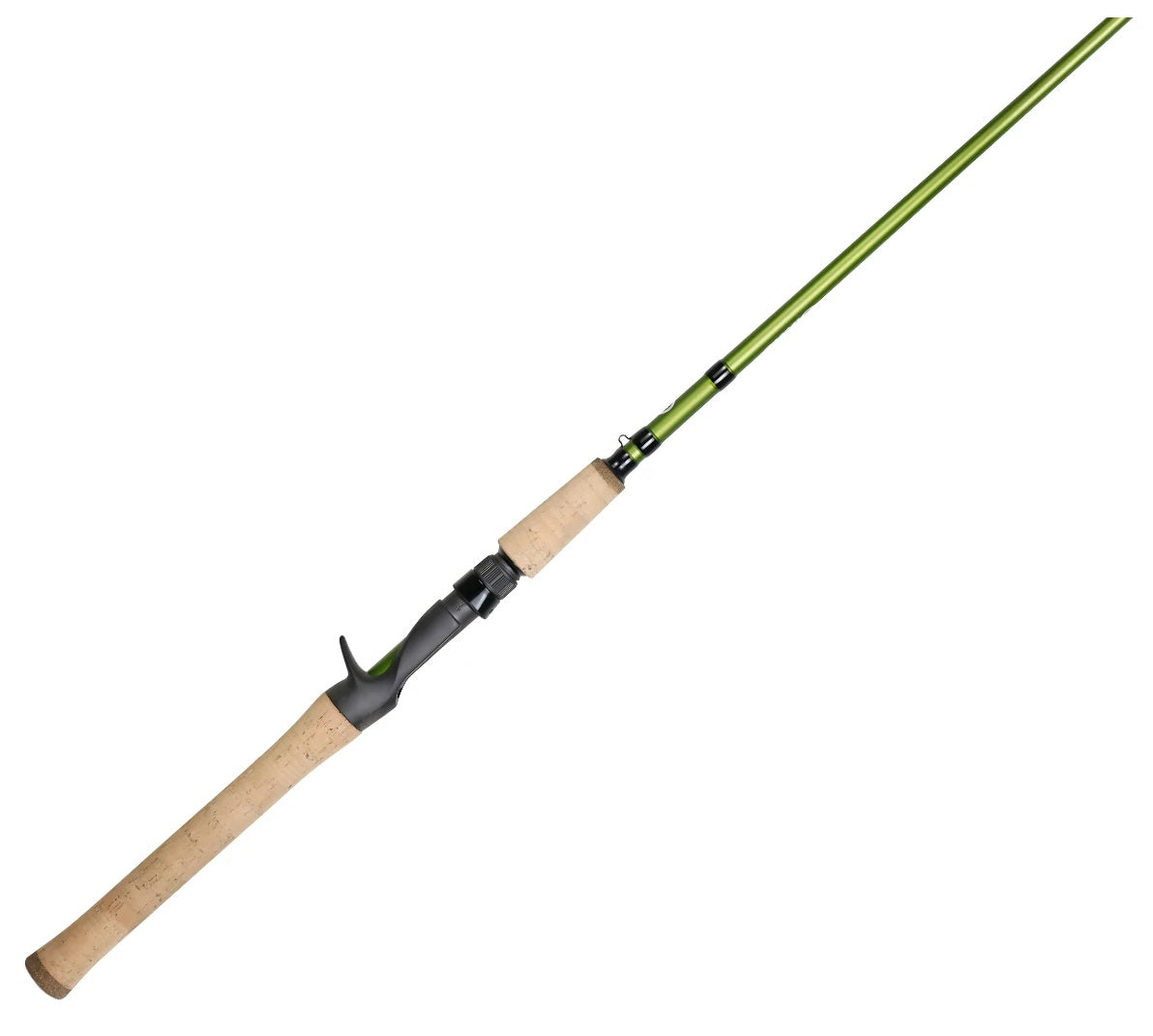
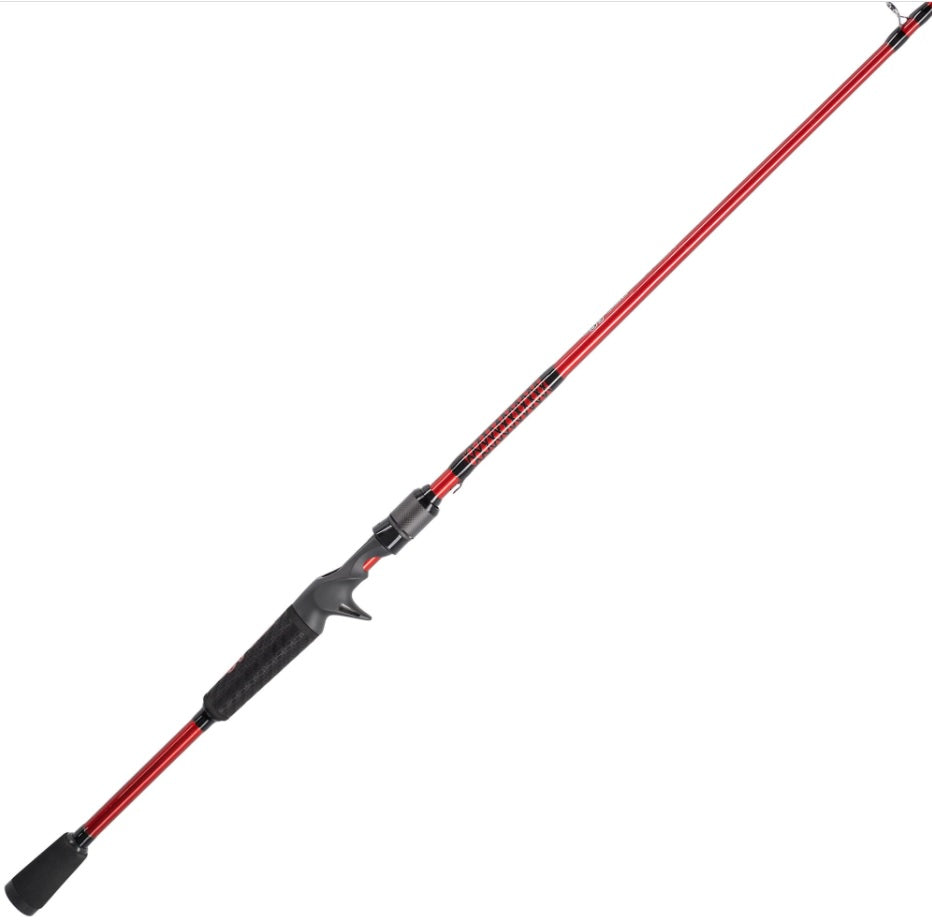
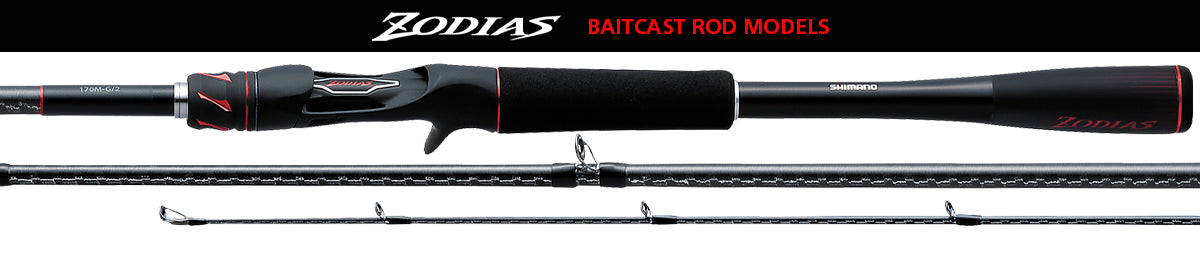
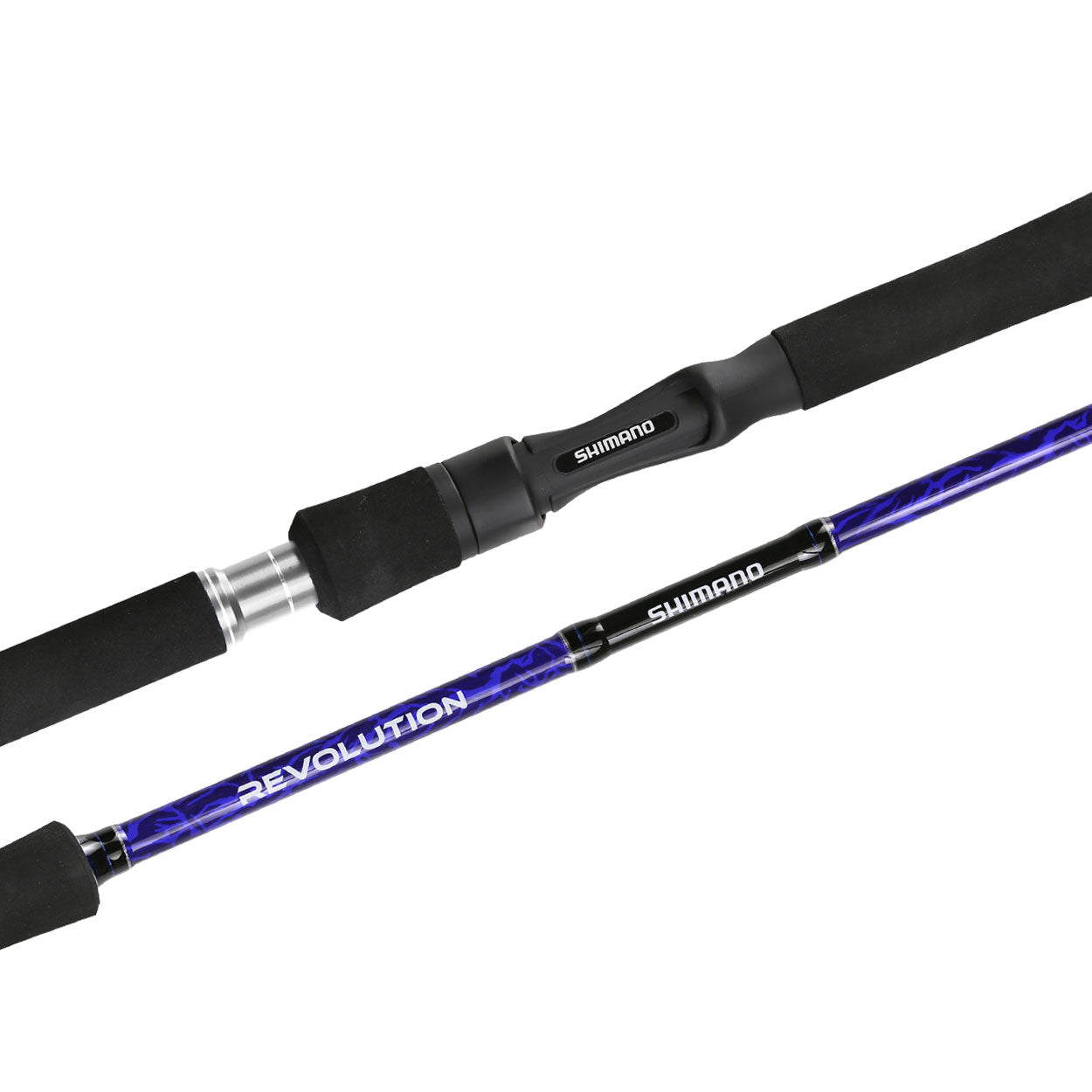
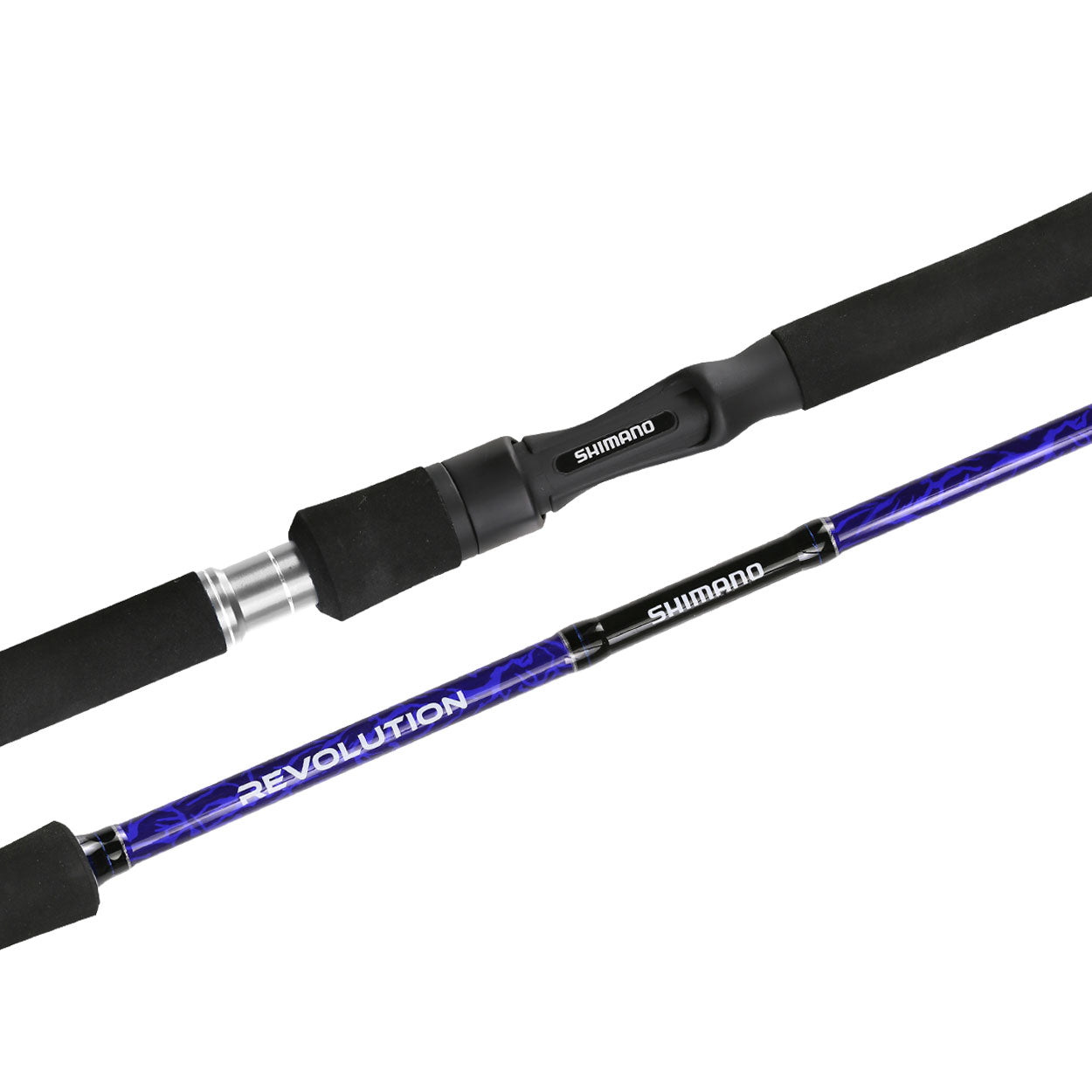
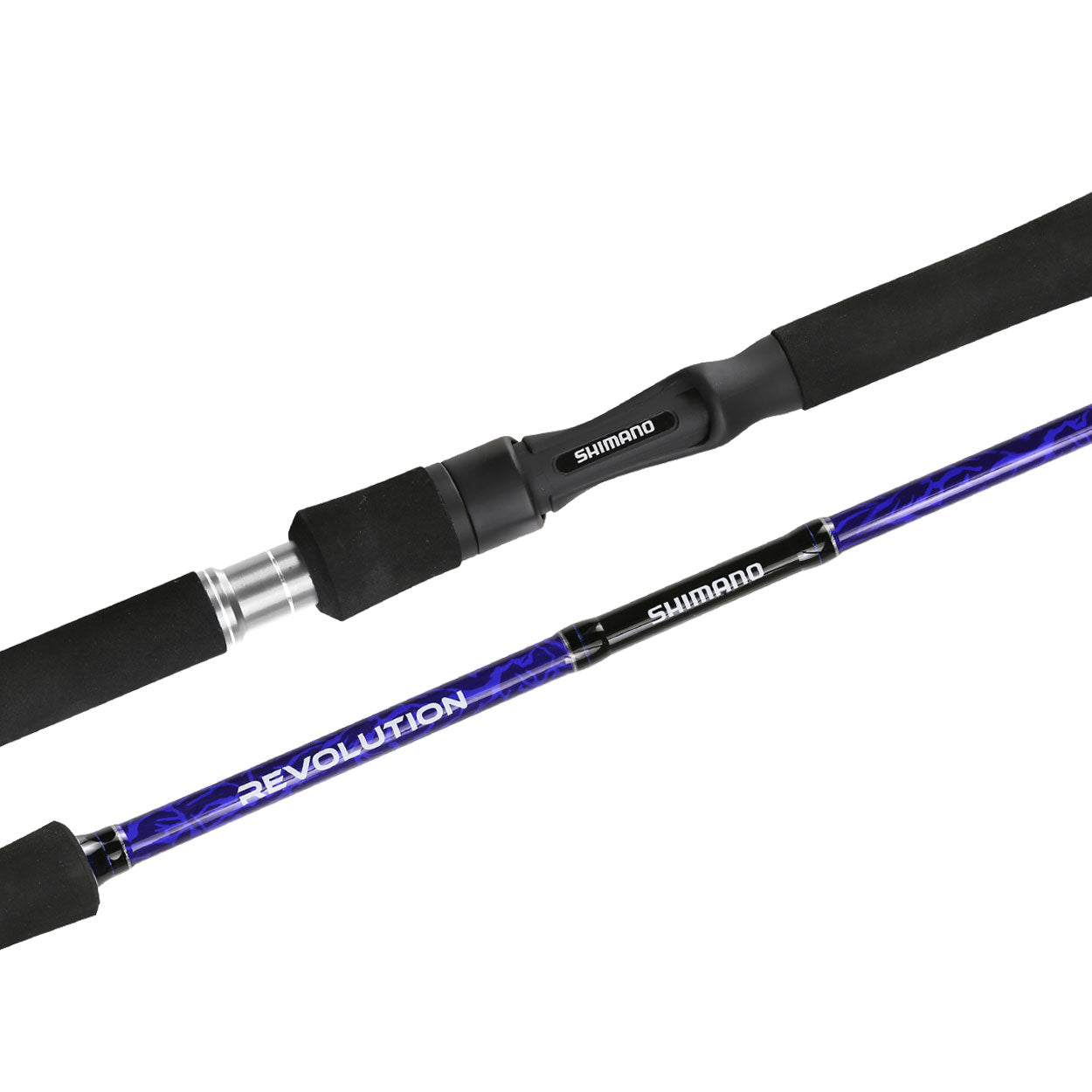
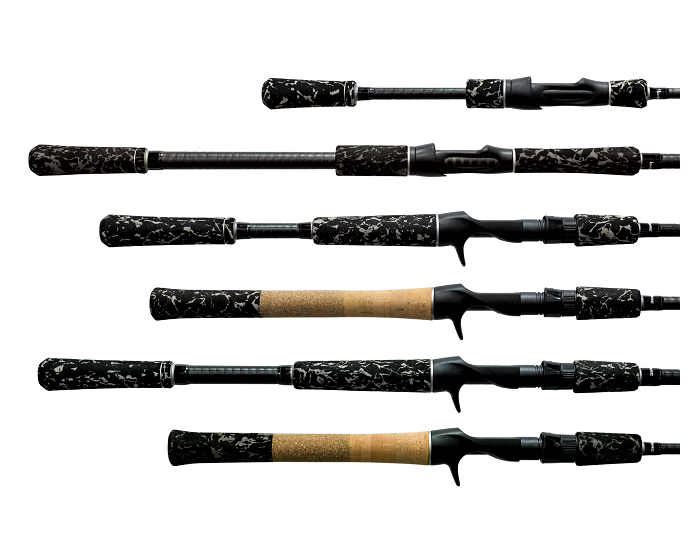
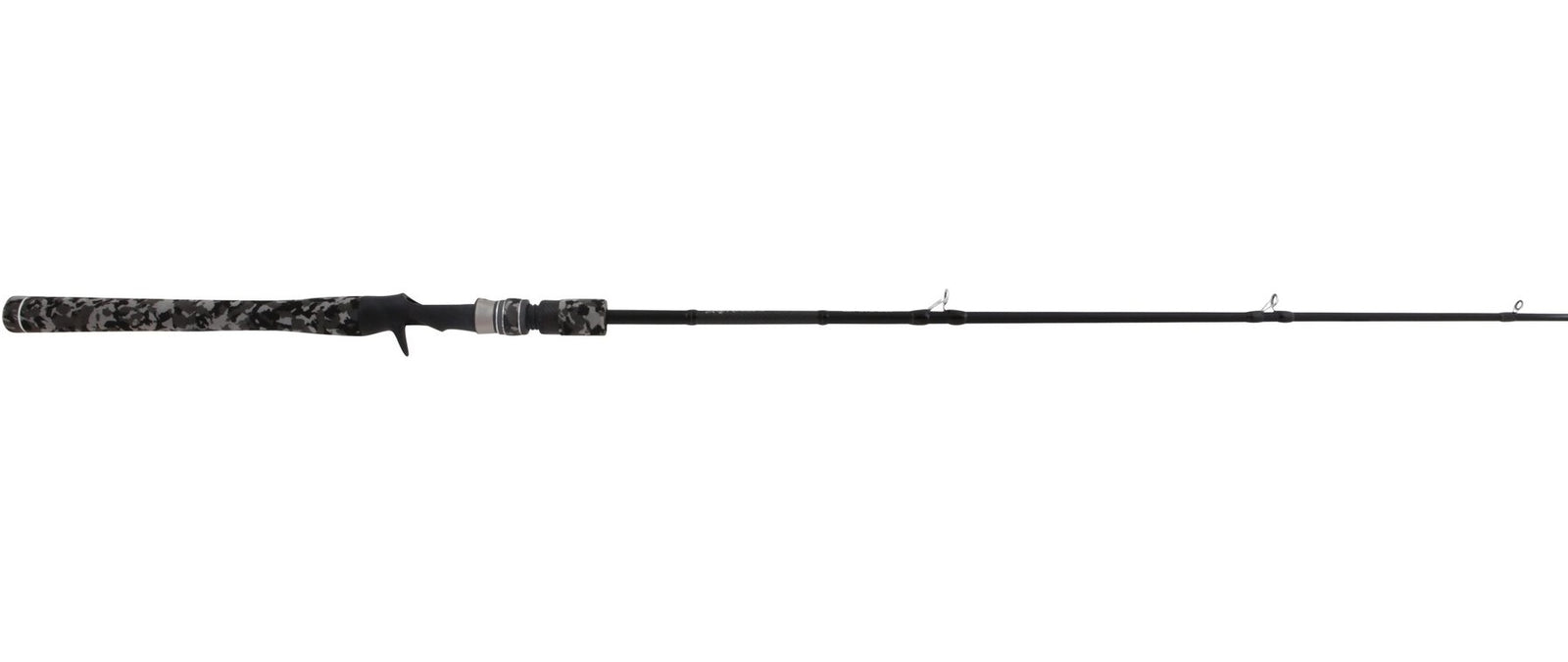
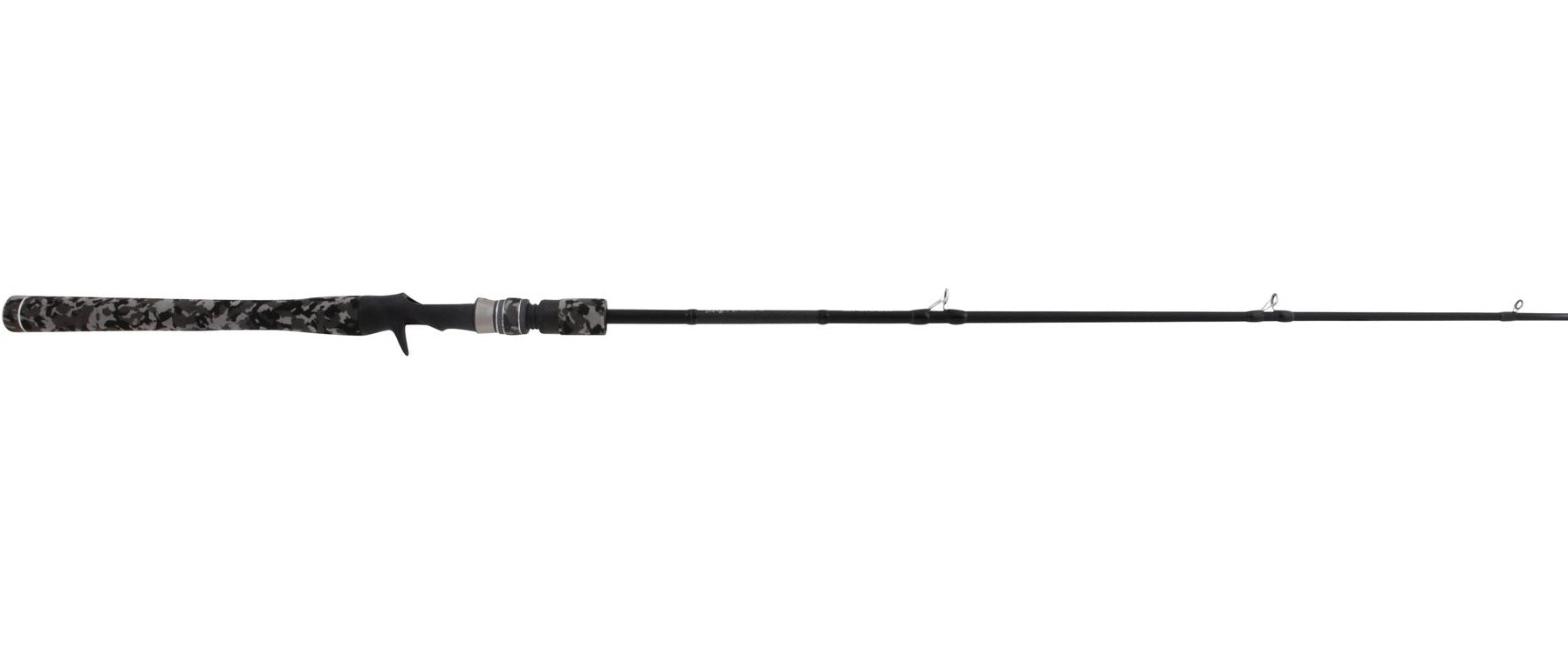
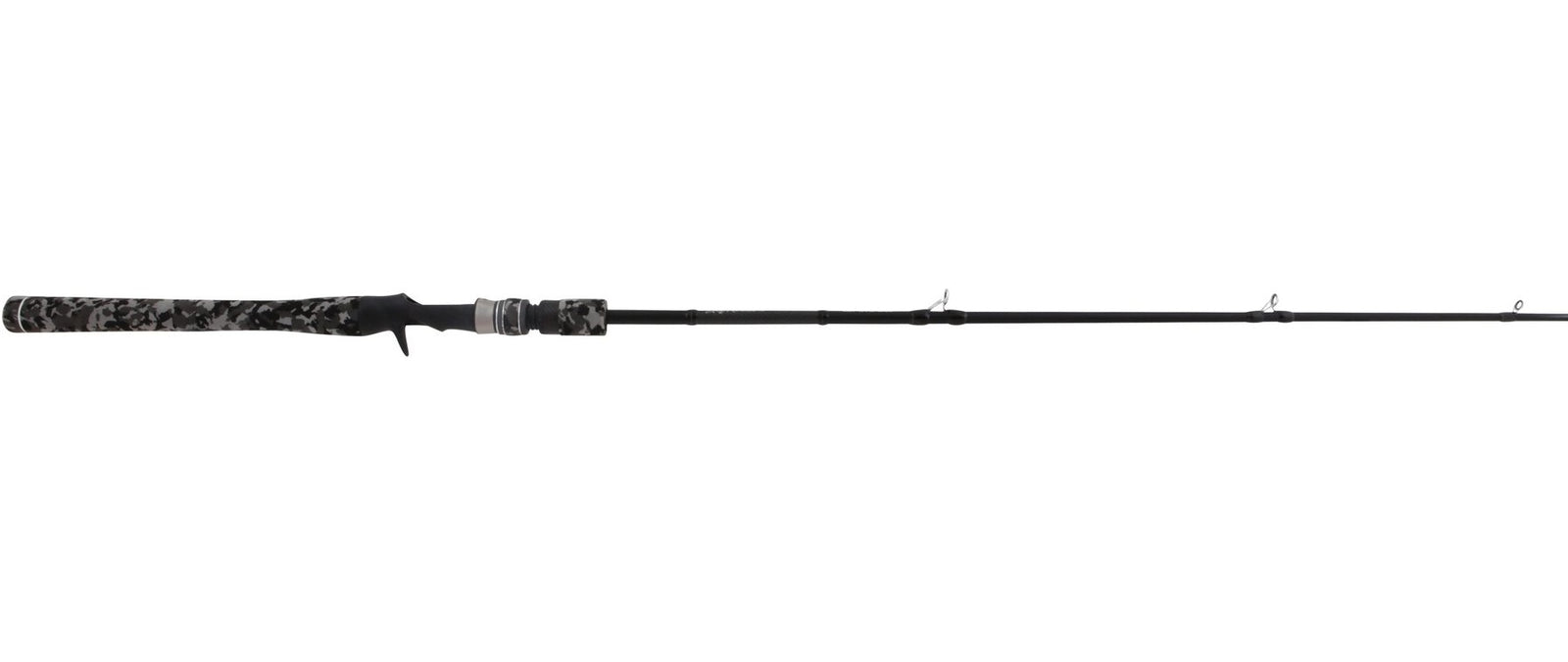
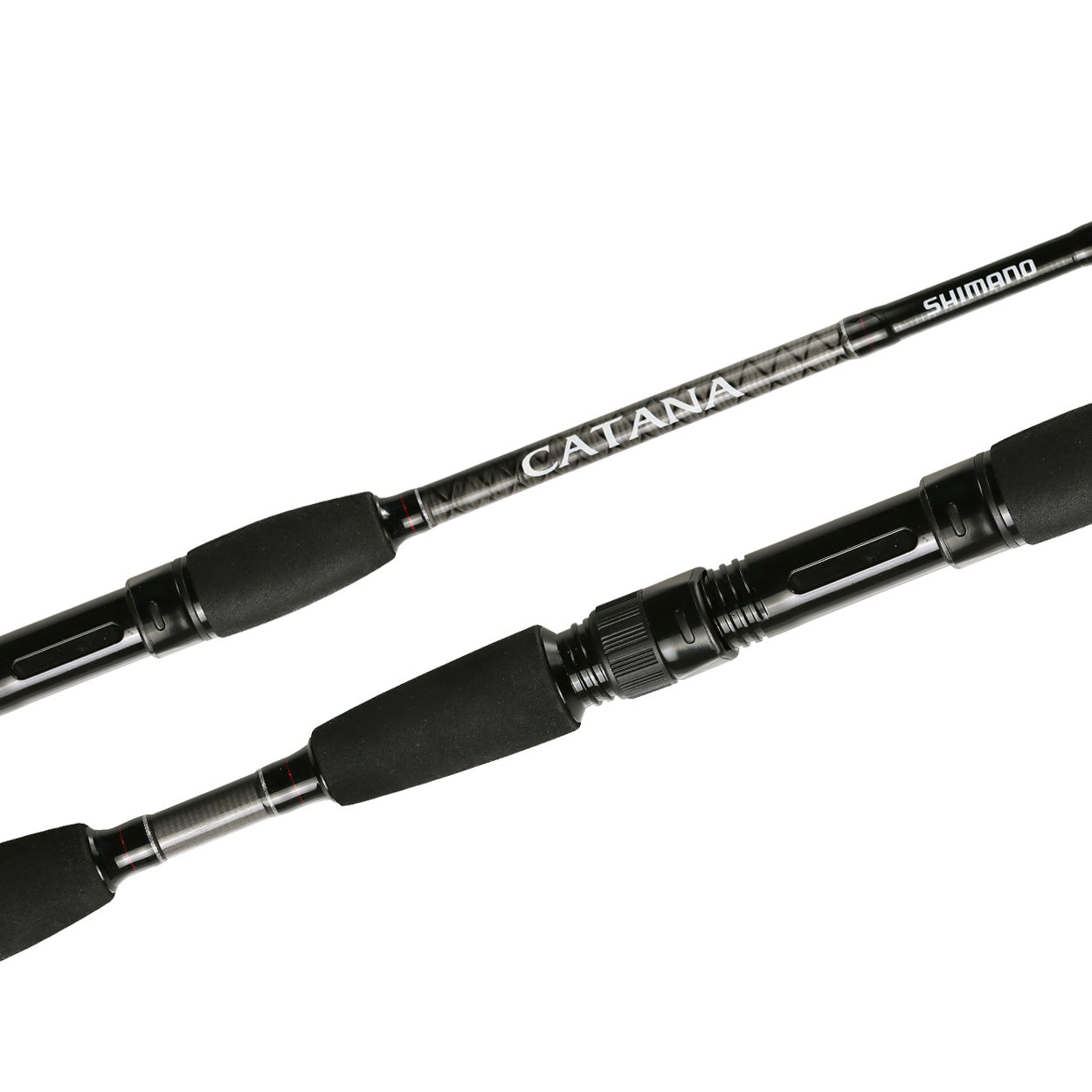
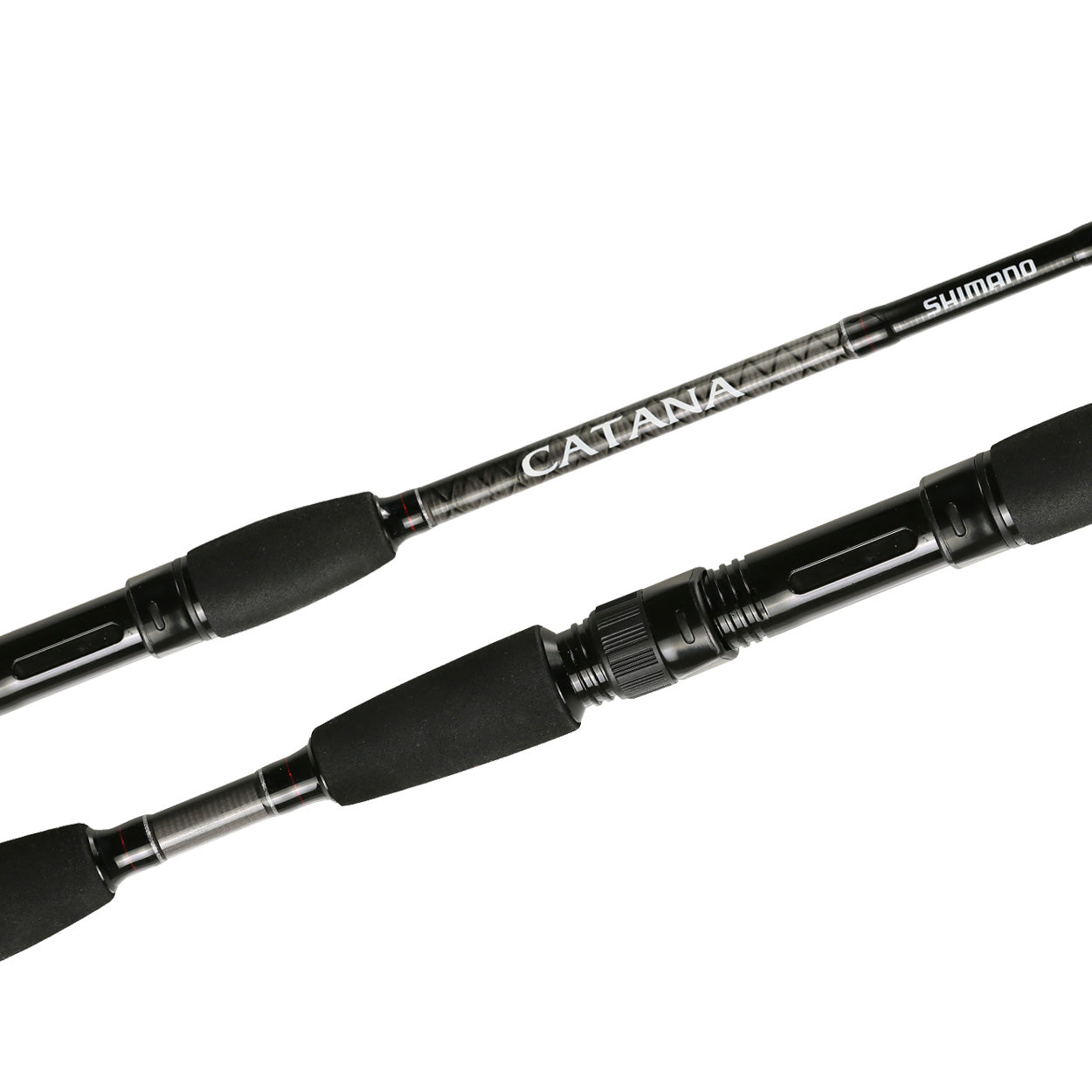
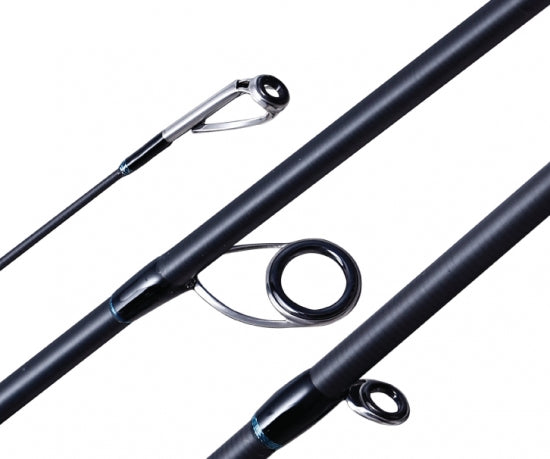
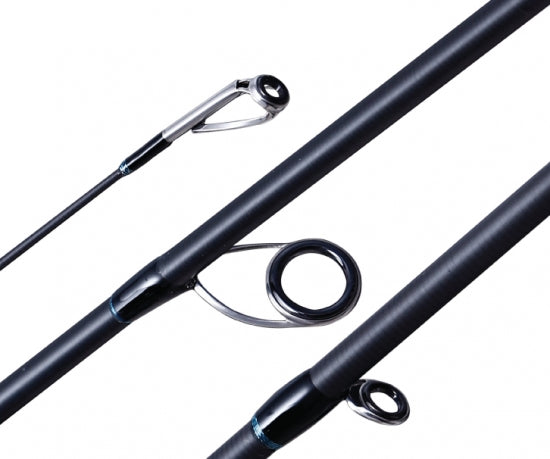
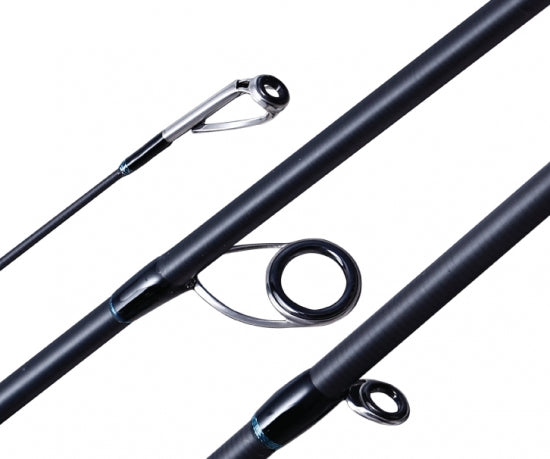
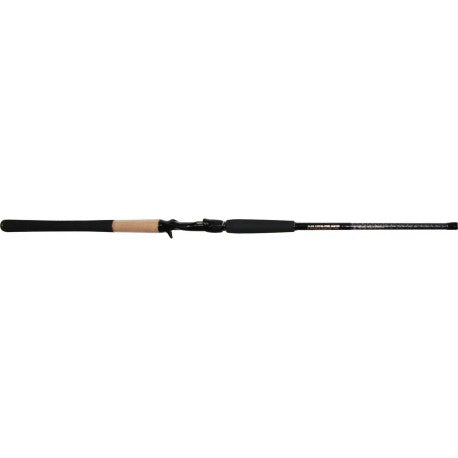
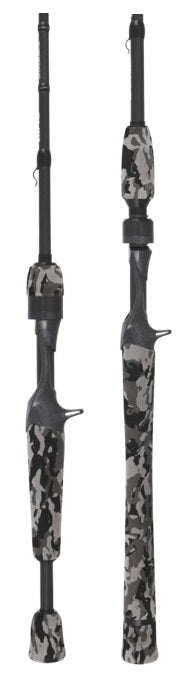
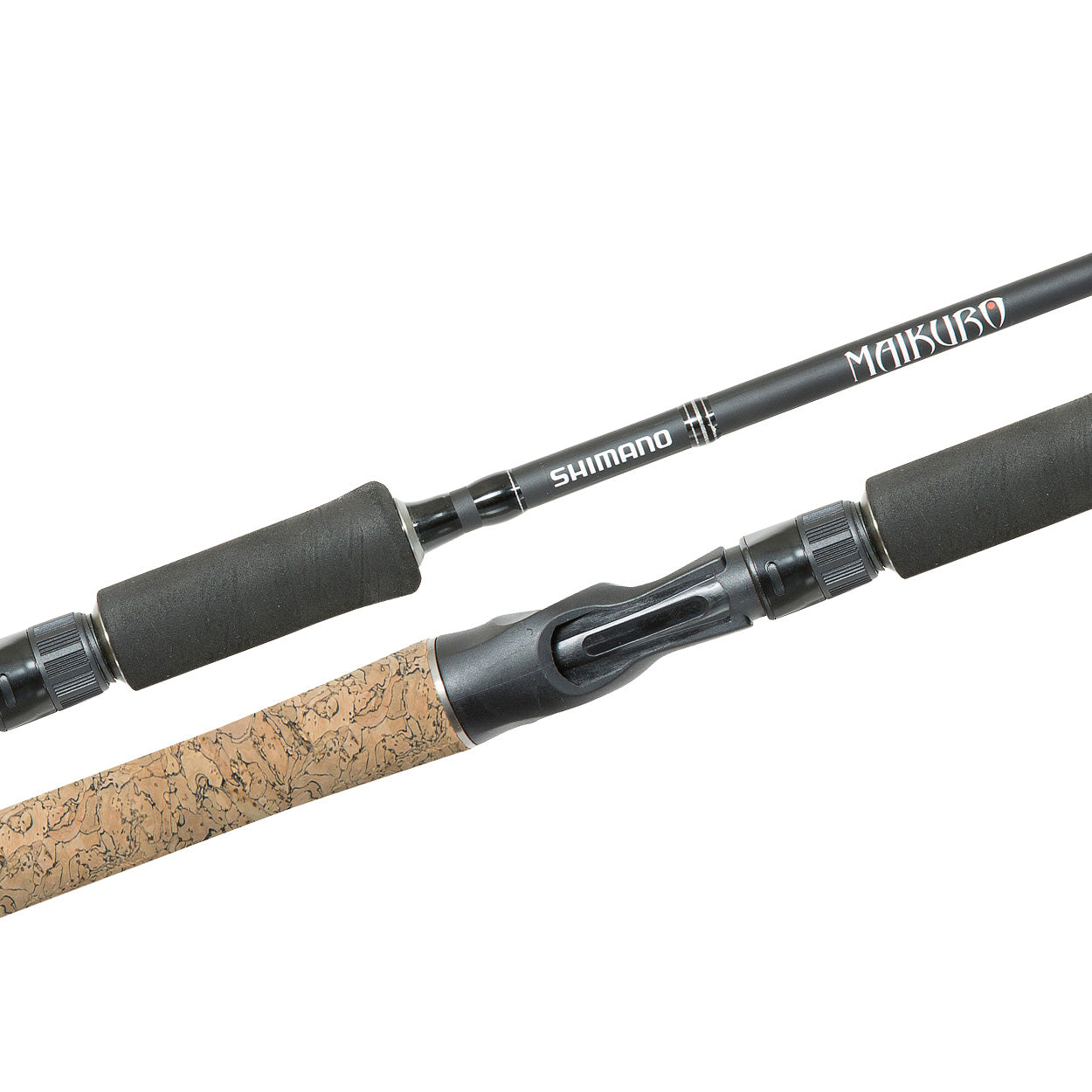
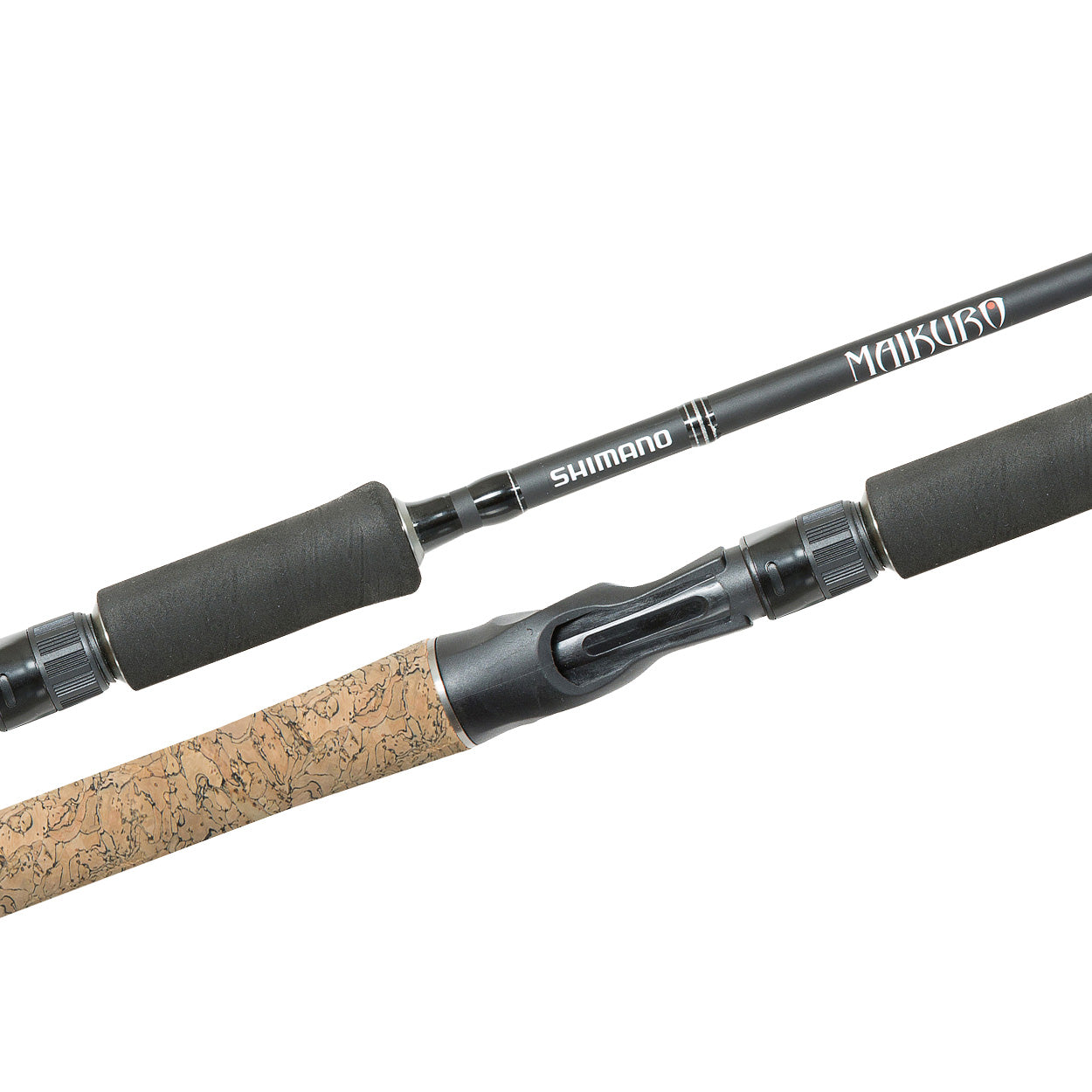
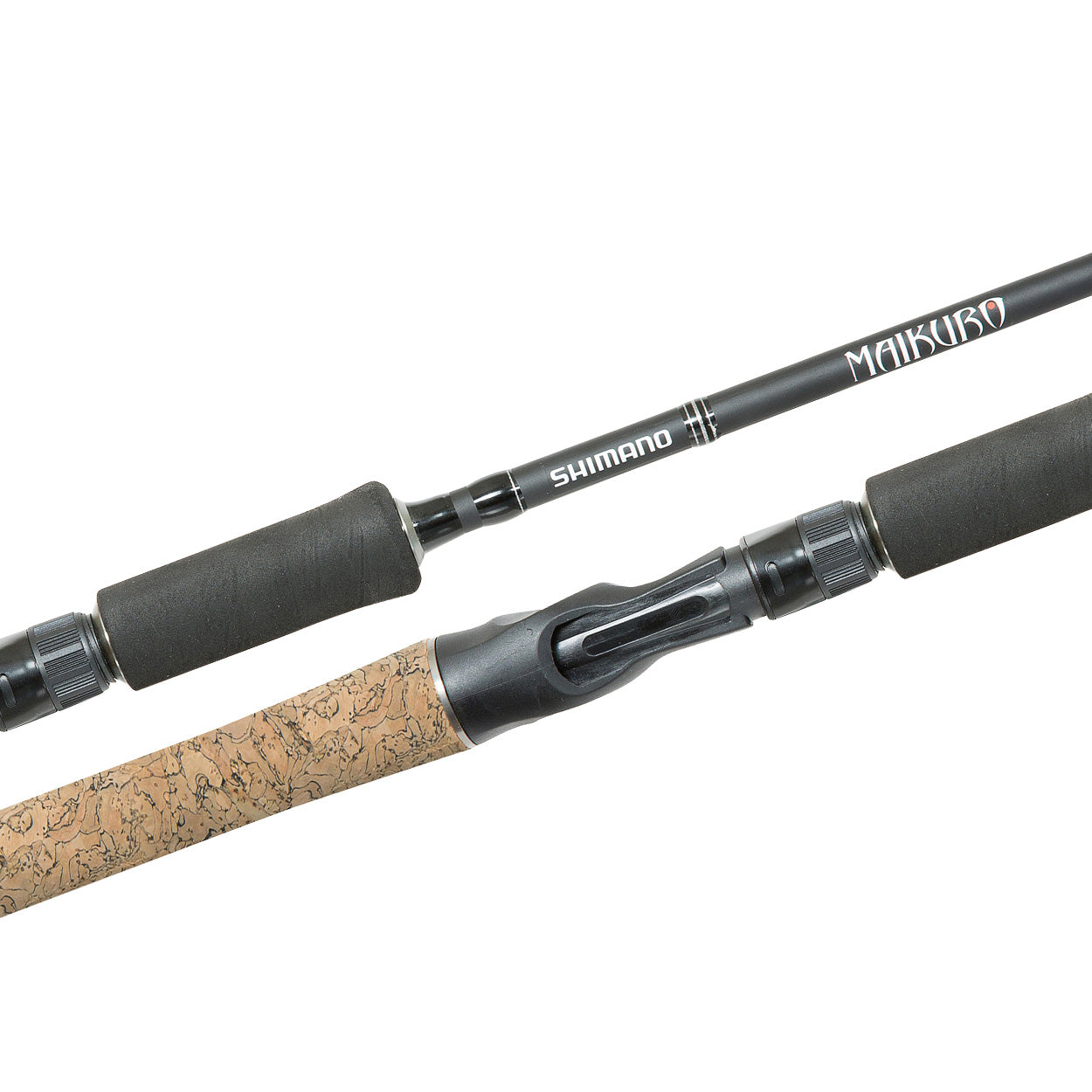
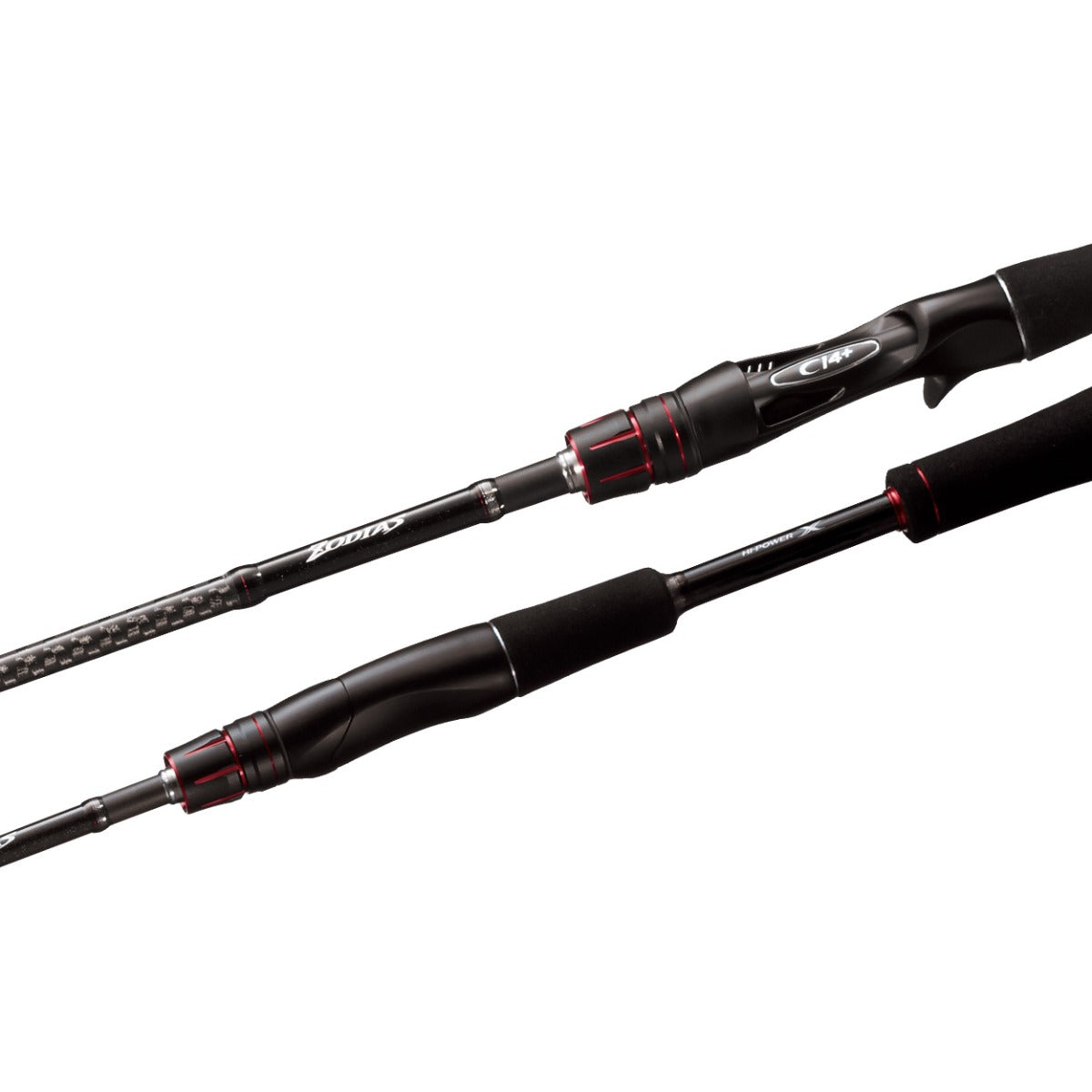
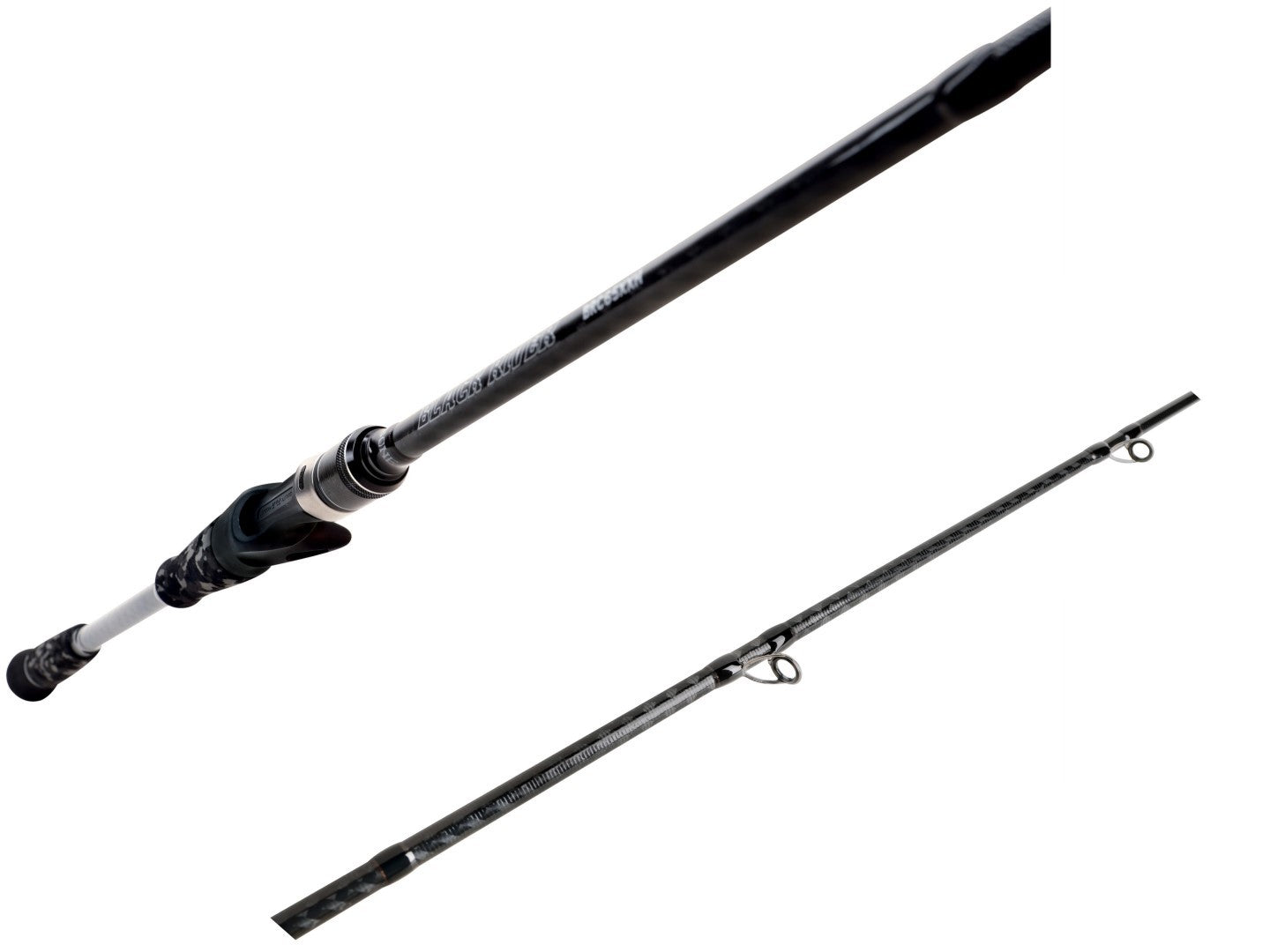
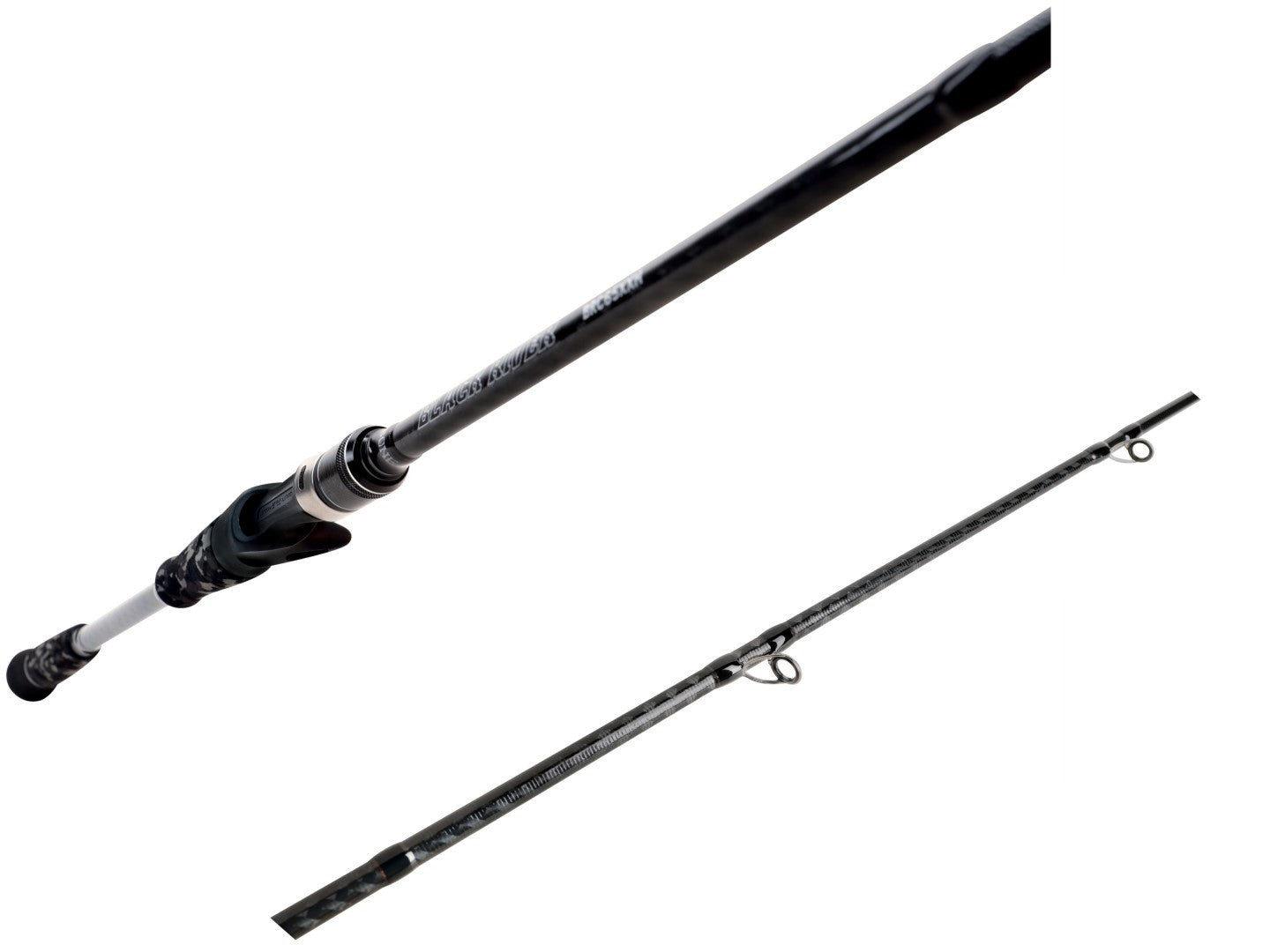
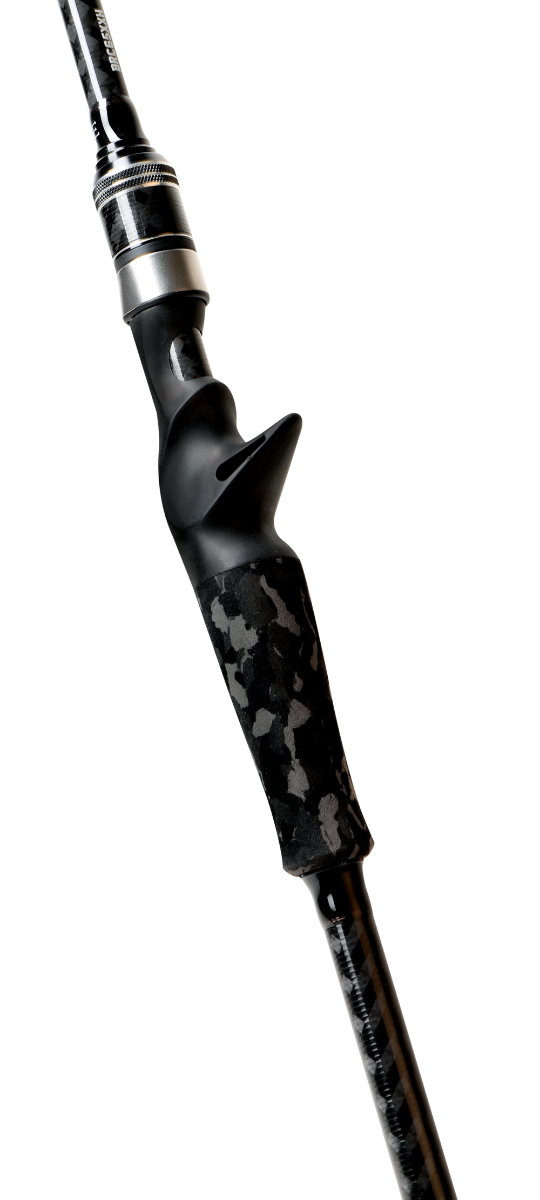
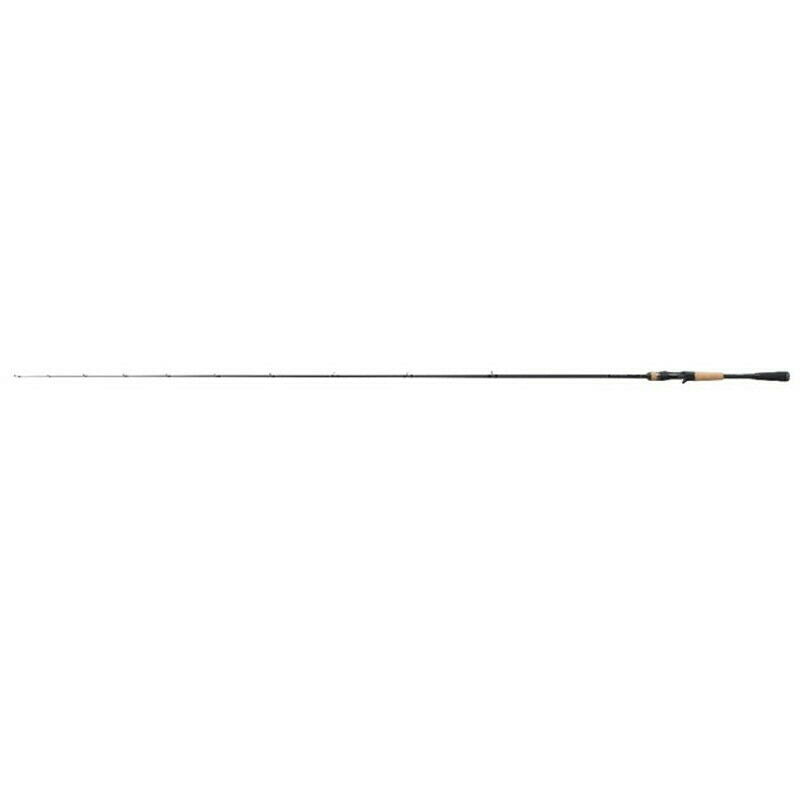
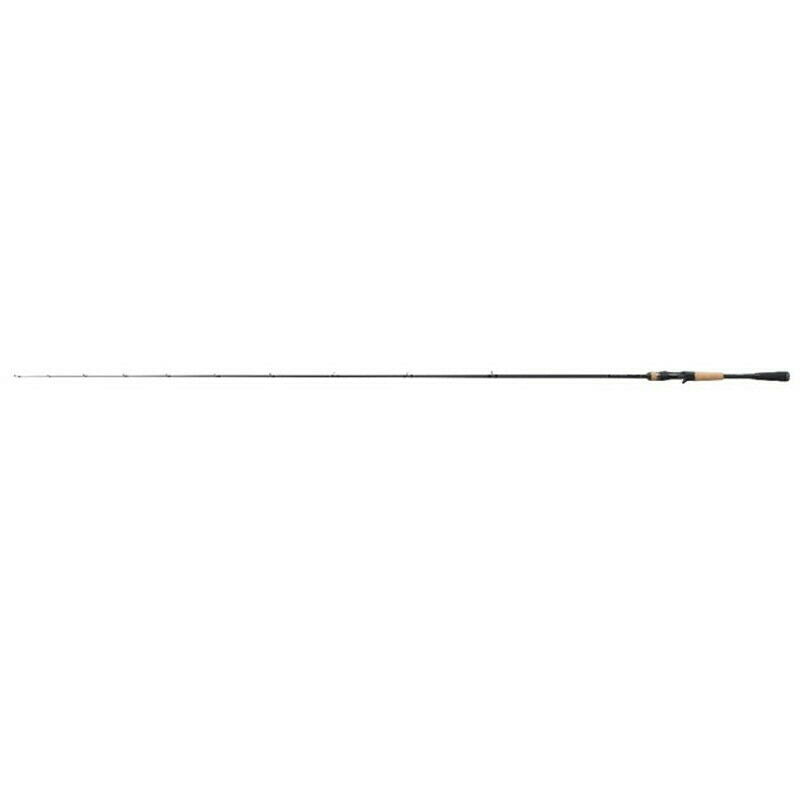
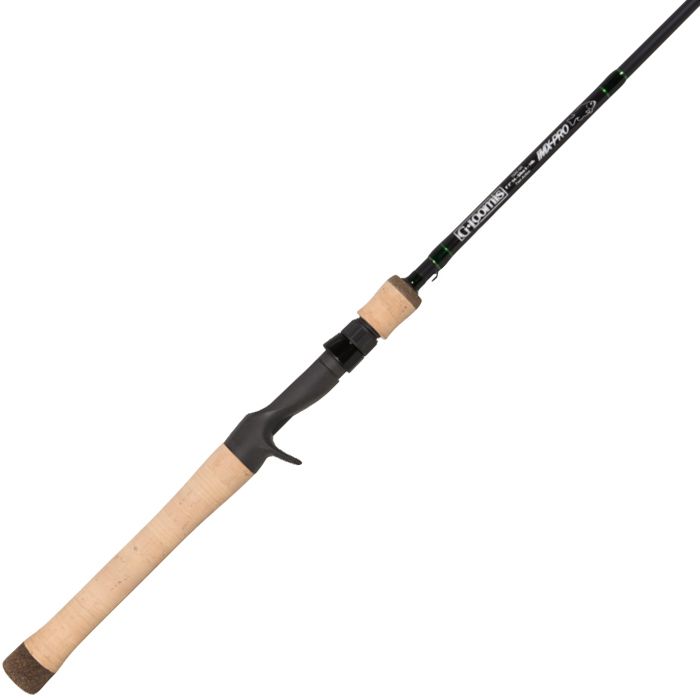
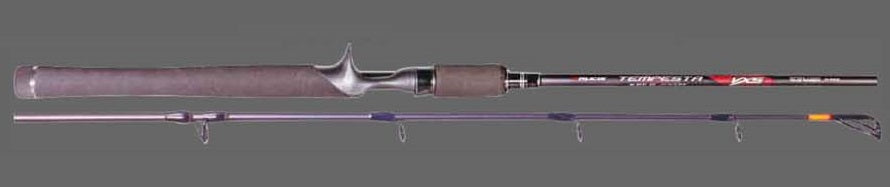
A baitcast rod is built around a reel that sits on top of the blank rather than beneath it. That changes how the whole rod works: the guides are smaller and closer to the blank, the grip has a trigger, and the blank is designed to handle direct pulling pressure. The result is accuracy at short range and the backbone to turn a fish before it reaches structure.
Choosing a baitcaster rod
Most Australian baitcast fishing happens with shorter rods, because a quick flick under cover beats a long cast when you are working snags, mangroves and timber. Longer baitcast rods buy you distance on impoundment barra and open flats.
Cast weight matters more on a baitcaster than on a spin rod, because these reels do not handle lures that are too light for them. Check the rated range on the blank and stay inside it. Pair it with a baitcaster reel sized to the same class of fishing, and see fishing lures for what these rods are built to throw.
Frequently asked questions
Can I use a baitcaster reel on a spin rod?
You can, but it casts poorly and puts the load in the wrong place. The guides face the wrong way and there is no trigger grip, so accuracy suffers badly.
Are baitcasters hard to use?
There is a learning curve of a few sessions. Start with heavier lures, use the spool tension and brakes, and thumb the spool as the lure lands.
What is a baitcaster rod best for?
Casting accuracy around structure and applying heavy drag — which is why they dominate barramundi, Murray cod, bass and mangrove jack fishing in Australia.
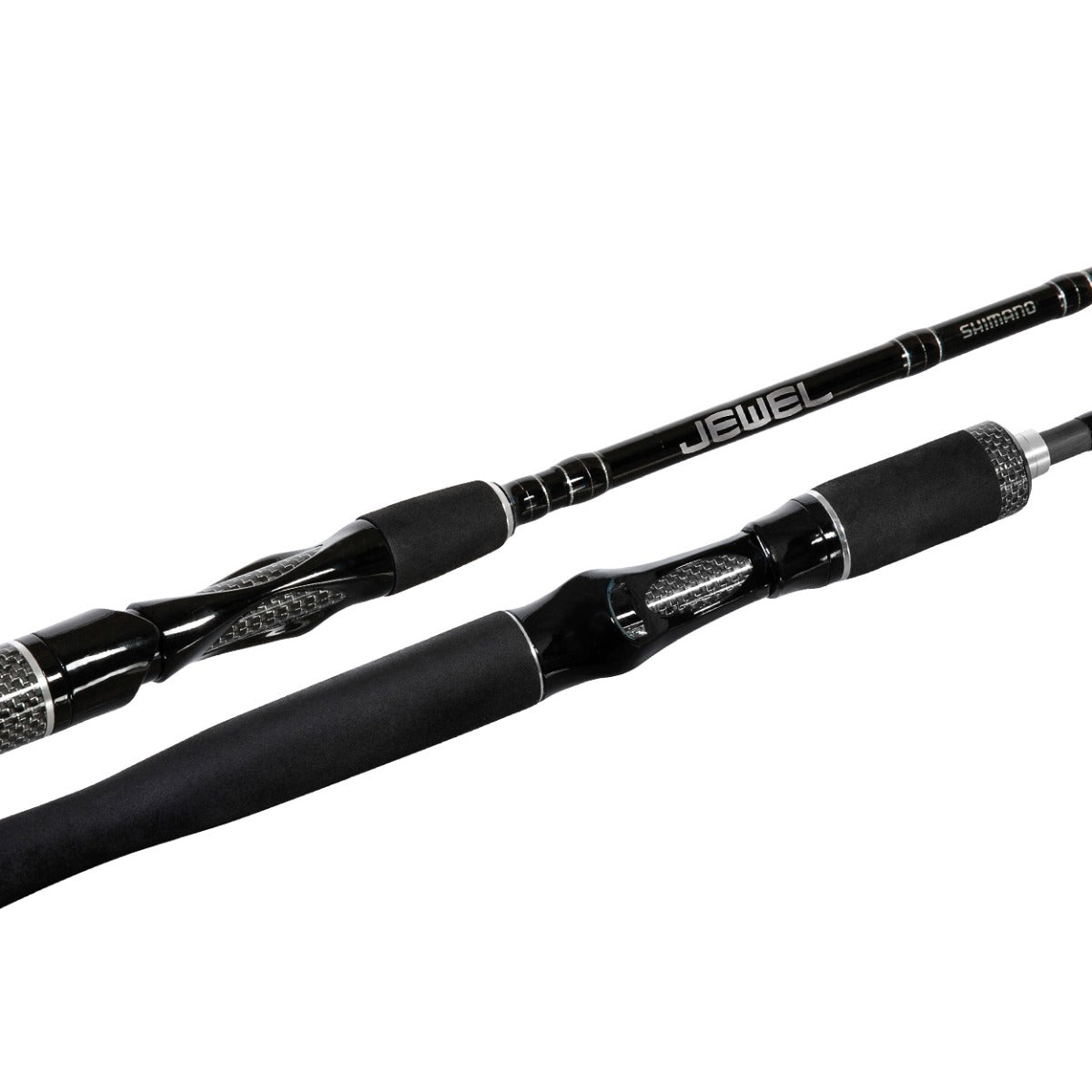
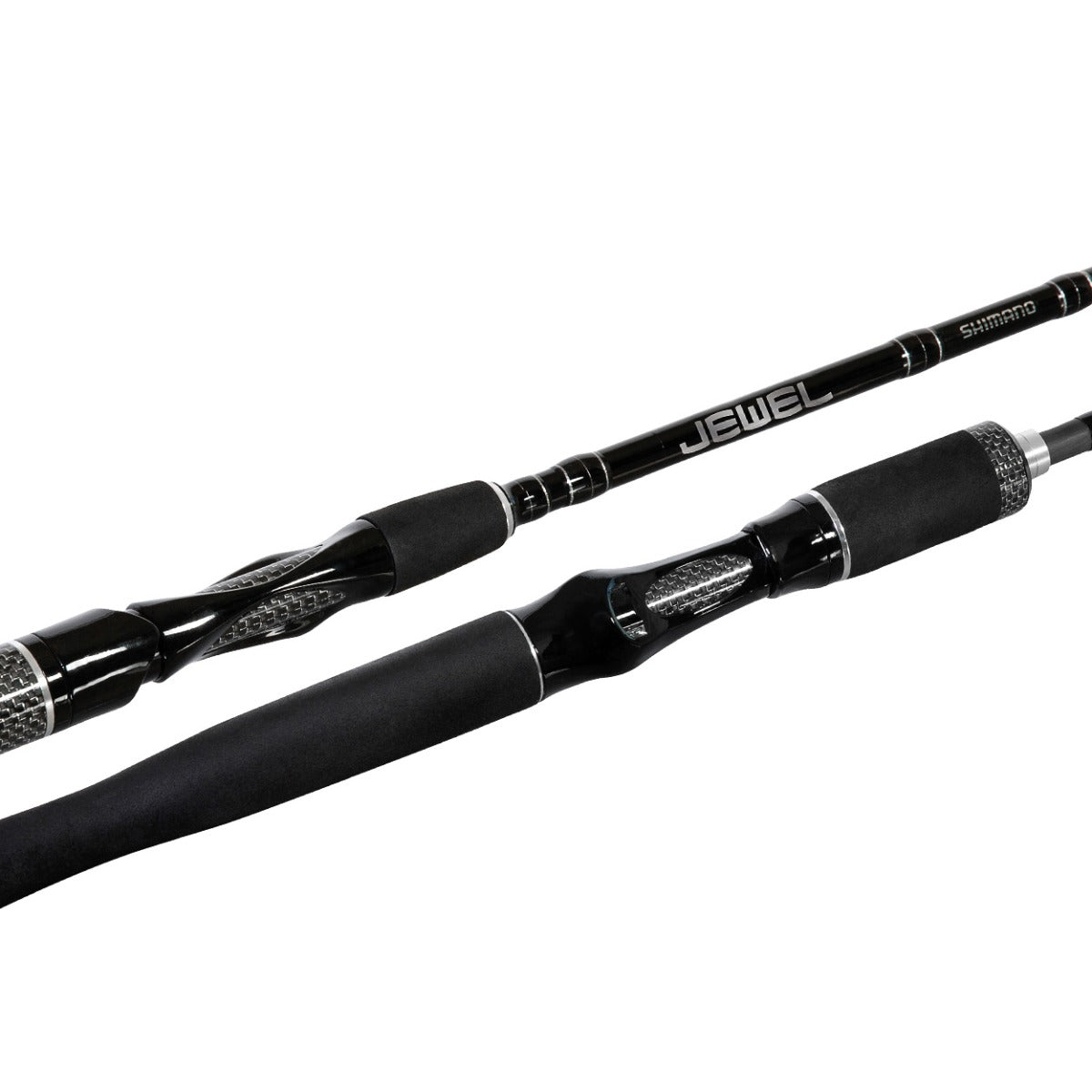
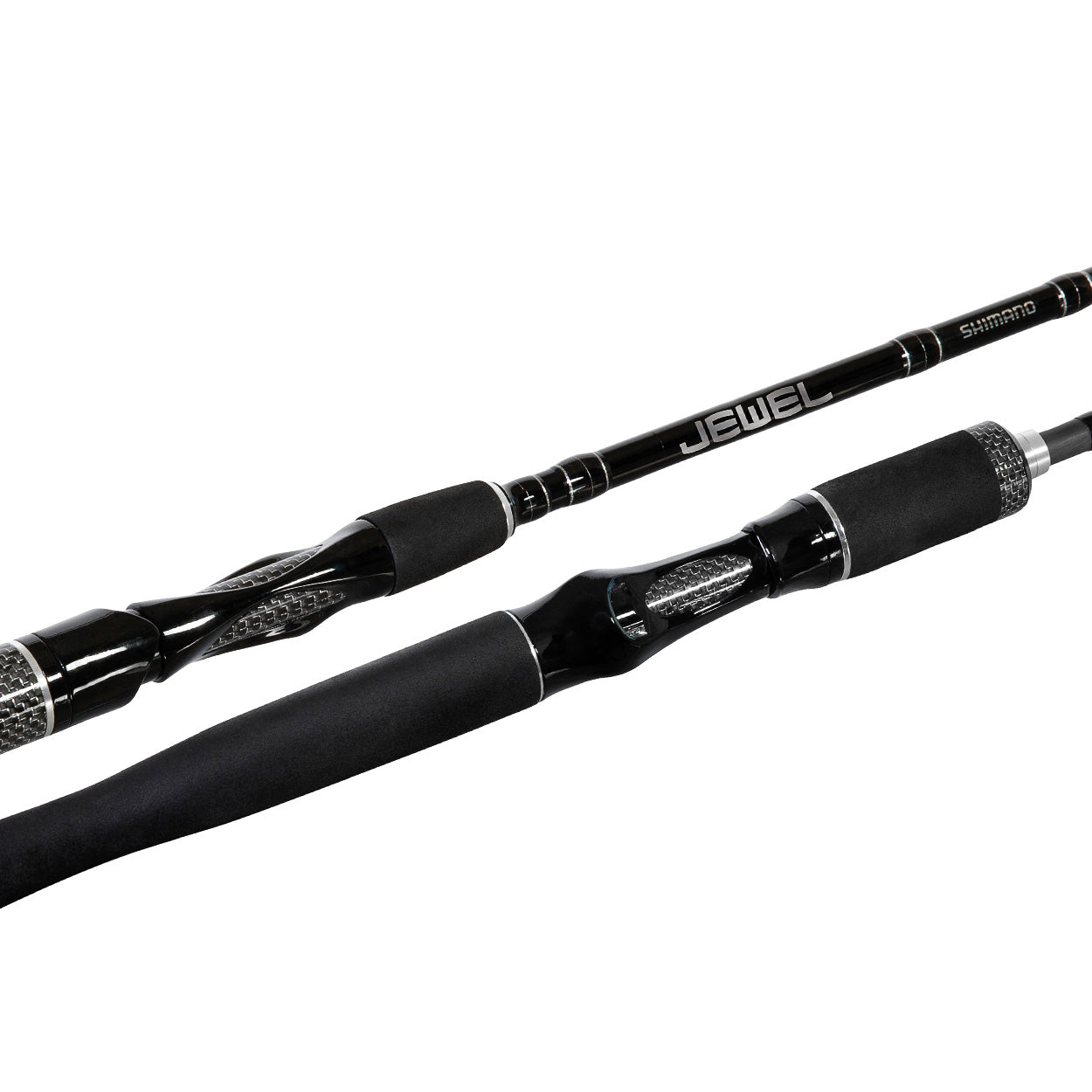

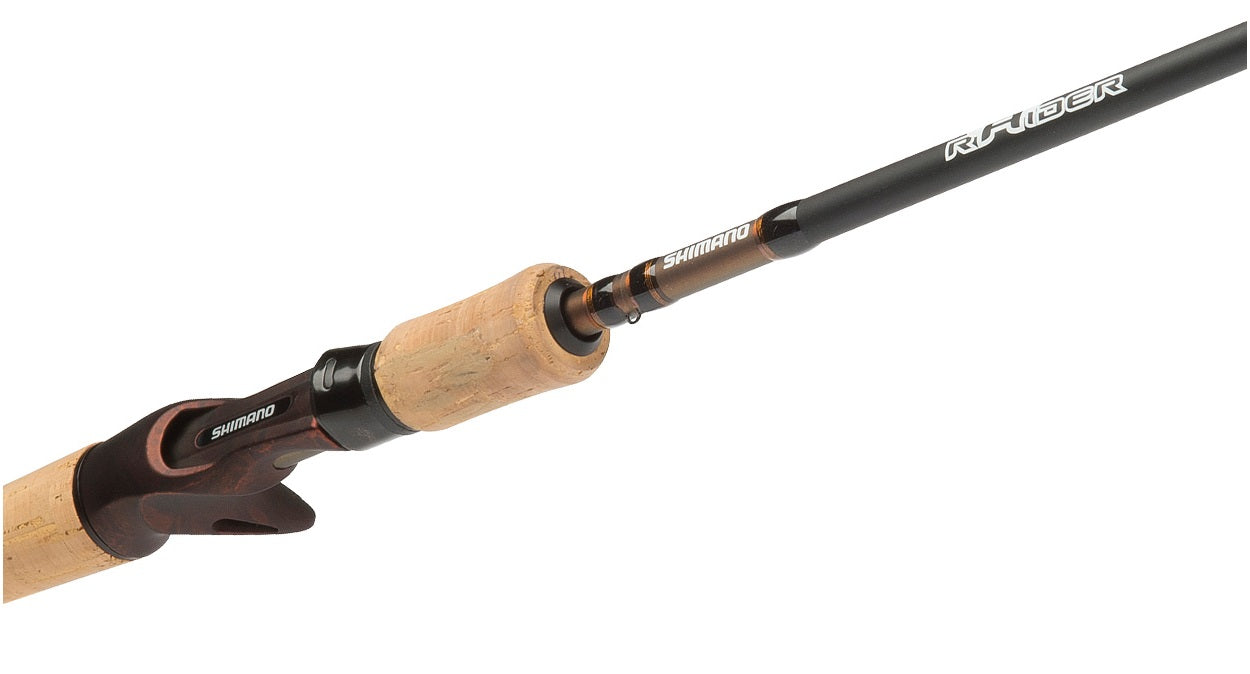


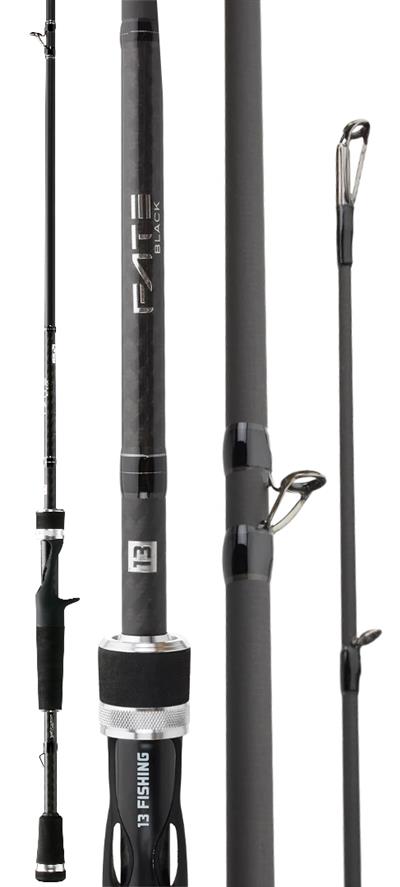
























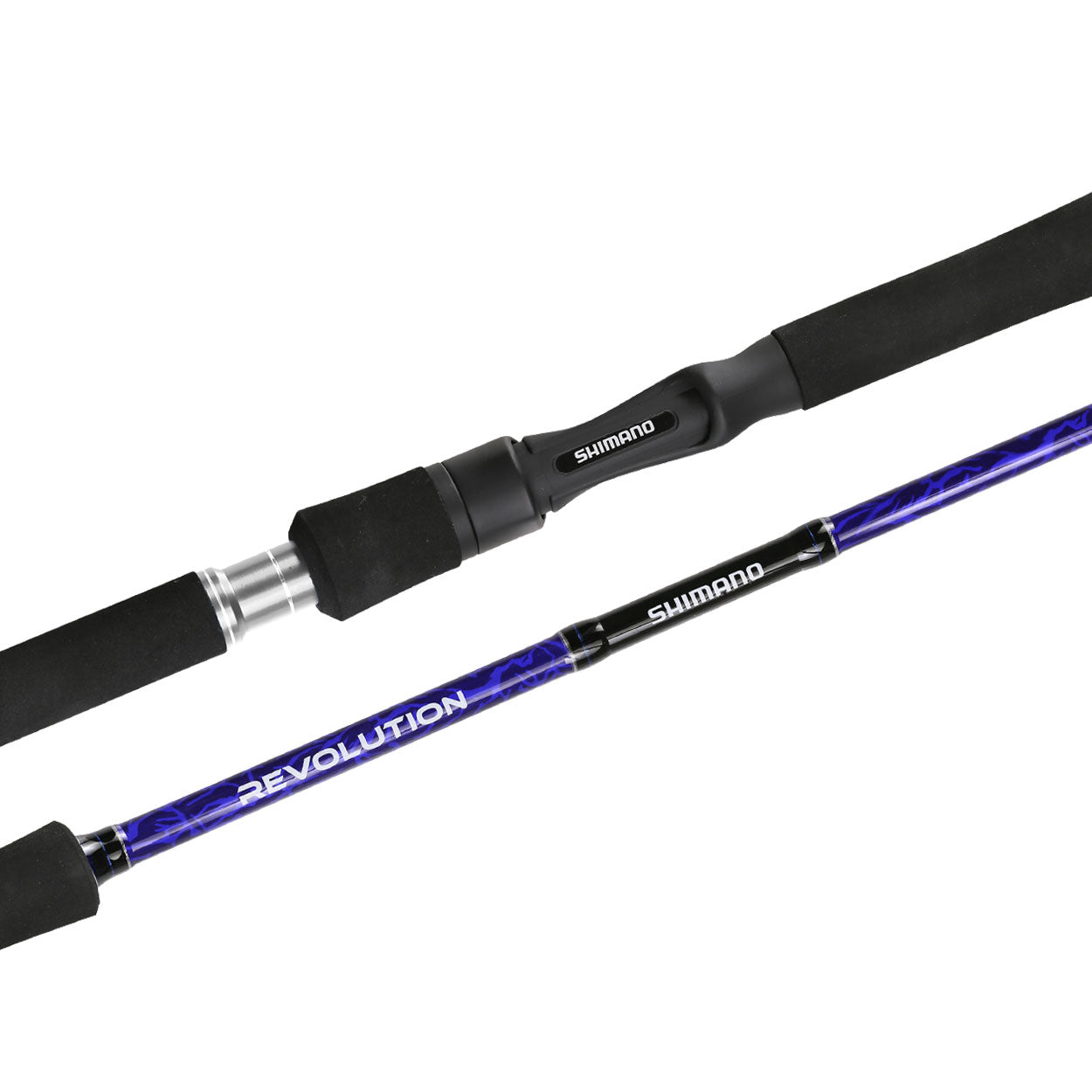



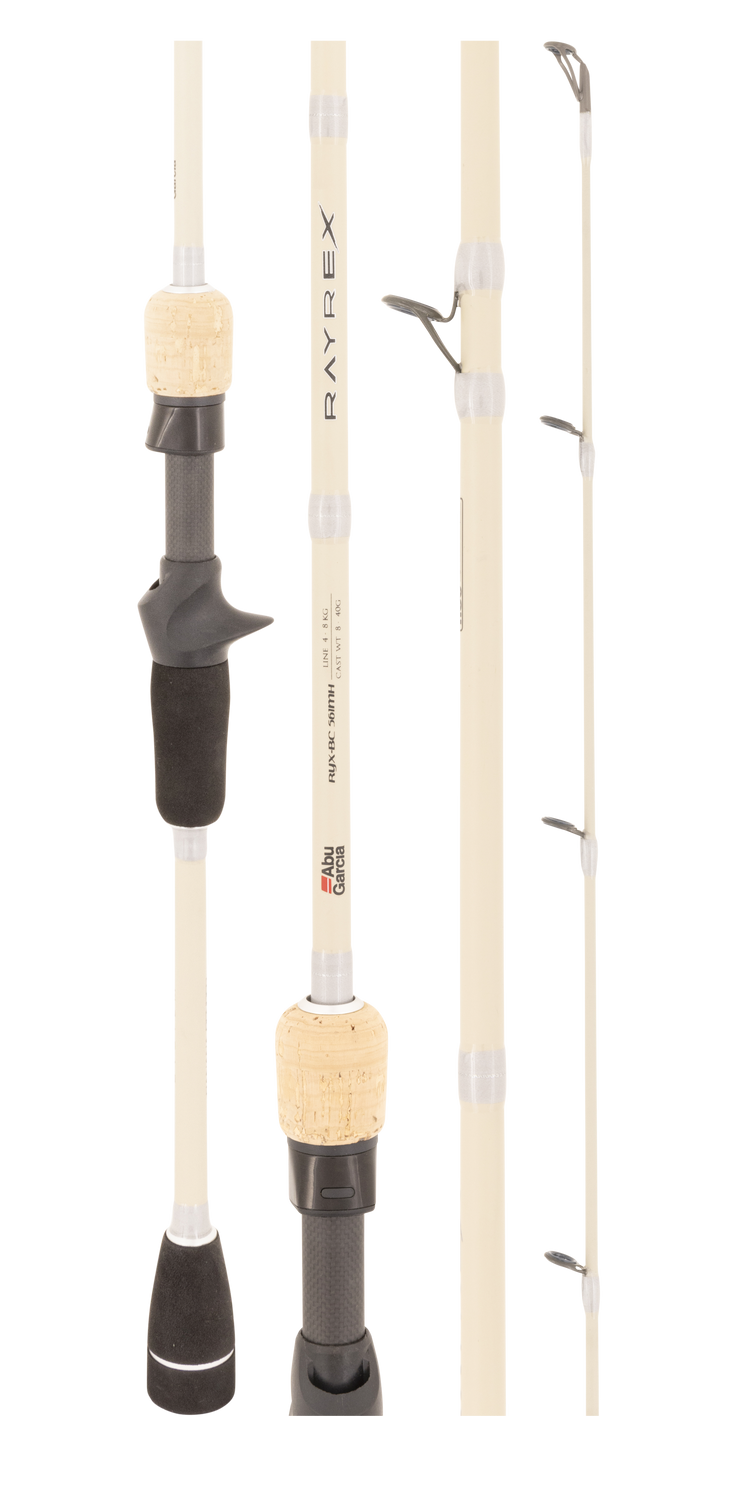

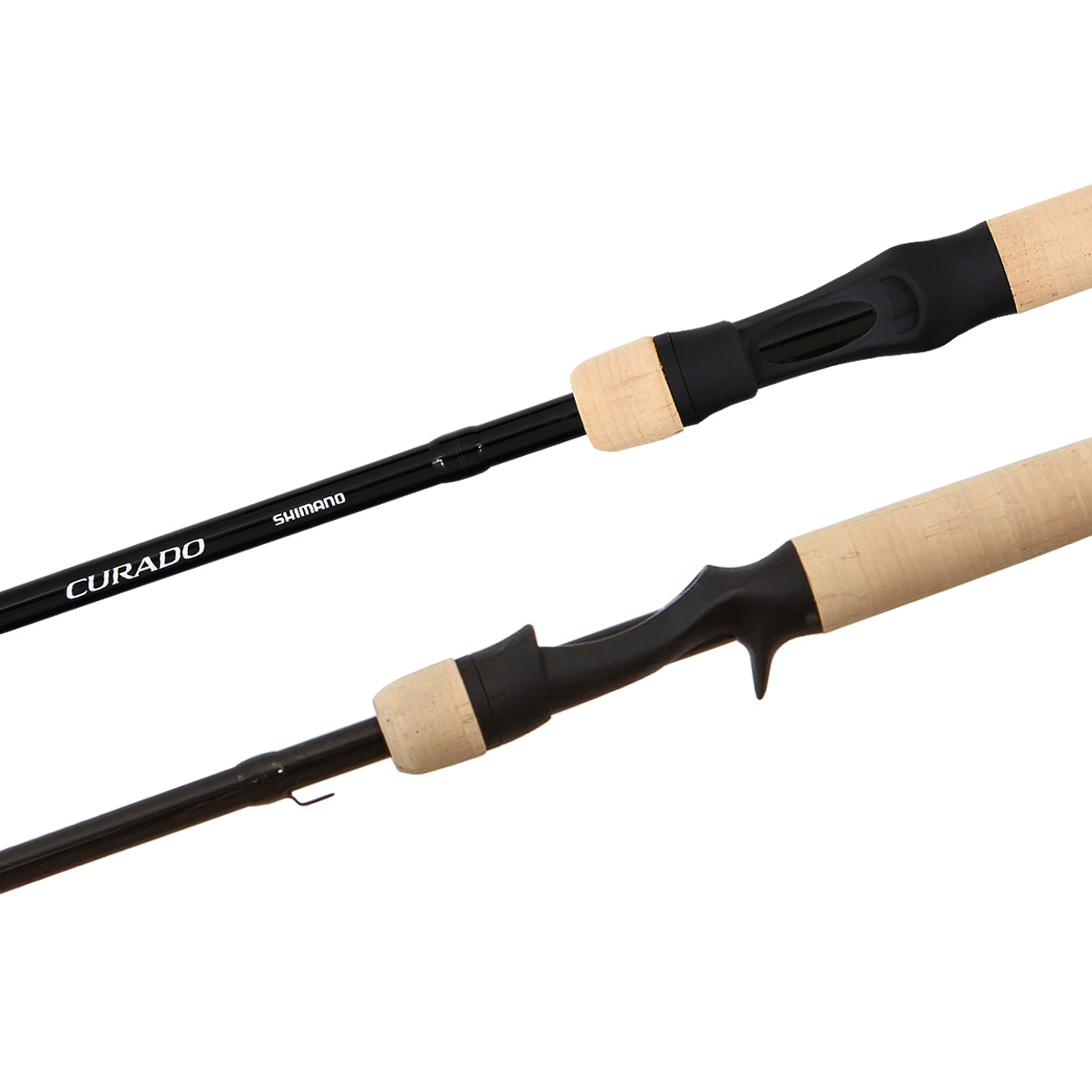
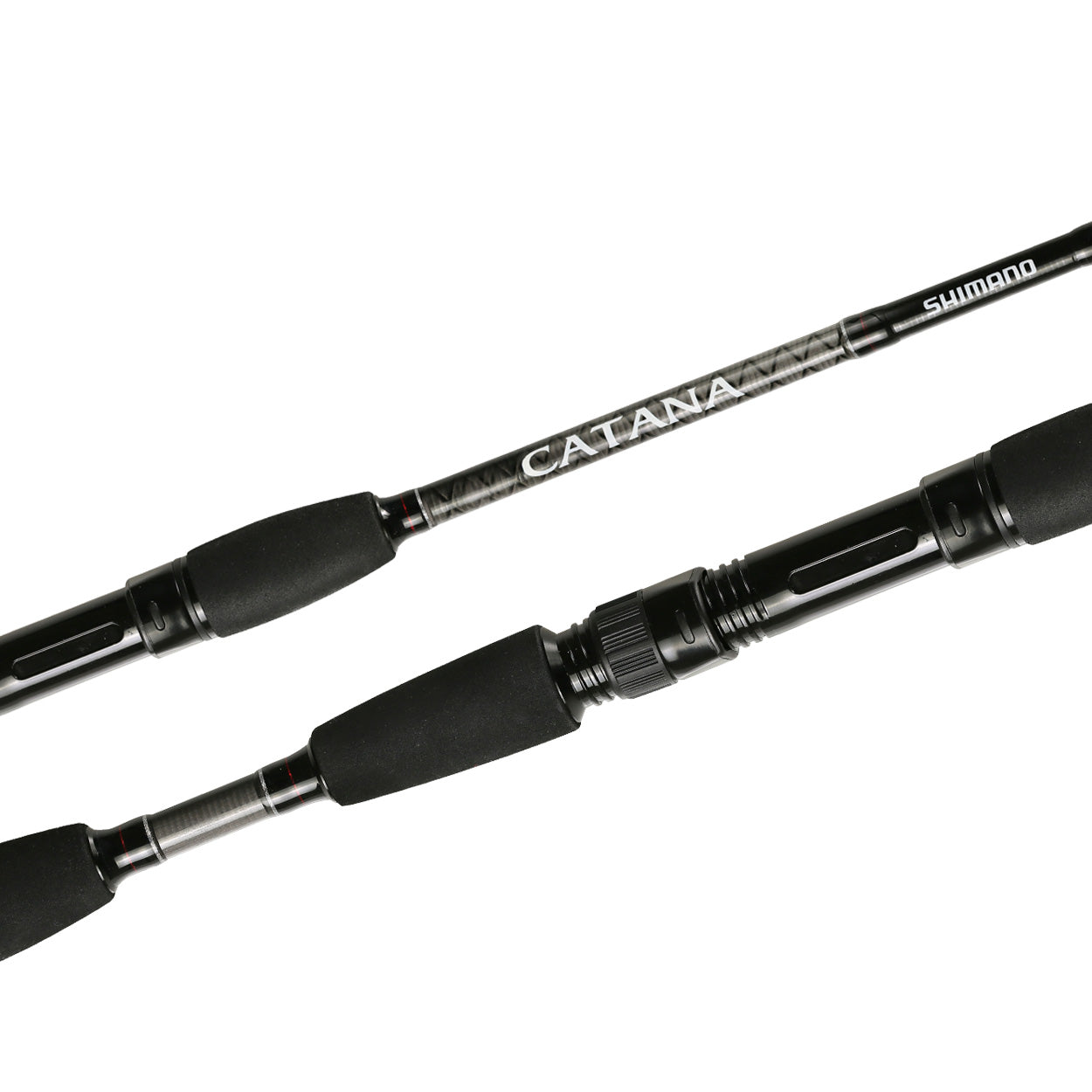


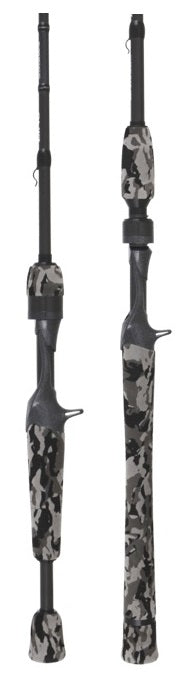



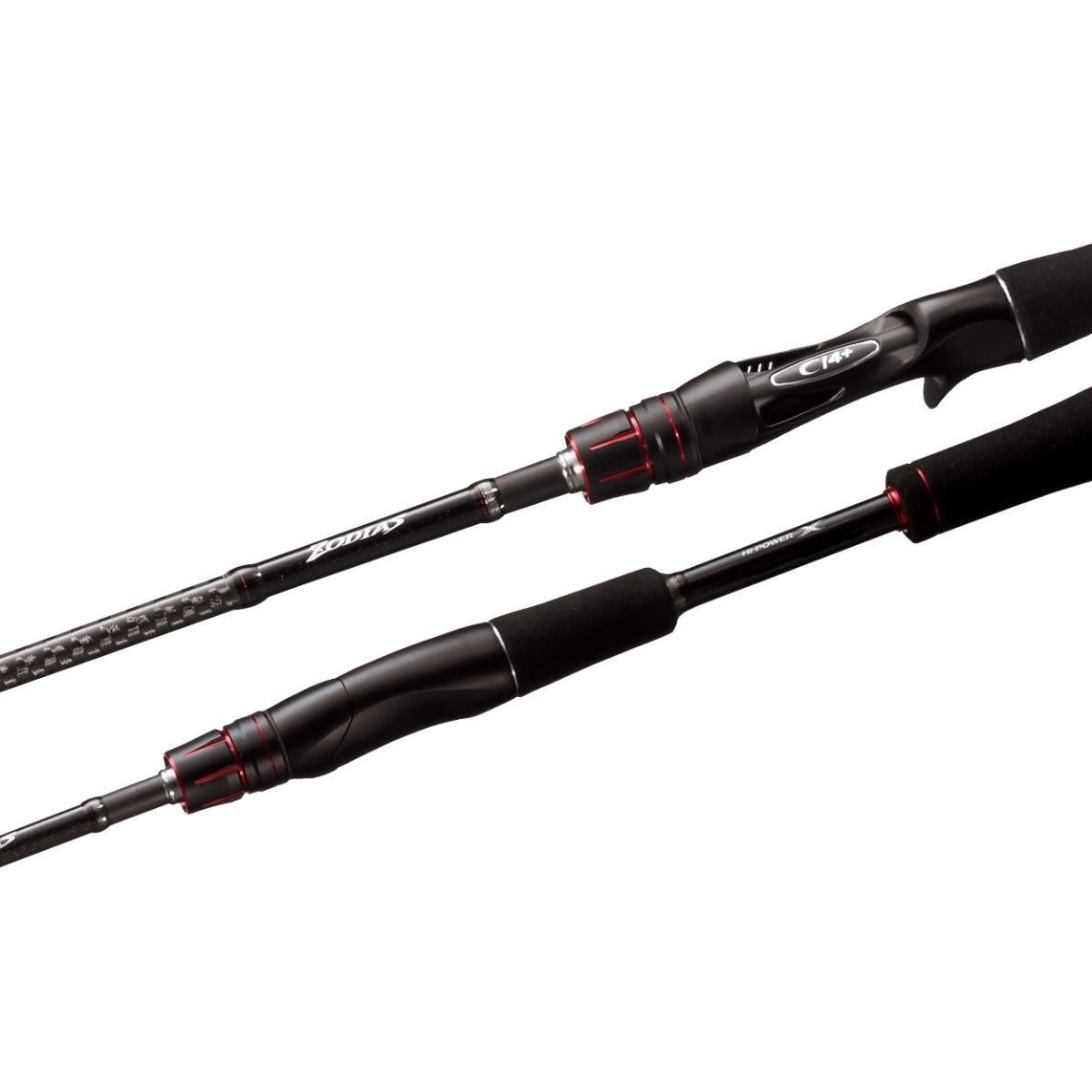
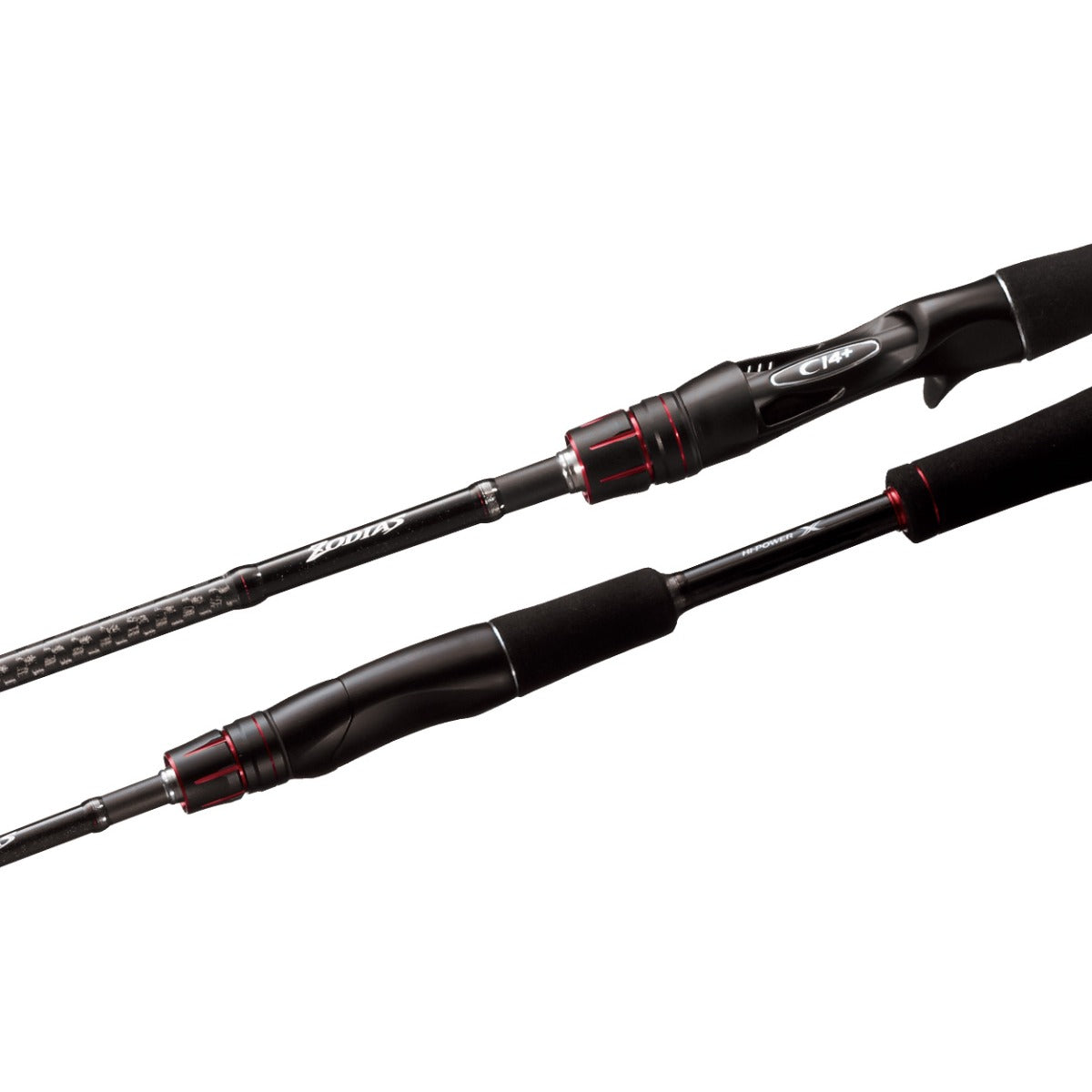


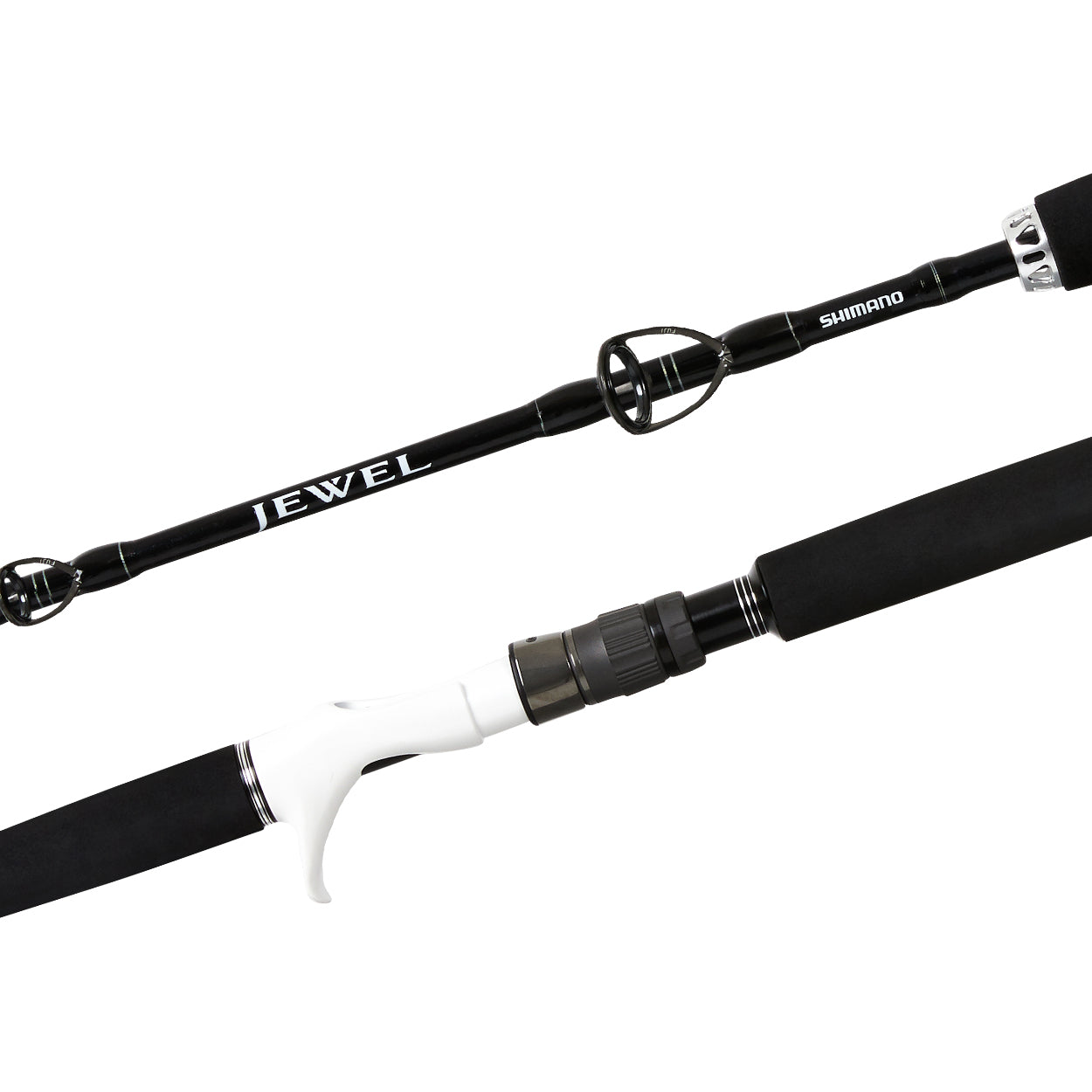

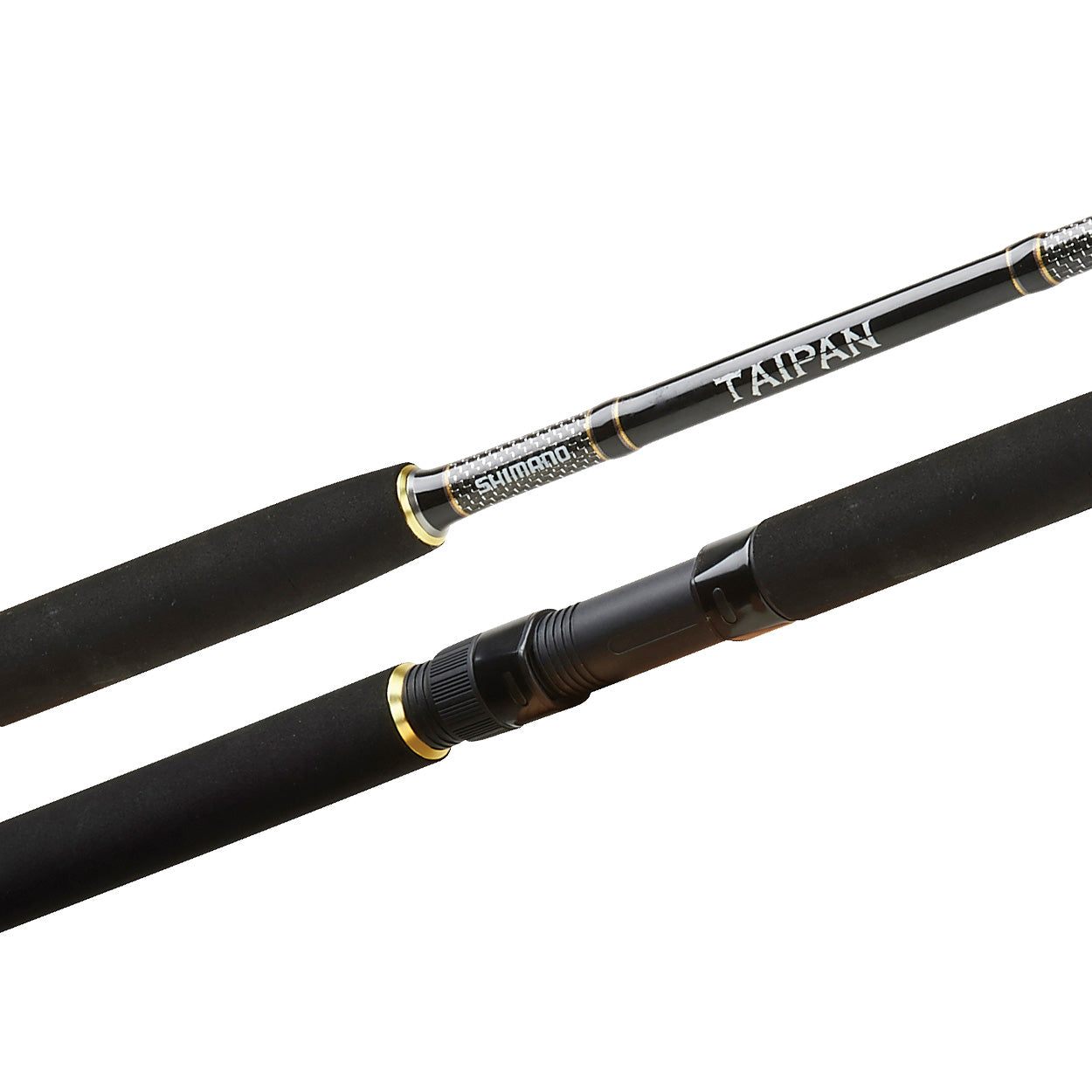

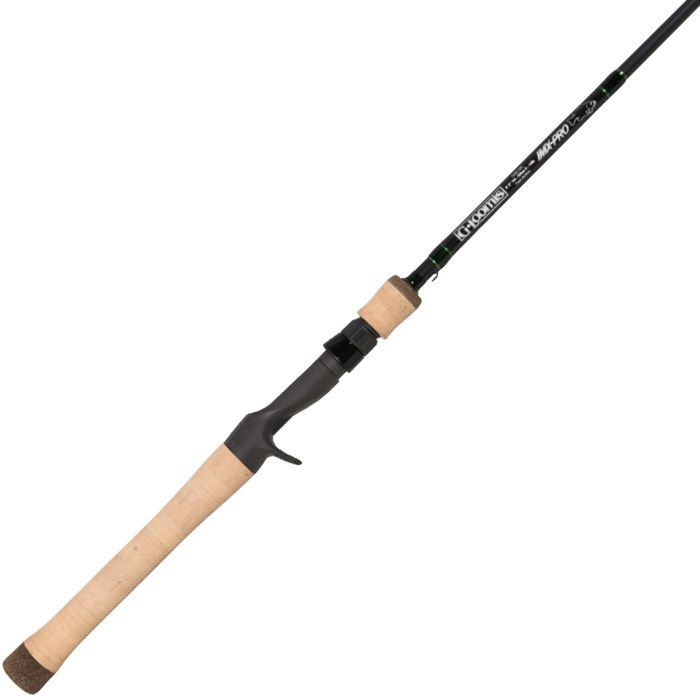
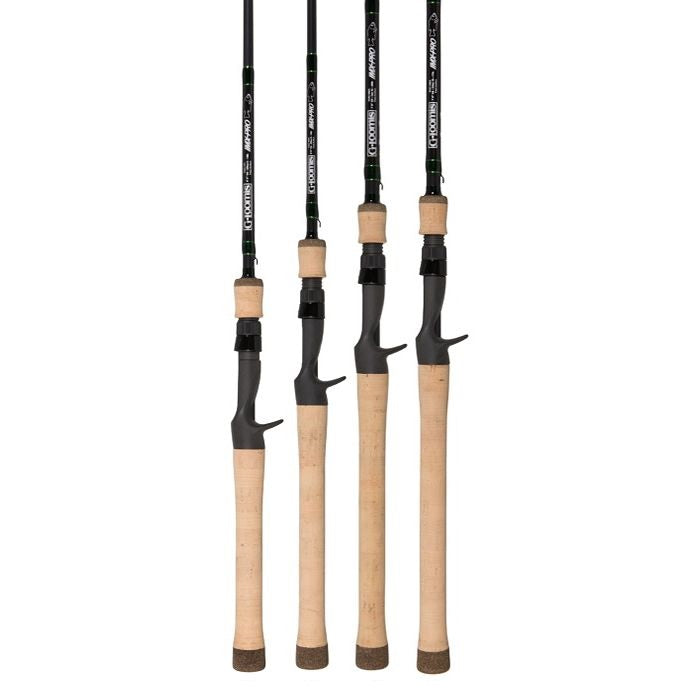
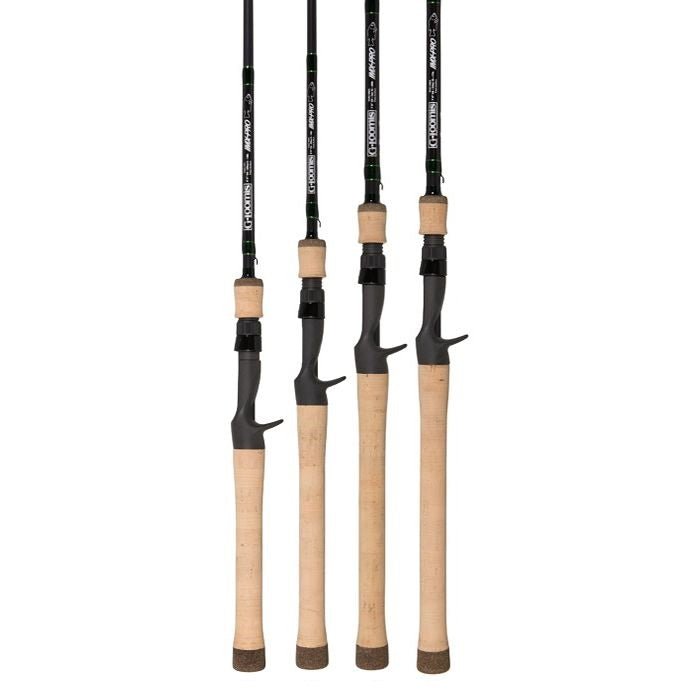

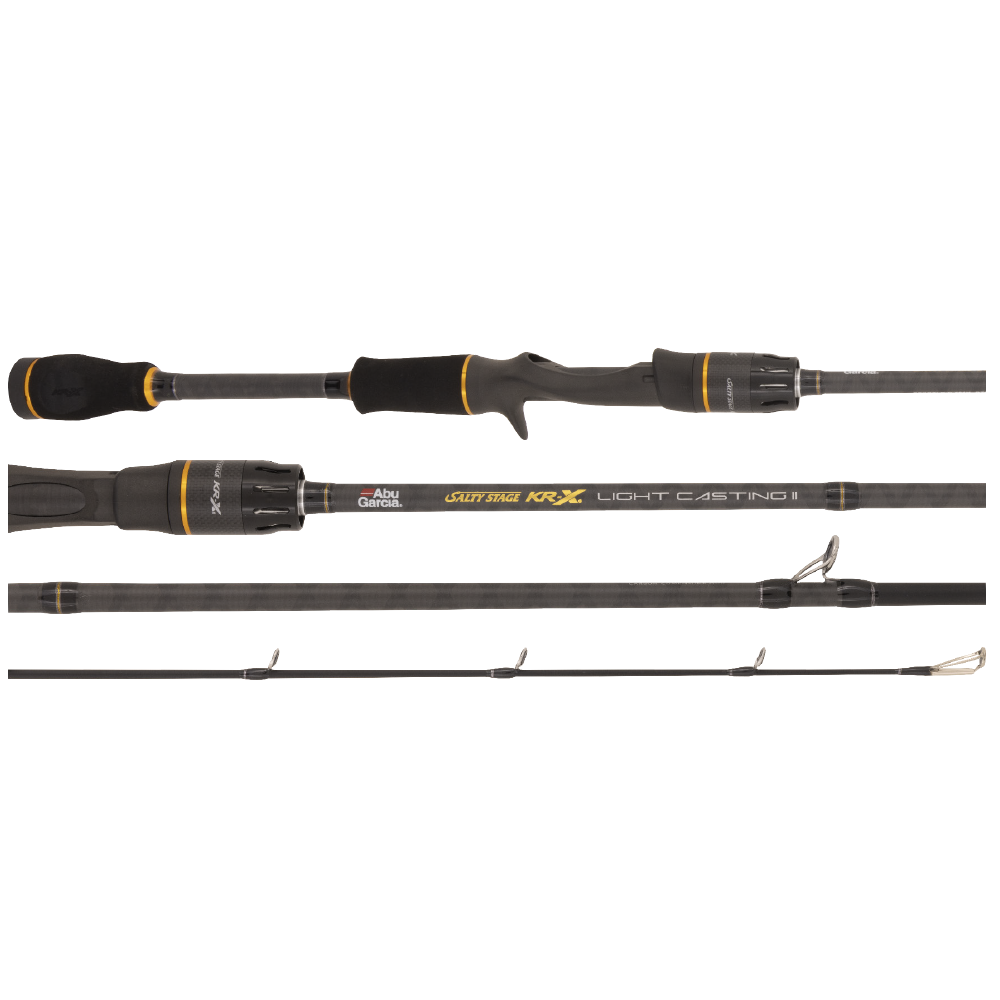


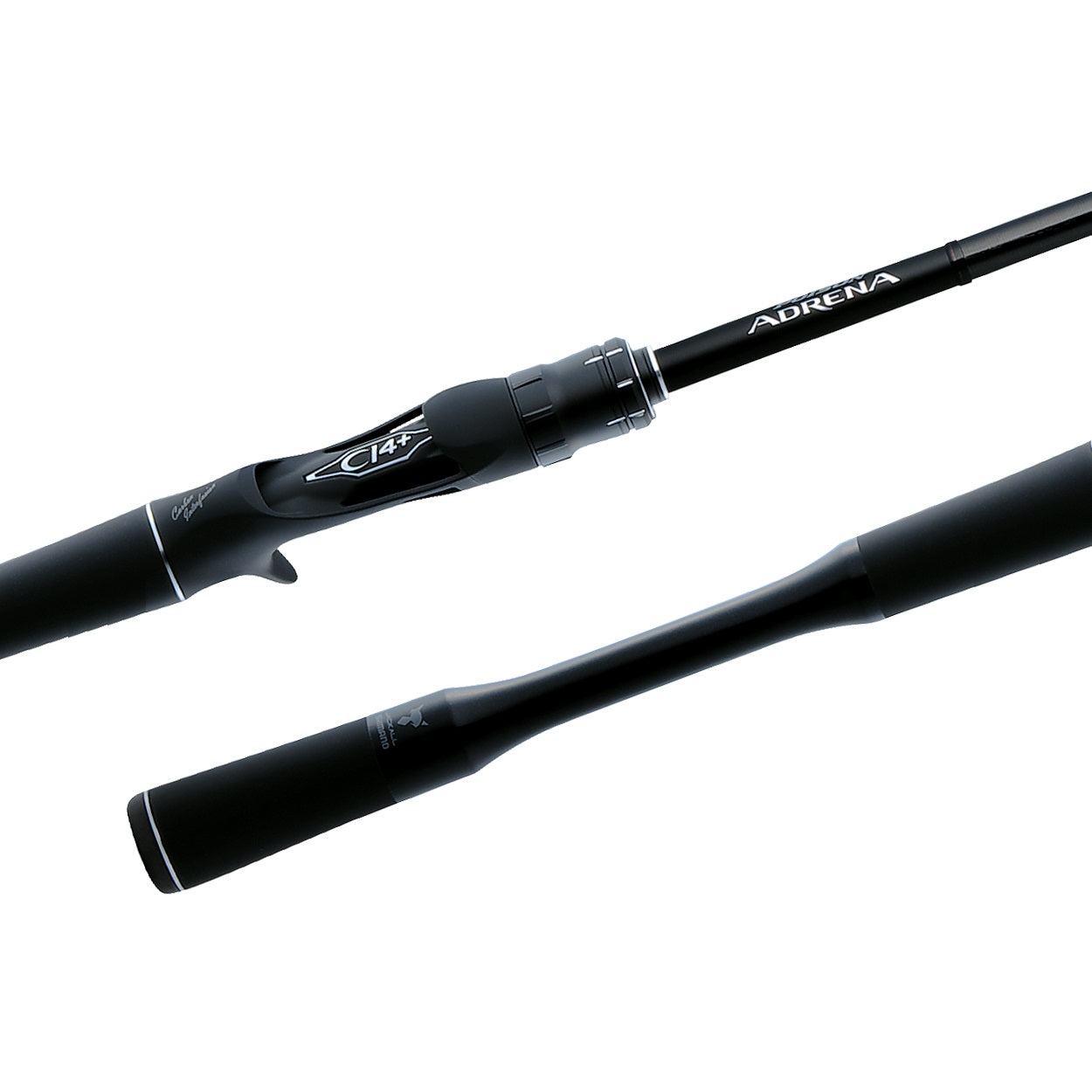



A baitcast rod is built around a reel that sits on top of the blank rather than beneath it. That changes how the whole rod works: the guides are smaller and closer to the blank, the grip has a trigger, and the blank is designed to handle direct pulling pressure. The result is accuracy at short range and the backbone to turn a fish before it reaches structure.
Choosing a baitcaster rod
Most Australian baitcast fishing happens with shorter rods, because a quick flick under cover beats a long cast when you are working snags, mangroves and timber. Longer baitcast rods buy you distance on impoundment barra and open flats.
Cast weight matters more on a baitcaster than on a spin rod, because these reels do not handle lures that are too light for them. Check the rated range on the blank and stay inside it. Pair it with a baitcaster reel sized to the same class of fishing, and see fishing lures for what these rods are built to throw.
Frequently asked questions
Can I use a baitcaster reel on a spin rod?
You can, but it casts poorly and puts the load in the wrong place. The guides face the wrong way and there is no trigger grip, so accuracy suffers badly.
Are baitcasters hard to use?
There is a learning curve of a few sessions. Start with heavier lures, use the spool tension and brakes, and thumb the spool as the lure lands.
What is a baitcaster rod best for?
Casting accuracy around structure and applying heavy drag — which is why they dominate barramundi, Murray cod, bass and mangrove jack fishing in Australia.