

FREE SHIPPING ON ORDERS OVER $150*

AUSSIE FAMILY OWNED BUSINESS FOR OVER 40 YEARS

100% SATISFACTION GUARANTEED
Fishing Reels
Fishing Reels
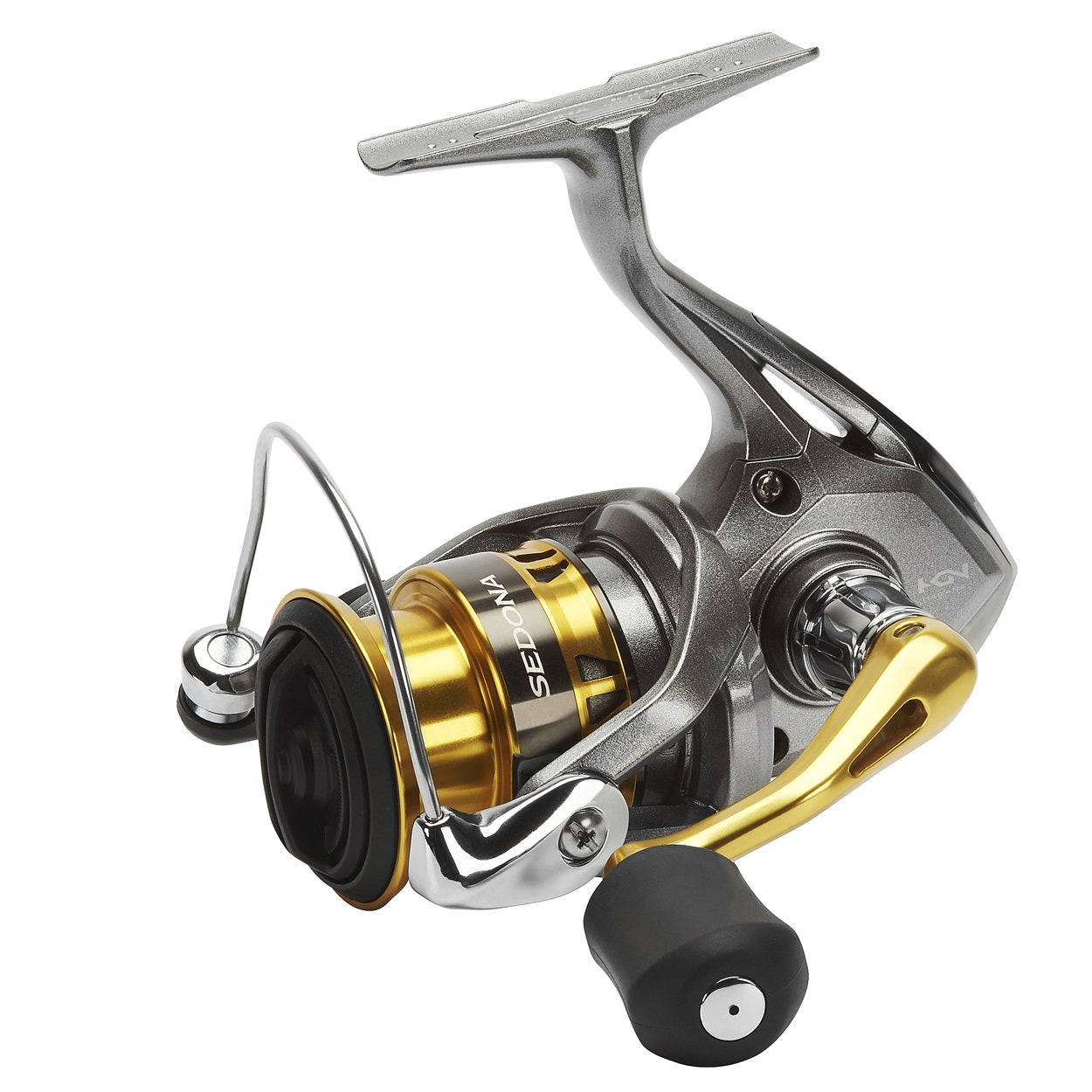
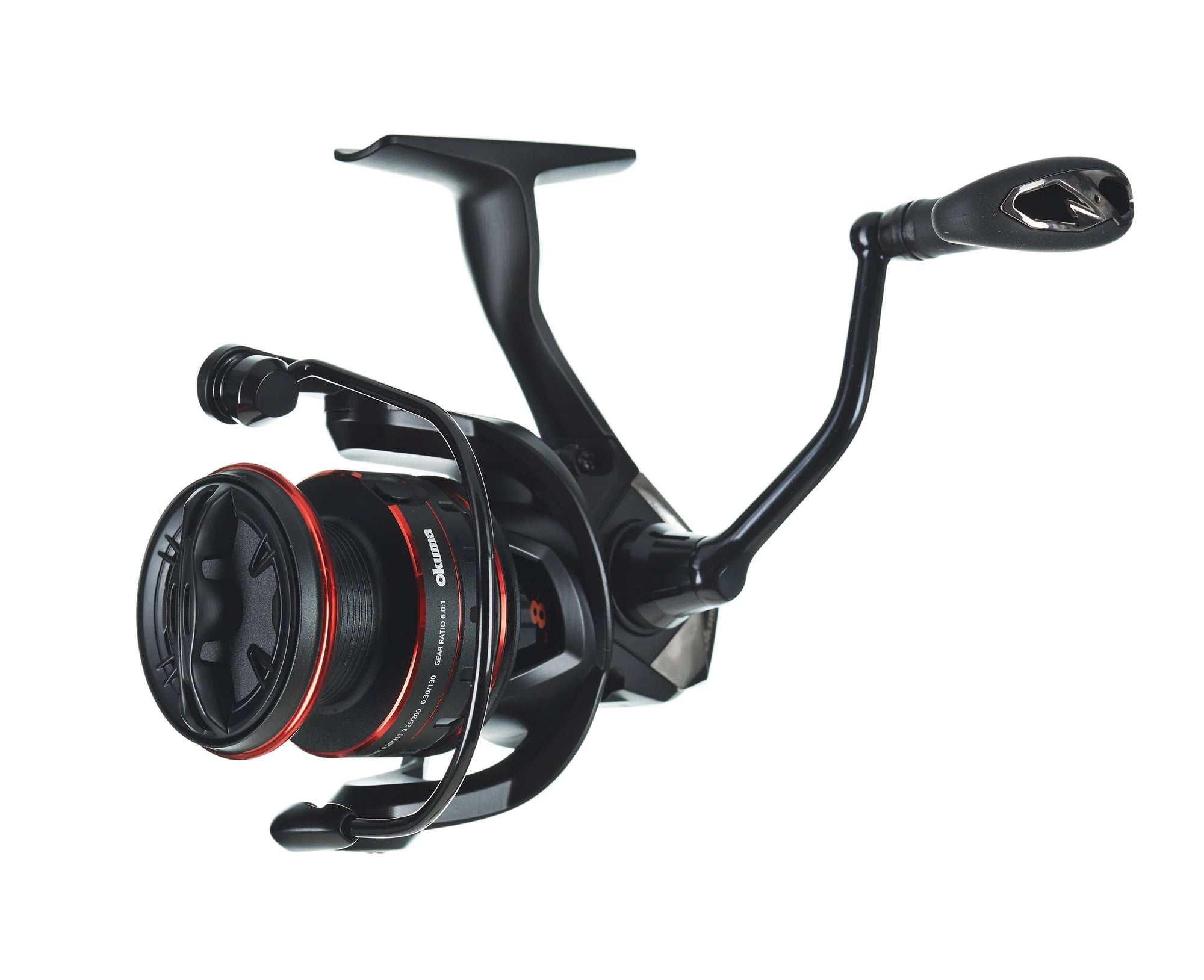
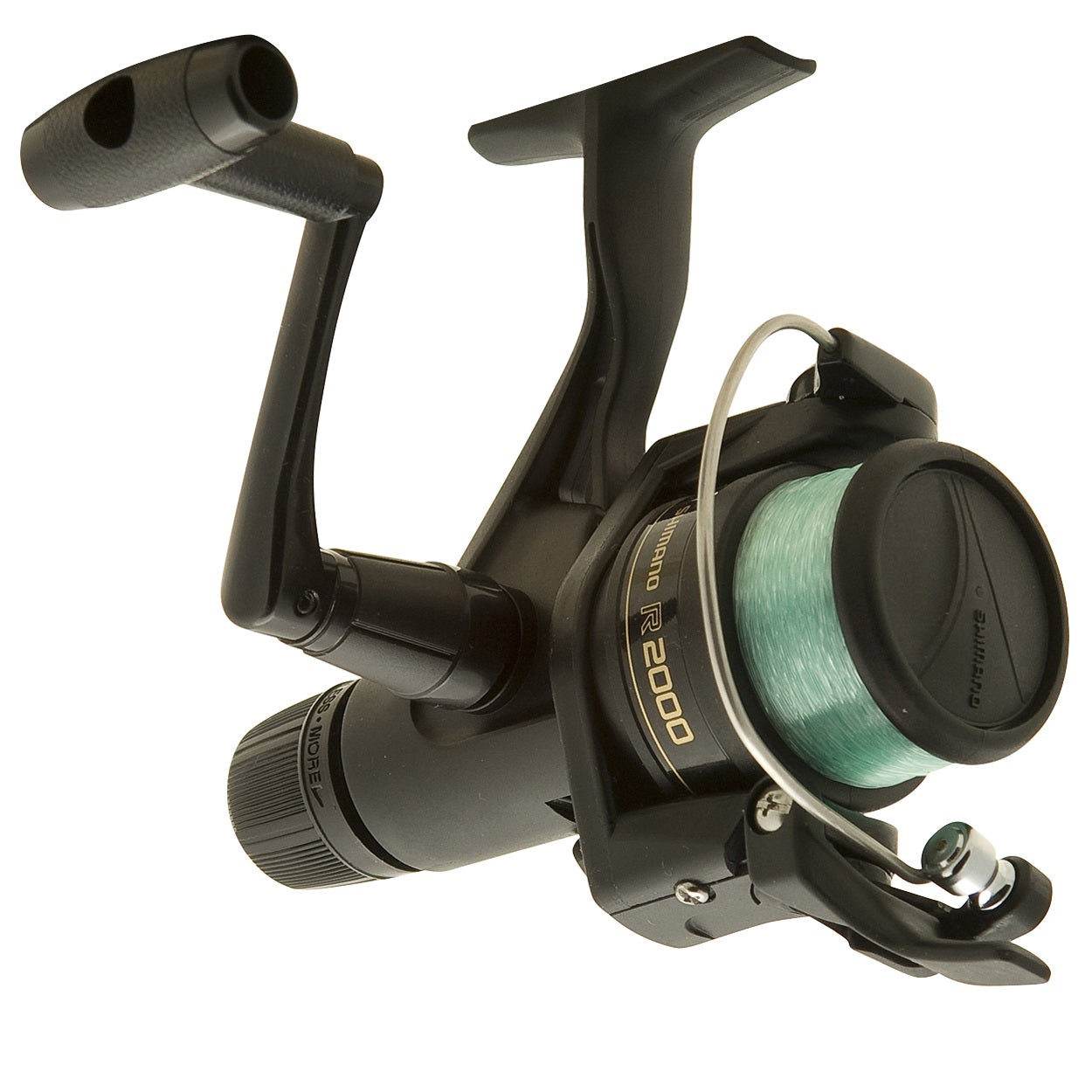
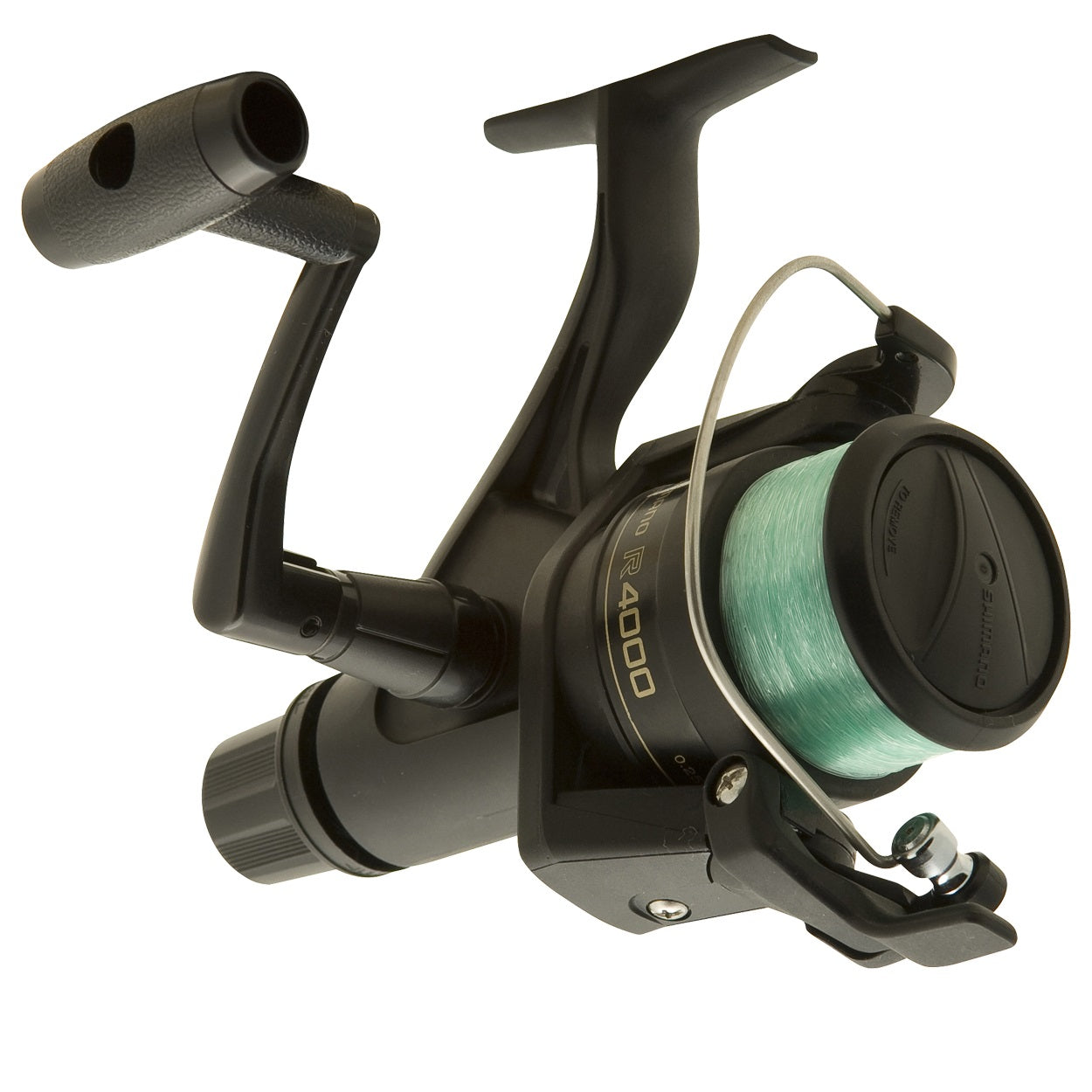
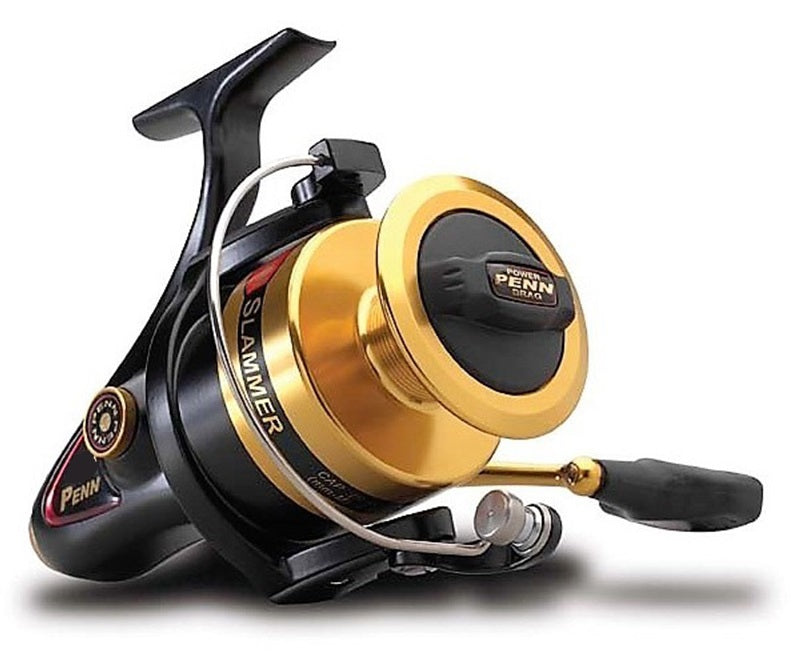
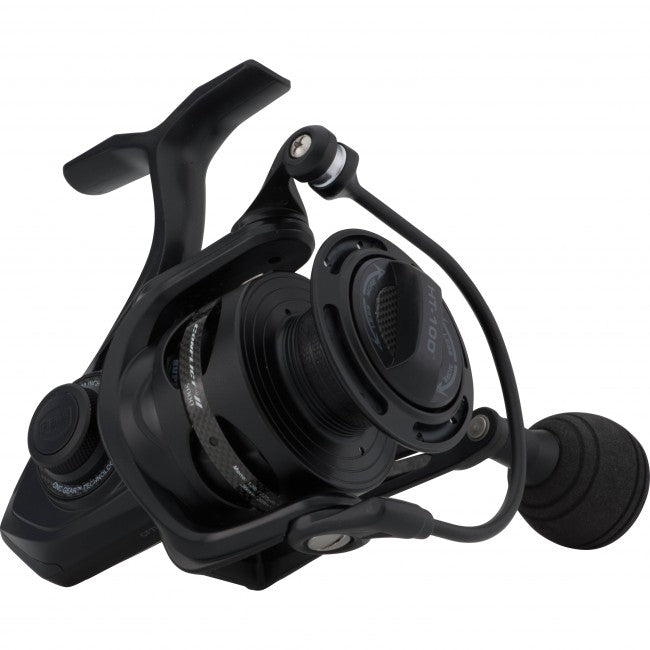
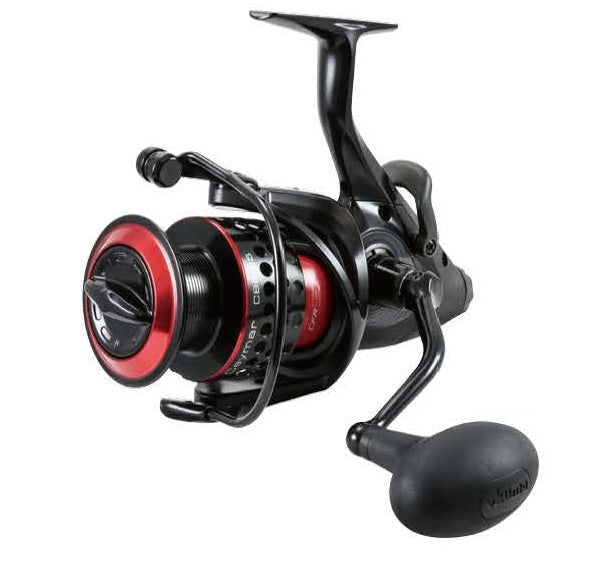
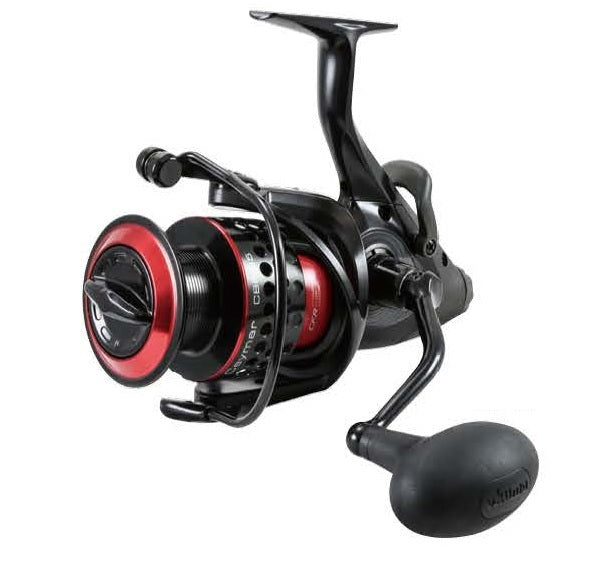
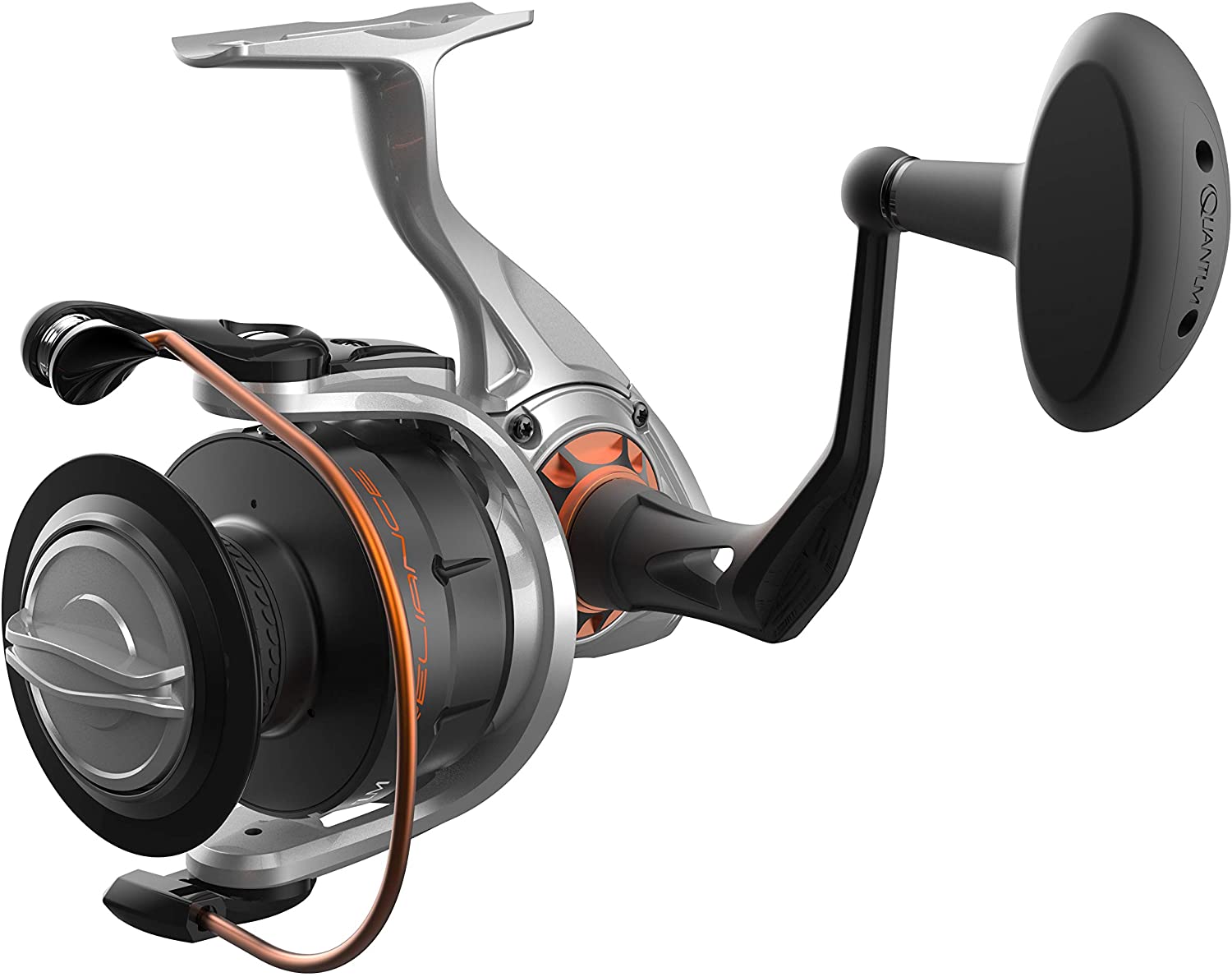
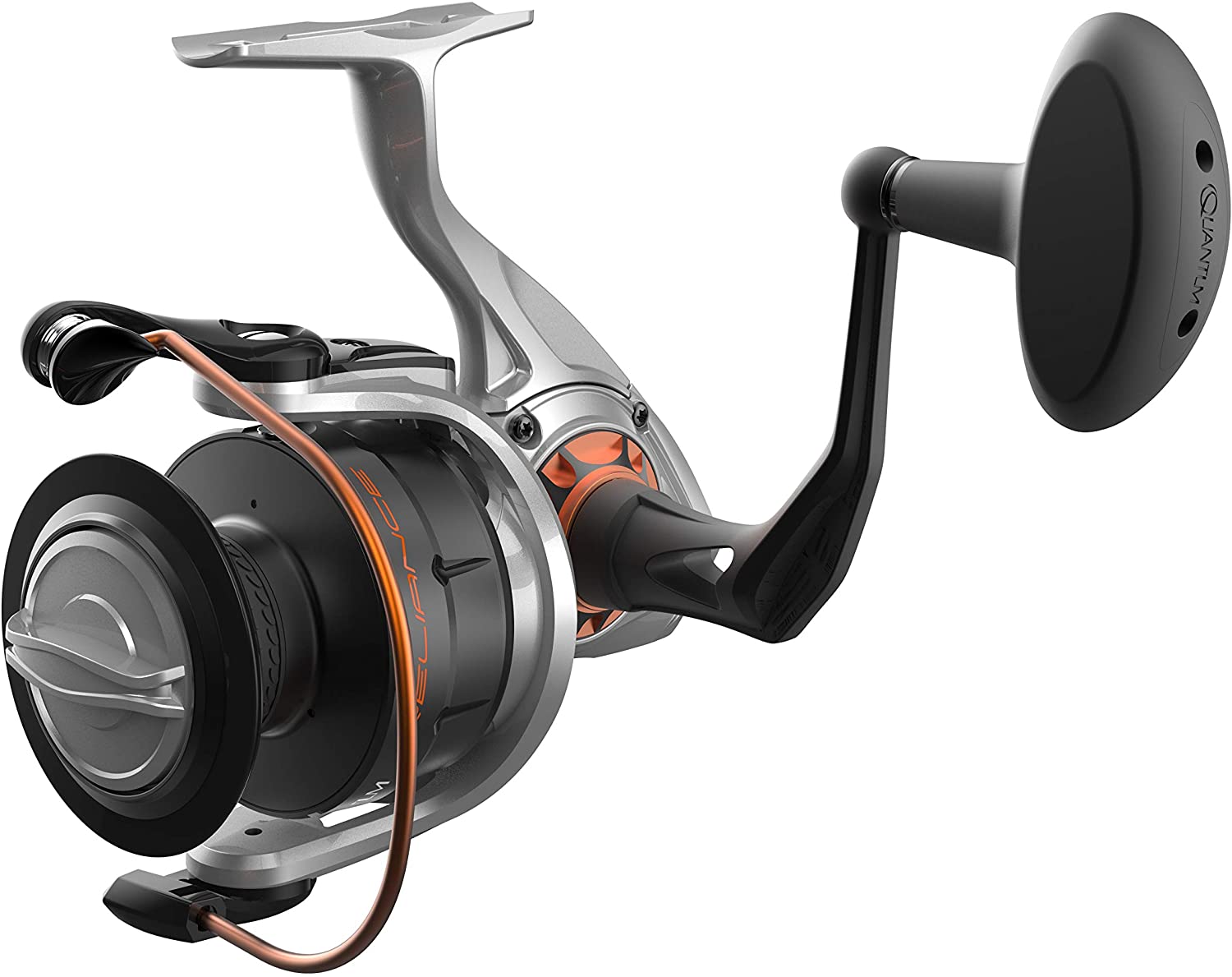
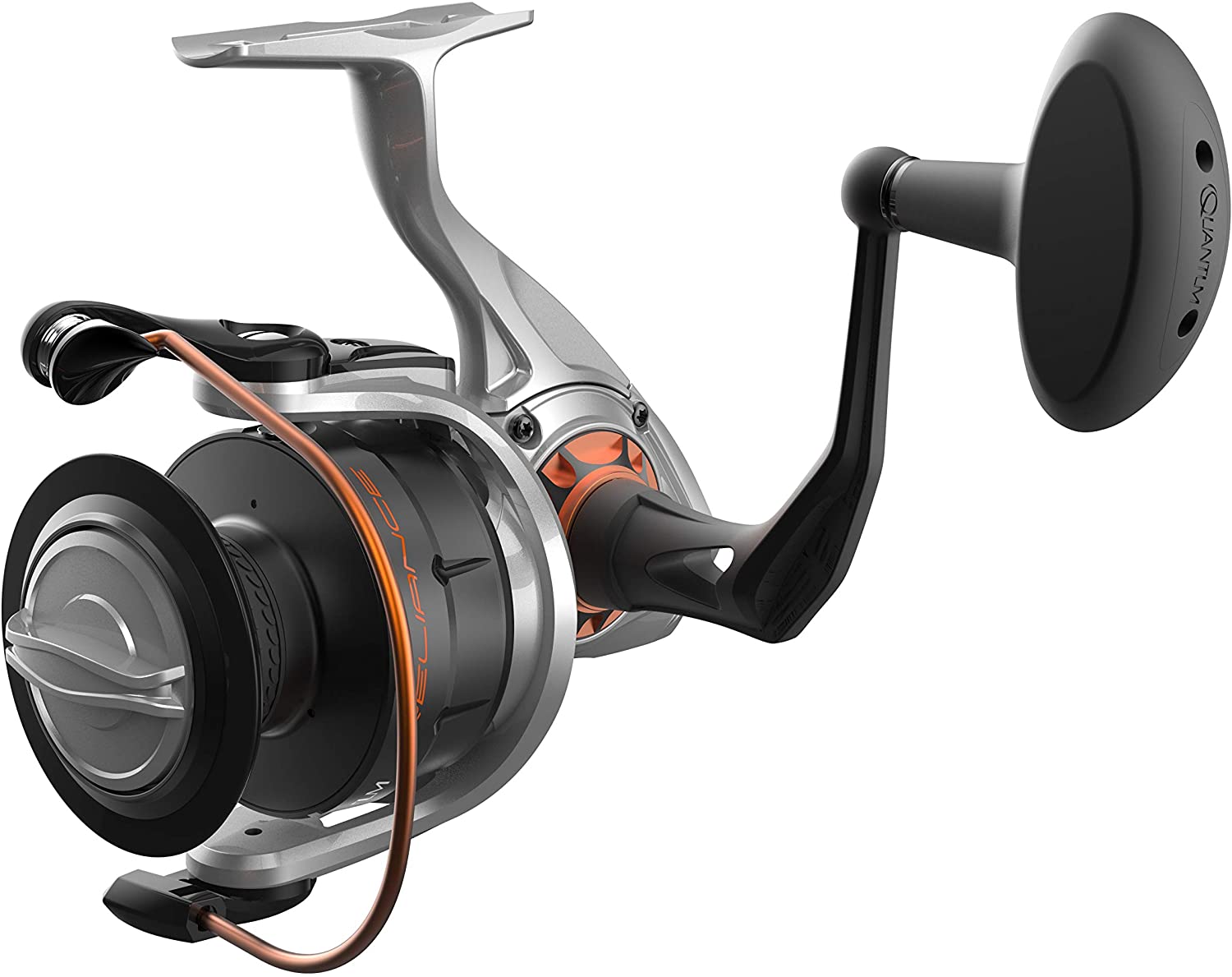
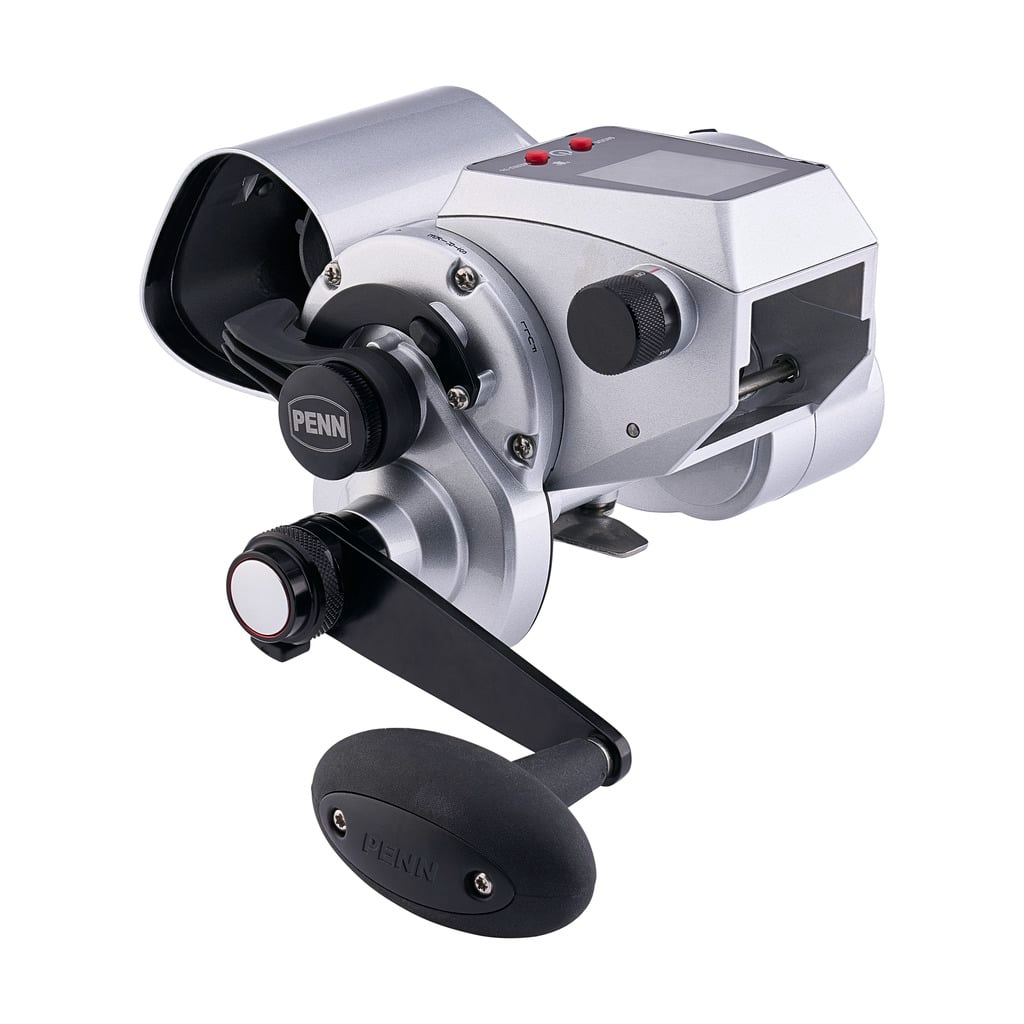
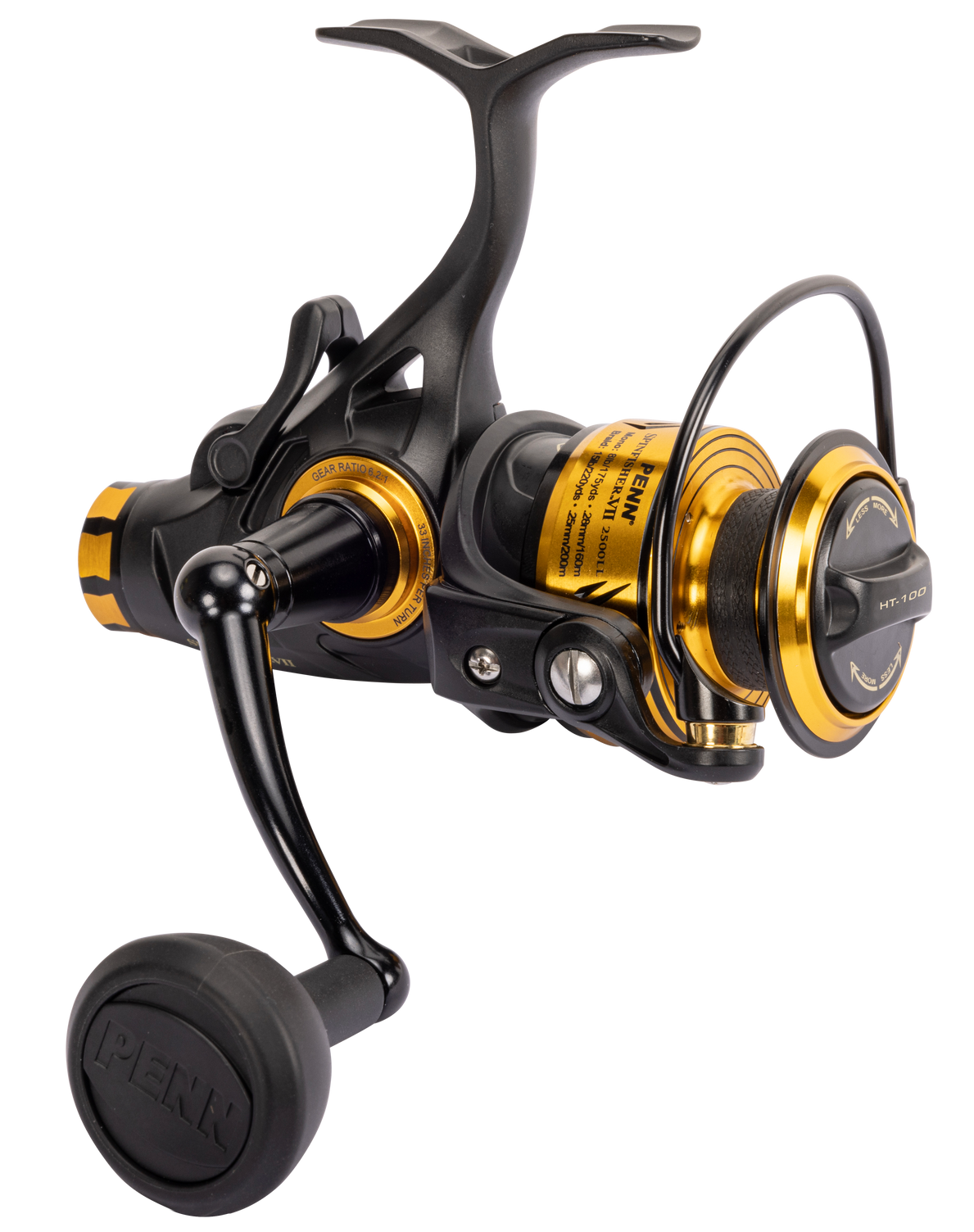
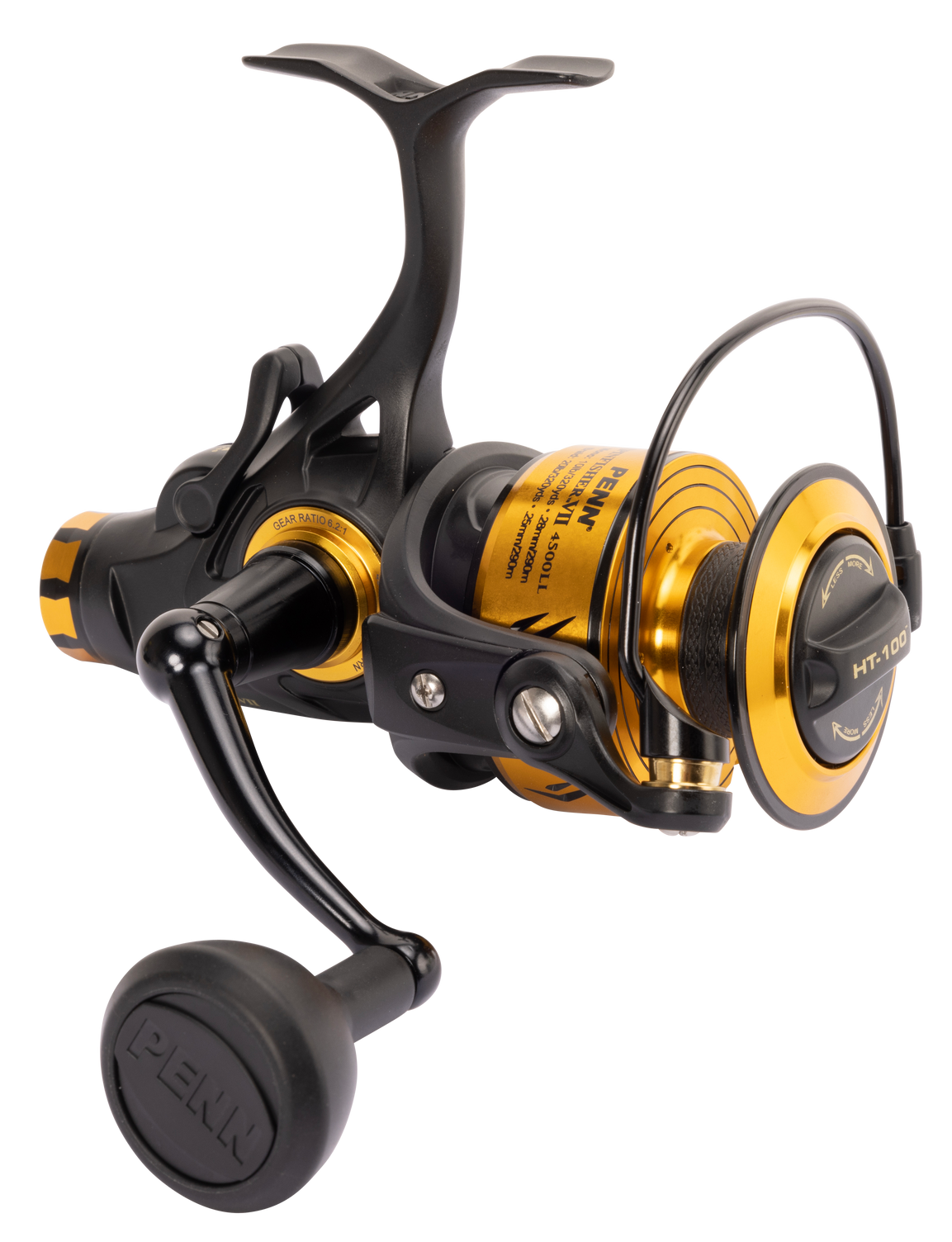
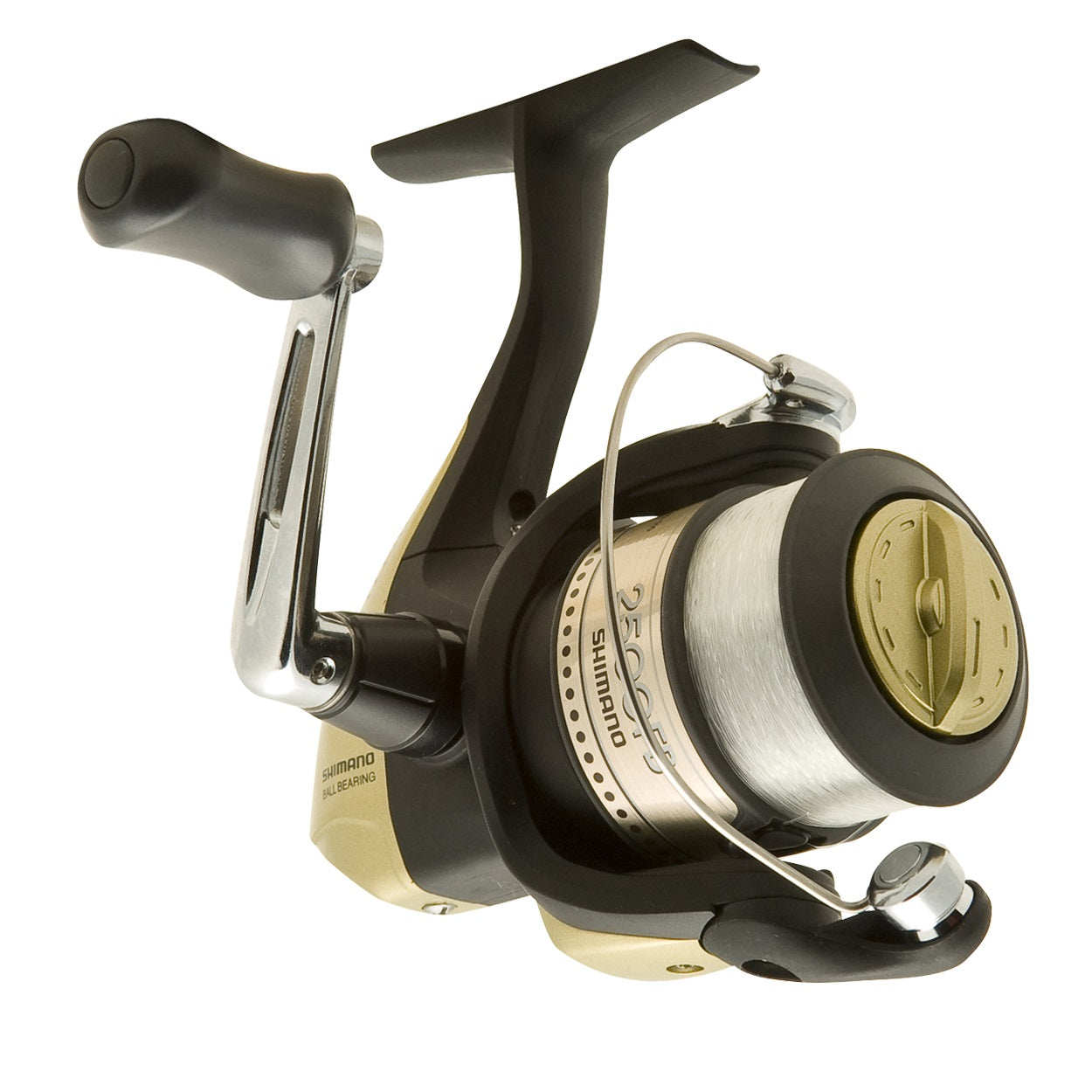
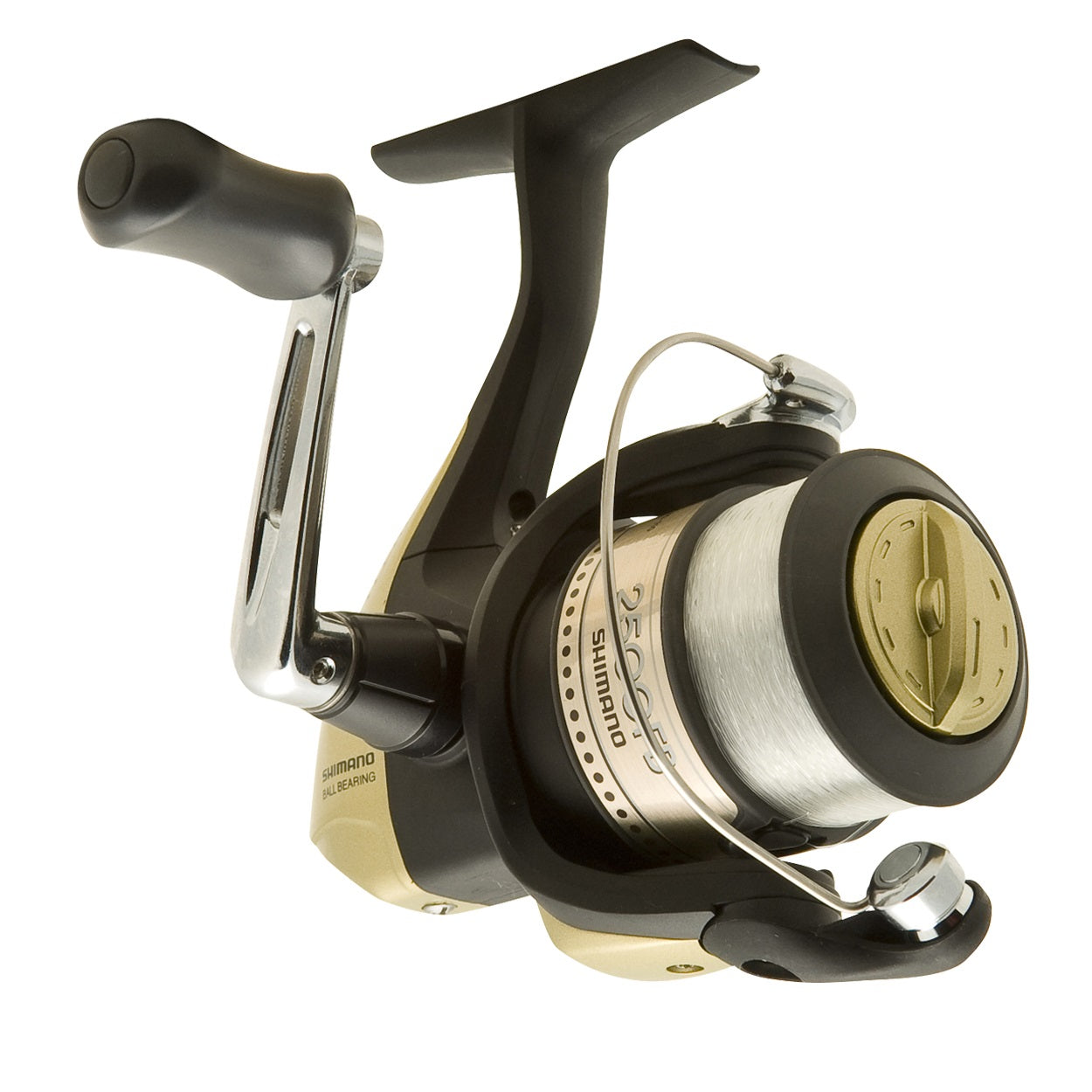
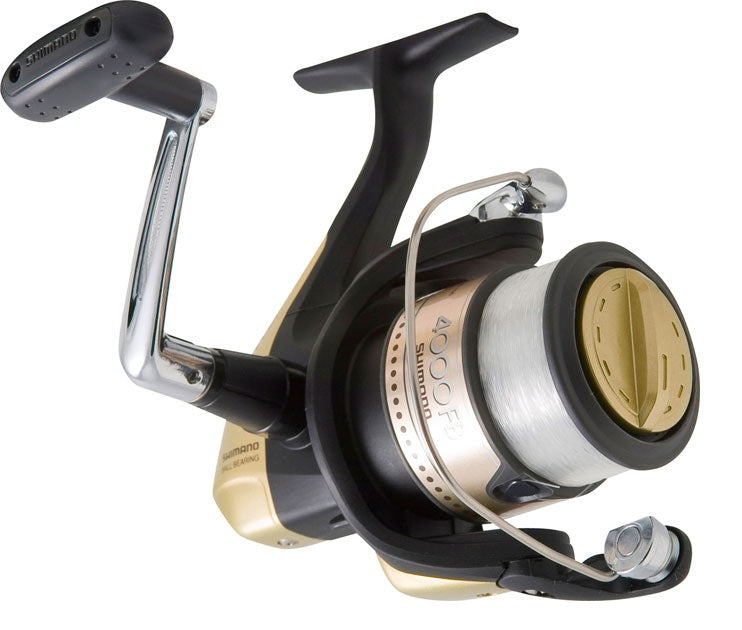
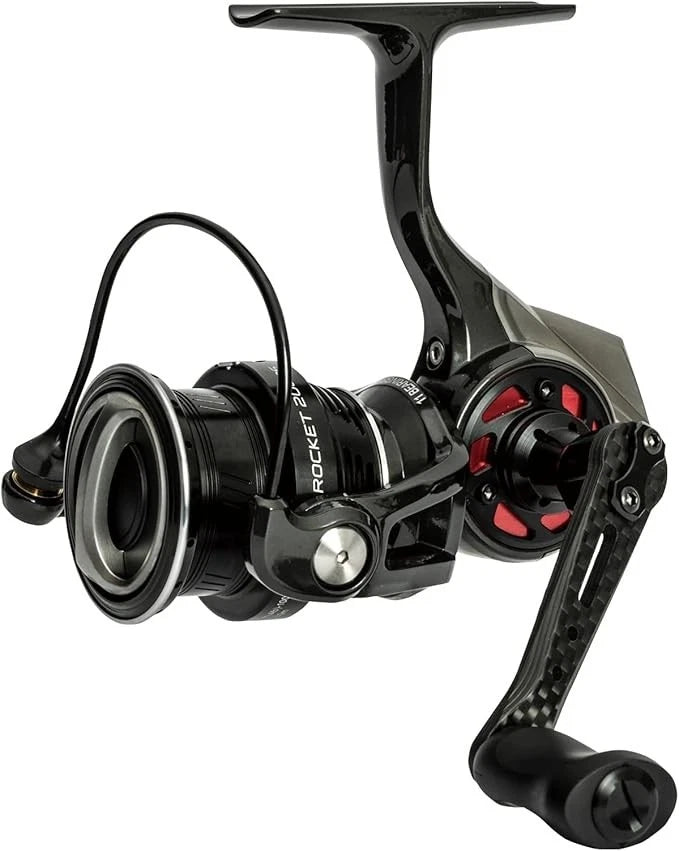
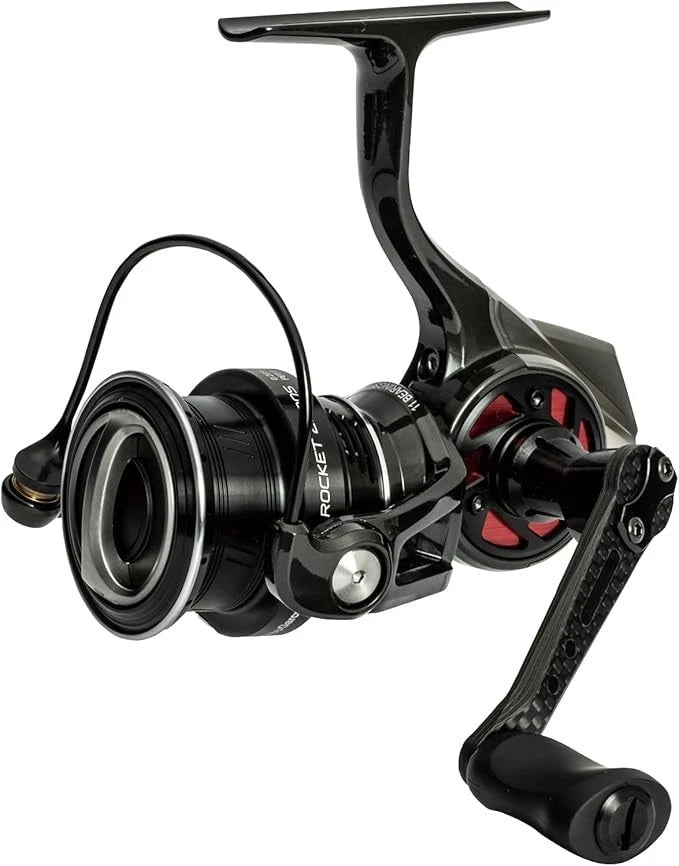
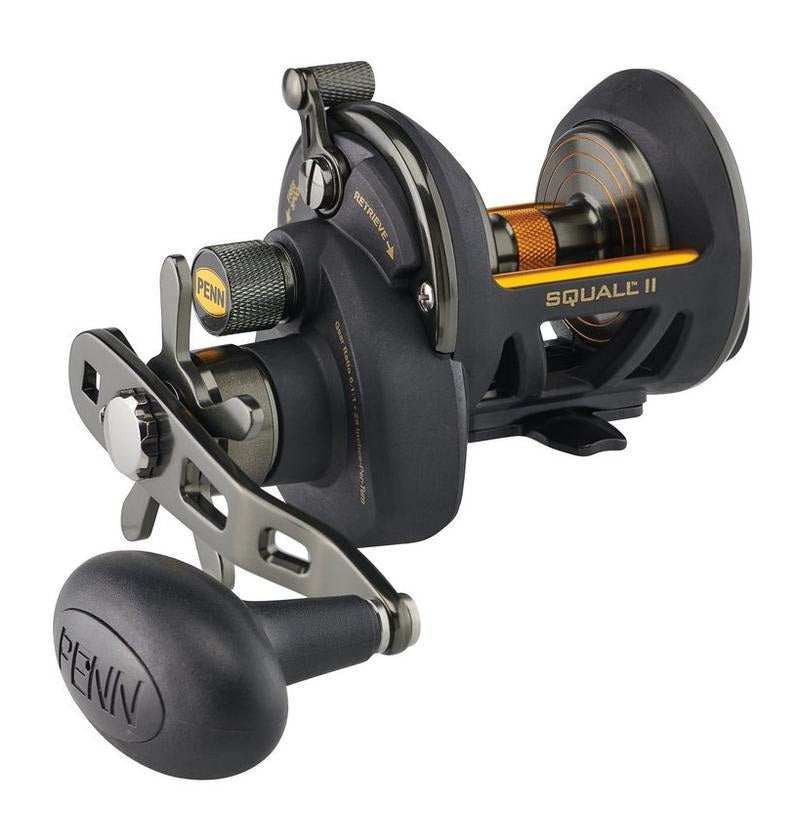
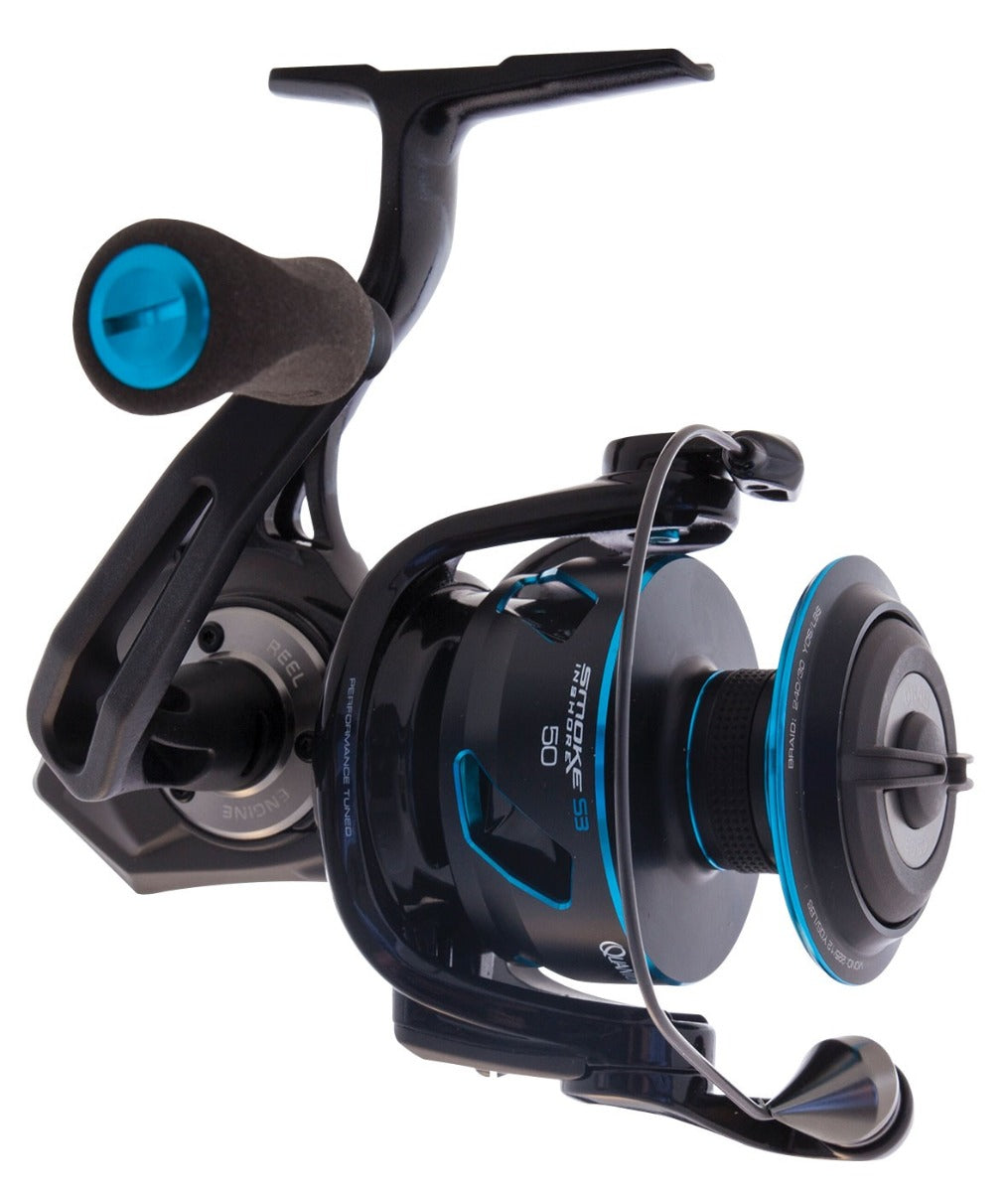
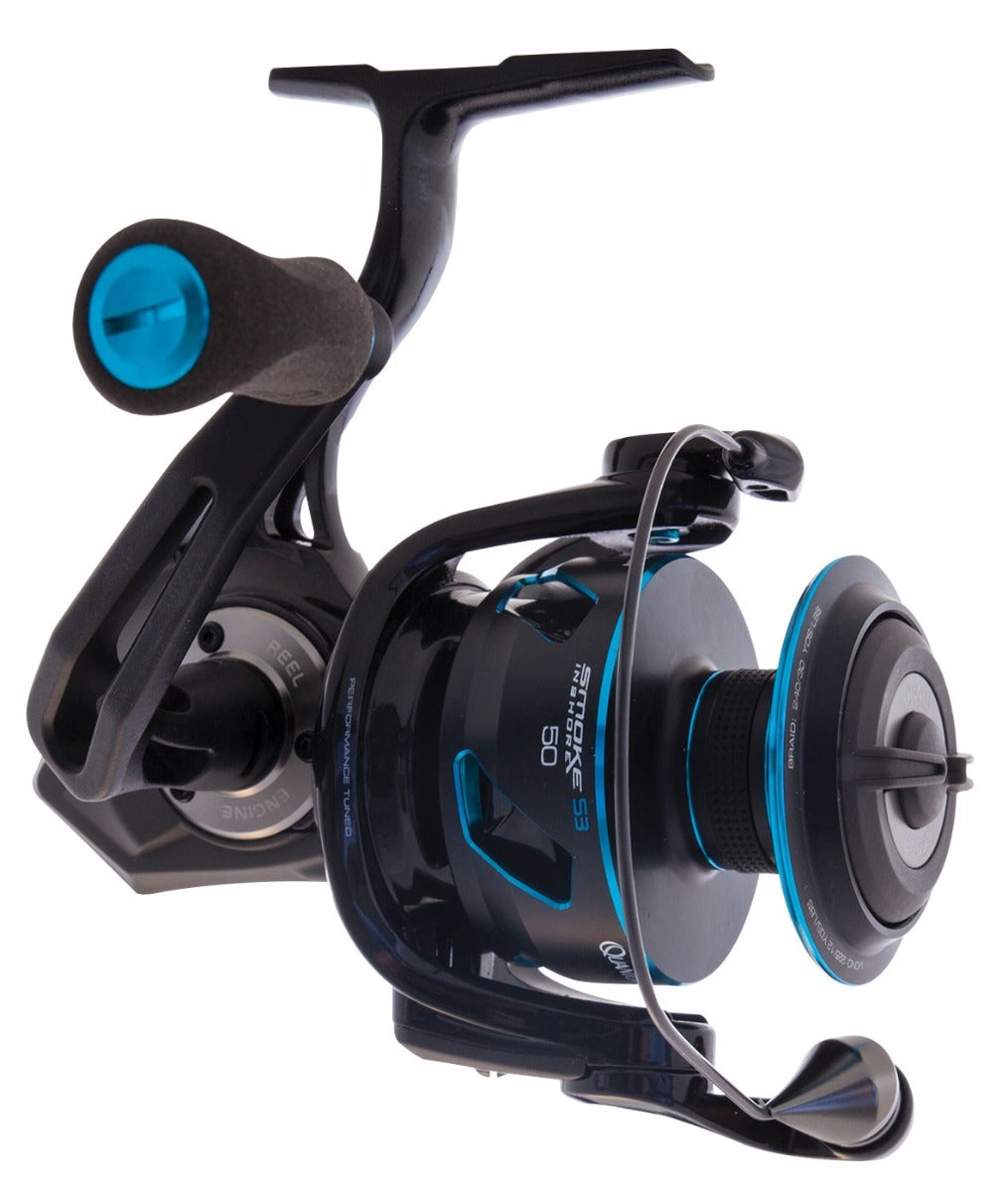
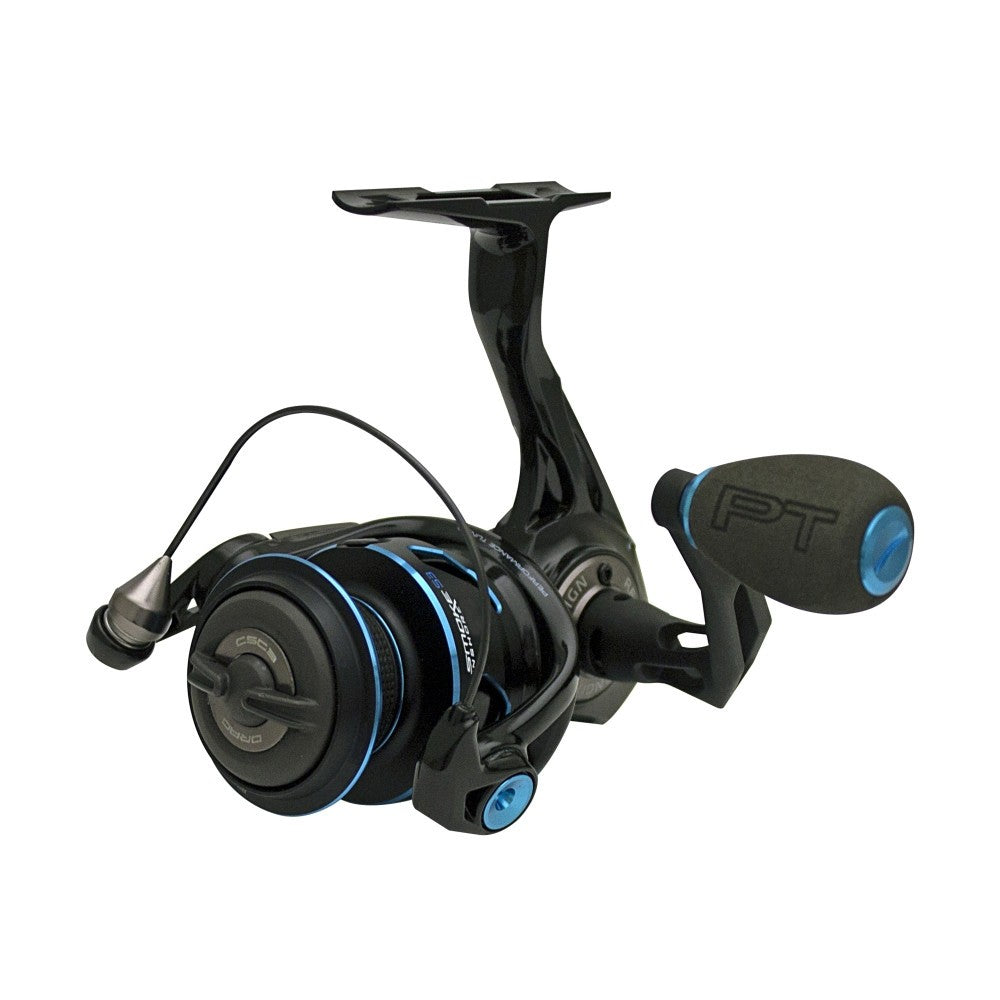
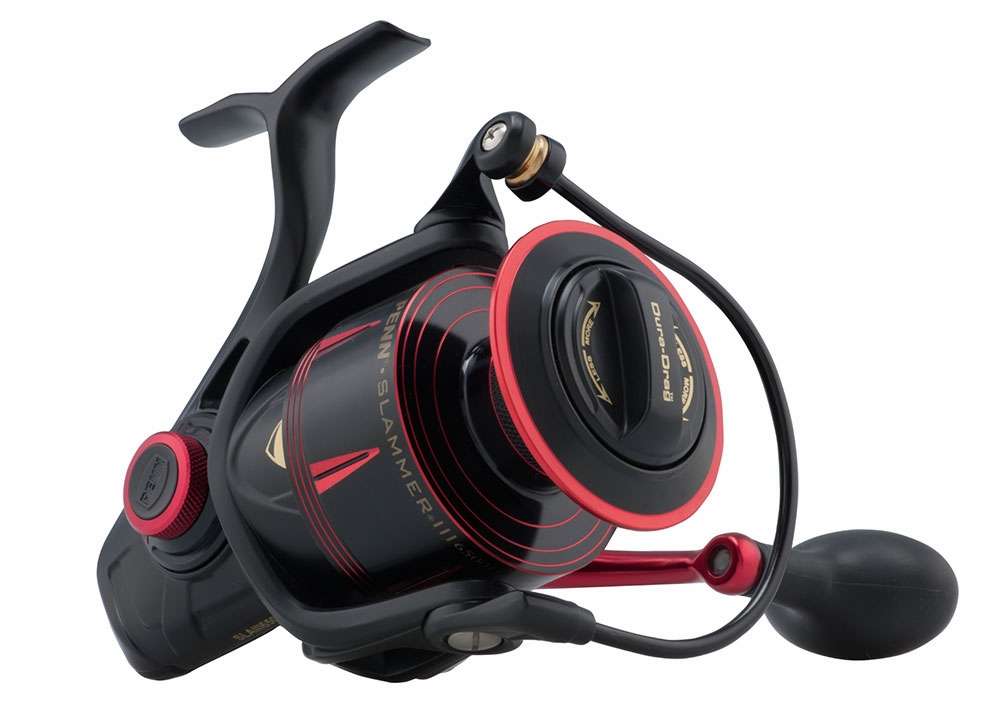
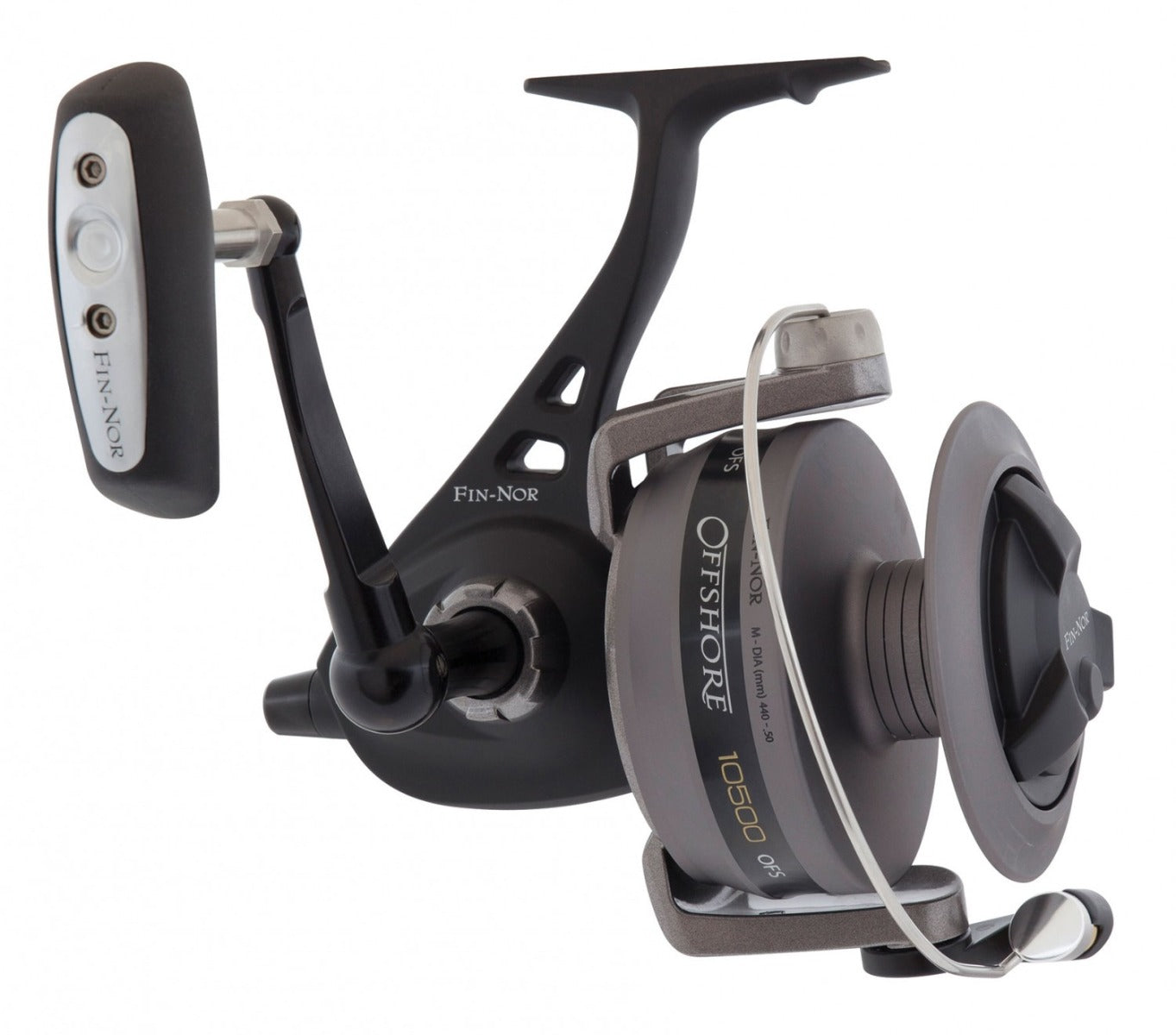
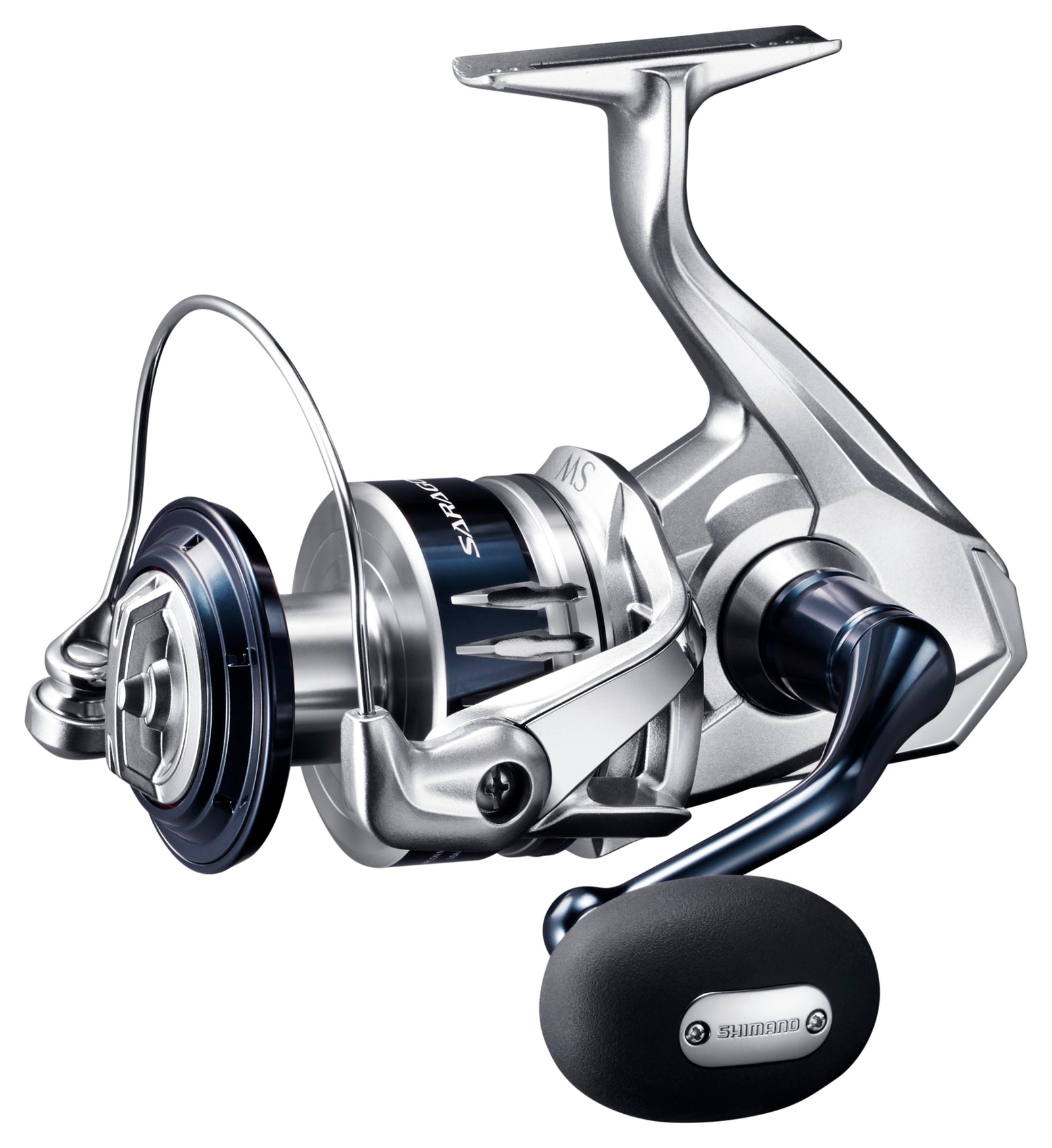
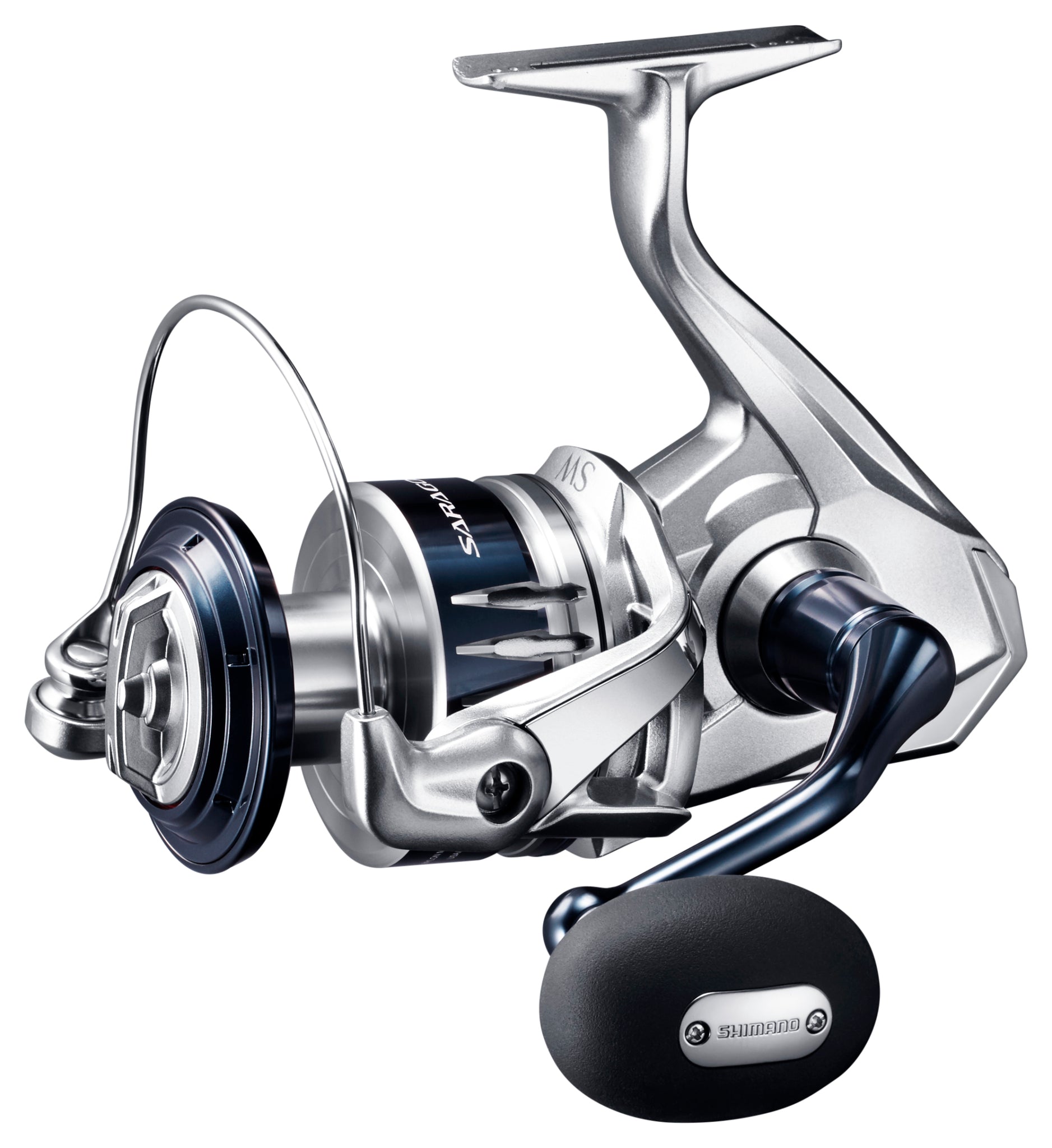
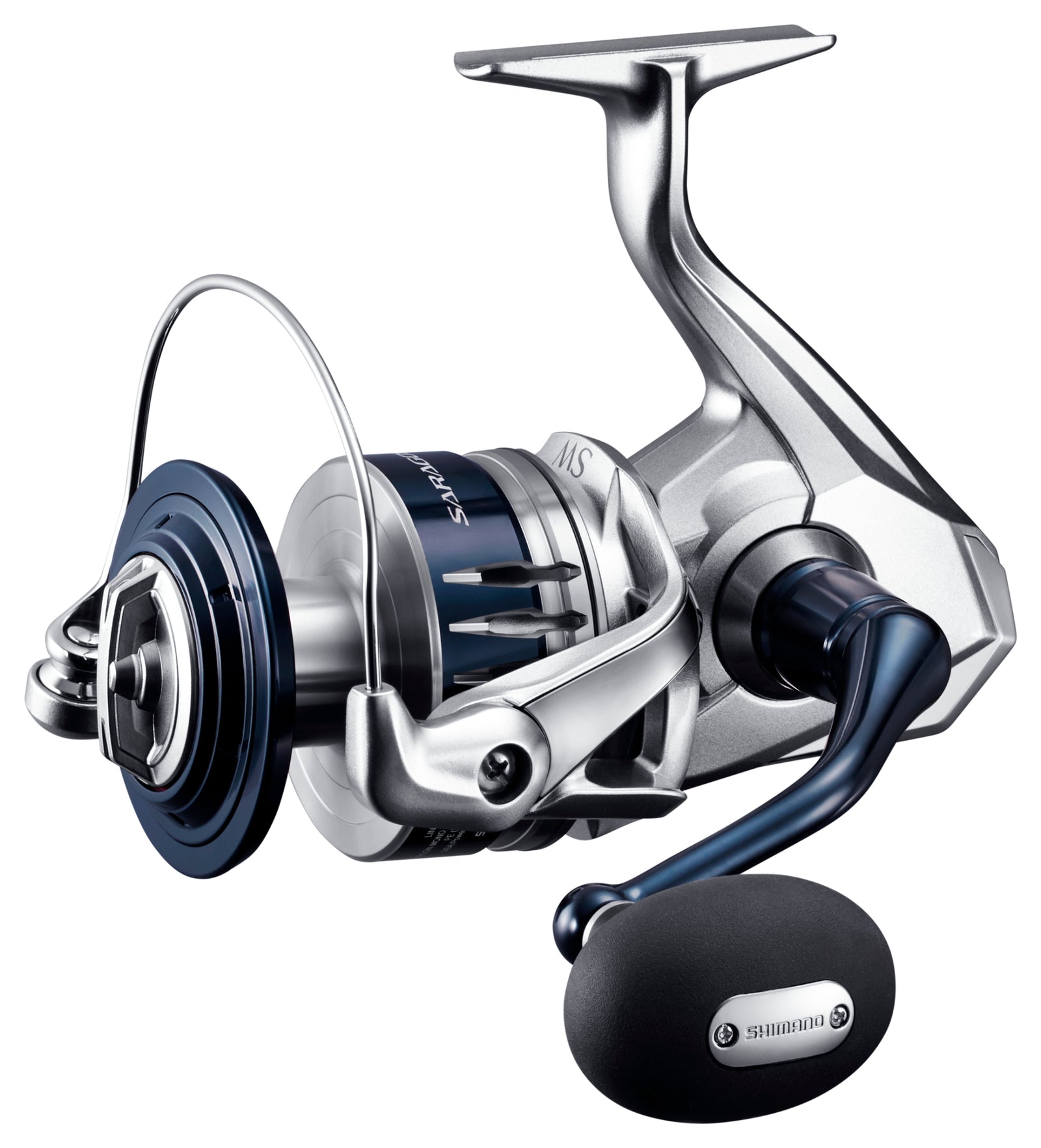
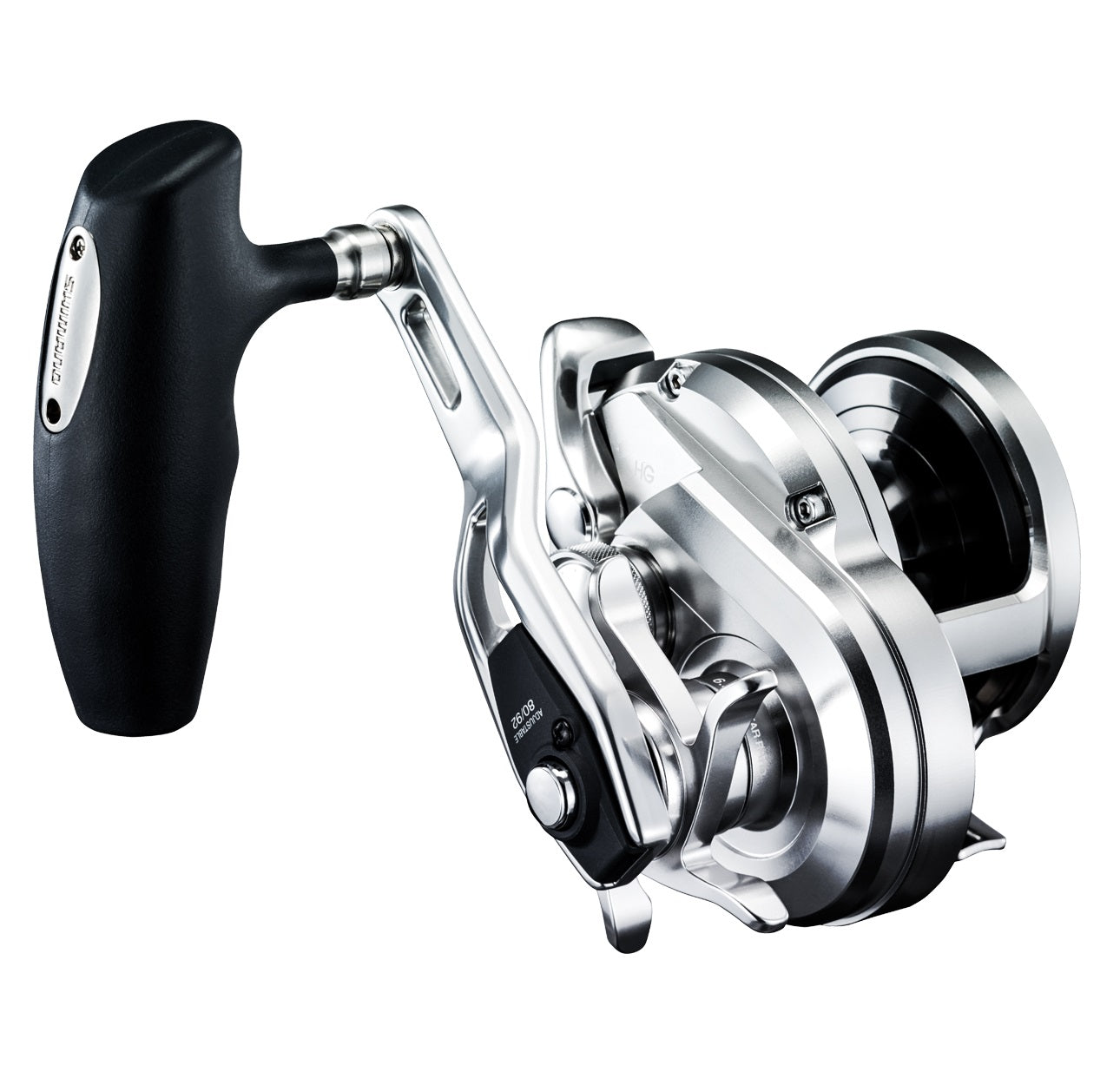
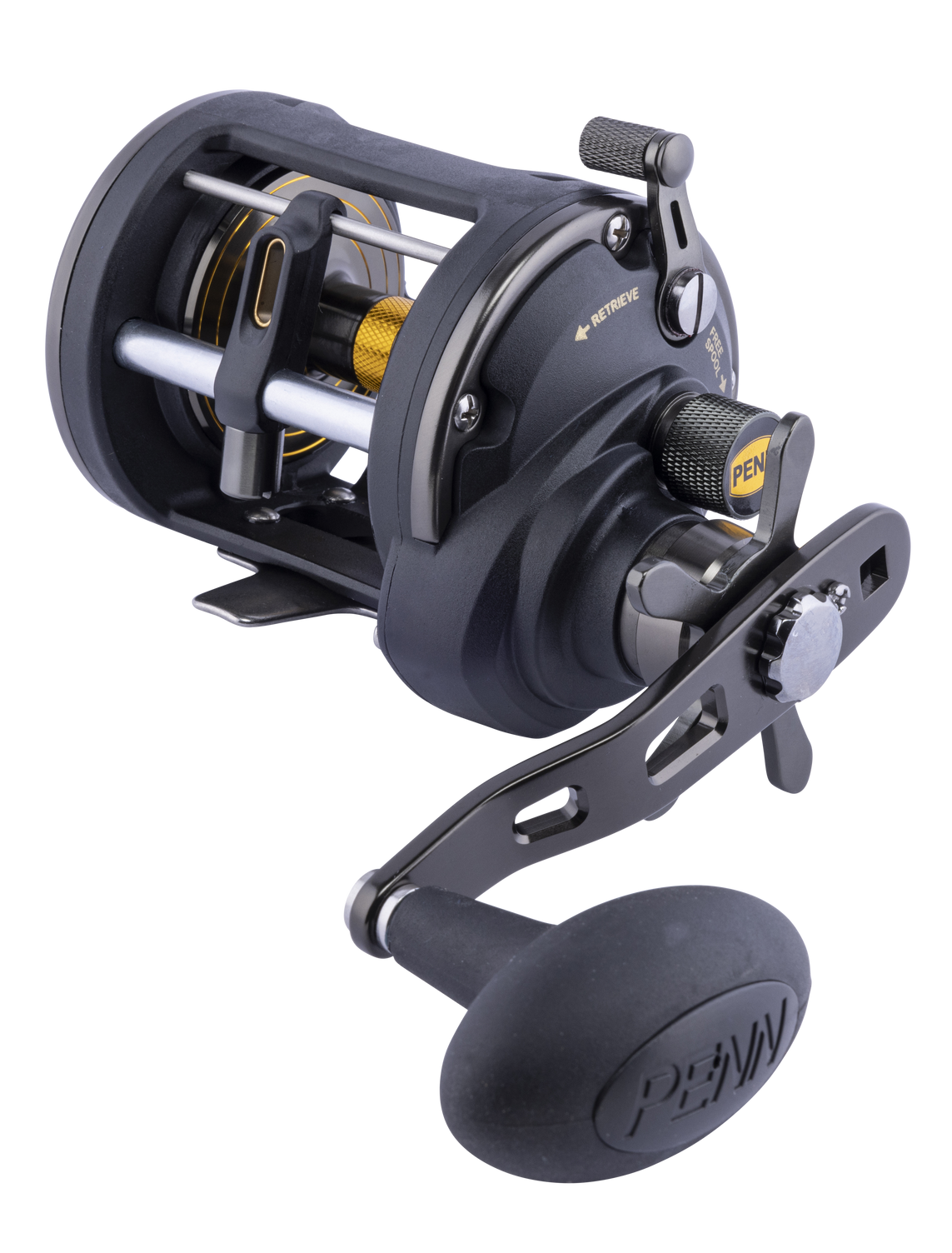
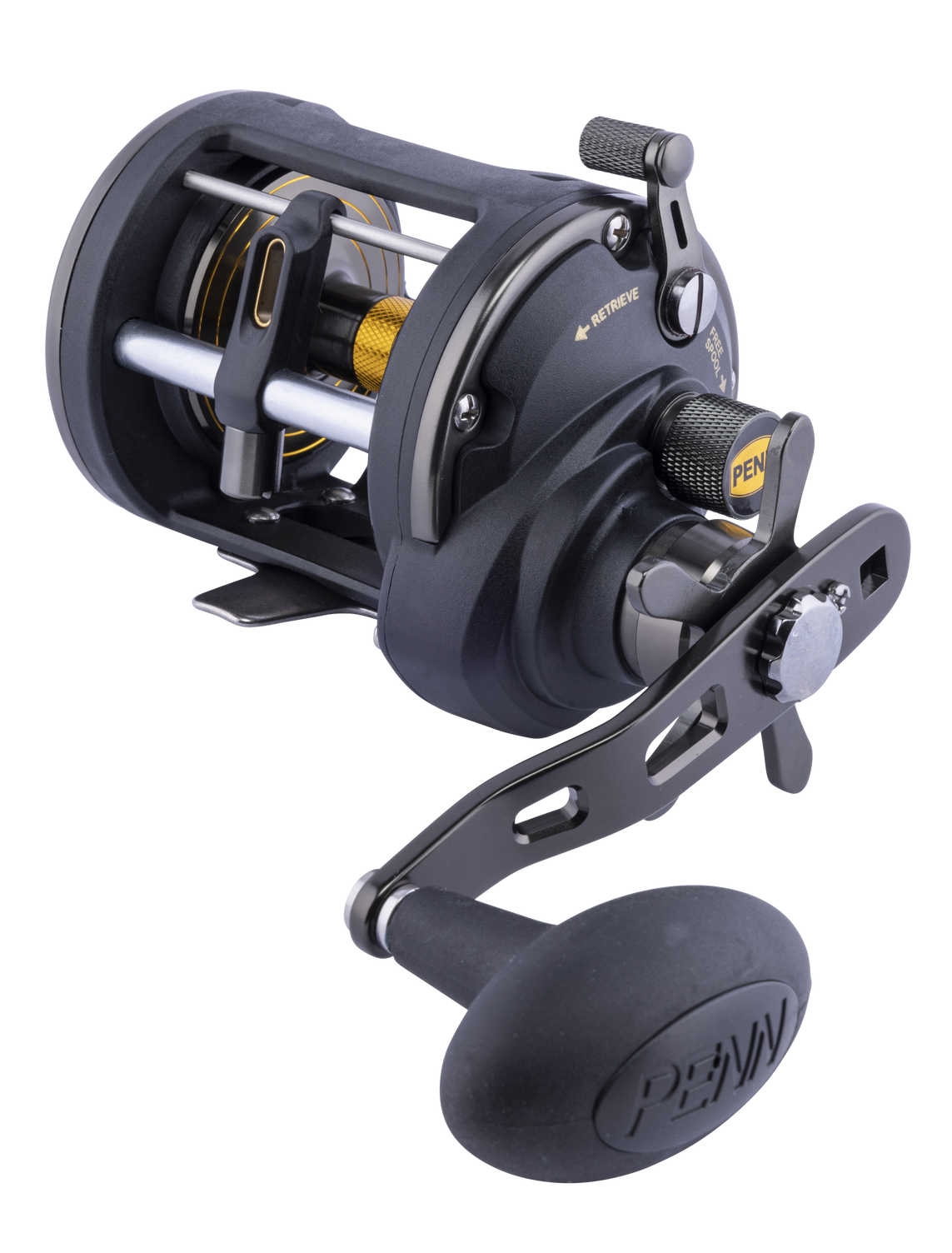
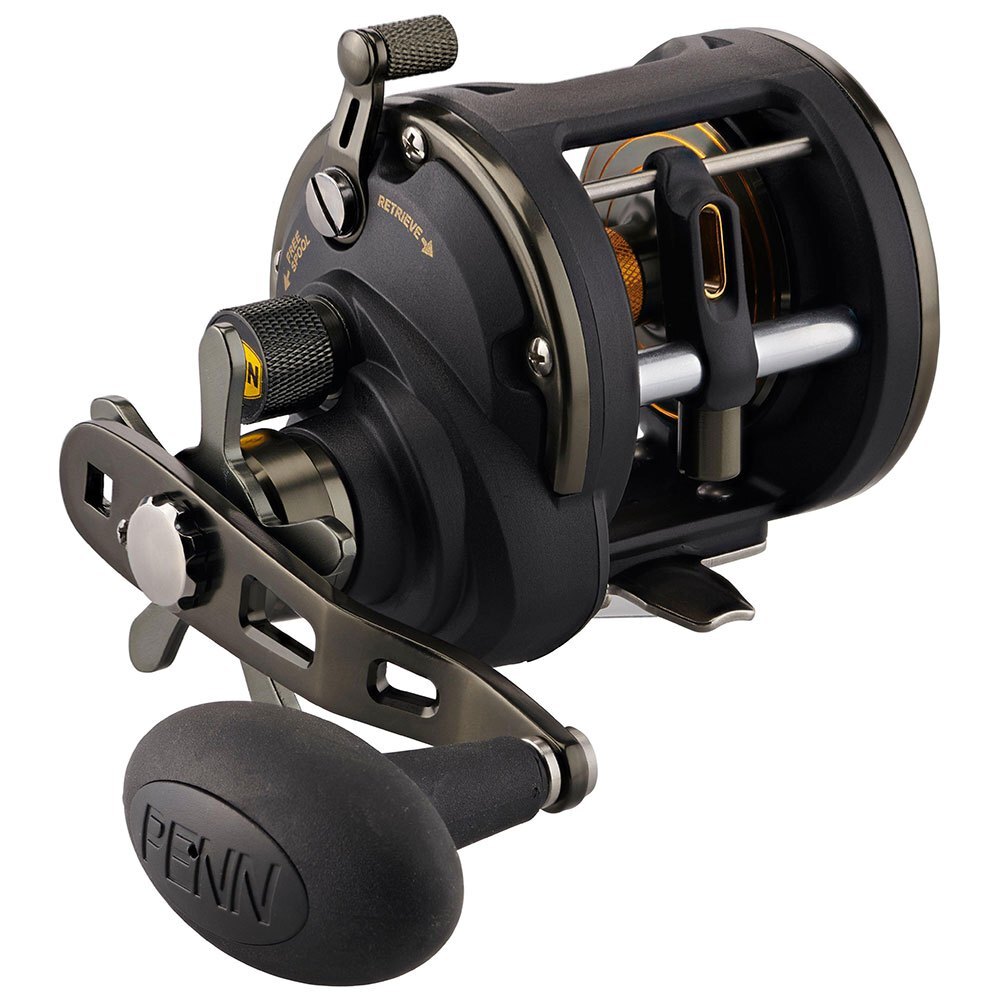
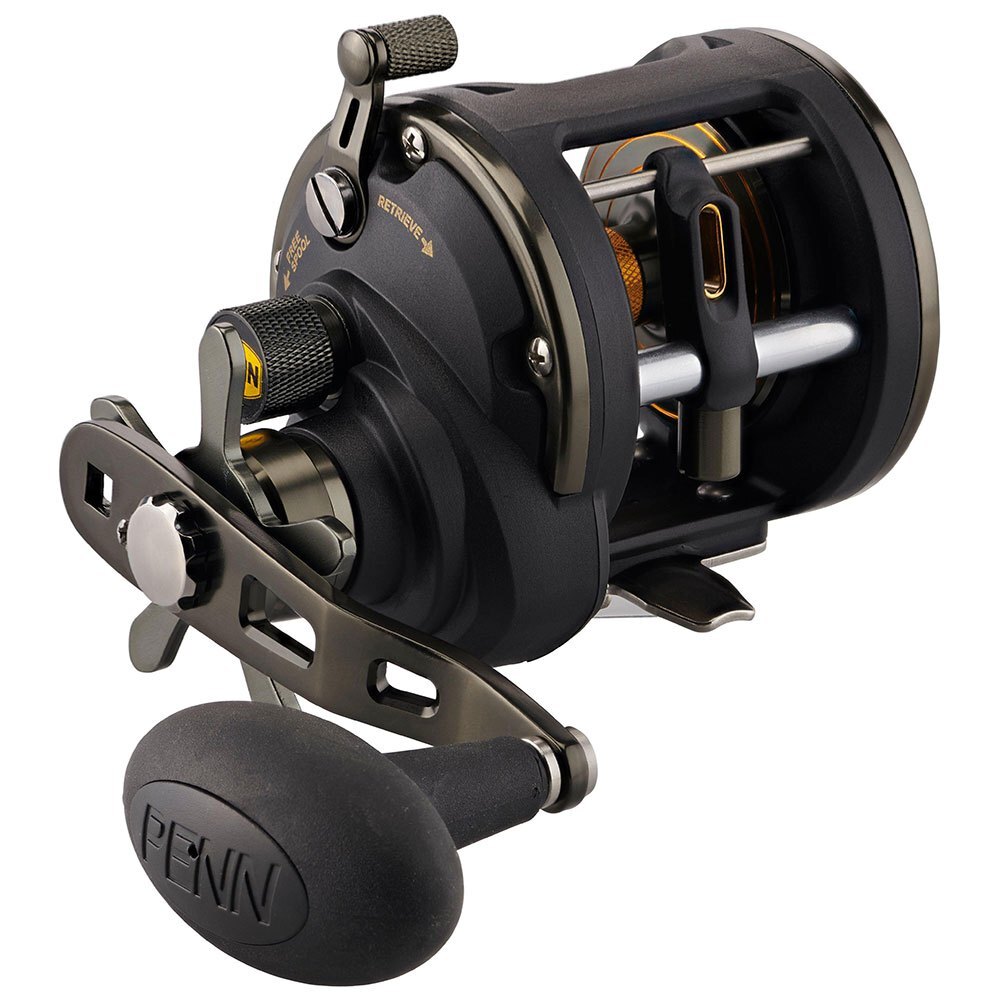
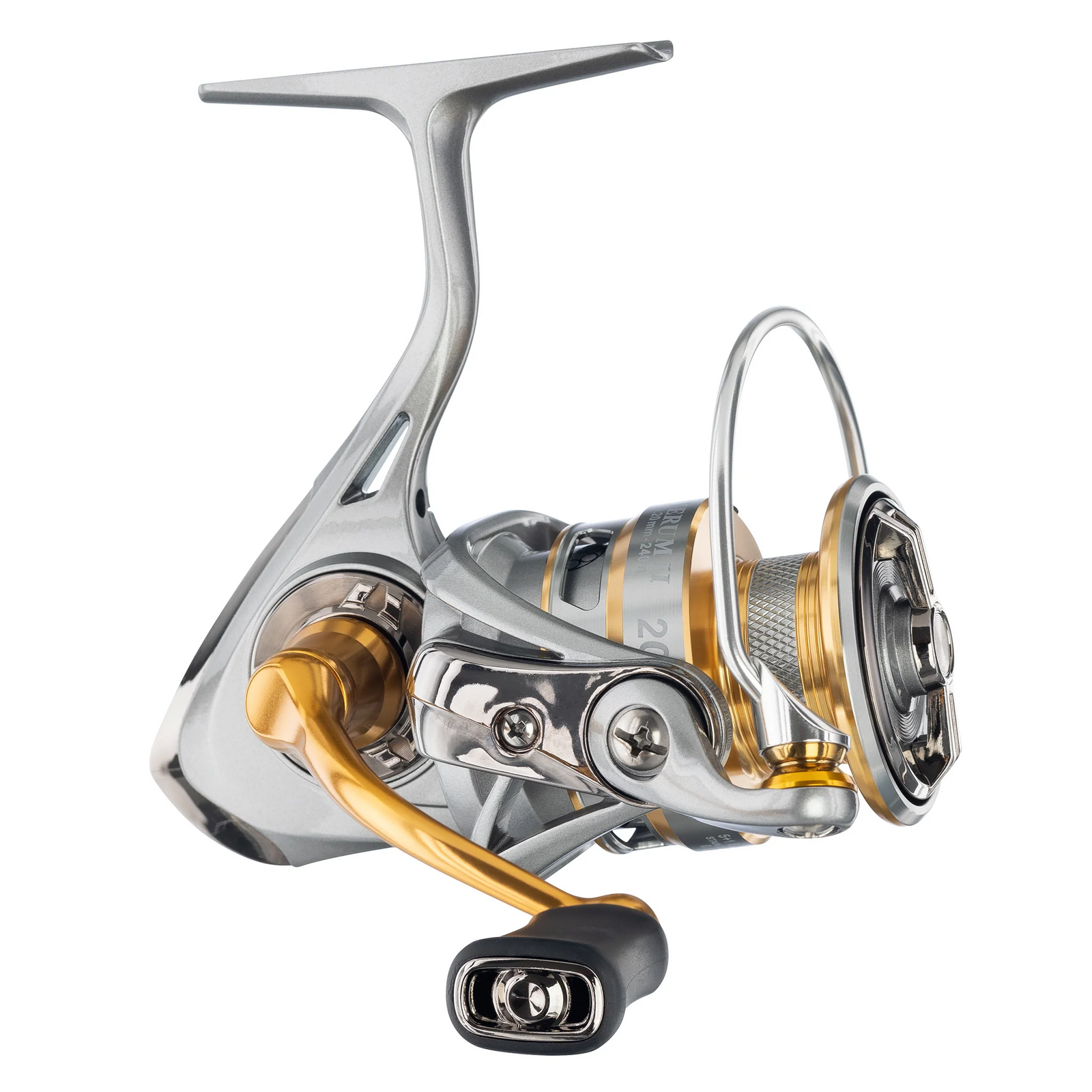
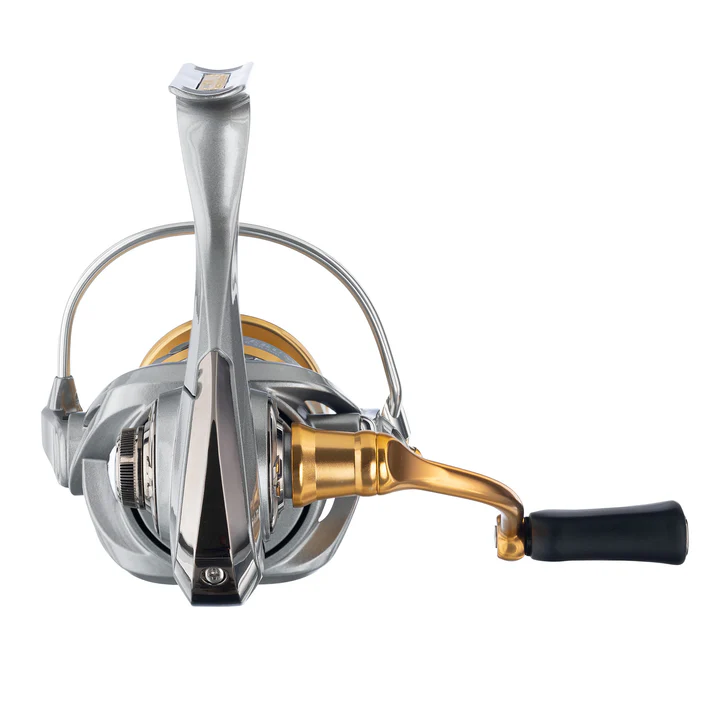
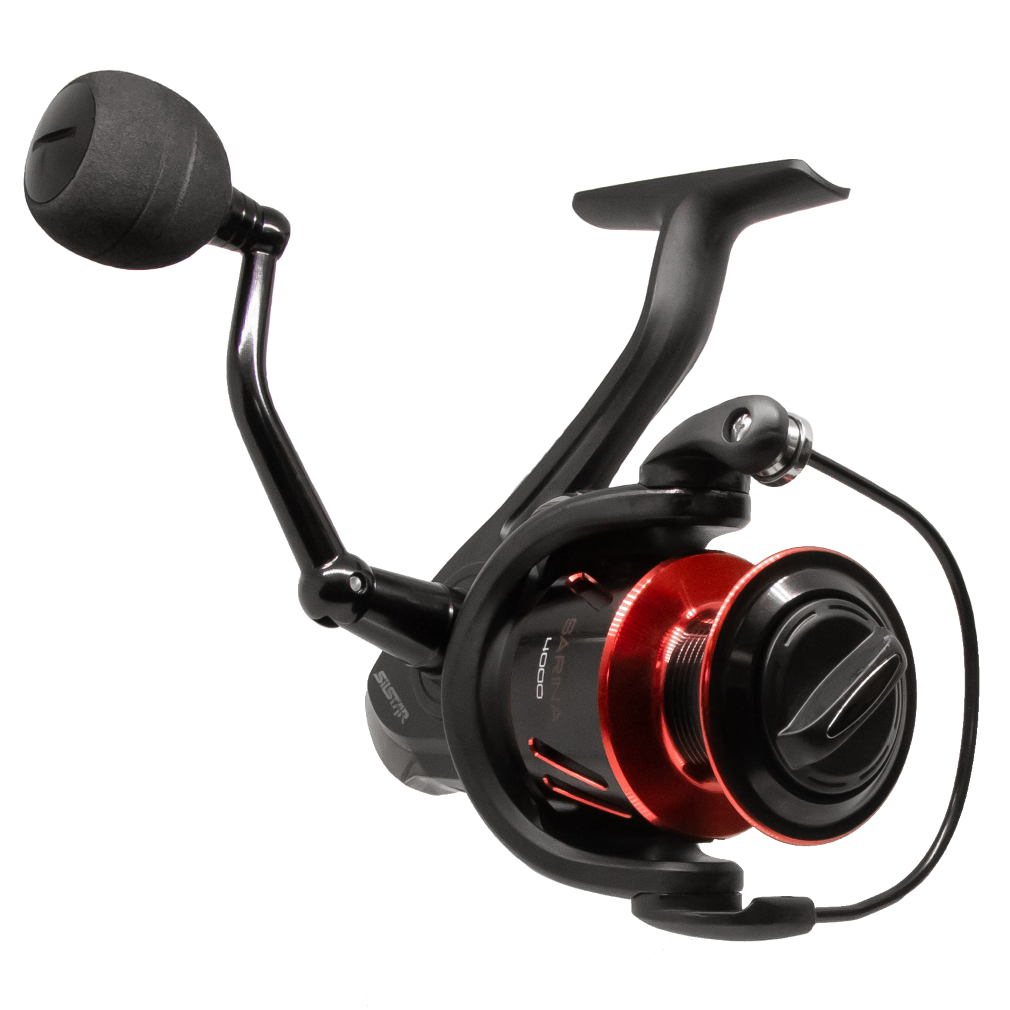
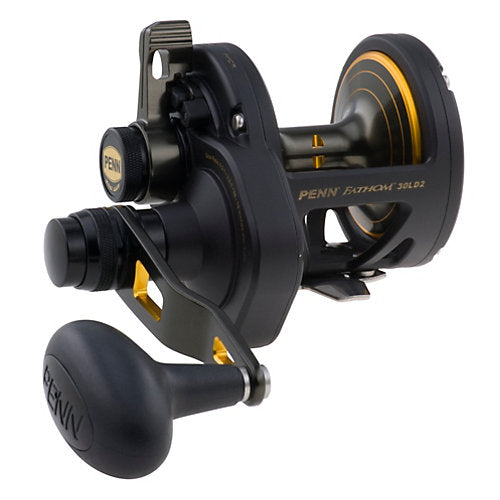
A fishing reel does three jobs: it stores line, it controls the cast, and it applies drag when a fish runs. Getting those right for the way you actually fish matters more than the badge on the side. Davo's Tackle stocks over 600 reels across spin, baitcast, overhead, sidecast, electric and fly, from Shimano, Daiwa, Penn, Okuma, Abu Garcia and Alvey — with a permanent clearance section for anglers chasing value.
Choosing a fishing reel
Match the reel to the rod and the line first, then to the species. Smaller spin reels suit bream, whiting, flathead and trout on light line. Mid-size reels are the everyday all-rounders. Larger sizes are built for the beach, for jewfish, and for offshore work on tuna and kingfish.
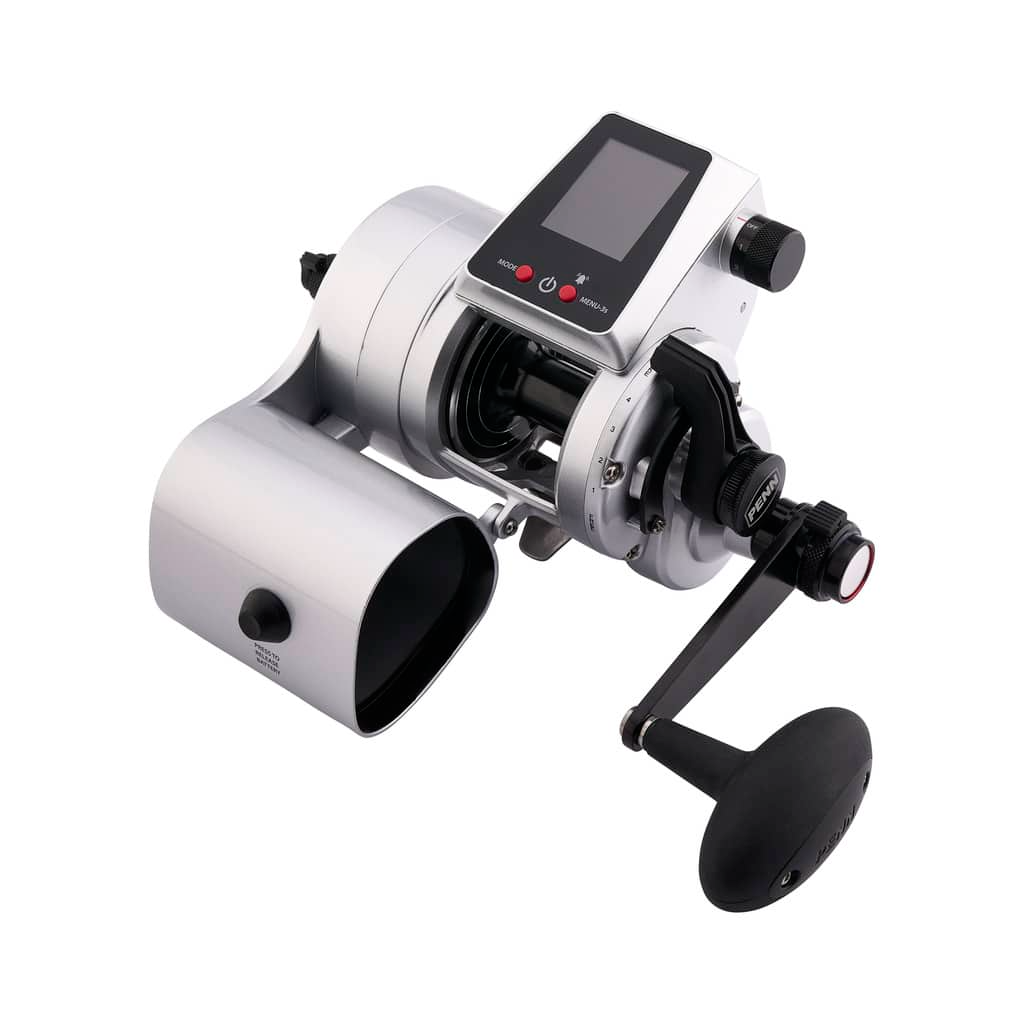
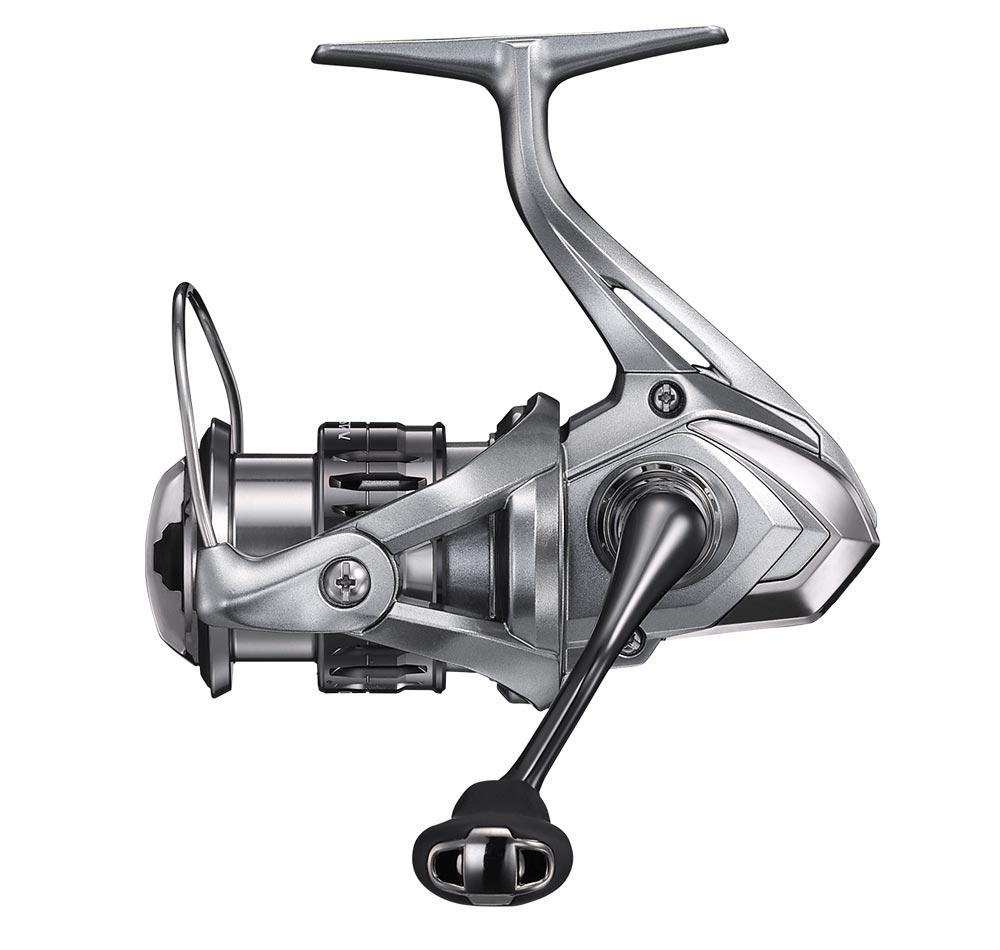
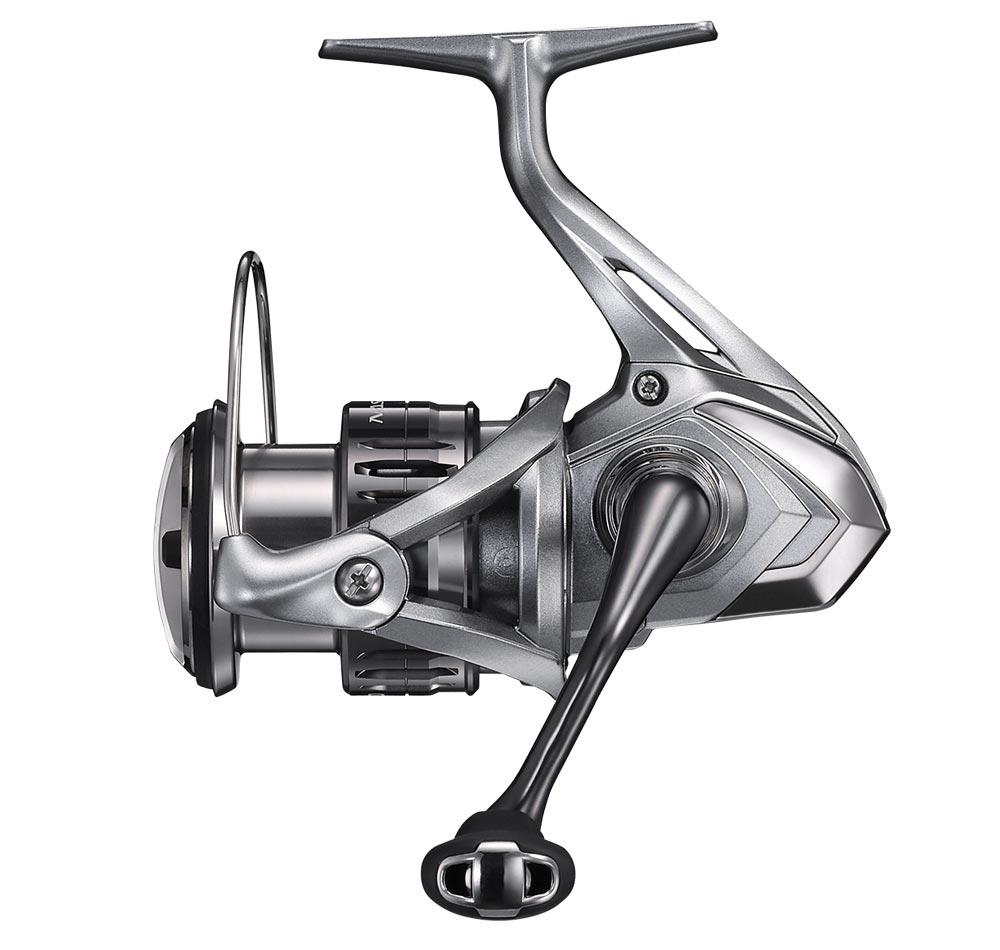
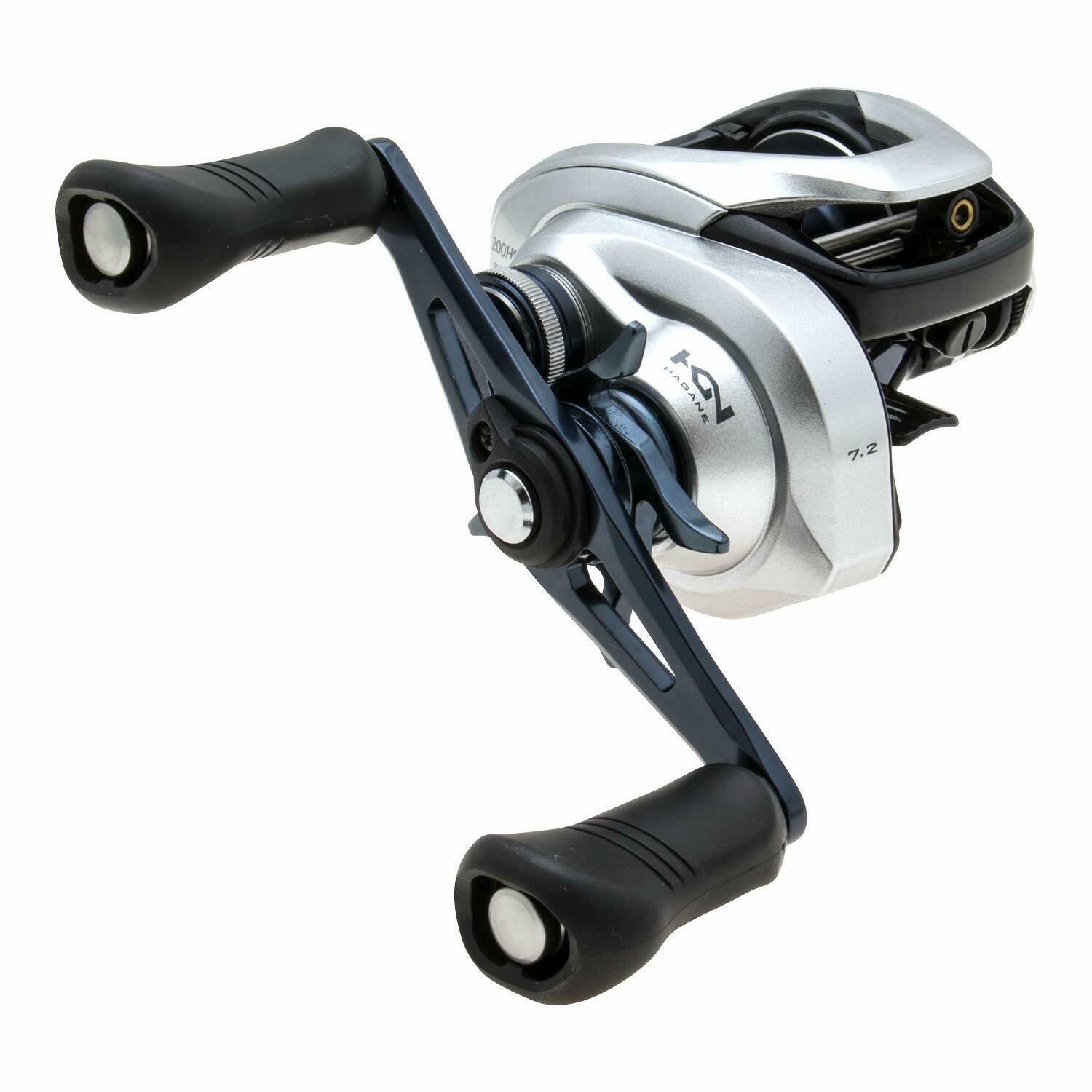
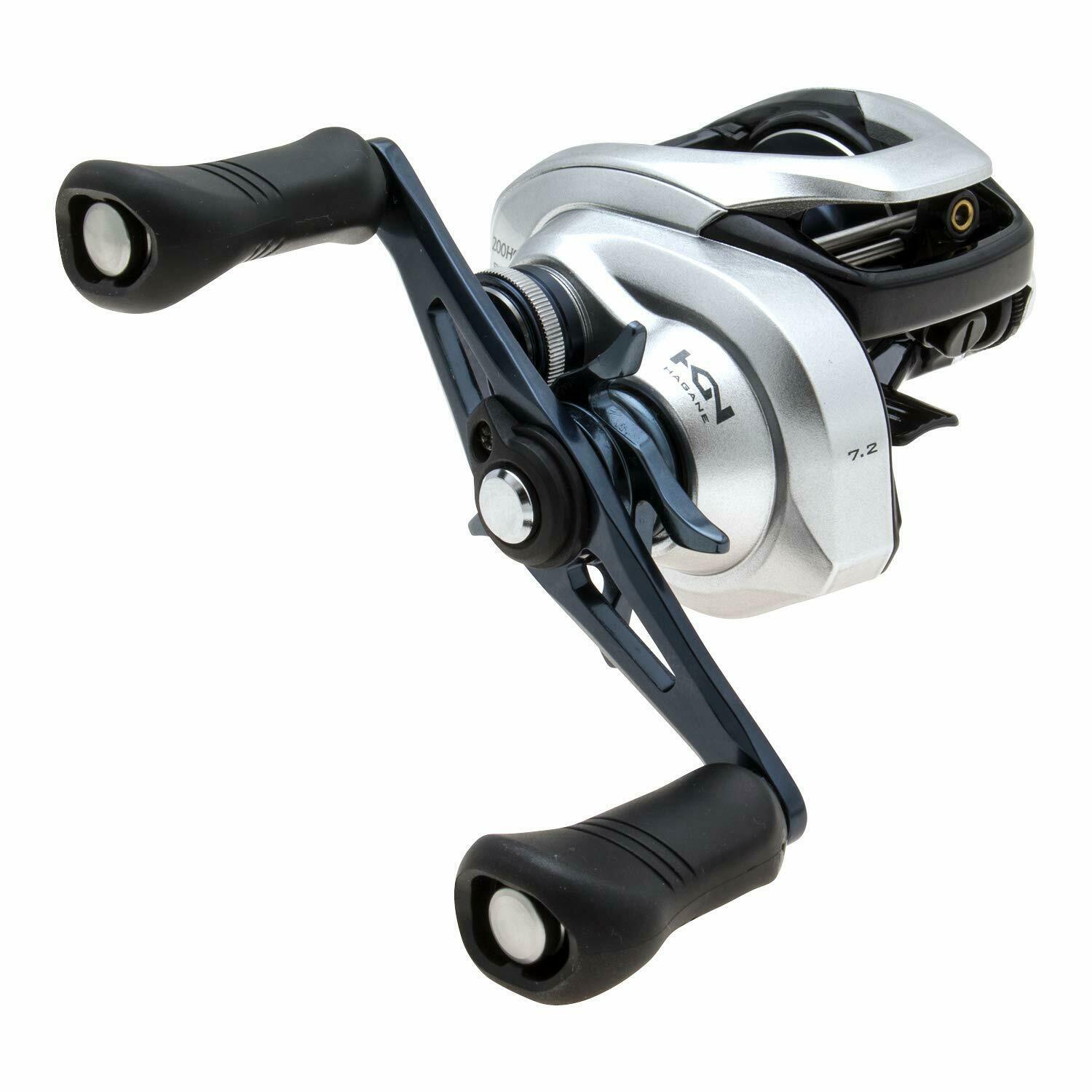
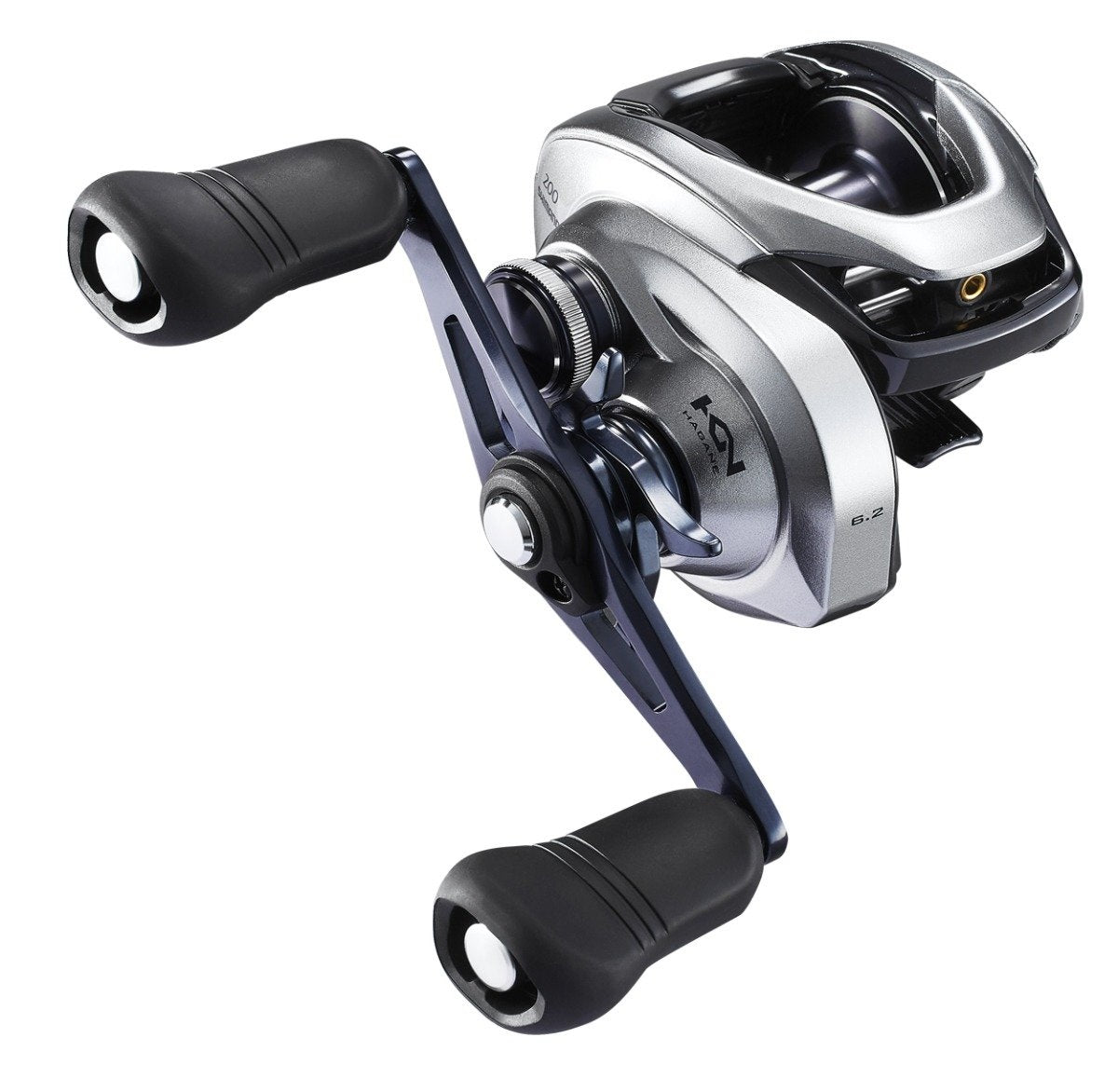
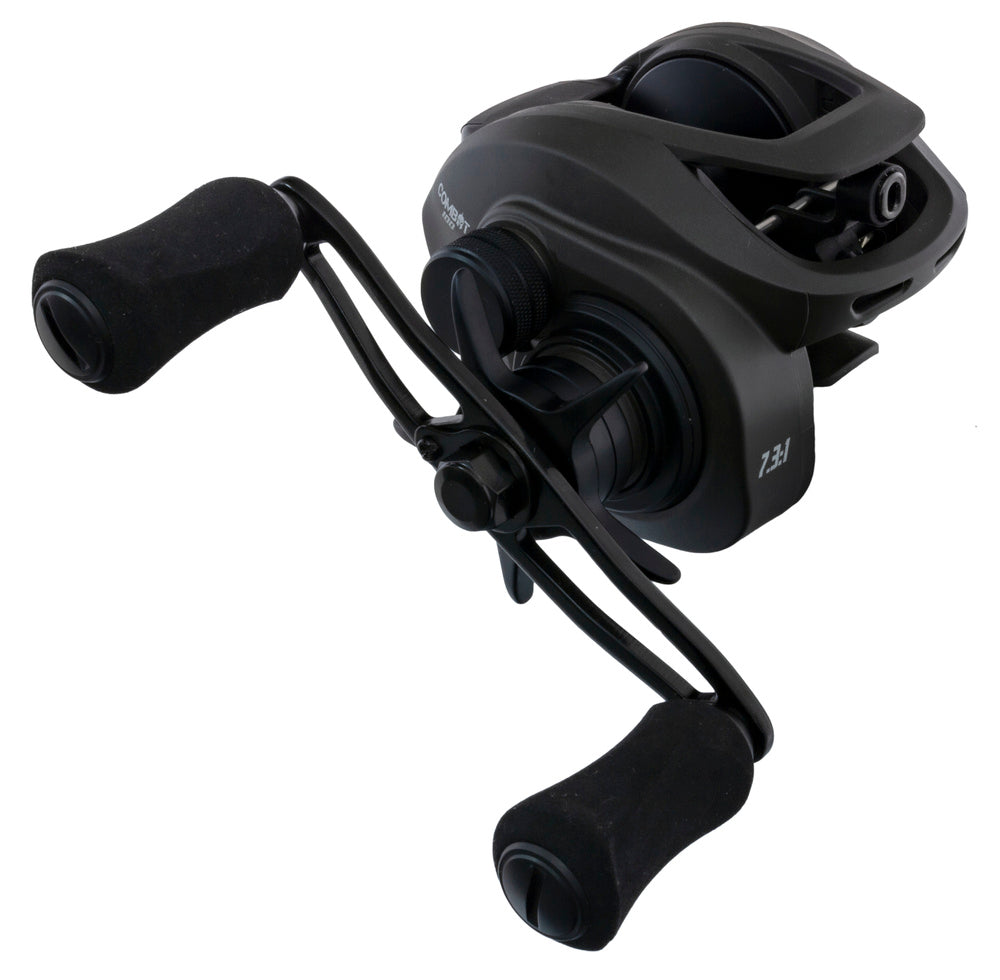
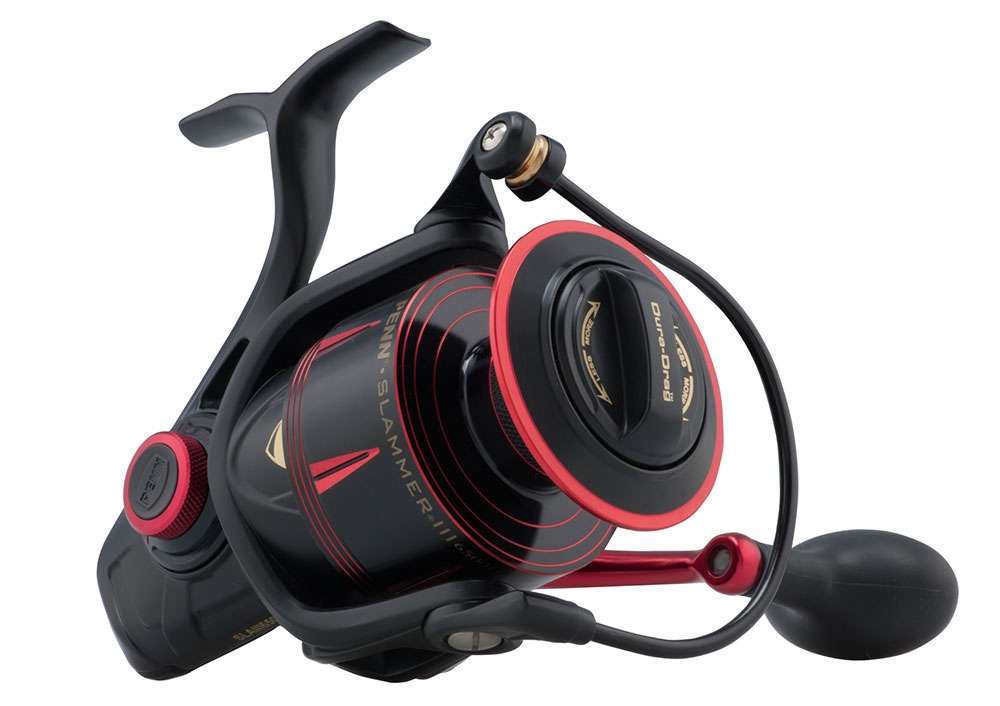
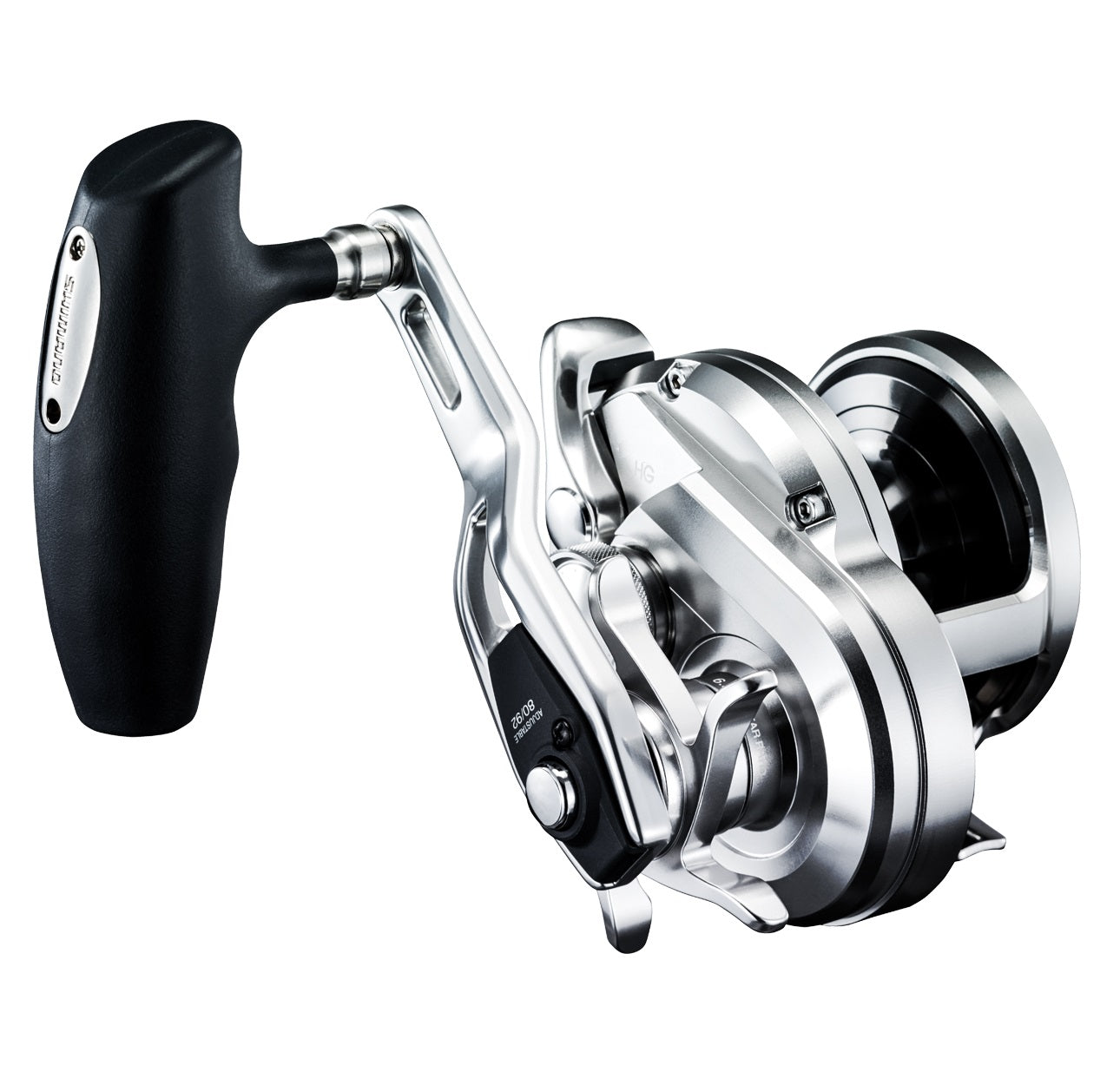
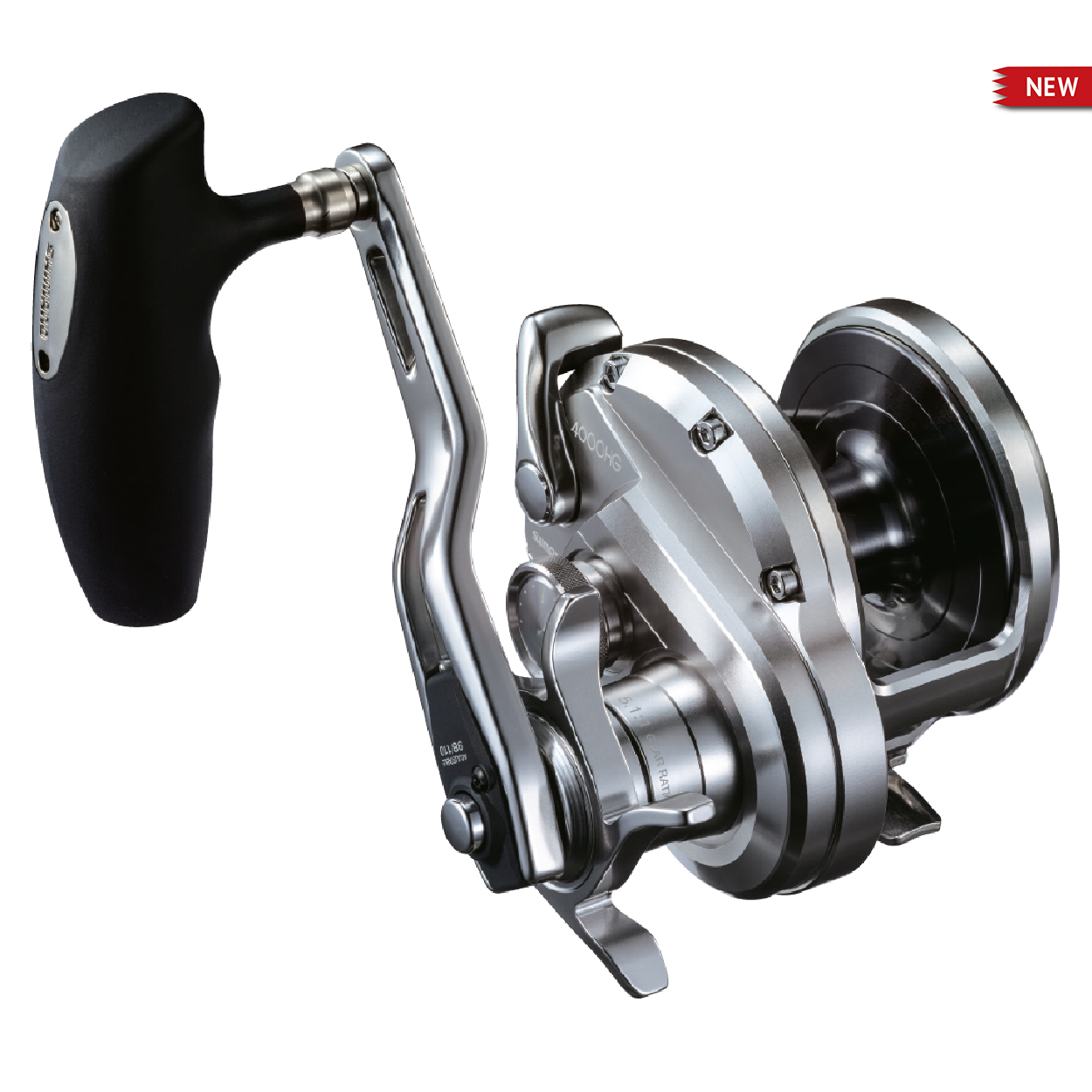
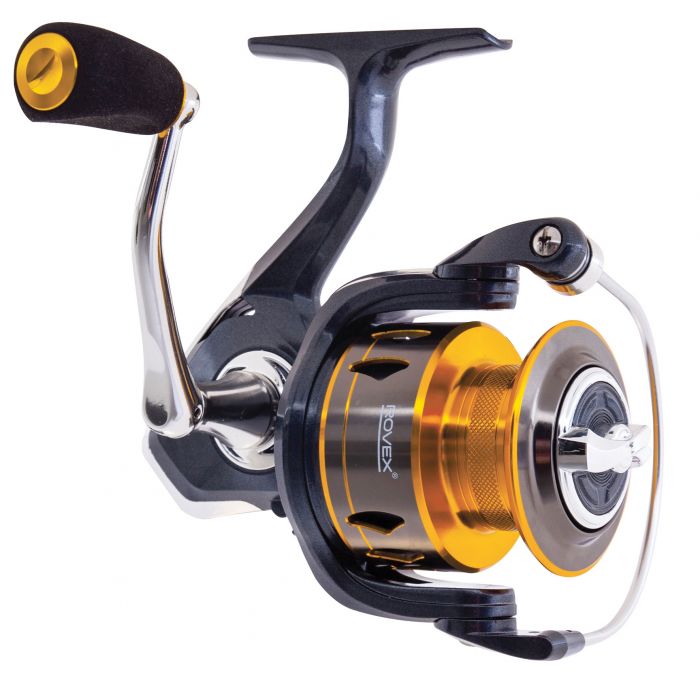
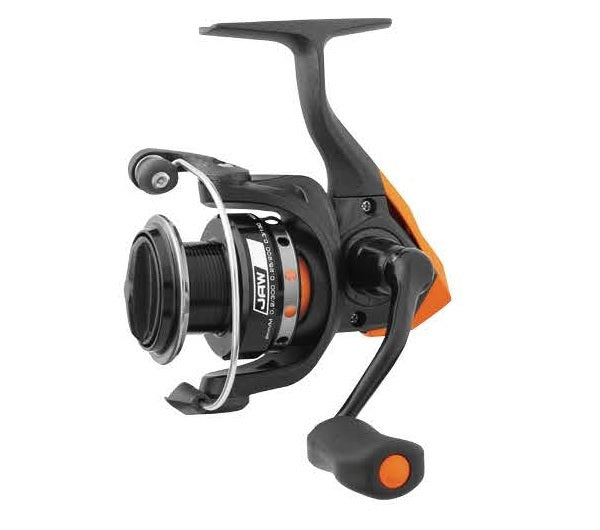
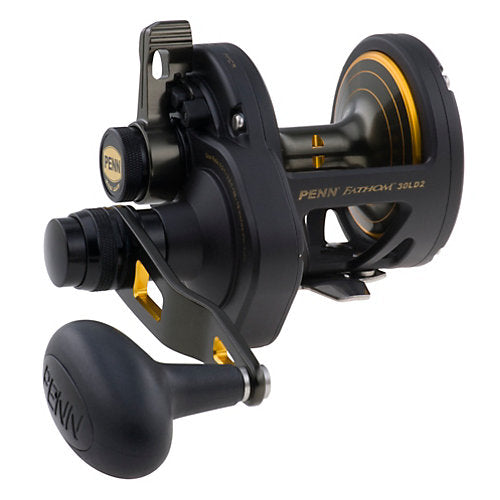
Beyond size, it comes down to type. Spin reels are the easiest to use and the most versatile. Baitcasters give you accuracy and pulling power around structure. Overheads are the choice for trolling, bottom bouncing and game fishing. Electric reels take the work out of deep dropping.
Frequently asked questions
What size spinning reel do I need?
A mid-size reel around 2500 is the most useful all-rounder for estuary species like bream and flathead. Step up for snapper and beach fishing, and up again for offshore pelagics.
Is a baitcaster better than a spinning reel?
Neither is better outright. Baitcasters cast heavier lures accurately and handle more drag pressure, but take practice. Spinning reels are easier to use and better with light lines and small lures.
How do I put new line on a fishing reel?
Run the line through the rod guides first, tie it to the spool with an arbor knot, and wind it on under firm, steady tension. Line loaded loosely is what causes wind knots and tangles later. Stop just short of the spool lip rather than filling it to the edge, and give braid a mono backing so it cannot slip on the spool.
Do I need to service a fishing reel?
Rinse with fresh water after every saltwater session, and have reels serviced regularly if you fish often. Salt intrusion, not wear, is what kills most reels in Australia.
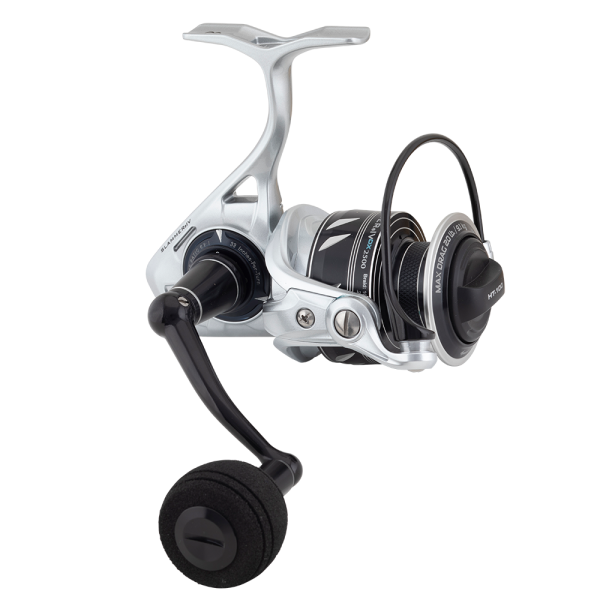
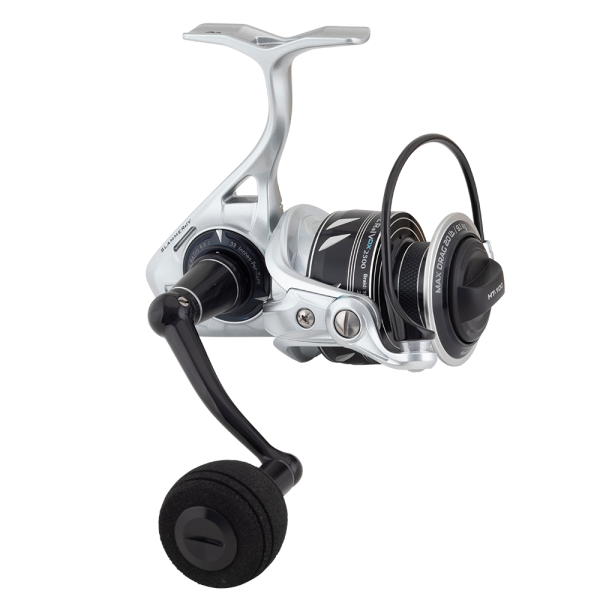
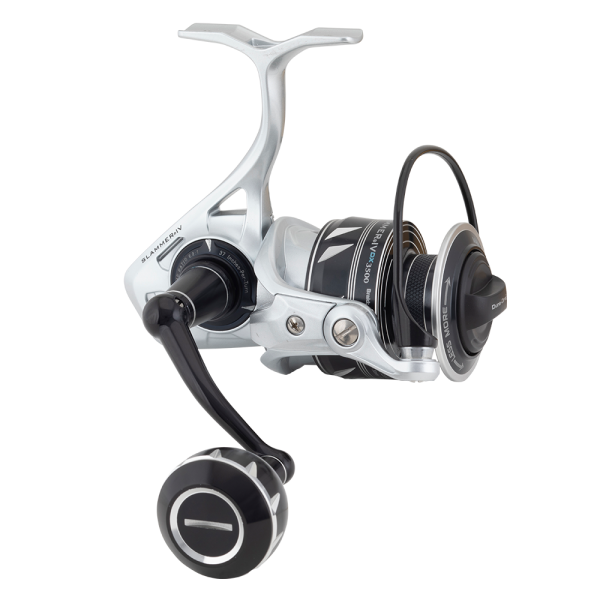

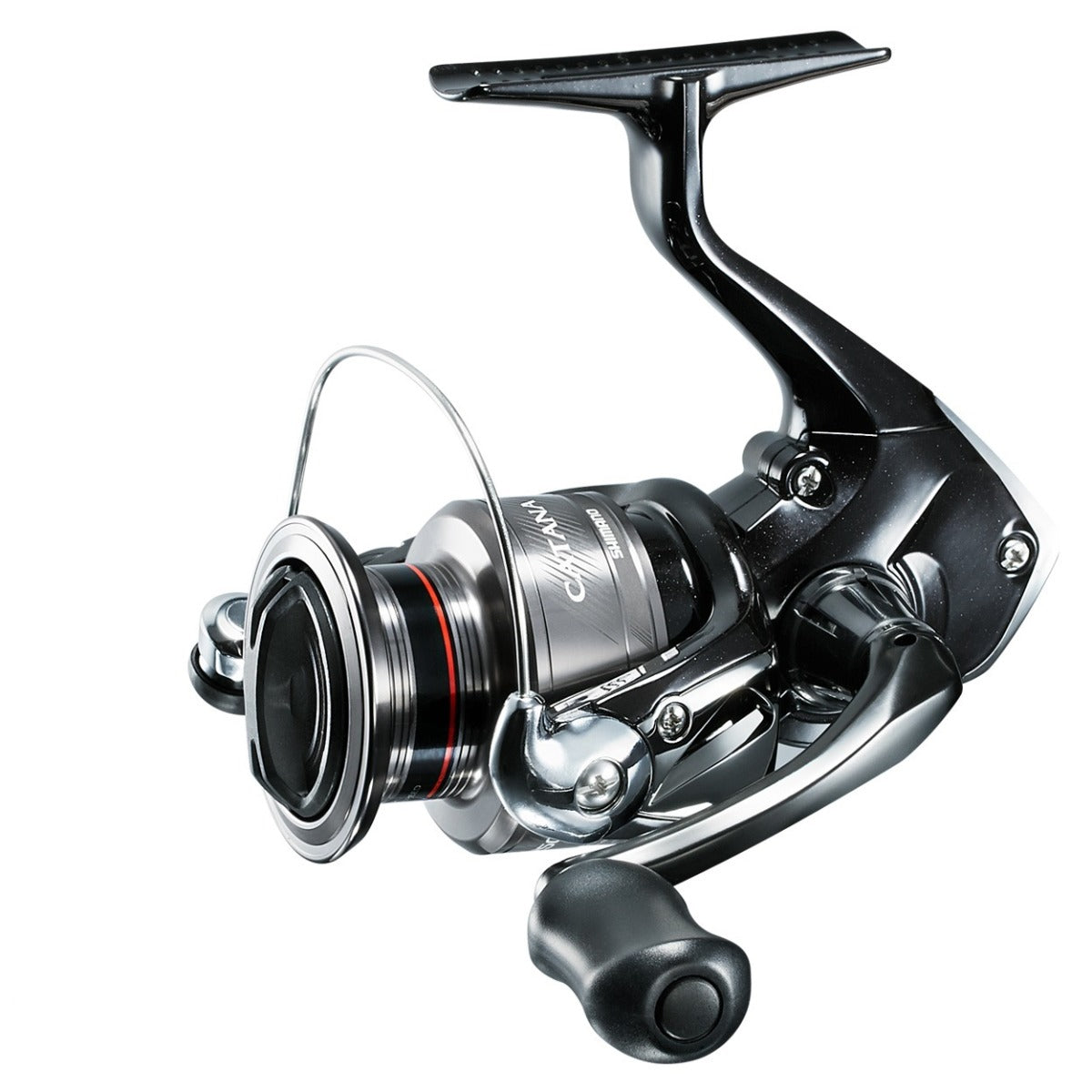
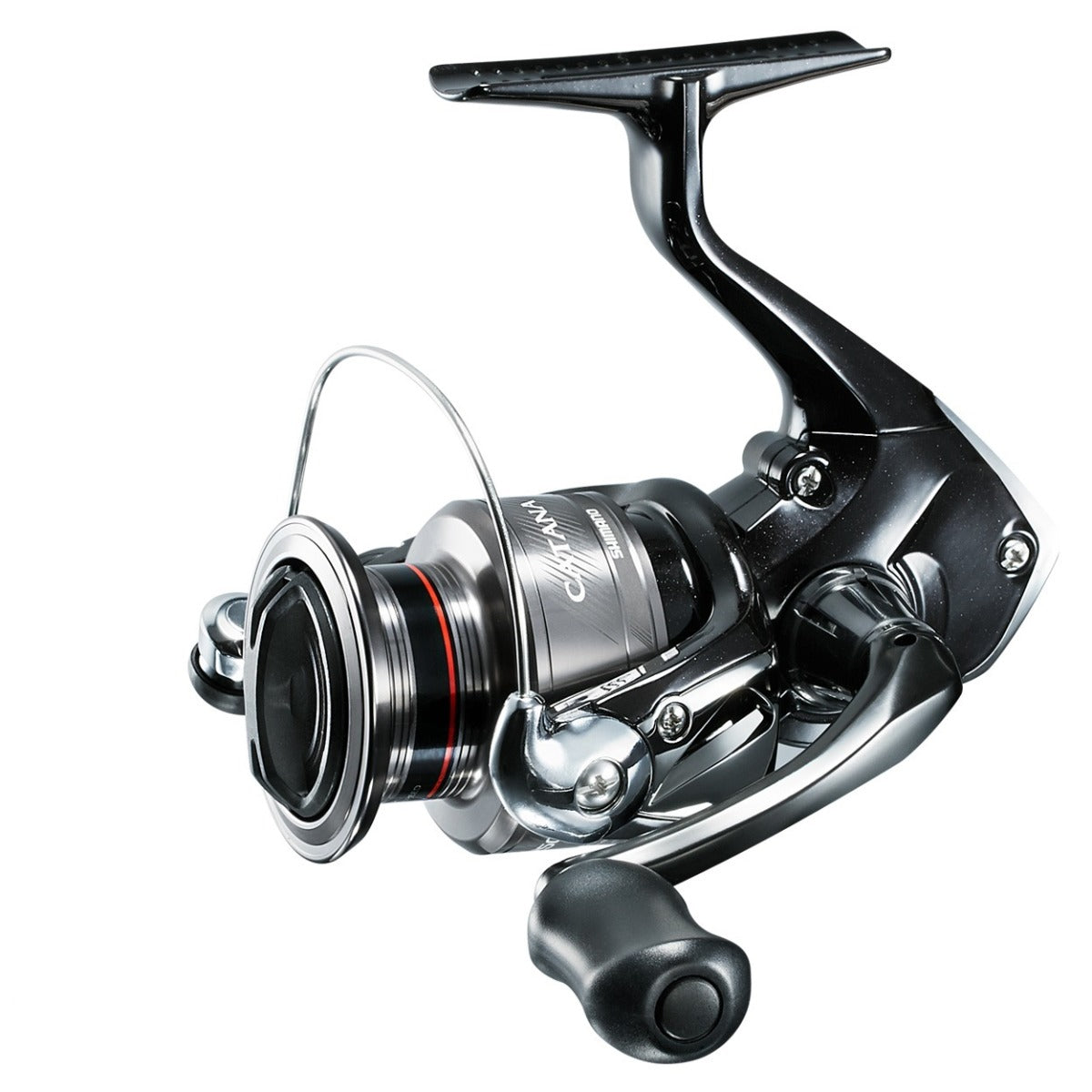

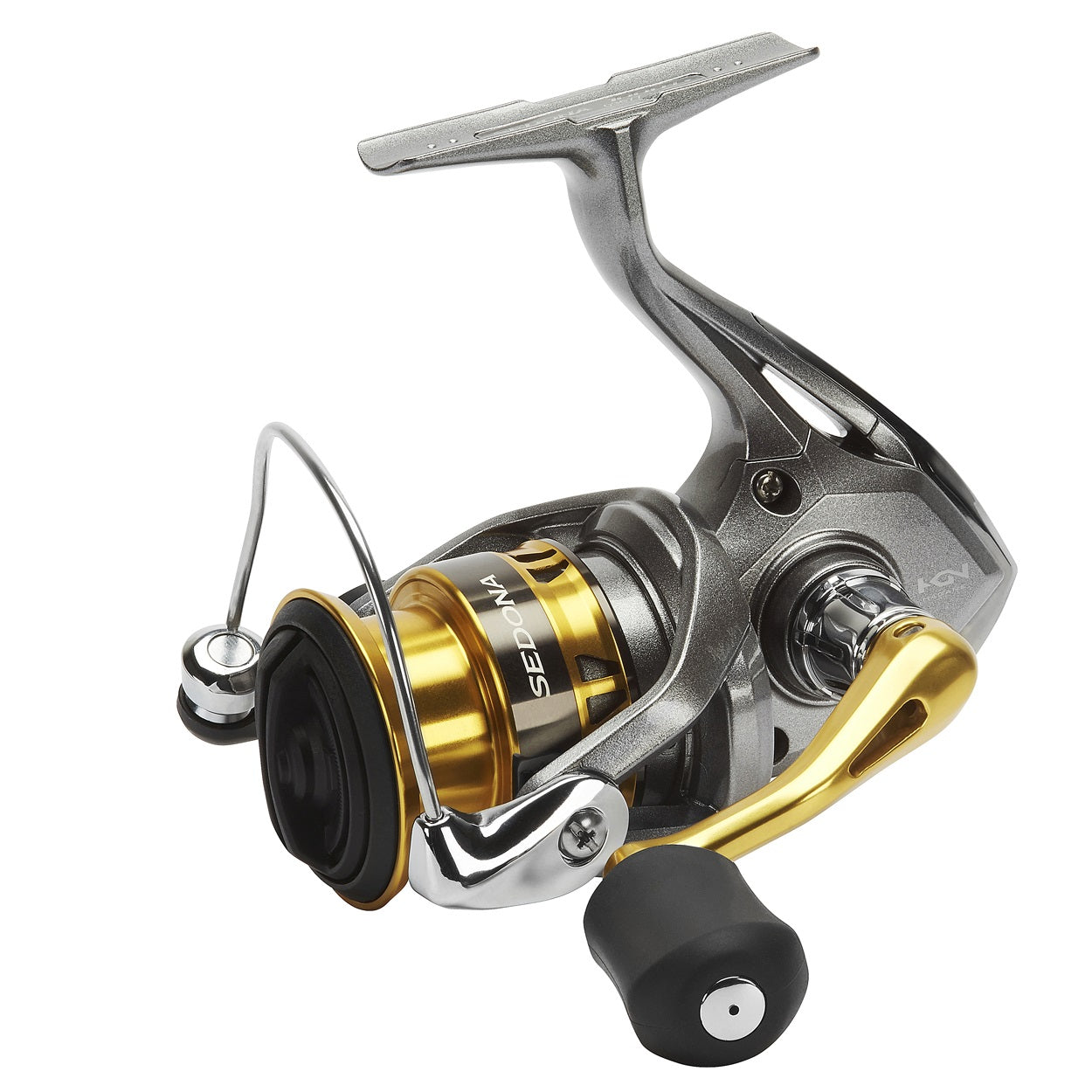



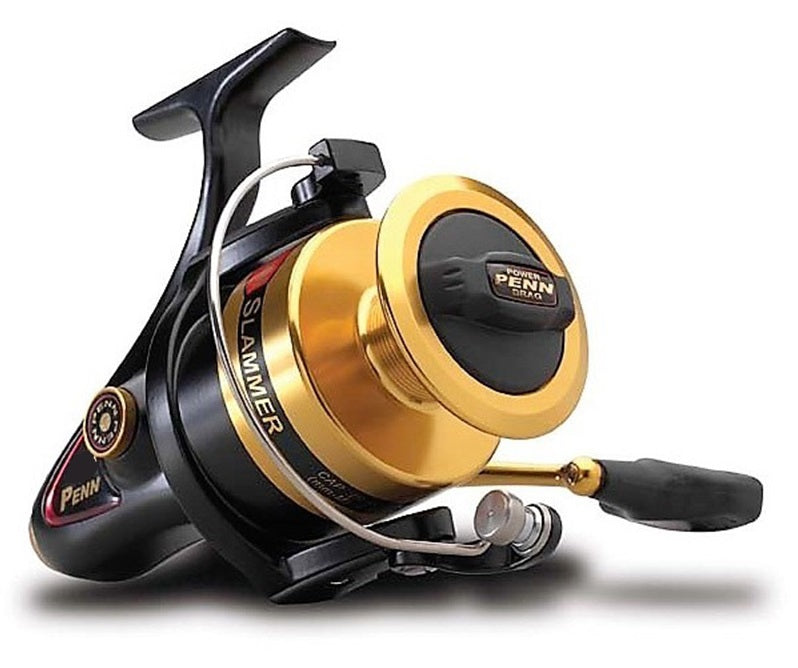
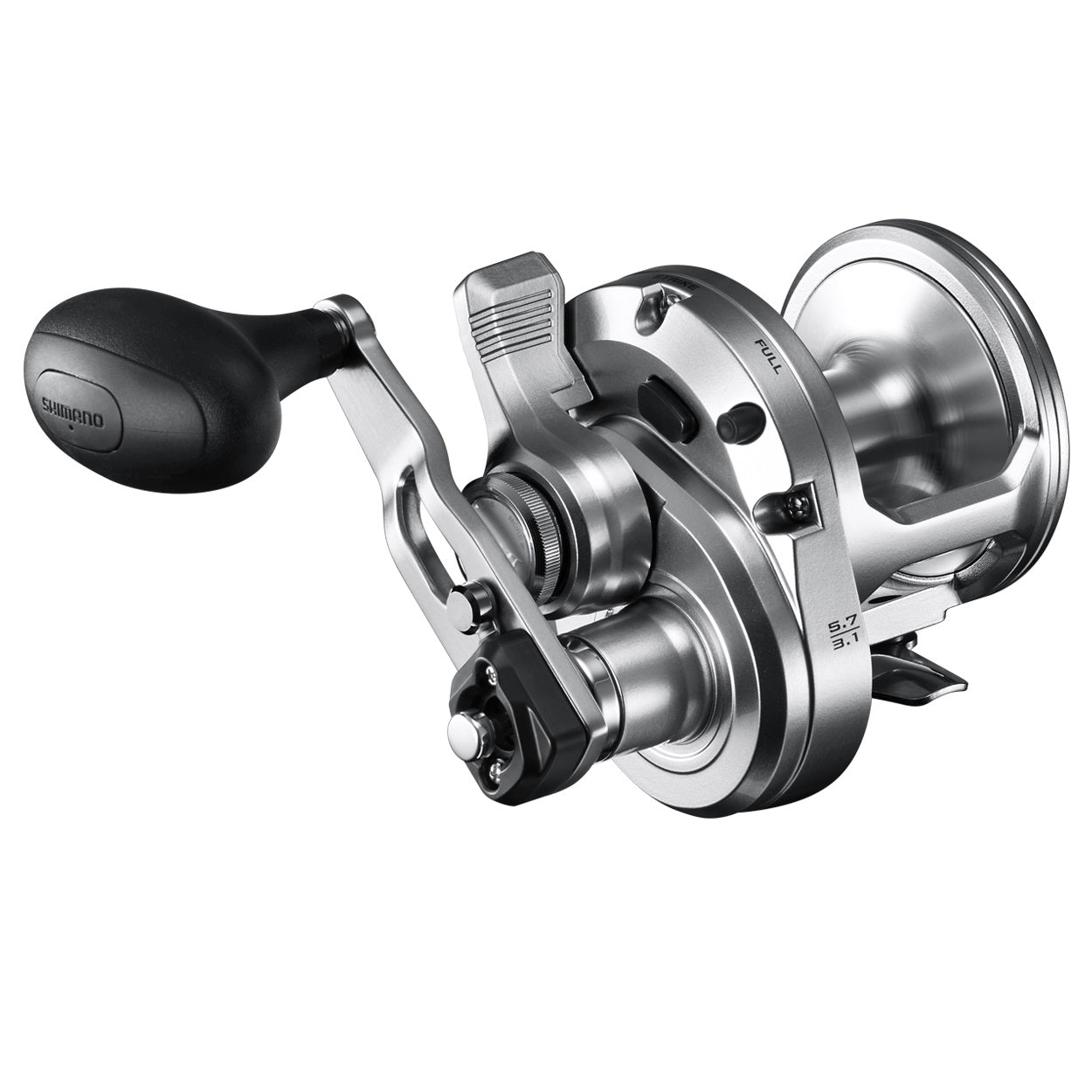
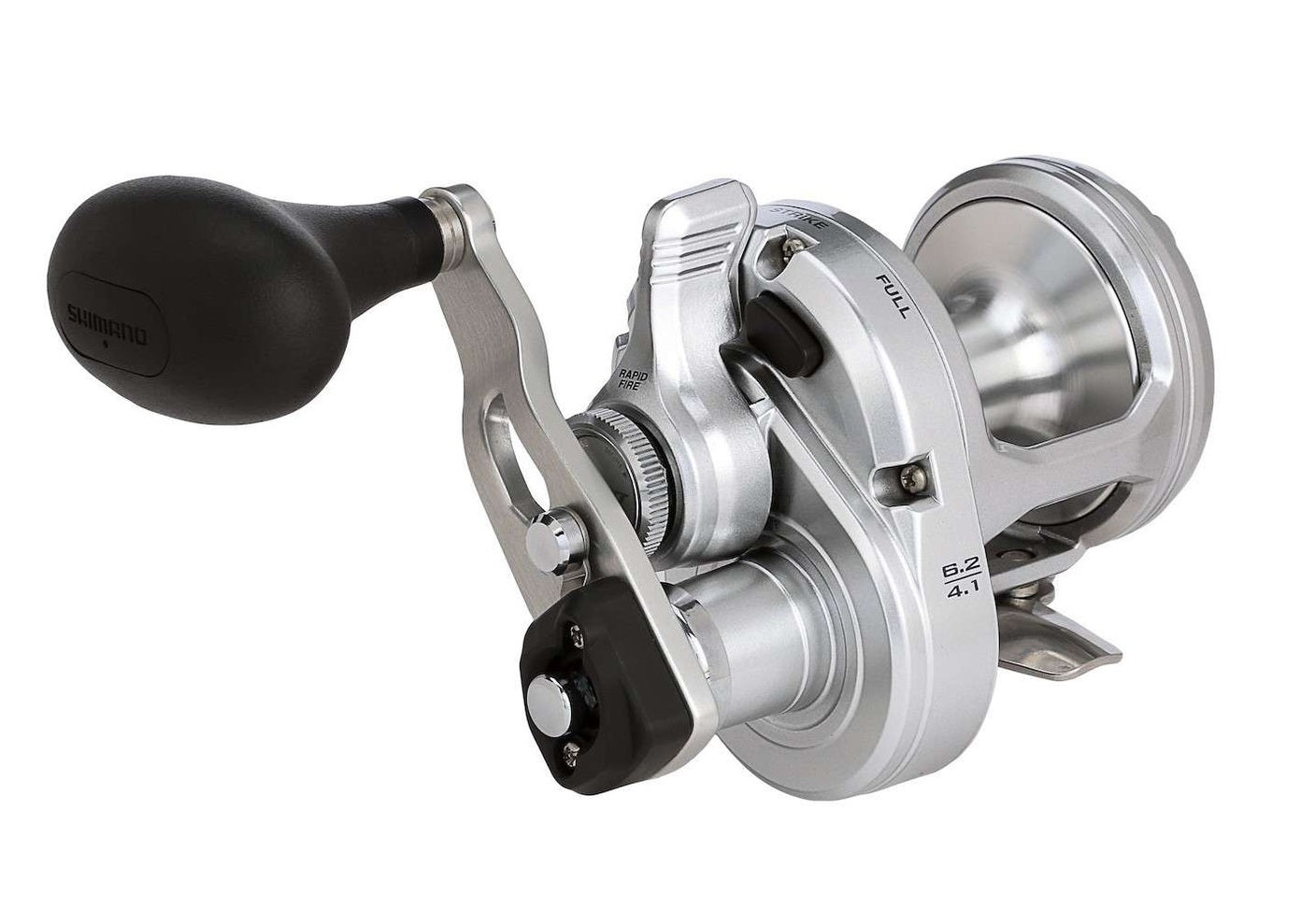

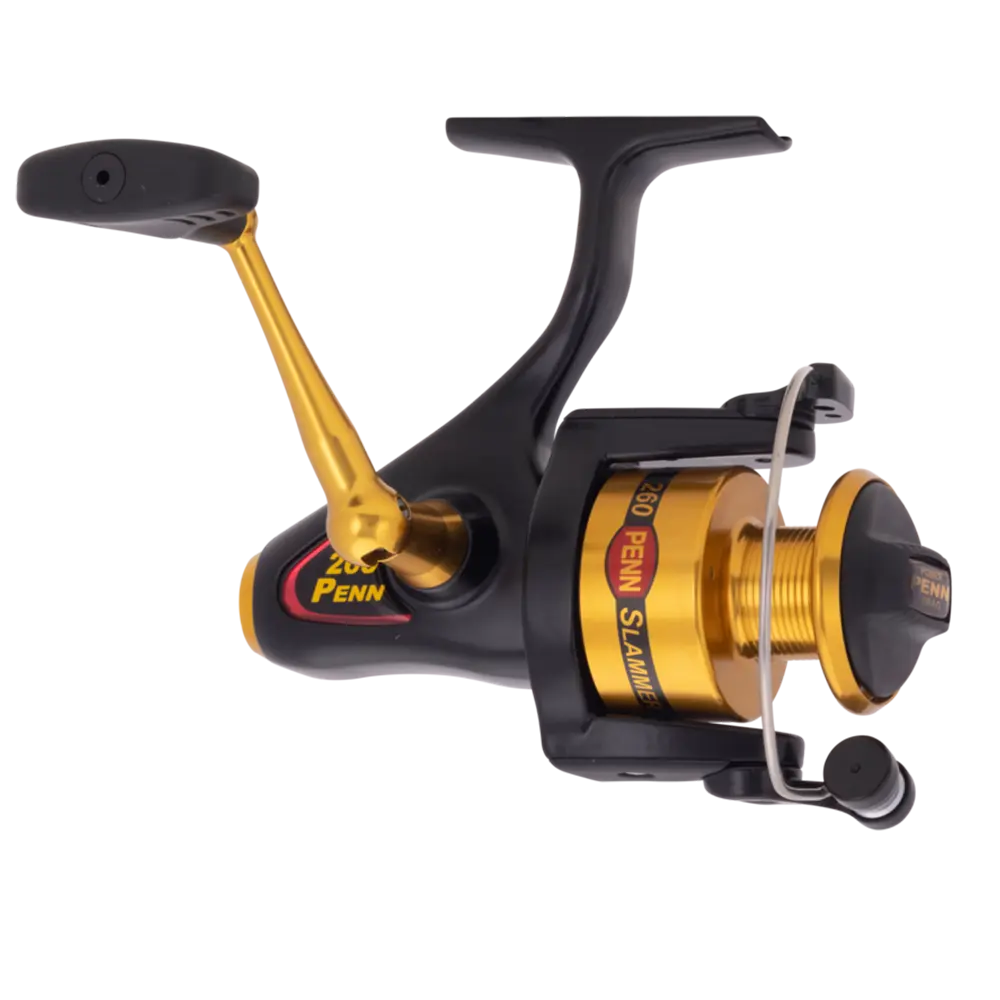

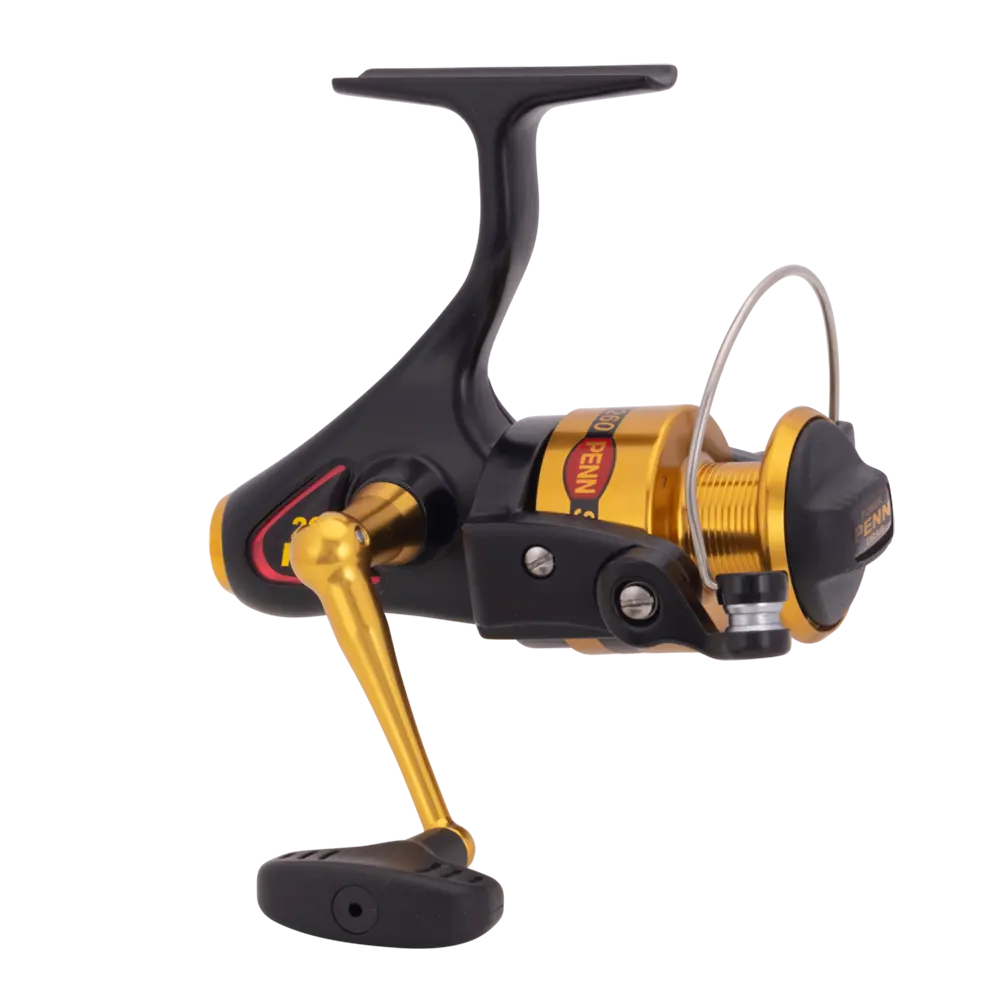

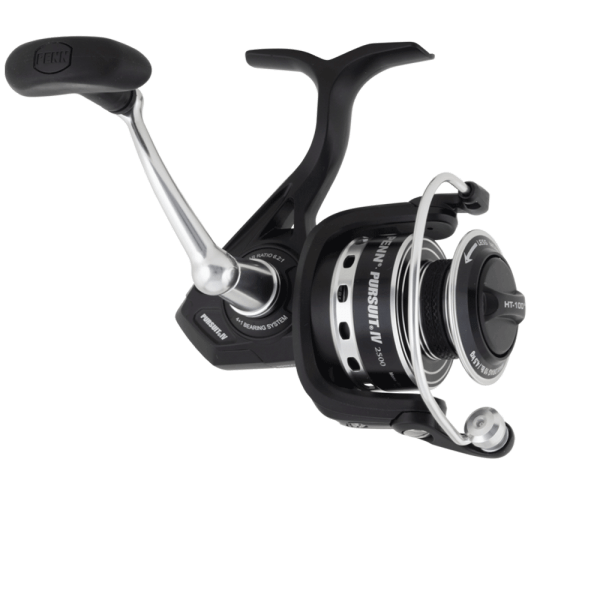
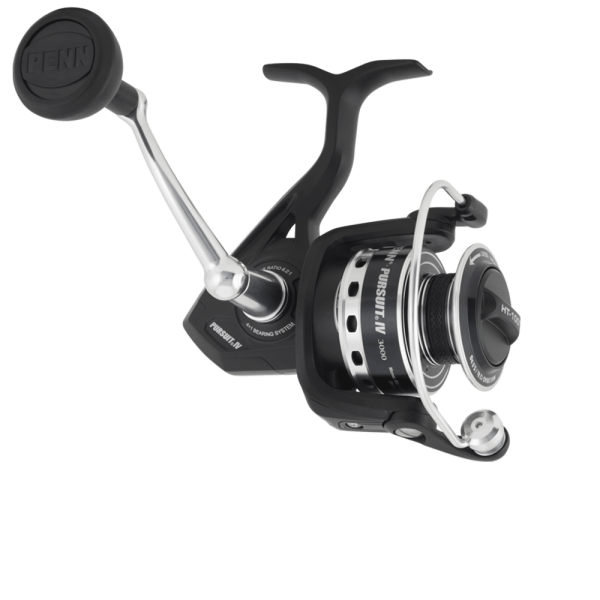

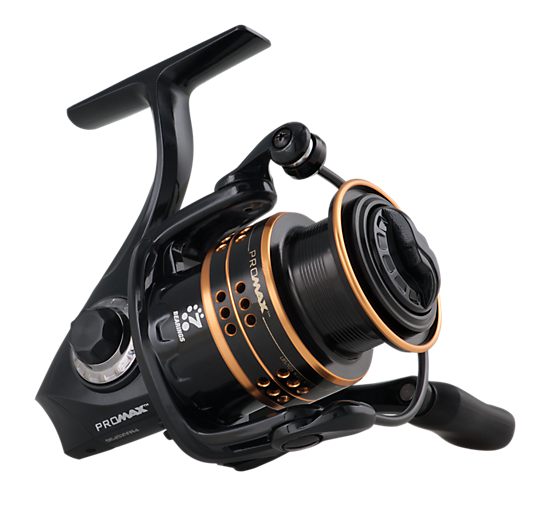



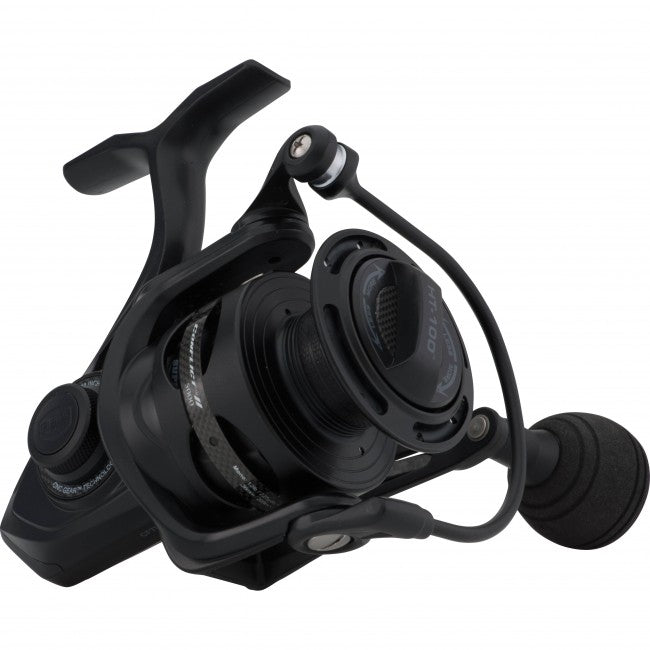
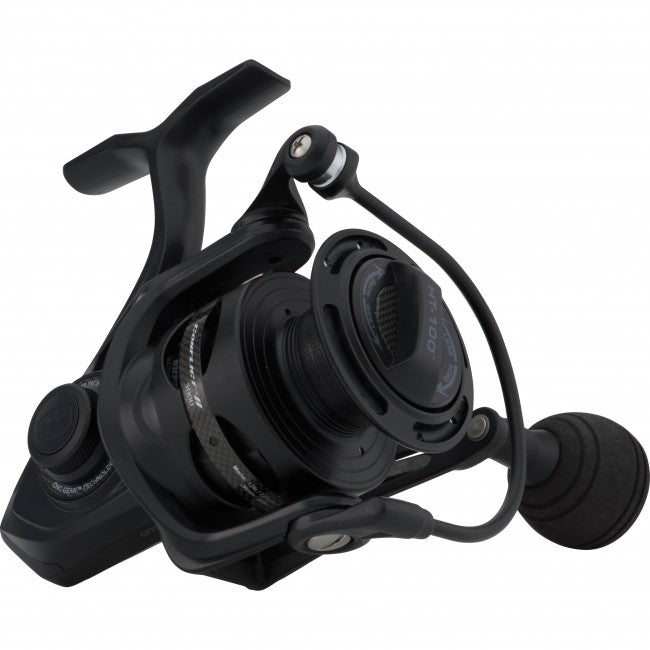


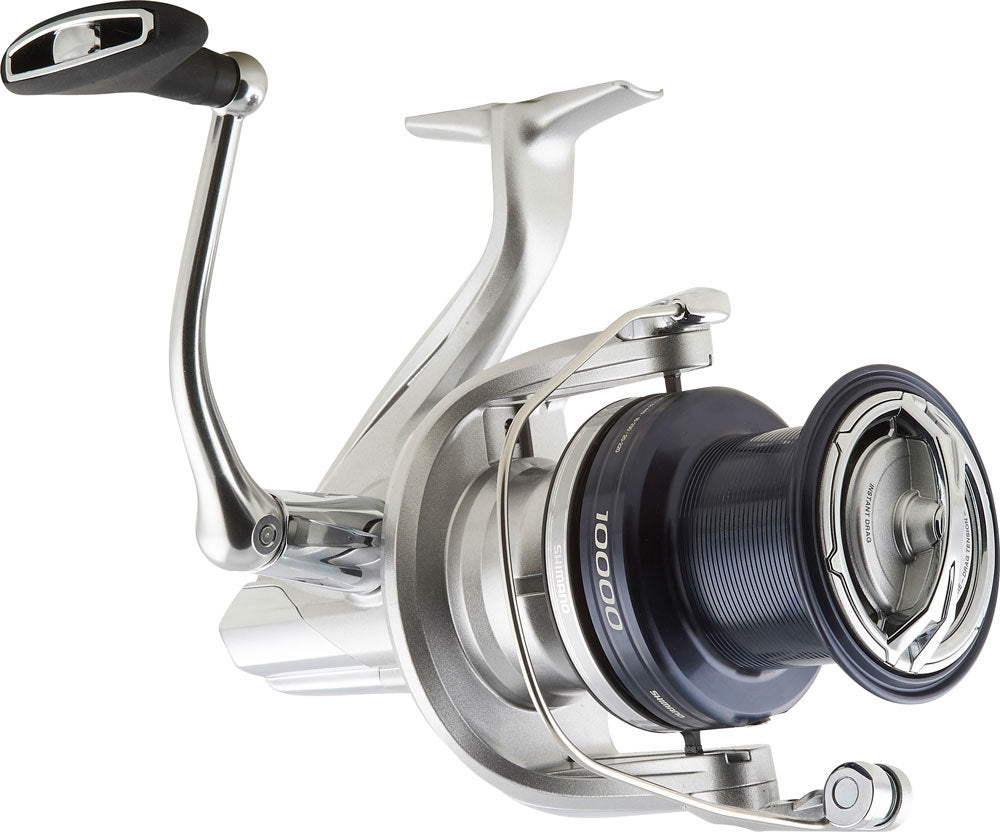

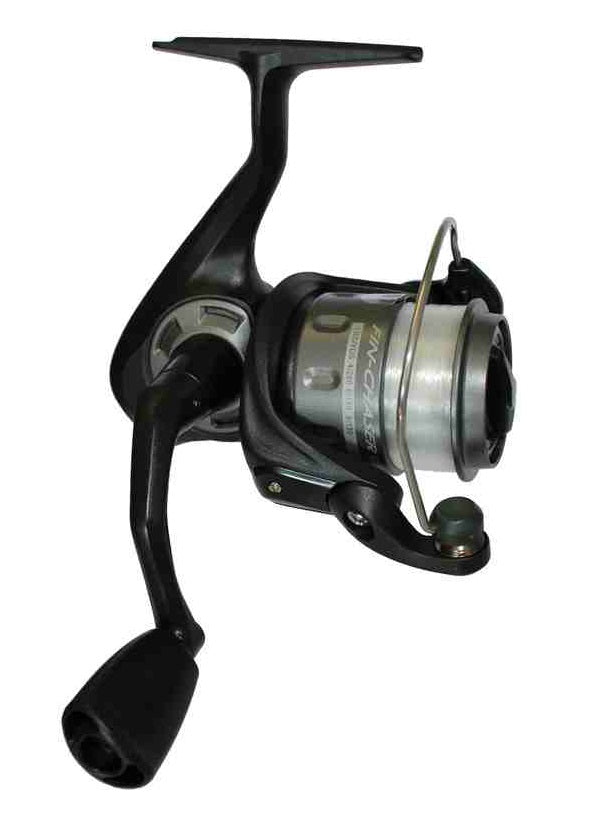
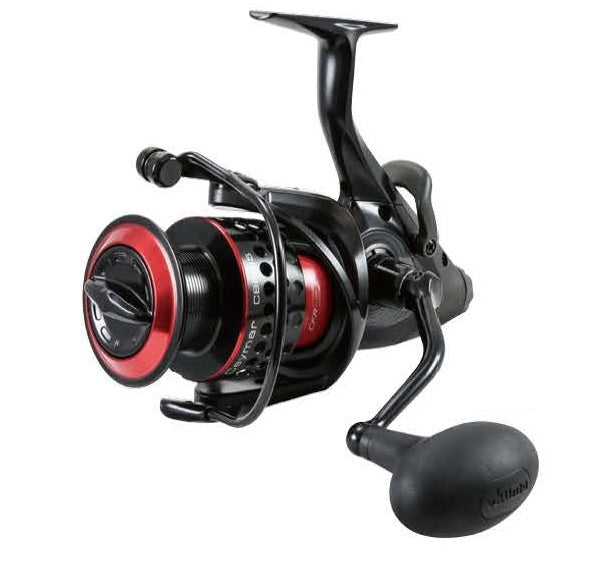


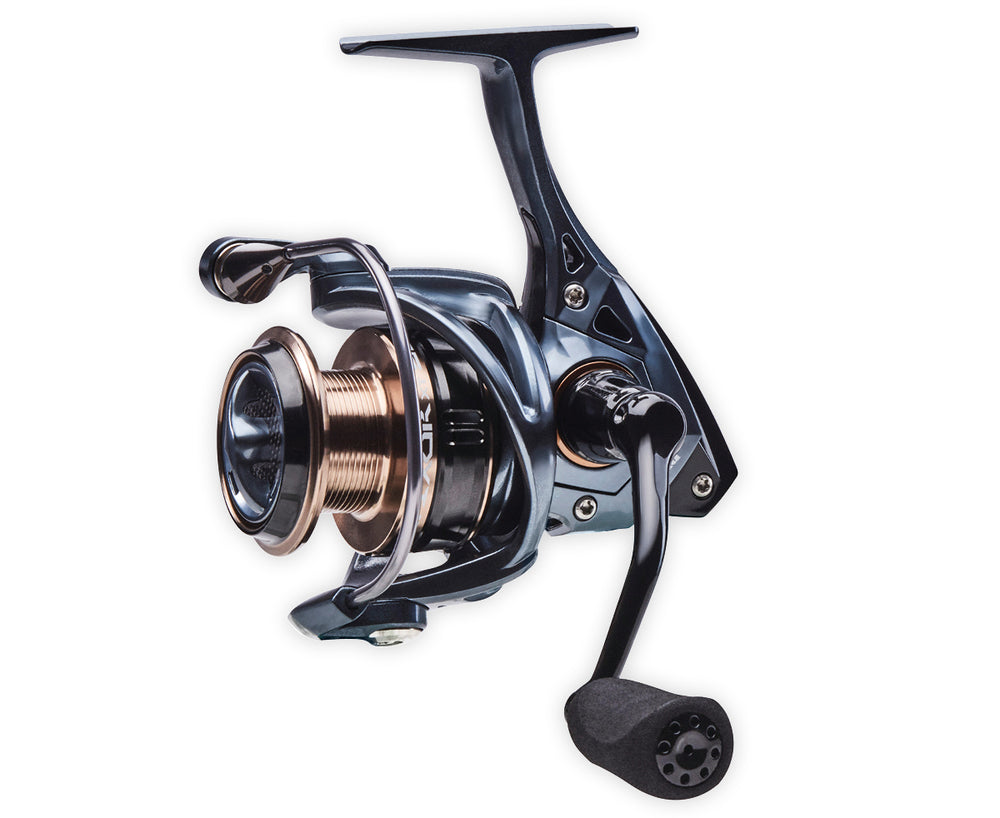











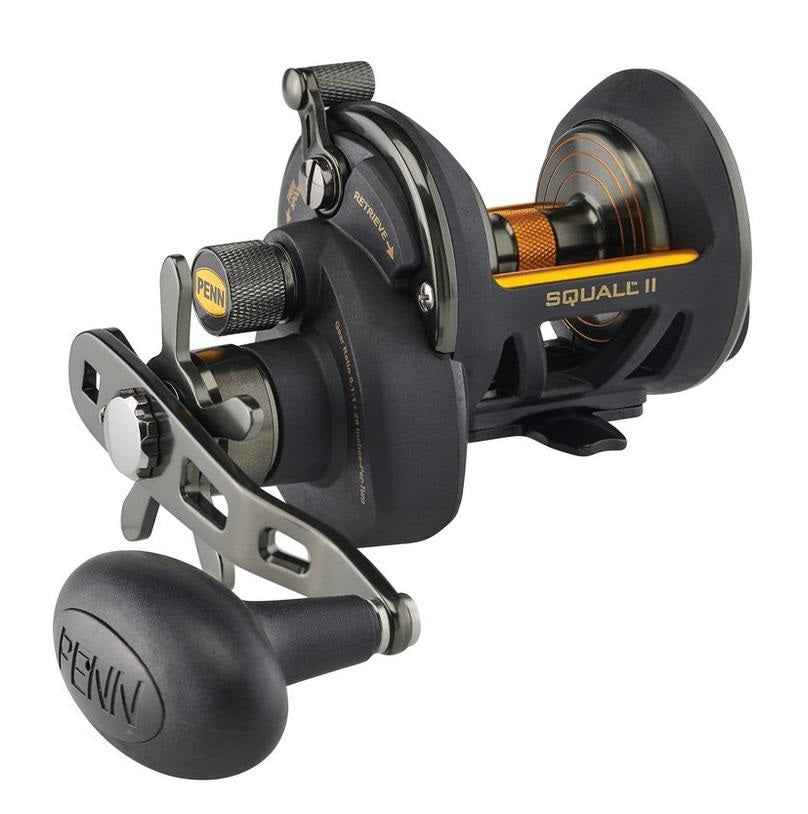

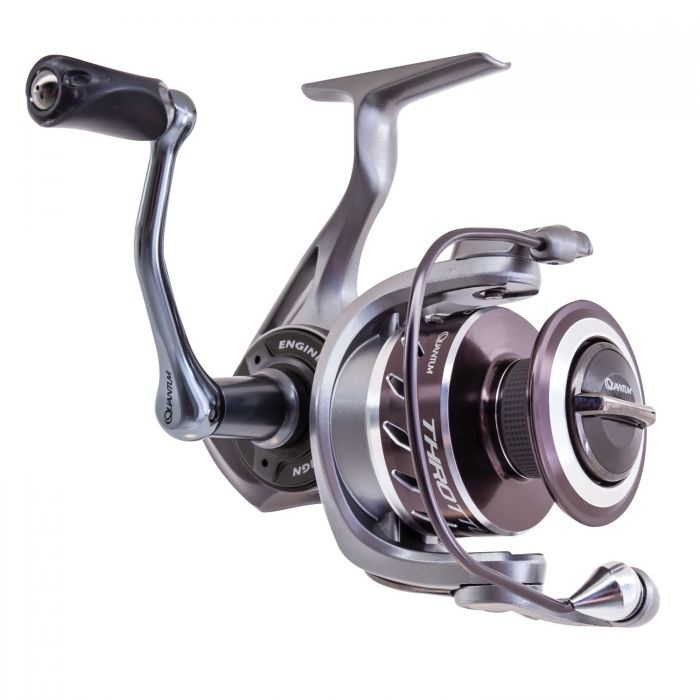
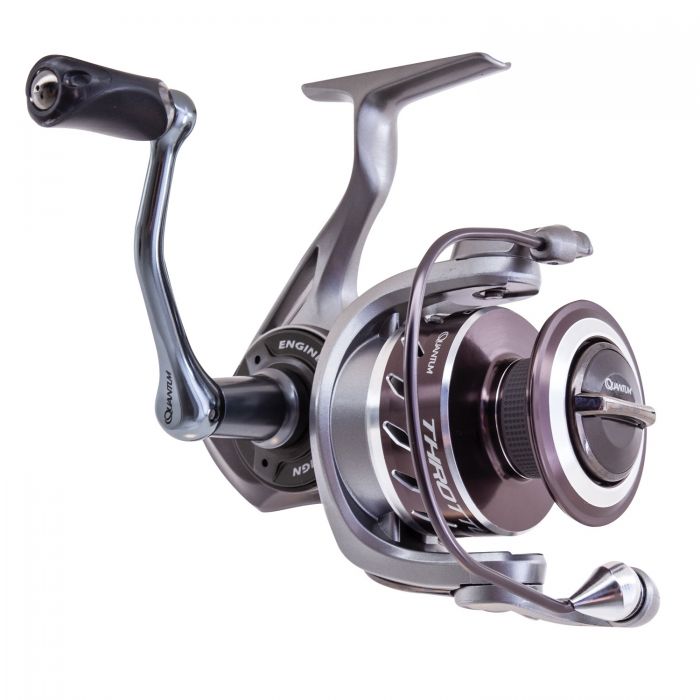
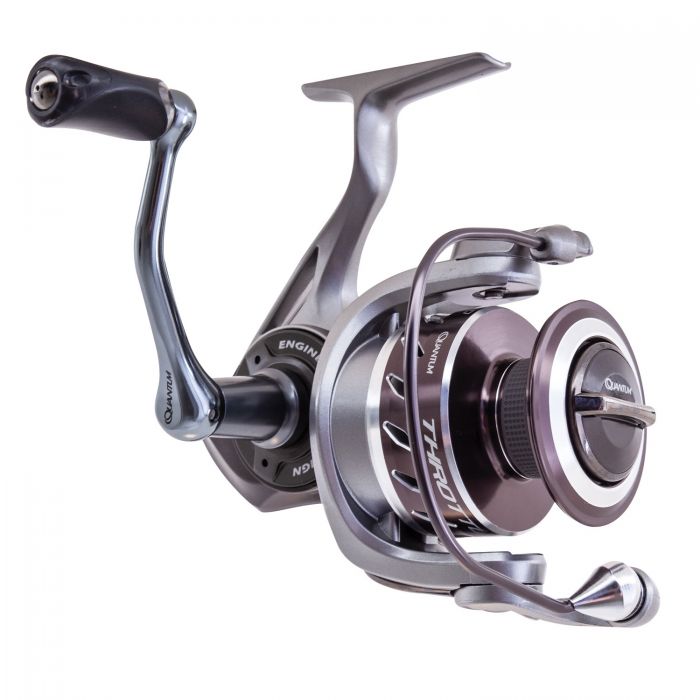

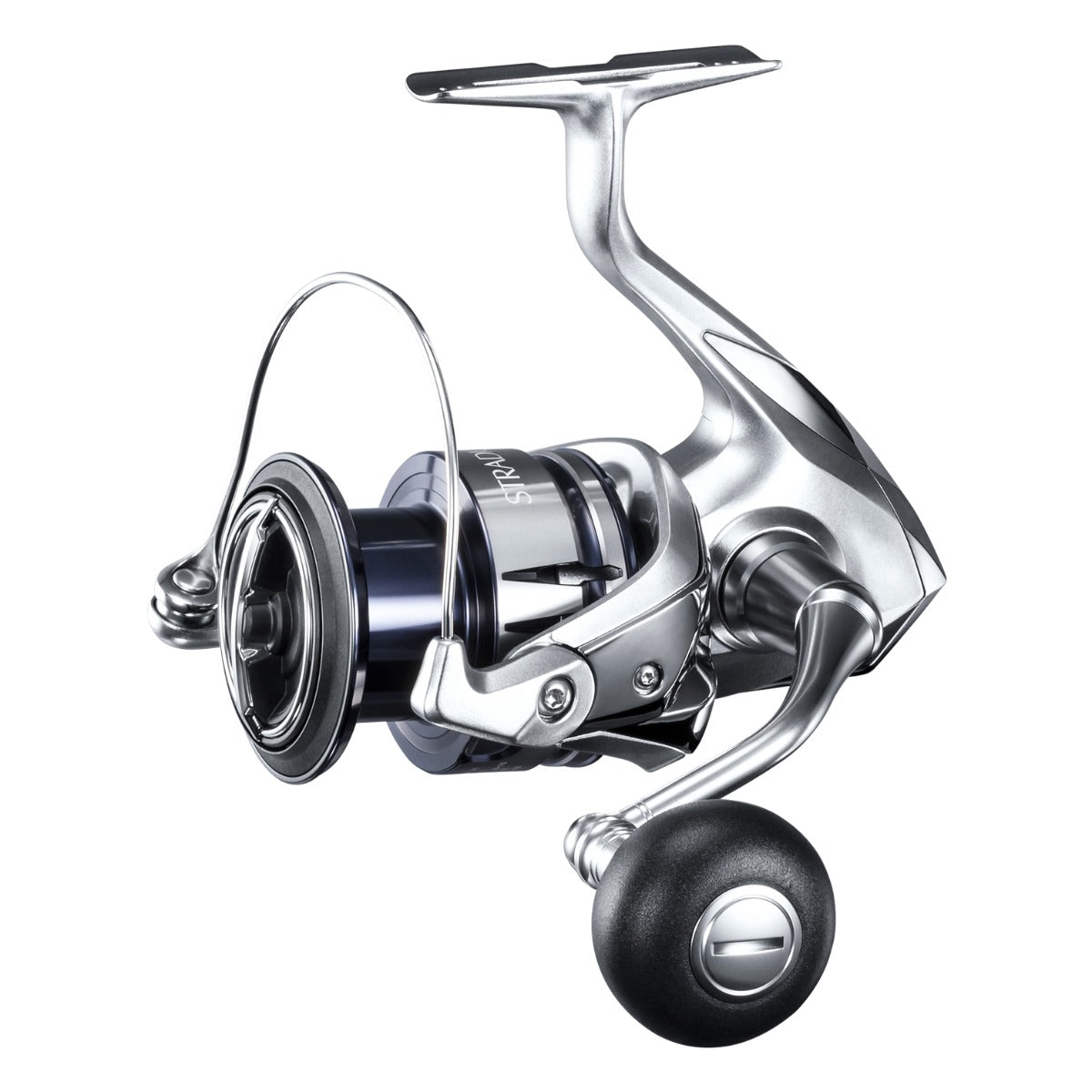
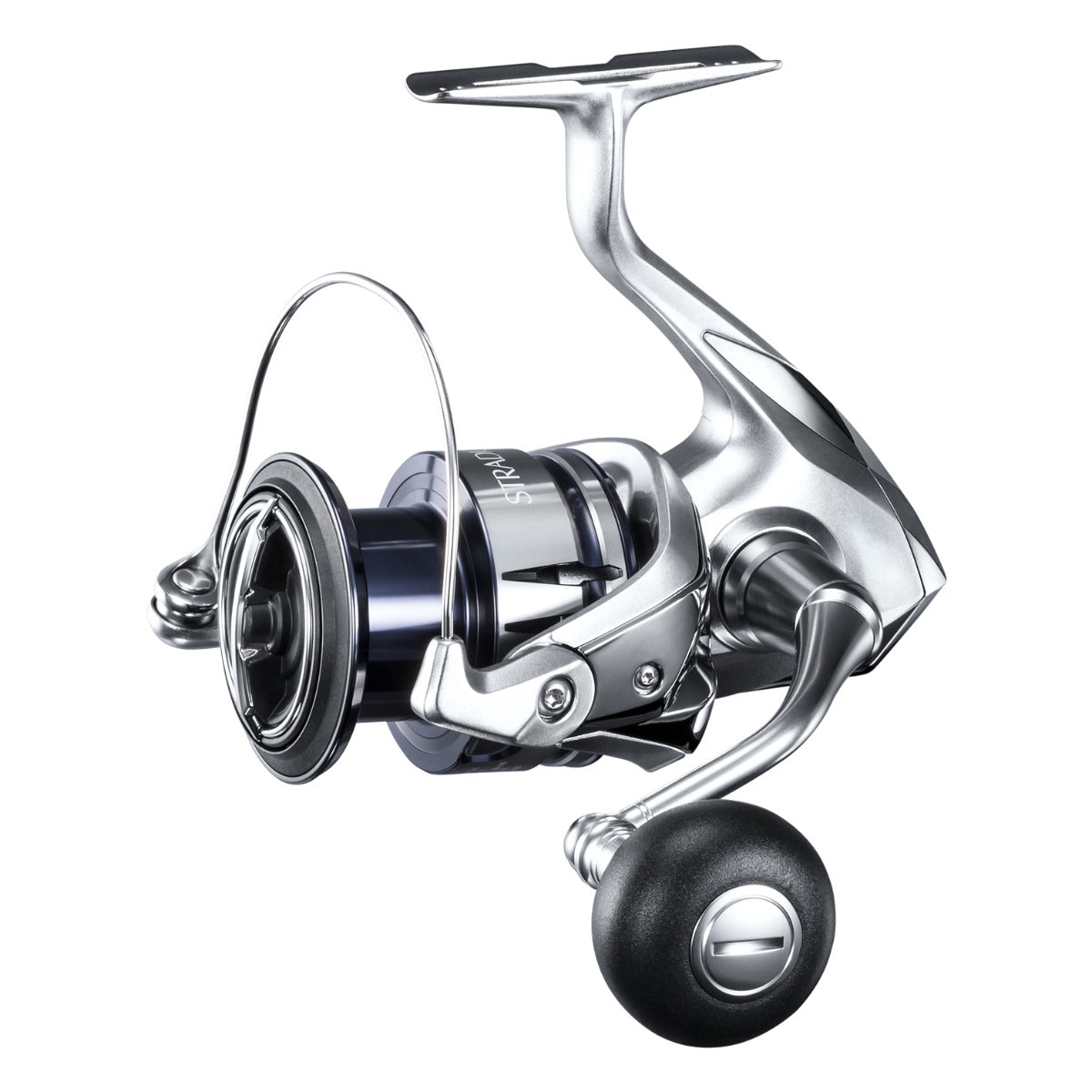

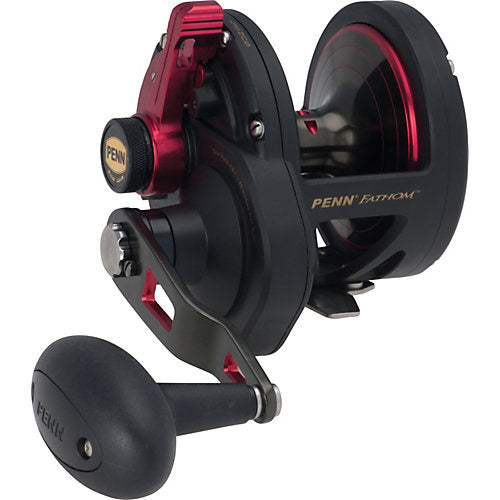
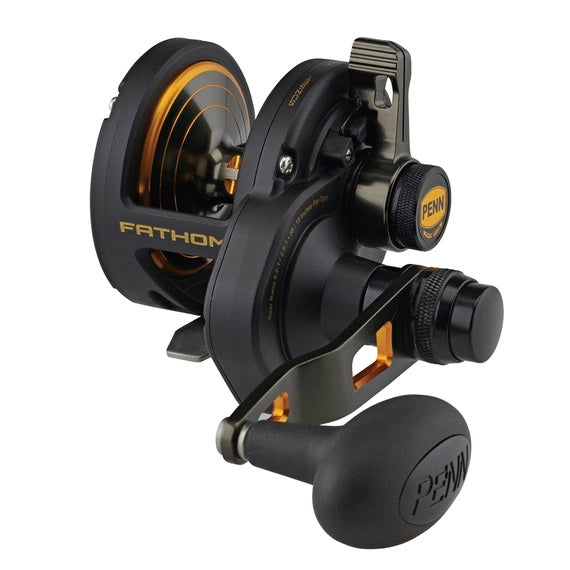
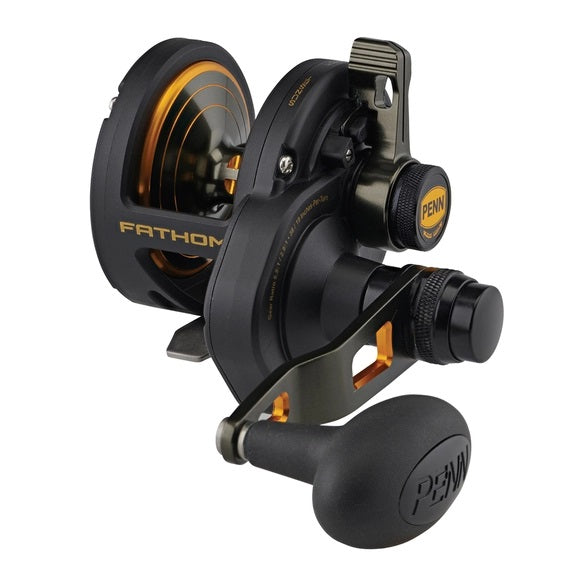

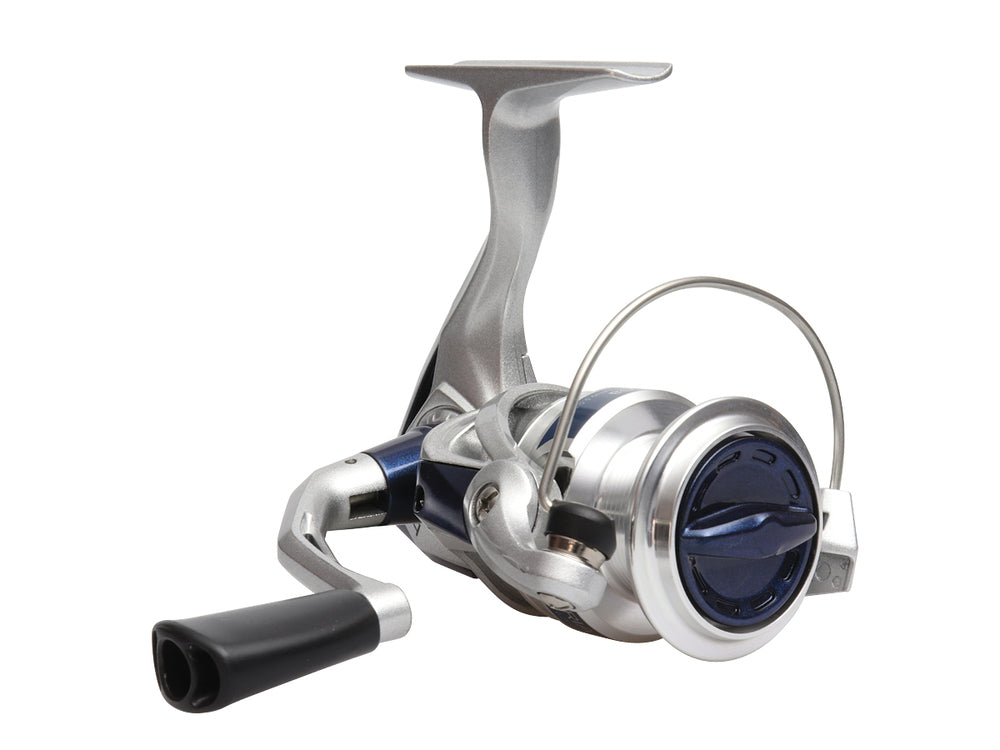

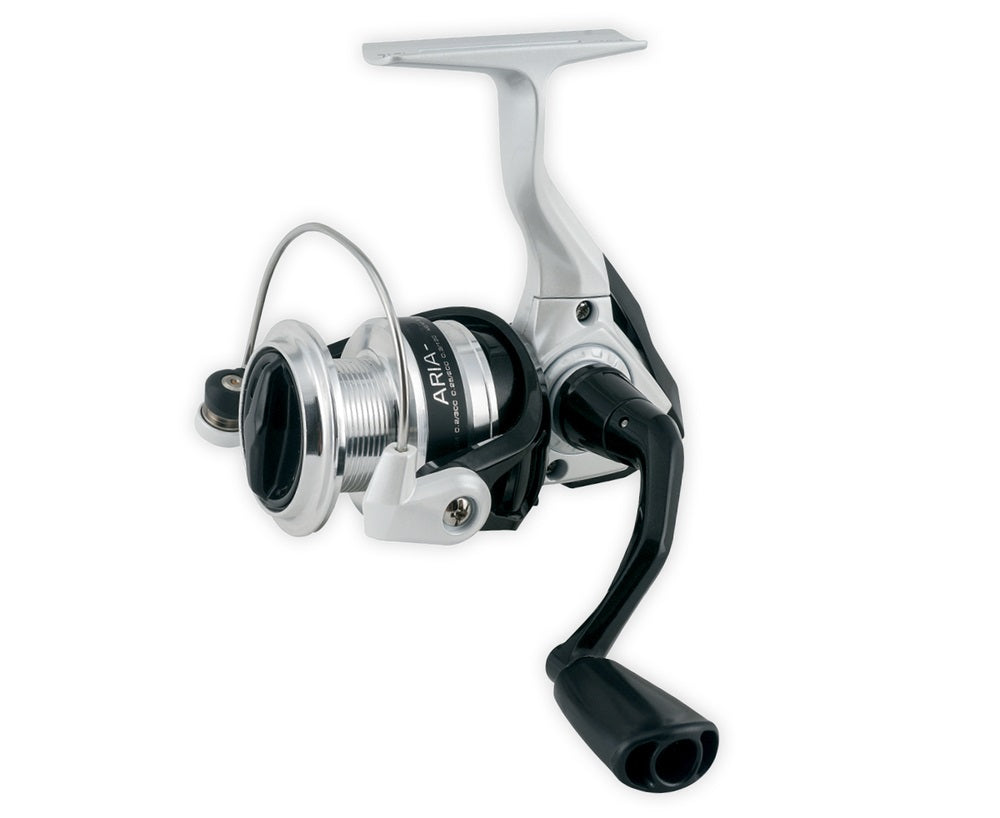




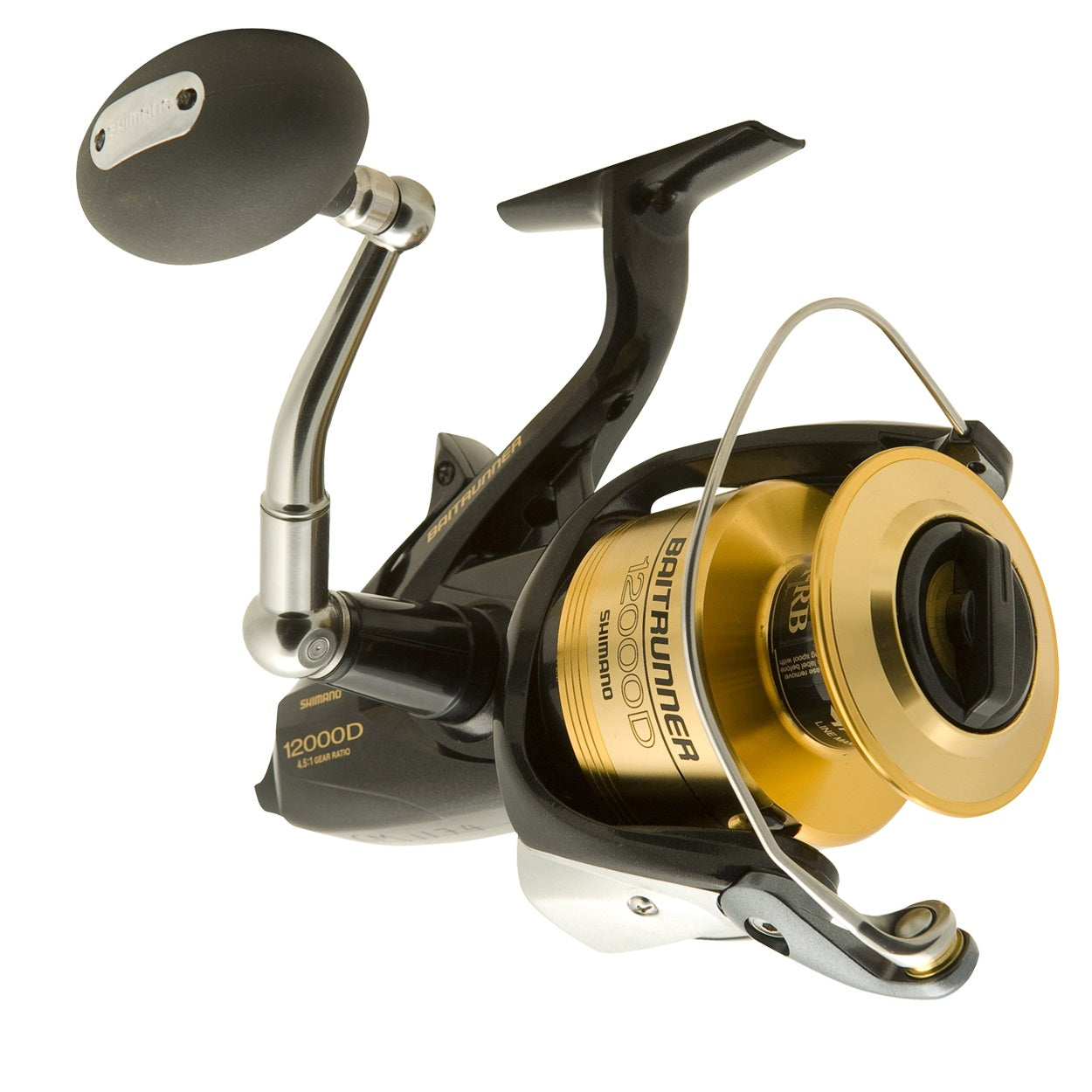
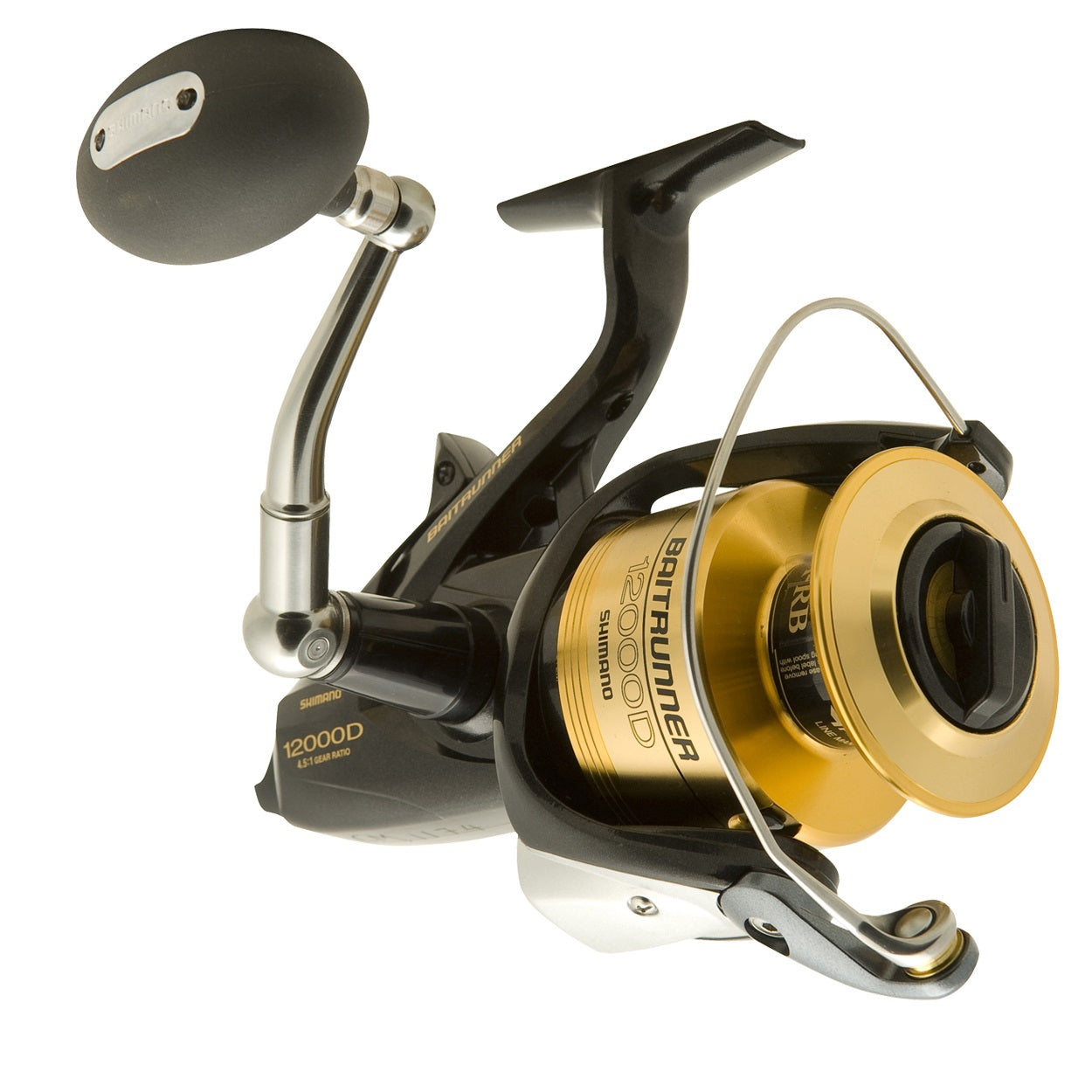

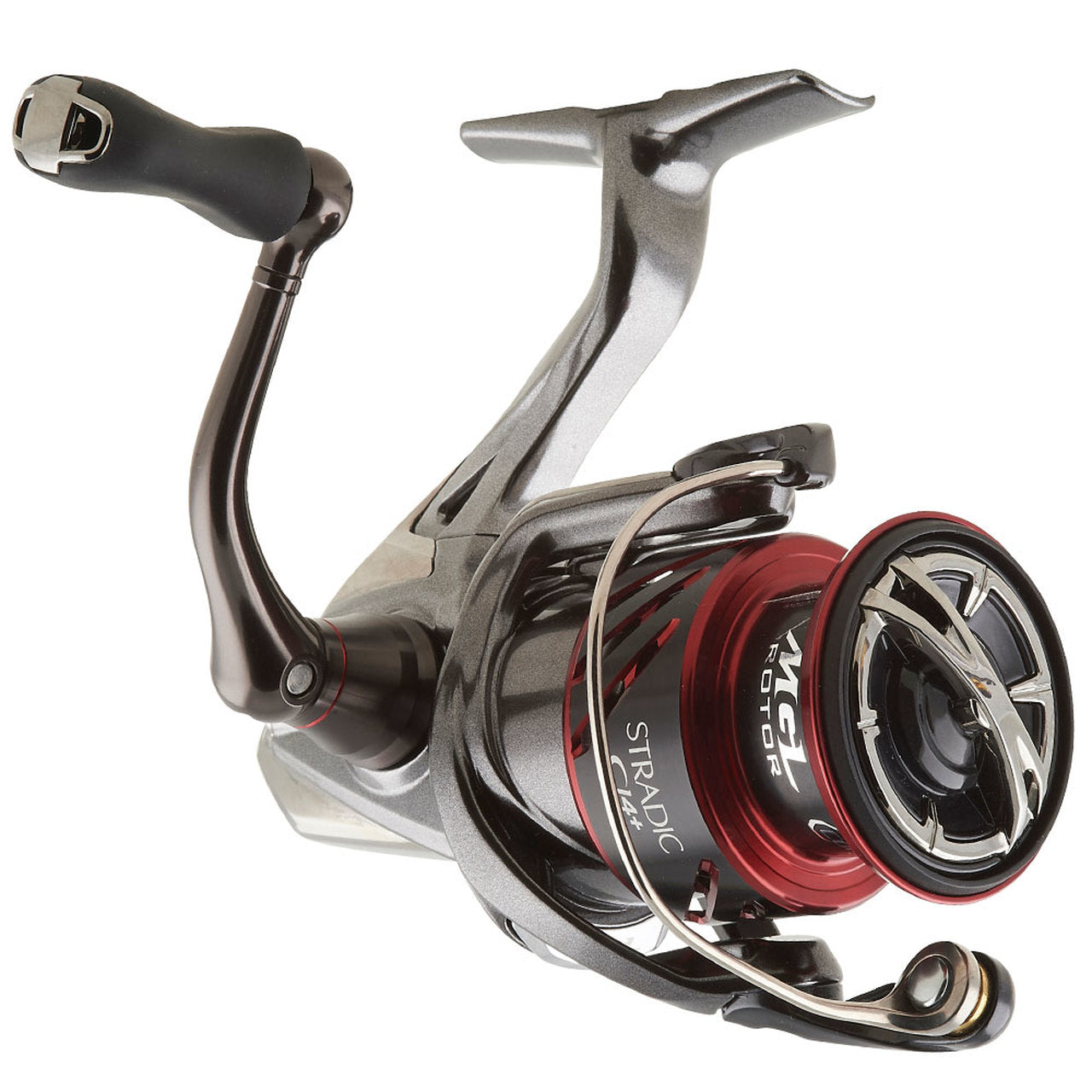
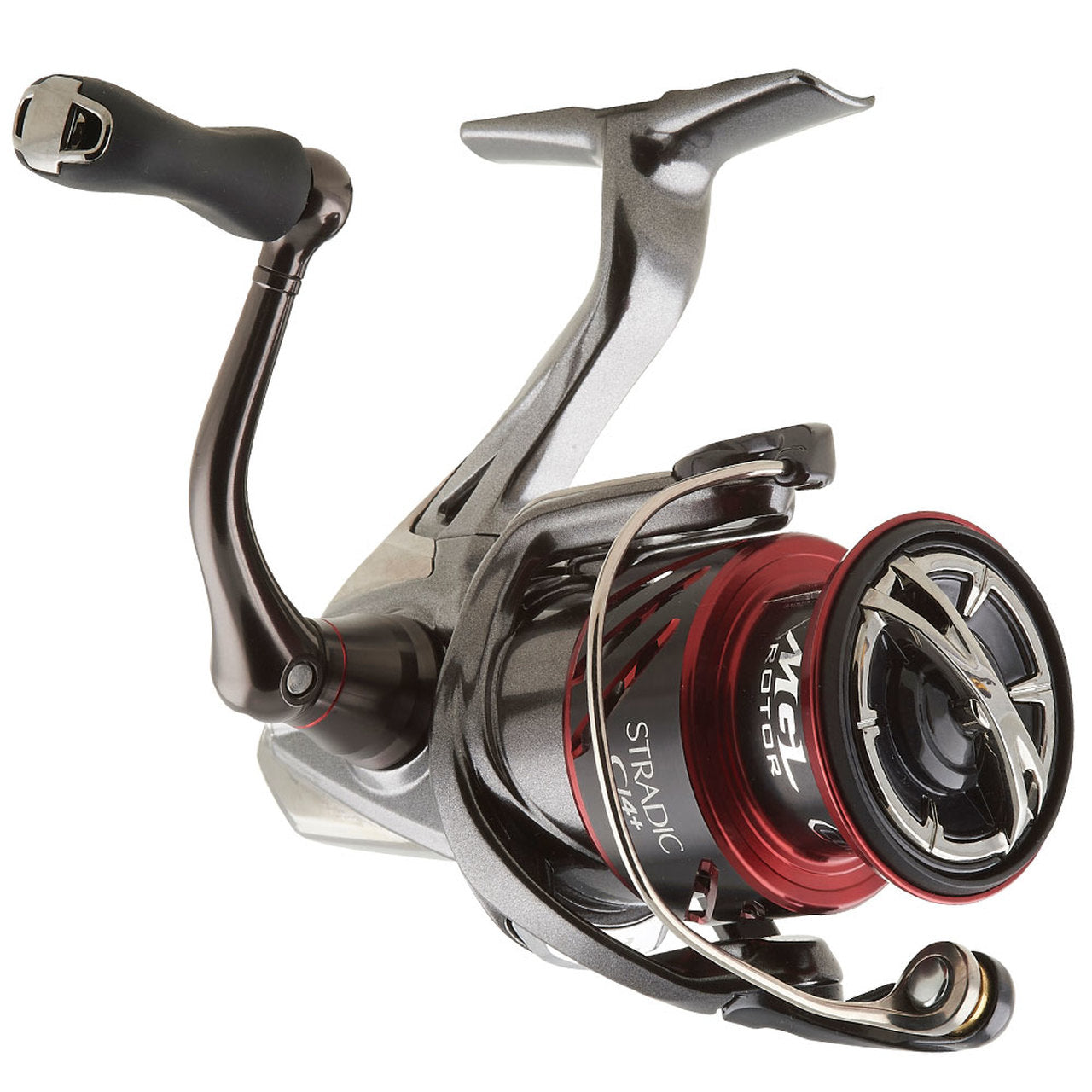
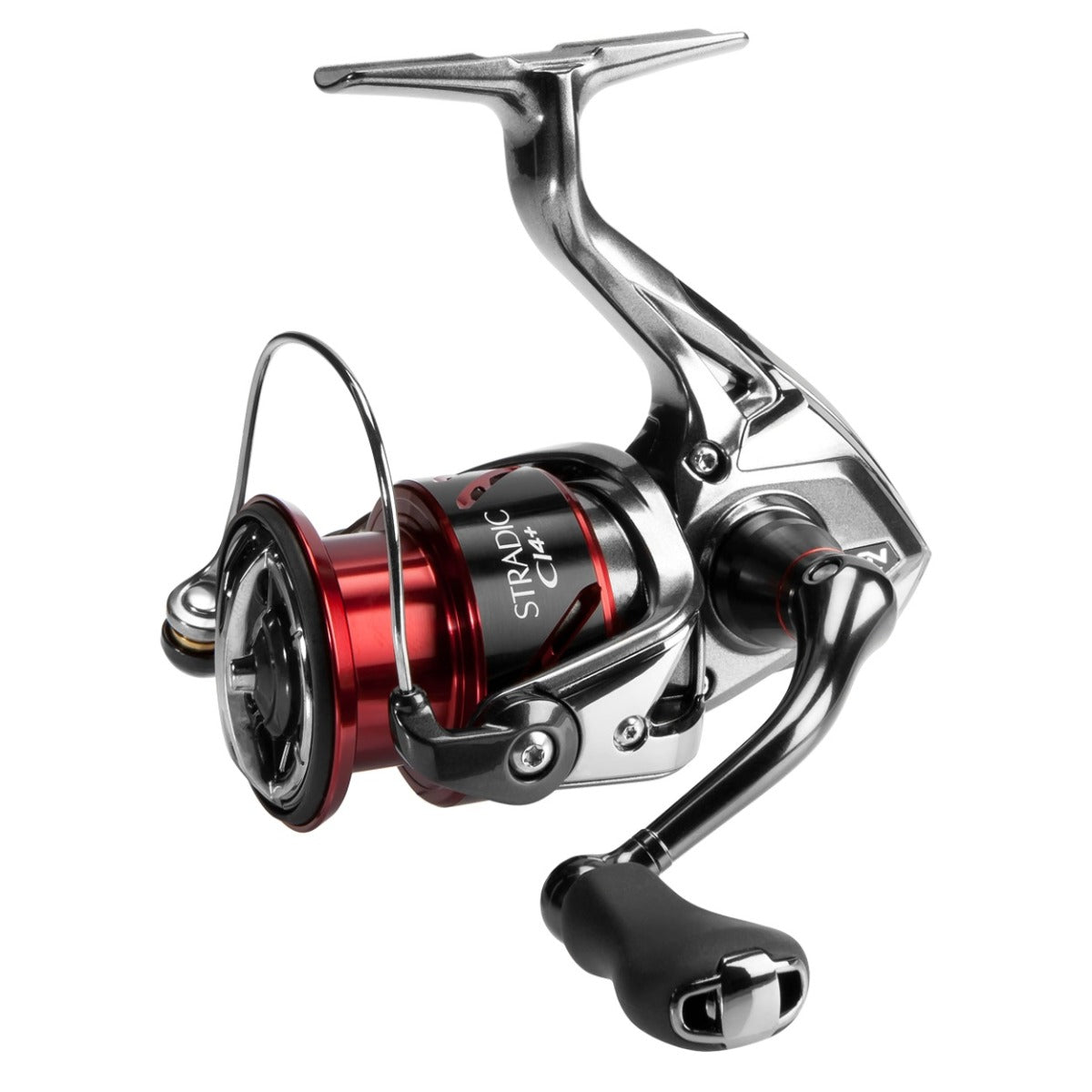

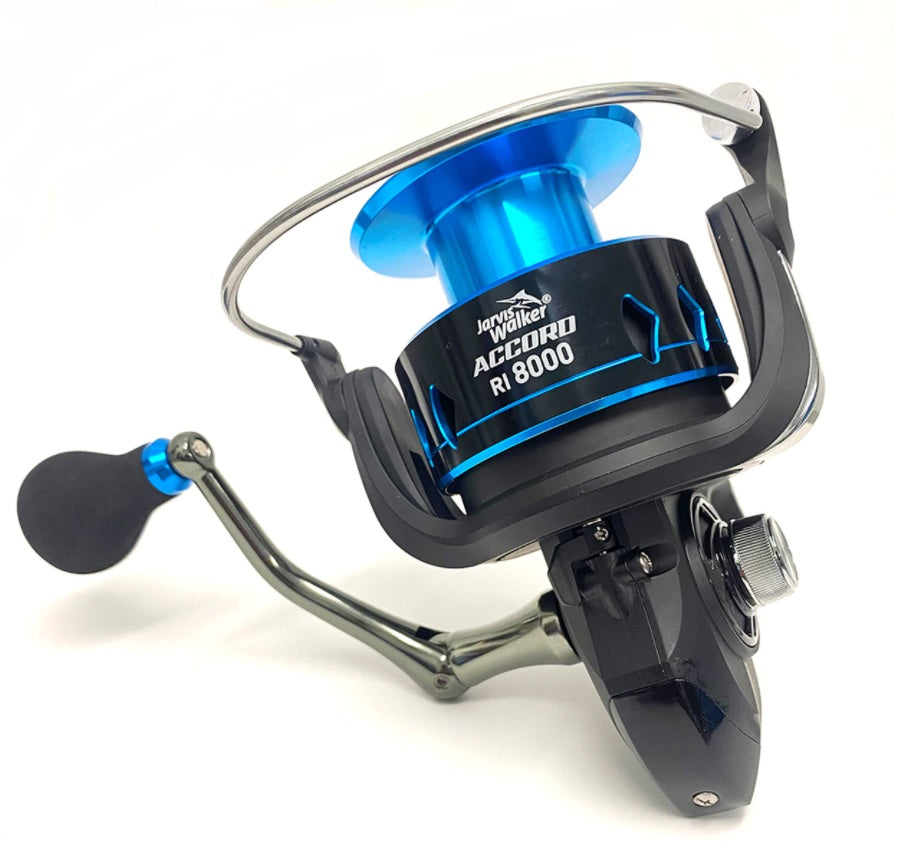

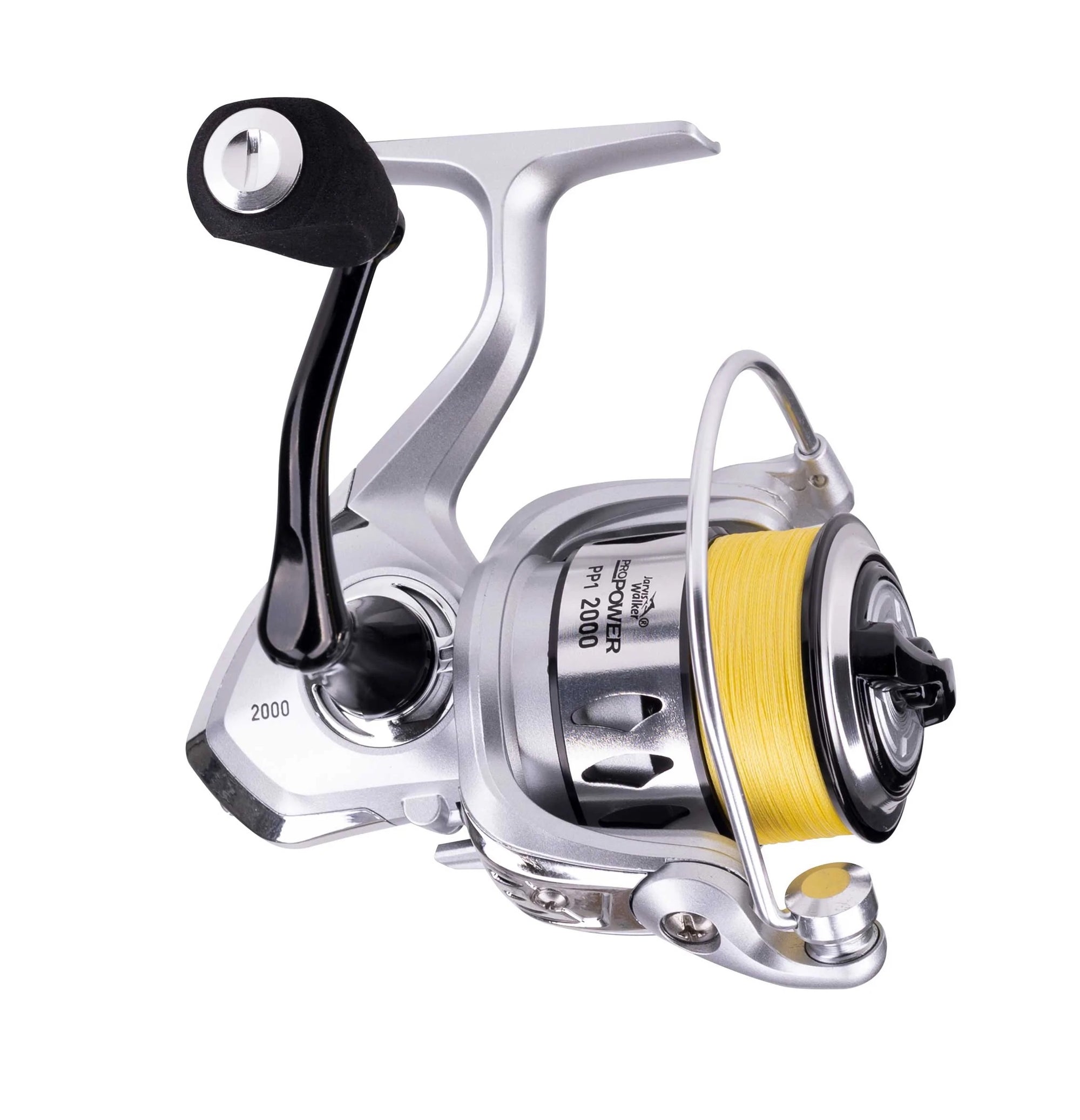
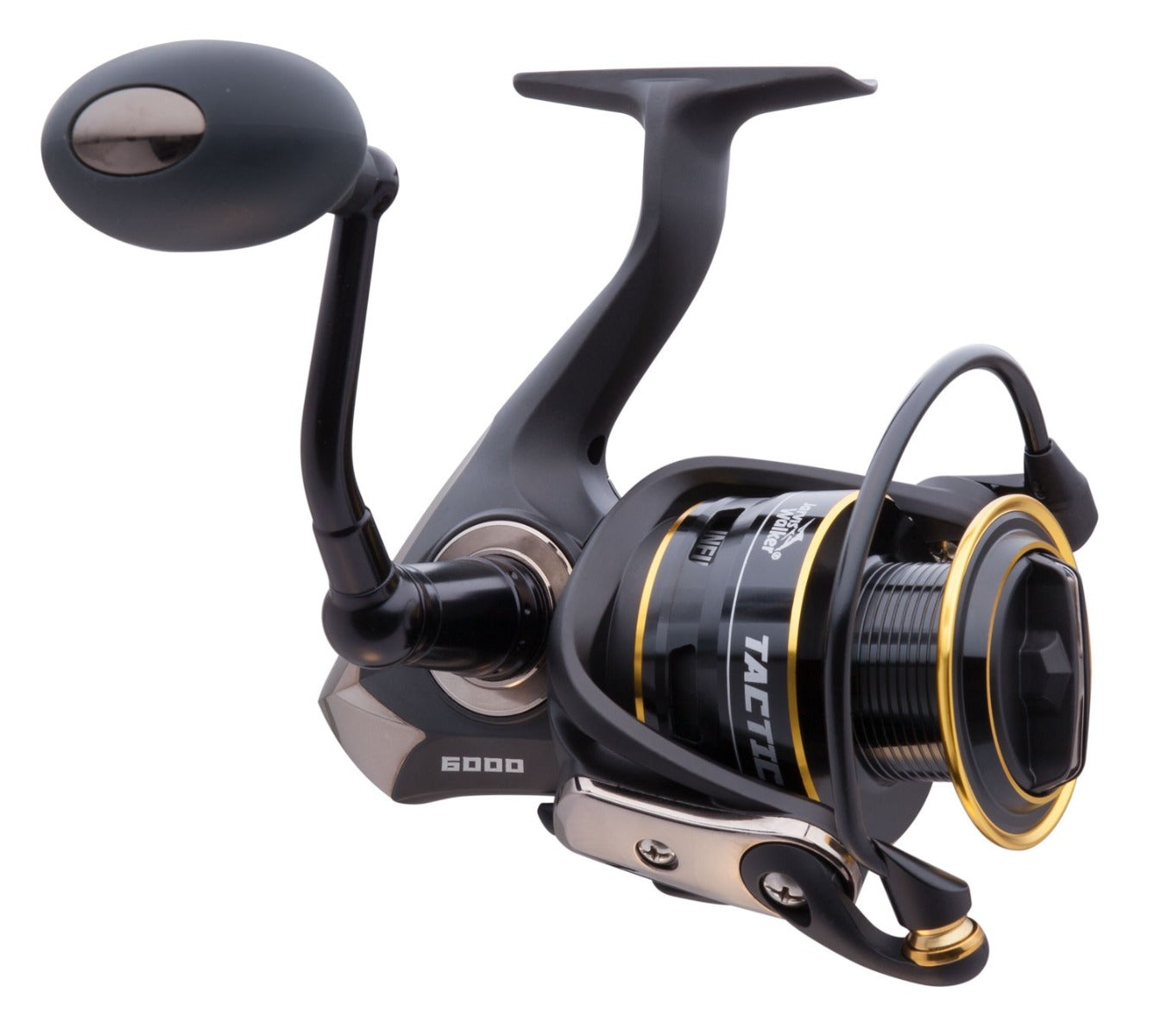
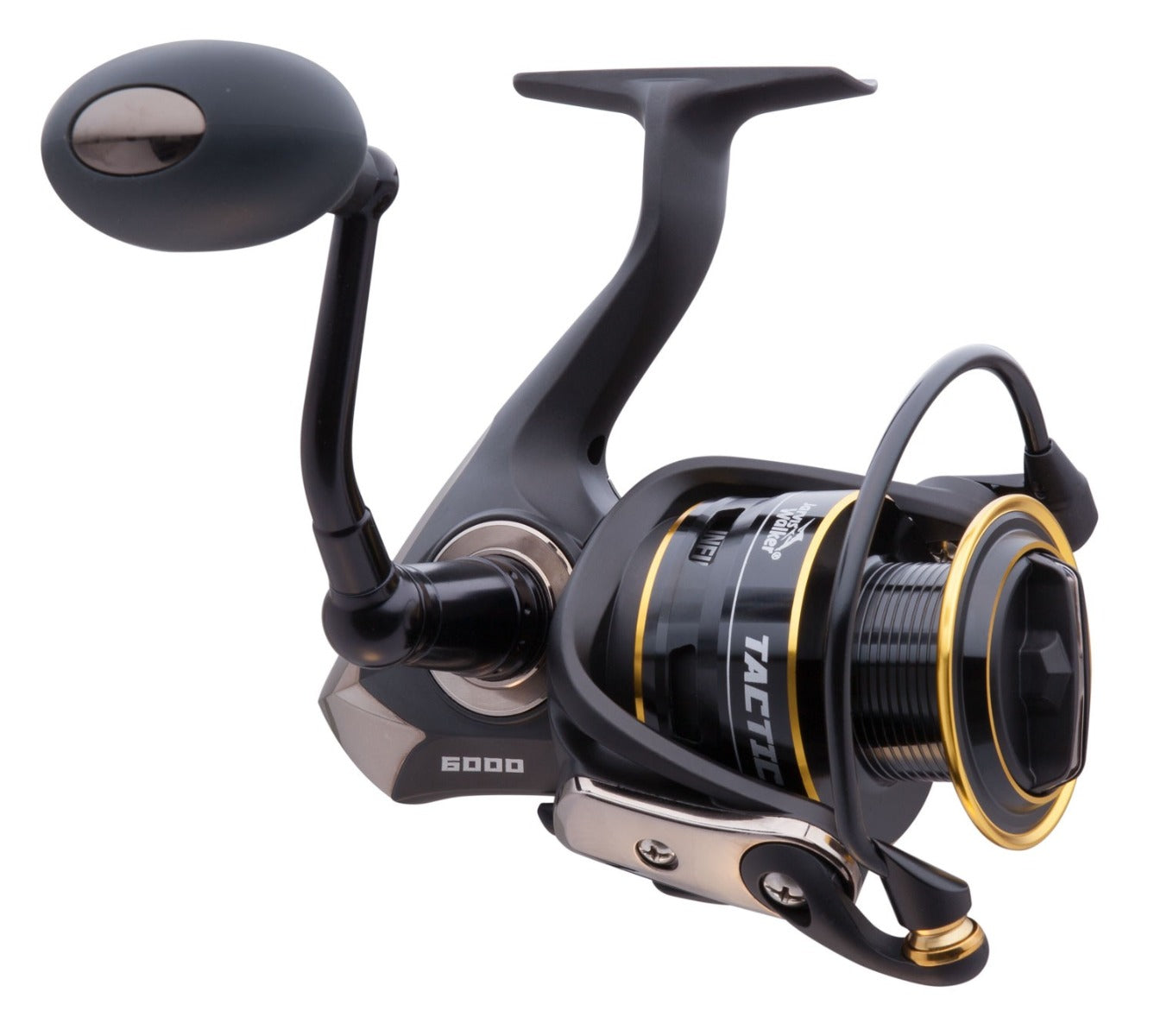
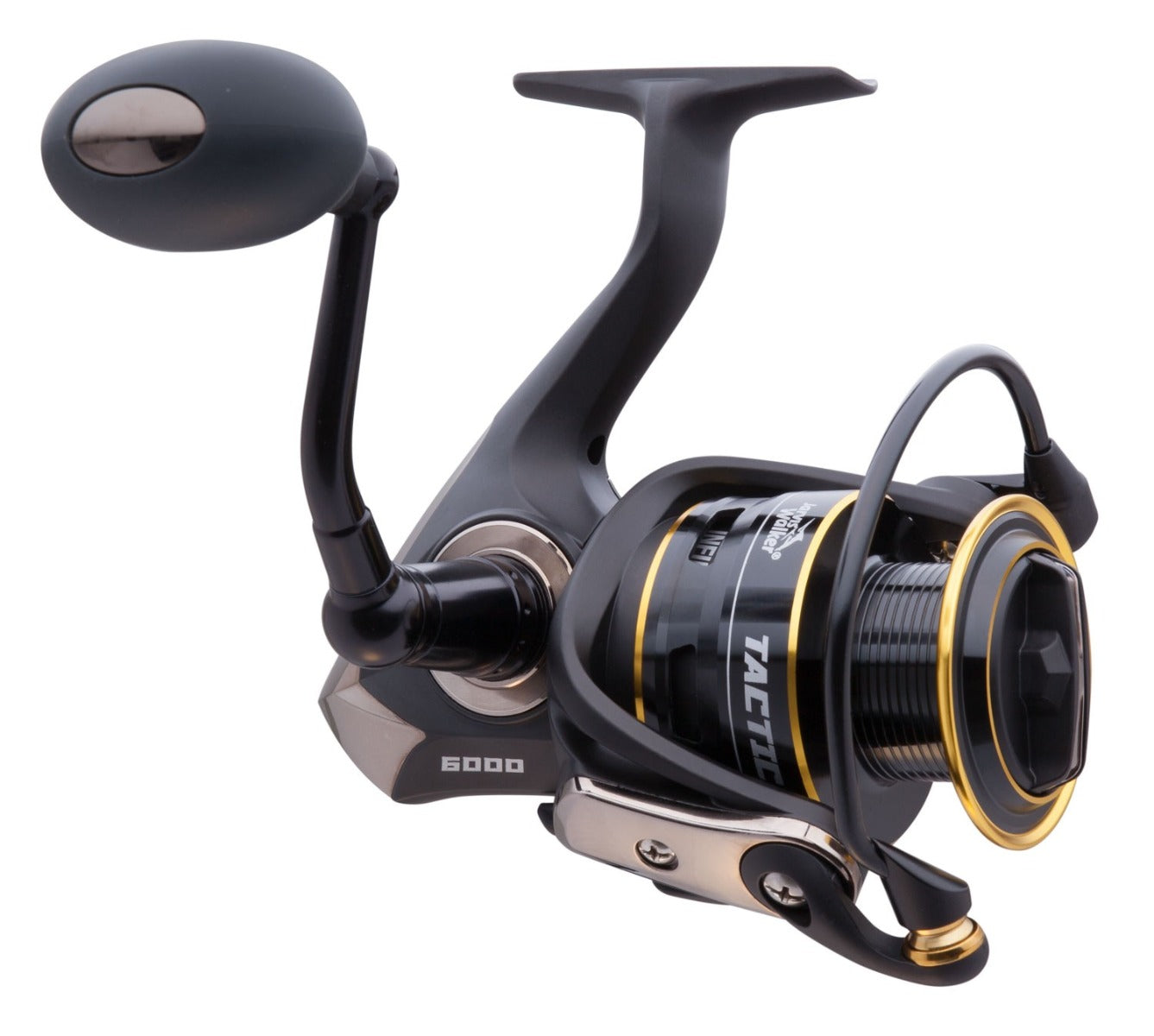








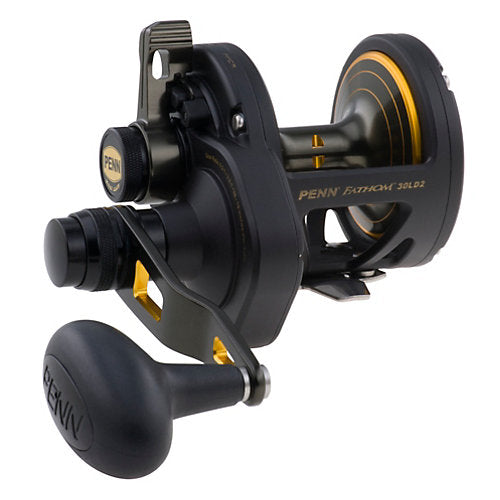

A fishing reel does three jobs: it stores line, it controls the cast, and it applies drag when a fish runs. Getting those right for the way you actually fish matters more than the badge on the side. Davo's Tackle stocks over 600 reels across spin, baitcast, overhead, sidecast, electric and fly, from Shimano, Daiwa, Penn, Okuma, Abu Garcia and Alvey — with a permanent clearance section for anglers chasing value.
Choosing a fishing reel
Match the reel to the rod and the line first, then to the species. Smaller spin reels suit bream, whiting, flathead and trout on light line. Mid-size reels are the everyday all-rounders. Larger sizes are built for the beach, for jewfish, and for offshore work on tuna and kingfish.
Beyond size, it comes down to type. Spin reels are the easiest to use and the most versatile. Baitcasters give you accuracy and pulling power around structure. Overheads are the choice for trolling, bottom bouncing and game fishing. Electric reels take the work out of deep dropping.
Frequently asked questions
What size spinning reel do I need?
A mid-size reel around 2500 is the most useful all-rounder for estuary species like bream and flathead. Step up for snapper and beach fishing, and up again for offshore pelagics.
Is a baitcaster better than a spinning reel?
Neither is better outright. Baitcasters cast heavier lures accurately and handle more drag pressure, but take practice. Spinning reels are easier to use and better with light lines and small lures.
How do I put new line on a fishing reel?
Run the line through the rod guides first, tie it to the spool with an arbor knot, and wind it on under firm, steady tension. Line loaded loosely is what causes wind knots and tangles later. Stop just short of the spool lip rather than filling it to the edge, and give braid a mono backing so it cannot slip on the spool.
Do I need to service a fishing reel?
Rinse with fresh water after every saltwater session, and have reels serviced regularly if you fish often. Salt intrusion, not wear, is what kills most reels in Australia.