

FREE SHIPPING ON ORDERS OVER $150*

AUSSIE FAMILY OWNED BUSINESS FOR OVER 40 YEARS

100% SATISFACTION GUARANTEED
Crab Pots and Yabby Traps
Crab Pots and Yabby Traps
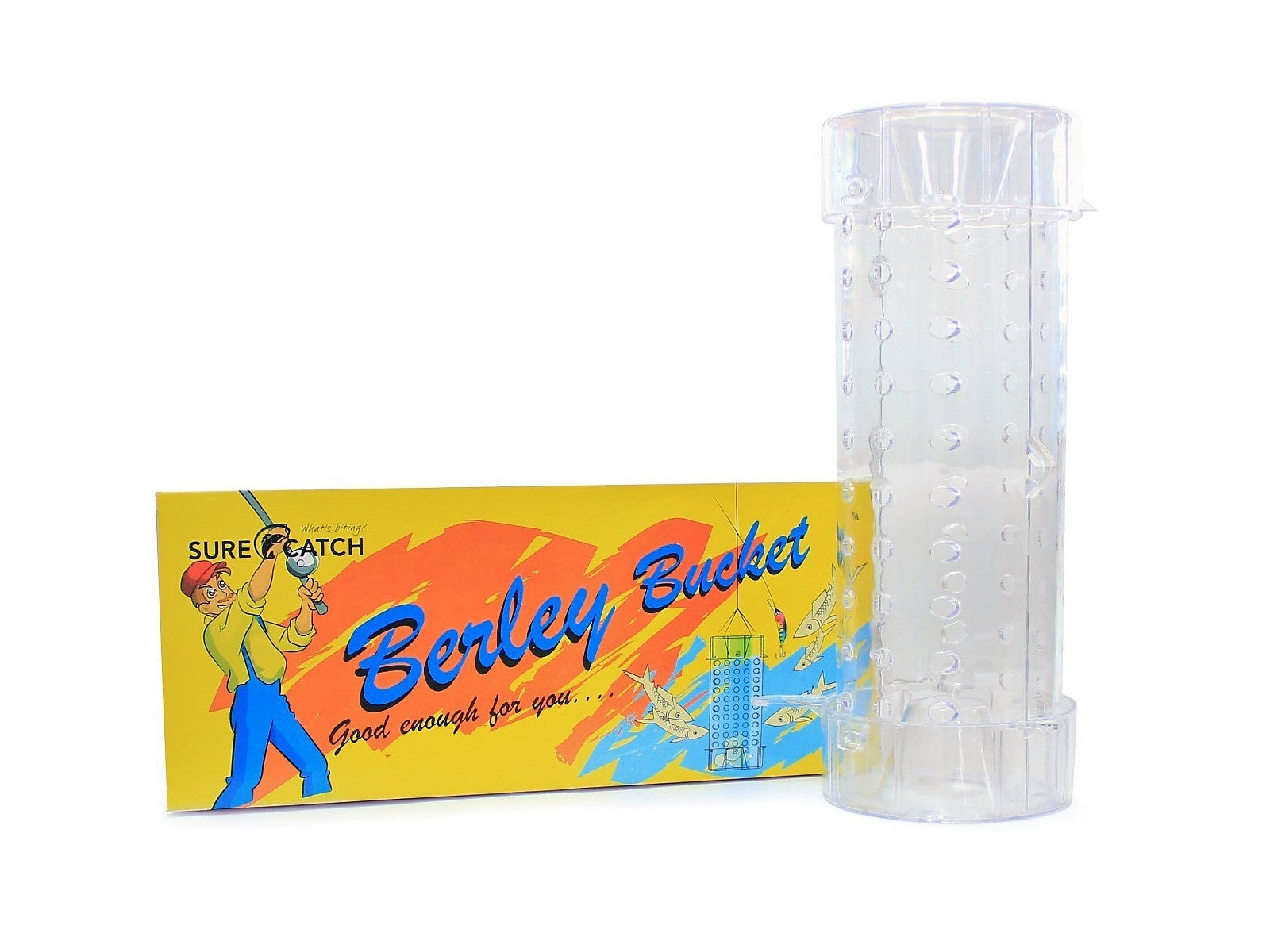
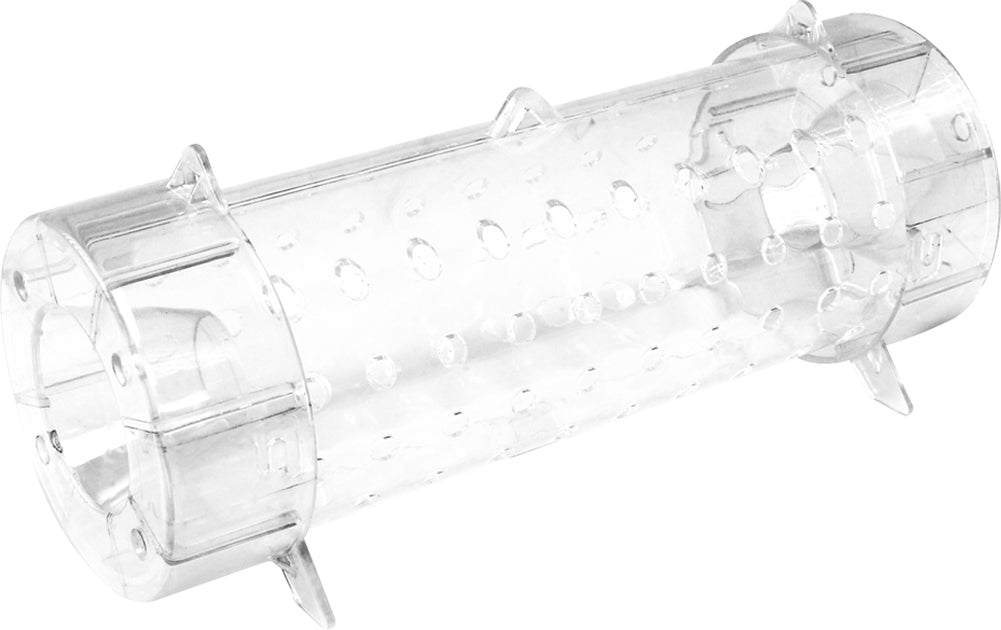
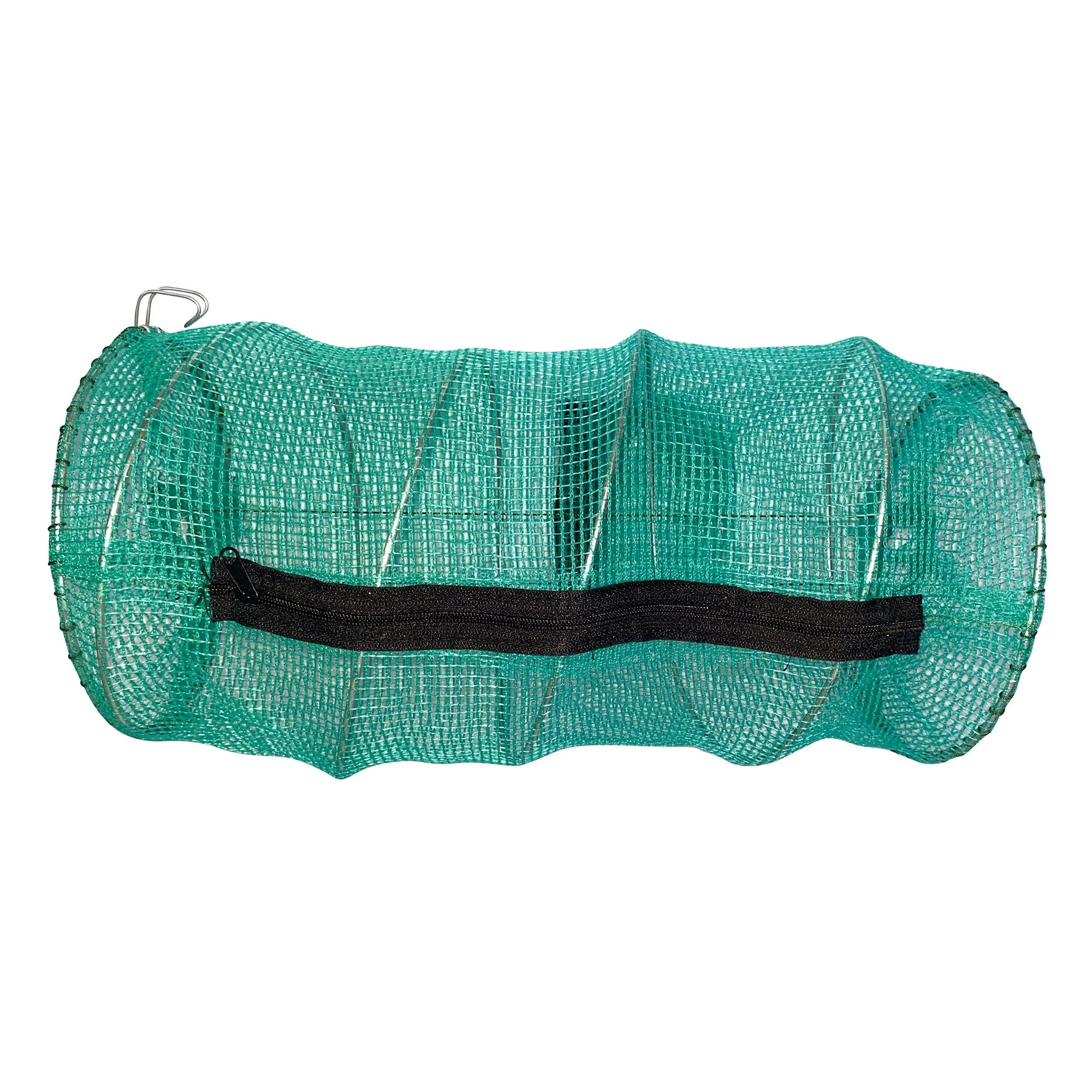
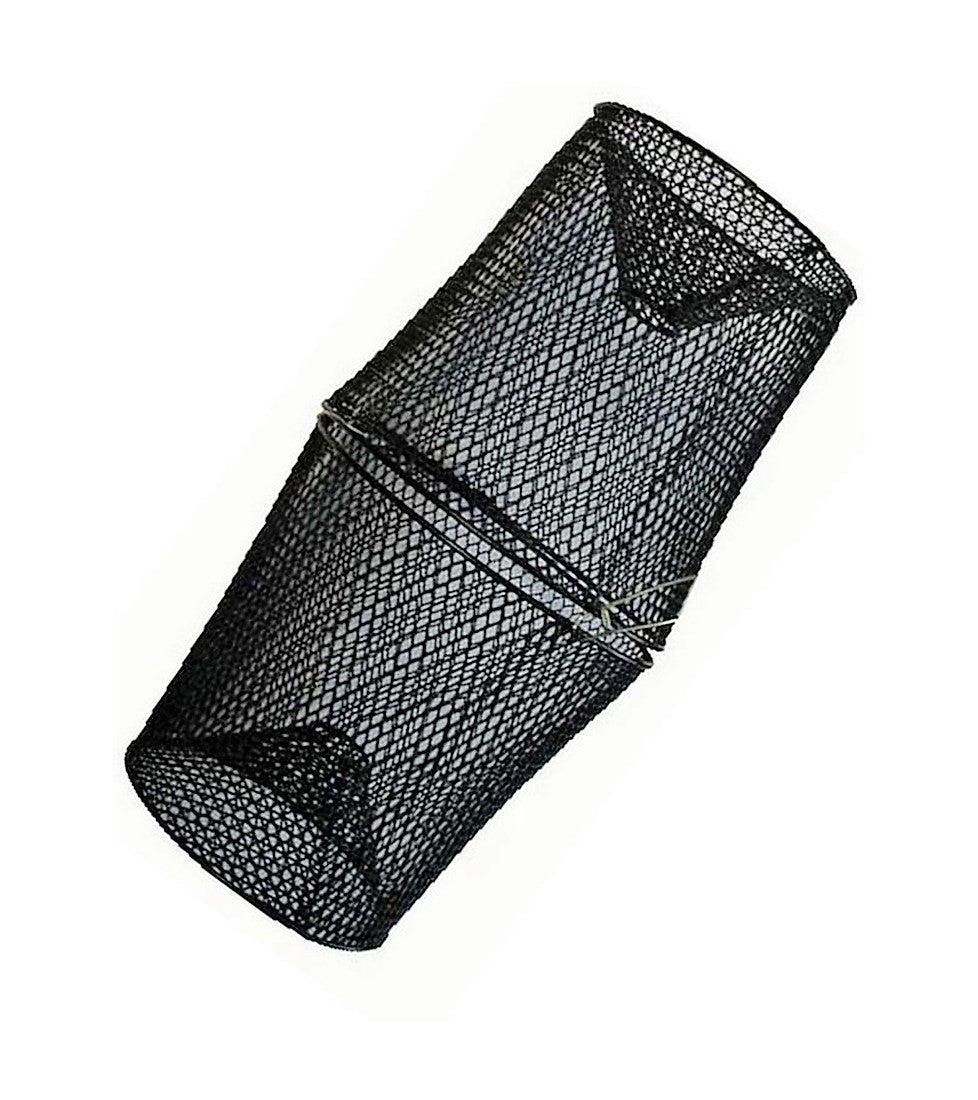
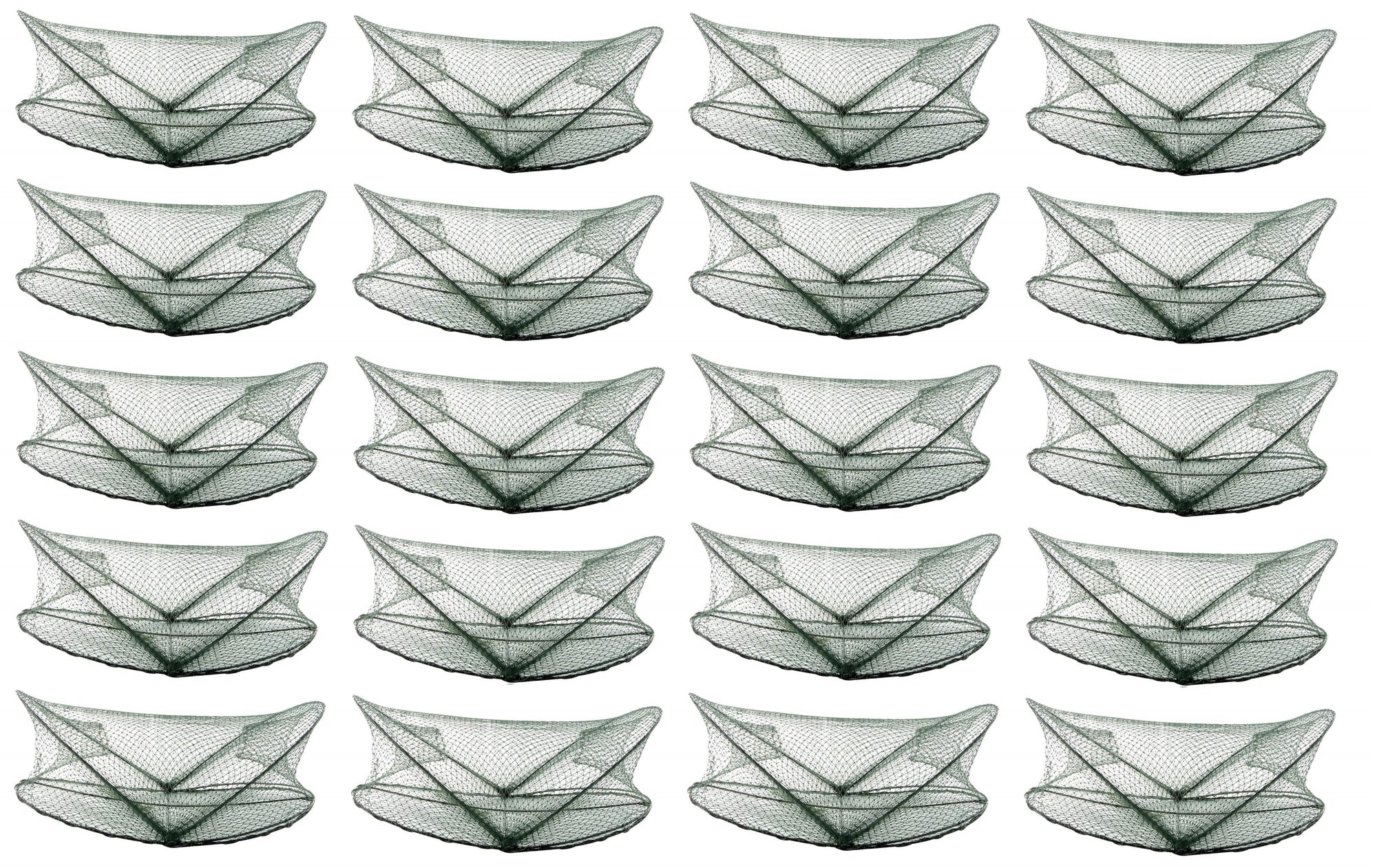
Crab pots, collapsible traps, opera house and yabby nets, shrimp traps, bait holders, floats and the accessories that go with them. Passive gear that works while you do something else, which is most of its appeal.
Pots, traps and the rules
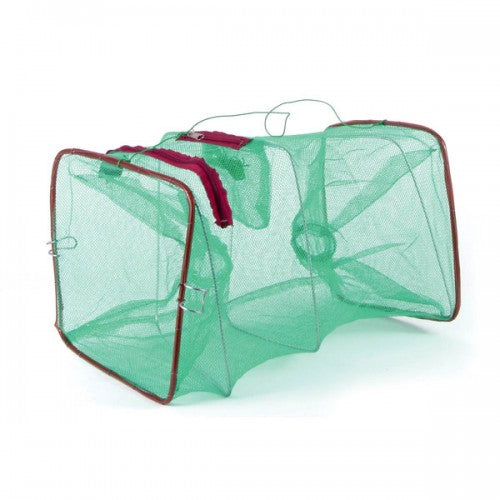
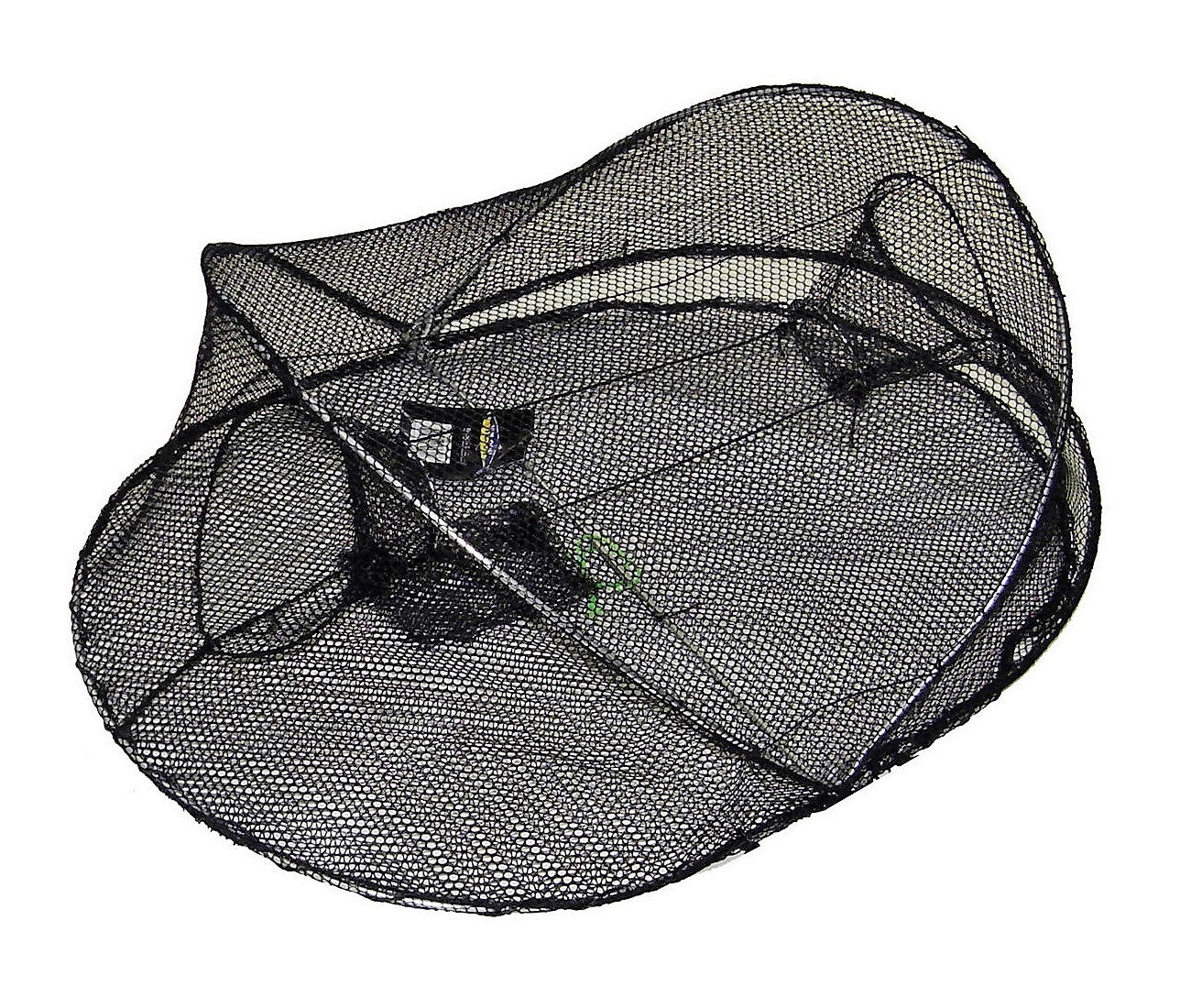
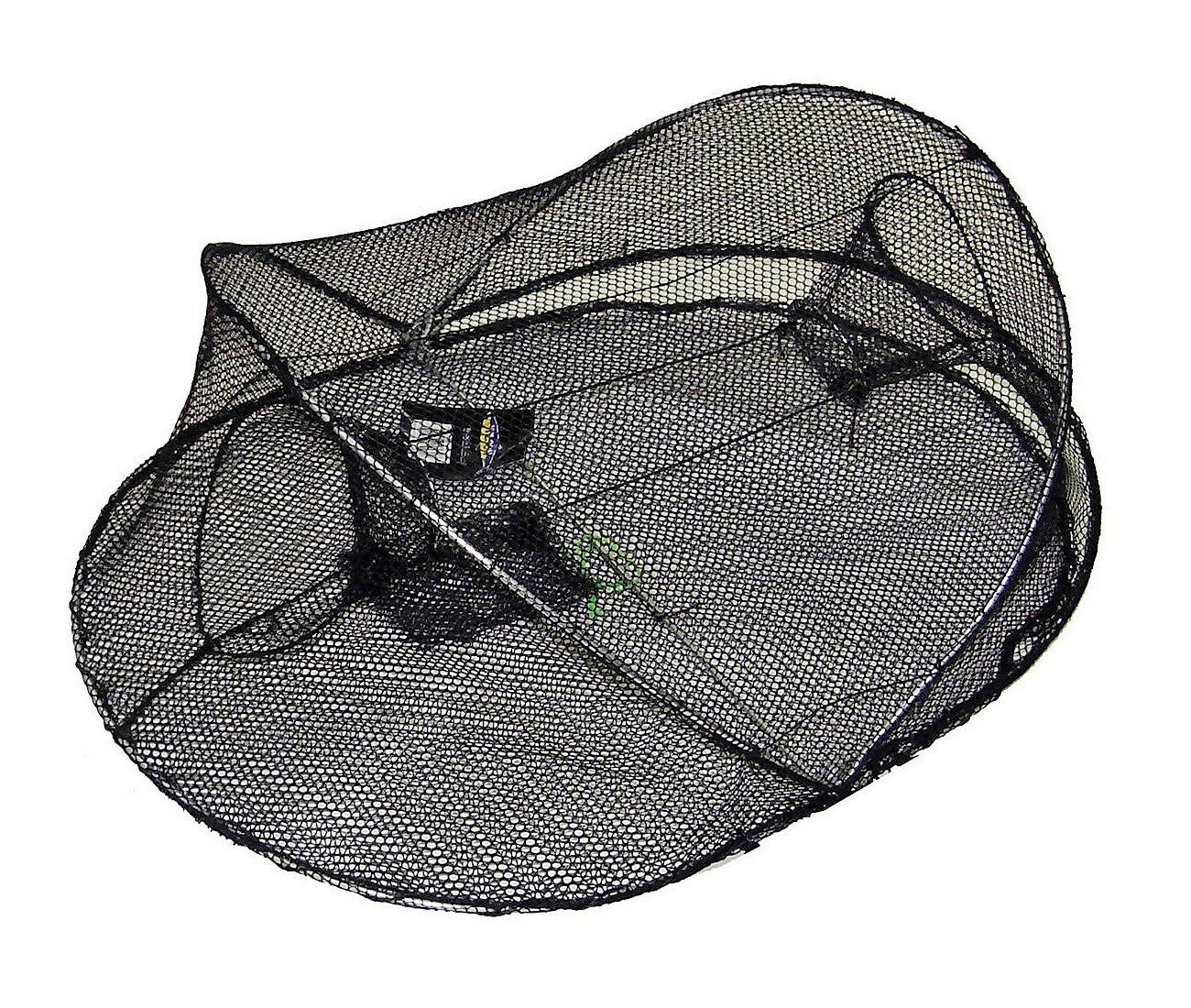
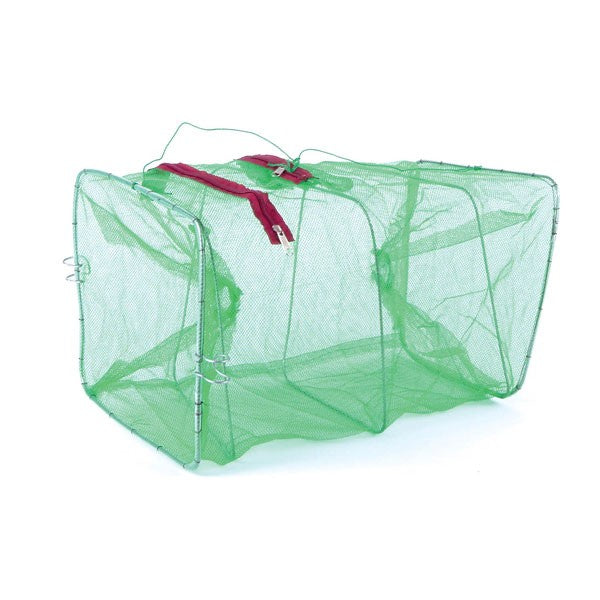
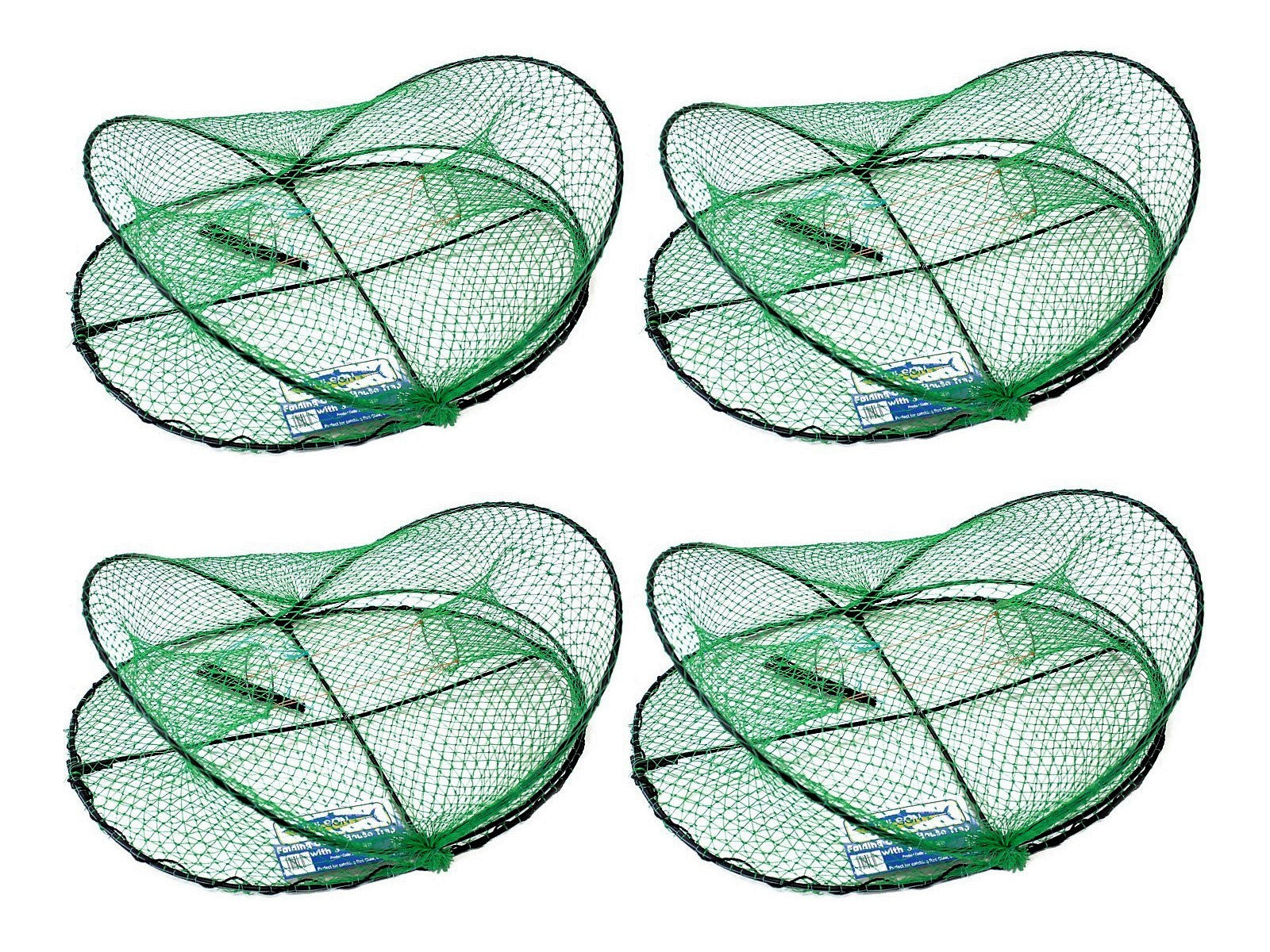
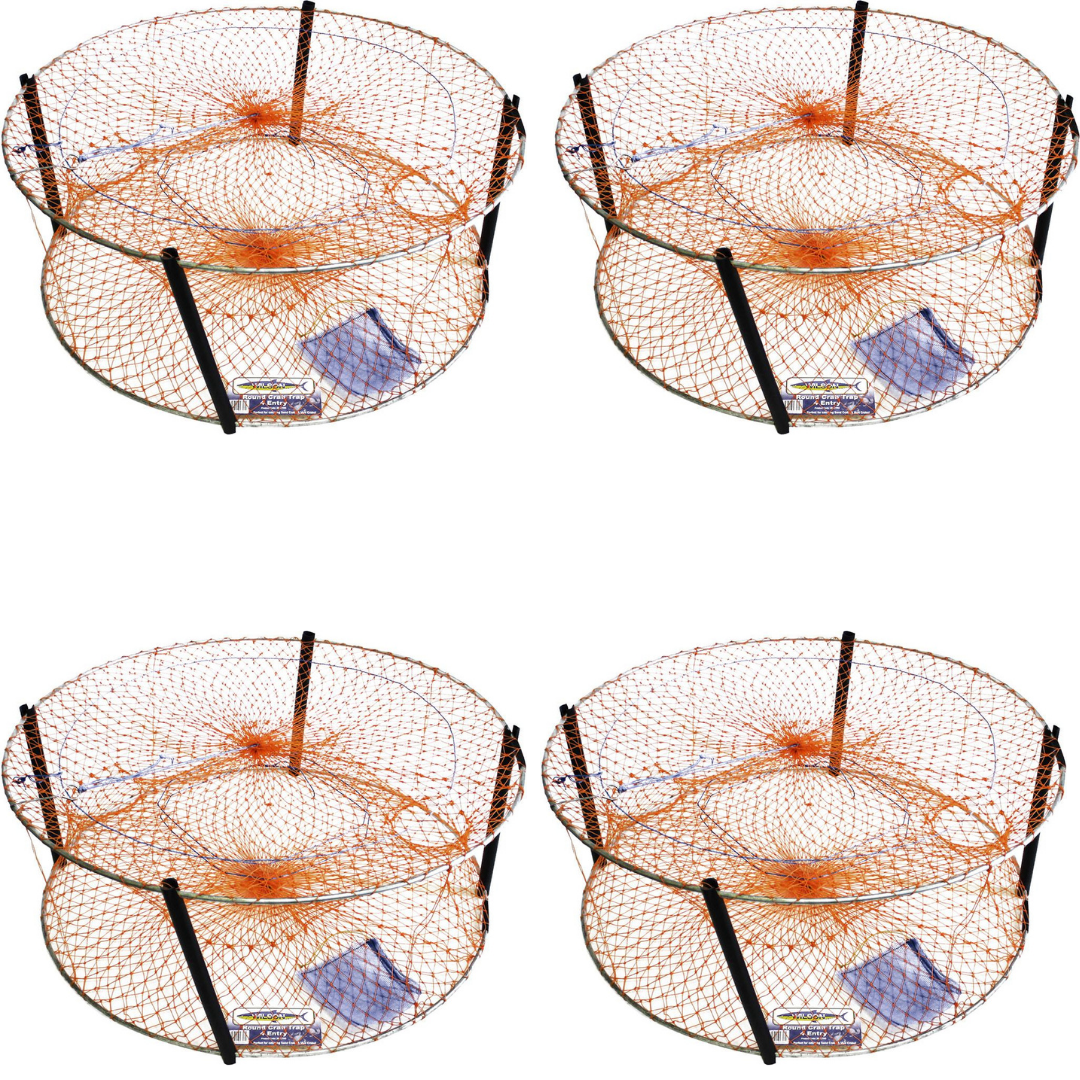
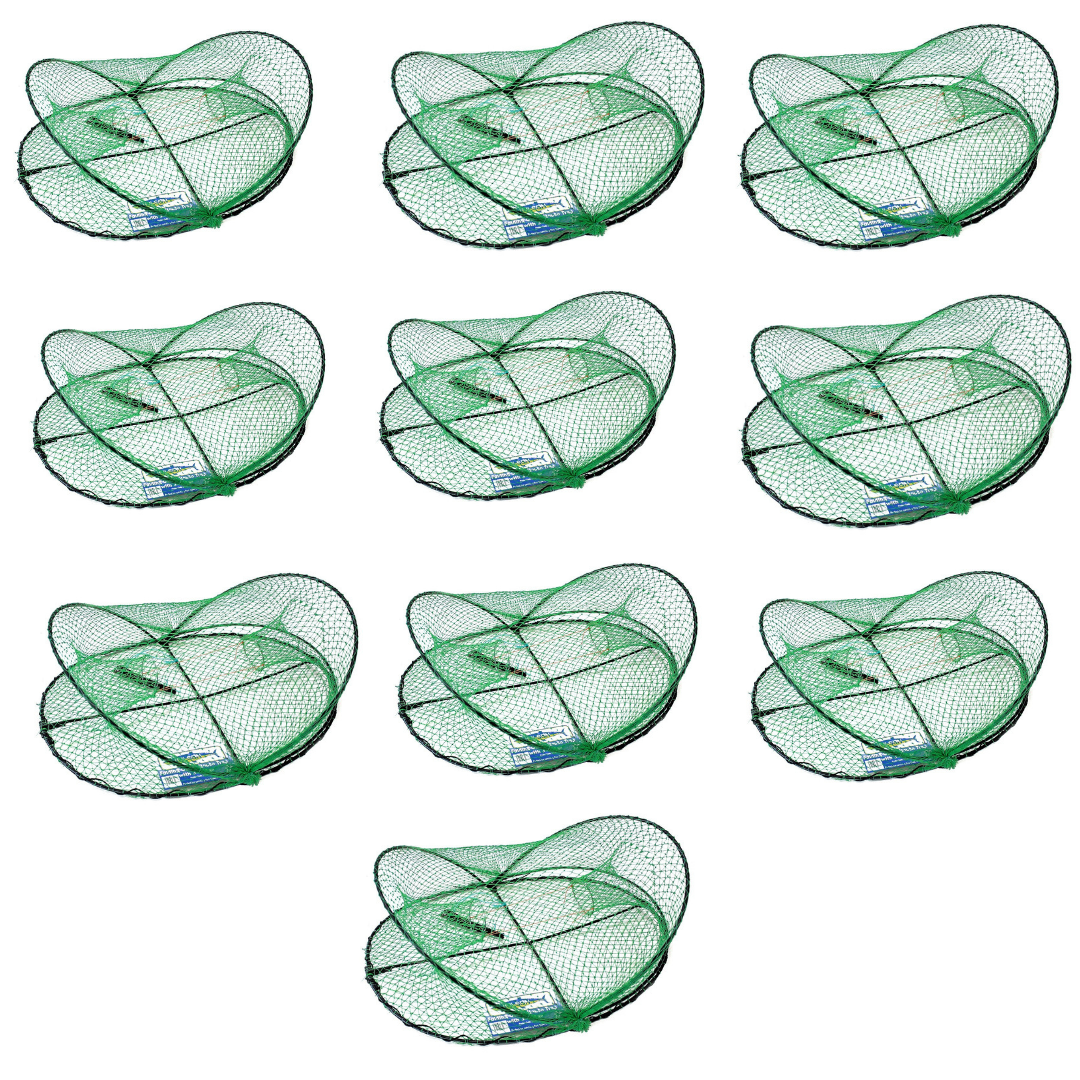
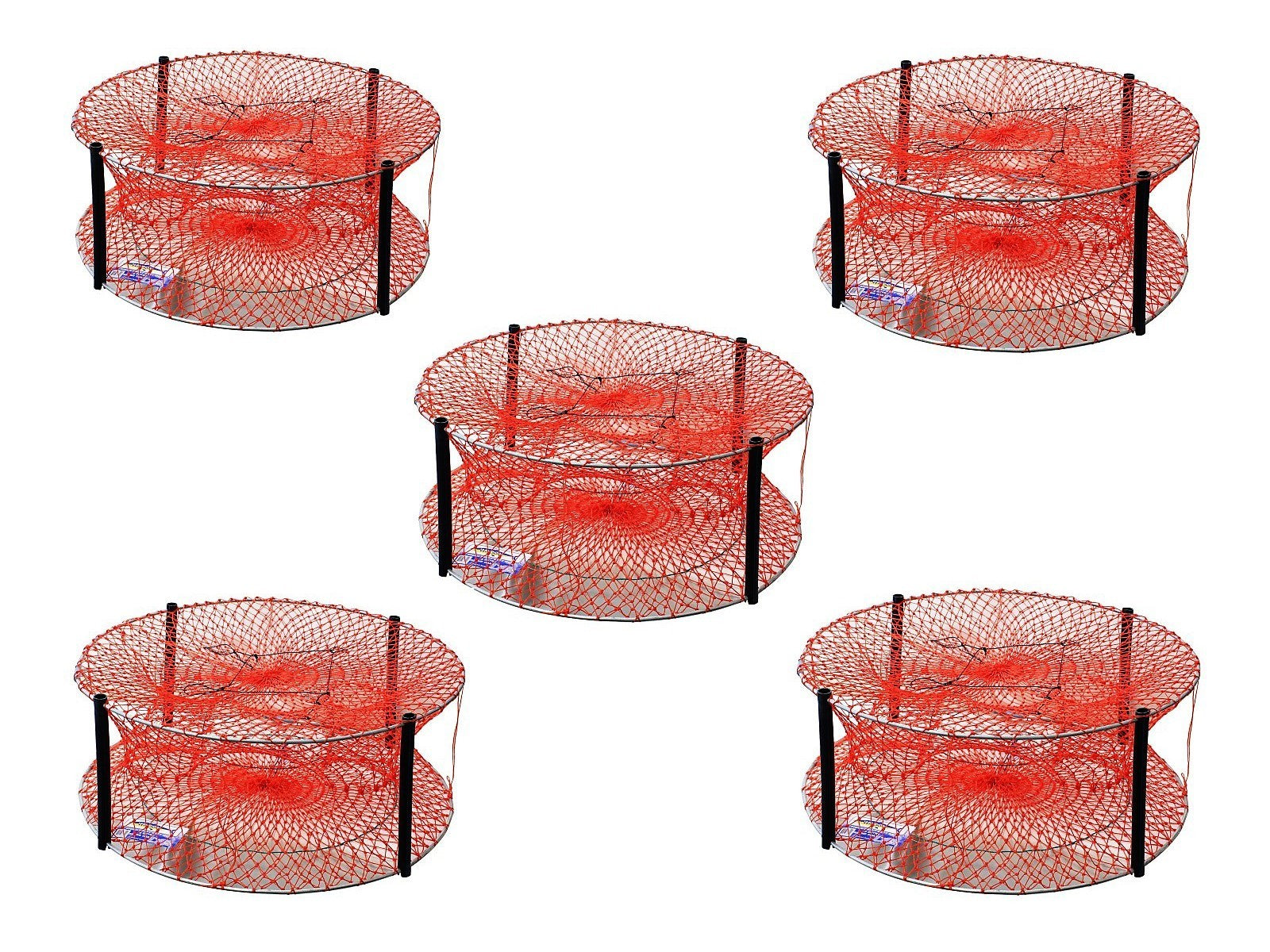
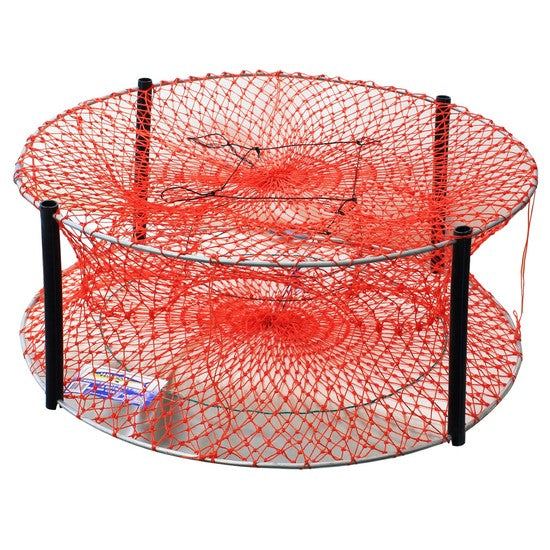
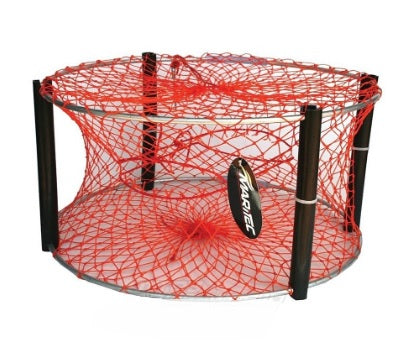
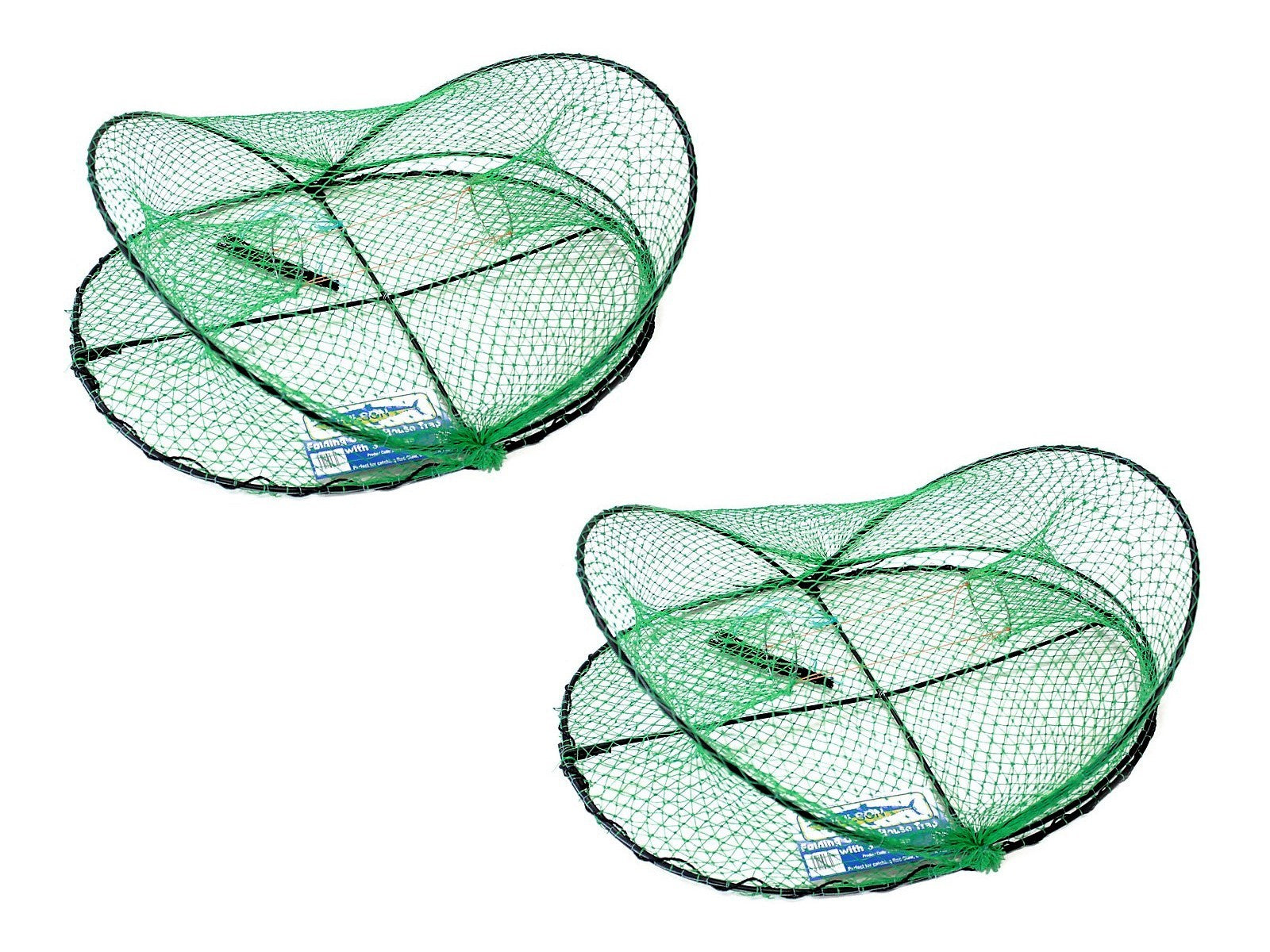
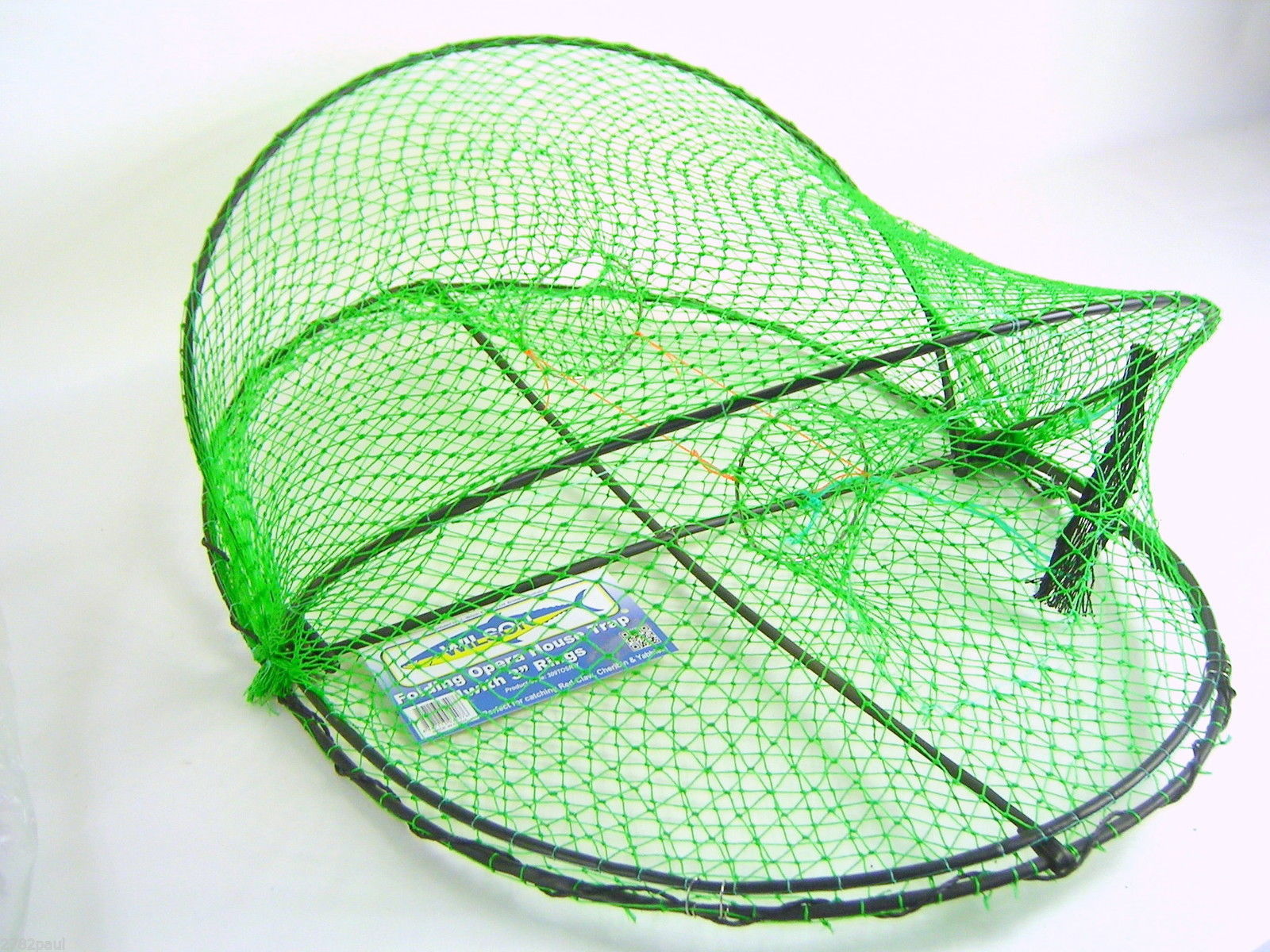
Round and collapsible pots are the standard for mud crabs and sand crabs, folding flat for storage and transport. Opera house and shrimp traps are smaller mesh gear for yabbies, shrimp and bait, worked in freshwater and shallow estuaries.
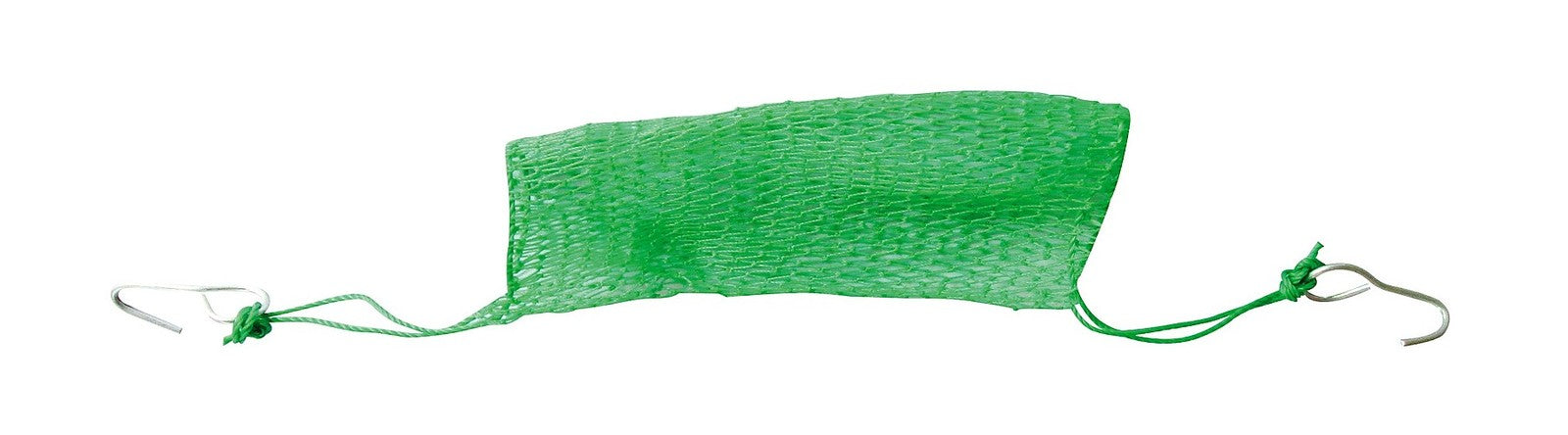
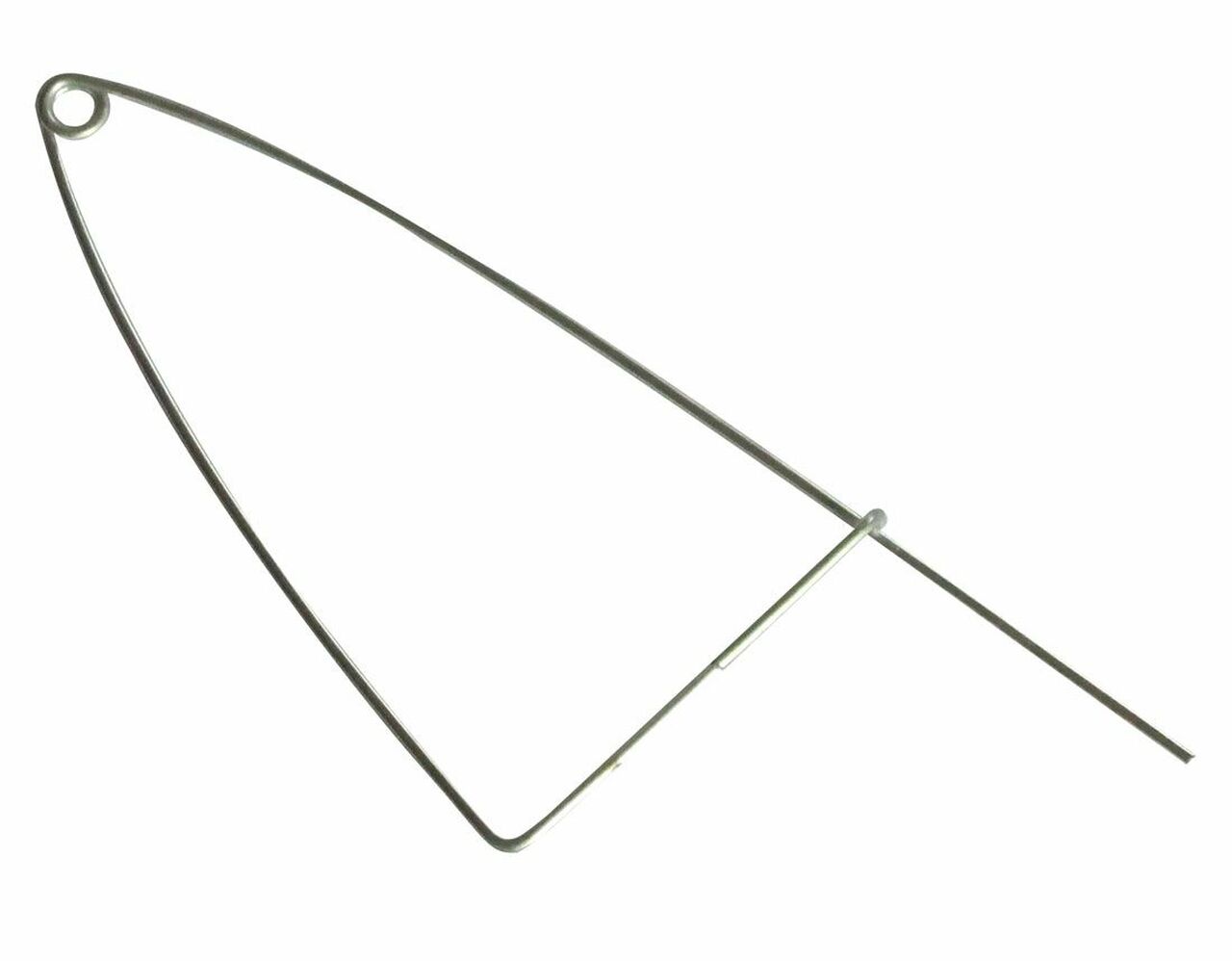
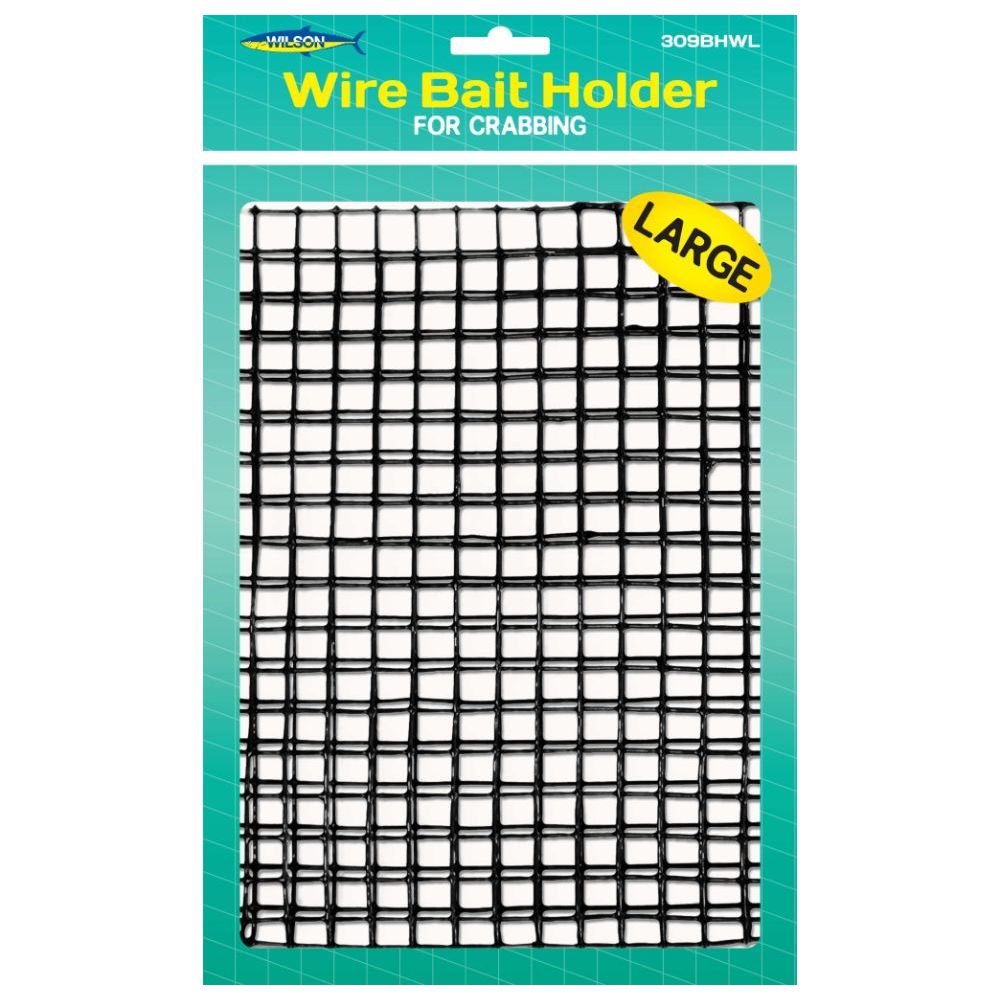
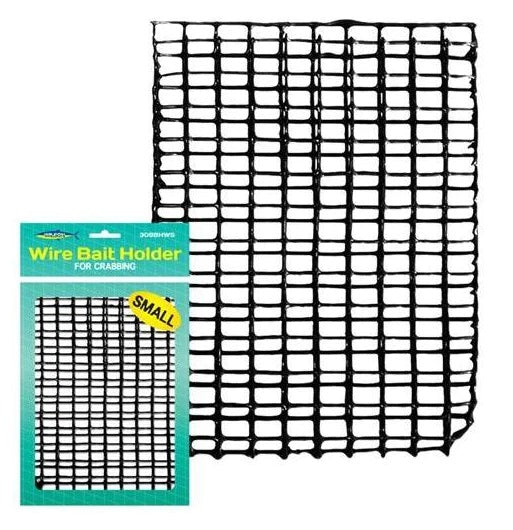
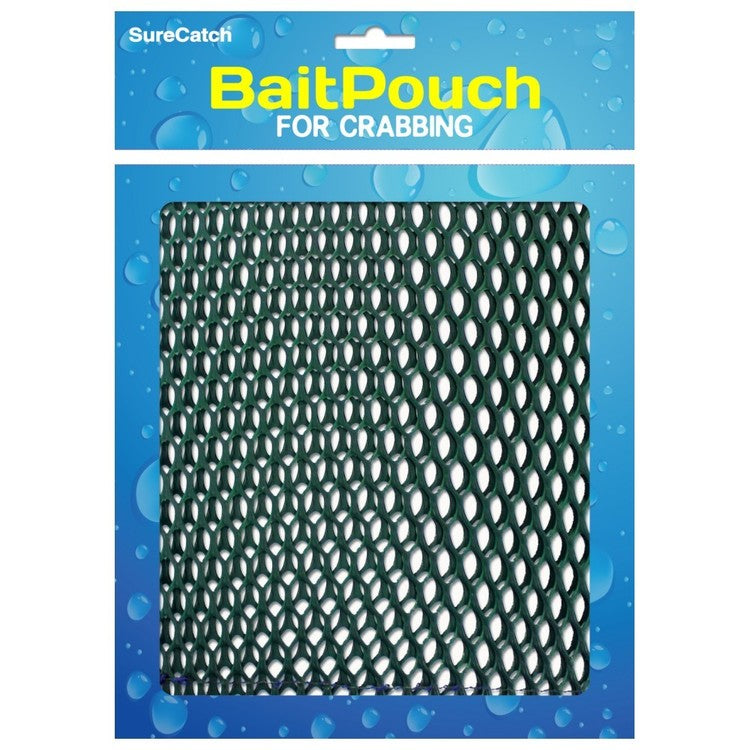
Bait is what decides whether a pot works. Oily fish frames hold their scent longest, and a bait holder keeps them in the pot rather than feeding the first crab that arrives. Set pots where crabs travel — drains, mangrove edges and gutters — rather than in open mud.
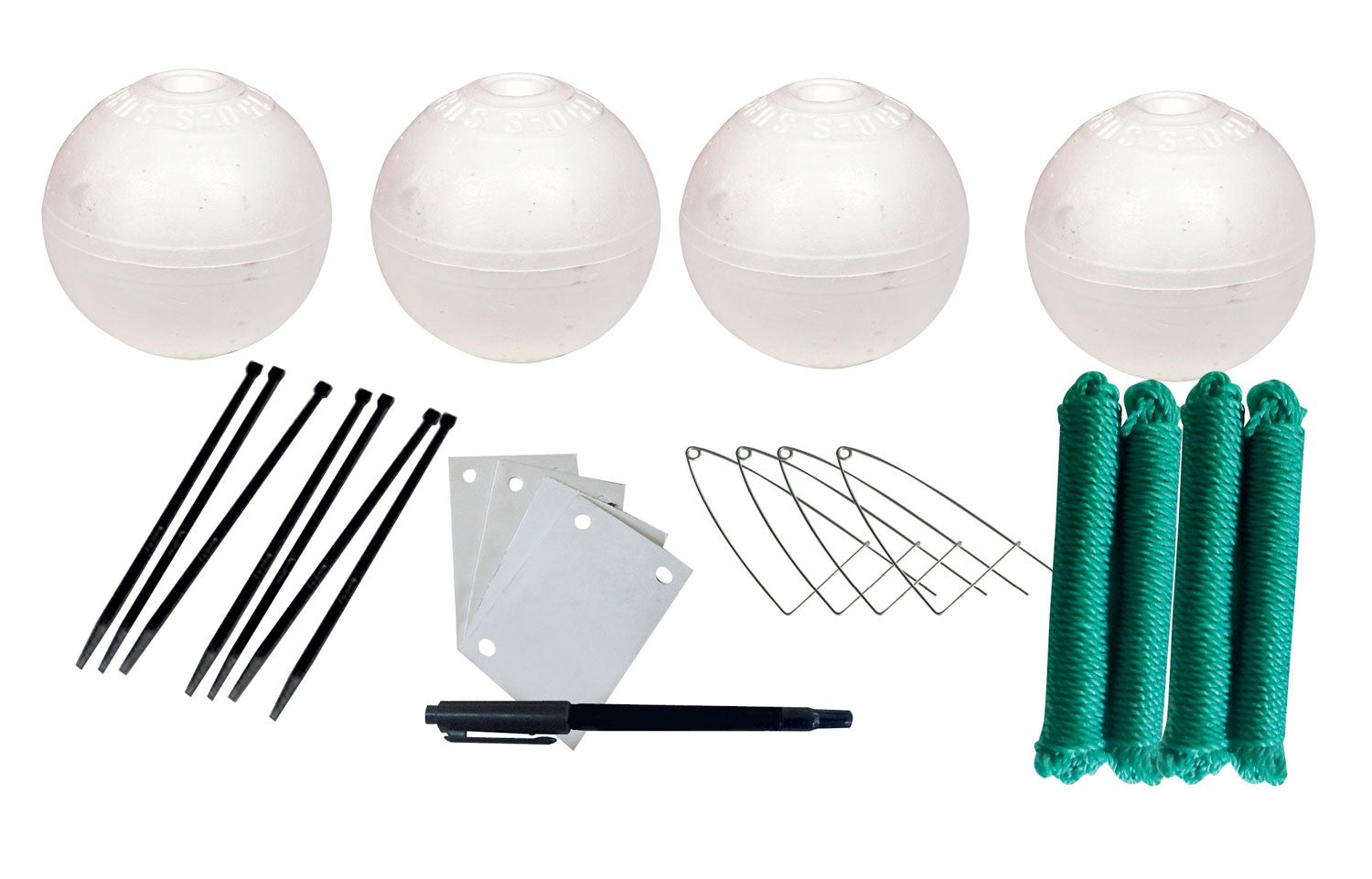
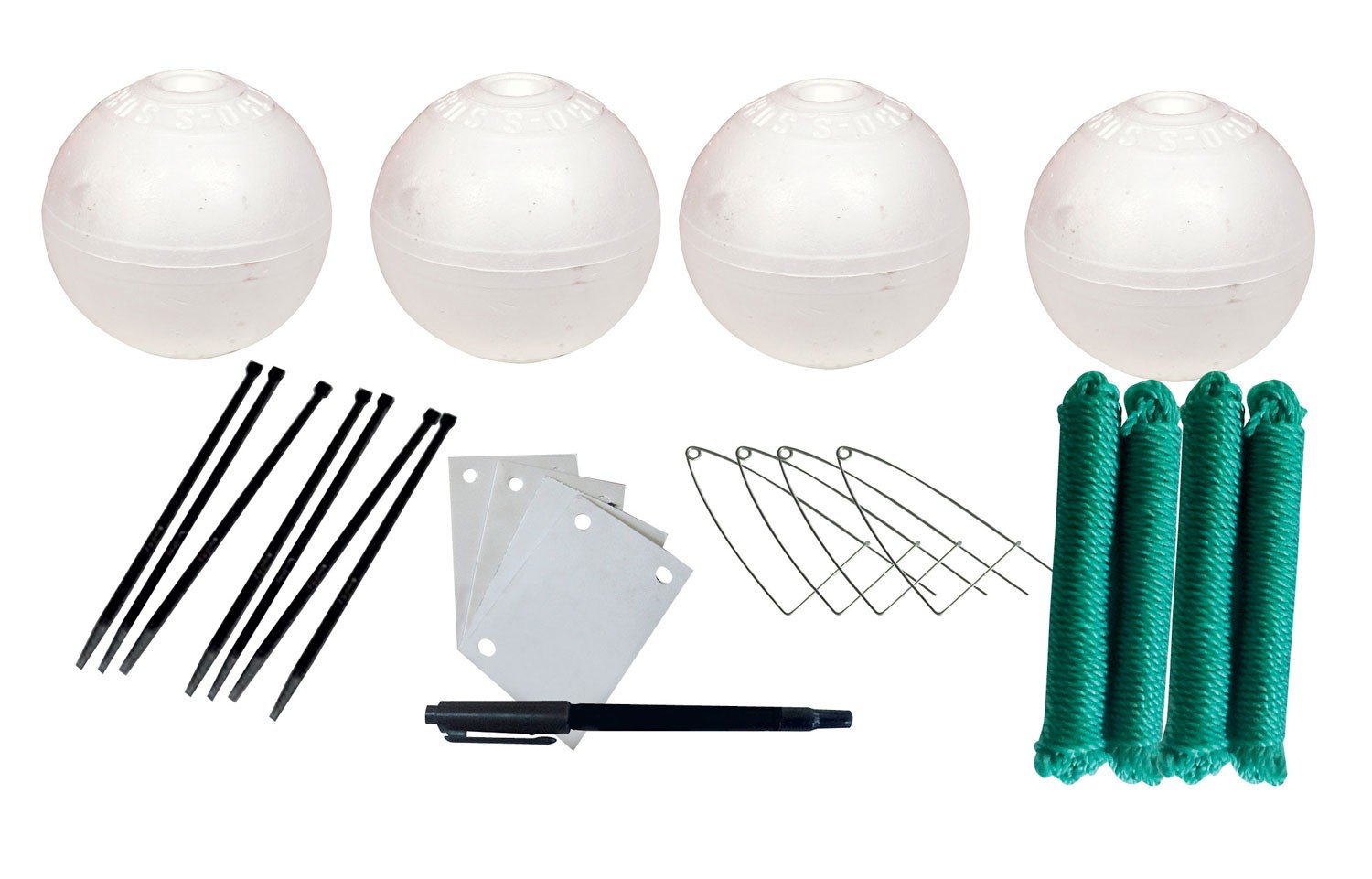
The rules here are strict and vary considerably by state: pot numbers, mesh and entrance sizes, float and tag marking requirements, closed waters and closed seasons, and in some states opera house nets are banned outright because of the risk to turtles and platypus. Check your state fisheries authority before setting anything. Cast nets are the active alternative for bait, and fishing accessories covers buckets and the rest.
Frequently asked questions
What bait is best for crab pots?
Oily fish frames, mullet and chicken are the usual choices. Whatever you use, put it in a bait holder so it lasts the soak instead of being stripped in the first hour.
Are opera house nets legal?
It depends entirely on the state, and several have banned or restricted them because of the risk to turtles and platypus. Check your state fisheries authority before using one.
How long should I leave a crab pot?
A few hours to overnight, depending on the tide and the rules where you are. Some states specify maximum soak times and how often pots must be checked.
Do crab pots need to be marked?
In most states, yes — with a float and often a tag carrying your name or licence details. The requirements differ by state, so check before you set.



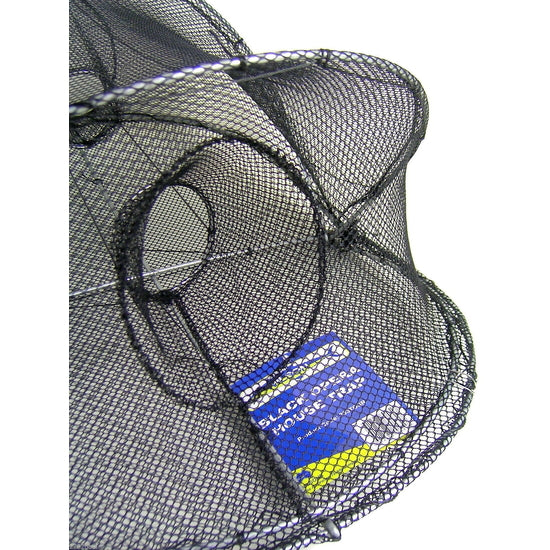
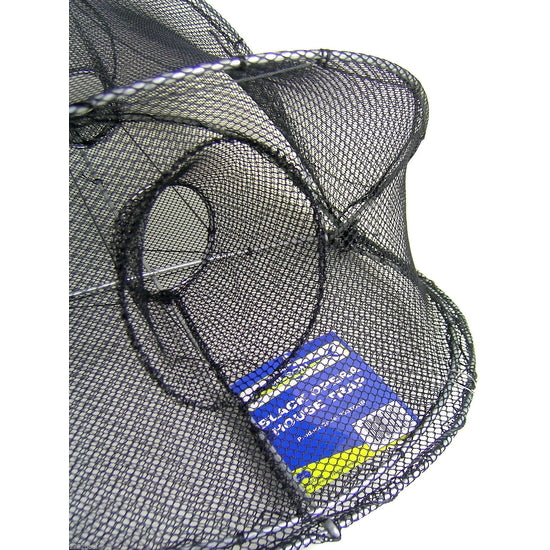

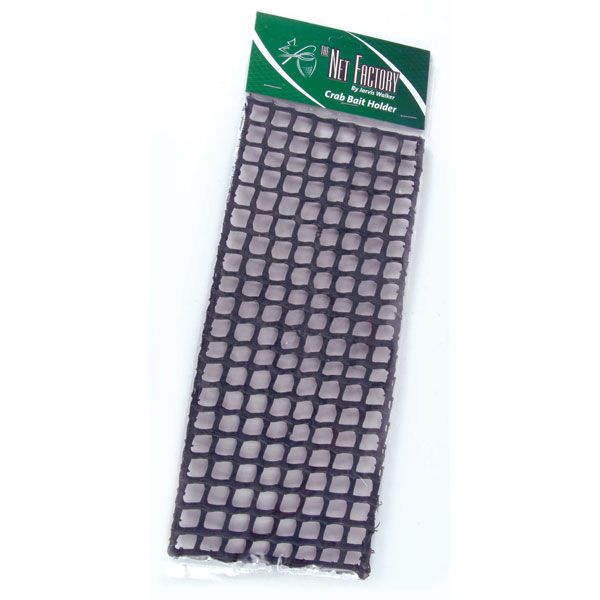


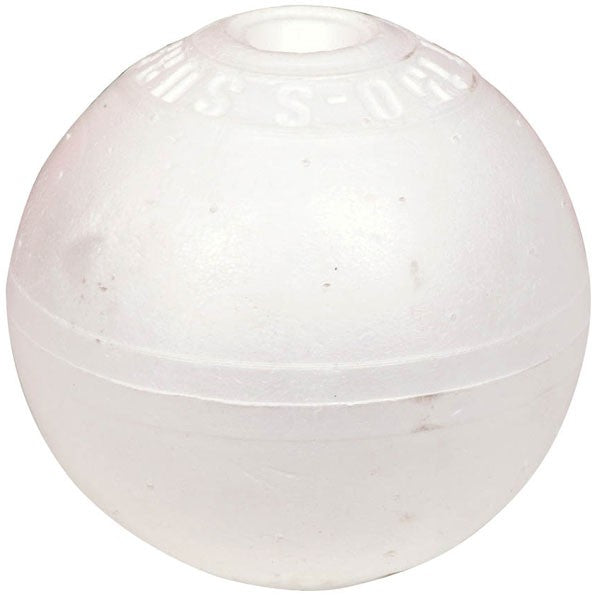

































Crab pots, collapsible traps, opera house and yabby nets, shrimp traps, bait holders, floats and the accessories that go with them. Passive gear that works while you do something else, which is most of its appeal.
Pots, traps and the rules
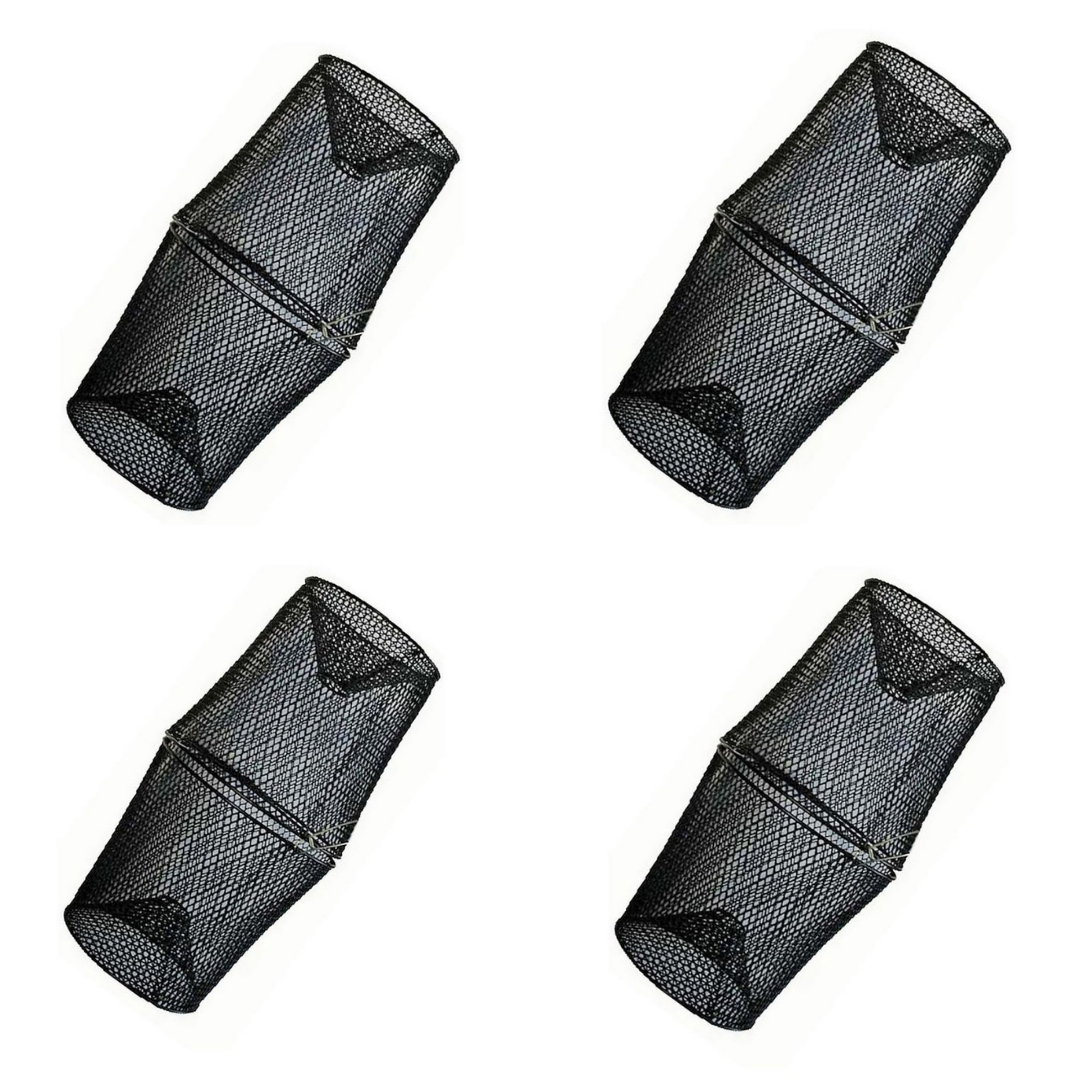
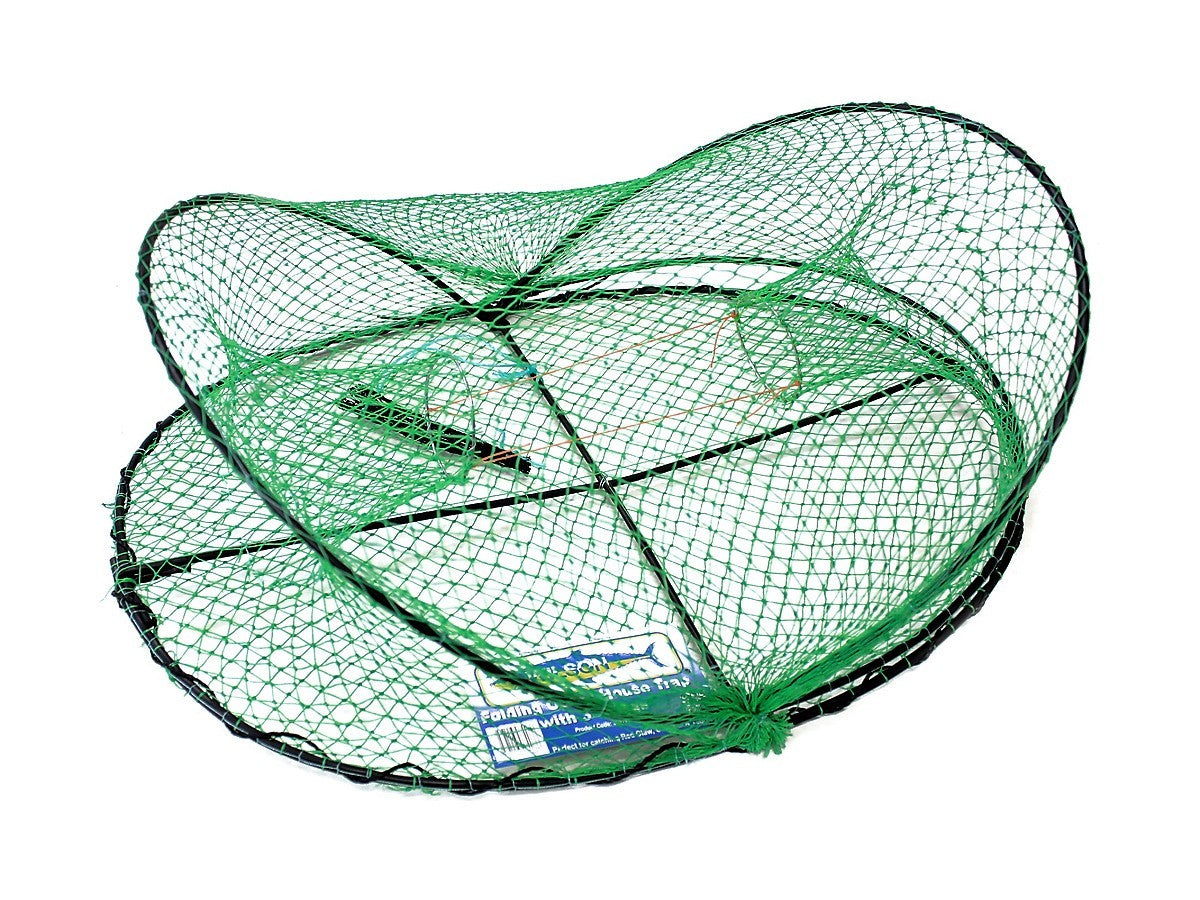
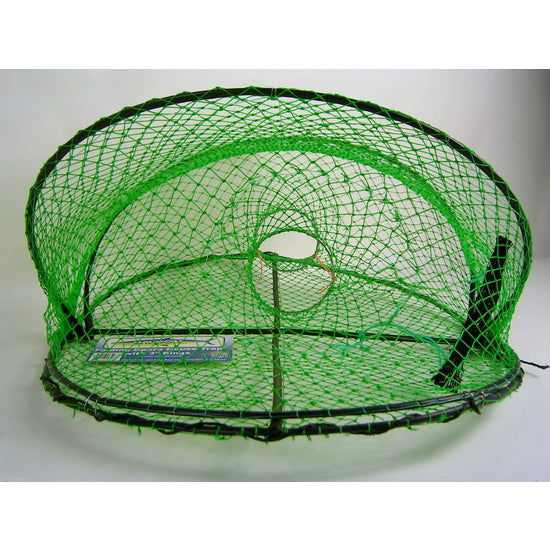
Round and collapsible pots are the standard for mud crabs and sand crabs, folding flat for storage and transport. Opera house and shrimp traps are smaller mesh gear for yabbies, shrimp and bait, worked in freshwater and shallow estuaries.
Bait is what decides whether a pot works. Oily fish frames hold their scent longest, and a bait holder keeps them in the pot rather than feeding the first crab that arrives. Set pots where crabs travel — drains, mangrove edges and gutters — rather than in open mud.
The rules here are strict and vary considerably by state: pot numbers, mesh and entrance sizes, float and tag marking requirements, closed waters and closed seasons, and in some states opera house nets are banned outright because of the risk to turtles and platypus. Check your state fisheries authority before setting anything. Cast nets are the active alternative for bait, and fishing accessories covers buckets and the rest.
Frequently asked questions
What bait is best for crab pots?
Oily fish frames, mullet and chicken are the usual choices. Whatever you use, put it in a bait holder so it lasts the soak instead of being stripped in the first hour.
Are opera house nets legal?
It depends entirely on the state, and several have banned or restricted them because of the risk to turtles and platypus. Check your state fisheries authority before using one.
How long should I leave a crab pot?
A few hours to overnight, depending on the tide and the rules where you are. Some states specify maximum soak times and how often pots must be checked.
Do crab pots need to be marked?
In most states, yes — with a float and often a tag carrying your name or licence details. The requirements differ by state, so check before you set.