

FREE SHIPPING ON ORDERS OVER $150*

AUSSIE FAMILY OWNED BUSINESS FOR OVER 40 YEARS

100% SATISFACTION GUARANTEED
Fishing Crimps
Fishing Crimps
Crimps join heavy leader and wire where a knot either will not hold or would waste too much breaking strain. This range covers single and double barrel sleeves in aluminium and copper, plus the crimping tools and gauge kits to go with them.
Getting a crimp right
Size is the whole game. The sleeve has to match the diameter of the line or wire passing through it — too large and it will not grip however hard you squeeze, too small and you cannot double the line back through. Crimp charts and gauge kits exist because guessing does not work.
Use the right tool. Proper crimping pliers have shaped dies that compress the sleeve evenly around the line. Side cutters and multigrips flatten it instead, which cuts into the leader and creates exactly the weak point you were trying to avoid.
Two crimps are common on heavy game traces, and a length of chafe tube through the loop protects it from the hook eye or swivel. Crimping is the standard join for heavy mono and for wire trace, and the connections themselves are in swivels and snaps.
Frequently asked questions
What size crimp do I need?
One matched to the diameter of your line or wire, not its breaking strain. Crimp manufacturers publish charts, and a gauge kit removes the guesswork entirely.
Can I use pliers instead of a crimping tool?
Not safely. Ordinary pliers flatten the sleeve and bite into the line, which is where the failure starts. Crimping tools have dies shaped to compress the sleeve evenly.
Aluminium or copper crimps?
Aluminium is the general purpose choice for mono and is softer to compress. Copper and brass are usually used on wire. Match the sleeve material to what the manufacturer specifies.
Are crimps stronger than knots?
On heavy leader, usually yes — a knot in thick mono loses a lot of strength and is hard to tie well. On light line a good knot is simpler and perfectly strong enough.


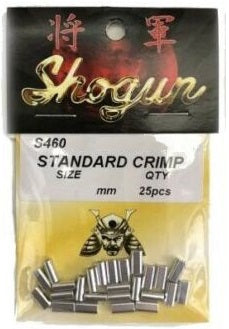
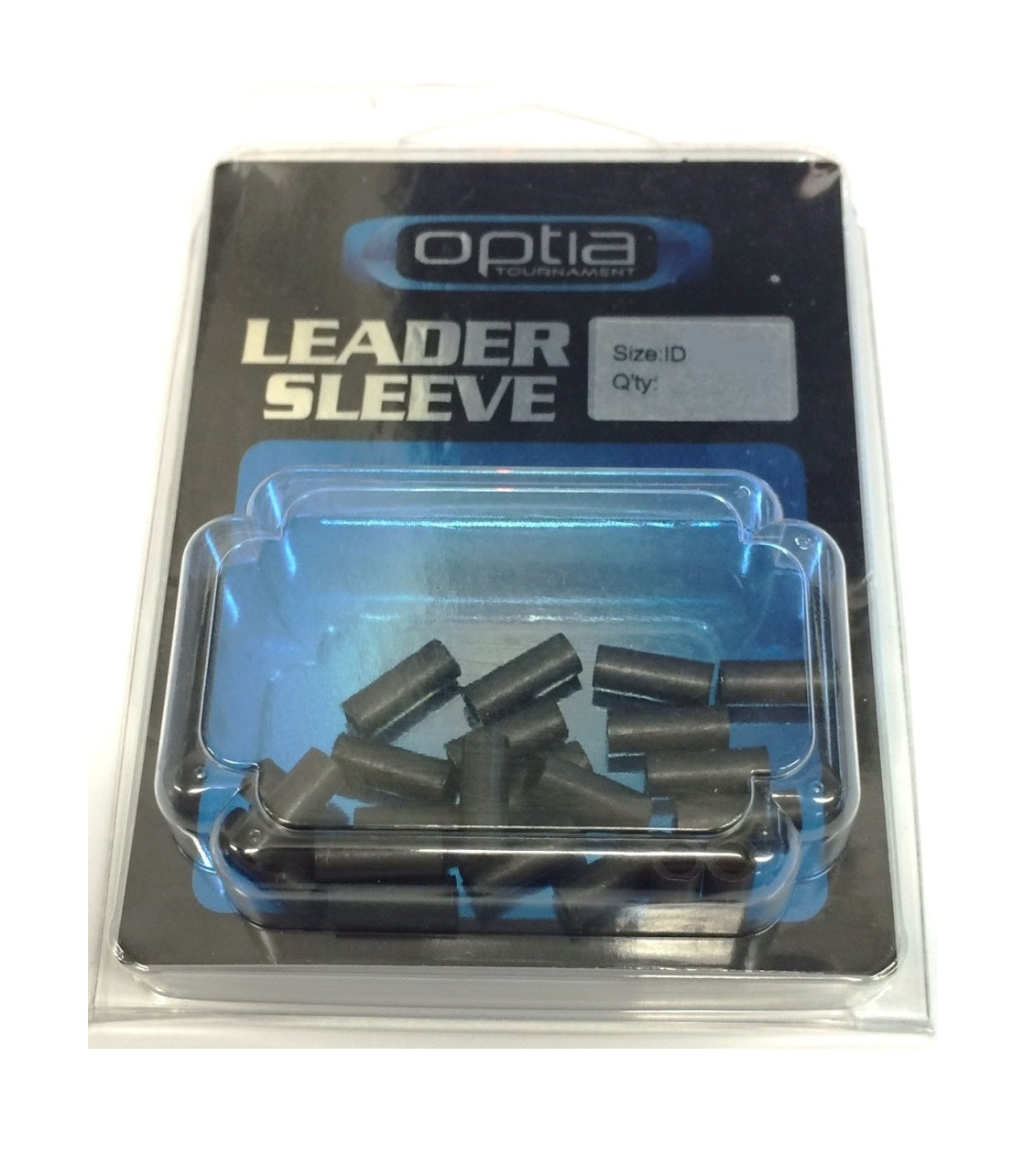
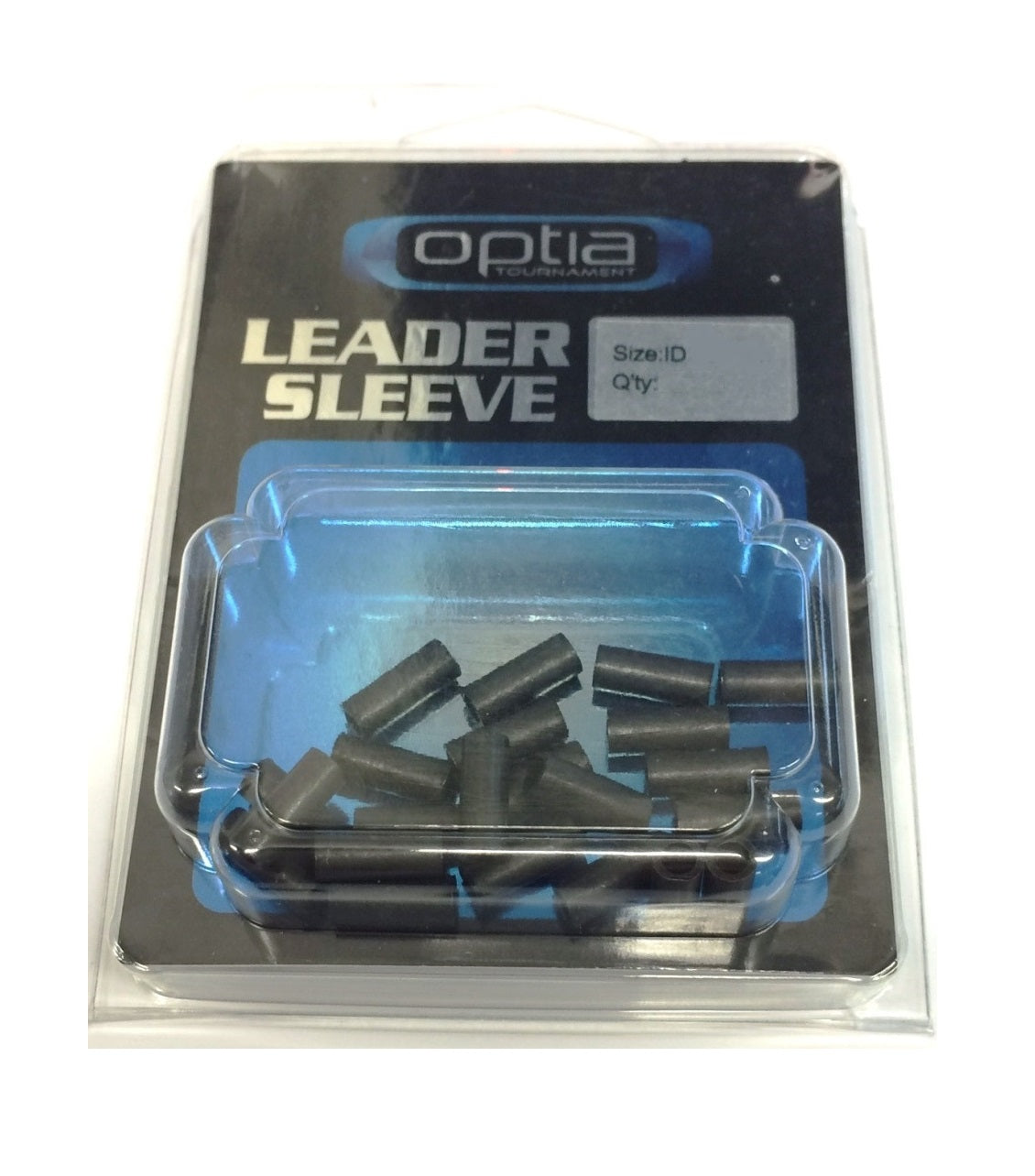
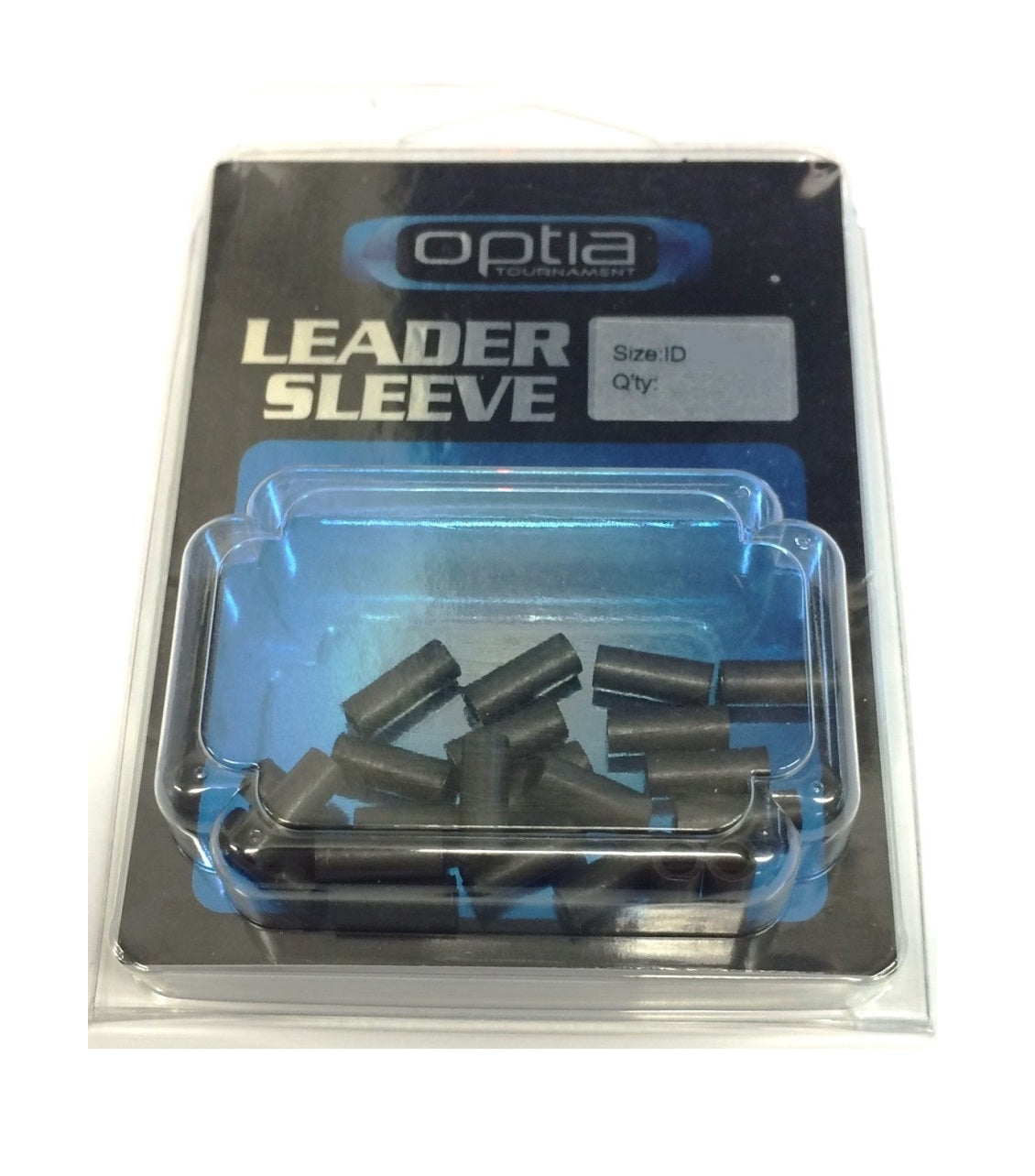


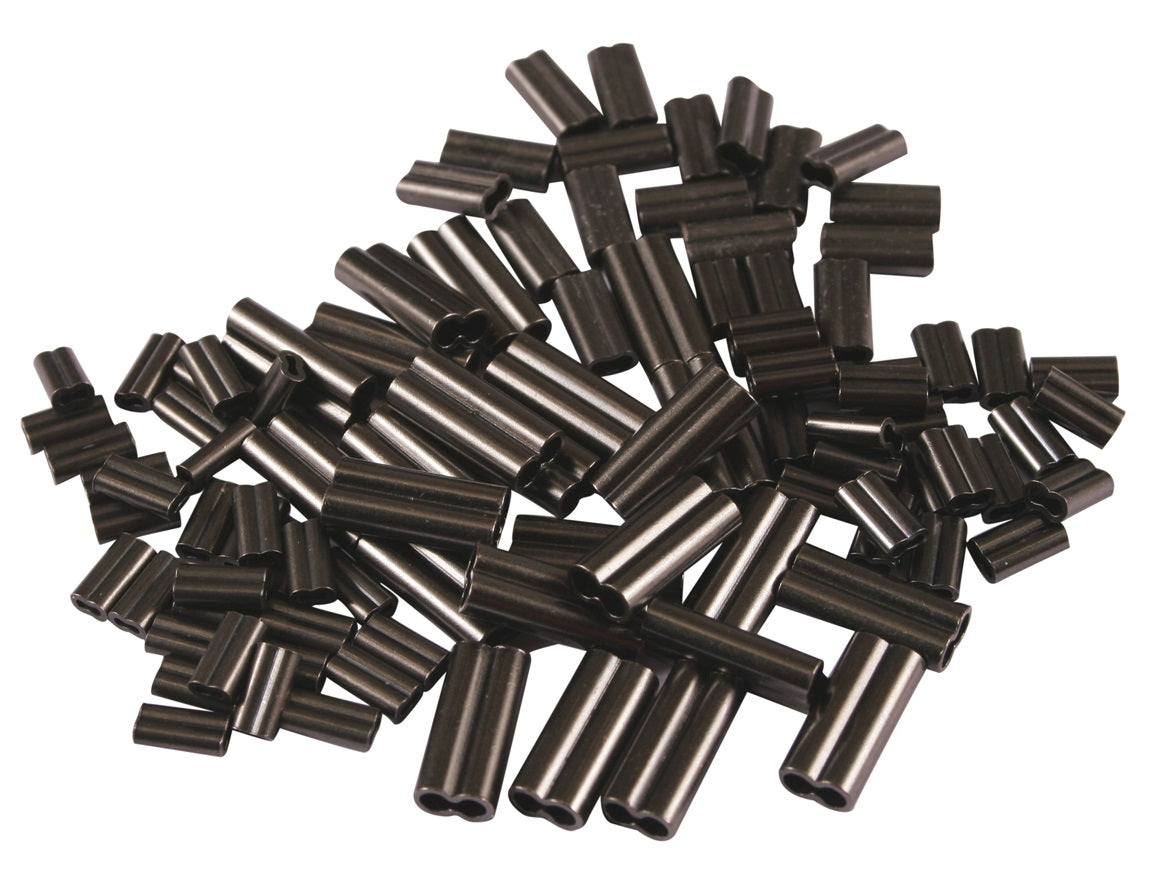


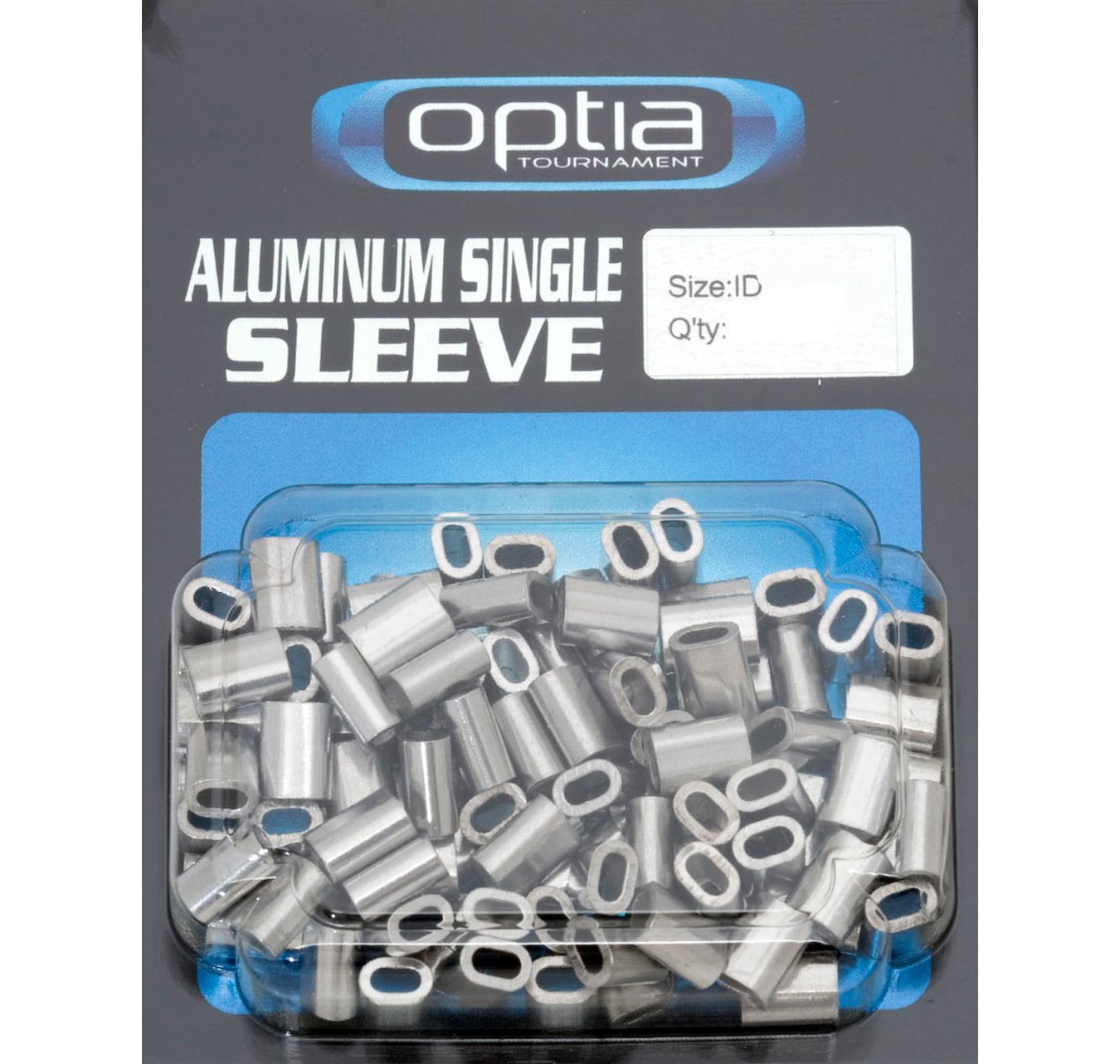

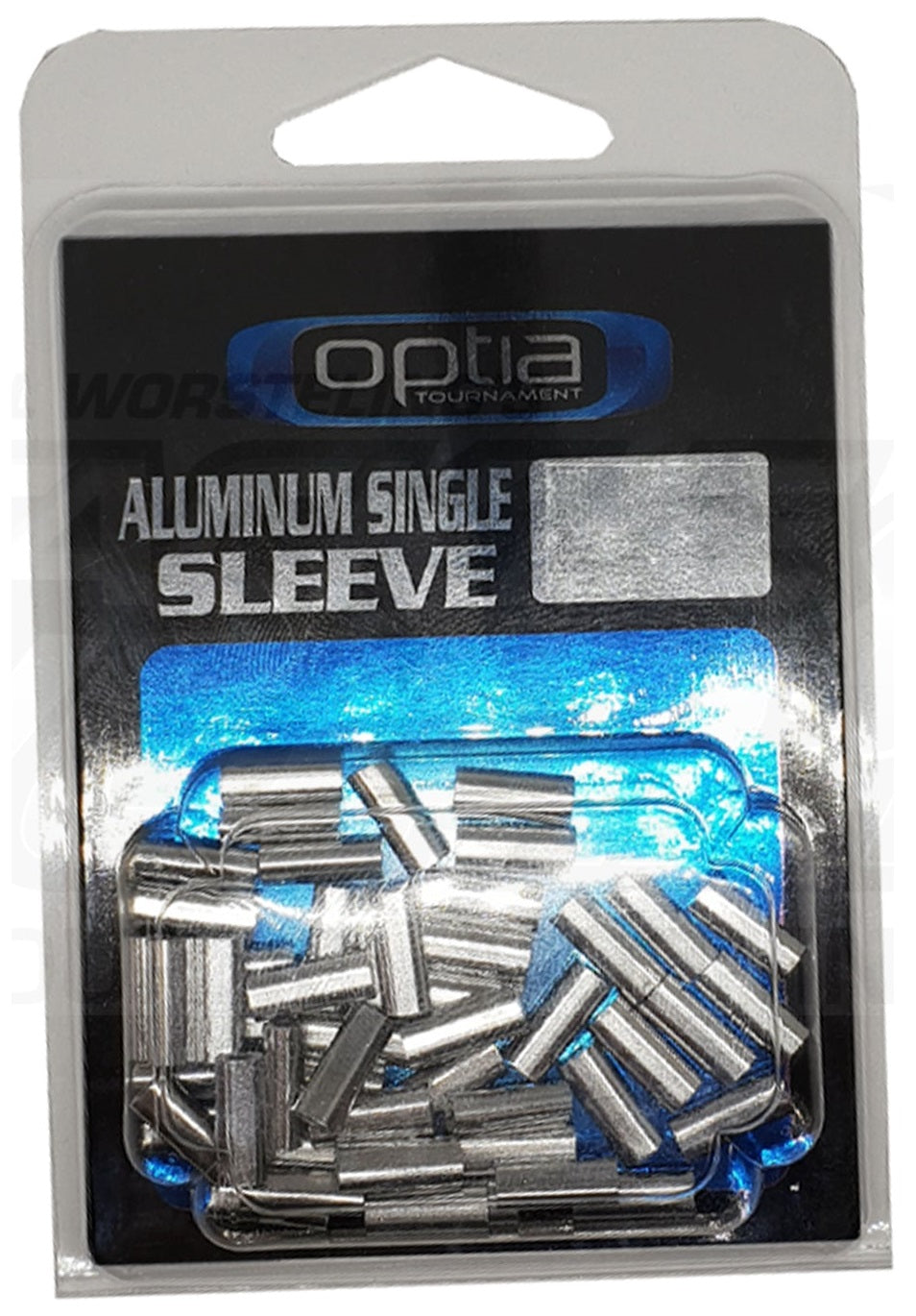


Crimps join heavy leader and wire where a knot either will not hold or would waste too much breaking strain. This range covers single and double barrel sleeves in aluminium and copper, plus the crimping tools and gauge kits to go with them.
Getting a crimp right
Size is the whole game. The sleeve has to match the diameter of the line or wire passing through it — too large and it will not grip however hard you squeeze, too small and you cannot double the line back through. Crimp charts and gauge kits exist because guessing does not work.
Use the right tool. Proper crimping pliers have shaped dies that compress the sleeve evenly around the line. Side cutters and multigrips flatten it instead, which cuts into the leader and creates exactly the weak point you were trying to avoid.
Two crimps are common on heavy game traces, and a length of chafe tube through the loop protects it from the hook eye or swivel. Crimping is the standard join for heavy mono and for wire trace, and the connections themselves are in swivels and snaps.
Frequently asked questions
What size crimp do I need?
One matched to the diameter of your line or wire, not its breaking strain. Crimp manufacturers publish charts, and a gauge kit removes the guesswork entirely.
Can I use pliers instead of a crimping tool?
Not safely. Ordinary pliers flatten the sleeve and bite into the line, which is where the failure starts. Crimping tools have dies shaped to compress the sleeve evenly.
Aluminium or copper crimps?
Aluminium is the general purpose choice for mono and is softer to compress. Copper and brass are usually used on wire. Match the sleeve material to what the manufacturer specifies.
Are crimps stronger than knots?
On heavy leader, usually yes — a knot in thick mono loses a lot of strength and is hard to tie well. On light line a good knot is simpler and perfectly strong enough.